By George Minakakis, Founder and CEO of Inception Retail Group, and Author of ‘The New Bricks & Mortar Future Proofing Retail‘
Be bold and harness the power of AI in operational execution. AI cannot only learn from historical data but also anticipate market trends, understand consumer behaviour before it happens, and make decisions that position your brand ahead of the competition. In the high-stakes world of retail, where every misstep can lead to significant losses, the ability to move beyond the constraints of hindsight, reactive decision-making and missed opportunities, and instead leverage proactive foresight, isn’t just advantageous, it can be ground-breaking. This is the promise of mastering operational execution in the age of AI.
Whether retailers use AI to develop real-time advertising responses to customer queries, virtual shopping assistants, seamless omnichannel integration, AI-powered training and support, or AI-facilitated employee-customer engagement programs, operational execution is imperative to create collaborative efforts between the home office, retail staff, and customers, whether in person or a virtual state.
As someone who has led retail chains, I can tell you there are a lot of good ideas out there, but you can’t stick wings on all of them and hope they’ll fly. The best brands know that once you get past the whys and what’s of your strategic choices, it comes down to the how. Quite often, this is where ideas either take root or fail.
Retailing is, in essence, about operational execution. Even the best-laid plans can lead to ruin without the ability to execute flawlessly. In today’s competitive retail landscape, success hinges on more than just selling products; it requires a strategic alignment on critical initiatives supporting goals and objectives around the consumer, the in-store experience, and employee development. When these initiatives are executed effectively, they create a robust framework that drives brand growth, customer loyalty, and financial performance.
To meet these objectives with strong operational execution, here are three levels to build that foundation. Level 1 focuses on efficiency and consistency, Level 2 emphasizes agility and responsiveness, and Level 3 is about innovation and continuous improvement.
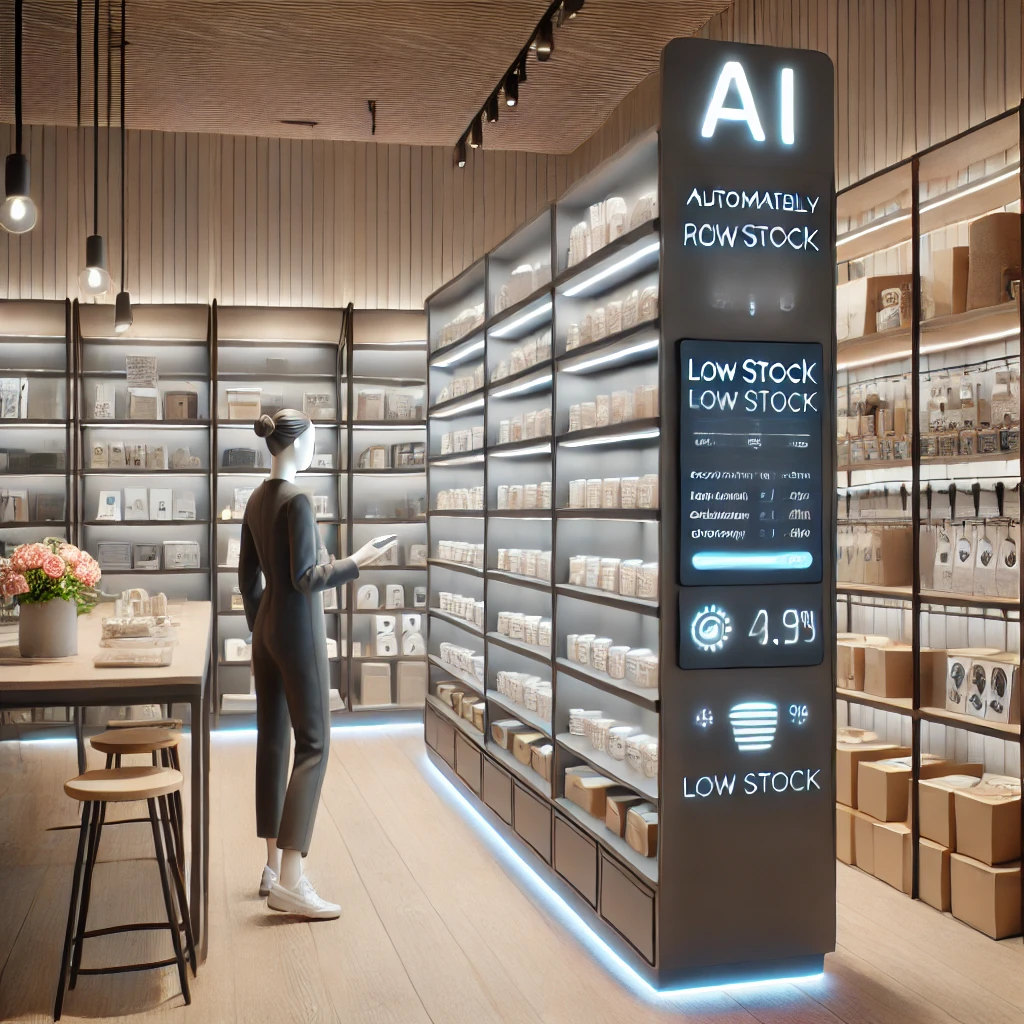
Level 1: efficiency and consistency
While standardized processes might not be popular, retailers must be structured and disciplined from the moment strategic choices are identified to their delivery – a monumental equation in operational execution.
Standardization of processes: Standardized processes are essential for consistency, ensuring that every aspect of the customer experience is predictable and reliable.
Automation of routine tasks: Automate as many routine tasks as possible, allowing staff to focus on delivering excellent customer experiences and developing their skills. Eliminating non-productive tasks enables employees to engage with customers, increasing sales.
Performance monitoring: Peter Drucker famously said, “What gets measured gets managed.” This principle is crucial in operational execution. Without measuring processes and tactics with data, it’s difficult to improve anything.
Level 2: agility and responsiveness
Brands need to respond quickly and effectively to challenges. The rapid transition to AI necessitates real-time data collection and analytics to gain insights into operational performance.
Real-time data and predictive analytics: Using predictive analytics to anticipate issues and opportunities is vital to agility and responsiveness.
Flexible processes: Critical processes should be adaptable to support adjustments that improve customer experiences. Implementing agile methodologies allows for quick adaptations and iterative improvements.
Proactive problem solving: Implement problem-solving teams from the home office to the front lines. The entire brand team is responsible for looking for cause and effect in every aspect of sales and service.
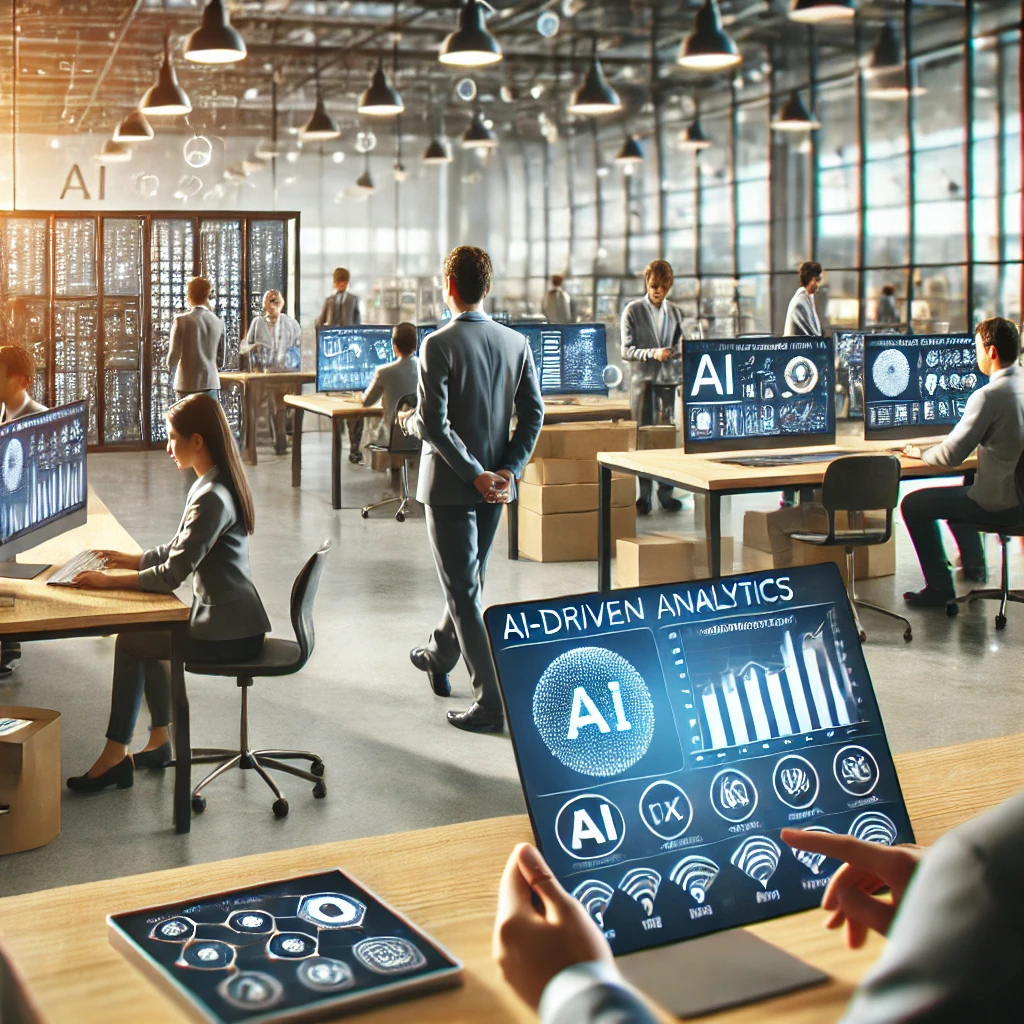
Level 3: innovation and continuous improvement
The highest level of operational execution focuses on continuous and measurable improvements. That means everything that comes into contact with customers and staff.
Vision-driven inclusive culture: Create work environments where diverse perspectives can be heard and evaluated. Involving frontline employees in the change process is crucial for evolution and buy-in.
Continuous learning and development: Invest in ongoing training and development programs to keep employees’ skills and knowledge current. Developing talent from within ensures a long-term connection to the brand.
Integration of advanced technologies: Embrace the industrialization of human and artificial intelligence to develop and deliver next-generation strategies and innovations that will lead the marketplace.
Emotional AI for customer engagement: Introduce AI that analyze customer emotions and tailor interactions accordingly, creating more empathetic and effective customer engagement.
Collaborative AI tools: Implement AI-driven tools that facilitate communication and collaboration between home office and retail staff, ensuring seamless communication and alignment across all levels of the organization.
Fostering innovation
As we strive to retain and gain more customers through enhanced customer experiences, training, and developing talent, we must provide all the resources needed to foster innovation. While AI, data, and machine learning are powerful, they offer no guarantee of competitive advantage. It is the human ability to create the right offerings, experiences, and innovations with sound operational execution that will ultimately yield the most significant results.
*This article originally appeared in Retail Insider the magazine. You can read the latest issue here.
——-

George Minakakis is the CEO of Inception Retail Group, author of three books, and keynote speaker.
Other articles featuring George Minakakis include Video Interview: George Minakakis Discusses the Biggest Mistakes Retailers are Making Today