The retail landscape in Canada is facing new challenges following the implementation of U.S. tariffs on Canadian goods. As trade tensions escalate between the two nations, retailers and grocers are adjusting their strategies to support Canadian consumers while mitigating cost increases.
Per Bank, CEO of Loblaw Companies Ltd., issued a statement on LinkedIn outlining the company’s proactive measures to counter the effects of the tariffs. His message underscores Loblaw’s commitment to supporting Canadian suppliers, sourcing alternatives, and advocating for policies that minimize economic harm to consumers.
Navigating a Trade War: Loblaw’s Strategy for Canadian Consumers

“This marks the beginning of a trade war between Canada and the United States,” Bank stated. “Misguided threats of sweeping tariffs from American leadership have resulted in necessary counter-tariffs here at home.”
Bank acknowledged growing concerns among Canadian households, particularly regarding the cost of food and other essential goods. Inflation has already impacted grocery prices, and additional tariffs could exacerbate the situation. In response, Loblaw is implementing a four-point plan to shield consumers from the worst effects of these economic policies.
1. Strengthening Canadian Supply Chains
Loblaw has long been one of Canada’s largest purchasers of domestically produced goods. With the tariffs now in effect, the company is intensifying efforts to source food and other products from within Canada.
“We’re looking for new ways to secure as much food as possible that is grown, made, or prepared in Canada,” said Bank.
As part of this effort, Loblaw has already onboarded 30 new Canadian suppliers in 2025, bolstering its commitment to domestic sourcing. The company says sit continues to work closely with local farmers and manufacturers to ensure stable inventory levels despite trade restrictions.
2. Exploring Alternative Sourcing Options
While Canada produces a significant portion of its own food, some products—such as certain fruits, vegetables, and specialty items—are traditionally imported from the U.S. Due to the tariffs, Loblaw is now seeking alternative suppliers from other global markets.
“Our goal is comparable quality and price,” said Bank, emphasizing that the company is actively vetting international suppliers to supplement gaps in the supply chain. The move is intended to prevent drastic price hikes while maintaining product availability for consumers.
3. Promoting ‘Made in Canada’ Products to Consumers
Consumer nationalism is rising in response to the trade dispute, with many Canadians opting to support domestic brands. Loblaw is reinforcing this trend by making it easier for customers to identify Canadian-made products in-store and online.
- New store signage: Loblaw is rolling out in-store labels that highlight products prepared in Canada, including those affected by tariffs.
- Marketing initiatives: Promotional flyers and digital campaigns will feature more Canadian products.
- Loyalty incentives: PC Optimum points will be offered for purchasing Canadian-made goods.
- PC Express swap option: Customers using the online platform will be able to substitute American products for Canadian alternatives.
4. Advocating for Canadians Amid Trade Uncertainty
Loblaw is also taking an active role in discussions with government and industry stakeholders to address the broader economic implications of the tariffs.
“This includes asking the Canadian government to exempt the most essential U.S. products from possible counter-tariffs, especially where customers have limited alternatives,” said Bank.
While Loblaw says it remains committed to working within the new trade framework, the company is urging policymakers to consider consumer interests in future negotiations.
The Bigger Picture: Canada’s Retail Sector Braces for Change
The implementation of U.S. tariffs has sent shockwaves through Canada’s retail industry. Other major grocers, including Metro, Sobeys, and Walmart Canada, are similarly adjusting their sourcing strategies. Some retailers have already raised prices on affected products, citing increased costs from suppliers.
Beyond grocery stores, Canadian manufacturers and exporters are feeling the strain, with concerns about supply chain disruptions and declining sales to U.S. markets. Small businesses, in particular, may struggle to absorb additional costs, leading to higher prices for Canadian consumers.
The full economic impact of the tariffs remains to be seen, but industry analysts warn that long-term inflationary pressures could reshape shopping habits and retail dynamics across the country.
Loblaw: A Canadian Retail Giant Adapting to Change
As Canada’s largest grocery and pharmacy retailer, Loblaw Companies Limited is uniquely positioned to navigate the turbulence caused by the tariffs. Founded in 1919 and headquartered in Brampton, Ontario, Loblaw operates over 2,500 stores nationwide, spanning supermarkets, discount grocers, and specialty food outlets.
The company’s diverse portfolio includes:
- Superstores: Real Canadian Superstore, Maxi, and Dominion
- Conventional supermarkets: Loblaws, Provigo, and Zehrs
- Discount retailers: No Frills and Maxi
- Specialty stores: T&T Supermarket (Asian groceries) and Joe Fresh (apparel)
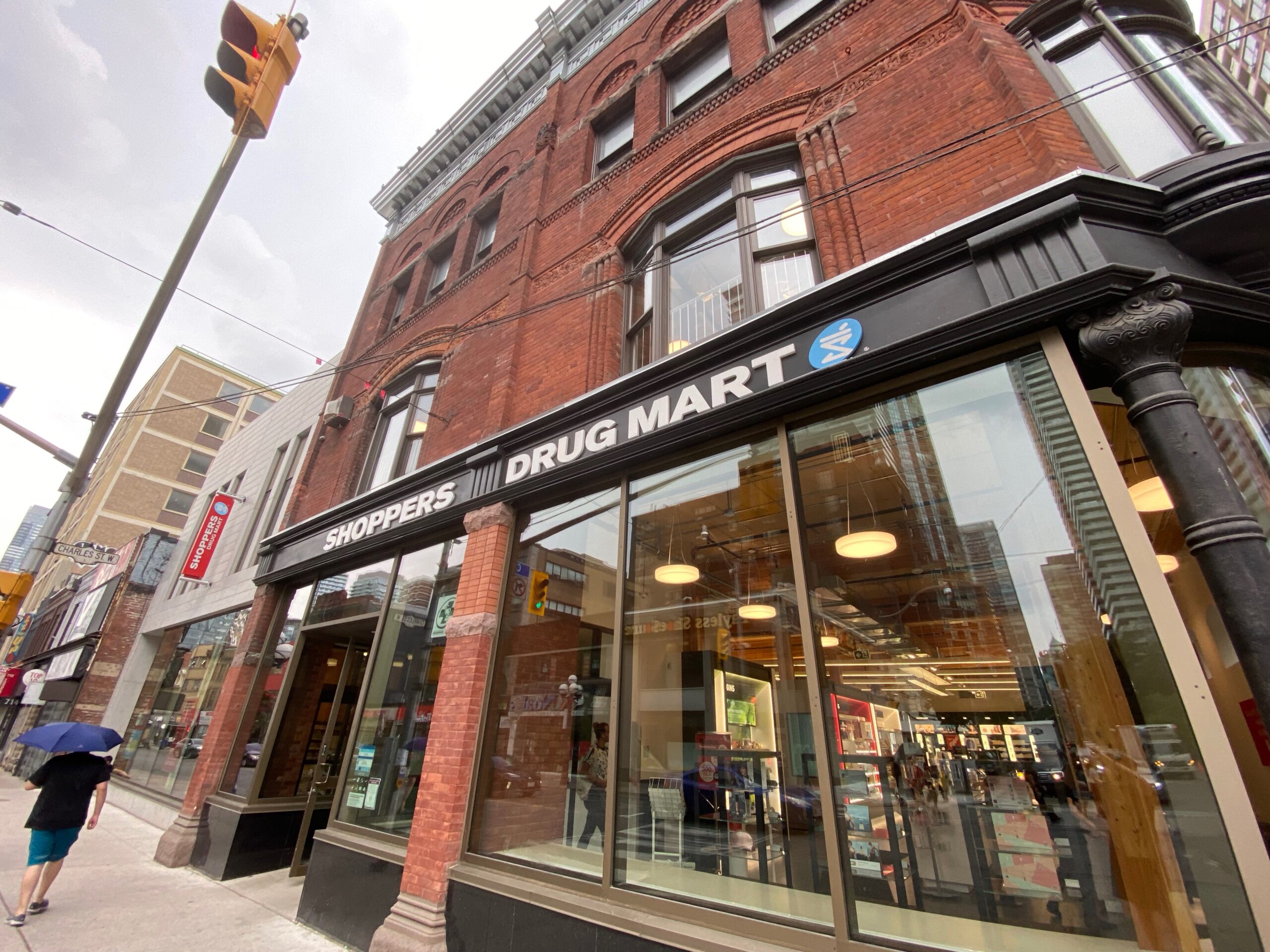
- Pharmacies: Shoppers Drug Mart and Pharmaprix
Loblaw also operates President’s Choice Financial, offering banking and financial services to Canadian consumers.
In early 2025, the company announced a $2.2 billion investment plan to renovate stores, open new locations, and create 8,000 new jobs.