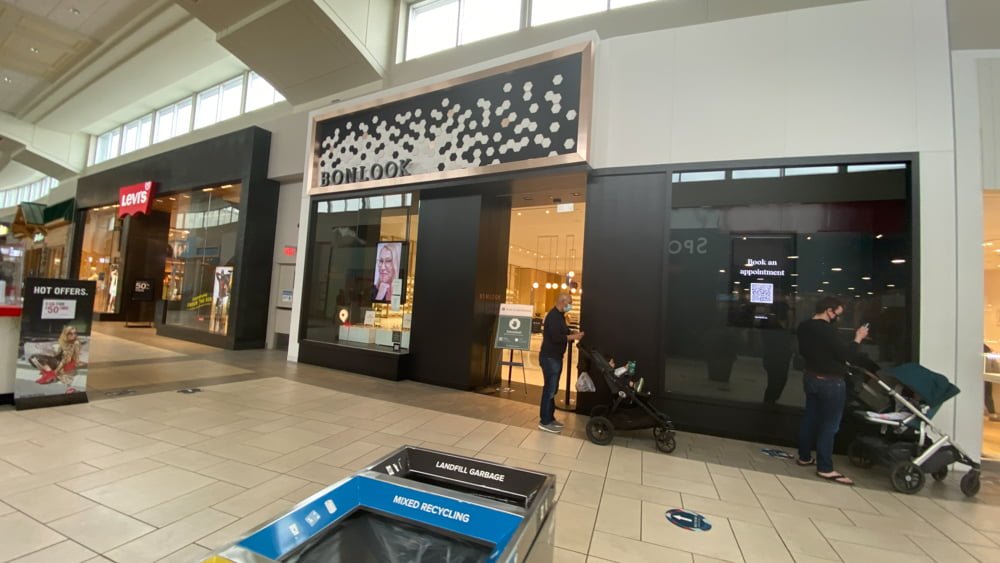
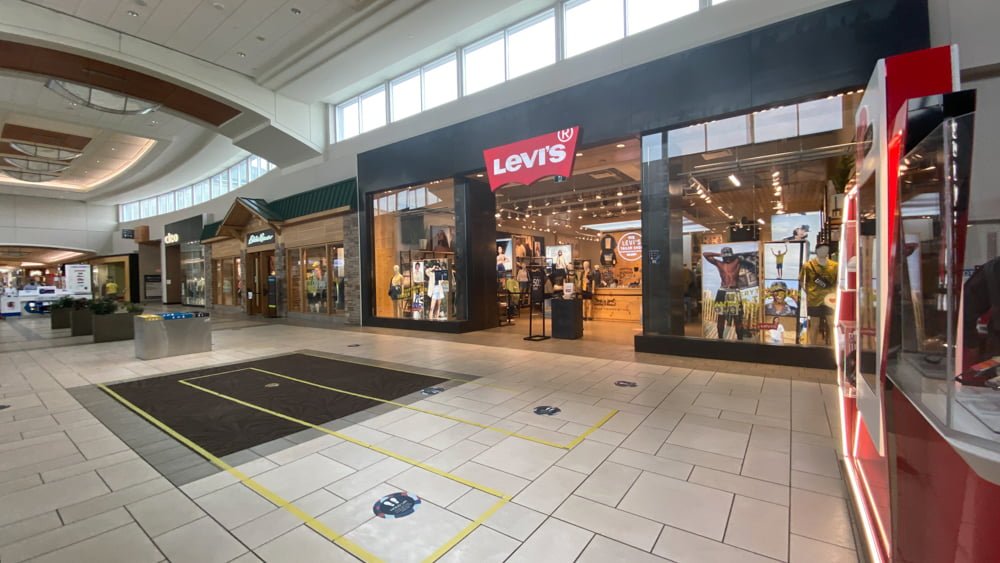
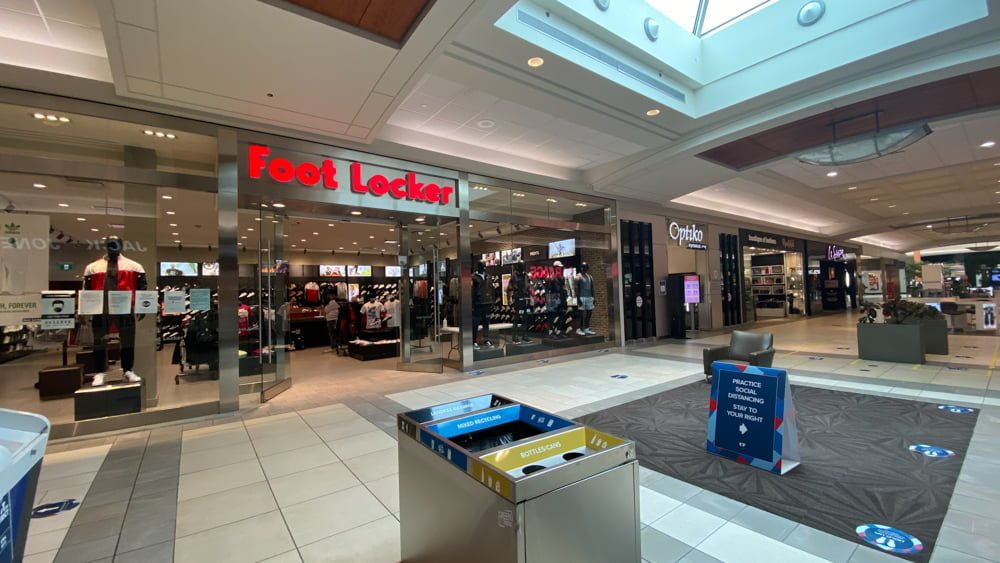
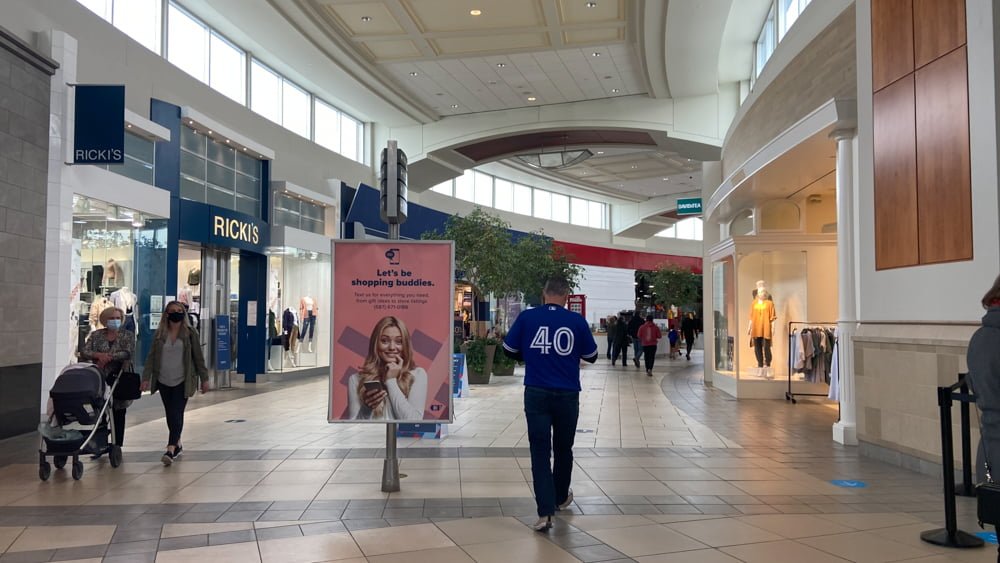
The COVID-19 pandemic has changed the way consumers shop. In this sense, the retail sector has sustained more change than any other industry. In many areas, local shops that once managed pure brick-and-mortar outlets suddenly found themselves forced by regulators to close their doors to foot traffic, while in other areas, people voluntarily chose to shop online, forcing merchants’ hands.
In this climate, only those who transformed to offer omnichannel experiences – with ecommerce shopping cart-enabled websites or social commerce sales channels, along with fulfillment via delivery services or curbside pickup – have been able to thrive.
Once they started to offer pickups and deliveries Toronto-based Great Lakes Brewery was able to rehire much of its laid-off staff. “We were shocked at how quickly it started gaining momentum. It was unbelievable,” owner Peter Bulut told the press. “When life gets back to whatever normal is, we’ll keep going with it.”
Research conducted by Ottawa-based platform Shopify shows that 52% of buyers shifted the majority of their spending online compared to before the pandemic, with 51% indicating they were uncomfortable shopping in a physical store. These findings don’t mean that brick-and-mortar retail is dead, however, with 40% of consumers surveyed by Shopify indicating that they’ve opted for curbside or “buy online, pickup in store” (BOPIS).
First-time online sellers often discover that digital sales channels bring a whole host of conversion rate optimization (CRO) issues. Especially if you’re used to helping customers with their purchase decisions face-to-face, it can be tough to figure out where to begin with CRO.
Here are three tips that will help you increase your online shop’s conversion rates.
Get to know your customer
Your physical store offers you the opportunity to get to know your customer better. The previously mentioned Shopify survey indicates that 61% of consumers still plan on buying from local and independently owned shops in a bid to support small businesses.
Create surveys and reach out to your existing customers to get to know their reasons for shopping with you. Which products do people love the most, and why do they have these preferences?
Also, structure your questionnaires and interviews so that you receive clear answers. For instance, when asking consumers about a product preference, most interviewers provide them a scale from 1 to 10. The numbers in this range will be interpreted differently by everyone. Therefore, stick to 2 or 3 choices when providing customers response options. It reduces the variance in their responses, and you’ll receive a clearer picture of their motivations.
Once you’ve gathered data, you’ll start to see ways that you can segment your customer base according to a few broad categories. Note the common characteristics of these categories and design your online sales channels to appeal to their motivations.
For instance, one category might be consumers aged between 25 and 34 who prefer in-store pickup for certain electronic products. Prioritize these items for in-store or curbside pickup and make sure your website communicates this fact. Older consumers might prefer a certain payment method, so make sure you offer them that convenience. The aim is to optimize your website to appeal to the needs and values of your customer segments.
Analyze available purchase habit data
Smaller retailers have traditionally resorted to doing everything manually, but in a data-driven world, this approach won’t deliver results. At the very least, retailers need Customer Relationship Management (CRM) software that helps them map all data related to individual prospects.
For instance, your CRM software will inform you how often a customer shops at your store, their preferred delivery options, their preferred payment methods, the number of times they abandoned their online shopping cart, and so on. You can then compare your metrics to your competitors’ and evaluate where your ecommerce conversion rate stands.
Digital sales channels are numbers-driven, and it’s possible to scientifically plot your way to the top. By evaluating your metrics against industry-wide benchmarks and competitor results, you’ll know exactly where you stand. Once you make changes to your website, your metrics will reveal how effective those changes were.
Competitor analysis also comes in handy when evaluating traffic sources. All online sellers rely on keyword searches. By examining your competition, you’ll know which keywords are the most profitable for them, which social media channels work the best, and even which ad copy is the most effective.
By emulating the best aspects of your top performing competitors’ strategies, you’ll drive more relevant traffic to your website and automatically increase your conversion rates.
Offer more personalization
Personalization is the key to a great shopping experience. It’s easy to personalize an in-person sales process. However, doing this online requires you to prepare ahead of time. It all begins with data collection and analytics.
Tools like Google Analytics are indispensable these days. These software allow you to view your average customer’s journey. Notice which pages they land on the most and how quickly they click to another page. Which are the most common pages they visit after the first landing page, and how long do they spend on those pages?
An analytics software package can give you a visual representation of how your customer proceeds through your website. Note the places where the largest drop-offs occur and analyze why this happens. The copy on that page might be turning people off, or perhaps the images you’re displaying there might not be attractive enough.
The design elements might also lack the standards that your customers expect. Upon checkout, make sure to offer your customers complimentary products or the chance to unlock loyalty discounts. Connect your CRM to your email marketing software to tailor individual campaigns and offer something to everyone.
Over time, your customers will recognize your personalization efforts and will reward you with their spending. A lot of this process is about testing options. Don’t expect your first design or copy change to instantly yield major conversion lift. Test different versions and run with the versions that give you the best results.
Constant improvement
Optimizing your conversion rate isn’t a one-time deal. It’s a constantly evolving challenge that requires you to test and optimize for your customers. Keeping track of your metrics and measuring conversion rates will give you all the insight you need. Use the right tools, and you’ll position yourself to thrive in the new normal.
The Weekly podcast by Retail Insider Canada is available on Apple Podcasts, Stitcher, TuneIn, Google Play, or through our dedicated RSS feed for Overcast and other podcast players.
Drop us a line at Craig@Retail-Insider.com. You can also rate us in Apple Podcasts or recommend us in Overcast to help more people discover the show!
Background Music Credit: Hard Boiled Kevin MacLeod (incompetech.com). Licensed under Creative Commons: By Attribution 3.0 License. http://creativecommons.org/licenses/by/3.0/
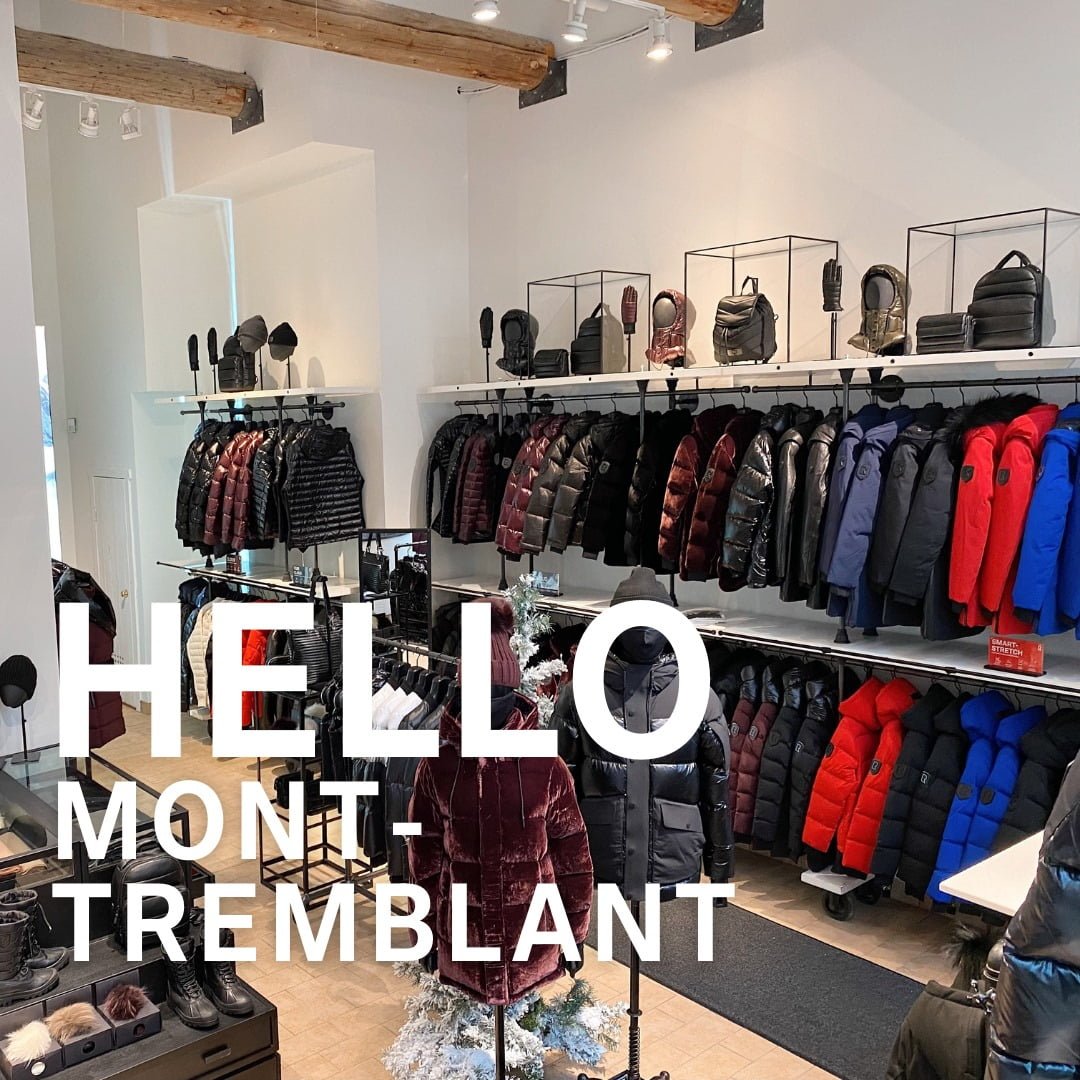
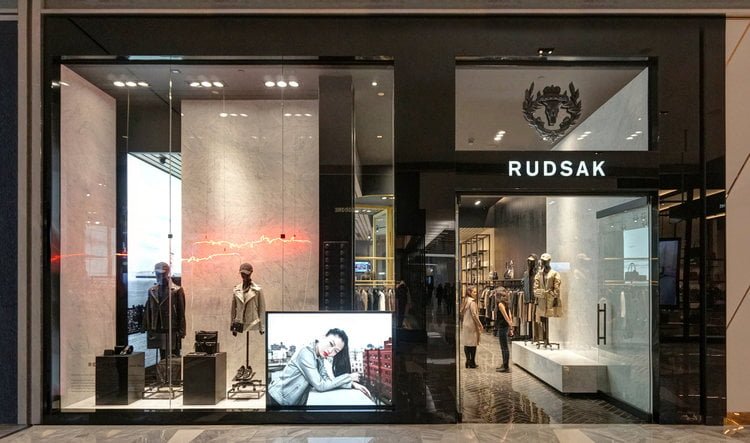
Canadian fashion and outerwear brand Rudsak is shifting gears amid the pandemic by re-evaluating its operations while innovating to meet consumer demand. With that, the company is reducing its physical store count while shifting sales online with an eye to the future guided by analytics and technology. The company is moving further to a direct-to-consumer model with a heavy focus on outerwear with sustainability being an important component.
Founder Evik Asatoorian told Retail Insider that his company is making significant changes to its operations based on learnings over the course of the pandemic. Online sales have already grown by 300% and by the fall, about 50% of the company’s sales will be online. That’s a significant jump from 2019 when the brand had 34 stores across Canada with sales primarily being in physical locations.
That store count will eventually be reduced to between 15 and 20 stores across Canada, according to Asatoorian, who explained that many brands no longer need an expansive store count to meet consumer demand. Many of Rudsak’s leases have been coming due recently and the company is working with landlords on what makes the most sense for the brand’s physical footprint. Asatoorian said that markets such as Montreal and Toronto should ideally have three or four physical storefronts.
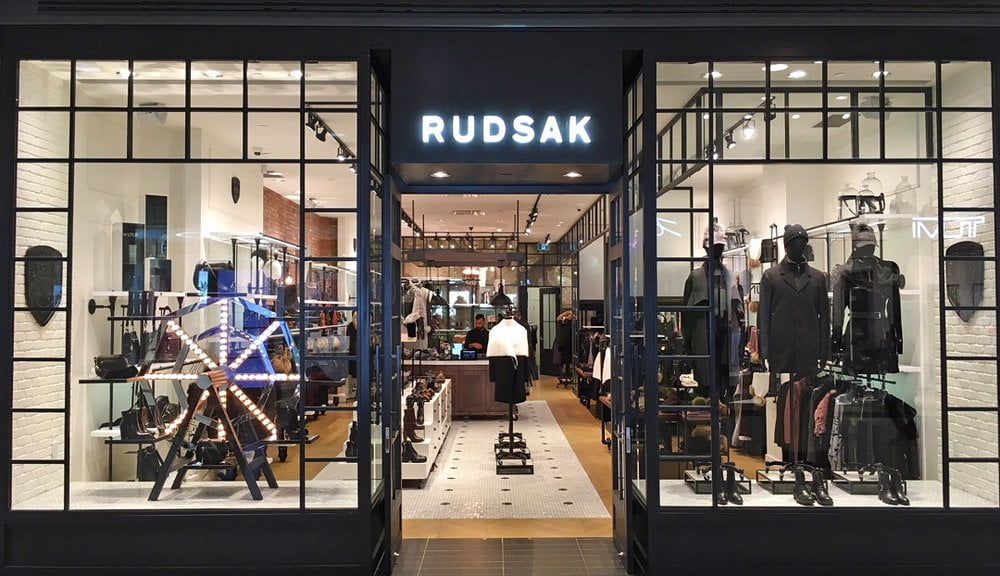
Image: Rudsak at CF Toronto Eaton Centre
“Consumers will always need a retail space to discover and experience the product as well as to be served,” said Asatoorian. The company ultimately grew to have too many stores he said. “We opened stores in places that we shouldn’t have.” Moving forward, Rudsak’s concept stores will aim to be experiential with attractive interiors and exceptional customer service including in-store private styling appointments. “We’ve seen a change in how consumers purchase and what they look for, so we have optimized our e-commerce and in-store experience to cater to those needs”, he went on to say.
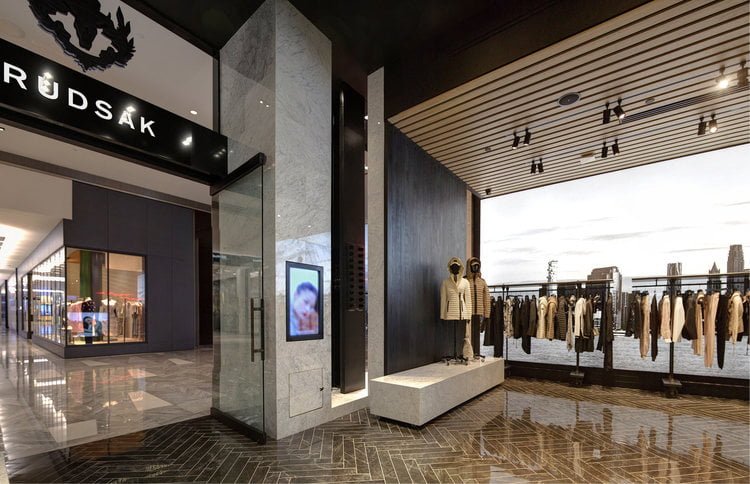
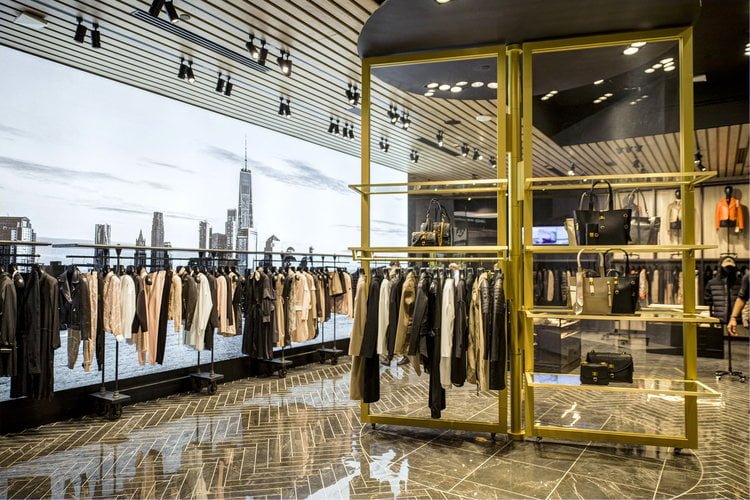
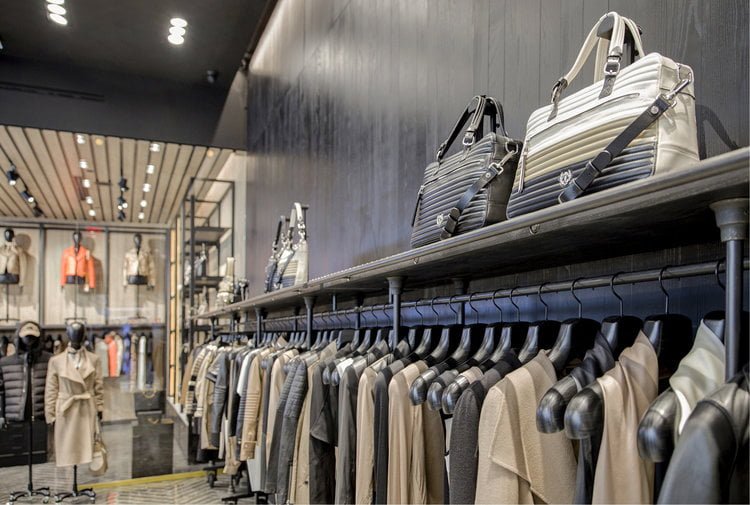
Rudsak is also expanding internationally after opening a store at the Hudson Yards in New York City in the spring of 2019. A pop-up strategy is being implemented which included a storefront in New York’s Soho area. An expansion into Asia is ongoing with China as a focus.
Analytics are a key component to learning about the consumer in new markets according to Asatoorian. He explained how data from pop-up stores can be used to gage where new stores might open, including markets such as Chicago if demand is determined.
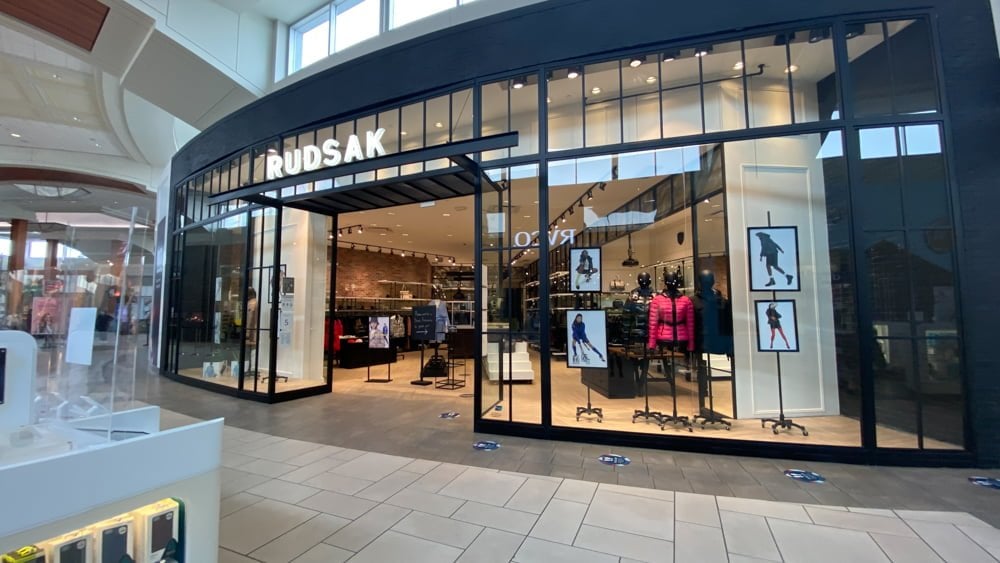
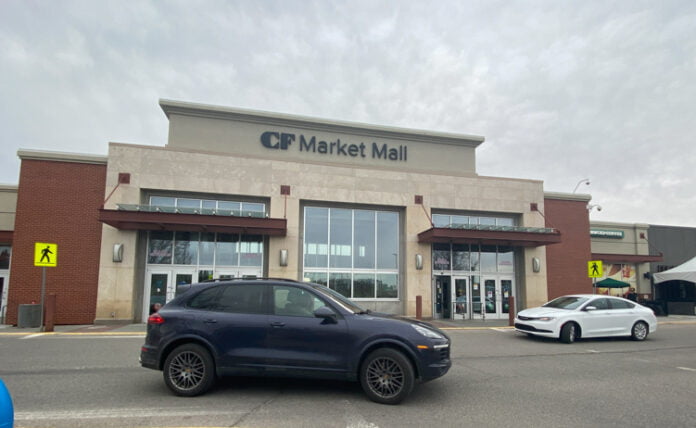
Rudsak at CF Market Mall. Photo: Jessica Finch
Rudsak’s operations are also shifting primarily to a direct-to-consumer model according to Asatoorian, as consumers are drawn both to the brand’s stores and online channels. As a result, some wholesale accounts at multi-brand retailers have been dropped while strategic partnerships are maintained. The standalone Rudsak stores allow it to control merchandising, staffing and overall brand presentation which is strategic as Rudsak launches new product lines as part of a shift for the brand.
That includes gender neutral coats and puffers that launched in the fall of 2020 under Rudsak’s Unified Capsule Collection. Neutral silhouettes “challenge fashion’s once-rigid gender norms” according to the company. For this spring, Rudsak said that it is unveiling “a fresh new palette of bold hues to usher in the warmer months. This vibrant collection embodies all the hallmarks consumers have come to expect from Rudsak including streamlined tailoring and technical construction infused with luxe fabrics.” Details, like four-way stretch and durable ripstop deliver the movement.
Outerwear will become the primary focus for Rudsak moving forward according to Asatoorian, with about 95% of the brand’s offerings dedicated to coats for the seasons. Currently 10-20% of Rudsak’s offerings include other fashion items such as accessories, footwear and clothing.
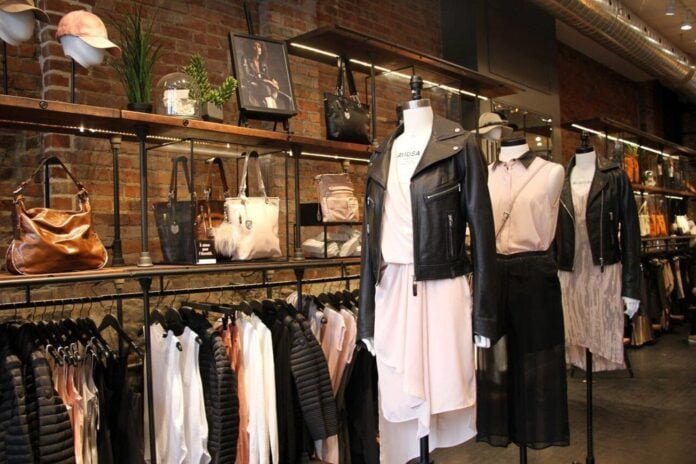
Image: Rudsak
Image: Rudsak
A partnership with Uber is seeing Rudsak become the first outerwear brand to offer home delivery in less than an hour. Asatoorian said that Rudsak is continuing to look at how the consumer shops and what other innovations might drive loyalty. One in the works is virtual stylists who will be able to assist customers online.
One innovation involves a partnership with Montreal-based Heyday which facilitated a chatbot function on Rudsak’s website which is able to answer about 60% of common customer queries without the need for a human answer. It allows Rudsak’s employees to focus on better serving the customer through online channels with a more curated service.
Rudsak’s shift-to-virtual also includes its staff, with about 75% currently working from home. Asatoorian said that the company is seeing success with employees working from home, including efficiencies. One example is product knowledge meetings which were time consuming and involved travel — the brand is now able to do them online which saves both time and money.
Sustainability is also a focus for Rudsak according to Asatoorian, with 99% of garments having something recycled — that’s up from 80% of garments last year. Recycled leather is one innovation being introduced as part of Rudsak’s aim to be more eco-friendly. Recycled fabrics are also being used as well as its signature lightweight down.
Rudsak - Hudson Yards (Photos by KCG Architects)
1 of 4
Rudsak - Hudson Yards (Photo by KCG Architects)
Rudsak - Hudson Yards (Photo by KCG Architects)
Rudsak - Hudson Yards (Photo by KCG Architects)
Rudsak - Hudson Yards (Photo by KCG Architects)
Evik Asatoorian designed a black leather jacket as “a symbol of non-conformity” in 1993 and a year later he founded the Rudsak brand. In the early 2000s he opened the brand’s first store in downtown Montreal. The brand’s aesthetic aimed to be urban, modern and with an edge which has carried it to this day. Rudsak describes its design ethos as being “cool rebellious spirit, traveling seamlessly between art, music and design”. Prices are generally in the hundreds of dollars for a man or woman’s coat with some styles surpassing $1,000.
Competition is fierce in the outerwear space in Canada as brands continue to fight to gain market share. Toronto-based Canada Goose has been opening stores globally as part of its brand building, as is Montreal-based Moose Knuckles which is also opening stores in major markets with a mix of permanent and pop-up spaces. Montreal-based Mackage and Quartz Co. are opening stores to attract consumers, while Toronto-based Nobis recently downsized to one Canadian storefront on Queen Street West after shutting a location in Yorkville. Other brands such as Wuxly Movement are also looking to gain market share while offering vegan-friendly options not using any animal products. One notable trend seen among many outerwear brands is a shift to direct-to-consumer models as brands see the benefit of selling to customers through non-wholesale channels.
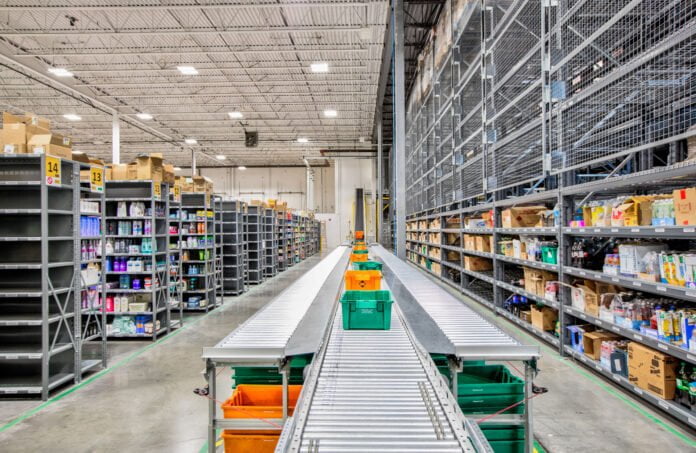
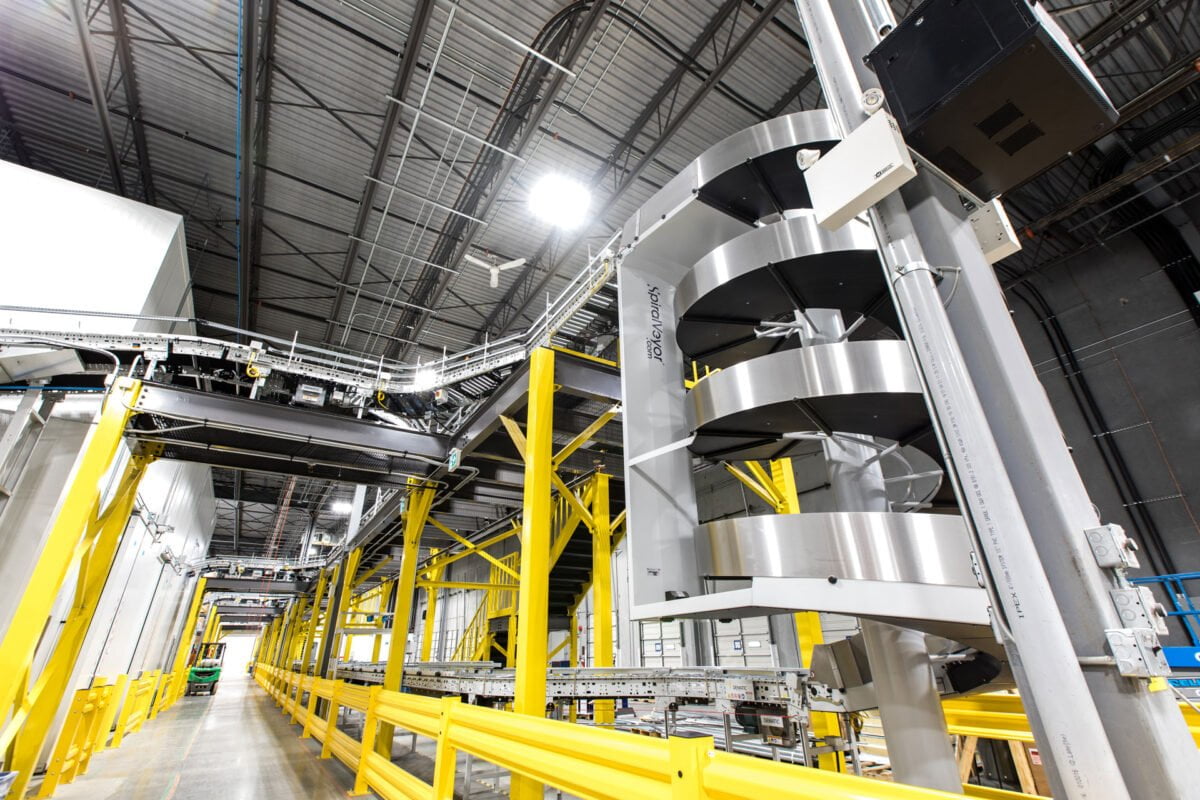
COVID-19 has precipitated a need among grocers to find new and innovative solutions that will enable them to keep up with growing online demand while continuing to meet increasing consumer expectations. One option is to move online order fulfillment out of the stores and into fulfillment centers, such as in this one operated by SPUD.ca
Impacts of the COVID-19 global pandemic have changed just about everything we do and the ways in which we do them. For grocers, the effects have been significant. Highlighted by greatly reduced brick-and-mortar traffic and a reciprocal acceleration of online consumer activity and sales, the sector is currently undergoing a seismic shift toward digital operations. It has precipitated a need among grocers to find new and innovative solutions that will enable them to keep up with growing online demand while continuing to meet increasing consumer expectations. It’s all part of a massive disruption to the industry says Corbin Bourree, SVP eCommerce at SPUD.ca, and is one that he believes will only intensify going forward.
“Everything changed overnight last March,” he asserts. “Our website traffic immediately spiked to 600 percent year-over-year. It was absolutely incredible to see how quickly consumers became aware of online grocery, which amounted to less than one percent of total Canadian grocery sales prior to COVID. It’s on pace to be somewhere in the four to six percent range by the end of 2021 and will likely move into double-digit market penetration.”
Bourree says the expectations of the quality of service and produce, the timeliness and visibility of the delivery, as well as tertiary considerations like sustainability and reduced packaging, have all been raised. “The rate at which online grocery in Canada has evolved over the course of the past 13 months is staggering, accelerating adoption by five to ten years,” he says.
eGrocery revolution
“The rate at which online grocery in Canada has evolved over the course of the past 13 months is staggering, accelerating adoption by five to ten years,” says Corbin Bourree, SVP eCommerce at SPUD.ca.
Founded in 1997 with a mission to improve the health of Canadian communities by connecting them to local and organic food, SPUD.ca (a subsidiary of Freshlocal Solutions, Inc TSX-LOCL) has since rapidly developed into one of the country’s largest online grocers. Servicing parts of British Columbia and Alberta, the company’s logistics platform is built on Microsoft Dynamics 365 and is hosted on Microsoft’s Azure Cloud to prepare and deliver grocery orders faster and better. Although some of its recent successes may be rooted in the escalation of online trends, most of it can be attributed to the integrated food business ecosystem that it began to form long before the onset of the pandemic. It’s comprised of its online retail, commissary/food preparation services and distribution, as well as community retail locations, including two Be Fresh Local Market stores in Vancouver – the first of which opened in 2015 – and five Blush Lane Organic Markets in Alberta.
It’s an ecosystem that has allowed the company to scale and build awareness among consumers, infusing its operations with a level of agility that’s also contributing to its ability to seize the opportunities of the day. However, its greatest asset is the innovative thinking. It’s a mindset that’s resulted in a number of achievements for the company through the years, culminating recently in the formalization of FoodX Technologies – a scalable end-to-end eGrocery Management Solution (eGMS) built on Microsoft Dynamics 365 for brick-and-mortar grocers looking to build a profitable online business. The state-of-the-art grocery fulfillment platform allows multiple banners from each retailer to access industry-leading technology, warehousing, food preparation and delivery services, as well as a front-end ecommerce platform, reporting and analytics, and inventory management. It’s the holistic solution that’s helping SPUD.ca support the evolving needs of online grocery fulfillment, and one that Jef King, CTO at FoodX, says could help revolutionize any online grocery efforts.
“We’ve got the advantage of being in business in this space for more than 20 years,” says King. “For grocers leveraging the FoodX platform, it provides them with a truly end-to-end solution that will support their operation and help them implement and utilize warehousing to maximum efficiency. We leverage a mixture of the best human input and high-tech systems. We believe it’s a combination that provides any retailer with the flexibility to offer their customers exactly what they want.”
King reinforces that to be competitive in this market, online has to be a component of a retail business. “FoodX is poised extremely well in the technology space to provide that flexibility for retailers and to help open doors to possibilities that they didn’t even realize existed,” he says.
Digital transformation
Founded in 1997 with a mission to improve the health of Canadian communities by connecting them to local and organic food, SPUD.ca has since rapidly developed into one of the country’s largest online grocers.
Bourree agrees, citing the platform and its supporting technology as an “absolute game-changer” for any retailer looking to not only enhance their service and offering, but to take it to a whole new level. One retailer that’s taken FoodX up on its potential is Carrefour Group, a global leader in the grocery industry, with the commencement of operations of Carrefour’s new eCommerce fulfillment center in Belgium. According to Bourree, the platform’s potential is still very much untapped, adding that much of its continuously expanding capabilities and uses are being fueled by the data that it generates.
“Traditionally, Canadian grocery retailers rely on loyalty programs to gain data insights that are purely tied to point-of-sale transactions,” Bourree explains. “If you look at any unique order powered by the FoodX platform, you’re generating north of 200 data points per order when considering things like delivery preferences, substitution preferences, allergen concerns and more. The ability to take this data, leverage Microsoft Azure cloud capabilities and apply the human intelligence and capital that we’ve built up over two decades, along with machine learning and expertise that we’ve recently acquired, it totally transforms a grocer’s ability to serve the customer.”
Bourree notes that ecommerce allows for a forward look that can gain purchases in advance of shipping them. “It’s why our food waste is less than 0.5 percent of sales,” he says. “It also allows us to maximize fill rates for customers, often trending above 99.5 percent as opposed to the 97-98 percent in-store fill rate that many grocers target. Combining FoodX’s knowledge and know-how with the advanced technology that it leverages makes for an incredible customer experience.”
Attention to detail
“For grocers leveraging the FoodX platform, it provides them with a truly end-to-end solution that will support their operation and help them implement and utilize warehousing to maximum efficiency. We leverage a mixture of the best human input and high-tech systems” says Jef King, Chief Technical Officer of FoodX.
King recognizes the importance of the customer experience, stressing that every decision to modify the FoodX technology is made with the consumer in mind. He points to the FoodX team and the attention and considerations that they pay toward improving every step of the online grocery journey as the real strength of the operation. He also suggests that the power of the warehouse and the underlying software that supports it cannot be underestimated.
“Inventory is the most critical piece of data within the warehouse,” he says. “Most of our successes are based on our depth of knowledge of the inventory in our systems. We run our warehouse on the Microsoft Dynamics 365 cloud offering. It allows us to optimize our inventory management and provides us with the flexibility to do a lot of innovative things and build a number of systems around it. It’s a vital layer of our business that enables a significant amount of creativity, agility and accuracy when it comes to our warehouse operations.”
Retail industry leaders are constantly looking for new ways to optimize operations, transform products, empower employees and engage customers. This is an era when connecting customers, products, people and data wins. Microsoft Dynamics 365 offers a modern and familiar experience with built in insights, intelligence and workflow.
Blurring the lines
FoodX Technologies offers a scalable end-to-end eGrocery Management Solution built on Microsoft Dynamics 365 for brick-and-mortar grocers looking to build a profitable online business.
As consumer preferences and habits continue to shift toward the ease and convenience of the online experience, grocers across the country are advancing their digital strategies and enhancing their ecommerce capabilities. Online offerings that consistently provide best-in-class service and delivery performance will be critical going forward, not only with respect to the success of grocery operations, but to their continued evolution as well. And, according to Bourree, these expectations of the consumer aren’t going to subside any time soon.
“The big term around 2010 was omnichannel. We’re only now truly seeing and understanding what that can mean. We’re going to start to see a real blend between online and in-store shopping visits, more so than we ever experienced prior to the pandemic. Consumers will continue to adopt ecommerce and services like click-and-collect and use them more frequently. It’s going to continue blurring the lines of the marketplace. And, there will also be an increase in the consumer’s demand for a more seamless and personal mobile offering. It’s going to allow grocers with the right platforms and systems to leverage even more data to become more predictive and create a level of personalization throughout the consumer’s journey, entrenching their trust in and desire for online offerings further.”
Exterior Signage for CF Market Mall. Photo: Jessica Finch.
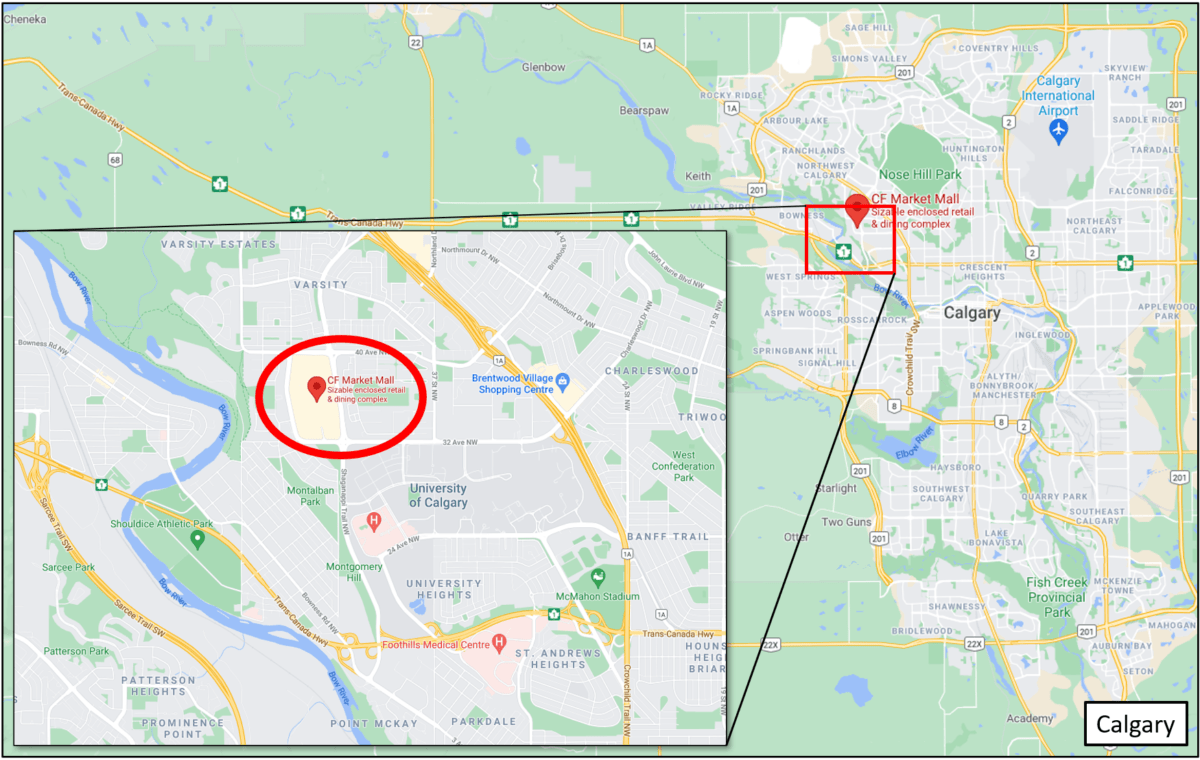
Retail Insider continues its Photo Tour series of Canadian malls to provide a glimpse into shopping centres which may be less frequented lately due to the COVID-19 pandemic. This edition takes us to CF Market Mall in Calgary. The shopping centre contains approximately 229 stores over one floor. While it is managed by Cadillac Fairview, ownership is split 50/50 between Cadillac Fairview and Ivanhoé Cambridge.
CF Market Mall from Google Maps. Photo: Google Maps with overlays by Retail Insider.
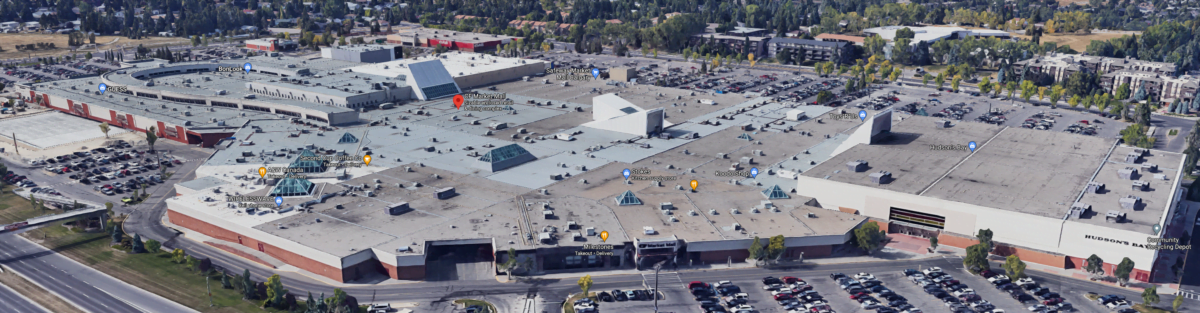
Satellite view of CF Market Mall from Google Maps. Photo: Google.
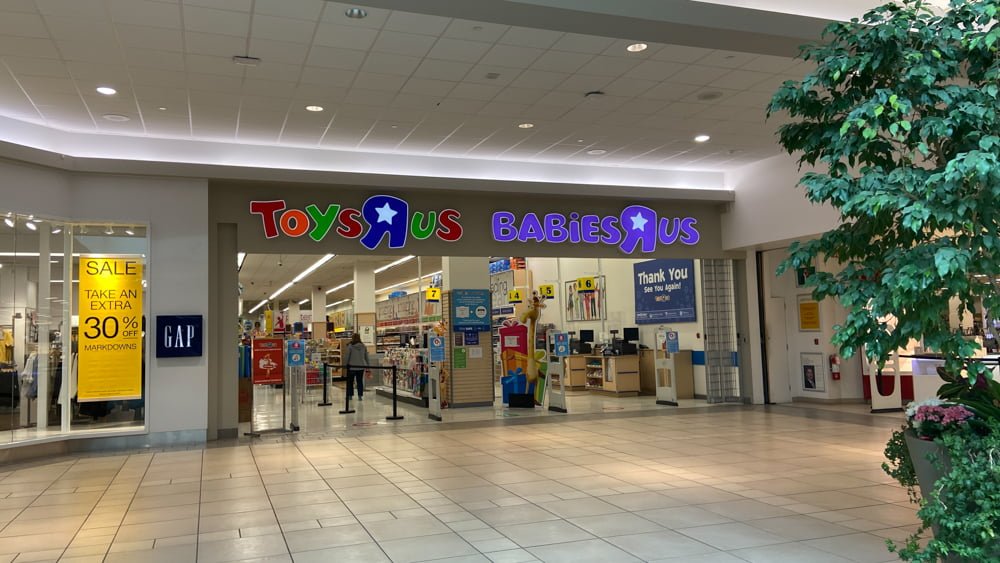
Market Mall spans more than 918,000 square feet. A Hudson’s Bay store is the main anchor tenant, and five junior anchors include Sport Chek, Sporting Life, Toys ‘R’ Us, Safeway and Old Navy.
History of CF Market Mall
The shopping centre opened in October 1971 and included a Woodward’s department store as a main anchor tenant. As with most malls, CF Market Mall has had several renovations over the years and two notable expansions occurred in 1988 and 2004. The 1988 expansion expanded the food court (and removed a Famous Players theatre which had been operating since 1977) and the 2004 expansion added the south wing plus expanded the food court.
Breaking up Market Mall
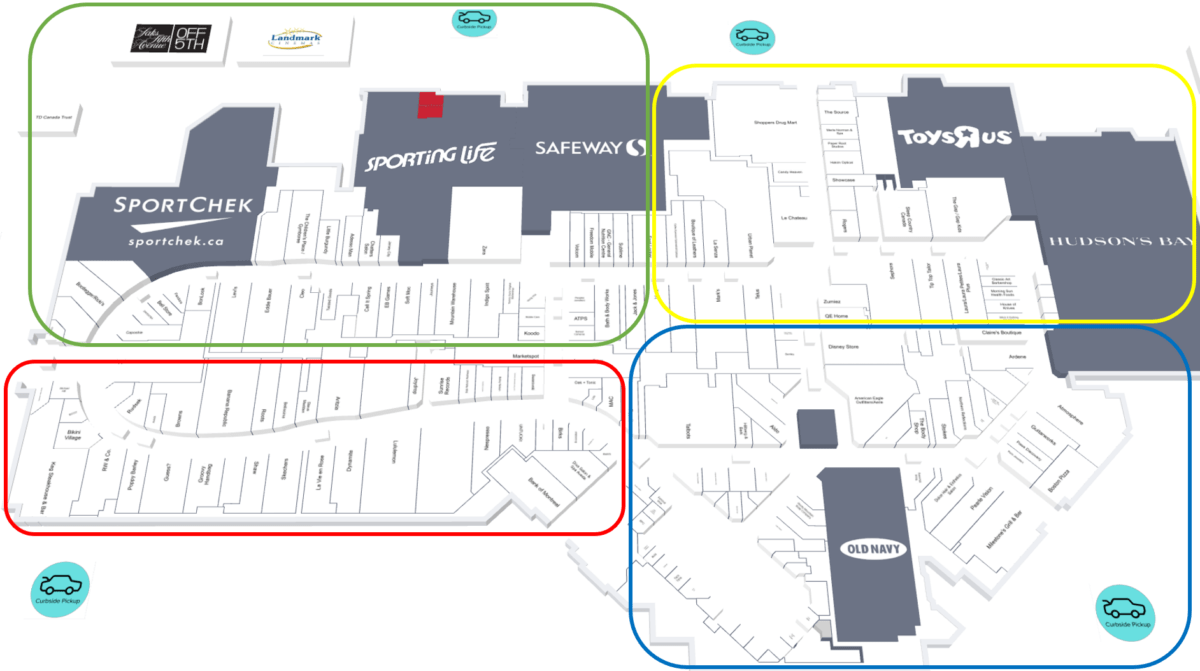
CF Market Mall is roughly laid out in an oval (or ‘race track’) like CrossIron Mills (see also Retail Profile: CrossIron Mills in Calgary). As a result, the simplistic, one level layout was divided into four quarters for the purpose of this retail tour.
Tour Zones for CF Market Mall. Photo: Cadillac Fairview
Upper Left (highlighted in Green): Main anchors of Sport Chek, Sporting Life and Safeway as well as two exterior retailers being Saks OFF 5TH and Landmark Theatres.
Upper Right (highlighted in Yellow): Main anchors Hudson’s Bay and Toys “R” Us.
Lower Right (highlighted in Blue): Main anchor Old Navy as well as the food court.
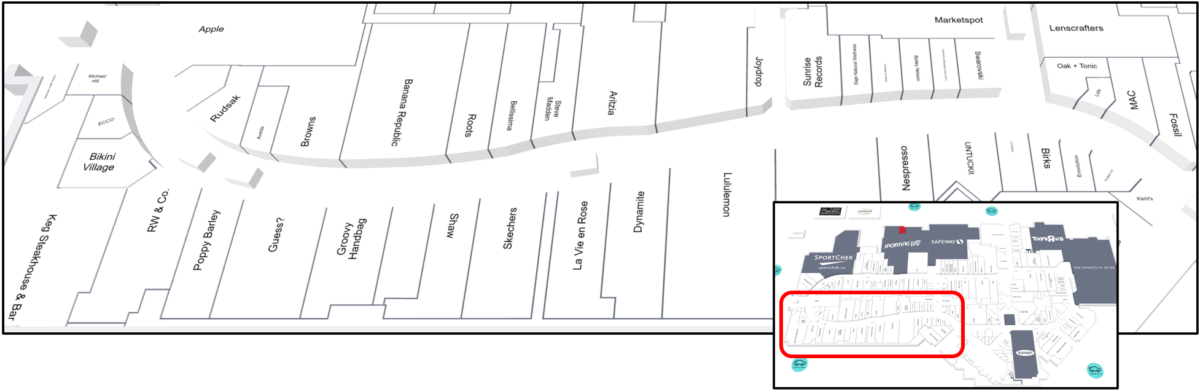
Lower Left (highlighted in Red): Notable brands like Lululemon and Rudsak.
Upper Left section of CF Market Mall
The ‘upper left’ quadrant in the southwest corner of CF Market Mall is the first tour zone of the shopping centre. Most of the action at the shopping centre in terms of retail news has taken place in this section.
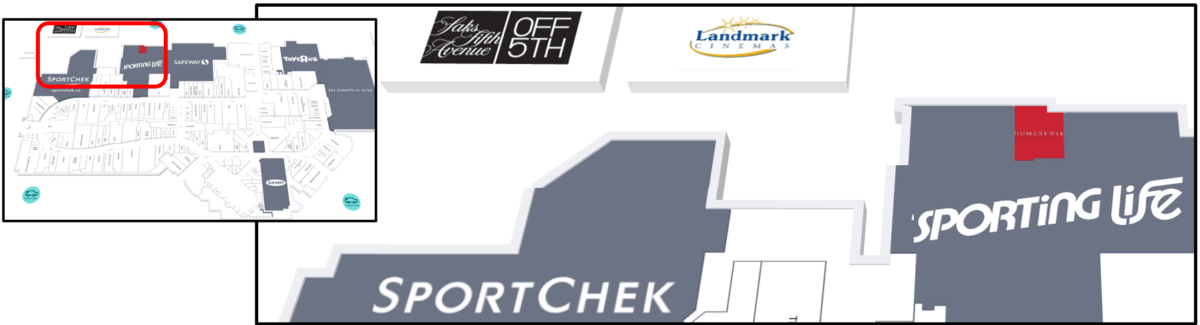
Exterior retailers in Upper Left (South West Corner) Map of CF Market Mall. Photo: Cadillac Fairview
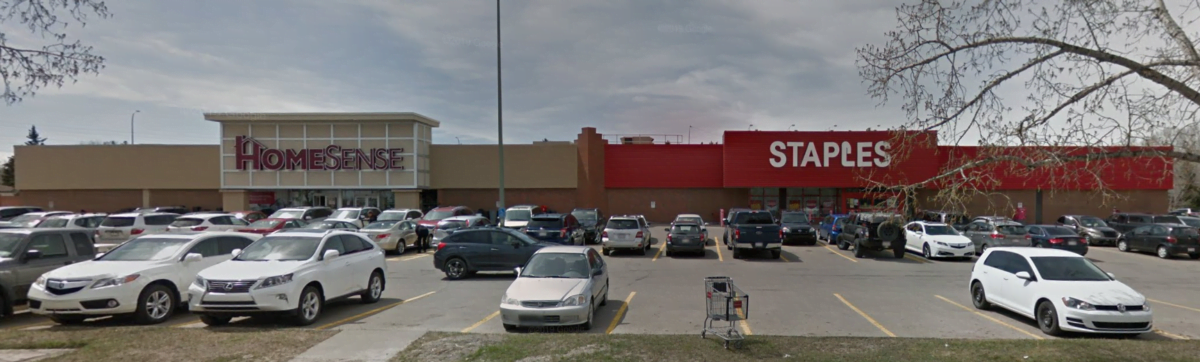
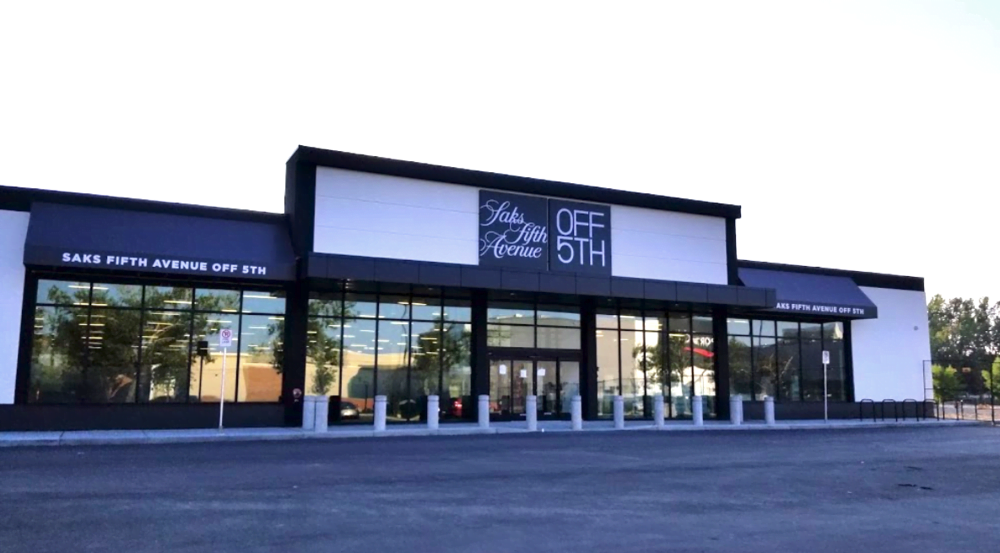
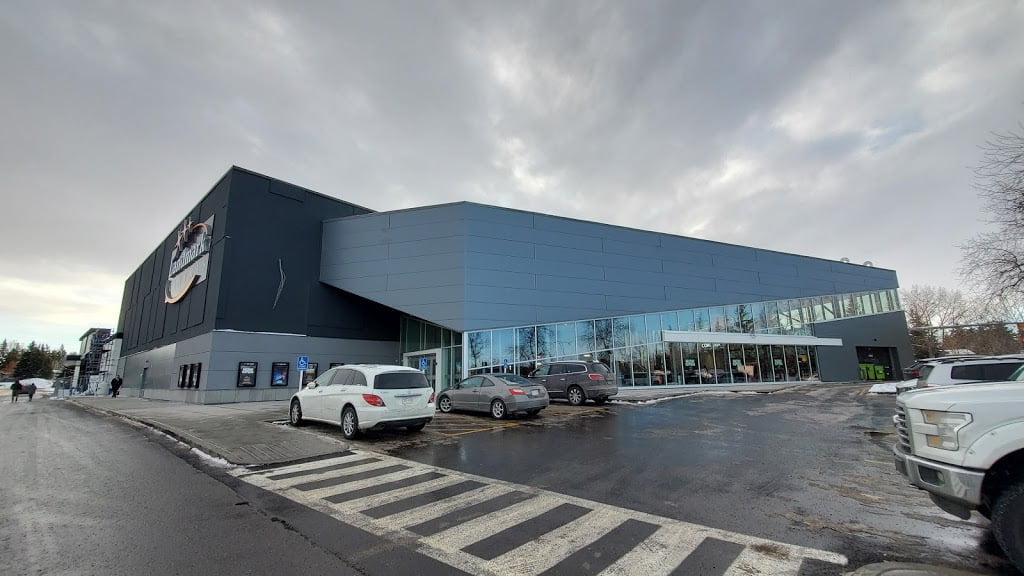
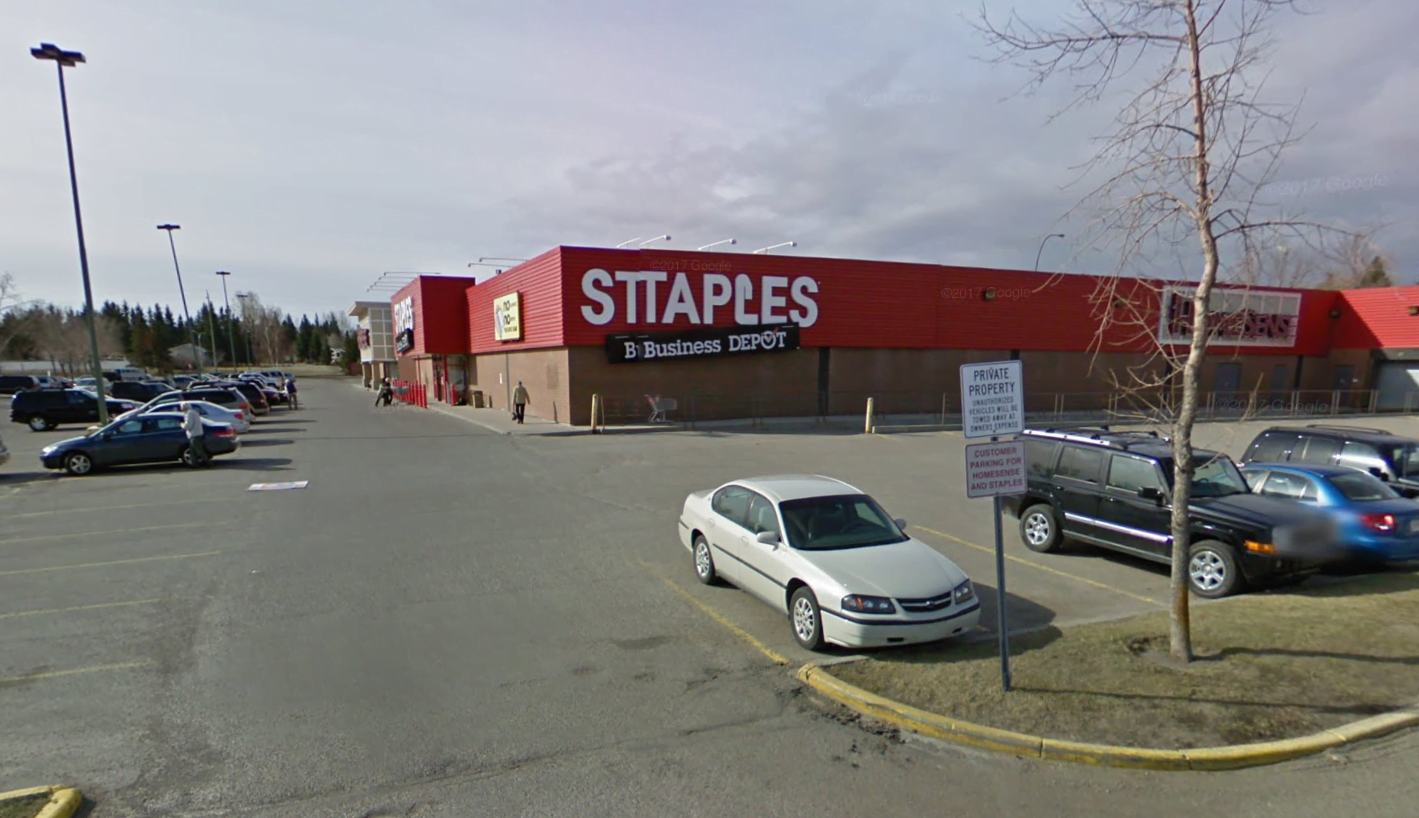
This section has two retailers outside of the main shopping centre building which is home to Saks OFF 5th and Landmark Cinemas. The “outparcel site” was redeveloped at a cost of $17.3 million.
Old HomeSense and Staples location at CF Market Mall prior to redevelopment into Saks OFF 5fth and Landmark Cinemas. Photo: Google Streetview.
Saks OFF 5th at CF Market Mall (formerly the HomeSense location). Photo: Donna McTaggart
Landmark Cinemas opening (Dec 2019). Photo: Nick Fuss
Transformation from Staples to Landmark Cinemas
1 of 3
Staples (Apr 2009) prior to Landmark Cinemas. Photo: Google Streetview
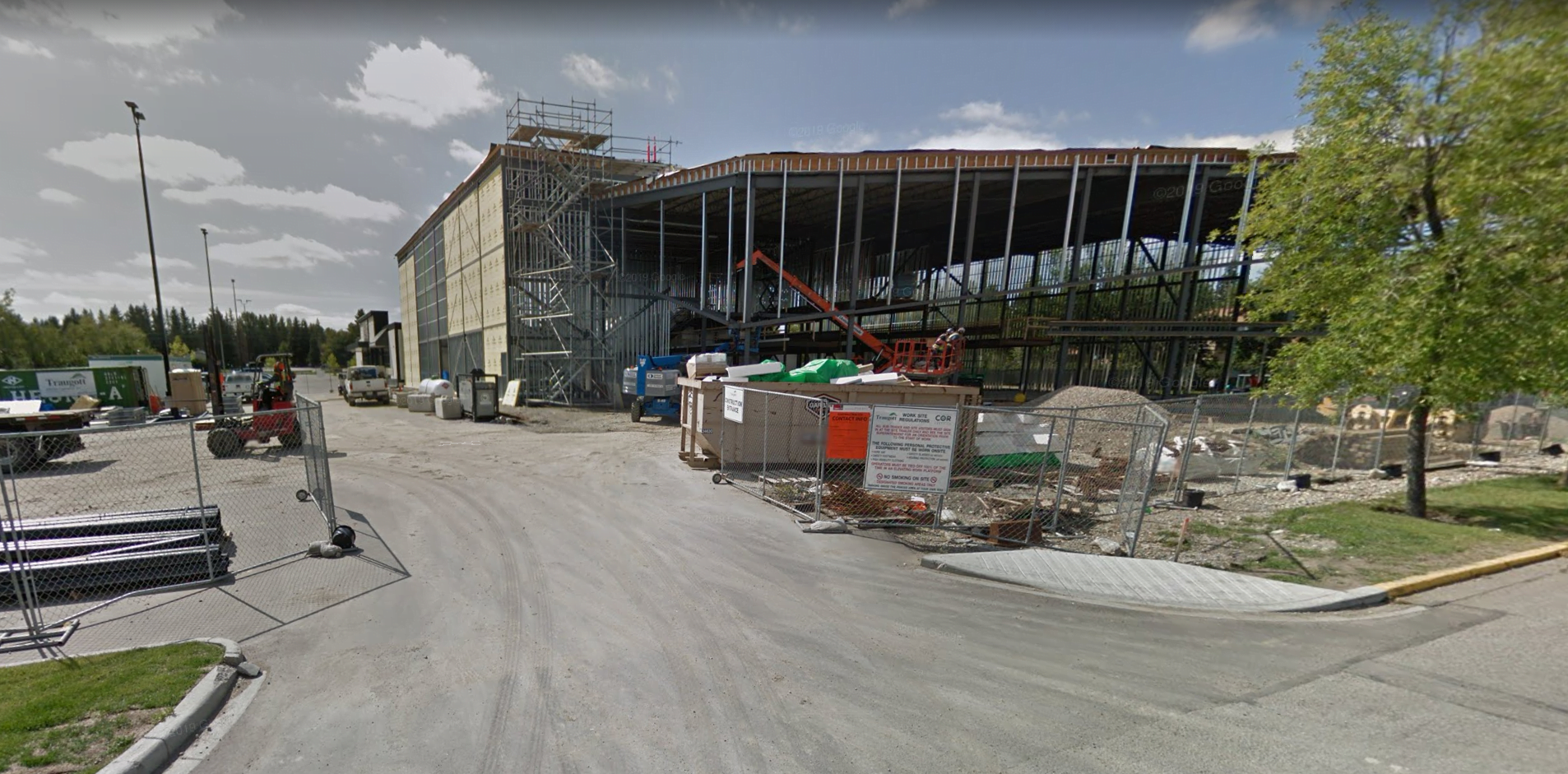
Landmark Cinemas Construction (August 2019). Photo: Google Streetview
Landmark Cinemas opening (Dec 2019). Photo: Nick Fuss
Saks OFF 5TH: Previously a stand-alone HomeSense, the Hudson’s Bay Company’s off-price division opened its 18th Canadian store in August 2018 spanning about 26,600-square-feet. The displaced HomeSense moved into the former Target space inside the main shopping centre building.
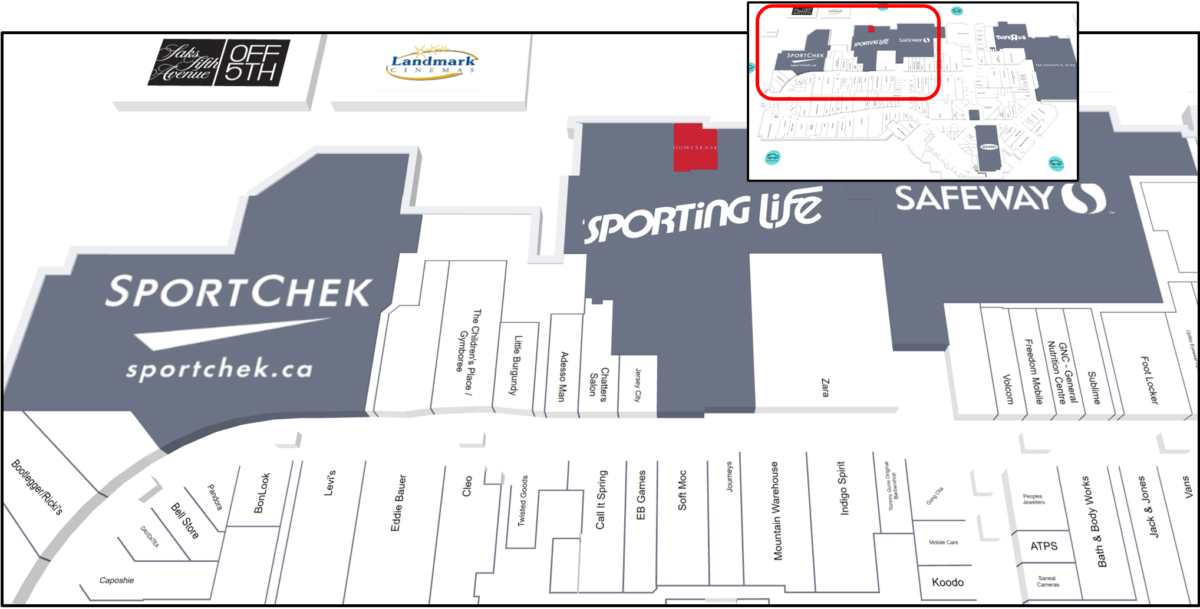
Upper Left (South West Corner) Map of CF Market Mall. Photo: Cadillac Fairview
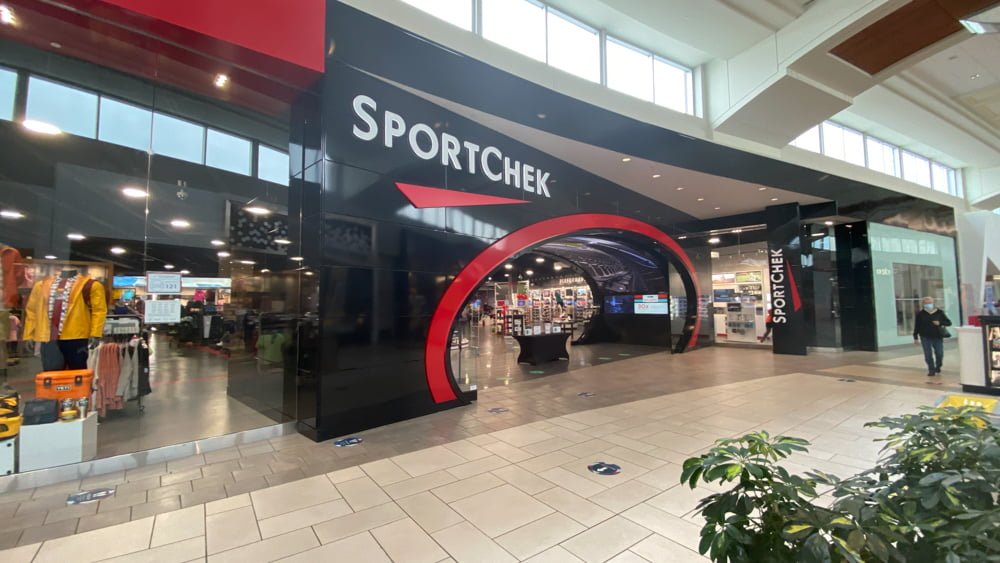
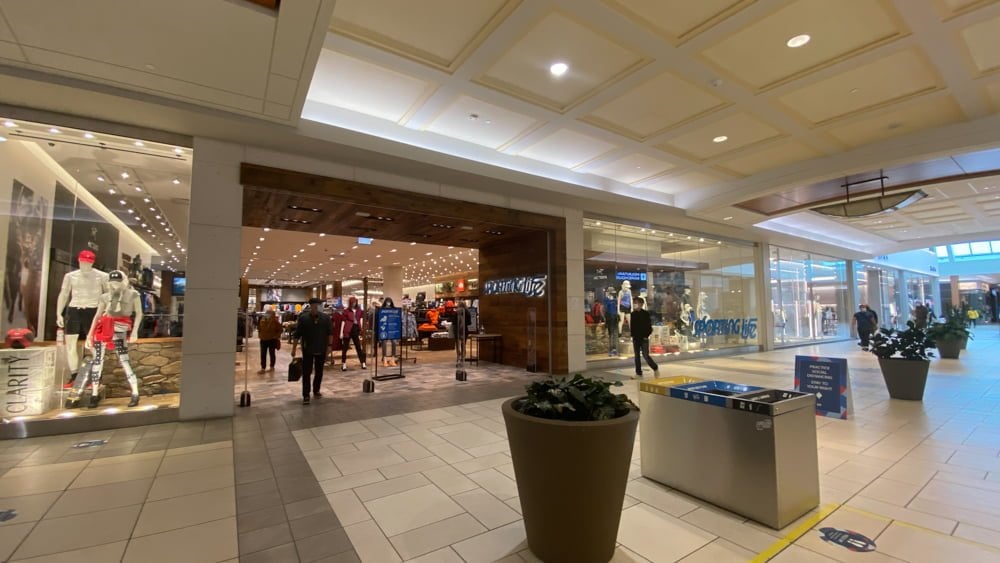
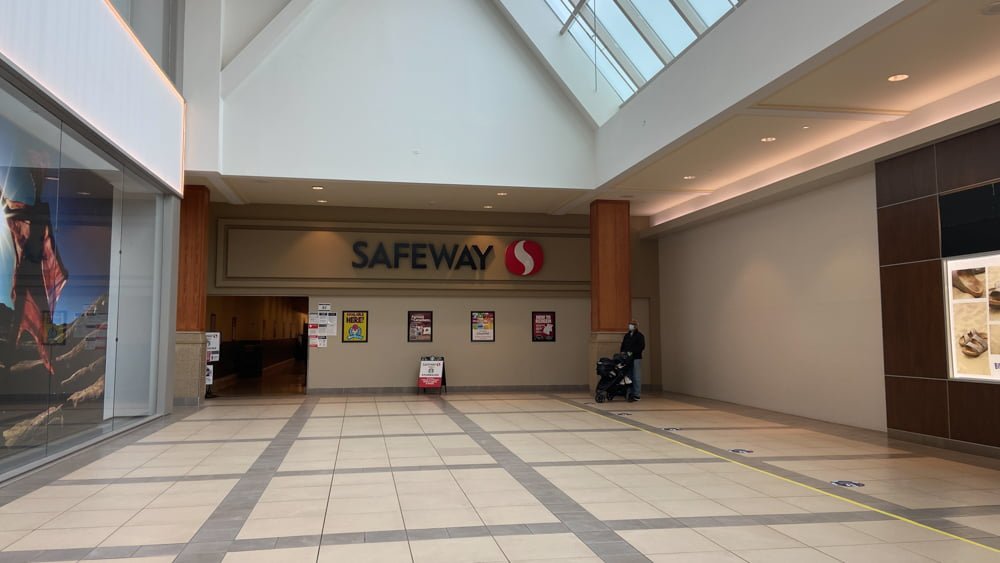
Turning our attention to the main shopping centre building, the main anchor retail tenants for the zone include Sport Chek and Sporting Life as well as grocery retailer Safeway.
Foot Locker at CF Market Mall. Photo: Jessica Finch
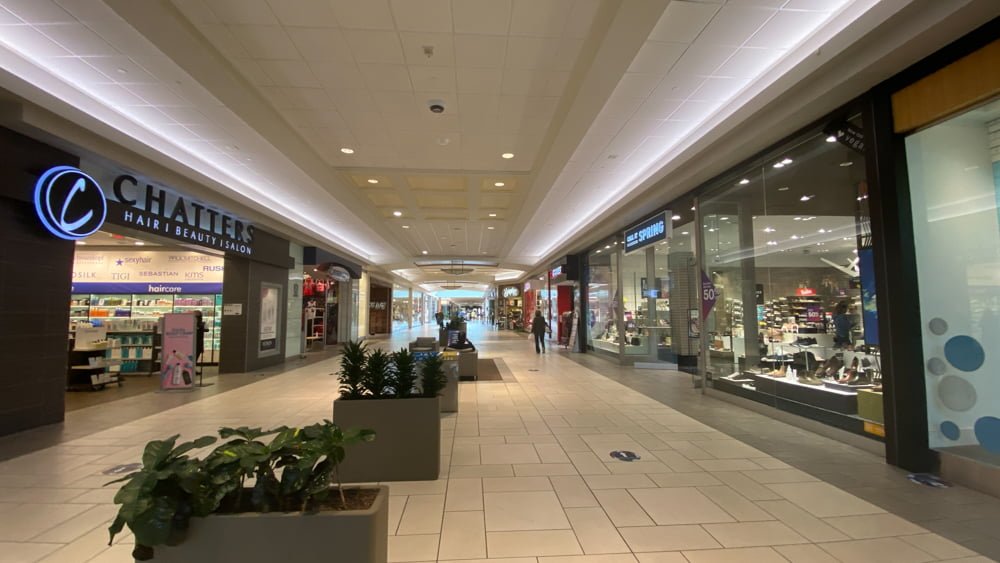
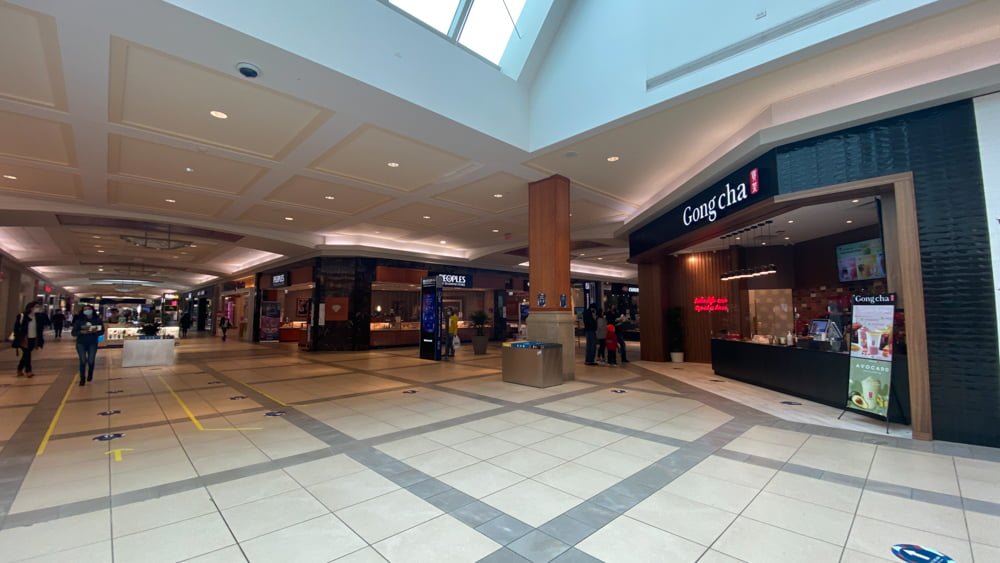
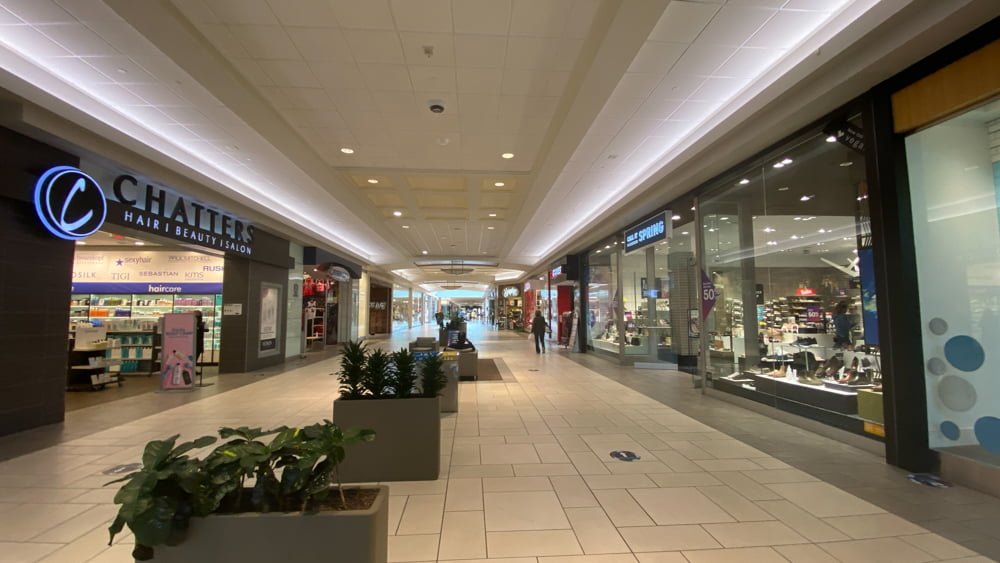
General corridor in south west section at CF Market Mall. Photo: Jessica Finch
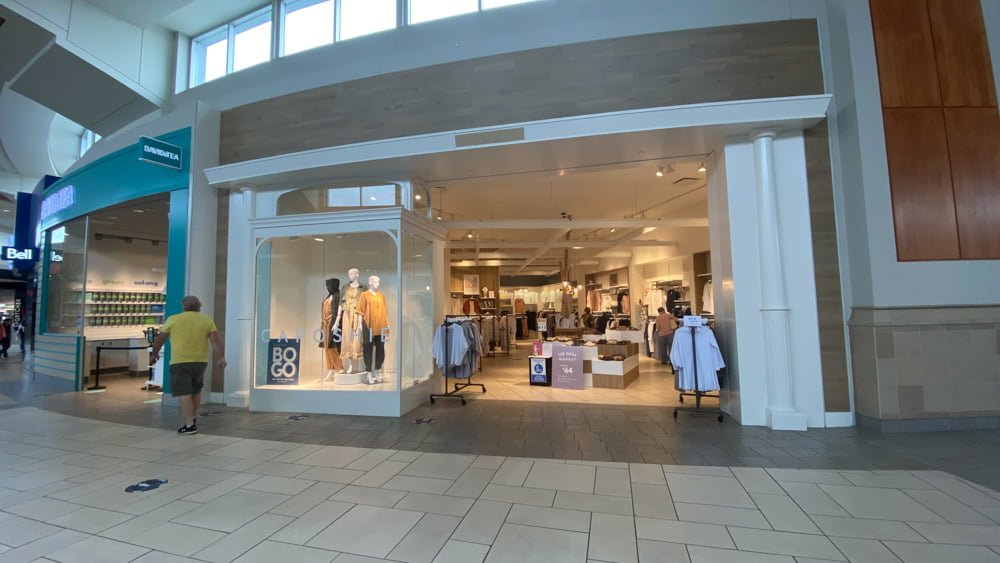
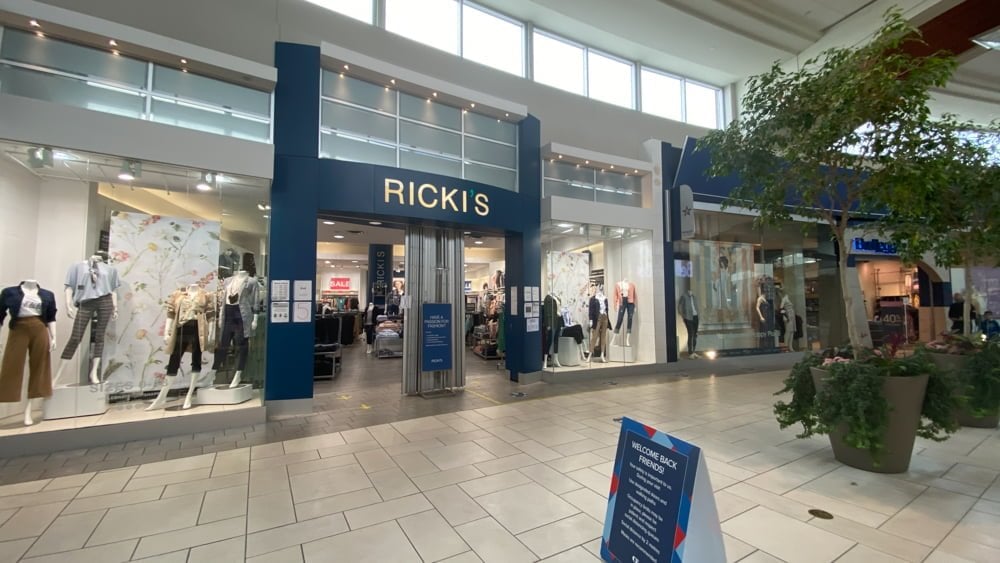
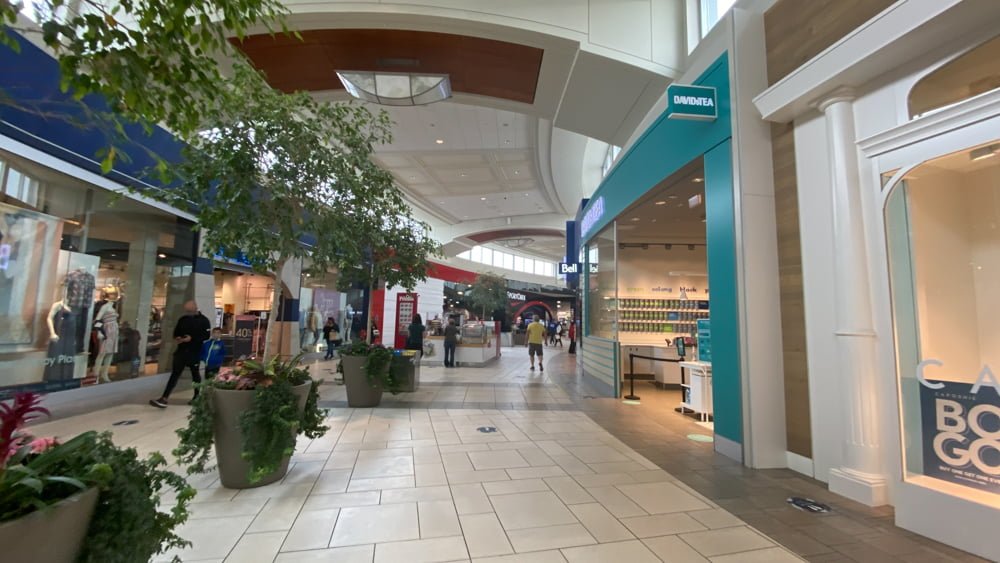
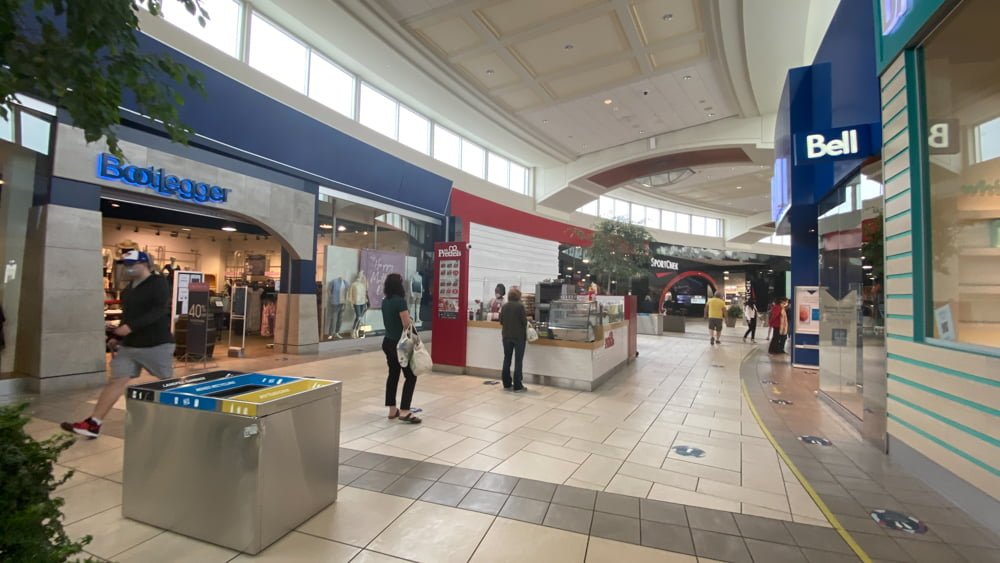
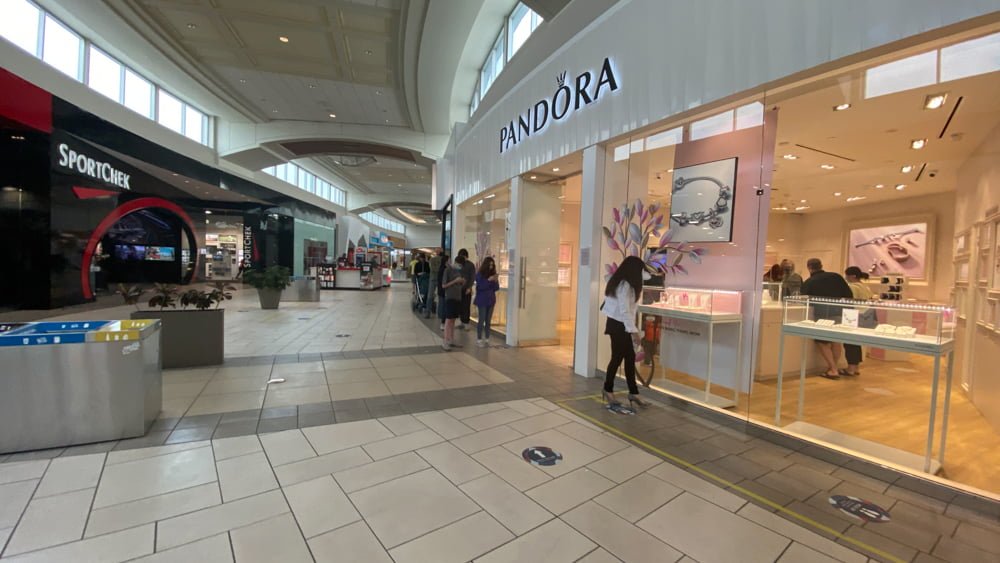
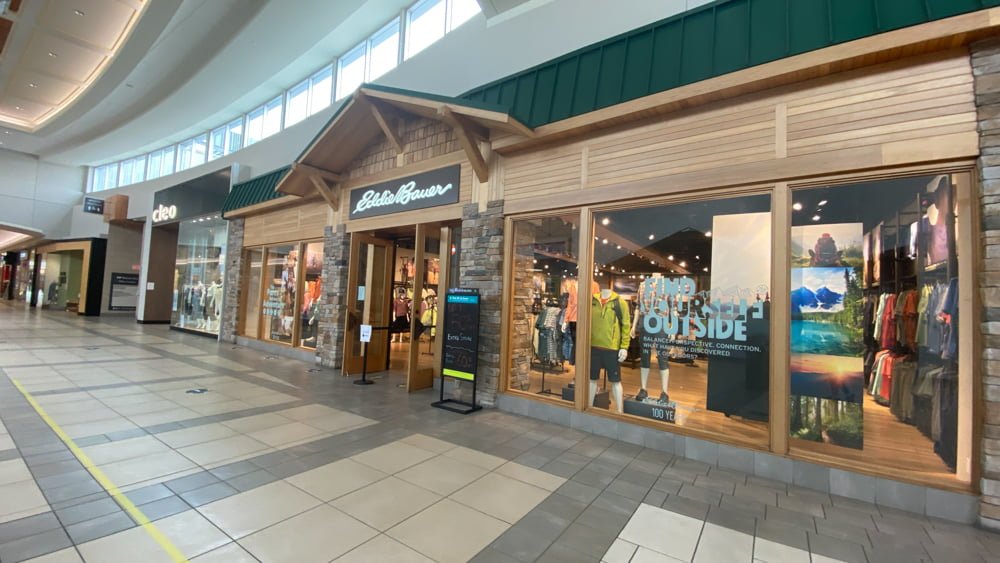
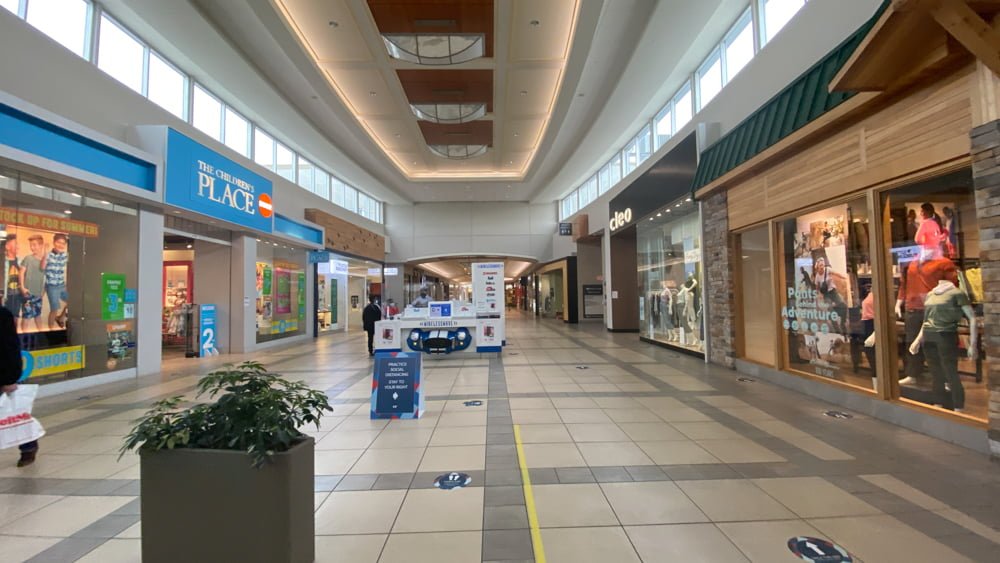
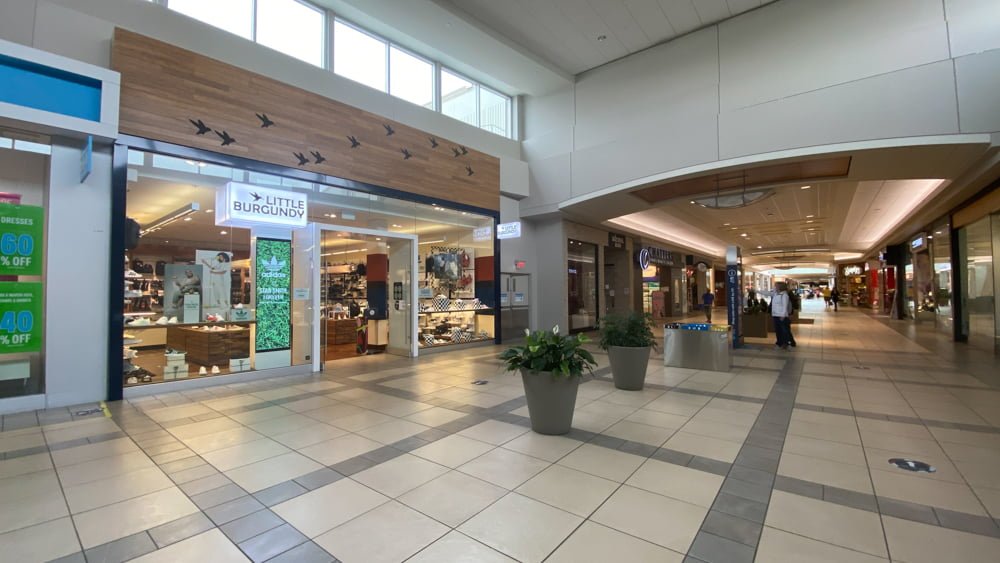
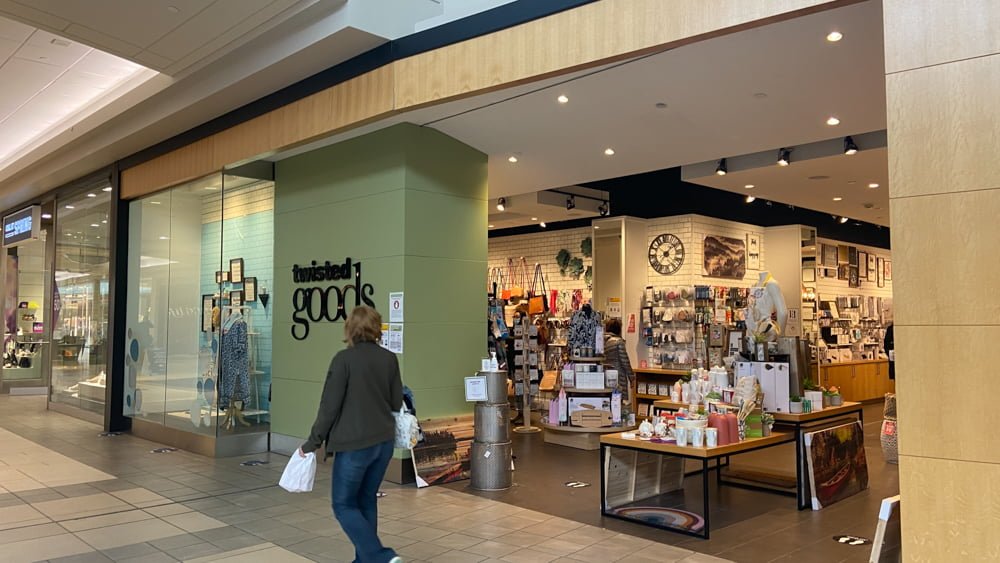
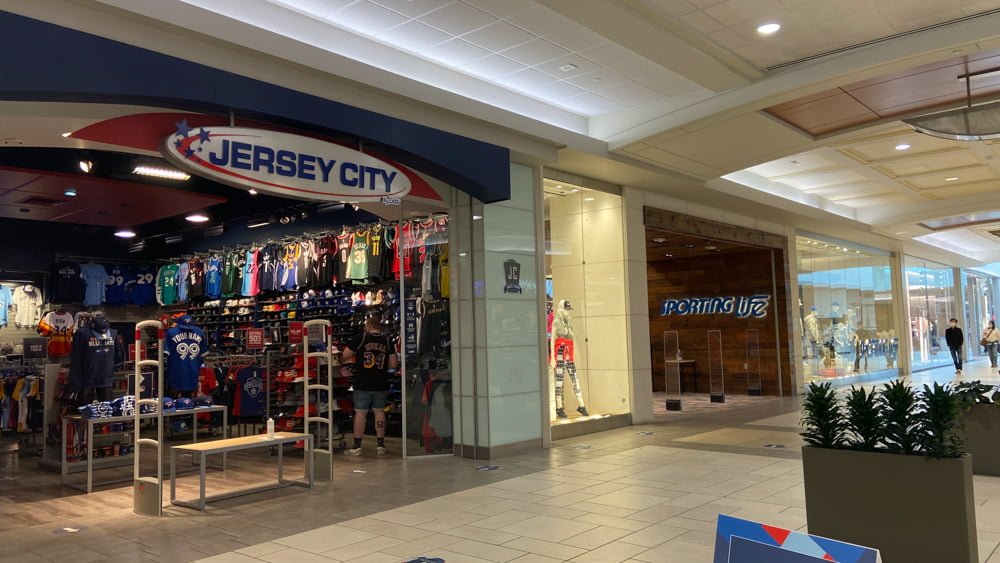
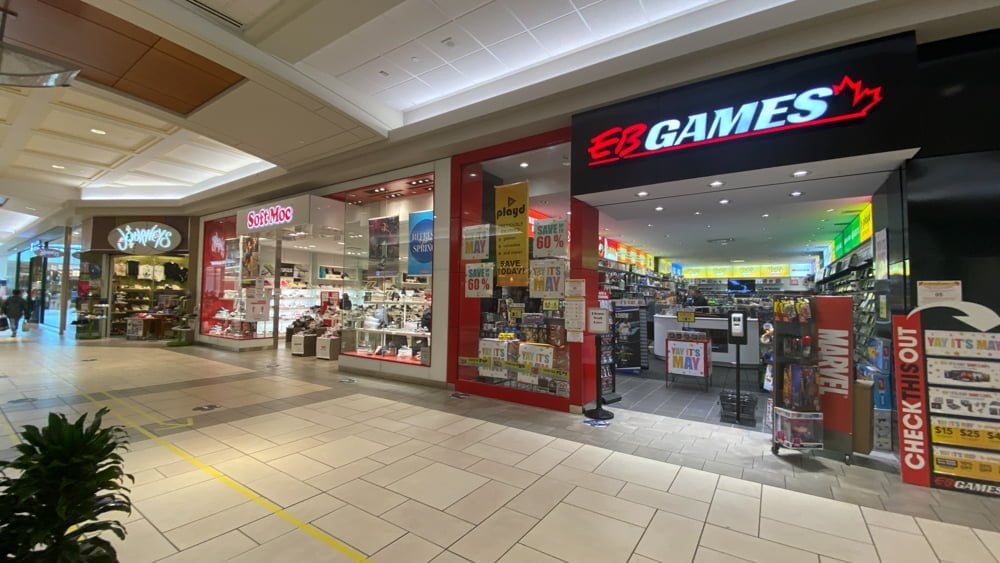
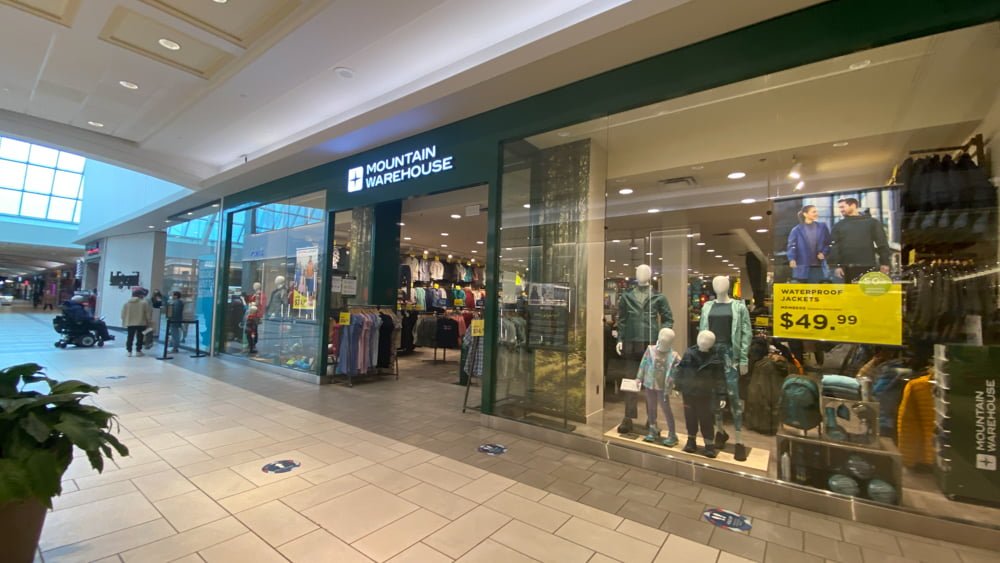
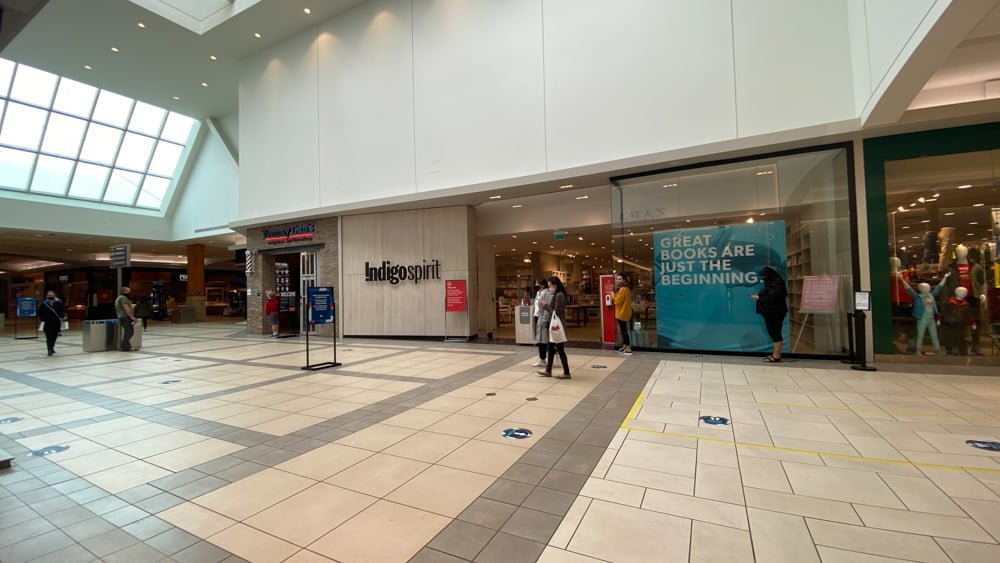
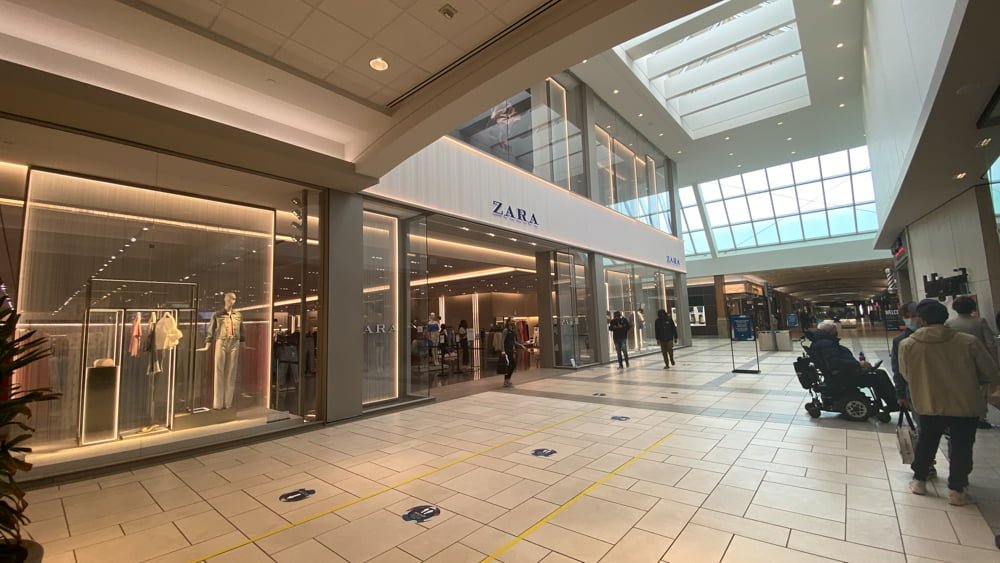
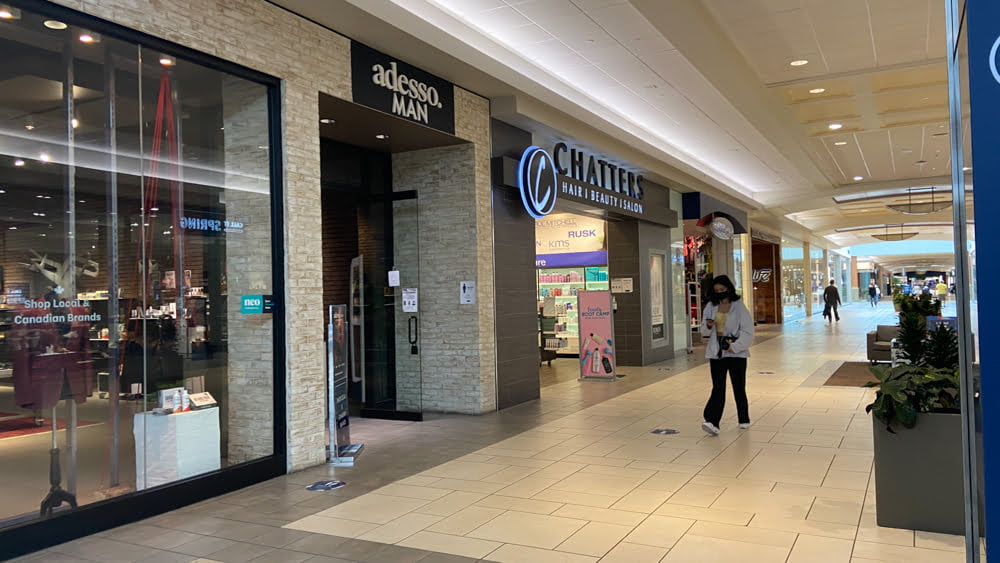
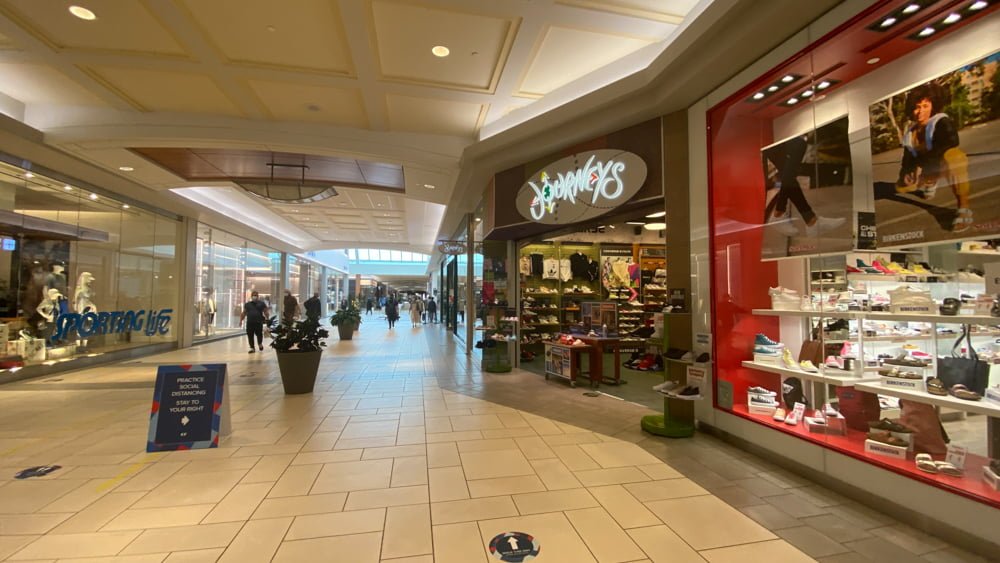
Other retailers in this section of CF Market Mall include Bootlegger/Ricki’s, Caposhie, DavidsTea, Pandora, Eddie Bauer, The Children’s Place, Cleo, Little Burgundy, Twisted Goods, Adesso Man, Jersey City, Call It Spring, EB Games, Soft Moc, Journeys, Mountain Warehouse, Indigo Spirit, Zara, GNC General Nutrition Centre, Sublime, Vans, Jack & Jones, Bath & Body Works, Peoples Jewellers and Saneal Cameras.
Select Retailers in South West section of CF Market Mall
1 of 12
Caposhie at CF Market Mall. Photo: Jessica Finch
Ricki's at CF Market Mall in Calgary. Photo: Jessica Finch
Mall Corridor including DavidsTea at CF Market Mall. Photo: Jessica Finch
Bootlegger at CF Market Mall. Photo: Jessica Finch
Mall Corridor including Pandora at CF Market Mall. Photo: Jessica Finch
Pandora at CF Market Mall. Photo: Jessica Finch
Eddie Bauer at CF Market Mall. Photo: Jessica Finch
Mall Corridor including Cleo and The Children's Place at CF Market Mall. Photo: Jessica Finch
Little Burgundy at CF Market Mall. Photo: Jessica Finch
Twisted Goods at CF Market Mall. Photo: Jessica Finch
Jersey City at CF Market Mall. Photo: Jessica Finch
Mall Corridor at CF Market Mall. Photo: Jessica Finch
Select Retailers in South West section of CF Market Mall
1 of 11
SoftMoc and EB Games at CF Market Mall. Photo: Jessica Finch
Mountain Warehouse at CF Market Mall. Photo: Jessica Finch
Indigo Spirit at CF Market Mall. Photo: Jessica Finch
Safeway at CF Market Mall. Photo: Jessica Finch
Zara at CF Market Mall. Photo: Jessica Finch
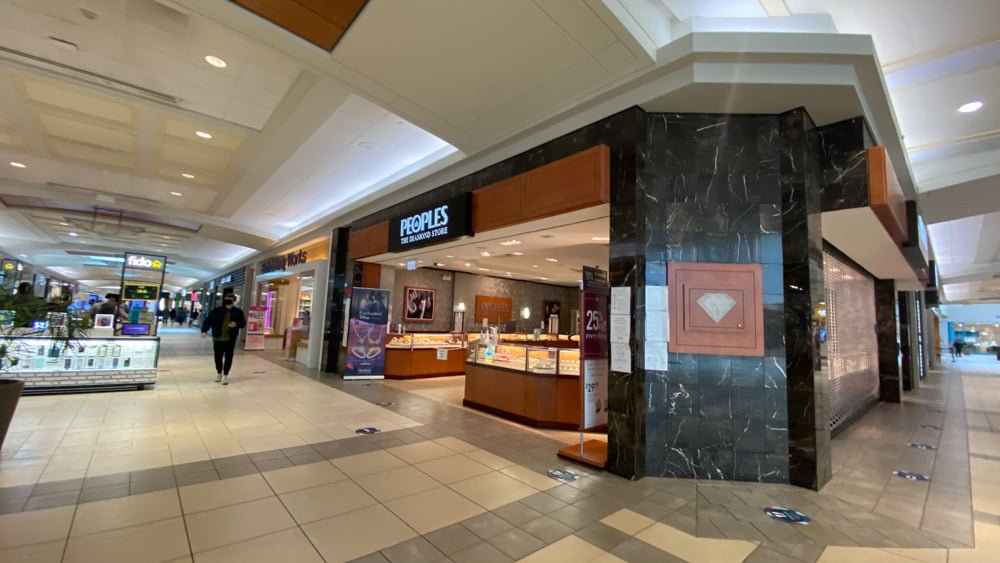
Corridor with People's Jewellery at CF Market Mall. Photo: Jessica Finch
People's Jewellery at CF Market Mall. Photo: Jessica Finch
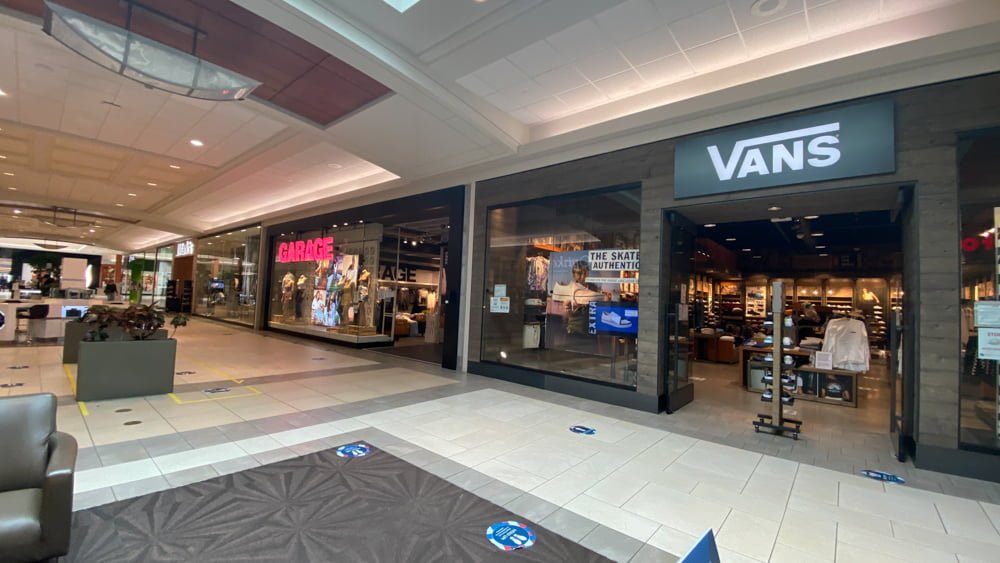
Garage and Vans at CF Market Mall. Photo: Jessica Finch
Call It Spring at CF Market Mall. Photo: Jessica Finch
Adesso Man at CF Market Mall. Photo: Jessica Finch
Journey's at CF Market Mall. Photo: Jessica Finch
Upper Right section of CF Market Mall
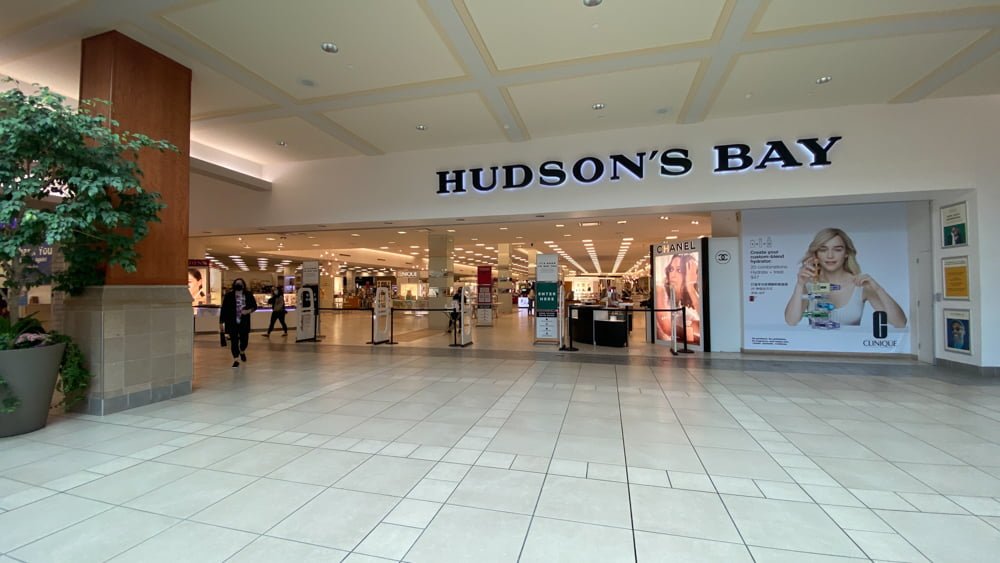
The “upper right” quadrant in the northwest corner of CF Market Mall is home to the long-standing anchor tenant, Hudson’s Bay.
Hudson’s Bay at CF Market Mall. Photo: Jessica Finch
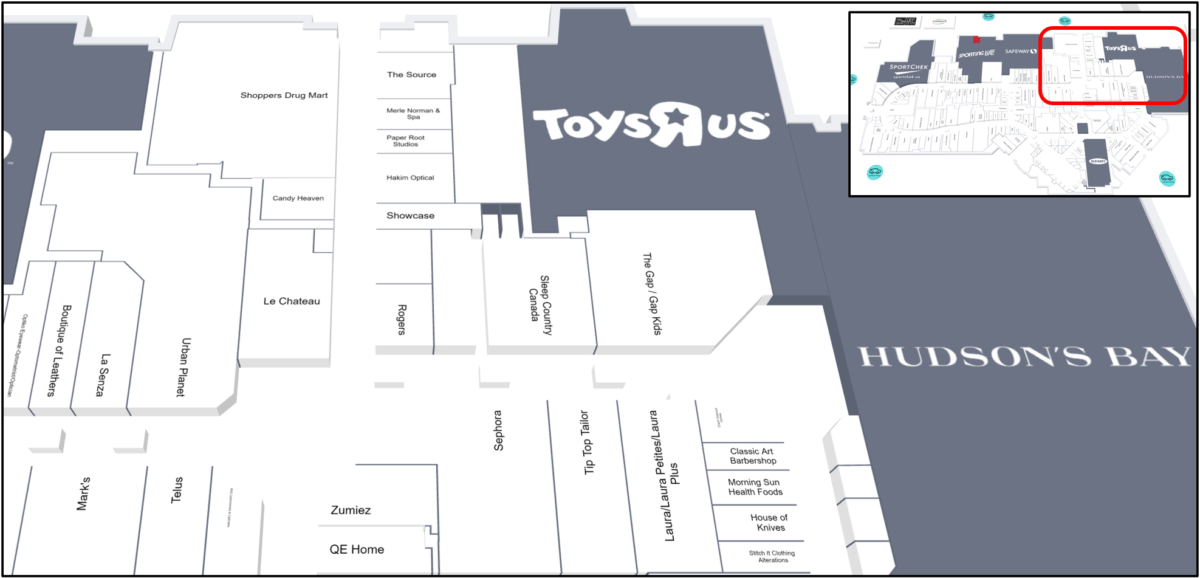
Upper Right (North West Corner) Map of CF Market Mall. Photo: Cadillac Fairview
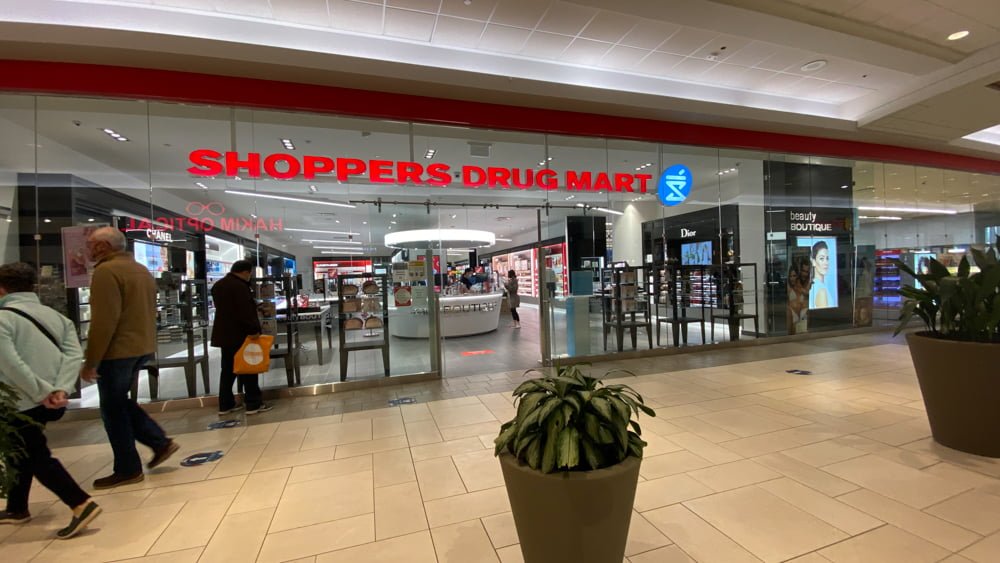
In addition to Hudson’s Bay, other key tenants include Toys “R” Us and Shoppers Drug Mart.
Select Anchor Retailers in South West section Reported in Retail Insider
1 of 2
Former Toys "R" Us at CF Market Mall in 2021. Photo: Jessica Finch
Shoppers Drug Mart at CF Market Mall. Photo: Jessica Finch
A number of retailers in this zone had their location in CF Market Mall featured in Retail Insider over the years, including:
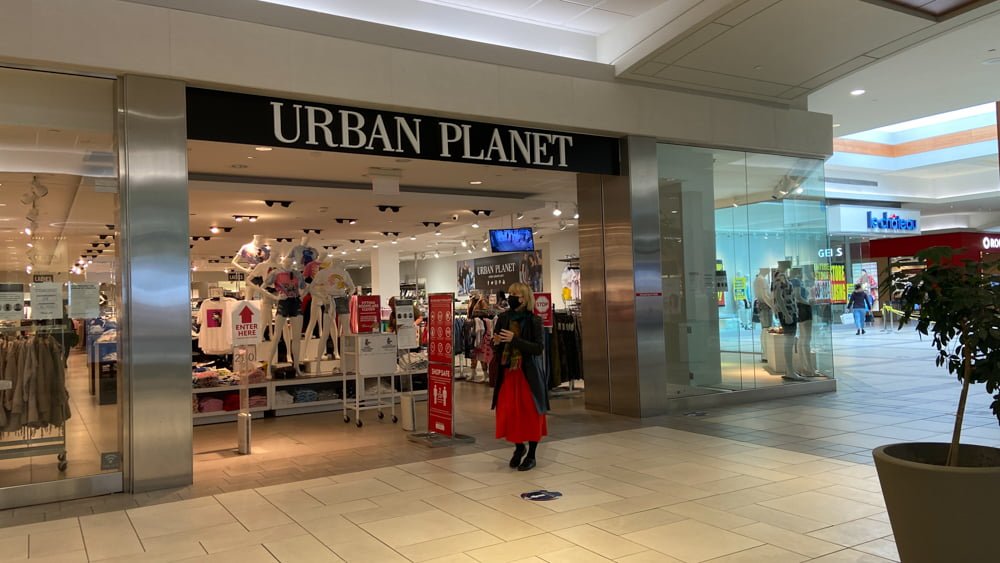
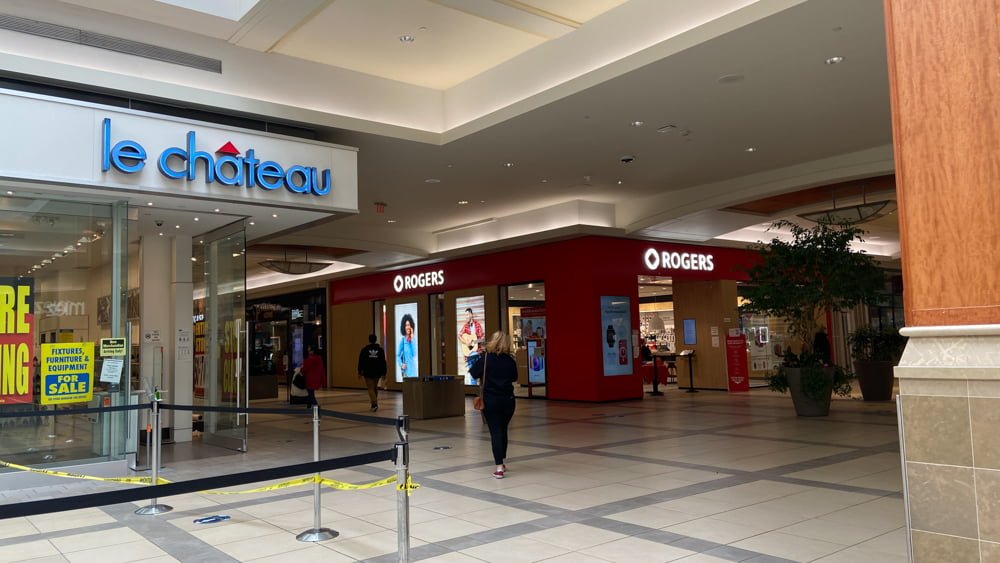
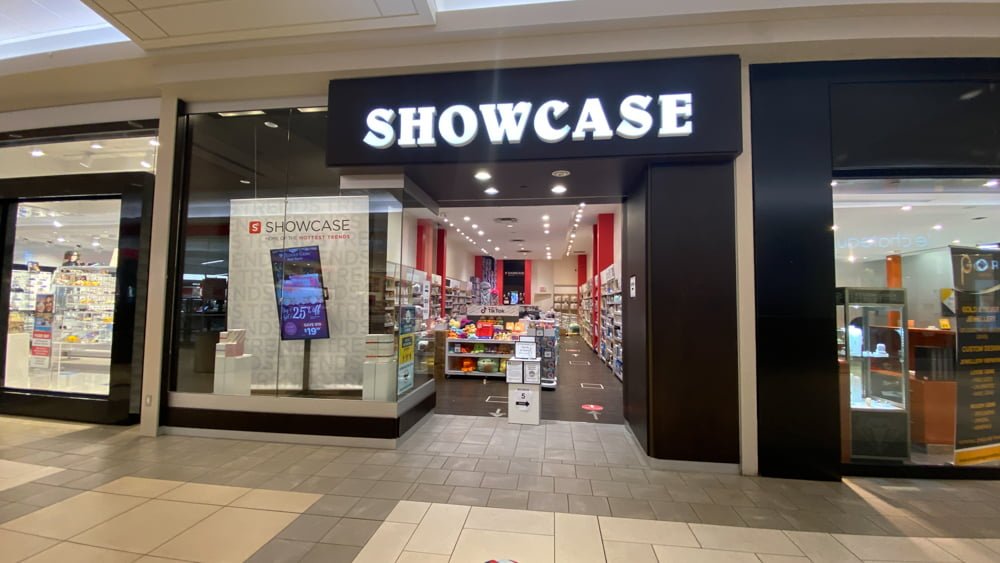
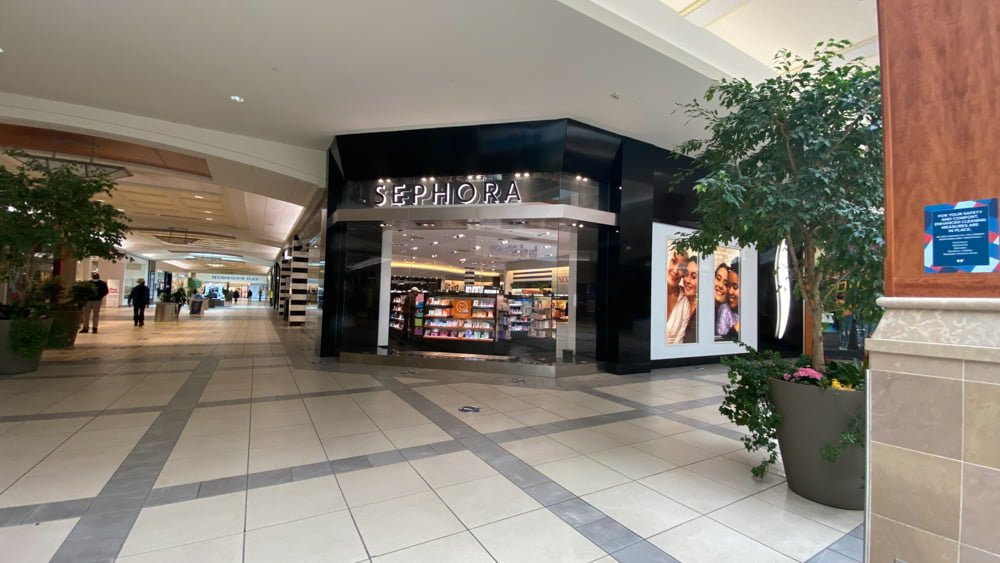
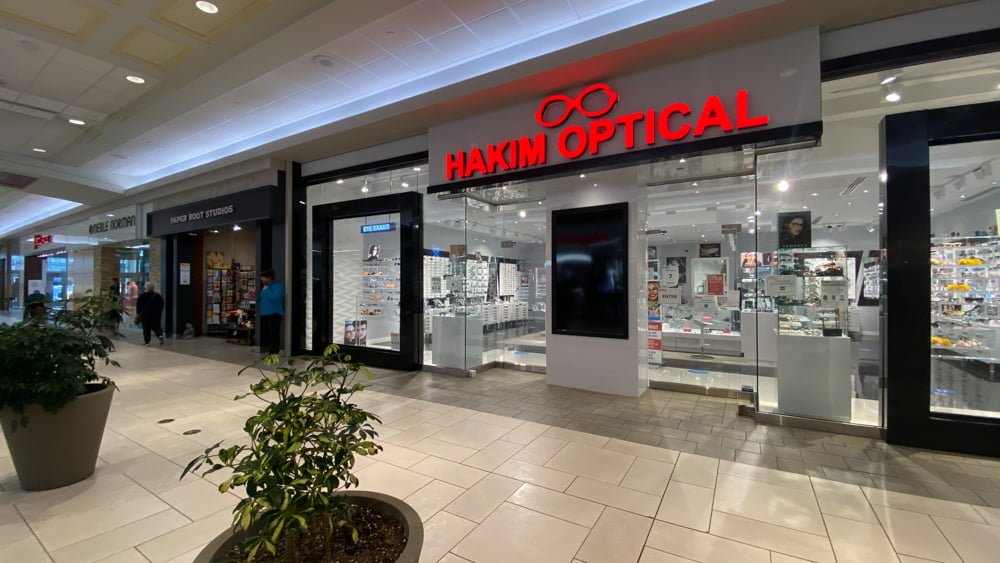
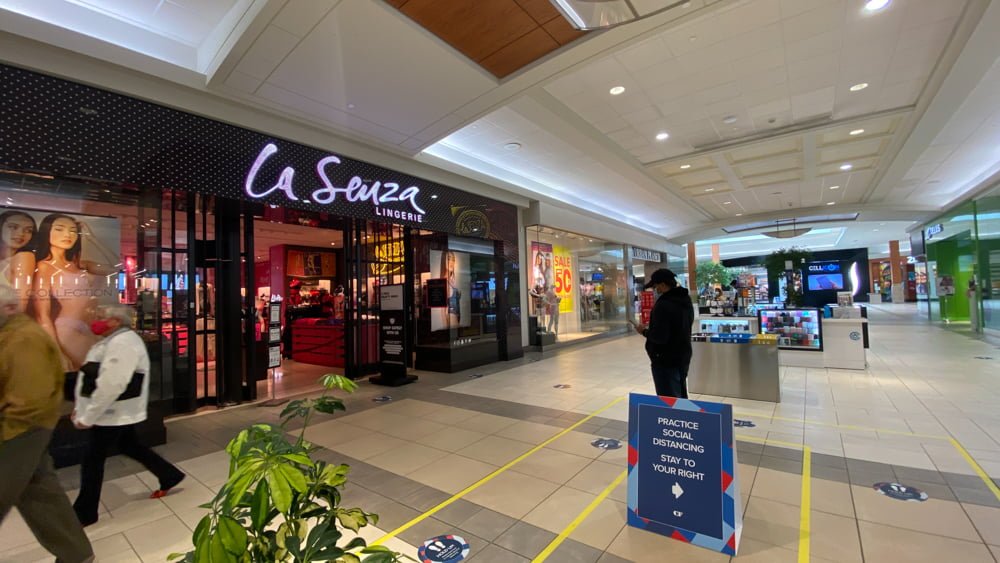
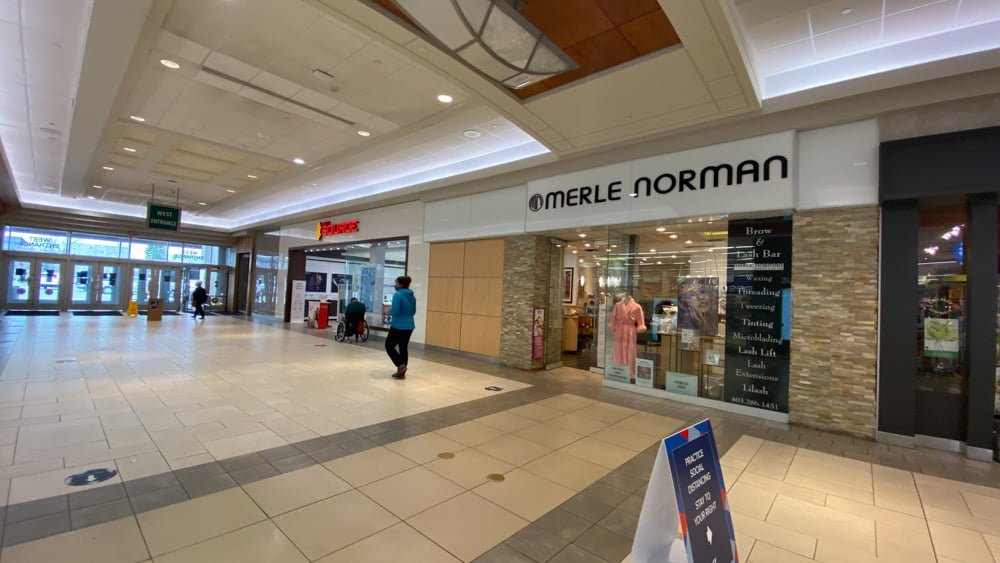
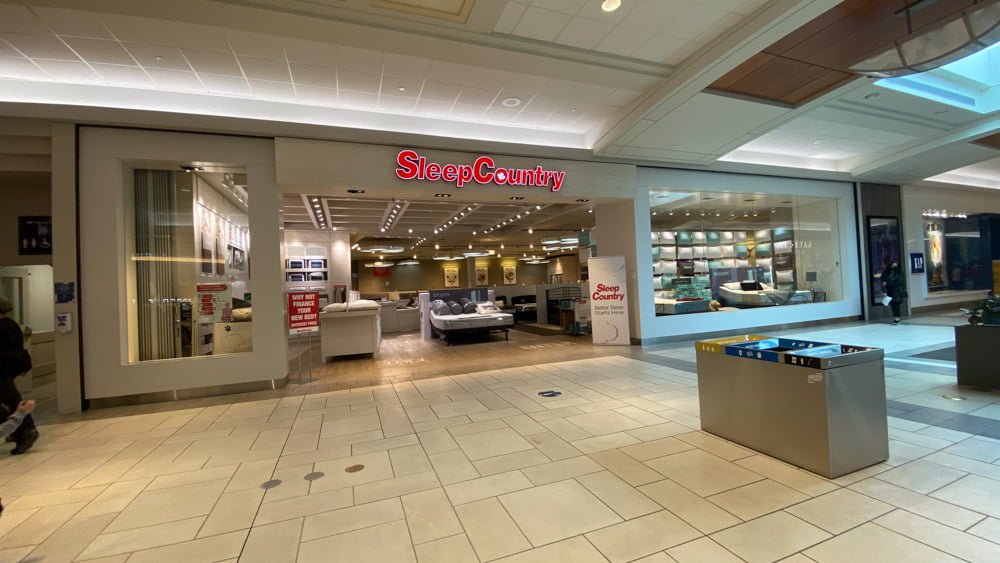
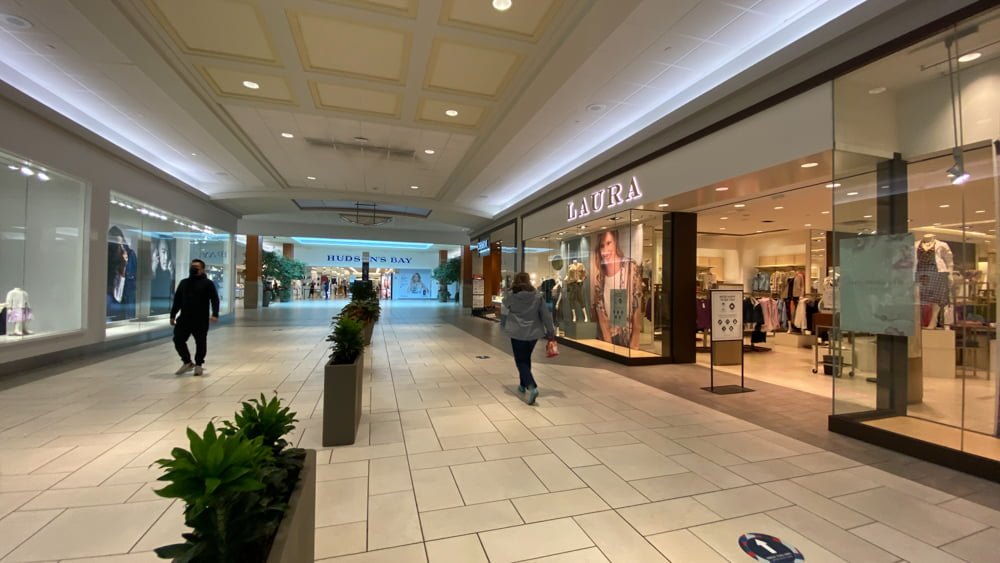
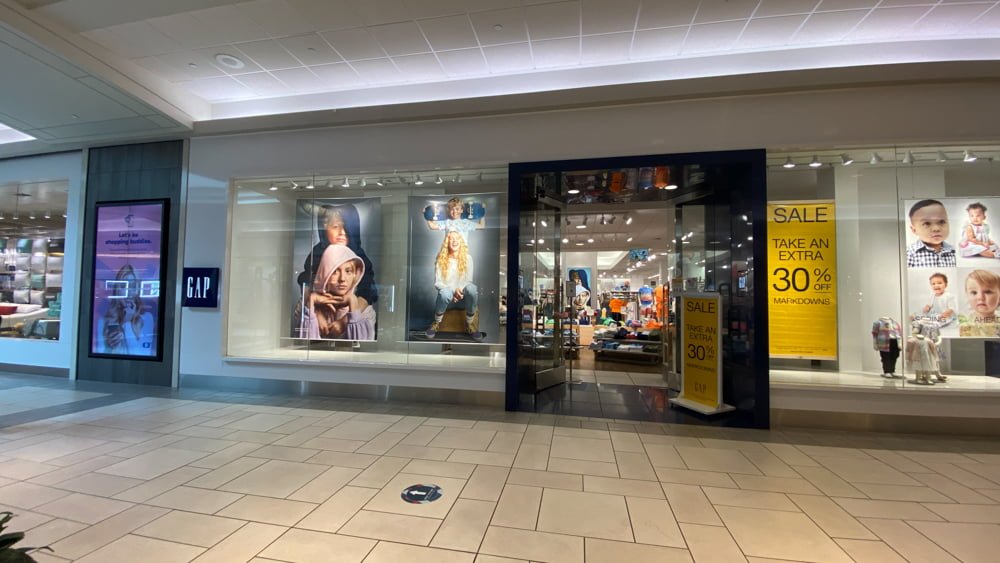
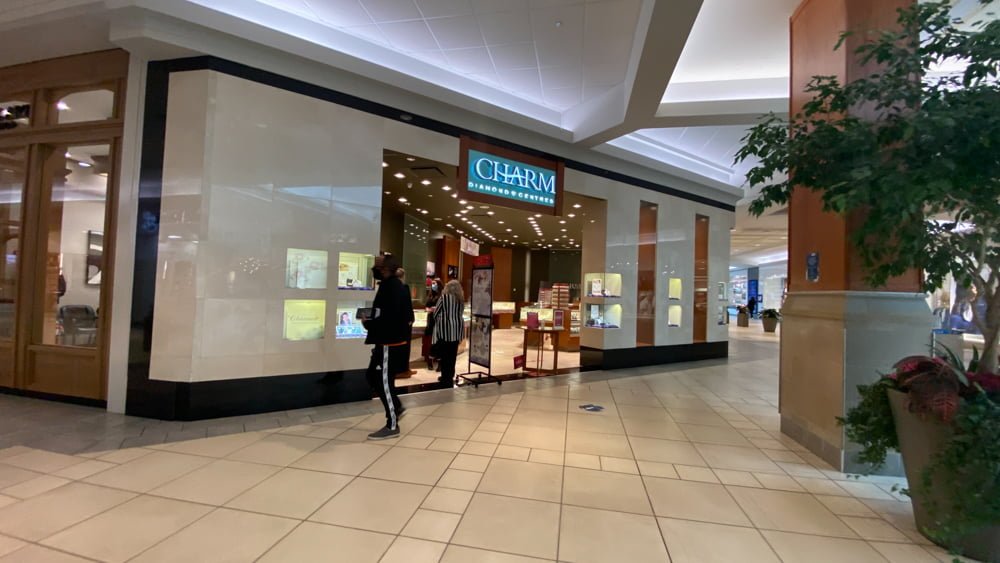
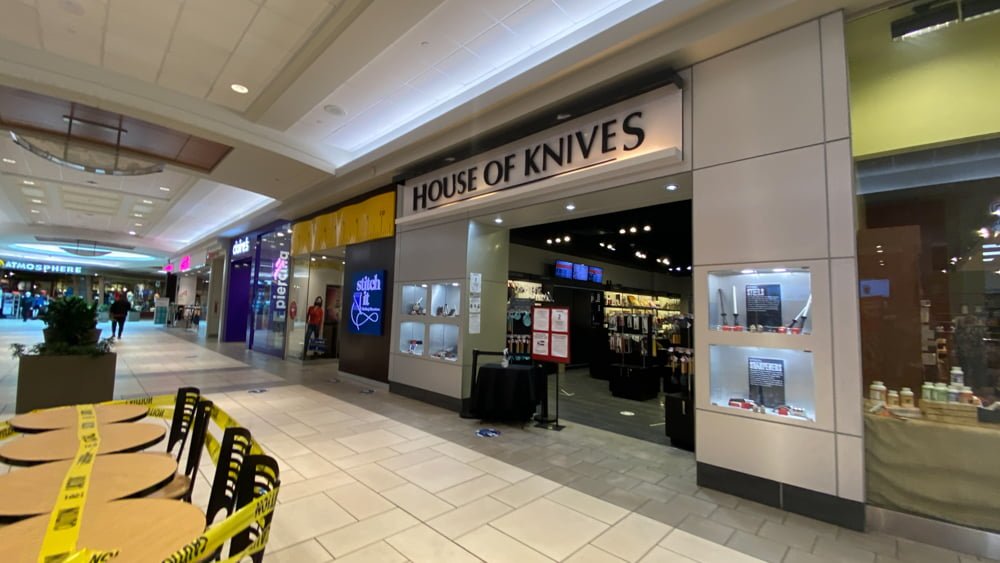
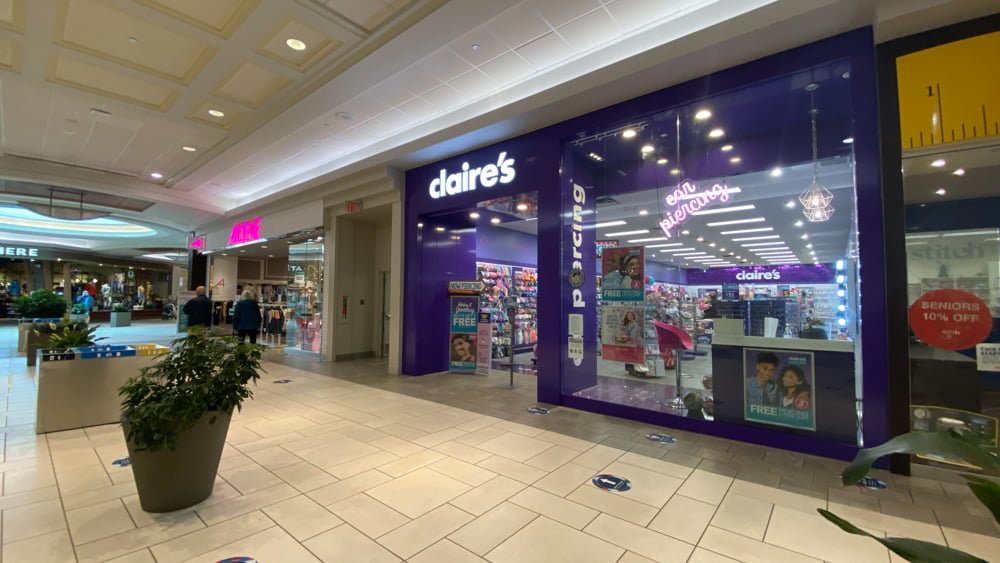
Other retailers in this section of CF Market Mall include Boutique of Leathers, La Senza, Urban Planet, Le Chateau, Candy Heaven, The Source, Paper Root Studios, Hakim Optical, Showcase, Zumiez, QE Home, Sephora, Laura, Sleep Country Canada, The Gap, Charm Diamond Centers, House of Knives, Claire’s Boutique and Ardene.
Select Retailers in North West section of CF Market Mall
1 of 6
Urban Planet at CF Market Mall. Photo: Jessica Finch
Le Chateau and Rogers at CF Market Mall. Photo: Jessica Finch
Showcase at CF Market Mall. Photo: Jessica Finch
Sephora at CF Market Mall. Photo: Jessica Finch
Hakim Optical at CF Market Mall. Photo: Jessica Finch
La Senza at CF Market Mall. Photo: Jessica Finch
Select Retailers in North West section of CF Market Mall
1 of 8
The Source and Merle Norman at CF Market Mall. Photo: Jessica Finch
Sleep Country Canada at CF Market Mall. Photo: Jessica Finch
Laura at CF Market Mall. Photo: Jessica Finch
The Gap at CF Market Mall. Photo: Jessica Finch
Charm Diamonds at CF Market Mall. Photo: Jessica Finch
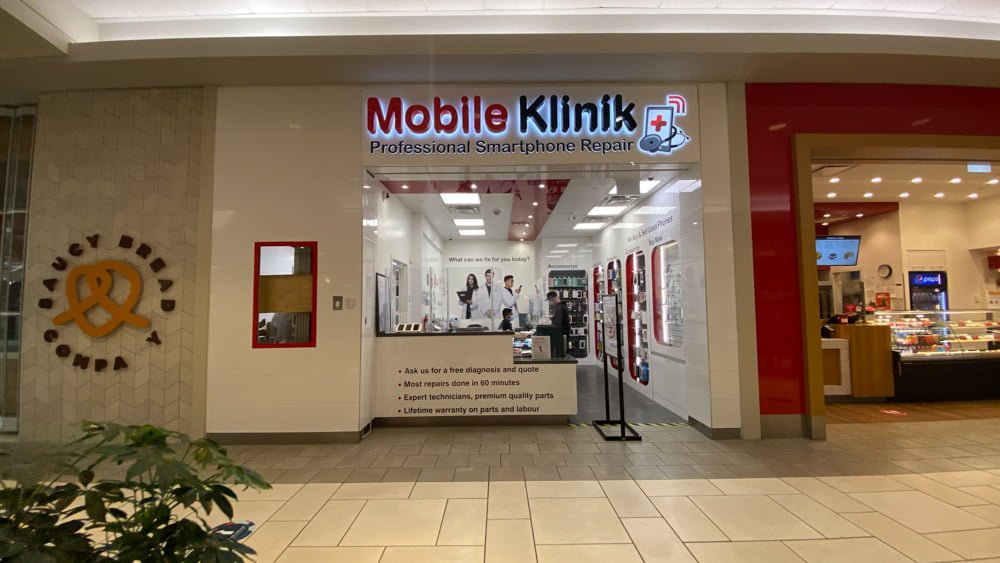
Mobile Klinik at CF Market Mall. Photo: Jessica Finch
House of Knives at CF Market Mall. Photo: Jessica Finch
Claire's at CF Market Mall. Photo: Jessica Finch
Lower Right section of CF Market Mall
The shopping centre’s food court resides in the northeast section of CF Market Mall forming the ‘lower right’ zone of the retail profile.
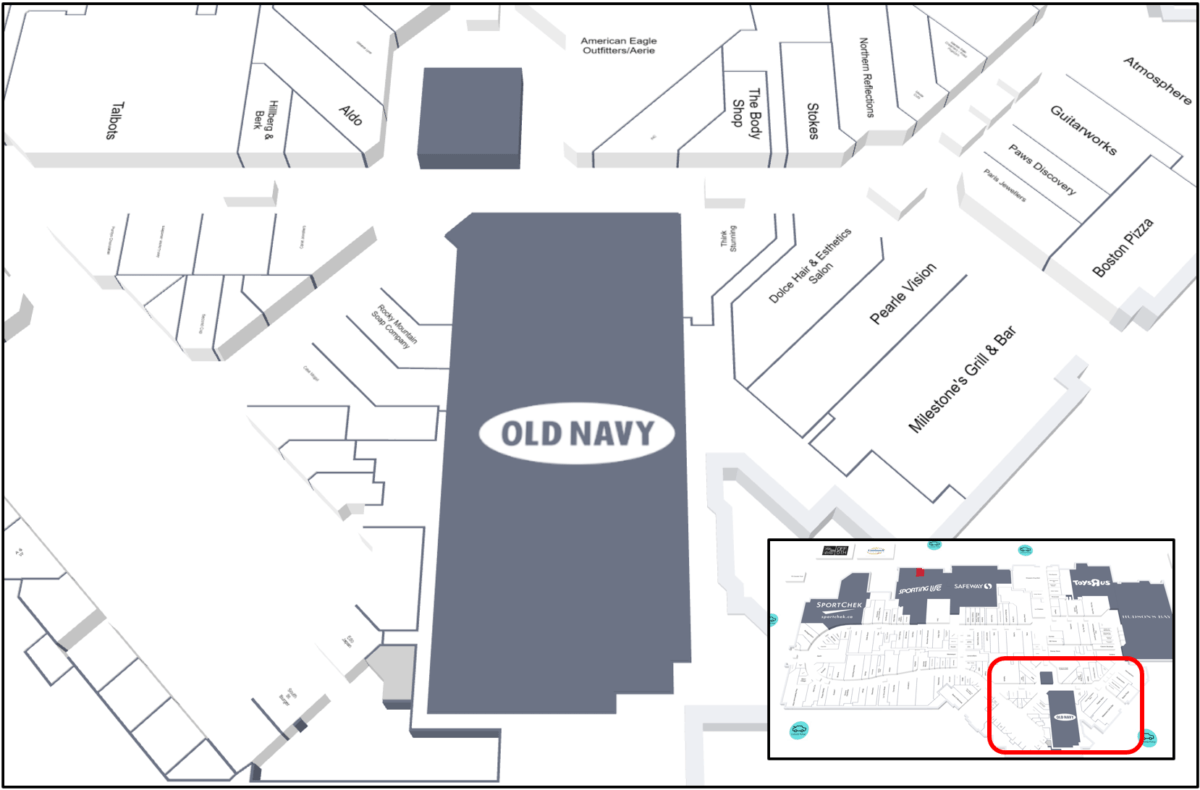
Lower Right (North East Corner) Map of CF Market Mall. Photo: Cadillac Fairview
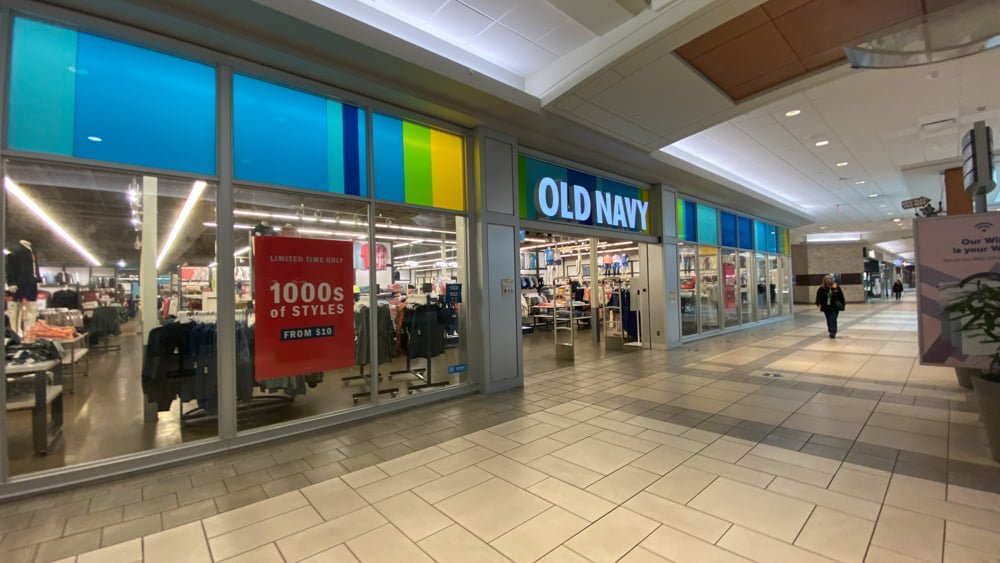
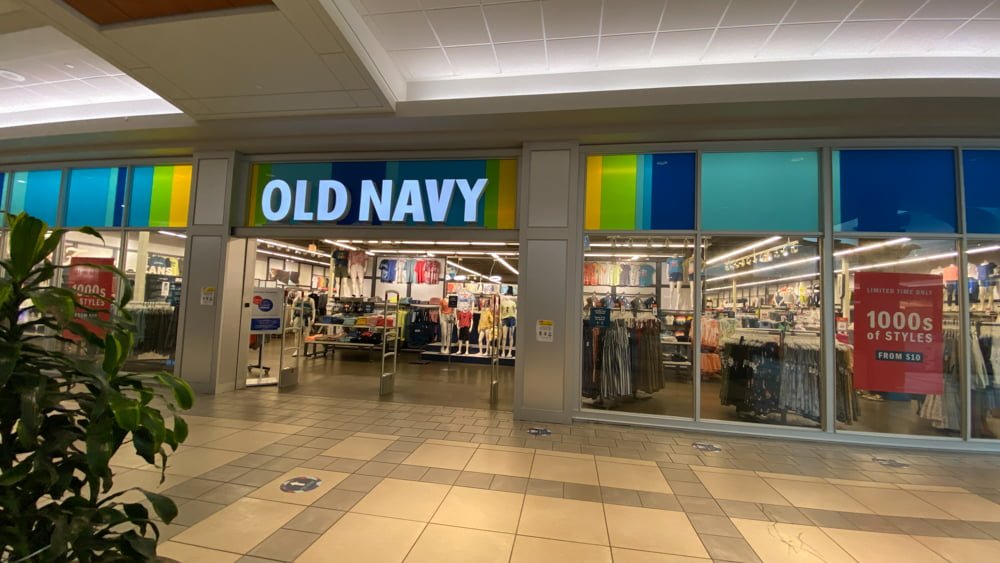
The main anchor in this section is Old Navy spanning 20,000 square feet of retail space.
Old Navy at CF Market Mall. Photo: Jessica Finch
Old Navy at CF Market Mall. Photo: Jessica Finch
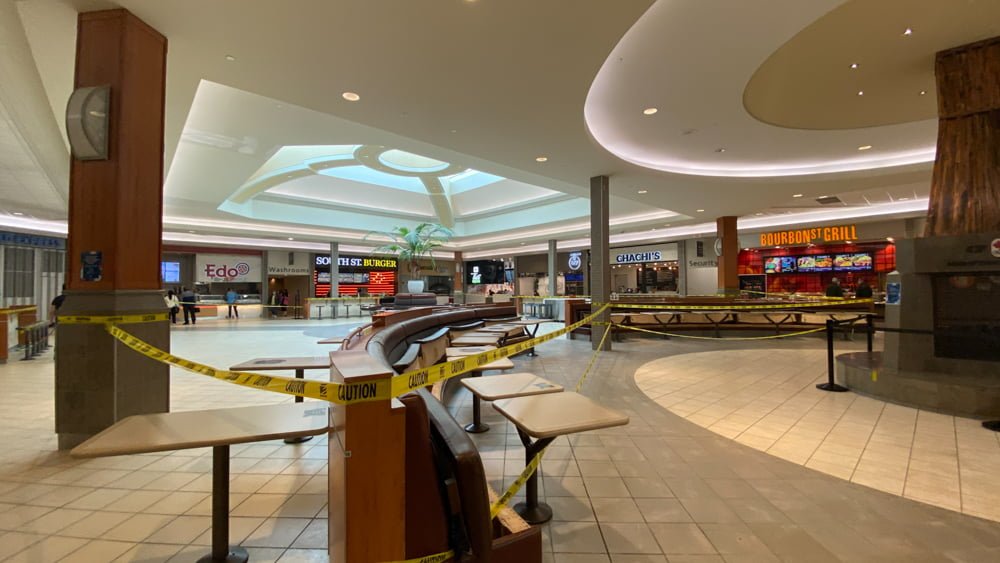
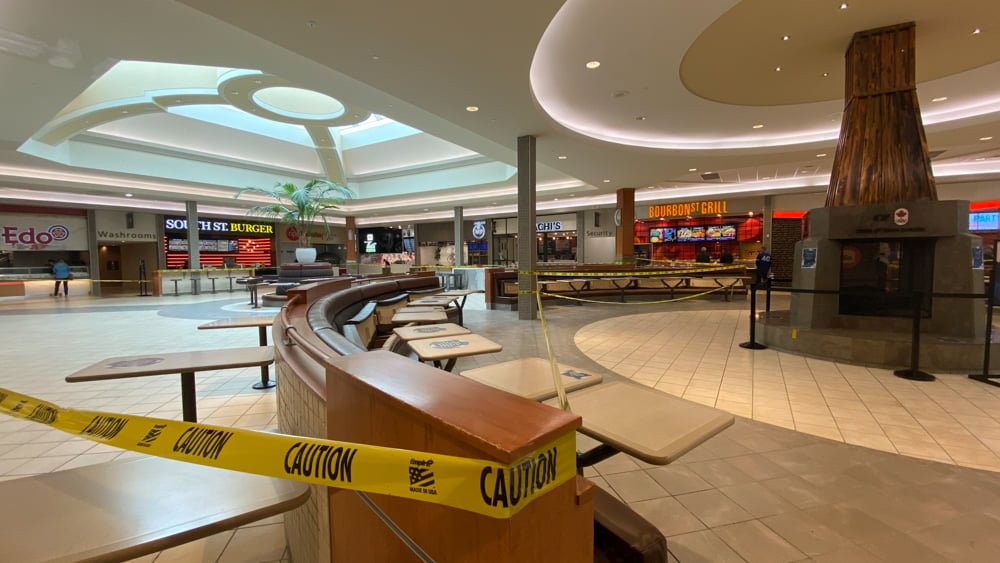
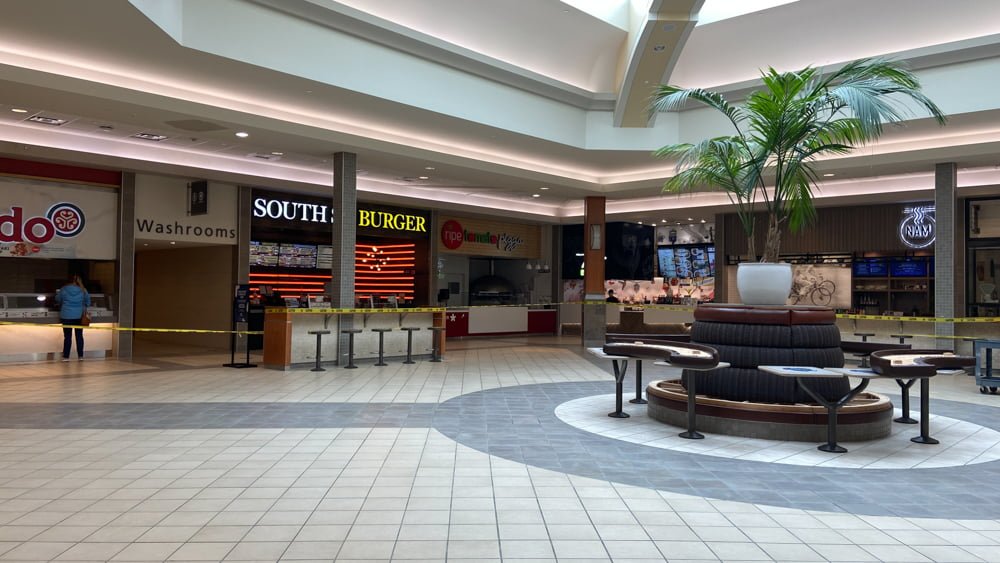
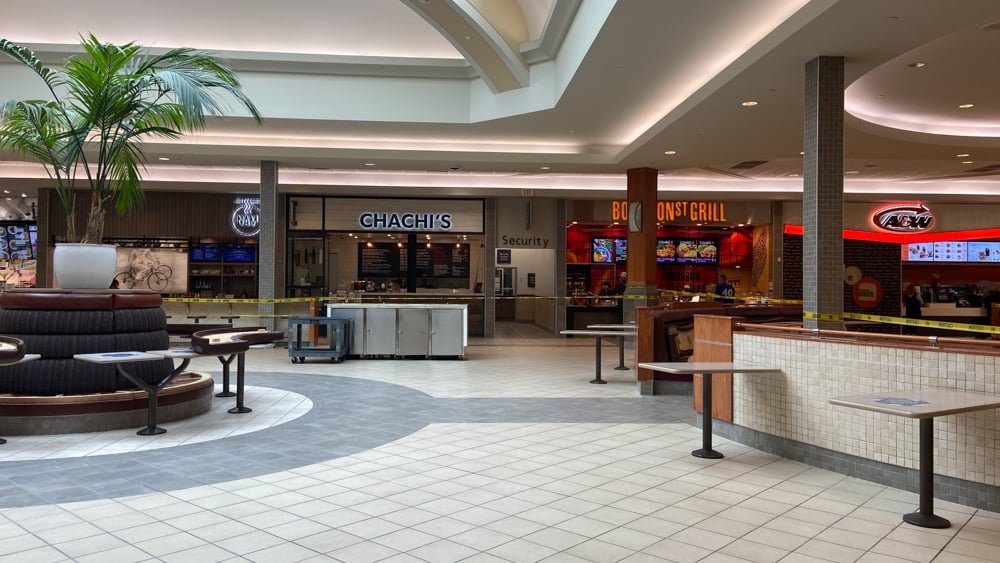
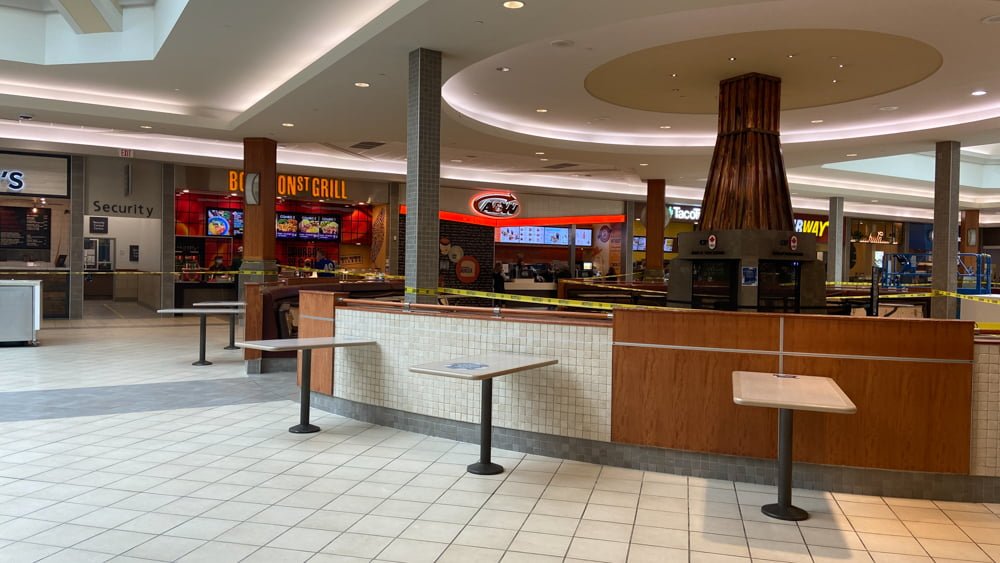
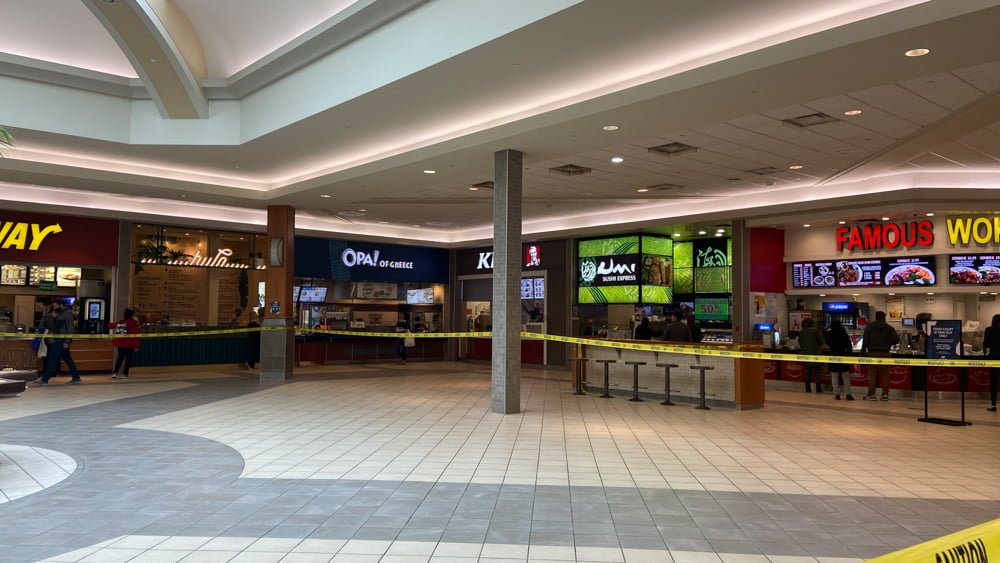
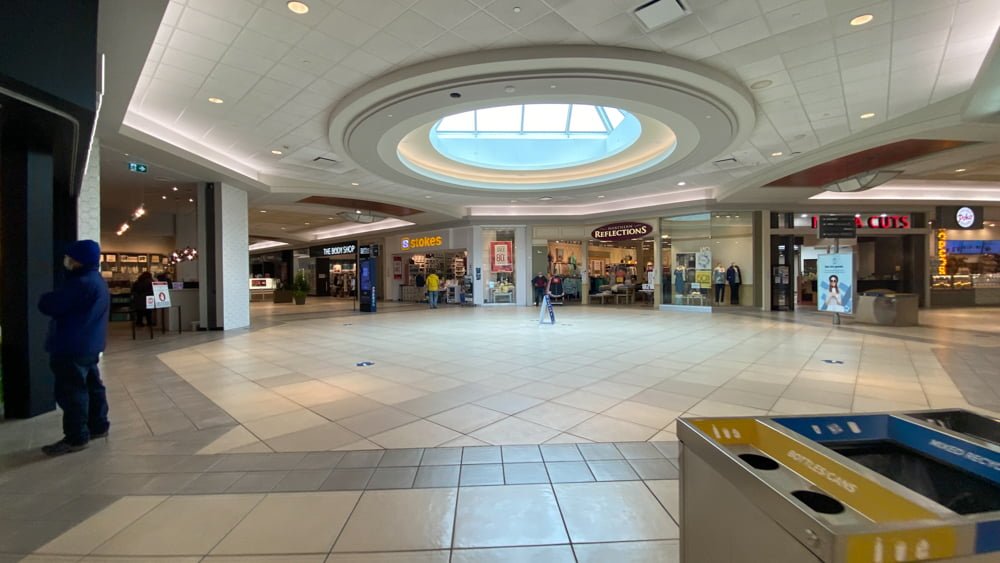
The food court seating area at CF Market Mall has been shuttered due to the COVID-19 pandemic but a number of food vendors remained open for takeout service.
Food Court at CF Market Mall
1 of 11
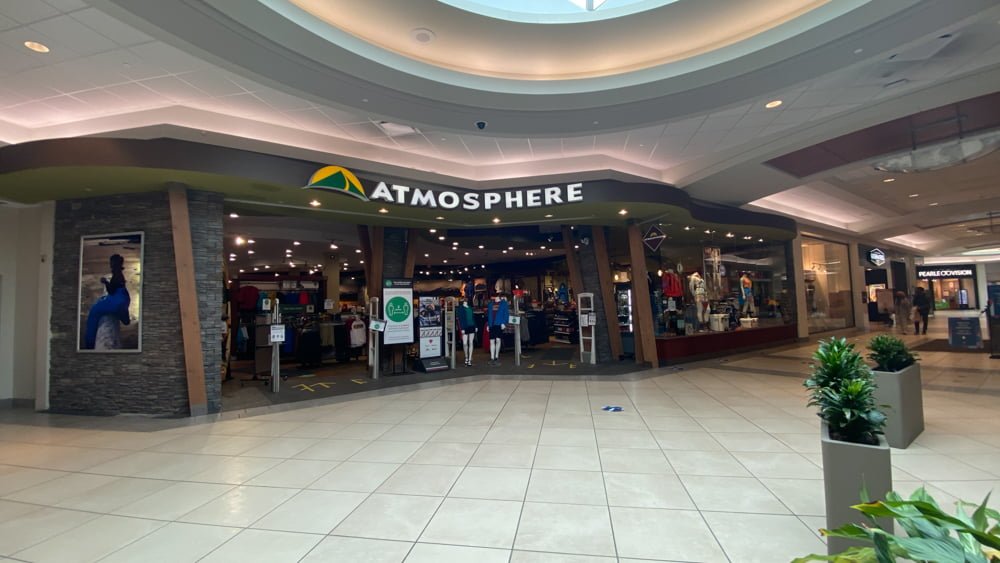
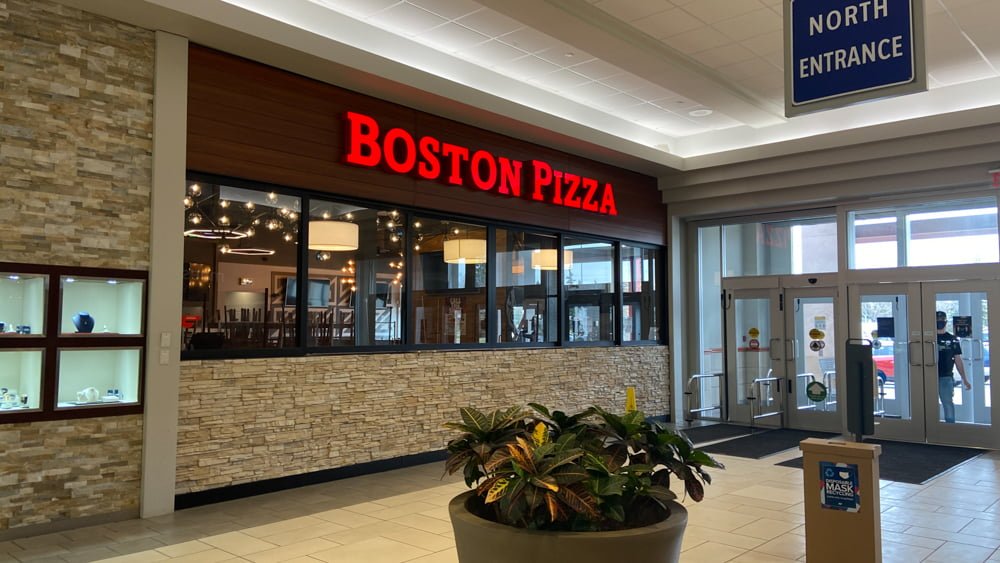
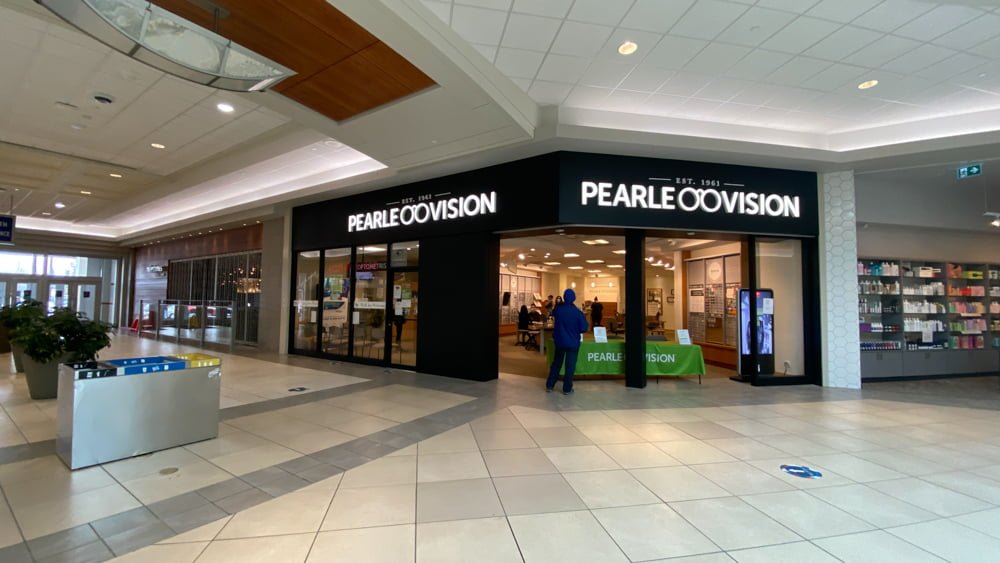
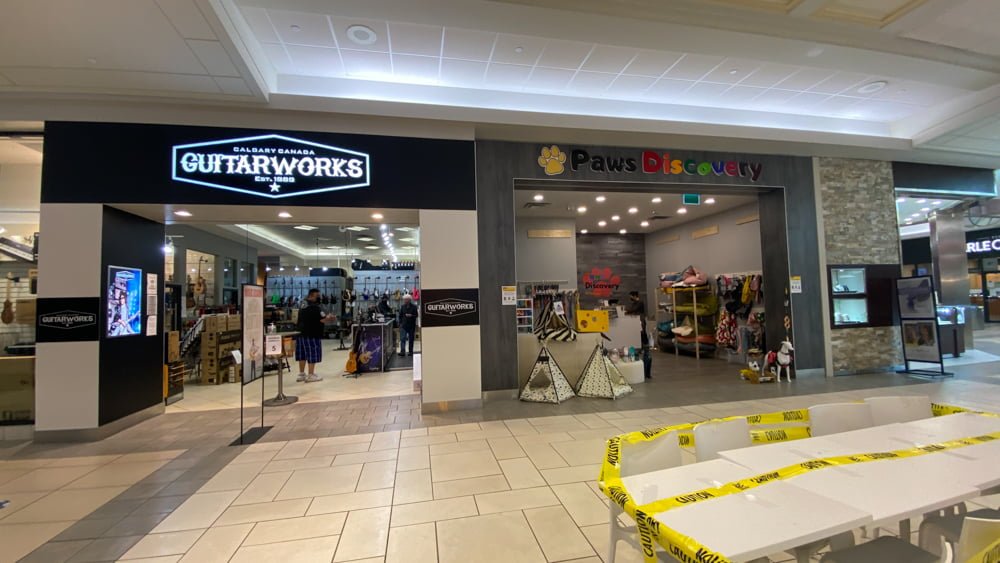
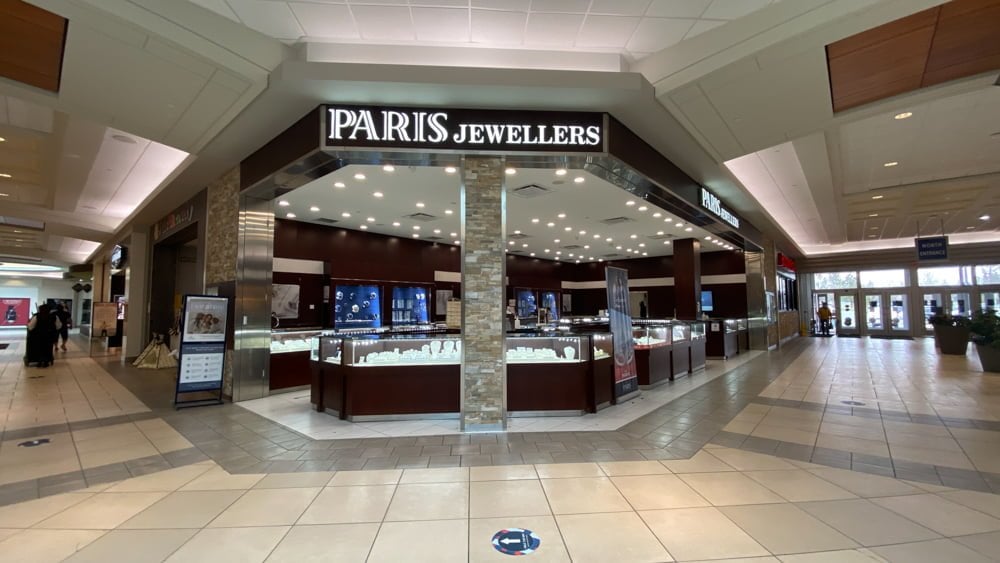
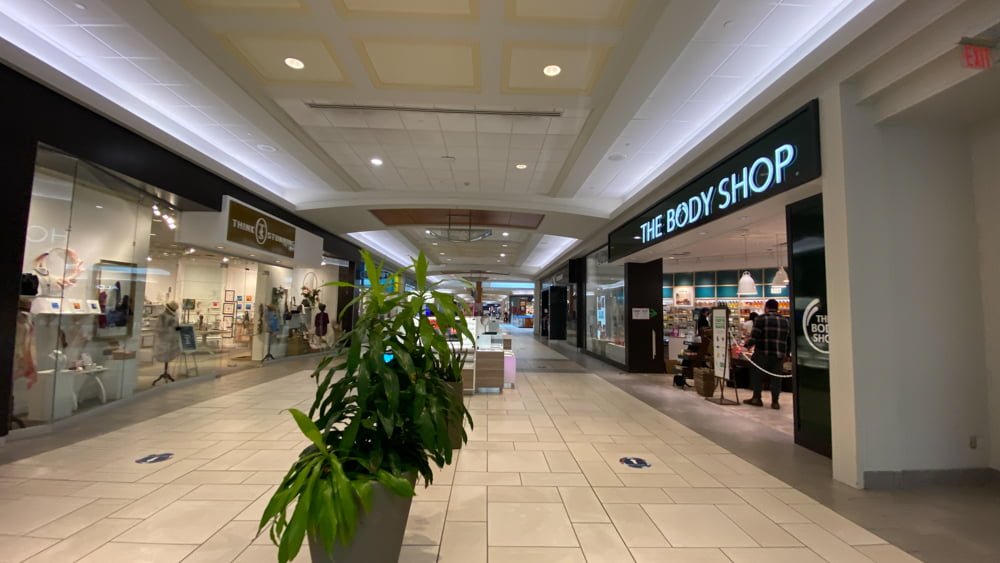
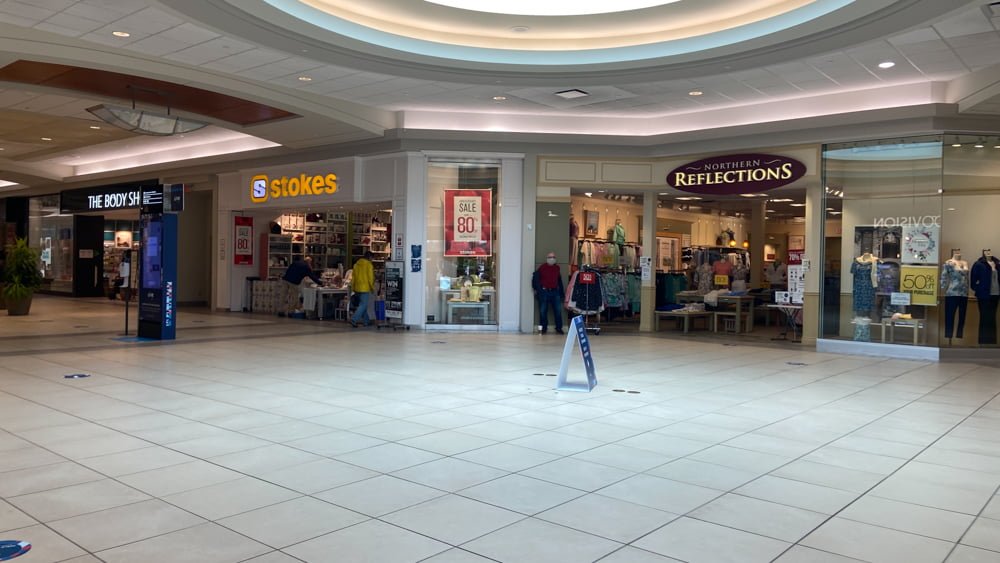
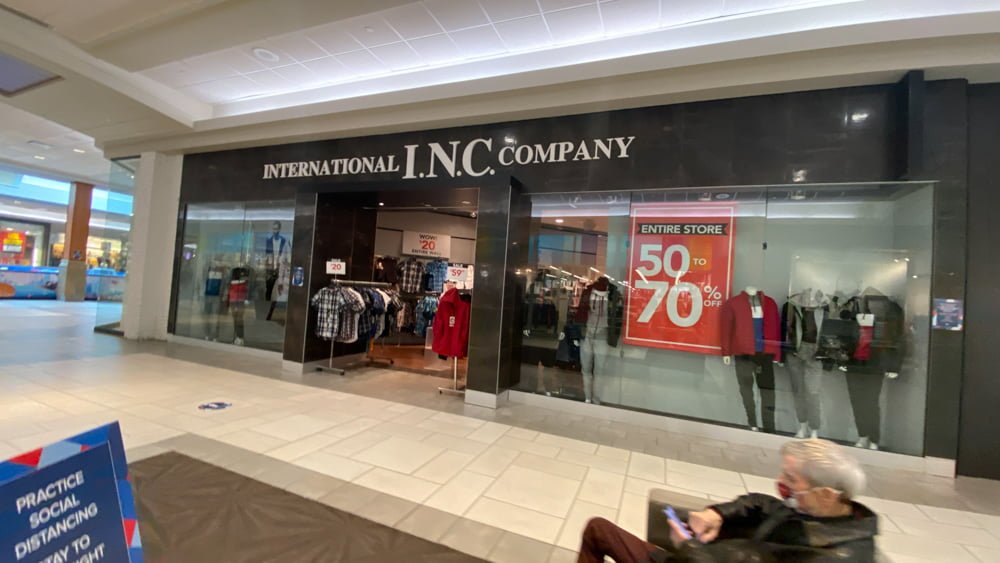
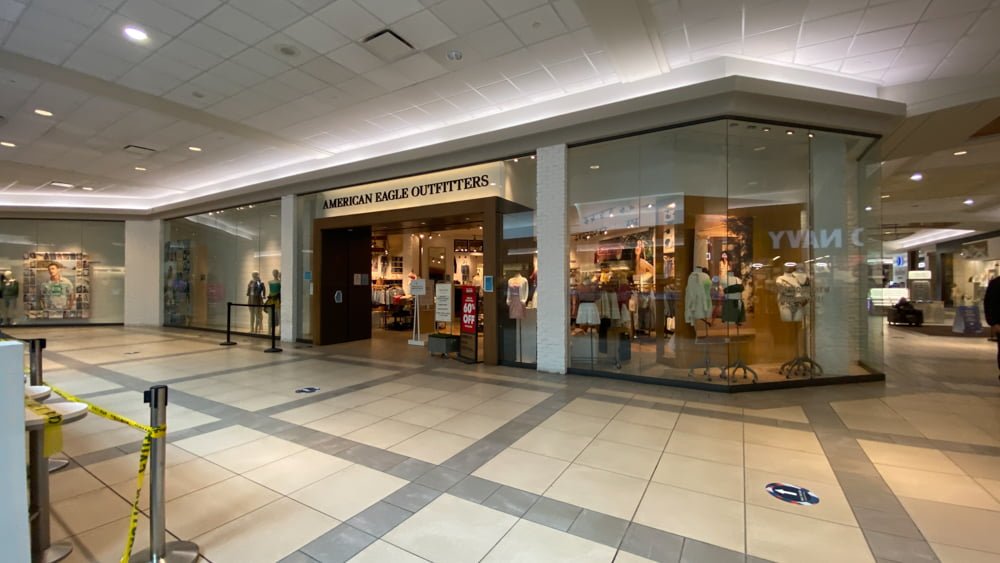
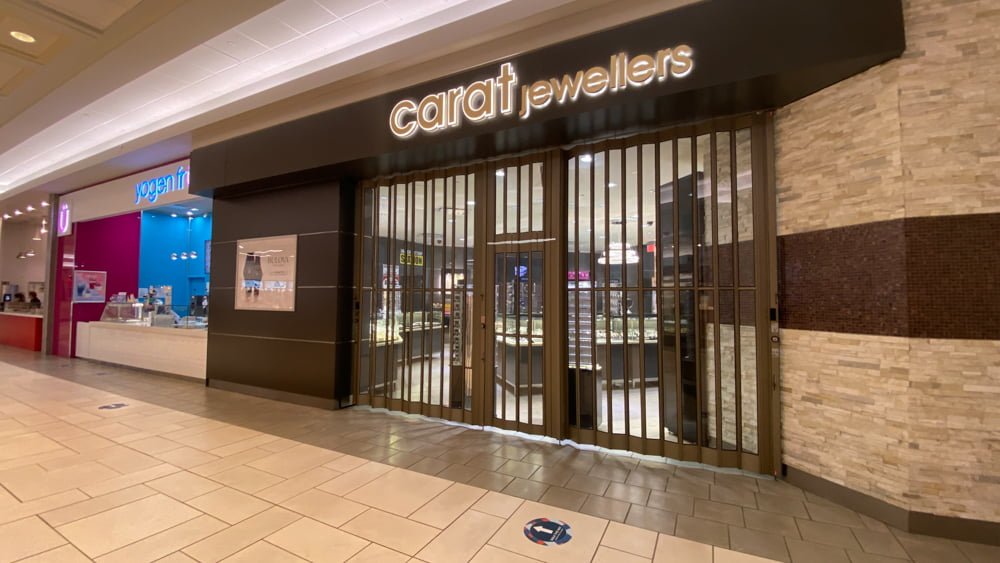
Various retailers in this section of CF Market Mall include Atmosphere, Guitarworks, Paws Discovery, Paris Jewellers, Pearle Vision, Northern Reflections, Stokes, The Body Shop, American Eagle, Bentley, Melanie Lyne, Aldo, Talbots, Carat Jewellers, Ann-Louise Jewellers, and Purdys Chocolatier.
Select Retailers in North East section of CF Market Mall
1 of 12
Atmosphere at CF Market Mall. Photo: Jessica Finch
Boston Pizza Restaurant at CF Market Mall. Photo: Jessica Finch
Pearle Vision at CF Market Mall. Photo: Jessica Finch
Guitarworks at CF Market Mall. Photo: Jessica Finch
Paris Jewellers at CF Market Mall. Photo: Jessica Finch
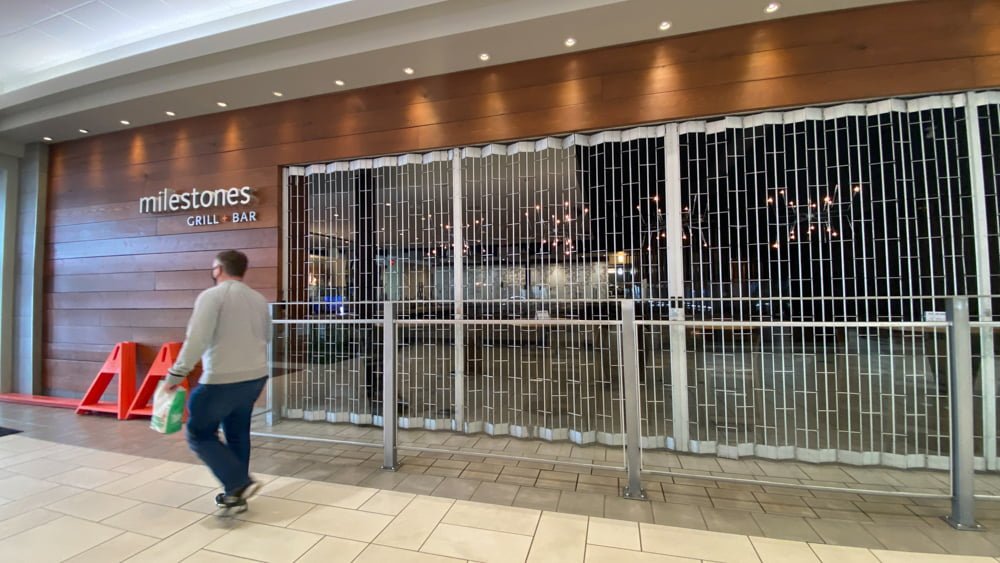
Milestones Restaurant at CF Market Mall. Photo: Jessica Finch
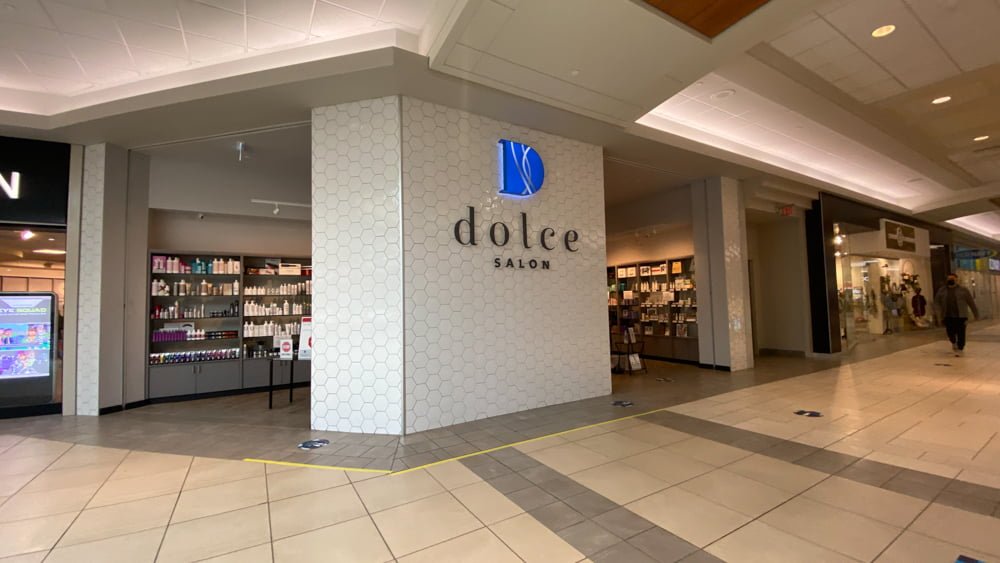
Dolce Salon at CF Market Mall. Photo: Jessica Finch
The Body Shop at CF Market Mall. Photo: Jessica Finch
Stokes and True Reflections at CF Market Mall. Photo: Jessica Finch
International LNC Company at CF Market Mall. Photo: Jessica Finch
American Eagle Outfitters at CF Market Mall. Photo: Jessica Finch
Carat Jewellers at CF Market Mall. Photo: Jessica Finch
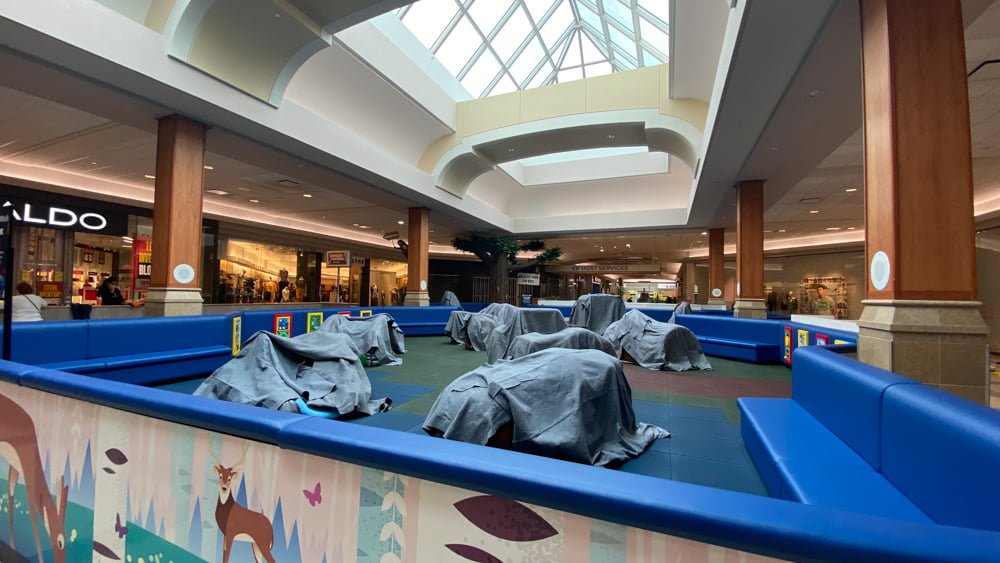
Mall corridor in North West section of CF Market Mall. Photo: Jessica FinchChildren’s play area closed due to COVID-19 at CF Market Mall. Photo: Jessica Finch
Lower left section of CF Market Mall
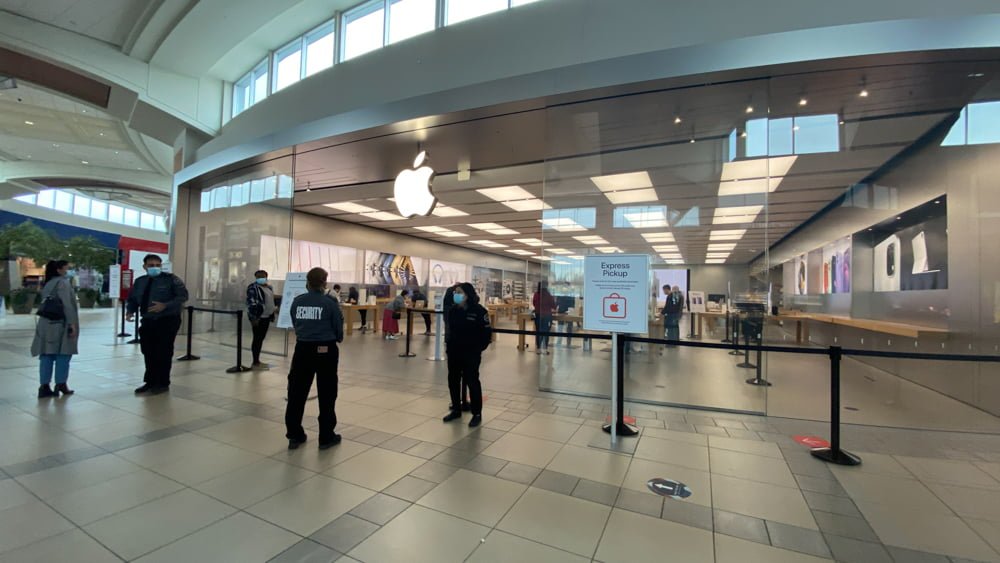
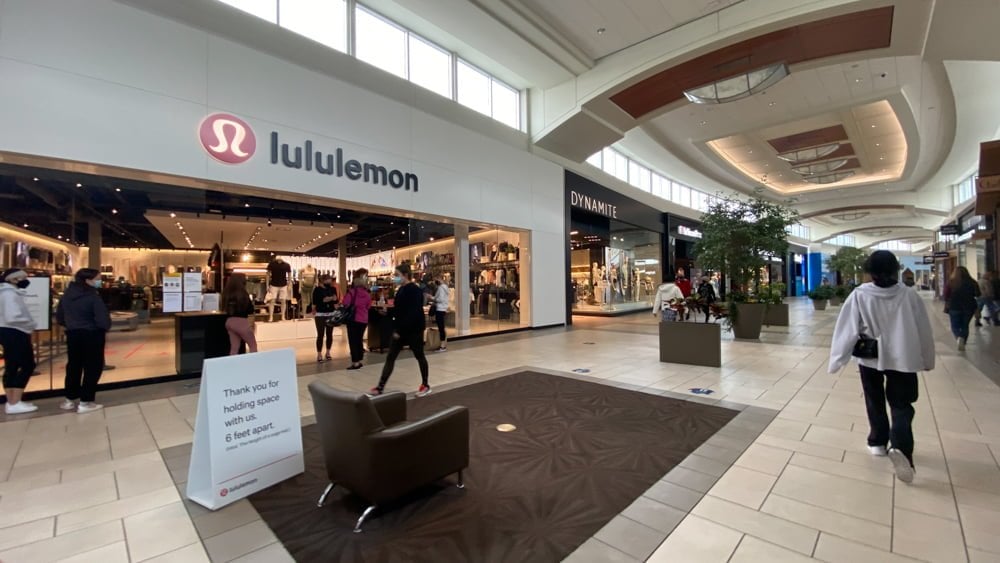
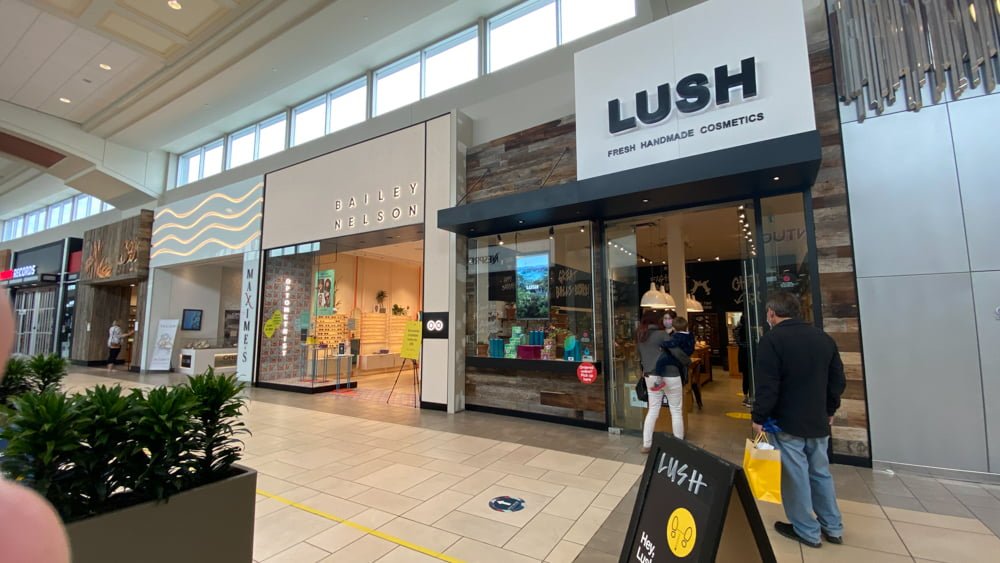
The final tour section is the southeast portion of CF Market Mall and, while it does not have any large-format retailers, there are a number of recognizable brands residing in this section like Apple, Lush Cosmetics and Lululemon.
1 of 4
Apple at CF Market Mall. Photo: Jessica Finch
Lululemon at CF Market Mall. Photo: Jessica Finch
Lush Cosmetics at CF Market Mall. Photo: Jessica Finch
Apple at CF Market Mall. Photo: Jessica Finch
Lower Left (South East Corner) Map of CF Market Mall. Photo: Cadillac Fairview
A number of retailers in this zone had their location in CF Market Mall featured in Retail Insider over the years, including:
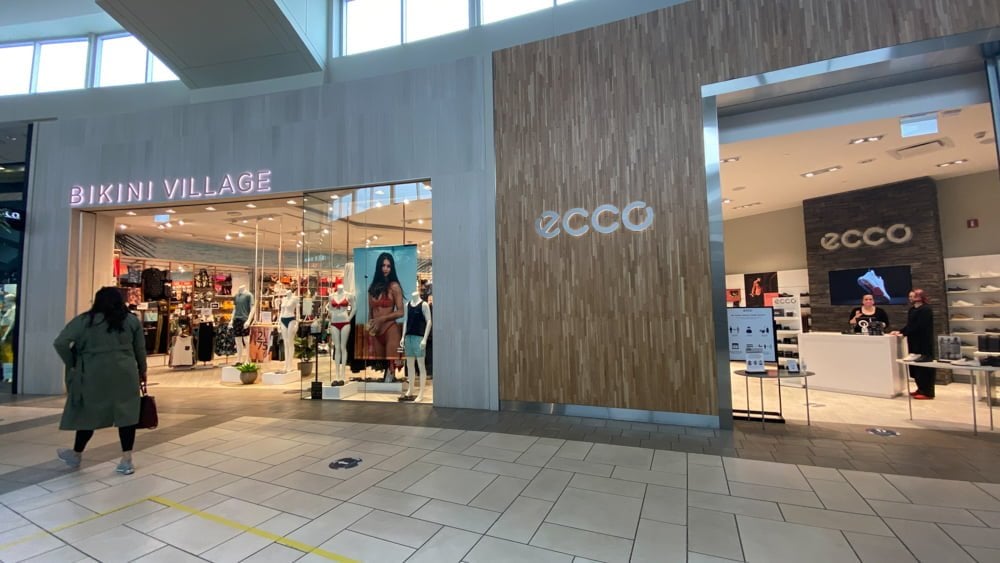
Bikini Village and ECCO Shoes at CF Market Mall. Photo: Jessica Finch
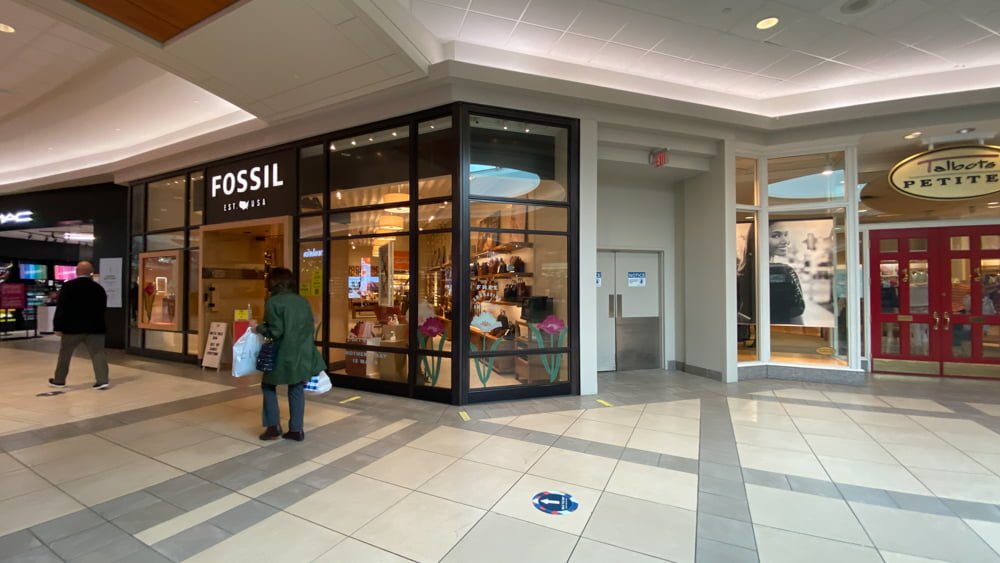
Fossil at CF Market Mall. Photo: Jessica Finch
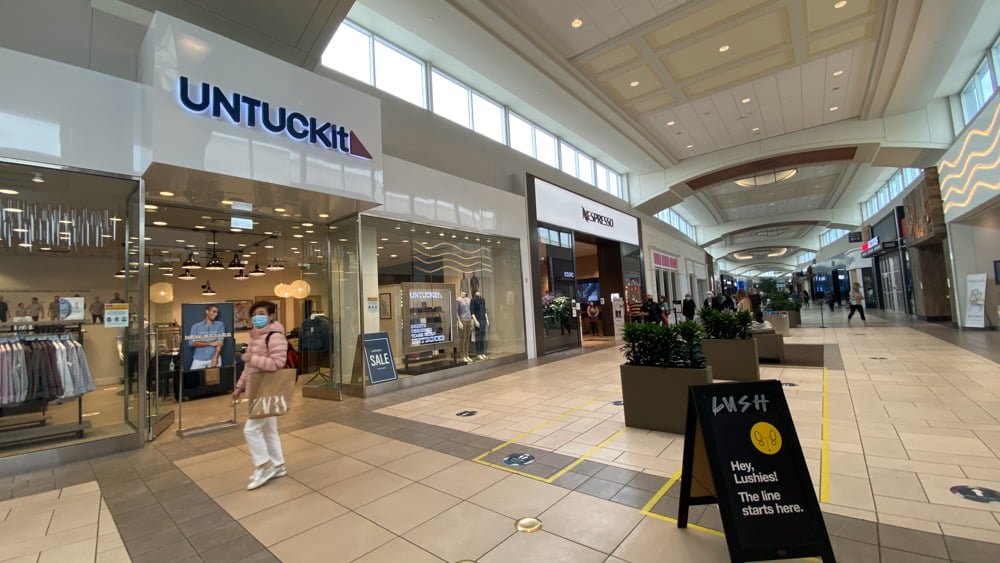
UNTUCKit at CF Market Mall. Photo: Jessica Finch
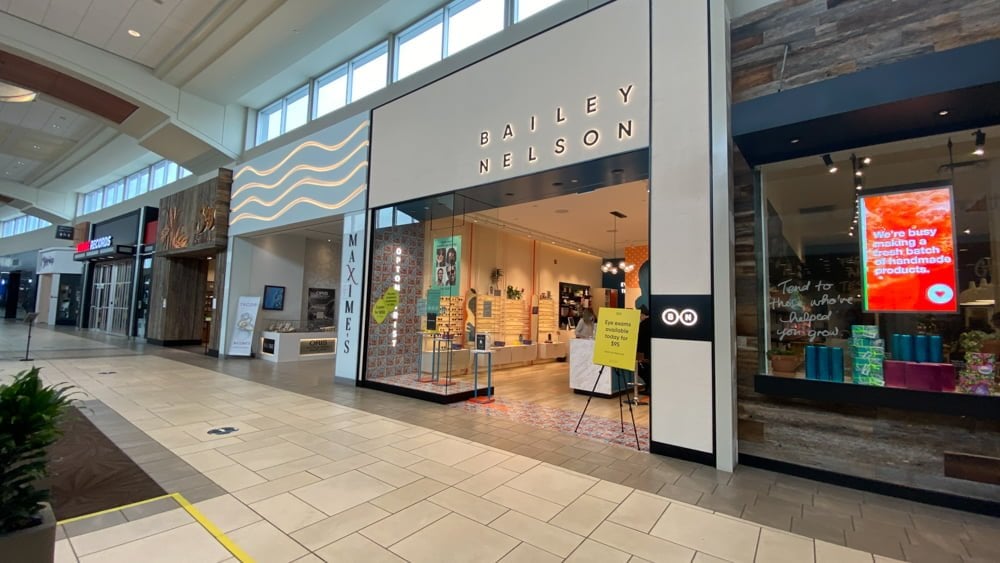
Bailey Nelson at CF Market Mall. Photo: Jessica Finch
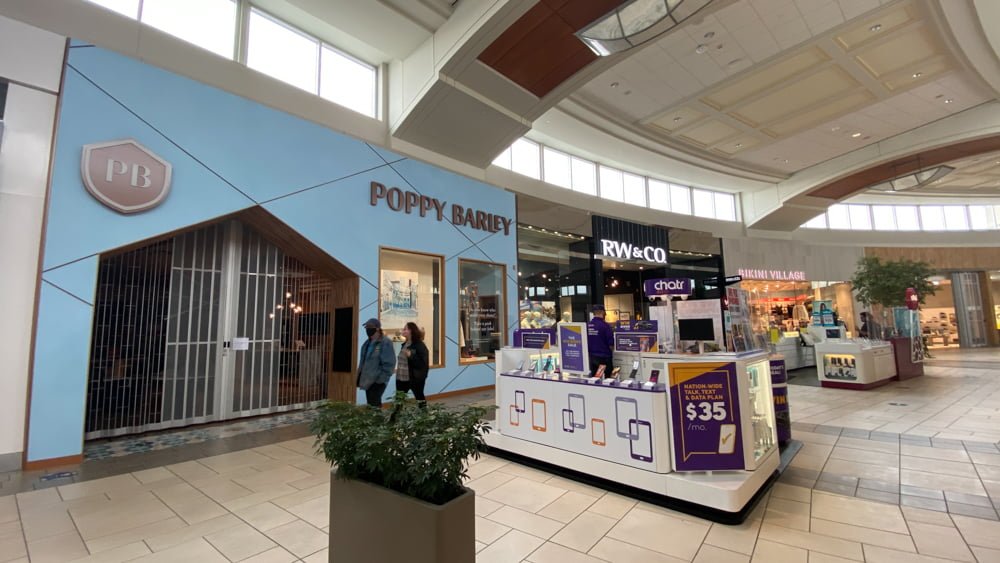
Poppy Barley at CF Market Mall. Photo: Jessica Finch
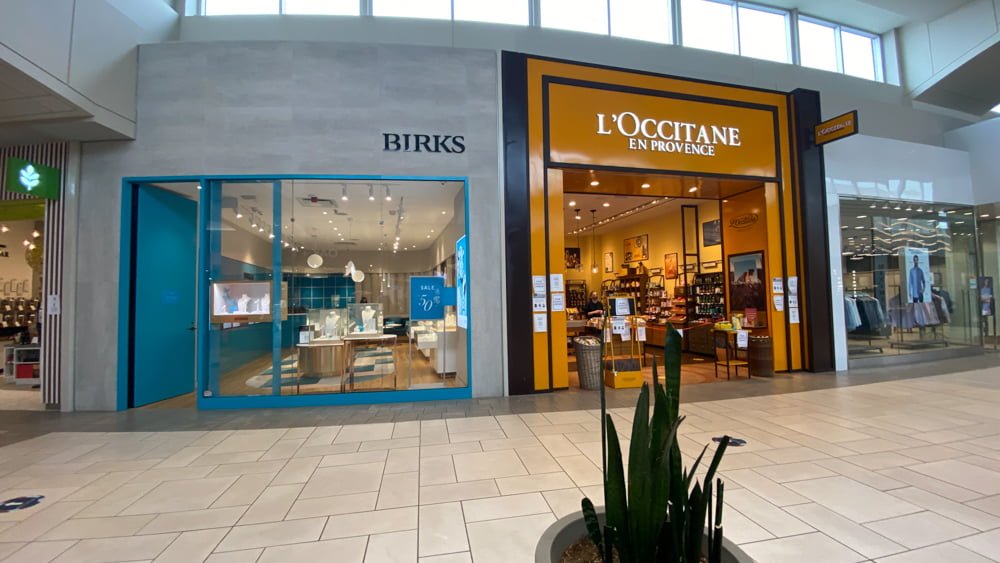
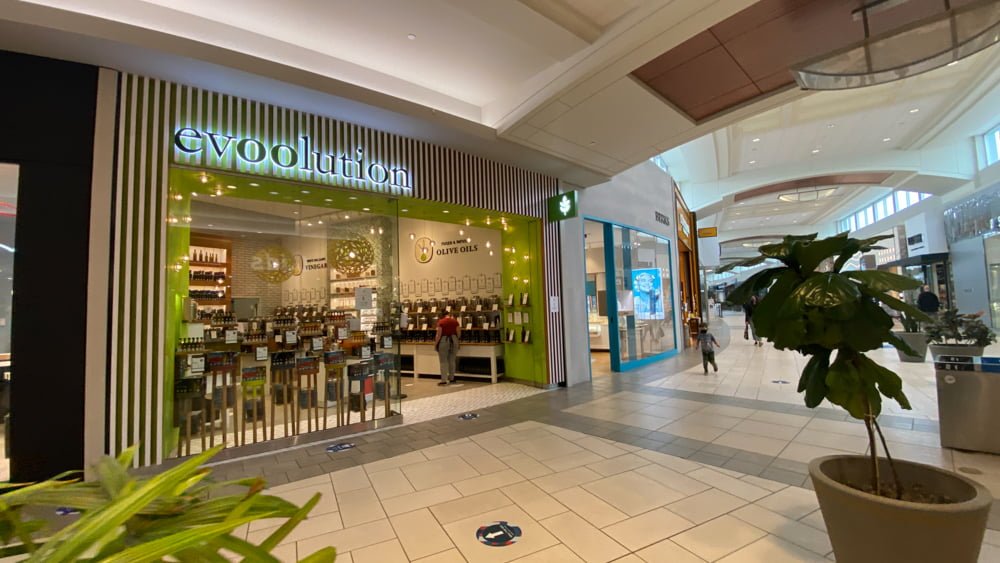
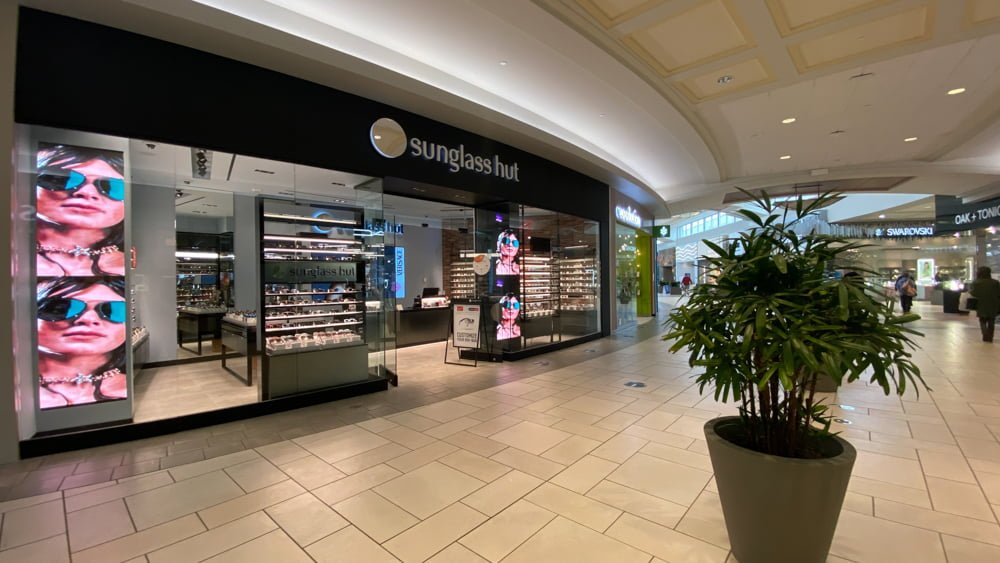
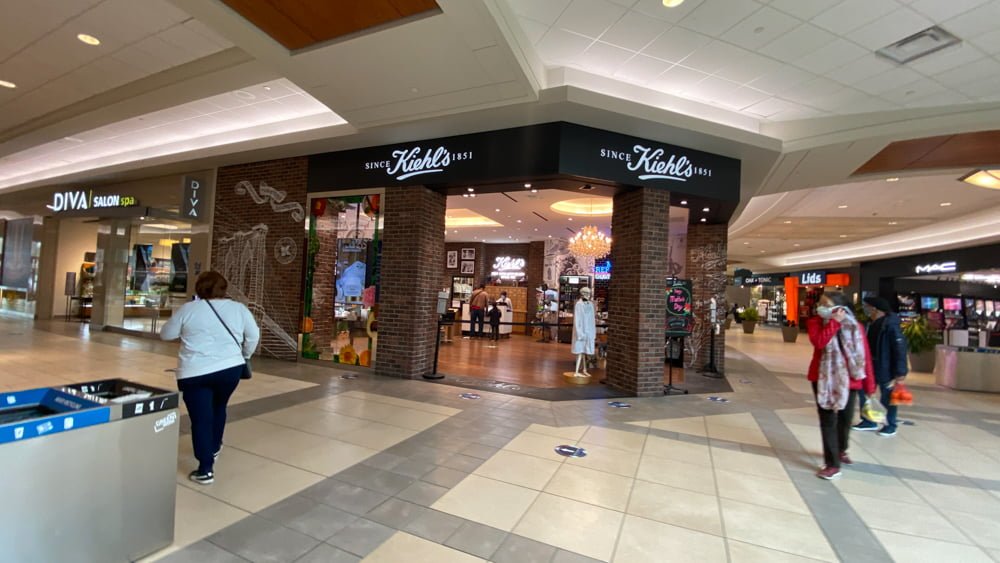
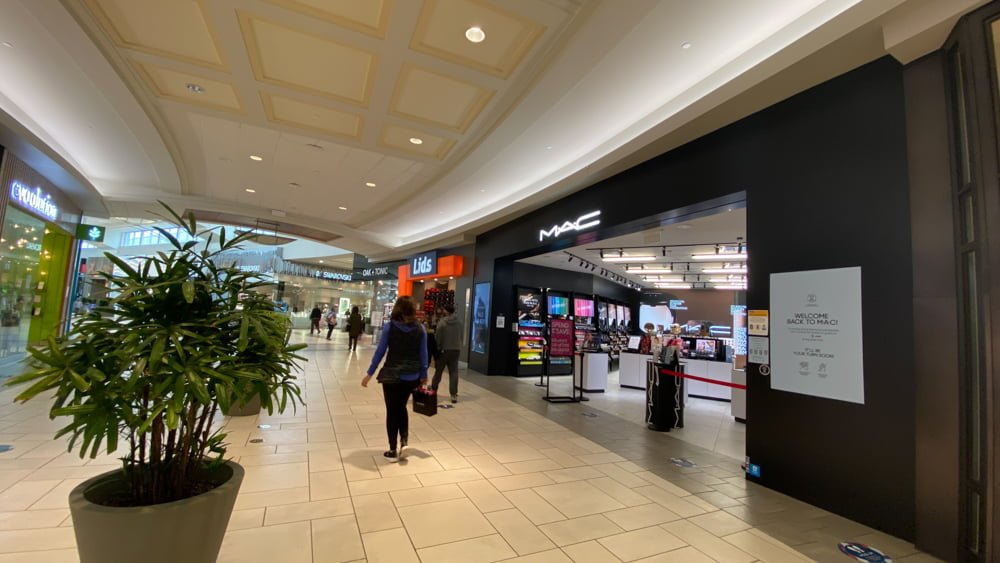
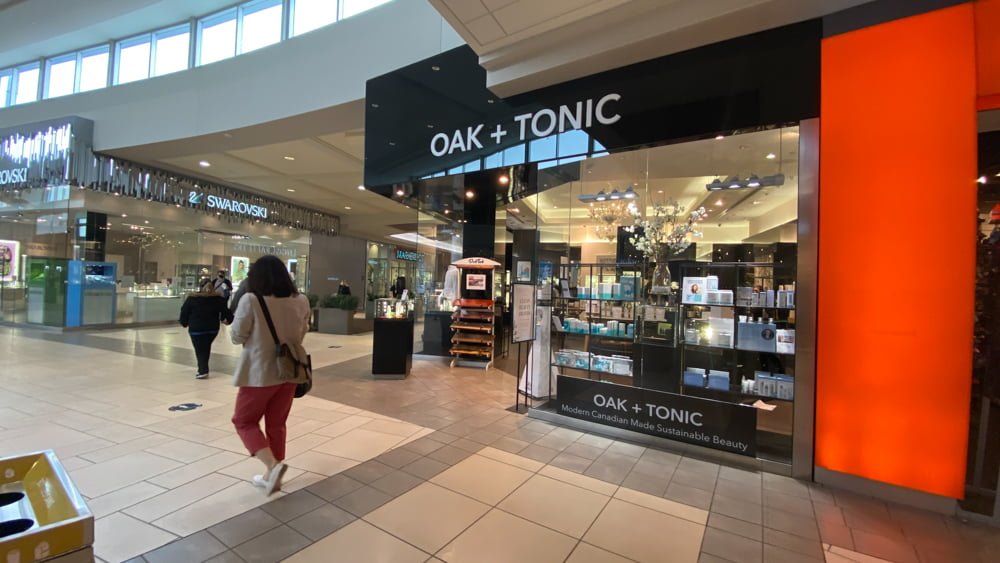
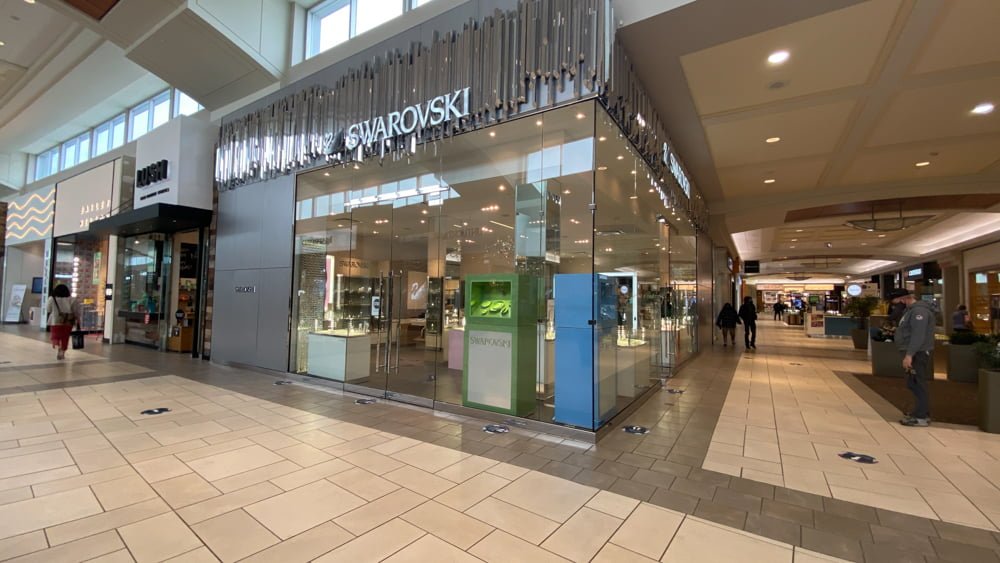
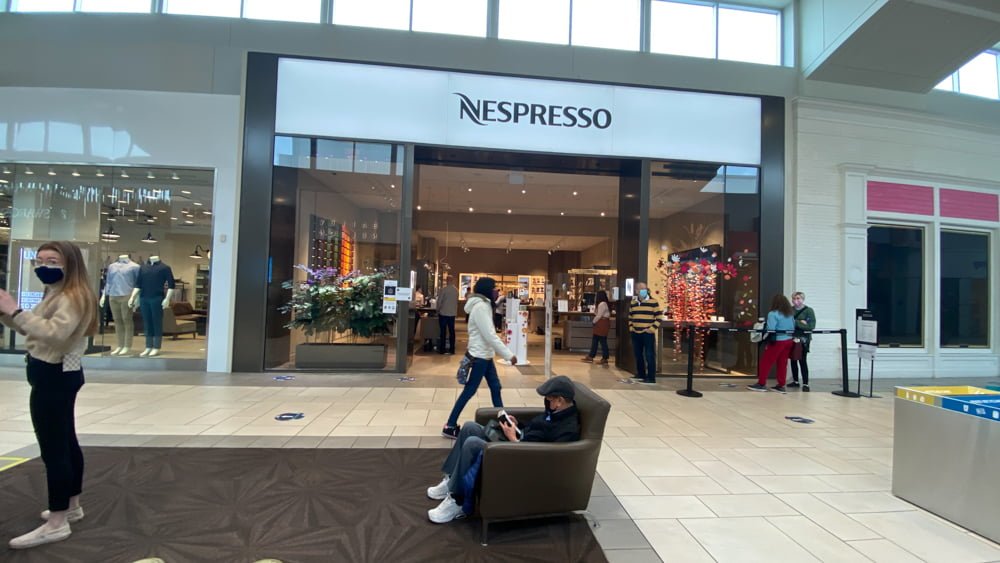
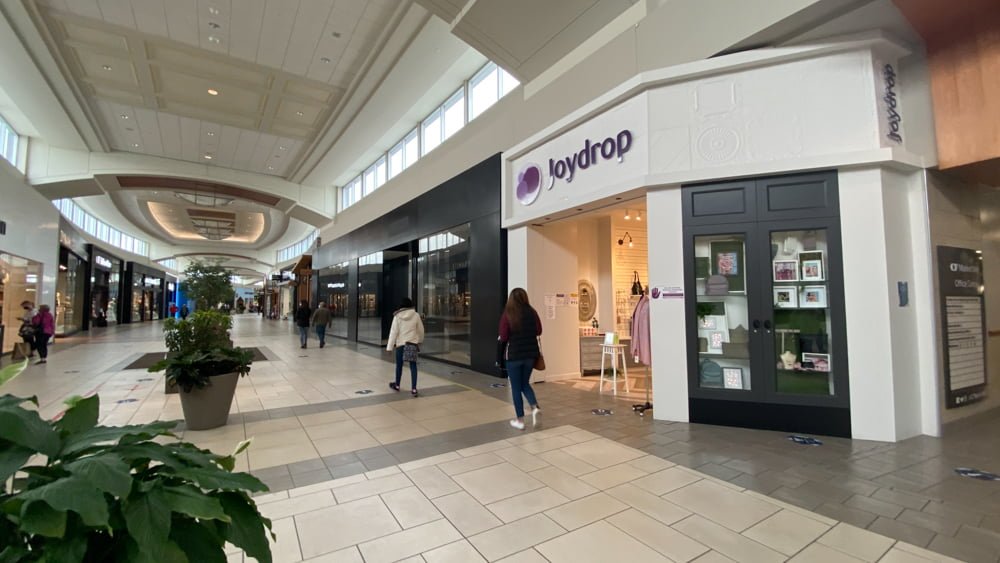
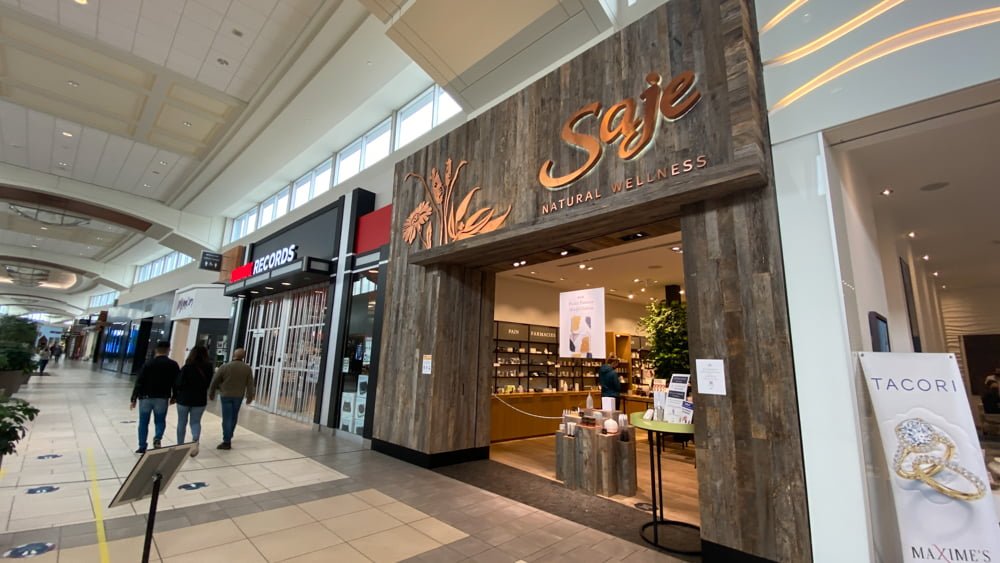
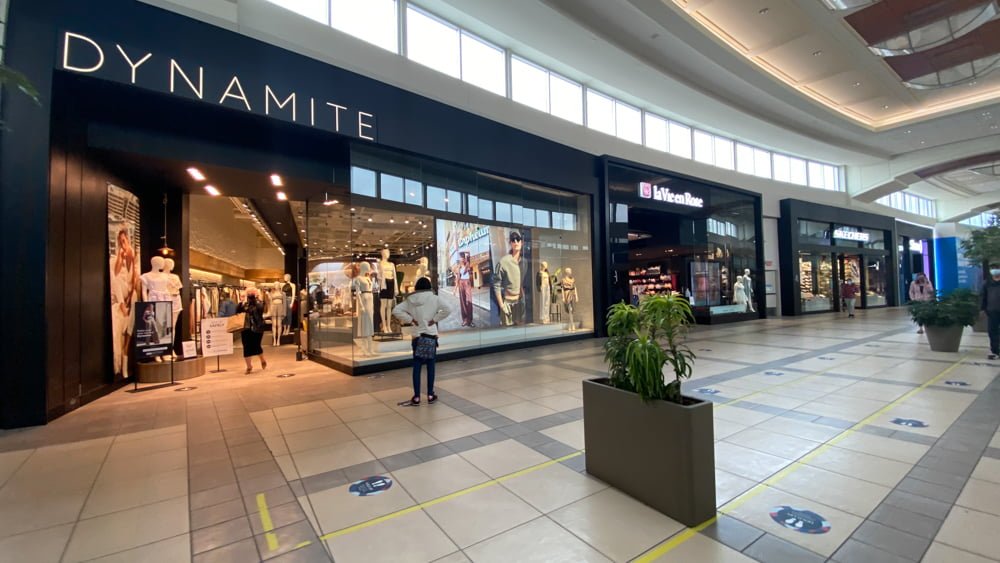
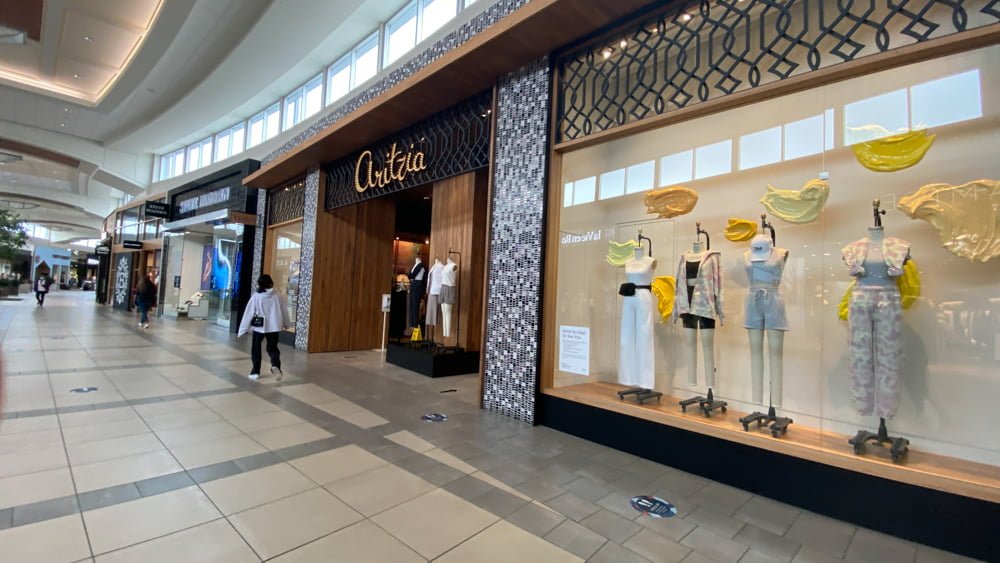
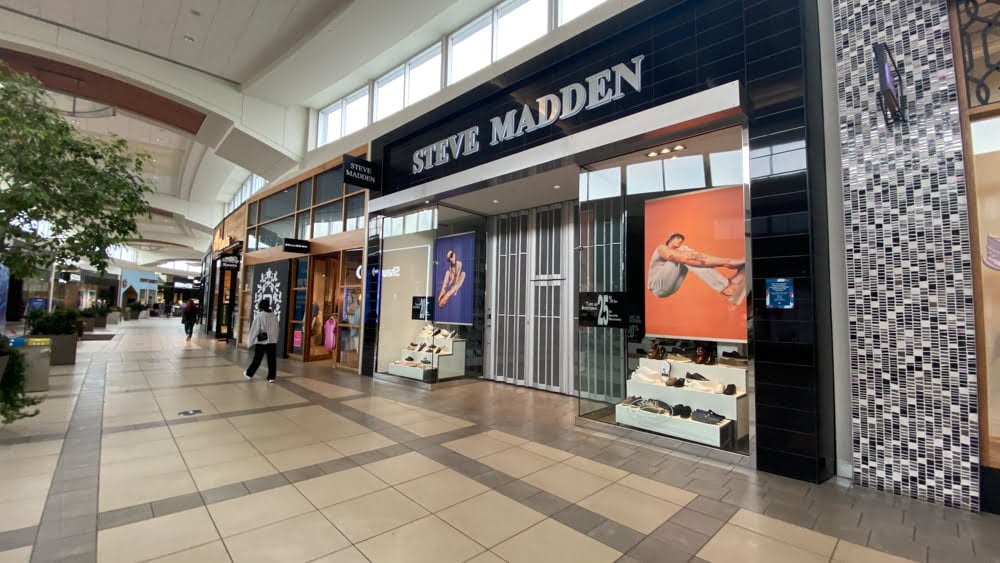
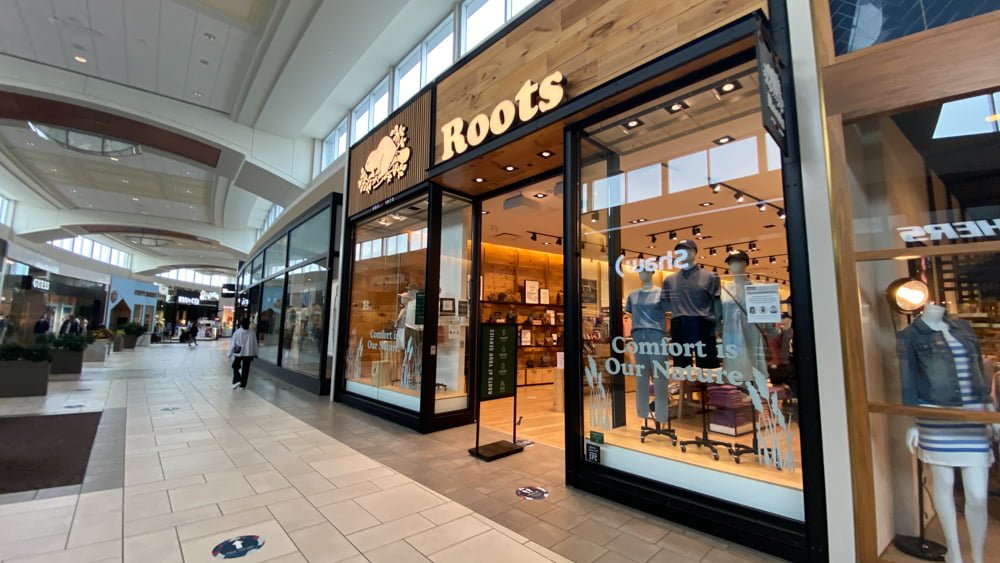
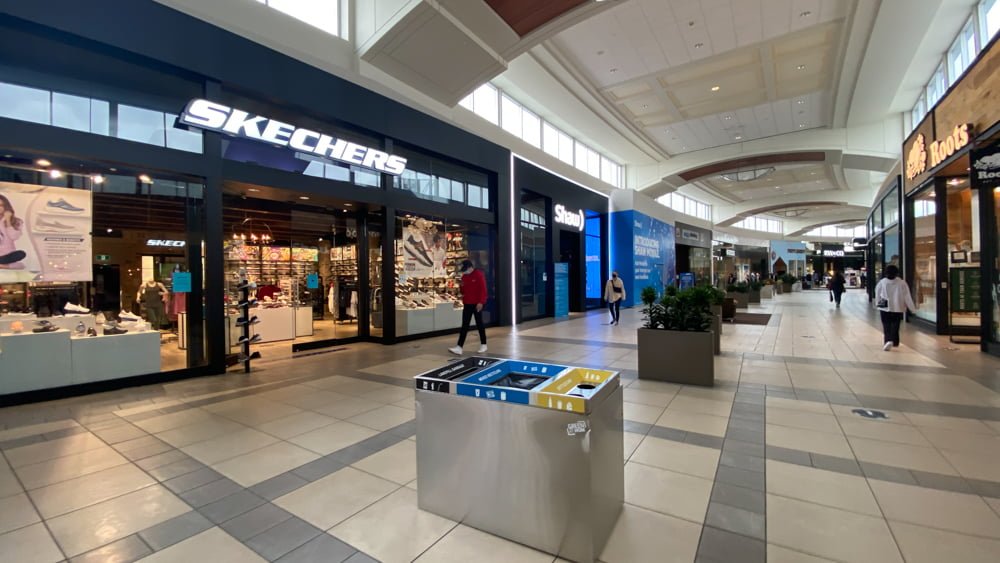
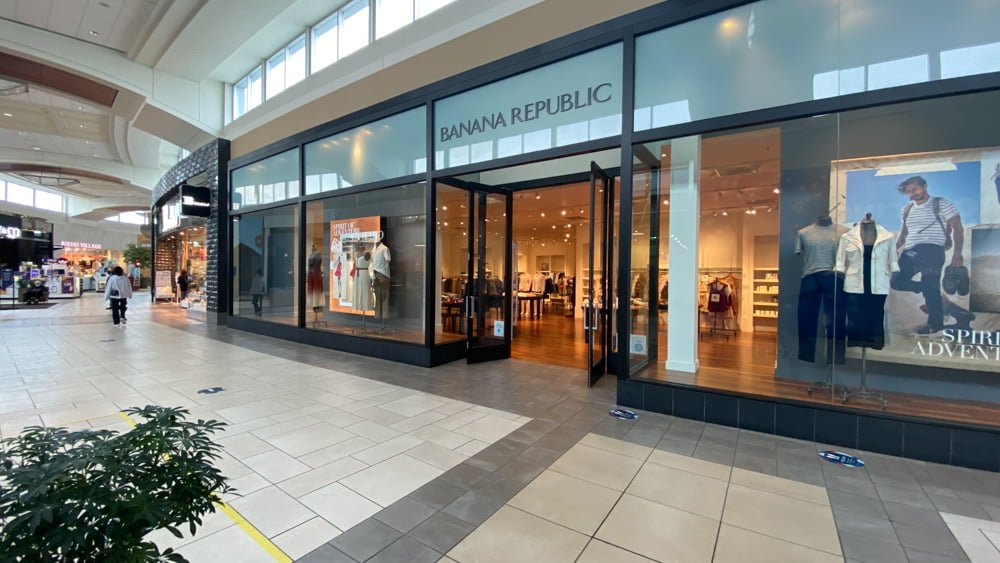
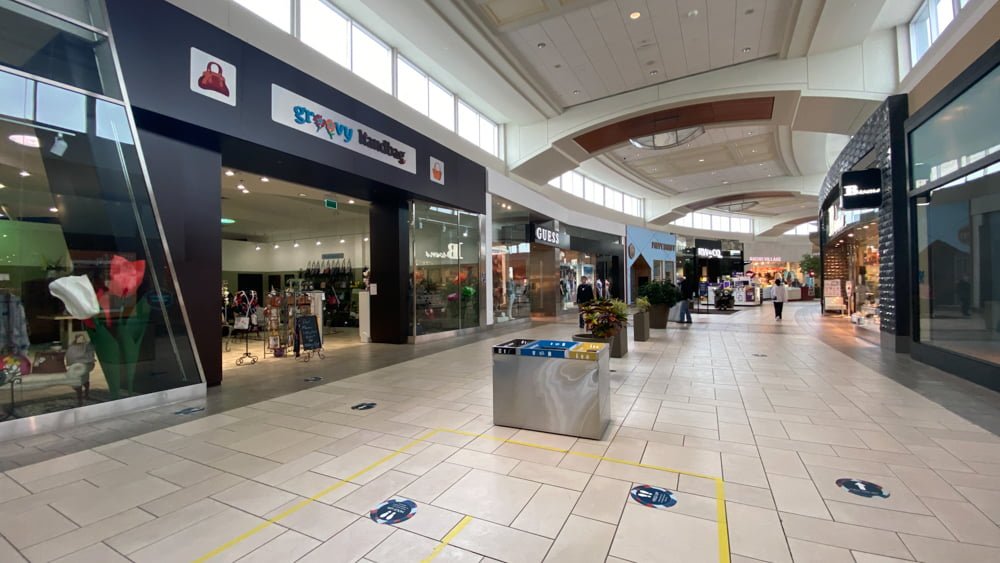
Other retailers in this section of CF Market Mall include Michael Hill, RW&Co., Rudsak, Aveda, Browns, Guess?, Banana Republic, Groovy Handbag, Roots, Bellissima, Sketchers, Steve Madden, Aritzia, La Vie en Rose, Dynamite, Joydrop, Sunrise Records, Saje Natural Wellness, Nespresso, Jewels by Maximes, Swarovski, UNTUCKit, L’Occitane, Birks, Evolution, Oak + Tonic, Lids, MAC, Sunglass Hut, and Kiehl’s.
Select Retailers in South East section of CF Market Mall
1 of 12
Birks and L'Occitane at CF Market Mall. Photo: Jessica Finch
Evolution at CF Market Mall. Photo: Jessica Finch
Sunglass Hut at CF Market Mall. Photo: Jessica Finch
Kiehl's at CF Market Mall. Photo: Jessica Finch
MAC at CF Market Mall. Photo: Jessica Finch
Oak + Tonic at CF Market Mall. Photo: Jessica Finch
Swarovski at CF Market Mall. Photo: Jessica Finch
Nespresso at CF Market Mall. Photo: Jessica Finch
Joydrop at CF Market Mall. Photo: Jessica Finch
Saje Wellness at CF Market Mall. Photo: Jessica Finch
Dynamite at CF Market Mall. Photo: Jessica Finch
Aritzia at CF Market Mall. Photo: Jessica Finch
Select Retailers in South East section of CF Market Mall
1 of 10
Rudsak at CF Market Mall. Photo: Jessica Finch
Steve Madden at CF Market Mall. Photo: Jessica Finch
Roots at CF Market Mall. Photo: Jessica Finch
Sketchers at CF Market Mall. Photo: Jessica Finch
Banana Republic at CF Market Mall. Photo: Jessica Finch
Groovy Bags at CF Market Mall. Photo: Jessica Finch
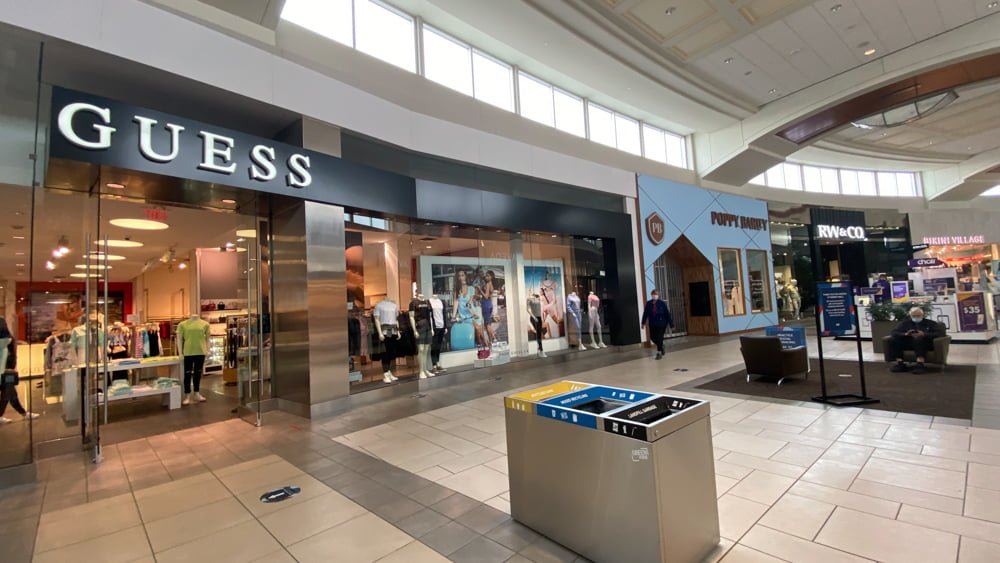
Guess at CF Market Mall. Photo: Jessica Finch
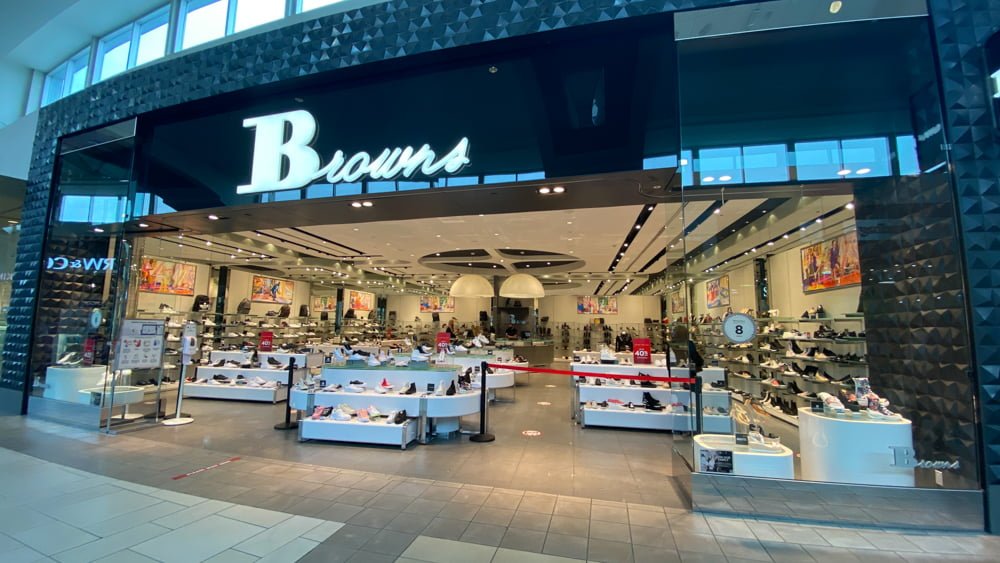
Browns Shoes at CF Market Mall. Photo: Jessica Finch
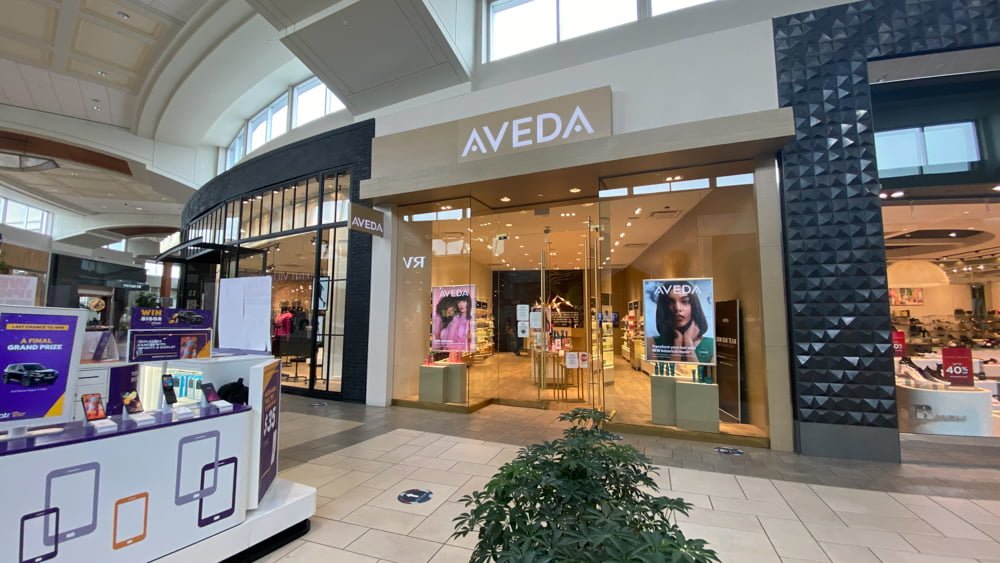
Aveda at CF Market Mall. Photo: Jessica Finch
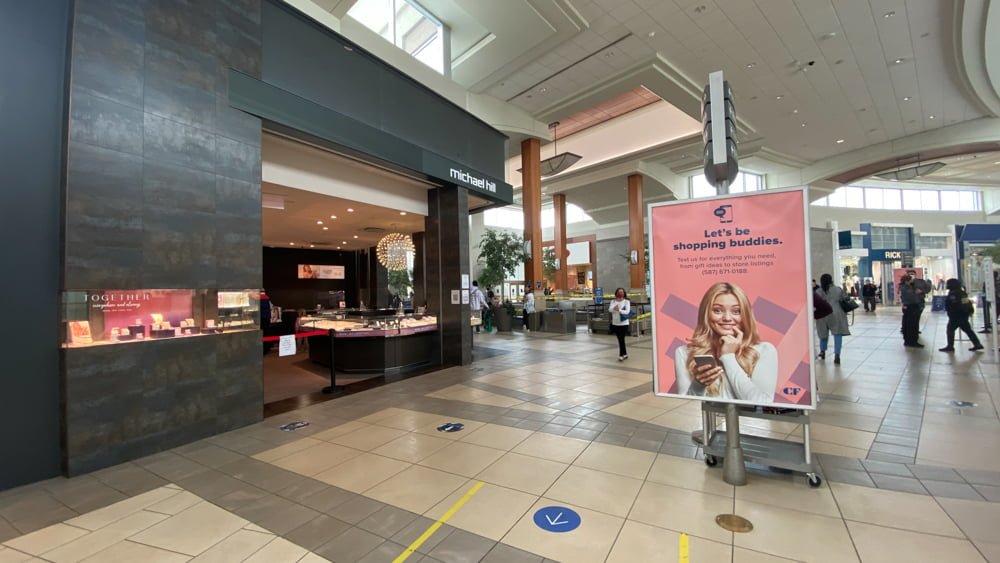
Michael Hill at CF Market Mall. Photo: Jessica Finch
We had a very interesting photo walk around CF Market Mall in Calgary and we hope you enjoyed coming along with us. Don’t forget to check out our other retail photo tours over the past few months. Thank you for taking this tour with us.
Discover More Related Retail Photo Tours From Retail Insider:
Leadership. What does it mean, exactly? By definition, it’s the act of guiding and directing a group. However, the skills that are leveraged to do so, and the characteristics that are intrinsic to each individual, vary, as do the outcomes of their unique efforts. To lead effectively, the perfect confluence of these skills and characteristics is required, along with a steely philosophy, confident decisiveness and steadfast commitment toward achieving success. And, although Drew Green, Chief Executive Officer and President of INDOCHINO, possesses the aforementioned set of attributes, he describes leadership as the ability to influence and maintain a buoyant culture while ensuring perpetual progression.
“It’s critical for any great leader to be consistent,” says the seasoned retail executive. “It can sometimes seem egregious to motivate and compliment when things are going well. But a true leader is someone who’s excited even when results aren’t so good. A positive attitude, especially during challenging times, goes a long way toward ensuring the persistence of any organization and helps to preserve a team’s focus. Supporting a positive and productive culture also requires a considerable amount of empathy. Some may think that’s a little misplaced given that we’re talking about business. But I don’t think it’s misplaced at all. A great leader is able to put themselves in the shoes of their team, partners, shareholders, stakeholders and customers, and really understand what they’re going through. And they’ve got to do this while making sure that they don’t get caught in the moment and that they’re always looking forward. I’m constantly questioning the work we’re currently doing to make sure we execute, but I’m also thinking about where I want the company to be 12, 24, 36 and 48 months out, and putting plans in place to ensure that we make the most of our opportunities.”
Passionate innovator
Decorated and honoured with a multitude of acknowledgements throughout his career to this point, including Ernst and Young’s Entrepreneur of the Year and INDOCHINO’s reception of University of Alberta’s Innovation in Retail award and Chain Store Age’s Breakout Retailer of the Year, Green has managed to build an extremely impressive portfolio of achievements and successes that set him apart from many of his industry peers. One of the earlier tech-savvy ecommerce innovators in the country, Green founded Canada’s very first multi-merchant online marketplace SHOP.CA, which was acquired by EMERGE COMMERCE in 2016 – a company that he continues to be a major shareholder and Chairman of. He’s also contributed significantly within leadership roles at the internet advertising company DoubleClick, SHOP.COM and e-marketing application service provider FloNetwork. In addition, driven by a deep-seated passion for entrepreneurial success, he’s an advocate for entrepreneurs across Canada and the founder, chairman, and/or investor in 30 companies that drive innovation and growth within and across multiple industries, including D2C ecommerce, omnichannel retail, insurance, esports, real estate, artificial intelligence, and financial, educational and property technologies.
On its own, the breadth of aforementioned work and contribution is enough to stand Green apart from most and merits the accolades he’s received for his tremendous professional accomplishments. However, when one layers on the fact that he’s also currently leading one of the most successful apparel brands in the world, his status based on his business triumphs elevates to something near iconic. Since he took over as CEO of INDOCHINO in 2015, the company experienced growth in excess of 500 percent, expanded its North American retail network and firmly established itself as the leader in the men’s custom apparel category. And although there are obviously a myriad of factors supporting Green’s uncanny knack of building and fostering the performance of fast-paced, high-growth companies, it’s his vision and unrelenting focus on, and adherence to, his philosophies that yield the greatest return.
“My formula – the way that I work and build a company – revolves around 5 Ps,” he explains. “And it always starts with people. It’s incredibly important to invest significantly in order to ensure that you’ve got the right people all the way through the company to guide and execute on your vision. Another important aspect of the retail offering is obviously product. Considerable attention has got to be paid toward bringing the best product within a category to market. And it’s defined by a number of different things. It’s not just about the end result. It’s about the experience, how quickly the product is received and the quality of the given item. Strong partnerships are also critical to any retailers’ success. You can know the business on your own and build a great team and live in an isolated world. Or, you can open yourself up to partners that you can make better and who make you better. There are often dozens of partners helping to support any great retail operation. Price is a constant factor as well, combined with the quality of the product and the experience that’s offered, in driving real value for the customer. And of course, a retail organization is not successful without generating profit. It’s challenging when you’re juggling so many different aspects of the operation, but you’ve got to maintain focus on the bottom line in order to keep everything else ticking.”
The rise of INDOCHINO
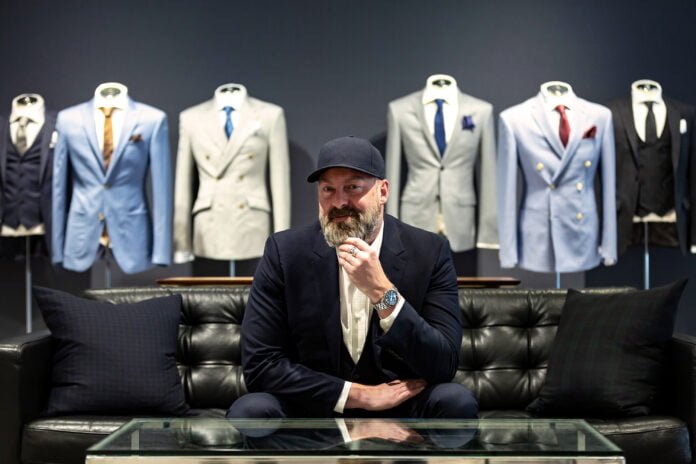
Image: INDOCHINO
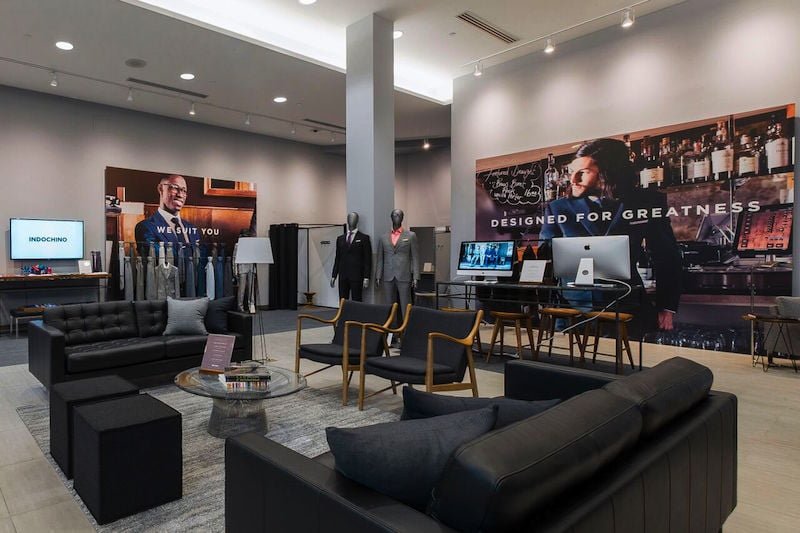
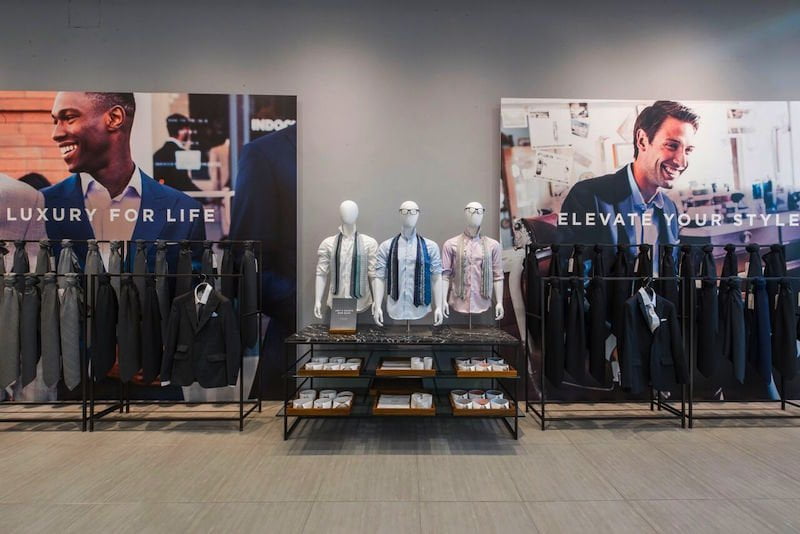
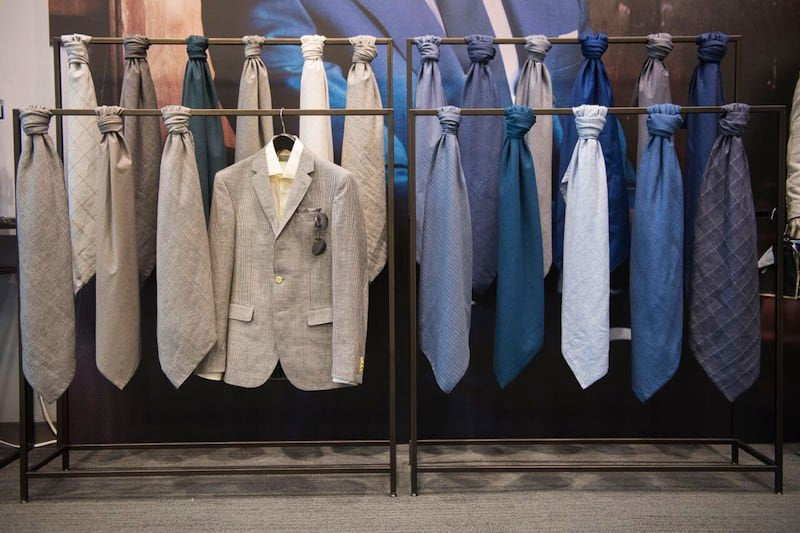
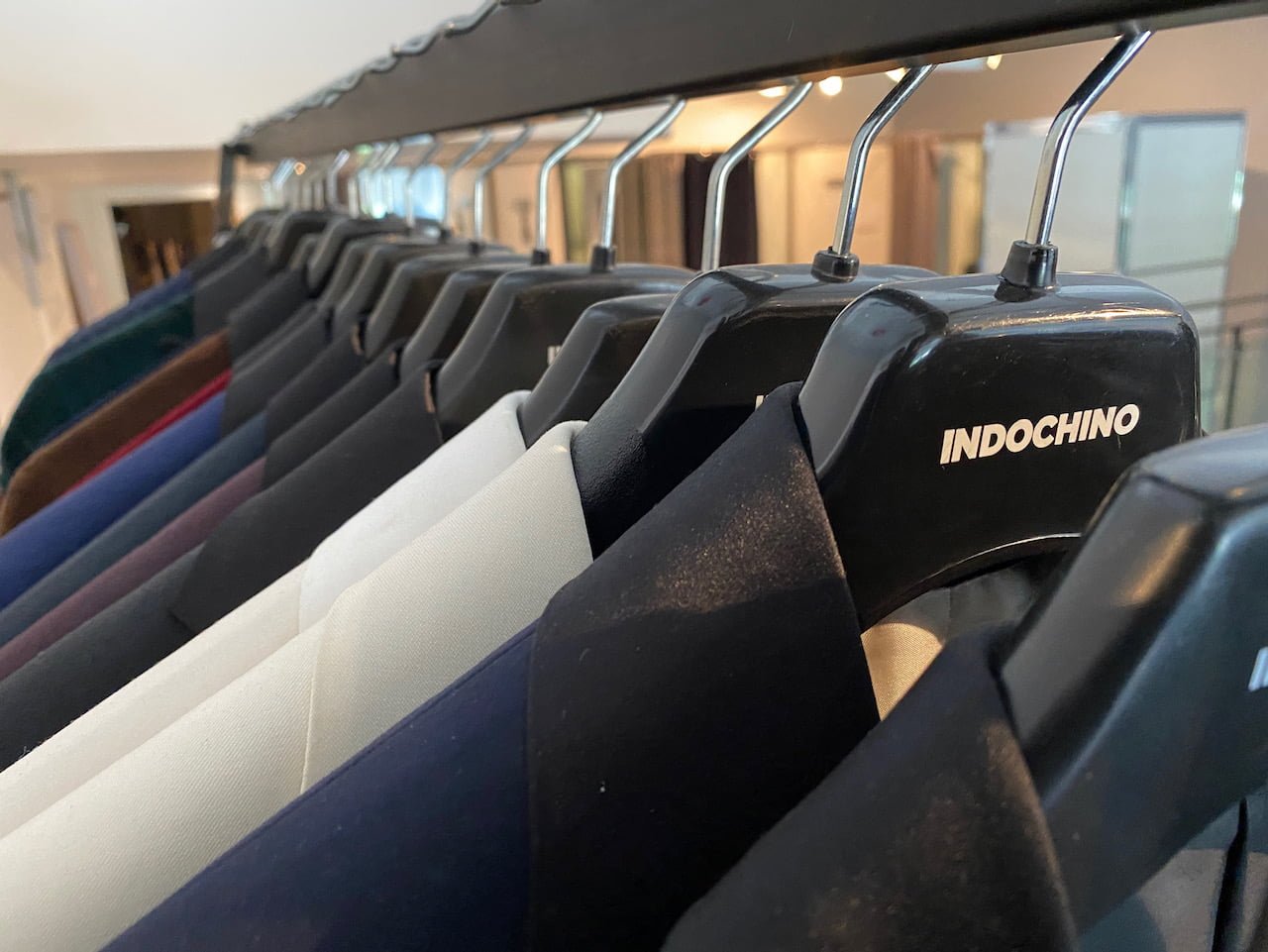
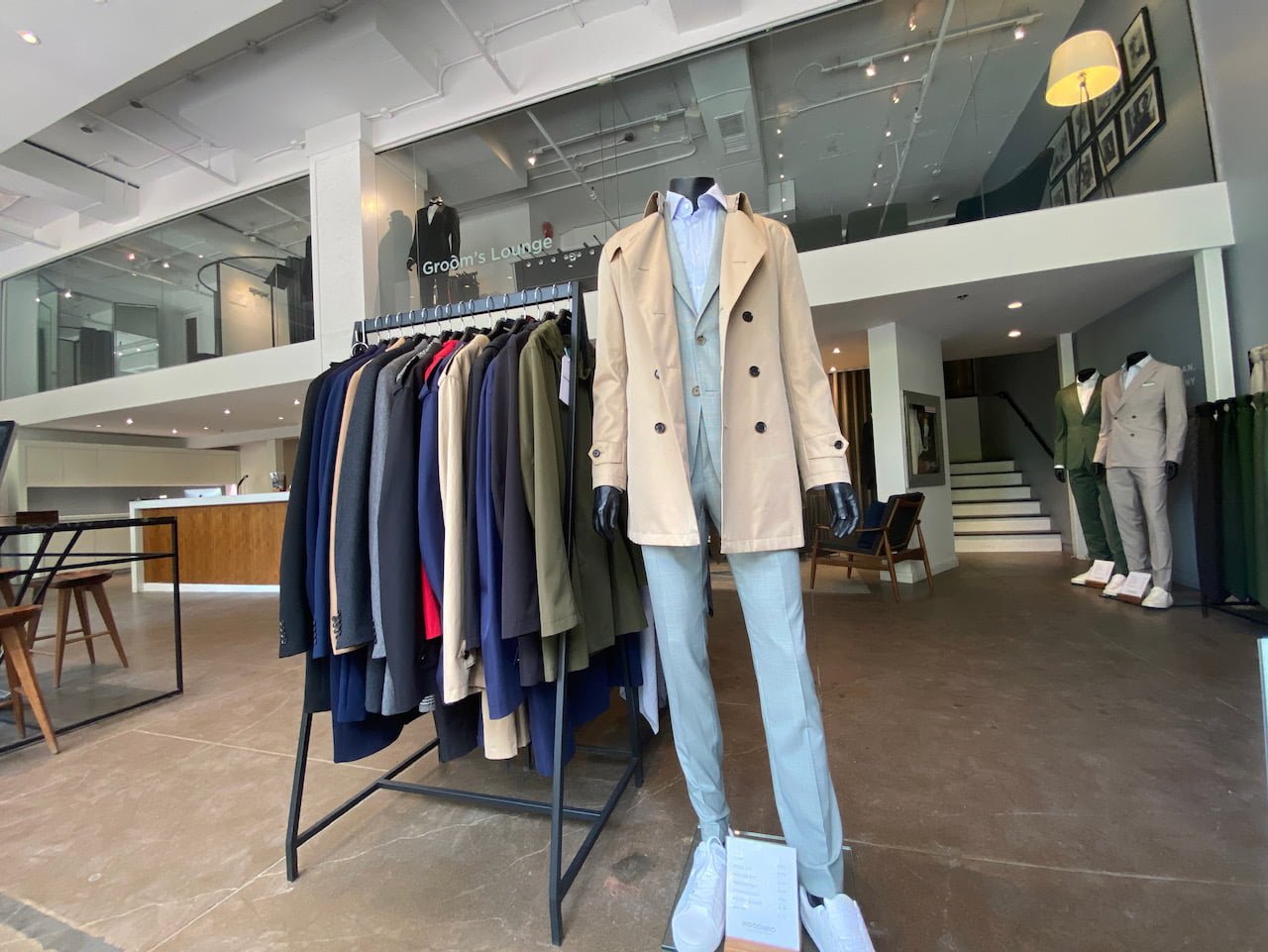
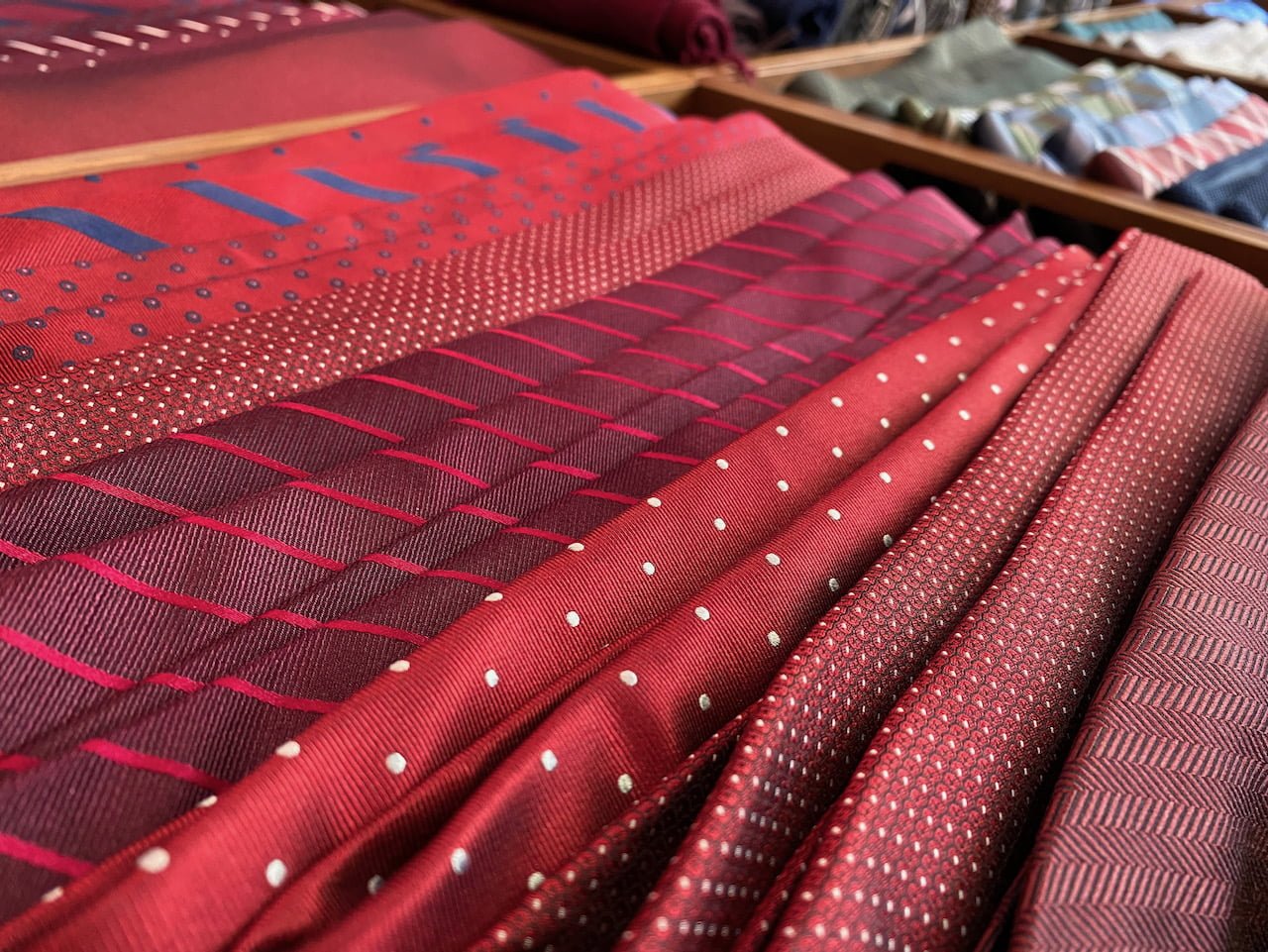
Applying his acumen and retail ideologies to INDOCHINO, Green led the company to 40 percent year-over-year growth between 2015 and 2019 and has been instrumental in positioning the operation for further growth post-pandemic. Providing a means by which men can create one-of-a-kind garments, including suits, shirts, chinos, blazers and overcoats, it has quickly become the leader within the made-to-measure direct-to-consumer space. Allowing customers to select from hundreds of fabrics and an array of lapel, pocket, button, lining and monogram personalization options, INDOCHINO helps men look and feel better, imbuing them with the confidence to express their own personal style. And, it seems, based on the tremendous growth of the company’s physical network, that its made-to-measure, omnichannel experience is going to become even more accessible to customers going forward. Opening on average one showroom per month since May of 2020, and with plans to launch a staggering 16 more by the end of July 2021, INDOCHINO will soon boast more than 80 physical showrooms across the country, building on the 52 locations that existed prior to the pandemic.
There will also be an announcement in June concerning the launch of a major department store partnership that Green promises will be extremely exciting. He’s proud when speaking of the company’s growth and the incredible success it’s enjoyed, pointing to his team’s undivided focus on the customer as the primary enabler and catalyst of its continued achievements.
“We could talk about the mechanics of the business and everything that goes into it all day,” he admits. “But by maintaining our focus on the customer and continuing to make improvements to our service and offering, we’re making it easier for them to experience custom-fitted menswear. Ordering and designing your own suit is not uncomplicated. And we take great pride in removing a lot of the complexities on the backend and making the experience seamless and fun. So, much of the enhancements that we’ve made during the pandemic, as well as those that we have planned for the near-term, are really focused on making it even easier for the customer to engage and shop with us. And, although we’ve expanded our showroom network, we aren’t simply launching more of what we already offer. We’re continuously working toward improving on what we do and making the INDOCHINO experience a really memorable one for our customers.”
He recognizes one of the industry’s undeniable truths: the fact that without a loyal customer-base, it’s impossible for any brand to grow. It’s not a problem that the Vancouver-based retailer needs to worry about, however, as it enjoys the continued patronage of scores of devoted admirers. There’s no doubting the contribution that the company’s superior service has lent toward engendering such a dedicated community. But, as Green stresses, it’s also its unceasing desire to further develop the INDOCHINO offering that continues to propel the company forward.
“We’re really proud of, and continue to make improvements on, the speed with which we get our garments to customers,” he asserts. “Five years ago, we were operating with about four-to five-week delivery times. We’re able to deliver in two weeks now and will reduce that even further in the future. It’s not been an easy task to reduce delivery times while you’re actively selling, building and delivering millions of one-of-a-kind garments. But we’ve invested a lot of time into making that a core area of our focus, creating an even more seamless and expedient customer experience with the brand.”
Growth amid uncertainty
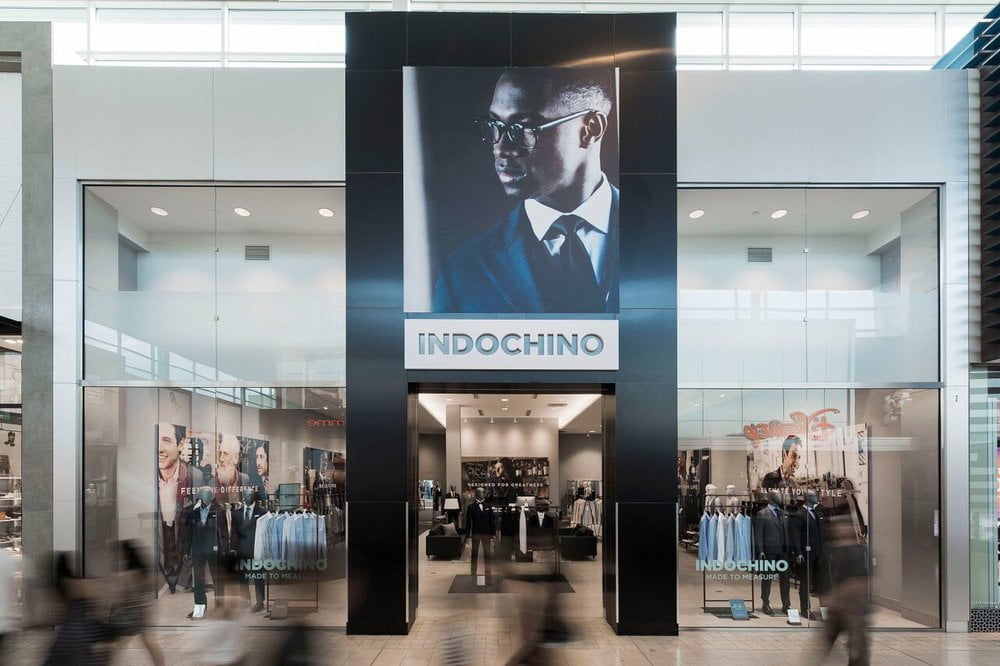
INDOCHINO Toronto – Photo by Dustin Fuhs
The continued growth and expansion that INDOCHINO’s experienced over the course of the past 14 months or so, during a time of great challenge when the efforts of most operating within the industry have been blighted by the impacts of COVID-19, are truly impressive and a testament to the company’s resilience and agility. Green recognizes the struggles that many retailers have been suffering through, referring to the past year as “one of the most difficult and disruptive moments in retail history”. However, he’s also quick to point out the fact that as a result of his team’s outstanding attitude and inspired performance, INDOCHINO has managed to not only survive the negative ramifications brought about by the pandemic, but to position itself for further growth in a post-pandemic environment.
“I’ve been really fortunate throughout my career,” he admits. “I’ve had the opportunity to work with a lot of great teams and lead a lot of amazing companies. But there has not been a year prior to 2020 that I’ve been prouder to work with a team of this calibre. I’ve always believed that when faced with adversity, to really succeed in anything, you’ve got to be able to take challenges and turn them into opportunities. And my team has really done that during the pandemic. Everyone understands what a massive impact COVID has had on retail. There’s been so much uncertainty and so much unknown. But we stuck together as a team, created focused and clear short-term goals and executed on them really well. As a result, as we start to move beyond the pandemic over the course of the next three to nine months, we’ll be bigger, better and stronger than ever. The enhancements that we’ve made over the course of the past year or so are going to pay dividends for the next decade and have made our opportunity to be a global market leader clearer now than it was prior to COVID.”
Coupling with the expansion of its physical footprint and continued growth in revenue, Green and his team are also paying a considerable amount of attention toward broadening its product offering beyond formalwear, recently introducing new categories that include custom casual pants, casual shirts, shorts and outerwear. It all adds up to what Green describes as “really exciting things” that are happening within the company, building relentlessly on the foundations that have made INDOCHINO such a massive success.
Inspired benefaction
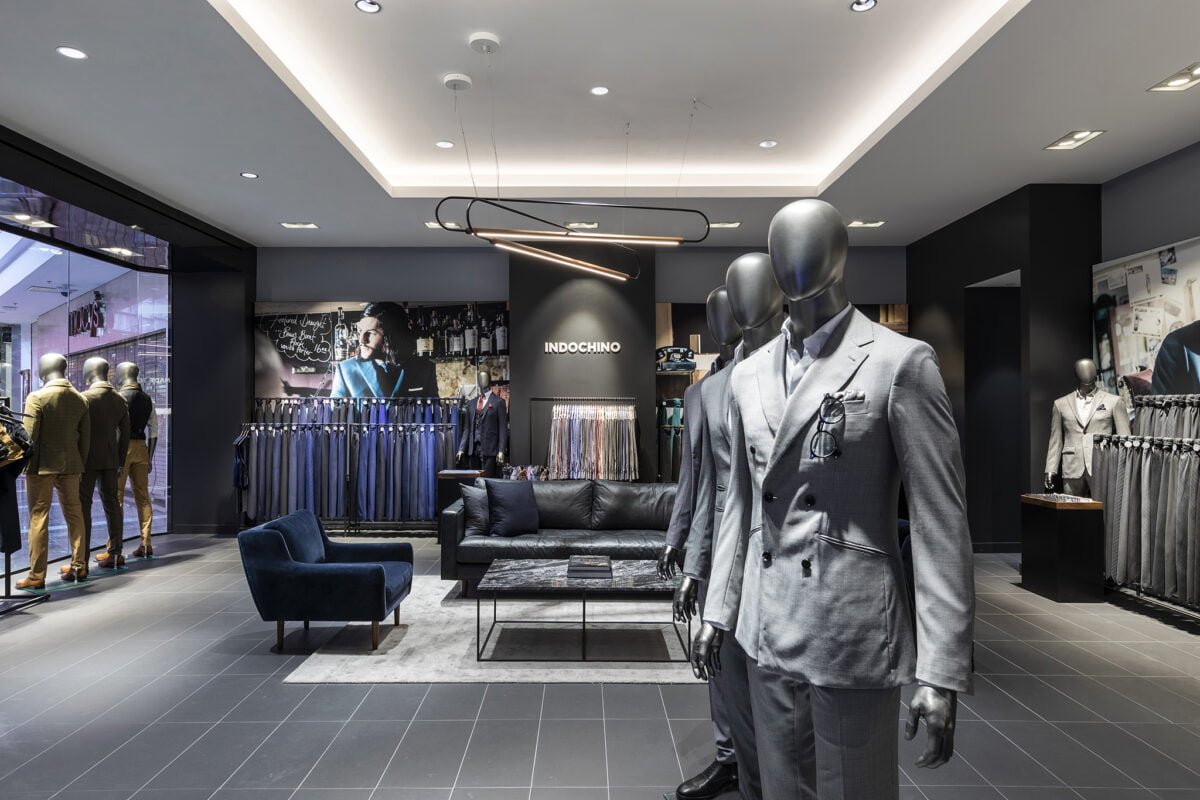
INDOCHINO at Yorkdale Shopping Centre
1 of 4
Photo: INDOCHINO at Yorkdale Shopping Centre
Photo: INDOCHINO at Yorkdale Shopping Centre
Photo: INDOCHINO at Yorkdale Shopping Centre
Photo: INDOCHINO at Yorkdale Shopping Centre
One can’t mistake the confident assuredness with which Green approaches each task and challenge that he’s presented with. However, there’s also a very modest, compassionate and genuine air about him that seems to transcend his skills as a leader of businesses. They are qualities that are reflected in the charitable and philanthropic work that he does to benefit organizations and communities in need. Proudly born and raised in Scarborough, Ontario, Green is an active member of the Board of Directors at The Scarborough Hospital Foundation, which oversees a network of hospitals in one of the most underprivileged and underfunded urban areas in Canada. He plans to significantly redevelop this Canadian district in the decades ahead through an EMERALD CITY vision he’s developed. It’s a project that will require an inordinate amount of work, dedication and commitment in order to improve the city’s condition. But fortunately, they are traits that Green possesses in abundance, thanks to the education and influence of one of his biggest influences.
“Growing up, it was kind of just me and my mom,” he reflects. “A lot of my leadership strengths, as well as the personal qualities that I’ve developed throughout my life, have come from her. She was a teacher and a fantastic leader. I was always inspired by her and the work that she did to help guide young people to greater things. She was always focused on meeting and surpassing the needs of her students and to support their growth and improvement as people. The empathy and consistency with which she conducted herself with others had a profound impact on me and has gone a long way toward helping to form my character and shape the beliefs and philosophies that I live my life by.”
Inventory change
They are beliefs and philosophies that Green says consistently drive him to become better, both as a person as well as within the world of business. For the city of Scarborough and other causes that he’s involved in, it means they have a proven leader of decisive and passionate qualities in their corner, guiding and directing improvements. For INDOCHINO, it means more of the same. The company is constantly exploring ways to enhance the product, fabric assortment, communication with customers and the service it offers. But, as Green points out, there is also much needed improvements to be made with respect to inventory practices and management in order to better serve the customer and reduce the negative impact that the apparel industry has on the planet.
“The industry, and the way it operates, from an inventory perspective, needs to change significantly,” he asserts. “We can’t live in a world five or ten years from now the way we were operating pre-pandemic. The consumer of tomorrow is going to be buying less and buying higher quality and will want more personalized, customized and fitted garments. Sustainability is steadily growing in their minds, so retailers are going to need to think about ways they can create real-time inventory. The old world of buying 10,000 units and discounting them if they don’t sell isn’t going to work the way it used to. As a result, a lot of change is going to be required in the inventory and supply side of retail. And it’s going to be a great thing for the customer and the world, ending up in less waste and more sustainability.”
Continued growth and success
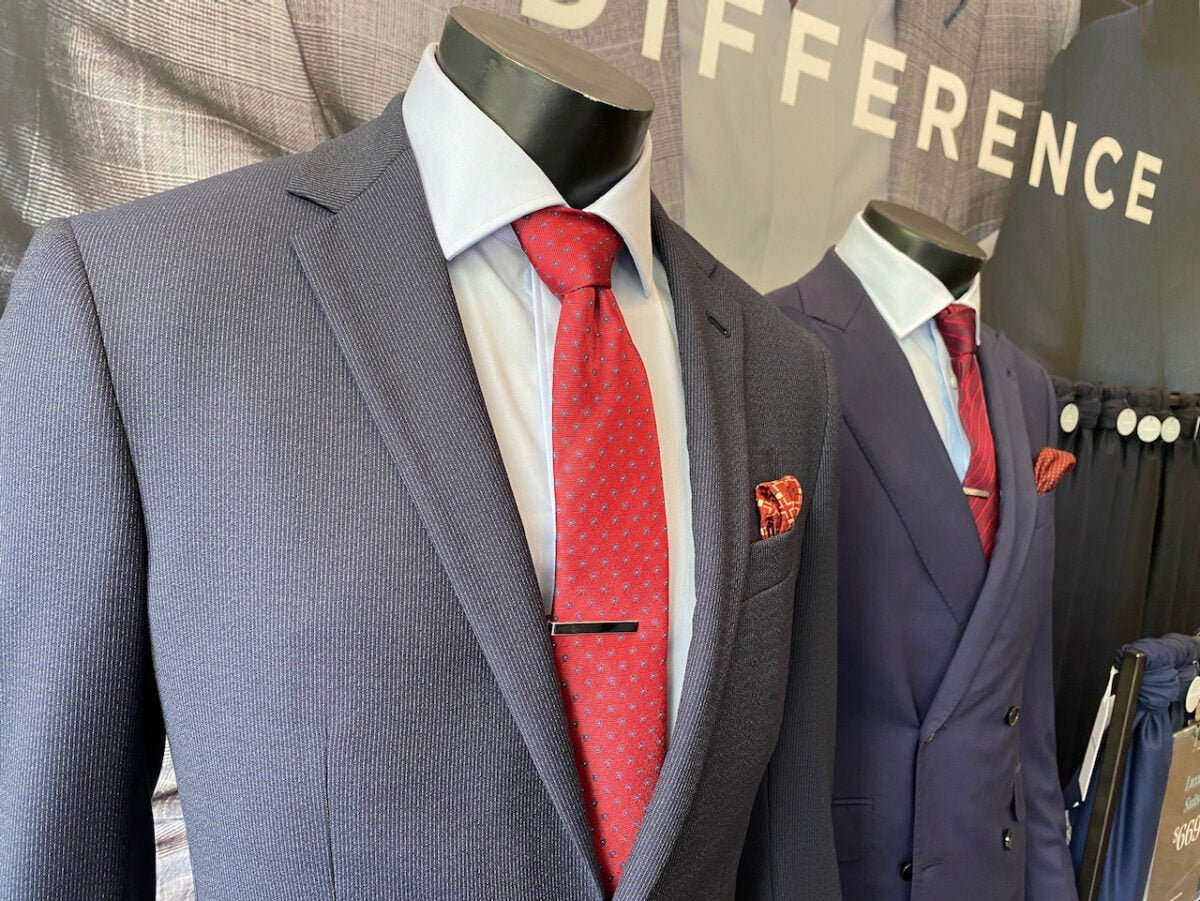
INDOCHINO Toronto (King Street) - Photos by Dustin Fuhs
1 of 4
INDOCHINO Toronto (King Street) - Photo by Dustin Fuhs
INDOCHINO Toronto (King Street) - Photo by Dustin Fuhs
INDOCHINO Toronto (King Street) - Photo by Dustin Fuhs
INDOCHINO Toronto (King Street) - Photo by Dustin Fuhs
When looking ahead, it seems evident that Green and his team, leveraging the intense focus with which they operate, have positioned INDOCHINO well to capitalize on the opportunities of today as well as preparing the retailer for even further future growth. What the company has been able to achieve in such a short time under Green’s direction is really quite remarkable. And, when considering the complexities of the retail industry and the constant change and evolution that takes place within its confines, the company’s achievements seem even more impressive. But, as its venerable leader points out, understanding the inevitability of these changes helps keep the prominent made-to-wear menswear retailer on its toes as it continues to carve out a special place for itself among its community of customers and the global retail market.
“A business is a living, breathing organism that’s always evolving and transforming. And, combined with the fast-paced nature of the retail industry, it means we have to constantly anticipate these shifts, wherever they happen, and be consistently thinking of ways to make the experience a great one for our employees and customers. For INDOCHINO, we’ve got some really exciting things happening with respect to our product as well as the development of our partnerships. And we’re going to be accelerating our expansion in a really significant way over the next three months. The past year has been an incredibly difficult one. But it has also been the most rewarding of my career so far. The things we’ve done and the way we’ve executed on our vision over the course of the past 14 months or so are cause for real excitement. We’re in the process of building a global market leader and I’m really looking forward to our continued growth over the course of the next decade.”
This week, Craig and Lee discuss Blu’s womenswear’s move to West Edmonton Mall after exiting Southgate, as well as the overall health of downtown Edmonton as retailers shutter during the pandemic.
The Weekly podcast by Retail Insider Canada is available on Apple Podcasts, Stitcher, TuneIn, Google Play, or through our dedicated RSS feed for Overcast and other podcast players.
Drop us a line at Craig@Retail-Insider.com. You can also rate us in Apple Podcasts or recommend us in Overcast to help more people discover the show!
Background Music Credit: Hard Boiled Kevin MacLeod (incompetech.com). Licensed under Creative Commons: By Attribution 3.0 License. http://creativecommons.org/licenses/by/3.0/