Advertisement
Home Blog Page 1048

Lightspeed Welcomes 4 New Board Members

Photo: Lightspeed

Montreal-based Lightspeed, the powerful cloud point-of-sale system for independent retailers and restaurants, has announced that is has appointed four new board members. They will contribute to the company’s global expansion with their diverse perspectives from a wealth of industry experience. 

The new board members include; Patrick Pichette, Marie-Josée Lamothe, Rob Williams and Paul McFeeters. 

“We’re thrilled to welcome Patrick, Marie-Josée, Rob and Paul, and their vast sets of expertise to Lightspeed’s board of directors,” says Dax Dasilva, Founder and CEO of Lightspeed. “Following our funding announcement in October 2017, we set out to diversify our board with executives who have the specific skill sets that will help guide us forward as we make ambitious plans for the future.”

Lightspeed is used by independent retailers and restauranteurs in more than 100 countries. The company has more than 650 employees with offices in Canada, the United States, Europe, and Australia. The company continues to grow rapidly.

The following is some information on each of Lightspeed’s new Directors: 

Patrick Pichette is formerly the Chief Financial Officer of Google and brings to Lightspeed a wealth of experience building and scaling global companies. Mr. Pichette currently holds the role of General Partner at iNovia Captial. “As a Montreal-native, I am truly delighted to join Lightspeed, a true Canadian global tech success story. I look forward to contributing among the group of distinguished board members and advising the company on fueling its ambitious growth agenda,” he said.

Marie-Josée Lamothe is from Google Canada where she served as Managing Director of Consumer Products, Government and Entertainment and also Managing Director of Quebec. Ms. Lamothe is the Founder and President of Tandem International, an advisory firm specialized in omnichannel retailing and branding. She is also Professor of Practice at McGill University’s Bensadoun School of Retail Management and is an active member with various associations in the field. “It is a privilege to join the board of a POS company that is revolutionizing the way independent businesses work. With my background in retail and product marketing, I plan to support Lightspeed’s unique vision to ignite city streets and maintain a competitive advantage in the international cloud POS space,” she said.

Rob Williams has over 20 years in eCommerce and retail experience working in leadership positions for both high-end specialty and big-box retail. Mr. Williams comes to Lightspeed from Amazon, where he led Tier 1 Vendor relationships globally. In his decade at Amazon, Rob was promoted and rotated to five leadership positions on both the Seller and Retail teams. He currently consults worldwide on Disruptive Innovation and eCommerce and is a notable speaker on those topics. “As a true champion of independent businesses, Lightspeed perfectly aligns with my values on empowering entrepreneurs. As a former Amazon employee, I look forward to leveraging my experience with this customercentric approach and data-driven leadership team,” said Mr. Williams.

Paul McFeeters brings Lightspeed a proven track record of leading internationally-recognized companies. He was formerly the Chief Financial Officer of OpenText, and he joins the board with more than 30 years of experience in financial services and the software industry. He has served on several boards throughout his career including Hootsuite, Constellation Software and Blueprint Software Systems. He said, “With Lightspeed’s beautifully designed user interface, it is clear they have a commitment to providing independent businesses with an easy-to-use cloud POS that improves customer experiences. I am thrilled to join a team that is both ahead of the curve in POS technology and continues to operate with such a rich culture.”

Lightspeed recently unveiled its Retail Success Index and joined forces with fellow Apple Mobility Partners: Intuit QuickBooks Online, Planday and Deputy to improve the business management experience for its independent retail and restaurant customers around the world. The Retail Success Index is an industry-validated questionnaire that independent retailers can utilize to determine a score for their business that will reveal new insights and opportunities for advancement.

The Retail Success Index allows independents to delve deeper into the current state of their businesses — that includes measuring their stance among competitors by identifying their strengths and granting them knowledge on areas their company can improve. Information gained is useful to retailers, no matter how long they have been in business. The five-minute questionnaire provides valuable information on the spot, and retailers can take the test every few months in order to monitor their growth.

Lightspeed has identified five critical areas that contribute to a strong retail model. These Retail Success Index Categories include:

  • Inventory Management

  • Employee Management

  • Marketing and Customer Relationship Management

  • Data Intelligence

  • Sales Sophistication

A retailer’s Retail Success Index is calculated using an algorithm that assigns points to questionnaire answers in the five categories above, and averages out points while altering the weight of each based on the information provided. Using the accumulated score, Lightspeed then provides detailed results for each category as well as actionable tips to help independents grow and ultimately become more successful.

Lightspeed continues to innovate and last year it introduced Lightspeed Analytics, which is geared towards independent retailers and is designed to provide retailers with insights and recommendations into their sales, inventory, employee performance and customer behaviours, with an aim of providing retailers a competitive edge in their industry. We profiled Lightspeed Analytics at length in a previous article.
Ermenegildo Zegna Unveils Impressive Updated Vancouver Store [Photos]

exc-5be4e4414d7a9c2e077ccd11

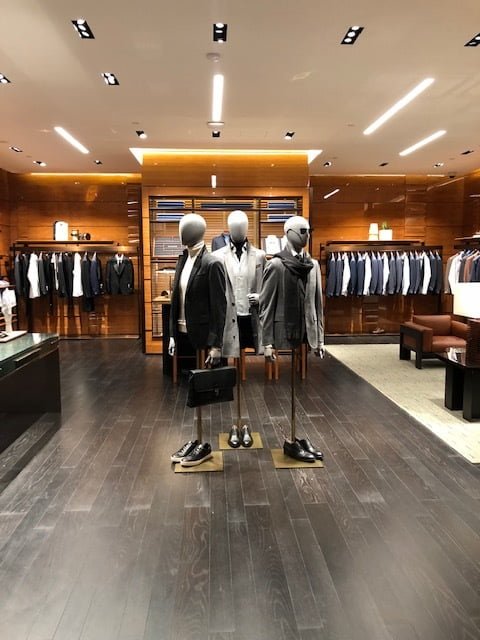
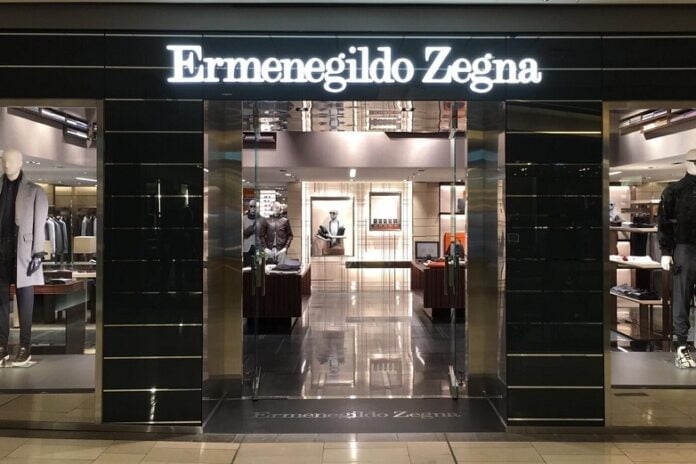
Italian luxury brand Ermenegildo Zegna has re-opened its store at CF Pacific Centre in Vancouver, revealing the brand’s most updated retail design. The Vancouver opening marks the first of two Zegna stores to open in Canada this month, with a standalone store on Toronto’s Bloor Street West set to open within days.

Both stores are being operated by upscale multi-brand menswear retailer Harry Rosen, which has had a partnership with Zegna for decades. CEO Larry Rosen in an earlier interview said, “My father was the first retailer to introduce Ermenegildo Zegna to North America in the early 1970s. He recognized the inherent quality and craftsmanship that the Zegna family offered. Our families have been in business ever since.” 

The 4,730 square foot Vancouver Zegna boutique, located across from Harry Rosen’s CF Pacific Centre flagship and next to a recently opened Links of London store, has operated in the space for more than a decade and it recently closed temporarily for an overhaul. The store’s interior is based on a design concept by internationally-acclaimed architect Peter Marino, who has designed some of the world’s most spectacular stores. 

Rich colours, materials and fabrics are used throughout the new space, which is masculine yet warm with a mix of Italian marble flooring and rich wood tones. Luxury is the theme throughout the store, which carries Zegna’s expansive line of fashions for men as well as accessories, leather goods, footwear, and fragrances. 

The Vancouver store’s facade has also been revamped with a new exterior that also reflects Zegna’s updated branding. 

This month, Zegna will unveil a 3,000 square foot store at 100 Bloor Street West in Toronto, which will be located next to the Hermès flagship which opened in November of 2017CBRE Toronto negotiated the Toronto Zegna deal under the direction of Arlin Markowitz, and we’ll profile the space in a separate article when it opens. 

In an earlier interview, Harry Rosen’s CEO Larry Rosen explained that the company was opening standalone Zegna stores to create a “pure” Zegna experience that is in line with the world’s major cities — the brand has fans around the world who will visit Zegna stores during their travels. Zegna, which is considered to be one of the world’s leading luxury brands for men, is also the top-selling brand at Harry Rosen’s stores nationally. 

More standalone Zegna boutiques could open in Canada, according to Mr. Rosen, though nothing is confirmed as of yet. Harry Rosen is also considering opening standalone boutiques for some of its other leading brands (including Dutch custom menswear brand Atelier Munro). Harry Rosen is considered to be one of the world’s top multi-brand menswear stores. 

We’ll follow up this article with photos of the new Toronto store once it is open. 

How OPM Sales Facilitates Premium Warehouse Sale Events

By Retail Insider Custom Content

OPM Sales, a well established warehouse sale facilitator in Newmarket continues to work with vendors and major brands by hosting warehouse liquidation sales at its massive facility north of Toronto. The company hosts several large events each year, including its next 5-day sale, taking place November 14-18, 2018.

OPM Sales has been in business for nearly 10 years, and it has been the choice of a wide range of businesses to liquidate their product.

OPM Sales facilitates these sale events by being able to provide a turnkey solution. Businesses are drawn to OPM Sales events, as they have a full-time management team and fully trained, reputable staff at each sale. This includes full-time cashiers, sales associates and floor supervisors. They also employ, a full-time merchandiser, who has over 20 years of experience in retail to help you effectively display your product through merchandising and signage. The OPM Sales team works with you to liquidate your product effectively and efficiently, as they are quick to replenish stock at these sale events.

Marketing is key to getting the word out about these sales. Their marketing team works diligently to spread the word, getting the maximum amount of exposure. From being active on social media, to digital and traditional print advertising, to holding contests, and in-store email sign ups, they do it all! OPM Sales’ email database includes more than 50,000 and the company has more than 10,800 Facebook subscribers. The marketing is working — their parking lot is often full at OPM Sales’ events, as the company boasts a loyal following of returning customers.

The next event, taking place November 14-18, will include a wide range of product categories from well-known brand names such as Adidas, Puma, Vans, Converse, New Balance, Asics, Saucony, Oakley, Jansport and more. Being, that the winter season is upon us, the sale will include a vast array of winter coats from designer brands.

Once again, OPM Sales has also partnered with SaleEvent.ca this November to carry an array of brand name health, beauty and home care products as well.

For those seeking to experience one of OPM Sales’ premium warehouse events themselves, the November event takes place from Wednesday, November 14 to Friday, November 16 from 10:00am to 8:00pm, and Saturday, November 17 and Sunday, November 18 from 10:00am to 6:00pm. For directions and a map, click here

OPM Sales’ General Manager Matthew is a point of contact and can be emailed at: matthew@opmsales.com. For more information, please visit: opmsales.com.

*Sponsored content. To work with Retail Insider, email Craig Patterson at: craig@retail-insider.com.

In-Depth Study Explores Canadian Holiday Shopping Habits

Canadians are starting their holiday shopping much earlier these days and retailers need to be ready for the onslaught both in their stores and online.

“Now is the time to make sure that everything’s perfect at retail,” said Jeff Doucette, General Manager of Field Agent Canada, a company that uses its mobile platform to do shopper research for the retail industry.

“When you look at how people are shopping, yes there is an online influence and online is going to be important, but there’s still a big bricks and mortar component to what we will see this Christmas. Holiday shoppers are still going to go to stores to buy stuff . . . Christmas is still about being in the stores, although ecommerce is definitely growing. Overall it seems Canadians are in a robust mood. When you look at the overall dollars spent year-over-year there’s lots of people who are going to be spending more. There’s more people spending more than there are people spending less.”

Those are some of the key findings of a new report by Field Agent: A Very Canadian, Omnichannel Christmas 2018 Holiday Insights: https://canadianmysteryshopper.ca/2018-holiday-shopping-plans-and-expectations-insights-report

The report said November is still, for many in Canada, the kickoff to holiday shopping. In the survey, 44 per cent said they will most likely begin their 2018 gift shopping on Black Friday, Cyber Monday, or even earlier in November. Only four per cent said they will wait until mid-December or later to start. Interestingly enough, only 18 per cent said they expect to finish their shopping prior to December.

“Online shopping is on the advance — we’ve seen that the last several years. But the majority of holiday spending still transpires inside stores,” said the report, explaining that 98 per cent of shoppers expect to visit more than one store this year.

In fact, 29 per cent intend to visit six to 10 physical stores and seven per cent 11 stores.

“People like being in the mall at Christmas time. People love being there. There’s no parking and the mall is crowded because people love being there,” said Doucette.

“What likely is happening too is there’s still that showrooming effect. You might see people who go to Hudson’s Bay to shop for kitchen wares. They might not actually buy it at Hudson’s Bay. They might go and buy it on Amazon and have it delivered to their house. But that’s part of the process. It sounds crazy but you can’t visit Santa Claus online. You can’t get your kids’ picture taken with Santa Claus online. You still have to go to the mall. There’s some things there that online will never be able to replicate because that physical experience is what it is – the music, the lights, all that stuff.”

Doucette said the big rush for holiday shopping is coming up as Canada has sort of Americanized our shopping routine around Black Friday and Cyber Monday.

“You’re going to have a huge wave of people coming into the stores especially after Remembrance Day. I think Canadians still to a certain extent respect that Remembrance Day line in the sand. And once it’s the 12th it’s the beginning of the Holiday season at retail in general,” he said.

Where are people likely to be found spending most of their holiday dollars? Amazon took top spot in the report as the retailer where 31% of Canadians will spend the biggest part of their budgets, followed by Walmart (23 per cent), Costco (10 per cent), Winners/HomeSense (seven per cent), and Toys R Us (four per cent).

“What we’ve seen in general is not polarization of shoppers but polarization of shopping missions. So people are really keen to go to Walmart or go to Costco to save a bunch of money or shop on Amazon to save a bunch of money. But then they’re also going to the Coach boutique to buy a $400 purse,” said Doucette. “It’s really a mix of consumers shopping in different ways depending on what they’re looking for.”

The good news for retailers this year is that people are looking to spend more money, according to the report. Holiday shoppers are feeling spend-happy entering the 2018 holiday-shopping season with 39 per cent expecting to spend more than last year in groceries for meals, 31 per cent spending more for holiday decorations, 31 per cent spending more on electronics, 40 per cent more on toys and 42 per cent more on gifts in general.

The survey also found that 51 per cent said they’re completely likely to buy gifts online / in-app this holiday season.

“Online shopping is no longer the new kid on the block; it’s more entrenched behaviour now. Indeed, only a measly eight per cent said they’re not very or not at all likely to buy gifts online in 2018,” said the Field Agent report.

In Field Agent’s survey, Amazon was the undisputed king of online holiday-shopping, with about seven-in-10 saying they’ll spend most of their digital dollars with the ecommerce giant.

And how likely are shoppers to use store pickup to retrieve gifts from digital shopping – 12 per cent completely likely, 17 per cent very likely and 31 per cent moderately likely.

Also, 43 per cent of Canadians surveyed reported being either completely or very likely to use a mobile app to plan for, shop for, and/or buy gifts this year. Only 30 per cent said they’re not very or not at all likely. And Amazon and Walmart lead the way there.

The bottom line? Expect to see lots of people at the malls and lots of brown boxes on doorsteps across the country over the next few weeks.

Want to learn more? Download the FREE 28 PAGE REPORT HERE

BonLook Targets Western Canada as it Continues National Expansion

PHOTO: BONLOOK FACEBOOK

Fashionable Montreal-based eyewear retailer BonLook is continuing to aggressively expand its store network, just two years after the company first branched out of the e-commerce realm into the bricks and mortar space.

BonLook now operates 27 stores in Canada, including two new locations that have opened in the past two weeks—one in Market Mall in Calgary and one in Guildford Town Centre in Surrey, B.C.—and several more are set to open in the months to come.

The retailer aims to have between 45 and 50 stores operating across the country by 2020, according to the retailer’s co-founder and CEO, Sophie Boulanger.

“We’re on fire,” says Boulanger. “Our goal is to be coast to coast across Canada by 2020.”

PHOTO: BONLOOK FACEBOOK
PHOTO: BONLOOK WEBSITE/BLOG

BonLook launched in 2011 as an e-commerce brand specializing in trendy and affordable prescription eyeglasses and sunglasses. The company designs and manufactures all of the frames it sells, with new styles released every three to four weeks.

“We make sure to always keep it fun and exciting,” Boulanger says. “We try to push the envelope with new styles.”

The company began experimenting with physical stores to complement its online sales channel in 2015 and 2016, primarily to cater to customers who prefer to try on frames before making a purchase. The physical retail strategy quickly took off, leading to more than two-dozen store openings in the past two years.

“Up until two years ago, we were just an online retailer. So we’re really learning physical retail – it’s brand new for us,” says Boulanger. “It’s just about listening to what the clients want. I think that’s what’s made our success over the years – we adapt quickly.”

Boulanger launched BonLook in partnership with her brother, Louis-Félix Boulanger, in an effort to create a more customer friendly eyewear shopping experience.

“The traditional experience of shopping for eyewear is kind of broken and it’s not a very good experience for most people,” Sophie Boulanger says. For example, she notes that prescription glasses tend to be very expensive, and there’s often a lack of transparency surrounding the price of the lenses. In addition, many of the frames in stores are often locked up or have bulky security tags attached to them, making them difficult to try on.

BonLook strives to create a comfortable environment for trying on frames, provides an omni-channel experience that enables customers to choose the transaction method they prefer, aims to offer glasses at an affordable price point and aspires to be completely transparent with pricing.

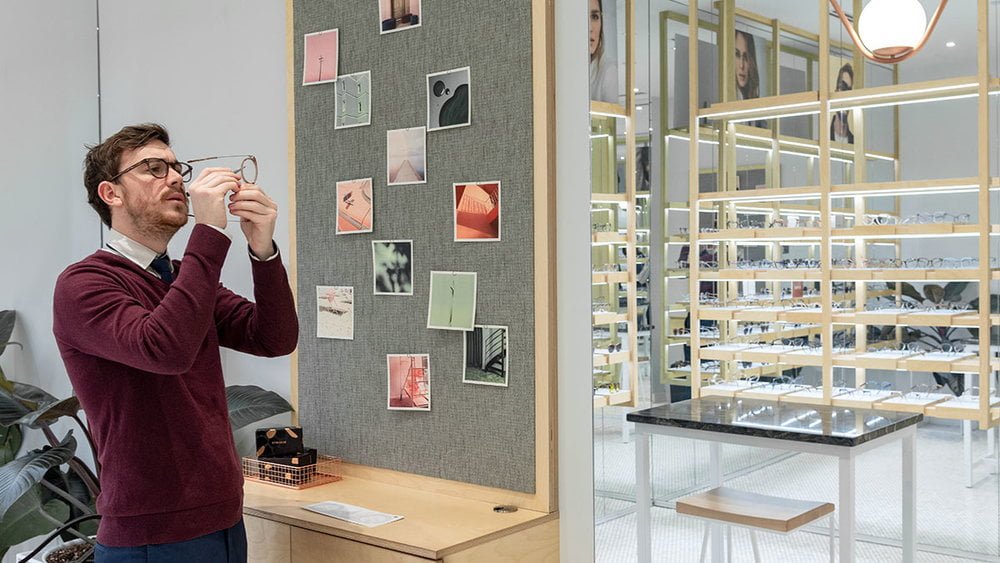
“It’s meant to be very open and inviting, and we want people to come in and feel free to touch the product, try it on—try on 50 frames if they want. Then they can go home and buy it at home if they prefer that,” Boulanger says. “We want the experience to be very stress-free, very easy.”

PHOTO: BONLOOK FACEBOOK

The company works hard to create a consistent customer experience, regardless of the channel the customer is using. A vast majority of BonLook’s customers interact with the retailer both online and in-store, Boulanger says, so ensuring customers have a seamless experience across all channels is essential.

“It’s very fluid between the two channels,” she says. “I think to be winning in this new game of retail in the 21st century, that’s what you’ve got to do. You’ve got to be very consistent.”

BonLook’s stores are an average of 800 square feet in size and are all located in shopping centres, with a focus on centrally located, high-traffic enclosed malls. The stores are designed to be bright, well-lit and open concept. They feature furniture and accessories by various Canadians designers, including modern lighting fixtures provided by Montreal-based Lambert & Fils.

Having established a large network of stores in Quebec and Ontario, BonLook is now focused on expanding into Canada’s western provinces. Thanks to the retailer’s digital presence, it already has strong brand recognition in Alberta and B.C., according to Christine Boivin, director of marketing and communications with BonLook.

“We know there’s potential in those provinces, so it’s something we want to capitalize on,” she says.

CONSTRUCTION SIGNAGE AT CF PACIFIC CENTRE. PHOTO: LEE RIVETT
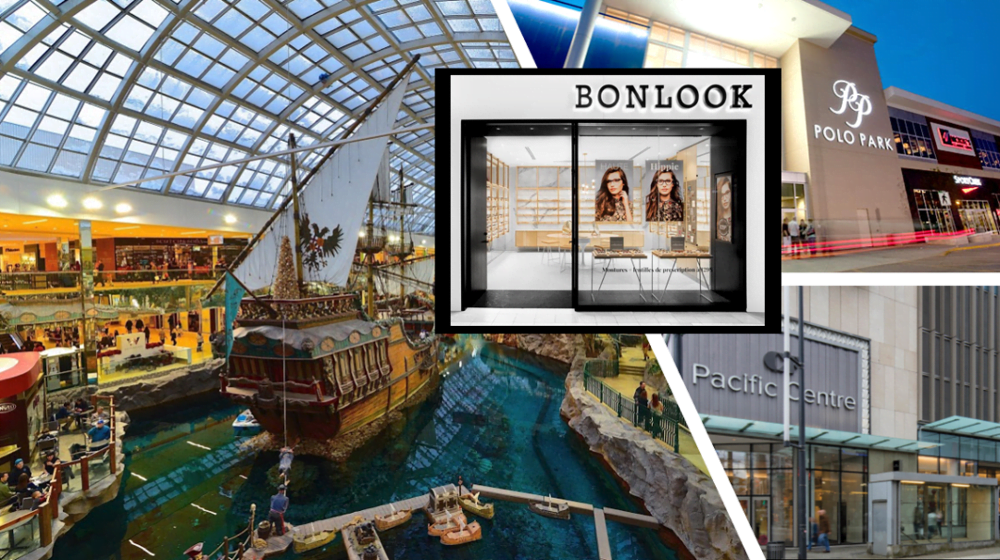
FUTURE PLANNED LOCATIONS INCLUDE WEST EDMONTON MALL, CF POLO PARK (WINNIPEG) AND CF PACIFIC CENTRE (VANCOUVER)

By December 15th, BonLook plans to open three more locations: one in Vancouver’s CF Pacific Centre, one in West Edmonton Mall and one in CF Polo Park in Winnipeg.

Once BonLook has established a physical retail presence in all of the major markets across Canada, the retailer will consider expanding internationally, including possibly into the U.S. market. Currently, however, there are no firm plans in place.

“We have big dreams,” says Boulanger. “Right now we’re focused on Canada, but we won’t stop there for sure.”

BonLook’s site selection is being handled by Kathleen McGuigan at Oberfeld Snowcap Inc.

Wage Hikes in Canada and Australia Set the Pace for Canadian Tech Adoption and Help Increase Sales

exc-5bd3ceb0f9619a352679489e


By Jasmine Glasheen

The minimum wage in Canada and Australia is on the rise, which means higher wages for retail workers. The minimum wage in Canada recently increased in Spring of 2018. Base pay for Canadians now ranges between $11 to $15 an hour, depending on the province. Canadian legislators are seemingly playing catch-up with Australian retailers, as ABC News reports that the Australian Fair Work Commission increased the national minimum wage from an already-impressive $18.29 an hour to a straight-up staggering $18.93 an hour on July 1st of 2018.

Proponents of minimum wage increases feel that they are necessary to ensure an adequate standard of living for employees in entry-level positions – largely retail and fast food workers, who fill most of the global minimum wage level positions. However, those attempting to prevent additional wage hikes contend that minimum wage employees will simply have their hours cut by employers in an attempt to maintain profit margins in light of the increased cost of labor.


Photo:    Study BreaksPhoto:    Study Breaks

Photo: Study Breaks


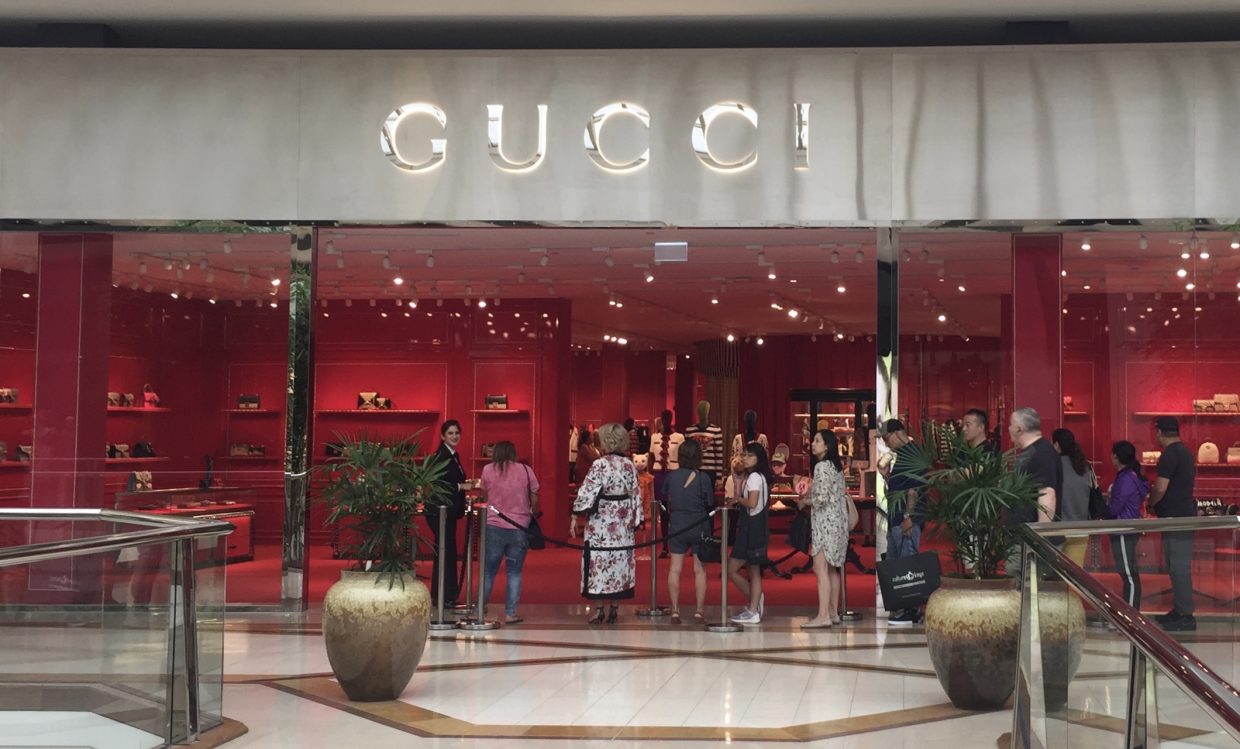
The Gucci Store at Chadstone Shopping Center in Melbourne. Photo:    Jing Daily/Jennifer SparkThe Gucci Store at Chadstone Shopping Center in Melbourne. Photo:    Jing Daily/Jennifer Spark

The Gucci Store at Chadstone Shopping Center in Melbourne. Photo: Jing Daily/Jennifer Spark

However, if Australian retail is any indication of what high minimum wages can achieve, then retailers around the world should consider getting on board. In a recent SMB study weighing global retail performance across key regions, Vend found that Australian retailers have:

  • The highest transaction value per store visit ($56.80);

  • A profit margin of 50.84 percent, more than a point above the national average; and

  • At $26,395, the second-highest monthly revenue.

 If there’s one thing retailers around the world can learn from Australia, it’s that paying retail employees adequate living wages can translate into better customer service and increased SMB performance. However, the changes taking place in Canadian and Australian retail extend far beyond wage hikes and staffing.


Photo:    JetekPhoto:    Jetek

Photo: Jetek

Australia’s proximity to China shapes how Australian retailers operate their businesses. Similar to how Canada’s proximity to the U.S. influences the trends, brands, and technology seen in Canadian retail epicenters, Chinese influence can be seen in all of the major Australian shopping malls ­– from the colors of the décor, to the languages spoken in-store, to the available payment options.

Forbes reporter Nikki Baird reports, “China has more Millennials than there are people in the U.S. and Canada combined.” Perhaps it comes with the Millennial territory, but Chinese consumers are also more willing to trade their personal data to receive high-tech in-store experiences. As a result, Australian retailers serving the Chinese market need to be fast to adopt the latest technologies.

This brings us back to the topic of payments. Vend reports that, “73 percent of Australian retailers are growing their business with a cloud-based POS solution.” In contrast, American Express Canada reports that only 38 percent of Canadian retailers are investing in updating their payments technology by taking actions such as ordering a new POS system. So, why are Canadian retailers so quick to pay employees a better living wage, but so slow to adopt standard payments technologies?

One reason might be that Canadian retailers sell a bevy of local specialty brands such as Frank & Oak, Canada Goose, and Naked & Famous Denim. These brands enable Canadian businesses to source from manufacturers within Canada and they have a built-in customer base of Canadian consumers. Since Canadian retailers often source from within and don’t need to compete through reducing prices to win sales over imported merchandise, perhaps Canadian retailers feel less urgency when it comes to implementing some of the technologies already adopted by Australian retailers.


PHOTO: MAXIME FRECHETTEPHOTO: MAXIME FRECHETTE

PHOTO: MAXIME FRECHETTE


PHOTO: CANADA GOOSEPHOTO: CANADA GOOSE

PHOTO: CANADA GOOSE

Canada is quick to lead the pack when it comes to paying employees a living wage and set a precedent for in-person customer service. So, is it safe to assume that Canadian retailers’ hyper-local, hyper-familiar industry is fueling the hesitancy to invest in basic retail technologies which are considered a cost of operation in other leading global markets?

Kerri-Ann Santaguida, Vice President and General Manager of Merchant Services at American Express Canada, tells Retail Insider, “With emerging technologies poised to disrupt the industry, the stakes have never been so high. Businesses can’t afford to ignore these (technology) trends as they have the potential to completely transform the customer experience and grow market share if executed well.”

In short, the world is getting smaller and the retail industry is no exception. Canadian retailers will soon find themselves doing business in an increasingly global marketplace. So, how can Canadian retailers adapt to compete with Australia and other leaders in a global marketplace? According to Vend, it all starts with evolution:

“Businesses need to look at what the data is telling them and use those insights to determine the best course of action. For some, evolving might mean exploring new store formats or revamping their selection. For others, it could mean using new technologies or retraining their staff. In all cases, it will be about putting the customer first, and creating a more personal in-store experience.”


0.jpg0.jpg

Jasmine Glasheen is recognized as a leading influencer, writer, editor, and brand representative providing both online and video content. Glasheen provides fresh thought leadership and video content to trade shows, conventions, and companies, including: ASD Market Week, National Retail Federation’s Shop.org, the Independent Retailer Conference, and Halloween & Party Expo. She is a frequent contributor to many publications including prominent retail magazines and news sites, tech blogs, and numerous fashion and lifestyle trade shows. She is a contributing editor to RetailWire, content lead at Retail Minded, and is the author of numerous ebooks and whitepapers for private clientele. 

Squish Candies Continues Rapid Retail Expansion

exc-5be22aba40ec9a790c45020e

Montreal-based Squish Candy, North America’s first artisanal candy store specializing in over 100 flavours of gourmet gummies, has continued on its aggressive expansion plans opening a new location in the prestigious and iconic retailer Harrods in London, England.

Sarah Segal, the company’s chief executive officer, said Harrods reached out to Squish, which just recently opened in the well-known international department store.

“They found us on Instagram. Really, we see our brand as borderless. There’s so much cross awareness between countries with social media now. There’s not really a barrier as much in terms of people finding you,” said Segal.

“So Harrods came to us and they said we have this wonderful strategy with how we’re going to sell candy in this new section and we want you to have this big part of it and we said absolutely. Harrods for me is a very special retailer and they’ve proven to be incredible partners. They love the innovation and the creativity that we’re bringing to the space.”

The first Squish store opened in 2014 in Montreal. The company will be at 16 locations at the end of the year. The most recent opening in Canada was in Quebec City.

A location in the CF Polo Park shopping centre in Winnipeg is scheduled to open before the end of the year.

“We have a few in the pipeline for early next year but I don’t want to share those yet,” said Segal. “We’ll be in the Maritimes early next year.

“We’re looking at amazing opportunities. The retail landscape is changing and evolving and we’re being very selective with the types of leases and the locations we’re taking. We want to take either kiosks or full stores depending on the opportunities. We’re very flexible in our concept. That’s what I love about selling candy. There is a flexibility in the model that has proven really beneficial to us.”

Segal said the store size is really flexible and depends on traffic and layout.

“I think customers do like a more intimate store as well. The model works from 1,200 down to 200 square feet,” she said. “We’re only in malls right now and that’s been very good for us. I like the mall environment. I hear all these trends that traffic is down but we still do really, really good sales. It doesn’t seem to be hitting food and experiences as hard as the fashion retail. We like malls because of the diversity of clientele as well. It brings in old, young, different groups of people. It’s been very good for us and we’re going to stick to malls for now.

“We’re not ruling out street stores. I think the biggest thing that I’m looking for are strong partnerships. So that’s really what we did with Hudson’s Bay and what we’ve done with Harrods and those have been extremely good synergies. So it’s not that we’re just partnering with anyone but about having really strategic partnerships where you can get the traffic and that traffic helps the other partner as well. It has to be mutually beneficial. That’s what I’m looking for in the next step is a combination of our standalone concept and these strong partnerships.”

Segal said the partnership with Hudson’s Bay has been excellent and it has provided a model for Squish to capture that traffic. Currently, Squish is located in two Bay stores in Canada – in Pacific Centre in Vancouver and in the Eaton Centre in Toronto.

“Traffic is really important. That’s where we’ve been very selective, especially with building brand awareness. We really rely on sampling. We really need that foot traffic to help our sales,” she said.

Squish also works with Indigo where product is sold in those stores. Segal said Squish is very selective about building its partnerships.

“We’re only four and a half years old so we’re really having to grow smart and learn and that’s something that’s really important to me as a retailer right now is to make sure that we respond to how people are shopping and we’re where the traffic is,” she said.

Oberfeld Snowcap represents Squish Candies as brokerage in Canada, and Kathleen McGuigan is the primary contact according to Oberfeld Snowcap’s Squish client page.

Retailers Not Meeting Shoppers’ Expectations: Report

exc-5b9f1117cd8366b7e1ea2e39

By Mario Toneguzzi

Recent years have seen the retail narrative dominated by doom and gloom stories of customer spending on the decline and bricks and mortar locations shutting down.

But is the narrative true?

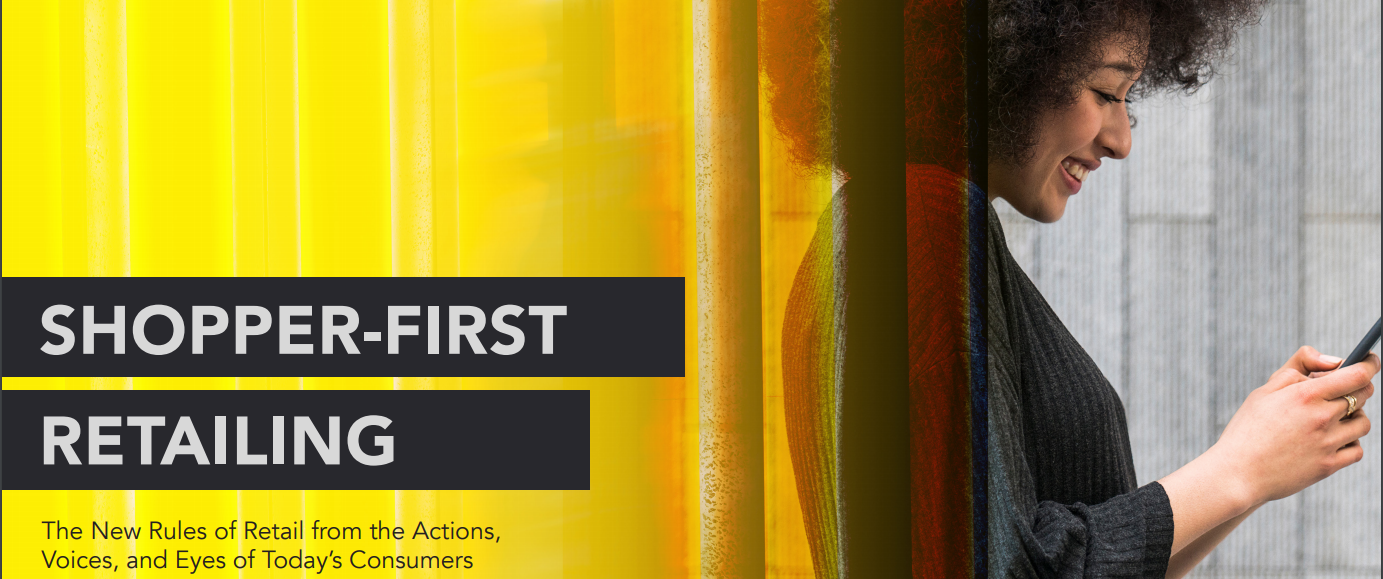
That’s the question posed by a new retail report by Salesforce and Publicis.SapientShopper-First Retailing: The New Rules of Retail from the Actions, Voices, and Eyes of Today’s Consumers.

“To enable and empower shopper success in a retail organization today, it’s absolutely critical to focus on these four pillars of consumer engagement: mobile, stores, intelligence, and connected experiences,” said Rob Garf, VP of Industry Strategy & Insights, Salesforce.


The report found three shopper-first mandates emerging that apply to virtually all retailers:

  • Make It Fresh. Create unique, non-commoditized products and compete at the speed of today’s shopper. 69 per cent of shoppers expect to see new merchandise when visiting a site or store;

  • Be Where I Am. Develop a frictionless experience that’s accessible to shoppers, wherever they need you to be. 87 per cent of shoppers begin their hunt in digital channels, up from 71 per cent last year; and

  • Give It Meaning. Strengthen the relationship with your customers through stronger values-driven connections, and recognize shoppers with personalization and loyalty initiatives. 64 per cent of shoppers agree or strongly agree that retailers don’t truly know them.


The report also found that: mobile accounts for 92 per cent of ecommerce order growth; 71 per cent of shoppers prefer to leave a store with a product in-hand; and personalization influences 38 per cent of all digital revenue.

“Shoppers reward brands that connect them with products and experiences in unique, agile packages,” said the report. “Our research – based on a global consumer survey, behavioral data and in-store mystery shopping visits – painted a clear picture of shopper’s continuous demand for new, innovative and customized products,” said the report. “Shoppers value freshness with their wallets, as 59 per cent of the top five per cent of products sold are new each month. This creates a sweeping product catalog churn of 32 per cent month over month. Speed and freshness play an important role in generating long-term brand loyalty and driving repeat purchases – two areas where brands have lost ground to both traditional competitors and marketplaces.


“Shoppers reward brands that anticipate and identify the precise moments when a need exists or interest is piqued in their shopping journey. Shoppers today are more connected than ever, seamlessly switching between channels and devices, all while expecting retailers to know them and make purchasing easy. Yet in our study, too many retailers didn’t meet shoppers’ expectations. For example, across the 70 physical store locations studied, the average mobile score was 1.74 out of 5, grading areas like in-store app experiences and tailored push notifications. Rather than leave omni-channel customers wondering where to go next, retailers must engage customers in context and on their terms.

“Shoppers reward brands that go beyond transactions and orders to be relevant and resonant. Today’s shoppers are relationship-driven, favouring brands that bring value and meaning to their lives. Retailers and brands must look for new ways to differentiate by appealing to customers’ emotions and forging connections based on shared beliefs. Our research found that shoppers reward brands that create lasting relationships over time — specifically through loyalty programs and one-to-one personalization efforts that extend across both digital and physical channels. Our survey found that 64 per cent of shoppers feel retailers “don’t truly know them,” highlighting the need for retailers to prove that they do.”

The report said retail sales in the first quarter of this year were up five per cent year-over-year with digital channels experiencing robust growth and ecommerce now accounting for 9.5 per cent of all retail sales. Consumer confidence also continues to rise.


Capture9.PNGCapture9.PNG

But the report also highlighted the fact that stores are closing “at an alarming rate” with more than 12,000 shuttered since the beginning of 2017 and Amazon is dominating, capturing 78 per cent of ecommerce growth in the U.S.

It said a new swarm of retail startups, direct-to-consumer brands, and new low-cost and experience-led competitors—combined with a backstage technology revolution in supply chain, robotics, automation, blockchain, and dark stores—are changing the way retailers compete in the digital age.

The full report can be found here: http://www2.publicisgroupe.net/shopper-first

Publicis.Sapient, the digital business transformation hub of Publicis Groupe, helps clients drive growth and efficiency and evolve the ways they work. It has more than 19,000 people and more than 100 offices around the globe.

Salesforce is a global CRM leader.


Mario Toneguzzi, based in Calgary has 37 years of experience as a daily newspaper writer, columnist and editor. He worked for 35 years at the Calgary Herald covering sports, crime, politics, health, city and breaking news, and business. For 12 years as a business writer, his main beats were commercial and residential real estate, retail, small business and general economic news. He nows works on his own as a freelance writer and consultant in communications and media relations/training. Email: mdtoneguzzi@gmail.com

La Maison Simons Expands Luxury Designer Fashion Offerings [Feature]

exc-5bd6833b71c10b825a13e889

Quebec City-based large-format fashion retailer La Maison Simons is expanding its roster of designer brands this fall with a curated selection unavailable elsewhere in Canada. It’s all part of an effort to distinguish Simons as a significant player in the increasingly competitive Canadian retail market that is seeing unprecedented competition from multi-brand retailers, as well as brands that themselves are opening their own stores in an effort to sell direct-to-consumer.

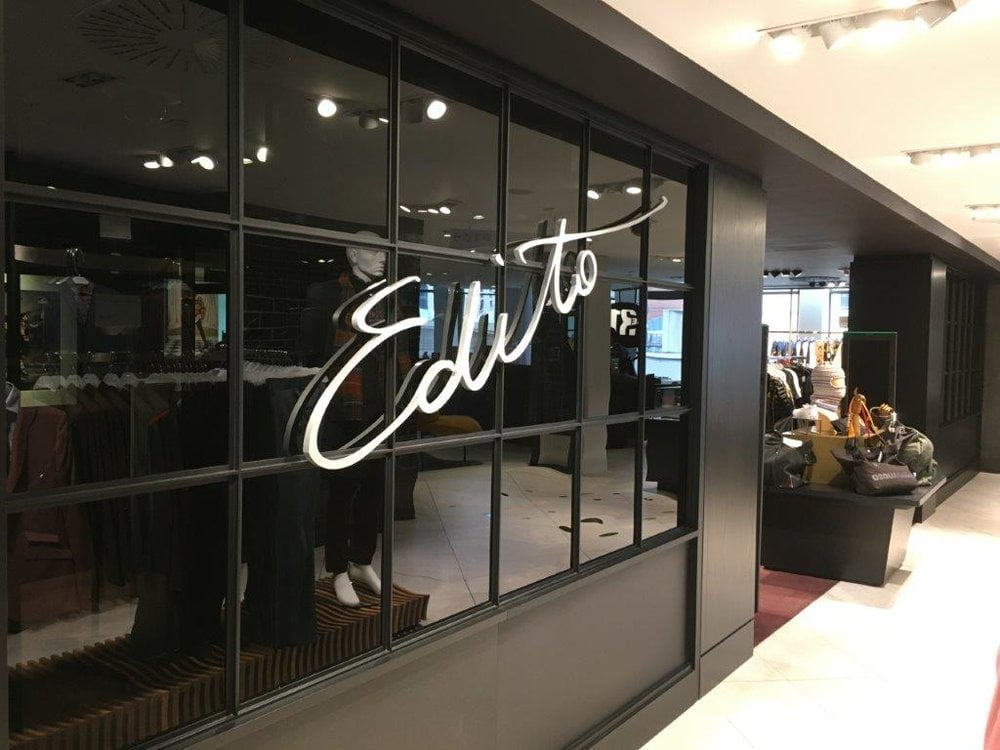
Many of the pricier designer brands found at Simons are in its ‘Edito’ departments, which are located in nine of the company’s 15 Canadian stores. Separate women’s and men’s Edito departments stock an impressive array of unique and hard-to-find brands, with a selection varying store-to-store, unique to each market.

The women’s and men’s Edito departments each have their own buyers, who have a vision for each market as well as a goal of curating a unique-to-Canada assortment. Oceane Stanislas is the women’s Edito buyer, and Maxime Brierley  is responsible for curating designer menswear.

This fall, Simons is making a particularly heavy push towards carrying new brands, especially as competing retailers such as Holt Renfrew, Saks Fifth Avenue, Hudson’s Bay and Nordstrom look to secure top lines that sometimes limit their distribution. As such, Simons is finding its way with some new edgy designers that are also on the luxury spectrum in terms of their pricing, not to mention unique in their design.

To further differentiate Simons designer offerings, its buyers are bringing in product that is edited with local markets in mind. “People want a point of view and for some of the research to be done for them, and that is why we make some of the choices to carry certain pieces from certain brands,” said Ms. Stanislas.

Simons operates stores in many of Canada’s largest markets, spanning from Vancouver in the west to Quebec City in the east. Four of those stores are particularly strong for women’s designer wear — the flagship Place Ste-Foy unit in Quebec City as well as the downtown Montreal store are tops in Quebec, and interestingly enough Alberta is the other strong Province for designer womenswear for Simons. Specifically, the West Edmonton Mall store and downtown Calgary Simons location is selling plenty of pricey designer goods in markets not traditionally known to be fashion-forward.

Designer womenswear at Ottawa’s CF Rideau Centre as well as at Square One in Mississauga are on the increase, according to Ms. Stanislas, as consumers embrace some of the edgier brands being introduced into Simons’ stores over the past couple of years. Both stores are also relatively new, having opened in 2016.

Some brands are doing well across the chain, with Simons being one of the top retailers in the country for luxury brand Balmain. Other brands, such as Moschino Couture, are doing good numbers in Montreal, Edmonton, Calgary and Vancouver.

In an effort to distinguish Simons’ designer offerings, the retailer has retained several exclusive-to-Canada brands. UK-based Vivienne Westwood is exclusive to Simons for both womenswear as well as for men, as are brands such as Daniel Bennie and Marimekko. Exclusives are the name of the game for many retailers and curating the right mix can make or break a retailer’s operations.

Hard-to-find brands such as Paco Rabanne and Nina Ricci are carried at Simons — Rabanne is carried in downtown Montreal, Edmonton and Calgary for example, with Nina Ricci being carried in Edmonton, Calgary, as well as at the Square One location in Mississauga. Edmonton is one of the most important locations for Simons, according to Ms. Stanislas — the store was the first for Simons outside of Quebec when it opened in October of 2012, and some say it was responsible for helping make Edmonton a more fashion-forward city.

Edito department at Simons West Edmonton Mall in October, 2018. Photo Craig Patterson

Each city is unique, according to Ms. Stanislas and as a result, some designers work better in some stores than others. The Toronto market is fashion forward and diverse with women “pulling together interesting and glamorous looks” with brands such as Balmain and Versace being popular. Montreal is “more artsy” with brands such as Y3 by Yohji Yamamoto, Vivienne Westwood and Issey Miyake selling well.

Calgary has the reputation of being conservative but according to Ms. Stanislas, the city is fashion-forward and the customer is “being responsive to some of the up and coming brands” that she has introduced to Simons. Quebec City, not known traditionally as a fashion city, is still very well dressed as it chooses labels such as Chloé, Balmain, Dries Van Noten and Japanese brand Sacai.

Last year, Simons introduced dedicated footwear departments at several of its stores and it has since expanded its assortment of designer shoes. Accessories are also being expanded in Simons stores, including handbags from leading designers. Customers were requesting these categories along with the fashion brands that they were shopping for and as a result, Simons will further expand footwear and accessory offerings in its stores.

Simons’ Edito buyer Maxime Brierley explained how Simons’ menswear offerings are equally edgy and designer driven and while most department stores in Canada tend to focus more on womenswear, Simons is equally strong for both genders. Nine of Simons’ 15 stores feature men’s designer Edito departments, featuring an assortment catering to each market.

He noted that the West Edmonton Mall store is strong when it comes to selling men’s designers, which can be attributed in part to a robust Asian shopper (which includes some international students).

Simons is bringing in some unique and exclusive menswear designers, such as edgy Japanese brand ‘Children of Discordance’ which repurposes old items such as Burberry trench coats into something unique and one-of-a-kind. Prices don’t come cheap, however — an online search reveals that some Children of the Discordance coats are selling for more than $4,000.

For menswear, the downtown Montreal and Quebec City Ste-Foy Simons stores are strong, in part, because they are in “legacy markets”, according to Mr. Brierley. The Edmonton market is strong and Balmain sells very well there, and things are coming around for the Calgary market as men discover the store’s Edito department located on the store’s top level.

Nina Ricci display at Simons West Edmonton Mall. Photo Craig Patterson

Securing labels can be a challenge in some instances, as brands give exclusives to competing retailers. Luxury label Balmain, for example, is carried in Simons’ downtown Montreal and West Edmonton Mall location but not at Square One in Mississauga, because Holt Renfrew has the rights to the brand. Simons recently carried the now discontinued secondary ‘Pierre Balmain’ line and remarkably, 60% of all of Simons’ Pierre Balmain menswear sales were in the Square One store.

While Simons carries an expansive roster of international brands, it also curates Canadian designers to round out its offerings. In the women’s Edito departments, Edmonton-based Malorie Urbanovitch has been carried for a couple of seasons and in the spring of 2019, Simons will begin carrying Toronto-based menswear brand Andrew Coimbra. In the end, a store is only as good as the brands that it carries, and Simons is aiming to stand out as fashion forward in the face of ever-increasing competition.

As competition remains strong amongst Canada’s multi-brand designers, Simons is looking to get a leg-up on the competition by carrying unique designers which are, in some cases, only available at Simons in Canada. Having a designer ‘edit’ is also key to differentiating Simons from other retailers and as a result, two stores carrying the same brand might feature a different range of products that reflect the tastes of the store’s buyers and market more than what might simply be seen on the runway, or in a mono-brand flagship store.

DSW Designer Shoe Warehouse Launches Unique Shop-in-Stores

Image: DSW

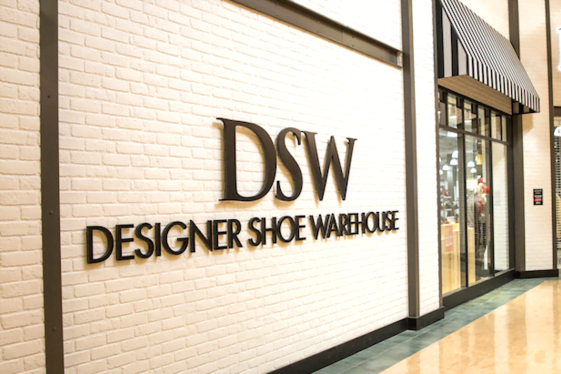
With DSW Inc. winding down the operations of the Town Shoes chain, they are turning their focus to differentiating their Canadian DSW Designer Shoe Warehouse operations. Compared to Town Shoes which was a full service retailer, DSW Designer Shoe Warehouse is a big box off-price shoe concept with everyday savings of up to 40% off suggested retail prices.

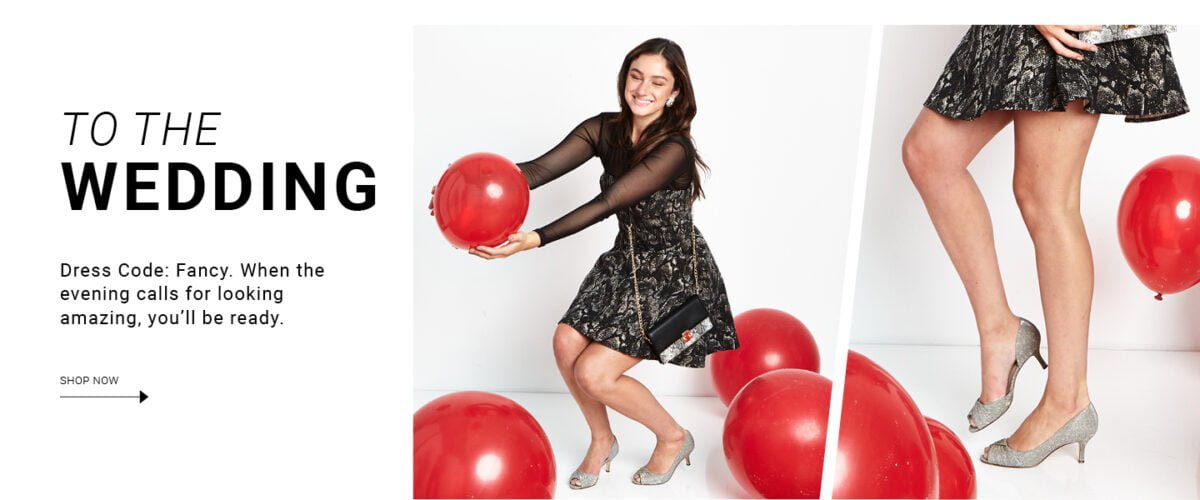
To attract 2018 holiday shoppers and former Town Shoes customers, DSW Designer Shoe Warehouse is launching a unique shop-in-shop boutique called, What’s the Occasion?. The boutiques opened on November 1, 2018 in store at the DSW Designer Shoe Warehouse Heartland Town Centre, and Vaughan Mills locations in the Greater Toronto Area as well as nationally online.

This shop-in-shop boutique is a specially curated selection of footwear and accessories that mirror special-events including prom, semi-formals, weddings, bridal showers and holiday parties. Each category has style appropriate special occasion shoes including evening flats and high-heeled specialty sandals at a variety of price points to engage shoppers of all budgets. A variety of well-known national brands will be featured including Marc Fisher, Jewel by BadgleyJessica Simpson, Caparros, Guess, N by NinaNicole Miller, Madden Girl, American Glamour and Adrianna Papell

PHOTO: DSW VIA FAULHABER COMMUNICATIONS

An immersive shopping experience is created both in-store and online as the shop is merchandised by the following categories: To the Wedding, Theme Party, Holiday Party, To the Work Party, Men’s Dress and Necessary Extras. For in-store shoppers there is a dedicated section within the store that is themed with dressing-room style décor. The section is decorated with a full sized mirror and a large round ottoman encouraging shoppers to try on shoes along with overhead chandeliers to create extra sparkle. The space is framed with white faux brick paneling to separate the space as the remainder of the store has exposed wood paneling.

For online shoppers, specific shoes are displayed in lifestyle poses by models that incorporate appropriate fashions to illustrate a complete look. This allows customers to easily visualize how the shoes will fit the occasion and provide inspiration for fashion choices. For example, in the Holiday Party category, online shoppers are directed to the American Glamour Platform Pump. This ease of shopping encourages a high click-through-rate and will translate into a high conversion (sales) rate as well.

PHOTO: DSW VIA FAULHABER COMMUNICATIONS

For most off-price retailers, the shopping experience is a treasure hunt. Items are merchandised by commodity and often a full size range is not available. Although shoppers in the off-price segment are motivated by value, there is a shift towards pairing value with a shopping experience.

Also DIG360’s David Ian Gray noted that off-price stores are not for everyone. Those who “shop with a plan” will find its unpredictability off-putting. This strategy by DSW Designer Shoe Warehouse in opening a shop-in-shop boutique allows them to differentiate from their off-price competitors by creating a lifestyle shop with a full size range even in an off-price environment.

To further increase consumer engagement, What’s the Occasion? is an omnichannel strategy with both an in-store and online presence. This creates a unified experience for shoppers. As DSW Designer Shoe Warehouse offers In-store Pick-Up, this can help to drive shoppers to the store and potentially increase their basket size. In the event shoppers are unable to find something in-store, the e-commerce platform has the entire assortment along with style tips that may entice a purchase. The main off-price retailer in Canada, TJX Companies Inc., owner of Winners, HomeSense and Marshalls does not currently have an e-commerce presence in Canada. This first out of the gate strategy for DSW Designer Shoe Warehouse may be the edge it needs in a saturated off-price and footwear market in Canada.

There are currently 27 DSW Designer Shoe Warehouse locations across Canada along with a Canadian e-commerce site. The physical stores are approximately 15,000 to 25,000 square feet and carry men’s and women’s designer brand name shoes and accessories. The DSW Kids department is available in 19 stores with footwear and accessories for toddlers through teens.