Advertisement
Home Blog Page 1060

Canadian Retailers Not Innovating as Industry Rapidly Evolves Globally: Expert

Omnipresence Retail in Canada: Waking Up the Sleeping Giant.

How can a country who, according to Comscore, spends more time online than any other country in the world not be a major player in ecommerce?

It’s a key question posed by Doug Stephens in his ebook, Omnipresence Retail in Canada: Waking Up the Sleeping Giant.

In his book, Stephens, an international retail expert, writes that Canadian businesses aren’t innovating.

“This was the in-your-face reality contained in a recent study by Bloomberg that rated the relative innovativeness of 50 developed and developing countries. In it, Canada turned up in the decidedly mediocre 22nd position, just behind Italy and falling two spots from its 2017 ranking,” he writes.

“It’s also worth noting that Canada ranked a full 11 positions below the United States – which as it happens also dropped two positions, from 9th in 2017 to 11th in 2018. Bloomberg’s index took into account a wide variety of criteria including research and development intensity, productivity, high-tech density and of course, patent activity. And so it seems that the country that gave the world insulin, light bulbs, the pacemaker, BlackBerry and, let’s not forget, five-pin bowling, has lost its innovation mojo and done so at a time when the battle cry in just about every business is ‘innovate or die’.

“Perhaps nowhere in the Canadian business sector has the relative dearth of innovation become as conspicuous as in its retail industry in general and digital commerce in particular. Canada has just never shown itself to be wildly innovative when it comes to digital retail.”  

And that, adds Stephens, begs the following questions:

  • How on earth can a country that, according to the World Economic Forum, has the second highest overall standard of living on the planet not also be a voracious consumer of online goods?;

  • How can a land where upwards of 80 percent of the population carries a smartphone be lagging in mobile commerce?; and

  • How can a place with such high education levels and diversity find itself so far behind the innovation curve?

    As of 2017 ecommerce climbed by 14 per cent per year, while brick and mortar retail grew in the low single-digits. Unabated, it’s reasonable to assume that ecommerce as a percentage of total retail could grow to become up to 28 per cent of the Canadian retail economy by as early as 2028, says the book.

Stephens says that the inherent problem is that Canadian retailers will not survive by following in the vapor trail of Amazon – or anyone else for that matter.

“They won’t create the future of retail by simply replicating what has already passed. Instead, I encourage Canadian retailers to look more distantly onto the horizon and more broadly at the seismic shifts occurring in consumer behavior.

He says Canadian retailers must step up to accept the reality that unless it’s bolted down, it ships and it ships fast.

“We estimate that by as early as 2025, the majority of items found in the centre aisles of a grocery store will be largely purchased through sensor driven ordering or subscriptions,” says Stephens.

“Canadian retailers should be working now to formulate how they can lead the way in this burgeoning replenishment economy.”

He also says Canadian brands should be asking how they too, can attract, develop and nurture powerful online tribes of customers – regardless of what they sell.

Stephens says 25 years ago retailers built stores primarily to merchandise assortments, to impart product and promotional information and to transact sales. Media was simply a tool used to draw people to physical retail.

“Today this formula is being inverted. Media, in all its various forms, is a far more effective means of displaying vast product selections, delivering infinitely more robust and detailed product information and processing dramatically faster transactions,” he writes.

“Media is no longer simply a call-out to visit a store. Media is the store and Canadian retailers can lead the revolution.”

The full ebook can be found here: https://goo.gl/knB5uc

The ebook is sponsored by Salesforce, connect with your customers like never before with the world’s #1 CRM platform.
Eglinton Crosstown LRT Sparks Retail Expansion on Bayview Avenue

RENDERING: KOHN PARTNERSHIP ARCHITECTS INC.

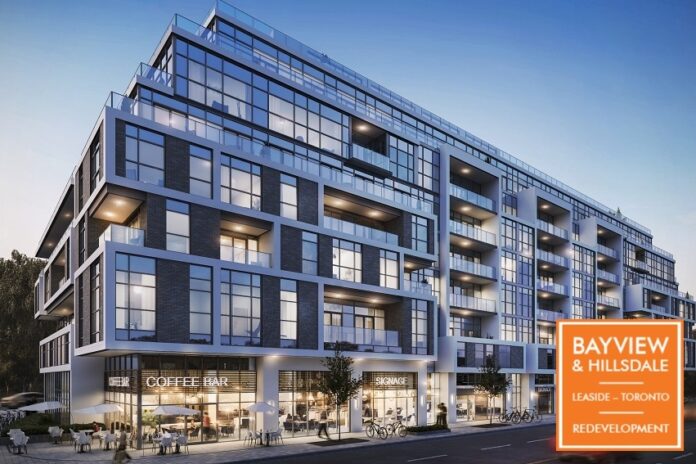
A new development on Toronto’s Bayview Avenue marks the early stages of the modernization of a retail strip in an affluent area which will also be well-served by the Eglinton Crosstown LRT. The project, called ‘Bayview and Hillsdale’, will add more than 150 luxury rental residential units above an 18,000 square foot retail podium.
The building’s developer, Jay Brown of The Brown Group of Companies, explained how the development made sense given changes to the area that includes an expanding base of residential households, as well as a rapid transit expansion that will make the pleasant Bayview retail strip more accessible to people in other parts of the city. At various times during the week, the street can be busy with pedestrians that patronize the area’s restaurants and shops.

Parking is an issue in the area, however, as well as an older stock of commercial buildings which are generally one or two floors that are characterized by narrow facades, low ceilings, and are generally showing their age. The Brown Group already owned a 29-unit rental apartment building at 1674 Bayview Avenue and, seeing an opportunity, the developer set out to assemble adjacent properties with the goal of creating a residential project with a commercial podium that would include ample parking for shoppers, thus solving the parking issue that has been a challenge to the area.

RENDERING: KOHN PARTNERSHIP ARCHITECTS INC.
MUCH OF THE EXISTING COMMERCIAL STOCK ALONG BAYVIEW AVENUE IS OLDER. PHOTO: LOOPNET

The new ‘Bayview and Hillsdale’ project includes a seven-storey residential tower, designed by Kohn Partnership Architects, which will add more than 150 high-end rental units to the affluent neighbourhood. The Bayview Avenue retail strip passes through the upscale North Toronto neighbourhoods of Leaside and Davisville. Wealthy Lawrence Park, home to some of the city’s most influential residents, is to the north. 

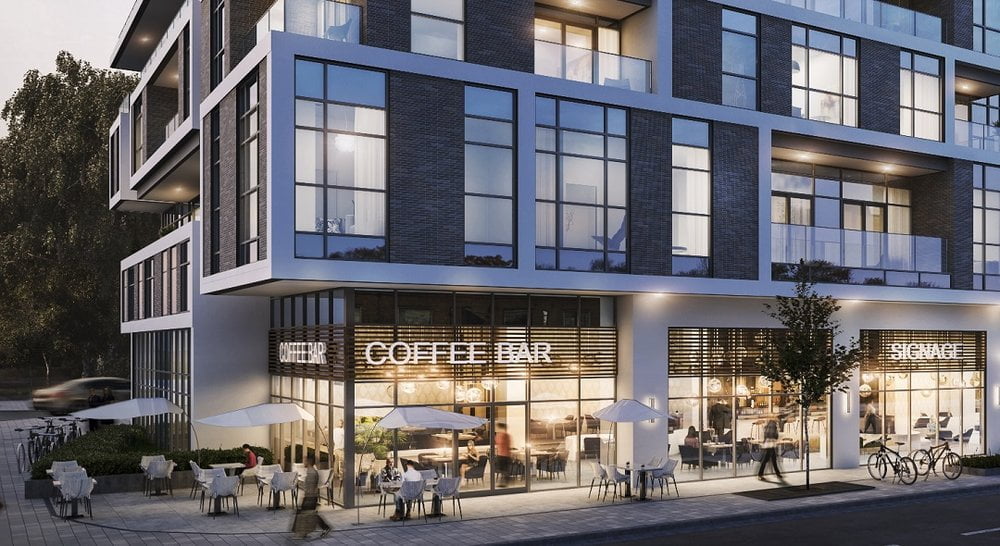
The Bayview and Hillsdale project also includes about 18,000 square feet of retail space which will be very attractive for retailers, restaurants and other potential tenants seeking to locate in the area. Benefits to the newly-built retail space include high ceilings, wide-open spaces, expansive windows and underground parking — luxuries not present in most retail buildings in the area. Several retail spaces are available in the new Bayview and Hillsdale project and the broker team at DWSV Remax Ultimate Realty, under the direction of David Wedemire and Stan Vyriotes, are listing the entire space.

RENDERING: KOHN PARTNERSHIP ARCHITECTS INC.
EGLINTON CROSSTOWN LRT ROUTE MAP. PHOTO: METROLINX

Mr. Brown noted how the Eglinton Crosstown LRT, which will include a stop along Bayview a couple of blocks north, will significantly enhance the area by creating an accessibility that isn’t currently present. Another benefit to the project is on-site parking — limited parking is a complaint amongst many existing businesses in the area, making Bayview and Hillsdale a likely target for businesses wanting to be in the neighbourhood (including nearby businesses seeking to upgrade to a more contemporary retail space).

Several other developments nearby are expected to further gentrify the area. RioCan is redeveloping its ‘Sunnybrook Plaza’ property a couple of blocks to the north, and other landlords at the Bayview and Eglinton intersection are said to be interested in redevelopment. The relatively shallow lots along much of Bayview Avenue, however, means redevelopment is less likely — particularly on the east side of Bayview Avenue. Mr. Brown explained how he was able to develop the Bayview and Hillsdale site because of the ability to assemble properties that were wide and deep enough to make a residential development financially feasible.

As Bayview Avenue continues to gentrify and the area gains affluence and accessibility, retailers, food and beverage and other commercial uses are expected to jump on available opportunities in the area. For those that are interested in locating at the new Bayview and Hillsdale project, contact David Wedemire (David@DWSV.ca) or Stan Vyriotes (Stan@DWSV.ca) of DWSV Realty at 416.487.5131. Also, check out Canada Condo Assignments Resale by Condoly at Condoly.ca.

Fast Time Watch & Jewellery Repair Expanding Nationally Post-Sears Canada Demise

exc-5b9dbbeb88251babc97a70a8

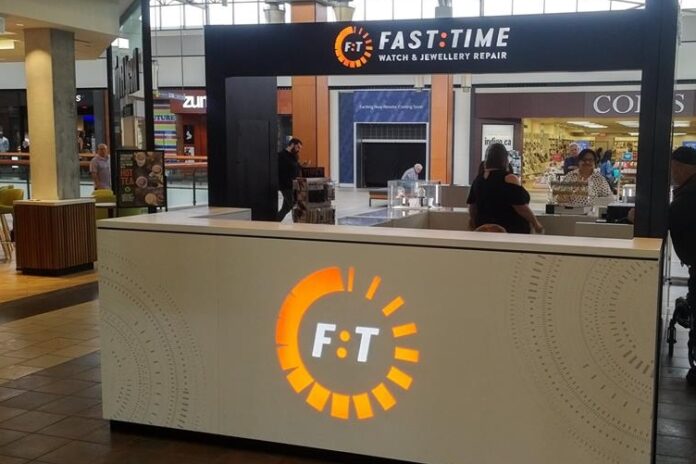
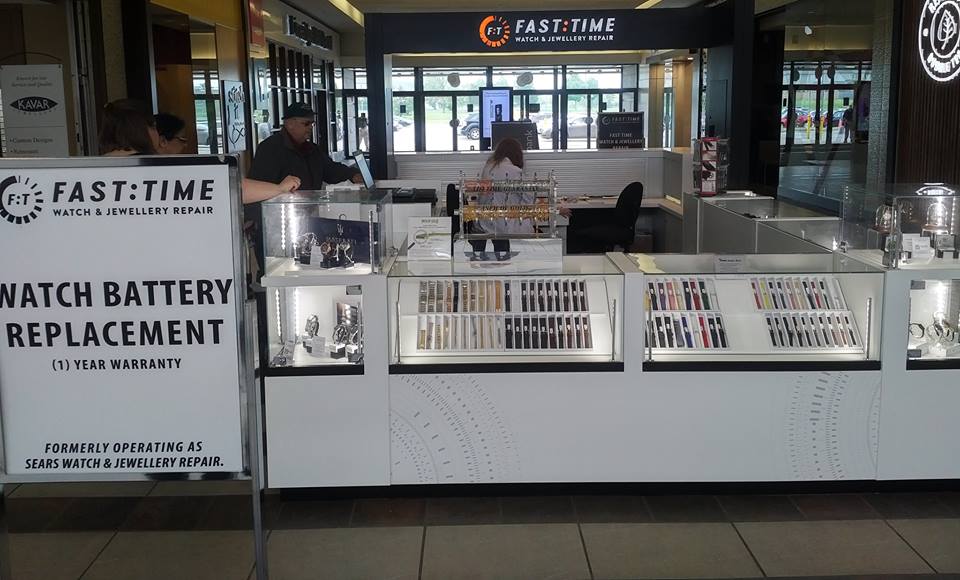
A long-time Canadian watch and jewellery repair business, which saw all of its locations in Sears stores shut down because of the demise of the giant retailer, has risen from the ashes and is expanding its new brand across the country.

Milon Talsania, vice-president of operations for Fast Time Watch & Jewellery Repair, said the family-owned business operated for years as a licenced department in the Sears department store under the brand Sears Watch & Jewellery Repair.

“Unfortunately despite our business growing on an annual basis –  and being chosen as one of our Sears Best Licensees – our contract was terminated by Sears and we were forced to close all of our locations in Sears Canada due to Sears Canada declaring bankruptcy,” said Talsania.

“All our eggs were in one basket you could say. At Sears, we were looking to expand even further. Unfortunately all this stuff happened. We always felt very strong about our model. Our business was still going strong in Sears. I guess we were in a house with a very leaky roof that crashed. Our model worked. Our business worked. The demand for our business was there. We fix everything we like to say from a Timex to a Rolex and everything in between.

“We thought. Okay Sears is gone. Our business is still successful. We just need to find a new home to operate out of. We approached the malls and the malls were very open to our concept. Our business is still one of the few that you can’t do online. Customers want to bring in their watches, they want to bring in their jewellery, to get repaired. The mall liked our concept because it brought footsteps into the mall.”

So the idea for the company’s resurrection from the Sears’ death was to build small boutique kiosks within malls. It hired a company out of Montreal – Pappas Design Studio – to help in the design.

“The mall gives us the opportunity to open up our business to the Sears customer and now to a whole market.”

To date, the new business venture has 11 locations and it will be opening soon its 12th location in London in White Oaks Mall. Recently it opened another location in London in CF Masonville Place. The first location was in London in the Westmount Shopping Centre.

“And hopefully more to come,” said Talsania.

The family-owned business began in 1979 under a company called Far East Watch Cases Ltd. The company was started by Talsania’s mother and father – Nina and Sam.

“We started operating watch and jewellery repair kiosks inside department stores,” said Talsania, adding they were located in many different department stores such as Eaton’s and Simpson’s.

“When Sears was expanding and taking over more locations in Canada . . . we moved in with them and we expanded our business within Sears in five different provinces in Canada and we had 62 locations at one point as recently as a couple of years ago.

“Our goal is to get back into many of the 62 locations we were in. We ran a very successful business . . . . I don’t have a set time frame. We opened up 12 locations within a year. Our goal is to get back into as many of these markets as possible. We know the market. We know what the potential is there.”

Currently all the company’s stores are located in Ontario.

“We feel that eventually we can become a destination. So the location depends on where the mall has availability. So we don’t have a set model. Most of these will be kiosks . . . I think what makes our model great is that it’s flexible. We can do a kiosk but we can also go into an inline mall location as well,” said Talsania.

“In our business, it’s a trust business . . . when customers bring in their expensive watches. We’re not just selling jeans. We’re repairing personal items here – his and hers wedding rings, things that have been passed down from their grandfather or grandmother, that kind of a thing. That trust element is really critical and I think the fact that we bring that into a mall. Although our company name is new, we are not new.”

Rabba Fine Foods Opening Stores in High-Density Neighbourhoods

exc-5b9db9f270a6ad3a541b9c60

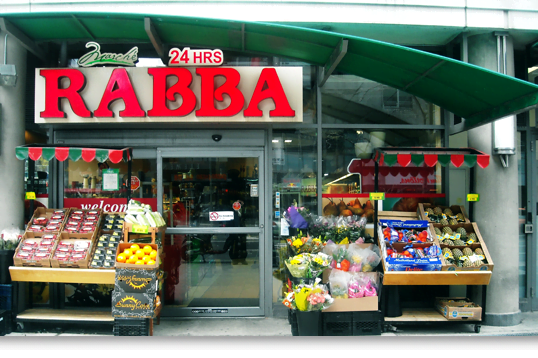
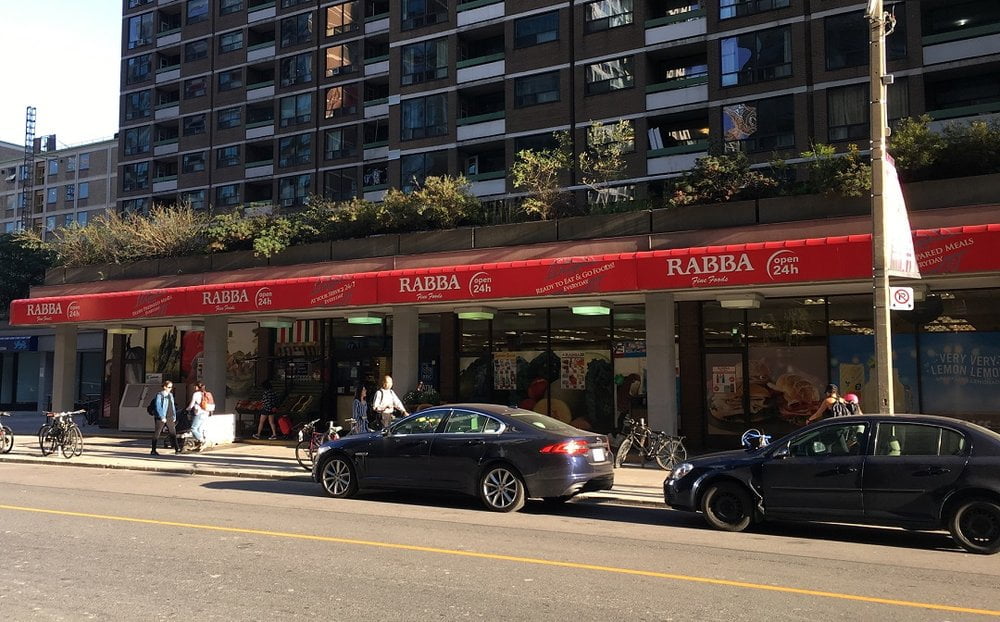
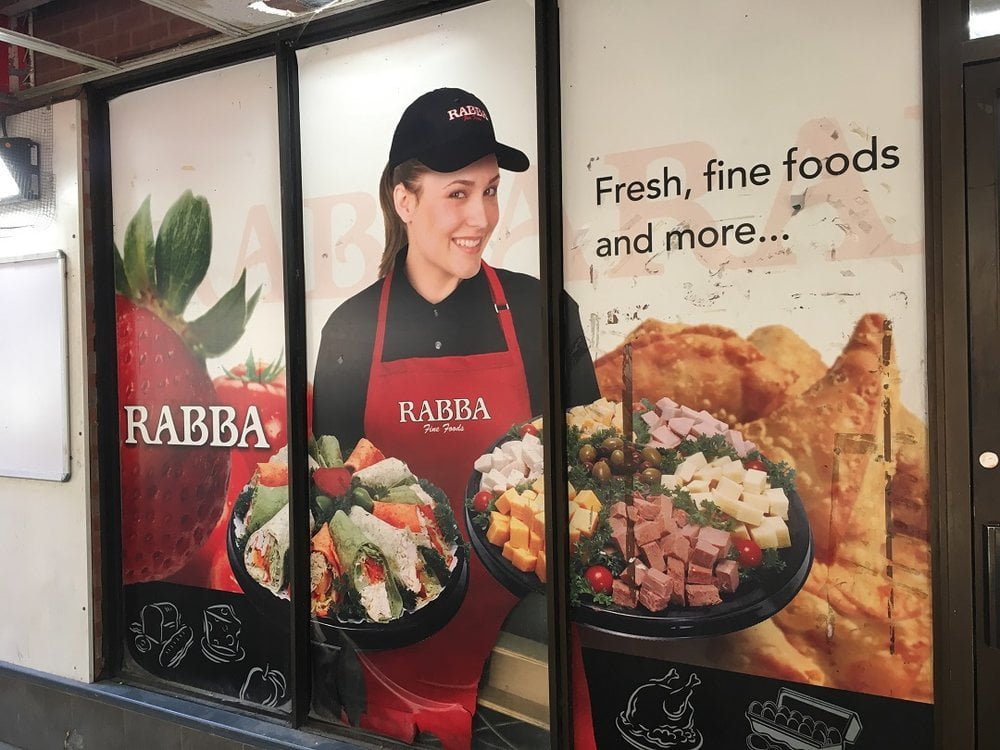
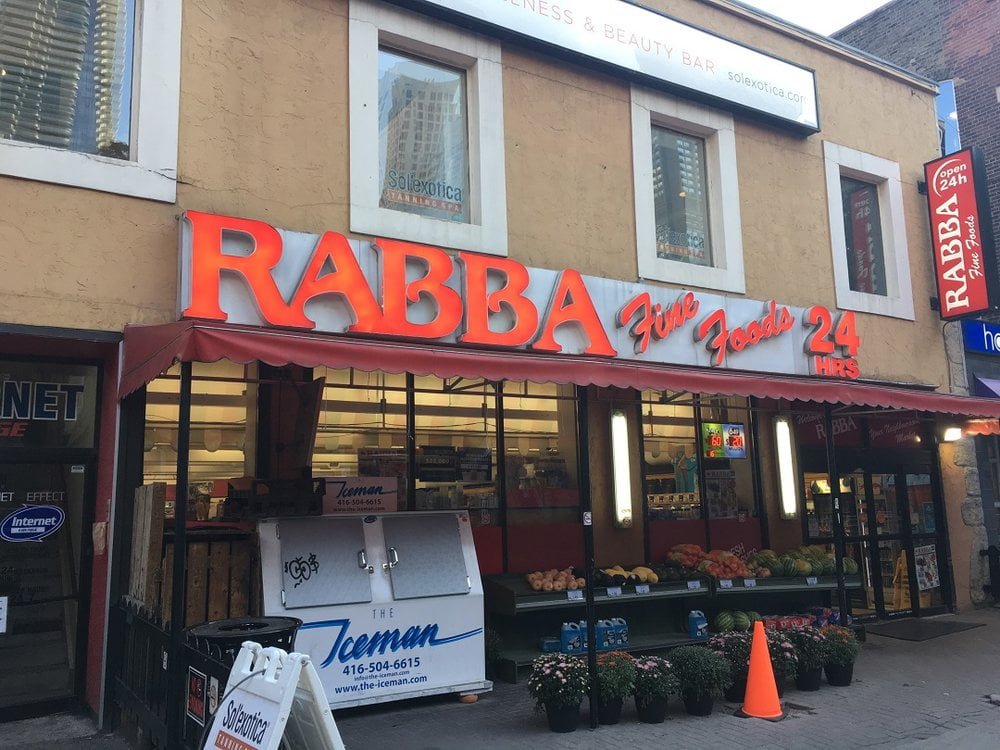
Rabba Fine Foods, a smaller-format urban grocery chain, has capitalized on the densification of the Greater Toronto Area by establishing itself as a key food market location for customers who love the convenience of having an accessible store open 24/7 and 365 days a year.

Since its beginning more than 40 years ago, the brand has grown to more than 30 locations within the Greater Toronto Area (GTA) – two stores in Brampton, four stores in Etobicoke, one store in Milton, 12 stores in Mississauga, one store in Oakville and 14 stores in Toronto.

“Generally we tend to be in heavily-populated urban areas and that’s why the majority of our stores are really focused inside Toronto itself,” said Rick Rabba, president of the company and son of founder Jack Rabba.

“We’re on the smaller side. Our stores are typically small, urban stores that you would find underneath a condominium building . . . The Rabba family started out in the convenience business – the convenience store business – and we were operating convenience stores in downtown Toronto. People would come in and say ‘this is a great store but it would be so much better if I could get some produce here’. And customers would say ‘this is a great store but it would be even better if I could get some of my deli items, or bakery items here’.

“So over time we expanded our offerings and we expanded our philosophy to incorporate all of the departments you would find in a typical grocery store but in a much smaller format. So we’re really the small, urban grocery store. Many of our customers are living in condominiums in a densely-populated urban environment. They don’t have big refrigerators. They don’t have lots of storage capacity. They’re not buying in bulk. There might be one or two people. So we’re really catering to that urban grocery shopper.”

According to the company website, its roots began when Jack Rabba established himself as a small grocery store operator in Toronto in 1967:  “He had no way of knowing that his dedication, drive, and perseverance would eventually establish Rabba Fine Foods as an influential name in the Canadian retail industry. Yet, more than 50 years later, Rabba continues to grow and expand, still building on the foundation established by Jack when he opened the first location. Variety Food Fair, forerunner of Rabba Fine Foods, was a small grocery store located at Charles and Balmuto in downtown Toronto.”

One of the new developments with the company is recently establishing a partnership with coffee giant Tim Hortons. It has opened eight Tim Hortons locations inside of a Rabba store.

“That’s been a very successful partnership I believe both for us and for Tim Hortons and we’re continuing to develop that partnership where we have a Tim Hortons kiosk within our stores and we serve breakfast and all the beverages and all of the pastry items. And in some of our locations we have the full menu including the soup and the salad and the sandwich offerings of Tim Hortons,” said Rabba.

“We’re currently actively pursuing any new store locations that are in our niche because we know the types of neighbourhoods where we are needed and those are the types of neighbourhoods we look at. Toronto is experiencing significant growth in terms of condominium development. We’re actively involved in pursuing new locations in those types of neighbourhoods.”

He said the company is looking at expanding the Tim Hortons presence in the future in existing store locations.

Rabba said he couldn’t say how many stores the company will expand to in the future but added there is no upper limit to the number of stores it could build.

“It’s really more about where do our customers need us. We go where we’re needed,” he said.

“We always look at opportunities but the GTA really is where our roots are and it’s really where that type of urban customer exists who would most use the offering. It’s rare to find that type of situation outside of the GTA, but we don’t have a mandate that says we will not look outside the GTA. But it’s more that the further you get outside the GTA the fewer of those types of neighbourhoods exist.”

Penguin Random House Canada to Host Fall Gift Show in Toronto

Penguin Random House Canada

Penguin Random House Canada, the largest publisher and distributor of books in Canada, is hosting its fall gift show on October 1 and retailers are encouraged to attend. The bi-annual event is being held at the Penguin Random House Canada head office at 320 Front Street West in downtown Toronto. [Register Here for Free]

More and more, retailers are adding books to their merchandise mix — they’re finding that books not only enhance the overall experience, they also help drive sales as well as to gain new customers. The Penguin Random House gift show is unique in that it exposes specialty retailers with books that can be added to create product diversity that is also relevant to their target markets. 

As well, retailers attending the gift show can consult with sales specialists about various titles and the company’s processes, open an account (if they don’t have one), place an order on the spot (attendees get a special discount on show orders) and enjoy snacks and complimentary swag bags.

[Below: Photos from the spring 2018 Penguin Random House gift show]

Penguin Random House Canada

For those who might be hungry, there will be samples of a variety of tasty treats from a selection of Penguin Random House’s selection of cookbooks. 

There’s also a novel retail aspect to Penguin Random House Canada. The company operates an innovative 158 square-foot boutique on the ground level in the lobby of 320 Front Street West. The ‘Penguin Shop’ space was designed by figure3 and opened in the summer of 2016. The store is very popular with Penguin Random House ‘super fans’ who are able to purchase an array of branded Penguin Random House products. As part of the Penguin Random House gift show, attendees receive a personal shopping discount in the store. 

The Penguin Random House gift show takes place on October 1 from 10:00am to 7:00pm at 320 Front Street West in Toronto. If you’d like to book a personalized appointment with a sales representative, email: giftshow@penguinrandomhouse.com. Or feel free to RSVP with a ‘Timed Admission’ ticket, and they will contact you to arrange your appointment. 

[Register Here for Free]

*****

As well, for those who cannot attend, you can find a list of Penguin Random House’s other catalogues here:

Full lists of titles Penguin Random House publishes

Canadian Giftbooks Fall 2018

Random House Giftbooks 2018

Penguin Giftbooks 2018

Penguin Cookbooks 2018 Catalogue

Random House Cookbooks 2018 Catalogue

Penguin Children’s 2018 Catalogue

Random House Children’s 2018 Catalogue

White Paper Discusses How Technology Will Redefine the Future of Work in Retail

Kronos, the leading workforce management software and services company, has released a white paper titled ‘The Future of Work in Retail’ which provides insight into how technology is redefining jobs, capabilities and expectations in the Canadian retail workplace.  

The release of the white paper comes at a critical time. Workplaces are changing in many ways as new retailers enter the market and seek to innovate in order to gain market share at the expense of competitors. Technology is also transforming the future of retail — Artificial Intelligence, ‘big data’ and machine learning are creating a new workforce and, ultimately, a happier customer.

Examples abound — Amazon’s new ‘Amazon Go’ concept is a great one. It launched in Seattle this year and is expanding into other markets.  

Employees are changing too. Millennials entering the workforce are well-educated, energetic, adept at multi-tasking and looking for new and difficult problems to solve. Plus, there are new shoppers now ready to buy as Gen Z begins making its own buying decisions. All of these changes make for fierce competition, while at the same time retailers are challenged to keep up with ever-changing labour laws. 

Certainly, the complexity in retail is only increasing. Research shows that omnichannel shoppers are falling into a definite pattern: the more channels they use, the more they spend and the more loyal they become to their retailers.

The white paper, provided by Kronos, explains how retailers can take advantage of these key trends by embracing today’s technologies to differentiate and stay competitive. For example, retailers can use technology to:

  • Enhance the customer experience with face-to-face interactions

  • Engage employees in more high-level thinking, creativity and decision-making

  • Make better use of analytics, AI and automation

    The report dives into these topics and provides useful information and examples, as well as some important solutions.

You can download the white paper here. For more information on Kronos, visit: www.kronos.ca.

Sugarfina Secures 1st Standalone Ontario Store Locations

exc-5ba19b11b8a0452cf19e5b2f

Los Angeles-based luxury ‘grownup’ candy retailer Sugarfina has secured its first two freestanding stores in the Greater Toronto market, following the successful opening of two units in Vancouver. More locations are expected as Sugarfina continues to gain brand awareness amongst Canadian consumers. 

Sugarfina opened its first standalone store in Canada in November of 2017, in a 1,100 square foot retail space at Metropolis at Metrotown in suburban Vancouver. A second standalone store, measuring about 450 square feet, opened at Vancouver’s Oakridge Centre in the spring.  

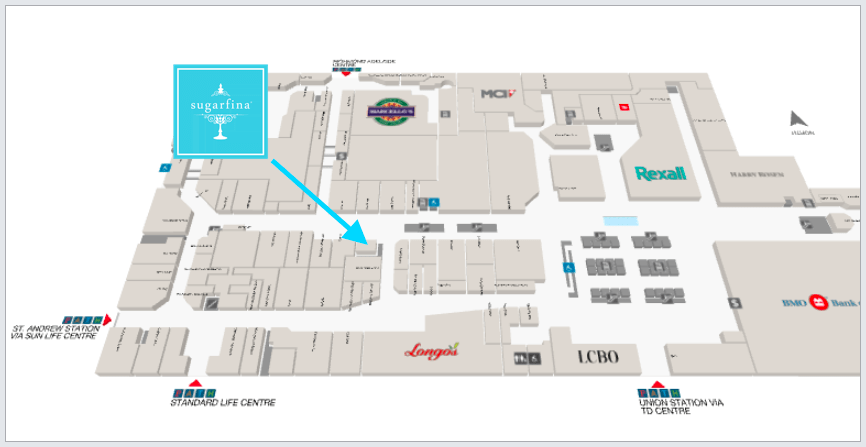
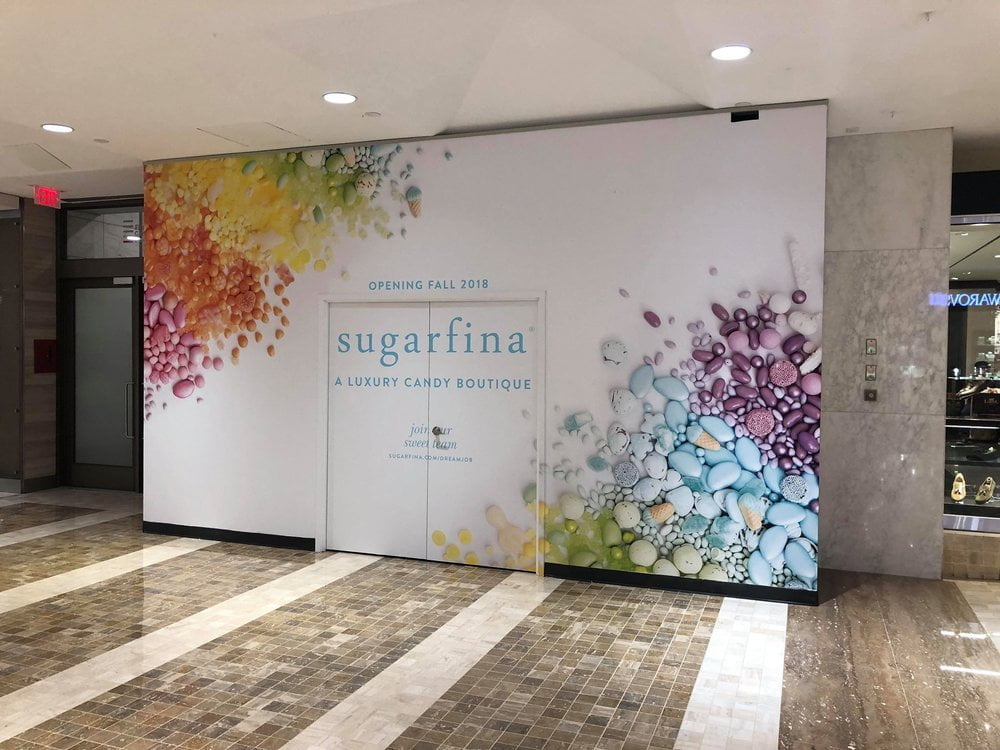
The company’s first Toronto location is now under construction at First Canadian Place, and is expected to open this fall. The mixed-use First Canadian Place complex includes a marble-clad retail podium located in the heart of Canada’s Financial District. Sugarfina will span almost 300 square feet and will be located next to Paris-base men’s retailer LodinG and across from Swarovski, in a run of the mall that also houses popular Toronto-based beauty brand Deciem, Vancouver-based Saje Natural Wellness, and Frank & Oak, which has also just opened a store at First Canadian Place. 

Sugarfina has also secured a retail space at Square One in Mississauga, which will most likely be opening after the First Canadian Place unit. Square One’s Sugarfina will be located near the mall’s Victoria’s Secret and Aritzia stores, with details to follow. 

Tony Flanz of brokerage Think Retail represented Sugarfina in its deal with First Canadian Place landlord Brookfield Properties. He also represented Sugarfina in the lease deal with Square One’s landlord Oxford Properties. Mr. Flanz is working with Sugarfina on its Canadian store expansion and according to Think Retail’s website, Sugarfina is seeking retail space in major malls, ideally in the 600 square foot to 1,000 square foot range.

Sugarfina confirms that the company intends on operating standalone stores in Vancouver as well as in the Toronto market, with as many as 10 locations in Canada in the coming years.

Prior to opening its Vancouver units, Sugarfina had only been available in a handful of Canadian retailers, including five shop-in-stores inside of Canada’s Nordstrom locations in Vancouver, Calgary, Ottawa, and Toronto (CF Toronto Eaton Centre and Yorkdale). The first Sugarfina shop-in-store opened at Nordstrom’s CF Pacific Centre flagship in Vancouver in September of 2015. 

Sugarfina stores feature premium items made from high-quality ingredients, sourced directly from artisan candy makers around the globe. Products include gourmet chocolates, caramels, gummies, malt balls, liquorice and other delicious confections. Champagne-infused gummies and maple bourbon caramels have been popular, with celebrity endorsements helping grow brand awareness. 

Small containers of Sugarfina candies are priced starting at under $10, with mix-and-match options including a ‘design your own bento box’ where several smaller candy-filled cubes (between three and eight cubes per ‘bento box’) are assembled into gift packages. In the summer of 2016, Sugarfina introduced Rosé rose-shaped gummy bears, which were so popular they sold out within two hours while traffic caused the company’s website to crash. The wait list grew to more than 18,000 people.

Sugarfina was founded by husband-wife couple Josh Resnick and Rosie O’Neill, who came up with the concept after watching the original Willy Wonka and the Chocolate Factory movie together on their third date. Recognizing a niche for grownup candy retail, the couple traveled the world and met with candy makers, eventually opening an online candy shop in August of 2012. 

In November of 2013, Sugarfina’s first boutique opened on Santa Monica Boulevard in Beverly Hills. The 1,400 square foot store was referred to as “the Tiffany & Co.” of candy” by online culinary publication Eater, referencing both the white-and-blue colour scheme as well as the store’s high-end offerings. 

The Sugarfina concept has grown rapidly, with more than 30 boutiques in the United States, several of which are located in Nordstrom stores. 

North American Manufacturer ‘Artitalia’ Expands Range of Custom Products for Retailers

Image: Artitalia

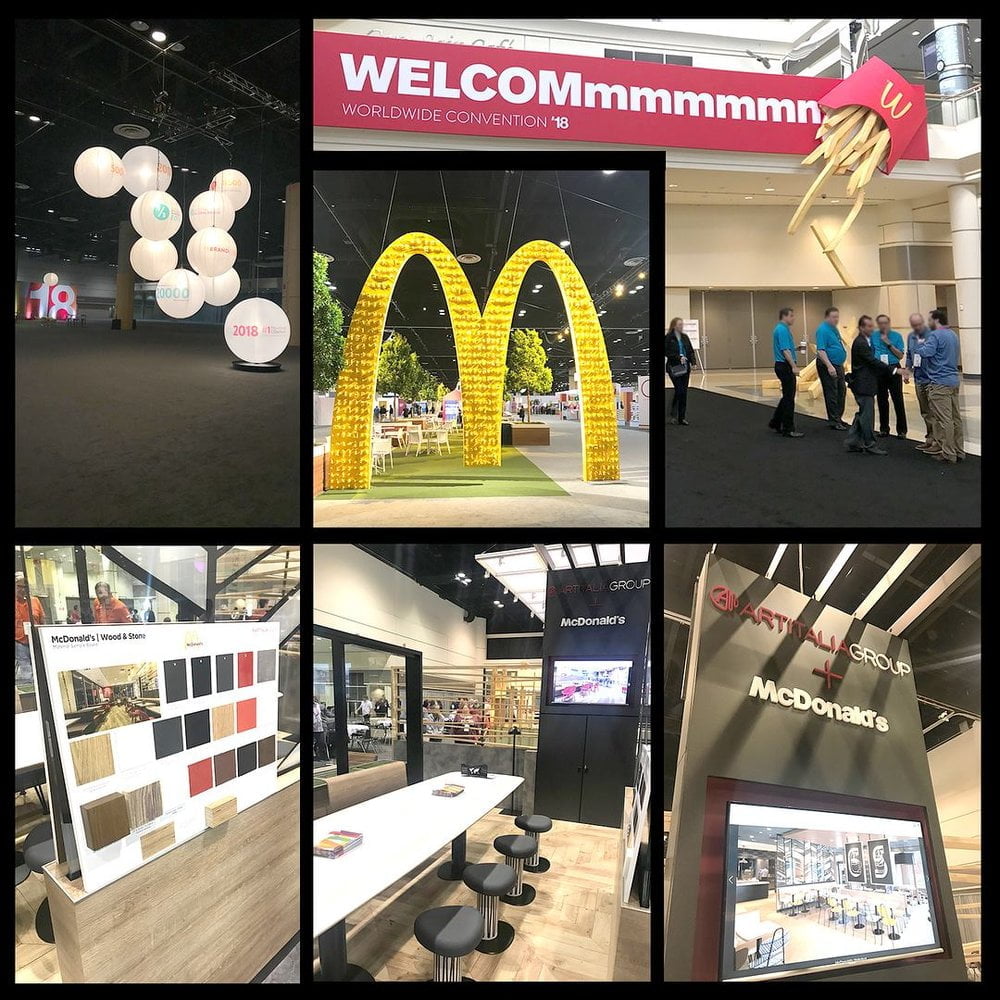
For more than 30 years, the Montreal-based Artitalia Group has been dedicated to manufacturing cost-effective, custom products for its clients, which include some of the biggest corporations in the world.

Enzo Vardaro

It’s an art fueled by innovation, creativity and inspiration – qualities the family-owned business forged over the years from its roots, and foundation, in Italy years ago before it immigrated to Canada.

Enzo Vardaro, Vice President, Design, Marketing & Sales, for Artitalia, said the company specializes in designing and manufacturing custom products in four different markets – retail, hospitality and restaurant, material handling, and the postal industry.

“We design and custom manufacture metal and wood products,” said Vardaro.

In retail that includes anything that holds merchandise in a store – from custom display fixtures to complete in store environments. In the Hospitality and Restaurant industry that includes indoor and outdoor commercial furniture. In the Logistics and E-Commerce industry that includes material handling solutions, automated and non-automated commercial parcel boxes, postal lobby boxes, and community postal boxes.

From its humble beginnings in 1976 servicing local markets to today, Artitalia has gained some of the biggest corporate giants as clients including McDonald’s, Amazon, Walmart, Target, IHG, and Canada Post.

“We are the assigned manufacturer for all of the indoor and outdoor furniture for McDonald’s Canada and we also deal with the U.S. and the rest of the world,” said Vardaro. “We specialize in mass markets. We mass produce custom products for multi-national and national chains.

The company is headquartered in Montreal but has satellite offices, warehouse and manufacturing space in New Jersey as well as an office, warehouse and manufacturing space in Xiamen, China.

Vardaro’s parents, like many others, emigrated from Italy to Canada in the early 1970s for a better life. An opportunity to leave behind a recessionary environment and set up a life in Canada where they could dream big of success.

“Back in Italy we were craftsmen. We would buy, repair and re-sell antique furniture. That’s how we got into manufacturing. We were always craftsmen in our trade.” said Vardaro, adding that the family was based just south of Naples.

“From the inception, they specialized in custom manufacturing products for retail and residential, hotel and restaurant, and their business has grown through multiple strategic acquisitions. From four of the original founders in 1976 to over 500 employees today. Sales have reached over $100 million this year,” said Vardaro.

The company is owned today by Antonio Vardaro and his sons Enzo, Nicholas and Giosue. It has domestic and international capabilities with its 1,000,000 square feet of manufacturing and warehousing space and best-in-class automated machinery.

Image: Yoga Lily

“Our client-centric approach enables us to partner with our clients all the while offering the support needed to create custom hybrid programs in order to satisfy all the necessary project requirements needed to make their project a success — and priority — every step of the way,” said Vardaro.

“Our commitment to innovation and success is always top-of-mind when custom designing and engineering products and we pride ourselves on our reputation as being one of the industry’s top-leading manufacturers.”

For more information on Artitalia, visit www.artitalia.com

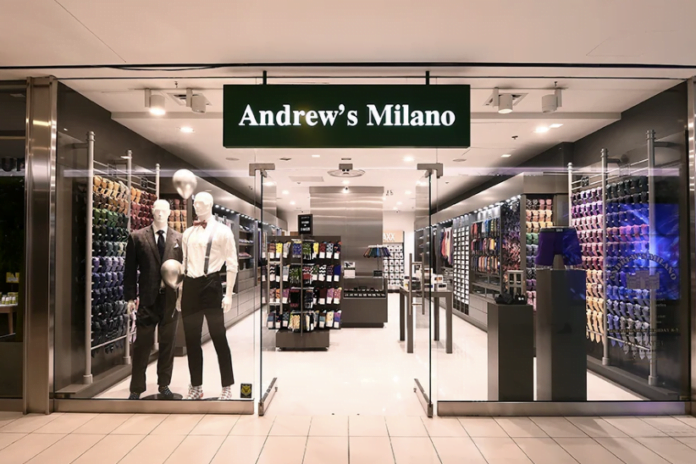
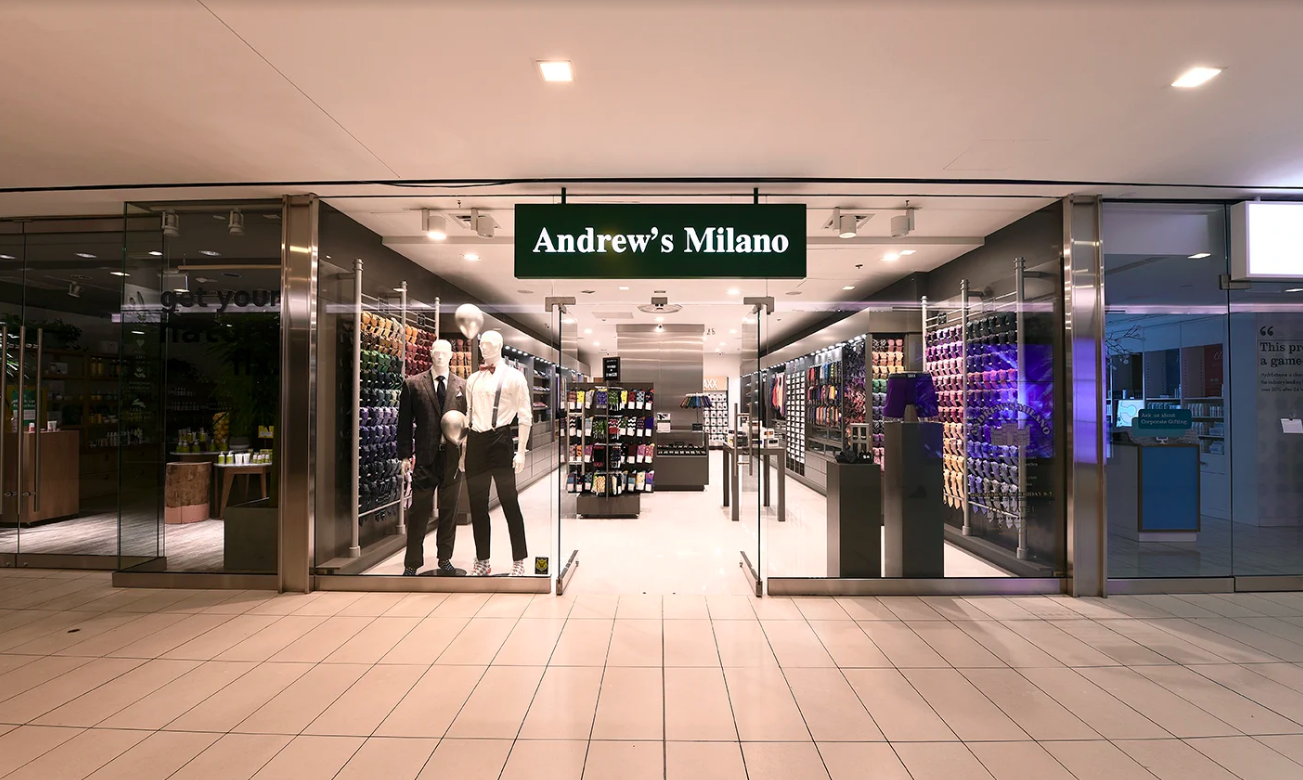
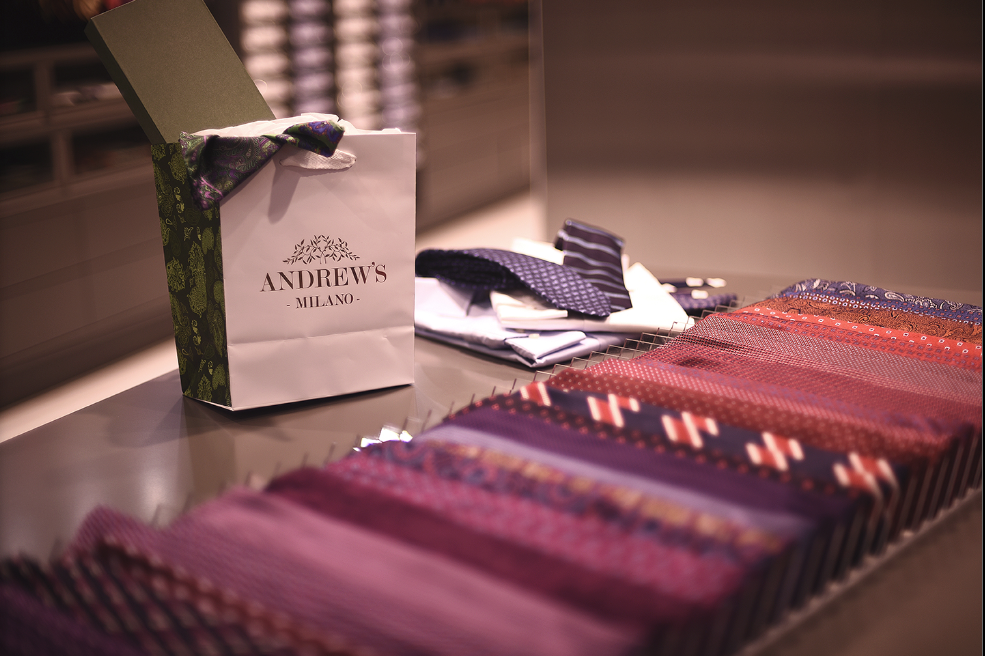
Andrew’s Milano Unveils Impressive Newly Modernized Store After PATH Flood [Photos]

exc-5b9888bb4fa51a8f86e3caf7


Screen Shot 2018-09-11 at 11.33.46 PM.pngScreen Shot 2018-09-11 at 11.33.46 PM.png

By Mario Toneguzzi

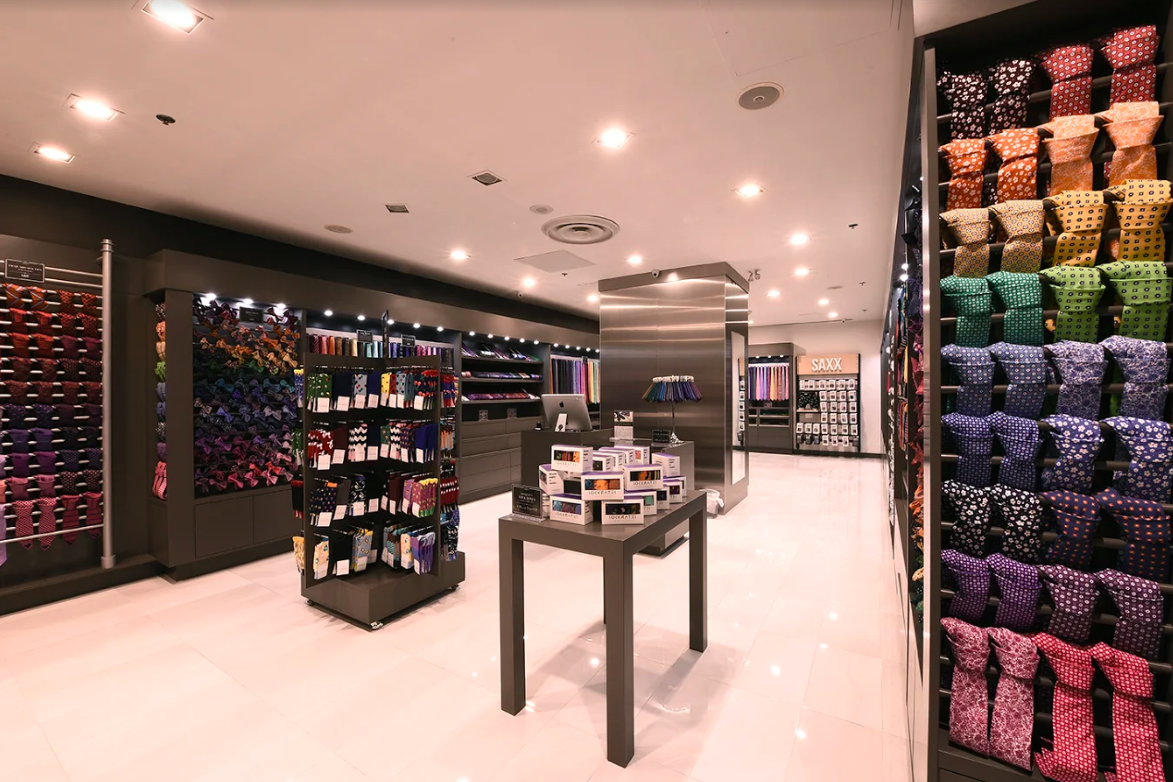
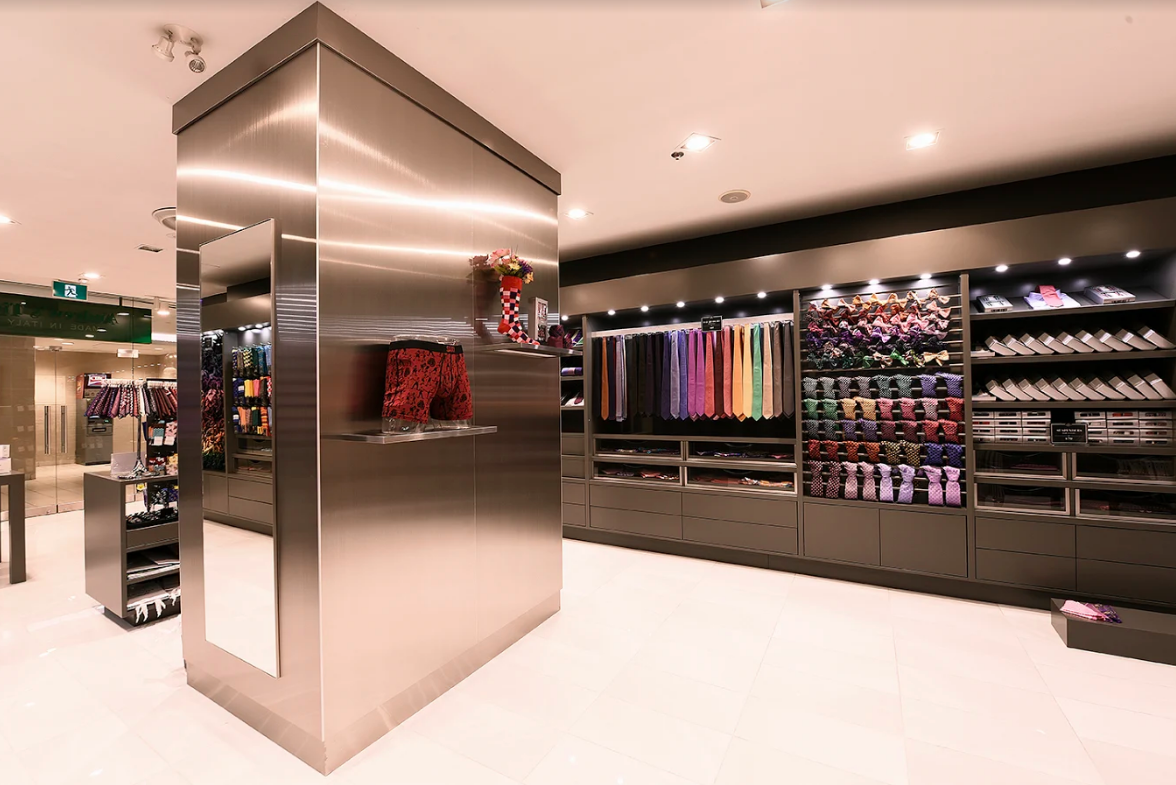
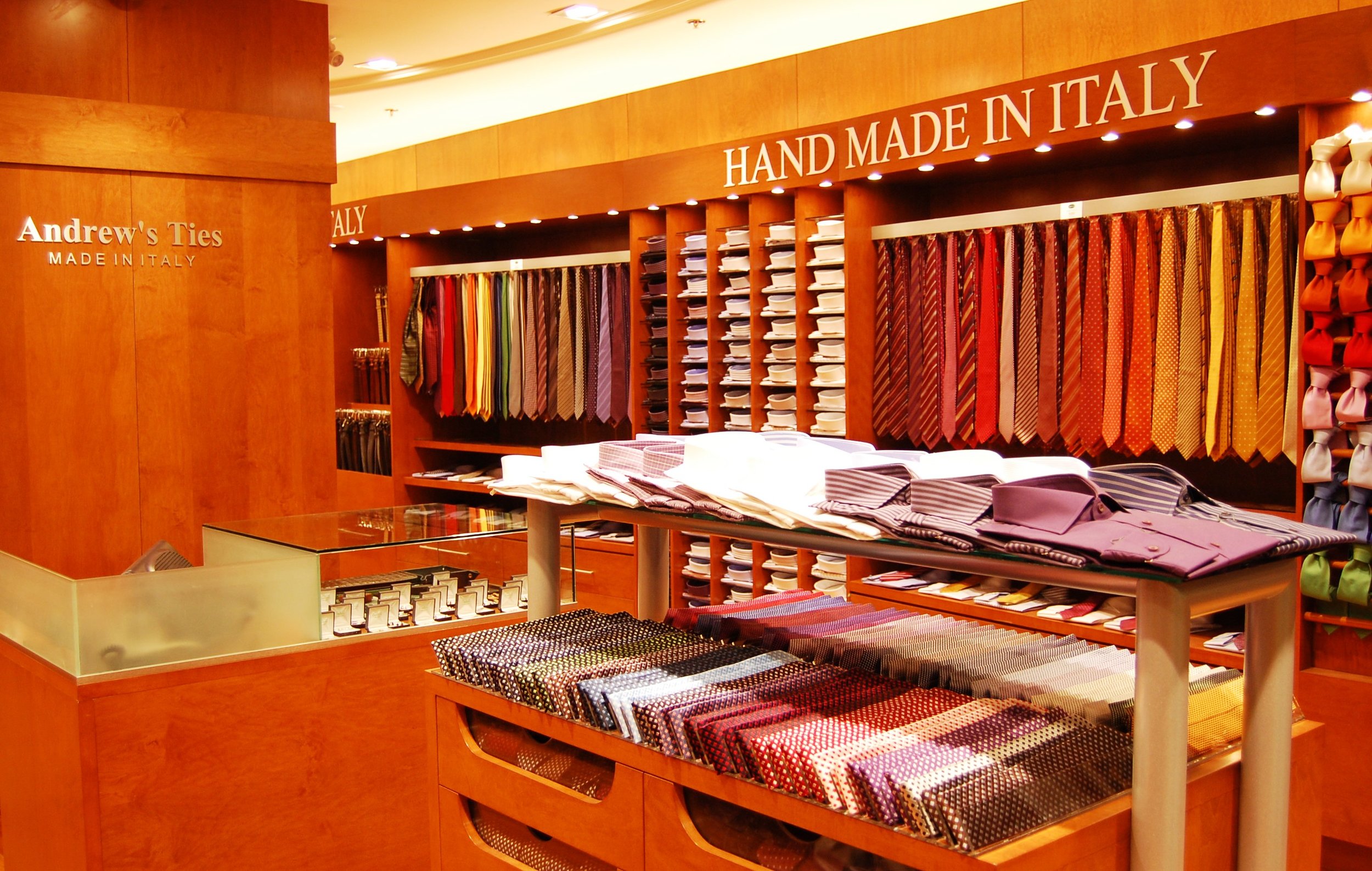
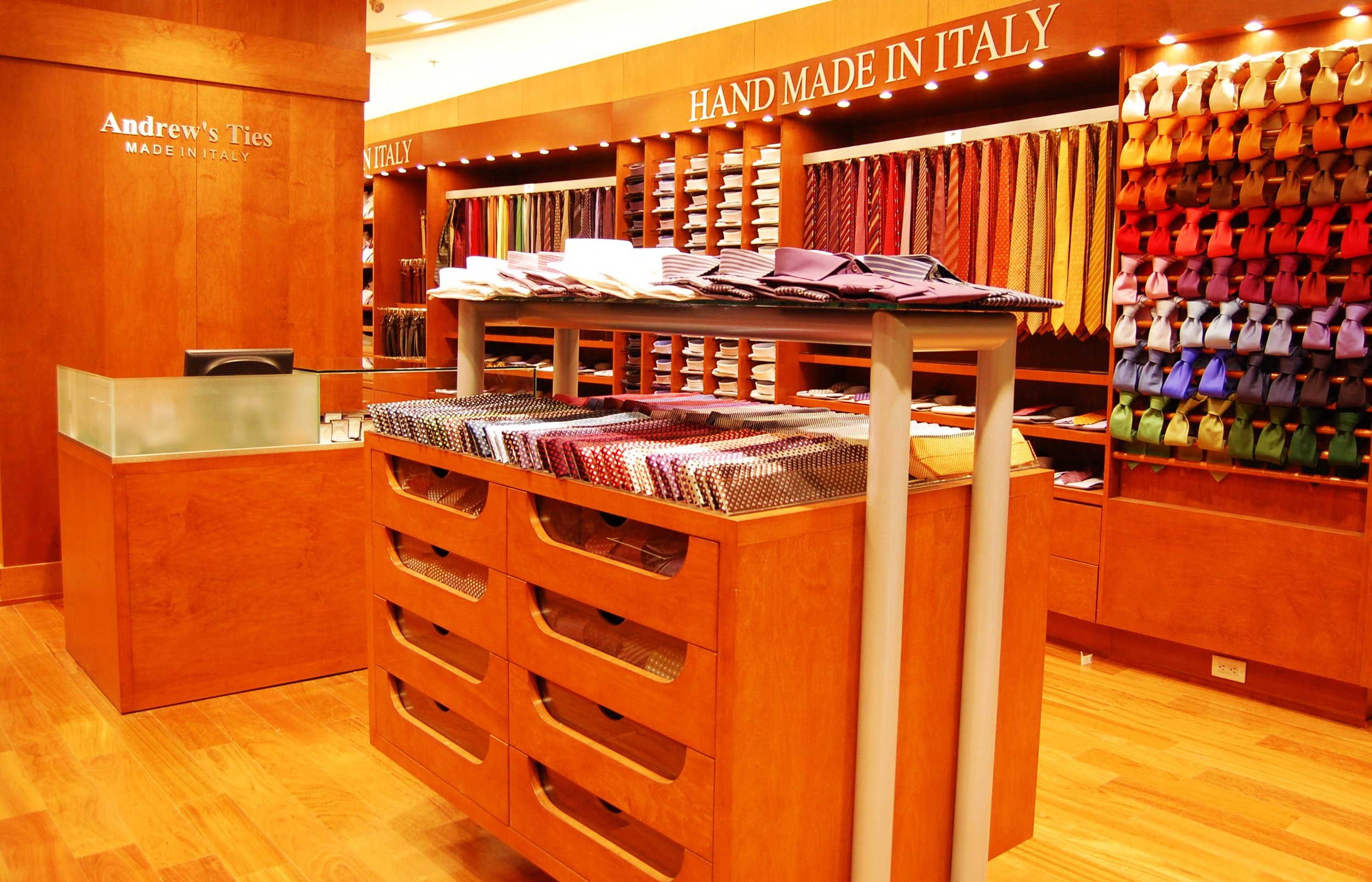
For about a decade, Andrew’s Milano has brought a touch of Italy to Toronto with its affordable, high-quality menswear and accessories.

The store, which opened in 2009 in downtown Toronto at Bay Street and Adelaide Street in the ‘Richmond Adelaide Centre’, had a setback in January when the restaurant above it in the PATH flooded and caused the fashion retailer to close down.

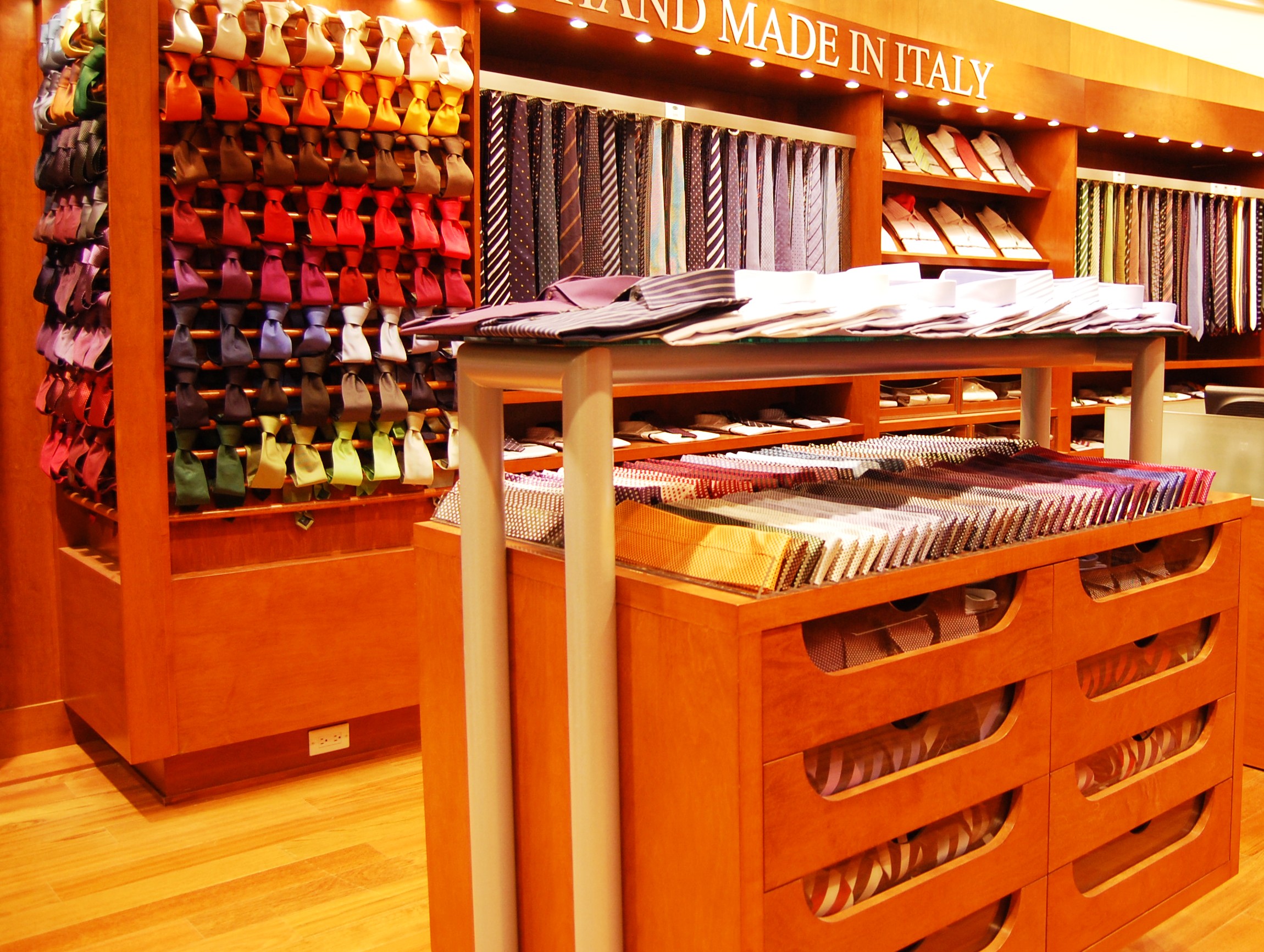
“We have rebuilt the store with a brand new, fresh look,” said Sam Moses, owner of the 800-square-foot store. “We wanted to take the model and kind of make it a little bit more modern and a little bit more fresher but to stick to the core principles. Selling the neckwear, which is our main product. Selling the socks.


Screen Shot 2018-09-11 at 11.33.12 PM.pngScreen Shot 2018-09-11 at 11.33.12 PM.png


Capture.PNGCapture.PNG

“We stick to our product but it’s a little bit more modern. We’re kind of upscaling, not only upscaling but modernizing a concept that started in Italy in the 1990s.”

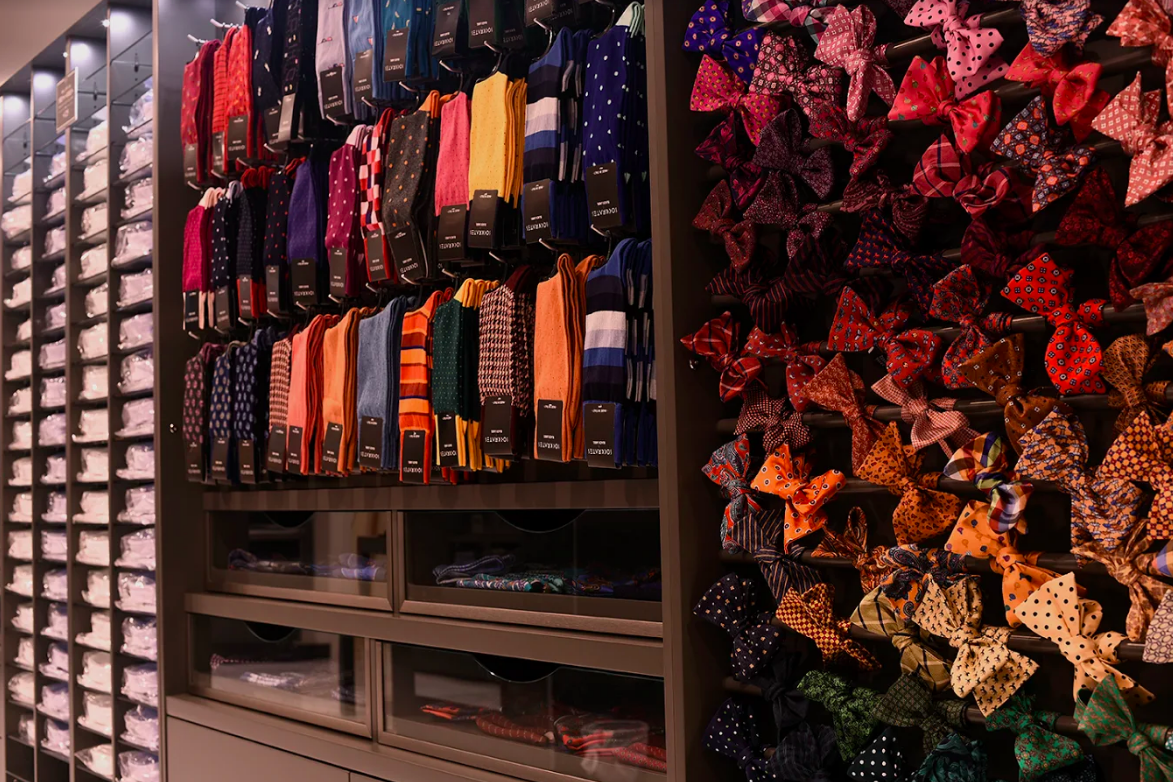
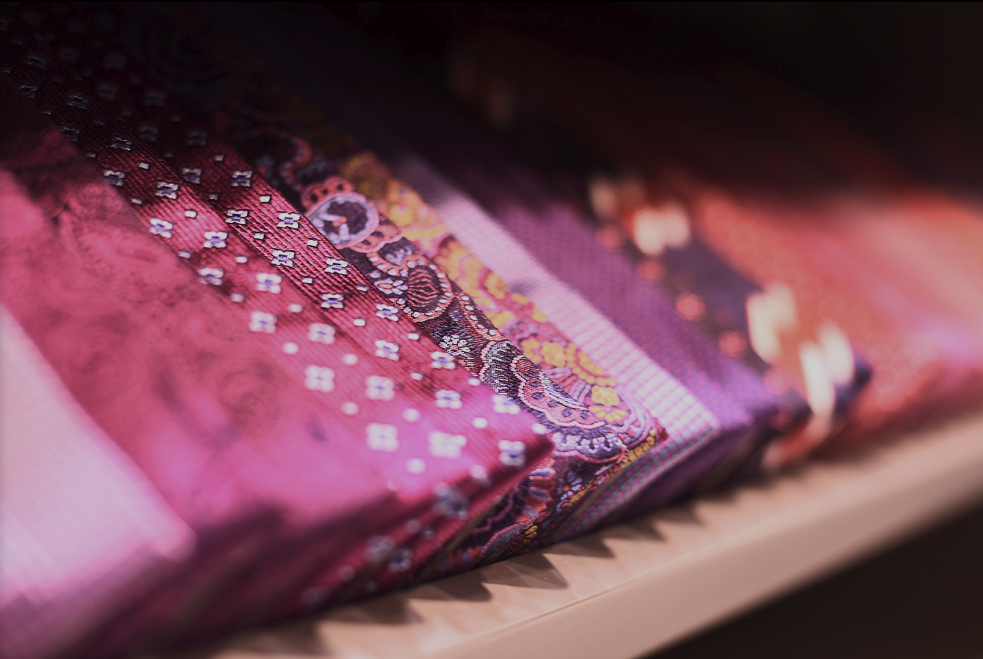
The store is a chain from Italy carrying Made in Italy neckties, pocket squares, socks, bowties, shirts.

“All the accessories that a man would need to go to work in a professional environment and to go to formal events. We do quite a bit of weddings. Custom wedding orders. We do black tie events. Our number one seller is still the black tie,” said Moses.

“We service the business crowd. We’ve grown over the years and are now a destination for executives looking for high-quality Italian products at a fair price and people looking for great gift ideas.”

Over time, Moses said he noticed the Canadian market is very different than the Italian market. It was then that the Toronto store started to get into the socks business.


Screen Shot 2018-09-11 at 11.33.31 PM.pngScreen Shot 2018-09-11 at 11.33.31 PM.png


Screen Shot 2018-09-11 at 11.34.07 PM.pngScreen Shot 2018-09-11 at 11.34.07 PM.png

“And the colourful socks trend is what we really jumped onto. We added the socks and we brought them in from Italy and we bring them in from China as well – a more economical line. And the socks now make up 30 per cent of our business,” said Moses.

“And the sock line that we came up with that we sell in the store that we own is our concept called Sockrates and it’s a play on the philosopher Socrates.”

The store’s location at the Richmond-Adelaide Centre lends itself to a professional, executive crowd – young and senior executives.

“The socks have really provided us an opportunity to cater to more people. Not just people wearing ties or pocket squares or formal white shirts but also to just every person – from the secretary to the cleaning staff to the CEO. It’s unbelievable. The sock has really opened up our world that we see a lot more different types of people in the store,” said Moses.

He said the store also does a lot of business with women buying for men and because of that when the store re-opens it will sell high-quality scarves to women.


Capture1.PNGCapture1.PNG


“Over nine years of seeing women come into my store it took me nine years but I figured out maybe I should be selling stuff to women as well,” he quipped. “We do a lot of business with women. I’d say 40 per cent of our business is ladies buying for men whether it’s their son or their husband or their boyfriend. I would say some of our top customers are ladies.”

Part of the store’s expansion over the years has been online sales but also B2B as it sells to other menswear stores.

“We do quite a bit of business in B2B corporate sales meaning if a company wants to brand neckwear and scarves to give away to their clients,” he said. “You just can’t wait for customers. We kind of went out and got our own customers. We got the corporate clients.

CONTRAST: The 3 photos above are the ‘before’ shots of the store prior to the flood. The new design reflects a more modern aesthetic.

“The address of 120 Adelaide is a very powerful address. So the retail store is one thing but the B2B is really where we’re focusing now because we’re doing a lot of corporate products – socks, neckwear, scarves. And we’ve really streamlined our process.”

Moses said the company has thought of expanding to other locations but he’s hesitated because the current location has a specific niche market.

It has however opened up Sockrates pop-up locations throughout the city during the holiday season.

“The response to the socks has been tremendous,” he said.


 Mario Toneguzzi, based in Calgary has 37 years of experience as a daily newspaper writer, columnist and editor. He worked for 35 years at the Calgary Herald covering sports, crime, politics, health, city and breaking news, and business. For 12 years as a business writer, his main beats were commercial and residential real estate, retail, small business and general economic news. He nows works on his own as a freelance writer and consultant in communications and media relations/training. Email: mdtoneguzzi@gmail.com

Toronto Premium Outlets Announces New Luxury Retailers and Expansion Wing [Renderings/Plans]

*UPDATE: The centre’s expansion wing is now open with several unannounced luxury stores such as Saint Laurent, Max Mara and Maje on the way, as well as favourites such as Gucci and Prada. Here’s a look inside on opening day: Toronto Premium Outlets Opens Luxury-Focused Expansion Wing [Photos]

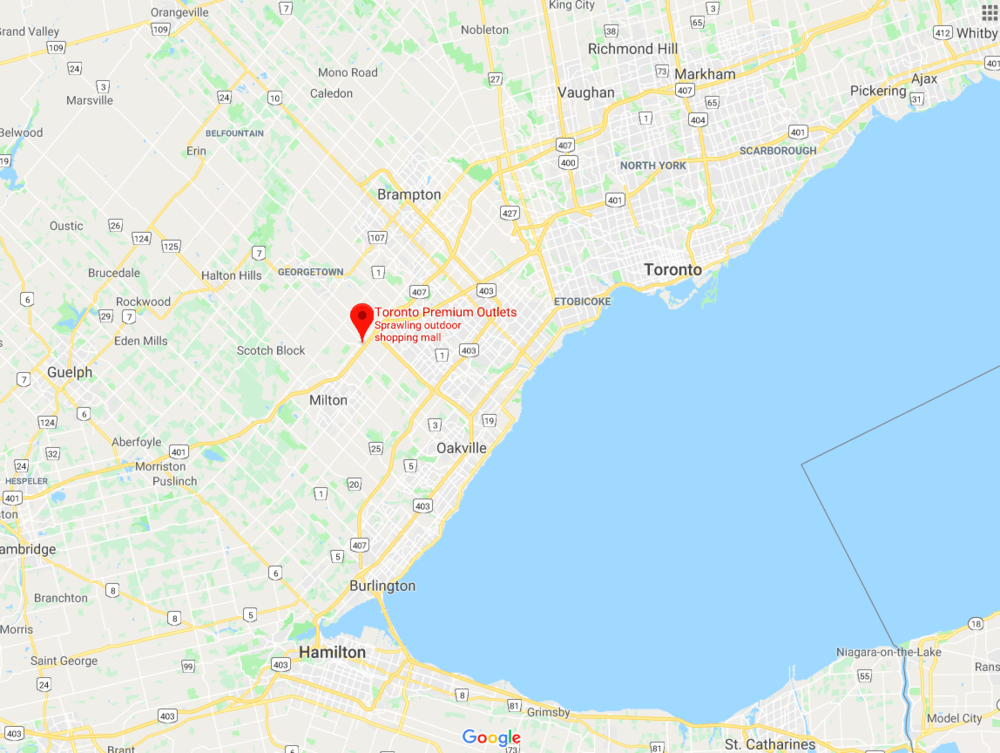
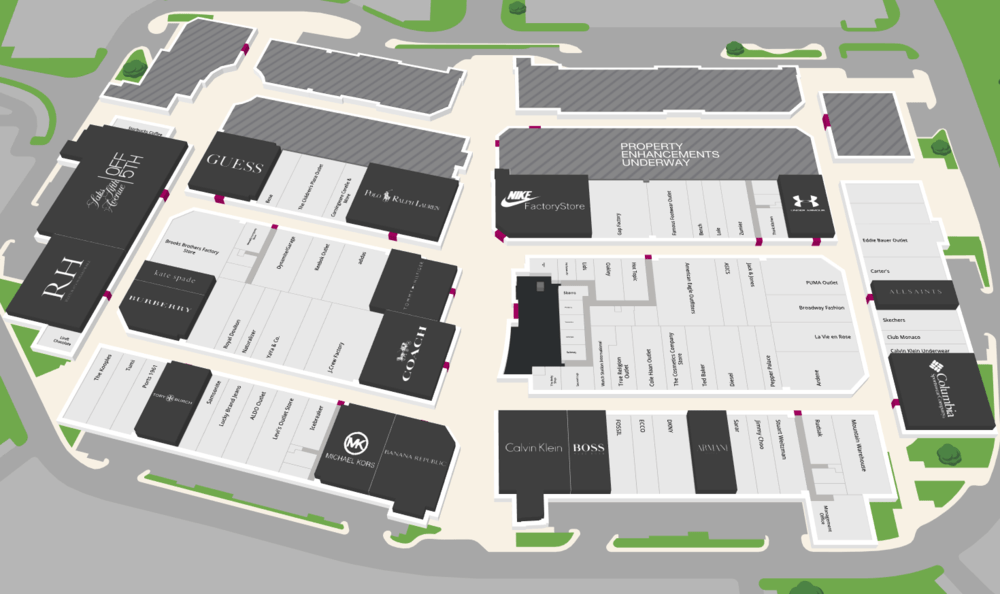
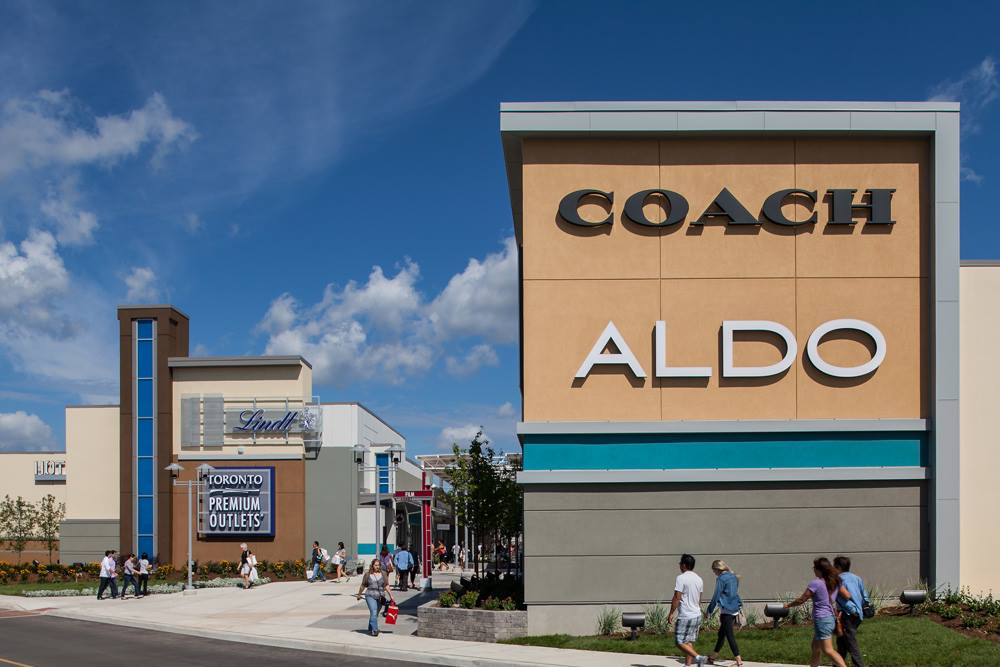
Landlords Simon and SmartCentres have announced an expansion of the Toronto Premium Outlets centre in Halton Hills that will include a substantial amount of new retail space which will house several world-renowned luxury brands. When the expansion is unveiled on November 15, Toronto Premium Outlets will have secured its spot as the country’s leading outlet centre with eight luxury brands operating in the busy centre, bringing it closer in line with some of the best outlet centres internationally. 

The expansion will add more than 144,000 square feet to the Toronto Premium Outlets, which already spans about 358,000 square feet with an outdoor configuration. The centre opened in August of 2013 and it has been adding new retailers ever since. To keep up with increasing demand, about 1,600 parking spaces were added in a new five-level parking garage in December of 2017. The retail expansion is being built on the north side of the centre, creating a new corridor that will house an additional 40 units that will include a mix of retailers, fast-casual food offerings and family-friendly amenities. 

Toronto Premium Outlets is one of Canada’s top-performing shopping centres in terms of annual sales per square foot, and it attracts millions of shoppers each year and provides over 900 full-time jobs. The Centre is Halton Hills’ largest property taxpayer, according to its landlords. 

“We’re thrilled to offer our customers even more amazing retail options with this new expansion”, says Helena Moniz, General Manager, Toronto Premium Outlets. “We’re always looking to elevate the luxury shopping experience we provide, and the introduction of our exclusive new retailers, state-of-the-art parking garage, new Guest Services Centre and additional amenities such as mobile phone chargers and a full-service restaurant, help us do just that”.

When finished, the Toronto Premium Outlets expansion will see the centre grow to about 130 retailers and over 3,000 parking spaces. The expansion will include the addition of four significant brands — Gucci, Montblanc, Prada and Zadig & Voltaire

EXPANSION/PARKADE. RENDERING: SIMON

Gucci will be opening its second outlet store in Canada at Premium Outlets Toronto, following the opening of a Montreal Gucci outlet at Premium Outlets Montreal in the fall of 2015. Gucci, considered to be one of the hottest brands in the world, is also in line to become the top-selling luxury brand globally as sales surpass those of Louis Vuitton and Chanel. Gucci also operates a network of full-priced stores that includes standalone units in Toronto and Vancouver (and a third said to be in the works for Edmonton) as well as concessions at most Holt Renfrew stores in Canada. Gucci will be opening a ‘World of Gucci’ concession at Holts in Toronto’s Yorkdale next year, and will also renovate/expand its Bloor Street unit. 

The Montblanc outlet will be a first in Canada. Swiss-based Montblanc operates a network of standalone units in Toronto (three stores), Montreal (two stores) and in several months time, a new Vancouver location will be unveiled on the 1000 block of Alberni Street that will replace a shuttered Burrard Street unit which closed several months ago.

Prada is a major score for Toronto Premium Outlets, representing the first Prada outlet in Canada, and one of only a handful on the continent. Prada also operates a network of standalone stores and concessions — standalone units can be found in Toronto and Vancouver, and concessions are at selected Holt Renfrew stores as well as at Saks Fifth Avenue in downtown Toronto. 

Zadig & Voltaire is a contemporary brand based out of Paris, which operates standalone stores in Toronto and Montreal. Both sotres opened in the fall of 2017, and Toronto Premium Outlets will be the brand’s first outlet in Canada. 

Several other luxury brands operate at Toronto premium Outlets, including Jimmy Choo, Burberry, Hugo Boss, Giorgio Armani, Movado, and Ports 1961. Other notable outlets such as AllSaints, Coach, Kate Spade, Stuart Weitzman, Ted Baker, The Kooples, Tory Burch, and Tumi all draw upscale shoppers. No other outlet centre in Canada will have as many luxury brands on offer as Toronto Premium Outlets, though centres in Montreal and Vancouver could if they continue to add luxury retailers. 

PHOTO: TORONTO PREMIUM OUTLETS FACEBOOK

Premium Outlets Montreal houses locations for luxury brands including Gucci, Hugo Boss, Max Mara, and Salvatore Ferragamo, as well as some upscale first-ever outlets for Canadian brands Moose Knuckles and Pajar. The centre also houses Canada’s only Hudson’s Bay Outlet (another location at Toronto Premium Outlets was replaced last year by Saks OFF 5TH).

Vancouver’s McArthurGlen Designer Outlets, which was initially positioned as being a luxury outlet centre, houses luxury brands Armani, Hugo Boss and Ports 1961 — the architecturally unique centre, located near Vancouver International Airport also houses outlet locations for French contemporary brands Sandro and Maje (their first outlets in Canada for each) as well as for bag brand Lipault Paris, which opened its first North American store there in the summer of 2017. 

Indianapolis-based Simon partnered with Montreal-based Ivanhoé Cambridge to open an outlet centre in suburban Edmonton, which opened in the spring. Called ‘Premium Outlet Collection International Airport’, the 428,000 square foot centre includes some notable brands such as Nike, Browns Outlet and Genesis Motors, though it lacks some of the true luxury brands that are located in the Toronto, Montreal and Vancouver outlet centres mentioned above. Interestingly, Simon originally intended to open an outlet mall north of West Edmonton Mall which would have been called ‘Edmonton Premium Outlets’, but those plans were scrapped with the partnership that created the current Edmonton outlet centre. 

The luxury brands being added to Toronto Premium Outlets puts it more in line with some of the premium outlet centres found in the United States, such as the Desert Hills Premium Outlets in Cabezon California, Fashion Outlets Chicago, or Woodbury Common Premium Outlets near New York City. Toronto still has a way to go, however, to catch up to some of the more luxurious centres — a quick scan of the Desert Hills Premium Outlets tenant list includes names such as Alexander McQueen, Balenciaga, Bally, Bottega Veneta, Brioni, Brunello Cucinelli, Dolce & Gabbana, Fendi, Loro Piana, Moncler and Zegna, which attract visitors worldwide seeking out reduced prices on some of the leading brands. Given Toronto’s ever-growing tourist numbers, its own outlet centre could see increased tourism and as a result, possibly more luxury retailers in the years to follow.