British women’s fashion brand Oasis Fashion is breaking into the Canadian market, with the first location set to open in Halifax this month.
Launched in 1991 in the U.K., Oasis specializes in trendy, colourful clothing geared towards women between the ages of 18 and 50, with a focus on consumers in their late 20s.
“Oasis Fashion always has colourful, bright and happy clothing. It stands out for its prints and colours,” says Matthildur Baldursdottir, owner of the Oasis Fashion franchise in Canada. “The store will have everything you need, if you are going out dancing, going to a business meeting, just casual or if you want some accessories, shoes, bags or jewellery, we will have everything.”
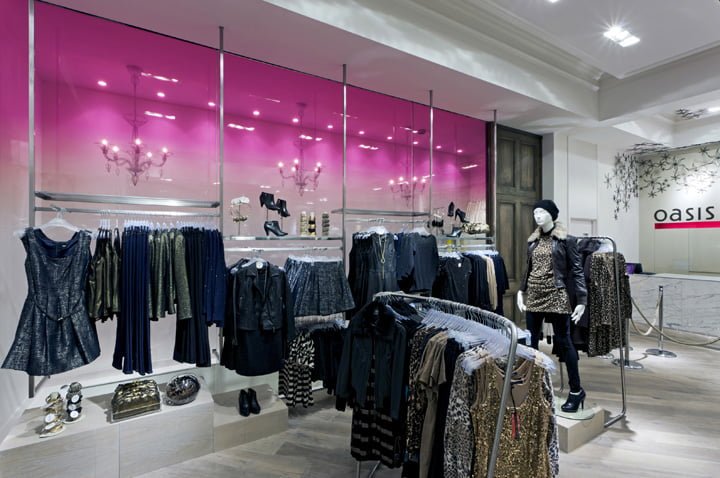
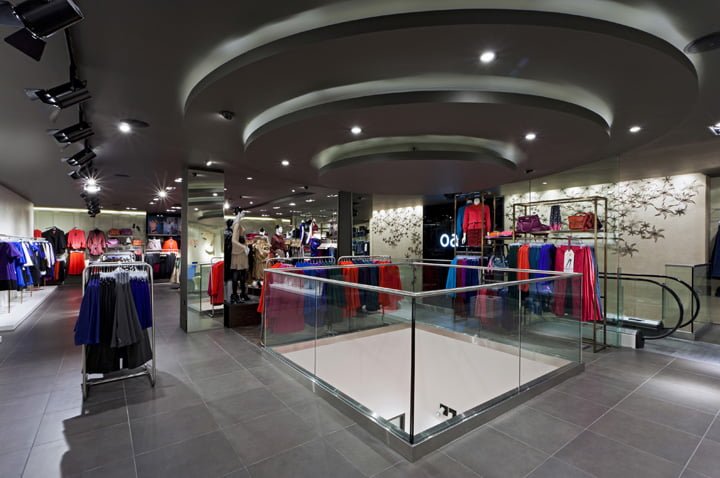
HALIFAX STORE RENDERING PROVIDED BY OASIS FASHION
INTERACTIVE GOOGLE MAP
Oasis Fashion operates nearly 400 locations around the world, including both standalone stores and concessions within department stores. After having developed a strong presence in regions such as Europe, the Middle East and South America, the brand is now turning its attention to North America.
With international fashion brands such as H&M, Zara and Massimo Dutti having had success in Canada, Baldursdottir says Oasis Fashion saw an opportunity to expand into the Canadian market, in particular.
Halifax was a perfect location for the chain’s first Canadian store, he said, given the city’s young population—thanks to five major universities in close proximity—and the rapid growth and development currently underway in the city.
“Halifax is a great city with the perfect balance of big city flare and small town charm,” Baldursdottir says. “There is no shortage of young people, which means the city is always alive. We think it is a good fit for the first store.”
The new store will be located downtown Halifax on Spring Garden Road, next to Judith and Charles and Lululemon, and across from Halifax Central Library. The store is 1,660 square feet in size and is divided into two sections: the front of the store is designed to be a bright space which showcases casual daytime styles; whereas the back of the store houses dresses and evening wear.
“It is going to be a beautiful store,” Baldursdottir says.
Baldursdottir is already actively looking at expanding the Oasis Fashion franchise into other Canadian markets. Currently, he’s most interested in Toronto, Montreal and Vancouver, with a focus on locations within shopping centres. Most Oasis stores are between 1,500 and 2,000 square feet in size.
Oasis Fashion is also exploring the possibility of establishing concessions within Hudson’s Bay or Nordstrom stores.
The Halifax store’s grand opening is on September 15.
In a challenging environment where retail stores are closing around the country, a new report says it’s critical that Canadian retailers innovate and adapt to the changing landscape.
The Retail Trends in Canada 2018 report by BDO Canada has a clear message for small and medium-sized retailers – you need to innovate to survive and thrive.
BDO is one of Canada’s largest professional services firms primarily serving mid-market clients with a variety of accounting, tax and advisory services and over 120 offices across the country.
“Retail is constantly evolving. It’s dynamic. For retailers of all sizes, now is the time to innovate to survive and thrive. What got you here is good and worked but it may not be enough for the next five to 10 years,” said Eric Matusiak, partner and national retail leader at BDO Canada.
“The second message that came out of our research was this is not a time for complacency. Retail is on a tear right now. The last two years have been very good for Canadian retailers but this is the time to sort of look at your business model and say ‘what do we have to do to re-invent to continue to be relevant to our customers going forward?’. It’s really organizing around that customer experience because the way people shop is changing. Their expectations of what they get from a physical store are changing and also from a digital store. Not only do you have to have a consistent customer experience across all channels but especially for those retailers who have physical stores you have to have a reason for the customers to visit the store because there’s so many ways that they can shop without visiting you.”
He said Canadian retailers are lagging behind their U.S. and U.K. counterparts on both the implementation of e-commerce and the use of data analytics, adding that even a small retailer can enhance their customer experience and improve their business processes – without spending a lot of money.”
“I still find that a lot of retailers don’t do the customer information thing very well. I find that a lot of them equate customer relationship management with a loyalty program and that’s only one small piece of it. I do think that Canadian retailers need to step it up on the customer relationship side and really start both capturing and then using customer data, market data, even data that’s not even within their organization to better predict what customers want, predict what they’re going to buy and suggest things to them . . . to increase sales, increase loyalty,” said Matusiak.
The report identifies five critical retail trends and focus areas for retailers to future-proof their business:
Technology – automation and artificial intelligence, virtual and augmented reality, beacon technology, mobile pay and data analytics are changing the game in the retail sector;
Experiential retail – retailers need to let customers interact with a product and build communities that will engage current and potential customers;
E-commerce versus bricks and mortar – stores are creating hybrid and omnichannel shopping experiences to reach their customers wherever they are;
Consumer shopping habits – Millennials, the biggest spending cohort for retailers, are influencing the shopping habits of other age demographics; and
Customer relationship – retailers need to develop a customer relationship management program that captures and integrates implicit and explicit customer data.
“From a strategic perspective, retailers have to really reassess their business model. I know that sounds like consultant speak but it’s really taking a hard look at the channels that you use to reach customers,” said Matusiak. “So for example if you say ‘well of course we have stores and we have an ecomm division’. But how integrated are they really from a strategic perspective?
“If I’m an omnichannel buyer, can I buy anything from you in any way in any time? Is that a seamless experience? And do I have the right balance between my channels?”
Retailers also have to look more closely on the technology front to support the business model and make the customer experience more friction-less, more seamless, more rich.
“It doesn’t mean jumping on the bandwagon and buying a shiny object . . . because everyone else is getting it. It’s still investing wisely in technology but also being aware of what trends are coming and selectively picking the ones and saying that’s what I’m going to need in my store or in my digital shopping experience,” added Matusiak.
“It is now business-critical for Canadian retailers to rethink and redesign their strategy. Several of these trends in the industry have had enough traction to be proven, but there’s still time for retailers to adapt to them. A methodical approach is recommended: develop a holistic strategy rather than jumping on the bandwagon.”
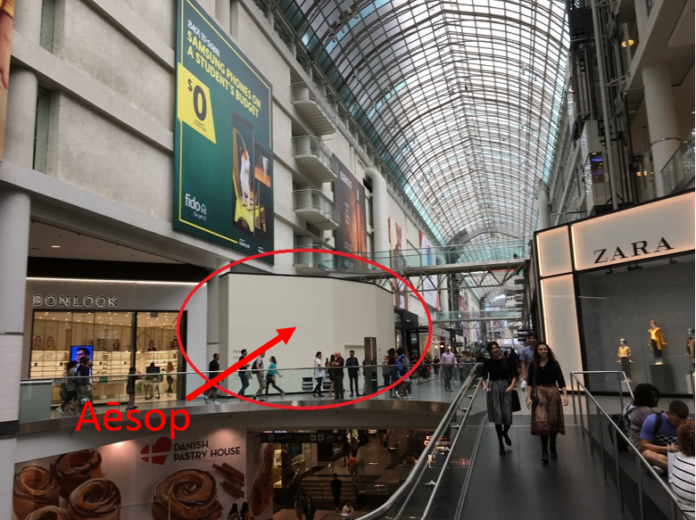
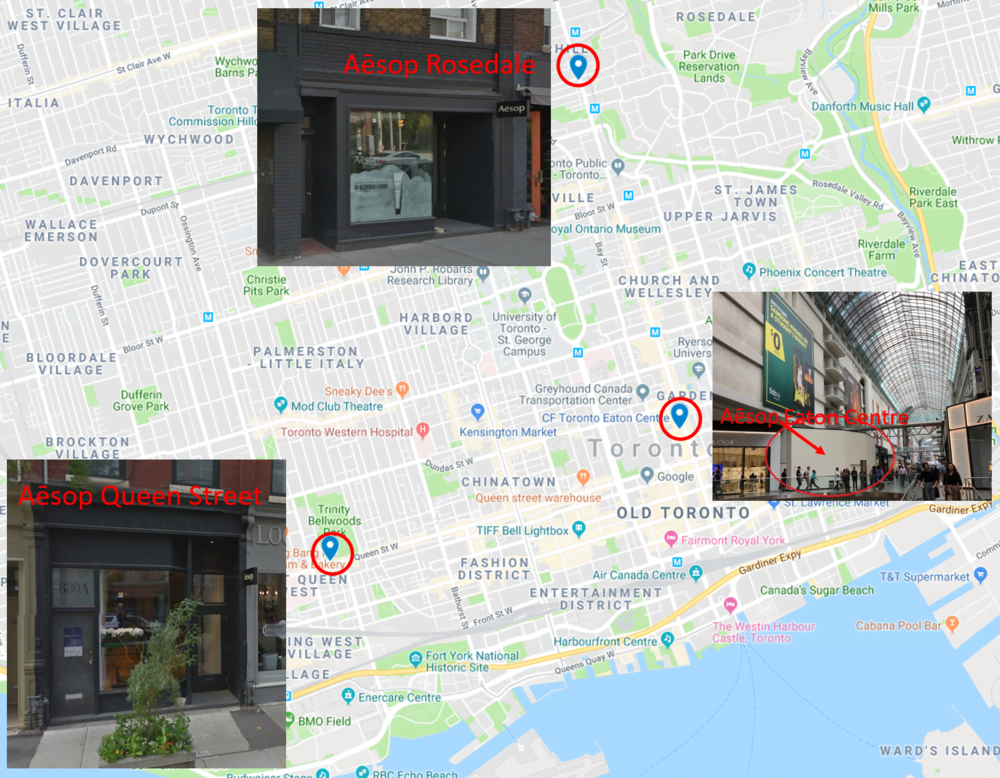
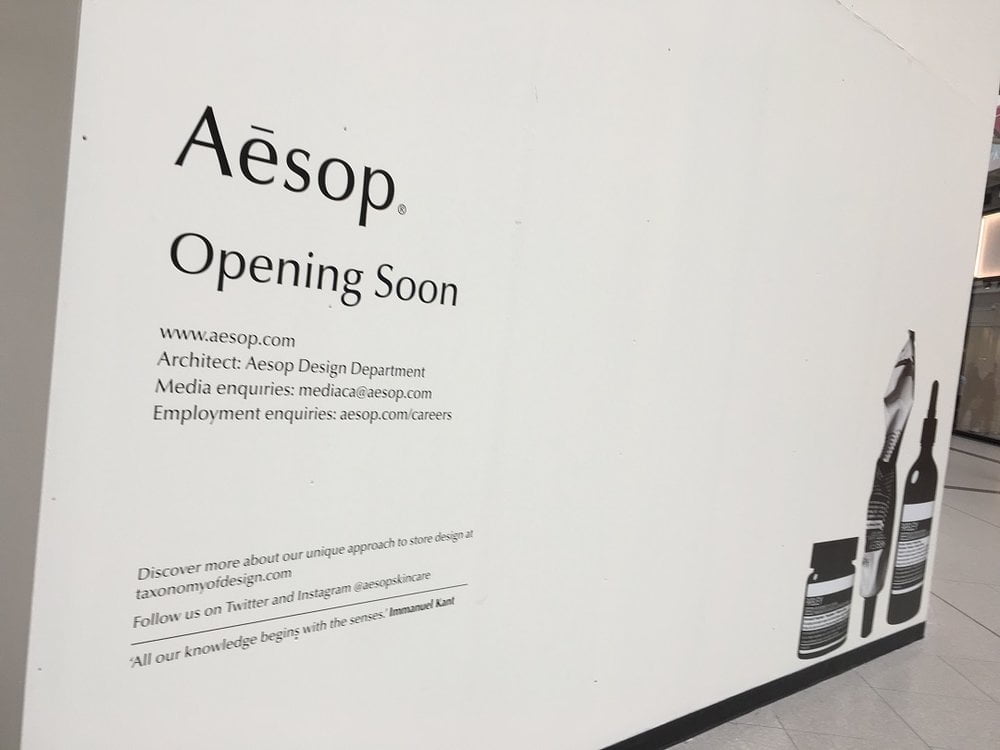
Upscale Australian skin care brand Aesop will open its fist store within a mall in Canada in a 1,000 square foot space at CF Toronto Eaton Centre. When it opens towards the end of this year, the store will be the company’s ninth store in Canada as the brand expands its presence nationwide.
The CF Toronto Eaton Centre Aesop store replaces a Birks jewellery store location which recently closed in the mall. Aesop will occupy one of the most strategic retail spaces in CF Toronto Eaton Centre, being located between AllSaints and BonLook and facing toward’s the mall’s Zara and Nordstrom mall entrances.
The store will be designed by an in-house team at Aesop.
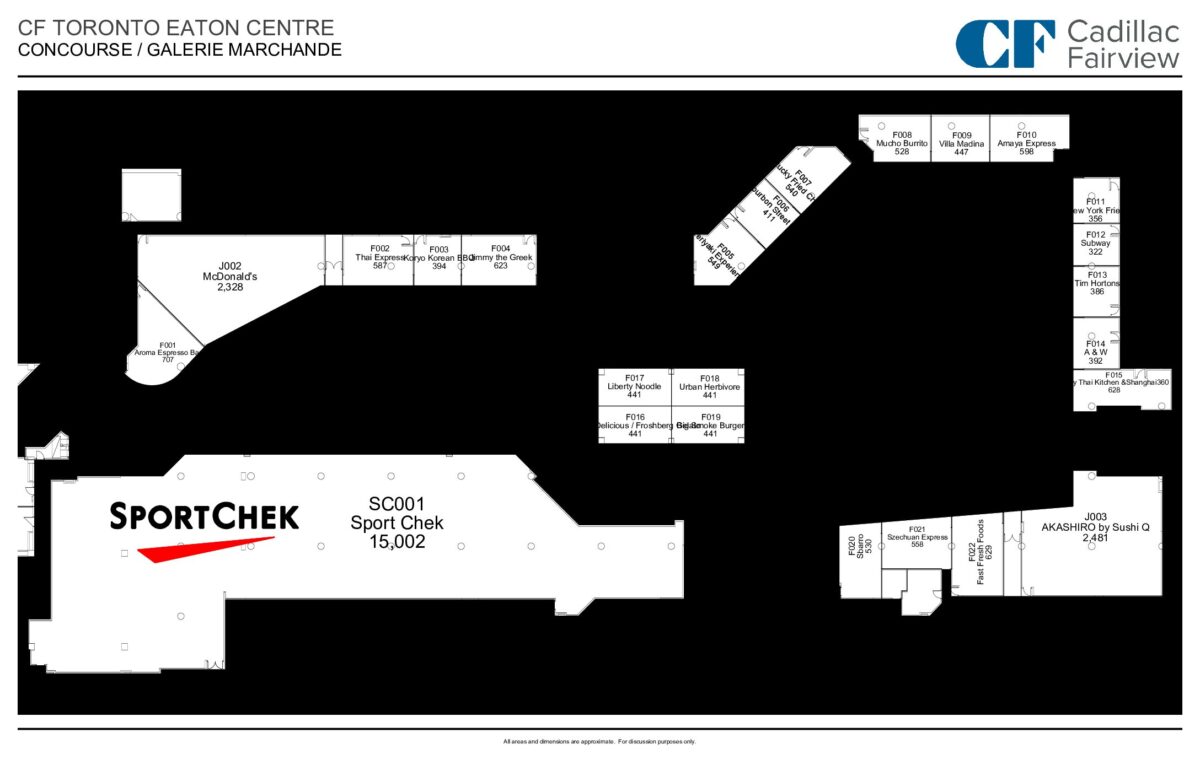
CF Toronto Eaton Centre Floorplan3 TORONTO STORES. CLICK IMAGE FOR INTERACTIVE GOOGLE MAP
PHOTO: CRAIG PATTERSON
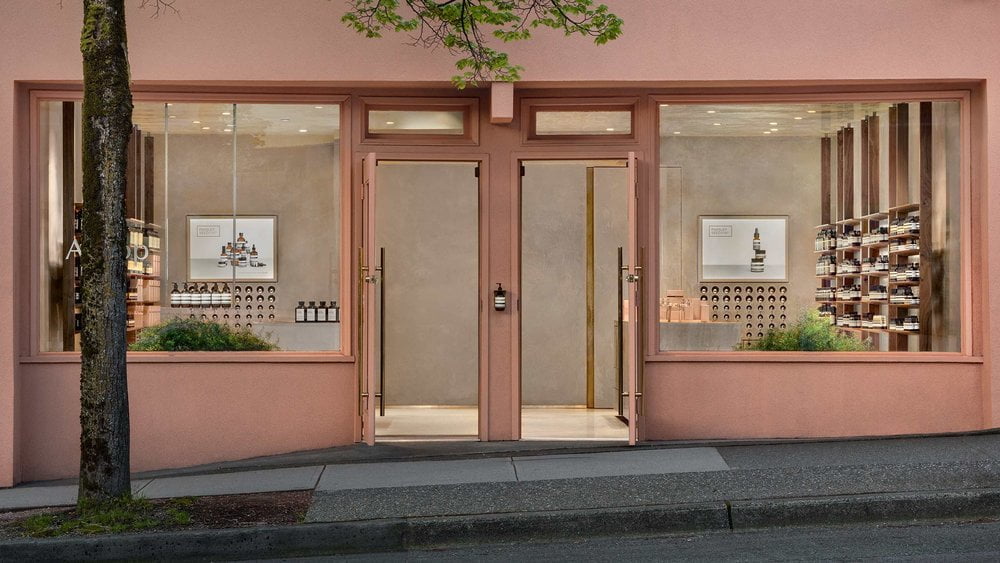
Montreal is currently home to half of all of Aesop’s stores, with all four having opened over the past couple of years. Locations include Old Montreal (239 Rue Saint-Paul W), Mile End (23 Rue Saint Viateur W.), Petite Bourgogne (2493 Rue Notre-Dame W.) and in the affluent community of Westmount (4968 Rue Sherbrooke).
Aesop’s real estate strategy, until now, has been to open standalone retail stores on commercial high streets in Canada as well as in much of the United States. Given Canada’s variable climate as well as the strength of its malls in terms of sales productivity, brands are increasingly looking to open in enclosed centres, including luxury brands which would typically only open on urban street fronts. As a result, shopping centres such as Yorkdale in Toronto are seeing an influx of luxury brands and other retailers which might typically locate in the Bloor-Yorkville area or on trendy Queen Street West. Given Yorkdale’s remarkable productivity, as well, the mall is a likely target for the brand.
Brands are opening standalone physical stores like never before, and various other beauty brands are also doing so in order to expand brand awareness while not relying solely on larger host retailers such as a department store. Beauty brand Deciem, based in Toronto, primarily distributes from a network of standalone stores that are on urban street-fronts as well as in shopping centres, and it also wholesales through retailers such as Hudson’s Bay. Other brands that typically operate in department stores are opening standalone locations as well. Urban Decay, for example, now has standalone stores in suburban Toronto and Vancouver and Clinique recently opened its first standalone location in Canada at CF Richmond Centre in suburban Vancouver. The trend is expected to continue, according to brokers representing brands that are increasingly seeking to branch out by operating their own retail environments.
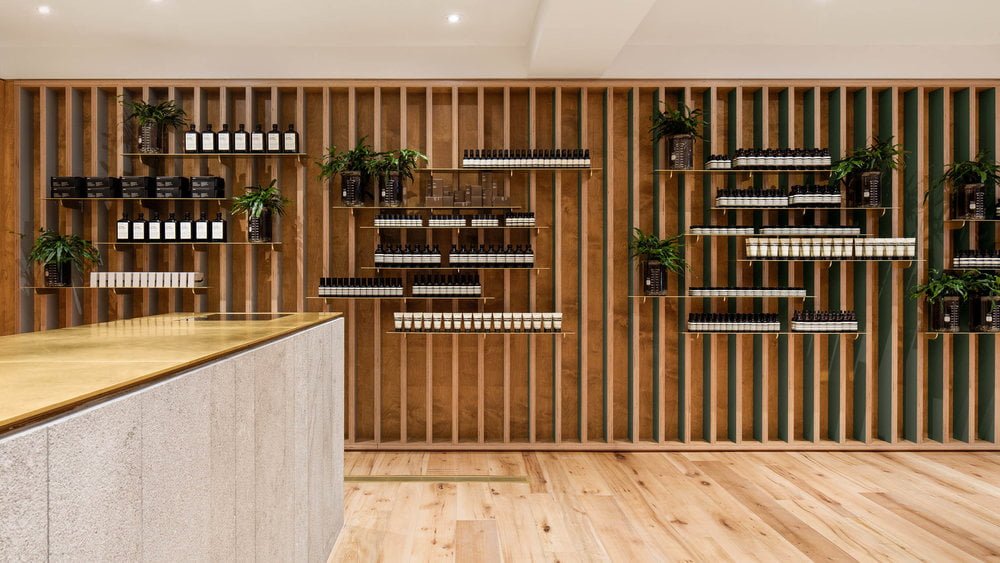
Aesop was founded in 1987 in Melbourne by hairdresser Dennis Paphitis. Product packaging is simple, and its quality is considered to be exceptional. It sources plant-based and laboratory-made ingredients, and uses only those with a proven record of safety and efficacy. It operates free-standing ‘signature stores’ as well as wholesale operations in a variety of retailers, high-end department stores as well as smaller independents.
CENTRAL GARDEN RENDERING. RENDERING: SID LEE ARCHITECTURE/SUPPLIED
Montreal-based landlord Ivanhoé Cambridge has announced that it will be opening a new ‘gourmet biergarten’ at its Place Ville Marie property in downtown Montreal. Scheduled to open in late 2019, it will be the second such large-format culinary destination in an Ivanhoé Cambridge property in the core of the city.
The 35,000 square foot space will be located under a glass pavilion which will be built as part of the updated Place Ville Marie Esplanade, and will be named Le Cathcart Restaurants et Biergarten, according to Ivanhoé Cambridge. It will be able to accommodate more than 1,000 patrons at a time and will have 15 unique restaurant concepts such as resto-bars, bistros and cafés, and will include three restaurants that will have table service.
Several well-known Montreal chefs will be part of the mix, including Antonio Park. Ivanhoé Cambridge notes that the destination will fulfill “a social and cultural vocation” which will also feature a multifunctional space that can host one-of-a-kind events.
As per the ‘biergarten’ name, the premisses will be licensed with a wide variety of wine and cocktails, as well as an expansive selection of local beers. All will be chosen by renowned mixologists and sommeliers. As a nod to the biergarten concept, a lively, bright and spacious interior garden-like environment will welcome guests in a “lively urban square in the heart of a busy district with festive terraces,” that will “echo Montreal’s lively street vibe, acting as a true indoor extension of the city.”
LE CATHCART RESTAURANTS ET BIERGARTEN SEEN FROM THE AIR (NOTE THE HORIZONTAL CEILING IN CENTER OF PHOTO). RENDERING: SID LEE ARCHITECTURE/SUPPLIED
ANTICIPATED FLOORPLAN. RENDERING: SID LEE ARCHITECTURE/SUPPLIED
LE CATHCART RESTAURANTS ET BIERGARTEN SEEN FROM STREET LEVEL. RENDERING: SID LEE ARCHITECTURE/SUPPLIED
Le Cathcart Restaurants et Biergarten will be open seven days a week year-round and will cater to a wide variety of visitors that frequent the busy Place Ville Marie complex including locals working and visiting the area, tourists, and those seeking out urban activities. “Le Cathcart Restaurants et Biergarten will quickly become a destination of choice for business lunches, happy hours and festive evenings,” said the landlord.
“We’re delighted to be working with Quebec entrepreneurs to offer a whole new gastronomic experience at Place Ville Marie,” added Bernard Poliquin, Senior Vice President, Office, Quebec, at Ivanhoé Cambridge. “Le Cathcart Restaurants et Biergarten will become a place of choice for business networking in downtown Montreal.”
FAST FOOD AND CASUAL SECTION OF LE CATHCART. RENDERING: SID LEE ARCHITECTURE/SUPPLIED
FAST FOOD AND CASUAL SECTION OF LE CATHCART. RENDERING: SID LEE ARCHITECTURE/SUPPLIED
The food hall will be located in a former food court, and is part of a $200-million revitalization of the massive Place Ville Marie complex which includes a 190,000 square foot retail concourse at the base of four massive office towers above encompassing nearly 2.4-million square feet, housing about 10,000 workers. The retail component sees about 17.2-million annual visitors and houses some significant retail tenants including Browns Shoes, L’Occitane en Provence, Jean-Paul Fortin, Murale and The Keg restaurant. Years ago it housed Holt Renfrew as a tenant when the luxury retailer operated a network of smaller stores.
“We want to celebrate Place Ville Marie’s central location by creating a unique point of access to the underground city,” said Jean Pelland, Architect and Senior Partner at Sid Lee Architecture. “The glass pavilion is an ideal setting for the interior garden, a space bathed in natural light and filled with greenery, where gourmet and festive gatherings will take place.”
Ivanhoé Cambridge is investing more than $1-billion in downtown Montreal in its various properties, dubbed ‘Projet Nouveau Centre’ which is helping revitalize the core of Canada’s second-largest city. In the spring of this year, as well, Ivanhoé Cambridge announced that as part of the overhaul of its Montreal Eaton Centre property, the landlord partnered with Time Out to open a Time Out Market food concept, which is also scheduled to open in late 2019. The 36,000 square foot Time Out Market Montreal will include a mix of 16 food offerings, two bars, a demonstration kitchen, a cooking academy, a retail shop and a ‘cultural stage’, and will anchor the $200 million redevelopment at Centre Eaton de Montreal, which will involve joining the existing Montreal Eaton Centre property with the adjacent Complexe Les Ailes. More than 30-million people will pass through the combined centre in what will be Canada’s second-busiest centre in terms of annual footfall (surpassed only by CF Toronto Eaton Centre).
Food halls and food markets are being used to drive foot traffic to retail properties, and several landlords in Canada have announced large-format culinary concepts. On Friday of this week, the 40,000 square foot ‘Market & Co.’ food market concept will open at Oxford Properties’ Upper Canada Mall in Newmarket, just north of Toronto. When open, a demonstration kitchen as well as 18 best-in-class local merchants and first-to-market eateries will enhance the overall shopping centre experience.
Food and beverage is being used by landlords to drive traffic to properties and more large-format food concepts are said to be in the works. Consumers are increasingly seeking-out ‘experiences’ and a diverse food market, with the right tenants (including a healthy dose of ‘Instagramable moments’) will keep customers coming back. And that’s key as well — we as humans tend to dine more than we shop for most other items, and the theory is that repeat visits to a food destination will also translate into increased foot traffic from visitors that might shop at other retail in the same area as well.
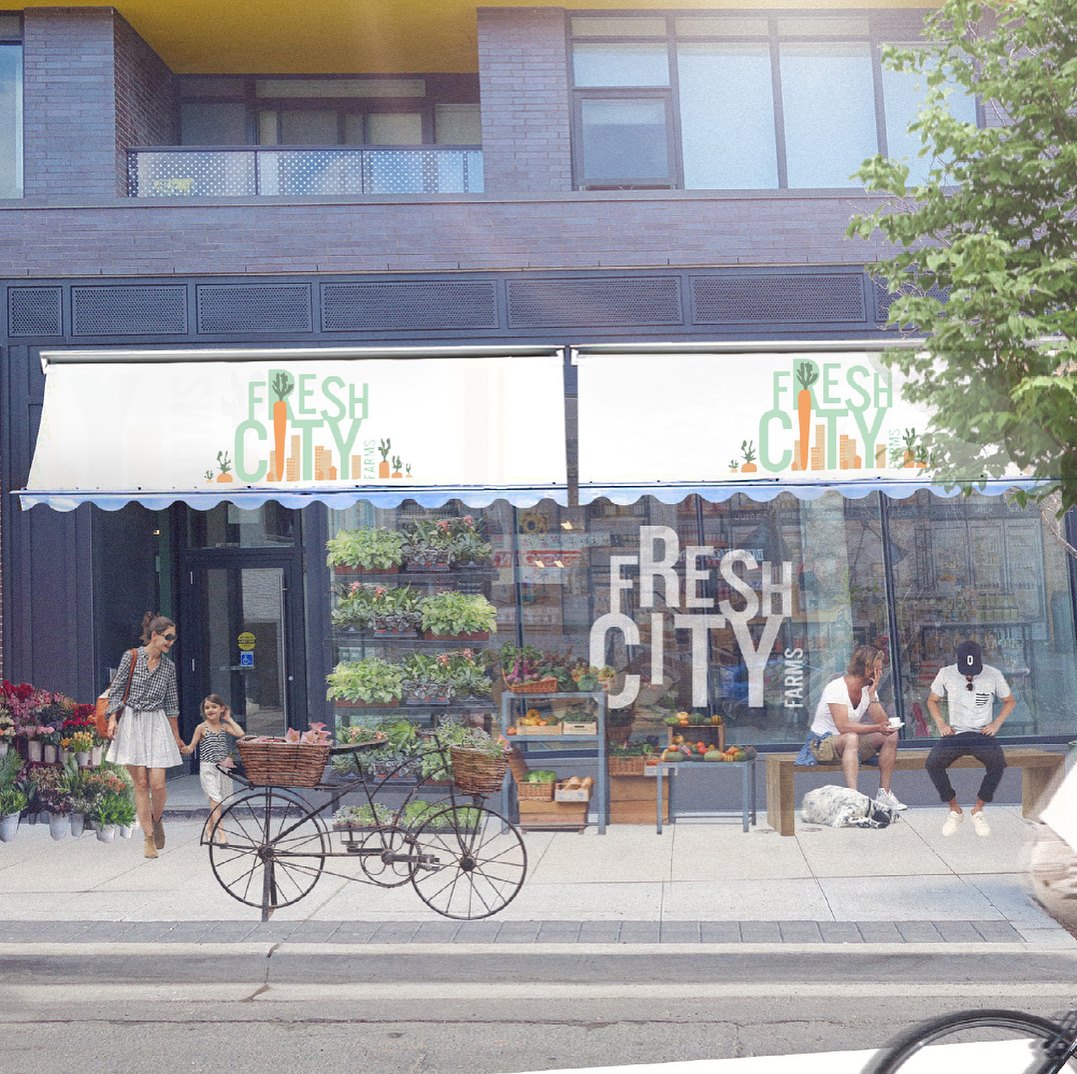
Online retailer Fresh City Farms has branched out its operations and is now delivering grocery items in bricks and mortar locations in Toronto.
The popular retailer opened its first physical store earlier this year at 476 Roncesvalles Avenue and has recently opened its second store at 111 Ossington Avenue.
And Ran Goel, the founder and CEO, told Retail Insider more locations are in the company’s plans.
“I started the company in 2011. At the time I was a lawyer on Wall Street (in New York City), practising investment law. I really became obsessed with this idea of urban farming and more importantly the role that urban farming can play in getting people to think about what they’re eating and giving them a positive experience with food,” said Goel.
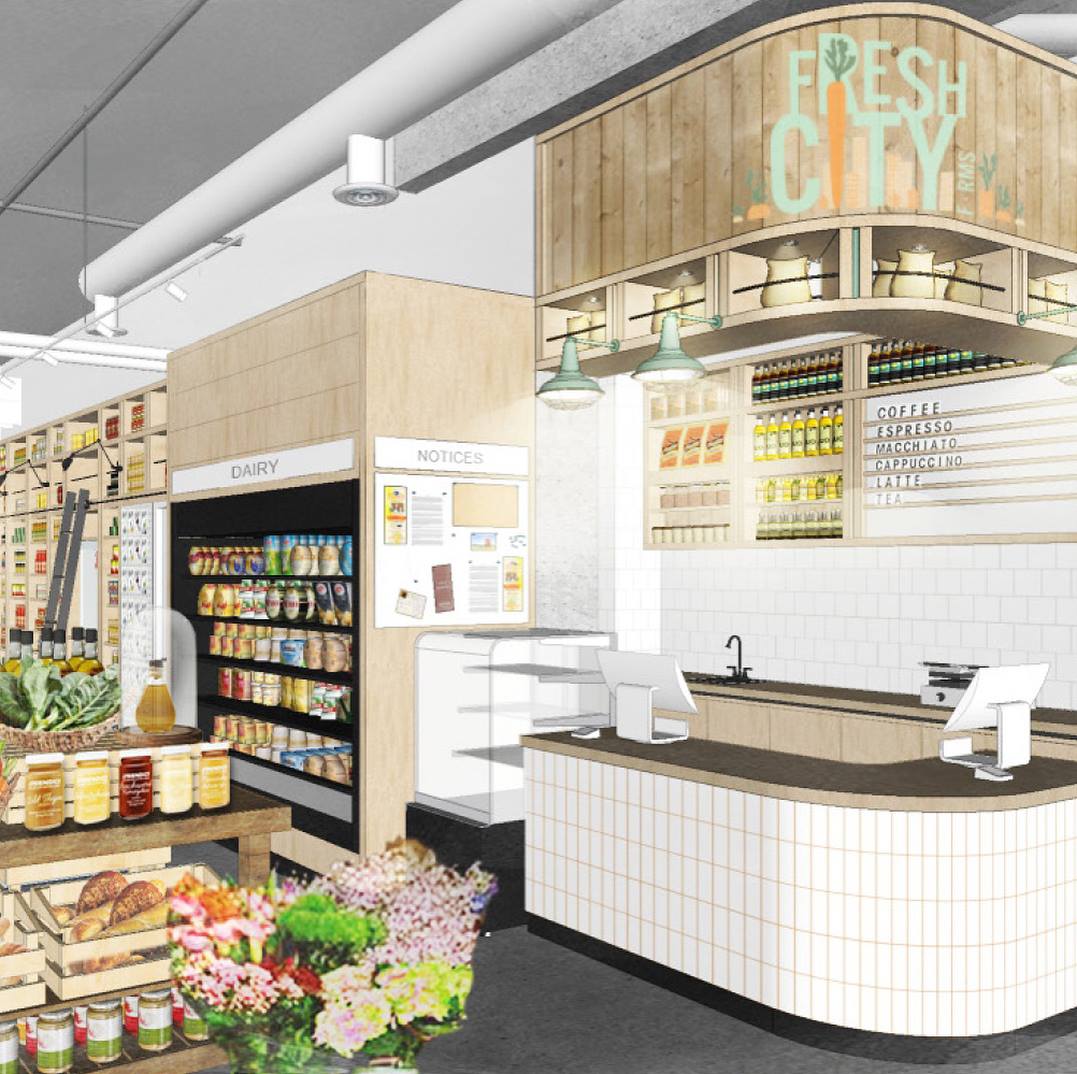
renderings of The Ossington store interiors by @thedesignagency. Photos: Fresh City Farms Facebook
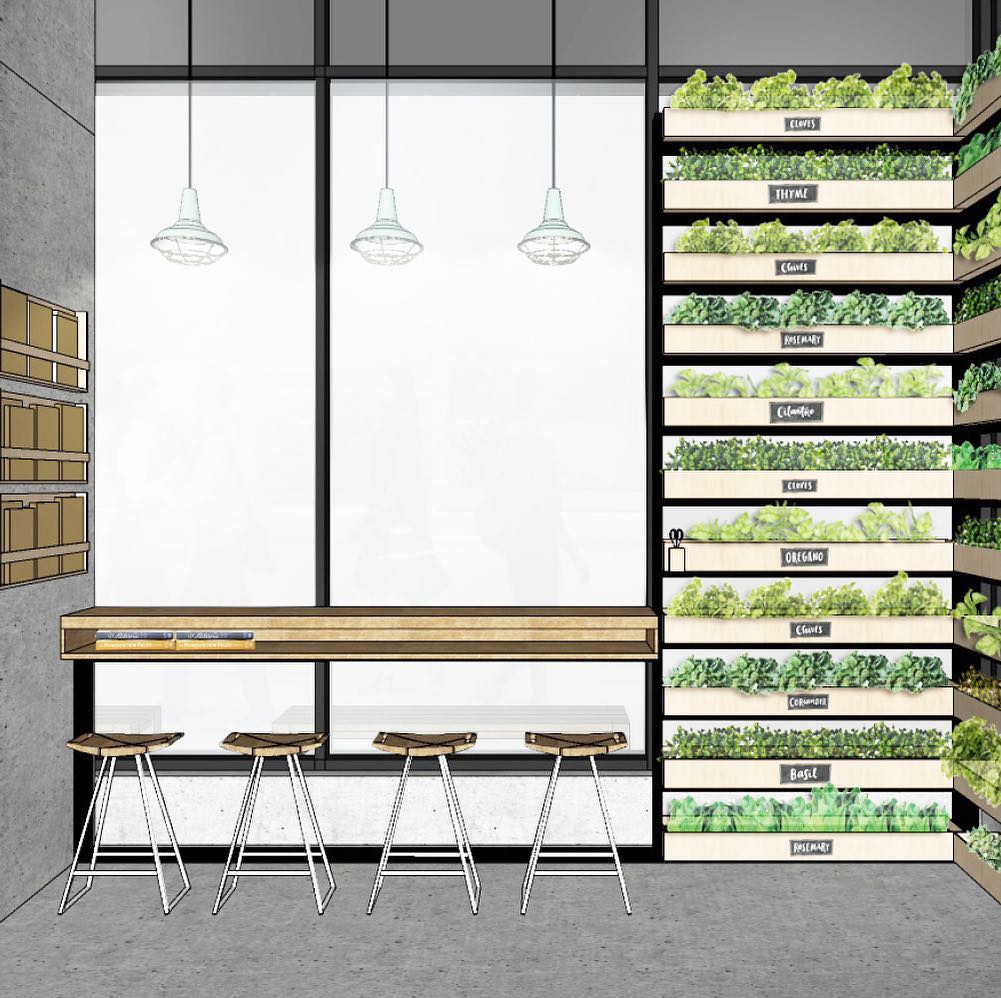
renderings of The Ossington store interiors by @thedesignagency. Photos: Fresh City Farms Facebook
renderings of The Ossington store interiors by @thedesignagency. Photos: Fresh City Farms Facebook
“We really believe in this concept especially in a city like Toronto. There’s more and more density and people are looking for convenience and they’re looking for health and they’re looking for authenticity and we think we have all those three trends on the nose. So we see potential of upwards of 10 stores – small format stores – in the central Toronto, downtown core, serving this kind of influx of people seeking a city life, who don’t have a car typically, who are looking for great options within a five-minute walk, 10-minute walk at most, of their homes.”
Goel said he doesn’t have a specific time frame in mind for expansion but will take it one store at a time.
“We really believe in our concept, really believe in our brand, and for us we’re very much a mission and values-based company, meaning how we source and how we treat our people and the kind of agent of change we want to be,” he said. “So from both a business perspective and a mission perspective we’re aligned. We have no interest in being a small player . . . We have very high aspirations but we’re taking it one store at a time to make sure we get the concept right . . . We really see ourselves as a regional player for the foreseeable future both in terms of the deep relationships we have with suppliers and the deep connections we have with our members, our customers.”
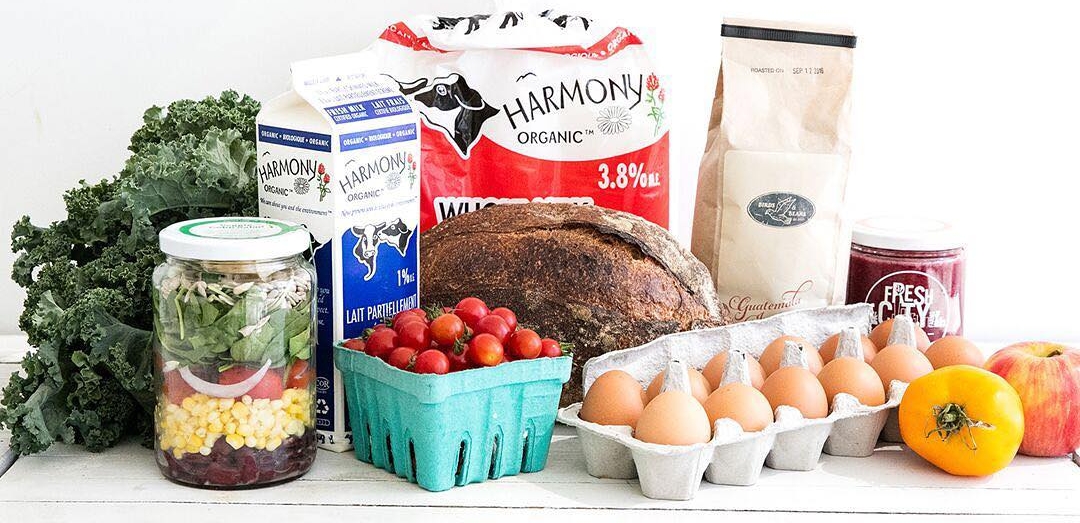
Products available at Fresh City Farms. Photo: Fresh City Farms Facebook
Photo: Fresh City Farms Facebook
Goel said the concept is not an easy one to replicate elsewhere so for now it is focusing on serving the GTA market.
A farm of a couple of acres in size was initially created in Toronto and that slowly expanded to what exists today. Fresh City delivers farm fresh, local, organic produce bags and meals along with hundreds of grocery items. Delivery is across Toronto, including Mississauga and GTA. There are also a network of pickup locations.
“Three years ago we made a concerted effort to move into what we call curated and prepared food categories. So anything from meal kits, selling ingredients you need to make a meal, to prepared food where you literally just open the container and it’s ready to go or you can heat it up,” said Goel.
Fresh City Website
Fresh City Pickup Locations
“And all along our philosophy has been rooted in sourcing as locally as possible and for us local means southern Ontario and rooted in sustainable farming and production practices. The majority of what we sell is organic . . . We see ourselves as a curator for the customers so they don’t have to do as much brain work when they’re shopping for foods. They don’t have to be as careful about labels and whether it’s healthy and whether it’s good quality. We really see ourselves as being the easy place to shop for the discerning shopper.”
Goel said the company decided to go into bricks and mortar because it felt its offering had its limitations being just online and it wanted to bring the brand into the omnichannel world.
“Our strategy is really to locate where we know our customers already are by virtue of them ordering online and really re-creating that kind of small format, neighbourhood grocer except with obviously an online capability and a full selection of organic produce, prepared meals and all your grocery staples,” he said.
Depending on the time of year, the farm, on two acres at Downsview Park, produces anywhere from five to 20 per cent of what the Fresh City Farms sells. The company has partnered with dozens of local organic farms who supply the rest of the produce needed to sell to customers. It has also partnered with dozens of other local suppliers of different products.
Farms at Downsview Park. Photos: Fresh City Farms
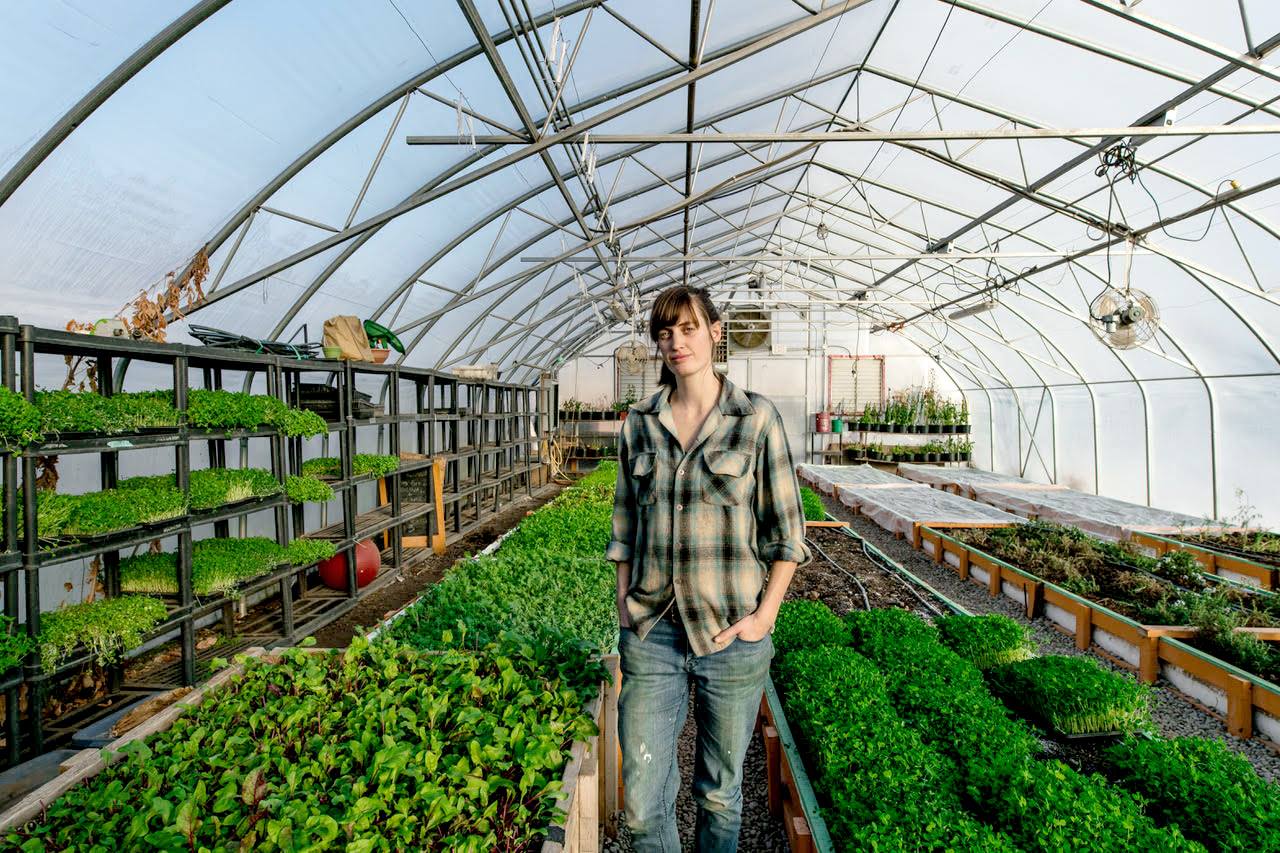
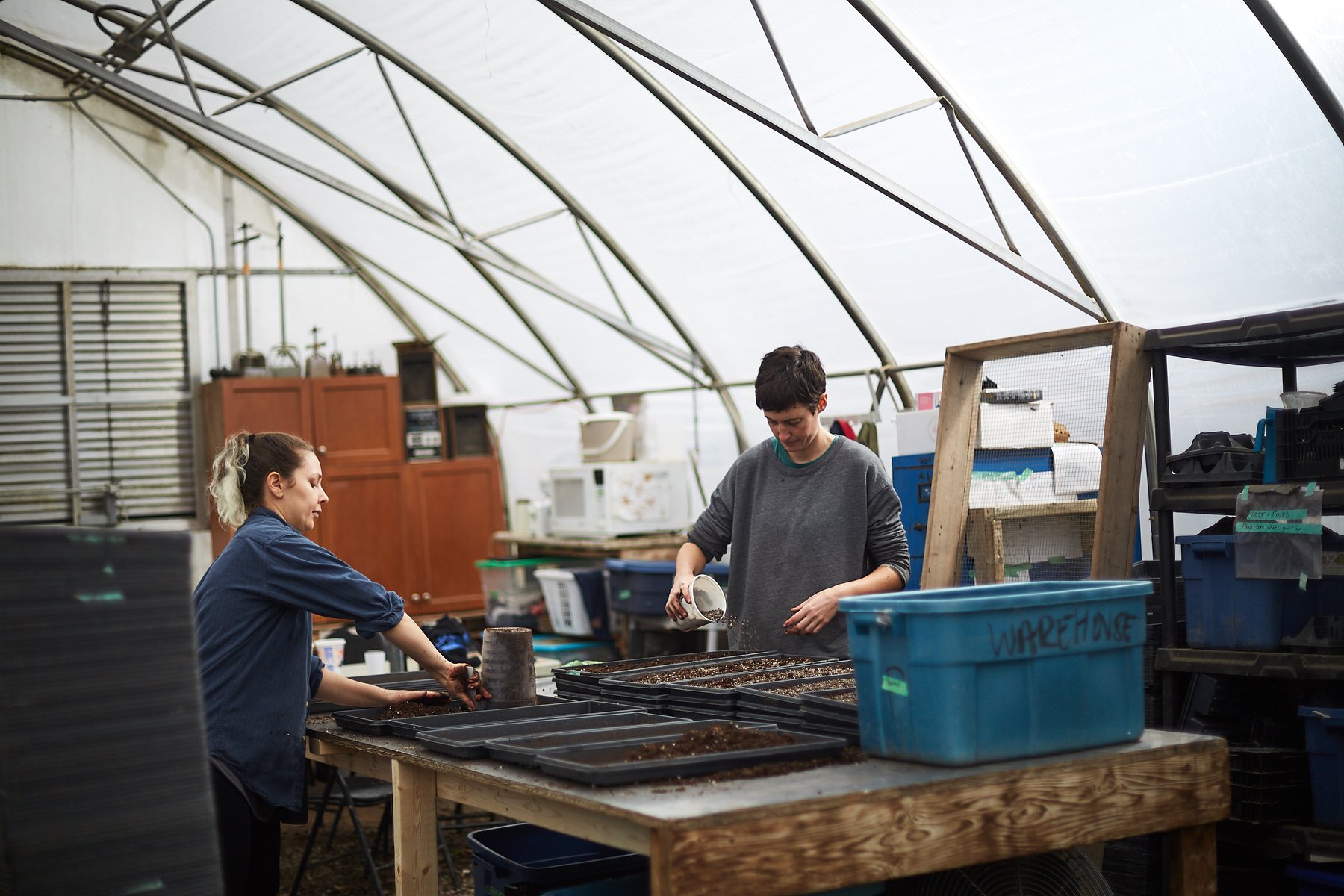
Fresh City Farms also operates a greenhouse off of Highway 427 on property owned by Baka. The greenhouse is fully self-contained and off-grid, boasting a rainwater capture and irrigation system and using solar energy to power the fans.
The company’s first store location was the acquisition of an existing business.
“That was more of an opportunistic thing to get our feet wet in bricks and mortar retail. It’s a very small format store. It’s about 500 to 600 square feet. But before we made that acquisition, we signed a lease for our newest location on Ossington which launched (at the end of August),” said Goel.
“That’s what we really see as the first of our store prototypes. It’s just a notch under 2,000 square feet in a very up and coming street in Toronto where we knew we had a lot of customers.”
The Ossington store has a good supply of prepared foods and produce, good-quality cheeses and deli meats, a small eat-in section, and a herb wall. Goel said the herb wall is the company’s attempt at bringing the farm right into the city.
“The idea is just this friendly neighbourhood grocery store that you know is all sourced as locally as possible and as healthy as possible but at the same time being unpretentious and making sure it’s a great value for the consumer,” he said.
The brand is capitalizing on two trends – people wanting locally-sourced products and people being short on time who are looking for convenience.
Mario Toneguzzi, based in Calgary has 37 years of experience as a daily newspaper writer, columnist and editor. He worked for 35 years at the Calgary Herald covering sports, crime, politics, health, city and breaking news, and business. For 12 years as a business writer, his main beats were commercial and residential real estate, retail, small business and general economic news. He nows works on his own as a freelance writer and consultant in communications and media relations/training. Email: mdtoneguzzi@gmail.com
It’s Calgary’s second Saks OFF 5TH and a fourth for Alberta, as the retailer expands its operations across the country. Of the 18 stores in operation in Canada, six are in the Greater Toronto Area, two stores are in Ottawa, two are in Edmonton two are in Calgary, two are in the Vancouver area, and there’s one store in Niagara-on-the-Lake, Montreal, Winnipeg and Quebec City. It’s an impressive list, considering Saks OFF 5TH’s first Canadian stores opened in March of 2016.
Parent company Hudson’s Bay Company had said that it plans to operate 25 Saks OFF 5TH stores in Canada by the end of this year, though it’s likely to take a bit longer given that it’s already September. The company says that it will be opening a store in downtown Montreal at the expanded Eaton Centre, though the project will be under construction until late 2019.
CF MARKET MALL, PHOTOS: DONNA MCTAGGART
The Hudson’s Bay company also operates luxury department store chain Saks Fifth Avenue and while they share a similar name, the divisions are separate and quite different. Full-line Saks stores are elevated in appearance, service and product assortment, and the company currently operates two of these in Toronto as well as a third in Calgary. A Montreal Saks store has been shelved for the time being an it’s unclear what’s happening with a planned Vancouver location.
Saks OFF 5TH has some pretty steep competition in Canada. Nordstrom Rack plans to eventually operate up to 15 stores in Canada, and by the end of the year will have opened six locations in this country. TJX’s Winners/Marshalls is also expanding rapidly, taking advantage of retail space vacated by Target and Sears Canada.
GOODLAD Launches Coffee, Clothing, and Cut Concept near Quay
Image: GOODLAD
Entrepreneurial trio Mike Hong, Shane Meier, and Christopher Glenn are bringing great coffee, contemporary clothing, and haircuts (respectively), to North Vancouver. The GOODLAD project combines all three under one roof for men who want to be able to buy clothes, grab a drink, and get a cut/shave all in less than an hour.
Wanting to create a ‘stand-out shop,’ the trio used well-known and respected Cutler Design for the interior design of the space, which took over six months to complete.
Conceived by Shane Meier (former child actor with memorable roles that include Clint Eastwood’s son in the Oscar-winning film ‘Unforgiven’ and Young MacGyver on TV’s ‘MacGyver’), who partnered with Brooklyn Clothing’s Jason Overbo and Howard Clothing’s Chris Martin, to bring in high-end denim like AG and Nudie, with Vancouver’s own Reigning Champ and Wings and Horns rounding out the brands. The concept is completed with barber Christopher Glenn, who brings the buzz to those coming in for a little off the top, and their coffee brewer is local West End Roaster.
GOODLAD is located at 221 Esplanade at Chesterfield in North Vancouver, open 7 days a week, with varying hours.
Cocoanista Engages Zenergy to Bring Designer Chocolate to 1,000,000 by 2024
Founded in 2009 in a basement in Sherwood Park, Alberta, JACEK was the result of Jacqueline Jacek unable to make the career choice between fashion designer or chocolatier. Unique amongst other chocolatiers, JACEK operates on a fashion business model, combining Jacek’s love of fashion and culinary arts to design and create limited seasonal collections of edible art to feast the eyes and taste buds.
In the beginning, Jacek dubbed herself a ‘Cocoanista’ and nine years later has a production facility, three retail boutiques (Sherwood Park, Downtown Edmonton, and Canmore). Stockists include dozens of locations including Save-On-Foods, Credo Coffee, and numerous markets.
Zenergy is a full service, bilingual marketing, and communications firm that ensures success through implementing effective and integrated initiatives. With offices in Montreal, Toronto and New York, as well as strategic alliances across Canada and the U.S. and a strong presence in the Canadian market, Zenergy is moving forward with an immediate focus on promoting the JACEK holiday collections.
Henry’s Cameras opens its first store in Vancouver
VANCOUVER STORE, PHOTO SUPPLIED
Toronto’s Henry’s Cameras has opened its first location in Vancouver at 555 West Broadway in the centre of the Cambie/West Broadway transit hub. Originally known as the location for Sport Mart, for many years it has sat empty behind blue industrial fencing when not being utilized for seasonal sales; such as for Halloween costumes and the occasional pop-up shop by Frank And Oak and others.
Family-owned Henry’s, which was founded in Toronto in 1909, is now Canada’s largest independent photographic and digital retailer. Stocking over 15,000 products from industry stalwarts such as Nikon, Canon, Sony, Pentax, and Olympus, Henry’s employs over 500 people with 23 stores in Ontario, 2 stores in Nova Scotia, and a single store in Manitoba.
Photos that accompanied the announcement show the format will be similar to the Ontario interiors with massive backlit images showcasing snapshots from various Canadian photographers. As well, the store’s back wall has a nine-panel TV wall to display various types of photography, as well as videos. Photos in this article are of the Oakville flagship and were supplied by BUILD IT by Design, which built that store as well as several other Henry’s locations.
The Vancouver store opened September 4th and the store’s grand opening is scheduled for Saturday, September 29th. The following are photos of the 555 W Broadway location from Henry’s Camera’s Facebook profile:
Images: 555 W Broadway location from Henry's Camera's Facebook profile
1 of 4
International Trend Watch: IKEA Centres Innovates by Adding Park Space to Malls
Image: MEGA
International landlord IKEA, which operates a global portfolio of IKEA Centres, is unveiling major new modern parks and outdoor spaces across its portfolio of Russian malls. The state of the art parks and outdoor spaces mark a key milestone in IKEA Centres vision to transform its 14 MEGA branded Russian retail destinations into vibrant meeting places for the next generation and a more omni channel world.
For example, a new MEGA Park has just opened at MEGA Rostov-on-Don following the opening of a MEGA Park at MEGA Dybenko last summer, and more are scheduled to open at other MEGAs in the coming months, including at MEGA Ekaterinburg and MEGA Khimki this fall. A new 29,000-square-foot public square was also unveiled at MEGA Kazan in 2016. These new spaces are significant local leisure destinations in their own right, and are a key part of IKEA Centres 2 billion EUR investment programme to upgrade its Russian malls.
MEGA Parks are specially designed to be family friendly community destinations with something for everyone. Each park benefits from large areas for playing sports, work out zones and children’s playgrounds. Most MEGA Parks also have extensive event space ensuring local people can enjoy festivals and concerts in their leisure time. In addition, emphasis has been placed on creating much sought after attractive green spaces for walks, socializing and relaxing outdoors.
The 100,000-square-foot MEGA Khimki’s MEGA Park is a particularly exciting place for ‘sporty types’. The park has its own multifunctional sports area with ideal space for multiple sports from basketball to mini football, and in the winter months will transform into an ice rink. There’s also a special running area good enough for professionals, and major spaces for exercise and yoga classes. An attractively designed central boulevard intelligently connects the park’s extensive facilities.
MEGA Rostov-on-Don’s 215,000-square-foot MEGA Park is another impressive outside space where visitors can relax, meet friends and play sports all year round. Over 1,800 trees and bushes have been planted within attractive walkways providing the surrounding community with an inspiring new green destination for relaxing walks. A multifunctional sports area will also open soon, along with a skate park. MEGA URBAN FEST, an urban festival with artists, DJs and dancers has also just taken place and was extremely popular with locals.
Image: MEGA
Finally, an enormous new park is set to launch at MEGA Ekaterinburg this autumn. Spread over 1,075,000-square-feet, it will be a significant new leisure destination with considerable space for sports and events like concerts, family festivals and open air cinemas. But IKEA Centres isn’t just building new parks, a new square has just been unveiled at MEGA Kazan. Specially designed to host a multitude of family activities and events all year round with a striking illuminated fountain at its heart, the square is set to become one of Kazan’s most popular new locations for recreation.
Milen Gentchev of IKEA Centres Russia commented: “Our Russian malls are becoming stimulating new destinations for our 250 million annual visitors. Anticipating guest expectations and constantly surprising them is fundamental to the long term successful development of our business in a more omnichannel world. We believe in this vision, which is why we are upgrading our shopping centres to become meeting places for recreation, leisure and entertainment. As well as parks we are incorporating new F&B, cinemas, open air cafes, kids play areas, flexible workspace, and are extending malls to further improve our tenant mix.”
Shopping centres are gathering places and Canadian landlords are watching international trends. Will we see more parks in Canadian malls? It’s likely — Vancouver’s Oakridge Centre will feature an impressive expanse as well as residential and other uses, as malls become community centres in their own right.
#AWORLDUNDIVIDED Campaign Launched with 35-Year-Old Mondetta Designs
Image: Mondetta Designs
It was 35 years ago, that ‘The World Shirt’ was launched by Mondetta Designs. The global apparel brand is now reviving the much-loved iconic sweatshirts with a luxe version designed to tap into an individual’s history.
Available online at mondettaoriginals.ca, and in selected Below The Belt stores in Canada, the brand chose to premier its launch collection for an exclusive period in its home country before expanding globally later this fall. At the time of launch, the World Shirt will be available bearing the embroidered patch of seven different nations – Canada, Italy, Mexico, Great Britain, Germany, The United States, and the EU. The cotton crewneck sweatshirt will have the country abbreviation letters on the back and a removable, sleeve button-down patch allowing for further customization. Included in the 170 crest selection are cause-related crests such as the Rainbow, European Union, and Earth flags.
Digital Watch Company Tissot Swiss Watches Launches Canadian e-Commerce
Image: Tissot Swiss Watches
The 165-year-old Canadian watch company Tissot Swiss has announced its Canadian e-commerce launch which will see watch aficionados having access to the largest Tissot stock in the country.The e-commerce website allows Canadians greater access to the brand through a seamless shopping experience including exclusive offers and news through theire-newsletter service.
The official online store will sell all of the current Tissot collections and will offer unique services to Canadian buyers such as same day shipment (when orders are approved by 12 pm EST (Monday-Friday), complimentary delivery with product arrival between 1 – 3 business days, and no-fee returns within 30 days after delivery date.
With the launch, Tissot will highlight their Everytime Swissmatic family which features trendy, minimal designs with a wide choice of straps. To further hype the Canadian launch, the company is offering a free Tissot RFID protection card holder with every order placed on their e-commerce site within the first month.
‘Rediscover Your Roots’ as KÉRASTASE PARIS Debuts at Sephora Canada
KÉRASTASE is a premium, luxury hair care line developed in 1964 by L’Oréal. With 15 product lines formulated for all different types of hair, this exclusive partnership will provide Canadian consumers with increased access to the KÉRASTASE hair collections.
In stores, Sephora beauty advisors are trained to educate the customer on the KÉRASTASE basics, providing them with a diagnostic for the in-salon program best suited to their hair-type, including a recommendation of a personalized home-care routine.
Poppy Barley Unveils Overhauled Edmonton Flagship
Image: Poppy Barley at Southgate Centre
About a year after opening its first permanent store at Edmonton’s Southgate Centre, bespoke footwear company Poppy Barley has reopened its space with a fresh new look. The 2,300 square foot store marks a shift for the brand, as it showcases its first capsule collection of heels and pumps, revamping its Calf Fitted Boots, as well as releasing its largest collection to date, according to the company.
Poppy Barley was founded in 2012 by sisters Justine and Kendall Barber, creating bespoke shoes for women. The brand, known for their distinct colours and unique eye for detail, eschews the traditional ready-to-wear line in favour of bespoke shoes, which are designed and created online by their clientele.
Upscale European children’s clothing retailer Catimini, known for its colourful and fashionable designs, is breaking into the Canadian market with a new store in Vancouver and potential for expansion to other cities.
The premium brand, which was established in 1972 in France, carries clothing for children ranging in age from newborn to 14 years old. Catimini has approximately 145 locations in more than 20 countries around the world, including both standalone stores and sales points within department stores.
Kidz Global Apparel Ltd., the licensed distributor for Catimini products in Canada, opened the first Canadian Catimini store on August 18th in Vancouver’s Kerrisdale neighbourhood.
“We have identified a gap in the market where there is increasing demand for premium European children’s wear,” says Niki Gloet, co-owner of Kidz Global Apparel.
Catimini is unique, Gloet explains, due to the high volume of designs and collections that it releases each season.
“‘Le voyage des couleurs’ – ‘the journey of colours’ – says it all,” she says. “Catimini is in the ‘creative Bohemia’ category of children’s wear. We have more than 50 designers each season for our creation, whereas most other brands have only 20.”
For each age group, Catimini’s collections feature a variety of different themes each year. For example, some of the brand’s current girls’ themes include ‘Graphic Floral’, ‘Eau La La’ (a rain-themed collection) and ‘Creative Fantasy’ (featuring unicorns), among others. Within each collection, all items can be mix-matched to create a unique outfit.
INTERACTIVE GOOGLE MAP
Catimini’s apparel is also designed to be practical and functional. Its signature raincoats, for example, are completely waterproof, padded for warmth and feature large zipped exterior pockets. Most items can also be machine washed.
Catimini is often compared with Jacadi Paris – another French-inspired upscale children’s fashion brand. In contrast with Jacadi’s classic styles, however, Catimini’s designs evolve and change drastically from year to year, incorporating creative new colours, patterns and features.
“Our target market is families with high disposable income, who appreciate the quality and image of European children’s fashion,” says Gloet.
The Kerrisdale neighbourhood in Vancouver was a perfect fit for the first Canadian store, she says, since it’s in the heart of the affluent Vancouver west side.
“Kerrisdale has changed drastically over the last five years,” Gloet says. “With more younger families moving in, and new shops and restaurants opening, it is becoming a more diverse and family-oriented neighbourhood.”
With a variety of established children’s clothing stores already in the area, such as Isola Bella, Jacadi, Gap and Blake & Riley, Gloet says the area is already a popular shopping destination for young families.
Catimini
1 of 4
“Catimini, with its unique designs and fresh concept that is new to the Vancouver market, as well as friendly personal service, we are confident families will love Catimini, as it has been loved by our customers all around the world for over 40 years,” she says.
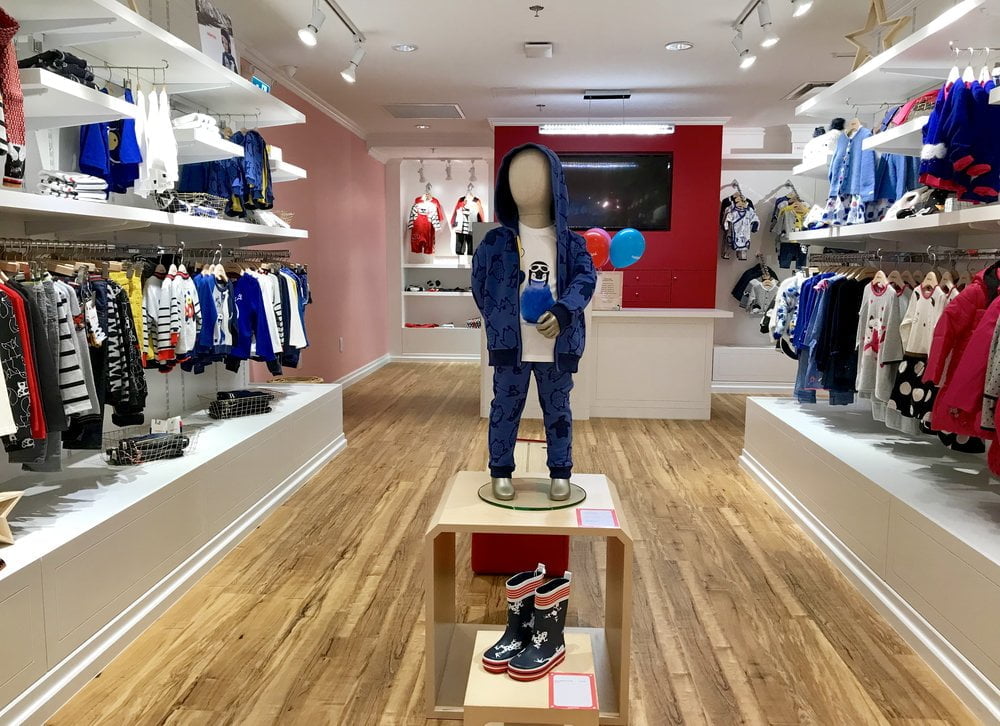
The new store, located at 2263 West 41st Ave., is 800 square feet in size and was custom-designed by Catimini’s corporate design team in France. A bright and modern space, the store features neutral tones that effectively showcase its colourful collections.
“From our colour scheme, decorations, window display, mannequins, to Catimini-logo hangers and folding techniques,” Gloet says, “our store adheres to the highest standards of all Catimini stores in the world.”
Kidz Global Apparel is currently considering a couple of other metropolitan cities in Canada for future locations. The company also offers online shopping for Canadian customers, through its website http://www.kidzglobalapparel.com.
The unique KARE furniture brand will look at expanding in Canada, and perhaps into the United States, after recently completing renovations to a flagship Toronto showroom which was the Munich-based retailer’s first location in North America.
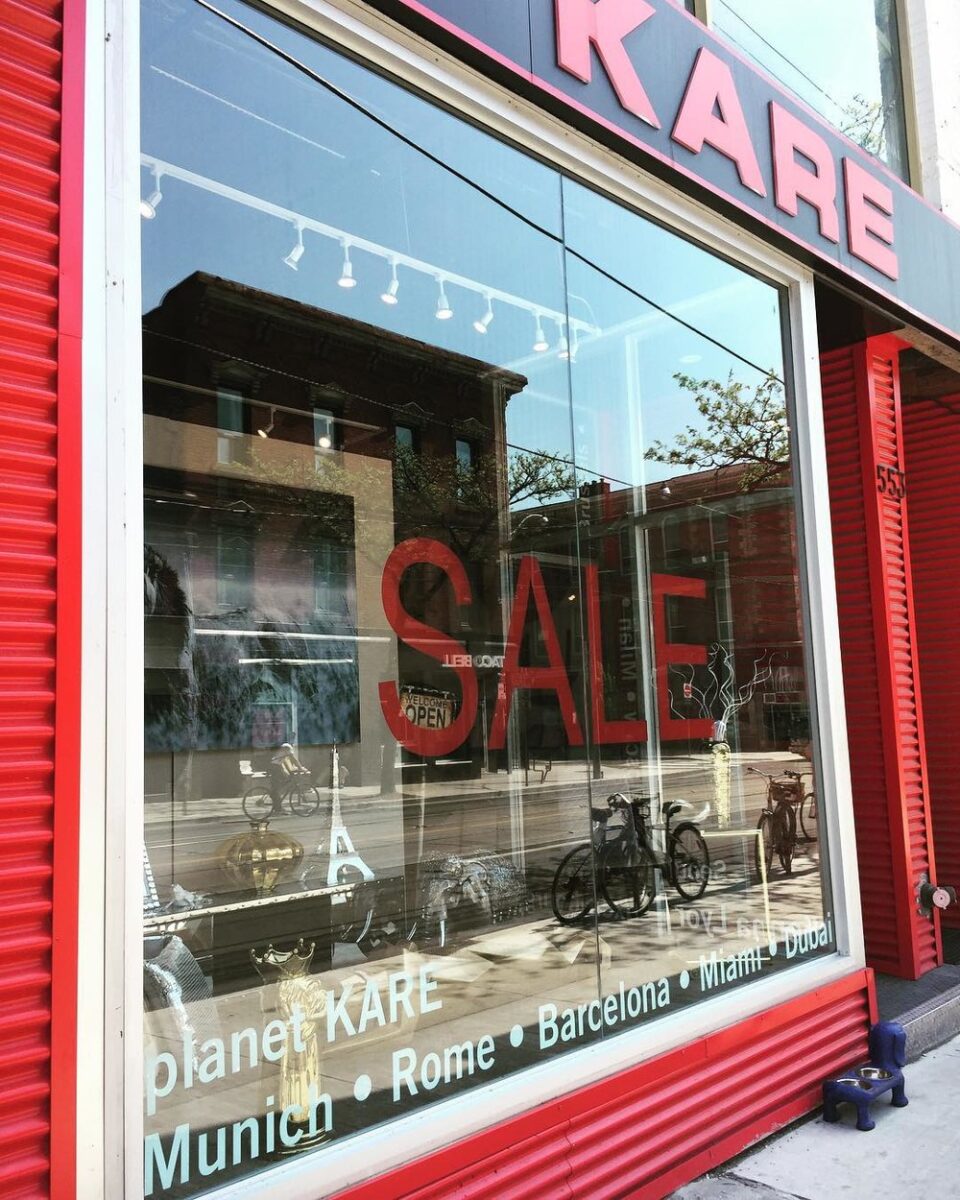
Edilka Anderson, owner of KARE Toronto on Queen Street West, said the store has been newly-renovated with a stunning assortment of unique and beautifully-crafted accessories, lighting, furniture, and textiles to suit any home and style.
Anderson bought the 2,200-square-foot showroom at 553 Queen Street West in Toronto in May from the original owners who opened in the summer of 2017. The showroom was closed for about two weeks during the recent renovations.
“I created a concept in a way where we created small rooms. We can sort of showcase a living room, and then a dining room and so forth. In the way that it’s set up it’s almost the way you walk into an IKEA where you go into kind of like a maze,” explained Anderson. “I sort of made that concept so we could showcase the pieces. It’s not just a furniture store. It’s a design company.”
Edilka Anderson, owner of KARE Toronto
“My goal is to expand the showroom because we’re on Queen Street West and you don’t have the bigger stores here. But I do have a very large basement so I can double up my square footage by renovating my basement which is my goal. I plan on doing that hopefully by next Spring, next Summer. I would like to be able to double up the square footage of the showroom to be able to showcase more pieces.”
KARE was founded in 1981 in Munich by two designers, Jurgen Reiter and Peter Schonhofen. Over the years, it has become an international brand with a presence in more than 50 countries and more than 100 stores worldwide, mainly in Europe.
“The brand is really inspirational. They pride themselves in being inspirational instead of conventional. It’s everything but ordinary,” said Anderson. “And we have some really fun and unique designs. We have everything from accessories to furnishings to lighting. So we can basically do an entire home.”
“We have over 5,000 items on our website. We can’t carry everything (in the showroom). So we do sort of try to keep things fresh. And most of our orders from furnishings are through special orders.”
Customers receive a design and style magazine that showcases some of the new pieces the company gets in and twice a year KARE has a new collection.
“It’s always innovating and doing new things. We also have a couture book. It’s basically a coffee table book and it’s done every year. It’s a beautiful book and it has all of our items in it. It’s really well done. We use those a lot in working with our designers so they can have marketing material and things to offer their clients so that they can see,” said Anderson.
That includes a unique retail, in-store experience with augmented reality glasses.
“When we do a design project, we do a 3D design. So we do it on any type of software that you can use. We can use our furniture. Pieces are in that software. We have 3D glasses . . . You can view your room that we designed for you in 3D and you can literally walk in the room,” said Anderson. “They tested this in a market in Munich in some of the larger stores and the results that came from it was excellent in terms of selling more of the room because the person felt like they were walking in their own space and could see themselves in it. It’s very innovative.”
The Toronto KARE location is the only one currently in North America but Anderson said the company definitely wants to expand the brand in the future.
“With us being the only store in North America currently, everybody’s watching us. All eyes are on us. I think it’s a good opportunity for us to have something a little bit different. This brand and this store is not like any other store – furniture store – that you walk into. You definitely get variety and something completely unique,” said Anderson.
“I know that my plan is to expand here in Toronto and once we see the market respond really well I believe that there will be other stores opening in Canada and even in the U.S.”
Canada’s retail industry has seen a dramatic shift in recent years due to technological advancements. Fintech and retail solutions are now knocking on the doors of the big brands, desperate to help reshape the future of commerce and finance in this sector.
As retail faces new challenges, many are hopeful that these products and solutions will boost sales, improve operations and impact customers in the best way possible. Already, these solutions are in full swing working to harness real-time customer and point of sale (POS) insights, to reach customers across mobile channels, and to ensure visibility in all areas of production.
In 2016, over 1,500 fintech startups applied to MasterCard Start Path Global, in an effort to support startups to connect with some of the largest names in banking, retail and technology. As more fintech and startups begin cropping up in Canada’s retail space, it is becoming harder to be picked out by the top global brands. Therefore to impress the roster of retail A-players, Canadian startups need to build a solution that makes it hard for them to say ‘no’ to.
Identifying the issue, providing a suitable tech solution and proving this new approach actually works is essential to winning a business over in any industry. Here are a few steps we took at Jifiti to approach retailers and convince them to give us the green light in delivering reliable retail solutions to their stores.
Avoid the ‘I’ Word
Image: Mastercard and Kasisto
Retailers will lose interest if any mention of integration is uttered. Retailers want a hassle free solution that requires little, or no adjustments, or resources from their part. To grab their attention, show that the solution can work seamlessly with the retailers existing systems, rather than having to integrate with it. Solutions that are creative should be able to supply a working solution that visibly solves a problem, or eases business, without needing full integration on the retailer’s end – at least in the initial stages.
This may mean that some processes are accomplished manually on the startup’s side, but there is nothing wrong with that. The goal is to offer the solution on a silver platter without the partner needing to invest time and resources in the early phases. What takes place behind the scenes with the product is completely up to the startup team. Don’t be afraid to dumb things down, or solve issues manually to avoid interruption and run a proof of concept. Having everything automated is surprisingly not a top priority for retailers. Instead, they appreciate startups who can creatively solve their issue without having to mention the dreaded need for integration.
Use a Middleman
Startups need to recognise that with the level of competition in their space, one way forward is to partner with a middleman to get solutions up and running. Partnering with a seperate player in the field can not only allow startups to utilize outside assets to improve their current solution and avoid needing integration with the client, but it can also put these startups on the map. Linking up with well-known corporations in and outside of Canada will grant startups the use of existing infrastructure, giving them a lift up the industry ladder.
Thanks to Prime Minister Trudeau’s recent efforts and initiatives in supporting Canadian businesses and commerce, it should be easier for Canadian retail startups to find these potential partners. His successful bid to host Collision, one of the largest tech conferences in North America, has already thrown the spotlight on Toronto and its bubbling tech ecosystem. Trudeau’s trip to Silicon Valley, including a visit to Amazon where he met CEO Jeff Bezos, has also encouraged big names to invest and look for partnerships in Canada. Specific interest in retail was sparked last year when AI-enabled intelligence company Rubikloud landed a $37 million investment. With more eyes watching Canada’s startup scene, finding the middle man to help kickstart your retail solution should be a top priority.
At Jifiti, we collaborated with Mastercard to offer retailers a zero-integration option for our platforms. Thanks to the international credit cards technological infrastructure we are able to offer a seamless transfer of funds between our gift registry and consumer financing platforms without requirements from the retailers own management system. This collaboration has let us work with large retailers such as Ikea and others to implement our retail solutions on their sites. Therefore, building a solution that does not require resources on the retailers end is one step towards partnering with some of the big brands.
Show Results
Image: Nike Gift Cards
Assuming a startup can provide a solution without needing full integration immediately within the retailers own internal system, then proving that the solution works across the board is the next step. Once positive results appear, retailers will not require any other convincing and will be inclined to prioritize their time and resources to work with the startup.
Reiterating the previous point, results do not necessarily need to stem from automated solutions. Proving the solution can be processed manually first to run tests and show results is a great first step. The solution can always then be upgraded once the retailer has seen results and is onboard. This is what we achieved at Jifiti when partnering with Nike. We first launched a gift card promotions platform with them using a middle man, however, once Nike saw the success from our platform and how it increased sales and lowered fraud, they agreed on direct integration with their gift card processor.
Presenting results to the retailer involves communication and time. It’s important to set out KPIs with the partnered retailer to ensure both startup and retailer are on the same page on what exactly is being tested and what results they are looking for. This could be sales, brand awareness, user acquisition etc. Laying these expectations out up front will allow startups to prove their point to the retailer and then move on to discuss investing resources and further development.
Retailers in Canada and the rest of the world are in no way turning their backs on technological solutions and the startups offering them. They are looking to innovate and to do so they need the combined benefits of a streamlined shopping experience and new tech to stay ahead of the competition. However, retailers, particularly the big brands, will be more inclined to test new solutions from smaller startups if it does not interfere with their ongoing pipeline and budget and if it can be worked seamlessly into the brand’s existing software. Therefore, to increase their chances, Canadian startups should keep these three pointers in mind when developing and pitching their solution to retailers. It could significantly lower the entrance barrier to testing and launching with some of the larger brands in the retail industry.
Iconic athlete and former Toronto Blue Jays star Jose Bautista joins Endy, Canada's leading online mattress brand, as investor. (CNW Group/Endy (Overwater Ltd.))
Toronto-based mattress-in-a-box brand Endy announced that it has partnered with professional baseball player José Bautista, who was with the Toronto Blue Jays from 2008 to 2017. Mr. Bautista is an investor in the company, as well as a spokesperson. Endy is one of several mattress-in-a-box brands that are fighting for market share in Canada and thus far, the company is maintaining its number one position in terms of sales.
Mr. Bautista announced his association with Endy this week as part of an ongoing promotion for the brand as it continues to seek brand awareness across the country.
“Endy is an incredible Canadian success story. This is a company that continues to make a name for itself, not only for flipping an industry on its head, but for donating thousands of mattresses to those in need,” said Mr. Bautista. “As an investor, I’m proud to team up with Endy, a company whose values I share: innovation, well-being, and paying it forward.” Being a fan of the mattress as an end-user as well, he said, “Over the past two years, I’ve become close with the Company’s founders, Rajen and Mike, and their desire to give back to the city of Toronto and the country of Canada that I had made my home for the past 10 years – I knew I had to get involved.”
PHOTO: ENDY FACEBOOK PROFILE
Despite increasing competition, the company is seeing rapid year-over-year growth of 300%, resulting both from expansive marketing efforts as well as consistently high ratings among purchasers. Growth has been so rapid that the company also recently announced that it is opening a distribution centre for Western Canada in suburban Vancouver to keep up with the demand.
Endy was founded in 2015 as an online ‘sleep brand’ and the company is in line to do in excess of $50-million in sales this year. Canada is Endy’s target market and remarkably, the company’s revenue is now about 10% of that of Sleep Country Canada, which is the largest bedding retailer in the country with more than 250 brick-and-mortar stores as well as expansive e-commerce.
Since its launch about three years ago, Endy has partnered with local charities from coast-to-coast to donate new and gently used mattresses to families and individuals in need. Endy has distributed more than 2000 mattresses through its charity partners in every Canadian province, including Furniture Bank (Toronto), Matthew House (Ottawa), Women in Need Society(Calgary), Aboriginal Mother Centre Society (Vancouver), as well as several others. The company has also supported global charitable organizations including Nothing But Nets and Mr. Bautista’s own foundation, the Bautista Family Education Fund, which provides assistance to student athletes, both on and off the field.
ENDY FACTORY IN MONTREAL. PHOTO: ENDY FACEBOOK PROFILE
Advertising had been initially focused on urban areas with the young urban professional being an important target market. Expansive campaigns with entities such at Toronto’s TTC has seen Endy advertising occupy entire subway cars in an effort gain brand awareness to the hundreds of thousands who ride the system daily. Endy is now expanding its advertising to suburban and other parts of Canada, not to mention the newly announced Bautista partnership.
The mattress-in-a-box concept is still relatively new and yet its business is exploding in Canada. Competitor Casper, which recently opened its first Canadian store at CF Sherway Gardens and will soon announce a second store in downtown Toronto, also has celebrity backers including Leonardo DiCaprio, Tobey Maguire, Adam Levine and Ashton Kutcher.
Various other brands continue to enter the market, such as Leesa and Tuft & Needle, with more brands seemingly coming online every week. There’s even now a plant-based mattress called Haven Mattress Company, based in Kelowna. Sleep Country Canada also recently introduced UK-based brand Simba — the premium ‘Hybrid®’ mattress-in-a-box brand has sold more than 150,000 mattresses across Europe. Sleep Country also unveiled its in-house mattress-in-a-box brand Bloom which is also carried across the chain.
























![World’s 1st VUSE Storefront Opens in Downtown Toronto [Photos]](https://images.squarespace-cdn.com/content/v1/529fc0c0e4b088b079c3fb6d/1600809478182-51W99YAKSS061WZZZEA4/ke17ZwdGBToddI8pDm48kGhF2FCaXCFJZFEalRo8kqUUqsxRUqqbr1mOJYKfIPR7LoDQ9mXPOjoJoqy81S2I8N_N4V1vUb5AoIIIbLZhVYxCRW4BPu10St3TBAUQYVKc-1xO4ojbyXh6pGHoSehGwJrj31ldwyDpM9XrZmSoQV1hiaei2FKmHe5-h9rSbF7s/Screen%2BShot%2B2020-09-22%2Bat%2B5.03.35%2BPM.jpg)