Advertisement
Home Blog Page 1066

Luxury Candle Brand Opens Beautiful 1st Retail Space

KANDL Artistique

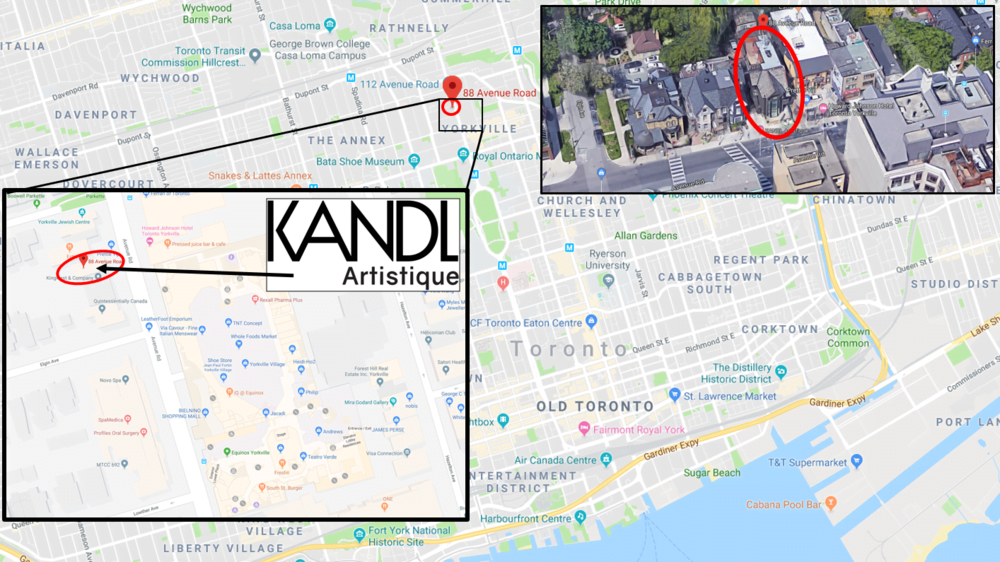
Luxury candle brand KANDL Artistique has unveiled a beautiful new retail space in Toronto’s Yorkville area that is unlike anything in the country to date.  It’s said to be the first fully customizable candle Lab experience in North America, where guests can choose, combine and create custom fragrances to create their own custom scented candle from start-to-finish. Located at 88 Avenue Road, the retail concept is a first of several locations expected for the unique concept store.

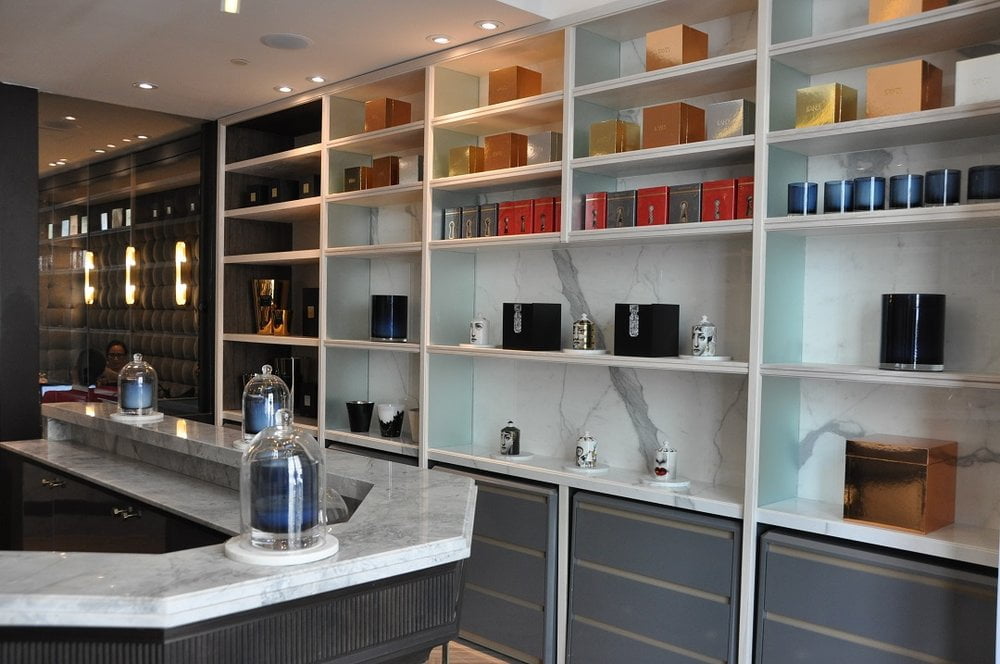
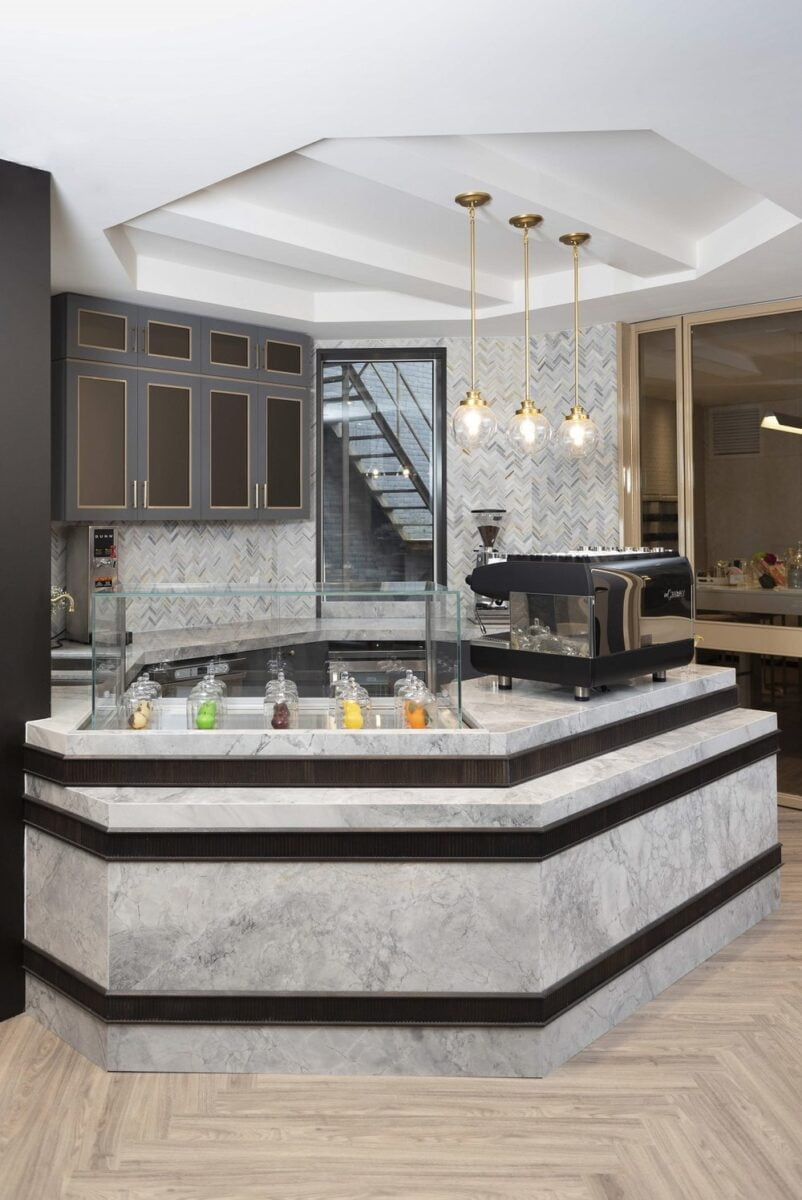
The space is contained in an historic Yorkville Victorian House and includes three concepts — a retail space, café-bar area, and ‘customization Lab’. The wood and marble-clad retail space at the front of the store displays candles from some of the world’s most prestigious brands in a variety of sizes, including some in-house designed candles that feature an array of Signature scents. The café-bar area near the centre of the store serves specialty coffees and teas, unique Parisienne inspired pastries, and even alcoholic beverages such as signature cocktails created by a top mixologist especially for KANDL Artistique to complement its five signature scents.
INTERACTIVE GOOGLE MAP
KANDL Artistique
KANDL Artistique

The ‘customization Lab’ towards the back of the building features a room that can be closed off for events, with the ability to host gatherings of individuals who can make their own candles. Already, corporate, wedding and other groups have been booking the ‘make your own candle’ suite, featuring a large table at the centre where guests can choose from a variety of scents and waxes to create a customized candle to take home. Guests may select from a range of fragrances, vessels and packaging and the entire process takes only 90-minutes where at the end, the customer can bring home a fully-cured candle.

The KANDL brand was founded in Toronto in 2017 by a company which has more than 40-years of history in the candle industry. Its founders say that they have “perfected the art and science behind candle-making,” and they now want to share that with all candles and fragrance lovers in Toronto.
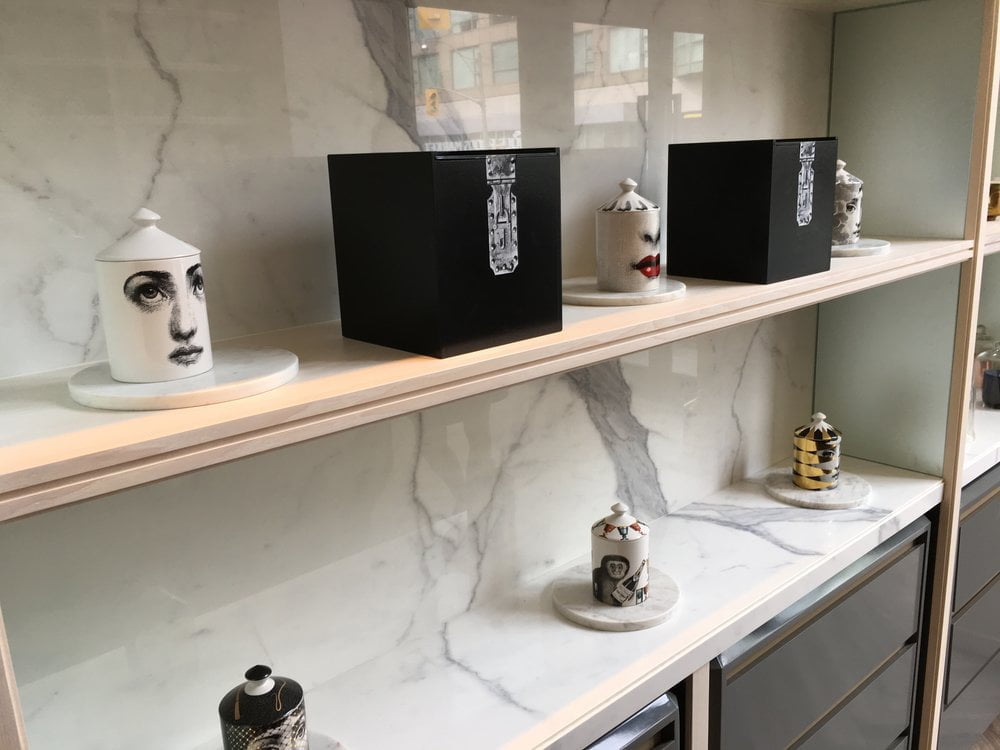
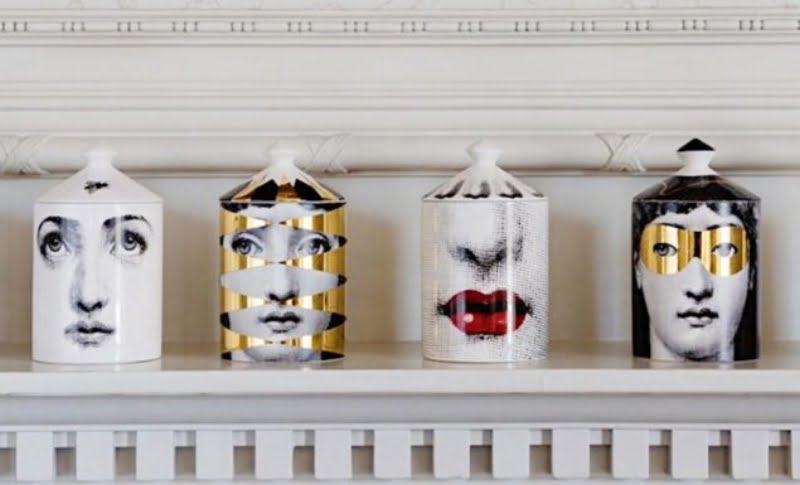
KANDL Artistique

KANDL says that it is a lifestyle-inspired candle company for the candle connoisseur, and some of the items on display are works of art worthy of being in some of the finest homes. Prices for candles at the store range from just under $100 to more than $500 for the largest designs. Luxury candle brands include names such as Cire Trudon, Fornasetti, Baobab and Jonathan Adler. KANDL also caters to weddings with its KANDL Wedding Collection — brides and event planners may choose from KANDL’s collections to decorate their events or to gift to their guests.

The retailer has its own in-house signature line of candles which are hand-poured in Toronto. KANDL uses the highest-quality glass in the world, hand-blown in Poland. KANDL’s five signature scents are custom-made and procured from the finest fragrance houses in the world, according to the company.

KANDL is located across Avenue Road from the Yorkville Village shopping centre and is adjacent to the Annex residential area which houses some of Canada’s wealthiest and well-known individuals. The Yorkville area is seeing a transformation that includes new luxury retailers as well as a burgeoning population — the area will add several thousand new residents over the next several years, in condominium buildings with prices per square foot generally exceeding $1,000. One new project, at 50 Scollard Street, will have units priced between $4-million and more than $20-million each, for example.

The KANDL concept could be expanded into new markets in Canada as well as globally, according to the company, though it will first ensure that its concept is perfected in the new Toronto location. For those seeking unique and customized candles, KANDL is a unique experience that is currently only available in Toronto.


Report Reveals How Canadian Retailers Are Overcoming the Complexities of International Expansion

exc-5b6b0fae575d1fb7864c58fe


Image1.pngImage1.png

By Craig Patterson

A recent study by eTail Canada, sponsored by Radial, provides insight and benchmarks from Canadian retailers about their most pressing challenges to international expansion, and strategies to combat them. The report can be downloaded here.  

According to the report, more than one-third of Canadian retailers have started to expand their business into the Asia-Pacific region, as well as into Central and South America. With such expansions, Canadian retailers are engaging in new competitive markets with uncertainty — unfamiliar customs are the norm, though there are tremendous growth opportunities. Canada is a small country and opening business up to international markets can be lucrative, if done right. 

As part of its analysis, the eTail Canada study recognizes that creating a great customer service experience abroad requires analyzing challenges to international expansion, building multi-location fulfillment strategies, and understanding cultural differences that will affect brand performance. The report discusses some of the most pressing challenges including: 

·       Centralizing distribution to reduce capital expenditure and gain better control over the supply chain, 

·       Identifying unique consumer preferences in international markets, and 

·       Finding global expertise to reduce operational costs and acquire customers. 

Download the study to uncover interesting and valuable information that can also be used as a benchmarking tool for retailers considering international expansion, or those that have already started.

Canadian Tire Partners with US-Based Petco

Canadian Tire Partners with US-Based Petco

Canadian Tire has announced that it has partnered with US-based pet brand Petco, where Canadian Tire will exclusively carry Petco’s assortment of food, treats and accessories. It’s a significant move that adds competition to the already crowded pet-oriented retail market in Canada. 

Beginning this month, Petco’s products will be offered in Canadian Tire stores as well as on the retailer’s e-commerce website. Canadian Tire says that the deal marks its entry into the ‘premium pet category’ while offering Canadian Tire’s ‘dedication to offering customers and pet parents high quality products at great prices’. 

As part of the deal, Canadian Tire will exclusively carry Petco’s WholeHearted brand, which is a premium grain-free pet food line that is said to provide “superior nutrition affordable and accessible to more pet parents”, according to Petco. Starting in September, additional Petco products, including accessories, will be added to Canadian Tire’s pet assortment. 

“As a leader in providing pet parents with everything they need to live healthy, happy lives with their pets, we’re thrilled to partner with Canadian Tire to bring the history and quality of the Petco brand to Canada,” said Rebecca Frechette, Executive Vice President and Chief Merchandising Officer at Petco. 

The partnership makes sense. The pet industry is a multi-billion dollar business with about 57% of Canadian households having one pet. That number is said to be even higher for Canadian Tire shoppers. 

“We know how important pets are to Canadian families so we’re thrilled to bring Petco’s offerings to Canadian Tire, where 65% of our customers are pet parents. Petco’s deep expertise in pet products, combined with Canadian Tire’s extensive reach in a thriving pet market is a powerful combination,” said Greg Hicks, President, Canadian Tire Retail. “Petco’s legacy as a global leader in pet products heightens the credibility of our suite of pet offerings, allowing us to strengthen an important category and expand our marketplace,” he said. 

Privately-held Petco, based in San Diego, California, is considered to be a leading global pet speciality retailer with more than 1,500 Petco and about 85 Unleashed by Petco locations (a smaller-format neighbourhood concept) across the United States and Puerto Rico. It was founded in 1965 as a mail-order business selling veterinary supplies. The company also offers prescription services and pet supplies from veterinary-operated pet product supplier, Drs. Foster & Smith, as well as a range of pet care services and veterinary advice through its PetCoach platform.

The Petco Foundation, which is an independent nonprofit organization, has invested more than $200-million since it was created in 1999 to help promote and improve the welfare of companion animals.

There’s already a Canadian connection to Petco — in November of 2015, the Canada Pension Plan Investment Board (CPPIB) and CVC Capital Partners acquired Petco for US$4.6-billion. That followed a failed merger attempt with Petco and competitor PetSmart. 

It’s uncertain if the Canadian Tire/Petco partnership could eventually lead to standalone Petco stores in Canada, and the current arrangement might even be more ideal. Canadian Tire has a network of stores nationwide that are accessible to many Canadians, providing Petco with an expansive distribution network without the costs, time delays or logistical challenges of launching its own network of retail stores. At the same time, many brands are going direct-to-consumer in order to avoid the ’middle-man’ costs which are typical with wholesale arrangements . 

Canadians seem to love their animals. Research from the Canadian Animal Health Institute showed that in 2016, there were about 8.8-million cats in Canada, up from about 7-million in 2014. There are almost as many dogs — in 2016 there was an estimated 7.6-million dogs in Canada, up from 6.4-million in 2014. 

As well, according to a report in IBISWorld, the market for pet stores in Canada is more than $2-billion annually with a year-over-year growth rate of 3.8%, with almost 1,500 businesses employing nearly 15,000 people coast-to-coast. The same report noted that the most popular animals include cats, dogs, fish and birds. Higher household incomes and rising consumer confidence are said to be factors contributing to increased pet ownership and related spending in Canada. 

The Canadian Tire/Petco partnership will no doubt seek to take a bite out of Canada’s massive pet business, which includes a vast network of standalone retailers as well as pet-related offerings in larger retailers such as Walmart and Loblaw. The top four standalone pet retailers operating in Canada, according to the IBISWorld report mentioned above, include PetSmart, Global Pet Foods, Mondou and Pet Value — their combined total market share in Canada in terms of revenue was at about 44.1% in 2018.

Numerous smaller chains also operate in Canada — names such as Petland, the Bone & Biscuit, Total Pet, Dogtopia and others can be found in regional markets. As well, there are plenty of independent pet retailers in Canada with one or a handful of locations. 

Kusmi Tea Launches Multi-Location Canadian Expansion

Kusmi Tea Paris, which has a history and tradition dating back to the Tsars of Russia in 1867, is expanding its footprint in Canada with plans to open a number of stores in the future.

The international brand opened its first location in 2010 in downtown Montreal on St-Denis Street.

In June, it opened it first flagship store at the CF Rideau Centre in the heart of Ottawa and plans are to open another store in Laval in October and a store in Toronto in 2019. 

Ben Angeloni, co-owner of T Importation Canada which is overseeing the brand’s Canadian expansion, said the business plan is to grow the retail presence and the online presence across the country.

“The online has been going very well and the retail presence we decided to test our mettle and open the first couple of stores closer to home. Therefore Ottawa and Laval,” said Angeloni. “And the plan is starting 2019 to do Toronto and then Calgary, Vancouver and beyond.”

“We need to get out West.” 

Kusmi Tea Paris is already available in more than 200 points of sale in Canada and online at www.kusmitea.ca

“Globally tea is one of the biggest beverages – second only to water,” said Angeloni. “It’s growing phenomenally in Canada. I think David’s Tea has done a fantastic job over the last number of years. They sort of democratized tea. And they brought a more premium tea experience than just buying the stuff at the grocery store.”

“They developed the market and are a clear leader and I thank them for all the hard work they’ve done. Kusmi is more premium. The brand has been around for 150 years and its success is based on its proprietary blend. Although we have the regular Earl Grey and breakfast the majority of our sales are on blends that are specific to Kusmi. And it’s recipes that date back to the forming of the company 150 years ago in Russia. When you taste a Kusmi, it’s a different experience than tasting something that you buy at David’s Tea or that you buy at the market. The flavours just jump out at you and it’s a much more premium experience.”

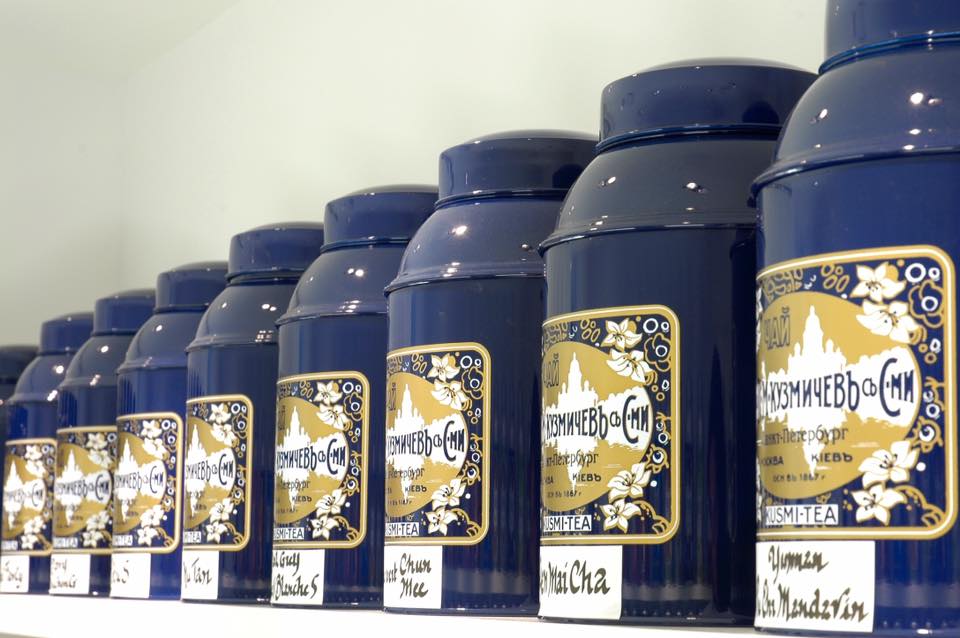
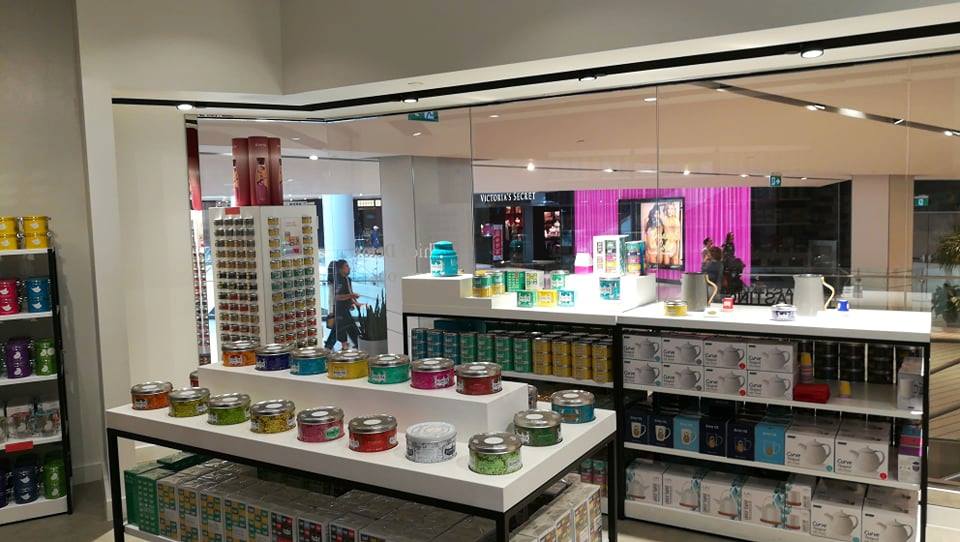
Tea leaves come from producing countries such as China, India and Japan. The blends are flavoured with subtle essences and the teas are packaged in traditional metal cans or muslin bags, which preserve the quality of the teas.

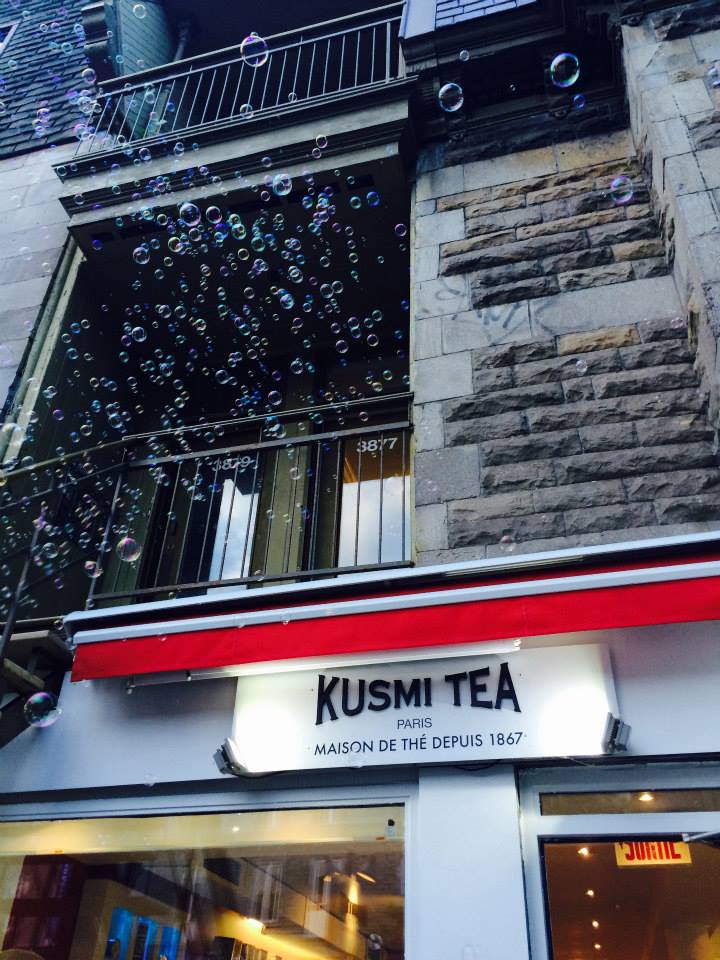
PHOTO (ABOVE AND BELOW): MONTREAL LOCATION

The company offers 100 varieties of high quality black and green teas, red teas and infusions using only whole leaves, all of which are produced near Le Havre.

Its history begins in 1867 when Pavel Kousmichoff founds the P.M Kousmichoff tea house in Saint Petersburg, Russia which became a favourite of the Tsars.

In 1917, The Kousmichoff family fled Russia in the wake of the Revolution and set up shop on Avenue Niel in Paris.

“The family business prospers, with boutiques springing up in the world. (In) 2003 inventive and cutting-edge, the Orebi brothers take the reins of the business with a single goal in mind: to make Kusmi the worldwide icon of premium teas,” says the company’s website.

“In 15 years, the company has become established in 35 countries and opened 100 shops in France and abroad. With over 100 blends and single origin teas, Kusmi has emerged as one of the world’s great tea companies, employing more than 700 people and reaching sales of 75 million euros in 2017.”

Angeloni said there will always be consumers that buy large quantities of tea for a cheap price at the grocery store but many tea drinkers are also looking for a more refined experience, a more unique experience and a better quality for the tea that they drink.

“That’s the niche we’re hoping to fill,” said Angeloni.

“Elevating Cannabis Retail” Event at IRDC 2018

exc-5b69f063aa4a99c57e6d35e0


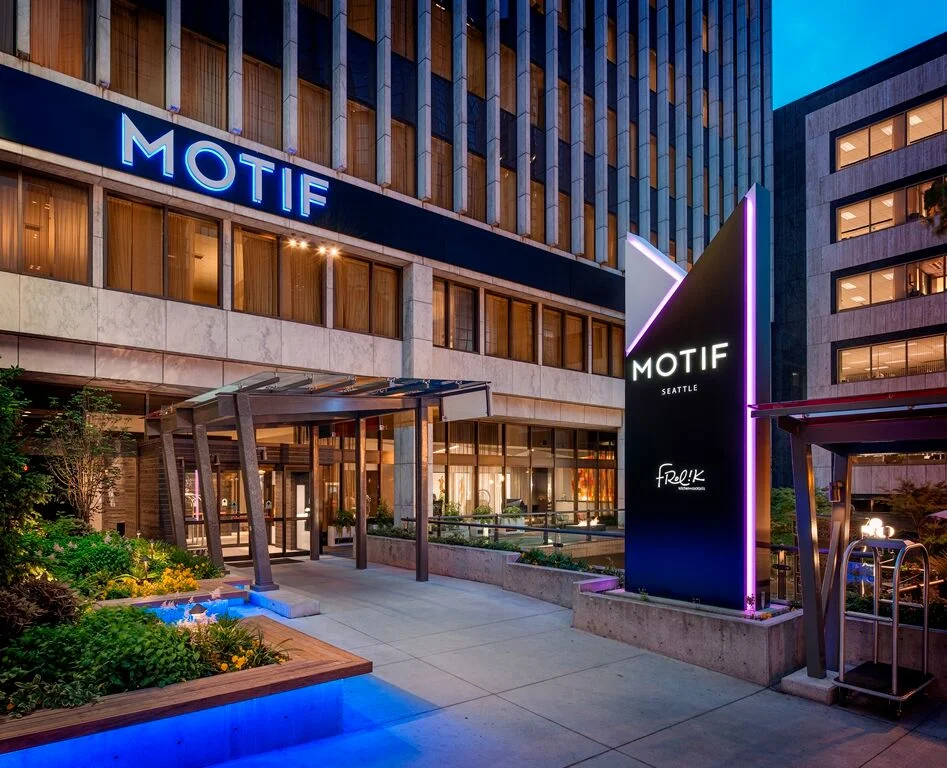
Motif_Exterior_Entrance.jpegMotif_Exterior_Entrance.jpeg

By Craig Patterson

This year’s International Retail Design Conference (IRDC) is taking place in Seattle October 2-4 and the conference will include a separate pre-conference session that will discuss how retailers may elevate cannabis retail — a hot topic as legalization in Canada nears, and the United States expands. 


IRDC Logo Stacked w Tagline.pngIRDC Logo Stacked w Tagline.png

The special pre-conference event takes place Tuesday, October 2, 2018 between 12:30pm and 7:30pm at the Motif Hotel in downtown Seattle. [Buy tickets here]

The intent of this newly-introduced session is to provide cannabis retailers with the critical information they need to leverage the mission-critical concepts and philosophies that are top of mind with today’s retailers. Numerous topics will be discussed, ranging from discussion of the latest retail and design trends to use of consumer data, with a focus on the latest and best practices.

Pre-conference co-chairs include Jennifer Acevedo, Editor- in-Chief, Visual Merchandising + Store Design (VMSD), and Megan Stone, Owner, Interior Designer, The High Road Design Studio. The program will also feature an array of respected authorities that will discuss actionable takeaways for those engaged in this burgeoning and dynamic industry.

Registration for this event also includes IRDC’s Opening Keynote with Mike Walsh, Futurist and Global Strategist and CEO of Tomorrow, plus IRDC’s Opening Reception. Optional pre-conference registration fee may apply.

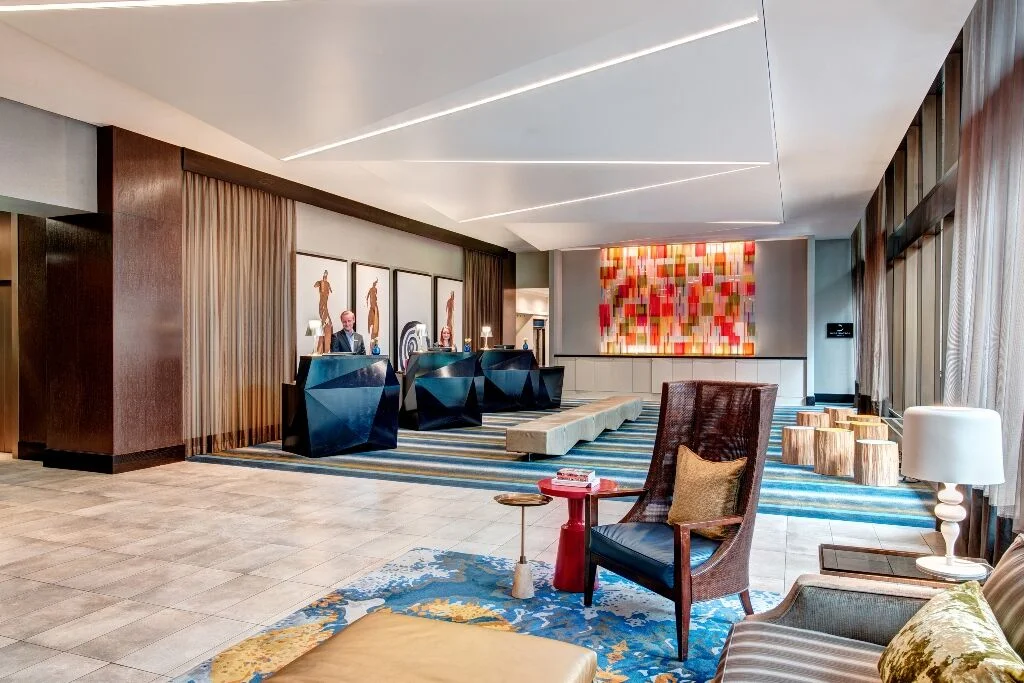
(Below, photos inside of the beautiful Motif Hotel in Seattle) 

The cost is US$195 for the October 2nd program only (including opening keynote and reception) or if combined with the full IRDC event taking place October 2 through October 4, the Elevating Cannabis Retail Event is free to retailers and $95 for non-retailers [Buy tickets here]

IRDC has extended its early-bird pricing for its full conference until August 15. The conference brings together some of the best minds in the industry, and is considered to be one of the world’s leading design events [Buy tickets to IRDC] 

Furthermore, Visual Merchandising + Store Design (VMSD) is offering a free trial subscription for Retail Insider readers. The publication provides ideas and solutions to create unique, engaging, in-store designs and visual presentations. Every issue profiles the retailers, projects and designers creating inventive retail spaces. [Subscribe to VMSD here


*Partner content. To work with Retail Insider, contact Craig Patterson at: craig@retail-insider.com.

Urban Athletic Brand ‘RYU’ Announces Significant Store Expansion

QUEEN STREET STORE IN TORONTO. PHOTO: RYU

Vancouver-based RYU (Respect Your Universe), the men’s and women’s performance-based urban athletic apparel and accessories brand, is launching into the United States with big plans to open numerous stores in North America in the coming years.

Marcello Leone, the company’s CEO, told Retail Insider that RYU opened its first American store August 2 in Venice Beach, California. The second and third stores in the U.S. will open in Williamsburg, New York and Newport Beach, California in September.

He said a store at CF Sherway Gardens in Toronto should open by the middle of November.

The company’s first location opened in Vancouver in December 2015. There are currently five stores in Canada – four in the Vancouver area and one in Toronto on Queen Street West.

“The plan is to be methodical to continue to let this young brand grow and to continue to expand our categories and continue to build a tribe so our expansion looks like five stores for 2019, five more stores in 2020, five more stores in 2021 and five more units in 2022,” said Leone.

“So you would have a total of 29 by the end of 2022. Those retail experiential centres obviously we go and do a brick and click approach. So our ecomm business is very important and the data that we collect from our ecomm helps facilitate our urban centre growth out for our retail experiential centres. We make a tremendous amount, a lot of effort, on our ecomm side of our business and the brick and mortar side of the business. In this business today you need both.”

RYU was founded in 2011 as a mixed martial arts brand based in Portland, Oregon. Leone was originally an investor. In 2014, Leone, a Canadian fashion entrepreneur, took over the business and incorporated in Vancouver.

In just 18 months he transformed and relaunched RYU into a new category, ‘urban athletic apparel’ and has set his sights on taking the brand global.

“The tailored fit of RYU combines function with fashion and I’m determined to introduce the world to urban athletic apparel,” said Leone. “Whereas athleisure takes you from the gym to the coffee shop, RYU takes you from a workout to more sophisticated urban environments.”

“Athletic apparel can be crowded too and therefore you really need to have a point of difference. And for us the point of difference started with the individual, the athlete, the citizen and we built our company based on developing urban athletic apparel, looking at the precious amount of time that people in urban settings require.”

The company’s website says RYU was built on the fundamental understanding that we are multi-faceted and multi-disciplined.

“It’s about respecting your choices, individualism and journey. It is knowing at our core that we are all connected and that it’s our differences that make us extraordinary. And human,” says RYU.

Vancouver store on Thurlow Street.

“Living with integrity is tough. Yet it is in this toughness, this humanity, that we find true beauty. We believe beauty is achievement earned – not an aesthetic bestowed. Our beauty is measured by our thoughts and actions and extends to our designs, team, partnerships and community. Where being respectful is a way of life, not a tag line.”

“You are more than your training, your workout or the sport you play. You have chosen a healthy, active lifestyle that inspires everyone around you. That’s why we build and engineer products that are not only the best to train in, but are tailored for any urban setting. An innovative way of thinking how we live, dress and perform. We believe if we can facilitate your performance, you will lead the way for everyone. By choosing to respect our differences, and honour our humanity, we can truly celebrate our oneness.”

Leone said the company uses its retail centres as places where people can get together, share together and spread the message of being better in the world and helping the world.

Queen Street store in Toronto.
QUEEN STREET STORE IN TORONTO. PHOTO: RYU

RYU is also launching the new multi-channel creative campaign, entitled #YourUniverse that features urban cult tastemakers from music, art, dance and culture that bring the RYU range to life in their everyday environments.

Editor’s Note: Aurora Realty Consultants represents RYU in Canada, under the direction of broker Jeri Brodie

Purolator Innovates as it Introduces Canada’s 1st Mobile Quick-Stop

Image: Purolator

By Ramsey Mansour, Vice President, Corporate Strategy and Marketing, Purolator

It’s no secret that the retail sector is undergoing significant disruption, particularly when it comes to e-commerce, which is fundamentally changing the retail landscape and altering consumer expectations at an unprecedented pace. Today’s consumers expect a fast, effortless experience, not just at the point of purchase, but also through to delivery and returns. For retailers, providing a sense of certainty for consumers is imperative, yet achieving it in the highly disruptive and uncertain e-commerce environment requires a new approach to innovation that moves beyond the execution of typical and traditional growth strategies.

As renowned author, consultant and teacher at MIT Sloan School of Management David Robertson pointed out at a recent Purolator event on retail innovation and omnichannel strategies, innovation can be likened to dating: retailers should expend the same amount of effort learning about their customers and finding ways to become bigger parts of their lives. The product or service itself is only the beginning. Making a customer’s experience even more compelling by removing barriers and truly understanding their needs and wants is what ensures retailers remain relevant and sought-after. In an e-commerce world, this means catering to customers who are more spontaneous, mobile and motivated by these experiences – and who are demanding flexibility and speed like never before.

Purolator introduces Canada’s first Mobile Quick Stop
These considerations are at the heart of Purolator’s latest endeavour, the Mobile Quick Stop (MQS). Laurie Weston, our director of retail, recognized how the dynamic needs of e-commerce required an equally dynamic solution to add to Purolator’s core offerings. 

In late summer 2017, with the peak holiday package season approaching, Laurie and a cross-functional team saw an opportunity to transform a truck from Purolator’s fleet to become a mobile, temporary location for consumers to pick up their parcels and a natural extension of our retail network and corporate stores.

Working with Purolator operations management, Laurie’s team identified a pilot community with a large number of residential deliveries and a gap for convenient package pickup. On October 15 through to the end of the holiday season, Toronto’s Liberty Village – an urban, densely-populated neighbourhood in the city’s west end – became the host of the specially-wrapped MQS truck, allowing local residents to experience the convenience of claiming their packages within a few blocks of their homes.

Just three months from idea to inception, the MQS was a first of its kind in Canada and addressed several “last mile” business challenges driven by the dynamic nature of e-commerce. It offered:

Convenience and flexibility: The MQS provided customers the ability to pick up packages outside the home but still in the neighbourhood, avoiding missed deliveries if not home or if key pieces of information such as buzzer codes were missing from the package labels – a common occurrence for condo dwellers.

This local convenience for pickup was of particular importance for consumers who live in urban centres, often do not own a car and appreciate being able to walk or bike to a pick-up location.  In fact, during the holiday pilot, we noticed a high pick-up rate in the first 24 hours of a package delivery vs. if the package had been taken to a terminal.

Mobility based on demand: In a traditional B2B final-mile delivery model, demand is fairly predictable and timing and flow of volume doesn’t change often. That’s not the case with e-commerce, where peak season and online shopping “events” affect every stage of the value chain in very unpredictable ways.    

The MQS offered the flexibility to move to different locations within a neighbourhood based on fluctuating volume and demand, slashing the need for re-deliveries and ultimately elevating the customer experience by offering a window of pick-up times that were convenient for today’s busy consumers. In fact, a web-based app allowed customers to enter their Purolator package ID number to not only check the status of their package, but also to see the location of the MQS truck and its hours of availability.

On-time delivery: For consumers (and delivery companies), a package that arrives on time is at the heart of the ideal delivery experience – and consumers are expecting their shipments to arrive faster than ever before. In fact, only 42 per cent consider three- to four-day service fast. The vast majority (83 per cent) expect their deliveries within two days – and that’s shrinking even more through services like Amazon Prime.  

When a customer misses a delivery and the shipment must be re-delivered or picked up at a terminal, that means the package isn’t arriving when the customer wanted or needed it. With the MQS, an employee was able to call the customer that night, giving them the opportunity to get their package the same day. This can have a cascading effect on retailers, who reap the benefits of a positive customer experience throughout the entire purchase cycle.

The possibilities of the MQS
The pilot MQS in Liberty Village received overwhelmingly positive feedback, with an overall customer Net Promoter Score (NPS) of 93.7 and an average of 90 packages picked up per day.  Following the holiday season, the pilot truck moved to the Scarborough, Ont. GO Transit station (in a partnership with Metrolinx), where it will remain until the end of December. While Scarborough features very different characteristics than Liberty Village, it is still an urban setting, and the MQS is located at a busy transit hub for commuters who typically aren’t home to receive packages during the day. Customer feedback continues to be strong, with positive comments on the convenience of picking up and dropping off packages on the way home from work. 

The potential for the MQS is enormous, and the pilot trucks have demonstrated that there is an opportunity to increase the fleet – both during the peak holiday season and all year round – depending on volume, weather and customer wants and needs. Its ability to evolve, both in scale and in function, to include new experiences and offerings to meet the changing needs of consumers and retailers alike demonstrates that it’s possible to continue to elevate the e-commerce experience even at the last mile, and there are already big plans in store for Holiday 2018.   

So what does it all mean?
The retail market is undergoing significant change and we often believe that a significant transformation is required to be successful in this environment. However, the opposite can often be equally true.

In an uncertain market, innovation is essential, but it doesn’t have to be daunting. The success of Purolator’s MQS demonstrates that great ideas don’t have to be difficult, challenging, transformational or cost-prohibitive. Keeping sight on what you do best – coupled with a laser-focus on what your customers need and want is the key to staying ahead of the game. Innovating around the box, truck, store or other core strength is a great starting point. All it takes is a great idea, an enthusiastic team and support from all levels of the organization to bring it to life.

By Ramsey Mansour, Vice President, Corporate Strategy and Marketing, Purolator

Why Canadian Retail Is Going Online & What That Means

By Patrick Foster

The story of Canadian ecommerce has been a very interesting one indeed. While online retail swept into dominant positions in big countries across the globe, the Canadian market was quite reluctant to move with the times, leading to a significant developmental lag. Various reasons for this have been floated, but whatever the cause was, things have finally changed.

Today, the ecommerce industry in Canada is in the midst of a major boom, and the coming years should see yet more retail move into the digital world. But why is online retail now finding some purchase, and what does it mean for the country? Let’s investigate.

Canada’s odd ecommerce lag

Given the size and general advancement of Canada, you’d think that it would have taken up ecommerce around the same time the United States did, but no. Relative to other large nations, it has been slow to embrace the new retail model. It would be unfair to use the U.S. as a sole point of comparison because the population difference is so immense and it’s the home of Amazon, the company that practically owns ecommerce — but we can add the United Kingdom for a fairer comparison.

Going by this direct three-way study from 2015, we can see that both the U.K. and the U.S. were massively outperforming Canada when it comes to online trade. In fact, going purely by spend per citizen, the U.K. was in the lead (possibly due to its density). So why the difference?

The slow progress of Amazon in Canada

Well, I think it’s fair to identify the main reason as Amazon’s incremental inroads into Canada. Amazon’s UK site launched in 1998, but its Canadian site didn’t launch until 2002 — and while Amazon Prime launched in the U.K. in 2007, it didn’t reach Amazon.ca until 2013. Concerned about the prospect of Amazon pricing out local businesses, Canadian provinces were slow to allow any progress.

What’s so special about Amazon? Perhaps nothing inherently, but it’s widely functioned as a game-changer. When Canada was a nation dominated by brick-and-mortar retail, there wasn’t so much incentive for any one company to introduce its customers to the ecommerce model — doing so would essentially have invited the erosion of their main business model.

But now that Amazon has established a meaningful foothold in Canada and is making more of its services and products available in the north, the genie is out of the bottle, and it isn’t going back in. As a result, traditional retailers are being forced to adapt to the digital world or imminently perish.

To a large extent, you can view this as a natural and inevitable correction. Unique circumstances saw a tech-savvy nation with robust shipping infrastructure resist incursion from foreign retailers and thus extend the lifespan of the brick-and-mortar setup, but sooner or later a tipping point was going to be reached. Now that Canadians are familiar with the convenience of ecommerce, it’s only going to get bigger.

Trying to combat overseas dominance

The next decade is going to be extremely interesting for the Canadian online retail industry. Though it still lags behind most of the rest of the world, it looks like businesses are increasingly realizing that they need to put in the work to catch up. After all, the worry is that leaving it too late will allow international retailers like Amazon to saturate the ecommerce marketplace and see huge amounts of revenue drain from the Canadian economy.

A survey of top Canadian executives late last year found that they were worried about the threat of foreign retailers but also bullish about the prospect of aggressive adoption of digital strategies. You can understand the concerns, because one look at the ecommerce stats from 2016 shows the dominance of U.S. companies. Canadian companies are so behind the curve that it may be some time before they pose any threat to the industry juggernauts.

Years after fighting the advance of Amazon, Ottawa is now considered Canada’s tech hub — Shopify took its build-your-own-store ecommerce system to massive success from its headquarters there — and it currently houses some promising tech firms that show a lot of potential (some examples here). But there’s really no way of knowing if the coming years will give rise to a native Canadian ecommerce store capable of competing with the top dogs. Unless someone can rival Amazon’s convenience, that battle may already be lost.

What this all means

As we’ve seen, now that the ecommerce model has found a foothold in Canada, it isn’t going to be dislodged. For consumers, this is very good news — conventions such as free shipping or same-day delivery should continue to spread, and prices will become more tempting as more retailers move online and strive to win business.

For Canadian retailers, though, the ecommerce revolution will continue to be a trial by fire. Those that don’t have online stores will need to invest heavily in changing their operations or finding unique ways to offer things that customers can’t get online. It’s a challenging time, but also one rich with opportunities — businesses that commit to innovation will find the Canadian marketplace a very supportive environment for growth.

Canada is an advanced nation of internet users, but circumstances conspired to slow the progress of its retail system for a time. Today, the dam that held back the tide has long since burst, and Canadian consumers are embracing online retail in a big way. While Canada’s ecommerce industry still lags behind, its current growth predicts a big future — one that can be good for consumers and retailers alike.

Nordstrom Rack Announces 3 Canadian Fall Store Opening Dates

SOUTH EDMONTON COMMON NORDSTROM RACK. PHOTO: NORDSTROM/CAMERON DEVELOPMENTS

Nordstrom has announced the opening dates of its next three Canadian off-price Nordstrom Rack stores, as it continues with a national expansion that could see as many as 15 locations over the next several years. Nordstrom Rack’s first three Canadian stores are now open at Vaughan Mills in suburban Toronto, at Deerfoot Meadows in Calgary, and at 1 Bloor Street East in downtown Toronto, which is considered to be the company’s Canadian flagship

The next three Nordstrom Rack stores confirmed to be opening in Canada are in Ontario and Alberta. 

On September 6, 2018, Nordstrom Rack will open at Heartland Town Centre in Mississauga, just west of Toronto. The store will span about 35,000 square feet in a massive big-box centre that includes anchors such as Walmart, Costco, Canadian Tire, Home Depot and grocery store Seafood City, which also houses a new location for Filipino restaurant chain Jollibee. Heartland Town Centre will become the third Nordstrom Rack location in the Greater Toronto Area, which means half of the six confirmed Nordstrom Rack stores in Canada will be located in the area. 

On October 11, 2018, Nordstrom Rack will open at The Ottawa Train Yards in Ottawa. The 750,000 square foot power centre spans 110 acres of property which, when viewed on a map, is shown to be remarkably close to Ottawa’s urban core. Other anchors include Walmart, Golf Town, SAIL, DSW Shoes and a unit for the wildly popular Ottawa-based grocery chain Farm Boy. Nordstrom Rack will occupy about 35,000 square feet over one level at Ottawa Train Yards. 

VAUGHAN MILLS STORE. PHOTO: NORDSTROM

On October 25, 2018, Nordstrom Rack will open its Edmonton location at South Edmonton Common in Edmonton, which will become the second Nordstrom Rack location in Alberta. South Edmonton Common, which is considered to be Canada’s largest retail power centre, boasts an impressive roster of anchors such as Ikea, Canada’s largest Canadian Tire, and Canada’s first location for ‘The Rec Room’. We recently profiled the centre in Retail Insider and developer Cameron Developments is celebrating 20 years of operations this month as well. Nordstrom Rack’s Edmonton store, as well as the other two discussed above, will span approximately 35,000 square feet over one level. 

Canada’s Nordstrom Rack stores feature fashions, accessories and shoes with savings of up to 70% off regular prices. Merchandise includes a mix of product from full-line Nordstrom stores, as well as some items specifically purchased from top brands sold at Nordstrom. 

Nordstrom has said that it plans to operate between 10 and 15 Nordstrom Rack stores in Canada, addressing a market that was arguably under-served. At the same time, TJX Canada’s off-price concepts Winners and Marshalls continue to open stores at a rapid pace Canada-wide, not to mention its off-price home concept, HomeSense. The Hudson’s Bay Company’s off-price Saks OFF 5TH concept is also expanding, with plans to operate approximately 25 stores across Canada by the end of this year. 

Brokerage Northwest Atlantic represents Nordstrom and Nordstrom Rack for its Canadian site selections, and big news this week as it’s been announced that Chicago-based Jones Lang Lasalle (JLL) has acquired Toronto-based Northwest Atlantic. 

INSIDE THE VAUGHAN MILLS STORE. PHOTO: NORDSTROM

Nordstrom also operates six full-line stores in Canada and there are currently no plans for more, according to the retailer. Nordstrom opened its first Canadian store at Calgary’s CF Chinook Centre in September of 2014, followed by locations at Ottawa’s CF Rideau Centre in March of 2015, at CF Pacific Centre in Vancouver in September of 2015, and two Toronto stores in the fall of 2016 — at CF Toronto Eaton Centre, and at Yorkdale Shopping Centre. Nordstrom opened its sixth Canadian store at Toronto’s CF Sherway Gardens, in September of 2017.

Nordstrom’s ‘Anniversary Sale’ continues from now until August 6 at its full-line stores. It’s Nordstrom’s ‘biggest and best’ sale of the year and this year’s event had a unique marketing twist. Four fashion-savvy comedians were brought in to help promote the sale across various media channels including actress Liza Koshy (Double Dare host and star of Liza on Demand); Daniel Levy, writer, producer and Schitt’s Creek actor; Phoebe Robinson, comedian and NY Times bestselling author; and New Girl actress Hannah Simone. The campaign was shot by Mary Ellen Matthews (best known for her portraits of celebrity guests and the cast of Saturday Night Live) and the comedians also filmed short videos promoting the retailer’s “Show Us How You #NSALE” sweepstakes, where customers can submit an Anniversary Sale photo or video via social media or online to express their enthusiasm for the sale and win a $500 Nordstrom Gift Card. The Anniversary Sale originated in the 1960s and is the company’s biggest event of the year. This event offers brand-new arrivals at sale prices for a limited time – then prices go back up after two weeks.

Vancouver Restaurateur Open Controversial Religion-Themed Food and Beverage Concept

Image: Hail Mary's

If there is something you need to get off your chest and are feeling the call of Confession, forego climbing the cathedral steps, and pull up a stool at Hail Mary’s at 670 East Broadway in Vancouver. Order what’s on tap, a panko-crusted deep-fried avocado, and make yourself comfortable as you wait your turn to duck into the crushed velvet ‘confessional.’

Hail Mary’s is the latest Canadian food and beverage concept to utilize religious symbolism and controversy to sell its wares, joining the likes of national chain Sweet Jesus ice cream and Vancouver-based Perverted Ice Cream, among others. 

Hail Mary’s is the newest member of the East Broadway & Fraser Street community, contained in a brick-clad 650-square-foot holy ‘hole-in-the-wall.’ Decorated in shades of blood red and black with gold stencilling, Hail Mary’s is a retro kitsch kitchen and bar offering an eclectic menu, good range of local alcohol and spirits, and a collection of iconography that would make a nun blush.

Image: Hail Mary’s

The location is no doubt diverse. If so inclined, the owners of Hail Mary’s, Haley White and Mike Zalman, could stand at their door and feast on food from around the world. Across the street is the newly-launched zero-waste Nada Grocery, to the west is Pizzeria Barbarella, Filipino Siga Siga, and Chinese main-stay Anna’s Cake House; to the east the fragrant Noor Convenience and Donair.

With a legal capacity of 30 seats, and a build-out time of 40 days and 40 nights (really), the duo has packed a lot of character into the tiny space. When asked about the inspiration for Hail Mary’s, White explains: “The concept for the aesthetic of Hail Mary’s was born out of a strong appreciation for religious iconography and imagery,” and adds that there may have been “a message from God” involved.

White was the general manager of Whip Café at 6th and Main for three years, and Hail Mary’s is partner Zalman’s third restaurant. He also owns and operates two Slickity Jim’s – one on Main Street and the other on West 7th. All three restaurants have a style reflective of a Gen-X mindset that fondly embraces the past and does not mind taking a poke at things revered. At Hail Mary’s the extensive use of Catholic iconography is not meant to be a statement about the church but about embracing the imagery and the sentimentality that these images hold in the memories of many.

Although the location has only been open for two weeks, White already has their customers pegged. “Disenfranchised Catholics, iconophiles, East Van locals, our wonderful friends, tourists, people getting off the back door of the B-Line bus, Mom and Dad.” 

With a staff of six, the duo split time with White in the front-of-house taking confessions and orders, and Zalman in the kitchen wearing a ‘The Sin is Within’ Hail Mary’s branded t-shirt whipping up Korean Chicken Lettuce Wraps, Vegas Vegan Burger, Nachos, a tangy Watermelon Salad, and Mac & Cheese. Like the neighbourhood, the menu has something for everyone.

Highlights are the unisex Sinners and Saints washrooms, The 7 Deadliest of Sins signature drink, and a coffee nook that my Polish Baba would sell her soul for.

Not willing to reveal the cost of the venture, White teases that it was “a small piece of our souls.” Which begs the question, is competition that fierce in Vancouver’s restaurant scene with the addition of lines of food trucks, and gut-wrenching trends like poutine, tacos, poke/pokerittos, and ramen gripping the city, that a soul sacrifice is required? We may never know, but with another Strange Fellows Cider under my belt, I may be enlightened.

From a business perspective, the addition of Hail Mary’s into the west coast landscape, in the footsteps of the Sweet Jesus expansion into Canada and the United States, and Perverted Ice Cream heating up on Vancouver’s Robson Street, could this be the beginning of a trend in blasphemic businesses? Heaven only knows!