Advertisement
Advertisement
Home Blog Page 1098

Lightspeed Launches ‘Lightspeed Analytics’ for Independent Retailers

Montreal-based cloud-based point-of-sale platform Lightspeed has introduced Lightspeed Analytics to its roster of products geared towards independent retailers. Lightspeed Analytics is designed to provide retailers with insights and recommendations into their sales, inventory, employee performance and customer behaviours, with an aim of providing retailers a competitive edge in their industry. 

Lightspeed Analytics simplifies the gathering of data by making it accessible, understandable and actionable for business owners and store managers, and it provides insights into the following three aspects of a retail business:

  • Inventory management — by eliminating guesswork while offering insight into which products are selling fast,
  • Customer insights — by targeting customers based on their individual shopping history with relevant communications about new inventory, promotions and business updates, and
  • Employee optimization — understanding your staffing needs and share data-driven feedback with employees to help improve their performance. 

Lightspeed is levelling the playing field by offering solutions addressing areas that have typically been optimized for larger businesses. Technology centred around customers is imperative in today’s world and allows for a better experience for both retailers and consumers. The most important aspects of successful retail involve consistent in-store and online traffic, managing inventory and having the insights to know what decisions to make to drive profit. 

“Access to complete analytics and business insights will empower independents with the tools they need to effectively grow, allowing our customers to dream bigger about the future of their business,” said Lightspeed Founder and CEO Dax Dasilva. “Lightspeed Analytics is simple to navigate and makes the value of data easy to understand, which will give our customers the time and ability to make smarter business decisions.”

Acting as a store-side data consultant, Lightspeed Analytics also acts as something of a ‘store-side data consultant’, allowing business owners to answer day-to-day management questions such as: 

  • Which items should I order more of, and which ones should I discontinue?
  • Which items have I had too long and need to be marked down?
  • What item am I out of stock in most often?
  • How often do my best customers shop? and
  • Do I have the right number of employees working on weekends?

“Analytics is going to save me a day a week of work,” said Jenifer Burnett, of Punchy’s. Mike Simmons of Bicycle Warehouse noted, “With Analytics, I now have the tools to successfully compete against the big box stores,” and “Lightspeed Analytics helps us see the overall health of our business,” added Mitsuko Osugi of Cook Culture.

Other notable Canadian Lightspeed customers who have recently adopted the Lightspeed Analytics tool include Skiis and Biikes (Collingwood, Mississauga, Toronto, Vancouver) and ETIKET (Montréal)

The cost is reasonable — Lightspeed Analytics costs US $150 per month, per location, and pricing varies based on number of stores. Devin Montgomery of Skiis and Biikes notes, “Once we saw how much time our buyers saved with Lightspeed Analytics, we were hooked. There was no way we weren’t going to invest in the solution.” 

LAITH MURAD

The company has also just announced a new chief marketing officer — Laith Murad. Mr. Murad has more than 20 years of experience in the industry and most recently, he was the CMO at PIRCH — a luxury retailer with 10 locations in the United States. During his time at PIRCH, Mr. Murad’s work on the brand won several awards, including Retailer of the Year, the Davey Award for best branding, and others. Prior to PIRCH, he served as Vice President, Marketing at Yahoo, where he was focused on growth strategies, as well as customer acquisition and retention. 

“We are thrilled to welcome Laith to the Lightspeed team as a leader for our marketing and communications divisions, and a champion of our customer-centric approach,” said Lightspeed’s Dax Dasilva, “Laith’s vast marketing experience in the retail and technology sectors, make him an exceptional asset to the team as we expand our current marketing strategy and continue to engage thousands of new customers, on a global scale.”

Lightspeed offers users a powerful cloud-based point of sale system. It’s designed for retailers to sell anywhere – in-store, online or both, with the help of Lightspeed’s omnichannel platform. Lightspeed powers more than 45,000 retailers and manages $15 billion in transactions across 100 countries. In 2016, Lightspeed launched its omnichannel product, seamlessly merging in-store POS, eCommerce and mobile, allowing its customers to sell anywhere, at any time. In addition to retail solutions, Lightspeed Restaurant provides simple and efficient cloud-based software for cafés, bars, and full-service dining. Most recently, the company celebrated its 12th anniversary.

The company was founded in 2005 by Mr. Dasilva, beginning with four employees working out of a Montreal apartment. It now boasts over 500 staff in eight offices around the world. Lightspeed has quickly expanded its offering with a POS for restaurants, an eCommerce platform and an omnichannel selling solution, helping businesses streamline their operations and improve customer service by bringing together inventory, customer management, sales and analytics into a single platform. 

Study Reveals Importance of In-Store Tech and Social Media ‘Likes’ for GenZ/Millennials

A new study conducted by HRC Retail Advisory shows that more than 90% of Canadian Generation Z say that a strong wi-fi signal is important to them and their overall shopping experience and furthermore, emerging in-store technologies and positive social media feedback are among the top priorities for both Generation Z and Millennial consumers. 

The survey also revealed a generational shift in how these consumers shop for beauty products, and it represents the first in a series centred around Generation Z and Millennials’ attitudes, behaviours, and shopping preferences. 

To obtain the findings, HRC Retail Advisory surveyed a targeted sample of two distinct demographics: Millennials (ages 18-41) and Generation Z (children ages 10-17). The sample size was 675 per group and the survey was fielded from March 9 – 21, 2017. 

“Millennial and Generation Z’s use of technology in-store, their need to stay connected to friends via social media while they shop, and how they’re shopping beauty trends is changing consumer spending patterns. While the latter generation was born with a smartphone in hand, it doesn’t keep them from shopping – and even preferring to shop – in brick and mortar stores, as long as they have access to their ever-important social network,” said Farla Efros, President of HRC Retail Advisory.  

Ms. Efros went on to say, “Generation Z is not only powerful on their own, but they are the ones dragging their Millennial parents (who prefer to shop online), back into the mall as well. Understanding these consumer segments and how they apply to a retailer’s business will be essential, as both of these generations will be crucial to retail strategies going forward.” 

Significant findings of the HRC survey include:

Magic Mirrors & Retail Apps Enhance In-Store Experiences: 

•    Magic Mirrors Keep Consumers Connected. When asked if they would use a “Magic Mirror” in dressing rooms to send images through social media, 66% of Millennials aged 18 to 34 said they would be at least somewhat likely to use the technology, which is 50% more than those aged 35 to 41. Generation Z and Younger Millennials were found to embrace emerging technologies, particularly if they enhanced a connection with their social network or streamlined the shopping experience.

•    Retail Apps Favored Over Traditional In-store Payments. 68% of Millennials, and 64% of Generation Z state that they would likely use a retailer’s app to make an in-store payment. The number of consumers favoring apps over traditional payment methods climbs to 78% among Millennials aged 25 to 34. 

Social Networks Drive Purchase Decisions

•    Facebook and YouTube Dominate Social Media. Nearly 60% of respondents (both Millennials and Generation Z) use Facebook daily, with as high as 72% of Millennials age 25 to 34. YouTube ranks second amongst both demographics, with over 55% using the platform daily.

•    Social Media is Essential for Feedback. More than half of respondents (both Millennials and Generation Z) said they use social media to solicit opinions while shopping, and more than 40% of respondents said they have made a decision based on feedback from their network, which consists primarily of their peers. Additionally, 25% of Millennials say they have returned items based on feedback from social media sites, and Generation Z’s return rate is as high as 62%. 

Discounts & Influencers Are Key to Shopping Beauty 

•    Amazon & Discount Stores Top Traditional Beauty Stores. With new beauty trends constantly emerging, both Generation Z and Millennials look to Amazon and Discount Stores (e.g. Walmart) to shop for products over traditional beauty stores (e.g. Sephora, Department Stores, etc.). In fact, when asked where Generation Z has purchased beauty products in the last 6 months, 55% said Discount Stores and 35% said Amazon. For Millennials, 49% said they shop Discount Stores and 45% on Amazon.

•    Friends & YouTubers Influence Gen Z Beauty Buys. While Millennials are primarily influenced by the store experience when shopping for beauty (34%), Generation Z cites Friends and YouTube Beauty Gurus as their primary influence when shopping (54%). Store experience is significantly less important to Generation Z in Beauty purchasing (11%). 

WANT Apothecary Focuses on Tasteful ‘Neighbourhood Retail’

WANT Apothecary

Montreal-based multi-brand retail concept WANT Apothecary is selectively choosing neighbourhoods for its highly curated, tasteful retail stores. The company recently opened stores in Toronto and New York City, and more are expected to open as its founders seek out appropriate “community” locations. 

WANT Apothecary is the brainchild of WANT Les Essentiels co-founders, brothers Byron and Dexter Peart, Mark Wiltzer and Jacqueline Gelber. The concept is unique in how it mirrors the style of a classic apothecary, while also mixing a selection of fashion items from some of the world’s leading designers. Products include women’s and men’s ready-to-wear as well as accessories, leather goods, footwear, and various gift items, not to mention an assortment of beauty products (hence the apothecary name). 

The Peart brothers, along with their partners, launched the first WANT Apothecary location in Montreal in 2011, in the city’s affluent Westmount area (4960 Sherbrooke Street West). The store was a hit, buoyed by the existing brand recognition of the WANT Les Essentiels lifestyle brand that they launched five years earlier. After testing and perfecting the Montreal store, the business partners set out to open a second location in Toronto’s upscale Rosedale retail area (1070 Yonge Street) in 2013, followed by a Vancouver store, located in the tony South Granville shopping area (2956 Granville Street) which debuted in 2014. 

WANT Apothecary (NEW YORK CITY STORE)
(‘ROSEDALE’ STORE IN TORONTO)

Most recently, WANT Apothecary has opened two stores — a Toronto location at 2579 Yonge Street, as well as a store in New York City at The NoMad Hotel. The Toronto store is in the Lawrence Park retail area, which continues to see interesting upscale retailers open along the strip. 

Co-founder Dexter Peart explained that, rather than locating in malls or on popular retail streets such as Bloor Street West or Robson Street, WANT Apothecary’s locations seek to create a “curated experience within close proximity to the consumer” that is the “antithesis to a large shopping experience”. Collections in the stores are highly curated to reflect the retailer’s aesthetic, and each store is typically between 1,700 and 2,000 square feet to ensure a more intimate experience. 

(Photos below are of the Toronto ‘Lawrence Park’ store) 

WANT Apothecary Toronto ‘Lawrence Park’ store

Being “local” has its advantages, including attracting consumers who might otherwise shy away from frequenting busier and more popular retail locations. CF Toronto Eaton Centre, for example, sees about 50 million annual visitors (according to Retail Council of Canada’s Shopping Centre Study) and for some, a quieter shopping experience is specifically sought-out. At the same time, some neighbourhoods are now seeing popular mall brands move in — Toronto’s Lawrence Park, for example, features locations for retailers such as The Gap, Club Monaco, Kiehl’s and Lululemon

That stretch of Yonge Street lacks the crowds of busier malls and streets, while attracting a shopper seeking out a localized experience. All four of WANT Apothecary’s Canadian locations are adjacent to affluent residential areas — Westmount is home to some of Canada’s wealthiest families, as is Rosedale in Toronto, and Shaughnessy in Vancouver. 

Mr. Peart explained that their team continues to examine neighbourhoods throughout Canada for potential new store locations, though he wouldn’t reveal where the next store might open. He explained how Toronto’s Lawrence Park area is “on its way to becoming a dynamic retail area,” with interesting new retailers being added, as well as residential intensification to add further residents. It’s the neighbourhood connection that’s key, he explained, and that he hopes that WANT Apothecary will be able to play an active role in helping shape the community as it matures.

KandJu Announces Significant Retail Expansion

Image: KandJu

St-Césaire, Quebec-based candy retailer KandJu is launching an aggressive retail expansion. The company has seen success with its first six locations in the Montreal area, and it will continue to open locations into 2018 with an expansion within the province of Quebec, followed by a national expansion. 

KandJu was founded in 2013 by Marie-Ève Gladu and François St-Laurent, and it quickly gained brand awareness for its candy skewers and cones sold under the brand name Marie & Franky. In addition to offering a wide selection of self-service confectionery with about 250 choices, KandJu also offers unique gift sets. The retailer currently operates six retail stores in the Montreal region, with its most recent store having opened in March of this year at Centropolis Laval

KandJu is a division of candy company Ludik, which was founded by KandJu’s owners in 2006. Ludik Candy Designer’s products are now distributed in more than 2,000 points of sale across Canada.

Three more KandJu locations are confirmed to be opening this year. One will be at the Guy-Concordia metro station in Montreal, which will no doubt become a popular destination for students and office workers seeking a sugar fix. A second location is confirmed for the Les Avenues Vaudreuil retail complex outside of Montreal — a groundbreaking project that continues to announce new tenants. A third boutique will open this year in Granby — a community located between Montreal and Sherbrooke. 

For 2018, KandJu is targeting more communities in Quebec to open locations, including Québec City, Sherbrooke, Drummondville and Victoriaville. KandJu seeks retail spaces in the 1,000 to 1,150 square foot range with a minimum 20 foot linear frontage in regional shopping centres, lifestyle centres, as well as urban street-front locations. 

Co-founder Marie-Ève Gladu confirms that each of these stores will cost close to $200,000 to construct. 

KandJu is working with broker Manon Parisien of Aurora Realty Consultants for its Canadian expansion. Marie-Ève Gladu says that Ontario would be her first target for stores outside of Quebec, and that other provinces could follow. 

Ambitious ICE District Development Aims to Transform Downtown Edmonton

Downtown Edmonton is seeing a groundbreaking transformation with the development of ICE District, being developed by ICE District Joint Venture — a partnership between Katz Group and ONE Properties

When completed, the 25+ acre ICE District will feature a world-class retail component that will be joined by towers housing offices, luxury residences, a prestigious hotel, casino, as well as recreation offerings anchored by the massive Rogers Place entertainment facility — home to the NHL’s Edmonton Oilers.

Centred around a large Public Plaza that will become a regional destination, ICE District will become Canada’s largest mixed-use sports and entertainment district, with an anticipated 10 million annual visitors.

Spectacular new towers within ICE District will transform the Edmonton skyline. Towers will include residential components above offices and hotels, while the ground levels will include retail, restaurants and lobbies for the towers above. 

The project will be interconnected through public pedways and ground level walkways with Rogers Place anchoring its North end, and a massive parkade beneath. Its retail component will cater to both locals and visitors alike, and will be opened in two phases.

The first phase of retail offerings, scheduled to open in 2018, will feature 85,000 square feet of retail space. Retail will include a variety of uses, including multiple restaurant options, boasting exceptional exposure to the new Public Plaza as well as adjacent busy streets. A flagship Rexall drugstore will be part of the mix. Much of the new retail in the first phase will be located within Stantec Tower, which will become the tallest building in Western Canada when completed and the location of Edmonton’s highest restaurant.

Located on the second level of the 2-storey retail podium will be a 700 seat, 28,000 square foot Food Hall with 14 unique food vendors. The Food Hall will be open for breakfast, lunch, dinner, and even late into the evening. Food Hall patrons will have the option of dining in a sun-filled atrium, or outdoors in the second-floor terrace overlooking the bustling Public Plaza. Above the expansive retail space will be 28 floors of office space, and above those, 38 floors of residential with 481 luxury condominium units.

An adjacent luxury JW Marriott Hotel will add 346 rooms and above the hotel will be 249 luxury condominium units, in the prestigious new The Legends Private Residences.  
 
ICE District’s 50,000 square foot Public Plaza will also open to the public next year, featuring year-round events for all ages, ranging from concerts to festivals to holiday skating. The adjacent 103 Street, now privately-owned, provides an opportunity to expand the public realm through temporary closures.

A second phase, featuring 170,000 square feet of retail space over three floors, will open in 2019. Included will be a national grocery store anchor and a 35,000 square foot Cineplex UltraAVX and VIP Cinemas, downtown Edmonton’s first premium movie theatre that will attract as many as 300,000 moviegoers per year. Another residential tower with an estimated 550 units will be located above the new retail podium. 
 
ICE District boasts an incredible amount of entertainment offerings. Rogers Place, Edmonton’s newest and most advanced sports and entertainment venue, can house between 18,500 and 20,000 fans for events that range from NHL Edmonton Oilers games to some of the world’s best live acts. Ford Hall, a 24,000 square foot grand atrium entrance of Rogers Place, is a gathering place for Rogers Place visitors and will play host to signature events.

The adjacent $32-million Grand Villa Casino features 60,000 square feet of world-class gaming, dining and live entertainment. 

There’s also the recently opened Edmonton Downtown Community Arena, a public skating rink, which adds animation to the increasingly vibrant area.

Given the entertainment focus and expected crowds, food and beverage will be key to ICE District’s retail offerings. More than 12 full-service on-site restaurants will serve an assortment of international fare, ranging from intimate cafés to full service restaurants. 

Downtown Edmonton will see thousands of more people both during the daytime as well as in the evenings. An estimated 7,200 office tower workers will join about 1,000 hospitality workers and 600 hotel workers within ICE District alone, with a nearby daytime population estimated to be 75,000 people. 

With over 1,300 multi-family residential units planned, ICE District will become home to over 1,950 residents in its first three towers.

ICE District benefits from exceptional access, which will only become better with time. Edmonton’s 13 kilometre network of indoor walkways connecting more than 40 buildings, provides the downtown workforce with easy, year-round access to ICE District and its retail tenants.

ICE District is also near multiple bus routes as well as the new MacEwan Light Rail Transit (LRT) Station that is connected directly to Rogers Place and the pedway system. Four other LRT stations are located within a five minute walk and once the Valley Line LRT is completed in 2020, another stop will open nearby, making ICE District an easy access point for a ridership that is expected to exceed 100,000 people daily.

When completed, ICE District will also boast an estimated 3,000 parking stalls in its underground parkades, with a further 6,000 stalls within a five minute walk, and 13,500 stalls within a 10 minute walk of ICE District. Parking will be key to the area, which sees an estimated 86,000 vehicles daily pass by on busy 104 Avenue and 101 Street.

ICE District is transforming downtown Edmonton, creating excitement in a development unlike anything the city has seen. Day-to-night, thousands of people will increasingly be frequenting the area, creating opportunities for retailers and restaurants seeking to be part of one of Canada’s greatest urban renewal projects. For retailers that are interested in locating in the area, contact: 

Robert Mulvale, Vice President – Leasing
ONE Properties
P: 647.256.1017
E: rmulvale@oneproperties.com

Lora Sloan, Leasing Manager
ONE Properties
P: 647.256.1021
E: lsloan@oneproperties.com  

Hilary Lumme, Vice President, Property Management, Operations, Leasing
Katz Group Real Estate Inc.
P: 780.229.1654
E: hlumme@katzgrouprealestate.ca 

ICE DISTRICT RETAIL RESOURCES: 

ICE District Location, and Phasing Maps (PDF) 

ICE District Lease Plans (PDF) 

Partner content. To work with Retail Insider, contact: craig@retail-insider.com

Design Studio Burdifilek Wins 7 Retail Design Institute Awards [Photos]

Mackage at Yorkdale Shopping Centre (Image: Mackage)

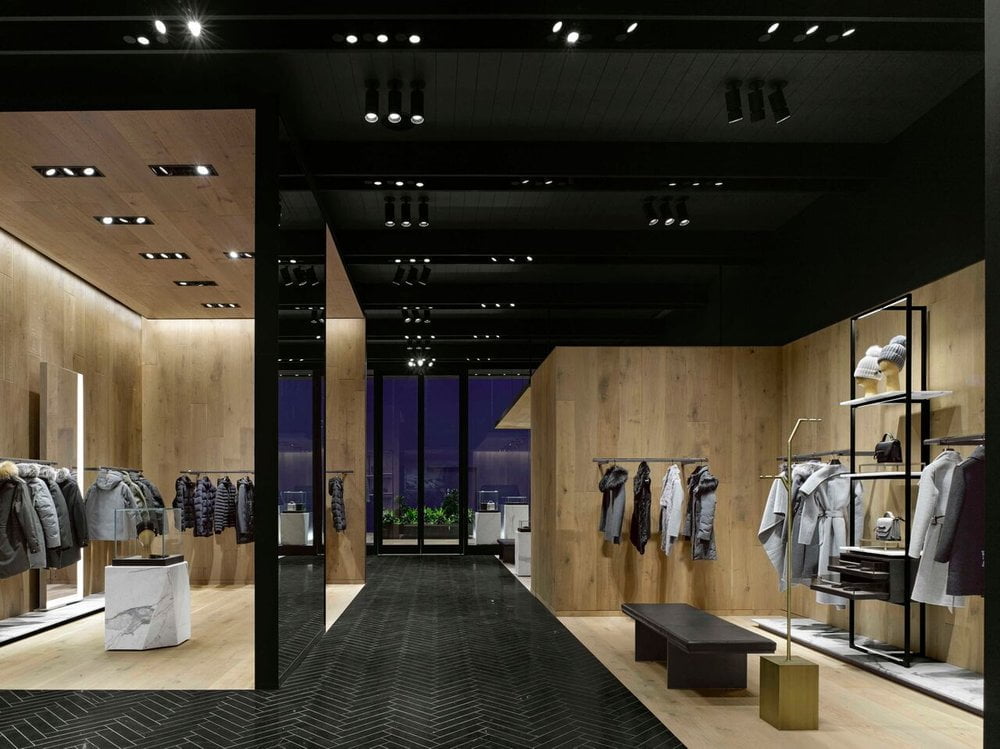
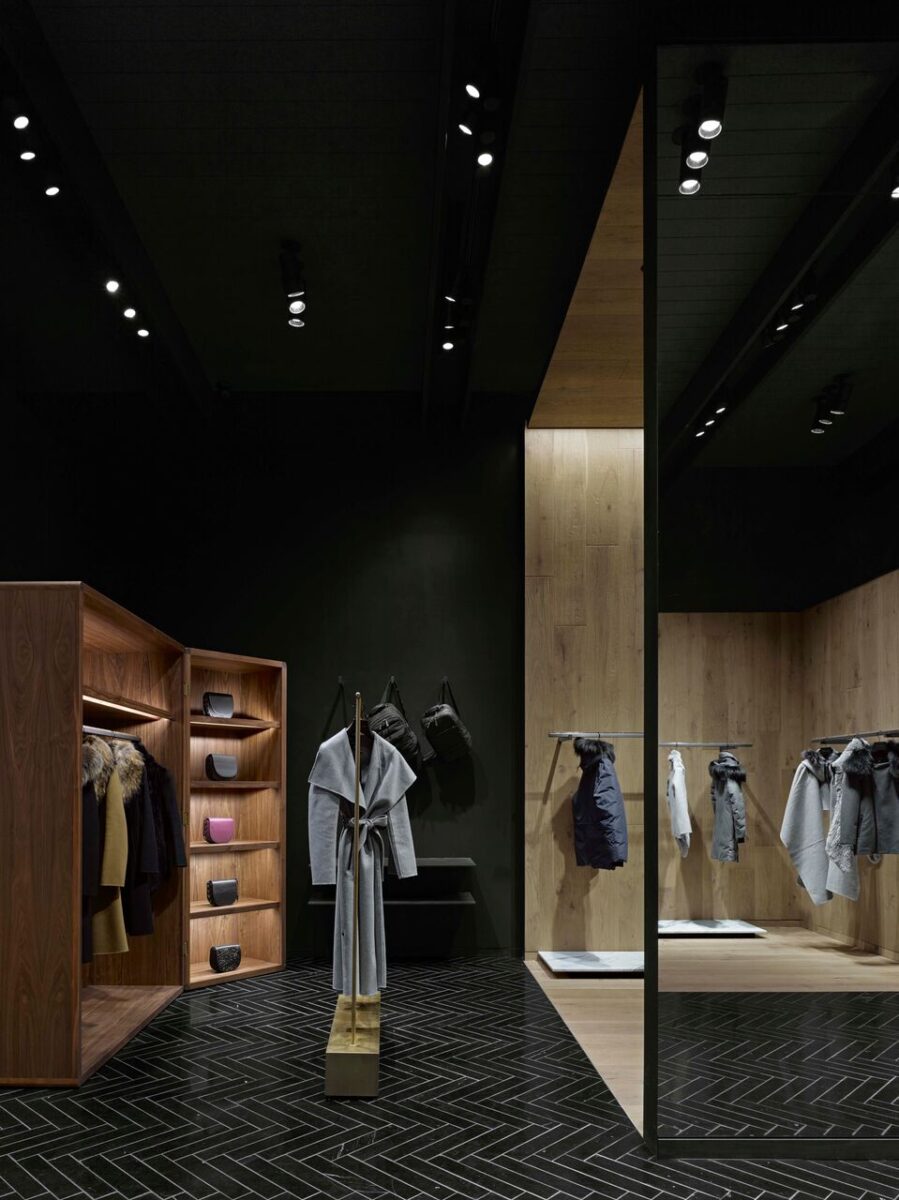
Toronto-based interior design studio Burdifilek received seven awards at the Retail Design Institute’s Gala Awards and Fundraiser in New York City on Wednesday, May 24, including the International Store of the Year Award for its design of the Mackage store at Toronto’s Yorkdale Shopping Centre

Burdifilek, founded in 1993 by Diego Burdi and Paul Filek, works with retailers and other companies around the world to create unique brand concepts and experiences. 

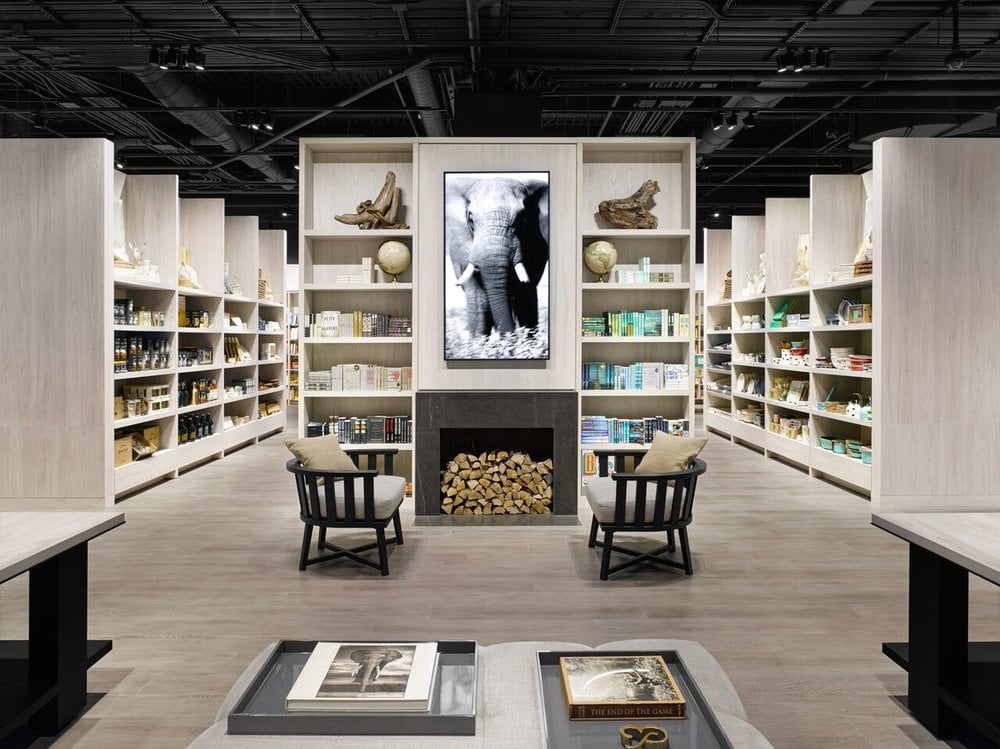
In addition to Mackage, two of the studio’s other recent projects were honoured at Wednesday’s gala: the Indigo store at CF Sherway Gardens in Etobicoke; and Masseria, an Italian restaurant located on King St. West in Toronto.

“We’re very honoured and we’re very flattered that the work is being recognized, and that the work is being recognized on an international level,” says Filek, managing partner of Burdifilek. 

The Mackage project earned four awards in total:

  • International Store of the Year
  • Speciality Fashion category award
  • Innovation Award for Concept
  • Innovation Award for Lighting

The Indigo store received two awards: 

  • Specialty Hardline category award
  • Innovation Award for Store Planning

Masseria received an award in the Casual Dining and Entertainment Category.

Mackage

Montreal-based outerwear company Mackage opened two Toronto stores last year, located at the CF Toronto Eaton Centre and Yorkdale Shopping Centre. In designing these stores, Burdifilek sought to help the company create a retail experience that reflects its Canadian roots, while also resonating beyond Canadian borders. 

“We wanted to create a Canadiana lifestyle experience, but we didn’t want it to be so cliché, and we wanted to add an element of sophistication to the brand narrative and experience,” says Filek. “We were designing a luxury ski chalet for the current decade.” 

The stores were designed around the concept of compartmentalization, with collections displayed within boxed vignettes that aim to create a sense of intimacy within the large space. Other design features include dramatic dark marble floors, splashes of white marble and oversized mirrors.

Montreal-based Axxys Construction, also a sponsor of Retail Insider, built the award-winning Yorkdale Mackage space.

(photos directly below are of the beautiful Yorkdale Mackage store) 

Indigo

The Indigo store, which opened in May 2016, was part of an initiative by that retailer to draw customers into the store in spite of the growing volume of books being purchased online.

“In the last five years, more bookstores have closed than actually opened around the world, and that’s a result of people shopping online,” Filek says. “So, the opportunity with Indigo was to look at a new customer experience.”

With the new store, Burdifilek helped Indigo CEO Heather Reisman execute her vision of creating a “cultural department store for book-lovers.” Although books continue to be core to Indigo’s identity, the new store incorporates a variety of other complementary merchandise, divided into sections such as Room Of Her Own, Joy of the Table, Paper Shop, and Art and Photography. Each department was designed with a distinct look and feel, similar to the different rooms within someone’s home.

“Indigo is still a bookstore, but it’s now positioned itself as a cultural department store, where you may go in thinking about books, but ultimately, you are enticed by all of the new product and experience,” Filek says. “It’s a very dramatic evolution of the brand.”

Masseria 

Masseria, a casual new Toronto pizzeria, opened in summer 2016. Burdifilek helped the owners create a space that combines contemporary design with some historical Italian influence. 

The restaurant’s design elements include large harvest tables that encourage communal seating, custom light fixtures resembling hanging pot racks in an Italian home kitchen, and a prominent marble mosaic floor.

“We wanted to make that experience welcoming and inviting, and celebrate the fresh, healthy, wholesome ingredients that go into the product,” says Filek. “But, we also wanted to make it feel somewhat chic, and make it feel a little bit more upscale. But it’s still pizza at the end of the day.”

A common thread in all three of the projects that likely stood out to the Retail Design Institute, Filek says, is the international influence of the designs. 

“We constantly reference the global stage for our inspiration, because we are trying to appeal to a global audience,” he says. “Even though these are ‘Canadian brands’, we never look at it from that kind of regional point of view, or national point of view; we’re always looking at it from an international point of view.”

Editor’s Note: All photos are by Ben Rahn of A-Frame Studio

The Truth About Online Consumers in Canada

Online retail sales in Canada have been steadily gaining ground year over year, and are forecasted to reach 9 per cent of the country’s overall retail market by 2019. However, this growing shift in shopping behaviour is more than just another outlet to buy products and services. Our connected lifestyle is also transforming the way Canadian consumers are approaching their purchasing decisions. Social media and other online channels are driving consumer awareness, delivering promotional messages, influencing decision-making, and sharing experiences.

KPMG International’s Consumer Markets practice recently released a study, The truth about online consumers, which surveyed more than 18,000 consumers in over 50 countries – including over 500 in Canada. The study shares consumer insights on their latest online shopping experiences and expectations. It also discusses the techniques retailers can use to earn their business and loyalty. In a follow-up study, Canadian consumers are ready. Are you? more than 1,000 Canadian consumers discuss what they love about shopping online in their favourite categories and reinforced the message that Canadian retailers need to respond to changing expectations and desired experience.

Very attractive growth possibility

Canadian consumers continue to show lower rates of online adoption than global consumers across nearly every product category.  However, when surveyed, over 80 per cent of Canadians confirmed that they bought something online in the previous three months   with almost half (42%) say that they are shopping online more than they have in the past. 

As retailers push for growth, this makes the online channel very attractive and this presents an opportunity for retailers (and/or brands) willing to make the online investment.  It also represents a threat from global competitors who see opportunity in the Canadian market.

As both local retailers and global competitors improve their online offerings, we are starting to see Canadians explore new categories. In 13 of the 27 categories surveyed, Canadian respondents’ intent to purchase in the next 12 months increased by more than 10 per cent. The categories with the highest anticipated online growth rates in Canada are liquor (56%), wine (44%) and food/groceries (37%). These categories are traditionally underpenetrated compared to the strongest historical online performers: books and music, electronics, and women’s apparel.

All generations are gravitating to online shopping

While online shopping in this country still lags in-store shopping by a wide margin, the imbalance could even out much more quickly as Millennials come into their prime spending years. Data shows that only 23 per cent of online consumers also visit stores for the shopping experience, pointing to lots of room for online sales growth. And there seems to be a little Millennial in all of us! The Gen X-ers (born between 1966 and 1981) is actually the most active for online shopping, transacting 20 per cent more than online than Millennials. Baby Boomers (born between 1946 and 1965) also shopped online as often as Millennials and, on average, spent more per transaction. 

Segments of all generations are gravitating to online shopping for perceptions of convenience, value and options. More than ever, retailers need to make the best strategic choices about where to invest precious capital in the customer experience journey. The ‘right’ strategy depends on a retailer’s target customer and the need for that customer’s peak experience to cross over from in-store merchandising to online presentation.

Customers deliver important messages

How can retail companies anticipate shopping preferences and behaviours? Here are some more insights from the surveys:

Online channels are key to building awareness: Three of the top five sources of information leading to purchase were online, with 24 per cent logging into online shops directly – which is more than twice as many as those who gathered information in-store. More Canadians now go directly to an e-commerce website (89%) than start with a search engine (69%). Popular platforms like Apple, Google, Facebook and Amazon are increasingly influencing consumers’ paths to purchase. 

Price continues to be the first consideration: Price was the primary consideration for an online purchase cited by 37 per cent of Canadians, more than twice as important as brand attributes and product features (both 18%). Almost half of Canadians (44%) also see free shipping as a major benefit, and nearly 70 per cent of Canadians paid no shipping on their last purchase. One in two Canadians also wants returns to be just as easy. 

Growth in online conversion is expected across categories: For Canadians who purchased online in the past year, 56 per cent did so for 24/7 access to products, 48% took advantage of better pricing, 37 per cent appreciated the convenience, and 27 per cent perceived better selection. 

Post purchase evaluations are becoming the norm: Not only do 14 per cent of Canadian consumers rely on online reviews to help make online purchase decisions, but 25 per cent also post online reviews after purchase. Social media outlets Facebook, Pinterest and Instagram are the top three sources for post-purchase feedback. For example, almost a fifth of Canadian consumers say Facebook plays a role in their online purchase decisions. 
 
Consumers have many options, so expectations are high and competition is strong. Fortunately, target customers also have preferences they are very willing to share. Can retailers handle the truth? By listening to customers and really understanding what they want, Canadian retailers can win their loyalty. 

Retail Opportunities Abound in Ambitious Clairmont Heights Development

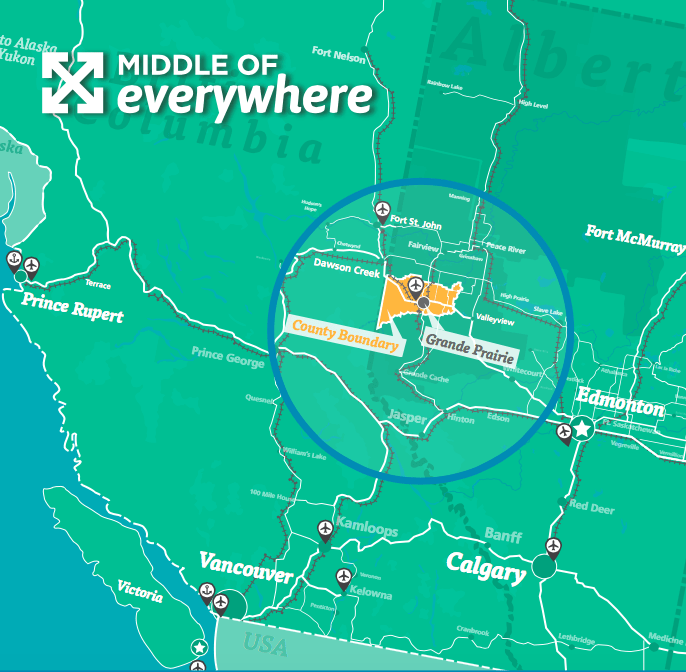
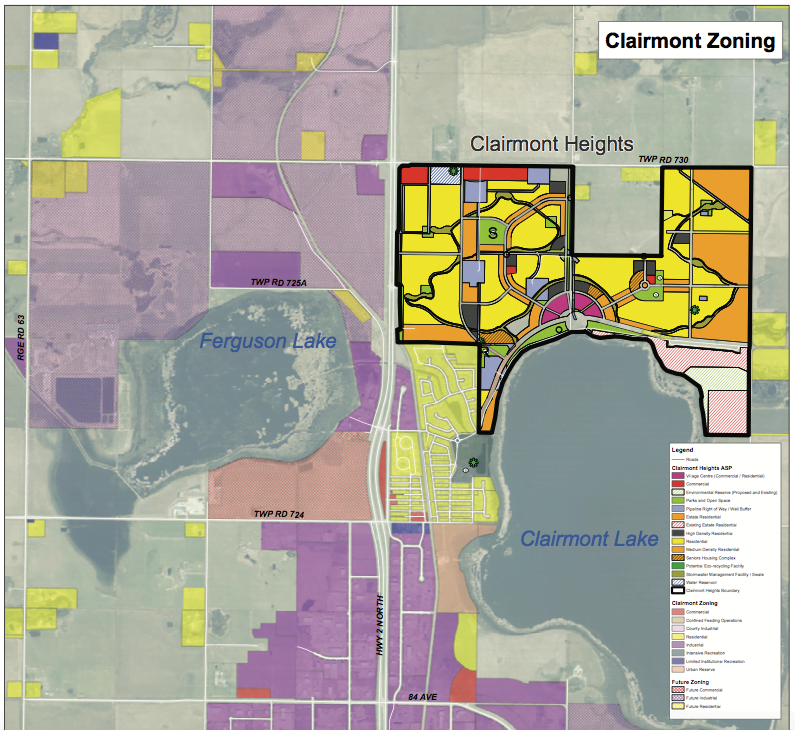
A groundbreaking multi-billion-dollar development project in the County of Grande Prairie, Alberta, will see the construction of a new community with an estimated 22,000 new residents. The ambitious new Clairmont Heights project is the only one of its kind in North America, and there are ample retail opportunities available for both small and large retailers. 

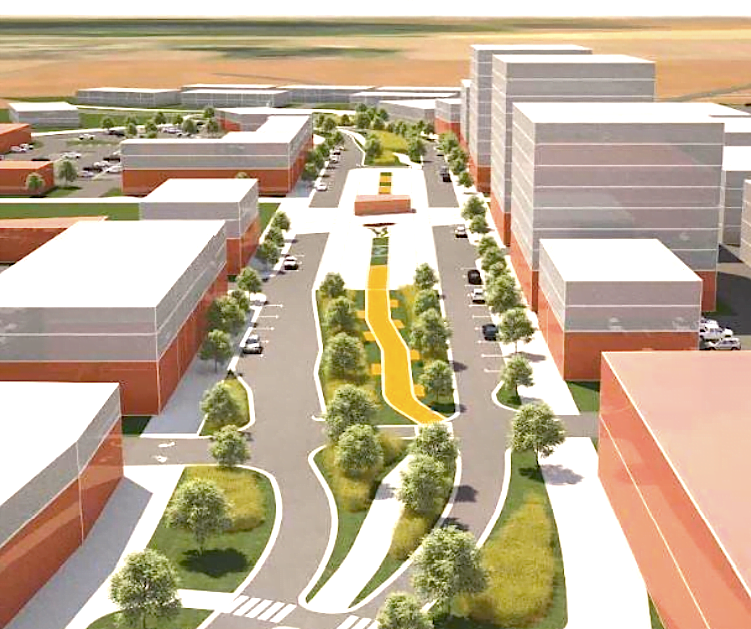
The County of Grande Prairie laid the foundations for Clairmont Heights several years ago, and the project is now nearing the end of the planning phase. Clairmont Heights will consist of a 1,200-acre community that will cost an estimated $2.3 to $2.4 billion to build. At its heart will be a new greenfield town-core of 58 acres (excluding roads, sidewalks, and parking lots), which will comprise of approximately 1.4 million square feet of high-density apartment/condominium residential space, a blend of high and low-rise buildings, with up to a maximum of 10 storeys. Serving the community will be about 550,000 square feet of commercial and retail space. The town centre alone will cost close to $400 million to construct, and retailers are being sought to join the exciting new community. 

Clairmont Heights boasts a beautiful waterfront location, and ample views. The four-square mile Clairmont Lake is visible from a gentle south slope on the site, and picturesque views of the Rocky Mountains and the night lights of the City of Grande Prairie can be seen beyond. The blend of high and low-rise buildings will be situated to optimize the site lines and views towards Clairmont Lake. 

Clairmont Heights will feature a Parkway with spacious sidewalks, and a boulevard that can accommodate seasonal activities, food trucks, and a central gathering point for all residents and visitors. This location, along with the character and form design guidelines, is intended to create a resort-like destination look and feel — not often found in the province of Alberta. 

The development is the result of long-term planning with engagement and input from both community and industry. The importance of place-making, community spirit and connections were all focal points during the planning stages. All necessary aspects including the interactive use of roads, trails, parks and green space were key elements necessary to create a sustainable and vibrant community — differentiating Clairmont Heights from resource boom-towns that were built in the past. 

Clairmont Heights is remarkably well connected, with Highway 2 and 43 being minutes from the town core, connecting to the larger cities within Alberta including the City of Grande Prairie, Calgary, Edmonton, Grande Cache, Peace River, Valleyview, and, in the B.C. Peace River region, Dawson Creek and Fort St. John. Additionally, the Airport of Grande Prairie, currently with nearly a half a million annual passengers, and the existing amenities in Clairmont and the City of Grande Prairie, are just a 20 minute drive away. 

The region’s economy is diverse, with industries including agriculture, forestry, manufacturing, transportation, and service. Unlike many other regions in the Province of Alberta, Oil and Gas represent a relatively small portion of Clairmont’s overall employment income, accounting for only about 18% of its total — making Clairmont and the County of Grande Prairie less susceptible to resource market fluctuations.  

The labour force is also young and affluent – its median age is just 36.8 years old, with Clairmont’s median annual family income being 128,380, and a median income for couples with children being $124,723. Cost of living is reasonable, so households have strong discretionary incomes. 

The Trade Area includes approximately 280,000 people within the 200 kilometre radius. As a part of the greater trade area population, Northern Alberta’s population represents over 230,000 people, with approximately 9,400 registered companies employing over 115,000 employees and annually generating over $9.3 billion into the economy. In addition to this, Ironstone Mines has formally announced that they are now permitted to begin the operations of their mine, construction of their steel mill and manufacturing center located in Clear Hills — about 60 minutes north of Clairmont. Ironstone anticipates hiring upwards of 1,000 skilled workers, with operations in full production by 2021. 

It should be noted that the daily businesses of government, for all nine Districts within the County of Grande Prairie, is conducted under one streamlined, centrally located, administrative building. Development and Building Permits can be processed and issued to applicants within 45 business days. As an added bonus, the County of Grande Prairie and Clairmont have no Development Cost Charges and furthermore, Alberta is the only remaining province in Canada, that does not charge provincial sales tax. 

For more information on Clairmont Heights, contact Chris King, Economic Development Manager, at 780-513-3956 or by email: cking@countygp.ab.ca

Henry’s Cameras Launches New Brick-and-Mortar Strategy

Image: Henry's

Toronto-based camera retailer Henry’s has launched an innovative new store format that it plans to implement in its existing locations, as well as with new stores as it launches a retail expansion. Built in partnership with design/build firm BUILD IT, the company’s new brick and mortar strategy is decidedly experiential, and consumer feedback of its newly renovated Oakville Store has been overwhelmingly positive. 

Family-owned Henry’s, which was founded in Toronto in 1909, is now Canada’s largest independent photographic and digital retailer. It carries 8,500 products in its 27 stores (and online) and boasts over 500 in-house ‘Imaging Experts’ (employees), many of which have been with the company for over a decade. To maintain its positioning as an industry leader, the company set out to create a new store format that is both consumer friendly as well as experiential. Henry’s chose its Oakville ON location to test out the new concept, which it describes as being “a departure from the traditional camera store”. 

Henry’s Oakville (Image: Henry’s)

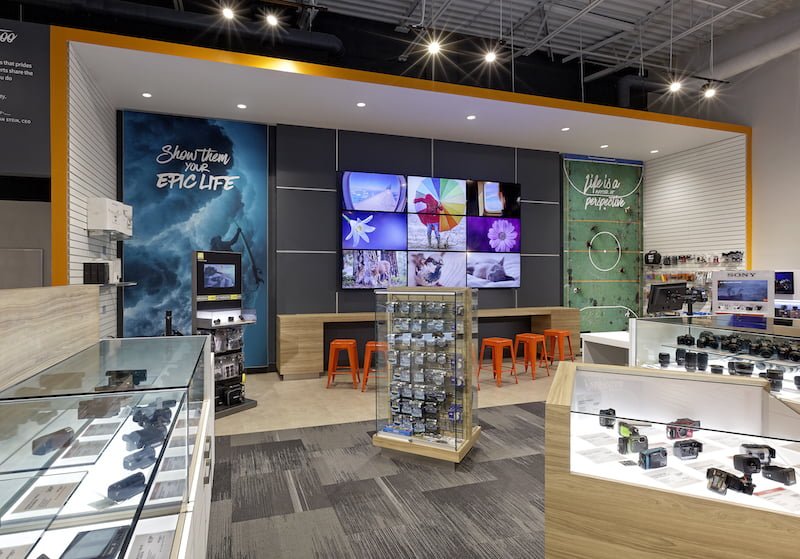
Jeff Tate, Vice President, Marketing and eCommerce at Henry’s, described how the Oakville store’s bright open feel was created by eliminating counters typically found in most camera specialty stores. The result is a more hands-on and experimental space, where customers are better able to move around and look at product with ease while not relying on staff to show behind-the-counter product. 

The updated store includes massive backlit images that showcase snapshots from various Canadian photographers. As well, the store’s back wall has a nine-panel TV wall to display various types of photography, as well as videos. Henry’s enthusiastic staff, most of whom are product experts, are also able to utilize these screens for customer instructional purposes. 

Henry’s Oakville (Image: Henry’s)

When searching for a company to build the new Oakville store, Henry’s evaluated previous projects and turned to construction firm BUILD IT. Mr. Tate explained “we looked at various vendors to do the space, and they came across as being highly professional. They’d also worked with design firms in the past, with great success,” he said. 

Simon Shahin, President and CEO at BUILD IT, explained how his company helped coordinate construction of the Oakville Henry’s store from start-to-finish, which began by working with a professional design firm, Jump Branding and Design Inc., to strategize the store’s layout.  “The design concept and layout included a lot of glass and wood, including a number of seamless floating glass shelves. Figuring out how to make that work from a construction standpoint was a challenge, but we were able to engineer the shelves to be strong enough to hold and display Henry’s products to customers in an innovative way”. BUILD IT also worked with an LED supplier on the under-lit display cases that Mr. Shahin described as “giving the store an incredibly welcoming feel, while highlighting feature products”. 

Henry’s Oakville (Image: Henry’s)

Henry’s customers are praising the new layout, which features cameras and related hardware that is displayed in the BUILD IT engineered glass cases that are bottom-lit by a series of LED panels. “The new store design takes into account that we understand that innovation and new technology in this space is constantly improving and can find different ways to capture photo and video. Drones have been a good example of this but also 360 degree capture and VR capture is becoming much more common – not as a replacement but as another way to capture,” Mr. Tait said. “Working with BUILD IT was a collaboration from start to finish and a great experience,” said Mr. Tate, praising the BUILT IT team. 

Henry’s Oakville (Image: Henry’s)

Mr. Tate also explained how the store’s layout helps customers to shop by both function and category, even boasting a virtual reality (VR) system setup for customers to experience. “We know that to truly grasp the difference in this new way of capture is to experience it first hand, and that’s why we have a dedicated innovation section in the back of the store slated for just that – where we have an actual VR system set up so people can put on the goggles and really experience a true 360 degree image without using their phone (taken with a camera we sell of course)”. He went on to say, “it’s an experience and a form of retailtainment.”

Existing Henry’s locations will see renovations to bring them in line with the overhauled Oakville unit, and Mr. Tate said that Henry’s is “just getting started”. He also noted that the company is in a growth phase, and that more locations will follow as Henry’s continues to dominate the market in Ontario, as well as nationally. Henry’s has stores in Ontario, Nova Scotia and Manitoba, and more provinces could see Henry’s locations in the future. 

For more information on Henry’s new look visit: www.henrys.com
For more information on BUILD IT: www.buildit.ca
 

Belstaff to Open 1st Canadian Pop-Up

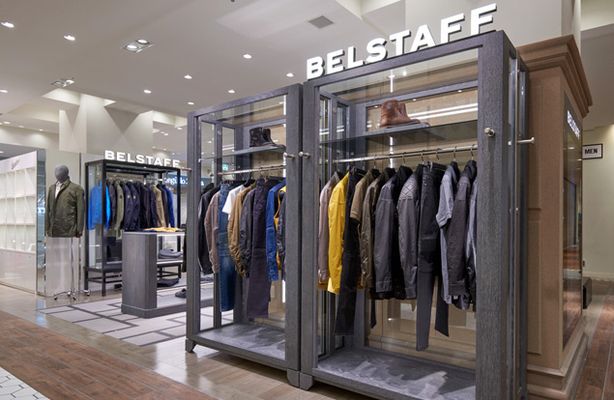
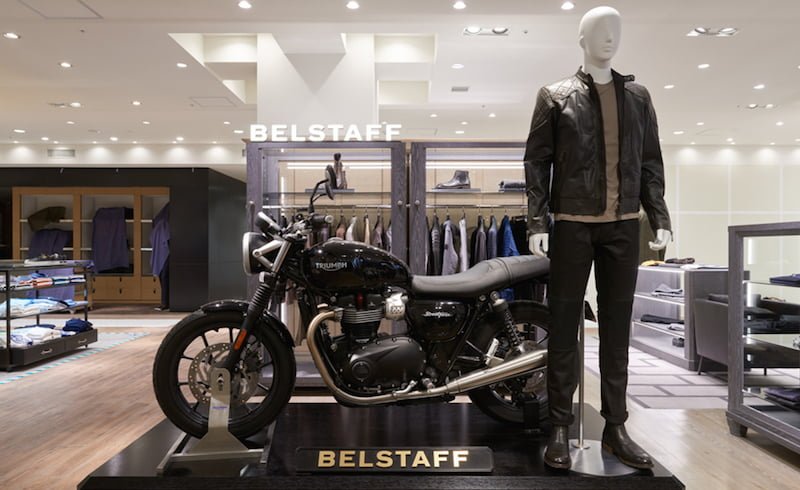
Tokyo Belstaff location, via GINZA SIX.

British heritage luxury brand Belstaff will open its first freestanding Canadian boutique this fall. The 1,100-square foot location will be on the upper level of Toronto’s Yorkville Village shopping centre, and it will be operated in partnership with a retail group that has operated in the former ‘Hazelton Lanes’ for over a quarter of a century. 

Belstaff, which was founded in 1924 in Longton, Stoke-on-Trent, Staffordshire, was the first company to use wax cotton in the manufacturing of waterproof apparel for motorcycling. The brand now sells ready-to-wear fashions for both men and women, as well as footwear, leather goods and accessories. Belstaff was acquired by Harry Slatkin and The Labelux Group in 2011, and it operates several boutiques globally. In the United States, Belstaff’s only freestanding store is at 814 Madison Avenue in New York City — the 4,000 square foot flagship opened in 2012. Belstaff also wholesales to upscale multi-brand retailers around the world. 

Toronto’s Belstaff will launch this fall with men’s ready-to-wear collections, along with outerwear, leather goods, accessories and footwear. The boutique will open in partnership with the Zappacosta family, who also operate upscale multi-brand retailers philip and Nanni. The family launched the Nanni concept store in the former Hazelton Lanes in 1991, and they’ve had a retail presence in the mall ever since. Last summer, Philip Zappacosta opened his eponymous men’s luxury boutique, philip, on the mall’s upper level. 

Belstaff
Image: Belstaff
Image: Belstaff

Mr. Zappacosta explained how Belstaff’s exceptional sales at his philip store led to the freestanding Belstaff boutique partnership, and how a number of other premium brands have approached him about also opening freestanding mono-brand locations. As a result, he’s in talks with several of them to open partner boutiques nearby. He said that he’s particularly interested in luxury Italian, French and British menswear brands, though he’s also considering jewellery and other product categories. “Yorkville is the luxury epicentre for Toronto,” Mr. Zappacosta said, “and we’re looking to grow with the neighbourhood as it continues to find its place as a world class retail destination.”

Yorkville Village, formerly Hazelton Lanes, was rebranded in early 2015 as part of a mall overhaul under the direction of landlord First Capital Realty. Yorkville Village continues to renovate and add new retailers and as part of the renovations, the Zappacosta family’s Nanni retail concept will open next to the new Belstaff store on the mall’s upper level. 

Prior to a recession in the early 1990’s, Hazelton Lanes was considered to be one of the world’s top luxury retail centres, featuring an impressive roster of top brands in a series of intimate designer boutiques. All have since closed, and the centre is in the process of completing a renovation that is costing the landlord more than $100 million to complete. Belstaff marks the first mono-brand luxury announcement for the ‘new’ Yorkville Village, and more retailers will be announced as the centre’s overhaul nears completion later this year.