Advertisement
Home Blog Page 1099

Canadian Retail Sales Growth on Track for 20 Year High: Report

exc-5a6bec6de4966b35d9c55652

The following is an analysis by Toronto-based retail consultant Ed Strapagiel, who publishes a monthly report with his perspective on the state of the Canadian retail industry. Mr. Strapagiel’s discussion appears to be a good news story as retail sales numbers come in for the remainder of 2017, and we look forward into the new year ahead. 

By Ed Strapagiel

According to the latest Statistics Canada unadjusted data, total year-to-date Canadian retail sales were up 7.0% by November 2017. This leaves just one month to go to fill out the year, and retail sales growth is on track to come in at a 20 year high. Current momentum indicates that December is unlikely to disappoint. 

As the chart above shows, the underlying 12 month growth trend (green line) improved considerably during much of 2017. The 3 month trend (orange line) has weakened slightly in the last few months but is still running at a historically high pace. 

The Automotive & Related sector has boosted total retail sales throughout the year. On the other hand, Food & Drug sales have been a drag on the market, and sales growth has further softened in recent months. The Store Merchandise sector, on yet another hand, has been particularly strong in 2017. 

Food & Drug: Retail sales growth in the Food & Drug sector weakened at the start of the year, recovered somewhat in mid 2017, but has fallen off again in recent months. The underlying 12 month trend (green line in the above chart) now stands at 3.3% and will likely end the year even slightly lower, at less than half of the overall retail average. 

The main issue in this sector is supermarkets and other grocery stores, where retail sales are up a scant 1.0% year-to-date thus far in 2017. The one bright spot is the small specialty food stores segment, with year-to-date sales up 8.0%. 

Health & personal care stores are faring better than supermarkets and grocery stores, with year-to-date retail sales up 6.0%. Nevertheless, the gain for health & personal care retailers is less than half of their 13.8% annual increase recorded in 2016. 

Store Merchandise: The Store Merchandise sector continues to post high retail sales growth levels. After 11 months of 2017, year-to-date sales are running 7.0% ahead compared to 2016. Retail sales are also up 7.6% year-over-year for the 3 months ending November 2017, indicating that there’s more upward potential left. The underlying 12 month trend (green line in the chart) has improved significantly since about Q1 2016. 

Building material & garden equipment/supplies dealers and electronics & appliance stores are leading the way, with double digit year-to-date retail sales growth of 13.0% and 12.5% respectively. 

All retail store types in this sector are posting positive sales increases. Home furnishings stores are up just 1.6% year-to-date after 11 months of 2017, but even this is ahead of what grocery stores are producing. 

Note that Statistics Canada is now suppressing the breakdown of general merchandise stores for confidentiality reasons. The figures in the table below are estimates based on previous trends.  

Automotive & Related: The Automotive & Related sector continues to post strong retail sales gains. The underlying 12 month trend has relentlessly increased for the last 2 years. But it has now caught up to the 3 month trend so that retail sales increases going forward may not be quite as robust. 

New car dealers hit a bit of a speed bump in November 2017, but this was not necessarily unusual. They are likely to have an all-time high in sales 2017. Year-to-date retail sales are up 9.7% after 11 months of the year. 

Gasoline station retail sales are up 13.2% year-to-date. This is very high compared to any other retail segment, but still represents some steadying off compared to the 22.5% year-over-year gain recorded for Q1 2016. Gasoline prices appear to be stabilizing. 

By The Numbers: 

Canadian E-Commerce Stats: StatsCan started providing ecommerce retail sales data in January 2016. While the amount of data is limited, some trends appear to be emerging. Here are some results. 

Overall, e-commerce represents about 2.6% of Canadian retail sales for the 12 months ending November 2017, including both pure play operators as well as the online operations of brick & mortar stores. Canadian consumers however also buy online from foreign websites, spending which is not captured in these numbers. 

Year-to-date results for 2017 (11 months) show that Canadian e-commerce sales are up 36.6% from a year ago, a much higher gain than for retail in general. 

Note that location based retail is the same as that in the preceding large “By The Numbers” table. It’s what’s normally reported as Canadian retail sales. Except that it isn’t. Location based retail excludes another section called Non-Store Retailers (NAICS code 454), which covers electronic shopping and mail-order houses, which in turn is where (mostly) pure play e-commerce businesses are. For the 12 months ending November, electronic shopping and mail-order houses had an estimated $8.7 billion in e-commerce sales. 

But that’s not the only source of e-commerce, as (mostly) bricks & mortar location-based retailers also sell online. For the 12 months ending November, this group had an estimated $6.8 billion in e-commerce sales. With electronic shopping and mail-order houses, there’s a grand total of $15.5 billion in e-commerce sales by Canadian operators over a 12 month period. Note that this does not include foreign e-commerce purchases made by Canadian consumers, but it does include purchases made by foreigners at Canadian e-commerce businesses. 

For electronic shopping and mail-order houses, an estimated 82.7% of their sales are allocated to e-commerce. For the (mostly) bricks & mortar crowd, it can be estimated that just 1.2% of their total sales come from e-commerce. 

In the final section of the above table, (mostly) pure play operators (namely, under electronic shopping and mail-order houses) generate an estimated 56.1% of all e-commerce sales in Canada, while (mostly) bricks & mortar location-based retailers’ share of e-commerce is 43.9%. 

For more explanation on the e-commerce numbers, see Statistics Canada: Retail E-commerce in Canada

This analysis is updated monthly as new numbers are published by Statistics Canada.  [Connect with Ed Strapagiel on LinkedIn]

Medical Marijuana Use in the Retail Workplace — What You Need to Know

exc-5a13733953450a2d678b84f8

By Derek Bumstead – VP, HASCO Health & Safety Canada Corp.

When does an employer’s right to know, and their legal obligation to take every precaution reasonable to protect the worker, overshadow a worker’s rights to privacy, confidentiality?  Or does it?

Recent medical developments are potentially putting workers and employers at risk…and sorting through the complications will require a great deal of time and effort on the part of Canadian retailers and all organizations.

The legalization of medical marijuana, and the sharp increase in prescriptions over the past few years, will have a profound effect on workplace health and safety policies and procedures for all companies in the future. 

According to many sources, over 400,000 Canadians will be taking medical marijuana within a decade. This issue will eventually affect almost every workplace in the country.

Prescribing for Medicinal Uses

Medical marijuana is currently being prescribed in Canada to treat the following:

This list is growing on a regular basis, as more is learned of the beneficial effects of marijuana treatment on a variety of illnesses and symptoms.

This is NOT a New Situation

The drug in question may be different, but most of the concerns and risks we are discussing are actually old news.

An employer can insist that a worker not smoke medical marijuana at work. – Financial Post [1]

Many workers show up to their jobs every day, while taking prescription drugs that can affect their performance and mental acuity.  The list of “psychoactive” (or “psychotropic“) medicines is very long.  Some of the most common are Percocet, OxyContin, Dilaudid, Valium, Xanax, Ativan, Vicodin, Zoloft and Wellbutrin. 

One in 5 people in the United States (about 70 million) take psychoactive medicine.  The percentage in Canada is slightly lower than that. The effects of various psychoactive medications on users differ, depending on the category and dosage. 

The Five Main Categories of psychoactive drugs are:

  1. Anxiolytics (anti-anxiety medication) and Sedatives
  2. Hypnotics and Sleeping Pills
  3. Antidepressants
  4. Antipsychotics
  5. Mood Stabilizers

Companies must include health and safety policies for the use of these types of drugs, in addition to effectively covering policies and procedures for using medical marijuana.

The arrival of medical marijuana is going to force Canadian retailers and other organizations to review the use of ALL psychoactive medicines that can affect performance and judgement…and treat them all equally.  In the modern context, medical marijuana is just as legitimate a treatment as any of the other drugs, listed above.

Human Rights & Workplace Safety Laws

The sanctity of doctor-patient confidentiality is a cornerstone in medical care.  It is one of our basic rights that this information is protected and any disclosure about a person’s medical condition must be done only with their consent. 

Under the Ontario Human Rights Code, Section 5.1, we are also guaranteed the right to equal treatment without discrimination, with respect to employment, on the grounds of disability. Under the OHRC, the definition of “disability” extends to illness and other medical conditions.

Conversely, under the Occupational Health & Safety Act, workers have a legal obligation to report all hazards they identify in the workplace.  This would include reporting their own inability to perform their duties safely, due to mental and/or physical impairment from medication. In short, employees are expected to arrive to work fit for duty.

The OHRC also states that an employee has “the onus to cooperate with the employer” regarding their need for an accommodation, due to disability.  This would include the worker’s responsibility to declare their use of a psychoactive drug that potentially impairs their ability to perform their work safely.

A worker cannot be asked to divulge their medical condition, but it is prudent for them to report the use of any medication that might affect their judgement and performance…especially if they work in a safety-sensitive position.

Accommodating workers who have legal prescriptions to take marijuana or other psychoactive drugs, while still maintaining an employer’s and supervisors due diligence to ensure the safety of all workers, is an issue that will require time, effort, trust and a thorough review of current workplace safety policies and procedures.

The Business Type Will Drive Decisions

For relatively benign workspaces, such as an office atmosphere, solving this dilemma may require only a few new changes in policy and procedure – many of which will probably not affect daily operations noticeably.

Business within safety sensitive jobs, such as many in the Retail, Construction, Manufacturing, Industrial and Transportation sectors, must be prepared to devote serious time and effort toward refining policies, programs and procedures. 

The specter of having equipment and machinery operators, or company drivers, performing their duties at less than optimal mental and physical capacity, is one that should be given great thought… for very good reasons. 

A failure on an organization’s part to identify these scenarios and deal with them promptly and correctly, not only puts worker’s safety at risk, it also exposes the company to the possibility of expensive human rights tribunals and lawsuits from wronged parties, injured personnel or the relatives of a workplace fatality.

Points to Consider

  • Employers have a legal obligation to allow workers to use medically prescribed marijuana (and other psychoactive drugs) on the job, if it is necessary for their treatment. 
  • Workers have a legal obligation to arrive for work fit for duty, and perform their duties safely
  • Employers and supervisors have to do their due diligence in protecting all workers from injury.  This applies not only to the person who takes medical marijuana, but to the co-workers, customers, etc., who may be impacted by the actions of an impaired worker.
  • A worker has the onus to disclose their need for a medical accommodation to their employer
  • Allowing marijuana to be smoked is not a legal requirement.  Some places of business have provided a designated smoking area, while others may ask that employees take their medical marijuana in another form, if possible (for example, using a vapourizer, or ingesting it in their food or drink).

Questions to Ask

  • If a person is unable to perform their “regular” job, due to impairment, what accommodations can/should the employer make with regard to a reassignment of duties and responsibilities?
  • Will the accommodation cause the employer “undue hardship?”
  • When recruiting for new hires, employers are severely restricted regarding a number of questions they cannot ask a potential worker – age, marital status, ethnic origin, sexual orientation, religion, etc.  Given the implications to safety in the workplace, should an employer be allowed to ask about use of medications, like marijuana, which may cause impairment?
  • Can/should an employer ask potential new hires for a drug test as a condition of employment?  At what point in the recruiting and hiring process would this be appropriate?
  • How long should an employer reasonably be expected to make accommodations?

These considerations are just the tip of the iceberg…and the solutions will vary from company to company, depending on the nature of their operation and the risk levels that exist in each place of business. 

Impaired Versus Medicated

While it is true that medical labs have developed some strains of medical marijuana and synthetic marijuana that do not cause impairment, a key question that must be asked is “how could anyone know, with certainty, that an employee is using one of those strains, rather than a variant that does cause impairment?”

And, to complicate matters further, some people have started growing their own marijuana for medicinal purposes.  If they were to simply put their own “home-grown” blend into a prescription container, it would likely be difficult to identify one type of marijuana from the other. 

How Impaired is Too Impaired?

One of the more complex issues in this situation is determining the level of impairment caused by the use of medical marijuana and other psychotropic drugs.

Tests can detect the presence of marijuana, but so far nothing has been developed that can accurately measure the level of impairment of the subject. 

Since residual amounts stay in the liver for quite some time, tests also fail to measure, with any degree of accuracy, how recently the person being tested used marijuana.  Did they take it this morning before work, or last week while they were on holidays?

The equivalent of a breathalyzer, which can accurately send back a blood-alcohol reading (like .08%), and determine the degree of impairment, simply does not exist for marijuana…yet.

For that reason, and several others, random drug testing by employers in Canada is considered a violation of a person’s rights under the human rights code.  There is also no case law in Canada that holds that an employee can be terminated for refusing to take a drug test.

Canada is not alone in the regard – drug testing is not used to any significant degree in any country in the world, other than the United States.

The “Zero Tolerance Policy” – Up in Smoke!

Many organizations with working environments that are hazardous and/or with security concerns have adopted a “zero tolerance” policy toward the use of illegal drugs. 

The legalization of Medical Marijuana effectively shoots part of any zero tolerance policy, down in flames. 

Simply put, employers cannot declare zero tolerance for a legally prescribed medication. 

Shedding the Stigma

One factor that makes the use of medical marijuana so touchy is the stigma that the drug carries with it among so many people.

For any medical marijuana policy to be truly effective, those stigmas must be put to rest.  The development and implementation of a working medical marijuana policy must be created within an atmosphere of cooperation, comfortable disclosure, and, above all – trust.

No one will openly declare himself or herself to be a medical marijuana user, if they know they are going to be judged negatively or subjected to ridicule by superiors and/or peers because of their treatment. 

The same is true regarding the use of many other psychoactive drugs, which are often prescribed to treat illnesses that can carry stigmas of their own (like depression, bipolar disorder and other mental health problems). 

What Can Be Done Right Away

This is not an area many are likely capable of handling independently. 

Since there are a myriad of laws involved, many of which seem to be in conflict, HR and safety professionals would be wise to bring in expert legal help, for guidance through the pitfalls of each policy revision, and action that may be consider.

Company Health & Safety policies and programs need to be thoroughly reviewed and revised to include the use of all legal drugs that can cause impairment, in addition to the current protocols in place for handling the use of illegal drugs and alcohol abuse. 

Supervisors and Managers must be on the lookout for signs of impairment, so the proper steps can be taken to identify any safety hazards and to accommodate the worker, if appropriate. Supervisors and managers need training in identifying impairment, and provided guidance and coaching.

To help out, some of the most common tell-tales are:

What SHOULDN’T Be Done May Be Even More Important

Oddly enough, the best preparation might be to put together a list of “Don’t Dos” to provide some guidance for managers, supervisors, etc.

While each case of medicinal impairment may be unique, the way they should be handled, at the onset, should be thoroughly considered and communicated to all those in a position of authority.  At the very least, an action plan should be prepared for the team to follow the moment they suspect that a worker may be performing their duties while impaired in some way.

Employers are encouraged to work with the employee and their physician to see if the use of alternative forms of cannabis, other than smoking, would be appropriate. – Canadian Centre for Occupational Health & Safety[1]

Conclusion

In this new era of medically-approved impairment (for lack of a better phrase), the responsibilities of the employer, managers and supervisors become much more complex – balancing a person’s rights to confidentiality and approved medical treatment, with their legal obligation to provide competent supervision and take every precaution reasonable to protect the safety of the worker.

Given the numbers already discussed, it is extremely likely that more than one of your workers is taking some form of psychoactive drug, right now.  The addition of marijuana to the list of accepted medical treatments, just adds one more item to the list of prescribed drugs to be prepared to deal with.

The best approach is to be proactive and prepare for that time now

Waiting until actually being faced with this situation runs the risk of having managers and supervisors making things up on the fly, which will almost inevitably lead to some very costly mistakes.

How successfully organizations handle this very delicate issue is a matter of being well prepared, well in advance.

Getting Started – Here is How

Need help getting started?

HASCO Health & Safety Canada offers two online Marijuana in the Workplace courses, which are the most comprehensive training programs that Canadians can receive on the subject. 

One course is for owners, managers, supervisors and HR departments, while the other is for workers.

Please click one of the links below, for more information on our online training courses.

Managing Medical Marijuana in the Workplace (for Supervisors)

Cannabis Awareness for Employees        

The information presented in this article is not legal advice.  This information is provided solely for the purposes of furnishing readers with an overview of this issue. Readers are cautioned not to make any decisions based on the information in this article alone.  Legal advice should be sought out.

[1] Financial Post April 13, 2016 What to Do if Your Employee Asks to Use Medicinal Marijuana at Work

[2] Canadian Centre for Occupational Health and Safety (CCOHS); http://www.ccohs.ca/products/publications/cannabis_whitepaper.pdf

Derek Bumstead is Vice President / National Account Manager at HASCO Health & Safety Canada. 

Willowbrook Shopping Centre Plans Significant Expansion and Renovation

Some exciting developments are taking place at the Willowbrook Shopping Centre, in Langley, B.C., where the mall is planning to expand by about 190,000 square feet of open-air space.

The expansion is expected to be completed by 2020.

Part of the overall plan included the expansion and relocation of Toys R Us and Sport Chek to the former Target space and both are now open. H&M has also chosen Willowbrook to locate its 20,030 square foot newest store which  will open in September of this year in the existing mall. 

One of the anchors of the lifestyle expansion space will be a grocery store in about 38,000 square feet – the grocery operator will be announced in the near future.

“By renovating and expanding this property, we are looking to create a very unique, experiential and best-in-class shopping destination with an offering that’s compelling to our customers,” says Chrystal Burns, Senior Vice President, Retail for QuadReal Property Group.  “In short, we are trying to build something that gives our community what they’re looking for . . . a place to shop, eat, socialize and connect.  Fortuitously, with the benefit of Sears’ departure from one of the highest visibility areas on the site, we have the opportunity to actively pursue some of the uses — including entertainment, food, fashion and fitness — that these younger, affluent families are clamouring for.”

“The Township of Langley is in full support of the development and have designated Willowbrook’s site as the Township’s new ‘Town Centre’. We are now full steam ahead on pre-leasing, and are talking to many exciting groups. What we are creating here will be a very unique experiential shopping destination, and we are diligently working on our merchandise mix. 

The shopping centre currently has about 150 stores and that is expected to rise to at least 200 with the expansion. Willowbrook will be adding a cluster of local and national quick service food offerings, large scale restaurants and the mix of national brands that it has not been able to accommodate to this point due to lack of space.

QuadReal has taken inspiration from best in class lifestyle developments across North America.  It’s a very cool open concept and we’re really working to make sure that the existing mall is upgraded first and that the entrances are very well connected so the mall is contemporary and inviting before the expansion opens.”

Langley has been the fastest growing community in British Columbia for the last six years and it’s only anticipated to continue on that path.

Willowbrook opened its doors in 1979. The shopping centre says the expansion project will be a vibrant, sustainable lifestyle-oriented retail development that will be seamlessly linked to the newly-renovated and expanded centre, “embracing the true west coast lifestyle.

“Accented by an abundance of natural beauty, modern west coast architecture, wood details, outdoor gathering spaces and contemporary landscaping, Willowbrook will leave visitors with an organic meeting place in the community,” it says.

Willowbrook is easily accessible from a number of major traffic arteries. It anchors one of the largest, most dynamic, retail nodes in the province, comprising over 2.5 million square feet in every possible format. Most major retailers are represented and for many, it was their first to market store.

It has about six million annual shopper visits and 68,000 daily drive by traffic.

Its current gross leasing area is about 650,000 square feet.

Willowbrook’s trade area also has average annual household income of $100,070, which is 30.6 per cent higher than the national average.

For more information, contact Larissa Jacobson, Senior Director, Leasing, Retail Services: larissa.jacobson@quadreal.com or: 604.975.9086. 

MUJI Announces 5th GTA Store

exc-5a67d9fb53450ae49938f781

Minimalist Japanese retailer MUJI has just announced that it will open a store in March of this year at Toronto’s Scarborough Town Centre. It will be the fifth store in the Greater Toronto Area for MUJI, and the seventh in Canada. 
The Scarborough Town Centre store is expected to be about 6,800 square feet on the mall’s second level (according to the mall’s guest services), which will make it the largest in Toronto when it opens. MUJI has been active in Toronto in 2018 — it temporarily relocated its downtown Toronto store last week within the Atrium commercial complex, while its original store is expanded by annexing an adjacent retail space. The downtown Toronto flagship is expected to reopen in about a year.   

That downtown Toronto store was MUJI’s first in Canada when it opened in November 2014. Its second Canadian location, spanning 5,225 square feet, opened at Mississauga’s Square One in November of 2015, followed by the October 2016 opening at Toronto’s Yorkdale Shopping Centre (6,375 square feet) and the Summer 2017 debut of a 6,000 square foot space at CF Markville, north of Toronto. 

MUJI entered Vancouver for the first time last year when it unveiled a 7,770 square foot space to massive crowds in August of 2017 at Metropolis at Metrotown in Burnaby. An impressive 14,507 square foot store opened on Robson Street in Vancouver in December of 2017, making the store MUJI’s largest outside of Asia. A third Vancouver location has been secured an announcement is expected soon. 

In an interview last year, MUJI’s Canadian President, Toru Akita, said that he expected MUJI to operate between 15 and 20 stores in Canada by the year 2020. 

MUJI works with brokerage CBRE for its Canadian site negotiations, overseen by Arlin Markowitz

Scarborough Town Centre is one of Canada’s most productive malls in terms of sales per square foot, according to the latest Retail Council of Canada Shopping Centre Study

Montreal Eaton Centre Overhaul Details Revealed

Image: Montreal Eaton Centre

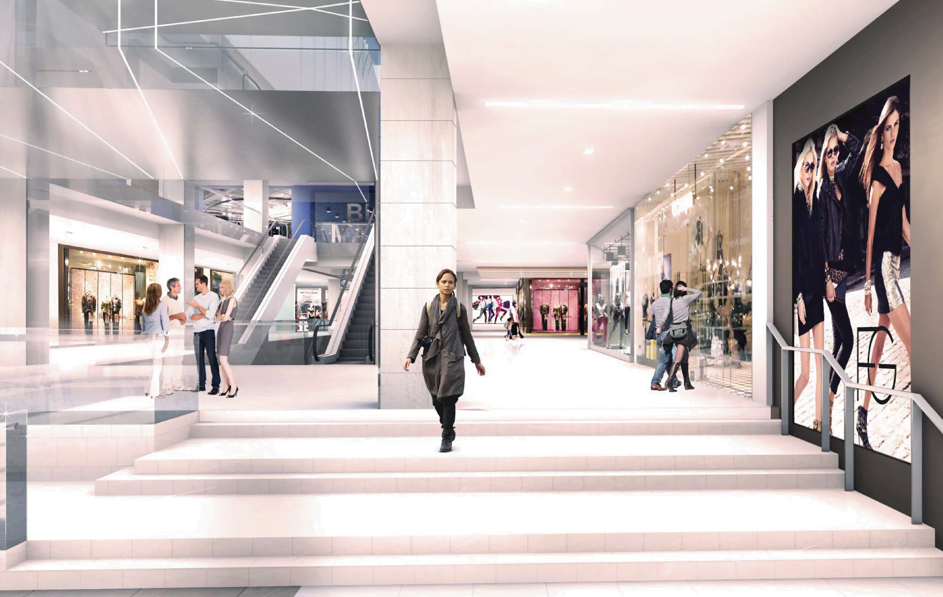
Ivanhoé Cambridge has revealed plans to merge its two adjoining downtown Montreal mall properties, with a $200 million investment that will see the existing Montreal Eaton Centre joined with Complexe Les Ailes. The project is expected to be completed in the year 2020, and is part of a larger $1 billion investment by Ivanhoé Cambridge in an effort to transform the heart of the city.

The renovation aims to create Canada’s second-busiest shopping centre in terms of annual visitors. Ivanhoé Cambridge says that about 30 million people are expected to pass through the new Montreal centre annually — only CF Toronto Eaton Centre gets more (about 50 million visitors, the most of any centre in North America).

“Sainte-Catherine Street’s great strength is its ability to reinvent itself continually,” stated Claude Sirois, President, Retail at Ivanhoé Cambridge. “Our demanding clientele wants an innovative and sustainable project that stands out for its urban character. With the physical changes we are making and the collaboration of our current and future retailers and brands, we are setting out to redefine the urban shopping experience downtown.”

(CLICK IMAGE FOR INTERACTIVE GOOGLE MAP)
Montreal Eaton Centre (RENDERING: GH+A DESIGN)

The merged complex will be called Montreal Eaton Centre, keeping the name of one of the two Sainte-Catherine Street shopping centres. The modernization will include updating and unifying interiors to create one significant centre, as well as the addition of a gourmet food hall. The existing Montreal Eaton Centre retail centre, which opened in 1990, currently has 155 retail units and a total GLA exceeding 276,000 square feet. The 198,000 square foot Complexe Les Ailes, opened in 2002, currently houses 66 retail units — though these numbers will no doubt change with the announced merger/renovation.

GH+A Design is working on the project — the firm has worked with some of the country’s top mall landlords.

The Complex Les Ailes building was originally part of the massive nine-floor Eaton’s department store that once occupied the site. After Eaton’s closed, the bottom half of the building was converted to a Les Ailes department store which eventually downsized, and then closed. Saks OFF 5TH says that it will be a tenant in about 45,000 square feet in the podium. The current Montreal Eaton Centre was purpose-built to connect to the adjacent Eaton department store.

Montreal Eaton Centre (RENDERING: GH+A DESIGN)

Ivanhoé Cambridge says that there will be many leasing opportunities for the new centre, including spaces for large-format retailers. These spaces will benefit from direct access and increased visibility from the major streets surrounding the complex, including Sainte-Catherine Street West, McGill College Avenue, Robert-Bourassa Boulevard and De Maisonneuve Boulevard West.

The centre connects to Montreal’s underground city, and pedestrian traffic is expected to increase with the completion of a multi-year renovation to Sainte-Catherine Street, which is considered to be one of the top retail streets in the country. The future McGill LRT station will be nearby, as well.

[Rendering: GH+A Design]

It’s all part of a bigger plan by Ivanhoé Cambridge to invest about $1 billion into a downtown Montreal project dubbed ‘Projet Nouveau Centre’. These projects include an overhaul to office/retail complex Place Ville Marie (construction in progress into 2019), completion of the Maison Manuvie office tower (completed in November of 2017), renovation to the Fairmont Queen Elizabeth Hotel, and now the Montreal Eaton Centre project, which will act as a retail anchor for the inner city.

Big things are planned for downtown Montreal, which is in the process of a remarkable transformation that will see new retail and enhanced streetscapes. As mentioned above, Sainte Catherine Street West is being renovated in a multi-year project that will include new sidewalks and street furniture. Near the new Montreal Eaton Centre is the multi-level 675,000 square foot Hudson’s Bay store — last year, Hudson’s Bay Company announced that it would renovate the entire building, including updating the existing Bay store while downsizing it to add a 200,000 square foot Saks Fifth Avenue store at the back-end. It’s unclear what the progress is with those plans, though across the street the flagship Birks jewellery store is also being renovated and downsized to add an on-site boutique hotel. Further west on Sainte Catherine Street, Ogilvy is merging with Holt Renfrew, which will result in a 250,000 square foot luxury store that will be finished around the same time that renovations to the new Montreal Eaton Centre are completed in 2020.

*Thank you Maxime Frechette for coordinating/files for this article. 

Ivanhoé Cambridge Announces Significant Quebec City Mall Investment

exc-5a68ffc371c10b7ab37cde22

Ivanhoé Cambridge has announced that it is investing $60 million in its Laurier Quebec shopping centre in Quebec City. It’s the second phase of the mall’s modernization, following the 2015 expansion and renovation of the mall’s food court at a cost of $18 million. Since 2010, more than $400 million has been invested in the centre.  

The newly announced investment will see a complete revitalization of Laurier Québec’s common areas — productivity is the goal, and the food court renovation saw sales in the space increase by more than 14%, according to Ivanhoé Cambridge. The mall is considered to be one of the most significant in Quebec, and is also one of the Province’s most productive, according to Retail Council of Canada’s Shopping Centre Study

“Laurier Québec holds a dominant position in the region and we are very pleased to invest in its modernization,” said Claude Sirois, President, Retail, Ivanhoé Cambridge. “This initiative is part of Ivanhoé Cambridge’s strategy of investing in its shopping centres to maintain and strengthen their competitive positioning in their respective markets. This investment is all the more significant in one of Quebec City’s most competitive hubs: Laurier Boulevard.”

Part of the renovation will include enhancements to the centre’s parking garage, which will see brighter lighting as well as the installation of a parking management system similar to the one already in operation at neighbouring Place Ste-Foy (also owned by Ivanhoé Cambridge). Each parking space will be equipped with a digital sensor to inform drivers of available and occupied places.

Plans are in place to eventually connect Place Ste-Foy to Laurier Quebec via a pedestrian connection. Place Ste-Foy, which is anchored by La Maison Simons’ flagship, saw a significant renovation that also began in 2015 and included upgraded common areas, as well as repurposing of its former Les Ailes de la Mode retail space for new tenants. 

Since 2010, more than $400 million has been invested in the two centres.  

(Renderings above were all provided courtesy of Ivanhoé Cambridge) 

Laurier Quebec spans more than a million square feet in size, and is one of the region’s busiest malls with more than 11 million annual visitors. The mall houses more than 260 retailers and is anchored by Hudson’s Bay, Walmart and several smaller anchors. The mall’s Sears store recently closed, and is expected to be part of a future ‘phase 3’ redevelopment — something we’ll no doubt be seeing in many Canadian malls as landlords seek to repurpose former Sears spaces. 

UNIQLO Announces 2 Vancouver-Area Stores to Open this Spring

exc-5a68d1169140b7296a49254d

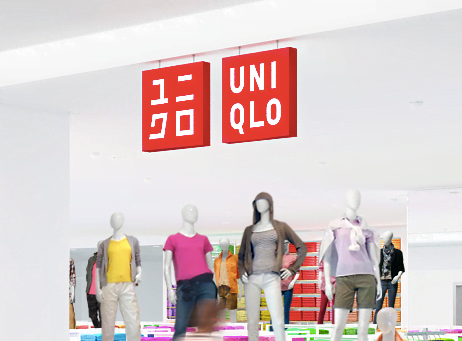
Popular Japanese fashion retailer UNIQLO has announced that it will open a third Vancouver-area store at CF Richmond Centre this spring, and has also revealed that its previously announced Surrey location at Guildford Town Centre will open at 10:00 am on Friday, March 9 of this year. 

The CF Richmond Centre store will become the smallest UNIQLO in Canada when it opens in the spring — UNIQLO says that the store will measure 8,010 square feet and it will be located on the first floor of the busy enclosed Richmond mall, which is one of the country’s most productive in terms of annual sales per square foot. UNIQLO will occupy a retail space in the mall recently vacated by US fashion retailer Express, which exited its Canadian operations last year. 

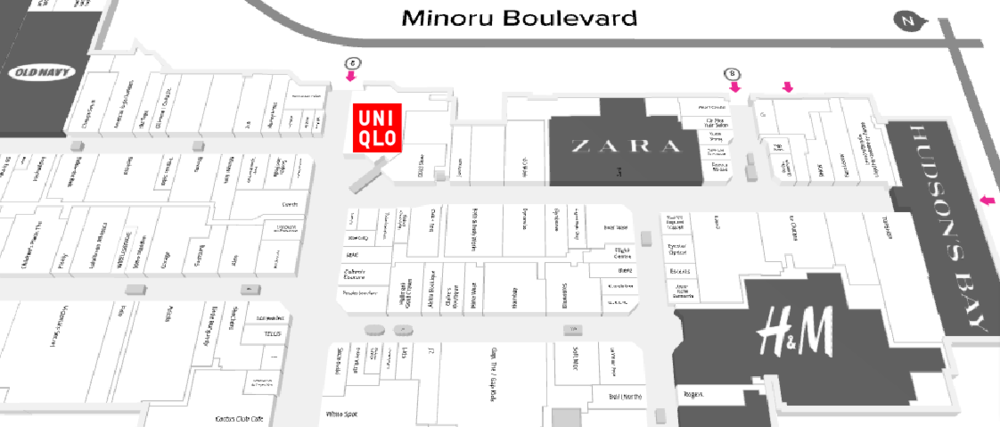
The Guildford Town Centre store will occupy a prominent second-level corner space that will span about 12,800 square feet, between The Gap and Old Navy.

“The launch of two additional UNIQLO stores in British Columbia is very exciting for us,” said Yasuhiro Hayashi, Chief Operating Officer of UNIQLO Canada. “We opened our first store in the Greater Vancouver Area last fall and we received great demand from customers for more stores. This newest expansion demonstrates our commitment to bring LifeWear to more Canadians on the West Coast.” He added, “We wish to thank all our existing customers for their warm reception, and we look forward to welcoming them to our new UNIQLO stores and showing them how LifeWear is thoughtfully created to make everyday life better and more comfortable.”
Jeff Berkowitz of Aurora Realty Consultants represents UNIQLO as broker in Canada. 
UNIQLO entered the Canadian market with two stores in Toronto in the fall of 2016. In September of 2016, UNIQLO opened its first Canadian flagship, spanning 33,400 square feet,  at CF Toronto Eaton Centre. A 30,000+ square foot Yorkdale Shopping Centre UNIQLO store subsequently opened in October of 2016, in the mall’s new Nordstrom-anchored expansion wing

UNIQLO’s first store in the BC Lower Mainland opened in October of 2017 at Metropolis at Metrotown in Burnaby, in a 20,630 two-level space. 

In September of 2016, UNIQLO Founder and CEO Tadashi Yanai told Marina Strauss of the Globe & Mail that UNIQLO could eventually operate as many as 100 stores in Canada — while it’s unclear if that number will be reached, landlords across the country confirm that they’ve been in talks with UNIQLO and that some deals have already been done for new Canadian stores. 

Sobeys to close 10 Safeway stores in British Columbia

Image: Safeway

By Grocery Business

Sobeys plans to close 10 Safeway stores in British Columbia, according to a report issued by the United Food and Commercial Workers Union Local 1518  in the province.

According to the union, Sobeys has indicated that if it gets favourable terms and conditions for its FreshCo discount banner, it may open FreshCo stores at five of the closed Safeway locations. 

Approximately 1,000 people will be impacted by the store closures, according to Ivan Lipright, president of UFCW 1518.

“Hundreds of our members will lose their jobs. Hundreds more will be displaced through the transfer process. And Sobeys barely gave us a courtesy call,” he said. “That won’t fly in bargaining, though. We’ve told the company that we need all of the information on decisions they’ve made that will impact our members. It’s time to stop the games and start respectful negotiations.”

Sobeys spokesperson Jacquelin Corrado said in a statement to Grocery Business magazine that the company had invited Union Local 1518 to the table “to review stores that are under financial pressure in June and then again in October of last year, so that we could talk about ways to help our unprofitable stores turn the corner to protect jobs and continue to serve our customers. Unfortunately they declined to engage in the conversation both times.

“We’re looking forward to the upcoming negotiations and agree 100 per cent with the union statement that it’s time for respectful dialogue. We agree with the union that it’s time to stop the games and start respectful negotiations.”

She adds that Sobeys is “always open to working with the unions or any of our stakeholders to make our stores more successful.”

The Safeway locations slated for closure in the province include:

Vancouver

-4575 W 10th Ave (Point Grey)

City Square

Burnaby

Lougheed Town Centre

-Royal Oak (5235 Kingsway)

Richmond

-6140 Blundell Road

-Broadmoor (10151 No 3 Rd)

Coquitlam: 

Sunwood Square 

Surrey: 

-Strawberry Hills (7450 120 St)

Newton Town Centre

Mission: 

-32520 Lougheed Hwy

All stores will close on May 5, except for the City Square store which will close on July 28. 

Five of the shuttered locations could reopen under Sobeys’ discount brand, FreshCo, including the Blundel, Broadmoor, Newton Town Centre, Strawberry Hill and Mission stores. 

*This article originally appeared in Grocery Business [Subscribe for Grocery Business Updates]

Alberta Businesses Struggle with Minimum Wage Hike

exc-5a63f8eb8165f52495e32b97

Rising costs, in part due to Alberta government policies according to critics, are causing a great deal of angst these days for small business owners in the province.

From restaurants to retail stores, entrepreneurs are feeling the pinch on their bottom line as they continue to operate in an environment of a slow economic recovery following recessions in 2015 and 2016.

The issue heated up recently with the announcement by the upscale and iconic Bears Den dining establishment in the Calgary area that it will be closing its doors at the end of the month.

“Unfortunately, economic conditions in the industry including the continuing poor business environment along with recent changes in the minimum wage and statutory holiday pay requirement have resulted in conditions that are unsustainable for remaining open,” posted the restaurant on its website.

Employers are concerned about a growing number of factors that are making it harder for some to operate. They include carbon taxes which are having a ripple effect on costs for some business owners, increasing minimum wages and now changes to Alberta’s Employment Standards Code, which includes regulations that all eligible employees get holiday pay even if they don’t work on the holiday.

Alberta’s minimum wage rose Oct. 1, 2017 from $12.20 to $13.60 and will spike again to $15.00 on Oct. 1, 2018.

“The recent changes to the Alberta employment code is having significant impacts on business, and particularly on small local businesses. These changes were passed with a very short consultation period, and they’ve taken many businesses by surprise as they find they have new costs and often more administration. Small businesses often run on very, very tight margins; $10,000 in new costs can easily be the difference between profit and loss,” said Zoe Addington, Director of Policy, Research and Government Relations with the Calgary Chamber of Commerce.

Amber Ruddy, Alberta director for the Canadian Federation of Independent Business, said the eligibility and pay calculation changed for general holidays in Alberta as of January 1. Previously days were categorized as ‘regular’ or ‘non-regular’ working days – i.e. for someone that works Monday to Friday 9 to 5, holidays that fell on the weekend were considered ‘non-regular’ and therefore not eligible for holiday pay. Currently, there is no distinction so all employees qualify no matter when holidays fall.

She said that pay calculation was previously based on average daily wage in the nine weeks prior to the holiday. Now it’s based on five per cent of wages, holiday pay, and vacation pay in the last four weeks prior to the holiday.

Ruddy said the eligibility changes to holiday pay is catching business owners off guard.

“Small business owners are frustrated with the growing list of prescriptive government rules and requirements that mandate how businesses should run. Removing flexibility for entrepreneurs erodes the business climate and in turn hampers what small businesses can provide their employees,” she said.

Prominent Calgary restaurant owner Michael Noble, who runs NOtaBLE and The Nash in the city, said both his establishments, which employ 140 people, are closed on Mondays but because New Year’s Day fell on Monday he had to pay his employees. A cost of about $11,000 on a day when he had zero revenue.

“For some reason the general public seems to be under the understanding restaurants are a licence to print money,” said Noble. “Anytime there’s a shift and a legislative cost to any small business  . . . we all have the ability to add costs to the business to a certain point but I fear as we go down the road if there’s more and more of these legislated impacts then it will actually start affecting people. That’s the part I don’t have an appetite for.

“Alberta’s based off of entrepreneurship. It always has been and I know we’re moving toward diversifying. To me that’s when it becomes that much more critical to allow small business to stay alive and to diversify and to be a big part of the future solution for this province.”

Megan Szanik, who operates the boutique fashion store espy experience in Calgary with 18 employees, has also felt the pinch of rising costs in doing business. The stat holiday pay change alone represents a 33 per cent increase in costs for her store.

“The administrative costs are ridiculous too and all the new tracking information. That’s what they don’t think about. Especially the small business person. All the administrative stuff there is already and they’ve just added a whole other line that’s going to cost me hours and hours and hours,” said Szanik. “What’s it going to cost to administer all this stuff? . . . My margins are slim. Everything is really, really adding up.”

Christina Gray, Minister of Labour in Alberta, in a written statement to Retail Insider said that every Albertan who works a full-time job deserves to earn enough to provide for themselves and their family.

“No one who works full-time should have to stop at the food bank on their way home to their family after their shift. Our government’s minimum wage increase not only makes life better and more affordable for working Albertans but every extra dollar that these families earn boosts their spending power, which gets invested back in their communities and directly supports Alberta’s economic recovery,” said Gray.

“The recent changes to Alberta’s Employment Standards help to bring our province in line with standards most other Canadian jurisdictions already had.  Prior to these changes, Albertan workers lacked important job protected categories of leave . . . As Alberta’s economy continues to grow and recover, workers deserve labour laws that are going to protect them in their time of need, and employers deserve standards that are balanced and ensure their businesses long term sustainability. Albertans believe in work life balance, and our new labour standards are rooted in Albertan values. Under Alberta’s old laws, workers could end up receiving no time off and no holiday pay for statutory holidays, because of unusual rules around payment and work schedules.  Alberta was the only province where a worker could end up receiving no benefit from a statutory holiday.”

INDOCHINO CEO Drew Green to Receive Innovation in Retailing Award

exc-5a66b30c0d92971bebcd6e5c

unnamed.jpg
unnamed.jpg

By Craig Patterson

Drew Green, CEO of the world’s largest custom suit maker INDOCHINO, is the winner of this year’s Innovation in Retailing Award that will be presented at the University of Alberta School of Retailing‘s Thought Leadership Conference. The conference, sponsored by SnapPayRBC Royal Bank and West Edmonton Mall, will be held on Friday, March 9 at West Edmonton Mall in Edmonton, and registration and other information can be found in its website: tlc18.ca.

Vancouver-based INDOCHINO is one of the world’s fastest growing apparel brands — impressively, in 2017 it expanded its retail network across North America from 10 to 20 showrooms. Mr. Green has led the company in achieving a two year compound annual growth rate of over 53% to become the undisputed global leader in custom apparel.

“I am honoured to be recognized by the University of Alberta for this prestigious award,” said Mr. Green. “I am excited to accept it on behalf of my team at INDOCHINO who continuously strive to innovate and create unique experiences for our customers. Our efforts, together with fellow Canadian trailblazers, will truly revolutionize not only the national, but also the international retail landscape.”

The Innovation in Retailing Award recognizes a retail industry professional who has made extraordinary contributions in advancing innovation in the sector.

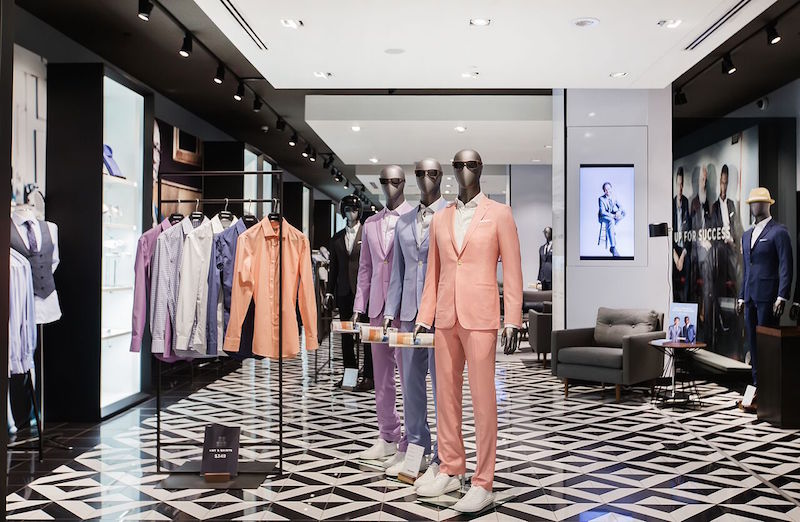
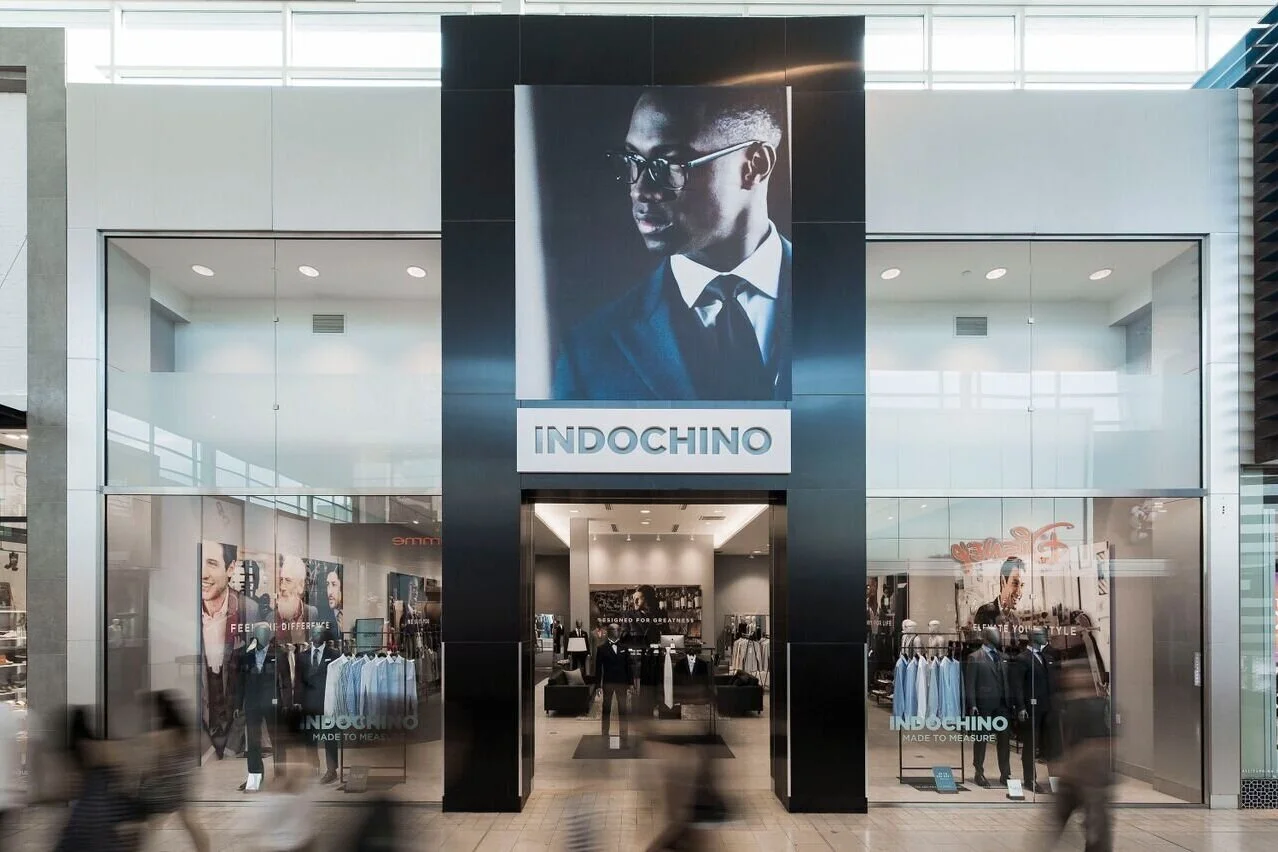
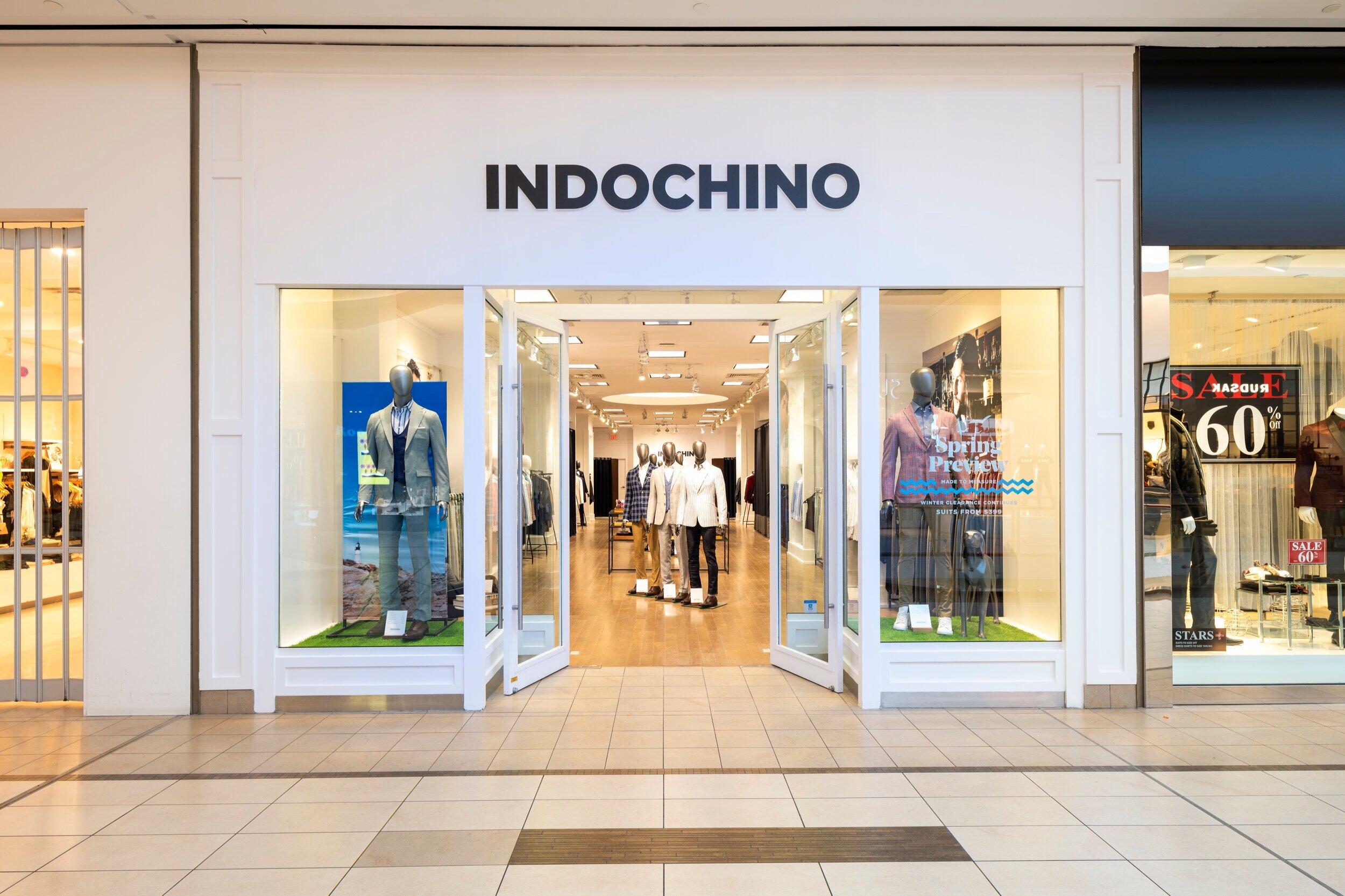
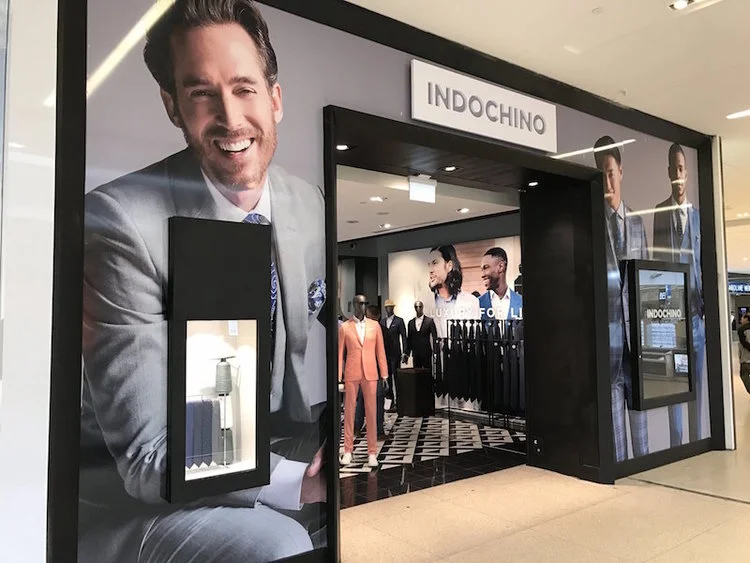
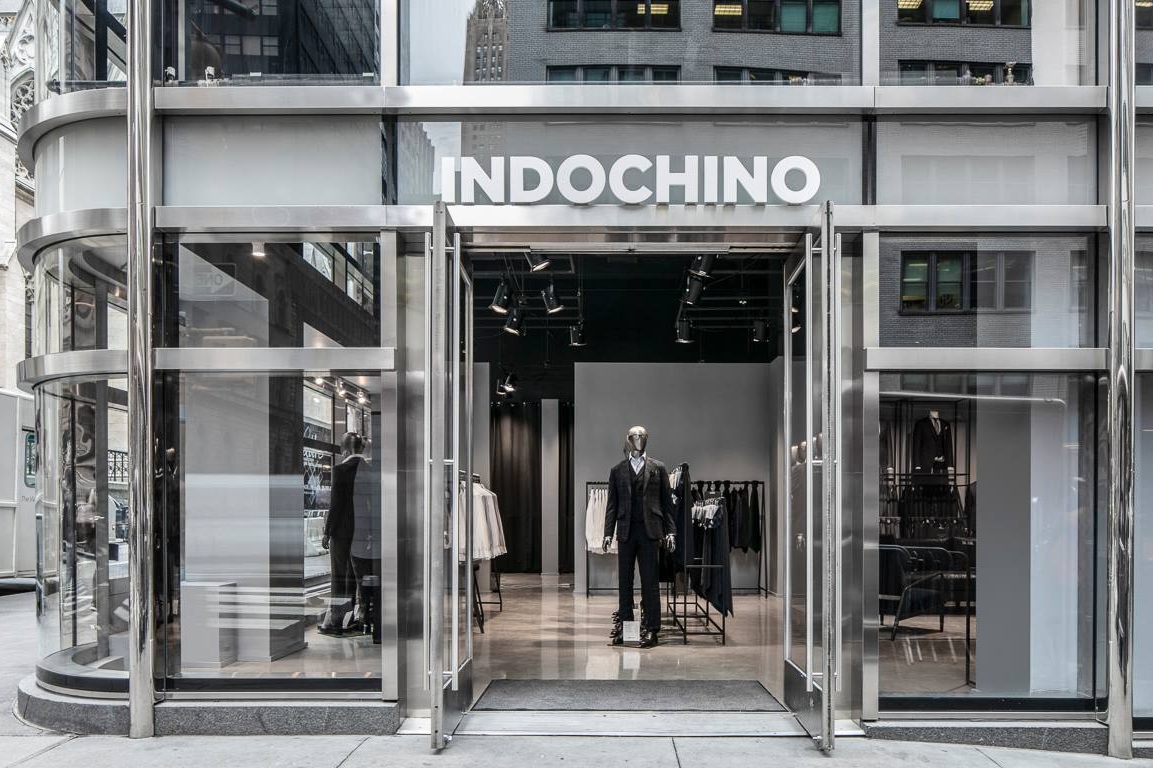
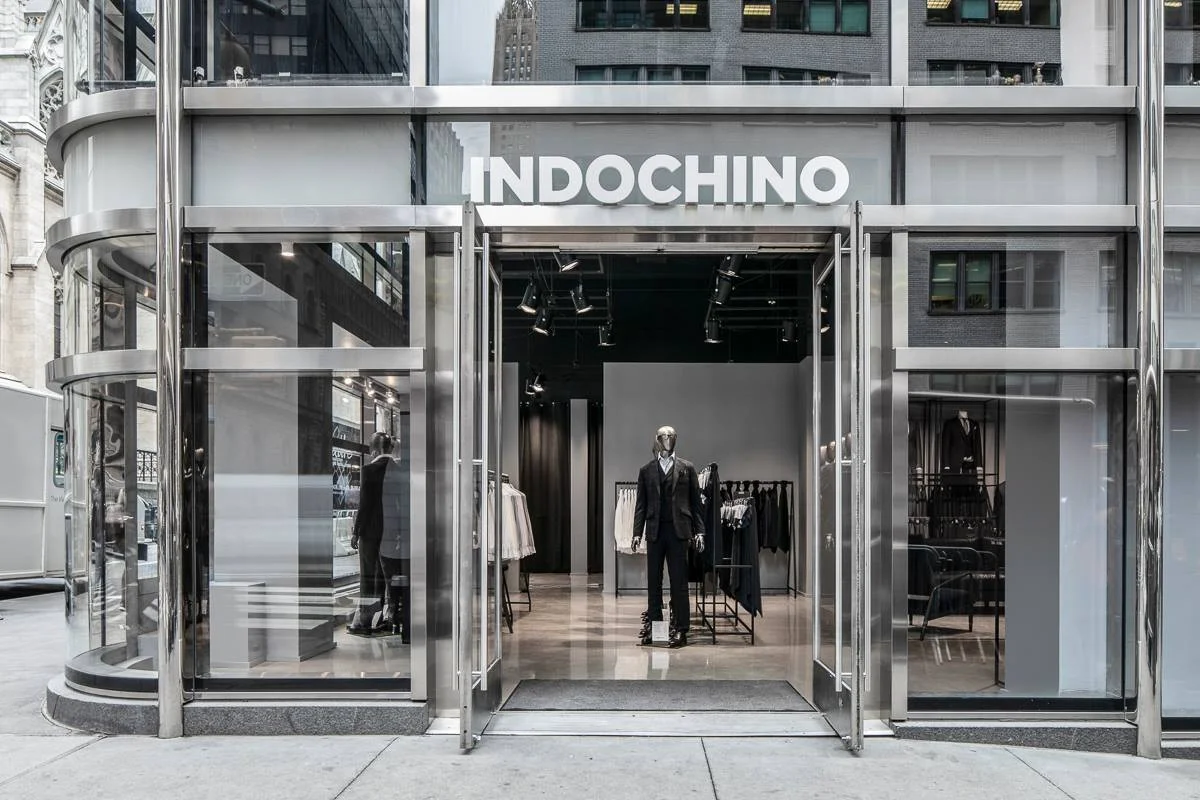
(Indochino Store at West Edmonton Mall) 

(Indochino Store at West Edmonton Mall) 

Previous School of Retailing award recipients include Bryan Pearson, President & CEO of LoyaltyOne in 2016, Brian Hill, President & CEO, Aritzia and Mark Wolverton, President & CEO of LUSH North America. The award alternates between Innovation and Leadership. The 2017 Leadership Award recipient was Toni Galli, President of H&M Canada.

“We are very excited to recognize what Drew Green has accomplished with INDOCHINO. For years we have talked to students about the power and potential of product customization, as well as the opportunity for Canadian companies to leverage technology to open markets around the world. INDOCHINO has quickly become a textbook case, illustrating a business model for the future of retail,” said Dr. Kyle Murray, Vice Dean of the University of Alberta School of Business.

Since 2015, Drew Green has established over C$90 million in strategic capital commitments for INDOCHINO, with only 27% shareholder dilution. Mr. Green’s focus, dedication and decisiveness has tripled the size of the company, helped it achieve profitability in 2017 and improved EBITDA by over $10 million USD year-over-year. Through a commitment to an experience-based omnichannel commerce strategy, INDOCHINO has expanded its retail network across North America to include 20 showrooms and dramatically increased its product assortment to become the undisputed global leader in custom apparel.

Prior to INDOCHINO, Mr. Green founded and was CEO of SHOP.CA, Canada’s first multi-merchant marketplace — which is now owned by EMERGE Commerce Inc., which Mr. Green leads as Chairman and major shareholder. EMERGE has successfully combined several eCommerce brands globally over the past two years. Throughout his career, Mr. Green has helped create billions in shareholder value through leadership roles at DoubleClick (acquired by Google), SHOP.COM (acquired by Market America) and FloNetwork (acquired by DoubleClick). For more information about Drew Green, visit: www.indochino.com/about/management.

We’ll be providing more information on the University of Alberta School of Retailing’s 2018 Thought Leadership in a few days — the one-day event is expected to be the biggest in the School’s history, and will be unique in that it will take place in North America’s largest mall. Retail Insider’s Editor-in-Chief Craig Patterson will be speaking as well as providing retail tours at West Edmonton Mall on March 8 and 9, with details to follow.

Thought Leadership Conference Website: tlc18.ca

School of Retailing Website: www.SchoolofRetailing.com.

Craig+Headshot (1).png