Vancouver-Based cashmere brand Black Goat Cashmere has opened a new standalone store concept called The Coat Room in downtown Vancouver.
The 1,000 square foot boutique is located at 925 West Georgia Street in Cathedral place, which also houses Black Goat’s downtown Vancouver store. The Coat Room faces onto Hornby Street in suite 135, while Black Goat Cashmere (as well as neighbouring Chopard) face West Georgia Street, directly across from the Fairmont Hotel Vancouver in the city’s ‘Luxury Zone’.
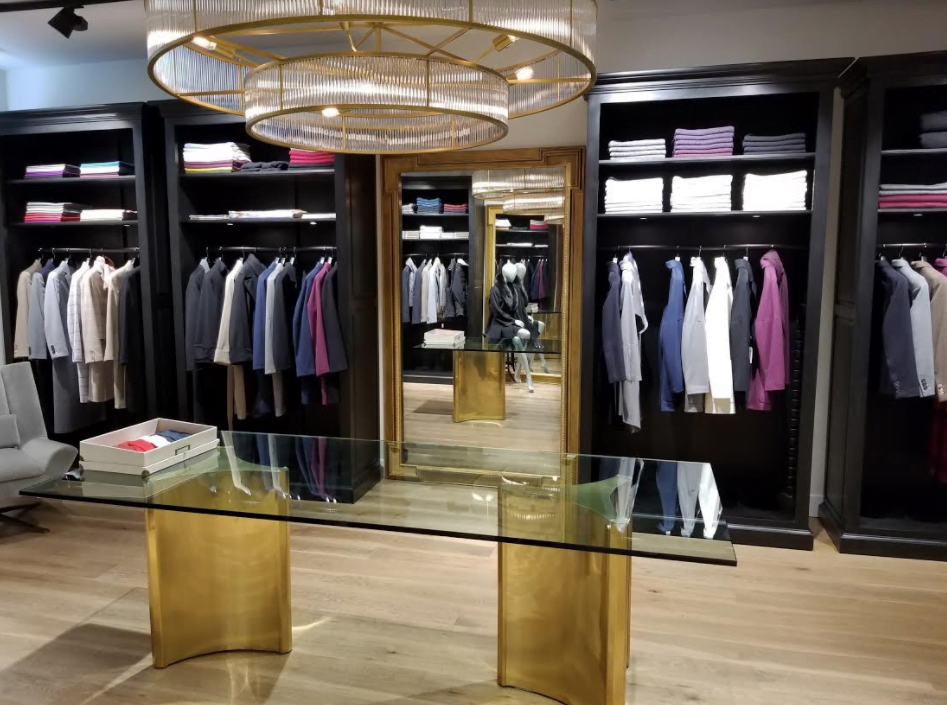
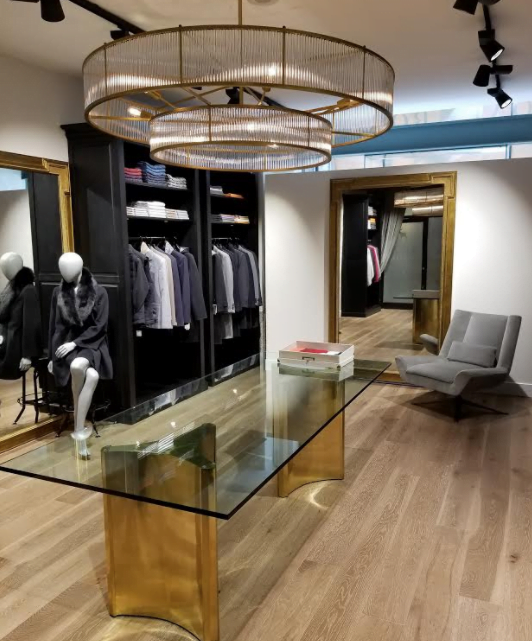
The Coat Room boutique carries a curated offering of Black Goat Cashmere’s newly launched coat collection for men and women, along with a personal shopping space for those seeking privacy.
1 of 3
Image: Black Goat Cashmere
Image: Black Goat Cashmere
Image: Black Goat Cashmere
Black Goat Cashmere stores in Victoria and Toronto also carry the company’s new coat collection.
Black Goat’s products are designed in Vancouver and manufactured in Mongolia with the highest-quality cashmere. The company is vertically integrated, and sells a variety of cashmere products for men, women and children.
Besides The Coat Room, Black Goat Cashmere has four store locations: the downtown Vancouver store at 925 West Georgia Street, a second Vancouver location on Vancouver’s tony South Granville strip (the company’s first, which opened in 2011), a Toronto store which opened in the winter of 2015 at The Colonnade at 131 Bloor Street West, and a store in downtown Victoria that opened in a lovey heritage building in the spring of 2016.
Oberfeld Snowcap represents Black Goat Cashmere as brokerage in Canada.
Montreal-based Ruscio Studio, a commercial interior design firm specializing in retail, was founded in 2002 and over the past 15 years it’s seen numerous changes in the sector as well as trends starting to take hold for the future.
Robert Ruscio, President of Ruscio Studio
Robert Ruscio, the company’s president, says the designer’s work is across Canada as well as into the United States and other parts of the world, focusing on all types of individual stores to major renovations for shopping centres.
“The demographic shift continues to influence retail,” says Ruscio, who leads a company of about 15 staff. “The boomers are starting to get matched by the millennials in terms of percentages. And in fact what will happen, as the boomers pass away, we are going to see an increase in millennials who are our consumers. That’s already brought changes but we’re continuing to see some of these changes because of the different shopping habits that this particular generation has.”
HOLOGRAPHIC DISPLAY AT SPORT CHEK (IMAGE: RUSCIO STUDIO)
“We also have to consider that one in five Canadians is going to be foreign born or immigrants. One of the changes we’re seeing is that millennials interestingly enough, although they are prone to shopping online, do prefer and enjoy shopping in malls . . . It’s the brand experience. This is something very important. This is what currently all retailers are looking for and exploring. This is something we’re going to see more and more of as this shift is taking place. The physical store is the touchpoint for that brand experience.”
Ruscio says more foreign retailers are coming into Canadian shopping centres. Over the past 15 years, this has been a clear trend. Previously, the majority of retailers in malls were based in Canada. But today that has shifted as international retailers have surpassed national retailers especially in the bigger A class malls.
“These are brands that are tried and tested and when they come here to Canada they come also with all the marketing muscle. These are stores that do offer some sort of brand experience,” says Ruscio.
MARKS STORE DESIGN. (PHOTO: RUSCIO STUDIO)
Because of the growing immigrant population, Canada is much more prone now to accepting foreign brands.
“There’s an acceptance, there’s a thirst, for discovering the new brands,” adds Ruscio.
One of the trends he’s seen in recent years is downsizing by retailers of their stores. Rents are rising and online sales are cutting back the amount of inventory needed in bricks and mortar stores.
Pop-up retail is also becoming more popular as stores suddenly start operating in a retail landscape that includes shopping centres, other stores and on the street.
URBAN TRAIL STORE DESIGN. (PHOTO: RUSCIO STUDIO)
“They often have a brand message. New product launch. New brand positioning. New target market,” says Ruscio. “We’re going to see a lot more of it. It’s an opportunity for brands to try a different market. To do marketing launches . . . It draws attention and it makes people curious.”
Ruscio says millennials are all about food and the dining experience and that’s having an impact on shopping centres across the country as they adapt to that dynamic.
“They don’t particularly crave ordinary food court offerings. They would rather experience authenticity or the best of over convenience. That’s the food hall – the market-like setting which has risen in popularity over recent years in Europe and across the world and will be making a greater presence in North America,” says Ruscio.
“The food hall is like a revival of a farmers’ market . . . The whole idea of being able to eat and buy something on the spot as well as purchasing products to bring them home is something that is very appealing to the millennials.”
Expect to see more entertainment in the malls as well. A good example of that is Cineplex’s Rec Room, which is a large centre offering various games and other forms of entertainment.
Ruscio says there’s also a broadening polarity between discount and luxury stores but today’s consumer visits both and also today retailers are not shy about advertising their online shopping alternative at their bricks and mortar locations.
Ruscio has one more interesting trend which shows how much the times have changed in the past 15 years. He remembers how in the past he was often chased out of places because he was not allowed to take pictures in the stores.
“Today, it’s quite the contrary where stores actually have Instagrammable areas that encourage the customer to take pictures of the store and post them as much as they can. And no one ever tells me today to put away the camera,” says Ruscio.
Hillcrest Mall, located in Richmond Hill, north of Toronto, is a unique enclosed shopping centre that is undergoing a remarkable modernization. The following is an overview of the centre’s past, present and future.
And the centre’s future is bright — Landlord Oxford Properties recently announced that Hillcrest Mall will be redeveloping its 133,000 square foot Target space on its north side, by adding a new corridor as well as several new retailers.
In the fall of 2018, Marshalls and HomeSense will open a combined retail store spanning 46,450 square feet, and there’s more on the way.
The redevelopment will feature an exterior mall entrance with soaring ceilings and bright lights, similar to the mall’s Entrance 2 to the south, which is part of a recent redevelopment that saw the addition of a beautiful Sporting Life store in October of 2016.
The mall’s interior is also seeing a refresh, including new floors, lighting, washrooms, ceilings, and an upgraded food court. The men’s and women’s washrooms, including the foyer and parents room, have just been revamped.
It’s all part of a major investment on the part of owners Oxford Properties Group and Montez Holdings Inc., with close to $100 million being spent since late 2015.
Several retailers have recently opened, and more are on the way. This fall, Rockport and Escents Aromatherapy opened at Hillcrest, and Sleep Country Canada unveiled a 5,000 square foot space in the mall. This fall, children’s retailer Okaïdi will join Browns Shoes and not long after, Chinese variety retailer MINISO will open a 2,600 square foot store. In the spring of 2018, West Coast Kids will open a 13,000 square foot location.
Hillcrest’s food court is also being completely redesigned, in partnership with MMC Architects.
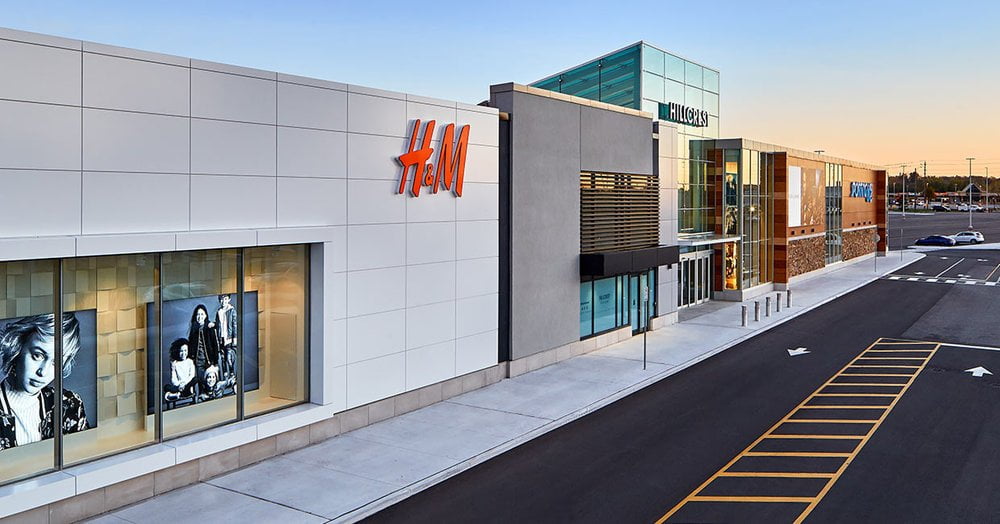
In the fall of 2016, Hillcrest Mall opened several world-class retailers, including a 21,000 square foot H&M store, a 6,600 square foot Aritzia, a 4600 square foot Sephora store, as well as jeweller Pandora. Popular Toronto-based Sporting Life, known for merging fashion with sporting goods, opened a 40,600 square foot store which sources confirm is a very strong performer for the chain.
Hillcrest Mall (Rendering)
The mall’s Hudson’s Bay store, as well, underwent an overhaul and expansion that involved merging two smaller Bay stores (separate women’s fashion and home/men’s stores) into a bright, modern 136,915 square foot retail space that reflects the design of Hudson’s Bay’s Toronto prototype Queen Street flagship.
What’s interesting is the men’s department at Hillcrest’s Hudson’s Bay store is one of its top selling departments — typically, women’s categories tend to dominate. Hudson’s Bay gained about 48,000 square feet of space in the expansion, including a new glass-enclosed entry facade, fixtures and open sight-lines through the store. New upscale brands such as Coach, Marc Jacobs, Vince Camuto and Ron White were added in various categories.
The future is also bright for the local community — affluent Richmond Hill is expected to grow to about 209,000 people by the year 2021, according to York Region Planning & Development. The average household income in Hillcrest’s trade area is $122,420, and 47% of households earn over $100,000 annually. The immediate area will also get a boost with an estimated 8,800 condominium units being built around Hillcrest over the next several years.
HBC – Hillcrest Mall (Rendering)
By the numbers: Hillcrest Mall features 503,581 square feet of gross leasable area, with about 120 stores. The mall sees about 6 million annual visitors, with sales of $530 per square foot in September 2017 – a 9% year over year increase.
Aesthetically, the centre’s exterior feels modern and comfortable — the recently paved parking lot (with 2,631 spaces, with 4 electric car charging stations) features attractive landscaping, and the exteriors of Hudson’s Bay, Sporting Life and other retailers are eye-catching. There’s another exterior element that isn’t as visible, however — on the roof of Hillcrest Mall is a collection of beehives with more than 70,000 honeybees, which have helped pollinate local flowers and vegetable gardens — a bonus for Richmond Hill’s biodiversity. A single hive can produce more than 20 lbs of honey, and in August of this year the mall bottled and branded its ‘Hillcrest Honey’ that was given away at the mall’s pop-up Honey Concept Market in the mall’s Centre Court in September. Additionally, 100 bars of soap, created from Hillcrest honey, were donated to the Yellow Brick House, a local women’s shelter.
It’s all part of an environmental sustainability initiative on the part of the landlord and, impressively, Hillcrest Mall boasts an 86% waste diversion rate, up from 43% in 2016. Other Hillcrest environmental initiatives include:
-Having installed a rainwater cistern that captures and stores rainwater for all irrigation, -Recycling efforts that have been amplified, -Heating and cooling systems that have been timed to coordinate with mall traffic, cutting energy usage and increasing efficiency, -An air-conditioning system has been retrofitted and is now energy saving, -LED lighting has been installed in the common corridors (also making them brighter), -Newly installed bicycle racks around the mall, and as well, -Hillcrest has stopped planting annuals and has moved on to native perennials, planting them all around the mall — no doubt, the bees are enjoying this as well.
History:
(EARLIER DAYS AT HILLCREST, NEAR THE MALL’S UPSCALE SIMPSON’S DEPARTMENT STORE)
Hillcrest Mall opened in August of 1974 and at the time, it was considered to be groundbreaking. Cadillac Fairview and the Greater York Group were the developers, while Bregman and Hamann executed the architectural drawings, and Robert Meiklejohn coordinated the interior design. At the time, light pollution was a concern so there was minimal signage, as well as shielded lights in the parking lot that also featured a light-absorbing parking lot surface.
Anchors at the time included Simpson’s, Kmart, Sears, and a Loblaws grocery store. The mall was essentially the same size at it is today, spanning about 540,000 square feet.
Flowers played a role in the 1974 opening — the first 10,000 Simpson’s patrons received a rose, which was a nod to Richmond Hill’s past as being the rose growing capital of Canada.
In the central square (see photo), four ficus trees imported from Florida were planted under the sunlit vaulted ceilings, while the food court featured picnic seating and gaslight lamps. There was also a 250-seat auditorium with a stage and a kitchen that could be used for local events, including fashion shows — we’re seeing a return of such features in malls, as they become entertainment centres today.
Hillcrest Mall (1970’S CONSTRUCTION)
Hillcrest Mall (1970’S CONSTRUCTION)
In 1980, a five-screen, 519-seat Cineplex movie theatre opened in the mall where Goodlife Fitness is now located.
The Simpson’s store was rebranded as Hudson’s Bay in 1991, coinciding with parent company Hudson’s Bay’s decision to discontinue the Simpson’s nameplate. Zellers opened in the Kmart space in 1998. Oxford Properties purchased the property in the spring of 2011 and when Target vacated its space in the spring of 2015 (coinciding with Target vacating Canada), the lease was acquired for the redevelopment discussed above.
Looking to the future: There’s still more work to be done on Hillcrest Mall after its Target space is redeveloped, and landlord Oxford Properties will be announcing further changes as things progress. We’ll update this article with news on Hillcrest Mall in our Retail Insider Briefs throughout the year, which will now be a regular feature as part of Retail Insider’s reporting mandate.
Retail sales growth across the country continues to build on the positive performance of 2016, with national retail sales predicted to grow by seven per cent to reach close to $590 billion by the end of 2017, says a new national report by Colliers International.
“The main drivers of strong retail growth appear to be population growth, employment growth, and consumer confidence. The main drivers for a national retail market are B.C., Ontario, and Alberta. In order for Canadian retailers to do well, we need our thoroughbreds to pace the field and certainly in 2017, the big four (including Quebec) are running hard,” says James Smerdon, vice-president and director of retail consulting for Colliers in Vancouver.
“Looking ahead to the holiday season, Prince Edward Island (9.6 per cent growth), Ontario (9.4 per cent), and B.C. (9.2 per cent) can expect the busiest malls. For 2018, if we look back at the fundamentals, B.C., Ontario and Alberta will continue to outperform. Much of Alberta’s growth could be tempered with an interest rate hike, as auto sales account for so much of their growth. Likewise, a stronger Canadian dollar would result in increased cross-border shopping which could take the wind out of the sales in B.C. and Ontario.”
For 2017, Colliers is projecting B.C. to see the biggest annual increase in sales of 9.5 per cent to $84.2 billion, followed by Prince Edward Island at 8.7 per cent and $2.4 billion, and Alberta at 8.2 per cent and $81.3 billion. Ontario’s retail sales growth rate is forecast to be 6.9 per cent for $216.2 billion. Quebec is expected to see a 6.1 per cent hike this year to $125.7 billion.
“One of the more interesting retail development trends going forward will be the quickening pace of more mixed-use, lifestyle destinations incorporating residential, office, civic, and institutional uses,” says Russell Whitehead, planning consultant with Colliers in the Calgary office. “The exit of Sears will provide regional shopping centres – particularly those located in central and accessible locations near transit – with the opportunity to redevelop this empty space to incorporate higher density uses above a retail podium consisting of smaller footprint, specialty retailers.
“Consumers now more than ever are choosing to shop for unique goods found at smaller boutique retailers rather than from national chains. Some of the fastest growing retail categories are specialty food stores – think butchers, bakeries, olive oils, cheeses, etc. – health and personal care, high-quality fast casual restaurants, lifestyle brands (H&M, Uniqlo, etc.), and athleisure. We are also seeing more e-retailers opening small bricks-and-mortar stores which has helped to expand their exposure and sales (Indochino, Warby Parker, etc.). Despite the rise of online retailers, there will always still be the need for bricks-and-mortar space. The real question is how much retail space per capita will be needed in the future compared to today.”
The Colliers report says that over the last six years, several intriguing retail sales trends have emerged throughout the country. First, there has been a general decrease in the relative importance of December retail sales, as consumers take advantage of Boxing Day sales that extend through much of January, and an increasing number of Canadian Black Friday sales in late November.
“In terms of total annual retail sales, the ‘Big 4’ provincial markets have consistently dominated, with Ontario leading the pack followed by Quebec, British Columbia, and Alberta,” says Colliers.
It says 2017 marks the first year this decade in which positive overall retail sales growth is expected in all provinces. Some of the factors that are positively affecting national sales include:
The weak Canadian dollar resulting in less spending out now to the US;
The Liberal government’s proposed increase to the Child Benefit Grant;
Continued strong residential real estate values in major markets which give homeowners the confidence to leverage property value for home improvements or even to pay off consumer debt; and
Rising equities markets leading to feelings of job security and consumer confidence.
Future Yonge & St. Clair Buca (Image: King Street Food)
King Street Food Company is expanding its premier Buca brand of rustic Italian fare to two new locations in Toronto in 2018.
Peter Tsebelis, partner and managing director of King Street Food Company, says the brand will open locations at Yonge & Eglinton and Yonge & St.Clair. Stan Vyriotes and David Wedermire of DWSV Remax Ultimate Realty Inc. represented King Street Food in the deals.
“We have identified two thriving neighbourhoods that are a perfect fit to grow the Buca brand,” says Tsebelis. “We look forward to drawing inspiration from our new surroundings in order to build community-specific concepts that we hope will become the fabric of the area.”
The first Buca Osteria and Enoteca location opened in September 2009 on King Street. In 2014, Bar Buca opened right across the street which operates seven days a week from 7 a.m. until 2 a.m. Also in 2014, a Buca Osteria was opened at the Four Seasons.
Photo: King Street Food Company
Earlier this year, it was announced that Buca Vaughan would open in three years.
Chef Rob Gentile, partner and culinary director of King Street Food Company, designs and curates the food programs for the brand.
Tsebelis says the Yonge & Eglinton location, an expanded Bar Buca, will be open in the Spring of 2018, and it will serve as an all-day Italian-inspired bar and café with a focus on small, seasonal dishes, specialty coffee, pastries and a crafted cocktail list of Italian classics. It will also have an extended homemade gelato offering, new pizza menu and takeaway service.
Photo: King Street Food Company
A new restaurant and Buca concept at Yonge & St. Clair will open in late 2018. Tsebelis says it will be tailored specifically for the neighbourhood and it will serve as a dining spot for building tenants and the surrounding community.
“In the spirit of the Buca brand, these new locations will embrace and enhance the community energy by providing quality food and beverage, warm hospitality and a balance of old world and new,” says King Street Food Company of the new locations.
Tsebelis says the key to Buca’s success is the quality and unique offering of food that it brings to customers – focused on “the approach and philosophy that Italians bring to cooking which is simple, integrity and ingredient driven.”
Offering a classic Italian experience of hospitality in both food and drink is what has driven the success of the brand.
Tsebelis says there are plans for more locations in the future and the brand could even move into other cities.
King Street Food Company was founded in 2006 by Tsebelis and Gus Giazitzidis.
Deciem Launches Vancouver Expansion: Self-proclaimed “Abnormal Beauty Company” Deciem is opening stores worldwide, in an effort to enhance brand awareness. Part of the strategy is to open multiple locations in each city it enters in order to be seen by a wider variety of potential consumers.
The strategy appears to be working — Deciem is gaining a cult following in cities like Toronto, where it launched its first store in the summer of 2016. Deciem now has seven stores in the Greater Toronto Area, including urban street front, in a mall (Square One), in the Financial District, and even a massive space in Toronto’s Distillery District, which is worth checking out if you’re in the area.
Construction signage recently went up for Deciem to open at 408 Howe Street at West Hastings Street in downtown Vancouver, in a small retail space that has housed retailers in the past including Cartier, Alfred Dunhill, and beauty brand Euoko. Another location is also confirmed to be opening soon at Metropolis at Metrotown in Burnaby, and sources say more Deciem stores are on the way for the Vancouver area.
Stan Vyriotes and David Wedermire of DWSV Remax Ultimate Realty Inc. represented Deciem in five of its Toronto lease deals, as well as for a handful of international deals.
COS Opens 6th Canadian Store at CF Carrefour Laval: H&M’s upscale sister brand COS (stands for ‘Collection of Style’, which just marked two years of business in Canada, has opened its 6th Canadian store at suburban Montreal’s CF Carrefour Laval. The attractive minimalist space features the brand’s collections for men, women and children.
The store is one of Canada’s largest for COS, spanning almost 7,200 square feet over one level.
COS launched its first Canadian store in September 2015 in Toronto at 85 Bloor Street West (former Tiffany & Co. space), followed by a second store in October of 2015 at 1310 Sainte Catherine Street West in Montreal (formerly occupied by Le Chateau). A store at Toronto’s Yorkdale Shopping Centre opened in October of 2016 and in March of this year, COS debuted its first Vancouver store at 18 Water Street in Gastown. Most recently, the brand opened at Square One in Mississauga over the summer.
NEIGHBOUR Expands into Toronto: Upscale Vancouver-based retailer NEIGHBOUR has opened a Toronto location in the city’s affluent Yorkville neighbourhood. The independently owned and operated boutique includes menswear, accessories and books from around the world.
It’s a bit off the beaten path at 126A Davenport Road at the corner of Belmont Street, away from Yorkville’s typical luxury streets such as Yorkville Avenue and Bloor Street West.
The minimalist retail space includes some pricy luxury brands for men including Marni, Comme des Garcons, Stone Island and others. The store is two levels and includes a cozy basement featuring edgy luxury clothing.
The retailer launched in Vancouver several years ago with a men’s store at 12 Water Street in Gastown, followed by a standalone women’s shop at 45 Powell Street.
Mastermind Toys Opens in Millionaires Row: Popular Canadian toy retailer Mastermind Toys has just opened in Toronto’s Rosedale area, at 1133 Yonge Street. The 3,414 square foot store is situated at the southeast corner of Yonge St. and Shaftesbury Ave., just north of the Summerhill LCBO, and is the company’s 60th location to date.
Some of the wealthiest families in Canada live nearby in neighbourhoods including Rosedale, Forest Hill, South Hill Summer Hill. It’s a smart move by the company that has been opening several stores per year for the past several years, with tremendous success.
Mastermind Toys was founded in Toronto 1984 by brothers Andy and Jon Levy, who wanted to offer shoppers a classic toy store experience. Its first location measured only 300 square feet, selling children’s software and home computers. It carries thousands of educational toys, books, games, arts and crafts, puzzles and science kits. The Levy brothers partnered with Birch Hill Equity Partners in 2010, facilitating the company’s national expansion.
Zadig & Voltaire Opens 1st Canadian Boutique at Yorkdale: It’s official, Paris-based fashion brand Zadig & Voltaire has opened its first standalone Canadian boutique at Toronto’s Yorkdale Shopping Centre. The 2,000 square foot space is located in the mall’s Nordstrom-anchored expansion wing.
A second store will open this fall in Montreal’s Westmount area, and Jeff Berkowitz of Aurora Realty Consultants represented Zadig in that deal, as well as for any future deals. Montreal-based Axxys Construction is building both stores.
Moose Knuckles Opens 1st-Ever Store: Montreal-based outerwear and fashion brand Moose Knuckles has opened its first store at Toronto’s Yorkdale Shopping Centre. The unique retail space was designed by award-winning Toronto-based Burdifilek, and we’re awaiting more photos of the space to profile in a separate article, likely next week.
Retail Insider to Launch ‘Pop-Up’ Briefs: Temporary retail spaces are hotter than ever, as retailers and landlords aim to activate spaces and to create experiences. Some of the pop-up spaces opening in Canada are newsworthy, and we’ll be doing periodic ‘Briefs’ discussing some of these, beginning next week, in partnership with pop-up go — an online platform that helps pair retailers with available temporary retail spaces, which also features a curated pop-up match service that provides access to the ever-growing pipeline of pop-up seekers looking for space.
Holt Renfrew Yorkdale Continues Adding Boutiques:Holt Renfrew’s Yorkdale Shopping Centre store in Toronto is seeing some renovations in certain departments that, when finished, will make the store even more interesting. Last week, we discussed the new Miu Miu accessories boutique which launched with a walk-through handbag — and across from it, Italian luxury brand Loro Piana has opened an accessories boutique beside the store’s escalators. Loro Piana is pushing into Canada in a big way, which makes sense — it’s one of the country’s top-selling luxury brands, known particularly for its cashmere designs. As well, Chanel is expanding its Yorkdale boutique, having taken over small retail spaces formerly occupied by Roger Vivier and Michael Kors accessories — Chanel Yorkdale’s expansion is expected to be unveiled in about a month (the massive Yorkville flagship opens next week, stay tuned). And men in Toronto should know that Fendi will open a standalone men’s concession at Holt’s at Yorkdale this fall — the first of its kind in Canada, with details to follow.
Retail Insider will now be regularly including these briefs as part of our expanding reporting mandate. For more information, contact Editor-in-Chief Craig Patterson at: craig@retail-insider.com.
It’s just the latest signal that employees and regulators should rethink their approaches to defined-benefit pensions.
Pensions are promises
Pensions represent deferred wages, money promised to employees in the future. With defined-contribution plans, employers make short-term promises to invest each year in their pension accounts. The eventual pension cheques depend on how the investments perform.
With defined-benefit plans, employers also promise to invest more if investment returns are poor. That reassurance makes those plans the “gold standard.”
However, such top-ups may be needed decades after the promises were made. If you start work at 25 and retire at 65, your first pension cheque arrives 40 years after your first paycheque. That very long-term promise presents two risks for employees.
Funding shortfalls
First, the money might not be there when needed. Defined-benefit plans should pay better than defined-contribution plans during recessions. But that’s when employers are least able to invest.
For the private sector, 40 years is roughly six economic cycles of boom and bust. Will your employer survive that?
Or look at ex-telecom Nortel. Its 2009 bankruptcy cut pensions 30 per cent. Twenty thousand pensioners waited eight years to see how much might be restored. That’s not very “defined.”
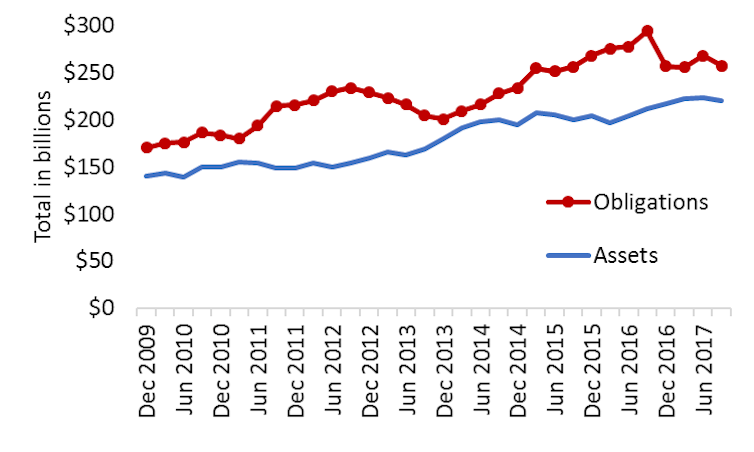
Unfortunately, pension underfunding is common. In Ontario, single-employer defined-benefit plans are short $37 billion in total. Only 18 per cent are fully funded. Those numbers exclude plans serving multiple employers, like the Ontario Municipal Employees Retirement System.
Total obligations and assets for single-employer defined-benefit pension funds in Ontario. The gap between the lines represents the overall funding shortfall. Data is from https://www.fsco.gov.on.ca/en/pensions/actuarial/Pages/solvency-funded-estimate-reports.aspx.
Public sector plans face other risks. Forty years is about 10 election cycles. Will all those politicians keep their predecessors’ promises?
The second risk with defined-benefit pensions is employee turnover. Plans typically calculate payments based on age and years of service. If you work there longer, you’ll receive more.
But quitting sooner gets you less. Depending on where you work and how long, you may get only your contributions back, plus interest. In effect, the defined-benefit plan becomes a defined-contribution one.
Or you’ll receive a deferred pension based on your salary when you quit, say at age 35. That’s likely much lower than your final salary 30 years later at age 65. So, it’s “defined” smaller.
Defined-benefit pensions are nicknamed “golden handcuffs.” They penalize people who switch employers.
But people do switch. Professionals change companies for career advancement. Temporary workers struggle from contract to contract.
Half of U.S. workers have been with their current employer less than 4.2 years. For those aged 55 to 64, 14 per cent have been there less than two years. That jumps to 38 per cent for those 25 to 34. For them, defined benefits are no better than defined contributions.
I’m not suggesting employees should abandon defined-benefit plans. They’re great if employers and employees are stable. But they aren’t risk-free, so some unions might consider bargaining for other benefits instead.
Government action needed
Meanwhile, governments should increase pension protections. For example, Ontario’s Pension Benefits Guarantee Fund will soon protect up to $1,500 of monthly pension payments. Other provinces should follow suit.
Unfortunately, Ontario is also letting pension funds become 15 per cent underfunded before requiring employer top-ups. Currently, 58 per cent of plans fit that category. That allows employers to ignore temporary investment downturns. But it also risks greater shortfalls during bankruptcies.
Sears pensions are 19 per cent underfunded, despite the company making top-ups. Imagine a future company bankruptcy with 19 per cent underfunding below the 15 per cent allowance. Retirees would lose 34 per cent of their pensions.
The federal government should also act. It could ban dividend payments whenever pensions are underfunded. Some corporate loan agreements already contain similar restrictions. That could have helped Sears workers.
Bankruptcy laws need updating too. Current rules first pay off secured debts, like mortgages. Underfunded pensions are considered unsecured debts. They get paid last with whatever money is left.
The Liberals advocated for similar changes while in opposition, and federal Innovation Minister Navdeep Bains says he’s open to discussions now. Is he open to action?
Iconic Canadian pastry brand BeaverTails is setting out to grow its presence in Canada and abroad, and the brand is targeting outlet malls as a key new avenue of growth.
BeaverTails specializes in quick-serve pastries and other desserts, as well as hot and cold beverages.
The chain of 136 locations has traditionally focused on positioning its locations in touristy areas such as ski resorts, amusement parks, beach towns and waterfront areas. Having already established a presence in most major tourist destinations in Canada, however, the company is now exploring other types of locations, such as outlet centres.
Photo: BeaverTails
“We are opening up a new avenue to development in Canada, which is outlet shopping malls,” says Kristina Zappavigna, development director at BeaverTails. “It’s not necessarily something that we were looking to develop, but we happened to open one and it did very well, and have continued to do so in a few other malls since then.”
Although traditional shopping malls haven’t provided a successful venue for BeaverTails in the past, outlet malls tend to attract a different type of shopper, Zappavigna notes.
“The outlet mall provides that impulse-driven customer, so that works well and speaks to our brand, because we’re such a treat,” she says. “So that works beautifully for us.”
The company also has plans to open a location at Premium Outlets Montreal in the near future, and is exploring more potential outlet mall locations in the U.S., including Pittsburgh and Florida.
Location is key for the company, according to Pino Di Ioia, CEO of BeaverTails.
“We are so impulse-driven that we need to be not just near the activity, but in the activity,” he says. Some of the brand’s most successful locations, Di Ioia says, include the store in the ByWard Market in Ottawa, the location on Queens Quay in Toronto, and the Banff store.
Saskatchewan is the only Canadian province in which BeaverTails does not have a location, and the brand is actively exploring opportunities for shops in Saskatoon and Regina, according to Di Ioia. In addition, the company is looking to expand its presence in Vancouver.
Photo: BeaverTails
BeaverTails is also looking internationally for growth. The brand currently has locations in Japan, the United Arab Emirates and South Korea, and is working on expanding to other markets, including France and Mexico.
“North American brands are coveted elsewhere,” says Zappavigna. “We happen to be one of those quintessentially Canadian brands that stick out.”
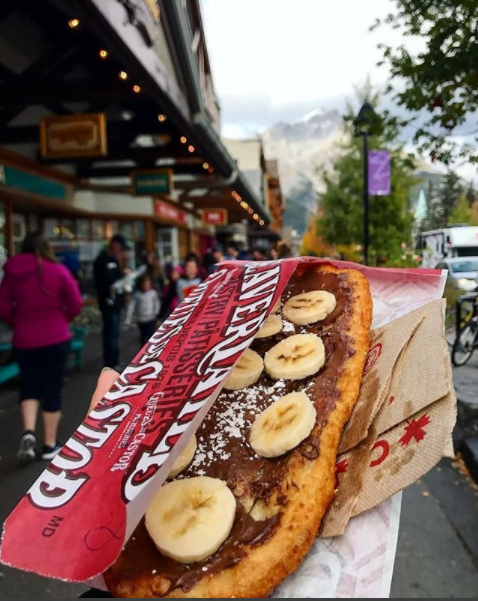
BeaverTails’ namesake product is a fried dough pastry that is stretched to resemble a beaver’s tail, and is available in nine different flavours. In recent years, the company has expanded its menu to include a variety of other items, including poutine, ‘BeaverDogs’ (a hotdog wrapped in a BeaverTail pastry), and ice cream.
“We offer all of the indulgence snacks that you could hope to eat,” Zappavigna says.
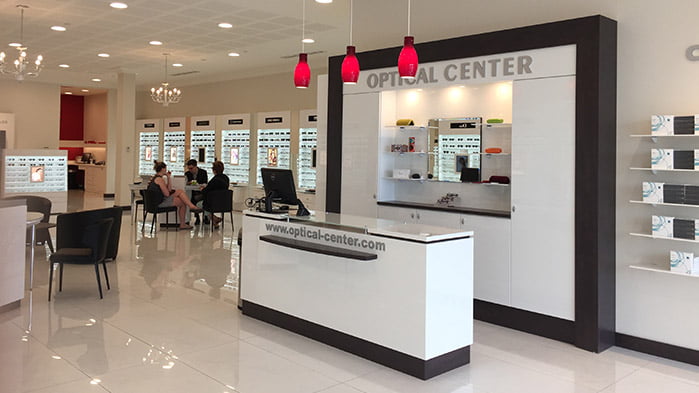
Optical Center, an eye and hearing care store, is geared for big future expansion after opening three locations in the past year in the Montreal area.
Benjamin Blaise, director of development for the company in Quebec, says Optical Center is a company based in France with the first store opening in 1991. The company currently has 522 stores in seven countries – 90 per cent of them in France. The others are in Spain, Turkey, Switzerland, Belgium, Israel and now Canada.
The company plans to grow more locations in Quebec.
“We want to open a lot of stores – to franchise the concept of Optical Center,” says Blaise. “Right now we don’t have a good number to know how many stores will open. We want to make good on these three stores and after that probably open a lot of stores. In Quebec, we will have probably 40 or 50 stores (in the future).”
Optical Center
The next step after that could even include expansion outside of the province’s boundaries.
“The last store in Pointe-Claire is in the English part in West Island. We are trying a new concept with the English part. If this one works very well, maybe we think of moving West or maybe even south,” says Blaise.
The first Canadian store opened in LaSalle, Quebec followed by one in Montreal and then another in Pointe-Claire.
“All of them opened this year,” says Blaise.
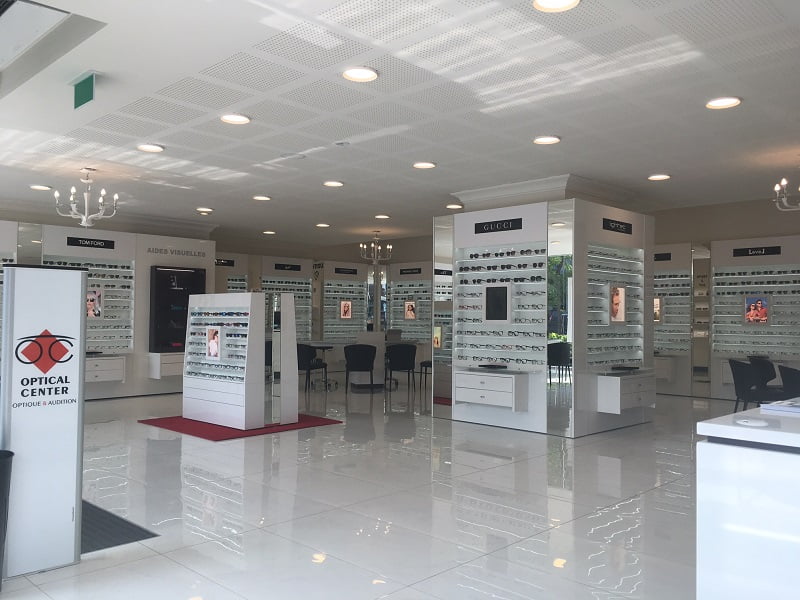
Optical Center
Optical Center has opticians and optometrists as well as audiologists. It sells eye frames, lenses and contact lenses. About 12 years ago the company began to offer audiology services.
“Now we are probably one of the first stores in Canada with both parts hearing and eye care,” says Blaise.
Each of the three Quebec stores has opticians and optometrists based there. There is one audiologist for the three stores.
Blaise says the company has a great partnership with Construction Vergo – Mylène Hardy, Paul Belanger and Yves Ducharme – which allowed the concept to come to fruition.
“Paul went to Europe to see what exactly an Optical Center store is and what we exactly wanted for Quebec,” he says. “Mylène was my eyes and my ears during construction. It was so nice to have somebody who understood exactly what we wanted and being self-motivated.”
“It’s our first stores in North America and we wanted to share this adventure with someone who truly understands our concept store. Working with them was one of our best decisions.”
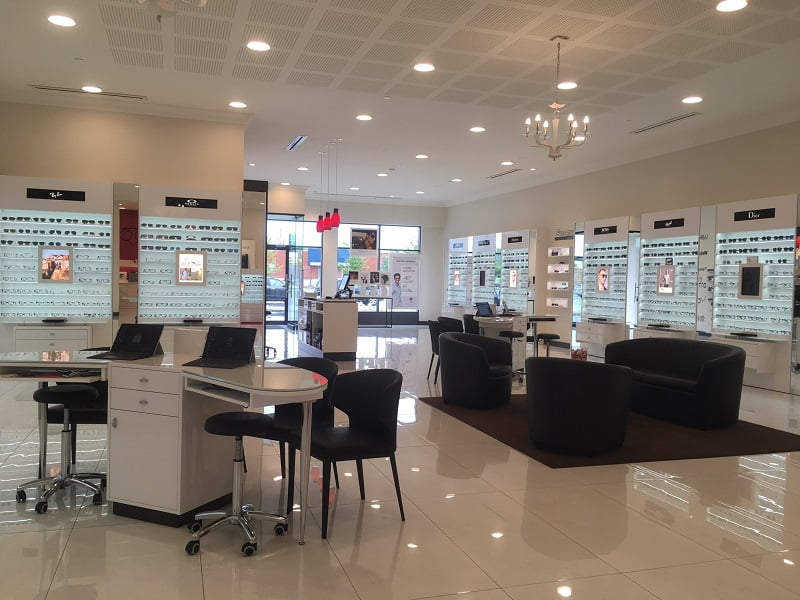
Optical CenterOptical Center
Hardy, Account Manager, Commercial Interiors Division with Construction Vergo, says the company was tasked with finding the right architects and engineers that would respect the concept and design of the stores which were already created in France.
“We needed to understand their concept and apply it to Canada,” says Hardy. “For example with the lights. We had to find an equivalent here in Canada to make sure that it was as per their spec and as per their needs. They have special needs for lighting . . . We applied their design to our Canadian stores.”
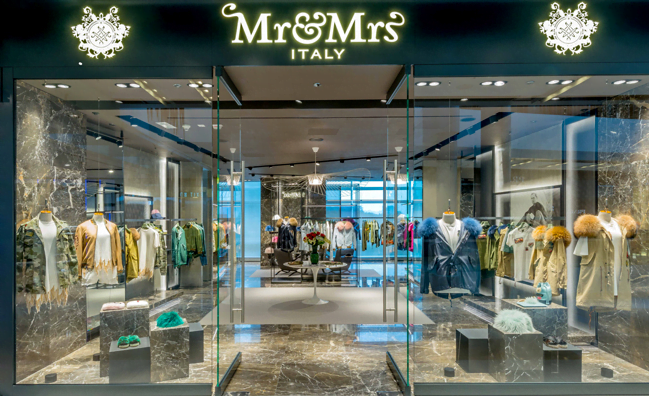
Pricey Italian luxury brand Mr. and Mrs. Italy will open its first Canadian store at Toronto’s Yorkdale Shopping Centre in December of this year, according to construction signage in the mall. Toronto joins a handful of cities globally to boast having a Mr. and Mrs. Italy store location.
Mr. and Mrs. Italy was founded in 2007 in Milan and is known particularly for its parkas lined with fur detailing. Prices aren’t cheap — parkas are generally priced between about $2,000 and $6,000 each, with some approaching $10,000. The brand also features men’s and women’s ready-to-wear clothing and accessories, including collections of unique and expensive footwear that often features fur accents.
The company initially gained awareness for its army green cotton parkas that are lined with rabbit, fox, beaver and mink. The vintage inspired shells and luxury fur design became a hit with celebrities, propelling the brand. The company says on its website that everything is made in Italy.
(CLICK FOR INTERACTIVE YORKDALE MALL MAP)
(CONSTRUCTION SIGNAGE AT YORKDALE. PHOTO: CRAIG PATTERSON)
According to its website, there are only eight standalone Mr. and Mrs. Italy stores in the world, in seven cities. There’s one store location in Milan — its flagship, as well as locations in New York City, Bal Harbour Florida (Bal Harbour Shops), Paris, Shanghai, Beijing, and Hong Kong, which has two stores.











 The
The