Advertisement
Home Blog Page 1120

Ransomware like Bad Rabbit is big business

October is Cybersecurity Awareness month, which is being observed in the United StatesEurope, and elsewhere around the world. Ironically, it began with updates about a large-scale hack, and is ending with a large-scale ransomware outbreak.

Internet firm Yahoo kicked things off on Oct. 3 when it admitted that hackers in 2013 had accessed information about all three billion of its user accounts, not “just” the one billion first reported.

Ransomware “Bad Rabbit” is providing the finale with attacks that began Oct. 24. So far, the outbreak is mostly affecting business computers in Russia.

Both stories are fitting, in a way. The FBI considers computer break-ins and data ransoming the top two cyber threats we face. But while the former is old-fashioned e-crime, ransomware is much trendier. Much like online retailingonline advertising, and online currencies, ransomware is soaring.

Your money or your data

Traditional criminal hackers obtain their ill-gotten gains by stealing valuable data such as credit card numbers or passwords. They then look for customers, such as other criminals, to buy that data.

In contrast, ransomware hackers instead sell data back to the owners. If ransomware infects your computer, it encrypts your files to render them inaccessible until you pay a ransom. This simplifies cybercrime by replacing theft with extortion.

For example, in summer 2016, ransomware locked down the University of Calgary email system. The university paid $20,000 to unlock it.

Today, that looks cheap. In July, a Canadian company reportedly paid $425,000 to regain its data. The month before, South Korean firm Nayana paid $1 million, the highest ransom publicly admitted so far.

Growing scale and sophistication

Much like legitimate firms, some ransomware charges lower “prices” but targets larger volumes. Bad Rabbit demands only a few hundred dollars to decrypt each computer. But it is affecting machines across Russia.

Similarly, the Wannacry ransomware attack in May affected computers in about 100 countries. It forced many British hospitals to cancel surgeries.

An IBM survey found that almost half of businesses suffered ransomware attacks in 2016. Some 70 per cent of those paid a ransom to regain their data.

The survey also indicates small businesses are particularly vulnerable. They often lack the computer expertise to defend themselves. Only 30 per cent provided cybersecurity training to employees, compared to 58 per cent within larger companies.

Ransomware’s sophistication is growing too. Ransomware “worms” like ZCryptor spread themselves across networks, rather than riding on infected emails.

Some ransomware specialists are selling their services to organized crime. This crime-as-a-service business model allows criminals to outsource their technology needs. User-friendly ransomware “kits” can be purchased for $175.

Future possibilities

What might come next? Imagine state-sponsored hackers using ransomware. Host countries might give — or even sell — permission for local hackers to attack rival countries’ computers.

These cyber-privateers could plunder commerce abroad, without the host country’s direct involvement or accountability. Think of regional rivals like North and South Korea, or major powers like the U.S., Russia and China.

Sound far-fetched? Russian security services have already been accused of working with organized crime on cyberattacks. The Russian government denies any involvement. But its president, Vladimir Putin, did suggest independent “patriotic hackers” may have tampered with the U.S. election process.

How about virtual protection rackets? Instead of one-time payments for decryption, users might be “convinced” to pay ongoing fees for the “service” of avoiding encryption.

Or instead of hiding virtual data, ransomware could shut down physical objects. The Internet of Things is exposing new targets. Control systems for factories, utilities and our homes are increasingly online.

What if ransomware turned them off? Businesses begrudgingly pay thousands to recover emails. Imagine what they’d pay to restart assembly lines.

Precautions to take

To defend themselves, computer users need to do the basics. Run antivirus programs to detect threats. Think before clicking on unexpected email attachments. Keep application software and operating systems updated. (Surely you’re not still running Windows XP?)

Users should also back-up files regularly. If ransomware strikes, backups allow ransom-free recovery. But keep them on removable drives to prevent their infection.

Infected users can also try decrypting files with tools from sites like NoMoreRansom.org. But these might work only on simple cases.

Corporate and government action

Software makers should do more to facilitate safe computing practices. For example, it’s great that Windows now has self-updating antivirus protection. Unfortunately, it’s still awkward to back-up data onto removable drives.

Business insurers could also play a role. They might require corporate computers to be updated and backed-up to qualify for coverage.

Co-operation among independent agencies is needed to fight ransomware’s breadth. Canada’s Communications Security Establishment set a good example two weeks ago when it made its Assemblyline malware analysis software publicly available to tech professionals.

In contrast, the U.S. National Security Agency sets a bad example: It had known about a weakness in Windows for years, but didn’t tell Microsoft until early 2017.

Law enforcement likewise needs to cooperate across jurisdictions. September’s Interpol-Europol Cybercrime Conference was a good step in this direction.

As foreign hackers increasingly “tax” domestic businesses, ransomware becomes a national security issue. Governments may need to negotiate agreements like those covering seaborne piracy.

Finally, firms might consider keeping key systems disconnected from the internet, as some military computers have always been. Just because anything can be online, it doesn’t mean everything should be.
Brief: Zadig & Voltaire to Open Canadian Stores, Louis Vuitton to Open 1st Men’s Store, m0851 Files for Creditor Protection

exc-59ee896590bcce54c34d26a6

Zadig & Voltaire to Open 1st Standalone Canadian Stores this Fall: Paris-based fashion brand Zadig & Voltaire will open its first two standalone Canadian stores this fall — one in Toronto, and another in Montreal. 

The Toronto Zadig & Voltaire location will be at Yorkdale Shopping Centre, in a 2,000 square foot space in the mall’s Nordstrom-anchored expansion wing, next to French women’s retailer Maje. The Montreal location will open this fall in Montreal’s Westmount, at an address to be revealed at a later date. 

Jeff Berkowitz of Aurora Realty Consultants represents Zadig & Voltaire in Canada, and negotiated the Montreal deal. 

Montreal-based Axxys Construction is building both stores. 

The standalone store openings coincide with Zadig & Voltaire’s exiting Holt Renfrew as a vendor earlier this year. 

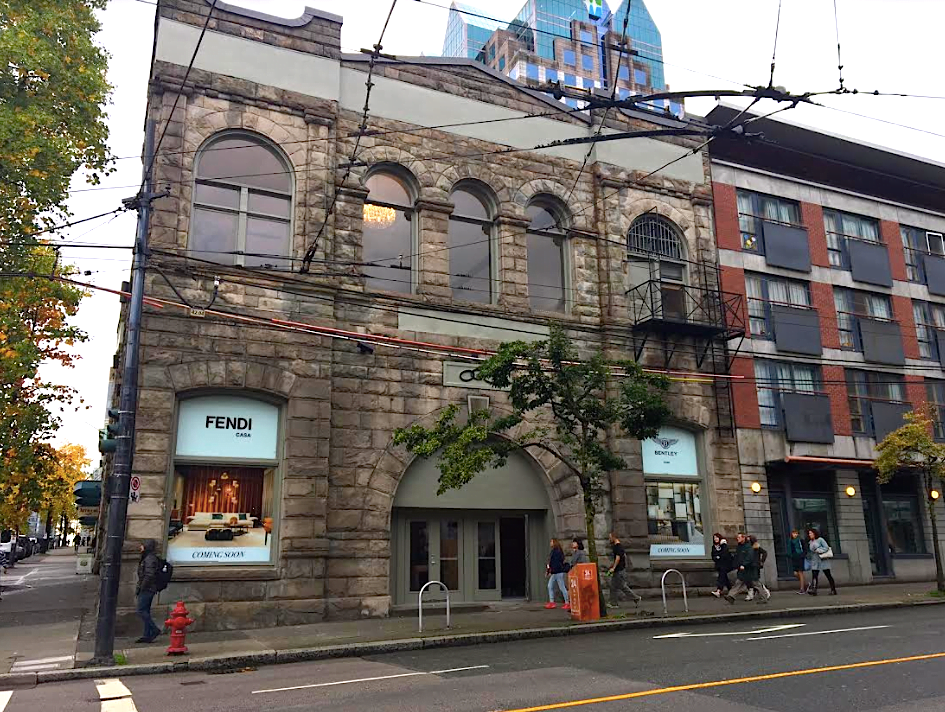
Fendi Casa and Bentley Home Coming to Vancouver: Home furnishings retailer Major Global Interior will be opening a new location in Vancouver this fall, and it could be met with some controversy. Last week, signage went up in the windows of 300 W. Pender Street, indicating that Fendi Casa and Bentley Home will have a presence in the retail space located a stones throw from Victory Square in the city’s struggling Downtown Eastside, as well as adjacent to homeless youth shelter Covenant House

Fendi Casa and Bentley Home both feature beautiful, high quality furniture collections with prices that can go well into the thousands — Fendi is an Italian luxury brand that is also in the process of expanding its fashion stores into Canada, and Bentley is known for its pricey vehicles that sell very well in the Vancouver market. 

In the summer of 2014, Major Global Interior found itself pushing back after it opened Canada’s first Versace Home store nearby at 310 W. Cordova, replacing an independent retailer that had operated in the space for years. Vancouver is certainly gentrifying as the world’s wealthy continue to gravitate towards the city, though some locals are expressing their opinions that ‘gentrification’ is pushing out the poor in the area. 

Edmonton Whole Foods Space Goes to H-Mart: Whole Foods was originally supposed to move into a 42,000 square foot retail space the former Canadian Tire building at 3803 Calgary Trail in Edmonton last year, but the store never opened for a variety of reasons. Now, Chris Buyze, via Twitter, says that US-based Korean-themed grocery chain H-Mart will open its first Alberta store in that location.

H-Mart has been opening stores across Canada, after opening its first Canadian store in suburban Vancouver in 2003. Another interesting target has been the downtown Toronto market. H-Mart opened a small store at 695 Yonge Street, a block south of Bloor Street, several months ago, and it will also eventually open a store in the former American Apparel space at 338 Yonge Street. Downtown Toronto’s population is exploding, and grocery retailers are moving in to serve new residents.  

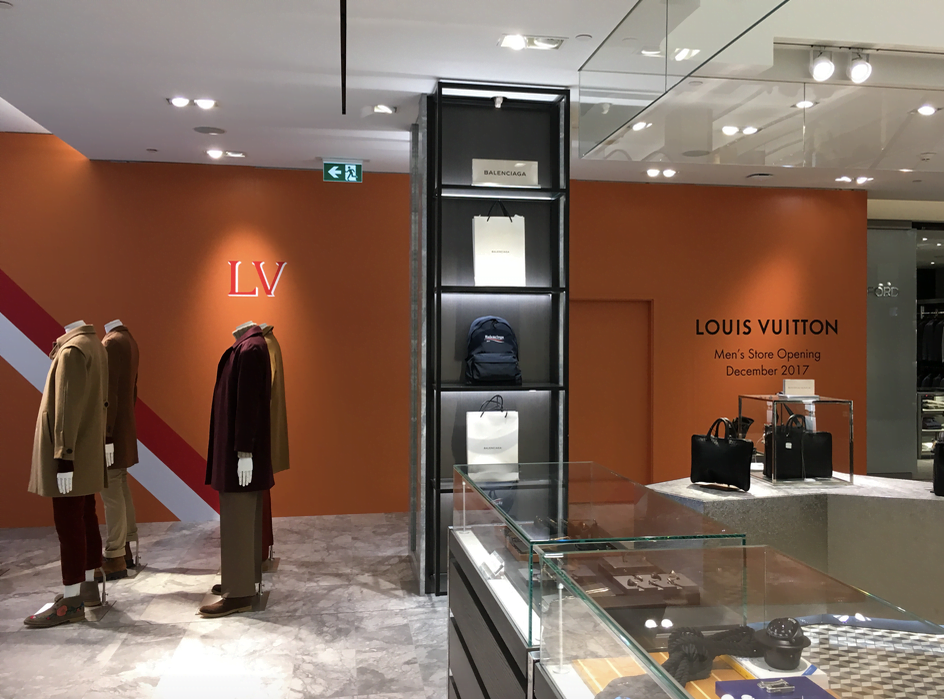
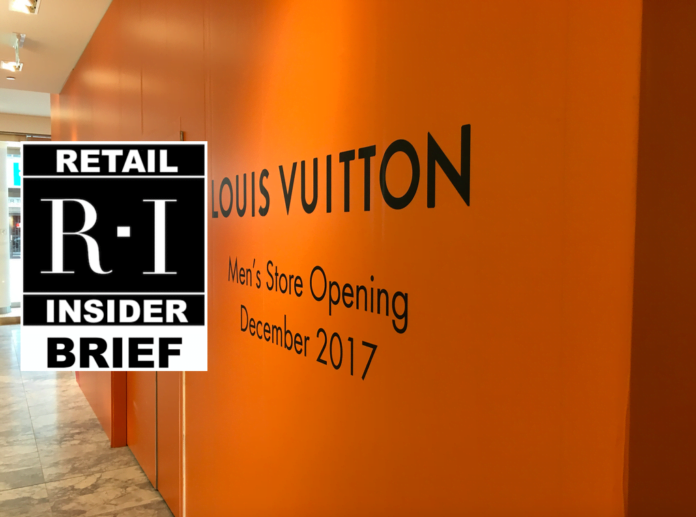
Louis Vuitton to Open 1st dedicated Canadian Men’s Boutique in VancouverLVMH-owned luxury brand Louis Vuitton will be opening a dedicated men’s concession at Holt Renfrew in Vancouver in December, according to construction signage in the store adjacent to its Howe Street entrance. The CF Pacific Centre Holt Renfrew flagship recently expanded by about 40,000 square feet, bringing it to almost 188,000 square feet. 

Louis Vuitton men’s will join nearby boutiques for Tom Ford and Berluti, with staff in the store saying that more are on the way. 

Holt Renfrew’s Vancouver store’s renovations are ongoing. Sources formerly with the company confirm that the original intention of the expansion and renovation was to bring the store’s sales up to $500 million annually from about $300 million at the time, though sales forecasts have since been revised. If Vancouver’s Holt’s had achieved a half a billion in sales, Vancouver would have been the only city in North America besides New York City to boast such a high-selling luxury fashion department store. 

Nordstrom Vancouver Adding Men’s Luxury Boutiques: Nordstrom is known to do shop-in-stores for some of its leading women’s luxury brands, with Vancouver and Toronto flagships featuring boutiques for the likes of Celine, Chloe, Stella McCartney, Saint Laurent and others. Nordstrom’s men’s departments, on the other hand, typically lack these — not just in Canada, but company-wide. 

Nordstrom’s CF Pacific Centre flagship in Vancouver is seeing such strong sales for its luxury brands, including menswear, that the company is taking the unprecedented step of creating dedicated luxury menswear boutiques — a Valentino men’s shop was recently unveiled for the popular collection, and a couple more are expected to follow. Staff say they expect a Balenciaga shop-in-store to be next, with a third brand undetermined, and possibly Calvin Klein, who’s elevated menswear collection is carried in the Vancouver store. 

Vancouver is a shining star for Nordstrom, with sources at the company saying that the CF Pacific Centre flagship, which opened in September of 2015, is the company’s top performer — beating out highly productive flagship units in Seattle and Chicago. 

What Canadian Landlords can learn from Chinese Malls: A retail expert discusses how China’s malls are generally more aggressive to change, in an article today in Retail Insider. As well, Montreal-based Lightspeed POS has secured a massive investment that has it on track to be one of only a handful of Canadian tech startups valued in excess of a billion dollars. 

m0851 Files for Creditor Protection: According to newsletter Insolvency Insider, upscale Montreal-based leather and fashion brand m0851 (once named Rugby North America) filed a Notice of Intention to make a proposal under the Bankruptcy and Insolvency Act on September 27. 

The company celebrated its 30th anniversary in the spring, with revenue reportedly surpassing US $25 million annually. Until recently, the company operated 22 stores globally, and was in the process of expanding into major Canadian shopping centres. According to La Presse, five franchised and corporate m0851 stores have recently closed (in Madrid, Los Angeles, Boston, Ottawa and De Maisonneuve Boulevard in Montreal) and a location in Westmount will close in a few weeks. A total of 16 stores will remain open after the restructuring, including a new location at Montreal’s Rockland Centre that opened a couple of weeks ago.  

Debts amounting to about $7.3 million became a burden on m0851, and the company has a plan — prices on its products will be reduced, with handbags priced at 25% less than before while still offering the same quality, and being made in Montreal, says the report in La Presse. [Subscribe to Insolvency Insider]

Retail Insider will now be regularly including these briefs as part of our expanding reporting mandate. For more information, contact Editor-in-Chief Craig Patterson at: craig@retail-insider.com

What Canadians Can Learn from Chinese Mall Design

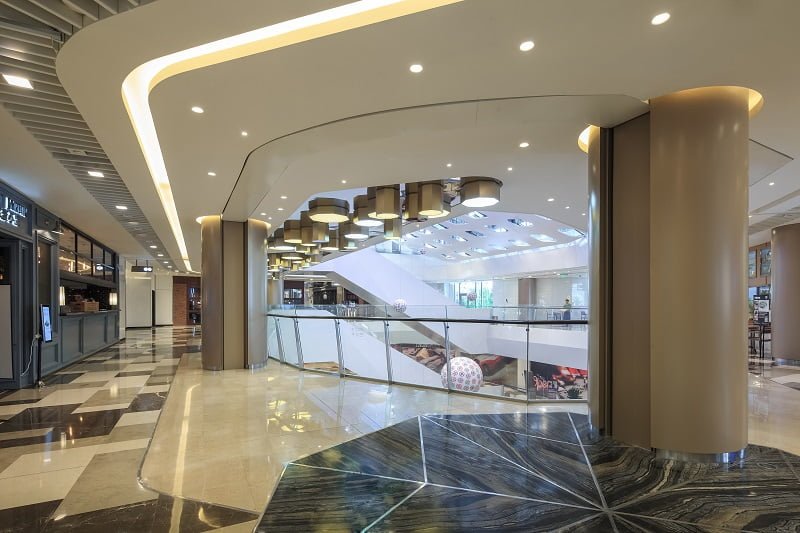
(CRYSTAL GALLERIA IN SHANGHAI)

Canadian and North American shopping centres can learn from the malls in China which has a much more aggressive move to change, says an expert in design and architecture.

David Stavros, Senior Design Principal|Executive Vice President, Asia, Principal of B+H Architects, says China’s entrepreneurial spirit has allowed its retail sector to become an early adopter of change.

“In the scramble to remain relevant in a crowded marketplace, its stance towards rapid change has seen the introduction of social attractors such as ice rinks, basketball courts, public art installations and immersive IMAX theatres into its malls,” says Stavros. “The mall is quickly repositioning itself as an activity hub, not just a retail centre.”

He says there is also a significant uptake in new technologies, which enable a completely new kind of shopping experience.

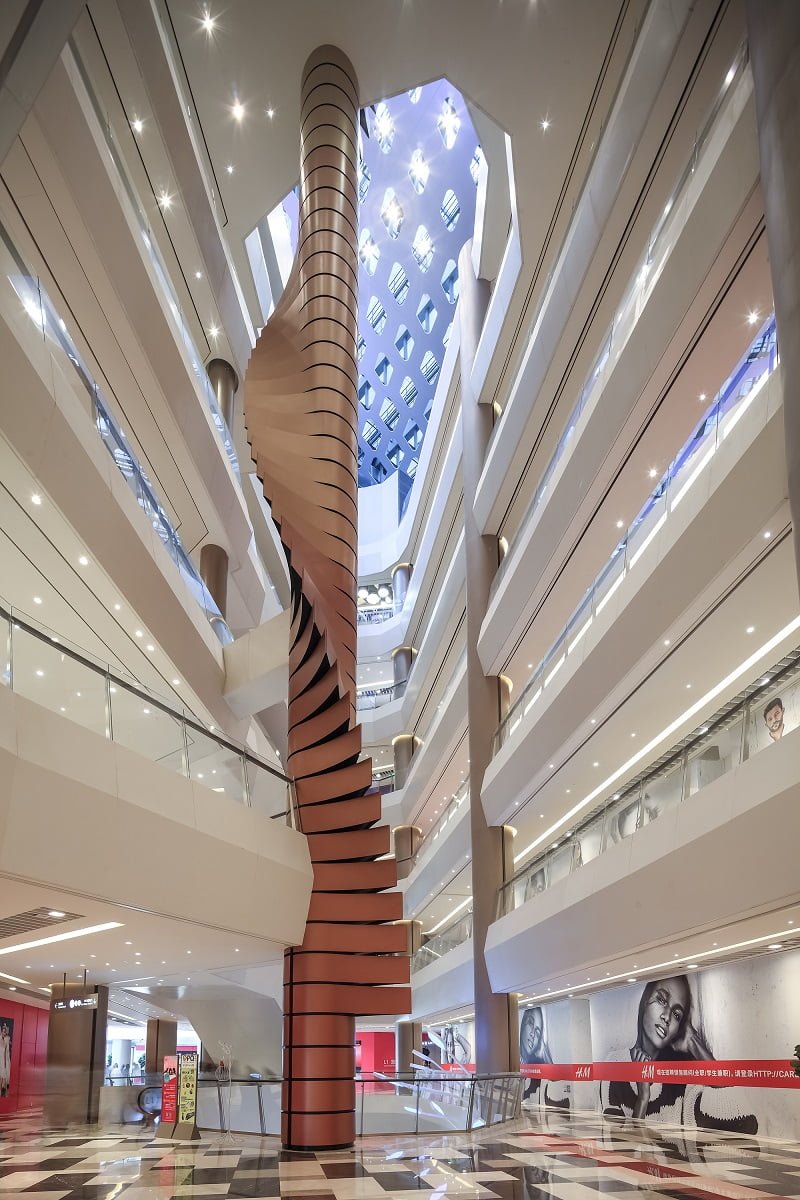
(CRYSTAL GALLERIA IN SHANGHAI)
(GOOD CANADIAN EXAMPLES: ABOVE AND BELOW ARE PHOTOS OF CF RIDEAU CENTRE IN OTTAWA, VIA CADILLAC FAIRVIEW)
CF RIDEAU CENTRE IN OTTAWA, VIA CADILLAC FAIRVIEW)

“In North America, we talk about the need to make these changes, but the pace is much slower. A lot of focus now is on maximizing the land assets, with new constructions and the introduction of residential developments,” explains Stavros.

“There are many opportunities to import the lessons learned in China to our malls in North America. Over the years, the mall has re-invented itself many times but always in service to the same desire: people want to come together, watch and be watched, and feel part of something bigger. Investors and owners who are willing to break from traditional models and respond flexibly to new technologies and shifting demographics will be as successful as ever.”

He says malls in both North America and China are experiencing the same pressures and stress fractures – namely the threat of e-commerce. So retail can no longer be relied upon as the main social attractor because it can happen any time, any place.

(CF RIDEAU CENTRE)

“But people still want a reason to get out and come together,” says Stavros. “The key to success is understanding the social attractors that draw people together – and retail will happen. Community engenders retail, not the other way around.”

“In both parts of the world, retail, in and of itself, is no longer drawing in the population. There is a shift to new, disparate uses, with more emphasis on experiences and food. At the Crystal Galleria (Shanghai), B+H designed space for food offerings in 40 per cent of the (six-level) building. These spaces were distributed on each floor, throughout the mall, instead of a cluster in just one or two locations. The result is you have an energy and a flow of people throughout the entire building.”

B+H is a Canadian-based architecture firm with nine offices in six countries, including offices in Shanghai and Hong Kong. The firm has had a presence in China for 25 years. They’ve worked on several shopping centres and retail stores, including LIVAT Wuhan centre and LIVAT Wuxi Centre, the Paul & Shark store in Hong Kong and Sephora’s flagship store in Shanghai. In Canada, they do a lot of work with Cadillac Fairview, including working on the renovation of the CF Rideau Centre Expansion in Ottawa.

(CRYSTAL GALLERIA IN SHANGHAI)

Recently, B+H gathered all of their design leads from each of their offices in Toronto for a two-day deep dive into the future of malls. B+H mapped out several different future scenarios and how each scenario could potentially impact what a mall looked liked. The scenarios include one future where Amazon (or Alibaba) wins and another scenario was dubbed Etsy’s revenge. All of these scenarios informed a board game that each of B+H’s design leads played as a way of exploring potential future outcomes.

Stavros says the intent was to understand the wants, the needs and the desires of the people and how they can establish a roadmap that will help them negotiate the disruptive changes that are really upon us nowadays.

In a recent report, The Purpose Of The “Mall”: Community as a Framework for the Mall, B+H Architects said the first “mall” as we know it today opened in 1956 in Edina, Minnesota.

“The reason today’s malls are failing is because they’ve lost their purpose – the reason why they exist in the first place. It’s only when the mall becomes what it was once intended to be – a meeting place for people to connect in a space that authentically reflects who they are and moves flexibly into the future – that we will begin to see the revival of the institution,” said the report.

*Photos in this article provided by B+H Architects via Kim Graham & Associates

As well, Retail Council of Canada is releasing its second annual Canadian Shopping Centre Study this fall, and there’s still room to advertise. [For more information]. 

Montreal-Based Lightspeed POS Secures Massive Investment

Lightspeed Montreal Head Office (Image: Lightspeed)

New funding is expected to drive continued innovation for Montreal-based Lightspeed POS Inc.’s growing customer base of nearly 50,000.

Lightspeed, which bills itself as the world’s most advanced cloud-based point-of- sale software solution for independent retailers and restaurateurs, recently announced it had closed a US $166 million investment.

The series D round was led by Caisse de dépôt et placement du Québec (la Caisse) with an investment of US $136 million, and included participation from Investissement Québec (IQ), iNovia Capital and a credit line from Silicon Valley Bank.

“The retail and restaurant industries now require businesses to deliver a greater and more unique experience to thrive,” says Dax Dasilva, Founder and CEO of Lightspeed. “Lightspeed is leading the digital transformation with our powerful, easy-to- use platform, which enables your favourite local businesses to increase revenue, continue to innovate, and ultimately deliver an extraordinary shopping or dining experience.”

The total amount invested in the Montreal-based technology company is US$292 million as global demand continues to grow for cloud-based POS and commerce solutions. The total investment includes all the rounds from A to D which began in 2012.

Image: Lightspeed

“We’re reaching a different stage in the company where we have a different type of investor that reflects the maturity of the company,” says Dasilva.

The company says it remains focused on providing customer-centric, market-leading POS technology solutions that power retail and restaurant businesses. It says the additional investment supports further innovation of its fully-integrated omnichannel Retail and mobile Restaurant solutions, and supports the company’s global expansion to address market demand.

“International expansion is a big focus for us. We have eight offices around the world,” says Dasilva.

Nearly 50,000 retailers and restaurateurs, processing over US $15 billion in transactions annually use Lightspeed’s services which can be found in 100 countries. The company was founded in 2005 and it has grown to nearly 600 employees, with global offices in Canada, USA, Europe, and Australia. Three offices are located in Europe where 200 of its employees work.

Dasilva says the company is also starting to see some traction in Asia and South America.

Since 2015 when it had its last round of investment, Lightspeed grew from 25,000 customers to 50,000 today and Dasilva says some pretty impressive customer growth is expected over the next couple of years. The total amount of transactions processed went from $10 billion in 2015 to $15 billion today.

“Two years ago, when we first invested in Lightspeed, the company was already considered a Canadian leader in its field. Today, its solutions are used in more than 100 countries and Lightspeed is the world’s largest company in its sector. This success is due to the impressive innovations that it implemented and the strategic vision of its experienced management team,” says Christian Dubé, Executive Vice-President, Québec at la Caisse. “This investment is part of our commitment to provide long-term support to Québec’s new-economy companies as they grow internationally.”

Lightspeed says its customers see a 20 per cent increase in revenue, on average, during the first full year on the platform. A few of the marquee retail brands that use the POS platform every day to power their businesses include: Todd Snyder, Want Les Essentiels, DASH, Draper James, Rocket Fizz, Malin+Goetz, Mike’s Bikes in California, and the Montréal Canadiens. Restaurateurs are beginning to adopt new technology at a much faster pace than ever before, and some of the places Lightspeed can be found include: Eataly, La Marina NYC, Nobu Malibu, Lutze Biergarten, Zoku Amsterdam Hotel, Hummus Bros, Crêpeaffaire, and Detroit Foundation Hotel.

“We were among the first to believe in Lightspeed’s remarkable growth potential and invest in it,” says Investissement Québec President and CEO Pierre Gabriel Côté. “Lightspeed is currently enjoying an impressive level of success. It is now a global leader whose growth and accomplishments are making waves far beyond our borders. It was only natural for Investissement Québec to reinvest in the company.”

Zaatar w Zeit Launches Canadian Expansion

Image: Zaatar w Zeit

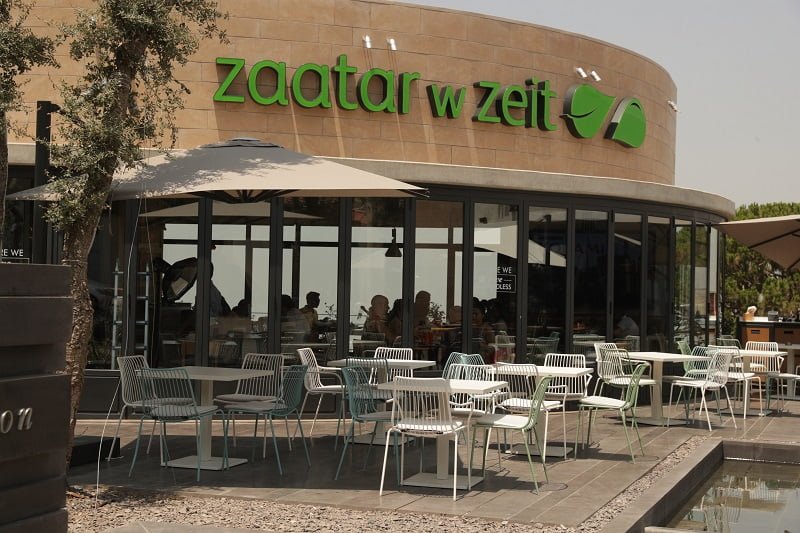
Zaatar w Zeit, an international urban eatery franchise based in the Middle East, is poised to enter the Canadian market, Retail Insider has learned.

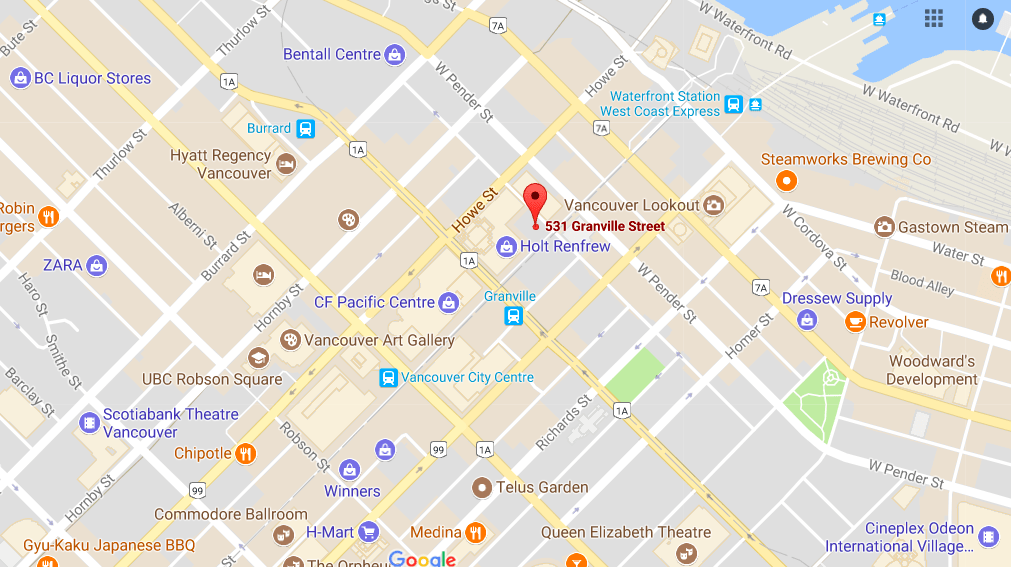
Mahmoud Sobh, Chief Operating Officer of Zaatar W Zeit Foods Canada, says the company is aiming to open the brand at a location at 531 Granville Street in Vancouver for the first quarter of 2018.

Martin Moriarty and Mario Negris of CBRE Vancouver represented the landlord in the deal with Zaatar w Zeit.

“We are starting with Vancouver in Canada where we will optimize the concept for the North American consumer and then we will open it up to other major cities. The number of outlets depends on the size of the cities and consumer trends within it,” says Sobh.

531 GRANVILLE STREET
Zaatar w Zeit

“We feel that our offering would be loved as we get constant requests to be franchised from all over the world. We have ambitious plans to grow globally.”

Currently, the company is present in Lebanon (where its head office is located and the company was founded in 1999) as well as Jordan, Kuwait, Qatar, United Arab Emirates, and Saudi Arabia, with a total of more than 70 outlets — which is constantly expanding.

“Canada is one of the most open and multicultural countries where people enjoy authentic food made with fresh healthy ingredients. Canadians would be great ambassadors for our ‘love’ brand. Our menu has something for everyone. Whether you’re vegan or a meat lover or anything in between; the Canadian market covers the range,” says Sobh.

Zaatar w Zeit means “Thyme and Olive Oil” which are the cornerstone ingredients of the flatbread wraps that were baked in its first forno ovens.

Fresh dough was drizzled with olive oil – the oil cold-pressed every autumn from Lebanon’s organic olive groves – and sprinkled with a mix of wild thyme and toasted sesame seeds. The steaming hot wraps were made fresh to order with cheese and other toppings taking their place alongside thyme and olive oil. Those ingredients made Zaatar w Zeit a success from the start, and new locations opened one after another to keep up with demand.

“Entering the North American market via Vancouver is an exciting milestone for the Zaatar w Zeit family – those who have been with us from the start, and those who have just joined this journey,” says Donald Daccache, CEO of Zaatar w Zeit.

“We are proud we are putting this iconic Mediterranean concept on the international map with a brand that has remained true to its values throughout 18 years of successful operations. The constant demand for our unique taste and flavours and the rising popularity of freshly-prepared street food – especially in a city like Vancouver – seemed like the best trigger for our strategic plan.”

The company says customers of Vancouver’s Zaatar w Zeit will find a menu filled with both the light and the hearty: classic Lebanese ‘manooshi’ wraps, a choice of breakfasts, salads, desserts and sandwich wraps such as customer favourites Mighty Kafta, Spizy Chicken and Famous Chicken. There’s a baked falafel wrap, and hummus dip with freshly-baked crackers. There’s cheesecake and brownies and Z Knefeh.

*Photos provided by Zaatar w Zeit, including photos of Lebanese cuisine to be offered by Zaatar w Zeit.

Town Shoes Repositions to Focus on Growth

Former Town Shoes at CF Toronto Eaton Centre

The Town Shoes banner in Canada has recently been consolidated and re-positioned in the right way so that it is truly focused on being the fashion authority in footwear in the appropriate markets, says the company’s president.

Simon Nankervis, president of Town Shoes and chief commercial officer of DSW Inc., told Retail Insider that the company has had a “real focus on revitalizing the Town Shoes banner to position it back to the brand it was which was the leading brand in fashion footwear.”

“And a place that a consumer can go and actually trust they’re being given the latest true authority on fashion footwear . . . Our Town Shoes banner itself has contracted. We closed a number of under-performing stores as we looked to re-position it. It really is now a banner that is focused predominantly on full service, High Street and A / B mall presentations around better and affordable luxury product. It is about merging the fashion footwear brands to emerging fashion trends and  focused on that fashion consumer who is looking for the latest and greatest in quality fashion footwear.”

Town Shoes Limited is the largest branded footwear retailer in Canada with the following brands: Town Shoes, The Shoe CompanyShoe Warehouse and DSW Canada.

There are 181 stores across the country with the exception of Quebec. The store breakdown is as follows: 41 Town Shoes; 24 DSW; 40 Shoe Warehouse and 76 Shoe Company.

“We have every intention of entering (the Quebec) market,” says Nankervis, who divides his work time between Toronto and Columbus, Ohio. “It doesn’t make sense to not talk to those 21 per cent of the Canadian population.”

“Even as we think about entering Quebec, we would see ourselves opening a couple of additional Town stores in that market because we would be reaching the appropriate customer in those markets.”

But it’s not certain what time frame that will take place.

Nankervis says the company still believes there’s opportunities for growth in the other three banners.

“DSW is really around a fashion trend consumer who is looking for the latest and greatest fashion but looking for it at good value and reasonable pricing,” he says.

“Then we have The Shoe Company and Shoe Warehouse customer which is really more of a family consumer who is looking for essential everyday footwear but still wants to make sure they’re wearing something that is trend right, functional but is really mindful it is more of a family consumer.”

Besides re-positioning Town Shoes, the company has also been focused on the launch and growth of DSW stores in Canada and penetrating that market with a particular focus on the Millennial consumer who is interested in trending fashion.

Nankervis says its third focus has been on the kids business at The Shoe Company and Shoe Warehouse and how they can become the leading destination for kids and junior footwear.

Native Shoes to Open 1st Standalone Store

exc-59e90c0ef9a61eb665174633

Vancouver-based footwear brand Native Shoes, known for its “forward thinking, ultra lightweight and Beast Free footwear” is the latest brand to be opening its own retail store. In mid-December of this year, Native Shoes will open its first standalone retail space in Vancouver’s Gastown area, at 14 Water Street. 

The store will feature Native Shoes’ core product line of footwear in new prints and colourways for the Fall season, as well as recent launches like the water-resistant Treklite boot collection and Monaco Velcro for kids.

The Vancouver-based company was founded in 2009 with three classic shoe silhouettes constructed entirely from a single material: EVA. The brand has since expanded to offer a variety of silhouettes for adults and kids in futuristic fabrics, available to consumers in 30 countries worldwide.

“We’re extremely proud to open our first retail location in our hometown Vancouver,” says Kyle Housman, President at Native Shoes. “This new space will be a creative hub where design, fashion and community intersect.”

The new retail space is described as being “likened to a high end, minimalistic yet sustainable space”, with a design inspiration that draws from Native Shoes’ west coast roots, pulling in natural wood for fixturing and a monolithic moss wall sourced from the forests surrounding Vancouver”. The store will feature a large-scale ‘gumball machine’ installation to display Native’s classic Jefferson shoe, and will foster an interactive and design-driven atmosphere for both adults and kids. The store will also feature a dedicated community space to host pop ups with “artists, like-minded brands and individuals”.

Native Shoes will replace another ‘ethical’ retailer, Nicole Bridger, which recently shuttered its women’s fashion store at 14 Water Street.

Brief: Bubba Gump Shrimp Co. to Enter Canada, Rolex Flagship to Expand, Matt & Nat Opens 1st Outlet

exc-59e8ec786f4ca35dfdf5dd7c

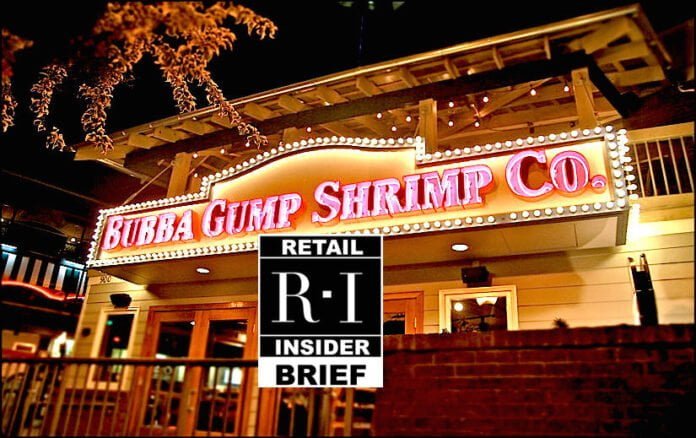
Bubba Gump Shrimp to Open 1st Canadian Location at West Edmonton Mall: Popular US-based restaurant chain Bubba Gump Shrimp Company will open its first Canadian location at West Edmonton Mall. The 8,960 square foot flagship restaurant, scheduled to open March 1, 2018, will replace an Eddie Bauer location that recently relocated from the second level of phase III to phase I. 

Bubba Gump Shrimp will be strategically located adjacent to the Fantasyland Hotel, the Scotiabank Theatre (including IMAX 3D) as well as the World Waterpark and other attractions. West Edmonton Mall was chosen after the company saw considerable success with its location at sister centre Mall of America in suburban Minneapolis. Both malls are owned and operated by Triple Five Group

Bubba Gump Shrimp Company is a seafood restaurant chain inspired by the 1994 film Forest Gump. The company’s parent company is Viacom, owner of Paramount Pictures, and distributor of Forest Gump. The company operates 43 restaurant locations, with 29 of them being in the United States. Bubba Gump also operates restaurants in Mexico, Malaysia, Japan, London UK, Hong Kong, Indonesia, the Marianas, and the Philippines. 

Cheesecake Factory Opens November 21 at Yorkdale: Full-sized restaurants in malls are more common than ever, as top shopping centres position themselves as social gathering places. On November 21, as well, Cheesecake Factory will open its first Canadian restaurant location at Toronto’s Yorkdale Shopping Centre

Rocky Mountain Soap Company Opens at CF Chinook Centre: Canmore, Alberta-based natural bath and beauty brand Rocky Mountain Soap Company has opened its 11th brick-and-mortar location at Calgary’s CF Chinook Centre. The retailers initially opened in the mall as a pre-Christmas pop-up in 2014 — its success led to a three-year stint that’s now formalized as a permanent store. 

Rocky Mountain Soap Company worked closely with Canadian architect firm McKinley Burkart to compile a “Red List” which details any harmful or toxic materials or chemicals that were not to be used in the build of the store — re-claimed, re-used, recyclable or compostable materials were used where possible. 

There are now 11 Rocky Mountain Soap Company locations in Western Canada including one in Canmore and Banff, four in Calgary, two in Edmonton, two in Vancouver, as well as a location in Winnipeg. The company also has an ecommerce site: rockymountainsoap.com. Oberfeld Snowcap represents Rocky Mountain Soap as brokerage in Canada.

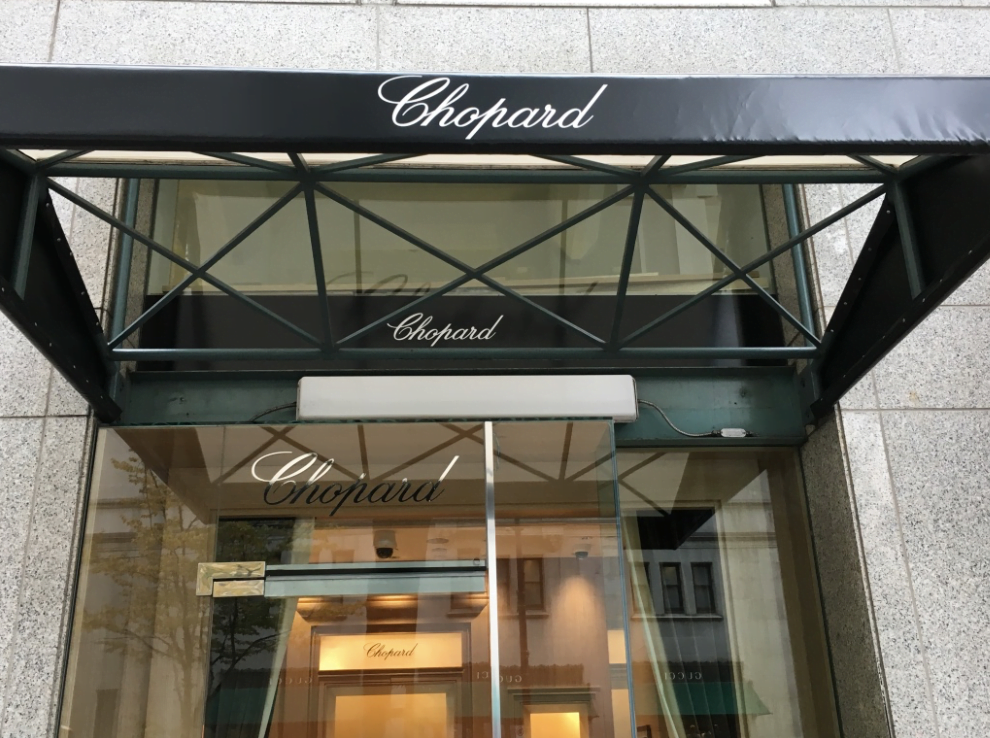
Chopard Opens in Vancouver’s Luxury Zone: Swiss luxury watchmaker and jewellery brand Chopard has opened a boutique in Vancouver. The street-front location is at 925 W. Georgia Street in Cathedral Place, next to Black Goat Cashmere and across the street from the Fairmont Hotel Vancouver that houses Gucci, Dior and Louis Vuitton stores. 

The Vancouver Chopard boutique was created by converting the retail space occupied by multi-brand Global Watch Company, which operates the new Chopard. The Vancouver Chopard boutique is the second in Canada — in the fall of 2015, Chopard opened at CF Sherway Gardens in Toronto, as a partner boutique with local retailers L’Oro Jewellers.

North America’s Largest Rolex Flagship to Expand: Vancouver’s 2,750 square foot Rolex store at 1119 Alberni Street in the base of the Shangri-La Hotel will expand by annexing a retail space formerly housing the Bombay Brow Bar. The Rolex Boutique opened in September of 2016 and is operated by Global Watch Company. CBRE Vancouver‘s Martin Moriarty and Mario Negris negotiated the deal. 

Richemont’s watch brand Panerai also recently opened a boutique at 1008 Alberni Street, and it will soon be joined by locations for Richemont’s Van Cleef & Arpels and IWC Schaffhausen towards the end of this year at 1069 Alberni Street (the CBRE team was also involved). 

Vancouver’s ‘Luxury Zone’ is seeing an unprecedented number of luxury brands opening stores, and brokers say there’s not enough space for the demand. There’s no end in sight, as luxury brands are looking at expanding the Luxury Zone to include more of the 1100 Block of Alberni Street, as well as West Georgia Street — Stefano Ricci opened next to the Trump Tower in January of this year, and another major luxury brand will soon be announced for a prominent space closer to Burrard Street. 

Square Opens Queen Street Pop-Up: Credit card processor Square has opened its first Canadian pop-up at 202 Queen Street West in Toronto. It’s open until Sunday, October 22, and the space brings together local businesses, all Square sellers, that lack brick-and-mortar stores, and are now selling directly to the public. 

Square is also hosting educational programs in the space, which is impressive. 202 Queen Street West features three levels and over 3,000 square feet of space. For more information on 202 Queen, contact Joseph Gatto of Chestnut Park Realty at: ggatto@chestnutpark.com

RH Restoration Hardware Opens Yorkdale Flagship: Canada’s first flagship RH Restoration Hardware flagship opens this morning at Toronto’s Yorkdale Shopping Centre. The 70,000 square foot four-level space includes departments for RH Interiors, RH Modern, and RH Outdoor collections from internationally renowned designers, as well as a Rooftop Park & Conservatory with open-air pavilions, mature white crepe myrtle trees and views of the Toronto skyline. It’s RH’s 9th such flagship globally. Next week we’ll include a feature article with photos of the new space, which is spectacular. 

The Yorkdale flagship is only the second globally to feature a restaurant component in partnership with celebrated restaurateur Brendan Sodikoff, which includes a courtyard café that offers a seasonal, ingredient-driven menu set within sheltered gardens with towering heritage olive trees, trickling fountains and glimmering chandeliers. In addition, a pantry serves craft espresso, a curated selection of artisanal wines and craft beers, and fresh house-made doughnuts and pastries from Sodikoff’s famed Doughnut Vault in Chicago. 

RH anchors Yorkdale’s newest expansion wing that extends westward towards Dufferin Street. Sporting Life, which opened earlier this week, also anchors the new wing. Which brings us to…

Sporting Life Opens Yorkdale Flagship: Toronto-based sport and fashion retailer Sporting Life has opened an impressive store at Toronto’s Yorkdale Shopping Centre. The 49,000 square foot store is in the mall’s newest expansion wing, located on the west side of the property, also anchored by RH Restoration Hardware. 

Sporting Life is expanding nationally — earlier this month, it opened its second Calgary store at CF Market Mall. Plans are underway for multiple locations in Vancouver and Montreal, as well as other potential markets. Brokerage Northwest Atlantic is working with Sporting Life on its national expansion. 

Matt & Nat Opens 1st Outlet Location: Montreal-based eco-friendly accessory and fashion brand Matt & Nat has opened its first outlet store at Premium Outlets Montreal, with 2,300 square feet of space. It’s the 5th location for the brand, which opened its first retail store at CF Carrefour Laval near Montreal in March of 2016. The company now operates stores at Quartier DIX30 in Brossard, at Ottawa’s CF Rideau Centre, and at Mississauga’s Square One. Signage is also up for a new Matt & Nat store at Toronto’s CF Sherway Gardens, expected to open in early 2018.

According to Matt & Nat’s General Manager of Retail, Sacha Singh, more GTA locations will follow, and the company is being selective. Jay Freeman from brokerage Oberfeld Snowcap also works with Matt & Nat on its real estate negotiations. 

Retail Insider will now be regularly including these briefs as part of our expanding reporting mandate. For more information, contact Editor-in-Chief Craig Patterson at: craig@retail-insider.com

UK Fashion Brand OASIS Said to be Entering Canadian Market

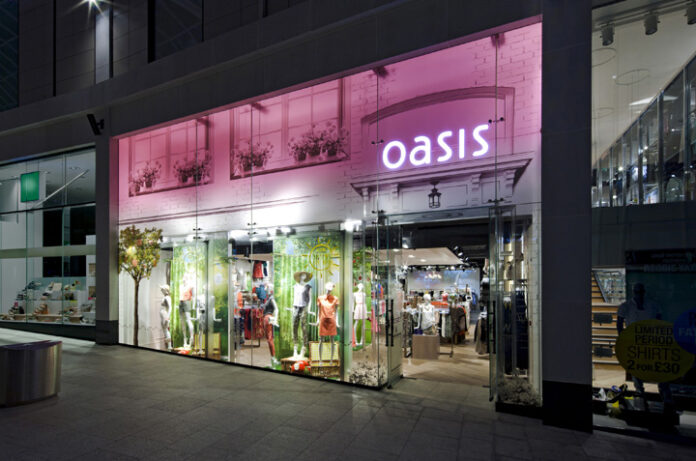
Oasis store at Trinity Centre (Image: Retail Design Blog)

Is famous international women’s fashion store Oasis, based in the United Kingdom, poised to enter the North American market with its first location at the Halifax Shopping Centre?

One Halifax retail industry expert says the brand will be opening a store on the upper floor of the mall in just under 1,500 square feet, next to La Vie En Rose, in the Spring of 2018.

In a recent blog, Halifax ReTales also said the clothing store would be opening at the shopping centre.

Mark Allen, associate broker, vice-president of leasing with Avison Young (Maritimes) Inc., says from a retail new-to-market concept for Atlantic Canada the introduction of the Oasis brand would be a “major coup” for the Halifax Shopping Centre.

(CLICK FOR PDF HALIFAX SHOPPING CENTRE LEASE PLAN)

“It’s pretty surprising. It’s the first one in North America. It’s an international tenant with 400 retail stores . . . They’re in every continent. It’s absolutely amazing that Halifax Shopping Centre would be the first one in North America,” says Allen.

In the past, the retail industry in Canada would expect markets such as Toronto, Vancouver and Calgary to attract first-to-Canada international retailers.

But things are really on the upswing in Halifax, says Allen, with strong demographics supporting the retail industry.

“The new population has some pent-up demand and some expectations about retail,” says Allen. “It’s going to be great to see Oasis.”

Oasis store at Trinity Centre (Image: Retail Design Blog)

Stephanie Schnare, Marketing Director of the Halifax Shopping Centre for 20 VIC Management Inc., which manages the mall on behalf of owner the Ontario Pension Board, would not comment specifically on the speculation.

“We’ll continue to share updates with regards to new tenants coming into the centre,” she says. “We do look forward to welcoming some new retailers in 2017 and then some additional ones as well in 2018 and we’ll be sure to share that information on our website and our social channels.”

The Halifax Shopping Centre, which opened in 1962,  is about 645,000 square feet.

In the past year, the shopping centre welcomed the first-to-market Zara store in August on two levels, which was developed as part of the mall’s $70-million renovation and redevelopment project which started in late 2014.

Oasis store at Trinity Centre (Image: Retail Design Blog)

The Zara store is just over 25,000 square feet and it is located in an area of the mall which encloses a 14,000-square-foot skylight.

Next-door to Zara, a two-level H&M store opened in July.

“Those two fashion users are now occupying just over 50,000 square feet in that area of the shopping centre,” says Schnare.

She also says Levi’s will be arriving in late 2017.

“It will be one of the first stores that they have in Eastern Canada as well,” adds Schnare.

“We continue to see increases in our monthly sales for both our national and our local tenants. We do look to welcome new and exciting retail to Atlantic Canada. I think we’ve been in a very fortunate position to be able to introduce a lot of new-to-market retailers such as Apple and Michael Kors to the Halifax Shopping Centre and because of that we draw from quite a broad trade area and we really look at serving not only Halifax but also Nova Scotia and beyond that as well.”

Oasis store at Trinity Centre (Image: Retail Design Blog)

In 2016, the shopping centre opened its new food court area which is called Terrace – a destination for dining, entertainment and community events.

“It’s very bright and open. The design is very welcoming to everyone. It certainly elevates your idea of what previous food court experiences might be,” says Schnare.

In early October, the Halifax Shopping Centre was the gold winner for renovations/expansions in the Design & Development category at the ICSC Canadian Shopping Centre Awards during the group’s Canadian convention. The Halifax Shopping Centre won the award for its two-year, $70-million project which included the addition of 45,000 square feet of new retail space and the creation of Terrace.

*Photos in this article are via: Retail Design Blog

How POTLOC is Reinventing Retail Market Research

Image: POTLOC

A Montreal company is transforming the way market research is done in the retail industry and it plans to expand its operations to Ontario, BC and the United States.

POTLOC’s mission is to build smarter neighbourhoods by giving consumers a voice. Every citizen in a defined trade area is asked to choose the next stores they would like to see open in their neighborhood. These hyper-local consumers’ insights are then used by retailers, real estate companies and cities to optimize the local retail offering.

“We’re disrupting the market research industry,” says Marc Obeid, Senior Account Manager with the company which uses social networks to source thousands of consumer insights.

“We’re a customer-centric data provider. What we have noticed in the past year is that the retail industry is changing a lot and the one thing that hasn’t changed is the way we capture consumer insights. We’re transforming the way market research is done.”

The company has 20 employees and it has a division in France. He says it will expand into Toronto within the next three months and into Vancouver next year. It is currently considering several options in the United States.

The company is changing the way market research is done by targeting a specific location and asking citizens specific questions about their consuming habits, preferences for retailers and their experiences with certain retailers.

The research provides key information for those in the real estate and retail industries for future decision-making.

It’s crowdsourcing at its finest helping enterprises to make decisions based on effective bottom-up data, with very low margin of error.

That’s important information for retailers to understand to determine if their stores would be successful in certain geographic locations. Also, it provides a tool for retailers to understand why some of their current stores are under-performing.

“For retailers & real estate companies, one of the greatest uses is we can speak with shoppers and non-shoppers within a defined trade area. Why people do not go into a certain shop at a specific location. What they dislike about it. Where they are going. And why they are going to that other place,” says Antoine Théoret-Poupart, Head of Growth for POTLOC.

“That’s one of our main highlights. We are giving insight I believe that nobody in the industry is giving. This is why companies like, ALDO, Decathlon, Carrefour or Cogir use our data”

Retailers are using this data to evaluate potential new locations or analyze under-performing stores. On the other hand, real estate companies are using it to get data to close and secure the right tenants or analyze under-performing malls.

Obeid says the company generates insights which are all about details. Decisions need no longer be made from general information. They can truly understand the local landscape much better with detailed information.

“What’s going down? Who are the competitors? Why are they more sensitive in this neighbourhood than other neighbourhoods? This is what we’re providing. It’s really hyper-local data that we generate for them,” adds Obeid. “We don’t use third-party data. We generate data specifically for each problematic.”