Advertisement
Advertisement
Home Blog Page 1166

Suit Maker Indochino Plans Further Bricks-and-Mortar Expansion

Vancouver-based custom suit maker and menswear retailer Indochino is looking to open more permanent brick-and-mortar locations, after seeing tremendous success with its physical stores. We spoke with Indochino’s co-founder and CEO Kyle Vucko to discuss how the online retailer’s operations have benefited from a physical store presence. 

Mr. Vucko founded Indochino with a former classmate in 2007, seeking to create affordable, custom-designed men’s suits. The online company’s concept involved men submitting measurements, then receiving custom-tailored garments several weeks later. Beginning in 2011, the brand experimented with a number of pop-up locations, finding men to be receptive to the temporary bricks-and-mortar shops. 

Indochino learned that many men prefer face-to-face retail experiences, including being professionally fitted and being able to feel fabrics and other samples. Furthermore, men shopping in-store tended to buy pricier suits than those shopping online.  

Seeing the opportunity to build lasting relationships with a wider variety of customers, Indochino opened its first permanent retail space in the fall of 2014. Measuring over 4,300 square feet in Vancouver’s Gastown area (deal negotiated by Cushman & Wakefield’s Boe Iravani) , the store was an immediate hit. Successful pop-up shops in Toronto led to the recent opening of Indochino’s second permanent location in that city. Measuring about 4,000 square feet, the Toronto store is located at 143 King Street East in Toronto’s St. Lawrence Market neighbourhood. Over 30 custom options are available, and there’s a dedicated grooms’ lounge featuring a foosball table and Nespresso bar. Avison Young‘s Hilary Kellar-Parsons represented Indochino in negotiating the Toronto deal. 

Mr. Vucko said that part of the reason the company is opening permanent retail spaces is to create a convenient and comfortable ‘space’ for men to come back to repeatedly, be it for modifications/alterations or for more clothing. Indochino’s new Toronto store is located a convenient walk east of the city’s financial district, and Mr. Vucko noted that future Canadian locations should ideally be similarly conveniently located. Stores are unique, however, in that they operate more as showrooms — rather than carrying stock, men select fabrics and get measured in-store during 60-minute one-on-one appointments, with each made-to-measure garment delivered about four weeks later. Purchases can be delivered to the store for a second-fitting, if desired. 

Longer-term, Indochino is looking to possibly open permanent stores in Ottawa and Calgary, as well as possibly a second location in Toronto, according to Mr. Vucko. Men in Toronto wear more suits than in any other Canadian city, hence warranting a second space. Indochino will continue to test individual markets before making permanent real estate decisions, he said. Generally, Indochino seeks retail space in the 2,000 to 4,000 square foot range, depending on space configuration and location. 

Mr. Vucko also revealed that he’s looking to open permanent locations in a handful of American cities. He says that the company currently doesn’t have an ultimate goal as to the number of locations it will operate, as it likes to ‘test the market’ before making any major real estate decisions.  
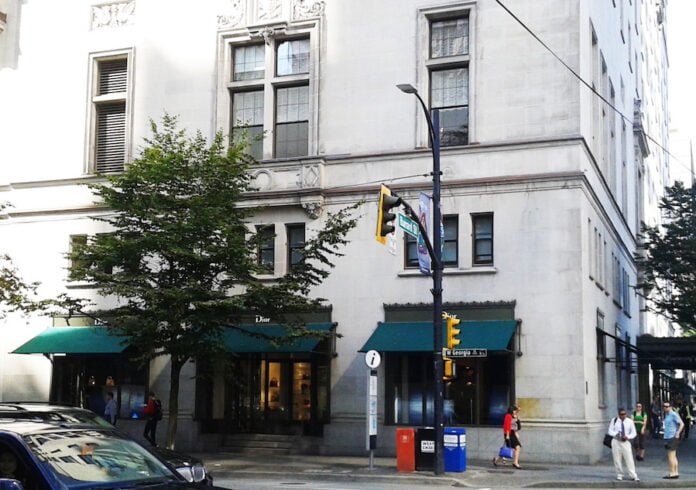
Christian Dior Opens Stunning 1st Canadian Flagship (With Photos)

CORNER OF WEST GEORGIA STREET AND BURRARD STREET. PHOTO: HELEN SIWAK

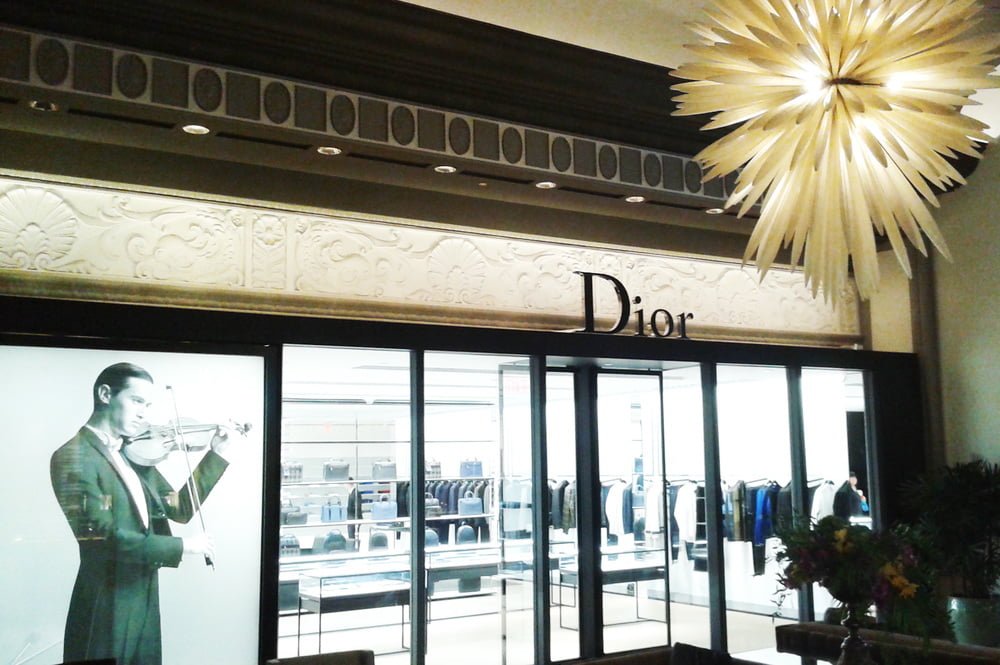
Christian Dior has opened its first Canadian flagship location, in Vancouver. The two-level store is located within the Fairmont Hotel Vancouver at 900 West Georgia Street (corner of Burrard Street), and features a separate men’s Dior Homme boutique with its own entrance. 

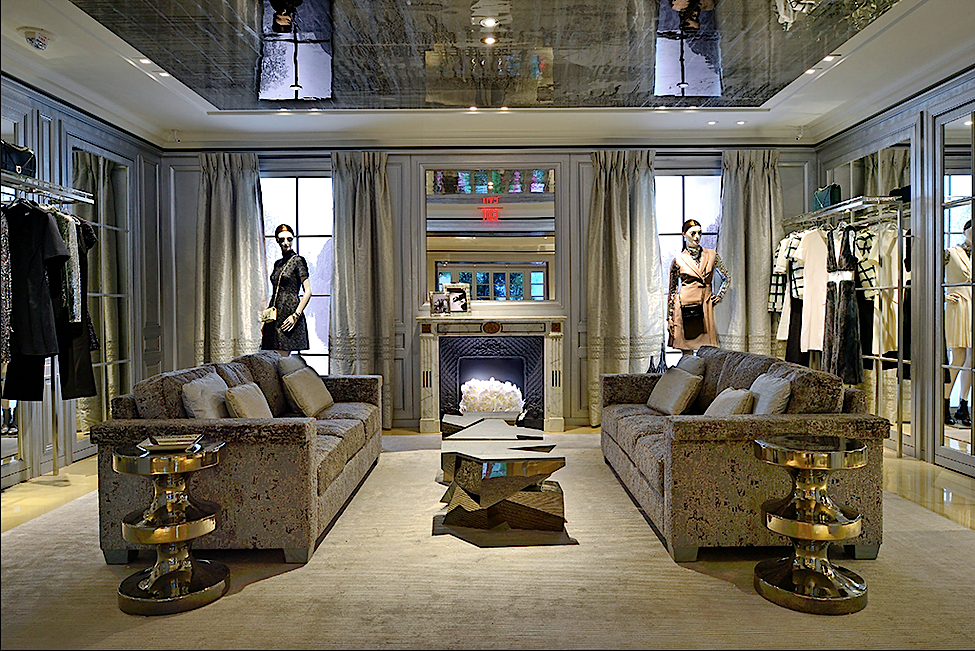
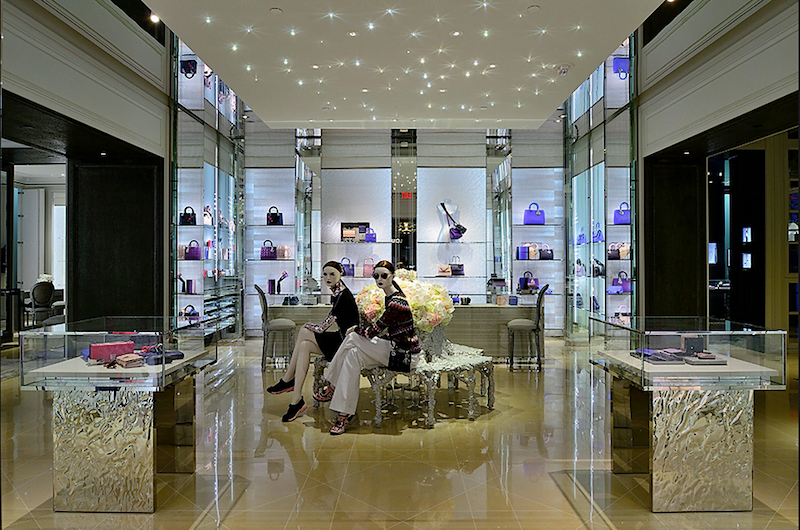
Estimated to span about 12,000 square feet, Vancouver’s Dior features a ground-level with accessories, fine jewellery and watches, as well as a Dior Homme shop which can be accessed from a separate hotel entrance as well as from within the Dior store itself. The second level features women’s ready-to-wear, evening wear, footwear, and a dedicated ‘VIP’ fitting room.

SECOND-FLOOR SALON. PHOTO: CHRISTIAN DIOR

The store’s interior reflects the Peter Marino-designed Dior Flagship on Paris’ Avenue Montaigne. The Vancouver store also features several works of art, commissioned from contemporary artists. A Louis XVI style marble and bronze antique fireplace anchors the second-floor evening salon, and zodiac lighting in the shape of the Aquarius sign characterizes the store’s ground-floor fine jewellery salon. 

DIOR HOMME ENTRANCE FROM INSIDE THE HOTEL VANCOUVER. PHOTO: HELEN SIWAK

“The Dior boutique is an exquisite two story shopping experience! From both entry points space flows organically with the customer being gently guided from salon to salon prompted by glimpses of original artwork, chic decor and stunning pieces” said Retail Insider’s Vancouver correspondent, Helen Siwak. “The customer service included not only personalized tours through the new boutique but the detailed accounts of the represented artists and their histories made each salon even more personal. It was explained that even the colour palette of this seasons collection, muted silver and soft pink are colours from Mr. Dior’s childhood home in Normandy. Sincere congratulations to the staff for giving customer service a couture edge”, she said. 

PHOTO: DIOR

Pamela Baxter, president of Christian Dior Couture, North America, told Women’s Wear Daily: “Canada is an important luxury market because of its steady economic growth,” she said. “The number of top household incomes grew 15 percent last year, with a growing numbers of younger affluent customers. Young men, in particular, have become more fashion focused in the last few years. They are all highly educated, fashion forward and demanding of excellence in the products they choose. Quality and craftsmanship are at the top of their expectations. Luxury sales are on the rise in Canada largely due to this new client, making 2015 the perfect time for Dior and Dior Homme to open their first stand-alone boutiques in Canada”, said Ms. Baxter.

“The Vancouver luxury market has heated up with new stores opening as well as renovations of existing stores. Asian consumers represent the number-one and fastest-growing nationality for luxury goods worldwide. More than 40% of Vancouver’s population is of Asian descent, many having emigrated years ago. Dior and Dior Homme have a strong presence in Asia,” Ms. Baxter told Women’s Wear Daily. 

GROUND-FLOOR HANDBAGS DEPARTMENT. PHOTO: DIOR

Besides the new Vancouver flagship, Dior bags and accessories are also available at Dior concessions in Holt Renfrew locations in Vancouver, Toronto (Bloor Street, Yorkdale Shopping Centre) and in Montreal. 

Dior joins a number of other luxury brands within the Fairmont Hotel Vancouver. Gucci‘s free-standing unit is located at the opposite end of the hotel, at the corner of West Georgia Street and Hornby Street. Luxury jewellery and timepiece brand Omega is located next to Gucci, and American luxury womenswear brand St. John Knits is also located in the hotel. A 10,000 square foot Louis Vuitton store sits opposite from Dior with its own extensive Burrard Street frontage. Although Vancouver’s Vuitton was originally declared to be a ‘Maison’ location, sources at Vuitton say that the 18,000 square foot Toronto Bloor Street flagship is Canada’s only ‘true’ Maison, as Vancouver lacks some product customization capabilities. 

Aussie Skin Care Brand Aesop Opens 1st Canadian Locations

VANCOUVER STORE. PHOTO: HELEN SIWAK

Upscale Australian skin care brand Aesop has opened its first two Canadian locations. A third location is set to open soon in Montreal, as the brand expands its brick-and-mortar presence worldwide. 

Aesop’s Toronto location is at 880 Queen Street West, in Toronto’s trendy ‘West Queen West’ neighbourhood. The 990 square foot boutique was created in collaboration with local architecture firm superkülHilary Kellar-Parsons of Avison Young represented Aesop and negotiated the Toronto lease.  

Aesop’s 615 square foot Vancouver location is at 19 Water Street, in Vancouver’s trendy Gastown area. The interior’s prominent material feature is Douglas Fir, which forms a mosaic surface that shrouds walls, ceiling and floor. The Vancouver store is located next to unusual luxury boutique Secret Location, featuring a uniquely curated collection of fashion and lifestyle products, as well as an adjacent restaurant. 

TORONTO STORE PRE-RENOVATION. PHOTO: GOOGLE STREET VIEW SCREEN CAPTURE
WINDOW DISPLAY IN THE VANCOUVER LOCATION. PHOTO: HELEN SIWAK

Aesop was founded in 1987 in Melbourne by hairdresser Dennis Paphitis. Product packaging is simple, and its quality is considered to be exceptional. It sources plant-based and laboratory-made ingredients, and uses only those with a proven record of safety and efficacy. It operates free-standing ‘signature stores’ as well as wholesale operations in a variety of retailers, high-end department stores such as Holt Renfrew and Barneys New York. Canadian stocklists include multiple WANT Apothecary and gravitypope locations, as well as a handful of smaller independents.

VANCOUVER STORE. PHOTO: HELEN SIWAK

In March, guest author William Connor wrote an extensive piece on the brand for Retail Insider, where he explained the brand at length. Farla Efros, President of leading retail consultancy HRC Advisory, commented on how luxury brands continue to look to Canada for growth. 

Aesop’s New York City office says that it will provide details on the new Montreal store when it opens, and we’ll update this article accordingly.

List of the Most Productive Retailers in Canada

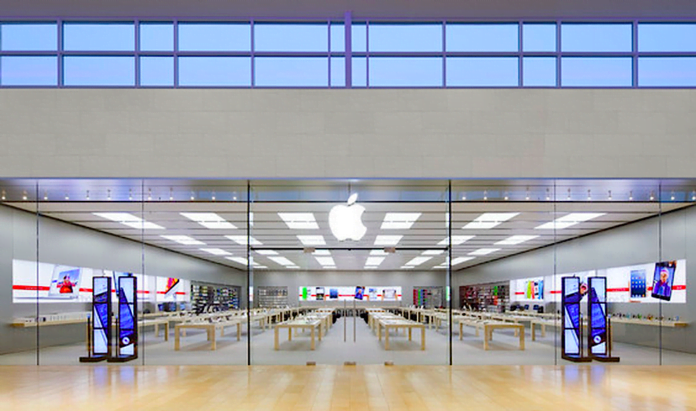
PHOTO: APPLE.COM

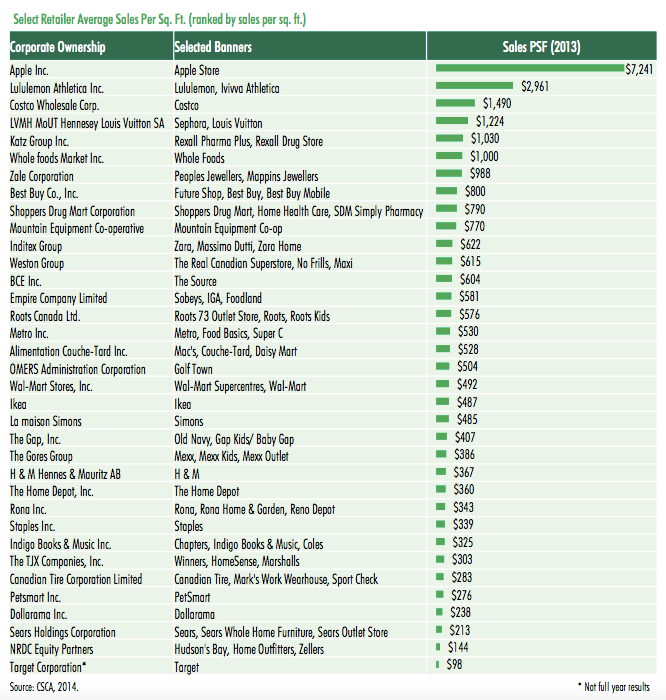
CBRE just published a report providing a list of the most productive retailers doing business in Canada. Remarkably, a number of retailers on the list are homegrown, though perhaps unsurprisingly Apple Stores made the top of the list with annual sales estimated at $7,241 per square foot. We spoke with retail expert Farla Efros, President of leading consultancy HRC Advisory, to gain insight into why the top retailers see success. 

Following Apple, Vancouver-based athletic brand Lululemon averages $2,961 per square foot annually. Surprisingly, large format retailer Costco is third with sales estimated at $1,490 per square foot. That surpasses LVMH‘s Canadian numbers (including Sephora and Louis Vuitton) with sales of $1,224 per square foot, annually.  

Edmonton-based Katz Group was a surprising find – the company’s chain of drug stores (including nameplates Rexall Pharma Plus and Rexall Drug Store) saw sales of $1,030 per square foot. That’s higher than Shoppers Drug Mart’s sales of $790 per square foot annually. 

Numbers from CBRE’s study were gathered from a 2014 study by Ryerson University’s Centre for the Study of Commercial Activity. The CBRE study also notes that according to the International Council of Shopping Centres, Canadian shopping centres saw sales averaging $673 per square foot annually over the past 12 months. That’s 12% higher than malls in the United States, with sales of U.S. $475. 

Below is a chart from the CBRE report, listing all retailers studied. The full PDF report can be viewed here

HRC Advisory President Farla Efros said that the top six retailers all feature ‘feel good’ lifestyle brand experiential shopping environments which particularly appeal to female shoppers. Apple Stores continue to innovate, most recently with the introduction of the Apple Watch. Lululemon’s fashionable workout wear blends with its experiential shopping environments. Costco, according to Ms. Efros, is becoming part of the health trend, carrying more organic, healthy choices at affordable bulk pricing. Louis Vuitton blends brand status with product diversity beyond its ‘classic handbag’, and Katz Group’s recent ‘reinvention‘ appeals to female customers with softer colours. Whole Foods, meanwhile, continues to expand into the realm of convenient, grab-and-go healthy meal options, according to Ms. Efros. 

Infographic: Canada’s Top Retail Trends for 2015

Canadian shopper marketing technology startup Linkett created the following infographic, conveying how the Canadian retail landscape is changing. Specifically, Linkett has identified the top four emerging trends in Canadian retail, (which include loyalty programs, omni-channel, showrooming, and a generally changing retail landscape) as revealed below. 

Source: Linkett 

Inside North America’s 1st McArthurGlen Designer Outlets [With Photos]

The much anticipated McArthurGlen Designer Outlets at Vancouver International Airport opened last week, with approximately 45,000 shoppers making their way to check out the advertised savings at the designer outlet. Traffic was at a stand-still and travellers were delayed at the Vancouver International Airport with airport officials advising travellers to give themselves extra time to successfully make their flights. The Richmond RCMP was also on hand and directing traffic, requesting travellers stay in the left lane and those heading to the outlet mall to stay right. 

There was an overwhelming response from public and in droves they flocked to Coach and Polo Ralph Lauren outlets, creating long line-ups. Other brands that welcomed shoppers included legendary Italian label Giorgio Armani, American designers Calvin Klein, Tommy Hilfiger and Hugo Boss, and footwear staples Nike, Cole Haan and Vans. For those looking for upscale fashion, J.Crew and Brooks Brothers were noticeably closed but luxury retailer Secret Location launched their trimmed down SL with style with founder and owner Carey Melnichuk making an appearance.

Over the course of the day, shoppers were entertained by musicians, first nations dance group Coastal Wolfpack, an impressive piece of public art by local visual artist Michael Nicoll Yahgulanaas and CTV’s Samantha Sito invited everyone to join her at noon to enter a contest to win a Trip to Italy. Food and beverages were for sale (cash and credit card only) by local food vendors at the Hawkers Mercado, as well as a luxurious centrally located Caffé Artigiano and Nice Vice dairy-free pop-up ice cream shop.

There are 2,000 free parking stalls available and arriving at the Templeton Skytrain Station will situate shoppers less than 5 minutes away by foot and unless you can satisfy your shopping desire in 90 minutes, there will be an additional $9 transit fee to get home. The Templeton stop is under the jurisdiction of YVR and are offering free transit service between YVR and Templeton only and no reduction to local shoppers of the usual airport rate.

McArthurGlen Group was founded in Europe by the Kaempfer Partners in 1993 and is the pioneer of designer outlet retailing in Europe. McArthurGlen has developed 20 Designer Outlets (6.5 million sq ft of outlet space) in 8 countries: Austria, Belgium, France, Germany, Greece, Italy, the Netherlands and the UK.

According to the company, as part of its on-going expansion, McArthurGlen is also under way or in planning with new designer outlets in: Provence (Marseille), Ghent (between the Belgian cities of Brussels and Bruges), Remscheid (near the German cities of Cologne and Düsseldorf), Málaga (southern Spain), two new centres in Istanbul, and one near Paris (Normandie).  

Helen Siwak is an entrepreneur with a love of the environment, ecofriendly fashion, plant-based diets and animal welfare. She is the driving force behind ecoluxury lifestyle magazine THEClosetYVR and the upcoming lifestyle boutique of the same name. Helen writes for numerous online magazines and is a luxury retail/lifestyle contributor to VancityBuzz. Follow her at Twitter/Instagram: @THEClosetYVR

RYU Plans Significant International Expansion After Relocating Headquarters to Canada

Vancouver RYU Flagship Under Construction. Photo: RYU

Vancouver-based multi-discipline performance training and fitness brand RYU has substantial growth plans, with a goal of becoming the top brand of its kind in the world. Its first flagship is scheduled to open this fall, and the company has plans for more free-standing locations as well as shop-in-stores. It also plans to see substantial wholesale growth worldwide. We spoke with the company’s President and CEO, Marcello Leone, to learn more.

Founded in Portland, Oregon, RYU or ‘Respect Your Universe‘ has origins in the performance and philosophy of martial arts. It is an athletic tech-style apparel brand engineered for the fitness, training and performance of the multi-discipline athlete. In 2011, the son of the founders of Vancouver-based luxury retailer Leone, Marcello Leone, saw potential, and stepped in as an investor. At the time, RYU was struggling — inefficient logistics, a long supply chain, and an ill-suited Portland lease contributed to RYU financial woes. In 2014, Mr. Leone took leadership of RYU and spearheaded an overhaul which saw its headquarters moved from the United States to Canada, choosing his hometown of Vancouver to be its new corporate address. 

As part of RYU’s initial revitalization, Mr. Leone raised equity and renegotiated better terms and costs with suppliers and manufacturers, resulting in increased gross margins. He recruited top fashion industry talent, established the ‘DNA’ of the brand, and developed an enhanced corporate culture with a new long-term vision. 

The brand’s growth goal is substantial. As mentioned, RYU’s intention is to become the world’s top multi-discipline performance training and fitness brand, complimenting top category brands such as Lululemon, Under Armour, Nike, Adidas and Reebok. By 2019, it plans to redress one million athletes, with sales forecasts exceeding $100 million. 

RYU’s Canadian flagship will launch in September and simultaneously, the brand’s e-commerce site will become fully operational. The 3,300 square foot flagship will be located at 1745 West 4 Avenue in Vancouver’s Kitsilano area, and will feature a 1,800 square foot second level office area. Mr. Leone said that the Vancouver flagship will be the first of several locations for RYU, with three planned locations for 2016 in Toronto as well as in California. In 2017, the brand intends to open roughly six locations. Remarkably, by 2019, Mr. Leone expects the brand to operate about 30 free-standing stores internationally, including several in Canada. The brand will also wholesale extensively and could open shop-in-stores within larger retailers, provided the right opportunities present. 

Mr. Leone mentioned that there were a number of ‘surprises’ in store for the brand, including a new footwear line created by a well-known company. A new spokesperson will also be announced, with details on both to be released shortly.

Mr. Leone expressed how pleased he is to be running the company out of Vancouver, and described how British Columbia’s largest city has some of the ‘best brains in the business’. He cited successful Vancouver-based athletic/tech/casual apparel companies such as MEC, Lululemon, Arc’teryx, Kit and Ace, Native Shoes, and other iconic brands and how these and other brands indicate how Vancouver is competing on a ‘global scale’. Mr. Leone expressed how he is a proud British Columbian, and said that he expects to see substantial success from his continually expanding Vancouver-based team.

McArthurGlen Designer Outlets Negotiating to Add More Luxury Brands

RENDERING: MCARTHURGLEN GROUP

British-owned designer outlet centre landlord McArthurGlen Group opens its first North American location today in Vancouver, featuring several of the world’s top brands. The outlet centre expects to add more luxury brands in the coming months, and the company says that it is looking at other Canadian cities if the right opportunities become available.

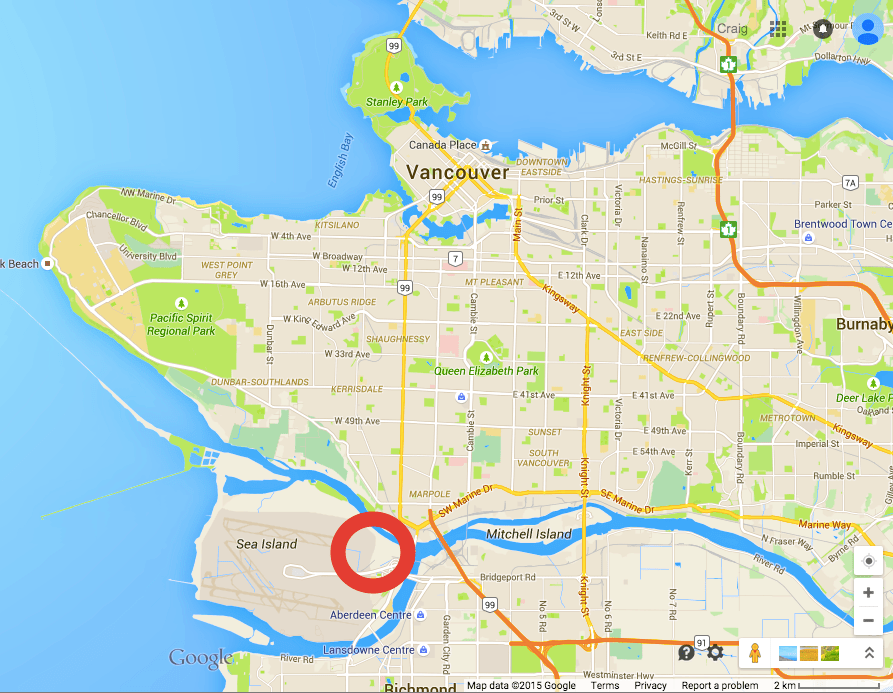
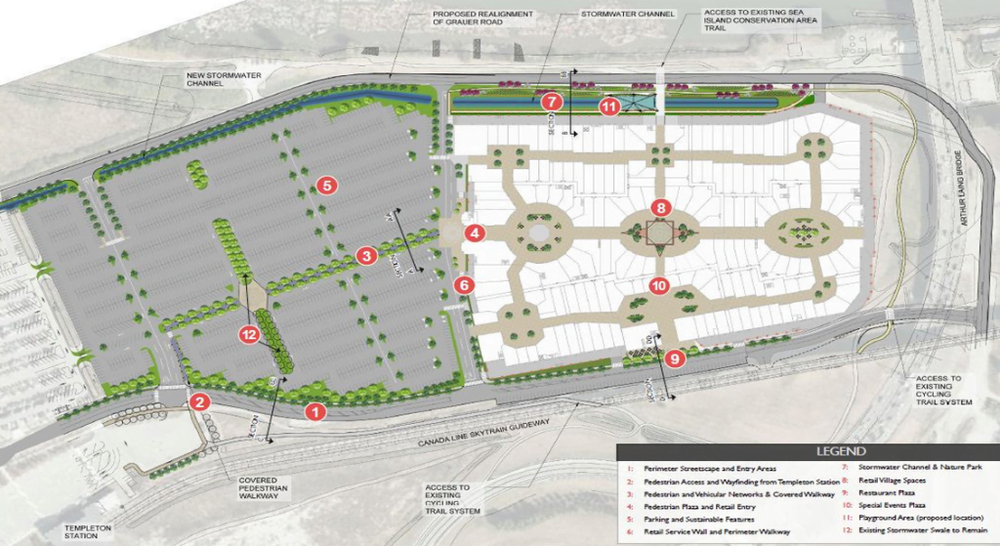
Located beside Templeton Skytrain Station on land owned by Vancouver International Airport, the 240,000 square foot McArthurGlen Designer Outlets features about 80 retail spaces — the majority of which are leased. McArthurGlen plans to expand the existing centre by another 140,000 square feet within the next two years, eventually housing about 150 retailers.

In May, we published a list of confirmed retail tenants which was provided by McArthurGlen. Noticeably absent were a number of luxury brands typically associated with the company’s European centres. We recently spoke with McArthurGlen Marketing Director Shaeren McKenzie, who explained how it is typical for some luxury brands to locate at its centres post-opening. She specifically mentioned the company’s outlet centre in Venice, Italy, which opened in 2008 at only 40% capacity. Only a handful of luxury brands were initially present, though that changed as the centre’s leasing team secured names such as Valentino, Fendi, Prada, Marni, Bottega Veneta, Brioni, Gucci, Jil Sander, and others. Ms. McKenzie explained how McArthurGlen has relationships with over 900 brands, and how a number of premium labels are expected to eventually open at the Vancouver outlet centre as negotiations continue — some brands like to wait and see how a centre will ‘turn out’, she said.

CREDIT: GOOGLE MAPS

Currently, confirmed luxury brands for the Vancouver centre include Giorgio Armani, Ports 1961 and Hugo Boss. A selection of ‘better’ brands includes names such as Cole Haan, Polo Ralph Lauren, Coach, and Tumi.

PLAN VIA MCARTHURGLEN GROUP

Ms. McKenzie said that if the right opportunities became available, McArthurGlen could possibly expand further into Canada. She stressed, however, that the company is busy with outlet mall projects in France, Spain and Turkey. Designer outlet centres are a relatively new concept to Canada — the first such centre, Toronto Premium Outlets, opened in the summer of 2013. Canada is currently home to only five designer outlet centres, though plans are in place for several more over the next three years. Retail Insider’s Craig Patterson is currently finishing an Applied Research study with University of Alberta School of Retailing to determine potential locations for future Canadian designer outlet malls, concluding that the country can support up to 20 such centres. 

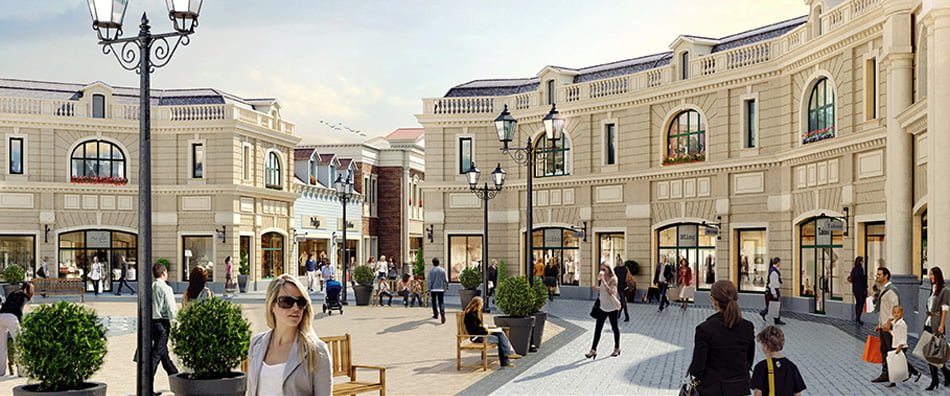
RENDERING: MCARTHURGLEN GROUP

Ms. McKenzie explained how McArthurGlen is different from other designer centres. Besides higher-quality centre design, the company features a ‘retail academy’ to help train staff in serving a variety of customers, including locals and tourists. Language courses are offered, which prove beneficial in locales attracting a wide variety of visitors. Ms. McKenzie explained how Vancouver is a desirable market for McArthurGlen, as the region features a relatively fashion-conscious, affluent population as well as extensive tourism, particularly from Asia. She says that McArthurGlen expects exceptional sales growth at the new Vancouver centre, both from locals as well as from an expected increase in tourists over the next several years.

The Vicious Cycle of Brand Erosion (and How Your Employees Are Involved)

Today, nearly a third of consumers learn about new products and services via social media and branded websites. This reality only bolsters the importance of establishing your brand to ensure success.

Not only does an established brand enhance your professionalism, but it also ensures brand continuity. Competing on the grounds of quality alone won’t cut it in the digital age. Now, consumers crave — and even expect — an enjoyable brand experience. The age-old “bang for your buck” mentality is falling by the wayside.

Regardless of your company’s size, it’s imperative to establish and maintain a positive brand image, letting it evolve with your business. It’s an ongoing process that requires attention, especially from your customer service and marketing departments, but it’s a worthwhile endeavor. Today is the day to start building a better brand. Today is the day to build a brand that won’t succumb to a threatening tide.

As a result, many companies are now suffering from brand erosion, one of the first signs a business is headed toward extinction. Even established companies aren’t safe. Consider Sears, a department store heavyweight that’s been around for more than a century. Sears Holdings has been closing stores as its brand and sales decline. Last year, another 200 of the 1,900 remaining Sears and Kmart stores closed — the company’s future remains bleak.

If it can happen to a household name like Sears, it can happen to any brand. Don’t let it happen to yours. Here are the top warning signs to watch for:

1. Your Customer Loyalty Starts to Decline

As a company’s brand starts to wear away, customer loyalty will, too. When your customers begin taking their business elsewhere, this is a clear indication that your brand is eroding. While several factors can cause brand erosion, the loss of existing customers is a sure sign your brand is not performing at the level it should be.

2. You’re Selling Too Many Products

Focusing on too many products can lead to brand erosion. Focus on the products and services your company specializes in. You might find that a wide product line increases your profit levels for a short period of time, but with each new product comes added customer support, which can actually hinder overall support. If you’re going to introduce a product to your line, first make sure the proper backing is in place.

3. Your Employees Are Unhappy

Keeping your customers happy should be your No. 1 goal. To achieve it, you must keep your employees happy. After all, they’re your front line of defense when it comes to establishing customer rapport. To keep your employees satisfied and productive, build a culture of support. Reward them for their hard efforts and train them in relation to customer service.

4. You Don’t Have Proper Resources

As business leaders, we hope our product lines expand, but improper resources may be hindering further growth. As a result, brand erosion occurs. If it seems your resources are insufficient, consider cutting back your product line. Or, if possible, reorganize your budget to ensure appropriate resources are facilitating larger operations. Resources to consider for maximized growth include employee management software and heat map and video surveillance technology.

Proactive Ways to Stop Brand Erosion

At the first signs of brand erosion, it’s critical to implement a variety of methods to stop the cycle from continuing. If you don’t, it will spread throughout your organization like a virus, infecting everything from customer service to marketing agendas. Fortunately, methods exist for preventing, halting, and even reversing brand erosion:


  • Restructure your employees. Preventing erosion can be as easy as restructuring employees and placing them in positions that complement their strengths. If your staff isn’t cranking out first-rate performances (simply because they weren’t in the most appropriate positions), wear is possible.
  • Brand your employees. If your employees aren’t donning your branded apparel, start rewarding them with company swag. Something as simple as poor brand marketing can lead to erosion. With branded clothing, your employees will serve as walking marketing tools for your brand. Also, launching promotional campaigns and doling out promotional items are ways to further brand your company.
  • Always right your wrongs. No company is perfect, but some fail to show how much they care about their customers. These are companies that suffer from brand erosion. To keep your brand in a positive light, right all of your wrongs. If a customer isn’t satisfied with the product or service you provided, offer a refund or some type of compensation.

Regardless of your company’s size, it’s imperative to establish and maintain a positive brand image, letting it evolve with your business. It’s an ongoing process that requires attention, especially from your customer service and marketing departments, but it’s a worthwhile endeavor. Today is the day to start building a better brand. Today is the day to build a brand that won’t succumb to a threatening tide.

How the Label Makes the Brand

One wouldn’t think something as small as a clothing label or hang tag could be so important. And yet it is — labels and hang tags reflect the quality of a product, which can make-or-break a brand. We spoke with an executive at leading label manufacturer Accent Labels to learn more, and we also spoke with a retail branding expert to gain insight into how labels and hang tags reflect a brand’s image. 

Rob Cannon, Vice President at Montreal-based Accent Labels, explained the importance of ‘getting it right’, whether it be a clothing label in the collar, or a hang tag providing pricing and other information. He said that a number of brands his company works with demand that a label be consistent no matter where in the world the product is manufactured or sold. Consistency is key — some brands source their labels in the same towns as their factories and as a result, differences become noticeable in quality, colour and execution.  To maintain quality and sameness, Mr. Cannon noted that his company designs all labels and hang tags in Montreal, with rigorous quality control when manufactured internationally. 

Mr. Cannon explained how important a label is in the shirt-making process, for example. A men’s shirt neck panel is made first, with the second step being to sew in the label. The rest of the shirt is then finished, and the hang tag (with pricing/branding/other messages) is placed on the garment last. An uncomfortable label can be a nuisance, and some consumers may remove these. Accent’s labels are ultrasonic slit to prevent that ‘itching’ feeling that one might get from a lower-quality garment label. Interestingly, he explained how Accent Labels processes its woven labels allowing them to be more easily and properly sewn into garments. This provides for a “crisper” hanger appeal long after the sale is made.

As retail continues to globalize, labels are becoming more multilingual — especially hangtags and care labels. Mr. Cannon noted that multi-language labels must translate perfectly to provide a consistent message, and that translation errors can be detrimental to a brand’s image. Washing instructions and other messages must transcribe perfectly and if they don’t, a brand’s image could become tarnished as the brand may be seen as ‘ineffectual’.  In addition, there are great benefits to having multilingual labels as excess inventory can be seamlessly transferred from one country to the next.

Discussing the topic of brand consistency and label quality, we spoke with expert Farla Efros, President of leading retail consultancy HRC Advisory. Ms. Efros explained the importance of consistent branding across all channels, and how unique garment labels are of utmost importance to a brand’s image — not to mention, some shoppers buy clothing because of the brand name itself. She explained how a lower-quality label, even in a higher-quality garment, can negatively affect the overall perception of the garment and brand, potentially diminishing its value. A badly-done label is noticeable, she said, while a high-quality, unique and identifiable label will only act to enhance. A high-quality hang tag is also of utmost importance as well, according to Ms. Efros, as consumers often finger through hang tags when checking for their favourite brands as well as to determine sizing and prices. She said that sometimes it’s the ‘little things’ which can make all the difference when consumers are making choices among competing brands, and that brands must recognize this in light of ever-increasing competition. 

Mr. Cannon tells us that Accent Labels is expanding, as it continues to secure new clients. This fall, the company, which already operates out of Hong Kong, will increase its presence in Asia by opening an office in Mainland China. It will continue to endeavour to provide the highest-quality labels, designed exclusively in Montreal with its team of graphic artists and product development specialists. The company boasts some major clients, and makes labels for brands such as Mark’s, Aldo, Canada Goose, Reitman’s, Urban Barn, Laura, and several major domestic apparel producers such as Codet, Jack Victor and The Government of Canada. Accent Labels is a refreshingly positive Canadian success story, in an age of globalization.