Home Blog Page 1201

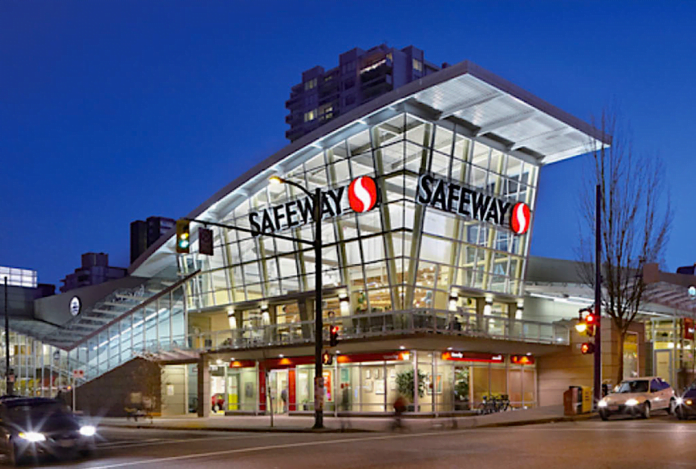
Sobeys to close 10 Safeway stores in British Columbia

Image: Safeway

By Grocery Business

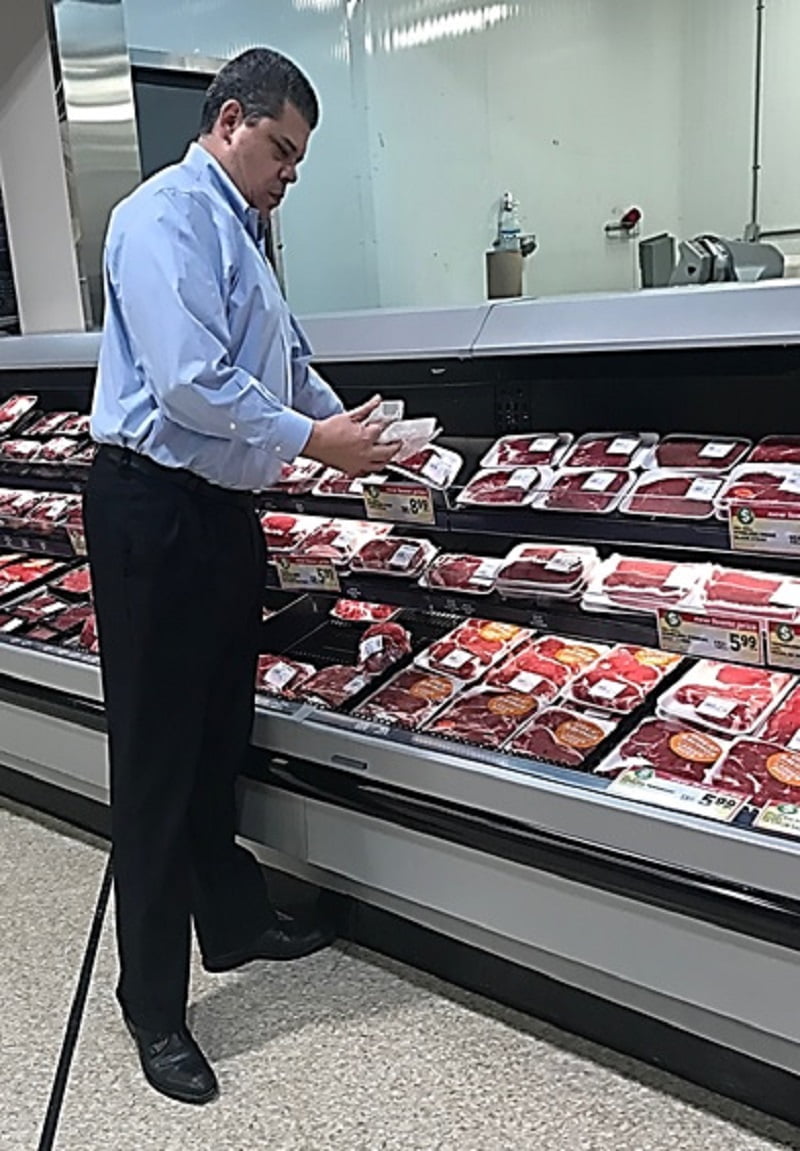
Sobeys plans to close 10 Safeway stores in British Columbia, according to a report issued by the United Food and Commercial Workers Union Local 1518  in the province.

According to the union, Sobeys has indicated that if it gets favourable terms and conditions for its FreshCo discount banner, it may open FreshCo stores at five of the closed Safeway locations. 

Approximately 1,000 people will be impacted by the store closures, according to Ivan Lipright, president of UFCW 1518.

“Hundreds of our members will lose their jobs. Hundreds more will be displaced through the transfer process. And Sobeys barely gave us a courtesy call,” he said. “That won’t fly in bargaining, though. We’ve told the company that we need all of the information on decisions they’ve made that will impact our members. It’s time to stop the games and start respectful negotiations.”

Sobeys spokesperson Jacquelin Corrado said in a statement to Grocery Business magazine that the company had invited Union Local 1518 to the table “to review stores that are under financial pressure in June and then again in October of last year, so that we could talk about ways to help our unprofitable stores turn the corner to protect jobs and continue to serve our customers. Unfortunately they declined to engage in the conversation both times.

“We’re looking forward to the upcoming negotiations and agree 100 per cent with the union statement that it’s time for respectful dialogue. We agree with the union that it’s time to stop the games and start respectful negotiations.”

She adds that Sobeys is “always open to working with the unions or any of our stakeholders to make our stores more successful.”

The Safeway locations slated for closure in the province include:

Vancouver: 

-4575 W 10th Ave (Point Grey)

–City Square

Burnaby: 

–Lougheed Town Centre

-Royal Oak (5235 Kingsway)

Richmond: 

-6140 Blundell Road

-Broadmoor (10151 No 3 Rd)

Coquitlam: 

–Sunwood Square 

Surrey: 

-Strawberry Hills (7450 120 St)

–Newton Town Centre

Mission: 

-32520 Lougheed Hwy

All stores will close on May 5, except for the City Square store which will close on July 28. 

Five of the shuttered locations could reopen under Sobeys’ discount brand, FreshCo, including the Blundel, Broadmoor, Newton Town Centre, Strawberry Hill and Mission stores. 

*This article originally appeared in Grocery Business [Subscribe for Grocery Business Updates]

Alberta Businesses Struggle with Minimum Wage Hike

exc-5a63f8eb8165f52495e32b97

Rising costs, in part due to Alberta government policies according to critics, are causing a great deal of angst these days for small business owners in the province.

From restaurants to retail stores, entrepreneurs are feeling the pinch on their bottom line as they continue to operate in an environment of a slow economic recovery following recessions in 2015 and 2016.

The issue heated up recently with the announcement by the upscale and iconic Bears Den dining establishment in the Calgary area that it will be closing its doors at the end of the month.

“Unfortunately, economic conditions in the industry including the continuing poor business environment along with recent changes in the minimum wage and statutory holiday pay requirement have resulted in conditions that are unsustainable for remaining open,” posted the restaurant on its website.

Employers are concerned about a growing number of factors that are making it harder for some to operate. They include carbon taxes which are having a ripple effect on costs for some business owners, increasing minimum wages and now changes to Alberta’s Employment Standards Code, which includes regulations that all eligible employees get holiday pay even if they don’t work on the holiday.

Alberta’s minimum wage rose Oct. 1, 2017 from $12.20 to $13.60 and will spike again to $15.00 on Oct. 1, 2018.

“The recent changes to the Alberta employment code is having significant impacts on business, and particularly on small local businesses. These changes were passed with a very short consultation period, and they’ve taken many businesses by surprise as they find they have new costs and often more administration. Small businesses often run on very, very tight margins; $10,000 in new costs can easily be the difference between profit and loss,” said Zoe Addington, Director of Policy, Research and Government Relations with the Calgary Chamber of Commerce.

Amber Ruddy, Alberta director for the Canadian Federation of Independent Business, said the eligibility and pay calculation changed for general holidays in Alberta as of January 1. Previously days were categorized as ‘regular’ or ‘non-regular’ working days – i.e. for someone that works Monday to Friday 9 to 5, holidays that fell on the weekend were considered ‘non-regular’ and therefore not eligible for holiday pay. Currently, there is no distinction so all employees qualify no matter when holidays fall.

She said that pay calculation was previously based on average daily wage in the nine weeks prior to the holiday. Now it’s based on five per cent of wages, holiday pay, and vacation pay in the last four weeks prior to the holiday.

Ruddy said the eligibility changes to holiday pay is catching business owners off guard.

“Small business owners are frustrated with the growing list of prescriptive government rules and requirements that mandate how businesses should run. Removing flexibility for entrepreneurs erodes the business climate and in turn hampers what small businesses can provide their employees,” she said.

Prominent Calgary restaurant owner Michael Noble, who runs NOtaBLE and The Nash in the city, said both his establishments, which employ 140 people, are closed on Mondays but because New Year’s Day fell on Monday he had to pay his employees. A cost of about $11,000 on a day when he had zero revenue.

“For some reason the general public seems to be under the understanding restaurants are a licence to print money,” said Noble. “Anytime there’s a shift and a legislative cost to any small business  . . . we all have the ability to add costs to the business to a certain point but I fear as we go down the road if there’s more and more of these legislated impacts then it will actually start affecting people. That’s the part I don’t have an appetite for.

“Alberta’s based off of entrepreneurship. It always has been and I know we’re moving toward diversifying. To me that’s when it becomes that much more critical to allow small business to stay alive and to diversify and to be a big part of the future solution for this province.”

Megan Szanik, who operates the boutique fashion store espy experience in Calgary with 18 employees, has also felt the pinch of rising costs in doing business. The stat holiday pay change alone represents a 33 per cent increase in costs for her store.

“The administrative costs are ridiculous too and all the new tracking information. That’s what they don’t think about. Especially the small business person. All the administrative stuff there is already and they’ve just added a whole other line that’s going to cost me hours and hours and hours,” said Szanik. “What’s it going to cost to administer all this stuff? . . . My margins are slim. Everything is really, really adding up.”

Christina Gray, Minister of Labour in Alberta, in a written statement to Retail Insider said that every Albertan who works a full-time job deserves to earn enough to provide for themselves and their family.

“No one who works full-time should have to stop at the food bank on their way home to their family after their shift. Our government’s minimum wage increase not only makes life better and more affordable for working Albertans but every extra dollar that these families earn boosts their spending power, which gets invested back in their communities and directly supports Alberta’s economic recovery,” said Gray.

“The recent changes to Alberta’s Employment Standards help to bring our province in line with standards most other Canadian jurisdictions already had.  Prior to these changes, Albertan workers lacked important job protected categories of leave . . . As Alberta’s economy continues to grow and recover, workers deserve labour laws that are going to protect them in their time of need, and employers deserve standards that are balanced and ensure their businesses long term sustainability. Albertans believe in work life balance, and our new labour standards are rooted in Albertan values. Under Alberta’s old laws, workers could end up receiving no time off and no holiday pay for statutory holidays, because of unusual rules around payment and work schedules.  Alberta was the only province where a worker could end up receiving no benefit from a statutory holiday.”

INDOCHINO CEO Drew Green to Receive Innovation in Retailing Award

exc-5a66b30c0d92971bebcd6e5c

unnamed.jpg
unnamed.jpg

By Craig Patterson

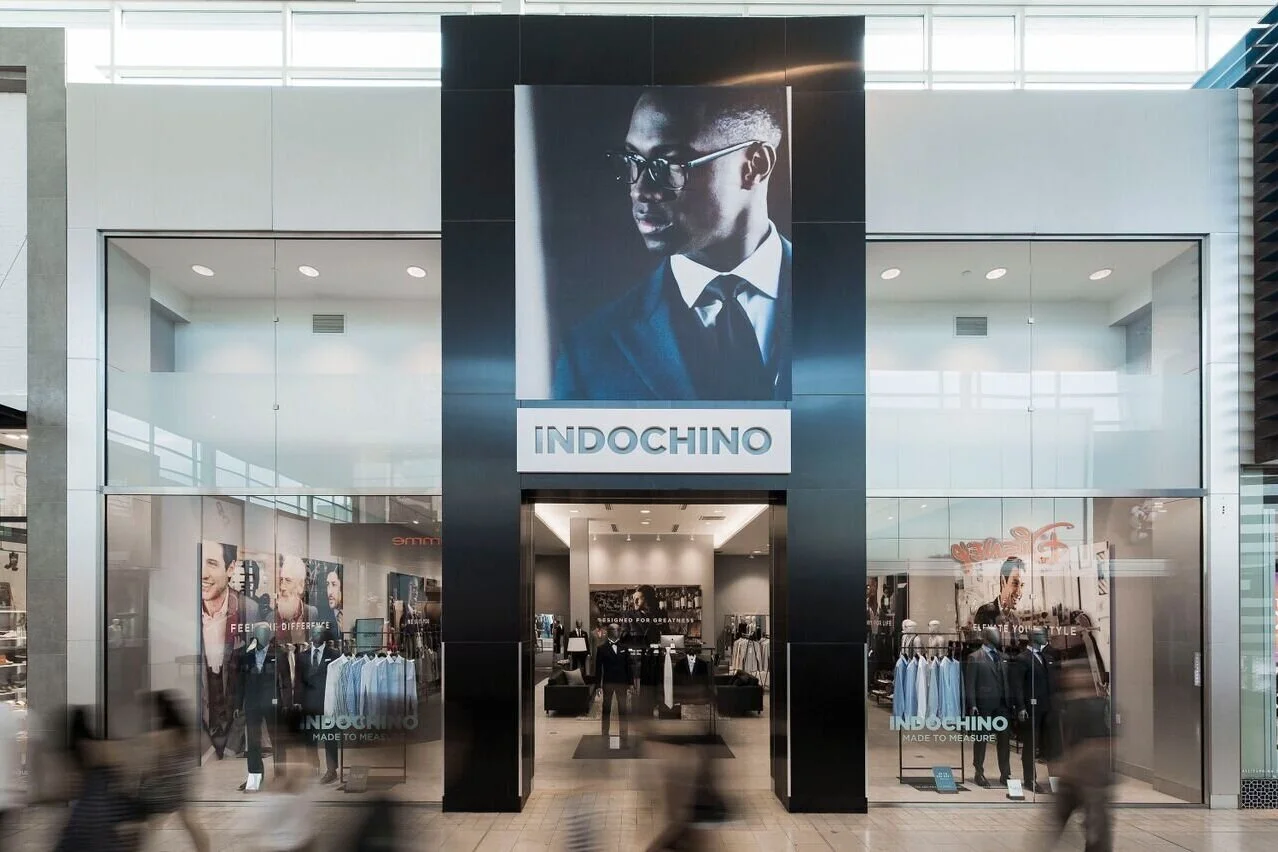
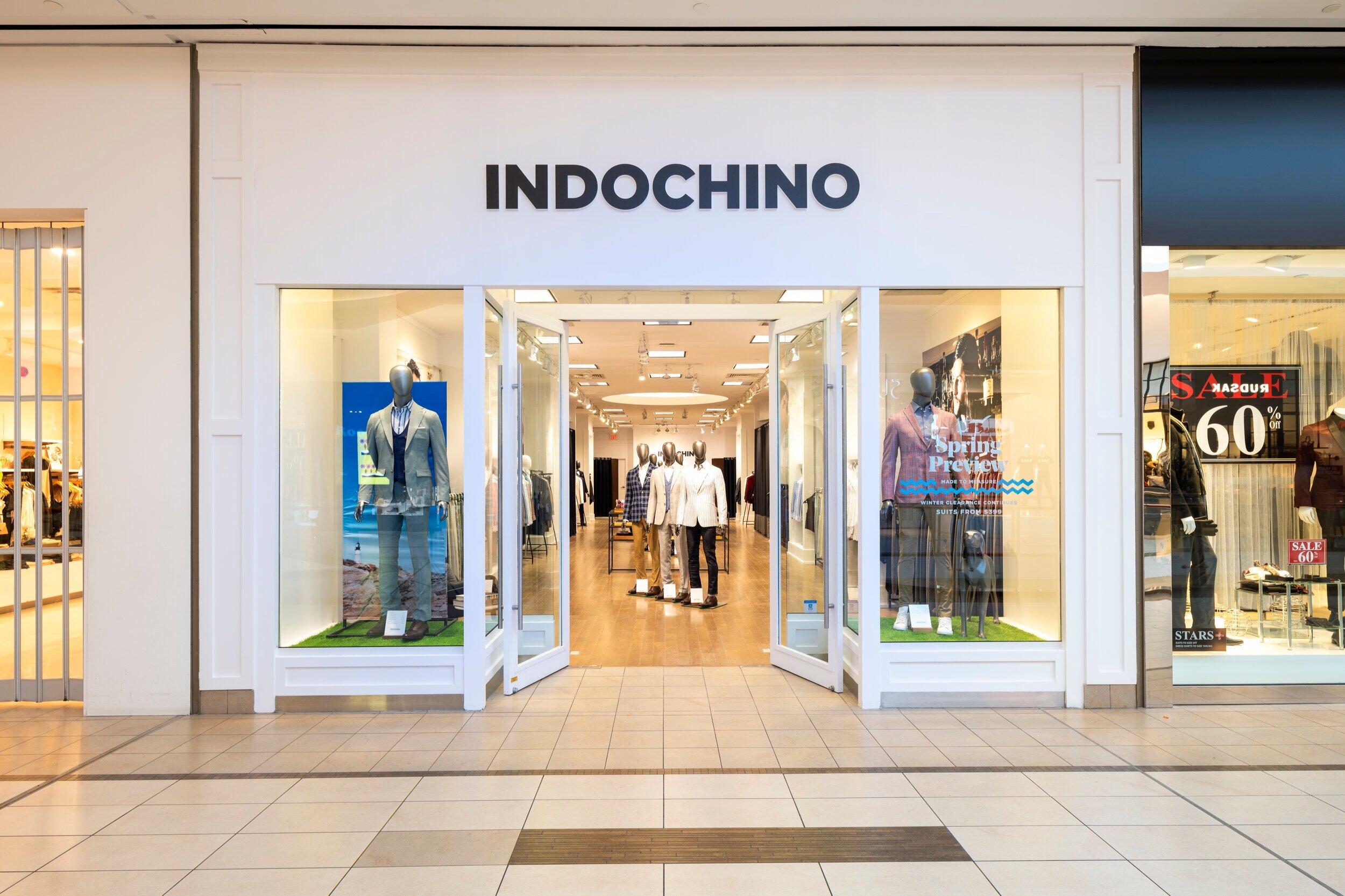
Drew Green, CEO of the world’s largest custom suit maker INDOCHINO, is the winner of this year’s Innovation in Retailing Award that will be presented at the University of Alberta School of Retailing‘s Thought Leadership Conference. The conference, sponsored by SnapPay, RBC Royal Bank and West Edmonton Mall, will be held on Friday, March 9 at West Edmonton Mall in Edmonton, and registration and other information can be found in its website: tlc18.ca.

Vancouver-based INDOCHINO is one of the world’s fastest growing apparel brands — impressively, in 2017 it expanded its retail network across North America from 10 to 20 showrooms. Mr. Green has led the company in achieving a two year compound annual growth rate of over 53% to become the undisputed global leader in custom apparel.

“I am honoured to be recognized by the University of Alberta for this prestigious award,” said Mr. Green. “I am excited to accept it on behalf of my team at INDOCHINO who continuously strive to innovate and create unique experiences for our customers. Our efforts, together with fellow Canadian trailblazers, will truly revolutionize not only the national, but also the international retail landscape.”

The Innovation in Retailing Award recognizes a retail industry professional who has made extraordinary contributions in advancing innovation in the sector.

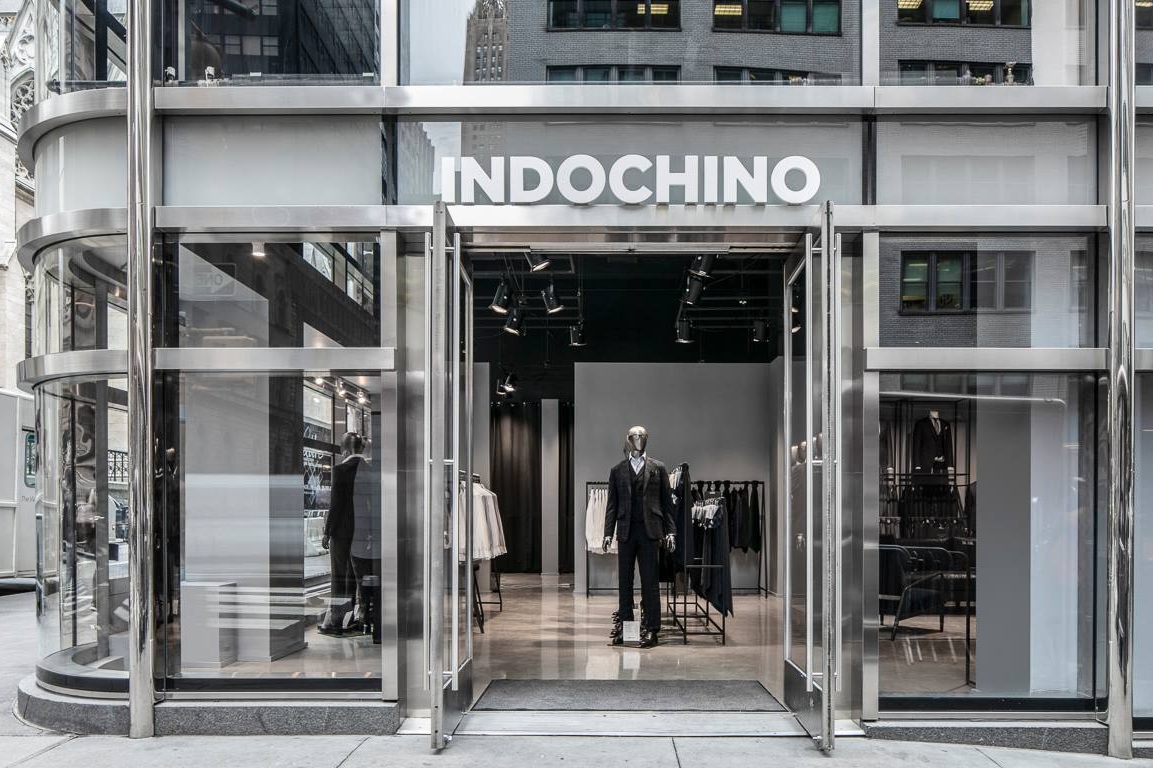
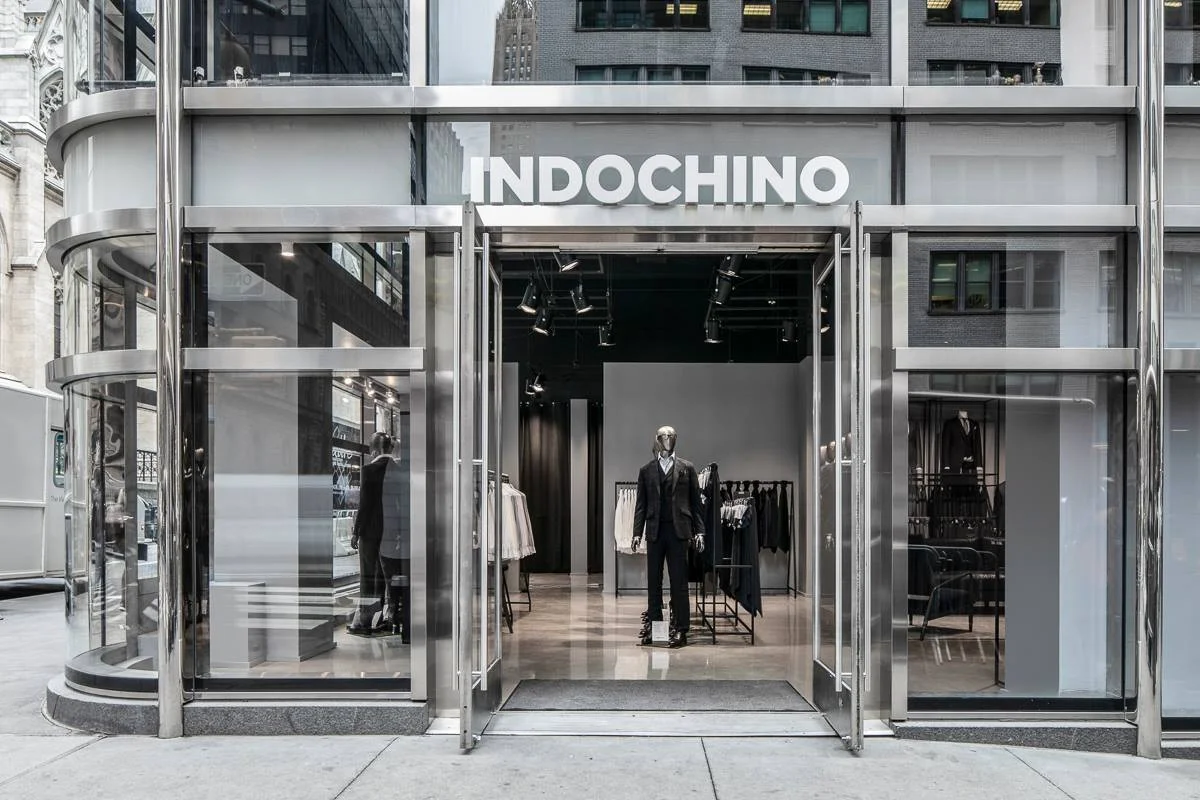
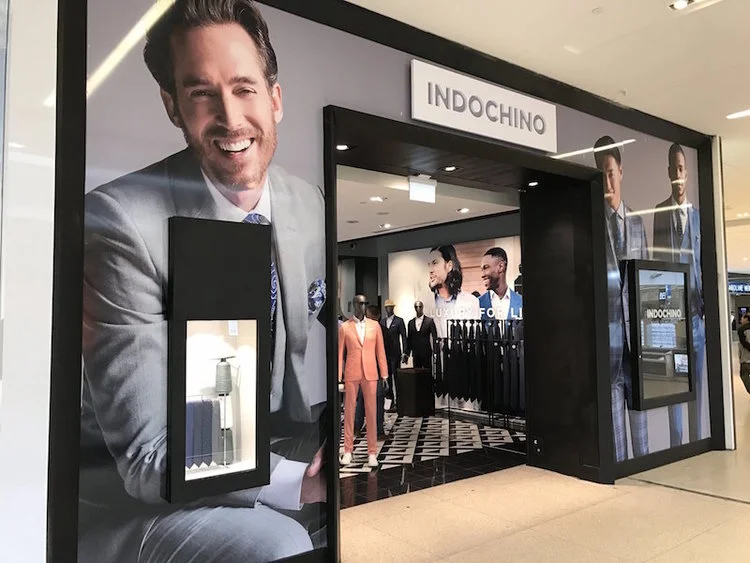
(Indochino Store at West Edmonton Mall) 

(Indochino Store at West Edmonton Mall) 

Previous School of Retailing award recipients include Bryan Pearson, President & CEO of LoyaltyOne in 2016, Brian Hill, President & CEO, Aritzia and Mark Wolverton, President & CEO of LUSH North America. The award alternates between Innovation and Leadership. The 2017 Leadership Award recipient was Toni Galli, President of H&M Canada.

“We are very excited to recognize what Drew Green has accomplished with INDOCHINO. For years we have talked to students about the power and potential of product customization, as well as the opportunity for Canadian companies to leverage technology to open markets around the world. INDOCHINO has quickly become a textbook case, illustrating a business model for the future of retail,” said Dr. Kyle Murray, Vice Dean of the University of Alberta School of Business.

Since 2015, Drew Green has established over C$90 million in strategic capital commitments for INDOCHINO, with only 27% shareholder dilution. Mr. Green’s focus, dedication and decisiveness has tripled the size of the company, helped it achieve profitability in 2017 and improved EBITDA by over $10 million USD year-over-year. Through a commitment to an experience-based omnichannel commerce strategy, INDOCHINO has expanded its retail network across North America to include 20 showrooms and dramatically increased its product assortment to become the undisputed global leader in custom apparel.

Prior to INDOCHINO, Mr. Green founded and was CEO of SHOP.CA, Canada’s first multi-merchant marketplace — which is now owned by EMERGE Commerce Inc., which Mr. Green leads as Chairman and major shareholder. EMERGE has successfully combined several eCommerce brands globally over the past two years. Throughout his career, Mr. Green has helped create billions in shareholder value through leadership roles at DoubleClick (acquired by Google), SHOP.COM (acquired by Market America) and FloNetwork (acquired by DoubleClick). For more information about Drew Green, visit: www.indochino.com/about/management.

We’ll be providing more information on the University of Alberta School of Retailing’s 2018 Thought Leadership in a few days — the one-day event is expected to be the biggest in the School’s history, and will be unique in that it will take place in North America’s largest mall. Retail Insider’s Editor-in-Chief Craig Patterson will be speaking as well as providing retail tours at West Edmonton Mall on March 8 and 9, with details to follow.

Thought Leadership Conference Website: tlc18.ca

School of Retailing Website: www.SchoolofRetailing.com.

Craig+Headshot (1).png

Casper Partners with Indigo to Expand Canadian Brick-and-Mortar Presence

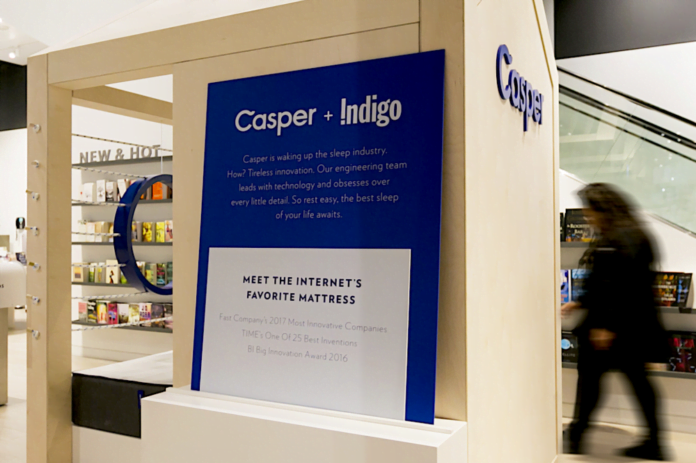
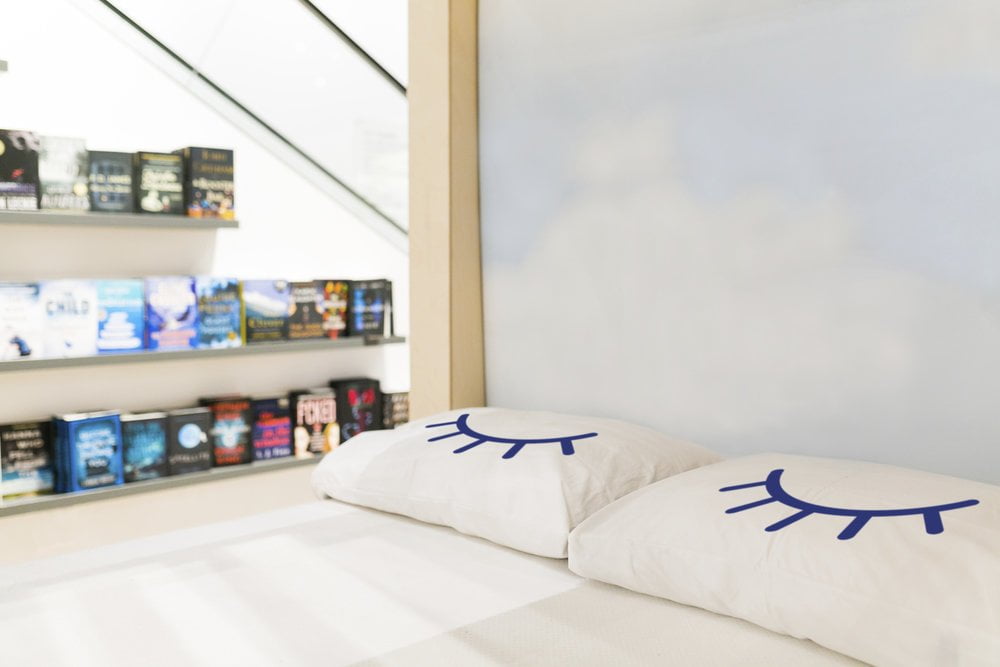
Indigo at CF Sherway Gardens in Toronto (Image: Casper)

New York City-based sleep brand Casper has partnered with Canada’s Indigo Books & Music to house shop-in-store ‘nap pods’, as part of Casper’s retail expansion into the Canadian market. Casper, which launched initially as an online-only memory foam mattress brand, is now partnering with physical retailers to showcase its wares, which have expanded beyond just mattresses to include pillows, bed sheets and even products for pets (Casper is a very well known company and a lot of review websites such as: https://www.trymattress.com/casper-mattress-reviews which does product testing for consumers). 

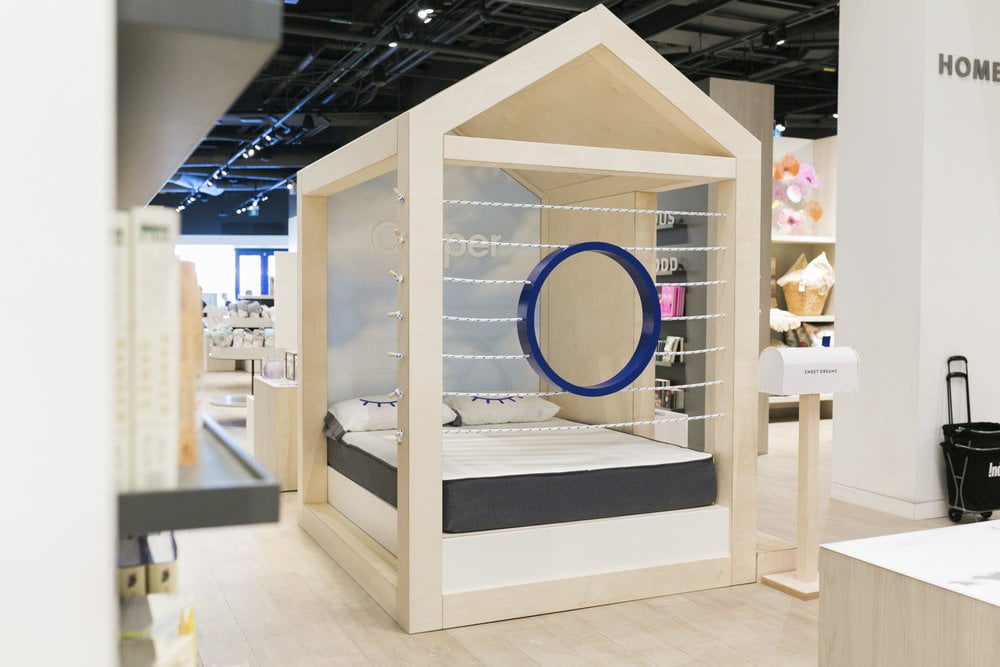
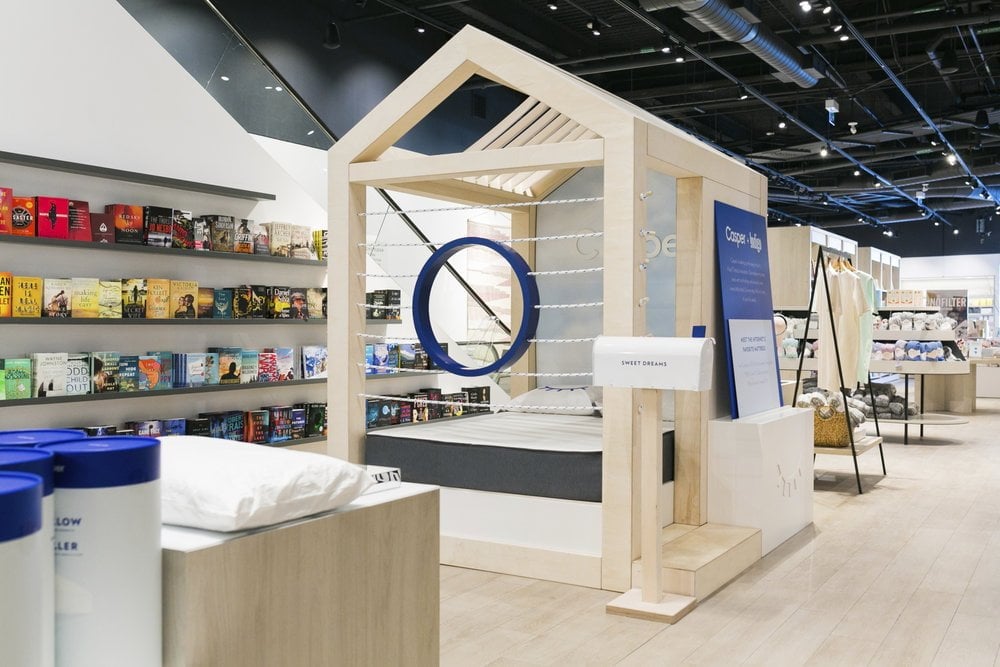
Casper pillows are now available at 30 Indigo locations across Canada this month, as well as on the retailer’s website, indigo.ca. What’s getting the most attention, though, is cleverly-designed birdhouse-like ‘nap pods’ to be housed at seven Indigo locations across the country. 

We first reported on Casper’s Canadian expansion in August of 2016, when the company unveiled temporary “snooze rooms” in selected cities, following a spring 2016 “Napmobile” tour that saw stops in Vancouver, Calgary and Toronto. Casper found that having a physical presence created consumer engagement and provided feedback not found online — not to mention, consumers enjoyed being able to test the popular memory foam mattresses prior to buying. 

Indigo at CF Sherway Gardens in Toronto (Image: Casper)

It was an overwhelming success and in March of 2017, Casper launched its first retail presence in Canada through a partnership with Williams-Sonoma-owned retailer West Elm, in Toronto. Casper products had only been available online until then, and the West Elm partnership was the first time that Casper offered its products with a retailer on a cash-and-carry basis, anywhere. 

The Indigo partnership further extends Casper’s reach into the Canadian market, though pillows are currently the only items being offered in a similar ‘cash-and-carry’ basis. The birdhouse-like ‘nap pods’ are more for show, though having these in stores will no doubt drive sales for Casper products online. Furthermore, it’s an added element of interest for Indigo, which continues to diversify its product offerings beyond just books and magazines. 

One of the seven Indigo stores to house Casper ‘nap pods’ is at Toronto’s CF Sherway Gardens. That Indigo location, which opened in the spring of 2016, was the first in the company to feature Indigo’s updated ‘cultural department store’ concept which includes a variety of product categories ranging from books to gifts and homewares. This year will be a very significant year for Indigo’s operations — not only is it expanding into the United States for the first time, it’s also in the process of aggressively leasing space in former Sears Canada locations to further roll-out its new ‘cultural department store’ concept. Last week, Indigo announced that it would open a new store with the format in downtown Vancouver’s former Forever 21 location on Robson Street, and we’ll be hearing more location announcements in the coming months. 

Indigo at CF Sherway Gardens in Toronto (Image: Casper)

Backed by Leonardo DiCaprio, Tobey Maguire, Adam Levine and Ashton Kutcher, Casper launched in 2014 as a direct-to-consumer online mattress retailer, with its product delivered in a “how did they do that?” sized box. Casper’s memory foam mattress comes in a variety of sizes, ranging in price between $725 and $1275 (Canadian), depending on size. The company has expanded its product assortment to include a “perfect pillow” pillow-in-a-pillow and soft, breathable sheets, and even dog beds. Casper keeps its prices reasonable by eliminating commission-driven wholesale channels and related costs, including retail space. The company’s phenomenal growth saw it being declared one of Fast Company’s “Most Innovative Companies in the World” and in 2015, Casper won the title of TIME Magazine’s “Best Inventions of 2015”, with sales in excess of US $100 million. 

Stay tuned for more Casper announcements, as well, with landlords confirming that they’ve been in talks to further expand Casper in dedicated retail spaces. 

Indigo at CF Sherway Gardens in Toronto (Image: Casper)

*Photos were taken at Indigo at CF Sherway Gardens in Toronto, and were supplied by Casper. 

Avenue Road Furniture Concept Expanding into Vancouver’s Gastown

exc-5a5f781e652dea3cec29dca8

Upscale furniture store Avenue Road is expanding from its Toronto base and is launching a new store in Vancouver’s Gastown neighbourhood, anticipated to open in February or March of this year.

Stephan Weishaupt, president of Avenue Road, said Vancouver is a strong market for the company and there is a high design consciousness there.

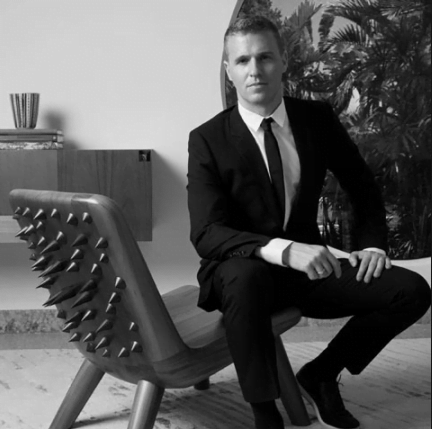
(STEPHAN WEISHAUPT)

“We have many exclusive brands to Canada and North America and this helps us expand their profile not only to Vancouver, but the whole of the West Coast,” he said.

“We’ll be launching e-commerce in the Spring. We’ll also continue to explore other retail concepts like our concept apartment 8A in New York and showhome in Miami as we think the future isn’t just one experience, it’s many.”

Avenue Road started as a small gallery space on Booth street in Toronto in 2007. In 2009, it moved into its flagship Toronto showroom at 415 Eastern Avenue with 15,000 square feet of space.

Image: Avenue Road

“Today we have flagship showrooms in Toronto, New York and now Vancouver (Gastown). We also have residential concept spaces in New York and Miami,” said Weishaupt.

“We are always exploring interesting ways to connect with a design-minded audience.”

He said the company’s philosophy is not really a question of one concept or type of store. There is potential for many more but of different concepts that respond to the market.

“We have curated contexts that mix all our products together in true to life environments and don’t present things as a typical department or furniture store would as monobrand blocks,” said Weishaupt. “We are total concept that allows clients to fulfill the whole design story from architectural lighting to bespoke kitchens to accessories, rugs and textiles along with our core furniture collection.”

“Our industry tends to operate in much the same way for the last half century. We’ve invested heavily in behind the scenes systems and in our team so we deliver items made in the old world traditional craftsmanship but with service that people expect in 2018.”

While Avenue Road always aims to be elevated, people shouldn’t be intimidated to come visit, he added. The company loves to engage with design lovers or anyone who is just intrigued with what it does.

Canadian interior design company Abraham Chan Design Office (ACDO) designed Avenue Road’s Vancouver furniture store. ACDO is a boutique firm with global reach, specializing in architecting bespoke interiors for luxury hospitality, residential and retail brands across the world.

Abraham Chan, founder, owner and creative director of the Toronto-based firm, said he is very excited about working on the Vancouver Avenue Road store.

ABRAHAM CHAN. PHOTO: ACDO

“Working with Stephan, we conceived that the shop can be part gallery and part residence and it involves the transformation of the 12,000-square-foot warehouse into something more curated to display Avenue Road’s collection,” said Chan. “The building itself is an interesting one. It’s a four-story heritage building which has been in Gastown for almost 100 years. It was originally a newspaper printing factory which is interesting because the Toronto store was also previously a newspaper printing factory.

“We converted the store into something that would be a little bit more personal, with spaces that would really encourage customers to explore and enjoy the process of discovery.”

The store takes up two floors of the building.

Chan said a goal was to create a store that would fit into Vancouver’s culture and character.

“It was important for us to design a store that would retain the ambiance that would be appropriate to display the international curated items that Avenue Road is known for,” he said. “When we were trying to think what it was that is so beautiful about Vancouver, we started thinking about a lot of its raw nature. That was really inspirational for us.

“We also collaborated with a lot of artists to make sure that the space would be unique to Vancouver.”

One of those artists is Moss & Lam, a boutique art studio led by founder and creative director Deborah Moss. The company – whose work appears in luxury environments around the world – designed and hand-produced a feature wall within the new Vancouver Avenue Road store, and the store also carries their line of award-winning W1 side tables. 

In today’s competitive retail market, it has become increasingly more important to create spaces and experiences that are more tailored and personalized and enhanced for customers.

According to Chan, it’s all in the details. All the elements in the new Avenue Road Vancouver store celebrate the products in the store.

Company Aims to Level Playing Field for Independent Grocers in Canada

exc-5a56d8b8f9619a96fd766512

Small independent grocery stores now have a new tool at their disposal to battle the big chains in a very competitive marketplace.

Toronto-based Execulytics Consulting has launched new store services for these independent retailers which include fresh operational support and an extensive list of retail analytics products.

Mike Mauti, an industry veteran and senior vice-president of client services with Execulytics Consulting, says “the goal with this service is to provide independent retailers with the types of tools that large grocery companies have been using for years.”

Mike Mauti, SVP of Client Services – Execulytics Consulting

“With the help of Execulytics, our hope is that independent retailers can compete with chain stores,” he says.

Mauti, also managing partner of the consulting firm, has been operating for almost two years focusing primarily on the food industry particularly on produce suppliers and now he is branching out into grocery retail services.

“As a long-time veteran of the grocery industry I played many roles over the years developing processes and tools to help the stores manage their business better. That included processes to improve fresh foods operations, as well as retail analytics tools to improve pricing, assortment and labour expenditures,” he says.

Shopping carts

“As I was working in those areas, it became my belief that this is what separated chain stores from independent retailers – the fact that they have strong central services to rely on, allowing them to focus solely on servicing their customer and selling groceries.”

If that was a huge strength of the chain store, then it stood to reason that there was a significant opportunity to offer those types of services and that type of support to an independent retailer.

His handful of analytics software pieces – Labourlytics, Assortalytics and Priceulytics – can really help bridge the gap or help independent retailers compete with chain stores, he says.

Labourlytics crunches sales data and labour requirements for managers, allowing them to build a schedule to suit the needs of the customer.

Assortalytics is an assortment optimizer to help select customer centric assortments. It provides custom metrics to rank products and maximize shelf space efficiency.

Priceulytics is a price analyzer and index generator. It indexes price competitiveness relative to a store’s general competition.

Execulytics also offers a Specialist-for-Hire option. It mimics what the large retailers would have used for years which is a team of real department experts that help a store maintain their standards, train their staff and essentially just merchandise in a way that will sell products to customers.

“We have assembled a bonafide Dream Team of fresh specialists, including experts from across the country that have a combined 100 plus years of experience in fresh execution and retail management,” says Mauti.

These analytics are what allow big companies with deep pockets to manage their costs, manage their customer facing attributes such as their price and their assortment, and it allows them to do it simply “so they can get on the business of servicing customers and selling product whereas an independent retailer has to guess at a lot of those things. And a lot of time guesswork doesn’t yield the best results,” he says.

The services being offered by Execulytics will really help level the playing field between an independent retailer and their larger competitors, adds Mauti.

The services are available across Canada.

Comparing Luxury Retail in India to Canada

Louis Vuitton on Bloor Street (Image: KEVRIC)

By Amish Dargan

Luxury is defined as a good for which the demand increases as does the income of a person. However, now the fathers of economics do nothing but turn uncomfortably in their graves as the defining factor for luxuries, for the most of us, is nothing but a method or a means to show off our wealth, regardless of what we have. It’s a guilty pleasure we’re not ashamed to accept.

The luxury market in India, as opposed to wide belief, has been in existence since the early 1800s. From material luxuries such as rich food and goods imported through silk routes, to famous chefs and butlers, to the early launches of horse wagons and ambassadors, to the first TV’s in the locality, to more emotional and reconnecting luxuries such as big parties, weddings, or ceremonies to show off wealth.

The Canadian scenario has been slightly different, having been the blessed younger brother of the Americas, and descendent of Europe. By the virtues of being the sibling, hence, any revolutionary product that is launched throughout the world, will reach Canada as soon as it reaches any other part of the world.

Needless to say, the luxury sector in both the countries has had a very interesting contrast. Let’s study it a bit further:

1. Economies

Where India is still a developing country where a whopping 30% of its population was still under the poverty line in 2013, the demand for luxury has been frankly unaffected by the financial status of the country. In fact, Confederation of Indian Industry stated that India is the world’s fastest growing luxury market, and reported that in 2015 in a span of 1 year, the luxury retail market grew from an approximate $14 billion dollars to a whopping $18 billion dollars — which is astounding because even though the GDP growth rate had fallen from an 8% to 7.1%, India had a strong 2% share in the global luxury market in terms of sales.

On the other hand, Canada, due to its sluggish economy, shows a possible lag in the luxury sector in the next few years. Millennials are looking for ways to economize their income, and only those with high end earnings, who are unaffected by the economy will continue to buy these goods. The boomers are retiring soon, and increasing financial debt and slow GDP is making millennials more than skeptical about their purchases. Although and increasing amount of showrooms are predicted to open in Canada, there is no surety of increase in purchases.

2. Consumer Behaviour

In a country which is known for its rich cultural background of extravagant food and material choices, Indians, surprisingly, majorly view the world of luxury as an investment or a means to show off/share experiences, such as investment in gold or lavish weddings. Indians have a tendency of acting in a manner where they are more likely to consider the future trends, the resale value and the utility with respect to how fast the product depreciates when buying the item, be it luxury or normal. However, all this research is expanded to international markets too, where those in India who can afford luxuries, realize that they can just go to the other country to purchase the item- and hence, save their taxes and importing costs too. Of course, this is only for the foreign luxury brands- Indians don’t really have to rely on other countries for their luxury purchases. Our Kerala gold, Sabyasachi and Nalli sarees satisfy both our thirst for luxury and return on investment.

The Canadian citizens, however, despite rising debt and increase in the cost of luxury condos and cars, are being loomed in to buy these at the ‘attractive’ interest rates and offers in the country are pulling the consumers into an unending loop of debt. A house in Toronto now costs $1 million dollars easily, and what’s a house without a fancy car parked in the garage?

The reason that the Canadians are increasingly investing in these ‘attractive’ interest rates, which they are okay with as long as they stay low, is the ‘wealth effect’, which makes a person believe that they have the liberty to spend more, as increases the value of their already owned assets. They feel as though they can take on this debt and that it is affordable, and that is perhaps, why, the average Canadian now holds an average of $22,081 in debt, a 3.6% increase from 2015.

3. Customer Make Up

An impressive 42% of the luxury goods in India are sold online- and previously no one would have cared. But with the sudden shock that demonetization has put most of its higher class families into, the number of people preferring to drop by their favourite Louis Vuitton store to get a ‘feel’ of their favourite bag before purchase, fell exponentially.

What has that done? Credit cards and convenient payment schemes online are giving even those from the middle class options to afford their favourite Gucci shoes without having to burn a hole in their pocket. The standard of living is constantly on the rise, and millennials through the cyber world are more informed. So yes, it isn’t unusual to see BMW’s and Audi’s in the streets of Delhi, and girls flaunting Juicy Couture– most of whom aren’t even from the richer few. Take the example of Apple. A luxury product, still, in many countries is now available to the middle, and even lower middle class!

The Canadian scenario, although is slightly different, where most of the purchasers of luxury goods have an income of at least $100,000. This can be attributed to the fact that the items that make up their luxury products are widely different and strictly western (German technology, French fashion) – whereas Indians are liberal (Indian sari brands, gold, big fat Indian weddings). Canadians strictly look for personalized experience and pampering- thank you cards when you get home, mineral water in the stores, and appointed professionals to help you choose the right thing. Indians, carry the importance of the experience forward to their friends and family. They too, love a good pampering- but they are very concerned and very particular about the utility and functionality that is exhibited post purchase.

Of course, the Indian and western mindset and make-up is becoming increasingly similar because of the shared global culture- but there are a few things that still remain interesting, yet baffling in the global scenario of luxury purchases. What do you feel about this?


Circle K Announces Canadian Expansion with 1st Franchise Opportunities

(DOWNTOWN TORONTO. PHOTO: GOOGLE STREET VIEW)

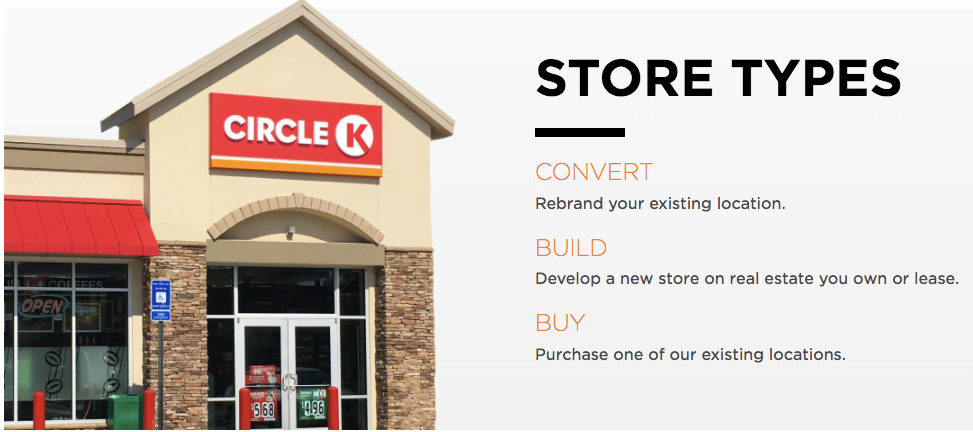
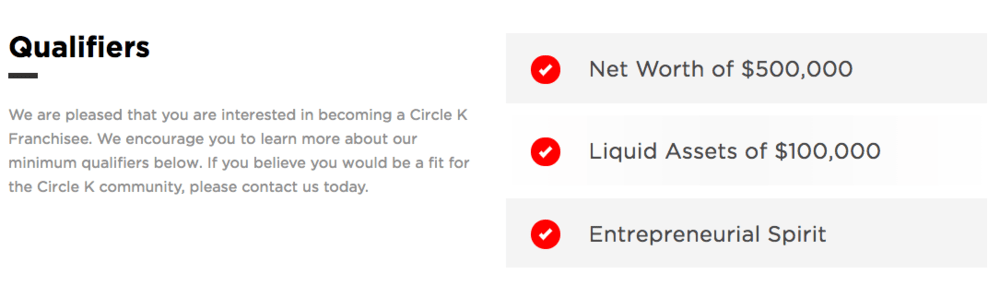
Quebec-based Alimentation Couche-Tard Inc. is welcoming applicants to operate the first new franchises under its Circle K banner, which recently launched in Canada as part of a name change. The expansion begins in the Ontario market, and the company has more information on its franchising website: http://franchise-circlek.com.

Circle K locations have been popping up all over the country in Couche-Tard locations formerly branded with names such as Mac’s — in September of 2015, the company announced that it would adopt the Circle K brand on all of its stores in English Canada, while retaining the Couche-Tard name for its locations in Quebec. 

The announced Ontario franchise expansion begins immediately. “At Circle K, we are committed to growing our brand globally and look forward to providing business partners in Ontario with the full range of Circle K branded products and service,” said Matt McCure, Vice President, Circle K Worldwide Franchise. “We are excited that through this franchise offer, more retailers will be able to join us in our mission to become the world’s preferred destination for convenience and fuel.”

Franchisees gain access to Circle K’s private brands as well as comprehensive training and continued education of the brand, not to mention operational and marketing support. The new franchise stores will display the Circle K logo, which began in Texas in 1951. 

Couche-Tard is one of the world’s largest convenience store retailers with almost 10,000 locations in North America, with more than 2,200 of them in Canada. It is the largest independent convenience store operator in terms of the number of company-operated stores in the United States, as well as a leader in Canada. In Europe, Couche-Tard operates convenience store and road transportation fuel retail in Scandinavia (Norway, Sweden and Denmark), in the Baltic countries (Estonia, Latvia and Lithuania), as well as in Ireland and Poland.

In addition, under licensing agreements, Couche-Tard operates more than 1,800 stores under the Circle K banner in 14 countries and territories including China, Costa Rica, Egypt, Guam, Honduras, Hong Kong, Indonesia, Macau, Malaysia, Mexico, the Philippines, Saudi Arabia, the United Arab Emirates and Vietnam, which brings the worldwide total network to more than 15,700 stores.

Mercatino Expands Food Hall Concept

exc-5a5ff5298165f5dba0401225


HarbourEats-6x.jpgHarbourEats-6x.jpg

By Mario Toneguzzi

Mercatino, means Little Market in Italian, but the establishment has made a big splash with the opening of its first location at the One York Street tower in  Toronto.


Amit Vadan, CEO of MercatinoAmit Vadan, CEO of Mercatino

Amit Vadan, CEO of Mercatino

“One York is a flagship location for Mercatino, and fitting to make a real statement for our expansion to the Toronto market,” said Amit Vadan, CEO of Mercatino, a Calgary-based company.

“Each of Mercatino’s locations feature unique food stations that are enriched with an incredible variety of high quality, wholesome, and natural ingredients that are delivered fresh daily, which are then combined together by our chefs to produce an exceptional and very flavourful experience.”

Mercatino, which started in 2014,  now has six locations in Canada – four in Calgary including the iconic Bow Tower and the Fifth Avenue Place tower in the downtown – as well as one at the 201 Portage office building in downtown Winnipeg. Its first location was in the Bow.

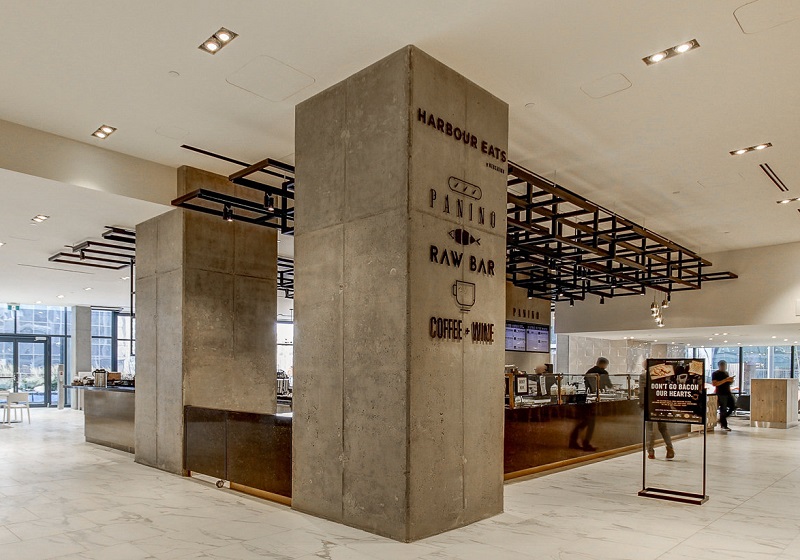
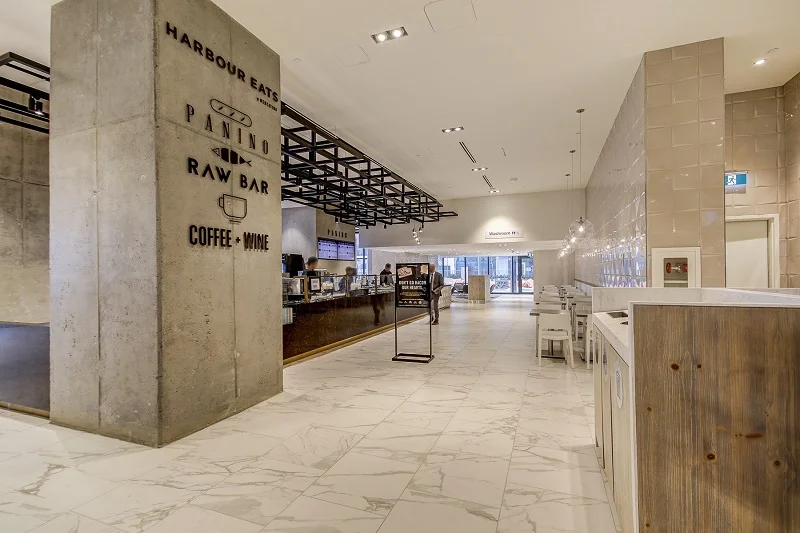
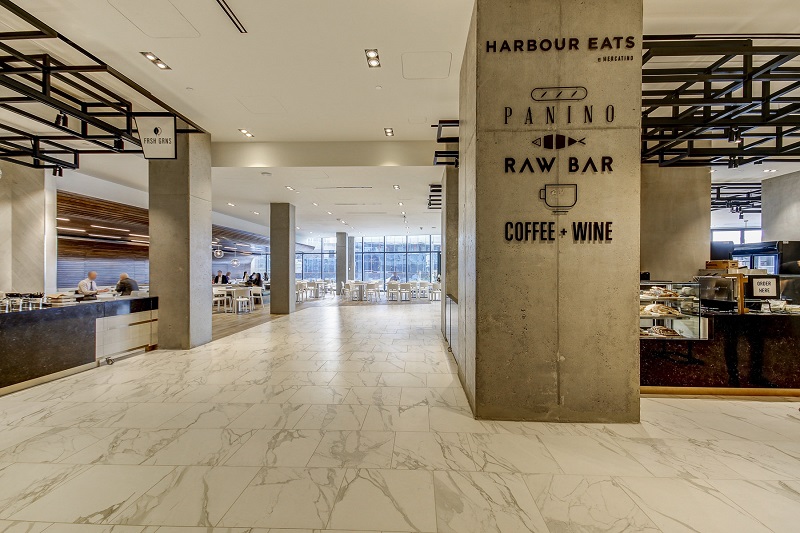
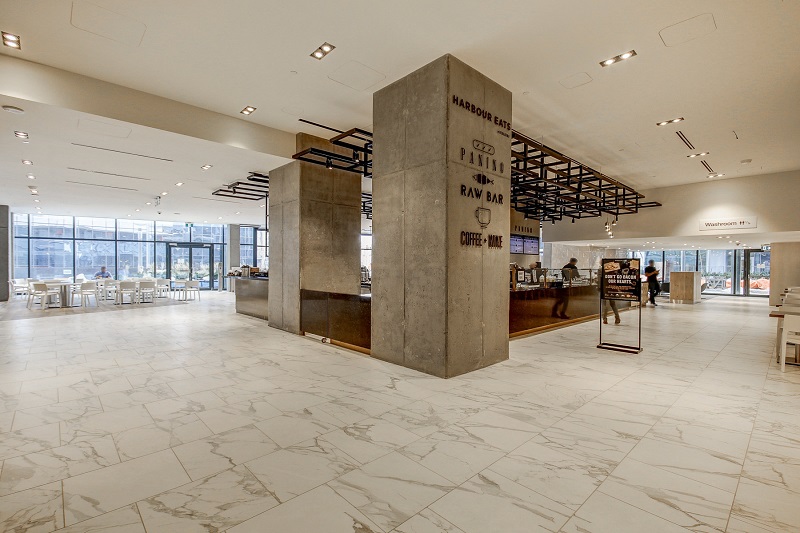
(The beautiful space was designed by GH+A and built-out by BUILD IT. Scroll for images)

“It’s like a market style restaurant. We have lots of different offerings from coffee to grab-and-go sandwiches and salads to our famous sort of chef’s table and daily features that rotate Monday to Friday. So lots of different varieties of food in one convenient market style retail location,” said Vadan.

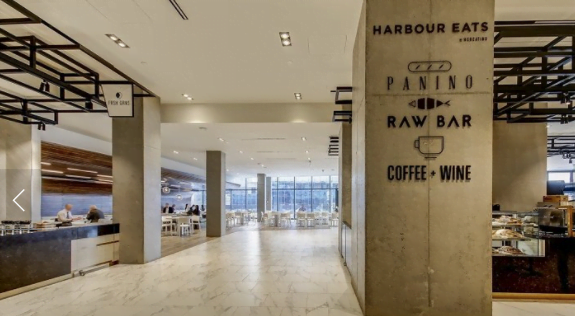
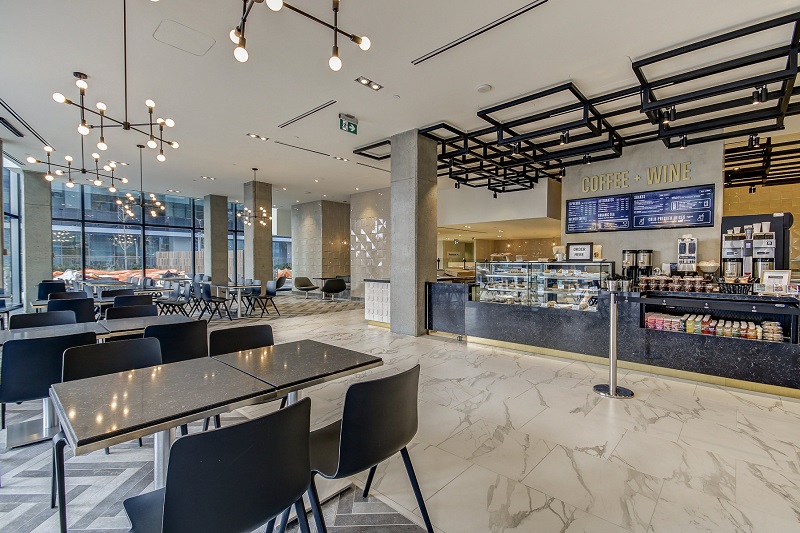
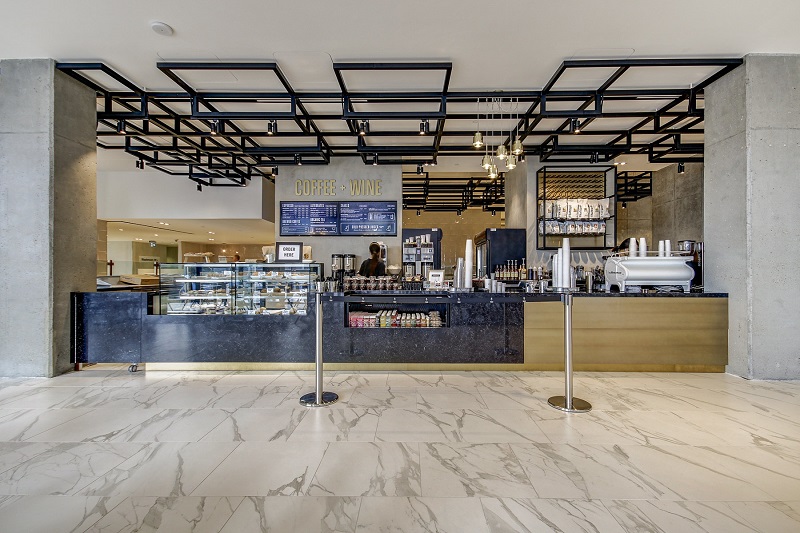
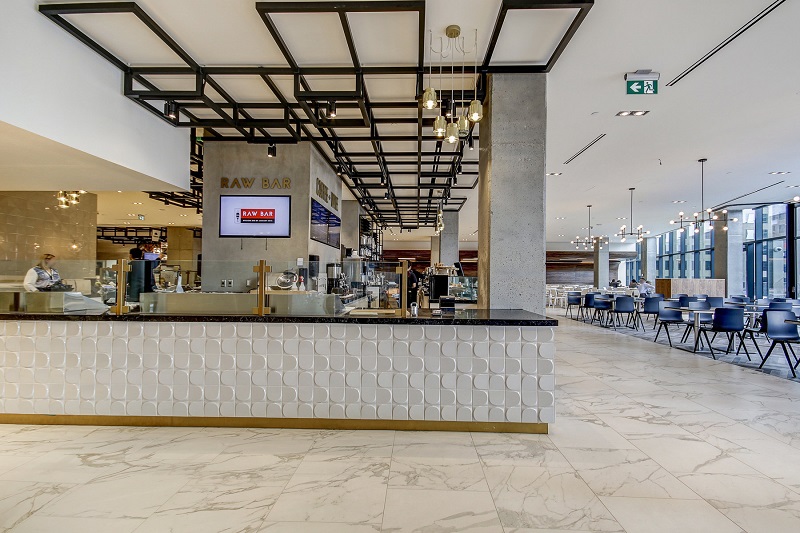
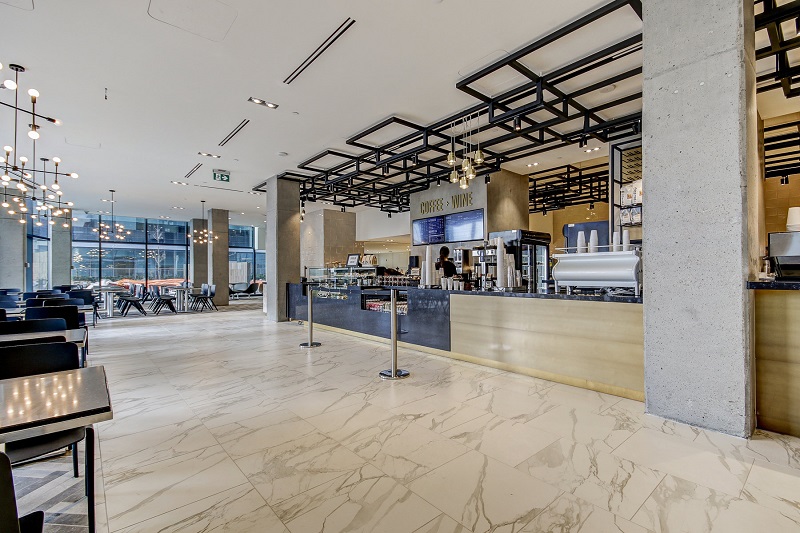
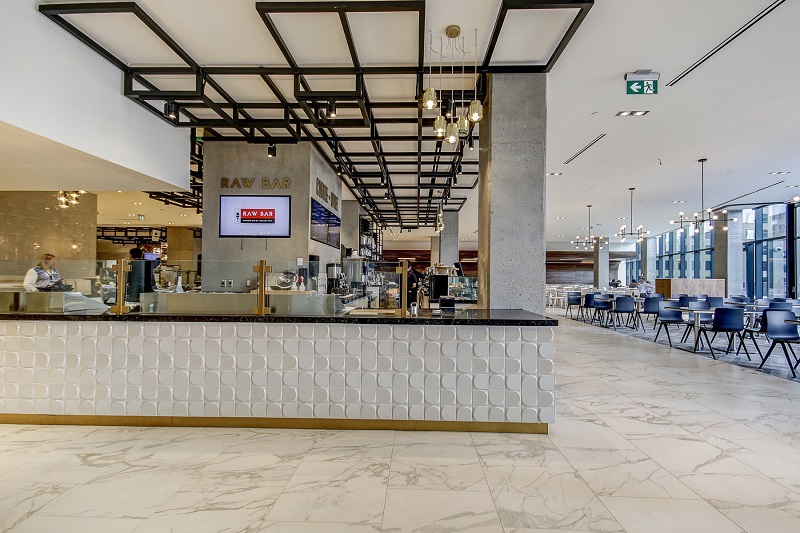
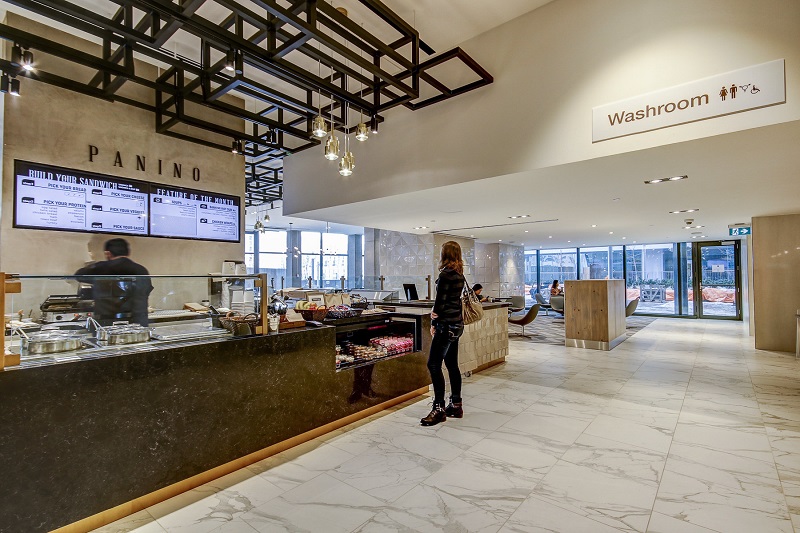
Harbour Eats by Mercatino is operating an impressive food hall in One York Street with an expansive terrace overlooking a new city park and Lake Ontario.

“We essentially are a food hall. We’re gravitating towards kind of our entire food court and re-branding the whole food hall phenomena and having lots of different stations and offerings within a larger atmosphere,” said Vadan. “So for example in One York we have 350 seats that’s all common area and then we’ve got the six vendors there we control and operate it and we have different offerings within those parameters.”

The entire food hall is about 15,000 square feet and Mercatino has about 2,700 square feet of that space, designed by GH+A, which has worked with some of the country’s leading retailers and landlords.

Vadan said Mercatino’s goal is to provide fresh, healthy meals that are affordable and it wants to bring that to professional buildings across Canada.

“Our focus is in the downtown cores of all the major cities. We’d love to see us continue to expand in Toronto and look at other potential development sites like Montreal, Ottawa and Vancouver,” he said. “We’ve got some prospects in Edmonton and in Toronto at this point. I think comfortably we could probably do another three or four here in the next 12 to 18 months.”

Simon Shahin, President and CEO of BUILD IT which oversaw the construction of Mercatino, said One York is a brand-new building with everything state-of-the-art in it.

“It’s a beautiful space that Menkes is providing the main general area and Mercatino just matched the style and overall space with their design and it just flows so well together with what Menkes has designed as the main food court area and what Mercatino’s designers came up with for the food service area,” said Shahin.

“As a contractor on that project there was a lot of higher end finishes that were involved in there.”


Mario+Toneguzzi+Headshot.jpgMario+Toneguzzi+Headshot.jpg

Sears Canada Employees Face Options After Retailer Collapse

Image: Sears

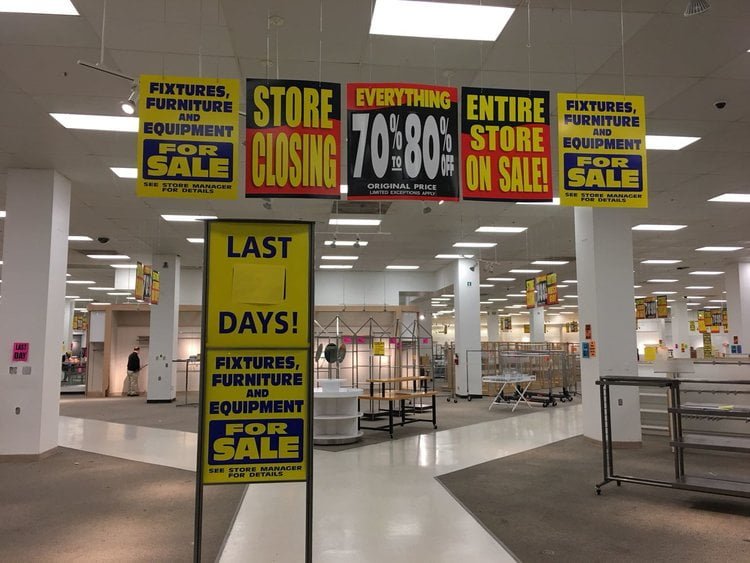
Thousands of people across the country now find themselves out of work after Sears Canada shut down all its stores.

But a retail employment specialist says the prospect of future work for them really depends on what type of roles they had with the former Canadian retail giant.

Suzanne Sears, of Toronto-based Best Retail Careers International Inc., which is retained primarily by retailers to do private searches to fill vacancies or key replacements from the CEO to sales clerk level, said most of the store level staff will be absorbed fairly easily with the only obstacle being the higher salaries of the long-timers.

“There’s a huge market for what we would call street level retailers. There’s a big shortage of them and Sears people are relatively well respected at that level. So I would assume that they would be absorbed rather quickly,” said Sears.

SEARS AT CAPILANO MALL IN NORTH VANCOUVER, BC, ON SUNDAY, JANUARY 15, 2017. PHOTO: LEE RIVETT

“The only caveat for them is since so many of them have been in those roles for so long and had the commensurate wage increases over the years they might not find the same levels of compensation available to them on a job for job basis. Many will get a sticker shock but they will find work. There’s no question.”

She said senior store managers making pretty close to six figure salaries will have a tougher time replacing those jobs at that compensation level. There are also quite a few district sales managers and home field district managers, who oversaw various home renovations, who will also take a little bit longer to find new employment.

“Where it really becomes challenging is to all the head office staff. Those who were in accounting, finance, IT, there’s still a significant demand for that talent. So they should find new positions probably pretty close to the compensation levels,” said Sears.

“What no longer exists are merchandising, inventory and buying jobs. All of the people in those categories are really going to be stressed to find comparable work. The reason for that is most of the growth in Canadian retail has been foreign be it China, USA or European brands and they pretty well manage their own buying, marketing, inventory, supply chain from outside of the country. So when you take that entire segment of supply chain management out of the market these are the people that are going to have a very difficult time because that category of jobs no longer exists at least not in retail.”

SEARS METROTOWN: FORMER SEARS CANADA CEO RON BOIRE VISITED THE BURNABY STORE IN 2015 AS PART OF HIS B.C. TOUR. BOIRE STOPPED TO VISIT WITH METROTOWN EMPLOYEES JOYCE CHIEN, VICKY HERNANDEZ AND BIANCA LEUNG. PHOTO: LARRY WRIGHT/BURNABY NOW

If they were to find those types of jobs, most of them would be in Montreal or Vancouver and not so much in Toronto, she said, adding that most people would not be prepared to move.

“The other sad piece is how many are being turfed very near but not quite at the ends of their careers and sadly ageism exists,” added Sears.

If the more senior Sears people can adapt and adjust to the changing retail environment like taking a one-year consulting gig or filling in for a maternity leave, they will find opportunity in the marketplace.

“Their expertise is beyond doubt. They have those skills. But they may have to sell them somewhere to a market more in short-term contract work than ever-finding an entity like Sears to hitch their star to,” said Sears.

Some will also take the opportunity now to be self-employed.