Home Blog Page 1205

Retailers Continue to Descend on Vancouver’s Luxury Zone [Feature]

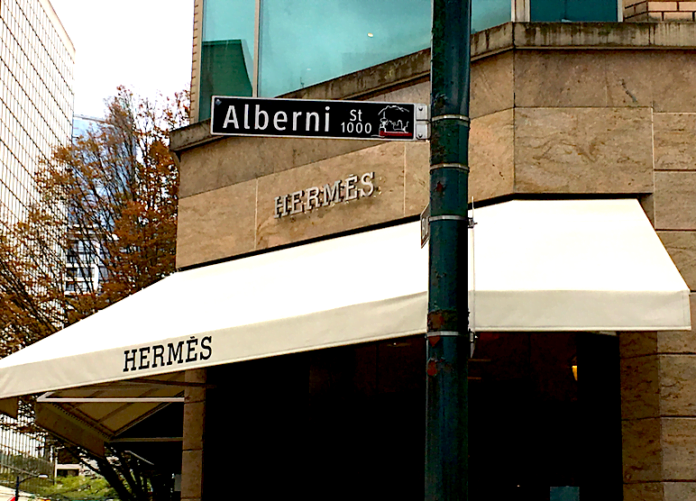
Image: Alberni Street

Vancouver’s Alberni Street is now considered to be one of the most prestigious retail addresses in North America, with luxury brands continuing to open stores in an area that has been dubbed the city’s ‘Luxury Zone’. Several luxury brands have recently opened flagships in the Luxury Zone, with more on the way for 2018.
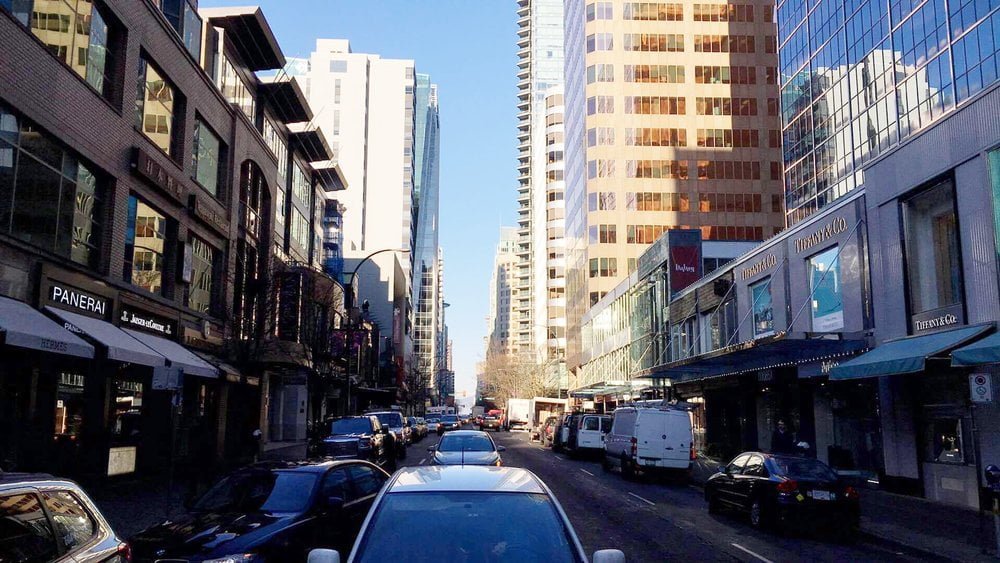
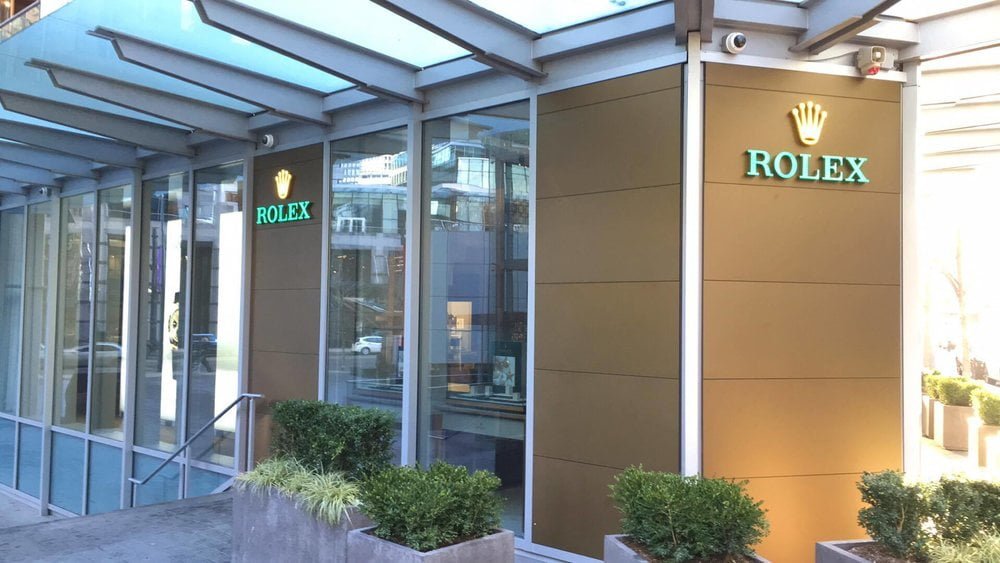
Van Cleef & Arpels and IWC Schaffhausen are the latest luxury brands to have opened this month on the 1000 block of Alberni Street, which is now lined by some of the biggest names in luxury retail. Jimmy Choo will join the mix in early 2018, the largest Rolex store in the Western Hemisphere is in the process of expanding even more at 1119 Alberni Street, and other developments are on the way.

Vancouver is a hot luxury retail market, fuelled by affluent locals and tourists. Investors are noticing as well — a recent CBRE report confirms that retail investment volumes in the first half of 2017 surpassed all of 2016, the previous record year, by 75%. CBRE notes that retail sales on Alberni Street now surpass that of Toronto’s prestigious Bloor Street West (aka ‘The Mink Mile’) with rents on Alberni Street now up to 50% higher than on popular Robson Street.

“The expansion of international brands into the Vancouver retail market is transforming the city,” said Martin Moriarty, Associate Vice President of Retail Leasing and Investment at CBRE Vancouver. “In this market, we are now doing more exciting deals than ever before because brands from cities all over the world, including London, Tokyo, Paris, Geneva and Sydney, are attracted to Vancouver’s growing international reputation. This is good news for Vancouverites and the competitive retail environment in our beautiful city.”

Alberni Street wasn’t always a luxury address. In the 1980’s, it was a relatively sleepy street with restaurants and office towers, and in the early 1990’s a duty free store relocated to the street — two actually, with one winning the rights to operate as such. Burrard Street was the place to be in 1991 when Chanel opened a 1,300 square foot store at 755 Burrard Street (Coach currently occupies the space). Local multi-brand luxury group Collections International operated several boutiques in the area at the time — the ground floor space now occupied by Tiffany & Co. once housed small shops for Collection International boutiques including Nina Ricci, Alfred Dunhill (opening again in the city in 2018), Goldpfeil, Fendi, Valentino (which once had two Vancouver boutiques) and even a small Hermes corner at the back of a larger Collections International retail space with the address 1005 Alberni Street.
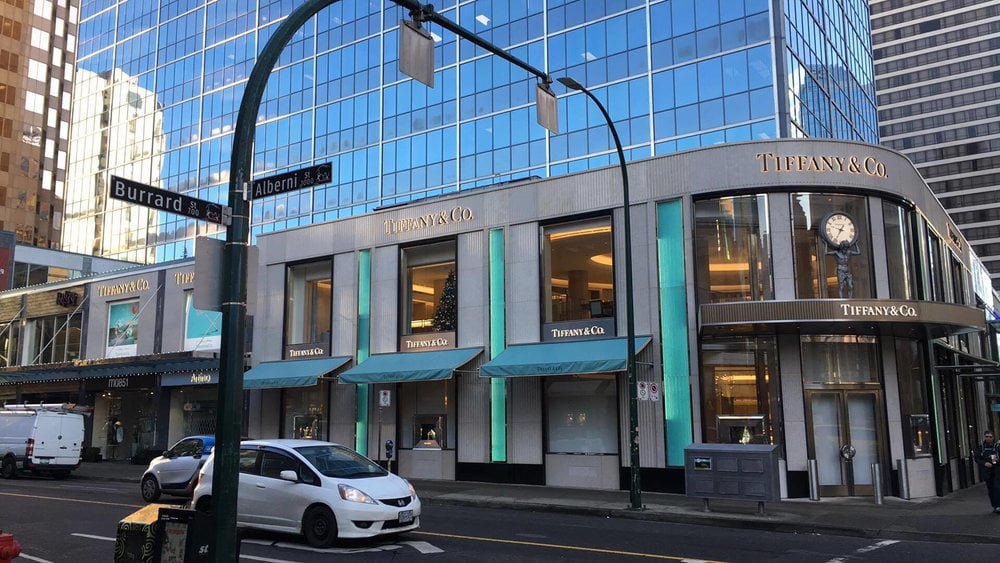
The duty free store changed hands in 2005 when Spanish group Aldeasa won the rights to operate the Alberni Street store (as well as the airport location), though the downtown store closed several years later after unfortunate circumstances — the loss of a tour bus parking space resulted in drastically reduced revenues, and a lawsuit was eventually settled that included terms that Aldeasa could vacate its Alberni Street space (as well as a court settlement valued in excess of $3 million). In 2009, Brooks Brothers took much of the duty free store’s ground space while Michaels crafts moved upstairs when Aldeasa closed in 2012 — and soon after towards Thurlow Street, Dollar Tree opened its first Canadian store in the basement of the commercial podium of The Carlyle building at 1080 Alberni Street.
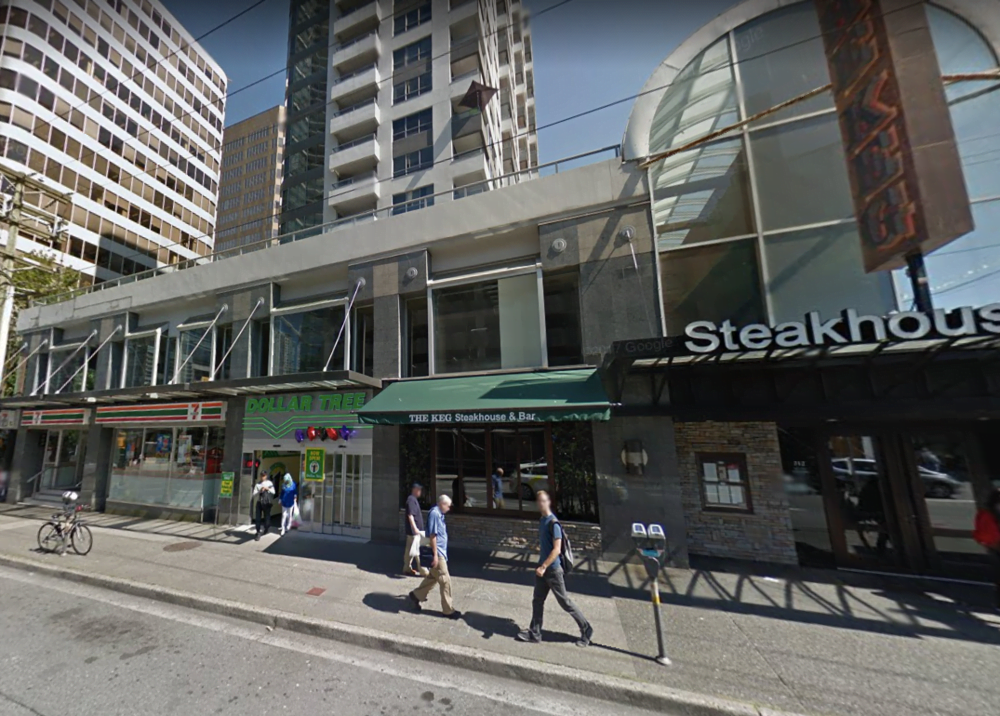
Dollar Tree wasn’t open that long, however — The Carlyle’s landlord, Concord Pacific, bought them out as it decided to turn The Carlyle’s retail podium into a luxury address — something that was in more demand than a dollar store, or the 7-Eleven that was located on the ground level. After a substantial renovation to the retail podium, retailers Tory Burch and De Beers opened in The Carlyle in the fall of 2013.

Burberry initially helped elevate the street, also inspiring the repositioning of The Carlyle. In the fall of 2008, Burberry opened a 3,300 square foot store at the base of the newly opened Shangri-La Hotel, and it stood as the only luxury brand in the immediate area for several years. All the while, brokers and landlords had a vision — the 1000 block of Alberni Street, as well as the 700 blocks of Burrard and Thurlow Streets, would become a luxury retail precinct where the world’s top brands would pay top dollar for retail space.

The strategy worked — Moncler opened in The Carlyle (748 Thurlow Street) in December of 2015, Prada opened a large flagship in the spring of 2016 (1098 Alberni Street), and Saint Laurent opened next to Moncler (748 Thurlow Street) in the summer of 2016. CBRE Vancouver was instrumental in coordinating several of these leases.

In the fall of 2015, the commercial podium of the newly completed 745 Thurlow Street office tower included opening stores for Brunello Cucinelli and Versace. In both deals, the retailers were represented by Stan Vyriotes and David Wedemire of DWSV Remax Ultimate Realty Inc., who also did the Jimmy Choo deal and are working with other luxury clients to secure space in Vancouver’s Luxury Zone. They confirm that more luxury brands are interested in moving into the area, which has resulted in an exceptional clustering of stores from many of the world’s leading luxury brands.

Alberni Street locations for Jaeger-LeCoultre, Lao Feng Xiang, Rolex and Hublot have also since opened — Hublot’s impressive two-level, 3,200 square foot space is one of the brand’s largest locations globally. Northwest Atlantic broker/Principal Brodie Henrichsen represented Hublot in the deal — Mr. Henrichsen has been instrumental in several deals in the area (including Tory Burch, De Beers and Moncler at The Carlyle), and in an earlier interview explained that there continues to be considerable demand from luxury brands seeing to be in the area.
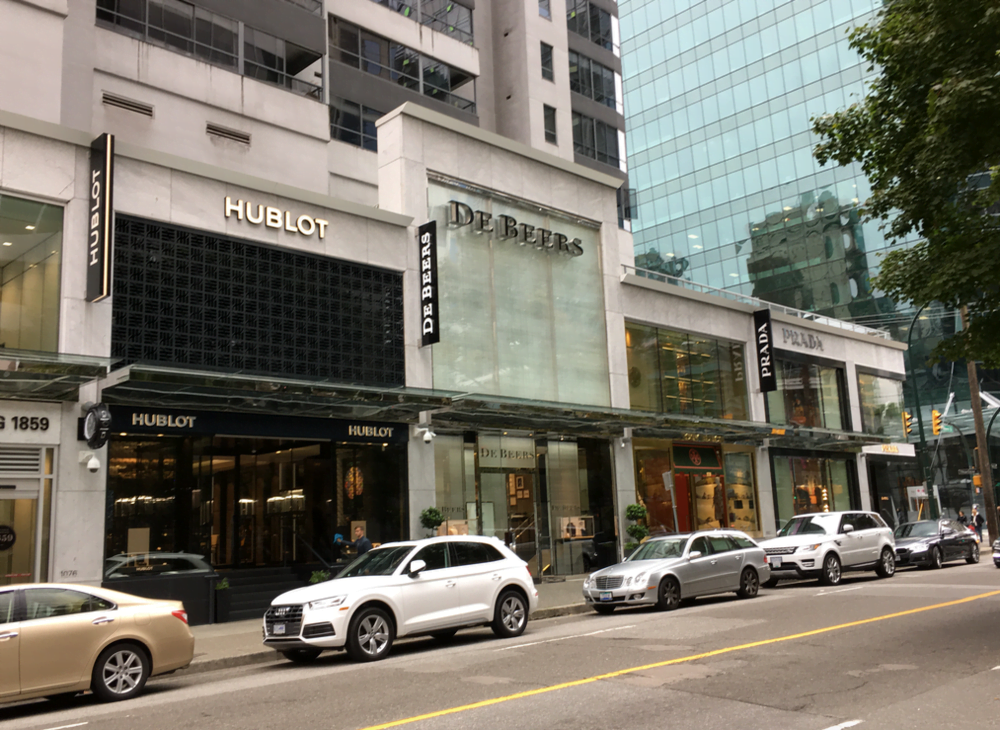
Tiffany & Co., as well, recently tripled in size to unveil an impressive two-level retail space with ample marble and two sweeping staircases. Luxury watch brand Omega, which originally opened at the Fairmont Hotel Vancouver for the 2010 Winter Olympics and subsequently tripled in size, will also be seeing a renovation in 2018. Dior’s largest store in North America and one of Louis Vuitton’s most productive stores, globally, are also located in the hotel’s lobby, along with outposts for Gucci and St. John Knits.
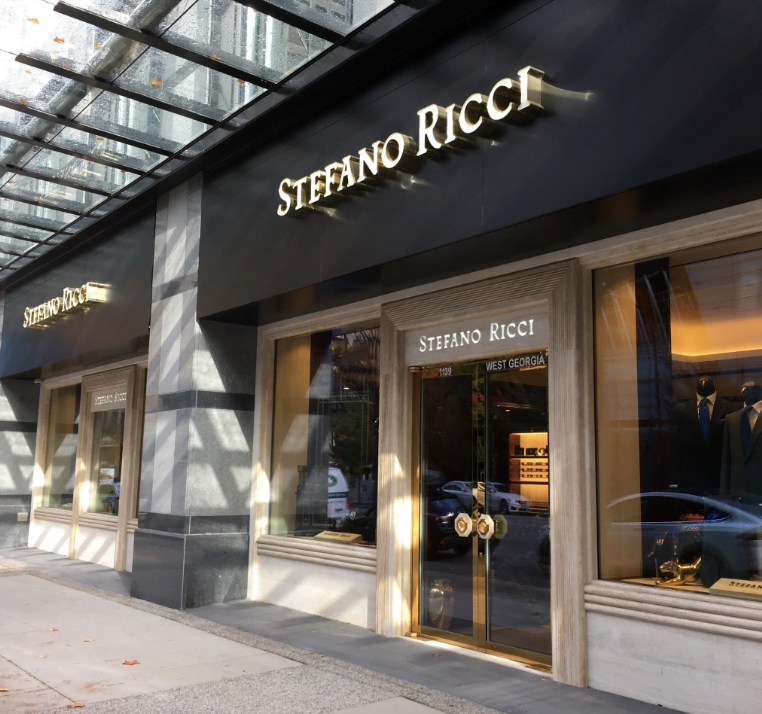
CBRE’s Marin Moriarty explained how Vancouver’s Luxury Zone is expanding even further onto West Georgia Street — CBRE coordinated a deal with super luxury brand Stefano Ricci, which opened in early 2017 at 1139 Alberni Street next to the new Trump Tower. Mr. Moriarty explained that the 1100 block of Alberni Street is expected to see retailers eventually replace a row of restaurants on the south side of that block, possibly with a mix of luxury and aspirational brands. New retail space on the block is also being created at the base of the HSBC office tower at 1188 West Georgia Street.

West Georgia Street is already seeing luxury moving in — watch retailer Global Watch Company recently converted its 925 West Georgia retail space into a standalone Chopard boutique which opened last month with a splashy party. Luxury tea brand TWG now has 1070 West Georgia Street address (its first in North America) at the base of an office tower with a passage directly to the new Van Cleef & Arpels flagship.

It’s a good news story for Vancouver, which has more luxury retail than most cities of its size. “Alberni Street is a terrific asset for downtown Vancouver,” explained Raymond Shoolman, retail expert at DIG360 Consulting Ltd. in Vancouver. Luxury stores puts a city on a map, and he explained how a wealthy international clientele, including wealthy Asian shoppers and those who might otherwise shop in Paris or New York City, will now more likely visit and shop in Vancouver. Some of Vancouver’s wealthiest residents are in the city only part-time, he explained, and having flagships for top brands will keep these people shopping, not to mention potentially attract new wealthy residents and visitors.

Luxury Brand Observer Helen Siwak said that she was impressed with how quickly Vancouver’s Luxury Zone has added new stores. “It was only several years ago that the area was a nondescript enclave, and now it’s a bona fide luxury retail address”. She noted that Alberni Street’s lease rates are considerably lower than those in global cities such as New York City’s 5th Avenue, London’s Bond Street or Paris’ Champs Elysees — but that some of the stores in Vancouver are doing similarly high retail sales.

More big changes are on the way for Vancouver’s Luxury Zone into 2018 and onwards. One interesting development is the laneway between the 1000 blocks of Alberni Street and Robson Street — pricey streetwear brand Off-White will be opening a store there in late January of 2018. Restaurant Italian Kitchen, which recently relocated to a new space on Burrard Street, will be replaced by a location for Vancouver-based jeweller Montecristo. And on Burrard Street, Vancouver will see two new flagships before the end of the decade — in a recent conversation, Hermes CEO Axel Dumas confirmed with us that the company will open a large two-level flagship at the southwest corner of Burrard and West Georgia Streets (similar in size to the recently unveiled Bloor Street flagship in Toronto), and Cartier will eventually relocate from Howe Street into the current Hermes space at 755 Burrard Street. It’s becoming clear that Vancouver’s Alberni Street Luxury Zone has transitioned to become one of Canada’s most prestigious and desirable retail addresses, and it could soon be considered the national leader as new luxury brands continue to open stores in the area.
Dyson Unveils 1st Canadian Retail Space [Photos]

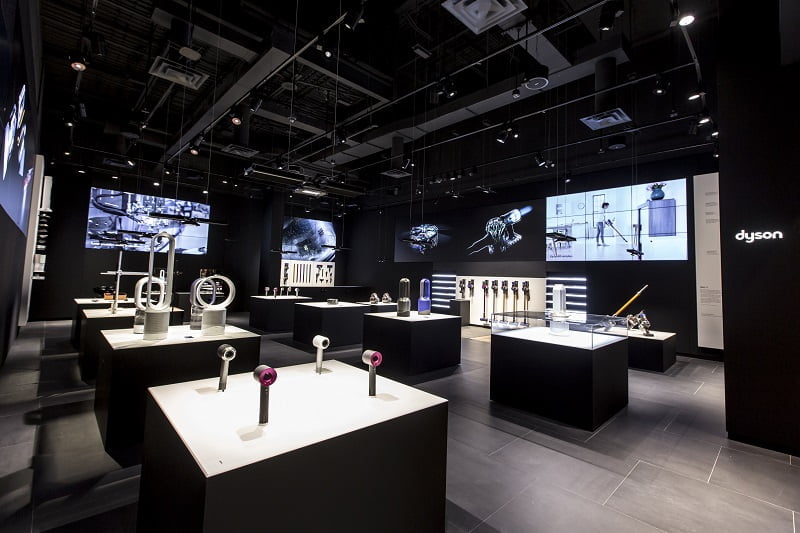
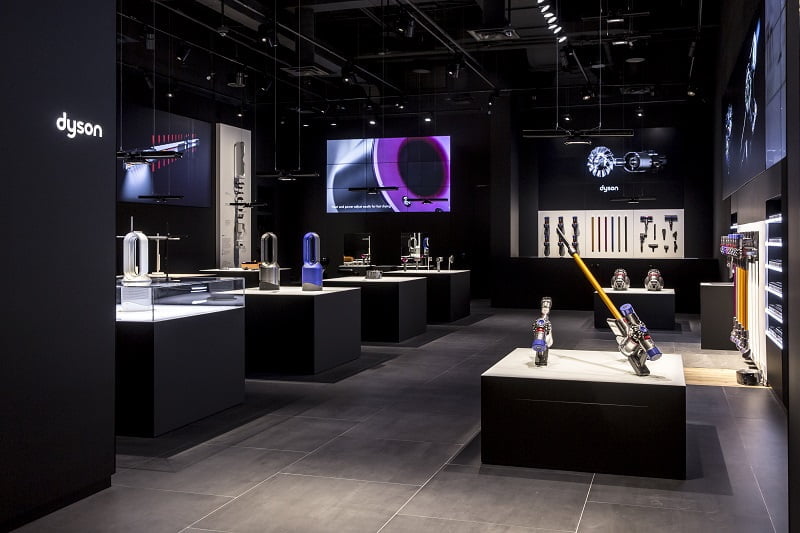
Dyson at Yorkdale Shopping Centre

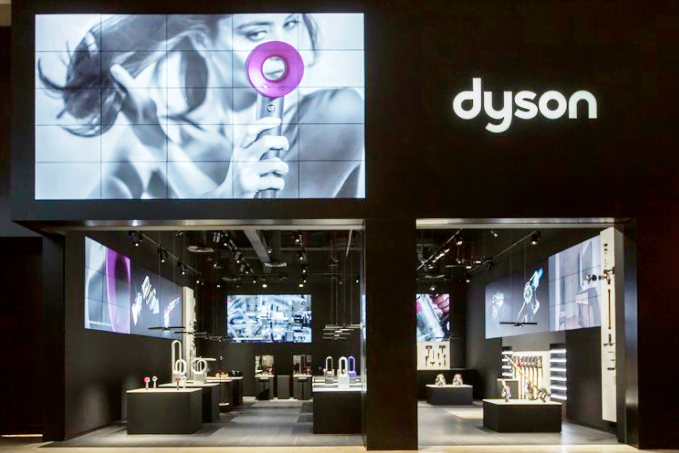
UK-based household and technology ‘reinvention’ brand Dyson has opened its first freestanding Canadian ‘Dyson Demo’ store at Toronto’s Yorkdale Shopping Centre. It’s Dyson’s fourth retail space in North America, as well as one of only 19 showrooms globally. 

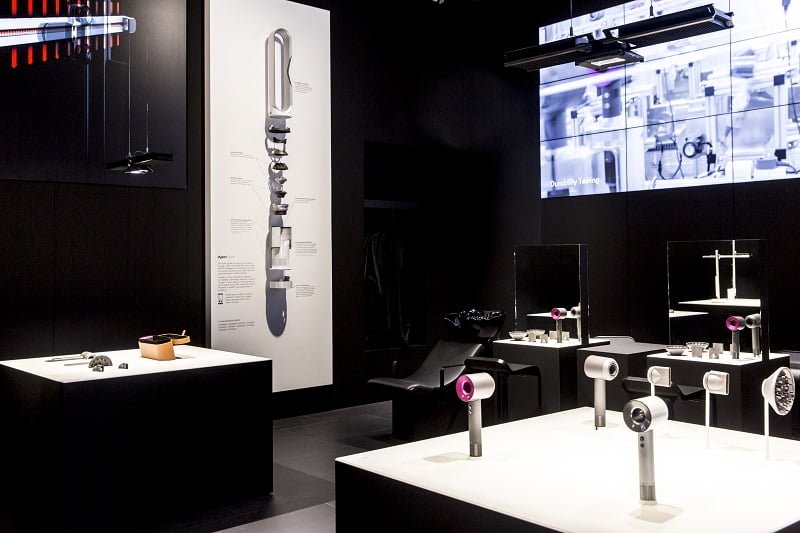
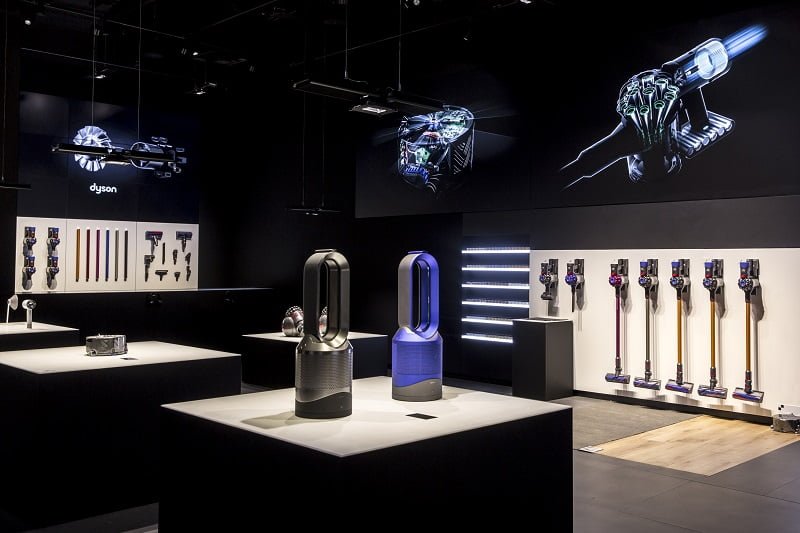
The highly experiential Yorkdale retail space is designed to encourage people to pick up, test, and understand Dyson’s technology. Interactive demonstrations bring to life the science at the core of Dyson machines, with ‘Dyson Experts’ on-hand to explain machines and provide recommendations that will best suit customers’ lifestyles.

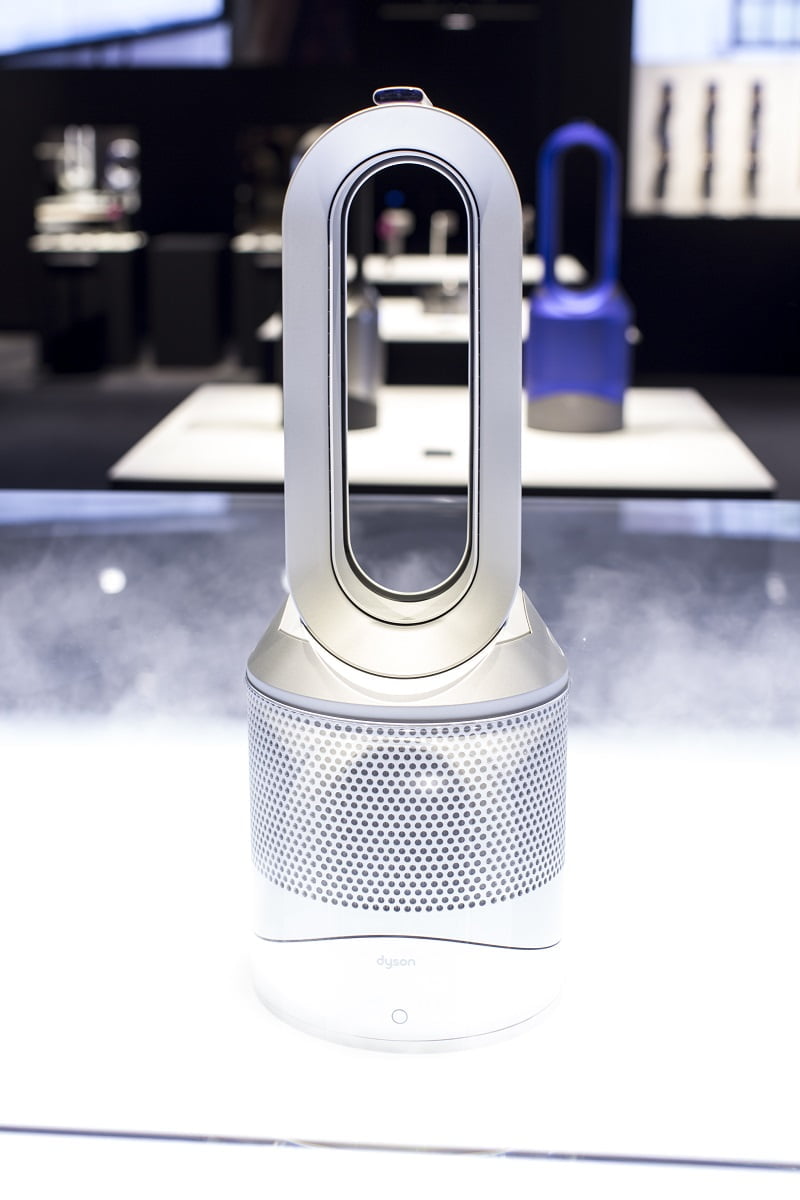
Included are features such as hair styling stations featuring the Dyson Supersonic™, and a Dyson air purifier smokebox demonstration. 

“It is by picking up and experiencing Dyson products that you are able to understand why and how we use new technology to improve performance.  The Dyson Demo encourages people to be hands-on. The Supersonic ™ salon introduces hair science to shoppers, many for the first time, and nowhere else can you choose various types of dust and debris to test a vacuum cleaner, ” said Jake Dyson, Research and Development Director. 

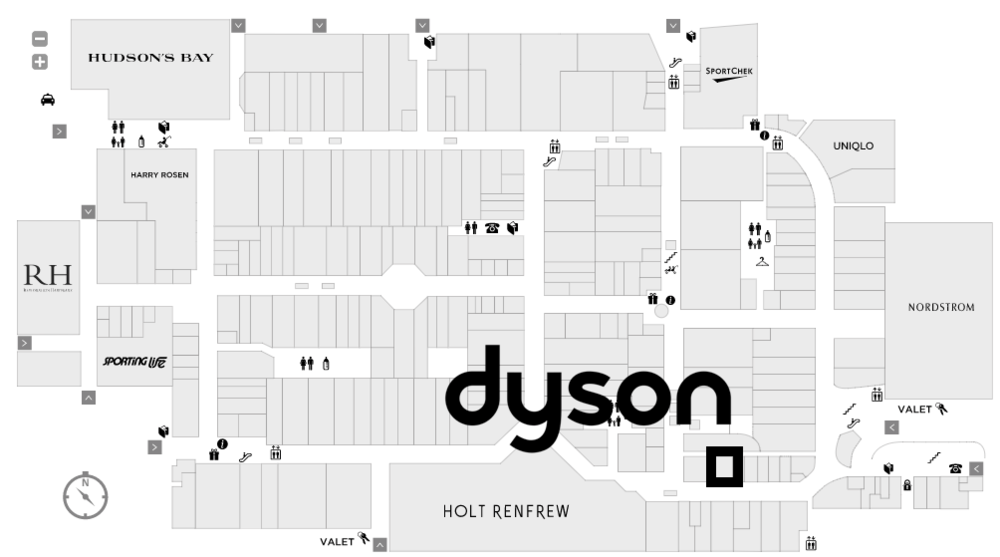
Yorkdale’s Dyson is located in a 1720 square foot retail space in between the mall’s Nespresso and Freedom Mobile locations as per the mall floor plan above. Toronto-based design firm Quadrangle designed the showroom.

Dyson’s product portfolio is expansive, and includes battery-enabled and autonomous vacuums, bladeless fans, air purifiers, humidifiers, lighting, hand dryers and, most recently, the Dyson Supersonic™ hair dryer. All can be experienced in the new Yorkdale store.  

Dyson’s first store in the world opened in Tokyo in the spring of 2015, followed by locations in Paris, Moscow, Jakarta, London. Over the past few months, three locations have opened in the United States, including a flagship at 640 5th Avenue in New York City as well as showrooms in San Francisco (Geary Street on Union Square) and at the suburban Tyson’s Corner Center near Washington, DC. 

Interestingly, Dyson’s first physical retail space was in Paris in the 1970’s — there, a showroom allowed consumers to test Dyson vacuums before buying. The company has come a long way since then, and is known to innovate and re-work technology to make it perform optimally.

Photos in this article were provided courtesy of Dyson. The store opens to the public on the morning of Thursday, December 21. 

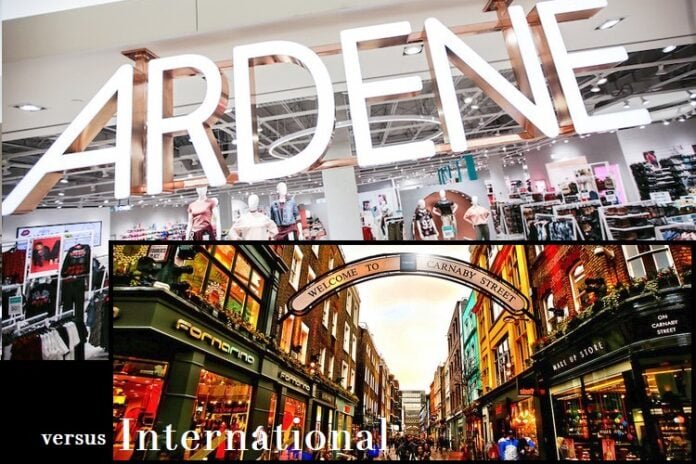
Comparing Canada’s Ardene to International Fast Fashion Retailers

By Karl McKeever

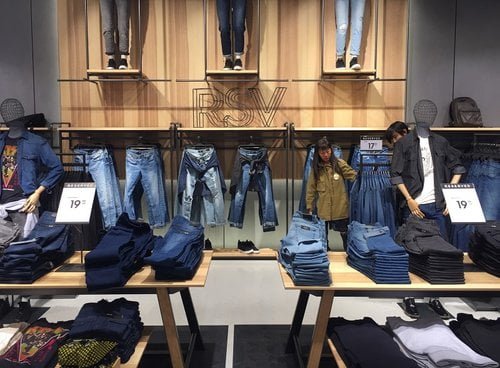
London has seen a fresh injection of new entrants on its high streets in recent months. The most notable recent addition was that of Polish fast fashion retailer Reserved; bringing its brand to the UK for the first time. Signalling its intent, its flagship store occupies prime retail estate on Oxford Street in the capital – its launch fronted by model Kate Moss, once the jewel in the crown of Topshop and owner Sir Philip Green.

H&M has also been opening new fascias apace, with its Weekday and Arket brands landing. The Weekday fashion and denim brand opened in London and Paris simultaneously, while the latter opened two stores – Regent Street and Covent Garden – within days of each other.

Great news for H&M. Or is it? While these new store fascias – along with Cos, & Other Stories, Monki, Cheap Monday and parent company H&M – are undeniably good, they represent only very subtle derivatives of a singular thought. Fresh, lively new branding and continuous rethinking of concepts may help to keep a brand alive. But what happens once the initial excitement of a new opening has diminished?

MONKI REGENT STREET LONDON

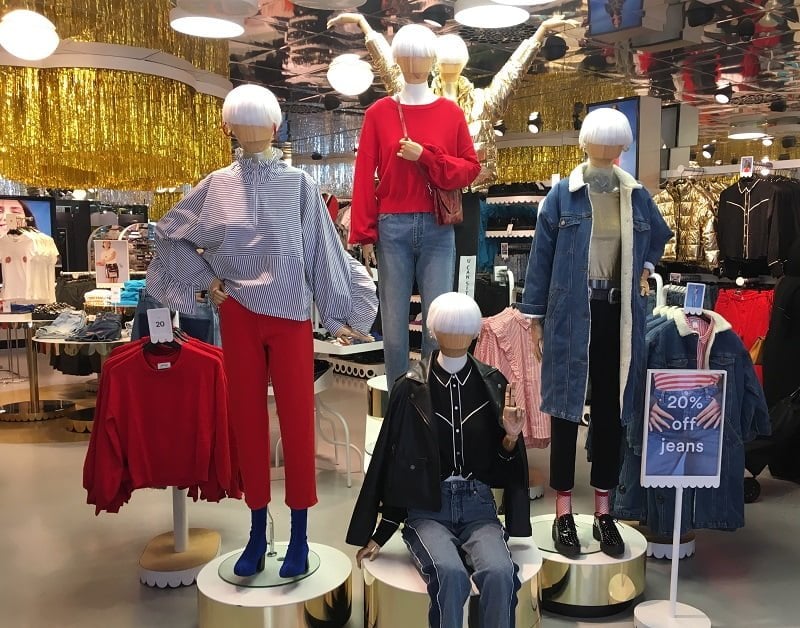
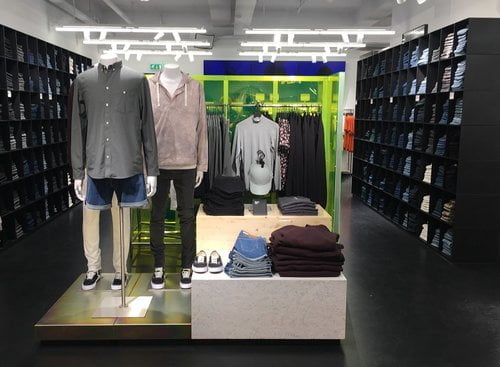
Which turns my thoughts to Canadian fast fashion retailer Ardene. In a bid to reinvigorate its retail footprint, it too has recently launched the first in its series of high-concept large format stores, designed to transform the retail experience for its Generation Z core target shopper. This includes a phone charging station, social media section, dedicated product zones and a hangout area.

While I was impressed with the look and feel of the store, on a recent visit to Toronto, I have to be honest and say that I could have been stepping into any one of a number of recent debut concept stores. Familiar fixtures and fittings evocative of other retailers meant that the personality of the brand was quickly diluted.

Don’t get me wrong: this is a strong, credible concept, and an admirably audacious step by a business keen to breathe new life into the brand. But given the desire for Gen Z to seek out the individual, the new and the unfamiliar, Ardene’s new concept perhaps reflects the ubiquitous cloning of the well-researched, rather than deliver the sharp intake of breath at the sight of something untried and untested that its shoppers may long for.

ARDENE
ARDENE

Imitation may be the greatest form of flattery, but the remarkable ‘cloning’ effect we’re seeing in many new store openings recently is a serious concern. Reserved’s flagship store on Oxford Street is sharp and well researched, but so close to being a replica of its competitor Zara that, when I visited the store, some shoppers seemed genuinely confused about which store they had wandered into.

Too many retailers seem to have fallen into a ‘more of the same’ trap. Sure it’s easy to do. “It’s edgy. It’s new. Look at their success – we’ll have some of that please.” But retailers must resist this temptation and work harder to define their own distinctive voice. Retail design agencies have a responsibility too – to push back, to challenge and to not take the path of least resistance. The best brands did not become the best because they copied others, but because they did things differently.

Without a clear and unique voice, most retailers find it difficult to sustain the buzz around their stores once the fanfare of the initial launch has left town.

As we head into 2018, what does the future hold for these stores? Can the likes of Ardene, Weekday or Reserved be able to sustain the buzz they created with their launches? Perhaps, if they pay careful attention given to visual merchandising and branding. But with a copycat attitude and box ticking approach, it’s unlikely. I for one will be watching with interest.

Karl McKeever

*See below for more photos, via Visual Thinking.

Karl McKeever is the founder and driving force behind Visual Thinking, a globally recognised retail transformation agency. A renowned retail expert, he has worked with an impressive roster of major global retail brands, including: Gap, IKEA, Harley-Davidson, John Lewis, and Marks & Spencer during his 30 year career. He has also appeared as a judge on BBC TV series, The Apprentice.

ARKET ON REGENT STREET IN LONDON
WEEKDAY REGENT STREET LONDON

Innovative Company Makes Customized Scents for Retailers

Image: ScentAir

A growing number of Canadian retailers are using scent marketing as a key tool to enhance customer experience and brand awareness.

It’s being used by more stores which are looking for that something extra to create the ambiance that may entice customers to linger a little longer in their bricks and mortar location.

ScentAir, with corporate headquarters in Charlotte, North Carolina, has become a global leader in scent marketing with the hospitality, real estate, senior care, gaming, and retail markets being its primary focus. It also has a presence in Toronto for the Canadian market.

“We’re the largest, most experienced scent marketing firm in the world,” says Ed Burke, vice-president of customer strategy and communications. “We take a very passionate view of the senses. Smell is the most powerful of the five senses when it comes to memory and how we connect to experiences.”

Image: ScentAir

“Our business is essentially to help businesses put the sense of smell to work in their retail experience and hopefully creating more of a connection with their consumer or a more memorable connection or to drive things. Each retailer has a different objective. It might be dwell time or it might be perception of time. There’s all these different objectives that retailers are trying to create so we try help them think about the air in their retail space and how they can use that to help create a better experience for customers. We help them through the entire process from the initial strategy all the way through execution and service.”

Burke says the company has about 120,000 active locations that it services around the world for all industries. The retail industry would encompass about 20,000 to 30,000 locations.

The company has been around since the late 1990s.

Image: ScentAir

The hotel industry drove ScentAir’s growth in its early days. It ended up developing signature scents for most of the major hospitality brands.

As that growth took place, retailers started to look at ways to differentiate themselves from competitors. This opened a new door for scent marketing.

“Our most powerful memories are those tied to our sense of smell, which makes olfactory marketing the final frontier for businesses looking for a competitive edge. Scent is the most powerful way to connect on emotional and memorable levels with your customers,” says the company on its website. “We have used scent in our homes and lives for millennia and businesses are just starting to tap into this awesome power.”

ScentAir operates in 109 countries.

Toronto’s Waterfront Retail to See Transformation

exc-5a389d05085229f6d9aa843d


514f-2011412-waterfront-toronto.jpg-resize_then_crop-_frame_bg_color_FFF-h_1365-gravity_center-q_70-preserve_ratio_true-w_2048_.jpg

Toronto’s waterfront continues to see a retail transformation that has been ongoing for the past several years. It’s all about creating a sense of place, according to those involved, with the necessity to future-proof new developments. The future looks bright with the announcement that developers including Sidewalk Labs will be involved with substantial development on the eastern waterfront.

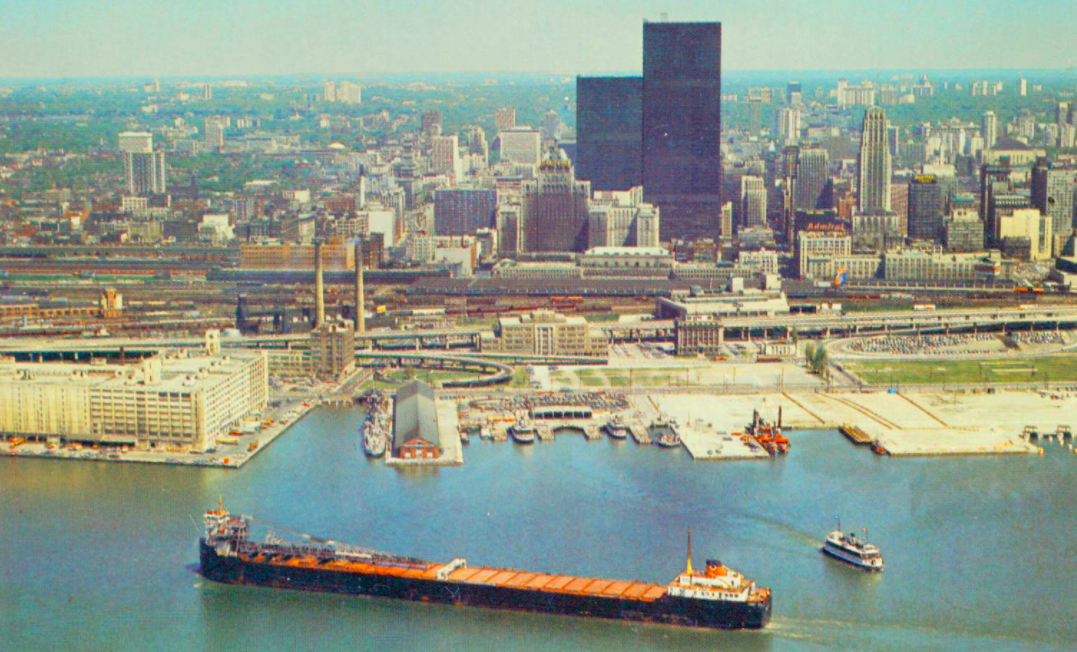
The city’s Harbourfront area between Bathurst and Yonge Street had been an industrial area for decades prior to the 1980’s, when developers began building multi-use projects to bring people down to the waterfront. Queen’s Quay Terminal was one of the first projects to change the area — the massive 10-storey, 750,000 square foot circa 1926 building was converted from a warehouse to a condominium and retail complex in 1983. Developers added other retail to the area as residential towers were added — since the 1980’s, thousands of people have moved into the area, and many more are on the way as Toronto sees an unprecedented building boom in its downtown core unlike anything on the continent.

Despite the population explosion, the waterfront hasn’t lived up to its reputation aesthetically, nor has a mix of compelling retailers been added to create a shopping destination. All of that is about to change, both east and west of Yonge Street along the waterfront.


(Queen's Quay Terminal. PHoto:  10QQ )

(Queen’s Quay Terminal. PHoto: 10QQ)


(Toronto was a very different place in 1970. Photo: City of Toronto archives) 

(Toronto was a very different place in 1970. Photo: City of Toronto archives) 

Rob Spanier, Partner and Principal at Toronto-based consultancy LiveWorkLearnPlay, explained how Toronto is increasingly becoming a global focal point and as such, its waterfront is key to an overall urban strategy that lives up to the company’s name. Aesthetically, the city’s western waterfront has seen huge improvements, which include new streets and sidewalks in a substantially improved public realm. Still, he points out, the Toronto waterfront lacks “things to do” — which includes shopping, which many consider to be a pastime.

Mr. Spanier can speak to topic — he has more than 14 years experience in mixed use development and deals making, and has helped develop more than 50 large-scale projects around the world. He’s been instrumental in prominent developments such as the 2015 PanAm Games Athletes Village in Toronto, Harmony Village in Barrie and North York, and the downtown revitalizations of Guelph, Mississauga and Vaughan. He sees big opportunity for Toronto’s waterfront, as well.

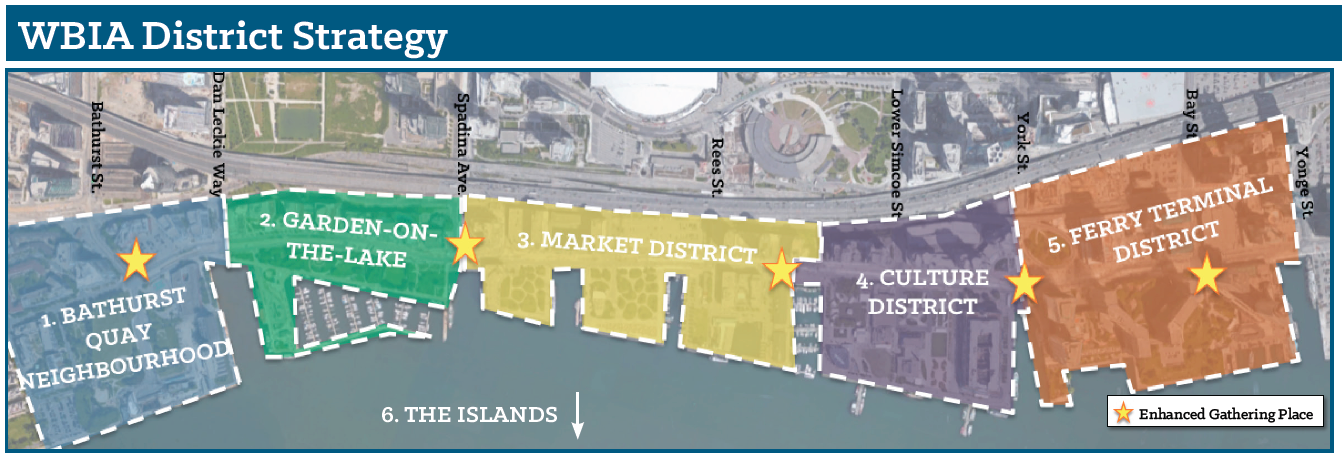
For the Toronto waterfront, LiveWorkLearnPlay partnered with Toronto’s Waterfront Business Improvement Area (WBIA) on a Strategic Framework and Tactical Plan. Over a five month period between February of 2017 and June of 2017, LiveWorkLearnPlay studied the area and came up with an overview assessment from three angles — real estate, planning, and economic development. The resulting report (download PDF here) identifies challenges and opportunities as well as a strategic framework for incorporating and implementing tactics to guide future WBIA initiatives in its role as “the voice of the Waterfront’s business community”.


District Strategy.png


(Queen's Quay streetscape improvements -- thing are progressing based on plans revealed in 2015) 

(Queen’s Quay streetscape improvements — thing are progressing based on plans revealed in 2015) 

As part of an overall retail strategy, creating experiential places that people can enjoy will be key, Mr. Spanier explained — its long-term success will depend on creating a “city destination”. LiveWorkLearnPlay was instrumental in the development of Toronto’s Canary District, located to the east of the Distillery District, for example, where smaller, independent retailers were curated to create a neighbourhood experience that speaks to place-making.


BUILD IT ALBURT BANNER 250X250 PNG.png

Mr. Spanier explained how much of the retail space on the north side of Queen’s Quay was built as something of an afterthought by developers selling condos — including low ceilings and poor visibility, it’s a wonder some spaces have been leased at all. Smart developers are creating retail spaces with higher ceilings and overall better usability and in some instances, it’s purpose-built with a tenant in mind.

Retail is inevitably a component of city building in the modern world — it’s often what we see when walking down urban streets. Other cities are creating spectacular waterfronts and if Toronto wants to compete, it will have to up its game in terms of overall experiences on the downtown lakefront.


NorthSouth Connections.png


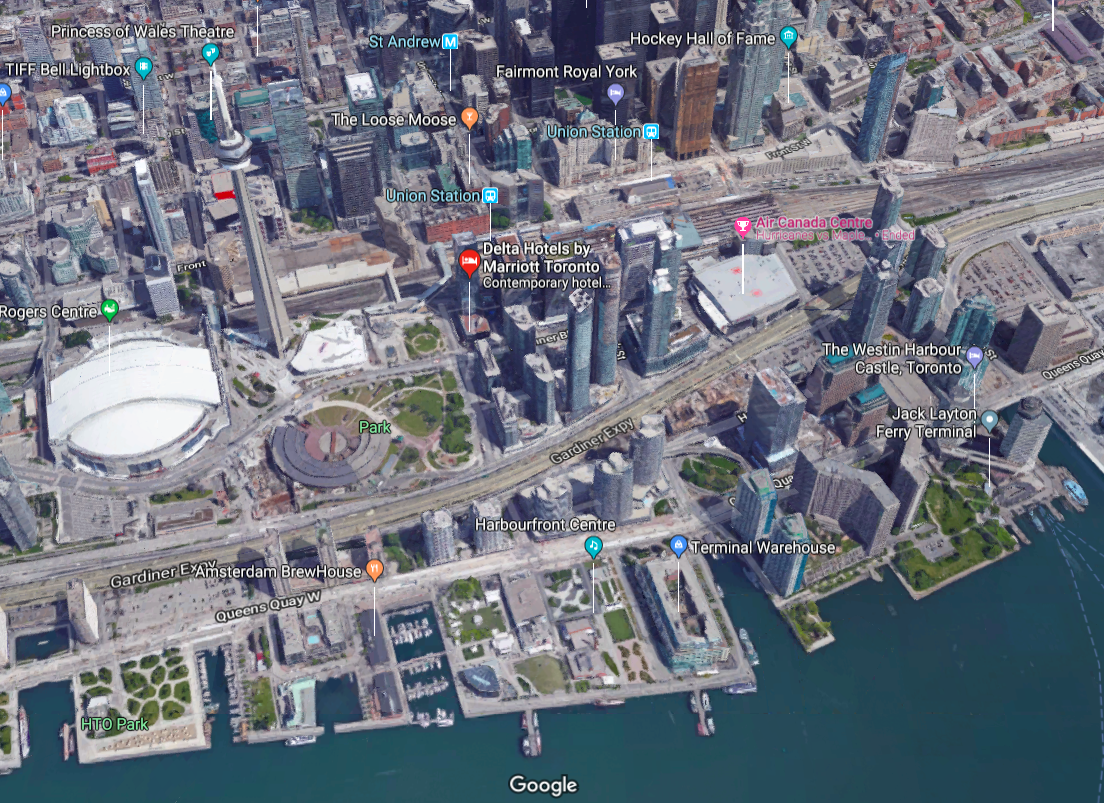
(The Gardiner Expressway continues to be a barrier -- both psychological and physicaly, between the downtown core and the Toronto Waterfront. Click image for interactive Google Map) 

(The Gardiner Expressway continues to be a barrier — both psychological and physicaly, between the downtown core and the Toronto Waterfront. Click image for interactive Google Map) 

Accessibility is an issue in some instances — Mr. Spanier noted that despite efforts to increase noth-south access between the Financial District and the waterfront, there’s still work to be done. The streetscape under the Gardiner Expressway remains harsh, walking lights are a challenge, and walking under it can be unpleasant — and once one is at the waterfront, there’s limited retail beyond a handful of restaurants and small grocery stores. Crowds of tourists visit and when they get there, some are disappointed.


Lightspeed 500x500.png

The question to ask is: Is Toronto a waterfront city, or merely a city on the water?

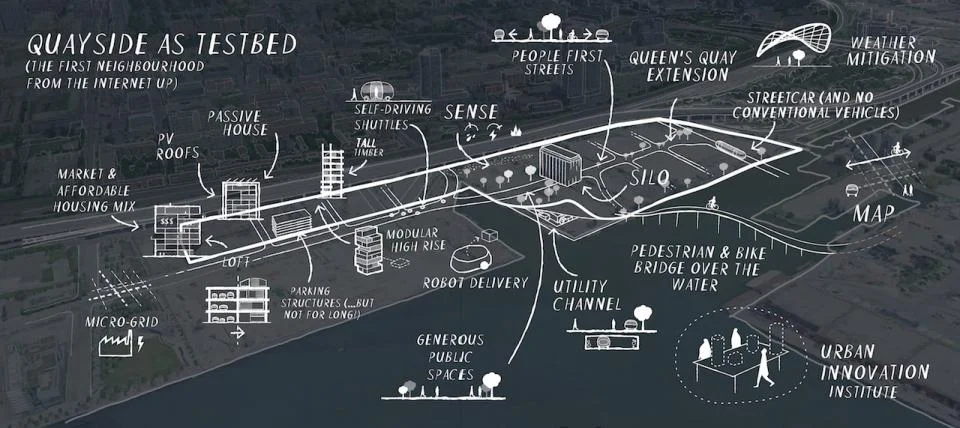
Things are certainly changing, — proposed developments between Yonge Street and Jarvis Street along the waterfront will add thousands more new residents in towers that will approach 100 storeys in height — and ample retail will be included to service those living and working in the area. As well, Sidewalk Labs, the urban innovation arm of Alphabet Inc. (formerly Google) will be instrumental in being involved with the redevelopment of much of the vacant port lands located east of Sherbourne Street, while also relocating Google’s Canadian headquarters to a site just south of the Distillery District in a new area called Quayside.


_3_sidewalk_toronto_eastern_waterfront_map.jpg.size-custom-crop.850x0-0.0.1199.605-0.0.jpg


urbantoronto-6576-21403.png


(Sidewalk's Mixed-Use Vision for the Quayside area, image courtesy of Sidewalk Toronto)

(Sidewalk’s Mixed-Use Vision for the Quayside area, image courtesy of Sidewalk Toronto)

David Ian Gray, consultant and retail strategist/founder of DIG360, explained how Sidewalk Labs’ Toronto development could revolutionize retail as a whole, while also acting as a test base for new concept and ideas. Retail is changing — omnichannel isn’t a new buzzword, though there’s a blurring of in-store and online unlike anything in history. “Much of the fresh thinking is being imposed on traditional retail by outsiders such as Google and Amazon. It will be interesting to see how Google will rethink physical retail development”. Pop-up retail is more popular than ever, as well, and Mr. Gray recently went on record saying that he predicts 2018 to be ‘The year of the pop-up’ — though given what we’ve seen lately, we might already be there.


(David Ian Gray) 
(David Ian Gray) 

(David Ian Gray) 

‘Future-proofing’ new retail developments is important and Mr. Gray should know — his firm, DIG360, is involved in transformative subjects, including a number of urban renewal projects  anticipating relevance for retail in two, five, ten, and even 25 years down the road. He notes that it’s important to keep an open mind and to design retail spaces with flexibility if planning for the unknown — high ceilings, convenient access and overall flexibility will be key for a retail space that might see different uses over its lifetime.

Ultimately, designing pleasing retail environments is what will get customers to come — not to mention stay and spend. That includes not only making retail space itself desirable for tenants, but also making the overall experience as painless as possible, from getting to the store to exiting it. Global cities are stepping up to the plate by creating pleasing public realms that also attract shoppers — cities such as Barcelona and Vancouver have invested in their public realms with considerably better results than Toronto, which struggles with its appearance.


(A notional map of the Quayside neighbourhood, image courtesy of Sidewalk Toronto)

(A notional map of the Quayside neighbourhood, image courtesy of Sidewalk Toronto)


(A futuristic view of Toronto's Port lands) 

(A futuristic view of Toronto’s Port lands) 

While the future of Toronto’s eastern waterfront is full of promise, some of Toronto’s elected officials could get in the way. It’s already happening — in June of 2015, Toronto City Council voted to replace the elevated Gardiner Expressway with a newly built structure that will continue to impede access between the core and the waterfront, both physically as well as psychologically. This, at a time when other global cities are demolishing similar infrastructure with success. Mayor John Tory supported a vote to maintain the minimally-used stretch of elevated freeway, as did several city councillors who appear to be more concerned with appeasing suburban constituents than supporting logical urban infrastructure investments.

Despite its politicians, Toronto’s future is bright — brilliant minds are coming together to strategize and create gathering places that will be compelling, and retail will play a critical role in its success. With a strong vision towards the future that includes place-making, Toronto’s waterfront has the potential to be a retail draw for the city, not to mention globally — welcoming communities could be created that are great places to live, work, learn and play. Future-proofing these developments will be key to their success and ultimately, Toronto’s waterfront could become a global leader.

Van Cleef & Arpels Unveils Impressive Vancouver Flagship [Photos]

Van Cleef & Arpels (PHOTO: HELEN SIWAK)

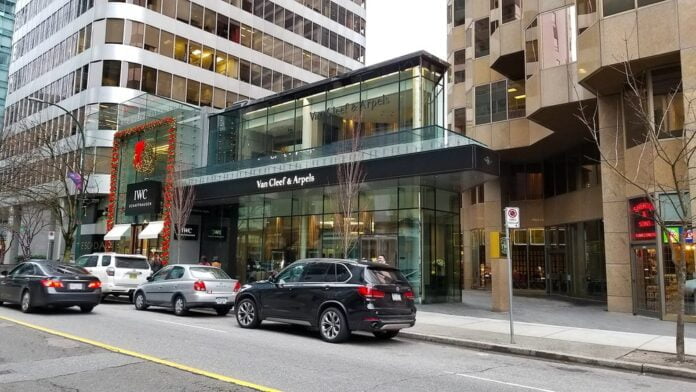
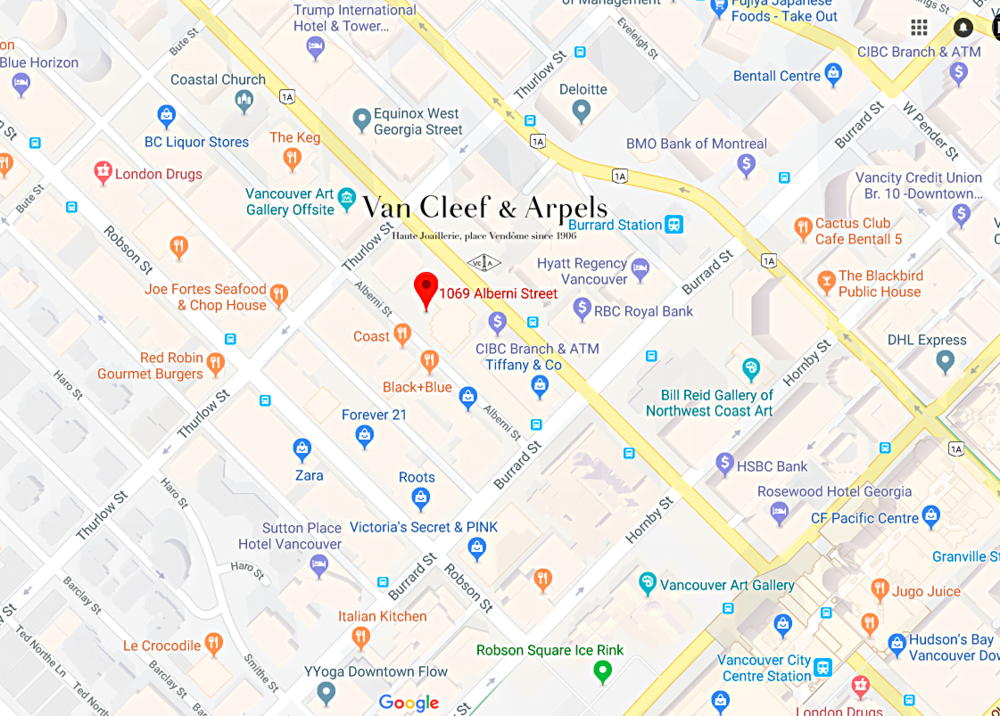
Paris-based luxury jewellery brand Van Cleef & Arpels has unveiled a large two-level flagship retail space in Vancouver at 1069 Alberni Street. The boutique, which spans more than 4,000 square feet, is second in size only to the Manhattan flagship in the Americas, and marks a milestone for Vancouver’s burgeoning, world-class Luxury Zone. 

The Vancouver boutique is a particularly special location for Van Cleef & Arpels, because it marks the first time that the brand has built its own retail space from the ground-up — The Alberni Street building was constructed in partnership with Kingswood Capital, and houses another Richemont brand, IWC Schaffhausen, in a building measuring about 6,200 square feet. Mario Negris and Martin Moriarty of CBRE Vancouver handled both transactions. 

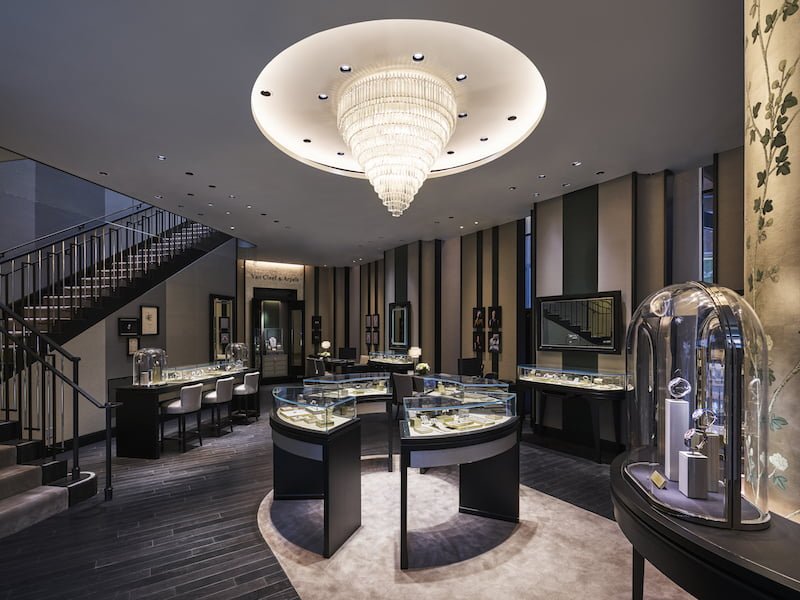
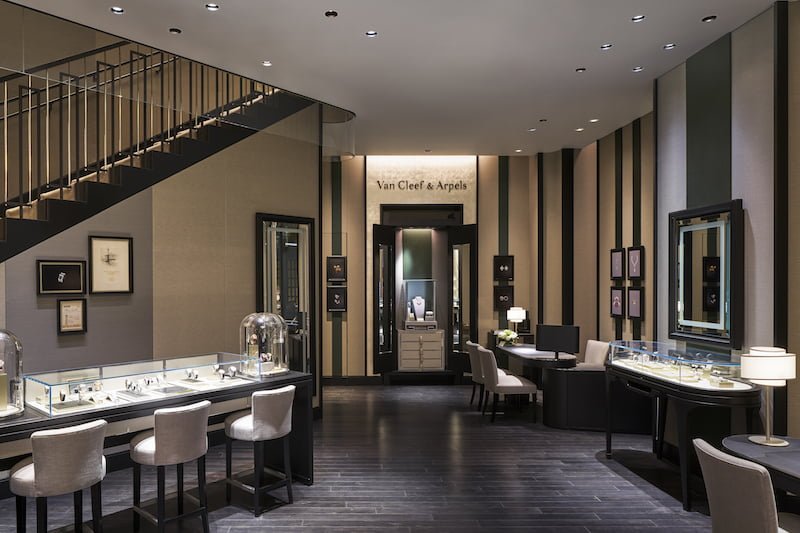
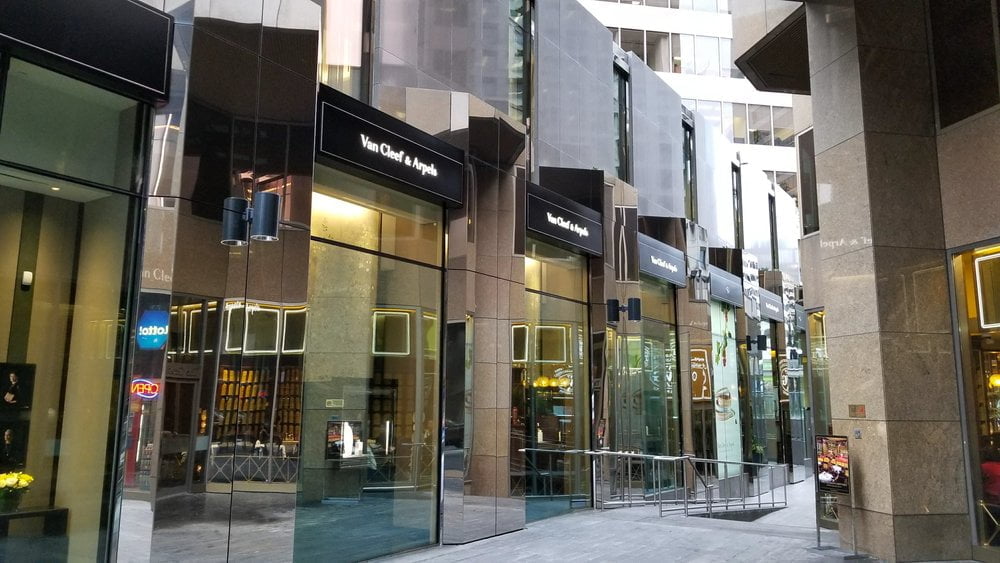
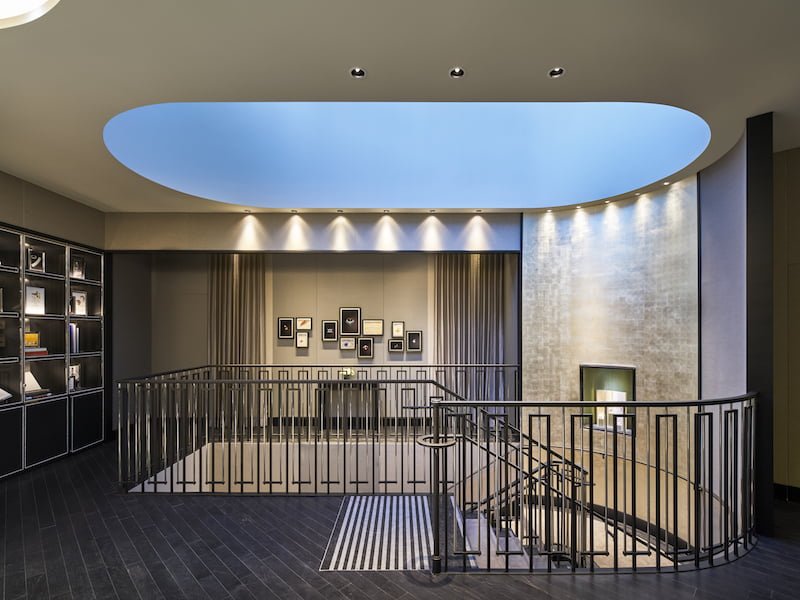
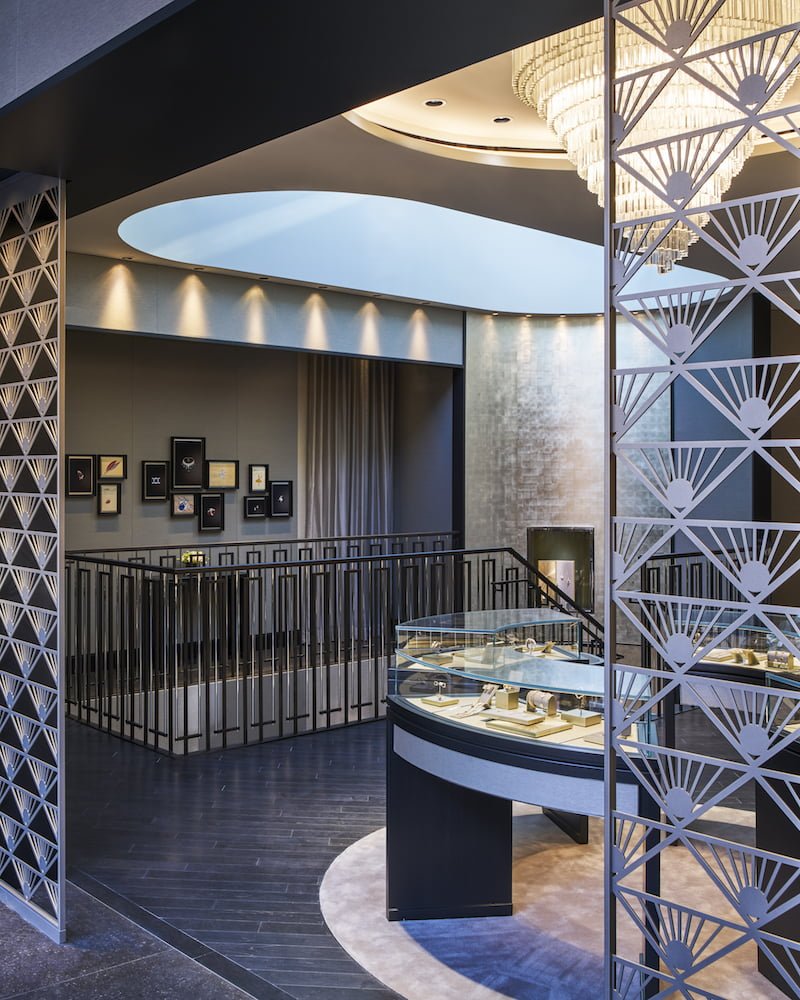
The Alberni Street building’s facade features gold metallic draperies behind polished glass, creating a shimmering effect on the exterior of the boutique. The store’s interior is beautiful, with a first floor featuring handmade Murano glass chandeliers, custom gold-leaf paneling on the walls, lush velvet draperies and bubble-shaped glass vitrines. An Art Deco stairway leads upstairs to a private salon and Library, which offer a more intimate environment for clients to view pieces that can cost well into the six figures and even more. 

(CLICK FOR INTERACTIVE GOOGLE MAP)
(GROUND LEVEL, FEATURING CHANDELIER AND VARIOUS JEWELLERY COLLECTIONS)
(GROUND FLOOR AT THE NEW STORE)

The Vancouver boutique is the second-largest Van Cleef & Arpels location in the Americas, surpassed only by the company’s 6,000 square foot Maison at the corner of 5th Avenue and 57th Streets in New York City. Vancouver’s luxury zone is home to a remarkably robust collection of large flagships the Rolex boutique at 1119 Alberni Street is already the largest in the Americas at 2,750 square feet, and it’s expanding even further. Luxury watch brand Hublot, which opened in the summer across from Van Cleef & Arpels, is one of its largest globally and as well, the 4,800 square foot two-level Saint Laurent boutique on nearby Thurlow Street is also one of the company’s largest — and more large flagships are on the way for the area, including updated flagship spaces for Cartier and Hermes. 

Vancouver’s new Van Cleef & Arpels boutique is the second standalone location in Canada for the brand. In the summer of 2017, Van Cleef & Arpels opened its first freestanding Canadian boutique at Toronto’s Yorkdale Shopping Centre, in a one-level 1,620 square foot retail space — the new Vancouver flagship is more than twice the size of the Yorkdale store. 

Van Cleef & Arpels entered the Canadian market in 2006 when it opened a partner boutique with Canadian jewellery chain Birks at Toronto’s Manulife Centre on Bloor Street West. A Vancouver Birks boutique followed, and that space was expanded to 1,435 square feet in early 2016, featuring a street-front entrance onto Granville Street. The Toronto Birks boutique will also gain a street-front entrance onto Bloor Street West when it opens in an overhauled Birks flagship next year. 

(LOOKING DOWN A PASSAGE TOWARDS WEST GEORGIA STREET, WITH THE TWG TEA SALON TO THE RIGHT. PHOTO: HELEN SIWAK) 
(THE SECOND LEVEL SPACE FEATURES A SKYLIGHT AND PRIVATE VIEWING AREA)
(SECOND LEVEL, INCLUDING ‘LIBRARY’ AND PRIVATE SALON)

Van Cleef & Arpels is owned by luxury conglomerate Richemont Group, which also operates several other boutiques in Canada. Richemont’s watch brand IWC Schaffhausen opened last week next to Van Cleef & Arpels at 1071 Alberni Street, and another Richemont watch brand, Officine Panerai, opened in the fall of 2017 at 1008 Alberni Street. 
Founded in 1906 by Alfred Van Cleef and his brothers-in-law Charles and Julien Arpels on the Place Vendome in Paris, Van Cleef & Arpels is considered to be one of the world’s most prestigious jewellery brands. Van Cleef & Arpels currently operates 14 freestanding locations in the United States. Cities include New York City, Aspen CO, Bal Harbour FL, Beverly Hills, Costa Mesa CA, Chicago, Las Vegas (x2), Manhasset NY, Miami, Houston, Naples FL, Palm Beach FL, and Short Hills NJ. Noticeably absent are large cities with plenty of luxury brands such as San Francisco, Boston, Washington DC, and Dallas. All of the latter four metro regions, with the exception of Boston, feature Van Cleef & Arpels shop-in-stores at Neiman Marcus.

*Thank you Helen Siwak for providing us with external photos of the new Vancouver store. 

Canadian Retailers Outdo UK for Holiday Presentation: Expert

exc-5a32f7fe652dea38bba25f21

By Karl McKeever

In the past few days, the UK has seen its first snowfall of the winter. But there’s snow and there’s snow. And this year, it’s not just our snowfall that will likely be a pale imitation of what Canadians will enjoy.

On my visit to Toronto last month, I couldn’t help but be impressed by the way Canadian stores have embraced the festive season. This year, they have gone all out to really bring the wow factor, delivering a fantastic offering that leaves instore celebrations in the UK… well, out in the cold – feeling somewhat tired and underwhelming by comparison.

UK retailers follow a rather unsightly tradition of cramming stores with product, piling it high wherever there’s a modicum of space. There’s no escaping the fact that this trend hasn’t been helped since Black Friday arrived from the US – retailers competing to offer the cheapest prices, often at the expense of brand alignment and shopper experience.

By contrast, Canadian retailers appear to look at the bigger picture. Not for them a sale driven by stress and panic. Instead, they focus on experience, space and relaxation in the retail environment, igniting the magic and spirit of the season.

Toronto provided a spirited reminder of how a festive obsession can be turned into an all-out spectacle, with stores pulling out all the stops to deliver a jaw-dropping, premium visual merchandising offering which creates a shopper experience full of seasonal joy.  

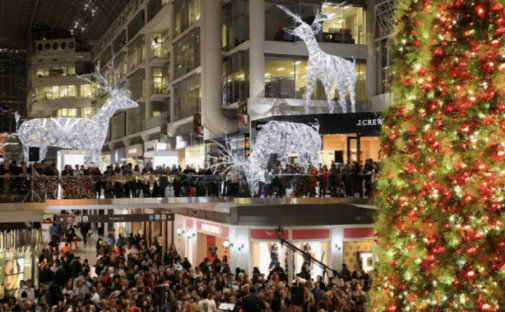
Take the newly renovated CF Sherway Gardens Mall, for example, featuring gorgeous larger-than-life size stags and reindeer and baubles enveloped in white lights to provide a truly magical feel. No other decorations were used throughout the Mall – these were enough, delivering an eye-catching yet tastefully premium look and feel.

Riotous red – the unofficial colour of Christmas for retail – clearly rules this year. It’s a clever psychological ploy; adding bright colour pops to dull days and inviting warmth and cheer into the darkest of winters. And Canadian stores are delivering it with real authority for Christmas 2017.

Pottery Barn has opted for an impactful red and white theme, effortlessly bringing the spirit of Christmas to life throughout the whole store. Exquisite trees, meticulously dressed tables, and the most careful attention to detail, make this a true VM festive delight.

Nordstrom was another shining example of how to get Christmas right. Its folk theme was added to every focal point, a combination of hanging wreaths and trees, with the main theme or red running throughout the scheme. It made full use of its space, was easy to navigate and a pleasure to shop.

Williams and Sonoma… simply VM heaven. Blending crisp whites with bold reds, it is stunningly impactful, from its incredible tall biscuit tins to uber creative hot chocolate displays, taking shoppers on what can only be described as an amazing journey.

In short, I think the Canadian retailers have delivered Christmas to another level, one that we simply aren’t used to in the UK. And it’s a clear case of lessons to be learned by many UK stores. By looking to their Canadian counterparts they will surely see the value in delivering a stress-free, sensory and emotionally connected experience to shoppers. Concentrate on this and the sales will look after themselves. Ignore it, and retailers will find themselves with piles of cheap stock… and no one to buy it.

Karl McKeever is the founder and driving force behind Visual Thinking, a globally recognised retail transformation agency. A renowned retail expert, he has worked with an impressive roster of major global retail brands, including: Gap, IKEA, Harley-Davidson, John Lewis, and Marks & Spencer during his 30 year career. He has also appeared as a judge on BBC TV series, The Apprentice.

COBS Bread Discusses Ambitious Expansion Plans

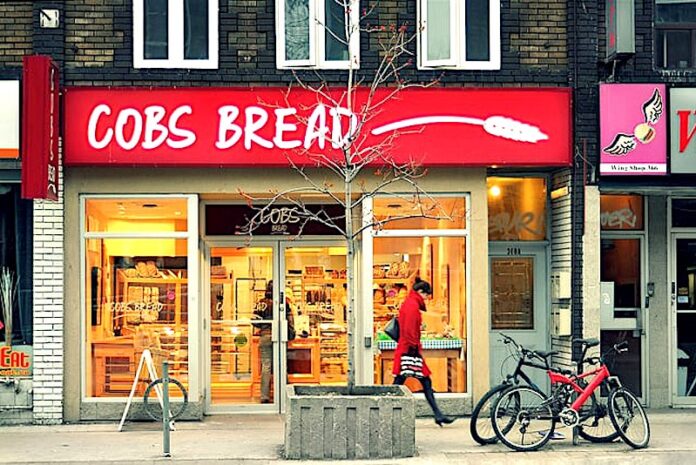
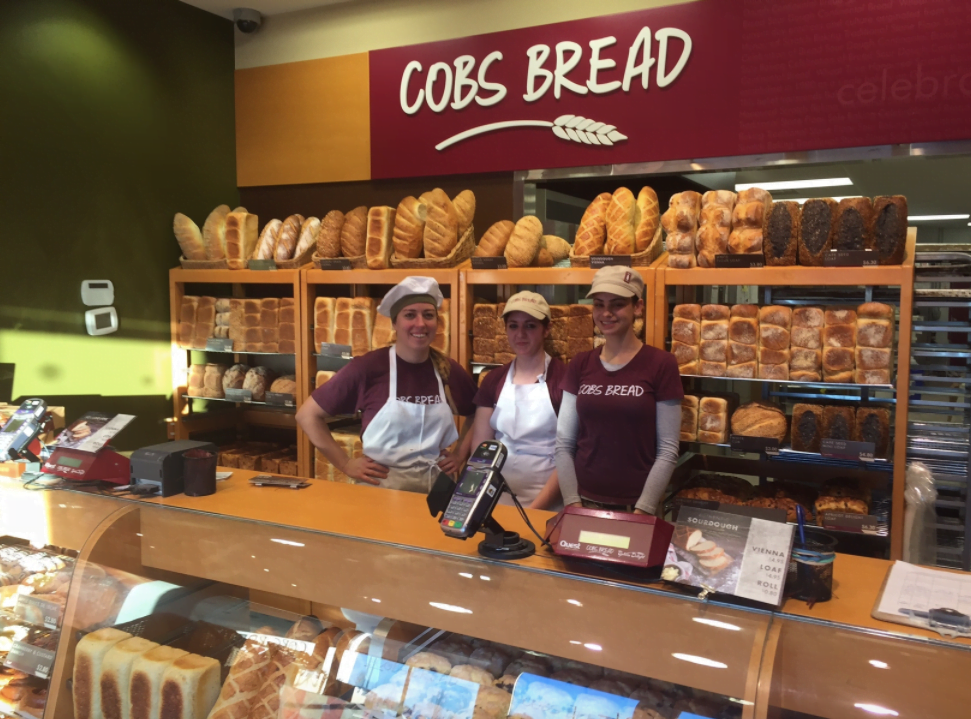
Cobs in Toronto's Annex Neighbourhood (Image: Cobs Bread)

Fresh from opening three new locations, COBS Bread has big plans to further expand its brand across the country.

Brad Bissonnette, VP Marketing & Franchise Recruitment for the company which first opened in North Vancouver in August 2003, tells Retail Insider that it plans to grow to 250 locations in Canada by the end of fiscal year 2022.

“We have a vision to be your favourite bakery within every community that we do business in. Currently, we see an opportunity to really ignite a passion for fresh bread and the freshest baked treats,” says Bissonnette.

“We’re looking to strategically expand across Canada.”

COBS Bread opened its 100th Canadian bakery in Chestermere, Alberta at the end of November. Since then it opened its 101st location in Grande Prairie, Alberta and 102nd location in Ottawa. COBS Bread will also be expanding into Manitoba in early 2018, opening in Winnipeg at St.Vital Square with a local franchisee.

“We’re really excited to be opening our first location in Winnipeg around the end of February and we’re currently recruiting franchisees to share our values and our vision for the Atlantic provinces,” says Bissonnette.

“We’re still considering what our strategic plan will be to enter the Quebec market.”

It has bakeries throughout British Columbia, Alberta, Saskatchewan and Ontario. It also has one location in the United States in Stamford, Connecticut, which opened about three years ago.

“One of the strengths of this national network, and why we are hitting such a milestone, is due to the strong business systems we have in place,” says Bissonnette. “COBS Bread has a strong commitment to building the brand through the financial health of our franchises, a strong commitment to customer experience and a focus on quality products.”

COBS Bread has been awarded the Franchisee’s Choice Designation by the Canadian Franchise Association for seven consecutive years.

COBS Bread features hand-crafted bread and fresh treats baked every day. It is part of Bakers Delight Holdings Ltd, established in 1980 and operating as Bakers Delight in Australia and New Zealand and COBS Bread in Canada and the United States.

Together they have grown to become the world’s most successful bakery franchise with more than 700 bakery locations worldwide.

E-Commerce Retailer Aims to Disrupt Furniture Retail Business

exc-5a31723724a6943ad24977cf

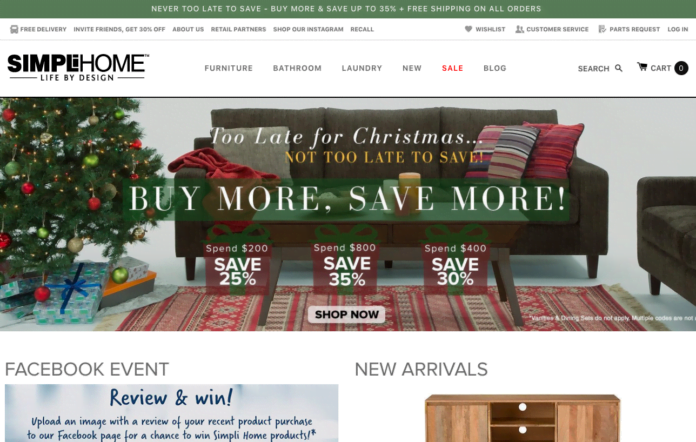
Canadian-based e-commerce retailer Simpli Home is seeking to revolutionize the furniture retail space, with a high-tech business model that is growing rapidly.

The company specializes in affordable, fashion-forward furniture, which is sold in Canada and the U.S. through major e-commerce companies such as Amazon, Wayfair, Walmart, Costco and Home Depot. Simpli Home also recently launched its own e-commerce website, which allows consumers to buy products directly.

The company is growing by between 25-35% per year, according to Yoram Weinreich, chief growth officer at Simpli Home. Currently, the company sells approximately 400,000 pieces of furniture per year, and Weinreich expects that volume could double in the next two to three years.

“We’ve experienced very, very rapid growth,” he says.

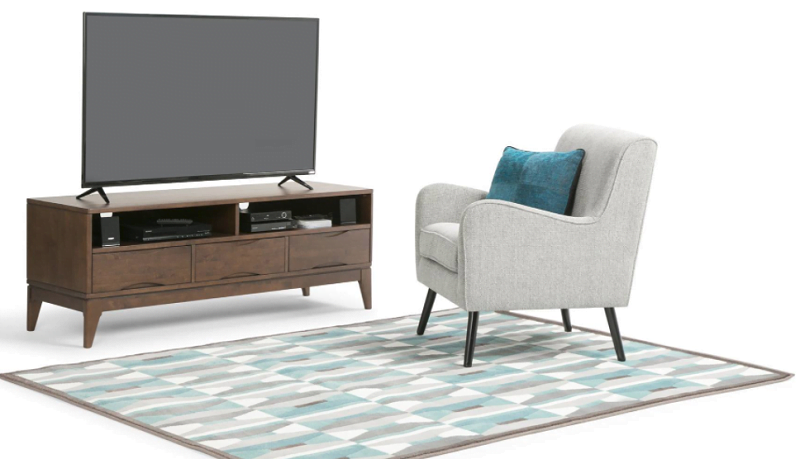
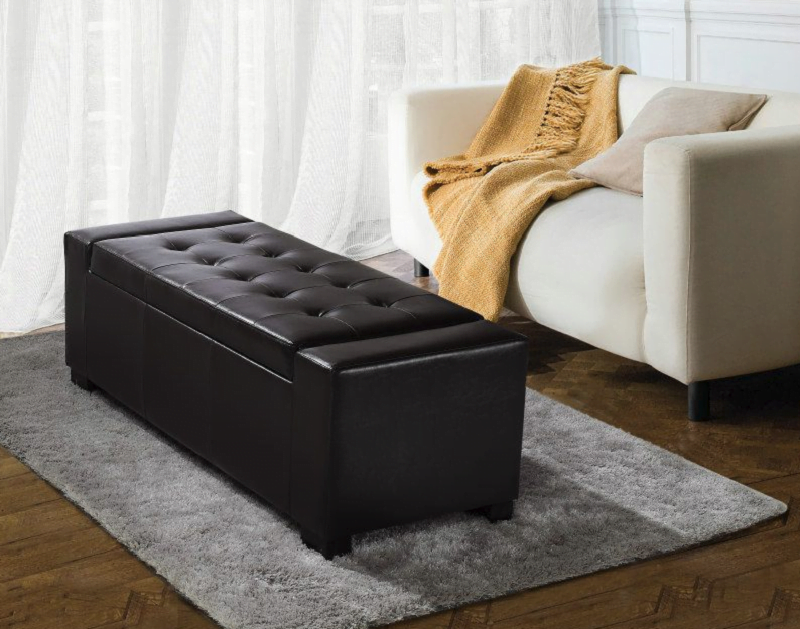
Simpli Home caters primarily to consumers between the ages of 25 and 54 who are in search of stylish home furnishings at an affordable price. The company focuses on casual contemporary furniture, with styles that evolve as trends change. Currently, industrial and mid-century styles are among the company’s top selling items, Weinreich says.

Although the vast majority of consumers buy furniture in stores, Weinreich says consumers are becoming increasingly comfortable buying items online. As that trend continues, he says demand for buying furniture online is “unlimited and growing.”

“You still have 90% of the population buying furniture in stores,” he says. “But, the advantage online is you have unlimited variety, whereas in stores, you have very limited variety.”

In fact, Weinreich notes that Simpli Home currently has 1,200 different products available. Next year, the company intends to increase its selection to 2,000 products. The online sales channel makes it easy to continually release new products to gauge consumer appetite, Weinreich says.

“It’s easy to experiment online,” he says.

Weinreich believes that the digital transformation currently underway in the retail business is only just beginning. As e-commerce companies embrace tools such as augmented reality to support the online shopping experience, he suspects that a much higher proportion of consumers will eventually make purchases online rather than in stores.

Retailers that fail to keep up, he says, could find themselves out of business.

“E-commerce is a massive transformation that’s happening in the retail marketplace,” Weinreich says. “Either retailers are going to adapt and change, or they’re going to lose giant market share.”

Simpli Home has embraced technology into nearly all aspects of its business and supply chain in order to provide rapid shipping turnaround and responsive customer service. Utilizing technology has also helped the company to run an efficient global operation, with offices in Canada, U.S., China, Macau, Vietnam and India.

“We take every technology available to us and apply it in order to automate,” Weinreich said. 

“We work as a global operation in the real sense of the word, utilizing people in remote locations, using technology to work together.”

Canada’s 1st Mall-Located Coworking Space Could Signal Trend

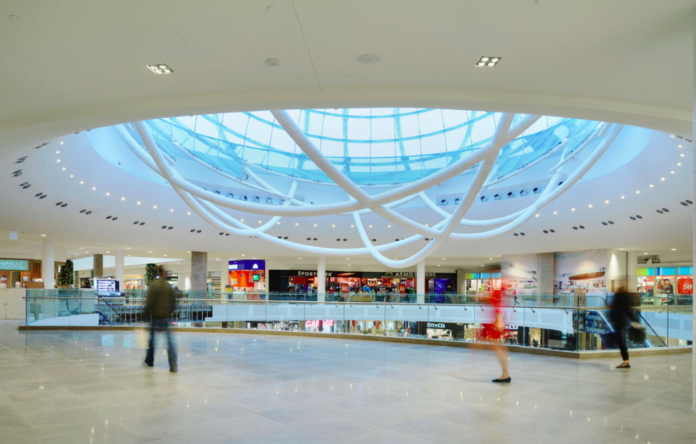
GLASS SPHERE AT ERIN MILLS TOWN CENTRE. (PHOTO: CUSHMAN & WAKEFIELD)

An innovative and creative use of space in a Mississauga shopping mall may well be the wave of the future in the retail and real estate industries.

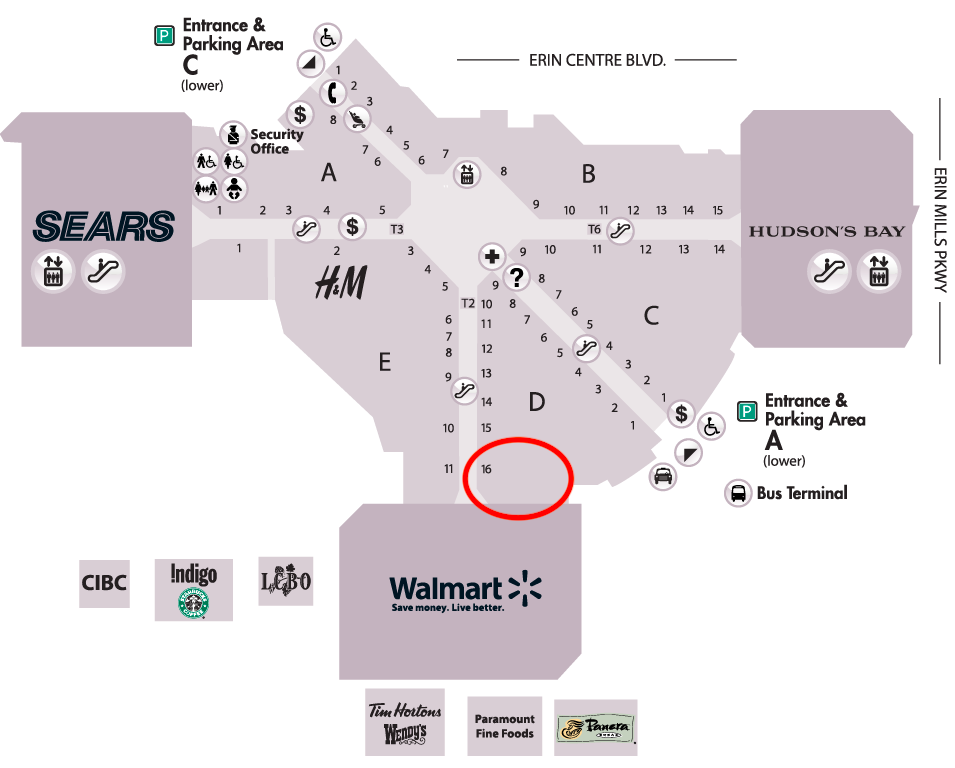
Recently, Erin Mills Town Centre became what’s believed to be Canada’s first shopping centre to create a co-working office space in the mall.

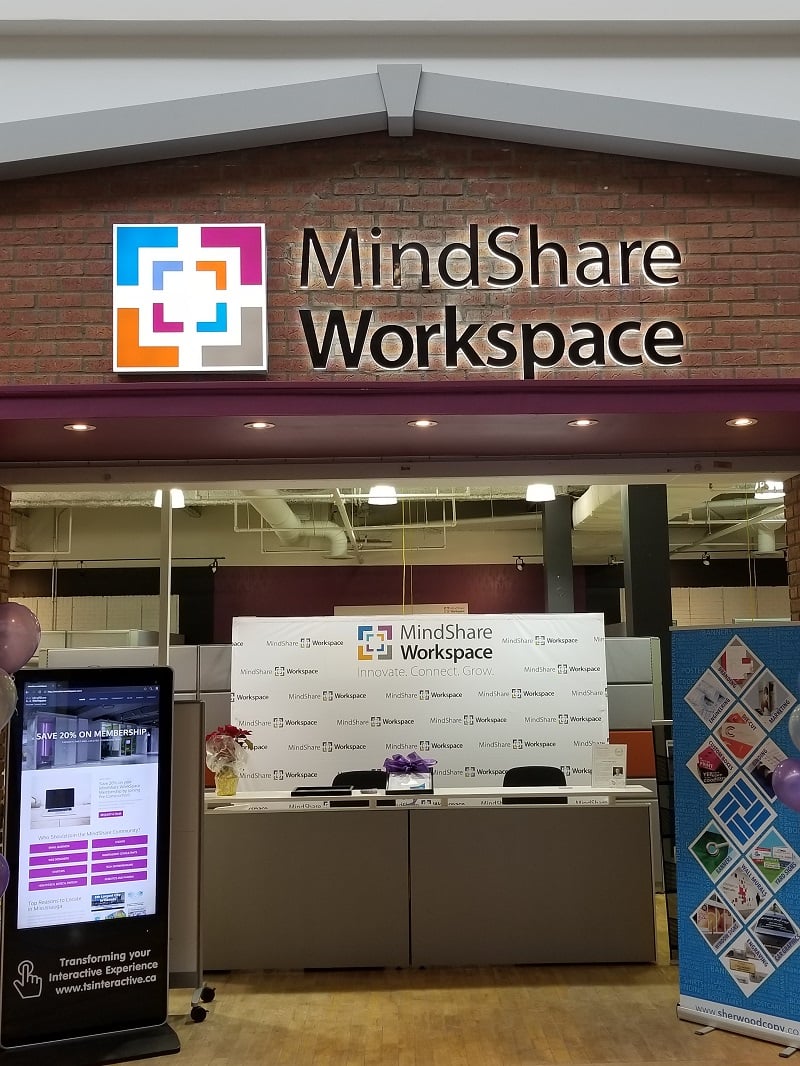
The MindShare WorkSpace is the brainchild of founder and CEO Robert Martellaci who was inspired by a desire to fill a space void in Mississauga, to accelerate innovation and promote a healthy and vibrant 21st century city ecosystem.

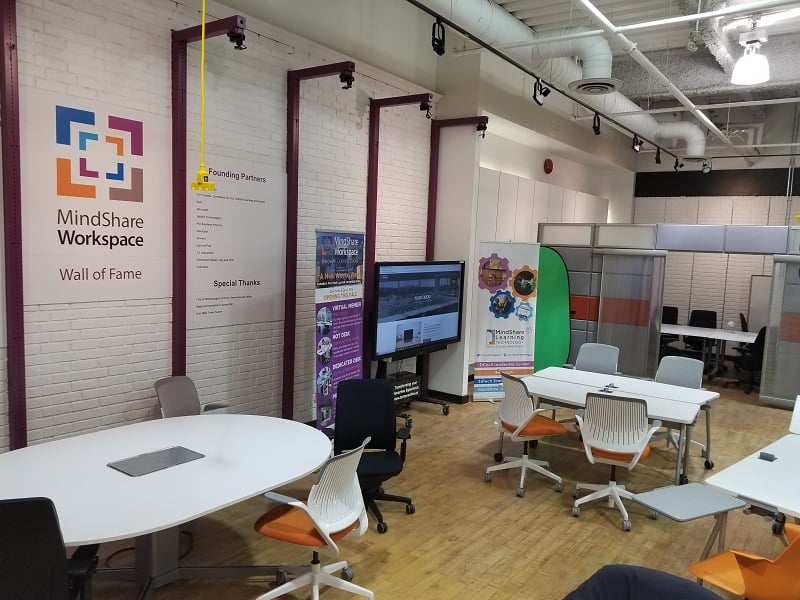
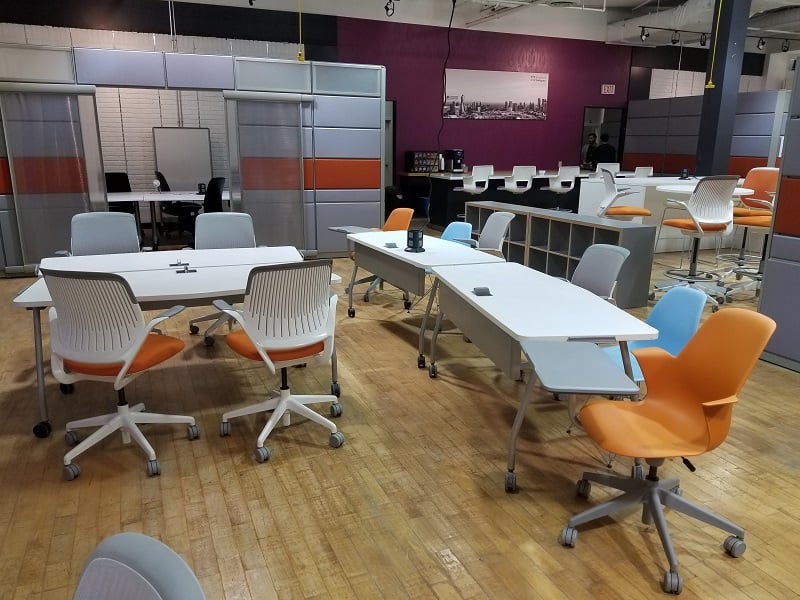
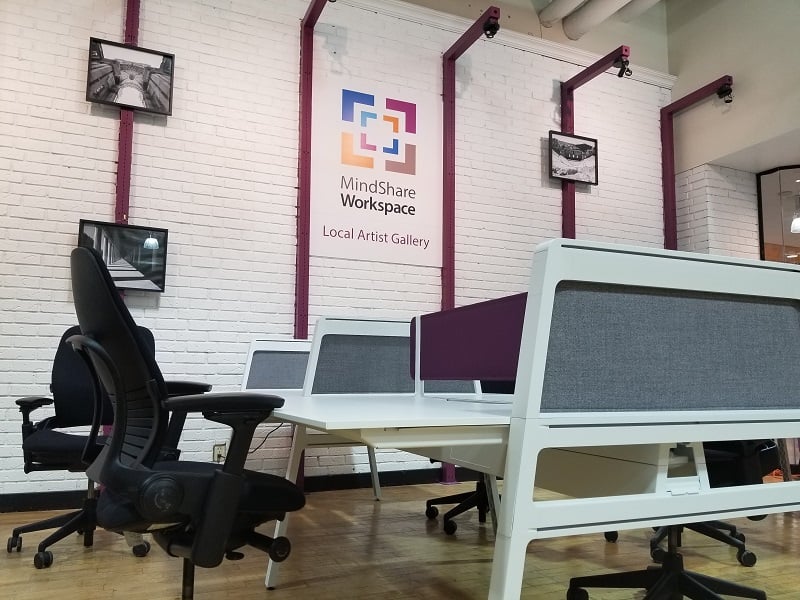
The MindShare WorkSpace is a state-of-the-art innovation space designed to inspire people to work hard, connect with a diverse group of professionals, and have fun.

GLASS SPHERE AT ERIN MILLS TOWN CENTRE. (PHOTO: CUSHMAN & WAKEFIELD)
MindShare WorkSpace at Erin Mills Town Centre

“I’ve been researching this for the last year and a half, two years or so,” says Martellacci. “The MindShare WorkSpace was inspired by our work in the education space and really redefines the future of work and learning, providing opportunities for Mississauga startups and small business leaders from all sectors to live, work, and play in their own backyard.”

The growth of online shopping and the growth of co-working created a perfect storm for Martellaci to create a space in a shopping mall.

“We’re re-defining the future of work and learning. Our tag line is innovate, connect and grow,” says the founder of MindShare Learning Technology. “We’re working with individuals, consultants, startups, small businesses to inspire them to innovate, connect and grow. Those are our three pillars that we have.”

“The original plan was to go into the downtown core but when I presented to the mall management group . . . they immediately got into ‘we want you in here’. They were very, very supportive. Our research showed that Mississauga was under-served when it came to collaborative, innovative work spaces.”

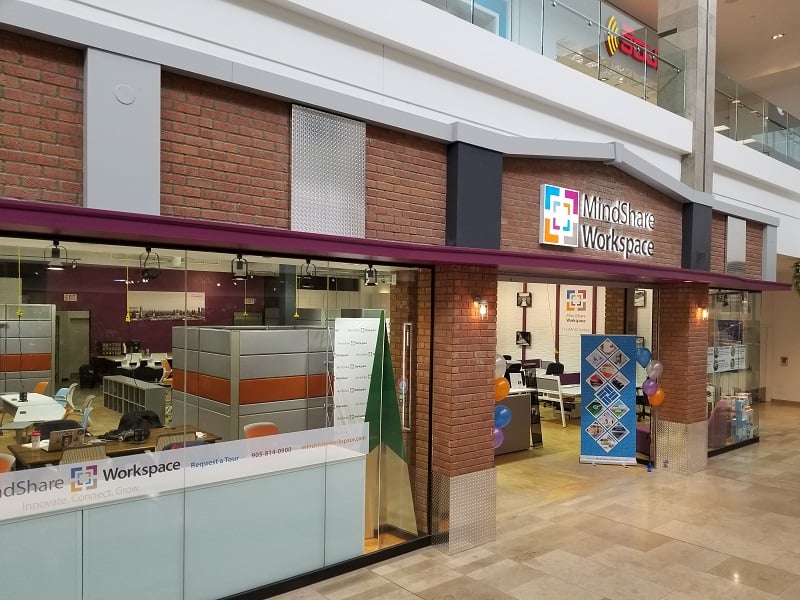
MindShare WorkSpace at Erin Mills Town Centre

The MindShare WorkSpace special features include:

  • 4,000 square feet of flexible co-working space with state-of-the-art technology, modern dedicated desks, private offices and meeting rooms;

  • Podcasting/video studio;

  • Classroom Innovation Space for leadership training, community outreach programs and lifelong learning workshops;

  • Professional development and educational workshops;

  • Regular MindShare meetups, lunch & learn, startup challenges and networking events;

  • Gourmet coffee, tea and filtered water;

  • Weekend Robotics, Coding, DIY workshops for kids and adults; and

  • Mall Amenities.

Martellaci says MindShare WorkSpace is designed for community members to inspire cross-sector collaboration – from individual consultants, to startups and small business.

MindShare WorkSpace at Erin Mills Town Centre

Susan Amring, Director of Economic Development for City of Mississauga, says the concept “is a great asset for our new and expanding business community looking for office space. With modern design, flexible work areas and current technologies, MindShare creates a great atmosphere for business development and growth.”

Francesca Bourré, Marketing Director for Erin Mills Town Centre, says the idea “will add great value to our customer offering and to the community” as a first-of-its-kind offering in a shopping centre.

“I’ve had since we announced a developer who owns multiple malls in North America approach us about a joint venture because of what they see as being the future,” says Martellacci.

“So it’s been a bit of a shock and a surprise to me just how much interest there is. So it’s really exciting and a little daunting by the same token. We’re really filling a void in many ways.”