Home Blog Page 138

Psycho Bunny eyes selective North American growth as mall traffic rebounds, CEO says

Psycho Bunny continues to grow its presence
Psycho Bunny continues to grow its presence (Photo courtesy of Psycho Bunny)

Psycho Bunny is planning measured expansion across North America as improving mall traffic and targeted technology investments shape the apparel retailer’s strategy for the coming years, CEO Anna Martini said in an interview.

The Montreal-based brand, which operates 108 corporate stores across North America, expects to open between five and 10 new locations this year while continuing to evaluate long-term growth potential in both Canada and the United States.

“We’ve got a few stores already signed and done, and we’ve got another four or five that we’re evaluating,” Martini said. “We’re probably going to be somewhere between another five to 10 stores in North America.”

A stabilized Canadian footprint

Psycho Bunny currently operates 14 stores in Canada following recent portfolio adjustments, including the reopening of a downtown Montreal location and the opening of a store at the Montreal Premium Outlets. Martini said the company has no additional Canadian store openings scheduled this year, but Calgary remains a priority market under consideration.

“We do have on our to-do list to open in Calgary,” she said. “We are just waiting for some potential locations in the Calgary market.”

Martini described Calgary as a strong retail market, noting she visited the city in November. While she did not commit to a timeline, she indicated the company is monitoring specific mall opportunities as part of its site selection process.

Anna Martini, CEO and President, Psycho Bunny

Continued focus on the U.S. market

The company’s most recent openings were in California, with new stores launched in Glendale and at the Beverly Center in Los Angeles late last year, just ahead of the Black Friday shopping period.

California remains a core growth market for the brand, Martini said, with Psycho Bunny now operating 16 stores across the U.S. West Coast.

“California’s a great market for us,” she said. “LA obviously is a great market. These will be great stores for us. It’s everything from the co-tenancy, great malls, great demographics — the usual markers that we look at when we’re deciding to open a location.”

Martini said the company continues to build density in key urban markets rather than pursuing rapid or broad geographic expansion.

Mall traffic showing signs of recovery

Martini said consumer behaviour has remained broadly consistent across Canada and the United States, with recent improvements in physical retail traffic providing some optimism.

“We’re seeing the traffic is going back up in these malls,” she said. “The trend has been much better in terms of traffic into the malls in the back half of ’25, and hopefully it’s going to continue into ’26.”

She said the improvement has been visible across multiple regions, suggesting a more balanced recovery rather than strength isolated to a single market.

Price sensitivity and promotions

Despite improved foot traffic, Martini acknowledged that consumers remain cautious with spending, particularly amid broader economic pressures.

“Everybody’s in promotional periods at the same time,” she said. “It’s about being competitive at the times where you need to be competitive.”

She noted that promotional activity, particularly during peak shopping periods such as the holidays, continues to play a significant role in driving sales. Shoppers, she said, are increasingly deliberate about timing purchases to coincide with discounts.

“You get a lot of traction during those times because everybody’s fighting for share of wallet,” Martini said. “It’s typical in retail. I don’t think it’s that new.”

Technology investments take priority

Beyond store growth, Psycho Bunny is placing increased emphasis on internal systems and technology as part of its medium-term strategy. Martini said the company is preparing to invest heavily in technology over the next two to three years.

“We’re about to start rolling out and looking at a lot of technology investments,” she said. “How do we bring in the right AI tools to help us with better decision-making? How do we use some of this technology to automate some of our business processes?”

The focus, she said, is on optimization and gaining deeper insights into customer behaviour to support decision-making across the business.

“How do we continue to have better insights on the customer so that we bring the best brand experience?” she said.

Long-term growth targets

Looking ahead, Martini said Psycho Bunny sees room for significant expansion across North America, though she emphasized that any growth would remain disciplined.

“We probably go to like 150 stores in the U.S. and probably 25 to 30 stores in Canada,” she said, referring to the brand’s long-term potential footprint.

That growth, she added, would be guided by market fundamentals rather than aggressive timelines.

Inside of one of the Psycho Bunny stores (Photo courtesy of Psycho Bunny)

Differentiation in a crowded market

Martini said Psycho Bunny’s positioning remains centred on brand identity and product quality rather than rapid scaling. She described the company as a high-energy, premium brand targeting confident, style-conscious consumers.

“We’re about standing out. We’re about colour,” she said. “We bring to market a premium product, with a lot of our stuff made in Peru with premium Peruvian Pima cotton.”

She said that approach has helped foster customer loyalty, which the company is working to deepen as competition for discretionary spending intensifies.

As the retailer balances expansion with operational investments, Martini said the focus remains on building a sustainable business that can adapt to shifting consumer behaviour and retail conditions.

“We’re working really hard to continue to acquire more customers,” she said. “That’s kind of how we differentiate ourselves.”

Jeff Berkowitz of Aurora Retail Group represents the brand in Canada and negotiates leases on Psycho Bunny’s behalf.

More from Retail Insider:

How to Implement Effective Payment Plans for High-Ticket Retail in 2026: A Guide for Retailers

In today’s challenging economic climate, the primary hurdle for high-ticket retail is converting shoppers who are hesitant about large, upfront costs. As consumers face rising credit card interest rates, they are actively seeking alternative payment methods like installment plans to manage their budgets. This shift in consumer behavior presents a significant opportunity for your business. Even with tight budgets, the demand for loans on big-ticket items is growing, creating a clear path for prepared retailers to capture sales that might otherwise be lost. This guide provides a clear, actionable framework for implementing effective payment plans that turn careful consideration into confident conversion. By offering flexible financing, you will increase sales, boost your average order value, and build lasting customer loyalty.

Step 1: How to Select the Right Financial Partner in a Crowded Market

Choosing a financing provider is a strategic business decision, not just a technical one. This partner becomes an extension of your brand at the most critical point in the customer journey: the purchase decision. A poor financing experience can damage your reputation and cost you a sale, while a great one can secure a customer for life. Therefore, you must conduct thorough due diligence to ensure the provider’s technology, service, and values align with your own. The right partnership will enhance your customer experience and drive tangible growth for your high-ticket categories.

Key Criteria for Evaluating Financing Providers

When you evaluate potential financing partners, you must look beyond the surface-level offerings. The success of your program hinges on a specific set of features that directly impact customer inclusion, user experience, and your bottom line. Prioritize providers who can demonstrate a proven track record in these non-negotiable areas, as they form the foundation of a program designed for high conversion rates. These criteria ensure that your financing option is a powerful sales tool, not a point of friction.

  • High Approval Rates: Your financing program should be inclusive, enabling as many customers as possible to make a purchase. A partner with high approval rates ensures you are not turning away willing buyers at the final step.
  • Flexible Interest Options (Including 0%): The availability of 0% interest plans is a powerful psychological tool that significantly reduces purchase friction. Offering a range of terms and rates allows customers to choose a plan that best fits their financial situation.
  • Seamless POS/E-commerce Integration: The technology must integrate flawlessly with your existing point-of-sale and e-commerce platforms. A clunky or disjointed process will lead to abandoned carts and frustrated customers.
  • Transparent Merchant Fees: You must have a clear understanding of the total cost of the partnership, including discount rates, monthly fees, and any other charges. This transparency is crucial for accurately calculating your return on investment.
  • Strong Customer Support (for both Merchant and Customer): When issues arise, you need a responsive and effective support team. A bad financing experience reflects directly on your retail brand, making excellent support for both you and your customers essential.

The Modern Financing Landscape: BNPL vs. Traditional Installment Loans

The consumer financing market is dominated by two primary models: Buy Now, Pay Later (BNPL) and traditional installment loans. While both allow customers to pay over time, they serve different purposes and appeal to different purchasing habits. The use of BNPL has surged recently, offering convenience for smaller purchases but also carrying risks like late fees and potential confusion for consumers if not managed carefully. In contrast, traditional installment plans are making a strong comeback, particularly for larger purchases, with even high-earners using them for structured budget control. Understanding the distinctions is critical to selecting the right model for your high-ticket inventory.

FeatureBuy Now, Pay Later (BNPL)Traditional Installment Loans
Typical Use CaseLower-cost goods, fashion, electronicsHigh-ticket items: furniture, jewelry, services
Loan TermShort-term (e.g., 4 payments in 6 weeks)Longer-term (e.g., 6-36 months)
Credit ImpactVaries; may not be reportedOften reported to credit bureaus
Consumer PerceptionConvenient, low-commitmentStructured, predictable payment plan

The Benchmark for a Customer-Friendly Application Process

The application process itself is a critical part of the customer experience and your brand integration. A slow, complicated, or intimidating application can kill a sale just as a customer is ready to commit. The goal is to make financing feel like a seamless and empowering part of the purchase. For example, in sectors like healthcare where cost is a major barrier, a smooth process is essential. Research shows that almost a quarter of Canadians have avoided necessary oral health care services because of the cost, a problem that customer-friendly dental financing programs are designed to solve. Dawson Dental provides an excellent benchmark for this model, offering a fast, simple online application with instant approval decisions and high approval rates. This approach, which requires no down payment and offers 0% interest plans, is directly transferable to high-ticket retail for removing friction and instilling confidence on large purchases.

Step 2: Integrating Your Program for a Frictionless Customer Experience

Once you have selected a financial partner, the next step is to integrate the program into your sales process so that it feels like a natural and helpful option, not an afterthought. A frictionless experience means the customer encounters the financing option at the right moments and can proceed through the application and purchase with minimal effort. This requires a thoughtful approach to both your online and in-store customer journeys. The goal is to make paying over time as easy and transparent as paying in full, thereby removing the financial barrier without introducing a procedural one.

Optimizing the Online Checkout Experience

In e-commerce, you must introduce financing options early and often. It should not be a surprise discovery on the final payment screen. Display the availability of payment plans directly on your product pages, showing the installment price alongside the full price (e.g., As low as $50/month). Reinforce this messaging in the shopping cart and present it as a clear, primary payment option during checkout. A robust payment system is a foundational part of your business’s operations, and a well-chosen platform makes these integrations much easier.

Training Your Sales Staff for In-Store Success

For in-store sales, your associates are your most important financing advocates. They must be trained to proactively and confidently offer payment plans as a helpful solution to a customer’s budget concerns, rather than as a last-resort option for someone who cannot afford the product. Equip your team with clear scripts and conduct role-playing exercises to build their confidence in presenting financing. They should be able to explain the benefits clearly, walk a customer through the simple application process, and frame the offer as a smart way to get the desired product today. When your team believes in the program, your customers will too.

Step 3: Marketing Your Effective Payment Plans to Drive Conversions

Simply offering financing is not enough; you must actively market it as a key benefit of shopping with your brand. Effective marketing communicates value, builds trust, and ensures that potential customers are aware of their payment options before they even begin to shop. Your promotional efforts should be integrated across all your marketing channels, positioning flexible payments as a core feature of your customer experience. This proactive communication helps attract shoppers who might otherwise assume your high-ticket items are out of their immediate reach.

Crafting Clear, Compelling, and Transparent Messaging

Your messaging must be simple, direct, and focused on the customer’s benefit. Use phrases like Enjoy it now, pay over time or Budget-friendly monthly payments to highlight immediate ownership and affordability. Transparency is paramount for building trust. Clearly and concisely state any interest rates or fees associated with the plans. Avoid confusing financial jargon that can intimidate or confuse shoppers. The goal is to make the customer feel smart and empowered in their decision to use financing, not overwhelmed by complex terms.

Key Channels to Promote Your Financing Options

To maximize the impact of your financing program, you must promote it consistently across every customer touchpoint. This ensures that the message of affordability and flexibility is an integral part of your brand’s value proposition. An integrated promotional strategy guarantees that no matter how a customer interacts with your business, they are aware of the payment solutions you offer. Effective in-store promotion is particularly crucial for building this awareness from the moment a customer enters your space.

  1. Product Detail Pages: Display the installment price prominently next to the full retail price (e.g., $1,200 or $100/mo). This immediately reframes the cost in more manageable terms.
  2. Email & SMS Marketing: Create customer segments for those who have viewed or abandoned carts with high-ticket items. Send them targeted campaigns that specifically promote the financing options available for those products.
  3. Social Media Advertising: Run ad campaigns with creative and copy that explicitly call out Pay over time or 0% Financing Available. This can attract new customers who are browsing with a specific budget in mind.
  4. In-Store Signage: Use point-of-purchase displays, window clings, and banners to ensure every customer who walks through your door knows about your flexible payment options. For more on this, see our guide on how to develop a regular retail brand identity with signage.

Turn High-Ticket Browsers Into Confident Buyers

To succeed in the modern retail environment, you must remove barriers to purchase. Implementing a thoughtful financing program is one of the most powerful ways to do so. The process is straightforward when you follow a strategic framework: select a financial partner that aligns with your brand, ensure a seamless integration across both technology and staff training, and consistently market the value of flexible payments to your customers. In today’s market, offering effective payment plans is no longer a nice-to-have feature—it is a competitive necessity. By implementing this framework, you equip your business to meet modern consumer expectations, remove financial barriers, and unlock significant growth in your most valuable product categories.

Disclaimer: The information in this guide is for informational purposes only. Businesses should conduct their own due diligence and consult with relevant financial professionals before implementing a financing program.

How Commercial Vehicle Accidents Hit Businesses and Supply Chains

When a commercial vehicle crashes, it’s not just a traffic problem—it’s a business headache that can spill over into everything from missed deliveries in the direction of legal battles as well as lost trust. The effects don’t just disappear after a few weeks. Sometimes, companies deal with the fallout for years. If you run a fleet or count on outside carriers, you need to know these risks and have a plan. That means connecting with sharp legal teams, like Ried Pecina Trial Lawyers or a skilled truck accident lawyer, when things go wrong.

These crashes can throw a wrench in day-to-day business. Suddenly, deliveries get delayed, schedules fall apart, and the whole supply chain slows down. After an accident, companies often face a tangle of legal headaches, big bills, and operational chaos. Firms like Ried Pecina stress knowing the ins and outs of liability, staying on top of regulations, and managing risks. That’s the only way to keep the damage from dragging your business down for the long haul.

What Makes Commercial Vehicle Accidents Different

We’re talking about trucks, vans, tractor-trailers—vehicles built for business, not just commuting. They’re huge, heavy, and tough to handle. When they get into an accident, the damage is usually much worse than with a regular car.

Why Do These Accidents Happen?

There’s no single reason, but a few things pop up again and again:

  • Drivers pushed to the limit, working long hours or racing to meet tight deadlines
  • Vehicles that aren’t maintained well, or parts that just fail
  • Cargo that’s too heavy or not strapped down right
  • Drivers who are distracted or under the influence
  • Breaking state or federal transport rules

Each of these makes accidents more likely—and once something happens, everyone starts pointing fingers about who’s to blame.

What Happens Right After an Accident?

The first thing you notice is the downtime. That truck or van is out of commission, maybe for repairs, maybe for an investigation. The driver might be off the job, either hurt or caught up in legal trouble.

How Accidents Mess With Deliveries and Logistics

Here’s where things can really snowball:

  • Missed deadlines and broken promises
  • Shipments get rerouted, costing more in gas and overtime
  • Inventory gets out of whack—sometimes you’re short, sometimes you’re stuck with too much
  • Customers and suppliers get annoyed, maybe even look elsewhere

For companies running on a tight, just-in-time model, even a single accident can throw the whole system off balance.

Counting the Costs

The bills pile up fast after a commercial vehicle accident—and it’s not just the body shop you’re paying.

Direct and Indirect Costs

You might end up covering:

  • Medical bills and worker’s comp
  • Fixing or replacing vehicles
  • Higher insurance premiums
  • Legal fees and possible settlements
  • Lost revenue while operations stall

Without a plan and good legal advice, these costs can balloon and put your business at risk.

Legal Trouble and Staying Compliant

Commercial vehicle accidents often turn into legal battles. Who’s responsible? The driver? The company? The maintenance crew? Sometimes even the manufacturer gets dragged in.

Why Rules Matter

There are a lot of regulations in the commercial transport world:

  • Hours-of-service for drivers
  • Regular vehicle inspections and upkeep
  • Making sure drivers are qualified
  • Not overloading vehicles

If you skip the rules, your liability shoots up. Working with a lawyer who knows trucking laws helps you know your responsibilities and defend your business if trouble hits.

Risk Management and Prevention Strategies

Not every accident can be avoided, but smart planning and good oversight help businesses stay ahead of trouble.

Best Practices for Businesses

Here’s what works:

  • Keep driver training and safety programs fresh and ongoing
  • Stick to a solid schedule for vehicle maintenance—don’t let things slide
  • Use telematics and monitoring systems to know what’s really happening on the road
  • Make accident response protocols clear, and make sure everyone knows what to do if something goes wrong
  • Review your compliance practices with legal experts on a regular basis

Taking these steps doesn’t just cut down on accident risks—they also put your company in a stronger spot if you ever have to deal with legal issues.

Why Legal Guidance Matters After an Accident

When a commercial vehicle accident happens, you can’t waste time. Getting the right legal help, fast, makes all the difference. Take firms like Ried Pecina Trial Lawyers they jump in to figure out what went wrong, collect the evidence, and handle the tough talks with insurers and regulators. They’re in your corner, whether you need to defend yourself or go after what you’re owed.

Here’s what good legal support really does: They dig into the accident, deal directly with insurance companies, handle claims from start to finish, and push to get your business back on its feet. With someone you trust handling the legal mess, you can get back to running your company and keep the fallout from dragging on.

Conclusion

When a commercial vehicle crashes, it doesn’t just mess up the day—it can throw a whole business off balance. Suddenly, operations stall, costs spike, legal headaches pile up, and a hard-earned reputation takes a hit. Companies working in commercial transportation have to know what causes these accidents and how complicated the fallout can be, especially when it comes to legal stuff. Putting real effort into risk management, following all the rules, and bringing in a truck accident lawyer who knows their stuff isn’t just smart—it keeps the business steady when things go sideways.

Canac Expands Greater Montreal Footprint With 1st Laval Store

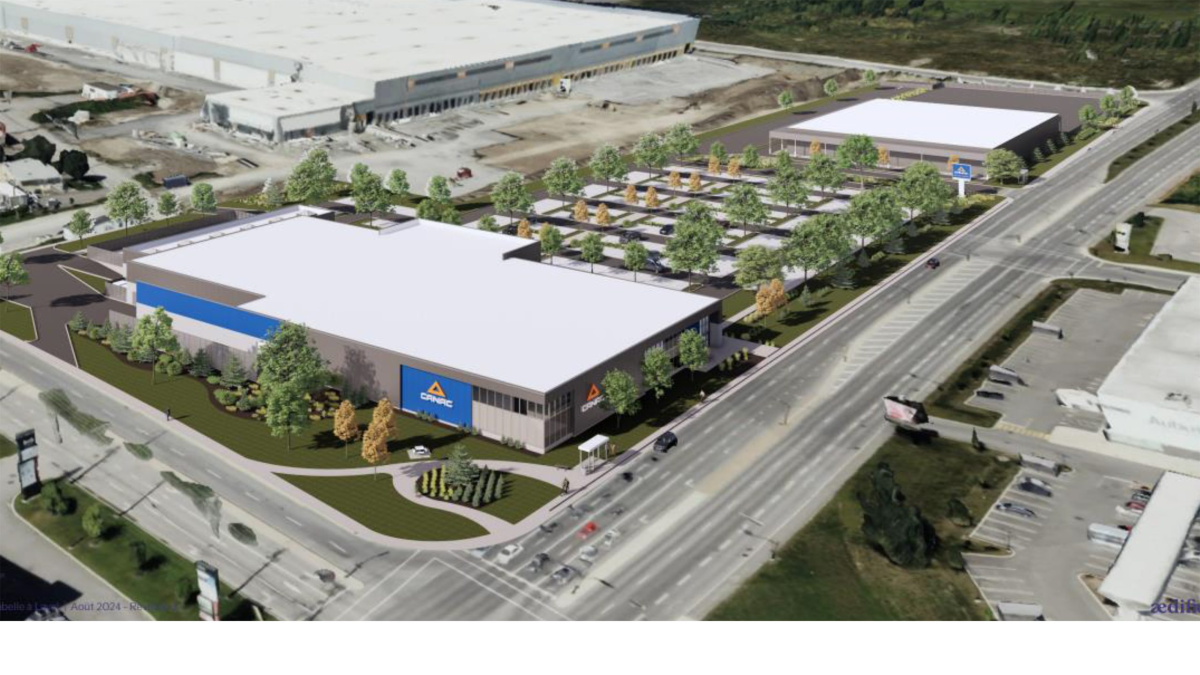
Rendering of the new Laval Canac store. Image: Portail Construction

After more than a year of anticipation, Canac is preparing to open its first-ever location in Laval, marking a pivotal moment in the Quebec-based hardware and building materials chain’s history. The new store will officially open on Friday, February 6, at the corner of Boulevard du Curé-Labelle and Boulevard Saint-Elzéar Ouest, bringing the retailer into one of the province’s most important and competitive retail markets.

The Laval opening represents far more than another store launch. Despite operating 35 locations across Quebec, Canac has never had a presence in Laval or on the island of Montreal. That long-standing absence is now coming to an end with what the company describes as its largest single investment to date.

The scale of the Laval project underscores its strategic importance. Construction costs alone surpassed $35 million, making it the most significant investment Canac has ever made in a single location. The site spans approximately 450,000 square feet and is anchored by a 50,000-square-foot main building, of which roughly 30,000 square feet is dedicated to retail sales space.

This level of capital commitment reflects a deliberate and confident move into the Greater Montreal region. Rather than testing the market with a smaller or adapted format, Canac has opted to introduce its full large-format renovation centre model, signaling long-term intentions in the area.

Strategic Location Serving Laval and Montreal Shoppers

The new Canac Laval store is strategically positioned near Highways 15 and 440, offering convenient access for customers travelling from across Laval, the North Shore, and Montreal. For years, local shoppers seeking Canac’s value-driven offering had to travel outside the region.

Laval residents often traveled north to Prévost in the Laurentians, while Montreal customers typically headed to Saint-Hubert or La Prairie on the South Shore. The new location significantly shortens those trips and places the brand within easy reach of a large population that was already familiar with its pricing and assortment.

The site’s accessibility also strengthens its appeal to professional contractors, for whom efficient access, loading areas, and proximity to job sites are critical factors when choosing where to source materials.

Rendering of the Laval Canac store. Image supplied

A Comprehensive Large-Format Retail Experience

Inside the store, customers will find a broad assortment designed to support both renovation projects and everyday maintenance needs. The retail space carries categories including hardware, plumbing, electrical supplies, tools, paint, flooring, finishing products, building materials, and seasonal items.

Beyond the main sales floor, the complex features a 12,000-square-foot indoor and outdoor garden centre, catering to landscaping and seasonal outdoor projects. A covered warehouse spanning approximately 41,500 square feet provides additional capacity for bulk merchandise and weather-protected loading, while a large outdoor lumber yard supports framing, decking, and construction materials.

The property also includes approximately 250 parking spaces, several of which are equipped with electric vehicle charging stations, reflecting changing consumer expectations around convenience and infrastructure.

Addressing a Longstanding Market Gap

Canac’s absence from Laval and Montreal had long been notable within Quebec’s home improvement sector. The chain has traditionally focused on Quebec City and regional markets, expanding steadily while maintaining tight control over logistics and operations.

The Laval opening marks a turning point in that approach. It brings Canac into direct competition within a dense and highly competitive retail environment, where established home improvement banners already operate multiple locations and maintain deep relationships with contractors.

The Laval store is the first step in a broader push into the Greater Montreal region. According to multiple reports, Canac plans to open additional locations in Laval and Magog in 2026, followed by its first on-island Montreal store in Anjou in 2027.

Construction on the Anjou location is expected to begin this spring, with the store set to become Canac’s 38th branch. Together, these projects indicate a sustained and carefully paced expansion strategy rather than a one-time entry into the market.

This measured growth suggests that Canac sees significant long-term opportunity in Greater Montreal, supported by population density, ongoing residential development, and continued demand for renovation and construction supplies.

Deep Roots in Quebec’s Hardware Industry

Canac’s origins date back to the late 19th century, with roots in two family businesses founded in Quebec. Jos Grenier was established in 1875, followed by Louis Canac-Marquis in 1878. The two companies merged in 1981 to form Canac-Marquis Grenier, creating the foundation for the modern chain.

In 1985, the business was acquired by Groupe Laberge, which has overseen its expansion into a province-wide retailer. Headquartered in Quebec City, Canac positions itself as the first independent hardware and construction materials chain to originate from the region.

The company remains privately owned and Quebec-based, a distinction it highlights following the sale of other major banners to foreign ownership.

Positioning in a Competitive Home Improvement Landscape

Canac operates large-format renovation centres designed to serve both DIY homeowners and professional trades. Stores typically carry more than 25,000 SKUs across categories such as tools, plumbing, electrical, paint, flooring, décor, lumber, and landscaping products.

The format integrates indoor retail space with outdoor or semi-covered lumber yards and garden centres, placing the chain in direct competition with established players such as Home Depot, RONA, and Home Hardware. Canac differentiates itself through competitive pricing, operational efficiency, and an emphasis on practical, experience-based advice.

That value-focused positioning has become increasingly important as consumers remain price-conscious while still investing in home improvement and renovation projects.

Logistics as a Key Competitive Advantage

Supporting Canac’s retail network is a highly integrated logistics and distribution system. The company operates major distribution centres in Saint-Augustin-de-Desmaures and Drummondville, enabling centralized purchasing and efficient inventory flow across its stores.

Current expansion projects include a 650,000-square-foot distribution centre build-out incorporating an AutoStore automated handling system. This investment is designed to increase throughput, improve accuracy, and reduce handling costs, reinforcing Canac’s ability to compete on price as it enters more expensive and competitive markets.

As the chain expands into Greater Montreal, these logistics capabilities are expected to play a central role in maintaining margins while delivering value to customers.

A Steady and Disciplined Growth Strategy

Canac’s expansion has been deliberate. From just five stores in the early 1980s, the company has grown to 35 locations across Quebec, with a stated goal of opening approximately two new stores per year.

Its network now includes markets such as Jonquière, Drummondville, Rock Forest, Cowansville, Rimouski, Granby, Saint-Hubert, Thetford Mines, La Prairie, Contrecoeur, Sorel-Tracy, and Rivière-du-Loup. Most new stores have been developed as greenfield big-box projects, allowing Canac to maintain consistency in design and operations.

The move into Laval represents an evolution of that strategy, bringing the same model into a denser and more competitive urban environment.

More from Retail Insider:

Canadian Retail News From Around The Web For January 26, 2026

Canadian Retail News From Around The Web

News at a Glance

Retail Insider is streamlining its Canadian retail news from around the web to include a handful of top news stories that can be viewed quickly during the day. Here are the top stories from the past 48 hours.

Toys “R” Us Canada closes another 19 stores in two months, leaving just 22 locations (Edmonton Journal)

Several suppliers suing Toys ‘R’ Us Canada for unpaid merchandise: court docs (Canadian Press)

HBC landlords want $2.4 million to cover costs from Ruby Liu lease battle: docs (Canadian Press)

Lululemon founder blames board for latest problems with Get Low clothing line (Business in Vancouver)

Lululemon puts Get Low leggings back online — with caveats (Retail Dive)

Market Outlook: Canada’s retail sales rise masks deeper economic weakness (BNN)

Buy Canadian movement at grocers could ramp up again during trade talks (Canadian Press)

How grocery giants control who can sell food in your neighbourhood (CBC)

Upper Canada Mall sees multiple store closures amid retail shakeup (Newmarket Today)

Not ‘luxury’ enough? Toronto’s Yorkdale mall owners fight to keep Fairweather out (CBC)

Toronto grocery store and restaurant set to host morning parties, pilates event (InSauga)

93-year-old charged after allegedly crashing into North York store, hitting 6 people (CTV)

These are Toronto’s best independent bookstores (Streets of Toronto)

Gen Z Fuels Resurgence of Physical Music in Canada as Vinyl and K-Pop Sales Surge

Megahit Records
Megahit Records

As Spotify Wrapped takes over feeds, Gen Z is also driving a resurgence in physical music.

Record sales in Canada are up 19.1% year over year, and Statistics Canada shows physical media purchases climbed 34% from 2021 to 2023. Beyond nostalgia, the surge points to deeper lifestyle trends: screen-free listening rituals, collecting as a form of identity, and renewed interest in music communities.

Jeff Johnson, owner of Megahit Records — one of Temu Canada’s top-performing independent records stores — is seeing this growth firsthand. As a music industry veteran, former Warner Bros analyst, and active singer-songwriter, Johnson said physical formats are resonating with Canadians and Gen Z, and which artists are driving demand.

More on why this is trending: 

  • Physical albums as identity objects: Fans want more than music — they want tangible connections, artwork, and collectibles. Limited-edition vinyl and CDs with posters, postcards, and other extras are top sellers from Megahit’s Temu store. K-pop is a prime example, with fans collecting special editions and making physical albums central to their fandom and self-expression.
  • Offline discovery, online purchasing: Gen Z still loves browsing record stores for hidden gems, but online shopping still proves important. Marketplaces like Temu help them find items that may be sold out in-store, showing that discovery often happens offline while actual purchasing happens online.

“Looking at our sales on Temu in the US and Canada, I see a lot of our K-Pop products selling — it’s remarkable really. This is one phenomenon that makes the current rise in physical music sales different from previous times. K-Pop fans are truly passionate about the artists they love,” said Johnson.

“Oftentimes if a new K-Pop album comes out with multiple versions — sometimes five or six versions — or one for each band member, fans will want to buy all of the different versions.

“While someone buying six versions of the same album boosts physical music sales in a big way, another big driver, of course, is the ongoing resurgence of vinyl records being pushed by Gen Z buyers. Gen Z certainly has fallen in love with vinyl in recent years and it shows.”

Jeff Johnson
Jeff Johnson

Since the company started selling on Temu in Canada, it has noticed that a high percentage of music sales were coming from vinyl records. 

“We’re finding an enthusiastic customer base out there for our vinyl products — all the way from the jazz icons of the 50s to classic rock bands of the 70s to the big artists of today like Taylor Swift. As opposed to streaming, vinyl is something they can own that has its own innate beauty – this is what our customers and music fans value,” added Johnson.

“Our biggest selling item with Canadians consumers through our Temu storefront is a special green vinyl limited edition of the Talking Heads album entitled ‘77, which originally came out nearly 50 years ago. I believe music fans are collectors at heart and have a special affinity for limited editions, coloured vinyl, box sets and so on. They love the music, but they also want something special that they can have, hold, and put on display. 

“As for the prices, a lot of these special editions are priced higher, but music fans are often willing to pay a premium for products from artists they love. Selling on Temu has helped me keep my pricing transparent, especially as it relates to selling special edition vinyl, so that my customers can avoid inflated costs and still get to purchase something they’ll treasure at a fair price.”

Some consumers like to shop for music in person—  to browse through the racks looking for a hidden gem. Some like the ease of Temu and online shopping and ordering from home. Temu also makes it easy for younger customers to browse across different categories and pick up what they need in one place. 

“Hardcore collectors may go to Discogs or eBay looking for obscure used titles. Gen Z is definitely a music generation, and they certainly have more options than previous generations when it comes to finding and buying music,” he said.

Johnson said he sees the growth of physical music continuing strong into 2026. 

“As long as record companies continue to repackage and release great music into previously unavailable configurations, fans will be there to buy them,” he explained.

“For example, every year for the past several years, the Beatles have released a remastered and/or repackaged version of one of their albums. This past year it was the three Anthology albums from the ‘90s. Every new release generates interest in the artist’s entire back catalog thus increasing sales even more. There’s always an anniversary edition coming out — whether it’s the 30th anniversary of a Nirvana album, the 40th anniversary of a Tears For Fears album and so on.

“However, what could be the biggest boost for physical sales this year could be the return of K-Pop’s biggest act – BTS. Their new album has multiple physical configurations coming out next month and they’re planning a huge world tour. In light of all this, I believe physical music has a bright future.”

More from Retail Insider:


Toronto Hot Yoga Pioneer Dana Dineen Opens Second bhy Studio in Riverside (Photos)

Dana Dineen
Dana Dineen

Dana Dineen, founder of one of Toronto’s longest-standing hot yoga + fitness studios, bhy has  just opened the doors to the brand’s second locat in Broadview, now serving Toronto’s up-and-coming Riverside neighbourhood. 

The expansion is a major milestone for bhy quietly building one of the city’s most loyal studio communities at a time when few boutique wellness brands seem to last more than a few years. 

What began as a single-location hot yoga studio in the Beaches has grown into a two-location business rooted in consistency, care, and connection – offering a full spectrum of fitness and recovery, from hot HIIT and barre-inspired classes to yin yoga and cold plunge therapy.

With more brands trying to replicate the “community feel,” Dineen’s approach stands out: she’s built meaningful loyalty and longevity by staying consistent, showing up, and designing experiences that meet people where they are.

Located on the main floor of a three-storey building at street level — offering high visibility and easy access in Toronto’s vibrant east end. Positioned at the crossroads of Corktown, Riverside, and Leslieville, the new studio connects a growing neighbourhood with bhy’s grounded and vibrant approach to fitness and recovery.

Dana Dineen
Dana Dineen

The space features:

  • Two large practice rooms for hot yoga, hot HIIT, ignited 45, barre, and yin yoga
  • State of the art heating and cooling in each practice room with humidification and dehumidification systems and high efficiency air exchangers.
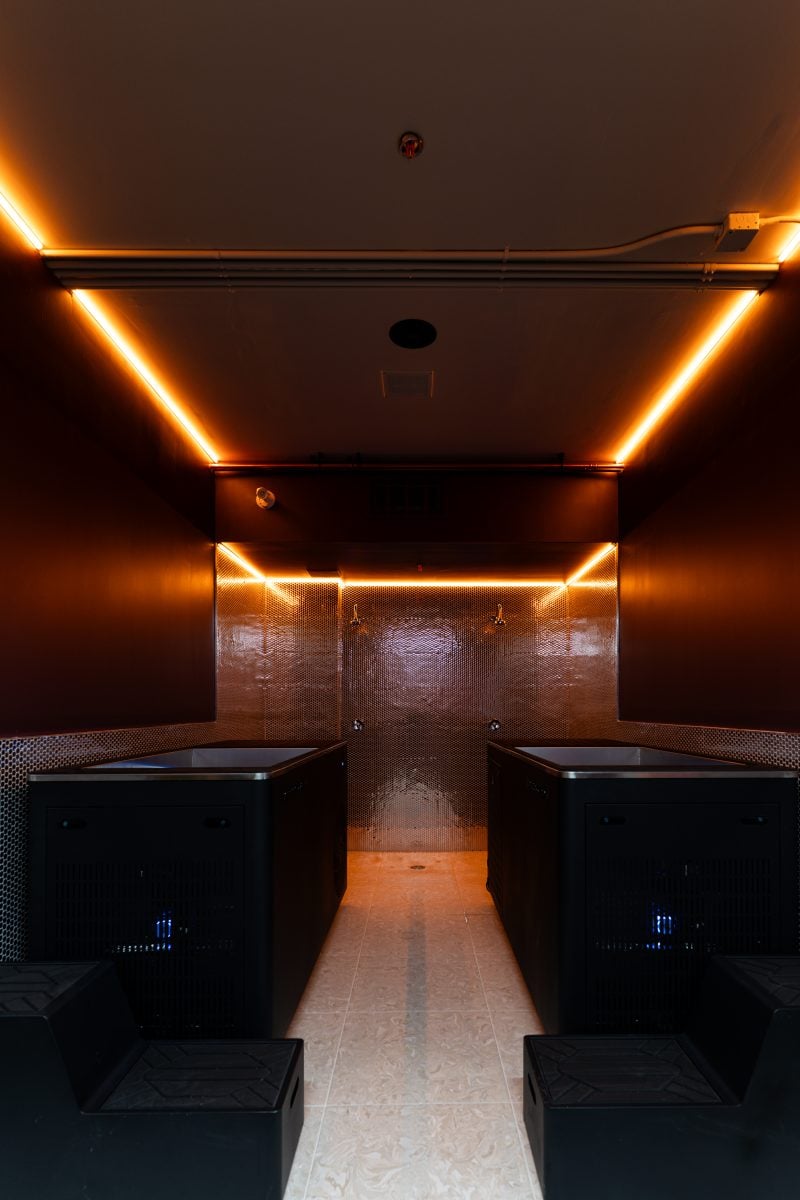
  • Four cold plunge tubs for post-class recovery
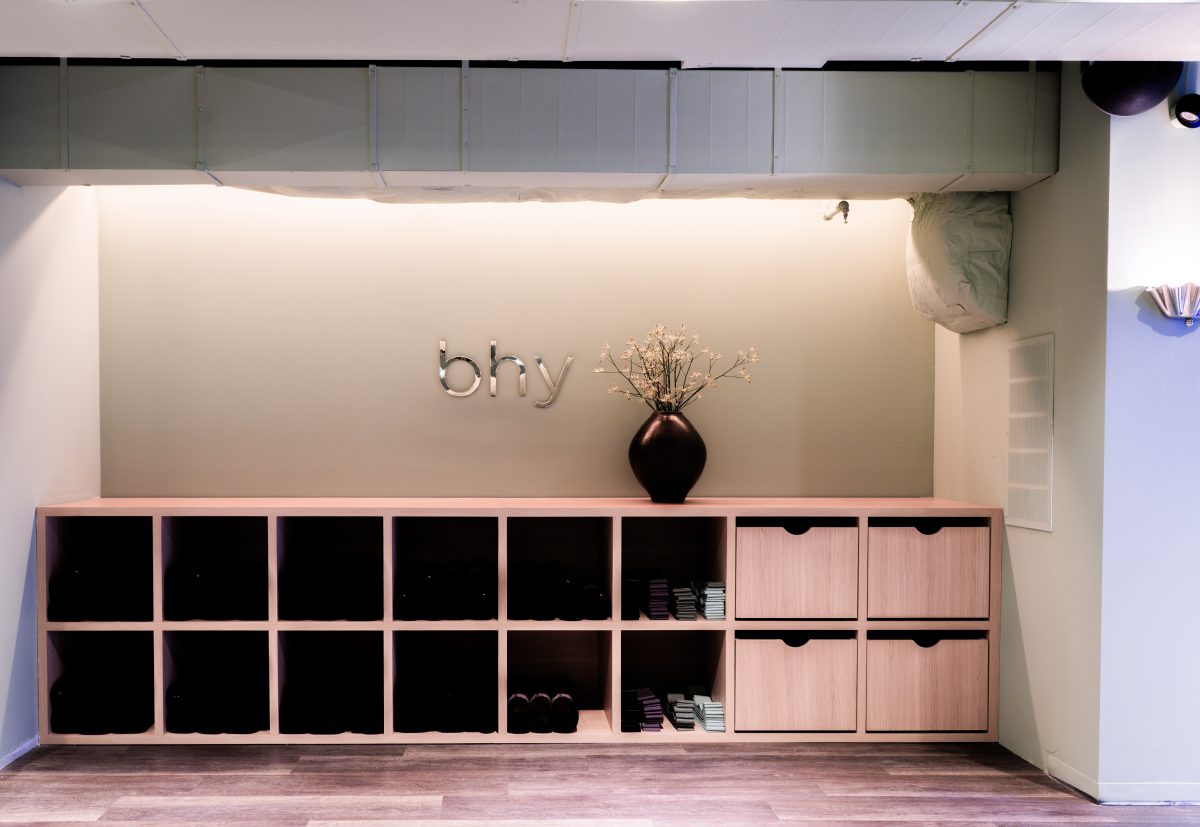
  • A bright lobby and lounge area, mirroring the signature welcoming feeling of the original Beaches location
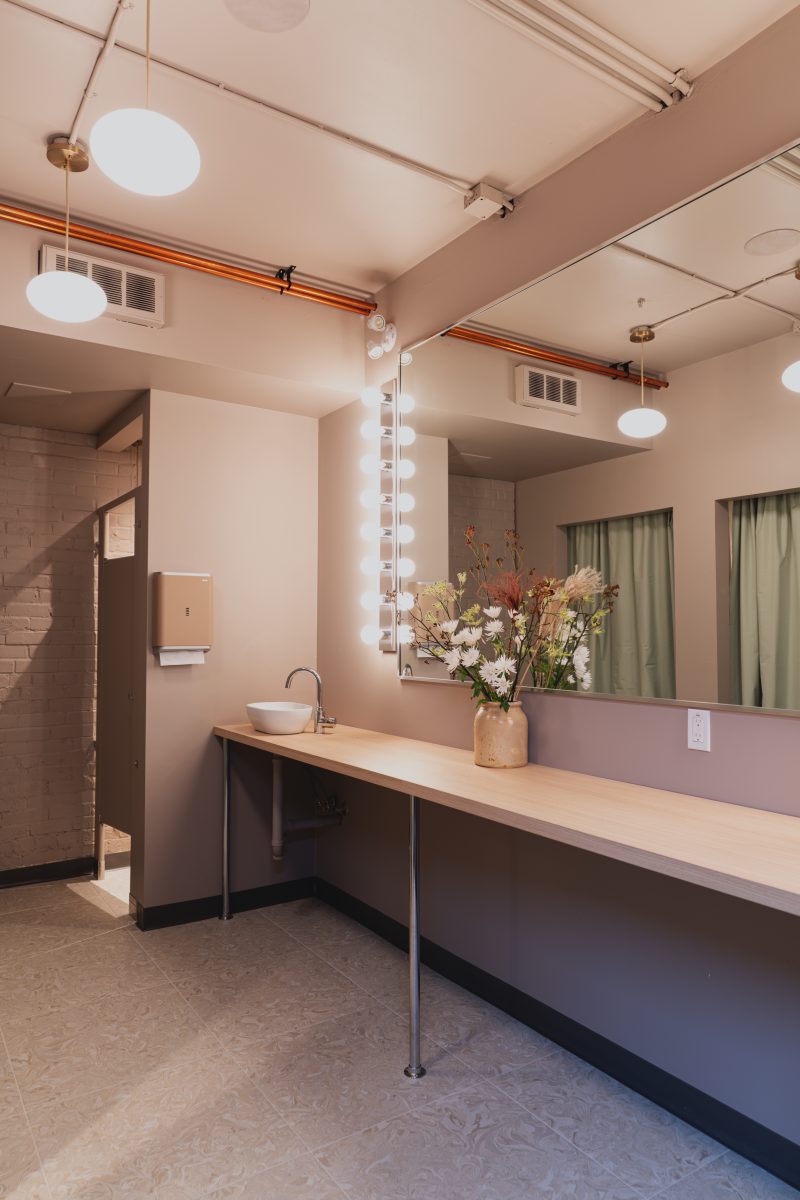
  • Design-forward interiors by KLA Interiors — combining natural materials (oak, stone, glass) with clean, calming lines, and warm lighting and some unexpected moments of fun

bhy Broadview is now open at 635 Queen Street East. 

“I believe what’s kept bhy steady, is our commitment to who we are, why we teach, and what this practice can do in people’s lives. The heart of bhy has always been the same: show up, do your best, take care of yourself and each other, and let the practice change you from the inside out,” said Dineen of the brand founded in 2002.

“A huge part of our longevity comes from prioritizing our clients and our community above everything else. We invest in high-quality instructors who are dedicated to the practice, to the teaching, and to the people in the room — not in chasing “talent” the way much of the industry does. Our teachers aren’t performers; they’re leaders, guides, and community builders. That energy is felt in every class, and it’s why people stay.

“We’ve stayed rooted in the lineage and structure that works — the heat, the discipline, the repetition, the integrity — while continuing to evolve in ways that support real people, real bodies, and real practice. That commitment to consistency, and community is what has kept bhy strong for over 20 years.

“Community is often cited as a differentiator in boutique fitness, but bhy has built genuine loyalty over many years. What does “community” actually look like in practice at bhy, and how do you design for it day-to-day?”

bhy
bhy

Dineen said the word “community” gets tossed around a lot in boutique fitness, but at bhy it’s not a marketing word — it truly is something you can feel the second you walk in the door. 

“It looks like people showing up for each other, encouraging each other, sweating beside each other, and growing together over years, not weeks. It is intentional connection with every person who walks in the doors and teachers who know your name, your practice, your story — we strive to make our clients feel seen and supported every time they step into the studio,” she said.

“Day-to-day, we design for community in very intentional ways. We hire and train instructors who genuinely care — people who understand that teaching is service. We create consistent class structures that help students build confidence. We hold high standards for teaching, cleanliness, and space care because it communicates respect. And all of our staff practices regularly on the mat with our clients.

“bhy is a place where people can be themselves. Nothing contrived, nothing curated for social media — we always remind our clients that as long as you do your best and try with 100% of your attention and intention, you are receiving the results you need and your best is always good enough.”

bhy
bhy

Dineen said expanding to Riverside came from a deep understanding of who the brand is after more than 20 years — and the realization that staying the same size was starting to limit what was possible for its clients and its team. 

“Without more space, I couldn’t offer the opportunities people were asking for: more classes, more teacher trainings, more pathways to teach, mentor, lead workshops, and build real careers within bhy. And I also knew the practices we teach — the heat, the structure, the discipline — deserved a wider reach,” she said.

“Riverside was the right next home for a few very real reasons. It’s far enough from the Beaches that it wouldn’t cannibalize what we’d built, but close enough that our reputation, our roots, and our teaching team could carry the bhy vibe into the neighbourhood in an authentic way. It’s also a community much like the Beaches — full of people who genuinely want to support local, show up for each other, and build something real together.

“Expansion wasn’t about duplicating a studio — it was about creating more opportunity, more access, and more space for this practice to impact more people, while letting Riverside develop its own identity grounded in the bhy ethos. bhy offers everything from hot HIIT to yin yoga and cold plunge therapy.”

bhy
bhy

Dineen said expanding its offerings has never been about doing “more” — it’s about choosing practices that deepen the bhy experience and support students in meaningful, complementary ways. 

“Every modality we teach brings an intensity that demands focus. Whether it’s the heat of hot yoga, the power of hot HIIT, the precision of barre, the stillness of yin, or the cold plunge — each one calls on the same five aspects of the mind: concentration, determination, self-discipline, patience, and faith,” she explained.

“The formats may be different, but the mental training is the same. Concentration in stillness. Determination through intensity. Self-discipline in staying with the breath. Patience in the process. Faith in yourself and your practice. Over time, that consistency becomes meditation in motion — or meditation in stillness.

“All of our classes are designed to work together. They strengthen different parts of the body and the mind, but they all come back to the same foundation: discipline, breath, presence, and emotional regulation. We understand the power of the circulatory system — how heat drives it, cold sharpens it, effort challenges it, and breath steadies it.

“That’s how we expand without losing clarity. Each practice reinforces the same philosophy, the same mental skills, and the same internal transformation. We don’t add trends; we add what supports the whole ecosystem of bhy — and what genuinely helps our students become stronger, calmer, more focused, and more resilient.”

bhy
bhy

Dineen said one of her favourite sayings is “what you focus on grows.”

“So as I remind our students to do on the mat I also try: focus on what I believe in and on the people right in front of me — me clients and my team, not the ones I think I should be attracting,” she said.

“I intentionally don’t follow other similar fitness businesses. Not because I don’t respect them or find inspiration in their work, but because for me this is the quickest way to start playing the comparison game and then it can be easy to lose sight of what makes bhy distinct.

“And honestly, practice what you preach. If you’re asking people to bring discipline, consistency, patience, and heart to their practice, you have to show up with the same. Integrity is felt. Your energy sets the tone.”

More from Retail Insider:

Continued stability in Vancouver’s retail sector: Colliers

Photo: Luke Lawreszuk

The retail sector showed continued stability in the latter half of 2025 with low vacancies that will likely continue trending downwards, according to the Greater Vancouver Retail Report H1 2026 by commercial real estate firm Colliers.

“Continued political tensions with the U.S. has helped to incorporate the “Buy Canadian” movement into the cultural norm with consumer spending affected and tourism into the U.S. down significantly from the previous year,” said the report.

“Projections for the first half of 2026 are giving investors and tenants alike a reason for optimism heading into the summer. One of the largest retail developments in recent memory, the redevelopment of the old Oakridge Mall into the new master planned Oakridge Park mixed-use complex is planned to finish its first phase of construction. 

“Shortly thereafter, Vancouver will host seven FIFA World Cup 26 matches over a one-month span, an event expected to draw hundreds of thousands of international visitors and deliver an additional boost to the B.C. economy.”

The report said as of year-end 2025, the Urban Retail Colliers Index Vacancy Rate is 2.99%, up from 2.90% at mid-year 2025. Meanwhile, the Suburban Retail Colliers Index Vacancy Rate is 0.81% up from 0.70% at mid-year 2025. Average monthly retail sales for B.C., reported by Statistics Canada, were up 2.5% year-over-year (YoY) to $9.4B as of October 2025 – showing modest growth in consumer spending but slowing down from 7.1% YoY in May 2025. 

Photo: Mila Emilivna

“However, with year-end spending, these figures are likely to receive a significant bump. These results are consistent in showing how consumer spending and vacancy rates are stabilizing,” said Colliers.

“The urban street vacancy rate rose slightly by nine basis points, however, this was largely due to a single large vacancy in Yaletown that bumped up the vacancy.

“Without this vacancy, urban street vacancy would have decreased nineteen basis points, to 2.71%, the lowest recorded vacancy since H1 2022.”

• Grocery-anchored shopping centres, continue to be the standard for stability in an already stable asset class. With a sub 1% vacancy rate two years in a row, consumers show a continued desire to shop near their residences with no signs of changing anytime soon.

• Since the summer, the Bank of Canada has cut interest rates by a cumulative 50 bps, to its current rate of 2.25%. The last time interest rates reached this low was in June 2022. With the inflation rate hovering around 2%, within the BoC target range, these macroeconomic indicators are the ingredients for strong retail growth.

Colliers said the number of Canadian residents returning from the U.S. in August 2025, a peak tourism month, was down 29.7% YoY, whereas the number of US residents visiting Canada declined 1.4% YoY according to Statistics Canada Tourism Statistics. Most notably in August 2025, there was a 29.7% YoY reduction in Canadian residents returning from the Unted States, which was a driving force for a 21.5% overall reduction in Canadians returning from international travel in that same period, showing further evidence of Canadians staying in Canada during vacation months.

Sherman Scott, VP, Vancouver Retail Brokerage, Colliers, said many factors are contributing to Vancouver’s retail stability in 2026. 

“We still haven’t caught up from years of population growth. Retail projects in Vancouver are typically mixed‑use in nature, and with demand slowing for other asset classes such as office and residential, retail supply is also slowing. The redevelopment of older malls like Oakridge and The Amazing Brentwood has opened up opportunities that were not there before,” he said.

Sherman Scott
Sherman Scott

“The HBC closure has also created opportunities that did not previously exist. Transit‑oriented development is supporting retailers seeking space near SkyTrain stations. There has been a resurgence of in‑person shopping. Service and experiential retail continues to remain in high demand.”

Scott said Buy Canadian and shifting travel patterns have accelerated the expansion of local brands such as grocery stores and drug stores. Retail leasing is particularly strong in grocery‑anchored shopping centres and neighbourhood plazas.

“Oakridge Park and FIFA 2026 will once again put Vancouver on the world stage. There will be high demand for short‑term pop‑up retail during FIFA,” he said.

“Recession‑proof retail formats such as grocery stores and drug stores are best positioned in the year ahead.”

More from Retail Insider:

Gentle Fawn leans on longevity over trends as Vancouver fashion brand marks more than two decades

Carla Hogg
Carla Hogg

Vancouver-based fashion brand Gentle Fawn is doubling down on longevity, fit and disciplined growth as it navigates a changing retail landscape more than two decades after its founding, according to co-founder and CEO Carla Hogg.

Founded in 2003, Gentle Fawn has grown into a North American wholesale and direct-to-consumer business with roughly 600 retail partners split evenly between Canada and the United States, while its own e-commerce site has become its largest single sales channel.

“We don’t really focus on trends,” Carla said in an interview. “We focus on longevity and fit. That is what we’re known for.”

From wholesale roots to digital scale

Gentle Fawn began long before e-commerce was a viable option for emerging fashion brands. At the time, operating an online store was widely seen as competing directly with wholesale customers, Carla said.

“Back then there wasn’t e-commerce,” she said. “Having a web store was competing with your wholesale retailers at that time, so that was kind of a no-no back then.”

That approach has since shifted. While the company continues to rely heavily on independent boutiques and chain retailers, its online store is now its biggest retailer by volume. Still, Carla emphasized that wholesale remains central to the company’s business model.

The brand currently sells through about 600 retailers across North America, including Canadian chains such as The Latest Scoop, as well as many fashion specialty boutiques.

“These are the best fashion specialty boutiques in every city and small town,” she said. “That’s who we’re selling to.”

Photo: Gentle Fawn
Photo: Gentle Fawn

Founders shaped by fashion and design

Gentle Fawn was co-founded by Carla and Danny Hogg, who serves as founder and creative director. The company’s origins were shaped by the pair’s shared interest in mid-century modern design and their complementary professional backgrounds.

As the two began working together, Carla said she struggled to find apparel that bridged the gap between action-sports-inspired lifestyle clothing and fashion-forward design.

“I wanted more fashionable stuff,” she said. “I didn’t want to dress like my boyfriend.”

That gap became the foundation for Gentle Fawn, which positioned itself between casual lifestyle wear and contemporary fashion, a space the company continues to occupy today.

A brand name rooted in design

The Gentle Fawn name itself reflects the founders’ design-first mindset. While shopping in an antique store, the pair discovered a small ceramic fawn that would later become the brand’s original icon.

They initially wanted to name the company simply Fawn, but trademark constraints made that impossible. “You can’t trademark a colour, and fawn is a colour,” Carla said.

Danny, who has a background in graphics, developed the Gentle Fawn name and an original logo inspired by mid-century modern aesthetics, including arched lettering and a Palm Springs-era look from the 1960s.

“That’s where the name came from,” she said.

Brick-and-mortar remains under consideration

Despite the brand’s growth, Gentle Fawn does not operate its own physical storefronts. Carla said the company has discussed and debated the idea internally but remains cautious.

“There’s a lot to consider when it comes to brick and mortar,” she said. “It’s a different business than wholesale and than e-commerce.”

While a standalone retail presence could help build brand awareness, she noted that operating physical stores would require a different operational focus and risk profile, something the company continues to weigh carefully.

Product strategy built around balance

Gentle Fawn releases nine product drops per year, balancing core basics with new designs intended to keep customers engaged without overextending the brand.

The company’s core products are designed to provide consistency for returning customers, while seasonal updates add what Carla described as “freshness” to the collection.

“Our basics are what our customer comes to us for,” she said. “They know them and they love them.”

That balance has become increasingly important as the brand manages both wholesale and direct-to-consumer channels, ensuring newness without alienating long-time retail partners or shoppers.

Leadership and recognition

Carla, who describes herself as “more of the face of the company,” oversees the business as co-founder and CEO, while Danny leads creative direction. Day-to-day coordination across the organization is shared among the leadership team.

Carla Hogg
Carla Hogg

Looking ahead

As Gentle Fawn moves through its 23rd year in business, Carla said the focus remains on disciplined growth, strong wholesale relationships and maintaining a clear brand identity in a crowded fashion market.

“There are lots of things coming up,” she said, pointing to upcoming collections while stopping short of detailing specific expansion plans.

For now, the company’s strategy remains rooted in the same principles that shaped its founding: careful design, long-term thinking and a measured approach to change in an industry known for rapid shifts.

“We’re partnering once again with the Jilly Box for their Spring box, which will feature our Starling Skirt. It’s a chic, elegant, and highly wearable style, finished with a flocked polka dot and offered in two colour ways , soft blush and cream.  The Jilly Box has been a strong retail partner for us over the years and is currently our largest account across Canada. I’ll be doing an Instagram takeover with Jillian Harris’s audience this week, and the box is scheduled to ship in February,” she said.

“In addition, we’re launching the second drop of our Spring campaign, Blue Skies Ahead, Volume II, which signals that spring is on the horizon. The collection is inspired by coastal living, with airy fabrics, gentle movement, and a palette drawn from sea and sky, designed to feel effortless and refined for everyday wear.”

More from Retail Insider:

Graydon Skincare navigates a changing Canadian beauty landscape

Graydon Moffat
Graydon Moffat

Over the past decade, Toronto-based Graydon Skincare has navigated a rapidly evolving Canadian beauty retail landscape, from the rise and saturation of clean beauty to shifts in DTC and wholesale strategy, and today’s more value-conscious consumer.

Graydon Moffat founded the brand 10 years ago in March as an independent, plant-powered skincare brand known for its nutrient-rich formulations and thoughtful approach to skin health.

As the brand enters its next chapter, its focus remains on future-proofing the business while staying true to its original values, including:

  • Thoughtful updates to hero formulas to better support sensitive skin and barrier health
  • 100% vegan and cruelty-free formulations with a strong emphasis on transparency
  • Sustainable innovation across packaging, sourcing, and production
  • Clinically informed formulations designed to be effective yet gentle
Graydon Moffat
Graydon Moffat

Moffat said a few moments truly defined the company’s trajectory at Graydon Skincare over the past decade.

“The first one was our community origin. The brand didn’t start in a lab, rather it started in my kitchen. I was a vegan chef and yoga instructor mixing up superfood-based skincare for friends and students. That early, community-rooted approach taught me something fundamental: skincare that nourishes, feels good, and responds to the needs of their skin resonates first with real people before it resonates as a category trend,” said Moffat.

“Secondly, expanding from direct-to-consumer into meaningful retail placements, like our partnerships with Canadian, value-based brick and mortars, was a big step. It showed that there was demand beyond our digital community and that mainstream retail could support a purpose-driven brand without compromising values. Some of our current retail partners include: The Detox Market, Healthy Planet, and Shoppers Drug Mart.”

Early assumptions:

  • Right: “We believed that people were hungry (literally and figuratively) for products that feel clean, transparent, and rooted in wellness rather than hype. That has only become more important as consumers get savvier.”
  • Wrong: “At first, we thought “clean beauty” alone was enough to differentiate us. What we’ve learned is that clean has become table stakes. Today it’s intentionality (clinically informed, genuinely sustainable, age-positive) that sets brands apart.”

Moffat said clean beauty is no longer a niche, it’s expected. 

“What started as a differentiator has become a baseline, which means the way we earn trust has shifted,” she said.

“Today, consumers are less impressed by “clean” stickers and more interested in why a brand does what it does. They want transparency, science and real evidence shared with them in an authentic way. It’s about impact, not just marketing. We lean into education through content and ingredient breakdowns, so people feel confident about what they’re putting on their skin. I also like to show up in our marketing presence as not only the founder but as a woman in her 60s who brings her authentic experience to skincare.

“As a brand, we’re rooted in authenticity, age-positive positioning, and approachable education. We create products that are gentle, feel great, perform well, and align with people’s values, all while being suitable for our core audience of those with sensitive, hormonal, and aging skin. Clean beauty was the beginning; mindful, purpose-driven skincare made for skin that changes through every stage of life is how we meet our customers where they’re at, with products that respond to their skin needs.”

Moffat said the brand is very intentional about its manufacturing and formulation, which means that they’re picky.

Graydon Moffat
Graydon Moffat

“We don’t make products to chase skincare trends or latch on to buzzwords. We make sure everything we do is in alignment with the needs of our audience, the core values we carry as a business, and is a natural expansion of our product line to fill a gap or provide an option that isn’t already available within our line. For example, that’s why our most recent launch, Hydratone, is an exfoliating essence for sensitive skin. It filled a gap in our line but was still intentionally designed for our core audience,” she said.

Transparency builds trust: “In a crowded category, full ingredient transparency and education isn’t just nice, it’s a differentiator. It invites consumers in and empowers them to make informed choices. That kind of trust creates loyal customers, and loyal customers scale organically. If you ever wanted to know about one of the ingredients in a product of ours, we likely already have a full article on the ingredient with information from scientific sources, shared in a way that’s still easy to understand.”

Canadian manufacturing: “Making products close to home in Ontario means higher production standards, closer working relationships with our manufacturers, a smaller carbon footprint, and more control over quality. There’s a cost to that, but it protects our brand integrity and keeps us closer to supply chain partners who share our values. The lab that we produce most of our formulas with is also a place I’m proud to intentionally partner with because like us, they’re a local, women-founded and run business. Our fulfillment center is also local.”

Biotech-informed formulations: Partnering with innovators like C16: “Biosciences to incorporate advanced, sustainable actives like torula oil shows our commitment to effective sustainability. It’s not enough for an ingredient to be effective if it’s not good for the environment. It’s the same vice versa—sustainability must go hand in hand with performance. Torula oil is an example of an ingredient that sits at the intersection of both, and acts as a guide for future biotech innovation we plan on exploring. 

In a value-conscious market, premium positioning means we must balance efficacy with affordability and that’s where waterless formulations, multifunctional products, and streamlined SKUs help us keep pricing accessible without compromising integrity, said Moffat.

Graydon Moffat
Graydon Moffat

Moffat said the company’s go-to-market approach has always been responsive rather than rigid.

“Direct-to-consumer was essential in building our community and understanding our customers deeply, what they loved, what worked, what didn’t, and how they felt about their changing skin as they aged,” she said.

“Demand for physical touchpoints where customers could see and feel products became clear. Retail partnerships with places like The Detox Market, as well as participating in things like the Jilly Box expanded awareness, introduced new customers to the brand, and eventually strengthened DTC demand as well.

“People weren’t just buying products; they were seeking guidance, education, and a positive narrative around aging. That influenced how we communicate about our products. It’s not enough to have the right ingredients, scent and texture, though those are essential too. There also must be a why behind every product. For us, our why is that a person who is getting older and experiencing skin changes become more cautious about the products they use. Our why is being able to meet these skin needs with effective products that truly comfort and nourish the skin in a way that benefits the skin and makes the person using it feel good.

“The common thread? Everywhere we sell, we want the experience to feel personal, informative, and confidence-boosting.”

Entering its second decade means being thoughtful, not just prolific, explained Moffat.

“We pursue innovation that aligns with our values – sustainable biotech actives, smarter formulations, and ingredient solutions that genuinely benefit skin health. It’s not innovation for innovation’s sake, but innovation that improves skin resilience, comfort, and function,” she said.

“We resist the temptation to launch products that don’t fit our core mission. Instead, we refine and elevate what’s already working. Think multifunctional products that simplify routines and support sensitive, aging skin without overwhelming people with choices.

“We celebrate skin as a reflection of life, not something to “correct.” That mindset guides everything from how we name products to how we talk about results. Our promise isn’t to “take years off” it’s to make the years ahead the best yet for our community.”

More from Retail Insider: