Welcome to the Daily Synopsis by Retail Insider. We hope you enjoy the 10 articles we published most recently, covering key developments in Canadian retail.
Veronica Beard opened its third Canadian store at Vancouver’s Oakridge Park, marking its first West Coast location. The luxury retail sector is evolving with brokerage agreements shaping growth in flagship stores at Oakridge Park and Yorkdale Shopping Centre while expanding into emerging markets such as Calgary and Montreal reshaping luxury retail in Canada.
HEAL Wellness is expanding rapidly across Canada and the U.S. with plans for 100 locations by year-end through franchising. The value of franchising is also highlighted by an Ontario bakery owner who leverages this model to manage economic challenges. Employment increased by 88,000 jobs in May while Cellzy is preparing an aggressive launch in Canada with multiple locations planned.
As economic uncertainty continues to weigh on would-be entrepreneurs, a growing number of Canadians are hesitant to start a business, according to a recent TD survey.
The survey found 27 per cent of Canadians believe the economy is too uncertain to launch a business, while 24 per cent say they are uncomfortable with the financial risk.
Despite those concerns, Steff Steers, a multi-unit franchisee operating four COBS Bread locations in the Kitchener-Waterloo region since 2016, said she entered the business fully aware of the risks tied to entrepreneurship.
Steers, who has a background in restaurant management along with her husband, said they were motivated by a shared entrepreneurial drive to build something of their own. After exploring independent ventures, they chose franchising, citing the structure and support provided by an established brand.
She said franchising can offer operational assistance such as human resources and technology support, along with brand recognition that helps create a stronger foundation for new business owners.
Steers said passion and commitment remain essential, noting that business ownership requires significant time and effort. However, she added that aligning with the right franchisor can provide a critical support system, particularly during uncertain economic periods.
Despite that support, Steers pointed to rising labour and food costs as the most significant challenges facing small business owners today. She said frequent minimum wage increases in Ontario have driven up labour expenses, while ongoing supply chain disruptions since the COVID-19 pandemic have increased the cost of goods and transportation.
Steers has expanded her business to four locations over nearly nine years, supported in part by early financing that allowed her to scale more quickly than is typical. While she said the Kitchener-Waterloo market is now well-served, she remains open to future growth opportunities.
For prospective entrepreneurs, Steers emphasized the importance of thorough research, particularly when choosing a franchise partner, describing it as a long-term relationship that requires strong alignment in goals and values.
Employment increased by 88,000 (+0.4%) in May and the employment rate rose 0.2 percentage points to 60.7%. The unemployment rate fell 0.3 percentage points to 6.6%. Employment increased among core-aged (25 to 54 years old) women (+31,000; +0.5%), core-aged men (+25,000; +0.3%), and youth aged 15 to 24 (+22,000; +0.8%), reported Statistics Canada on Friday.
The unemployment rate for youth declined 0.9 percentage points to 13.4%. The rate also fell among core-aged women (-0.4 percentage points to 5.5%) and core-aged men (-0.4 percentage points to 5.7%), said the federal agency.
Employment increased in several industries, most notably in construction (+27,000; +1.7%), information, culture and recreation (+19,000; +2.3%), transportation and warehousing (+19,000; +1.7%) and accommodation and food services (+17,000; +1.5%). On the other hand, employment decreased in wholesale and retail trade (-35,000; -1.2%), it noted.
Statistics Canada said employment increased by 88,000 (+0.4%) in May, the first significant employment gain since November 2025. The increase in May follows a net decline of 112,000 (-0.5%) over the first four months of 2026. On a year-over-year basis, employment was up by 147,000 (+0.7%) in May.
The number of people working full-time rose by 154,000 (+0.9%) in May. The increase in the month offsets a downward trend observed from January to April, in which the number of full-time workers fell by 156,000 (-0.9%). In May, part-time employment decreased by 66,000 (-1.7%).
The employment rate—the proportion of the population aged 15 and older who are employed—rose by 0.2 percentage points to 60.7% in May. This was the first increase since November 2025. The employment rate was unchanged on a year-over-year basis in May 2026.
Employment rose among employees in both the private sector (+56,000; +0.4%) and the public sector (+20,000; +0.4%) in May. The number of self-employed workers was little changed.
Andrew Grantham
The Canadian labour market sparked back to life in May, with the 88K gain in jobs well above consensus expectations and taking the unemployment rate back down to 6.6%. Job gains were driven by full time work, with the sector breakdown showing particularly strong growth in construction, information & recreation, transportation and manufacturing. However, while much stronger than expected, the release should be viewed in the context of the weakness seen earlier in the year. The six-month average for employment is still slightly negative (-2K) and the unemployment rate is still a touch higher than the recent low recorded in January. Statistics Canada noted that students seem to be seeing a better start to the summer job market than in recent years, and the unemployment rate for 15-24 year olds fell by almost 1% to 13.4%. Prime-aged (25-54) unemployment also fell from 6% to 5.6%. Hourly wage growth for permanent employees was weaker than expected at 3.2%, suggesting that many of the new jobs picked up this month may have been lower paying,” said Andrew Grantham, Senior Economist, CIBC Capital Markets.
“For the Bank of Canada, today’s release shouldn’t change the current on-hold stance, even with the large headline beat. For now today’s strength has brought us back to where we stood earlier in the year, and further tightening in the labour market will need to be seen (alongside an acceleration in core inflation) to bring the Bank of Canada off the sidelines.”
Andrew Hencic
Andrew Hencic, Senior Economist, TD, said: “No bones about it, this is a solid report. Strength in hiring across public and private sectors, and a whopping 154k jump in full-time jobs. However, this basically brings employment back to where it was in January, with an unemployment rate 0.1 percentage points higher.
“There continues to be a lot of noise in the Canadian economic data. The surprise contraction in first quarter GDP was disappointing, but with April’s flash GDP estimate signalling a 0.4% monthly gain and now May’s labour force report showing a drop in the unemployment rate, we continue to expect a second quarter bounce-back in activity. Nonetheless, the economy continues to operate below capacity, providing a disinflationary offset to the energy price shock. With this backdrop we expect the Bank of Canada to stay on the sidelines next week and keep its policy rate at 2.25%.”
Veronica Beard at Oakridge Park in Vancouver. Image supplied
Three years after entering Canada with its first standalone boutique in Toronto’s Yorkville neighbourhood, New York-based fashion brand Veronica Beard has expanded to the West Coast with the opening of a new store at Vancouver’s Oakridge Park.
The new boutique marks Veronica Beard’s third Canadian location following openings in Toronto and Montreal, and establishes the brand’s first standalone presence in Western Canada. The opening also adds another fashion tenant to Oakridge Park as the massive mixed-use redevelopment continues to attract luxury, premium, and contemporary retailers from around the world.
Founded in 2010 by sisters-in-law Veronica Miele Beard and Veronica Swanson Beard, the company has evolved from a women’s tailoring label known for its Dickey Jacket into a contemporary fashion and lifestyle brand offering apparel, denim, footwear, handbags, and accessories. The Vancouver boutique is the brand’s 47th location globally.
For Stephanie Unwin, Chief Executive Officer of Veronica Beard, Vancouver represented a natural next step as the company continues to build on growing momentum in Canada.
“The Vancouver customer is closely aligned with our core demographic and psychographic, and we’ve already built a relationship with her through our wholesale partners in the market,” said Unwin.
“We’ve also seen strong engagement from Canadian customers shopping online and in our Montreal and Toronto boutiques. It became clear that there was not only customer demand, but also a genuine connection to the brand and the way it fits into her lifestyle.”
Canada Continues to Gain Importance
Canada has become an increasingly important market for Veronica Beard since the company’s arrival in 2023.
While the brand initially entered the country through wholesale partnerships, the success of those relationships helped lay the groundwork for a growing standalone retail presence. Today, Veronica Beard operates stores in Canada’s three largest luxury fashion markets and continues to see opportunities for expansion.
“We’ve seen an incredibly positive response from Canadian customers since entering the market,” said Unwin. “What’s been most exciting is seeing how the brand resonates across different regions while still reflecting each city’s unique character.”
The company has also seen substantial growth through its Canadian ecommerce business.
“As we have developed our Canadian infrastructure, we have also focused on growth within our ecommerce channel which has seen triple digit growth in the Canadian market over the last few years,” said Unwin.
The strong online performance suggests Canadian consumers are engaging with the brand well beyond the markets where it currently operates physical stores.
Veronica Beard at Oakridge Park in Vancouver. Image supplied
Building a Canadian Customer Base
Long before opening its own stores, Veronica Beard was building awareness among Canadian shoppers through a network of wholesale partners.
The brand is carried in multiple Holt Renfrew locations across Canada and has also developed a presence through specialty fashion retailers including TNT (The New Trend) in Toronto and Hangar9 in Ontario. Those relationships helped introduce the brand to Canadian consumers while providing valuable insight into regional demand before the company committed to standalone stores.
According to Unwin, wholesale remains an important component of the company’s Canadian strategy.
“Wholesale is an important part of our distribution strategy in Canada,” she said. “Partners like Holt Renfrew, TNT and many wonderful boutiques have helped us introduce the brand to customers across the country, while our own stores allow us to create a more immersive brand experience.”
She added that those partnerships helped reinforce the company’s confidence in the Canadian market.
“Our partnership with Holt Renfrew and other local boutiques has given us valuable insight into the Canadian customer in all key markets and helped build brand awareness,” said Unwin. “Following a strong response, we expanded from a limited presence to all doors, which reinforced our confidence in the brand’s long-term potential in Canada.”
Veronica Beard at Oakridge Park in Vancouver. Image supplied
Why Oakridge Park?
For Veronica Beard, Oakridge Park offered an opportunity to establish a West Coast presence within one of North America’s most closely watched retail developments.
“Vancouver felt like a natural next step for us as we continue to expand our presence in Canada,” said Unwin.
“While we’ve built strong customer relationships in Toronto and Montreal, Oakridge Park gave us an opportunity to establish a West Coast presence, and in a place that has long been synonymous with luxury shopping in the city.”
The boutique is located within Oakridge Park’s contemporary fashion district, where it sits alongside brands including Sandro, Maje, and Weekend Max Mara. The placement reflects Veronica Beard’s position within the contemporary luxury segment and complements Oakridge’s broader merchandising strategy, which includes dedicated clusters of luxury, contemporary, and lifestyle retailers throughout the development.
While Oakridge Park has attracted attention for luxury tenants such as Versace, Brunello Cucinelli, Chanel, Dior, and the upcoming Giorgio Armani flagship and Canada’s first Armani Café, the Veronica Beard location strengthens the project’s contemporary fashion offering and adds another internationally recognized brand to the growing retail mix.
Unwin said Oakridge’s merchandising approach aligns naturally with Veronica Beard’s own position in the market.
“We’re excited to be a part of its new chapter, bringing together an exciting mix of heritage and contemporary brands,” she said. “That modern approach to luxury, centered on quality, versatility, and how women live today, aligns naturally with the Veronica Beard brand.”
Veronica Beard at Oakridge Park in Vancouver. Image supplied
Looking Ahead
While Veronica Beard is not currently announcing additional Canadian locations, the company continues to see opportunities for growth across retail, wholesale, and ecommerce channels.
“Canada remains an important market for Veronica Beard, and we continue to see opportunities for growth across both retail and wholesale,” said Unwin. “We’re always evaluating how to best serve our customer, and our focus remains on thoughtful, strategic expansion that feels authentic to the brand.”
The Vancouver opening represents another milestone in Veronica Beard’s Canadian growth story. From its first Yorkville boutique in Toronto to Montreal and now Vancouver, the brand has established a presence in Canada’s key luxury fashion markets while continuing to broaden its reach through wholesale partnerships and ecommerce growth.
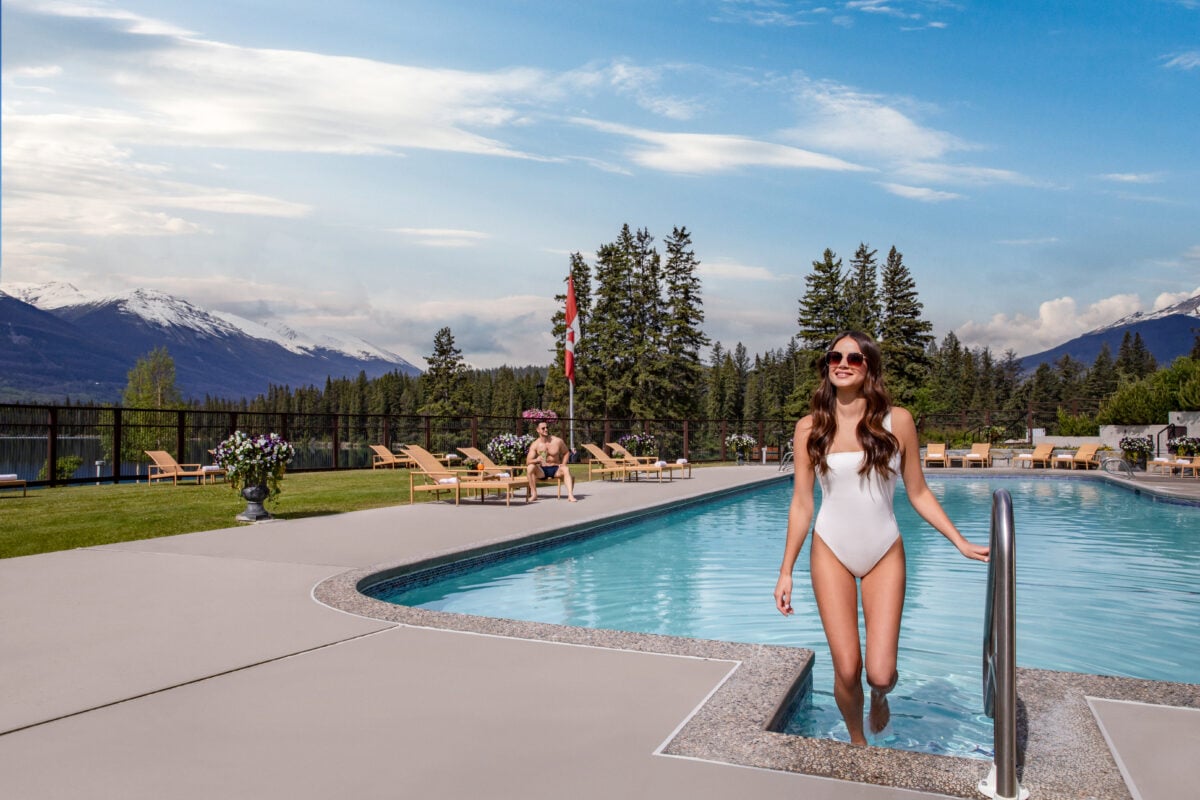
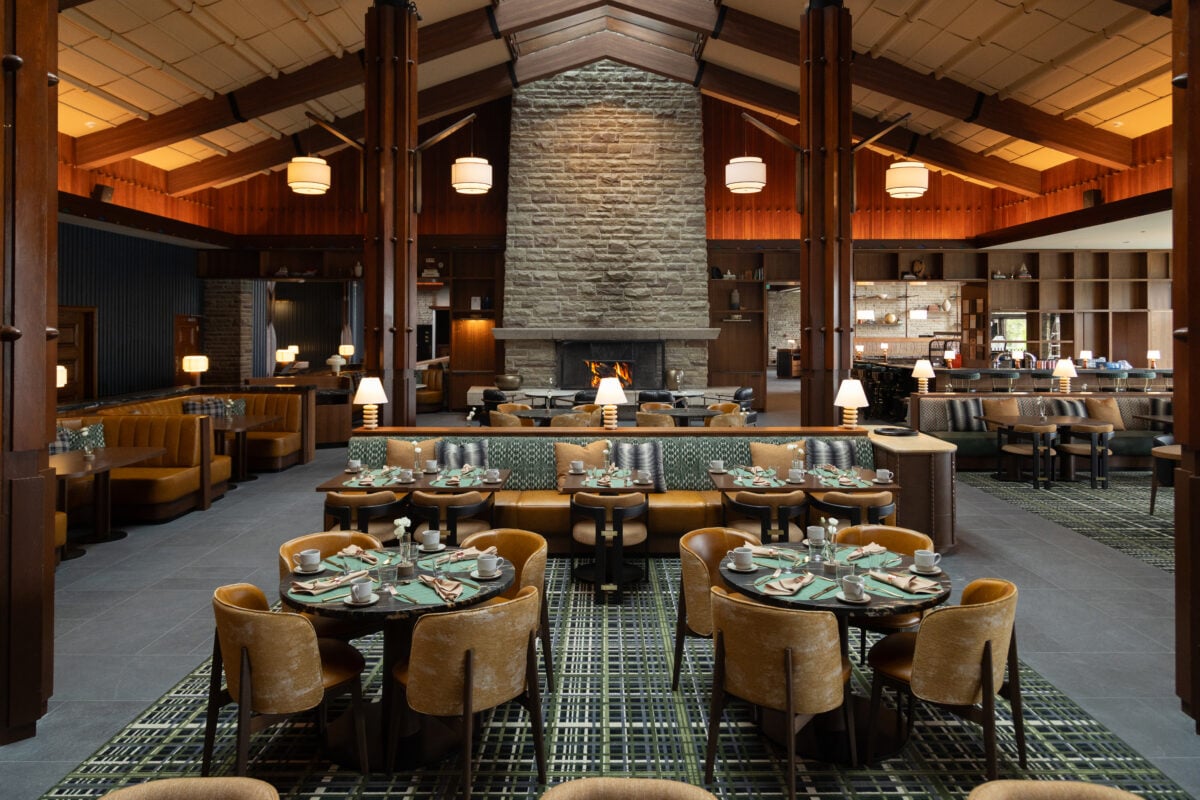
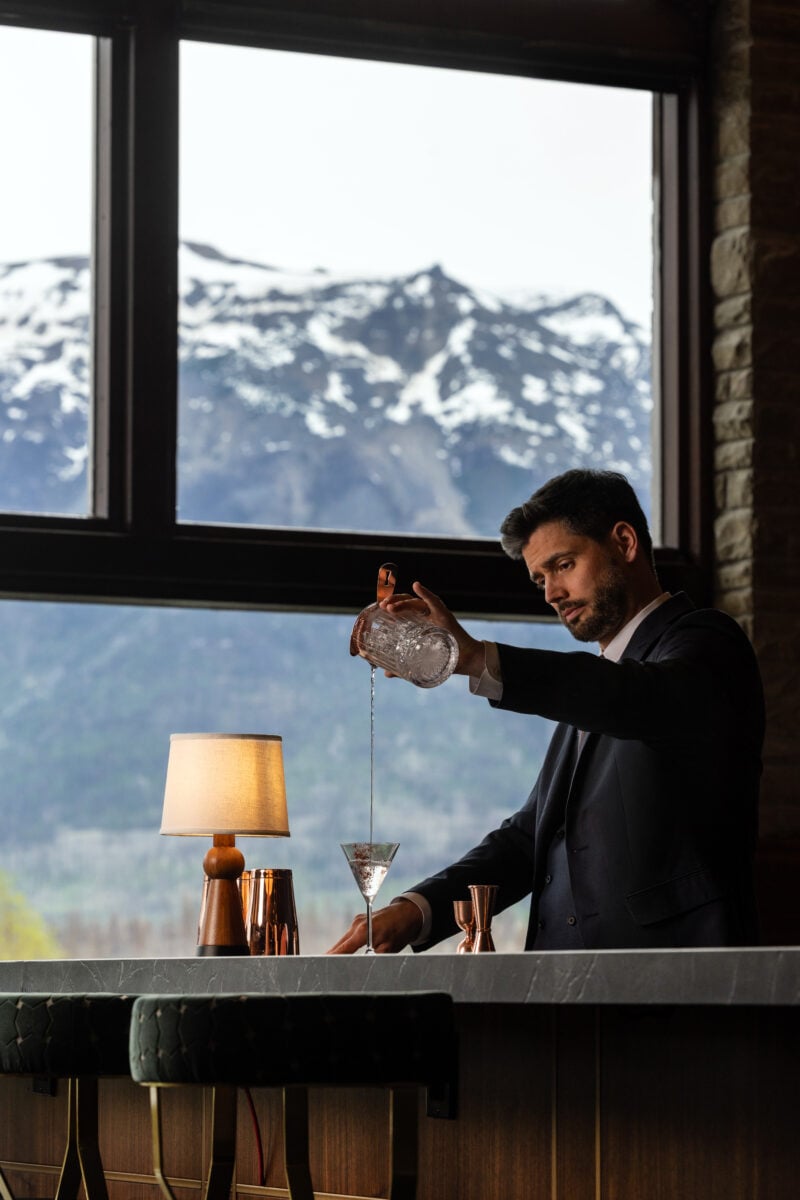
Fairmont Jasper Park Lodge has announced the landmark opening of its reimagined resort with the unveiling of an extensive $100-million property-wide transformation.
This marks far more than a reopening, but the arrival of a new expression of wilderness luxury in the Canadian Rockies, brought to life through a refreshed Main Lodge and fully redesigned guest rooms, said the brand in a news release.
The extraordinary destination, set within 700 acres of pristine wilderness in Jasper National Park, offers a luxurious sense of space and seclusion that feels increasingly rare in today’s travel experiences. With every cabin door opening directly to the expansive outdoors, the property offers unparalleled access to the remote landscape and a deeply personal experience with nature. Guests are invited to explore Jasper through a lens of deep connection, slow discovery, and immersive wellbeing, guided by Fairmont’s Wellness Without Walls philosophy that recognizes nature as a powerful approach to restoration, it said.
Jasper Park Lodge
“There is something deeply restorative about arriving in Jasper,” said the resort’s General Manager, Garrett Turta. “I recall one of my son’s earliest memories of the Lodge was stepping out of the car, breathing in deeply, and saying, ‘it smells like Jasper.’ It’s more than just the scent of pine trees and cedar carried through the mountain air, it’s the warmth of a wood-burning fireplace, the immediate sense of familiarity and comfort here, as though you’ve returned to something you didn’t realize you’d been missing.
Garrett Turta
“At Fairmont Jasper Park Lodge, luxury has always been less about excess and more about what people rediscover while they’re here: time together, space to breathe, connection to nature, and a slower rhythm of life. This new chapter builds on that feeling, creating a resort experience that feels both deeply connected to memory and entirely new to discover.”
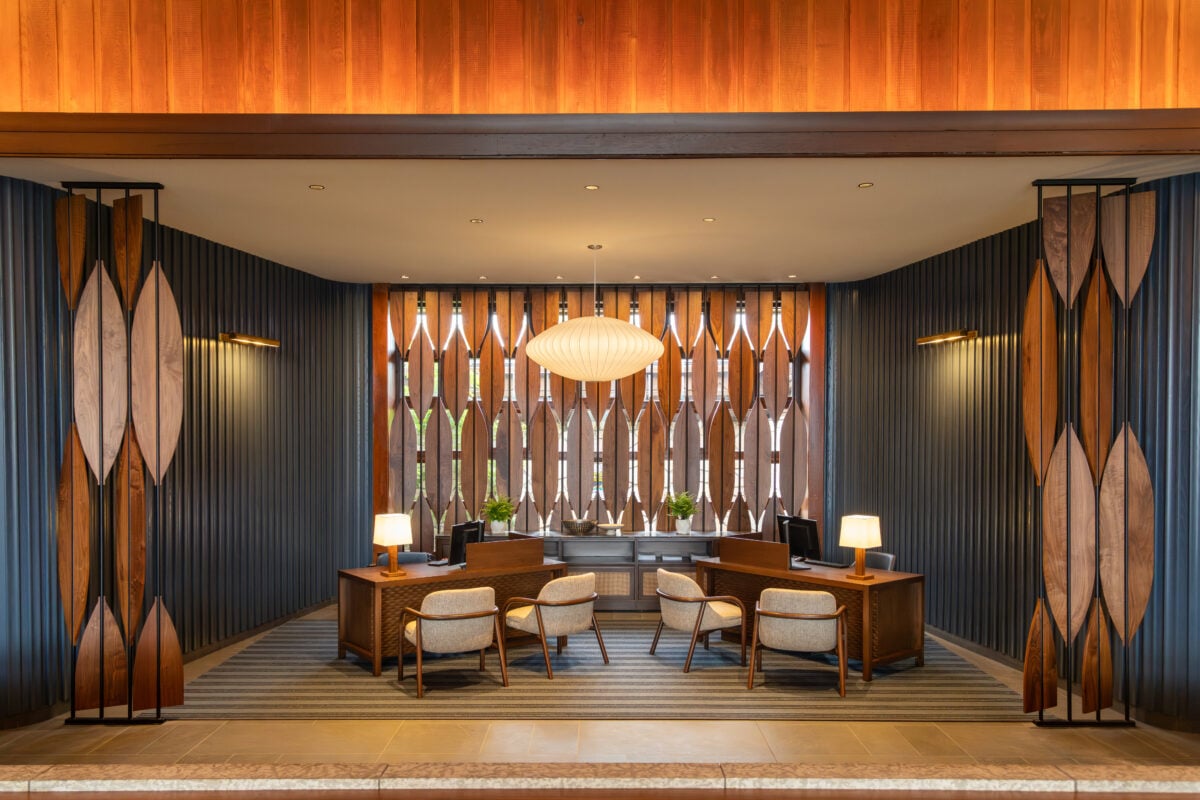
At the heart of the transformation is a reimagined Main Lodge and arrival experience that draws inspiration from Jasper’s skies, forests, and glacial landscapes, inviting guests to begin their Jasper experience with purpose, said the hotel.
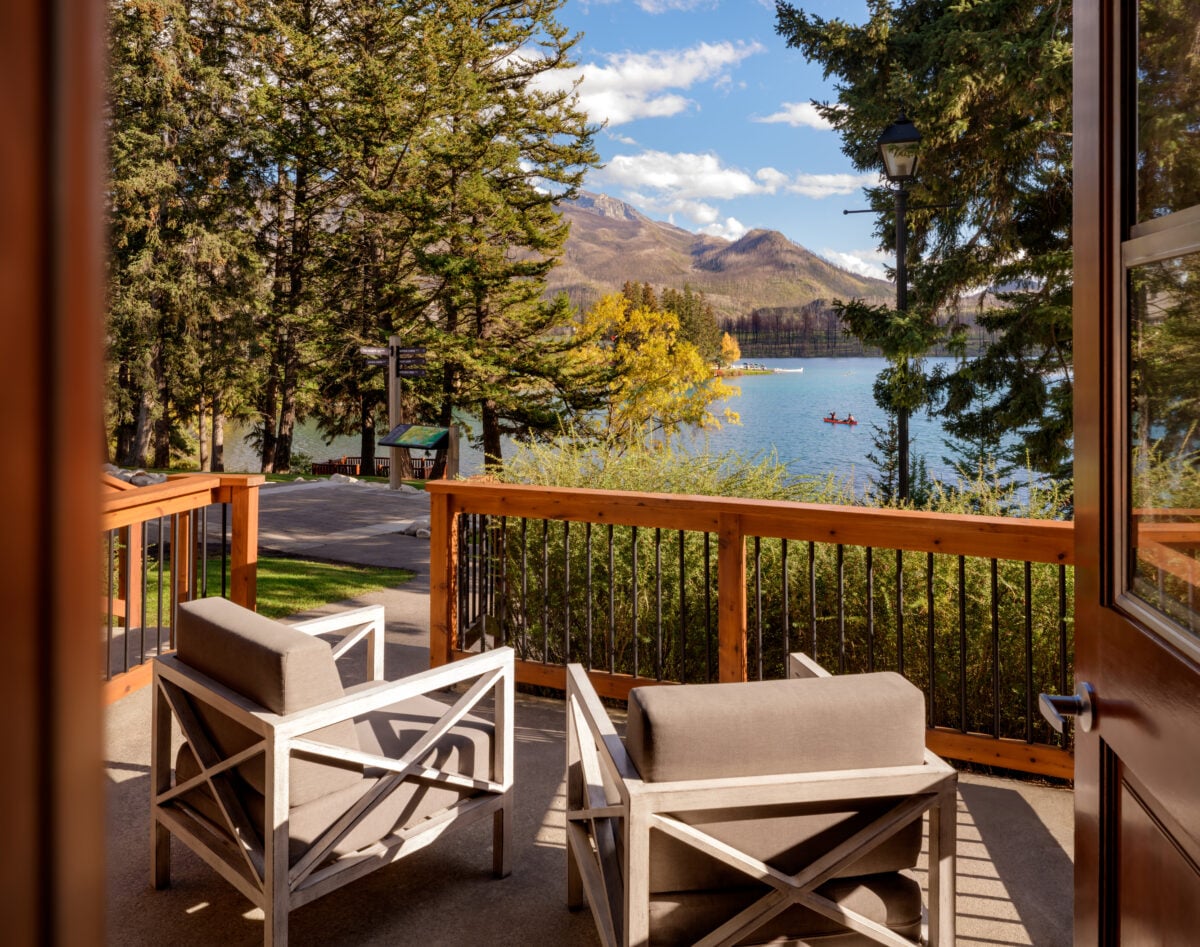
The refreshed lobby welcomes guests into a space that feels both celestial and grounded in nature – an immersive introduction that sets the tone for a stay defined by connection, restoration, and awe. Guests can also take in picturesque panoramic views of Lac Beauvert and Whistlers Mountain upon arrival by stepping out onto the iconic new lakeside patio, it explained.
Anchoring the promenade is Embark Outpost + Provisions, a thoughtfully reimagined general store and adventure hub designed as the starting point for each day’s journey. Here, guests can book guided experiences through the Adventure Concierge, prepare for outdoor excursions, enjoy locally roasted coffee and trail snacks, and discover artisan goods inspired by the region. Situated nearby, the anticipated home for the resort’s Camp JPL Adventure Club – set to debut in late summer – will be a vibrant basecamp for young explorers and their families, offering fully supervised programming for children ages 5-12. From nature walks and wilderness skills to creative play and immersive storytelling, the space is designed to spark imagination and for children to roam, discover, and forge a deeper connection with the natural surroundings, it added.
Jasper Park Lodge
“When you invest in a place like Jasper, with such deep ties to Canada and its history, you take on a responsibility that goes well beyond the property itself. We’re proud of this extensive transformation, which reflects not only our long-term conviction in timeless, elevated hospitality experiences, but also our commitment to Canadian communities like Jasper – where continued investment helps support long-term resilience and growth,” said Tyler MacDonald, Senior Vice President and Head of Hotels at Oxford Properties. “Working closely with our long-time partners at Accor and design firm HBA, our team has reimagined the Lodge in a way that respects its heritage while positioning it for its next chapter. Set within its iconic wilderness setting, Fairmont Jasper Park Lodge will continue to be a special destination – for the community and for visitors alike.”
Tyler MacDonald
This marks the latest in a series of investments by owner Oxford Properties in Canada, where the firm has committed more than $2 billion since 2025.
More than 330 of the 397 guest rooms, suites, and Signature Cabins, have been renewed and redesigned
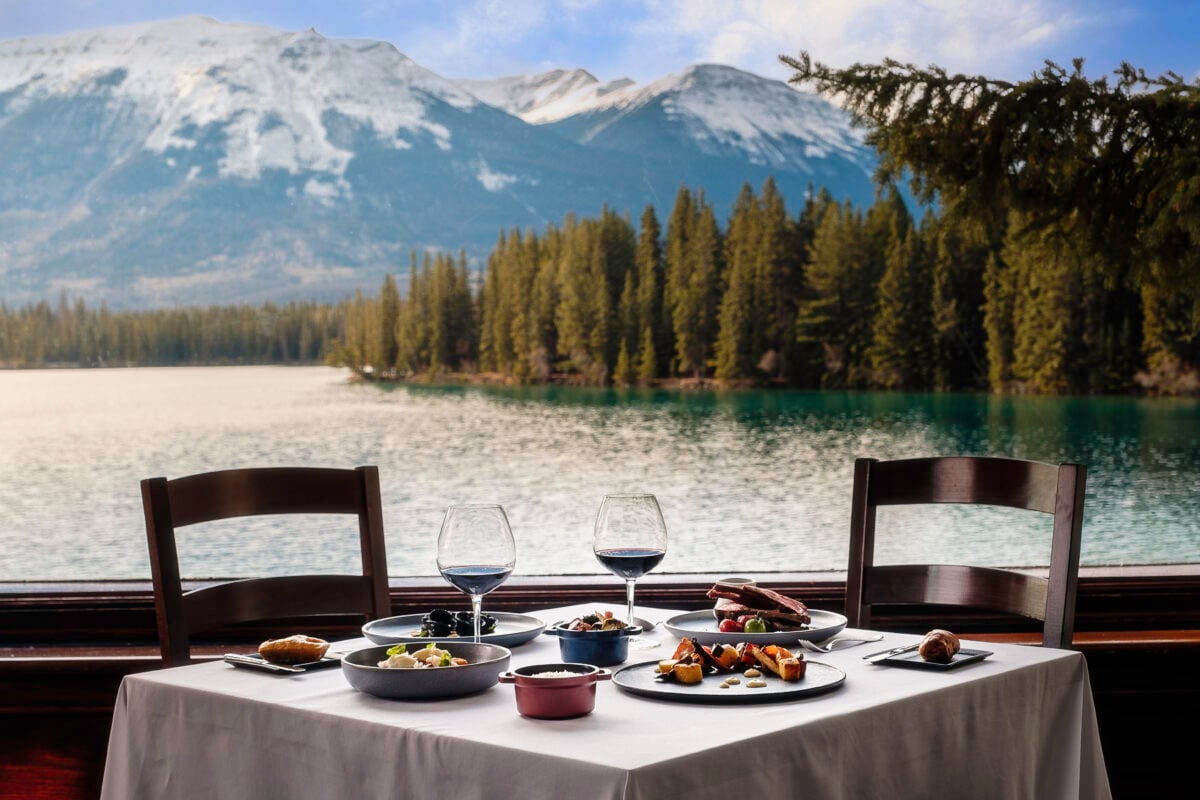
“As part of its next chapter, the resort introduces a collection of story‑driven signature dining experiences shaped by the landscape, seasons, and untold stories of Jasper National Park. Across these three distinctive signature dining venues, inspiration is drawn from the region’s ever‑changing skies, surrounding forests, and elemental contrasts. These culinary destinations invite guests to embark on gastronomic journeys that celebrate elevated local ingredients, inventive preservation, zero‑waste techniques, and attentive service, where every meal feels both rooted and exploratory,” it said of the three dining areas, Lume, Elderwood and The Barbicon.
Fairmont Hotels & Resorts’ portfolio includes 96 hotels.
Future Giorgio Armani store/Armani Café at Oakridge Park in Vancouver, May 2026. Photo: Craig Patterson
Canada’s luxury retail landscape is entering a new phase of expansion as global fashion houses increasingly concentrate investment into a relatively small number of high-performing retail destinations. The trend is reshaping shopping centres and luxury districts in Toronto and Vancouver while creating new opportunities in select markets across the country.
Few firms have been more involved in that evolution than Toronto-based DWSV Realty. Founded by David Wedemire and Stan Vyriotes, the brokerage has participated in a significant number of Canada’s most prominent luxury retail transactions in recent years, including major leasing activity at Vancouver’s Oakridge Park and Toronto’s Yorkdale Shopping Centre.
The firm’s recent work offers insight into how luxury brands increasingly view Canada as a strategically important market and how landlords are competing to secure globally recognized fashion houses capable of driving prestige, productivity and long-term customer traffic.
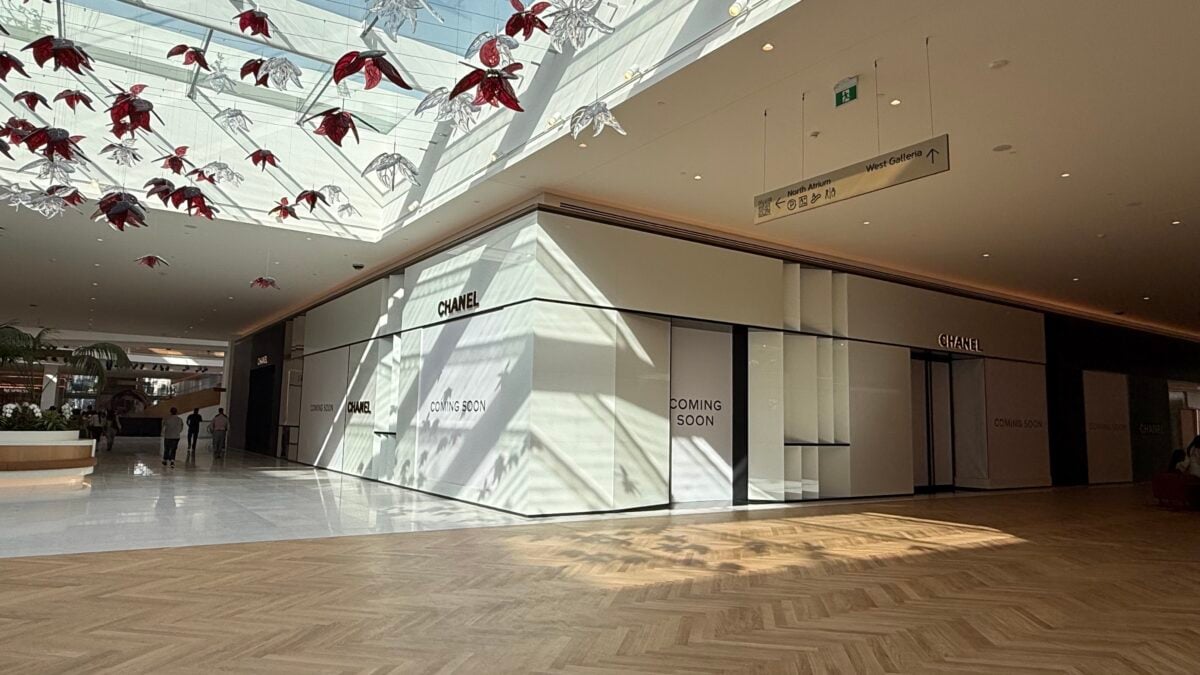
Chanel at Oakridge Park in Vancouver, May 2026. Photo: Craig Patterson
Oakridge Park Emerges as a New Luxury Retail Powerhouse
Few projects illustrate the changing dynamics of luxury retail in Canada more clearly than Oakridge Park.
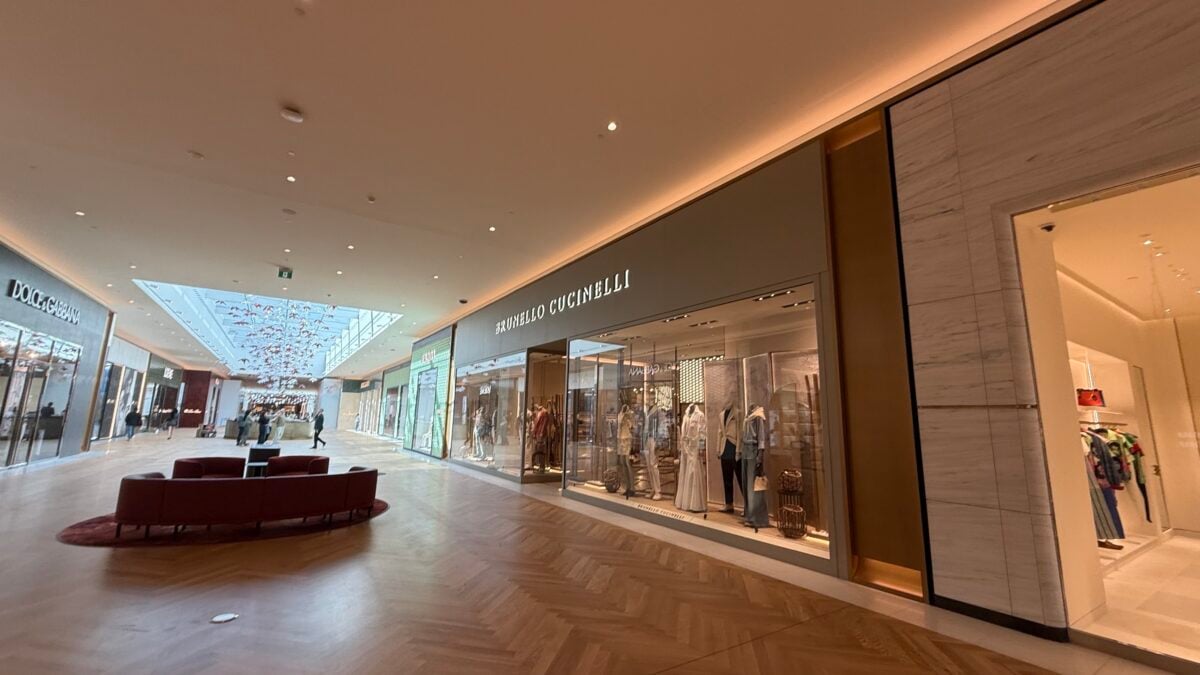
The massive mixed-use redevelopment on Vancouver’s west side recently opened with one of the strongest luxury retail lineups assembled in Canada in recent years. More than 30 luxury brands are expected to operate within the development, creating one of the country’s largest concentrations of luxury retail outside of traditional downtown shopping streets.
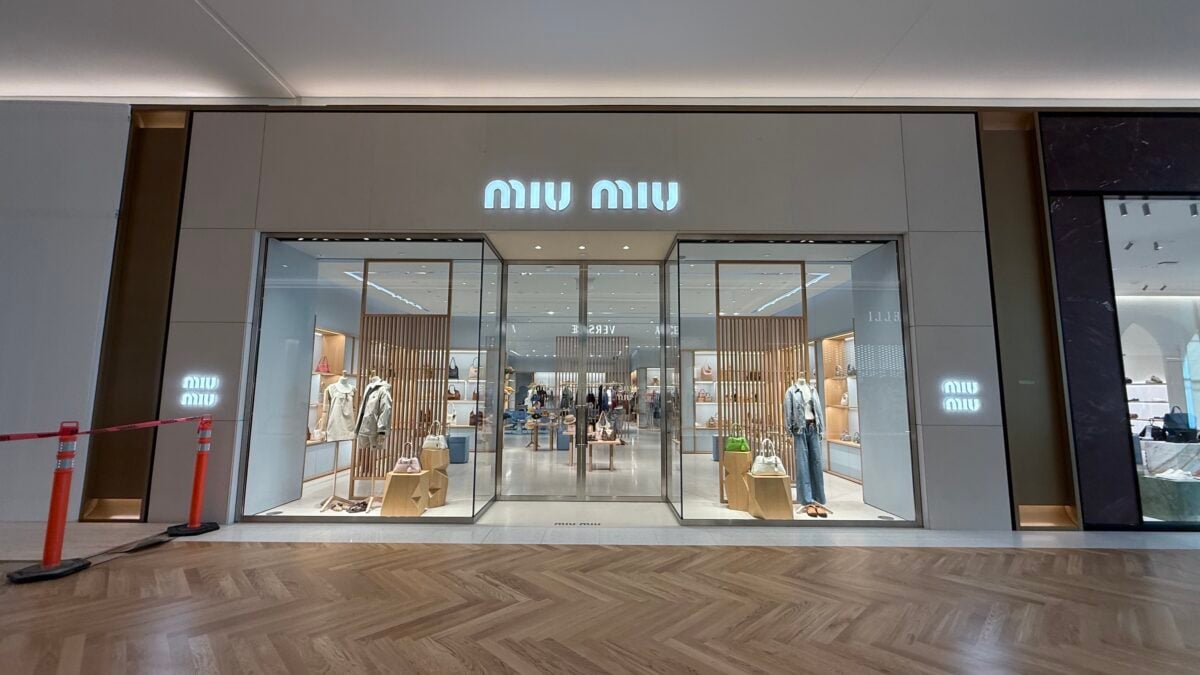
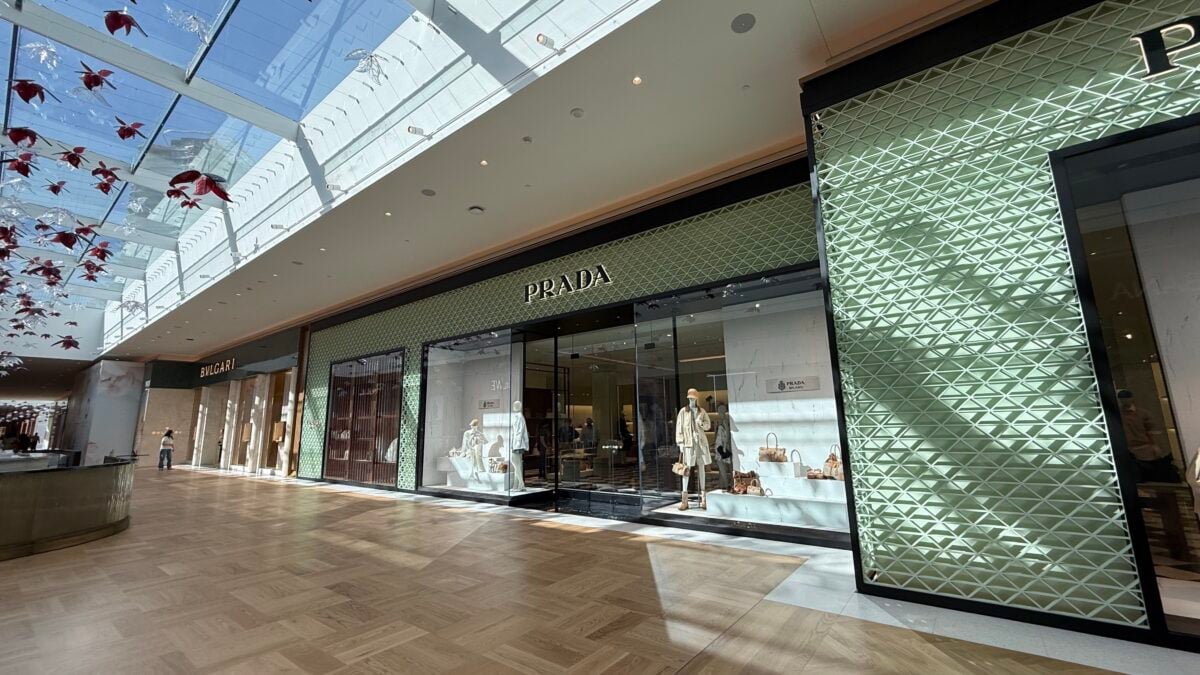
According to discussions with DWSV Realty, the brokerage represented several brands opening within Oakridge Park, including Chanel, Prada, Miu Miu, Versace, Maison Margiela, Thom Browne, Brunello Cucinelli, Coach and Giorgio Armani.
The Giorgio Armani boutique is currently under construction and is expected to open this fall alongside Canada’s first Armani Café. During a recent visit to Oakridge Park, construction hoarding for both the boutique and café was visible within the shopping centre. The café will feature a patio seating area adjacent to the premises, adding another experiential element to Oakridge Park’s growing luxury offering.
Oakridge Park in Vancouver, May 2026. Photo: Craig Patterson
DWSV Realty said many of the Oakridge Park transactions were completed alongside Sacha Singh, Vice President, Leasing at QuadReal Property Group, who has played a significant role in assembling the development’s luxury retail roster.
According to DWSV Realty, additional luxury retail announcements are expected in the future as leasing activity continues and the project’s merchandising strategy evolves.
Oakridge Park differs from many traditional luxury shopping environments because of its integration of luxury retail with residential towers, office space, food and beverage concepts, cultural programming, public gathering areas and direct rapid transit connectivity.
The project increasingly is being viewed within the retail real estate industry as a new model for luxury-oriented mixed-use development in Canada.
Discussions with DWSV Realty also suggested that Oakridge Park has the potential to emerge as one of Canada’s most productive shopping centres over time, potentially rivaling Yorkdale Shopping Centre in future ICSC sales productivity rankings.
That comparison is significant given Yorkdale’s longstanding position as Canada’s dominant enclosed luxury shopping centre and one of North America’s highest-performing malls by sales productivity.
Miu Miu at Oakridge Park in Vancouver, May 2026. Photo: Craig Patterson
Yorkdale Continues Defining Luxury Retail in Canada
Yorkdale Shopping Centre remains the benchmark for enclosed luxury retail in Canada, having spent years building a concentrated roster of international fashion brands supported by substantial landlord investment and continual expansion.
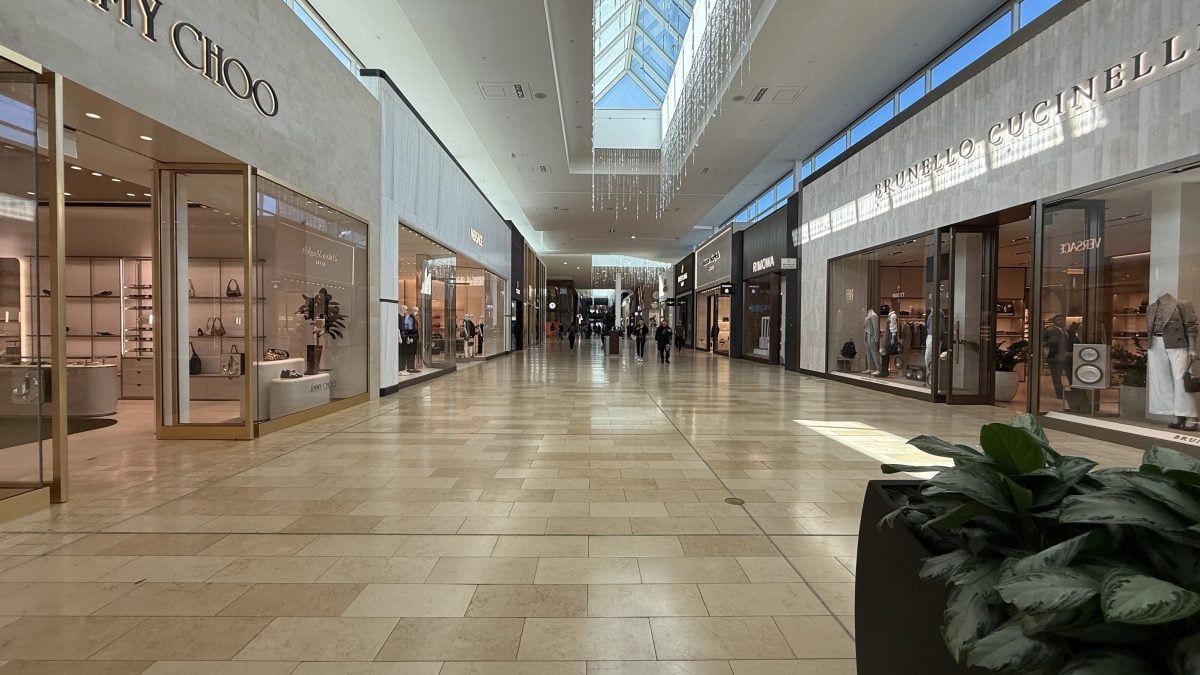
According to discussions with DWSV Realty, the brokerage completed five of the eleven leasing transactions tied to Yorkdale’s recent luxury expansion, while Oxford Properties handled the remaining transactions directly.
The brands represented by DWSV in Yorkdale’s new luxury wing included Tom Ford, Brunello Cucinelli, Jimmy Choo, Versace and Maison Margiela.
The simultaneous growth of luxury retail at both Yorkdale and Oakridge Park reflects a broader shift in strategy among luxury brands operating in Canada. Rather than pursuing broad market saturation, many fashion houses are concentrating investment into a limited number of flagship-calibre environments capable of supporting immersive store concepts, premium co-tenancy and exceptionally high consumer spending levels.
While Toronto historically has served as Canada’s dominant luxury retail market, Vancouver increasingly is being viewed as a critical secondary luxury node with growing international importance.
Oakridge Park’s emergence alongside Vancouver’s established Alberni Street luxury corridor further reinforces the city’s expanding role within Canada’s luxury retail hierarchy.
New luxury wing at Toronto’s Yorkdale Shopping Centre. Photo: Craig Patterson
Luxury Retail Environments Becoming More Sophisticated
The evolution of projects such as Oakridge Park also reflects broader changes in how luxury retail environments are being developed globally.
Rather than functioning solely as shopping destinations, many modern luxury projects increasingly combine fashion, dining, entertainment, wellness, hospitality, residential density and public space into highly integrated lifestyle environments designed to encourage longer visits and deeper customer engagement.
The forthcoming Armani Café at Oakridge Park reflects that trend. Increasingly, luxury brands are expanding beyond traditional retail formats into food, beverage and hospitality concepts that allow customers to engage with brands in new ways.
The evolution of luxury retail environments is also influencing how major luxury conglomerates approach leasing negotiations.
According to discussions with DWSV Realty, major luxury groups such as LVMH often negotiate multiple brands collectively rather than through separate broker-led transactions. The approach allows luxury groups to coordinate store placement, co-tenancy relationships and broader market positioning strategies across their portfolios.
The increasing sophistication of those negotiations underscores how strategically important Canada has become within broader North American luxury expansion plans.
Prada at Oakridge Park in Vancouver, May 2026. Photo: Craig Patterson
Calgary and Montreal Increasingly Enter Luxury Discussions
Beyond Toronto and Vancouver, luxury retail expansion is increasingly extending into additional Canadian markets.
Discussions with DWSV Realty pointed to growing activity in Calgary and Montreal as luxury brands continue evaluating long-term opportunities outside Canada’s two largest luxury retail centres. Additional announcements tied to British Columbia and Montreal may emerge in the coming months.
Calgary is particularly noteworthy because the city historically has maintained a more limited mono-brand luxury retail presence compared with Toronto and Vancouver, though interest in the market appears to be growing.
Montreal also remains a closely watched luxury market given its strong fashion identity, affluent neighbourhoods and established retail corridors, though luxury expansion there has been more selective in recent years.
Competition Intensifying Among Canada’s Luxury Retail Nodes
The broader picture emerging across Canada is one of increasing competition between a relatively small number of elite luxury retail environments.
Yorkdale remains the country’s established enclosed luxury powerhouse. Oakridge Park is emerging as a major new challenger built around a different model centred on mixed-use density, public space and Vancouver’s growing international profile. Bloor-Yorkville and Alberni Street continue serving as Canada’s dominant luxury high streets, while Calgary and Montreal increasingly are attracting attention as potential future growth markets.
For landlords, the stakes are significant. Luxury tenants help shape the identity of a property, attract additional premium retailers and strengthen long-term productivity potential.
As international luxury brands continue evaluating where to expand within Canada, the country’s luxury retail landscape appears poised for continued evolution. Increasingly, the most competitive projects may be those capable of offering more than retail space alone, combining architecture, experience, co-tenancy, transit connectivity and mixed-use density into fully integrated luxury environments.
A fresh new player is bringing style, convenience and innovation to Canada’s mobile accessories and electronics retail sector, says commercial real estate broker Think Retail.
Cellzy, a new modern retail concept focused on accessories, electronics and repair services, is preparing for an aggressive launch phase, with plans to open five new locations in 2026, said Tony Flanz, founder and principal of Think Retail.
“Designed for today’s connected consumer, the concept combines an extensive assortment of phone cases, accessories, electronics and repair services under one roof, creating a convenient one-stop contemporary destination for modern consumers living connected lifestyles,” said Flanz.
Tony Flanz
Think Retail is partnering with Cellzy as it debuts its retail concept in key markets in Ontario and British Columbia.
“What sets Cellzy apart is its elevated approach to a retail category that has traditionally been dominated by utilitarian kiosks and cluttered storefronts. The brand’s contemporary design features warm, inviting finishes, modern merchandising displays, digital screens, dedicated repair workstations and a carefully curated product mix that appeals to a broad customer base, from teenagers to seniors. The goal is to create an engaging retail environment that encourages browsing and discovery,” explained Flanz.
Flanz said the company aims to provide a better shopping experience: “Consumers rely on their mobile devices more than ever before, and they’re looking for products and services that reflect both their lifestyle and personal style.”
With four key revenue streams—phone cases (Android and IOS), electronics, accessories and repair—Cellzy offers multiple points of customer engagement while encouraging repeat visits, he added.
“This range makes the concept particularly attractive for landlords seeking tenants that can maximize productivity while enhancing the overall customer offering. Mobile accessories and electronics remain resilient retail categories driven by continual device upgrades, evolving technology trends and ongoing demand for repair services,” said Flanz.
Designed with flexibility in mind, ideal Cellzy locations are in regional and super regional malls in two formats—inline stores of about 750 square feet and kiosks of 100 square feet, he added.
HEAL Wellness, part of the Happy Belly portfolio, has been building serious momentum across Canada.
What started as a single Ontario location has now grown to more than 37 locations across the country, with a new U.S. expansion underway and a goal of reaching 100 locations across Canada and the U.S. by the end of 2026.
HEAL is scaling through franchising, expanding into new markets, and building a fast-casual wellness concept with traction among younger Millennial and Gen Z consumers.
The brand has also built a highly engaged community across Instagram and TikTok, creating the kind of organic demand that is helping drive awareness, foot traffic, and franchise interest.
Jesse Davidson
HEAL’s Co-Founder and Brand Leader Jesse Davidson talks about the growth of the brand and what’s next.
Question: Before HEAL became a national wellness brand, what was the original idea behind it? Can you share the origin story of the brand and what gap you felt HEAL could fill in the food and wellness space?
Answer: HEAL started with a simple belief: healthy food should taste incredible and fit naturally into people’s lives. At the time, many wellness brands felt intimidating or overly serious. We saw an opportunity to create something more approachable. From day one, HEAL was about more than smoothies and bowls. We wanted to build places where people could connect, recharge, and feel good about what they were putting into their bodies. We combined purposeful ingredients with an energetic, community-driven experience that made wellness feel fun rather than restrictive.
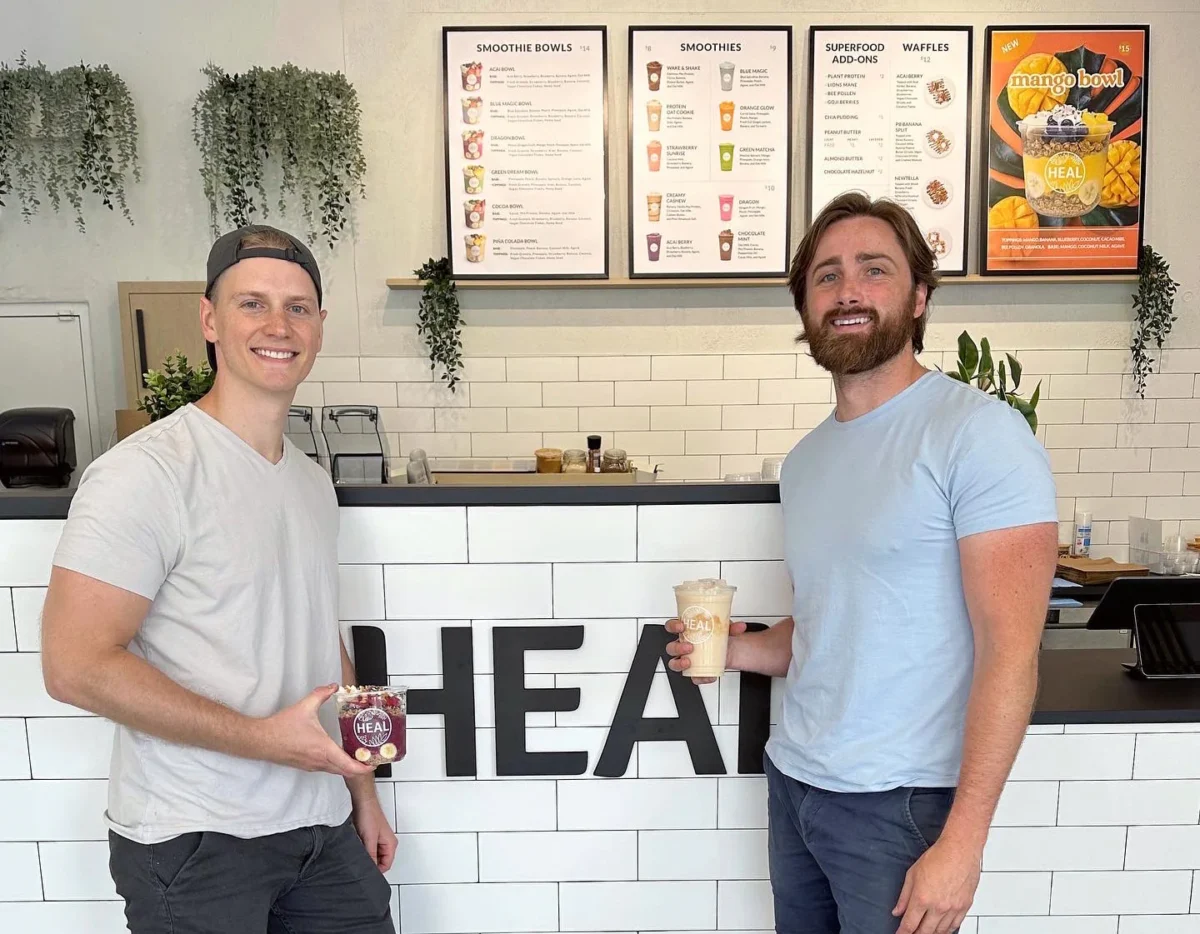
Jay Zuccato and Jesse Davidson (right), co-founders
Q: Can you share a bit about your own journey as Co-Founder and Brand Leader?
A: I’ve always been passionate about health, fitness, and entrepreneurship. HEAL allowed me to combine all three. In the early days, I did everything from making smoothies and cleaning stores to marketing and site selection. Today, my role is focused on growing and protecting the brand while ensuring we never lose sight of what made people connect with HEAL in the first place. As we’ve grown, my focus has shifted from operating stores to building a brand and culture that can scale across North America.
Q: HEAL started as one Ontario location and has now grown to 37+ locations across Canada. Can you walk us through that growth story?
A: Our growth has been driven by creating something people genuinely love. We focused on serving great products, building strong communities around our stores, and creating a brand that people wanted to be part of. That combination attracted passionate franchise partners who believed in the vision and wanted to bring HEAL to their own communities. The result has been steady, organic growth across Canada. At the end of the day, people connect with brands that stand for something, and we’ve worked hard to build that connection.
Q: HEAL is now expanding into the U.S. and has a goal of reaching 100 locations across Canada and the U.S. by the end of 2026. What does this next stage of growth look like?
A: The next phase is about thoughtful expansion. We’re focused on building density in existing markets while strategically entering new ones across both Canada and the United States. The wellness category continues to grow, and consumers are increasingly looking for brands that combine quality, convenience, and lifestyle. We believe HEAL is uniquely positioned to meet that demand. Most importantly, we’ve spent years building the systems and infrastructure needed to support growth at scale.
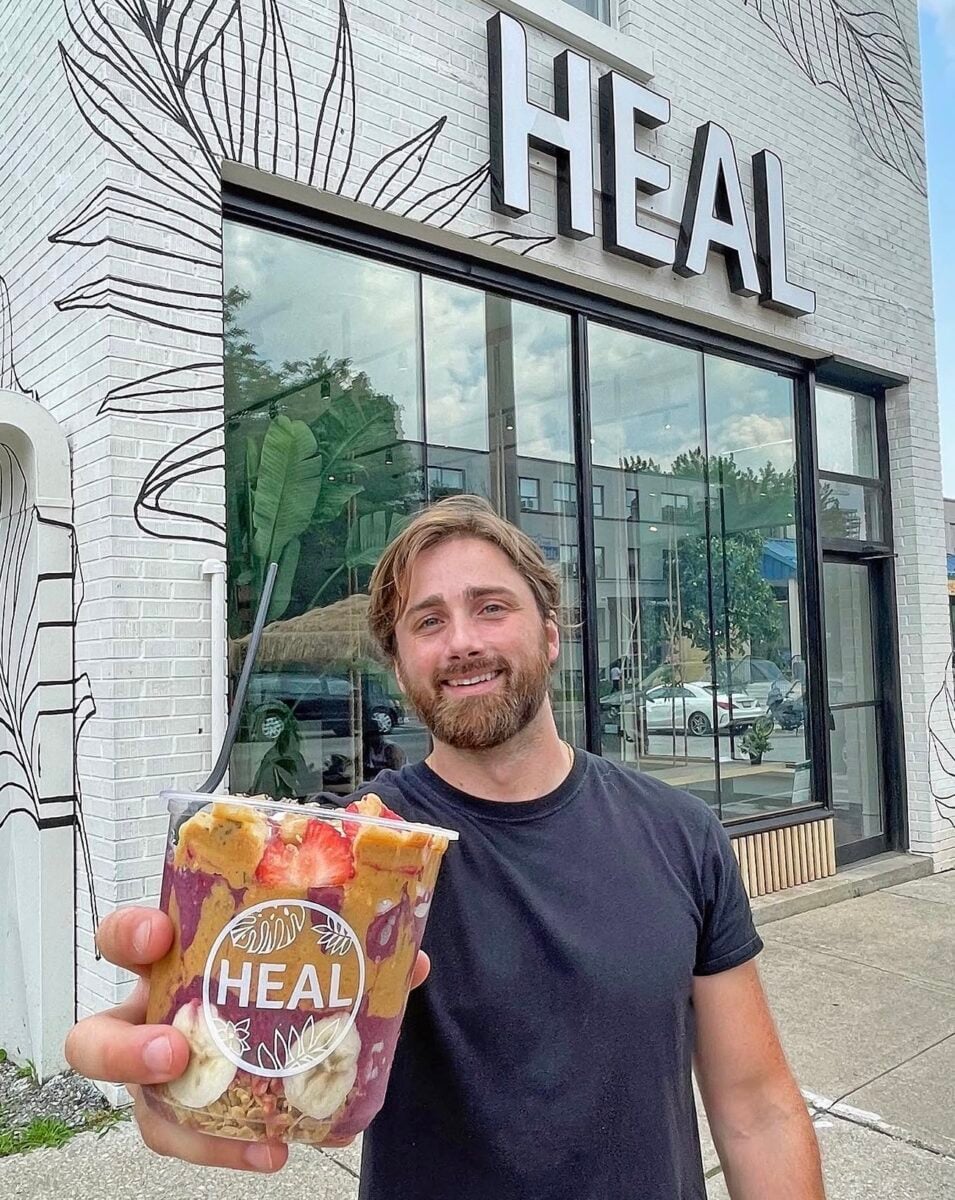
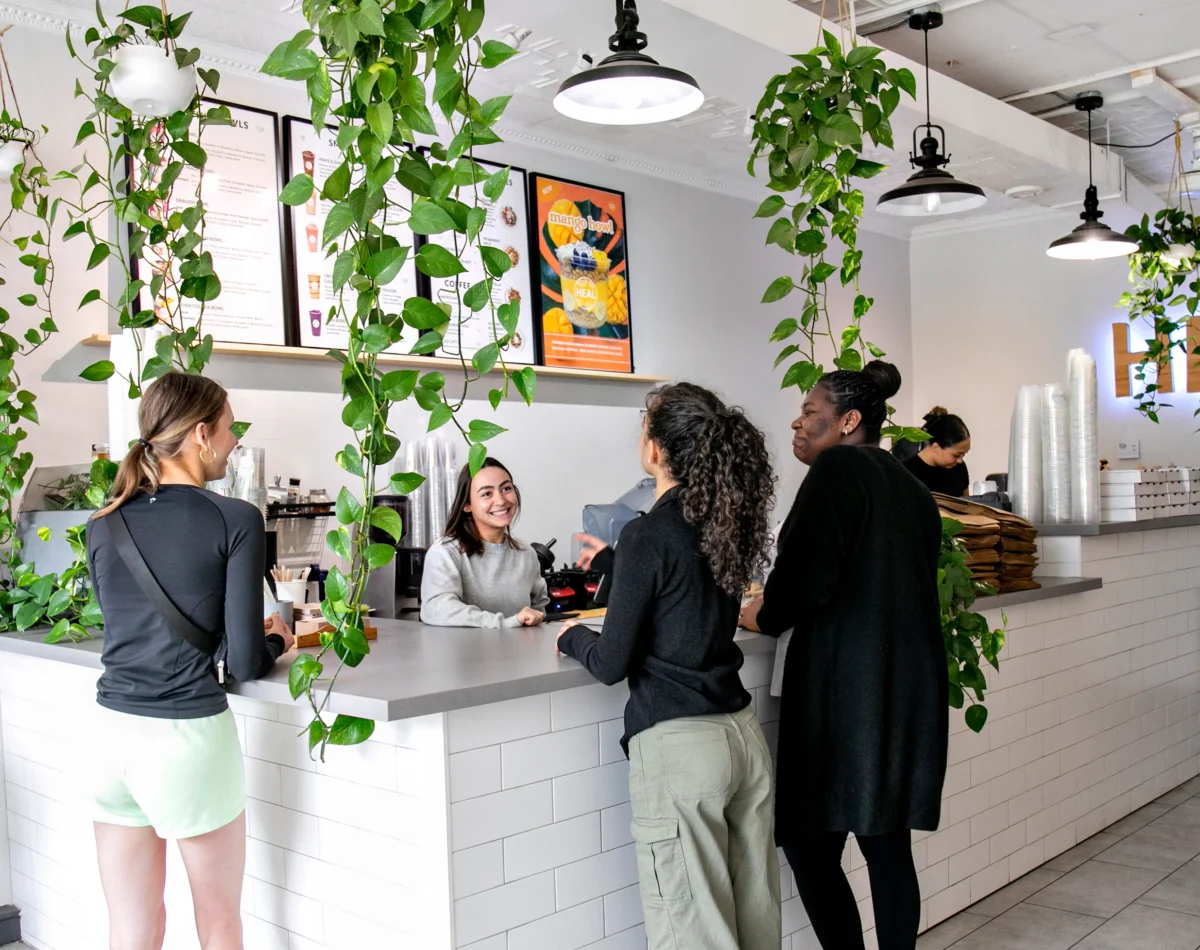
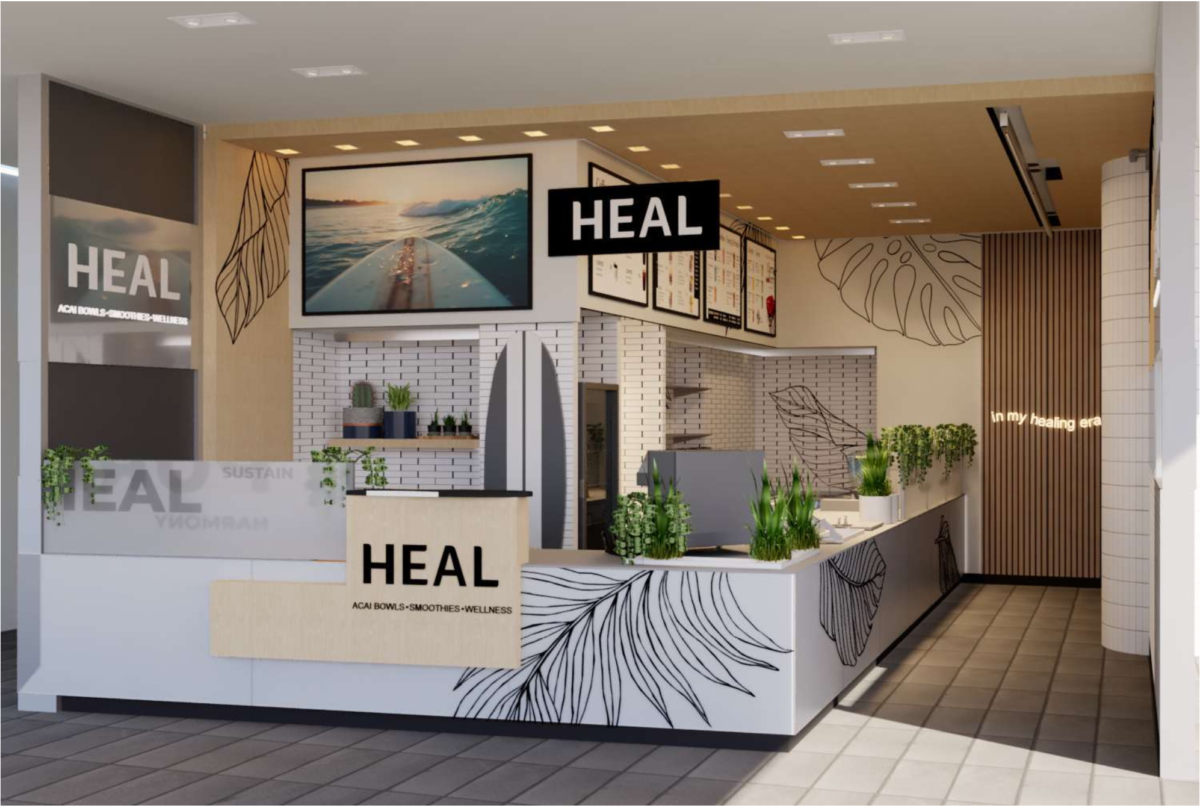
HEAL Wellness photo
Q: How does HEAL fit into Happy Belly’s broader growth strategy alongside brands like iQ Food Co.?
A: HEAL serves a consumer who is looking for healthier, functional food options without sacrificing taste or experience. What makes HEAL unique is that we’ve built a highly recognizable lifestyle brand around wellness and community. We don’t just sell products. We create experiences and environments that people want to return to. That combination of strong consumer demand, brand loyalty, and scalability makes HEAL an important part of the Happy Belly portfolio.
Q: How has the franchise model helped the brand expand while maintaining consistency?
A: Franchising has allowed us to partner with local entrepreneurs who are passionate about their communities. While every market is unique, the HEAL experience remains consistent through strong training, operational systems, and ongoing support. We empower franchisees to build local relationships while ensuring the brand standards remain consistent across the network. It’s a balance of local ownership and national brand strength.
HEAL Wellness photo
Q: How is HEAL’s franchise model creating opportunities for entrepreneurs?
A: One of the most rewarding parts of our growth has been watching franchisees build successful businesses of their own. We’re giving entrepreneurs the opportunity to join a fast-growing wellness brand with proven systems, strong support, and a category that continues to gain momentum. For many, it’s an opportunity to own a business while making a positive impact in their community.
Q: The restaurant industry has been challenging. How has HEAL continued to grow?
A: Consumers continue to prioritize health and wellness, even during challenging economic times. We’ve remained focused on delivering value through quality products, a strong guest experience, and a brand that people trust. We also take a disciplined approach to growth and operations, which has helped us navigate industry challenges while continuing to expand.
Q: How has social media helped drive awareness and demand?
A: Social media has been a major driver of our growth because it allows us to connect directly with our community. HEAL is a highly visual brand, but what really resonates is the authenticity. We showcase real customers, real franchisees, and real moments happening inside our stores. That connection has helped us build strong engagement and turn customers into brand advocates.
Q: What do you think younger consumers are responding to most when it comes to HEAL?
A: I think they’re responding to the combination of fun and function. They want products that support their lifestyle, but they also want brands that feel authentic and create a sense of belonging. The menu is important, but so is the experience, the community, and the overall brand. People want to be part of something, and that’s what we’ve worked hard to build.
HEAL Wellness photo
Q: How do you balance rapid growth while keeping the brand community-driven?
A: Community has always been at the centre of HEAL. Whether it’s local partnerships, school programs, charity initiatives, or grassroots events, we encourage every location to be actively involved in its community. As we grow, we don’t want stores to feel more corporate. We want them to feel more connected. Growth is important, but staying true to who we are is even more important.
Q: Looking ahead, what are you most excited about for HEAL’s next chapter?
A: I’m excited about introducing HEAL to new communities across North America. We still believe we’re at the beginning of our journey. There is tremendous opportunity ahead, not just to grow the business, but to continue building a brand that inspires healthier lifestyles and stronger communities. If we’ve learned anything so far, it’s that we’re building something much bigger than smoothies and bowls.
Mayors from Canada’s largest cities are urging the federal government to boost infrastructure funding, tackle homelessness and address public safety concerns as part of a push to strengthen downtown cores and support economic growth.
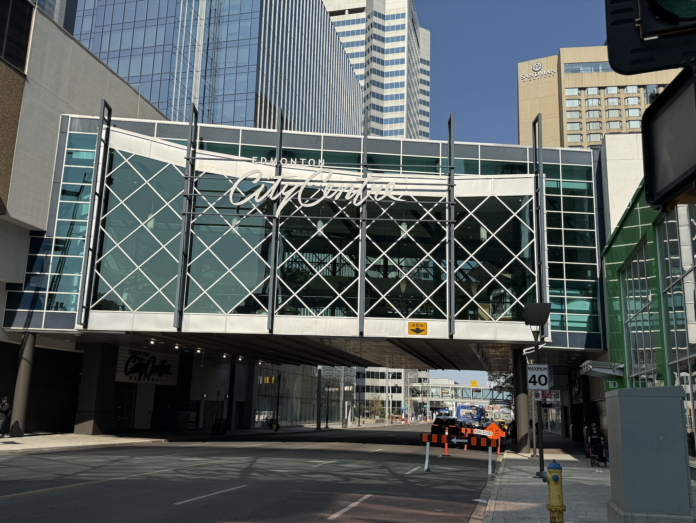
The Big City Mayors’ Caucus, representing 23 municipalities, outlined a set of priorities this week ahead of the Federation of Canadian Municipalities’ annual conference in Edmonton, positioning them as key measures to help attract investment and sustain economic activity in urban centres.
City leaders say revitalizing downtowns is central to broader national economic goals, with impacts on employment, business activity and community well-being. The proposals are aimed at shaping federal decisions ahead of Budget 2026 and focus on infrastructure, housing and crime.
“Strong nations need strong downtowns. They are where investment takes shape; culture thrives, and some of our most pressing challenges intersect,” said BCMC chair Josh Morgan. “Canada’s economic success depends on vibrant downtowns, where housing, public safety, mobility and infrastructure work together to create places of opportunity, foster civic pride, support local businesses, and build strong, connected communities.”
Among the priorities, mayors are calling for increased and more predictable federal infrastructure funding to support transit systems, roads and bridges. They argue that reliable transportation networks and efficient movement of goods are critical factors in business location decisions and urban growth.
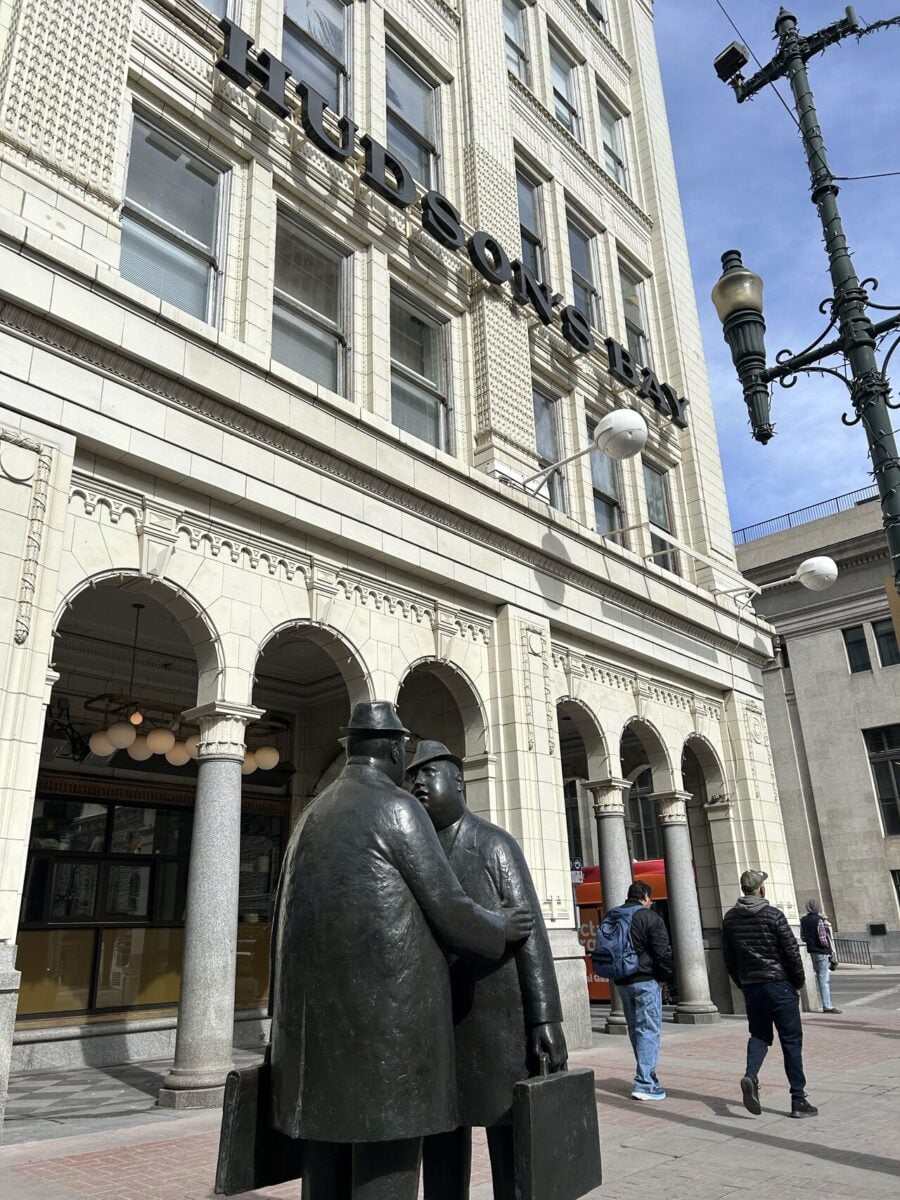
Hudson’s Bay downtown Calgary. Photo by Mario Toneguzzi
Specifically, the caucus is asking Ottawa to at least double the Community Stream of the Build Communities Strong Fund to provide municipalities with stable revenue for infrastructure projects. It is also seeking to restore the Canada Public Transit Fund to $30 billion and enhance it to ensure long-term investment keeps pace with population and economic growth.
Housing and homelessness form another major pillar of the proposal. The mayors point to rising homelessness as both a social and economic concern, warning it can undermine investor confidence and signal broader systemic challenges.
They are recommending the federal government invest $3.5 billion annually to cut chronic homelessness by at least half by 2030, in line with advice from the parliamentary budget officer. The group also wants homelessness prevention embedded in an updated National Housing Strategy and is calling for a federally led working group to co-ordinate responses across jurisdictions, including mental health, addictions services, income supports and affordable housing.
Public safety, particularly organized crime, is the third area of focus. The caucus says issues such as illicit drugs, gun violence and extortion are affecting cities across the country and increasingly involve youth.
To address these concerns, the mayors are proposing enhancements to the Building Safer Communities Fund to expand community-based crime prevention initiatives. They also want the creation of a federal table bringing together municipal leaders and departments responsible for public safety, immigration and justice to examine enforcement gaps and co-ordinate responses, including consideration of international practices.
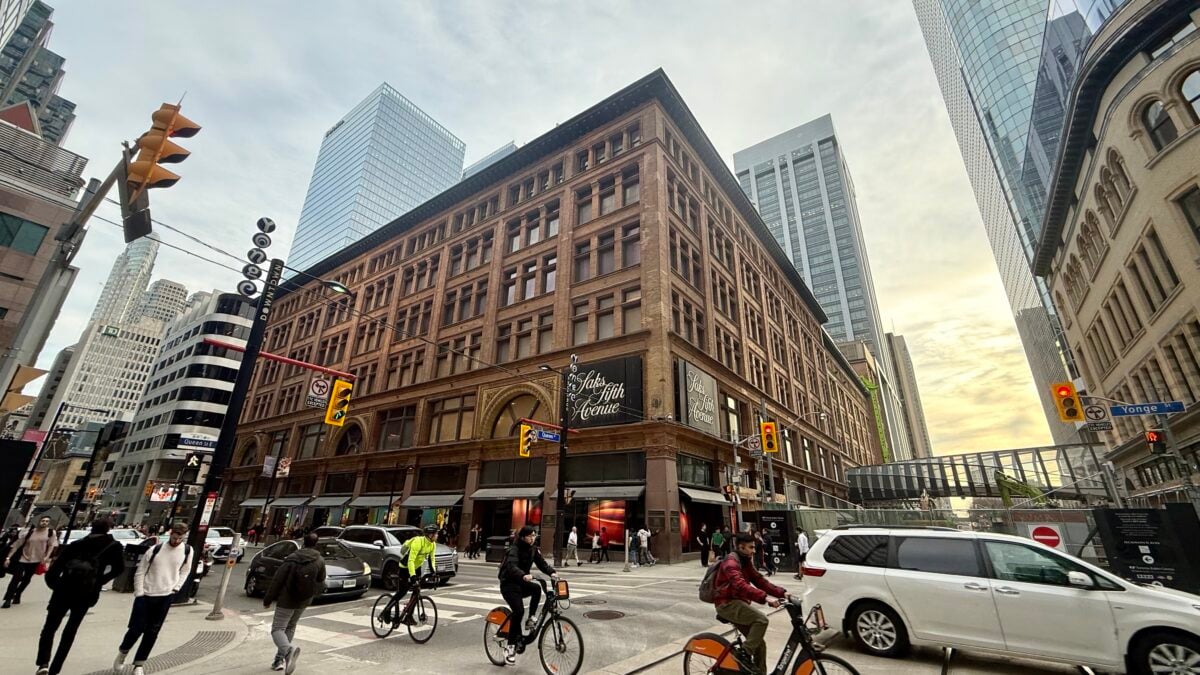
Hudson’s Bay/Saks Fifth Avenue flagships in downtown Toronto. The building at 176 Yonge Street began its life in 1898 as a Simpsons store. Photo taken April 23, 2025 by Craig Patterson
“Cities see the connection between homelessness, mental health, addictions, public safety, and the health of our downtowns every day,” said BCMC vice-chair Scott Gillingham. “In Winnipeg, we are working with frontline partners to better coordinate emergency response and community safety, but local action needs to be matched by sustained investment from federal and provincial governments. That means scaling up homelessness funding, supporting deeply affordable housing, and investing in the infrastructure that keeps downtowns safe, connected, and moving.”
The caucus says its recommendations reflect conditions being observed in communities across the country and represent initial steps toward strengthening urban cores and supporting long-term economic growth.
Ocgrow Group is moving into the luxury hospitality sector with the launch of a new hotel division, marking a significant expansion for the Calgary-based real estate developer as it looks to capitalize on rising tourism demand and shifting market conditions.
The company has introduced Ocgrow Hotels & Resorts, anchored by its flagship premium brand, Ocgrow Reserve, with its first suites now operating within the firm’s large-scale Greystone development in Cochrane.
Founder and CEO Harish Consul said the move follows years of evaluating the hotel sector and waiting for the right market conditions to align.
“We’ve been looking at the hotel industry for 20 years, and it hasn’t been the right time,” Consul said in an interview. “With COVID well behind us, room rates are rising, and there’s a lot of demand from international arrivals, especially in Alberta.”
Harish Consul
Strategic timing drives entry into hospitality
The decision reflects a broader strategy to diversify Ocgrow’s business beyond its core real estate operations, which include development, ownership and management.
Consul pointed to strong tourism trends and economic growth in Alberta as key drivers behind the expansion.
“We’ve got record growth, record venture capital and tech and the entire ecosystem,” he said. “People have really made a mind-shift here, and we’re seeing incredible interest in hotel rooms and finally really tourism for Alberta.”
The company’s first hotel offering is located within Greystone, a 150-acre master-planned community where Ocgrow is the largest developer and landlord. The development includes several thousand residential units and approximately 500,000 square feet of commercial retail space.
Consul said the overall Greystone project is about 65 to 70 per cent complete, with multiple residential and commercial components already occupied or operating.
“It’s really exciting. It’s one of the fastest-growing regions in Canada,” he said.
Pilot project tests demand for luxury suites
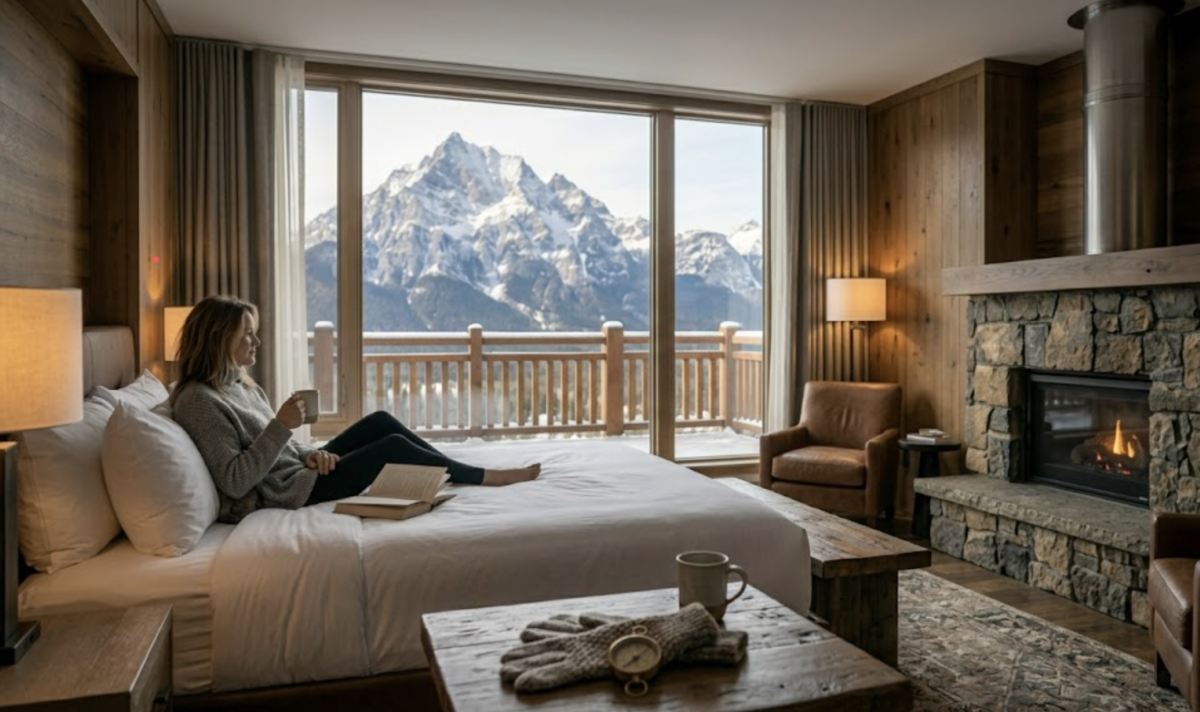
The Ocgrow Reserve suites are housed in a newly built structure within the Terez rental project at Greystone. The building includes 154 suites, with 76 currently designated under the Reserve brand as the company tests market demand.
“We’re also testing the market to see how much absorption and interest,” Consul said, adding the company has flexibility to increase the number of hotel units as needed.
The suites are positioned as high-end, all-suite accommodations aimed at visitors attending events at nearby facilities, including the SLS Centre, as well as families and travellers seeking premium lodging options in the area.
Consul described the concept as more than a traditional hotel offering, emphasizing technology and wellness as differentiating features.
“We’re really tech-focused. So we have AI-enabled hotel rooms,” he said. “There’s no more keys. It’s wireless entry with facial recognition.”
The company is also integrating wellness and longevity programming into the guest experience, which Consul said reflects growing global demand for health-focused travel.
“It’s really an experiential luxury hospitality service that we’re adding in addition to just a basic hotel room,” he said.
Ocgrow Group photo
Global expansion plans underway
While the initial launch is centred in Cochrane, Ocgrow is already pursuing an international growth strategy for its hotel division.
Consul said the company is in negotiations and site acquisition discussions in several global markets, including Dubai, Goa in India and coastal Portugal.
“We’re building a global hospitality brand headquartered in Calgary with a very extensive international strategy already underway,” he said.
He added that Western Canada, particularly the Calgary region and Cochrane, will remain a primary focus alongside international expansion.
“We’re very bullish on Cochrane,” Consul said.
The company’s global ambitions are supported by its existing international relationships through its venture capital activities, which Consul said provide access to opportunities in key markets.
Core real estate business remains central
Despite the push into hospitality, Consul said Ocgrow will continue to prioritize its real estate operations, which form the foundation of the business.
“We do the full stack,” he said. “We buy, build, manage, and asset management internally.”
At Greystone, that integrated approach includes residential projects such as Vertos and Terez, as well as commercial developments like Greystone Place, which is already home to a range of retail tenants.
The community also features amenities including parks, waterfront pathways and services such as daycare, medical and retail facilities, contributing to its positioning as a new urban hub within Cochrane.
Consul said the combination of real estate development and hospitality allows the company to enhance the overall destination experience while capturing additional value from visitors.
Ocgrow Group photo
Looking ahead
As Ocgrow advances its hotel strategy, the company will be closely monitoring demand and refining its model based on performance at its initial location.
Consul said the launch represents a major milestone for the company as it enters a new sector with long-term growth potential.
“This marks another major growth expansion for Ocgrow as we enter the luxury hospitality sector,” he said. “Ocgrow Reserve sets a new benchmark for premium accommodations and creates a powerful offering for guests and event organizers alike.”
With additional projects in the pipeline and international opportunities under review, he said the company is positioning itself to scale its hospitality platform in the years ahead.
“It’s very exciting for Calgary, very exciting for us,” Consul said.