DoorDash is welcoming three new national retailers to its platform in time for the holiday rush.
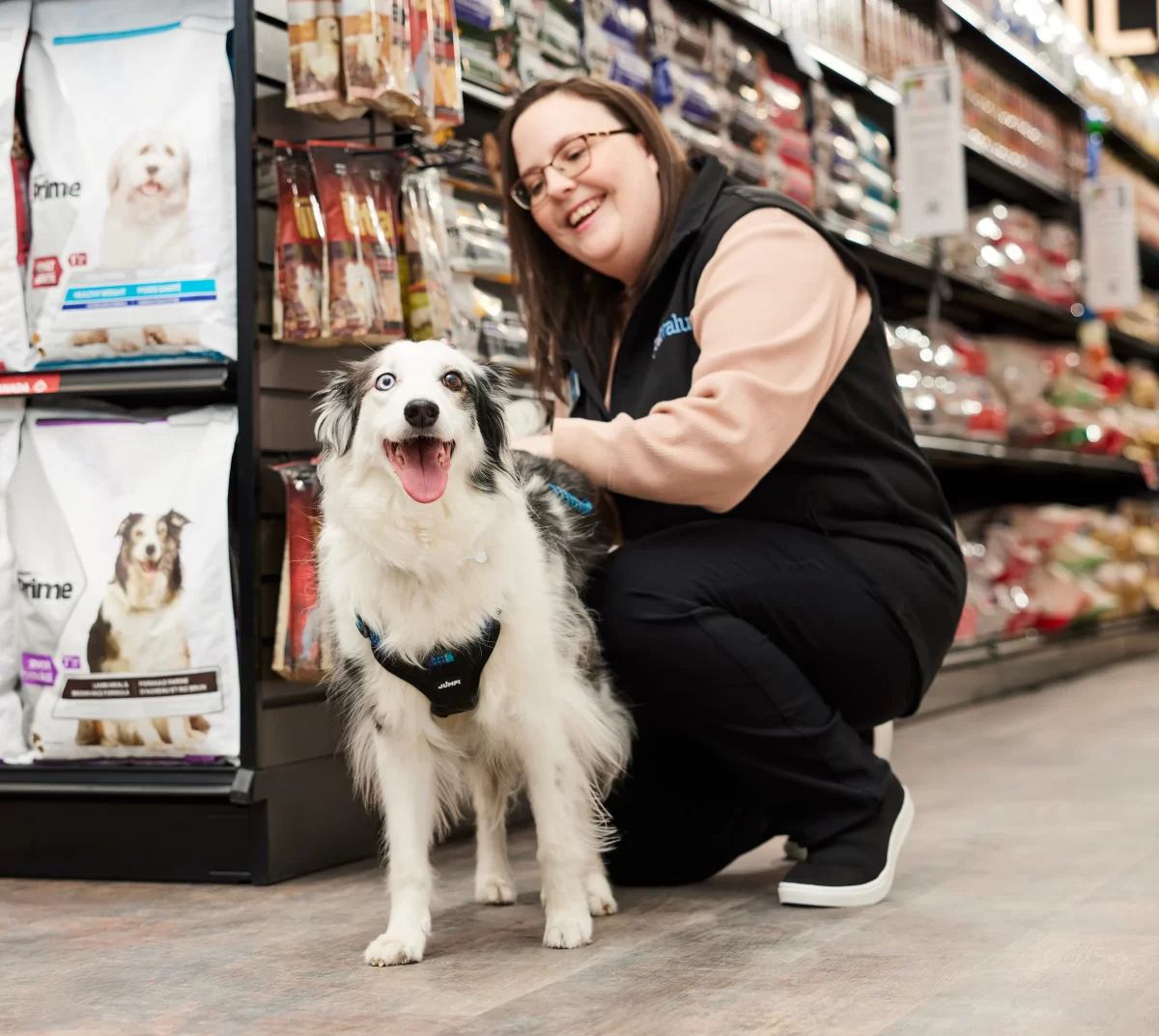
Pet Valu: Canada’s leading specialty retailer of pet food and pet-related supplies, Pet Valu, is now available on DoorDash at more than 600 stores across Canada, including regional banners Bosley’s®, Paulmac’s Pets®, Tisol®, and Total Pet®. With thousands of competitively priced products, from food and treats to toys and accessories, Canadians can get everything they need for their pets delivered straight to their door this holiday season. Consumers shopping on DoorDash can earn Pet Valu Your Rewards™ on all qualifying purchases – just like they can in-store.
MINISO: Now available on DoorDash at in-store pricing at more than 70 stores nationwide, MINISO offers a mix of affordable beauty, home, and lifestyle finds. From stocking stuffers to home décor, Canadians can shop MINISO’s design-forward products at in-store prices, all without leaving home.
Mastermind Toys: As one of Canada’s leading specialty toy retailers for over 40 years, Mastermind Toys is now available on DoorDash across nearly 50 stores in eight provinces – becoming the first toys-only retailer on the platform. Canadians can skip the holiday rush and get curated toys, books, and games delivered straight to their door, making it easier than ever to find the perfect holiday gift for every kid or kid at heart.
Photo: DoorDash
Tanbir Grover
“We know how important it is for devoted pet lovers to spend quality time with their pets so we’re always exploring new ways to simplify their lives, particularly during the busy holiday season,” said Tanbir Grover, Chief Marketing and Digital Officer at Pet Valu. “By teaming up with DoorDash, we’re providing busy pet parents with another way to conveniently get the quality products their pets require while giving them more time in their busy days to spend doing the things they love.”
These new collaborations come as RONA recently joined DoorDash as the first home improvement and construction retailer on the platform in Canada.
DoorDash said it connects consumers to more than 150,000 non-restaurant stores globally across its Marketplace and Platform services.
Kyra Huntington
“To help Canadians save even more this season, DoorDash is celebrating 12 Days of Deals from November 28 to December 9, featuring daily can’t-miss offers. Pet Valu, MINISO, Mastermind Toys and RONA will all be offering deals up to 40% off on DoorDash during 12 Days of Deals, so be sure to check DoorDash frequently to avoid missing out on some of the best deals of the holidays,” said the company.
“As Canadians gear up for one of the busiest times of the year, we’re giving them more of what they have come to love about DoorDash — speed, convenience, and greater choice,” said Kyra Huntington, General Manager of DoorDash Canada. “With trusted retailers like Pet Valu, MINISO, and Mastermind Toys now on the platform just in time for 12 Days of Deals, we’re making it easier than ever to shop, save, and celebrate the holidays on their own schedule.”
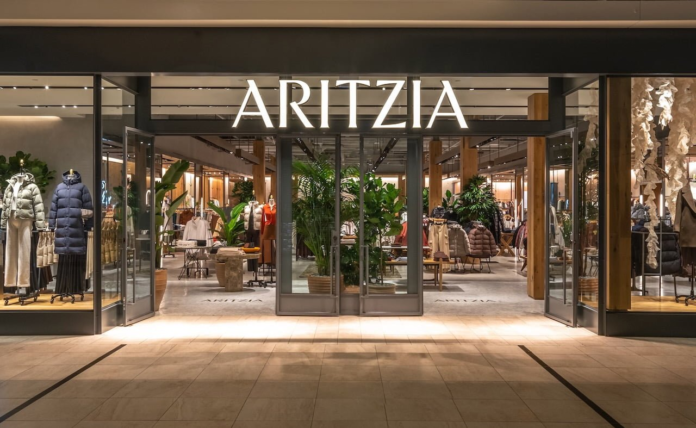
Nedap, the global leader in item-level inventory visibility, recently announced its partnership with Aritziato bring Nedap’s iD Cloud to the design house renowned for Everyday Luxury™.
“We provide a seamless, elevated experience to our clients,” said Elisse Shank, Senior Director of Omni at Aritzia. “Partnering with Nedap will help us gain clearer insight into our inventory to further enhance our client services.”
The retailer said iD Cloud enables retailers to:
Achieve real-time, item-level stock accuracy, ensuring products are always available for clients both in-store and online.
Strengthen store operations with secure, scalable processes.
Enhance unified commerce workflows, including ship-from-store, in-store pickup, and seamless returns, ensuring clients enjoy a consistent, elevated experience across all channels.
Bruno Bakker
“We are proud to welcome Aritzia into our global iD Cloud community. Their strong focus on innovation and client experience mirrors our own vision. By enabling item-level inventory visibility, we are laying the foundation for truly unified commerce – helping our partners meet customer expectations seamlessly across every touchpoint,” said Bruno Bakker, Director Nedap iD Cloud North America.
Nedap is a global leader in item-level inventory visibility for retail, with over 20,000 stores contracted to its iD Cloud platform. Nedap helps retailers achieve perfect inventory visibility with zero waste and no losses. iD Cloud simplifies multi-store retail and supply chain management using RFID technology and gives retailers real-time item-level insights into their stock levels and the exact location of each item. Using these real-time insights, retailers can be more agile, offer customers a better omnichannel shopping experience, and increase sales.
Tim Hortons says that $13 million was raised through this year’s 2025 Holiday Smile Cookie campaign for local charities, community groups and Tim Hortons Foundation Camps.
Axel Schwan
“We are so grateful to Tims restaurant owners, team members and volunteers across the country for their dedication to making this year’s Holiday Smile Cookie campaign a huge success,” said Axel Schwan, president of the company. “A huge thanks goes out to the countless Tims guests who purchased Holiday Smile Cookies for their generosity. With 100 per cent of proceeds from every cookie sold donated to local charities, community groups and Tims Camps, you’ve helped make a real difference in your community.”
The cookie campaign first launched in 2023 and has now raised a total of $33.5 million for local charities and community groups, including the Foundation Camps.
Caroline Barham
“The generosity of Canadians never ceases to amaze us. More than just a festive treat, every Holiday Smile Cookie purchased makes a meaningful impact in communities across the country. And for Tim Hortons Foundation Camps, this means that we can continue to empower underserved youth to build bigger and brighter futures,” said Caroline Barham, president of the Foundation Camps and a Tim Hortons restaurant owner in Western Canada. “Thank you to everyone who made this week a success and for helping make the impossible possible.”
In 1964, the first restaurant opened in Hamilton. Today it is Canada’s largest restaurant chain operating in the quick service industry with nearly 4,000 restaurants across the country.
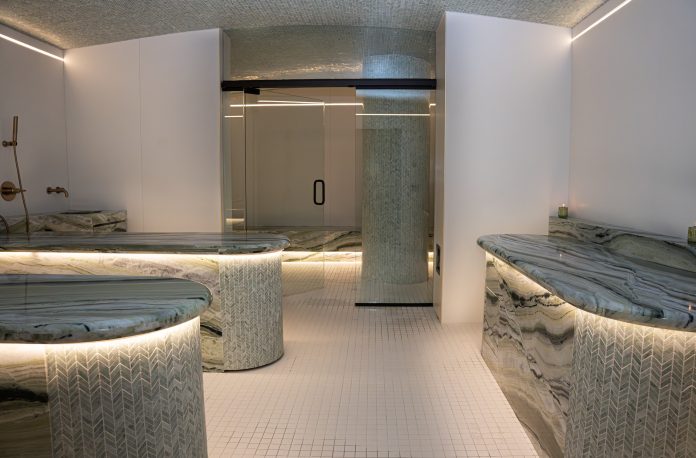
This celebrated space has undergone a complete overhaul and renovation, allowing guests to once again step into a world of traditional Moroccan and Turkish bathing rituals, detoxification, and deep relaxation, said the company.
“The meticulous renovation has elevated the Hammam environment, blending its traditional architectural integrity with refined, modern luxury. This commitment ensures the most authentic and tranquil space for the signature service. The experience invites guests to shed stress through the centuries-old tradition of purification, beginning with a eucalyptus-infused steam and culminating in a full-body Gommage treatment,” it said.
Double hammam beds. Custom green marble
“We are delighted to unveil the newly renovated Hammam,” said Andrea Dunham, Director of Spa Operations, Miraj Hammam Spa. “This renovation underscores our dedication to providing a truly world-class, authentic experience. We have created a serene and luxurious sanctuary where the timeless tradition of the Hammam can be enjoyed exclusively and privately.”
The reopening arrives at a time of growing demand for meaningful wellness travel and experiential treatments in Toronto. It continues to distinguish itself as one of the most authentic Hammam experiences in the city. The restoration of the space reinforces the spa’s commitment to offering elevated, culturally inspired wellness that feels both timeless and renewed, said the brand.
It is located on the Fifth Floor of the Shangri-La Hotel, Toronto, and is now accepting reservations for its signature Hammam service. Guests are encouraged to book in advance to secure their exclusive time slot.
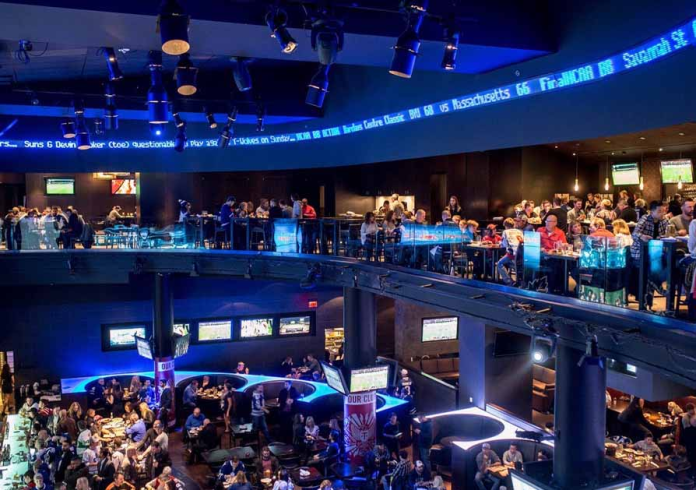
When the Toronto Blue Jays fell just short of a World Series title this fall, it felt like a gut punch for fans who had packed bars and restaurants night after night. For operators across the country, however, the story ended on a far more positive note. New data from CGA by NIQ show that the Jays’ deep playoff run translated into significant gains in sales, traffic and average cheque values, delivering exactly the kind of lift the hospitality sector has been seeking in a challenging year.
Those Blue Jays World Series bar sales were especially dramatic in Toronto, where game nights turned already busy weekends into record setting occasions. The performance rippled across Ontario and into other provinces as fans gathered in bars, restaurants and pubs to watch what became one of the most closely followed championship runs in recent memory.
“It was great to see the impact that it had not only on Toronto and Ontario, but nationally as well,” said Mitch Stefani, Client Solutions Director at NIQ. “When big events like this happen, especially sporting events, we have really seen how impactful they are to the hospitality industry and to bars and restaurants.”
Mitch Stefani, Client Solutions Director at NIQ
Record Nights in Toronto as Jays Take the Field
Game days for the Jays became a stress test of sorts for the city’s food and beverage scene. According to NIQ’s sales data, World Series Games 1 and 2 at home delivered Toronto’s best performing Friday and Saturday of 2025. Compared to an average Friday, Game 1 saw sales velocity climb by 39 per cent, ticket counts rise by 20 per cent and average cheque values jump by 16 per cent. Game 2 on Saturday produced a similar pattern, with sales velocity up 33 per cent, ticket counts up 14 per cent and cheques again 16 per cent higher than usual.
Stefani notes that the momentum actually began earlier, during the American League Championship Series. Game 7 of the ALCS, played on a Monday, turned what is typically one of the quieter days of the week into Toronto’s single most lucrative Monday of the year for bars and restaurants. “It was the most dollars generated the average outlet did on a Monday throughout the entire year in Toronto,” he said.
For operators, the appeal of these Blue Jays World Series bar sales went beyond single busy nights. They helped stretch demand across multiple days and series, turning the city into a sustained viewing zone where fans were eager to be out of the house and in front of big screens. “Ticket counts, the number of checks generated, were in double digits across the board compared to the average Friday and Saturday,” Stefani added. “Locally, the impact was definitely there, and you could feel it in the foot traffic.”
Ontario Leads, National Market Rises Above 2024
While Toronto grabbed many of the headlines, the Jays’ run lifted the broader Ontario market as well. For the week ending October 25, 2025, Ontario’s bars and restaurants recorded a 13 per cent increase in sales velocity versus the same week in 2024, with ticket counts up 12 per cent and average cheque values inching higher as well.
Across Canada, an already improving on premise picture received a notable boost. CGA by NIQ’s BeverageTrak data show that total national sales velocity in the week to October 25 sat five per cent above the same week a year earlier, while ticket counts were seven per cent higher. That week also marked the thirty fifth consecutive week in which national sales velocity tracked ahead of 2024 levels, pointing to a market that is gradually regaining its footing.
Stefani points out that the enthusiasm for the Jays extended far beyond the GTA. “Everywhere had spikes in their ticket counts and velocities,” he said. “It was not just one demographic going out. It was really everyone buying in and supporting the team, whether locally in Toronto and Ontario or across the country.”
Quebec, for example, has been outperforming last year consistently since early summer. In the most recent period, the province saw sales velocity climb 11 per cent year over year, supported by ticket counts that were 13 per cent higher than the same week in 2024.
Alberta, which had already benefited earlier in the year from the Edmonton Oilers’ own Stanley Cup run, also improved. For the week ending October 25, sales velocity edged one per cent ahead of last year, while traffic rose eight per cent, suggesting that operators are seeing more guests even as cheque values fluctuate.
George Springer of the Toronto Blue Jays celebrates after hitting a three-run home run against the Seattle Mariners during the seventh inning in game seven of the American League Championship Series in Toronto. (Mark Blinch/Getty Images)
A Softer Picture in British Columbia
The national story was not uniformly positive. British Columbia was the only province to post a slight decline compared to 2024 for the week ending October 25. Velocity in the province sat about five per cent below the same week a year earlier, ticket counts were down three per cent and average cheques were three per cent lower as well.
That softness may be influenced in part by the prolonged BC Liquor distribution strike, which began to affect product availability for operators as the postseason was unfolding. Although many bars and restaurants were able to maintain inventory, some suppliers and venues faced challenges bringing product into the province. Even so, Stefani notes that the data do not show an extreme collapse in performance. “We have seen some slowdowns there compared to other provinces, but nothing that caught us by surprise,” he said.
For venues in Vancouver and across British Columbia, the strike backdrop may have pushed operators to rely even more heavily on careful stock management and long term supplier relationships, especially as local fans still filled pubs to cheer on the Jays.
Beer, Spirits and Canadian Whiskey Surge Together
It would be easy to assume that beer alone powered Blue Jays World Series bar sales. The data tell a more nuanced story. Nationally, the week that included Games 6 and 7 of the ALCS and Game 1 of the World Series became the biggest week of the year for beer in Canadian bars and restaurants, with sales velocity up 112 per cent compared to the previous week. Domestic beer sales climbed 99 per cent, import beer rose 117 per cent and craft beer jumped 111 per cent.
Spirits were equally strong. The same week generated a 126 per cent gain in spirits sales velocity versus the prior week, and the following week, which included later World Series games, remained one of the two largest of the year for spirits. “We saw several categories reach a hundred per cent or more growth versus the previous week,” Stefani said. “That balanced growth is a good thing, and it is something operators definitely felt when going through everything.”
Canadian whiskey, in particular, had its second largest week of the year during the first wave of Jays related celebrations, with sales almost doubling compared to the prior week. It then posted its largest week of the year in the next period, up another five per cent from that elevated base. Stefani links part of this to a broader trend of consumers choosing domestic spirits at a time when American whiskey has been facing pressure from tariffs and shifting preferences. “There is a lot of support local sentiment,” he said. “A lot of consumers are looking to buy Canadian, drink Canadian and support Canadian, and that is helping the category.”
Vodka, rum and gin all benefited as well, with rum and gin each recording their largest weeks of the year. Hard seltzers also posted their second largest week, showing that even more niche segments gained from the surge in sports related outings. For operators, the breadth of the uplift highlighted how diverse groups of guests, from casual beer drinkers to cocktail focused consumers, turned game nights into reasons to go out.
Sports Viewing Keeps Younger Guests Coming Out
The Jays’ playoff run unfolded against a backdrop of ongoing questions about how often younger consumers are choosing to drink in bars and restaurants. CGA by NIQ’s consumer research suggests that sports remain one of the most reliable occasions for pulling those guests through the door.
In September, ahead of the playoffs, NIQ surveyed 1,200 consumers about their plans for the coming months. Nearly half said they were likely to visit the on premise to watch sports in the next three months. Among those aged 18 to 34, fully 71 per cent said they expected to go out to watch games.
“Sporting occasions are a big one for that younger demographic,” Stefani explained. “At a time when there is a lot of talk about moderation and people cutting back, these events are still a driver of footfall.”
The research also underlines the importance of locations near stadiums and arenas. When consumers were asked whether they would visit a bar or restaurant before or after attending a game in person, roughly one third said they would go beforehand, 27 per cent said they would go after, and 34 per cent said they would do both. For businesses clustered around venues like Rogers Centre, Scotiabank Arena or CFL and NFL stadiums, that pattern translates into multiple opportunities to capture spend on game days.
Promotions and Value Remain Central
Even in a season of high spirits, price remains a central concern. NIQ’s consumer work shows strong interest in value oriented offers, especially among those using sports as an excuse to go out. When asked how likely they would be to take part in a promotion or brand activation while watching sports in a bar or restaurant, 81 per cent of respondents said they were likely to do so.
Stefani has seen operators respond with a mix of tactics, from late night happy hours timed to first pitch, to bundled food and drink offers that help guests feel they are getting a better return on their spending. “Food and drink combos are a growing promotion type,” he said. “If consumers can get a burger and a beer at what feels like a good value, they are more inclined to make that trip, especially on game days.”
Those strategies helped venues catch the tailwind from Blue Jays World Series bar sales and, in many cases, build relationships with guests that can last beyond baseball season. With NHL and NBA schedules now in full swing, and key CFL and NFL games still on the calendar, operators have further chances to refine those offers and capture repeat visits.
Beyond the Jays: What the Data Mean for Canadian Operators
Perhaps the most encouraging takeaway for Canadian bars and restaurants is that the underlying market was already improving before the Jays began their run, and that performance has stayed ahead of last year even when playoff spikes are removed. Ticket counts and sales velocity have been pacing above 2024 levels for weeks, indicating that many consumers continue to see eating and drinking out as their preferred way to treat themselves.
“Global research has shown that eating out and drinking out are still the top avenues where consumers treat themselves,” Stefani said. “The on premise has a big role to play, despite the price increases consumers may be feeling.”
For operators, the lesson from this fall is clear. Major sports events, when combined with thoughtful promotions and a strong in venue experience, can unlock significant gains in revenue and traffic. The Jays may have missed their chance at a championship, however their playoff push has shown how closely Canadian hospitality fortunes remain tied to the country’s sporting calendar, and how powerful those Blue Jays World Series bar sales can be when the right team catches fire at the right time.
Parlor House is growing its footprint in the men’s grooming category by leaning into a founder-driven model that emphasizes craftsmanship, ingredient transparency, and a luxury-leaning aesthetic. The brand, which operates primarily through a direct-to-consumer digital presence, describes itself as focused on creating elevated essentials for men who want a more considered approach to daily grooming. Rather than offering a mass-market assortment, Parlor House is shaping its identity around a curated set of products produced in small batches, with an emphasis on quality and simplicity.
The company’s approach positions it within a rising cohort of boutique grooming brands that build trust through visible production processes and a strong founder persona. In Parlor House’s case, that public face is Tom, creator of the “Tom – Parlor House” TikTok channel, who showcases the development and crafting of each formula. His short videos, which demonstrate everything from ingredient selection to the pouring of finished product, function as both marketing and brand storytelling. The result is a company whose identity is deeply tied to transparency and hands-on production rather than the polished distance of a traditional supplier.
Clay No. 34 As A Flagship Product
The company’s breakout item, Clay No. 34, is positioned as a premium styling clay developed through dozens of iterations before reaching its final formula. The product is designed for men seeking strong hold, controlled texture, and a matte, natural finish. Its naming reflects both the refinement process and the narrative of persistence, as the brand highlights that the thirty-fourth version was the one selected for production.
Clay No. 34 sits in a competitive category that includes pomades, waxes, and pastes, yet Parlor House differentiates its product by prioritizing a clay-forward texture with a clean, minimal ingredient profile. The company’s messaging frames the formula as healthier for everyday use because it avoids heavy synthetic additives that often contribute to buildup or greasiness. Consumers are instead presented with a product centered on clays, oils, and waxes that work together to create volume and separation without shine.
Ingredient Philosophy And Small-Batch Manufacturing
Parlor House uses creator-led content to reinforce its emphasis on purposeful formulation. Videos show coconut oil, beeswax, candelilla wax, and clays being incorporated into small batches, reinforcing the artisanal positioning the company promotes. Each ingredient is described as serving a specific functional role, whether for texture, conditioning, structure, or ease of rinsing. This approach aligns Parlor House with a broader trend in the grooming industry that favours clean formulations and recognizable ingredient lists rather than complex chemical blends.
The small-batch manufacturing process is central to the brand’s identity and is used to signal quality control and craftsmanship. While many grooming companies reference artisanal roots, few show the day-to-day process with the level of visibility Parlor House provides. The production scenes, paired with commentary about what each ingredient contributes, create a sense of authenticity that resonates with consumers who value transparency.
Clay No. 34, Image: Parlor House
A Product Designed For Modern Styling Preferences
Clay No. 34 is promoted as offering strong, long-lasting hold without stiffness, making it suitable for contemporary textured cuts that require volume and movement. The matte finish is intended to provide a lived-in look that avoids the gloss of traditional pomades. Demonstrations on social platforms show the product being warmed between the hands before use and applied to dry or slightly damp hair to build structure. The company highlights that the clay is restylable throughout the day, allowing users to adjust their look without re-applying product.
While marketed primarily toward men, Parlor House notes that the formula is compatible with different hair types and can be used by anyone seeking a matte, controlled finish. Informal reviews and curated product placements consistently describe the clay as a premium offering in the “wax, pomade and paste” category, appealing to customers who want an elevated grooming item with a more natural approach to ingredients.
Founder-Led Branding As A Competitive Advantage
Parlor House’s digital-first business model is closely intertwined with its founder’s presence. The “Tom – Parlor House” TikTok account acts as the primary brand channel and offers a behind-the-scenes view of product development. This strategy reflects a shift in the grooming and beauty sectors where founders serve as visible operators, formula creators, and on-camera educators. The narrative is that Parlor House is not a faceless manufacturer but a company built by an individual committed to refining each product by hand.
The channel’s content includes direct invitations for creator collaboration, further embedding the company in the creator economy. This structure enables Parlor House to build a community around its aesthetic, its formulas, and the ongoing documentation of its growth. By showcasing the making of Clay No. 34 and other products, the brand maintains a pipeline of content that reinforces authenticity, which is increasingly valuable in the grooming category.
Positioning In A Changing Grooming Market
Parlor House enters the market at a time when premium men’s grooming brands are gaining traction. Consumers are showing greater interest in products that emphasize quality ingredients and a more elevated experience. The industry has also become more receptive to niche, independent labels that rely on storytelling and transparency rather than mass distribution. Against this backdrop, Parlor House’s positioning reflects an understanding that younger consumers want a connection to the brands they use and appreciate seeing how products are made.
The company’s reliance on short-form video and direct-to-consumer sales also reflects broader shifts in how emerging brands scale. Without the infrastructure of a large retailer or distributor, Parlor House invests in content to drive awareness and generate sales through online platforms. The approach positions the brand well for future expansion, whether through wider wholesale distribution or the introduction of new grooming and skincare categories.
Retail Insider is streamlining its Canadian retail news from around the web to include a handful of top news stories that can be viewed quickly during the day. Here are the top stories from the past 24 hours.
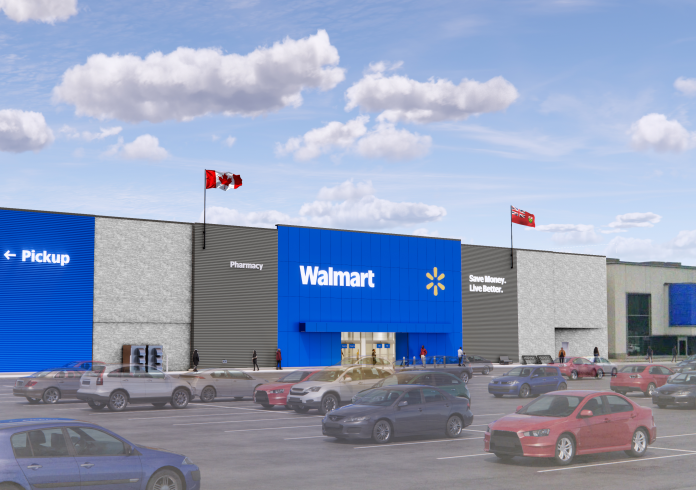
Future Walmart store at Lime Ridge Mall in Hamilton. Image: Walmart Canada
Walmart Canada is preparing to make one of its most significant investments in Hamilton with plans to open a 140,000 square foot Supercentre at Lime Ridge Mall by early 2027. The Walmart Lime Ridge Mall Supercentre will occupy the site once anchored by Sears Canada, which closed its doors in 2017 during the chain’s final national liquidation. For Hamilton, a fast-growing city whose retail landscape has been in transition, the addition of Walmart marks a substantial shift and signals renewed confidence in the region’s largest mall.
The new store will include a full grocery department, expanded home, apparel and electronics sections, a pharmacy and complete online order pickup and delivery integration, with fulfillment offered in as fast as two hours. Walmart said the store is designed to serve both traditional in-person shoppers and the rising number of consumers relying on e-commerce for household staples and general merchandise.
“This addition reflects our commitment to providing our community with a diverse mix of retailers and an exceptional shopping experience,” said Andy Traynor, general manager of Lime Ridge Mall. His comments underscore the significance of the announcement for a property that has spent much of the past decade realigning its tenant mix after the departure of two major department store anchors.
An Anchor Announcement Aligned With Walmart’s National Strategy
The Walmart Lime Ridge Mall Supercentre is one component of a sweeping $6.5 billion Canadian expansion plan that the retailer announced earlier this year. Described by the company as its most ambitious investment in Canada since entering the market in 1994, the program includes dozens of new stores, major upgrades to more than 180 existing locations and deep structural investment in supply chain and distribution networks across the country.
“As the City of Hamilton continues to grow, this new Supercentre will help us to better serve our local customers through a convenient store location and expanded ability to serve the area through our delivery service,” said Shawn Fujiki, Senior Director of Real Estate at Walmart Canada. His comments reflect a national strategy that responds to demographic growth, intensifying competition with Costco and Amazon, and heightened demand for fast, reliable online fulfillment.
In recent months, Walmart Canada has opened Supercentres in Port Credit and Oakville and launched a highly automated distribution centre in Vaughan. Additional stores are planned for Fort McMurray, Sherbrooke, the Tsuut’ina Nation development outside Calgary and several markets across British Columbia, Alberta, Ontario and Quebec. With more than 400 stores nationwide, including six existing locations in Hamilton, Walmart views the new Supercentre as a critical east-mountain node in its omnichannel network.
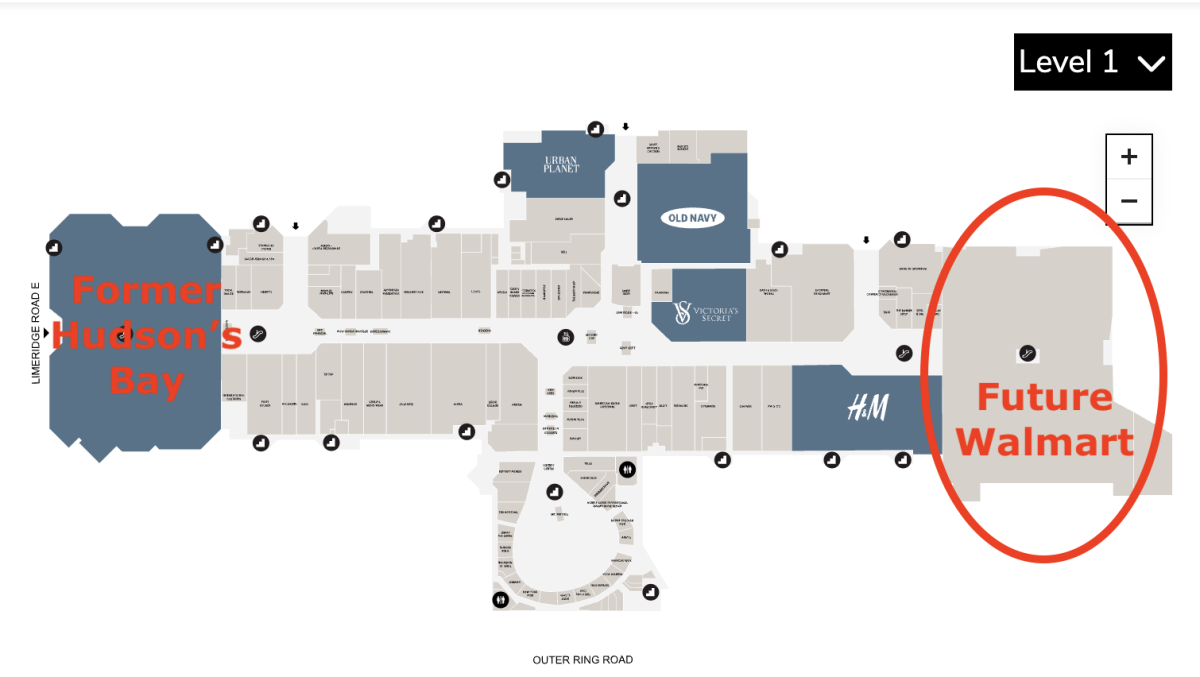
Lime Ridge Mall Floor Plan
A Changing Anchor Landscape at Lime Ridge Mall
The redevelopment of the former Sears site has become particularly significant as Lime Ridge Mall continues to navigate the loss of two major department store anchors. Sears Canada, a core tenant since the 1980s, closed at the mall in 2017, leaving a large footprint at the north end of the property. On the opposite side, Hudson’s Bay also exited its Lime Ridge location after years of declining performance for the banner in secondary markets, creating another major vacancy of roughly 125,000 square feet.
The future of the former Bay space briefly drew national attention earlier this year when investor Ruby Liu sought court approval to acquire 25 Hudson’s Bay leases across Canada, including Lime Ridge Mall, as part of a plan to launch a new namesake department store chain. The proposal would have repurposed the Lime Ridge Bay box under Liu’s new banner. The court ultimately rejected the bid, leaving the large space unclaimed and highlighting the broader uncertainty surrounding legacy department store footprints in Canadian enclosed malls.
With both former anchors gone, Lime Ridge Mall has faced structural challenges familiar to many regional shopping centres. Traditional department stores that once shaped their retail ecosystems have largely disappeared. In this environment, Walmart’s arrival on the former Sears footprint provides immediate stability on one side of the mall and becomes a cornerstone for the property’s next phase under new ownership.
Image of a proposed Ruby Liu store in the former Hudson’s Bay space at Lime Ridge Mall in Hamilton. Ruby Liu lost her bid to acquire 25 HBC leases from landlords in Oct. 2025. Image: Central Walk/Ruby Liu Investment Corp.
Ownership Shift and Repositioning Under Primaris
Lime Ridge Mall has undergone a notable transition over the past year. In June 2025, Cadillac Fairview sold the property to Primaris REIT in a $416 million cash-and-equity deal. Primaris promptly retired the “CF” branding and positioned Lime Ridge as a core enclosed-mall asset with strong long-term potential, particularly given Hamilton’s population growth and the expanding role of the mountain corridor as a regional commercial hub.
The mall, which opened in 1981, spans roughly 793,000 square feet across two levels and houses more than 170 retailers. Its location adjacent to the Lincoln M. Alexander Parkway and several major Hamilton Street Railway routes creates broad reach across the city’s mountain and lower-city neighbourhoods. The retail mix includes major national banners such as Aritzia, Sephora, Browns, Lululemon, JD Sports, Urban Planet, Sport Chek and Shoppers Drug Mart, positioning Lime Ridge as Hamilton’s leading fashion and lifestyle destination.
Primaris has described the former Hudson’s Bay space as one of the most significant redevelopment opportunities in its national portfolio. With Walmart committed to the north end of the property, the mall’s next major step will come in determining the long-term reuse of the Bay box, a decision that could introduce a new anchor, a mixed-use concept or a subdivided configuration depending on market conditions.
Walmart’s Omnichannel Strategy Shapes the Lime Ridge Plan
The Walmart Lime Ridge Mall Supercentre reflects the retailer’s broader approach to building stores that serve both as traditional shopping destinations and as key components of its e-commerce network. Full grocery service, household goods, apparel and electronics will coexist with dedicated areas for online order fulfillment and local delivery. Walmart Canada has leaned heavily on its stores as last-mile distribution nodes, using their geographic reach to compete directly with Amazon on speed and convenience.
The Lime Ridge location will play a central role in that strategy on Hamilton Mountain, where rapid residential development is attracting young families and commuters seeking proximity to major highways. The retailer expects high demand for grocery pickup and home delivery, categories that have grown consistently across its Canadian network.
Walmart’s investment also arrives at a time when grocers and big-box retailers are intensifying their presence in large enclosed malls, filling the void left by declining department store banners and reshaping traditional retail footprints. For Lime Ridge Mall, the addition of a full grocery operation introduces a category the centre has not offered in many years, broadening its draw and reinforcing its status as Hamilton’s primary retail hub.
Craig and Bob Arora, President of The Reset Team Corp., discuss how the company evolved from a traditional merchandising operation into a national partner specializing in fixture installations, store resets, and large-scale retail execution. After noticing a major industry gap — work that had to be completed before merchandising could even begin — Arora launched The Reset Team in 2009 to handle specialized tasks like fixture moves, layout changes, and signage installation. The business quickly grew into a coast-to-coast execution partner supporting major retailers including Home Depot, Walmart, Pet Valu, and PetSmart.
Arora outlines how The Reset Team now leads complex remodels, relocations, and nationwide rollouts with precision and speed. Their specialized crews manage every step from pre-merchandising setup to final execution, supported by real-time reporting and consistent communication. He highlights why national retailers increasingly avoid patchwork regional contractors: inconsistency, uneven quality, and unnecessary management headaches. A recent high-stakes smartphone display rollout, completed across 100+ stores with zero deviation, illustrates how precision execution protects brand standards.
Training, specialization, and technology form the backbone of The Reset Team’s consistency. Arora explains how distributed teams are unified through detailed handbooks, video training, field mentorship, and digital tools like photo verification and automated scheduling. He also discusses broader retail trends, noting that merchandising has shifted from basic shelf-stocking to a dynamic strategy driven by brand experience, flexible fixtures, and rapid campaign alignment. Looking ahead, Arora expects The Reset Team to keep expanding as retailers embrace faster rollouts, evolving store formats, and more experiential environments—and he aims for the company to remain the first choice when execution needs to be done right, and at scale.
If you prefer to listen to the audio version, it is available below:
The Interview Series audio podcasts by Retail Insider Canada are available on Apple Podcasts, Stitcher, TuneIn, Google Play, or through our dedicated RSS feed for Overcast and other podcast players. Also check out our The Weekly audio podcast where Craig and Lee discuss popular content published on Retail Insider which is part of the The Retail Insider Podcast Network.
Subscribe, Rate, and Review our Retail Insider Podcast!
Drop us a line at Craig@Retail-Insider.com. You can also rate us in Apple Podcasts or recommend us in Overcast to help more people discover the show!
Background Music Credit: Hard Boiled Kevin MacLeod (incompetech.com). Licensed under Creative Commons: By Attribution 3.0 License. http://creativecommons.org/licenses/by/3.0/
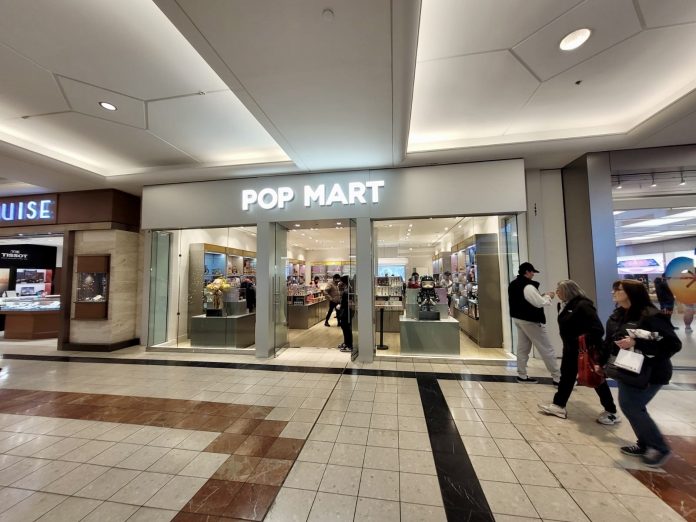
Pop Mart at CF Richmond Centre in Vancouver. Photo: Ritchie Po
The Pop Mart expansion in Canada is officially underway with the opening of the company’s first store at CF Richmond Centre near Vancouver. The launch marks the beginning of a multi-phase entry into the market as the Beijing-based collectibles company accelerates its global growth strategy. The Richmond store opened quietly with no advance promotion, attracting steady crowds from the moment the lights came on.
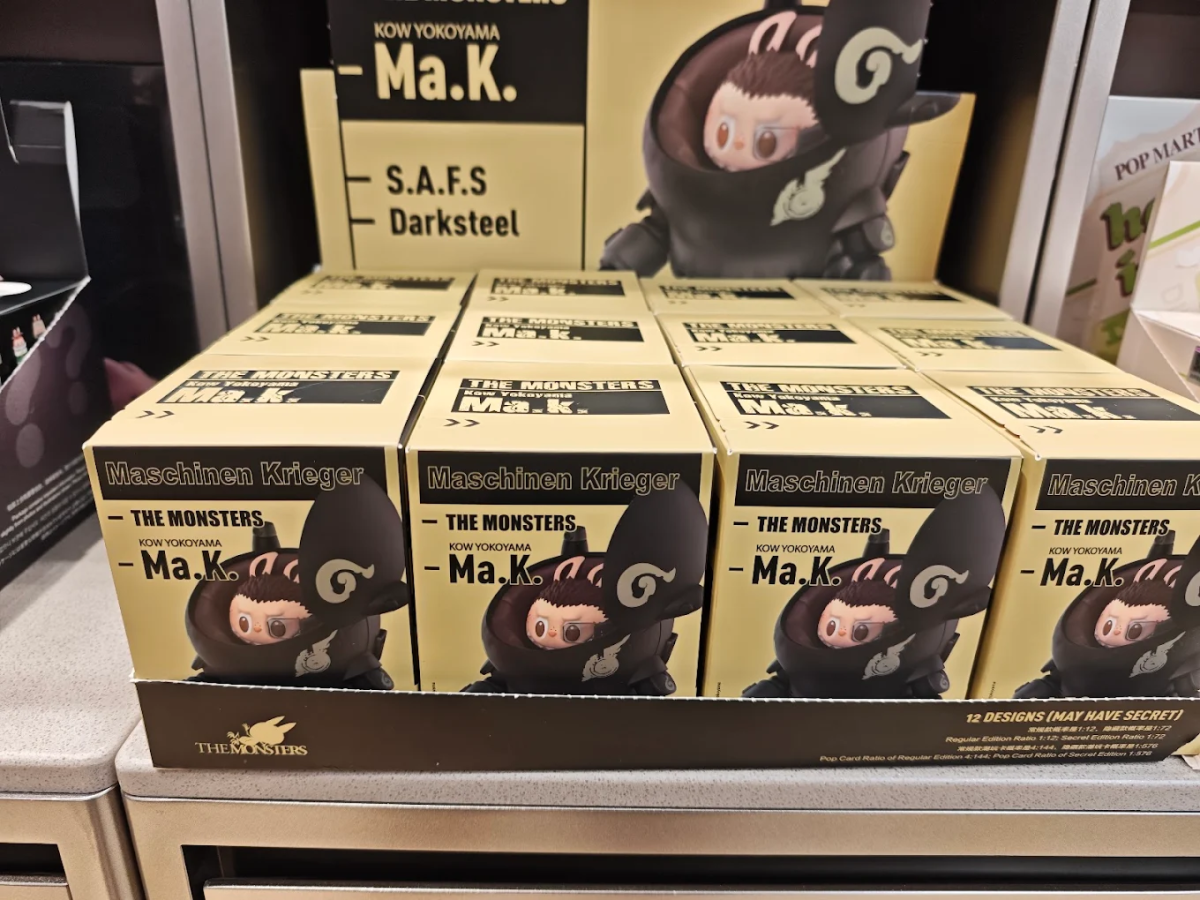
Known for its character-driven blind-box collectibles featuring Labubu, Skullpanda, Molly, Dimoo, Crybaby and other internationally recognized IPs, Pop Mart has scaled quickly across Asia, Europe and the United States. Canada represents the next step in that expansion as the brand moves to increase its presence across North America.
“We are excited to now be open in Vancouver. Canada has always been a priority for Pop Mart,” said Luis Barrientos, Executive Vice President of Business Development for Pop Mart Americas. He said the brand had seen significant engagement through social media and e-commerce platforms, and the company wanted to meet that demand with in-person experiences shaped around creativity and community.
Labubu dolls. Image: Pop Mart
Metropolis at Metrotown to Follow Within Days
The 1,325 square foot Richmond store will be followed immediately by a second location at Metropolis at Metrotown in Burnaby. According to Jeff Berkowitz of Aurora Retail Group, who represents Pop Mart in Canada, the Metrotown store is scheduled to open within days of the Richmond launch.
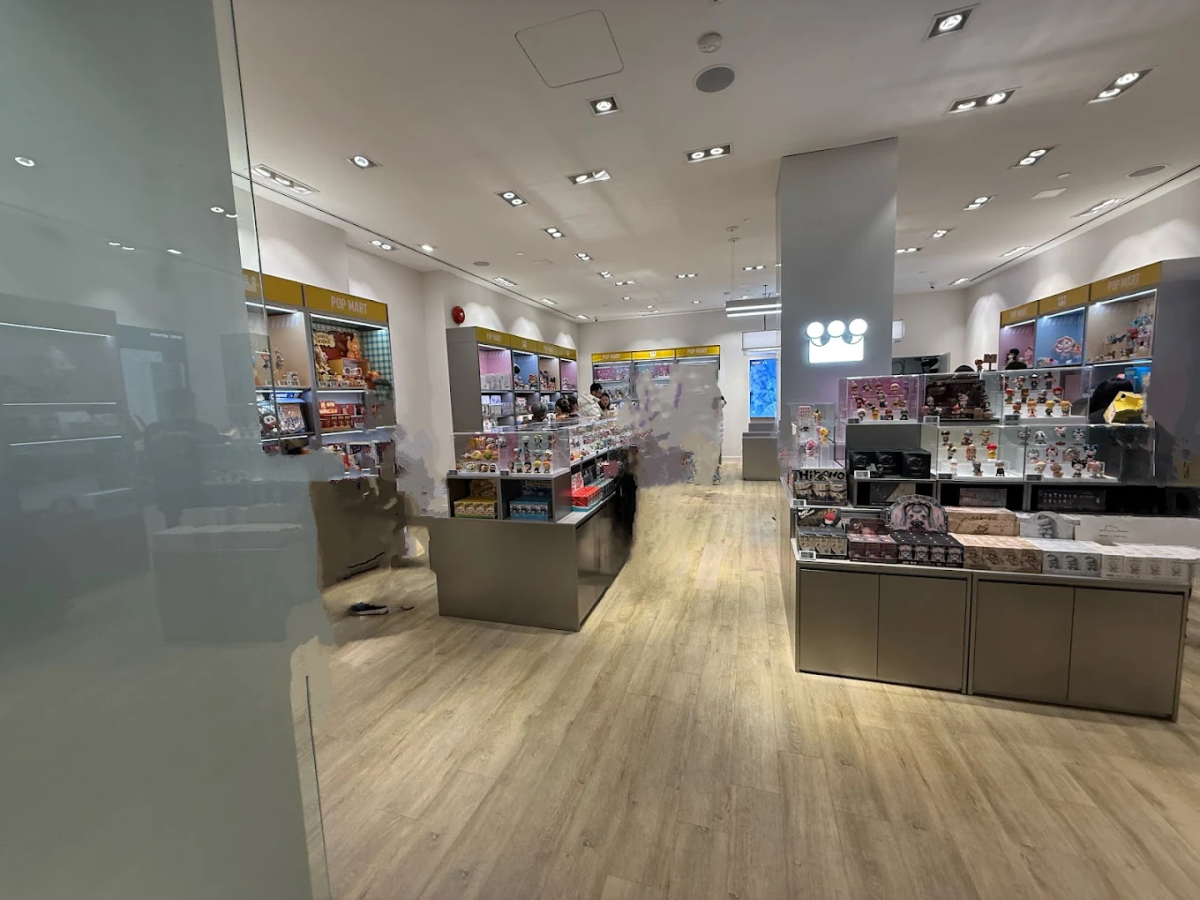
The Metrotown store sits in one of the highest-traffic shopping centres in the country and will serve as a key anchor for the brand in Greater Vancouver. Both British Columbia locations will offer the full Pop Mart retail experience with interactive displays, blind-box drops and popular character lines stocked for the Canadian market.
A third location at Toronto Premium Outlets in Halton Hills is expected to open later this year. Signage has been installed at the centre, and construction work is underway. The store will introduce the brand to Ontario and will become Pop Mart’s first location east of British Columbia.
The outlet centre is a major regional draw, and the store is expected to attract both local fans and tourists who have followed Pop Mart online. Canada’s collector community has grown significantly in recent years, with dedicated social media groups and resale communities tracking new releases and global restocks.
Pop Mart at CF Richmond Centre. Image: Paul Yeh via Google Maps
At Least Ten More Canadian Stores Planned for 2026
The early openings are part of a wider rollout. Berkowitz said that Pop Mart intends to open a much larger network of stores across the country starting next year.
“In 2026 we would expect at least ten more stores across Canada in major markets,” he said. “The hunt is on in all major markets.”
He said that the company has already committed to several Canadian locations, although some will not become available until spring. The pace of expansion will intensify as more leases are finalized and additional Canadian operations staff are brought on.
Berkowitz added that Pop Mart is already considering larger spaces as part of the future plan. “The demand has been off the charts and even the average store size requirements have grown. We are already looking at a larger footprint before we even open the first stores.”
Pop Mart seeks 2,000-2,500 square feet for stores and has discussed the potential for flagship locations in larger urban markets. While no downtown or street-front stores have been announced, Berkowitz said the option remains open.
Pop Mart at CF Richmond Centre. Photo: Sonnik Channel via Google Maps
Building a Presence in a High-Growth Global Network
Pop Mart’s entry into Canada comes during a period of rapid global expansion. The company now operates more than five hundred stores across thirty countries with approximately two thousand three hundred robotic vending “Robo Shops” and more than five hundred international distributors. Recent openings include flagship stores in Paris, Milan, New York and Sydney, as well as a super-flagship on Australia’s Gold Coast. The company also operates its own theme park in Beijing called Pop Land.
International sales now account for up to thirty percent of the company’s revenue. Executives have stated that the goal is to reach a fifty percent contribution through continued overseas growth. Canada’s demographic profile and strong fandom communities make it a natural part of this strategy.
Strong Fandom Drives Demand for Canadian Stores
Online communities in Canada have played an important role in the early success of the Pop Mart expansion in Canada. Fans have organized through social platforms to share release dates, restock notices and store updates. Labubu, one of the brand’s most recognizable characters, has emerged as a major driver of demand, with resale markets and collector groups pushing the character to mainstream awareness.
Pop Mart’s stores are known for creating high-engagement environments with an emphasis on discovery and frequent product turnover. This retail approach has consistently generated lineups at store openings around the world, and the response in Richmond suggests similar momentum is likely in the Canadian market.
Barrientos said the brand intends to engage Canadian fans directly in the months ahead through influencer campaigns, media projects and experiential activations. Additional announcements are expected next year as Pop Mart increases its retail footprint and grows its Canadian operations team to support the expansion.
The company’s strategy aligns with a shift toward experiential retail and collectible culture, which continues to attract young consumers and crossover audiences ranging from fashion enthusiasts to art collectors.