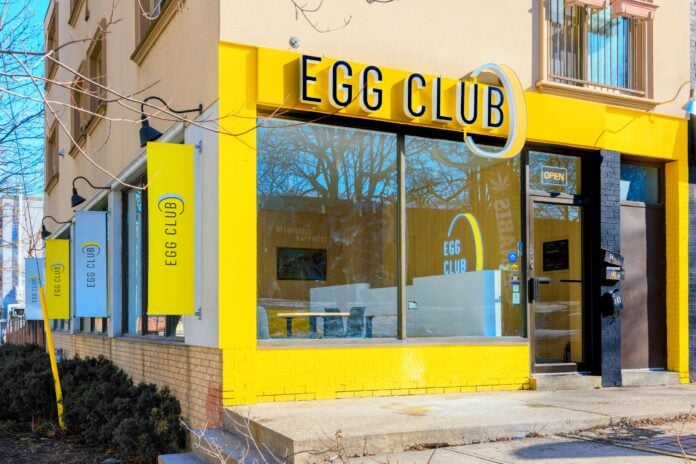
When Jason Yu first envisioned Egg Club, a fast-casual breakfast brand dedicated to egg sandwiches, he saw an opportunity to reinvent a familiar favourite.
“We started in 2020, but I actually had the idea back in 2018,” said Yu, president of Egg Club. “It took about two years to develop the brand. We officially opened our first location in September 2020.”
The first restaurant opened in downtown Toronto. Since then, the chain has expanded to 10 locations across Canada, including sites in Toronto, North York, Calgary, Ottawa, Waterloo and Liberty Village.
Yu said the concept is built around simplicity and quality. “We’re a fast-casual breakfast place that serves egg sandwiches. Our specialty is egg sandwiches,” he said. “We have a really limited menu, but we focus heavily on doing that one thing very well.”
The inspiration came from what Yu saw as a gap in the breakfast and lunch market. “Back in 2018, the only dominant players were McDonald’s, Tim Hortons and Starbucks and we all know their food isn’t great,” he said. “So I had the idea to build a breakfast place that’s made-to-order, a little more premium, where people can get a high-quality egg sandwich.”
Photo: Egg Club
Yu said the brand’s success stems from taking a timeless staple and giving it a modern twist. “People know eggs, people know bread. We just combined the two in a more modern, high-quality way,” he said. “We wanted to take something people eat daily and make it high-quality, fun and better than other options in the market, while still keeping prices competitive.”
Egg Club’s footprint continues to grow, with 10 more locations planned by the end of 2026. “Right now we’re planning for Vancouver, a few more in the GTA, one more in Ottawa, two more in Edmonton, and a few in Quebec as well,” Yu said.
When choosing new locations, Yu said the company targets areas with high pedestrian traffic. “We like busy areas with high foot traffic. That’s ideal for us because we’re a grab-and-go concept,” he said. “Our target customers are people on the go who want a quick breakfast or lunch, but still want something high-quality at a competitive price.”
Egg Club locations range from 450 to 1,200 square feet, with seating available in larger stores. “Anything above roughly 650 square feet, we start adding seating,” Yu said.
For Yu, Egg Club represents more than a breakfast spot. It’s about bringing care and creativity to something Canadians already love. “We wanted to revolutionize the old, boring egg sandwich into something new and hip,” he said.
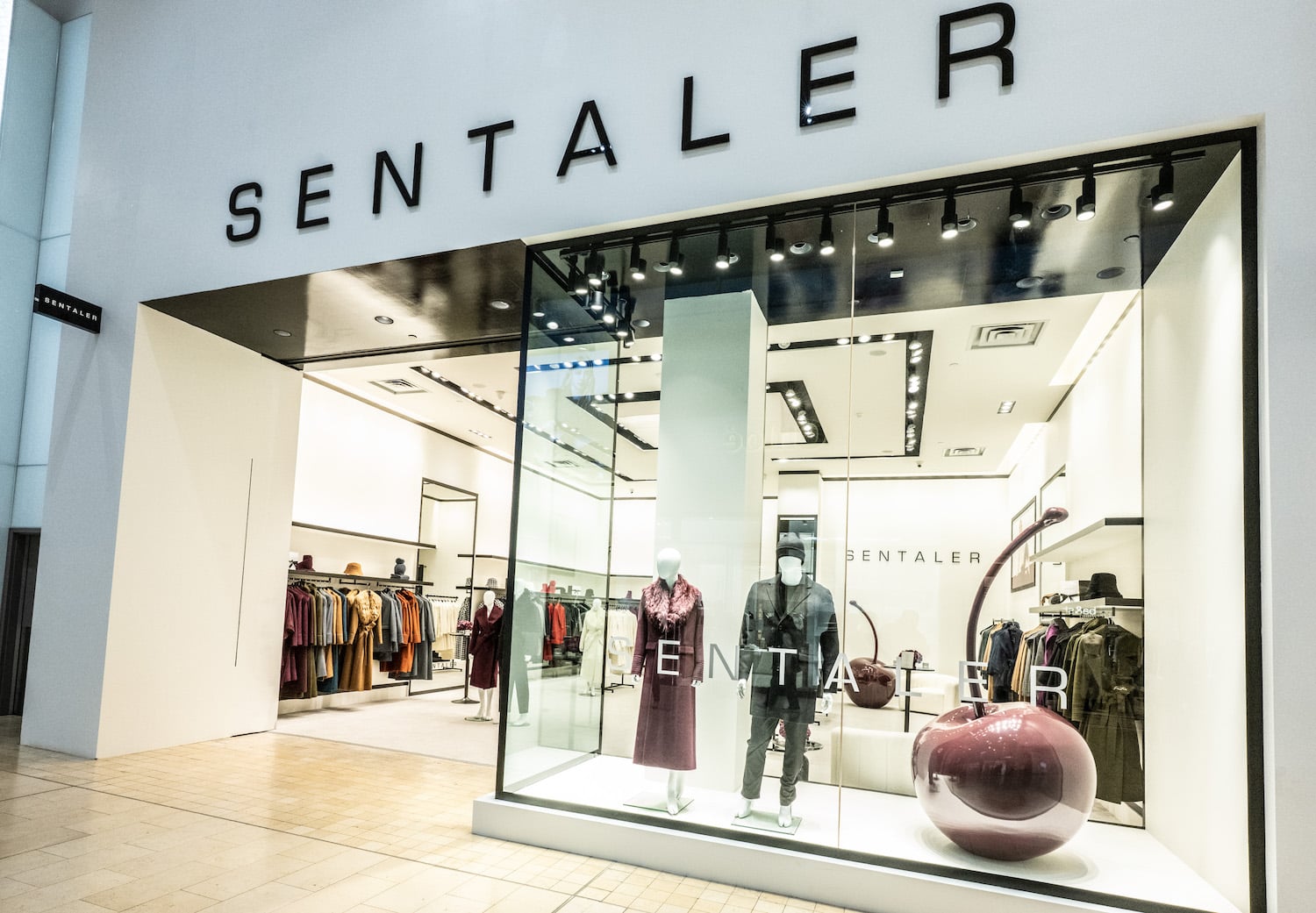
SENTALER pop-up at Yorkdale in Toronto. Photo: George Pimentel Photography
Canadian luxury outerwear brand SENTALER is entering a dynamic new phase, celebrating its sixteenth anniversary with a milestone expansion across North America. Founded in Toronto by Bojana Sentaler in 2009, the brand has become a hallmark of craftsmanship, refinement, and ethical luxury. This year, SENTALER is embarking on its largest retail growth initiative to date, introducing new boutiques in Toronto and New York City while launching its Suite Sixteen Trunk Show Tour across major U.S. cities.
“It’s hard to believe SENTALER is turning sixteen—and at the same time, it feels like we’re just getting started,” says Bojana Sentaler, Founder, President, and Creative Director. “This anniversary isn’t about looking back. It’s about expansion, innovation, and gratitude. Opening on Madison Avenue is a dream realized, a moment that defines SENTALER’s new era of growth and celebrates all of our clients who have supported us since day one.”
Bojana Sentaler
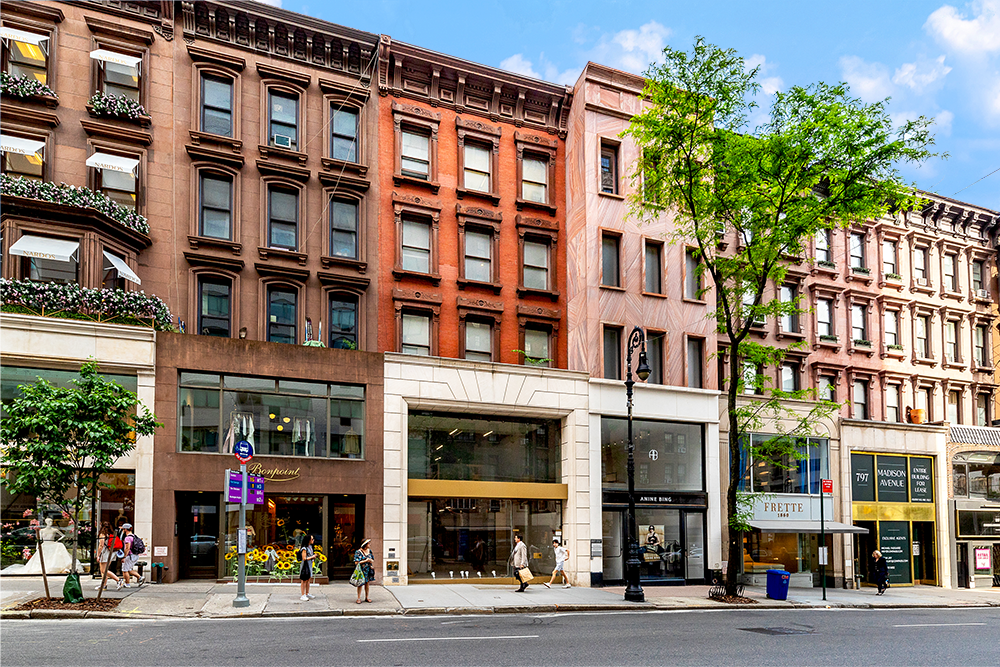
As part of this expansion, SENTALER will open two new seasonal boutiques for the 2025 holiday season. The Toronto boutique debuted on October 23, at Yorkdale Shopping Centre and will remain open through December 31. The brand will inaugurate its first standalone U.S. store at 803 Madison Avenue in New York City on November 20, also running through year’s end.
The Madison Avenue boutique represents a pivotal step in SENTALER’s global retail ambitions, strategically situating the label among the world’s most prestigious luxury brands.
“Madison Avenue represents the pinnacle of luxury and timeless sophistication,” says Sentaler. “For SENTALER, opening our first U.S. store there feels both natural and symbolic. The Upper East Side is home to many of our clients, and Madison Avenue reflects the lifestyle they lead—refined, global, and quietly confident.”
The decision to expand to both Yorkdale and Madison Avenue is rooted in connecting with the core SENTALER client base while introducing the brand’s hallmark of quiet luxury to new audiences. “Yorkdale represents a natural expansion for us,” adds Sentaler. “Many of our clients frequent the shopping centre, and its luxury brand mix aligns perfectly with SENTALER’s positioning.”
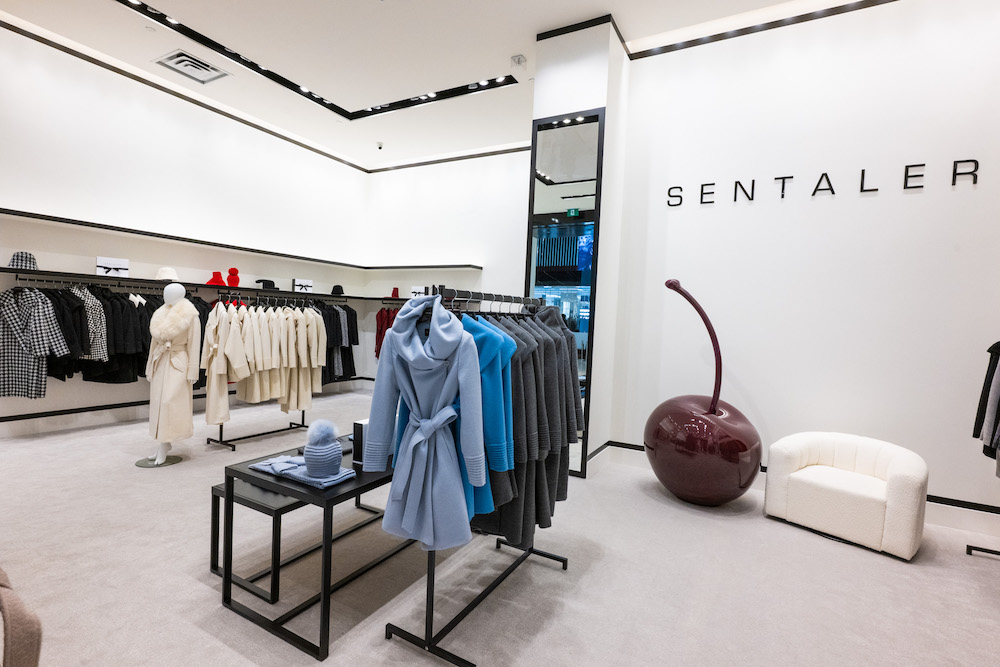
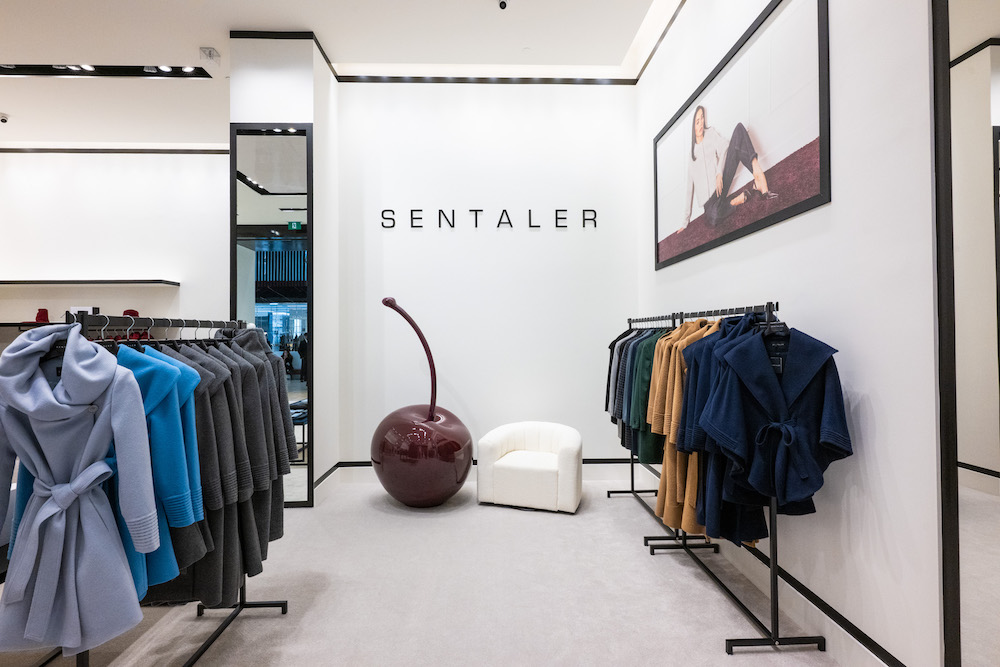
SENTALER pop-up store at Yorkdale in Toronto. Photo: George Pimentel Photography
A Vision for Permanent Boutiques
While the Yorkdale and Madison Avenue boutiques will operate as seasonal pop-ups, Sentaler confirms that permanent retail spaces are part of the brand’s broader strategy.
“Expanding with permanent brick-and-mortar locations across North America and beyond is part of SENTALER’s long-term vision,” she explains. “Both Yorkdale and Madison Avenue are strategic regions that feel like a natural fit for the brand. These markets were chosen to offer clients a more personal and elevated connection to SENTALER, and both remain central to our long-term retail expansion strategy.”
When asked what determines where SENTALER will plant permanent roots, Sentaler emphasizes client feedback and experience. “We’re focused on listening, understanding our clients’ needs, their preferences, and how they want to experience the brand. Yorkdale and Madison Avenue sit at the heart of where the SENTALER client lives and shops. The question isn’t if we’ll establish a permanent presence in these markets — it’s when.”
Future SENTALER pop-up at 803 Madison Avenue in New York City. Image: New York YIMBY
Suite Sixteen Trunk Show Tour: Luxury on the Move
Coinciding with the boutique openings is SENTALER’s Suite Sixteen Trunk Show Tour, a luxury retail experience that brings the brand’s craftsmanship directly to clients in key U.S. markets. The tour will visit three prestigious destinations:
Chicago, IL – November 7–9, at the Waldorf Astoria Chicago
Beverly Hills, CA – December 5–7, at the Four Seasons Los Angeles at Beverly Hills
Park City, UT – December 12–14, at the Waldorf Astoria Park City
These events will feature private shopping appointments, personalized styling sessions, and limited-edition access to SENTALER’s most coveted pieces. The initiative reflects the brand’s growing emphasis on immersive and experiential retail.
“The Suite Sixteen Trunk Show Tour evolved from our private shopping appointments, which our clients love for their exclusivity,” says Sentaler. “The tour allows us to bring that personalized experience to more cities, hosted in beautiful, private settings at Waldorf Astoria and Four Seasons that reflect the brand’s values of craftsmanship and connection.”
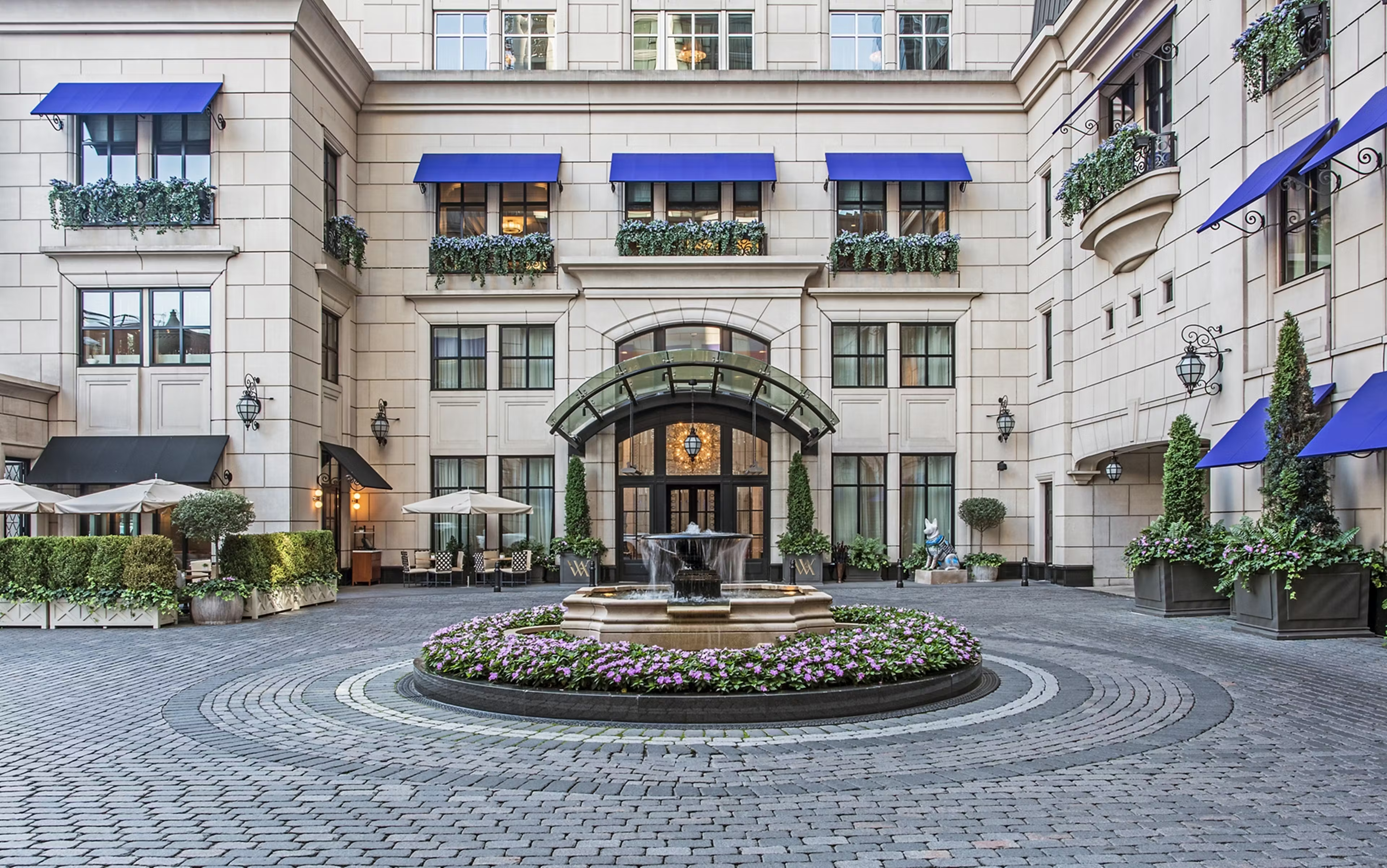
Waldorf Astoria Hotel at 11 E. Walton St. in Chicago’s Gold Coast.
Redefining Canadian Luxury Abroad
SENTALER’s recent expansion underscores a pivotal shift for Canadian luxury. Once known primarily for its alpaca outerwear and signature ribbed sleeve detail, the brand now positions itself as an emblem of North American luxury — ethical, modern, and globally resonant.
“The response from our U.S. clientele has been exceptional,” says Sentaler. “These events allow us to connect with clients on a deeply personal level, to listen, to observe, and to deliver excellence in every detail.”
The trunk show format has proven to be a natural extension of the brand’s retail philosophy. “Continuing this model feels less like a decision and more like a natural progression. Every detail is considered, every interaction intentional. The trunk show format allows us to extend that philosophy of excellence beyond our boutiques, bringing the full SENTALER experience directly to our clients.”
The Cherry Lacquer Motif: Symbol of a New Era
Central to SENTALER’s Fall/Winter 2025–26 collection is the introduction of Cherry Lacquer, the brand’s colour of the year and a unifying motif across designs, retail interiors, and campaigns. The deep, refined crimson tone symbolizes passion, power, and timeless femininity — qualities that define the SENTALER woman.
“Cherry Lacquer is bold yet understated, much like the women who wear SENTALER,” explains Sentaler. “It flatters every skin tone, commands attention without noise, and perfectly captures the power of this new chapter.”
From the monumental cherry sculptures within the Madison Avenue boutique to the refined black-and-white interiors at Yorkdale and Yorkville, the design aesthetic celebrates SENTALER’s signature ribbed-sleeve motif and its commitment to quiet sophistication.
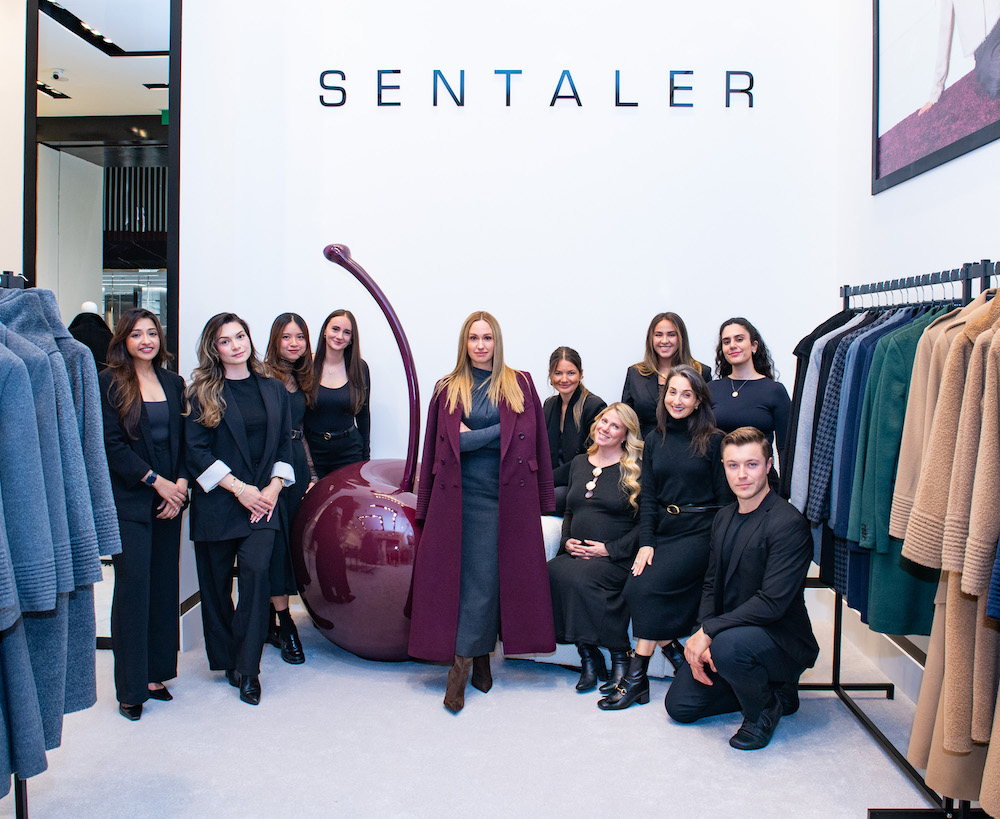
Bojana Sentaler and team at the SENTALER pop-up at Yorkdale in Toronto. Photo: George Pimentel Photography
The Fall/Winter 2025–26 Collection
For the sixteenth anniversary season, SENTALER continues its focus on alpaca-driven craftsmanship and modern tailoring. The Fall/Winter 2025–26 collection reimagines the brand’s core silhouettes through innovative detailing and sculpted shapes. Highlights include the Baby Alpaca Maxi Trench Coat with shearling accents and the integrated scarf cape, representing the evolution of SENTALER’s design DNA.
The collection combines classic tailoring with modern preppy elements and minimalist moto-inspired pieces, featuring bouclé textures and Suri-alpaca fabrics. The result is a balance of elegance and modernity, staying true to the brand’s signature refinement while expanding its design language.
This new era also aligns with SENTALER’s ongoing commitment to ethical luxury, using responsibly sourced materials while emphasizing longevity and timeless appeal. The brand’s tagline, “A New Era of Canadian Luxury,” encapsulates its evolution into a globally recognized name that stands for both heritage and innovation.
SENTALER pop-up at Yorkdale in Toronto. Photo: George Pimentel Photography
A Legacy of Craftsmanship and Influence
Since its founding, SENTALER has become a symbol of modern Canadian craftsmanship embraced by international style icons. Its coats have been worn by global figures including Meghan Markle, Sophie Grégoire Trudeau, and Kate Middleton, placing the brand on the international luxury map.
Earlier in 2025, Meghan Markle’s appearance at the Invictus Games in a SENTALER cape reaffirmed the brand’s global influence, driving visibility and reinforcing its reputation for understated elegance.
Bojana Sentaler’s approach to design, rooted in timelessness and quality, has been a cornerstone of the brand’s success. “Reaching this milestone feels deeply meaningful,” she says. “It represents not only longevity but evolution: the confidence to grow, to innovate, and to stay true to our values. I’m incredibly proud of what SENTALER has achieved, but even more inspired by where we’re going.”
Yorkville Flagship: The Brand’s Heart
While the upcoming Yorkdale and Madison Avenue openings mark new territory, SENTALER’s Yorkville flagship remains central to its identity. Located in the heart of Toronto’s luxury district, the flagship serves as both creative hub and home base.
“Our Yorkville flagship is part of the downtown Toronto landscape that has defined the brand from the beginning,” says Sentaler. “Together, the two locations—Yorkville and Yorkdale—allow us to serve our clients in a more complete and convenient way.”
Looking ahead, SENTALER’s plans extend far beyond the 2025 anniversary year. The Madison Avenue debut is expected to serve as a blueprint for future U.S. locations, with expansion plans already in motion.
“Madison Avenue marks just the beginning,” confirms Sentaler. “We’re already exploring the next chapter of growth, expanding strategically into markets that align with our clients’ lifestyles and the brand’s long-term vision.”
Statistics Canada reported Friday that 27.7% of Canadians aged 15 and older in October were living in a household that found it difficult to meet its financial needs in terms of transportation, housing, food, clothing and other necessary expenses. This proportion has been on a downward trend since the high recorded in October 2022 (35.5%).
In October, people living in rented dwellings remained more likely to experience household financial difficulties (37.0%) than those living in a dwelling owned by a household member (23.6%). The proportion experiencing difficulties was down among both renters (-2.2 percentage points) and owners (-0.7 percentage points) from a year earlier, explained the federal agency.
“Youth aged 15 to 24 (31.0%) were about as likely as core-aged (25 to 54 years old) people (30.7%) to belong to a household that found it difficult or very difficult to meet its financial needs. On the other hand, the proportion was lower among people aged 55 and older (22.5%),” noted Statistics Canada.
“The proportion of core-aged Canadians living in a household experiencing difficulties meeting its financial needs differed notably depending on household composition. For example, the proportion among couples with children (32.4%) in October was higher than among couples without children (25.3%). Among core-aged single parents, the figure rose to 46.8%.”
Unemployment can be associated with a greater risk of financial hardship. In October 2025, people aged 15 and older living in households with at least one unemployed person (46.1%) were more likely to report difficulties meeting their financial needs compared with persons living in households with no unemployed people (25.8%), said the report.
Among the 20 largest Census Metropolitan Areas, the share of people living in households experiencing financial difficulties was higher in areas of Southern Ontario where the unemployment rate was above the national average. These areas included Oshawa (37.2%), Barrie (33.7%), Kitchener–Cambridge–Waterloo (33.5%) and Toronto (32.3%). On the other hand, the proportion was lowest in Québec (20.0%), Montréal (23.6%), Halifax (23.6%) and Victoria (23.8%), where the unemployment rate was lower than the national average, it added.
“This was an exceptional quarter operationally, highlighting the momentum generated by RioCan’s platform, processes, and people. Our leasing strategies continue to fuel organic growth. We are aligning rents with market conditions and retain high-calibre retail tenants who serve Canadians’ daily shopping needs,” said Jonathan Gitlin, President and CEO of RioCan.
“As we simplify our business, we free up capital that will be reinvested in our core retail portfolio, amplifying growth now and in the future.”
As at September 30, 2025, its portfolio was comprised of 173 properties with an aggregate net leasable area of approximately 32 million square feet (at RioCan’s interest).
FINANCIAL HIGHLIGHTS
Occupancy: RioCan’s committed occupancy and retail committed occupancy were strong at 97.8% and 98.4%, increasing by 30 and 20 basis points from the previous quarter, respectively.
Retention Ratio: Retention ratio of 92.7% for the Third Quarter demonstrates the importance of existing space to tenants.
Leasing Progress: 1.0 million square feet of leasing activity in the Third Quarter, including 0.8 million square feet of renewals.
Leasing Spreads: Third Quarter blended leasing spread of 20.8% included a new leasing spread of 44.1% and a renewal leasing spread of 15.2%. RioCan continued to capitalize on mark-to-market opportunities, achieving an average blended leasing spread of 27.6% on new and renewed leases done at current market rates. 52% of renewals were at current market rates.
Average Net Rent Per Square Foot: Average net rent per square foot for new leases for the nine months ended September 30, 2025 was $29.58, a 28.9% premium compared to average net rent per occupied square foot of $22.94 at quarter end.
Same Property NOI: Commercial Same Property NOI growth was 4.6% in the Third Quarter, reflects the benefits of 2024 and 2025 leasing activity.
Adjusted G&A Expense as a percentage of rental revenue: Improved to 3.7% on a year-to-date basis, down from 4.1% in the comparable prior year period.
Capital Recycling: As of November 6, 2025, closed and conditional dispositions totalled $349.9 million, aligning with IFRS values. For the nine months ended September 30, 2025, $310.1 million of asset dispositions were completed including the sale of 50% interests in five RioCan Living properties.
During the quarter, residential condominium closings at 11YV continued, resulting in full repayment of the construction loan and a $10.8 million reduction in RioCan’s debt compared to Q2 2025. This repayment decreased the associated outstanding guarantees by $75.9 million and $322.9 million when compared to Q2 2025 and Q4 2024, respectively. Year-to date $127.7 million of construction loans have been repaid . A total of 1,056 units (at 100% ownership), across U.C.Tower 2, U.C.Tower 3, 11YV, Queen & Ashbridge and Verge have been closed on a year-to-date basis.
Year-to-date, $476.2 million of capital was repatriated through asset dispositions and final condominium closings, advancing toward the $1.3 billion to $1.4 billion target for 2025 – 2026.
Oakville Place. Photo: RioCan
Development Completions: During the three and nine months ended September 30, 2025, development projects totaling approximately 202,000 and 247,000 square feet, respectively, were completed and transitioned into income producing properties. This includes 165,000 and 186,000 square feet of mixed-use projects comprised of residential rental and retail units and 37,000 and 61,000 square feet of commercial retail projects, respectively.
Balance Sheet and Liquidity: As of September 30, 2025, the Adjusted Spot Debt to Adjusted EBITDA ratio improved to 8.80x from 9.12x at the end of 2024, within RioCan’s target range of 8.0x – 9.0x. The Trust has $1.1 billion of Liquidity to meet its financial obligations, including $1.0 billion from its revolving unsecured operating line of credit.
The Trust’s unencumbered asset pool increased to $9.3 billion at the end of the Third Quarter from $8.2 billion at the end of 2024.
As of September 30, 2025, the Ratio of Unsecured Debt to Total Contractual Debt increased to 64% from 56%, compared to the end of 2024 and on a proportionate share basis.
Subsequent to quarter end, the Trust issued $200.0 million Series AP Senior Unsecured Debentures with an all-in coupon rate of 4.417%, maturing October 1, 2032. The net proceeds were applied against the drawn balances on our operating line of credit, improving the Trust’s Liquidity and reducing the amount of floating rate debt outstanding.
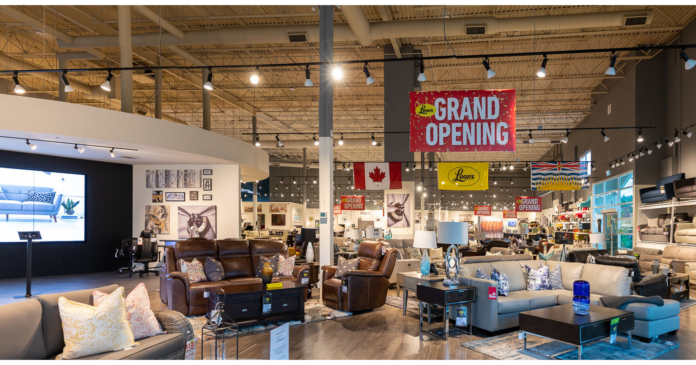
“Our team delivered another solid quarter in Q3, and I want to thank all of our associates – from our sales floors to our warehouses and delivery teams – for their continued dedication to driving our business forward and delivering an exceptional customer experience. System-wide sales grew 3.7%, with furniture generating particularly strong results and market share gains,” said Mike Walsh, President and CEO of LFL.
“This performance reflected our strategic decisions to focus our assortment and maintain higher in-stock positions on key items, supported by our omnichannel platform’s effectiveness in driving more ready-to-buy shoppers across channels. Gross margin expanded 79 basis points, reflecting both the favourable furniture mix and ongoing improvements across the business, including deeper vendor partnerships, enhanced sourcing, and an optimized promotional strategy. The strength of these results, along with continued operational discipline and favourable cost comparisons, translated to adjusted diluted earnings per share growth of 20.4%.”
“Looking ahead to Q4 and into early 2026, we expect the industry environment to remain promotional, with Canadians continuing to look for value from retailers they trust. We have a proven track record of navigating dynamic environments, gaining market share and delivering profitability. Our scale, distribution capabilities, sourcing advantages, and rock-solid balance sheet, including $549.6 million in unrestricted liquidity, give us the tools to execute consistently and continue delivering value for our customers and shareholders.”
Financial Highlights – Q3-2025
These comparisons are with Q3-2024 unless stated otherwise.
System-wide sales for the quarter were $808.4 million, an increase of 3.7%.
Q3 Revenue was $678.7 million, an increase of 4.1%, driven by strong performance in furniture, combined with strength in appliances led by the commercial channel.
Same store sales increase of 3.9%.
Gross profit margin was 44.59%, a 79-basis point improvement driven by favourable retail category sales mix and improved rate in the furniture category.
Adjusted net income for the quarter totaled $44.3 million, an increase of 19.1%.
Adjusted Diluted EPS for the quarter was $0.65, an increase of 20.4%.
On September 30, 2025, unrestricted liquidity was $549.6 million, comprised of cash, cash equivalents, debt and equity instruments and the undrawn revolving credit facility.
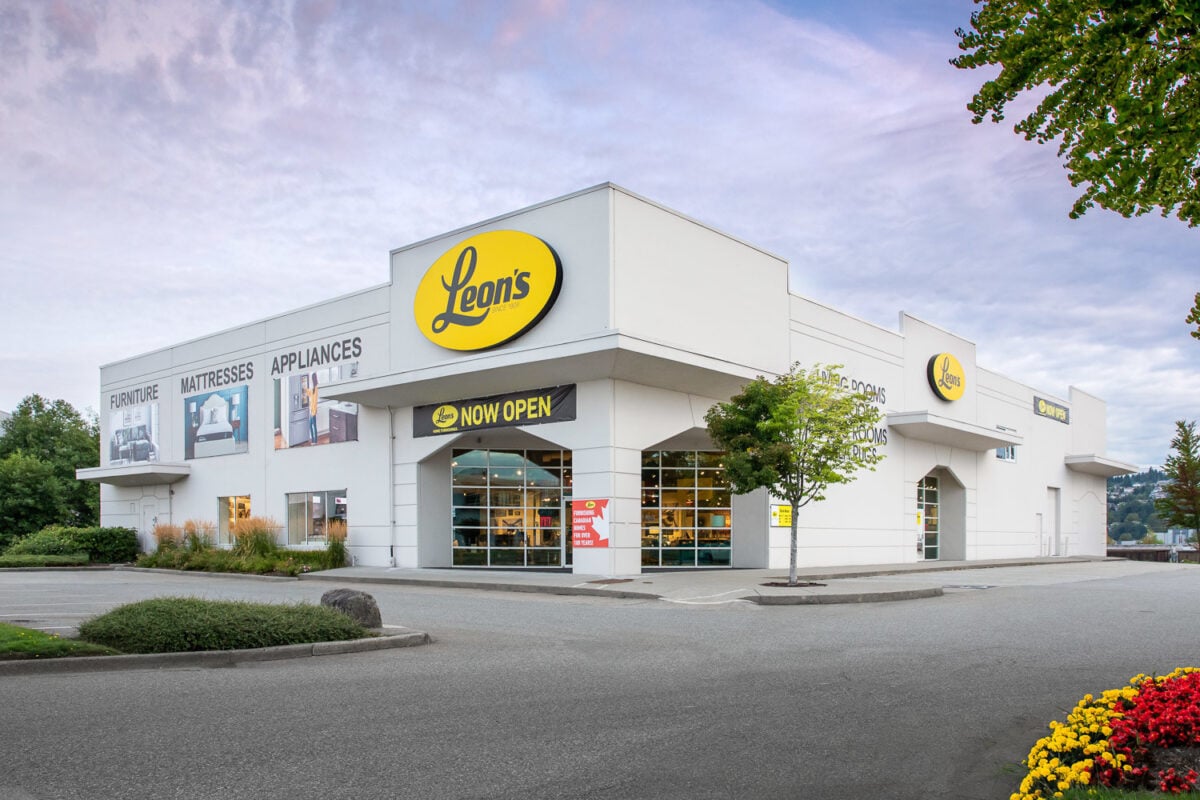
Leon’s Furniture Limited is the largest retailer of furniture, appliances and electronics in Canada. Its retail banners include: Leon’s; The Brick; Brick Outlet; and The Brick Mattress Store. The Brick’s Midnorthern Appliance banner alongside with Leon’s Appliance Canada banner makes the company the country’s largest commercial retailer of appliances to builders, developers, hotels and property management companies. The company has 300 retail stores from coast to coast in Canada under various banners.
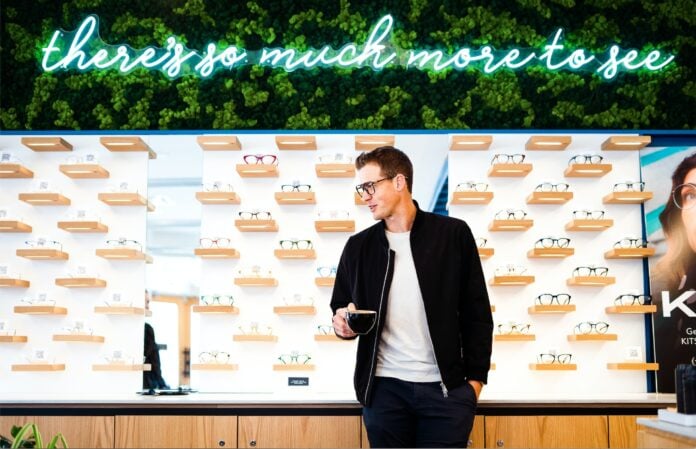
“Q3 was another record quarter of profitable growth for KITS,” said Roger Hardy, Co-Founder and CEO of KITS. “We’re adding new customers at a record pace, expanding margins, and seeing customers in both glasses and contact lenses return at record levels.
Roger Hardy
“Making eyecare easy has been a lot of fun this quarter as the team delivered exceptional results across the board for customers and shareholders. With revenue for the nine months ended September 30 up 29.7% year-over-year to $148.6 million, Adjusted EBITDA up more than 150% to $8.9 million, and net income increasing over seven-fold; our momentum continues to build.
“We remain deeply enthusiastic about the prospects of our many high-growth, high-margin initiatives and confident they will continue to create value and transform the eyecare category in the coming quarters.”
Third Quarter 2025 Financial & Operational Highlights
For the third quarter of 2025, compared to the third quarter of 2024:
Revenue increased by 25.1% to a record $52.4 million compared to $41.9 million
Gross profit increased by 31.6% to $18.1 million, or 34.6% of revenue, compared to $13.8 million, or 32.9% of revenue
Adjusted EBITDA improved by 79.0% or $1.3 million to $2.9 million compared to $1.6 million
Net Income increased by 1,367.4% to $1.9 million or $0.06 per share, compared to $0.1 million or $0.00 per share
Two-year Active Customers surpassed 1 million, an increase of 15.7% year-over-year
For the nine months ended September 30, 2025, compared to the nine months ended September 30, 2024:
Revenue increased 29.7% to $148.6 million compared to $114.5 million
Gross profit increased by 42.5% to $53.3 million or 35.8% of revenue, compared to $37.4 million or 32.6% of revenue
Net income increased by 643.1% to $2.8 million or $0.09 per share compared to a net income of $0.4 million or $0.01 per share
Adjusted EBITDA improved by 152.5% or $5.4 million to $8.9 million compared to $3.5 million
New customers of 305,000, an increase of 36.5% year-over-year
“For the fourth quarter of 2025, KITS management expects revenue to be in the range of $52 million to $54 million, with Adjusted EBITDA as a percentage of revenue between 4% and 6%. The Company intends to announce a Chief Marketing Officer in Q1 2026, to support the Company’s long-term growth strategy,” said Kits.
Retail Insider is streamlining its Canadian retail news from around the web to include a handful of top news stories that can be viewed quickly during the day. Here are the top stories from the past 48 hours.
Cadillac Fairview (CF) is proud to announce the launch of its inaugural residential rental project in Calgary, located on 61st Avenue. (CNW Group/Cadillac Fairview Corporation Limited)
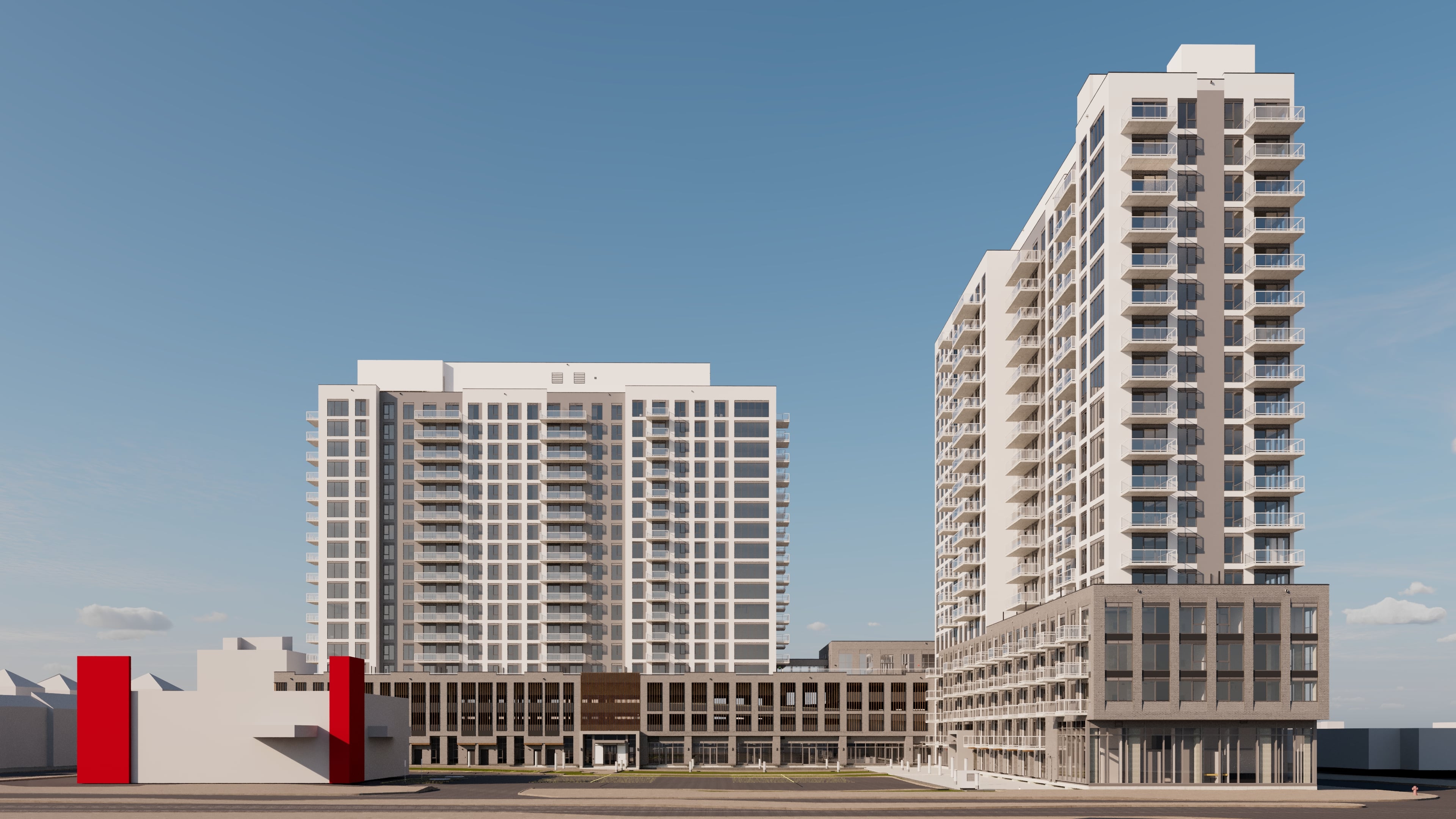
Real estate powerhouse Cadillac Fairview (CF) officially launched on Thursday its first residential rental project in Calgary, across the street from its jewel shopping mall CF Chinook Centre, as it continues to explore the possibility of a landmark residential development on the shopping centre land in the future.
The residential development includes 490 rental units across two towers, 20 and 19 storeys, respectively, connected by a multi-storey podium housing residential units as well as best-in-class amenities, including co-working spaces, lounges and wellness facilities. The project includes significant public realm outdoor spaces, four levels of parking and direct access to public transit. Designed as a transit-oriented development, the purpose-built rental project is strategically located a block from CF Chinook Centre and immediately adjacent to the Chinook LRT station, underscoring the company’s commitment to fostering vibrant and thriving communities across Canada.
Sal Iacono
“This groundbreaking residential development in Calgary is a testament to Cadillac Fairview’s vision for creating vibrant, connected communities,” said Sal Iacono, President & CEO of Cadillac Fairview. “Residential development is not new to CF and we are proud to bring essential housing to this important community as we continue to shape the future of urban living across Canada.”
He called the project a significant milestone for the company and a testament to Cadillac Fairview’s “unwavering vision for creating vibrant, connected and thriving communities” across Canada.
“The launch of our new residential building marks a significant expansion of our presence in this dynamic city and we are honoured to continue contributing to Calgary’s growth and long-term success by providing exceptional living experiences.”
This project marks CF’s fourth major residential rental project, following announcements of the Rideau Registry in Ottawa, Carré Windsor in downtown Montreal, and at CF Carrefour Laval in the Montreal Metropolitan Area.
Construction of the new building at 61st Avenue in Calgary is slated to start this month, with initial occupancy expected in summer 2028.
Photo: Mario Toneguzzi
“We’re confident that this is going to serve to transform this entire area,” said Salpeter.
The site is also located near the Chinook LRT station and a pedestrian bridge connecting that station to Chinook Centre.
Salpeter said CF’s focus on the rental residential market is part of its vision of transforming communities and creating mixed-use communities around its retail centres. It’s also part of its strategy to have a balanced portfolio with retail, office, residential and industrial.
“We’ve been working on this for years. We want to do it thoughtfully and we have incredible opportunities at the sites we own like this one at our properties to continue to densify and create that great mix,” he said.
Salpeter told Retail Insider that CF continues to look at the potential for building residential on Chinook Centre property.
“These things take time. So this is a significant start right now with almost 500 units. We’re going to get this one under construction. At CF Chinook along with all of our centres across Canada we’re active in the pre-development. We continue to look, we continue to do the master plan. We have plans here at Chinook. We have plans in the GTA at Sherway, at Fairview, at Markville where we continue to advance our densification there,” he explained.
“It’s part of our program where we look across the country and advance the plan so we’ll be ready when the time comes but looking at each market specifically. For now we’re going to see how we do with this project in Calgary and we’ll continue to see where the opportunities are for us on site at Chinook.”
Rendering: Cadillac Fairview Calgary project
Salpeter said CF Richmond Centre in the Greater Vancouver Area has delivered 1,100 condominium units and CF has an 80-unit apartment complex there as well.
“We have the best shopping centres. We’re going to make sure we’re thoughtful about how we develop around them to make sure that they continue to be the best shopping centres. But when done appropriately it allows us to build great public realms, allows us to bring density to the centres. The residential supports the retail, the retail will support the residential. And it’s all part of building communities.”
Wholly owned by the Ontario Teachers’ Pension Plan, with assets under management of $28 billion, CF manages approximately 31 million square feet of leasable space at 57 landmark properties across Canada, including CF Toronto Eaton Centre, 160 Front, Toronto-Dominion Centre, CF Carrefour Laval, CF Chinook Centre and CF Pacific Centre.
Uber Technologies Inc. and Loblaw Companies Limited announced a new partnership Thursday to bring Loblaw’s grocery and pharmacy banners to the Uber Eats app, offering Canadians more on-demand shopping options.
Through the collaboration, consumers can now shop from select Loblaw banner stores using Uber Eats, with all participating locations expected to be available nationwide by Nov. 12.
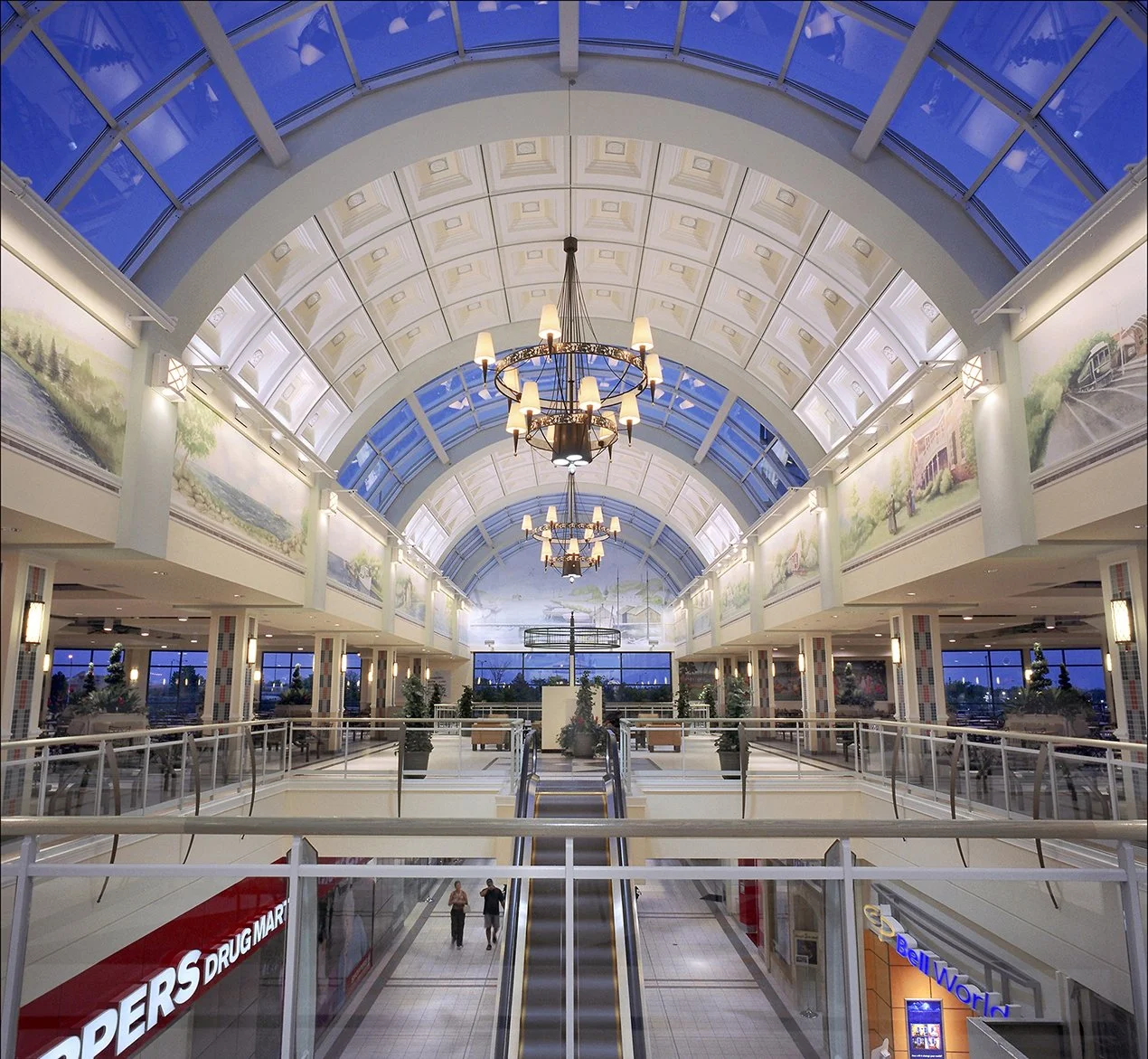
At launch, customers will be able to order from several Loblaw brands, including Real Canadian Superstore, No Frills, Maxi, Your Independent Grocer, Real Atlantic Superstore, Loblaws, Zehrs, Fortinos, Provigo, valu-mart, Shoppers Drug Mart, Pharmaprix, and stores in Newfoundland and Labrador.
Klaas Knieriem
“Uber Eats is giving Canadians more grocery options to choose from and making it easier to get anything they need delivered, whether that’s quick ingredients for dinner, groceries for the week or important health and wellness needs,” said Klaas Knieriem, Head of Retail for Uber Eats in Canada. “Welcoming Loblaw and its banners to the Uber Eats platform is helping us expand our in-app selection so that we can offer Canadians more convenience and access to the brands they trust and rely on every day.”
Lauren Steinberg
Lauren Steinberg, Chief Digital Officer at Loblaw Companies Limited, said the company continues to evolve to meet customer needs. “Canadians are looking for easy, flexible ways to shop for the things they need most, and we continue to enhance our offering to meet them,” she said. “By bringing our grocery, beauty and health products to Uber’s marketplace, we’re making it easier for customers to get quality products from the brands they trust, delivered right to their door.”
According to the companies, customers can access the new service by opening the Uber Eats app, selecting the “Grocery” or “Health” category, choosing their preferred Loblaw banner, adding items to their cart, and tracking their order in real time.
To celebrate the launch, Uber Eats and Loblaw banners are offering a variety of promotions for users, including special offers for Uber One members and first-time Uber Eats customers. Promotions and terms are available within the Uber Eats app.
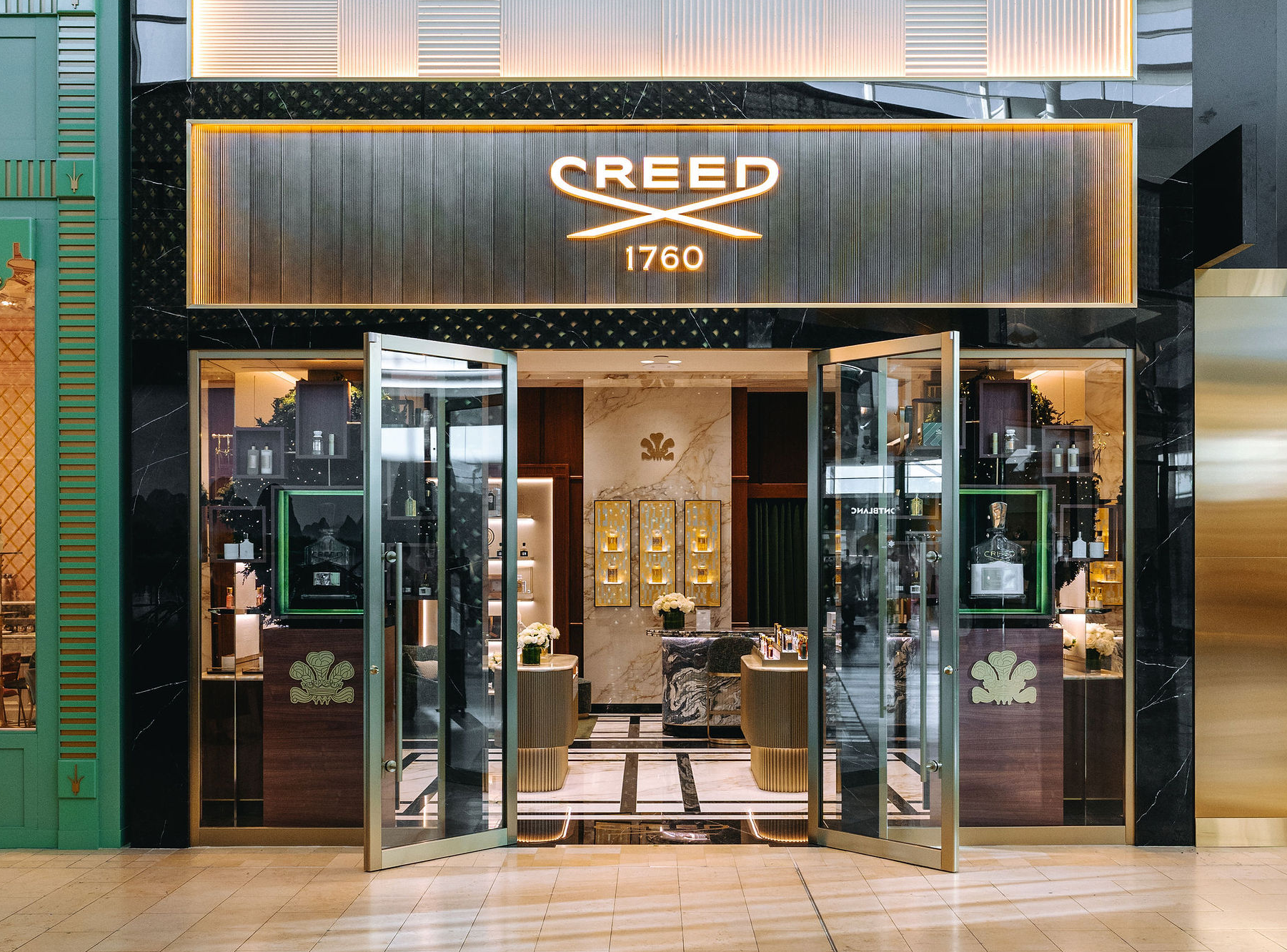
Creed boutique at Yorkdale Shopping Centre in Toronto. Photo: Creed
The House of Creed has officially arrived in Canada with the opening of its first standalone boutique at Toronto’s Yorkdale Shopping Centre. The new store represents the storied fragrance brand’s thirteenth location in North America and signals a major step in its selective international expansion strategy.
The Creed Yorkdale boutique is situated adjacent to Oliver Peoples, which recently relocated within the mall. The space joins an impressive lineup of designer brands that continue to make Yorkdale one of Canada’s leading luxury retail destinations.
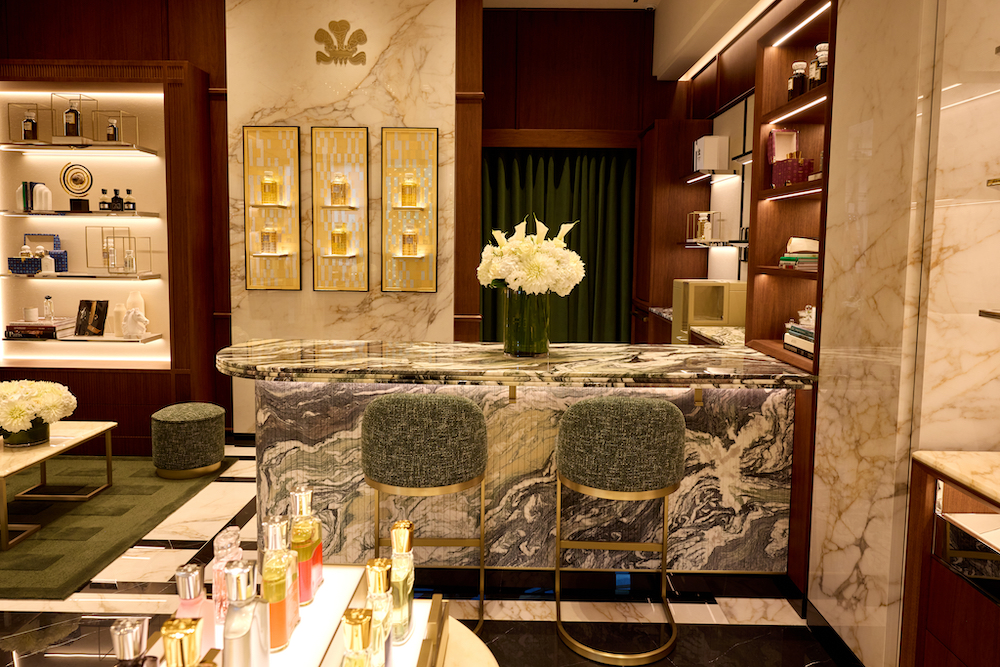
The new Creed boutique spans approximately 650 square feet and has been designed to reflect the brand’s signature aesthetic seen in its stores in Paris, London, and New York. The boutique features a dramatic double-height façade accented by a luminous brass plume and an illuminated Creed logo.
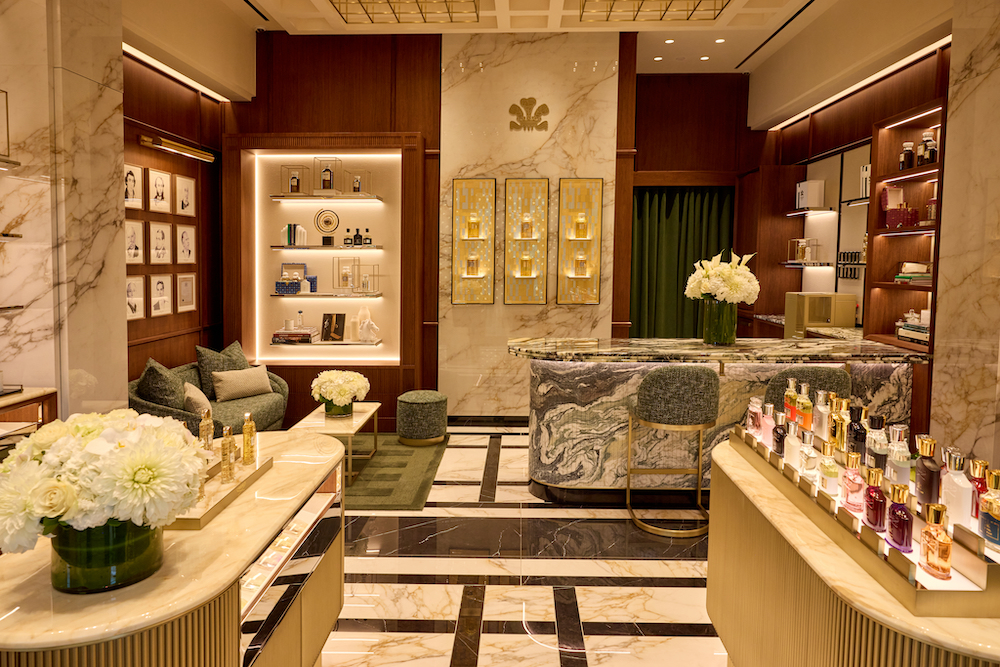
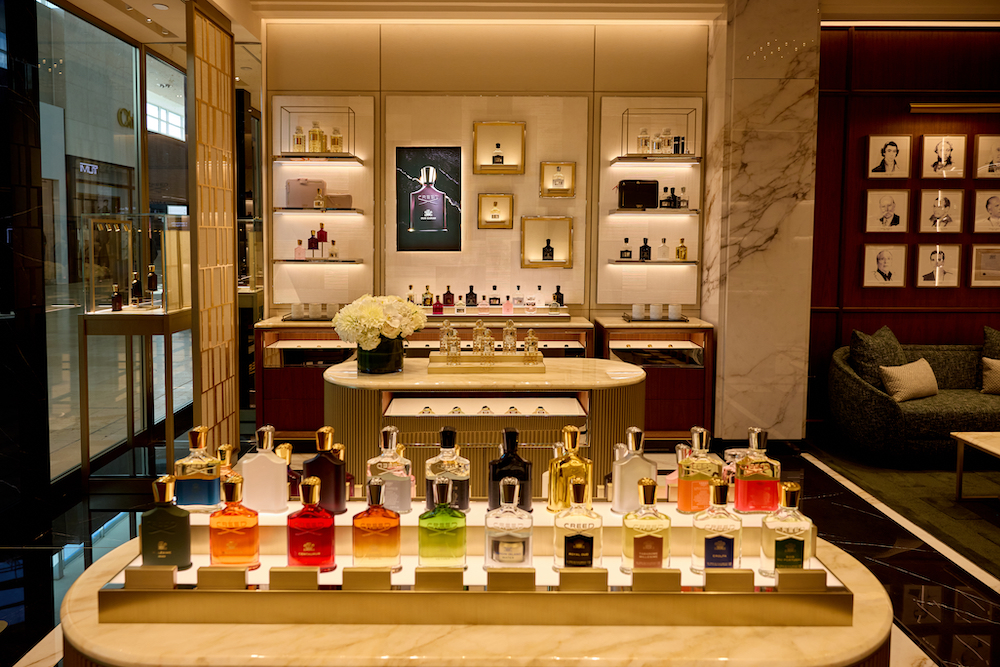
Inside, the design combines craftsmanship and modern elegance. Silk-screened brass inlays frame vitrine windows that highlight featured fragrances, while warm lighting enhances the display of bottles and flacons. The store’s open concept layout invites guests to explore Creed’s complete scent library, including bath and body products.
A lounge area provides a space for private fragrance consultations, and the boutique’s gifting bar offers custom engraving for bottles and exclusive packaging options. Every element of the design underscores Creed’s dedication to artisanal detail and luxury service.
Creed boutique at Yorkdale Shopping Centre in Toronto. Photo: Creed
Full Fragrance Collection Available
At the Creed Yorkdale boutique, visitors can experience the brand’s full range of fragrances, including signature creations such as Aventus, Green Irish Tweed, Millésime Impérial, and Silver Mountain Water. The store also carries the newest scent, Oud Zarian, alongside limited-edition items such as 1000ml collector’s flacons and exclusive leather accessories.
This marks the first time Canadian shoppers can access Creed’s entire fragrance portfolio in one location. Prior to the Yorkdale opening, the brand’s products were available only through select retailers including Holt Renfrew and Harry Rosen. The boutique now provides a direct retail experience consistent with Creed’s luxury standards around the world.
Creed boutique at Yorkdale Shopping Centre in Toronto. Photo: Creed
Yorkdale’s Expanding Luxury Presence
Creed’s debut at Yorkdale comes amid a period of rapid luxury growth at the shopping centre. In 2025, the mall introduced over 75,000 square feet of new luxury space, welcoming several international flagships.
Recent openings include Dior’s 10,700-square-foot Canadian flagship, Maison Margiela, Rimowa, Moncler, and new boutiques for Brunello Cucinelli, Loro Piana, and Versace. Upcoming store launches from Gucci, Tom Ford, and Gentle Monster are expected to further enhance Yorkdale’s profile as the country’s premier destination for luxury retail.
Yorkdale now attracts more than 18 million visitors each year and remains Canada’s top-performing shopping centre by sales per square foot. Owned by Oxford Properties Group and co-owned by AIMCo, the centre continues to set new benchmarks in luxury retail development and experiential design.
A Heritage Rooted in Craftsmanship
Founded in London in 1760 by James Henry Creed, The House of Creed began as a tailoring business serving royal clients before evolving into a fragrance house. Over the centuries, it has become synonymous with handcrafted luxury and refined artistry.
Each Creed fragrance is produced using traditional infusion techniques at the company’s artisanal factory near Fontainebleau, France. Natural raw ingredients are sourced globally, weighed and macerated by hand, maintaining the brand’s commitment to quality and authenticity.
This heritage of craftsmanship is reflected in the Yorkdale boutique’s attention to detail, offering Canadians a chance to experience the brand’s storied legacy firsthand.
Creed boutique at Yorkdale Shopping Centre in Toronto. Photo: Creed
Creed’s Acquisition by L’Oréal
In a major development for the global beauty industry, L’Oréal announced in October 2025 that it had agreed to acquire The House of Creed from Kering for approximately €4 billion (about $4.66 billion USD). The transaction, which is expected to close in 2026 pending regulatory approval, is part of a larger deal that includes a 50-year exclusive licensing partnership between L’Oréal and Kering for fragrance and beauty rights to luxury brands such as Gucci, Bottega Veneta, and Balenciaga.
The acquisition underscores the rising importance of niche luxury fragrance brands in the global market. For L’Oréal, Creed represents both a heritage name and a growth opportunity, combining artisanal prestige with the potential for global scale. Industry analysts predict that L’Oréal will leverage its marketing and retail reach to expand Creed’s presence internationally while maintaining its exclusivity.
Global Context and Selective Expansion
The Toronto boutique joins Creed’s expanding global network, which includes locations in London, Paris, Beverly Hills, Las Vegas, New York, Miami, Houston, and Mexico City. Each store is selected strategically based on market potential, architectural prominence, and international traffic.
This deliberate approach has helped Creed maintain its image as a selective, high-end brand. The opening of the Creed Yorkdale boutique follows the company’s global retail model, ensuring consistency in experience and service. The boutique is designed to serve not just as a point of sale but as a destination where clients can immerse themselves in the brand’s history and expertise.