Advertisement
Advertisement
Home Blog Page 308

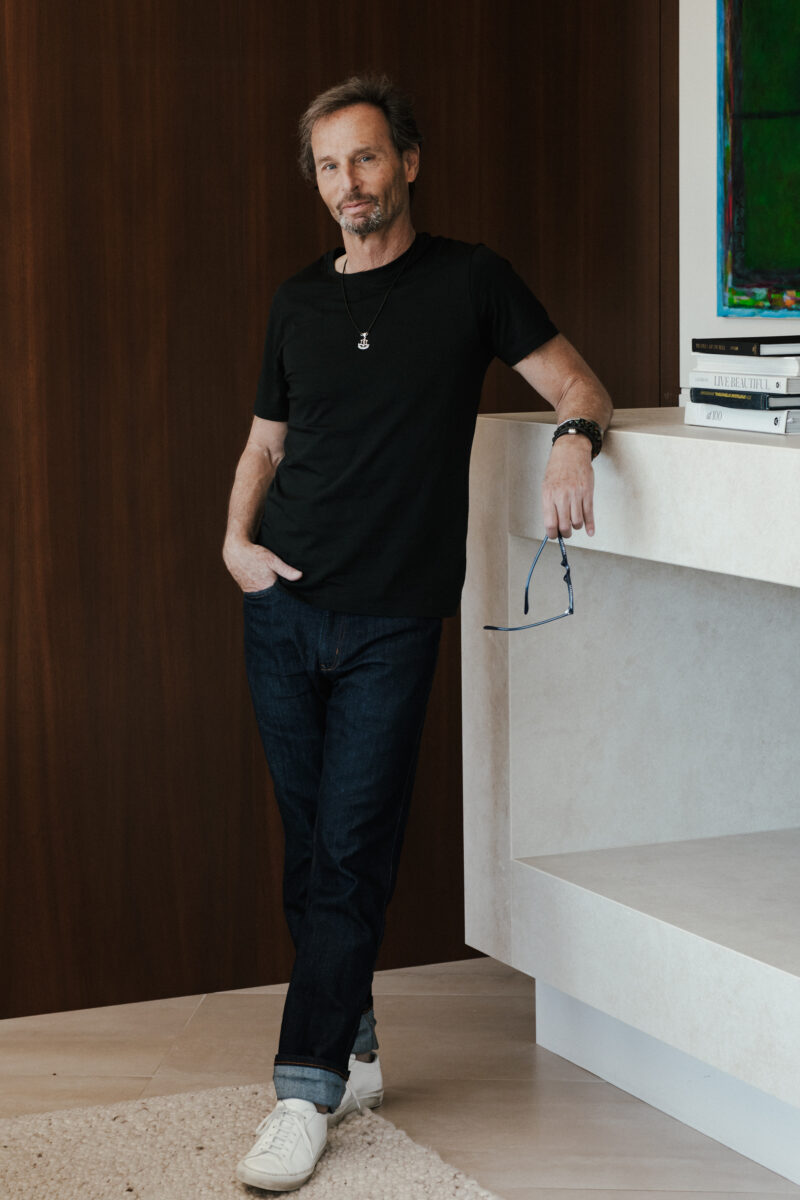
Tech entrepreneur and environmentalist Dax Dasilva launches new book 

Dax Dasilva
Dax Dasilva

Global environmentalist, Lightspeed Commerce Inc. Founder and CEO, and Emmy award-winning executive producer, Dax Dasilva has launched his second book, Echoes from Eden: A Daring Voyage to Protect Earth’s Last Wild Places, with pre-sales that began on Earth Day, April 22.

“As a powerful blend of personal narrative, environmental urgency, and spiritual reflection, Echoes from Eden takes readers deep into the frontlines of conservation efforts alongside courageous and renowned conservationists fighting to protect vital ecosystems, from Dr. Jane Goodall, Chief Juma Xipaia, Dr. Russell Mittermeier, Captain Paul Watson, Suzan Baptiste, Dr. Kerry Bowman, Paul Rosolie, and more. Echoes from Eden will also feature a foreword by Dr. Jane Goodall with all proceeds from the book going toward the Jane Goodall Legacy Fund. Co-authored by acclaimed journalist and writer Eric Hendrikx, the book arrives in North American bookstores on September 2, 2025,” according to a news release.

“From the founder of Age of Union, a global environmental non-profit organization, Echoes from Eden is a gripping first-hand account of Dasilva’s environmental expeditions to some of the world’s most critically endangered regions. Dasilva’s journey unfolds with each encounter, from tracking endangered Grauer’s gorillas in the Congo, protecting leatherback turtles of Trinidad, braving militia-held territories in Haiti, to intercepting illegal fishing operations in the Bay of Biscay.”

Dax Dasilva
Dax Dasilva

“I am incredibly proud to announce Echoes from Eden, a book that reflects my journeys through some of the world’s most remote and endangered ecosystems,” said Dax Dasilva, author of Echoes from Eden. “It’s essential to bring these vulnerable ecosystems to light in order to take meaningful action. It is an incredible honour to have traveled alongside some of the most inspiring environmental changemakers leading the charge to protect our planet. Their dedication and courage have shaped my own path, and I hope this book will inspire others to take action and help safeguard the future of our planet.”

Echoes from Eden: A Daring Voyage to Protect Earth’s Last Wild Places (CNW Group/Age of Union Alliance)

Echoes from Eden recounts Dax Dasilva’s journey supporting conservation efforts in the places that need it most,” said Jane Goodall, PhD, DBE. “This book is a testament to the power of direct action, a blueprint for environmental conservation, and, as well, a deeply personal exploration of spirituality and Earth stewardship.”

The press release said Echoes from Eden serves as a natural continuation of Dasilva’s first book release, Age of Union: Igniting the Changemaker (2019), a compelling guide for igniting today’s changemaker through four transformative pillars: leadership, culture, spirituality, and nature. The success of Age of Union sparked the creation of the non-profit Age of Union in 2021, which focuses on boots-on-the-ground conservation, art, film, and immersive experiences to protect the planet’s most threatened ecosystems.

“Since Dasilva’s initial pledge of $40 million in 2021, Age of Union has supported conservation projects around the globe, from the rainforest protection in the Amazon, Indonesia, Madagascar, and Haiti, to protecting lowland gorillas in the Congo and freshwater reserves in Canada. Most recently, Age of Union premiered season 2 of the Black Hole Experience, a mobile immersive exhibition with a mission to foster connection between humanity and the natural world, at the South by Southwest (SXSW) Convention in Austin, Texas. In March, the non-profit also proudly announced its strategic partnership with Re:wild, a global conservation organization founded by a group of renowned scientists together with Leonardo DiCaprio, to scale up global conservation efforts,” it said.

Echoes from Eden: A Daring Voyage to Protect Earth’s Last Wild Places is available for pre-sale on AmazonBarnes & Noble, and other independent bookstores.

Dax Dasilva, Founder of Age of Union and Wes Sechrest, Chair and CEO of Re:wild (CNW Group/Age of Union Alliance)

About Age of Union:
Age of Union is a non-profit organization committed to uniting humanity with nature. It supports and makes visible a global community of changemakers working on the ground to protect the planet’s threatened species and ecosystems.

“Launched in October 2021 by tech leader and environmental activist Dax Dasilva in Montreal, Canada, Age of Union seeks to ignite a flame within every person through conservation efforts, film, and immersive experiences that hope to solve critical environmental challenges around the world and inspire high-impact change by showing the positive impact that every individual can make,” said the organization.

Related Retail Insider stories:

Monogram Luxury Appliances partners with celebrity designer Lauren Kyle McDavid

Source: Monogram
Source: Monogram

Monogram, the luxury and lifestyle appliance brand, and Lauren Kyle McDavid, a world-renowned celebrity designer, have just announced a two-year partnership that will establish McDavid as the brand’s official Design Ambassador.

The partnership will tap into Lauren’s influential voice and storytelling ability while allowing her to inspire interior designers and design enthusiasts with her style, vision, and perspective, said the company in a news release.

Monogram x Lauren Kyle McDavid (CNW Group/Monogram)

“Partnering with Monogram feels like a natural extension of my passion for design, cooking, and hospitality,” said McDavid. “As a designer, bar owner, and self-proclaimed cook, I constantly strive to create spaces and experiences that align with my ethos – precision, creativity, and excellence. Monogram’s products perfectly complement this vision, and I’m excited to enhance my interiors, bar operations, and culinary creations with their innovative technology.”

As an emerging force in the design world, McDavid will lead the inaugural Monogram Design Council, the brand’s exclusive think tank of visionary designers. Furthermore, this initiative reflects the brand’s commitment to forming meaningful relationships with influential design leaders. Launching in 2025, the Design Council will bring together an elite roster of Canada’s top design, style, and lifestyle experts for a first-of-its-kind content series, explained the company.

Bob Park
Bob Park

“Lauren Kyle McDavid represents the next generation of luxury design: bold, refined, and experience-driven. Her ability to fuse functionality with beauty mirrors everything we stand for at Monogram. This partnership brings a fresh new energy to Monogram,” said Bob Park, Chief Brand Officer at GE Appliance Canada.

Monogram said the collaboration will usher in a new era of luxury and design for Canada; her expertise will allow Monogram to embrace a signature approach that will redefine the world of luxury appliances.

Related Retail Insider stories:

Happy Belly’s Yolks Breakfast to enter Quebec market

Happy Belly Food Group Inc., a leader in acquiring and scaling emerging food brands across Canada, has signed a real estate location for its first Quebec franchisee within the vicinity of Montreal’s West Island at Galerie des Sources located at 3237 des Sources Blvd., Dollard-des-Ormeaux, Quebec.

“Yolks Breakfast is a boutique restaurant brand serving delicious breakfast, brunch and lunch,” said the company in a news release.

Sean Black
Sean Black

“The news today was over 1 year in the making, so it is really great to see that work pay off. I spent my early days growing up in the Province of Quebec, so this is a very special day for me as we expand our 1st of many brands into the province of Quebec. I was even able to spend time in Quebec during my time at MTY Food Group, so I know how much the people of Quebec appreciate their breakfast and brunch,” said Sean Black, Chief Executive Officer of Happy Belly. “Which is why today is such a significant milestone for Happy Belly as we sign our first franchised real-estate location in Quebec, expanding our national franchising program to four (4) operational provinces across Canada. We are incredibly proud of our Yolks partners on both the operational and area development (“AD”) side.

“Establishing our presence in Quebec affirms that our accelerated franchising program and business model are well-suited for our emerging brands, as demonstrated by our organic growth across the portfolio. With franchise agreements now in place in British Columbia, Alberta, Ontario, and Quebec, and 51-units contractually committed with area developers for Yolks, we show no signs of slowing down.

“As the breakfast category remains one of the hottest and fastest-growing sectors in the restaurant industry, we are maintaining our momentum and aggressive approach. Our asset-light strategy continues to attract significant interest and inquiries from potential franchisees. As progress unfolds, we look forward to sharing details about our initial real estate locations. Our overarching strategy has consistently focused on developing and growing emerging brands within the food sector. With the continued rollout of our franchising initiative, we anticipate these new locations will significantly contribute to the company’s revenue and profitability.

Source: Happy Belly Food Group

“Today’s announcement marks another executed step forward in our expansion strategy for Yolks as we continue to incorporate our breakfast brand into our accelerated franchising. We look forward to continuing to execute on our franchising model as we accelerate our growth organically and inorganically through accretive M&A. Happy Belly has 521 contractually committed retail franchise locations across our emerging brands—whether in development, under construction, or already operating. We are working to expand this pipeline throughout 2025 and 2026, continually selecting the right franchise partners and securing optimal real estate to achieve our brands’ development goals.”

Related Retail Insider stories:

Source: Happy Belly Food Group

UNIQLO opening its newest Greater Toronto store at  Mapleview Shopping Centre

Uniqlo at CF Chinook Centre (Image: Mario Toneguzzi)

Global apparel retailer UNIQLO will open its 15th store in Ontario, in Burlington, on April 25, at 10:00am, with opening events highlighting the brand’s commitment to the local community.

“Spanning over 15,000 square feet, UNIQLO Mapleview Centre will showcase UNIQLO’s unique customer experience and LifeWear lineup for men, women, and kids,” said the retailer in a news release.  

“To celebrate the opening of Mapleview Centre, UNIQLO has planned a weekend of festivities for the community, along with limited in-store offers, a commemorative gift with purchase for in-store shoppers, and so much more. The grand opening-day celebration will include a ribbon-cutting ceremony, a taiko drumming performance by Raw Taiko, with free donuts and coffee from local bakers Sunshine Doughnuts for the first 300 customers. In addition, the first 100 customers on opening day will receive a $10 UNIQLO gift card. 

“Also, throughout the opening weekend, customers can test their luck and spin the UNIQLO Garapon Wheel, a Japanese lottery game full of surprise and excitement, for a chance to win such exclusive prizes as UNIQLO branded products, Pocky snacks, Ito En Oi Ocha Green Tea, and $100 UNIQLO Gift Cards.”

Opening Day Schedule: 

9:15 am – First 300 customers in line will receive free donuts from Sunshine Doughnuts

9:35 am – Raw Taiko Performance

9:45 am – Opening Speeches

9:55 am – Ribbon Cutting Ceremony

10:00 am – Doors Open to Customers 

The retailer said Mapleview Centre will offer the brand’s iconic LifeWear apparel for men, women, and children, such as the Pocketable UV Protection Parka—light, packable jackets perfect for layering or travel—and AIRism—an innovative fabric that actively wicks away moisture and heat from the skin and is highly breathable and quick-drying. Other staples include high-quality linens, premium denim, t-shirts, and more.

“Additionally, for any pair of pants $20 or above (excluding athletic wear and sweatpants), UNIQLO provides free hemming services to ensure pants length fits the customers’ unique measurements. UNIQLO also offers complementary in-store pick-up for online orders. The UNIQLO.ca online store offers a full variety of products, styles, and colours, as well as extended sizes that are not available in-store,” it said.

The retailer opened its first store in Hiroshima in 1984 and now has over 2,500 stores worldwide, including 30 in Canada, and online at UNIQLO.ca. “UNIQLO LifeWear is based on the Japanese values of simplicity, quality, and longevity. LifeWear features timeless design, supreme fit and comfort, and is shaped by customers’ evolving needs to improve their daily lives.”

Jeff Berkowitz of Aurora Realty Consultants has negotiated Uniqlo’s leases since the brand entered the country nearly eight years ago, and negotiated the Mapleview lease.

Related Retail Insider stories:

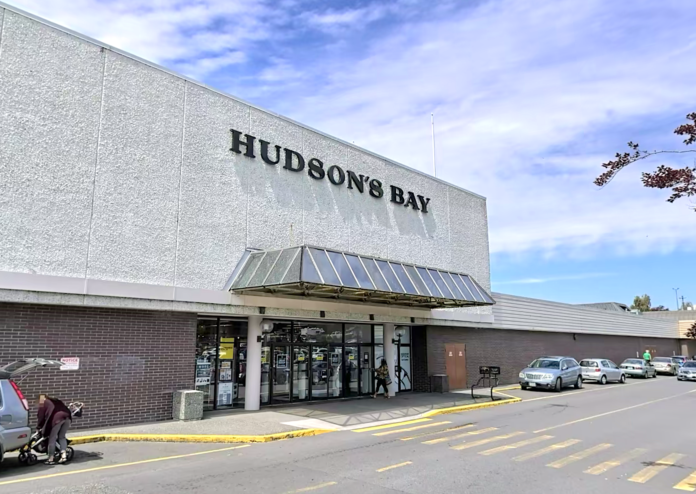
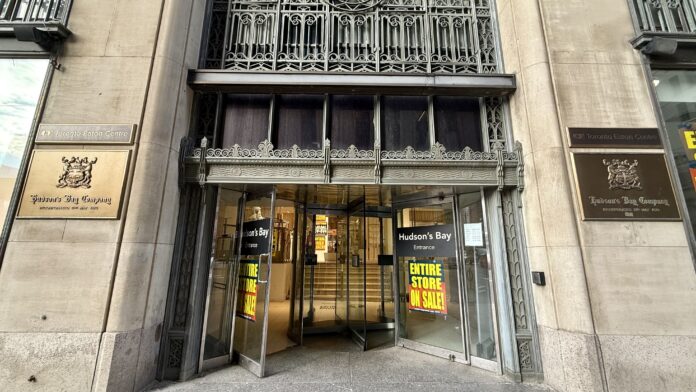
Hudson’s Bay Exceeds Cash Flow Forecast Amid Liquidation

Hudson's Bay flagship store in downtown Montreal in 2021. Photo: Maxime Frechette

The Hudson’s Bay Company is reporting a stronger-than-expected financial position as it winds down operations under court protection. According to a newly filed Report of the Monitor dated April 22, 2025, the company’s cash flow and retail sales have significantly outperformed projections, offering a rare bright spot amid the department store’s looming closure of most of its locations.

The report, prepared by Alvarez & Marsal Canada Inc. — the court-appointed Monitor overseeing Hudson’s Bay’s proceedings under the Companies’ Creditors Arrangement Act (CCAA) — provides a detailed view of the retailer’s financial activity up to April 18, 2025, and includes a forward-looking 13-week cash flow forecast.

Positive Net Cash Flow Surprises Observers

Between March 15 and April 18, Hudson’s Bay generated $238.2 million in total receipts, just shy of its $241.1 million projection. However, due to lower-than-expected disbursements, the company recorded a net cash flow of $112.5 million, surpassing the projected figure by nearly $30 million.

The company’s closing cash balance was $122.5 million, significantly higher than the anticipated $71.5 million. These results underscore the success of the company’s store liquidation efforts, which have benefited from heightened consumer interest and increased in-store and online traffic since the company’s filing for creditor protection on March 7.

Liquidation Sales Drive Retail Receipts

Retail receipts during the reporting period surpassed expectations, offering a much-needed financial boost for Hudson’s Bay as it continues its wind-down process. Between March 15 and April 18, 2025, the company brought in approximately $235.7 million in retail sales, outperforming the projected figure by nearly $9.6 million. 

According to the Monitor’s report, this positive variance was driven by heightened consumer demand amid the ongoing liquidation, which generated increased foot traffic in stores and elevated activity on the company’s e-commerce platform. Consignment goods from participating vendors also contributed to the strong performance, with several high-performing categories exceeding internal forecasts. Although the redemption of gift cards came in higher than anticipated—slightly diminishing net sales—the overall volume of purchases was enough to more than offset this impact. 

Still, the Monitor noted a recent softening in sales momentum as liquidation events mature and consumer urgency fades, suggesting a potential plateau in receipts over the coming weeks.

Hudson’s Bay store at Metropolis at Metrotown in Burnaby, BC, on Saturday, April 5, 2025. Photo: Lee Rivett

Operating Costs and Vendor Fees Lower Than Expected

While Hudson’s Bay experienced stronger-than-forecast sales, its ability to manage expenses also played a key role in achieving a better-than-expected cash position. The company reported total disbursements of $125.7 million during the reporting period—well below the projected $158.6 million. A significant portion of this $33 million variance came from reduced operating expenses, which came in $31.4 million under budget. 

This savings was attributed to lower-than-expected costs associated with store-level operations, reduced payments to critical vendors, and minimized credit card processing fees. In addition, liquidation consultant fees and expenses were substantially below forecast, with actual disbursements totalling just under $1 million versus a projected $9.8 million. These favourable variances, coupled with lower-than-planned sales tax remittances and deferred shared service payments, further supported the company’s unexpectedly strong cash position. 

However, the company did report higher payments to concession and consignment vendors due to the outsized success of consignment merchandise sales—an indication of the liquidation’s relative success in moving high-margin inventory.

Delay in Additional Inventory Creates Future Opportunity

Hudson’s Bay did fall short in one revenue category: “other receipts.” The company had forecast nearly $15.1 million in this category but recorded only $2.5 million, resulting in a $12.6 million shortfall. The variance was caused by a delay in receiving Additional Consultant Goods — merchandise expected to supplement liquidation sales.

This shortfall is not expected to be permanent. The Monitor notes that once these goods arrive and are sold, the company should recover the difference, potentially supporting future weeks of the liquidation process.

Interest Payments Withheld Following Court Ruling

The report also sheds light on interest obligations. Hudson’s Bay did not make interest payments on its FILO Credit Facility or the Pathlight Credit Facility during the reporting period. This was due to the court’s decision not to approve the company’s Restructuring Support Agreement, which would have permitted those interest payments.

As a result, the company saved approximately $3.5 million in interest expenses. Similarly, $21 million in cash collateralization for letter of credit obligations was also withheld, further bolstering the company’s short-term liquidity.

Revised Forecast Projects Modest Growth Through July

Looking ahead, Hudson’s Bay has filed a revised 13-week cash flow forecast covering the period from April 19 to July 18, 2025. The forecast anticipates $331.5 million in total receipts during this period, balanced against $328.4 million in disbursements. If realized, this would result in a modest net cash inflow of approximately $2.1 million over the quarter. 

The projection suggests a stabilizing financial picture as liquidation efforts mature and stores move toward closure. While the level of receipts remains relatively strong, it is expected to taper compared to the initial wave of liquidation activity. The revised forecast does not include interest payments on the company’s FILO or Pathlight credit facilities, nor does it account for cash collateralization for letter of credit obligations—both of which were paused following the court’s decision not to approve the proposed Restructuring Support Agreement. 

Assuming no major unforeseen disruptions, the company anticipates closing the forecast period with a cash balance of $124.6 million, maintaining the liquidity needed to fulfill operational and wind-down obligations.

Liquidation Strategy Adjusted to Reflect Store Wind-Down

As Hudson’s Bay progresses through its CCAA proceedings, its liquidation strategy has been adjusted to reflect the accelerating wind-down of its retail footprint. The company continues to operate the vast majority of its stores as liquidation outlets, with most locations—including 80 Hudson’s Bay stores, 13 Saks Off Fifth units, and three Saks Fifth Avenue stores—scheduled to close by mid-June. 

In preparation for these closures, the company has begun systematically scaling back internal obligations. Salary continuation arrangements for employees terminated prior to the CCAA filing have been discontinued, while post-retirement benefits, including healthcare and dental plans, are scheduled to end by April 30. Payments under the company’s supplemental executive retirement plans (SERPs) have also been suspended. 

These measures, implemented in consultation with the Monitor, reflect a broader effort to reduce costs and conserve cash as the retailer nears the final phase of its operations. The store closure timeline, combined with the rationalization of benefits and staffing costs, indicates that the company is following a tightly managed path toward a complete exit from traditional retail operations in Canada.

Monitor Confirms Sufficient Liquidity

Based on current forecasts and performance, the Monitor concludes that Hudson’s Bay will maintain adequate liquidity through the forecast period. As such, the company is positioned to meet its short-term obligations, complete its store liquidation efforts, and continue exploring bids for its remaining assets, including leases, brand intellectual property, and a historic art and artifact collection.

The Monitor’s report highlights the company’s ability to execute a wind-down in a controlled and financially sustainable manner — a rare accomplishment in the realm of retail insolvency.

Conclusion

While Hudson’s Bay’s long-term future remains uncertain, its financial performance during liquidation has defied expectations. With over $120 million in cash on hand and a tight rein on costs, the retailer has bought itself crucial time and breathing room as it finalizes store closures and continues its asset monetization process.

Further updates are expected following the May 1 deadline for binding lease bids and as the Sale and Investment Solicitation Process (SISP) continues to attract interest in Hudson’s Bay’s intellectual property and remaining commercial assets.

More from Retail Insider: 

A&W launches loyalty program

Celebrating the launch of A&W Rewards™, a new A&W loyalty program! (CNW Group/A&W Food Services of Canada Inc.)

A&W, Canada’s original burger chain, has launched its new loyalty program, A&W Rewards.

The new loyalty program gives Canadians a chance to collect points and redeem free rewards on favourites, announced the company on Wednesday.

Angie Tsang
Angie Tsang

“Get ready to be rewarded, A&W fans! We’re thrilled to announce the launch of our brand-new loyalty program – something our guests have been asking for! Your incredible loyalty to your local A&W means the world to us, and we’re excited to finally offer a program that rewards you for every delicious visit,” said Angie Tsang, Director of Consumer Marketing.

If you already have an account on the A&W App, you are all set up! New mobile guests can download the app and sign up for an account, said the company.

“Whether you order through the A&W Mobile App or scan your unique QR code while ordering at a restaurant, every visit is a step closer to redeeming points for A&W favourites like a frosty A&W Root Beer™, crispy Onion Rings, or the tasty Teen Burger™,” it said.

People can earn 10 points* for every $1** spent, which can be redeemed for up to three items per transaction from the different reward levels.

By redeeming the following points, you can get one of the following favourites:

  • 300 Points: Regular Root Beer, Small Coffee, Apple Turnover, Hashbrown
  • 600 Points: Buddy Burger™, Small Latte, Regular Fries
  • 900 Points: Onion Rings, Mama Burger™
  • 1500 Points: Teen Burger, Chubby Chicken™ Burger, Mama Burger™ Combo, Classic Bacon & Eggs Combo.

Download the Mobile App to sign up for Rewards to start getting rewarded when you place an order for your favourites, added the company.

For full details about Rewards, refer to the Terms of Use.

*Points will also expire 12 months after the calendar month that they are earned.
**Points are calculated on order subtotals after discounts and other offer redemptions. Excludes taxes, fees and purchases made on third party platforms.

Canadians can now earn and redeem points for FREE A&W Favourites by using their A&W App. (CNW Group/A&W Food Services of Canada Inc.)


The company is Canada’s original burger chain with over 1,050+ restaurants that are Canadian-owned and operated.

Related Retail Insider stories:

Second Cup brewing growth: CEO Peter Mammas shares expansion strategy under Foodtastic ownership

Source- Second Cup
Source- Second Cup

Second Cup is undergoing a major transformation and expansion under the leadership of Foodtastic, with CEO Peter Mammas revealing a bold vision for the iconic Canadian coffee brand. Since acquiring Second Cup in 2021, Mammas says the brand has turned a corner—both in operations and performance.

“When we took it over, the brand was suffering,” said Mammas. “So, we came up with a whole new brand image. We changed the operations teams—we increased the number of store visits and improved the quality of operations. Since then, it’s actually been our best-performing brand in all of Foodtastic.”

Peter Mammas, CEO of Foodtastic

Second Cup currently operates around 200 locations across the country, with plans for rapid expansion. “We’re opening over 20 new stores in the next 12 months,” Mammas confirmed. “We just opened our newest store in Kipling GO Bus Terminal in Toronto, part of the Metrolinx Network. The brand’s really doing well.”

With the competitive coffee market more crowded than ever, Mammas believes Second Cup stands out in several key ways. “Every time we do surveys—or when others do surveys—we’re always ranking in the top three, regardless of the region,” he said. “So I think people really appreciate the coffee. We spend a lot of time on branding, marketing, and restaurant operations. It’s not just one thing—it’s a combination of all of that.”

He also pointed to Second Cup’s Canadian ownership as a significant differentiator. “We’re the only Canadian-owned coffee shop,” Mammas noted. “Tim Hortons is owned by Brazilians, and Starbucks is obviously American-owned.”

Looking ahead, the brand has set a clear growth trajectory. “Basically, our five-year plan is to reach 300 stores,” Mammas explained. “That equates to 20 net new openings each year. We don’t want to be closing stores—we want to be opening 20 net new locations annually to hit 300.”

Real estate strategy will play a crucial role in that growth. “We’re looking for roughly about 1,500 square feet. That’s the prime size, I’d say. We can go as low as 1,200 or up to 1,800, but 1,500 is the sweet spot,” said Mammas.

In terms of positioning, visibility is key. “We really like endcaps. They’re more prominent,” he added. “Right now, we’re looking to get into markets we’re not really in yet.”

As Second Cup continues to chart its comeback, Mammas is confident in the brand’s renewed momentum and the company’s focused approach to scaling it across Canada. With a refreshed brand, strategic growth plan, and deepened customer loyalty, Second Cup is once again percolating at the forefront of the country’s café scene.

Recently, Second Cup Café launched a vibrant new lineup of eight limited-time beverages designed to refresh, energize, and delight. Inspired by homegrown flavours, summer campfire memories, cross-country road trips and blooming botanicals, the Spring-Summer 2025 menu features bold and creative new drinks, said the company.

  • Celebrating one of Canada’s iconic sweets, the Nanaimo Bar FroCho and Nanaimo Bar Flash Cold Brew nod to the beloved West Coast dessert.
  • The Campfire Mocca Flash Cold Brew and Campfire Mocca Frappé blend toasted marshmallow and chocolate flavours, offering a small taste of summer traditions, reimagined in every sip.
  • The Strawberry Rose Spritzer offers a sparkling mix of strawberry, citrus, and a floral hint of rose, perfect for patio season.
  • The Iced Matcha with Strawberry Rose Cold Foam features iced matcha topped with silky strawberry rose cold foam.
  • The Watermelon Dragon Fruit Infuzer with Coconut and the Tropical Dragon Fruit Infuzer with Coconut are two bold Infuzer beverages powered by Red Bull. Both Infuzers deliver a revitalizing punch of fruit-forward flavour, blended with a splash of coconut non-dairy milk and served over ice—ideal for those on the go.
Cendrine Lavigne
Cendrine Lavigne

“Our Spring-Summer menu is all about capturing the essence of the season—whether it’s a nostalgic treat by the campfire or a cool, floral spritz on a sunny day,” said Cendrine Lavigne, Marketing Director of Second Cup. “We wanted to offer something for every moment, mood, and craving.”

Foodtastic is one of Canada’s largest restaurant franchisors, operating more than 1,200 locations across the country. Its diverse portfolio includes Freshii, Quesada, Pita Pit, Second Cup, Milestones, and over 22 other banners.

Related Retail Insider stories:

Peoples Jewellers Reopens Redesigned Flagship at Yorkdale

Peoples Jewellers at Yorkdale in Toronto. Image supplied

Peoples Jewellers has officially reopened its newly redesigned flagship location at Toronto’s Yorkdale Shopping Centre. The store introduces a refreshed aesthetic and exclusive product assortments designed to elevate the in-store experience while maintaining the brand’s hallmark accessibility.

“This is more than a store reopening,” said Stacee Johnson Williams, President of Peoples Jewellers. “The Yorkdale flagship is a reflection of our brand’s future. It blends warmth, elegance, and a distinctly Canadian design sensibility, creating an inviting space that meets the expectations of today’s jewellery customer.”

A New Look Rooted in Canadian Elegance

The redesigned store draws inspiration from Canada’s natural beauty, offering a warm and sophisticated environment that reflects both the nation’s landscapes and the personal approach of Peoples’ long-standing jewellery consultants. The interior features modern design elements blended with organic materials, creating an environment that feels both luxurious and welcoming to a diverse clientele.

The layout encourages leisurely browsing with clear sightlines, soft lighting, and carefully curated display zones. Signature collections—including exclusive, limited-edition Le Vian pieces and a selection of 10-18K gold fashion jewellery—are on prominent display, giving the flagship a product mix unique to the Yorkdale location.

Strategic Retail Investment

Toronto remains a strategic focal point for Peoples Jewellers, with Yorkdale offering a high-profile platform for engaging both loyal customers and new shoppers. The investment in the Yorkdale flagship reflects broader plans to remodel and open new locations in key Canadian markets over the coming year.

“Our customers are at the centre of every decision we make,” added Johnson Williams. “This flagship sets a new standard for how we deliver our promise of affordable luxury, exceptional service, and meaningful moments.”

Yorkdale Shopping Centre continues to be a vital destination for luxury and aspirational brands in Canada. The revamped Peoples location reinforces the brand’s place within Yorkdale’s high-traffic, high-expectation retail environment.

Over a Century of Jewellery Retail Leadership

Peoples Jewellers has deep roots in Canada, beginning with its founding in Toronto in 1919 by Sidney Rosenberg under the name People’s Credit Jewellers. At the time, the company pioneered the idea of purchasing jewellery through installment plans, making fine jewellery more attainable for working Canadians. This innovative approach helped the brand expand nationally throughout the 20th century.

By the 1980s, Peoples had grown into Canada’s largest jewellery retailer with over 180 locations. Though a bold acquisition of U.S.-based Zales in the late 1980s proved financially challenging, the company rebounded following a 1999 acquisition by Zale Corporation and later, in 2014, by Signet Jewelers Limited—now the world’s largest retailer of diamond jewellery.

Despite changes in ownership over the decades, the brand has remained deeply Canadian in its operations and appeal. Today, with over 90 stores from the Maritimes to British Columbia, Peoples Jewellers continues to be recognized as “Canada’s #1 Diamond Store,” a position reinforced by its expansive bridal, fashion, and watch categories.

A Modern Brand for Today’s Consumer

While retaining its legacy of accessibility and trust, Peoples Jewellers has also embraced digital innovation. The brand’s website—www.peoplesjewellers.com—complements its brick-and-mortar presence by offering a seamless e-commerce platform with virtual consultations, online exclusives, and customer service features designed to enhance convenience for today’s tech-savvy consumer.

This omnichannel approach is central to the brand’s ongoing evolution. In-store service remains a defining strength, but digital investments continue to grow in importance as shoppers seek flexibility and personalization across their buying journeys.

About Signet Jewelers

Peoples Jewellers is a key brand under the umbrella of Signet Jewelers Limited, a global leader in diamond jewellery retail with a portfolio that includes Kay Jewelers, Zales, Jared, Blue Nile, and James Allen. As a Purpose-driven company, Signet prioritizes sustainability and responsible sourcing, and is an active participant in the United Nations Global Compact.

Operating approximately 2,700 stores across North America and the UK, Signet’s acquisition of Peoples in 2014 helped strengthen its presence in the Canadian market, while allowing Peoples to retain its distinctive identity and focus on Canadian consumers.

More from Retail Insider: 

Navigating Personal Injury Claims for Cyclists

The modern world is witnessing a significant surge in urban cycling – as people increasingly turn to bicycles as a sustainable and healthy mode of transportation, the streets are bustling with cyclists of all ages and backgrounds.

However, this rise in cycling also comes with a corresponding increase in the risk of accidents and personal injuries on the road, and for cyclists involved in accidents, navigating the complex world of personal injury claims can be daunting.

The Surge in Urban Cycling

The trend of urban cycling has experienced a surge recently due to several factors, including its environmentally friendly nature, its contribution to reducing traffic congestion, and its promotion of physical fitness.

Across the globe, cities are adapting by incorporating dedicated bike lanes and infrastructure designed to accommodate this growing preference. Nevertheless, despite these positive shifts, cyclists continue to confront a heightened risk of accidents and injuries.

Challenges Faced by Cyclists in Personal Injury Cases

Vulnerability on the Road

One of the foremost obstacles that cyclists encounter revolves around their susceptibility when navigating roadways.

Unlike motorists, who benefit from the protective enclosures of their vehicles, cyclists remain exposed to the elements, rendering them more susceptible to severe injuries in the event of accidents. This inherent vulnerability can complicate the process of establishing liability in personal injury cases, as defendants might contend that cyclists willingly assume a certain degree of risk by choosing to travel on the road.

Limited Witness Cooperation

Another prevalent challenge in personal injury cases involving cyclists relates to the difficulty in securing witness cooperation.

Many accidents occur without the presence of any witnesses beyond the immediate parties involved. In cases where a motorist collides with a cyclist, the motorist may be inclined to provide a biased account of the incident, making it arduous for the cyclist to substantiate their claims.

Procuring witness testimonies can play a pivotal role in substantiating facts and determining liability in such instances.

Prejudice and Stereotypes

Personal injury claims filed by cyclists are sometimes hampered by the influence of prejudice and stereotypes. Certain individuals may harbour notions that cyclists are reckless, or disregard traffic regulations, and these preconceived stereotypes can exert influence on insurance adjusters, jurors, or even law enforcement officers who are part of the proceedings, potentially leading to unfavourable outcomes for the injured cyclist.

Overcoming these biases stands as a crucial component in navigating personal injury claims effectively.

Complex Determination of Liability

Establishing liability in cycling-related accidents can be a complex endeavour.

Such incidents frequently occur at intersections, where numerous factors come into play, including disputes over the right-of-way and interactions with traffic signals. Determining who bears responsibility can entail a convoluted process demanding a comprehensive investigation and a robust legal argument.

Cyclists may find it necessary to enlist the services of expert witnesses, accident reconstruction specialists, or traffic engineers to recreate the sequence of events accurately and establish liability.

Inadequate Insurance Coverage

In numerous personal injury cases, the extent of available insurance coverage represents a critical determinant in calculating the compensation due to an injured party. Unfortunately, some motorists may lack sufficient insurance coverage to address the damages stemming from a cycling accident.

In such scenarios, cyclists may need to explore alternative avenues for compensation, such as leveraging their personal insurance policies or pursuing a personal injury lawsuit directly against the responsible driver.

Considerations for Cyclists in Personal Injury Claims

Seek Immediate Medical Attention

After a cycling accident, it’s essential to seek immediate medical attention, even if you believe your injuries are minor.

Some injuries, such as concussions or internal injuries, may not manifest symptoms immediately, but can have severe long-term consequences. Documenting your injuries promptly is therefore crucial for building a strong personal injury claim.

Gather Evidence at the Scene

If possible, gather evidence at the scene of the accident – this includes taking photographs of the accident scene, your injuries, and any damage to your bicycle.

Note the details of the accident, including the time, location, and weather conditions. Additionally, collect contact information from any witnesses, as their statements may be invaluable in establishing liability.

Report the Accident

Report the accident to law enforcement, even if the injuries appear minor. A police report can provide an official account of the accident and help document the incident. Be sure to obtain a copy of the report for your records.

Preserve Evidence

Preserve any evidence related to the accident, including medical records, repair bills for your bicycle, and receipts for any expenses incurred due to the accident. This evidence will be crucial in calculating your damages and establishing liability.

Consult with an Attorney

Consulting with an experienced personal injury attorney who specializes in cycling accidents is essential, as they can help you navigate the complex legal process, protect your rights, and advocate on your behalf to secure the compensation you deserve.

An attorney can also help you address any biases or stereotypes that may arise during your case.

Consider Your Insurance Coverage

Review your own insurance policies to determine if you have coverage that may apply to the accident. This could include uninsured or underinsured motorist coverage, medical payment coverage, or personal injury protection (PIP) coverage. These policies can provide additional avenues for compensation if the at-fault party’s insurance is insufficient.

All in all, cyclists face unique challenges when pursuing personal injury claims, but with the right approach and legal guidance, you can secure the compensation you need to recover from your injuries and get back on your bike.

If you or a loved one has been injured in a cycling accident, remember to seek immediate medical attention, gather evidence, and consult with an experienced personal injury attorney. If you require legal assistance for your cycling accident case, our team at Law123 is here to help.

Don’t let the challenges deter you from seeking the compensation you deserve. Your safety on the road matters, and our legal professionals at Law123 are here for you and your injury claim every step of the way.

AI Workplace Safety: How AI Safety Technology Works

Artificial intelligence safety technology streamlines worker safety, digitizes the risk assessment process, and ensures regulatory compliance. Artificial intelligence uses algorithms and machine learning models to help business owners use digital tools to identify health and safety hazards.

Some workplace safety AI technologies can access historical safety data for predictive analytics, monitor worker safety with sensor integration, or identify trends related to certain security concerns. Discover how workplace safety AI technologies could improve occupational safety and health.

AI Enhances Workplace Safety Standards Through Digitization

The best hazard assessment software, with or without artificial intelligence, can improve workplace safety by creating digital records for future reference, which also helps businesses ensure regulatory compliance. Workplace safety professionals use digital software tools to capture and store the data.

These records become the groundwork for all safety training to ensure workplace health and safety for all employees. They also become the wireframe that workplace safety professionals use with risk analysis tools and techniques to implement enhanced safety protocols and reduce potential risks.

Workplace Safety AI Systems Adapt Through Machine Learning

Workplace safety AI systems use deep learning, a subset of machine learning algorithms that analyze historical data and massive amounts of images, text, and other inputs to improve health and safety protocols while continuously enhancing its understanding based on new data input.

Machine learning algorithms for workplace safety AI software are initially trained to detect specific safety risks but adapt to emerging trends and patterns over time. Deep learning AI tools continue to analyze high-quality data to enhance workplace safety by using predictive analysis.

Computer Vision Enables Real-Time Monitoring and Analytics

Computer vision is another form of artificial intelligence that enables workplace safety professionals to use real-time monitoring to reduce safety incidents. AI algorithms can monitor construction workers in real-time to detect common hazards like missing personal protective equipment (PPE).

The system will then alert the safety officer who will stop the worker from completing any dangerous tasks until they wear the PPE provided. Integrating AI with sensors can even improve fleet management with the continuous monitoring of a driver’s vital signs or a products’ environmental conditions.

Computer Science Empowers Workplace Productivity

Another way computer vision can enhance unsafe working conditions and streamline safety manager productivity is by using early detection alerts in the working environment. For example, the system continually monitors and analyzes the floor, much like a modern CCTV camera that thinks for itself.

AI tools using computer vision can detect workplace violence quickly based on predefined risks, helping safety officers attend to the matter swiftly while workers can return to work faster. Integrating AI in workplace health and safety software results in productive workers and team leaders (safety managers).

Implementing AI for Automating Dangerous Tasks

Workplace safety professionals use collaborative robots (co-bots) to conduct quality inspections or monitor hazardous work environments for early hazard detection and timely interventions. For instance, co-bots using computer science can be deployed to analyze the visual risk of fall hazards.

On the other hand, custom AI implementation can streamline workplace safety by automating repetitive tasks that increase the risk of injury to workers. Businesses increasingly automate hazardous tasks like welding, assembly, machine tending, packaging, and palletizing.

Virtual Reality Lays New Foundations for Safety Training

AI plays a major role in occupational safety training thanks to another artificial intelligence technology called virtual reality (VR). Computer vision and VR combined empowers employers, safety officers, and other workplace safety experts to help employees envision modules for proper workforce education.

Virtual reality enables employees to experience a fully-immersive safety training session with realistic simulations, making workforce education an interactive experience employees will never forget. VR safety training also ensures employees understand safety protocols thoroughly.

Companies Are Also Mitigating Risks With Virtual Reality

Virtual reality assists companies in testing and simulating real-life scenarios for risk assessment. For instance, safety managers may use the artificial intelligence tool to determine whether the emergency response plans will be effective for mitigating risks when an actual crisis occurs.

Virtual reality has long been used for simulations and tabletop exercises that help businesses enhance their safety measures through immersive experiences that enable someone to test the protocol before including them in the company’s policies. Mitigating risks has never been simpler than using AI systems.

Natural Language Processing Welcomes Efficient Safety Measures

Workplace safety software that integrates natural language processing (NLP), another form of artificial intelligence, relies on mimicking human intelligence to understand worker concerns. AI tools with integrated NLP use sentiment analysis to dissect historical safety data and reports.

The systems analyze the sentiment of images, videos, audio, and text within previous incident reports, automating human resource and safety management processes to ensure companies respond faster and reducing human error related professionals having to analyze the data manually.

Integrating AI for Automated Health Monitoring Systems

Workplace health and safety doesn’t only refer to reducing potential hazards that may cause injury. It also describes how employers and safety managers ensure the well-being of employees or even the public when entering the working environment. An AI system also detects potential risks to well-being.

AI-driven wearables can monitor employee vital signs and alert safety managers about fatigue, stress, or other pre-set danger signs. AI algorithms can even analyze environmental conditions to ensure effective public health and safety protocols are always in play when visitors enter the premises.

How AI Safety Technology Works Conclusion

AI safety technology uses various forms of artificial intelligence to streamline occupational safety and health in different ways. Not all software platforms provide every artificial intelligence technology. Companies can seek a custom software development company to better capture their needs.

Reduce workplace violence with computer vision, or prevent other common non-fatal occupational injuries with natural language processing that automates the incident reporting and analysis processes. Alternatively, use AI in workplace safety software to improve decision-making with predictive analysis.