Advertisement
Advertisement
Home Blog Page 382

CRAFT Restaurant & Beer Market to open 1st U.S. location in 2026 (Renderings)

Rendering of CRAFT Restaurant & Beer Market, Dallas, Texas (CNW Group/CRAFT Restaurant & Beer Market)

CRAFT Restaurant & Beer Market, a premium casual restaurant with a passion for fresh, local food, amazing craft beer and cocktails, will open its first U.S. location in early 2026 in Preston Center, Dallas, Texas.

The brand launched in a historic block in downtown Calgary in 2011 and today has two locations in Calgary, one in Edmonton, two in Vancouver, one in Victoria, one in Kelowna, one in Ottawa and one in Toronto.

In 2019, CRAFT partnered with Tom Gaglardi, owner of the Dallas Stars, and the iconic Moxies and Chop Steakhouse brands, as well as some of the top restaurants and ski resorts in Canada. This collaboration set the stage for CRAFT’s expansion into the U.S. market. With Gaglardi’s extensive business experience, deep understanding of the market, and strong community ties, Dallas emerged as the ideal choice for CRAFT’s first U.S. location.

PJ L'Heureux
PJ L’Heureux

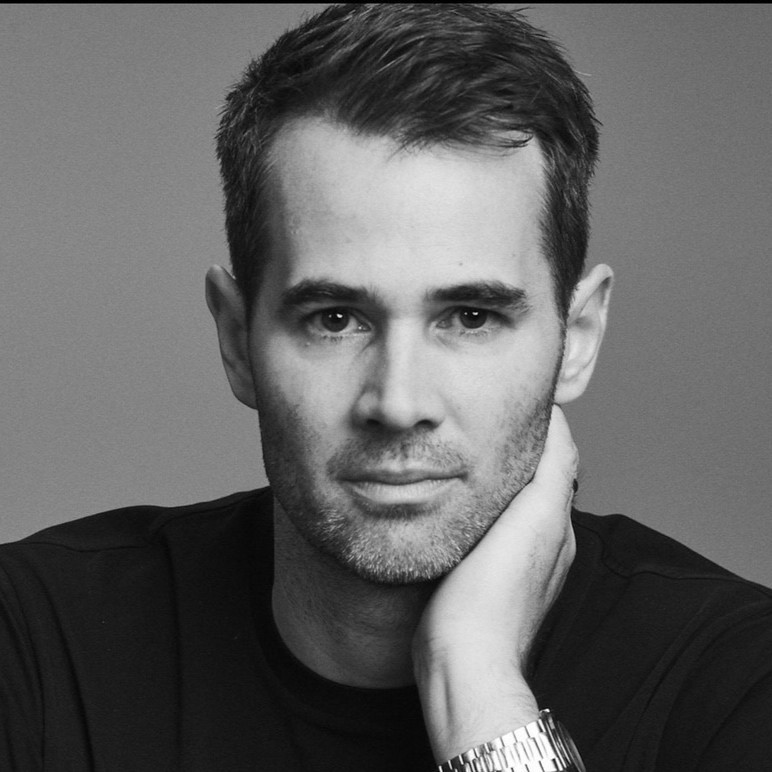
“We’ve always believed that the road to our success is through the connections we build with the communities we are part of. Dallas is a natural fit for CRAFT. Our large restaurant footprint, commitment to local products, and dedication to community are what Texas is all about,” said PJ L’Heureux, founder of CRAFT.

“Texas and specifically the Preston area of Dallas, with its booming economy, diverse culture, and love for craft cocktails and beer, is the perfect place for us to begin this exciting new chapter.

“CRAFT has always been about bringing people together, and we’re thrilled to share our passion for craft beer, exceptional dining, and community building with our friends in the Texas market.”

This marks the company’s highly anticipated entry into the American market, building on its strong presence and success across Canada. The Dallas opening is the first step in the company’s broader plans to establish a strong presence in key American cities over the next decade.

Rendering courtesy of CRAFT

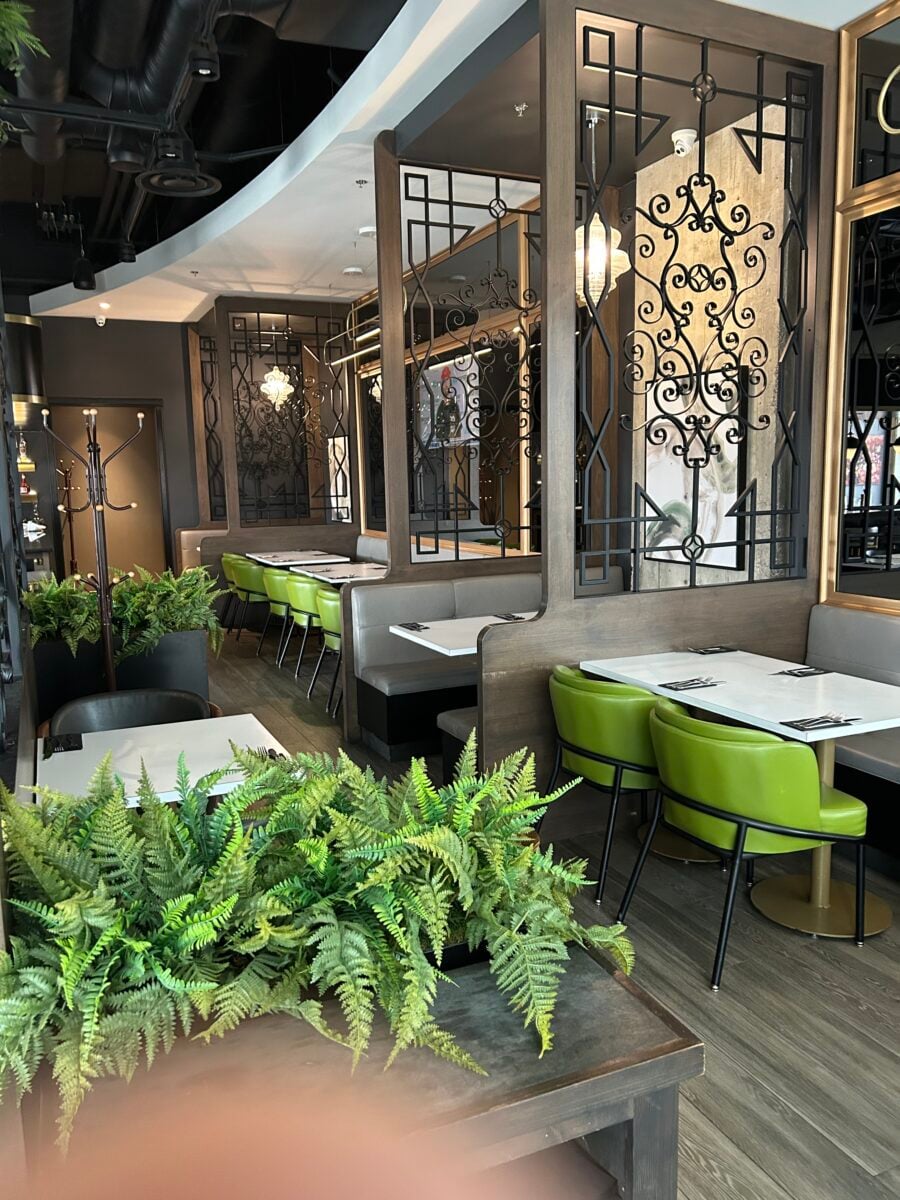
The company said the Dallas location will be a state-of-the-art, 10,500-square-foot space designed in partnership with Canadian boutique interior design firm Way of Normal and local Texas firm ID Studio 4. Guests can anticipate a modern yet welcoming interior, featuring warm woods, industrial accents, and a massive 360-degree bar as its centre. The space will also include a 5,250-square-foot rooftop patio, complete with a full bar, cozy booth seating, lush greenery, and a games area, offering the perfect atmosphere for both casual gatherings and special celebrations.

“With its expansive design, CRAFT is built to host groups of all sizes, whether it’s a relaxed outing with friends, a team get-together, or a large corporate event. What sets CRAFT apart is its unwavering commitment to creating the perfect ambiance and ensuring every visit is a truly unforgettable experience,” it said in a news release.

“Sustainability continues to be a core value for CRAFT. The new location will incorporate energy-efficient technologies and locally sourced materials into its design. Additionally, the restaurant will support the local community by partnering with Texas-based breweries and exceptional Texas food suppliers to showcase the best of the region’s flavours.”

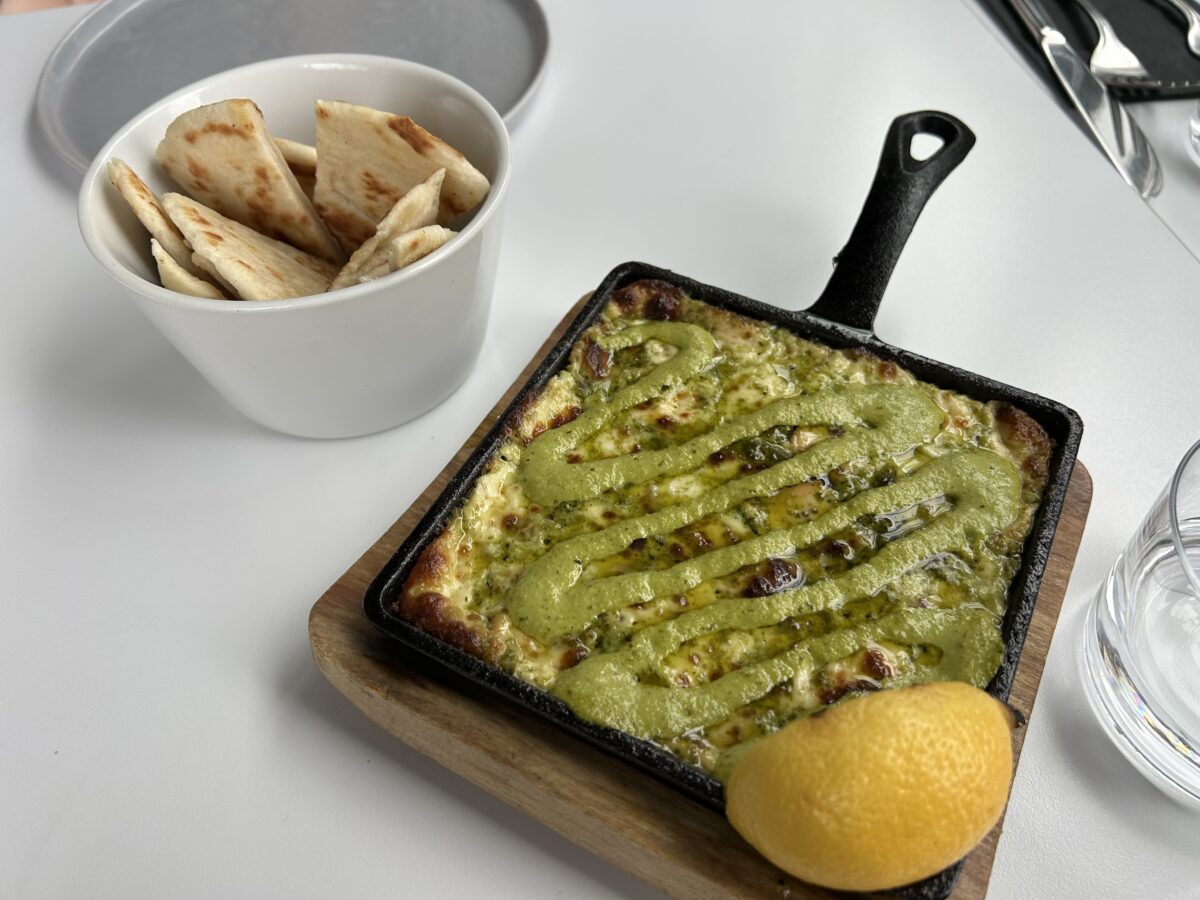
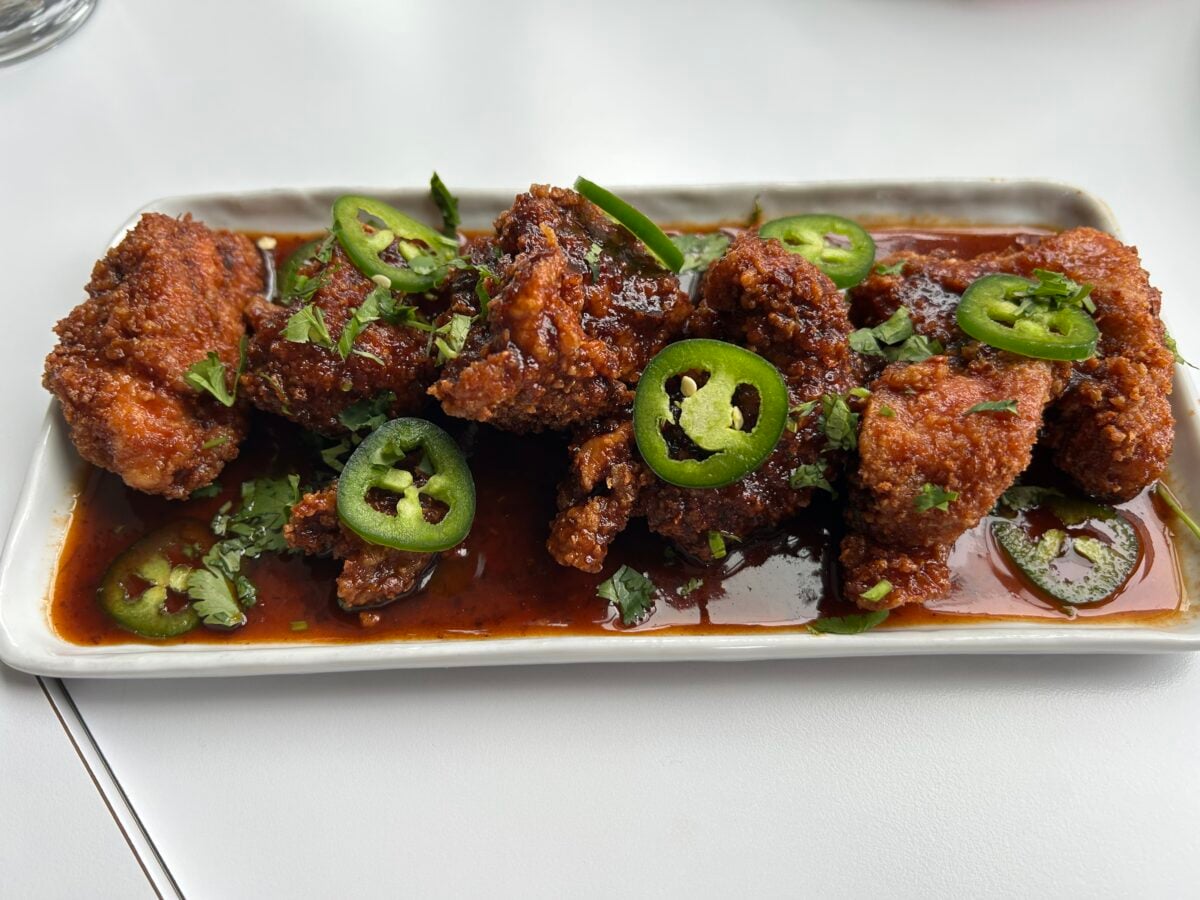
CRAFT said the flagship U.S. location will feature over 100 beers on tap – including local Texas brews – along with cocktails, wine, and a fresh, globally inspired menu of scratch-made dishes.

Scott Frank
Scott Frank

“What I love most about CRAFT is the opportunity to work with local food and beverage suppliers to create unique menus and partnerships in each of the communities we are in,” said Scott Frank, President of CRAFT.

Related Retail Insider stories:

Money Mart Rebrands Insta Chèques in Quebec

Money Mart location in Quebec. Photo: Money Mart

National Money Mart Company, operating as Money Mart®, has announced the rebranding of its Insta Chèques locations throughout Quebec to Money Mart. This strategic move aims to create a unified brand presence across Canada, offering customers a consistent experience nationwide. 

The rebranding initiative is designed to align all locations under the Money Mart name, reflecting the company’s diverse range of financial services beyond cheque cashing. Peter Kalen, CEO of Money Mart, stated, “We aim to provide clarity in our service offerings and provide Canadians with innovative financial products and the support they need to meet their unique needs.” 

Customers in Quebec can continue to access services such as instant personal loans, cheque cashing, money transfers, and money orders at the newly rebranded Money Mart locations. The company emphasizes that while the name has changed, the commitment to customer-first service remains steadfast. 

A Brief Overview of Money Mart

Founded in 1982 in Edmonton, Money Mart has grown to become one of Canada’s leading providers of alternative financial solutions. The company offers a variety of services, including personal loans, installment loans, cash advances, cheque cashing, prepaid cards, and money transfer services. With over 350 locations across Canada and the United States, Money Mart focuses on serving underbanked and subprime customer segments. 

Money Mart’s journey began as an entrepreneurial venture, responding to a growing demand for convenient financial services. By 1994, the company had expanded to over 100 franchised and corporate locations. In 1996, it was acquired by Dollar Financial Group, Inc., which later became Money Mart Financial Services. The company continued its growth trajectory, opening its 200th location by the year 2000. 

More from Retail Insider:

Employment rises while unemployment rate decreases: Statistics Canada

Photo by Pavel Danilyuk

Employment rose by 91,000 (+0.4%) in December and the employment rate increased 0.2 percentage points to 60.8%. The unemployment rate declined 0.1 percentage points to 6.7%, reported Statistics Canada on Friday.

In December, employment rose for core-aged men (25 to 54 years old) (+30,000; +0.4%) and men aged 55 and older (+41,000; +1.7%) as well as for women aged 55 and older (+21,000; +1.1%), said the federal agency.

“Employment gains in December were led by educational services (+17,000; +1.1%), transportation and warehousing (+17,000; +1.6%), finance, insurance, real estate, rental and leasing (+16,000; +1.1%), and health care and social assistance (+16,000; +0.5%),” it said.

“In December, employment increased in Alberta (+35,000; +1.4%), Ontario (+23,000; +0.3%), British Columbia (+14,000; +0.5%), Nova Scotia (+7,400; +1.4%), and Saskatchewan (+4,000; +0.7%), while there was a decline in Manitoba (-7,200; -1.0%). Employment was little changed in the other provinces.”

“Employment rose by 91,000 (+0.4%) in December, mostly in full-time work (+56,000; +0.3%). This follows an increase in November (+51,000) and marks the third employment gain in the past four months,” explained StatsCan.

“The year 2024 ended with 413,000 (+2.0%) more people working in December compared with 12 months earlier. This year-over-year growth rate was comparable to the one observed in December 2023 (+2.1%) and to the average growth rate for December over the pre-COVID-19 pandemic period of 2017 to 2019 (+1.9%).

“Public sector employment rose by 40,000 (+0.9%) in December, the second consecutive monthly increase. In the 12 months to December, public sector employment rose by 156,000 (+3.7%), driven by gains in the public-sector components of educational services as well as health care and social assistance.

“Private sector employment was little changed in December (+27,000; +0.2%) and was up 191,000 (+1.4%) on a year-over-year basis. The number of self-employed people rose by 24,000 (+0.9%) in December, the first increase since February. This brought total gains in self-employment for the year to 64,000 (+2.4%).”

The report said the employment rate—the proportion of the population aged 15 and older who are employed—increased 0.2 percentage points to 60.8% in December, after holding steady in November. The increase in December was the first since January 2023. On a year-over-year basis, the employment rate was down 0.9 percentage points in December.

The unemployment rate was 6.7% in December, down 0.1 percentage points from the previous month. The rate in November was the highest since January 2017 (outside of 2020 and 2021, during the pandemic). On a year-over-year basis, the unemployment rate was up 0.9 percentage points in December, added Statistics Canada.

Related Retail Insider stories:

Urban No Frills to anchor growing West Village community in Calgary

West Village Towers
West Village Towers

A new urban No Frills store is set to open in Calgary’s growing West Village neighbourhood, bringing a much-anticipated grocery option to the area. According to Ryan Rutherford, Vice President of Retail Leasing with Cushman & Wakefield, the store will occupy 13,000 square feet of a 24,000-square-foot retail space on the ground floor of two luxury rental towers – West Village Towers – on Ninth Avenue SW.

It will have heated underground parking.

Ryan Rutherford
Ryan Rutherford

“This No Frills is part of their new urban concept, which is being rolled out across the country,” says Rutherford. “It’s an affordable grocery option that also offers fresh products in a smaller format, which fits perfectly with the needs of the surrounding community.”

Transforming the West Village

The two existing towers, each 41 storeys, are fully occupied with 478 luxury rental units, creating a vibrant micro-community. A third tower of similar height is currently in the planning stages, with approximately 220 to 230 additional units expected to be added in the future. The entire project is being developed by the Cidex Group, further solidifying the area’s transformation into a dynamic mixed-use hub.

“The introduction of a grocery anchor like No Frills is a significant milestone for this development,” says Rutherford. “Not only does it provide a vital amenity for the roughly 1,000 residents in the two towers, but it also serves the broader West Village community and surrounding residential and office areas.”

Strategic Location

The store’s location within Calgary’s free-fare train zone adds to its accessibility, allowing shoppers to conveniently travel to and from the store without the need for personal vehicles. Additionally, heated underground parking will be available for commercial use, enhancing the shopping experience.

The absence of a grocery store on the north side of Ninth Avenue SW makes this development particularly impactful. Nearby competitors like Safeway and Co-op are located on the south side of the train tracks, highlighting the demand for a north-side option.

Additional Leasing Opportunities

While the urban No Frills takes up the western portion of the retail space, Cushman & Wakefield is actively marketing approximately 10,000 square feet of adjacent main-floor retail space. An additional 28,000 square feet of space is available on the second floor, including 6,700 square feet designated for medical and professional uses.

“Now that the grocery anchor is confirmed, we’re targeting complementary tenants,” Rutherford explains. “Potential uses include a fitness centre, childcare services, and more medical or professional tenants. This mix will round out the community’s retail offerings.”

West Village Towers
West Village Towers

A Bright Future for the West End

The West Village is positioned for continued growth, with high demand for rental residential units and ongoing transit-oriented developments. The new No Frills store, set to open in April or May 2025, is just one example of the investment in this evolving area. Rutherford notes that the community’s response has been overwhelmingly positive, with strong interest already generated among brokers and retailers.

“This project highlights the importance of creating mixed-use developments that serve both residents and the surrounding neighborhoods,” says Rutherford. “We’re excited to see how this contributes to the vibrancy of the West Village.”

Related Retail Insider stories:

UNITY Fitness gains momentum at Toronto’s Harbourfront

UNITY Fitness
UNITY Fitness

In the heart of Toronto’s vibrant Harbourfront district, UNITY Fitness is carving a niche as a premium wellness club, blending top-tier amenities with a focus on community and innovation. Since its December 2023 opening in the Sugar Wharf area, UNITY has quickly gained traction among fitness enthusiasts seeking a comprehensive and inclusive approach to health and wellness.

A Growing Community Hub

“The Harbourfront area, particularly Sugar Wharf, is a curated community that had a clear need for a large fitness facility to serve its population,” said Dr. Adam Reynolds, Head of Strategy and Operations at UNITY Fitness. “We’re nearing membership capacity just over a year in, which speaks to the demand and resonance of our offering.

“There definitely will be future locations but for now this is our flagship.”

The facility caters to a diverse demographic, with a core membership base aged 20 to 40. However, UNITY’s appeal extends to families and older individuals who take advantage of its child-minding services, gymnasium, and tailored fitness programs.

UNITY Fitness
UNITY Fitness

Industry Recovery and Trends

The fitness industry has seen a resurgence post-pandemic, with people prioritizing health and wellness more than ever. According to Reynolds, UNITY is meeting the moment by offering a variety of premium experiences. “We provide options ranging from hot yoga and cycling to a saltwater pool and gymnasium featuring basketball and pickleball,” he explained. “But more than just fitness, we’re helping people find community within our space.”

Recovery and mobility solutions are emerging as key trends. “The inclusion of cold plunges, saunas, and mobility classes is a major focus,” said Reynolds. UNITY has embraced these trends with its state-of-the-art recovery tools and plans to introduce a sauna in 2025.

“The industry really came back stronger than ever after COVID which is incredible. People are looking for ways to move and stay active and looking for premium services and the ability to do different forms of fitness.”

Differentiating Through Experience

In a competitive fitness landscape, Reynolds emphasizes the importance of delivering an exceptional membership experience. “It’s about creating a boutique feel, even within our large footprint,” he said. “People want to exercise in groups, meet others, and engage in social activities. Building a community is key to retaining and growing our membership.”

A standout feature at UNITY is its proprietary Flex Program. This hybrid model allows users to purchase Flex Passes without committing to a full membership, offering flexibility for those who prefer class packages or sporadic visits. “It’s a unique aspect of UNITY and aligns with the evolving preferences of fitness consumers,” Reynolds noted.

UNITY Fitness
UNITY Fitness

Looking Ahead

UNITY has ambitious plans for the future, with potential expansion across the Greater Toronto Area. “While I can’t disclose specific locations yet, we are exploring opportunities to bring the UNITY experience to more communities,” said Reynolds.

With its flagship thriving and a commitment to innovation, UNITY Fitness is poised to continue leading the charge in Toronto’s wellness space. As the industry evolves, UNITY remains steadfast in its mission to combine premium fitness offerings with a strong sense of community.

Related Retail Insider stories:

Brand refresh rolling out across Chopped Leaf chain in 2025

Photo courtesy of Chopped Leaf

Chopped Leaf, a Canadian fast-casual restaurant chain that is making healthy eating craveable, is rolling out a new look. The refreshed brand, featuring a new logo and updated interior design, was officially unveiled at Chopped Leaf’s original store in Kelowna, BC as part of their 15th anniversary celebrations last year, with a revitalized interior design, logo and signage. This year, the new look will extend to all marketing assets and collateral, packaging, uniforms, merchandise and more, the company announced in a news release.

Karen Paradine
Karen Paradine

“Our mission is to change the perception of greens from health food to comfort food, and that means making greens craveable” said Karen Paradine, head of Marketing at Chopped Leaf. “Our new look and design put our best attributes on display, highlighting that only Chopped Leaf delivers comforting, quality, fulfilling and flavourful greens for everyone.”

With over 118 restaurants across Canada and in the United States today, the company said it is renowned for its fresh and craveable salads, wraps & bowls that provide a feeling of overall goodness & fulfillment.

Genti Kongjika
Genti Kongjika

“It’s critical for any restaurant brand to evolve and stay fresh. We’ve done this while keeping true to our roots and maintaining the essence that makes Chopped Leaf unique and beloved by Canadians, and a rewarding franchise opportunity for entrepreneurs,” said Genti Kongjika, Executive Vice-President, Chopped Leaf.

Jean-Pierre Lacroix
Jean-Pierre Lacroix

“This brand refresh was an evolution, not a revolution,” said Jean-Pierre Lacroix from Shikatani Lacroix, the agency behind the brand update. “We ensured that Chopped Leaf’s brand attributes of fresh quality choppings, irresistible signature dressings, menu variety, fruit infused Chopped Water and the ‘Feel Good After You Eat’ tagline are showcased throughout the new design.”

New logo – a modern take that maintains the chain’s iconic colour palette, while introducing a new salad bowl icon. The new logo is being incorporated onto all signage, uniforms, packaging and merchandise as it’s rolled out across the chain.

New:  A black and white logoDescription automatically generated    Old:    A picture containing text, clockDescription automatically generated

Updated Interior – welcoming and approachable with local “hello” signage, vibrant greens and warm wood tones, and a lower counter that showcases fresh, quality choppings, and allows customers and team members to better engage and interact.

Photo courtesy of Chopped Leaf

The fast-casual restaurant chain has over 118 locations across Canada and in the United States, and is continuing to expand across North America and internationally, with more than 25 locations committed to open. Chopped Leaf is owned and managed by Innovative Food Brands.

Related Retail Insider stories:

Statements Media partners with Brookfield in digital advertising space

Photo courtesy of Statements Media

Statements Media, an innovative outdoor advertising company, has announced a partnership with Brookfield Properties to exclusively represent digital advertising space within its prestigious commercial properties in Canada.

The network includes over 100 digital advertising displays, large-format video walls, and static placements installed in high-traffic areas of 12 premium properties in downtown Toronto and Calgary, which see hundreds of thousands of visitors daily, said the company in a news release.

“The digital displays are strategically positioned in shopping concourses, lobby areas, food courts, and the underground PATH system, which connects to Toronto’s Union Station. In Calgary, ad placements are located throughout the popular Plus 15 Skywalk system connecting the downtown core,” it said.

“Statements Media will also offer full brand dominations and custom activations throughout iconic properties like First Canadian Place, Bay Adelaide Centre, Brookfield Place in Toronto and Calgary, Exchange Tower and Suncor Energy Centre, providing one-of-a-kind immersive opportunities for advertisers to offer high-touch campaigns.”

Adam Watson
Adam Watson

“This exclusive inventory fits seamlessly into our portfolio of impactful and targeted out-of-home offerings,” said Adam Watson, Managing Partner of Statements Media. “Brookfield’s landmark locations offer an unparalleled opportunity to connect with professionals, executives and decision-makers in a premium and intimate environment. These high-impact placements reinforce our commitment to helping brands make a statement in the downtown core.”

Statements said the network of digital displays will deliver millions of impressions weekly and will be available programmatically on leading SSPs like Hivestack, Vistar and Place Exchange. Additional large-format digital displays will be added to high-traffic sections of the PATH in 2025.

Founded in 2005, Statements Media is a boutique outdoor advertising company based in Toronto that specializes in premium out-of-home properties and innovative advertising networks. Its diverse portfolio includes large-format digital boards, static and digital taxi tops, mobile digital screens, wall murals, parking garage media, parking receipt ads, and place-based signage in office and retail environments.

Related Retail Insider stories:

Canada’s Grocery Scandals: 10 Years of Price Fixing & Mislabelling

Loaves of fresh-baked bread line the shelves at a bakery. THE CANADIAN PRESS/AP-Douglas C. Pizac

The bread price-fixing scandal investigation marks its 10th anniversary this year. Initiated in 2015, the Competition Bureau’s work remains incomplete. That’s right, it is still ongoing. While Loblaw, Weston Bakeries (since sold), and Canada Bread (also sold, now owned by Mexico’s Grupo Bimbo, which paid a record-breaking $50 million fine) have faced consequences, four other companies—Sobeys, Metro, Giant Tiger, and Walmart—remain under investigation. This prolonged timeline is extraordinary and does little to foster consumer trust.

New Scandal Uncovered: Mislabeling Meat Products

Adding to the dismay, a recent CBC investigation led by reporter Sophia Harris uncovered further issues, revealing that major Canadian grocery chains, including Loblaw, Sobeys, and Walmart, have been overcharging customers by mislabeling the weight of meat products. Discrepancies often exceeded acceptable margins of error, with some stores including the weight of packaging in the labeled weight of the meat. In some cases, deficiencies were over 10%, a figure that significantly breaches regulatory standards.

Canada’s Maximum Allowable Deficiency for pre-packaged goods varies based on weight: there is no tolerance for packages under 50 grams, a 1.5% margin for packages between 50 grams and 1 kilogram, and 15 grams plus 1.5% for packages over 1 kilogram. Being off by 10% is not just an oversight; it’s a serious violation. The CBC investigation spanned over several months and involved more than 80 stores, highlighting systemic lapses. While grocers may attribute these issues to mistakes or equipment malfunctions, the financial impact on Canadians is undeniable, particularly in a segment—meat—where prices are already climbing. According to Canada’s Food Price Report 2025, meat prices are expected to rise by 5% to 7% this year alone, exacerbating the issue.

The Financial Impact on Canadian Consumers

Loblaw, among others, issued apologies, attributing the problem to new equipment. However, such explanations fall flat in light of the sheer scale of the discrepancies. Canadians spend an estimated 15% to 17% of their food budgets on meat, translating to approximately $48 billion CAD annually, given an average retail price of $8 per pound. With consumers purchasing around 6 billion pounds of meat yearly, even small errors in labeling could result in significant overcharges, potentially surpassing the financial impact of the bread price-fixing scandal.

Most Canadians inherently trust product labels. However, this trust may now waver, leading to questions about the accuracy of scales used for other weighted items like seafood, fruits, and vegetables. Even the fat content in extra lean ground beef, which has risen in price by 15% over the past year, may come under scrutiny. By regulation, extra lean ground beef in Canada must contain no more than 10% fat by weight. Can consumers be confident that this standard is consistently met?

The Need for Transparency and Accountability

When consumer doubt spreads, trust erodes. Grocers, already on thin ice, must exercise greater diligence to restore public confidence. Transparency and accountability are no longer optional but imperative.

For consumers, vigilance is key. Investing in a home scale, which costs about $15, can empower individuals to verify labels. Discrepancies should be promptly reported to the Canadian Food Inspection Agency or to Measurement Canada. Given the apparent gaps in regulatory oversight, consumer-driven action may become the most effective way to hold the food industry accountable. In an era where trust is fragile, empowering consumers to monitor and report inaccuracies may be the ultimate safeguard for ensuring fairness in the marketplace.

More from Retail Insider:

Aritzia Reports 72% Profit Surge Amid U.S. Growth and Challenges

Aritzia at Vaughan Mills, photo provided by Vaughan Mills.

Vancouver-based fashion retailer Aritzia Inc. has reported a remarkable 72% surge in net income for its third quarter, propelled by robust e-commerce performance and significant gains in the U.S. market. However, its Canadian operations showed signs of slower growth amid a challenging economic landscape.

Record-Setting Financial Results

For the three months ending December 1, 2024, Aritzia’s net income reached $74.1 million, a substantial increase from $43.1 million in the same period the previous year. Revenue for the quarter rose 11.5% year-over-year to $728.7 million, surpassing market expectations.

Earnings per diluted share came in at $0.63, up from $0.38 in the prior year, while adjusted net income totaled $83 million, reflecting a 57.5% rise. The retailer attributed its strong financial performance to several factors, including an optimized product mix, improved inventory management, new store openings, and enhanced marketing efforts.

Jennifer Wong, CEO of Aritzia

“When things are going this well, it is difficult to pinpoint and isolate any one aspect of it. It is everything working together,” said Aritzia CEO Jennifer Wong during an earnings call with analysts. “It’s that cliché saying: the whole is greater than the sum of the parts.”

E-Commerce and U.S. Expansion Drive Growth

Aritzia’s e-commerce business delivered a 14% year-over-year revenue increase, supported by foreign exchange gains and reduced markdowns and warehouse costs. In the U.S., revenue grew 23.6% to $403.7 million, bolstered by the opening of flagship stores in key markets, including New York’s SoHo area and Chicago’s Michigan Avenue.

The expansion into high-profile U.S. locations created a “halo effect” for the brand, said Wong in a statement, boosting traffic to both its physical stores and online platform. “When we open a new store and a new market, all the buzz around the flagship openings and the marketing around that drives traffic to the e-commerce site,” she noted.

Canadian Market Faces Challenges

In contrast to its U.S. success, Aritzia’s Canadian revenue declined 0.6% to $325 million. This dip was attributed to the rescheduling of the company’s annual warehouse sale, which generated $10 million in revenue but took place in the second quarter this year instead of the third quarter. The absence of a digital archive sale, which had previously boosted revenue, also impacted results.

Economic pressures in Canada, including inflation and rising interest rates, have led consumers to curtail discretionary spending. Despite these challenges, Aritzia’s Black Friday performance set new records, signaling resilience in consumer demand during the critical holiday shopping season.

Innovations and Future Growth Plans

Looking ahead, Aritzia projects fourth-quarter revenue to range between $830 million and $850 million. The company is set to unveil an enhanced international e-commerce platform and launch its first mobile app in the next fiscal year, signaling a push toward digital innovation.

“I’m really excited about all the initiatives,” said Wong in a statement. “I’m probably most excited about the mobile app.”

Aritzia Yorkdale (Image: Dustin Fuhs)

Aritzia’s Evolution and Growth

Founded in 1984 by Brian Hill, Aritzia began as a boutique in Vancouver’s Oakridge Centre. Over the years, it has grown into a leading fashion retailer with 127 stores across North America. Known for its in-house brands such as Wilfred, Babaton, and TNA, Aritzia has built a reputation for delivering high-quality, trend-focused designs.

Aritzia’s U.S. expansion has been a key component of its growth strategy, with new flagship stores increasing brand awareness and driving customer acquisition. The company’s focus on providing personalized shopping experiences, both in-store and online, has further strengthened its market position.

Outlook

Aritzia’s performance underscores its ability to adapt to changing market dynamics and leverage opportunities in its strongest growth markets. While challenges remain in Canada, the company’s focus on U.S. expansion, coupled with digital innovation, positions it well for continued success in the competitive retail sector.

With robust revenue projections and new initiatives on the horizon, particularly with its US operations, Aritzia appears poised to build on its momentum and further solidify its place as a leader in North American fashion retail.

More from Retail Insider: