Apple iPhone 14 at CF Pacific Centre location (Photo: Lee Rivett)
Apple is introducing AppleCare One, a new subscription-style protection plan that consolidates coverage for multiple Apple devices under a single monthly fee, a shift that could simplify after-sales protection and boost attachment rates across Apple’s hardware ecosystem.
Priced at $19.99 per month, AppleCare One covers up to three Apple products, with the option to add additional devices for $5.99 per month per product, according to the company. The plan launches in the U.S. starting tomorrow, with enrollment available directly through an iPhone, iPad, or Mac, as well as in Apple Stores.
The move positions AppleCare less like an add-on and more like a portfolio-level subscription, designed for customers who now own multiple Apple devices—and want a single plan that follows them as they upgrade.
A Single Plan Across iPhone, iPad, and Apple Watch
AppleCare One includes the core benefits of AppleCare+, including unlimited repairs for accidental damage such as drops and spills, battery coverage, and 24/7 priority support. The new plan also expands theft and loss protection, previously associated primarily with iPhone coverage, to now include iPad and Apple Watch.
Apple says the bundled pricing remains the same regardless of which products a customer adds, framing the plan as a value proposition for users carrying a typical Apple stack.
For customers who would otherwise subscribe to AppleCare+ individually on multiple devices, Apple claims the new offering can deliver savings of up to $11 per month compared with separate plans.
A Broader Enrollment Window—And a Longer Backward Reach
AppleCare One also changes a key limitation of AppleCare+: the narrow sign-up window tied to new device purchases.
Under the new structure, customers can add eligible devices they already own—up to four years old—as long as they’re in “good condition.” This is a significant expansion beyond the typical 60-day window that has historically governed AppleCare+ enrollment.
For Apple, that change could materially increase the addressable market for paid protection, including customers who previously opted out at checkout or delayed their purchase decision.
Designed for Upgrade Cycles and Device Turnover
Apple is also building in automation intended to reduce friction for customers who upgrade frequently. When a customer trades in a covered device directly to Apple, the company says the product will be automatically removed from the plan and replaced with the new device.
As a monthly subscription, AppleCare One is positioned as a flexible coverage layer that can scale up or down based on household device counts, with customers able to move devices in and out of the plan over time.
Why It Matters to the Retail Channel
While AppleCare has long functioned as a high-margin services layer in Apple’s business model, AppleCare One reflects a more explicit move toward subscription packaging and recurring revenue logic—bundling, predictable billing, and multi-device retention.
For consumer electronics retail, warranty and protection plans remain an important battleground. AppleCare One may pressure third-party retail protection offerings by making Apple’s first-party coverage easier to maintain, easier to understand, and more continuous across replacement cycles.
The plan also signals how Apple is adapting its service ecosystem to a reality where customers increasingly own not one Apple product, but several—and want them supported through a single interface.
AppleCare One is available in the U.S. starting tomorrow.
Chick-fil-A says it is continuing to improve the guest experience at its Canadian locations.
On Tuesday, July 22, the popular restaurant chain launched the new Chick-fil-A Canada Mobile App exclusively at the restaurant location at the CF Shops at Don Mills, with the goal of extending to all restaurants in the future.
The app is a free app that allows customers to view the menu, place mobile orders, earn rewards on mobile orders and redeem rewards for menu items.
While the app will be available for download in the App Store and Google Play Store, only guests visiting Don Mills will be able to order via the app at this time.
“We will be collecting guest feedback to help inform the possible future rollout of the app,” said the company.
“We’re launching the Chick-fil-A Canada App as a new way to serve our guests as we continue to expand in Canada. We’re excited to continue improving the guest experience as the app offers mobile ordering, rewards points, and rewards redemption for menu items. Chick-fil-A Shops at Don Mills was the 10th restaurant we opened in Canada, and we found it fitting to start the launch of the app at this location.
“The Chick-fil-A Canada App is a new service made exclusively for Canadian restaurants and is different from the Chick-fil-A App in the US.”
While both apps share some features, the Canada app is a new app only available for use in Canada.
The company said it hopes to offer the app at all locations in Canada starting later this fall.
There are currently 25 restaurants open in Canada and the brand is set to open three more restaurants by the end of 2025.
Toronto’s Ossington Avenue is experiencing a retail surge, establishing itself as one of the city’s most vibrant and sought-after shopping and dining corridors. Once dominated by auto garages, the stretch between Queen and Dundas Streets now pulses with independent retailers, stylish eateries, and lifestyle-driven businesses that reflect Toronto’s evolving urban identity.
“Ossington is on fire,” said Arlin Markowitz, Executive Vice President at CBRE, in an interview with Retail Insider. “There’s virtually no availability. I can’t think of another street in Toronto with such a low vacancy rate.”
A Growing Force in Canadian Retail
CBRE’s Urban Retail Team (URT) recently published its Summer 2025 report, underscoring Ossington Avenue’s ascent as a premier retail destination. With a walkable streetscape and a carefully cultivated mix of fashion, food, and beauty concepts, the area draws comparisons not to international strips, but to some of Toronto’s most charming shopping districts.
“There’s a certain cachet that’s grown around Ossington,” said Markowitz. “It started with a creative, artsy crowd and has evolved into a polished but still cool retail hub. It’s increasingly being talked about in the same breath as Yorkville Avenue or Hazelton, not in size but in terms of appeal.”
CBRE Toronto Urban Retail Team
Destination Openings Add Momentum
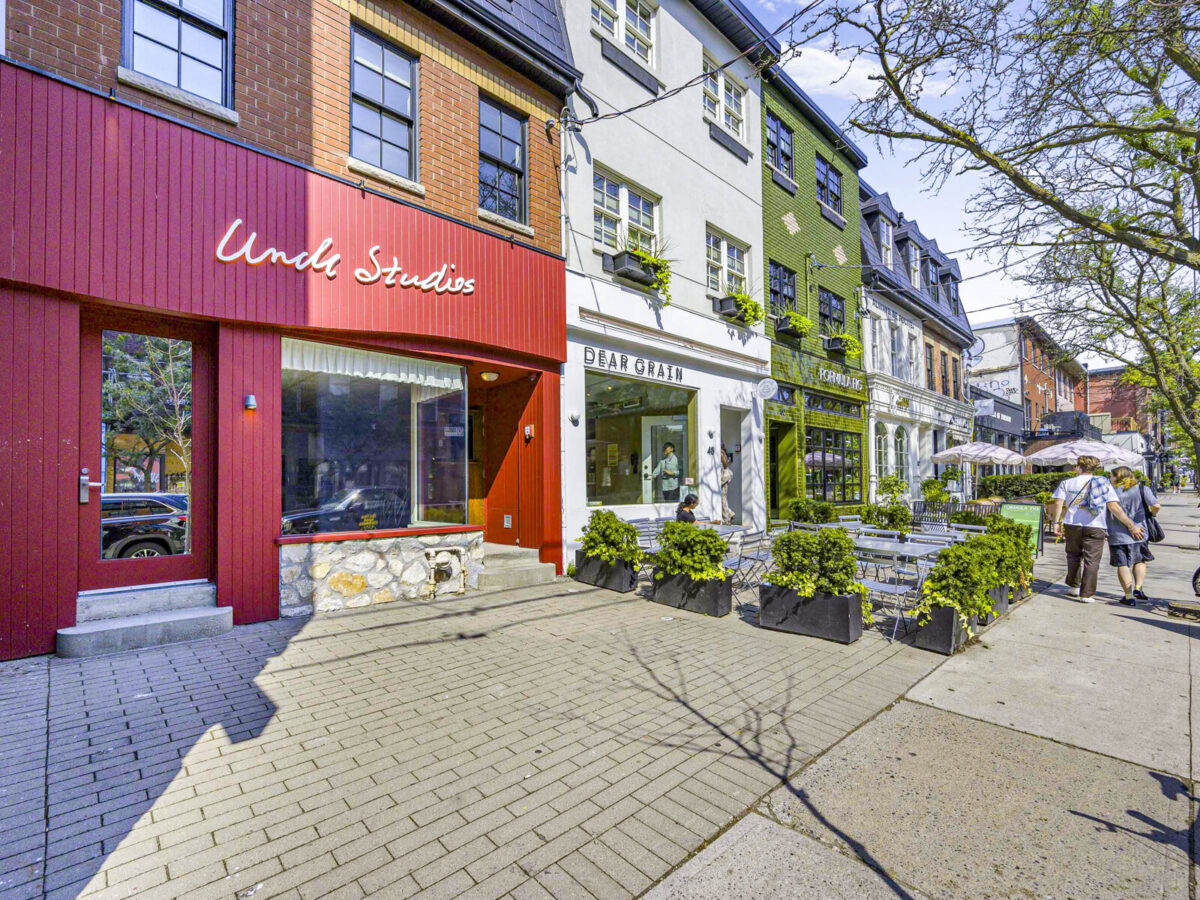
Recent retail openings have further cemented Ossington’s desirability. Toronto-based fashion label Uncle Studios recently launched its first brick-and-mortar location at 46 Ossington, combining apparel with a built-in coffee shop. Across the street at 49 Ossington, Carhartt WIP, the fashion-forward arm of the heritage workwear brand, opened its first Toronto storefront. The lease was secured by Teddy Taggart of CBRE’s Urban Retail Team.
“Carhartt WIP could have opened anywhere,” said Markowitz. “They chose Ossington. That’s a huge compliment to Toronto and a testament to the street’s appeal.”
Also new to the strip is Central Taps, a Calgary-rooted dining concept at Argyle and Ossington serving elevated comfort food. The restaurant joins nightlife staples such as Bellwoods Brewery, Paris Paris, and Azhar Kitchen & Bar. The lease was arranged by the Urban Retail Team’s Jackson Turner and Alex Edmison on behalf of the tenant. Landlord The Pearl Group was represented by Markowitz, who advised on the listing side of the deal.
Also new to the strip is Central Taps, a Calgary-rooted dining concept at Argyle and Ossington serving elevated comfort food. The restaurant joins nightlife staples such as Bellwoods Brewery, Paris Paris, and Azhar Kitchen & Bar. The lease was negotiated by Jackson Turner and Alex Edmison of the Urban Retail Team on behalf of the tenant, while they and Markowitz acted for The Pearl Group as landlord for the marquee corner.
“Ossington has always been strong at night, but now the daytime foot traffic is building thanks to fashion and beauty concepts that operate around the clock,” said Markowitz.
Ossington Avenue in Toronto. Image: CBRE Urban Retail Team
Canadian Brands Thrive on Ossington
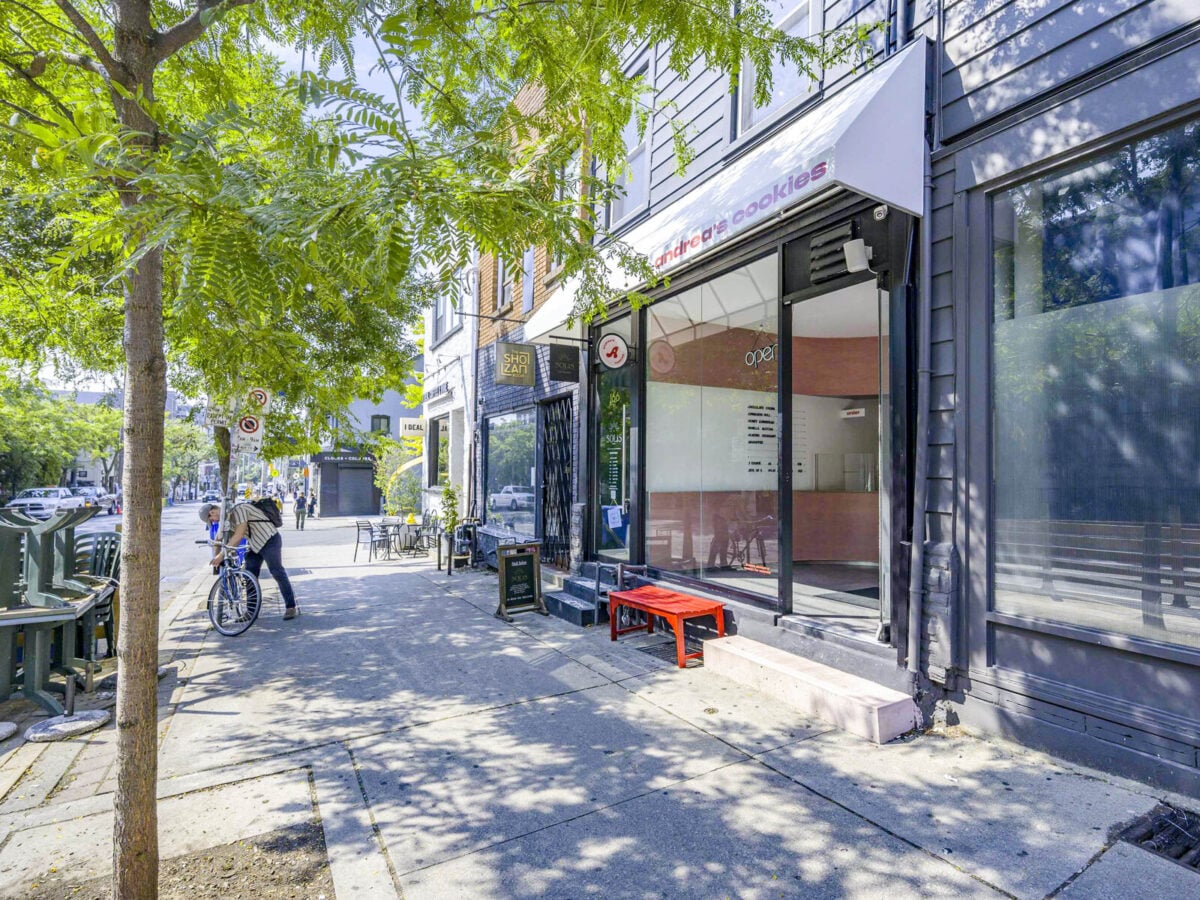
The street has become a launchpad for local entrepreneurs. Andrea’s Cookies, a homegrown brand known for its ultra-soft cookies, continues to draw lines at 166 Ossington. The lease was secured by CBRE’s Urban Retail Team, with Emily Everett representing the tenant. The team continues to work with the brand on identifying additional locations as part of its broader expansion.
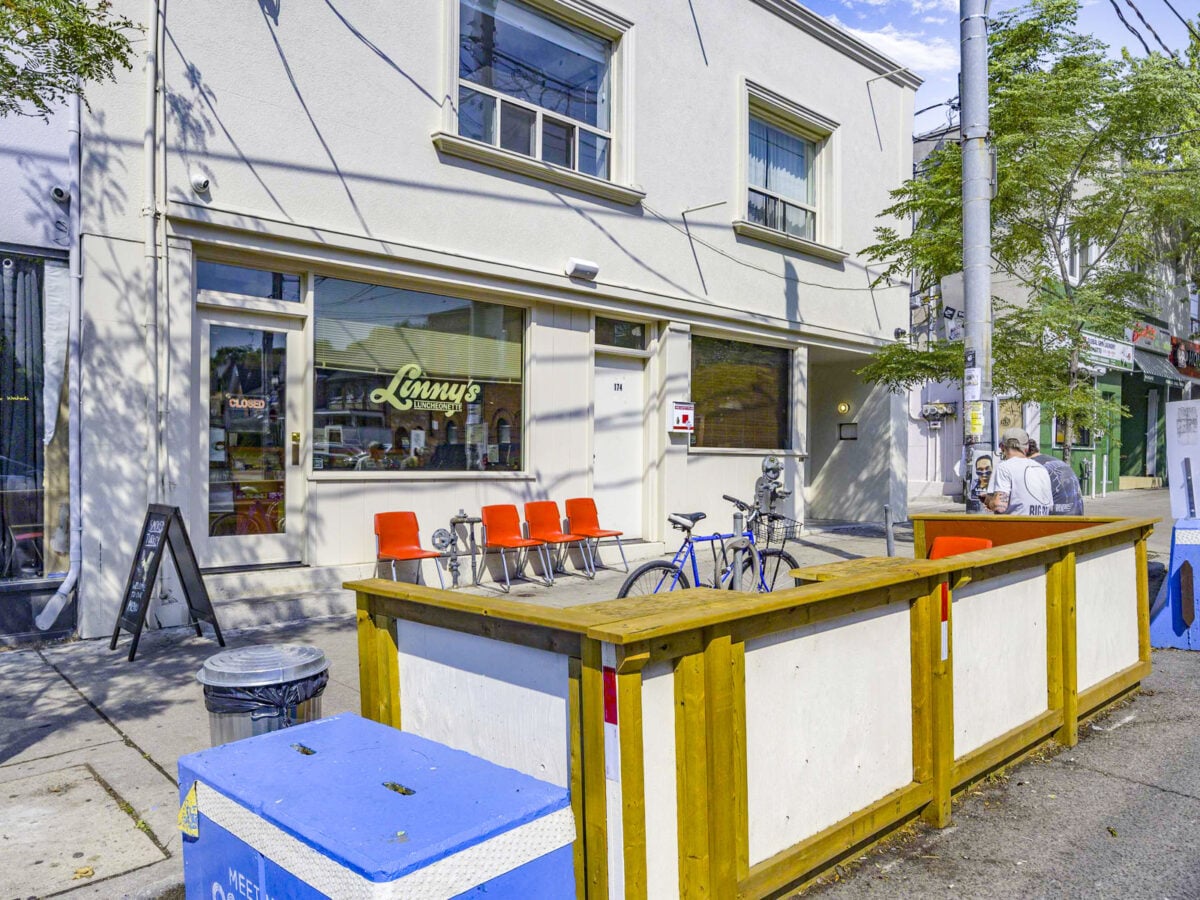
Other businesses on Ossington include Linny’s Luncheonette, a new offshoot of the Linny’s steakhouse brand, which is gaining traction with its elevated deli fare.
“Ossington has become a destination where smaller Canadian brands can stand shoulder to shoulder with larger players,” said Markowitz.
The Suite House, located at 100 Ossington, is a standout in the beauty category. Billed as a “WeWork for beauty,” the business rents out luxury salon suites to professionals, offering services like nails, brows, and waxing in one place. The lease was completed with landlord Hullmark, a key player in shaping Ossington’s modern retail mix.
Linny’s on Ossington Avenue in Toronto. Image: CBRE Urban Retail Team
Landlords Help Shape the Street
Ossington’s transformation has been supported by several progressive landlords who have played a curatorial role in shaping the strip’s unique retail personality. Rather than leasing to banks or national fast food chains, these landlords have prioritized high-quality independent operators that align with the neighbourhood’s character.
Hullmark, a key landlord in the area, has been instrumental in cultivating a thoughtful tenant mix. The real estate investment and development firm owns several Ossington properties and has collaborated closely with the local BIA to help conceptualize the neighbourhood’s growth over the past decade.
The 100 Group Corp., another influential landlord with holdings across Queen West, Dundas West, and Ossington, owns the buildings housing Style Garage, Mejuri and Andrea’s Cookies. With decades of experience investing in Toronto’s high street retail, the group has remained committed to preserving the cultural integrity of Toronto’s most dynamic urban corridors.
Beautiful row of shops on Ossington Avenue in Toronto. Image: CBRE Urban Retail Team
Spillover and Expansion Nearby
With retail space limited and rental rates rising, nearby areas such as Dundas Street West are emerging as viable alternatives. While Queen West already shares synergies with Ossington, some businesses are now eyeing locations slightly north or west.
“Dundas offers lower rents and is gaining interest, especially from destination-type operators,” Markowitz noted. “But there’s no substitute for having Ossington in your address.”
Still, Queen, Dundas, and Ossington form a cohesive retail zone anchored by Trinity Bellwoods Park. “It’s a continuous, walkable ecosystem,” said Markowitz. “Like a Toronto take on how neighbourhood retail can feel vibrant and local.”
Central Taps on Ossington Avenue in Toronto. Image: CBRE Urban Retail Team
International Attention Builds
Interest from global brands has also resumed. According to CBRE’s URT, several international retailers paused expansion during the pandemic but are now revisiting Ossington as momentum returns.
“We were touring brands pre-COVID, and many are picking up conversations again,” Markowitz noted.
One of the local success stories on the strip is StyleGarage, a design-forward home furnishings retailer. Known for its clean aesthetic and Canadian-made collections, StyleGarage exemplifies the kind of modern, high-appeal concept that performs well in this evolving market.
For some fashion labels, Ossington is no longer a secondary location. In certain cases, it has become the flagship, even ahead of more traditional high-street areas like Yorkdale or Yorkville.
Andrea’s Cookies on Ossington Avenue in Toronto. Image: CBRE Urban Retail Team
Shaping the Future of Ossington
CBRE’s Urban Retail Team has played a behind-the-scenes role in helping to shape the street, working with both landlords and tenants on key leases. From Andrea’s Cookies to The Suite House, and from Central Taps to Carhartt WIP, URT has facilitated a number of the street’s most talked-about retail additions.
As demand continues to build, Markowitz believes the key to Ossington’s sustained success will be its restraint.
“It’s a finite stretch between Queen and Dundas,” he said. “In retail, the best streets have a clear beginning and end. Ossington has that. It’s not sprawling. It’s curated, and that’s what makes it work.”
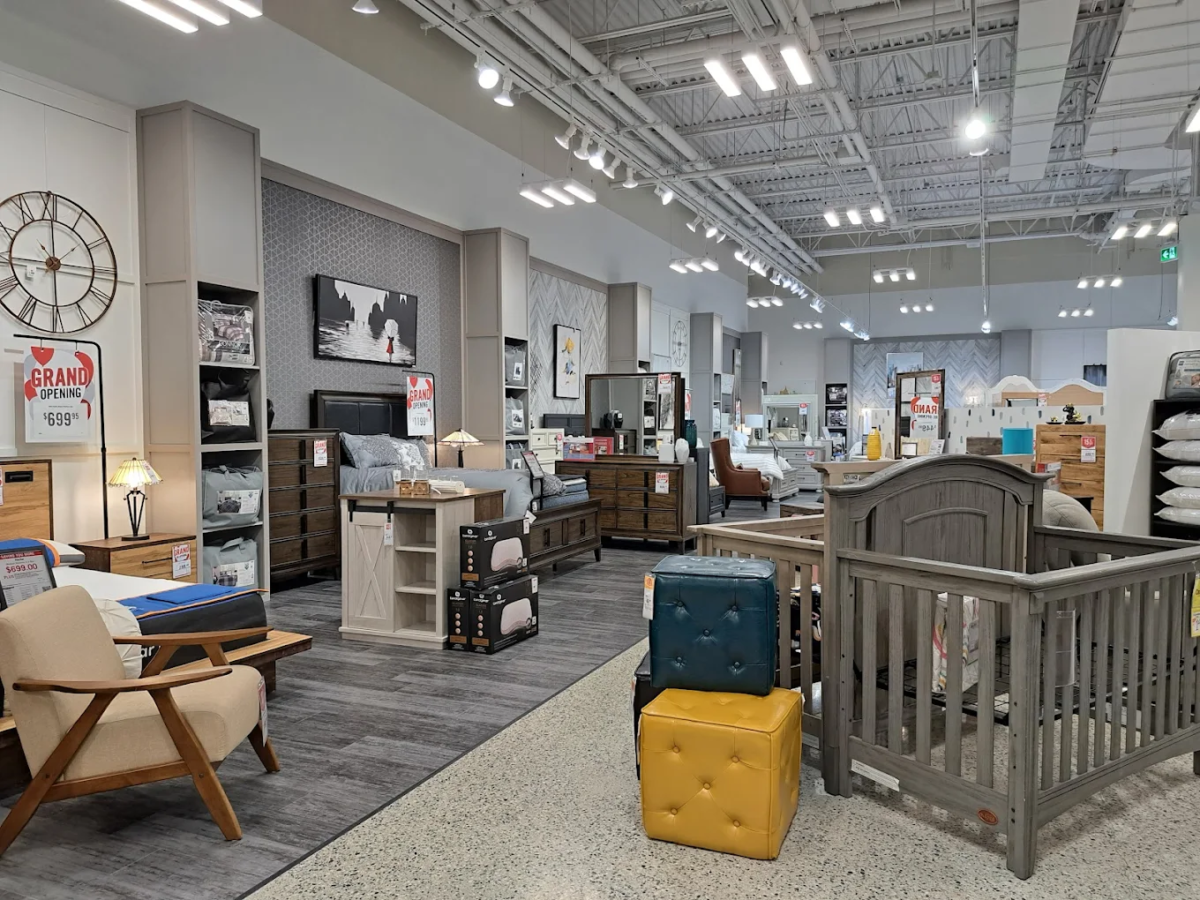
National home furnishings retailer The Brick has opened a newly designed concept store in Richmond, British Columbia, marking a milestone in the company’s continued evolution under the Leon’s Furniture Limited umbrella. Located at 4751 McClelland Road, Unit #2205, in Central at Garden City, the expansive 43,000-square-foot space offers an updated customer experience with furniture, mattresses, appliances, and electronics presented in an immersive showroom format.
The new location represents a fresh chapter for The Brick in British Columbia, a market the company has long served. The redesigned store format integrates updated merchandising, enhanced navigation, and curated product vignettes meant to inspire customers and reflect modern home trends.
The Brick in Richmond BC. Photo: Wollaston Wong
“We are proud to introduce this innovative showroom concept to the Richmond community,” said Darci Walker, President of The Brick. “Our vision is to fulfill people’s dreams for their homes. We showcase Canadian and globally inspired ideas for every home, creating a space where customers can explore, imagine and find pieces that transform their homes, all while ‘Saving You More.’ This showroom in Richmond, BC is a celebration of that vision and we can’t wait to share it with everyone.”
This is one of the first showrooms to debut under Walker’s leadership, who succeeded Dave Freeman as President of The Brick in January 2024. The company has been steadily modernizing its retail footprint across the country, with a focus on revitalizing in-store environments and improving product presentation.
The Brick in Richmond BC. Photo: Wollaston Wong
Grand Opening Events Embrace Local Culture
The opening festivities reflect The Brick’s ongoing commitment to community engagement. A media night held on July 18 featured a ribbon-cutting ceremony, live music, traditional lion dancers, caricature artists, and light refreshments.
The official Grand Opening Day was celebrated on Saturday, July 19, and included traditional Chinese elements such as an eye-dotting ceremony, a lucky lettuce toss, and complimentary Chinese bakery treats. A lion dance performance highlighted the day’s celebrations, reinforcing The Brick’s connection to the local community and the area’s vibrant cultural heritage.
The Brick in Richmond BC. Photo: Wollaston Wong
Store Launch Includes National Contest
To commemorate the launch of the new concept, The Brick has also announced a national customer giveaway running from July 17 to 31. Shoppers visiting the new Richmond showroom during this period have the opportunity to win a series of high-value prizes, including:
A $10,000 shopping spree
An 86-inch LG 4K Smart TV
A Brooke 62-inch electric fireplace
A Kalora rug valued up to $500
An LG smart steam all-in-one laundry set
A Sealy Luxury Copper Collection king-size mattress
Four Enzo leather accent chairs
A Vega seven-piece dining set
Customers are automatically entered with a purchase, while those visiting the store without purchasing may scan a special contest QR code with the assistance of a sales associate.
Central at Garden City in Richmond BC. Image: Tripadvisor
A Pillar of Canadian Retail
The Brick Richmond store continues the legacy of one of Canada’s largest home goods retailers. Founded in Edmonton in 1971 by the Comrie family, The Brick grew quickly through the 1970s and expanded eastward in the 1980s. The company’s acquisition by Leon’s Furniture Limited in 2012 for $700 million helped solidify its position as a leading value-focused retailer across the country.
Today, The Brick operates over 200 locations in Canada, including clearance centres, franchise operations, and specialty mattress stores. The Richmond location adds to this national footprint with a modernized approach to layout and design, helping The Brick maintain relevance in a competitive home furnishings market.
In Quebec, the company operates under the “Brick” banner, and across Canada, the brand is recognized for affordability and accessible design. A continued emphasis on promotional pricing and strong logistics capabilities has helped the brand retain market share, even during times of economic uncertainty.
The Brick in Richmond BC. Photo: Wollaston Wong
Investment in Local Communities
The Brick’s presence in Richmond aligns with its broader strategy of serving both urban and regional markets while tailoring offerings to local demographics. The retailer has long engaged in community support initiatives, including its partnership with the Children’s Miracle Network and environmentally sustainable operations. Its in-store events and culturally relevant grand opening celebrations underscore an approach that emphasizes community inclusion.
The company also operates several related businesses under the LFL umbrella, including TransGlobal Service, MidNorthern Appliance, and First Oceans, supporting extended warranty services, commercial appliance sales, and international procurement.
According to new NerdWallet Canada data, more than 4 in 5 Canadians (85%) say they will adjust their spending in response to rising tariffs, most commonly bybuying more Canadian-made productsto avoid tariff-related price hikes (58%).
As Canadian Premiers convened to discuss trade tensions with the United States, the August 1 deadline for a new Canada-U.S. trade agreement looms. Many Canadians are already altering their shopping habits, fueled by the “Buy Canada” movement, which sees consumers increasingly opting for domestic products as a demonstration of self-sufficiency and economic resilience.
Shannon Terrell
NerdWallet personal finance expert Shannon Terrell said in a company blog that Canadians aren’t just bracing for the impact of tariffs — “they’re making intentional shifts in how and where they spend. From switching to local products to cancelling U.S. subscriptions and rethinking cross-border travel, these changes reflect more than just cost-cutting.”
“At the heart of these adjustments lies a bigger question: Do Canadians fully understand the financial consequences of these values-driven behaviours?”
She said more than four in five Canadians (85%) say they will adjust their spending in response to rising tariffs, most commonly by buying more Canadian-made products to avoid tariff-related price hikes (58%), according to a recent survey conducted by The Harris Poll on behalf of NerdWallet Canada.
“The Buy Canadian movement has gained broad traction in the wake of U.S. pressure on Canada’s autonomy and economy, becoming a vehicle for asserting independence, signalling national pride, and redirecting purchasing power,” said Terrell.
“But will favouring Canadian goods actually save you money? . . . Canadian-imposed retaliatory tariffs mean you’ll pay more for American produce, dairy products, coffee, liquor, toiletries, furniture and more. Tariff-free Canadian alternatives may save you, but only on tariff costs.”
Photo by Mario Toneguzzi
Terrell said subscription bloat can creep up on you, thanks to fees quietly buried in monthly charges. But Canadians say they’re looking closely at their subscription services and taking action.
“A subscription audit is a practical way to spot services you don’t regularly use and cut them from your budget. Canadians appear to be strategically pruning their American digital subscriptions, regardless of usage. Whether they’re switching to Canadian alternatives — and whether those swaps actually save money — is another matter entirely,” she said.
Research indicated over one in five Canadians (22%) are considering avoiding summer travel to the U.S. this year due to high costs or political tensions, added Terrell.
“And that sentiment is already reshaping travel patterns. In April 2025, the number of Canadians venturing south of the border by car dropped by over 35% from the same month in 2024, according to Statistics Canada,” she said.
“As more Canadians rethink travel below the border, interest in the Great Canadian Staycation is on the uptick. Searches for domestic accommodations in Canada are up nearly 20%, according to Airbnb’s 2025 Canadian Spring Travel Trends report.”
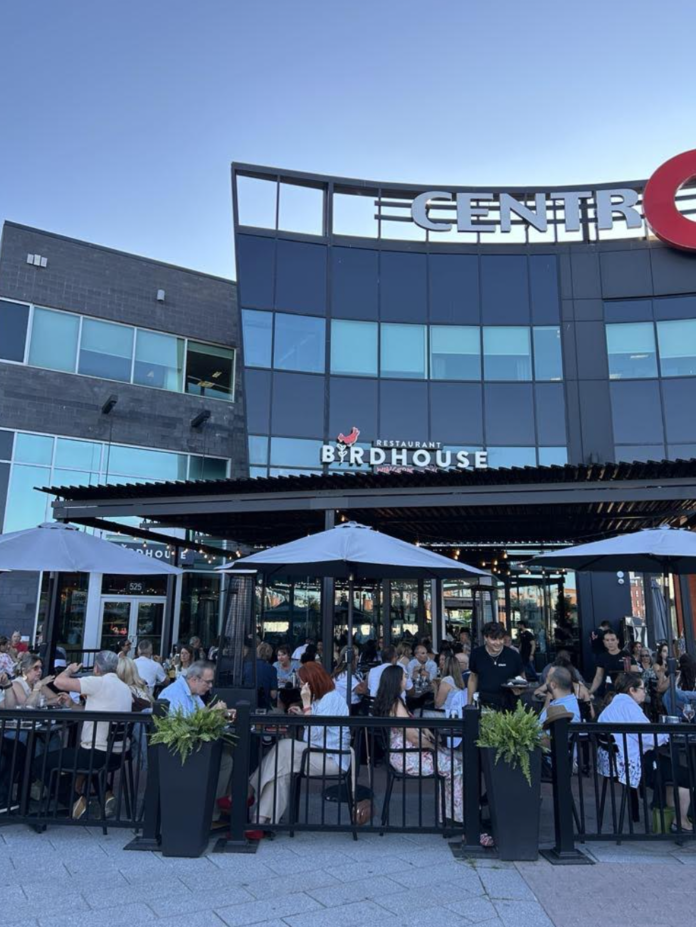
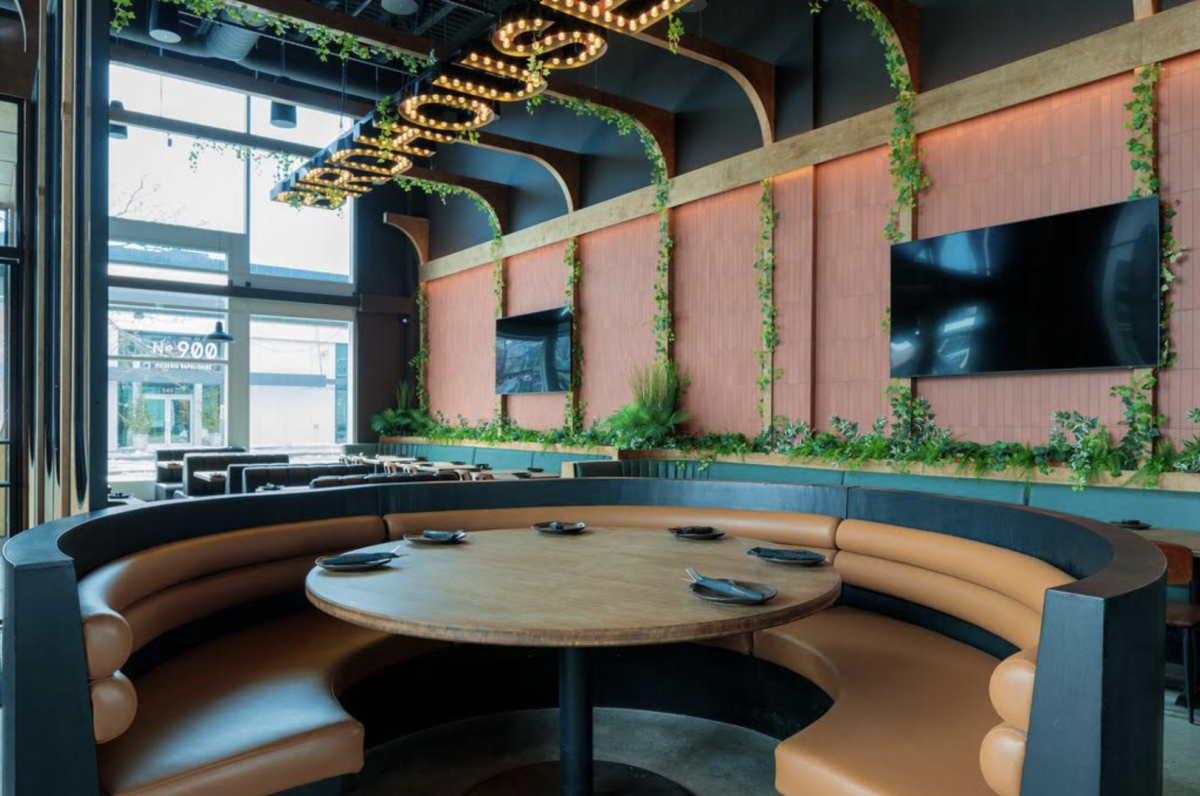
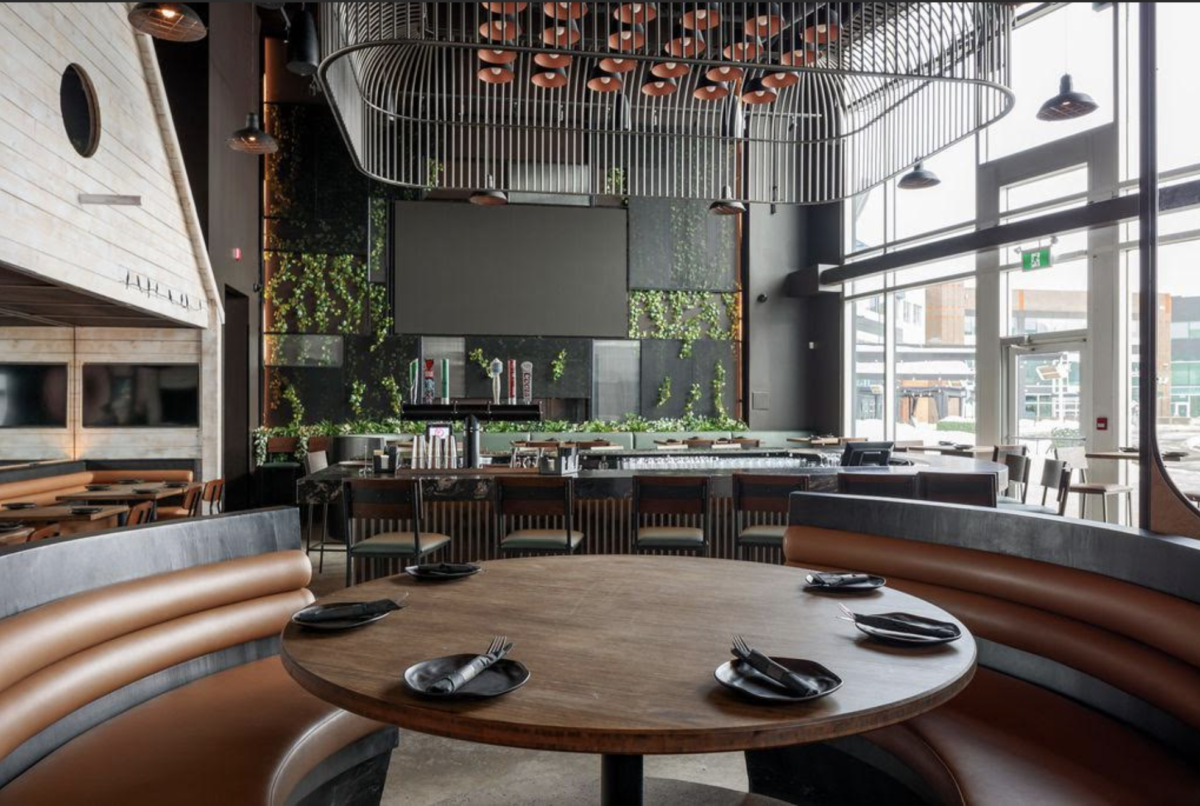
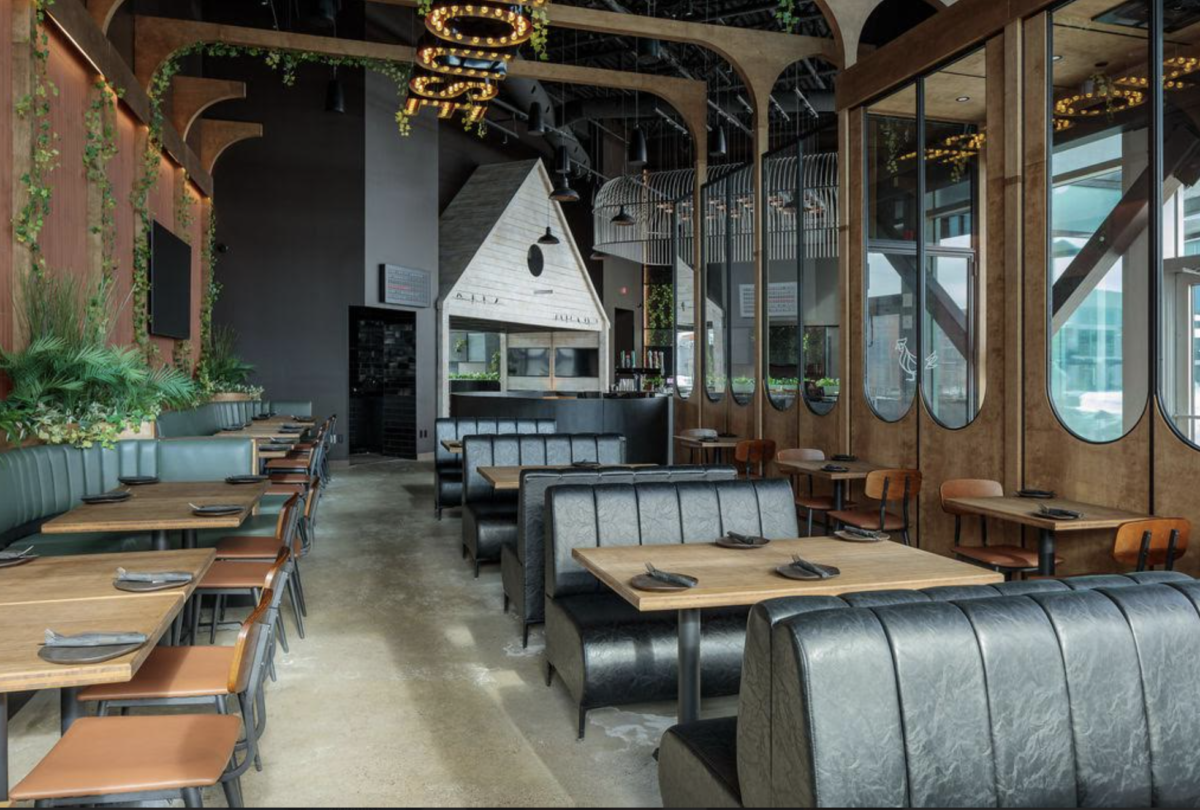
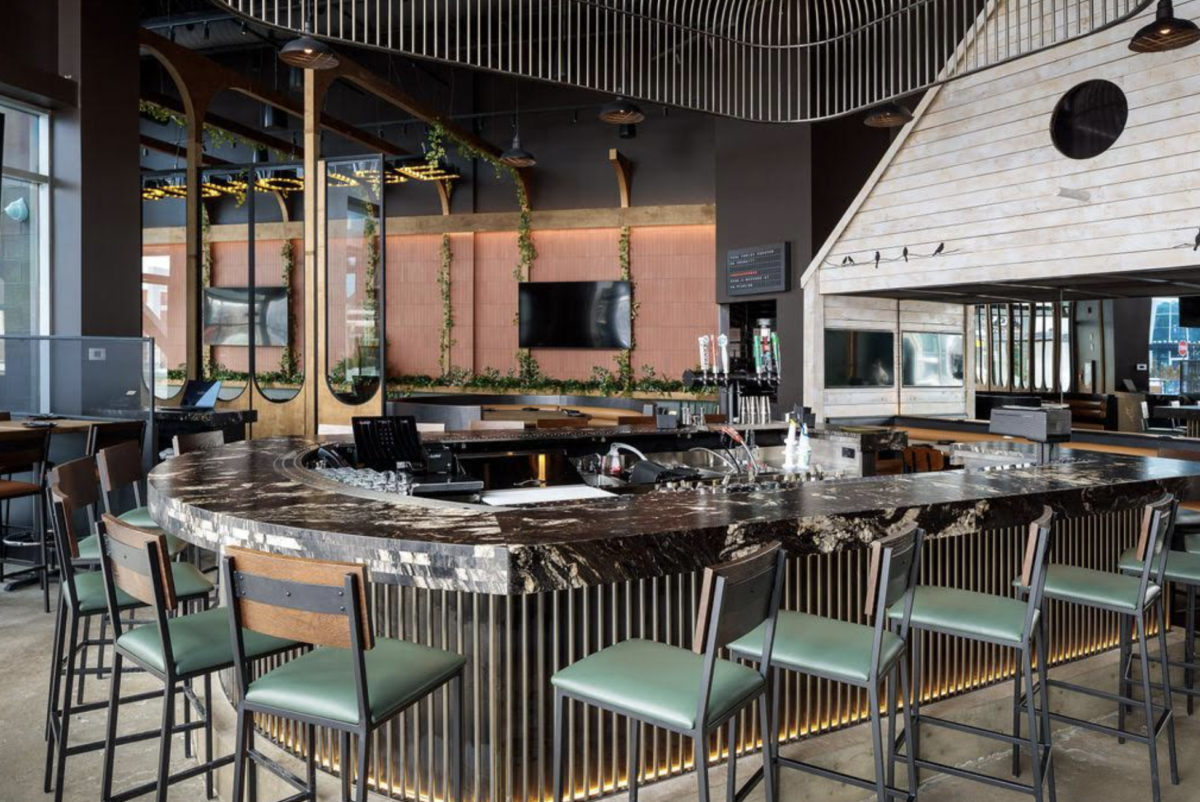
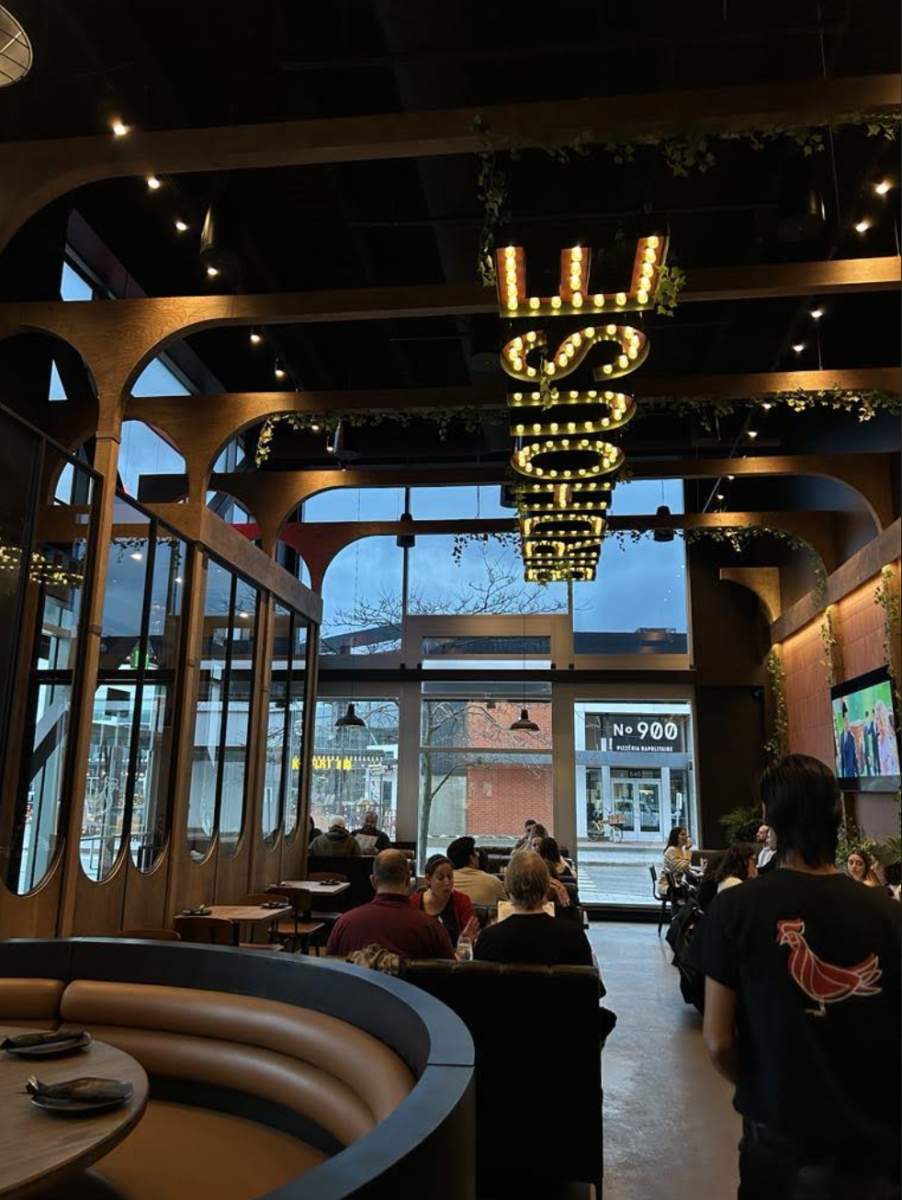
Birdhouse Wingerie & Bar continues to soar in Quebec’s competitive dining scene, with its latest location in Centropolis, Laval off to a strong start and expansion plans already underway.
The brainchild of co-founder and president Lorne Schwartz as well as co-founder George Massouras, is setting the stage for significant growth with the recent highly-successful opening of its second location in Laval’s vibrant Centropolis district.
The company also recently celebrated its fourth year.
Lorne Schwartz
“We opened our doors in January of 2025. And the response has been incredibly good,” said Schwartz. “It’s just a great vibe. I think the brand fits perfectly with the demographics there. So far, it’s been a great success—knock on wood.”
With its flagship location in Montreal’s West Island thriving since opening four years ago, Birdhouse is now setting its sights on new markets and formats. “We’re looking at what’s next. We have a few ideas in the works—maybe more around the QSR space. I don’t want to call it a spinoff of Birdhouse, but similar food, downsized menu, more dense locations, and so on,” said Schwartz. “There’s a good chance we’ll look at raising money in 2026 to expand more quickly.”
The brand has already secured a third location in downtown Montreal, though Schwartz was not ready to reveal the exact site. “We’ve signed a location for downtown. That’ll happen toward the end of the year, but we’ll probably open our doors in spring 2026. I don’t want to name the location just yet, but it’s a great spot downtown, and we’re really excited about it.”
Founded in Montreal, Birdhouse Wingerie & Bar has stood out in a crowded foodservice market by focusing on a targeted and elevated dining experience. “It’s so difficult to stand out in a crowded market, and I think we’ve hit on a concept that people really gravitate to,” said Schwartz. “We are laser-focused. It’s not easy—not just as a restaurateur, but as a businessperson—to stay focused on what works and not try to go too broad.”
He added, “I believe that when you go too broad, you alienate your core base. And you won’t know that until it’s too late… You’ll just see the numbers decline and won’t know why.”
Photo: Birdhouse Wingerie & Bar
While this is Schwartz’s first foray into restaurant ownership, his previous background in tech serving the foodservice industry has informed his operational strategy. “As long as we stay focused on the brand—which is high-quality food in a fun and vibrant setting, and really give unreasonably good hospitality and service—people are gravitating toward it. They want value.”
“If you take five minutes to look at our reviews—I’d encourage you to do that—they back up what I’m saying. People want service, quality, a fair price, and entertainment. We’ve been delivering all of that at a high level.”
Birdhouse’s concept centers on a higher-end wing and bar experience, something Schwartz felt was missing from the Montreal market. “I’ve been wanting to do this for 30 years… I literally typed out an email to the guys at Hooters of America asking if they wanted to branch out into Canada. And they basically said, ‘Where the hell’s Canada?’”
While wings are a staple in many other Canadian cities like Calgary and Toronto, Schwartz noted Montreal had never had a full-service concept dedicated to wings at its core—until now. “Everyone has wings as an appetizer, but no one had it as the core,” he said. “We really spent time working the product, developing the sauces, and making it an upscale experience. And it’s resonated well.”
Unlike typical sports bars or wing chains, Birdhouse Wingerie & Bar attracts a broad and often surprising demographic. “We’ve created an environment… we consistently believe that 60–65% of our clients are women,” Schwartz shared. “You wouldn’t see that at (other similar establishments).”
Photo: Birdhouse Wingerie & Bar
“If you ask me why, I think it’s because we’ve kept a safe, fun environment, with fun and elevated cocktails, a better guest experience—and they love that.”
And with no clear rival in Montreal’s wing-forward dining niche, Birdhouse plans to continue capitalizing on its head start. “To date, we’re still kind of the only game in town in this specific market segment,” said Schwartz. “So we’re going to ride it as long as we can.”
Photo: Birdhouse Wingerie & Bar Photo: Birdhouse Wingerie & Bar Photo: Birdhouse Wingerie & Bar Photo: Birdhouse Wingerie & Bar Photo: Birdhouse Wingerie & Bar Photo: Birdhouse Wingerie & Bar Photo: Birdhouse Wingerie & Bar
The massive mixed-use University District project in Calgary continues to gain momentum, with development nearing the halfway point and a wave of new retailers and tenants sparking fresh excitement in the growing urban community.
According to Harris, a significant portion of the north side is already developed or currently under construction, with only a few parcels of land remaining. The south side is now starting to pick up steam.
Jeff Harris
“The south half, we just started servicing that last year, and continuing on to servicing through that land into 2025. So it’s ready for sale and we expect construction to start happening on a few parcels in the south in 2026,” said Harris.
Some of that land is already for sale. “We have done a phased approach, so we’re only going to do a few parcels at a time,” he said. “We service the land. We identify which parcels we want to do in the first phase, and then we go to market with those parcels. So we’ve already done that piece and those are residential parcels of land that we’re looking at.”
The master plan for University District is also getting a second look. “We’re in the process of a master plan revision for University District, which is really just sort of revisiting the land use master plan submission that was over a decade ago, and a lot of things have changed,” said Harris.
As part of that revision, there could be room for a small retail footprint in the south. “We have accounted for a little bit of flexibility in the south for a very small amount of retail potentially if we wanted to go down that route,” he added. “The main retail focus is University Avenue and Retail Main Street. We don’t want to detract from that, but obviously being south of the Children’s Hospital, you have a lot of 24/7 type of employees, and then obviously just a large contingent of people working and living in the area.”
Harris said this could mean small “grab and go” concepts, but nothing is yet defined.
On the north side, the past year has seen a surge of new activity.
“We’ve had over 15 new retailers in the past year, so it’s been a pretty, pretty busy year,” said Harris. “The most recent ones are Heal Wellness—it’s a health-focused brand offering. You might’ve seen some stuff on social media. We had some lineups on the first day of grand opening, which is awesome to see.”
On the office side, Harris noted the addition of “a Verdex Capital Group and a TD Wealth Financial Management group.” This fall, law firm Stringam LLP is also scheduled to open.
Photo: University District
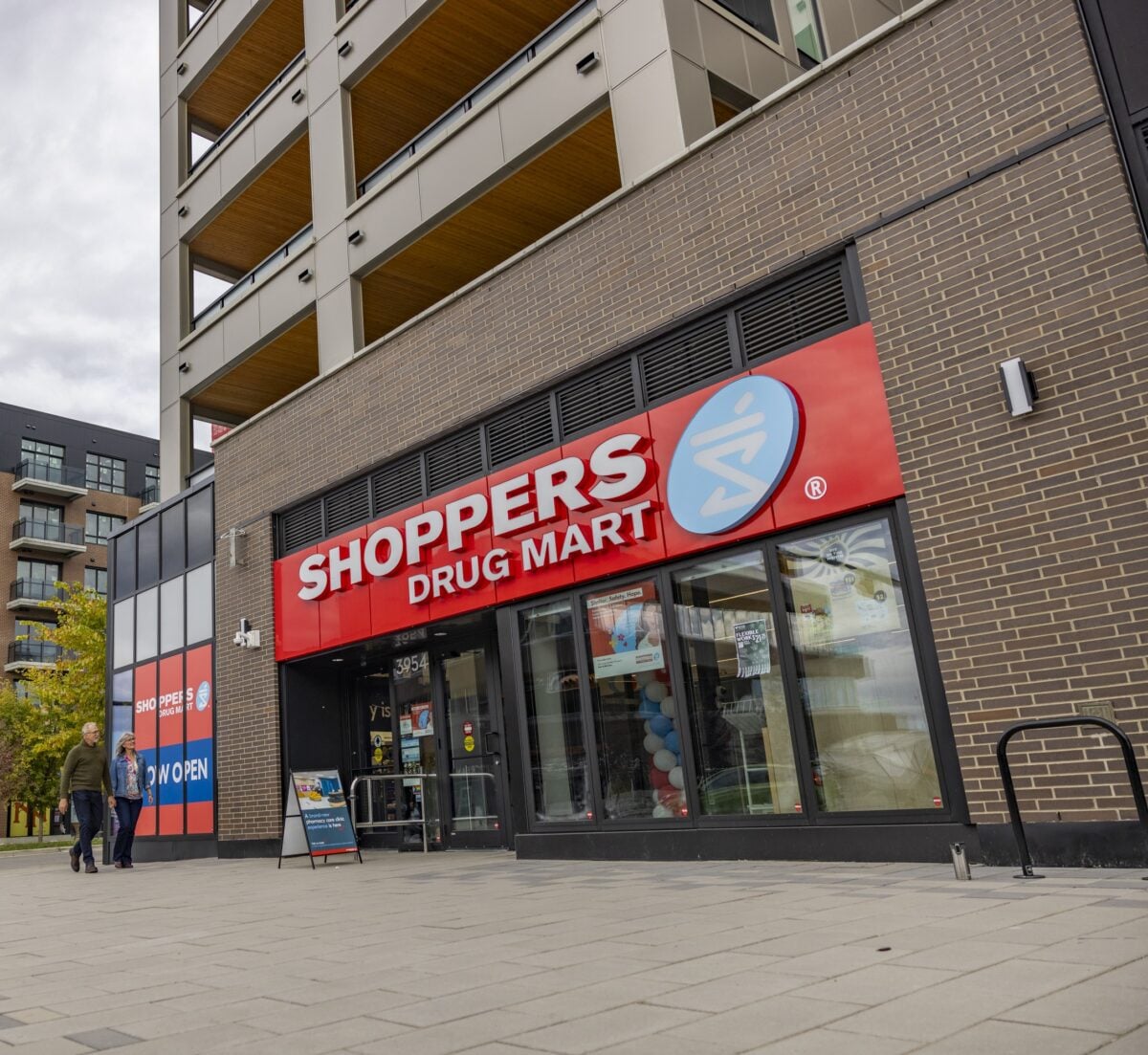
The retail main street has also welcomed notable brands. “Just to name a few—Charcut, Una Pizza, Hot Yoga, Swish Oral Care, Pho Pham, Shoppers Drug Mart’s a big one, obviously. Seed and Salt was a really good one too. And Heal Wellness. We’ve had quite a few.”
Looking ahead to the rest of 2025, Harris says the focus is on more expansion and tenant interest in the area.
“Our big focus right now is the Block 17,” he explained. “So just past the Shoppers block that’s open, we have another building under development and so we have a lot of interest. That’s the beauty of it, is we’re getting a ton of interest on the retail side, and so that’s great to see.”
There are potentially eight retail units at Block 17. “We are in negotiations on leases with three of those eight,” said Harris, “and then obviously other folks we’re talking to as well. We’re just not further along in the negotiations.”
Across from Block 17 is Block 24, located kitty-corner to Staples. “We’re doing a joint venture with Truman. And that’ll be purpose-built rental, but they’ll have 13,000 square feet of retail space as well,” Harris said. “We got more retail coming starting in 2026 and then into 2027.”
Development is nearing its eastern limit. “Block 20 was the next block east of the Staples, and that’ll be the end of the geographical area of University District on the north side,” Harris clarified. “Once both [Blocks 24 and 17] are done, that’s as far east as we will go in University District.”
Photo: University District
Beyond bricks and mortar, the community continues to come alive with events and activation.
“One thing I should highlight we do have the UD Night Market which is a great event,” said Harris. “That’s returned this summer. And so the UD Night Market—we do on the last Wednesday of each month from June until September.”
Held in partnership with Market Spot, the event “offers opportunity for guests to shop local artists and vendors, enjoy unique entertainment and connect with community,” said Harris. “Of course, if the weather cooperates, it’s even better.”
Photo: University District
The development has a long-term vision, with implementation taking place over the next 20 years. Completion is projected for 2034 and is dependent on market demands and absorption rates.
The growing development of University District is designed to adapt to the evolving market demands. The proposed land uses in the community allow for a mix of multi-family housing types to create a diverse neighbourhood. At completion, the range of housing options will include over 7,000+ units made up of low-rise, mid-rise, and high-rise developments with condos, townhomes, rentals, and senior living.
Officials are anticipating 300,000 square feet of retail and 250,000 square feet of office upon completion.
Cybercriminals are zeroing in on retailers with increasingly sophisticated attacks designed to cause maximum disruption—and force multimillion-dollar payouts.
With ransomware attacks like the recent $300-million hit on Marks & Spencer, and breaches involving major brands like Victoria’s Secret and Cartier, Anscombe warns that “a cyber attacker is looking at who’s most likely to pay.”
The appeal lies in the data-rich environments retailers operate in, and their dependence on online operations and distribution—prime targets for extortion. Despite many adopting frameworks like NIST (National Institute of Standards and Technology) and investing in cyber insurance, “human error” and third-party vulnerabilities remain open doors to attackers.
As Anscombe puts it, “You grow or you die,” and in retail’s digital battlefield, that growth depends on proactive security, not complacency.
“We’re a long-standing cybersecurity company. We’ve been in the market for over 30 years,” he said. “What’s unusual is that we’re still privately owned—no outside investment, no private equity, and still run by our founders.”
“In Europe, we’re actually the largest provider of business cybersecurity products. We started out providing what used to be called antivirus software. Today, we’re more focused on advanced threat detection and response—what’s known as EDR and MDR. That includes both managed and on-premise solutions, depending on what our customers need.”
The company also distinguishes itself through its focus on research.
“If you follow the ESET brand, you’ll see we publish a lot of research . . . We even have a dedicated site—WeLiveSecurity.com—for research publications. That’s separate from our main product site, eset.com,” said Anscombe. “Our research often covers areas that go beyond our products, like critical infrastructure and operational technology.”
When it comes to retail, cybercriminals are becoming more aggressive and strategic in their attacks.
“They go for places where disruption causes maximum chaos,” said Anscombe. “If they get into the right part of the business and disrupt it, it stops operations. And of course, most retailers have a lot of rich personal data on their shoppers as well.”
He pointed to the Marks & Spencer attack around Easter this year. “It’s reported to have cost them about $300 million in profits.”
That kind of financial fallout makes retailers tempting ransomware targets.
“A cyber attacker is looking at who’s most likely to pay my ransomware demand,” said Anscombe. “If you can find somebody that has a high disruption cost—like taking down an online store or halting distribution—then you are more likely to get paid.”
Photo: Dan Nelson
Retailers are also more likely to carry cyber risk insurance, which increases the chance of a payout when insurers get involved.
While large retailers often follow cybersecurity frameworks such as those from NIST, they’re not always enough.
“Companies have a hybrid of those,” said Anscombe. “For example, in Canada, you’ve got privacy legislation. A company may well have a hybrid of a security framework, compliance with regulation, and industry-specific requirements. If a retailer offers financial services like credit cards, they might also have to comply with financial regulation.”
But even the best-laid plans have their weak points.
“There are many times it’s unfortunately human error,” said Anscombe. “We’re the weak point. Unfortunately for most organizations, human error is often the place. Or third-party—that’s the other big inroad. If you can breach a smaller company that does business with a bigger company, potentially you might be able to get to the bigger company.”
Anscombe said fashion and luxury brands are especially vulnerable.
“If you look at the breaches recently—you’ve got Victoria’s Secret, Cartier—some really prestigious brands have been hit,” he noted. “The media will pick up on a breach of a significant brand. If someone like Ace Hardware got hit in the U.S., it probably wouldn’t make much of a splash. But a brand like Cartier? That is significant news.”
“Companies don’t like bad press because they lose trust. It affects their stock price. I think Whole Foods had an incident earlier. As I recall, they lost 8% of their stock price (initially).”
And with public companies required to disclose breaches through SEC filings, information becomes public fast.
“That makes them, unfortunately, very much in the frame for cybercriminals. They’re going to want to minimize disruption, which increases the likelihood they’ll pay a ransomware demand.”
Photo: Christina Morillo
So what can retailers do to protect themselves?
“Firstly, they should audit what they’ve got and understand where their weak points are,” said Anscombe. “You often find in companies that round the corner will be some remote access server that still doesn’t use two-factor authentication.”
“Everything should be known and secure—MFA (Multi-Factor Authentication), access controls. When was the last time they tested their restore, not just their backup? If you’ve never tested that you can restore it, you might have problems.”
Anscombe recommends more frequent employee training, not just the annual checkbox for insurance.
“Even a 10-minute snapshot version every three months that refreshes what phishing links look like, etc., can make a big difference.”
He also emphasized the importance of keeping software up to date and using advanced tools like EDR (endpoint detection and response).
“Cyber attacks don’t happen the way you and I think of as viruses anymore,” he explained. “Somebody gets in, routes around for a bit, and tries to stay undetected. EDR picks up anomalies in traffic—like someone outside communicating with the inside in an unusual way.”
In fact, that’s how Whole Foods reportedly detected their recent breach.
“They picked up weird traffic—an anomaly. So as a precaution, they shut down their systems.”
That proactive approach is key in an increasingly risky digital environment for retailers.
Retail Insider is streamlining its Canadian retail news from around the web to include a handful of top news stories that can be viewed quickly during the day. Here are the top stories from the past 48 hours.
The federal government’s recent overhaul of the Temporary Foreign Worker Program (TFWP) for food service has prompted predictable outcry from restaurant operators. As of January 2025, new caps limit TFWs to just 10% of a food service business’s workforce—down from 20% or more in recent years—and shorten work permits from two years to one. But this policy shift is not punitive. It reflects an overdue economic recalibration.
Put plainly, the TFWP in food service has run its course.
This is a rational policy correction, not regulatory overreach. Youth unemployment in Canada, particularly among those aged 15 to 24, now stands at 14.2%—a sharp indicator that domestic labour is available but being overlooked. That’s roughly one in seven young Canadians looking for work but unable to find it. Meanwhile, the sector continues to rely heavily on imported labour for entry-level roles that, with the right conditions, could and should be filled by Canadians.
The TFWP was designed as a stopgap—an emergency tool for employers unable to find domestic workers. In many industries, such as agriculture and seafood processing, that rationale still holds. But in food service—particularly in urban and suburban markets—it has become something else: a structural labour strategy aimed at suppressing wages, lowering turnover, and sidestepping long-term investments in human capital.
The numbers tell the story. In 2021, according to Statistics Canada, about 140,000 temporary residents—many under the TFWP—were employed in accommodation and food services, accounting for 17% of all temporary foreign workers in Canada. That same year, foreign nationals represented roughly 10% of the overall food service workforce. In certain quick-service chains, the concentration was even higher, effectively displacing Canadian youth from traditional workforce entry points.
Between 2018 and 2023, employer approvals for low-wage food service positions through the TFWP surged more than 4,800%. This is no longer a temporary fix—it is institutional dependency.
The economic cost is subtle but significant: a generation of young Canadians has been pushed to the sidelines. Historically, over one-quarter of Canadians began their working lives in food service or hospitality. These jobs have long served as a training ground for interpersonal skills, time management, and resilience—essential soft skills for the broader labour market. We’ve now outsourced that social utility to temporary labour.
This is not to dismiss the complexity of the restaurant sector. Since 2020, the number of food service establishments in Canada has dropped from more than 100,000 to about 87,000, reflecting the deep and lasting impact of the pandemic. Margins remain tight. Menu prices are rising. But consumer behaviour hasn’t collapsed—in fact, it’s evolved. In 2025, according to Canada’s Food Sentiment Index released by Dalhousie University, Canadians are spending 39% of their food budget at restaurants (up from 37% in 2023), and average monthly per capita spending has hit $198—a record.
The demand is there. Canadians are still showing up, despite rising costs. If operators are required to raise wages to attract local workers, evidence suggests diners will continue to foot the bill.
Still, labour costs are only part of the equation. Governments could provide relief by adjusting fiscal and regulatory pressures. Automation is another worthy option. But relying indefinitely on temporary labour to balance the books is poor economics.
The TFWP still has a role to play in select industries with clear recruitment challenges, but its use in food service—particularly in areas with ample domestic labour—should be phased out. Wage suppression is not a growth strategy. Neither is sidelining Canadian youth from their first real economic opportunity.
This is about building a more resilient, equitable, and sustainable food service sector—one that serves Canadians and is staffed by them too.