Home Blog Page 453

The Unscented Company Expands with B Corp and Retail Growth

The Unscented Company. Photo: Pété Photographie

Montreal-based The Unscented Company, led by founder and CEO Anie Rouleau, continues to revolutionize the home and body care industry with a commitment to sustainability, simplicity, and transparency. With its latest B Corp certification score of 101.7, the company solidifies its reputation as a leader in eco-friendly business practices while expanding its retail footprint across Canada and into the United States.

Founded in 2016, The Unscented Company was born from Rouleau’s vision of providing high-quality, fragrance-free home and body care products while addressing the plastic waste crisis. “As much as I love fragrances, I knew I wanted to create a line of products that were natural, biodegradable, exclusively fragrance-free, and designed to reduce our plastic footprint,” said Rouleau.

Anie Rouleau

The company’s commitment to sustainability extends beyond just removing scents from its products. By focusing on refillable packaging and solid, waterless alternatives, The Unscented Company has significantly reduced single-use plastics, eliminating over 1.8 million bottles from circulation in 2024 alone.

The B Corp Advantage

Achieving a B Corp certification is no small feat, and Rouleau sees it as a crucial pillar of her business. “B Corp certification is the most comprehensive way to certify a company based on its values,” she explained. “It’s not just about product quality; it’s about governance, employees, community impact, and environmental stewardship.”

The B Corp assessment evaluates companies on a 200-point scale, with 80 points required for certification. The Unscented Company’s latest score of 101.7 is a testament to its dedication to social and environmental responsibility. “As we grow, the certification process becomes more challenging. B Corp keeps raising the bar, ensuring that businesses continuously improve their impact,” Rouleau noted.

Celebrating B Corp milestone. Photo: The Unscented Company

Expanding Product Lines and Market Reach

From its initial lineup of household cleaning products, The Unscented Company has expanded into body care, hair care, baby care, and even pet care. “We now offer a full routine of unscented products, from body soap to lotion to laundry detergent,” said Rouleau.

Looking ahead, the company plans to enhance its product lines further. “We’re not going into cosmetics, but we will expand into facial care and men’s grooming, including beard and shaving products,” Rouleau shared. The brand is also set to introduce specialized hair care solutions for curly hair and volumizing needs in 2026.

Despite the growing product assortment, Rouleau remains committed to keeping the catalog streamlined. “We don’t want to have 777 SKUs. Our mission is to simplify lifestyles and reduce environmental impact,” she emphasized.

Retail Expansion and Strategic Growth

The Unscented Company’s retail presence has grown significantly, with distribution in major Canadian retailers like Metro, Sobeys, Whole Foods, and Loblaws. “We also have mass-market placements at Canadian Tire and independent stores across the country,” Rouleau said. The brand is now available in 6,000 to 8,000 retail points in Canada and is expanding in the U.S., where it has secured national listings with Sprouts, Wegmans, and Hannaford.

Rouleau credits her Canadian roots for the company’s success. “Retailers are prioritizing Canadian-made products more than ever. HomeSense, Loblaws, and Canadian Tire are all putting more emphasis on Canadian goods, which is great for us.”

The Unscented Company. Photo: The Unscented Company. Photo: Valérie Paquette

Navigating Trade Challenges

Despite expansion success, the company is mindful of potential trade barriers, particularly concerning U.S. tariffs. 

“We have a contingency plan in place,” Rouleau said. “Eighty percent of our products are made within 500 kilometres of our headquarters in Montreal, minimizing cross-border dependencies. If tariffs increase, we’ll work with retailers to adjust pricing and promotions accordingly.”

She remains optimistic about navigating the shifting trade landscape. “Business is business. If a Canadian buys, a Canadian works. If an American buys, an American works. We just need to be strategic.”

A Mission-Driven Future

Beyond business growth, Rouleau is committed to maintaining the integrity of The Unscented Company’s mission. “We’re not doing this for marketing or labels. We’re doing this to build a company on strong values, ensuring long-term sustainability,” she stated.

Her efforts have not gone unnoticed. The Unscented Company has been listed among Canada’s fastest-growing companies by The Globe and Mail for four consecutive years. Additionally, Rouleau has emerged as a champion for sustainable entrepreneurship, serving as an ambassador for the B Corp movement and mentoring young female entrepreneurs.

“We’re building something bigger than just a product line. We’re proving that sustainability and profitability can go hand in hand,” Rouleau concluded.


More from Retail Insider:

Alberta lashes back at Trump’s tariffs with initiatives promoting Canadian and Albertan goods and services

Danielle Smith
Danielle Smith

As part of its non-tariff retaliatory measures, Alberta announced it is altering its procurement practices to ensure its government, as well as agencies, school boards, Crown corporations and municipalities, purchase their goods and services from provincial companies, Canadian companies or countries with which Canada has a free trade agreement that is being honoured.  

The government has also directed Alberta Gaming, Liquor and Cannabis to suspend the purchase of U.S. alcohol and video lottery terminals (VLTs) from American companies until further notice. This will ensure provincial and Canadian brands take priority in restaurants, bars and on retail shelves.

Danielle Smith
Danielle Smith

“I will always put the best interests of Alberta and Albertans first. These non-tariff actions are measured, proportionate and put an emphasis on defending Alberta and Canada against these economically destructive tariffs imposed by U.S. President Donald Trump, while breaking down restrictive provincial trade barriers so we can fast-track nation building resource projects and allow for the unrestricted movement of goods, services and labour across the country,” said Alberta Premier Danielle Smith.

“I understand this is an uncertain time for many Albertans, and our government will continue to do all it can to prioritize Alberta’s and Canada’s world-class products and businesses as we face this challenge together. I also look forward to working with my provincial counterparts to help unite Canada and ensure free and fair trade throughout our country.”

Dale Nally
Dale Nally

“We are committed to putting Canadian businesses first. By suspending the purchase of U.S. produced alcohol, slot machines and VLTs, we are ensuring that Alberta and Canadian brands take priority in our restaurants, bars and retail stores. We will continue to take bold steps to support local industries and strengthen our economy,” said Dale Nally, Minister of Service Alberta and Red Tape Reduction.

To encourage the purchase of stock from vendors in the province, Canada and other countries with which Canada has a free trade agreement, the government said it will help all provincial grocers and other retailers with labelling Canadian products in their stores. In the coming weeks, the government will augment these efforts by launching a “Buy Alberta” marketing campaign. Spearheaded by Minister of Agriculture and Irrigation RJ Sigurdson, this campaign will remind Albertans of their options for local food and the importance of supporting Alberta’s agriculture producers and processors, said the government.

RJ Sigurdson
RJ Sigurdson

“Alberta’s agriculture producers and processors are the best in the world. Although these U.S. tariffs are incredibly concerning, this “Buy Alberta” campaign will put a spotlight on Alberta’s farmers, ranchers and agri-food businesses and support Albertans in choosing goods from right here at home,” said RJ Sigurdson, Minister of Agriculture and Irrigation.

Building on Alberta’s reputation as a leader in removing barriers to trade within Canada, Alberta’s government will continue to push other provinces to match our ambition in providing full labour mobility and eliminating trade barriers through work like mutual recognition of regulations. This will allow for goods, services and labour from other provinces to flow into and out of Alberta without having to undergo additional regulatory assessments, said the government.

Matt Jones
Matt Jones

“While no one wins in a tariff war, this situation underscores the need to develop Canada’s trade infrastructure and the diversification of our trading partners and could be the catalyst to unlocking Canada’s true potential. As we look at how best to support Albertans and our businesses, we must also work to reduce internal trade and labour mobility barriers while expanding markets for Alberta energy, agricultural and manufactured products into Europe, Asia, the Americas and beyond. Albertans and Canadians are counting on us,” added Matt Jones, Minister of Jobs, Economy and Trade.

Alberta’s government said is also focused on doubling oil production. With U.S. tariffs in place on Canadian energy products, Alberta is looking elsewhere for additional pipeline infrastructure, including east and west, in order to get its products to new markets.

Alberta’s government said it will continue to engage with elected officials and industry leaders in the U.S. to reverse these tariffs on Canadian goods and energy and rebuild Canada’s relationship with its largest trading partner and ally.   

The U.S. is Alberta’s – and Canada’s – largest trading partner. Alberta is the second largest provincial exporter to the U.S. after Ontario. In 2024, Alberta’s exports to the U.S. totalled C$162.6 billion, accounting for 88.7 per cent of total provincial exports.

Energy products accounted for approximately C$132.8 billion or 82.2 per cent of Alberta’s exports to the U.S. in 2024. About 10 per cent of liquor products in stock in Alberta are imported from the United States. U.S. products represent a small minority of the beer and refreshment beverage categories; however, a significant number of wines originate in the U.S. In 2023-24, about $292 million in U.S. liquor products were sold in Alberta.

Air Canada welcomes Michelin-Starred Chef Masaki Hashimoto to culinary panel

Air Canada has announced the addition of Michelin-starred Chef Masaki Hashimoto to its culinary panel. (CNW Group/Air Canada)

Air Canada has announced the addition of Michelin-starred Chef Masaki Hashimoto to its prestigious culinary panel. Chef Hashimoto, who owns the renowned Kaiseki Yu-zen Hashimoto restaurant in Toronto, is celebrated for his expertise in Kaiseki, a traditional multi-course Japanese dining art. His exclusive dishes debuted on March 1 in Air Canada Signature Class, available on all flights between Canada and Japan.

Chef Hashimoto’s culinary creations will be featured on Air Canada’s Signature Class menu for flights between Canada and Japan, showcasing a thoughtfully curated selection of traditional Japanese ingredients. A rotating menu will include six new recipes each year, with dishes such as sautéed lotus root (Zensai), sesame tofu with wasabi sauce (Komono), and a beef sukiyaki main course with tofu, scallions, napa cabbage, and miso soup. The meals will culminate in a brunch casserole served before landing.

Scott O'Leary
Scott O’Leary

“We are proud to present Chef Hashimoto’s exceptional culinary artistry in our Signature Class experience,” said Scott O’Leary, Loyalty and Product at Air Canada. “His journey and dedication to Kaiseki cuisine have enriched Canada’s culinary landscape, and we are honoured to celebrate this onboard.”

In addition to his dishes, a premium sake pairing will be offered to complement the meals. The featured sake, Ninki-ichi Junmai Daiginjo Gold, is selected by Chef Hashimoto’s son, Kei Hashimoto, a certified sake sommelier. Crafted from Gohyakumankoku rice, the sake boasts a clean, crisp character with floral and fruity notes.

Masaki Hashimoto
Masaki Hashimoto

Chef Hashimoto expressed his excitement for the collaboration: “It has always been a lifelong dream of mine to bring an authentic Japanese in-flight dining experience to travellers. Partnering with Air Canada is truly an honour for me, as it brings together the two places I now call home—Japan and Canada. This collaboration allows us both to bridge the rich cultural landscapes of each country and celebrate our shared values of care, respect, and connection.”

Beginning in the spring, Air Canada will further enhance the dining experience with traditional dishware and tray presentations curated by Chef Hashimoto in partnership with Noritake dishware, featuring Japanese artwork.

Chef Hashimoto’s expertise in Kaiseki cuisine has earned him global recognition, with his Toronto-based restaurant receiving a Michelin star for three consecutive years. A seasoned culinary artist with over 35 years of experience, Chef Hashimoto has spent decades mastering traditional Japanese dining techniques, starting with over 15 years of training in some of Japan’s most esteemed kitchens.

Air Canada’s commitment to enhancing its in-flight experience is underscored by this partnership with Chef Hashimoto, building on its extensive food and beverage upgrades. The airline introduced over 100 new dishes in 2024 as part of its largest-ever menu upgrade, emphasizing globally inspired cuisine.

Chef Hashimoto’s dishes are now available on Air Canada’s Signature Class menu for all flights between Canada and Japan, on routes including:

  • Vancouver to Narita: daily flights
  • Vancouver to Osaka: four weekly flights
  • Toronto to Narita: daily flights
  • Toronto to Haneda: daily flights
  • Toronto to Osaka: three weekly flights
  • Montreal to Narita: daily flights

This collaboration reflects Air Canada’s ongoing dedication to offering unparalleled culinary experiences, enhancing its reputation as a leader in global air travel, it said.

Related Retail Insider stories:


KPMG in Canada warns of increased fraud and cybersecurity risks amid changes to supply chains due to tariffs

Photo by cottonbro studio

As Canadian businesses adjust their supply chains in response to the recent implementation of 25% across-the-board tariffs on Canadian goods, experts from KPMG in Canada are urging businesses to be vigilant against rising fraud and cybersecurity risks.

A recent KPMG survey revealed that nearly half (44%) of Canadian businesses are already reconfiguring their supply chains to divert U.S.-bound exports through third-party countries, while another 44% are exploring this option. However, these changes could expose businesses to numerous risks, particularly when engaging new suppliers.

Myriam Duguay
Myriam Duguay

According to Myriam Duguay, Partner and National Forensic Leader at KPMG in Canada, “With U.S. tariffs now in place for Canadian exporters, many businesses might rush to switch suppliers, and in doing so, they might not do the rigorous due diligence that’s needed to reduce third party risks.” She adds, “Businesses must be vigilant about engaging new suppliers that make illegitimate or overstated claims about their capabilities.”

Hartaj Nijjar
Hartaj Nijjar

Additionally, new suppliers could introduce significant cybersecurity concerns. As businesses shift their supply chain models, they may inadvertently increase their vulnerability to security breaches. Hartaj Nijjar, KPMG in Canada’s National Cybersecurity Leader, explains, “If the new suppliers do not have robust cybersecurity measures in place, they could become a weak link in an organization’s supply chain, potentially leading to data breaches.” Nijjar further warns, “Businesses should also be aware of fake suppliers that appear legitimate but are actually threat actors in disguise. This is becoming more prevalent now with the rise of AI-powered deepfakes.”

To mitigate these risks, KPMG’s forensic and cybersecurity specialists recommend Canadian businesses consider the following strategies when changing suppliers:

  1. Supplier Due Diligence: Conducting integrity due diligence is essential. This includes verifying the legitimacy, financial stability, and reputation of new suppliers to avoid fraudulent partnerships.
  2. Contractual Risks: New supplier contracts should be thoroughly reviewed for hidden clauses or misrepresentations to avoid fraud and ensure fairness in business agreements.
  3. Payment Fraud: Changes in suppliers may introduce new payment processes, increasing the risk of invoice fraud. Implementing strict invoice verification processes can help reduce these risks.
  4. Supply Chain Visibility: A reconfigured supply chain may reduce visibility, making it harder to track goods and payments. Using technologies such as AI-powered digital twins or blockchain can improve transparency and traceability.
  5. Internal Controls: Updating and reinforcing internal controls after changes in suppliers and supply chain configurations is crucial to preventing fraud.
  6. Cybersecurity Risks: Organizations should conduct risk assessments on new suppliers to ensure they have robust cybersecurity measures in place before onboarding them.
  7. Deepfake Risks: As deepfakes become more common, businesses must invest in verification technologies and train employees to identify potential risks from fake suppliers.
  8. Employee Training: Training employees, particularly in supply chain and accounting departments, to recognize fraud and cybersecurity risks is essential for early detection.
  9. Regulatory Compliance: Businesses must ensure that new suppliers comply with necessary regulations to avoid legal issues and potential fraud.

Duguay emphasizes, “While changing suppliers and reconfiguring supply chains can help businesses mitigate the added cost of tariffs, they need to be aware of the associated fraud and cybersecurity risks. Implementing robust due diligence, maintaining strong internal controls, and ensuring compliance with regulations can help mitigate these risks.”

For more information on fraud prevention and resources, businesses can visit KPMG Canada’s Fraud Prevention Page.

Tune in to KPMG in Canada’s upcoming DX Coffee Chat, Outsmarting Fraud in a Digital WorldOutsmarting fraud in a digital world Registration

For more resources on U.S. tariffs, visitNavigating tariffs – KPMG Canada

Canadians Reduce U.S. Purchases Amid Rising Trade Tensions

Photo: Loblaw Corporation

Amid escalating trade tensions between Canada and the United States, a new survey reveals that Canadian consumers are making significant shifts in their shopping habits. The latest Trump Tariffs Tracking Report from Leger indicates that two-thirds of Canadians have actively reduced purchases of American-made products, both in-store (67%) and online (63%), in response to tariffs imposed by President Donald Trump’s administration.

Furthermore, 70% of Canadians report increasing their purchases of locally made Canadian goods, signaling a surge in economic nationalism as consumers aim to counter the impact of tariffs on imports.

Rising Economic Concerns Among Canadians

The report highlights that 28% of Canadians now consider U.S. tariffs and trade-related issues the most important challenge facing the country, surpassing concerns about inflation (21%), healthcare (11%), and housing affordability (11%). This reflects the growing anxiety over economic repercussions tied to cross-border trade.

Additionally, 54% of Canadians believe the country is already in a recession, a sentiment that has ticked up from the previous week. Economic instability is also evident in consumer sentiment, with 44% of Canadians reporting that they are living paycheck to paycheck.

Tariffs Impact Retail Spending Patterns

The impact of tariffs on consumer purchasing decisions is reshaping the Canadian retail sector. The Leger survey found that:

  • 67% of Canadians have cut back on purchasing American-made products in physical stores.
  • 63% have reduced spending on U.S. products purchased online.
  • 56% are spending less on goods from American e-commerce giant Amazon.
  • 54% have decreased visits to U.S.-based fast food chains such as McDonald’s, Starbucks, and Burger King.
  • 47% are spending less at American retail chains, including Walmart, Costco, and Winners.

This shift in spending habits could significantly impact U.S.-based brands operating in Canada, forcing them to reconsider pricing strategies, supply chain solutions, and marketing approaches.

A sign encouraging shoppers to buy Canadian products at a liquor store in Vancouver on Feb. 2, 2025. Shoppers have been caught up in the buy Canadian fervour since U.S. President Donald Trump began threatening to apply tariffs on imports from Canada. THE CANADIAN PRESS/Ethan Cairns

Growing Support for Government Retaliation

Public opinion is firmly in favour of retaliatory measures against the U.S. tariffs. The report shows that 70% of Canadians support the federal government’s strategy of matching American tariffs dollar-for-dollar, with 45% expressing strong support for such actions.

Concern over U.S. trade tactics also extends beyond tariffs. A striking 82% of Canadians fear that President Trump may use economic pressure—such as tariffs and trade sanctions—to push Canada toward a closer political and economic alignment with the United States.

Consumers’ Response Beyond Retail: Travel and Streaming Services

The economic dispute is also influencing travel and entertainment choices. According to the survey:

  • 16% of Canadians who had planned trips to the U.S. have now canceled them.
  • 15% have canceled subscriptions to American entertainment platforms, such as Netflix, Disney+, and Amazon Prime Video.

These trends suggest that the trade war is not just altering retail purchases but also shaping broader consumer behaviour, as Canadians increasingly look for domestic alternatives in multiple spending categories.

Implications for Canadian Retailers

The shift away from U.S. goods presents an opportunity for Canadian brands and retailers to capitalize on heightened consumer interest in domestic products. With 70% of Canadians actively seeking Canadian-made alternatives, businesses that emphasize local sourcing and transparent supply chains could see increased support.

Retailers and manufacturers may also need to adjust supply chains to navigate the ongoing tariff situation, potentially seeking alternative import partners beyond the U.S. market to stabilize costs and ensure competitive pricing.

Looking Ahead: What’s Next for Canadian Retail?

As the tariff conflict unfolds, retailers and industry stakeholders must monitor consumer sentiment closely. With economic uncertainty rising and consumers shifting away from U.S. brands, the Canadian retail landscape could see permanent changes in shopping behaviours that extend beyond the immediate trade dispute.

For Canadian businesses, adapting to this shifting landscape by reinforcing domestic production, localized marketing efforts, and strong supply chain resilience will be key to weathering the storm and thriving in a new era of consumer nationalism.

More from Retail Insider:

Apple Launches New MacBook Air with M4 Chip and Striking Sky Blue Finish

Available in an all-new sky blue, MacBook Air features the superfast M4 chip, is built for Apple Intelligence, and delivers even greater value, starting at $1,399. Photo: Apple.

Apple has unveiled the latest version of its best-selling laptop, the MacBook Air, now powered by the M4 chip and available in a striking new sky blue finish. The refreshed 13- and 15-inch models offer up to 18 hours of battery life, support for two external displays, and a 12MP Center Stage camera — marking the biggest leap forward yet for Apple’s ultrathin notebook lineup.

The new MacBook Air is available to pre-order today in Canada, with retail availability starting Wednesday, March 12. Pricing begins at $1,399 CAD for the 13-inch model and $1,699 CAD for the 15-inch version, with education pricing available.

“MacBook Air is by far the world’s most popular laptop,” said Greg Joswiak, Apple’s SVP of Worldwide Marketing. “Today we’re giving everyone more reasons to love it — from the powerful M4 chip to a new Center Stage camera and the beautiful sky blue finish.”


M4 Chip Brings Big Gains in Speed, Battery and AI Readiness

The MacBook Air now ships with Apple’s M4 chip, a 10-core CPU, up to a 10-core GPU, and support for up to 32GB of unified memory. According to Apple, the upgrade makes the M4 model:

  • Up to 2x faster than the M1 MacBook Air
  • Up to 23x faster than the fastest Intel-based MacBook Air
  • Capable of running AI-powered tasks up to 3x faster

The built-in Neural Engine accelerates Apple Intelligence features, such as auto-enhancing photos and filtering background noise in videos.


New Sky Blue Finish and Display Support for Power Users

In addition to Midnight, Starlight, and Silver, the all-new sky blue colour offers a light-reflecting metallic tone and includes a colour-matched MagSafe cable. MacBook Air also supports up to two external 6K displays, a feature aimed at multitaskers and creative professionals.


Built for Apple Intelligence and macOS Sequoia

MacBook Air with M4 is designed to fully leverage Apple Intelligence, Apple’s private AI framework that integrates tools like:

  • Image Playground and Genmoji for visual expression
  • Writing Tools for real-time text refinement
  • ChatGPT access via Siri and system-wide integrations (no account required)

Data used for cloud requests is processed via Private Cloud Compute, ensuring user privacy is preserved — Apple does not store or access the information.


Enhanced Video Calling and Audio Features

The new 12MP Center Stage camera keeps users centred during video calls and supports Desk View, which enables top-down presentations. Audio and video clarity are improved with:

  • Three-mic array
  • Enhanced voice isolation
  • Spatial Audio and Dolby Atmos playback

macOS Sequoia Enhances Workflow

macOS Sequoia brings new capabilities to the MacBook Air, including:

  • iPhone Mirroring and notification syncing
  • Redesigned Safari with article summaries, new Reader mode, and distraction controls
  • Game Mode enhancements with titles like Civilization VII and Wuthering Waves
  • All-new Passwords app for secure credential storage

Apple also previewed an iPhone proximity setup feature coming in macOS Sequoia 15.4, allowing users to initialize new Macs by bringing their iPhone close.


Sustainability and Trade-In

The latest MacBook Air is Apple’s most environmentally progressive Mac, with:

  • 55% recycled content overall
  • 100% recycled aluminum in the chassis
  • 95%+ recycled lithium in the battery

The packaging is now entirely fibre-based, part of Apple’s push to eliminate plastic by 2025.

Customers can also use Apple Trade In at apple.com/ca/shop/trade-in for credit toward a new Mac.


Pricing and Availability (Canada):

ModelPrice (CAD)Education Price (CAD)
13-inch MacBook Air (M4)$1,399$1,249
15-inch MacBook Air (M4)$1,699$1,549

All models available in sky blue, midnight, starlight, and silver.


For more information, visit apple.com/mac.

Apple Unveils New Mac Studio with M4 Max and M3 Ultra Chips, Marking Most Powerful Mac to Date

The new Mac Studio — powered by M4 Max and M3 Ultra for groundbreaking performance and extensive connectivity — is the ultimate pro desktop. Photo: Apple.

Apple has introduced its most powerful Mac to date with the launch of the new Mac Studio, now featuring the latest M4 Max and M3 Ultra chips. Designed to meet the growing demands of creative professionals and AI developers, the new desktop combines cutting-edge performance, expanded memory capabilities, and Thunderbolt 5 connectivity — all in a compact enclosure designed to sit quietly on the desk.

Available for pre-order today in Canada and shipping March 12, the Mac Studio starts at $2,699 CAD, with education pricing from $2,399 CAD.

“The new Mac Studio is the most powerful Mac we’ve ever made,” said John Ternus, Apple’s SVP of Hardware Engineering. “With M4 Max and M3 Ultra, Mac Studio sits in a class of its own.”


Performance for Pro Workflows and AI at Scale

The updated Mac Studio is tailored for intensive workflows in video editing, code compiling, 3D rendering, and now — generative AI. The M4 Max chip features up to a 16-core CPU, 40-core GPU, and 128GB of unified memory, while the flagship M3 Ultra configuration doubles those specs, supporting up to 512GB of unified memory and 16TB of SSD storage.

According to Apple, the new architecture allows users to run large language models (LLMs) with over 600 billion parameters directly in memory — a first for any personal computer.

Apple says Mac Studio with M3 Ultra is up to 2.6x faster than the previous M1 Ultra version and up to 6.4x faster than the 16-core Intel-based Mac Pro, making it a true replacement for the high-end desktop market.


Thunderbolt 5, Apple Intelligence, and Expanded Capabilities

Connectivity takes a leap forward with the introduction of Thunderbolt 5, offering up to 120 Gb/s bandwidth — 3x faster than previous models. Creative pros can now connect multiple external drives, high-bandwidth expansion chassis, and drive up to eight 6K Pro Display XDRs simultaneously (on M3 Ultra).

Mac Studio also supports Apple Intelligence, the company’s expanding suite of privacy-preserving AI tools built into macOS. This includes Writing Tools, live transcription, Image Playground, and systemwide enhancements to Siri, with integrated ChatGPT access. Support for additional languages — including French, German, Japanese, and Simplified Chinese — begins rolling out in April.


Designed for Creative Studios

Mac Studio is optimized for pairing with Apple’s Studio Display or Pro Display XDR, and can be accessorized with Magic Keyboard with Touch ID, Magic Mouse, and Magic Trackpad — all sold separately.

For video professionals, Apple highlights real-world benchmarks including:

  • 2.9x faster image processing in Adobe Photoshop (vs. 27-inch Intel iMac)
  • 3.1x faster Xcode build performance
  • 2.8x faster ProRes transcode performance in Compressor
  • 4x faster 8K video rendering in Final Cut Pro

Sustainability and Retail Availability

The new Mac Studio includes 30% recycled content, including 100% recycled aluminum in its enclosure and 100% recycled rare earth elements in all magnets. Its fibre-based packaging supports Apple’s goal to eliminate plastic from all packaging by 2025.

The device is available for pre-order now at apple.com/ca/store, and will arrive in Apple Stores and authorized resellers beginning March 12.

Government of Canada announces 70,000 summer job opportunities for youth through Canada Summer Jobs Program

Photo by Gary Barnes

For many young Canadians, securing a summer job is an essential stepping stone toward future success. It provides opportunities to build confidence, develop new skills, and explore career interests, all while earning money for education and living expenses. Recognizing the importance of these opportunities, the Government of Canada is once again supporting youth employment through the Canada Summer Jobs (CSJ) program.

The Honourable Marci Ien, Minister for Women and Gender Equality and Youth, announced that 70,000 CSJ positions will be available this summer for young people aged 15 to 30. This follows the success of the previous year, which saw the program exceed its target, creating 71,200 jobs.

Marci Ien Official portrait
Credit: Christian Diotte, House of Commons Photo Services
© HOC-CDC, 2020

“A summer job is more than just a paycheque—it’s a chance for young people to gain experience, develop new skills, and explore career paths that interest them. Through Canada Summer Jobs, there are thousands of opportunities for youth to grow, contribute to their communities and build a strong foundation for their future,” said Minister Ien.

Young job seekers will have access to these job opportunities starting April 21 through the Job Bank website and mobile app. These roles span various sectors, including recreation, food services, marketing, tourism, housing construction, and environmental protection. Youth will be able to apply for positions that align with their interests and skill sets. As new opportunities are posted regularly, young people are encouraged to stay engaged and check the site for updates throughout the summer.

In addition to providing opportunities in various fields, CSJ prioritizes projects that support youth who face barriers to employment. This includes youth with disabilities, Indigenous youth, Black and racialized youth, 2SLGBTQI+ youth, and youth in rural, remote, or official language minority communities. By ensuring that all youth have equitable access to these opportunities, the program aims to equip young Canadians with the skills and experience they need to succeed in the workforce.

CSJ is part of the Youth Employment and Skills Strategy (YESS), a Government of Canada initiative designed to help youth gain the skills, education, and work experience necessary for a successful career transition. This summer, CSJ-funded jobs will range from 6 to 16 weeks, with full-time positions of 30 to 40 hours per week.

The Government’s commitment to youth employment goes beyond summer jobs. In the 2024 federal budget, the Government of Canada announced a $351.2 million investment in YESS for the 2025–26 fiscal year. This includes $200.5 million for CSJ to support youth job opportunities in sectors facing critical labor shortages, such as housing construction.

Quick Facts:

  • The Government of Canada is investing $351.2 million in 2025–26 for youth employment programs, with $200.5 million allocated specifically for CSJ.
  • Since 2020, CSJ has helped create over 454,000 jobs for youth across Canada.
  • An independent audit by the Office of the Auditor General of Canada found that youth who participate in CSJ have better long-term earnings than those who do not.
  • According to a 2024 survey, 92% of CSJ participants reported increased confidence in their skills, and 85% felt optimistic about their future job prospects.

With these significant investments, the Government of Canada continues to support the growth and development of youth, ensuring they have the tools and opportunities needed to achieve their career goals.

More Retail Insider stories:

New Pilates studio LSD°R offers low-impact wellness in Toronto (Photos)

Source- LSD°R
Source- LSD°R

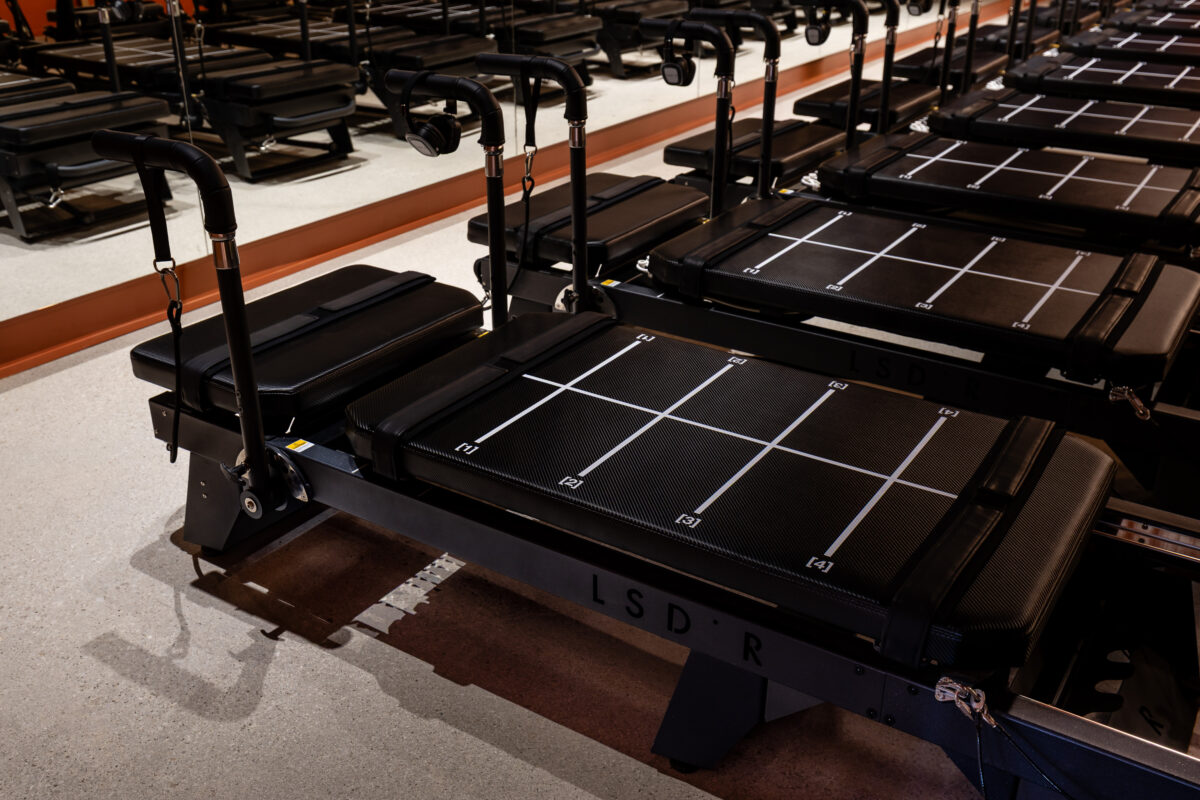
A new boutique fitness studio, LSD°R, is making waves in Toronto’s King West neighbourhood, offering a unique low-impact Pilates experience that incorporates both breathwork and Reformer machines. 

Founded by seasoned fitness entrepreneurs Tessa Bernier and Jackie Di Renzo, LSD°R aims to bring a sustainable, mindful workout to a growing wellness hub in the city. With a soft launch this week and a grand opening on March 3, the studio promises a fresh approach to fitness for those seeking long-term results without putting stress on the body.

LSD°R’s 1,700-square-foot space is designed to be intimate and functional, housing 14 Reformers and a variety of amenities such as lockers, restrooms, and a reception area. The studio is strategically located at 543 Richmond Street, positioned between Portland and King West—an area already home to several wellness businesses. Bernier and Di Renzo, both experienced in the boutique fitness scene, were drawn to the neighbourhood’s demographic and vibrant energy, making it the perfect spot for their first location.

The studio’s name, which stands for “Low, Slow, Deep Reform,” reflects the core philosophy of the practice. Participants are encouraged to move slowly on the Reformers while focusing on deep breathing to enhance both physical strength and mental clarity. While the primary demographic is women between 25 and 40, LSD°R is also attracting a growing number of men seeking a functional, low-impact workout that fosters overall wellness. With plans to expand to five locations throughout Toronto, LSD°R is poised to become a go-to destination for those looking to incorporate mindful movement into their fitness routines.

Bernier said the two owners have extensive experience in the boutique fitness industry. They’ve opened yoga and Pilates studios in the past in Toronto and other locations. 

“We’ve also owned retreat centres together and run international retreats for many years. We’ve been involved in yoga, Pilates, and teacher training for a long time. We’re both movement instructors, specializing in yoga, Pilates, and breathwork training. All of this experience ultimately led us to LSD°R, where we focused on a Re°form Pilates modality,” she said.

“The location is perfect because it’s at the intersection of an emerging wellness hub in Toronto, with other wellness-oriented businesses nearby. We also know King West well, having owned studios in the area before, so it felt like coming home. We understand the neighbourhood demographic, which made it an easy choice for our first studio,” said Di Renzo.

Jackie Di Renzo
Jackie Di Renzo

“We’ve found that 1,500 to 2,000 square feet is the right size for what we need—enough to create an intimate, functional environment without any excess space. We’ve learned from previous experiences that less can be more. This sort of bespoke type of location that offers everything a client could possibly need is that sweet spot in and around 1,700 square feet,” added Di Renzo. 

Bernier said the concept behind it is a low-impact workout where you move slowly, incorporate deep breathing, and engage deeply with the Reformer machine, focusing on getting into deep positions.

Di Renzo said they hope to open more studios.

“Our goal has always been to have a minimum of five locations here in Toronto. We wanted to create smaller, more intentional spaces that can fit into various neighbourhoods around the city. The design and offering allow us to cater to the specific needs of each neighbourhood, ensuring the concept works on a community level,” she said.

Source- LSD°R
Source- LSD°R

Bernier said the studio’s main demographic is women, particularly those between 25 and 40. That said, they’ve had a lot of men during its recent soft launch as well. The area around the studio has a dense population of people in that age range, so it’s a good fit.

“We put a lot of thought into the offering. Breathwork and modern Pilates are central to our program. Pilates on the Reformer allows for a low-impact, sustainable workout. People often want something new to add to their wellness routine, and we offer an option that stretches, lengthens, and strengthens without putting stress on the joints or deteriorating the body,” said Di Renzo.

“We also incorporate breathwork, which not only aids in the mind-body connection but offers mental health benefits. Breathwork helps people shift their mental state, feel grounded, and generally feel better in their own skin. Our target is someone who is familiar with wellness and looking for a long-term, functional practice that also nurtures their mental well-being.”

Source- LSD°R
Source- LSD°R
Source- LSD°R
Source- LSD°R