“As part of our merchandising strategy for CF Market Mall, we are pleased to announce that we have completed a deal with Enoteca Monza. Monza will occupy the entirety of the former Moxie’s location and is complementary to the existing full service restaurants at CF Market Mall which includes The Keg, Milestones and Boston Pizza,” said Darryl Schmidt, Vice President of National Leasing for Cadillac Fairview.
“Also as part of Cadillac Fairview’s commitment to having appropriate food offerings that cater to our unique trade areas, we are excited about the recently completed food court renovations at CF Market Mall which includes new seating, new soft seating and a revamped feature fireplace.”
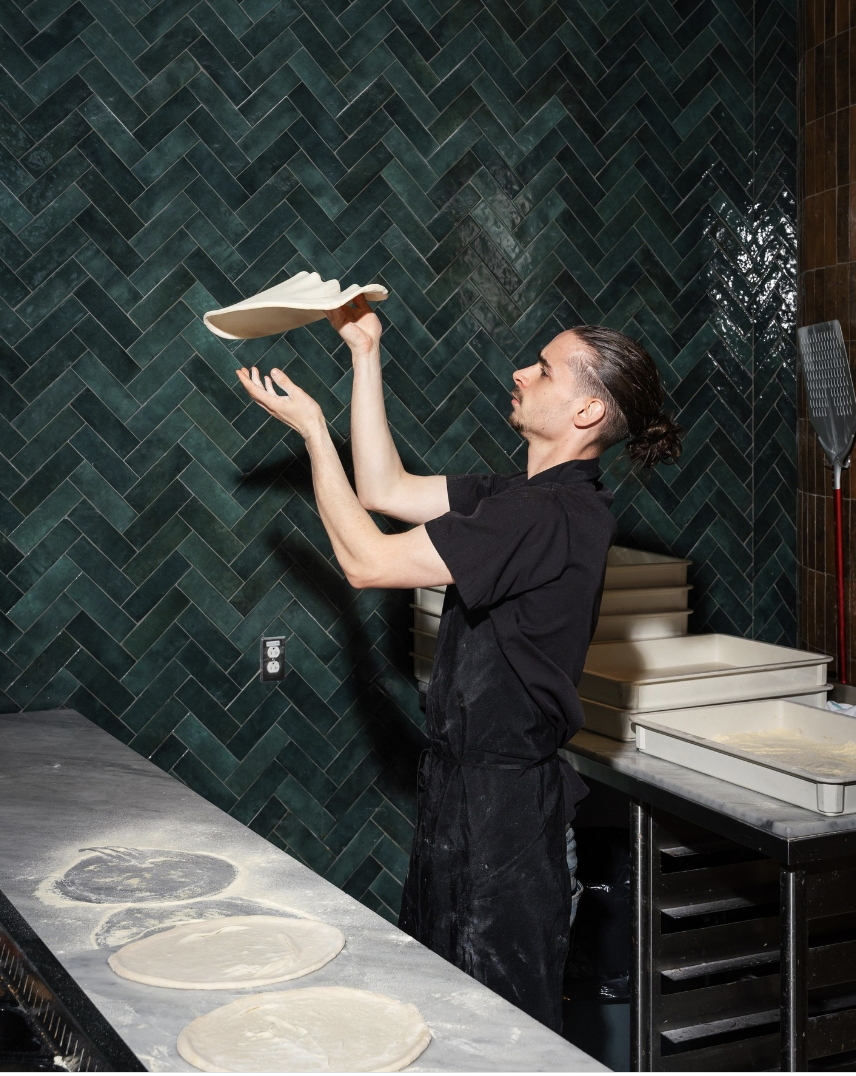
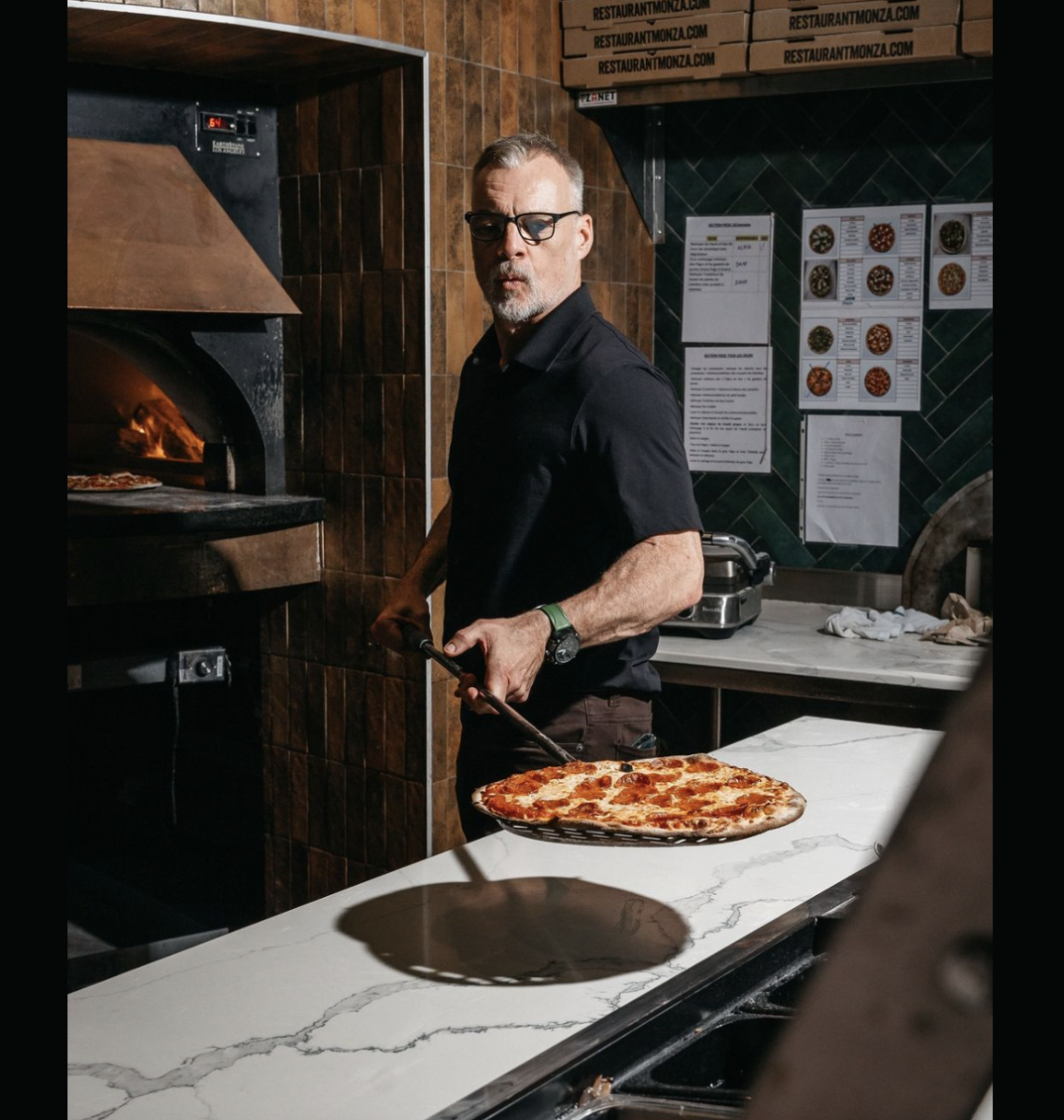
According to the Foodtastic website: “Enoteca Monza offers both traditional and contemporary Italian dishes with a vast wine menu for the perfect pairing, all in a trendy and classic wine bar atmosphere. The flames of the pizza oven are a design focal point creating a warm and chic ambiance for our modern dining room.
“Enoteca, which means wine bar in Italian, Monza’s emphasis for quality reaches beyond the cuisine. Our glass wine cellar showcases our wine with sophistication. Dare to explore the various notes and flavours of wine from different regions of Italy. The ideal destination for a 5à7 with colleagues, or a romantic date night, our bar menu designed for sharing, is a great way to experience our various appetizers.
Photo: Monza in Quebec
“True to Nonna’s recipes we use only the best fresh local and imported Italian products. Our authentically Italian pasta dishes are always prepared Al Dente, sautéed in our homemade sauce. Pizzas are made with our homemade dough, using the best Italian Caputo 00 flour, baked in our wood fire stone oven at 800°F to achieve the perfectly crisp thin crust.
“We take pride in serving quality meat and fish prepared with fresh, simple ingredients without compromising flavour. Our lunch menu offers a variety of options from fresh salads and fire grilled never pressed Panini’s. Great choice for a quick bite with friends or colleagues. True to Italian tradition end your meal with an espresso or cappuccino, the perfect complement to our decadent desserts.
“Enoteca Monza holds the spirit of family as a core value. Making dinner simple and easy, our menu is always available for takeout: order online and let us take care of the rest. Bring the Enoteca Monza experience to your next special occasion or event, our catering menu is perfect for gatherings of any size at work or at home. Our chefs have created a sharing menu, offering our classics recipes in a fun family style portion, a great way to connect and share a meal the way Nonna always intended.”
Foodtastic, a Quebec-based franchisor of multiple restaurant concepts, purchased Monza in 2018.
Retail Insider is streamlining its Canadian retail news from around the web to include a handful of top news stories that can be viewed quickly during the day. Here are the top stories from the past 2 days.
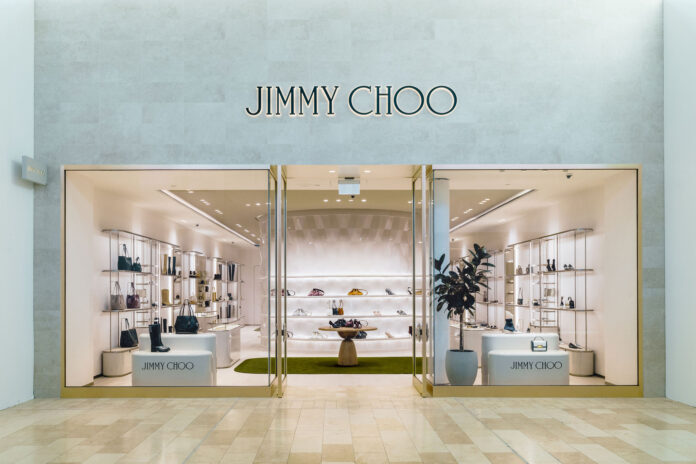
Facade of the new Jimmy Choo store at Yorkdale in Toronto. Photo: Jimmy Choo
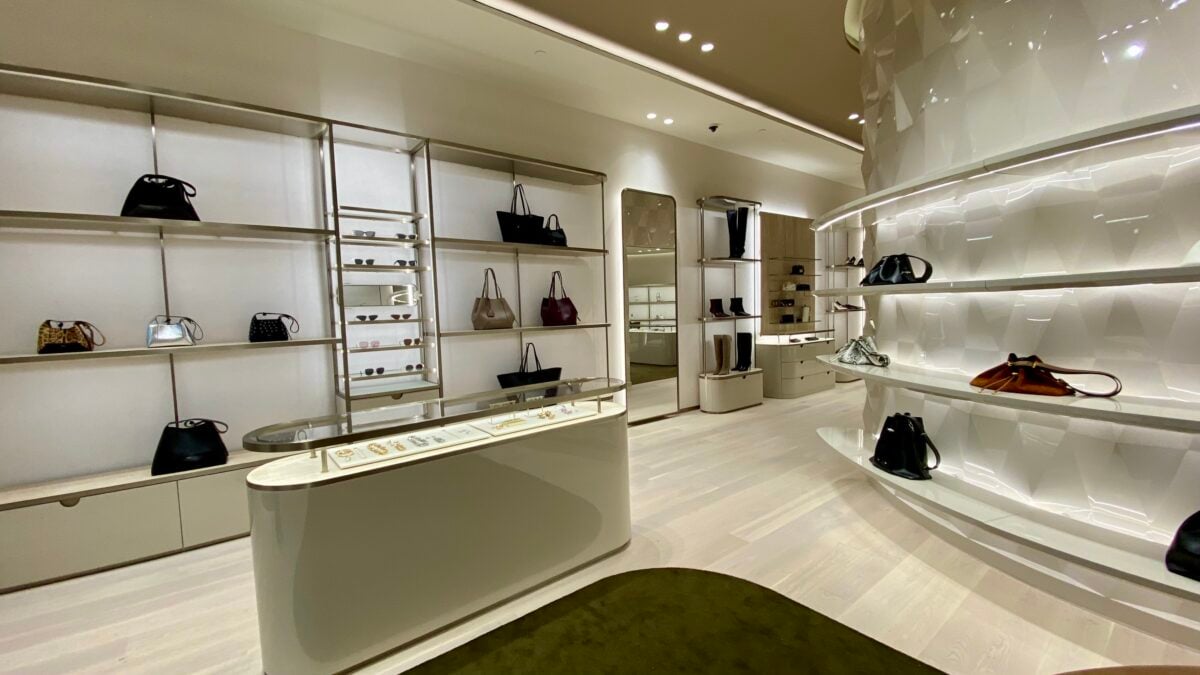
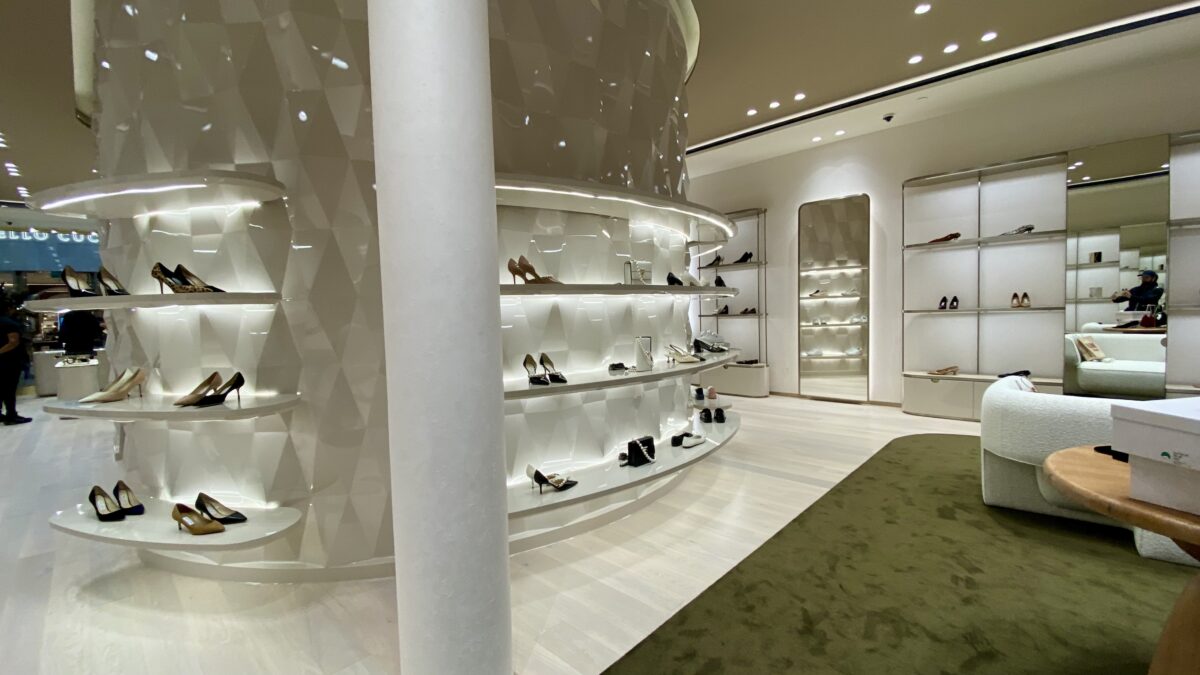
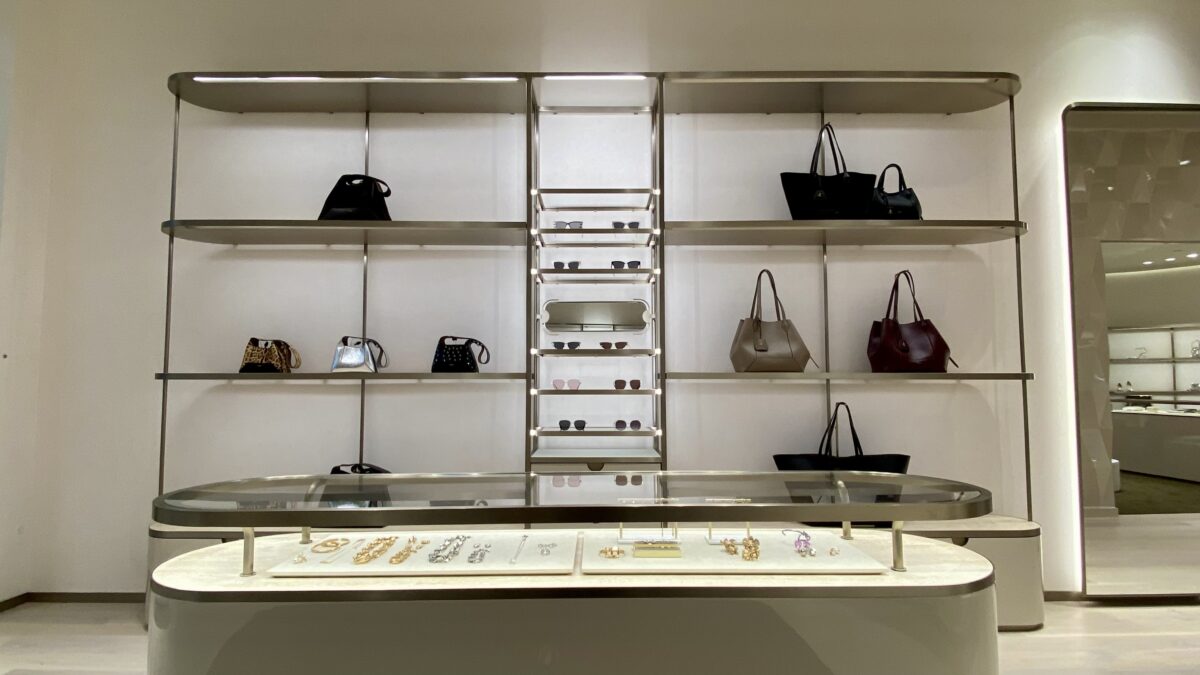
Luxury footwear and accessories brand Jimmy Choo is solidifying its presence in Canada with a new flagship store at Toronto’s Yorkdale Shopping Centre. This latest location is part of Yorkdale’s newly developed 65,000-square-foot luxury wing, situated in the mall’s centre run.
Joining a collection of high-end retailers such as Loewe, Brunello Cucinelli and others in the luxury wing, the new Jimmy Choo store brings a refreshed, luxury shopping experience with its replacement location.
Inside the new Jimmy Choo store at Yorkdale in Toronto. Photo: Jimmy Choo
Relocating Within Yorkdale to a Prime Spot
The new flagship marks a strategic relocation for Jimmy Choo within Yorkdale. Since opening its first standalone store in Canada at Yorkdale in 2014, the brand has been a fixture in Toronto’s luxury retail scene.
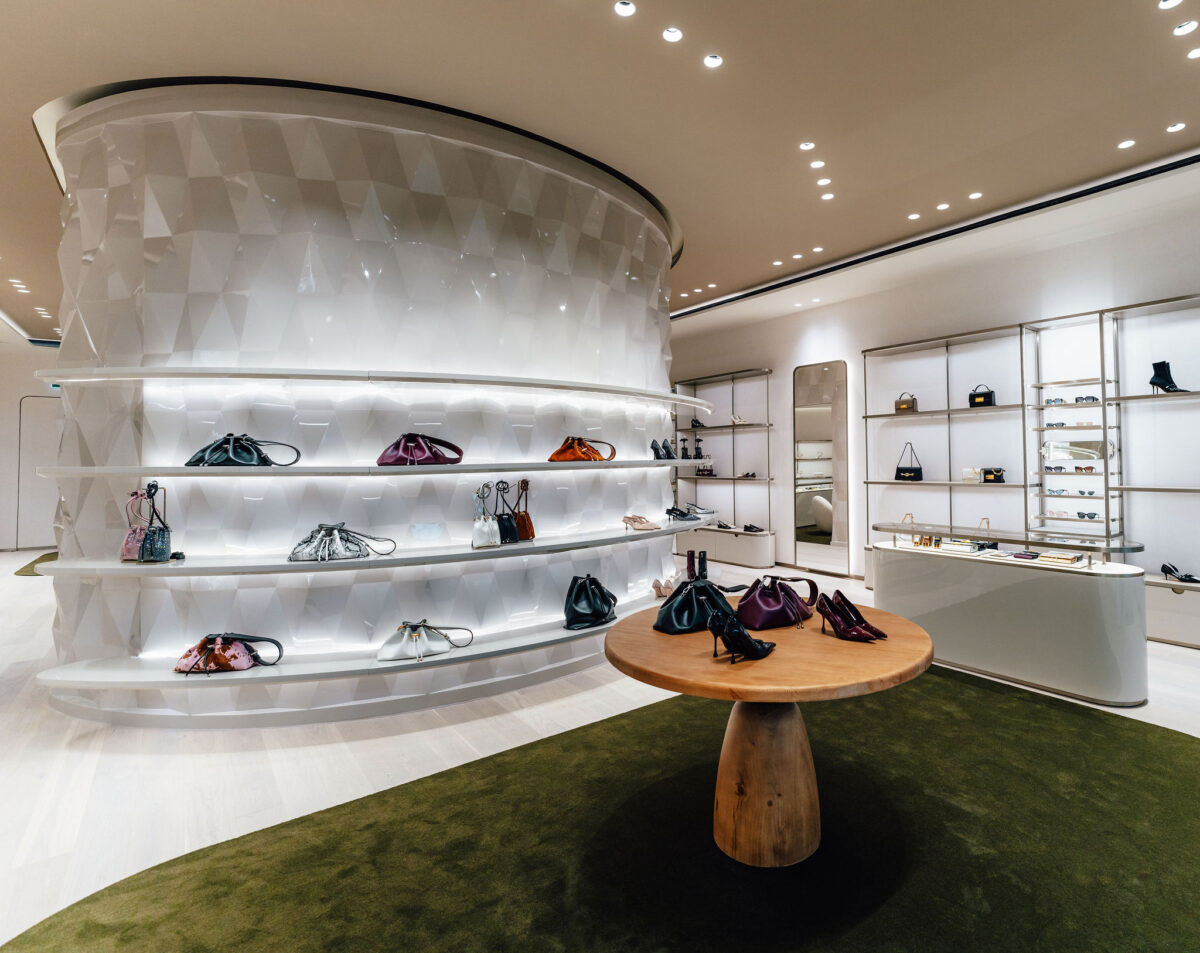
Spanning 2,538 square feet, the new Yorkdale flagship introduces Jimmy Choo’s latest store design, which aims to create a more personalized and engaging shopping experience. At the heart of the store is a unique ‘pod’ that offers seating for customers. The innovative space can be enclosed to transform into a private VIP room, offering an exclusive and intimate shopping experience tailored to each customer’s preferences. The thoughtful design underscores the brand’s emphasis on personalization and high-touch service.
The relocation within Yorkdale was facilitated by Stan Vyriotes and David Wedemire of DWSV Realty, who represented Jimmy Choo in the transaction with the mall’s landlord Oxford Properties. DWSV has negotiated serval other details for the luxury wing, as well as in other parts of the mall.
Inside new Jimmy Choo store at Toronto’s Yorkdale Shopping Centre. Photo: Craig Patterson
Jimmy Choo’s Growing Footprint in Canada
Jimmy Choo’s expansion across Canada has been methodical and focused on key luxury markets. The brand first entered Canada with its Yorkdale store in 2014, followed by the opening of a standalone boutique in downtown Vancouver in 2018. The Vancouver store, located at 1035 Alberni Street, spans 1,549 square feet and is positioned within the city’s prestigious ‘Luxury Zone,’ a hotspot for high-end shopping.
In addition to its presence at Yorkdale and Alberni Street, Jimmy Choo operates locations at the McArthurGlen Designer Outlets near Vancouver and at the Toronto Premium Outlets in Halton Hills. These outlets provide a more accessible touchpoint for customers, offering a selection of the brand’s luxury products in a more casual setting.
Inside new Jimmy Choo store at Toronto’s Yorkdale Shopping Centre. Photo: Craig Patterson
Recent Opening in Montreal
In 2024, Jimmy Choo continued its Canadian expansion with a new store at Royalmount in Montreal. The Royalmount location, spanning approximately 1,900 square feet, is part of a luxury corridor featuring brands such as Saint Laurent, Versace, and David Yurman. This is Jimmy Choo’s first standalone store in the Montreal market, underscoring the brand’s strategic commitment to growth in Canada.
Inside new Jimmy Choo store at Toronto’s Yorkdale Shopping Centre. Photo: Craig Patterson
Historical Background of Jimmy Choo
Founded in 1996 by Tamara Mellon, a former Vogue accessories editor, and Malaysian fashion designer Jimmy Choo, the brand quickly rose to prominence in the luxury fashion scene. Renowned for its glamorous, high-heeled shoes, Jimmy Choo became a staple on red carpets and was worn by celebrities worldwide. Over time, the brand expanded its product lines to include handbags, accessories, and fragrances, further establishing its global appeal.
Currently, Jimmy Choo is part of Capri Holdings Limited, which also owns Versace and Michael Kors. Capri Holdings’ strategic focus on innovation and market expansion has supported Jimmy Choo’s global growth, with Canada playing an increasingly significant role in its retail portfolio.
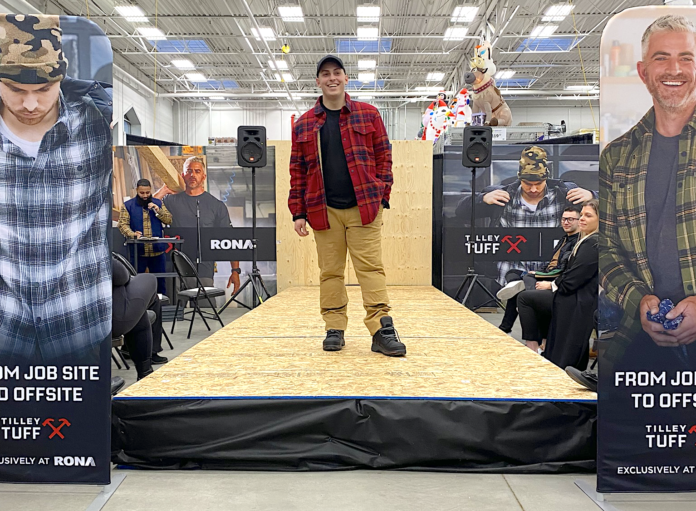
Runway fashion show for the new Tilley Tuff Workwear at RONA on November 18, 2024 in Toronto. Photo: RONA
Canadian home improvement giant RONA Inc. has unveiled an exclusive new apparel collection in partnership with Tilley Endurables, marking its first foray into the workwear space. The ‘Tilley Tuff Workwear‘ line is available at select RONA and RONA+ stores, bringing a mix of functionality, durability, and fashionability to Canadian professionals and DIY enthusiasts.
Spearheaded by renowned Canadian designer Joe Mimran, known for founding iconic brands like Club Monaco and Joe Fresh, the Tilley Tuff Workwear collection offers multi-pocket pants, weather-resistant jackets, and a range of basics designed for both utility and style.
During an interview, Joe Mimran and Doug Young, Chief Merchandising Officer at RONA Inc., discussed the collaboration’s unique value proposition, the motivations behind the launch, and their aspirations for the line.
The new Tilley Tuff Workwear collection at RONA. Photo: RONA
A Canadian Collaboration for Canadian Workers
“Bringing together the strength of Tilley and RONA felt natural,” Mimran stated. “We saw an opportunity to create something special by marrying Tilley’s expertise in outdoor gear with RONA’s deep roots in serving Canadian workers. Within nine months, we turned this idea into a reality, and the early response has been excellent.”
Joe Mimran
Doug Young emphasized that the introduction of Tilley Tuff marks RONA’s first apparel offering, providing their professional and DIY clientele with more comprehensive solutions. “We aim to be a one-stop shop, and workwear was a gap we saw as a major opportunity,” he said. “This new line has been embraced by customers because it fills a real need.”
Elevating Workwear Design
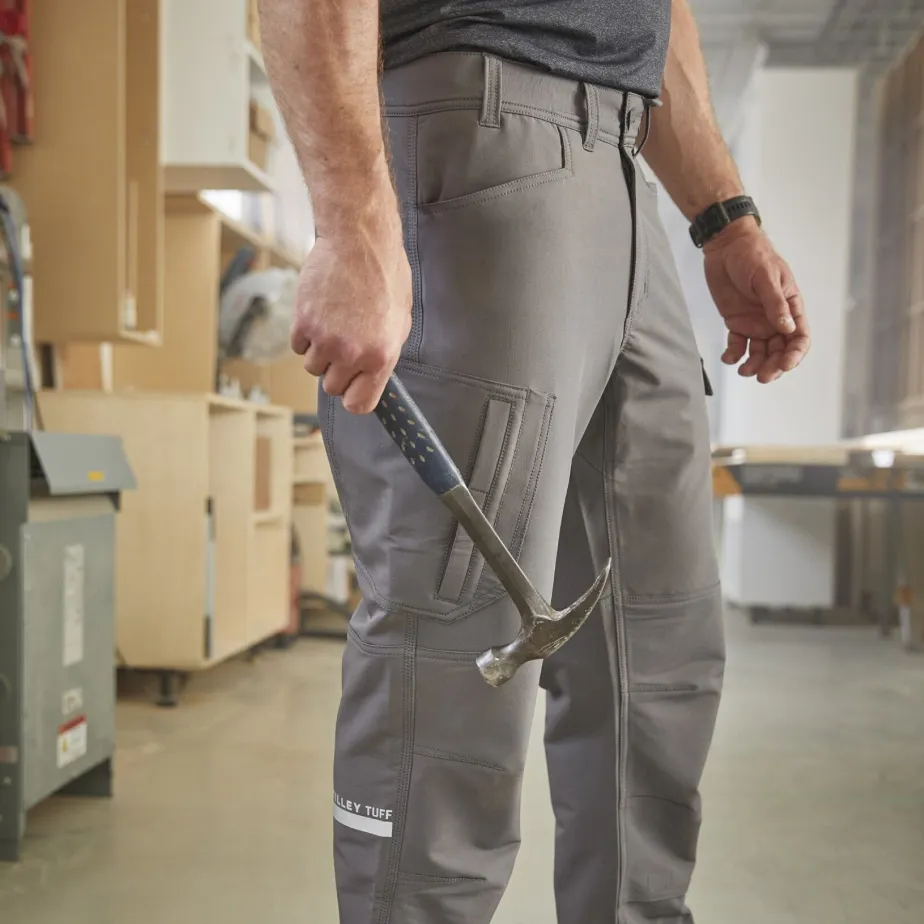
Mimran’s extensive experience in apparel design is evident throughout the collection, which features a blend of style, comfort, and practicality. Key pieces include heavy-duty multi-pocket pants that offer ample storage and freedom of movement, thanks to strategically placed stretch panels. “Our multi-pocket pants are designed to make life easier for workers who need quick access to tools and essentials,” Mimran explained. “We focused on creating pieces that allow for maximum movement while still holding up to demanding tasks.”
Doug Young, RONA
The weather-resistant jackets in the line are crafted with advanced fabric technology to repel water and withstand wind, ideal for Canada’s unpredictable climate. “We didn’t want these to be just another set of jackets; they’re designed to keep you warm, dry, and comfortable even in harsh conditions,” Mimran said.
The range also includes technical T-shirts with moisture-wicking properties, engineered for breathability and comfort during long work hours. For colder months, the line features quilted “shackets” (shirt-jacket hybrids) that offer warmth without sacrificing mobility. “Even in our core pant, we’ve added stretch to ensure greater ease of movement. The design isn’t just about utility; it’s about ensuring workers feel comfortable and confident on the job,” Mimran emphasized.
Tilley’s heritage in headwear is also represented, with a standout toque priced at $14.99 and a range of hats based on classic Tilley designs. “We’ve taken our expertise in headwear and brought it into Tilley Tuff with modern updates that reflect the line’s focus on both practicality and style,” he added.
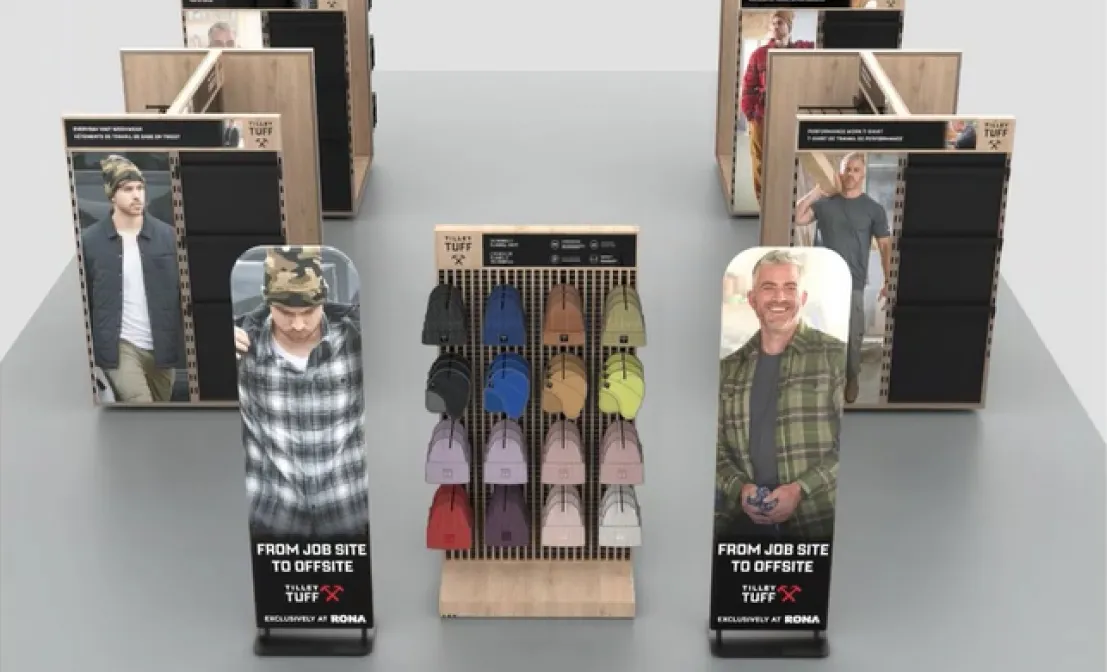
Rendering of a Tilley Tuff Workwear area is a RONA store. Image: RONA
Broader Market Context: Tilley Tuff’s Place in a Growing Segment
The workwear market has undergone significant changes in recent years, with demand surging among both professional workers and general consumers. Traditionally, the market has been dominated by longstanding players offering rugged, utilitarian clothing aimed solely at functionality. However, a growing trend has emerged that blends workwear with fashion, creating crossover appeal for consumers who value style, comfort, and performance in their apparel.
“Workwear is no longer just about utility; it’s about how people feel wearing it,” Doug Young remarked. “We see customers who appreciate clothing that works hard but also looks good enough to wear off the job. It’s about versatility.”
Runway fashion show for the new Tilley Tuff Workwear at RONA on November 18, 2024 in Toronto. Photo: RONA
Retailers such as Mark’s Work Wearhouse and brands like Carhartt have recognized this shift, incorporating more stylish designs and innovative fabric technologies into their collections. The rise of streetwear-inspired workwear has also fuelled interest, as younger consumers increasingly incorporate workwear staples—like jackets and pants—into their everyday wardrobes. Tilley Tuff aims to meet this evolving demand by offering elevated fabrications, fashionable cuts, and a versatile product line that can transition seamlessly from job sites to city streets.
Doug Young highlighted that while RONA’s move into the workwear space fills a gap in its product lineup, it also capitalizes on the broader industry trend of “workleisure” clothing. “We’ve seen a steady increase in consumer interest in durable, well-designed apparel that fits multiple aspects of their lives. With Tilley Tuff, we’re giving customers what they need to tackle demanding jobs while also offering pieces that are versatile enough to wear outside of work.”
The new Tilley Tuff Workwear collection at RONA. Photo: RONA
Strategic Store Placement and Expansion Plans
To capture consumer attention, Tilley Tuff is prominently displayed at the front of RONA’s larger stores on custom-designed fixtures. “We wanted to make it clear that this is more than just another product line—it’s a true innovation in workwear,” Young said. “From the layout to the signage, everything was carefully planned to showcase the collection’s strengths.”
Currently, the collection is available in over 100 RONA big-box stores, with plans to expand nationwide and introduce women’s workwear by spring. “We’re actively working on new designs and hope to roll out pieces that cater to women’s needs in the workwear segment,” Mimran revealed. “The response so far has been overwhelmingly positive, and we’re excited to build on that momentum.”
The new Tilley Tuff Workwear collection at RONA. Photo: RONA
The Future of Workwear
The initial success of Tilley Tuff is just the beginning, according to Mimran and Young. Plans are underway to expand the line based on consumer feedback and market demand. “We’re already exploring additional categories and incorporating new fabric technologies,” Mimran said. “Workwear has traditionally been under-innovated, and we see a tremendous opportunity to lead the charge with thoughtful, fashion-forward designs that remain highly functional.”
Doug Young concluded with an invitation: “If you haven’t seen the line, I encourage you to visit one of our stores. The sell-through rates speak for themselves—customers recognize the value and quality immediately.”
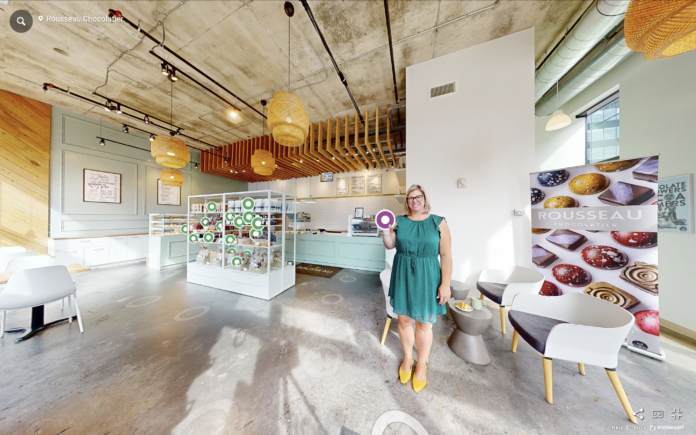
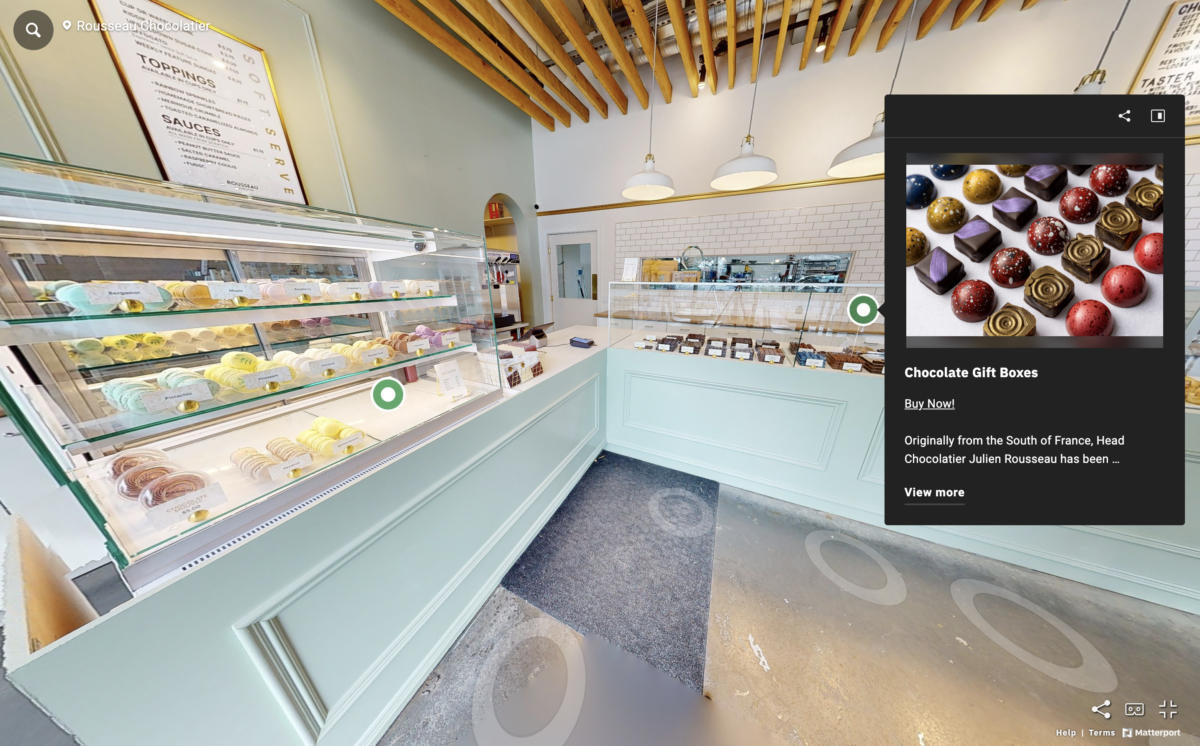
Screen shot of the Rousseau Chocolatier digital twin, including an image of Nathalie Morin in her store. Image: Screen shot
The David Sobey Retailing Centre at Saint Mary’s University has partnered with Halifax’s Rousseau Chocolatier to launch a groundbreaking digital twin of the chocolatier’s boutique and café. The innovative initiative transforms the online shopping experience, enabling customers to virtually explore Rousseau Chocolatier’s beautifully designed space while browsing and purchasing artisanal chocolates. The collaboration highlights how digital innovation can enhance customer engagement and expand the reach of small businesses.
Enhancing the Online Experience with a Digital Twin
Known for its handcrafted chocolates and elegant boutique in Halifax, Rousseau Chocolatier saw an opportunity to elevate its online presence. The digital twin, developed with advanced scanning technology, provides an immersive and detailed virtual replica of the boutique, allowing customers to navigate through the space and view products as if they were there in person.
Nathalie Morin, Co-Founder of Rousseau Chocolatier
“Our customers have embraced a fresh, immersive online experience thanks to the introduction of the digital twin,” said Nathalie Morin, Co-Founder of Rousseau Chocolatier. “This technology mirrors the elegance and personal touch of our physical store, allowing shoppers to explore products in detail and easily create custom orders.”
The idea originated from Morin’s experience with the retail innovation program at Saint Mary’s University, where she encountered a demonstration of digital twin technology. “When I saw that, I was like, that is so cool, I love that idea, and I just looked at it and said, let’s do it,” she recalled. The process of creating the digital twin involved using a Matterport camera to scan the boutique, with the entire process completed in about 20 minutes.
Blending Tradition with Innovation
The virtual replica offers a unique way to showcase the shop’s sophisticated interior, designed by a Montreal-based interior designer with over 25 years of experience. “People, when they come in, are often surprised to see this level of shop design in Halifax,” Morin noted. “It’s a bright, 18th-century-inspired space with lots of windows facing a park. Being able to recreate that atmosphere online lets people relive their visit or experience it for the first time from anywhere.”
The digital twin also serves as a key element in the chocolatier’s growth strategy, particularly as their reach has expanded across Canada and into the U.S. “We’ve grown exponentially over the last four years, including partnerships with luxury hotels like the Ritz Carlton in Toronto and the Rosewood Hotel Georgia in Vancouver,” said Morin. “The digital twin gives our nationwide customers a chance to connect with our brand even if they can’t visit in person.”
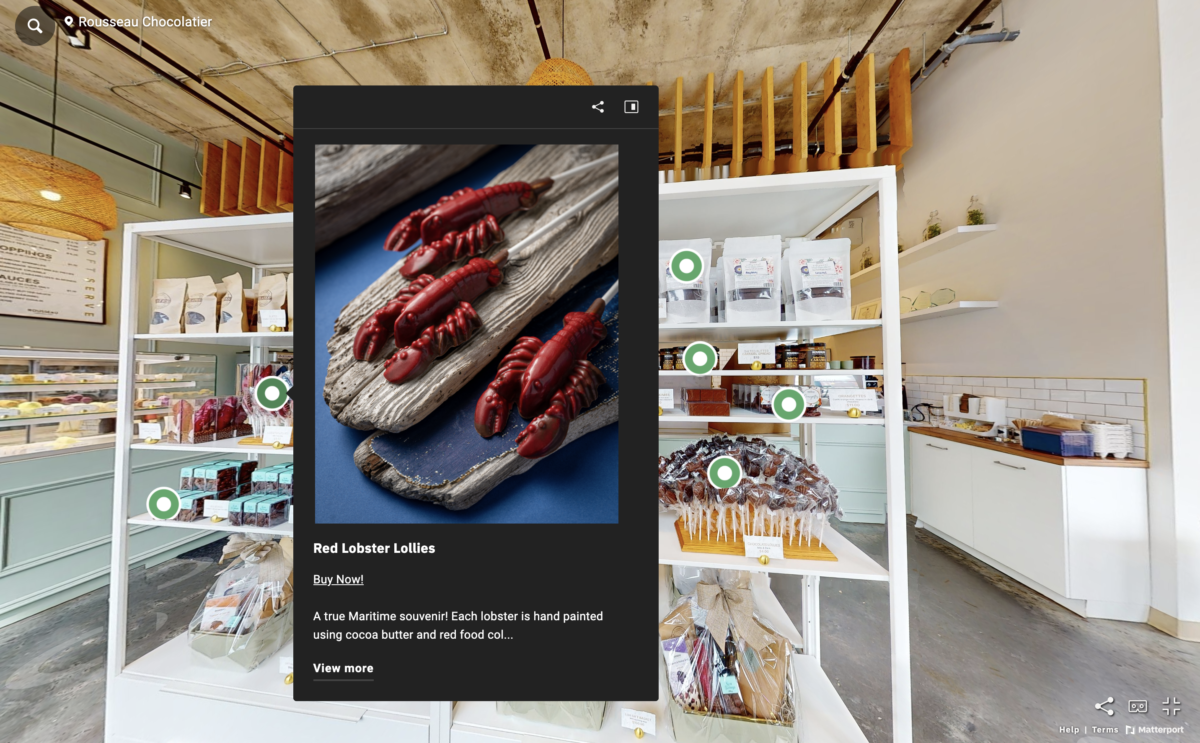
Screen shot of the Rousseau Chocolatier digital twin, showcasing a product in the store. Image: Screen shot
Creating New Opportunities for Customer Engagement
The collaboration has opened up new possibilities for Rousseau Chocolatier to engage customers in creative ways. Future plans for the digital twin include virtual tours of their production kitchen, customizable chocolate boxes, and highlighting locally sourced ingredients. “We take pride in using the best local and Canadian ingredients,” Morin explained. “Showcasing our ingredients through the digital twin would be another way to connect with our customers and tell our story.”
Dr. Ramesh Venkat, Director of the David Sobey Retailing Centre at St. Mary’s University in Halifax
Dr. Ramesh Venkat, Director of the David Sobey Retailing Centre, emphasized that digital twins have broad applications for the retail industry. “Digital twins offer many possibilities for retailers looking to innovate. Embedding a digital twin on a website can provide customers with a more engaging and immersive online shopping experience—one that can even be explored through a virtual reality headset,” he said. “Beyond enhancing customer engagement, retailers can use digital twins for employee training, optimizing operations, and managing store layouts and space planning.”
A Seamless Blend of Physical and Digital Experiences
The creation of the digital twin using a Matterport camera underscores the accessibility and efficiency of this technology. Venkat pointed out that digital twins can enhance operational efficiency and improve accessibility for customers who may face challenges visiting physical stores. “For elderly or mobility-impaired customers, this technology offers a way to explore a store’s ambiance and products from the comfort of home,” he said.
Morin shared positive early feedback from customers, noting that many enjoy the immersive experience of exploring the boutique virtually. “The concept of being able to shop at Rousseau’s without setting foot in Rousseau’s is fun for our customers,” she said. “It’s still early days, but we’re excited to see where it can lead.”
Screen shot of the Rousseau Chocolatier digital twin, showcasing a product in the store. Image: Screen shot
Expanding the Possibilities of Retail Technology
Dr. Venkat highlighted the versatility of digital twin technology, which can extend beyond e-commerce into employee training, space planning, and store layout optimization. “For a larger retailer, this technology could revolutionize how they train employees and design spaces without disrupting store operations,” he explained. Venkat also noted that digital twins have proven successful in attracting tourist traffic and supporting customers with specific needs.
Rousseau Chocolatier is already exploring ways to maximize the potential of their digital twin. “We’re happy to be pioneers in this space, and we’re eager to see how far we can go,” said Morin. “It allows us to bring an experience-based element to shopping, which is what customers are seeking more and more.”
Outside Rousseau Chocolatier at 5151 South St in Halifax. Image: Apple Maps screen shot
The Road Ahead for Digital Innovation in Retail
Looking forward, the David Sobey Retailing Centre plans to continue driving retail innovation, including launching a frictionless store and exploring computer vision-based self-checkout systems. Venkat underscored the Centre’s commitment to bridging the gap between academic research and industry practices, ensuring Canadian retailers remain competitive in a rapidly evolving market.
For Rousseau Chocolatier, the digital twin initiative is just one step in a journey of thoughtful growth and innovation. As Morin expressed, “Adopting advanced technology isn’t just a priority—it’s essential for growth and success. We’re excited to see where this journey takes us.”
Pet Planet has been operating in Calgary since 1996, growing to 43 locations in Western Canada and with plans to significantly expand the brand.
In May, the mom and daughter team that owned Pet Planet sold the company to Resilient Management Corp. After 27 years, Laura Leah English and Joan Bauer made the decision to pass the company along to the Resilient team.
Jeevan Minhas
New CEO Jeevan Minhas said he did a lot of research before Resilient, a company he is President and CEO of, purchased the Calgary-based Pet Planet with stores in Saskatchewan, Alberta and British Columbia.
“Pet Planet has a unique opportunity where they’re the only premium wellness in that space. Most of the brands they present products that you can find in Walmarts and Superstores and some other big box stores, even Canadian Tire,” he said.
“But at Pet Planet most of the products that we carry are natural products, so they’re not as common, and we tried to find them in the best way possible in Canada. So what I found was 50 per cent of our food that was sold was Canadian, which was very big compared to everybody else. So that was a big differentiator.
“The other is there’s a certificate of trust which Pet Planet has been following from the start where they go through this due diligence and go through every single product that’s in the pet food. I did not find the others do the same. So the quality of products remains very, very good. At the same time, we do miss out on a lot of products because a lot of the manufacturers do not want to share their information. But at the same time, I think Pet Planet, we stick to the guns and we only carry products that will follow the national grocer certificate.”
Pet Planet is a family business.
“I think the pet industry overall, when I did research, I was always looking at the business and wanted to expand our business, the pet industry did very well during the COVID,” he said.
“My original company is called Resilient Management. And the reason we call it that is because we wanted to find resilient businesses that survived the downturn of the economy anytime. So in 2008-2009 the pet industry did very well. And then again, in COVID, it actually accelerated and did better. So that was one of the biggest pieces of us looking into the pet industry.
“And also, at the same time, I think there was a niche market that’s available today that never existed before COVID, which is the population of pets is increasing as we speak, and it continues to increase in Canada at an amazing pace. So we thought it was best to get involved in pet businesses. And then we started looking at getting involved in pet businesses, very easy. We can be a franchisee or buy something small. But then I found, I have had pets myself and had a few pets actually over the time, that it was really difficult to find the information and find actual real food for pets. So that’s how I got involved in a Pet Planet store and started shopping there. And then I thought, you know what? This is a good business. I might try and look into it. And one thing led to another.”
Minhas said the company would like to increase the store count by 20, 30 stores initially and 100 stores eventually.
“At the same time, we have to look at e-commerce because there’s a lot of shopping that happens online, and e-commerce is part of why we want to get involved in that business. So that’s going to be the next major step for us. We do already have a warehouse. We do have shipping. We have all of that. We just have to increase the online presence, and we’ll be working on that over the next year.”
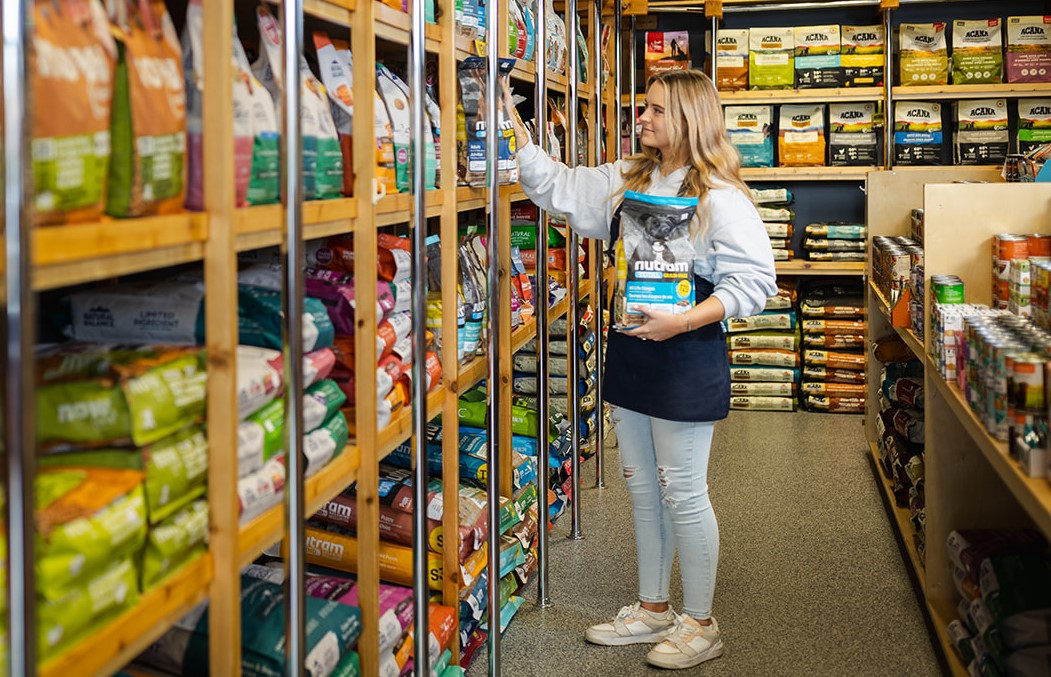
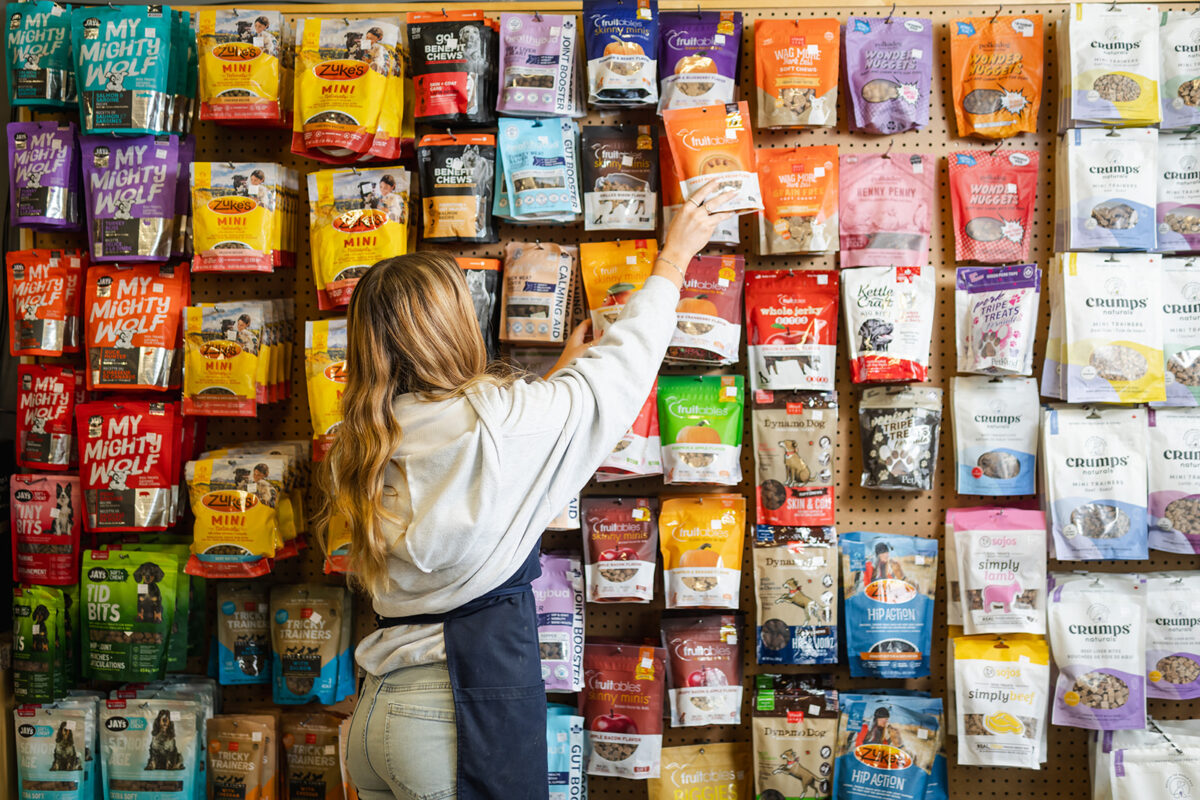
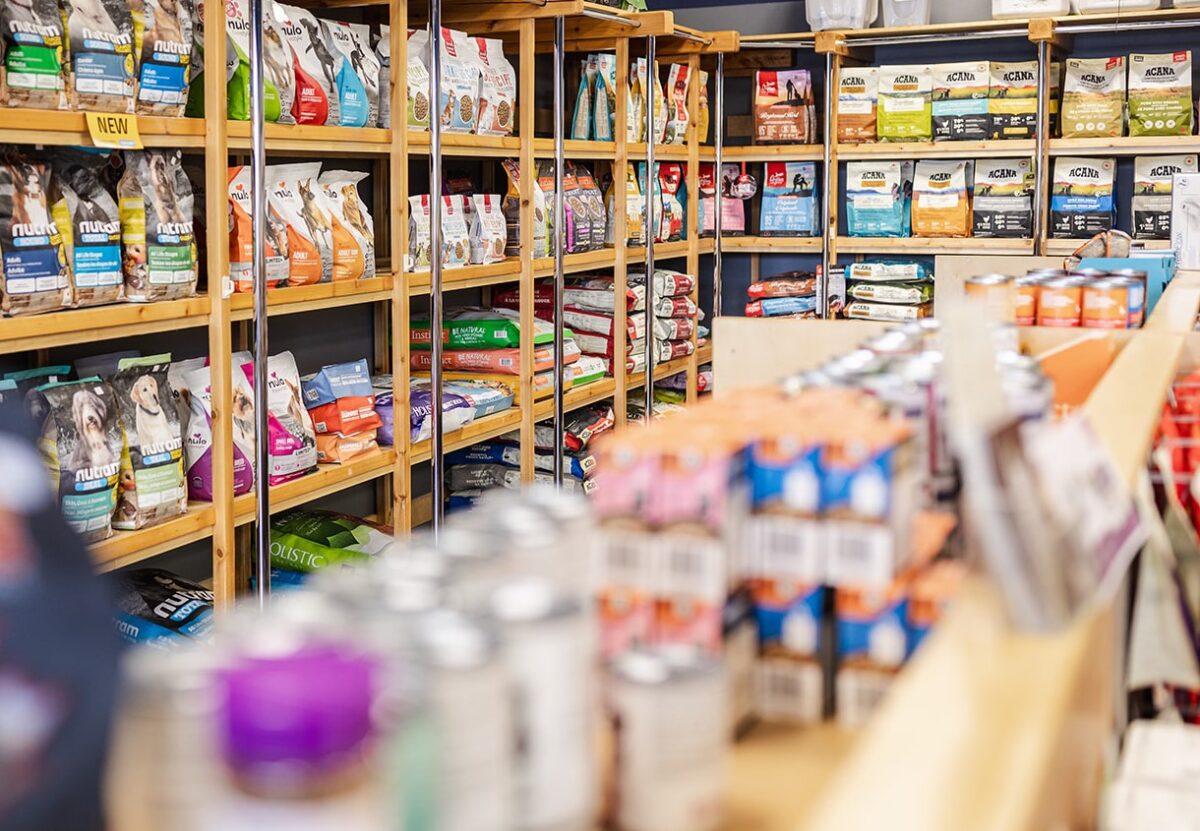
Photo: Pet Planet
Minhas said growth will be concentrated in Western Canada and once it has at least 75 stores then it can look towards the East. Most likely Ontario would be the first slated for expansion.
“I think the biggest part of our Pet Planet strategy and pet business is the quality and the service and the premium wellness brand. Overall, that space is not tapped. People today want better for their pets than ever before, and they continue to work to look for items that are natural, and there’s very few franchises or various systems that are doing that. There’s a few individual stores that do it well, but no franchise system. So I think that’s really our passion and we’re looking forward to gaining momentum on the franchisee side.
“We’re looking for candidates that are passionate about pets but also passionate about business because you have to be able to run the business, and you have to like it. If you don’t like it, it’s not fun, right? So I think that’s important. Expanding our training and expanding our support for the franchisees. I think that’s a very, very, very important factor. We are providing a lot of training today to the franchisee. We have hired three new staff and their full-time job will be training staff and training franchisees on pet and pet related food and consumers on food related natural grocery.”
Related articles:
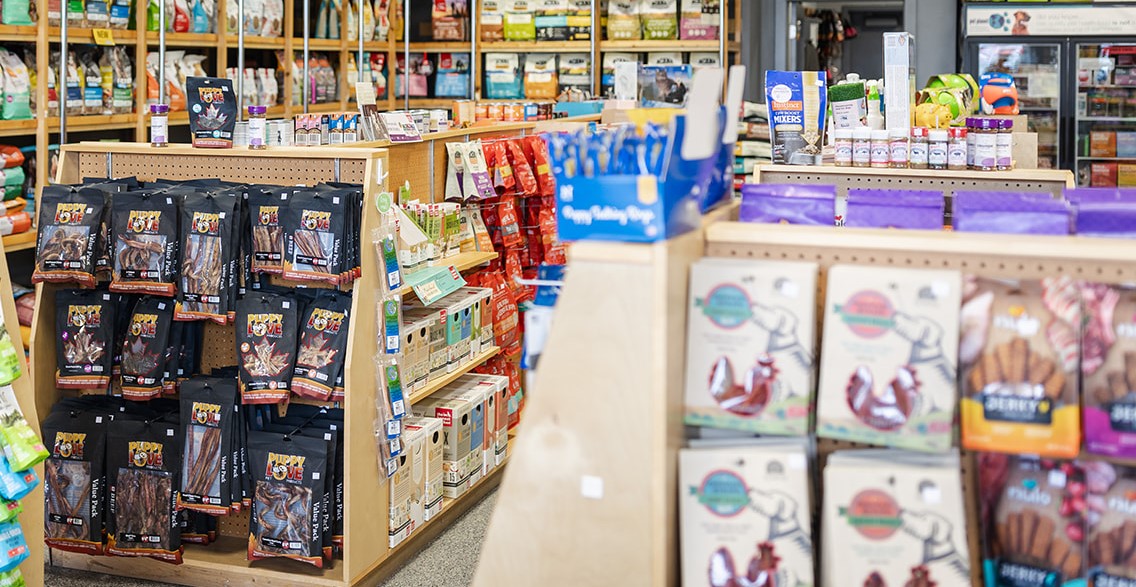
Photo: Pet PlanetPhoto: Pet PlanetPhoto: Pet PlanetPhoto: Pet Planet
UrbanToronto has launched an enhanced version of its UTPro platform, providing expanded real-time data coverage for real estate development across the Greater Toronto and Hamilton Area (GTHA).
Edward Skira, co-founder and owner of Urban Toronto, shared insights into the platform’s new features. That includes how UTPro streamlines access to critical development data for industry professionals, city planners, and anyone interested in Toronto’s evolving urban landscape.
A Complete Platform Upgrade: More Data, More Insights
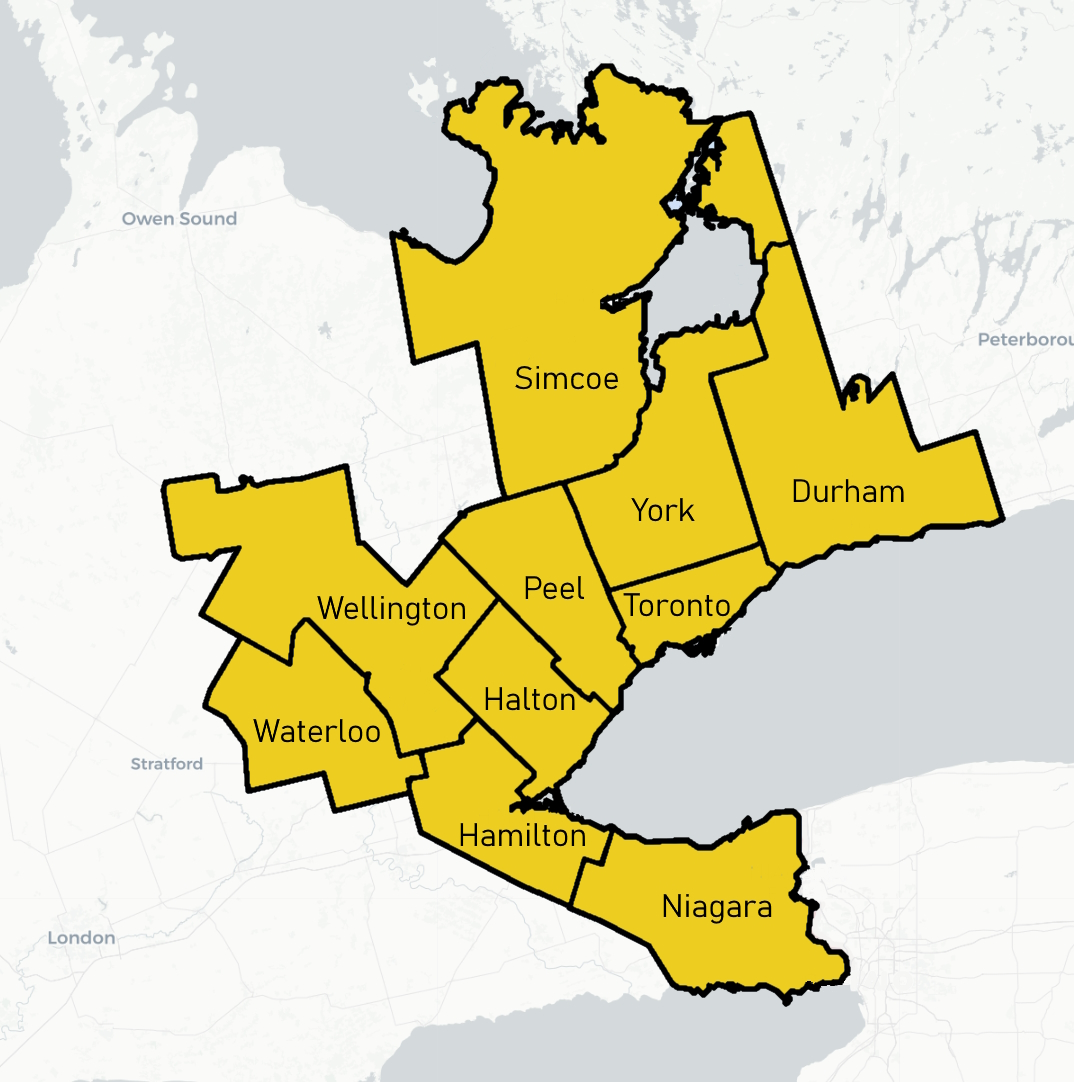
UTPro, which initially launched in 2021, has been significantly upgraded to track 5,500 active projects and nearly 5,000 industry-related companies, including developers and architects. Covering a geographic area from Bowmanville to Niagara Falls and Kitchener to Barrie, the platform aggregates development data in one place.
UrbanToronto’s Edward Skira
“We learned a lot from the first version. This new iteration fully integrates UTPro into the UrbanToronto platform, enhancing its capabilities and making it far more seamless for users,” said Skira.
The revamped platform introduces a range of improvements, including access to 144 data points per project—up from 90 in the previous version. This allows users to create highly detailed and customizable reports, offering insights across residential, industrial, retail, office, and transit sectors.
New Mapping Features Streamline User Experience
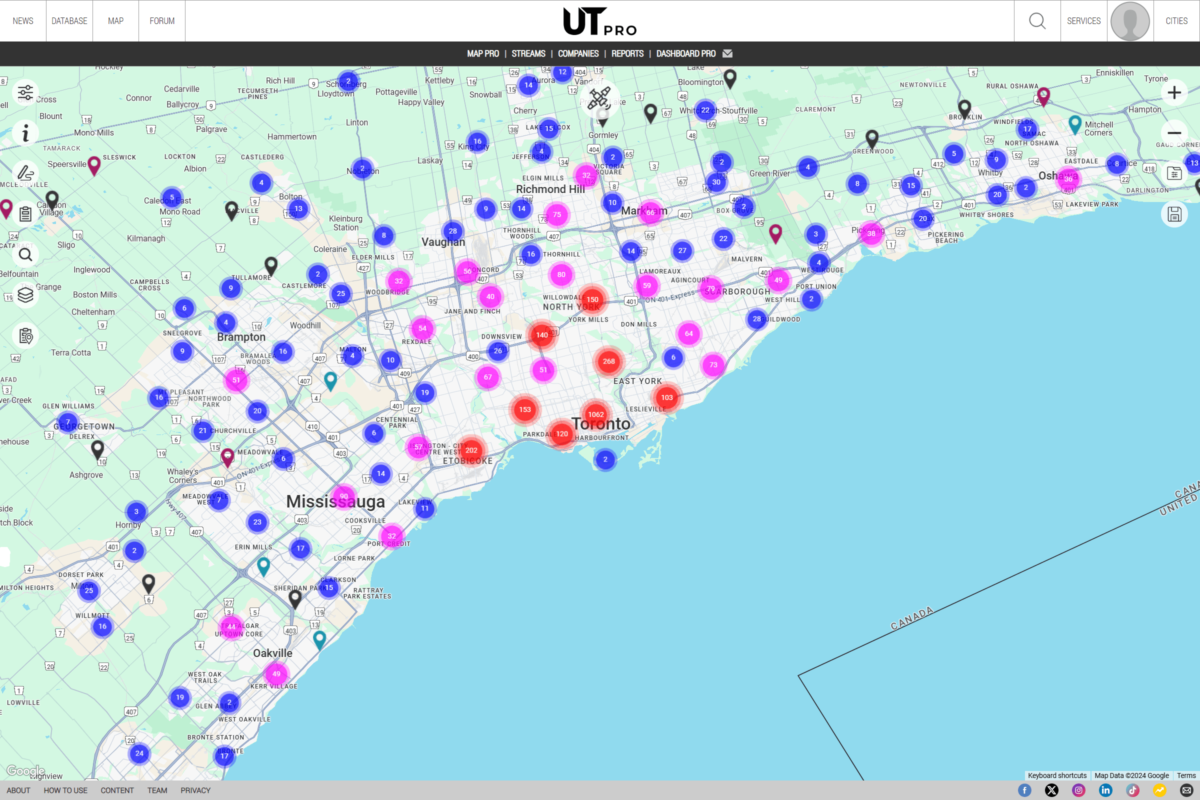
A key upgrade to UTPro is its redesigned map interface, which clusters projects using dynamic, colour-coded circles that change in intensity based on density. This new design allows users to quickly identify development hotspots. “Previously, markers were scattered all over the map, making dense areas like Downtown Toronto difficult to navigate. Now, users can get a clear, organized view of what’s happening at a glance,” Skira explained.
Screen shot of UTPro. Image: UrbanToronto
A new Dashboard page offers a high-level overview of regional development activity, including the number and types of projects underway. “We’ve added a snapshot view so users can quickly understand regional growth trends. It’s available to all visitors, but UTPro All Access subscribers can access even deeper data and specialized dashboards,” Skira added.
UTPro coverage area. Image: UrbanToronto
Historical Data and Standardized Project Information
UTPro’s ability to retain historical project documents—even after they are removed from municipal websites—sets it apart as a valuable long-term reference tool. “Municipal sites often remove approved applications, but we maintain a historical record. This lets users go back and see what was originally proposed or approved for a given project,” Skira said.
Another key feature is the standardization of data across different municipalities. “Every city has its own way of managing project data, with different fields and terms. We’ve standardized everything, making it easy to compare projects across Oakville, Mississauga, and Toronto, for example,” Skira noted. This ensures that users can seamlessly evaluate projects from different regions without the hassle of dealing with inconsistent data formats.
Video of UrbanToronto’s UTPro map
Practical Use Cases and Community Contributions
UTPro serves a diverse range of users, including developers, suppliers, brokers, and businesses evaluating future population growth. “For a retail client looking at expanding in North Oakville, knowing that 10,000 new residents are moving in over the next few years can be game-changing,” Skira said. This functionality also extends to transit authorities, school boards, and government agencies planning infrastructure based on future population density.
UrbanToronto’s vibrant community of 43,000 forum members also contributes real-time insights, often capturing new developments before they are publicized. “Our community is a crucial part of what we do. They keep us informed about emerging projects that may not even appear on official channels,” said Skira. “It’s this blend of community input and industry data that makes UTPro so valuable.”
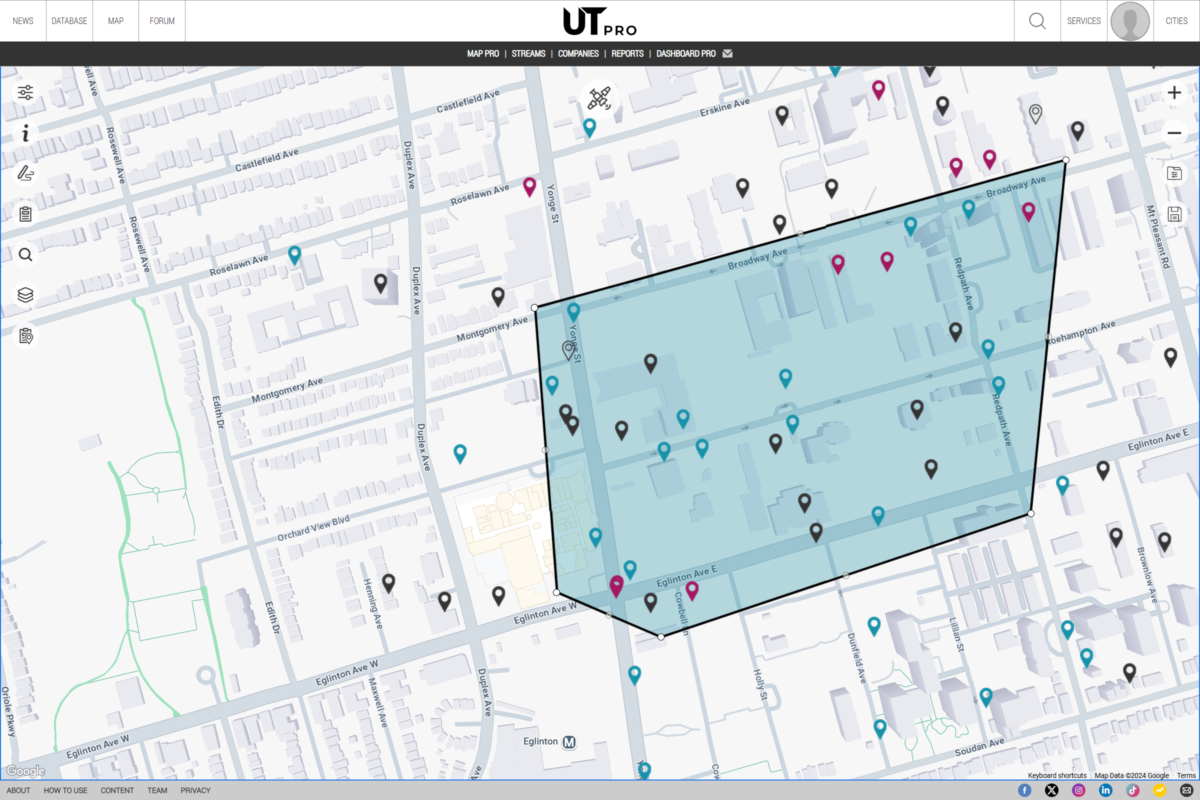
Screen shot of UTPro. Image: UrbanToronto
Flexible Subscription Tiers for Every User
The new UTPro platform offers four tiers of access to suit various needs. The entry-level public map provides basic tools, while more advanced tiers allow for greater customization. “Users can purchase instant reports for a one-off fee or subscribe to Pro Lite for enhanced map tools and up to five discounted reports per month. UTPro All Access gives the most robust access, with unlimited data, customizable reports, and comprehensive insights into individual companies’ portfolios,” Skira explained.
Screen shot of UTPro. Image: UrbanToronto
UrbanToronto’s enhancements reflect its commitment to offering data-driven insights tailored to industry professionals and everyday urban enthusiasts alike. “We’re empowering people to connect more deeply with Toronto’s development scene,” said Skira. “Whether it’s a retailer planning a new location or a city planner mapping out future transit lines, we provide the data they need to make informed decisions.”
The UTPro platform, now live, is set to be a great resource for those looking to navigate the GTHA’s dynamic real estate market. As Skira put it, “There’s a lot going on, and we’re thrilled to help people make sense of it.”
The Consumer Price Index (CPI) rose 2.0% on a year-over-year basis in October, up from a 1.6% increase in September, as gasoline prices fell to a lesser extent in October (-4.0%) compared with September (-10.7%). The all-items CPI excluding gasoline rose 2.2% in October, the same growth rate as in August and September, reported Statistics Canada on Tuesday.
Prices for goods rose 0.1% on a year-over-year basis in October, following a 1.0% decline in September. In contrast, prices for services decelerated in October, rising 3.6%, the smallest yearly increase since January 2022. Over the past three years, prices for goods rose 10.2%, while prices for services increased 14.2%, it said.
On a monthly basis, the CPI rose 0.4% in October following a 0.4% decline in September. On a seasonally adjusted monthly basis, the CPI increased 0.3%, added StatsCan.
“Year over year, gasoline prices fell to a lesser extent in October (-4.0%) compared with September (-10.7%). The smaller decline is partly attributed to a base-year effect, as prices fell 6.4% month over month in October 2023, stemming from lower refining margins and weaker global oil consumption,” said the report. “On a monthly basis, prices for gasoline were up 0.7% in October, following a 7.1% decline in September.”
“Prices for food purchased from stores rose at a faster pace year over year in October (+2.7%) compared with September (+2.4%). This was the third consecutive month price growth for groceries outpaced headline inflation. Notable contributors to the acceleration were higher prices for other fresh vegetables (+7.3%) and preserved fruit and fruit preparations (+7.6%). The acceleration was moderated by downward pressure from fresh or frozen beef in October (+7.0% compared with +9.2% in September), among other food items.”
Year over year, prices for the Canadian consumer rose at a faster pace in October compared with September in all provinces.
“The 0.4% m/m non-seasonally adjusted increase left annual inflation at the 2.0% target, with both of those figures being a tick above the consensus expectation. Higher property taxes were the main contributor to the monthly NSA change, which are updated in the index once a year with the release of the October data. Although the Bank of Canada’s key core metrics, CPI trim and median both accelerated by two ticks to 2.6% and 2.5% y/y, respectively (vs. 2.4% expected for both), some other key exclusionary measures still show very tame prices, with CPIX at 1.7% and CPI ex. shelter at 0.9% y/y. Given that this report follows a string of better news on inflation, and the fact that the GDP and employment data remain to be seen ahead of the December BoC decision, we still see a 50bp cut as possible at the next BoC meeting,” she said.
“While the increase in headline inflation was expected, the move higher in core inflation was discouraging. Even worse, on a three-month basis, core inflation moved from just above the BoC’s target, at 2.1%, to 2.8%. That was a big move and points to core inflation remaining above the BoC’s target in the coming months. High inflation for shelter, food, and health care were behind this, and aren’t looking likely to go away any time soon,” he said.
“The BoC is likely to view today’s data release as a minor setback. Inflation had become a background worry, and while it isn’t raising any red flags yet, today’s data is a reminder that getting price growth to settle at 2% will take time. The BoC will also be getting a reading on Q3 GDP growth next week. That release will do a lot to help guide the central bank in deciding whether it will cut by 25 or 50 bps in December. We think that a 25 bp cut remains the most likely outcome, especially given the resilience that the economy has demonstrated over the last few months.”
As the restaurant industry faces evolving consumer demands, economic challenges, and rapid technological shifts, companies like Square are stepping in to provide solutions that combine efficiency with personalized experiences. A leading technology provider for small and medium-sized businesses, Square identifies personalization and generative AI as pivotal trends driving growth in Canada’s restaurant sector.
Ming-Tai Huh
Ming-Tai Huh, a James Beard-nominated restaurateur and Head of Square’s global Food and Beverage division, highlights the robust growth of Canada’s food and beverage industry, reporting a 20% year-over-year increase over the past five years. “The pandemic reshaped consumer habits, pushing businesses toward digitalization,” said Huh. “At the same time, people are eager to return to dining rooms for the social and experiential aspects of eating out. It’s a balance of embracing the old and integrating the new.”
Personalization: A Key to Winning Gen Z
Huh, who is also Partner with the Cambridge Street Hospitality Group in the Boston area, pointed to the rising importance of personalization, particularly among younger consumers like Gen Z.
“They want options tailored to their tastes,” he said. “A study from the University of California showed brands like Chipotle and Cava resonate with this demographic because they offer customization. Whether it’s dietary preferences or specific allergens, operators need to adapt to meet these expectations.”
For many restaurateurs, that shift toward personalization goes hand-in-hand with implementing advanced technology.
AI and Automation: Revolutionizing Operations
The integration of AI tools is another game-changer for the hospitality industry. From streamlining backend processes to enhancing customer experiences, AI is enabling restaurants to operate more efficiently.
“AI and automation are inevitable,” Huh emphasized. “Tasks like managing paperwork, legal documents, and inventory can now be handled with AI, freeing up operators to focus on high-value activities. For example, instead of reading a nine-page PDF, you can use tools like ChatGPT to summarize it in seconds.”
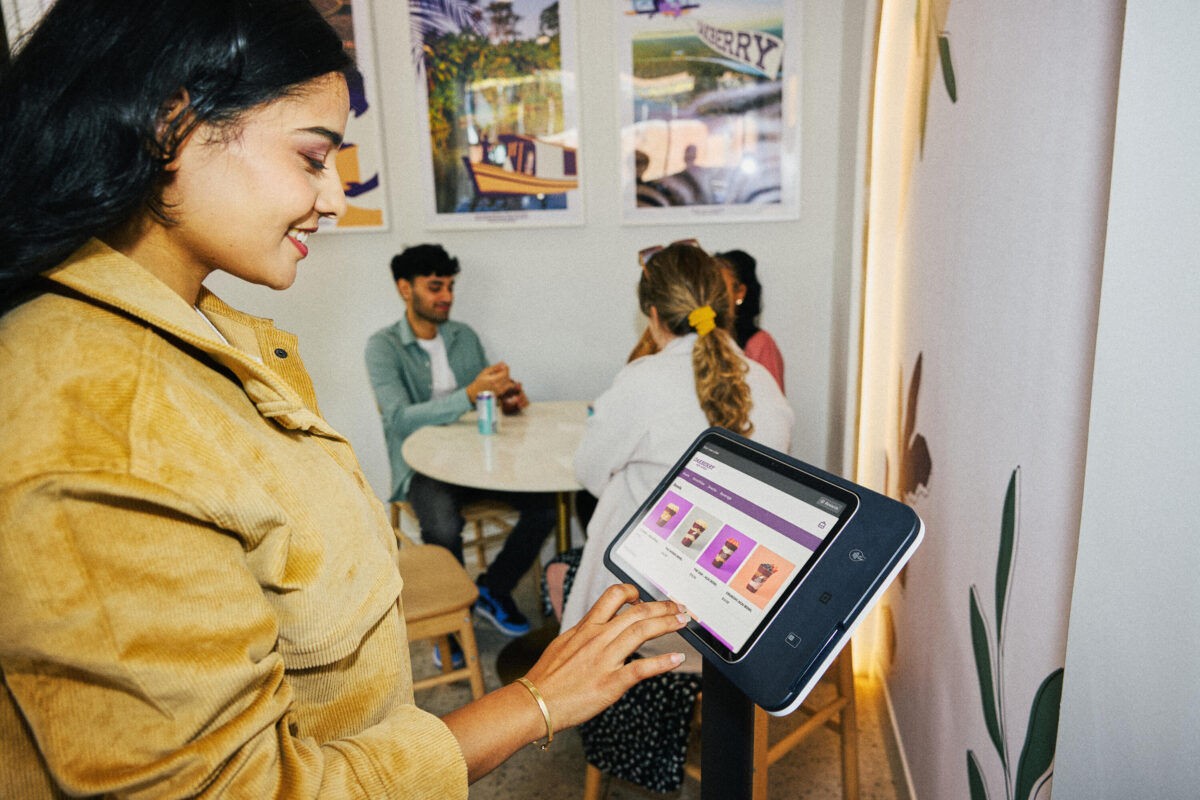
Square’s recently launched kiosk technology is a prime example of how automation is transforming restaurant operations. “Three out of four consumers prefer ordering online or at a kiosk rather than interacting directly with staff,” said Huh. “With Square’s Kiosk, businesses can reallocate staff from order-taking to tasks that enhance the guest experience, like hospitality or food preparation.
“With the evolution of technology in the hospitality industry, Canadians have come to expect efficiency and convenience when ordering, and Square Kiosk delivers on that. Amid staffing challenges, growing costs and shrinking margins, Square Kiosk also gives operators the ability to staff up other areas of their businesses while busting lines and cutting down on wait time for customers.”
The Square Kiosk integrates seamlessly with an operator’s existing hardware, requiring minimal setup. “It’s as simple as downloading an app onto an iPad,” Huh added. “The barriers to adopting this technology have been significantly reduced, making it accessible even for small businesses.”
Photo: Square
Challenges and Opportunities
While technology adoption offers opportunities for efficiency, restaurants still face ongoing challenges, including rising labor and food costs. However, Huh remains optimistic about the industry’s resilience and ability to innovate.
“Operators are cautiously optimistic,” he noted. “Many are exploring new revenue streams like catering, meal kits, and cooking classes. The desire to adapt and grow is evident, but success will hinge on embracing tools that make their operations more efficient and customer-centric.”
As the industry heads into 2025, technology’s role will only deepen. For restaurateurs, tools like AI, automation, and digital ordering platforms aren’t just optional—they’re essential to thriving in an increasingly competitive market.
Scene+, one of Canada’s leading loyalty programs, has earned three top spots in Canada’s largest loyalty program popular vote contest – the Canada’s Choice Awards by RWRDS Canada. Canadians voted Scene+ as their favourite Credit Card Rewards Program and the Scotiabank Scene+ Visa Card as their favourite in the No Annual Fee Travel Rewards Credit Card.
Scene+ rose in the ranks in the all-encompassing Shopping Loyalty Program category, earning the second spot this year, said a news release.
Candice Troupe
“We’re delighted to see the results of this year’s vote,” said Candice Troupe, Senior Vice President, Marketing and Partnerships at Scene+. “Earning top spots in these three important categories is very gratifying, but what’s more rewarding is the growth in our score. Members are seeing we’re much more than a basic rewards program – we make life better and more enjoyable for them with each purchase, point or reward earned.”
The release said Canadians voted the Scotiabank Scene+ Visa Card as number one in the Top No Annual Fee Travel Rewards Credit Card, with 27 per cent of the total votes, up from 18 per cent in 2023. They voted Scene+ as the Top Credit Card Reward Program, also with 27 per cent of total votes, versus 13 per cent in 2023, and Scene+ as the second most favourite in the Top Shopping Loyalty Program category, with 27.5 per cent of the votes, up from 13 per cent in 2023.
Patrick Sojka
“Canadians are looking for loyalty programs that can turn everyday purchases into regular savings and extraordinary rewards, making their lives a little more enjoyable and helping to lower total expenses,” said Patrick Sojka, Founder of Rewards Canada. “The big trend in 2024 has been education. Programs like Scene+ have invested in member education and it’s paying off. At the end of the day, the big winners are Canadians. They can now more easily make the right decision based on their lifestyle and interests.”
More than 35,000 Canadians participated in the RWRDS Canada vote, which took place October 1 to 14.
Earlier this year, Scene+ surpassed the 15-million-member mark.