

In a rapidly changing retail environment, understanding consumer preferences and behaviours is key to success. Sander Meijers, Adyen’s manager in Canada, discusses insights from the newly released Canadian Consumer Report, which includes a detailed analysis of consumer shopping habits, expectations, and current trends.
Based on a survey of 2,000 Canadian consumers and 500 businesses, it reveals new information on Buy Now, Pay Later options, different payment methods, and a demand for faster, technology-driven shopping experiences, especially regarding self checkouts. The report also points out the influence of social media on purchasing and the growing concerns over payment security.
“There are a lot of findings that are interesting for us. What is really interesting for us is that 30 per cent of the shoppers want retailers to use better technology to make their in-store shopping faster. The majority of Canadians are embracing technology in their shopping experience, from where they shop, how they shop,and how they pay.”
Below are the key insights from the Canadian Retail Report.
Buy Now, Pay Later (BNPL)
The report highlights a significant trend in consumers using BNPL services, with 70 per cent of shoppers using these services at least once a month with the average yearly spending being $420.06 per person. Annually, the total BNPL spend in Canada has reached 17 billion.

“Buy Now, Pay Later options ensure a smooth customer experience. These services continue to attract a robust following, especially among younger consumers, despite the negative press around these services in recent years. This resilience can be attributed to the intuitive design and user-friendly approach that these platforms offer, making them particularly appealing to those looking for flexibility in theri financial planning.”
Meijers says the ability to spread payments out over time aligns well with the current economic landscape, where consumers are being more budget-conscious but still want to purchase goods.
Payment Preferences
The report finds 57 per cent of consumers will abandon a purchase if they are unable to use their preferred payment method – highlighting the necessity for retailers to accommodate a variety of payment options to meet individual needs.
“If people can’t pay how they want, especially with options like Apple Pay or Google Pay not being available, they simply walk away. This trend is more than a minor inconvenience; it is a pivotal factor in consumer experience and satisfaction. In today’s digital age, shoppers expect seamless and flexible payment solutions as a basic part of their shopping experience. When these expectations are not met, it directly impacts their decision to proceed with a purchase.”
Meijers says retailers need to understand payment flexibility is not just an added value, but an expectation that can make or break the consumer’s experience and can impact loyalty.
Technological advancements in checkouts

Consumers are looking for a faster checkout process as the report shows 29 per cent of shoppers are asking for better technology to speed up in-store transactions, and 59 per cent are asking for more self checkouts. If a retailer doesn’t have self-checkouts or an outdated system – leaving consumers in frustration.
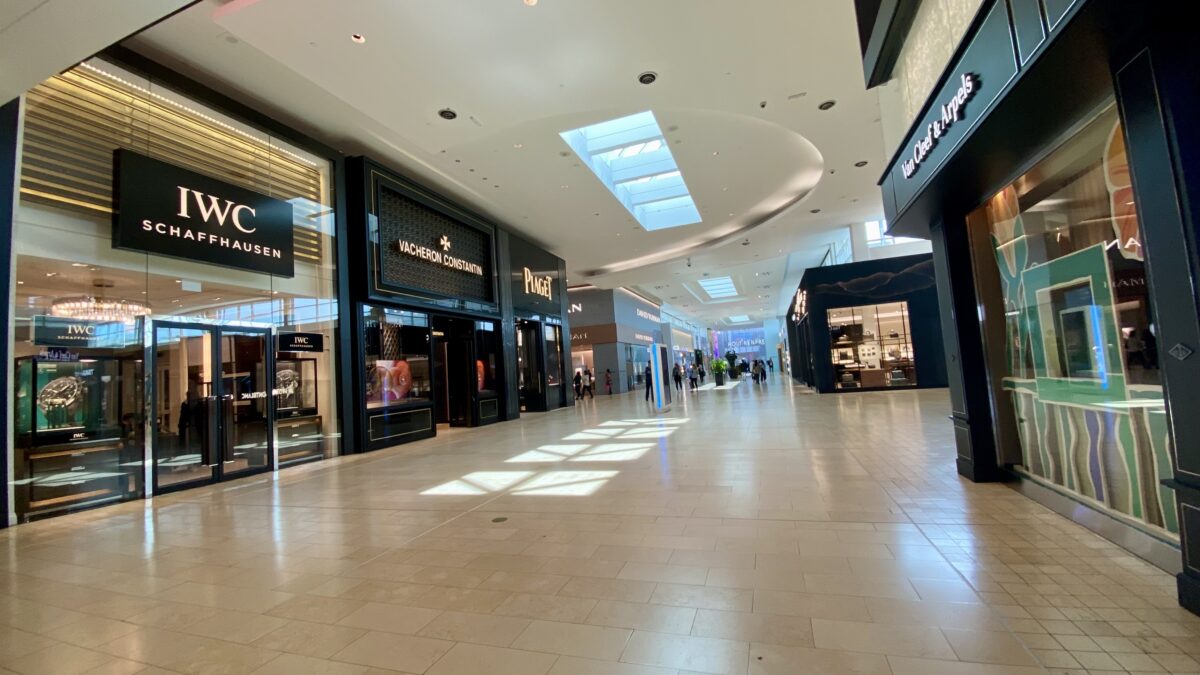
As checkouts are wanted for most shopping experiences in retail and in grocery stores – there is one exception. Meijers says “as no one wants to buy a Rolex watch at checkout, luxury brands don’t need them.” As high-end retailers depend on a personalized experience, a self checkout station wouldn’t suffice.
As for making transactions faster in-store, Meijers suggests retailers to have mobile terminals.
“Instead of considering it a gimmick, we really want to see more of it. And waiting in-line can sometimes be time consuming and retailers should be using a mobile terminal for busy days – like when Footlocker releases a new pair of shoes that everyone wants to have – that is a day where you can have a couple of associates having a mobile terminal in their pocket. It is really the brands that are taking advantage of modern payment technology that are the ones shoppers really like, and it has been said pretty loudly in this retail report.”
Other ideas Meijers suggests is to have shopping carts where consumers can scan and pay, streamlining the checkout process. Meijers also mentions the Amazon system where consumers can pick up an item and just walk out of the store without needing to stop at a checkout.
“Obviously one that really kicked it off with a further step was Amazon: walk in and walk out and it automatically, you just have to register your card once. So in those spaces where there is a lot of movement – you will see more and more of these coming up.”
Social media and shopping – be available on all channels
With 37 per cent of consumers using social media platforms for shopping, Meijers says it is necessary for retailers to integrate its shopping experience with social media – ensuring transactions from browsing to buying.
The report breaks down social media purchasing by age group as it is higher among the younger demographics, with Gen Z and Millennials using social media more frequently.
As more consumers use social media for purchasing it will continue to grow – if retailers don’t make this transition, they could potentially lose loyal customers.
“”If you want to reach Gen Z, then you are going to have to be on social media. You are going to have to be able to quickly link to a checkout via social media because that is where they hang out and that is where they shop. It is less about choosing which channels to be on and more about how to be efficiently available on all channels. For big brands, they risk losing touch with a major segment on their market. Making the buying process as seamless as possible on social media not only enhances the customer satisfaction, but also significantly boosts conversation rates.”
AI and machine learning in fraud detection

Meijers says feelings of safety have gone down in the last decade as 33 per cent of consumers today are feeling unsafe about shopping. Consumers’ main concern is regarding payment fraud.
Retailers can help consumers feel safer while shopping online and through social media by investing in tools to detect and prevent fraudulent transactions. Meijers says payment data contains many data points to help determine if a transaction is risky or not through machine learning models.
Although machine learning is a great tool to use, Meijers says retailers can override its decisions if needed. Overall, this would make the online shopping experience easier and would also address safety concerns.
Looking forward, consumers will continue to look for innovation in the retail industry, with preferences for quick, secure, and interactive shopping experiences. To effectively use these new technologies, retailers need to make sure they are using them correctly and to train all staff on handling the new systems and how to navigate consumers through it – if not, it could negatively impact the consumer’s shopping experience. Retailers that can meet consumer expectations are likely to thrive, while those who struggle, might not be able to connect with consumers.
“It is not just about having technology; it is about using it right to enhance the consumer experience. Brands that leverage modern payment technology effectively are the ones shoppers really appreciate, as seen in busy scenarios like new shoe releases at Foot Locker, where mobile terminals can transform the checkout process.