Home Blog Page 554

Foxy Box Wax Bar Plans Major Expansion Across North America 

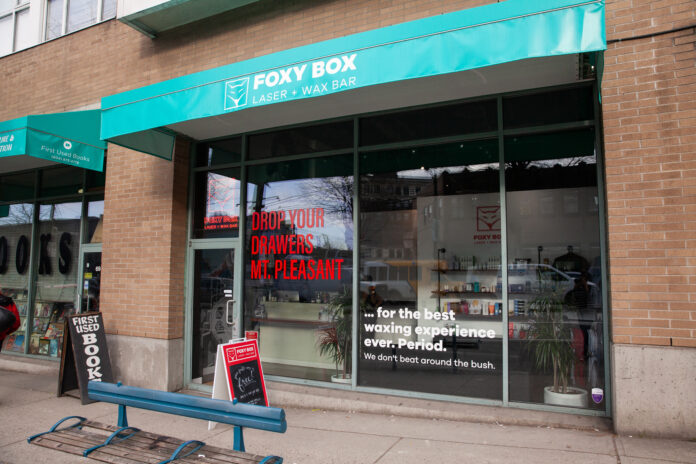
Photo: Foxy Box
Photo: Foxy Box

Foxy Box Laser & Wax Bars, with its start in Victoria, is set on a path of unparalleled growth – without losing the essence of what makes it unique. From 2020 to 2024 the franchise business rapidly expanded, scaling from four locations in 2020 to 18 to date in 2024, with continued expansion across Canada and into the US forecasted for 2025. 

Founded in 2012 by Kyla Dufresne, Foxy Box was built on a foundation to create a unique and empowering experience for all clients. Being one of the first wax bars to remove gender terms in services and offer the same price for services, regardless of gender, Foxy Box’s talented “Vagicians” offer services in an inclusive, safe and comfortable environment. 

Its approach to empowering and making customers feel powerful has resulted in some impressive revenue numbers. From 2020 to 2023 Foxy Box saw a 356% increase in system-side revenue from $2.1M+ to $9.6M+. 

Kyla Dufresne
Kyla Dufresne

Not slowing down anytime soon, Foxy Box is expanding in Quebec with eight new locations scheduled to open over the next five years, and launching in the US market in 2025.

“My very first location was actually the dining room of my shared house when I was 24 years old. I was a bartender at the time. I quit my job. I put myself through school and then I made little business cards called FoxyBox with my cellphone number on it and it had my home address on it,” said Dufresne. 

“I grew really quickly . . . I found my own space downtown and I guess my very first Foxy Box location was six or eight months after that. We’ve grown since those humble beginnings. We have 18 open and three more under construction. We’ll have 21 locations open by the end of February.”

Foxy Box is currently located in BC, Alberta and Ontario with two new stores opening in Quebec after signing on a master franchise partner who are scheduled to open eight locations over the next five years.

Photo: Foxy Box
Photo: Foxy Box

Dufresne owns two of the locations and the rest are franchised.

“Where am I driving this rocket ship to? My big hairy, audacious goal is to get to 150 locations. We are entering into the U.S. market. We are planning on launching quarter two of next year. I imagine we probably could get to maybe 50 locations in Canada but the U.S. is where we can really scale. We’re going to market in the U.S. next year,” she said.

“Beyond that I see Foxy Box as a global brand. I’ve secured my trademark in the UK and in Australia.

“We’re not  just a hair removal business. We’re in the business of self-empowerment. Our goal is to leave every customer feeling powerful and energized. That’s what we aim and strive to do. We’ve created a brand, not just a business. We’re not all about just a transaction for hair removal. We really do impact the communities that we’re in.”

For example every year the company hosts an event Foxy Fest, inspired by Lilith Fair. It’s held on International Women’s Day and the company has done it for the last five years, raising money for local charities.

The company also every year has a Customer Appreciation Day. 

“We’re a gender neutral salon. We’re the first wax bar in Canada to go gender neutral. In the past we used to have female services and male services . . . We’ve removed gender from all of our verbiage and we’re based on anatomy.”

Also at each of the locations, about 95 per cent of the waste is recycled, using a program with Green Circle.

Related Retail Insider articles:

Montreal’s Maguire Shoes Expanding [Video Interview]

Craig and Myriam Belzile-Maguire, Founder and Designer at Maguire Shoes, discuss the remarkable growth of the Montreal-based footwear brand she founded. Known for its direct-to-consumer model, the brand offers high-quality shoes at affordable prices by cutting out traditional wholesale markups. Myriam shares how her experience as a designer inspired the creation of a mid-range price point in leather footwear that bridges the gap between budget and luxury. Maguire’s unique business approach has been instrumental in its success, allowing the brand to maintain fair pricing while delivering exceptional quality.

Maguire Shoes has expanded significantly since its inception, starting with a small Montreal shop and growing to include locations in Toronto, New York, and soon, Brooklyn. Myriam explains the strategic importance of being in trend-driven neighborhoods with vibrant local life, such as Nolita in Manhattan, to enhance visibility and attract fashion-savvy customers. Physical stores have also positively impacted online sales, with half of the brand’s revenue now generated through e-commerce.

Beyond footwear, Maguire has diversified its product line to include accessories such as gloves and jewelry, inspired by collaborations with trusted manufacturers. As the brand continues to explore new markets and refine its offerings, Myriam hints at potential future ventures, including a possible expansion into men’s footwear. Despite rapid growth, Maguire Shoes remains committed to its Canadian roots, ensuring competitive pricing for local customers while capturing global attention through innovative designs and strategic retail placement.

Featured during this interview:

The Interview Series video podcasts by Retail Insider Canada are available through our Retail Insider YouTube Channel where you can subscribe and be notified when new video episodes are available.

If you prefer to listen to the audio version, it is available below:

The Interview Series audio podcasts by Retail Insider Canada are available on Apple Podcasts, Stitcher, TuneIn, Google Play, or through our dedicated RSS feed for Overcast and other podcast players. Also check out our The Weekly audio podcast where Craig and Lee discuss popular content published on Retail Insider which is part of the The Retail Insider Podcast Network.

Subscribe, Rate, and Review our Retail Insider Podcast!

Follow Craig:

Follow Retail Insider:

Listen & Subscribe:

Share your thoughts!

Drop us a line at Craig@Retail-Insider.com. You can also rate us in Apple Podcasts or recommend us in Overcast to help more people discover the show!

Background Music Credit: Hard Boiled Kevin MacLeod (incompetech.com). Licensed under Creative Commons: By Attribution 3.0 License. http://creativecommons.org/licenses/by/3.0/

Splitsville expands entertainment venues across Canada

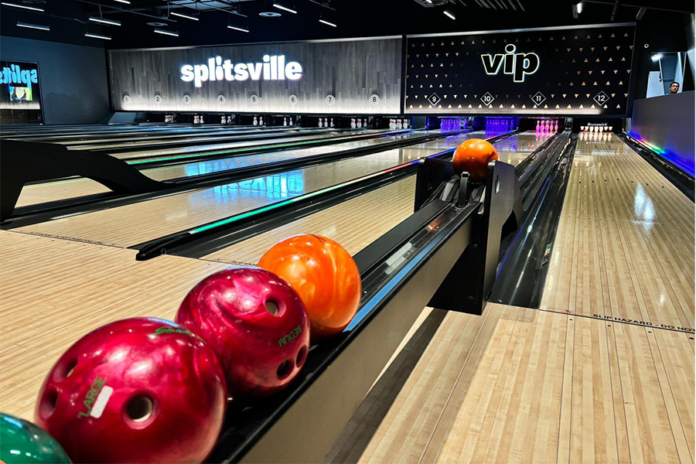
Photo: Splitsville
Photo: Splitsville Bowl

Splitsville Entertainment, a family entertainment chain specializing in bowling, arcades, and upscale food and beverage offerings, is making major strides in its Canadian expansion. With 13 locations already open with two to open in early 2025 in Kanata, Ontario and northwest Calgary, the company is positioning itself as a leader in the modern bowling experience.

Pat Haggerty
Pat Haggerty

Pat Haggerty, President of Splitsville Entertainment and its distribution arm, Striker Bowling, both owned by Hollywood Bowl out of the UK, said “we’re not just a bowling alley anymore.”

“We’ve taken a page from the evolution of movie theatres. Bowling centres today are a mix of traditional lanes, cutting-edge game rooms, and upscale food and beverage offerings. We’re creating an immersive guest experience with state-of-the-art lighting, audio-visual technology, and comfortable seating. It’s all about elevating the fun for families, friends, and even corporate groups.

“We like to think of ourselves in leading the trend in the guest experience. We’re truly trying to make sure that that guest experience is fairly high. Ultimately our goal is to have people return more sooner than later.”

With Edmonton slated for its latest development, Splitsville plans to open a new location at Christy’s Corner in late 2025. This will bring the total number of Canadian locations to 16. Haggerty is optimistic about the region’s potential, noting its well-planned infrastructure.

“Edmonton has a fantastic ring road system, which makes it easy to move around the city,” he explained. “Our vision is to have four centres here: Northwest, Northeast, Southwest, and Southeast. The goal is for anyone in Edmonton to have a Splitsville nearby for easy access to top-tier entertainment.”

Photo: Splitsville
Photo: Splitsville

Splitsville isn’t stopping at Edmonton. Haggerty outlined ambitious plans to grow the chain to 30-35 locations nationwide, targeting major urban centres and feeder communities like Red Deer, Medicine Hat, and Lethbridge.

“Canada’s urban centres are ripe for family-friendly entertainment options,” Haggerty said. “With our unique blend of recreation, sport, and leisure, we’re tapping into a market that caters to everyone from kids to retirees.”

One of Splitsville’s core strengths is its broad appeal. “Bowling has been around for 5,000 years, and for good reason,” Haggerty shared. “It’s accessible to everyone—from toddlers to seniors and even those with physical or mental challenges. We offer sport, recreation, and entertainment, ensuring there’s something for everyone at any time of day.”

The company’s programming reflects this diversity. “We have leagues early in the week, corporate events on Thursdays and Fridays, and families during the weekends,” he added. “Millennials and younger crowds love our late-night vibe. It’s a wave of different guests filling our spaces at different times, which makes it so exciting.”

Haggerty emphasized that Splitsville’s success hinges on delivering consistent, high-quality guest experiences that keep patrons coming back. “We’re all about creating an environment that people want to return to sooner rather than later,” he said. “With every location, we’re fine-tuning what works to ensure we’re the go-to destination for fun and entertainment.”

As Splitsville Entertainment prepares to break ground on its Edmonton project, Haggerty is optimistic about the future. “We’ve done our homework, and we know there’s a strong demand for what we offer,” he concluded. “Edmonton residents can look forward to a fantastic entertainment option that’s worth the wait.”

Splitsville is bringing a modern bowling and arcade experience to Edmonton:

  • 21 lanes of 10-pin bowling with digital scoring equipment, interactive bowling games, comfortable seating, VIP lanes, and lane-side food and drink service.
  • State-of-the-art arcade to bring out the kid in everyone featuring games from arcade classics to the newest VR technology and an impressive prize redemption counter.
  • Bar and lounge with casual dining, pool tables, and all your favourite sports games.
Photo: Splitsville
Photo: Splitsville

In 2022, he had a company called Splitsville with five family entertainment complexes across Canada. He was looking to expand and met the folks at Hollywood Bowl, who own 80 centres in the UK. 

In May 2022, Haggerty sold them the five locations and they retained him as President.

“When we look at Canada, there’s seven, eight major cities.

We want to be in all of those. We want to be sort of in their feeder, when I call it feeder communities and specific say to Alberta, we would like to be in Red Deer, Medicine Hat, Lethbridge at some point, but really our concentration right now is in the bigger urban areas like Calgary, like Edmonton,” he said.

“We will actually create programs through the days of the week and the times of the day to be attracting anybody and everybody that can make their way to our facilities to ultimately have a really good guest experience. Create that experience so that they are coming back more sooner than later, so essentially anybody that’s out there really becomes sort of a client of ours. Where our heavier concentration comes from we’ll have the leagues during the early part of the week the Mondays, the Tuesdays, the Wednesdays then we migrate into more corporate in the Thursdays and Fridays, and then we’re into families, daytime, Saturdays and Sundays with the Millennials coming later at night.”

Related Retail Insider articles:

Retailers facing growing cybersecurity threats (Video)

In today’s fast-paced retail landscape, cybersecurity has become a critical concern for businesses of all sizes. 

Anastasia Lou Regen, Partner in Cybersecurity at EY Canada provided valuable insights into the evolving threat landscape and what retailers can do to protect themselves and their customers.

Anastasia Lou Regen
Anastasia Lou Regen

Retailers are disproportionately targeted by cybercriminals, with about 24% of cyberattacks globally aimed at this sector, she says. 

“And within that, what we’re seeing is 30% of those attacks are typically phishing, so that would be the common techniques that you would see, such as emails being the most common one, but more and more we’re seeing phone phishing as well as text phishing as part of newer trends,” says Regen.

“The second one would be malware. The third one would be ransomware with approximately 13% of attack and malware being approximately 20%.  And then the remaining percentage are spread between 10% denial of service attack and the last one are all other types of threats that we’re seeing in the market.”

She said phishing is essentially a social engineering technique that aims for someone to be able to have you create an action that in turn will help them either gain access to your personal information or access to your device such as your computer. 

“The most common way that we’ve seen it over the past 10 years is you would receive an email with some sort of a call to action, a sense of urgency is usually the key technique that they use that would request of you to take a specific action.

“The two most common types of action would be for you to click on a link and typically what happens next is they want to harvest your credential. So they want you to log into a website that is meant to look legitimate, for example, but isn’t in a way to capture your username and password.”

Another one that is being seen is people wanting you to download a file, which is a malicious file that once downloaded into your computer, for example, would enable them to take various actions. Some of the actions that we’re seeing is they will monitor what you’re typing on your keyboard.

So then and there they can get your credentials, your passwords, and so on and so forth.

And then depending on whether it’s your personal laptop or your work laptop, it may actually allow them to maneuver within the infrastructure of the organization, escalate the privileges, and then do a lot more damage when that happens.

“Retailers actually have access to customers. So the impact that they can have by targeting a retailer in gaining access to personal information can be quite significant,” said Regen.

“Essentially, the more the trend that we’re seeing in the retail industry right now is to gather a lot of data around customers. And that amount of data is very beneficial for trends such as targeted marketing, personalization of the services or the products that customer they’re getting to. But the flip side of this is, this is a well of data that malicious threat actors can try to get access to to create damage, not only to the retailer itself, but also to the area of customers.”

There’s also the very appealing additional factor, which is credit card information. 

“The first and the best recommendation that we tend to give over here at EY is to look for a proactive and preventative approach.

Now, what does that mean? Proactive means essentially be ready for a potential negative exploit to arrive within your organization. We often say in cybersecurity, it’s not if, it’s when. So the devil will be in the detail of how prepared are you to respond when something occurs and there’s various elements that goes into preparedness that can be around.

“Do you have the right playbook so that you know exactly what to do, who to call and what to execute. Should something happen? Have you tested this playbook so that you can see how all of the different people in your organization that have to be mobilized work together and invent an incident to effectively respond to this incident.

“Do you have the right providers supporting you if something happens that you’re ready to call? Like incident response retainer is a very common thing that organizations do in those instances. That would be for, say, the preparedness aspect. Now, the additional proactive aspect is think about having the right security guardrails within your organization.”

People need to be ready for any cyber risk

Humans need to be ready. That means train your employee in recognizing something that looks suspicious. Train them to be able to recognize phishing emails, for example, or voice phishing email, for example, and so on and so forth. Test their knowledge and don’t go beyond the basics.

And what kind of technologies have you invested in to have the ability to effectively respond to more sophisticated type of attacks.

“Think proactively, holistically and strategically about the right mix of technical and non-technical security controls that will allow you to both protect your parameters, but also make sure that the people within your parameter have the ability to recognize and take the right action.”

Related Retail Insider articles:

AI named a major security concern among small business owners

Conestoga Mall Adds New Stores and Events in Growing Waterloo

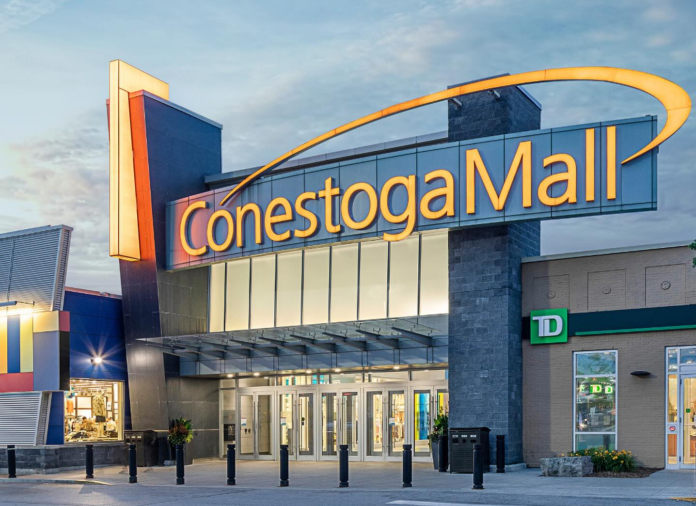
Image: Conestoga Mall

Conestoga Mall in Waterloo, Ontario, is cementing its reputation as the dominant regional shopping centre in the area. With recent retail additions, cultural initiatives, and community-focused programming, the mall is well-positioned to cater to the growing Waterloo Region. Managed by Primaris REIT since its $270 million acquisition in July 2023, the mall continues to evolve as a hub for shopping, dining, and entertainment.

A Shopping Destination with Proven Success

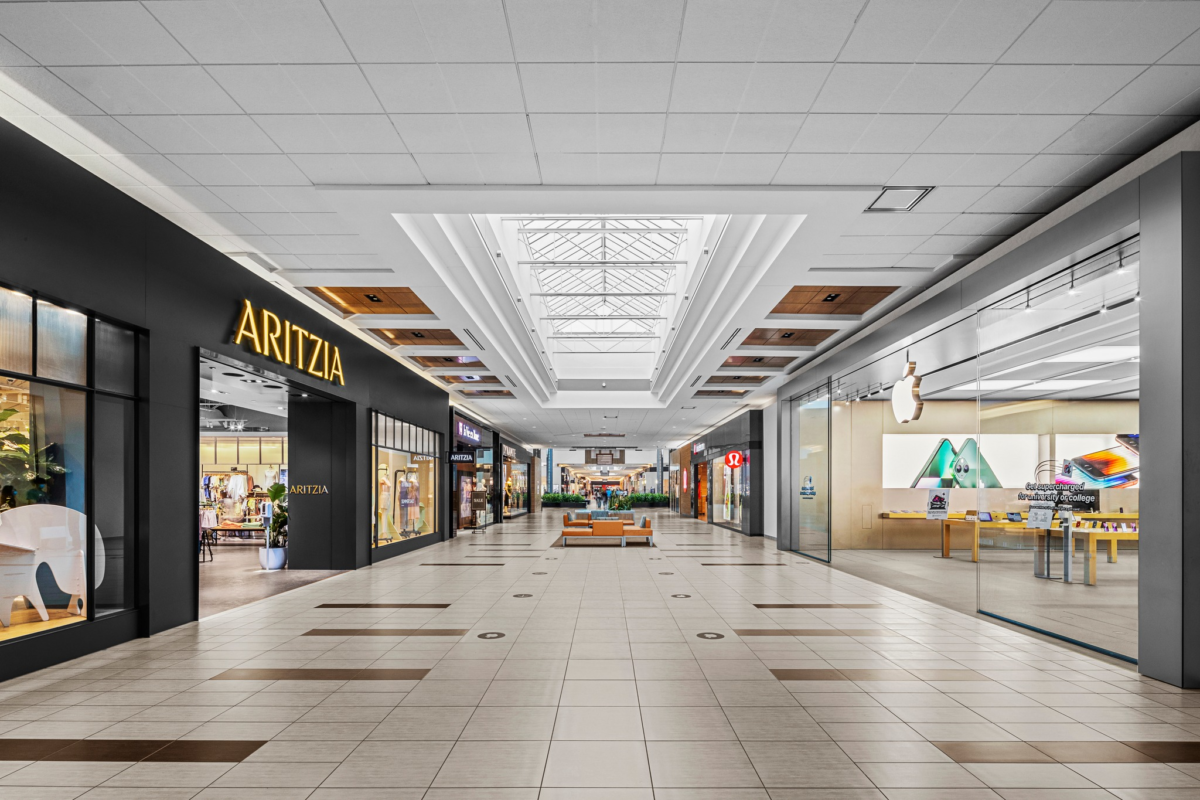
Located at 550 King Street North, Conestoga Mall is the largest shopping destination in Waterloo and the most productive in the region. Spanning approximately 585,000 square feet and housing over 130 retailers, the mall offers a mix of high-profile brands and unique experiences. Anchor stores such as Hudson’s Bay, Sport Chek, and Indigo are complemented by standout tenants like Apple, Lululemon, Browns Shoes, and Nespresso. These retailers help drive exceptional sales productivity, with the mall reaching $948 per square foot as of September 2024.

Margaret Povey, General Manager of Conestoga Mall

“We’re proud to be the dominant shopping centre in Waterloo,” said Margaret Povey, General Manager of Conestoga Mall. “Our retailers, from Apple to Nespresso, attract a diverse range of shoppers and are vital drivers of foot traffic.”

Retail Growth and New Openings

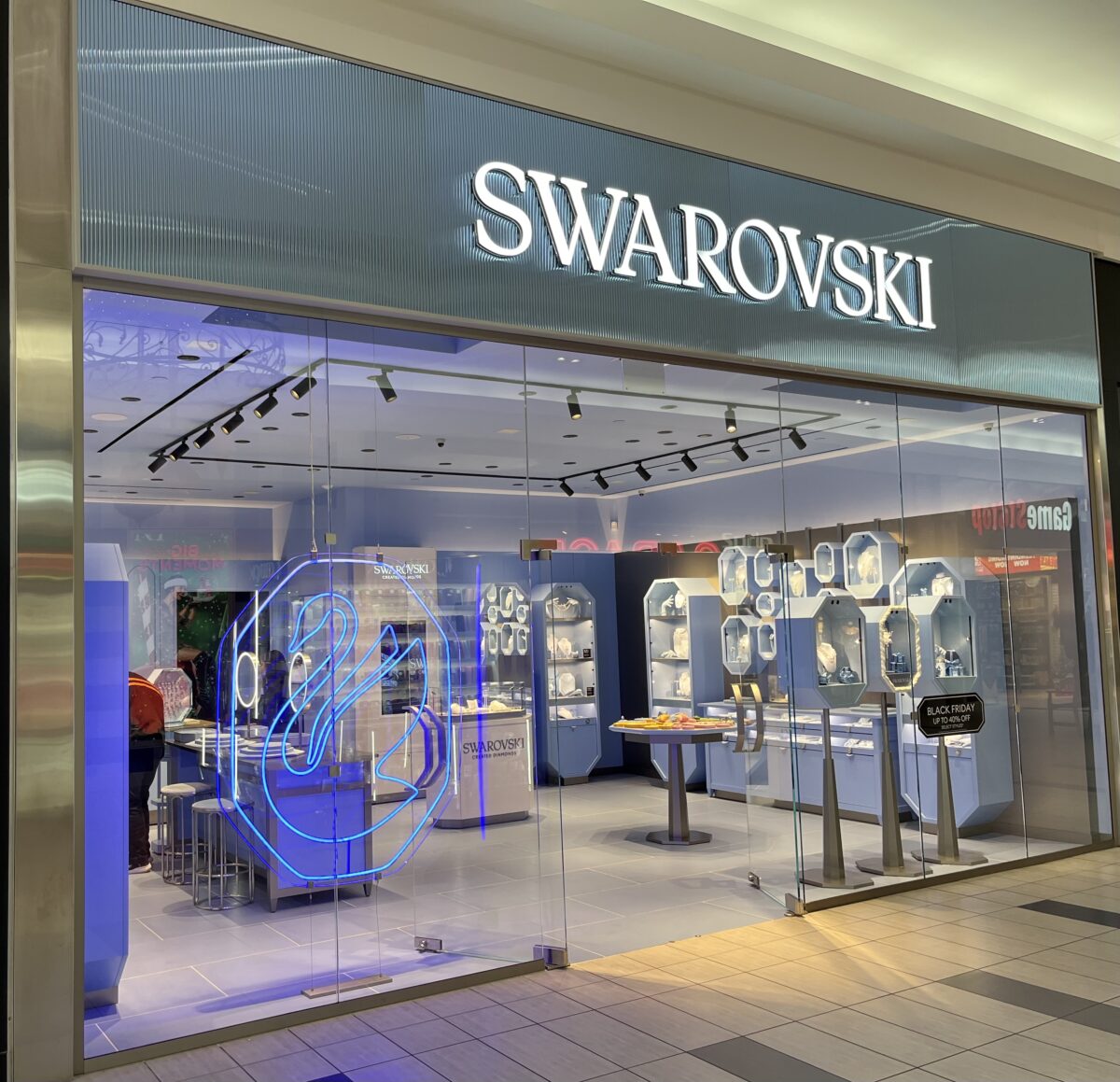
Conestoga Mall has seen significant retail expansion in 2024, attracting a variety of new tenants. In May, Carter’s Oshkosh opened a 4,000-square-foot store, specializing in children’s and baby apparel. In July, Amaya Indian Cuisine brought authentic Indian dishes to the mall’s food court, adding to its diverse dining offerings. September was a particularly active month with multiple openings, including Swarovski, which launched a stunning 600-square-foot store showcasing its signature crystal collections and blue interior design. Canadian-owned Quarks also joined the mix, opening a 1,200-square-foot footwear store, while Rocky Mountain Chocolate Factory relocated to a new storefront, offering an upgraded visual experience for customers.

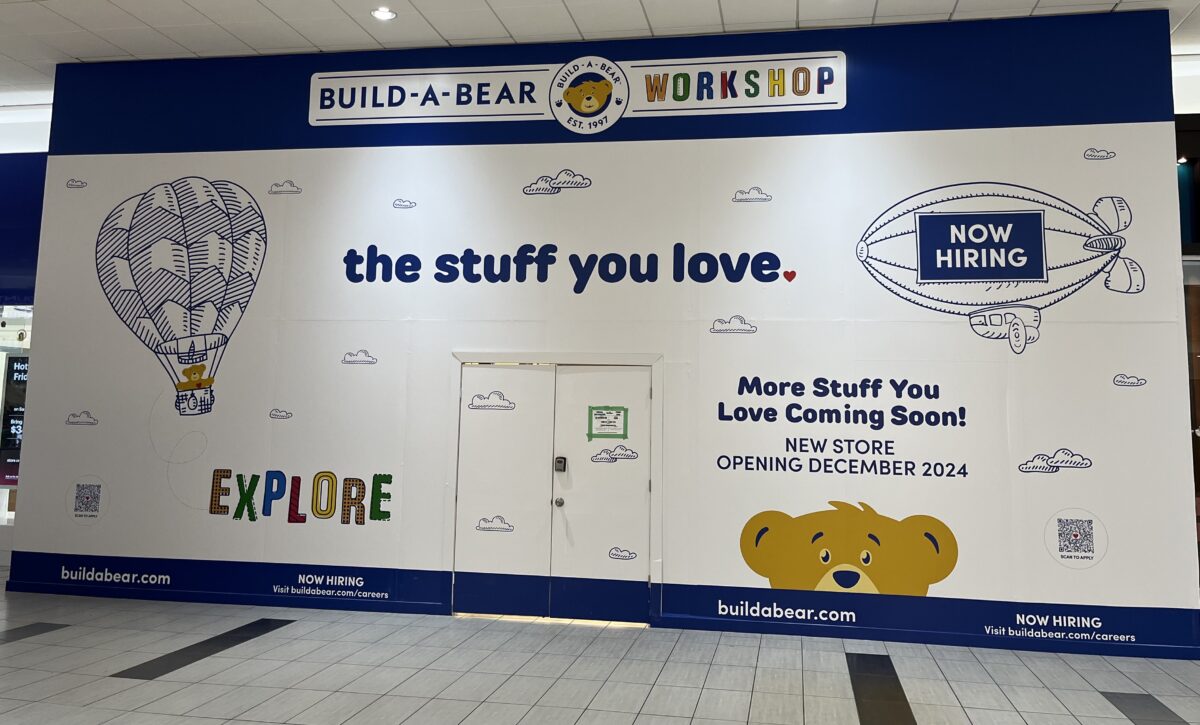
Looking ahead, several exciting retailers will join Conestoga Mall into 2025. Build-A-Bear Workshop is set to open this month, bringing a nostalgic and family-friendly experience. Mado, a Turkish restaurant, will introduce an extensive menu featuring items like baklava and ice cream baklava, further elevating the mall’s dining scene. Poppy’s Bagels, a local favourite known for its Montreal-style bagels and specialty drinks, will open its second location in the mall. Additionally, Ardene will launch a 7,000-square-foot store in the fall of 2025, featuring a wide range of fashion and accessories, while Bikini Village will relocate to a prime space backfilling the former La Vie en Rose location in January 2025.

“Each new retailer enhances the mall’s appeal,” Povey said. “Build-A-Bear is particularly exciting as it brings back cherished memories for many visitors.”

Image: Conestoga Mall
Opening soon: Build-a-Bear. Image: Conestoga Mall

A Cultural and Family-Friendly Hub

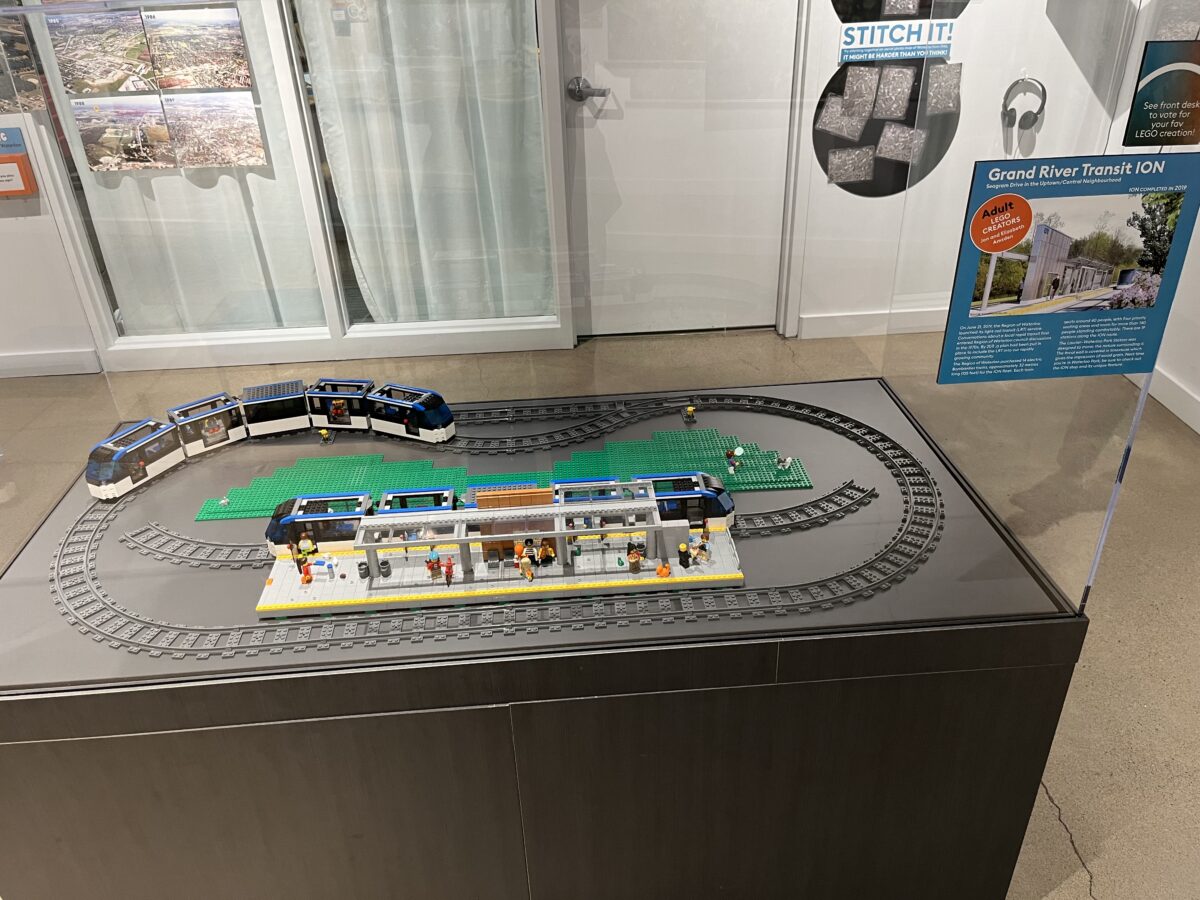
Conestoga Mall offers more than just retail—it serves as a community and cultural hub. The City of Waterloo Museum, located within the mall, is currently hosting Waterloo From Above: 200 Years of Change, a Lego exhibit that has drawn significant attention. The exhibit features historical landmarks recreated in Lego by local community groups, creating a nostalgic and educational experience for visitors of all ages.

“The exhibit has been a huge draw,” Povey shared. “It’s fascinating to see historical buildings crafted from Lego, and it appeals to visitors of all ages.”

Seasonal programming further enhances the mall’s family-friendly atmosphere. This holiday season, the mall is hosting several events, including photos with Santa in a magical fairy garden, a gingerbread cottage experience, and a meet-and-greet with the mischievous Holiday Grump. Additionally, the Maycourt Dreams Tree raffle, a cherished tradition now in its 33rd year, raises funds for local charities and helps strengthen the community connection.

“These events create lasting memories and strengthen our bond with the community,” Povey said.

Grand River Transit made in Lego. Image: Conestoga Mall
City of Waterloo Museum. Image: Conestoga Mall

Accessibility and Strategic Location

Conestoga Mall’s prime location and accessibility make it a central destination for residents and visitors alike. The mall is situated at the northernmost stop of the LRT, which connects it to Kitchener and Waterloo’s three major universities. This connectivity ensures a steady stream of student traffic, a key demographic for the mall. Povey highlighted the mall’s outreach efforts, such as its participation in homecoming events with a coffee truck, which further engage the student population.

Waterloo is one of Ontario’s fastest-growing regions, with the city itself experiencing a 4.9% population increase in 2023. Suburban developments and families relocating from Toronto have contributed to this growth, making Conestoga Mall an increasingly vital part of the community.

“Waterloo is thriving,” Povey said. “With the influx of new residents and suburban development, Conestoga Mall is becoming an even more integral part of the community.”

New Swarovski store at Conestoga Mall. Image: Conestoga Mall

A Bright Future Under Primaris REIT

Since its acquisition by Primaris REIT in July 2023, Conestoga Mall has continued to grow and innovate. The ownership transition has brought a renewed focus on attracting first-to-market retailers and maintaining the mall’s status as the premier shopping destination in the region.

“With such a strong community and continued support from Primaris, we’re excited about the future,” Povey said. “Conestoga Mall will remain a cornerstone of retail in Waterloo for years to come.”

More from Retail Insider:

Major losses and business failures if Canada Post strike continues

Photo- Stephen Andrews

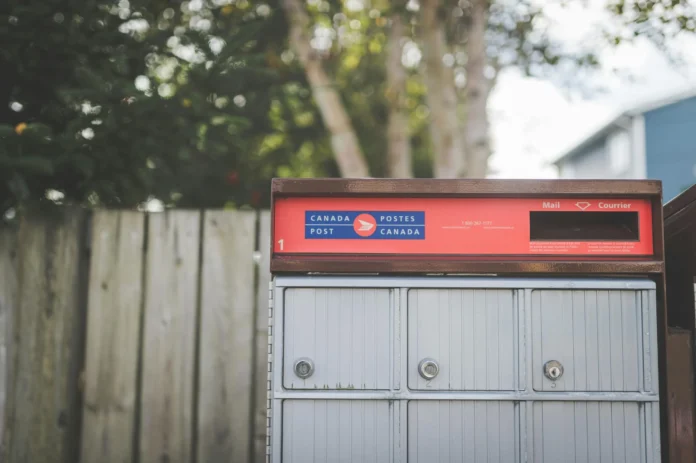
The Retail Council of Canada (RCC) is again urging the federal government to take immediate action to end the ongoing Canada Post strike, now approaching its fourth week. 

This prolonged strike is negatively impacting retailers of all sizes at the most critical time of the year – as they also struggle to meet their customers’ holiday shopping needs and wrestle to remain viable in challenging economic times, it said in a news release.

Diane J. Brisebois

The following statement was issued Tuesday by RCC President and CEO, Diane J. Brisebois:

“Retail knows that the best labour agreement is negotiated with both parties at the table, but that’s not happening and it’s time to end the strike. In the meantime, thousands of retailers and millions of consumers are paying the price.

“Canada Post is an economic lifeline, delivering parcels, documents, flyers and essential goods. This prolonged strike is now undermining its critical role, eroding trust and driving up costs for retailers and consumers alike.

“By failing to deliver, it is also reversing the retail sector’s investments in online shopping convenience, where Canada Post is a primary delivery provider. Because of the length of this strike, alternative delivery is either unavailable or too expensive – which means shipments are not making it to businesses, stores or customers in time for the holidays. 

“The strike is jeopardizing Canadian jobs, and businesses of all sizes are taking a hit. Smaller retail businesses are struggling to ship products and receive payments, straining cash and threatening their survival. Promotional flyers and the best discounts of the year are failing to reach mailboxes, leaving stores with unsold goods. Large retail chains are facing significant costs for alternate flyer and product distribution, risking sales as consumers turn to international competitors with alternate delivery options.

“It’s a strange paradox: The government hopes to make holiday shopping more affordable with an HST-GST tax holiday, while a strike at its Crown Corporation Canada Post is making e-commerce impossible, keeping the best promotional deals out of consumers’ hands, and directing gifts to more expensive delivery methods.

“Compounding the impact of the Canada Post strike, retail businesses big and small have raised alarm bells around the challenges of the HST-GST tax holiday. This includes unexpected IT program changes and costs, customers delaying purchases while missing the best deals of the year on Black Friday, and general in-store confusion around program criteria – with some customers even returning used goods hoping to buy them back tax-free. This is happening at a time when retailers traditionally halt administrative distractions to focus on their highest sales period – as many retailers realize more than half of their annual sales in December alone.”

“It is estimated that the losses in the sector due to the prolonged strike are surpassing the Billion Dollar mark and climbing.”

RCC said retail is Canada’s largest private-sector employer with over 2.3 million Canadians working in our industry.

“This sector is a major economic contributor, generating more than $93 billion annually in wages and employee benefits. In 2023, core retail sales (excluding vehicles and gasoline) exceeded $502 billion. Retail Council of Canada (RCC) members account for more than two-thirds of these core retail sales and 95 per cent of the grocery market. Our membership extends across the country, embracing over 54,000 storefronts in diverse formats such as department, grocery, specialty, discount, independent retailers, online merchants, and quick service restaurants. As the Voice of Retail™ in Canada, RCC, a not-for-profit, industry-funded association, proudly represents retail businesses of all sizes, from small independents to large national chains, in communities nationwide,” said the organization.

Related Retail Insider articles:

Forest Hill Farmhouse Expands in Ontario with West Coast Plans

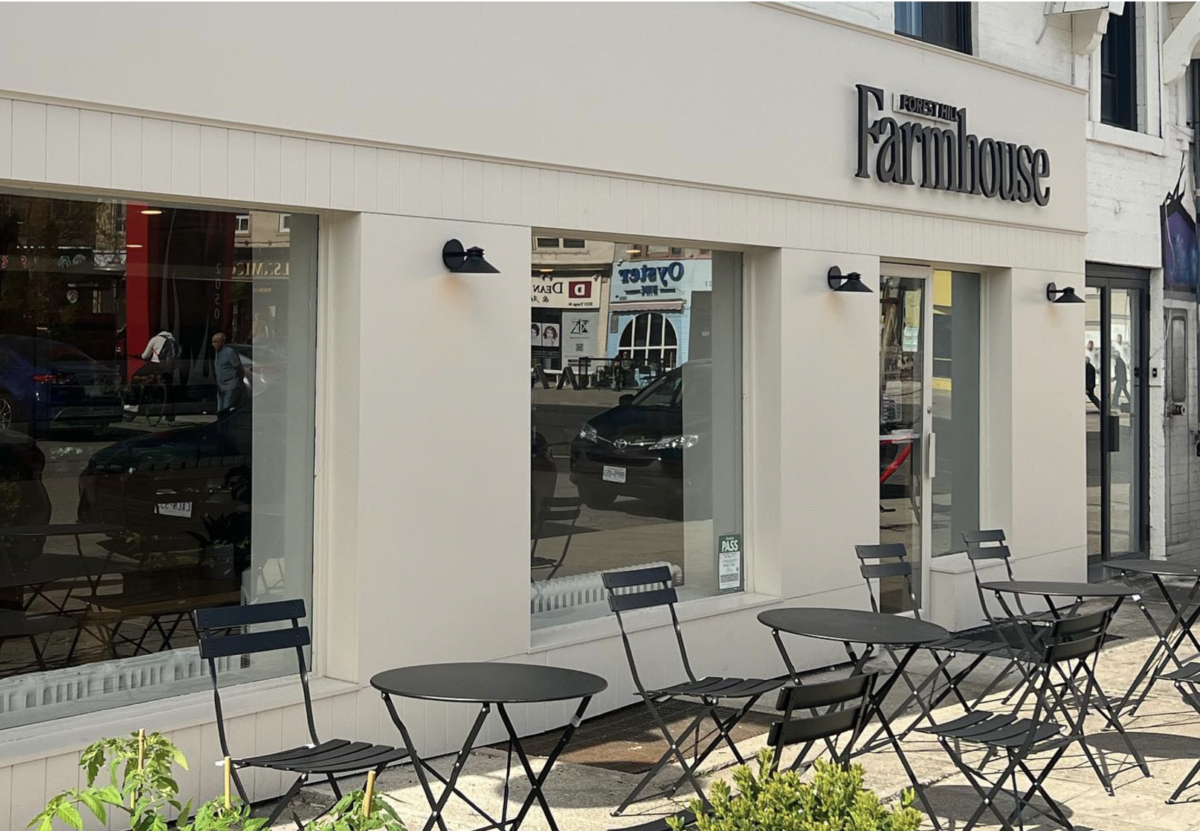
Forest Hill Farmhouse in Toronto. Photo: Forest Hill Farmhouse

Toronto-based salad concept Forest Hill Farmhouse is embarking on an expansion after gaining traction with its health-focused, customizable offerings. Founded by Blair Bitove under Bite Brands in 2022, the brand is positioned for growth, with plans to extend its reach across Ontario and introduce its unique salad creations to new markets, including Calgary and Vancouver, as early as next year.

Bitove’s journey with Forest Hill Farmhouse stems from a deeply personal need to find better salad options in Toronto. “I had a really hard time finding salads I like in the city,” Bitove explained. “Many existing options were too heavy, with rice or quinoa bases, but I craved something lighter and freshly made.” Driven by her desire to bring healthier, convenient options to Toronto’s urban landscape, Bitove turned her passion into a thriving business.

Blair Bitove

Forest Hill Farmhouse has since become a community favourite, offering a menu crafted from fresh, high-quality ingredients. “A lot of our recipes are inspired by what I would make at home,” Bitove shared. “But making these meals yourself can mean buying an overwhelming amount of ingredients. I realized I wasn’t the only one facing this challenge.”

Bitove’s leadership and hands-on involvement with the brand’s operations have played a key role in its success. “I’ve poured everything into this brand,” she said. “From selecting the freshest ingredients to developing our unique dressings, every detail matters to me.”

Standing Out in a Crowded Market

Toronto’s fast-casual dining landscape is filled with competition, but Forest Hill Farmhouse sets itself apart with its commitment to freshness and customization. “We aren’t just another salad bar,” Bitove emphasized. “We offer roasted vegetables like eggplant, garlic-roasted green beans, pickled onions, and proteins cooked fresh in-house daily. Our customers can truly customize their meals with quality ingredients.”

The menu, rooted in the brand’s Forest Hill origins, offers over a dozen signature salads and bowls, as well as a build-your-own option. “Our first core collection of salads is based on street names in Forest Hill,” Bitove noted, adding a local touch that resonates with customers. Recently, the brand introduced wraps to meet the needs of on-the-go customers. “I wanted something I could eat while driving without making a mess,” she said. “It’s all about convenience without sacrificing quality.”

Bitove believes that Forest Hill Farmhouse’s personalized approach is what draws in customers. “We have people telling us they’ve created their own unique salad variations at our bar,” she shared. “It’s become a point of pride for many of our regulars.”

Forest Hill Farmhouse in Toronto’s Parkdale. Photo: Forest Hill Farmhouse

Strategic Expansion Across Ontario and Beyond

Following the success of its flagship location at Yonge Street and Lola Road, Forest Hill Farmhouse has expanded to Leslieville and Parkdale, with a high-traffic Brookfield PATH location further increasing brand visibility. “The Brookfield location really put us on the map,” Bitove said. “It showed us that there’s demand for what we offer, and it validated our plans to grow.”

Next year, the brand plans to open a location in Liberty Village, marking another step in its Ontario expansion. “We’re confident in our brand and ready to bring it to more central locations,” Bitove stated. “We want to become a household name in Toronto.”

Bitove is also setting her sights on Western Canada, with plans to open in Calgary and Vancouver. “Expanding beyond Ontario is a dream come true,” she said. “Calgary and Vancouver are exciting markets that we believe will appreciate what we bring to the table.”

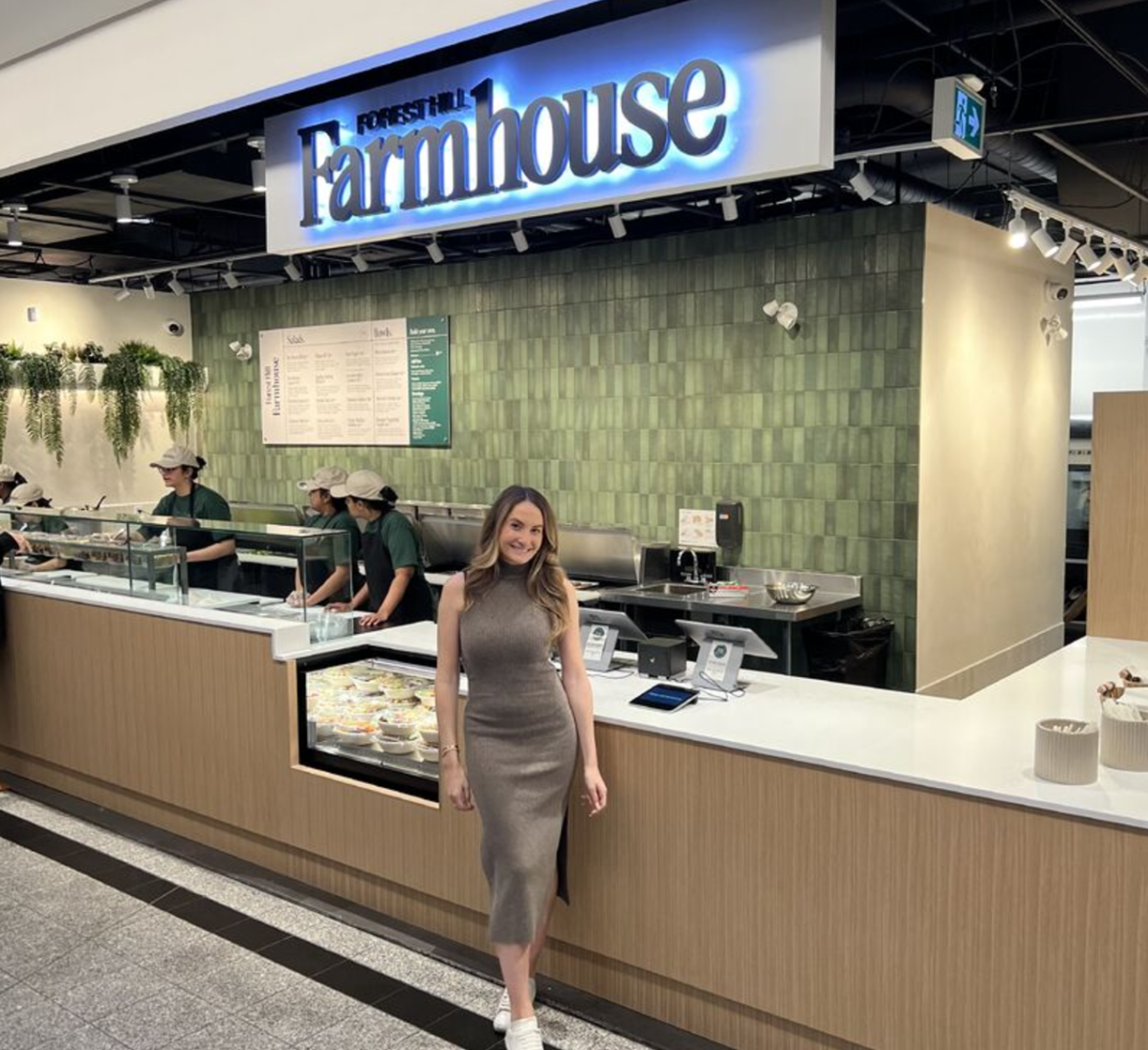
Blair Bitove in front of Forest Hill Farmhouse in Toronto. Photo: Forest Hill Farmhouse

Future Plans: Retail Expansion and New Concepts

Beyond physical locations, Forest Hill Farmhouse is exploring retail opportunities to extend its reach. “We’re working on bringing our salad dressings to retail shelves,” Bitove revealed. “It’s a way for our customers to bring a piece of our brand home with them.” 

As the brand grows, Bitove remains mindful of the customer experience. Store sizes and concepts will be tailored to fit each location. “Our current stores average around 1,200 square feet, but it’s location-dependent,” she explained. “In areas like Yorkville, we’re exploring spaces with more seating to encourage a communal dining experience.”

Bitove’s commitment to community and innovation is evident in every aspect of the business. “We’re always listening to our customers,” she said. “Their feedback has shaped our menu and our expansion plans. We want to keep offering options that people love, whether it’s in a grab-and-go format or a sit-down experience.”

Navigating Challenges and Looking Ahead

The road to success hasn’t been without challenges, particularly in a competitive market with rising costs. “We’ve held out on price increases for two years despite inflation,” Bitove noted. “Our focus has always been on delivering value. We want our bowls and salads to remain affordable, around the $20 range, while offering high-quality ingredients.”

Bitove is optimistic about the brand’s future. “We’re just getting started,” she said. “The response from our customers has been overwhelming, and I’m excited to see where we can take this brand. We’re building something special here—something that fills a real need for healthy, delicious meals.”

More from Retail Insider:

Square and Afterpay surpass records this Black Friday and Cyber Monday with almost 6 million transactions in Canada

Photo- Borko Manigoda

Over the Black Friday and Cyber Monday weekend, Canadian businesses using Square and Afterpay broke records with 5.9 million transactions, a 18% increase from last year. 

With almost one in three shoppers feeling more stressed about holiday shopping this year compared to last (28%), Canadians still turned out in droves for the mega discounting weekend to save on gifts, shopping both online and in-store and driving increased sales on these channels by 31% and 20%, respectively, said a news release. 

Canadian Black Friday, Cyber Monday highlights: 

  • Saturday, November 30, 2024 at 8:38 PM EST was the peak minute of shopping in Canada. In 2023, this was Friday, November 24 at  2:07 p.m. EST. 
  • Top cities in total spend included Toronto, Vancouver, Calgary, Edmonton, Ottawa, Winnipeg, Montreal. 
  • Shoppers are doubling down on digital channels with online cart sizes 4.9X larger than in-person carts. 
  • Gift givers who aimed for the least stressful holiday shopping experience leaned on gift cards, making up 15,832 purchased this year, a 9% year-over-year growth. The most popular categories for gift card purchases were food and beverage, beauty and wellness, and retail. 
Ara Kharazian
Ara Kharazian

“The Black Friday and Cyber Monday weekend are typically a good indicator of the rest of the  holiday sales season, so the results from this weekend are encouraging,” said Ara Kharazian, Research and Data Lead at Square. 

“It’s our goal with Square and Afterpay to facilitate the options that customers desire, in terms of where and when they shop and how they choose to pay.  By offering customers more choice and flexibility through various payment options, we’re expanding access to the economy and empowering both sides of the counter.” 

The average promotion offered to consumers over the notoriously discount laden weekend was 18.9% at Square sellers, with online and in-store discounts averaging 19.7% and 18.9%, respectively. To better reach sellers across channels, 13% more businesses tapped into an omnichannel sales strategy, while pre-orders saw 20% growth as shoppers purchased popular items, said the news release.

“Square has also found that the holiday season goes beyond retail as shoppers dined out at local restaurants during the major weekend. Restaurant transactions were up 17%, while restaurants aimed to attract customers through Black Friday and Cyber Monday discounts, with a 108% growth in discounts redeemed this past weekend,” it said.

“Mindful shoppers also looked to alternatives to credit cards, with Buy Now, Pay Later (BNPL) transactions through Afterpay increasing 23% year-over-year.”

IKEA Canada commits $300,000 to Furniture Bank to combat furniture poverty and accelerate a circular economy 

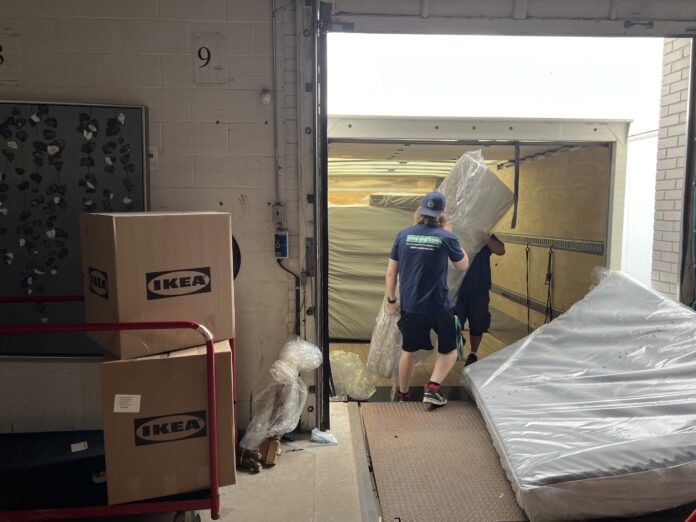
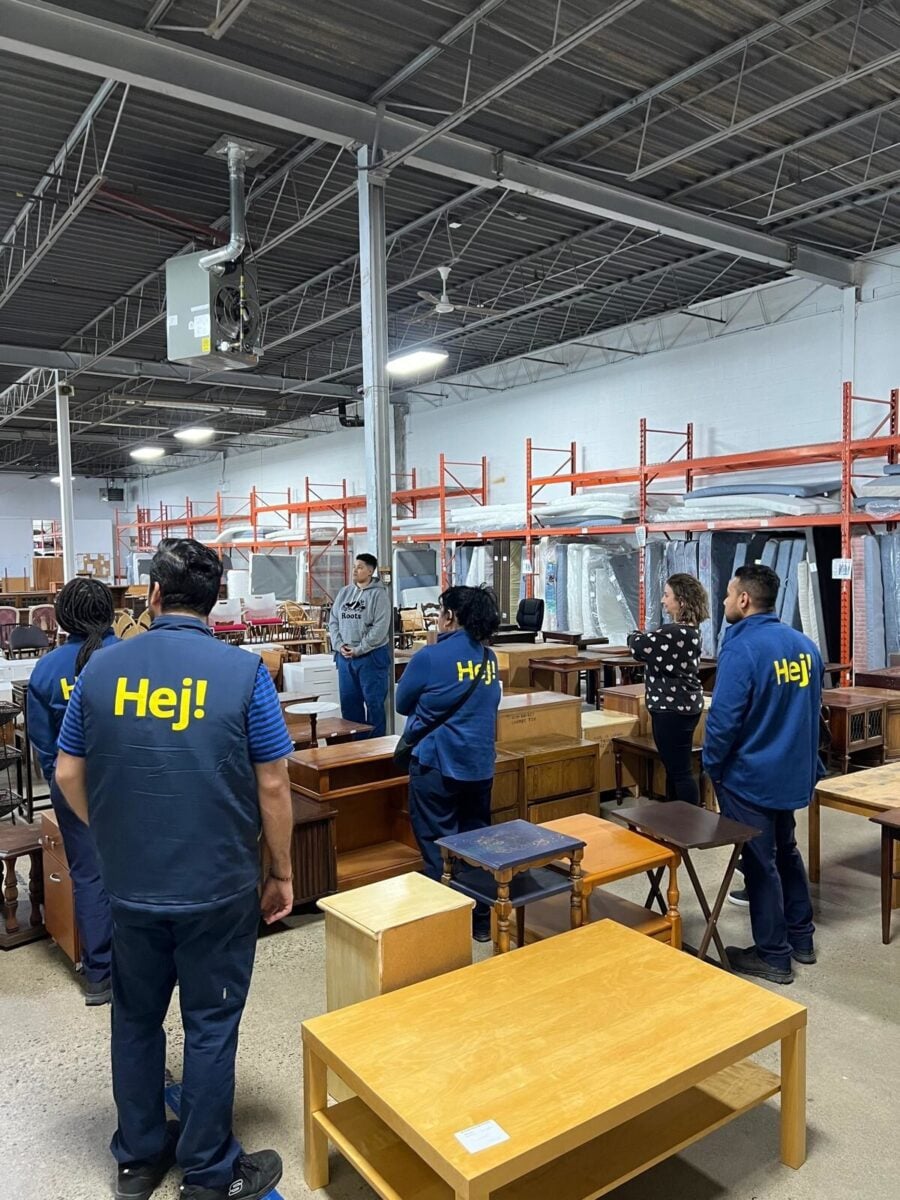
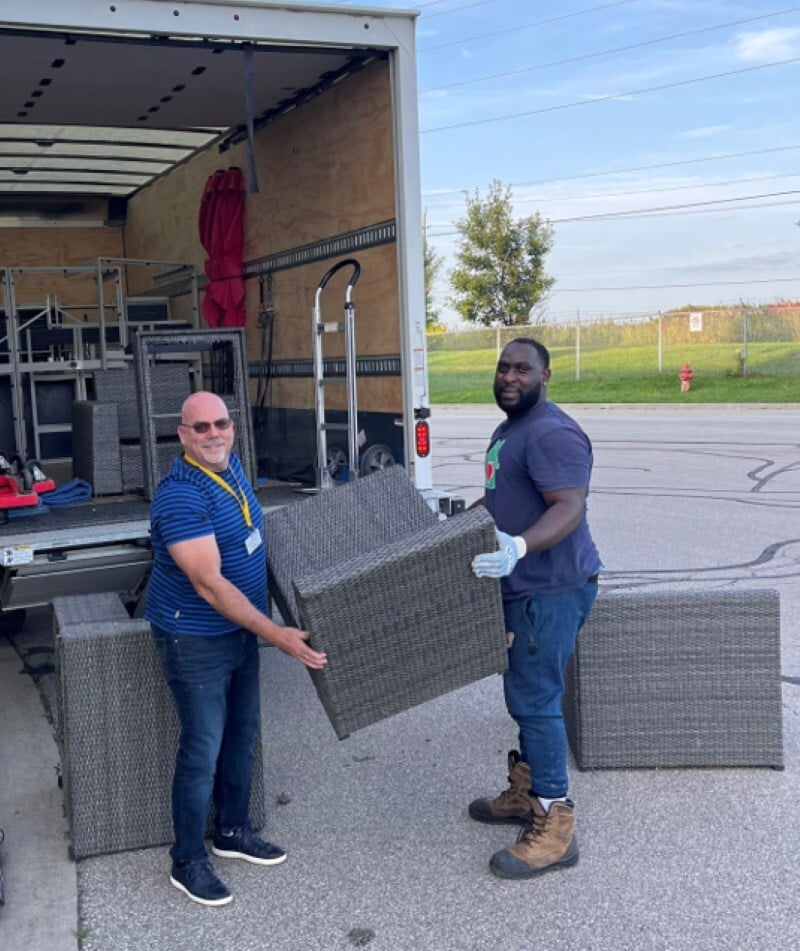
IKEA Canada commits $300,000 to Furniture Bank in efforts to combat furniture poverty and accelerate a circular economy across Canada. (CNW Group/IKEA Canada Limited Partnership)

IKEA Canada announced Tuesday a $300,000 investment over three years to Furniture Bank, a Toronto-based social enterprise dedicated to alleviating furniture poverty across Canada. 

This investment builds upon a successful multi-million-dollar partnership in the Greater Toronto Area (GTA) and marks a significant step towards a national expansion of their collaborative model, said the retailer in a news release.

The GTA partnership has demonstrated the power of combining social impact with circular economy principles. IKEA Canada has enabled Furniture Bank to reuse over 25,000 returned mattresses and 10,000 other essentials, diverting these valuable resources from landfills and providing home furnishings to over 11,680 individuals and families in need. The amount of mattress donations alone to date is an in-kind value of approximately $4 million. This has resulted in significant environmental savings, preventing an estimated 1,734 metric tons of CO2 emissions, equivalent to CO2 emissions from 7,106,435 kilometres driven by an average gasoline car, said IKEA.

Selwyn Crittendon
Selwyn Crittendon

“At IKEA Canada, we are committed to creating a better everyday life for the many people and we know that the issue of furniture poverty has a direct impact on well-being,” said Selwyn Crittendon, CEO and Chief Sustainability Officer, IKEA Canada. 

“Our Life at Home Report indicates that many Canadians struggle to get a quality sleep, which affects their daily performance and overall health. Donated mattresses do more than provide comfort; they create a foundation for a better future. Our partnership with Furniture Bank demonstrates our ability to make a tangible difference in communities while expanding our national impact and advancing our sustainability goals.”

Furniture Bank said it has created a startup incubator with proven tools, systems and trainings which helps nonprofit organizations across Canada launch and scale effectively. This framework provides access to digital marketing platforms, call centers, payment processing and pick-up booking services, enabling these organizations to focus on their core mission while benefitting from capabilities that are not traditionally accessible to small nonprofits. 

The fees paid to Furniture Bank by IKEA will enable the onboarding of charities and social enterprises in Ottawa, Montreal, Halifax, and Winnipeg as the first phase of the national rollout. Over the next two years, Furniture Bank will actively seek other nonprofits in communities with IKEA stores who are interested in joining this national model, it said.

Dan Kershaw
Dan Kershaw

“We’re thrilled to partner with IKEA Canada to scale our proven model nationally,” said Dan Kershaw, Executive Director of Furniture Bank. “This investment will enable us to empower more communities to address furniture poverty while creating a more sustainable future. Unlike other retailers who prioritize destruction through recycling or bypass social good through liquidators, IKEA Canada is truly living up to its commitments.”

In addition to this annual investment, IKEA Canada said it also committed up to $120,000 earlier this year to further support Furniture Bank’s Sleep Well initiative. 

“This program is dedicated to addressing furniture poverty by ensuring every child who walks through the doors of Furniture Bank has access to essential sleep items. By providing children with complete bed kits and other necessary furnishings, the initiative not only offers immediate comfort but also lays the foundation for healthier development and improved physical and mental well-being,” said IKEA.

“The partnership between IKEA Canada and Furniture Bank represents a unique approach to corporate social responsibility, demonstrating that businesses can effectively integrate social and environmental objectives while achieving business goals. By investing in Furniture Bank’s national leadership and infrastructure, IKEA Canada is setting a new standard for cross-sector collaboration and paving the way for a more circular and socially equitable economy.”

Founded in 1943 in Sweden, IKEA is a leading home furnishing retailer, offering a wide range of well-designed, functional home furnishing products at prices so low that as many people as possible can afford them. IKEA Canada is part of Ingka Group which operates 473 IKEA stores in 31 countries, including 16 in Canada. Last year, IKEA Canada welcomed 32.6 million visitors to its stores and 162.6 million visitors to IKEA.ca.

Established in 1998, Furniture Bank is a registered charity and social enterprise that redistributes furniture to those experiencing furniture poverty. This service provides low-income individuals and families with essential home furnishings, creating conditions of comfort, dignity, and stability. 

Related Retail Insider articles:

IKEA Canada commits $300,000 to Furniture Bank in efforts to combat furniture poverty and accelerate a circular economy across Canada. (CNW Group/IKEA Canada Limited Partnership)