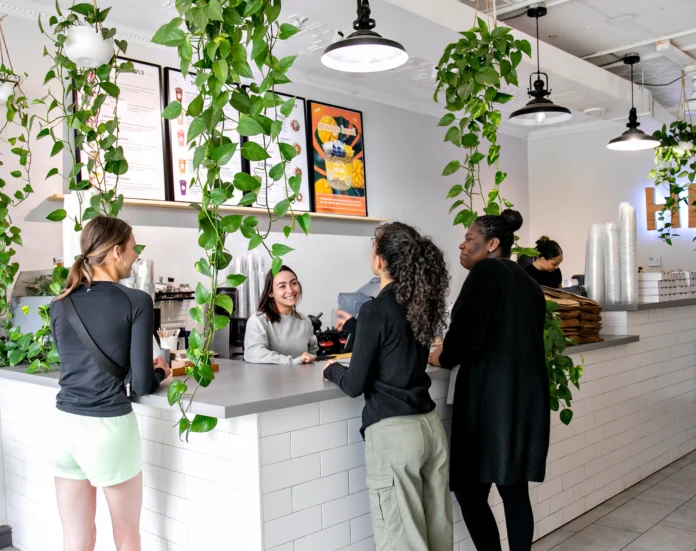
Paris Baguette Café is Now Open in Toronto’s Yorkville Neighbourhood (CNW Group/Paris Baguette)
Paris Baguette, the globally renowned bakery café chain, has opened a Toronto location at 110 Bloor St W.
It said this newest opening marks the brand’s expansion into Toronto’s bustling downtown core, promising to deliver its signature blend of artisanal bakery delights and neighbourhood café culture to the heart of the city.
Darren Tipton, CEO, Paris Baguette North America
“We are delighted to introduce Paris Baguette’s unique offerings to Toronto. Our commitment to quality and innovation in every product, from our decadent cakes to our freshly baked breads, exquisite pastries, and hand-crafted coffees is a testament to our heritage and global vision,” explained Darren Tipton, Chief Executive Officer. “Toronto’s vibrant and diverse community is the perfect setting for us to showcase what makes Paris Baguette special.”
The new Toronto bakery café features an inviting atmosphere that combines traditional French inspired elegance with a modern twist. Guests can look forward to an array of freshly baked goods including pastries, cakes, and breads, along with a selection of premium coffees brewed with Lavazza beans.
Now Open in Toronto’s Yorkville Neighbourhood (CNW Group)
Paris Baguette donation to Second Harvest
In celebration of the opening of its newest café, the company is donating $5,000 to Second Harvest, Canada’s largest food rescue organization.
The brand has over 4,000 bakery cafés worldwide.
The company is on a mission to reestablish the neighbourhood bakery café as the heart of the community. It serves “craveable baked and brewed treats and creates warm and welcoming experiences through a blend of gracious service, expert craftsmanship and community connections. From decisions made behind a desk to smiles offered behind a counter, the desire to spread joy and make the world a happier place drives everything we do. Being a neighbourhood bakery café means caring about those around us and finding ways to make a real impact. We do so through our “Love Baked In” programs that bring to life our commitment of serving local communities through various charitable programs and initiatives.”
Heartland Town Centre in Mississauga has experienced a remarkable transformation in recent years, shifting from its power centre outlet roots to a thriving full-price retail hub. With over 2.2 million square feet of space and more than 190 retailers, Heartland has cemented itself as one of the GTA’s premier shopping destinations.
Paola Caldaroni, Manager of Retail Leasing and Marketing at Orlando Corporation.
Located at the busy intersection of Highway 401 and Mavis Road, Heartland Town Centre has welcomed over 40 new retailers since 2018. “Heartland has evolved dramatically,” says Paola Caldaroni, Manager of Retail Leasing and Marketing at Orlando Corporation. “We’ve moved beyond outlet stores and built a strong offering of full-price retailers, appealing to a broader range of shoppers.”
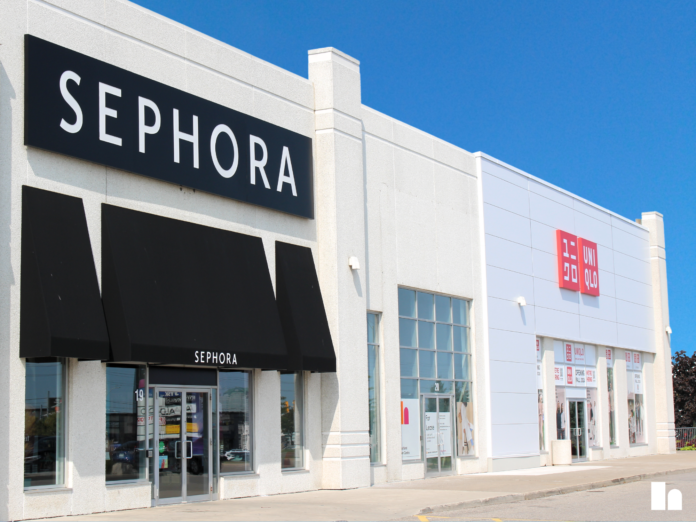
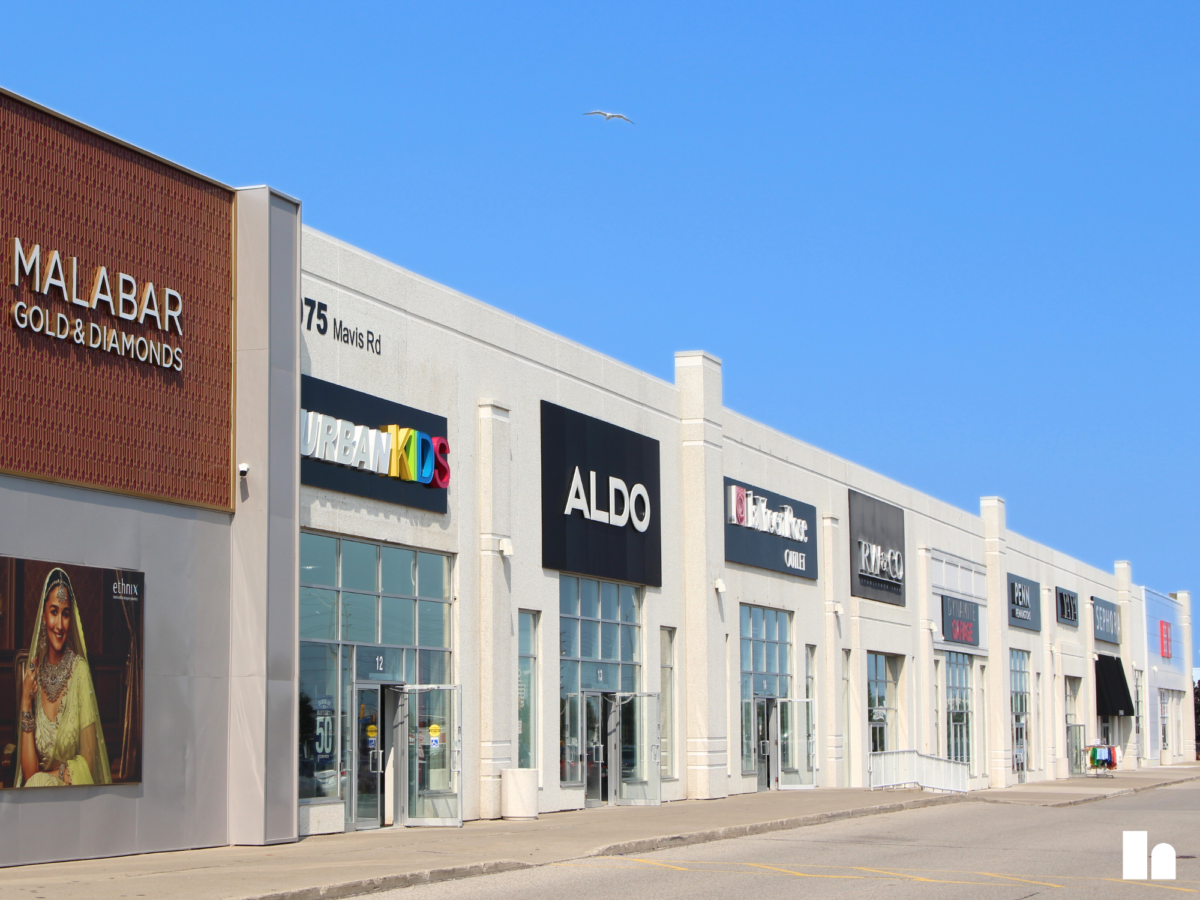
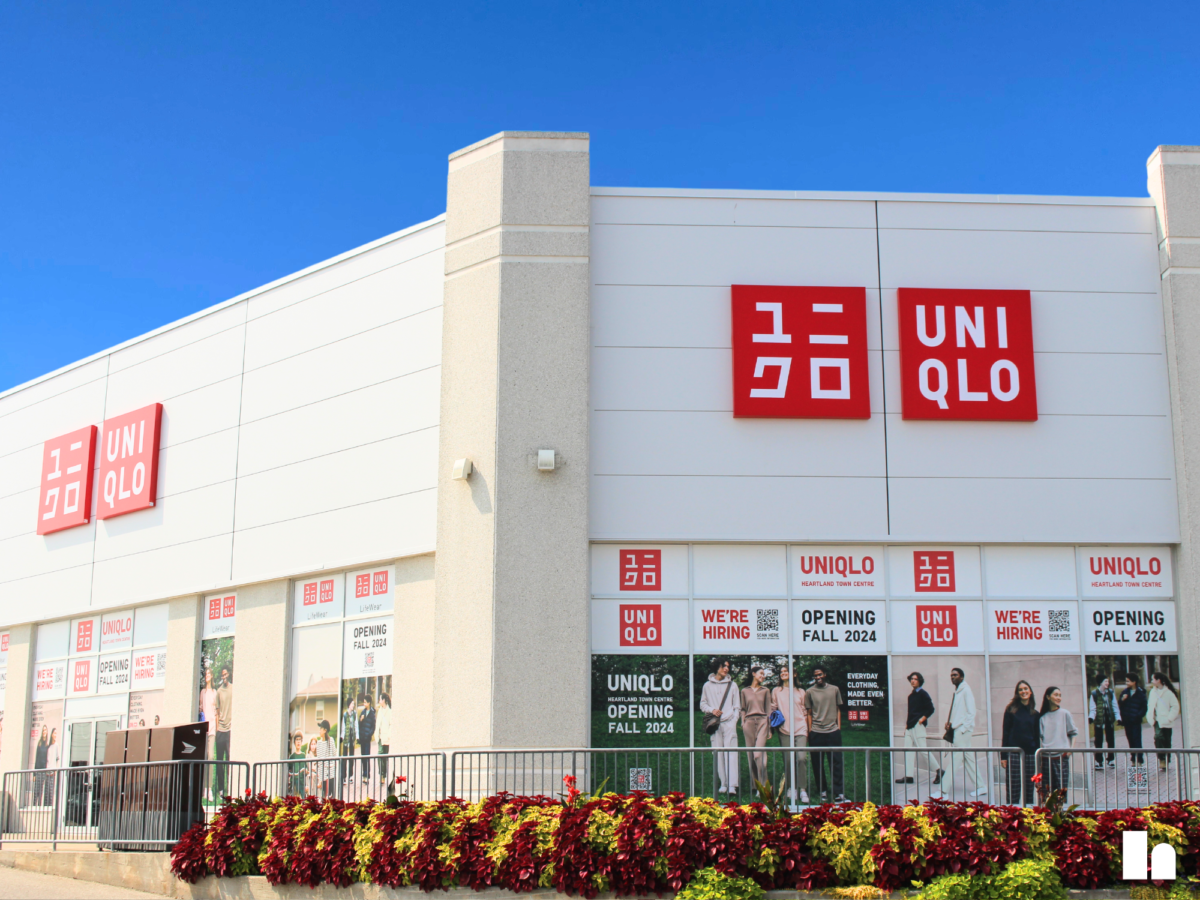
A major highlight of the transformation of the power centre is the opening of Uniqlo on October 4th. Matthew Kaplan, Senior Leasing Manager at Orlando Corporation, explained that this will be Uniqlo’s first outdoor full-price store in Canada, occupying an 11,700-square-foot corner unit at 6075 Mavis Road. Skechers has also expanded its footprint, Kaplan said, growing from 3,421 square feet to nearly 10,000 square feet, marking its shift from an outlet format to a full-price location.
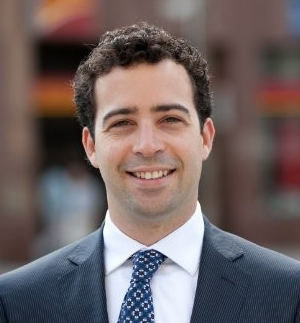
Matthew Kaplan, Senior Leasing Manager at Orlando Corporation
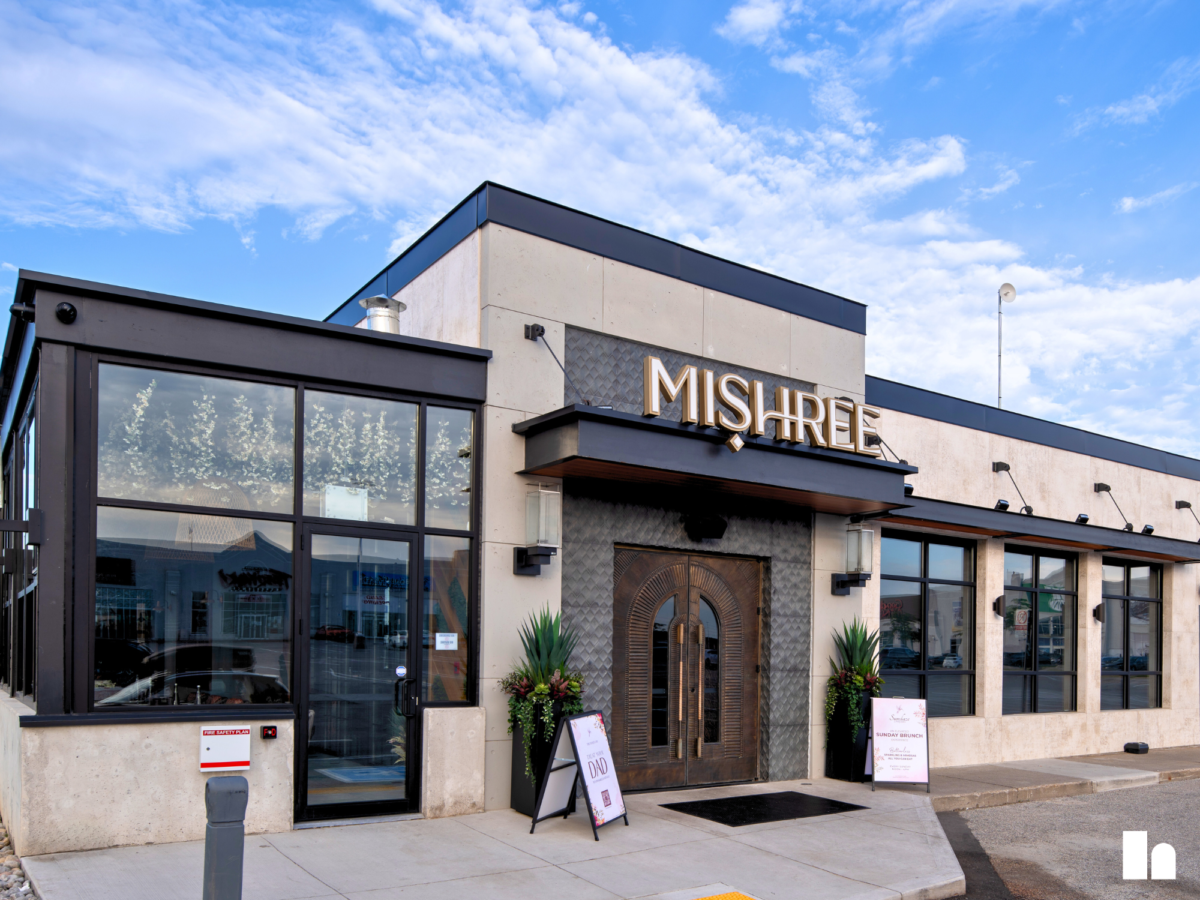
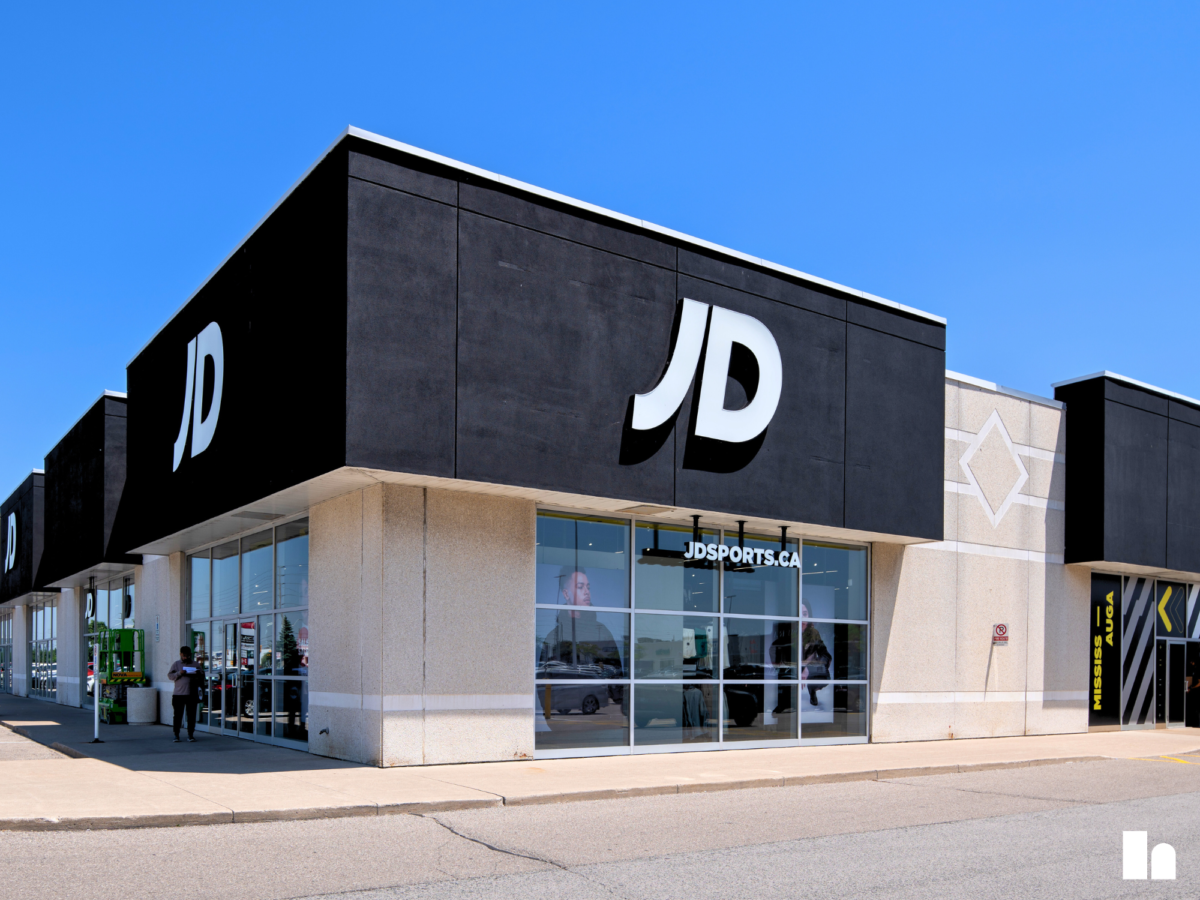
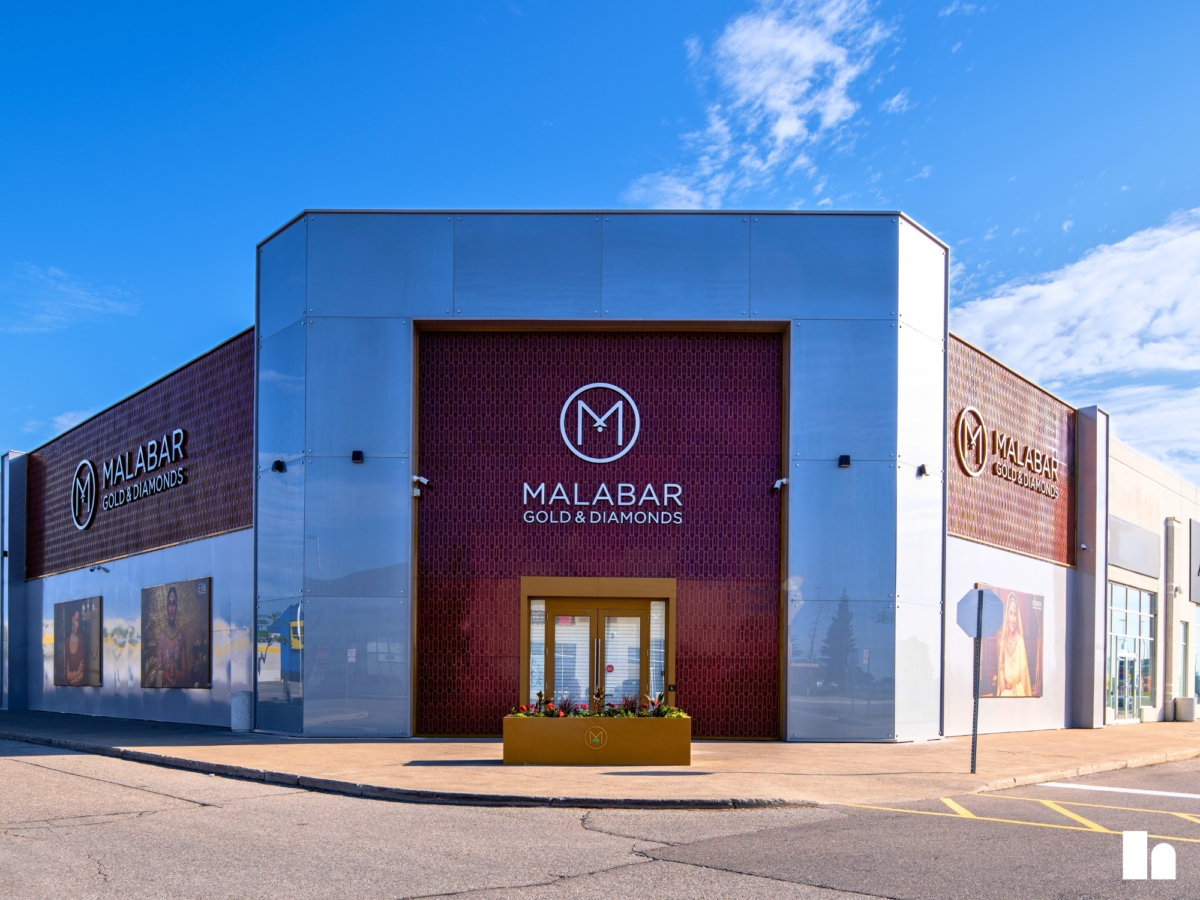
The tenant mix has grown to include popular names like Sephora, American Eagle, and JD Sports. Specialty retailers have also found success at Heartland Town Centre. Malabar Gold and Diamonds, the first Canadian location of the luxury South Asian jeweller, opened recently and is doing very high sales according to Kaplan. Restaurants like MISHREE, offering fine Indian dining, and Wing Stop, known for its casual dining, have also added to the diversity of offerings at Heartland Town Centre.
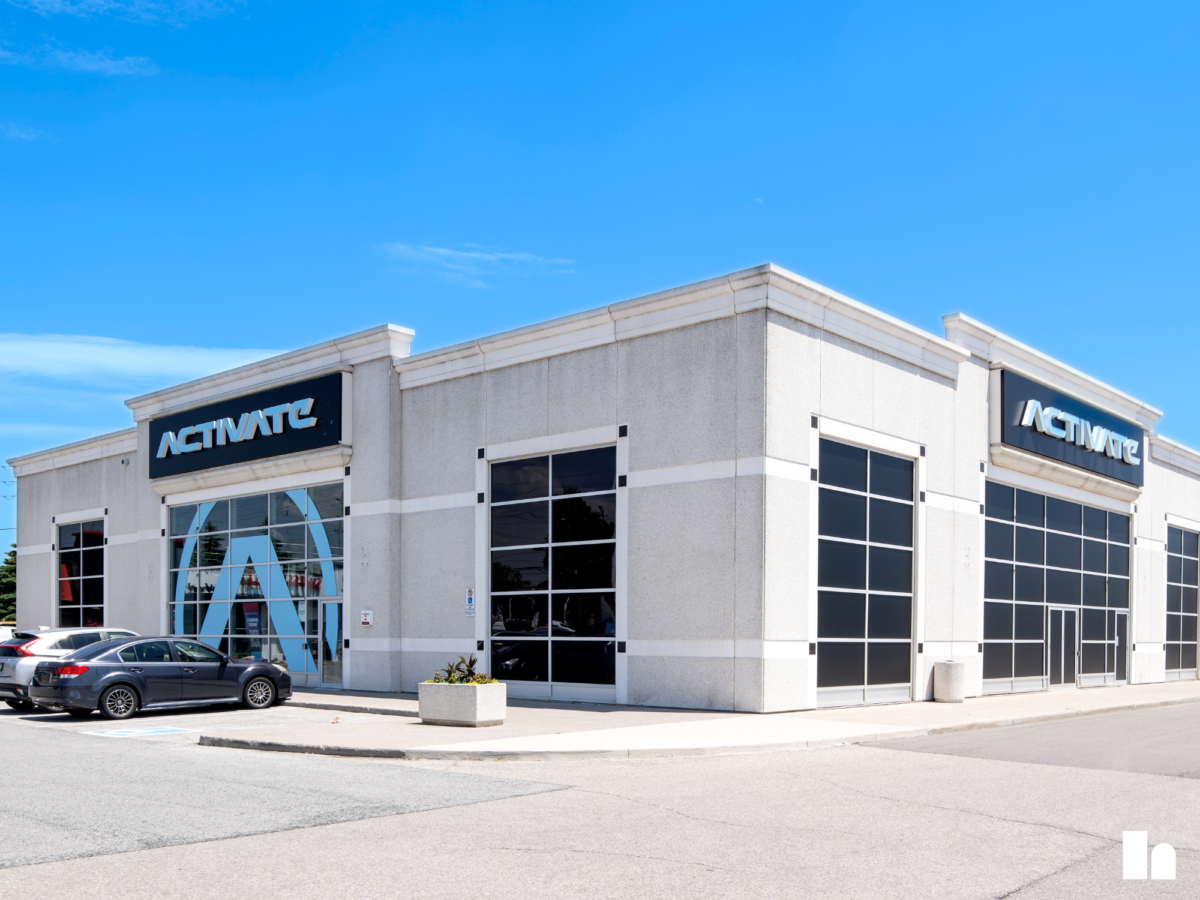
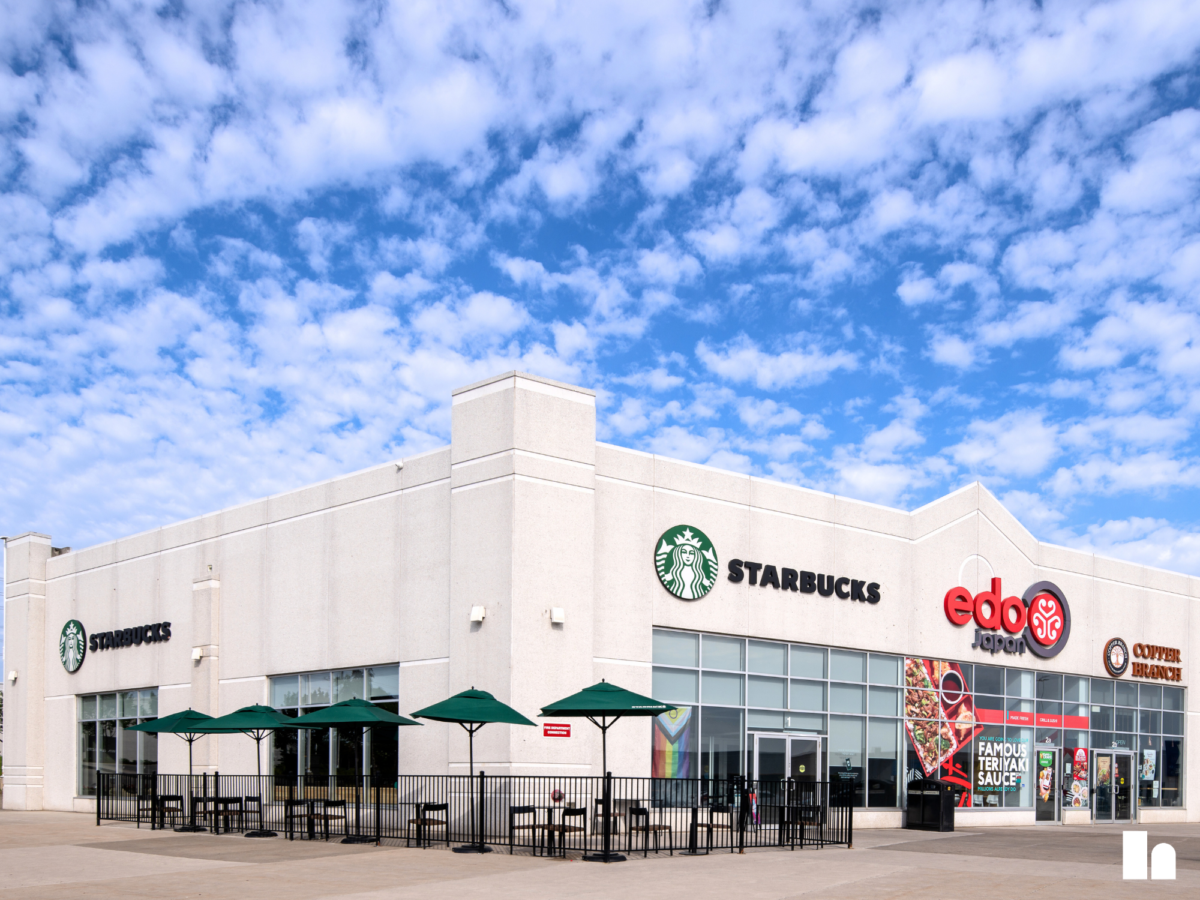
Other notable additions to the power centre include Paris Baguette, Crumbl Cookies, and health-focused businesses like Myodetox and Aqua Tots. Experiential retailer Activate Games has also joined Heartland Town Centre, further diversifying the centre’s appeal. “We’ve created an environment that caters to everyone,” says Caldaroni. “From fashion to dining to services, we truly have it all.”
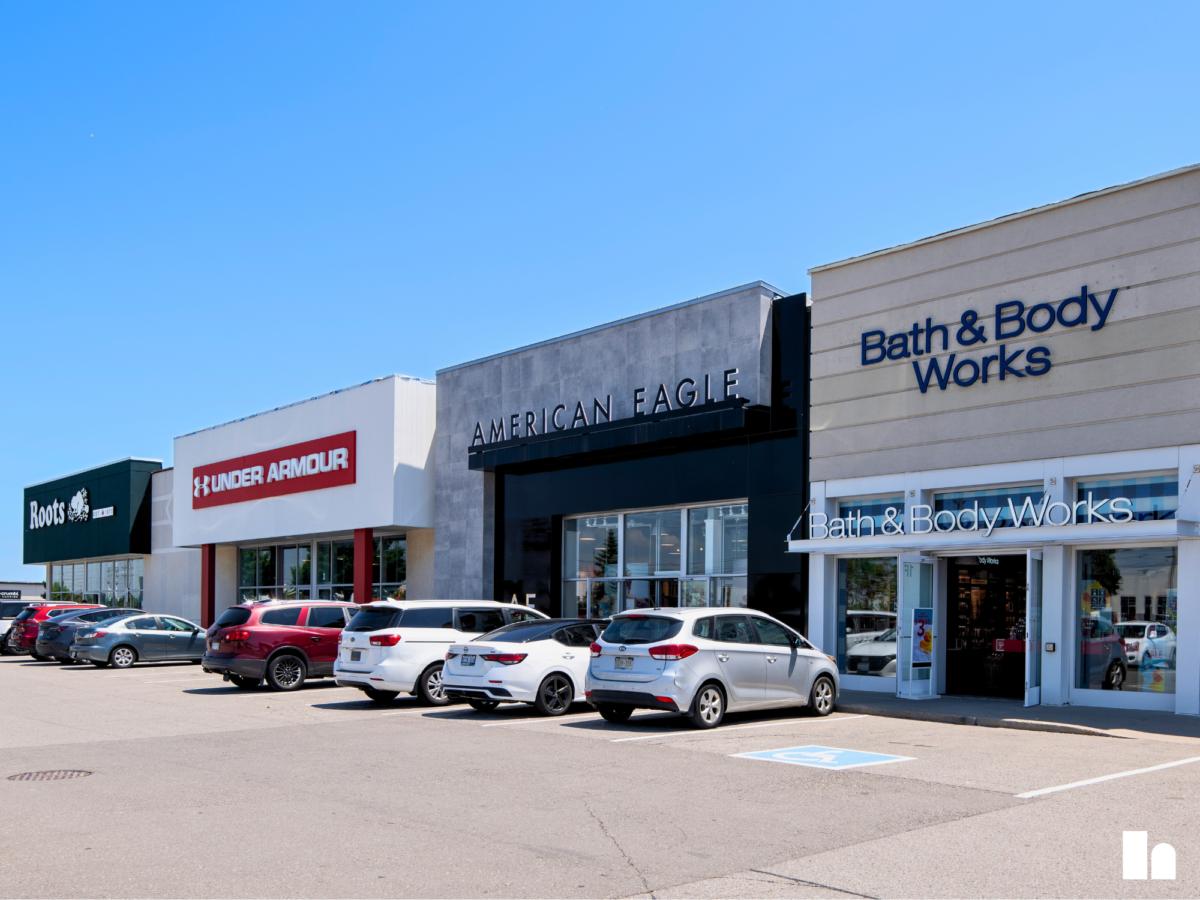
Roots run at Heartland Town Centre in Mississauga. Photo: Orlando Corporation6075 Mavis Rd at Heartland Town Centre in Mississauga. Photo: Orlando Corporation
Long-standing retailers such as Bath & Body Works, Tommy Hilfiger, Guess, Calvin Klein, and Old Navy continue to thrive at Heartland Town Centre. H&M and Staples remain key anchors, drawing steady traffic. The four TJX stores—including two Winners, HomeSense, and Marshalls—are another big draw for shoppers looking for value.
Athletic brands are well-represented too. Adidas, Under Armour, and Roots cater to the growing demand for active and casual wear. Larger retailers like DSW and Best Buy add even more variety to Heartland Town Centre’s offering.
Activate at Heartland Town Centre in Mississauga. Photo: Orlando CorporationNew Uniqlo store at Heartland Town Centre in Mississauga. Photo: Orlando Corporation
Heartland Town Centre’s convenient location and layout are key to its success. “We’re just off Highway 401, and shoppers can drive right up to the stores,” Kaplan explains. “The ease of parking and accessibility make a big difference for busy shoppers.” The convenience gives Heartland a distinct edge over traditional enclosed malls, where parking and navigating large spaces can be more time-consuming, he said.
Affordability is another advantage for retailers. Heartland’s lease rates are significantly lower than premium enclosed malls in the region. Despite this, retailers are seeing comparable sales, with annual revenues at the centre nearing $1 billion. Some retailers report sales as high as $2,500 per square foot, a strong indicator of Heartland Town Centre’s success. The centre also boasts a low vacancy rate of just 2%, with leasing opportunities still available for businesses looking to establish themselves in a high-traffic location.
MISHREE restaurant at Heartland Town Centre in Mississauga. Photo: Orlando CorporationJD Sports at Heartland Town Centre in Mississauga. Photo: Orlando Corporation
Two prime spaces next to Uniqlo and Sephora, offering 4,000 and 5,300 square feet, are currently available for lease. Additional spaces ranging from 3,200 to 20,000 square feet are also up for grabs. Prospective tenants can explore leasing opportunities through Orlando Corporation’s leasing brochure.
“Heartland Town Centre offers everything from fashion to food to services,” says Caldaroni. “We’ve curated a mix that works for the local community and attracts shoppers from far beyond.”
Heartland’s management team is proactive in supporting tenants. The centre offers free marketing services, including social media promotion, event coverage, and in-house photography to help retailers gain visibility. “We’re invested in the success of our tenants,” adds Kaplan. “Our goal is to help them grow and become part of the Heartland community.”
Heartland Town Centre’s strategic growth will continue. Upcoming openings include Spier & MacKay, Sherwin-Williams, and Kal Tire, as well as popular foodservice spots like Panera Bread and Frenchie’s Doughnuts. The retail landscape continues to shift, but Heartland remains poised for ongoing success.
Malabar Gold and Diamonds at Heartland Town Centre. Photo: Orlando CorporationHeartland Town Centre. Photo: Orlando Corporation
“We’re proud of how far Heartland has come,” says Caldaroni. “It’s become a key shopping destination in Mississauga and the GTA. With our tagline ‘It’s all here,’ we aim to provide an experience that offers something for everyone.”
To connect with Orlando Corporation regarding leasing at Heartland Town Centre, contact Paola Caldaroni, Manager of Retail Leasing and Marketing, at: caldaronip@orlandocorp.com and Matthew Kaplan, Senior Leasing Manager at Orlando Corporation at: kaplanm@orlandocorp.com
Artigiano, the well-known Vancouver-based coffee and café brand, is set to grow its presence in 2025 with a series of new openings, including a flagship location at Park Royal.
Scheduled to open in January 2025, the 4,400-square-foot, two-story Park Royal café will feature the brand’s first-ever open-concept kitchen, an in-house bakery, and an expansive rooftop patio, marking a milestone for the company as it continues to innovate its offerings.
Located within Park Royal, the new Artigiano café will serve as a central hub for the brand. Designed by Jute Studios’ Megan Kirkpatrick, the café will blend contemporary aesthetics with Artigiano’s signature European-inspired style, incorporating preserved greenery and a mix of casual and luxe furnishings.
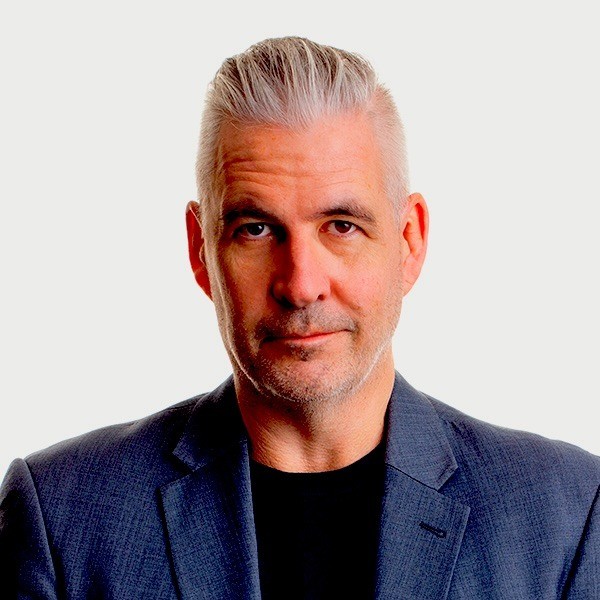
Dean Shillington
With seating for 170 guests, the flagship will provide a versatile space catering to casual meetups, business meetings, and shoppers seeking a break. The open kitchen will feature wood-fired pizza ovens and will offer both a daytime dining service and an evening bar concept, where signature cocktails such as Espresso Martinis will take center stage alongside light Italian fare like hand-stretched pizza and charcuterie boards.
“Opening our first open-concept kitchen and in-house bakery is a significant step for Artigiano,” said Dean Shillington, President and Owner of Artigiano. “With our curated coffee offerings, daytime dining, and evening bar service, we are introducing a fresh concept for our guests, and we’re confident that this new flagship will become a go-to destination in the community.”
Artigiano’s Growth Across the Lower Mainland
Beyond its Park Royal flagship, Artigiano plans to expand further across the Lower Mainland throughout 2025. Four new locations are planned, beginning with a café in White Rock early in the year, followed by University Heights in Saanich during the summer and a new spot in the Arlo Building at Fraser Street and East 28th Avenue in Vancouver in the fall.
In addition, the company will continue to build on its success in transportation hubs with a new express-style kiosk at Burnaby’s Brentwood Skytrain Station in the spring. Following the model of its kiosk at Nanaimo’s Departure Bay Terminal, the Brentwood location will offer quick service for commuters, featuring Artigiano’s signature coffee and fresh pastries.
The company, which has been a staple of the Vancouver coffee landscape for over 30 years, is known for its commitment to locally sourced ingredients and sustainable practices. Its coffee, roasted in Burnaby, is crafted with beans sourced from global partnerships that emphasize fair trade and high quality.
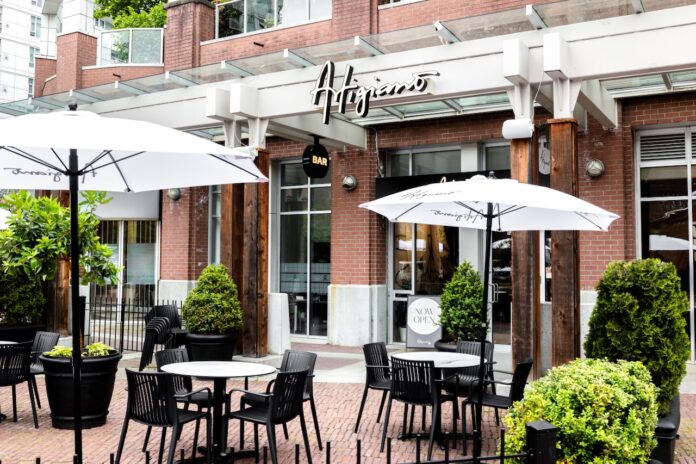
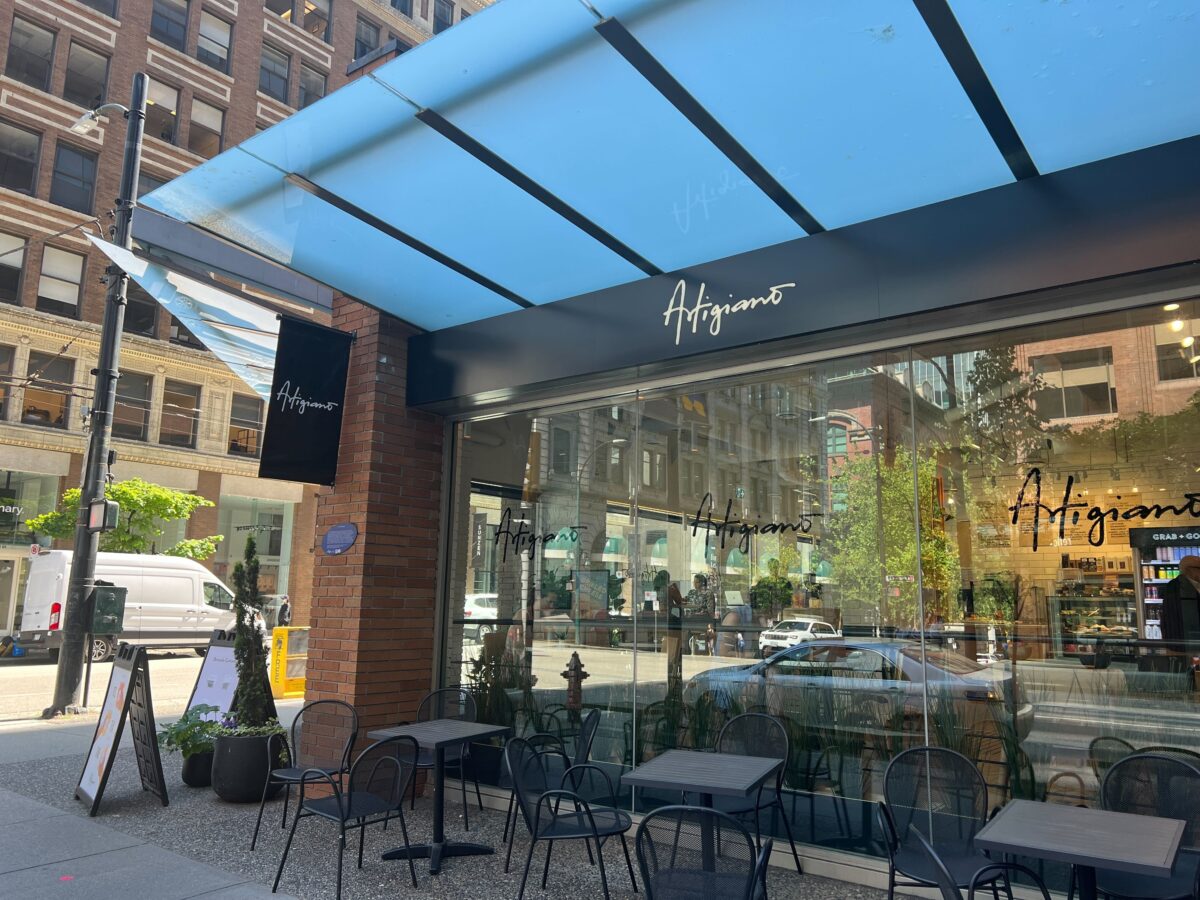
Artigiano at 429 Howe Street in Vancouver (Image: Lee Rivett)
Evening Transformations for Existing Locations
In addition to the new cafés, several existing Artigiano locations will undergo transformations to become liquor licensed establishments. Locations on Main Street, Cambie Street, Edgemont Village, Hastings Street, and in Langley will soon operate as café-bars in the evening.
These locations will transition from their daytime café operations to offer a range of cocktails, including an Espresso Martini made with Artigiano’s Private Reserve espresso, and other Italian-inspired beverages and dishes.
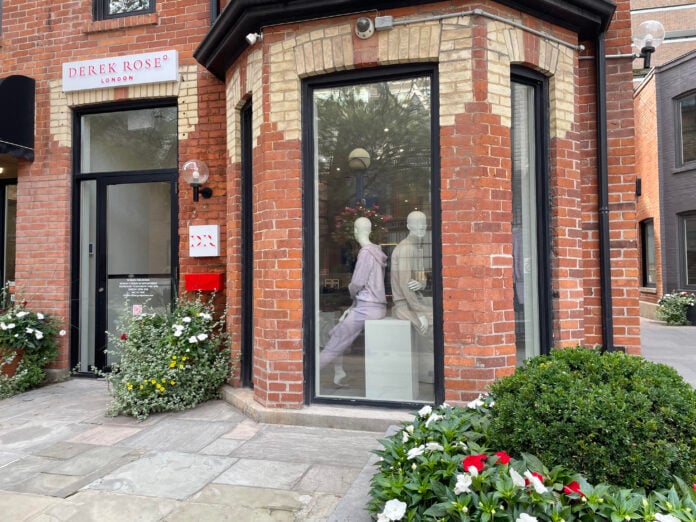
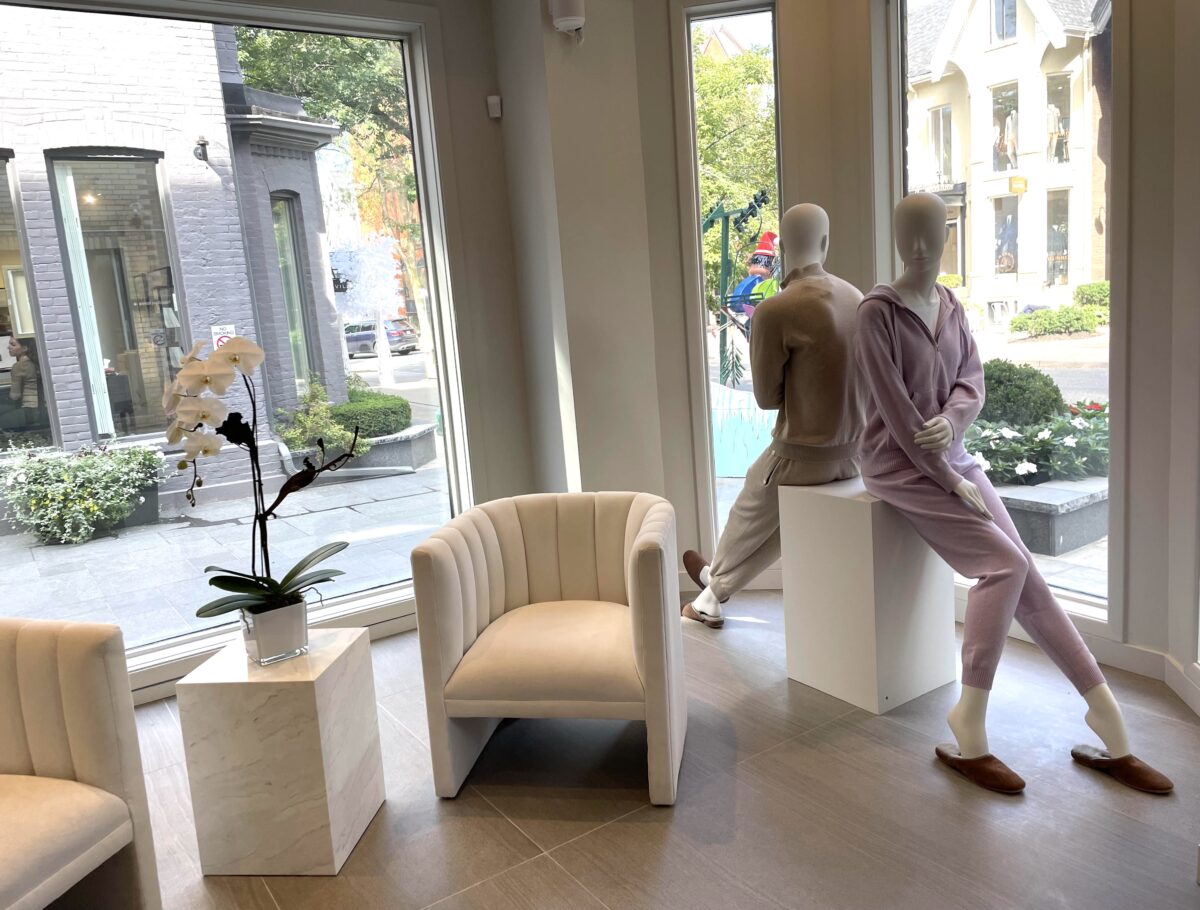
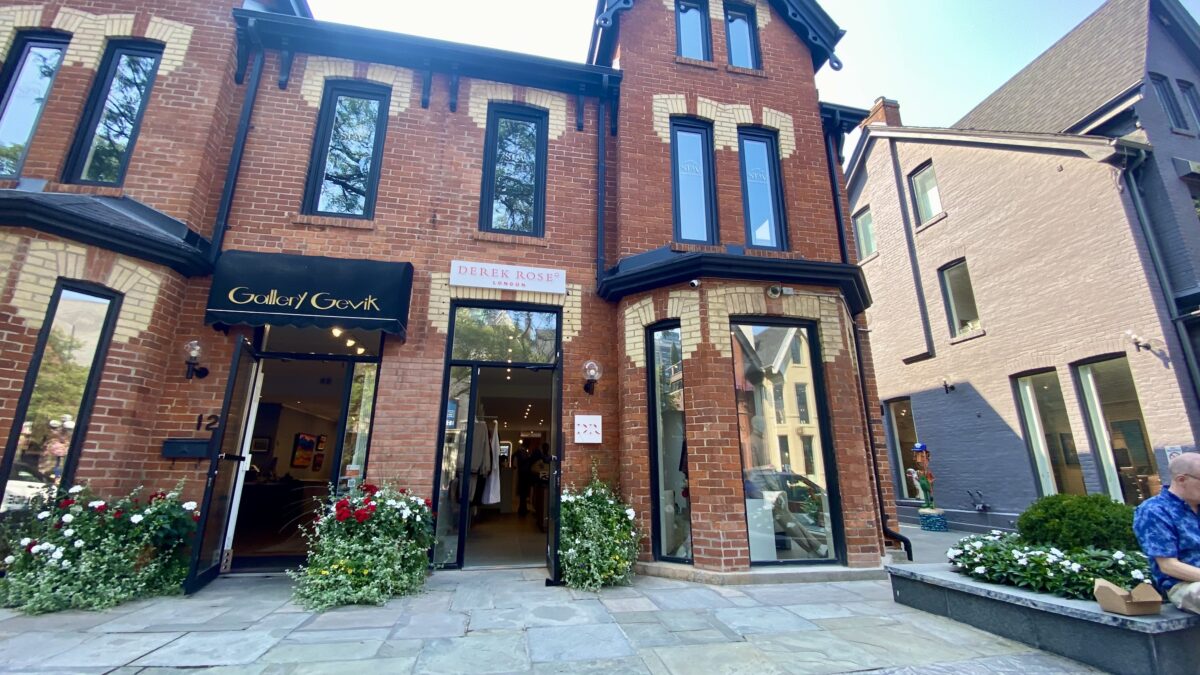
Derek Rose store at 14 Hazelton Avenue in Toronto. Photo provided by Derek Rose
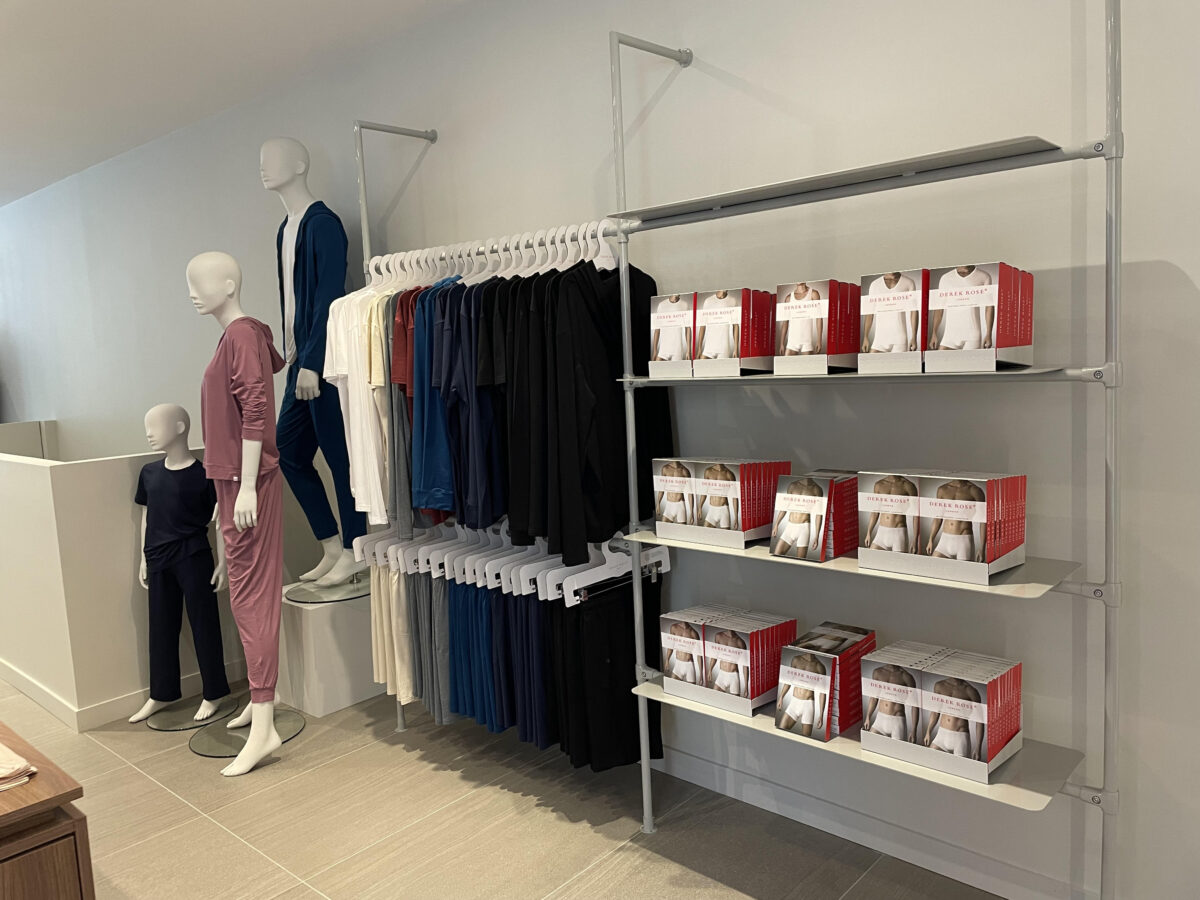
UK-based luxury sleepwear and loungewear brand Derek Rose has opened its first store in North America in Toronto. The boutique at 14 Hazelton Avenue features a range of men’s, women’s and children’s sleepwear, luxurious loungewear, leisurewear and men’s underwear.
The brand is known for its fabrication and unique prints in smooth silk, cotton, cashmere, and stretchy modal jersey. Founded in London in 1926, Derek Rose continues to be family owned and operated to this day.
To bring the signature “feel-good living” experience to North America, Derek Rose teamed up with the Rebecca Santo Domingo and William Grant of Feel-Good Partners Inc. (FGP), a leading luxury operator in Canada. They explained the brand’s ethos: “Feel good living is the tagline for the brand, it’s about feeling good while wearing the clothing to enhance what you value most, your free time.”
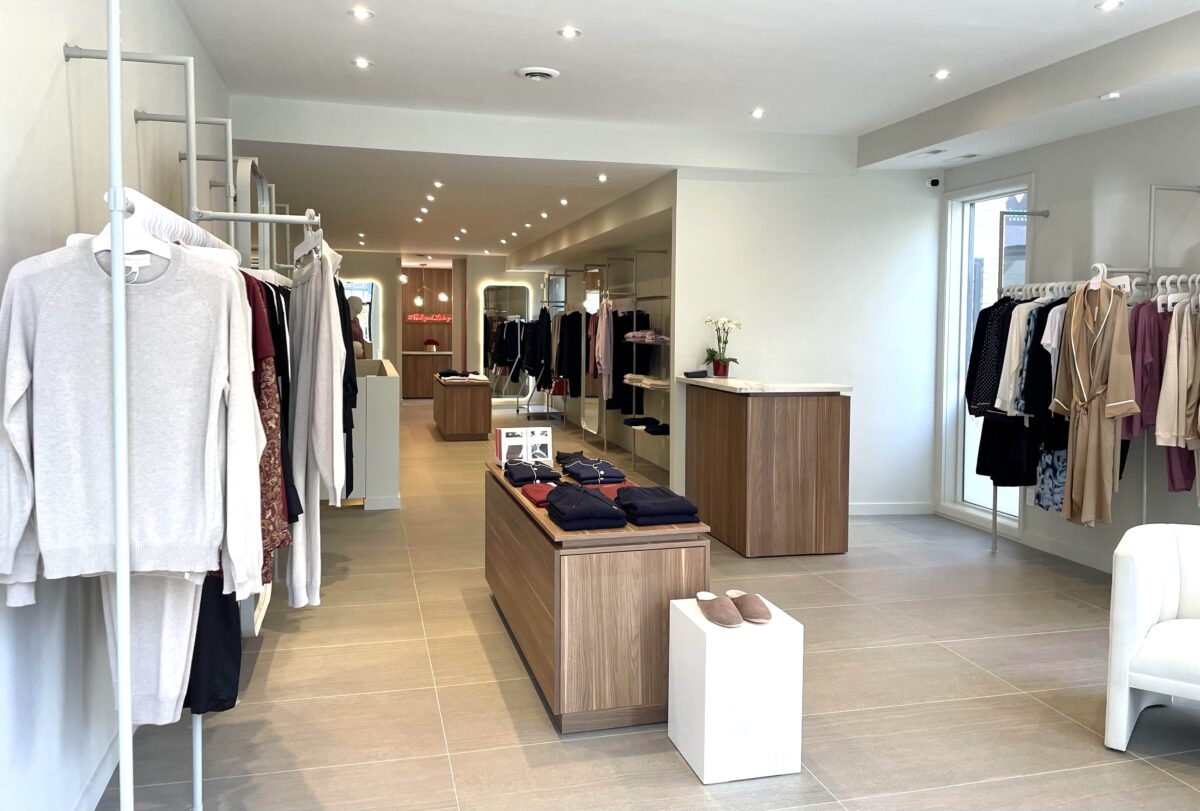
Inside the Derek Rose store at 14 Hazelton Avenue in Toronto. Photo provided by Derek RoseInside the Derek Rose store at 14 Hazelton Avenue in Toronto. Photo provided by Derek Rose
Speaking to the Derek Rose brand, Santo Domingo said that it’s also about “understanding and appreciating the value of free time spent alone, or with family and friends.” She went on to say that “the brand mission is to design products that enhance these valuable moments.”
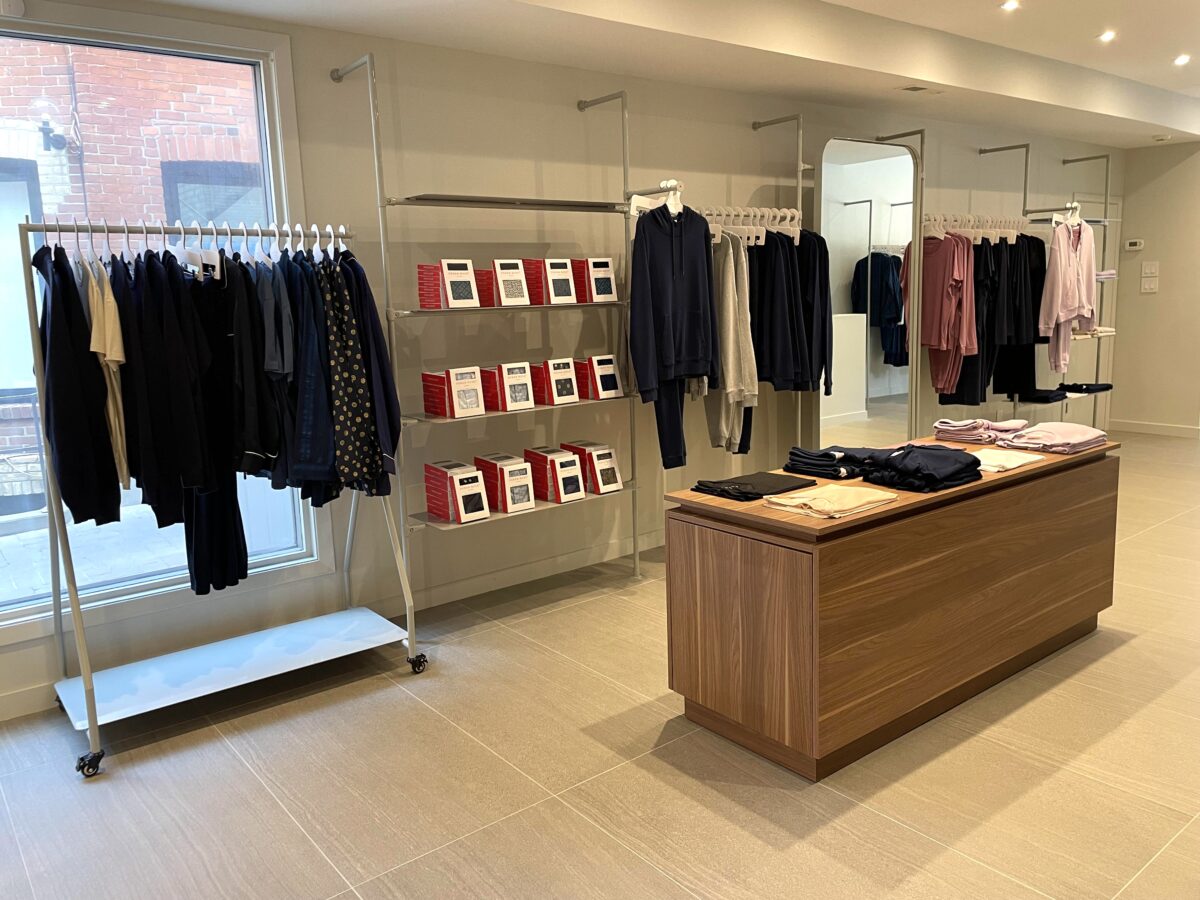
The 1,000-square-foot main floor of the new store showcases an extensive range of Derek Rose’s premium products of men’s, women’s, and children’s wear.
Luxurious pieces can be found in the store in silk, cotton, cashmere, and micro modal. Grant mentioned a standout piece set to arrive in October: “We have an item called The Duke, which is the most expensive piece in the collection. It’s a cashmere robe, lined in silk, and retails for $4,705.”
Inside the Derek Rose store at 14 Hazelton Avenue in Toronto. Photo provided by Derek RoseInside the Derek Rose store at 14 Hazelton Avenue in Toronto. Photo provided by Derek Rose
The store’s offerings will soon expand to include resort wear that will be arriving in October.
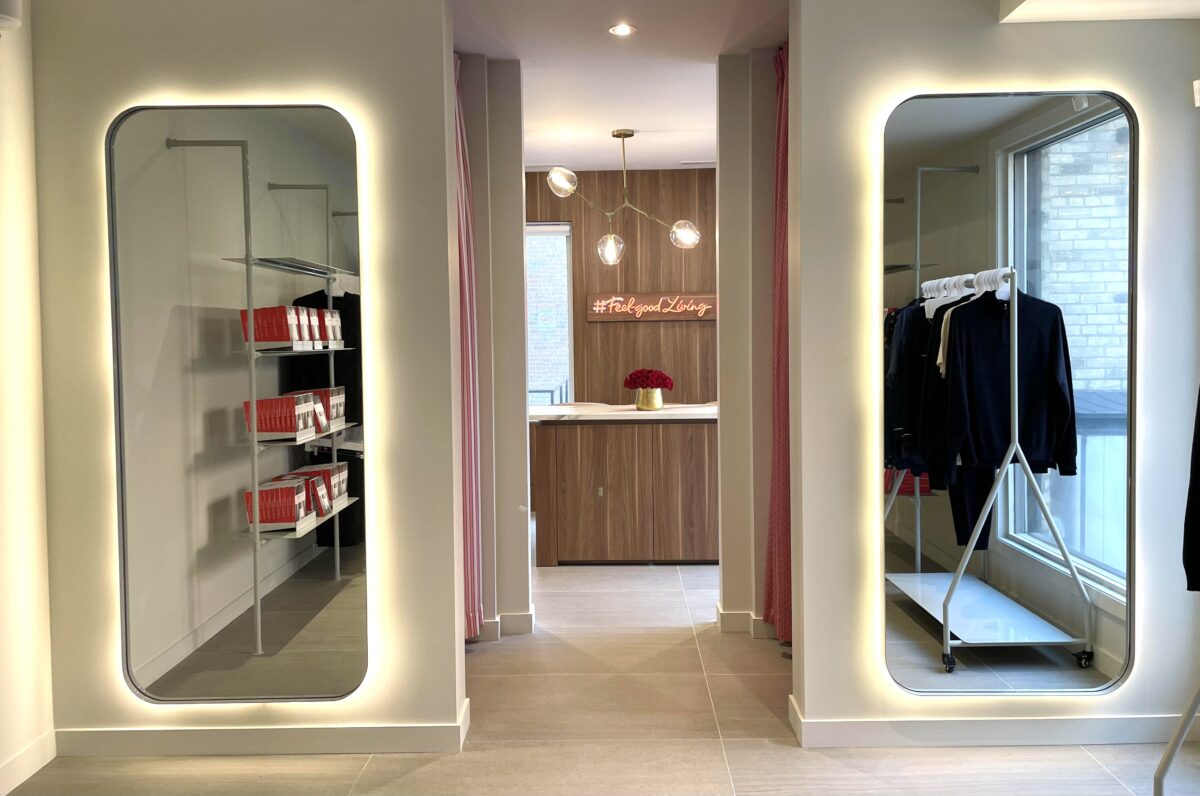
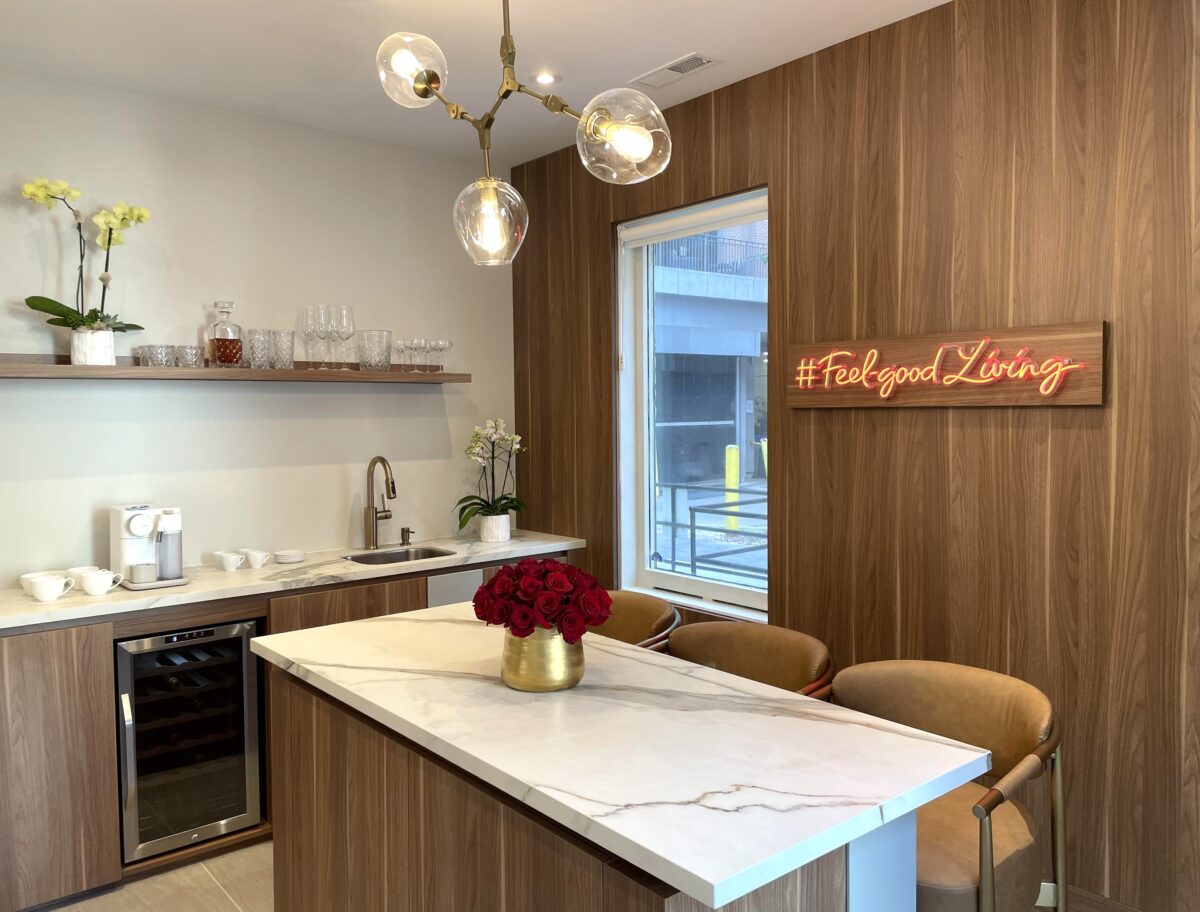
A bar area at the back of the store features Derek Rose’s tagline “Feel-good Living“ in neon red lights. The area was designed to host clients during private appointments and for private shopping events, serving complimentary beverages from coffee to champagne and food served from restaurants in the neighborhood. Visitors are encouraged to come into the store and stay a while, immersing oneself in the brand.
DWSV Realty acted as brokers for Derek Rose and negotiated the lease deal for the new Hazelton Avenue store.
Looking towards the bar area at the Derek Rose store at 14 Hazelton Avenue in Toronto. Photo provided by Derek RoseInside the bar area in the Derek Rose store at 14 Hazelton Avenue in Toronto. Photo provided by Derek Rose
LG Design Build was behind the construction of the new retail space, and WüdCulture built all of the fixtures and bar in the store. The result is a clean, beautiful space that complements the luxurious products on display.
The store has additional downstairs space used for back-of-house operations, with a stock room, an office, kitchen, and bathroom. Soon there will also be a showroom, providing clients the opportunity to get a sneak peek of next season’s collection.
The Derek Rose brand has been around for nearly a century. Derek Rose has been based in London, England since 1926. Third generation, family owned and operated, Sasha Rose is the CEO of the company. The legacy of quality and craftsmanship has been a key factor in Derek Rose’s enduring success and expansion into new markets.
Derek Rose at 14 Hazelton Avenue in Toronto on opening day. Photo: Craig Patterson
In an interview, Grant hinted at future growth: “A North American expansion is on the horizon. New York, Miami, Los Angeles , Montreal, maybe Vancouver, or a second Toronto location are possibilities.”
The choice of Yorkville for Derek Rose’s first North American location is no coincidence. The area is known for its high-end stores and affluent clientele, making it an ideal fit for the brand’s luxury offerings.
The area is also changing rapidly, as luxury brands open stores nearby. French bakery and sweets retailer Ladurée will open in early October nearby on Cumberland Street, and US-based jeweller Chrome Hearts will also open a by appointment showroom on Scollard Street this fall.
The heritage building where Derek Rose is located adds character to the experience. Before Derek Rose took possession of the space, art dealer Hazelton Fine Art Galleries occupied the address for years before recently relocating to Bay Street.
Derek Rose products are carried in its stores, as well as in selected luxury retailers globally. Derek Rose operates four stores in London, UK, one store in Dubai, and soon Saudi Arabia. Toronto is the first North American store, with strategic expansion to follow.
The brand-new public house will be situated in the former premises of the renowned Shark Club Bar & Grill in South Calgary. It is expected to open before the end of the year.
It promises to deliver an affordable experience that is a fusion of new and timeless in a light, open space, said the brand in a news release.
The Tavern Collective
“We wanted to remix the best of Gen X, Y, and Z to create a social destination for all of the community that’s casual, friendly, and welcoming,” said Alan Howie, President & Chief Operating Officer of Northland Restaurant Group. “The Tavern Collective blends the best of the classic pub with the nostalgic thrill of blast-from-the-past music and entertainment, all wrapped in an elevated, unique aesthetic. A space that’s both familiar, intriguingly offbeat, and uncommon.”
“Easily distinguished by its lovable, friendly Frenchie mascot JD, and a steampunk interior décor, guests will be treated to a delicious globally inspired menu of 29 items that offers a mix of traditional pub food, new classic and healthy dishes in a modern, inviting setting. Amongst the delectable menu options will be the signature Tavern Pizza, a dish full of surprising flavourful combinations that will have your mouth watering for more. Carefully crafted new signature cocktails, worldly wines, or featured draft beers will also be available to enjoy in a comfortable atmosphere, driven by great service,” explained the company.
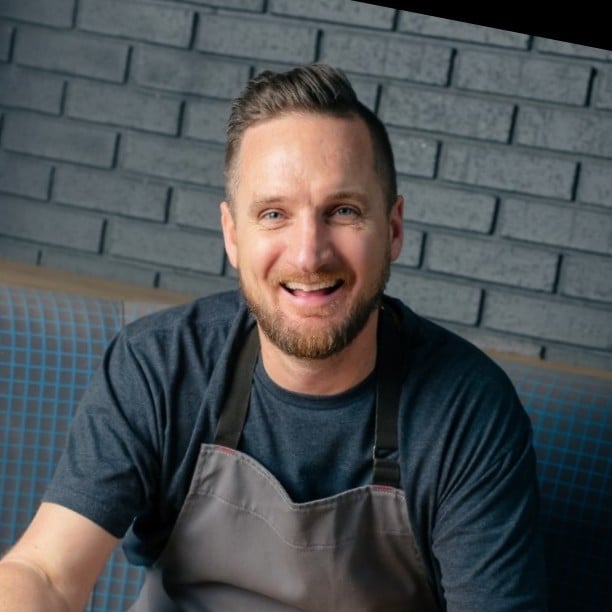
Executive Chef Brandon Thordarson
“When creating this menu, we wanted to set the tone for a unique experience with a menu and service that is surprising and bursting with crave-able twists,” said Executive Chef Brandon Thordarson, Director of Culinary and Beverage of The Tavern Collective.“The Tavern Collective is your neighbourhood hangout where you can embrace the unexpected and let the ordinary fade away. It’s a space that is a mix of classic and current, a theme that’s reflected in our food, tantalizing drinks, and signature cocktails.”
A new report by Lightspeed Commerce Inc. indicates 28 per cent of Gen Z and young Millennial (18-34) Canadian shoppers rely primarily on TikTok for their shopping needs.
In a news release, Lightspeed said retailers hoping to make the most of the upcoming holiday shopping rush should keep generational differences top of mind.
Online retail stores and websites (35 per cent), review websites (31 per cent), referrals (28 per cent), and Instagram (27 per cent) join TikTok in top-ranked preferences for the 18-34 shoppers, signalling the importance of social media as a critical part of retailers’ marketing strategies to reach a younger demographic, added the report.
Dax Dasilva, CEO, Lightspeed
“Retailers need to understand where shoppers are, and how they behave in order to properly address their needs. With those insights, they can assess and get creative with how they connect to generate a smooth shopping experience. To slay the holiday retail game, retailers should stay ahead of trends,” said Dax Dasilva, CEO of Lightspeed.
Lightspeed’s State of Retail Reportreveals that the ways different generations are shopping varies – significantly– and the importance for retailers to be prepared to meet them where they’re at.
“In addition to prioritizing platforms like TikTok for their shopping needs, the younger generations of shoppers revealed an increased likelihood to subscribe to retail memberships such as Amazon Prime, with 75 per cent reporting that they are subscribed to one or more such services and 14 per cent stating they exclusively shop with retailers they have subscriptions with. The 18-34 age group also showed the most interest in VIP services from retailers such as skipping lines, personalized shopping recommendations, and early access to products, with 37 per cent saying they would be interested and willing to pay more for this,” added the report.
New opportunities for retailers
Lightspeed says new preferences of the younger generations bring with them new opportunities for retailers to expand and improve customer experience and meet customers where they are. Additional insights unique to Gen Z and young Millennial shoppers include a willingness to pay more to have an item immediately available to them from another merchant rather than waiting for it to be restocked (49 per cent) – all other demographics would prefer to wait to purchase. Insights like this signal the critical importance of maintaining stock well into the season for last-minute shoppers.
“For retailers targeting an older demographic (55+), those buyers are most frequently using a retailer’s online store (56 per cent), friend and family referrals (38 per cent) and online review sites (35 per cent) to research their purchases, reflecting a more traditional shopping approach. Middle-aged buyers (35-55) have similar preferences, but rely more on a retailer’s online presence (47 per cent) and review sites (37 per cent) than on friends and family (32 per cent),” adds Lightspeed.
“Over the past 12 months, Happy Belly has experienced significant growth, both organically and through accretive acquisitions, across its portfolio of emerging brands and restaurant operations. To support this continued expansion, we are thrilled to announce the appointment of John Delutis as our new Vice President of Restaurant Operations,” said Sean Black, Chief Executive Officer of Happy Belly.
“In his new role, John will collaborate closely with brand managers, franchisees, and corporate teams to align operational strategies with our growth objectives, ensuring scalability, profitability, and the high standards that define Happy Belly.
John Delutis, Vice President of Restaurant Operations, Happy Belly
“I am super excited to be putting the band back together. John joined us at Extreme Brandz to oversee Mucho Burrito at restaurant #17 and was with us all the way until Mucho Burrito was acquired by MTY Food Group. John joined me at MTY post acquisition and continued to lead Mucho Burrito with well over 100 locations until 2023. As our brands start to scale, they will certainly benefit from having John help and guide them in their growth.”
Black said Delutis will focus on driving operational efficiency, enhancing guest experience, and supporting the ongoing expansion of its brands across both franchised and corporate-owned locations. He will implement and execute on strategies to strengthen and accelerate growth across existing stores and upcoming openings.
Prior to Mucho Burrito, Delutis was with both Tim Hortons and Second Cup.
“John brings a wealth of expertise that will help elevate our teams and scale operations across our emerging brands portfolio, ensuring they are well-supported during our ongoing accelerated growth. He is an excellent cultural fit, embodying an entrepreneurial spirit and a hands-on approach, working closely with our brand operators, financial teams, and partners. His experience in the coffee sector will also be invaluable as we continue executing our strategic roadmap for 2024-2025. John’s energy and prideful attitude align perfectly with our values at Happy Belly. We are confident in his leadership as we continue driving growth through disciplined organic expansion and accretive M&A initiatives,” added Black.
Happy Belly Food Group Inc. is a leading consolidator of emerging food brands.
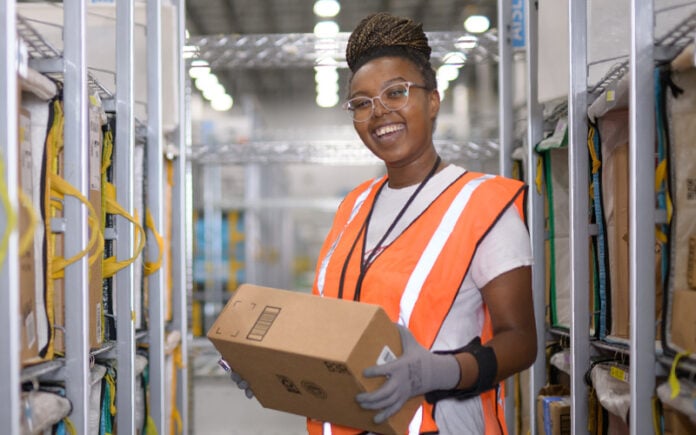
Amazon is hiring thousands of people for the holiday season. Photo courtesy of Amazon
Amazon is hiring 9,000 employees across its Canadian operations network in full-time, part-time and seasonal roles for the holiday season.
It also announced it is opening five new AMZL delivery stations in British Columbia, Alberta, and Ontario. It is ramping up its last mile network to get products to customers at the fastest speeds ever.
Jobs include stowing, picking, packing, sorting, and shipping customer orders at the company’s fulfilment centres, sortation centres and delivery stations. A seasonal role can be the start of future career opportunities at the company, added the company.
“I started at Amazon as a seasonal frontline employee, and 11 years later, I am the site leader at one of Canada’s first fulfilment centres dedicated to managing extra-large products,” said Amandeep Chouhan, site leader at YGK1, an Amazon AMXL fulfilment centre in Belleville, Ontario.
“Thanks to the support of my leaders, what I thought would be a temporary job became the journey of a lifetime, with roles that allowed me to build skills and take on new responsibilities. Amazon is one of the only companies where you can grow a long-term career with endless possibilities.”
“It is always a great sign when retailers are hiring and investing. Good things usually follow. We also need the wage growth mentioned as well to drive the purchasing power of consumers to offset recent bouts of inflation.
“To me, this also talks to Amazon’s commitment to ensuring Canadian’s get gifts faster by fortifying their supply chain. We need more companies to invest in Canada if we are to grow and improve productivity.”
$100 million invested in additional frontline employee pay
“Amazon’s seasonal hiring comes as the company makes its highest-ever investment in employee compensation. This year alone, Amazon is investing more than $100 million (CAD) toward pay increases for customer fulfillment and middle and last mile logistics employees Canada, a 54 per cent increase over its 2023 total investment in compensation,” it said.
“This investment brings Amazon’s average hourly base wage to $22.25 per hour—up from close to $20.80 in 2023. Through Amazon’s step plan compensation model, eligible hourly full- and part-time employees can count on planned pay increases every six months until their 24-month anniversary, and then they receive another increase at month 36. Referral bonuses are available.
“In addition to competitive pay, Amazon provides eligible regular employees with leading benefits, including medical, vision and dental coverage and a group RRSP plan. Amazon’s Career Choice program is a paid benefit that allows eligible employees to grow their careers by building the skills needed for today’s most in-demand fields. The program is in partnership with more than 20 educational institutions across Canada. Regular employees can now take advantage of Amazon Career Choice language classes from day one of employment.”
Amazon ramps up last mile network
In a new release it said it will open five new last mile delivery stations across Canada by the end of October. The company said delivery stations are localized facilities focusing on the last mile delivery process, connecting products to customers in a particular region. Employees sort, scan and prepare customer packages before they are loaded onto delivery vehicles.
The new delivery stations will be located in Burnaby, BC (Riverbend Business Park); Calgary, AB (Rocky View County); Windsor, ON (Dodge Drive); Ottawa, ON (Ottawa East) and Richmond Hill, ON (Vogell Road).
In addition to the five new delivery stations, it is opening two ‘exchange point’ package depots in Sarnia and Cornwall before the end of 2025. Local third-party Amazon Delivery Service Partners operate the facilities using the company’s logistics technology. At these facilities, packages from nearby Amazon delivery stations will arrive pre-sorted for pickup by drivers from the Delivery Service Partners, who will then deliver them to local customers.
Jasmin Begagic, Director, Canada Operations, at Amazon Logistics
“Amazon’s last mile network plays a critical role in helping us continue to deliver safely at the fastest speeds ever. The new Amazon delivery stations and exchange points bring us closer to customers while allowing us to invest in local communities and create good jobs,” said Jasmin Begagic, Director, Canada Operations, at Amazon Logistics.
With the opening of these new delivery stations, Amazon’s current footprint in Canada now encompasses more than 65 different logistics sites, from Victoria to Halifax.
To learn more, apply for a job, or sign up for job alerts, visit hiring.amazon.ca.
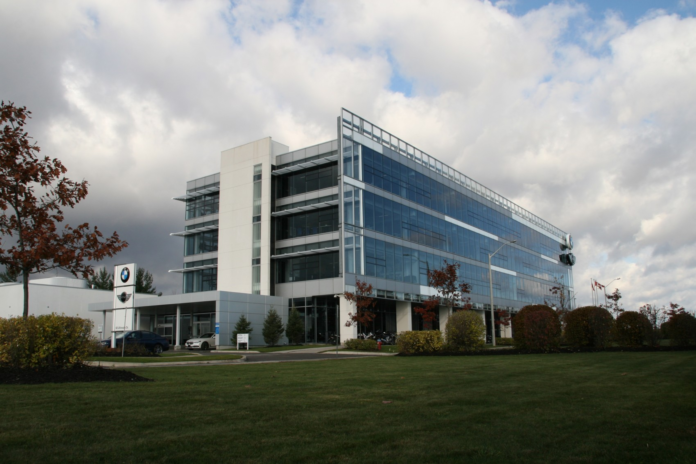
BMW Canada headquarters in Richmond Hill, Ontario. Photo: BMW Canada.
BMW Group Canada, encompassing both the BMW and MINI brands, has reported a third-quarter sales total of 7,799 vehicles for 2024, marking a 13% decline compared to the same period in 2023. Year-to-date, the company has sold 24,863 vehicles across Canada, reflecting a 6.3% decrease from last year’s performance.
Andrew Scott, President and CEO of BMW Group Canada, acknowledged the difficulties faced during the third quarter, emphasizing the vital role of BMW’s retail partners in maintaining strong customer support.
“Despite an extremely challenging environment in the third quarter, our retail partners did an outstanding job of supporting our customers with their mobility needs,” Scott stated. He further expressed gratitude for the retailers’ dedication, saying, “Their efforts in overcoming issues and their commitment to client satisfaction are very much appreciated.”
Looking ahead, Scott highlighted the upcoming launch of the 2025 BMW X3, expected to boost performance in the Canadian market during the fourth quarter. “The fourth generation of this popular Sport Utility Vehicle is sure to impress BMW fans and enthusiasts. With its new design language, improved efficiency, and dynamic performance, I’m sure it will continue as a perennial favourite in the Canadian market,” he added.
025 BMW X3, photo: BMW Canada
BMW Brand Performance
The BMW brand experienced a decrease in sales, with 7,070 vehicles sold in Q3 2024, down 11% from the same quarter last year. Despite this, there were several bright spots within specific segments:
Sales of purely electric BMW vehicles saw a modest increase of 3% year-over-year.
High-performance BMW M models also experienced growth, with a 1% increase compared to Q3 2023.
The upper-luxury segment showed notable strength, with the BMW 8 Series registering a 31% rise in sales during the third quarter.
MINI Struggles in Q3 2024
MINI’s performance lagged behind its parent brand, with Q3 sales dropping by 28.1% year-over-year, totalling 729 units. However, the company says that the MINI brand continues to innovate and adapt, having recently launched the all-new MINI Countryman SE and the MINI Cooper 5 door in September.
The introduction of the first all-electric MINI Countryman, with an all-wheel-drive system, marks a significant step for MINI as it evolves its product lineup.
Despite the overall decrease, sales of the MINI Countryman grew by 3% compared to Q3 2023, a promising sign for the brand as it refreshes its entire model lineup with new designs, enhanced technology, and upgraded driver assistance systems.
Cooper ALL4, Photo: MINI
BMW Motorrad Achieves Strong Growth
In contrast to the declines seen in the automotive segment, BMW Motorrad, the brand’s motorcycle division, recorded a 15.1% year-over-year sales increase for the third quarter, with 625 units sold. This marks a significant improvement compared to the same period in 2023.
Among the top-selling motorcycle models were the S 1000 RR and the R 1300 GS. Enthusiasts can look forward to the release of the highly anticipated R 1300 GSA, which will be available in Canada starting October 24th.
BMW Motorrad. Photo: BMW Canada
Looking Ahead
As BMW Group Canada navigates a difficult sales environment, the upcoming launch of new models such as the 2025 BMW X3 and continued innovation within the MINI and Motorrad brands offer optimism for the future. The company remains focused on customer satisfaction and adapting to market demands, with an eye on improving its performance in the final quarter of 2024.
Table 1: New Vehicle Sales BMW Group Canada, Q3 2024
Brand
Q3 2024
Q3 2023
YoY %
2024 YTD
2023 YTD
YoY %
BMW Brand
7,070
7,946
-11.0%
21,905
23,188
-5.5%
BMW Passenger Cars
2,233
2,254
-0.9%
6,735
6,933
-2.9%
BMW Light Trucks
4,837
5,692
-15.0%
15,170
16,255
-6.7%
MINI
729
1,014
-28.1%
2,958
3,342
-11.5%
Total Group
7,799
8,960
-13.0%
24,863
26,530
-6.3%
Table 2: Motorcycle Sales BMW Group Canada, Q3 2024
Category
Q3 2024
Q3 2023
YoY %
2024 YTD
2023 YTD
YoY %
BMW Motorcycles
625
543
+15.1%
2,278
2,452
-7.1%
About BMW Group Canada
BMW Group Canada, headquartered in Richmond Hill, Ontario, is a wholly owned subsidiary of BMW AG. It is responsible for the distribution of BMW luxury performance automobiles, Sports Activity Vehicles, Motorcycles, and MINI. The company also operates BMW Group Financial Services Canada, which provides retail financing and leasing programs across Canada. With a network of 51 BMW automobile retail centres, 26 BMW motorcycle retailers, and 31 MINI retailers, BMW Group Canada serves customers from coast to coast.
The province of Alberta has announced that it will not change its retail model to allow the sale of alcohol in grocery and convenience stores, citing concerns over the potential impact on the existing private retail system.
In a statement released Wednesday, the Alberta government explained that an MLA advisory committee tasked with examining the issue recommended against expanding liquor sales beyond the current system.
Premier Danielle Smith and Service Alberta Minister Dale Nally supported the decision, stating that the current model offers a broad selection of products at competitive prices compared to other Canadian provinces. “I am pleased to accept those recommendations and ensure Alberta continues to uphold our current model, which is one of the most open in Canada,” Smith said in the release.
Scott Sinclair, MLA for Lesser Slave Lake and a member of the advisory committee, emphasized the potential harm that expanding alcohol sales could inflict on the province’s private retail sector. “Our review determined that such a move would significantly harm small businesses and could ultimately lead to widespread closures, job losses, and diminished selection for consumers,” he said.
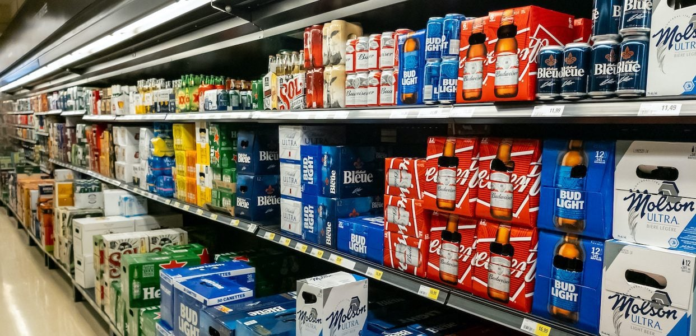
Alberta’s liquor retail market is one of the most open in the country, with over 1,600 liquor stores offering more than 36,000 products. The decision to maintain the status quo follows a review launched in April after Ontario announced its decision to allow alcohol sales in grocery and convenience stores. Ontario’s policy came into effect in July, expanding liquor availability beyond public liquor stores and private outlets.
Although Alberta’s decision contrasts with Ontario’s approach, the province has seen some shifts in alcohol retailing. Convenience store chain 7-Eleven has begun selling alcohol at several locations in Edmonton, Calgary, and smaller municipalities in Alberta, but it does so under a restaurant license, rather than as a traditional convenience store.