Home Blog Page 638

Primaris REIT Set to Acquire Conestoga Mall in Waterloo Ontario [Interview]

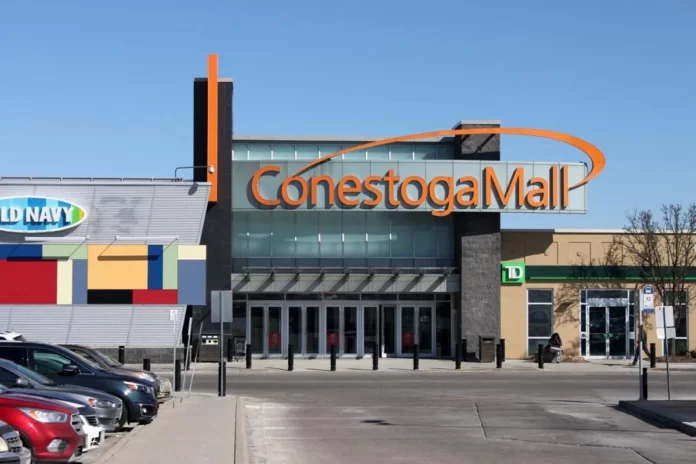
Image: Conestoga Mall

Primaris Real Estate Investment Trust is bullish on the Canadian retail market and shopping centres across the country.

Recently, the company announced it was going to acquire the Conestoga Mall in Waterloo, Ontario  from Ivanhoé Cambridge, for aggregate consideration of $270 million, to be satisfied by a combination of cash and equity.

Alex Avery

“This landmark transaction is the culmination of months of collaboration with Ivanhoé Cambridge, and further validates and demonstrates support for Primaris’ platform, strategy and value proposition,” said Alex Avery, Chief Executive Officer of Primaris. 

“Since the inception of Primaris REIT, we have been very clear about the significant opportunity to acquire additional market leading Canadian shopping centres. Primaris is uniquely positioned as a potential buyer, with institutional scale as the third largest owner-operator of enclosed shopping centres in Canada with proforma assets of approximately $3.5 billion, a very well capitalized balance sheet, a differentiated financial model and a mandate for growth.”
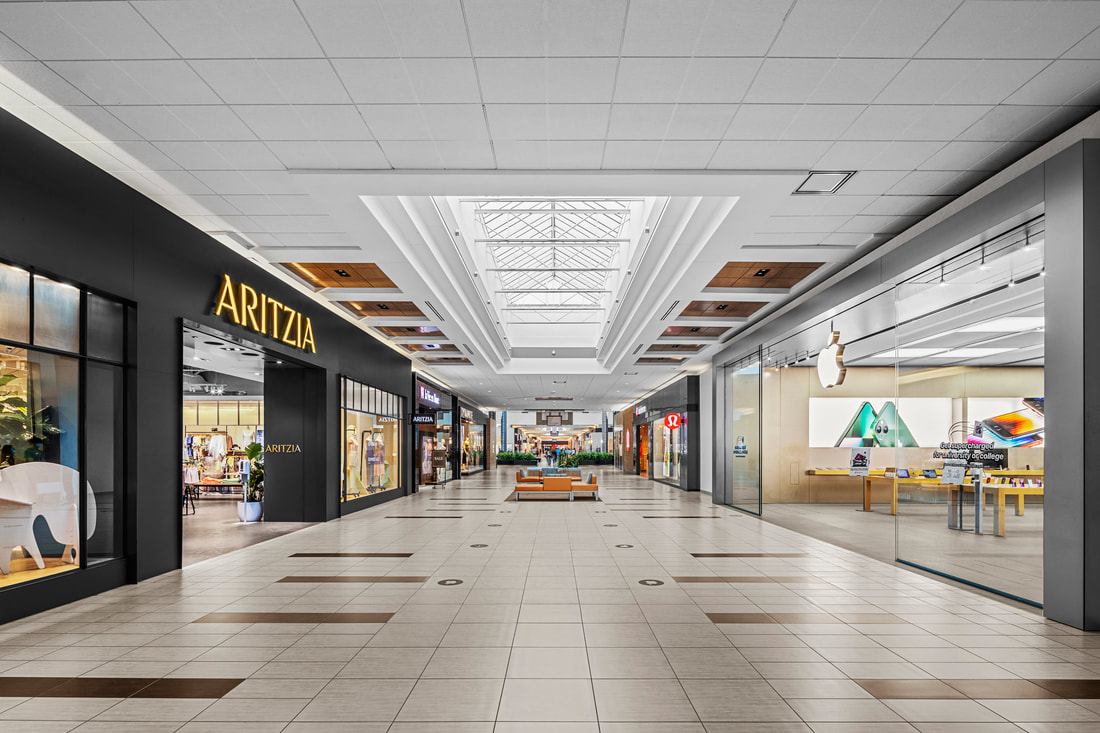
Image: Conestoga Mall

Avery said the mall itself made the asset an attractive one for Primaris.

“It is a top 15 mall in Canada on a sales per square foot basis. It has all the features that you really look for in a great shopping centre. It’s got a large piece of land of about 50 acres,” he said. “There’s a light rail station immediately adjacent to it. Sales per square foot are strong. It’s got marquis tenants like the Apple store, lululemon, Aritzia and Sephora.

“And we think that like the rest of our portfolio there is still a significant NOI (Net Operating Income) recovery opportunity at the property. Our portfolio, I mean (everyone), had a challenging time over the last few years – arguably since about 2015. The mall sector in Canada and elsewhere have faced a lot of headwinds and over that period including the pandemic net operating incomes of the properties have generally declined and in many cases quite significantly.

“It’s only been in the last year and a half that you’re really seeing the fundamentals for the mall business turning back up and they are very strong. We delivered over 10 per cent same property NOI growth last year and in 2021 and the first quarter of 2023 was 9.8 per cent. We’re seeing strong demand from retailers. The business is doing really well but we’re coming off of a very low bottom. So we see continued runway and as we looked at (Conestoga Mall) and compared it to the rest of our portfolio we saw a complementary NOI growth opportunity.”

Image: Conestoga Mall

Avery said Primaris is a mall business and it is specially equipped with a fully vertically integrated management platform that is focused on enclosed shopping centres.

“I’m sure in the fullness of time there will be a great intensification opportunity there. It’s a strong growing market with great demographics. There’s a light rail mass transit stop on the site,” he said. “At some point, I’m sure there will be opportunity to add additional uses or pursue some sort of redevelopment. 

“But for the foreseeable future the real focus is continuing to drive NOI higher on the property.”

The Primaris portfolio includes 11.5 million square feet, effectively all retail, with a small office and industrial component. That includes 90 per cent being enclosed malls. 

Patrick Sullivan

“Conestoga was identified early in the process of evaluating potential acquisition targets for a number of notable characteristics, including its leading market position, strong sales performance, mass rapid transit connection and its attractive location within a growing market,” said Patrick Sullivan, President and Chief Operating Officer.

“Our team is very excited to add Conestoga Mall to our property portfolio, with significant income growth potential consistent with the growth we see ahead for our existing assets. With new and exciting retailers unique in the market including Apple, Lululemon and Nespresso, Conestoga Mall is amongst the top 15 most productive malls in Canada and will be highly accretive to Primaris’ overall portfolio quality.”
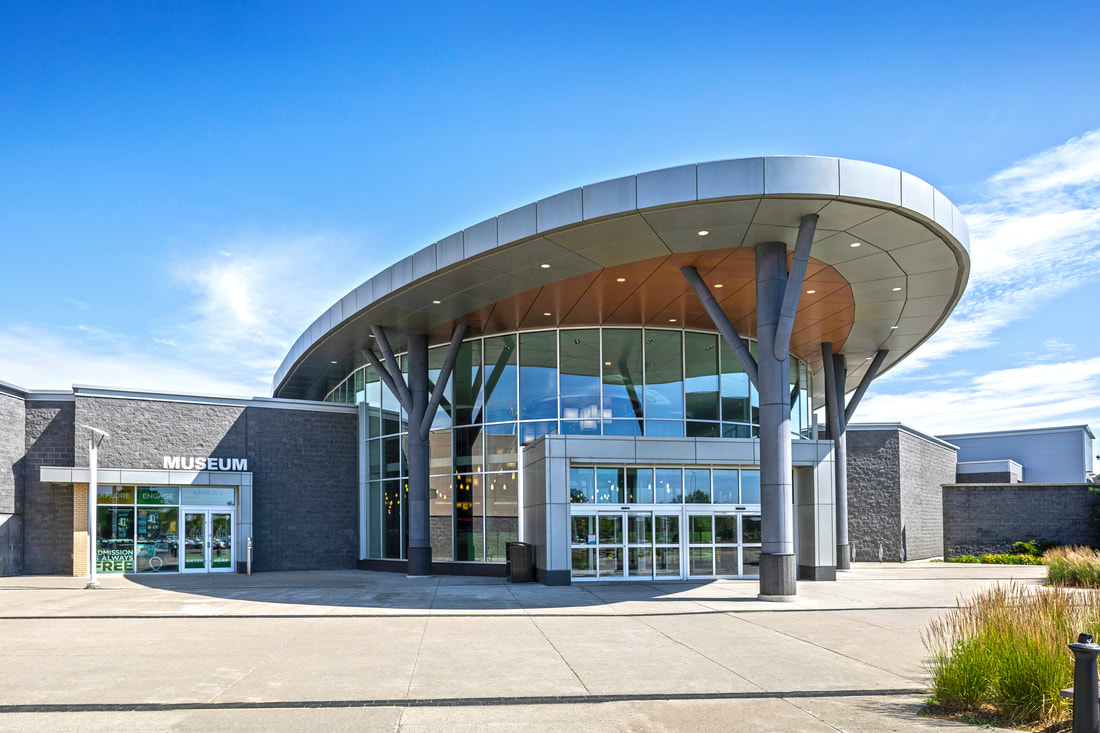
Image: Conestoga Mall

Conestoga Mall is the leading regional enclosed shopping centre in the high growth market of Kitchener-Waterloo, immediately adjacent to Conestoga station, on the 19-station ION light rail mass rapid transit system. The 585,000 square foot mall (excluding Zehrs) is located on 49.8 acres of land. It has 94.4 per cent in-place occupancy and a $46 million redevelopment was completed in 2018.

Large format tenants include HBC, Galaxy Cinema, Sport Chek, Indigo and H&M, and shadow-anchored by Zehrs with direct access to the mall and unique commercial retail unit (CRU) tenants to the region include Apple, Lululemon, Nespresso, with other notable CRU tenants including Aritzia, Sephora, Aerie, Old Navy and RW & Co.

Primaris said opportunities to increase operating income at Conestoga Mall include:

  • Lease up of approximately 58,000 square feet of vacant or temporary tenanted space to strong tenants at market rents;
  • the conversion of tenants on preferred rent deals to standard market leases; and
  • Leveraging its scalable management platform to deploy its cost management strategy.

“We are very bullish on the opportunity in enclosed shopping centres in Canada,” said Avery. “There’s been very limited new construction over the last 20 years and 30 years. The population keeps growing and while NOI production has fallen off substantially from levels where it was at five or six years ago, retailers have now reached a level of understanding of new omnichannel growth. They’re committed to the bricks and mortar store being the anchor of a successful omnichannel strategy.

“So we’re seeing strong demand from retailers to expand, new retailers entering the market and the consumer has been doing well. We’ve got a very substantial opportunity to capture NOI. Even if retail sales stagnate for a while we still see a long runway even in that scenario.”


Lightspeed Rolls Out Unified Payments, Unlocking Value for Merchants

Image: Lightspeed Commerce

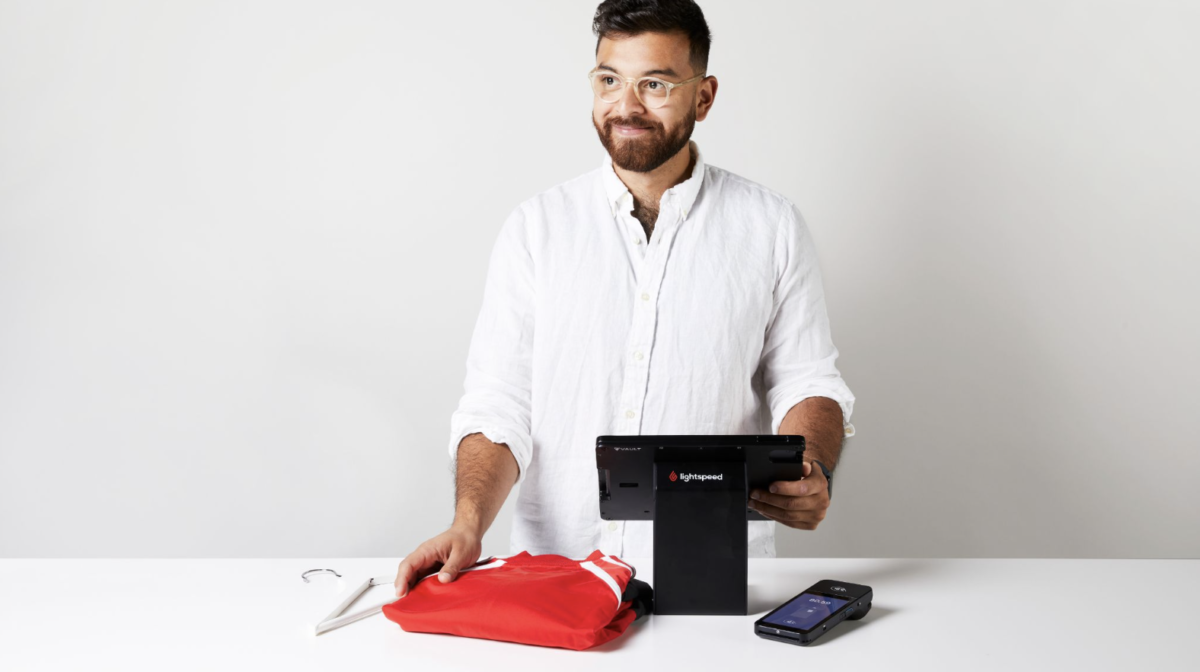
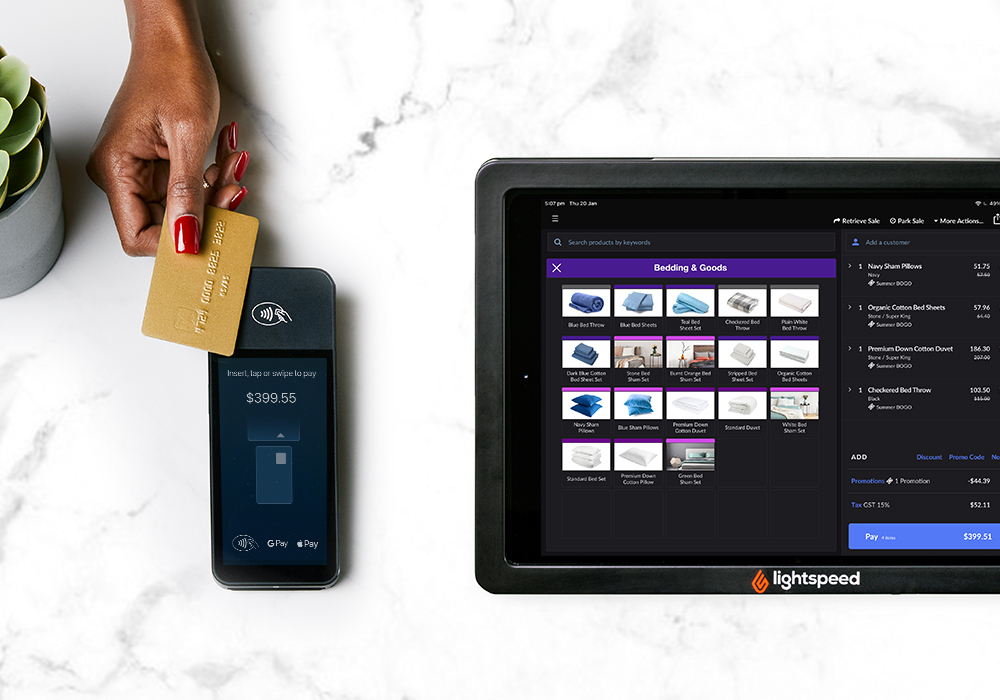
Lightspeed Commerce, a global one-stop commerce platform for merchants, has launched a Unified Payments and POS offering, reducing complexity for retailers by streamlining support, simplifying bookkeeping and providing deeper insights through reporting.

JD St-Martin

JD St-Martin, President at Lightspeed, said the company is making an important step towards building its leading commerce platform by unifying its software offering with its payments offering.

“This approach will allow us to unlock a ton of value for our customers,” he said.

“The world has changed and digital adoption and technology have played a part in that change. Looking to the future and what we’ve seen in the context of the pandemic and its aftermath, we truly believe that technology can be the opportunity to level the playing field between small and medium-sized businesses and big box retail or restaurant chains.”

“At Lightspeed, our vision is to build a commerce platform that powers all the technology and financial service needs of our customers and in that context unlock all the benefits that this vision provides, we need to build our solutions as one unit, really one platform working in symbiosis together.”

Image: Lightspeed Commerce

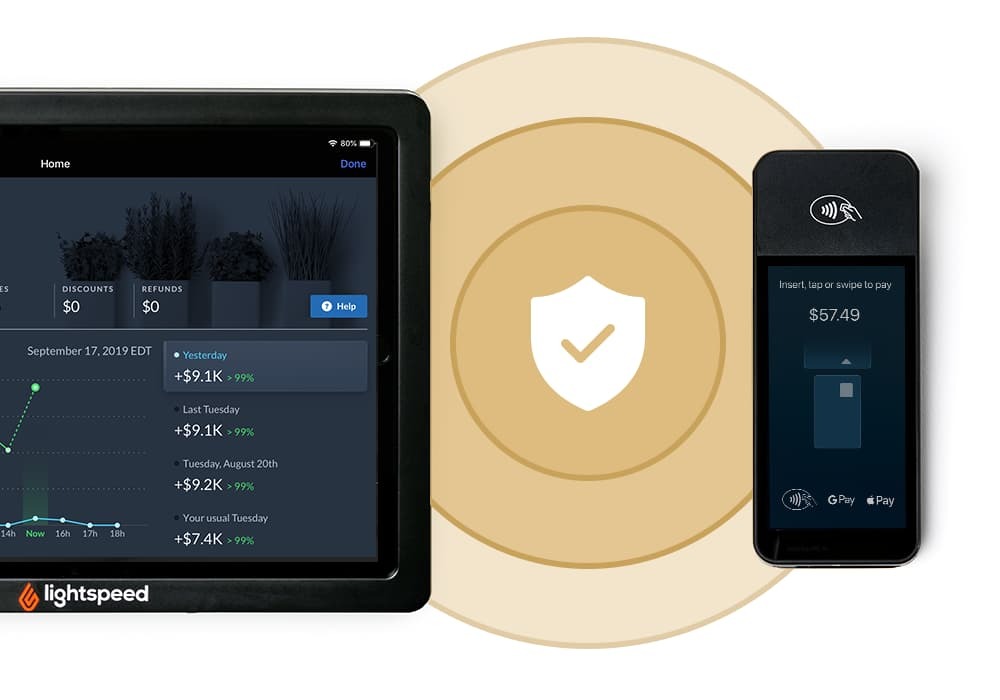
With the payments industry evolving so rapidly, Lightspeed’s unified platform reduces complexity for customers by streamlining support, simplifying bookkeeping and providing deeper insights through reporting.

Lightspeed is investing in features that will help merchants scale their business, save them time, and give them peace of mind, providing performance-boosting Insights, Tap to Pay on Apple, next day, built-in tipping and easier reconciliation.

This also means merchants will have streamlined bookkeeping and support. No more multiple bills and multiple numbers to call for help. They benefit from streamlined operations and white glove support with their POS, hardware and payments needs covered under one roof.

Hassle-free reporting saves merchants time and reduces manual errors. Now, they will have one integrated reporting sheet in their hands, saving them hours of reconciliation per week. It’ll also reduce the risk of errors, giving them more precise reporting and staff less manual tasks to complete.

Image: Lightspeed Commerce

Ultimately, unified Payments & POS means more time for merchants to concentrate on their customers, which improves their experience too.

St-Martin said it’s a seamless experience that feeds off each other and eliminates friction points for retailers and their customers.

“Time is money and it has a huge impact at the end of the day. It’s ultimately putting more money back in our customers’ pocket,” he said. “To carry on in that direction and to continue to unlock more value for our customers, the next step in that journey is to now offer both solutions combined as one offering.”

St-Martin said Lightspeed customers are already using the platform and seeing much success:

  • Fairways Golf Group in Ohio experienced a cost reduction of 60% compared to their previous processor and Lightspeed has also allowed the company to offer a fast and contactless transactions at all their golf, retail and restaurant facilities;
  • Nicetys in Oakville, Ontario has seen the platform as a way to eliminate errors and long lineups at the till so they can focus on providing an amazing customer experience on the floor;
  • Silo and Crate Brewery in London, UK, saw a 10% increase in revenue by adopting Lightspeed Payments and have reduced the overall transaction time in their busiest moments by 15 seconds per transaction. Bookkeeping and accounting has become a breeze because it’s shaved off three hours per week on the reporting side;
  • South Bark Dog Wash in San Diego witnessed increased tipping by 11% as customers began tipping on normal retail purchases and not just grooming services.
Image: Lightspeed Commerce

“Our customers are business owners who wear multiple hats. Any tangible efficiency gains that we can provide them has a direct impact on their bottom line,” said St-Martin.

“From a quality and technology perspective this is a game changer. We want to equip our merchants with ultimately the same tools that big box retail and large hospitality chains benefit from but here at a fraction of the cost. So unifying payments with software is allowing us today to do just that – to really offer a new, unique experience for our customers and offer unique features that would not be possible if each of these solutions siloed from one another.”

Lightspeed initiated a pilot for Unified Payments in late March and is now implementing a phased rollout to its North American customers. Longer term, Lightspeed plans to roll this out around the world.

Lightspeed is:

  • Offering highly competitive processing rates. It says it beats the competitor’s rates 70%of the time*
  • Providing free payment terminals for each merchants’ registers
  • Providing contract buyouts to help cover early termination fees from an existing processor
  • Providing free on-site installation to minimize disruption to merchants’ business

St-Martin said that Lightspeed will continue to support businesses with the company’s ongoing product development as it grows its offerings.

For more information on Lightspeed Commerce, visit: https://www.lightspeedhq.com/


*Comparison in each case based solely on processing rates of the prior provider of the potential customer from January 2021 to February 2023 in the United States and Canada. Comparisons were performed internally and are limited to certain products offered by Lightspeed and its affiliates and where comparison data is available. Rates can vary depending on the individual circumstances of a customer, geography and a variety of other factors, and past rates may not be indicative of future rates offered.

*****

  *Partner content. To work with Retail Insider, email craig@retail-insider.com  

Hudson’s Bay to Close Store in Burlington ON, will Relocate Zellers Shop-in-Store [Exclusive]

Image: RioCan

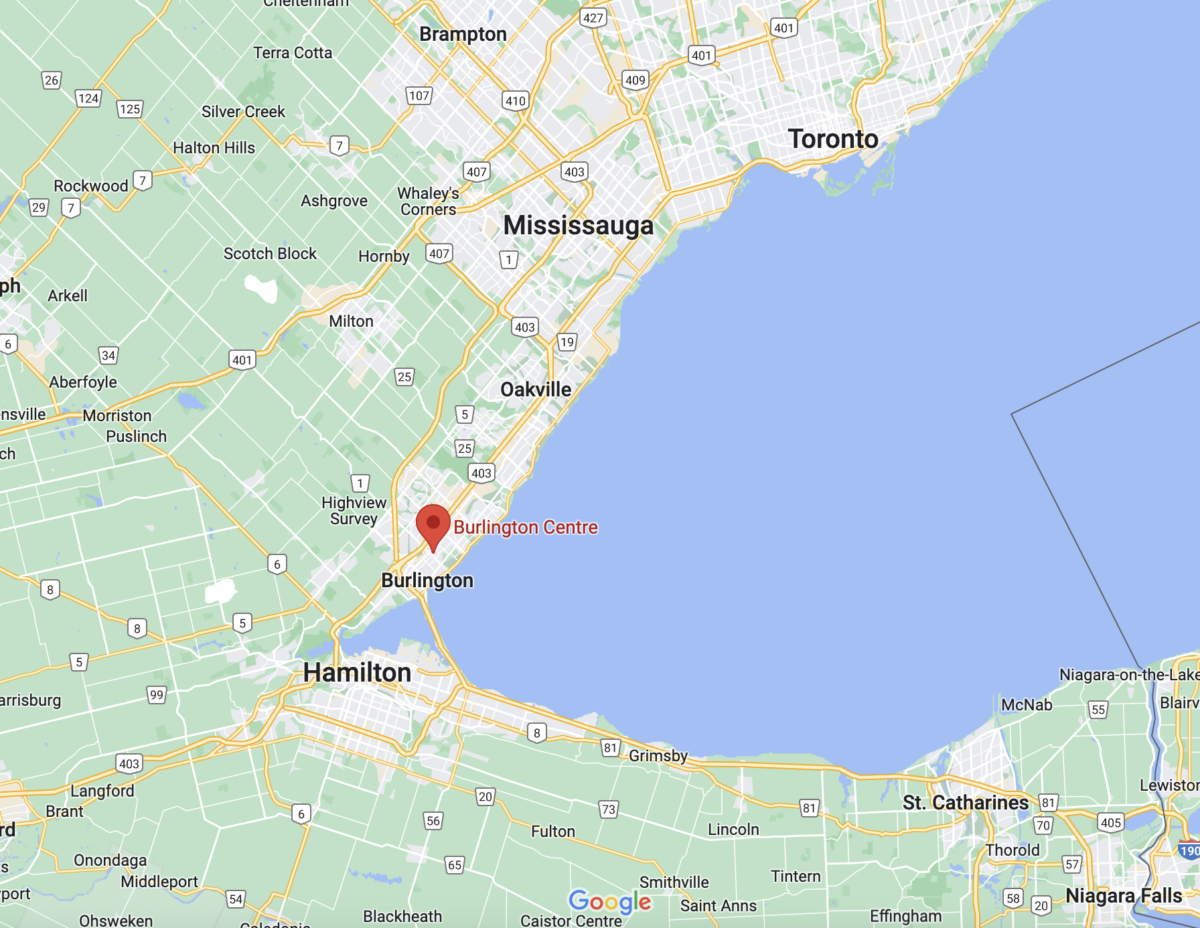
Hudson’s Bay will be shutting its store at the Burlington Centre in Burlington, Ontario, next year, and its Zellers shop-in-store will relocate to the Hudson’s Bay store at the Bramalea City Centre as a result. Hudson’s Bay says that having two department stores in the relatively small city of Burlington is no longer necessary, and that a Zellers pop-up will also be opening in the Hudson’s Bay store at Burlington’s Mapleview Centre this summer to serve the community as well.

The Hudson’s Bay Company (HBC) provided information and an exclusive quote for this article, noting that its two Hudson’s Bay stores in Burlington are a short distance apart. Burlington has about 200,000 residents. 

“HBC continually looks at opportunities to optimize its real estate portfolio. Given the proximity of Burlington Centre just 3.5 kms to Mapleview Shopping Centre, Hudson’s Bay has made the decision to close its Burlington Centre location in June 2024.” 

The statement went on to say, “While these decisions are difficult they are the right ones for our business, reflecting market changes and our vision for the future. We are committed to treating every associate with respect and fairness through this process, and transfer opportunities will be explored where feasible.”

Click image for interactive Google Map
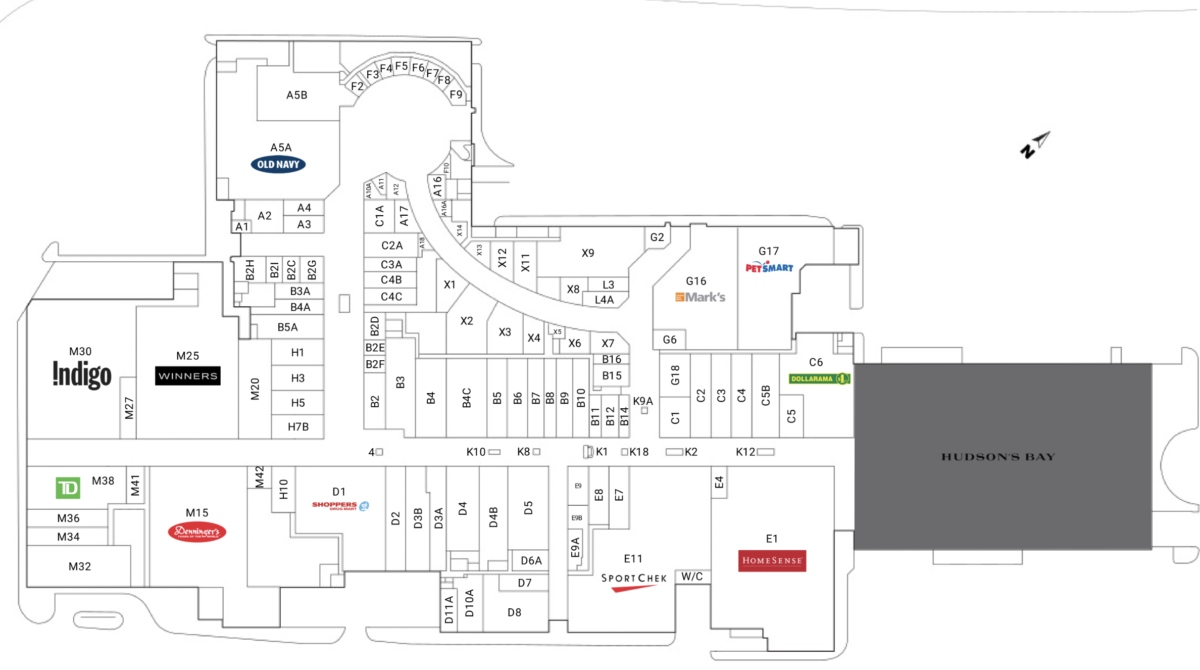
Lease plan via RioCan

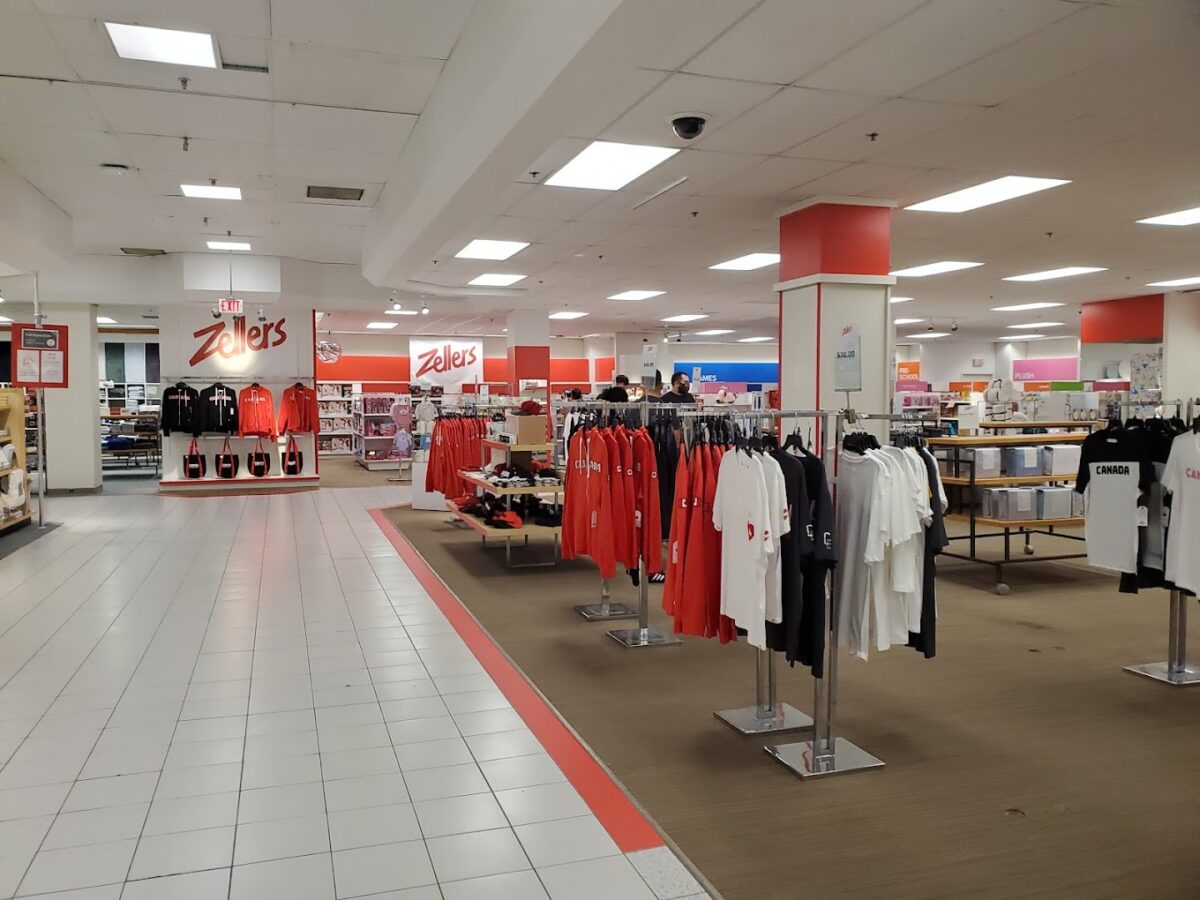
The Zellers shop-in-store within the Hudson’s Bay location at Burlington Centre will relocate to the Hudson’s Bay store at Bramalea City Centre, according to the retailer. The new Bramalea Zellers location is scheduled to open in September of this year. 

This summer, as well, a Zellers pop-up will open within the Hudson’s Bay store at Burlington’s Mapleview Centre. HBC relaunched the Zellers brand with 25 locations inside of Hudson’s Bay stores in March of this year. Prior to 2012, Zellers was a major discount retailer in Canada with over 200 standalone stores across the country.

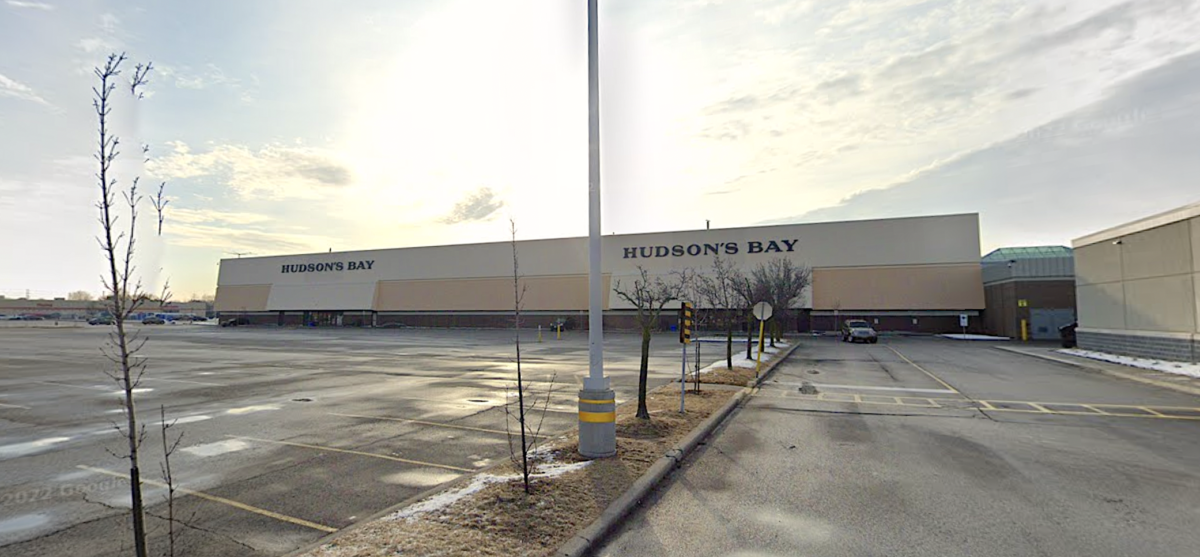
Burlington Centre’s Hudson’s Bay store spans about 145,000 square feet over two floors. The store has operated in the mall since 1991 when HBC took over a space vacated by Sears Canada which had operated in the mall for decades. Burlington Centre opened in 1968 with anchors including Simpsons-Sears, Dominion, Robinson’s and Famous Players Theatres. 

Hudson’s Bay Burlington Centre. Photo: Google Images
Hudson’s Bay Burlington Centre. Photo: Vivek Surendran via Google Images

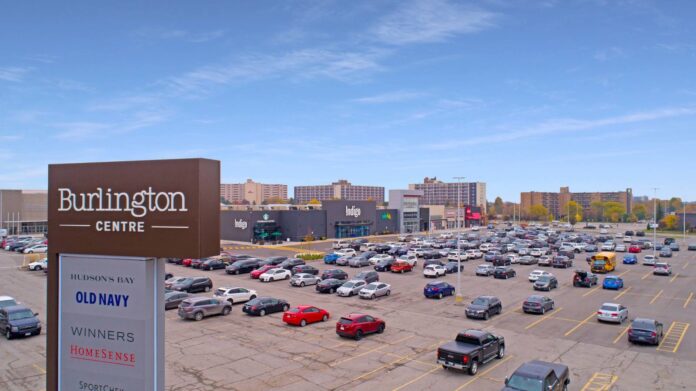
The RioCan owned/operated shopping centre now spans about 720,000 square feet over two levels with about 130 retail tenants. The loss of Hudson’s Bay, contained on a separately leased pad at Burlington Centre, means the loss of the mall’s last large-format department store anchor. Other anchors at Burlington Centre include Goodlife Fitness, Winners, HomeSense, Indigo, Sport Chek, Old Navy and grocer Dinninger’s. In 2018 Retail Insider reported that the enclosed shopping centre would see a $60-million overhaul that included a rebranding of its former name ‘Burlington Mall’.

A retail space formerly occupied by Target was repurposed as part of the overhaul, adding Denninger’s and Indigo as new anchor tenants, as well as a larger relocated space for the mall’s existing Winners store. The Target space had been occupied by Zellers from 1995 until 2012 and prior to that, Robinson’s had operated a department store in that space. 

Only a few minutes away by vehicle, Mapleview Centre is considered to be the premium mall in Burlington with retailers such as Apple, Aritzia, Decathlon, Lululemon, Sporting Life, Victoria’s Secret, Zara and other national and global tenants. The 635,000 square foot enclosed shopping centre, boasting higher sales per square foot than Burlington Centre, is anchored by a 129,000 square foot Hudson’s Bay store which is one of the mall’s original tenants. Mapleview opened in 1990 with another HBC-owned department store, Simpsons, which operated there for a short time before HBC discontinued the Simpsons name in 1991. 

Hudson’s Bay Burlington Centre. Photo: Google Images
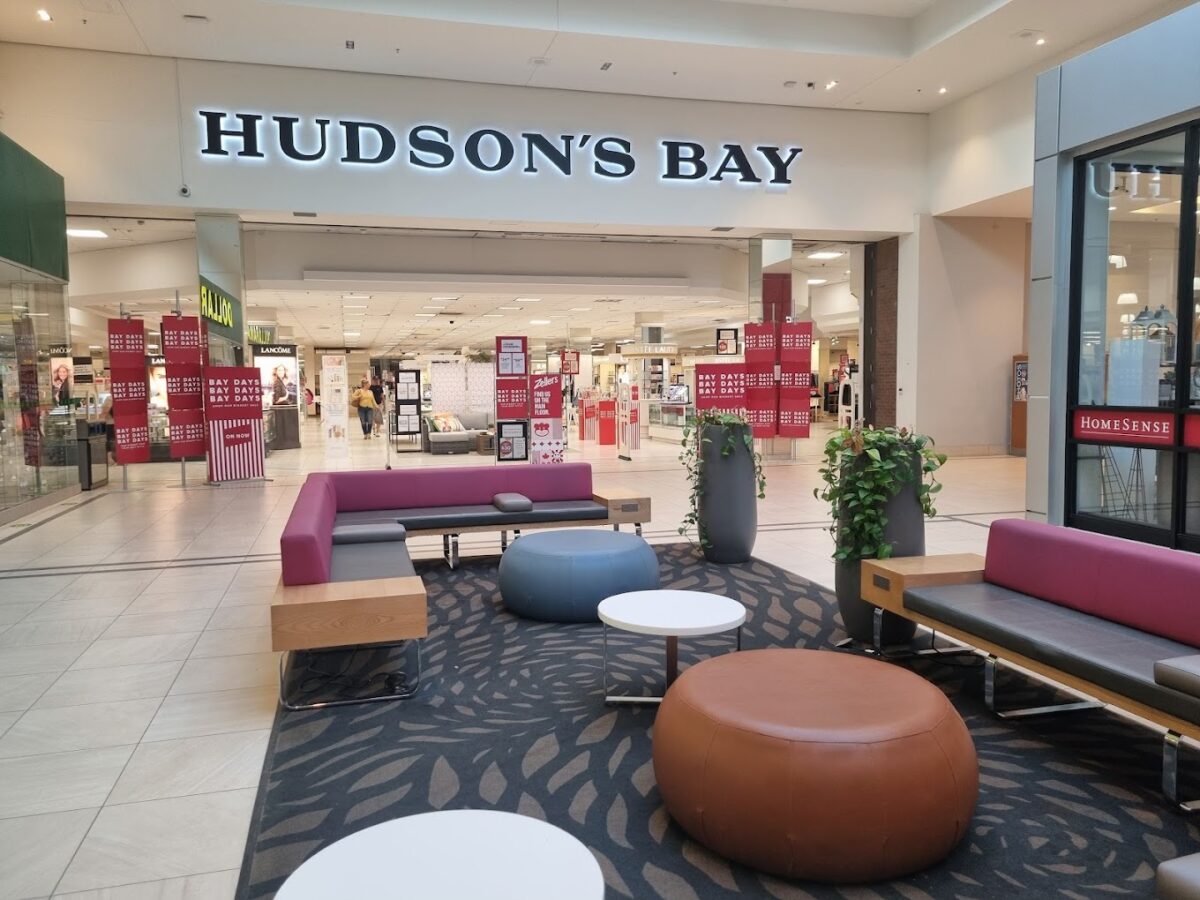
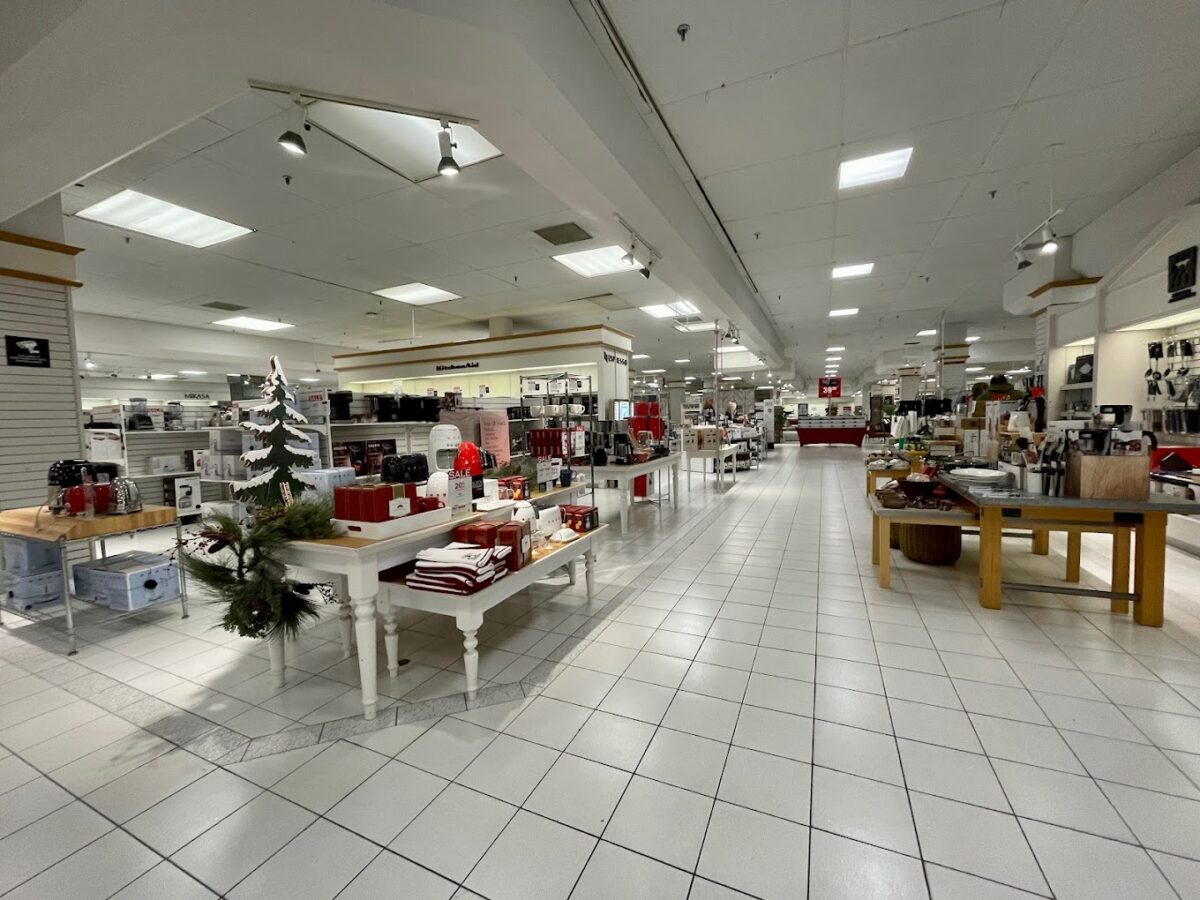
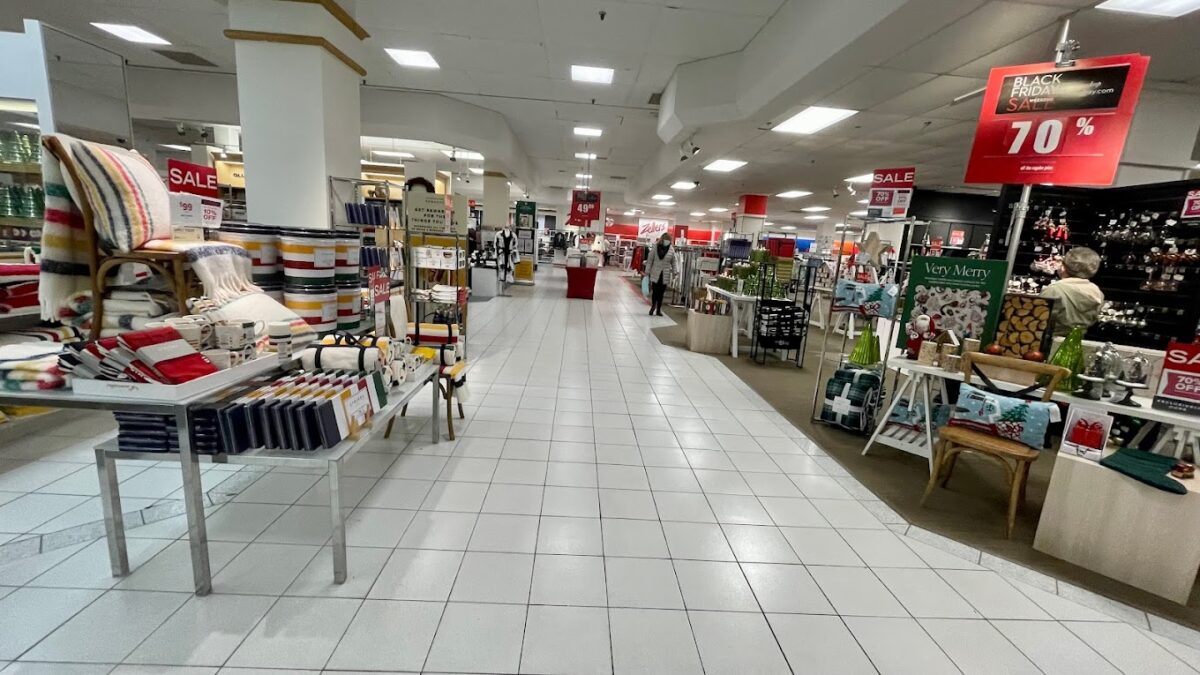
Inside Hudson’s Bay Burlington Centre, January 2023. Photo: ‘Darcy’ via Google Images

Hudson’s Bay continues to operate other stores in the area. That includes stores at Oakville Place in Oakville and CF Limeridge in Hamilton. A bit further away, Hudson’s Bay has stores in Mississauga at Square One and Erin Mills Town Centre, as well as at CF Sherway Gardens in Toronto. To the West, Hudson’s Bay operates stores in Cambridge at the Cambridge Centre as well as at CF Fairview in Kitchener and Conestoga Mall in Waterloo — another clustering of stores that could possibly see a real estate repositioning by HBC. 

Since the start of the pandemic, Hudson’s Bay has shut several of its Canadian stores with two more set to shut this summer. During the pandemic, Hudson’s Bay shut its downtown Winnipeg, downtown Edmonton and downtown Toronto (Bloor/Yonge) stores as well as a unit at Les Jardins Dorval in suburban Montreal. Next month, The Hudson’s Bay store on Banff Avenue in Banff, Alberta, will also shutter permanently. 

Inside Hudson’s Bay Burlington Centre, January 2023. Photo: ‘Darcy’ via Google Images

At the same time, investments are being made into the Zellers brand that is expected to see more Zellers shop-in-stores within Hudson’s Bay locations in Canada, as well as possibly larger standalone Zellers stores in the future. Last month Zellers opened a pop-up store in the basement of the downtown Toronto Queen Street store to test the market before committing to open a permanent location there. 

Hudson’s Bay at Burlington Centre was the first location for the ‘new’ Zellers concept in 2021 when Retail Insider first reported on it. Since then, Hudson’s Bay has narrowed-in on the concept which includes having secured its core in-house brand, Anko, which was initially developed for Kmart Australia is now wholesaling globally with various retail partnerships. 

The Body Shop Opens Flagship Store at Toronto’s Yorkdale Shopping Centre [Interview/Photos]

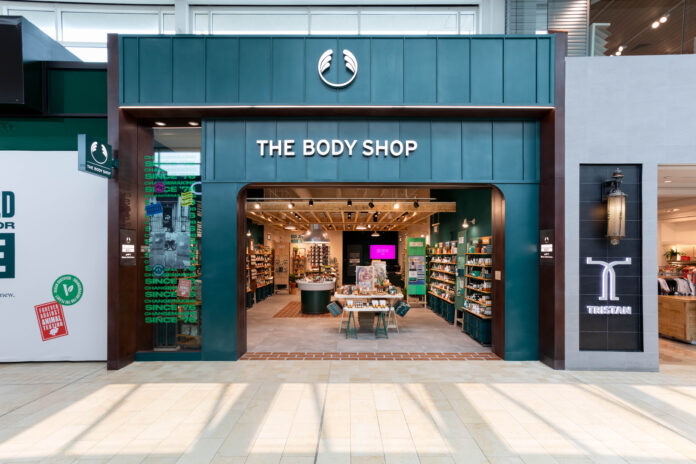
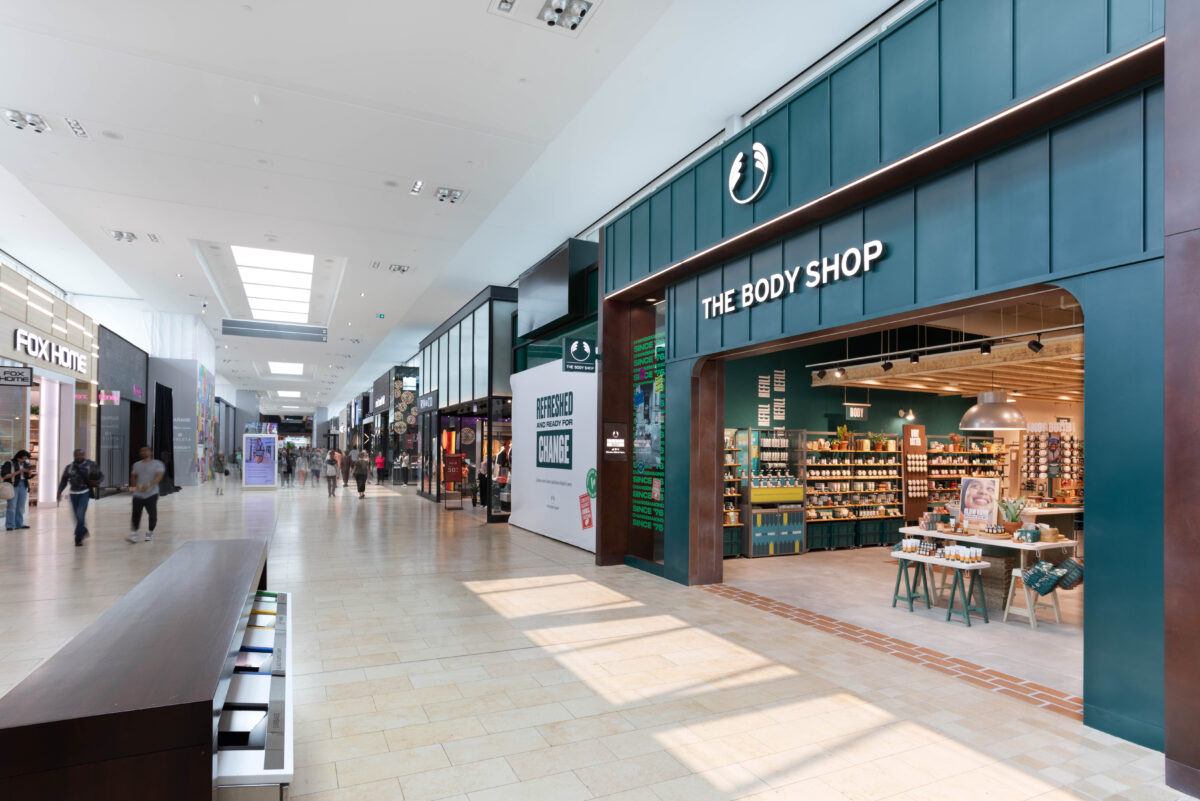
The Body Shop at Yorkdale Shopping Centre (Image: The Body Shop)

Retailer The Body Shop has opened its new Changemaker’s Workshop flagship store at the Yorkdale Shopping Centre in Toronto.

It’s a continuation of the brand’s nationwide expansion of the concept.

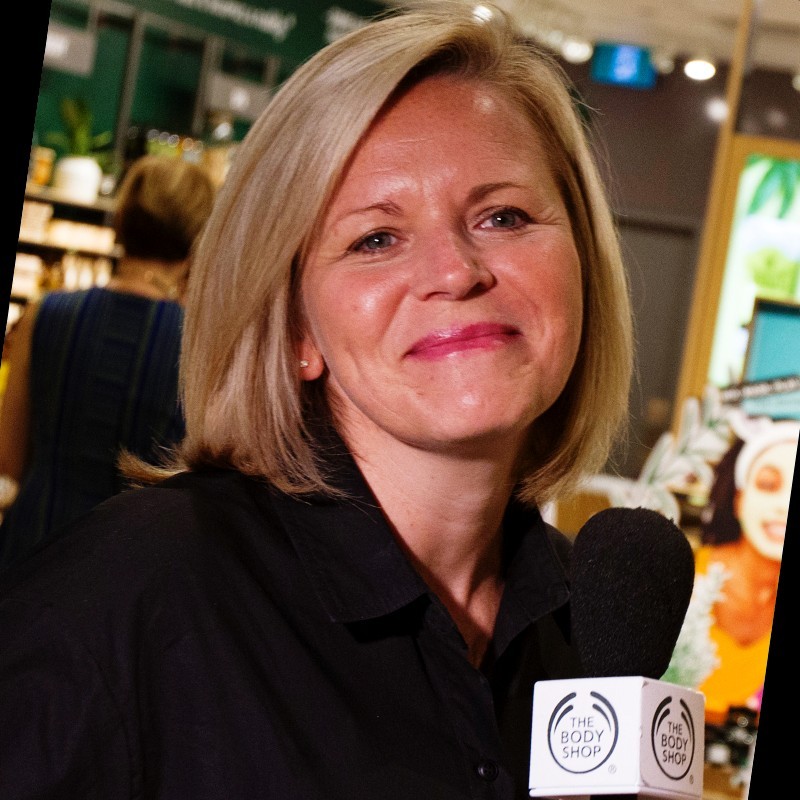
“Our new Workshop locations are proving to be something very special,” said Hilary Lloyd, VP of Brand & Corporate Social Responsibility, The Body Shop North America. 

Hilary Lloyd

“If activism is the soul of our brand, our retail locations are the heart. This is why we put so much effort into our Chagemaker’s Workshop stores. Our goal was to create a physical space that people truly want to be a part of. Whether learning about our incredible products and testing them through our sink experiences, or engaging in Changemaking through our Act station, a space dedicated to petition signing and advocacy, the Workshop retail experience is different, and people are noticing.

“We like to think of it as a Workshop store. It has an entirely new exterior and interior. The experiences we are providing in the new concept store are also quite a bit elevated.”

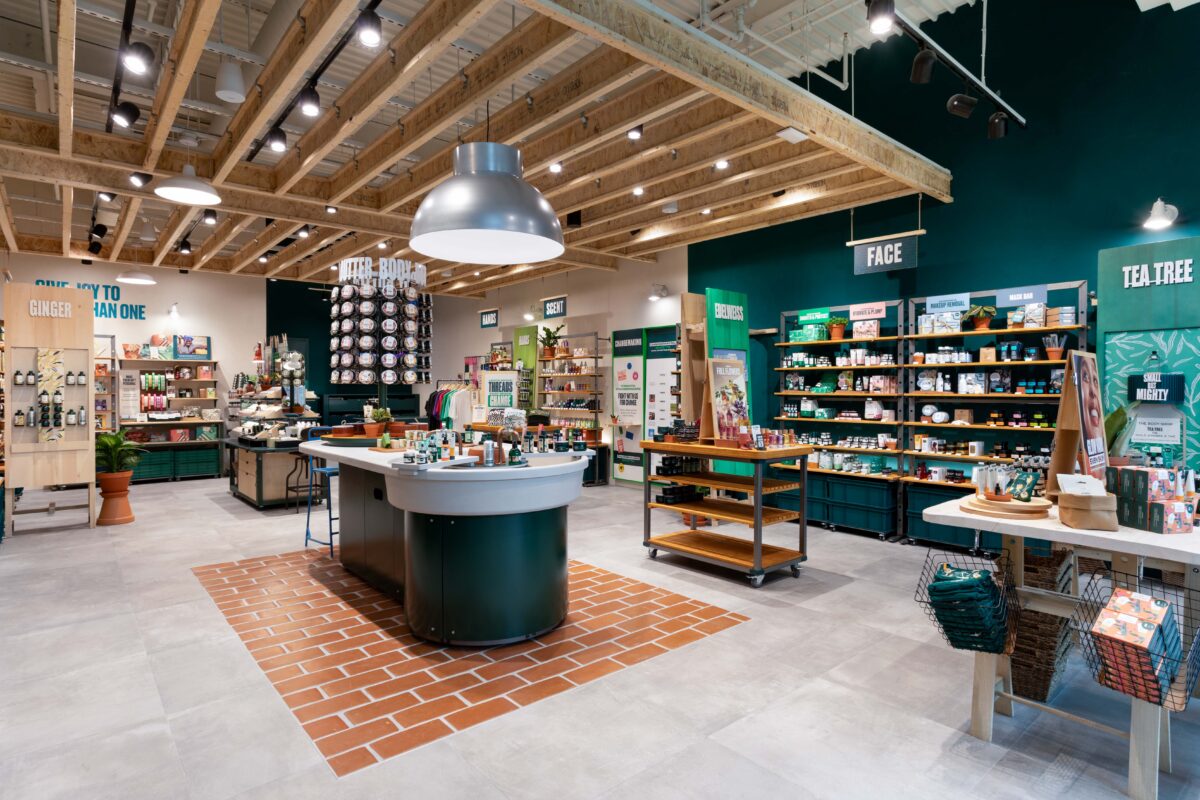
The Body Shop Yorkdale

Sustainability is a core value for the retailer and it’s reflected in the new concept store.

This is The Body Shop’s sixth Changemaker’s Workshop location in Canada. Other locations are in Vancouver, Oshawa, Calgary, Burnaby, and Edmonton. There are five more stores set to open this year.

“We have an ambitious renovation calendar underway,” explained Lloyd. 

“At the moment, all of our stores are renovations.”

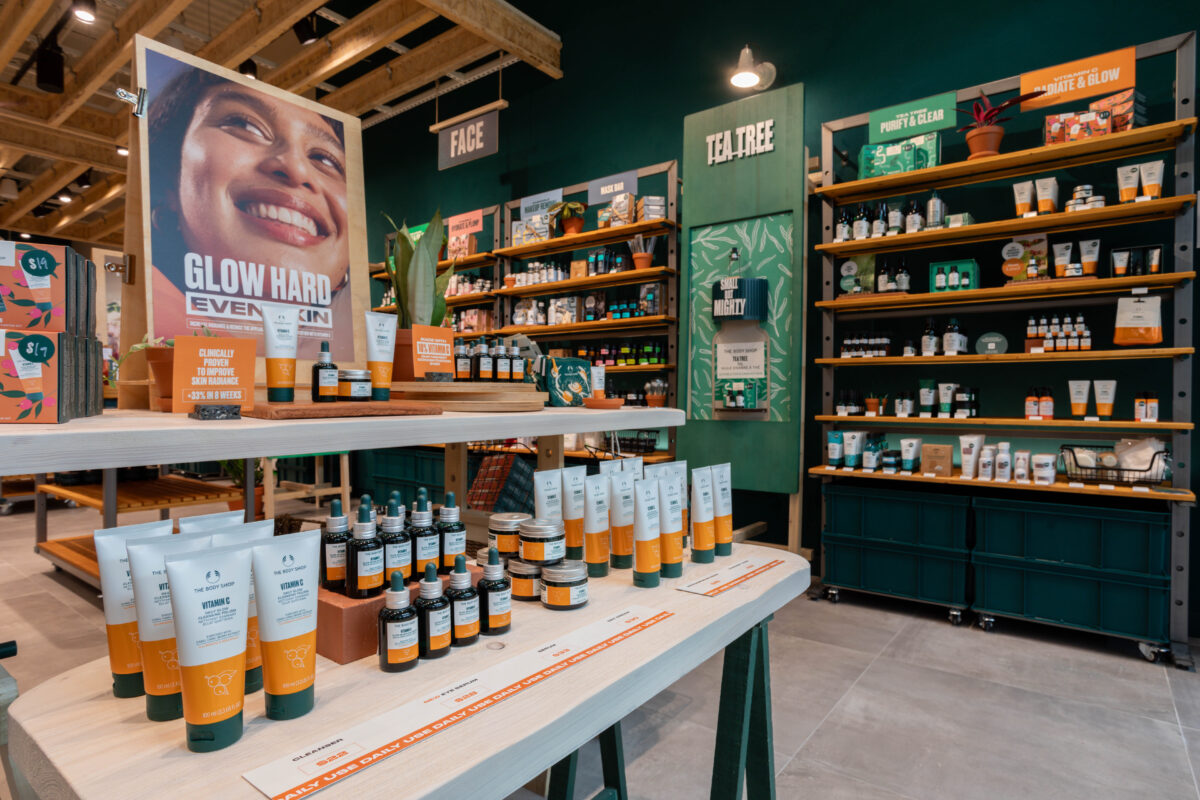
The Body Shop Yorkdale

The company has 110 locations in Canada with the first store opening in 1980.

“We’re really excited about this new The Body Shop store opening for Toronto and for Canada,” said Lloyd. “The exclusive campaign elements nod to the past as the brand looks to the future and a continued legacy of positively impacting the Toronto community through our products, experiences and advocacy.

“With the store penetration that we have now at 110 stores in top tier malls across the country, we don’t necessarily feel we need to expand our shop footprint. So what we’re really focusing on addressing is elevating the experiences in our existing stores and really investing in those.”

Lloyd said the new concept is designed to give customers an immersive, sensorial product experience, as well as empower Canadians to channel their inner activist – inviting them to participate in social and environmental causes that are important to them and their community. To date, these new concept stores are welcoming higher traffic and sales compared to traditional stores, she said. 

William Correia

“Shoppers come to Yorkdale from across the country, and even around the world, seeking engaging retail experiences,” said William Correia, Director, Yorkdale Shopping Centre. “We are thrilled to welcome The Body Shop Canada’s flagship store to our vibrant Yorkdale community. The Body Shop’s new Changemaker’s Workshop delivers on customer desires and expectations for innovative ways to interact with brands. This is an immersive retail environment that will inspire a new generation of conscious consumers.”

The Body Shop at Yorkdale Shopping Centre

Lloyd said the retailer shifted from a previous location in Yorkdale to its new site which is larger. 

“The new store in keeping with our values is designed to be a community hub. A space for advocacy, a space for gathering people. Almost like a platforming space for communities and the Toronto community at large,” she said.

“It’s an amazing space full of great opportunities for our customers to fall in love with our products, to fall in love with our brand advocacy and hang with our folks who would love to tell them how great The Body Shop is.”

The Body Shop said a key feature for each Canadian Workshop store is that they reflect the local communities they serve and each store is unique with a variety of local artists designing in-store murals, installations and/or sculptures.

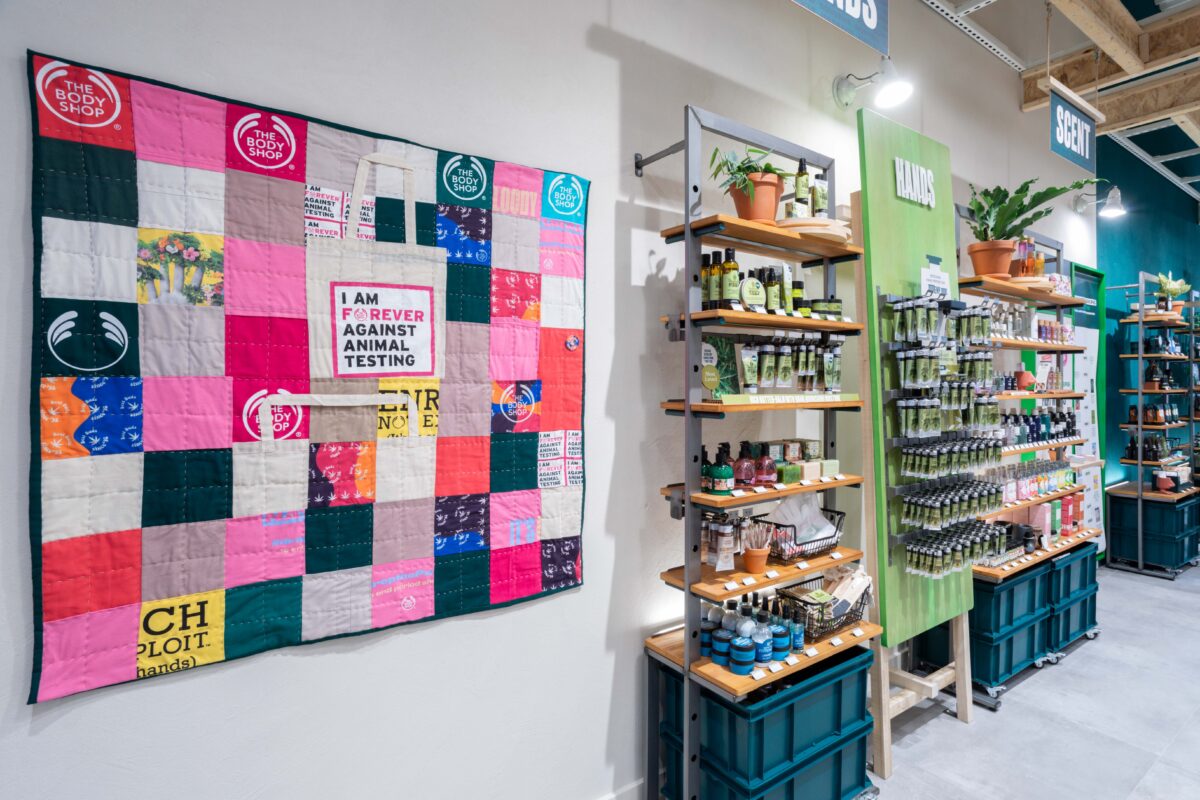
“In the Yorkdale location, The Body Shop is proud to present a custom piece of textile art by multidisciplinary Toronto-based artist, Laura Moore. The piece, a handmade memory quilt, was inspired by the brand’s 40+ years of activism work in Canada, made with The Body Shop materials sourced across the brand’s Canadian employee collective as well as from the previous Yorkdale store. The Body Shop has a long history of using textiles as tools for change, upcycled tote bags, aprons, t-shirts, scarves – all designed to communicate our Canadian activism efforts over the years. With the textiles stitched together to shape a map of Toronto, the quilt represents the power of community, and The Body Shop’s long history of changemaking in Canada,” said the company.

“Also unique to the Yorkdale store, is a nostalgic reminder for Torontonians of all of the things they once loved – and continue to love – about the rejuvenated The Body Shop brand and store concept. The flagship opening features exclusive and limited edition throwback t-shirts – newly made as well as vintage-sourced – as an homage to the long and beloved history of the brand in Canada. All proceeds from the t-shirt sales will benefit The Body Shop Changemakers Youth Fund which directly supports young activists in Toronto through the brand’s partner, Apathy is Boring’s RISE program.The store will also feature limited edition ‘greatest hits’ pouches, containing Torontonians most loved products of the past and present – Satsuma Body Butter, Hemp Hand Cream, and Vitamin E moisturizer.”

The Body Shop Yorkdale

Key features of the new concept include:

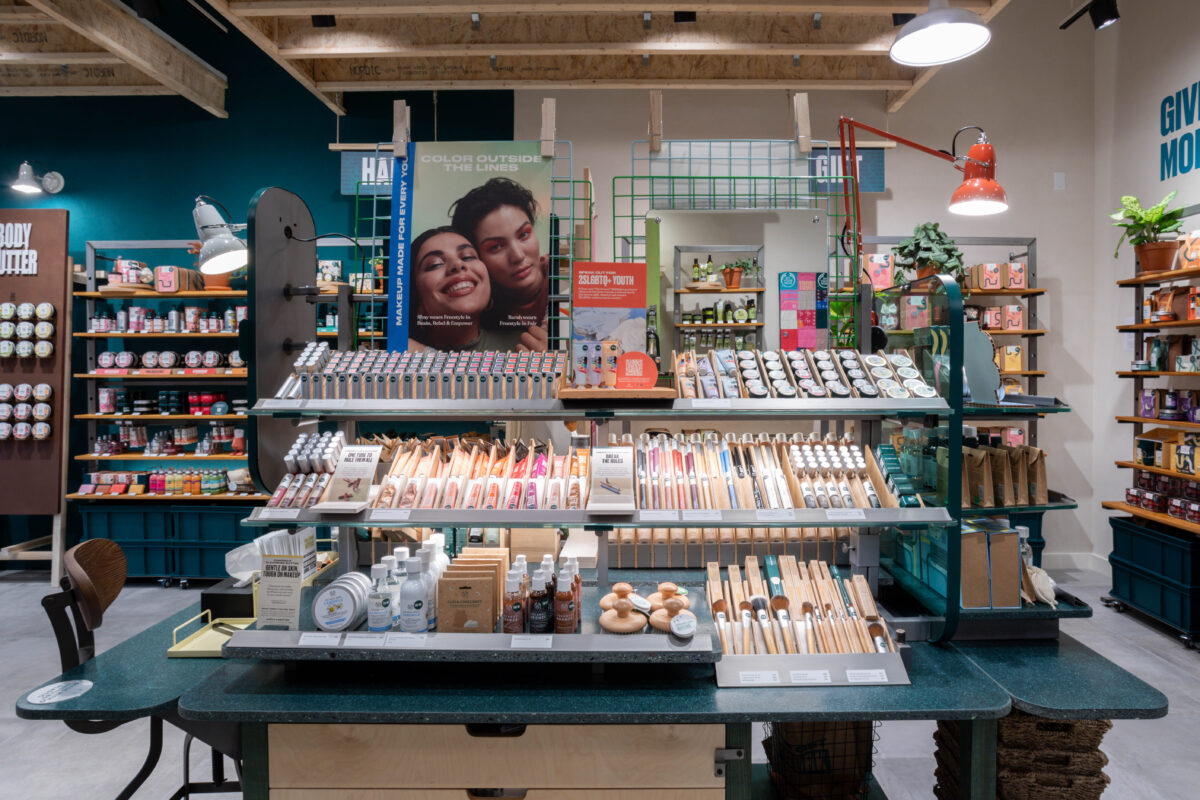
●  A central sink area where customers can smell, lather and test The Body Shop’s best-loved products;

●  A gifting station for people to personalize gifts with ribbons and recyclable paper.

●  A dedicated ACT area that gives customers the chance to learn about and engage with issues that impact their communities.

●  A refill station where customers can take The Body Shop’s 300ml aluminum bottle and fill it up with any 12 of the brand’s best-loved shower gels, shampoos, conditioners and hand washes.

●  Sustainable countertops that are created from recycled plastic destined for landfill.

●  A range of upcycled and reclaimed materials such as reclaimed wood and part-recycled plastic storage crates.

The Body Shop Yorkdale

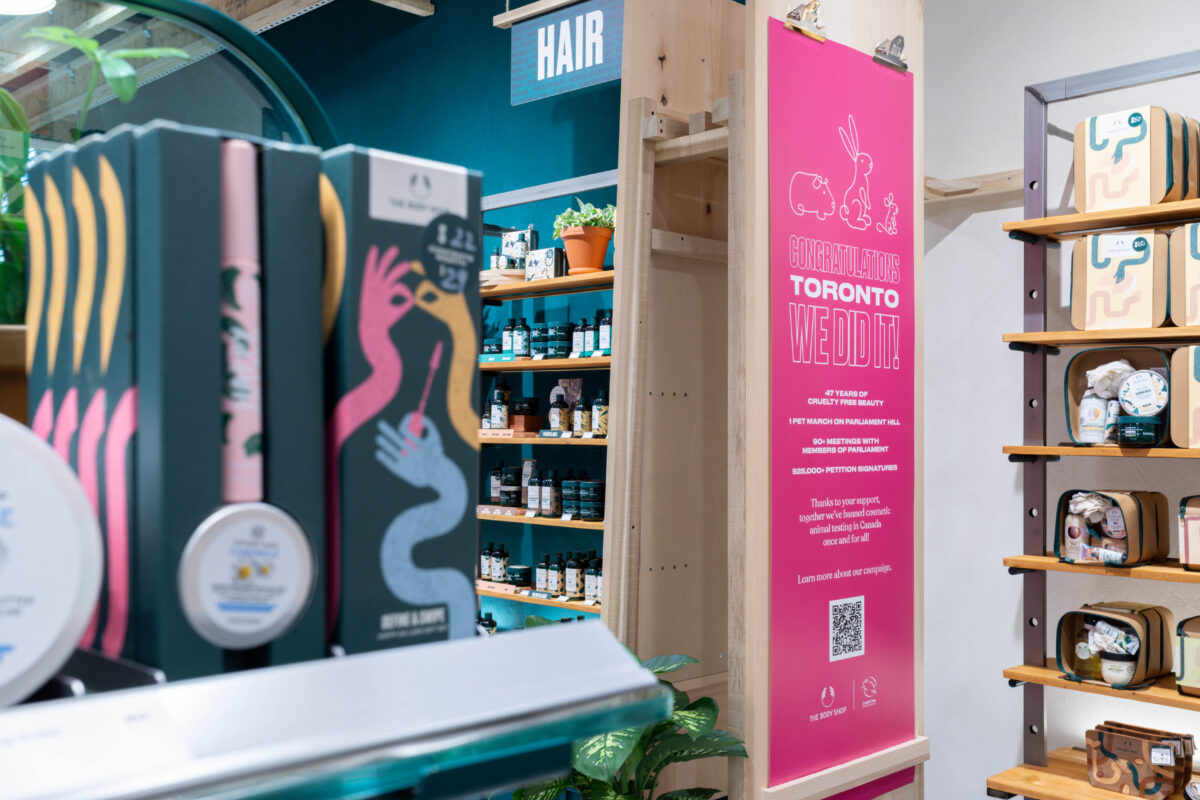
Meanwhile, recently the federal government announced its commitment to prohibit cosmetic animal testing in Canada. The measures, which were finalized through the 2023 Budget Implementation Act on June 22, 2023, will also prohibit the sale of cosmetics that rely on new animal testing data to establish product safety as well as false or misleading labelling pertaining to cosmetic animal testing.

“The Body Shop is the first international beauty brand to campaign against animal testing in cosmetics and along with Cruelty Free International and other advocacy groups, recognizes this as a historic win for animal rights activists and beauty lovers alike,” said the company. 

Founded in 1976 in Brighton, England, by Dame Anita Roddick, The Body Shop is a global beauty brand and a certified B CorpTM. It operates about 3,000 retail locations in more than 70 countries. 

Community Natural Foods Expands Beyond Calgary with New Store in Edmonton’s Old Strathcona Neighbourhood [Photos]

Community Natural Foods Edmonton (Image: Community Natural Foods)

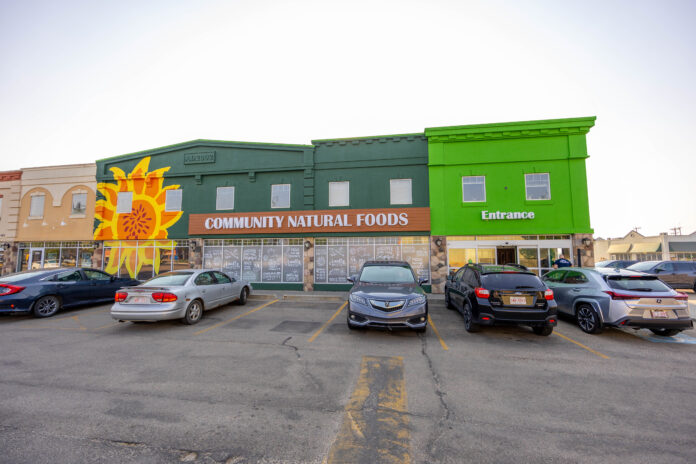
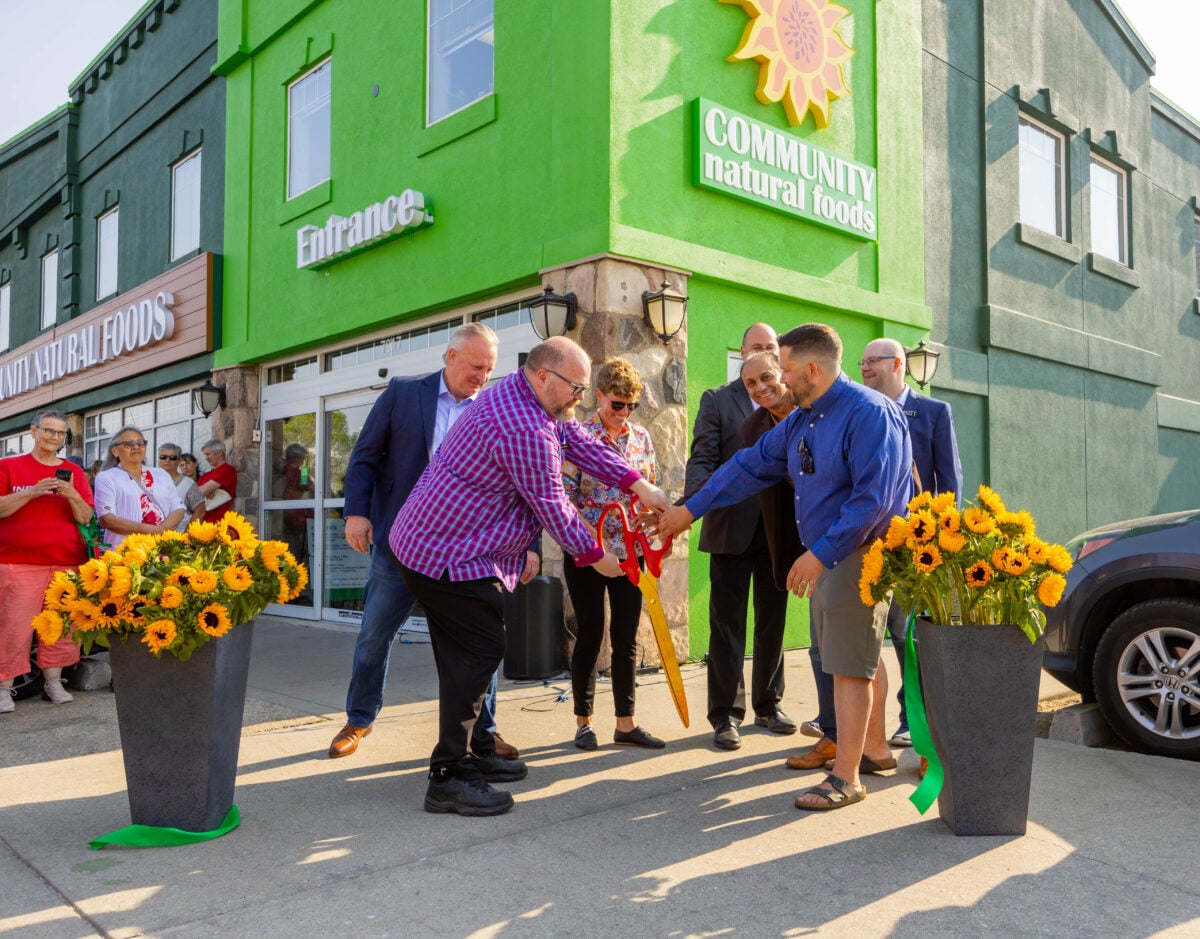
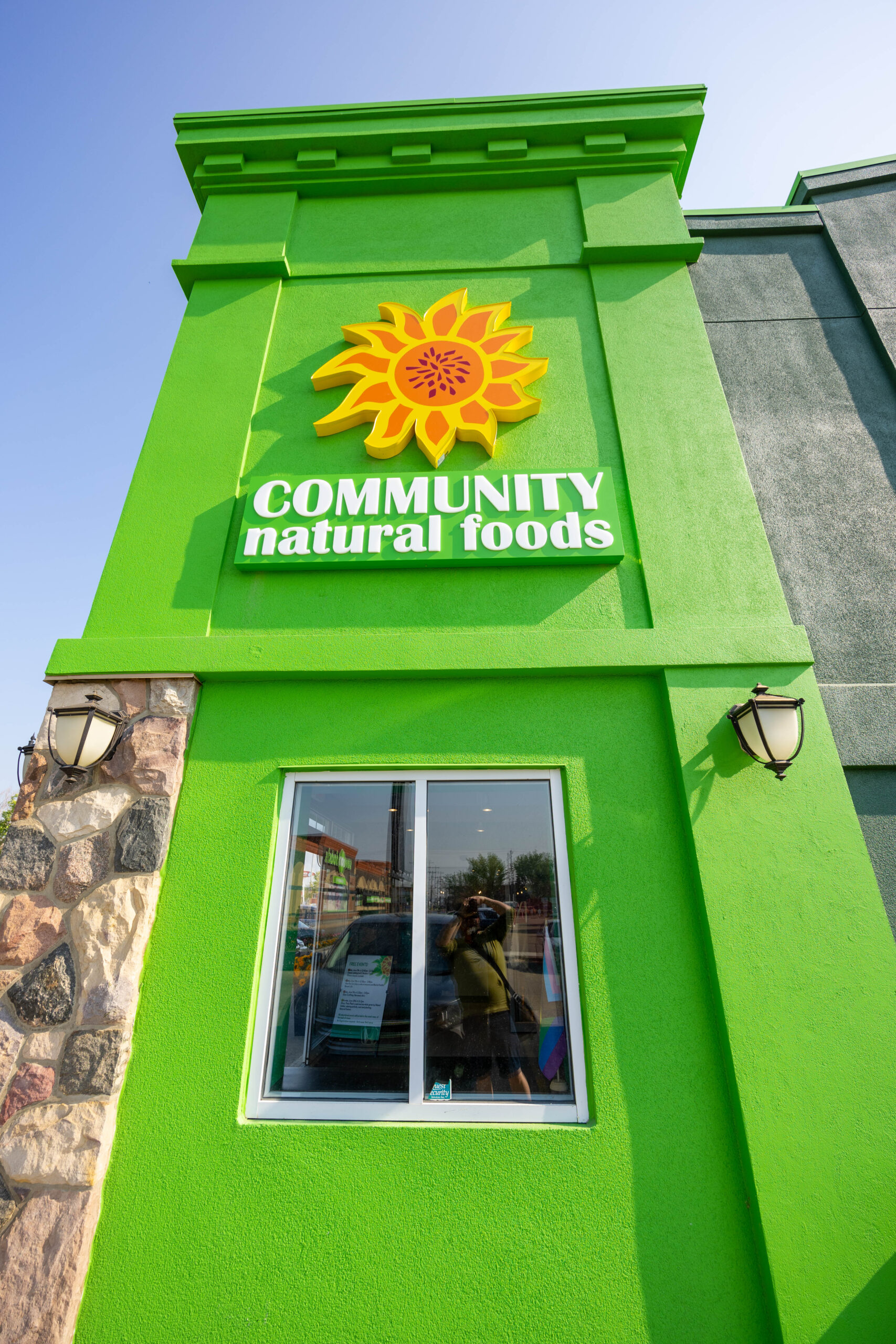
Community Natural Foods, owned by Calgary Co-op, has opened its first store outside of Calgary in Edmonton’s Old Strathcona neighbourhood.

And more may come in the future.

The health food store has three locations in Calgary. 

“This is a tremendous opportunity to introduce this long-established and well-respected health food store to the Edmonton market, one that is currently underserved in the health food retail space,” said Ken Keelor, CEO of Calgary Co-op and President of Community Natural Foods.

Community Natural Foods Edmonton (Image: Community Natural Foods)

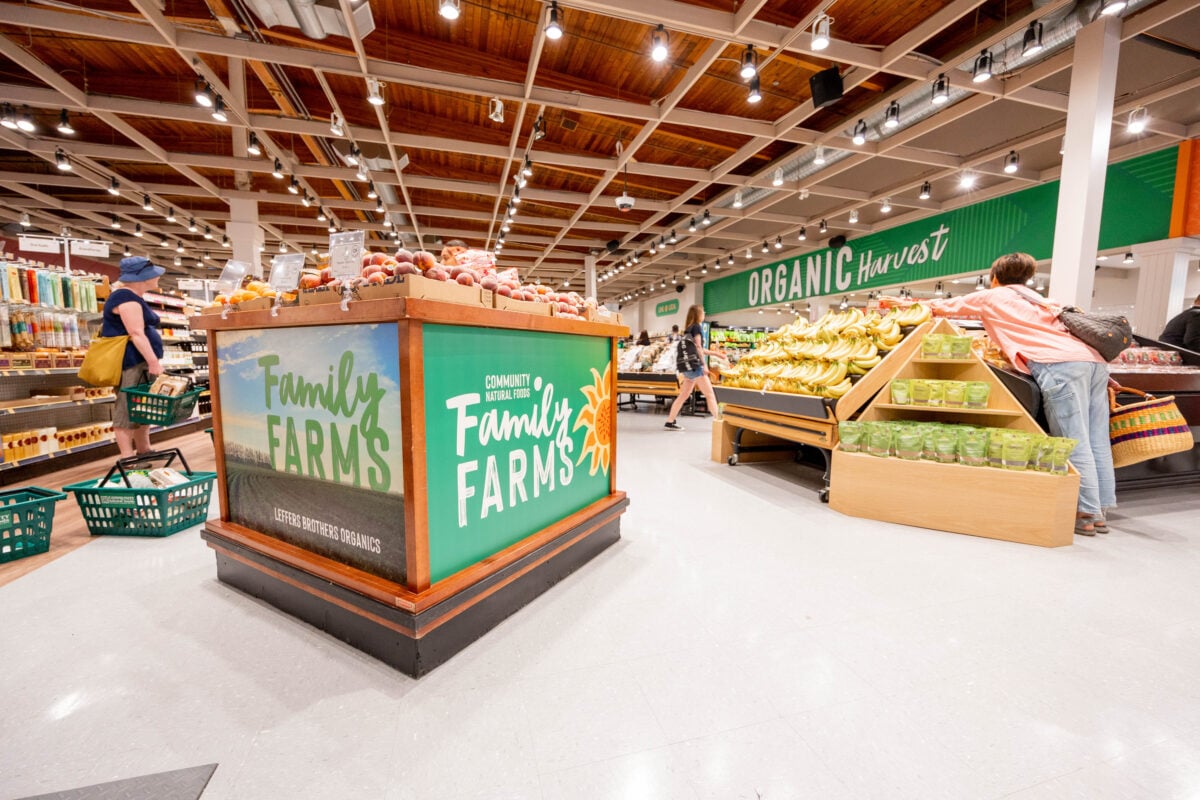
The over 10,000-square-foot store offers a huge array of organic produce, meat, and dairy; a broad selection of grocery items for all dietary preferences; a large supplement and natural body care section; and a fresh juice, elixir, smoothie, and grab n’ go bar.

Ken Keelor

The store opened in an old Planet Organic space.

“It’s a very large space with great parking and access,” said Keelor.

“We believe that wellness should be available for all, and we strive for this through the sharing of knowledge, offering choices in products we carry, and supporting local producers and partners invested in the wellness of our community members. We’re looking forward to assisting the people of Edmonton with their wellness journey.”

Calgary Co-op bought the Community Natural Foods brand about three years ago. Keelor said the brand was in need of a little bit of TLC (tender loving care).

“The previous owner had done an amazing job of creating a wonderful brand but it needed a bit of injection of modernization and change. So during the COVID time frame we took the downtown store and a lot of people were not coming to work, they were working from home. So business had dropped downtown anyway for all businesses,” he said.

“We took that opportunity to renovate that store. We did a bit of research on Community Natural Foods customers to understand their needs and we built new decor, new design and looked at the product mix and layout of the store. That work is now completed. We re-did the whole kitchen and cafe area. It’s beautiful. We put in some digital ordering screens and so on. There was a bit of technology injected as well.

Community Natural Foods Edmonton (Image: Community Natural Foods)

“On our radar of course is Crowfoot and Chinook (two other locations in Calgary) for some tuneups. Downtown has always been an iconic flagship store. Now those learnings have been applied in Edmonton but the advantage in Edmonton was that we had a new store to work with. It’s a lot harder to take an existing store and shuffle things around. This is a brand new store, empty, no product in there.

“So you’ll see a lot of things reflected. I would call it lighter, brighter, a more natural look to the store.

“Store design and decor really is an evolving process. Every time you touch a store you have a chance to reflect consumer needs.”

Keelor said Calgary Co-op is very focused on the needs of Calgary and surrounding areas.

“But we also looked at markets like Edmonton and we understand we can’t be Calgary Co-op in Edmonton but we do feel that Edmontonians do have some similar needs,” he said.

“And natural foods and natural care we feel there was a big opportunity in this marketplace. When I attended the opening of the store, there were lineups of people down the road . . . There was a massive need and in fact what we learned from that and those customers is that they appreciated us bringing the banner to Edmonton. Many of them had shopped in Calgary. And they were asking for more locations in Edmonton. So we now have to think about other locations potentially in the north areas like St. Albert where they might not be served.”

Community Natural Foods Edmonton (Image: Community Natural Foods)

Keelor said Community Natural Foods is prioritizing Edmonton-area and Alberta products. One of the first things it did was put the call out for more Edmonton-local brands.

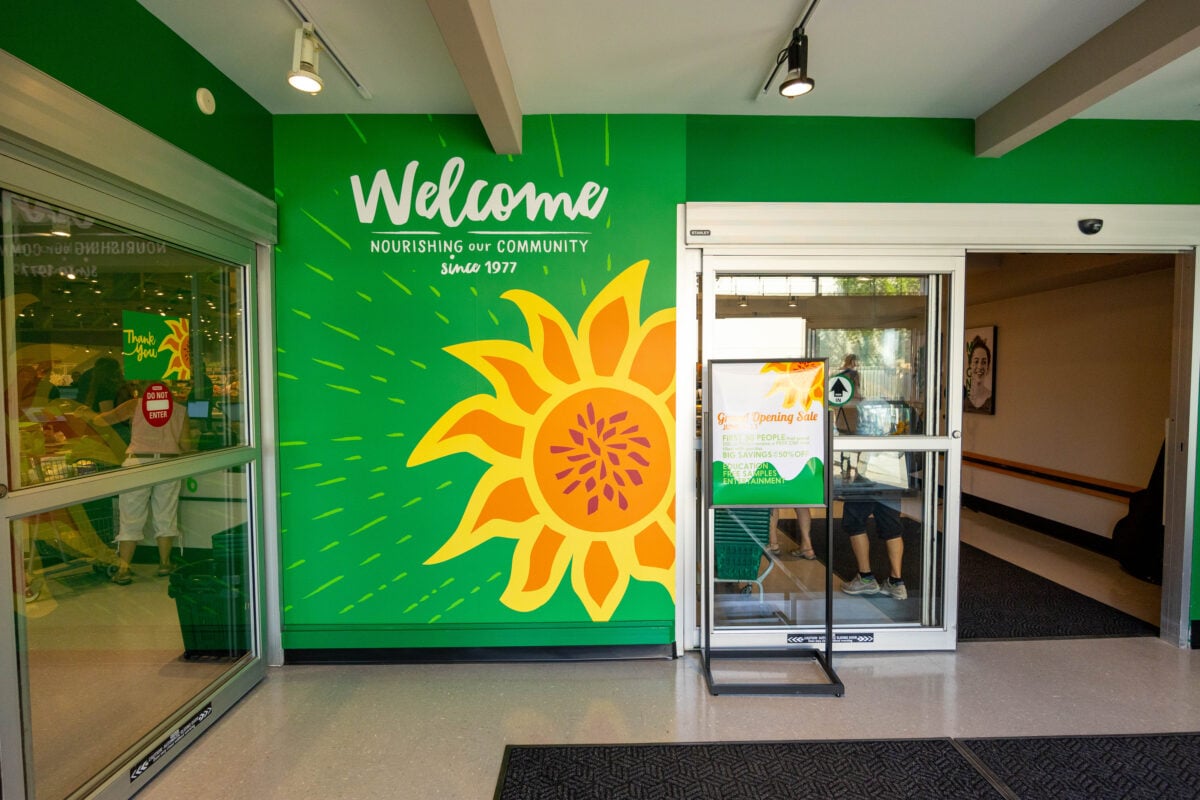
Community Natural Foods was founded in 1977 with the intention of providing Calgarians with natural and organic food at a great price. In November 2019, Community Natural Foods was acquired by Calgary Co-op and is operated as a wholly owned subsidiary. 

“It’s exciting for Calgary Co-op and our member owners because as we expand in the markets beyond Calgary the net earnings from those businesses come back to our members as part of patronage and also get reinvested and continue to grow this co-op in a sustainable way,” added Keelor.

“Health and wellness is a very fast growing area. Traditional groceries, canned goods, baked goods, that’s not a growing area. So in order to sustain business it’s really important to grow, reflecting the trends of customers which health and wellness is a long-term trend. And Edmontonians are very focused on it too, just like the rest of the world.”

Community Natural Foods was founded in 1977 by the Wilkes brothers. 

Calgary Co-op, owned by members, is one of the largest retail co-operatives in North America with locations in Calgary, Airdrie, Cochrane, High River, Okotoks, and Strathmore. It includes 22 food stores & pharmacies, 37 gas stations, 4 Home Health Care centres, 29 WSB stores (including World of Whisky and a World of Wine store) and 10 cannabis locations. Besides Community Natural Foods, Calgary Co-op operates and is the owner of Beacon Pharmacies, The Organic Box and Willow Park Wines & Spirits. 

It has 400,000 members, 3,850 employees, assets of $700 million, more than 100 stores and annual sales of $1.3 billion.

Community Natural Foods Edmonton (Image: Community Natural Foods)

Keelor said the Willow Park brand has a presence in Edmonton but it’s also growing to Saskatoon in November after opening a second store recently in Regina.

“So businesses like Community Natural Foods, Willow Park Wines & Spirits, our pharmacy and home health care businesses, these are all growth businesses. We have to get beyond pure Calgary borders. It’s a great city and we’ll continue to very much be primarily focused here,” he said.

“But there’s opportunity across the Prairies, across the West, and potentially across Canada that we want to take advantage of in the long term as we diligently grow Calgary Co-op. We’re not going to have explosive growth but we’re going to grow with diligence.”

Canadian Retail News From Around The Web For July 10th, 2023

Canadian Retail News From Around The Web

News at a Glance

Retail Insider is streamlining its Canadian retail news from around the web to include a handful of top news stories that can be viewed quickly during the day. Here are the top stories from the past several days.

Two thirds of retailers believe Gen Z customers are crucial to business success, according to new American Express Canada study (American Express)

Developers are turning 14 GTA malls into tiny cities, with Cloverdale leading the way – is this the solution to Toronto’s housing crisis? (Toronto Star)

One Canadian grocer is already putting metal security tags on steaks to prevent theft — will others follow? (Toronto Star)

Suncor cyberattackers obtained Petro-Points members’ contact information (Canadian Press)

If You’d Invested $10,000 in Loblaw Stock in 2012, Here’s How Much You’d Have Today (Motley Fool investing)

COBS Bread celebrates 20 years of baking and community action in Canada (Newswire)

5 Yonge Street properties should be designated as heritage buildings, council committee says (CBC Toronto)

Nature’s Fare Markets opens new Kamloops, B.C. store (Grocery Business)

Salvation Army thrift store in London, Ont. officially closes its doors (CTV)

Massive indoor bike park opens in former Sears store in North Vancouver mall (CBC)

B.C. civil forfeiture claim reveals elaborate scheme of shoplifting, returns for cash and fake credit cards (Vancouver Sun)

Phase 2 of Sainte-Catherine Street revamp begins in August (Global Montreal)

‘I’m kind of numb right now’: Toronto florist repeatedly targeted by vandals (Global)

Owner of Main Street furniture store says he’s ‘going in circles’ with province over cleanup after fire (CBC Manitoba)

Canadian Retail News From Around The Web For July 5th, 2023

Canadian Retail News From Around The Web

News at a Glance

Retail Insider is streamlining its Canadian retail news from around the web to include a handful of top news stories that can be viewed quickly during the day. Here are the top stories from the past 24 hours.

Walmart is rolling out a next-day delivery subscription in Canada (Strategy)

The Competition Bureau’s investigation into the grocery industry revealed a different problem (Toronto Star)

Village Juicery Unveils New Strategic Distribution Partnerships with Top Organic Brands (Newswire)

Business Sentiment In Canada Worsens Due To Inflation Concerns (Yahoo)

Amex Canada ends Air Miles partnership to focus on its own rewards (Strategy)

PORTA™ secures $10.5M Series A Funding Round (Newswire)

Empire expands Voilà grocery platform with Longo’s e-comm integration (Grocery Business)

Toronto’s multicultural population fuels a diverse grocery market (Retail Insight Network)

Superfresh, Toronto’s trendy food hall, has closed its doors for good (Toronto Star)

Ontario quietly moving ahead with plan to sell beer in corner stores (Globe & Mail / subscribers)

Local chocolatiers forced to adapt as cocoa prices soar (CBC Ottawa)

Gimli shop owner limits customers, locks door while open due to spike in thefts (CBC)

New Indigenous art store in Charlottetown opens doors to ‘all the conversations’ (CBC)

Independent Vernon grocer applauds Competition Bureau report (Vernon Matters)

Dismantling of historic Barbour’s General Store to go ahead as planned in Saint John (CBC)

Unleashing the Power of Retail Analytics: Pioneering the Future of Customer Insights

Photo: Shutterstock licensed image

In today’s rapidly evolving retail landscape in Canada and globally, the strategic deployment of data analytics has become paramount to achieving competitive advantage. From traditional sales data to cutting-edge artificial intelligence algorithms, the future of retail analytics holds immense potential to transform the way retailers perceive and engage with their customers. 

The retail industry has long recognized the importance of data-driven decision-making. However, the future of retail analytics extends beyond conventional transactional data. By leveraging advanced analytics techniques, such as machine learning and predictive modelling, retailers can tap into vast amounts of data generated from multiple sources – including social media, mobile applications, and IoT devices – to gain a holistic understanding of their customers’ preferences, behaviours, and sentiments.

Pedro Arellano

Pedro Arellano, SVP & GM at Salesforce Tableau, explained to Retail Insider how Tableau GPT serves as the intelligent engine, while the newly launched Tableau Pulse offers a user-friendly experience that allows retail store managers, for example, to access valuable insights without the need for data analysis expertise. 

Larissa Amoroso, VP of Community at Tableau, said that both Tableau GPT and Pulse allow the power of data to reach even more individuals, including non-analyst professionals, globally, which as a result is fulfilling Tableau’s mission of democratizing data access. As part of the community-building initiative at Salesforce and Tableau, she described Tableau’s data pledge where nearly two million people have been trained through its data skills program since January 2022.

She went on to note that despite the fact that retailers and other businesses rely on data to make decisions, there’s a talent gap with just 39% of organizations training their employees with data skills and less than half of post-secondary institutions offering specific data skills courses. Thus in 2021, Tableau committed to providing education to 10 million people worldwide to become data literate by 2027. With that, Tableau offers free and unique educational programs and resources across the Salesforce ecosystem. 

Larissa Amoroso

Salesforce’s Arellano said that one of the key advantages of retail analytics lies in its ability to offer personalized experiences to customers. By analyzing individual purchasing patterns, online browsing behaviour, and demographic information, retailers can tailor their product offerings, marketing campaigns, and pricing strategies to create highly targeted and engaging experiences. This level of personalization not only enhances customer satisfaction but also drives customer loyalty and ultimately boosts sales.

The advent of artificial intelligence (AI) has revolutionized the field of retail analytics. AI-powered algorithms can analyze vast volumes of data at incredible speed, identifying patterns and correlations that were previously unattainable. This enables retailers to extract actionable insights in real-time, empowering them to make proactive decisions, optimize inventory levels, forecast demand accurately, and mitigate risks, all while enhancing operational efficiency.

These benefits, according to the Tableau executives interviewed, are levelling the playing field for retailers globally which is in effect ‘levelling the playing field’ for everyone to do business. 

Retail analytics also plays a pivotal role in improving the in-store experience. By integrating technologies such as computer vision and sensors, retailers can gather real-time data on foot traffic, customer movement patterns, and product interactions. This data, when combined with AI algorithms, enables retailers to optimize store layouts, enhance product placements, and personalize customer assistance, resulting in improved customer satisfaction and increased sales.

The future of retail analytics goes beyond transactional data, encompassing unstructured data as well. Natural language processing (NLP) and sentiment analysis techniques enable retailers to mine customer reviews, social media comments, and online forums for valuable insights. This allows retailers to gauge brand sentiment, identify emerging trends, and promptly address customer concerns, strengthening brand reputation and fostering positive customer experiences.

As the retail landscape becomes increasingly omnichannel, retail analytics offers a unified view of customer interactions across multiple touchpoints. By integrating data from online platforms, mobile apps, brick-and-mortar stores, and customer service interactions, retailers can gain a comprehensive understanding of the customer journey. This holistic perspective enables retailers to deliver consistent and seamless experiences, optimize marketing spend, and maximize customer lifetime value.

Creating a workforce that can understand retail and analytics is paramount to the future of of the retail industry. Tableau’s Larissa Amoroso said that the company will continue to promote community and education — this will help the retail industry progress more quickly with AI and other technological adoption. This is a global initiative, which means that businesses in less prosperous parts of the world will also be able to get in on digital innovations as well.