Retail Insider is streamlining its Canadian retail news from around the web to include a handful of top news stories that can be viewed quickly during the day. Here are the top stories from the past 24 hours.
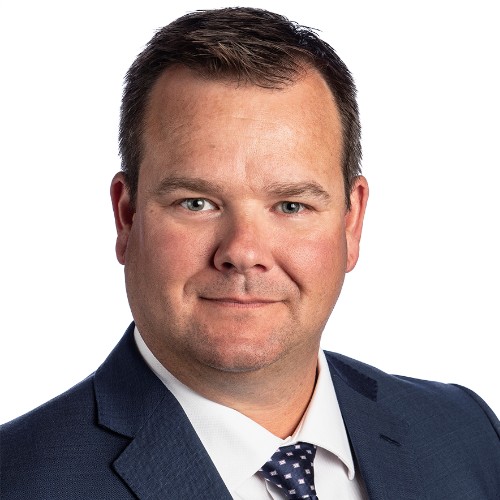
Craig and Mark Ainley, a contemporary Feng Shui consultant and the founder of Sense of Space based in Vancouver. Ainley sheds light on the intricate interplay between design, colour, and functionality in retail spaces. He emphasizes the need to move beyond conventional perceptions of Feng Shui, showcasing its relevance in optimizing the layout and ambiance of homes, businesses, and, notably, retail establishments.
Mark Ainley
Ainley discusses his expertise in aligning the design of spaces with their primary functions, offering a blend of aesthetics and functionality. He dispels common misconceptions about Feng Shui, illustrating its application in creating spaces that resonate with individuals, whether they live, work, or shop there. The discussion delves into the impact of subtle design elements on customer behaviour, from the positioning of tables to the psychology of colour and the importance of maintaining an inviting exterior.
The conversation extends to the nuances of retail, exploring how small details like cleanliness, lighting, and signage play a pivotal role in attracting customers. Ainley draws from his experiences, including a fascinating observation of a store with a table angle affecting foot traffic. As the dialogue unfolds, the focus shifts to the significance of visual merchandising, the changing dynamics of window displays, and the role of technology in enhancing or detracting from the overall retail experience. Ainley concludes by urging businesses to prioritize the physiological welcome and call to action within their spaces, fostering an authentic and enjoyable shopping experience that goes beyond the convenience of online alternatives.
The Interview Series audio podcasts by Retail Insider Canada are available on Apple Podcasts, Stitcher, TuneIn, Google Play, or through our dedicated RSS feed for Overcast and other podcast players. Also check out our The Weekly audio podcast where Craig and Lee discuss popular content published on Retail Insider which is part of the The Retail Insider Podcast Network.
Featured during this interview:
Mark Ainley, Flow Optimization Specialist, Contemporary Feng Shui Facilitator and Instructor, WELL AP
Drop us a line at Craig@Retail-Insider.com. You can also rate us in Apple Podcasts or recommend us in Overcast to help more people discover the show!
Background Music Credit: Hard Boiled Kevin MacLeod (incompetech.com). Licensed under Creative Commons: By Attribution 3.0 License. http://creativecommons.org/licenses/by/3.0/
Shopping centres across the country continue to evolve with initiatives being launched to enhance consumer engagement and experience, which is becoming increasingly more important for property owners.
A variety of in-mall activations are attracting more people to those centres, driving tenant revenue, and elevating the asset value of that property.
Jennifer Dunn
“I believe that people intrinsically need to connect with others, feel part of a community, and have a sense of belonging. That need is at the essence of what it means to be human,” said Jennifer Dunn, Senior Marketing Director within JLL’s Property & Asset Management team.
“In real estate, this translates to creating spaces where people can interact, where they can discover new ideas, where they can be entertained, and maybe even wow’ed. This principle continues to hold strong even with major disruptors, such as ecommerce and the pandemic. Time and time again, we’ve seen that bricks and mortar can thrive by offering differentiated experiences that bring people together.”
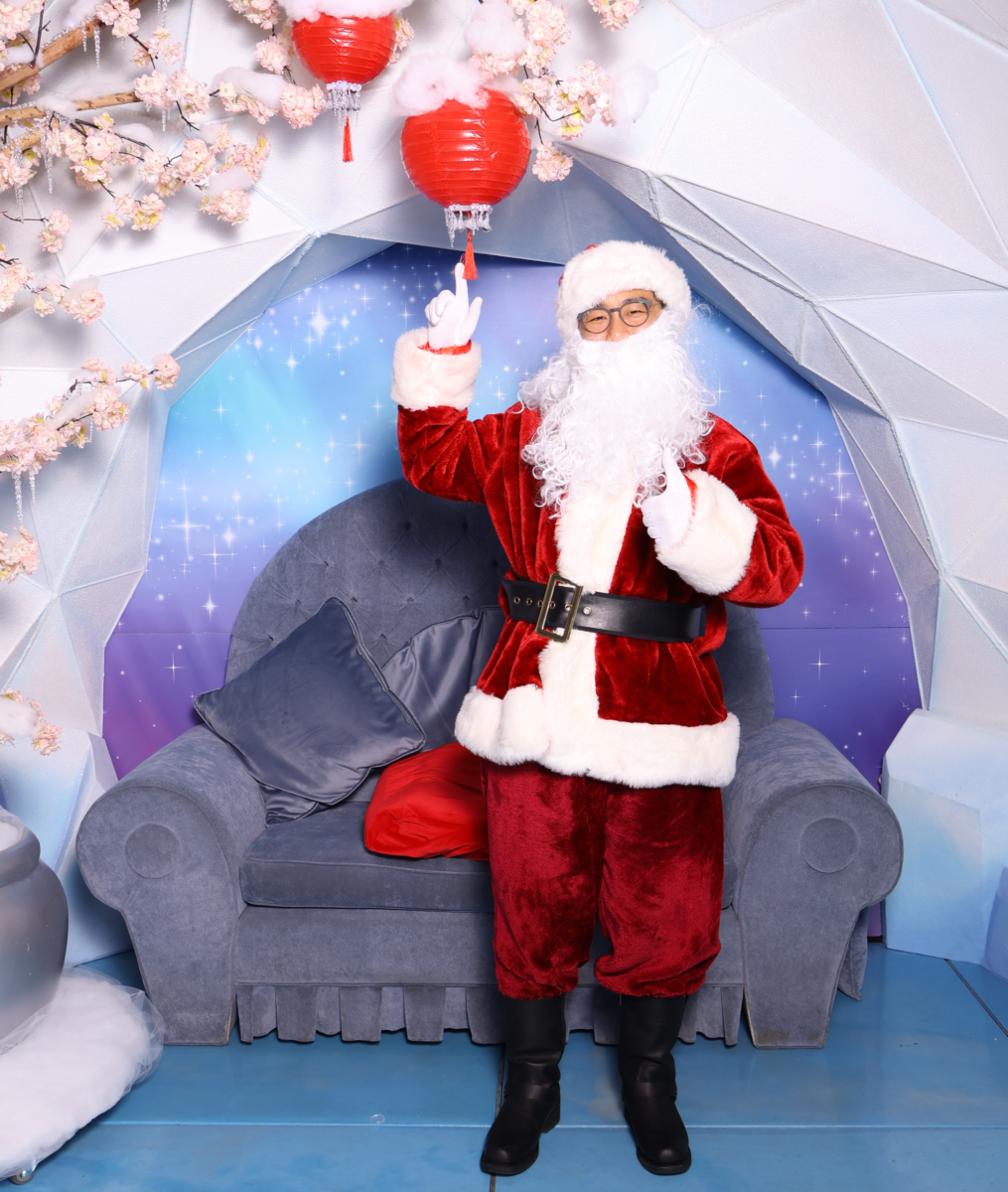
Santa at Metropolis at Metrotown (Image provided)
She said stores have the greatest role in consumer engagement: anyone who gets a buzz from a great day of shopping understands that it is the branded experience, the merchandise and the customer service that drives both engagement and sales.
“I believe the shopping centres, as an aggregator of all these brands, also have an important role in creating a sense of belonging with shoppers. In the shopping centres that we manage, we do our best to deploy an “always-on” approach to experiential, ranging from major events that take up entire centre courts, to seasonal events, like Lunar New Year celebrations, to ongoing programming like immersive yoga classes or live music,” added Dunn.
The core of the shopping centre remains the same as ever: modern day marketplaces. But the best performing centres are changing their merchandising mix to integrate modern concepts that imbed food and entertainment.
“When the shopping centre develops events strategically and in partnership with our retailers, they can have a direct impact on the business. When we run an event or experiential strategy that is tailored to the local market, we see boosts in traffic to the property and a sales lift at our participating tenants,” said Dunn.
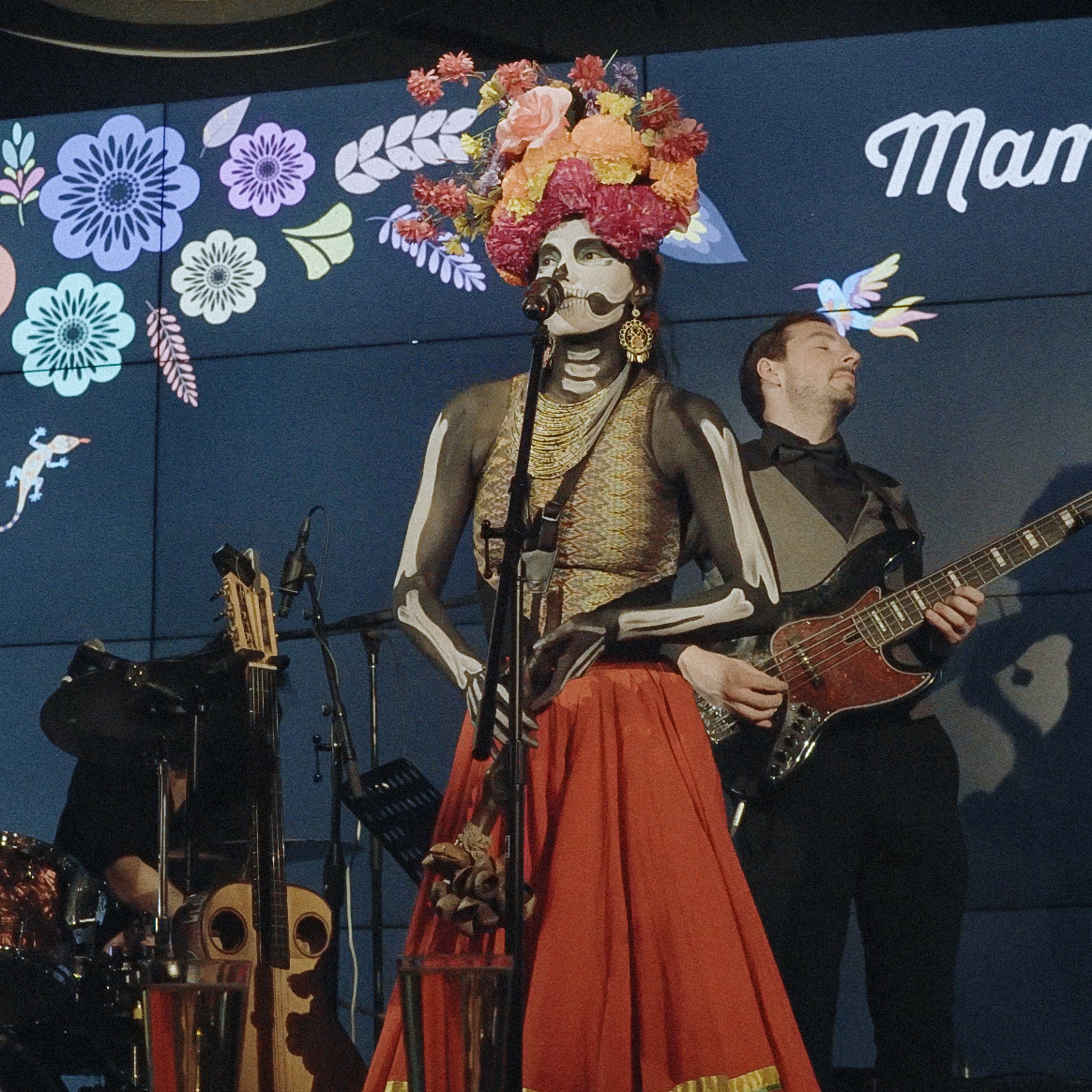
Centre Eaton de Montreal Day of the Dead (Image provided)
Overall, JLL Canada’s Property and Asset management group oversees just over 53 million square feet comprising about 275 assets. The retail group of more than 375 best-in-class experts manage 18.5 million square feet with more than 20 properties and 3,500 tenants spread out across the country in all major markets – from grocery-anchored sites to community centres to urban shopping centres to more regional shopping locations.
“Throughout my tenure in the shopping centre industry, I’ve seen many iterations of what marketers call ‘Instagrammable Moments’. These have ranged from brightly coloured hoarding walls to immersive booths, where people can take a stylized photo,” said Dunn.
“These activations are popular, but, again, what really stands out is authentic experiences: this is what shoppers want to take photos of and share with their social networks. To guarantee this authenticity with the shopper base, we ensure each property has the autonomy to build out events that speak best to their targeted audience, rather than scaling generic campaigns across portfolios.”
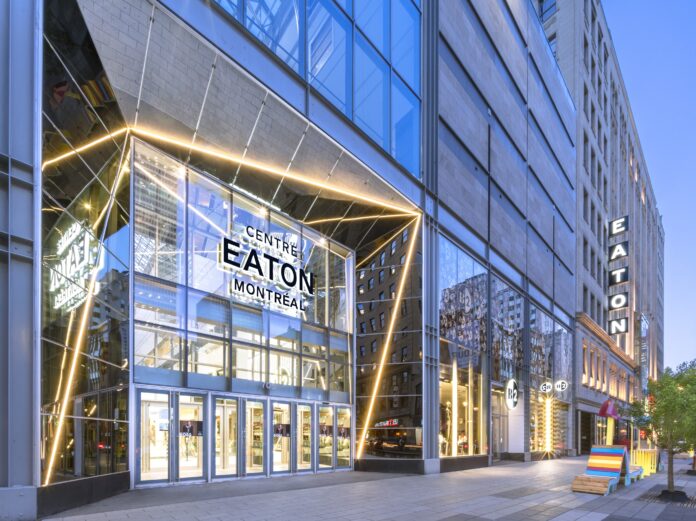
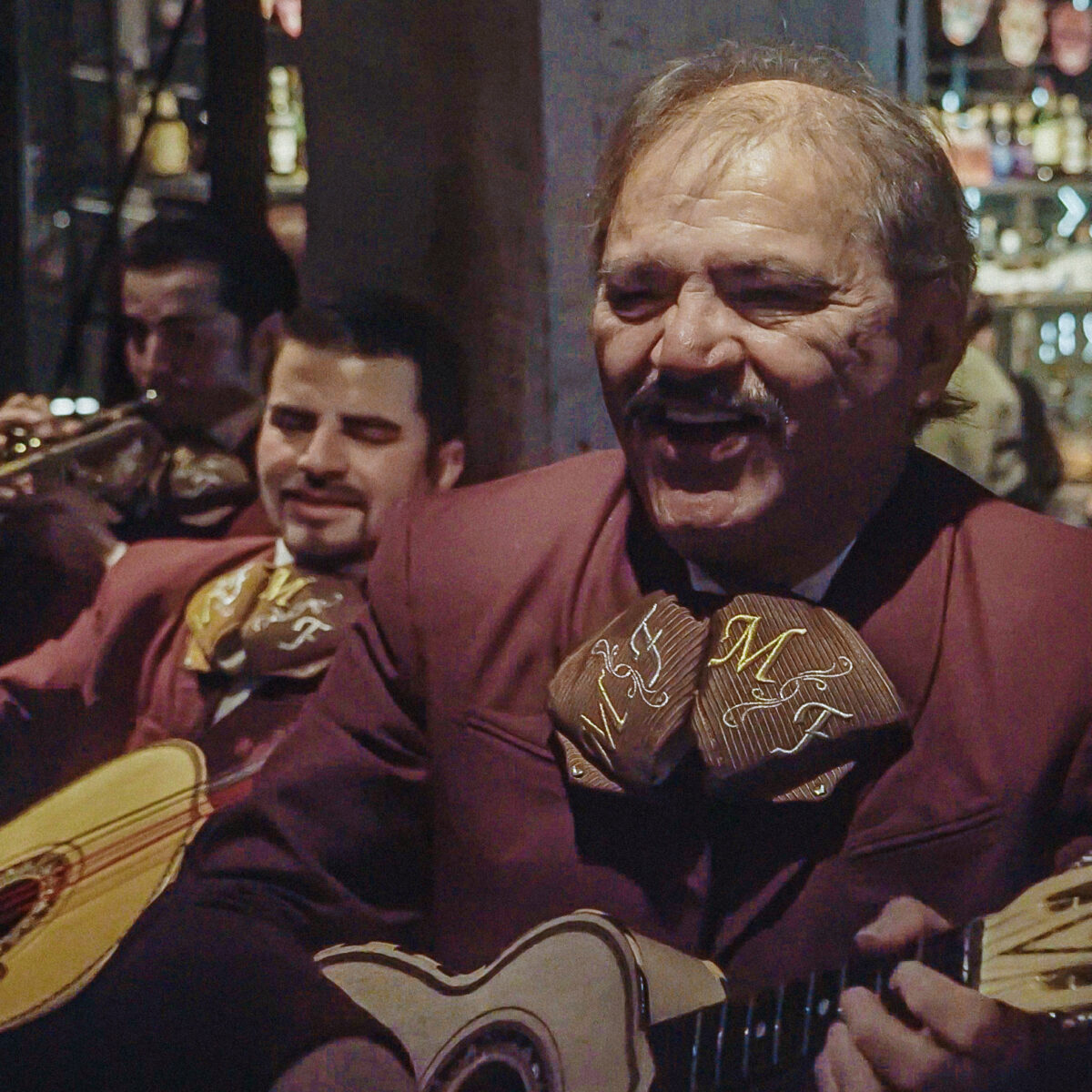
“In early November, I attended an event at Centre Eaton de Montréal, celebrating Día de los Muertos (Day of the Dead) and it was fantastic! It was such a smart and strategic take on Halloween, targeted to attract the desired young professional surrounding the centre. The live face painting, mariachi bands and 12-foot dancing skeletons did just that – generating huge crowds, great energy and a ton of social media posts, stories, and reels.”
Centre Eaton de Montreal Day of the Dead (Image provided)
There’s nothing like the holiday season to capture the imagination of customers coming to the malls. But it’s time to shake up the traditional tropes. Accordingly, Metropolis at Metrotown (in Burnaby, B.C.) will be testing out a new format for Santa visits this year, featuring four diverse Santas. In the spirit of relevancy and authenticity, there will be a traditional Father Christmas, a younger Kris Kringle, a Global Santa (Dun Che Lao) and a Tropical Santa on vacation.
JLL Canada’s managed real estate portfolio includes several types of assets, and the learnings from retail properties can be applied to many of them, especially office.
Meghan Lareau
“With many employers implementing a return to office mandate, no matter the cadence, we are seeing an increase in landlords and employers looking for creative avenues to draw people back. That’s where our Property Management and Experience Management (XM) platform are changing the scene. Our team specializes in creating vibrant experiences and a sense of community, ultimately increasing the value of an asset through improved tenant retention, increased occupancy, and higher rent premiums,” said Meghan Lareau, Director, Strategy & Customer Experience at JLL Canada.
“Working in a third-party model, especially in a company with vast expertise in property management such as JLL, brings several advantages in customer experience for both the client and end-consumer. Our team taps into JLL’s retail research in Canada and abroad, enabling us to stay on trend and have insights into what is new and next for consumer experience. Additionally, our clients can take advantage of our proprietary tech solutions, such as our Hq0 tenant app, which enhance the customer’s experience when interacting digitally with our managed properties.
Whether in an office setting or at shopping centres, customer experience is an integral part of a successful strategy to retain customers and ensure an elevated experience at the properties managed. Building communities, a sense of belonging, along with experiences and customized amenities are factors that will no longer be optional for the spaces of tomorrow.
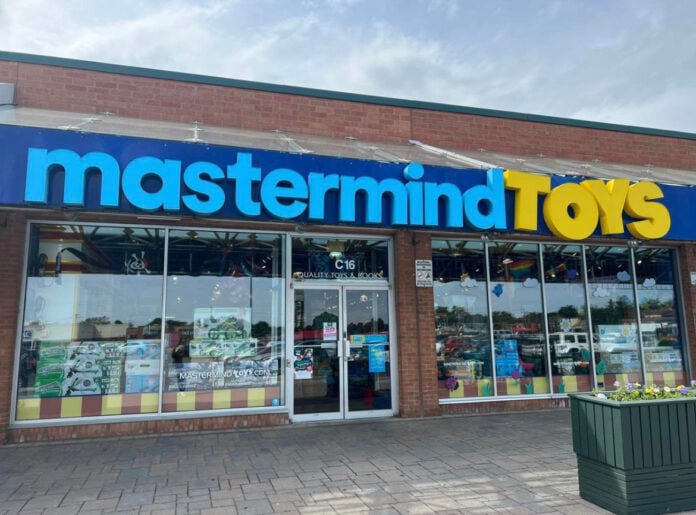
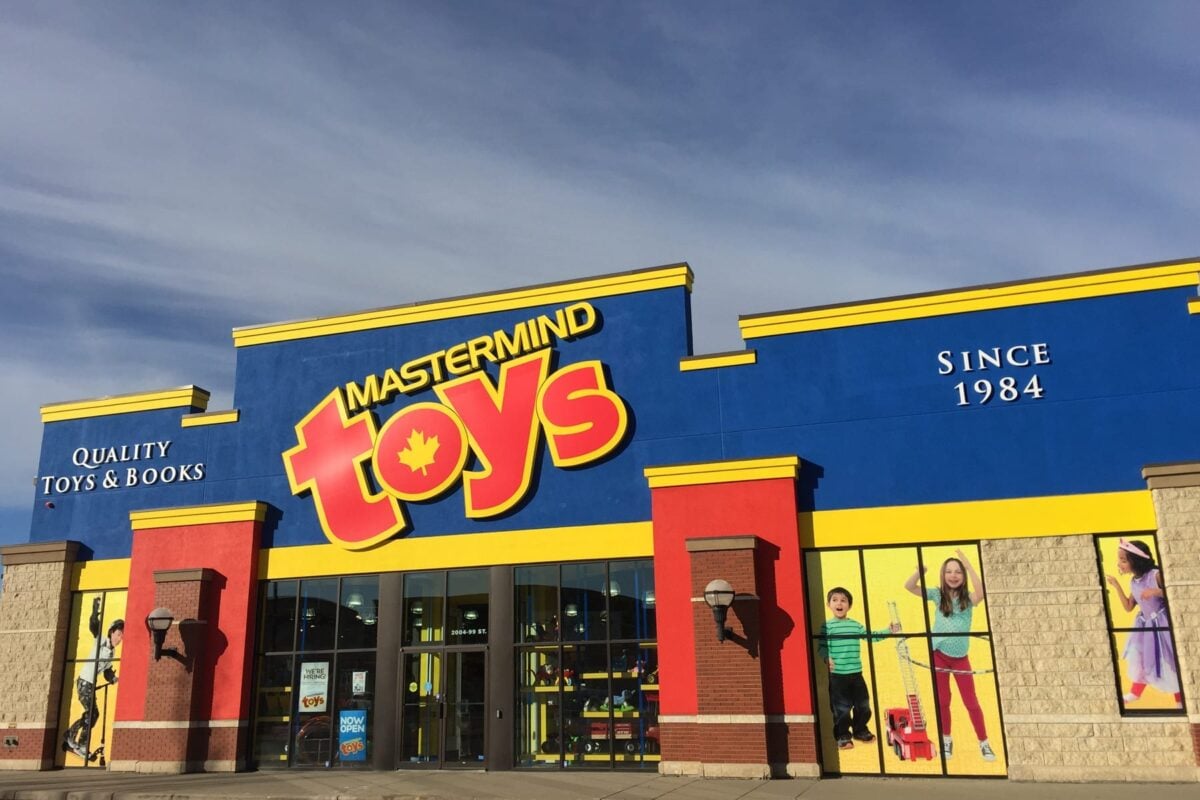
Mastermind Toys at Upper Oakville Shopping Centre (Image: Upper Oakville Shopping Centre)
Mastermind Toys, the largest independent specialty toy and children’s book retailer in Canada, announced today that it has entered into an asset purchase agreement with Unity Acquisitions Inc., a company owned by Canadian retail pioneers Joe Mimran, Frank Rocchetti and David Lui.
Under the terms of the transaction, Unity will purchase the majority of Mastermind Toys store locations and see a significant portion of employees continuing with the business.
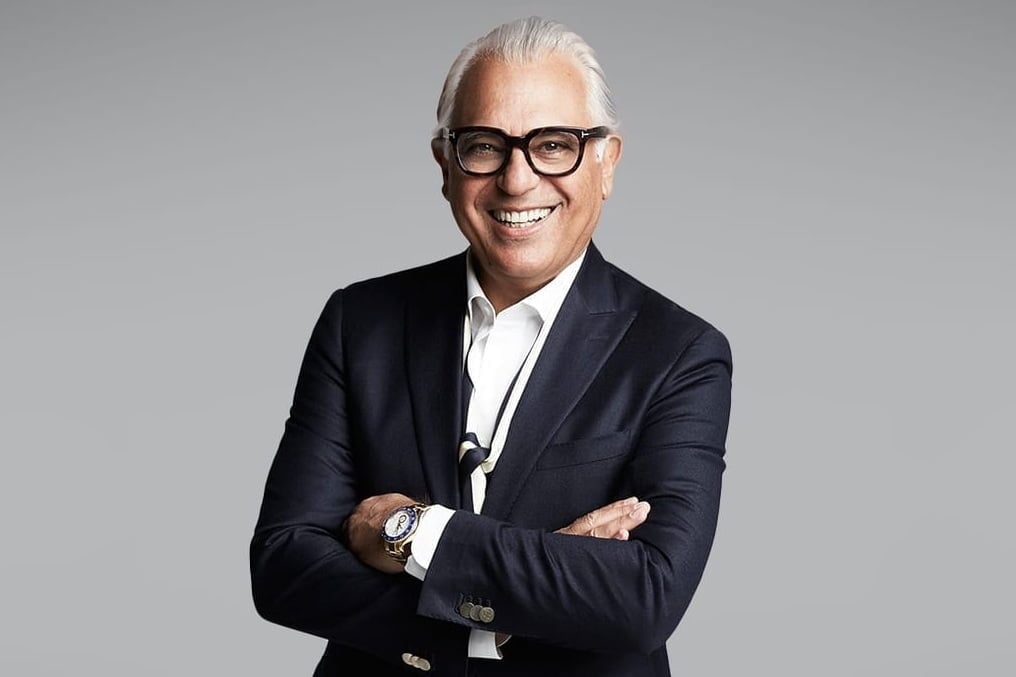
Joe Mimran
“Mastermind Toys is a beloved Canadian retailer with a loyal customer base driven by quality, curiosity and play,” said Joe Mimran. ”The acquisition aligns with Unity’s strategy to enhance and grow extraordinary Canadian brands. We are thrilled to have the opportunity to work with the team at Mastermind Toys and take the brand and the business to the next level.”
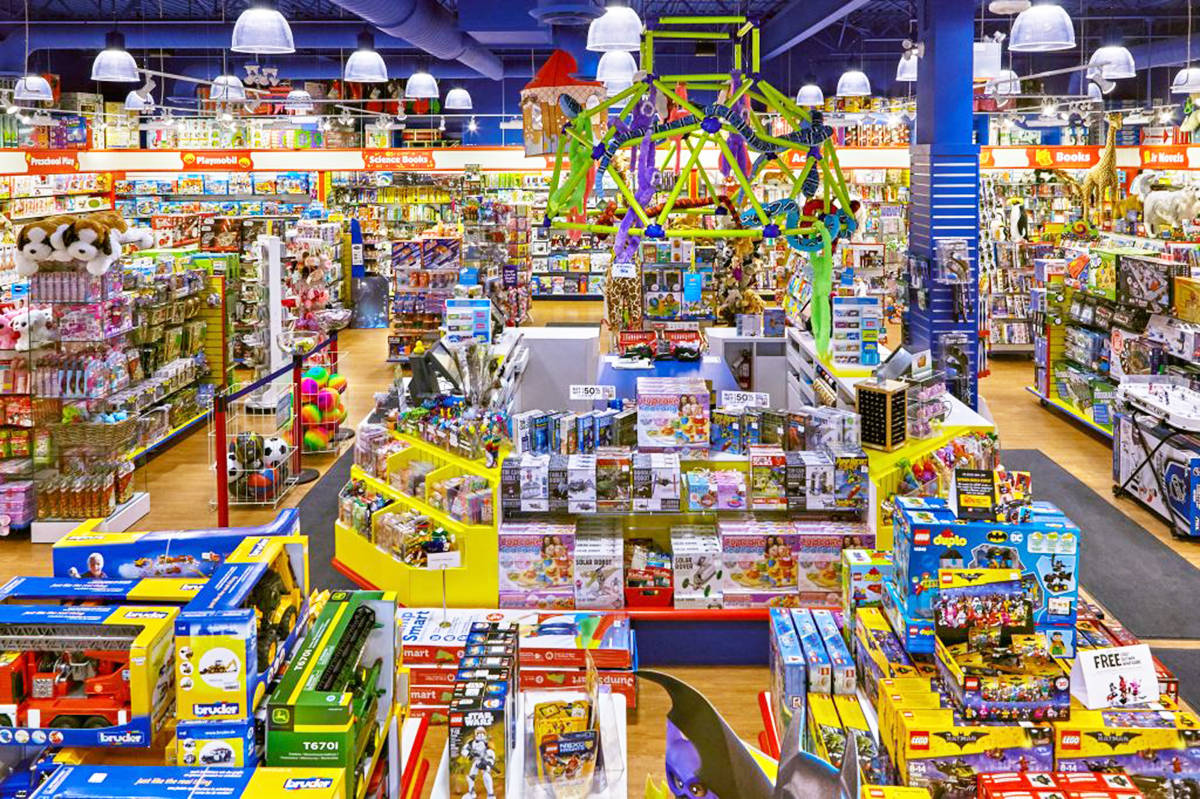
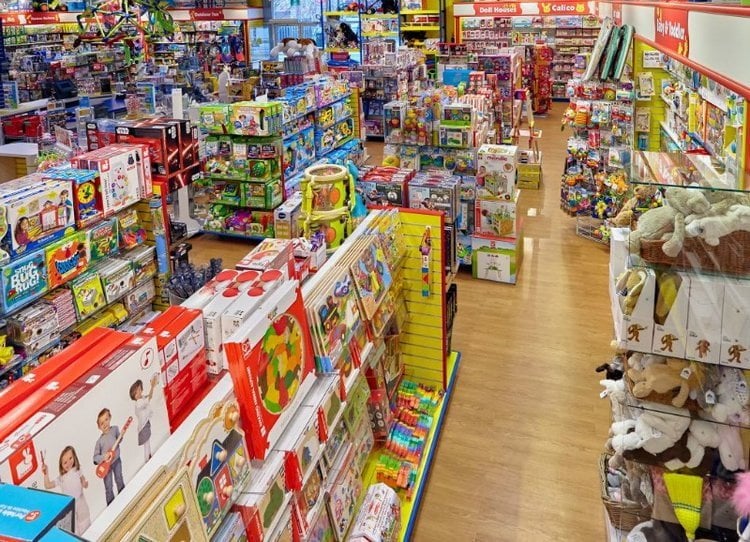
Inside a Mastermind Toys store. Photo: Mastermind Toys
Mimran said he has been familiar with the brand for many years.
“I’ve always loved the positioning of the brand and the customer the brand catered to,” he said. “The one thing that really resonated with me was when we launched Rise Little Earthling which is a baby/toddler apparel brand, it was really about shaping future leaders and the line was all organic. 100 per cent organic. And we created these social warriors, characters, that were part of the graphic and positioning of the line. And when Mastermind became available unfortunately through the CCAA process we just thought that it was the perfect brand to look at in terms of resurrecting it and bringing it back to its original ideals of how children can grow and learn through play, ensuring that we make sure that there’s a real distinction between toys just being toys and toys that can really add value.
“We love great Canadian brands and wherever we think we can make an addition to the concept and really grow it and help it extend itself and rejuvenate itself, that’s the place we want to play.”
Mimran said 18 of the Mastermind stores will be closing and the new ownership will be assessing the balance of the rest.
“We will definitely be coming out of this with a very, very good number of locations across Canada,” he said. “The brand has a very good following, an ecomm following as well. So be on the lookout for changes and newness in that direction. Of course, none of these changes in the first two quarters. It will take a few quarters to really get the ball rolling and we’re very excited. We’ve got some great plans. We’ve already got a lot of good reach out from different individuals from across the country, who are interested in being part of the next phase of this great brand.”
Image: Mastermind Toys
The transaction is subject to certain closing conditions, including approval from the Ontario Superior Court of Justice (Commercial List) in the Mastermind’s ongoing proceedings under the Companies’ Creditors Arrangement Act. The transaction is expected to close in January 2024.
On November 30, Mastermind Toys obtained Court approval to conduct liquidation sales at 18 of its store locations. The liquidation sales commenced December 1 and continue through the holiday season. The liquidating stores are not part of the transaction with Unity and are not included in the extended holiday return policy.
Mastermind Toys is also introducing an extended holiday return and exchange policy for purchases made online and in-stores, other than at the 18 stores conducting liquidation sales.
MASTERMIND STORE IN TORONTO’S ROSEDALE/SUMMERHILL AREA. PHOTO: CRAIG PATTERSON
Mastermind Toys has been in business for 39 years and has 66 stores coast-to-coast.
Court documents state: “The Mastermind Entities are currently facing financial difficulties as a result of declining sales, gross margins, increased competition, commoditization of the toy category and other macro-economic trends facing many Canadian retailers. The Mastermind Entities’ financial difficulties were exacerbated by the COVID-19 pandemic, including as a result of store closures and an increase in shoppers making online purchases.
“Despite implementing cost reduction and other initiatives to improve profitability, Mastermind LP’s revenues and profitability have declined over the past several years. The Mastermind Entities do not have sufficient cash flow or liquidity to continue running its business and do not have sufficient funds to pay their liabilities as they become due.
“The Mastermind Entities are insolvent with liabilities well in excess of $5 million and unable to meet their obligations as they come due.”
Mastermind Toys (Image: VictoriaBuzz)
Bruce Winder
“I think this acquisition could make sense for Unity and obviously offers a lifeboat for the Mastermind brand and many of the employees that work there. Depending on what Unity paid for Mastermind, assume a very low price, and renegotiated leases, Unity will face a significantly lower break-even point. The brand will shrink but will carve out a path to profitability,” said Bruce Winder, Retail Analyst & Author.
“The Mastermind brand is solid and they have a niche within the toy industry that could offer higher margins than mass merchants. They can save additional costs through shared services between their other banners too. Unity will need to weather the storm for Mastermind in this challenging economy until 2025 when things may pick up. It will be exciting to watch what Unity can do with not only Mastermind but Kit & Ace too.”
George Minakakis
“It’s good to see that Mastermind Toys was spared oblivion. This is not an easy category to navigate. Having looked at acquiring an interest in a toy chain once. The category has been trying to redefine itself since 2014,” said George Minakakis, CEO, Inception Retail Group. “The competition from electronic and digital remains strong. The declining sales of traditional toys have been more socially driven by what kids see their friends with, and what parents want them to be happy with.
“The whole sector has had economic pressures, with many struggling with profits and revenue growth. On the other hand, it is about the store experience and what draws consumers to toy stores. Lately, it’s been kind of dull. The opportunity for Mastermind Toys lies with the right leadership having a vision of how this brand evolves, which has faded over the years. They will need to build greater resilience in their e-commerce model, a higher level of data and predictive analytics to understand what is changing before the market does. Mastermind Toys will need to reduce its dependence and risks on what others are doing, in effect stop chasing trends and start creating them for their long-term viability.”
Michael Kehoe, Broker of Record for Fairfield Commercial Real Estate in Calgary, said the acquisition of Mastermind Toys by Unity Acquisitions Inc. should facilitate a seamless handover with virtually no disruption to store operations or the retail footprint.
Michael Kehoe
“The announcement provides a vote of confidence for the Canadian retail landscape at this critical time in the retail sales cycle. Unity acquisitions are the logical stewards of this brand in these turbulent times. The Mimran / Rocchetti / Lui powerhouse will bring a sense of stability over the near term as consumer angst and difficult economic conditions are expected to settle down. Mastermind Toys is a legacy Canadian brand, a category dominant retail player, and I will be happy to see it move forward to new heights with the proposed new leadership if the CCAA and court process stars align.”
Unity Acquisitions Inc., established in 2023, recently acquired Kit + Ace and Casca Footwear. In addition to Unity, Mimran and Rocchetti oversee the growth of Tilley Endurables Inc., transforming it from a venerable hat brand to a comprehensive apparel brand, available in Canada, the US, the UK, and Australia. In 2020, they introduced Rise Little Earthling, an organic line for babies and toddlers sold across Canada and the US.
Mimran is the founder of Joe Fresh, and has also recently collaborated with Staples Inc. to create Gry Mattr by Joe Mimran, a collection of thoughtfully designed office and travel pieces.
Lui is the CEO of Kit and Ace and has over 30 years of entrepreneurial and retail experience with global brands. He is known for his award-winning brand transformations and has a strong passion for scaling businesses.
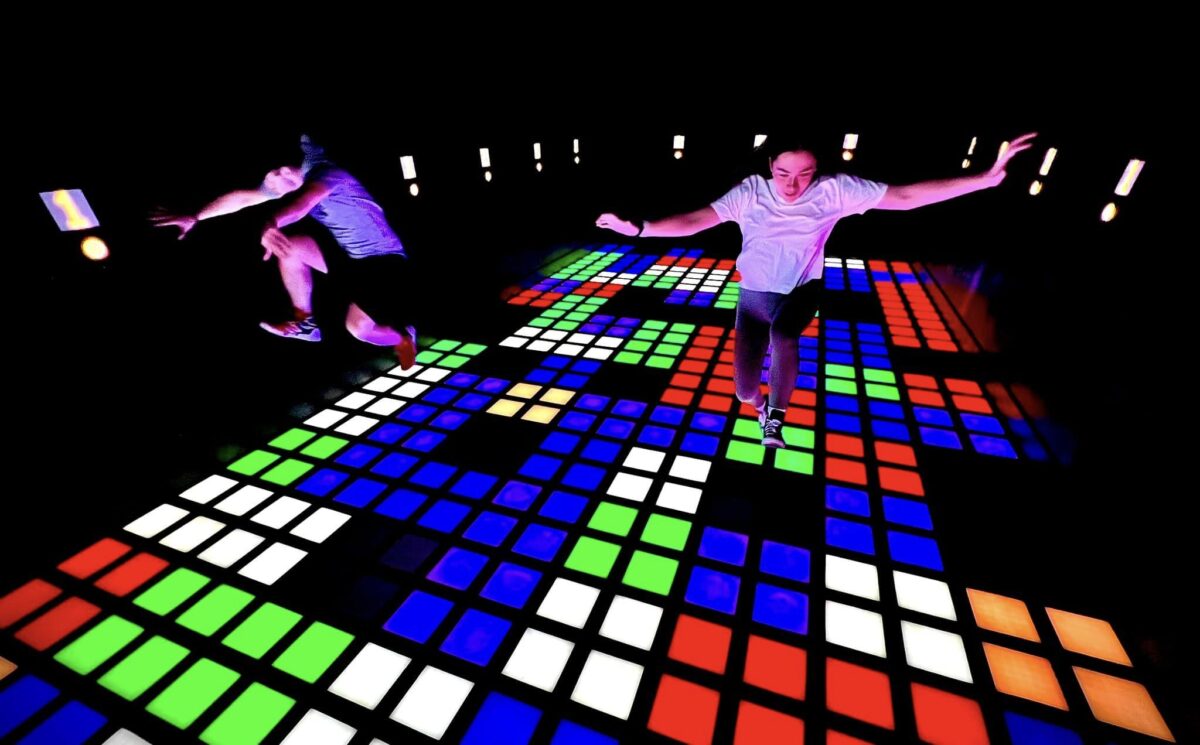
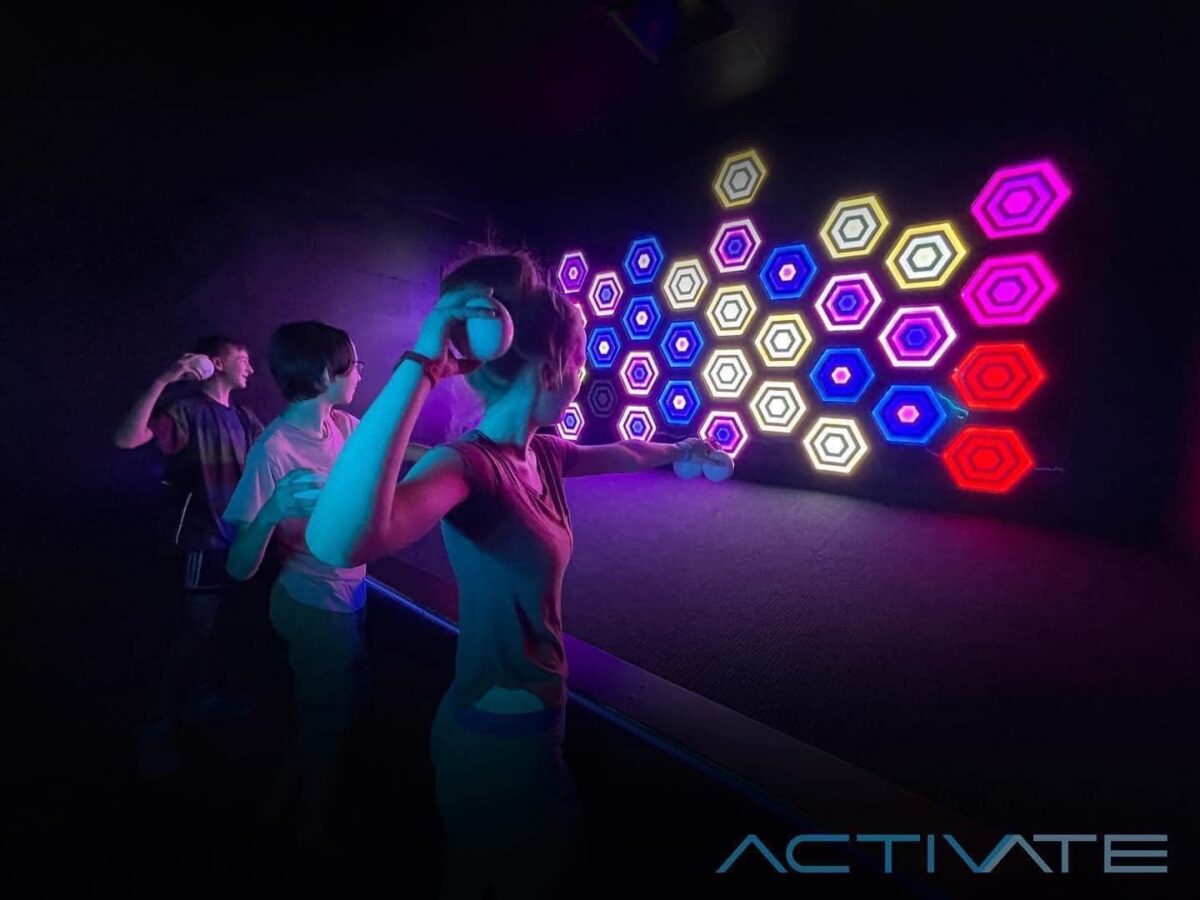
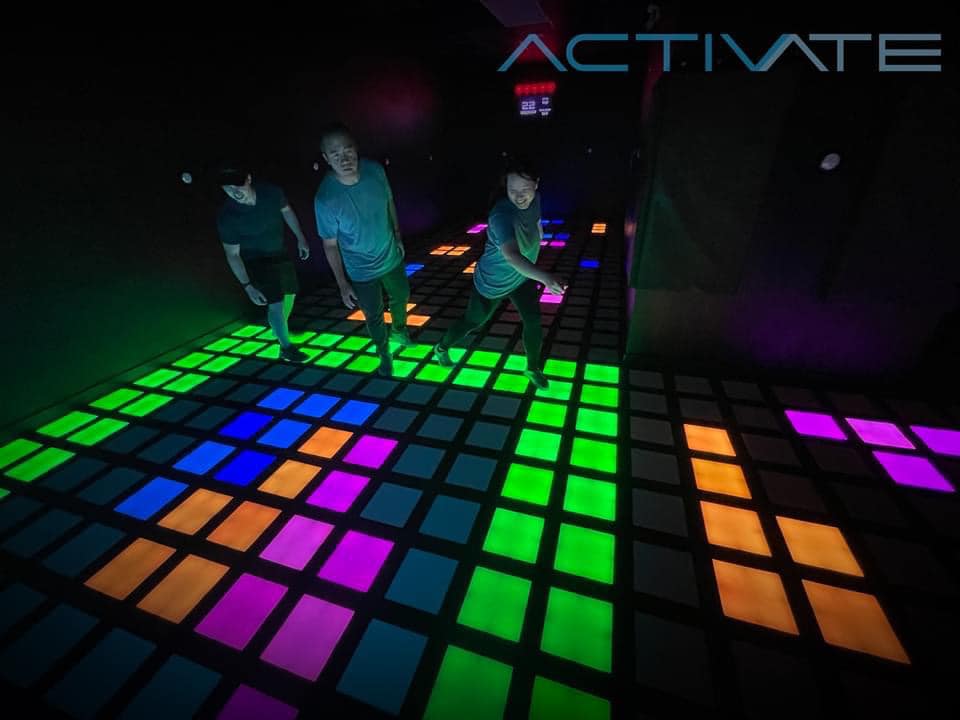
Active gaming facility Activate is a rapidly growing experiential concept in Canada.
New leases have just been signed in Mississauga (Heartland), Toronto (Stockyards), Cambridge, and the company is working on London, Barrie, as well as expansion in the US, UK, and UAE.
There are currently 10 Active locations in Canada with many more underway. And another five under construction. Those five are opening within the next three months. There’s also locations going into Edmonton and Regina.
Image: Activate
Kris Mutcher, Vice President with Colliers International based in Winnipeg, has been working with the brand since securing its first location in 2018 in Winnipeg.
Kris Mutcher
“They’re a home grown Winnipeg success story which we like to boast about,” he said.
“They opened this concept here and started pre-pandemic to look for some options for expanding out to southern Ontario and obviously with Colliers we’ve got a vast broker network across the world. I was able to work with them and work with our colleagues in our markets elsewhere throughout Canada and now we’re starting to do it in the U.S. as well. I’m the master broker for their projects, stickhandling everything here from Winnipeg and utilizing our Colliers team as boots on the ground in the different markets that we’re going into.”
Mutcher said the goal right now is to be in the 9,000 to 12,000 square foot range. Some have been larger. But that is the sweet spot. The one at Stockyards is 20,000 square feet.
“They do have operating partners that are working in the U.S. right now that have opened eight stores under a licensing agreement and they are going to continue to grow and the corporate entity that’s based here in Winnipeg is also starting to secure their own sites south of the border as well. We’re focused on Minneapolis. We’re working on some stuff in Denver, in Phoenix and really starting to spread their wings south of the border because the pace they want to keep going at and growing at it’s starting to become hard to meet that demand in the Canadian market,” said Mutcher.
“They (recently) announced that they’ve got an agreement with a group based in Dubai.”
Image: Activate
Activate Games has signed an exclusive partnership with Majid Al Futtaim Entertainment to bring the world’s first active gaming experience to the MENA region.
Adam Schmidt
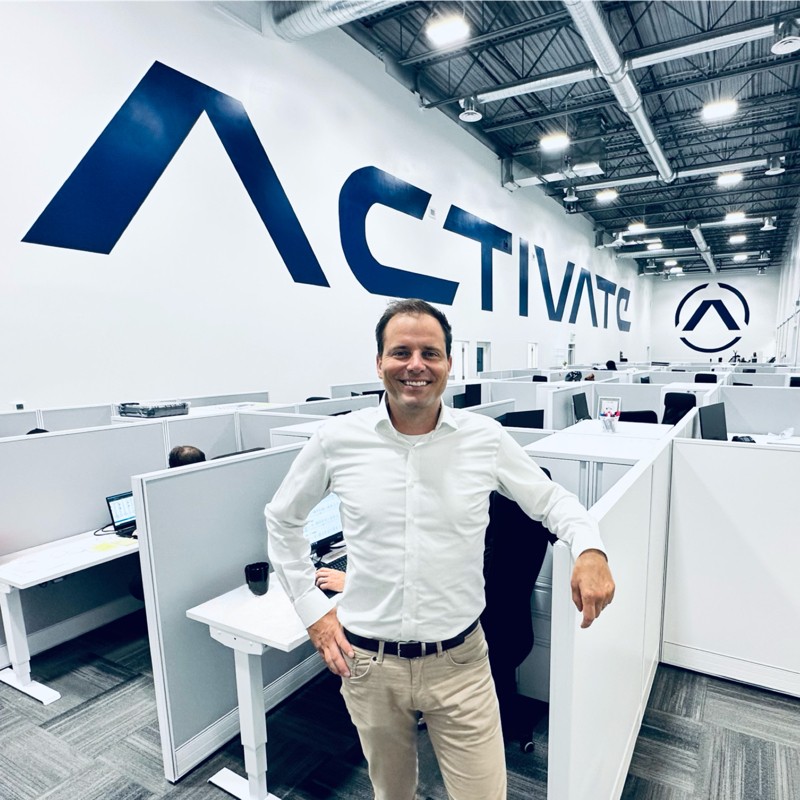
“We are thrilled to embark on this groundbreaking global journey with Majid Al Futtaim Entertainment,” said Adam Schmidt, Founder, Activate. “This strategic partnership with Majid Al Futtaim Entertainment’s remarkable reputation for operational excellence and their steadfast commitment to innovation aligns perfectly with Activate’s vision.
“Our one-of-a-kind interactive gaming experiences transcend traditional entertainment boundaries, offering a unique fusion of cutting-edge technology with adrenaline-pumping adventure. Moreover, with identical room setups across all our facilities, friends from across the globe can now compete, forging unforgettable connections and shared moments for years to come.”
“Activate is a state-of-the-art active gaming facility and a fantastic new addition to our growing portfolio of leisure and entertainment experiences,” said Rob McMenamin, Director of Leisure & Entertainment, Majid Al Futtaim Entertainment.
Rob McMenamin
“At Majid Al Futtaim Entertainment, we’re dedicated to diversifying our offering and improving the choice of entertainment available. As such, we’re excited to be the exclusive provider of this innovative concept in the region, which we’re confident will delight our guests, giving them even more options to create great moments together.”
Activate MENA is set to open in early summer 2024.
“That’s obviously a big one for them. The U.S. group has been operating for a couple of years already and they are looking at multiple other countries and overall territories to license the concept out. And all of the product that it takes to build out these Activates, the circuit boards, and all the plastic components and the buttons, all that kind of stuff, is manufactured here in Winnipeg at a facility they have,” said Mutcher.
Image: Activate
He said the concept has been successful because it’s unique and different than many of the other types of entertainment uses.
“We kind of call it competitive socializing. You’re with a group. You’re having a good time but you get a good workout,” he added.
“People really get into it because they actually do get a pretty good workout. You get your body moving which is great. And then there’s the competitive aspect to it where for their kind of core customer they’re coming quite regularly.
“Their core customers are coming on a regular basis to try and improve at the skills that they’re doing in there, to try to get better scores, to try to pass level 6 and get on to level 7 in a certain game. That level of competitiveness and the ability to do better each time I think has really resonated with people and there’s a large part of their customer base that is coming a lot. Not just once or twice a year.”
Retail Insider is streamlining its Canadian retail news from around the web to include a handful of top news stories that can be viewed quickly during the day. Here are the top stories from the past three days.
ALO YOGA at CF Carrefour Laval (Image: Jeff Berkowitz)
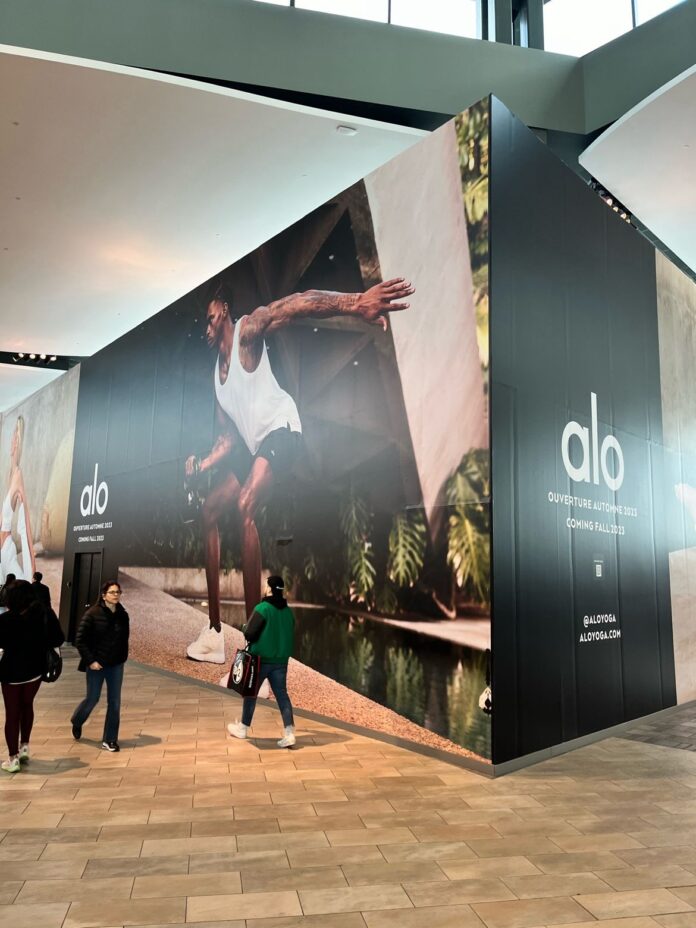
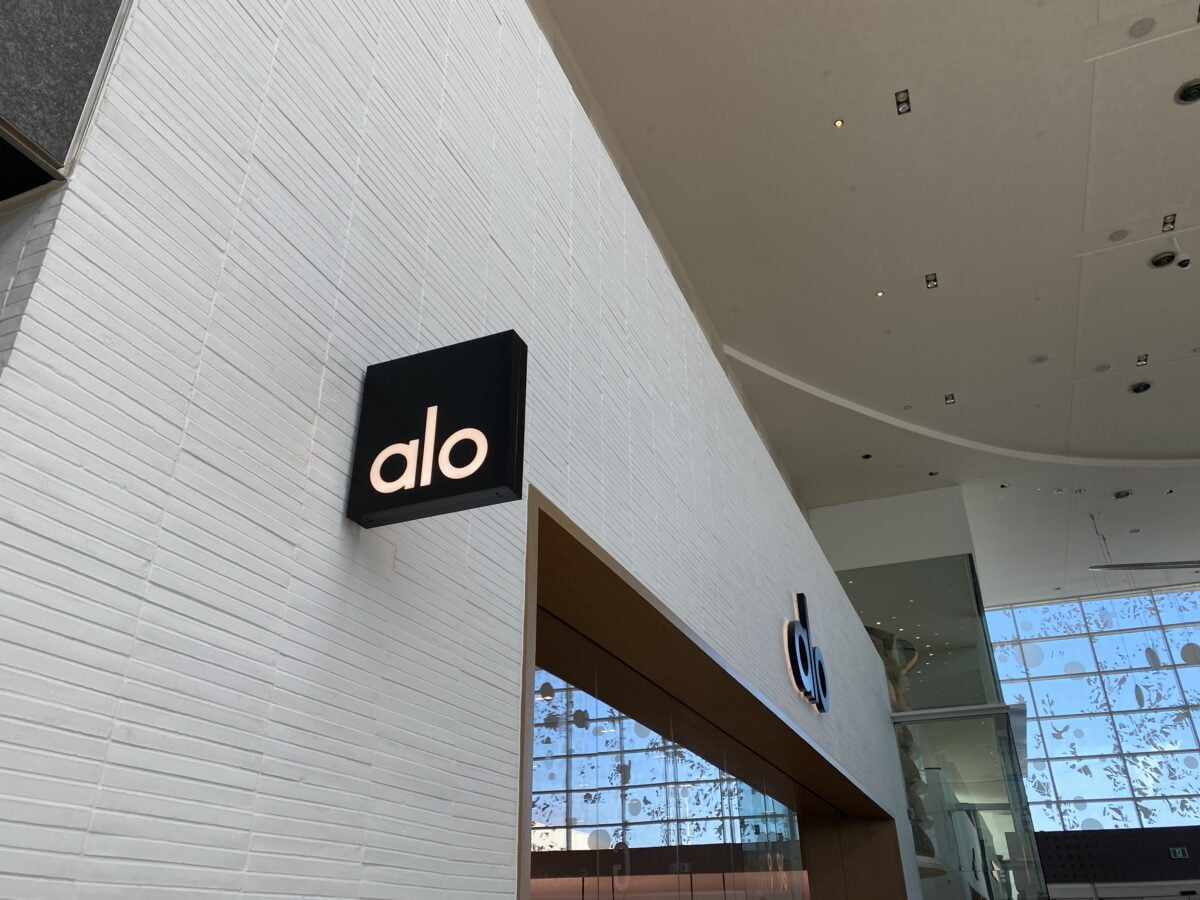
Los Angeles-based Alo Yoga is expanding further into the Canadian market as it prepares to open its first store in the province of Quebec. The brand is expanding more broadly than expected in Canada by opening at least two stores in five major cities.
Alo Yoga’s next Canadian store will open at CF Carrefour Laval near Montreal. The store will be located next to Ted Baker and across from some strong brands including Hugo Boss, Vinfast, La Vie En Rose and Thomas Sabo. Jeff Berkowitz of Aurora Realty Consultants negotiated the lease on behalf of Alo Yoga, with Cadillac Fairview being the landlord of CF Carrefour Laval.
It’s been a bit over a year since Alo Yoga entered the Canadian market with its first store, and it now has seven across the country. Alo’s first Canadian location opened in September of 2022 in Toronto at the northeast corner of Bloor and Bay Streets at the base of the 60 Bloor St. W. office tower, where a Gap store had operated for years. Alo’s second Canadian location opened a couple of months later at Toronto’s Yorkdale Shopping Centre. Toronto is an important market for Alo Yoga, which has since seen the opening of a store at CF Toronto Eaton Centre in the downtown core and plans are in place for a fourth Toronto store at CF Sherway Gardens.
Alo Yoga at Yorkdale (Image: Dustin Fuhs)
Since the summer, Alo Yoga has opened stores in the Vancouver, Edmonton and Calgary markets. A Vancouver store opened at CF Pacific Centre in the spring of this year in a coveted retail space formerly occupied by an Apple store (which relocated). In Edmonton, Alo Yoga opened at store at West Edmonton Mall in August and last month a second location opened at the Southgate Centre. In Calgary, Alo Yoga opened at CF Chinook Centre and a second store is said to be opening at CF Market Mall.
Alo Yoga is expected to continue expanding with more Canadian stores. The company has said that it would like a store on Ste-Catherine Street in Montreal, though nothing has been confirmed in terms of a secured location. Sources said that Alo Yoga had been in talks to open at Royalmount in Montreal, which will see its retail mall completed in August of 2024. The overhauled Oakridge Centre in Vancouver is also said to be another target for Alo Yoga. Given a pattern of location choices, other potential targets for Alo Yoga in Canada could eventually include locations at Square One in Mississauga, CF Rideau Centre in Ottawa and even CF Polo Park in Winnipeg, depending how many markets Alo Yoga decides to open stores.
The brand is said to be gaining market share in Canada, most likely at the expense of Vancouver-based Lululemon. One advantage Lululemon has is its presence in Canada for several decades, not to mention the fact that it has almost 70 stores in this country. Alo Yoga could still carve out some of that with its stores and online presence, as well as selling at some retailers such as Holt Renfrew.
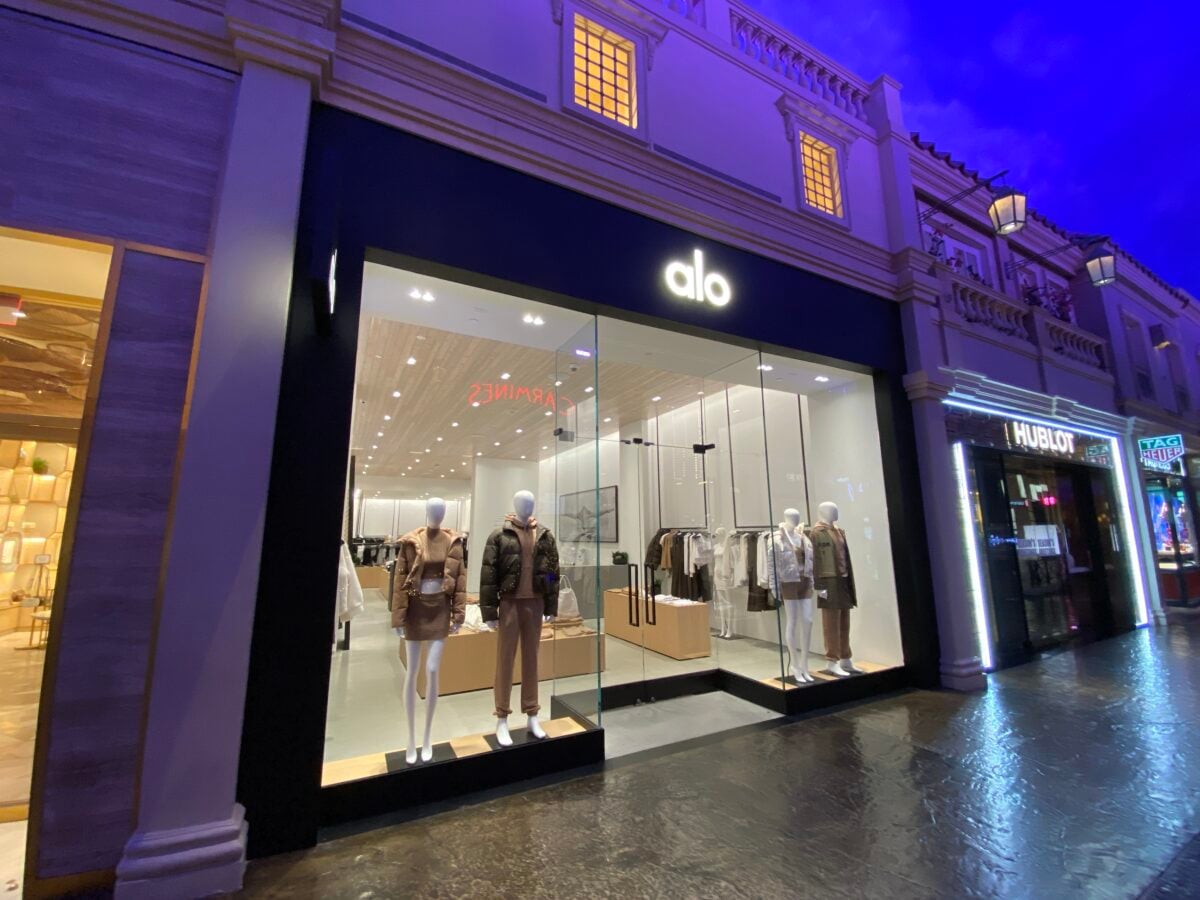
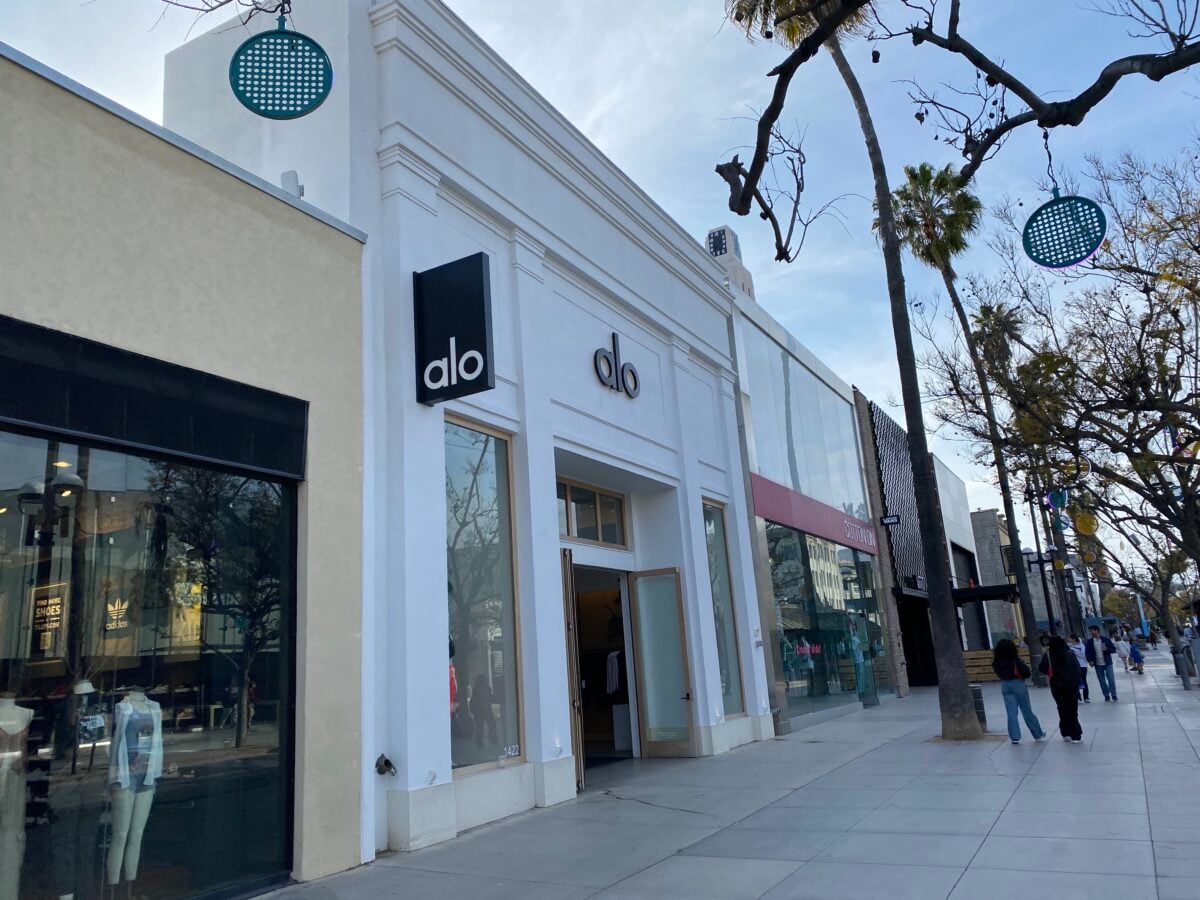
ALO YOGA at The Forum Shops at Caesars (Image: Dustin Fuhs) ALO YOGA Santa Monica (Image: Dustin Fuhs)
Alo Yoga has been rapidly opening stores in the United States, and is also expanding its international footprint. The retailer has over 60 stores in the United States according to its website, up from just 13 stores when Retail Insider first reported on the brand entering Canada in January of 2022. Alo Yoga also has stores in the UK, Mexico, Saudi Arabia, Kuwait and Israel, all having opened relatively recently.
Alo Yoga was founded in Los Angeles in 2007 by entrepreneurs Danny Harris and Marco Degeorge who continue to own and bankroll the business. The company says that it makes “the most technologically advanced yoga clothing in the world” with a “studio-to-street” ethos. Home workouts are possible with Alo Moves, an at-home fitness concept with a $30 monthly membership for unlimited yoga, fitness and meditation.
In an era where food inflation has become a contentious political issue, it’s all too tempting for politicians to target the grocery industry. Sadly, that’s exactly what transpired in our country this year, and it was both absurd and embarrassing. The government and Parliament relentlessly hounded our grocers, drowning out the opportunity for Canadians to truly comprehend the intricacies of food inflation amid the cacophony of political theatrics.
The recent “greedflation” campaign, while amusing, highlights a collective amnesia regarding why companies exist and the power of market forces. The sustainability of the grocery business in Canada hinges on profits and a profound understanding of market dynamics.
In 2023, grocers made three visits to Ottawa. On March 8, they appeared in Parliament, followed by a meeting with Minister Francois-Phillippe Champagne on September 18, and a final appearance in Parliament in November. Regrettably, these visits yielded little more than media photo ops that pleased industry critics. And it’s not over. More visits are coming.
The notion of compelling competitors to divulge sensitive pricing data is baffling. Such an approach contradicts the very essence of a competitive marketplace. It’s akin to gathering all NHL hockey teams in a room to share their winning strategies or, worse yet, asking teams to tie every game and assign goal quotas to players like Connor McDavid. It’s simply senseless.
Many politicians this year have demonstrated a limited grasp of the fundamental principles governing competitive markets. In a genuinely competitive market, centralized coordination among market participants is non-existent, period. Ottawa’s inclination towards direct market intervention runs counter to the principles necessary for encouraging increased investment and enhancing market competitiveness.
Canadians first learned about a price-fixing scandal that raised the wholesale price of bread in 2017, when Loblaw and George Weston revealed their part in it. A worker restocks shelves at an Atlantic Superstore grocery in Halifax in January 2022. THE CANADIAN PRESS/Kelly Clark
While the bread price-fixing episode was undoubtedly wrong and disgraceful, there’s a genuine concern that the government’s actions may inadvertently foster the re-emergence of similar schemes. Ottawa seems to be drifting closer to a government-coordinated effort that leaves many, including analysts and some backbenchers, deeply uncomfortable.
Let’s hope that 2024 ushers in more reason and tranquillity for both the industry and the government, though the polls will ultimately decide. As much as we acknowledge that grocers, like any other sector, deserve scrutiny, 2023 was a nadir in our history. Consumer trust is currently at an all-time low, not necessarily due to the industry itself but because it has been weaponized for political gain. Despite this, we should be grateful to our grocers for their unwavering commitment to feeding Canadians and providing one of the most affordable and safest food baskets globally, even if some politicians have conveniently forgotten or chosen to ignore this fact.
Amid this turbulent year, it’s crucial to remember that the grocery industry plays an indispensable role in every Canadian’s daily life. These businesses have continuously adapted to challenges, ensuring that store shelves remain stocked, offering a lifeline of sustenance during uncertain times. As 2024 approaches, let’s hope for a more collaborative and understanding relationship between the industry and the government, one that empowers the market and prioritizes the well-being of Canadian consumers. It’s time to move beyond theatrics and focus on practical solutions that benefit everyone.
Retail Insider is streamlining its Canadian retail news from around the web to include a handful of top news stories that can be viewed quickly during the day. Here are the top stories from the past 48 hours.
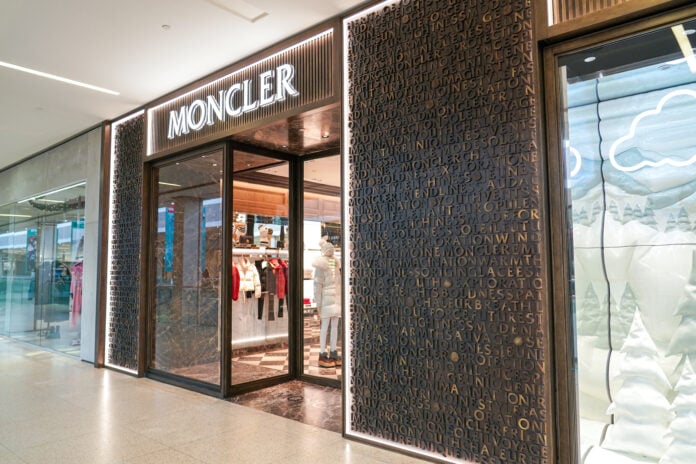
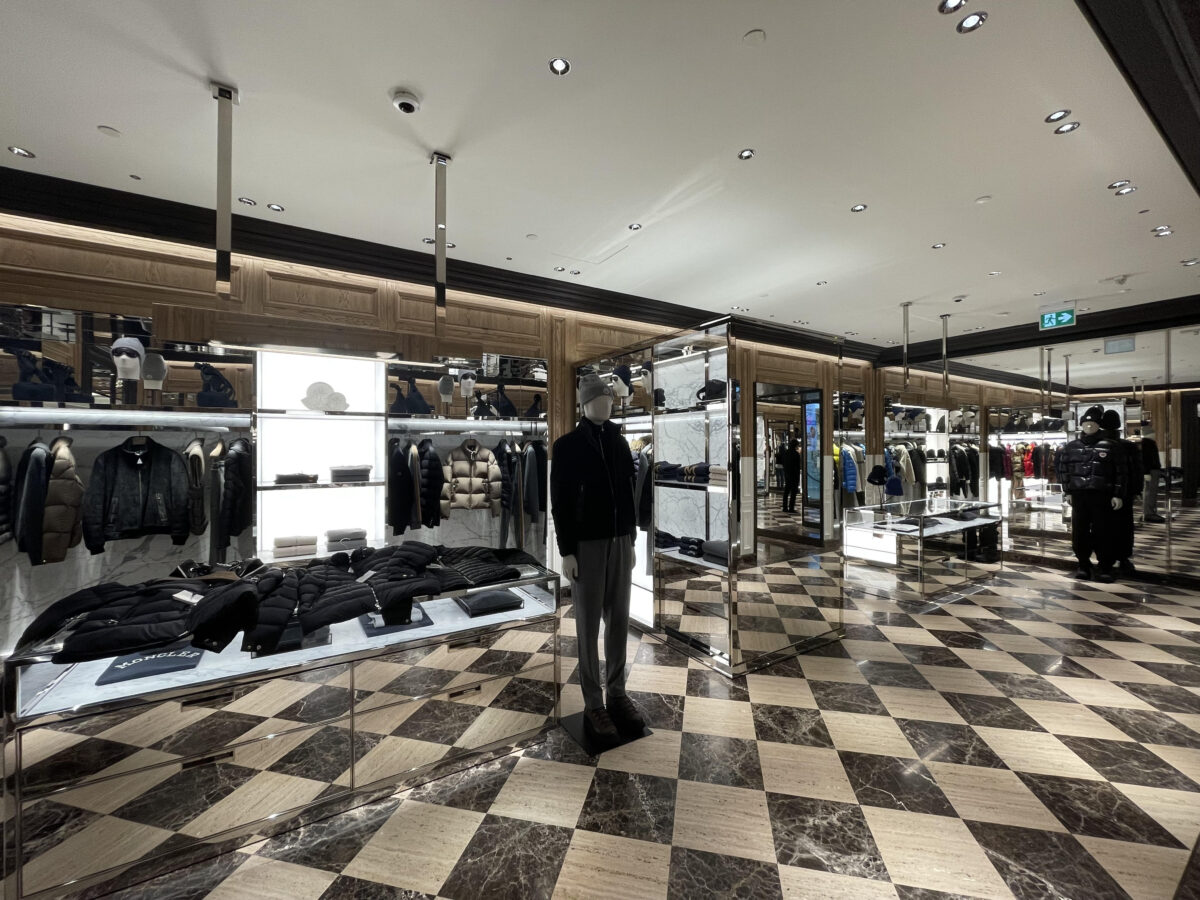
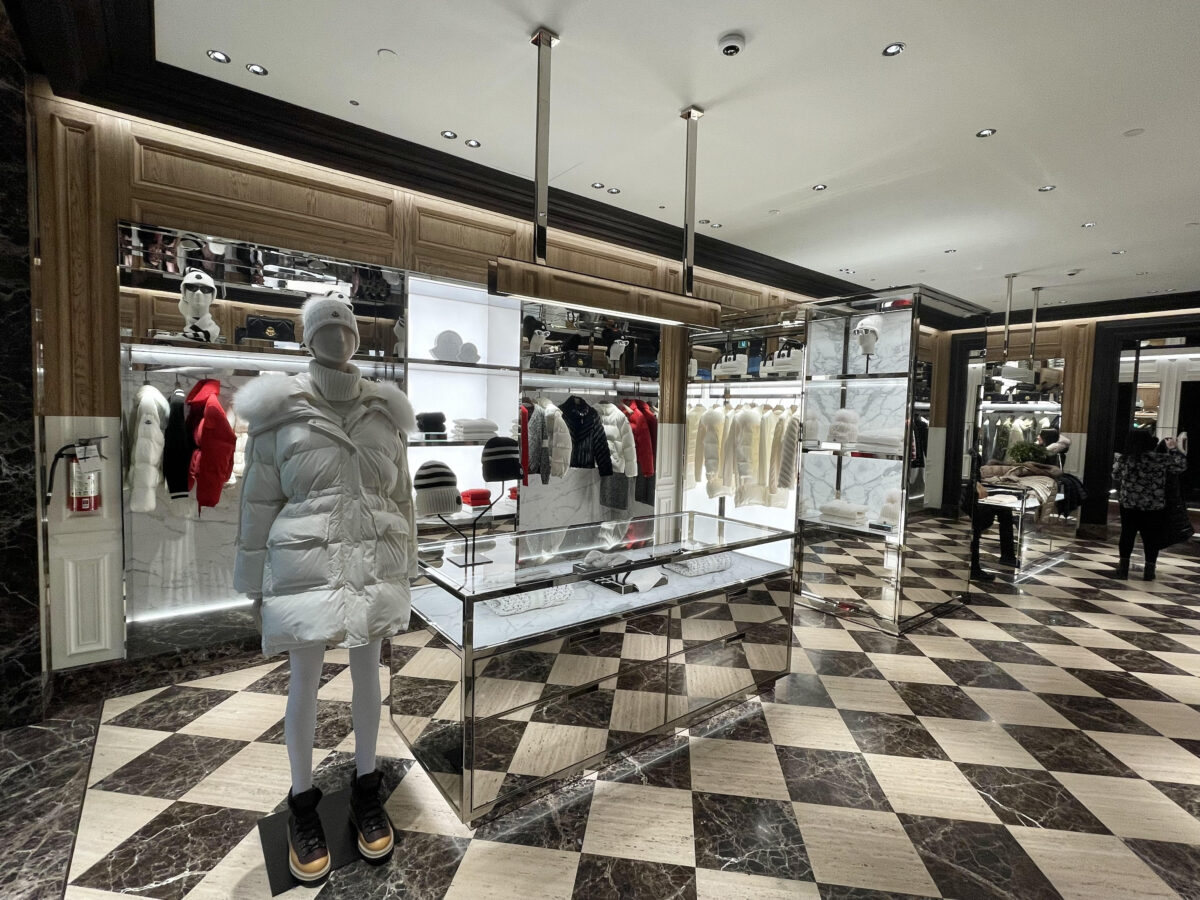
Italian luxury brand Moncler has opened its newest store in Canada at West Edmonton Mall, adding yet another luxury brand to the busy shopping centre. More luxury brands are said to be in talks with mall landlord Triple Five, given that sales in the centre’s luxury stores are surpassing expectations.
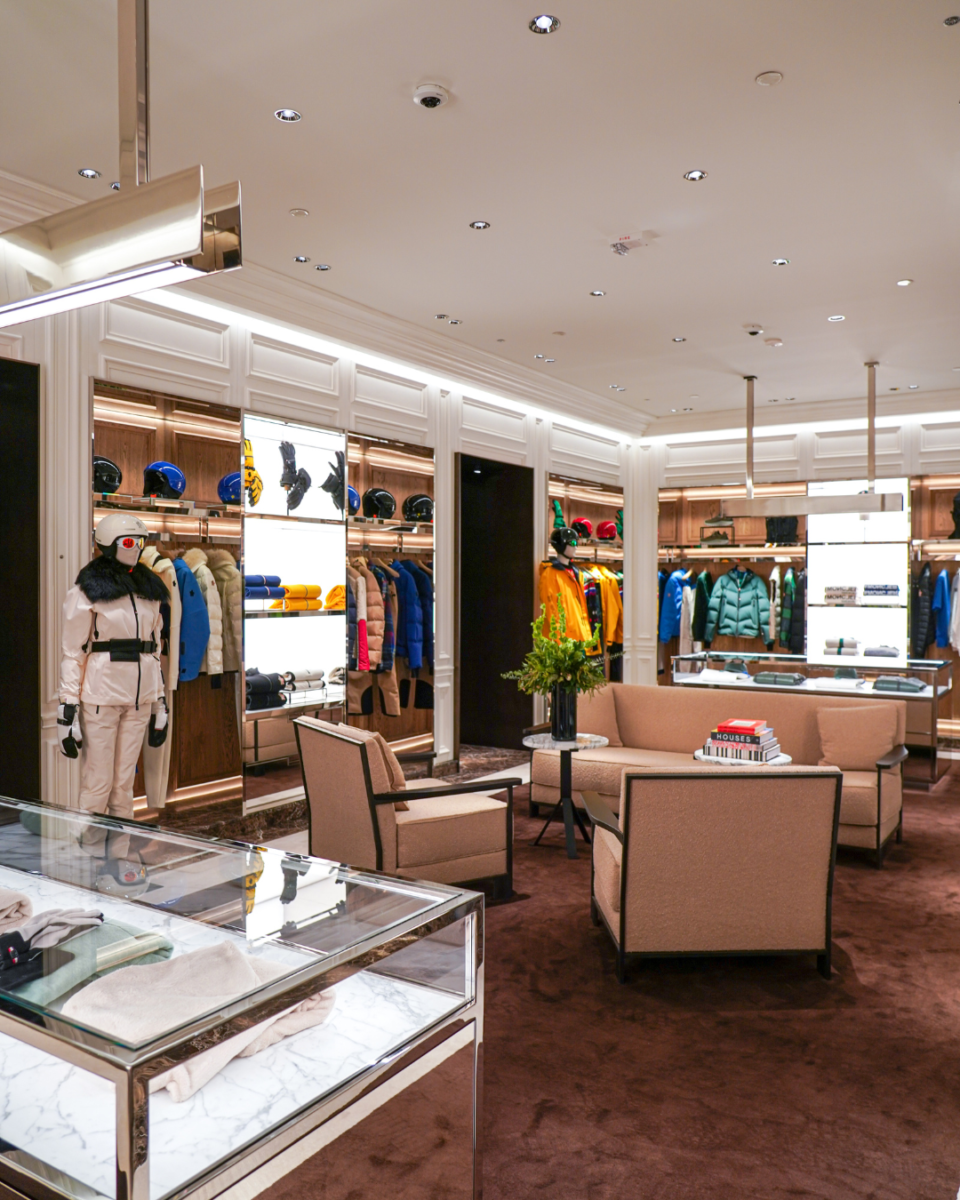
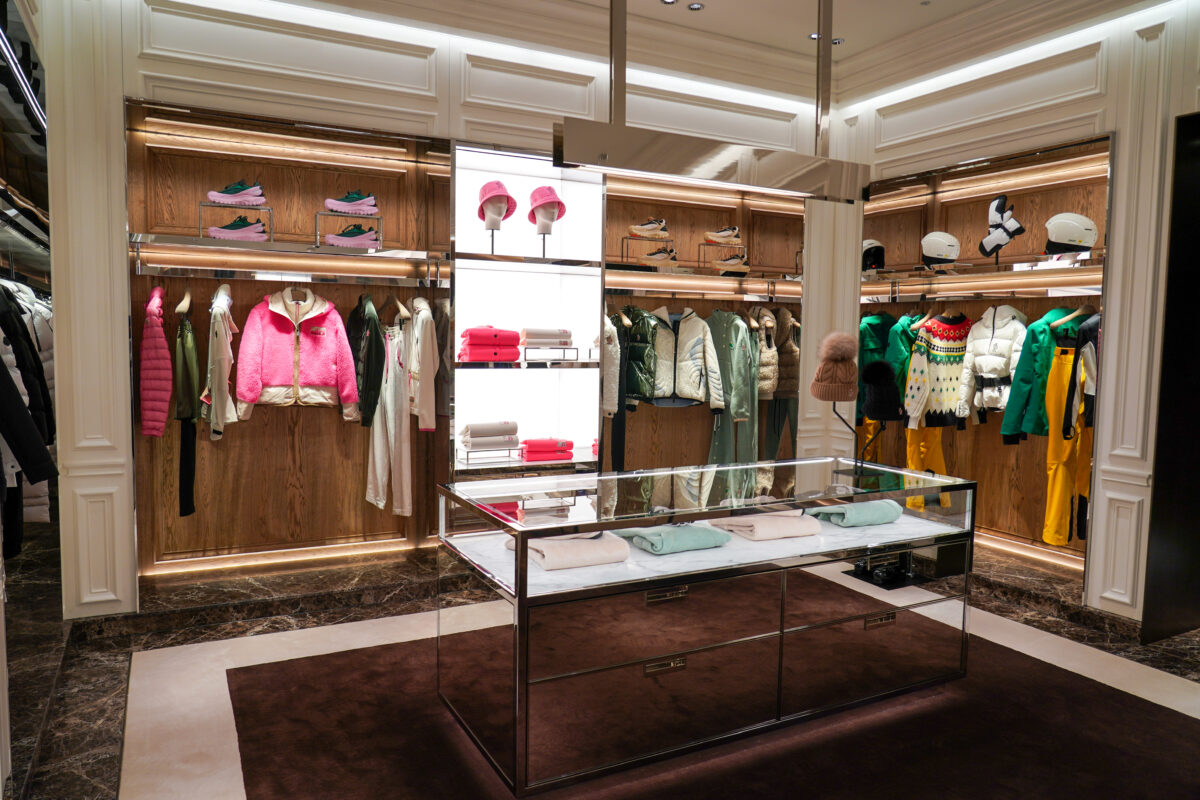
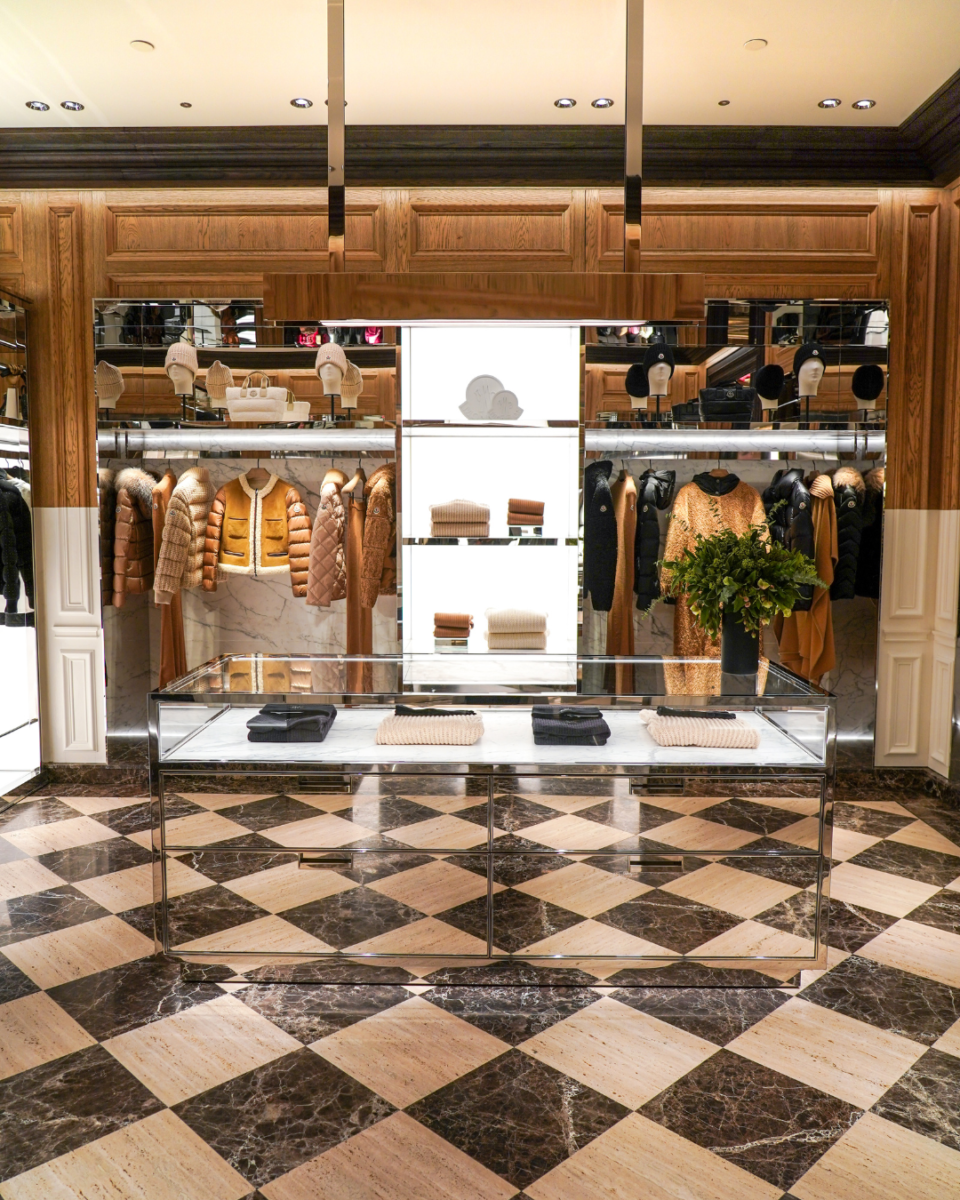
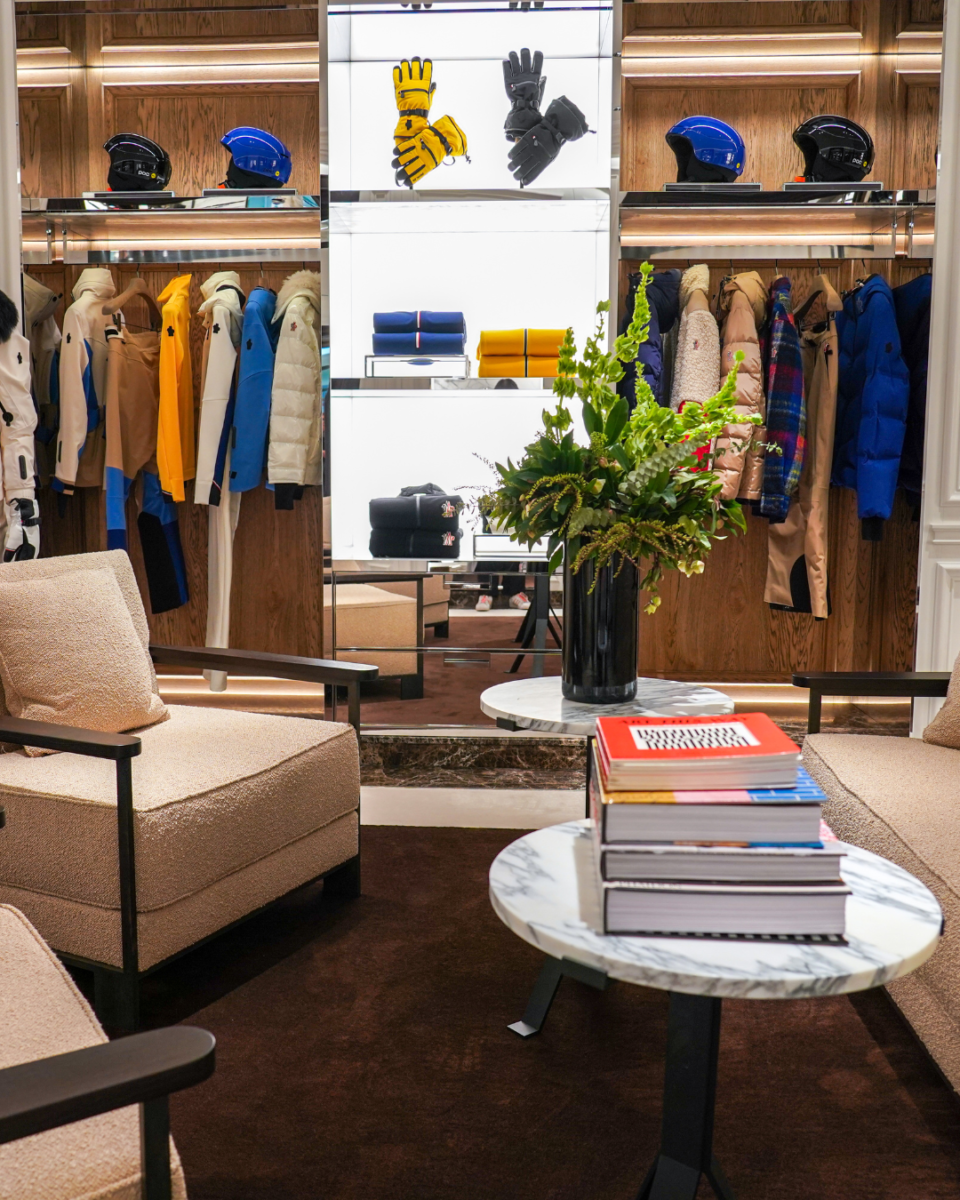
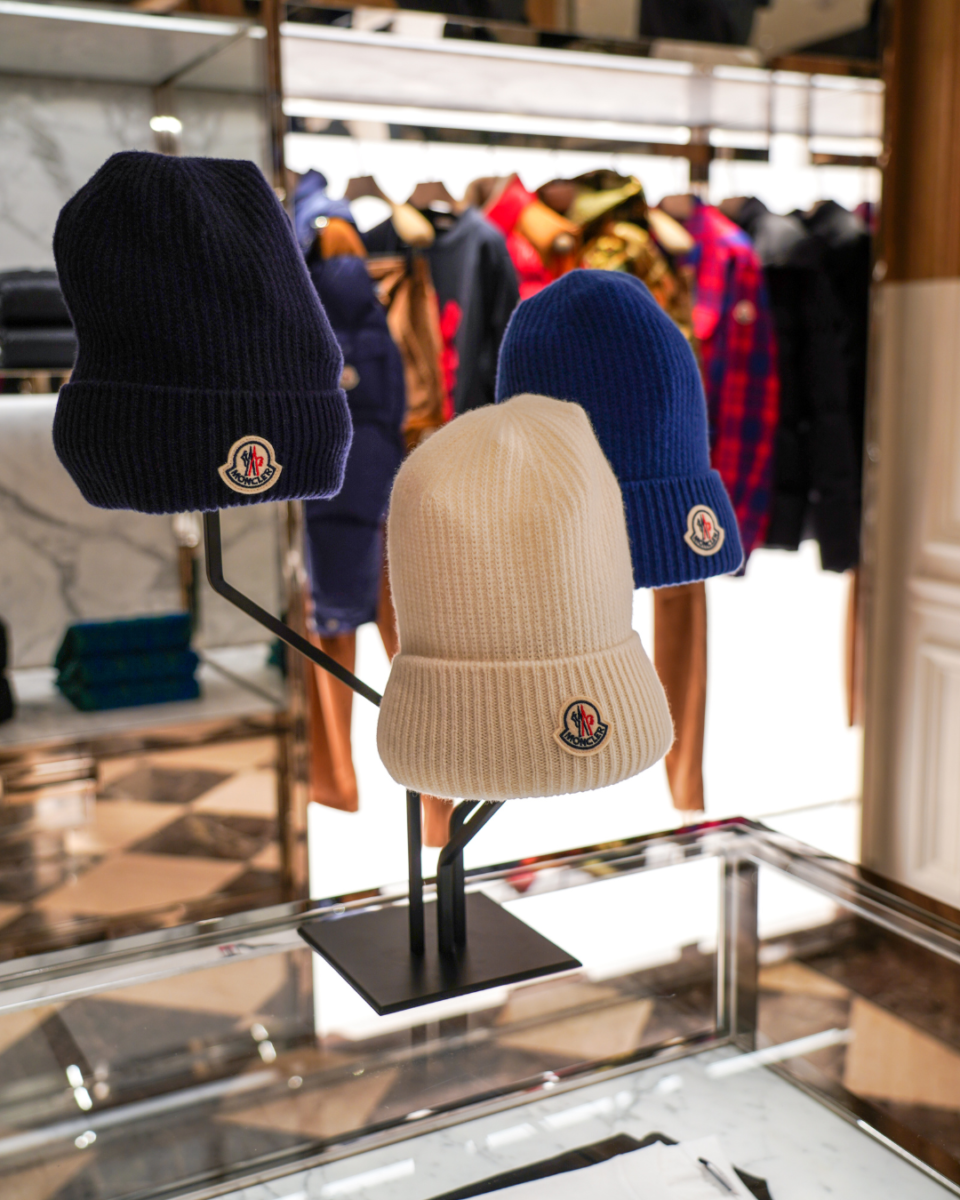
The new Moncler store spans about 3,945 square feet and is the largest in Canada in terms of size to date. The store features several rooms housing Moncler’s range of outerwear, ready-to-wear for men and women, as well as footwear, accessories and other categories. The outerwear especially, identifiable by Moncler’s round branded logo, should sell well in the cold Edmonton climate as winter approaches.
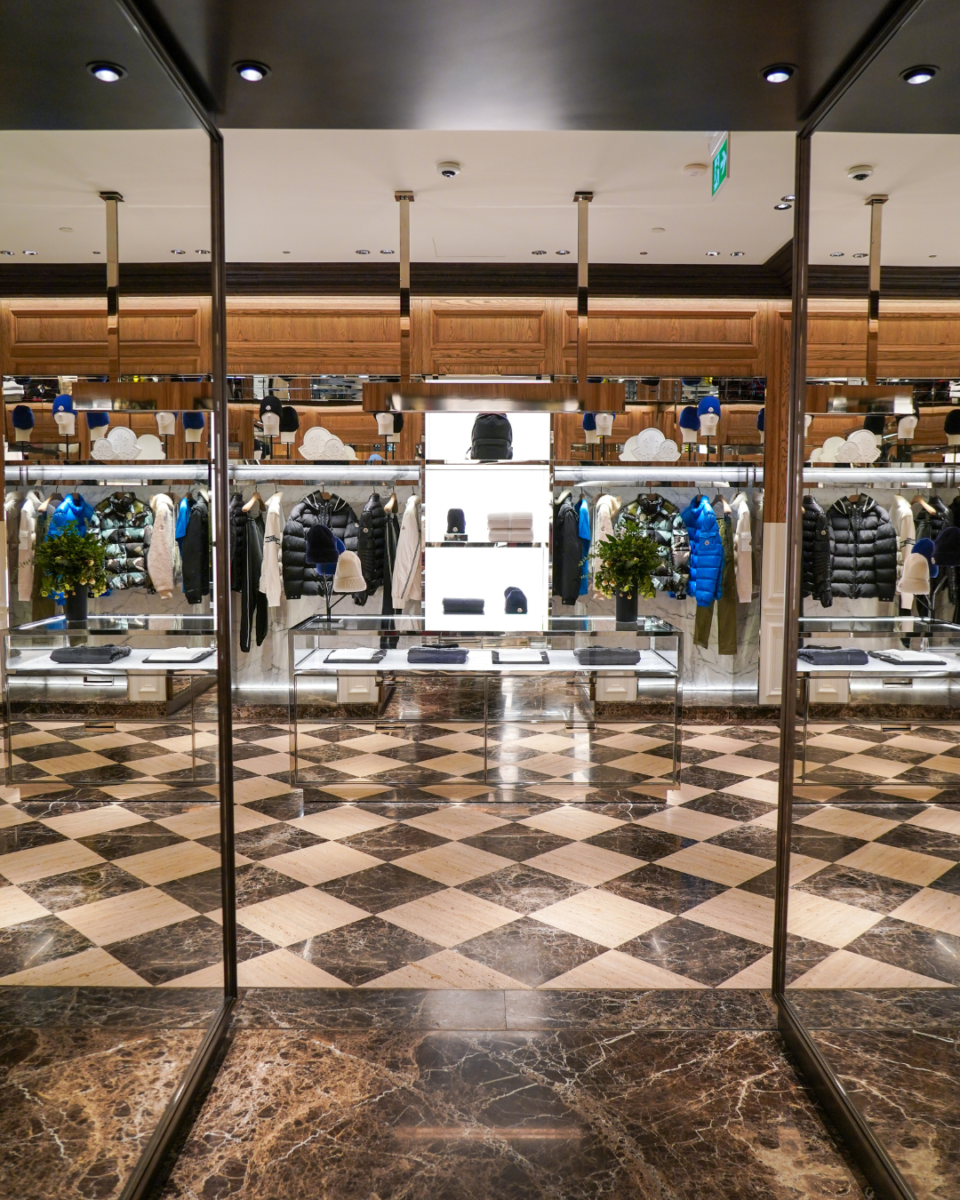
The space itself is beautiful, featuring ample use of wood and marble. Detailed millwork on the walls is a trademark of Moncler stores, and it contrasts with more modern metal fixtures. Black-and-white checkered floors are found throughout the store. Amachris Corporation built the space.
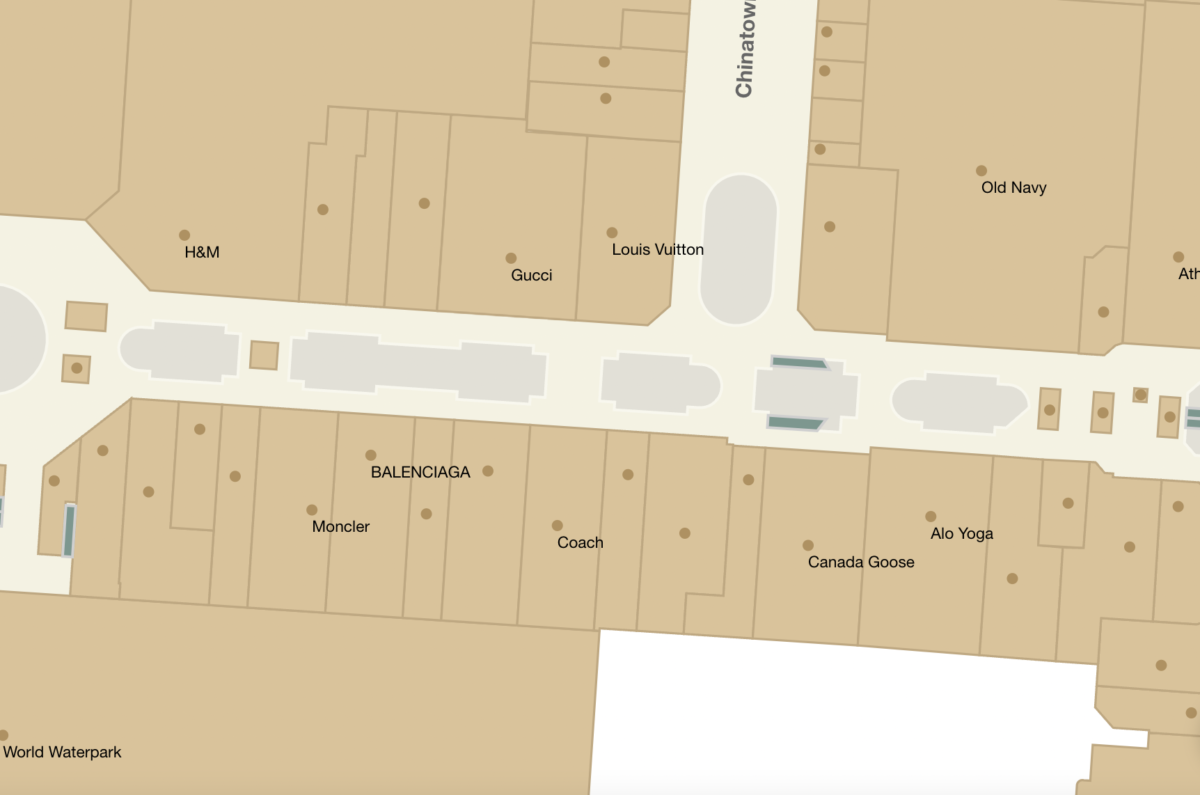
Click image for interactive West Edmonton Mall mapMoncler at West Edmonton Mall. Photo: Moncler. Moncler at West Edmonton Mall. Photo: Moncler. Moncler at West Edmonton Mall. Photo: Moncler.
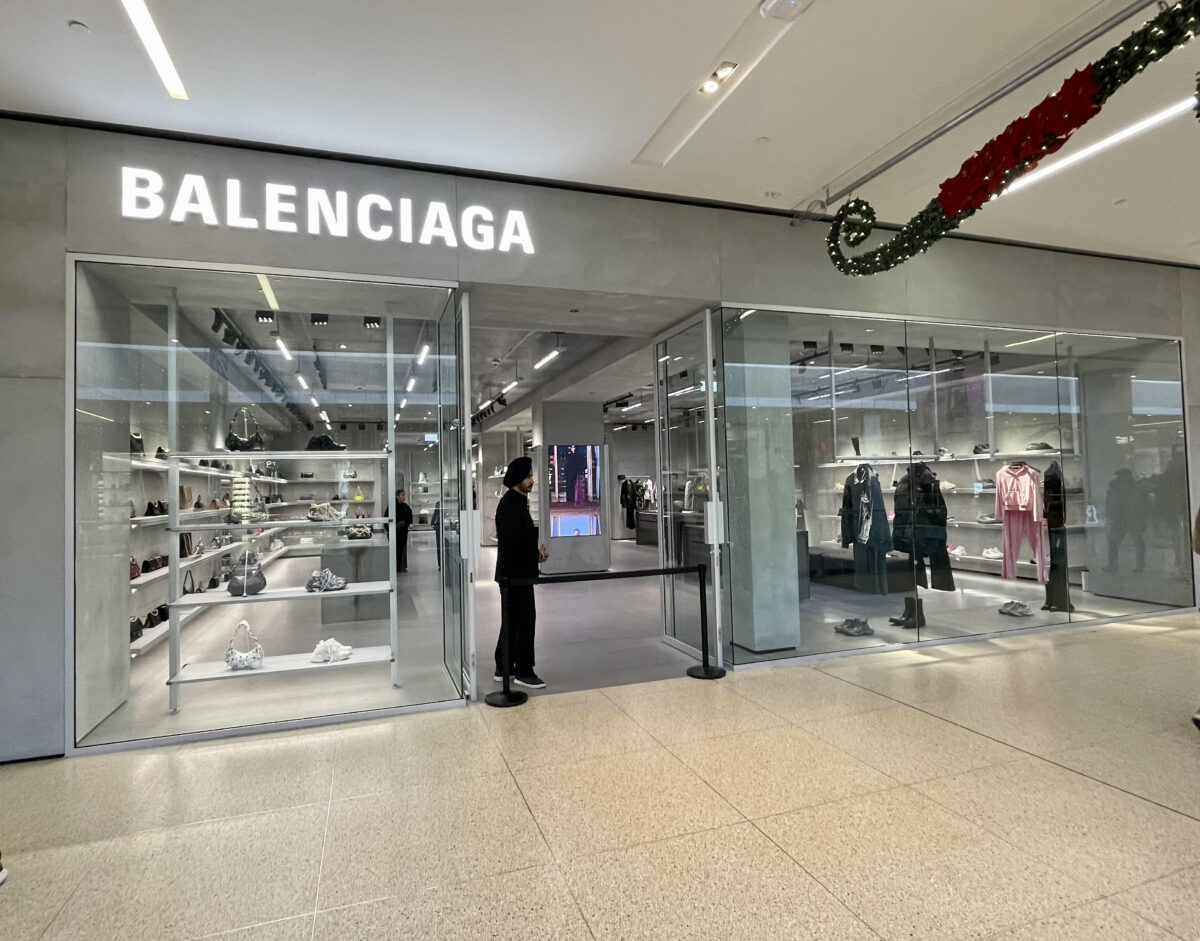
Moncler replaced retail spaces for Kate Spade and Lacoste, both of which relocated within West Edmonton Mall to new locations. The Moncler store is located next to luxury brand Balenciaga, which opened its 3,900 square foot store in March of this year. Balenciaga was the latest luxury brand to open in the mall which is the largest in Canada in terms of square footage, attracting nearly 30 million visitors annually.
Kering-owned luxury brand Balenciaga followed when in March of 2023 it opened a store at West Edmonton Mall, continuing the trend of opening luxury stores at the shopping centre.
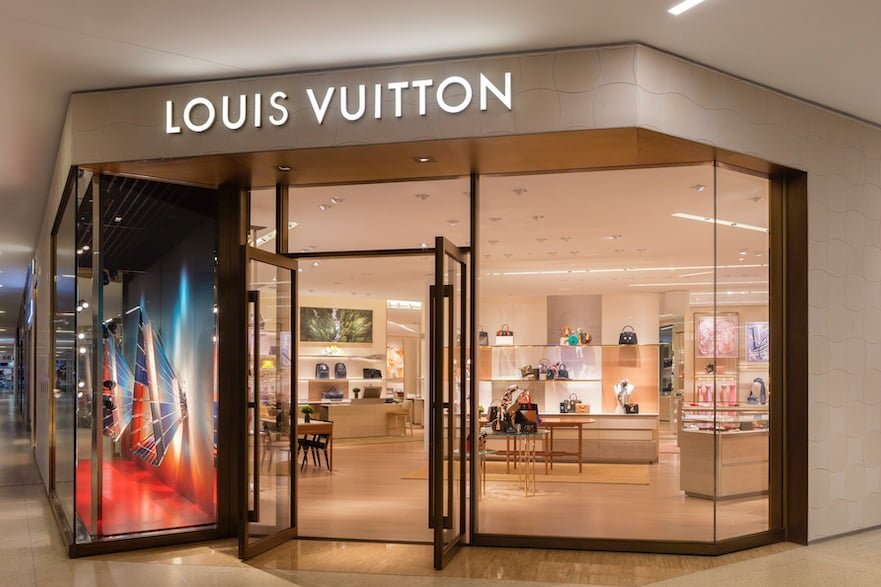
LOUIS VUITTON’S NEW STOREFRONT AT WEST EDMONTON MALL. PHOTO: LOUIS VUITTON
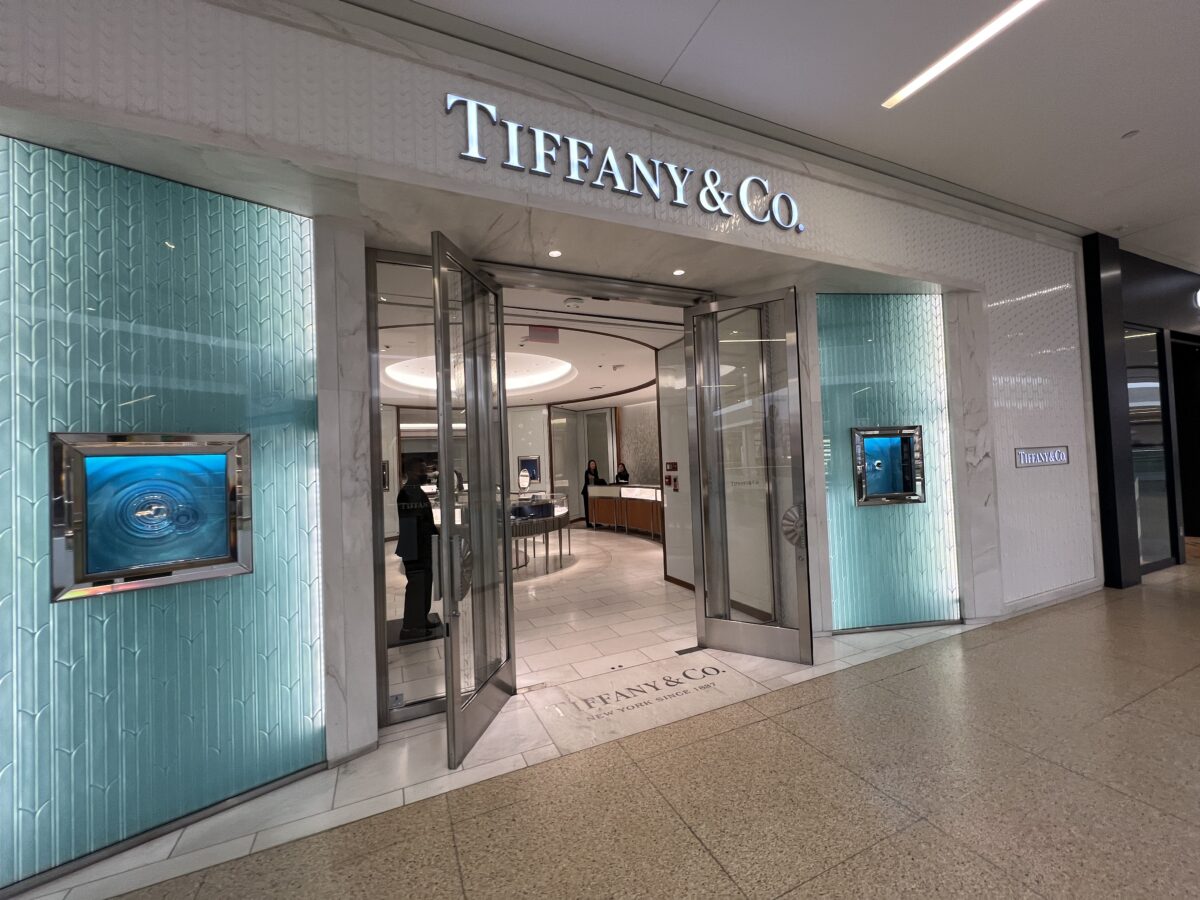
Tiffany & Co. at West Edmonton Mall. Photo: Lee Rivett.
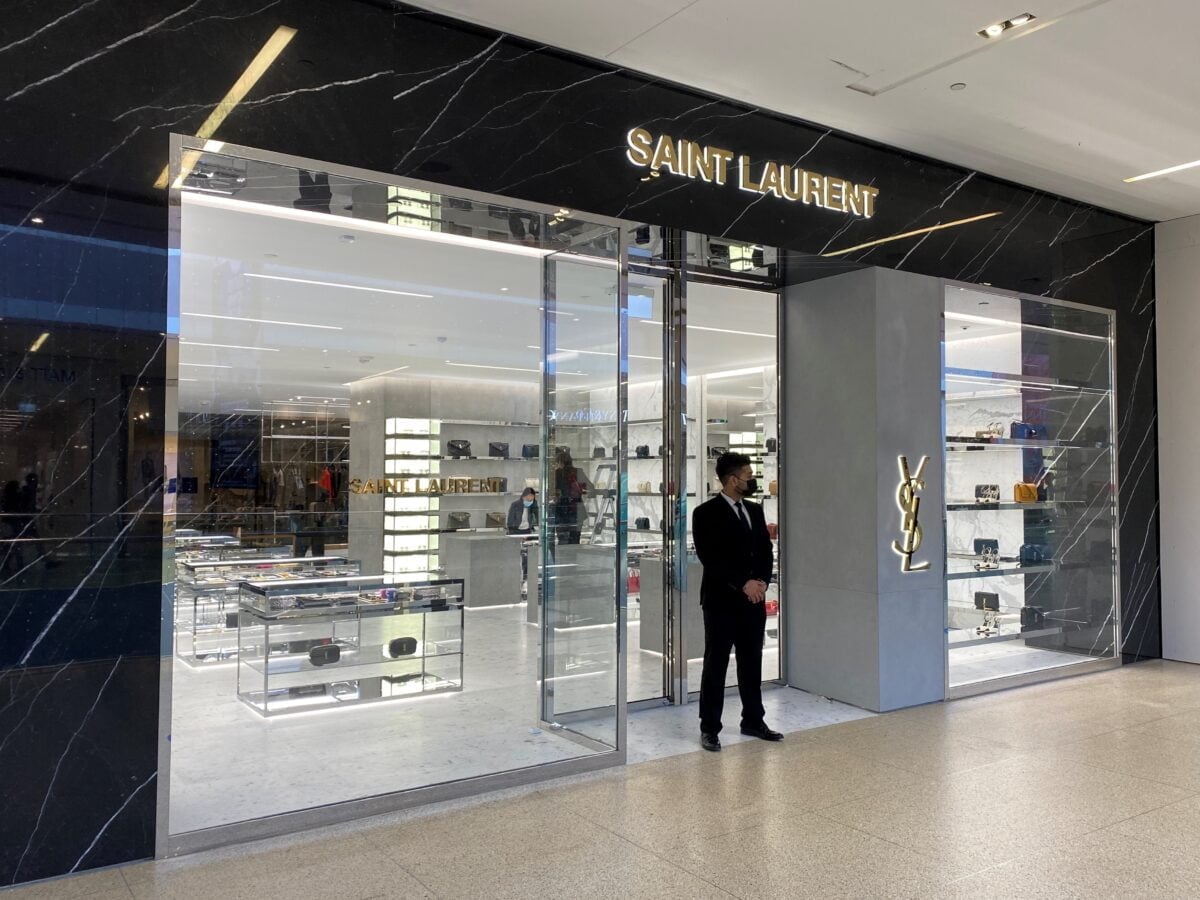
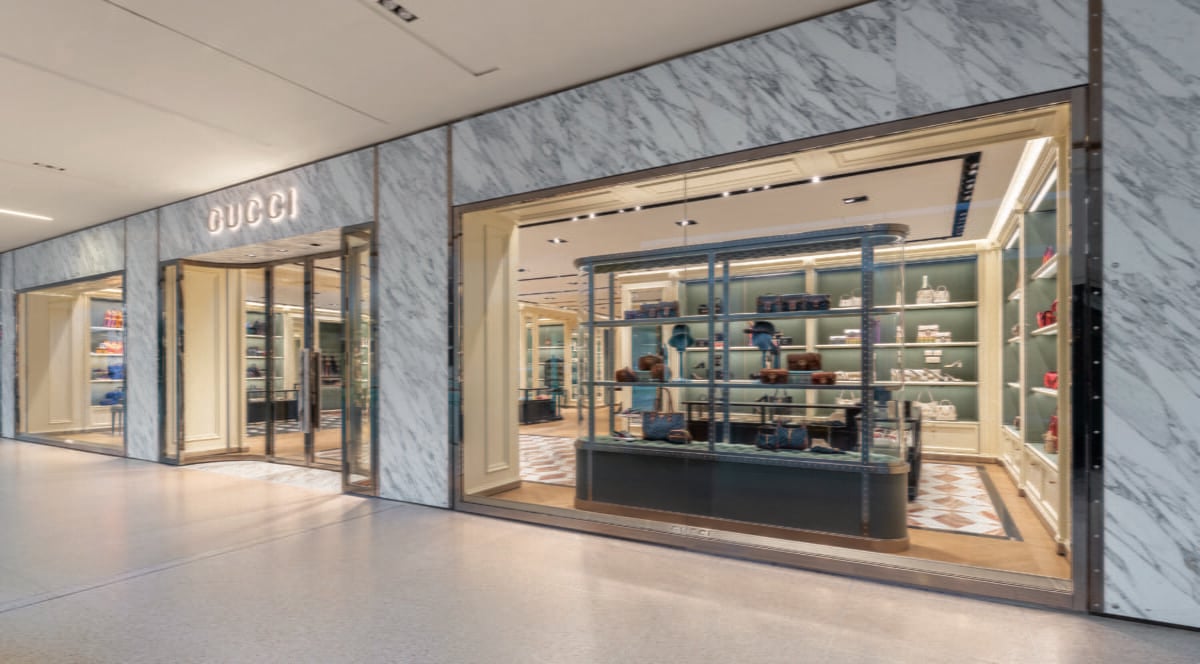
Sources told Retail Insider that sales have been strong at the luxury retailers in West Edmonton Mall. Saint Laurent had recently wanted to expand its already sizeable 2,880 square foot store last summer, but has since decided against it, at least for now. Louis Vuitton staff also said that the brand wanted to expand its 4,595 square foot store in the mall to include more product categories, given its success. The 5,000 square foot Gucci store in the mall is said to be the second top-seller in Canada for the brand’s handbags.
West Edmonton Mall is expected to continue to add luxury brands to its second level where a clustering of stores has been created. Sources told Retail Insider that a flashy Italian luxury brand would be opening next to Saint Laurent, while talks were underway with a very well known luxury jewellery brand to open across the way. It will be interesting to watch the progression of luxury stores on the mall’s second level and what might be moved where if demand continues in the Edmonton market for more luxury brands.
West Edmonton Mall has become one of a handful of luxury retail nodes in Canada. With stores including Louis Vuitton, Gucci, Saint Laurent, Balenciaga, Tiffany & Co. and now Moncler, the mall joins the likes of Yorkdale in Toronto, Bloor-Yorkville in Toronto, and the Alberni-Luxury Zone in downtown Vancouver as luxury retail destinations. That puts Edmonton in a unique position given its population and demographics. It should be noted that two more luxury nodes are confirmed for Canada — Royalmount in Montreal in August of 2024, and the Oakridge Park, replacing Oakridge Centre on Vancouver’s West Side, in 2025.
Exterior of Saint Laurent store at West Edmonton Mall. Photo: West Edmonton MallExterior of Gucci at West Edmonton Mall. Photo: GucciBalenciaga at West Edmonton Mall.
West Edmonton Mall has all but secured the luxury retail business for the Edmonton market. Holt Renfrew shut its downtown Edmonton store in January of 2020, essentially putting a nail in the coffin for luxury retail in the core besides a handful of options such as menswear retailer Henry Singer. The loss of Holt Renfrew was a significant blow to the downtown core in terms of attracting the city’s wealthy seeking brands, and West Edmonton Mall appears to have more than picked up the slack. West Edmonton Mall has retail locations for most of the top-selling brands that were carried at Holts, and the mall has also added some brands such as Saint Laurent and Balenciaga that Holts didn’t even carry.
Holt Renfrew may have underestimated the Edmonton market in terms of its spending power — construction on a Holts store actually began in the mall nearly a decade ago, but a deal was never reached and the space ended up being built-out for a ‘Rec Room’ amusement centre. Now it’s unlikely Holt Renfrew would ever return to the Edmonton market with a large store, given that luxury brands are seeing success with their own standalone locations.
Luxury brands can also be found at La Maison Simons at West Edmonton Mall, which probably carries more high-end labels than any other location in the Simons chain. The men’s selection in the ‘Edito’ department in particular is impressive, with an assortment of brands with prices into the thousands. The women’s Edito department also carries an impressive range of pricy fashions, again solidifying West Edmonton Mall as the luxury shopping destination for the city.
Additional photos of the Moncler boutique at West Edmonton Mall:
Moncler at West Edmonton Mall. Photo: Moncler. Moncler at West Edmonton Mall. Photo: Moncler. Moncler at West Edmonton Mall. Photo: Moncler. Moncler at West Edmonton Mall.Moncler at West Edmonton Mall.