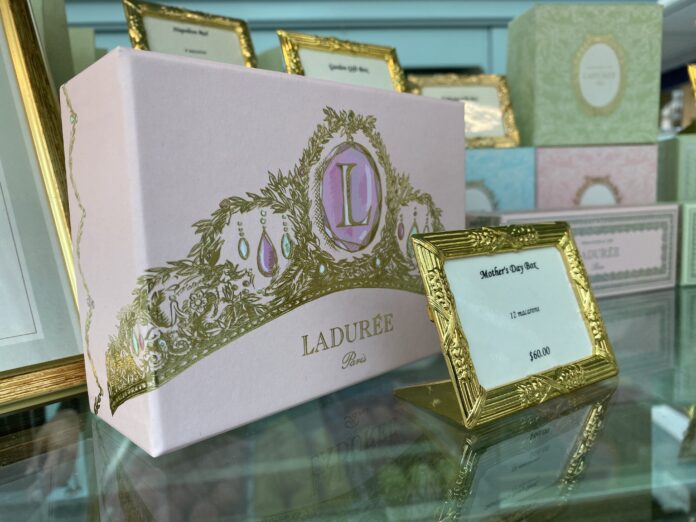
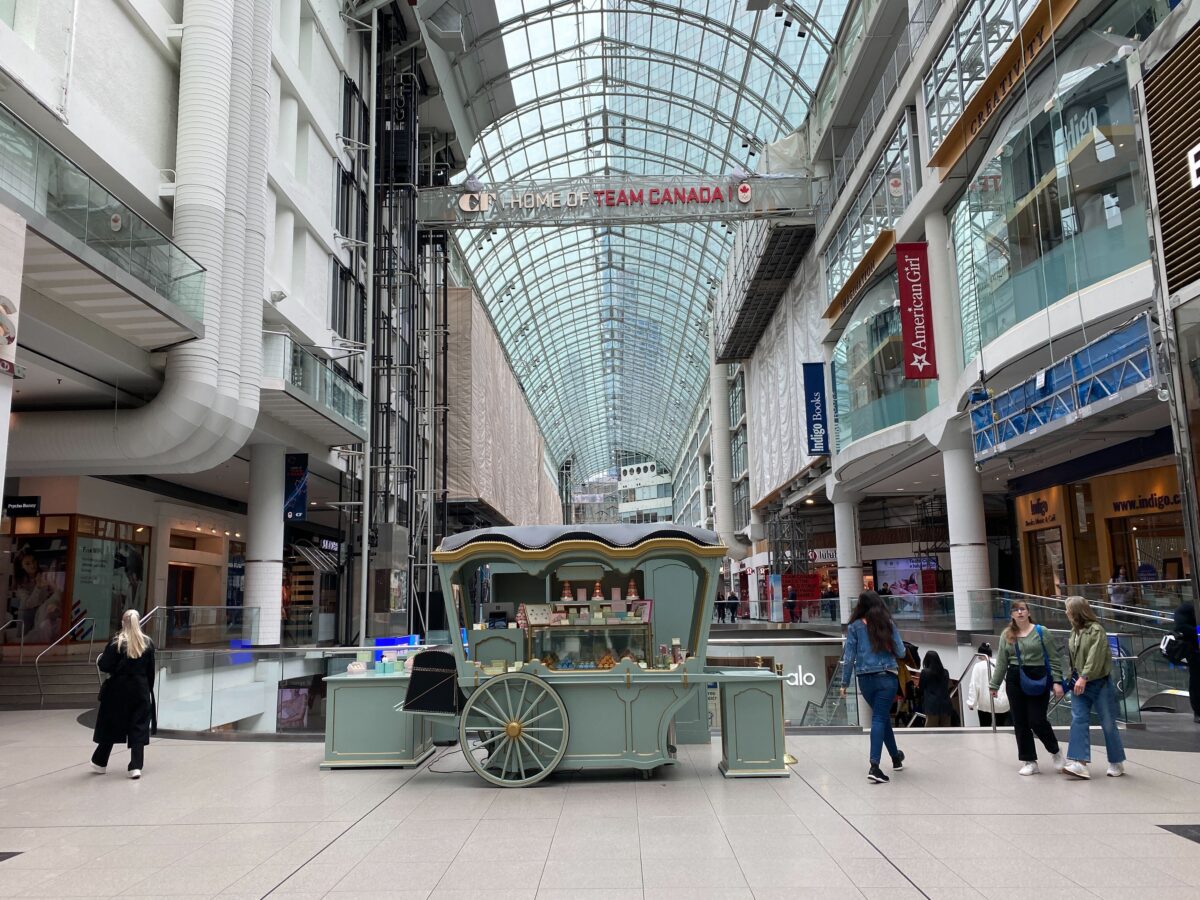
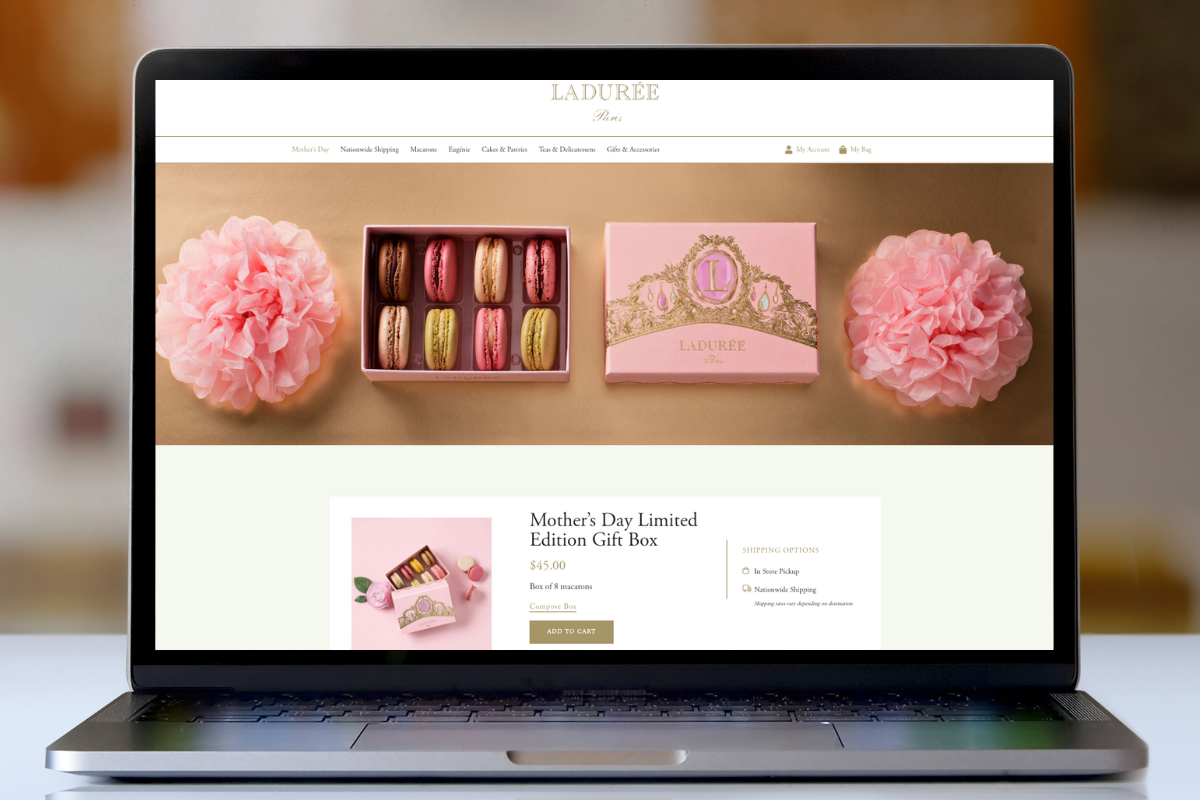
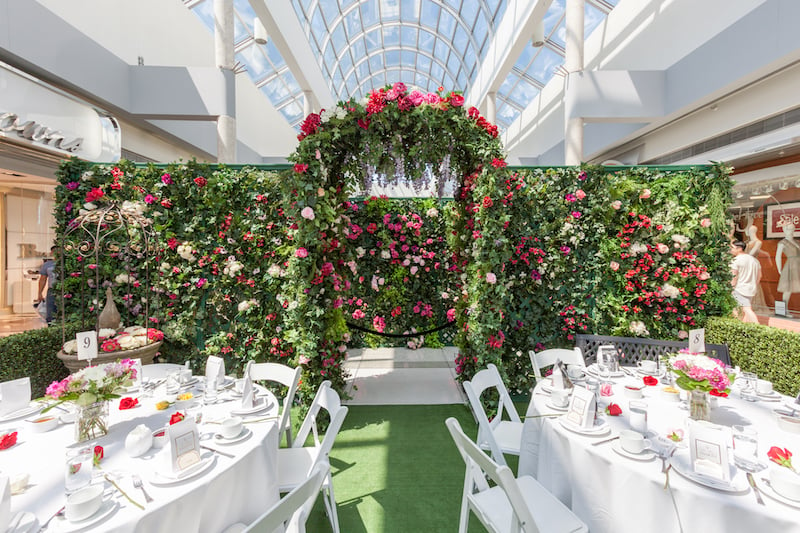
Ladurée Canada at CF Toronto Eaton Centre (Image: Dustin Fuhs)
Caddle, in partnership with Retail Council of Canada (RCC), recently released a survey of Canadians and their shopping intentions for this year’s Mother’s Day.
“In 2024, the trend to celebrate Mother’s Day in Canada is waning slightly, with only 60 per cent planning to observe the holiday, down from 72 per cent the previous year,” said the report.
“Uncertainty about celebrating has increased slightly to eight per cent from six per cent. While 66.5 per cent intend to buy gifts, down marginally from 67.1 per cent, those celebrating are largely looking to match or exceed their previous spending.
“Influence on purchases comes chiefly from family and friends (32.5 per cent) and in-store browsing (23.7 per cent). Other significant factors include in-store displays, flyers, social media, and retailer websites. Dedicated shopping trips for Mother’s Day are up to 60 per cent, and shoppers are clearly looking for value in gift-giving.
“In 2024, almost 90 per cent of Mother’s Day celebrating Canadians aim to increase or maintain their spending compared to last year.”
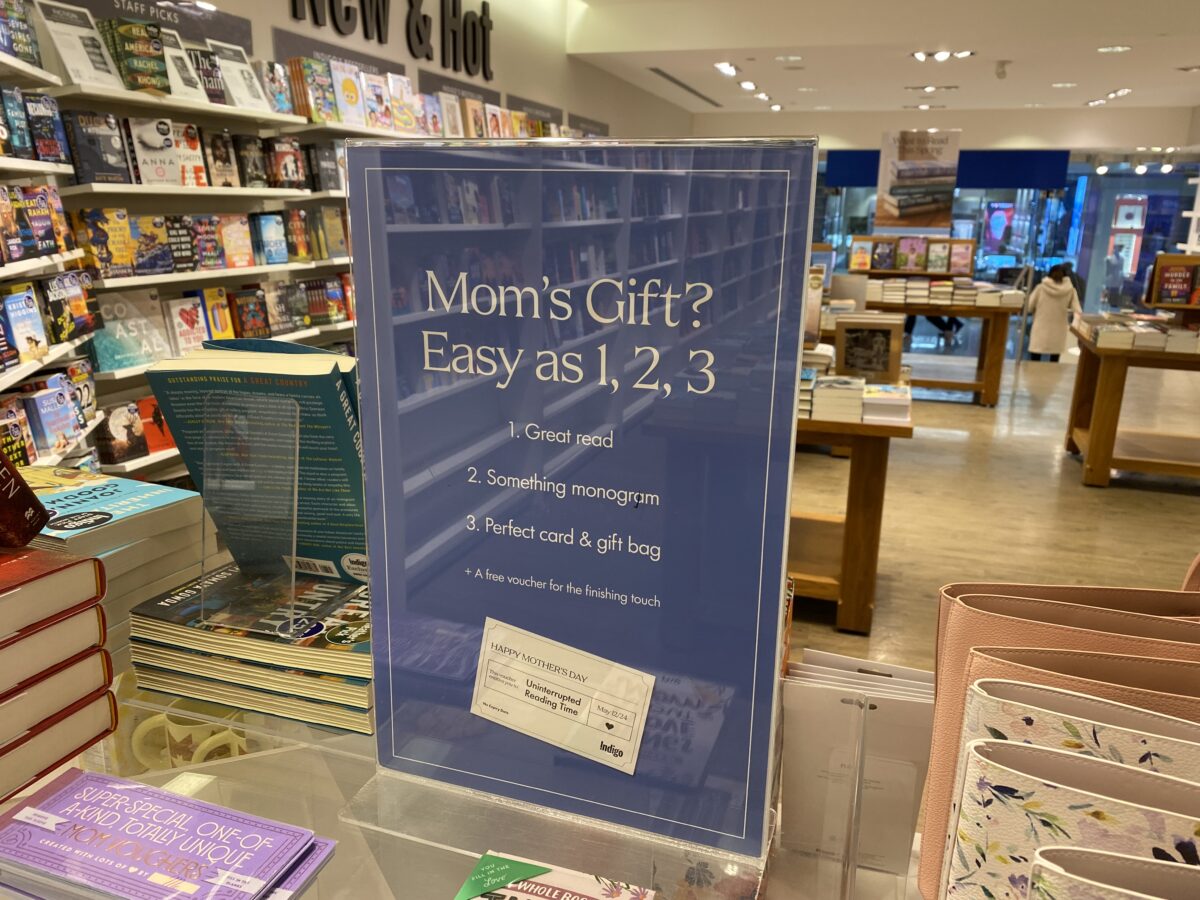
Mothers Day at Indigo (Image: Dustin Fuhs)Ladurée Canada at CF Toronto Eaton Centre (Image: Dustin Fuhs)
For many retailers, Mother’s Day is one of those special occasions that can boost business sales.
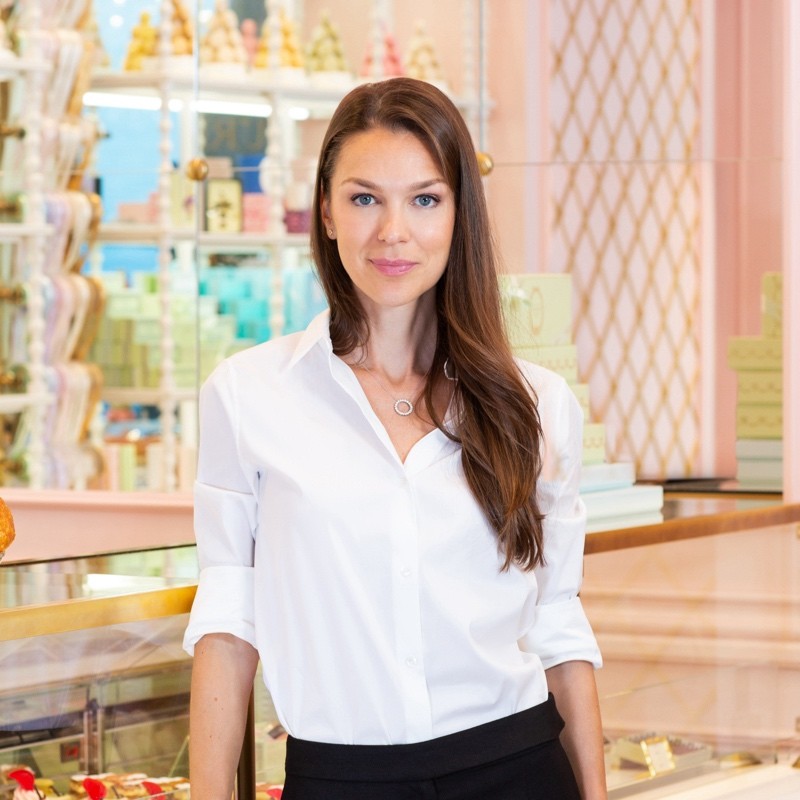
Olesya Krakhmalyova, company owner of Ladurée Canada, said Mother’s Day is very important for the retailer, which specializes in French pastries and macarons.
Olesya Krakhmalyova
“I would say for us Christmas and Valentine’s and Mother’s Day are the top three sales periods over the year. The peak moments,” she said. “ Ladurée is famous for its beautiful gift packaging for macarons and for Mother’s Day specifically we do limited selections to highlight the holiday.”
The company’s exclusive Mother’s Day treats include the Mother’s Day macaron box available from April 26 and the La Vie En Rose cake, available on May 1.
Ladurée Canada at Exchange Tower (Image: Dustin Fuhs)
Ladurée is a world-renowned luxury French pâtisserie with a rich history dating back to 1862. In 2016, Ladurée entered the Canadian market with its first location in Vancouver. It has since opened two locations in Toronto at Yorkdale and Exchange Tower. It also has carriage popups at CF Eaton’s Centre, CF Pacific Centre and Vancouver International Airport. In 2023 it opened its Toronto pastry laboratory, its second Canadian pastry making facility.
Krakhmalyova said consumers are concerned with rising prices. She said retailers often don’t have a choice these days in pricing because prices are impacted by the supply chain.
“We’re getting the sentiment that people have been taken aback by this non-stop price increase. But we are a business. And we are also taken aback and concerned with such rapidly increasing costs of doing business. It’s a huge concern,” she said.
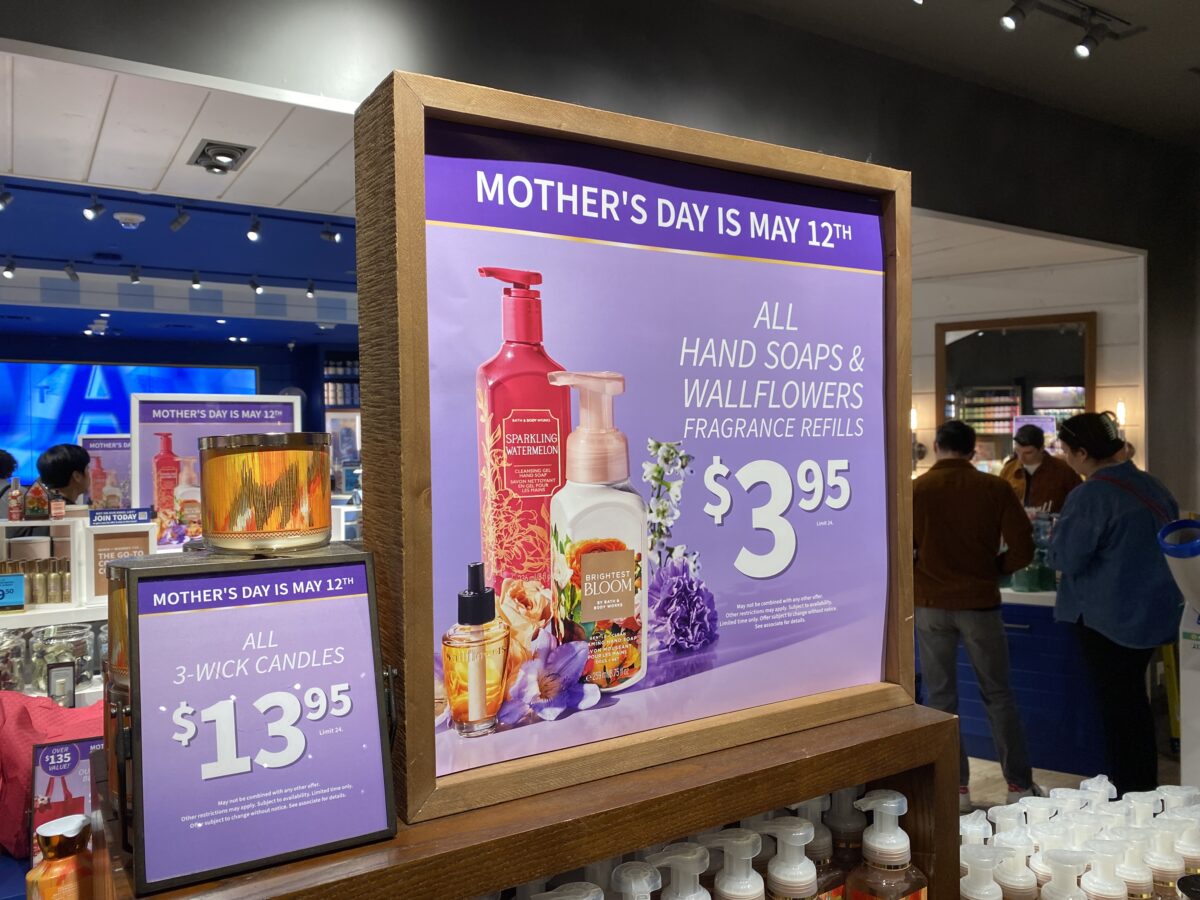
Image: ladureecanada.caMother’s Day at Bath and Body Works (Image: Dustin Fuhs)
Unfortunately for many retailers the increasing costs for a business are not compensated by sales right now.
That’s why many retailers look at special days like Mother’s Day to help boost their sales.
Here are the key findings from the RCC Mother’s Day survey:
60 per cent of Canadians plan to celebrate Mother’s Day in 2024, compared to 72 per cent in 2023;
Eight per cent of Canadians in 2024 are not sure whether or not they will celebrate Mother’s Day. In 2023 only six per cent of Canadians were not sure if they would celebrate;
This year, 89.7 per cent of Canadians who celebrate Mother’s Day, plan to spend the same or more as compared to last year;
74.3 per cent of Canadians expect to spend the same amount of money on celebrating Mother’s Day as they did last year;
15.4 per cent of Canadians expect to spend more money on celebrating Mother’s Day than they did last year, while the same number was 14.1 per cent in 2023;
.This year, 66.5 per cent of Canadians plan to make purchases related to Mother’s Day, in 2023 this number was 67.1 per cent;
The largest group (17.1 per cent) makes purchases about one week before the holiday;
52 per cent of Canadians will plan at least a week before Mother’s Day to make purchases;
The number of people planning to make same day purchases on Mother’s Day has declined by 1.2 percentage points compared to 2023 with 4.7 per cent;
56.2 per cent of Canadians who celebrate Mother’s Day, spend more than $50;
43.8 per cent of Canadians spend $50 or less on Mother’s Day;
This is followed by 33 per cent of Canadians spending between $51-$100, and 12.6 per cent spending between $101-$150 on Mother’s Day;
The number of people spending less than $50 has declined by 6.1 percentage points compared to 49.9 per cent in 2023;
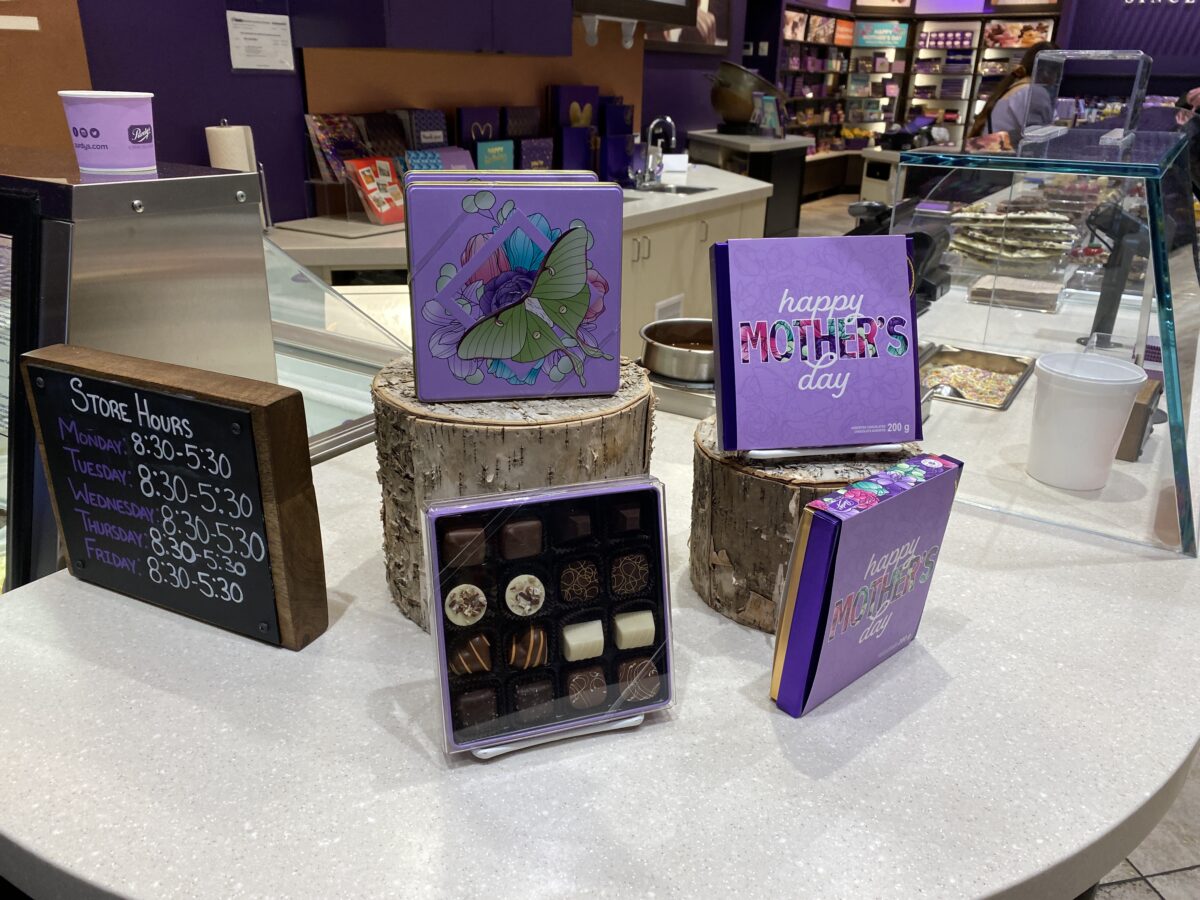
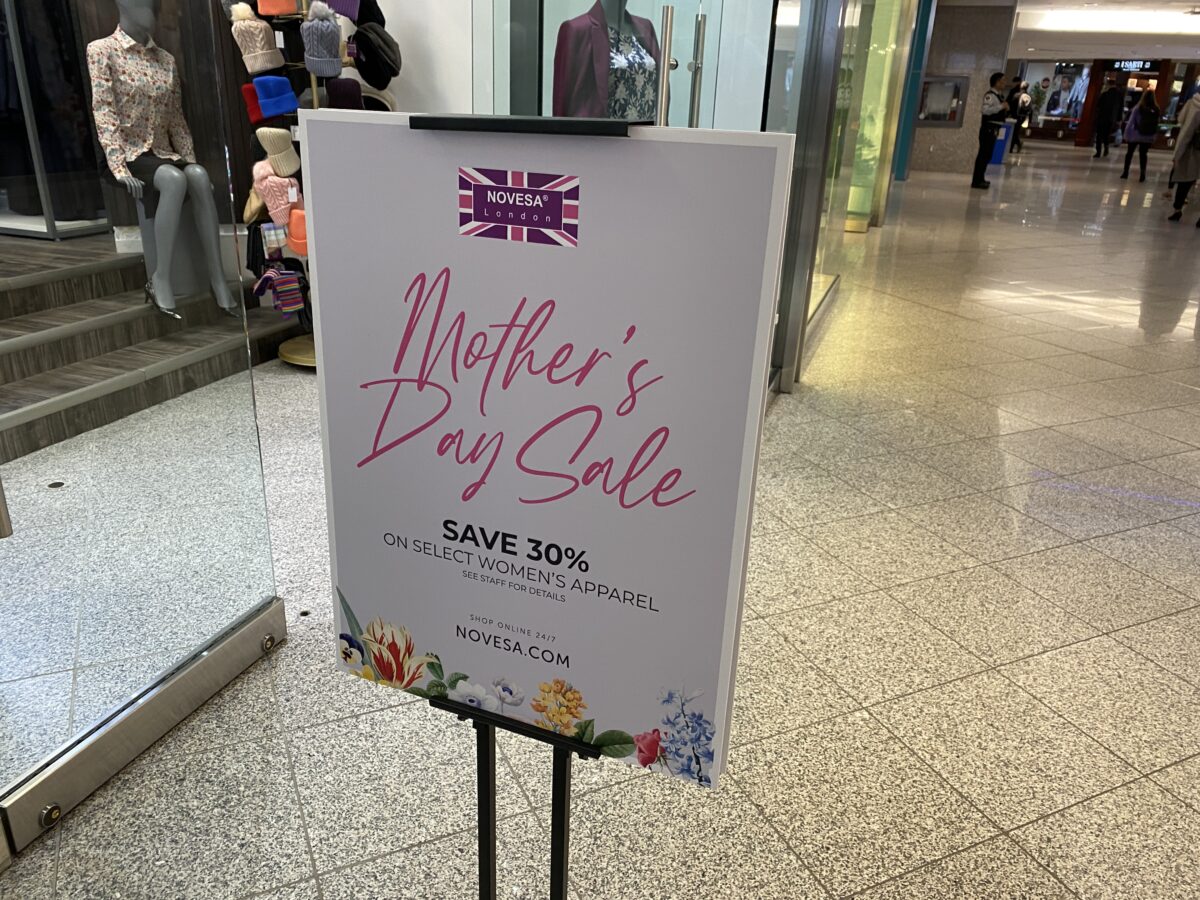
Mothers Day at Lindt (Image: Dustin Fuhs)Mother’s Day Sale at Novesa (Image: Dustin Fuhs)
More than 70 per cent of Canadians shop in-person at retail stores for Mother’s Day products;
Around 11 per cent of Canadians go to a retail store’s website;
Around 10 per cent buy through online sellers;
7.3 per cent of Canadians purchase something for Mother’s Day using other means;
60 per cent of Canadians make dedicated trips for Mother’s Day products;
In 2023, 44 per cent of Canadians tacked on Mother’s Day items to an existing shopping trip;
60 per cent of Canadians make a dedicated trip for Mother’s Day shopping. The corresponding figure last year was 56 per cent;
Around one-third of Canadians look for value to show their care while giving Mother’s Day gifts;
40.5 per cent of Canadians don’t consider it important to buy known brands for Mother’s Day celebrations; and
28.1 per cent of Canadians look for the best value purchase for Mother’s Day.
Retail Insider is streamlining its Canadian retail news from around the web to include a handful of top news stories that can be viewed quickly during the day. Here are the top stories from the past several days.
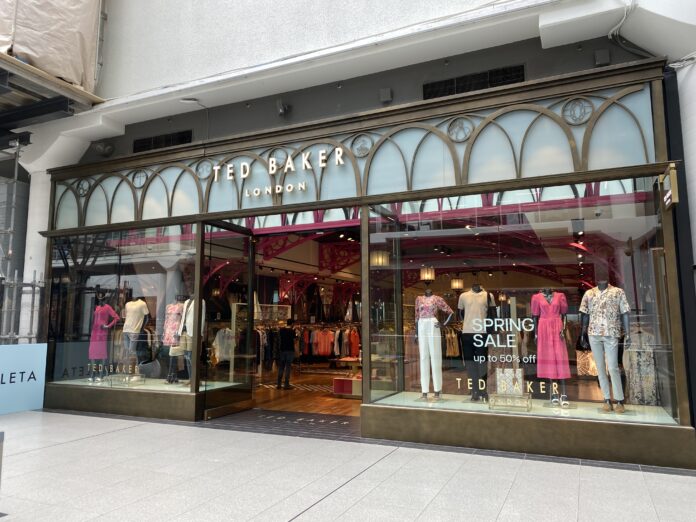
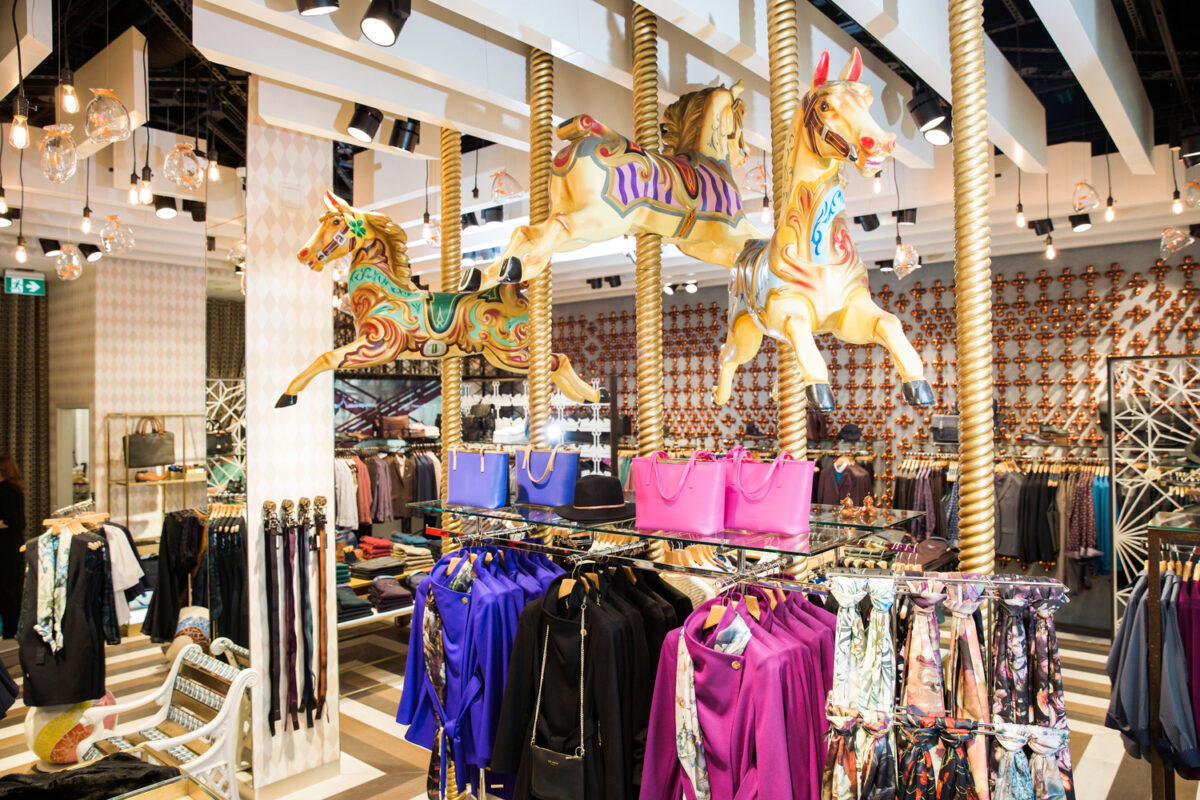
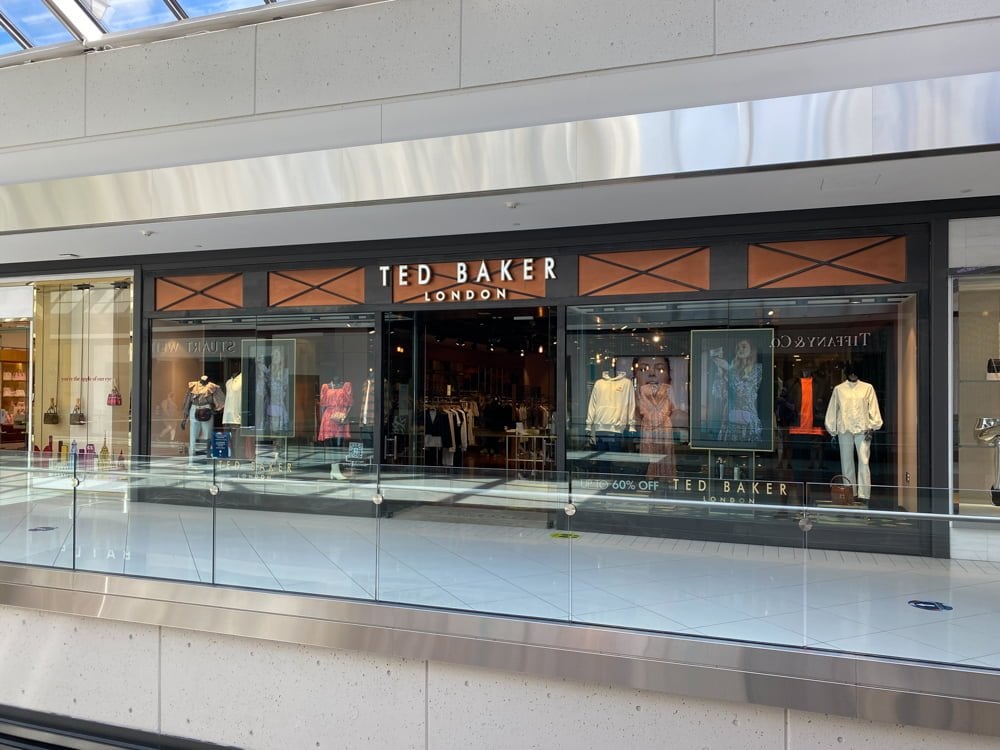
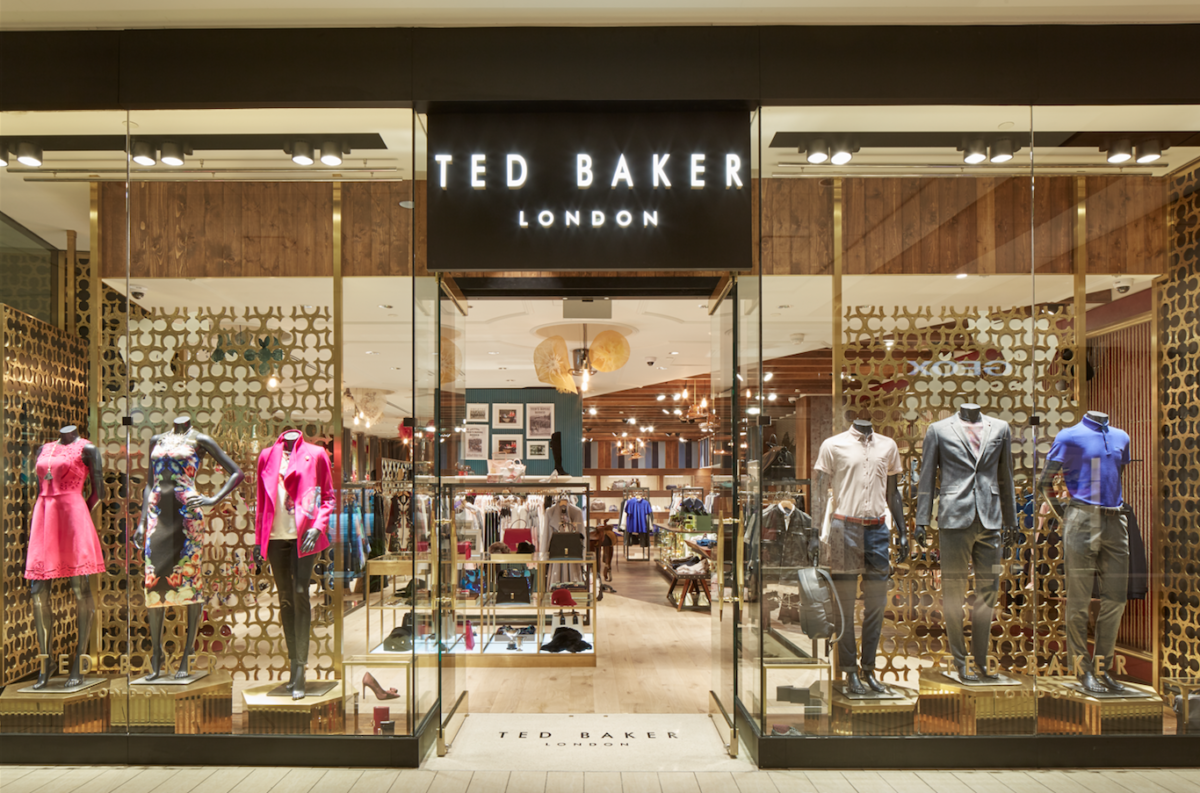
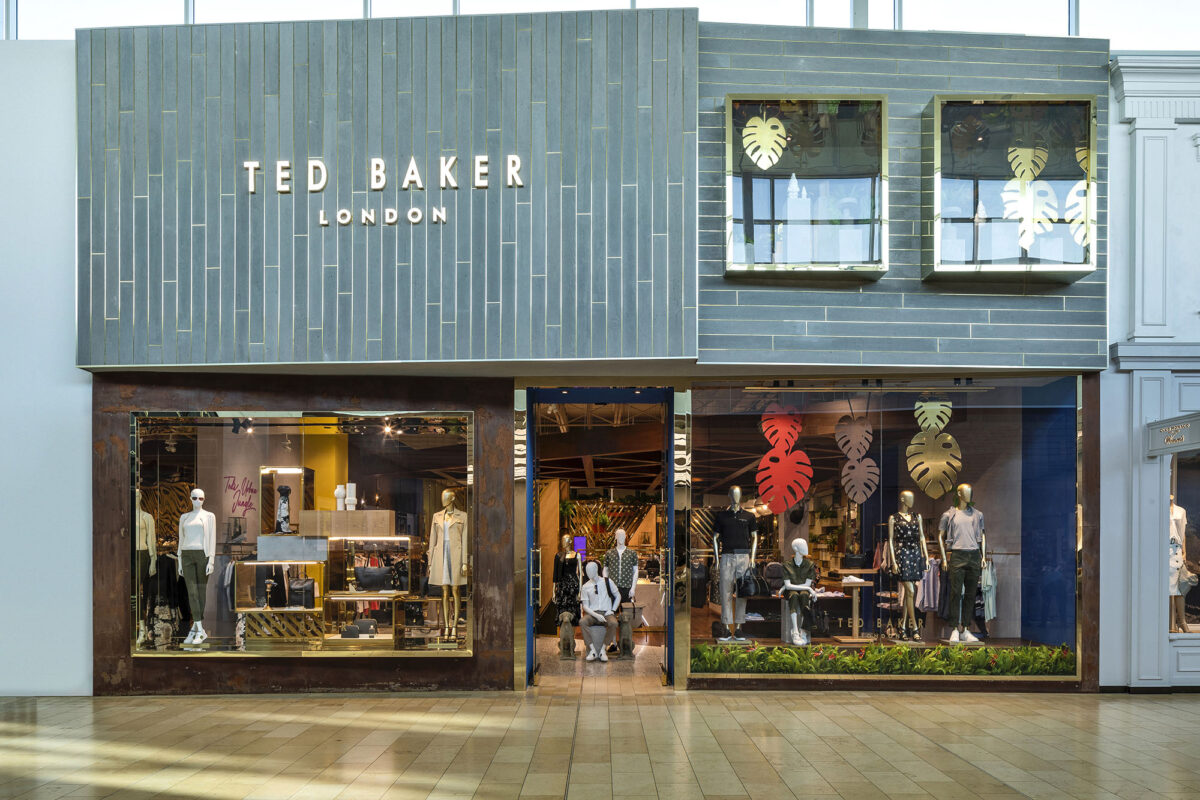
Ted Baker at CF Toronto Eaton Centre (Image: Dustin Fuhs)
Fashion brand Ted Baker‘s Canadian division recently obtained protection under the Companies’ Creditors Arrangement Act in Canada and Alvarez & Marsal has been named the monitor.
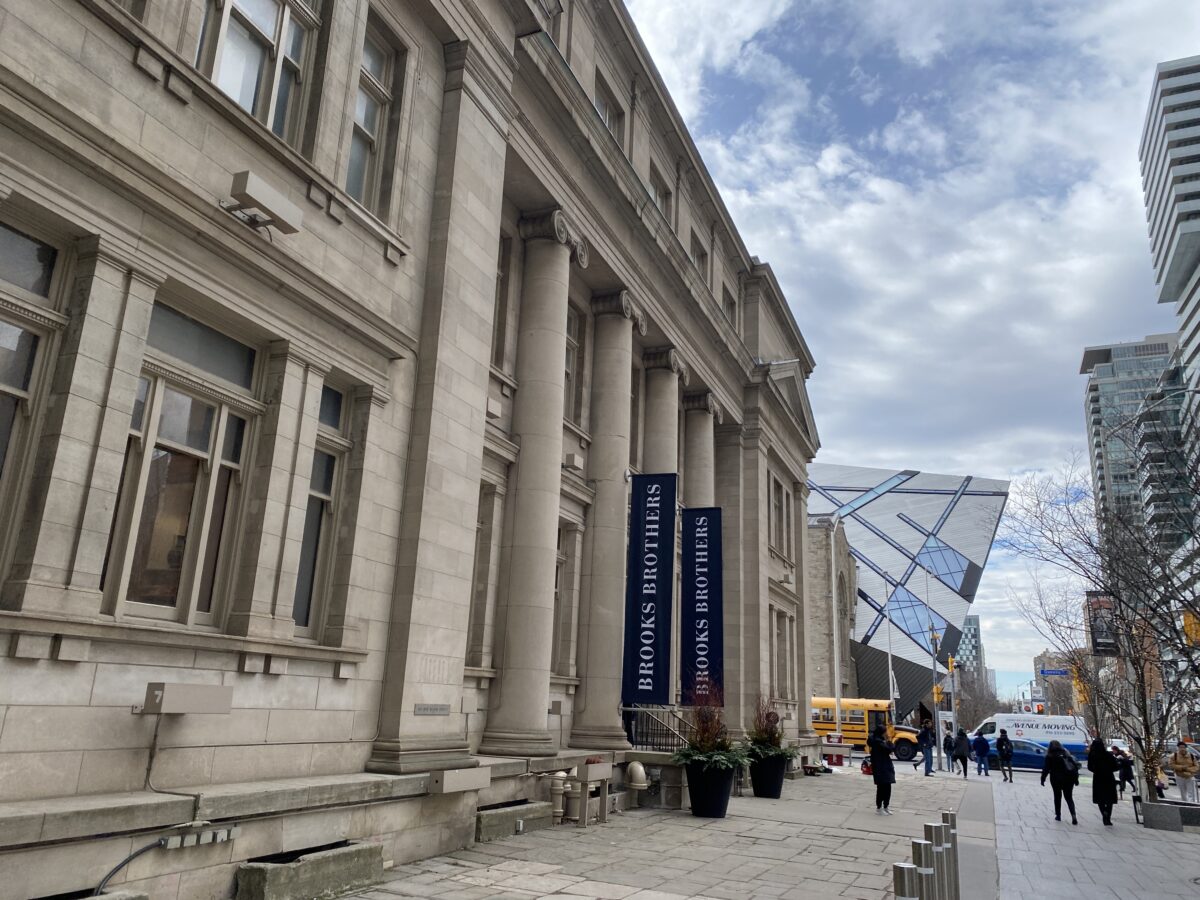
Court documents indicate that Ted Baker Canada operates 25 retail store locations under the Ted Baker (9), Lucky Brand (7) and Brooks Brothers (9) store banners, with approximately 280 employees. Ted Baker Canada also sells to customers through six retail concession locations in certain Hudson Bay Company stores in Canada.
Bruce Winder, Retail Analyst and Author, said the entrance of the Canadian division of Ted Baker into CCAA represents the current retail climate reckoning across the world.
Bruce Winder
“Once the U.K. division suspended, suppliers became alarmed and changed payment terms. In addition, the recent acquisition of Lucky Brand and Brooks Brothers strained the business as it implemented a new IT system,” he said.
“With retail softening, the combined entity may have had a hard time paying loans as cash flow could not sustain the business. Sadly, it feels a little like The Body Shop’s story in some ways.”
Ted Baker at Sherway Gardens (Image: Ted’s Store Portfolio)Ted Baker in North End of Level 3 at CF Rideau Centre (Photo: Dustin Fuhs)
Doug Stephens
Doug Stephens, Founder, Retail Prophet, said Ted Baker is yet another example of a brand that found itself middled in a market increasingly dominated by deep, deep discount players at one end and uber-luxury at the other.
“Being a “near-luxury” brand in a market defined by polarized value is a precarious place to be. One also has to wonder if work-from-home and an aging customer set haven’t also played into the brand’s ill fortunes,” he said.
George Minakakis, who leads advisory firm Inception Retail Group, said “show me a brand that can successfully tell and sell its brand story, creating trends instead of chasing them, and I will show you a brand that can survive the test of time.”
George Minakakis
“When brands go through creditor protection, the pattern is the same: neglect and overconfidence. Ted Baker is a mid-tier designer brand, and in this world of greater frugality and focus on affordability, it does not come as a surprise that mid-tier brands are struggling,” he said.
“Making a brand relevant and keeping it that way isn’t as simple as attractively displaying the right merchandise or throwing entertainment at it. A brand needs to have a meaningful purpose that resonates with consumers’ lifestyles and values. When Eaton’s and Sears failed, they were no longer department stores of aspirations. They became depots with clothing and cosmetics, and consumers lost their brand connection.
Liza Amlani, Principal and Co-Founder, Retail Strategy Group, said it seems the root cause of the demise of Ted Baker is ABG failing to make payments to suppliers.
Liza Amlani
“But that can’t be the full story. ABG has a lot of brands under its portfolio so why the delinquency of payments to Ted Baker’s vendors? If vendors aren’t paid and are holding shipments, their own stores would be empty and wholesale accounts would be furious. Something doesn’t add up.”The WSJ quoted: A decline in sales and a technology transition that occurred in the midst of the company’s busiest selling season were also to blame, according to the court filing by Adams and a filing by Alvarez & Marsal, the monitor appointed to oversee the Canadian insolvency. Why risk reputation and retail partner relationships just to close Ted Baker’s doors?
“Last year, Ted Baker expanded their North America merchandising team and leveled up staff to scale the US/Canada business. Hiring merchants would improve product assortments and increase revenues and relevance in the market. In fact, just eight months ago, the NYC team was looking for buyers and planners to join the team.
“If an unsuccessful technology transition was to blame, why didn’t ABG work with OSL, who has a Canadian investment in the brand, to work on these issues? OSL is a technology solution provider. Again, something just doesn’t add up.”
Brooks Brothers at 157 Bloor St W (Image: Dustin Fuhs)
Michael Kehoe, Broker of Record with Fairfield Commercial Real Estate, said the CCAA Protection filing by Ted Baker is representative of the current turmoil in some sectors of the Canadian retail industry.
Michael Kehoe
“Their segment of the apparel category is very competitive on price with several dominant retailers gobbling up market share on the lower end of the category spectrum. I am hopeful that the breathing room provided by the CCAA protection process will give the firm time to save most of the 25 Canadian Ted Baker, Lucky Brand, and Brooks Brothers locations along with 280 jobs that will be affected,” he said.
“The firm shares the struggles of many fashion retailers these days such as supply chain issues, high shopping centre rents and frequent onerous supplier payment terms. The insolvency conversation in the retail industry is an ever frequent one these days as brands come and go in these challenging times.”
“I don’t know if Ted Baker can survive even if it comes out of creditor protection; few of them survive the next phase of recovery. But suppose they want to stay in the game. In that case, they need to tell and sell their brand story as a fashion experience must be part of their recovery—and not another retailer managing financials calling that a recovery plan.”
Since first entering the North American retail fashion clothing industry through an acquisition completed in early 2023, court documents said the brand has struggled and the consolidated business has failed to achieve positive cash flow.
“Over the last year, the business has underperformed relative to budget and revenues have significantly declined, due in management’s view to, among other factors: (i) supply chain disruption and accelerating payment terms following failures by ABG’s (Authentic Brands Group) operating partners in Europe and elsewhere to make payments to suppliers in the lead up to and as a result of the administration process in the UK in respect of that Ted Baker business; (ii) transition to a new technology platform during the busiest selling season, which exacerbated the supply delays; and (iii) generally poor sales performance.
Negative cash flows and working capital issues have caused a strain on the borrowing base, added the court documents.
“These liquidity constraints have resulted in significant arrears owing to critical vendors, including in excess of $2 million owing to ABG as of April 1, 2024 . . . On April 17, 2024, Ted Baker Limited and Ted Baker Canada received Notices of Breach from ABG as a result of the Missed April Payments. Under the terms of the License Agreements, ABG has the right to terminate the License Agreements if the Applicants’ failure to make payments under the License Agreements is not cured within five business days.
“The principal purpose of these CCAA Proceedings is to stabilize and maintain the Ted Baker Group’s business, which urgently requires a stay of proceedings granted under the CCAA and related relief, including access to interim financing required by the Applicants. The Applicants intend to use the breathing room afforded by the CCAA to consider their next steps and restructuring alternatives in consultation with key stakeholders.”
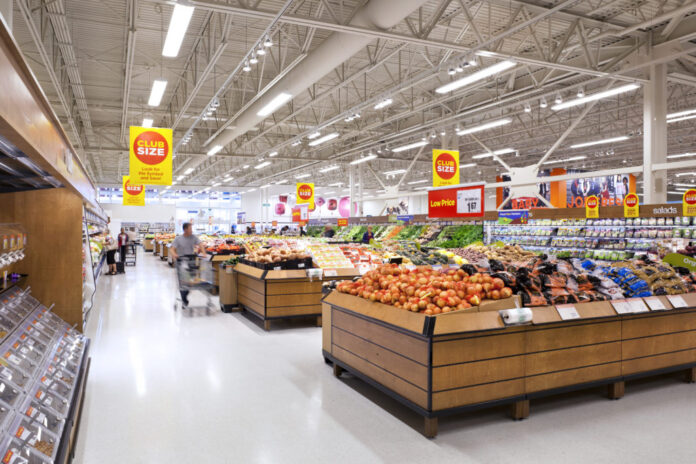
Real Canadian Superstore in Surrey (Image: Turner Fleischer Architects)
The alleged anti-Loblaw boycott, primarily called for on social media platforms such as Reddit, where anonymity prevails, reportedly began on May 1. Despite these claims, there has been no discernible change in customer traffic at Loblaw-owned stores—at least not thus far.
Interestingly, the market seems to be largely indifferent to this boycott; Loblaw shares have climbed by nearly $7, reaching an all-time high of almost $154, 3 days after the start of the boycott. This increase in share value has augmented Galen Weston’s wealth by $540 million. Contrary to the boycotters’ intentions to financially impact the Weston family and Loblaw negatively, the opposite seems to be unfolding.
Since the movement did not extend to other chains for the first month—where in some instances, prices have risen more sharply than at Loblaw’s—and since there has been no clear evidence of profiteering by Loblaw, the boycott is likely to fail. From its inception, it lacked logical and practical foundation. Fortunately, Canadians are proving to be more discerning.
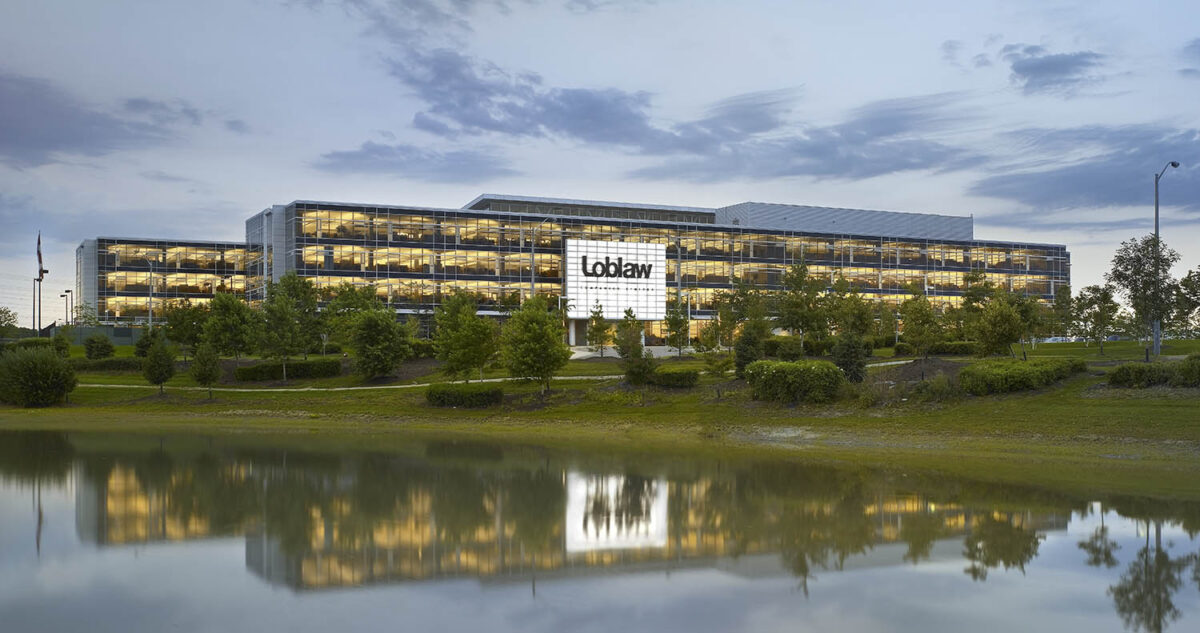
Loblaw Companies Limited Head Office (Image: Sweeny &Co. Architects Inc.)
Despite this, last week Galen Weston stated that Loblaw was being unfairly accused of profiteering. He was partially correct. While there are no verified, audited reports to substantiate claims of profiteering by Loblaw, it would be incorrect to absolve the company of all blame. Indeed, Loblaw, alongside Walmart, plays a significant role in the challenges facing food manufacturing and independent grocers. Not only is food manufacturing undercapitalized, but independent grocers are also suffering under the dominance of a few large corporations that control over 80% of Canada’s food retail market.
The reality that Canadians are spending less at grocery stores is impacting manufacturing and independent grocers more than major retailers like Loblaw. To protect their margins, Loblaw and Walmart are likely to implement new fees and pressure suppliers to lower prices. Typically, manufacturers respond by attempting to increase prices to compensate for these higher costs imposed by grocers. This ongoing struggle has persisted for years.
A lesser-known fact is that suppliers pay grocers for the privilege of doing business with them, which grants significant power to these retailers within the supply chain. While it might seem beneficial for consumers when grocers force price reductions on suppliers, this can lead to tighter margins for manufacturers, potentially forcing them to shut down.
To safeguard both manufacturing and independent grocers, a code of conduct is essential. This code should be adhered to by all grocers, including giants like Loblaw and Walmart, and would be coordinated by the government and led by the industry to mediate disputes within the supply chain. Currently, manufacturers have little choice but to comply with Loblaw’s terms or cease operations. Many have silently closed their doors because they lacked the ability to protest.
These closures lead to reduced consumer choice and, consequently, less competition. This is the real issue the boycott should have highlighted, rather than adopting a populist stance fueled by collective animosity toward a single company and individual—a truly futile and misguided effort.
Galen Weston (Image: SPENCER COLBY/THE CANADIAN PRESS)
Galen Weston’s public grievances have become a recurring theme. We have observed him misleading parliamentarians last year about how the proposed code of conduct would affect prices, for which he later apologized. Nearly a decade ago, he also criticized farmers’ markets by suggesting that the food sold there could pose greater safety risks, a claim he eventually retracted.
While the boycott may be an ineffectual and juvenile attempt to challenge a “Goliath” like Galen Weston, he is incorrect in claiming that Loblaw is being unfairly targeted. The company should indeed be scrutinized, but for legitimate reasons.
Strengthening our grocery industry and making it more competitive will require a broader understanding of supply chain economics among Canadians, extending beyond the storefront. Neither Loblaw nor Walmart are directly exploiting consumers; instead, they are exploiting suppliers, which introduces more price volatility into the market and ultimately harms consumers.
Boycotts are not the solution; instead, we need to rally support for more price stability through a code of conduct for the food industry. Over time, this would help both food manufacturing and independent grocers thrive, making the industry more transparent and Canada a more attractive place for investment once more.
The key to transitioning to a more competitive food distribution landscape is to ensure that both Loblaw and Walmart comply with this new code. Thus, Mr. Weston, rather than lamenting the situation, should take concrete actions to address the real issues affecting Canadians.
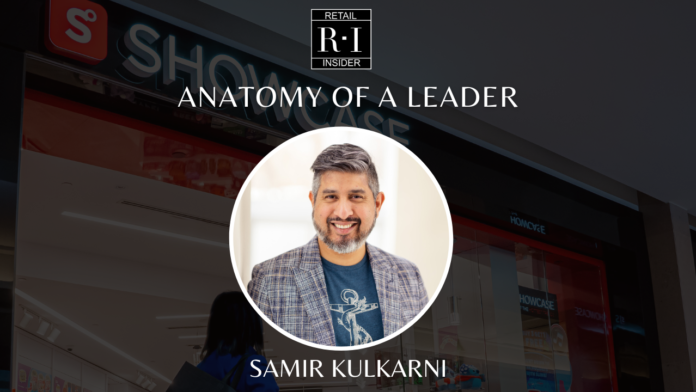
Anatomy of a Leader: Samir Kulkarni, CEO of Showcase
As a child, Samir Kulkarni was always surrounded by business with his family.
It seemed only natural that the current CEO of retailer Showcase would end up running a business one day.
Kulkarni was born in Brampton, Ontario. He received a Bachelor’s Degree in Philosophy/French at York University then an MBA in Strategy/Finance at Yale University.
“I grew up in a business family. I was mentored by my father and my uncle almost from when I was born and actually used to go with my father to business meetings from age eight onwards. Every weekend and every holiday I would spend time with him and my uncle at the office and so my career ambition was to always join the family business which is a group of different businesses and help the family in some way. That was always the ambition,” he said.
“During my undergrad, I actually was running one of the businesses full-time and really didn’t have much of an undergrad experience as a student because I was really working non-stop and then went to Yale and did my graduate school and became a true student there.”
Samir with family 1983 – Samir (center front) at 7 years old, with mother Bakula (left), Kiran (right), and sister Sonal (center back). Samir was immersed in the family business from the beginning, learning under his father in business meetings from age 8 onwards, while Samir’s mother mentored him in languages and arts. Samir’s sister Sonal studied the law and today is Showcase’s corporate counsel.Samir Appleby 1984 + Kids 2023 – Samir (left) attended prestigious boarding school Appleby College in Oakville ON during 1984-1993. Coming full circle, his kids Arjun (center) and Karishma (right) were accepted into and enrolled at Appleby in 2023
Kulkarni said the family is involved in many different sectors including manufacturing, financial and tech.
“We’re a pretty diversified conglomerate but the business I’m involved with, Showcase, was actually not part of the group as I was growing up. It only came available for investment as I was finishing up school. So as we were acquiring that business that’s when I got involved. That’s where my focus has been with the group.”
Showcase was founded in 1994. The Kulkarni family invested with the original founder in 1999 as Samir was finishing business school. He came back to Canada and has been driving the business forward since then.
“It was a very contrarian decision at the time because all of my classmates were going off into management consulting and the dot com boom was started then in the late 90s or going into investment banking,” said Kulkarni.
“My training is in finance and investment management and so on. Retail was definitely an unconventional move but what has been really interesting is to look at what used to be an old world business of retail and how really the old world and the new world have come together with technology, with social media, with pop culture. We’ve infused a lot of new world technology into what we do and so it’s really become a new world business in that way and the old world and the new world have sort of come together to create a really interesting business model.
“A few people were probably scratching their heads back in the early days, now it all makes sense and it’s come together and has become a really interesting modern business.”
Samir Breakfast Television 2013 – One of Samir’s early television appearances, introducing Showcase’s products on Breakfast Television with Dina Pugliese in December 2013.
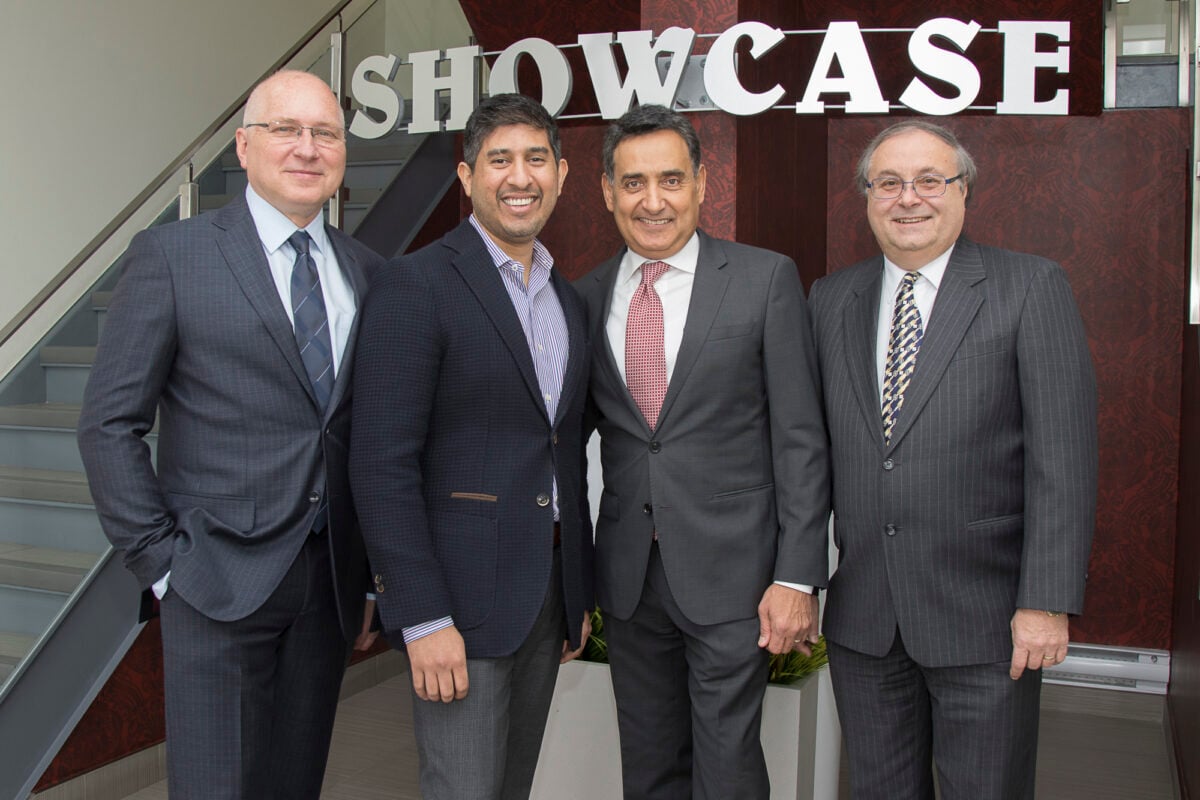
Samir with Showcase leadership team 2015 – Hosting the ribbon-cutting of Showcase’s new head office. Leadership team Greg Synowicki (left), Samir (center left), founder of Showcase Amin Jivraj (center right), and Rob Watt.
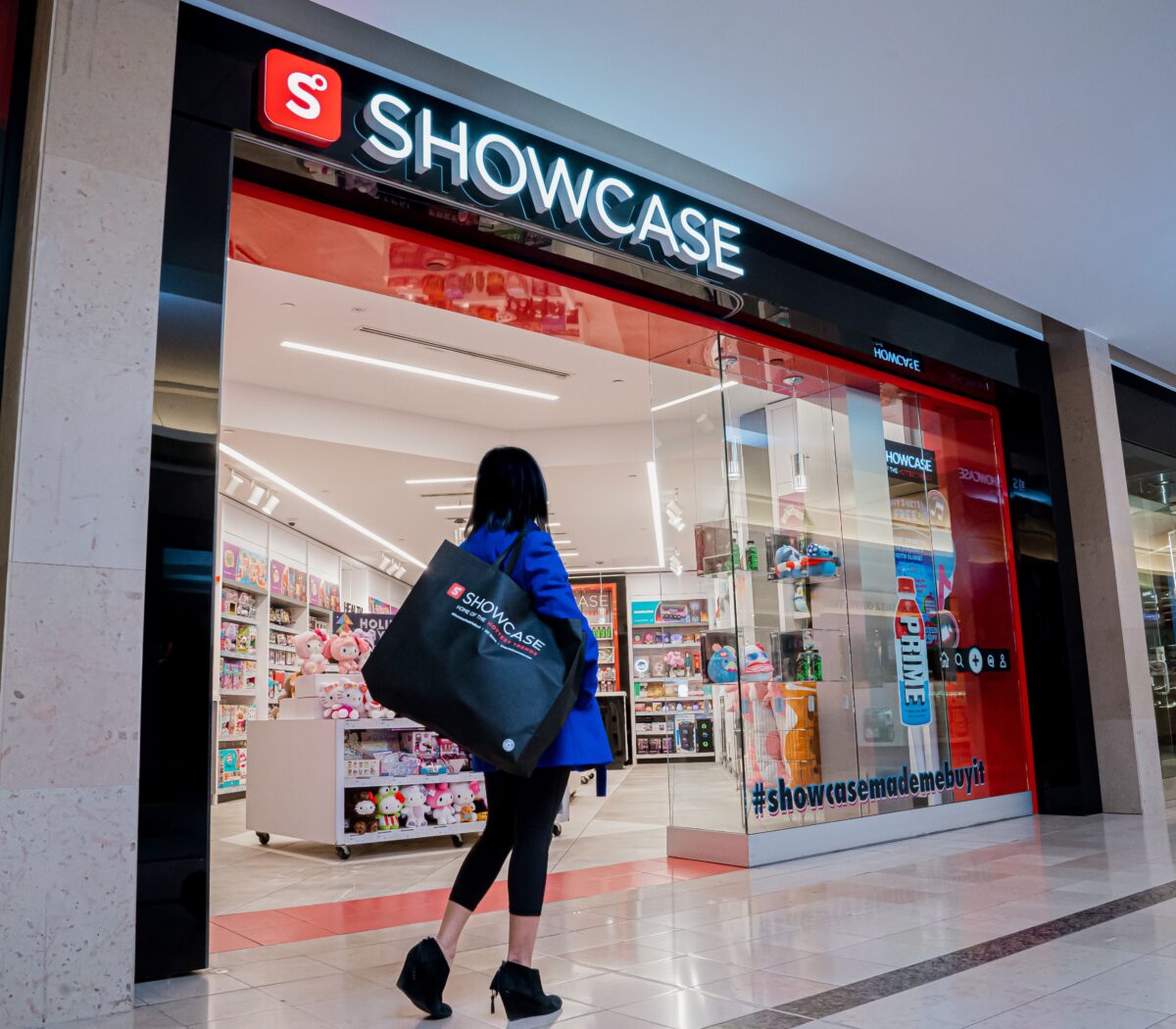
When the family looked at Showcase, it was a very unique business model. Not a typical retailer. It is able to identify trends and commercialize those trends immediately.
“Think of us as a real-time trend store of whatever is hot on maybe television, on radio and these days on social media,” explained Kulkarni. “So that was what was intriguing. We are selling the products that everyone wants that no one can find and they want a storefront to be able to go to buy them.
“That’s what makes us different than retailers selling commodities.”
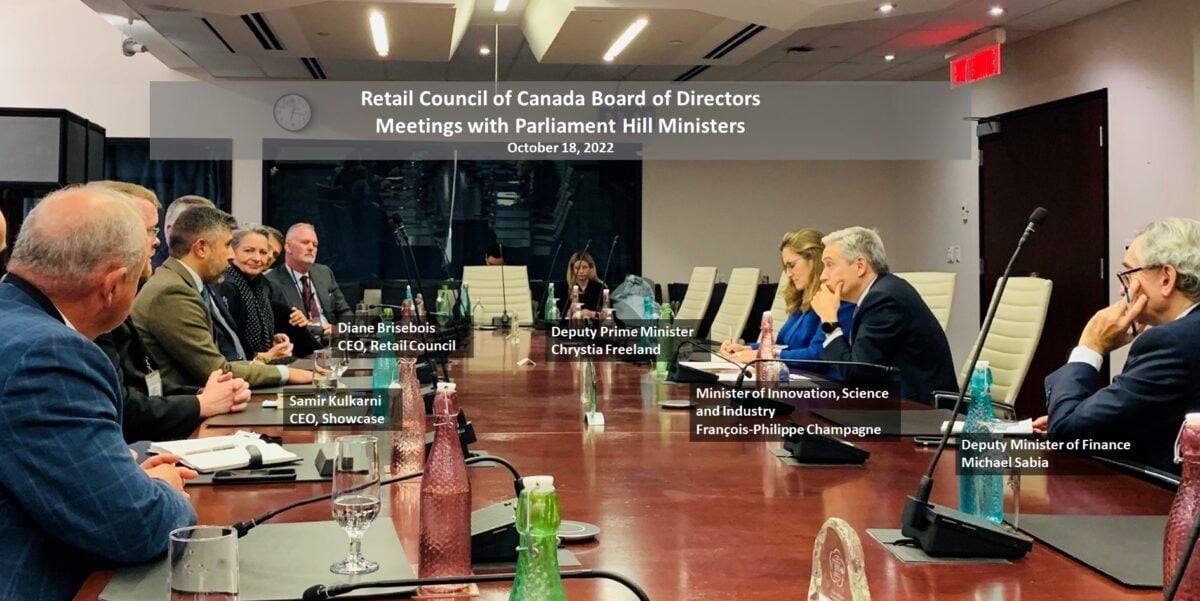
Chrystia Freeland Meeting Oct 2022 – as a member of the Board of Directors of Retail Council of Canada, Samir travelled to Parliament Hill to meet with Deputy Prime Minister Chrystia Freeland, Minister of Innovation Francois-Phillipe Champagne, and Deputy Minister of Finance Michael Sabia.
Kulkarni said data is his passion. He looks at different data sets every day with the Showcase team.
“There are simple sources of data. For example, going on TikTok and watching TikTok for an hour. I do that probably more than I should but I spend a lot of time on social media as a daily routine. But it’s also looking at other data sets and seeing what people are searching for, what people are tweeting about. I love to go through reams and reams of data and try to help find that next big thing.
“Data is a big part of what I do. In the old days, I used to travel a lot more. I used to travel to China, meeting with vendors, traveled to trade shows. I don’t do that as much now. It’s become much more of a data driven business. So I spend a lot of my time in front of a computer.”
Samir + Divya – TIFF 2023 – Samir and his wife Divya Kulkarni walk the red carpet at TIFF 2023, being long-time supporters of the festival.
Outside of work, Kulkarni is passionate about playing billiards. In his younger years, he was a competitive player. He didn’t turn pro as he got into the retail sector.
“But it’s certainly a passion of mine and it’s something I spend a few minutes every day playing and it’s a game I feel I understand. I’m also a big squash player. I’ve been playing for 40 years. I make time for squash every week,” he said.
“I started playing pool in high school. I remember through university I was playing 20 hours a week of pool. It was a very serious endeavour. What I like about it is that it is mathematic and controllable and it’s about geometry and logic and I love those topics. That’s probably why I play squash as well. It’s a square box where the ball is going to bounce in a predictable way and that’s why I gravitated to those sorts of controlled fun as opposed to golf which I’ve also tried which is not controllable at all.”
Kulkarni described his leadership style as being all about speed and entrepreneurship, spotting the opportunity in things and pivoting very quickly based on new information.
“We have set up our corporate culture in that way where we try to remove bureaucracy, red tape, layers of approval and things like that. And we try to make decisions very, very quickly. So people have information at their fingertips, they’re encouraged to try things, to experiment. Failure is not a problem. Failure is just a delayed success. We encourage people to roll the dice, try things so that we can learn quickly and so in terms of my leadership I try to encourage those parts of our cultures because that’s really what makes Showcase work.”
Image: Showcase
His passion today which he tries to spend half his time on is Artificial Intelligence.
“I’ve been working on AI in a very big way for the last year and a half. It’s a huge part of where I see opportunity in the retail sector and beyond,” explained Kulkarni.
“Really what changed at the end of 2022 when ChatGPT came out is that it was the era of large language models which has now really taken the world by storm because it can essentially read, it can write, it can analyze, it can generate new thoughts, new words, new images, new videos. It’s a completely new era of technology.
“We have been experimenting with AI and we’ve started to inject AI into a lot of trend technology. So one simple example of that is that we watch social media at scale. On any given day, using AI, we are watching 50,000 social media videos a day. And of course that’s more than any human can watch and we’re training that AI to watch it and to understand it and to categorize videos, help us identify new trends, help us identify how new trends are evolving. This is the type of thing that two or three years ago would have been impossible.
“We’re also using AI to develop product ideas, to generate new products, new designs, whether it’s logos, whether it’s art. AI is very, very helpful on that front as well. Of course, AI isn’t perfect and it makes all kinds of mistakes and so it’s something that needs to be developed and trained but we do see it as the future and it really is a way that retailers can get an edge over the competition by being able to adopt these new technologies and deploy them very quickly whether it’s in product development, whether it’s marketing or whether it’s in data analysis. We see a big potential there.”
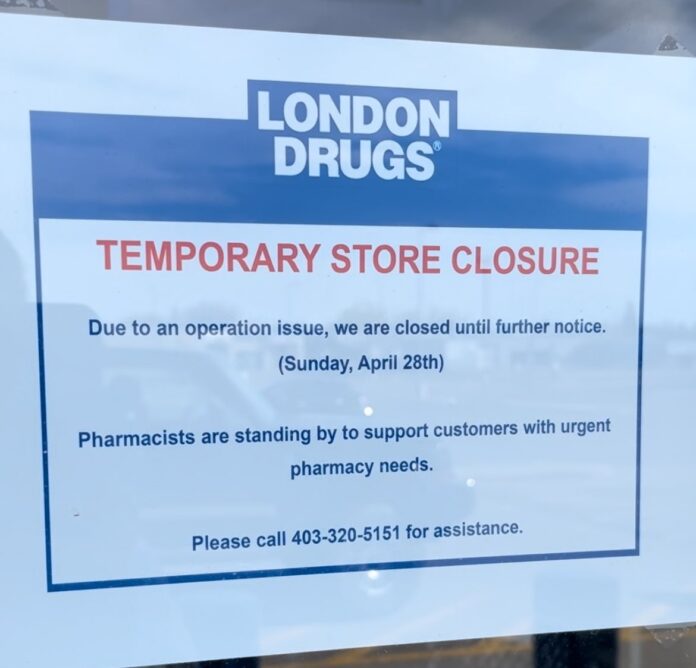
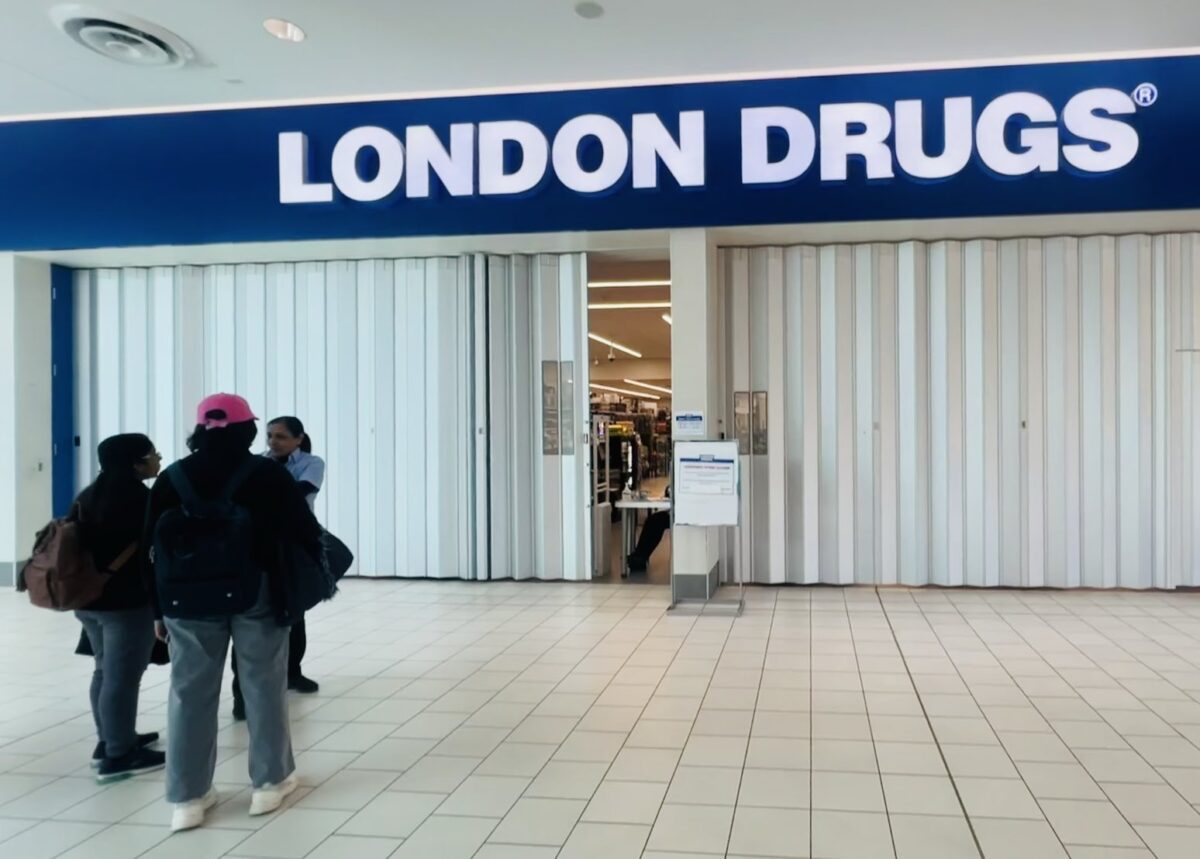
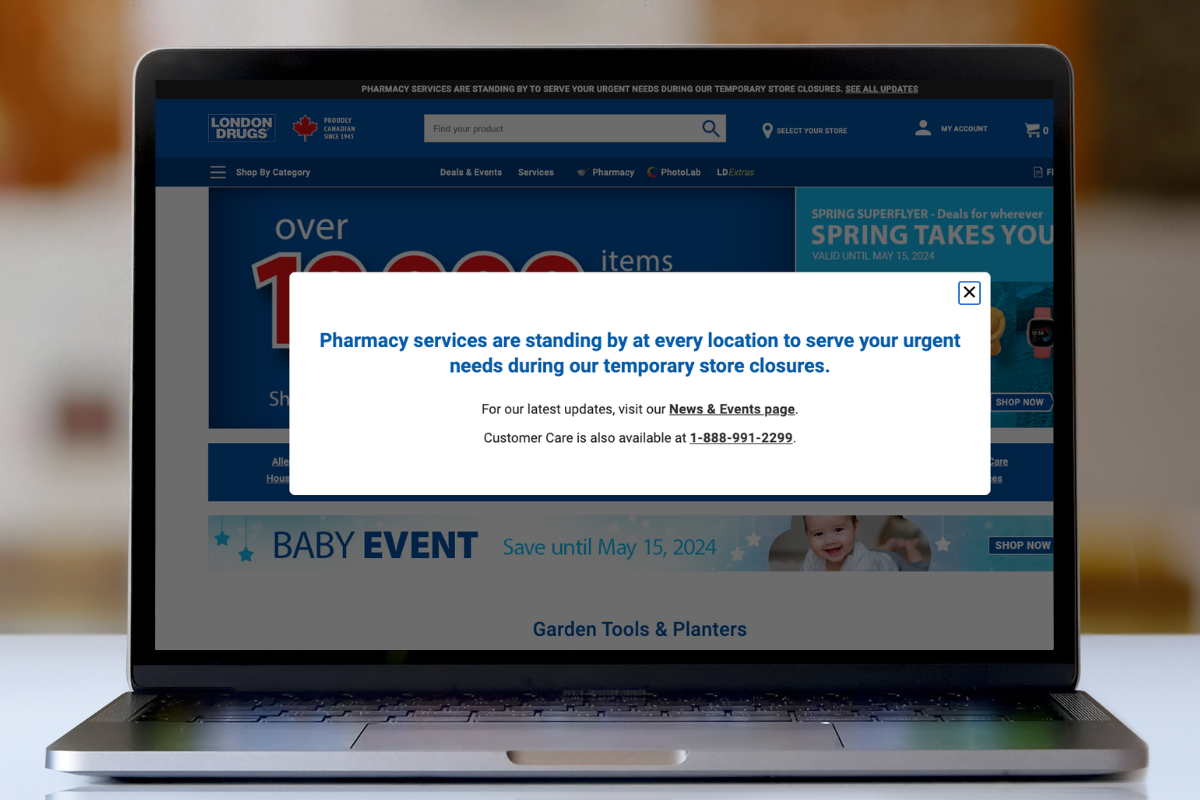
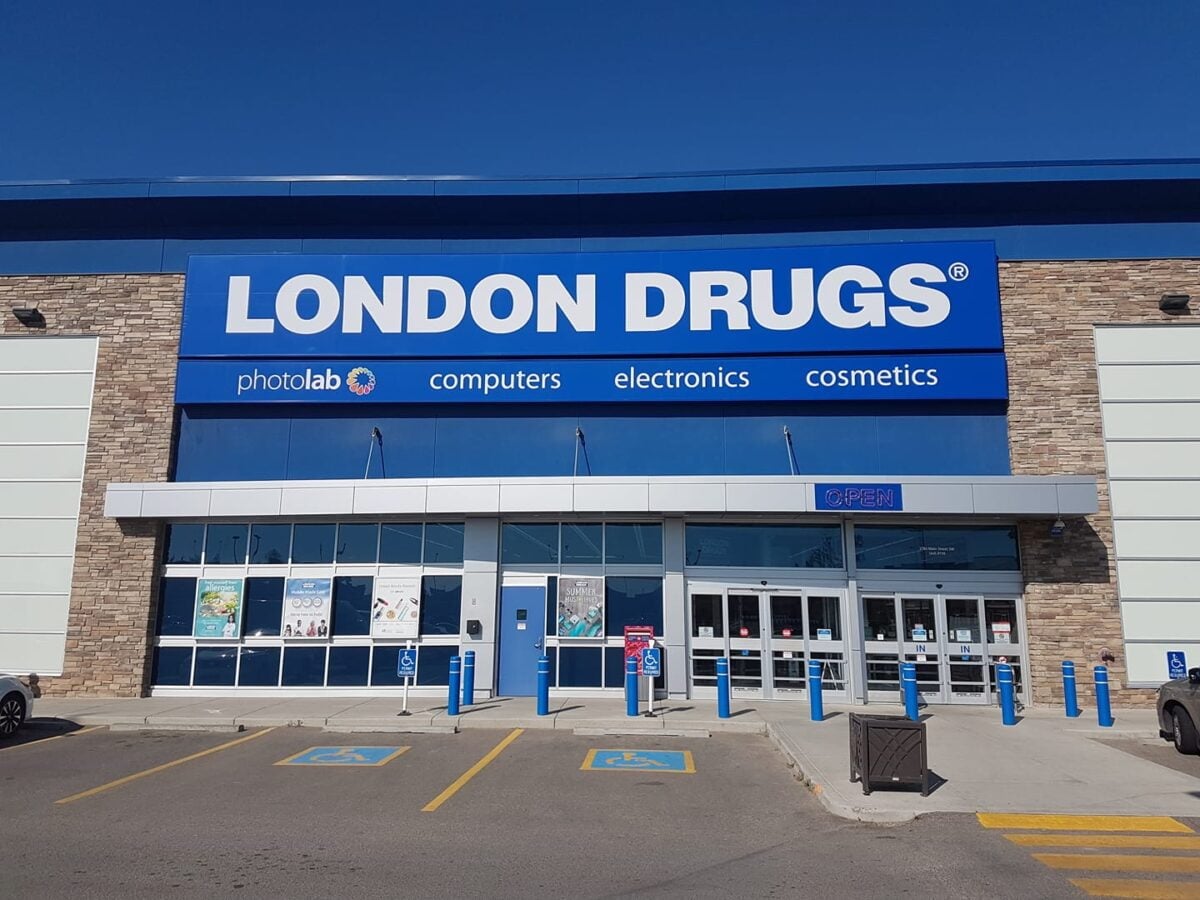
London Drugs stores remain temporarily closed due to a cybersecurity issue.
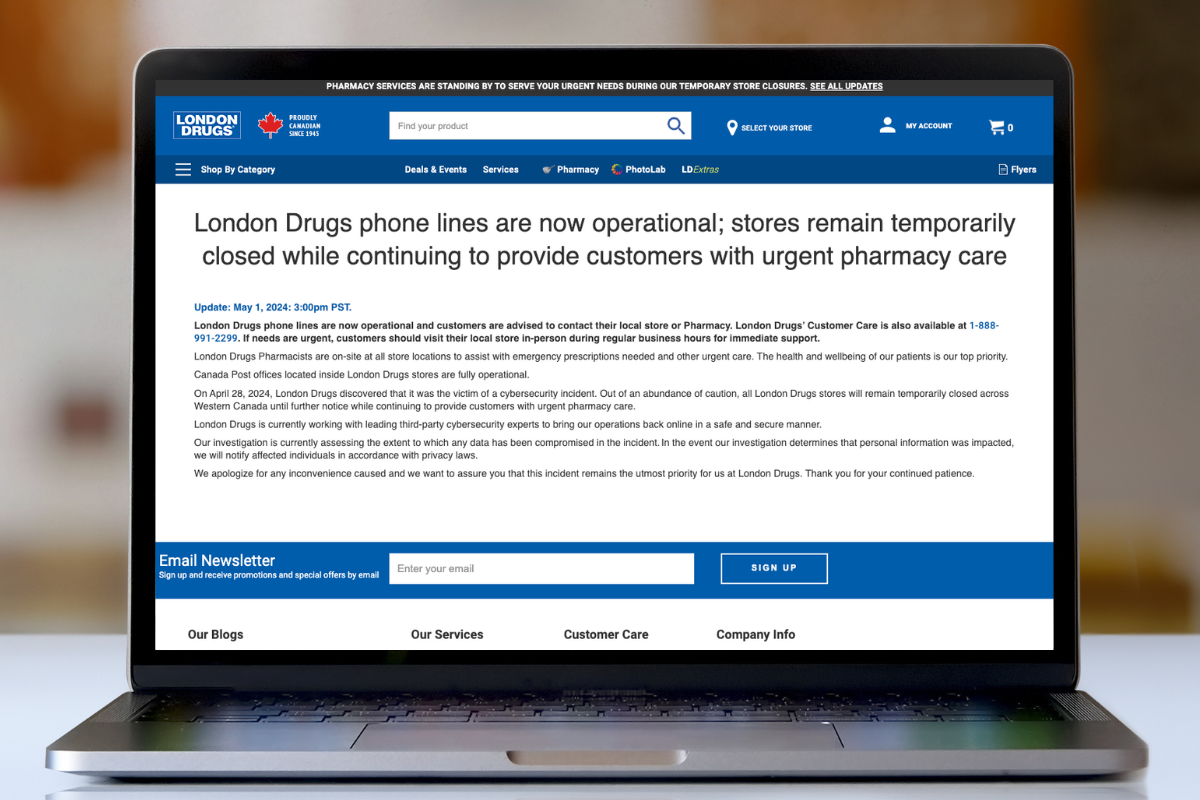
“On April 28, 2024, London Drugs discovered that it was the victim of a cybersecurity incident. Out of an abundance of caution, all London Drugs stores will remain temporarily closed across Western Canada until further notice while continuing to provide customers with urgent pharmacy care,” said the company.
“London Drugs is currently working with leading third-party cybersecurity experts to bring our operations back online in a safe and secure manner. Our investigation is currently assessing the extent to which any data has been compromised in the incident. In the event our investigation determines that personal information was impacted, we will notify affected individuals in accordance with privacy laws.”
“Recognizing the impact these closures have had on our customers and employees across Western Canada, it remains our priority to continue working around the clock to have all stores fully operational,” said Clint Mahlman, COO and President, London Drugs, in a statement. “We appreciate everyone’s patience and support during this very difficult time and will provide updates as available.”
London Drugs said its phone lines have been temporarily taken down and will be restored as soon as possible. In the interim, pharmacy staff are on-site at all London Drugs locations to support customers with urgent pharmacy needs. The company is advising customers to visit their local store in-person during regular business hours for immediate support and until the phone lines are back in service.
Bruce Winder, Retail Analyst and Author, said London Drugs joins the club of Canadian retailers who have fallen victim to a cybersecurity issue.
Bruce Winder
“The disruption to operations, significant customer friction and impact to cash flow can destroy a retailer or at least severely impact them in the short and even long term. One just needs to use Chapters/indigo as a recent example,” he said.
“Retailers need to band together through the Retail Council to help fight this clear and present danger immediately. The problem is the issue remains a moving target as cyber criminals evolve to evade current countermeasures.”
Image: Londondrugs.com
David Ian Gray, Founder/Strategist with DIG360 Consulting, said in the second half of 2023, while the industry focused on the rise in store theft, he had been hearing of unpublicized cyber incidents in various sectors.
David Ian Gray
“Following conversations with experts at Thales and ISA Cybersecurity, I came to the conclusion that cyber threat was the most urgent and important issue facing retail leadership. And I’m not talking about CIOs and technology investment. I mean, at the foundational heart of the transforming retail model,” he said
“I think in 2024 most chain retailers are well versed In terms of security software and protocols and how to respond to an incident. I am not a cyber expert. However, my concern is twofold. First, each time I’ve raised it with a CEO or COO, they have directed me to the Chief Technology Officer. My gut says this is a problem. It places far too big a burden on one exec and it suggests the issue is solely about technology and compliance. Who is responsible for the hard, important discussions around how much risk the business should tolerate? How does a more and more complex, digitized business move nimbly to the future and adapt with that risk factored in? How do leaders ensure people inside feel secure and are ready to respond when – not if – an attack occurs? These are questions whose answers are forming and not set.
“But that leads to my second concern: leaders seem terrified to talk about and share experiences around this topic. There is no shame at all in being attacked. These are sophisticated criminals relentlessly testing the gates of all businesses. Retail is especially ripe because of the myriad digital touchpoints from consumer engagement, to the plethora of suppliers and a large, dispersed workforce. Supply chains are becoming more complicated as is the communications with customers. The fear of appearing vulnerable to competitors in sharing should be replaced by the fear of not rallying together. The pandemic showed the power of collective action. This is most important, in my opinion, in the case of ransom attacks.
“The good news? I have seen no evidence that there is significant consumer abandonment of brands who were attacked. Especially those who have a track record of ‘doing the right thing’ and not cutting corners. I think most of us rally around them.We are seeing that big time in the case of London Drugs. We know this is a criminal act. So do vendors and staff.”
Doug Stephens, Founder, Retail Prophet, said we’ve reached a very concerning nexus in retail whereby two things are happening simultaneously.
“First, retail companies are engaging in a data gold rush, looking to compile as much data about their customers as possible, even streamlining this data into a common stream to avoid silos. However, at the same time, the level of sophistication on the part of hackers and cyber-extortionists is rapidly increasing, thus putting more data at greater risk. While new enhancements to cyber-security measures via AI are promising in terms of countering these threats, AI may also create new sorts of online security threats we haven’t yet considered or built tools to defend against,” he said.
George Minakakis, who leads advisory firm Inception Retail Group, said data is quickly becoming a corporate asset that must be protected.
George Minakakis
“Data will become an industry that is likely bigger than telecoms and banks. In the digital age, the evolving landscape of cyber threats continually outpaces defences, relentlessly exposing organizations to new vulnerabilities. As board chair of a for-profit organization, we review cyber security regularly. The key is twofold education and prevention practices and third-party audits, internally and externally, adopting advanced security technologies. All businesses need to be as smart or smarter than the criminals who are using sophisticated AI to break in. And if you keep passing your audits, find someone to take you through an even tougher one,” he said.
“Corporations must demonstrate a fiduciary duty of care and actively guard customer information. If they don’t, the risk to their brand and business equals the impact of bad products and services and ultimately being outdated. This doesn’t just apply to London Drugs; every organization collecting customer data faces the same challenge as it navigates cyber terrain. Vigilance and adaptability become paramount allies.”
Image: Londondrugs.comLondon Drugs Airdrie, AB (Image: London Drugs)
Michael Kehoe, Broker of Record for Fairfield Commercial Real Estate, said the current cyber-security situation at London Drugs that is inconveniencing customers will impact the firm’s reputation and credibility with consumers in the short term.
Michael Kehoe
“This will be especially pronounced with pharmacy customers. These patrons have expectations of a retail brand for certainty of performance including protection of data and privacy. Depending on severity of data leaks, how the situation is handled by the firm and how long it drags out will determine the severity of the situation,” he said.
“Retail brands with many employees and multiple locations are especially at risk as cyber criminals are always developing new techniques to take advantage. The advancement of AI is making cyber-security more difficult especially for firms with a lack of redundancy as a safeguard.
“London Drugs is a strong brand in Western Canada, and I am sure that pharmacy customers will be prioritized for their prescription needs.There will be hard lessons learned for senior management and provisions put in place to try to stay one step ahead of the hackers.”
Retail Insider is streamlining its Canadian retail news from around the web to include a handful of top news stories that can be viewed quickly during the day. Here are the top stories from the past 24 hours.
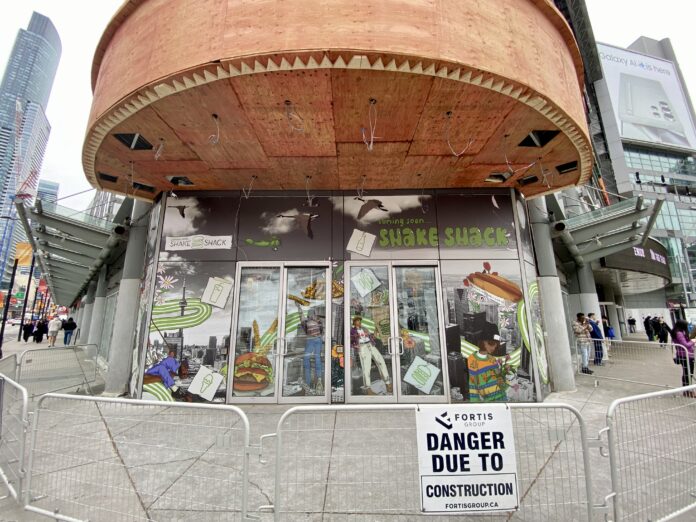
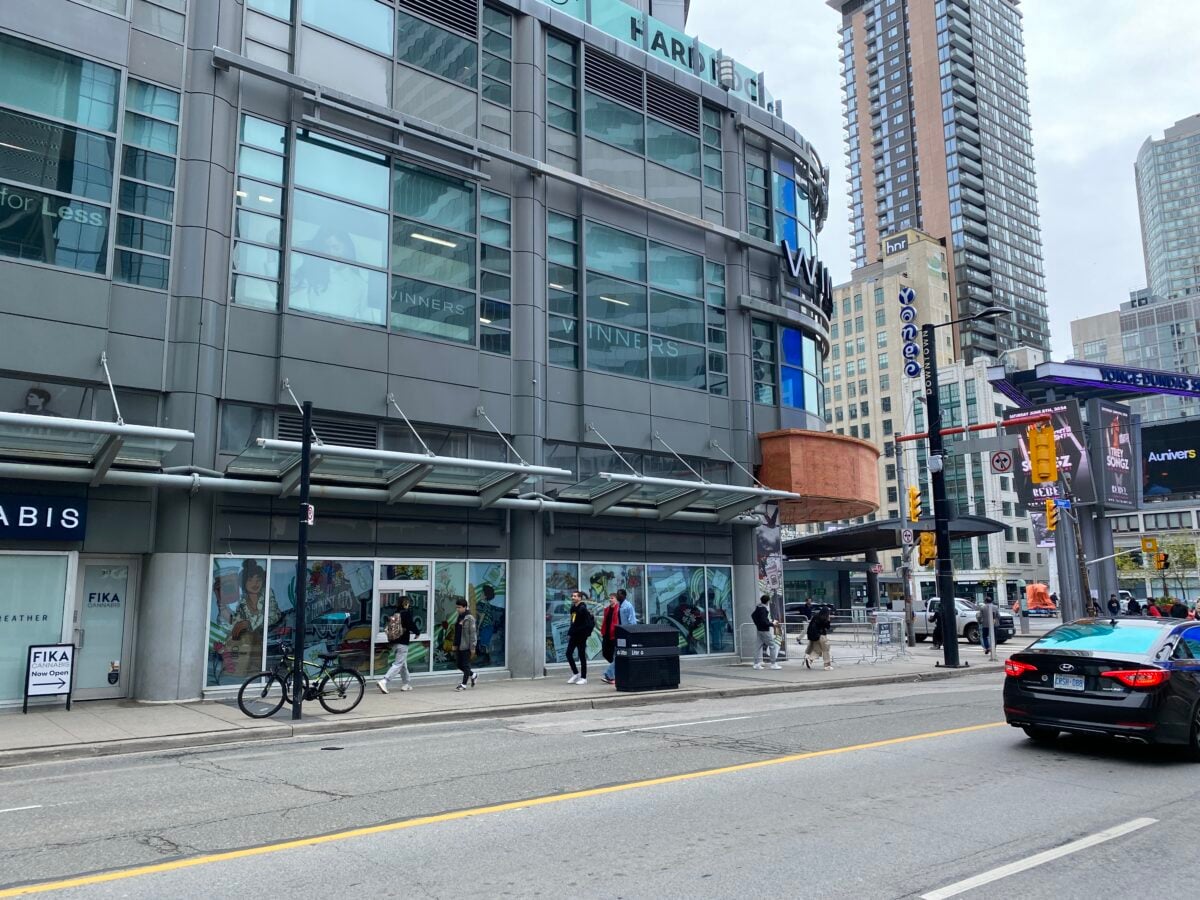
Future Shake Shack at The Tenor in Toronto (Image: Dustin Fuhs)
Iconic burger brand Shake Shack from the U.S. is making its Canadian debut in Toronto.
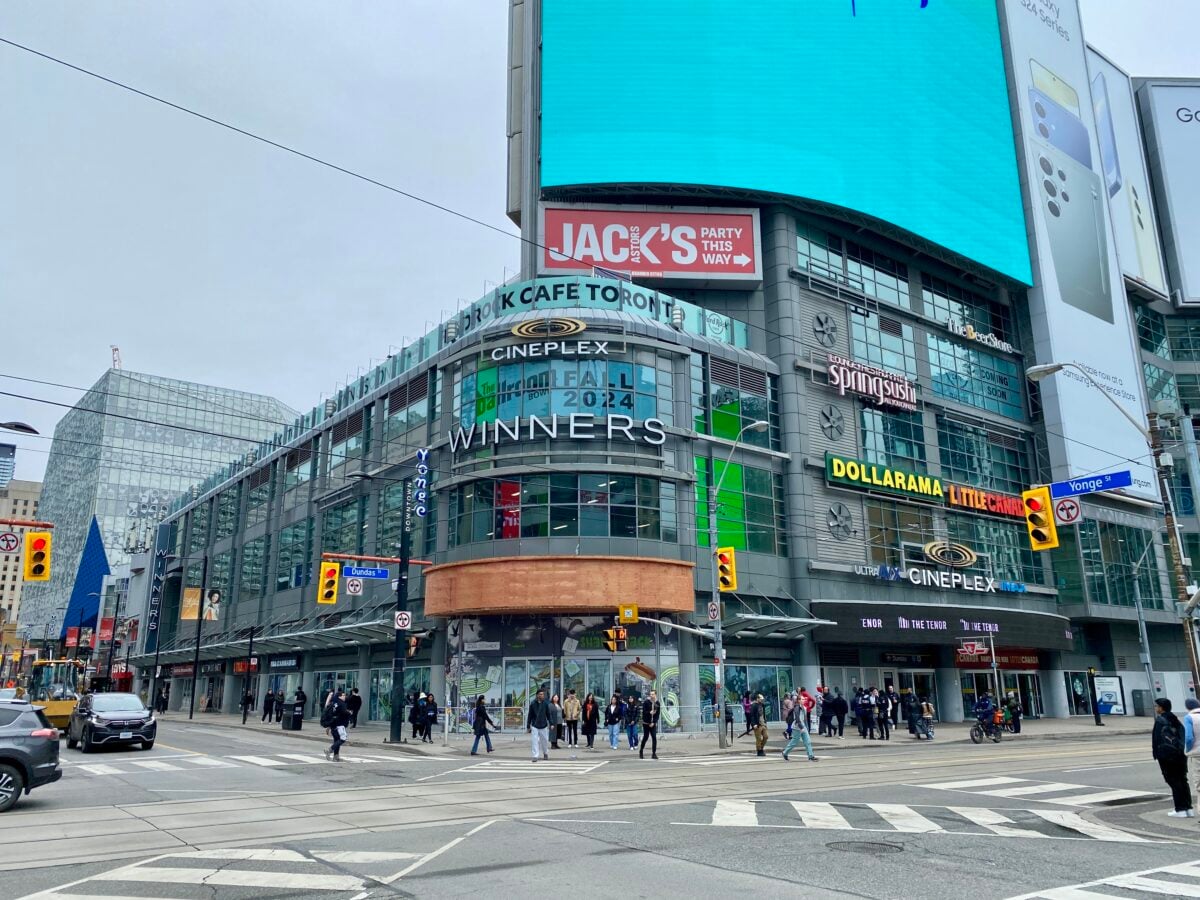
The company has announced it is opening a 5,500-square-foot restaurant on the northeast corner of Yonge and Dundas – one of Canada’s busiest intersections.
In a news release, the company said “Shake Shack Canada’s ambitious vision includes opening Shacks nationwide.”
Billy Richmond
“We are thrilled to confirm the rumours and open our doors at Yonge and Dundas, marking the beginning of a delicious journey for Canadians,” said Billy Richmond, Business Director at Shake Shack Canada, in a statement. “We’re excited to serve up our signature Shack classics along with some Canadian exclusives that we’ve developed with our local culinary partners to be enjoyed amongst Toronto’s dynamic cityscape.”
Shake Shack will be opening its first Canadian location at The Tenor in downtown Toronto, joining The Ballroom Bowl and Hard Rock Cafe which will both also open upstairs in the iconic building at Yonge and Dundas Streets.
Future Shake Shack at The Tenor in Toronto (Image: Dustin Fuhs)ShakeShack.ca
Canadian retail expert Lisa Hutcheson, Managing Partner of J.C. Williams Group, who has an office kitty corner to the new Shake Shack location, said pedestrian traffic in the area has died down since COVID but it remains “a really robust corner.”
Lisa Hutcheson
“Across the street from it is Yonge-Dundas Square which is a bit of a take on New York City’s Times Square. There’s events. It’s quite animated throughout the year with different festivals and events,” she said.
“The corner where Shake Shake is going has a TTC subway station. So it’s a really busy intersection and surrounded by Toronto Metropolitan University (the former Ryerson). And of course CF Toronto Eaton Centre is kitty corner. We are in the tower above Eaton Centre.
Hutcheson said it’s also a very high tourist area.
“It’s estimated that around 50 million people visit Yonge-Dundas Square every year. It’s high traffic. High visibility. I think the last TTC numbers I saw were around 26 million people come through that subway station. Some riders will come and get off right in the CF Toronto Eaton Centre because you can go either way. But a lot of the university students would be coming out of that station. It’s just really busy. It’s an interesting intersection because it’s called a scrambled intersection . . . to keep people moving at that corner.”
Future Shake Shack at The Tenor in Toronto (Image: Dustin Fuhs)Future Shake Shack at The Tenor in Toronto (Image: Dustin Fuhs)
There’s a ton of burger joints in the market right now. And there’s a Five Guys restaurant just a couple of doors down from where Shake Shack will open.
“(Shake Shack) has really been doing a strong job of building brand awareness. They’ve built this brand in the U.S. So people that travel to the U.S. are familiar with it. They tested back in 2017, they did a pop-up over on University Avenue here . . . It was sort of a test and it had huge lineups. It was a real success,” said Hutcheson.
“COVID maybe delayed their plans but with such a great successful pop-up you can see that it would be a way for them to test to see how Canadians knew them and how they would react and they had a very, very positive response.”
Shake Shack Canada is a partnership between Osmington Inc. and Harlo Entertainment Inc. – Toronto-based private investment companies.
Shake Shack is known for its made-to-order Angus beef burgers, crispy chicken, hand-spun milkshakes, house-made lemonades, beer, wine, and more.
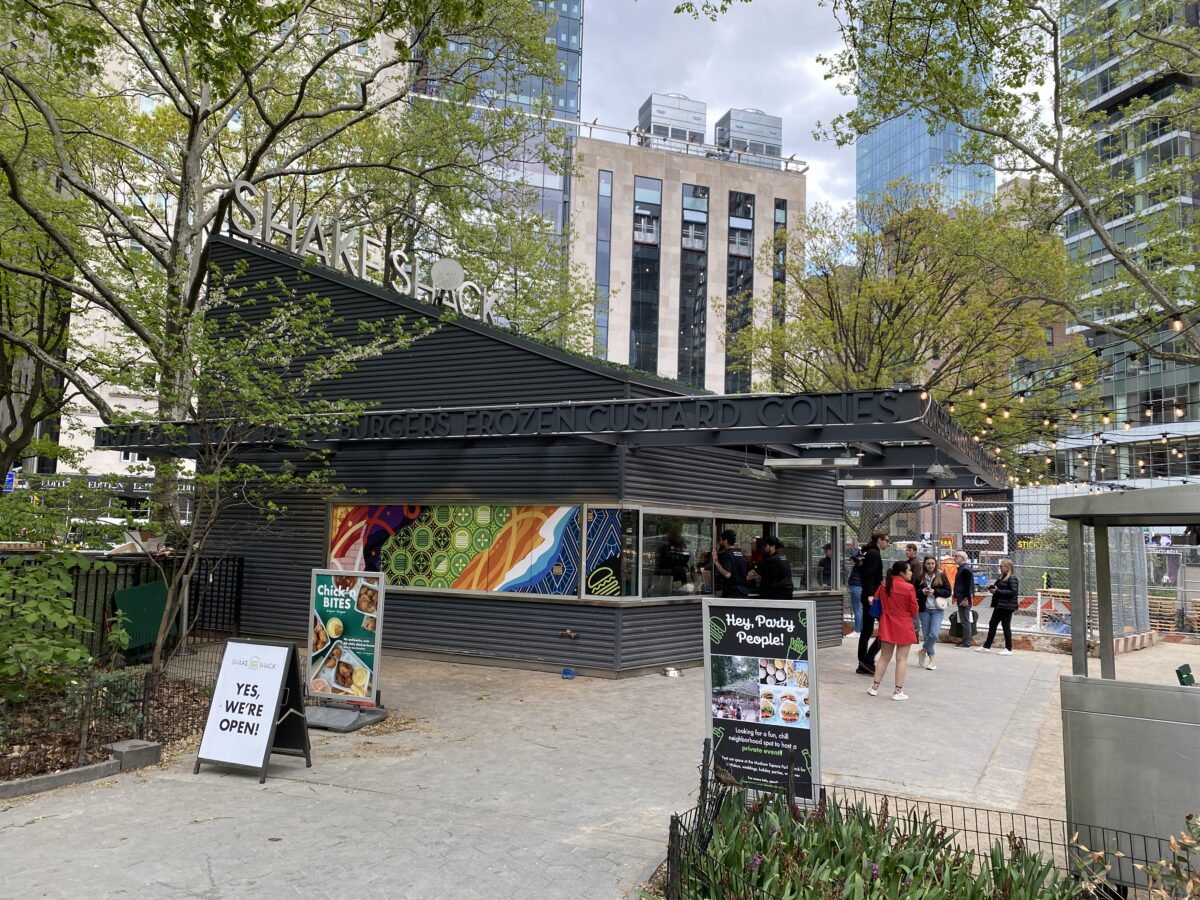
Since the original Shack opened in 2004 in NYC’s Madison Square Park, the company has expanded to over 520 locations, including over 320 in 33 U.S. states and the District of Columbia, and over 175 international locations across London, Hong Kong, Shanghai, Singapore, Mexico City, Istanbul, Dubai, Tokyo, Seoul and more.
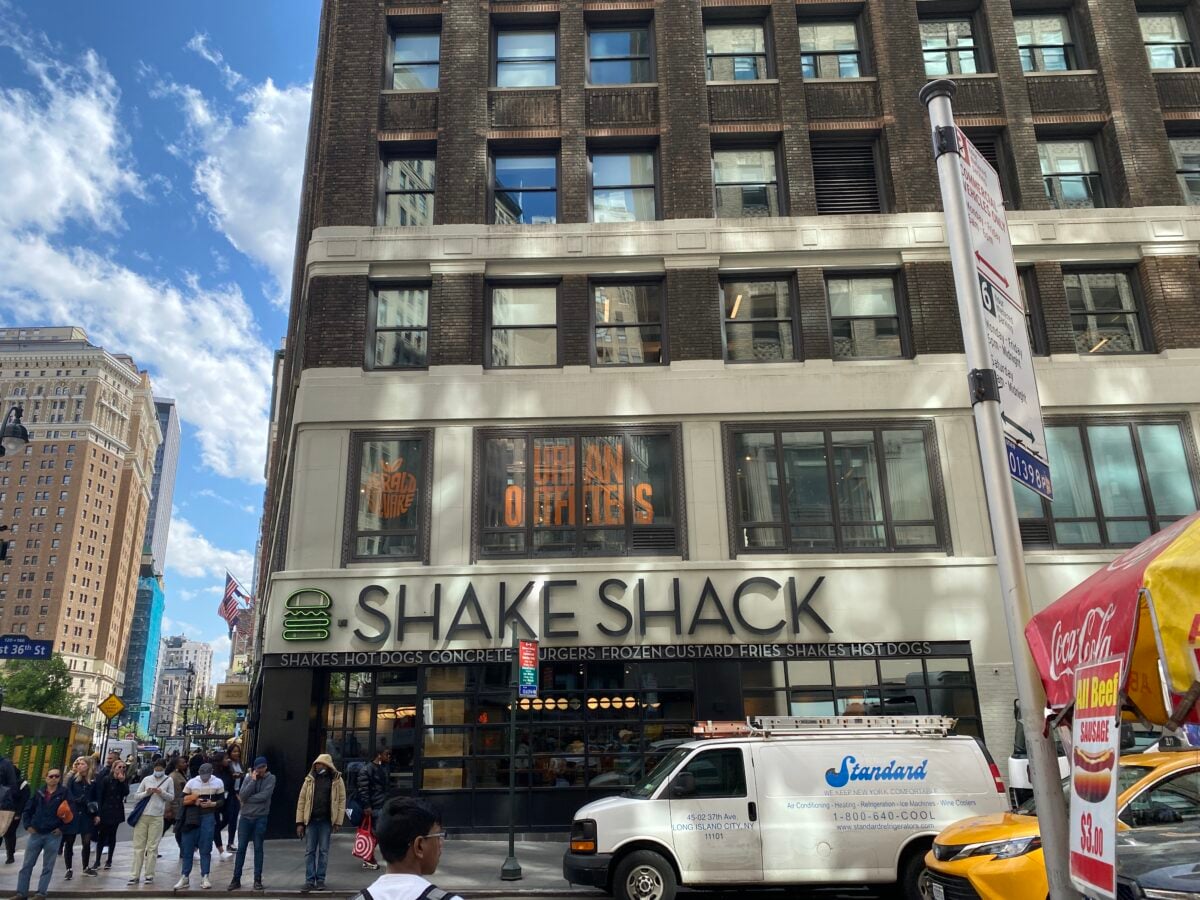
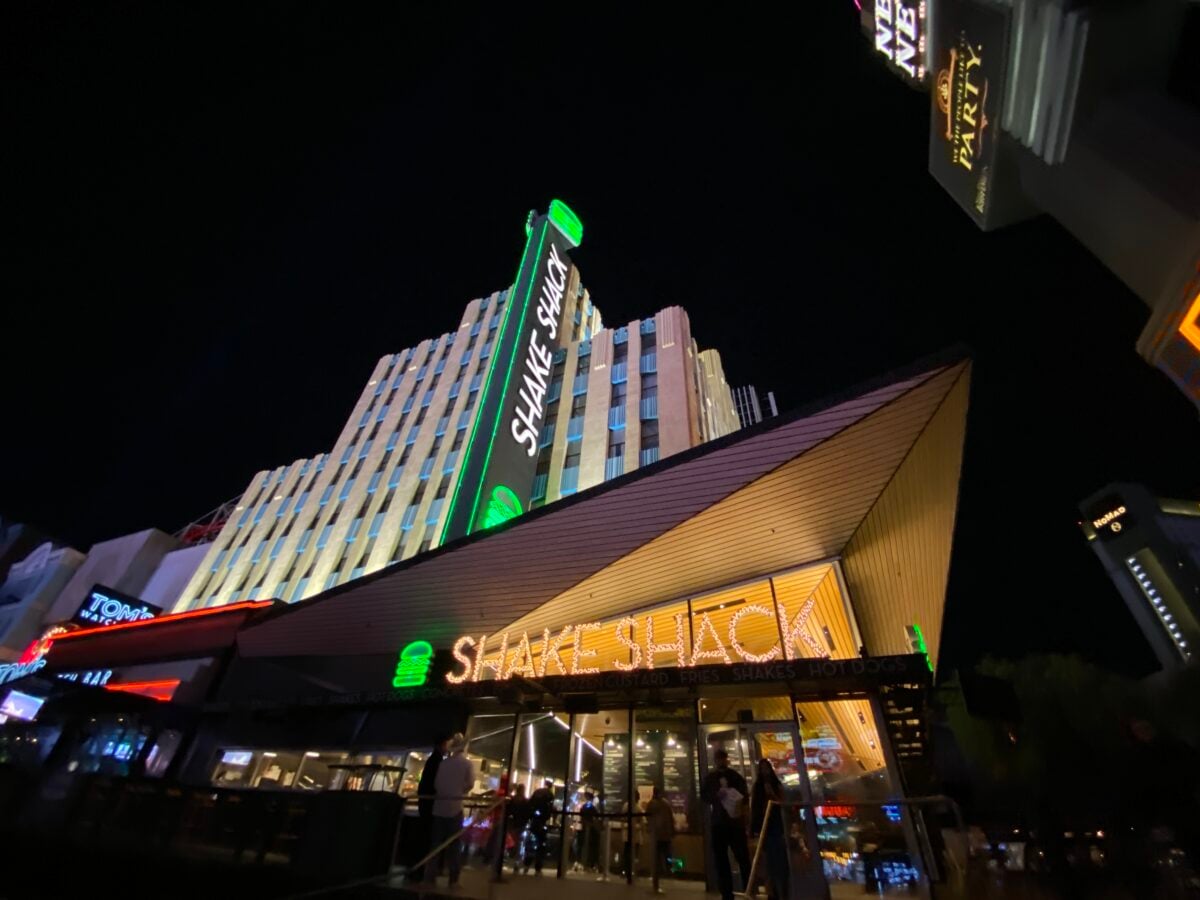
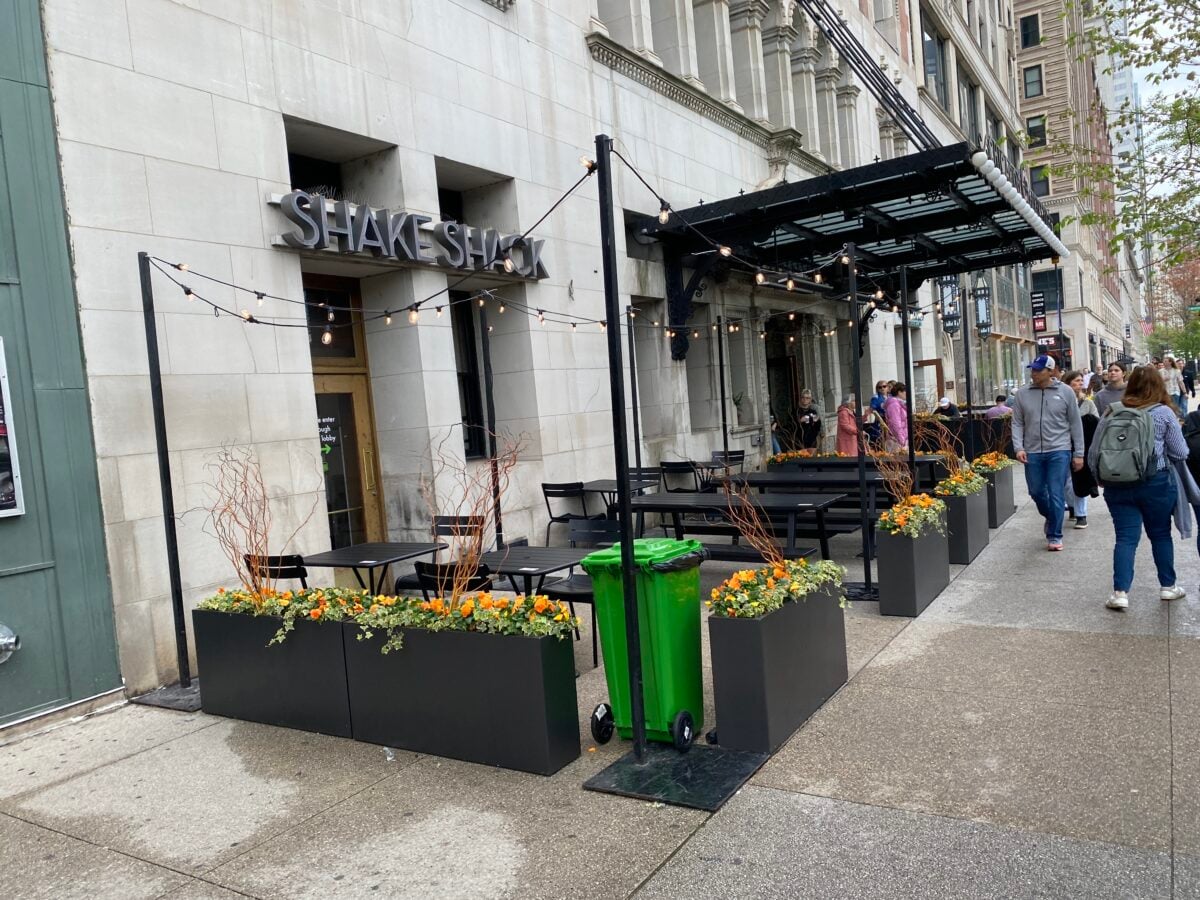
Shake Shack in Madison Square Park in NYC (Image: Dustin Fuhs)Shake Shack in New York City’s Garment District (Image: Dustin Fuhs)Shake Shack at the New York New York Casino Resort in Las Vegas (Image: Dustin Fuhs)Shake Shack at Millennium Park in Chicago (Image: Dustin Fuhs)
“When Shake Shack started as a hot dog cart in New York City’s Madison Square Park, their mission was simple: raise funds for a public art project. Over the years, Shake Shack has prioritized high-quality food at a great value, warm hospitality and its commitment to Stand For Something Good®,” said the company.
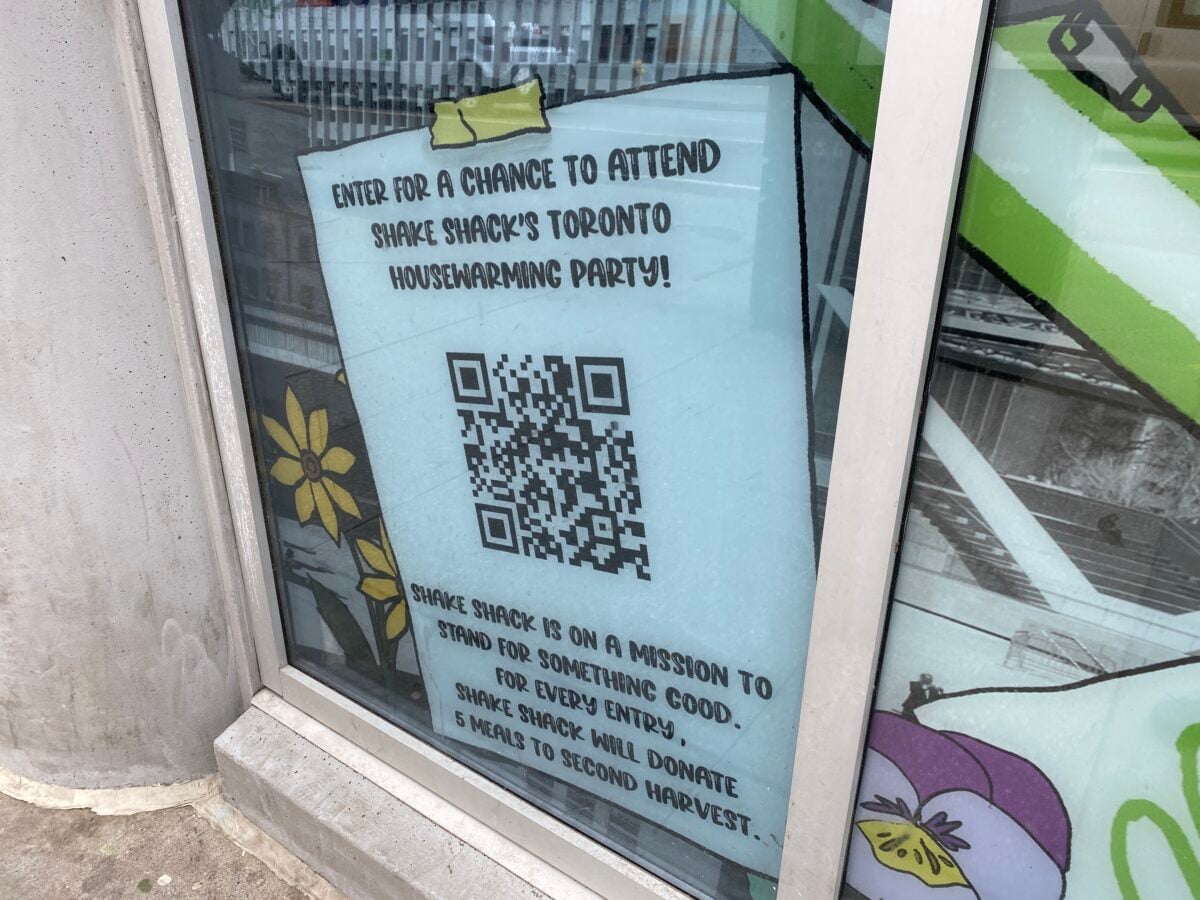
“The Yonge and Dundas location will uphold these values, featuring a thoughtfully designed space that reflects the city’s spirit while staying true to Shake Shack’s distinct aesthetic. Shake Shack has partnered with local Toronto artist, Briony Douglas, who has created an art installation to launch the brand in Toronto and bring a burst of creativity to the heart of the city. The art installation can be viewed starting today at the Yonge and Dundas location.”
“I’ve been a big fan of the Shake Shack brand for a long time and I’m thrilled to be working on this project to help give back to those in need,” said Douglas, in a statement. “It’s an exciting opportunity to blend my artistic vision with the infectious energy and community that both Shake Shack and the city of Toronto embodies.”
The brand said it will release one-of-a-kind menu items, including the Maple Salted Pretzel Shake.
“This Toronto-exclusive Shake combines Shake Shack’s signature soft, premium vanilla frozen custard with the rich and unmistakable flavour of pure Canadian maple syrup. This decadent treat pays homage to Canada’s iconic maple syrup industry while adding a local twist to Shake Shack’s classic menu,” it said.
Rendering of the 'luxury run' at Oakridge Park in Vancouver. Image via QuadReal
Ahead of its Spring 2025 opening, Oakridge Park in Vancouver is revealing the names of several luxury watch and jewellery brands that will be opening stores in the retail component of the development. The announcements follow a February 2024 article in Retail Insider where QuadReal released names of several notable luxury brands that will also be opening at Oakridge next year.
The list of luxury watch and jewellery brands set to open standalone stores next year at Oakridge is impressive, and includes the world’s third-largest Rolex storefront as well as two first-to-Canada brands. Oakridge is positioned to be one of the top high-end jewellery nodes in North America, with a roster of brands that are expected to do very high sales numbers.
QuadReal SVP of Leasing for Oakridge Park, Tara Brockelmann, said that the landlord expects jewellery brands to perform very strongly at the new Oakridge Park, given the strength of the jewellery retailers in the former Oakridge Centre that occupied the site until its temporary closure for redevelopment in 2020.
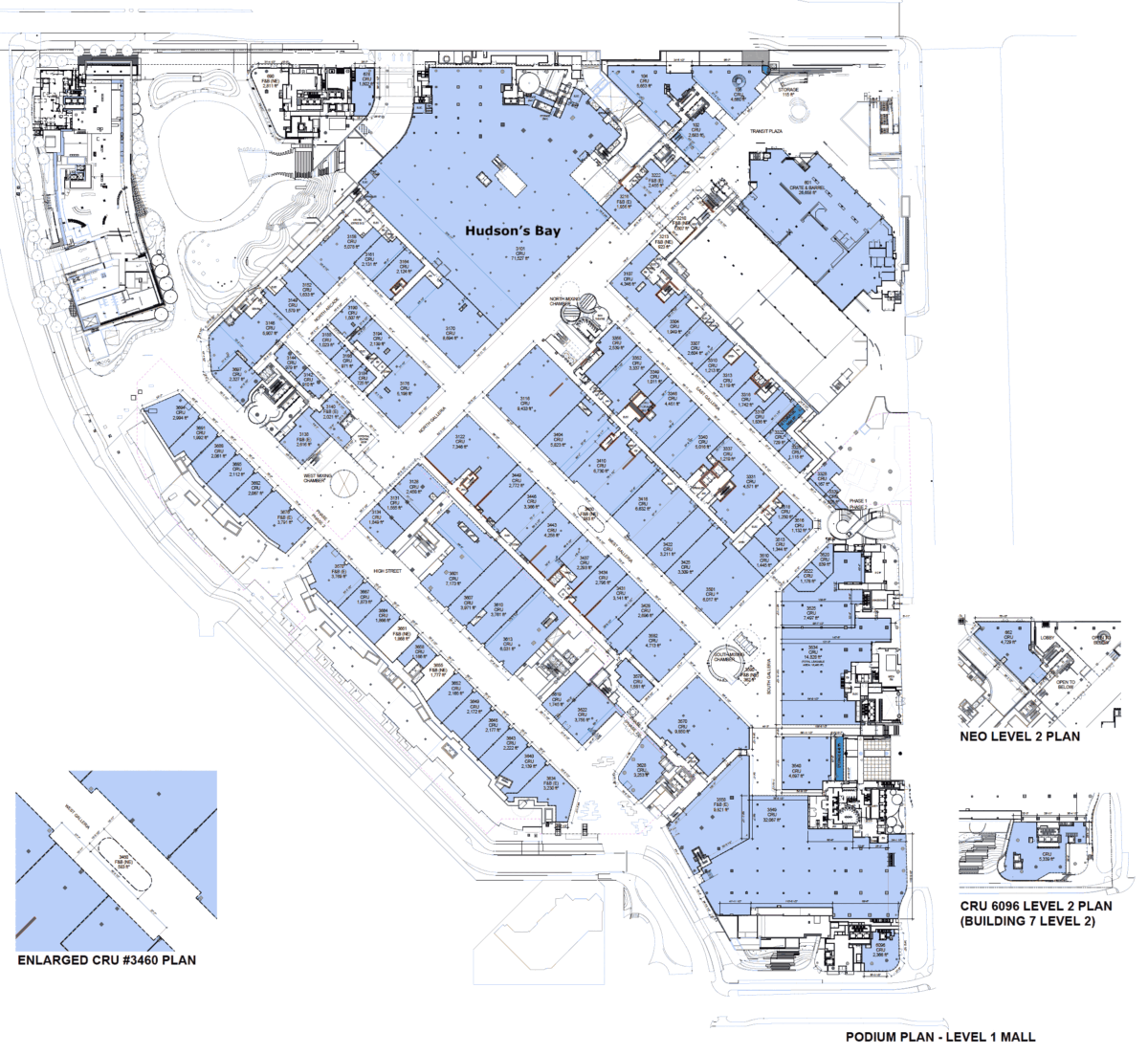
Main floor leasing plan for Oakridge Park, via QuadRealRendering: QuadReal
She noted that seven jewellery brands will cluster at the south end of the mall’s luxury wing, while Tiffany & Co. will be further northward near the mall’s new Hudson’s Bay store.
New York City-based Tiffany & Co. will return to Oakridge in a new 5,000 square foot location. Tiffany also had a store in the former Oakridge Centre on the site, and is said to have had high sales. The new Oakridge store is expected to also be a success, while also operating two stores in Downtown Vancouver (on Burrard Street and a concession at Holt Renfrew). The next 12 or so months will see Tiffany & Co. make record-breaking investments in the Canadian market, with new and renovated stores in Vancouver, Toronto and Montreal.
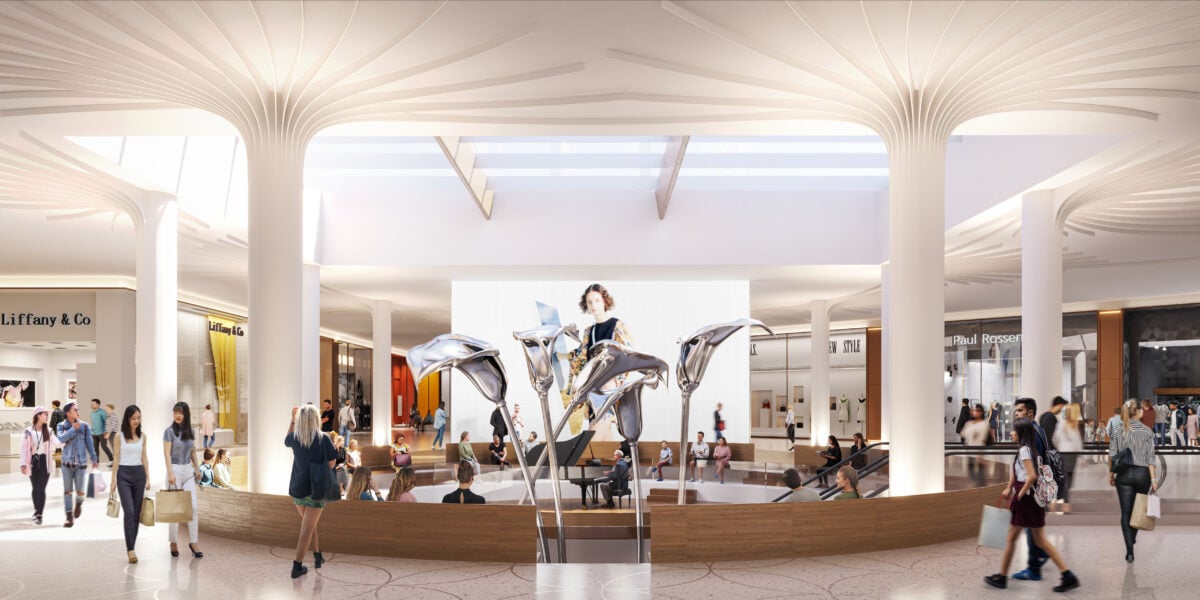
Rendering of the south atrium at Oakridge Park which will be home to seven luxury jewellery and watch brands. Image: QuadRealOakridge Park north Atrium across from Hudson’s Bay — several luxury brands will operate flagships nearby. Rendering via QuadReal
The seven jewellery brands announced that will open standalone stores at Oakridge, clustered at the south atrium near Harry Rosen, will be discussed individually in detail below.
Swiss watch brand Rolex, via local licensee Global Watch Company, will see a 6,000 square foot storefront open at Oakridge Park next year. The Oakridge Rolex will become the third largest globally for the well-known brand which often has a waiting list for various styles. The largest Rolex store in the world spans almost 10,000 square feet in Dubai, and in 2025 Rolex will open a 7,200 square foot store on Old Bond Street in London via licensee Watches of Switzerland. Global Watch Company also operates a Rolex store at 1119 Alberni Street in downtown Vancouver that opened in 2016 — the 2,000 square foot store is currently the largest Rolex location in North America, and the Oakridge store, being triple the size, will take things to a whole new level.
Global Watch Company will also operate a standalone storefront at Oakridge for pricey Swiss watch brand Tudor, to be located next to Rolex. Global Watch Company also operates a standalone Tudor store on Alberni Street in downtown Vancovuer which opened in the spring of 2021.
LVMH-owned Italian jewellery brand Bulgari will open its largest store in Canada at Oakridge, spanning more than 4,000 square feet. Bulgari is investing heavily into the Canadian market and is currently building a 2,969 square foot store at 131 Bloor Street West, its second in the city (Yorkdale’s opened in 2014). Bulgari will keep its small concession at Holt Renfrew in downtown Vancouver, which opened in 2018.
Prestigious and pricey jewellery and watch brand Jacob & Company will have a standalone store at Oakridge, which will be a first in Canada and be one of only a handful globally. Vancouver-based Lugaro Jewellers, which currently carries the Jacob brand, will operate the new standalone Jacob & Company store at Oakridge.
Swiss watch brand TAG Heuer will open its first store in Vancovuer at Oakridge, and will be operated directly by the brand. TAG Heuer is expanding its corporate store presence in Canada — this August it will open at Royalmount in Montreal, following the opening of a store at Yorkdale in Toronto in 2019.
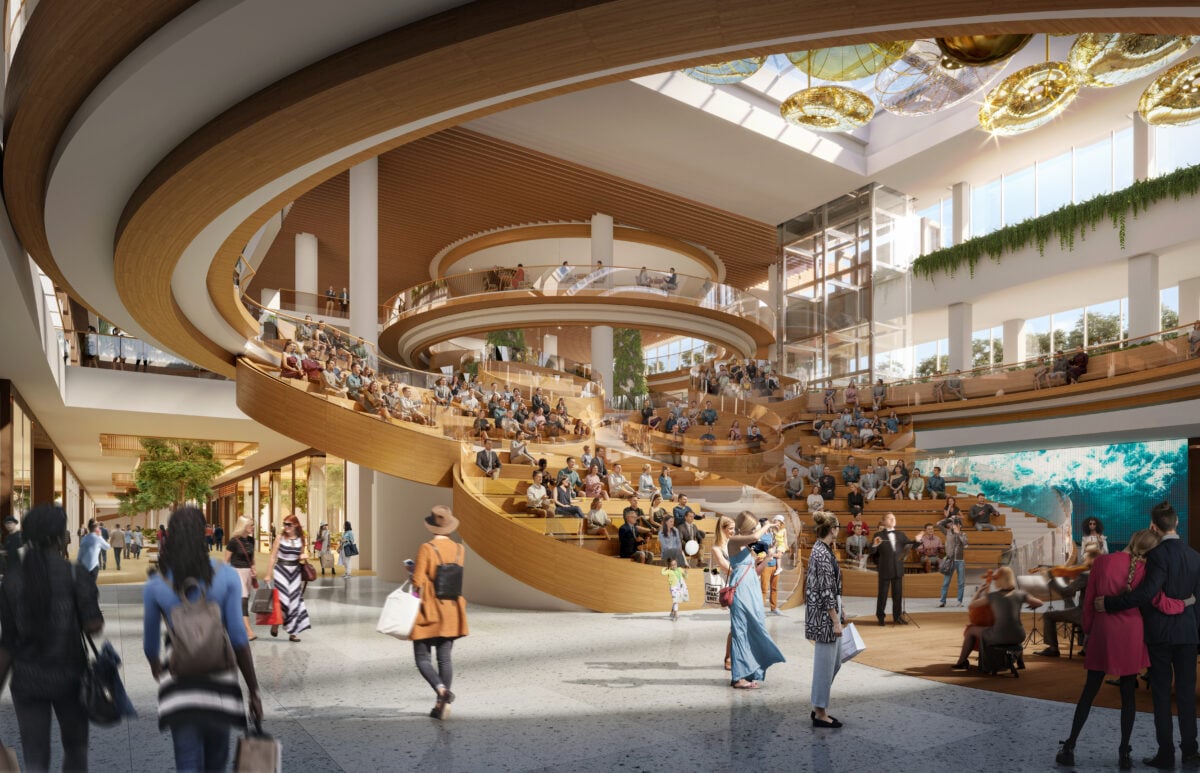
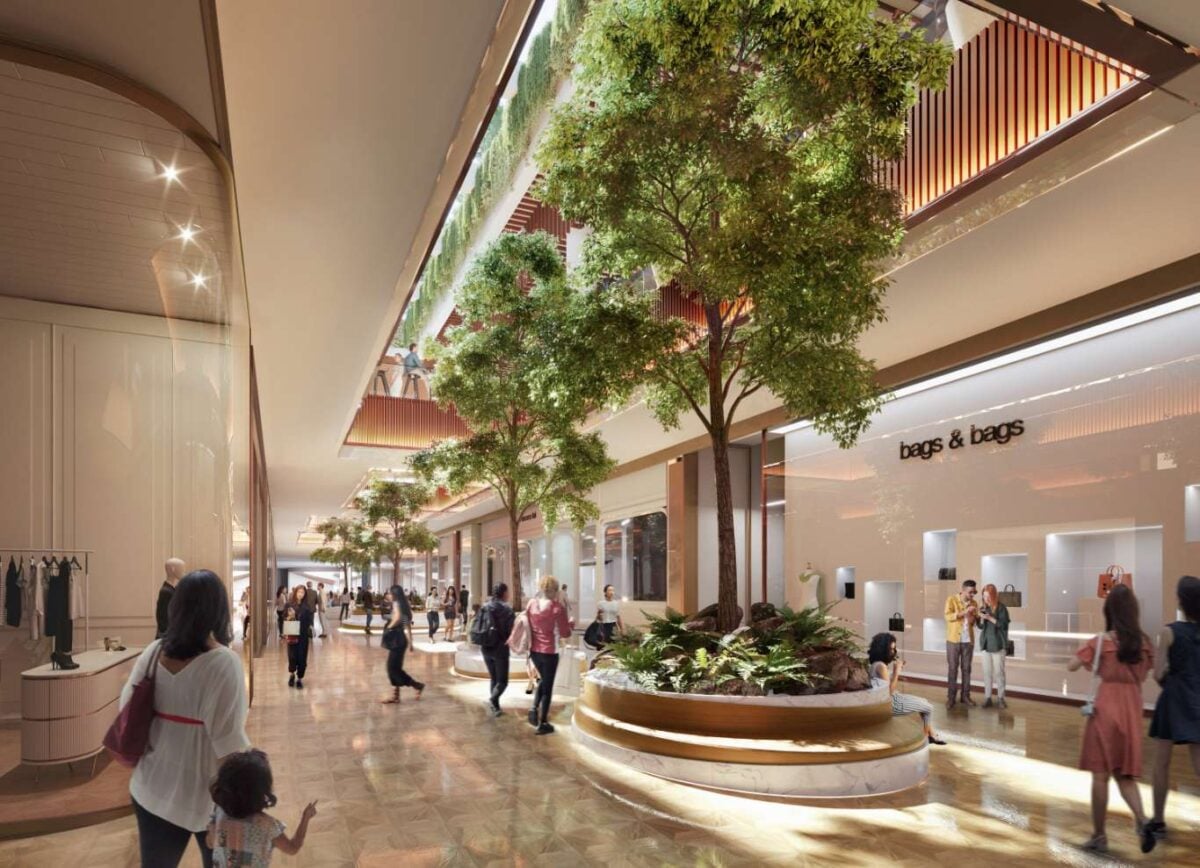
Oakridge Park interior retail rendering. Image via QuadReal
The first standalone location in North America for jewellery brand Chaumet will open at Oakridge, and will be operated by Montreal-based jeweller Birks. It’s a significant brand to be opening at Oakridge, and will catch the attention of global luxury shoppers. Birks has a unique situation in the Vancouver market, operating a multi-brand flagship store in downtown Vancovuer at the corner of Hastings and Granville Street, as well as two mono-brand boutiques on West Georgia Street (Graff and Patek Philippe).
American luxury jewellery brand David Yurman will open its first standalone Vancouver store at Oakridge, marking a second retail presence in the city. The store will be one of a few locations that house Yurman’s high jewellery collections, with some pieces costing into the six figures. David Yurman opened a concession at the downtown Holt Renfrew store in the fall of 2016. David Yurman will be opening this August at Royalmount in Montreal as well, and the brand has a standalone store in Toronto at Yorkdale and concessions at Holt Renfrew in Toronto, Mississauga and Montreal.
Chinese jewellery Chow Tai Fook will open a storefront at Oakridge, as part of an expansion for the brand which currently has stores in the Vancovuer and Toronto markets.
In February, QuadReal announced its first batch of retailers for Oakridge, which included an impressive roster of luxury brands including Louis Vuitton, Prada, Brunello Cucinelli, Moncler, Versace, Max Mara, Maison Margiela, Miu Miu, Christian Louboutin, and Alexander Wang. Retail Insider provided an analysis of this brand selection, including its relationship to retail downtown.
Brockelmann said that it’s expected that the Vancouver market can handle at least two locations for some luxury brands, being in the Oakridge and downtown luxury nodes. She noted that Vancouver sees more than 10 million tourists annually, with this year expected to see a record-breaking number of cruise ship visitors (who spend when on land). The clustering of luxury brands, along with the elevated environment that Oakridge Park will provide, is expected to be a draw for global tourists seeking luxury brands. Oakridge will also specifically target visitors to Vancouver with marketing as well, to create awareness to drive visitor traffic.
Oakridge Centre Rendering, via QuadReal
Chrystal Burns, Executive Vice President, Canadian Retail at QuadReal, noted in an interview that about 20% of the retail mix at Oakridge will be luxury brands, and that the centre will target locals with its roster of retailers and amenities ranging from a park to a public library. Oakridge Centre is located on the West Side of Vancouver at 41st Street and Cambie Street — the area is densifying quickly, with the City of Vancouver upzoning the immediate area in order to facilitate population growth along a transit line. Included at Oakridge Park are several high-end residential towers that are being developed in partnership with Westbank.
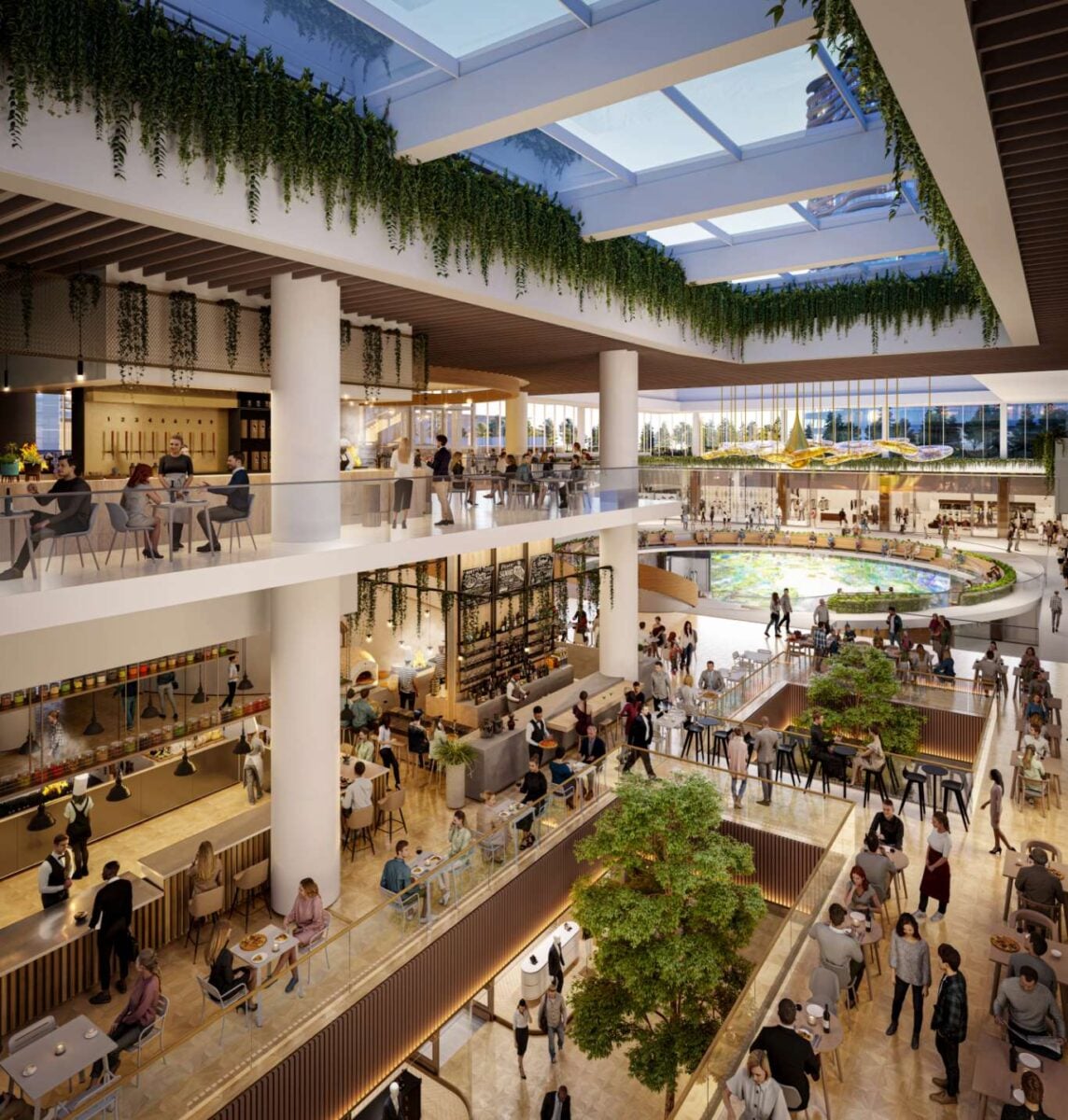
Time Out food hall at Oakridge Park. Image via QuadReal
More than 100 retailers will be part of the new Oakridge Park retail component, which will span about 650,000 square feet and will include a mix of luxury stores, big-brand retailers, two anchors (including a 140,000 square foot Hudson’s Bay) and various food and beverage options including a Time Out Market food hall.
Flagship-sized luxury stores will be part of the mix, with some big brands said to have secured large spaces near Oakridge’s new 140,000 square foot Hudson’s Bay store. Leasing manager Tara Brockelmann said that brands were asked to bring something a bit ‘extra special’ when designing spaces at Oakridge, given the significance and positioning of the centre as a destination.
In an earlier interview, Chrystal Burns confirmed that a Safeway grocery store would be returning to Oakridge Park, and that Crate & Barrel, which has been open all along with a standalone retail space, will continue to operate. She also noted that the outdoor high street of Oakridge will be completed as part of a second phase in 2028 after the indoor portion of Oakridge Park is unveiled in the spring of next year.
The retail component of Oakridge Park could become the most productive shopping centre in Canada, given its heavy focus on top luxury brands and its potential to pull consumer dollars from the region and beyond. Given sales numbers at downtown stores such as Chanel (said to be about $60mill annually), the region can support major luxury brands.
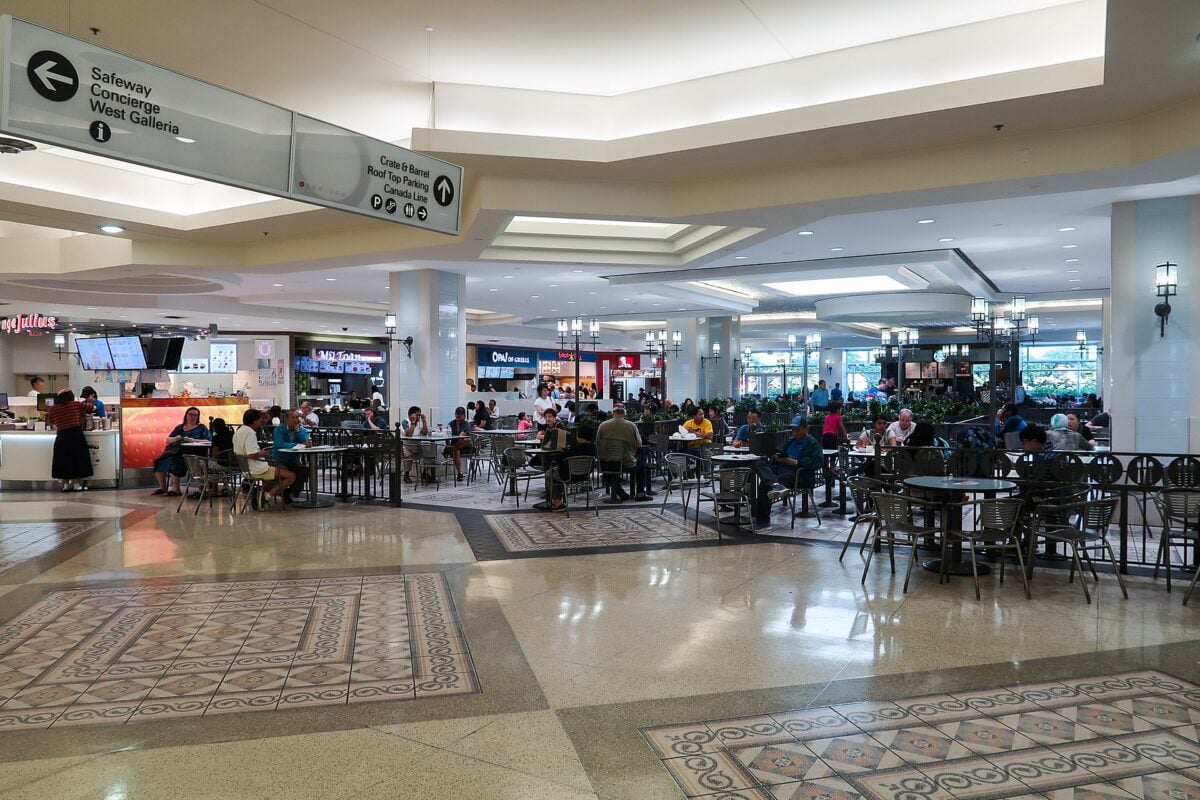
Former food court at Oakridge Centre in 2018. Photo via WikipediaOakridge Centre in 2018. Photo via Wikipedia
Oakridge Centre closed in 2020 for the transformation of the site into a mixed-use development unlike anything in Canada. QuadReal Property Group partnered with developer Westbank on the Oakridge Park project, which will include upscale residential towers, offices, a public library, park space, indoor and outdoor performance venues, and a ballet school among other uses.
Oakridge Centre was formerly an upscale but rather unremarkable shopping centre surrounded by surface parking lots. The mall was developed by department store retailer Woodward’s and opened in 1959 as an open-air centre. In 1993, the 260,000 square foot Woodward’s store was rebranded by new owner HBC, which divided the store to create separate Hudson’s Bay and Zellers department stores. Over the years, affluent demographics on Vancouver’s West Side also resulted in Oakridge securing upscale retail tenants such as Tiffany & Co., Harry Rosen, and Max Mara among others.
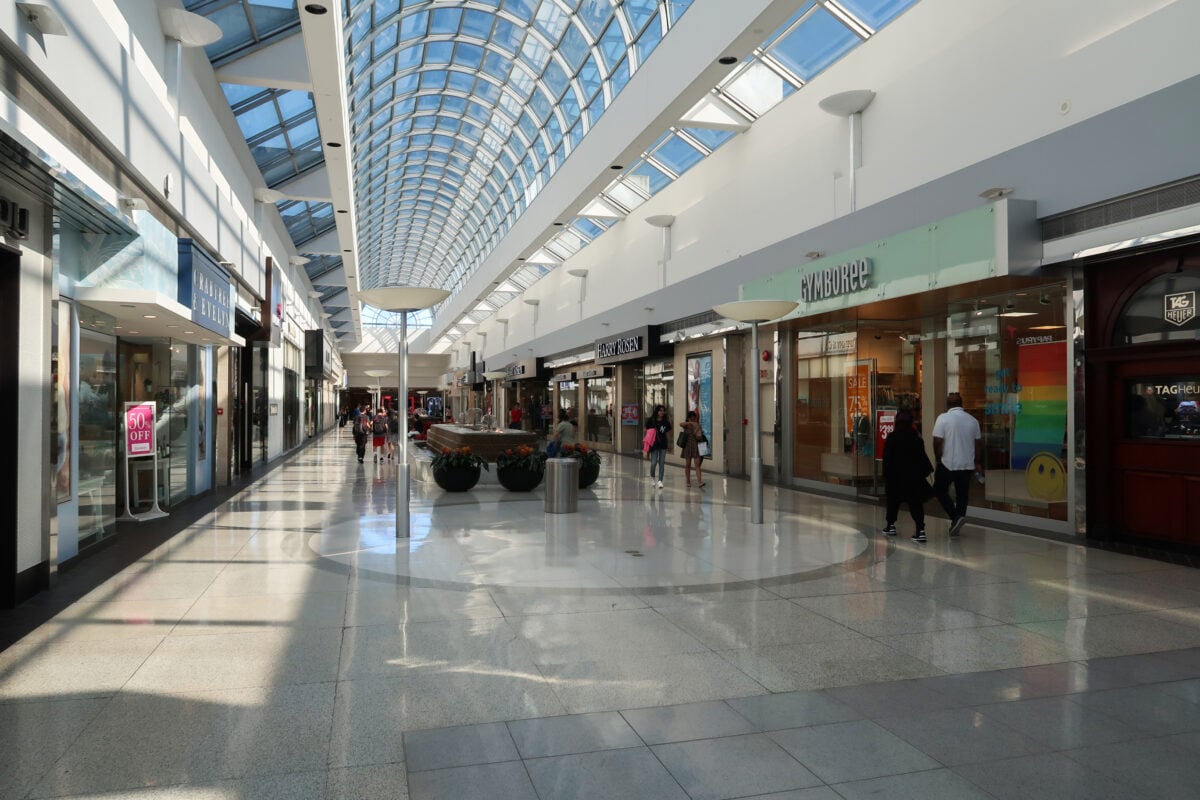
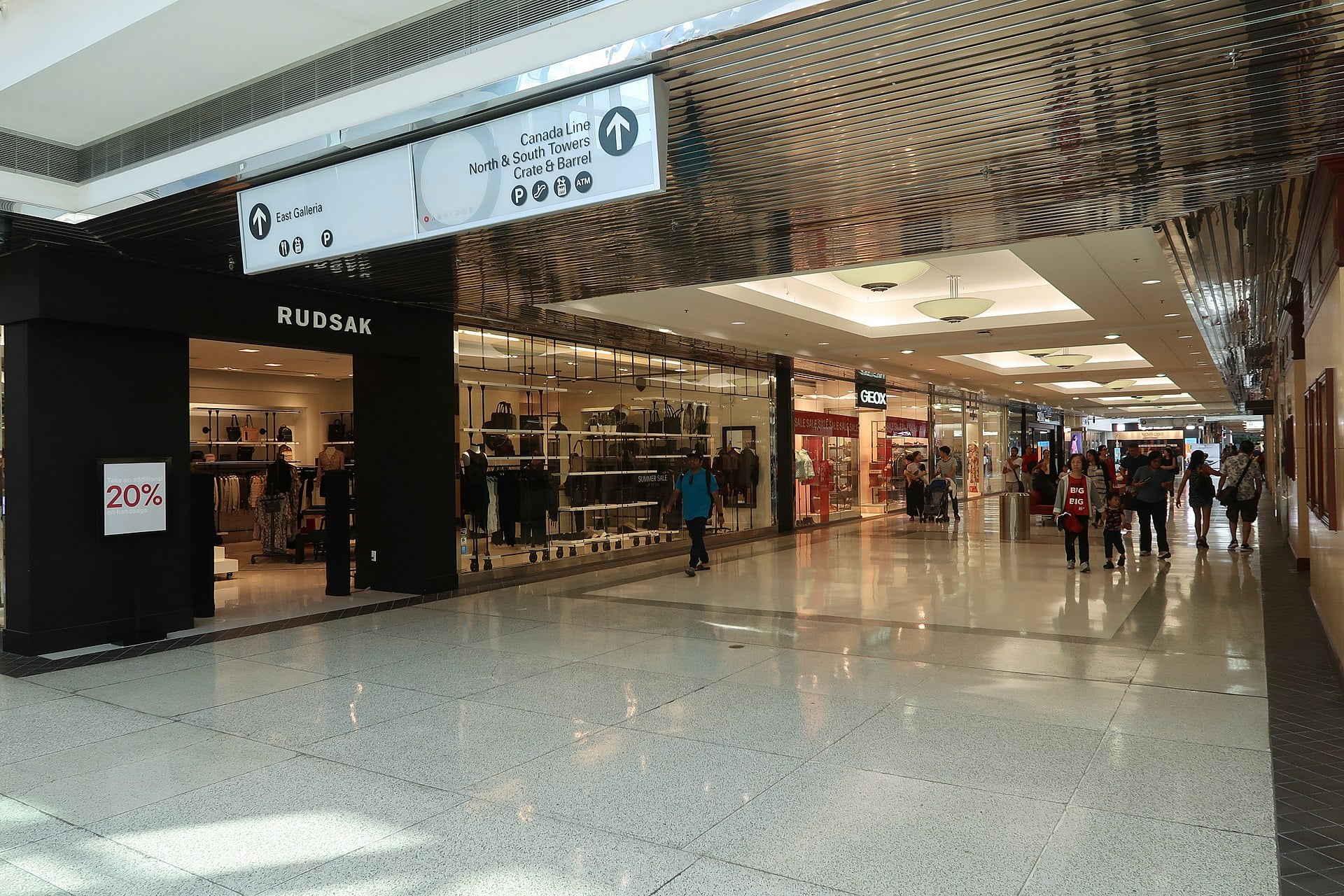
Oakridge Centre in 2018. Photo via Wikipedia(‘HIGH TEA’ EVENT AT OAKRIDGE. PHOTO: SUPPLIED)
Ivanhoé Cambridge owned Oakridge Centre until QuadReal acquired the property in early 2017. Ivanhoé Cambridge had already intended to develop the property, which had been through various stages of applications and studies for redevelopment.
Oakridge Centre maintained its position as one of Canada’s most productive shopping centres for years, in terms of sales per square foot, until its temporary closure in 2020. The high sales were due partly to highly productive jewellery retailers as well as an Apple Store. And while Apple hasn’t been technically confirmed in recent public announcements, Retail Insider was told before the pandemic in an on-the-record interview that it would be returning to Oakridge Park as a tenant.
Retail Insider is streamlining its Canadian retail news from around the web to include a handful of top news stories that can be viewed quickly during the day. Here are the top stories from the past 24 hours.