Advertisement
Home Blog Page 664

Italian Grocery-Restaurant Concept Lina’s Prepares to Open 15,000 sq ft Location in Calgary’s Inglewood [Photos/Interview]

Lina's

Calgary chain Lina’s is building a unique grocery store and dining establishment in the Inglewood neighbourhood based on the concept of an Italian public square or marketplace.

The concept, which is opening soon, is the fourth location for Lina’s Italian Market in Calgary.

Lina’s Italian Piazza will open in 15,000 square feet of space previously occupied by Bite Grocer in the Atlantic Avenue Art Block Building in the trendy and vibrant inner-city community.

Matthew Rai, General Manager of Lina’s said the new Lina’s concept is designed to be the new community spot for locals to gather and eat or grab and go for all things Italia.

He said the new Inglewood location will include a LavAzza Organic Tierra Cafe, a pizzeria and a dining area, a salumeria, a bakery, gelato, a prosciutto tasting area, Italian brunch, catering services and of course specialty Italian groceries.

The location also includes underground parking.

“As we’re growing we’re going to be able to make food more affordable for the Calgary market. So you’re actually going to see better pricing and more food choices from the Eurozone but also encourage our local producers to start with us and we can be a launch pad for local and Canadian products,” said Rai.

“We want to create a cultural hub . . . We want to introduce the Italian culture starting with the bread, starting with cheese, starting with prosciutto. Our goal is just to incorporate Italian culture back into Inglewood.”

Image: Lina’s Italian Piazza

Each of Lina’s locations in Calgary reflect the communities where they are located with product selection catered to that particular area.

Each of Lina’s current three locations in Calgary reflects the communities where they are located with product selection catered to that particular area – Lina’s Italian Market,  2202 Centre St. NE; Lina’s Italian Supermercato, #100, 4916 130th Ave SE; Lina’s Italian Mercato, 5108 Elbow Drive SW.

Lina’s Italian Mercato at 5108 Elbow Drive SW, Calgary, AB
Lina’s Italian Supermercato

The brand prides itself on being a local business that supports the community.

“A community is like a big family, and Lina’s Italian Market is proud to be a part of that family. We believe in supporting our community and helping it thrive, whether that means providing delicious, high-quality food, or simply being a friendly and welcoming place for people to gather,” said Rai. “As an Italian market, we take great pride in offering a wide variety of authentic Italian products, from fresh pasta and olive oil to cured meats and cheeses. We believe that these traditional foods are an important part of our cultural heritage and are delighted to share them with our community.

“But Lina’s Italian Market is more than just a place to shop for groceries. It’s a place where people can come together to share a meal, talk about their day, or catch up on the latest news. We believe that a strong community is built on connections like these, and we’re honored to be a part of it. Our team is committed to giving back to the community by supporting local organizations and charities that make a positive impact in the life of our community. At Lina’s Italian Market, we’re not just in the business of selling food, we’re in the business of building connections and making our community a better place to live.

“Overall, Lina’s Italian Market is deeply committed to the well-being and growth of our community and we will always strive to be a valuable resource and hub of connection.”

The new Inglewood location will offer catering services for all occasions. It will include a traditional bakery with a wide variety of products and feature gelato products from Mario’s Gelati.

One of the pillars of the Calgary-based Lina’s business is importing fine food and products from Italy.

But the grocery store chain also is committed to supporting and promoting local vendors and providing them with a place where they can sell their products.

“Our grocery will have all our specialty items but as we’re growing we’re going to be able to make food more affordable for the Calgary market. So you’re actually going to see better pricing and more food choices from the Eurozone but also we’re going to encourage our local producers to start with us as we can be a launch pad for local and Canadian products,” said Rai.

“I don’t think a lot of people know this about us but we’ve incubated a lot of local products that have gone national or received traction. A few of them would be North Water, Secret Foods.”

Lina’s Executive Chef Christopher David Hyde

North Water is a water beverage that uses alkaline water sourced from Rocky Mountain springs and contained in recyclable aluminum bottles.

Secret Foods tahini sauce was created with the aim of bringing to life a clean, all-natural, plant-based alternative to traditional condiments.

The new location will also have a prosciutto bar.

Zellers to Launch Food Trucks in Effort to Drive Traffic to Bay Stores

Zellers Restaurant at Bower Mall (Image: Mitch White / Flickr)

The relaunch of the Zellers brand by the Hudson’s Bay Company this spring in Canada will drive foot traffic to Hudson’s Bay stores that desperately need it. The buzz on social media clearly indicates that there is interest in the Zellers brand which effectively disappeared about a decade ago. Many Canadians had requested the return of the nostalgic Zellers restaurant concept as part of the retailer’s relaunch and now it’s confirmed that a version of that will return in the form of food trucks. 

The Hudson’s Bay Company is taking advantage of the nostalgia factor of the Zellers brand which many in the country still remember, and many fondly. With that, HBC is launching a fleet of Zellers-branded food trucks that will become part of the retail mix in an effort to create buzz and attract consumers to Hudson’s Bay stores. It’s noted that given the size of the Zellers shop-in-stores at Hudson’s Bay, there simply wasn’t enough room in the 8,000-10,000 square foot stores to create full-sized restaurants as many remember in the Zellers locations of the past. The Zellers shops will begin to open within selected Hudson’s Bay stores this spring, featuring dedicated fixtures with eye-catching red signage. 

A cross-Canada tour is planned. “Set to appear over a series of days, the Zellers Diner on wheels will pull into various locations and serve shoppers with some fan favourites from the fondly remembered Zellers Family Restaurant,” the retailer said in a statement. 

[See also: Zellers Announces 25 Shop-in-Shop Hudson’s Bay Locations Including Details on Store Sizes]

Zellers Hot Chicken Sandwich (Via Flickr / My TVC 15)

With the announcement on Friday, Zellers social media hosted a poll asking Canadians what they’d like to see on the menu. A total of 10 menu items were presented, nine of which were part of the original store as well as the addition of a vegetarian option. For a week, Canadians can vote and the top five winners will become part of the food truck menu as part of the spring launch. 

Those food options include: 

  1. Big Z Burger
  2. Fries and Gravy
  3. Hot Chicken Sandwich
  4. Grilled Cheese Sandwich
  5. Onion Rings
  6. Quesadilla
  7. Poutine
  8. Hot Dog
  9. Chicken Fingers
  10. Veggie Burger

More than 500 comments on one post on Instagram alone shows interest in the Zellers foodservice business that will be developed as part of the re-introduction of the brand in Canada. 

The retailer’s Instagram account notes that the Zellers-branded food trucks will be launched as part of a ‘Throwback event’ which will be followed by the vehicles “hitting the open road” as part of a tour. This will indeed create buzz as well as crowds wherever these land — and if done at Hudson’s Bay stores, these will create new foot traffic that otherwise wasn’t present at these locations. 

Zellers Restaurant (Image: Dave Scott / Flickr)

The Zellers Instagram account notes that the popular ‘3D club sandwich’ will not be part of the relaunch, which caused some disappointment among those commenting on posts. 

It also appears from social media posts, including comments by the official Zellers account on social media, that teddy bear mascot ‘Zeddy’ will be returning as part of the relaunch of Zellers 2.0. The retailer’s Instagram account repeatedly told commenters that it is taking things ‘one Zeddy step at a time’. In 2012, Zeddy was ‘adopted’ by Camp Trillium and we’re awaiting further details on how Zeddy will be returning, and if Camp Trillium will be receiving funds in return for the bear. 

There’s a possibility that Zellers will launch “official merchandise” as part of its re-introduction according to an Instagram comment by Zellers, noting that it would neither confirm nor deny that this will be part of the merchandise mix as stores prepare to open. 

The 25 Zellers stores are already being built inside of Hudson’s Bay stores, with some appearing to be closer to completion than others. Retail Insider was recently in Vancouver and noticed construction for a new Zellers space on the basement level of the downtown Vancouver Hudson’s Bay flagship store. Others have posted photos on social media of the soon-to-open Zellers stores. 

The buzz around Zellers is a dream for Hudson’s Bay — most of its stores are otherwise quiet and lacking in updated aesthetics, interesting merchandise or customer service. Most of the 25 Zellers locations will be within Hudson’s Bay stores that might be considered ‘secondary’ locations, and these will at least initially see a boost in foot traffic given the excitement already seen online. 

More Zellers locations could open within Hudson’s Bay stores following the launch of the first 25. It hasn’t yet been announced where these will go. At the same time, Hudson’s Bay will be reducing its footprint slightly this year as we’ve confirmed the closure of at least two Hudson’s Bay stores in Canada, with more details to follow. 

Cineplex Launches New ‘Junxion’ Entertainment Concept with Additional Canadian Locations Planned [Interviews]

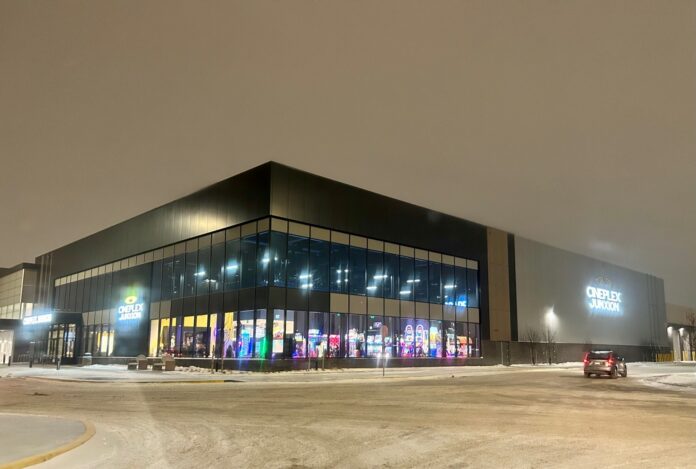
Cineplex Junxion Kildonan

Cineplex, Canada’s leading entertainment and media company, has launched a brand-new entertainment destination with the launch of its first Junxion location, Cineplex Junxion Kildonan in Winnipeg. 

And the company is planning to roll out the concept to more locations.

Junxion opened in December in time for one of the most highly anticipated films of the year, Avatar: The Way of Water. 
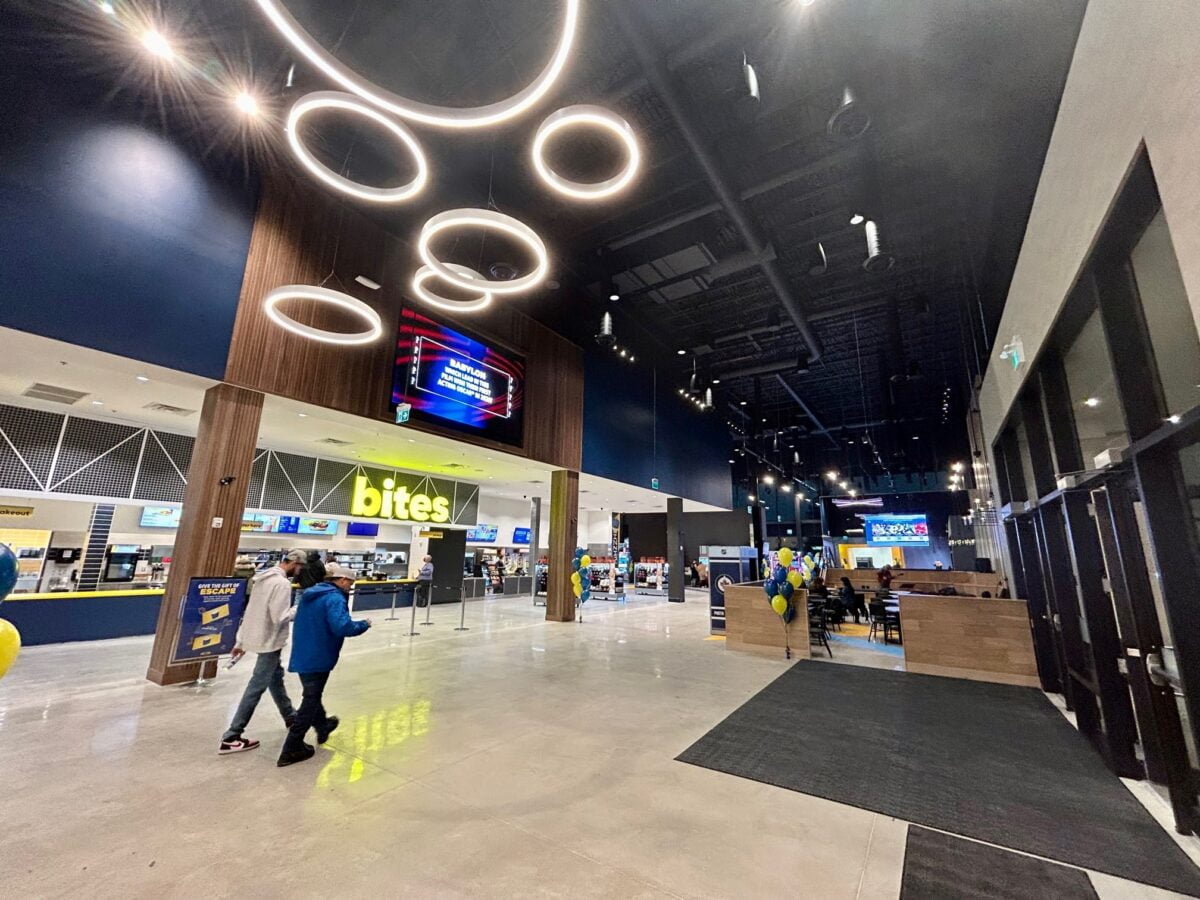
“Junxion is the ultimate entertainment destination that re-imagines Cineplex’s best-in-class guest experience by bringing together movies, amusement gaming, dining, and live performances under one roof. The Junxion concept truly offers something for everyone,” said Judy Lung, Director, Communications at Cineplex.
Cineplex Junxion Kildonan

“Cineplex Junxion Kildonan in Winnipeg, which opened in December, is our first Junxion location. Spanning 35,000 square feet, Cineplex Junxion Kildonan features six state-of-the-art auditoriums with all-recliner seating, including one UltraAVX auditorium and D-BOX seats, over 4,000 square feet of dedicated space for over 50 amusement games, a party room, and a live entertainment space that features a local entertainment lineup.”

Lung said a large footprint is required for a venue of this size and scale, and Kildonan Place was exactly what the company was looking for in terms of space and location. 

“As well, we knew the region’s demographic would be a perfect fit for this entertainment concept and its appeal to guests of all ages,” she said.

Judy Lung

“Cineplex is set to open its second Junxion location, Cineplex Junxion Erin Mills, in Mississauga, Ontario in 2023, with plans to expand the Junxion concept further in the years to come.”

Lung said that more than ever Canadians are looking for the opportunity to truly escape and embrace the magic of the movies and enjoy the unrivaled experience of the big screen. 

“They are also looking for entertainment destinations that offer a variety of premium experiences as well as a social space to reconnect with family and friends. Junxion checks all of those boxes, for guests of all ages,” she said.

“We have been seeing record box office numbers in recent months, thanks to a strong film slate, including recent titles like Black Panther: Wakanda Forever and Avatar: The Way of Water. It’s clear that our guests have missed our theatres and entertainment venues, and are thrilled to be back to enjoy an experience that can’t be replicated at home.”

Future Cineplex Junxion at Erin Mills Town Centre (Image: insauga.com)

Cineplex operates over 170 theatres and location-based entertainment venues across Canada.

Ellis Jacob

“We have a legacy of bringing new and innovative entertainment options to Canadians of all ages and the Junxion concept is a perfect example of that. We know our guests are looking to connect with one another in a shared experience that is so much more than a movie theatre,” said Ellis Jacob, President and CEO, Cineplex.

 “With the best films, a wide selection of amusement games, great food, and live local entertainment, the Junxion combines all that Cineplex does best under one roof.”

Located at the popular Kildonan Place mall, the new entertainment venue replaces the Famous Players Kildonan Place. 

Queen Street West Retailers in Toronto Anxious about Metrolinx Ontario Line Construction [Interviews]

Queen Street West (Image: Zaid Kaddoura)

Queen Street West retailers in Toronto are concerned about how they will be impacted by the decade-long construction of Metrolinx’s new Ontario Line.

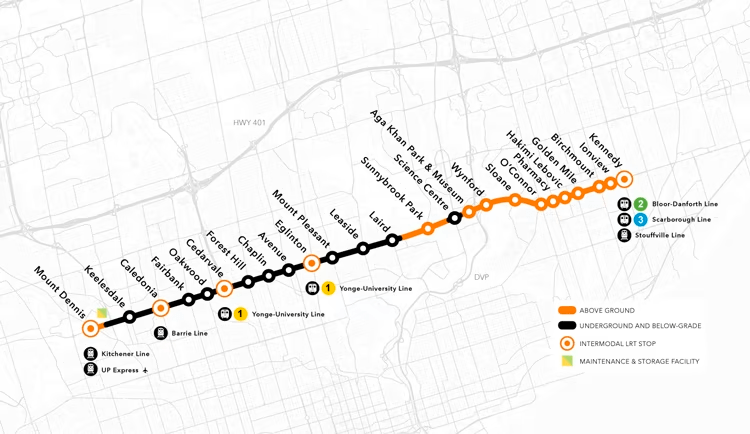
The line is planned to run under Queen Street from around Portland Street to Sherbourne Street. This section of the line will be bounded on the West by Queen-Spadina station and on the East by Moss Park station.

The Ontario line spans 15.6 kilometres. The section that runs through Queen Street West will be entirely underground. (Courtesy: Metrolinx)

But the Queen Street West community feels their concerns are being neglected.

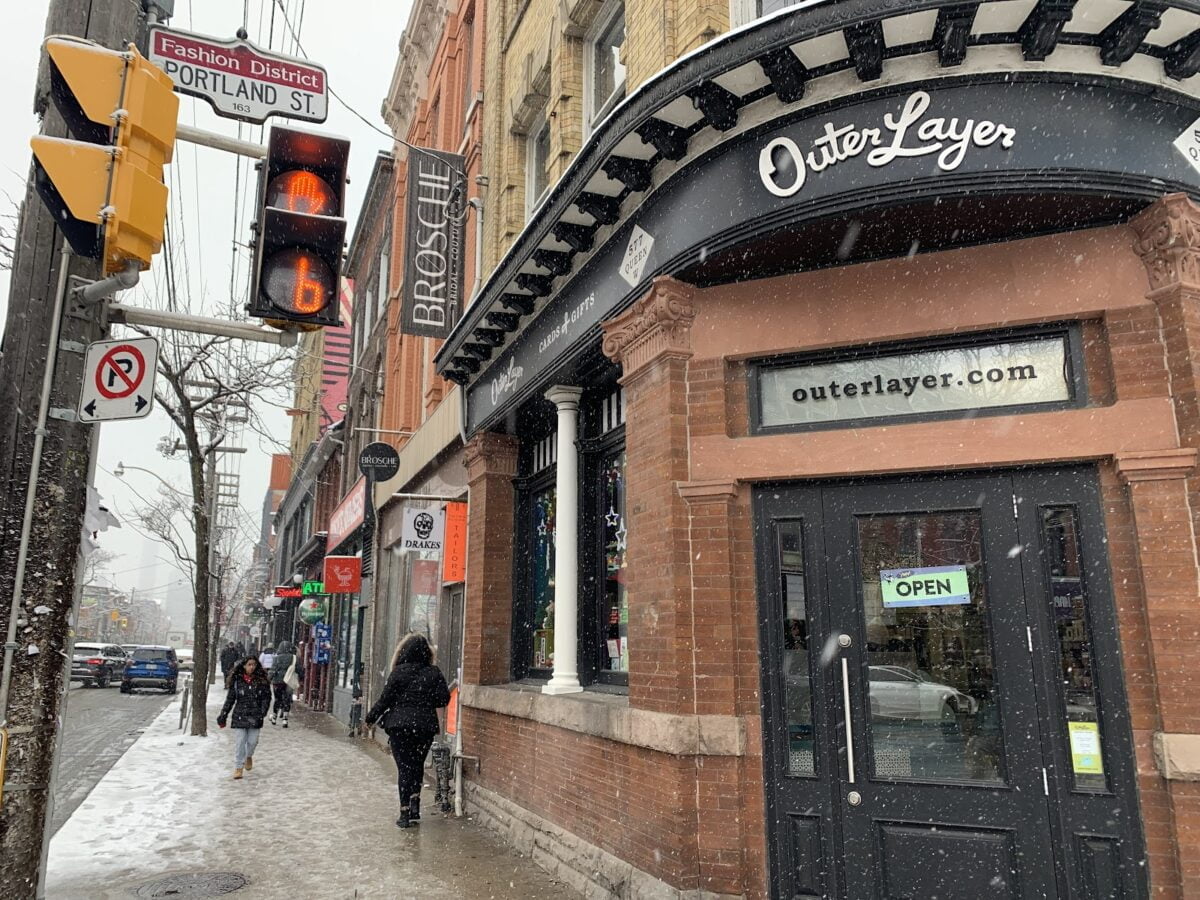
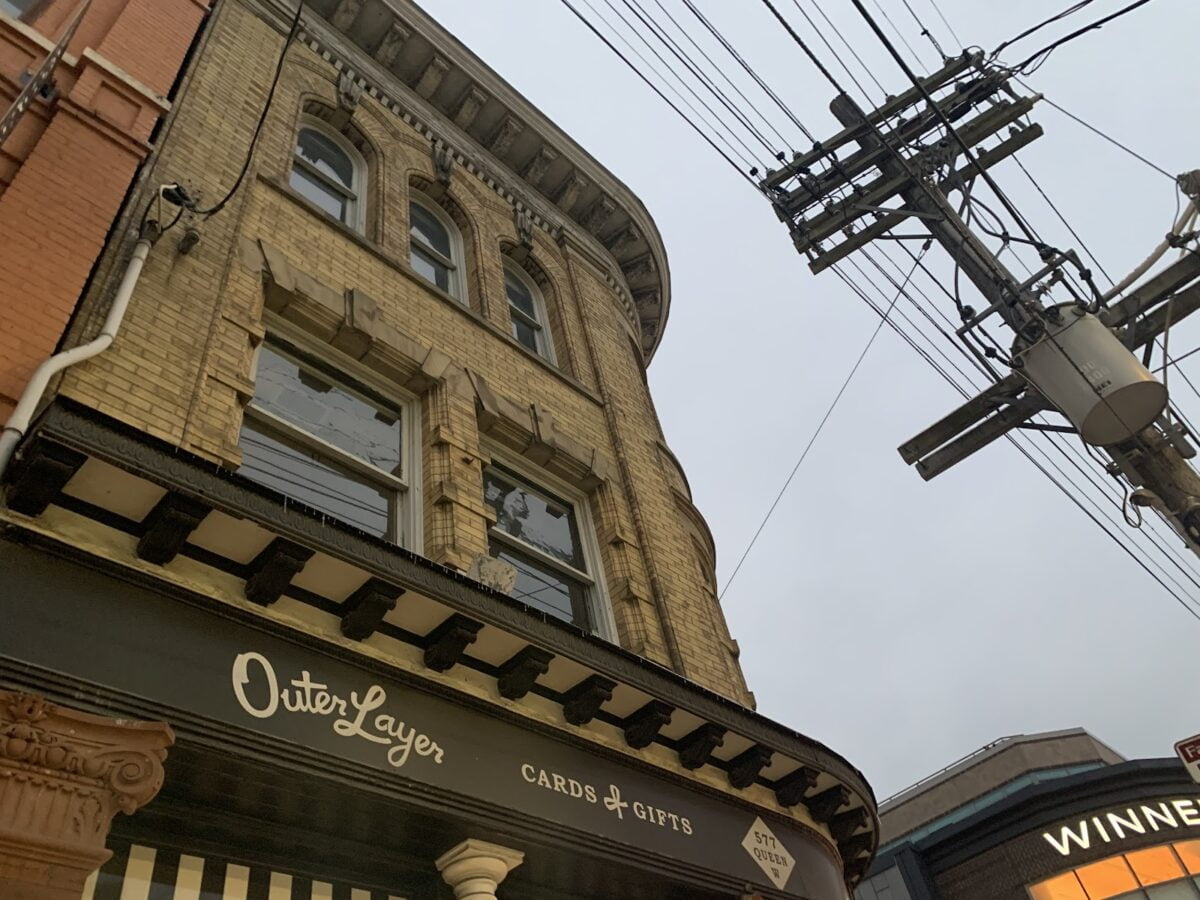
Elana White, owner of Outer Layer: Cards and Gifts, said she understands the need for the line but is worried construction will impact her business negatively.

“The construction is going to be nightmarish,” she said in an interview at her store, which is about a five minute walk from Queen and Spadina streets.

She expects the number of pedestrians in the area is going to plummet for the duration of the construction, stalling the neighbourhood’s post-pandemic recovery.

“It’s going to be annoying for people to get around. They’ll say, ‘Well, why don’t we go somewhere else instead?’” She said.

In an email to Retail Insider, Metrolinx said they are working with the City of Toronto and the TTC on a transit detour to minimize this loss in foot traffic.

Although White expects her business to survive the construction, she added that others can’t say the same.

“For those of us that are still around after the construction, the new line will be great,” she quipped.

She said she was also concerned about how the new line will increase Queen Street West’s property values, and by extension the rent she pays.

“In that way, it’s good for landlords, but bad for small businesses,” she said.

Outer Layer: Cards and Gifts (Image: Zaid Kaddoura)

Construction over communities

Metrolinx said they maintain a constant line of communication with BIAs, businesses, property owners, and other stakeholders.

But White said she feels the Queen Street West community is out of the loop, exacerbating their anxieties about the project.

“We want to make sure they actually listen to our concerns,” she said.

Like White, lawyer Shane Rayman, co-founder of Rayman Harris LLP, is uneasy with Metrolinx’s treatment of Queen Street locals.

“When small businesses, small homeowners and renters – the people who can’t afford a lawyer – are approached by the government, they get bullied,” Rayman said in a phone interview.

He believes when governments say they’re looking out for local interests in projects like these, they’re really just looking for ways to cut costs and save time. He added he doesn’t believe businesses should sign anything without a lawyer.

“I’ve worked with a lot of people who’ve signed documents because they had a bit of money given to them, only to realize after the fact that they’ve waived all of their rights to compensation,” he said.

He explained there are two circumstances in which businesses can be entitled to compensation because of projects like the Ontario Line.

The first instance in which businesses can be compensated is when land or property is expropriated (taken away by a government or authority). Those impacted by expropriation have the right to be made whole (relocated and awarded sufficient compensation for lost business as a result of being moved).

The second circumstance in which businesses are entitled to compensation is when they experience injurious affection – this is when land is not taken away, but the business was still substantially and disproportionately harmed. Rayman added this second circumstance is much harder to prove.

“If your sales go down by 30, 40, or 70 per cent, that might be severe. It also has to be something not everyone incurred,” he explained.

A repeat of Eglinton?

Rayman noted that Metrolinx has a history of putting projects before communities.

“The Eglinton line has been a nightmare for more than 10 years now. It’s not finished yet, and businesses are suffering horribly from it,” he said.

Rayman is referring to the Eglinton Crosstown light rail transit line, which is being built by Metrolinx as an extension to the Toronto subway. Construction began in 2011, with an estimated completion date of 2020. In December of 2022, Metrolinx announced the project would likely be completed in 2023.

A map of Line 5 Eglinton. As of September 2022, the estimated cost of the project sits at $12.82 billion. (Courtesy: Metrolinx)

He recalled how some expropriated businesses in Eglinton signed release forms, which stripped them of their right to compensation. Because he believes stories like these are all too common, he’s worried about the fate of Queen Street West.

“With these projects, a lot of promises aren’t really kept. It’s not always due to malice, sometimes progress just gets in the way of commitments to local communities,” he remarked.

White echoed Rayman’s fears about the Ontario Line.

“Everybody’s worried about what happened in Eglinton and how painful of a process it was,” she said.

The foundations of a community shaken

White added the construction of the line has deeper implications for Queen Street West – about 100 feet deep, in fact. From University Avenue to Bathurst Street, Queen Street West is designated as a Heritage Conservation District under Part V of the Ontario Heritage Act.

Many of Queen Street’s buildings date back to the 19th and early 20th centuries, including the building in which White’s business is located, which was built around 1899. But their underground foundations have not aged well, and don’t hold up to the sturdiness of their contemporary counterparts.

White is concerned about how much the construction of the underground line will push these older foundations to their limits.

Outer Layer: Cards and Gifts preserved historical brick facade (Image: Zaid Kaddoura)

“Is my building going to be shaking?” She joked.

In addition to safety, she hopes the project will take care to preserve as much of the street as possible.

Metrolinx said they are working with conservation specialists to ensure the protection of Queen Street West’s historical value.

“We always strive to reduce or avoid impacts to heritage properties,” they said.

As of November of 2022, Metrolinx estimated the Ontario Line will be completed by 2031, and will cost between $17-billion to $19-billion. Upon completion, it is expected to service more than 400,000 passengers daily.

Related Retail Insider Articles

Ron White Marks 25th Anniversary of its Charity ‘Shoe Drive’ [Interview]

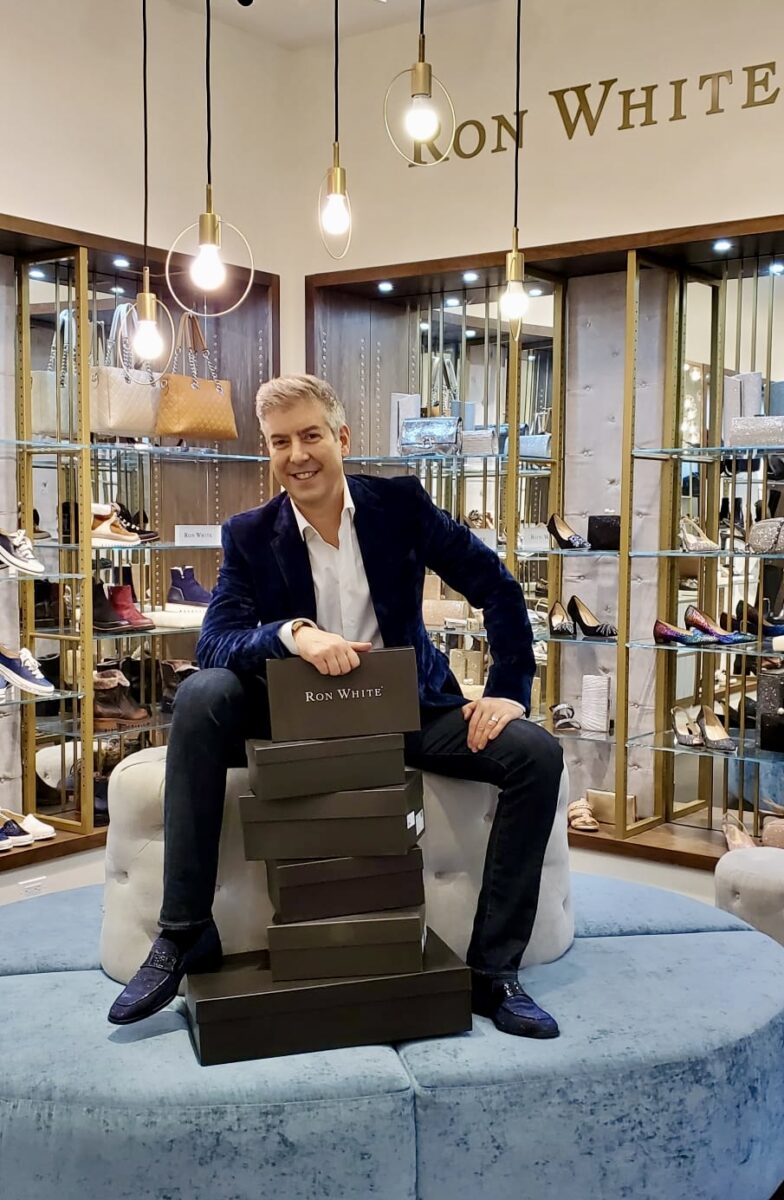
Ron White Shoe Drive 25th Anniversary (Image: Ron White and Jeanne Beker)

For more than 25 years the team at Ron White Shoes has collected gently worn footwear for men, women and children through its annual Shoe Drive in the Greater Toronto Area.

This year marks the 25th anniversary of the charity drive which had a brief pandemic hiatus.

“We collect close to 2,000 pairs each year for community agencies across the GTA.  We ask people to look into their closets and find those ‘gently used’ shoes and boots that still have life left in them and bring them to us,” said CEO and Creative Director Ron White. “With the ongoing war in Ukraine, we have also partnered with the Ukrainian National Federation of Canada and have set a goal of collecting over 2,500 pairs in this anniversary year.”

Long-standing partners also include the CAMH Foundation’s (Centre for Addiction and Mental Health) Suits Me Fine program and the New Circles GLOW clothing program.

Since the Shoe Drive’s inception, the team at Ron White Shoes has cleaned, sorted and distributed over 50,000 pairs to date.

Image: Ron White
Ron White at Manulife Centre (Image: Dustin Fuhs)

The initiative began with Ron White’s first retail location on Yonge St in Toronto, when celebrities and notable Canadians began donating their shoes to help bring awareness to Canada’s largest Shoe Drive. 

“In 1994, I was an early 20 something kid. We were up and rolling and we were in business. I was feeling really grateful for the community because the community was what supported me and became customers in that area at Yonge and Eglington. I grew up in Winnipeg. My dad’s a retired high school teacher. So we didn’t have a lot growing up. It was a very middle class upbringing. I was a kid who lived with hand me downs but my parents always did charity work and it was just normal. They always volunteered. They always worked with hospitals and fundraising and they always did something,” said White.

“So when I got the business up and running and could catch my breath after the first year, I remember in 1994 thinking well what am I going to do. I’ve got to do some charity work along the way. So I thought how do I give back to the community because the community is why I’m in business.

“One day I was literally walking up Yonge Street, very close to Eglington, and it had started to snow. And what do you do when you’re in the shoe business. You look at people’s feet whenever you see them. You say hello, you look them in the face, and then you look down at their feet. I see a homeless man sitting on the sidewalk leaning up against the side of a building and as I walk by of course I glance down at his footwear and his sneakers he had were torn and his toe was sticking out of the sneaker. It clearly was not the right size for him because his toe was really hanging out almost on the sidewalk. It had literally just started to snow and when I glanced over it was almost like a moment. It gives me the shivers talking about it right now. When I looked over, a snowflake landed on the tip of his toe. I almost heard it. I almost heard the ding. It was like oh my God. This guy and other homeless around the city desperately need good footwear or they’re going to get frostbite, they’re going to lose their toes.”

Ron White Shoe Drive (Image: Celine Dion)
Ron White at Manulife Centre (Image: Dustin Fuhs)

White said that in the shoe business there’s always leftover shoes. He used to put those shoes in the basement for storage and they piled up from people who had discarded the shoes. He didn’t want to throw them out because they were in good condition. This was an epiphany for him. He had the shoes in his basement, he also had leftovers after every season as all stores do. 

The idea was to combine that and start donating them to homeless shelters.

That’s how it started. Celebrities Dini Petty and Jeanne Beker were among the first to donate shoes to the cause. A tag line was developed: “Follow in the footsteps of your favourite celebrity and donate your shoes to the homeless.”

“That’s how it first started and honestly it just took fire,” said White.

“Among my first donors was Canada’s fashion femme herself Jeanne Beker, and since then we’ve had incredible support from international celebrities as well as Canada’s most recognizable faces. I am asking people to kick off the New Year on the right foot by helping us to make this our most generous year yet. We are accepting donations at all of our GTA locations, and encourage those outside of that to mail their gently worn shoes and boots directly to our warehouse. We will make sure they get to those who need them the most.”

Ron White Shoe Drive 25th Anniversary

Donations, including pairs from Celine Dion, Matt Damon, Catherine O’Hara, Rachel McAdams, Vanessa Williams, Hilary Duff and Jeremy Irons are showcased to encourage donors to “follow in the footsteps of their favourite celebrity”.  As a “thank you”, donors receive a $50 gift card to be used at any Ron White Shoes location.

Retail locations accepting in-person donations: 

  • Manulife Centre, 55 Bloor St W, Toronto
  • Bayview Village Shopping Centre, 2901 Bayview Ave, North York
  • Downtown Oakville, 189 Lakeshore Rd E, Oakville
  • Leaside, 1553 Bayview Ave, East York

Mail-in donations can be directed to:  Ron White Shoes Warehouse, 1020 Lawrence Ave W, Suite 201, North York, ON  M6A 1C8

Ron White Shoes opened its first store in 1993 on Yonge and Eglington in Toronto. Today, it operates four physical retail locations and an online store. Ron White has his own collection which was started in 2006 for men and women and three years ago launched hand bags. His collection is sold in about 80 stores across North America.

Ron White was named Independent Retailer of the Year by Footwear News in 2011 (a Canadian first) and was inducted into the Sheridan College of Business Hall of Fame in 2007. 

Supply Chain Issues for Canadian Retailers Expected into 2025: Expert

Canadian Tire at CF Toronto Eaton Centre (Image: Dustin Fuhs)

Interestingly 2022 was a period of adjustment across the supply chain, and it still continues to evolve as we enter 2023, says expert Gary Newbury.

“In 2020 retailers were faced with the prospect of the arrival of a glut of stock into, sometimes, dormant estate arising from lockdowns, which required swift action to cancel merchandise orders. Retailers also needed their website/online services to scale quickly as consumers changed not only their category spending, but also their channel. Most retailers found themselves in a mad scramble, focusing on triaging demand and supply and grabbing whatever inbound trucking and outbound delivery capacity they could find,” said Newbury, Founder of RetailAID Inc. and an Award Winning Strategic Advisor and Delivery Executive across the end to end consumer driven supply chain.

“Further disruption occurred in 2021 with continued (Zero) COVID lockdowns, the Ever Given blockage, significant West Coast port congestion due to a nearly 25 per cent lift in cube leading to rollovers at the origin port (ships leaving without your orders on them!). Complexities surfaced through a lack of supply chain visibility. There were stock outs at factories showing retailers were not as aware of interdependencies in complex supply networks supporting factories 6000 miles away. There were also some extreme weather events, and growing and significant staff shortages in “essential” roles.

“Many modes of transport suffered asynchronous discontinuity, basically things fell apart quickly and getting stock was often reduced to a very stressful firefight with shipping lines, trucking companies, ports and factories, with very little surety as to the exact disposition/status of orders placed. The upshot of this is retailers didn’t need to run intense promotional campaigns during 2021. Demand was unusually high and inventory short. If you had sufficient inventory you could win new customers, if you didn’t, you lost loyal ones.”

Empty Shelves at Shoppers Drug Mart at CF Toronto Eaton Centre (Image: Dustin Fuhs)

He said this supply chain tangle set in motion inflationary pressures, fanned by high government spending in policy areas such as furlough and direct subsidies. Inflation is bad for cost planning. Container charges rose 10-fold over a handfull of months and this smashed budgets and posed a real challenge to on shelf pricing.

Gary Newbury

Much of this cost was “absorbed” in the short term by retailers, unless they had a strong enough position to pass the costs on to consumers.

“Open 2022 and the balance swung quickly to an inventory glut for many retailers. Both Walmart US and Target declared their hand in Q1 and went to work on clearing their excess stock. This situation was not isolated just to these two apex retailers, it did, nonetheless, show a fundamental breakdown in the internal guide rails between marketing insights, demand planning and supply chain execution, and importantly, the shortfalls in genuine collaboration internally,” explained Newbury.

“The restrictions posed a clear challenge to the organizational culture of most retailers. Culture morphed often forming divisions within an organization. Each silo learnt how to adapt quickly and mobilize staff to what the leader perceived as important. More often than not, for most retailers, it was all hands to the pumps and little time was spent on resetting cultural norms. These were developed, by default, in real time. Suddenly, the supply chain, having sat in the background for decades, was the most important area of a retailer’s business.

“As consumers flocked back to stores, retailers found, once again, they were in a mad scramble to rebalance demand and their, often disjointed inventory position. War broke out late February and the world discovered complex supply chains originating or going via Ukraine. Energy reliance within the EU on Russia became abundantly clear, spiking further inflationary pressures. Some doubt has existed whether Canada is in a recession. The rapid upward trajectory of interest rates during 2022, suggested the Bank of Canada thought we were and started market interventions to calm inflationary pressures, I would argue a year too late.”

Newbury said the years 2023 and 2024 need to be looked at together as he believes we still have another two years of supply chain adjustment and transformation ahead until the final stage of rebalancing during 2025 arrives.

According to Newbury, the key challenges over this period are:

  1. This period, due to a reduction in overall discretionary spending, retailers need to find ways of differentiating themselves from their adjacencies. It is clear, now we have been working through the “Great Inventory Glut”, there is very little that can only be bought from one brand (Private label excepted). Experience and convenience are key in this equation and the efficacy of online services will need to be overhauled, technology inserted, repricing for online assortments and a much lower cost profile will be required to ensure e-commerce is profitable;
  2. Throughout the end-to-end supply chain, the pandemic highlighted significant visibility gaps, both physically as well as in forecasting demand and planning capacity. A thoughtful approach to deploying mature technology is key in better controlling the progress of merchandising orders through the system, and for creating forecasts that help with optimizing throughput. The leap to AI has not always been one that shows step change in performance, often it can show how badly organized and porous a business’s data gathering and data management is;
  3. One of the vital factors in successful supply chain and logistics operations is the ability not only to attract staff to key roles and activities, but to retain talented operatives. Considerable focus must continue to be on the employee experience and discovering the points of friction. At one level this could be pay levels, but more often than not, it can be how engaged the operatives feel they are in their workloads. This is often a factor of the opportunity to collaborate and really see a connection between “that last task done” and the overall goals of the retailer. Communicating strategy and key values of how people will be treated, and expectations clearly, plus demonstrating these in action will go a long way towards improving engagement, achieving superior performance and making the retailer’s supply chain as a destination employment space.

Newbury said the “Just in Time” retail supply chains are a classic example of misthinking how to efficiently respond to consumer demand by constructing merchandising processes and supply chains that are planned out one, two or even three seasons and committing to these plans. These are designed on a “push”, rather than a demand-pull approach and have inherent inefficiencies which we can see in markdowns, clearance and landfill, he said, adding there’s a couple of blindingly obvious factors in the demise of our supply chain designs that manifested over the last three years.

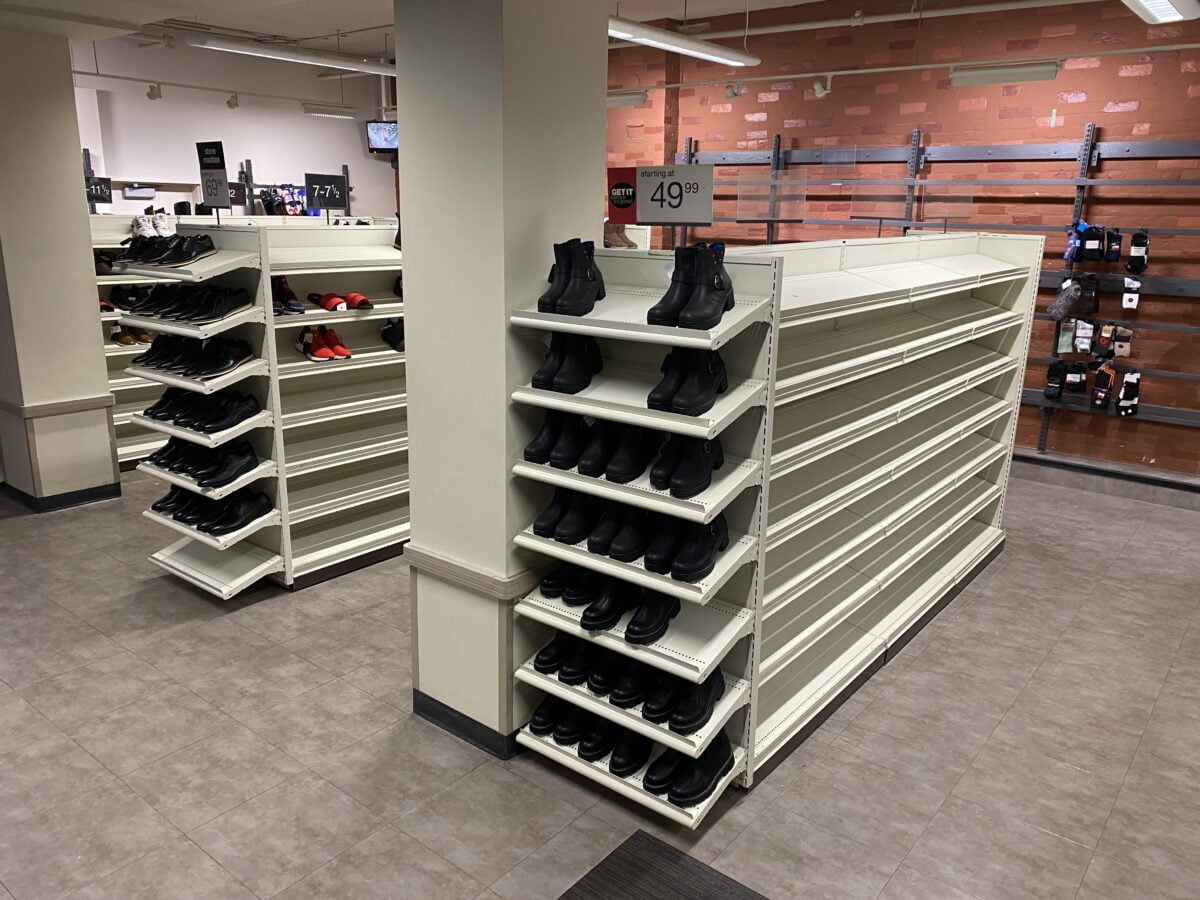
Empty Shoe Section at Winners on Front Street in Toronto (Image: Dustin Fuhs)

The first is the lack of concerted risk management strategies and/or ensuring that risk stood pari passu (side by side) with the focus on individual logistical element cost optimization. 

“Frankly, the way retailers manage their budgets has led us down a path for the cheapest sources, often independent of the risks involved with the origin and transportation distances – what could go wrong here? A question that clearly had not been asked with sufficient robustness during the previous decade,” he said. 

Newbury added that there’s also been a lack of real collaboration. The way the current paradigm works to working with partners is “I win if you lose”. This has guided so much of the interface between the retailer and its suppliers. There remains limited motivation to pool energy to bring product to market quickly and respond, very efficiently, to consumer behavioural change. As retail expert George Minakakis stated in The Great Transition, “Competitors are not the enemy, the inability to drive trends is,” said Newbury. The key to driving trends is the ability to coordinate and collaborate internally (marketing insights, demand planning and supply chain execution), as a basis for being able to understand how to collaborate with third parties to drive sustainable levels of profitability,  he said.

“Retailers need to be building a clear strategy against a pictorial representation of what 2025/26 will be. Along this pathway will be the introduction of technological enablers. My thoughts, only mature technologies should be introduced. However prior to that, the strategy should provide a structure of how the triad of People, Process and Technology is to be addressed. Too often the “go to” is to fix long-standing internal business challenges with technology, rather than review culture, leadership, organizational structure, goal setting and incentives,” he said.

“I am optimistic our retailers will be looking to do good things around technologies including micro/nano fulfillment centres, AI to help with forecasting, optimization and improving customer experience, however, unless these core problems are addressed urgently, the adoption of more technology will be disappointing.

“For those outside the supply chain, the focus may have switched back to improving and optimizing more traditional areas, such as Stores and Merchandising. Unfortunately, the supply chain remains a major challenge when volumes start to pick up. This will accelerate the surfacing of many of the problems and unresolved issues that abated as volumes trended down due to China’s Zero COVID lockdowns during the latter stages of 2022.

“The time now is to take some bold moves in redesigning retail supply chains for real agility, based on optionality, collaboration and the thought that the supply chain is a competitive tool in modern retailing, supporting stores and delivering e-commerce experiences on consumers’ porches across Canada.”

DTC Jewellery Brand Mejuri Continues Ongoing Expansion with More Stores in Key Canadian Markets [Interview]

Mejuri at CF Chinook Centre (Image: Mejuri)

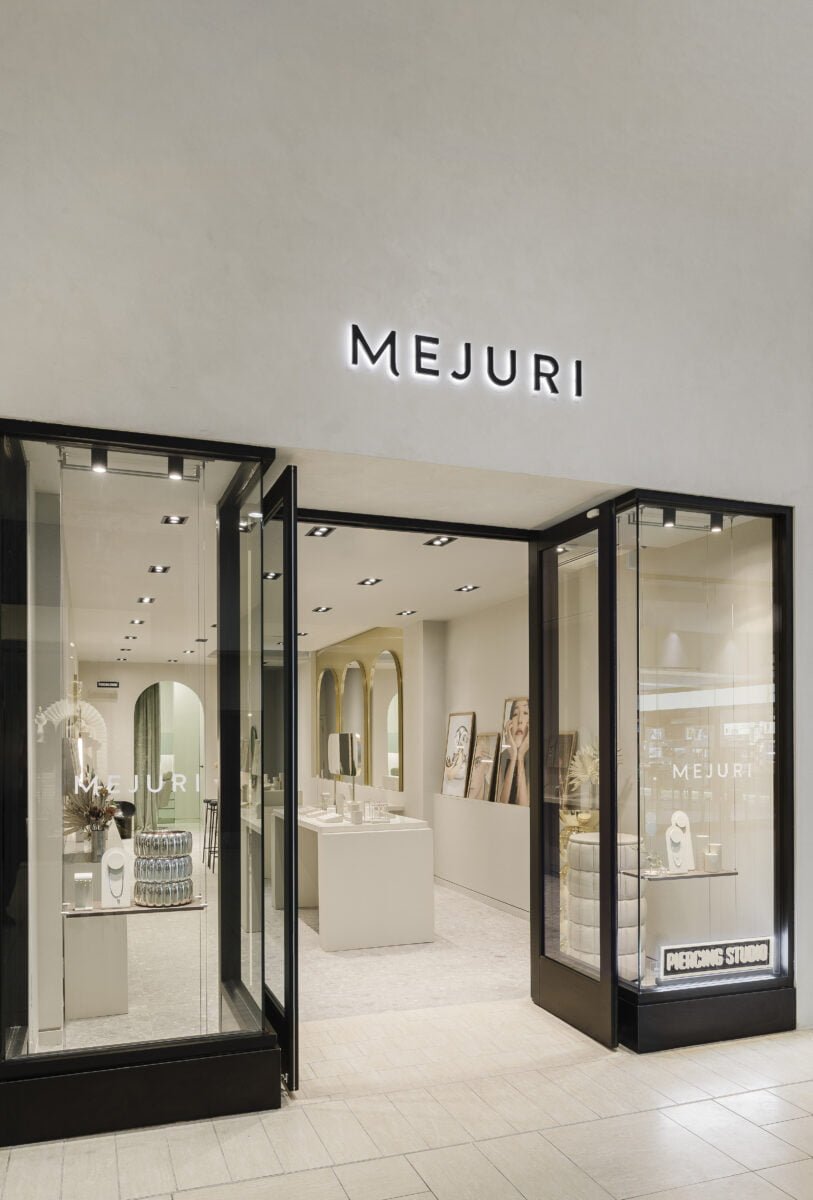
Jewelry brand Mejuri‘s recent expansion has included the opening of a store in Calgary’s CF Chinook Centre and one to be opened this week in downtown Montreal.

The brand now has 18 stores across North America and the United Kingdom. There are currently five stores in Canada and 12 in the U.S., from New York to Austin to LA, and its first international store in London, United Kingdom. 

“We’re still working through plans for this year as well as our larger expansion plans. We have seen a ton of success across our retail stores, which shows us that our customers are eager to connect with us in person.  We look forward to sharing more information once those plans are finalized,” said Majed Masad, President & Co-Founder.

Mejuri at CF Chinook Centre (Image: Mejuri)

Masad said the brand has opened stores in the past  year in Yorkdale (its second location in Toronto), Venice (its second location in L.A.), Newbury Street (its second location in Boston), Chicago, San Jose, Seattle, San Diego and Houston. 

Majed Masad

“We are focusing on key markets across the U.S. and Canada primarily, with the possibility of adding a few more international locations. Our approach to location and neighborhood selection is heavily data driven, but ultimately where our community resides. We incorporate internal sales (both ecommerce and retail) and customer data, paired with socioeconomic data to help guide us in our location selection,” he said. “Our goal is to be where our community and customers are so we can create long-lasting and meaningful relationships. 

“Since inception, Mejuri was founded on the idea of “buying yourself the damn diamond” and empowering our community to invest in themselves. When we first launched, there were no other jewelry brands marketing towards women buying pieces for themselves. We find that these sentiments have really helped innovate and shape the jewelry industry today. 

“Just as we have changed the narrative of traditional fine jewelry as a brand, we’ve also changed the narrative of what a fine jewelry experience looks like. Mejuri stores are a place to explore, touch and feel our jewelry, and foster an organic connection with a seasoned stylist who is helping you create your “stack.” 

Mejuri at Yorkdale Shopping Centre (Image: Mejuri)

“The design of our stores are now bolder, more playful and artful in creating localized experiences. The hope is to create a welcoming experience, while inspiring our community. “

Masad said the retailer has had amazing growth because post pandemic, customers were and are still eager to shop in real life and “hang out with us.”

“Despite declines in consumer confidence and increasing fears of a recession, our customers are still coming to our stores and are connecting with our brand. They’re seeking quality and accessible pieces made out of 14k gold, 14k white gold, 18k gold vermeil and sterling silver that they can invest in and keep for years to come,” he said.

“We also focus on the Mejuri brand experience in store as much as we focus on our product, with store services such as piercing studios complementing our stores and personal styling appointments. We will continue to introduce new in-store experiences in the near future too. 

“Canada is our homebase, and it will always be a priority for us. We decided to open up in Calgary and Montreal as a response to direct demand to have stores in those locations. For Calgary, we chose the CF Chinook Centre as it’s Calgary’s premier shopping centre. In Montreal, we chose to open on Peel Street – a popular shopping destination for locals and tourists.”

Mejuri on West 4th (Image: Mejuri)

The Montreal store is scheduled to open on January 27. It is the brand’s first store in Quebec. The brand chose to open on Peel Street in an area teeming with international and local shops and restaurants. 

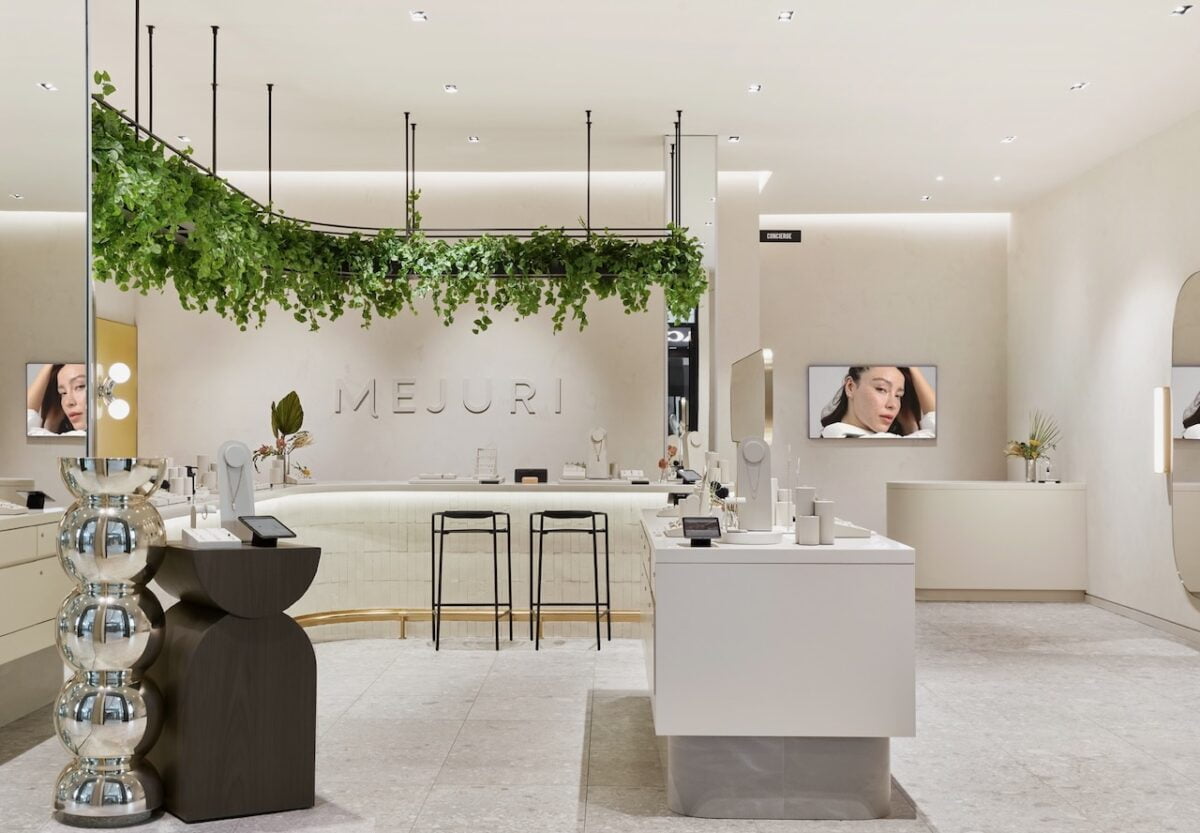
“The exquisitely-curated space is a representation of the new design vision and direction for Mejuri – bolder, more playful and artful in creating localized experiences, while still carrying Mejuri’s iconic elements such as the arched mirrors, neutral tones and pistachio piercing studio,” says the company.

“Inspired by the bold, iconic and cultural cityscape of Montreal, the Style Bar is the heart of the space, and is inspired by the Honey Quartz Heirloom Ring – a modern twist on a traditional heirloom, which is fitting given that Montreal represents a juxtaposition of old versus new and is a city that embraces the duality of modern and traditional. There is also a gallery wall in the store, featuring print images of style inspiration, along with custom designed, large scaled art pedestals that emulate the jewelry pieces.”

Noura Sakkijha

“We always hold Canada near and dear to our hearts, and see it as the incredible base where our brand began,” said Noura Sakkijha, CEO and Co-Founder. “Quebec is an incredibly important market for us, not just for locals, but tourists as well. We wanted to be sure to respond to demand and offer an in-person location for customers in Montreal.”

The store also features a piercing studio that is a private spa-like space and destination for a professional and personalized piercing experience.

The CF Chinook Centre store opened on January 20. It’s the first Alberta store for the brand.

Masad, with partner in work and life, Noura Sakkijha, created the brand in 2015 and opened its first location in Toronto on Dundas Street in July 2018.

Subway Strategically Increasing Pace of Canadian Location Expansion [Interview]

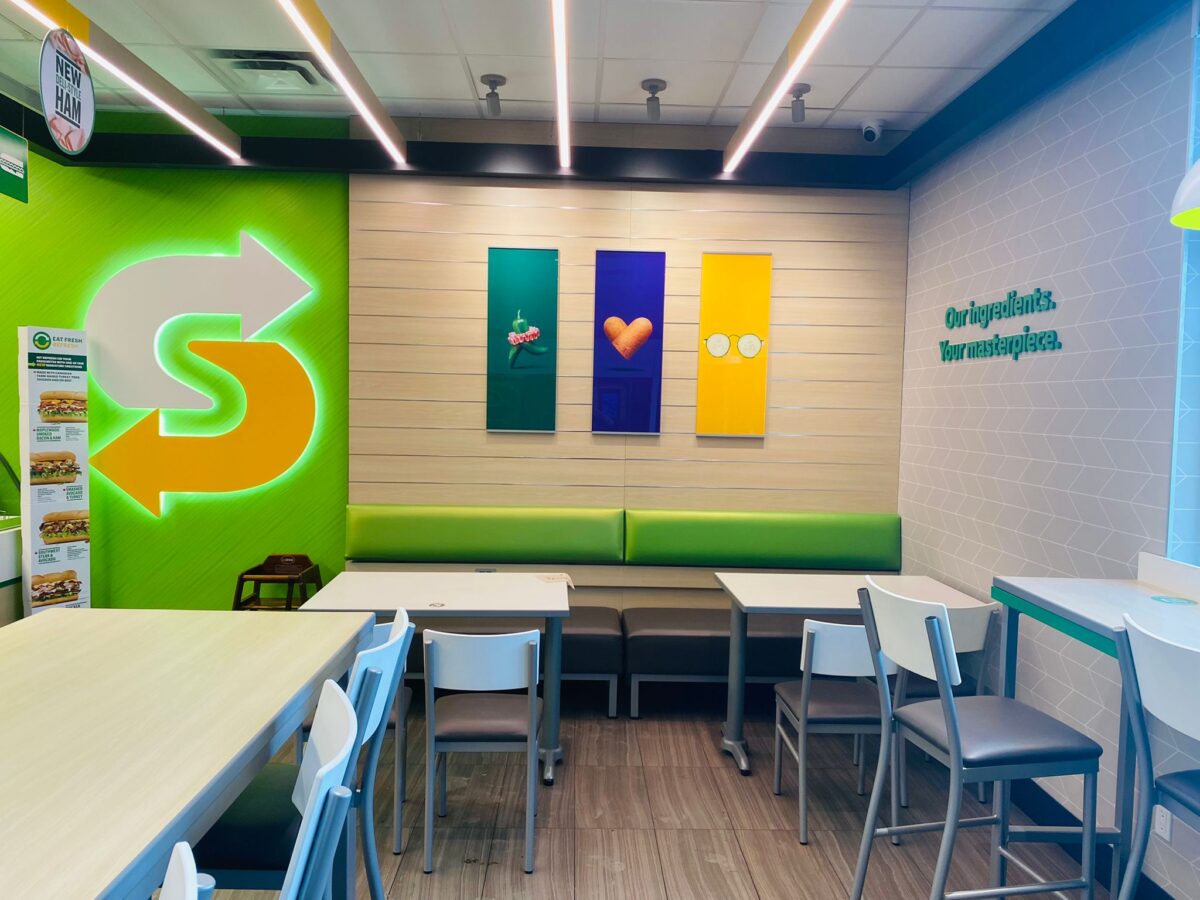
Image: Subway Canada

Subway Canada is focusing on strategically opening new restaurants in the coming year, while also renovating existing locations, and creating innovations to enhance consumer experience. 

“At the beginning of the year, the pipeline is noted with many strategic locations, and we are always evaluating potential new locations to ensure smart growth; at this stage, we see a lot of opportunities on the table. With many different venues and new spaces, there is a lot of opportunity for smart and strategic growth in Canada as we continue to prioritize providing a consistent, high-quality guest experience,” says Ismail Azmy, the Director of Business Development at Subway Canada. 

“Canada was the first geographical area in North America to open a Subway so far this year,” says Dean Harrison, the Director of Public Relations, Communications, and Sponsorships at Subway Canada, and there will be lots more to come. Right before the holiday season, Subway Canada opened a new location in North Bay as it is looking for locations where Subway is not currently in and where communities are underserved. Currently Subway Canada is the second largest Subway system in the world after the United States with almost 3,000 restaurants. 

“We are looking at communities that are maybe not as well served by other Quick Service Restaurant groups so we can really invest properly in our franchise community as well as our guests to make sure their experience is top notch. That is what we are trying to do in 2023 – is to make sure our products and hospitality is what Canadians are asking for. So making things more convenient and accessible to consumers is everything that we are working towards,” says Harrison. 

Bringing More Subs to your Gate  

Subway Canada at Montreal Airport (Image: Excellent Sign Group)

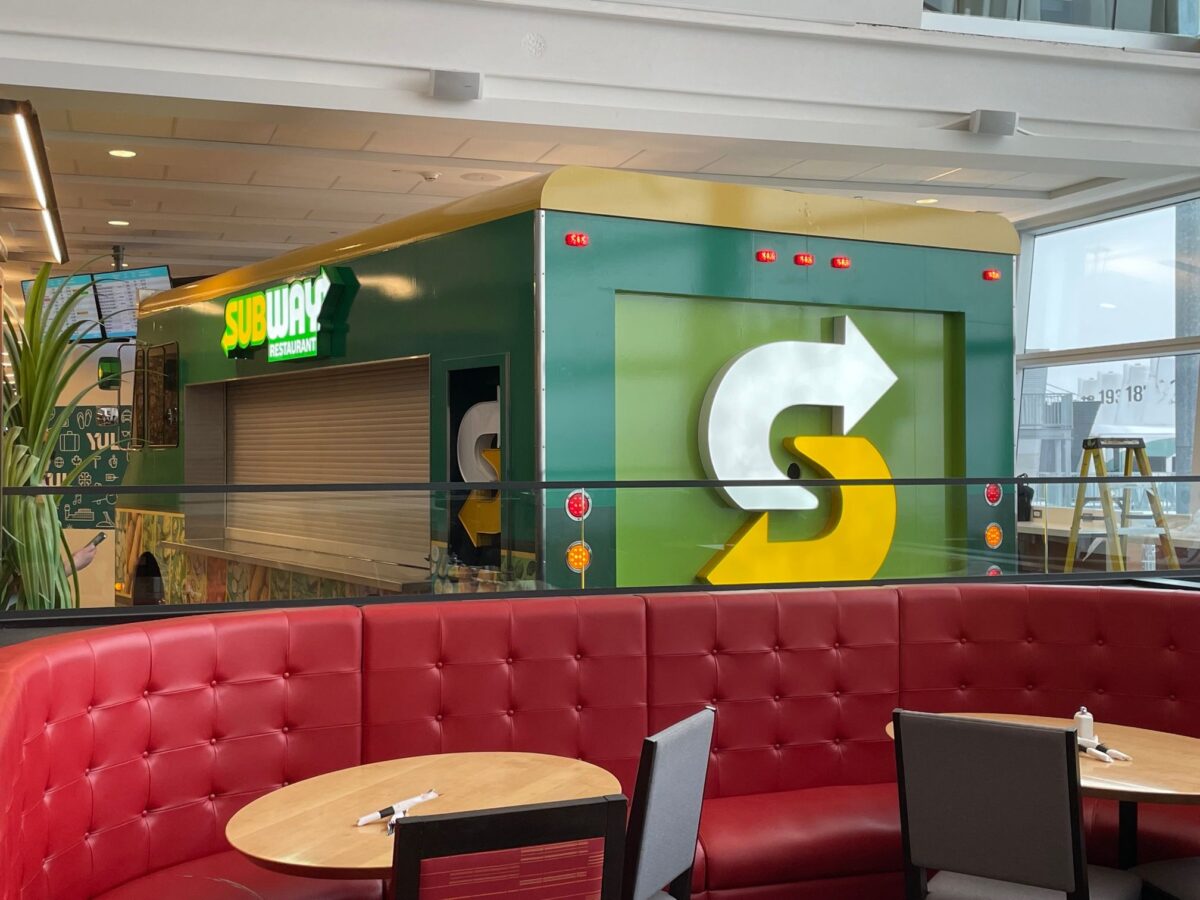
Subway Canada has announced that it will be opening a Subway food truck inside the Montreal Airport at the end of January as a new way of connecting with consumers. 

Ismail Azmy

“As a brand, we are one of the most flexible brands when it comes to the ability to fit into different formats and venues more than any other brand, and we are always open to exciting ideas that will better serve our guests. It is an extension for an existing location as we have been there for many years, we are just growing and trying to serve our consumers better and in more points at the airport,” says Azmy. 

Harrison says the food truck is one way to show consumers that the brand is changing. 

“We are very excited about it. From a visual perspective, it makes such noise because it really looks unique – it is a food truck in an airport. I think it goes to show how we are changing as a brand, how we are having fun, and how we are connecting with more consumers,” says Harrison. 

Along with the new Subway food truck, Subway Canada will be adding more locations in airports as Subway is already in many of airports around the world. Azmy said they have placed a goal of adding new locations and will be looking at all the airports that they are not currently in – such as the Edmonton airport where discussions are taking place to open a location. 

Dean Harrison

Subway will also be adding a fourth location in the Toronto Pearson Airport in Terminal One, the international terminal, opening at the end of June or beginning of July. Subway currently is not in Terminal One so Azmy said with this new location, Subway will be able to serve more consumers who are traveling internationally. 

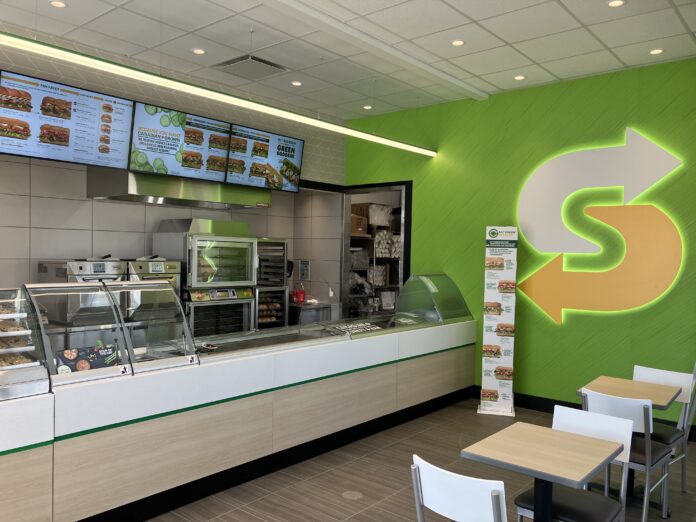
Along with adding locations across the country, Subway will be doing a mass renovation as it is planning to remodel hundreds of locations in Canada which will help the franchise continue to grow and will offer a “refresh” experience. The remodel will be a Fresh Forward and Subway Canada will have an announcement soon about the project. 

Drive-Through Service Throughout Canada 

Image: Subway Canada

“It is very exciting seeing what is happening in the back of the house here as there are lots of new innovations on the way and we are looking at many different options, such as new menu innovations. There are lots of exciting things that are coming, but we will unveil the news about those at the right time – but it is going to be a very exciting year,” says Azmy. 

Harrison said last year Subway spent a lot of time on optimizing its website so the guest experience is easy whether they are using Subway’s digital platform or in a restaurant. One innovation Subway will be adding is a drive-through. 

Image: Subway.com

“It is very exciting for us and for people in Ontario. Almost a third of our Atlantic Canada restaurants offer drive-through service, which is amazing and a big learning for us. We also have some drive-through services across Alberta as well and in the West. We’re exploring how we can expand drive-thrus around the country in locations where it makes sense,” says Azmy.

Connecting With Consumers and Franchise

Image: Subway Canada

Azmy and Harrison said Subway is making a push to be more involved with its franchise community as often as possible to provide updates, to be there to answer their questions, having listening sessions, and to understand what their concerns are so when Subway expands more, they know what is working and what is not. 

One thing that is working to connect more with consumers is Subway’s program Never Miss Lunch and this year, Subway Canada has a donation target of 185,000 fresh food packs across the country to 200 communities – helping those in need and educating consumers across Canada. 

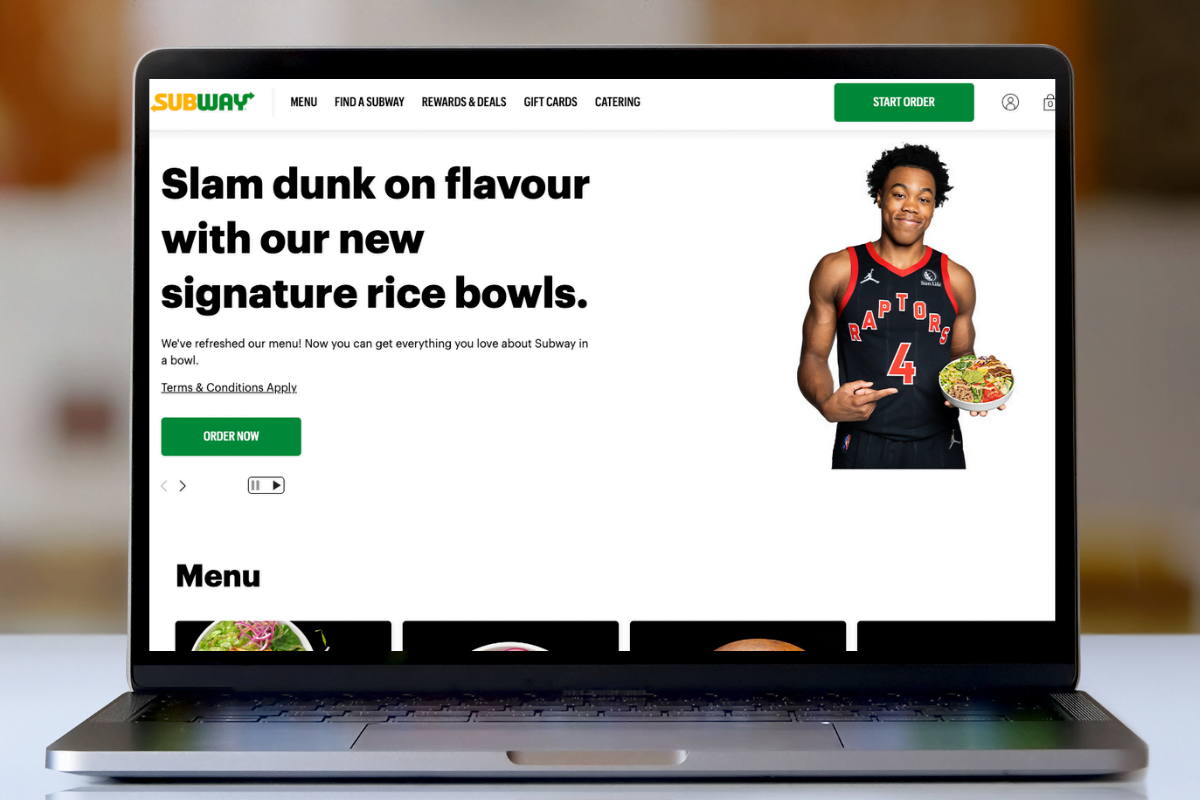
“Our end goal is to find relevance and love – and that pushes our marketing efforts. Last year, we worked so hard on our basketball partnership with the NBA Canada and Raptors. Basketball in Canada is the number one sport, it is fun, and it is exciting. We are really trying to make sure that everything we do is impactful and we are all going towards that one goal of making sure that our franchise is happy, our guests are happy, and that we are moving the brand forward in Canada,” says Harrison. 

Related Retail Insider Articles

Big Box Outlet Store to Expand Outside of BC with 1st Alberta Location Amid Rapid Growth [Interview]

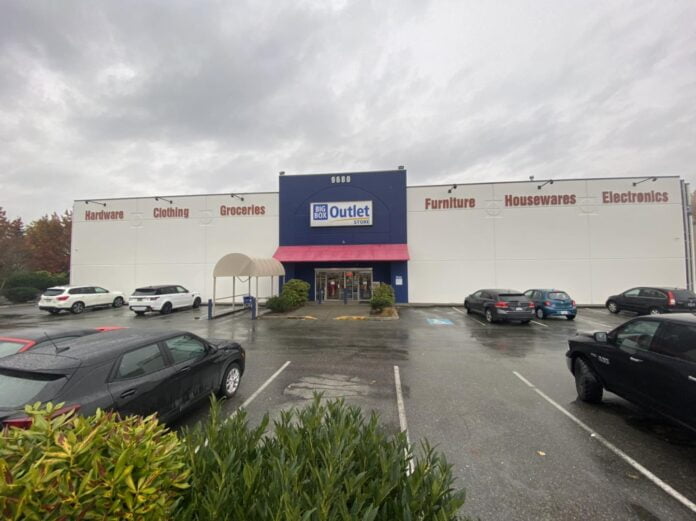
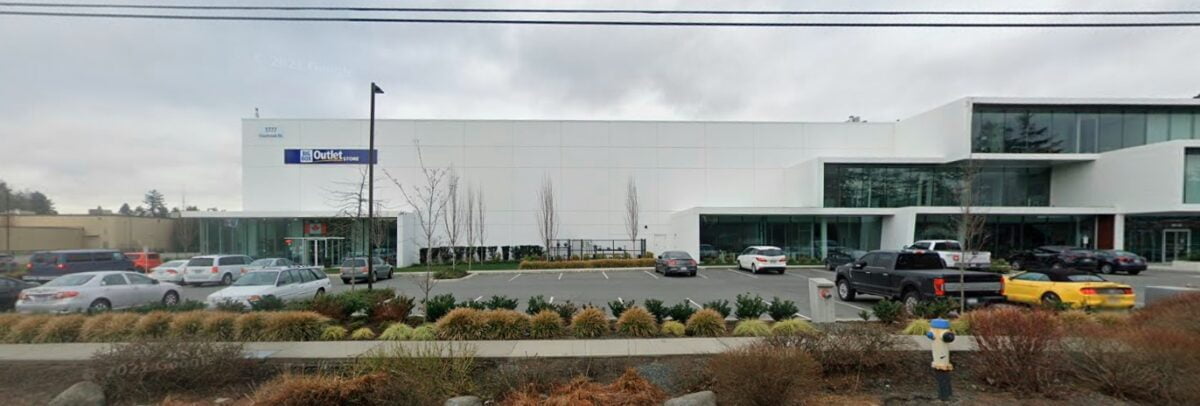
Big Box Outlet Store Walnut Grove

Big Box Outlet Store, Western Canada’s leading liquidator, is expanding outside of its British Columbia base into the Alberta market.

The company currently operates 11 stores in the West Coast province.

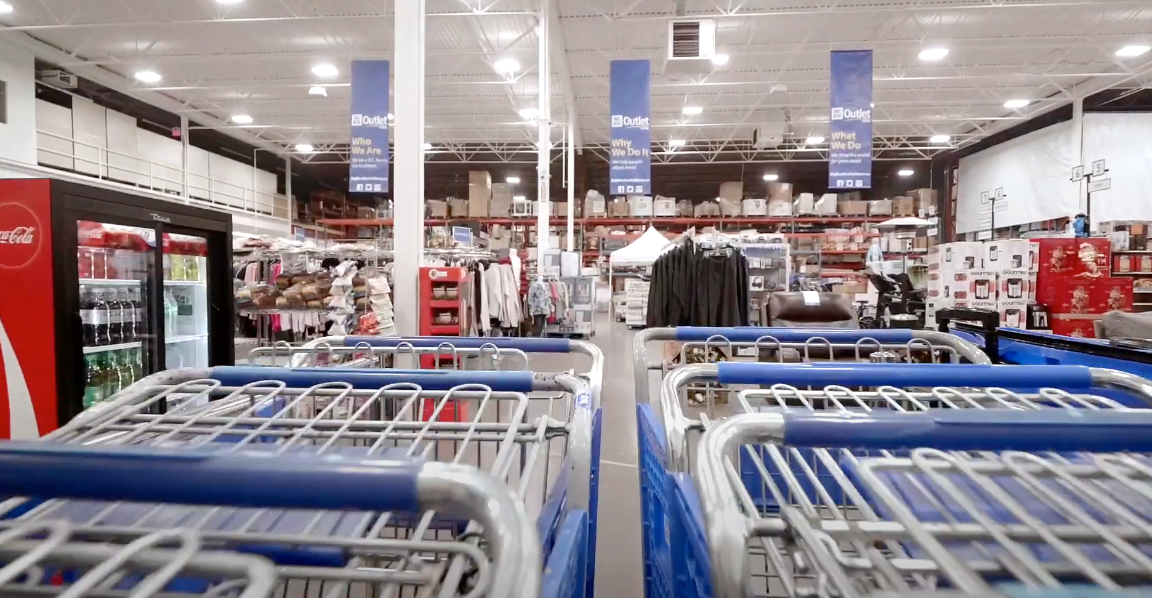
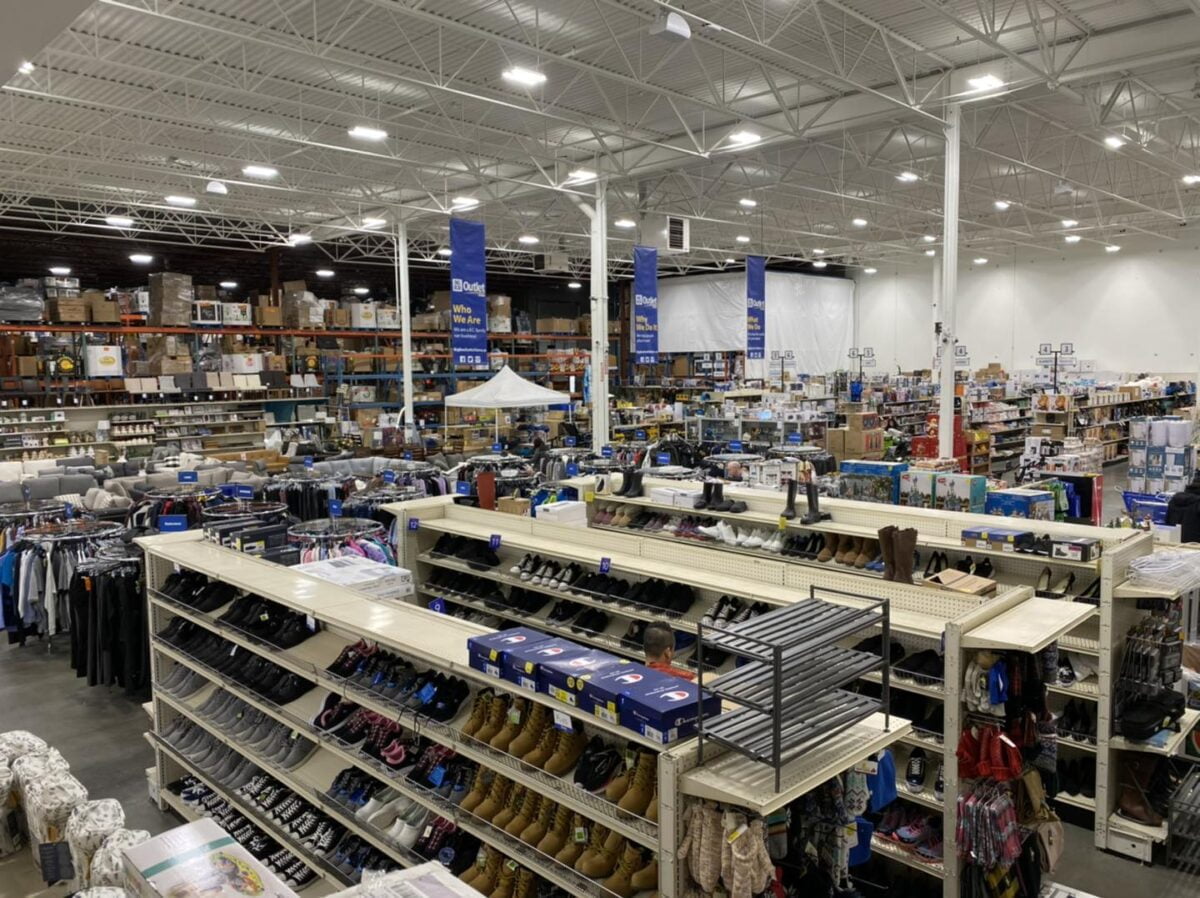
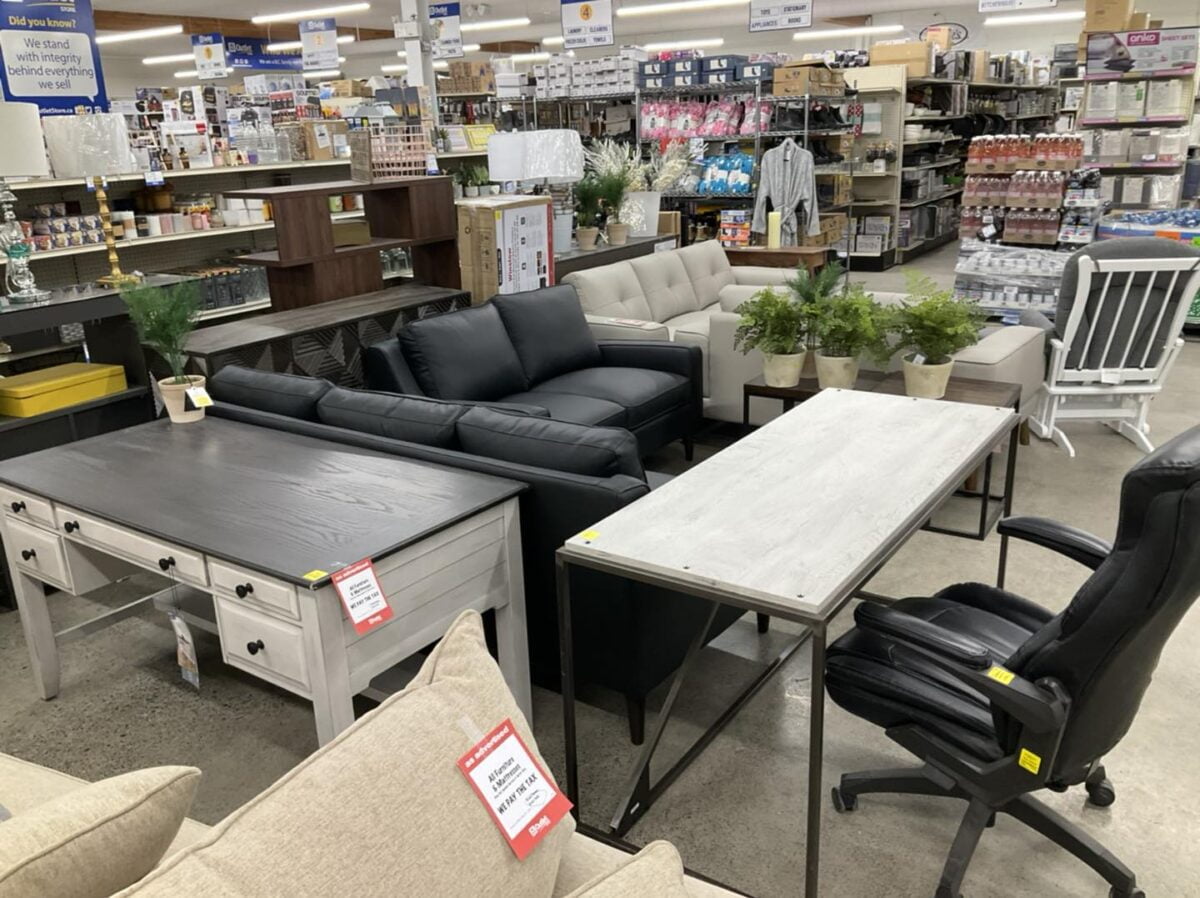
Big Box Outlet Store is Western Canada’s leading liquidator, offering a wide range of products from around the world, including new, manufacturer-direct, seasonal closeout, refurbished, and open-box items. Its selection includes electronics, fashion, outdoor gear, hardware, kitchenware, appliances, furniture, and even groceries.

Image: Big Box Outlet Store

Jordan Clarke, Head of Purchasing, Logistics & Marketing for Big Box Outlet Store which is headquartered in Abbotsford, said the company will open its 12th store February 1 in Edmonton.

“Our Costco business is booming. We’re getting so much Costco right now. It’s pretty crazy. It’s more than we’ve ever received . . . There’s not enough stores to keep up with the influx of products we’re receiving,” he said.

The brand has seven stores currently in the Lower Mainland/Fraser Valley area as well as four stores in the Okanagan (Penticton, Kamloops, Kelowna and Vernon).

“Our main bread and butter is reverse logistics. Our biggest supplier is Costco but we get goods from places like Target and Amazon. Some are returns. Some are last year’s stock. Some are overstock. They bought too much and they didn’t clear as much as they hoped and they give it to us. We buy it for a percentage of what they paid and we’re able to sell it for less,” said Clarke. 

“Then I also go to buying shows, buying trips, and source out local vendors and go to China to try to find different products that supplement that.”

Big Box Outlet Store Walnut Grove

Formally known as MTF Price Matters, Big Box Outlet Store has been family-owned by the Funk’s since 1985. The core of the brand has kept focus ever since on finding brand name items through its reverse logistics purchasing channels, in order to sell products to customers at heavily discounted prices, said the company on its website.

Mark Funk, Founder and President of Big Box Outlet Store, has made a long career of finding big success by recognizing great opportunities. “We know how to keep it relevant,” says Funk on the company website. “we never lose sight of what our customers love, and that’s brand names and great prices.”

Clarke said the company’s top category is clothing. It’s its bread and butter. It’s followed by furniture and large appliances and then groceries.

“You can get anything from a sauna worth $3,000 to a jar of jam for 99 cents,” he said.

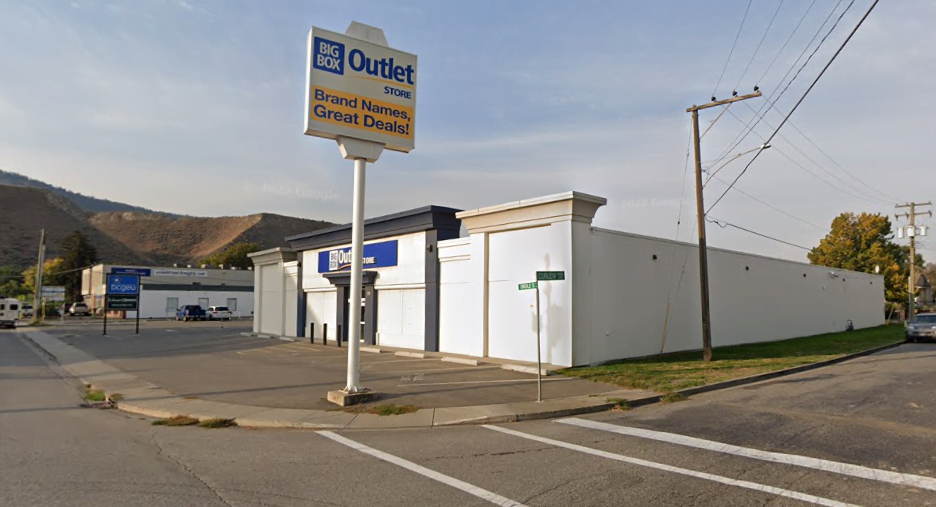
Big Box Outlet Store Kamloops (Image: Google)

“We’re going to see how Alberta goes. We have store number two opening we’re hoping in April in Alberta. We’re going to open probably about half a dozen in Edmonton and surrounding areas and work our way to Calgary. Our main one in Edmonton will have a distribution centre similar to what we have set up in Abbotsford.

“When we receive goods we check them and test them and make sure there’s no problems with it . . . We’re going to open up four to six stores in Edmonton and the surrounding areas and, this isn’t confirmed, but we’re hoping probably to go down to Red Deer and then into Calgary.”

Big Box Outlet Store’s mission is being the most relevant retail-discounter in its markets.

“At times like this is when we seem to maintain where everyone else is dipping. I wouldn’t say we thrive but when everyone has a big drop in January when everyone gets their VISA bills back from Christmas, people start looking at stores like us because that extra 10-15 per cent they’re saving on their food makes a difference. It adds up,” said Clarke.

Image: Big Box Outlet Store

“We’re very unique in the sense we’re very conscious of the environment because all of the stuff that would normally go to landfill, and get thrown out, we take that and repurpose it.

“Our motto is helping people afford everyday life. That is what we’re all about.”

BrainBox AI Expands Product Offering to Meet Multi-Site Retail Industry’s Demand for Carbon Emission Reduction and Energy Efficiency

BrainBox AI

Retailers can autonomously reduce energy costs and Scopes 1 and 2 GHG emissions across their portfolio, while optimizing store comfort for associates and customers

Montreal, January 25, 2023 – BrainBox AI, the market leader in autonomous artificial intelligence for commercial real estate, today announced an expansion of its product offering, dedicated to multi-site retail portfolios. With in-store retail nearly back to pre-pandemic levels, retailers are looking for solutions to reduce energy costs and emissions, while still optimizing customer and employee comfort. As brick-and-mortar stores are being called on to lead the way in the green real estate revolution, BrainBox AI addresses the needs of retailers by offering a solution that can meet or exceed a company’s sustainability targets. 

Retail supply chains are responsible for 25% of global GHG emissions, according to the World Business Council for Sustainable Development. Our product offering enables retailers to quickly and efficiently reduce their energy consumption and carbon footprint so that they can become part of the climate change solution,” said Sam Ramadori, Chief Executive Officer, BrainBox AI. “When it comes to fighting climate change, speed, scale and impact matter. Here, our mission is to empower brick-and-mortar retailers and warehouses to reduce their carbon emissions and play a critical role in adopting energy efficient climate solutions to address the GHGs they are emitting.”

Built on the foundation of BrainBox AI’s core solution; this new offering for multi-site retailers can be connected to an existing building management system or via wireless cloud-connected AI-enabled thermostat upgrades.

Today, a number of retailers have already signed up to experience the benefits of BrainBox AI’s groundbreaking artificial intelligence technology. Sleep Country, Canada’s leading specialty sleep retailer, installed BrainBox AI across 214 stores, representing 1.1 million square feet of retail space across Canada. BrainBox AI has also been deployed in hundreds of other multi-site real estate locations including grocers, discount retailers, big box stores, medical clinics, sporting goods stores, and more. To date, BrainBox AI has decreased its multi-site retail clients’ HVAC electricity spend by an average 26% and gas spend by an average 34%, enabling an overall average 28% reduction in the HVAC emissions of their buildings. 

Additionally, retailers will experience up to a 15% reduction in maintenance costs, up to a 50% extension of equipment service life, and a 60% improvement in comfort level for customers and associates. 

Continued Ramadori, “BrainBox AI’s expansion of our capabilities will enable brick-and-mortar retailers to lead the way among their peers in the multi-site real estate sector in achieving their sustainability goals. We invite retailers to join BrainBox AI in the effort to make a positive impact on the environment, reduce energy consumption, and help achieve our climate targets.” 

Visit BrainBox AI’s multi-site retail page to learn more.

Register and tune in to our webinar on Thursday February 23 at 12:00pm ET/ 9:00am PT; Case Study: A National Retailers Decarbonization Journey with BrainBox AI to hear about national retail chain Sleep Country’s decarbonization journey firsthand. 

About BrainBox AI

Founded in 2017, BrainBox AI was created to address the dilemma currently facing the built environment, its energy consumption and significant contribution to climate change. As innovators of the global energy transition, BrainBox AI’s game-changing HVAC technology leverages AI to make buildings smarter, greener, and more efficient. Working together with our trusted global partners, BrainBox AI supports real estate clients in various sectors, including office buildings, hotels, commercial retail, grocery stores, airports, and more. 


Headquartered in Montreal, Canada, a global AI hub, our workforce of over 150 employees, bring with them talent from all sectors with the common thread of being in business to heal our planet. BrainBox AI works in collaboration with research partners including the US Department of Energy’s National Renewable Energy Laboratory (NREL), the Institute for Data Valorization (IVADO) as well as educational institutions including Montreal’s Institute for Learning Algorithms (MILA) and McGill University. For more information visit: www.brainboxai.com   

Media Enquiries

Rebecca Bender
Montieth & Company
rbender@montiethco.com