Advertisement
Home Blog Page 678

Retail Leasing in Canada Rebounds with Positive Fundamentals: Morguard Report

St. Laurent Centre (Image: Morguard)

Retail leasing market activity rebounded during the latter half of 2021 and early 2022, with the loosening and eventual removal of restrictions on brick-and-mortar store capacity. 

Consequently, retailer sales revenues rose, and a modicum of leasing market normalcy was restored. Retail operators focused on revenue growth, balance sheet stabilization, and operational efficiency while landlords focused on increasing occupancy, says Morguard Corporation’s recent Canadian Economic Outlook and Market Fundamentals Report.

“As leasing activity increased, market fundamentals began to stabilize. Vacancy levelled off in certain market segments, having steadily climbed across much of the country in 2020/2021. A combined average vacancy rate of 10.3 per cent was reported for retail properties contained in the MSCI (Morgan Stanley Capital International) Index, as of the first quarter of 2021. The rate has steadily declined since then, with an average of 8.4 per cent reported at the midway mark of 2022. Regional centre and non-anchored strip centre vacancy has also trended downward but remained elevated. 

“By early 2022, there was some anecdotal evidence suggesting rents may have begun to stabilize. However, rental rates generally remained below pre-pandemic levels in most regions, particularly for less desirable space. Vacancy and rents have been relatively stable in centres with necessities-based tenants. Looking ahead to 2023/2024, leasing activity will remain relatively muted, having increased over the recent past.”

Morguard’s 2023 Canadian Economic Outlook and Market Fundamentals report

Keith Reading, Director of Research for Morguard, said the retail sector in 2022 performed better than most people expected.

Keith Reading

“I think that after the sort of worst of COVID was over, I think people thought it would be a long journey back. But that’s to say that there aren’t still some weaknesses there. But I think certainly retail fared better than most people thought,” he said. 

“And my experience is things are never as bad as people think and they’re never as good as people think. And that was definitely the case with retail. We saw some decent expansion definitely in some of the newer developments. There didn’t seem to be a lot of concern with being able to find tenants. So better than we thought but I will say some of the longer term trends they didn’t go away because of COVID. Regional centres, we’ve still got double digit vacancy in some of the bigger centres. I’m not talking about the Yorkdale’s of the world or the Sherway Gardens. I’m talking about the next tier down . . . Some of those owners have struggled a little bit but I think even there, we’re starting to see vacancies slowly leased up.”

Yorkdale Shopping Centre (Image: Dustin Fuhs)

The consensus seems to be that Canada is either going to be in a recession or while we may not move into a recession it will feel like one, he said. 

“But either way we’re going to see things slow down and part of that is what’s happened with interest rates,” said Reading.

“The one thing I think though that is working in the favour of consumers is we’ve seen some pretty healthy wage growth over the last little while. Consumer spending has certainly slowed down but people are still spending. We’ve got an unemployment rate of five per cent. That’s pretty close to full employment. So people have jobs right now. They’re still spending. They’re being a little more careful.

“So what does that mean for retailers? Their revenues might not be quite as good as last year. Leasing activity probably not quite as good as last year. But not terrible either. I think going ahead we’ll see things slow down but I don’t predict any kind of disaster. I don’t predict any kind of real pain. I think it’s just going to be quiet, which for real estate is not the best. But I think our country has proven over the decades that we can weather storms better than a lot of other places.”

Reading said COVID did contribute to a small jump in vacancy rates in the retail sector across the board from street fronts to shopping malls. But in some centres vacancy remained in the five to six per cent level even through COVID. Power centres continued to perform relatively well while secondary regional centres felt the most pain.

“If you want to summarize it, I would almost say you went from sort of a six, seven per cent up to eight or nine and now we’re back down to six or seven again,” explained Reading.

“So we’re not in a bad position to weather the next six, nine months of recession or recession-like conditions.”

Reading said investors are looking for properties anchored by grocery, drug and liquor stores – necessity-based retail. That still has a pretty strong audience and it has for several years.

“There is an appetite for shopping centres that have performed relatively well in the past and might need a little tweaking or perhaps more substantially a repositioning where the demographics are good, target market’s good, what can we do long-term, assuming they’ve got the cash to do that or can source the capital. I think there’s still a market for those types of retail assets,” he said.

“I think where it’s a little tougher or the audience is substantially smaller is in the properties where there’s a significant vacancy issue. Perhaps the property is tired. Maybe even at the end of its life cycle and it’s a significant redevelopment of some sort. There are groups that will look at those properties but you’ve got to be very careful. You’ve got to know what you’re doing and you probably need a partnership with a residential developer to add value to that property. It’s no longer strictly retail. It’s what else can you do with the property.”

60 Bloor (Image: Dustin Fuhs)

Retail property sector investment performance has improved recently, following an extended period of negative outcomes, said the Morguard report.

“Properties contained in the MSCI Index generated a moderately attractive 3.1 per cent total return for the year ending June 30, 2022. Previously, retail sector performance patterns were decidedly negative, with total returns of -10.1 per cent and -10.9 per cent posted for the same time period in 2020 and 2021. The return was largely income driven. The capital value erosion of the past few years has eased over the past year. The investment performance improvement of the recent past coincided with a stronger capital flow trend,” it said.

“Canada’s retail property sector recently experienced a significant increase in capital flow. Approximately $13.2 billion of debt and equity investment capital flowed into the sector during 2021 and the first half of 2022 combined. The 18-month total was markedly higher than the $5.7 billion of capital that flowed into the sector in 2019 and 2020 combined. Despite a moderately stronger capital flow trend investors remained cautious, given heightened industry and performance uncertainty. Lower risk properties and centres with necessities-based tenants were coveted. In early 2022, cap rates began to rise, as investors looked to reduce the impact of higher interest rates on performance. The cap rate increase followed a period of increased retail property investment market capital flow.”

The report said Canada’s retail leasing market will continue to stabilize over the near term, against an elevated risk backdrop. Leasing fundamentals will be largely unchanged over the second half of 2022 and into 2023, following an extended period of pandemic-influenced weakness. Vacancy will be relatively flat, across much of the country, given limited expansion activity. Retail sales growth is expected to slow significantly over the near term, which will likely erode retailer revenues. Rents will also stabilize, given elevated vacancy levels in most market segments and muted leasing demand. Some operators will continue to right size, resulting in store closures. On balance, Canada’s leasing market is expected to continue to stabilize over the near term. 

“Retail property investment market risk will remain elevated over the near term. The probability of an economic downturn in the second half of 2022 or in 2023 is expected to remain high. A downturn would most certainly have a negative impact on retail sector performance. Additionally, the potentially negative impact of interest rate hikes and inflation on retail consumption is another significant near-term sector risk. At the same time, inflation and higher borrowing costs will erode landlord income streams. Ongoing changes in consumer spending behaviour and supply chain challenges are also significant performance risks. Cap rates will likely rise over the near term, given an elevated level of retail property investment market risk,” said Morguard.
Zellers to Open Initial 25 Stores in Canada with Potential Return of Mascot ‘Zeddy’

SUBURBAN OTTAWA STORE. PHOTO: MONIKA JASKOLKA VIA GOOGLE MAPS

(!) BREAKING NEWS (Update): Zellers has confirmed the locations of its first 25 store-in-stores in Canada (!)

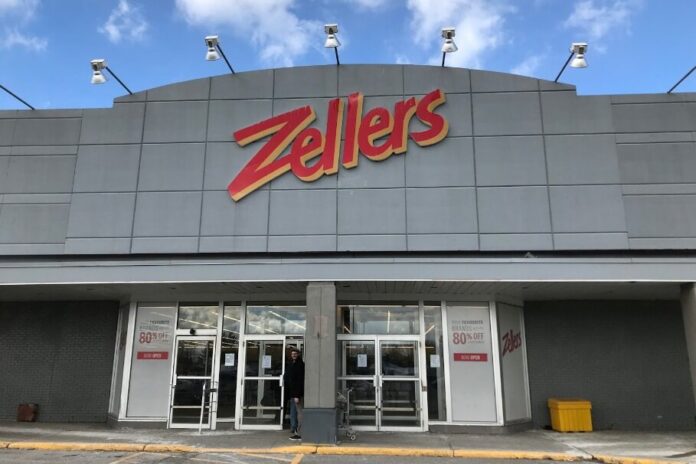
The Hudson’s Bay Company is brining the Zellers brand back to Canada this year with 25 locations set to open within Hudson’s Bay department stores. Teaser marketing indicates that the ‘Zeddy’ teddy bear mascot could be returning as well, and it’s not yet known if the popular restaurant component to Zellers stores will be returning as of yet though there’s a possibility. 

Secrecy means that we need to speculate a bit — last year Retail Insider learned that the Zellers nameplate was returning with a focused strategy that involves opening multiple store locations as well as a dedicated e-commerce business that includes a marketplace component. In 2022 the Hudson’s Bay Company was hiring for the new Zellers division and it appears from recent postings that the Zellers Canada headquarters could be on the 18th floor of the Simpson Tower at 401 Bay Street, connected to the flagship Hudson’s Bay Queen Street department store. 

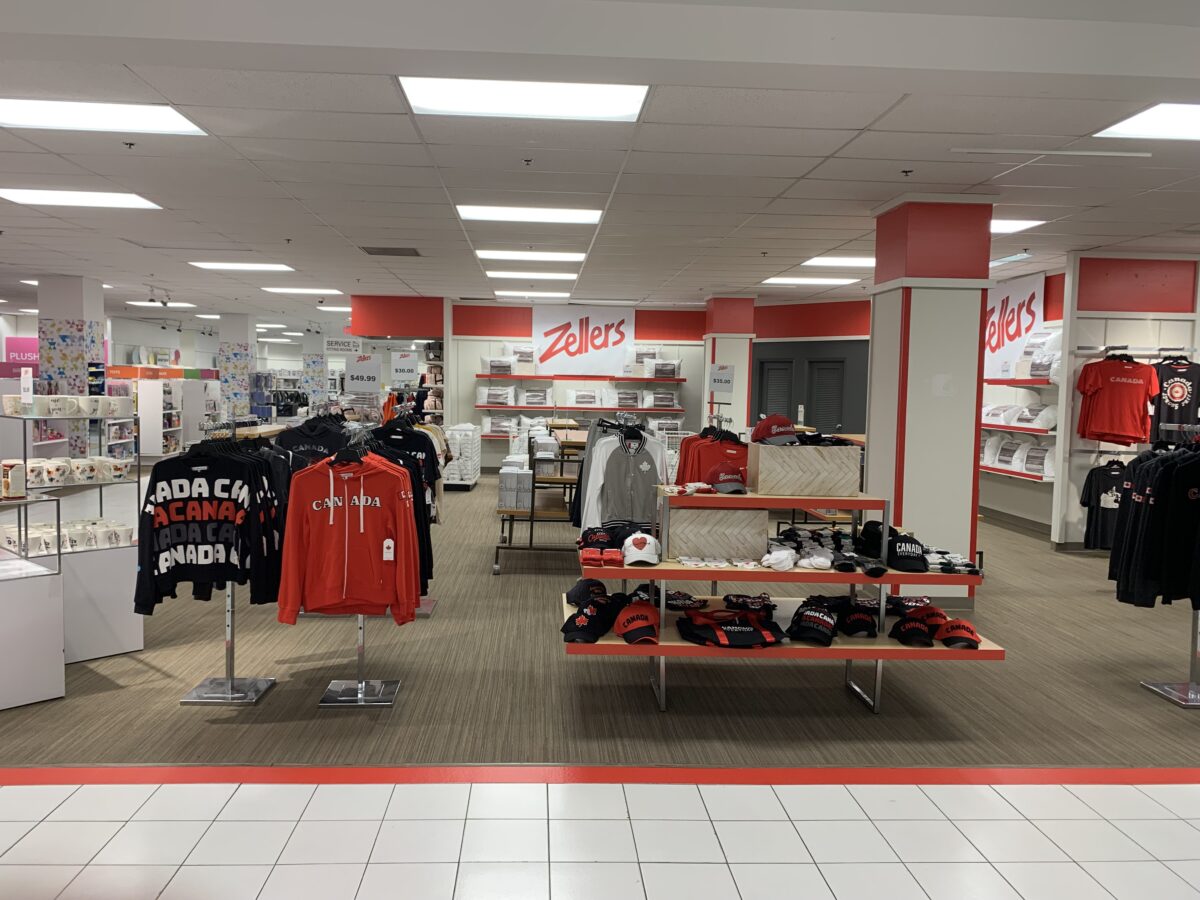
Zellers has launched social media and a new website providing us some information on what’s going to be in store. The new Zellers.ca website indicates that 25 Zellers locations will be opening within Hudson’s Bay department stores in Canada. We learned on Wednesday that these stores will be 8,000 to 10,000 square feet each as shop-in-stores within Hudson’s Bay locations. The Zellers website states, “…we’re debuting a brand spankin’ new zellers.ca and opening up 25 locations (to start!) within select Hudson’s Bay stores across the country – so you can see for yourself what all the excitement’s about.” 

Image: Zellers.ca

Various product categories will be included in the new Zellers stores, according to the website and social media. The website includes the statement, “We’re hard at work over here, getting ready to deliver a playful, helpful shopping experience; from lifestyle to home and almost everything in between (and yes, the chair’s as comfy as it looks).” 

The Zellers Instagram page includes visuals for a home goods, sporting goods, toys, and pet-related items, indicating that the new Zellers will feature a range of products (apparel is one we recently learned of). The former Zellers chain, which ceased operations in 2013 as a full branded business, featured stores sometimes spanning in excess of 100,000 square feet with a wide range of product categories. 

Job postings on LinkedIn provide further insights into the new Zellers, stating, “As a start-up within the larger organization, we are a ‘small and mighty’ team with a license to experiment and learn as we design and launch an exceptional, digital-first shopping experience. Our team values intellectual curiosity, diversity of people and perspectives, and a proactive get-things-done attitude.” 

We’ve noted in the teaser marketing for Zellers that the Zeddy teddy bear mascot could be returning to the retailer. In 2012 Zeddy was “adopted” by Camp Trillium and now things may have changed. We’ve noticed Zeddy-related branding on the website as well as with an Instagram post showing what appears to be Zeddy’s arm, as seen below. 

Image: Zellers

The Zeddy branding was used extensively by the former Zellers chain in TV commercials, and even in-store rides such as the one below. 

Since news first broke that Zellers would be returning, many asked that the retailer’s restaurant operations also return. It’s not known if food and beverage will be part of the new Zellers, though at one time many Hudson’s Bay stores had in-store restaurants. It’s not known if kitchen facilities and related infrastructure might work to create new Zellers-branded restaurants as part of this year’s Zellers 2.0 launch. Given the sentiment of many commenting on Reddit and elsewhere, bringing restaurants into the new Zellers stores should be a key priority if it’s possible — but now that the know the stores will only be 8-10,000 square feet each, a Zellers restaurant is less likely.

Zellers will be a division of The Bay according to the Zellers website. We reported last week that The Bay’s President and CEO Iain Nairn is retiring this month and that Sophia Hwang-Judiesch, who last year became President of Hudson’s Bay stores, will expand her role to also lead The Bay division which is responsible for shared functions including brand direction, marketing, buying, planning and technology for both the physical Hudson’s Bay stores as well as thebay.com businesses. 

In 2021 the Hudson’s Bay Company brought the Zellers brand back by opening a pop-up within the Hudson’s Bay store in Burlington, Ontario. That location by most accounts was a major disappointment given that it featured a range of non-Zellers products in a relatively low-budget environment. A second Zellers pop-up opened within the Hudson’s Bay store at CF Galleries d’Anjou in Montreal, a few kilometres away from rogue Zellers-branded stores in the town of Sorel-Tracey, Quebec, operated by a local family who registered the Zellers Trademark after the Hudson’s Bay Company let it lapse. 

It now appears that the Zellers brand is moving ahead full-steam under the direction of the Hudson’s Bay Company, leaving future litigation in question with the Moniz family in Quebec [See full story here]. 

Zellers at Hudson's Bay Burlington Mall
Zellers at Hudson’s Bay Burlington Mall – Photo by Sean Tarry

The Hudson’s Bay company operated a network of Zellers stores across Canada for decades. In January of 2011, the Hudson’s Bay Company announced that it would sell the leases for up to 220 Zellers stores to Minneapolis-based Target for $1.825 billion dollars. HBC retained 64 locations initially and liquidated the chain in early 2013. After a disastrous run in Canada, Target exited its Canadian stores in early 2015 amid billions of dollars in losses. 

The Zellers name wasn’t dead in Canada following the Target sale however. The Hudson’s Bay Company operated two Zellers stores in Ontario until early 2020, and those locations acted more as clearance centres for products from Hudson’s Bay store.  

Image: Zellers.ca
Image: zellers.ca

At its peak in the 1990s, Zellers had over 350 stores in Canada. The entry of Walmart into Canada is said to have impacted Zellers’ sales particularly in the early 2000s which resulted in the retailer losing significant market share. 

In the 1980’s, Zellers’ marketing slogans included “Only you’ll know how little you paid” and “Shopping anywhere else is pointless”. In the late 1980’s and early 1990’s the popular “Where the lowest price is the law!” was used in Zellers advertising. Included were animated commercials featuring Batman and Robin with the villains like the Joker, the Penguin, Catwoman and the Riddler.

In the 1990’s, Zellers adopted the slogan “Truly Canadian”. Between 1997 and 2000, “Better and Better” was a slogan and “Everything from A to Z” was part of the retailer’s marketing messaging between 2000 and 2013. 

Value-priced Zellers was founded by Walter P. Zeller in London, Ontario, in 1931. 

The Hudson’s Bay Company acquired Zellers in 1978. The Zellers logo, visible on the last two remaining stores, was adopted in 1975. In 1976, Zellers thrived with sales in excess of $400 million annually and in the same year, discount chain Fields acquired the Zellers chain. Joseph Segal, who at the time was president of Fields, became president of Zellers as part of the transaction. Segal died at the age of 97 in May of this year.

In 2008, the Hudson’s Bay Company and its subsidiaries, including Zellers, came under the ownership of NRDC Equity Partners, which was headed by Richard Baker. Hudson’s Bay’s namesake stores were positioned as more upscale under the creative direction of retail veteran Bonnie Brooks, while Zellers was seen as a drag on the business. 

A Grocer Code of Conduct is Finally Coming to Canada – Will it be Effective? [Op-Ed]

Metro on Front Street in Toronto (Image: Dustin Fuhs)

“We’ve just learned that a code of conduct to protect consumers in the food sector will be created. This is not a concept which can be easily understood, but it is indeed  good news for consumers. But, it is a voluntary, government-coordinated and industry-led code. Compliance and consumer trust are going to be significant challenges, especially right now. Time will tell effective the code will be.”

As reported in recent days, the grocer code of conduct is coming to Canada. Both the United Kingdom and Australia where grocer oligopolies exist have a similar code already. This is great news for consumers; in fact, it should be considered a minor miracle.

It all started a few years ago with the announcement of Michael Medline, Sobeys’ big boss, who said at the Empire Club in Toronto that enough is enough. It was 2020, when the major stores including Walmart, Loblaws, Costco, Metro and Sobeys were abusing their power by introducing all kinds of fees to their suppliers in a brutally random way. Medline’s announcement sent shock waves through the industry, upsetting the in-group  among retailers that were keen to continue intimidating the rest of the industry. At the time, Eric Laflèche and his team at Metro, for example, told some reporters to ignore this issue, and that the industry was fine. Total arrogance. Now, after just a few years of this, the public sees the major chains as public enemy number one. Our food retailers are accused of abuse and trickery on a daily basis.

Grocers have now begun to realize that there might be a problem. Major grocery chains have had a lot of power, maybe a little too much. The famous dispute between Frito-Lay and Loblaws last year exposed the problem to the public. It was ugly, very ugly.

Marie-Claude Bibeau, the federal Minister of Agriculture, supported by André Lamontagne, Quebec’s Minister of Agriculture, took the lead by creating a working committee to develop a code of conduct for the industry, to give Canada’s food processors a chance to be heard. Since then, the project has really become the responsibility of Lamontagne and Quebec. The project will establish a code that will help the industry, but above all, consumers. The leadership of Lamontagne and MAPAQ clearly compensated for the bewildering inertia of Ontario and the Ford government. The food processing sector in Ontario is the largest part of the manufacturing sector in Canada’s largest province. Ontario’s silence has been puzzling.

But consumers will also gain in the long run. Many Canadians are unaware of the fact that in the food industry, suppliers must pay grocers to do business. The fee is justified by merchandising costs and shelf space, the types of costs you would expect. But in recent years, things have changed. Companies like Loblaws, Walmart, and Metro abuse the system, and some levies have been imposed quickly, incidentally, and unilaterally. The reality is that it is now more difficult in Canada for food processors and independent grocers to compete.

A code of conduct for grocers should change the culture of an industry where vertical coordination and collaboration barely exist. It is also about tackling a broken business model. A code can neutralize power relations within the chain, stabilize retail prices, emphasize value and innovation for consumers, improve the security of the domestic food supply, and encourage investment in the agri-food sector. In the U.K., where a grocer code of practice exists since 2010, the country’s food inflation has historically been lower than Canada’s.

It must be understood that the code is not about endorsing a police-state or some attempt to nationalize our food distribution. The spirit of the code is to establish greater discipline and eliminate breach of trust, which is exactly what we have now. Many supply chain relationships are dysfunctional, while public trust is at an all-time low.

The governance around the code will also allow for greater transparency, something that we sorely lack at present. A secretariat will be created to enable industry to be accountable to itself and the public. For some time now, with an inflation rate that has reached record levels, consumers have been increasingly frustrated, fed up, and downright deprived at the grocery store. We want to better understand the mechanics behind pricing. For now, we’re left to guess at just about everything. Consumers do not feel informed or protected. The code will surely help in these aspects. The code will also help independent grocers who deserve a chance to compete against the bigger retailers. Innovation, variety, and food congruity for all of us often go through the independents.

But, it is a voluntary, government-coordinated and industry-led code. Compliance and consumer trust are going to be significant challenges, especially right now. Time will tell if the code will be effective.

The irony in all of this is that, in the beginning, it was food manufacturers who wanted a code. Now, knowing that they are facing a crisis of confidence, grocers themselves need the code, more than ever.

Podcast [Interview] Suzanne Sears Discusses Retail Staffing Challenges Last Year and 2023 Predictions

Suzanne Sears Discusses Retail Staffing Challenges Last Year and 2023 Predictions

Craig sits down with Suzanne Sears, founder and President of Best Retail Careers International and Luxury Careers Canada, to discuss the December job numbers in Canada and how they pertain to retail. They then discuss what Suzanne anticipates will happen with retail staffing in Canada for 2023 as we continue to see the industry’s challenges unfold amid a labour shortage.

The Interview Series video podcasts by Retail Insider Canada are available through our Retail Insider YouTube Channel where you can subscribe and be notified when new video episodes are available.

The Interview Series audio podcasts by Retail Insider Canada are available on Apple Podcasts, Stitcher, TuneIn, Google Play, or through our dedicated RSS feed for Overcast and other podcast players. Also check out our The Weekly audio podcast where Craig and Lee discuss popular content published on Retail Insider which is part of the The Retail Insider Podcast Network.

Subscribe, Rate, and Review our Retail Insider Podcast!

Follow Craig:

Follow Retail Insider:

Listen & Subscribe:

Share your thoughts!

Drop us a line at Craig@Retail-Insider.com. You can also rate us in Apple Podcasts or recommend us in Overcast to help more people discover the show!

Background Music Credit: Hard Boiled Kevin MacLeod (incompetech.com). Licensed under Creative Commons: By Attribution 3.0 License. http://creativecommons.org/licenses/by/3.0/

Canadian Retail News From Around The Web For January 16th, 2023

Canadian Retail News From Around The Web

News at a Glance

Retail Insider is streamlining its Canadian retail news from around the web to include a handful of top news stories that can be viewed quickly during the day. Here are the top stories from the past several days.

Ren’s Pets Expanding Urban Concept Store Model in Toronto Market [Interview/Photos]

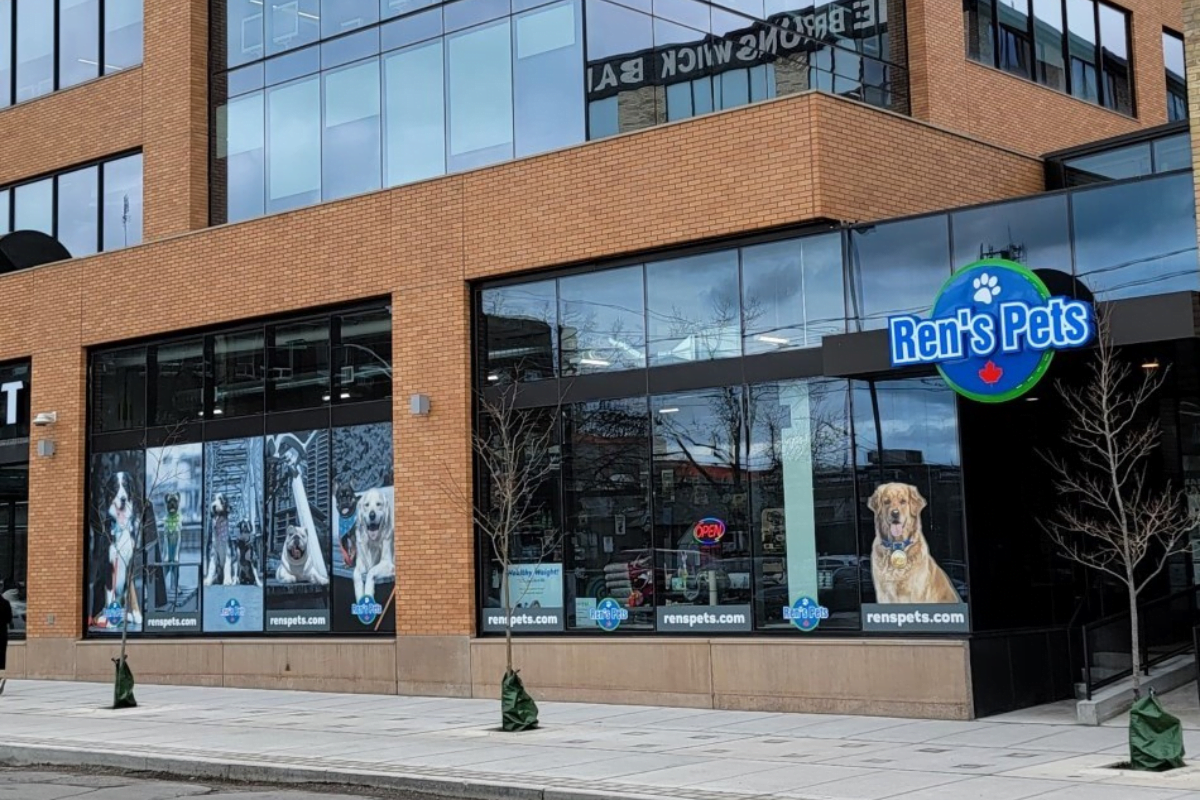
Ren's Pets at Liberty Village
Ren's Pets at Liberty Village (Photo by Dustin Fuhs)

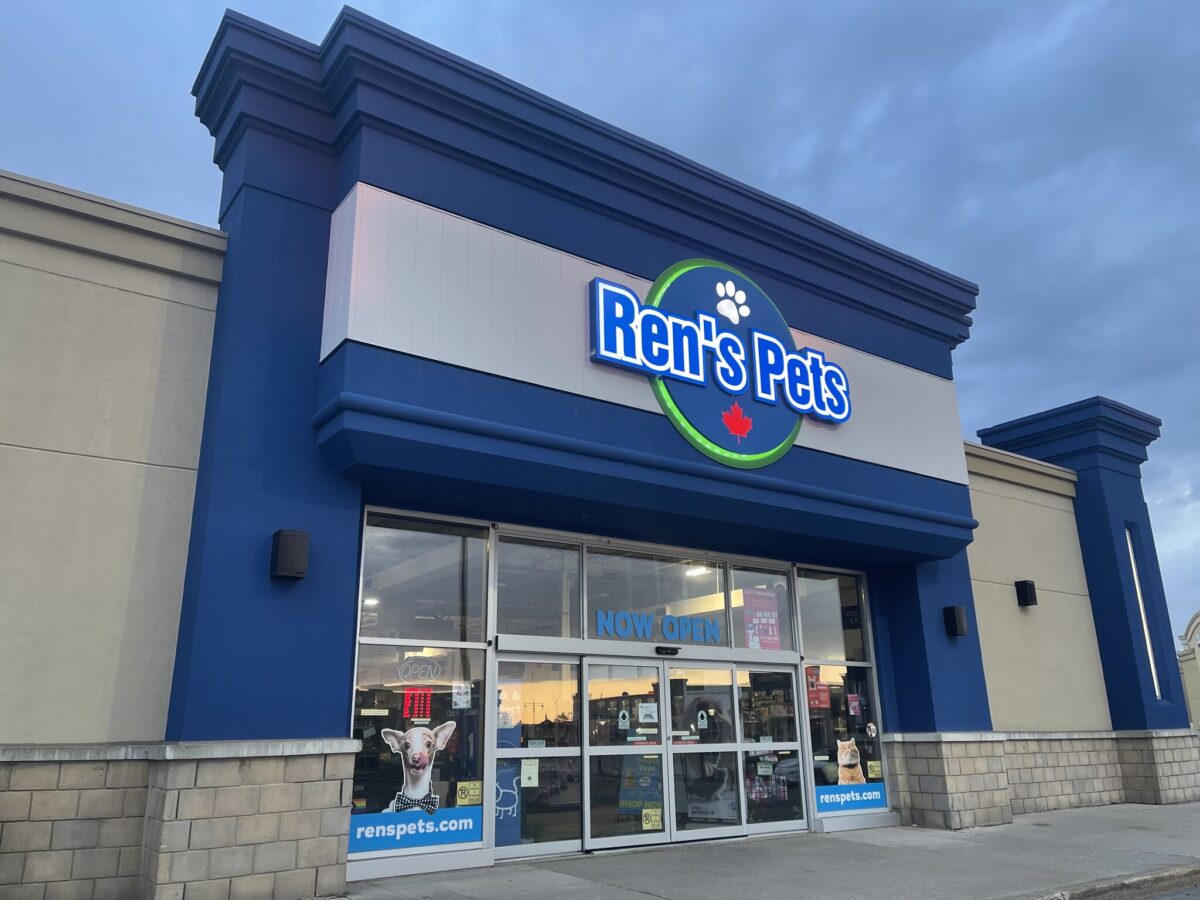
Ren’s Pets, a leading Canadian specialty retailer of pet food and supplies, is continuing to expand its urban store concept with a new location to open in The Beaches, in Toronto, in the fall. 

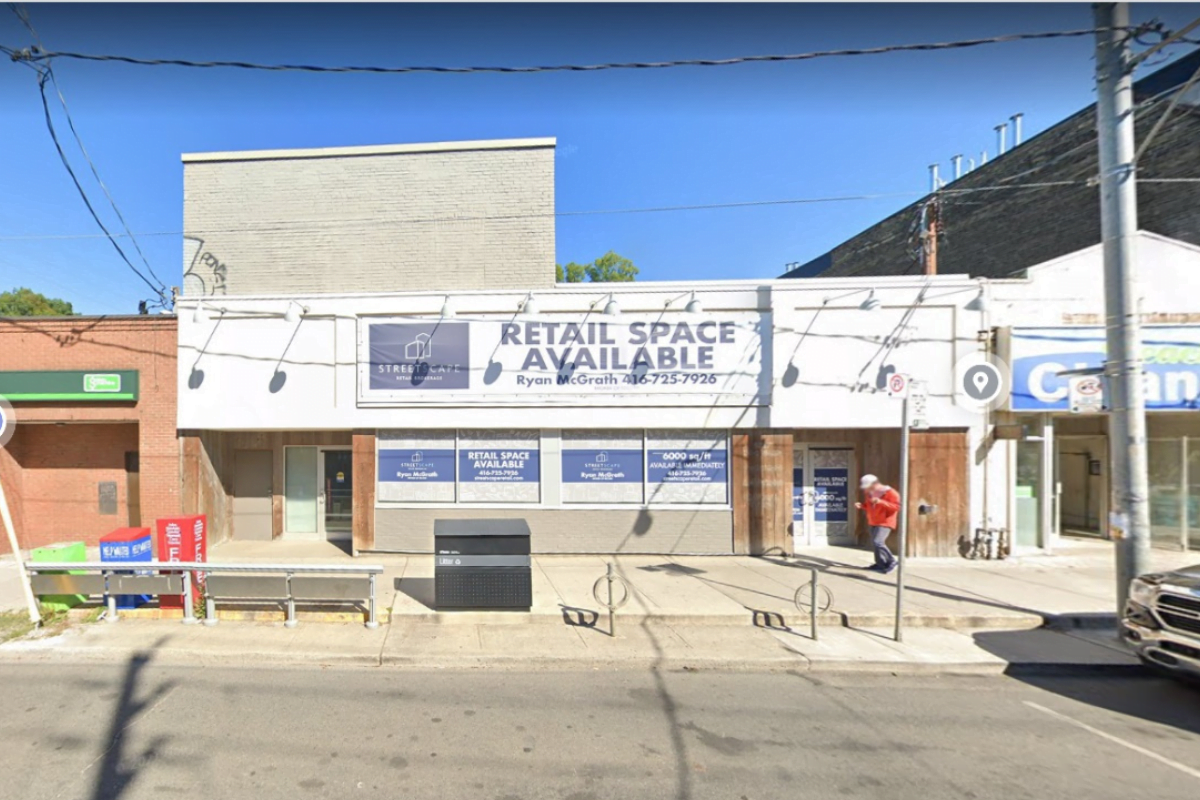
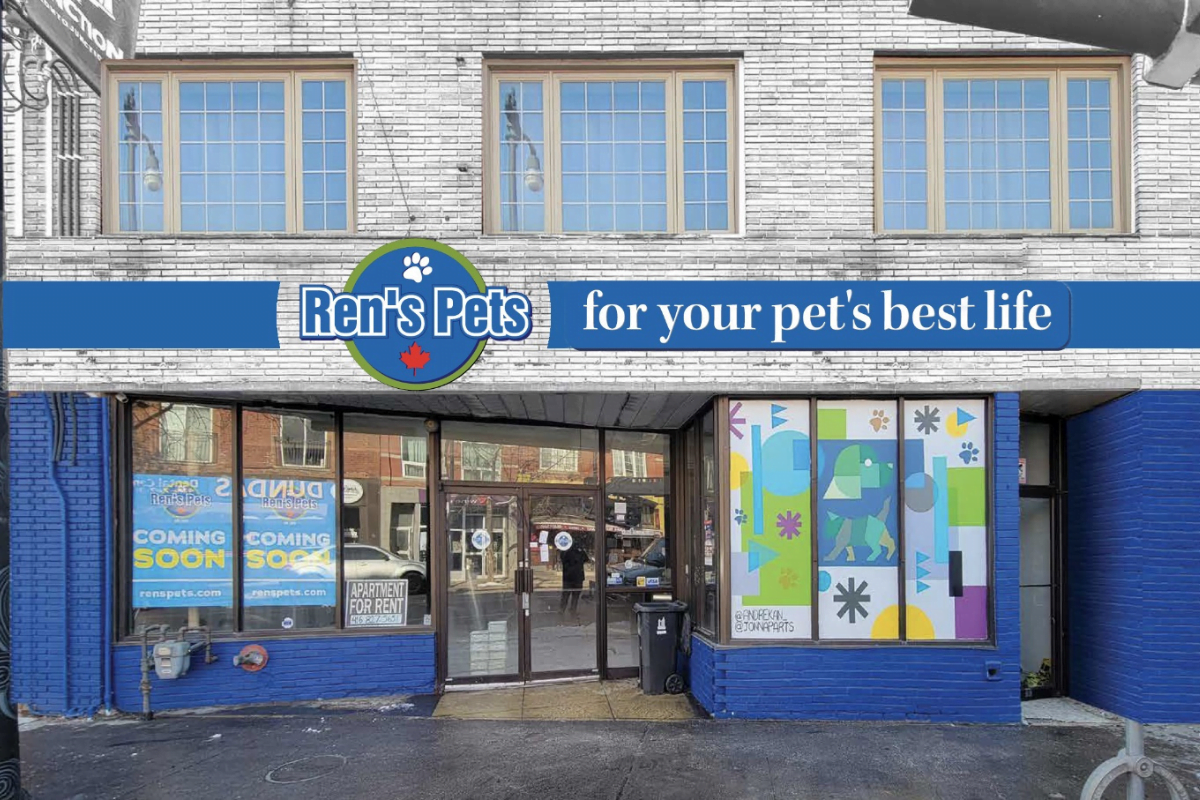
It will join the initial launch of the concept at Liberty Village in Toronto and another location scheduled to open in February at The Junction.

Larissa Wasyliw, VP Ecommerce & Marketing for Ren’s Pets, said the company has a Toronto urban expansion strategy that it is focused on because of Toronto’s huge population and high pet ownership statistics.

“It makes it a great candidate for Ren’s stores but we knew that we wanted to be established in the GTA before we decided to tackle Toronto. So the Ren’s brand is very well known around the city of Toronto and then in September 2021 we opened our Liberty Village store which is just amazing for us,” she said.

Future Rens Pets Beaches Location

“It’s become such a success and it’s more of the smaller format. We use different fixtures inside and signage and it’s a completely different customer I would say because of that community being more walking . . . In February we’re opening up in The Junction in Toronto as well and The Beaches will be the third location in September this year.

“We’ve really identified 10 to 15 different locations across the city of Toronto that we think are great areas for Ren’s to have stores.”

Ren’s currently has 45 stores in Ontario and the Maritimes, with at least 10 additional new stores currently scheduled to open in 2023. 

“We expect to have two more added to that list,” said Wasyliw. “So we feel that by the end of 2023 we’ll have 57 stores which is phenomenal growth over the last four years.

“Pet has always been an amazing stable category for retail. It’s an area where traditionally we see sales which are pretty good depending on the economy. With Ren’s we are a specialty pet retailer and really where our niche is is in premium high quality brands.

“So what we’ve been seeing from our customers is that even though there is a little bit of let’s watch our wallets in the economy right now, they are still highly interested in purchasing the best food for their pets because over the years pets have become family. They are really part of the household and especially during COVID that really increased pet ownership over those couple of years and now people just can’t live without their pets. So we just see the very big demand in primarily Ontario and we’re also in the Maritimes for more Ren’s locations with the specialty high quality premium brands that we carry. That’s really what our differentiator is.”

Image: Rens Pets Liberty Village

Expansion this year will include the two Toronto stores, another store in New Brunswick, two first stores in Prince Edward Island and Newfoundland, and stores in Brockville and Cornwall as well as St. Thomas and Owen Sound. A second location is also going to Oakville which was the company’s first store 48 years ago. She said two more will be coming as well in the GTA area that have yet to be announced.

“We just think there’s so many opportunities for us to still have locations,” said Wasyliw. “And the opportunities are there for us to do that with real estate.”

Rendering: Rens Pets Junction

Scott Arsenault, CEO at Ren’s Pets, said the company is excited about opening in The Beaches as it knows the area has a very passionate pet community who is looking for the type of premium pet food, treats, and toys in the best brands that Ren’s carries. 

“The new location couldn’t be more perfect, right by the grocery store, banks, library, and park which leads to the beach,” he said.

The Beaches store will have a 6,000-square-foot footprint, and feature Ren’s best selection of dog and cat products. This includes aisles of high-quality dog and cat food, displays of treats and toys, plus a special grooming section. There will also be 15 doors or 30’ of large walk-in freezers for raw and frozen pet food, one of the biggest selections in Toronto. The overall look of the store will have a fresh boutique style look, using updated signage, barn board and brick accents, and new styles of fixtures.

“We learned a lot opening our first urban location in Liberty Village, Toronto,” said Arsenault. “It showed us that pet parents in the city wanted smaller to medium sized bagged food, along with a large selection of raw frozen food. They loved bringing their pets in frequently when out for a walk to pick up a new treat or toy. We ended up expanding both our cat and grooming sections, to meet demand. We have The Junction, Toronto opening this February, and expect to see a lot of learnings from that urban location as well.”

Image: Ren’s Pets

Wasyliw said Liberty Village also quickly became its top DoorDash store, demonstrating how Toronto pet parents want same-day delivery for convenience.

“The Beaches should be similar, as it’s an easy way for dog and cat owners to get their pet supplies, in particular bigger bags of pet food and heavy kitty litter, delivered right to their doorstep,” she said.

“There are already a lot of Ren’s Rewards members from The Beaches area that shop with us now in our GTA stores or on the website. We know that these pet parents want a great neighbourhood pet store where they can bring their pets, chat with knowledgeable staff for advice, weigh their pet, try samples, and get fitted for halters or collars. We can’t wait to show The Beaches that Ren’s is here for your Pet’s Best Life with the best food, treats, and toys you can get for happy, healthy pets.”

Several Sports-Related Retailers to Open at CF Market Mall in Calgary [Exclusive/Interview]

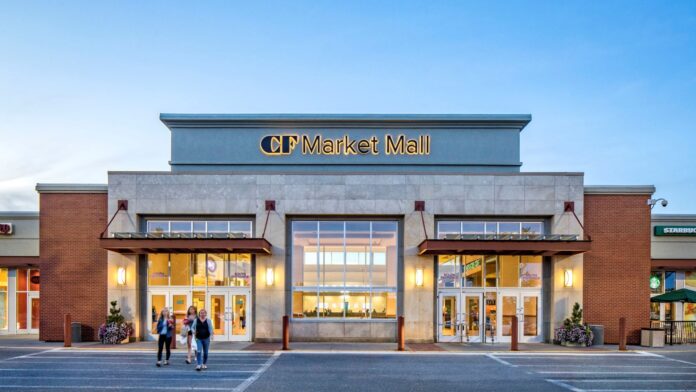
Image: CF Market Mall

Several new retailers, with a sporting twist, will be opening their doors at CF Market Mall in the coming months, Retail Insider has learned.

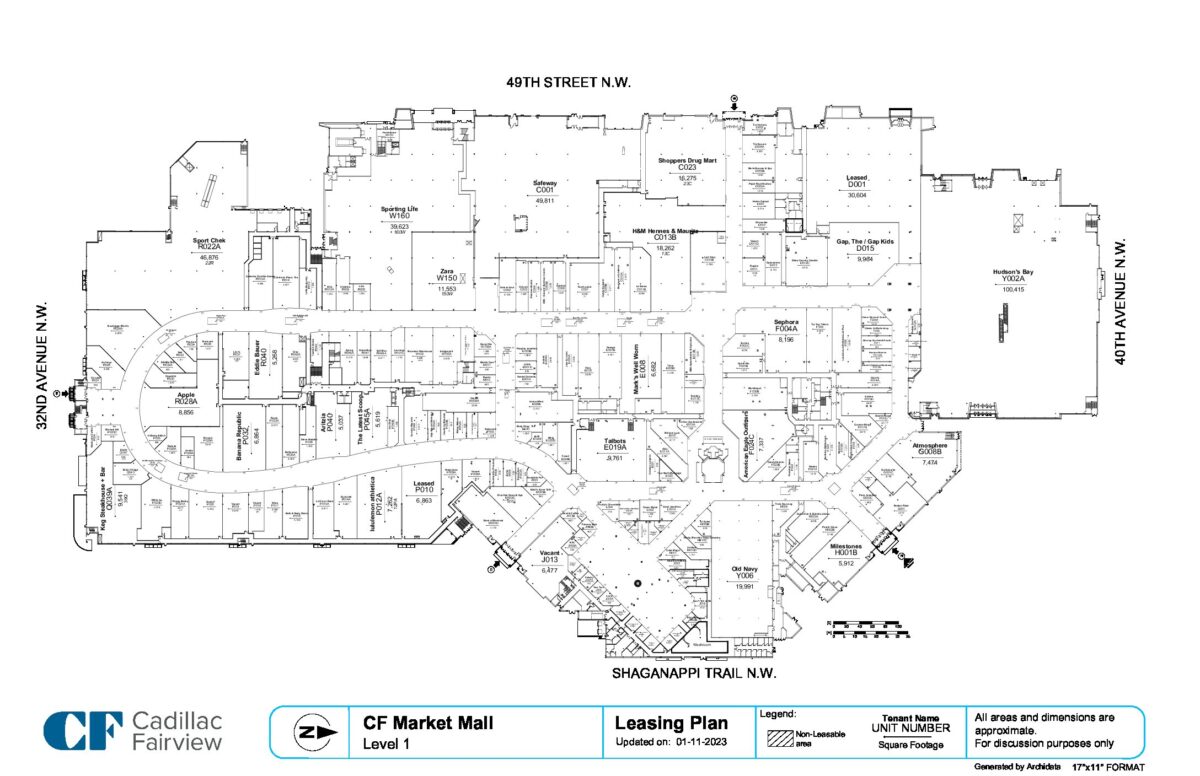
Paige O’Neill, General Manager of the popular shopping centre in northwest Calgary, told Retail Insider that stores set to open include Decathlon, JD Sports, Team Town, Milk Run and Athleta.

“Taking the old Saks OFF 5TH is Team Town which is a concept from Sporting Life,” she said. “They’re probably going to be open in the early spring. We also have JD Sports joining us. Decathlon is taking over the Toys R Us store. They are opening in the summer.

Saks Off Fifth at CF Market Mall (Image: Mario Toneguzzi)

“We also have Athleta joining us. That’s a summer time opening as well. The athletic wear is just on fire. With COVID and people working from home, retailers have come into overlapping sort of work attire, athleta wear, depending on perhaps your company what business casual means these days. But athleta wear is definitely the hot ticket item . . . The cross shopping (with other stores such as lululemon) is really beneficial for all of the clients. It’s very popular and in demand.”

CF Market Mall (Image: Mario Toneguzzi)
Future True North Mortgage at CF Market Mall (Image: Mario Toneguzzi)

Also coming to the mall is True North Mortgage. 

The Starbucks, located at the busy entrance where the Apple store is situated, is currently undergoing a renovation to put in one of its newest concepts. 

Coffee is a mainstay at many shopping centres across the country. And CF Market Mall has all the bases covered from top line national brands to a popular local independent.

Apple Store at CF Market Mall (Image: Mario Toneguzzi)

This past year a Tim Hortons opened in the mall in a former Starbucks space. 

“I think we’ve got every kind of coffee client covered now,” said O’Neill. “So lots of choices depending on your coffee tastes.”

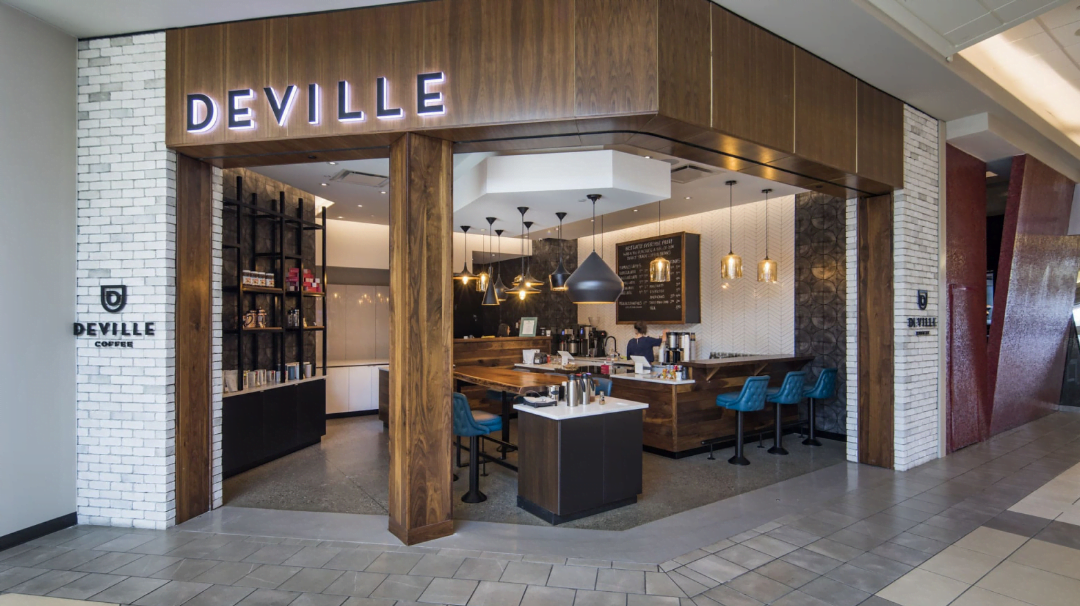
The mall also has a Second Cup and a Deville coffee shop.

Deville Coffee at CF Market Mall (Image: Cadillac Fairview)
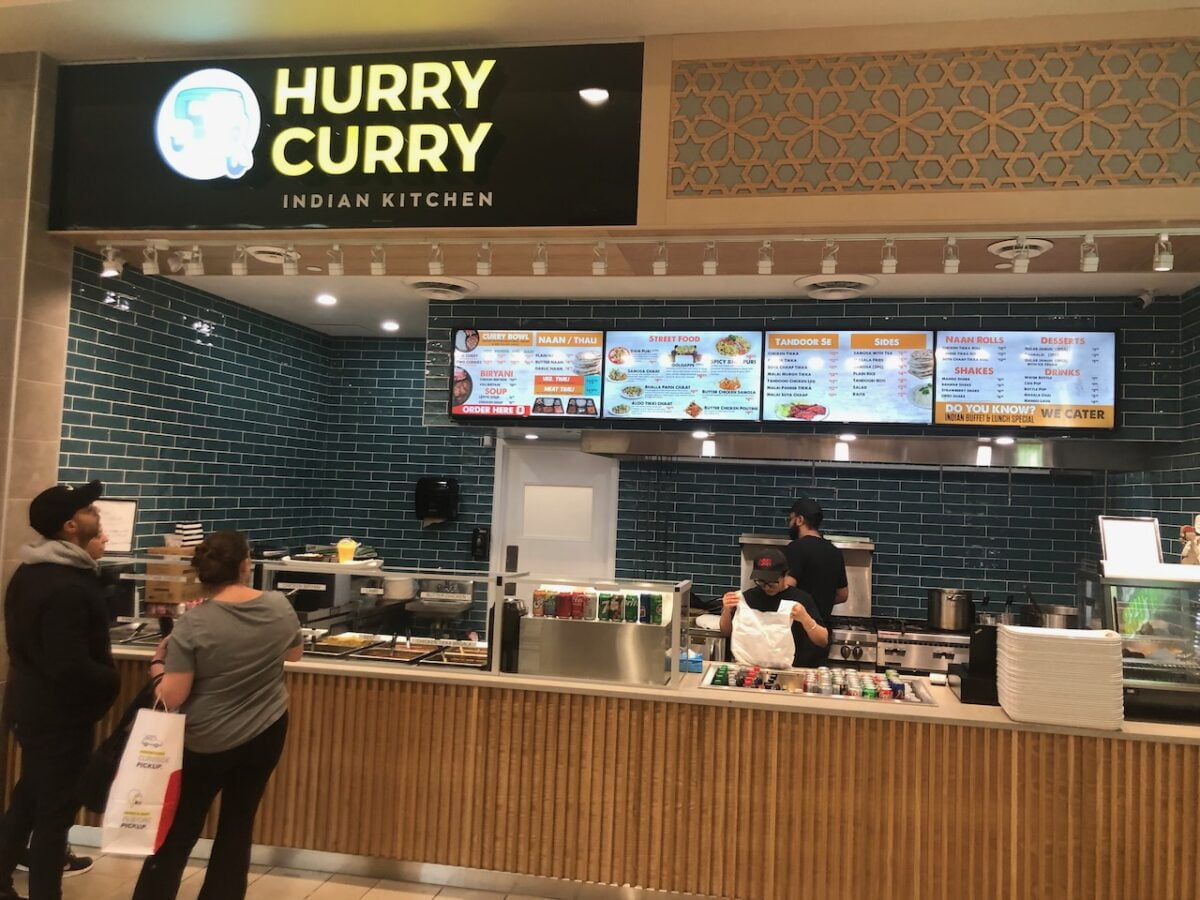
Hurry Curry at CF Market Mall (Image: Mario Toneguzzi)

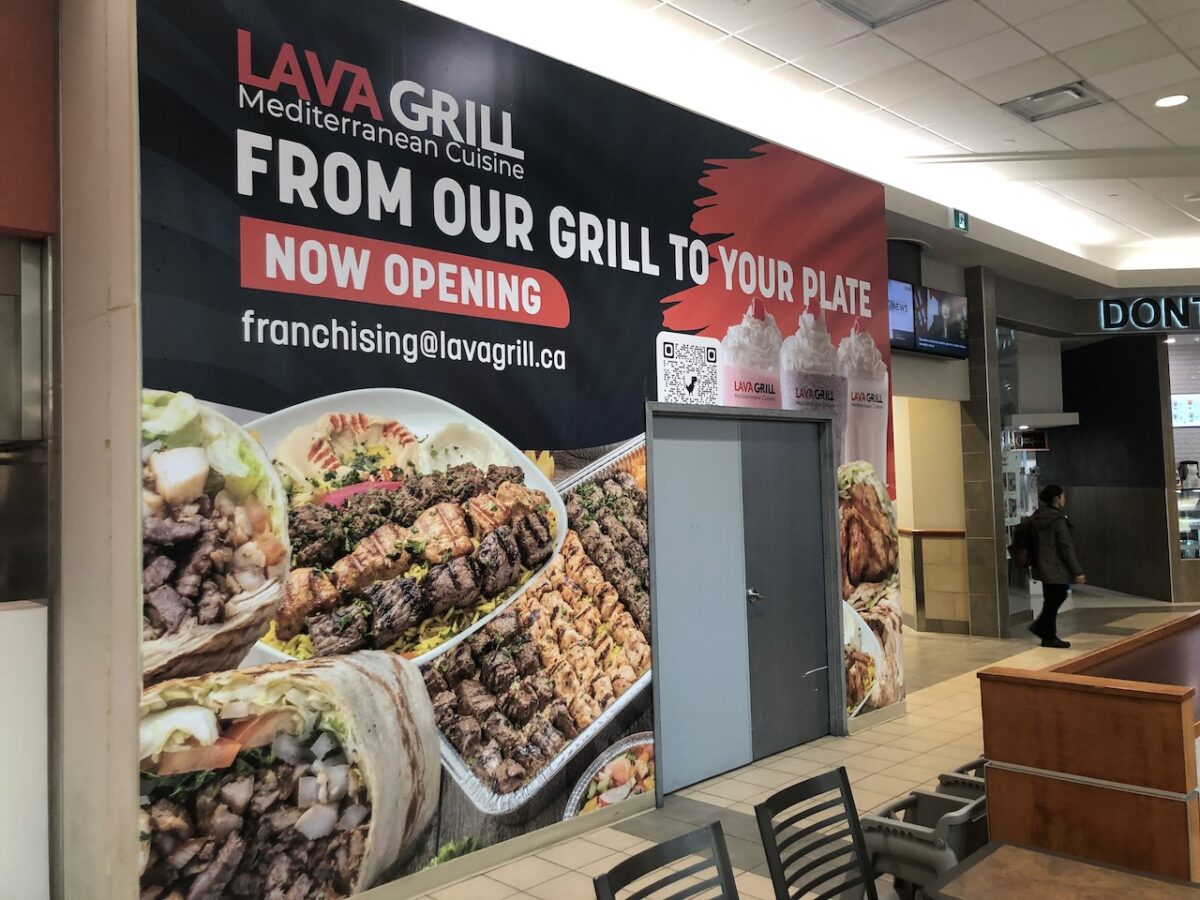
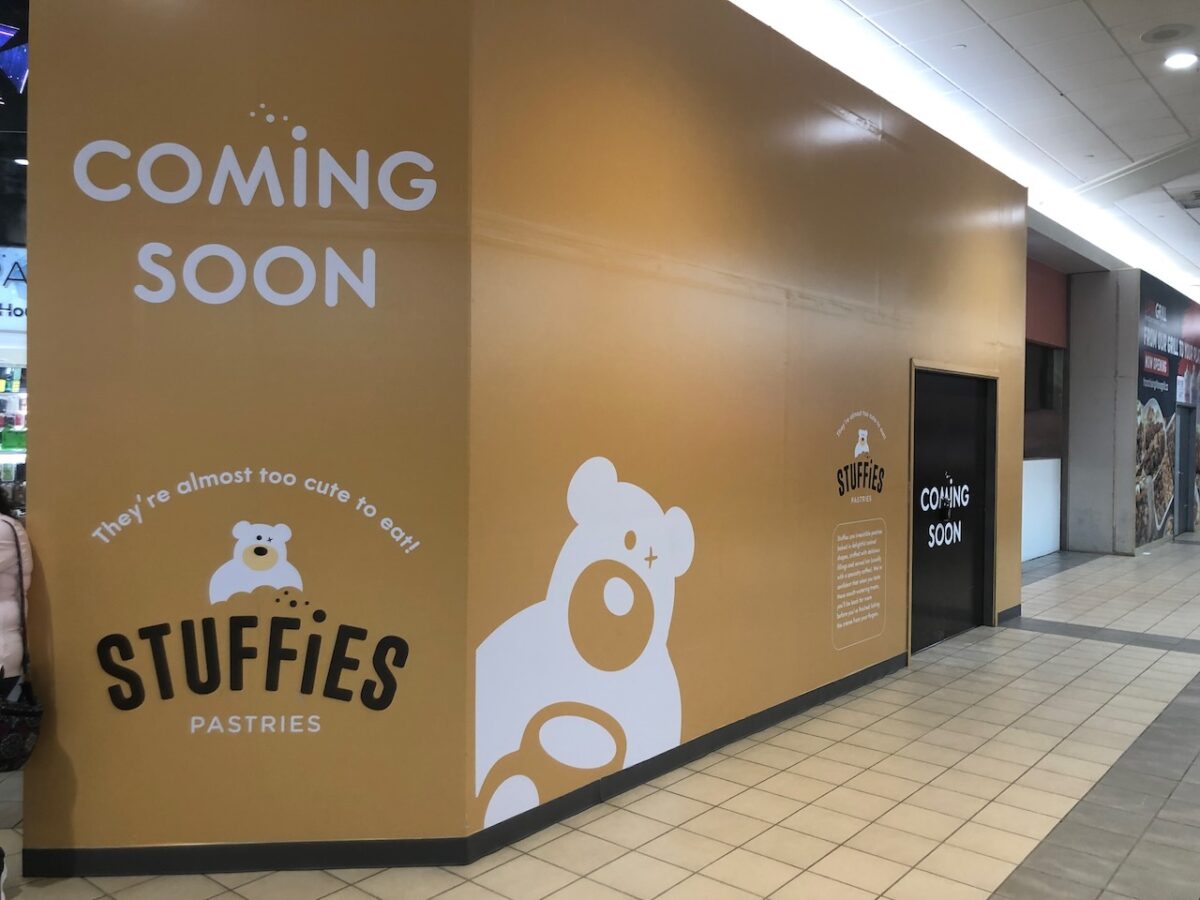
Hurry Curry in the food court opened in December. Two other food establishments – Lava Grill and Stuffies Pastries – are expected to open in the near future. 

“We’re very happy that these will be joining because we’ve had some down time in the food court for awhile.”

Future Lava Grill at CF Market Mall (Image: Mario Toneguzzi)

CF Market Mall has just over 200 stores and just over 900,000 square feet of real estate.

“A lot of our clients through Christmas were temp clients that have moved on,” said O’Neill as the mall shuffles through its tenant mix in the coming months.

Future Stuffies at CF Market Mall (Image: Mario Toneguzzi)
Updated Bath & Body Works Concept at CF Market Mall (Image: Mario Toneguzzi)

Bath & Body Works also renovated into its new concept and opened prior to Christmas. 

In the former Bath & Body Works location, the concept Milk Run will be joining the tenant mix at CF Market Mall.

“They have a location at CrossIron Mills. It’s a very neat concept. Their products are branded Milk Run. They do nice fun build outs and it’s everything from baseball hats to T-shirts to sweatshirts . . .  the whole nine yards. It’s kind of a unique concept I think will resonate here with the clients at Market Mall,” said O’Neill.

“It’s a temporary client. But you never know it could become a permanent one.”

CF Market Mall (Image: Mario Toneguzzi)
Apple Store at CF Market Mall (Image: Mario Toneguzzi)
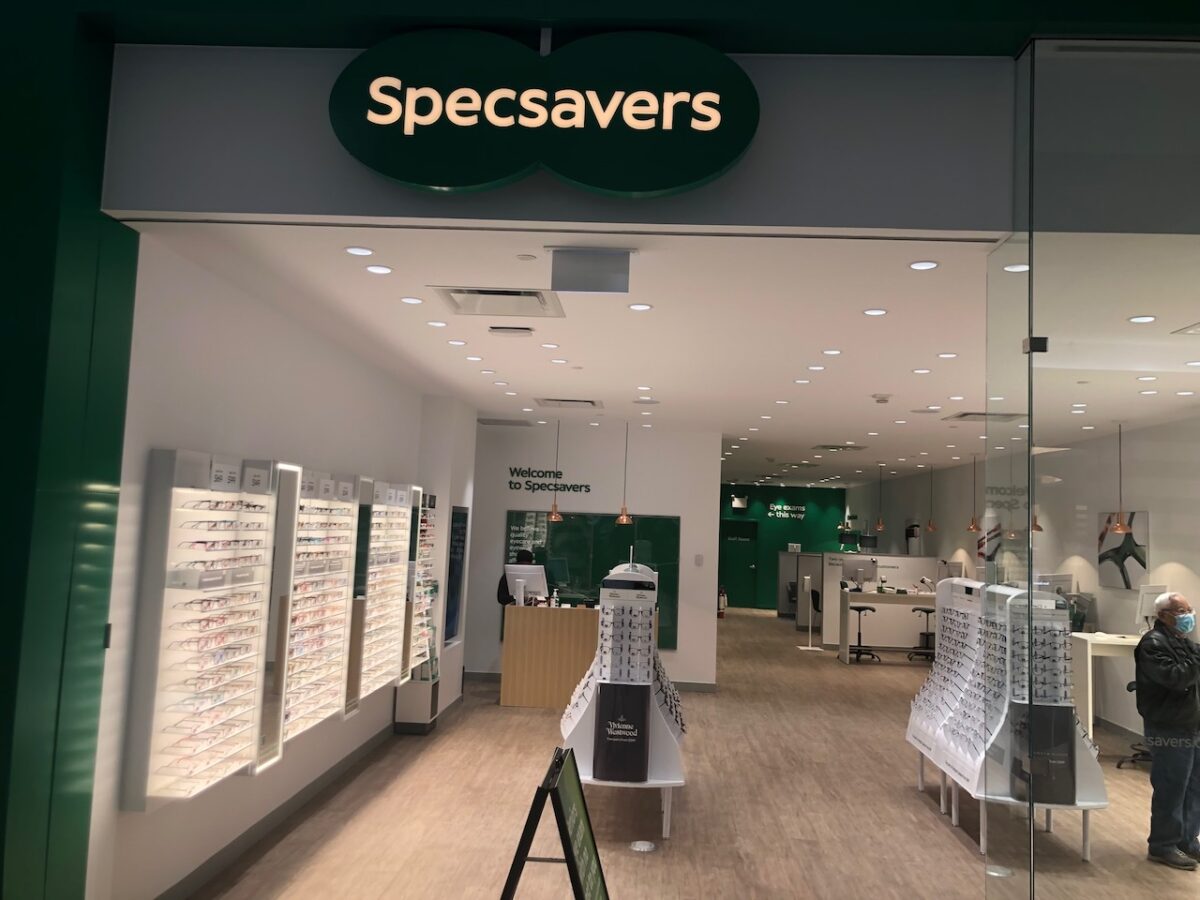
Specsavers at CF Market Mall (Image: Mario Toneguzzi)
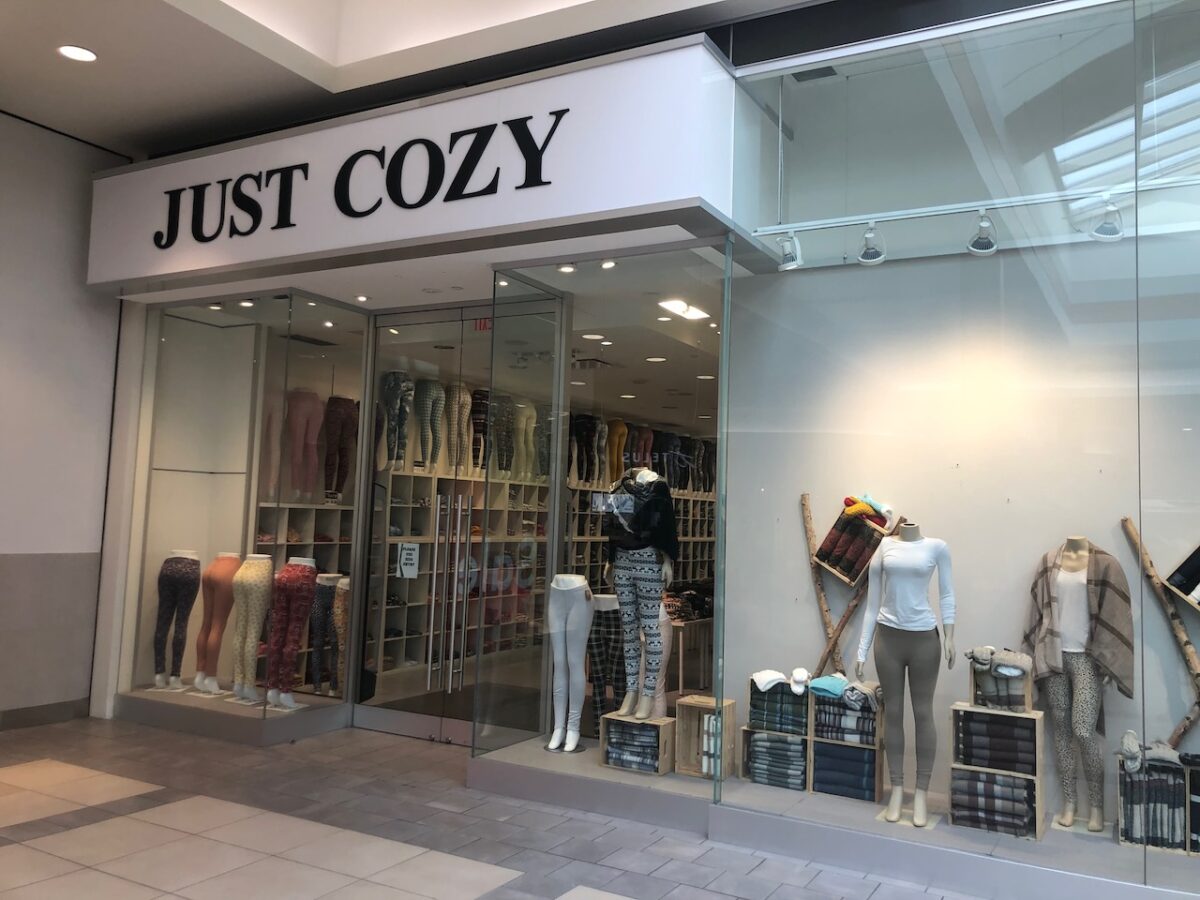
Just Cozy at CF Market Mall (Image: Mario Toneguzzi)
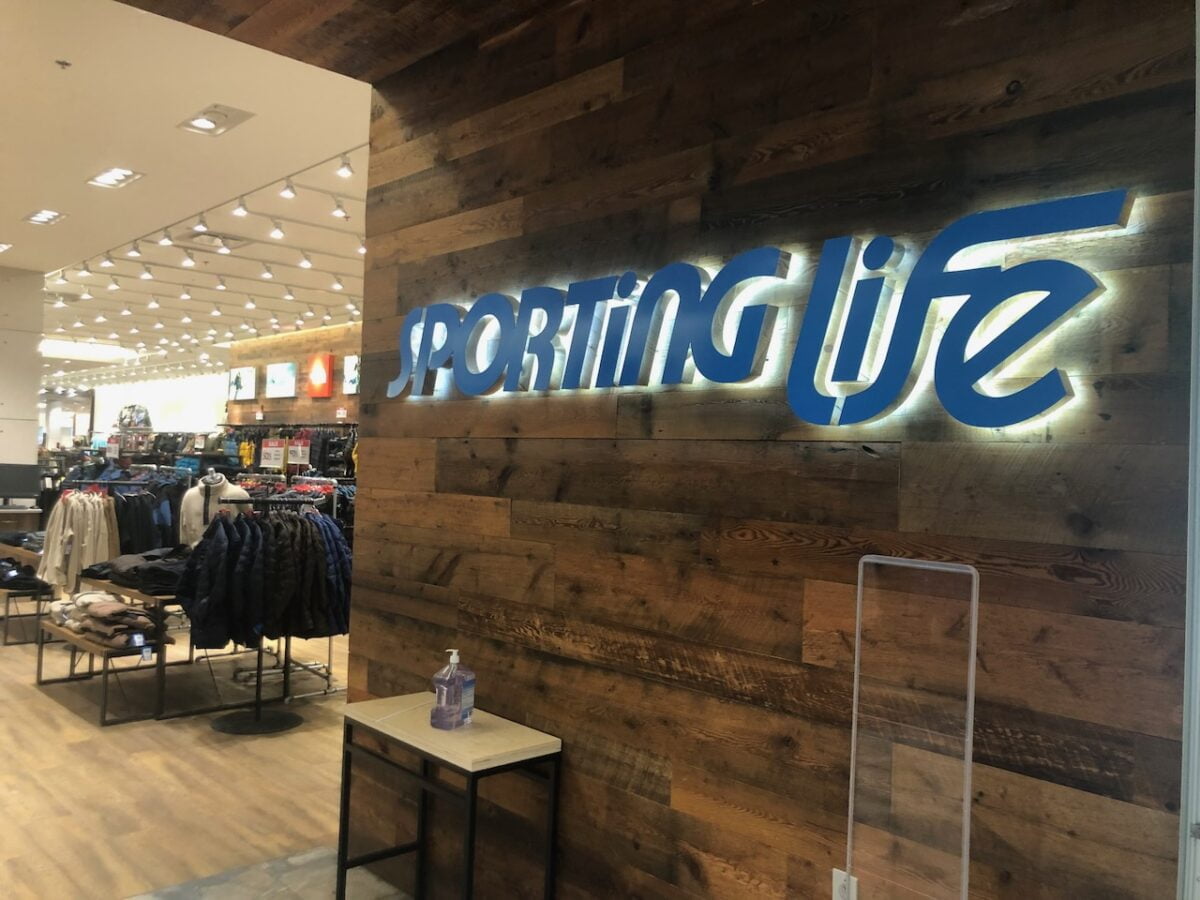
Sporting Life at CF Market Mall (Image: Mario Toneguzzi)
Apple Store at CF Market Mall (Image: Mario Toneguzzi)
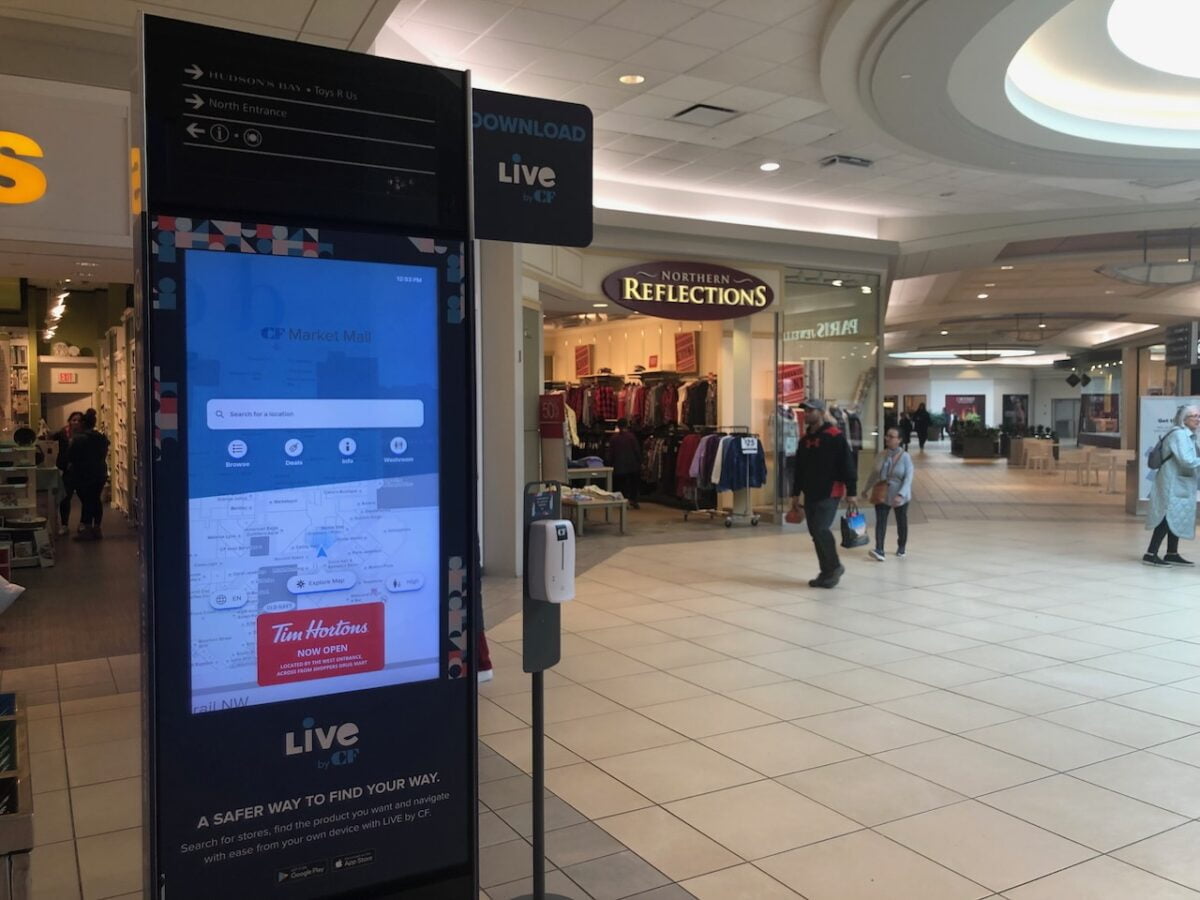
Northern Reflections at CF Market Mall (Image: Mario Toneguzzi)

Video Interview: Why Canadian Retailers Need To Master Hybrid Shopping Experiences

Why Canadian Retailers Need To Master Hybrid Shopping Experiences

Shash Anand, SVP of Product Strategy at SOTI, discusses a new report about the importance of retailers taking on a hybrid shopping experience to meet consumer expectations.

Anand talks about how consumer behaviour has changed in the past few years and what retailers need to do, the need to break down silos in retail operations, continued supply chain issues, and the growing trend in reverse logistics.

The Video Interview Series by Retail Insider is available on YouTube.

Connect with Mario Toneguzzi, a veteran of the media industry for more than 40 years and named in 2021 a Top Ten Business Journalist in the world and the only Canadian – to learn how you can tell your story, share your message and amplify it to a wide audience. He is Senior News Editor with Retail Insider and owner of Mario Toneguzzi Communications Inc. and can be reached at mdtoneguzzi@gmail.com.

Interviewed this episode:

Like, Share and Subscribe to Mario Toneguzzi on YouTube!

Follow Mario:

Also check out the other series offered by Retail Insider, including The Weekly podcast and The Interview Series, which are both available on Apple Podcasts, Stitcher, TuneIn, Google Podcasts, or through our dedicated RSS feed for Simplecast and other podcast players.

Follow Retail Insider:

Share your thoughts!

Advancing your learning in 2023: Retail-specific events, webinars, and training from Retail Council of Canada

Regardless of what role or level, everyone in retail faces the real challenge of keeping ahead of the most important trends and upskilling with necessary training to take advantage of new opportunities.

Retail Council of Canada (RCC) has listened to hundreds of retailers over the last few months about what they would like to learn and  be streamlined into event or webinar content so they can quickly get up to speed on the actionable insights they need to execute more effective plans. 

Below are just some of the exciting upcoming events and webinars scheduled for 2023. Be sure to bookmark the RCC events page and check back regularly for new sessions and speaker announcements:

This webinar, the first of a four-part series, will cover how to find and leverage insights on retail foot traffic and online consumer behaviour available on RCC’s Retail Pulse Dashboard. Register

A free six-part webinar series for retailers to help them protect their organizations and their customers from potential cybercrime. Register

If your team has launched an outstanding, innovative project or initiative in 2022, consider submitting an entry by March 11, 2023. Register

Each quarter, Retail Council of Canada surveys executives from mid to large sized retailers from coast to coast to bring a retail insider’s perspective on retail performance for the past quarter. Register

A full-day conference for retail loss prevention, operations, and data professionals. This year’s content will delve into data breach response, in-store de-escalation strategies, and modern fraud trends. Buy tickets

Hear from inspirational speakers and talent leaders who will share the inside track on how they’re putting people first in their organizations. Buy tickets

  • RCC STORE 23 – May 30-31, 2023
    Canada’s biggest two-day retail event will explore global commerce, consumer, and retail trends, contemporary leadership, and innovative retail technologies.  It is also the absolutely best opportunity of the year to network and share learnings with thousands of other retailers.  Buy tickets
  • Retail Marketing Conference – September 19, 2023 –SAVE THE DATE
    Learn, get inspired, and connect with today’s leading retail marketing and technology experts to help you craft more effectively strategies that will resonate with customers and enhance your brand.

  • NEW Retail Sustainability Conference – October 3, 2023 –SAVE THE DATE
    A full-day event designed to empower retailers and value chain partners with retail -specific strategies to support a circular economy, build resilient supply chains, and establish a route to net zero emissions.
  • Retail West Conference -Fall 2023 –DETAILS COMING SOON
    Regional and national retail experts share modern strategies for success in Western Canada and nationwide.

“This year we’ve had especially enthusiastic feedback from retailers on what they want to learn.  There is a renewed eagerness amongst all types of retailers for their teams to participate in retail-specific events and training in 2023. With a mix of online webinars and training, as well as dynamic in person events – that are perfect for reviving personal networks-  Retail Council of Canada is thrilled to introduce the best lineup of speakers and most new content we’ve ever had,” said Michelle Ribout, VP Education and Partnerships at Retail Council of Canada.  “We’ve priced all our events and training programs so they are accessible to everyone in the industry.  RCC members also enjoy significant savings on all our events and training programs.  We’re looking forward to being part of helping everyone in retail advance their learning in 2023.”  

For more information on Retail Council of Canada, please visit retailcouncil.org

Lessons from a Frivolous Picture of Overpriced Chicken Breasts at Loblaws [Op-Ed]

Photo: Siobhan Morris via Twitter

It all started with one reporter taking a simple, trivial picture of an overpriced pack of five boneless, skinless chicken breasts. It was $26.87 a kilo, a world-class sticker shocker. It’s at least double what one would expect to pay for chicken breasts. Within hours, the picture became the lightning rod for frustrated consumers on social media. Loblaw and Galen Weston—the company’s Chairman, President, and well-known public persona of the company’ brand—became public enemy number one. Attacks were instant, and mostly vicious.

On the surface, the collective uproar against Loblaw lacked any rational thinking. The chicken breasts in the picture were skinless, boneless, and free from hormones and antibiotics which would make them premium products. Albeit the untrained eye couldn’t see the “PC FF” on the label, which meant “Free From”, but it was there. Other retailers in the Greater Toronto Area were even selling similar products at similar price points. Furthermore, for months now the poultry industry, including egg producers, have been challenged by an avian flu outbreak, affecting almost 300 farms across the country. Many of them are in Ontario. Almost 5 million birds were culled in the last year, preventing millions in inventory to reach the market. Supply-side pressures have been significant for a while. As such, prices for chicken, turkey, and eggs have all been impacted by the outbreak.

What also needs to be underscored is that chicken production is supply-managed in Canada. With our quota system, we essentially produce what we need and consume very little imported poultry products. The average net worth of a poultry and egg farmer in Canada is well over $6 million, according to Statistics Canada. Farmgate prices are set by boards which in turn are heavily influenced by production costs. Most years, farm prices will go up and the rest of the supply chain will cope with supply chain economics. That’s how supply management works. Poultry and egg prices have historically been more expensive in Canada than elsewhere in the Western world. Nonetheless, supply management has offered Canadians stable prices. In fact, chicken has been the more stable component of the meat trifecta, which also includes pork and beef. But since early 2020, the meat counter has increasingly become expensive, no matter what protein you are after. Many of these factors are far beyond Loblaw’s control.

Still, call it “chickengate” if you will, but instant public outcries like the one we witnessed with the picture of overpriced chicken breasts do happen for a reason. The last time Canada’s food inflation rate was below our nation’s general inflation rate was in October 2021. While everything in our lives got more expensive, it got significantly worse at the grocery store. Consumers are actively looking for a scapegoat, one they can relate to. Most consumers barely appreciate how farming, logistics, or even food processing works, but most of us have been to a grocery store several times in our lives. It’s a familiar environment for most of us. Grocery stores are portals to a very complex food system we can barely see and understand, so promptly blaming grocers for overpriced products is instinctive.

Like in many Western countries, higher food prices have been politicized in Canada leading to a parliamentary investigation in Ottawa, and broad-based inflationary support payments in provinces like Quebec and Prince Edward Island. These payments will likely make things worse, but it doesn’t matter.

Canada has one of the lowest food inflation rates in the Western world. Amongst G7 countries, only Japan has a lower food inflation rate right now. Higher food prices is a global phenomenon, full stop. Even if it makes little sense to blame one grocer, or even one man for our ills at the grocery store, Canadians have every right to be upset. Context is everything, and consumers are on edge and will second-guess anything and everything and have every reason to do so.

The bread price fixing scandal, which lasted fourteen years, the hero-pay debacle during the pandemic, almost forcing consumers to use self-checkout counters, all adds up to many Canadians feeling incredibly vulnerable and unprotected. In December, our Parliamentary Standing Committee in Agriculture and Agri-Food called top grocers to testify in Ottawa as part of an investigation of food inflation. None of the CEOs showed up, including Galen Weston himself. All of them opted to send their CFOs instead. They should have had the decency to show up and oblige our House of Commons, which represents the Canadian people.

The chicken breast incident points to how incredibly delicate things are right now. The food industry, and particularly grocers, are facing a crisis of confidence, no less. Consumers have become hyper-sensitive to any potential evidence suggesting abuse of market power and grocers will need to navigate the coming months with extreme caution. Showing more public empathy would be a good start.

In the meantime, consumers should know their prices even before they show up at the grocery store, stay calm, and read labels. If a price is beyond what was expected, just walk away. A more affordable substitute in the same exact store is likely within reach. Consumers have more power than they believe.