Retail Insider is streamlining its Canadian retail news from around the web to include a handful of top news stories that can be viewed quickly during the day. Here are the top stories from the past three days.
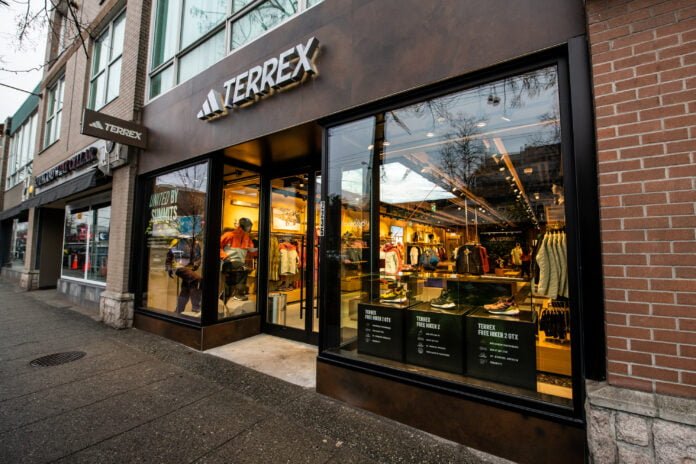
Sportswear retailer adidas has opened its first branded TERREX storefront in North America in the Kitsilano neighbourhood of Vancouver, BC.
TERREX is adidas’ outdoor brand with an extensive product assortment of footwear, apparel, and accessories.
Retail Insider reported on the announcement back in July 2022, which included exclusive renderings and an interview with Lesley Hawkins, VP Retail at adidas Canada.
“Why Vancouver? Because it is absolutely the home of the outdoors,” shared Hawkins. “There are more consumers engaged in the outdoors every day in the Vancouver market, as they enjoy an unbeatable array of amenities including numerous outdoor parks, the mountains and the ocean on their doorstep.”
The first global branded TERREX storefront opened in Munich, Germany in 2021.
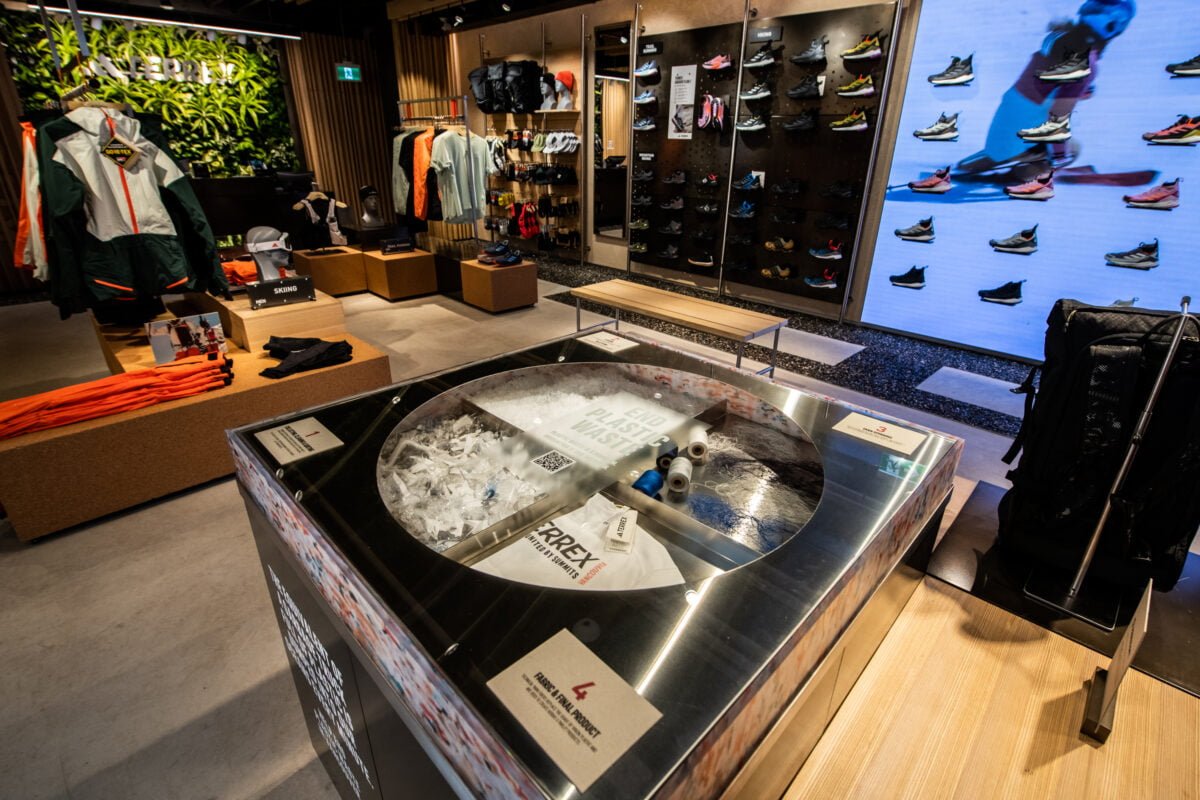
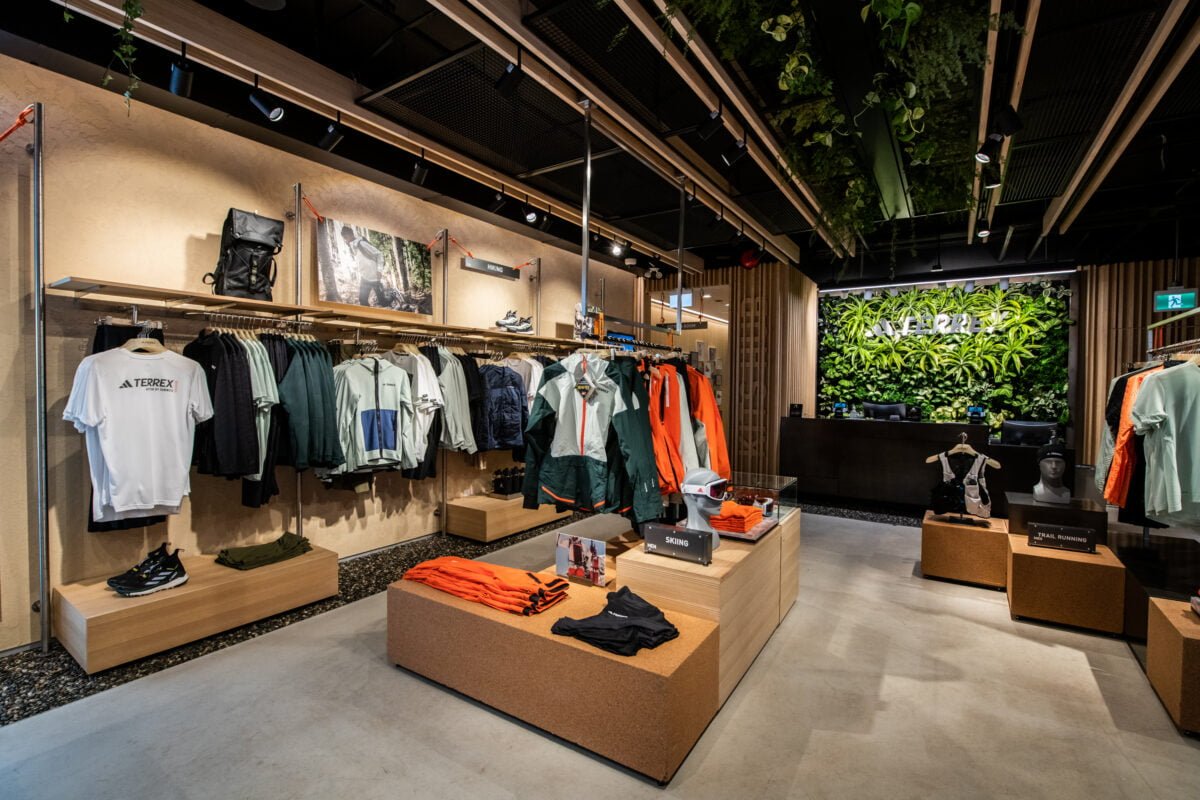
Adidas Terrex Kitsilano (Image: adidas)
Lesley Hawkins
“The TERREX store is something we are thrilled to bring to Vancouver and Canada.”
“As a brand attuned to the harsh conditions of the outdoors, we couldn’t think of a region better suited than Vancouver to start our journey. It’s an opportunity to give local outdoor lovers access to the adidas TERREX products they’ve been waiting for.”
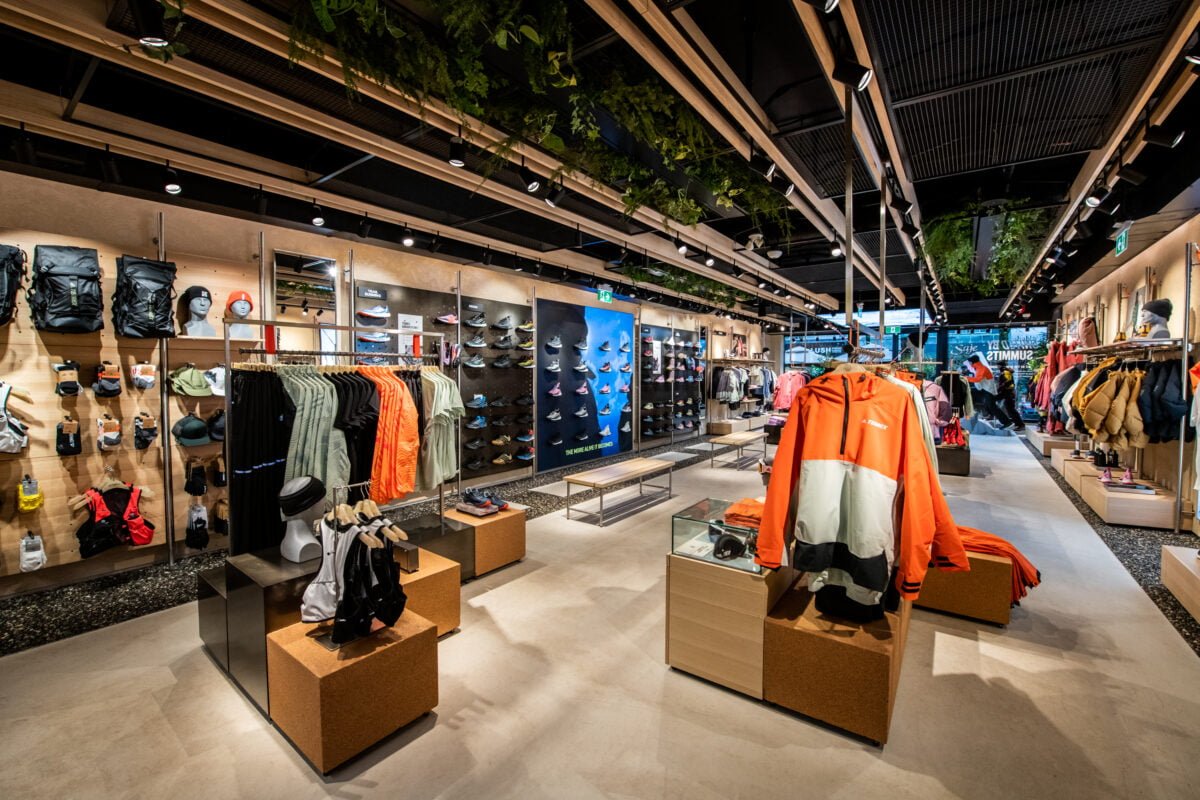
The apparel, footwear and accessories product assortment at the Kitsilano store have been specifically curated for the Vancouver outdoor enthusiast, be it climbing, trail running, hiking, mountain biking, skiing and more.
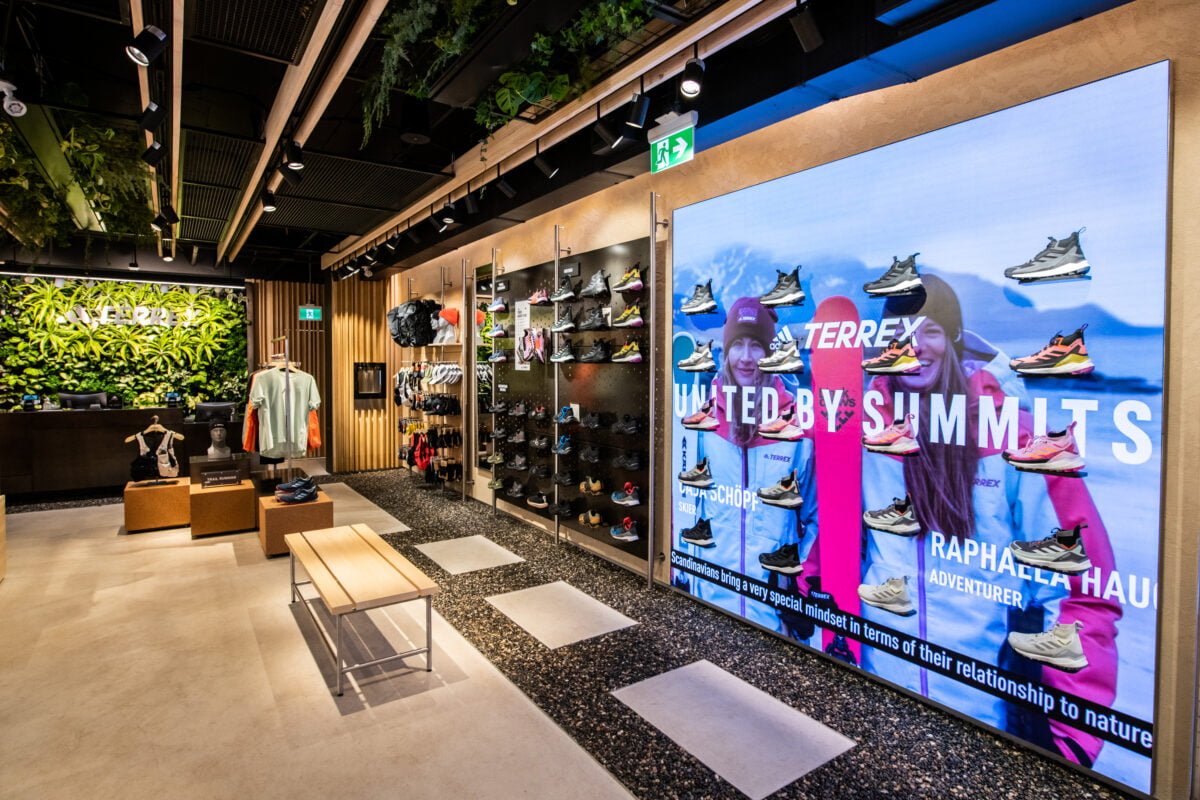
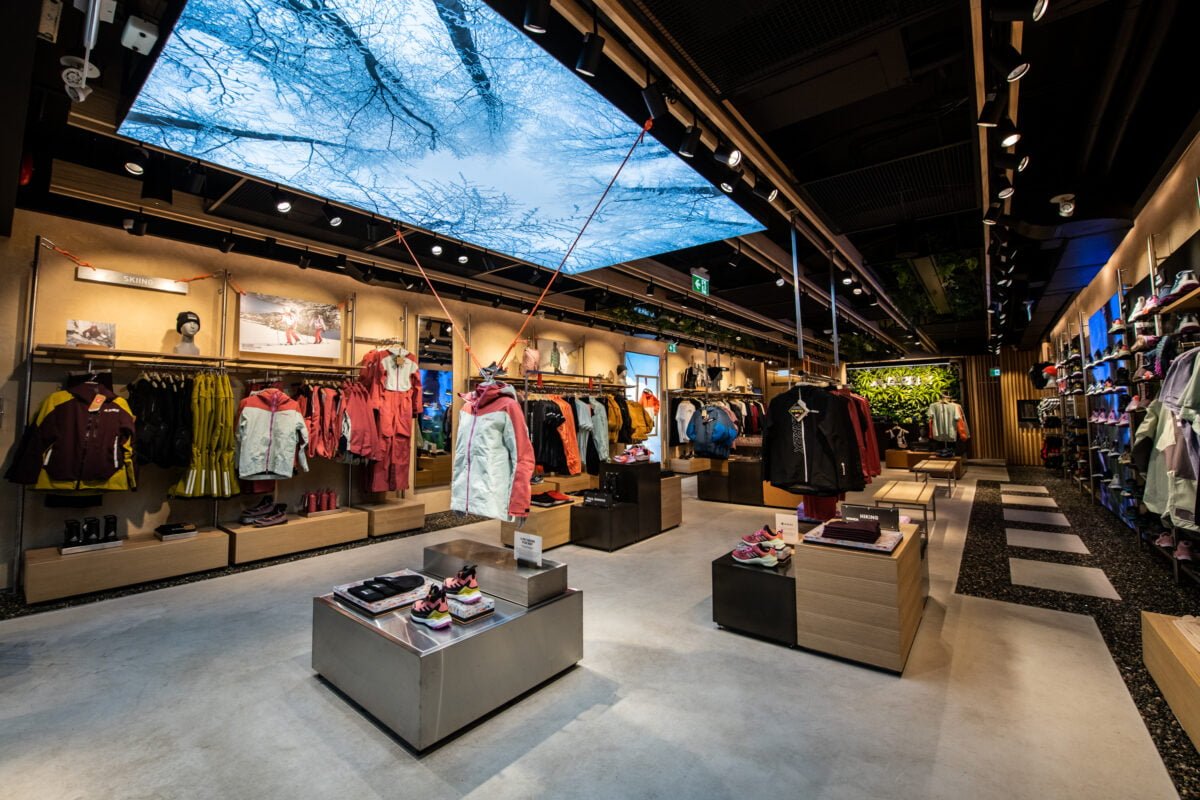
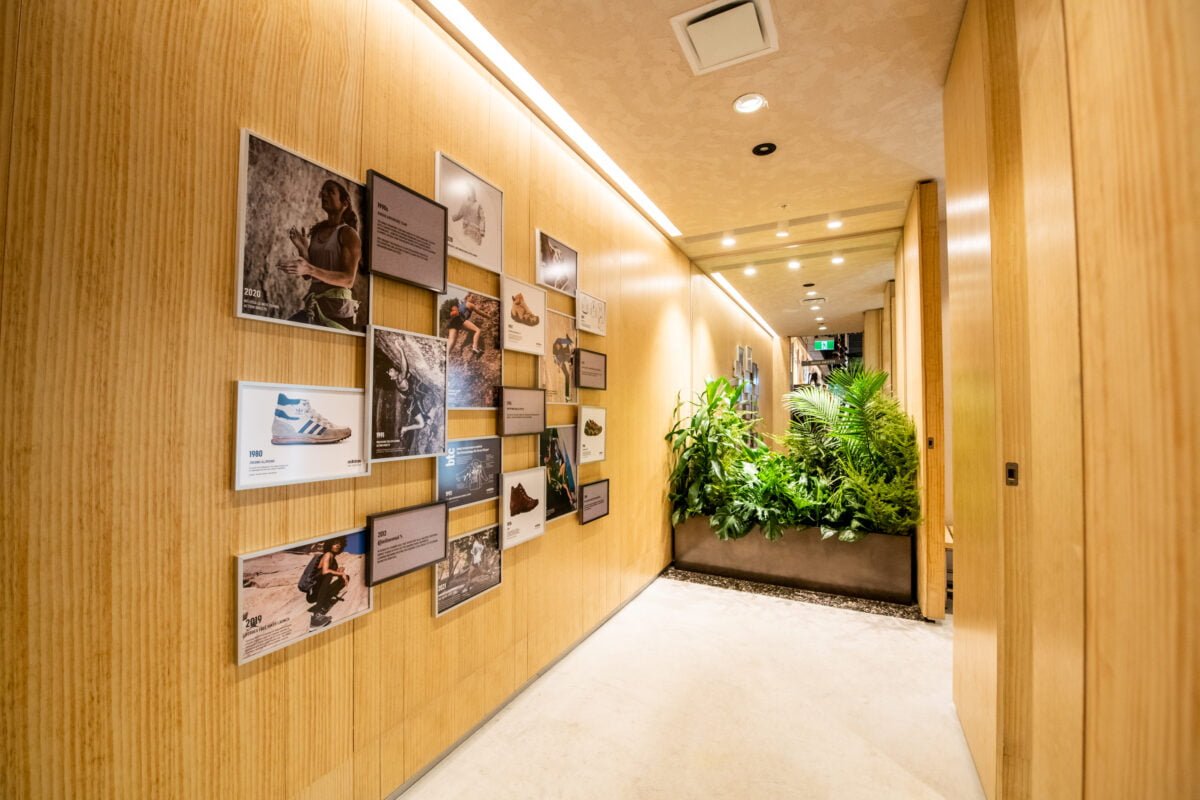
Adidas Terrex Kitsilano (Image: adidas)
“The Kitsilano TERREX store brings the outdoors into a retail community environment,” shared Hawkins. “Using state-of-the-art materials and technology, the space showcases adidas’ commitment to innovation and sustainability.”
Welcomed by an immersive canopy featuring live plants, store visitors can learn about adidas’ efforts to help end plastic waste in the store’s discovery zone. To further bring the outdoor community together, Kitsilano TERREX will serve as a gathering place where consumers can learn from in-house gear fitters, test new products and connect before or after their many outdoor adventures.
The new adidas TERREX location is located at 2235 W 4th Avenue in Vancouver.
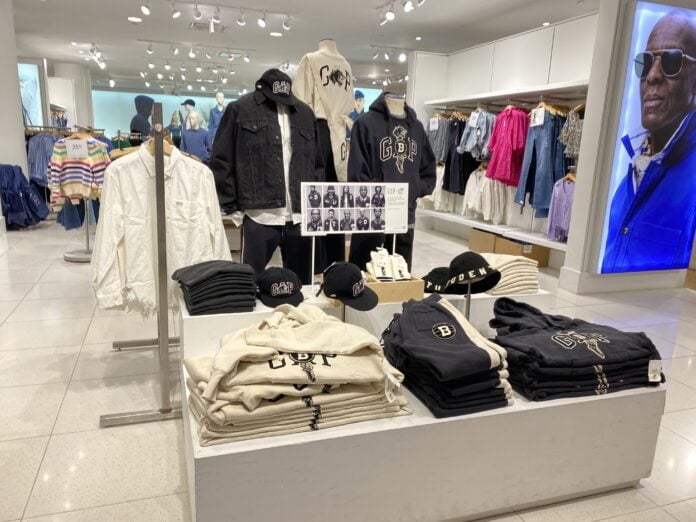
GAP at CF Toronto Eaton Centre (Image: Dustin Fuhs)
This year will be a return to normal for Canada’s retail apparel market, says a new report by Trendex North America, a marketing research and consulting firm.
The report is forecasting a 3.6 per cent increase in 2023 in retail apparel sales to $34.4 billion.
“It’s a return to normal. The growth that we’re going to see is reflective of what we saw pre-COVID and that will also include growth for the e-commerce market and the luxury market,” said Randy Harris, President and Owner of Trendex North America.
“The only thing that’s more interesting is that the second-hand or resale apparel market will grow the most and that will affect the luxury market to some degree. To what degree is hard to say at this point. But there’s no doubt that it is a very, very important sector that we never even talked about five years ago and now it is.
“I think the interesting thing from my perspective is again because I’m a contrarian, there were two things that did not happen in 2022. We did not see a spike in corporate bankruptcies. There were only three. One less than the year before. So all the gloom and doom about companies going out of business might happen especially in the weed business but certainly not in the apparel business.”
CF Toronto Eaton Centre (Image: Dustin Fuhs)
The Trendex report is forecasting apparel sales to rise 2.5 per cent to $35.2 billion in 2024 and by another 2.8 per cent to $36.2 billion in 2025.
“The other thing I felt was interesting is that there’s a lot of talk about inflationary pressures and the market. There is no such thing as inflationary pressure within the apparel segment. Last year, apparel prices went up 0.2 per cent. Now I believe that the overall rate of inflation was like six per cent plus. But our prices are not going up,” said Harris.
“That says something though. And that is a lot of discounting is going on in the marketplace for apparel and there is no indication yet that an overall higher rate of inflation in general is negatively affecting discretionary purchases like apparel. Not yet at least. I know inflation is a big deal in every article you read about Canada but it seems to have no effect on the Canadian apparel market based on the government’s own data.”
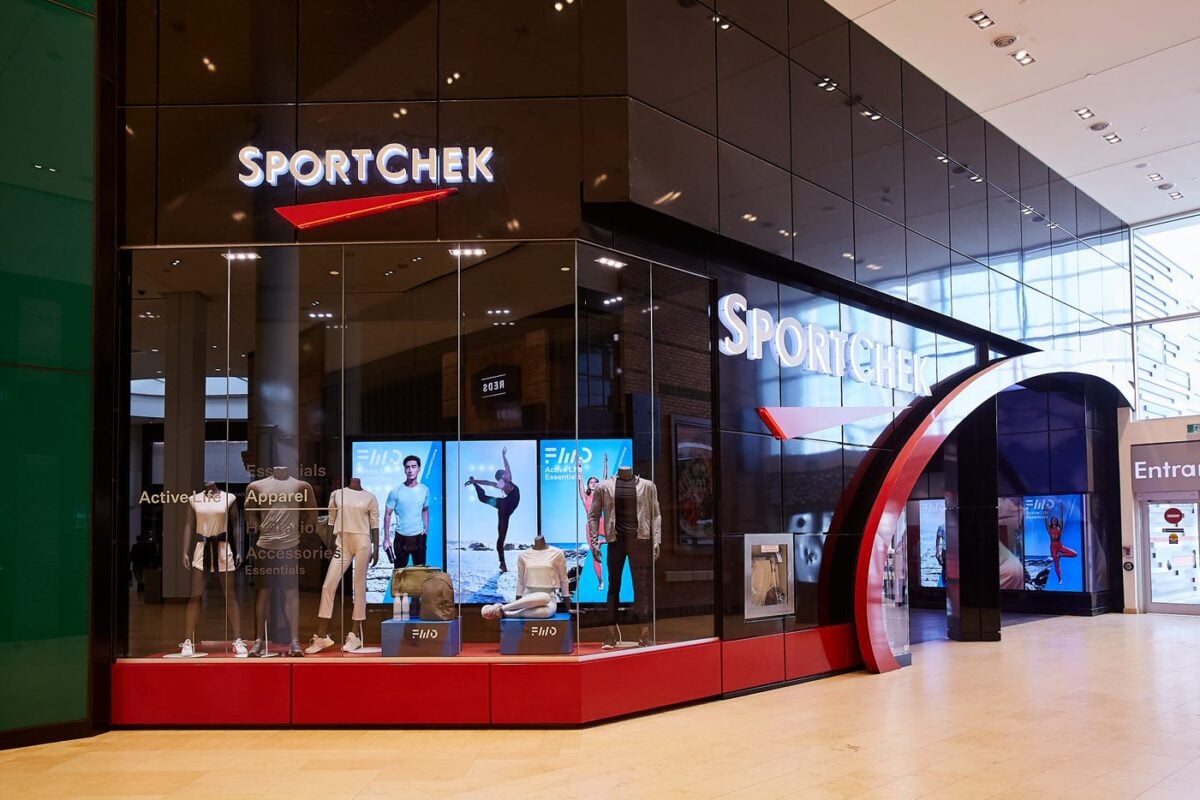
Forward With Design at SportChek (Image: Canadian Tire)
The Trendex report said there are two important unknowns: whether the country will experience a recession in 2023 and to what degree the rate of inflation will negatively affect Canadian’s discretionary purchases including those for apparel.
The Trendex forecast also found:
Apparel e-commerce sales will increase by 6.6 per cent. Holding down its growth will be an increase in the number of retailers eliminating free returns and the elimination of any remaining in-person shopping restrictions;
Luxury apparel sales will increase by 7.0 per cent. The increase will be driven by a number of factors including an increase in tourism;
Resale apparel sales will increase at a rate at least two times greater than that for the entire retail apparel market;
As inflation continues to negatively impact consumers discretionary purchases, both the fast fashion and off-price channels will gain share;
The incidence of buy now/pay later for apparel will increase to the point that instead of it being a competitive advantage if offered it will become a competitive disadvantage if it is not available;
Sustainability will finally become an important variable in the purchase decision especially among young female consumers (note: forget younger men, as they are a lost cause);
Gender fluid fashion sales will explode from a small sales base;
Retailers will continue to use/experiment with social media, which is becoming more expensive, in order to develop ongoing relationships with potential customers;
Direct to consumer brands will continue to open pop-up locations and retail stores in order to reduce the cost of customer acquisition;
Activewear’s sales will continue to decline as working from home will become a pleasant but distant memory;
To enhance its awareness in the United States, Aritzia will join lululemon and Gildan in listing its stock on a U.S. exchange;
Sport Chek will struggle, as a result of both an increase in the number of its direct competitor’s doors and a slowing in athletic apparel sales.
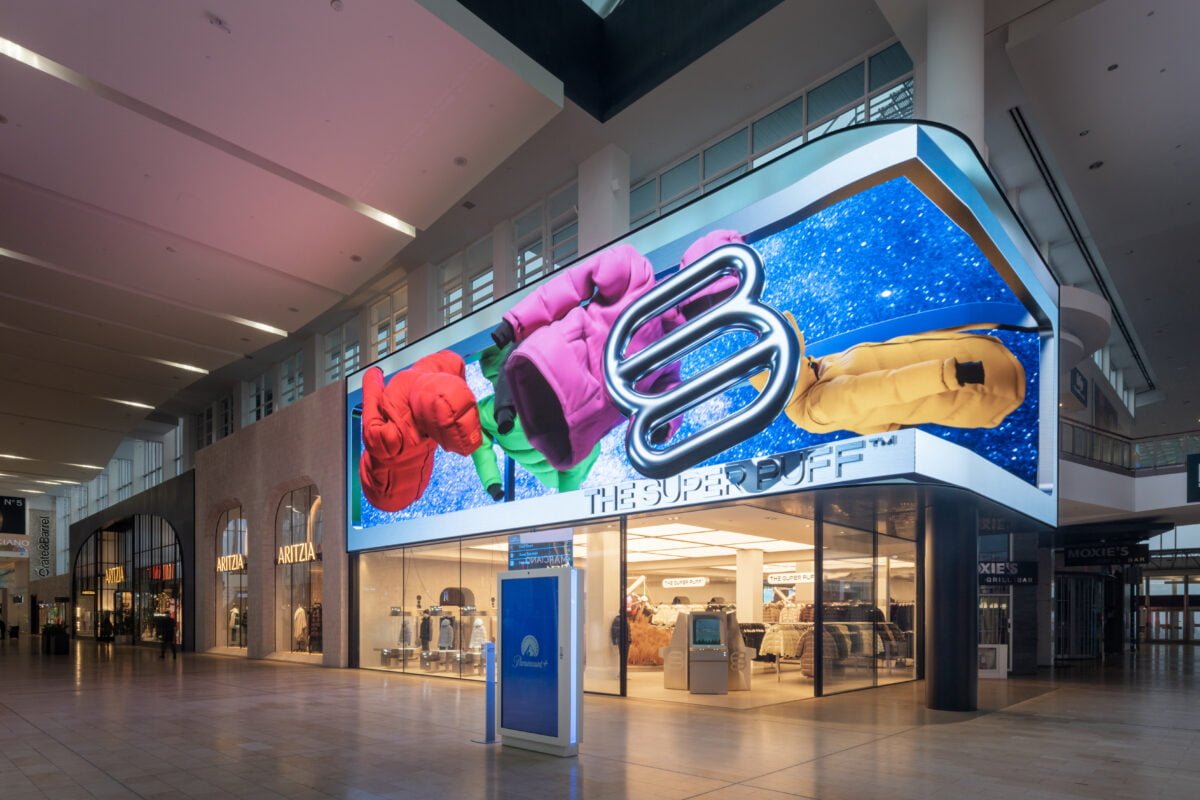
Aritzia Yorkdale (Image: Aritzia)
Harris said the market grew by 19.6 per cent in 2022 to $33.2 billion.
“A lot of that was frontloaded in the beginning of the year. But if you look for example at the most recent months, October apparel sales were up only 4.6 per cent. So we’re beginning now to compare apples and apples,” he said.
“By last October in 2021, we had been pretty much through all the COVID restrictions and retailing had begun to return to normal. So when we’re talking about the growth in the market it sounds like it was wonderful and it was at the beginning of the year but by the end of the year we settled into the normal three, four, five per cent growth rates and I expect by the end of the year December will be up about six per cent.
“What we have is a different market. So many of the things you read do not apply to the Canadian apparel market. Some do but a lot of them do not and certainly one is inflation and the other one is e-commerce is not growing that much at all and it’s going to probably get worse going forward because more and more retailers are going to start charging for returns.”
Calgary-based Anatolia Turkish Foods has embarked on an expansion strategy that will see the brand grow into other markets in Canada.
The concept by chef-entrepreneur Mahmut Elbasi began in 2005 with a location at the Crossroads (farmers’) Market. Today it has locations there and at the two Calgary Farmers’ Markets (in the north and south parts of the city) as well as a restaurant in the heart of downtown Calgary and its recently-opened flagship restaurant and specialty store in the TransCanada Centre in northeast Calgary.
The TransCanada location is about 5,300 square feet and is an ethnic food store/restaurant combination, featuring an expanded offering of imported specialty food and retail items as well as the Turkish cuisine the brand is known for.
“We are looking at three more locations in Calgary. We visited a couple of months ago Vancouver, a couple of places. And Edmonton,” said Elbasi.
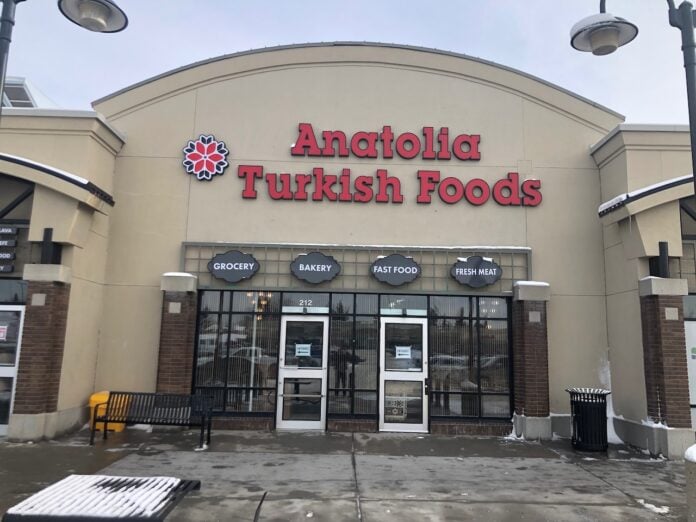
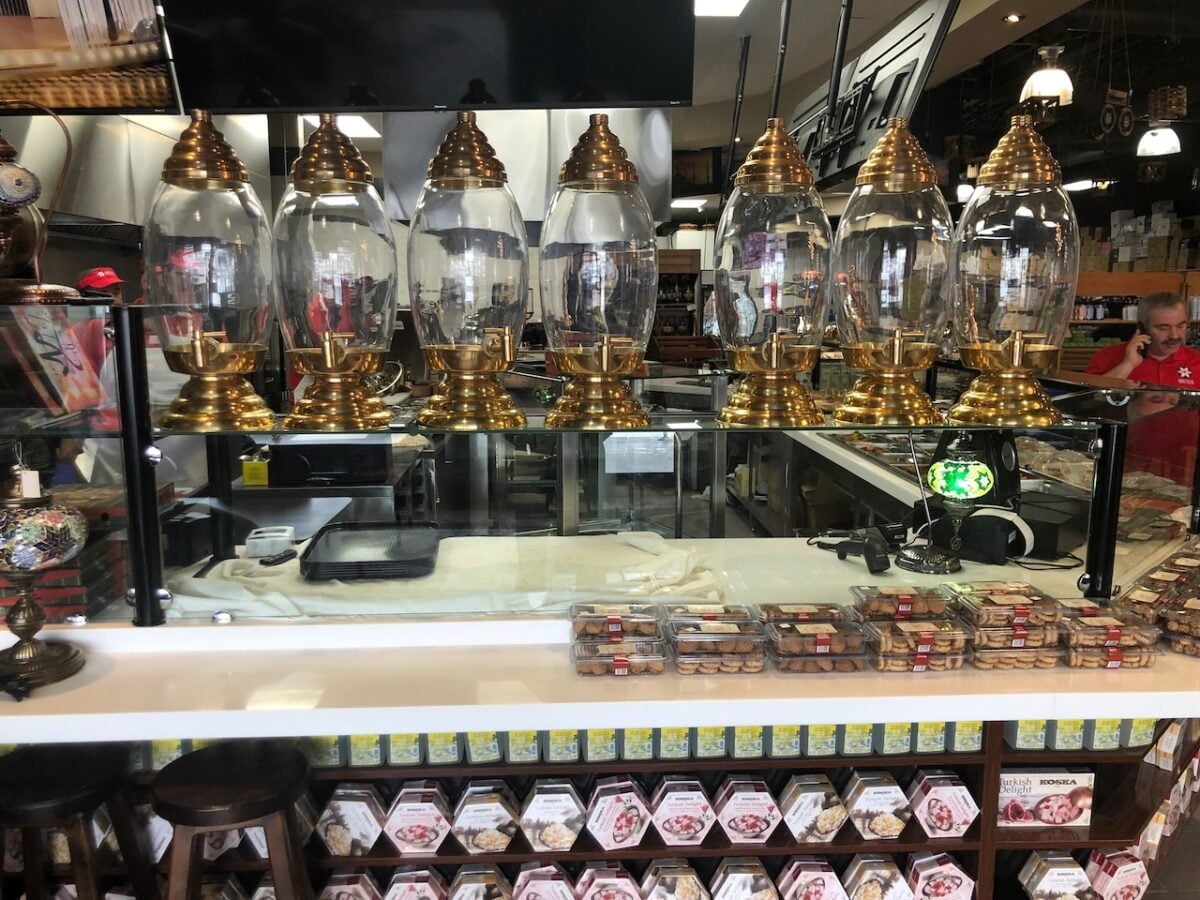
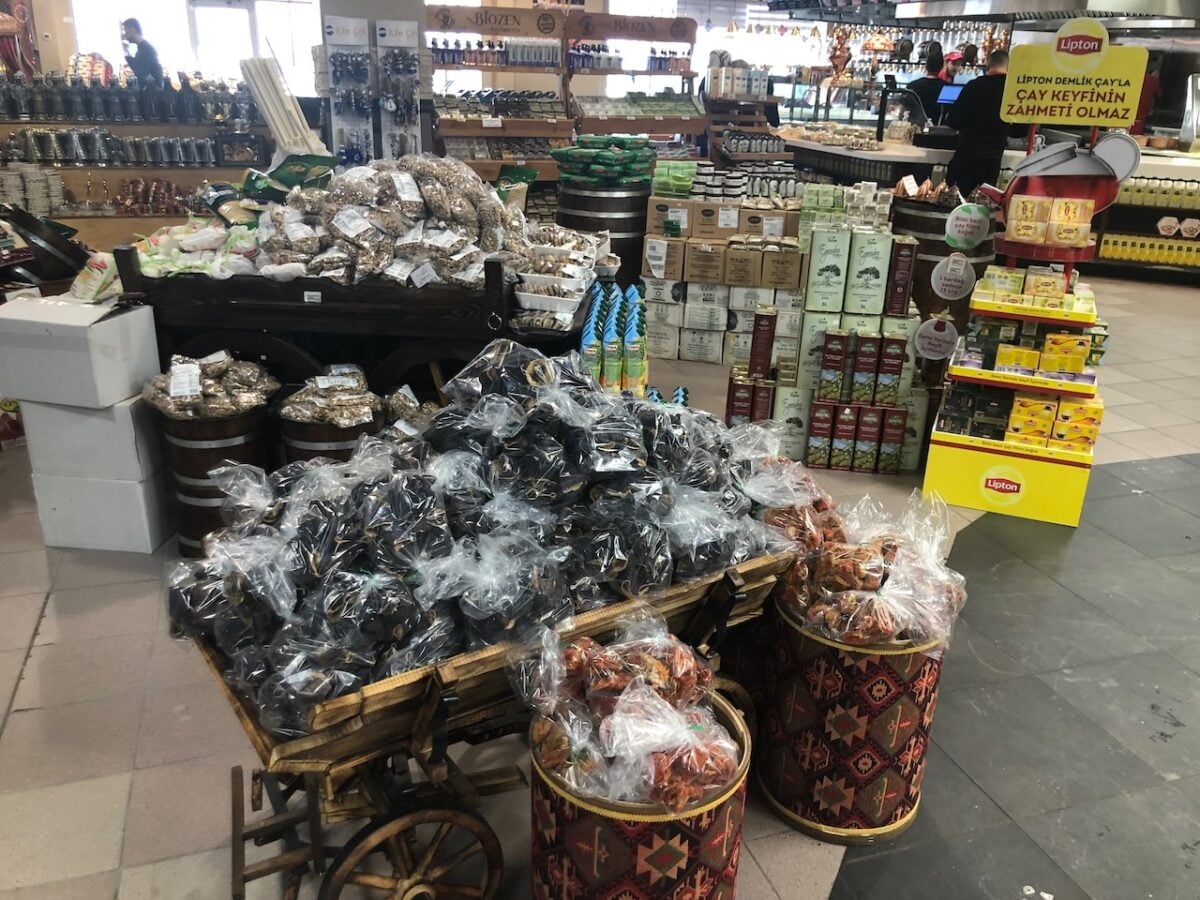
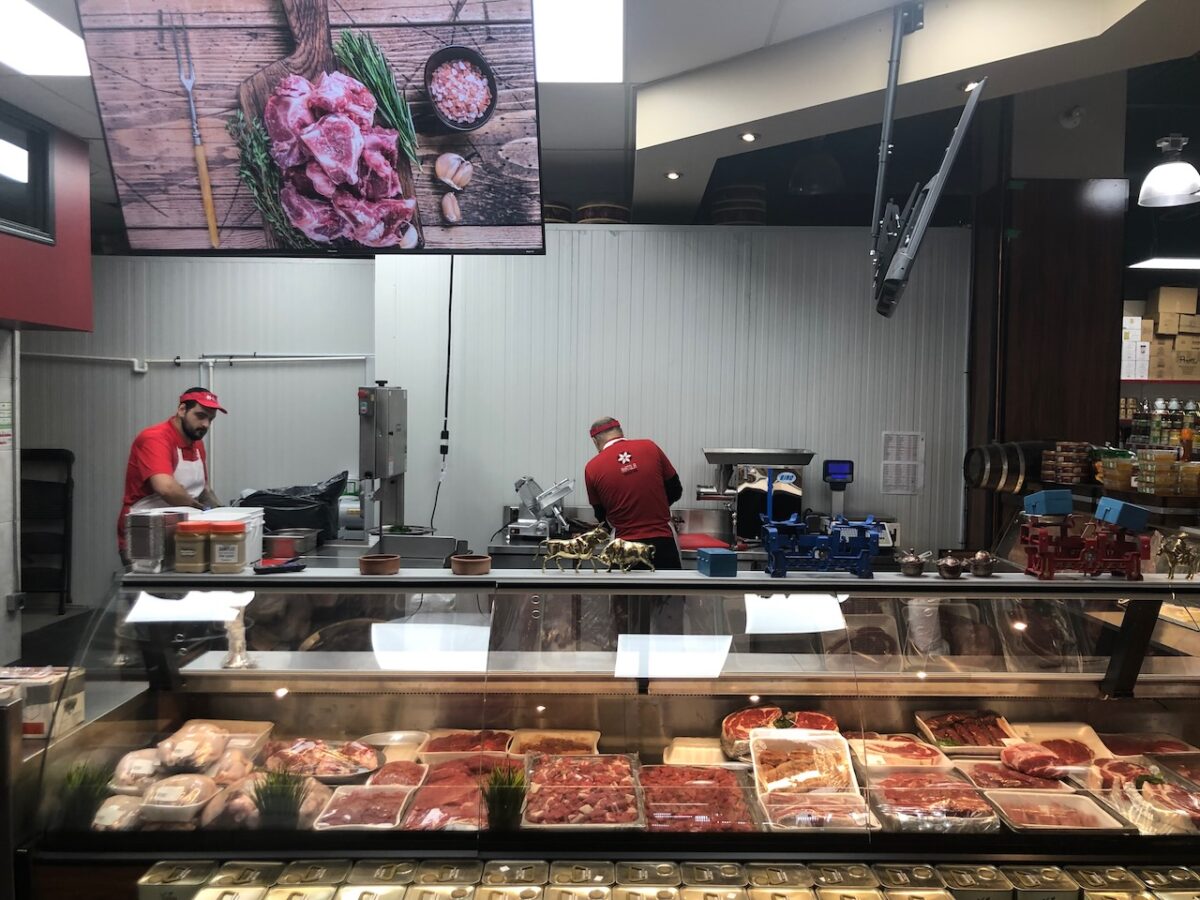
Anatolia Turkish Food (Image: Mario Toneguzzi)
The company, which also has a wholesale business, is also looking at the Toronto market for growth.
Fairfield Commercial Real Estate in Calgary has been retained as the exclusive leasing representative for Anatolia Turkish Foods.
“In the restaurant business, you have to be patient,” said Elbasi.
“The second thing to be effective, I think if I was not a chef I think it would fail. My wife and I we work together a lot. At the beginning we were selling a six-seven dollar plate of food which was like for nothing. But we kept going for five or six years. People needed to get a very good experience.
“Also, lots of people are visiting Turkey and they taste the food there. They come and ask us if we have this food or that food.”
He added prices for the food items on their menu have gone up since when he started but they are still much less expensive than what they could be. Customers are also attracted to the fact the business is family-operated.
Anatolia Turkish Food (Image: Mario Toneguzzi)
Anatolia is a region of Turkey where Elbasi came from. He worked there initially in the food industry as a dishwasher and moved his way up to being a chef. Many of the recipes at the different Anatolia Calgary establishments are traditional ones from that region.
When he moved to Calgary about 22 years ago he was hired by a local Turkish restaurant, Istanbul, as a chef. From there, Elbasi decided to go on his own and opened up his first location in the Crossroads Market with plans now to grow the concept in other major markets in Canada.
The firm offers a unique concept of authentic European – Turkish cuisine that features halal meat options, as well as a variety of fresh menu items for vegan and vegetarian patrons.
Anatolia is carving out its own niche within the Canadian food service industry and is embarking on a multi-format expansion program with its regional operating partners in greater Vancouver, Calgary, Edmonton, and the greater Toronto markets.
Anatolia Turkish Food (Image: Mario Toneguzzi)Anatolia Turkish Food (Image: Mario Toneguzzi)
According to Fairfield Commercial Real Estate, the company has the following, immediate food services space requirements:
Casual Mediterranean dining restaurants 2,000 – 2,500 square feet in Burnaby, Langley, South Surrey and the greater Toronto market;
Ethnic food store / restaurant combo 5,000 – 6,000 square feet in southwest Calgary and northwest Edmonton; and
Food Halls in mixed-use urban projects and regional shopping centre food courts 450 – 600 square feet in the Calgary market.
Retail Insider is streamlining its Canadian retail news from around the web to include a handful of top news stories that can be viewed quickly during the day. Here are the top stories from the past 24 hours.
Crombie, Executive Managing Director, Retail Services Canada, Cushman & Wakefield, was speaking at a session entitled “A Look at How Trends Today Are Shaping the Future of Retail.”
Crombie has identified the following six retail trends the industry and consumers should watch out for in 2023:
Although we expect to see slight declines in retail sales over the next few years, the Canadian consumer currently remains resilient despite higher interest rates and continues to spend;
Omni-channel is the future of retail whereby retailers will invest in both physical stores and e-commerce to best service its customers on multiple platforms. Also, more retailers will explore and potentially operate in the Metaverse to gain a larger customer base for selling product;
Expect landlords and retailers to both employ greater utilization and investments into technology to better service consumers and drive operational efficiencies;
The retail real estate market is tracking less new construction projects over the next few years, as compared to historic levels, which will likely put upward pressure on rental rates on existing product;
Although we continue to see closures of the traditional department store, expect to see the revival of experiential retail along with more food offerings, services and entertainment venues in our shopping malls which will drive greater customer traffic; and
The suburban retail markets remain strong as consumers support their local retail establishments. However urban retail will continue to struggle until we see a significant return of workers back into the office.
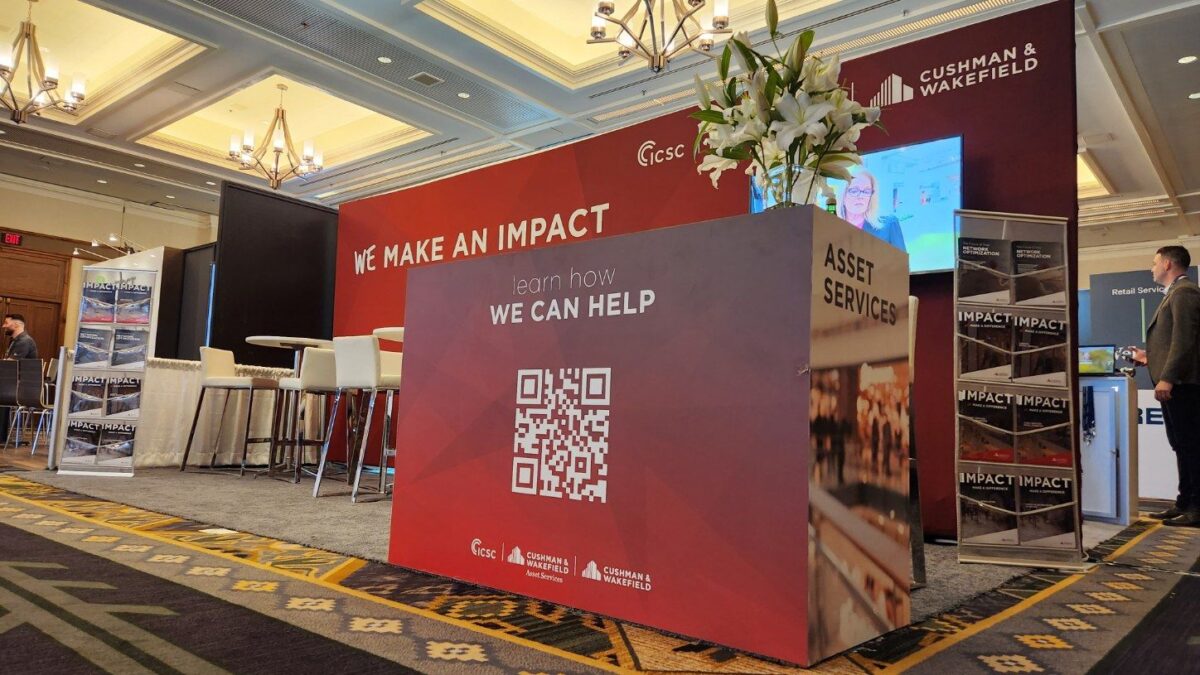
Cushman & Wakefield at ICSC Whistler 2023
Crombie said the Canadian consumer remains resilient.
John Crombie
“In 2022, we were still spending well above 2019, pre-pandemic. So people are pulling out their wallets,” he said. “Holiday spending seemed to be the same as it was the previous year. We are seeing a bit of dip in restaurant spending coming in the new year which is probably not necessarily unexpected.
“I think we’ve been doing well there. That said, we had a huge bounce back in retail spending, retail sales, in 2021 and it’s definitely going to be a little more muted in 2023 but still positive. Projections we had from Moody’s is that year-end 2022 will be 1.8 per cent in terms of sales. Still positive which is good.
“I think retailers have gone through the worst of it through the pandemic. And come recession, it’s taking forever, if any of the real estate assets could survive this better it will be retail because in 2021 and part of 2020 when you’re closed and you’re not making any revenues you had to make some tough decisions. We saw huge levels of store closures. We saw a lot of retailers calling out underperforming sites and so they’ve kind of done a lot of the stuff that traditional companies would do in a recessionary time. Now most retailers and most landlords are in a better position.
“That said, there’s hot spots and not-hot spots. I talk about the suburban market which we continue to see quite strong. And downtown, still with 30 per cent less people in the downtown core that’s affecting the urban retail. So you’ve got a bit of dichotomy happening there.”
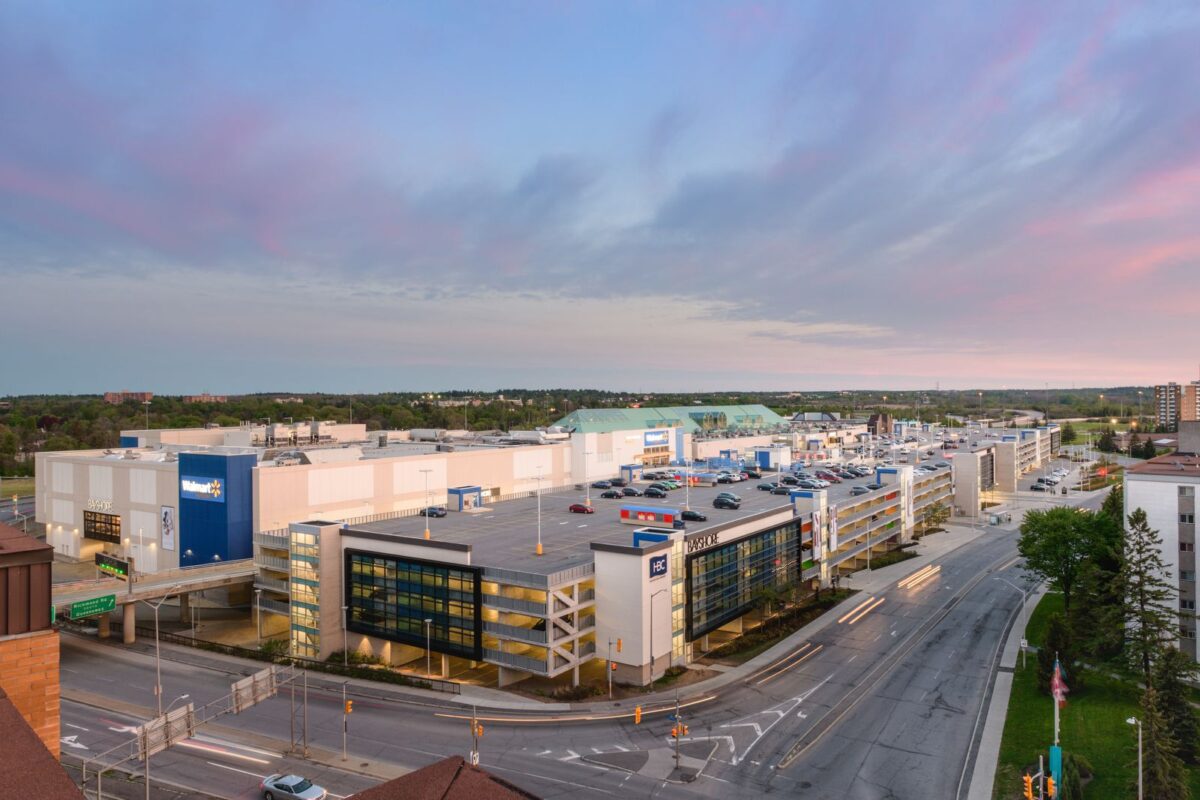
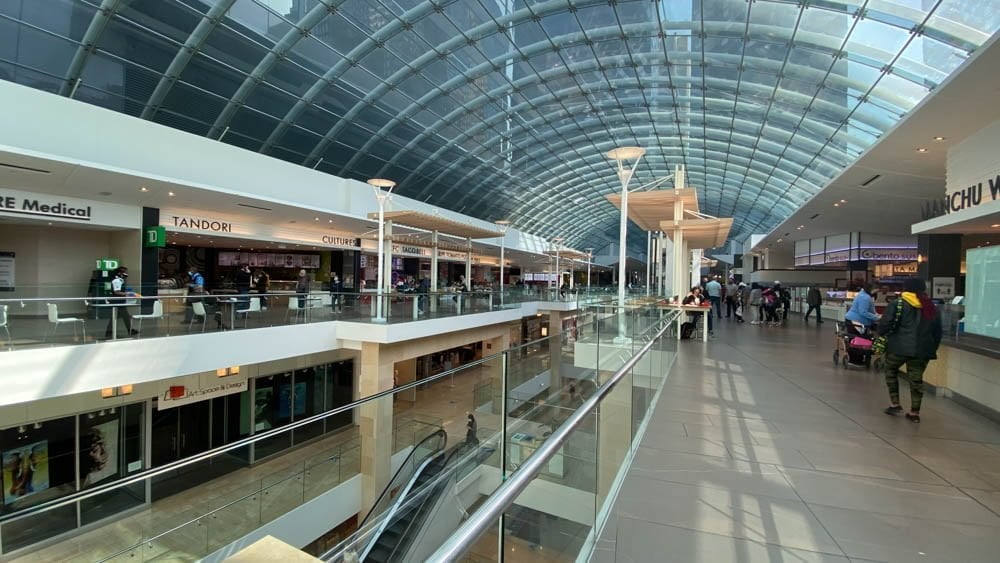
Photo: Bayshore Shopping CentreFood Court on the fourth level of The CORE in Calgary. Photo: Jessica Finch
Crombie said he feels bullish about the retail industry.
“It’s just natural that our sales are coming down to a more normalized level,” he said. “We’re definitely seeing pretty little inventory coming on and there’s always a natural growth in population, there’s a natural growth in retail spend, and with very little new inventory coming on there, existing product is going to maintain its value and I think retailers won’t have the opportunity to expand as much because there’s not that new development, not that new shiny tenant. I think that’s going to bolster net rents and everything else.
“We’re definitely seeing less retailers expanding these days but a lot of them dipped into their capital reserves to survive the pandemic. It’s more about the quality of the location than the quantity of the locations. As a retailer, if you weren’t expanding you weren’t a retailer. I say that in jest but they were growing for growing sake. But now I’m seeing more discipline in terms of where they want to be and why they want to be there. So they’re looking at the quality of the locations rather than just ‘I need 10 more sites. I’d rather get five good ones or three good ones’. There’s definitely more of a discipline in the market and we’ll see that going forward for sure.”
Video Interview: What Matters To Today's Consumer in Canada
Vinayak Madappa, Strategic Advisory Partner, Consumer Products, Retail and Distribution for Capgemini, discusses the new What Matters to Today’s Consumer report.
Madappa talks about how consumers are looking for discounts and value, their concerns about their finances, how they are making fewer impulse buys and how they expect big companies to do good in society.
The Video Interview Series by Retail Insider is available on YouTube.
Connect with Mario Toneguzzi, a veteran of the media industry for more than 40 years and named in 2021 a Top Ten Business Journalist in the world and the only Canadian – to learn how you can tell your story, share your message and amplify it to a wide audience. He is Senior News Editor with Retail Insider and owner of Mario Toneguzzi Communications Inc. and can be reached at mdtoneguzzi@gmail.com.
Also check out the other series offered by Retail Insider, including The Weekly podcast and The Interview Series, which are both available on Apple Podcasts, Stitcher, TuneIn, Google Podcasts, or through our dedicated RSS feed for Simplecast and other podcast players.
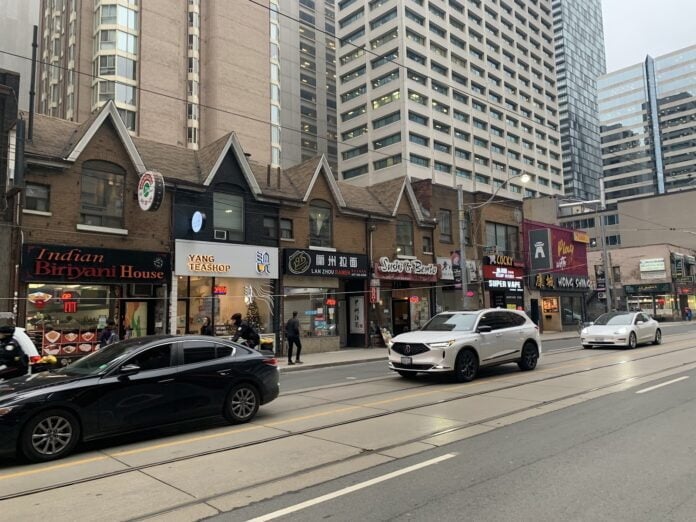
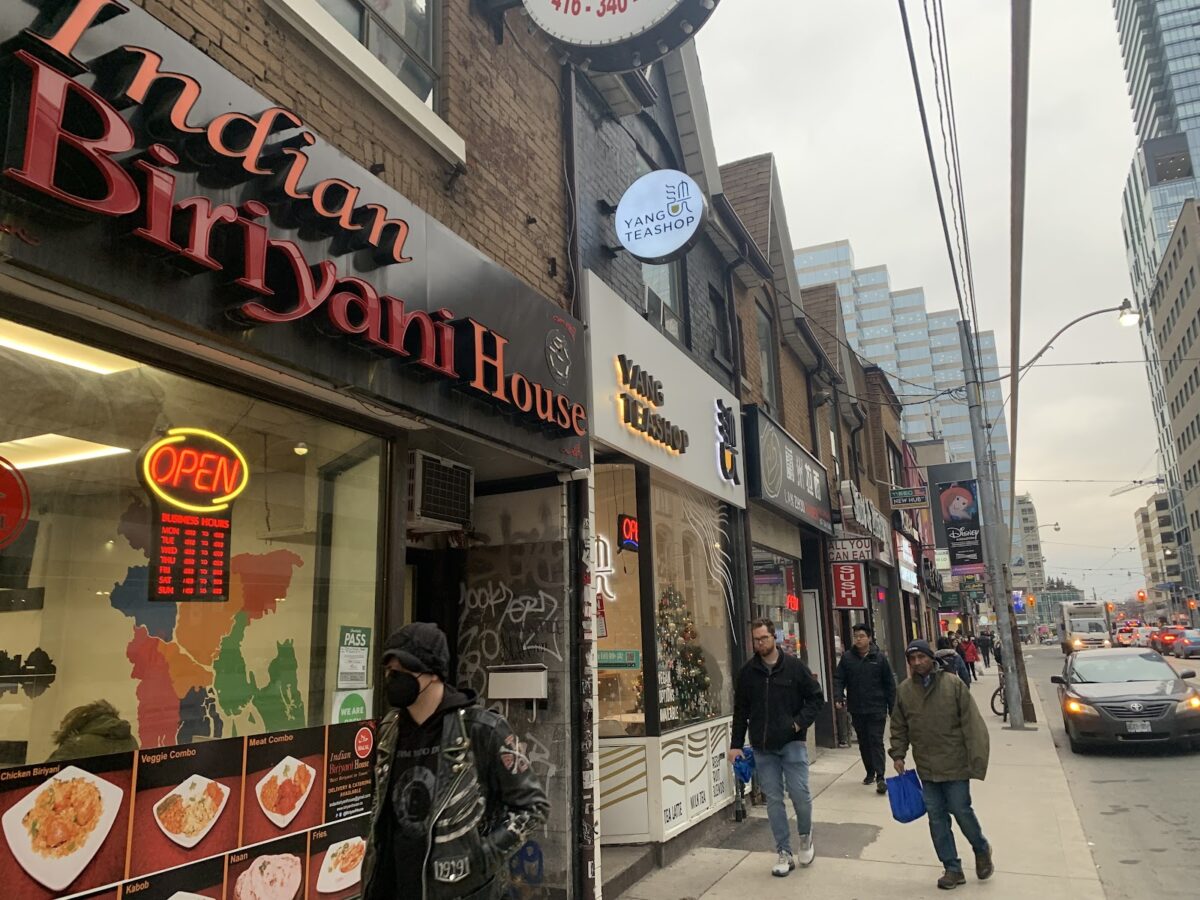
181-195 Dundas Street West, the row of restaurants potentially slated for demolition. (Image: Zaid Kaddoura)
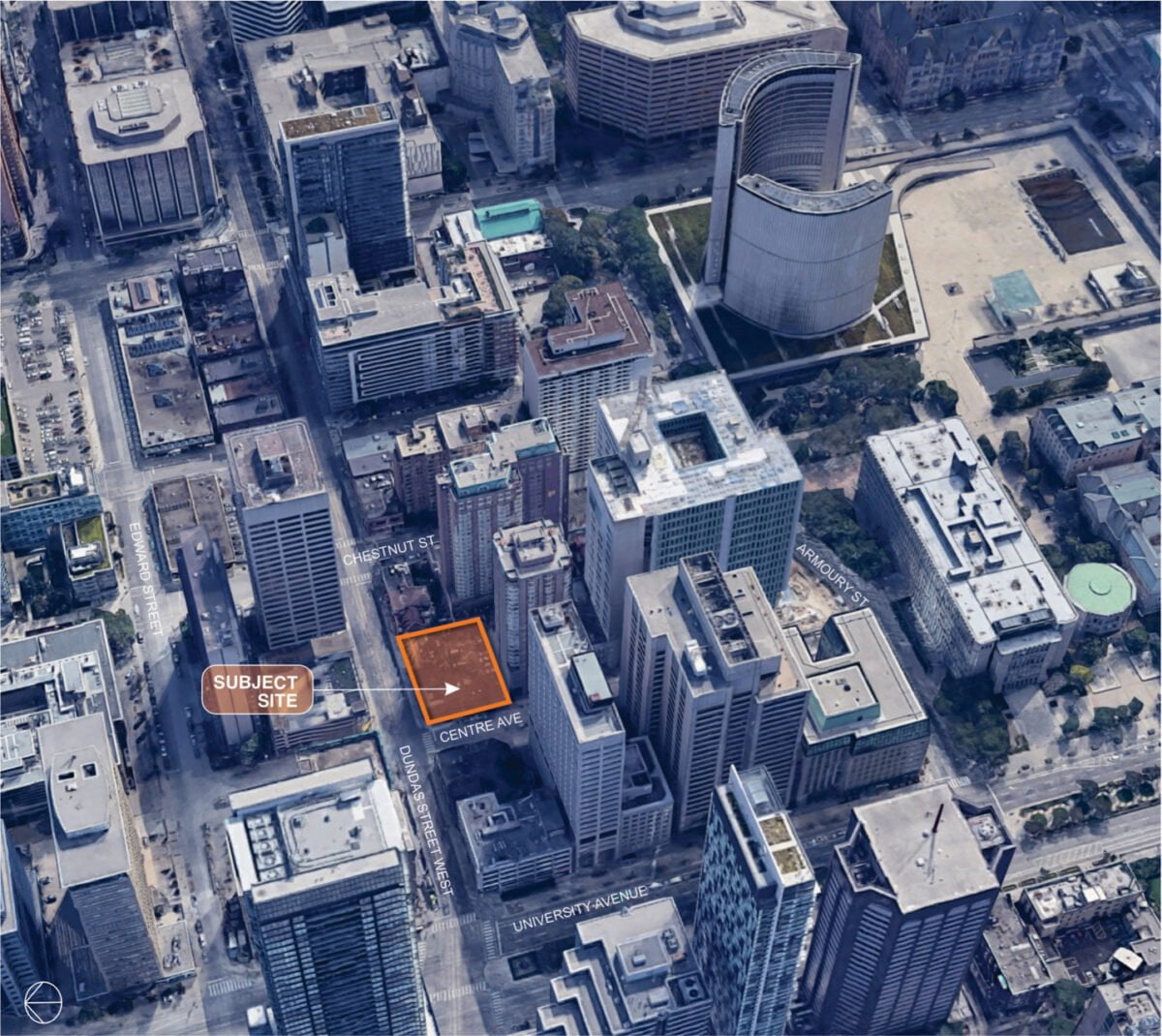
A rezoning application on Dundas Street West in downtown Toronto threatens to demolish an entire block of decades-old restaurants to make way for a mixed-use, high density condominium tower.
The application was submitted by Dundas Centre Holdings Ltd., and plans to demolish a row of restaurants, from Centre Avenue on the West to Chestnut Street on the East (181-195 Dundas Street West).
Restaurater Syed Rahman, owner of Indian Biriyani House, said his restaurant has been open for 16 years and counting, but that could soon come to an end.
“When I heard about the demolition, I was very shocked and upset,” he said in an interview over the phone.
Indian Biriyani House (Image: Zaid Kaddoura)
Rahman said his restaurant brings life to Dundas Street West. He estimates the block’s restaurants collectively bring in more than a hundred people daily, and that’s on a slow day.
“Our customers are business people, university students, cab drivers and more. Without us, where are they going to go?” he said.
He added many of the other surrounding restaurants, like those on University Avenue, are too expensive for his regulars to visit if the demolition goes through. And like his customers, Rahman believes he and his neighbours will have nowhere else to go. This means they’ll be forced to close their doors – permanently.
“But this restaurant is my family’s only source of income,” he said.
Joseph Chung, assistant manager of Dundas Centre Holdings Ltd., said his family business is struggling, too. He said he understands what his tenants are going through and has their interests at heart.
“COVID hit our clients hard, so we only charged them half of their rent. We’re a small business, so we have more leeway than those giant corporations,” he said in an interview over the phone.
Chung said the row of restaurants are costing him too much and not making enough. In addition, he mentioned his business pays more than $80,000 in taxes annually on a parking lot attached to the block. He believes a mixed-use condo would not only give the business an opportunity to demolish the parking lot, but would also increase revenue.
“As small-time landlords, we have to balance our tenants’ dreams and livelihoods with our own,” he said.
A preliminary rendering of the city block potentially slated for demolition. (Courtesy: Scott Shields Architects)
The greater good?
In addition to alleviating financial pressures on his company, Chung also hopes the condo will help ease Toronto’s housing crisis.
“We’re trying to establish high-density housing, like what we see in Hong Kong,” he said.
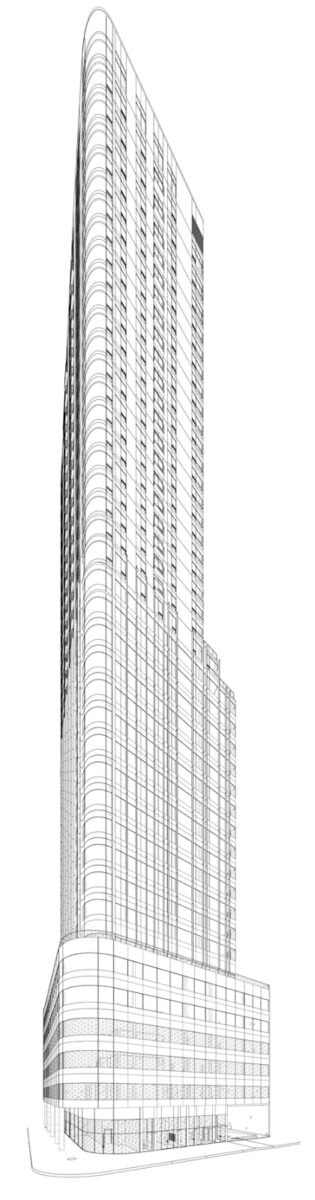
A preliminary rendering of the proposed mixed-use, 41-storey condo. (Courtesy: Scott Shields Architects)
Deborah Scott, of Scott Shields Architects, is part of the project. She believes the future condo’s location – a five minute walk from Yonge-Dundas station and a two minute walk from St. Patrick station – means it has the potential to serve thousands of TTC commuters.
“It’s about keeping up with the city’s evolution,” she said in an interview over the phone.
Chung said his organization filed the rezoning application in part because they believe the land could be better used.
“Toronto doesn’t want parking spaces. They want development,” he said.
Scott also believes the condo tower can meet Toronto’s housing needs without sacrificing the street’s commercial potential.
“In New York City, even though the ground floors are so busy, you see lots of restaurants on the second or third floor,” she said.
And Chung added he’s willing to help his tenants secure a spot in the future condo.
“Some of these tenants have been with us for 30 years. We work closely with them,” he said.
Despite this, some of his tenants doubt the condo can maintain the street’s restaurant-heavy retail makeup.
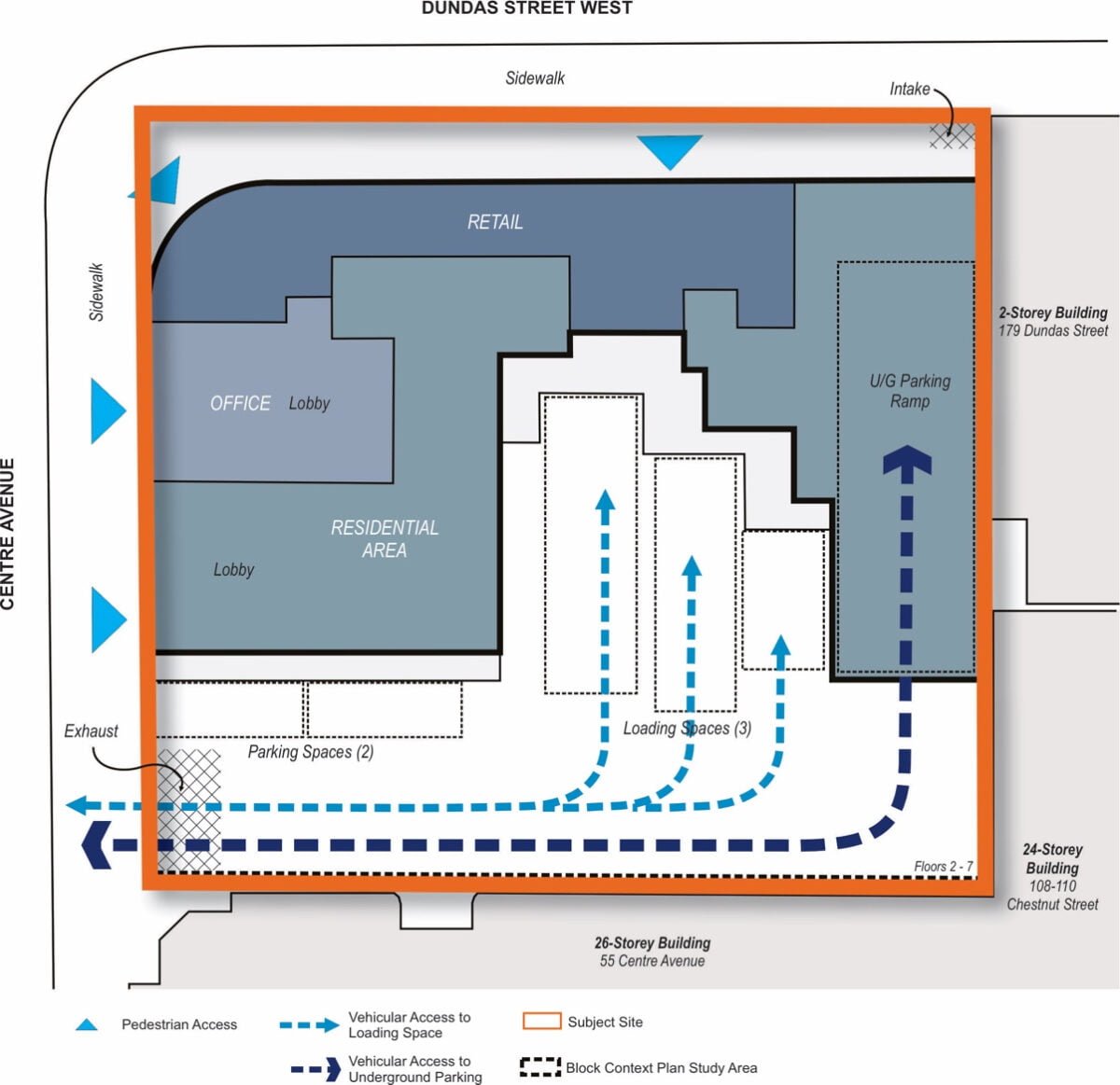
As part of the application, 129.54 square metres (1,400 square feet) of floor space would be allocated for retail. Of that, 72.46 square metres (780 square feet) of this would be placed on the corner of Dundas Street West and Centre Avenue, with the remaining 57.08 square metres (615 square feet) being located further East along Dundas Street.
A preliminary layout of the proposed condo’s ground floor. (Courtesy: Scott Shields Architects)
Rahman anticipates that despite his landlord’s best intentions, the kinds of affordable restaurants characterizing this block of Dundas Street West will be able to afford rent in a new condo podium.
“The students and cab drivers can’t go to these restaurants in the condo towers. And the streets will be empty,” he said.
Timeline? To Be Determined…
Scott estimates the demolition will not be complete for another decade, let alone the construction of the condo.
“At the end of the day, this is all just long-term planning,” she said.
Despite already filing an application with the city in September, Chung said the condo’s details are still tentative.
“For the time being, we’re considering closing down the parking space and turning it into a night market,” he noted.
Despite how far into the future the potential demolition is, Rahman, and his neighbours, are still anxious.
“There is no amount of compensation or consolation that can make up for the loss of my only restaurant,” he said.
Retail Insider is streamlining its Canadian retail news from around the web to include a handful of top news stories that can be viewed quickly during the day. Here are the top stories from the past 24 hours.
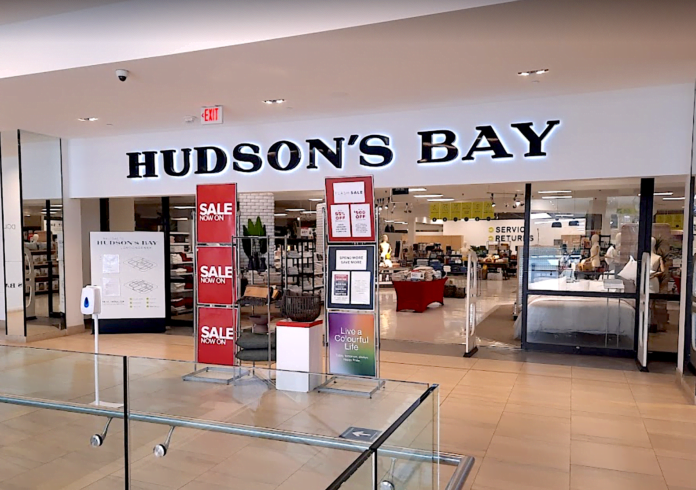
Hudson's Bay Londonderry Mall in Edmonton. Photo: Enrique Zenteno
*UPDATE* Hudson’s Bay made the decision in 2023 to keep this store open, albeit in a smaller format and as an outlet concept store. The article below is based on information provided to Retail Insider by Hudson’s Bay at press time.
*****
The Hudson’s Bay department store at Londonderry Mall in Edmonton is closing in August of this year. The store has operated for more than 50 years and was one of the mall’s original tenants.
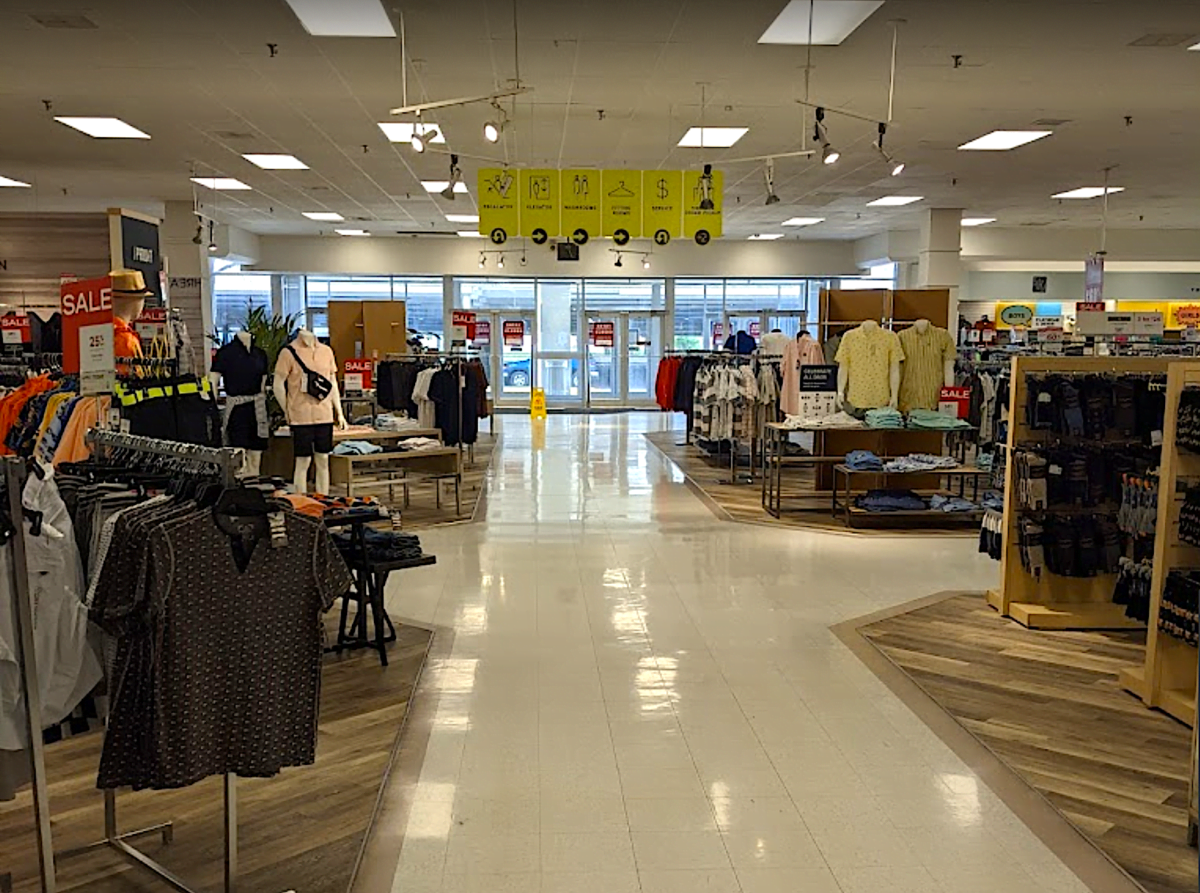
The 118,000 square foot store has struggled to attract shoppers in the renovated Northeast Edmonton shopping centre — the Hudson’s Bay store hasn’t seen substantial renovations in years other than some minor cosmetic upgrades and a retail downsizing.
Landlord Cushman & Wakefield confirmed the store’s closure and issued a statement for Retail Insider:
“We are disappointed in The Bay’s decision to close its location at Londonderry Mall, however, we are excited about the opportunities this brings to the shopping centre. This is a prime location at the site and we look forward to continuing to work on redevelopment and re-leasing efforts to enhance Londonderry’s offerings to its customers and community.”
Londonderry Mall is owned by Montez Corporation and managed by Cushman & Wakefield.
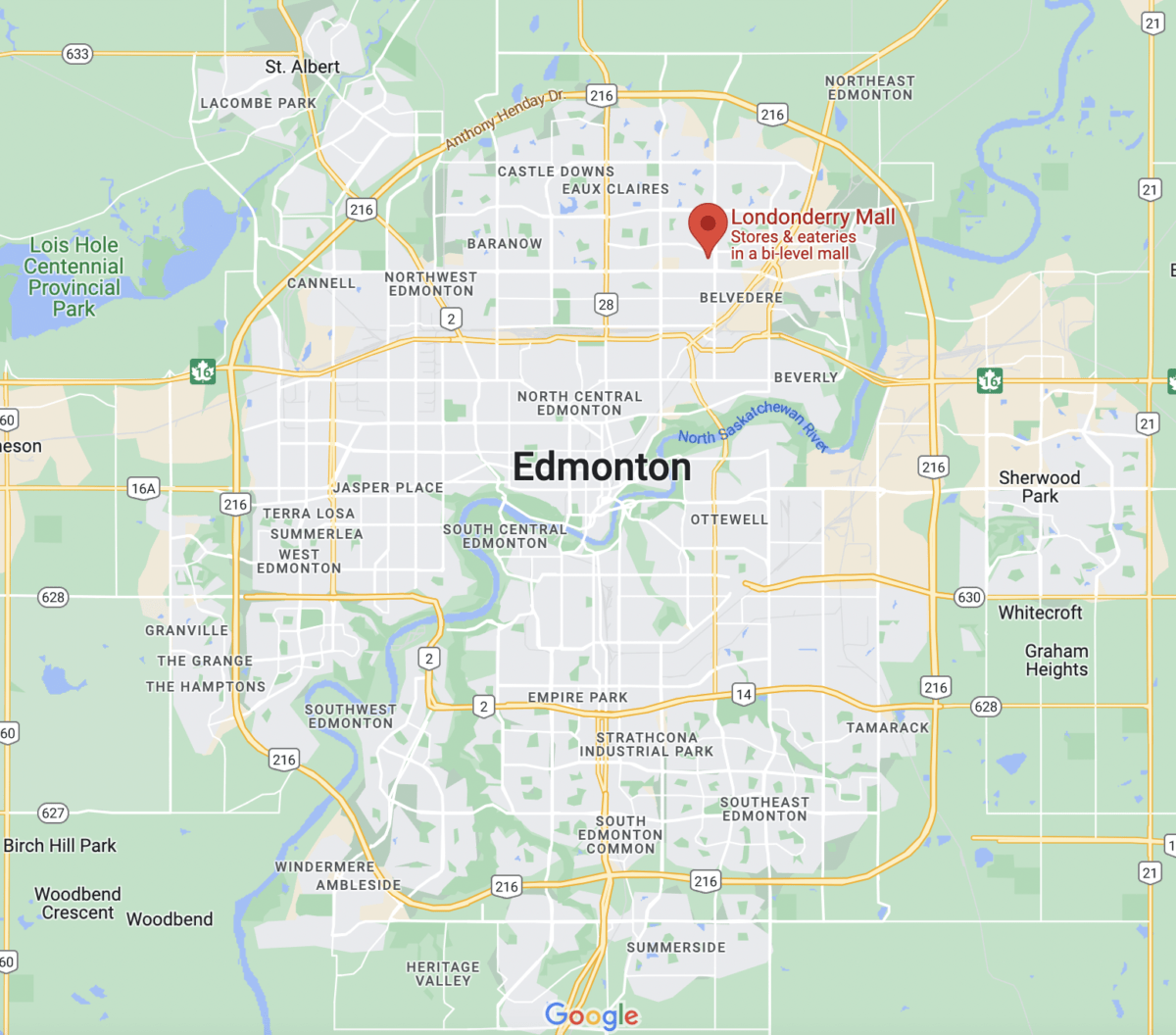
Click image for interactive Google Map
The Bay provided a statement for Retail Insider for this article. “After careful consideration, Hudson’s Bay has made the decision to close its Londonderry Mall location in August 2023. Hudson’s Bay will continue to serve the communities with a seamless omnichannel experience at our four other Edmonton locations and through thebay.com. While these decisions are difficult they are the right ones for our business, reflecting market changes and our vision for the future. We are committed to treating every associate with respect and fairness through this process, and transfer opportunities will be explored where feasible.”
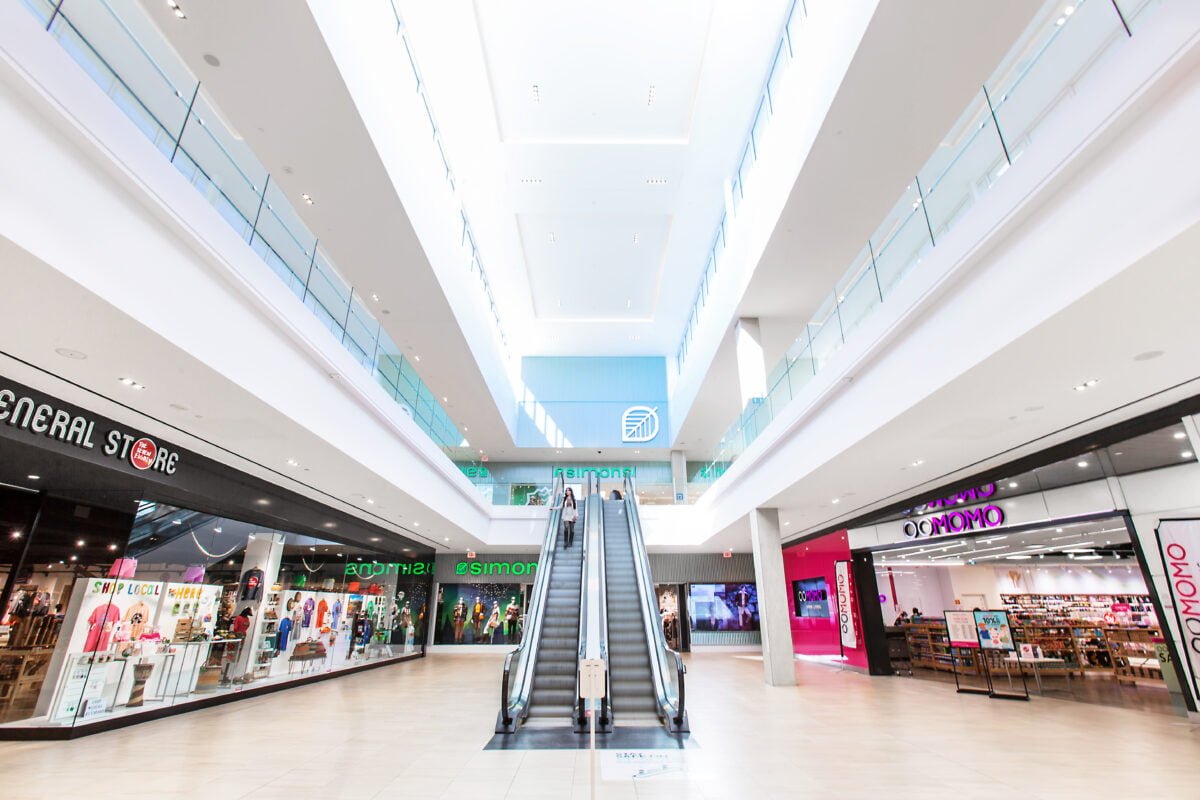
Londonderry Mall underwent a $130 million transformation that was completed in 2016. That included a full renovation to the shopping centre property that added a La Maison Simons store in 2017. Several retailers have come and gone since then — a large Army & Navy store shut years ago and in 2019, H&M opened a store in the mall near La Maison Simons.
Prior to the renovation in 2015, a consulting group was analyzing sales at Londonderry and found that the Hudson’s Bay store had sales of about $11 million annually — the mall’s Shoppers Drug Mart was seeing sales of about $12 million at the time, which were about the same as the Winners store in the mall prior to its relocation to a larger space. Given the size of the Hudson’s Bay store, its sales at the time were only about $93 a square foot.
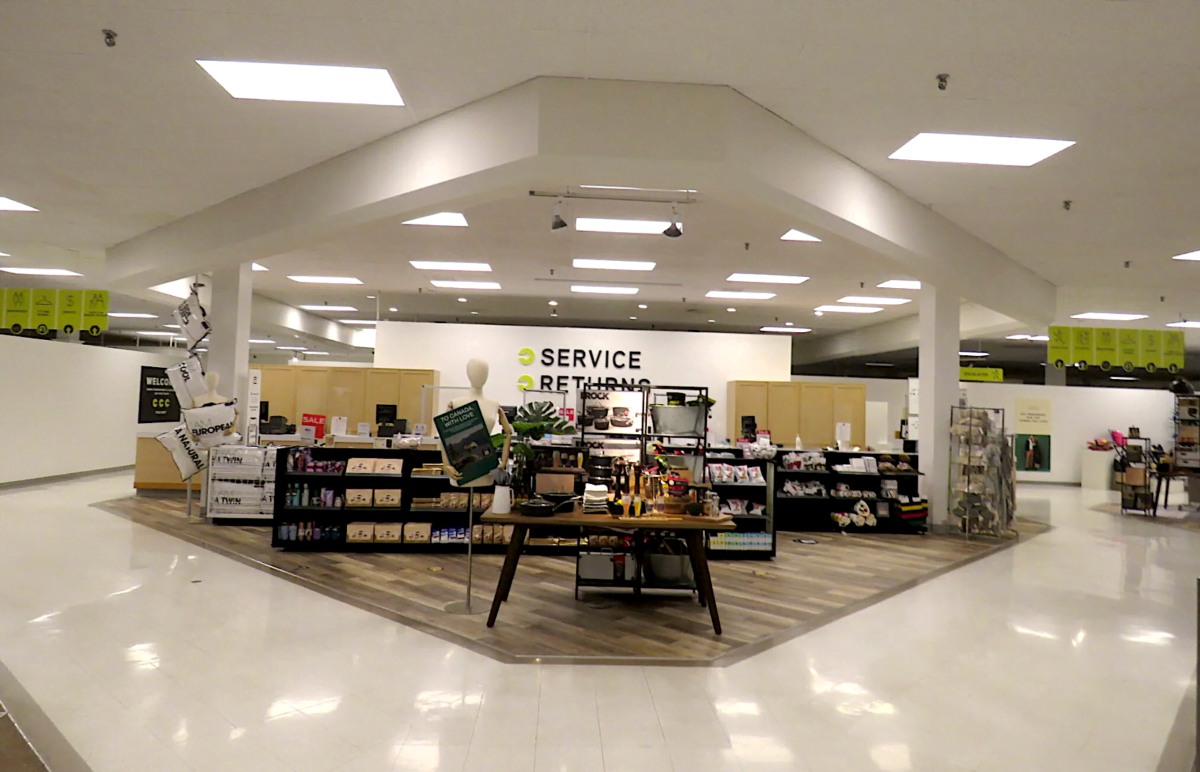
The Londonderry Hudson’s Bay was downsized during the pandemic and its configuration was modified. That included adding a central check-out on each floor as opposed to counters in individual departments. At the time of the changes, some Edmontonians had reached out to Retail Insider asking if the store would remain open as it appeared that the changes were part of a downgrade for the retail location.
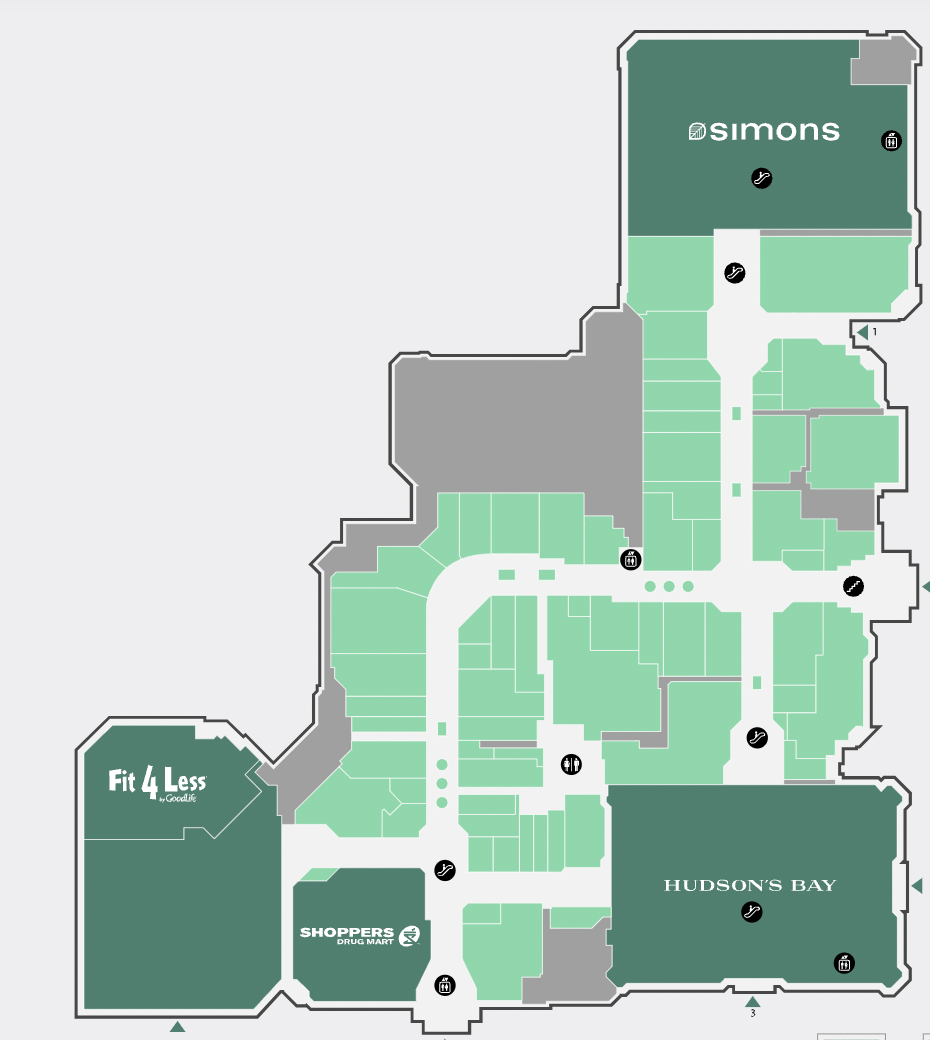
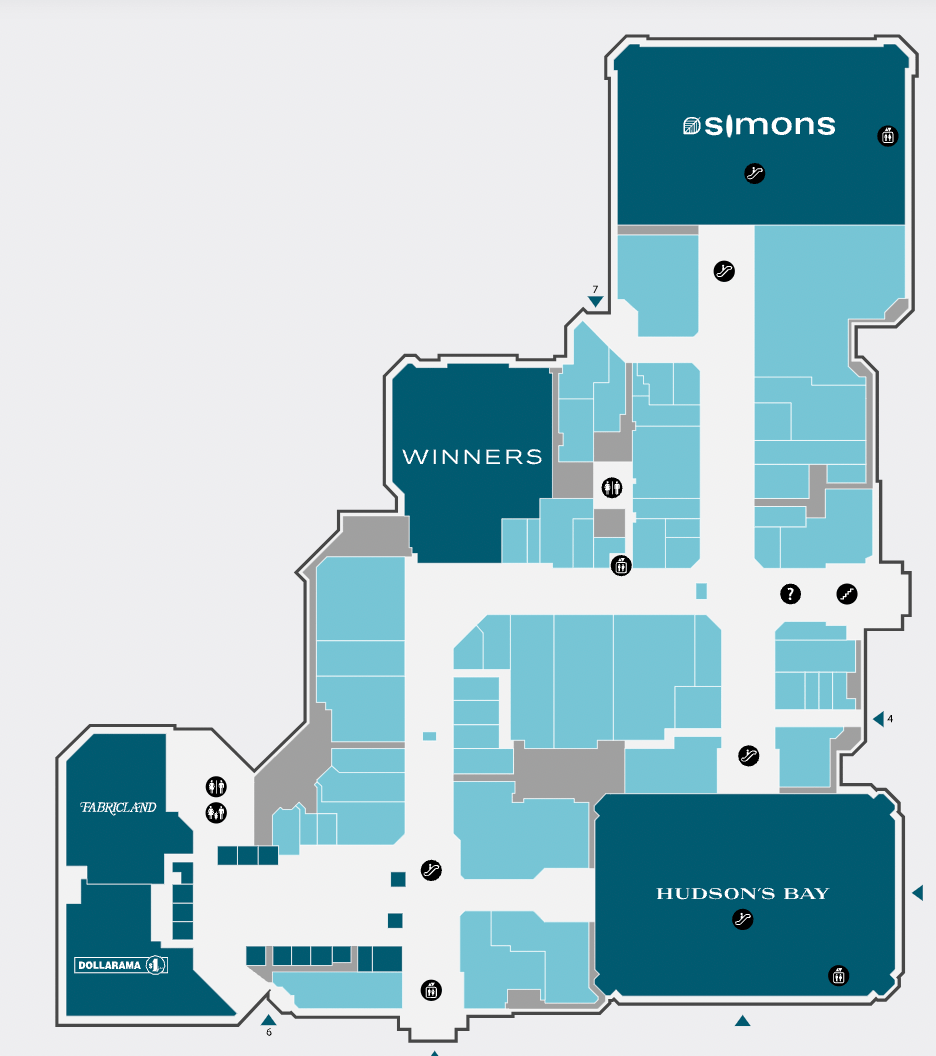
Level 1 of Londonderry, image via mall website. Level 2 of Londonderry, image via mall website.
When it opened in 1972, Londonderry was Canada’s largest mall west of Toronto, and the only two-level mall in Western Canada. The then 85 store mall was anchored by Eaton’s, The Bay, Woolco, Safeway, and a movie theatre. In 1984, the mall added 65 additional stores and services.
The now 777,000 square foot two-level Londonderry Mall currently houses about 140 retailers with larger anchors including a 100,000 square foot La Maison Simons, the soon-to-close Hudson’s Bay, and last month we reported that a 38,000 square foot No Frills grocery store would be replacing a shuttered Save-on-Foods location. Winners now occupies over 27,000 square feet in the mall.
Prior to the Pandemic, Hudson’s Bay had six stores in the Edmonton area. The downtown Edmonton Hudson’s Bay store shuttered in 2021 and with the closure of the Londonderry store, Hudson’s Bay will soon have just four large-format department stores in the region. That includes stores at Southgate Centre, Kingsway Mall, West Edmonton Mall and St. Albert Centre in the nearby city of St. Albert.
Central check-out at the downsized Londonderry Mall Hudson’s Bay store in 2022. Photo: Christa Patterson Photo: Mike Huibers via Google Images
The closure of Hudson’s Bay will have a significant impact on Londonderry Mall — at the same time, it presents an opportunity to redevelop the space that could include mixed-use. It’s a trend being seen in shopping centres across the country as mall landlords look to diversify properties by also adding density in an effort to create ‘complete communities’. Canada has emerged as a global leader in terms of shopping centre redevelopments and proposals, particularly in the larger Toronto and Vancouver markets.
The opportunities for Londonderry could include non-retail uses for the existing Hudson’s Bay building, which could also be torn down as part of a bigger redevelopment that could see housing and offices added to the site. Landlord Cushman & Wakefield has not yet confirmed what’s planned following the closure of the Londonderry Hudson’s Bay store.
A source in the know told Retail Insider last year that Hudson’s Bay is unlikely to downsize its fleet of stores significantly in the foreseeable future, given opportunities to activate spaces for e-commerce that could include warehousing space as well as points to purchase and pick up items. Co-working spaces and other uses could also come to some Hudson’s Bay stores, not to mention the introduction of 8,000-10,000 square foot Zellers shop-in-stores in some locations.
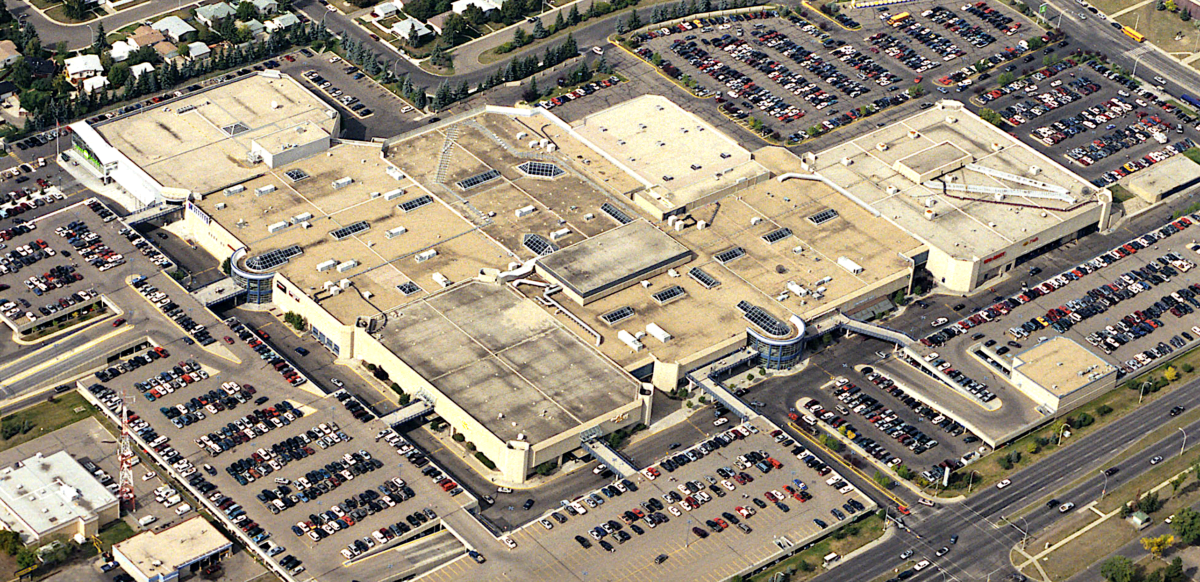
Image: Londonderry Mall Londonderry from the air. Image: Peterson Group
Since the pandemic, Hudson’s Bay has shut stores in downtown Edmonton, a massive flagship in downtown Winnipeg, and a store at Les Jardins Dorval in Montreal.
Last month we reported that Sophia Hwang-Judiesch had been appointed President of The Bay, following her appointment as President of Hudson’s Bay department stores in September. The Bay division is responsible for shared functions including brand direction, marketing, buying, planning and technology for both The Bay’s online business as well as physical Hudson’s Bay stores. Her January appointment coincided with the retirement of industry veteran Iain Nairn.
In September, Hwang-Judiesch took over the leadership of Hudson’s Bay department stores from Wayne Drummond, who reportedly retired from the Hudson’s Bay Company after almost 34 years. Sources say that Drummond is currently working with Toronto-based Jaytex Group following the exit of Howie Kastner from Jaytex late last year amid disagreements. Jaytex is currently heading the expansion of L.L. Bean in Canada as part of a licensing deal.