Retail Insider is streamlining its Canadian retail news from around the web to include a handful of top news stories that can be viewed quickly during the day. Here are the top stories from the past 24 hours.
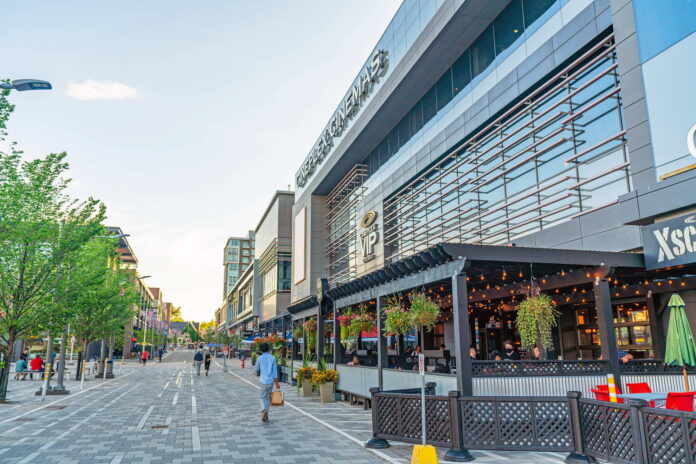
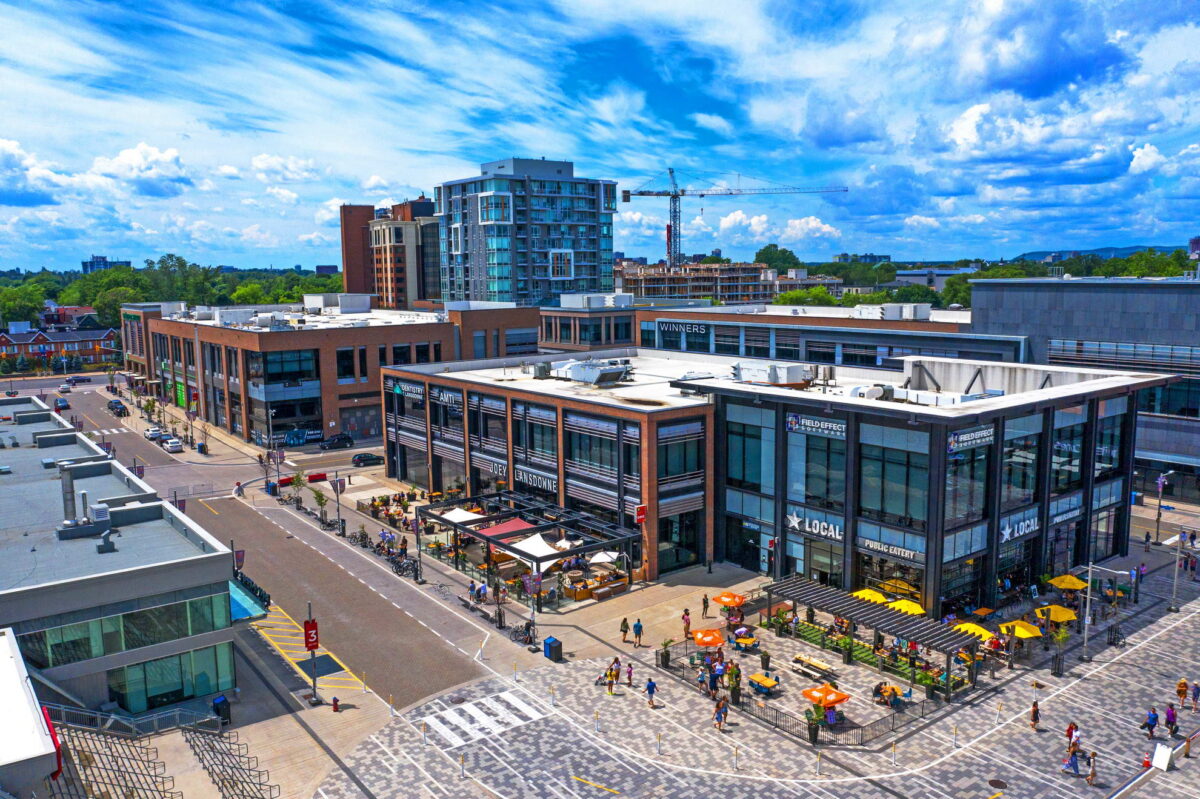
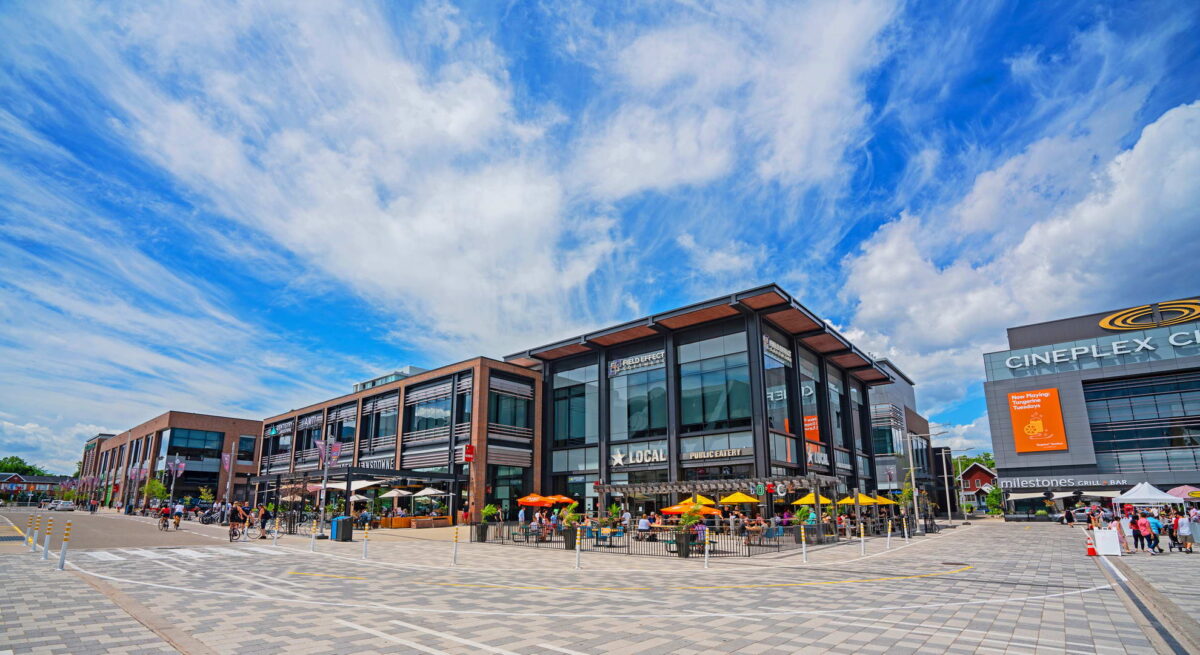
The massive Lansdowne Live development has transformed an area of Ottawa into one of the premier places in the nation’s capital to live, work and play and another phase of the mixed-use project is being launched.
The entire Lansdowne Live lifestyle centre is 38.5 acres.
David Scorniaenchi
David Scorniaenchi, Vice President of Leasing for Trinity which is the property manager of the iconic project, said Lansdowne Live is truly a unique mixed-use development and maybe one of two in Canada that includes sports (four professional teams, 1 amateur team), residential, flagship retail, community/city event spaces, office, and year-round programming.
‘We have had tremendous success recently with bringing in a mix of high-end tenants and local businesses that stretch across a diverse mix of uses. We have also been approved for a significant redevelopment that will include redevelopment of the north end of the football stadium stands which will add two new residential towers with 900+ units, 50,000+ square feet of new flagship retail at grade, and a new 5,500 seat entertainment and sports facility with Live Nation,” he said.
The approved redevelopment is called Lansdowne Live 2.0.
Lansdowne Live (Rendering: Trinity)
Trinity works closely with partner OSEG (Ottawa Sports and Entertainment Group) on the Lansdowne development.
The first phase of the huge development has 340,000 square feet of retail, 116,000 square feet of office, 280 residential units and 1,430 parking stalls. The residential units are in one condo building.
On the retail side of Lansdowne Live the tenant roster includes:
JOEY, Local, Craft Beer Market, MED Supper Club (opened recently), Delysees (opened recently),
Casual Dining:
Milestones, Jack Astors, Crust & Crate, Happy Days Burgers & Poutine (opening soon), Sunset Grill
Dynamic Destination Retail:
Nespresso, Audi Showroom, Porsche NOW (one of five boutiques that will open in Canada, coming June 2024), Cigar Store, Kari Design & Build (luxury millwork, coming summer 2024)
Personal Wellness:
Glorious Nails Spa, Pro Physio Therapy, WAXON, and Mane Collective, Lansdowne Dental
Unique QSR’s and Local Businesses:
Chung Chun, Roll’d Ice Cream (local business), Beandigen (local Indigenous café start up), Mr. Puffs, Cinnaholic, Canadian Institute for the Blind
Educational:
Blyth, Scholars, Ottawa Montessori School
Office: 50,000 square feet of second floor office space including PWHL head office.
Lansdowne Live (Image: Trinity Group)
“Located in the desirable Glebe neighbourhood of Ottawa, Lansdowne Live has become a focal point for retailers entering or expanding in the Ottawa market. Ottawa is typically a one or two store market for retailers and many are looking for a place that offers an enhanced customer experience. With over four million visitors annually, this mixed-use lifestyle centre features unique and elevated building designs, expanded sidewalks and promenades, large restaurant patios, four professional sports teams, 1 amateur team, concerts and entertainment programming, cultural and seasonal events, a beloved farmers market, a renowned Ottawa Christmas Market, and is supported by over 1,430 parking stalls at and below grade – a rarity for an urban mixed-use development,” said Scorniaenchi.
“These features allow for a dynamic merchandising mix that includes retail, F&B, entertainment, health and wellness, educational, and office. . . . There are few lifestyle centres in Canada that have the array of offerings that can be found at Lansdowne Live . . . We have reached 100 per cent occupancy with recent additions including premium and luxury tenants including Nespresso, MED Supper Club, Delysees, Kari Design & Build, Waxon + Sous La Face, and we are thrilled to welcome Porsche NOW – one of five approved boutiques in Canada and Happy Days Burgers & Poutine into the retail mix.
“We have additional destination uses under discussion which we hope to be able to announce in the coming months. We have seen this retail segment navigate their interest to Lansdowne Live over the last few years due to the unique features and demographics of the Glebe.
“We are also proud of our tenant incubator program that allows us to work with local start-ups who are looking for prime retail space to grow their business. In 2022, we welcomed Beandigen Café and Roll’d Up to our incubator program. Beandigen is an Indigenous owned and operated café featuring coffee, art, and the culture of Indigenous people. Roll’d Up features Thai style rolled ice cream, and other specialty dessert items.
We have utilized creative deal making to help work with retailers that allow them to build the retail experience they need to meet their customers needs. In turn, the retail mix continues to diversify at Lansdowne Live and we are able to continue to enhance the offering for the over four million visitors each year.”
Lansdowne Live (Image: Trinity Group)
He said there is one upcoming vacancy at 3,000 square feet that can be demised that is being marketed for lease. Officials are targeting destination retail uses (not including F&B) for this unit which sits below Whole Foods, and is in the same retail run as Sporting Life, Waxon + Sous La Face, and Nespresso.
“With the recent council approval for Lansdowne Live 2.0, this one of a kind mixed-use lifestyle centre in Canada is set for its second transformation and will enhance the offering of all existing elements. This will be anchored by a new 5,500-seat sports and entertainment centre, 50,000 square feet of net new flagship retail space across two levels in the podium of two new residential buildings with over 900+ residential units,” said Scorniaenchi.
“We are currently working with multiple uses that will enhance the entertainment offering for Lansdowne Live and will look to complement this with flagship retail and F&B for our at grade component. This will further cement Lansdowne Live as the place for dynamic retail, sports, entertainment, and culture in Ottawa.”
Lansdowne Live 2.0 (Rendering: Trinity)
Scorniaenchi said officials are currently in the planning stages with the City of Ottawa and hope to start construction with the new entertainment centre which will take two years to complete. When that is built, the north end of the stadium stands will be demolished where two towers will be built with additional retail and office space.
The entire project will take another four to five years to complete.
“There is a demand and a need in Ottawa for live, work, play type situations and it’s been tried but this has been a success in terms of that use and mix that we want where people live here, work here and play here. The restaurants we have, the amenities, the grocery store. It all fits in terms of fitting that model and I think really right now when retailers are looking at Ottawa . . . you really look at (CF) Rideau Centre, you look at Westboro if you’re looking for more of a boutique, higher end and you have Lansdowne on Bank Street in the Glebe,” he said.
“The Glebe is a fantastic neighbourhood. It’s one of the better neighbourhoods in all of Ottawa. Ottawa for many retailers is a one to two store market and the natural assumption right away is to go to Rideau Centre that’s where all the retail is, that’s where the mall is, but I think people are starting to realize the streetfront opportunity that we have here in this mixed use component.
“The design here, the neighbourhood, and the demographic that we get, and just the quality of the retail buildings and all it has to offer here is really attractive to people.
“This is really the home for entertainment and culture right now in Ottawa. You add another 5,500 seat arena to that, you add in 900 more residential units, you’ve got something that is unique to all of Canada here.”
Lansdowne Live 2.0 (Rendering: Trinity)
Current sports teams playing there include Ottawa Redblacks – CFL; Ottawa 67’s – OHL; Blackjacks – Canadian Elite Basketball league; Atletico Ottawa – Canadian Premier League; and Ottawa – PWHL.
The old Lansdowne Park, situated near the Rideau Canal, Ontario’s first UNESCO World Heritage Site, and along Bank Street, has been around since 1868. It has been a cultural, entertainment and sports hub since then.
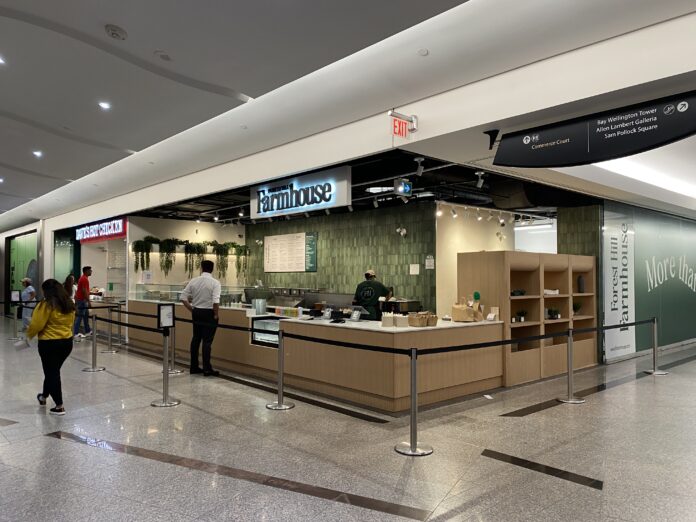
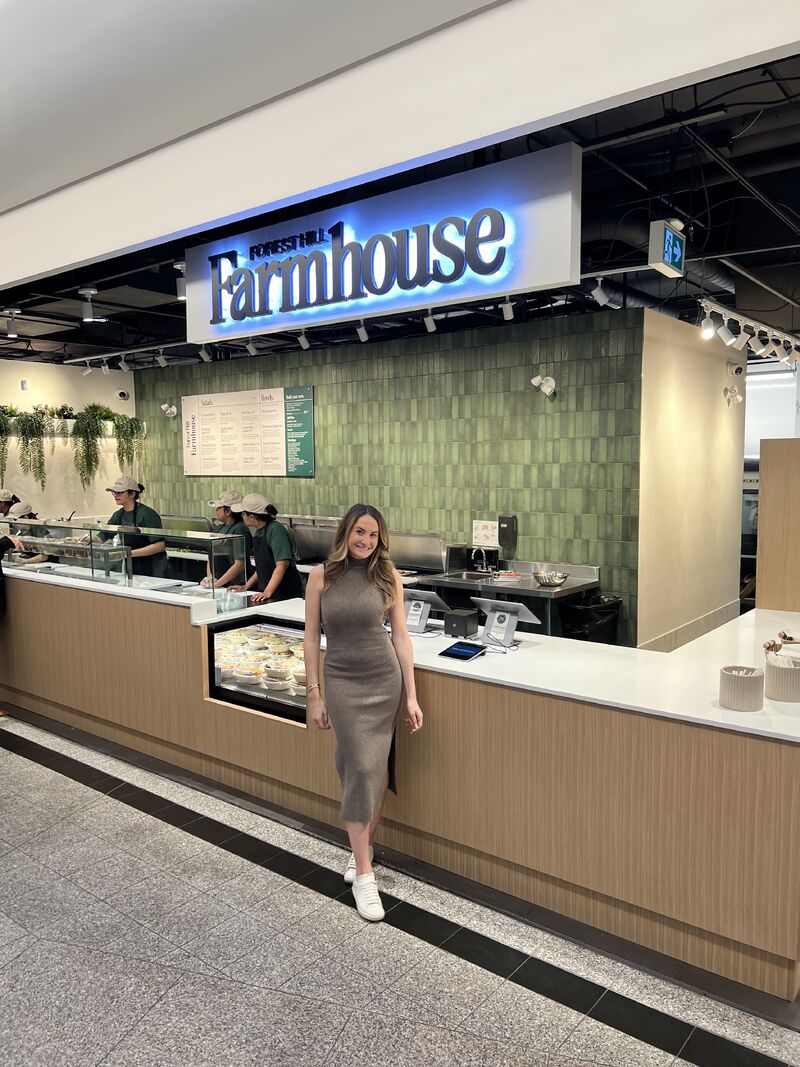
Forrest Hill Farmhouse at Brookfield Place (Image: Dustin Fuhs)
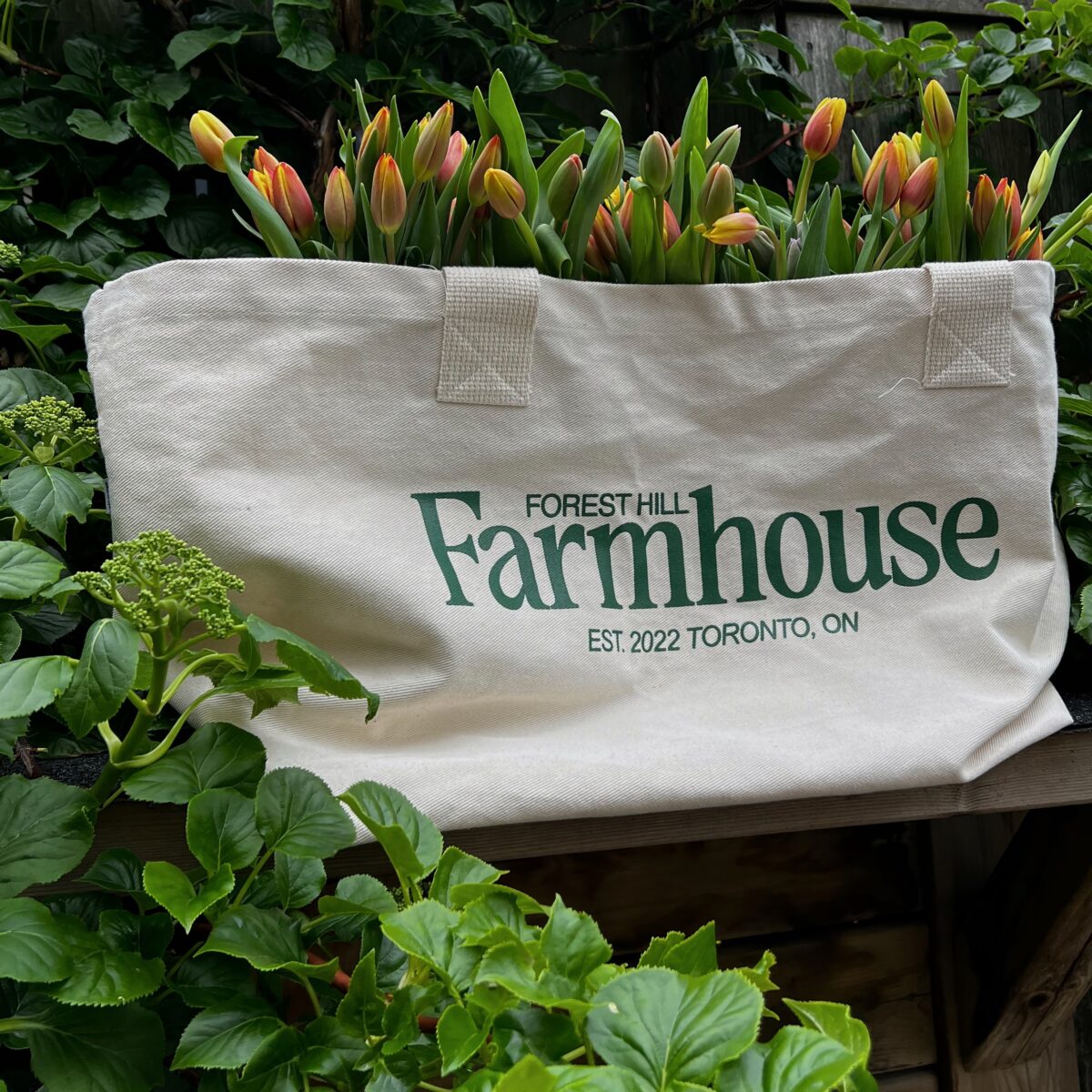
Salad-based foodservice concept Forest Hill Farmhouse recently opened its fourth location in Toronto with plans to continuously expand, while at the same time developing a new loyalty program. The company also plans to open its first flagship location in Toronto in the city’s Yorkville area.
“Our new location is in the Brookfield PATH system and it marks our fourth store opening in Toronto. We are excited to expand further into Yorkville and North York, finding locations that cater to both dine-in experiences and takeout options,” says Blair Bitove, the founder of Forest Hill Farmhouse. “There are very limited healthy food options, and we really want to test our products out with people who are in search of a healthy meal and we thought that being in the financial district was the best way to do that.”
Image: Blair Bitove
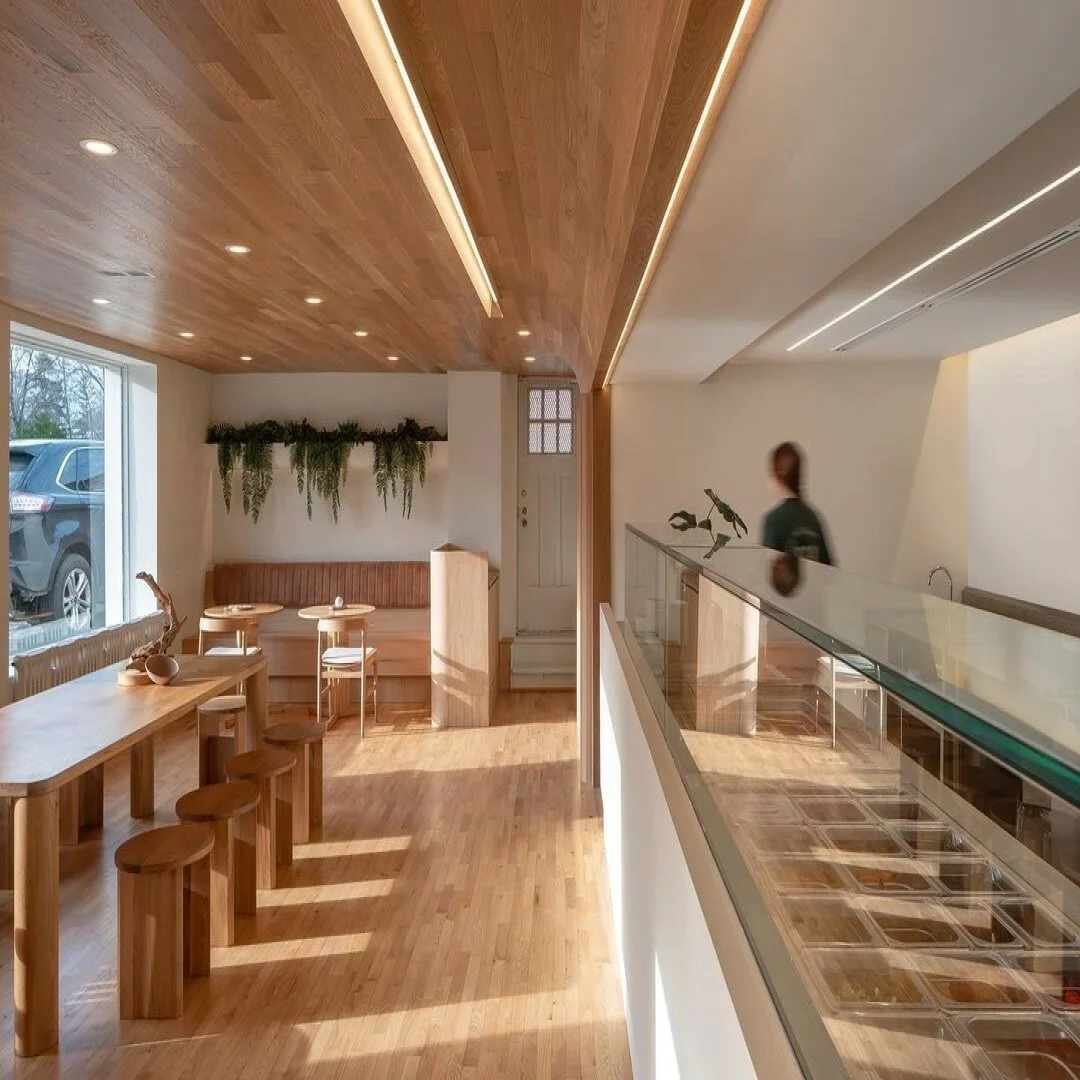
Bitove says the Yorkville location, which will be its first flagship store, will be opening by the end of the year and the location in North York will be opening at the beginning of 2025.
“We really want to open a flagship location, and we think that the branding of our restaurant and the clientele that we serve fairly fits the Yorkville area. We are still such a new brand and we are really trying to get our name out there. We have had so many customers who as soon as they walk in and try our products – keep coming back, so it is really just about getting more brand presence for us.”
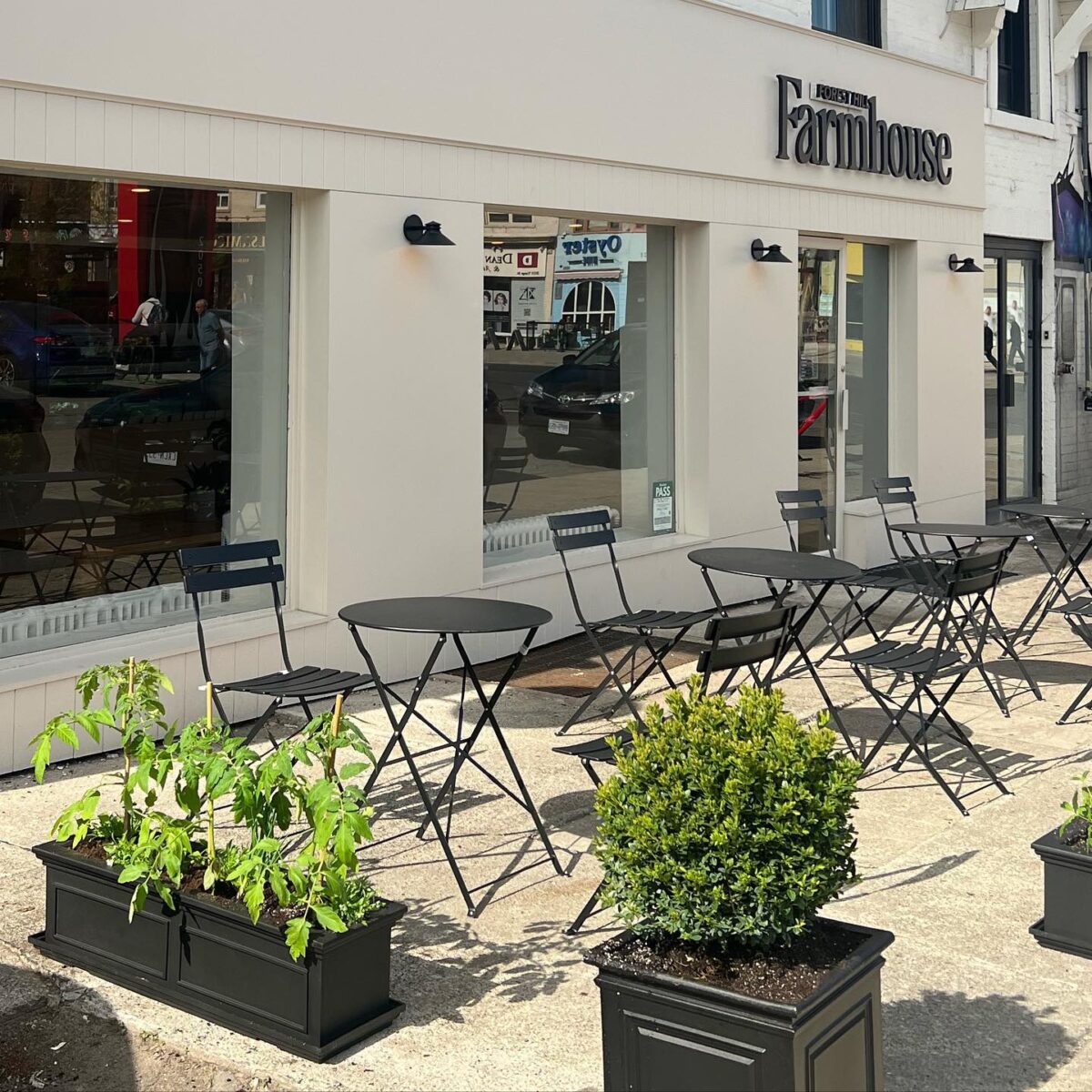
Bitove says they are searching for an area in Yorkville that will be around 2,000 square feet. The other three locations are on Bay Street, Lola Road, and Queen Street East, with the later only available for takeout.
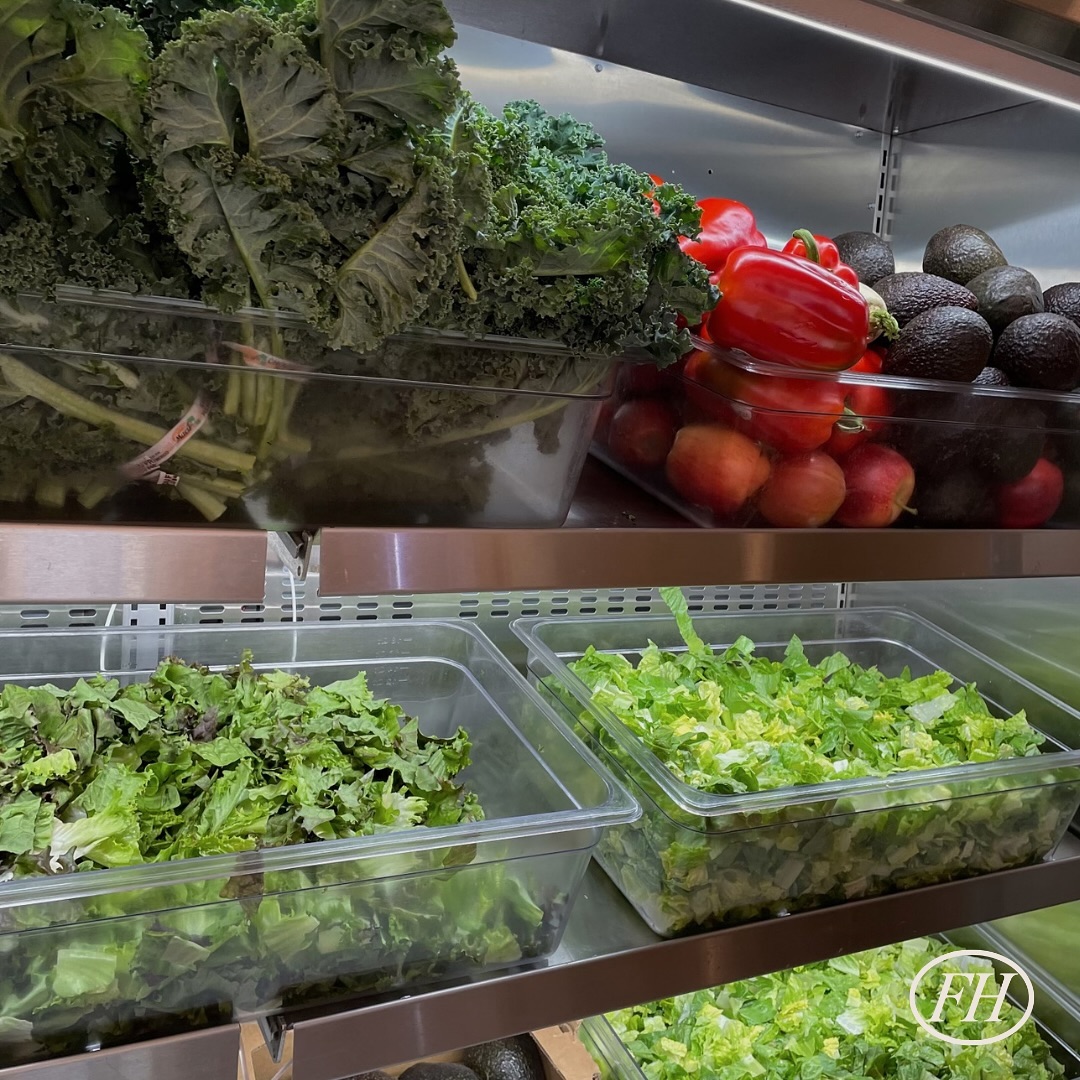
The brand offers a variety of freshly made salads where consumers can decide from the menu or customize to their preferences. Bitove founded the brand to bring healthy meal choices to customers in the city as she found there were limited options for salads.
Expansion plans going forward
Image: Forest Hill Farmhouse Forest Hill Farmhouse Parkdale
Bitove says after expanding in Toronto, the brand will be looking into suburban towns “that don’t necessarily get the luxury of all the city products.”
Outside of Ontario, Bitove says they are looking to expand to the West Coast, hopefully by next year with Calgary and Vancouver being the main targets.
“There are two different types of locations that we are looking for, whether we want to dine in or if we want to be more of a food court or office area. So our PATH location is only around 700 square feet and our biggest one being 1,500 square feet, so locations around these sizes.”
Looking ahead in five years, Bitove says she is hoping to have several new locations in Canada and would also like to expand into the United States.
Influences from consumer feedback
Image: Scott Norsworthy/Forest Hill Farmhouse
“We started in a pretty small neighbourhood and as we have continued to grow, we have seen more awareness from other locations and I think it brings more consumers in because they have heard from us. But our customers keep coming back daily, which is great to see and they also keep giving us suggestions and feedback.”
The main feedback Forest Hill Farmhouse is receiving is to bottle its dressings. Bitove says because of the high demand for dressings, they will be hopefully bottling its dressings this year and is looking to sell them in retail outlets.
“We are talking with retail outlets currently, and we are hoping to launch them in the Fall. But we are going to start selling them in our locations.”
Outside of dressings, Bitove says there are other products the brand will be looking at selling, including homemade tortilla strips: “We have been trying to figure out how we can package them, but we want to sell some of our goods that you can take home to your pantry.”
New loyalty program coming soon
Image: Forest Hill Farmhouse
Currently the brand does not have a loyalty program but will have one soon.
“We are working on the salad club, so hopefully that is a Fall initiative. It will be more like a gym membership, like a class pass of salads that we are working on. So for those who frequent our store, they could access a discount for buying, like a bulk amount of salads.”
The new program will allow frequent consumers to save and to continually enjoy fresh made salads every day at a monthly cost.
Along with the development of a new loyalty program, the brand is also revamping its website to include a new clothing line which will hopefully be launching in June.
“We are still new to the market, and we are just working on getting our name out there and getting people to try the product, which has been our biggest challenge, but we have been working with the community, with schools, and we have been trying to do some catering donations to get people to try the product. We have a lot of returned customers, which is great, so we will continue to spread awareness of our products.”
Retail giant Staples Canada continues to expand and scale its unique Kids Learn + Play concept throughout the country.
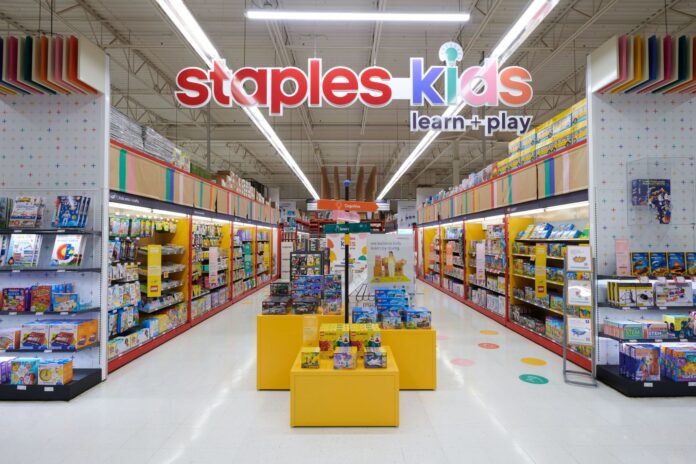
Since its launch about a year ago, the concept, a curated collection of tools and toys to enhance play-based learning and foster kids’ growth, development and fuel a love of learning inside and outside of the classroom, has grown to about 30 locations right now.
Rachel Huckle
“We’re scaling nationally. By the end of this year, we’ll have probably about 135 locations and it’s exciting for us,” said Rachel Huckle, CEO of Staples.
“We started piloting it last year. We did it in a few stores last year. Then we did it in a market in Ottawa. We did the full market and we learned from the execution of this what was the right product mix, what was the right assortment, what were our customers telling us and we refined it and found what we feel is the best experience and assortment that our customers are looking for.
“So that pilot gave us the confidence to say let’s go full steam ahead . . . Our goal is to do all of our stores in the coming years.”
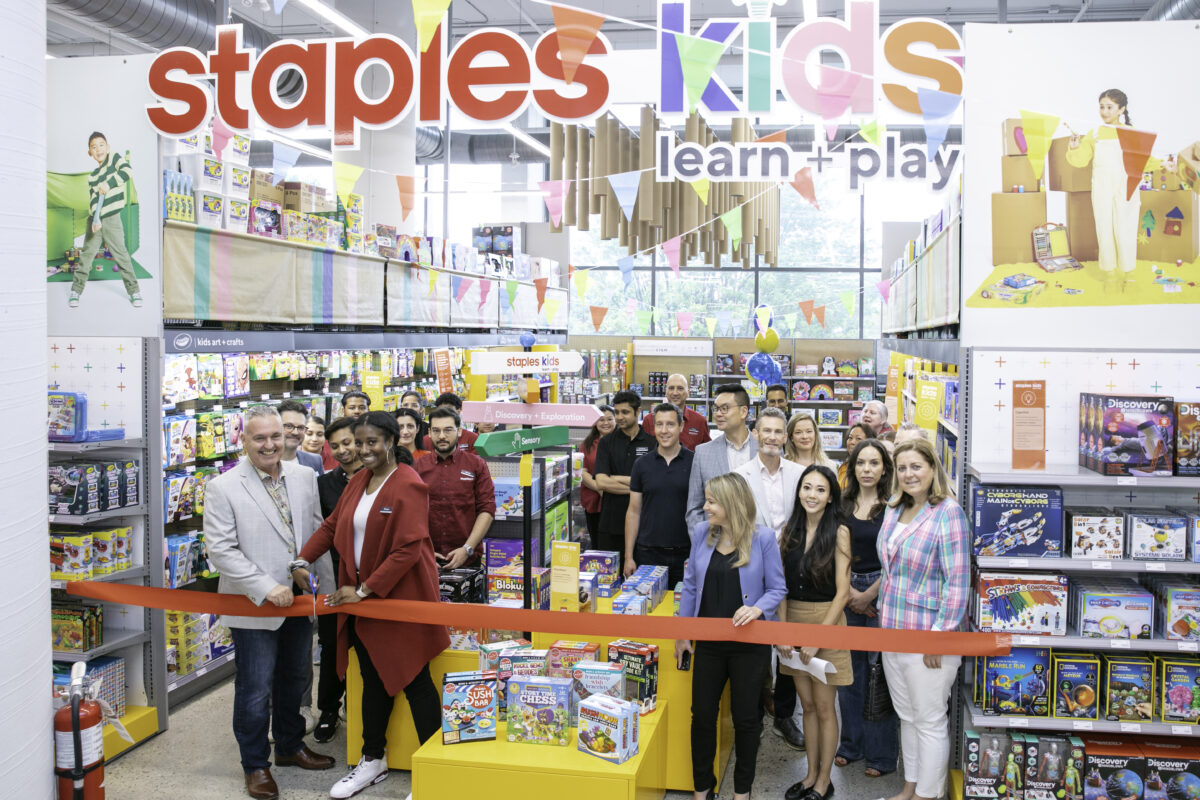
Local Staples Canada general manager Alison Payne (left) cuts the ribbon to celebrate the grand opening of the Staples Kids Learn + Play zone at the Midtown store (2149 Yonge St) on Saturday, June 22. She is joined by members of the Staples Canada senior leadership team, including Chief Retail Officer, Brian McDougall, Chief Commercial Officer, Priscilla Luna, Digital and Marketing Officer, Andrew Go, Chief Supply Chain Officer, Paul Giamberardino and Chief Financial Officer, Evelyn Sutherland. Photo Credit: Staples Canada
Staples Barrie (Image: Staples Canada)
Huckle said the Kids Learn + Play initiative fits into the Staples’ mission of being the working and learning company.
“The fact that we already serve parents, students, teachers, grandparents, we have the insight, and I think the foresight, to say where we can win is really at the intersection of learning and play. And you need both,” she said.
In talking to consumers, Staples looked through a lens of play-based learning.
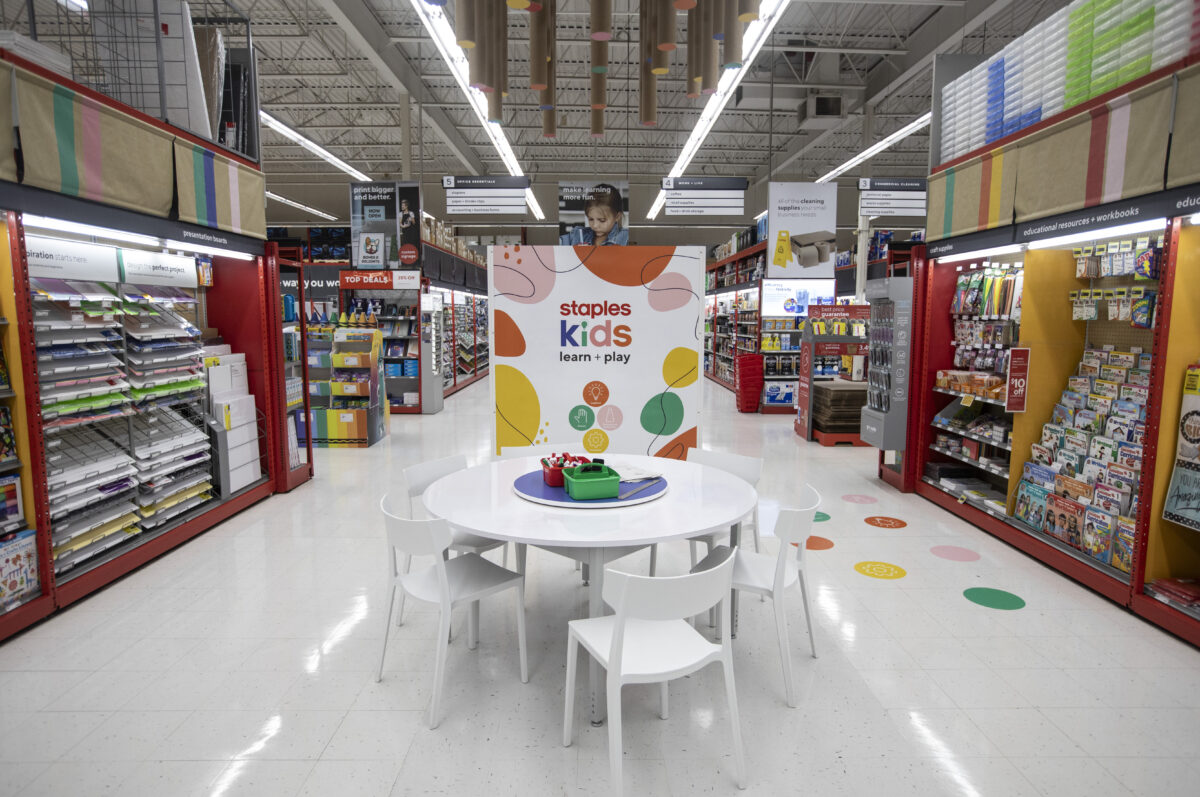
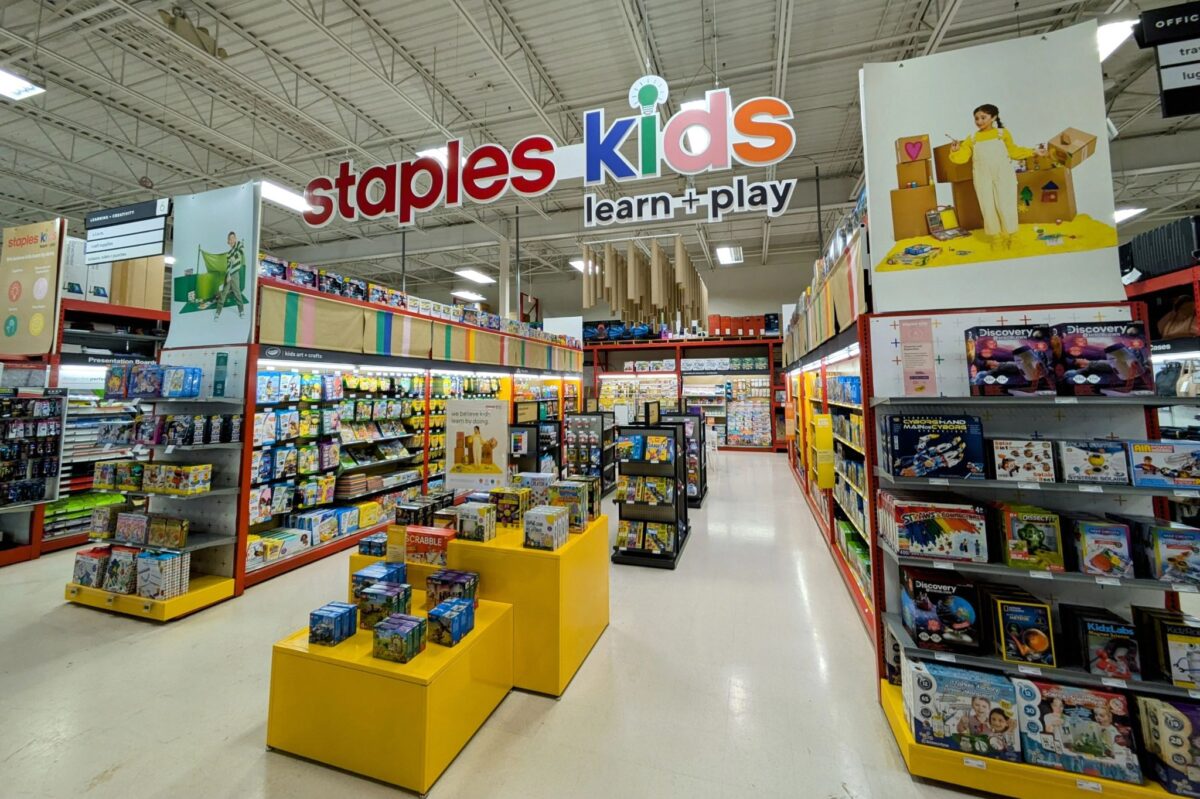
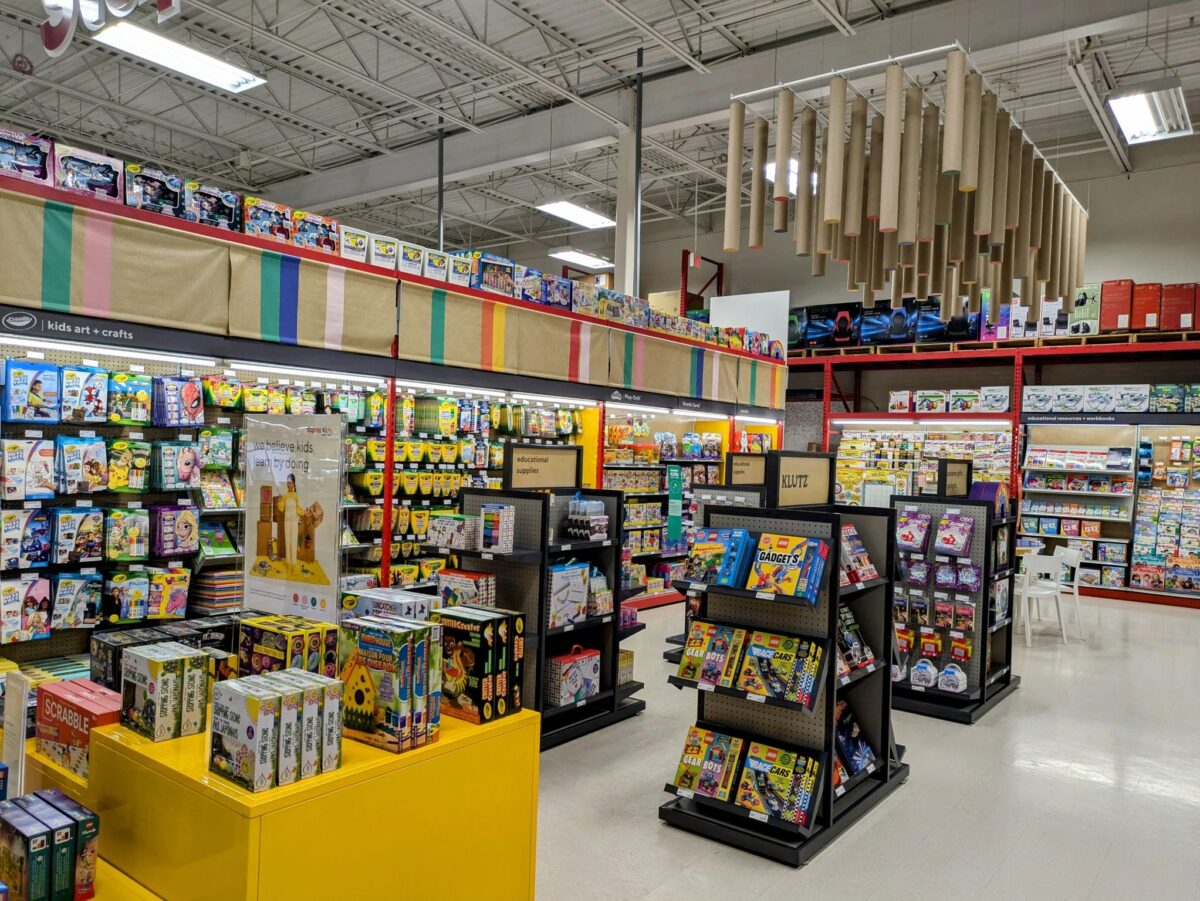
Staples Kids Learn + Play is a curated assortment of educational tools and toys focused on enhancing four key skill-sets – fine motor, cognitive problem solving, sensory, discovery and exploration.
“Those are super important as your children develop and we’re looking at the age range of from kindergarten to Grade 6,” added Huckle.
Staples Kids Learn + Play is centered around play-based learning: the process of learning by doing. When kids perform hands-on activities, they actively participate in the learning process and develop key skills such as cognitive, fine motor, sensory, discovery and exploration. Play-based learning fosters their growth, development and helps set them up for success.
Staples has 299 stores across the country.
Staples Sherwood Park (Image: Jason Franson)
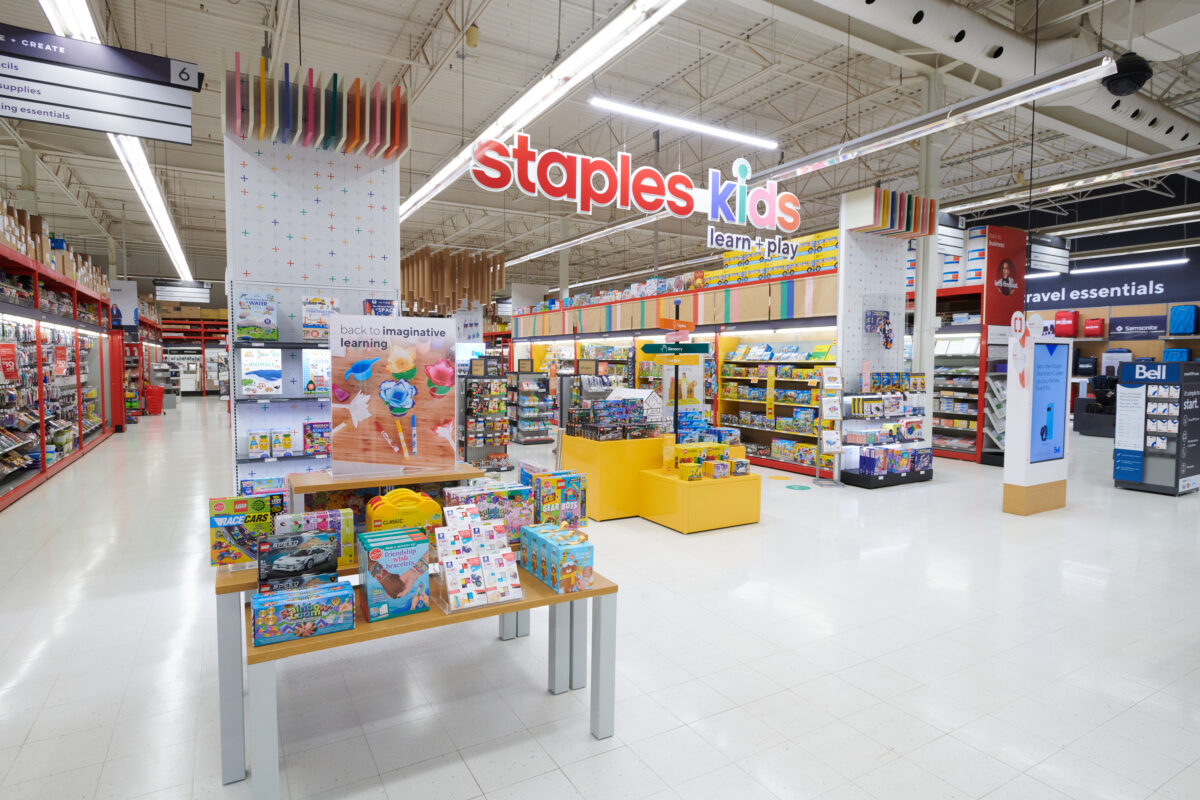
The retailer has two versions of the Kids Learn + Play areas. The larger version is set up in the centre area of a store. There’s a full table with an area for kids to play, to sit down and engage.
“We’ve created wayfinding and tools so that when parents or grandparents or educators are shopping if they say hey I’d like my child to work on creativity we have the opportunity for them to either go online, scan a QR code and get reference online to help them make that decision or they can look inside on shelf that will help direct them,” said Huckle.
“We also try to put a little bit of information, not too much, to get them understanding why this is important for their child, how they benefit from it and if they want more information they can go online to get that.”
Staples Kids in London, Ontario (Image: Staples)Staples Kids in London, Ontario (Image: Staples)
The second version is a smaller one. Everything is the same from a wayfinding, signage, information, navigation and assortment perspective. It’s just narrower with additional outpost displays that they can shop as well.
“As we start to scale this a big part of what we’re doing is we’re giving parents and grandparents the opportunity to bring in their kids to engage with different vendors and partners and ourselves to either be creative, build and learn,” said Huckle.
Retail Insider is streamlining its Canadian retail news from around the web to include a handful of top news stories that can be viewed quickly during the day. Here are the top stories from the past several days.
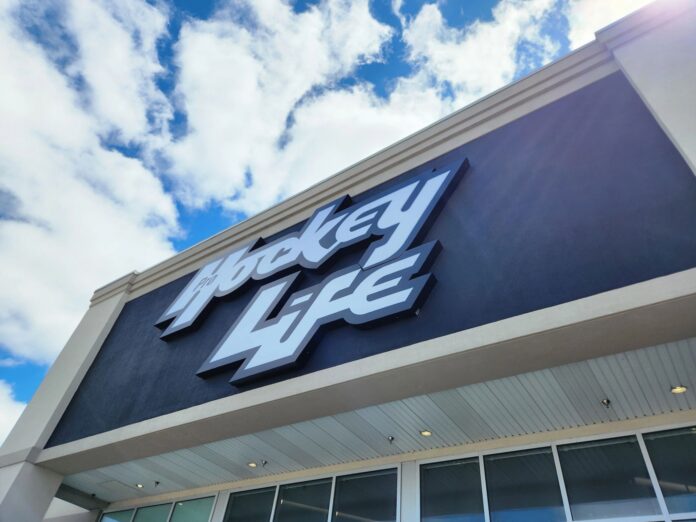
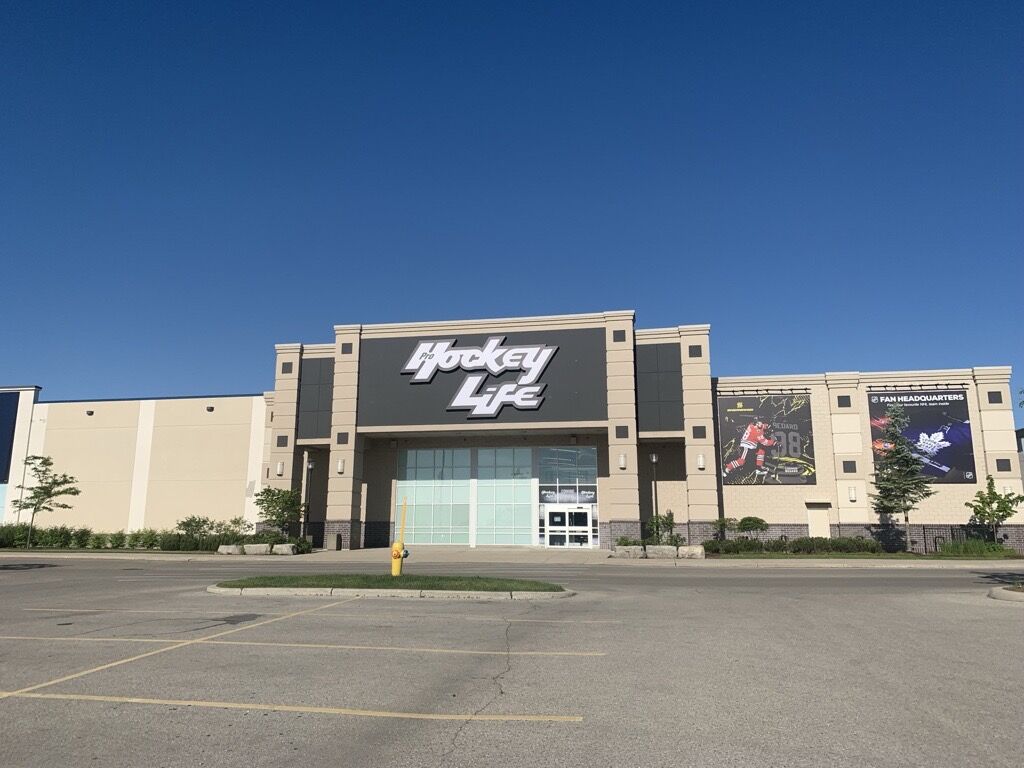
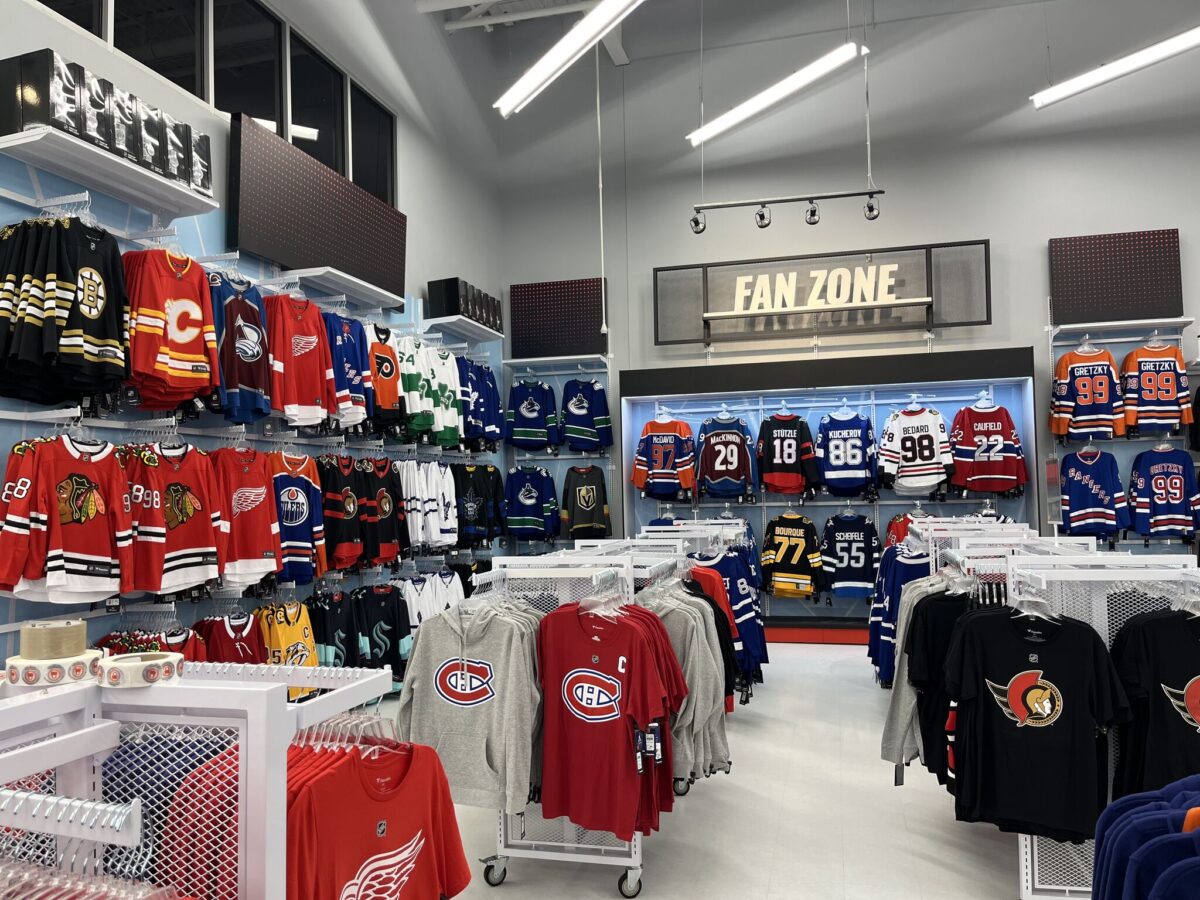
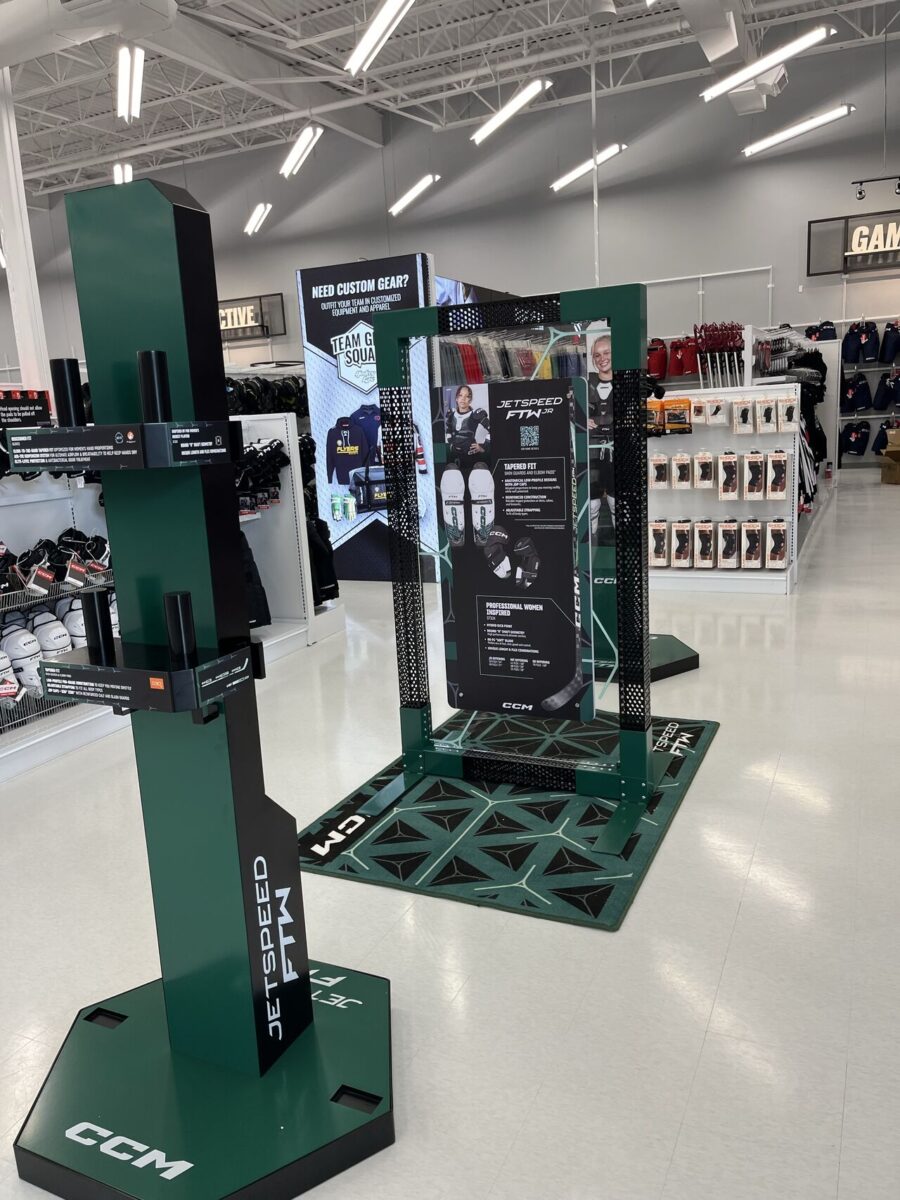
Pro Hockey Life, the ultimate hockey mega-store, has opened four new stores in Ontario – Sudbury, Barrie, Kingston and London.
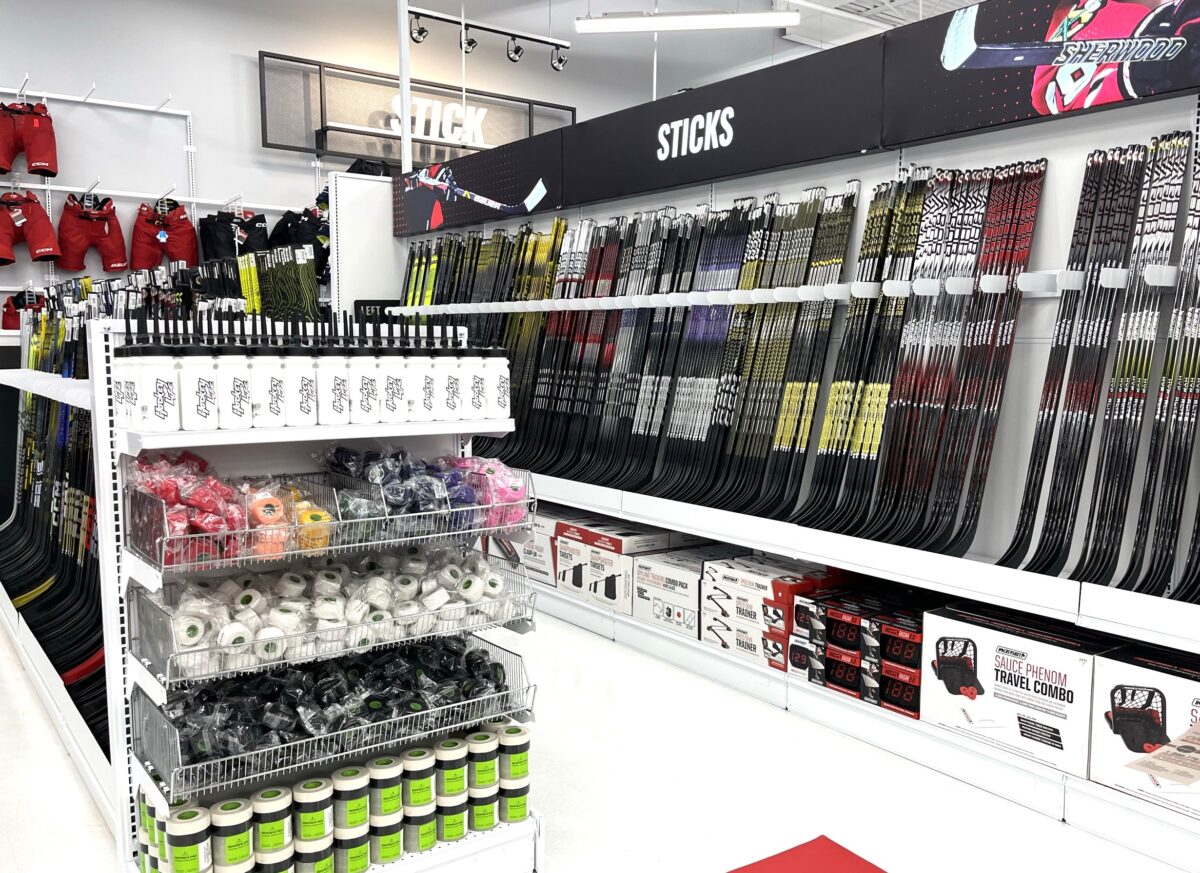
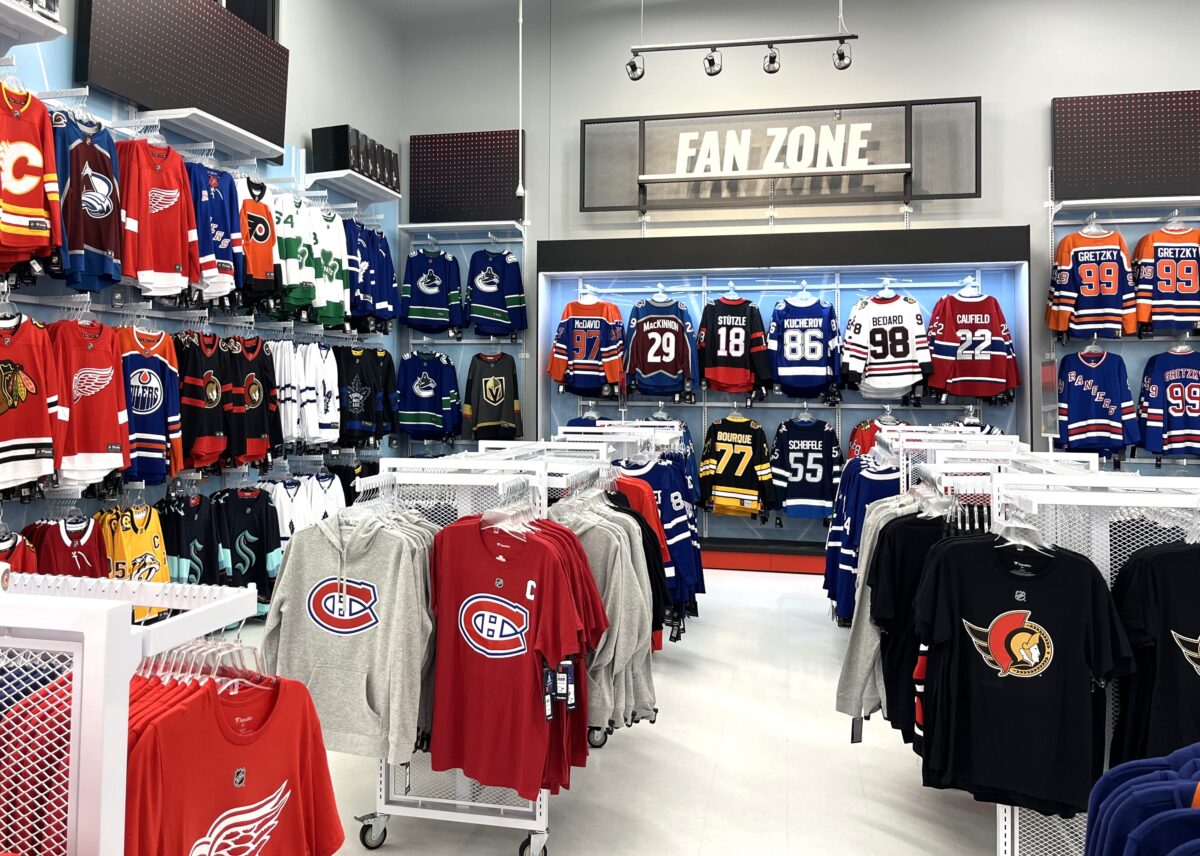
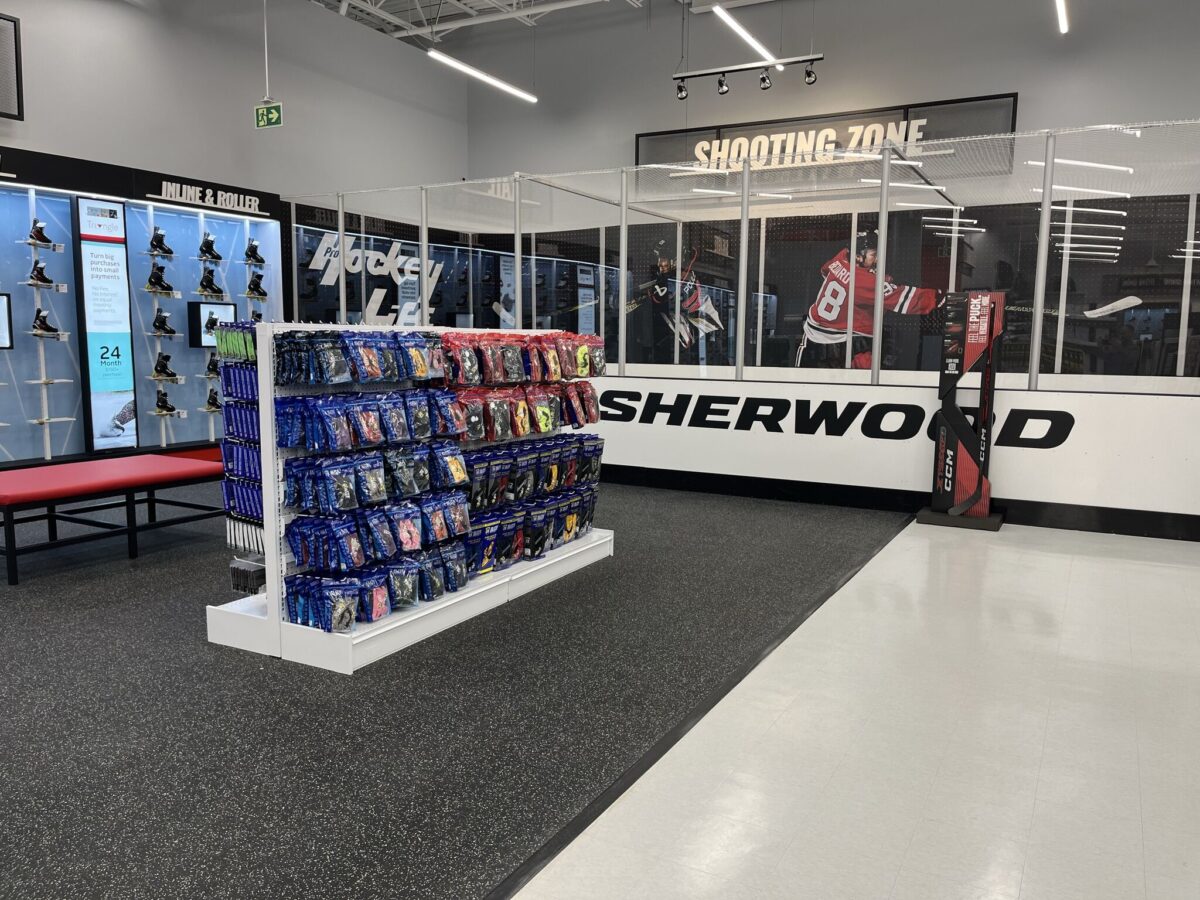
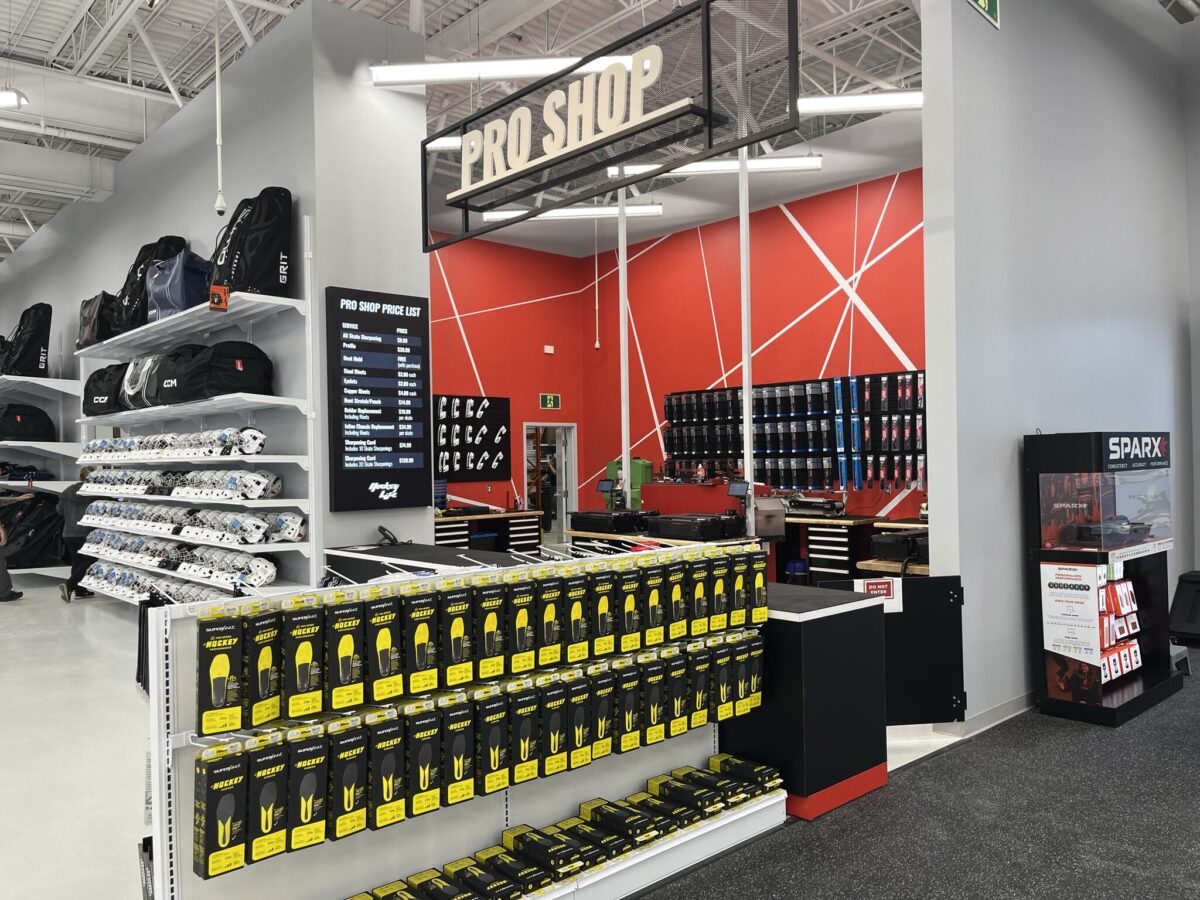
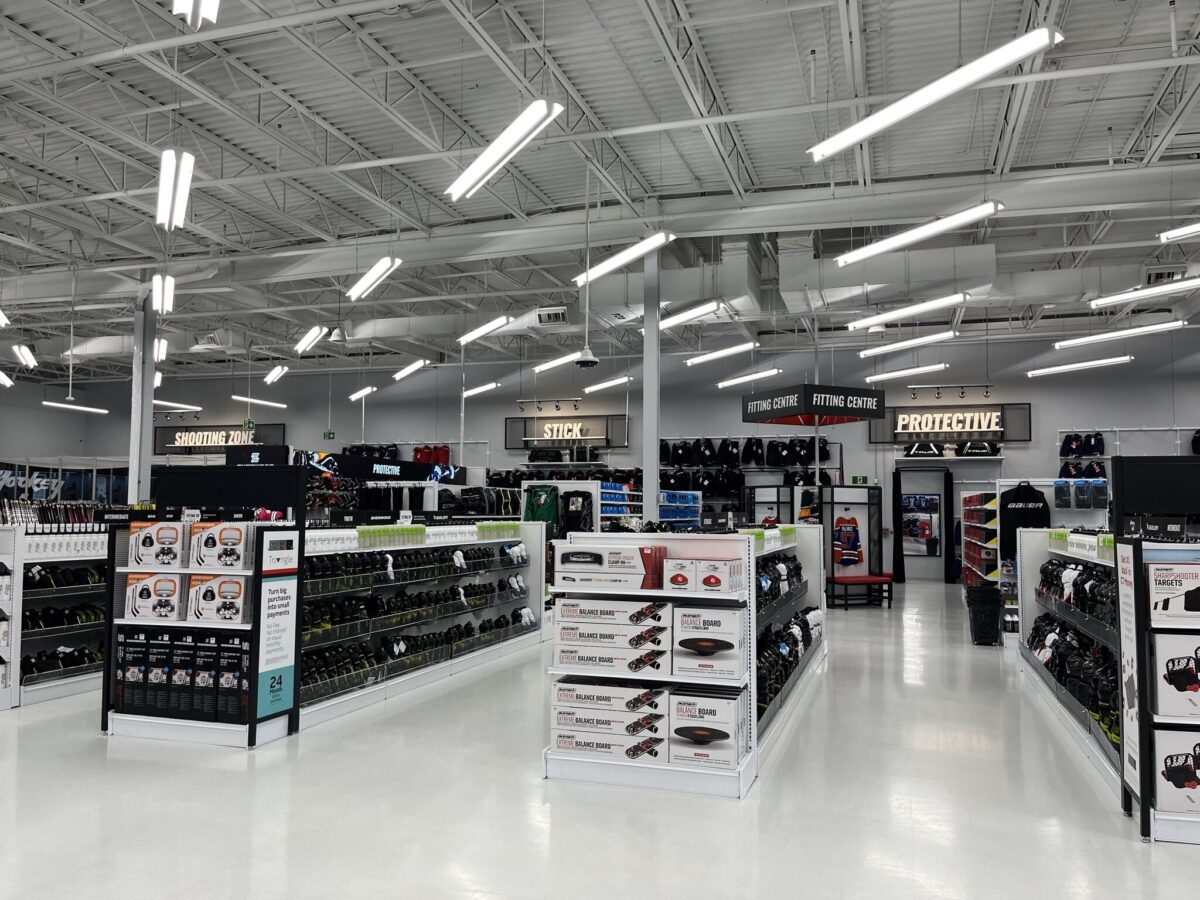
Each store features a clean, open and easy-to-navigate layout with enhanced in-store services to help players test and find gear that will ultimately improve their game.
Barrie is the largest of the four new stores at 28,000 square feet with a Race Track Floor Plan layout and two shooting pads (a large pad for shooting and a half pad to test out Hockey Shot training aids on Dyland tiles).
“Now after our four new openings, we’re up to 20 across Canada,” said Kris Maslanyk, VP National Sales Support Canadian Tire Retail & Store Operations Pro Hockey Life.
Image: Pro Hockey LifeImage: Pro Hockey Life
The first store opened in Montreal in 1973. Canadian Tire acquired the brand in 2012.
New in-store services include:
The Bauer Fit Lab scanning station that identifies athletes unique foot type and provides personalized orthotic and skate recommendations for ideal fit and performance;
Shooting Zone that allows players to try before they buy;
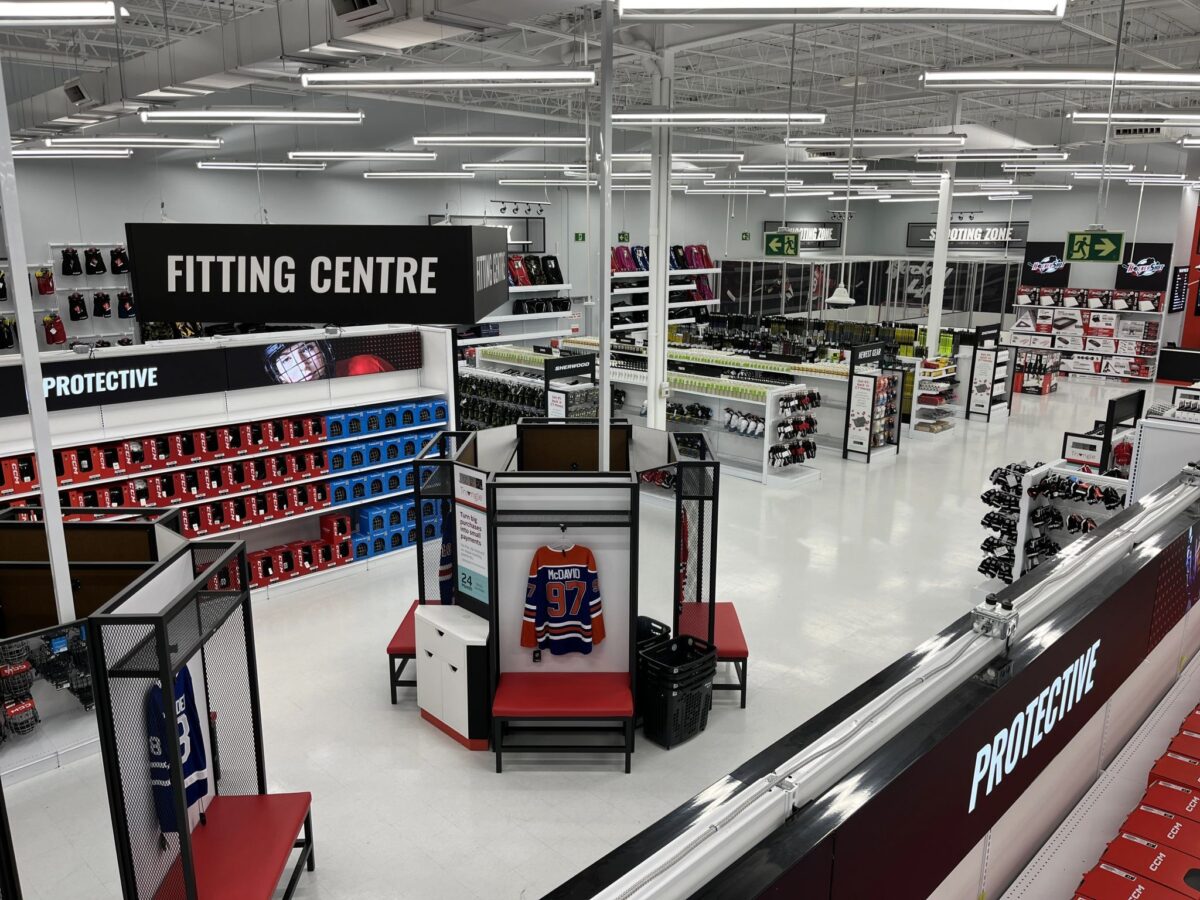
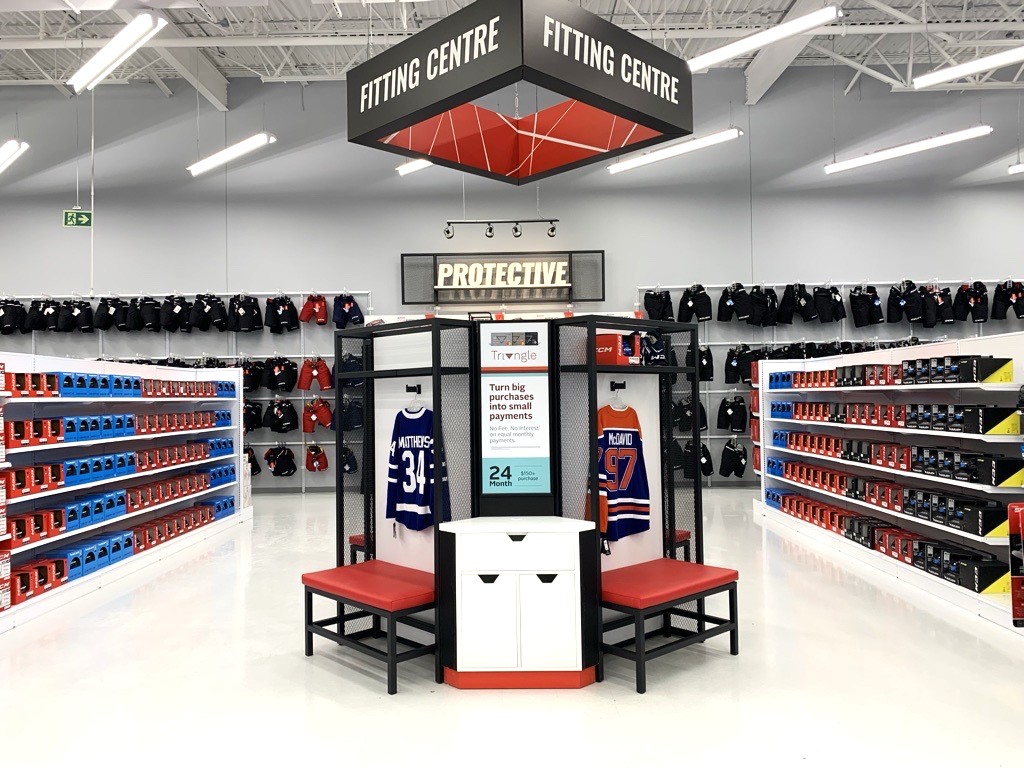
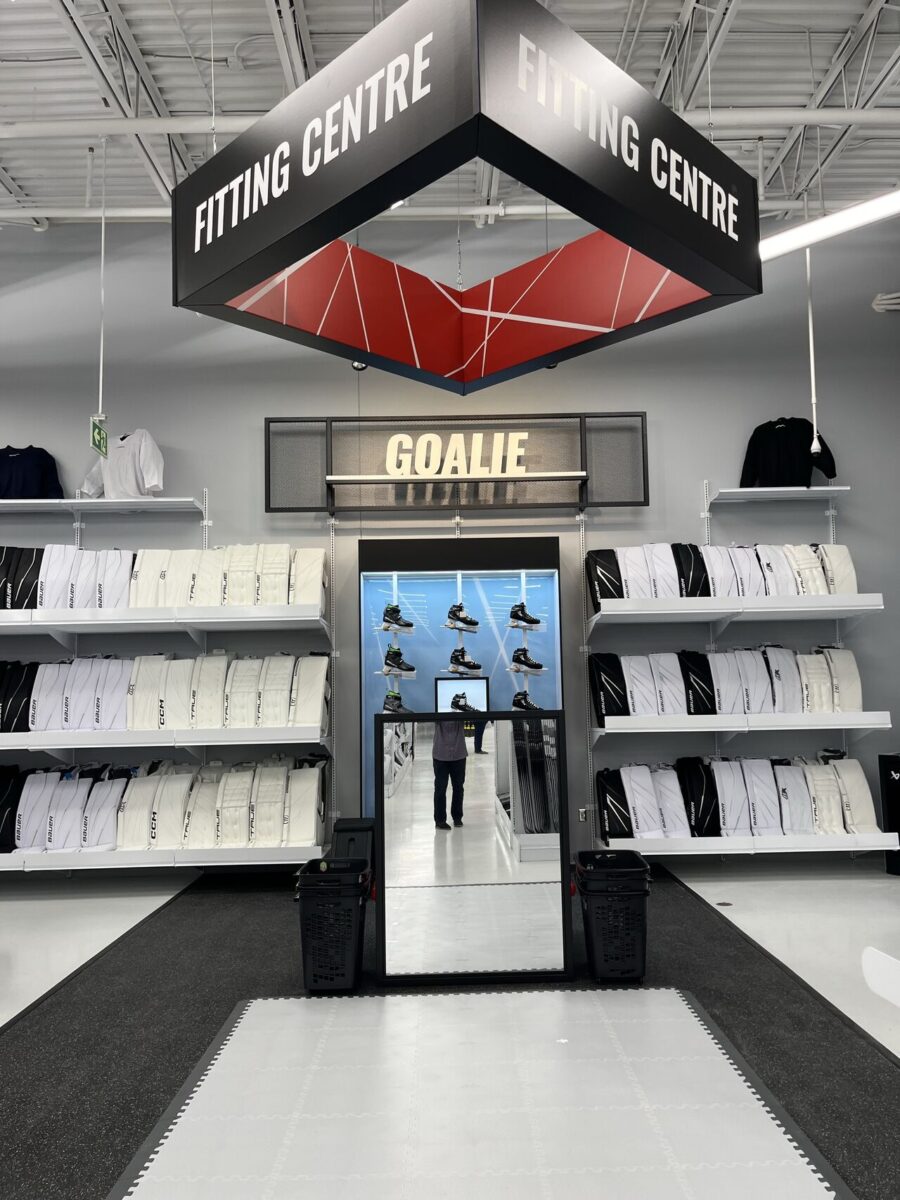
The Fitting Centre where players can work 1 on 1 with PHL’s Fit Experts to find gear that fits right.
Individual lockers in the centre of all the Protective Equipment area where players will get a dedicated locker to try on equipment along with draped fitting rooms for extra privacy.
Maslanyk said typically stores are between 17,000 to 22,000 square feet.
“We renovated our Hamilton location (last year) to get this new prototype but these are the first four new ones in a while,” he said.
“We’re always assessing the market for future opportunities because we’re now across five provinces and obviously the response has been very positive so we’re always looking at what opportunities there may be. For this year the four was a huge undertaking.”
Image: Pro Hockey LifeImage: Pro Hockey Life
Maslanyk said the four new stores are in proven markets with strong hockey backgrounds.
“There was a natural opportunity to get into some of these markets,” he said.
Throughout July the Pro Hockey Life stores in Sudbury, Barrie, London and Kingston will be celebrating their official grand openings with games, interactive hockey challenges, tons of giveaways and exclusive in-store deals.
Grand Opening Weekend Event Schedule:
Sudbury GO: July 5-7
Barrie GO: July 12-15
London GO: July 19-21
Kingston GO: July 26-28
Image: Pro Hockey LifeImage: Pro Hockey Life
“We’re seeing a real need for that kind of specialty retail environment. We’re a full service specialty hockey retailer. We’ve got a world class selection of the latest gear and equipment. We’ve got the top brands. We feel like we’ve got a great service model to service these customers,” added Maslanyk.
“I think we’re just seeing a real niche of people wanting that expertise and wanting access to the latest and greatest brands. You can buy things on ecommerce but obviously our stores are where you have some of the technology and experiential pieces as well. We’re really seeing customers gravitating to going back to the stores to get their expertise and try before you buy mentality around some of the hard goods.”
Canadian retail sales grew modestly in April, especially compared to March’s drop, with All Stores growing 2.7% YOY. However, discretionary spend not up nearly as much with All Stores Less Automotive, Food, and Pharmacies only 0.5% YOY. It is important to remember that there was an extra 1-2 shopping days in April as Good Friday and Easter Sunday landed in March.
As with the rest of the world, the price of groceries remain top of mind. Despite the ongoing boycotts targeting Loblaws, Supermarkets and Other Grocery Stores experienced decline of -1.5% YOY. This drop occurred even before the boycott commenced, indicating a significant shift in consumer behavior towards smaller, local grocers. This trend is largely attributed to consumers’ response to the high grocery inflation in Canada. While inflationary pressures pose challenges, the move towards local grocers is a silver lining, fostering community growth and providing much-needed support to local businesses.
The Canadian retail landscape also reflected the dynamic housing market and its associated rent and mortgage rates. Although the anticipated rate decrease had not yet taken effect, its expected impact on mortgage rates was already influencing consumer behavior. Condo sales in major cities like Toronto plummeted, hitting the lowest quarterly sales of new condos since the 2009 financial crisis. Consequently, potential homeowners found themselves with slightly more disposable income as they navigated the real estate market. For those staying put, the impending rate decrease fostered optimism about affording their mortgage renewals. This shift in financial confidence positively impacted several retail categories:
Home Furnishings Stores saw a 2.1% YOY growth,
Building Material and Garden Equipment sales rose by 4.9% YOY, and
Electronics and Appliance Stores experienced a 5.7% YOY increase, likely driven by higher appliance sales.
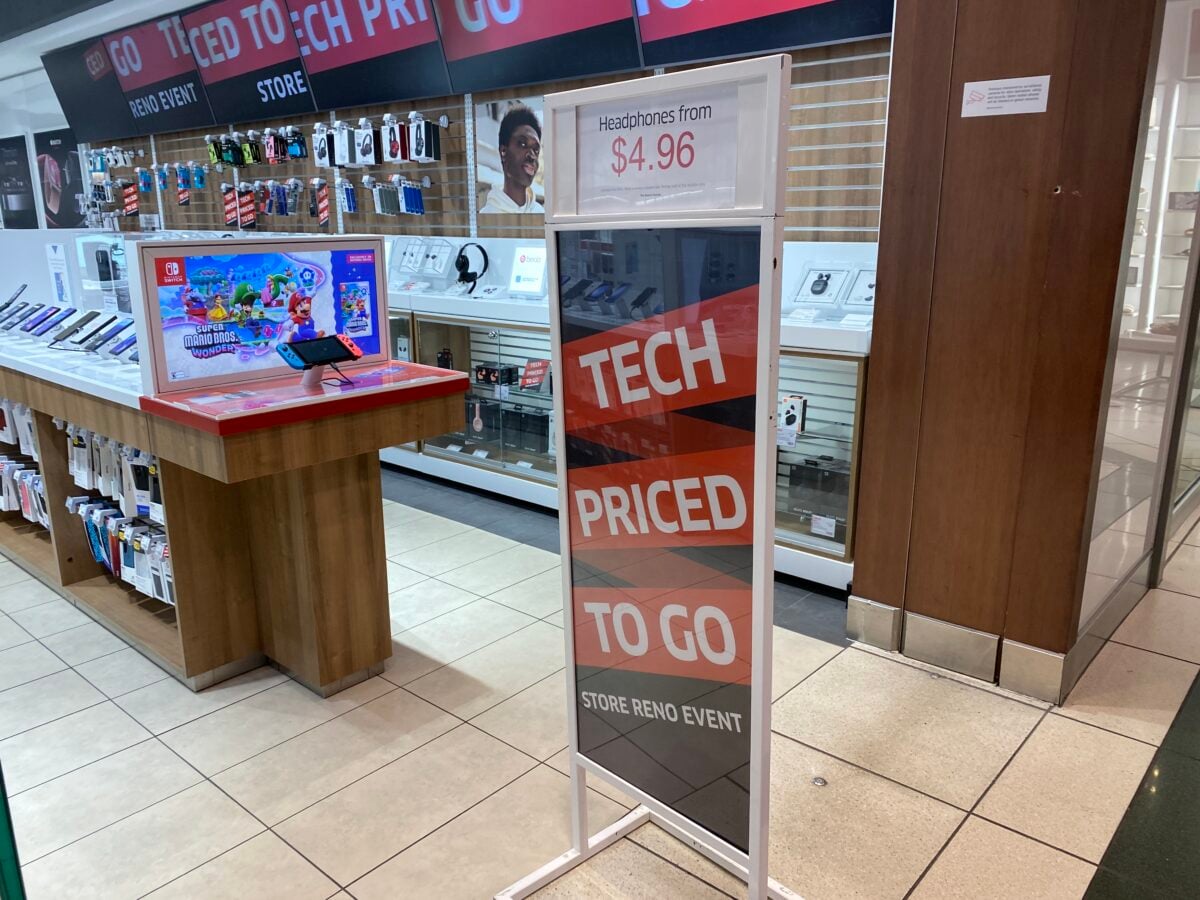
The Source at CF Toronto Eaton Centre (Image: Dustin Fuhs)
Finally, a surprising development in April was the retail sales performance in Alberta. Despite a significant population growth of over 202,000 by the end of March—55,000 of whom were from other provinces—retail sales have only grown by a modest 0.3% YTD compared to 2023. Given this unprecedented annual population increase, retail sales were expected to rise at a higher rate. Potential explanations could be:
Newcomers are shopping locally, though this alone shouldn’t have a significant impact.
The costs associated with moving have constrained their immediate spending capacity.
Alberta’s appeal lies in its lower cost of living, suggesting that many of the new residents might already be more frugal shoppers.
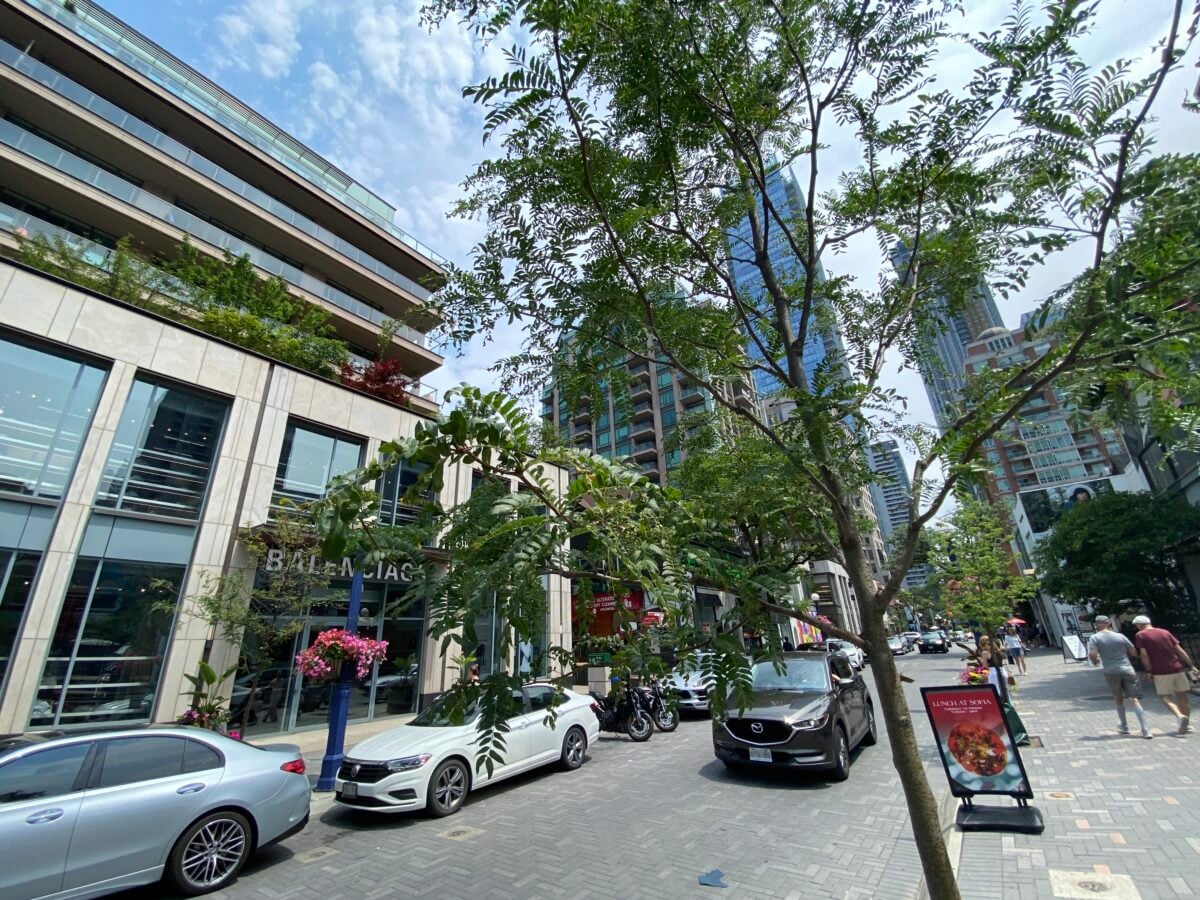
Balenciaga in Yorkville (Image: Dustin Fuhs)
As we write this, Ontario is experiencing a heat wave, prompting us to consider how summer might alter shopping patterns. Key questions on our minds include:
Will heat waves significantly affect traffic at shopping centres compared to Business Improvement Areas (BIAs)?
With the recent cut to interest rates, can we expect a resurgence in discretionary spending?
How will AI influence e-commerce shopping patterns, especially with on-device implementations coming to iPhones in the fall?
How have you prepared your retail business to navigate the uncertainties of summer?
Canadian Retail Sales by Product Category, Same Month Comparison
Sales for the Month of April
Apr-24
Apr-23
YOY
All Stores
66,556,755
64,838,369
2.65%
Motor Vehicle and Parts Dealers
19,692,411
18,311,755
7.54%
Gasoline Stations
6,301,326
6,182,971
1.91%
All Stores Less Automotive
40,563,018
40,343,643
0.54%
Food and Beverage Stores
12,078,504
12,389,336
-2.51%
Supermarkets and Other Grocery Stores*
8,653,685
8,787,981
-1.53%
Convenience Stores
694,803
735,682
-5.56%
Specialty Food Stores
800,001
833,862
-4.06%
Beer, Wine and Liquor Stores
1,930,015
2,031,810
-5.01%
Health and Personal Care Stores
5,575,203
5,166,802
7.90%
All Stores Less Automotive, Food, and Pharmacies
22,909,311
22,787,505
0.53%
General Merchandise Stores
8,861,927
8,741,923
1.37%
Furniture, Home Furnishings, Electronic and Appliance Stores
3,363,147
3,270,026
2.85%
Furniture Stores
1,134,488
1,137,950
-0.30%
Home Furnishings Stores
702,863
688,273
2.12%
Electronics and Appliance Stores
1,525,796
1,443,802
5.68%
Clothing and Accessories Stores
3,185,530
3,354,056
-5.02%
Clothing Stores
2,450,342
2,564,162
-4.44%
Shoe Stores
394,868
432,673
-8.74%
Jewellery, Luggage and Leather Goods Stores
340,320
357,220
-4.73%
Sporting Goods, Hobby, Book and Music Stores
3,503,568
3,611,297
-2.98%
Building Material and Garden Equipment
3,995,139
3,810,204
4.85%
Miscellaneous Store Retailers
2,257,400
2,286,383
-1.27%
Cannabis Retailers
428,555
416,603
2.87%
Canadian Ecommerce Sales
Ecommerce Sales
Apr-24
Apr-23
Percent Change
Year-to-Date
13,915,738
13,204,510
5.39%
Year-Over-Year
3,770,443
3,435,243
9.76%
Canadian Retail Sales by Store Category, Year to Date Comparison
Year-to-Date, Ending April
Apr-24
Apr-23
YTD
All Stores
242,605,245
238,221,250
1.84%
Motor Vehicle and Parts Dealers
66,868,376
65,277,151
2.44%
Gasoline Stations
24,262,525
24,811,830
-2.21%
All Stores Less Automotive
151,474,344
148,132,269
2.26%
Food and Beverage Stores
47,938,136
47,012,876
1.97%
Supermarkets and Other Grocery Stores*
34,833,987
33,853,368
2.90%
Convenience Stores
2,657,944
2,709,431
-1.90%
Specialty Food Stores
3,148,078
2,959,361
6.38%
Beer, Wine and Liquor Stores
7,298,128
7,490,714
-2.57%
Health and Personal Care Stores
21,619,671
20,223,497
6.90%
All Stores Less Automotive, Food, and Pharmacies
81,916,537
80,895,896
1.26%
General Merchandise Stores
31,905,348
30,084,910
6.05%
Furniture, Home Furnishings, Electronic and Appliance Stores
13,113,902
13,178,842
-0.49%
Furniture Stores
4,270,615
4,318,931
-1.12%
Home Furnishings Stores
2,530,503
2,730,356
-7.32%
Electronics and Appliance Stores
6,312,784
6,129,553
2.99%
Clothing and Accessories Stores
11,117,033
11,365,203
-2.18%
Clothing Stores
8,586,710
8,796,460
-2.38%
Shoe Stores
1,277,555
1,311,192
-2.57%
Jewellery, Luggage and Leather Goods Stores
1,252,767
1,257,550
-0.38%
Sporting Goods, Hobby, Book and Music Stores
13,056,143
13,681,982
-4.57%
Building Material and Garden Equipment
12,724,110
12,584,959
1.11%
Miscellaneous Store Retailers
8,438,230
8,869,312
-4.86%
Cannabis Retailers
1,624,169
1,598,674
1.59%
Retail Trade, Canada, All Stores, by Geographic Regions
On Friday, Statistics Canada reported a notable 1.7% increase in national food sales, marking the first growth observed since December 2023. This increase, though modest, is significant in the context of Canada’s growing population and persistent inflationary pressures. These factors are expected to drive food sales upward in dollar terms over time. Since mid-2021, food sales in Canada have exhibited a rollercoaster pattern, reflecting economic uncertainties and consumer hesitancies during the pandemic and post-pandemic periods. However, recent data suggests that consumers are beginning to adjust and overcome their fears of sticker shock.
Consumer behavior has shifted notably. Shoppers are now more willing to spend at grocery stores, a change from their previous tendency to save every penny for other rising expenses, such as housing and energy costs. This shift can be partially attributed to the normalization of higher interest rates, particularly for those with variable-rate debts and mortgages. However, approximately 40% of households with mortgages will face renewals within the next year, likely encountering higher payments that could reduce their disposable income for food and other necessities.
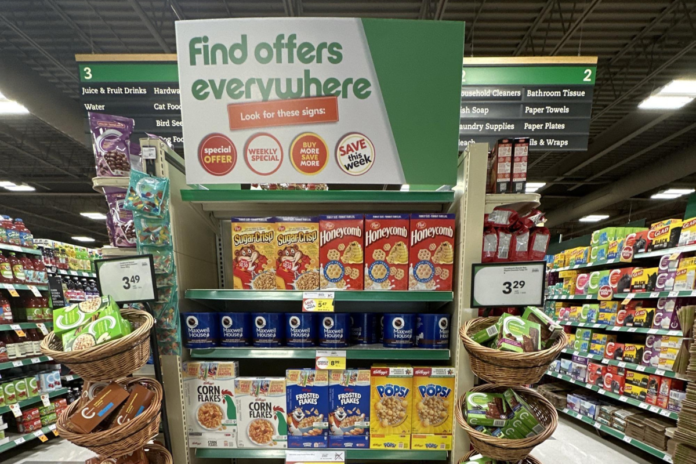
Food Basics Pape Ave (Image: Field Agent Canada)
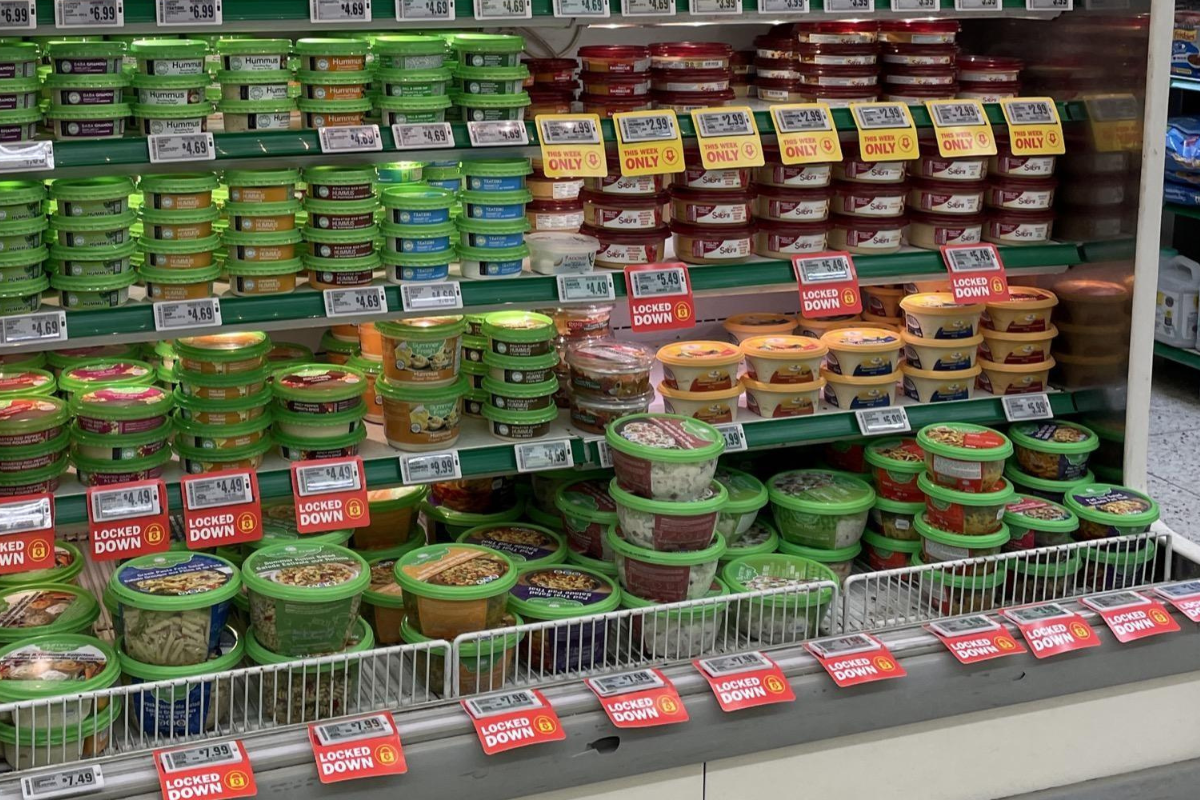
Despite the current lack of sympathy for grocers, managing a consumer base that is increasingly frugal presents a significant challenge. Sobeys’ recent quarterly results provide some insight into this issue. The company’s sales amounted to $7.4 billion, remaining largely unchanged from the previous year. Same-store sales saw a slight decrease of 0.3%, but excluding fuel, same-store sales experienced a modest 0.2% increase. These figures suggest that while overall sales volume is stable, there is a nuanced shift in consumer purchasing behavior. Similar figures can be anticipated from Loblaw and Metro, although these companies might report slightly better performance due to their stronger portfolios of discount stores, which attract cost-conscious consumers more effectively than Sobeys.
In response to these challenges, Sobeys has strategically scaled back its e-commerce operations to optimize existing resources. They have paused plans for an e-commerce center in Vancouver and ended their partnership with the UK’s Ocado. This decision reflects a pragmatic approach to the changing market dynamics. Online total Canadian food sales, which peaked at 3.6% of all food sales in 2022 according to NIQ, have since declined. While Sobeys might not have anticipated this drop, they have navigated the challenges relatively well, considering the competition from Amazon, which continues to expand its footprint in the Canadian market. Sobeys’ decision to re-evaluate its e-commerce strategy underscores the difficulty of covering the last mile to reach consumers and highlights the logistical challenges of competing with a giant like Amazon.
Historically, profiting from online food sales has been difficult, and the current market conditions exacerbate these challenges. Today, consumers are increasingly diversifying their shopping habits to find the best deals, often visiting multiple stores rather than relying solely on online purchases. This behavior is driven by the desire to avoid delivery costs and take advantage of in-store promotions and discounts. Although online shopping might regain popularity in the future, this shift will take time as consumers balance convenience with cost savings.
Additionally, Statistics Canada has updated the Consumer Price Index (CPI) basket, increasing the food weighting to 16.72% from 16.13%. This adjustment reflects the growing importance of food expenditures in the average Canadian household budget. Notably, food consumed at restaurants accounted for almost 70% of this increase, indicating a significant shift in dining habits. On average, 35% of our food budget is now spent dining out, a substantial rise from previous years. This shift came at the expense of furnishings and equipment, which saw a significant decrease in their weight within the CPI basket.
In line with current trends, the relative weight of alcoholic beverages, tobacco products, and recreational cannabis has decreased from 4.47% to 4.17%, reflecting recent sales data. This decline suggests a change in consumer preferences and spending priorities, possibly influenced by economic pressures and health considerations.
The Canadian food market is undergoing significant changes, as evidenced by recent reports from both Statistics Canada and Sobeys. The landscape in 2024 is markedly different from 2023 and 2022, reflecting evolving consumer behaviors, economic pressures, and strategic adjustments by major retailers. As consumers continue to navigate these changes, the food industry will need to adapt to meet new demands and challenges, ensuring sustainability and competitiveness in an increasingly dynamic market.
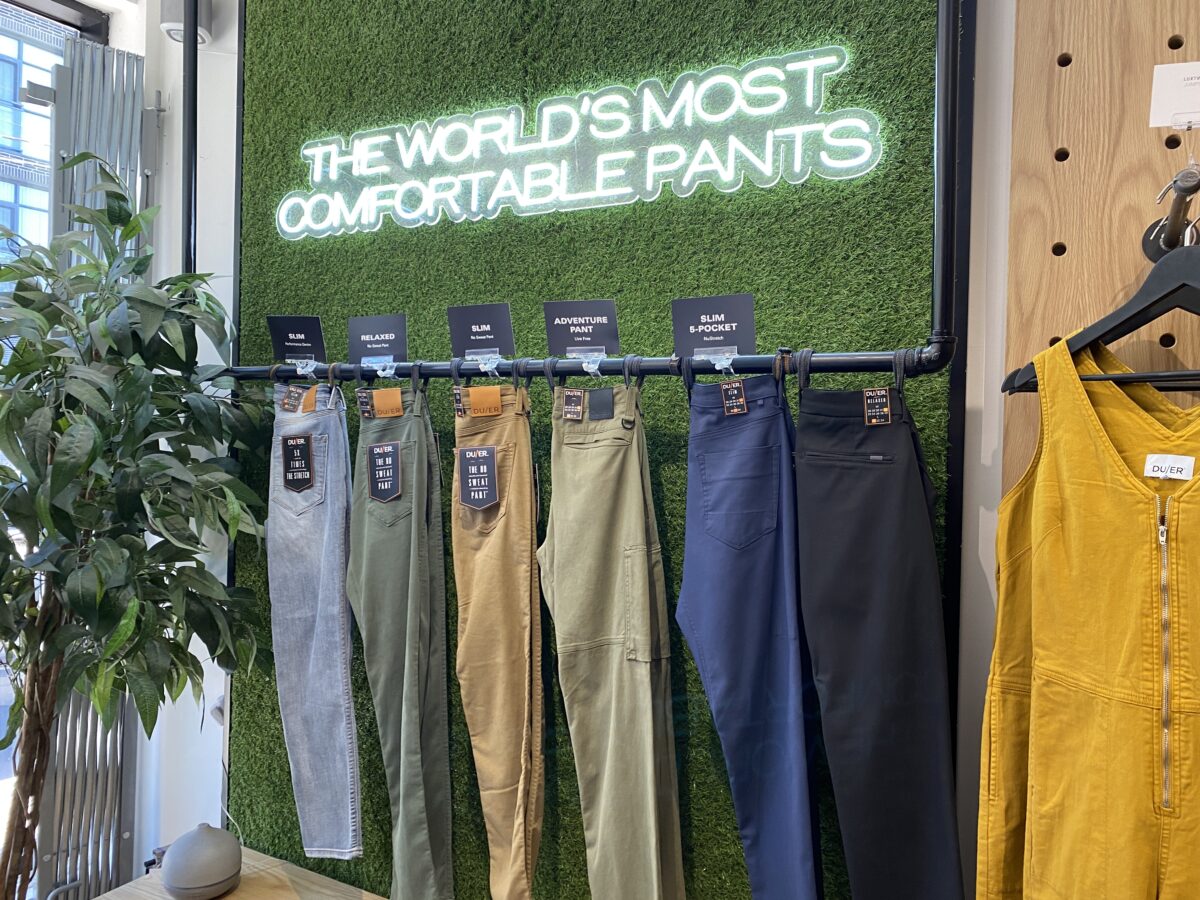
Anatomy of a Leader: Gary Lenett, Co-Founder of DUER
Although Gary Lenett has a varied background in teaching and law, he is now known as a “jeaner” as designing and making jeanswear and casual apparel has been his singular focus for most of the last 30 years.
Lenett, Co-Founder of DUER, was born and raised in Vancouver. He’s fourth generation Vancouver.
He has a Bachelor of Arts from Simon Fraser University and a Bachelor of Laws from the University of Windsor and the University of British Columbia.
“I have a teaching certificate and a law degree – none of which relates to what I currently do,” he said.
“I just missed the late 60s but I was always interested in ‘saving the world’ when I was a young man. I was really interested in the concept of teaching and what teachers can do to just make the world a better place. But I figured out quite quickly that it was difficult fighting the system to make much change. Then I thought I’ll make the change through law and I went back to law school. I thought I would be a civil rights lawyer at the time.
“By the time I got out of law school, I realized as I started working as a lawyer that I really had this entrepreneurial gene. So it took over.”
Gary Lenett (Image: Britney Gill / DUER)
Leading up to the inception of DUER, Lenett said he was privileged to make jeans for many of the best known names in the industry including Levi Strauss, Guess Jeans, The Gap, Lee, Wrangler, Eddie Bauer, The Limited/Express, Ralph Lauren (Polo), Nordstroms, Banana Republic, Nike (Michael Jordan), Lululemon (Ococco), Harley Davidson, and more.
He has also held major North American denim licences and built a number of his own denim brands, including International Denim (ID Wear), Dish Denim, DRT Jeans, and DUER.
Lenett said DUER is reinventing the jeans category with fabric that has five times more stretch and is 30 per cent lighter and stronger than traditional denim.
The transition from being a lawyer to entrepreneurship was a combination of different factors.
“As a practicing lawyer I was quite fortunate as I developed my own practice quite quickly because I’m sort of half creative. I’m probably naturally more of a creative than a lawyer so having that I found it really lent itself well to working with young entrepreneurs. So built up a nice practice of people and helping them build their businesses,” said Lenett.
“Then at a certain point my brother phoned me. When I went to law school my father had a small, very cottage, clothing business. He was a manufacturer at the time of leather goods and I begged my younger brother to go into the business because I didn’t want to. I wanted to go to law school. So he did. I went to law school, I came out, I practiced. Ten years later he phoned me and said ‘hey you got me into this business, I need some help for a year’.
“So I took a one-year sabbatical to go help him. I already started to recognize that I have this entrepreneurial gene because I was working with entrepreneurs and really enjoying it . . . One year became two and I never went back.”
Gary Lenett (Image: Britney Gill / DUER)
Lenett has created five different brands during his career. That is his love and passion.
“This business gets in your blood . . . This is really high intensity. You get immediate feedback and once it gets in your blood it’s hard to do anything else,” he said.
DUER has been his singular focus for the last 10 years. The retail brand will be opening its newest location in Ottawa at the end of June.
“In terms of the brand values and just the stage in my career, it’s such a privilege to be doing this at the end of my career. I was 56 when I started this. I’m 66 now and to be able to do this and be able to use my experience, having fun and learning at this age is so much fun,” said Lenett.
So will this be his last brand?
“This is it,” he said.
“I’ve always been fascinated. I call them love marks. Even when I was a young man, as a teenager, I was always fascinated on why do I gravitate, why am I buying (something) . . . To me it’s a combination of literally the design aspects because I am attuned to design, I like well-designed product but also the brand values.
“I talk a fair amount to industry people about the difference in our industry between a label and a brand. You run a label and it’s usually trend driven and it comes and goes. There’s sort of a typical cycle in developing a label . . . Enduring brands as opposed to labels are built on a foundation of values. The design can change over time but the values don’t change.”
DUER on Ossington Avenue in Toronto (Image: Dustin Fuhs)
Brands are powerful. People will pay more for the same product if a well-known and well-respected brand is attached to that product.
“I’m not a pure creative. I consider myself a merchant. I understand my customer and the psychographics of my customer. I’m not interested in putting out cheap trend driven stuff that’s going to be thrown into landfills. I want customers to really appreciate what we do. I’ve always been on the mid to high end of the market but to get people to put out $130, $140 or $150 for a pair of jeans where they can go to Costco and buy them for $12, it’s got to represent something more than just the fabric. It has to mean something more. And figuring out that puzzle is just fascinating to me.”
As a leader, Lenett aspires to be a transformational leader which means he likes to think he can make people the best versions of themselves. He’s collaborative and his motto with every single enterprise he’s ever run is personal growth drives to organizational growth.
“I’m the entrepreneur. I have the concept . . . I believe in developing people and just trying to be a transformational leader.”
Outside of work, he’s always been someone who values experiences more than things. Health and fitness is very important to him and he’s very dedicated to getting outside every day.
“My father got seriously ill very young in life and so it’s always been a big driver of mine to stay healthy and healthy in all the realms. Not just physical but emotional. Work, family and exercise. I have a very fulfilling life in that way,” said Lenett.
Retailer Peavey Industries LP announced Thursday it is ending its relationship with ACE Hardware International on December 31, marking the end of the ACE Canada banner under Peavey Industries LP.
“This decision underscores the growth trajectory that ACE Canada has experienced, evolving from Peavey Industries LP’s acquisition of the ACE Canada master license from Lowe’s in 2020,” said Peavey in a statement.
This period has been filled with shared aspirations for growth and a steadfast commitment to supporting local Canadian-owned retail. Over the past few years, the retail landscape has faced numerous challenges, including the global pandemic, supply chain disruptions, inflation-induced consumer behaviour changes, and increased operational costs, particularly in smaller, remote markets.
“These factors have prompted a strategic reevaluation by Peavey Industries LP leading to the decision to end our relationship with Ace Hardware International.”
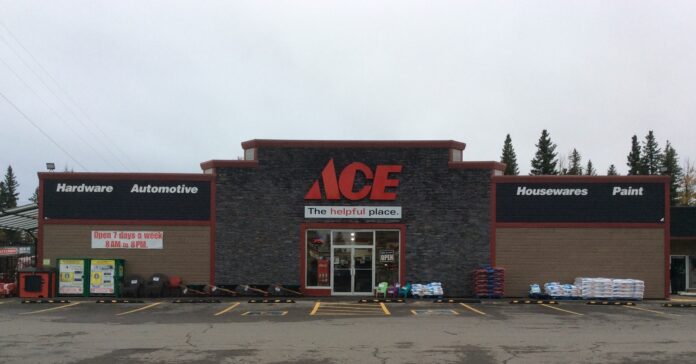
Buck Lake Ace Hardware (Image: Google)
Peavey said it is incredibly proud of the accomplishments achieved in partnership with employees, dealers, vendors, and industry partners.
“This decision reflects a broader necessity to adapt to the evolving retail environment, ensuring continued support for future growth and stability. We express our deepest gratitude to everyone who has been part of the ACE Canada story. Your dedication, resilience, and commitment to excellence have significantly contributed to Canadian retail.
“As we move forward, Peavey Industries LP is committed to supporting our stakeholders. We pledge to maintain open communication and provide assistance and guidance to all affected parties. This moment is also an opportunity to reflect on the importance of supporting Canadian retail, particularly the small retailers and local communities that are the backbone of our economy. Peavey Industries LP remains dedicated to fostering a vibrant, diverse, and sustainable retail landscape in Canada.”
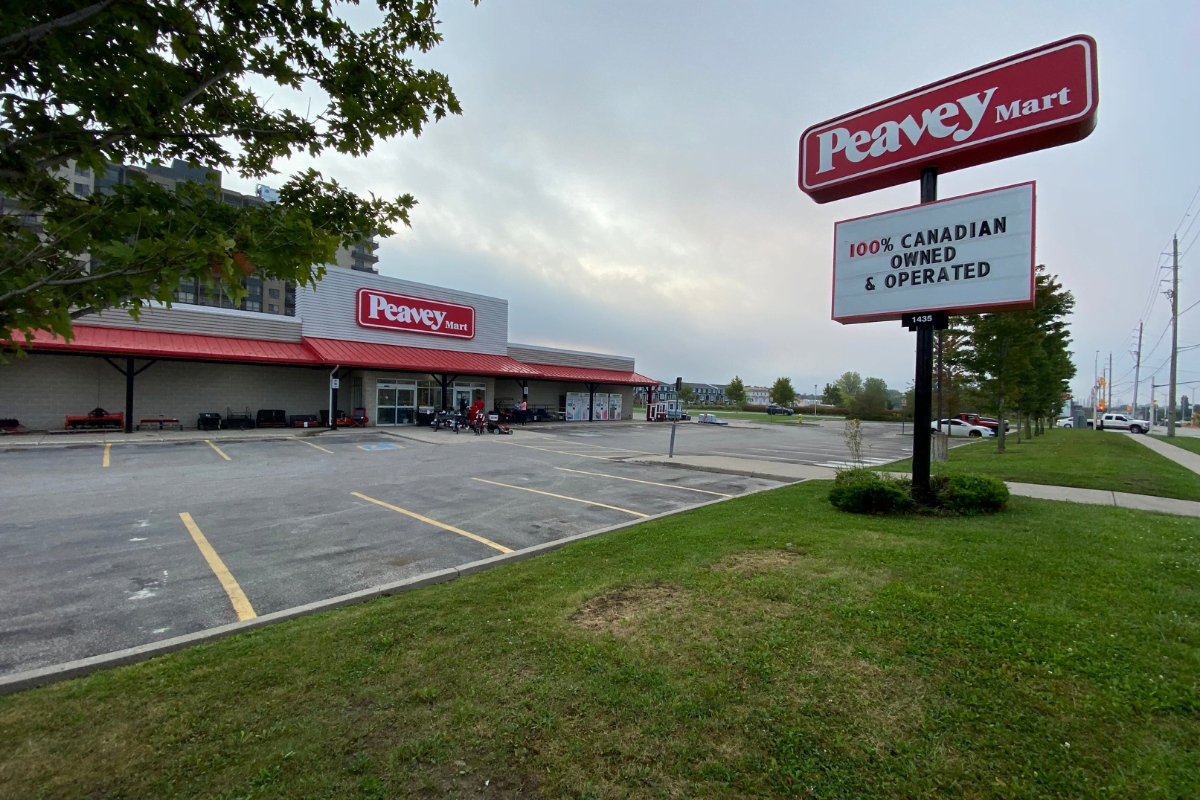
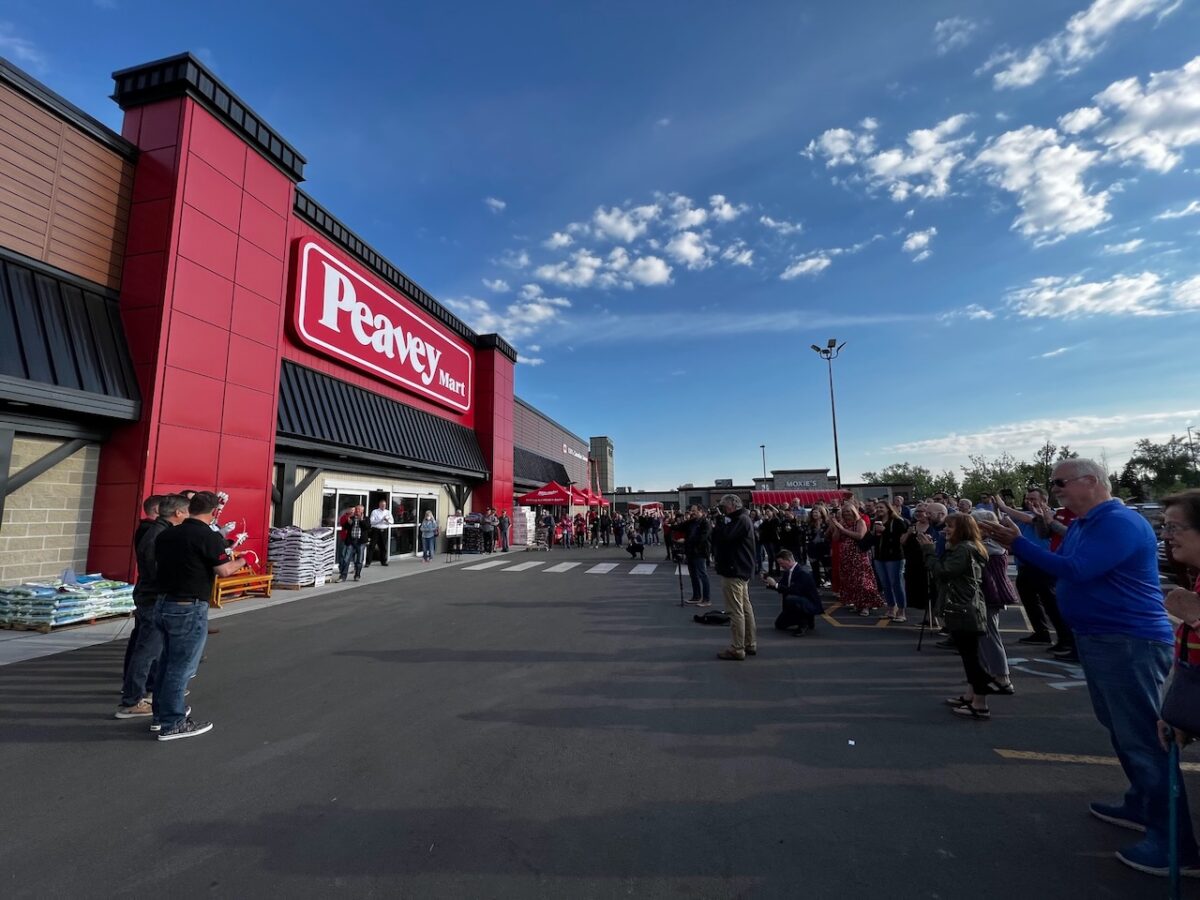
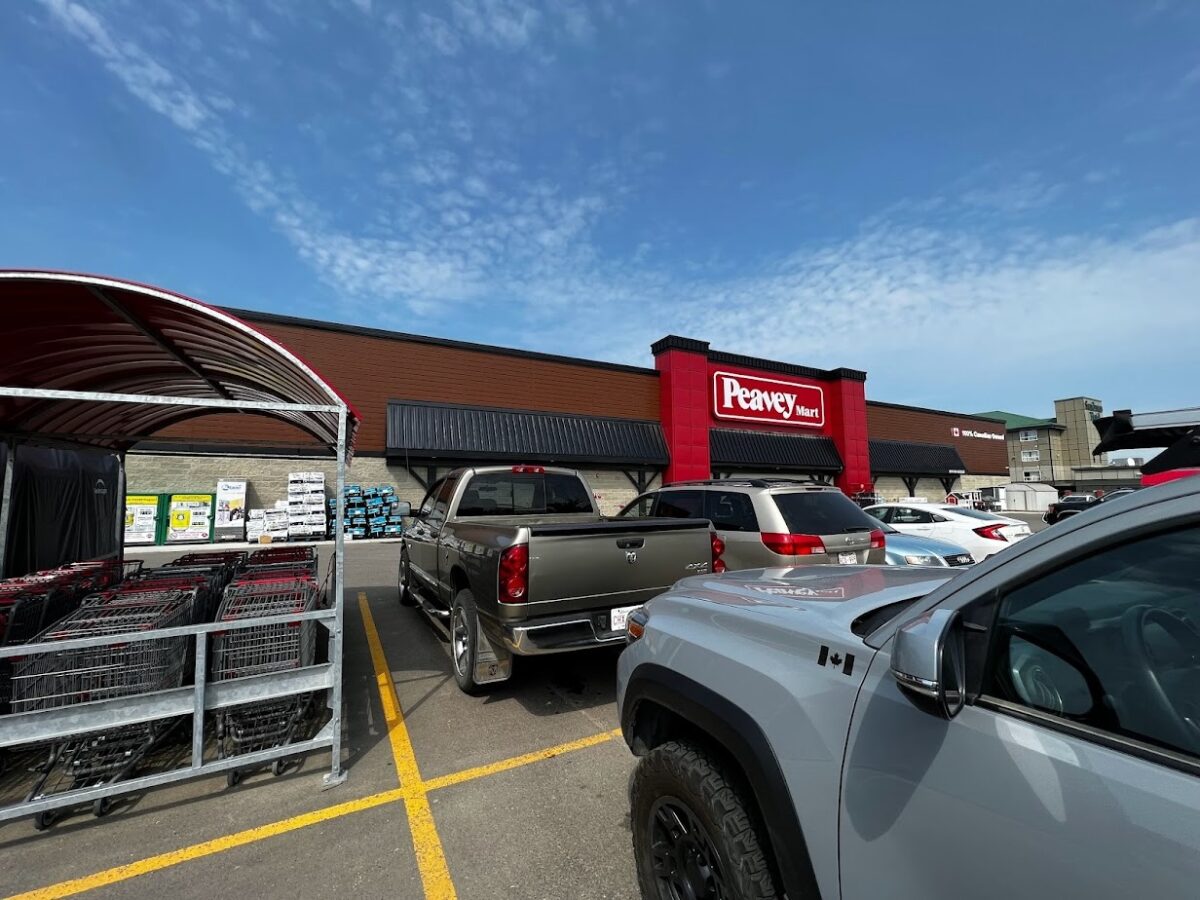
Peavey Mart is a farm and ranch retail banner in Canada offering a unique selection of agriculture, farm and ranch, pet, work wear, lawn and garden, hardware and homesteading supplies for those who enjoy a down-to-earth rural lifestyle. It is 100 per cent Canadian and employee owned.
It has 90 stores across Canada from British Columbia to Nova Scotia ranging in size from 10,000-48,000 square feet.
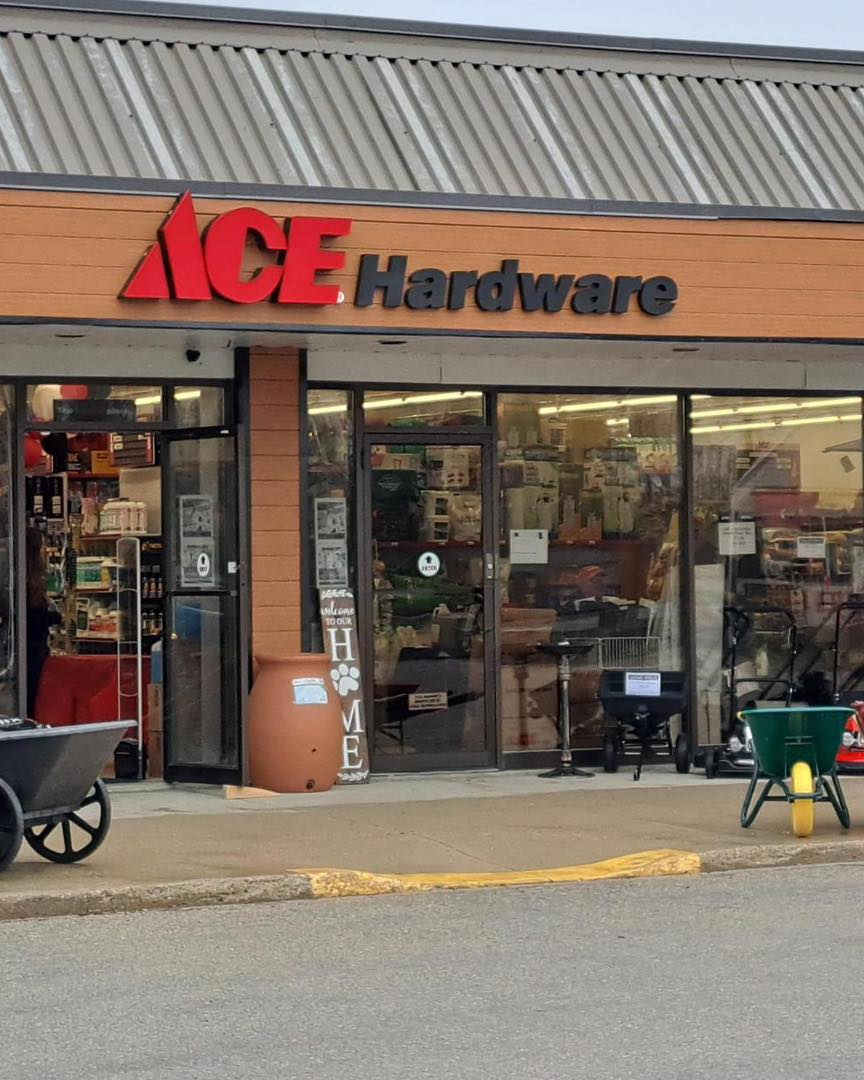
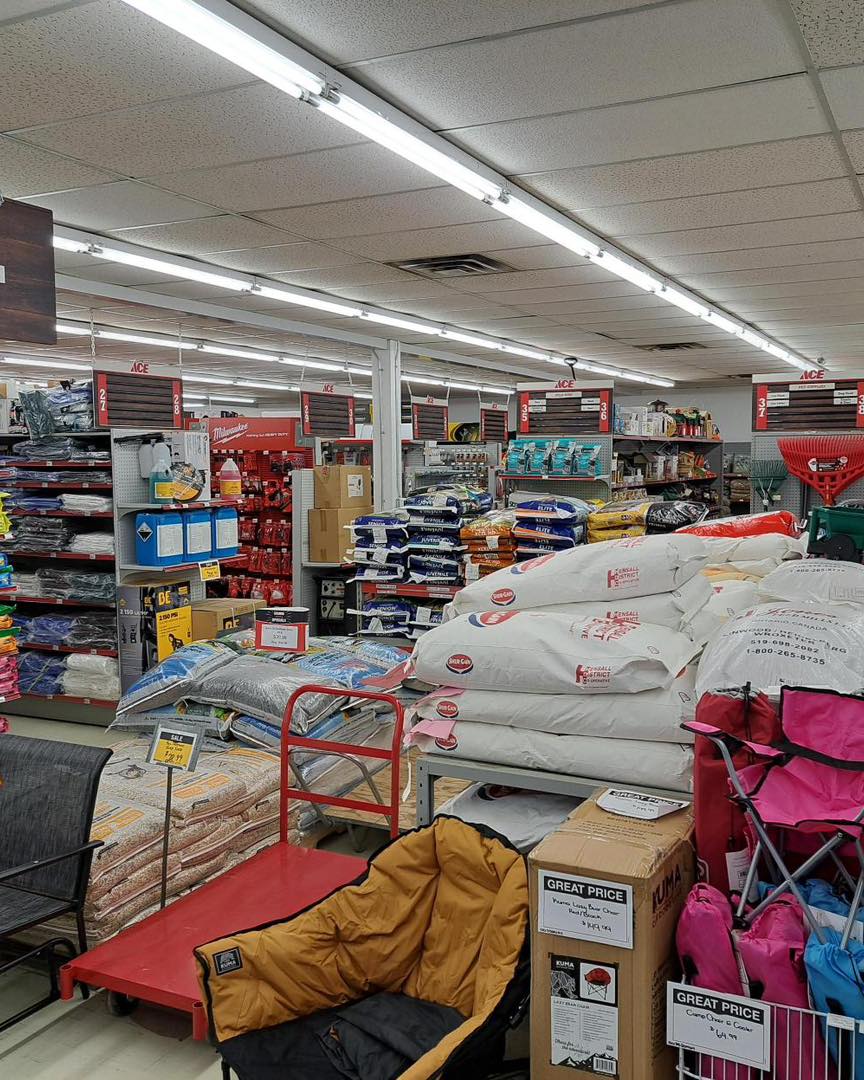
ACE Hardware Canada (Image: ACE Hardware)ACE Hardware Canada (Image: ACE Hardware)Peavey Mart Hyde Park (Image: Peavey Industries)
In March 2020, Peavey Industries announced the acquisition of Ace Canada to its retail family.
At the time, the Ace Canada brand consisted of 107 stores under Ace Hardware, Ace Country & Garden or Ace Building Centre banners.
“Ace Canada is a natural extension to Peavey Industries for a number of reasons: we relate strongly to their dedication to ‘local and loyal’, we appreciate their commitment to providing value to customers and we mirror their devotion to excellence in customer service. Also, it is a great opportunity for us to serve new markets with the addition of this great brand,” said Doug Anderson, President and CEO of Peavey Industries.
Currently, 95 Ace Hardware Canada locations are operated under the Peavey Industries umbrella – 92 Ace Canada dealers and three corporate Ace Canada locations owned by Peavey.
The corporate-owned locations will be converted to Peavey’s MainStreet Hardware brand, said Jest Sidloski, VP Marketing & Customer Experience, Peavey Industries LP.
No new Ace Canada locations are slated to open in 2024.
A new Peavey Mart location in Steinbach, Manitoba opened in March 2024, but Sidloski said there are no further plans to open more Peavey Mart stores this year.
Image: Peavey Mart
The Peavey Industries LP home office is located in Red Deer, Alberta and includes 180,000 square feet of distribution centre space.
The company’s roots go back to 1967 when it started as National Farmway, a chain of “super farm markets” whose first location opened in Dawson Creek, BC.
By 1975, the chain became known as Peavey Mart, a subsidiary of Peavey Company of Minneapolis.
In 1984, the company returned to Canadian ownership.
In 2017, Peavey Industries LP acquired the TSC Stores banner, based in London, Ontario with stores operating in Ontario and Manitoba.
In spring of 2021, the final conversion of all TSC Stores to Peavey Mart took place.
According to its website, Ace Hardware has over 5,000 stores around the world with the majority of those stores independently owned and operated by local entrepreneurs.
“Ace stores come in all sizes and shapes based on the needs of each individual neighborhood. We have small, urban stores, large rural stores and everything in between. Ace stores offer a wide variety of paint, lawn and garden, tools, local niche services and virtually anything you’ll ever need to fix, repair and maintain your home,” it said.
“Founded in 1924 by a small group of Chicago hardware store owners, Ace changed the retail landscape by allowing individual stores to purchase merchandise in bulk to save money and buy at the lowest possible price. This partnership enabled even the smaller stores to compete effectively at retail despite larger stores in their market. And to this very day, Ace Hardware Corporation is still owned solely and exclusively by the local Ace retail entrepreneurs.”