

Canadian retail sales grew modestly in April, especially compared to March’s drop, with All Stores growing 2.7% YOY. However, discretionary spend not up nearly as much with All Stores Less Automotive, Food, and Pharmacies only 0.5% YOY. It is important to remember that there was an extra 1-2 shopping days in April as Good Friday and Easter Sunday landed in March.
As with the rest of the world, the price of groceries remain top of mind. Despite the ongoing boycotts targeting Loblaws, Supermarkets and Other Grocery Stores experienced decline of -1.5% YOY. This drop occurred even before the boycott commenced, indicating a significant shift in consumer behavior towards smaller, local grocers. This trend is largely attributed to consumers’ response to the high grocery inflation in Canada. While inflationary pressures pose challenges, the move towards local grocers is a silver lining, fostering community growth and providing much-needed support to local businesses.
The Canadian retail landscape also reflected the dynamic housing market and its associated rent and mortgage rates. Although the anticipated rate decrease had not yet taken effect, its expected impact on mortgage rates was already influencing consumer behavior. Condo sales in major cities like Toronto plummeted, hitting the lowest quarterly sales of new condos since the 2009 financial crisis. Consequently, potential homeowners found themselves with slightly more disposable income as they navigated the real estate market. For those staying put, the impending rate decrease fostered optimism about affording their mortgage renewals. This shift in financial confidence positively impacted several retail categories:
- Home Furnishings Stores saw a 2.1% YOY growth,
- Building Material and Garden Equipment sales rose by 4.9% YOY, and
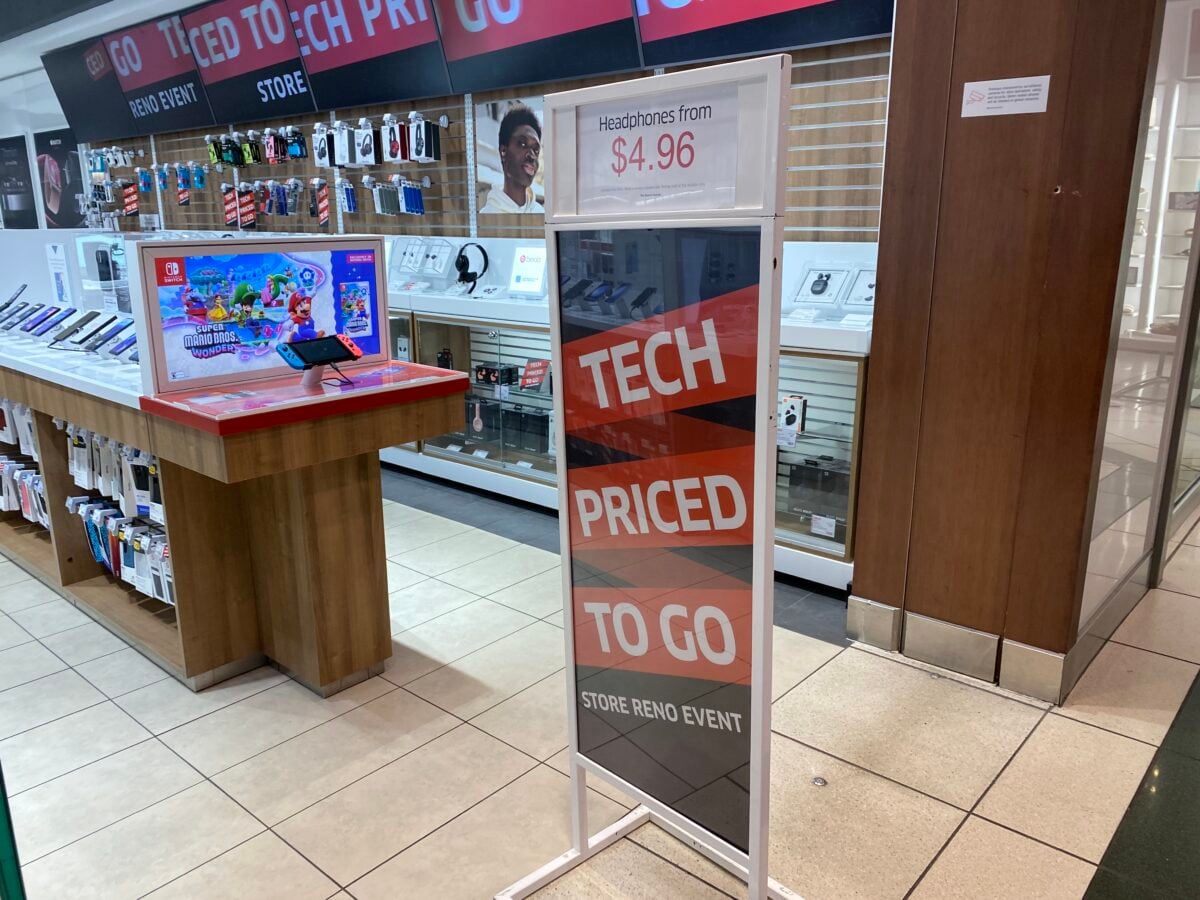
- Electronics and Appliance Stores experienced a 5.7% YOY increase, likely driven by higher appliance sales.
Finally, a surprising development in April was the retail sales performance in Alberta. Despite a significant population growth of over 202,000 by the end of March—55,000 of whom were from other provinces—retail sales have only grown by a modest 0.3% YTD compared to 2023. Given this unprecedented annual population increase, retail sales were expected to rise at a higher rate. Potential explanations could be:
- Newcomers are shopping locally, though this alone shouldn’t have a significant impact.
- The costs associated with moving have constrained their immediate spending capacity.
- Alberta’s appeal lies in its lower cost of living, suggesting that many of the new residents might already be more frugal shoppers.

As we write this, Ontario is experiencing a heat wave, prompting us to consider how summer might alter shopping patterns. Key questions on our minds include:
- Will heat waves significantly affect traffic at shopping centres compared to Business Improvement Areas (BIAs)?
- With the recent cut to interest rates, can we expect a resurgence in discretionary spending?
- How will AI influence e-commerce shopping patterns, especially with on-device implementations coming to iPhones in the fall?
- How have you prepared your retail business to navigate the uncertainties of summer?
Canadian Retail Sales by Product Category, Same Month Comparison
| Sales for the Month of April | Apr-24 | Apr-23 | YOY |
|---|---|---|---|
| All Stores | 66,556,755 | 64,838,369 | 2.65% |
| Motor Vehicle and Parts Dealers | 19,692,411 | 18,311,755 | 7.54% |
| Gasoline Stations | 6,301,326 | 6,182,971 | 1.91% |
| All Stores Less Automotive | 40,563,018 | 40,343,643 | 0.54% |
| Food and Beverage Stores | 12,078,504 | 12,389,336 | -2.51% |
| Supermarkets and Other Grocery Stores* | 8,653,685 | 8,787,981 | -1.53% |
| Convenience Stores | 694,803 | 735,682 | -5.56% |
| Specialty Food Stores | 800,001 | 833,862 | -4.06% |
| Beer, Wine and Liquor Stores | 1,930,015 | 2,031,810 | -5.01% |
| Health and Personal Care Stores | 5,575,203 | 5,166,802 | 7.90% |
| All Stores Less Automotive, Food, and Pharmacies | 22,909,311 | 22,787,505 | 0.53% |
| General Merchandise Stores | 8,861,927 | 8,741,923 | 1.37% |
| Furniture, Home Furnishings, Electronic and Appliance Stores | 3,363,147 | 3,270,026 | 2.85% |
| Furniture Stores | 1,134,488 | 1,137,950 | -0.30% |
| Home Furnishings Stores | 702,863 | 688,273 | 2.12% |
| Electronics and Appliance Stores | 1,525,796 | 1,443,802 | 5.68% |
| Clothing and Accessories Stores | 3,185,530 | 3,354,056 | -5.02% |
| Clothing Stores | 2,450,342 | 2,564,162 | -4.44% |
| Shoe Stores | 394,868 | 432,673 | -8.74% |
| Jewellery, Luggage and Leather Goods Stores | 340,320 | 357,220 | -4.73% |
| Sporting Goods, Hobby, Book and Music Stores | 3,503,568 | 3,611,297 | -2.98% |
| Building Material and Garden Equipment | 3,995,139 | 3,810,204 | 4.85% |
| Miscellaneous Store Retailers | 2,257,400 | 2,286,383 | -1.27% |
| Cannabis Retailers | 428,555 | 416,603 | 2.87% |
Canadian Ecommerce Sales
| Ecommerce Sales | Apr-24 | Apr-23 | Percent Change |
|---|---|---|---|
| Year-to-Date | 13,915,738 | 13,204,510 | 5.39% |
| Year-Over-Year | 3,770,443 | 3,435,243 | 9.76% |
Canadian Retail Sales by Store Category, Year to Date Comparison
| Year-to-Date, Ending April | Apr-24 | Apr-23 | YTD |
|---|---|---|---|
| All Stores | 242,605,245 | 238,221,250 | 1.84% |
| Motor Vehicle and Parts Dealers | 66,868,376 | 65,277,151 | 2.44% |
| Gasoline Stations | 24,262,525 | 24,811,830 | -2.21% |
| All Stores Less Automotive | 151,474,344 | 148,132,269 | 2.26% |
| Food and Beverage Stores | 47,938,136 | 47,012,876 | 1.97% |
| Supermarkets and Other Grocery Stores* | 34,833,987 | 33,853,368 | 2.90% |
| Convenience Stores | 2,657,944 | 2,709,431 | -1.90% |
| Specialty Food Stores | 3,148,078 | 2,959,361 | 6.38% |
| Beer, Wine and Liquor Stores | 7,298,128 | 7,490,714 | -2.57% |
| Health and Personal Care Stores | 21,619,671 | 20,223,497 | 6.90% |
| All Stores Less Automotive, Food, and Pharmacies | 81,916,537 | 80,895,896 | 1.26% |
| General Merchandise Stores | 31,905,348 | 30,084,910 | 6.05% |
| Furniture, Home Furnishings, Electronic and Appliance Stores | 13,113,902 | 13,178,842 | -0.49% |
| Furniture Stores | 4,270,615 | 4,318,931 | -1.12% |
| Home Furnishings Stores | 2,530,503 | 2,730,356 | -7.32% |
| Electronics and Appliance Stores | 6,312,784 | 6,129,553 | 2.99% |
| Clothing and Accessories Stores | 11,117,033 | 11,365,203 | -2.18% |
| Clothing Stores | 8,586,710 | 8,796,460 | -2.38% |
| Shoe Stores | 1,277,555 | 1,311,192 | -2.57% |
| Jewellery, Luggage and Leather Goods Stores | 1,252,767 | 1,257,550 | -0.38% |
| Sporting Goods, Hobby, Book and Music Stores | 13,056,143 | 13,681,982 | -4.57% |
| Building Material and Garden Equipment | 12,724,110 | 12,584,959 | 1.11% |
| Miscellaneous Store Retailers | 8,438,230 | 8,869,312 | -4.86% |
| Cannabis Retailers | 1,624,169 | 1,598,674 | 1.59% |
Retail Trade, Canada, All Stores, by Geographic Regions
| Region | Year-to-Date 2024 | Year-to-Date 2023 | 2024/2023 |
|---|---|---|---|
| British Columbia | 33,221,228 | 33,006,322 | 0.65% |
| Vancouver | 16,889,202 | 16,556,628 | 2.01% |
| Alberta | 31,492,638 | 31,413,176 | 0.25% |
| Prairies* | 15,951,169 | 15,654,703 | 1.89% |
| Ontario | 90,821,727 | 88,798,560 | 2.28% |
| Toronto | 41,274,997 | 40,811,313 | 1.14% |
| Québec | 53,767,727 | 52,880,545 | 1.68% |
| Montréal | 26,907,950 | 26,444,583 | 1.75% |
| Atlantic Canada | 16,458,143 | 15,636,142 | 5.26% |
| Territories | 892,612 | 831,802 | 7.31% |





Retail as we know it is dying. The blame lies at the fact that bags have been removed form retail outlets. I totally agree with the bag policy, but I think it should only apply to plastics. My point is connected to customer service for as a consumer as I do not feel valued when I shop and I have to either purchase a re-useable bag or leave without. Yes, I can bring my own bag, but it’s not the point. The therapy I get from shopping is ruined by the fact I have to buy a bag not to mention the spontaneity of my decision is lost. It always boggles my mind how much packaging protects my items when I shop online, but I am not offered the same experience in a store. If I shop at Louis Vuitton, no one is going to ask me if I need a bag. I will get the biggest bag advertising the brand. The LCBO is bringing single use paper bags back, maybe other retail outlets should think of doing the same. The cost need to be on the retailer not the consumer. Let’s bring back customer service and appreciation to brick and mortar stores.
Cuthbert Mitchell raises a valid concern regarding the diminishing customer service in retail due to the removal of bags. While the environmental benefits of reducing plastic are undeniable, the inconvenience to consumers cannot be overlooked. The joy of spontaneous shopping is dampened when one has to either buy a reusable bag or carry items without one. This contrasts sharply with online shopping, where packaging ensures the safety of items. High-end brands like Louis Vuitton understand the importance of customer satisfaction by providing branded bags without question. Retailers should consider bringing back single-use paper bags, like the LCBO, to enhance the shopping experience. The cost should be borne by the retailers, not the consumers, to restore the value and appreciation in brick-and-mortar stores.
Canadian retail for Spring 2024 anticipates modest growth, driven by shifting consumer trends toward tech-savvy solutions. Tools like Bloxstrap for Roblox customization reflect increasing demand for personalized digital experiences, aligning with the evolving preferences shaping retail and e-commerce dynamics.