Retail Insider is streamlining its Canadian retail news from around the web to include a handful of top news stories that can be viewed quickly during the day. Here are the top stories from the past three days.
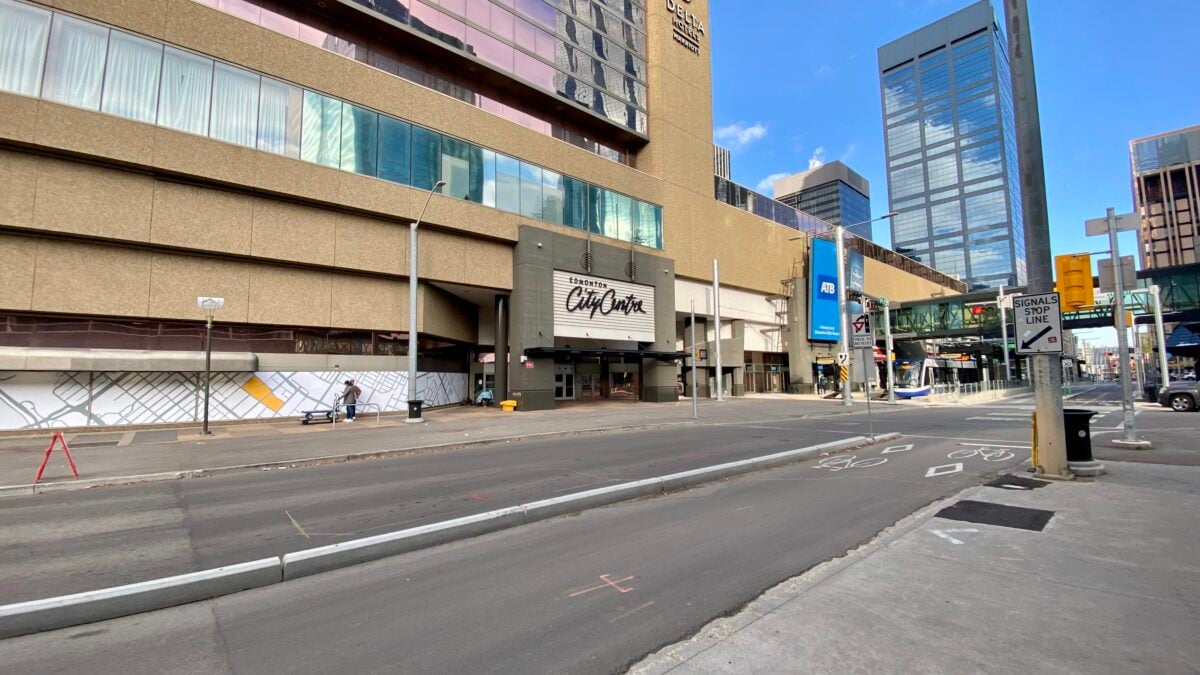
Craig and Lee delve into the dynamics of downtown retail, honing in on Edmonton in this episode of The Weekly by Retail Insider. Craig, having recently traveled to visit retail landscapes from Vancouver to San Francisco, shares insights on the stark contrast between the vibrancy of suburban shopping centres and the decline of downtown cores in many North American cities. The conversation unfolds with a critical examination of factors such as the historical shift from downtown to suburbs post-World War II, the impact of major retailers like Walmart and Amazon, and the surprising downturn of once-thriving downtowns like Edmonton.
They discuss Edmonton’s downtown, noting the challenges of parking, increasing vacancies, and a lack of vibrancy. Craig’s firsthand experience paints a vivid picture of the transformation from a bustling retail hub in the ’80s and ’90s to a quieter, less inviting space today. The podcast explores the broader trend in Canadian cities, drawing parallels between Edmonton and other urban centres like Winnipeg, Ottawa, and even smaller cities like Regina and Saskatoon, the latter two which have managed to maintain downtown retail vibrancy. The episode concludes with a reflection on potential solutions, from urban planning initiatives to the role of pedestrians in downtown spaces, leaving listeners pondering the future of retail landscapes in Canadian cities.
Edmonton City Centre (Image: Craig Patterson)Edmonton City Centre (Image: Craig Patterson)
The Weekly podcast part of theThe Retail Insider Podcast Network by Retail Insider Canada and is available on Apple Podcasts, Stitcher, TuneIn, Google Play, or through our dedicated RSS feed for Overcast and other podcast players.
Subscribe, Rate, and Review our Retail Insider Podcast!
Drop us a line at Craig@Retail-Insider.com. You can also rate us in Apple Podcasts or recommend us in Overcast to help more people discover the show!
Background Music Credit: Hard Boiled Kevin MacLeod (incompetech.com). Licensed under Creative Commons: By Attribution 3.0 License. http://creativecommons.org/licenses/by/3.0/
With inflation and the highest interest rates in recent years, a fundamental shift is underway, especially among younger generations. Many of them still live with their parents, completely burdened by the high cost of living, especially housing expenses and high grocery prices. Some believe it’s time to reassess the idealization of homeownership and consider multigenerational living. While there’s nothing fundamentally wrong with this trend, the rapid decline in our standard of living undeniably affects our younger generations.
Statistics were recently revealed by a CNBC and Generation Lab Youth & Money survey. In a nutshell, 55% of young adults find buying a home significantly more challenging, 44% struggle with job hunting, and 55% have difficulty getting promotions. In Canada, according to RBC’s financial well-being survey, Millennials are most likely to suffer from sleep disturbances due to financial worries, with 53% expressing such concerns. Generation Z closely follows, with 48% of them also experiencing sleep disruptions related to finances. In other words, Generation Z and Millennials find it much more challenging to navigate the challenges of adult life.
Indeed, for young people, saving and dreaming of a better future are becoming less evident. Instead of saving for a financially unattainable home, some may wonder why not go out and have fun. This is somewhat happening now. Professional aspirations and the desire to build wealth for oneself and future generations seem less achievable for many of our young people. Moreover, despite a low unemployment rate, finding suitable employment is particularly challenging. A cruel paradox for those who believed the job market was supposed to offer them what they wanted or close to it. When this shift occurs, of course, eating habits change.
Baby boomers and Generation X will overcome these challenges more easily. Young people, on the other hand, once perceived as spoiled and overly idealistic, are now facing a different reality.
Too Good To Go at Tim Hortons in Toronto (Image: Dustin Fuhs)
But history has taught us that fundamental economic changes often lead to innovation and resilience. After World War II, we witnessed the emergence of new restaurant models, such as fast food and efficient large-scale food production. A few years ago, food halls offered a new experience to consumers. Today, we may witness the rise of a new style of restaurant where food quality meets affordability, bridging the gap between existing options. The same goes for groceries. You never know.
A recent report on the food retail industry suggests that consumers, especially younger ones, are turning to discount banners, which have seen a more than 10% increase in sales, increasing their market share by nearly 2% compared to conventional grocers. Sales of private label products have also increased by more than 10% in the past year, surpassing national brands in all departments.
For young people, the stigma associated with shopping at Walmart, Giant Tiger, or even Dollarama is fading. Food elitism gives way to financial prudence. Generation X also had their share of misery in the early 80s when inflation and unemployment rates were very high. They survived. Young people’s hardship leads to changes in attitudes and behaviour. Predictable and necessary.
For all of us, however, we have a nation filled with heavily indebted consumers, our economy is stagnating, and productivity has been stagnant for some time. If saving becomes less of a priority for many who no longer believe that owning a home or having children is attainable, it could eventually catch up with all of us. Ambition and improving prospects remain the most valuable means for our economy to find a path to growth. We need to support our young people, but above all, our young people must be realistic while believing that better days are ahead.
Retail Insider is streamlining its Canadian retail news from around the web to include a handful of top news stories that can be viewed quickly during the day. Here are the top stories from the past 24 hours.
Black Friday at Kate Spade (CF Toronto Eaton Centre) Photo by Dustin Fuhs
As Black Friday is around the corner, David Ian Gray, founder and strategist at national retail advisory DIG360, discusses retail difficulties, consumer disappointments, how holiday deals are overwhelming retail employees, and the future for Black Friday and holiday retail in Canada. Gray has been tracking Black Friday behaviours of consumers and retailers since 2010.
David Ian Gray
Gray says the Black Friday theme kicks off over two months of deals starting at the end of October, continuing through Black Friday weekend into Cyber Monday and on through the end of December.
“This spreading-out of sales over a longer period of time has been occurring for some time, with November and December being the key to fiscal success of many, but not all, retailers.”. However, deals for this season may not be what consumers are expecting.
“I do not think consumers are going to see anything shockingly different from the past few years, it is a pretty entrenched event. For example, while the day of Black Friday is very important – it is really Black Friday month,” says Gray.
“However, some retailers who might struggle to gain footsteps and eyeballs those big promo days have been stepping back from Black Friday. This enables them to give customers and staff a breather from the noise. Downplaying the hype enables smoother sales throughout the holiday season. For those, incremental revenues foregone are offset by direct and incremental cost savings from reducing complexities.”
Soaring Black Friday expectations, are Canadians expecting too much?
Gray says consumers will see lots of deals in flyers, windows and airwaves, social feeds and inboxes. Mainstream media runs countless shopping stories. However, retailers are going to limit overall discounts and offer a smaller set of feature items at a discounted price. He says, “consumers are likely to see discounted items on electronics, toys, winter sports gear, clothing, and shoes and so on – but might be just as disappointed as they have been in the past.
“In the past five years or so, cynical shoppers would report in our post Black Friday survey they were disappointed. It’s about expectations. I think they pick up that there are going to be these huge deals and then they go out and the deals are not that different from what they were seeing before or there is no sale for what they want. So consumers often say ‘Yeah we did it, we bought some stuff – but, meh.”
A Little History – Did We Create A Monster?
Black Friday was adopted by Canadian retailers around 2009. “Our retailers saw the optics of US cross-border Black Friday shopping for years prior. Media would be covering cars from Canada lined up to go to the US for Black Friday deals – that was the big Canadian story. However, Canadians had Boxing Day, which is a great clearance day, as it falls after the chance to sell through Christmas. Why cannibalize our clearance date?”
Then the financial crisis hit, and desperate US-based big box chains mandated their Canadian divisions to run Black Friday sales. “The event promoted earlier shopping for the entire industry. Once a few started, more and more FOMO occurred. It became an addiction for retail and shoppers are clever learners. It took about three or four years to plateau here. In those good economic times, we saw Boxing Day maintain its sales status and the assumption was we got shoppers opening wallets sooner. Cynical leaders would sit out at their own peril.
Gray says around 2005, “The US industry group representing ‘pure play’ online sellers, a fairly new phenomenon, created Cyber Monday, to generate their own non-store event. This was subsequently co-opted by retailers with e-commerce channels, which simply extends Black Friday weekend by another day, with just a new name”.
The day after kicks off the cycle of Holiday gift shopping, followed by Boxing Day and Boxing Week, resulting in different themes in an ongoing promotional cycle starting as early as October through the end of the year. Last season, Gray noted more promotions through January, suggesting maybe a new normal to a later end to the selling season.
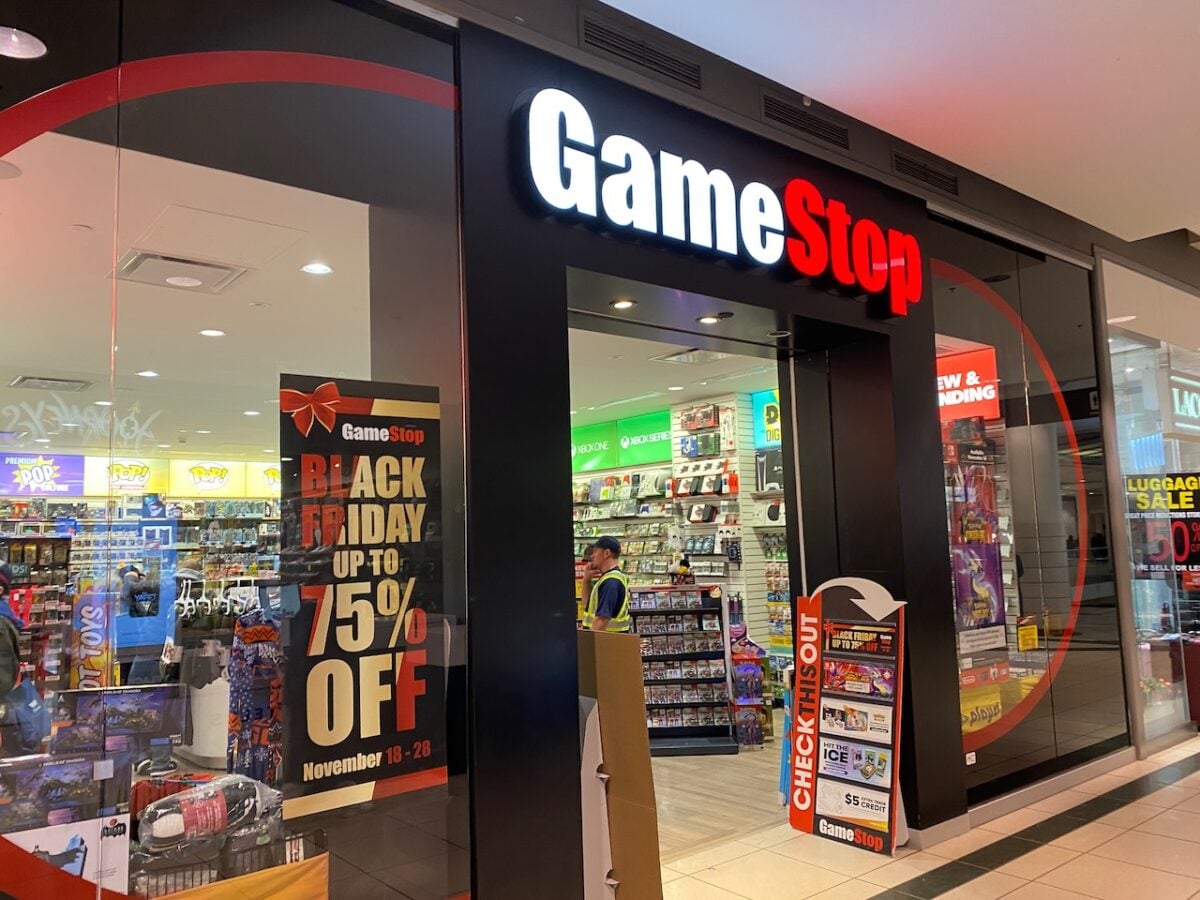
Black Friday Sales at GameStop in the CF Toronto Eaton Centre (Image: Dustin Fuhs)
Meanwhile, consumers have not led but have been adapting to these retailer changes. “We know from our research that about half of Canadians are not interested in Black Friday promotions, often the same ones who avoid peak crowds or other heavy promotional periods. This year might be a bit different, if more are driven to seeking deals out of financial need.”
Gray says, “consumers are good at gaming systems. They believe the retailers will keep discounting, so they wait, increasingly disappointed. Those most engaged in the sport of bargain-hunting continue to compare prices after buying and will return items if they subsequently find a better deal, adding to the returns challenge.” He explains that “retailers have woken to the fact they have created a monster – by creating epic peaks and valleys of demand and a relentless pressure to discount.” Even those who try to avoid price-competing are nonetheless swept up in the dynamics of comparative pricing.
Retailers have told shoppers to expect more, all the while the business is trying to protect margins. Others find they are not willing to offer deep discounts, so why spend energy there. Gray explains, “spiky traffic put strains on systems, inventory and most importantly, on staff. And, in 2023, taking care of staff has added importance with the challenges to keep workers – in-store and in warehouses. So, some previous active around Black Friday are promoting smaller sales, spread over time, with less hype”. Gray says some US retailers, such as REI, are seeing an opportunity to skip out on Black Friday and promote the move as a responsible, more sustainable one.
Black Friday and Wellness and Support for Retail Employees
Peak days like Black Friday and Boxing Day can be exhausting for employees. Some actively compete on ‘owning’ those days. However, Gray says more retailers are choosing to improve the employee experience and to provide an incrementally calmer pace than the frenzied door-crasher moments.
“Some US retailers are communicating they are dialling it down and giving their customers and staff a break. It is good PR to say ‘we want our employees to have this (Thanksgiving) holiday with their families’ and I think that is great – and that message is one that is cutting through the media clutter”.
Media is reporting front-line staff shortages, rising store theft and abusive customer incidents. Having promotions spread out like retailers are doing is helping calm down the operation without hurting the business. “Employees feel the strain of the holiday season, with many of them choosing not to come to work due to the difficulty and need to prioritise their own wellness and experience,” he says.
Looking Forward
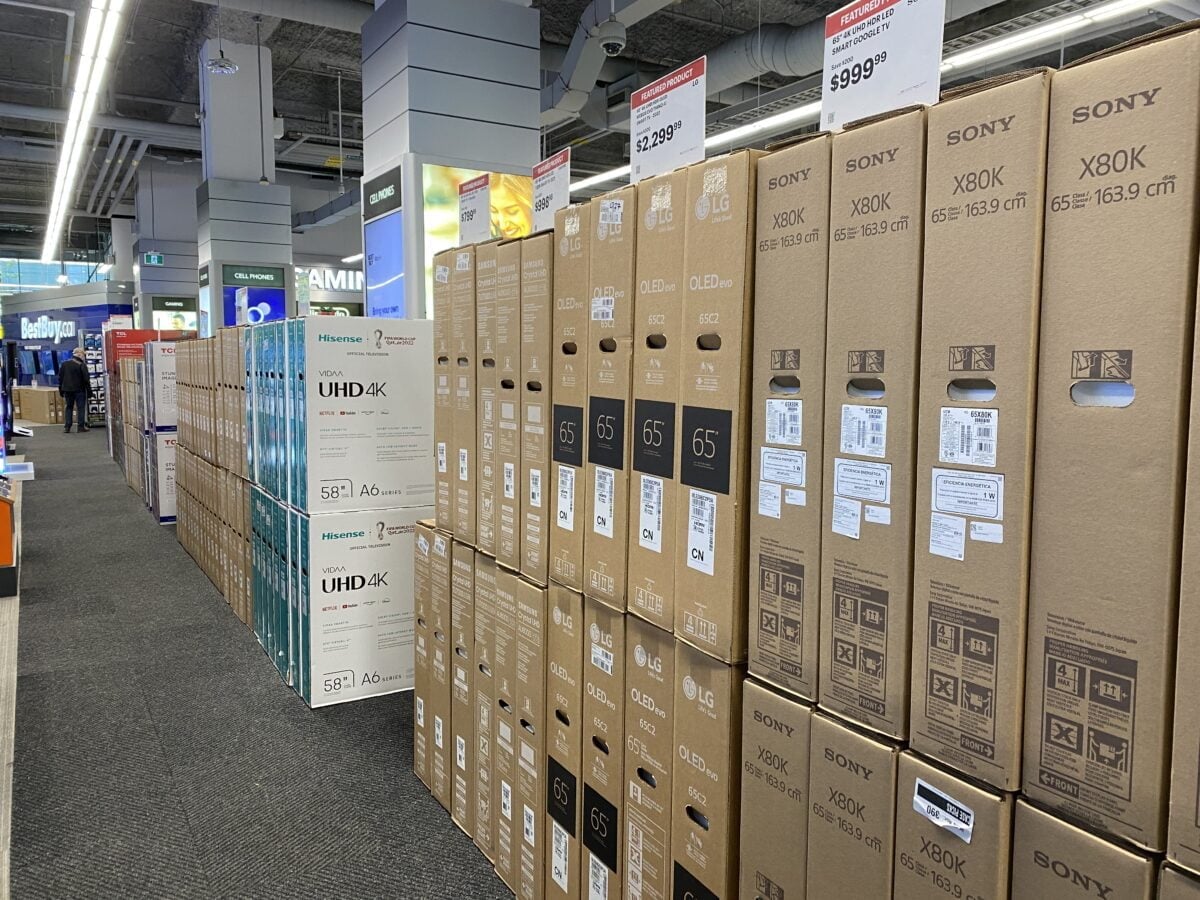
TVs at Best Buy Canada on Black Friday 2022 (Image: Dustin Fuhs)
Gray says retailers will have a master plan for this Black Friday. That could mean a minimalist one – a legitimate strategy, especially for independents. Those more active will have made predictions as early as May. Retailers need to know what items are going to be in high demand and work with vendors on feature items.
In addition, he notes that “marketing must be planned and timed with feature merchandise and seasonal staff added and trained for the higher demand days. If they don’t have enough stock, or have too little or if they will need to hire more front-line or warehouse staff – getting these wrong can dent the bottom line.”
“You also don’t want to overcommit to avoid downsides. So, it is about building flexibility. It’s not bad to have those core ingredients locked down. But I think they shouldn’t get caught up in the hype cycle themselves.”
Gray notes this sales season will share much in common with last year; however, he expects some differences in 2023. “These set up for a greater variance in retail winners and losers. That is over and above the fact these events benefit the mass merchants and bigger advertisers, while independent brands struggle to be seen” he says.
Below are six points Gray points out:
The economy has changed. “Low consumer confidence is coming from a confluence of stagnation, high debt coupled with high interest rates, and price inflation. While some wages are rising, there is a real or perceived threat of lower disposable income. We have not had this in almost a generation. Will this mean buying less for oneself? Or shifting to cheaper options? Or turning more of us into bargain hunters?
Budget consciousness is also impacting retailers. “A real concern is that of product returns, which spike at this time, particularly in January. Let’s see if any fresh approaches emerge. Advertising is costing more and more, so retailers have been capping their spend there. How will this impact Black Friday strategies, when there seems to be more marketing noise than ever? Staffing is another cost line. We are seeing reports of lower levels of seasonal hires which signals an expectation of lower peaks – and perhaps lesser service”.
More retailers are starting to leverage third-party data. Such as weather data and google reports, to forewarn of issues or opportunities. Another third-party input is shipping timelines and cutoffs of the major last-mile shippers, which dictates the shift from online to in-store Holiday gift-buying.
Pressure to innovate and find creative solutions. “We might see more retailers become creative during the holiday season, especially those who can’t win against its competition on price. Gray agrees with Google’s Eric Morris, that retailers should be using Black Friday, not as a general sale day, but a chance to promote new products or sequential messages in a broader campaign.”
A focus on workers. As noted above, Gray says consumers will see more care for front line workers and “even more so with the shocking rise in abuse from a small but growing number of shoppers and incidence of theft. Seasonal mental illness and economic desperation will exacerbate that trend.”
On a positive note: Gray says this year, many retailers have a tighter plan on inventory and “we are not seeing much panic selling yet.”
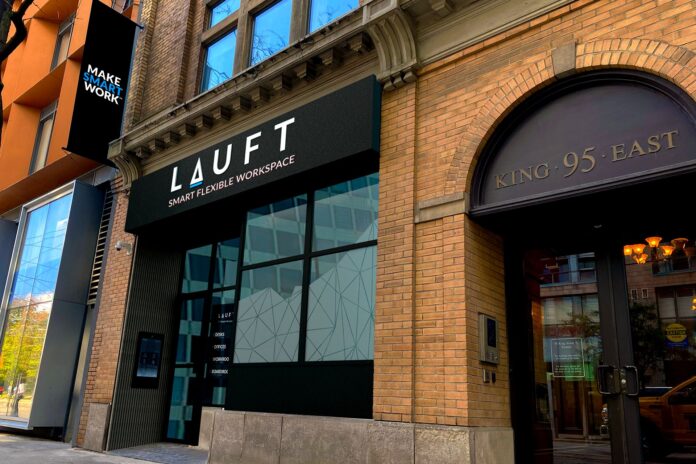
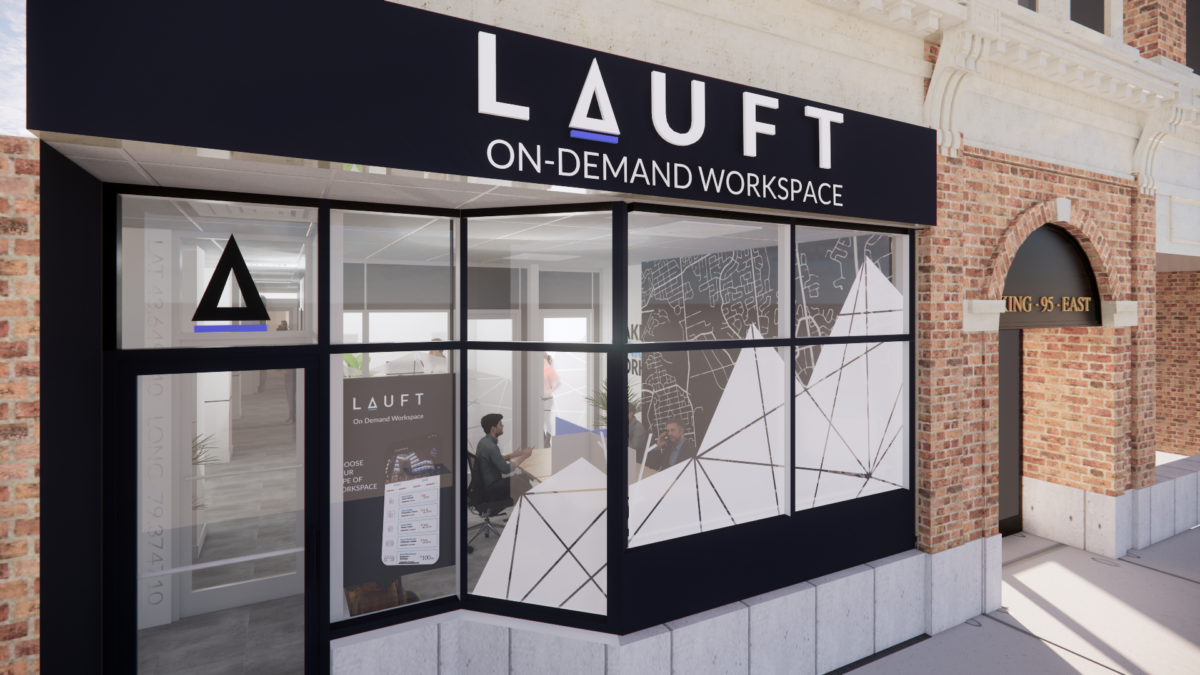
LAUFT at 95 King Street East in Toronto (Rendering: LAUFT)
LAUFT, an on-demand shared workshare network built for remote work, is continuing to expand its footprint with its latest location planned to open in downtown Toronto.
Graham Wong
Graham Wong, Founder and CEO, who has described the concept’s potential as being the “Starbucks of workspace”, said the new location at 95 King St E is opening in the next couple of weeks by the end of November.
“We’re very excited about our new location at 95 King St. E in downtown Toronto,” shared Wong. “With current locations already active in Burlington, Vaughan, North York and Ajax, we’re answering the growing demand for a downtown LAUFT.”
“While many value having a LAUFT close to home, they have also shared the value that a location would hold should they have to trek downtown and need a professional space to touch down in and work.”
“We’re actively exploring other neighbourhoods in and around the GTA to the east, west and north.”
LAUFT at 95 King Street East in Toronto (Rendering: LAUFT)LAUFT at 95 King Street East in Toronto (Rendering: LAUFT)
The new location is just under 2,000 square feet.
“Our model has always been to take small footprints and create drop in, touch down space as you need it,” said Wong. “We even have a new offering where a company can rent out the entire space for the day if they wanted to get their team together. We call the offering ‘Team On-Site’. It’s a daily rate with access to desks, offices, work rooms and the board room.
“We haven’t seen that offering on the market anywhere and we’re excited about the launch of that.”
Wong said the company is offering the ‘Team On-Site’ concept at its Shops at Don Mills, Burlington and Vaughan Mills locations, in addition to the upcoming King Street location.
Currently, LAUFT has five locations in the Greater Toronto Area.
“We’re looking at locations in Oakville, Mississauga, Hamilton. Really you’re targeting commuter areas. And then we’ll also be going to Ottawa. Add to all this, our recent contract with the Government of Canada which will see us expand into Ottawa and you can really see the impact that our growing LAUFT network will hold for hybrid workers,” said Wong.
“Our long-term goal remains the same. Can we be the largest network of flexible workspace on the planet. We’d love to see LAUFT’s in malls, airports, conference centres and hospitals. Can we be the Starbucks of workspace with an Uber-like experience? I believe that this team will make it happen.”
LAUFT is working with Nick Iozzo from Savills Canada for their real estate search expansion needs.
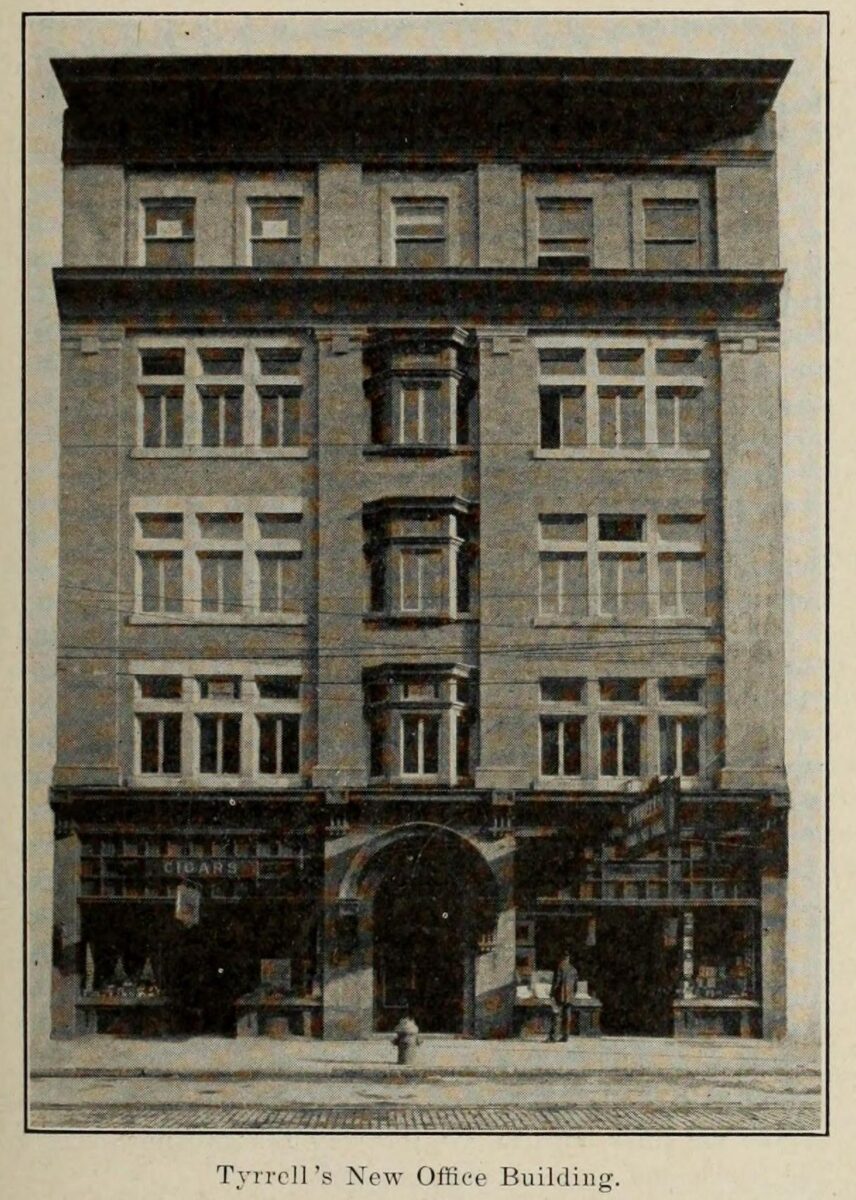
Historic Image of 95 King Street East
He said many companies are reaching out to LAUFT now because they need a hybrid solution for their workplace.
LAUFT opened its first location in 2018.
“I think hybrid is here to stay. In fact, hybrid was always around. Generally speaking even before COVID, Mondays and Fridays were always light in the office. You always had outside sales. So you always had people working in hybrid,” said Wong.
“What people are looking at now is for two years we had an extreme. Everybody was home. Now the pendulum is swinging back and I think we’re going to find this place where you have to be in the office when you need to. Obviously there’s so many pros to seeing people face to face. Be at home when it makes sense because maybe you don’t need to be in an office, you need focused work and you also have obligations in your life. And then there needs to be a third option in between and I think that realistically we all look at it as this holistic work journey and you just want to be able to work from anywhere that it makes sense for what you need to accomplish. That’s kind of where we’re going.
“You’re seeing companies starting to accept that reality and you have companies that there probably is a need for them to be in the office more often than not and it will make sense for them. But people are embracing the reality of what work means today and how to balance that with life.”
LAUFT at 95 King Street East in Toronto (Rendering: LAUFT)LAUFT at 95 King Street East in Toronto (Rendering: LAUFT)
Wong said he’s excited about the partners LAUFT is working with on this concept.
“Our technology layer and our operational layer. The fact we have physical locations but we always were powered by a technology platform that allowed booking has resulted in us having solutions that we could never even think of,” he said. “So even for commercial real estate partners we now have this product we can almost take their office and create a time share situation where tenants who may only need a Thursday would actually be able to book a Thursday in the office and take over an office.
“We’re just really innovating in different ways and creating solutions we’ve been forced to given the reality.”
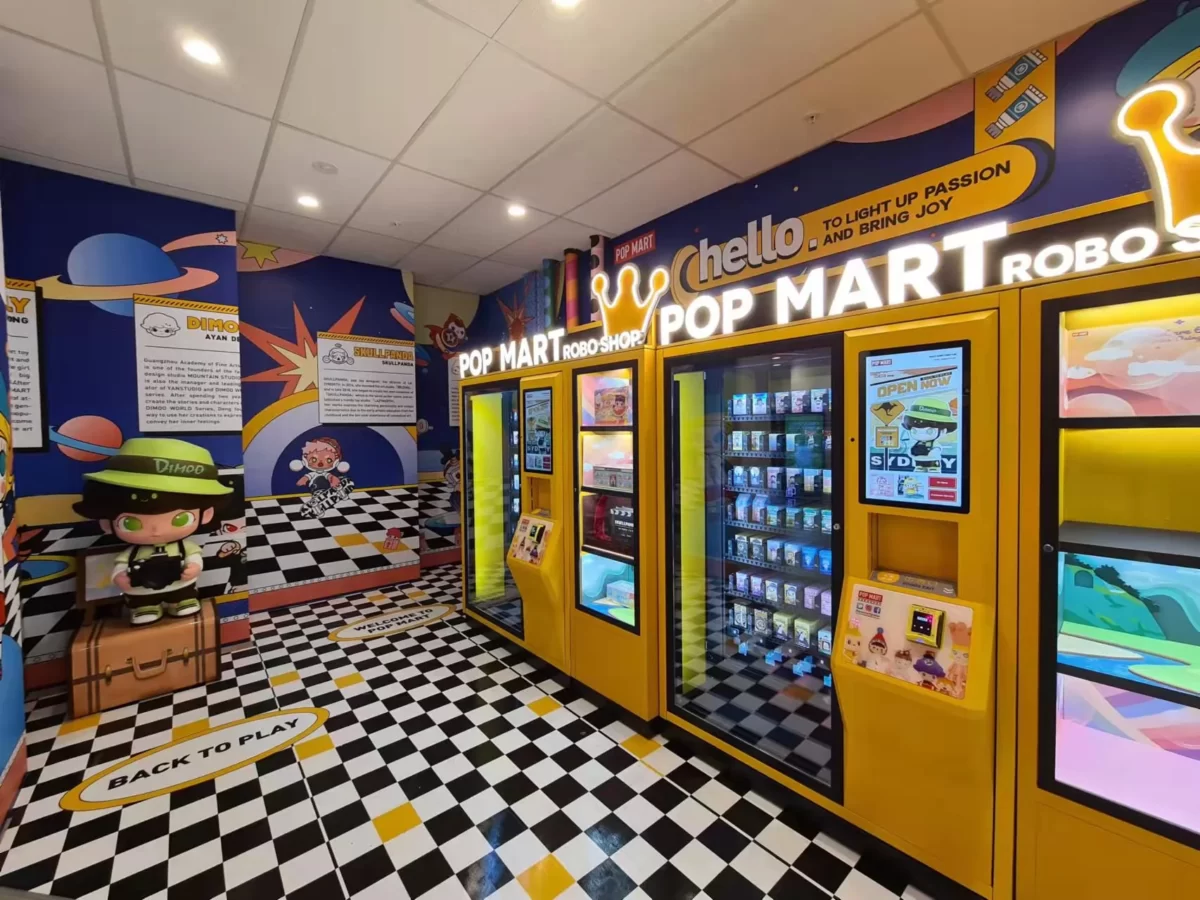
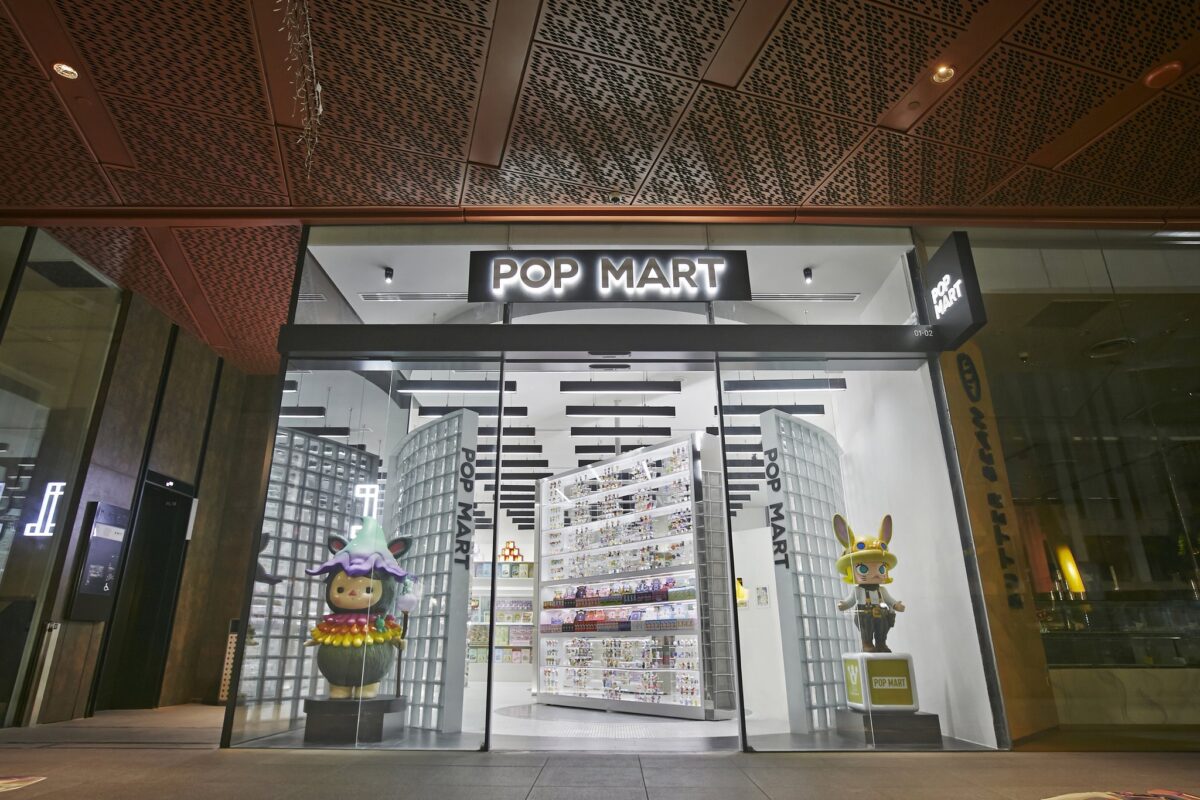
POP MART, a market-leading character-based entertainment company and a global champion of designer toy culture, with an innovative vision and retail concept, is expanding in Canada.
Tony Flanz and the team at commercial real estate firm Think Retail is helping the brand with its real estate needs for its Canadian expansion.
The brand, which has a network of more than 380 stores, plus more than 2,000 Roboshops—which dispense toy collectibles—has a retail footprint that spans more than 84 countries, including China, Korea, Japan, Singapore, the U.S., Europe and Canada. Plus, Pop Mart has a significant digital presence. It also have more than 500 distributors.
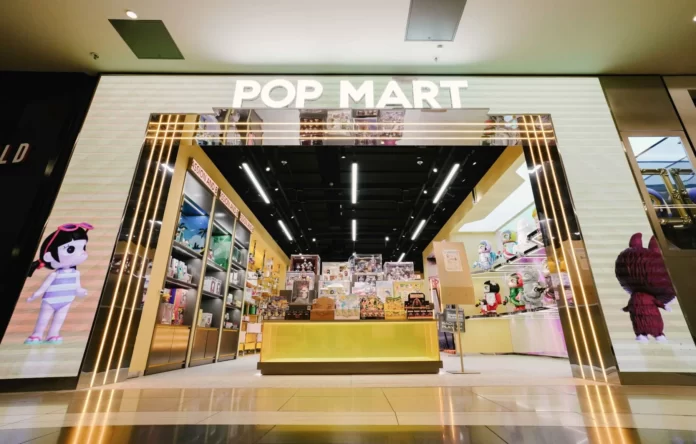
POP MART at American Dream
“The company is looking to further growth and that includes stores in several Canadian markets—British Columbia, Alberta, Ontario and Quebec,” said Flanz.
Tony Flanz
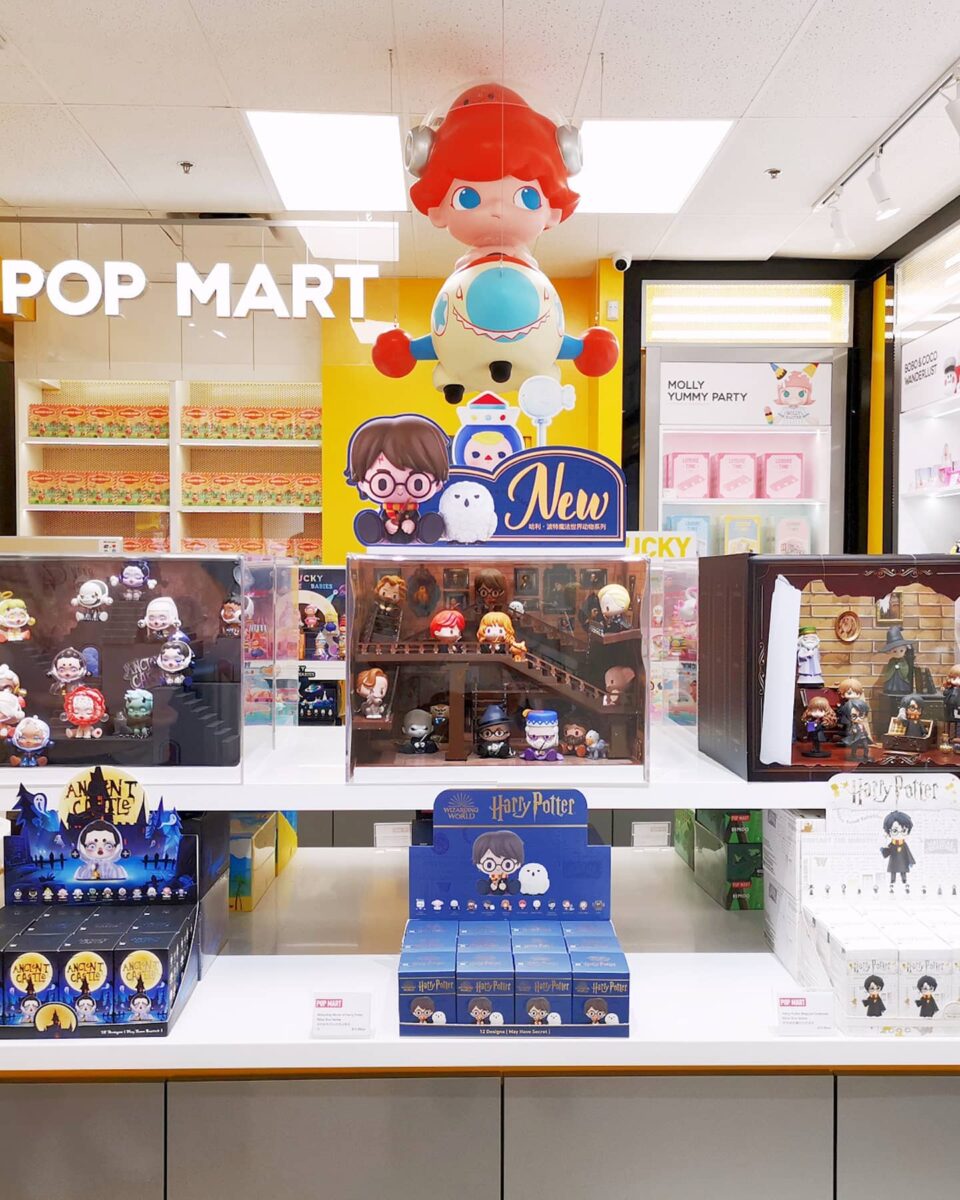
“This is such a fun and interesting concept that appeals to all demographics, from young people who love toys to mature collectors. POP MART collaborates with major companies, including Marvel and Disney, to create branded toys that span Harry Potter to SpongeBob, Minions, Pokémon and favourite anime collections.
“Its collectibles go beyond the usual, as POP MART is known for collaborating with artists to create unique characters that have a loyal fan base. Some of its best-known characters include MOLLY, The Monsters, DIMOO, Skullpanda and others.”
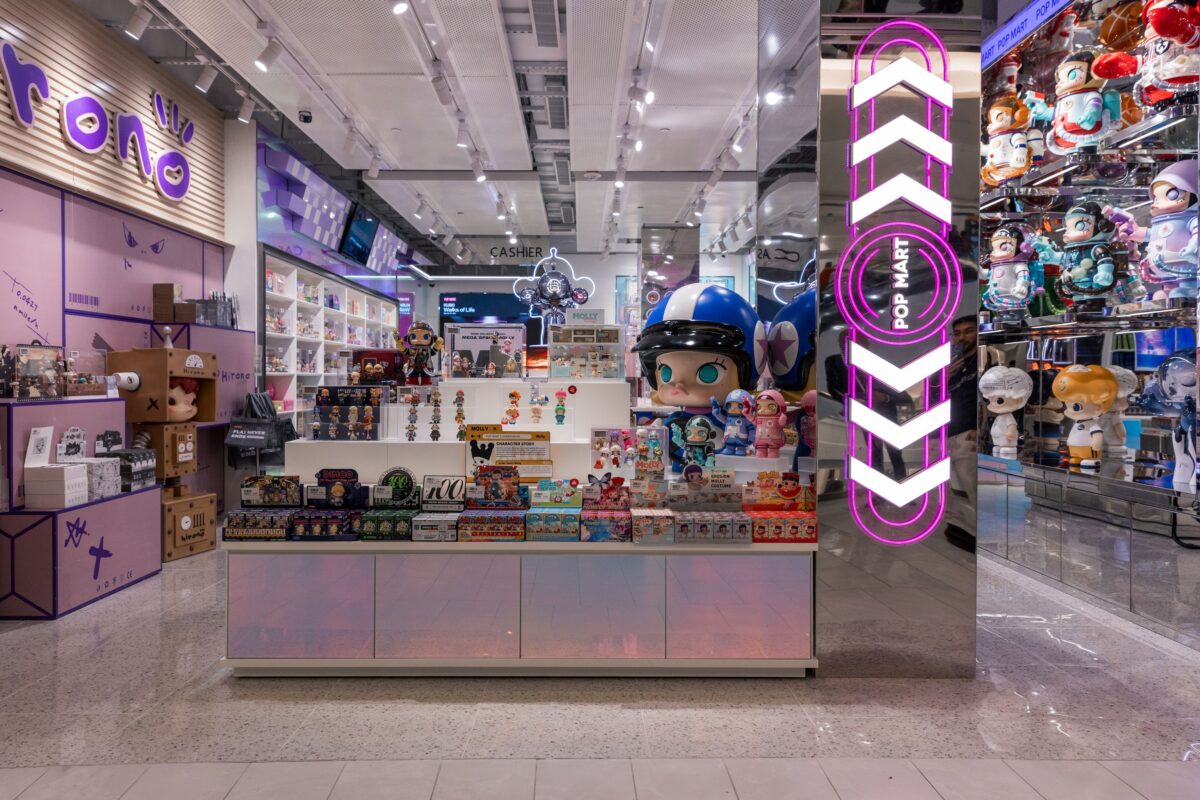
Funan POP MART Store, Singapore (Image: POP MART)POP MART Australia (Image: POP MART)
Flanz said the focus in Canada is on super regional centres with high annual traffic. Ideal sizes are: 1,000 to 1,500 square feet for inline stores; 100 to 150 square feet for kiosks; plus the company is interested in sites for pop-up stores and Roboshops.
According to POP MART: “Through global artist development, IP operations, designer toy culture evangelism, and strategic investments, we have built an integrated platform covering the entire designer toy value chain, allowing artists to focus solely on their craft and giving stage to talent from all over the world.”
POP MART says its mission is to light up passion and bring joy around the world.
POP MART Singapore (Image: POP MART)POP MART Singapore (Image: POP MART)
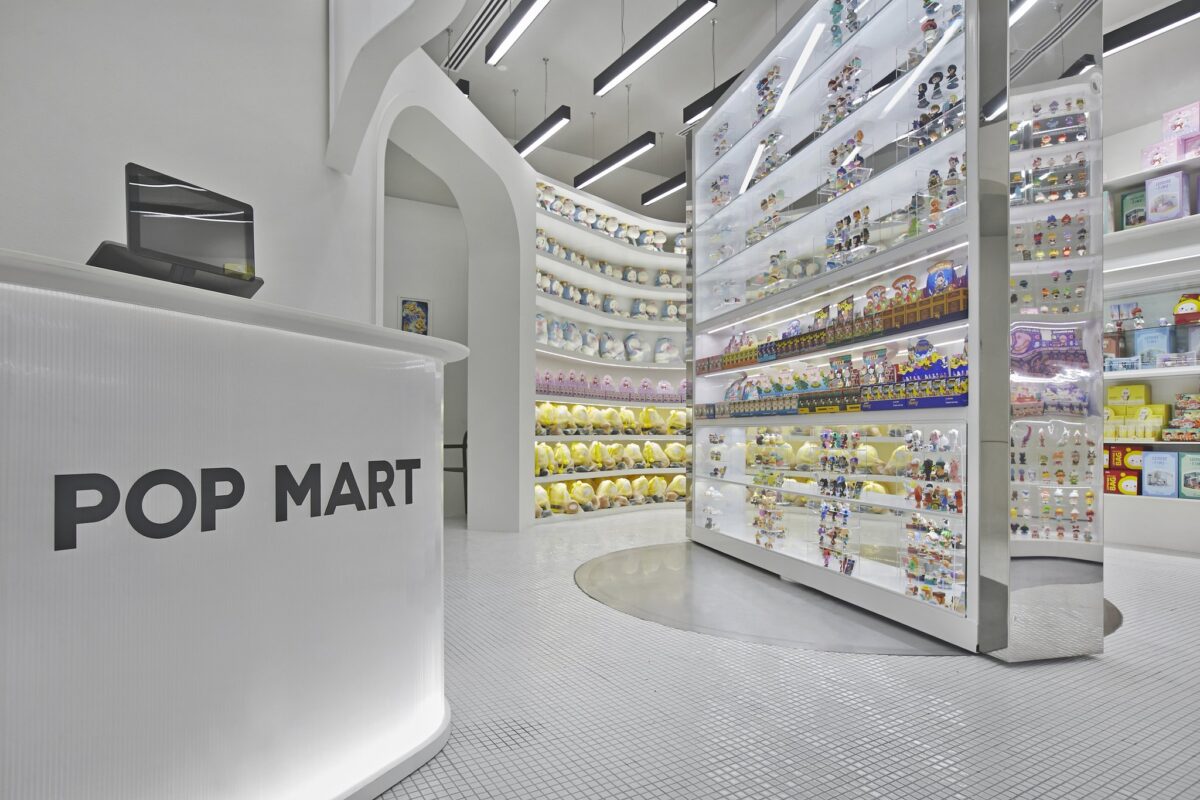
Flanz said POP MART is a well-known brand with brick-and-mortar stores that are company owned and beautifully designed for a fun browsing (and buying) experience.
“In addition to its thriving online business, POP MART experiments with cool pop-up stores designed to test new markets and increase brand awareness,” he said.
“With strong branding that appeals to its target markets – it’s also well established across relevant social media channels, including TikTok, Instagram, YouTube and Facebook – POP MART is an ideal tenant.”
In September, POP MART announced the grand opening of its first permanent location in the United States in the prestigious American Dream Mall in New Jersey.
“We are thrilled to bring our unique retail experience to the American Dream Mall,” said Larry Lu, Head of POP MART North America. “The opening of our first permanent store in the US signifies an important milestone for our brand, and we are excited to share our passion for designer toys with our loyal fans and collectors in the United States.”
Retail Insider is streamlining its Canadian retail news from around the web to include a handful of top news stories that can be viewed quickly during the day. Here are the top stories from the past 24 hours.
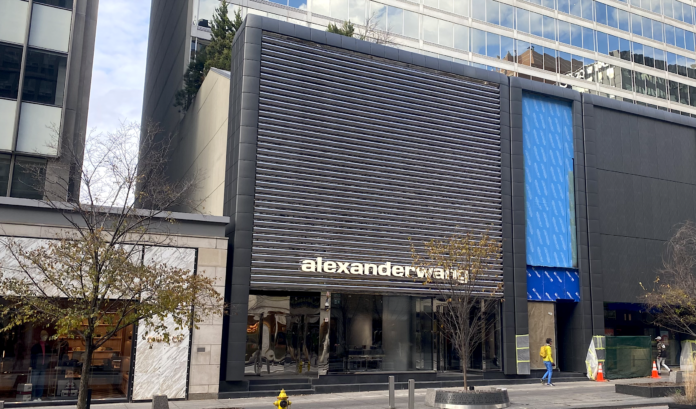
Alexander Wang store at 110 Bloor Street West in Toronto. Photo: Craig Patterson
Upscale New York City-based contemporary brand Alexander Wang has unveiled its Canadian flagship store on Bloor Street in Toronto. The flashy metallic space is the first standalone location in Canada for the brand with more to come.
The 2,500 square foot Toronto store at 110 Bloor Street West houses Wang’s full collection that includes women’s and men’s ready-to-wear, footwear and accessories, a well as body wear. A kid’s collection will be introduced at a later date. The men’s collection recently re-launched after a hiatus — men were already buying various pieces from Alexander Wang that were considered to be unisex.
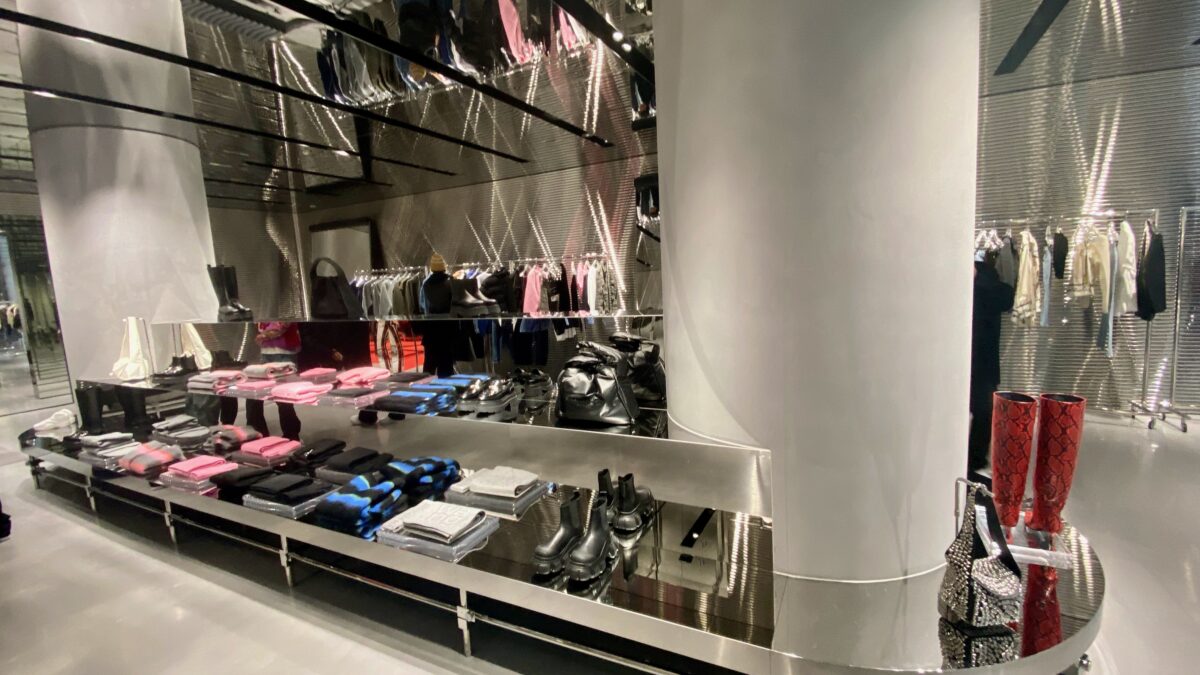
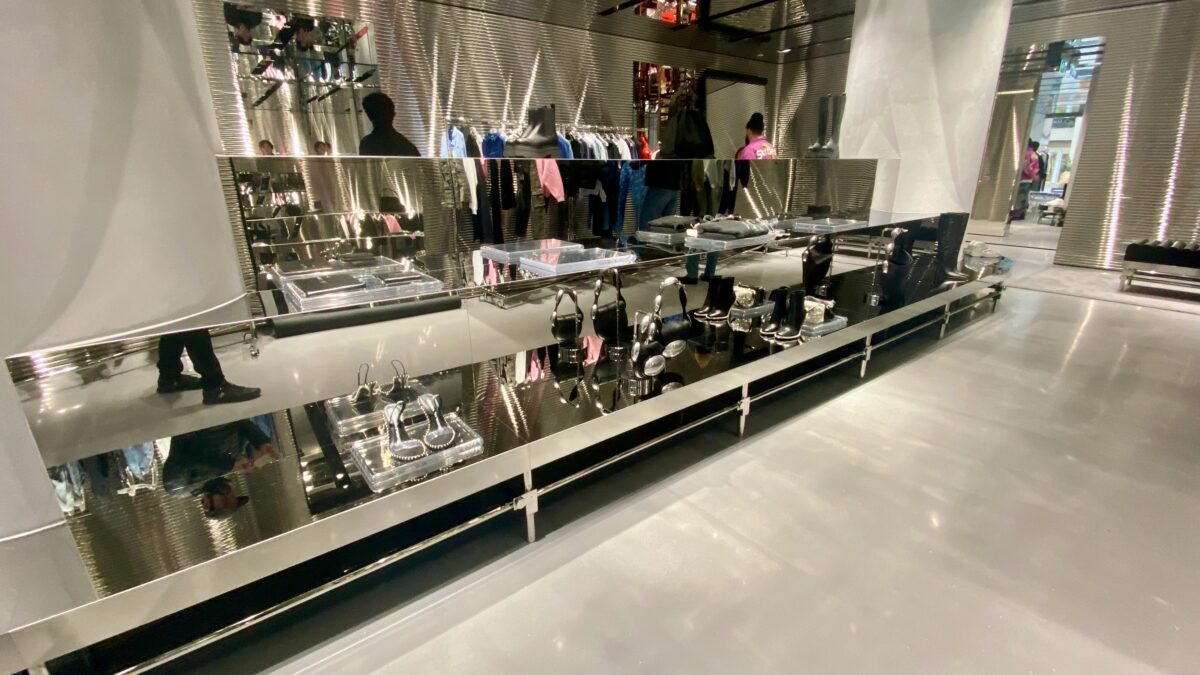
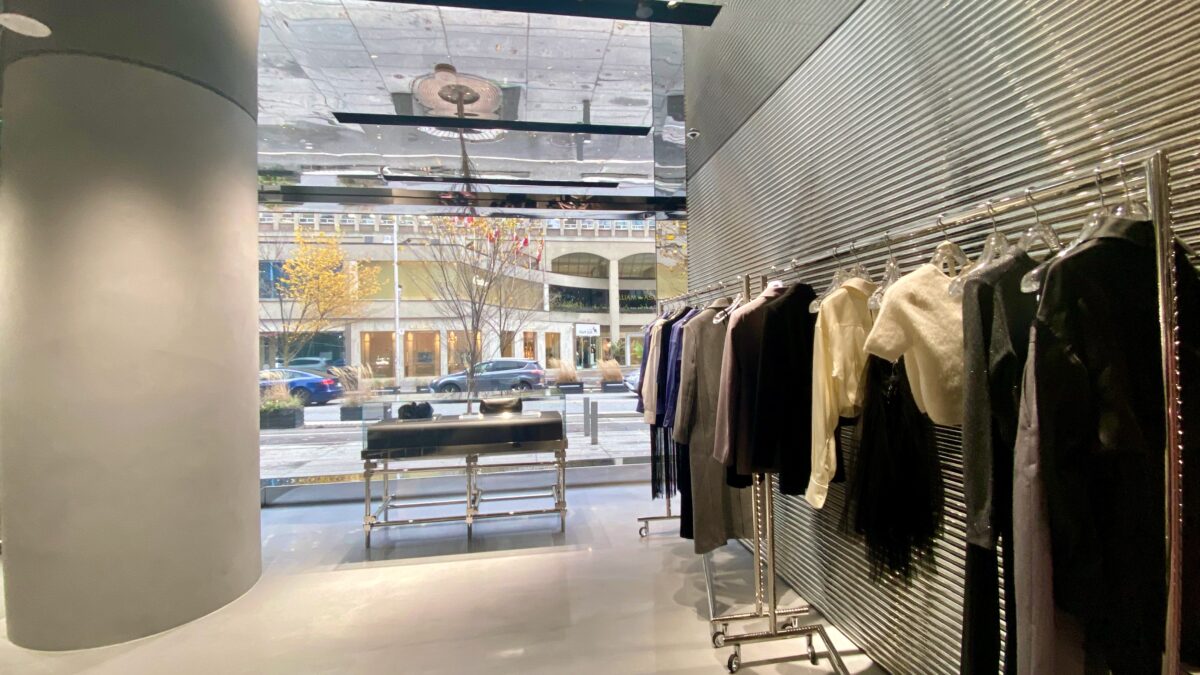
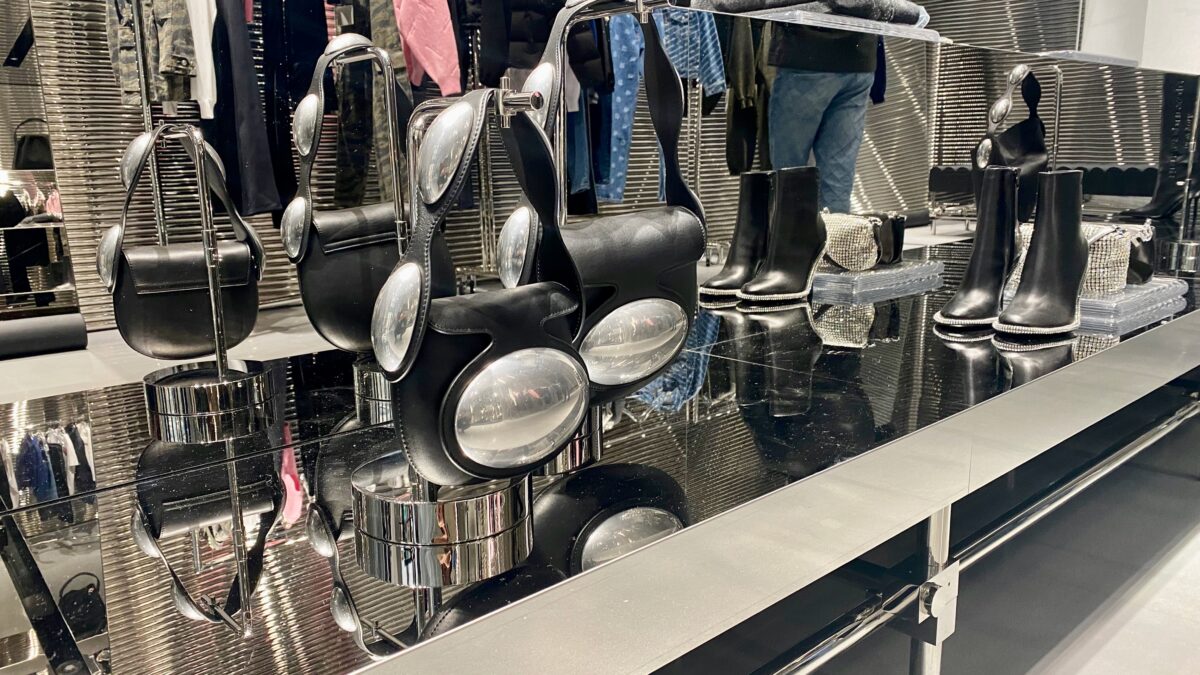
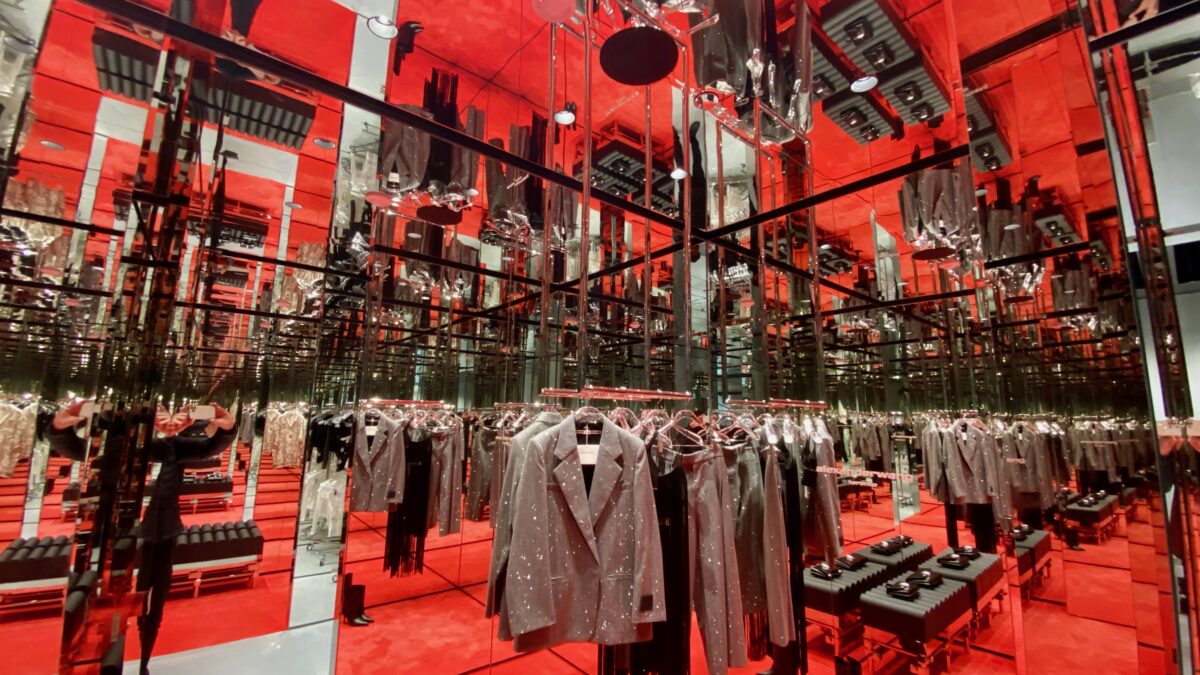
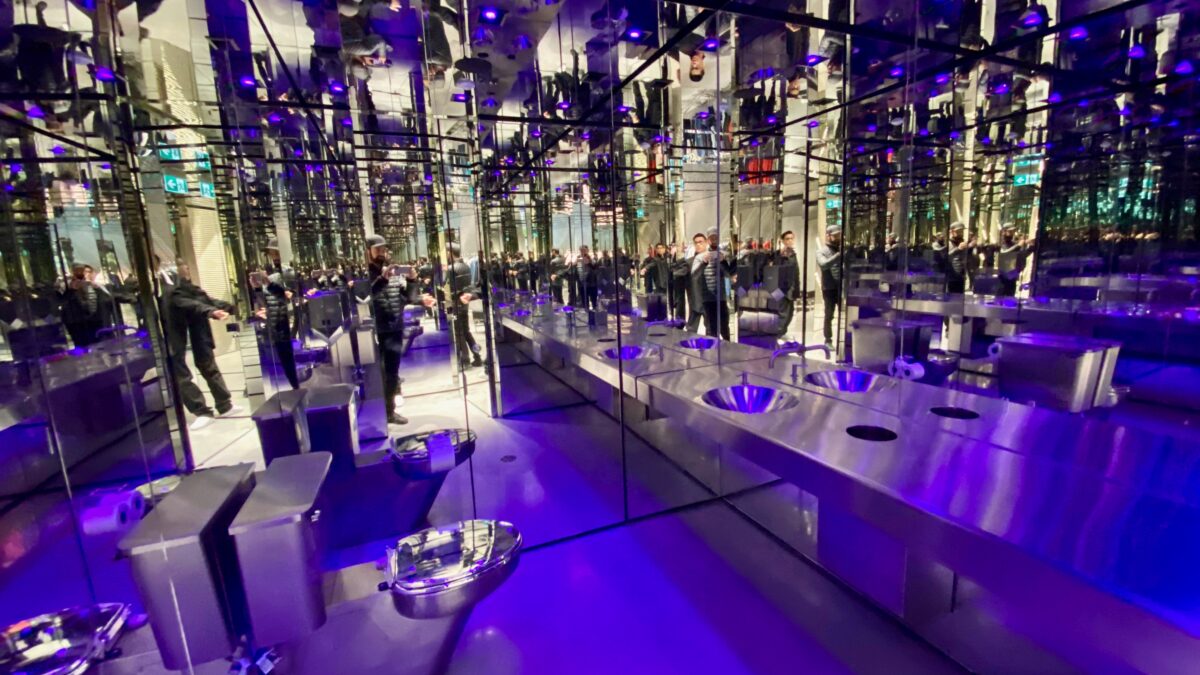
The new Alexander Wang flagship is now probably the flashiest looking store on Bloor Street, featuring mirrored ceilings, mirror-polished stainless steel tube walls, sparkling concrete floors, columns and slick industrial scaffolding. Mirrors are used throughout the space as well as stainless steel fixtures. The store’s red coloured dressing rooms contrast with the bright main space. There’s also a private washroom in the store clad in mirrors, with low lighting and a nightclub feel. Music in the store creates a subdued, almost surreal feel.
Alexander Wang store at 110 Bloor Street West in Toronto, before product was added. Photo supplied.Alexander Wang store at 110 Bloor Street West in Toronto. Photo: Craig Patterson
Arlin Markowitz and Alex Edmison of CBRE Toronto’s Urban Retail Team negotiated the lease on behalf of tenant Alexander Wang. CBRE co-listed the spaces at 110 Bloor with Philip Traikos and Carmen Siegel of Cushman & Wakefield. Landlord ProWinko Canada owns 110 Bloor. Design firm Stamuli designed the space, and has worked with Alexander Wang on other retail projects while local architect dkstudios assisted during the construction process.
More Alexander Wang stores are expected to open in Canada, according to sources. More details are to follow.
Until now, Alexander Wang has been distributed in Canada primarily at Holt Renfrew stores and at TNT The New Trend and The Webster in Toronto, as well as at Montreal-based SSENSE. The new Bloor Street Alexander Wang flagship store carries some pieces not available elsewhere. That includes a new limited edition shirt that the brand says will become a collectors item.
Alexander Wang store at 110 Bloor Street West in Toronto. Photo: Craig Patterson Alexander Wang store at 110 Bloor Street West in Toronto. Photo: Craig Patterson Alexander Wang store at 110 Bloor Street West in Toronto. Photo: Craig Patterson
Alexander Wang founded his brand in 2005 after attending two years at Parsons in New York City. In 2007 he presented his first women’s ready-to-wear collection and won the CFDA/Vogue Fashion Fund award in 2008, the same year he launched a handbag collection. His first store opened in New York City’s Soho area in February of 2011. From 2012-2016 Alexander Wang was creative director at luxury brand Balenciaga.
In the United States, Alexander Wang has three standalone stores. That includes a flagship at 103 Grand Street in New York City’s Soho area as well as locations at American Dream in New Jersey and South Coast Plaza in Orange County, California.
In London UK, Alexander Wang operates a store in the affluent Mayfair area — London’s Equivalent to Yorkville in Toronto. In Milan, Italy, Alexander Wang operates a concession at the La Rinascente department store.
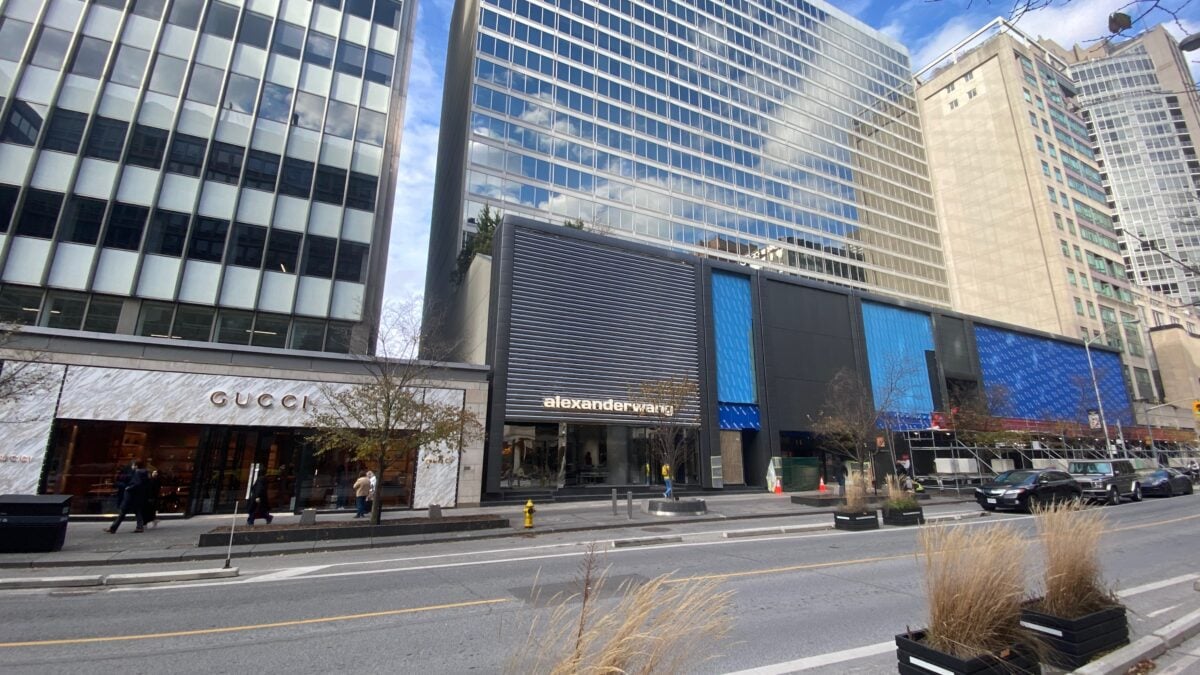
Red dressing room inside of the new Alexander Wang store at 110 Bloor Street West in Toronto. Photo: Craig Patterson Inside the washroom at the Alexander Wang store at 110 Bloor Street West in Toronto. Photo: Craig Patterson View of the new Alexander Wang store at 110 Bloor Street West, as well as Gucci which recently saw a renovation. Anne Fontaine will open next to Alexander Wang, while Saint Laurent will open a flagship in the large space at the right of this photo. Photo: Craig Patterson
Asia is where Alexander Wang has its biggest retail presence. That includes 25 stores in China, 10 in South Korea (a mix of standalone stores and concessions), eight in Japan (a mix of standalone stores and concessions), two stores in Bangkok Thailand, and one store in Singapore. Various upscale retailers around the carry the brand wholesale.
Alexander Wang is the latest retailer to open a flagship store on Toronto’s rapidly changing Bloor Street West luxury run. Other recent openings include Van Cleef & Arpels at 100 Bloor Street West, Bonpoint at 151 Bloor Street West, Ferragamo at 131 Bloor Street West and Browns Shoes at 60 Bloor Street West. More stores are on the way including at 110 Bloor where Alexander Wang is located — Saint Laurent is building a 10,000 square foot store in the complex along with Anne Fontaine. Rolex is building a store at 101 Bloor Street West, and three Richemont watch brands have leased space at the Park Hyatt Hotel. They join established flagships on Bloor Street including Louis Vuitton, Tiffany & Co., Gucci, Prada, Dior, Cartier, and others.
Cities across Canada are calling for immediate action to revive struggling downtowns and main street businesses amid rising vacancy rates and the burden of having to repay federal government loans.
The International Downtown Association Canada (IDA Canada), a national coalition, which supports organizations representing and serving business districts nationwide, said its members are concerned about the elevated vacancy rates in the downtowns of many Canadian cities.
Post-COVID-19 effects, compounded with rising costs, labour shortages, and operational barriers that include anti-social behaviours in public spaces, have harshly affected Canada’s downtown and main street businesses, said IDA Canada.
The organization said that addressing these hurdles is essential not only for economic rejuvenation but also for ensuring community prosperity.
IDA Canada is also advocating for an extension to the Canada Emergency Business Account (CEBA) loan repayment timeline, aiming to offer significant financial reprieve to beleaguered small businesses.
Kate Fenske
“While government efforts have certainly aided struggling businesses, the brief 18-day extension for federal payments falls short of what’s needed,” said Kate Fenske, Chair of IDA Canada. “Many businesses are teetering on the edge. The very core of our downtowns and main streets—our central business districts—are feeling the strain. The moment calls for collaborative and holistic strategies.”
IDA Canada is calling for the government to strengthen Canada’s main street and downtown businesses by directing federal business funding effectively through Regional Economic Development Agencies, guaranteeing that these funds reach local main street and downtown businesses via their respective improvement associations.
“This isn’t solely about lengthening loan repayments, vital as that is. We’re looking at addressing systemic issues impacting every riding from coast to coast. Downtowns and main streets are the economic lifeblood of our communities, and relief, restructuring, and visionary leaders are needed to ensure their prosperity,” said Fenske.
Calgary Cityscape (Image: IDA Canada)
IDA Canada is a national coalition that works on behalf of more than 500 Business Improvement Associations. Together, it represents over 250,000 business and property owners in districts that account for billions of dollars in assessments and economic activity.
In its written submission, Pre-Budget Consultations in Advance of the Upcoming Federal Budget, IDA Canada also recommends the government address main street and downtown challenges by providing funding through the Canada Health Transfer to treat addictions and mental health in collaboration with municipalities and their social service partners for in-patient addiction support.
It also recommends the government invest in skills and infrastructure development by dedicating $500 million annually from the Investing in Canada Plan for main streets and downtowns with a focus on ensuring streetscapes are fully accessible; public spaces are vibrant; cultural hubs are dynamic and welcoming; public transit is accessible, safe, and affordable; public washrooms increase in number and accessibility; existing buildings and their ground level storefronts are re-utilized and made more efficient; and all infrastructure investment is sustainable.
“Street issues, including homelessness, addiction and mental health, have become a barrier to the recovery of significant downtowns and some main streets. To ensure these places remain vibrant destinations where all community members can thrive, we ask the federal government to play a meaningful leadership role in addressing this crisis. We call upon the federal government to lead a nationwide initiative to find and share best practices for addressing street issues and subsequently coordinate government action at all levels to manage them,” said the IDA in its submission.
“Every dollar invested in main streets, downtowns and their businesses has a robust downstream impact on the economic health of a community. Providing support to address skills, labour shortages, immigration targets, and infrastructure gaps will further support the health of main streets and downtowns across Canada. Main streets and downtowns across the country need revitalization. For decades, municipalities have carried the weight of infrastructure repairs to maintain the integrity of community centers and preserve tourism, arts and culture and heritage. Prioritizing the maintenance and updating of aging infrastructure will also provide workforce development opportunities across the country, stimulating local economies and providing economic stability for newcomers coming to Canada.”