Retail Insider is streamlining its Canadian retail news from around the web to include a handful of top news stories that can be viewed quickly during the day. Here are the top stories from the past 24 hours.
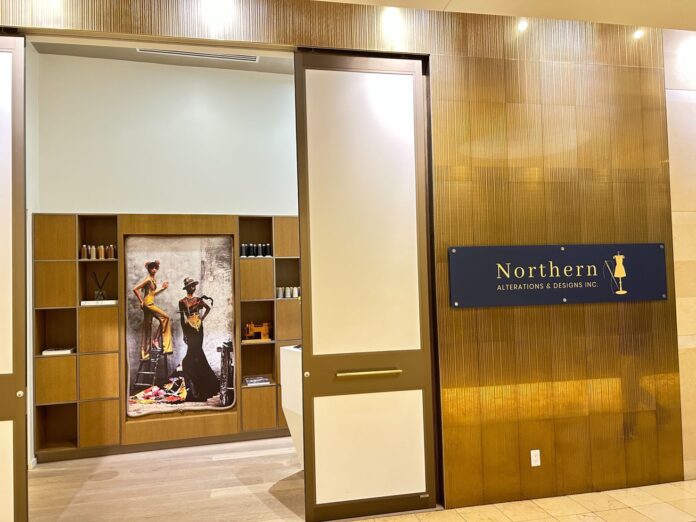
Northern Alterations & Designs Inc. has recently opened its first location in Yorkdale Mall in Toronto and has more plans to expand in Canada.
Wazhma Azamyar
The owner, Wazhma Azamyar, was the leader of Alterations and Personalization for Nordstrom Canada and after Nordstrom closed its doors, she decided to venture out on her own to open her dream alteration store. Northern Alterations & Designs Inc. opened its doors this summer on July 14th.
“On March 2nd, 2023, Nordstrom announced they were exiting the Canadian market, and on June 13th, I was let go from the company. I am now embarking on an exciting new adventure as I proudly announce the opening of Northern Alterations & Designs Inc. on July 14th in Yorkdale Shopping Center,” says Azamyar.
Image: Northern Alterations & Designs
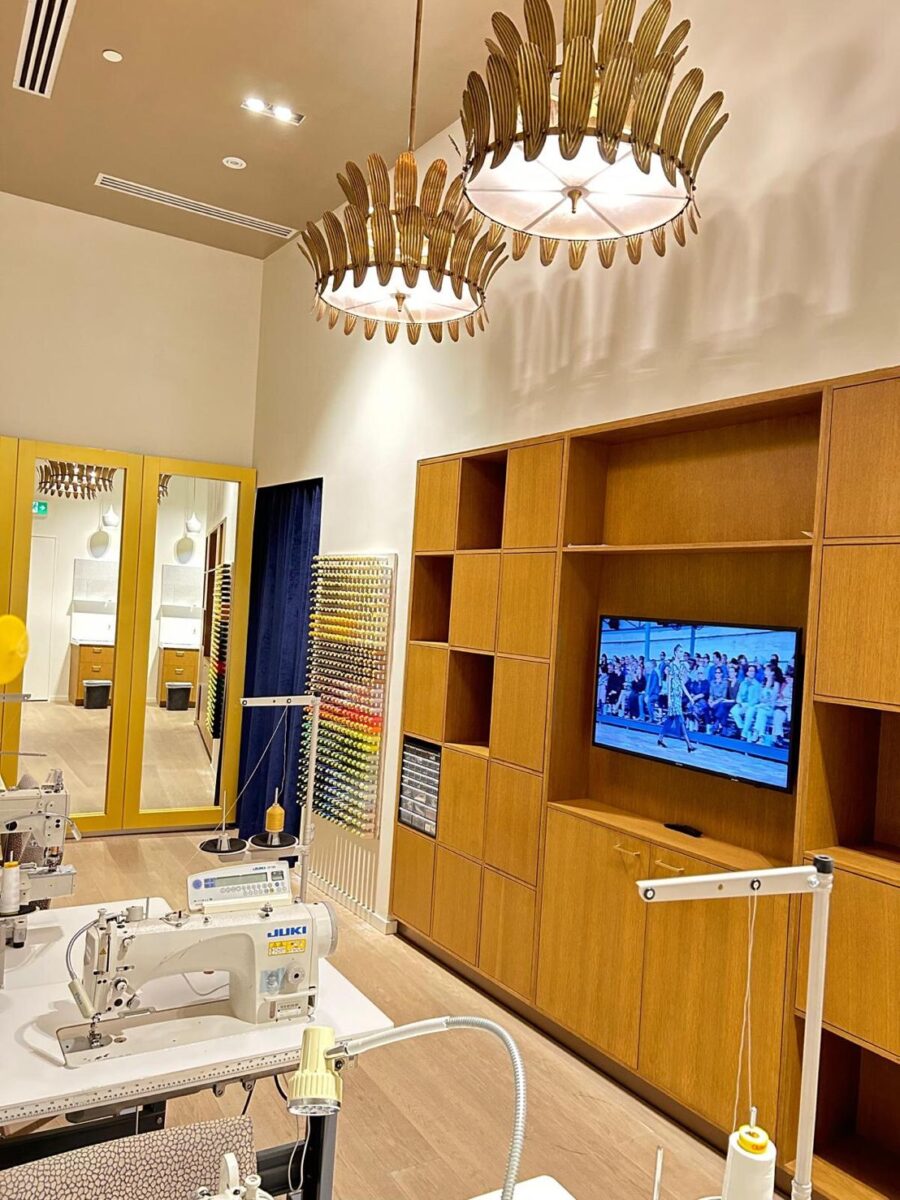
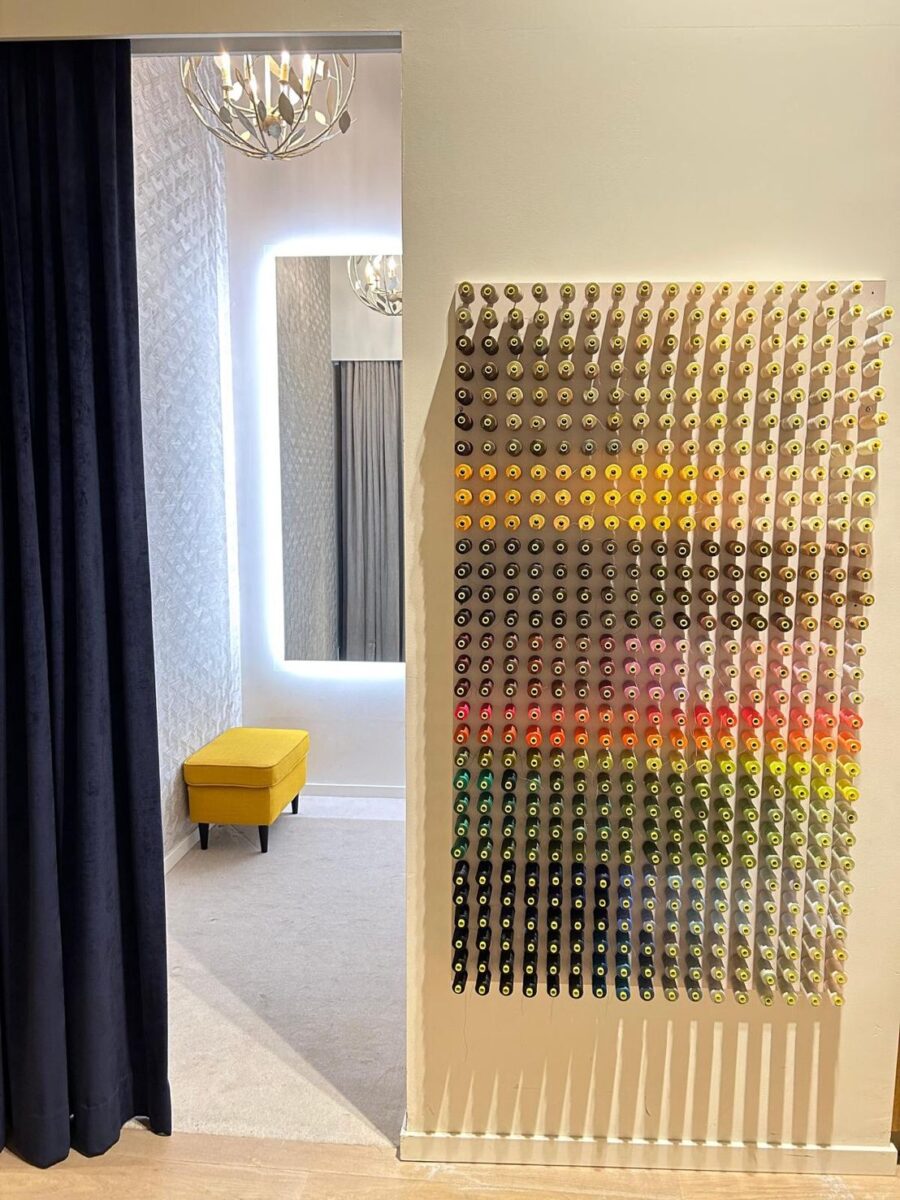
Azamyar decided to open in Yorkdale Mall as a lot of her customers from Nordstrom were from around the area and supported her opening her own business. The location is 500 square feet and Azamyar designed the space herself.
“I spent a lot of long days and nights cleaning and designing. People stop by to wish me luck, and want to take pictures of the beautiful space. It has been weeks since opening, but customers are giving feedback already and I get lots of love from people in the community.”
Northern Alterations & Designs Inc. offers alteration and tailoring services for men and women’s clothing. Azamyar said her team can repair clothing as well as create customized projects for customers. They work with a variety of fabrics such as leather, fur, suede, silk, organza, double-face fabrics, satin, and more. Customers are welcome to schedule an appointment or walk in to discuss alteration needs.
Rich History of Sewing and Secrecy Under The Taliban
Image: Northern Alterations & Designs
Azamyar has been interested in sewing and making clothes since she was four years old. Once she was older, her father enrolled her into sewing classes, bought her first sewing machine when she was 14 years old, and then hired a tailor to teach her in their home in Kabul. It only took two weeks for Azamyar to learn everything she needed to start sewing for her family and friends.
In school Azamyar was interested in going into medical school, was prepared, and passed the exam which gives a 90 percent chance of acceptance; however, the Taliban took over before she was able to do that and closed everything for women and girls.
“When I was in grade 11, the Taliban came and took control of the country and I wanted to go to medical school. But when the Taliban came, I had to stay at home and the government closed all the doors to education for women and girls. When we wanted to go outside, we needed a man to be with us, and that was my dad – it was hard for my whole family.”
Six months later, Azamyar decided she wanted to do something other than just sit at home, so when she was 17 years old she started teaching sewing to girls and women in her community – in secret from the Taliban.
“I was so scared every single day that the Taliban would find out what I was doing, but I continued. I had the support of my community and they were so happy they were learning. My three sisters were at home too and were in grade five and six. Like my sisters,I thought to myself that there are girls out there that want to continue learning so I started teaching the school curriculum and also sewing in homes.”
Azamyar taught for five years and had around 250 students and in 2008, decided to move to Canada. Azamyar went back to school to study business management and started working.
Learnings from Nordstrom
Image: Northern Alterations & Designs
In 2016, Azamyar started working for Nordstrom and always had a dream of opening her own businesses and when it closed, she jumped on the opportunity.
“My seven years with Nordstrom was the best experience with the culture and people. It really changed me. I remember the day I joined seven years ago and there is a huge difference in my leadership skills. I want to say thank you to Nordstrom as I worked with lots of great people, great leaders, and I have learned so much and I am grateful.”
Now after opening her first business, she is dedicated to providing the best service, best quality, and wants to “make sure every single customer that walks through the door will leave happy.”
Future Growth Plans
Azamyar says she would like to continue to expand throughout Canada and would be looking to go where the previous Nordstrom locations were. The top cities that came to mind for possible openings were in Vancouver, Calgary, Ottawa, and would be interested in looking at other provinces as well. No expansion plans have been made at the moment as Azamyar’s goal right now is to focus on the new Yorkdale location.
In addition to her current location and thoughts on expanding – Azamyar is also considering writing a book on her journey.
“My journey will continue and hopefully one day I will make another dream come true and write a book. It is all so special to me and there is so much detail inside my story. I also want to be very successful here and to hope I will be able to expand to other malls – I really hope I can do it and that is my goal.”
Following a very successful launch of its first store last fall at Metropolis at Metrotown near Vancouver, waterproof footwear brand Vessi will be launching its second store this fall at Square One in Mississauga.
Mikaella Go, Co-Founder and Chief Brand Officer, said the goal is to have the new store open in October.
Mikaella Go
“(The Metrotown) opening has been really great,” she said. “The first day we opened up the store the lineup was insane. It was just crazy. It was so nice to see and since then it’s been really, really good.
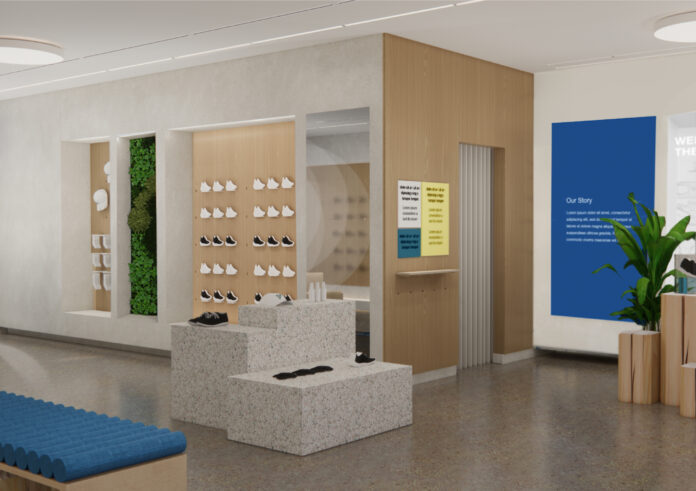
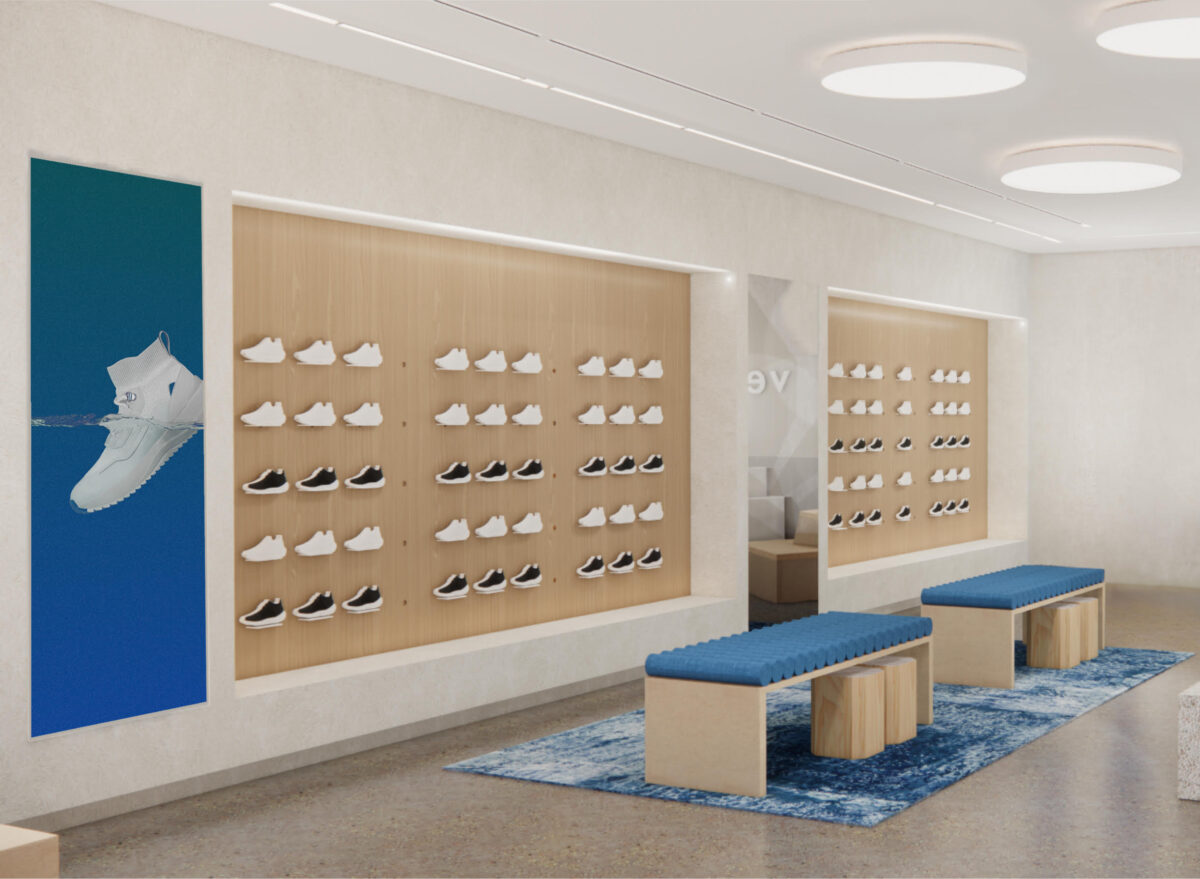
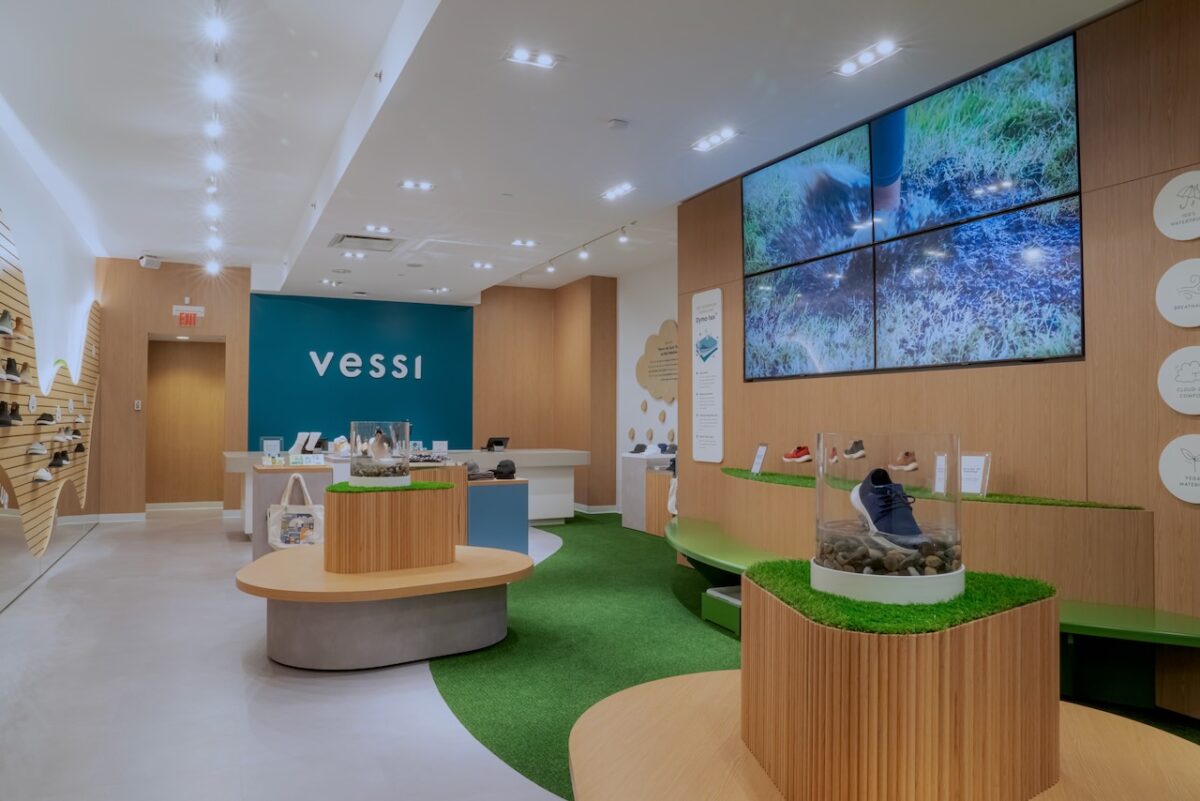
“If you take a look at our store in Metrotown, one thing I love about the store is its design. It’s really an homage to the community of that city. Inside the Vancouver one how we’ve designed it like mountains how the shoes are placed, the scenery is about nature. And the one in Toronto is really about the elements of water.
“We’re engaging with local Toronto artists to help us paint murals that would go outside and inside the store. I’m super excited.”
Vessi Square One (Rendering: Vessi)
Go said when the retailer took a look at where its customers were, the Toronto area was one of the areas where the company was strong.
“One of the feedbacks we had is that people really wanted to try on the shoes – the physical product itself. We knew we wanted to open a store in Toronto and what led us to Square One is our customers. We did send out a survey asking where people wanted to shop, we took a look at the demographics of where our customers really were. Square One seemed to be the right place for us,” she said.
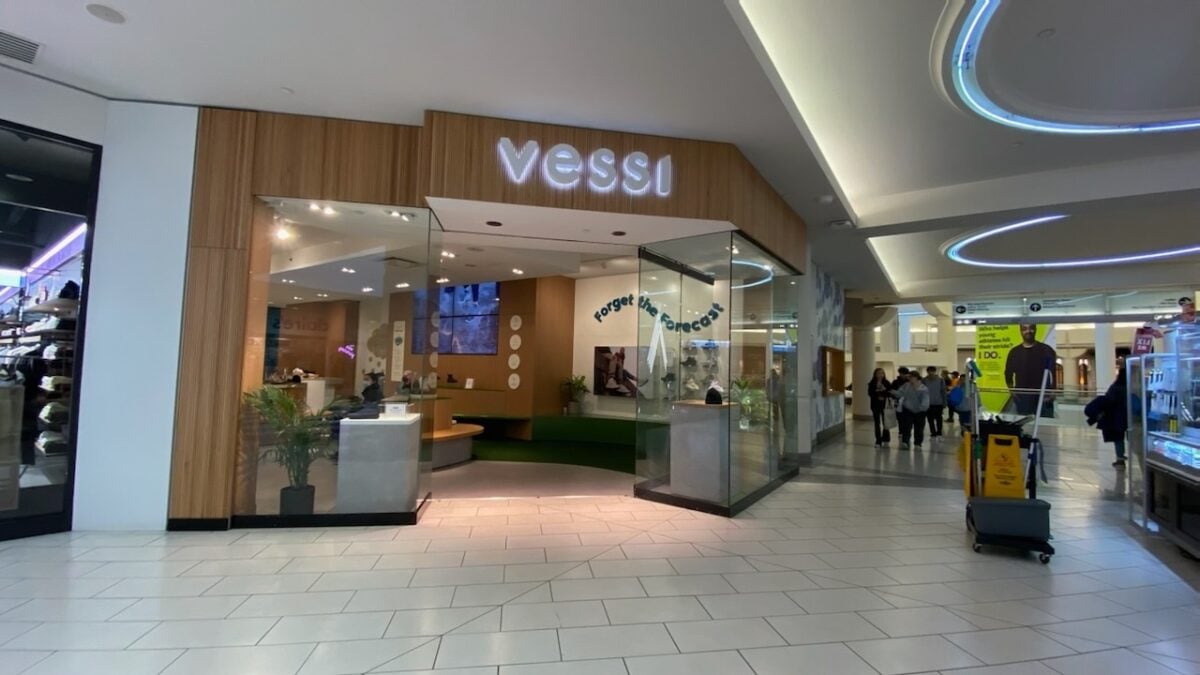
The store will be about 2,000 square feet, similar to the Metrotown store, and taking over the old Geox store space.
Vessi at Metropolis at Metrotown (Image: Craig Patterson)
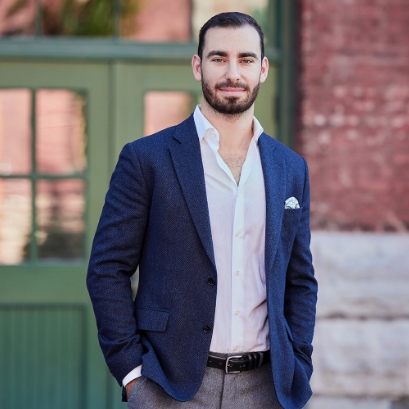
David Garbuz of brokerage Oberfeld Snowcap is representing Vessi in its Canadian store expansion, with other locations said to be in the works.
David Garbuz
“That’s the plan. We definitely want to open up more stores, give people more access to shoes,” said Go. “We’re also rolling out in wholesale slowly. Right now we’re just laying the foundation. We’re looking into different partnerships. Where does it belong? Is it more boutique shops? Is it bigger stores? That’s something we’re still working through it now.”
Vessi is one of North America’s fastest growing sneaker companies. Founded in 2018, its mission is to inspire happiness in all-weather by creating everyday wear that gets people out there, rain or shine. They’ve built up a loyal fan base and have become one of Vancouver’s most beloved brands, and have sold over 1,000,000 pairs of sneakers.
Go said the company will also be launching in the fall its first-ever winter boot.
“It’s really designed for our East Coast customers or our customers that live where there is more ice and slush,” she said. “I’m super excited to launch that. It looks really great and people are going to love it.”
Vessi Metropolis at Metrotown (Image: Vessi)
The idea of Vessi came to the three Vancouver founders of the company who quite simply had it with the rainy weather. So they set out to create a totally waterproof sneaker that not only kept their socks dry, but kept their feet sweat-free, comfortable and looking stylish.
The company was launched on Kickstarter and was solely an online business until the opening of the Vancouver store last year.
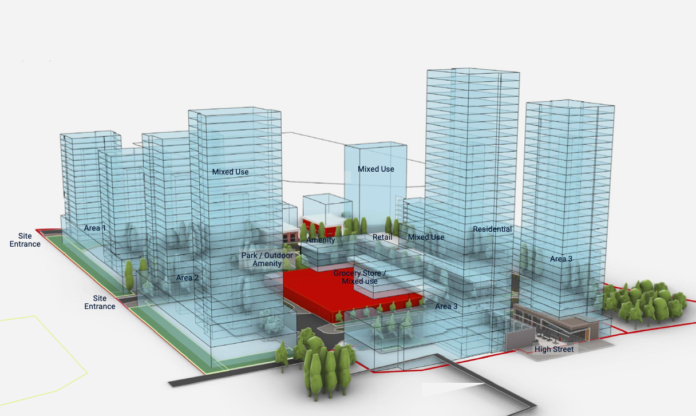
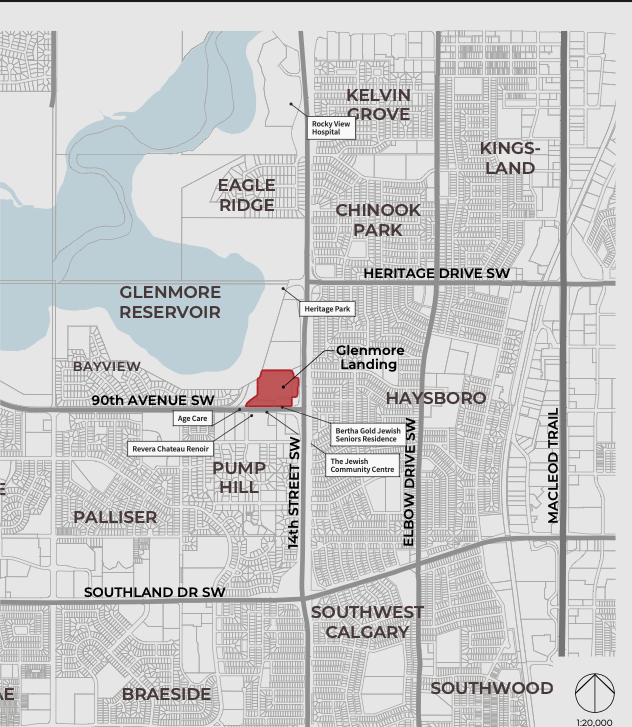
The acquisition of adjacent land to its Glenmore Landing shopping centre will provide an opportunity for RioCan Real Estate Investment Trust to pursue another one of its residential densification projects in Calgary.
Andrew Duncan
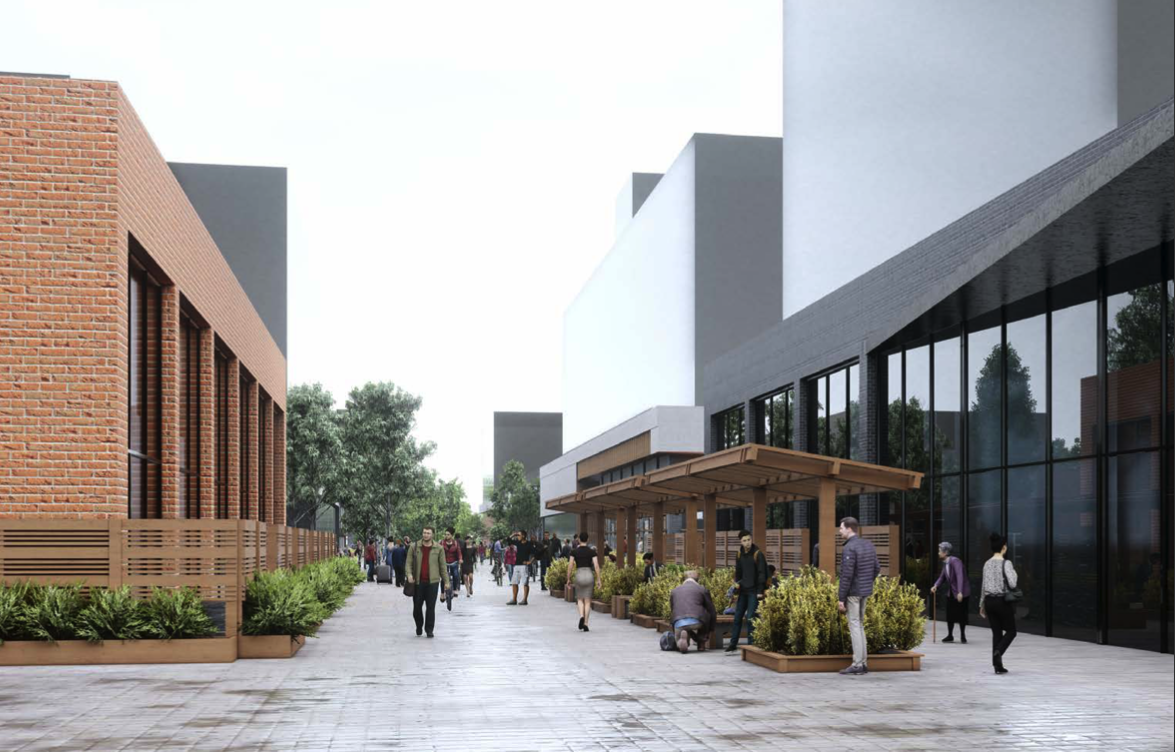
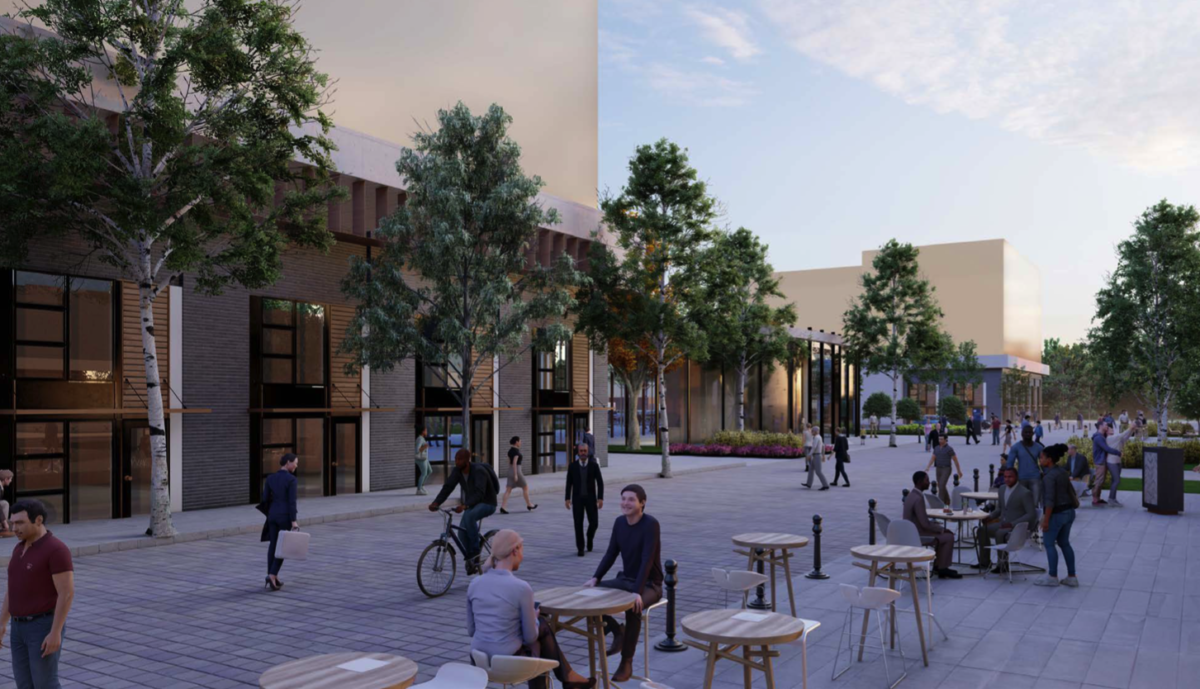
“The acquisition of a parcel of land adjacent to our existing Glenmore Landing property will allow for densification to transform it into a pedestrian-friendly, mixed-use property with residential and retail options,” said Andrew Duncan, Chief Investment Officer, RioCan.
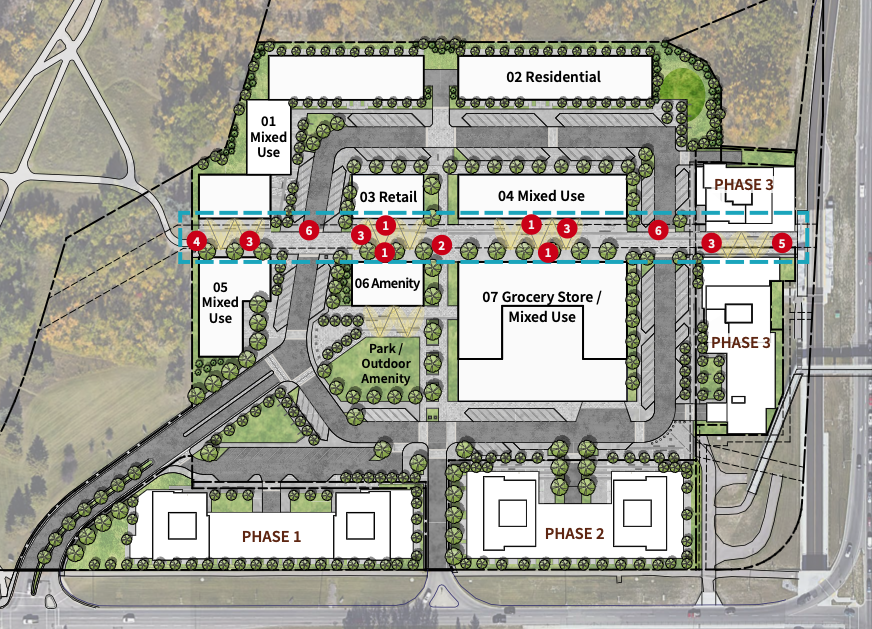
“We are currently in the land use amendment process to determine the appropriate level of density for the site, supported from a civil, transportation and planning perspective. Once this is determined, the next step is to apply for Development Permit applications, which will be driven by market demand and again, completed in a phased approach.”
Glenmore Landing is comprised of 10.4 acres of land with approximately 147,000 square feet of commercial, retail and office space. The necessity-anchored site boasts a well-balanced, tenant mix. Safeway serves as the anchor tenant, while other tenants include popular brands like Running Room, TD Canada Trust, Good Earth Café, and Starbucks, said the company.
It is one of the original properties in the RioCan portfolio and has consistently been well-tenanted, strong performer. RioCan acquired the property in February 1987.
“The intensification of the Glenmore Landing site is a long-term vision, and the start date is still to be determined. We are in the very early planning stages, and as such, all aspects of the project will be subject to ongoing assessments of various factors, including the evolving needs of the Glenmore community, our tenants, and market conditions. To fully develop the purchased parcels from the City of Calgary, we estimate approximately 15-20 years from start to finish (three distinct phases, and approximately five years per phase),” said Duncan.
“At present there are no plans to redevelop the existing retail or parking, either now or in the foreseeable future. RioCan is invested in sustaining Glenmore Landing’s commercial operations and will work with business owners directly through the site intensification process. The addition of residential units on the purchased parcels is anticipated to bolster the economic viability of both existing and any future retail options at Glenmore Landing.
“RioCan understands that Glenmore Landing is an integral part of the community and is committed to ensuring that tenants and residents in the surrounding communities have opportunities to learn more about the application and provide feedback.”
Glenmore Landing (Image: RioCan)
Duncan said RioCan’s goal is to plan for the future of Glenmore Landing, strengthen its retail capacity, and transform it into a pedestrian-friendly, mixed-use community.
“As an owner, manager, and developer of high-quality retail and increasingly mixed-use properties in Canada’s major markets, we continually invest in our great locations to turn properties like Glenmore Landing into vibrant community hubs where people want to shop, live and work,” he said. “Glenmore Landing is a well-established shopping centre, and one of the original properties in the RioCan portfolio. It has deep roots in the surrounding community and has proven itself as a destination node in southwest Calgary. The strong tenant mix, including grocery stores, pharmacies, banks, personal services, restaurants, and other traditional retail, provides visitors with extensive shopping opportunities.
“The addition of the Southwest Bus Rapid Transit stop on 14th Street SW provides public transit access, connecting the site to downtown Calgary. By densifying the land adjacent to the existing shopping centre, we have an opportunity to provide community members with new housing options with great access to public transit, ensuring Glenmore Landing continues contributing to the growth and success of the area.”
RioCan introduced its residential brand, RioCan Living, in 2018 to deliver best-in-class, purpose-built rental units and condos along Canada’s most prominent transit corridors. They range from rental apartments to ultra-luxury condos.
As at August 1, 11 of the 12 RioCan LivingT buildings in operation are stabilized and are 99.0 per cent leased. Total Net Operating Income generated from its residential rental operations for the Second Quarter was $5.1 million, an increase of $1.7 million or 50.8 per cent over the same period last year. An increase of approximately nine per cent in average monthly rent per occupied square foot on a same property basis contributed to the year-over-year improvement, the company reported in its recent financial results.
As of June 30, 2,575 condominium and townhouse units are under construction and are expected to generate combined sales revenue of over $860.0 million between 2023 and 2026 that can be redeployed to fund its development pipeline. Of RioCan’s six active condominium construction projects, 86 per cent of the total units have been pre-sold, representing 96 per cent of pro-forma total revenues, said the company.
Glenmore Landing (Image: RioCan)
RioCan has a development pipeline of 42 million square feet which includes two million square feet underway, two million square feet shovel ready and 10 million square feet that is zoned.
RioCan has 12 towers across its portfolio ranging in size from smaller ones like a 60-unit tower in downtown Toronto to larger ones like the 590-unit tower at The Well. With the opening of The Well, RioCan will have about 3,000 residential units in operation.
John Ballantyne
“We’ve created a division of RioCan called RioCan Living which designs, identifies the sites where we want to put these towers, builds the proper tower for the site and area they’re located in,” said John Ballantyne, Chief Operating Officer of RioCan REIT, in a recent interview with Retail Insider. “So amenities will change, suite sizes will change, esthetics of the building will change depending on where they are.
“We’ll build them and we’ll operate these residential towers in conjunction with our retail sites that surround them.
“It’s a great opportunity for RioCan to intensify sites, help solve the housing crisis that’s going on in this country and at the same time provide residents with the services that already exist in RioCan shopping centres around them.
“The beauty of our model is that we’re not sitting on land that’s not productive. All of these sites are commercial retail sites. They all have active revenue coming through them.”
Retail Insider is streamlining its Canadian retail news from around the web to include a handful of top news stories that can be viewed quickly during the day. Here are the top stories from the past 24 hours.
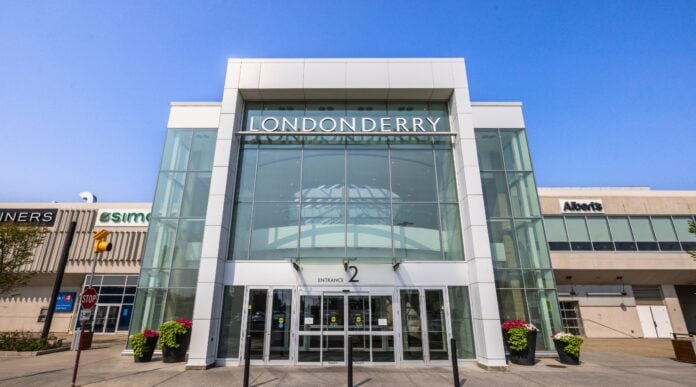
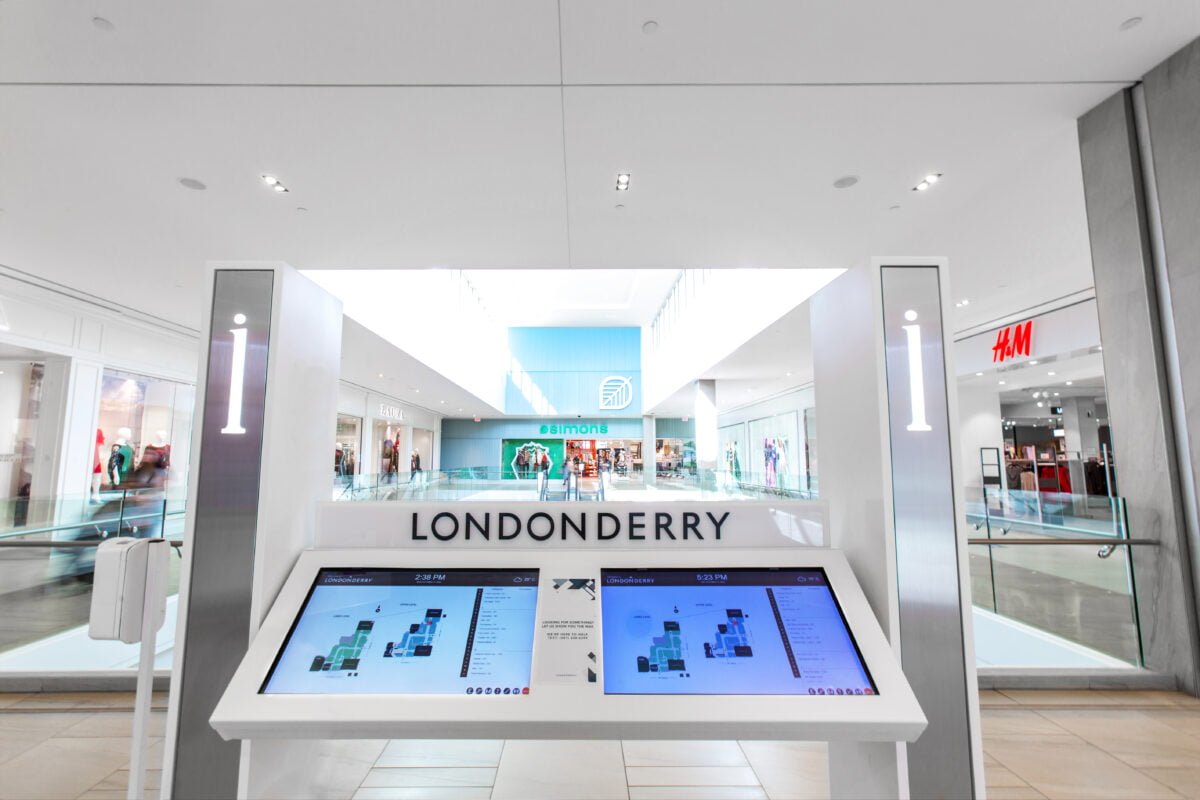
Londonderry Shopping Centre (Image: Cushman & Wakefield)
Craig and Lee discuss the transformation and new additions at Londonderry Mall in Edmonton, including a passport office, Shoppers Drug Mart BeautyBOUTIQUE, and a downsized Hudson’s Bay store with a potential outlet concept. They explore how the mall caters to the diverse local community with relevant amenities and retailers.
The Weekly podcast part of theThe Retail Insider Podcast Network by Retail Insider Canada and is available on Apple Podcasts, Stitcher, TuneIn, Google Play, or through our dedicated RSS feed for Overcast and other podcast players.
Announcer 0:00 This is Retail Insider Podcast. You’re listening to “The Weekly”.
Lee Rivett 0:08 Welcome to this week’s episode of “The Weekly” by Retail Insider. I’m Lee Rivett and I’m joined with the owner and publisher of Retail Insider Media, Craig Patterson, to discuss this week’s most read articles on retail-insider.com. So thanks for joining me, Craig.
Craig Patterson 0:22 Hello, everyone.
Lee Rivett 0:23 Now for this week Londonderry Shopping Center in Edmonton, Alberta is our popular article for the week. And Craig, you’re from Edmonton. So this is a near and dear article to your heart. Now they have some new tenants. Hudson Bay has some announcements going on there too. So Craig, where do you like to start?
Craig Patterson 0:40 Well, let’s talk a bit about Londonderry. It’s one of the larger malls in the Edmonton market. I’ve got a long history there myself having lived in the city years ago. Londonderry mall is getting some new tenants, amenities – which are really going to think cater to the local community, which is quite multicultural.
Lee Rivett 0:57 No and I agree. And just some quick facts before we go further from the ‘Cushman and Wakefield’ website (because they are the landlords of Londonderry shopping mall). It was built in 1972 and there was major renovations in 1983. It expanded and 1991 and then was redeveloped between 2014 and 2017. So it was quite a long span. But up into this point, the major anchors have been Hudson Bay, Save On Foods, Winners and Simons. Besides them, there’s 150 stores in the mall. There’s 3500 parking spots and about 217,000 people live within five kilometers of the shopping mall in the Northeast. So yeah, so it’s quite a happening mall. And so besides this kind of snapshot from Cushman and Wakefield website, what’s happening now, Craig?
Craig Patterson 1:43 There’s a few things coming up here. So in 2024, a passport office is coming to the mall.
Lee Rivett 1:49 Totally. And it’s just another amenity, especially since the area so multicultural and diverse right? So instead of standing in line in the middle of nowhere at a Service Canada building, it’s in a mall, which is great. But is there anything from your perspective that this addresses?
Craig Patterson 2:02 I think this addresses a few things this is a way to add foot traffic it’s it’s a non-retail tenant in a shopping center, which is going to bring people in make the center even more relevant than it already is.
Lee Rivett 2:13 Like foot traffic.
Craig Patterson 2:14 I think just be a really great addition to Londonderry – so So kudos to those who put that deal together in terms of getting that lease or however it’s set up with with with Londonderry, Cushman and Wakefield is the landlord. I’ve been talking to various experts, people in the industry around sort of the new retail or non-retail tenants, specifically being retailers moving into such places as shopping centers, and we’re definitely seeing that here with Londonderry. So, again, I think it’s terrific.
Lee Rivett 2:41 So what else is going on to the mall?
Craig Patterson 2:43 Another addition to the shopping center, it’s not the biggest thing, but the Shoppers Drug Mart store at Londonderry is about 17,000 square feet, it’s on the main floor, added a beautyBOUTIQUE.
Lee Rivett 2:54 And for those that don’t know what a beautyBOUTIQUE is, yes, Shoppers Drug Mart is a traditional pharmacy and it does have let’s say groceries and stuff added in. But the beautyBOUTIQUE section is specific for haircare skincare, makeup, fragrances, tools, accessories for men and women. And they literally have staff that have been trained and are knowledgeable in the products as opposed to it just being another aisle in a traditional grocery store. So if you walked into your grocery store and needed some help with deciding what you needed, you’d need to flag down somebody who might be grocery bagger or produce person. And they wouldn’t have any specialty knowledge like what the beautyBOUTIQUE would be in Shoppers Drug Mart so and plus they’d have a much wider more upper class product offerings. So it’s great. They’re expanding that.
Craig Patterson 3:43 There’s, I guess somewhat a lack of a competition there other than the Hudson’s Bay store, but I’ll be talking about that in a moment because I don’t think it’s going to have a beauty department pretty soon. But nevertheless, the Shoppers Drug Mart store they’re expanding in terms of its offerings, having a beauty boutique, I think is a great addition to the neighbourhood again. You’ve got prestige, cosmetics, everything that would be in there that would again drive traffic to Londonderry. Apparently Shoppers Drug Mart is the number one beauty retailer in Canada now in terms of sales, so it makes sense that it would do this expansion and offer these here. So it’s really taken over from I guess what would have been perhaps Sears and Hudson’s Bay in the past, those two retailers I think would have had the bulk of the beauty business, but things have certainly changed. Sephora, of course, is very, very strong as well.
Lee Rivett 4:28 And let’s move into the grocery section.
Craig Patterson 4:30 So a few months ago, we actually did a report on “No Frills” coming into Londonderry, the lower price grocery store chain that’s owned by Loblaw. The store actually replaced a Save On Foods which had been there.
Lee Rivett 4:45 Oh wow. Okay, well, Cushman and Wakefield need to update their lease plan in the details on their website for Londonderry because they still have Save On Foods listed as a retailer So yep, but keep going.
Craig Patterson 4:57 So for those Save On Foods as a western Canadian grocery chain it’s known to be a little bit more expensive, or at least traditionally, I don’t know what’s happening now with prices because they no frills doesn’t seem to seems to be expensive for something with that allegedly has no frills but nevertheless, is replaced, Save On Foods, which in theory may have been a more expensive store at least at the time. I know that things have changed recently, but I’ve been told I talked to someone at Cushman and Wakefield. They said that this no frills store is doing really well. Lots of people coming in lots of foot traffic. So I think it’s really addressing the neighborhood. So, again, I think Londonderry is coming together as this neighborhood center for the community that surrounds it again at the passport office with a grocery store that people can hopefully afford to shop at. With, you know, beauty offering Shoppers Drug Mart that is far more robust, I think, than what would have been there before.
Lee Rivett 5:49 No, totally. And I think Londonderry shopping mall is supporting the community quite well. Is there any other announcements that you wanted to touch upon too.
Craig Patterson 5:58 So probably the biggest announcement here that was made was the retention of the Hudson’s Bay store at Londonderry. So in February, I’d gotten word that the Hudson’s Bay had confirmed it, by the way that the Hudson’s Bay store at Londonderry was was set to close in August of 2023. So that was the plan. And I wrote about it, the Banff store was announced to be closing in the same month. But we subsequently got word that the Hudson’s Bay store at Londonderry will stay open. So there’s one big announcement it’s going to serve the local community, the Banff Store is still closing I should say as well just for those who are wondering. Londonderry is staying open, but Londonderry will be smaller. So right now the store has two floors, it’s got about 118,000 square feet and a little bit of space according to the lease plans that I was looking at. So it’s going to be downsized to about half that. So about 60,000 square feet just to round it off. My understanding is this is going to be a bit of an outlet concept. Which means I think it was a bit of a rollout of a new Hudson’s Bay concept coming out here, which I need to investigate a little bit more before I do further articles and discuss it. But nevertheless, this is what’s going to be happening in Londonderry. So this store is something which will either be off price or outlet or something with prices that will be a bit more value focused, again, I think is going to serve the community around Londonderry, which, again, is a diverse population. It’s not the highest income part of the city. It’s not it’s not I’m not saying it’s poor, but certainly I think shoppers that live in that area and come to that mall are going to be very much appreciative of things that are affordable. I know the Winners store does very well in that mall, in terms of sales. So again, it’s actually a really big beautiful store. I’ve been told these myself, so Londonderry is a really interesting shopping center. So keeping this Hudson’s Bay store I think is great.
Lee Rivett 7:45 So what’s gonna happen with the vacated upstairs?
Craig Patterson 7:49 Now the upper level about – will say 60,000 square feet again – is there’s going to be an opportunity to extend the mall, curve the hallways around so you can walk all the way around and it remains to be seen what type of retail services amenities could be added in there. But I think that Cushman and Wakefield is going to conceptualize something interesting and look at continuing to evolve Londonderry as a shopping center.
Lee Rivett 8:13 Could you go into a little bit more of the current history just because when I went through the ‘fast facts’ – it might not have been fully up to date as we now know buy Save On Foods.
Craig Patterson 8:21 Yeah, so in 2015 it was announced but it was 20 Vic at the time – 20 Vic management, now Cushman, I think bought them out. I think that was how that worked. But there would be an investment of more than $130 million to basically overhauled and Londonderry shopping center and to something that’d be quite new.
Lee Rivett 8:39 Well, now that makes sense that there were several years for that redevelopment listed in the Quick Facts.
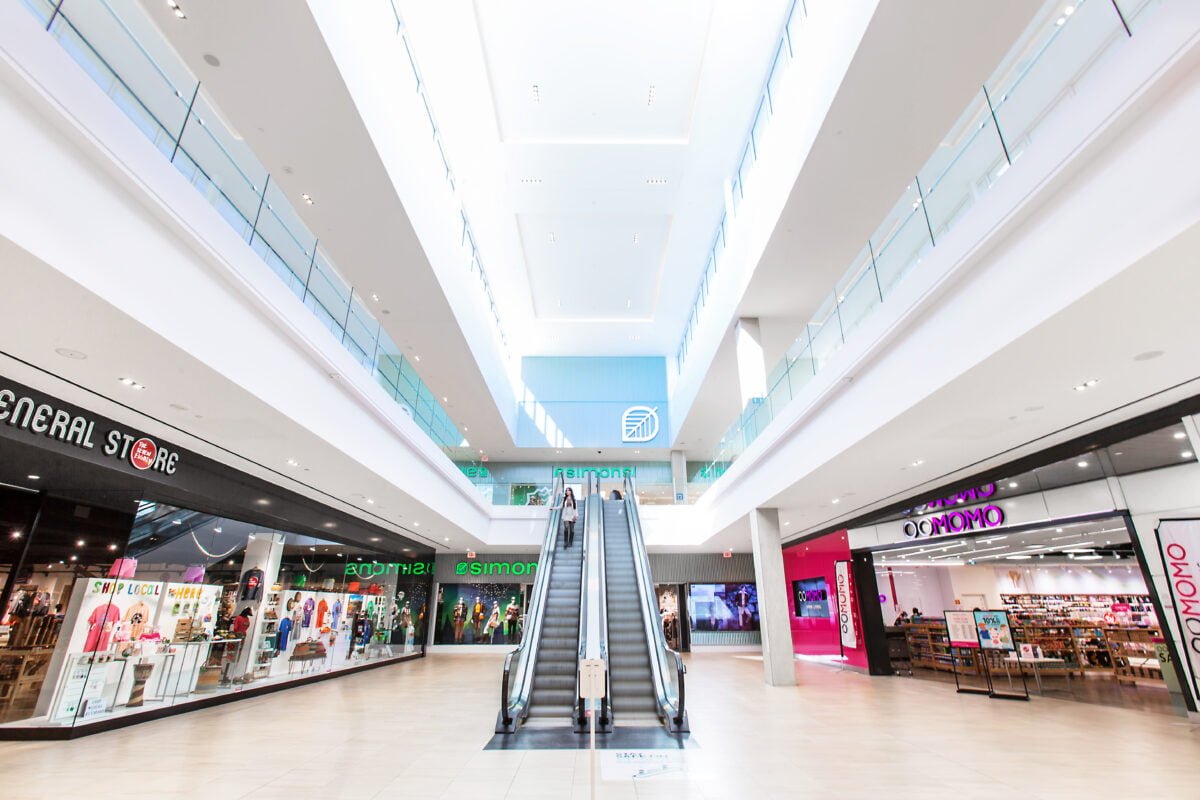
Image: Londonderry Mall
Craig Patterson 8:43 One of the big announcements as well was the addition of La Maison Simons – the Quebec City based large format fashion retailer that also has some home goods and whatnot, kind of like a department store – moving into Londonderry.
Craig Patterson 8:57 Just to put a personal spin on the story. In 2015, I was working with the University of Alberta, the School of retailing, which is now a center of cities and communities. It’s merged and grown, but I was working with them and we were working on the Londonderry project actually in a consulting capacity with our student Consulting Group. And Emily Salisbury, our executive director. told me “Craig, don’t report this yet. But the anchor tenant that we got here is Simons” and I thought she was joking, to be honest, because already Simons had a store at West Edmonton Mall. I thought it had a radius clause, which it did. I think that was forgiven. But I always thought, Oh, you’re so funny, Emily. And she’s like, No, no, no, I’m not kidding. And, of course she wasn’t but I just I just do not honestly never would have pictured this. So this was a very substantial renovation. I was toured through here as the renovations were being completed and they were showing me how the ceilings had been raised, and how the facades were able to be raised as a result. So the amount of money and effort that went into this renovation was absolutely massive. I don’t know what the final price was. We had $130-something million as being the number that was thrown out in 2015 when it was announced and when I wrote about it at first when I was permitted to, and I don’t know what the final cost was probably more you know how things are things are always more expensive at the end, but nevertheless, I think it’s the nicest looking mall in the Edmonton market in terms of being a large format shopping center with a renovation nothing against West Edmonton Mall or South Gate or Kingsway, but just the interiors of Londonderry looks a bit like Yorkdale actually, I think someone might have copied somebody but it’s great. I mean, you’ve got the, you know, limestone looking floors, the natural light, the bright Food Court, which I think is a part of the old Eatons space at Londonderry
Lee Rivett 10:41 And it was opened back in the 70s. Right?
Craig Patterson 10:44 Londonderry was built in 1972, or at least it opened I should say 1972. So it’s over 50 years old, a bit older than I am. The was the largest shopping center in Canada, west of Toronto, so in Western Canada, but even beyond. I think Yorkdale would have been bigger and maybe a couple of others, but it was the only two level mall in Western Canada at the time. It had three anchor stores when it opened Hudson’s Bay which is still in its original location where it opened in 1972. And it’ll be a little smaller as I mentioned, but Eaton’s was at another another part of the mall and Eaton’s after it closed in what 1999 I think it would have been or there abouts is now tended by the grocery store by No Frills. There was a food court upstairs and then there’s also a Fabricland and a Dollarama upstairs as well. So having been there a few months ago, so that’s the old Eaton’s box and then there was a Woolco there years ago. Woolco having been another department store in at least I think Western Canada at the time. I think it might have been replaced by a Walmart after that, honestly, I don’t know. I’d have to check on that. But that’s what happened with a lot of the Woolco stores. I remember when I was in grade 12, there was the big transition from Woolco to Walmart. It was an exciting time and Canadian retail even though I don’t think Walmart was doing that well to start. Obviously, now Walmart is wildly successful in Canada.
Craig Patterson 12:14 But Londonderry has a really interesting history, from 1970 to being an important shopping center. It’s continued to progress. I was there a while ago, and there’s lots of independent retailers at Londonderry. It’s quite interesting. Now, it does speak to the fact that I think it had been a bit of a challenge to lease to perhaps leased spaces to some of the big international and international tenants. You know, Londonderry is its its own trade area. But there’s lots of competition in Edmonton having Kingsway mall with stores like Sephora and Lululemon and West Edmonton Mall which has gone one step above with Louis Vuitton and Gucci and South Gate Center, which is a terrific shopping center again with some of the big national and international tenants but Londonderry has, I think, found its place to a degree with some interesting local shops like the 780 local shoe stores local food, and you get a really diverse population of people shopping in there. So I think that for the community, the direction that Londonderry is taking, even if it doesn’t have a big Sephora store in it, like some of the other malls. I think this is the right direction for Londonderry. So I’m excited to see what’s going to happen on the second level of the Hudson’s Bay store as Cushman and Wakefield looks to repurpose that back into retail, and add new retailers, services, amenities, whatever else might happen. So we probably should come back and do another podcast I don’t know in a year or two or whenever that has been figured out. And, you know, those new tenants are in there and we’ll continue talking about Londonderry as being a great community center for Northeast Edmonton, if you can call it that.
Lee Rivett 13:54 When is there anything else you’d like to mention about Londonderry but just to wrap up the podcast at this point?
Craig Patterson 13:59 As the mall has continued to see some updates and changes just recently. I know in 2019 H&M opened a store at Londonderry which I think was a huge score. I mean, that’s not a local type of retailer but it is a fashion retailer which is serving the local population and is not expensive, thank goodness so I got some great socks at that’s H&M store by the way when I was in there last time at Londonderry but again, I think it’s another great tenant that it’s in there. It’s a major I think a great score for the shopping center to get that type of a retailer so it’s right by Simons and Simons itself I mean, the store is beautiful. They all the new ones are It’s got our you know the artwork piece in the center. It’s not a luxury heavy Simon store like at West Edmonton Mall which has all kinds of luxury brands but sometimes I almost prefer shopping the Londonderry one just because it’s a bit quieter but it’s got a lot of the private label stuff it may not have sold out like the like the West Edmonton Mall store. I like the private label stuff from Simons it’s affordable and quite had edgy or at least fashion forward in many cases, and the quality isn’t that bad either. So I a great store. I mean, I’m just a big fan of Simons at Londonderry and Simons is generally so open in downtown Toronto and Vancouver, please is my word for Simons. But that’s a whole other discussion here that I’ve been talking for a while.
Image: Londonderry Mall
Lee Rivett 15:21 Oh, it’s all good. And thanks for going through this popular content for the week. I know you’re from Edmonton. You love Londonderry. You had done some work on it. So this is going to be great. And again, thanks for going through it and talk to you next week.
Craig Patterson 15:32 Thank you so much everyone for listening. Take care and bye for now.
Subscribe, Rate, and Review our Retail Insider Podcast!
Drop us a line at Craig@Retail-Insider.com. You can also rate us in Apple Podcasts or recommend us in Overcast to help more people discover the show!
Background Music Credit: Hard Boiled Kevin MacLeod (incompetech.com). Licensed under Creative Commons: By Attribution 3.0 License. http://creativecommons.org/licenses/by/3.0/
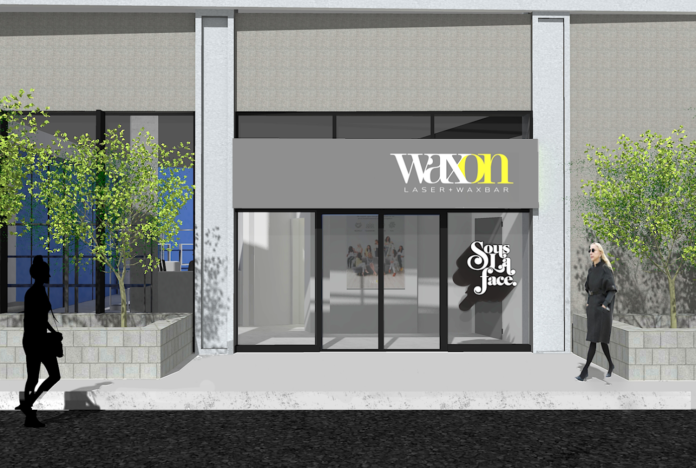
WAXON Laser + Waxbar and Sous La Face are partnering up to create a seamless journey for consumers as it will allow more services under one location. The new concept will be opening up this fall and has plans to expand in multiple locations across Canada.
“WAXON and Sous La Face coming together means the ultimate self-care experience for people everywhere! Our alliance brings together two industry powerhouses, each known for their dedication to excellence in hair removal and skincare. By merging our expertise, we aim to revolutionize the beauty landscape. Together, we are bringing the best techniques, technologies, and coveted beauty secrets in the industry. Exceptional service and incredible results – all the care your skin needs under one roof,” says Lexi Miles Corrin, the Founder and CEO of WAXON Laser + Waxbar.
WAXON Laser + Waxbar is known throughout Canada as a number one destination for hair removal. Services at WAXON Laser + Waxbar waxing, laser, tinting, lash lifting, and also has a section for shopping for consumers. It has 16 locations throughout Canada including Halifax, Ottawa, and multiple locations in Toronto, with four more opening soon.
Image: WAXON and Sous La Face
Sous La Face opened during the pandemic and opened a Sous La Face Skin Restoration Studio in 2021 in Yorkville. Now, it has two locations, one in Toronto and the second location is in Muskoka along with one location in the United States. Its services include facials, makeup, anti-aging treatments such as its signature treatment Radical Radiance Regime, Oxygen Infusions, messages, skin tightening treatments, and more.
“We think this will surprise and delight all of our guests. For those who are not familiar with one of the brands, it will introduce them to a Canadian female founded incredible company that has treatments and products. Also, goes back to the convenience of a one stop shop. For our clients who use both brands, they will be thrilled to be able to do a laser, was, or a sculpting facial all in one convenient location,” says Amanda Jeppesen, the Founder and CEO of Sous La Face. “
Two Locations and Growing
The new store concept will launch this upcoming Fall and will start with two locations. One location will be at Liberty Village in Toronto and the other location will be in Lansdowne in Ottawa. As for future growth, Corrin and Jeppeson say they are looking to open the new concept in multiple cities across Canada, including some stand-alone stores. Along with the new locations, the companies will also include new services.
Guests will be able to book services online and although the website has not changed yet for shopping, the two brands have plans to intertwine some aspects of its online presence to enhance consumers’ shopping experience.
“An Elevation of Both Brands”
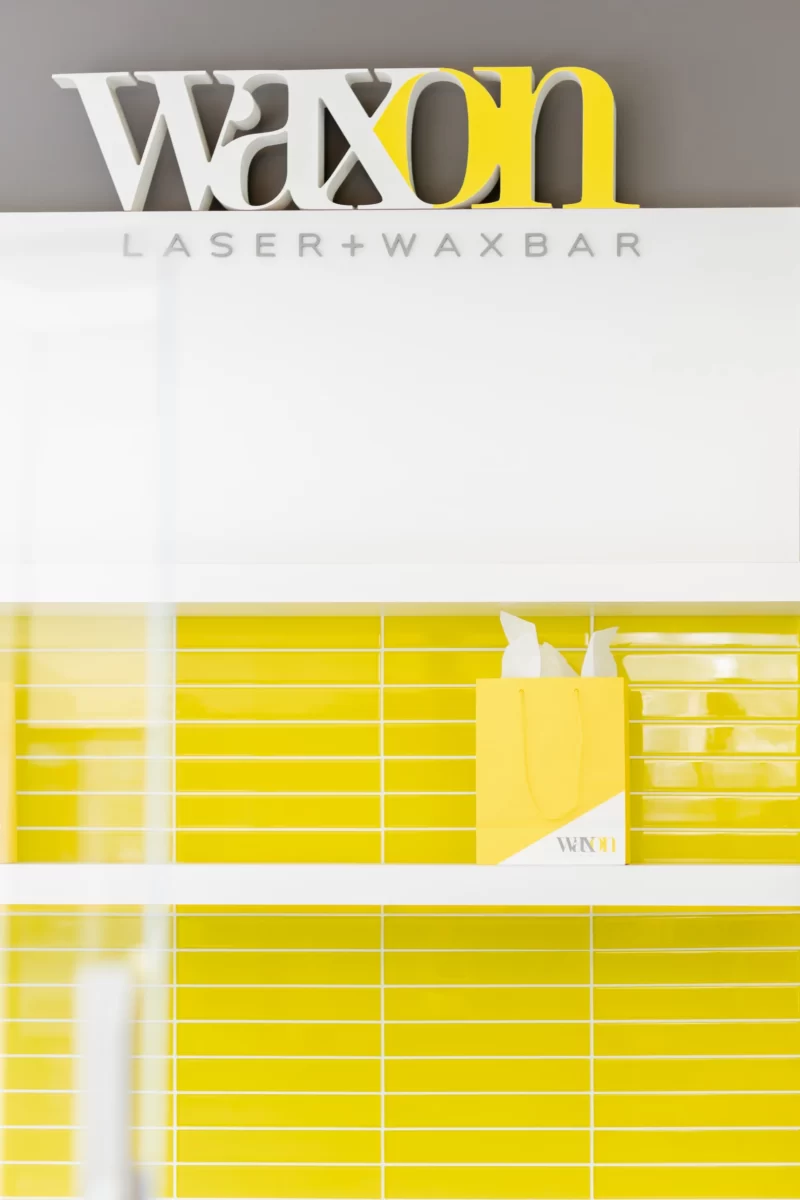
Image: WAXON
Along with the new partnership, the co-branded space will include a new look.
“Clients can expect both brands to have the same chic look and feel that they are used to experiencing in WAXON and Sous La Face stand-alone stores. There will just be some new design elements introduced to bring the spaces together and enhance the visual experience – it is an elevation of both brands,” says Corrin.
The two new stores opening in the Fall, and any locations following, will be similar to their current stores; however, will include some new design and “urban chic” elements. The colours of the co-branded stores will be kept simple, clean, and classic and will bring the two brands together without taking away from their original store concepts. The co-branded space will also be divided.
“Aesthetically both brands are represented with a retail space dividing the two brands. On one side, you will have access to all of WAXON’s services and on the other side, you will be transported to the world of Sous La Face with dark greens, beautiful floral wallpaper, and our estheticians who provide our incredible facial services, says Jeppesen. “We were excited to partner because there is a large crossover with both of our brand’s consumer base and we wanted to create an experience for them that would allow them to leave glowing and fresh from head to toe,” says Jeppesen.
Jeppesen and Corrin decided to co-brand not only for the potential growth, but because the two brands share similar values and goals and are excited to support each other going forward.
“Our shared mission of making every client feel more comfortable and confident in their own skin and our commitment to hygiene, customer comfort, satisfaction, and exceptional results aligns perfectly and is now amplified. Also, women supporting women is a passion both of us share – so what better way to support each other than to go into business together? It is the purest form of women empowerment,” says Corrin.
Retail Insider is streamlining its Canadian retail news from around the web to include a handful of top news stories that can be viewed quickly during the day. Here are the top stories from the past several days.
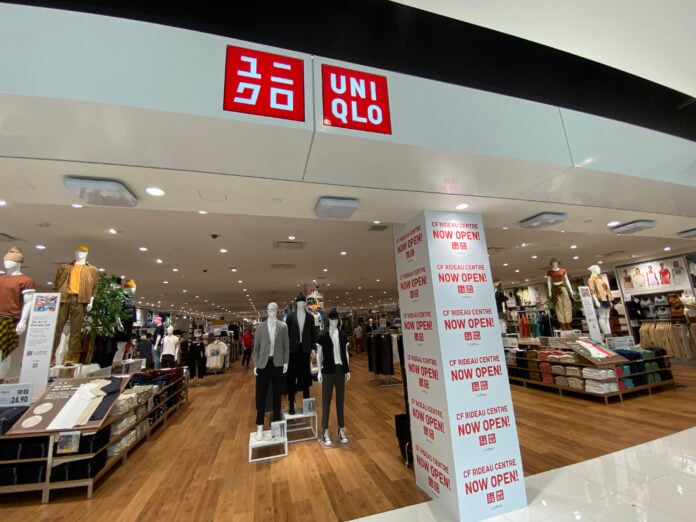
Japanese fashion retailer Uniqlo will open its second Edmonton store this fall as the brand continues with its cross-Canada store expansion. Uniqlo has been opening stores across the country since 2016.
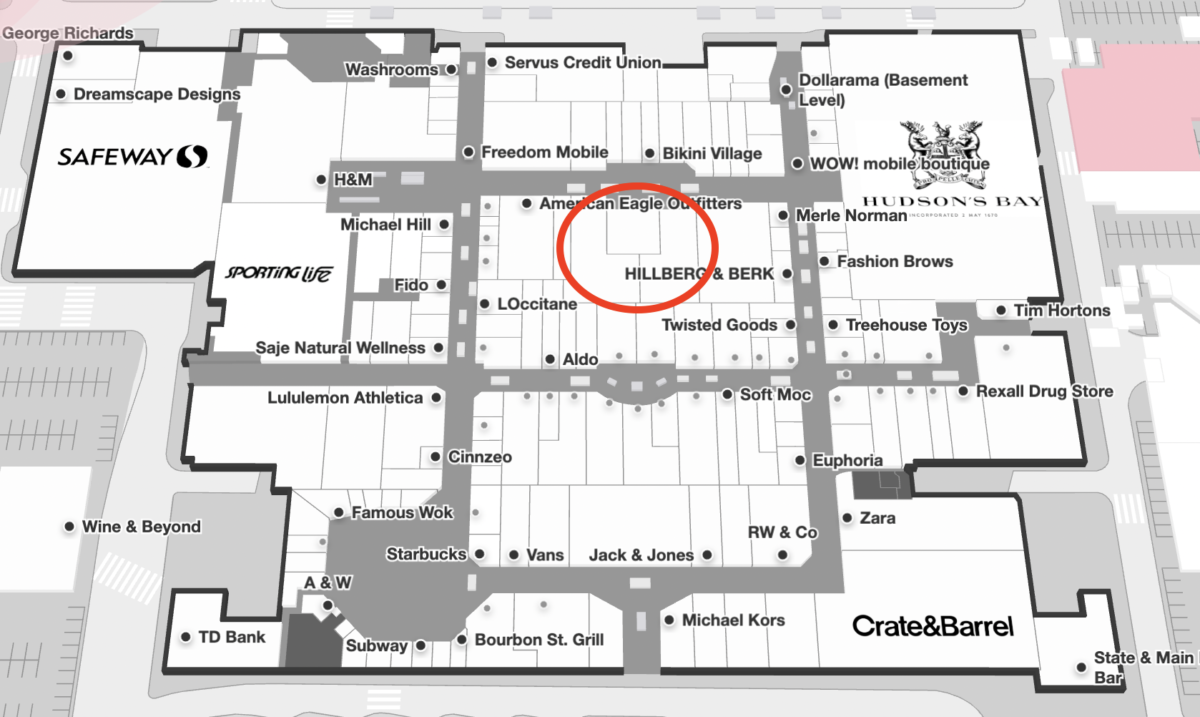
The second Edmonton store will span about 15,000 square feet at the Southgate Shopping Centre, a leading regional mall on the city’s south side. Uniqlo’s Southgate store will be located between Sephora and an American Eagle store, joining several retail spaces combined together for the large new tenant.
Uniqlo has been expanding its Canadian operations since its entry into the country in 2016 by opening stores. Uniqlo entered the Canadian market in September of 2016 when it opened a flagship store at CF Toronto Eaton Centre in Toronto. A second Toronto flagship opened a month later at the Yorkdale Shopping Centre. Both stores are more than 30,000 square feet on two levels.
Click image for interactive Southgate mall floor plan
Uniqlo now has seven stores in the Greater Toronto Area with other locations being at Square One in Mississauga, Vaughan Mills north of Toronto, CF Markville in Markham, Upper Canada Mall in Newmarket, and at Oshawa Centre in Oshawa.
Uniqlo’s first store on the West Coast opened at Metropolis at Metrotown in Burnaby in October of 2017, and the retailer subsequently opened locations at CF Richmond Centre in Richmond, Coquitlam Centre in Coquitlam, and Guildford Town Centre in Surrey.
Exterior of Uniqlo at CF Toronto Eaton Centre (Photo: Dustin Fuhs)
Uniqlo’s first store in Montreal opened in October of 2020 in the city’s downtown core at the Montreal Eaton Centre. It remains the largest Uniqlo location in Canada with over 40,000 square feet of leased space facing Ste-Catherine Street. In 2021, a store opened at CF Carrefour Laval near Montreal and in 2022, two other units opened at CF Fairview Pointe Claire and CF Promenades St. Bruno.
The retailer entered the Ottawa market this spring with a location at CF Rideau Centre. That store, similar to the Alberta locations, is about 15,000 square feet.
Design-build firm SAJO is building the Southgate Uniqlo store.
Uniqlo said in an earlier statement that it has a five year plan to operate about 200 stores in North America, with plans to open about 20 stores a year into 2027.
Uniqlo is owned by Fast Retailing Co. Ltd. which is one of the world’s largest fashion retailers. In 2022 it saw sales of about USD$16.6 billion. The company has a total of more than 2,400 stores across the world.
“As a city builder, our ultimate purpose as a business is to create vibrant community spaces, where people come together – spaces woven deeply into the cultural fabric of cities around the world. Space that will play a key role in how people reconnect with one another post-pandemic,” said John Sullivan, President and CEO, Cadillac Fairview, in the report.
“Under our community pillar, guided by our purpose of “transforming communities for a vibrant tomorrow,” we continue to provide the spaces where people can come together — to meet, work, shop, live, and dine — and whenever possible, spark community spirit through immersive events and activities.”
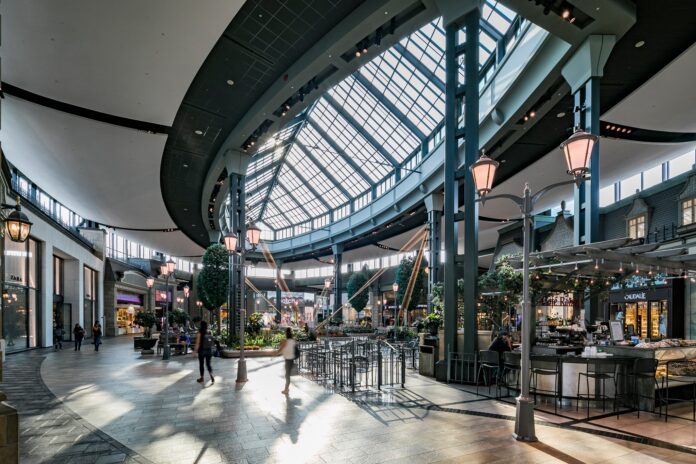
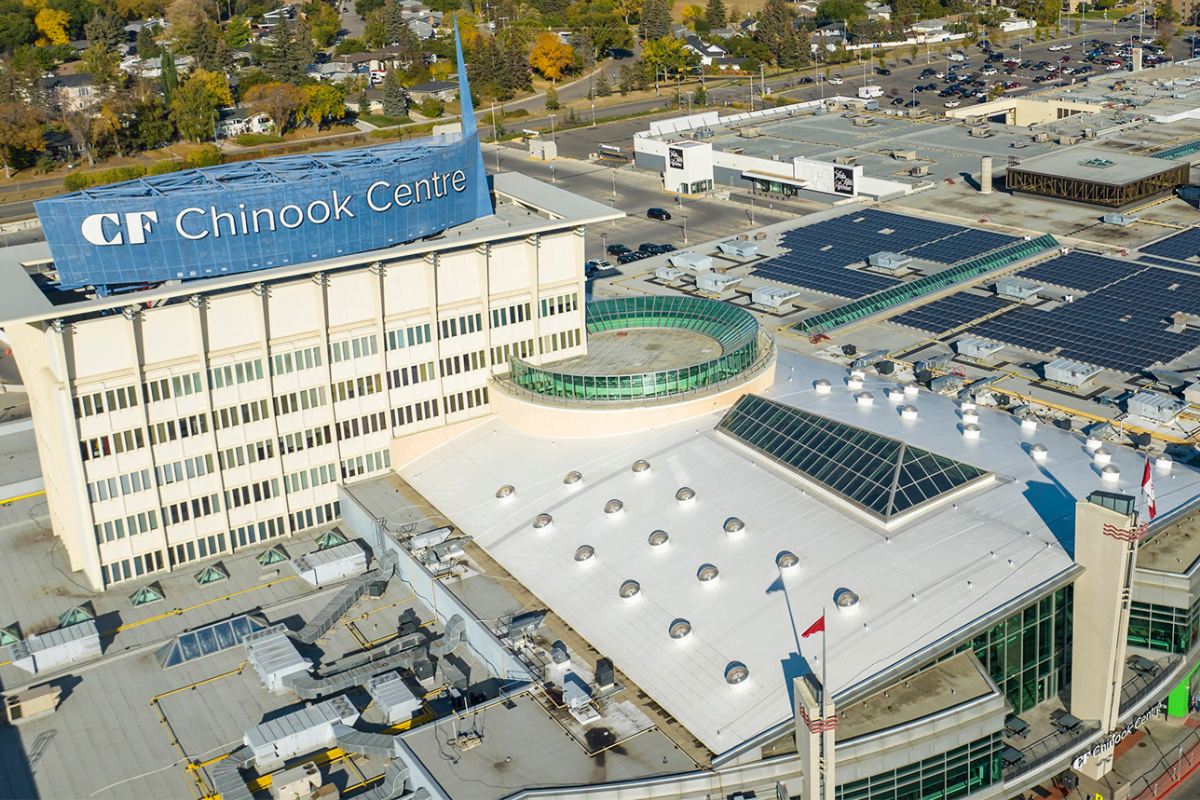
CF Chinook Centre (Image: Cadillac Fairview)
Wholly owned by the Ontario Teachers’ Pension Plan, CF manages more than $42 billion of assets across the Americas and the United Kingdom, with further expansion planned into Europe and Asia. Internationally, CF invests in communities with like-minded partners, including Stanhope in the UK, Lincoln Property Company in the U.S., and Multiplan in Brazil.
The company’s Canadian portfolio comprises 68 landmark properties, including the Toronto-Dominion Centre, CF Toronto Eaton Centre, Tour Deloitte, CF Carrefour Laval, CF Chinook Centre and CF Pacific Centre.
Key highlights from the ESG report include:
19 per cent CO2 reduction since 2017 in Scope 1&2 emissions. 58 per cent reduction since 2008;
10 per cent energy reduction since 2019. 47 per cent reduction since 2008;
25 per cent water reduction since 2019. 71 per cent reduction since 2008;
78 per cent waste diversion since 2008;
100 per cent Canadian properties completed climate risk evaluation;
397 electric vehicle charging stations at 100 per cent of operated sites (by complex);
100 per cent properties have achieved at least one Green Certification such as LEED, BOMA Best, Energy Star or Zero Carbon Certification.
Karen Jalon, Vice President of Sustainability, Energy and Smart Technologies for Cadillac Fairview, said the company, as a community builder, really understands its impact on stakeholders and the expectations are increasing.
Karen Jalon
“It’s very clear from our perspective we have the opportunity to do what’s right for our communities at large but also to support our core business,” she said. “We’re supporting Canada as well as our key stakeholders like tenants and the public achieve their personal ESG goals. We have a focus on reducing our operational costs by lowering our energy and making sure that we build in-person environments.
“This is very foundational to our culture and what we believe our key stakeholders and communities need right now.
“We’re very proud that our shopping centres are a place for the community. A place to interact with each other. Beyond that, it’s clear that we’re in a time of environmental challenges and the public is expecting companies like CF to focus on climate mitigation and resilience. So we are focused in our retail centres on ensuring that we’re achieving and exceeding the best industry standards when it comes to sustainability including creating certifications of our properties which we have achieved to having been ranked number one compared to our peers when it comes across ESG and specifically sustainability. I think expectations are increasing and that’s part of how we do business and so we’re aligning with those expectations.”
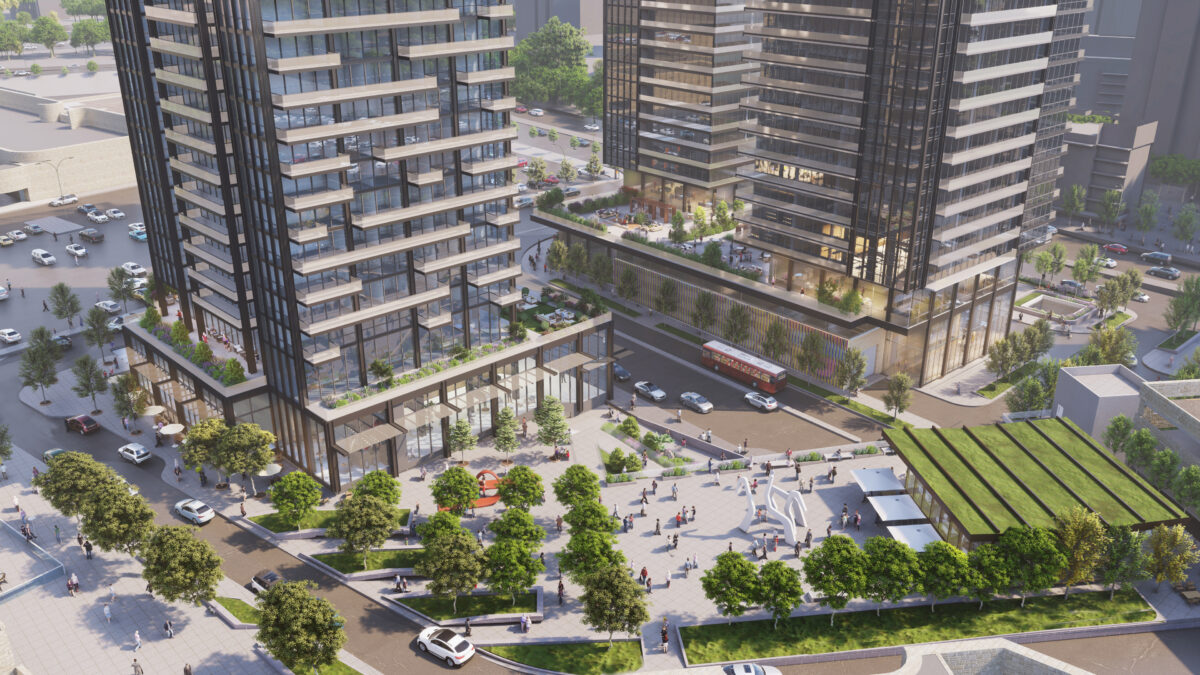
CF Sherway Gardens (Rendering: Cadillac Fairview)CF Fairview Mall in North York, Ontario (Rendering: Cadillac Fairview)
Jalon said investing in sustainability does make business sense because it mitigates regulatory risks to reputational risks.
“There’s opportunity to reduce long-term costs,” she said.
Jalon said the ESG landscape is changing very quickly from expectations to clear needs of the community.
“And so we’re continuously re-evaluating where we are and where we have to be and we know we need to strive for greater positive impacts on our communities. We started our environmental sustainability program back in 2008,” she said. “Over that time we’ve reduced our emissions by 58 per cent. We’re making significant strides.
“That means we’ve integrated it into how we do business and now is the time for us to accelerate those kinds of results.”