Home Blog Page 762

Tip Top Menswear to Open Stores in Quebec Following Exit 20 Years Ago [Exclusive]

Tip Top (Image: Shikatani Lacroix Design)

After twenty years of being absent in the Quebec market, Tip Top, a Toronto-based menswear suit and casual fashion retailer, will be expanding into Quebec this year and is looking to renovate existing store locations in Canada. 

“Right now, we are well down the road in our planning and are in the execution stage of our return in Quebec. So we are finalizing some lease agreements, and in the second half of this year, we will be opening a few stores in Montreal and Quebec City using our new small footprint store formats such as our new stores in Vaughan Mills and Markville,” says Lance Itkoff, the President and CEO of Grafton Apparel which owns Tip Top. 

Lance Itkoff

Although the new locations are not confirmed yet, Itkoff said consumers should expect to see between two to four stores opening in Quebec in the second half of this year and is excited as he believes they will succeed this time as they are offering something that is different from other retailers in Quebec. 

“We believe we have a competitive advantage over anyone else in Canada and we have something that is unique and different and something that is not currently being offered in Quebec, so we believe that it will resonate extremely well. We will open two to four stores to make sure we do it right, and to ensure it resonates with the customers in Quebec as the long term opportunity for us is to have around twenty stores in Quebec. I am confident that what we are doing now – nobody else is doing in Quebec.” 
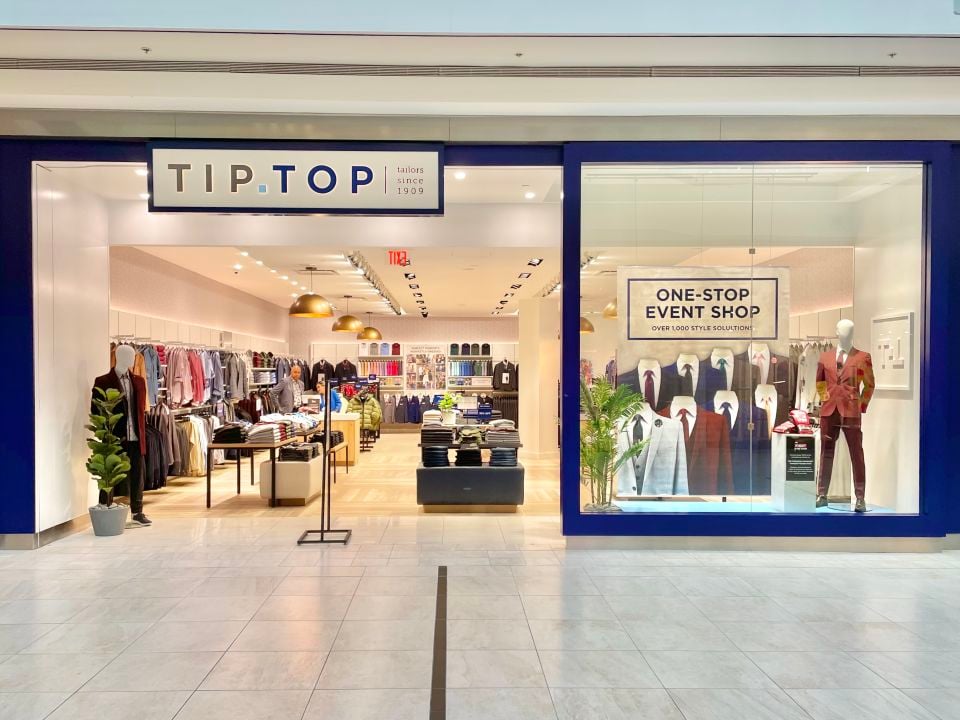
Tip Top at CF Markville (Image: Tip Top)

With the new language law in Quebec, Bill 96, Itkoff says they want to serve the customers in Quebec the way they want it and are happy to be entering into the province as the brand can start off fresh and meet all the new regulations from the start. 

In addition to expanding into the Quebec market, Itkoff says he is always looking for opportunities to expand more into Canada and fill in the markets where they are not currently and other areas such as the Greater Toronto Areas and Vancouver. As Itkoff does not have any stores opening right now or has set a goal to open an amount of stores this year – he rather will take opportunities as they come. 

“We are not going to open stores unless it is absolutely the right location. We don’t put a number on the board with a set amount of stores, we are going to open up as many stores as we get the right opportunities in the right malls, the right space, and the right location in the mall. And as we are being shown those opportunities, we are in a great position to capitalise on it.” 

As Tip Top looks for expansion opportunities, Itkoff says since the small format stores are working for the brand, they will keep moving forward with the new formats of around 2,200 square feet instead of 3,500 square feet as they look for future stores. Any new locations will be announced once they are finalized. 

New Renovations Coming Soon 
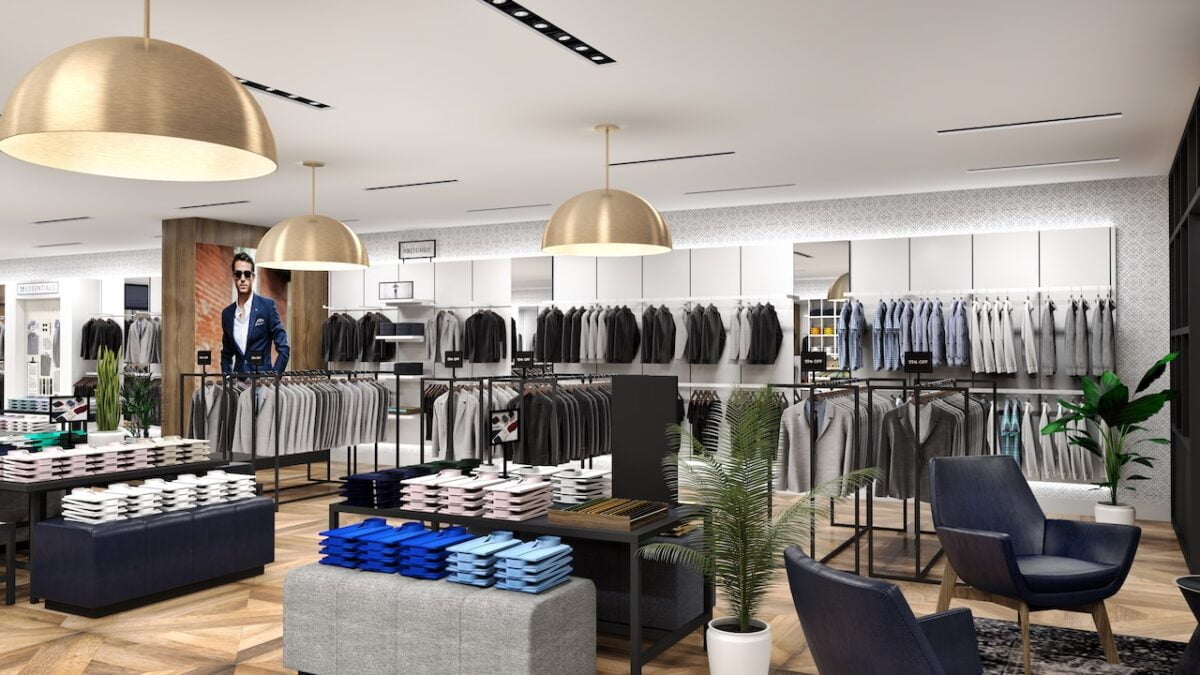
Tip Top Bramalea (Rendering: Tip Top)

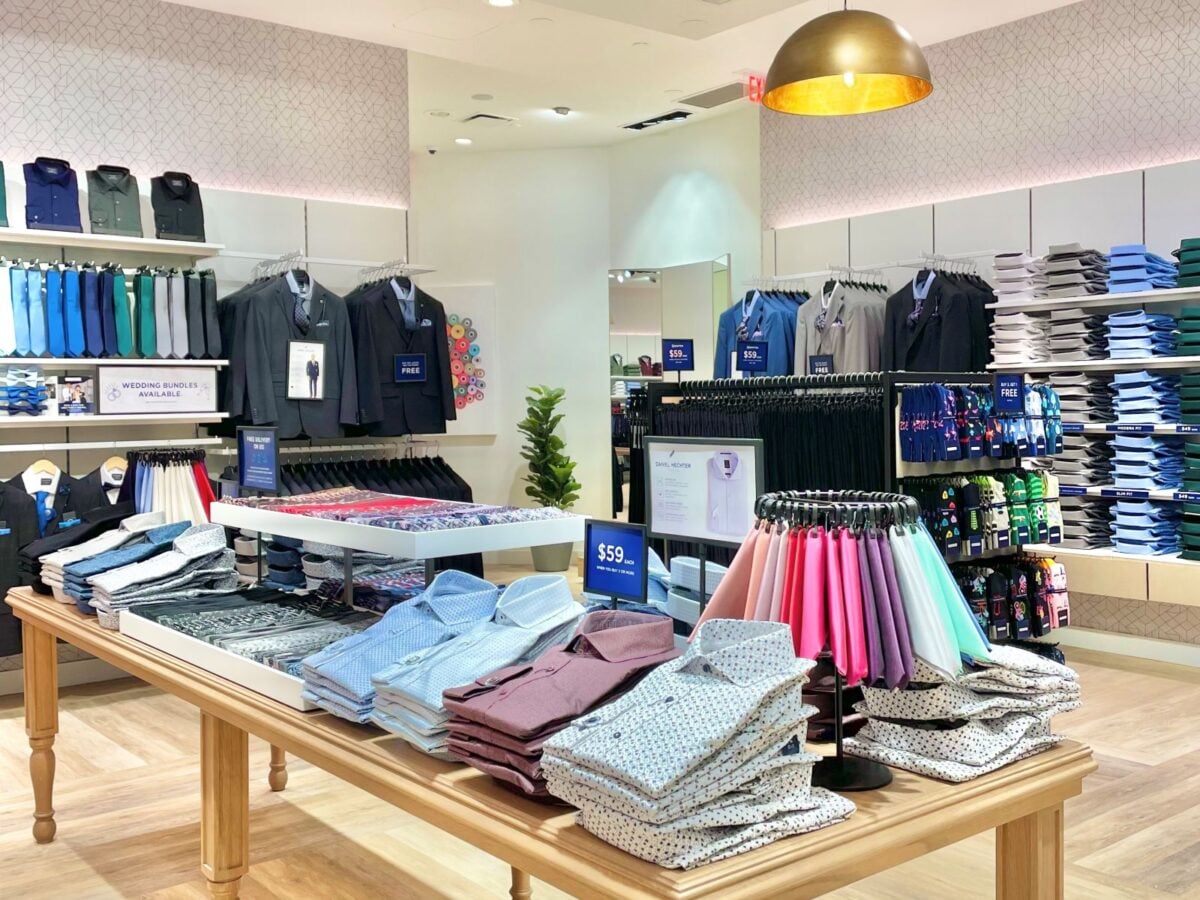
Tip Top will be renovating twelve of its current locations this upcoming Spring. Going back to 2019, Tip Top opened its new prototype store with a redesigned experience for consumers and will focus on the new format as they renovate the twelve stores. The new formats will be designed to be event solution focused where men can find a variety of shirt colours, ties, and suits for any moment in their lives such as graduations or weddings – the “perfect solutions for events where people can find hundreds of different solutions that they could do to individualize their look.”  

In the older formats, Itkoff says customers would have seen dark walls, dark ceilings, and dark fixtures. 

“So in a lot of our stores in the older format you will see grey flooring, grey tables, grey slated walks and in our windows, you would have seen grey wall colours. And then on top of that, we put grey charcoal, black, and navy type suits – leading to a somber experience. In the new promotype, it is all about this light, bright, airy, accessible, and happy store experience.” 

Itkoff says for the new formats, all the fixtures will not be the “heavy, clunky, chunky fixtures” they have had before, it will be brighter and more welcoming to consumers. The new concept was in conjunction with Shikatani Lacroix, a design firm in Toronto and started rolling out in 2019 and is planning on renovating twelve more this Spring with more on the way. 

Tip Top (Image: Shikatani Lacroix Design)

In addition to renovating new store locations, Itkoff said they have also revamped its ecommerce platforms,  its IT infrastructure with a new ERP and POS systems,  and have a new Shopify platform where they can manage the inventory better for consumers where it allows access to all its inventory within the 125 stores across the country. 

“At the end of the pandemic, we took a good hard look at what we felt the future was going to be for the brand and what assortments the brand will have. And we turned it on its head and we said we are all about outfitting that guy for his special day, that special moment, or that special event in his life – perfect moments and perfectly dressed. We changed everything about the merchandise and anchored the event shop and it worked phenomenally.”   

Andrew Laudenbach of Oberfeld Snowcap represents Tip Top and is handling lease negotiations for the retailer across Canada.


Related Retail Insider Articles

Iconic Retail Space Comes Available at Yonge & Dundas on the Busiest Pedestrian Corner in Canada

The Tenor, 10 Dundas St. E. in Toronto. Image: BentallGreenOak

A prime retail space at the busiest pedestrian corner in Canada is coming available for lease. The adidas store at The Tenor, located at 10 Dundas East in Toronto will be vacating its premises, presenting an incredible opportunity for a new tenant to occupy the prominent location at the northeast corner of Yonge and Dundas Streets in downtown Toronto.

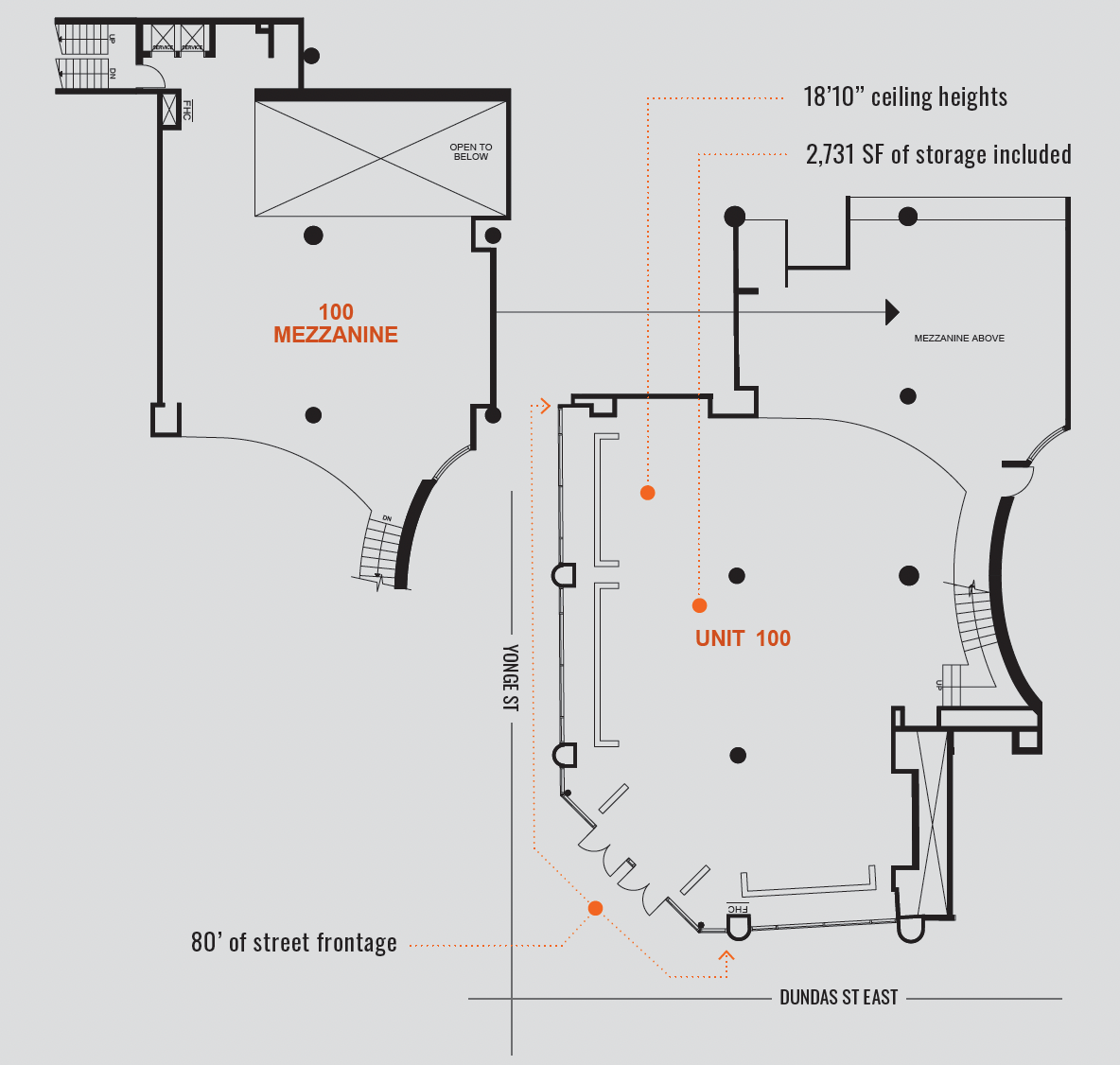
The retail space itself spans approximately 6,741 square feet on the ground floor, allowing for a flagship retail opportunity with extensive frontage and street front exposure along Yonge Street as well as Dundas Street. Signage opportunities are available on both streets, that allows for ample branding. Included as well are large access doors for the retail space facing onto the busy intersection.

An additional 2,731 square feet of mezzanine can be utilized for storage or other uses, making for a versatile space appropriate for a variety of tenants.

Soaring ceiling heights on the main floor reach 18’10”, creating a sense of volume that makes the retail space feel even larger. The new tenant in this space has an opportunity to create something that is both dramatic and experiential in terms of interior design.

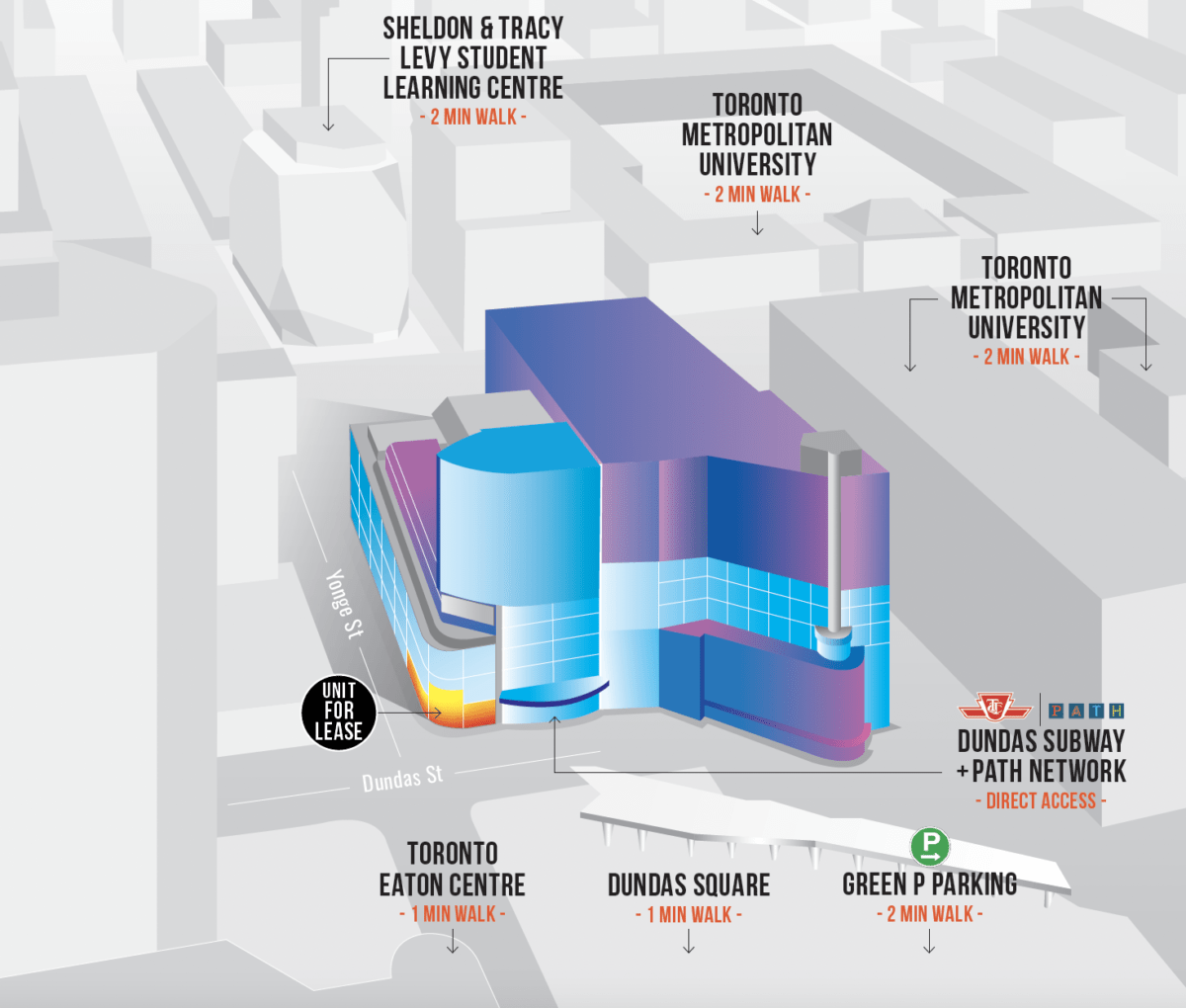
Foot traffic in the area is unparalleled in Canada. An estimated 50 million people visit the Yonge-Dundas area annually, making it one of the busiest places in North America. Vehicle traffic is estimated to be about 5.5 million annually. More than 45,000 students attend the Toronto Metropolitan University (TMU) next door, and there are about 700,000 residents (and growing) within 5 km of the building. The busy Dundas TTC subway station sees about 26.6 million riders annually, many getting off right in front of the 10 Dundas Street East retail space in a building that was recently rebranded as The Tenor.

The Tenor complex, managed by one of Canada’s largest 3rd party property managers, BentallGreenOak, sees about 28.5 million annual visitors, and spans 13 levels with 340,000 square foot retail, office and entertainment space. The tenant mix includes a diverse variety of national brand retailers, restaurants, entertainment, and tourist attractions.

Signage opportunities on the exterior of the iconic building allow for ample branding, including potential exclusive naming rights via zoning-approved first-party rooftop displays which represent an incredible opportunity to create messaging that can be seen from a distance.

Unparalleled access to The Tenor includes direct access to the Dundas Subway and PATH network, as well as Green P parking available nearby.

Nearby, busy Toronto destinations include CF Toronto Eaton Centre across the street, Toronto’s Financial District, Yorkville neighborhood, several research hospitals, Toronto City Hall and Toronto Metropolitan University, among other draws.

The area is growing quickly with approximately 40 residential developments either proposed or under construction within a 1 km radius, which are estimated to add more than 17,000 residential units to the area in the coming years.

Securing this coveted corner retail space is a once in a lifetime opportunity. For more information, contact Jennifer Crispel, Senior Director, Leasing Retail Services at BentallGreenOak at:

Phone:  414-528-8001

Email: jennifer.crispel@bentallgreenoak.com

*****

Retail Insider partnered with BentallGreenOak for this article. To work with Retail Insider, email: craig@retail-insider.com

Canada’s Most Technologically Advanced Production Studio Launches in Mississauga

LED Wall Stage in the new studio

The new state-of-the-art Stylephotos Studios has launched in Mississauga. The facility is a game changer for film and commercial production and other content creation needs. 

The studio was created in close collaboration with the leaders in film production industry, including Arri, Mo-Sys, Movie-Tech, Absen, Leitz, and others. Located minutes from Pearson International Airport, the space spans over 12,000 square feet with dedicated areas for e-commerce content creation, a 75 foot by 16 foot curved flawless cyclorama and the most advanced 46 foot by 15 foot LED volume for the most immersive film and commercial shooting experience.

The e-commerce section of the studio is comprised of seven dedicated automated stations, catered to various product types to be depicted in the most efficient and appealing way. With a proprietary software developed by Stylephotos Studios, every client has a streamlined way to order content, monitor the order status, and consistently receive high quality results. With client retention rate of over 90%, Stylephotos Studios’ e-commerce division has proven to be a great success and a great assistance to online retailers, looking to create high volume of high quality content in an efficient and cost effective manner.

The overall studio space looks like something from a futuristic movie. As part of the cyclorama/ LED volume package, clients have an ability to rent and use the latest robotic arm that was sourced from one of the most renowned manufacturers located in the United Kingdom – Mark Roberts Motion Control. The studio currently has BOLT X available to clients, with Bolt Junior on order to be utilized with the LED volume. The robotic arms create outstanding video content for any type of application.

The LED volume itself utilizes the latest technology from Absen, Mo-Sys tracking, and Brompton processing. With this expansive LED volume clients are able to transform the shooting process from on-location to one centralized space. The screen is comprised of 252 LED panels from Absen, with 1.9mm pixel pitch resolution – something that allows for unprecedented quality of the video environment to be created for the scenes. The content is created through Unreal Engine, and is supported by the Brompton processors that create the magical scenes on the LED volume. Coupled with an array of Arri SkyPanels and orbiters above the cyclorama are and LED volume, the process of creating content has never been easier and more realistic.

One of the most important success factors is the abundance of the most advanced lenses (from brands like Leitz, Cooke, Angenieux, Orion, Sigma, and Arri) as well as state of the art camera lineup (Alexa 35, V Raptor XL, Phantom Flex4K, Sony Venice, and others). The studio itself has the most recent technological advancements in production hardware, from tripods to Movie-Tech Magnum dollies brought to Canada from Germany.

Bolt X Robot In front of The Cyclorama Stage
Camera attached to Bolt X Robot

The Stylephotos Studios has a dedicated area for food content creation, with a full set dedicated to cooking shows and food product commercials. Having the right tools and appliances readily available makes this studio ideal for shooting food related content, and with the assistance of Arri lights every shot will be simply perfect. Another bonus is that users do not have to rent the whole space at once – every section is modular and can be used at the same time individually by different clients. The studio also provides an area for models to change and get makeup done, a lunch room for staff and clients to have a break, a dedicated client area, and a shower (which could be used for shooting or for a conventional shower purpose).

Fully equipped, the studio is ready to open its doors to new clients and companies looking to create professional content while utilizing the best equipment, technology, space, and location.

*****

Retail Insider partnered with Stylephotos for this article.

Experimental and Creative Space ‘The Combine’ Reimagines the Nature of The Workspace in Downtown Toronto

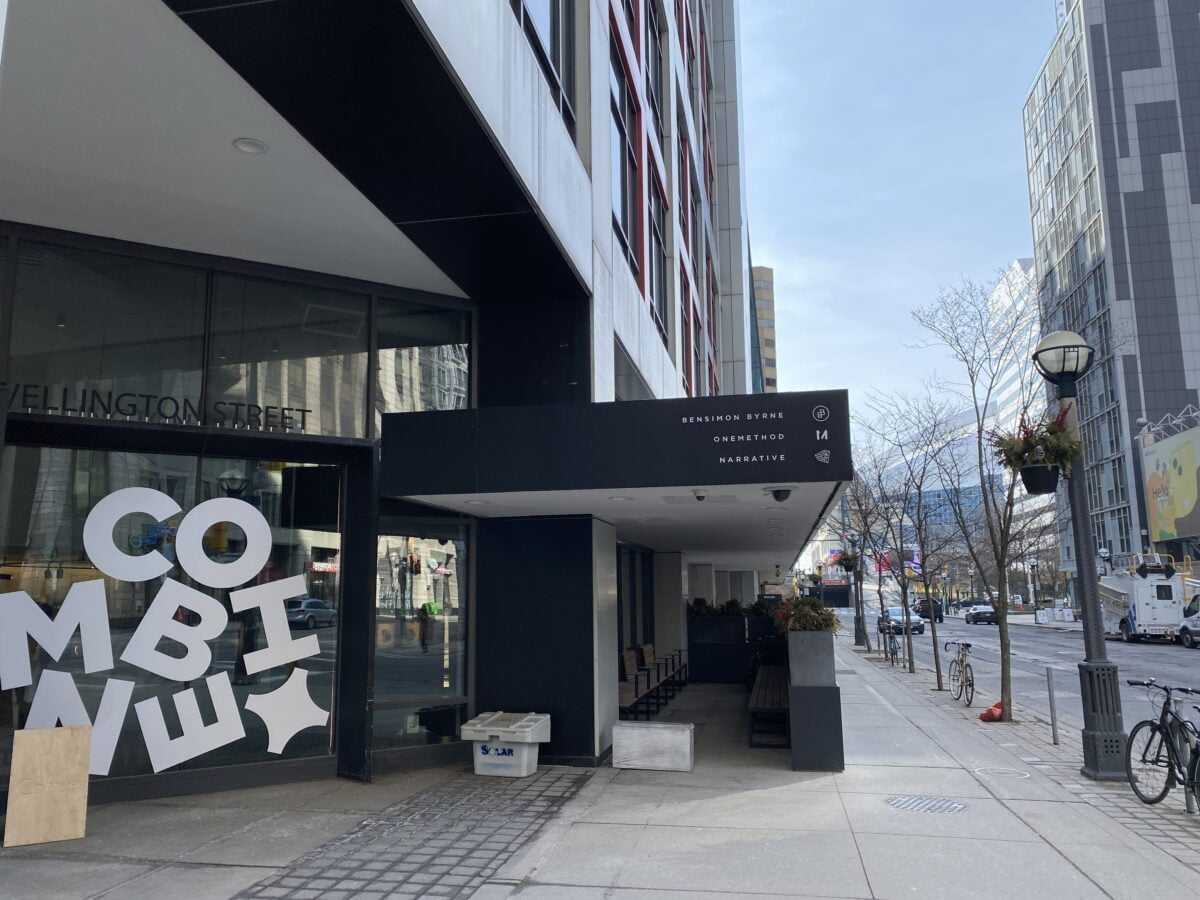
The Combine at 225 WELLINGTON ST W in Toronto (Image: Dustin Fuhs)

The Combine describes itself as an experiment in progress.

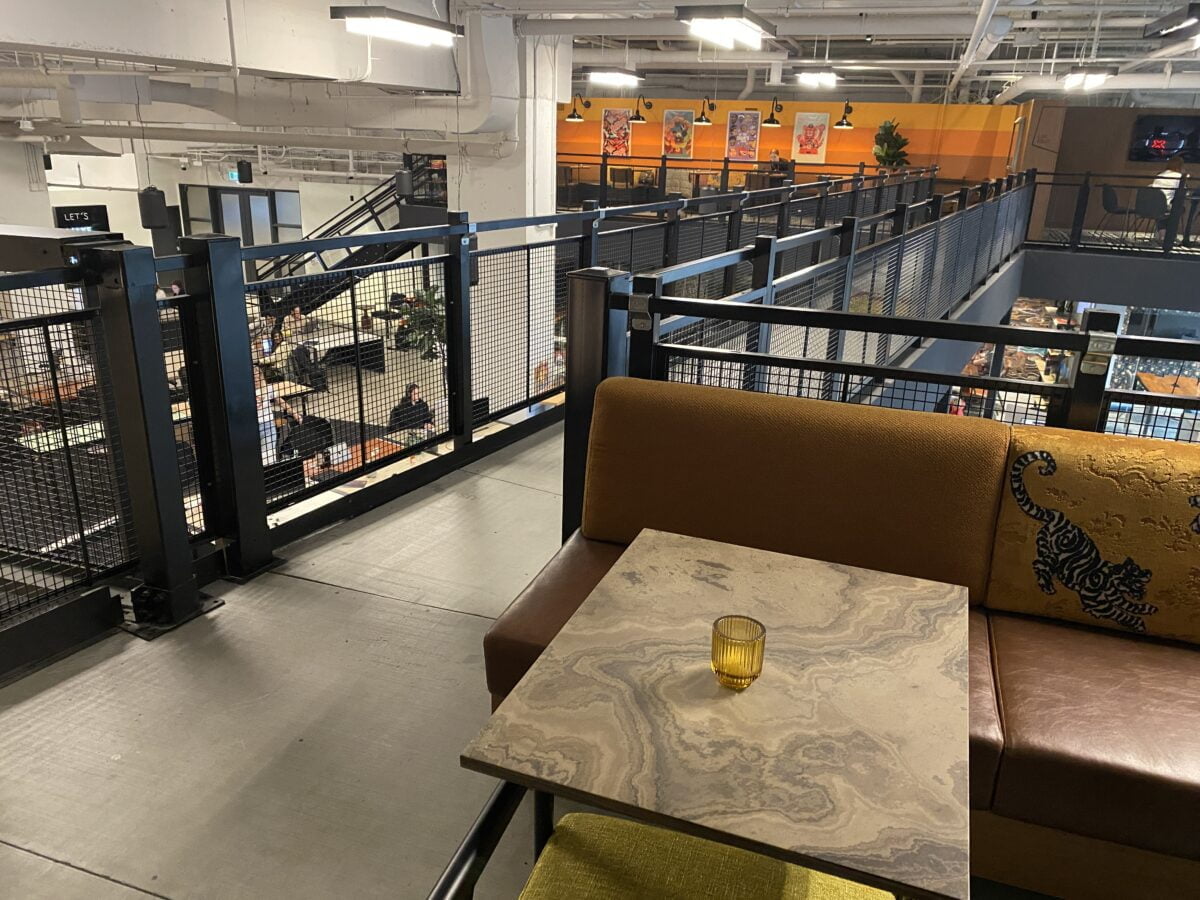
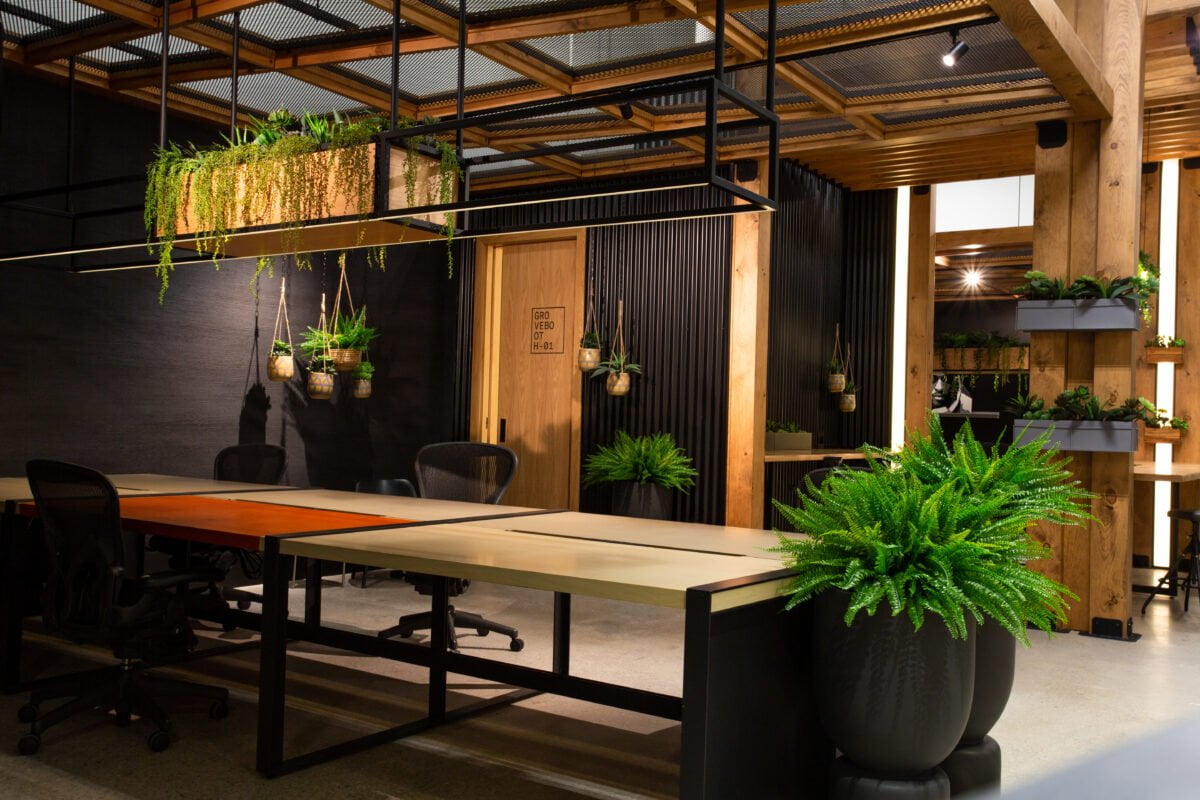
It’s an ongoing experiment in transforming a conventional office into a community-driven space that blends making, shopping, learning, and living.

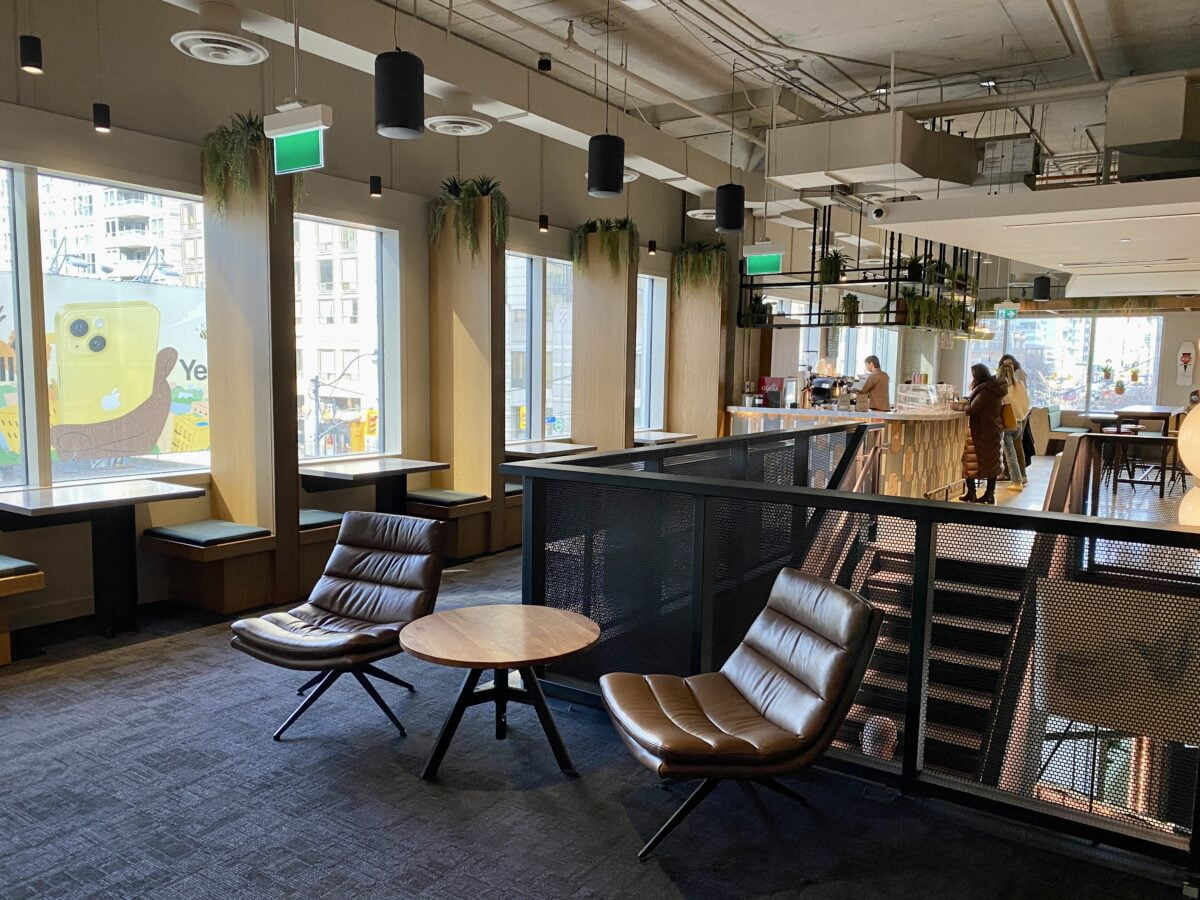
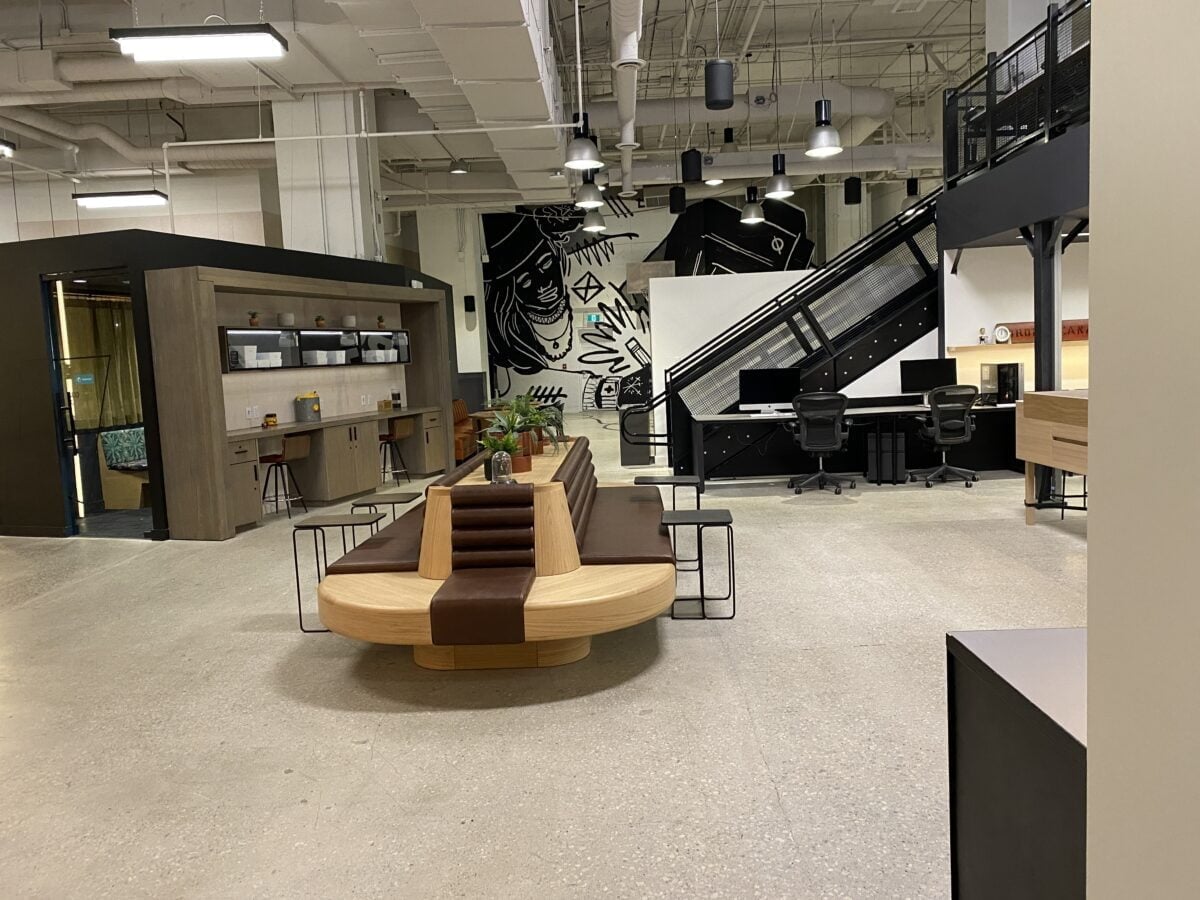
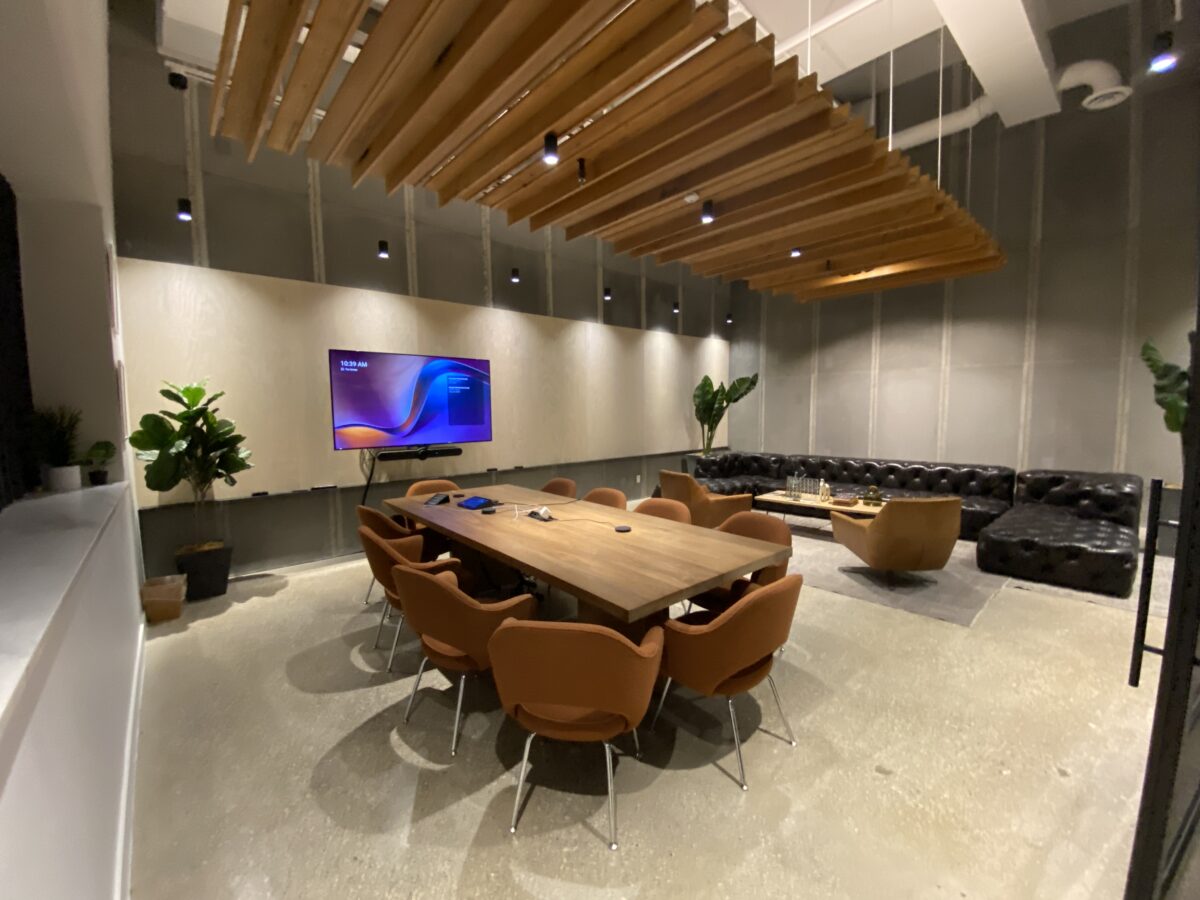
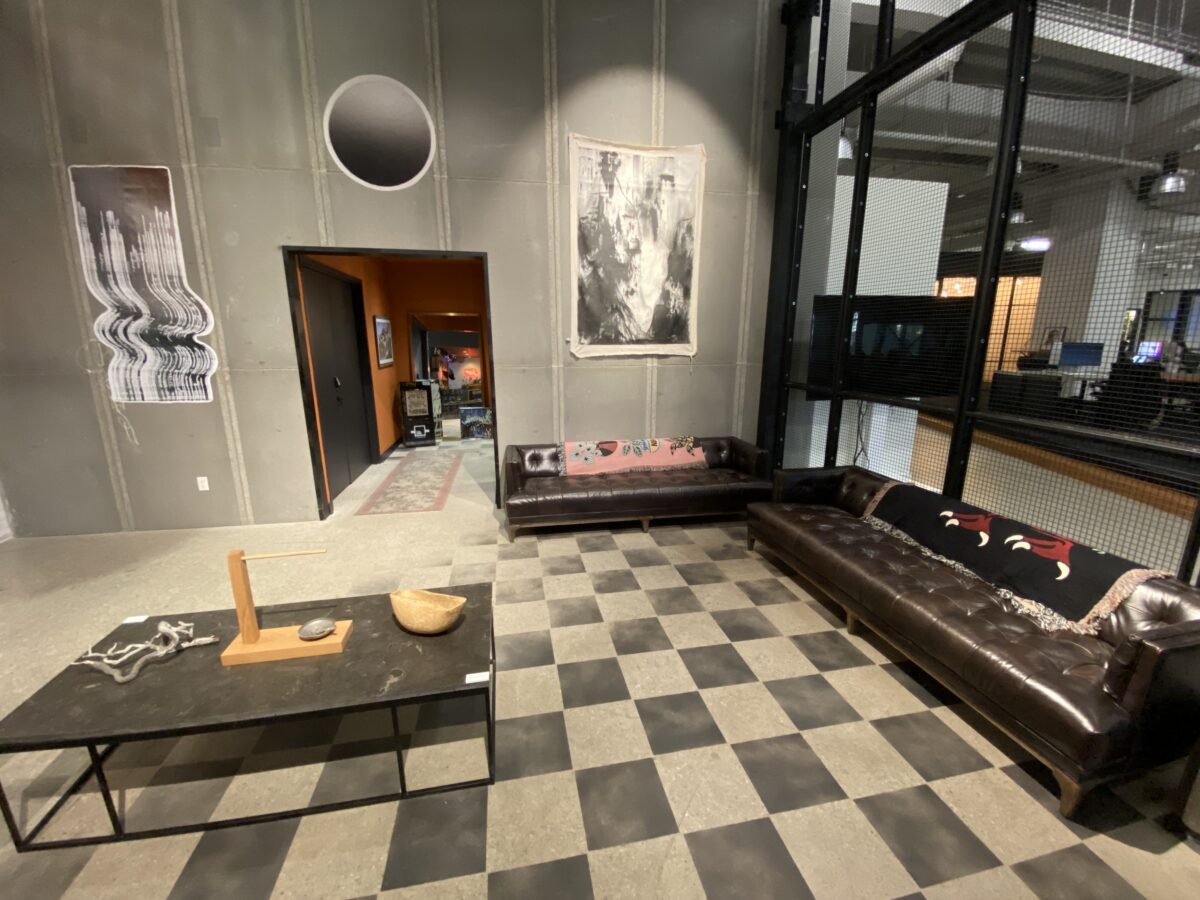
The concept, at 225 Wellington St. W. in downtown Toronto, inside the CBC building, is home to four creative agencies, a new cafe (bevy), event space and retail pop-up.

Sarah Spence

Sarah Spence, CEO of Tadiem, which is the parent company of the four agencies (Bensimon Byrne, OneMethod, Narrative and Folk), said The Combine is a physical and philosophical retake on the nature of work and workspaces.

“It’s about prioritizing things like collaboration, connection and it’s that understanding that as much as hybrid working is good, bringing people together is critically important and it makes our work better,” said Spence.

“So we have come up with this concept of The Combine which is all about transforming a conventional space to make it very community driven which is inspiring for our people and exposes them to more and it creates this very collaborative environment where great things can happen.”

The Combine at 225 WELLINGTON ST W in Toronto (Image: Dustin Fuhs)

Amin Todai, Founder and Chief Creative Officer of OneMethod, said the idea is to really drive into the community aspect.

“Before our office space was obviously just for our staff and that was kind of the primary purpose and generally what the nature was for everybody. So what we’ve done is take our space, re-imagined it so that we can bring people outside of our company into our home and offer some points of education, collaboration and just creativity match-ups that normally wouldn’t happen,” said Todai. 

Amin Todai

“We have membership that goes beyond just our staff to our clients who can now use our space openly like our staff. They’ve been coming quite a bit. We’ve started recruiting members from the creative community locally that will come use our space like a music producer, a photographer or some other kind of artistic folks that would just come into our office and use some of the tools, some of the space and sometimes they come just to get inspired.

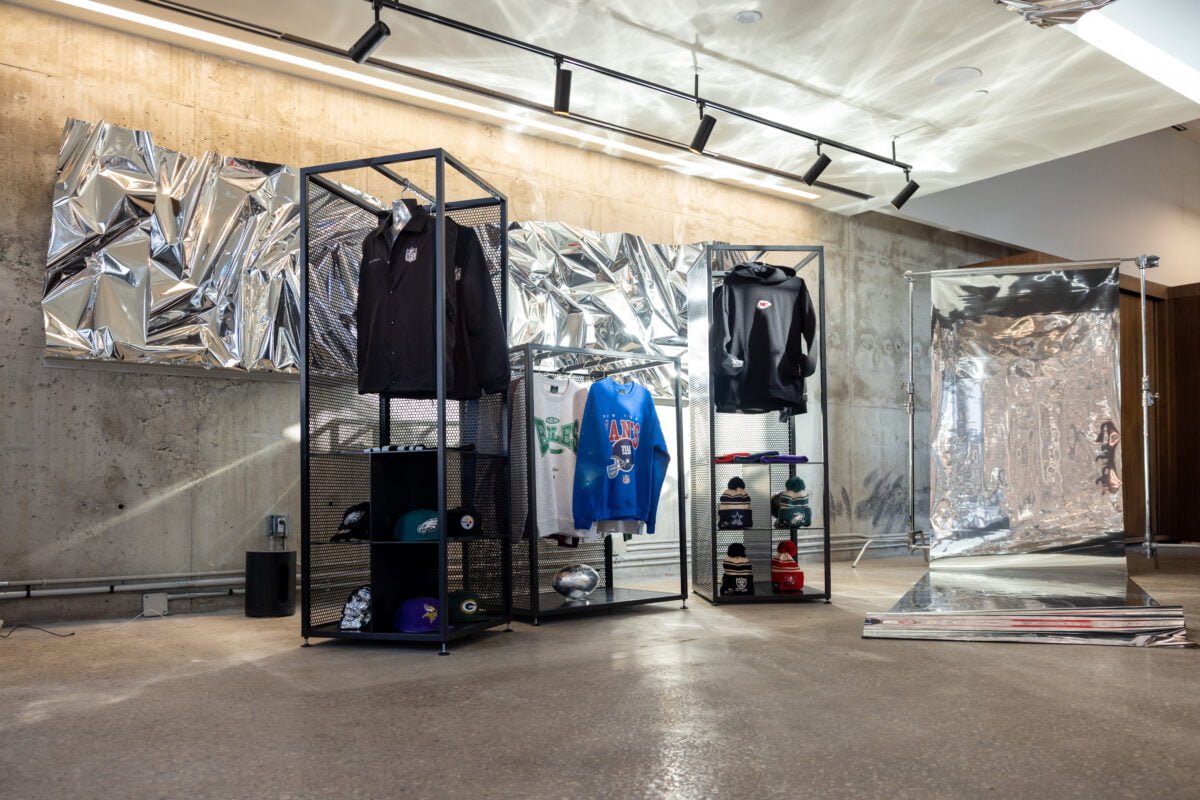
“We also have this retail component. We’ve taken our reception area which would normally have a couple of receptionists and just be a greeting space to farm people through the office, we’ve taken that concept and made it a retail pop-up store. It’s on the ground floor at a very popular corner of the CBC building. So our former kind of front-facing reception area has now become a retail pop-up space that switches out concepts on a regular basis, weekly, monthly, depending on who our artist collaborations are with at that moment.”

The Combine at 225 WELLINGTON ST W in Toronto (Image: Dustin Fuhs)

The concept of The Combine began in 2018. The current design was established in the past year. 

Spence said The Combine is focused on growing its Toronto membership and making people aware of the concept.

“But we are absolutely open to growing. For example, we acquired Folk in Montreal and it would be lovely in the future to do a Combine in Montreal. So I think there’s opportunities for growth in the future but right now we’re focused on Toronto,” she said.

Added Todai: “Our Phase 2 plan is we want to create offshoots. We’re actually creating a bit of a pitch deck that we can go to other agencies or creative style spaces around the world where they’re kind of like us where they’re not getting 100 per cent capacity with their spaces so what else could they do with the space because a lot of people are locked into long-term leases. So it’s kind of like how can you reimagine space?”

The Combine at 225 WELLINGTON ST W in Toronto (Image: Dustin Fuhs)

In a blog, The Combine said the concept is an ongoing effort to apply forward thinking to everything it does. 

“In a more specific sense, it’s an attempt to transform a conventional office into a community-driven space that blends making, shopping, learning, and living. So we’ve redesigned our physical space for retail and events and hanging out. But we’ve also redesigned who uses our space, from the employees of our 4 agencies to our clients/partners to an ever-growing-yet-select group of creative, like-minded people,” it said.

“It’s a workspace for so much more than work being used by so much more than just our employees. And yeah, it has a store, a café, a bar, a magazine, a podcast, an ongoing Ted-talk-type speaker series, and so on. 

“The Combine actually launched back in 2018 and ran until Covid did what Covid does. The pandemic forced us to press pause on the whole thing but also reinforced the need for such a concept and helped shape this next iteration of it. However, the idea for it all truly developed organically in our offices in the decade leading up to the launch. For years our office spaces would see employees and non-employees collaborating in different ways, using the space for different things, adding a whole different energy to where we work and what we make. Clients, ex-employees, and friends-of-friends would hang out. NBA All-Stars (Baron Davis) and Grammy Award Winning producers (Boi1da) would drop by. Chris Bosh even set up a desk in our space one year.”

Additional Photos from The Combine

The Combine (Image: Tadiem)

First Target, then Nordstrom — Why do Big Retailers Keep Failing in Canada? [Op-Ed]

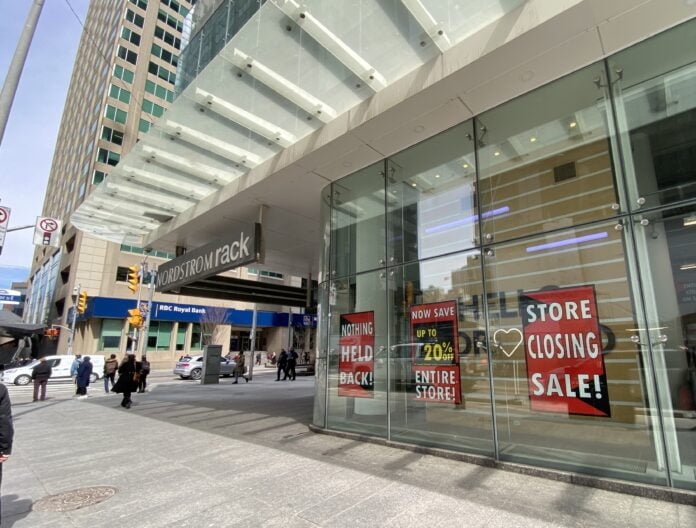
Nordstrom Rack Closing at 1 Bloor (Image: Dustin Fuhs)

Since Nordstrom announced it was pulling out of Canada, there has been a maelstrom of articles about the pervasive failure and exodus of U.S. retailers from Canada. Aside from Nordstrom, American retailers that have failed in Canada include Bed Bath and Beyond and Target.

But the list of Canadian retail failures is almost as long as the U.S. list, and includes well-known names such as Zellers, Eaton’s and all of the Dylex brands. Meanwhile, some of the most successful retailers in Canada — including Home Depot, Walmart and Costco — are also American.

So the perspective that U.S. retailers are somehow more prone to failure than Canadian retail chains is unconvincing. However, something is going on that makes retailing in Canada more challenging than ever.

Online shift isn’t the reason

One of the key explanations given by pundits for why retail is so challenging in Canada is the switch to online buying. For many, the advantages of online shopping are multifaceted, including convenience, 24/7 availability and a wider selection of products compared to traditional retailers.

According to Statistics Canada, the proportion of retail e-commerce sales rose to 6.2 per cent in 2022 from 3.9 per cent in 2019.

In the U.S., 14.8 per cent of all retails sales were online in 2022. This was a slight decrease from the height of the pandemic, when close to 16 per cent of sales were online. In other words, online retailing has more than doubled in less than six years. Amazon is reported to have a 45 per cent share of online retail sales.

But this doesn’t explain why the Canadian marketplace is more affected by retail failures than other countries. The shift to online buying has affected all Organisation for Economic Co-operation and Development countries, but the level of retail failures and closures in Canada seems disproportionately high.

The Canadian marketplace

There are four factors that make the Canadian retailing environment difficult for newcomers to break into.

1. Economies of scale. Canada has a population of 39 million spread across a very large geographic area. Compared to other G-7 countries, retailers don’t benefit from economies of scale in Canada  unless they operate across the entire country. A regional operator in the northeast U.S., for example, has a potential market of more than 125 million, while a regional operator in Canada is lucky to have a potential market of 15 million.

When it comes to ordering sufficient quantities of products from overseas manufacturers, Canadian retailers are at a massive disadvantage. With online retailers like Amazon that operate across borders, this disadvantage is amplified. The economies of scale also hamper Canadian firms due to smaller sales volumes. Smaller volumes mean that fixed business costs, like salaries and marketing, are higher on a per product basis.

2. Supply chain challenges. Because Canada is not a densely populated country, the distances that products need to travel to make it to consumers are high, compared to other countries. Regional distribution centres can overcome this challenge, but they could increase the cost and complexity of already-strained supply chains.

3. Tough regulatory environment. Compared to the U.S., Canada has a more regulated environment for retailers. Whether it is employment laws, building permits, environmental regulations or health and safety rules, Canada is more demanding. This creates added cost for retailers in terms of startup, operations and compliance. Canadian compliance laws are tough for good reason — corporations play a key role in the standard of living and are therefore held to a high standard.

4. Canadian identity. While Canadians buy and consume products imported from everywhere, there is a segment of the population that is concerned about Canadian identity. For this group, Canadianess is important. They see Canada as a small country living in the shadow of the U.S., trying to make its mark in the world.

The segment is small, but it still reduces the potential market for foreign retailers that need to compete against an existing retailer with a strong Canadian identity. Because Canada is the smallest of the G-7 countries, this issue is more important in Canada. There are Canadians who don’t want to see more dollars than necessary going south of the border.

Strategies for success

So how can new retailers maximize their chances of success? There are three strategies that, if followed carefully, increase the likelihood of newcomers’ success in Canada.

1. Go big or go home. Because the Canadian marketplace is substantially smaller in size, a newcomer needs to commit to succeed. The perceived advantage of opening a small number of stores is that it reduces risk, but this strategy poses a problem: the economies needed for a company to succeed never materialize.

Going big means more than just having a bricks and mortar footprint across the country. It also means building a strong online presence that allows synergy between online ordering and in-person browsing to flourish. Many consumers who order from the Walmart or Canadian Tire online stores inspect the goods at the physical stores beforehand.

TARGET CANADA
PHOTO: TARGET CANADA

2. Be true to yourself. If a retailer has enjoyed success in another market, it needs to figure out how to replicate that in Canada. This is especially true for big U.S. retailers. Ninety per cent of the Canadian population lives within 160 km of the U.S. border and many Canadians cross the border to go shopping.

Long before Target entered Canada, Canadians knew it to be a more stylish alternative to Walmart with competitive, if not slightly higher, prices. This is what Canadians expected when they went to Target in Canada for the first time. But it was not what they found. Instead, they found empty shelves and prices that were inconsistent with those at U.S. Targets and non-competitive with Canadian Walmarts.

3. Understand the market. The biggest challenge for a new Canadian retailer is recognizing regional differences despite the smaller population. One-size-fits-all is something retailers need to leave behind. Beyond the obvious challenge of developing a specific Québecois retail strategy, the differences across Canada in terms of climate, leisure activities and culture are significant. There are cities in Canada where Chinese New Year and Diwali are as important as Thanksgiving and Christmas, for example.

In Canada, most retailing initiatives that fail can be attributed to a lack of recognition of the importance of critical mass to compete effectively. By incorporating these three strategies into both launch and operating plans, newcomers may find Canada to be more welcoming than recent history suggests.

By David Soberman, Professor of Marketing, University of Toronto

The Conversation

This article is republished from The Conversation under a Creative Commons license. Read the original article.

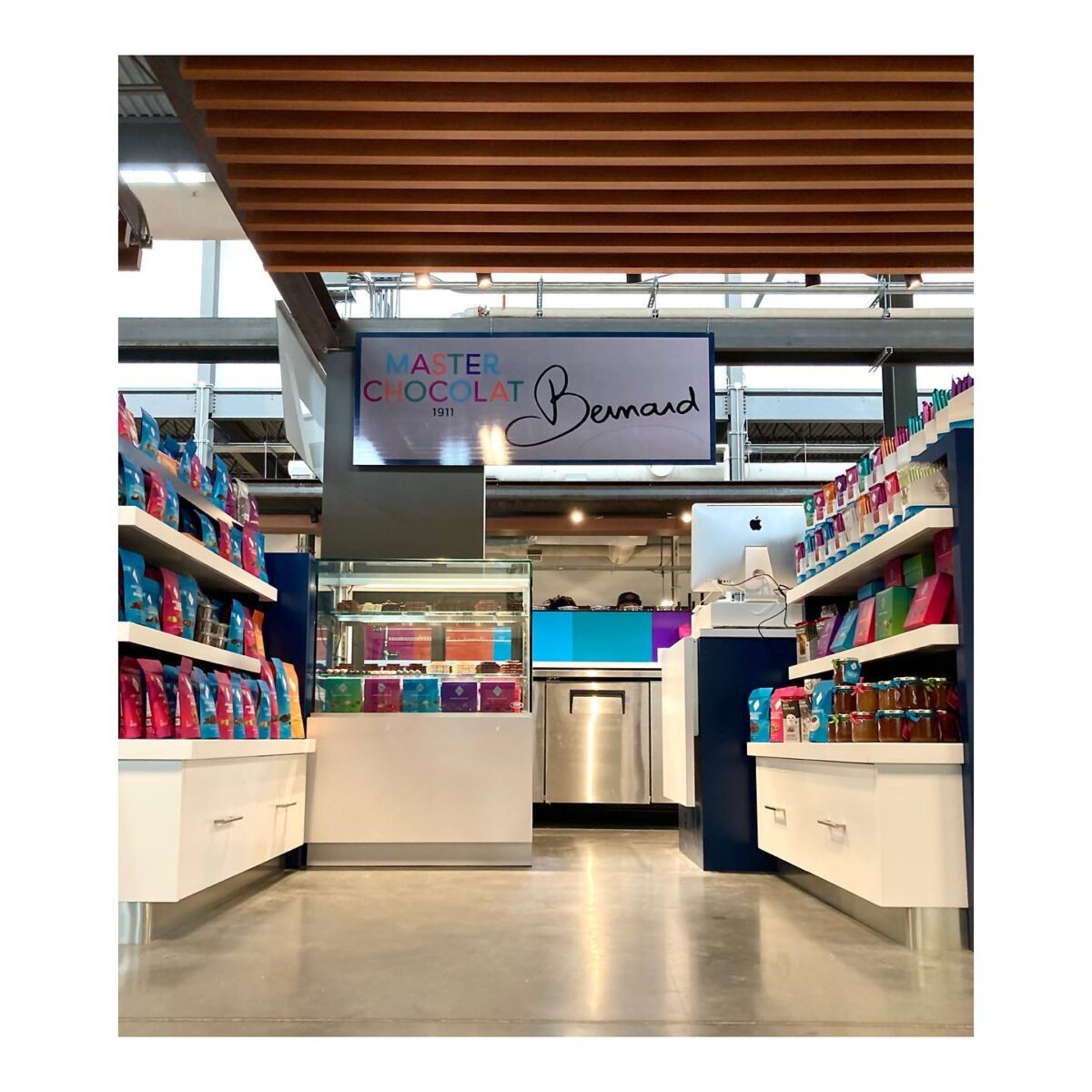
Calgary-Based Chocolatier Bernard Callebaut Marks 40 Years with Growth Plans Following Company Turmoil [Interview]

Image: Bernard Callebaut

For the past 40 years, master chocolatier Bernard Callebaut has been famously associated with the chocolate industry in Calgary.

It’s been his passion but it hasn’t always been a sweet journey. Now Callebaut is poised for growth again.

Callebaut lost his company, Chocolaterie Bernard Callebaut, in 2010 after it hit financial trouble and went into receivership. It had 30 stores at the time. He opened a new company location, Papa Chocolat, in late 2011 but that too eventually ceased operations. And in 2015 he declared personal bankruptcy.

But today the master chocolatier is growing his business with the Master Chocolat brand.

Image: Bernard Callebaut

“Forty years is a big milestone,” said Callebaut.

He opened his first store March 25, 1983 along 17th Avenue S.W. in Calgary.

Callebaut is originally from Belgium and said his family were originally brewers. His great grandfather saw the chocolate craze coming up and sent two of his sons to Paris to learn the craft. And in 1911 the chocolate company was started.

Callebaut’s father had the business from 1945 to 1972. His mother continued with the business when his father died and then sold the business in 1980 to a Swiss business and today that’s the largest chocolate factory in the world.

“When my mother sold, I said I didn’t want to continue in the chocolate business,” he said. Callebaut got an electromechanical degree in engineering in Belgium and took a business management course in Switzerland.

But the passion for chocolate would not go away. He came back to the  business his family was so well known for, did an internship in Europe and then emigrated to Canada and started his chocolate shop in Calgary.

Image: Bernard Callebaut

Today, he has a new 7,000-square-foot factory and retail store on 69th Avenue SW. There’s a second retail store in the trendy Marda Loop southwest neighbourhood. It is also present at both Calgary Farmers’ Markets – West and South.

The new factory opened in November 2020. The store in Marda Loop opened in 2019. Callebaut launched a presence in the South farmers’ market about 10 years ago and opened in the new West farmers’ market this past year.

“Retail wise we will probably add more locations in the longer term,” he said. “Retail is a portion of our business but a big chunk of our business, the majority, is wholesale, and private label. We do a lot of custom-made products like for example one of our biggest clients is Chapters/Indigo. So we make several customized products for them that they retail in their book stores across Canada. That’s a big, big part of our business.

“And because we are 95 per cent organic these people come to us because they want to sell products that are of that calibre and so we do a lot of business. And I see more growth in that portion of the business than in the retail. But ultimately they feed off each other.”

Image: Bernard Callebaut

Callebaut said more and more people today are drawn to chocolate.

“If you think about it, when I started 40 years ago, chocolate was considered candy. It’s a candy bar. You pick it up at the grocery store when you pay your bill, you pay 50 cents or 75 cents, etcetera. Chocolate has evolved a lot like coffee has evolved. Forty years ago coffee was 50 cents at the Husky gas station and now people pay six bucks for a coffee,” he said.

“Chocolate has become more sophisticated too because you cannot just stay where you are. It’s more sophisticated. People travel more. The food channel has done a lot to that in my opinion. People get more educated in different ways and I think there’s much more growth potential.

“In the whole chocolate industry in North America, the specialized portion, like what I do, is the fastest growing section in the chocolate industry.”

The key, he said, is the price point. The chocolate has to be priced at a very good quality but still making it an affordable luxury.

“I think that’s the key thing – to sell the chocolate at an affordable luxury.”

Expanding An Ultra Rapid Retail Logistics Model [Interview]

Buggy, Canada’s leading rapid retail logistics company, has launched an equity crowdfunding round on Frontfundr.

“With an experienced team, strong strategic partnerships and focus on the path to profitability in this space, we’re excited to offer the opportunity for individuals to invest in our growth through our equity crowdfunding round on Frontfundr,” said Nicole Verkindt, CEO of Buggy.

Nicole Verkindt

“In most cities across Europe and the US, people don’t think twice when they need something immediately. They open an app – click three times and what they need shows up in 15 minutes or less. This market has exploded around the world – but not yet, in Canada. Canadians, particularly young, urban consumers are looking for instant gratification. They don’t want to have to plan a day ahead, purchase large minimum basket sizes, suffer receiving substitutions, or pay 25-30 per cent over retail prices.”

Founded in 2014, then ‘Inabuggy’ the company became a leading grocery shopping and delivery business for Canadians from coast to coast, University students to seniors, particularly during the height of the COVID pandemic. In the summer of 2022, Buggy started opening its own dark stores (ie. “The Buggy Stores”). The company currently has three locations in Toronto and London, Ontario, and plans to expand across Canada, focused on urban and University/College school locations.

In this video interview, Verkindt discusses the unique aspects of the company, consumer trends, the future of retail and her background as an entrepreneur and experience previously on Dragons’ Den: Next Gen Den.

Image: Buggy

The Video Interview Series by Retail Insider is available on YouTube.

Connect with Mario Toneguzzi, a veteran of the media industry for more than 40 years and named in 2021 a Top Ten Business Journalist in the world and the only Canadian – to learn how you can tell your story, share your message and amplify it to a wide audience. He is Senior News Editor with Retail Insider and owner of Mario Toneguzzi Communications Inc. and can be reached at mdtoneguzzi@gmail.com.

Like, Share and Subscribe to Mario Toneguzzi on YouTube!

Follow Mario:

Also check out the other series offered by Retail Insider, including The Weekly podcast and The Interview Series, which are both available on Apple Podcasts, Stitcher, TuneIn, Google Podcasts, or through our dedicated RSS feed for Simplecast and other podcast players.

Follow Retail Insider:

Share your thoughts!

Canadian Retail Sales Growth for 2023 Expected to be ‘Modest’ Following Record-Breaking Numbers Two Years Prior [Report/Interview]

Yaletown (Image: Lee Rivett)

After a difficult 2020, Canadian retail sales broke a new record in 2021 and did so again in 2022. 

The question is, “will 2023 follow suit?” With consumer confidence declining and the gap between household debt and savings widening, retailers face a few hurdles, says a new report by Colliers Real Estate Management Services.

The ‘Seeing the forest for the trees: modest retail growth in 2023’ tenant survey report.

Image: Colliers

The report has four key takeaways:

  1. Tenants’ desire to increase retail space suggests already low vacancy rates will decline by one per cent nationally over the next 18 months;
  2. Retailers indicate that 2022 was slightly profitable for their business, with the majority expecting a modest increase in profitability in 2023 due to declining inflation;
  3. Five lessons from profitable retailers:
    (i)  have physical stores,
    (ii)  build an e-commerce platform,

(iii)  connect the physical store with the e-commerce platform, 

(iv)  incentivize in-store pick-up, and

(v)  share the cost of returns with customers;

4. While retailers are predicting modest growth, abnormal patterns of consumer spending caused by the pandemic make it more difficult to predict exact levels of growth. 

Jane Domenico, SVP & National Lead, Retail Services Real Estate Management Services for Colliers, said the expectation is that sales growth will be moderate this year in Canada.

Jane Domenico

“One of the reasons is the consumer is going to start acting a bit more like a normalized consumer pre-COVID. That’s one of the things that really surprised us in 2022. With inflation going up and the savings rate going at the same time, and negative consumer confidence, we weren’t expecting as strong at the end of the year for 2022,” said Domenico.

“We think sales will be at or better than 2023 but not the huge year-over-year growth that we saw the last two years and that’s both e-commerce and bricks and mortar sales.”

151 Bloor (Image: Dustin Fuhs)

Here are some of the key trends identified by the Colliers report and commentary on those trends:

Tenants’ desire to increase retail space suggests already low vacancy rates will decline by one per cent nationally over the next 18 months.

“Tenants were asked whether the pandemic changed the importance of physical retail space for their business. While the majority (57 per cent) of survey respondents indicate a desire to keep the same amount of space, the difference between those looking to increase (15 per cent) and decrease (nine per cent) – and the square footage – suggests that the vacancy rate will decline by one per cent nationally. This is consistent with our Q4 2021 report. New entrants to the Canadian market will support a further reduction in vacancy, likely placing upward pressure on retail rents in certain markets,” said Colliers.

Retailers indicate that 2022 was slightly profitable for their business, with the majority expecting a modest increase in profitability in 2023 due to declining inflation.

“When asked to rank their profitability on a scale from one to five (one being extremely unprofitable and five being extremely profitable), retailers averaged a 3.1. This is likely the result of inflation increasing business expenses, while reducing consumers’ discretionary income. Retailers are more optimistic for 2023, with profit expectations shifting from a weighted average of 3.1 to 3.6, likely due to expectations that inflation will be reduced,” said the report. 

Five lessons from profitable retailers 

Have physical stores: 87 per cent of retailers find in-store shopping to be the most profitable, followed by Buy Online Pick Up In Store (BOPIS). 

Build an e-commerce platform: Retailers with an e-commerce platform were almost twice as likely to be profitable in 2022. 

Connect the physical store with the e-commerce platform: Retailers that connected their physical store with their e-commerce platform were 35 per cent more likely to be profitable in 2022. 

Incentivize in-store pick up: Retailers indicate some customers spend up to 35 per cent more than their original online purchase when they pick up in-store. 

Share the cost of returns with customers: Retailers who shared cost of returns with customers were 40 per cent more likely to be profitable in 2022. 

While retailers are predicting modest growth, abnormal patterns of consumer spending caused by the pandemic make it more difficult to predict exact levels of growth.

“The pandemic altered traditional patterns of consumer spending. The pandemic closed the gap between household savings and debt, which supported record high retail sales in 2021 and 2022. As household debt and savings trend towards pre-pandemic levels, this will have an impact on retail sales,” said Colliers.

“Traditionally, consumer confidence is an indicator of what to expect in retail spending. When consumers express confidence in the economy, they are likely to spend more, while pessimism is a sign that savings rates will increase. In 2022, a rare break from tradition saw retail sales actually increase despite declining consumer confidence. This is likely due to pandemic savings permitting greater spending. That said, as pandemic savings decrease, we are likely to see a return to the historic correlation between consumer confidence and retail spending.”

The Colliers report said Canadian retail sales in 2022 were the highest on record, totaling over $735 billion. This level of spending was fueled, in part, by pent up demand and higher than normal saving rates during the pandemic. That said, high inflation limited retailer purchasing power and diminished profits, said the report.

E-commerce as a percentage of total Canadian retail sales sits at approximately six per cent and is forecasted to grow to approximately eight per cent by 2025, said Colliers.

“For several years, the growth in e-commerce was expected, by some, to come at the expense of brick and mortar. As we reported in January 2022, e-commerce and brick and mortar are “friends, not foes,” and unification is necessary to drive overall growth. Brick and mortar sales were $693B in 2022, representing a nine per cent increase over 2021. This is consistent with the growth we’ve witnessed over the past eight years, the only exception being 2020, due to the severity and length of lockdowns nationwide,” explained the report.

150 Bloor (Image: Dustin Fuhs)

“Consumers are predicted to return to pre-pandemic spending patterns this year, with sectors that facilitate experiences, such as full-service restaurants and apparel, primed for growth.
 
“While the pandemic changed typical spending behaviour, sales demonstrate we are returning to pre-pandemic spending patterns. Retail sectors that performed poorly during much of the pandemic, including full-service restaurants and apparel, are primed for growth in 2023. Other sectors, such as convenience stores and used cars, are expected to see the highest decline in sales.”

Some other key findings from the report:

  • 55 per cent of retailers report having an e-commerce platform, with no notable fluctuation over the past year and a half;
  • The pandemic increased the adoption of e-commerce platforms. At the beginning of 2020, 27 per cent of retailers cited having an e- commerce platform, whereas that number is 55 per cent today, with another nine currently developing one;
  • Retailers who have an e-commerce platform were almost twice as likely to be profitable in 2022, and those with omnichannel capabilities were 35 per cent more likely to be profitable;
  • Retailers who have an e-commerce platform indicate that on average, online sales encompass 18 per cent of their total sales and they expect it to grow to 25 per cent by 2025;
  • 54 per cent of retailers face persistent supply chain issues;
  • Almost half of retailers’ report using their physical units for more than just in-store shopping;
  • 87 per cent rank in-store shopping as the most profitable mode of fulfillment, followed by Buy Online Pick Up In Store (BOPIS), and delivery to customers’ homes being the least profitable.

Calgary Co-op Owned ‘Community Natural Foods’ Expanding to Edmonton’s Old Strathcona with 1st Store [Interview]

Image: Community Natural Foods

Community Natural Foods, owned by Calgary Co-op, will be opening its first store outside of Calgary this June in Edmonton’s Old Strathcona neighbourhood.

The health food store has three locations in Calgary. 

“This is a tremendous opportunity to introduce this long-established and well-respected health food store to the Edmonton market, one that is currently underserved in the health food retail space,” said Ken Keelor, CEO of Calgary Co-op and President Community Natural Foods.

Ken Keelor

“We believe that wellness should be available for all, and we strive for this through the sharing of knowledge, offering choices in products we carry, and supporting local producers and partners invested in the wellness of our community members. We’re looking forward to assisting the people of Edmonton with their wellness journey.

“We’ve had our eye on Edmonton for a while. It’s sort of underserved market when it comes to health food. So we’ve always had an eye to Edmonton when it comes to the Community Natural Foods banner.”

Calgary Co-op acquired Community Natural Foods in November 2019.

Image: Community Natural Foods
Community Natural Foods (Image: Field Agent)

The Edmonton store will open in more than 10,000 square feet and will create about 40 jobs.

“It’s a really nice location. So firstly, it used to be a health food store with a different brand name. That health food store closed down and left the space vacant. Customers in that neighbourhood were potentially used to going to this physical location,” said Keelor. “We liked it because of that.

“It’s a nice size store at 10,000 square feet. It’s got good facilities when it comes to parking and the orientation of the building, entrance and exit and loading docks. Some of the physical features are attractive but the most attractive one is it used to be a natural food store and people were used to going there.”

Keelor said there is more opportunity for expansion of the Community Natural Foods brand in Edmonton. 

“I’ve always been someone who is very focused. I don’t have a grandiose plan to put in a whole bunch of stores. I like to start with one and make it really exciting and make it a destination for Edmontonians. I’m hoping people from all around Edmonton will be driving to this store because it’s going to be really, really nice,” he said.

“Many Edmontonians know Community Natural Foods from Calgary. It’s a solid brand . . . It’s been around a while. Never say never. There may be opportunities for other locations in Edmonton.”

Image: Community Natural Foods

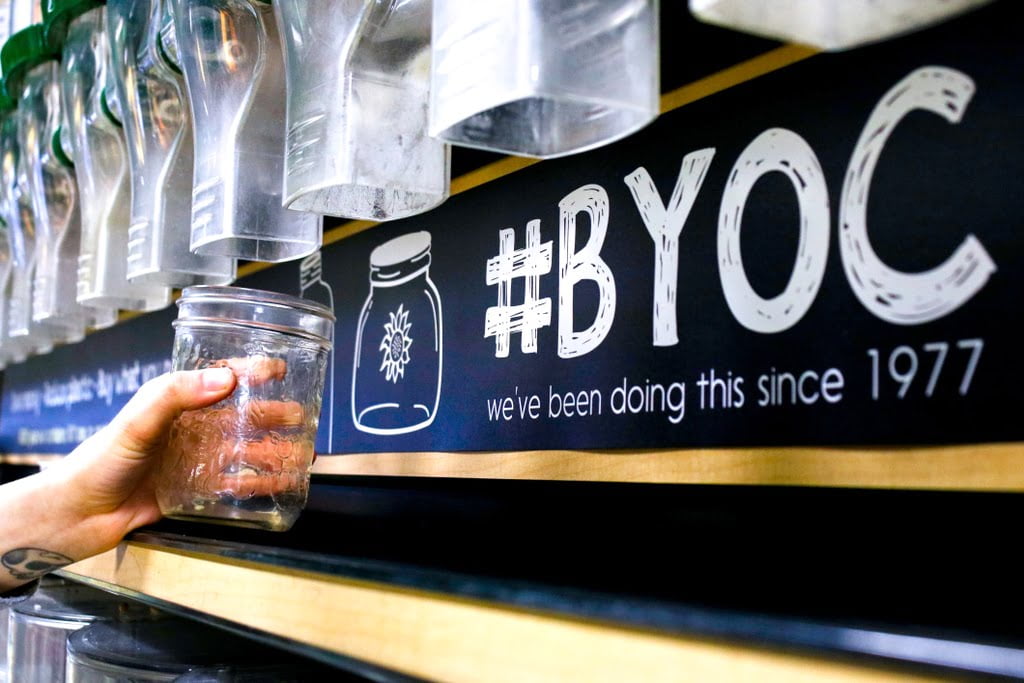
According to the company’s website, Community Natural Foods was founded in 1977 by the Wilkes brothers. 

Calgary Co-op, owned by members, is one of the largest retail co-operatives in North America with locations in Calgary, Airdrie, Cochrane, High River, Okotoks, and Strathmore. It includes 22 food stores & pharmacies, 37 gas stations, 4 Home Health Care centres, 29 WSB stores (including World of Whisky and a World of Wine store) and 10 cannabis locations. Besides Community Natural Foods, Calgary Co-op operates and is the owner of Beacon Pharmacies, The Organic Box and Willow Park Wines & Spirits. 

It has 400,000 members, 3,850 employees, assets of $700 million, more than 100 stores and annual sales of $1.3 billion.

Keelor said the Community Natural Foods store could also expand to markets just outside the City of Calgary.

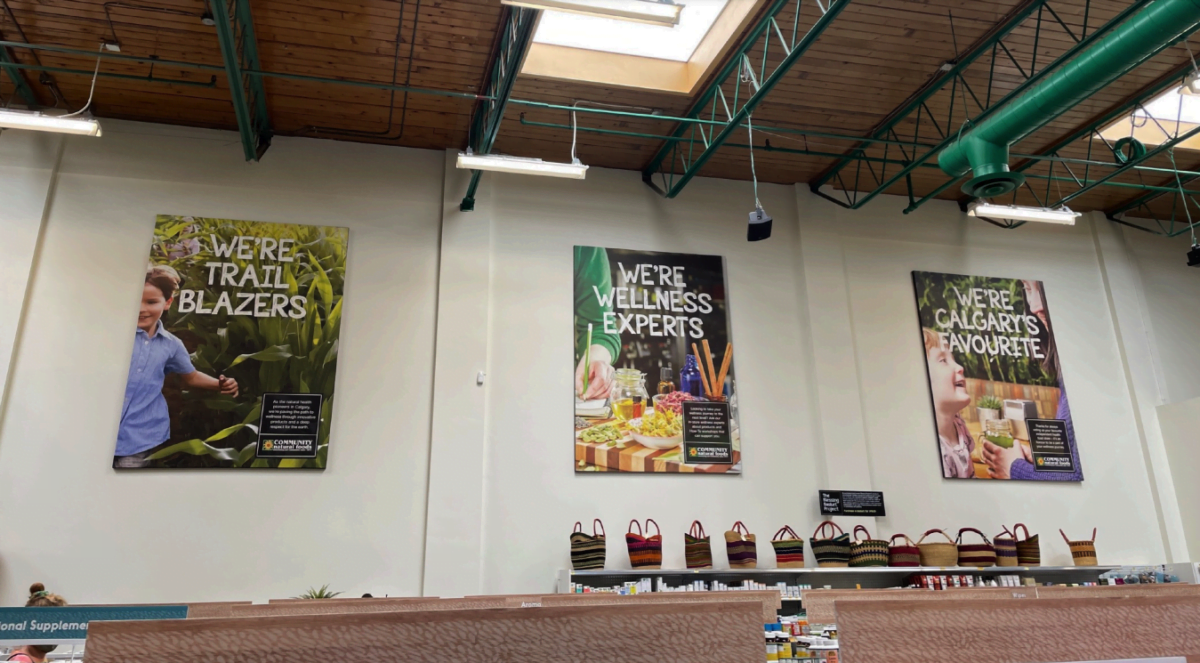
“We see Community Natural Foods as a banner that has opportunity to grow and expand geographically,” he said. “There’s areas around Calgary as well that continue to be an opportunity for us. I will just say that you can expect Community Natural Foods to continue to expand. What we’ve done in the last three years since we bought it, beyond weathering the COVID storm, we completely re-did the decor and presentation of our downtown Community Natural Foods store. That’s the first one we touched.

“We did a new design. We worked with a third-party to actually build a new design and execute it in that store. We inherited the size and shape of that store but we were still able to move things around to kind of line up with our new design . . . It’s completely transformed versus the previous look without losing the essence of who Community Natural Foods is.

“So that design we’ll continue to use. We’ll be able to use it in Edmonton. We’ll be able to use it in the other two stores here in Calgary and in other areas we might choose to open these Community Natural Foods stores.”

Recently Calgary Co-op announced its plans to expand in the Town of Cochrane just west of Calgary. The grocery chain purchased six acres of land in the commercial shopping centre of the new, centrally-located mixed-use community of Greystone. The development plan, which is subject to approval, includes a 35,000-square-foot Calgary Co-op Food store including a Pharmacy, a Wine Spirits Beer, Cannabis and Convenience store as well as a six-pump Gas Station with a double touchless car wash, and an additional 30,000 square feet of commercial retail space. 

Construction is set to begin in the Fall with an anticipated opening date of Spring 2025.