The National Basketball Association (NBA) has a long-standing connection to Canada and this year to celebrate the 75th year of that relationship the league has launched a special retail experience for fans in the country.
“NBA 75th Shop,” is a new digital retail experience for fans in Canada that pays tribute to the iconic players and moments that have shaped the growth of basketball and the NBA across the country in celebration of the league’s 75th Anniversary Season.
Fans have been invited to sign up to get notified of ‘drops’ of products throughout the season. There will be 12 of them of 75 units or less of various products that commemorate a specific moment in NBA history.
For example, the first drop was November 1 and included a three-pack of NBA mini courts. Each mini court is printed on official hardwood from the 2011 NBA All-Star Game that was played at the Staples Center in Los Angeles. The original design was painted on the product from the first court in 1946 which was the NBA’s inaugural season with the first game held in Toronto at Maple Leaf Gardens on Nov. 1, 1946, when the Toronto Huskies played the New York Knickerbockers.
Image: NBA 75th Shop Mini Courts
The product design also included the first court that the Toronto Raptors used in 1995 and the first court the Vancouver Grizzlies used in 1995.
Leah MacNab
“The NBA 75th Shop is an ecommerce experience for fans in Canada and it’s really designed to both celebrate iconic people and moments in Canadian history during the NBA’s 75 years,” said Leah MacNab, Managing Director for the NBA in Canada.
“We managed to sell out that first 75-unit run in less than a minute.”
MacNab said the initiative will run for the entire NBA season with drops until June. She said a total of 13 products will be delivered over the 12 moments.
“We’re really excited. We’re celebrating everything from that first game at Maple Leaf Gardens to Dr. James Naismith who was a Canadian and invented the game all the way to big moments in Raptors’ history in addition to other Canadian players that have made big names for themselves throughout our 75-year history,” she said.
Through the NBA 75th Shop, the league will unveil 13 new, custom-designed products that will initially be released in limited quantities of 75 units or less, at key moments throughout the 2021-22 season. Five products will be sold for $75 or less. Fans can visit 75thShop.ca to register their interest and stay up to date on new product releases and on-sale dates.
Products in the NBA 75th Shop will celebrate these iconic players and moments:
Canadian Dr. James Naismith, who invented the game of basketball in 1891;
The inaugural seasons of the Toronto Raptors, Vancouver Grizzlies and the Basketball Association of America (BAA), the precursor to the NBA;
Wilson, the official NBA game ball for the league’s first 37 seasons, including the NBA’s first-ever game, held in Toronto in 1946. Wilson has returned as the new game ball partner, beginning with the 2021-22 season;
The NBA Drafts in Toronto (1995) and Vancouver (1998), the first NBA Drafts to be held outside the U.S.;
The long-standing tradition of NBA games on Christmas Day;
Two-time NBA MVP, Naismith Memorial Basketball Hall of Famer and Canadian Steve Nash, the current head coach of the Brooklyn Nets. Nash is a member of the NBA’s 75th Anniversary Team;
Eight-time NBA All-Star and former Toronto Raptor Vince Carter;
Former NBA player Damon Stoudamire, the Raptors’ first-ever draft pick in 1995;
Current players Aaron Gordon (Denver Nuggets) and Zach LaVine (Chicago Bulls), the two finalists from the 2016 NBA All-Star Slam Dunk Contest in Toronto, the first NBA All-Star to be held outside the U.S.;
The game-winning buzzer-beater in Game 7 of the 2019 Eastern Conference Semifinals that sent the Raptors to the franchise’s first NBA Finals; and
The Raptors’ first NBA Championship in 2019, which marked the first NBA Championship for a team based in Canada.
“Reflecting on my time playing in Canada, I was fortunate to witness the passion that Canadians fans have for basketball and the NBA,” said former Raptors guard and current Boston Celtics assistant coach Damon Stoudamire. “It’s an honour to be recognized among this group of iconic players and Canadian basketball moments, and I hope fans across the country share my excitement around this ‘mighty’ piece of history.”
The NBA has established a major international presence with games and programming available in 215 countries and territories in more than 50 languages, and merchandise for sale in more than 100,000 stores in 100 countries on six continents.
“This retail experience is unique in that we created it essentially as a digital pop-up. So in the same way you might imagine a shoe drop in basketball culture, we’re doing an NBA history drop with the physical product, 12 times in our season this year,” said MacNab.
“Essentially at the end of the season this experience will go away. So it is a digital pop-up for lack of a better term.”
The NBA has several licence partners across Canada including retail giants such as SportChek and Canadian Tire to specialty, niche retailers.
Image: NBA 75th Shop
“Our retail revenues have risen about 17 per cent on average over the last five years. We have about 50 plus active licensees in Canada so that would be everything from jerseys to hats to pen sets and stationery for back to school,” she said. “Net total we don’t really share the absolute numbers but . . . anecdotally probably NBA products have been outperforming other licensed leagues in the last year and a half and that’s something that we’re hoping to capitalize on and grow even more in the upcoming years.”
In 2019, the Toronto Raptors won their first NBA championship.
MacNab said the championship run that year was a “massive” moment. It became a pop culture moment across Canada.
“We have grown our fan base to about 17 million fans in Canada and what I loved about the run was not just that everyone that could get their hands on Raptors’ products were selling it but we saw fans from right across the country support the Toronto Raptors and do it in a very public way,” she said.
“So to go back to that moment in 2019 we saw upwards of 40 cities across the country do their own versions of Jurassic Park, which was something that for me really had symbolized the inclusiveness of basketball and the fact that there really is a place for every Canadian in the game of basketball. So whether you’re bouncing a ball yourself or you’re a spectator at home or in one of our stadiums we are really a game that can embrace every single Canadian.”
The NBA and Nike also recently unveiled all-new 2021-22 Nike NBA City Edition uniforms in honour of the NBA’s 75th Anniversary season on the anniversary of the first-ever NBA game played between the New York Knicks and the Toronto Huskies (November 1, 1946). The 2021-22 Nike NBA City Edition uniforms will be available for sale on Monday, November 15 at NBAStore.com, Nike.com and select retailers globally.
Much around us, in just about any direction we look, has been impacted by the COVID-19 global pandemic, altered and changed to at least a marginal degree. It’s accelerated a digitization of the world around us and the operations of those providing products and services. But, perhaps the most significant change that’s occurred during the pandemic period when it comes to retailers and the success of the industry is the shifts in consumer sentiment with respect to the products they buy, the ways they are choosing to buy them and the brands they buy them from. Many consumers in Canada and around the world have taken the opportunity over the course of the past year-and-a-half to reassess their values and beliefs and arrive at a clearer understanding of the things that matter most to them. And, according to the recent EY Future Consumer Index, a vast majority of global consumers’ attitudes toward consumption and their own sustainable practices are intensifying, and they are increasingly looking toward retailers and other businesses to take the lead on environmental issues.
“Whether recycling or reducing plastic waste, composting products, buying organically or bringing reusable shopping bags to stores, the majority of Canadians are pivoting to a more sustainable way of living,” says Lokesh Chaudhry, Consumer Co-Leader, EY Canada. “More than half of Canadians plan to pay more attention to the environmental impact of what they consume but continue to rely on companies to act as leaders in driving positive social and environmental outcomes.”
Conflicting mindsets
Of those surveyed for the Index, most consumers around the world (64%) plan to pay more attention to the environmental impact of their actions and the products they consume. It’s all part of the reassessment of values and beliefs that consumers have been steadily undergoing since the onset of the pandemic. They’re looking for brands and their manufacturer partners to be doing more with respect to sustainability and environmental issues. However, they’re also exhibiting financial caution, reserving their spending as tightly as possible, as a result of the uncertainty and economic fragility caused by the pandemic. It’s yielded a curious mindset, defined by a confluence of heightened awareness of both the need for greater sustainable practices on the part of retailers and other businesses and a hesitance to pay for those improved practices.
In fact, according to the Index, 31 percent of respondents are now willing to spend more on products that are sustainable and better for the environment, with an additional 64 percent prepared to adjust their behaviour and practices if it results in societal improvements. However, 39 percent of global consumers believe that health issues and concerns associated with the pandemic will continue to impact their lives for at least another 12 months, with 78 percent expressing concerned about the impact of the pandemic on their finances, and a further 53 percent believing that price is a more important purchase consideration than it was prior to the pandemic. Underscoring the mindset confluence even more significantly is the fact that more than half of respondents (56%) have stated to intend on adopting sustainable behaviours, but only if it saves them money, including conserving energy use (85%), recycling or reusing packaging after use (83%) and bringing reusable shopping bags to the store (83%). They are somewhat contradictory sentiments that are recognized by Chaudhry who believes that retailers and their partners have got to do more in order to fulfill the growing desire within consumers for greater sustainability.
“Although sustainability is quickly climbing to the top of consumers’ priorities, economic uncertainty is driving consumers to focus on affordability as well,” he asserts. “More consumers want to buy sustainably, but they need companies to make that possible for them, especially at a time when price remains the number one purchase criteria. Meanwhile, stockpiling, store closures, and border issues have wreaked havoc with the consumer goods supply chain over the last while, and consumers who are willing to make a more sustainable choice don’t always have access to products that reflect their changing values.”
Charged to lead
As a result of the lack of commitment on the part of the consumer to pay more for improved sustainable and environmental practices and initiatives, an overwhelming majority of them (68%) are looking to retailers and other businesses to drive the agenda and commit financially to ensuring positive outcomes. Of those surveyed, 28 percent believe that large multinational corporations should reduce waste generated during production, while 25 percent believe companies should reduce greenhouse gas emissions. However, high prices remain one of the top deterrents when it comes to paying for sustainable products, with 66 percent avoiding doing so as a result. Concerns around poor quality (67%) and a lack of trust borne from past “greenwashing” and alleged deceptive marketing (60%) are also consumer influences when shopping for and purchasing sustainable products.
Findings within the Index also notes an education gap that exists among consumers concerning the products they’re purchasing and the associated impact on the environment, with 61 percent admitting to requiring more information from retailers and their manufacturing partners in order to make more informed purchasing decisions. Chaudhry says that it’s a sentiment that reflects a need in the consumer to know more about the products they’re buying and the brands they’re buying from, as well as a need for retailers and other businesses to provide greater transparency into their operations and value chain. He says that it represents one of the biggest opportunities for the industry going forward to give their customers what they want, helping to guide their decisions around sustainability.
“To give consumers the sustainable products they increasingly want, at a price they are willing to pay, retailers need to create products that reflect the nuanced concerns of target consumers, and they need to make sure the business operations behind the brand meets those expectations, too. An increasing number of consumers believe brands must be transparent about their environmental impacts in the production of their goods and services, which is why transparency from retailers will be critical to encouraging sustainable choices. By leveraging data and technology, consumer products companies will be able to provide the transparency and traceability consumers increasingly demand.”
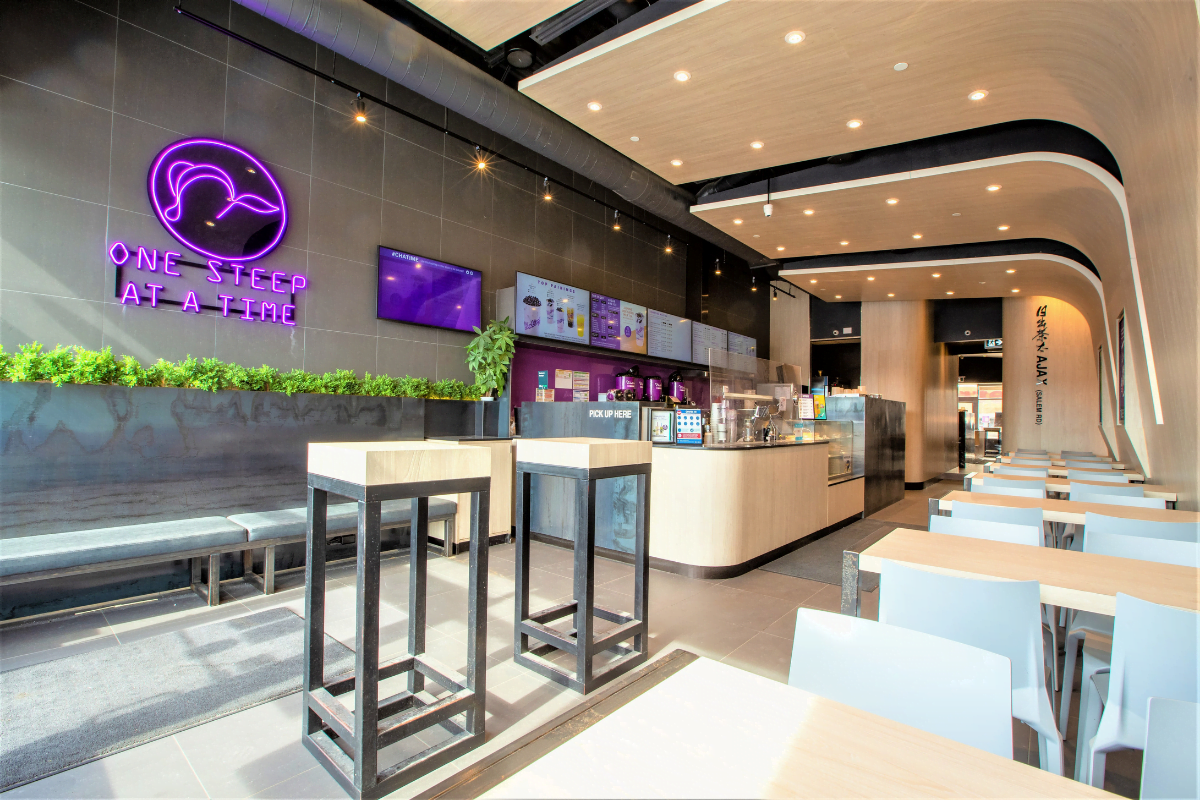
The bubble tea concept has seen increasing popularity in Canada in recent years and Chatime is poised to take advantage of that burgeoning interest with a plan to double its footprint across the country in the coming years.
Thomas Wong
Thomas Wong, Co-Founder and Chief Development Officer for Chatime Canada, said the company’s mission is to bring the bubble tea experience to a broader Canadian audience.
In Canada, the first location opened 10 years ago in 2011 in downtown Toronto and from there the company started franchising in Ontario. Today, it has more than 70 stores in the market across Ontario and British Columbia.
“Chatime is an international brand but we found a massive stronghold and a big opportunity in Canada, especially in those markets but really around the country,” he said.
“We see Chatime as the leader in the bubble tea market. The bubble tea market has been historically an ethnic concept that has originated from Asia historically but it’s now becoming a worldwide phenomenon. What we’re finding is that in markets around the world there’s an amazing receptivity to the concept. The best way I can describe it for Canadians who haven’t had bubble tea before, but probably have heard of it, is when you think about the kind of culture associated with coffee that we’ve historically had in North America and Europe, it sort of transcends just the beverage . . . It’s really associated with strong positive emotions.
Image: Chatime Ajax
“In the coffee case, it’s very much a comfort and a routine and a stability. For millions of people around the world Chatime represents that injection of happiness in their day. It’s really bringing that joy of the beverage and that experience. A lot of people come to Chatime certainly because they’re craving something but they’re really looking for also all the positive emotions that are associated with grabbing a couple of bubble teas during the day with friends and family. For a lot of people it becomes an incredible part of their lifestyle. It’s just something they look forward to every day. It’s bringing that joy of bubble tea to a really broad Canadian audience and that’s where we’re finding tons of opportunity.”
Wong said the company feels it’s just on the cusp of a really big opportunity to expand across the country. When it first opened in 2011 in Toronto, initially the customer base was certainly people who knew the product such as people born in Asia or international students. But within weeks the demographic started to shift as more people became familiar with bubble tea.
“Very early on, we saw that this was a product that was going to easily transcend that ethnic niche. So just like sushi, and shawarma and ramen and all of these kinds of food concepts that have really successfully become part of mainstream consciousness for Canadians, we’re seeing that for Chatime,” he said.
“So what’s happening is every time we open up Chatime in a new market that you might not have historically thought of as a place where bubble tea would be successful a lot of our most successful locations have been those kinds of markets that maybe haven’t heard of bubble tea but the moment we get in there people start trying Chatime for the first time and what we bring to the market is a very strong focus on quality and consistency so we’re able to bring that experience to many, many different markets.”
Wong said there is room to grow within the major urban markets such as Vancouver and Toronto but there is also massive opportunity in much smaller cities and towns.
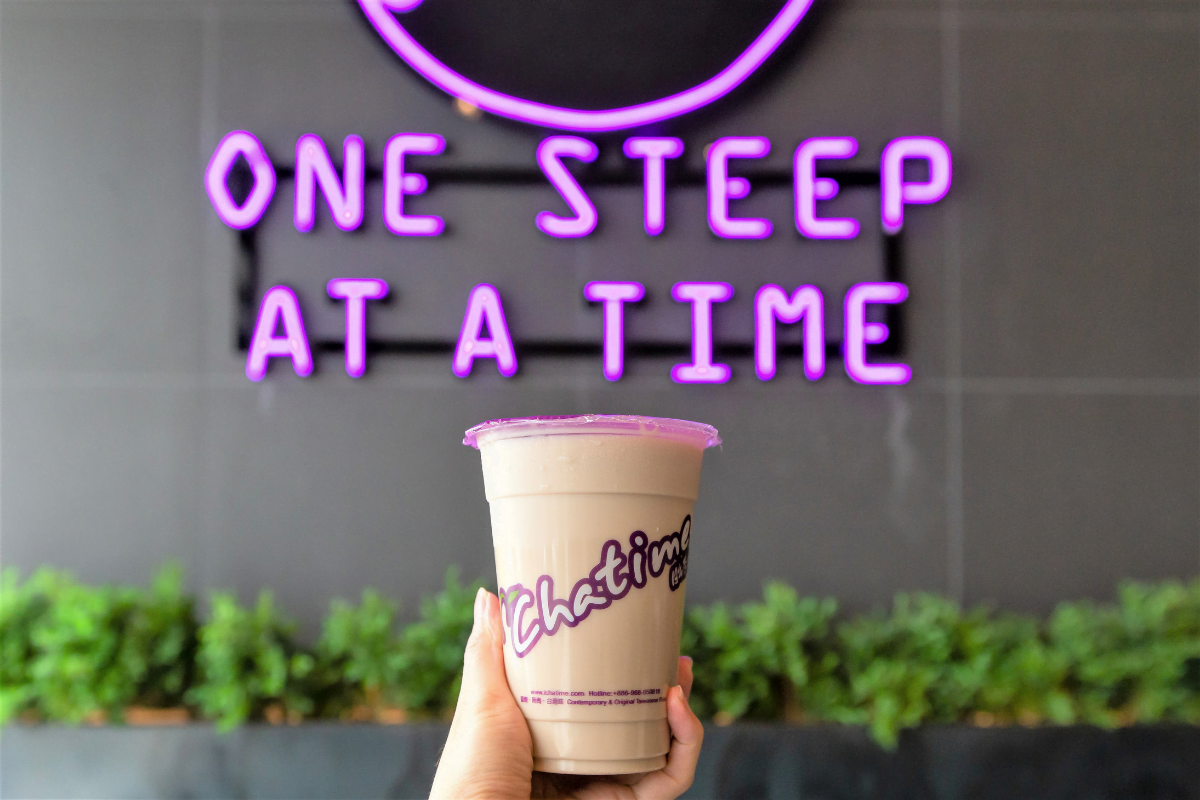
Image: Chatime
“I think we’re easily going to double that at another 70 stores within the next, we’ll call it, five years conservatively. There’s just so many markets out there that are very thirsty for our products,” he said.
Chatime Canada is part of the Kevito Group Canada which also has brands Bake Code, Chatime Atealier, and Chatime Innovation Bar.
“We specialize in launching and growing just innovative food and beverage concepts from around the world,” said Wong. “We’ve been successful in bringing them to the Canadian market, really adapting them to the Canadian consumer tastes.
“There’s just so many amazing food and beverage concepts going on out there around the world that we think we can bring to the Canadian market and adapt to this market.”
The global Chatime brand is based in Taiwan. The brand exists in more than 30 countries with more than 1,000 locations.
“Canada has emerged as one of the top markets for Chatime internationally. It speaks to the openness of Canadians to embrace different food concepts. Canadians across the country seem really welcoming to this kind of product category,” added Wong.
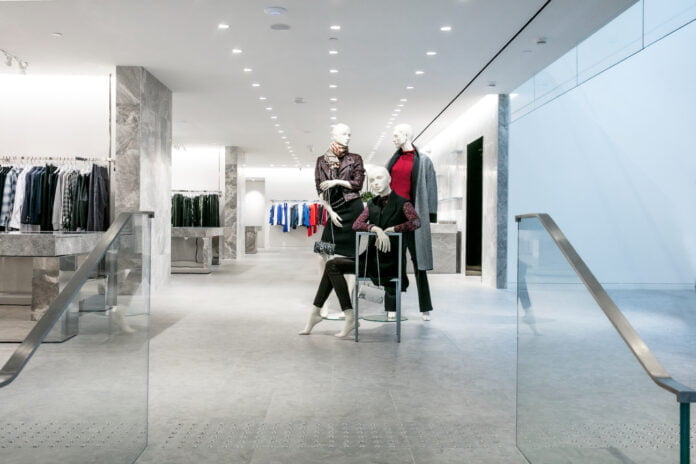
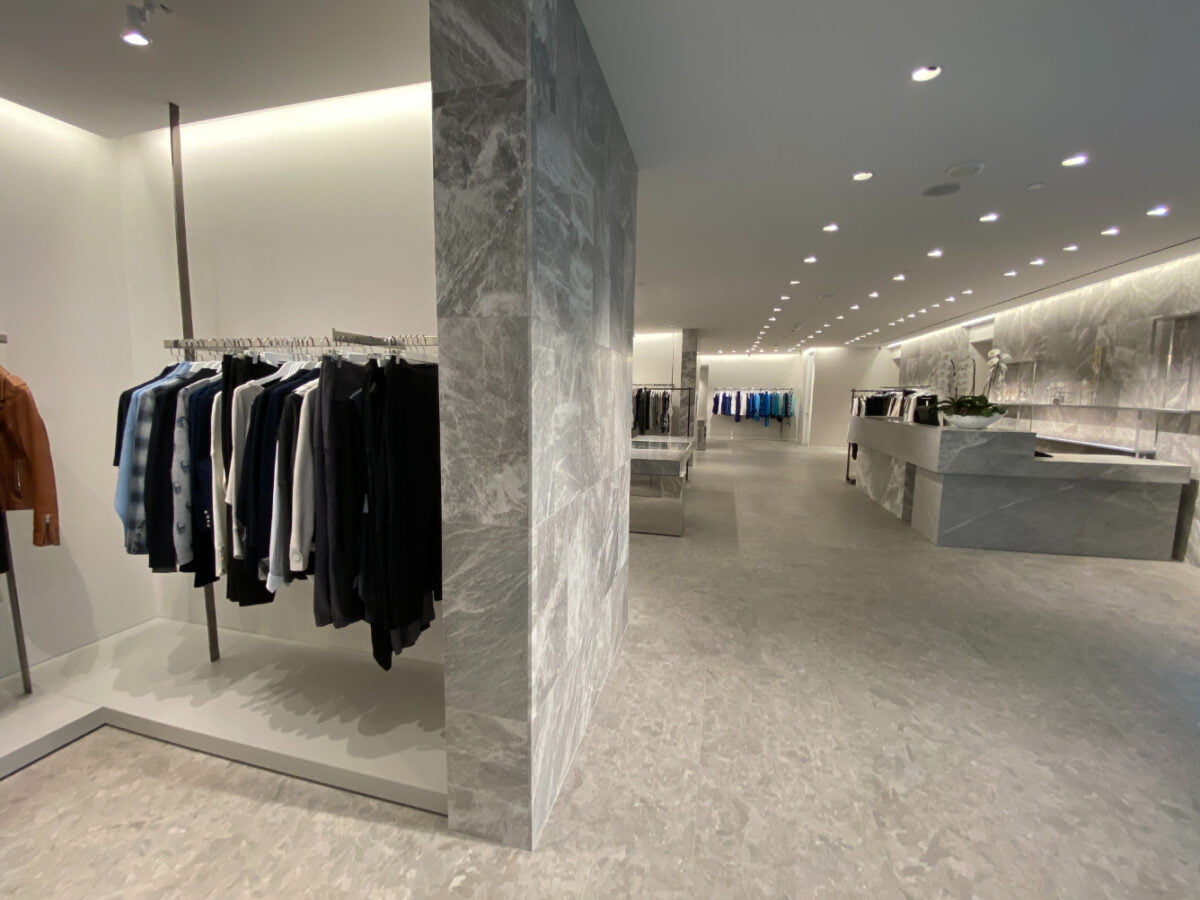
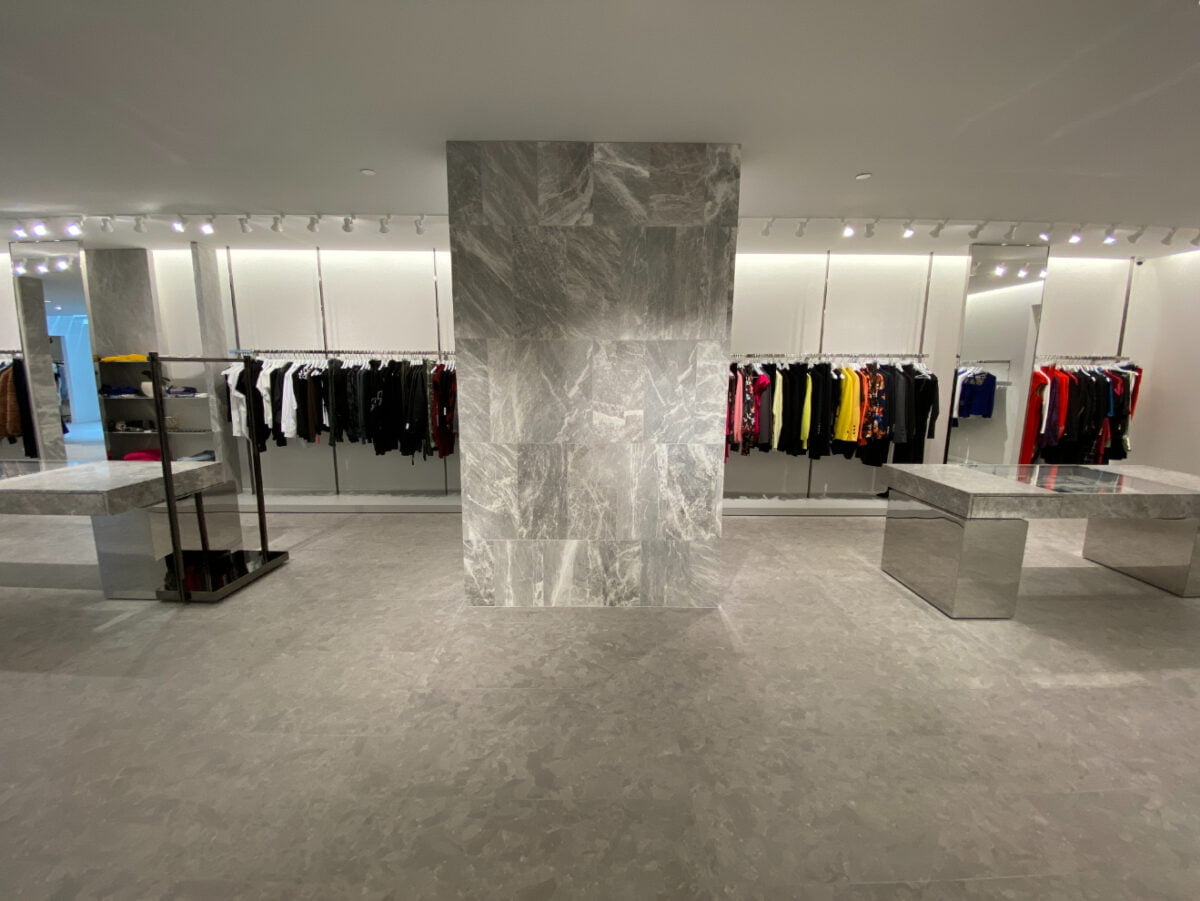
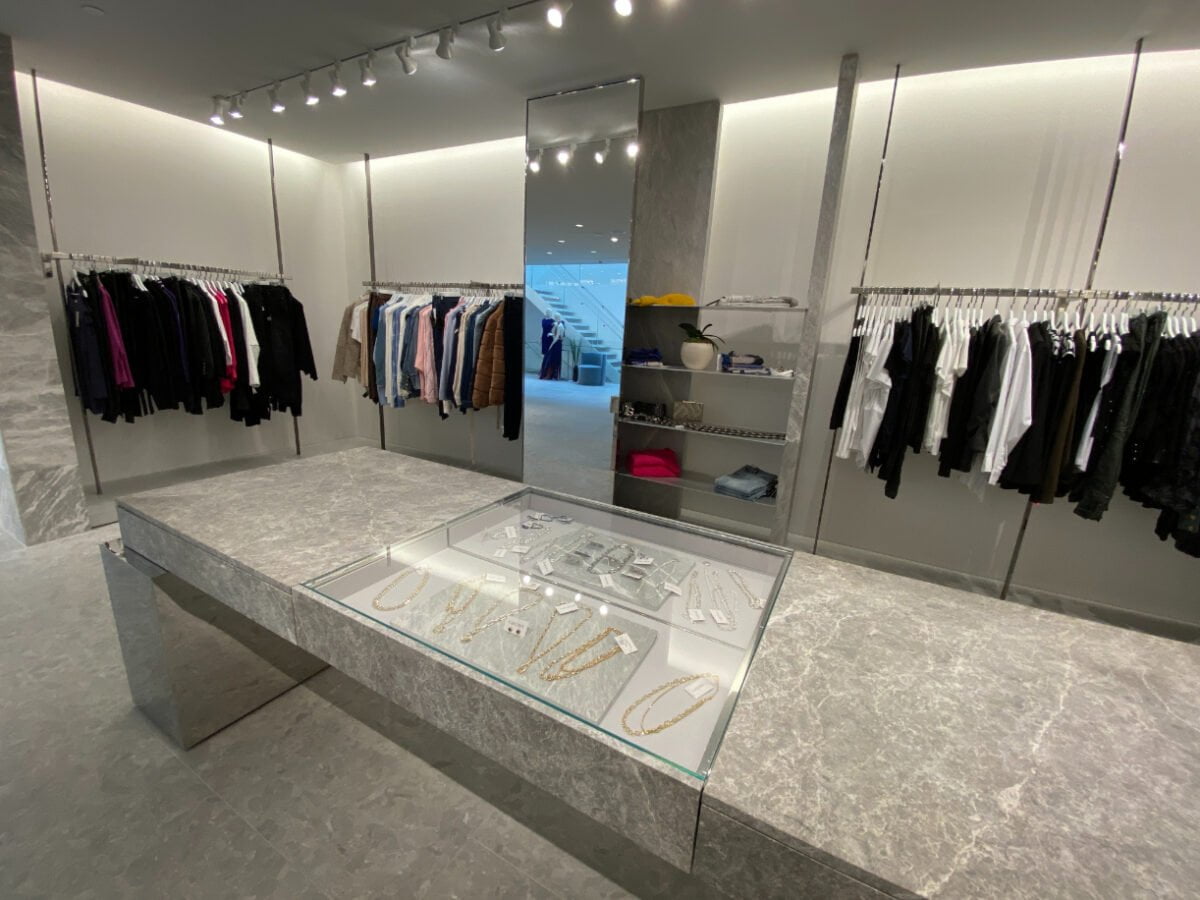
Freda’s, a Toronto-based designer fashion boutique and womenswear manufacturer, has moved to a new location, celebrating its 50th anniversary while navigating the challenges presented by the ongoing pandemic.
The company’s namesake Freda Iordanous started the business in 1971 after immigrating to Canada from Cyprus.
The boutique and private label are now run with the help of Iordanous’ daughter, Paulina Georgiou, the company’s CEO.
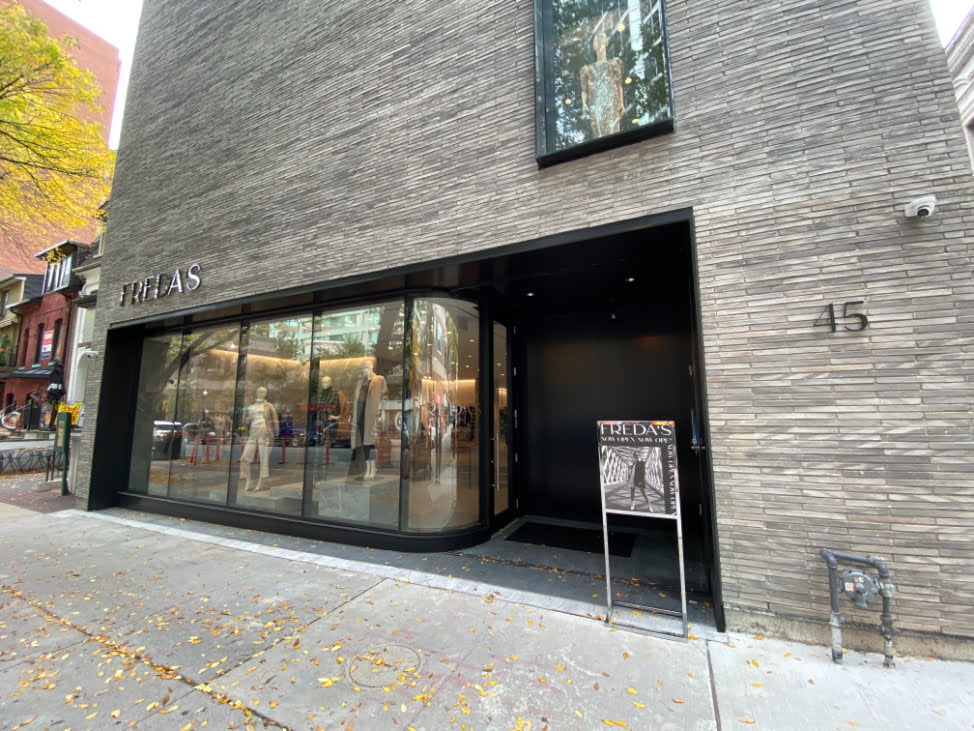
“We are thrilled to continue Freda’s legacy and finally welcome clients to our new boutique at 45 Elm Street,” said Georgiou. “Freda’s has such a rich history in Toronto, and we’re excited to launch this new chapter for the business, and our family.”
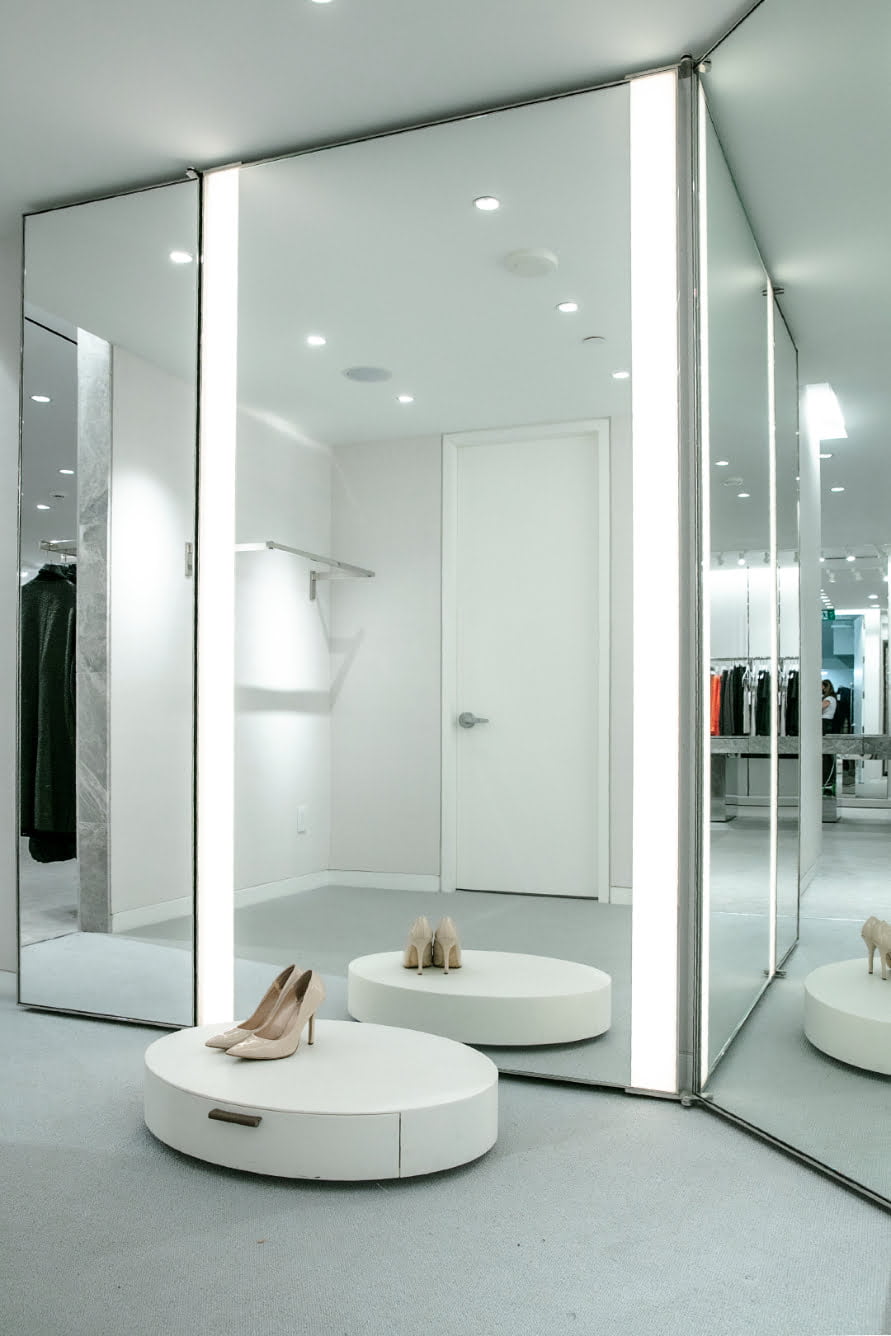
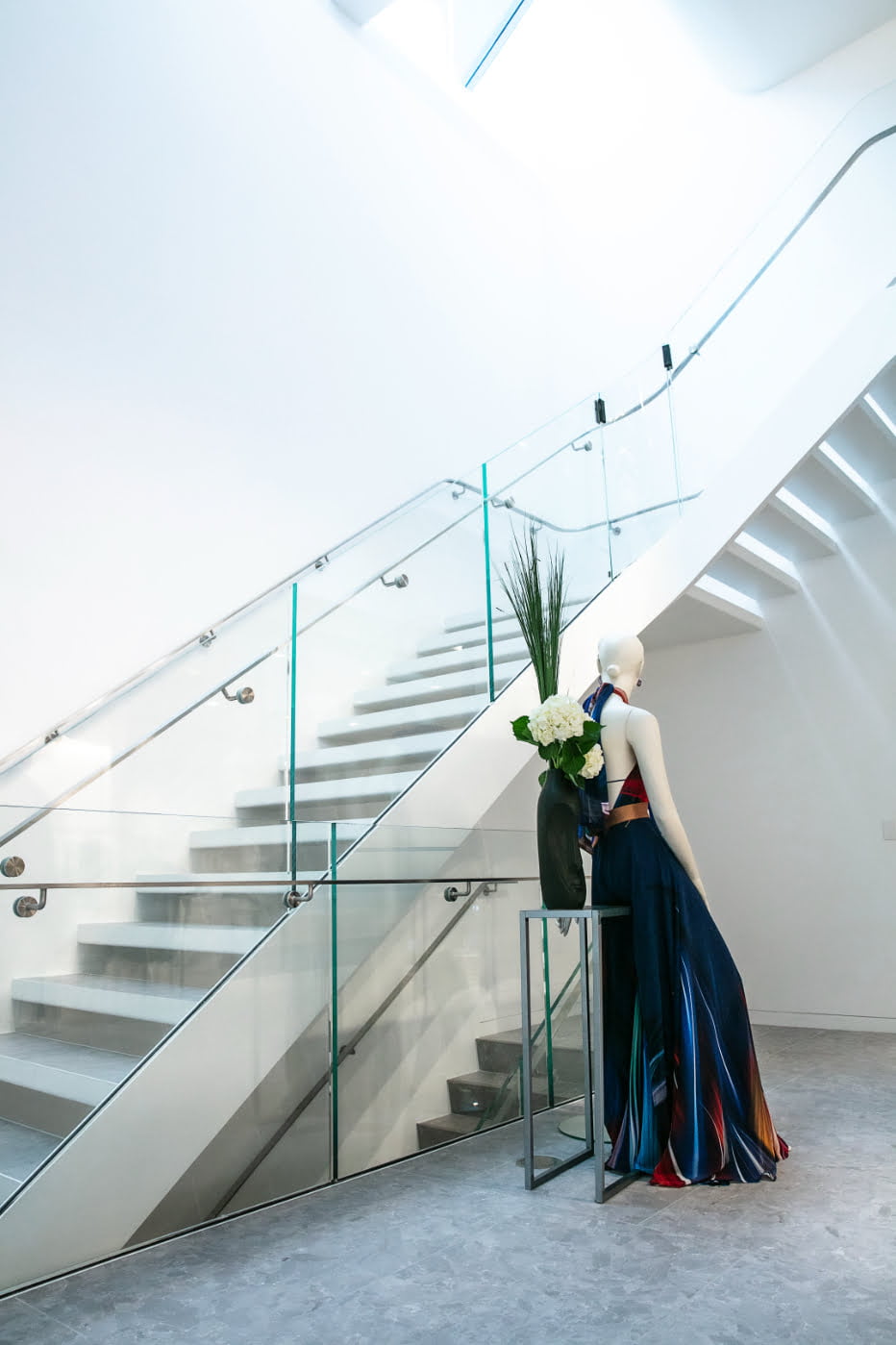
Image: Freda’s
The transformation of Freda’s over the past 50 years has included the retailer becoming more focused on the retail side of its business over the corporate side which carried the company in its initial years. Also, the pandemic has sparked the retailer to embrace a more strategic use of the digital world and social media.
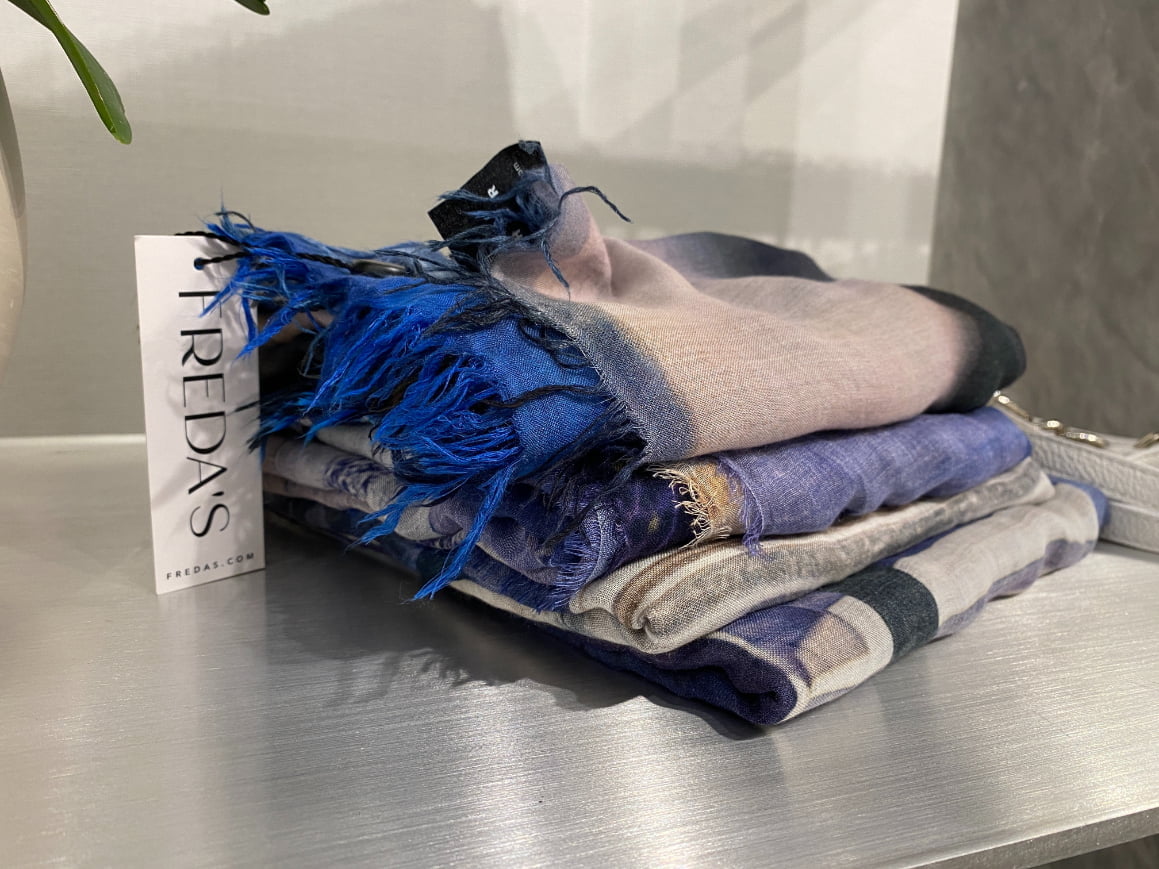
The store carries its own private label as well as a curated collection of designer labels from Europe, Canada and the United States including unique labels exclusive to Freda’s. Freda’s is a family-owned business known for carrying the season’s trendiest designs, specializing in statement evening wear.
Freda’s established a reputation in Toronto, designing and producing uniforms for iconic Canadian venues and businesses including the SkyDome, Maple Leaf Gardens and The Royal Bank of Canada. Many famous Canadians have also worn fashion from Freda’s, including Sophie Trudeau, Deborah Cox and local fashion icon Jeanne Beker.
The business originally started in Cabbagetown with small couture pieces for select clientele. Freda’s then moved to a building on Spadina where a retail store was opened on the main floor with the manufacturing on the second floor. From there, Freda ended up designing uniforms for many companies including Wardair Canada which was one of her first. The corporate side was the main focus of the business with uniforms but the retail end of it was her little passion that she always kept.
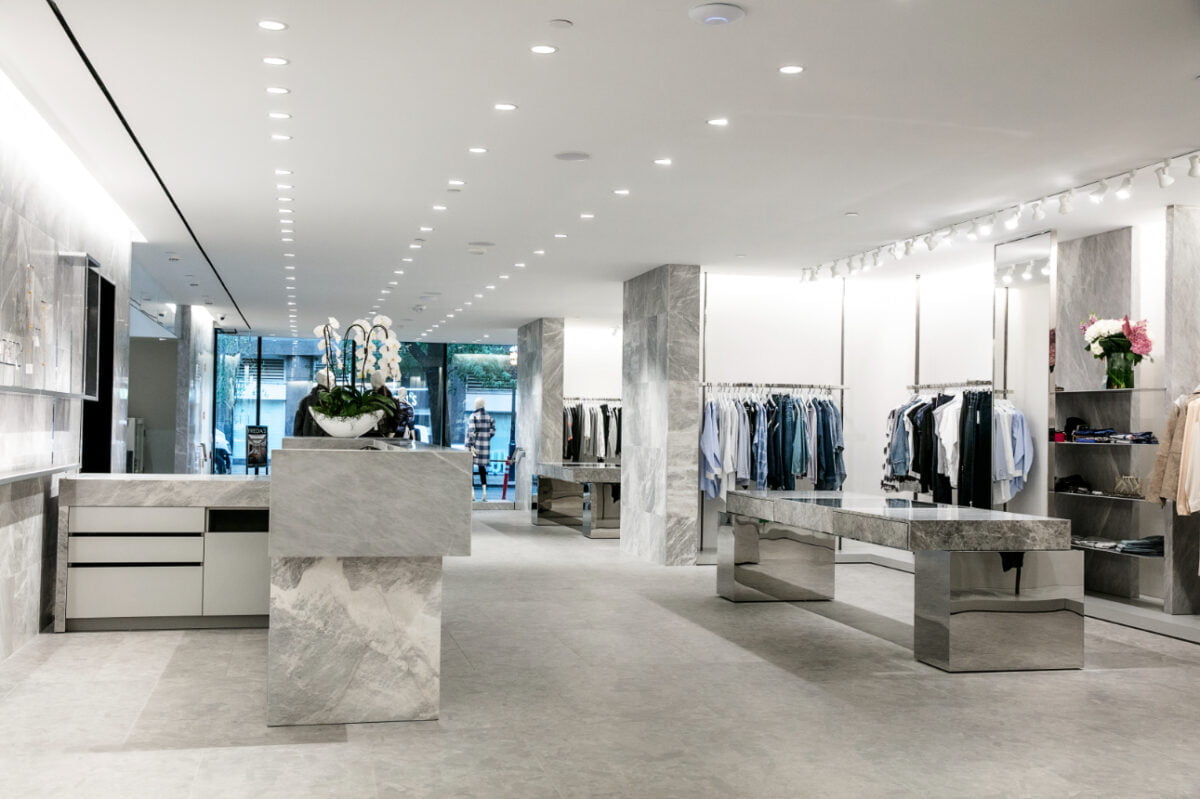
Image: Freda’s
Image: Freda’s
In the early 1980s, Freda’s moved to 86 Bathurst Street. At that location, the corporate division of making uniforms was kept on the upper level as well as the private label for the retail store.
In 1997, one of the corporate clients decided to discontinue as a customer for the uniforms. At the time, 80 per cent of the business was corporate with about 20 per cent retail.
“We had to figure out how we were going to sustain ourselves with that loss of income. So we ended up revamping our retail store, expanded it and did a huge media launch back in 1997 and started doing almost 50 per cent retail, 50 per cent corporate. We stayed in that location until this year. We just finally moved in June,” said Georgiou. “We officially opened our retail store in this location September 7 but this current building was purchased three years ago and we were intending April 2020 but then COVID hit.
“We had to reinvent the wheel here and figure out how we were going to sustain ourselves at our current location and then with delays of construction. That was interesting. But we were still manufacturing.”
Freda’s – Photo by Dustin Fuhs
The new location on Elm is right in the downtown core of Toronto, a couple of blocks from CF Toronto Eaton Centre. The new three-storey location is just over 10,000 square feet.
Today, Georgiou said about 70 per cent of Freda’s is retail and 30 per cent corporate.
“It’s been a huge switch for sure.”
She said one of the reasons for the store’s move was that taxes were getting too high in the former location. Freda’s sold that site to a real estate development company.
“We started looking everywhere in the city. We couldn’t find anything. It was very difficult to find a building because we wanted to purchase a building. We never wanted to rent. It was always my mom’s belief that you always own, which is very smart of her what she did,” said Georgiou. “It just happened that this location, the previous owner was a restaurant and the gentleman passed away. It was a family-run business and the wife asked the kids if they wanted to continue the restaurant. They decided no.
“She decided to sell and when she met our family she just thought it was the right connection, passing on another family business to another family business. She was very happy to do that.
Freda’s – Photo by Dustin Fuhs
“We’ve put a lot of hard work into this space. It’s been three years of blood, sweat and tears that’s for sure. It wasn’t a smooth transition. “
When COVID hit, the company was faced with the major issue of moving all the product because Georgiou had already purchased all the spring and summer merchandise. The store was full. The business had to figure out how it was going to sell all this product.
“I did call all my staff back to help. Nobody wanted to return except for one staff member who said I will stand by you and help you and we’ll do this. We started to really utilize Instagram. We revamped our ecommerce. We always had an ecommerce platform that we started ironically in January of 2020 which was great timing but we never really utilized it. It was just a shop site that we would showcase a little bit of our product that we sold but it would never be all the product in our store,” she said.
Freda’s – Photo by Dustin Fuhs
“I think the challenge was now taking every single item in the store and putting it on an ecommerce platform. That took us months putting all these SKUs and products into our ecommerce. And then we started really, really utilizing social media platforms. Doing Instagram. We managed with that.”
With lockdowns in place in Toronto, the company evolved to doing Instagram live fashion shows on Tuesdays and Fridays to showcase its product to consumers.
“That seems to really help to generate sales and also allows the consumer to see the product on,” said Georgiou.
“We tried different platforms. Instagram seems to be the best platform for us. Having said that, I know we might consider maybe TikTok in the future because everyone’s saying maybe TikTok would be a good one for us. We’re still looking at different areas of development. But now that we’ve been reopened it’s great because consumers are now coming back to the store and shopping.”
The ecommerce website has increased to 50 per cent of the business from 10 per cent.
“Interestingly, since we invested in our online business, we have grown the business nationally,” said Georgiou. “It just worked. The key is that we were styling the pieces, not just showing them. It’s important to see how a piece of clothing looks on a body, and as part of a complete outfit.”
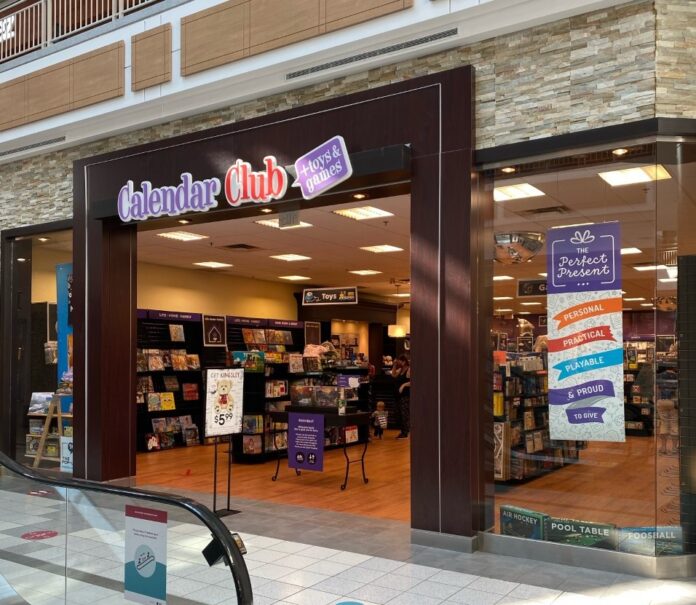
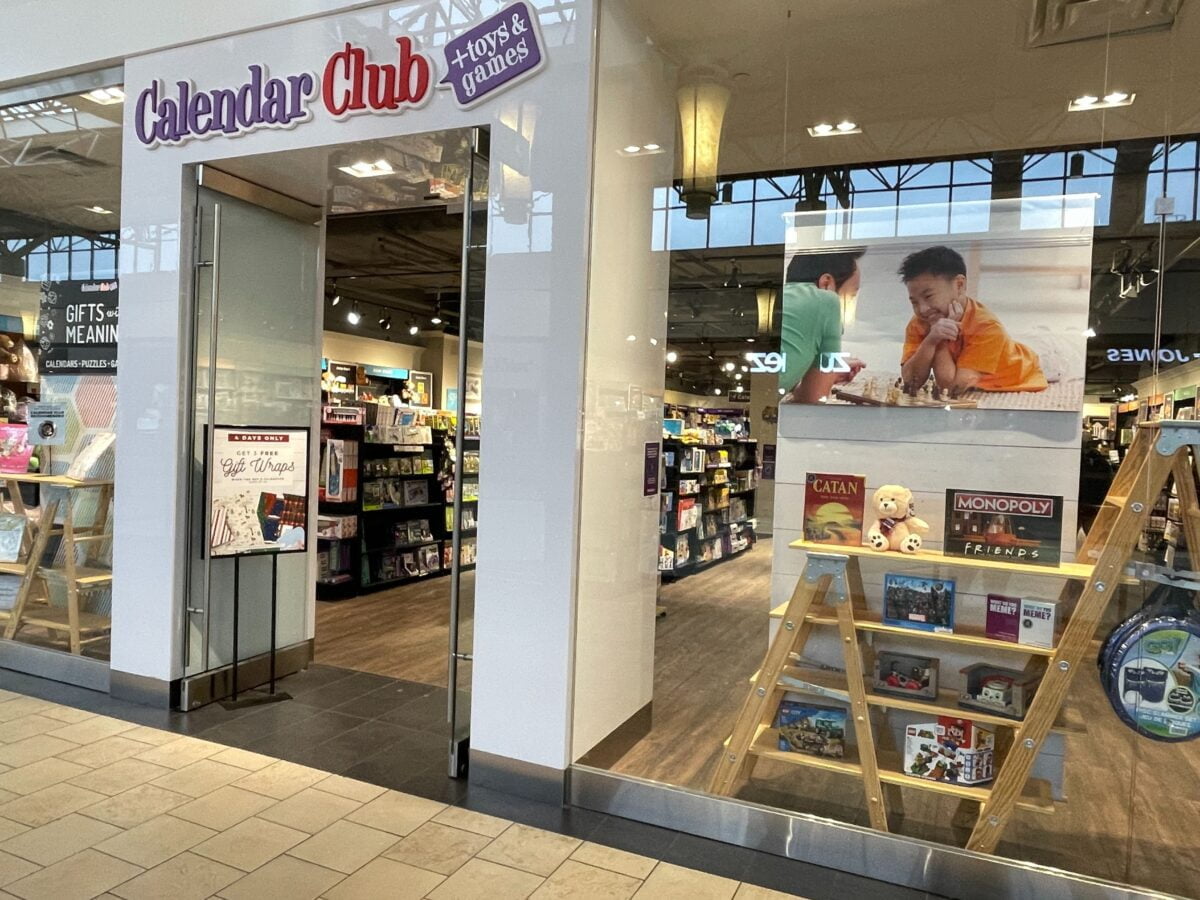
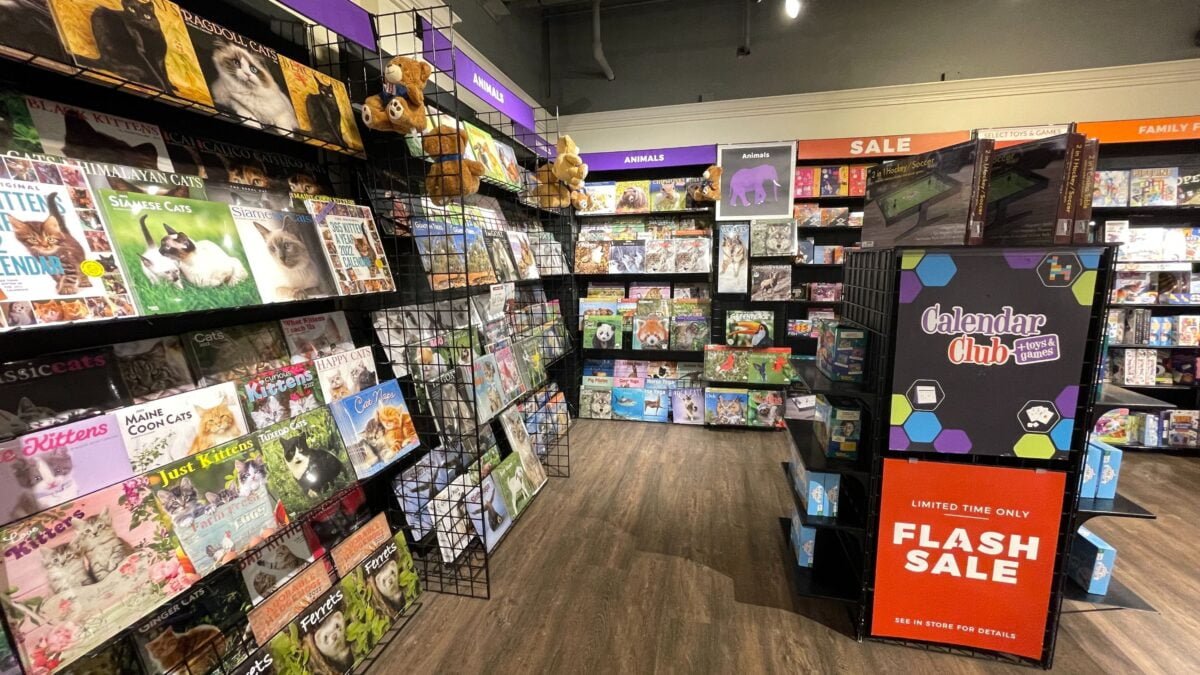
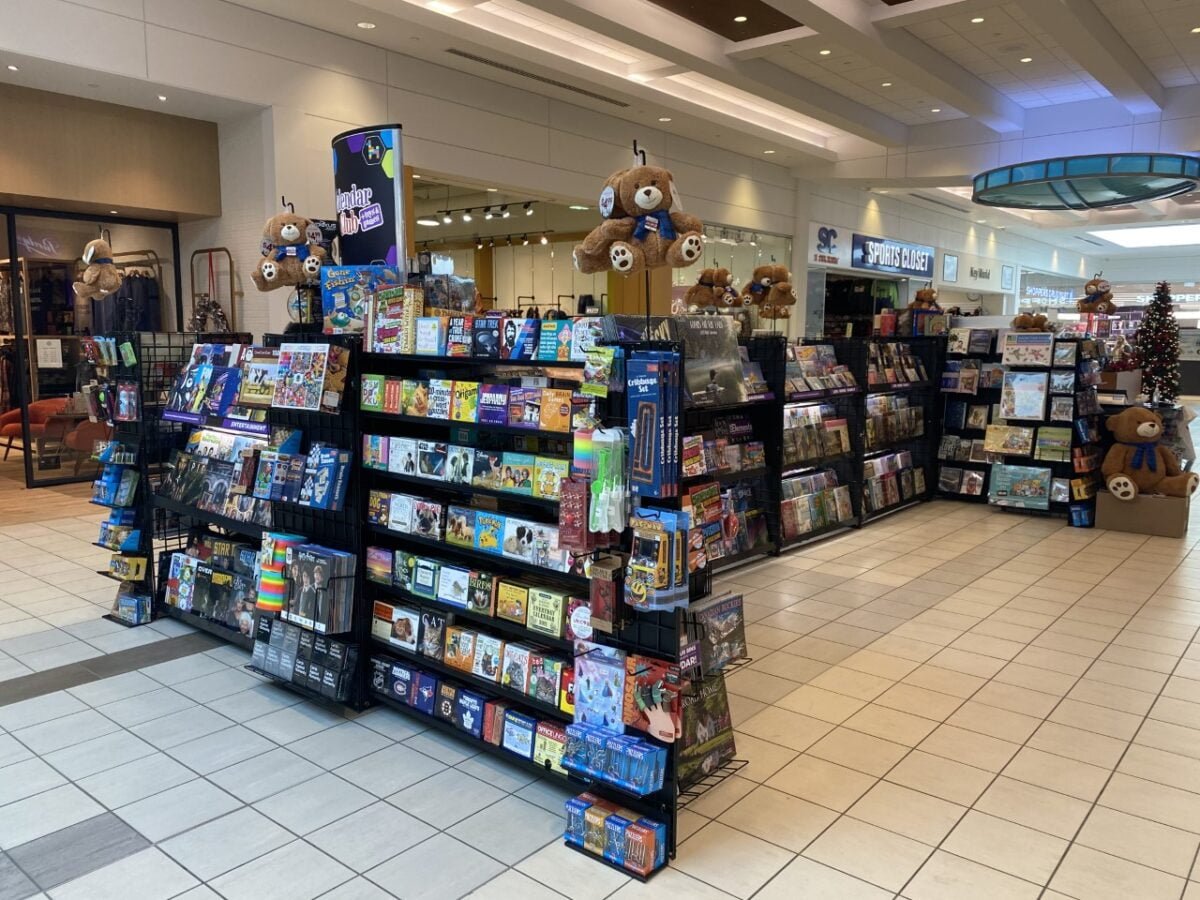
The Calendar Club has evolved over the years to selling more than just calendars and now the retailer is embarking on ambitious plans to become more than just a pop-up business with its eyes set on launching permanent store locations.
The company was founded in 1993 with its first store in Lyden Park Mall in Brantford, Ontario and its head office in Paris, Ontario.
Calendar Club Canada, founded by the Edgar family, is the largest provider of calendars and puzzles but is also an industry leader in games and toys. The company has over 200 locations.
It is recognized as the largest seasonal retailer in Canada but the plan is to open up year-round stores next year in targeted markets across the country.
Image: Calendar Club
Dave Patterson, Chief Operating Officer at Calendar Club of Canada, said it’s been about 20 years that the company has been selling items beyond calendars and one of its initiatives has reached thousands, perhaps millions of people.
“We have stuffed animals. Our bear program has been one of those hidden secrets. We’ve helped communities across Canada donate millions of bears to charities. We do on average 100,000 plus bears a year. It’s pretty powerful.
“I’ve been with the company for three years and have travelled the country many times and have met many customers that have said ‘my son that was in sick kids’ hospital actually got a bear from you’. It’s a big thing that most people don’t realize. It’s basically a gift with purchase. The customer can choose to buy a bear and have us donate it to their cause or they can take it and donate it themselves. With the amount of years we’ve been doing it, there has been well over a million bears donated from this little company out of Paris, Ontario.”
Today, the company’s business is in the US, Australia, New Zealand, the UK, the Netherlands.
Calendar Club
“We don’t own the global business. We are a group. Calendar Club Canada opened with pop-up kiosks with only calendars. And they took off,” said Patterson.
“Our history started in malls, before heading to Sears and The Bay. We did licensee deals. But right now, the majority of our stores are mall-based. We’ve tested a couple of power centres in the past, but it’s typically malls where we are located.”
“The plans are really to look at having year-round partnered stores. We have an agreement with Hickory Farms and then do our pop-up stores. In the future we are going to do events with pop-ups. It’s quite a growth strategy actually.”
The company has been one channel since its inception – a pop-up seasonal retailer – and it has been very successful in that regard.
Image: Calendar Club
But Patterson said the company has never really focused on ‘proper’ retail, which is the whole retail experience.
“Proper retail has five channels – ecommerce, events, year-round stores, a partnered marketplace and pop-ups. Our company has only really focused on the one channel. Now with the introduction of digital and with the added COVID pandemic, we have that second channel. So we’re growing our digital channel, which is growing quite well,” he said.
“Our pop-up stores have done really well. But we’re looking at a year-round store program in the right markets. There is a want and a need. We just want to get out there and show our customers that Calendar Club Canada is more than just a seasonal pop-up.
“We’re going to start small, with just opening up in a dozen or so strategically placed markets across Canada. We are going to make sure we have a representation nationally. There’s very strategic, targeted growth initiatives over the next few years and we’re very excited about them.”
The pop-up Calendar Club stores typically open for the back to school shopping season through to the end of January.
Gender inequality. It’s an issue that’s plagued societies all over the world for millennia, and one that continues to challenge the ethics and morality of our time. It’s a flaw in our thinking as people that results only in the denial of opportunity and marginalization of voices within our communities, limiting our progress as a species. The disparate treatment of men and women within the business world poses the same adverse impact on companies and brands which, through this obtuse way of thinking, diminishes their understanding and perspective of the market, inhibiting the growth and success of their organizations.
Though progress has been made through the years, largely by way of the passionate and courageous work undertaken by groups like the National Woman Suffrage Association, the Women’s Liberation Movement and a multitude of others that continue the fight today, there is still much improvement required if people and businesses are to fulfill their true potential. It’s a fact that Diane J. Brisebois, President and CEO of Retail Council of Canada, says is a simple one to grasp, but one which can yield a constraining and suppressing effect on the companies that are unable to take it to heart.
“It goes without saying that women bring different perspectives and experiences to the table,” she asserts. “They have very strong IQs as well as EQs and are often able to see the grey rather than simply the black or white within certain situations. Women are also extremely effective leaders who don’t shy away from confrontation and are great at team building and bringing people together in pursuit of a common goal or objective. It’s not to suggest that men don’t possess these qualities and characteristics. But they are certainly qualities and characteristics that many women have also brought to the retail C-suite throughout my career within the industry. Beyond these intangibles, however, 50 percent of the world’s population is female. If an organization does not include women throughout its enterprise, not just in the C-suite, they’re cutting off access to half of the labour pool, much of which is top talent that can help their brands move forward and grow. As a result, it’s fundamental for companies to make the necessary investments in order to ensure that diversity. And if they don’t, they’re poorer for it.”
Gender equality is good for business
Natasha Koifman, President and Founder of one of the country’s leading public relations agencies, NKPR
Brisebois, who’s been leading Canada’s national retail association for more than a quarter century, has personally witnessed much of the recent advancements toward gender equality within the workforce. She points to the growth potential for brands that ensure diversity throughout their ranks, adding that the impact of a collective industry effort to achieve equity could have a profound impact on the overall economy. In fact, according to a recent report from the McKinsey Global Institute (MGI) titled The Power of Parity, a globally comparable advancement of women’s equality in which women match men’s participation in the workforce, their sector mix, and their full-time mix of jobs, the global GDP could rise by an astronomical $28 trillion by 2025, representing a mammoth increase of 26 percent over current levels. It’s an opportunity that’s recognized by Natasha Koifman, President and Founder of one of the country’s leading public relations agencies, NKPR, who suggests that it’s a result that’s inevitable for organization’s that make an earnest commitment toward including female representation at the top.
“It’s important to have all genders, and ethnicities, represented at the table because different perspectives are what create progressive outcomes,” she states. “Research shows that Fortune 500 companies that had more women on their boards financially outperformed companies with less women – meaning more women in executive seats literally translates to increased economic margins. Similar studies show that gender balance in the workplace influences positive job satisfaction and wellness, which also leads to increased employee retention.”
Although the financial outcomes are critical to retailers and their continued success across the country, monetary gain is not the only benefit available to companies who achieve relative equity throughout their operations. In fact, according to Sarah Jordan, CEO of Mastermind Toys, the positive ramifications that can come about as a consequence to proactively ensuring equality throughout an organization are far-reaching and have the potential to facilitate inventiveness, productivity and the creation of a constructive environment.
“Diversity is important and critical for business – and that goes beyond financial performance,” she says. “Having female representation at the table sparks innovation and growth, which has been especially important for retailers navigating new challenges throughout the pandemic. Mixed-gender teams allow for diverse perspectives and thinking when solving problems and more accurately reflects the experiences of the customers you’re serving. Companies with diversity in gender among managers are linked to innovation and can better manage group conflict. I’m proud to say women represent over 65 percent of Mastermind Toys’ leadership roles, with the majority having P&L responsibility, and are key contributors to our brand transformation.”
Barriers to success
Despite Jordan’s rise to a leadership position within the industry, which is undoubtedly credited to her strong work ethic and determination, she understands that these qualities are sometimes unfortunately not enough to ensure success within an organization. She believes that there are still barriers that exist for women looking to progress within their careers which result in undue limitations on their capabilities and realization of personal and professional achievements.
“We know that women face a number of barriers that can impact their rise through the corporate ranks, from experiencing microaggressions in the workplace due to unconscious biases, to spending disproportionately more time dedicated to caregiving responsibilities,” she says. “As a leader, I’m interested in how we can take action to support female talent and not only recognize that these barriers exist. I’ve been lucky to have sponsors in my life who have pounded the pavement for my growth and who have helped me seize my potential to get me to where I am today. Now being in a leadership role, I believe I have a responsibility to advocate for other women to help reduce the barriers in their path and create an inclusive environment that makes their growth achievable. My advice for leaders is to ask yourself: who are you sponsoring? Who are you inviting to the table? And who are you creating growth opportunities for?”
Though ongoing MGI research related to gender inequality indicates that meaningful progress has largely not been made over the course of the past five years, there have been significant improvements in mindset among CEOs in North America during this time. According to its data, 87 percent of the continent’s companies today report that gender diversity is a top priority, compared with 74 percent in 2015. Regardless of this philosophical shift, however, MGI research also indicates that action is required on the part of organizations in order to really move the needle forward concerning the issue. In fact, representation of women in the C-suite in North America is a paltry 21 percent. It’s clear that there remains a chasmic gap in participation between the genders when it comes to leadership positions. And, as Shannon Stewart, EVP, Chief Product Officer at Harry Rosen, acknowledges, it’s a gap that needs closing in order for organizations to broaden their accessibility to the markets they serve.
“In many cases women are the decision-makers when it comes to purchasing, so it is important that we understand the impact that has on our business,” she says. “Our stores need to be a place anyone feels welcome in, including women. Any team, including an executive team, benefits from a balanced approach to decision-making. Having women present at the table ensures all aspects of a business problem are explored, including numbers-driven results as well as empathy towards those people driving the business.”
Stewart’s colleague at Harry Rosen, the company’s Chief Marketing Officer, EVP Marketing & E-Commerce, Trinh Tham, agrees, adding that there are opportunities for women currently in leadership positions within the industry to inspire younger generations. And, this, she says, can be easily achieved through the sharing of experiences, providing some guidance and direction for young women to follow.
“Female leaders are leading by example to show that women can strive to reach more senior positions within their companies and be recognized for their contributions,” she explains. “I think it’s important for women who have achieved success in their careers to share their stories and how they navigated challenges and opportunities to help others sort through theirs. I also think there is a positive impact to be gained when younger generations share their perspectives with female leaders as this helps everyone learn and grow.”
Mentoring talent
Tham goes on to explain that to nurture that inspiration and properly support the development of young female talent within the industry, retail organizations have got to place far greater emphasis on the creation of mentorship opportunities. Not only does the development of meaningful and effective mentorship benefit the talent that’s being developed, she says, they also provide incredible learning moments for the entire organization.
“I would suggest that recognizing female talent and actively providing mentorship is an opportunity for both men and women leaders to reward and develop female high performers,” she says. “One of the challenges within the industry is in achieving longevity of these mentorships and maintaining the relationship over time and at different career and life phases. This requires effort from both parties involved. But, from my perspective, this is where senior executives need to put in a bit of extra effort in order to set a strong example with respect to what’s possible and to realize how rewarding this type of experience can be for everyone involved. I have been very fortunate to have enjoyed long-standing relationships with mentors, both male and female, and relationships with female mentees who I continue to learn so much from.”
It’s generally observed that a genuine recognition of the issue of gender inequality, intentions to lead by example and the development of strong mentorship opportunities are all fantastic steps toward addressing the shortcomings of businesses everywhere. In isolation, however, each are somewhat ineffective. To help ensure that proper progress is made concerning the issue, Mona Kennedy, Chief Financial Officer at Roots, suggests the provision of a strong framework and structure within which each initiative and effort can be highlighted, tracked and managed accordingly.
“Nurturing diverse talent is a business imperative,” she says. “We focus a lot of time and attention here at Roots on skill and being planful in our hiring practices, introducing case studies into our hiring practices and bringing in support to actively broaden the candidate pool when hiring. In addition, what gets measured gets managed. You need to have data to see where you are and target where you are going. We conducted a diversity, equity and inclusion engagement survey across all of our locations, including head office, distribution centres, retail stores and leather factory, to inform our plans, enable our team to play an active role in our diversity, equity and inclusion strategy and initiatives, and set a baseline against which we can measure our progress.”
Outcomes and accountability
Kennedy goes on to explain that by measuring and tracking outcomes, organizations are afforded a full view into the progress of their initiatives. In addition, she says that as a result of the transparency, those responsible for the outcomes are accountable for them, ensuring commitment and dedication toward achieving the organizations diversity, equity and inclusion goals and objectives.
“Taking an outcome-focused approach by creating defined objectives, and by holding people accountable for the outcomes, empowers employees to determine how to do their jobs in a way that positions them for the greatest success,” she says. “At Roots, we have a cross-functional diversity, equity and inclusion Council. We have also established a formal platform, ‘Together at Roots’, and have created a new diversity, equity and inclusion Specialist role. We also consistently review our related initiatives and provide updates directly to our board of directors. In the end, diversity is good for the business, and you have to manage it rigorously like any business opportunity.”
Further progress and improvement
Though the issue of gender inequality remains a societal issue that requires attention, the intentions of leaders within the retail industry to eradicate the scourge are increasing. It’s representative of a shift in philosophy that Brisebois believes has been accelerated by impacts of the COVID-19 global pandemic, compelling people the world over to reassess their values and understand with greater clarity the things that matter most to them in their lives. The same has been true for CEOs of retail companies and brands operating across the country, she says, adding that the crisis that we’re all collectively facing may, in fact, serve to advance issues around equality and help the industry’s leaders realize just how great retail can be.
“Leaders within our industry, across the country, have an incredible opportunity in front of them to leverage the crisis that we’re currently living through and to take on some of the biggest challenges that retailers everywhere are facing. It’s providing them with a chance to take a closer look at their organizations, the weaknesses within them and the areas of opportunity for improvement. Going forward, addressing these concerns, and making positive progress around these kinds of societal issues, is going to be key in rallying teams together in order to make everyone better. In this way, retail leaders have the opportunity to advance their diversity initiatives and enrich the lives of their employees, customers and all other stakeholders involved.”
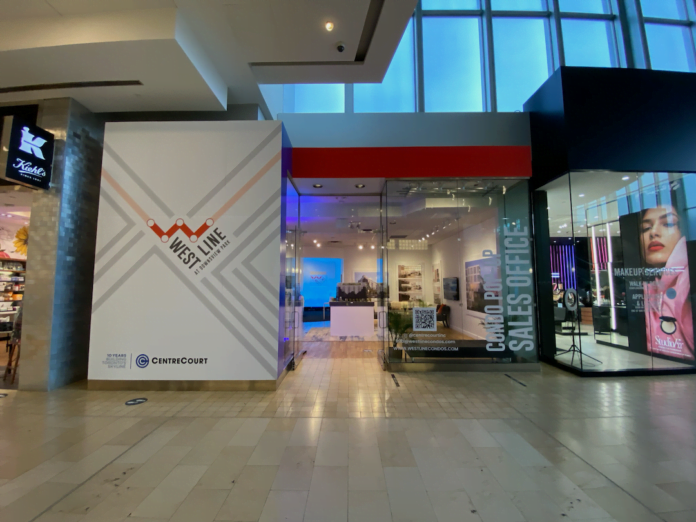
Westline Condos Pop-Up Sales Centre at Yorkdale (Photo by Dustin Fuhs)
With the demise of many big box stores in recent years, shopping centres across the country have thought of different and innovative ways to lease up space left behind by huge retail giants.
Jason Lam
From breaking up large space into more units to attracting different non-traditional retail use, malls in Canada are thinking out of the box and the Yorkdale Shopping Centre, one of the country’s iconic retail properties, has been home to a sales office for a major condo development.
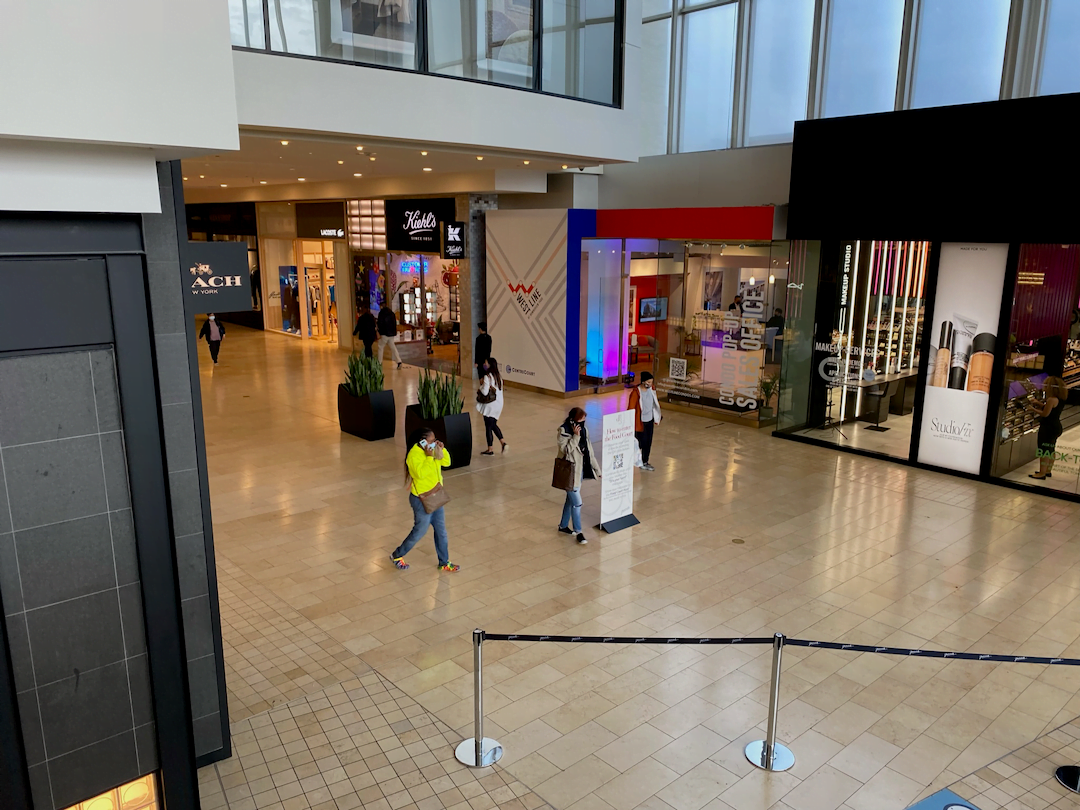
Jason Lam, VP of Sales and Marketing from CentreCourt, which is building the 15-storey, 422-unit, WestLine Condos project just steps from Downsview Park, said the pop-up sales office will continue in operation until later in November. The concept began in the mall on October 1. The pop-up sales office was originally intended to be open daily until October 31. But it’s been extended because of the popularity of the concept.
It’s located in the former BOSE location, directly beside MAC Cosmetics and across from the Food Court Escalators.
Westline Condos Pop-Up Sales Centre at Yorkdale (Photo by Dustin Fuhs)
The project is in the pre-construction and pre-selling stage. Construction is expected to begin in early 2022 and the project, which launched on September 7, is over 70 per cent sold. Target completion date is mid-2024.
“Yorkdale mall in Toronto is the premier shopping centre. It’s run by Oxford. It’s actually perfectly placed because it’s got subway connectivity as well as highway connectivity. So it’s convenient,” said Lam.
“For us, the Downsview area is a bit of an unknown commodity. It requires education. It requires people to see it, to believe it, to feel it. We like the energy of Yorkdale. No one’s really done this concept. No one’s really brought this sort of pop-up selling condominiums out of a mall. The energy in the mall and the brands within the mall. If you think of Yorkdale mall, it’s a premium space. We’re a premium developer. We’re incredibly active in the GTA.
“We get so much traffic of people walking into our space because people are curious. It’s growing our brand as an organization and as a project. The amount of traffic you get in a mall, especially Yorkdale, makes so much sense.”
Westline Condos Pop-Up Sales Centre at Yorkdale (Photo by Dustin Fuhs)
Bruce Winder
Bruce Winder, author of RETAIL Before, During & After COVID-19 and President of Bruce Winder Retail, said the recent WestLine condos pop-up sales centre at Yorkdale makes sense and represents a new age where non-traditional tenants use select malls to showcase relevant products and services.
“In this instance, WestLine will be building condominiums near Yorkdale mall – a short walking distance or short subway ride – and have smartly used the facility to entice shoppers who may already live nearby or wish to. As they say in marketing “fish where the fish are” and this initiative does just that. The affluent demographic of the mall fits nicely with the demographic of the Toronto condo shopper so one can see the parallel in lifestyles. Not to mention the obvious geographic connection,” he said.
“This type of pop-up has been a trend of late as brands look for places that they can insert themselves into a given target customers’ purchase process. That is, this pop-up acts as an external stimulus to potential condo shoppers or just shoppers in general who may not be aware of the project and the many benefits it brings.
“We have seen several new tenants take up space in malls including automobile brands (see last week’s Retail Insider article on Toyota opening in the West Edmonton Mall), education providers, health care providers, digitally native brands, gyms, e-commerce pick up centres and of course various seasonal pop-up stores. Marketers see malls as physical (and digital) marketplaces whereby shoppers of the same or similar demographic get things done or be entertained. As a result of this or maybe because of this, shopping centres have polarized based on lifestyle.”
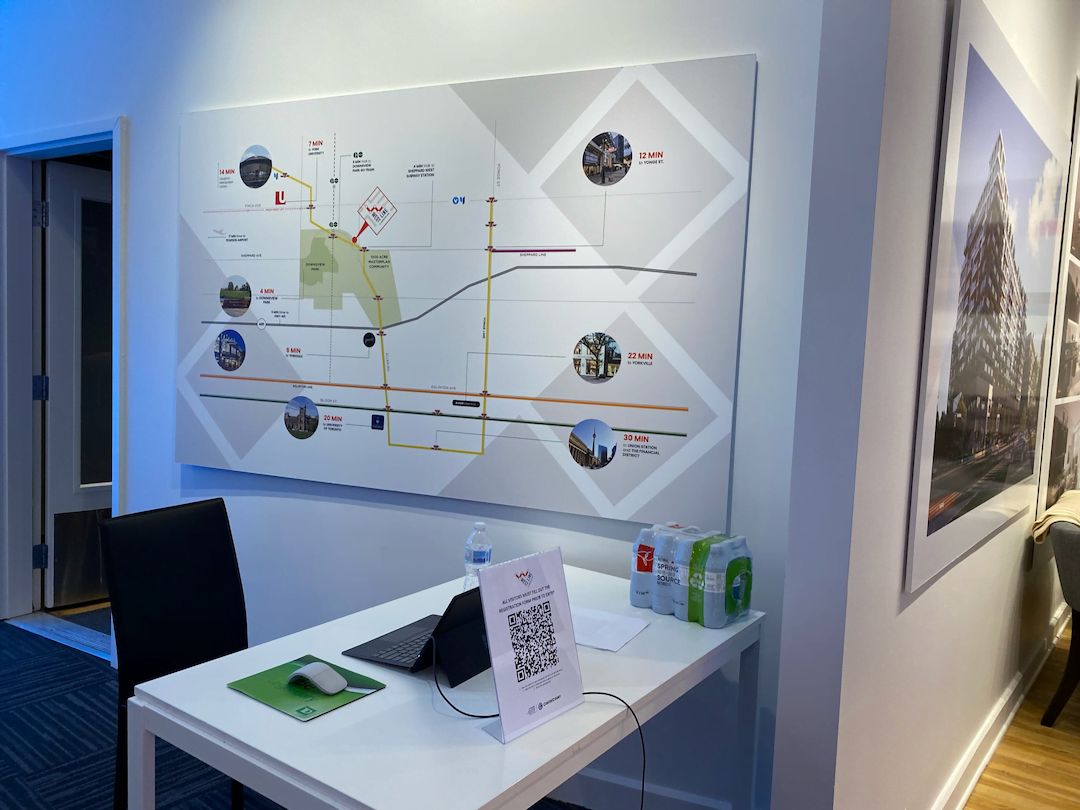
Westline Condos Pop-Up Sales Centre at Yorkdale (Photo by Dustin Fuhs)
WestLine is directly beside the Sheppard West TTC Station, a short walk to the GO Train, minutes from Highway 401 and just steps from Downsview Park. It offers fully connected living with easy access to every major mode of transportation.
The project will be two subway stops away from Yorkdale, and an under five minute drive away, at Allen Road and Sheppard Avenue West, just alongside the future 1,000-acre Downsview redevelopment, the largest masterplan in the Greater Toronto Area.
“The reason why we looked at the site and got excited is it’s pretty much the only site in all of the GTA that has GO Train subway access and highway,” said Lam. “And we believe the city is prioritizing this location . . . they’re prioritizing employment.
“An added layer to that is this big, huge urban park which is 291 acres and you don’t get that every day. You don’t really get that opportunity especially in Toronto Rarely do you get the opportunity to open your door and say wow I have access to public transportation. It’s about cost-effectiveness. How can I get from point A to B? Cost of living in Toronto is getting pretty crazy. So how do I get to work, to school, to entertainment, on an effective basis, efficiently from a cost perspective. But also now I can have lifestyle. I’ve got this 291-acre park that has a forest, that has a lake, that has a farm, that has a sports area . . . You can get lost in this thing, it’s so big.”
The condo project is also close to York University.
CentreCourt is a real estate company focused on the development of high-rise residential communities located near major amenities, rapid transit networks and employment areas across the GTA. Ranked #11 on the 2020 Growth List ranking of Canada’s Fastest Growing Companies, CentreCourt is one of the most active high-rise developers in the GTA with 18 high-rise residential projects, collectively representing over 9,000 homes and over $6.6 billion of development value.