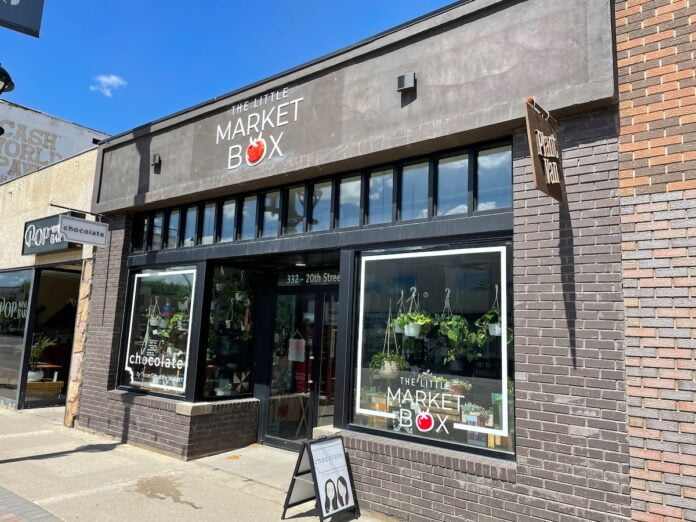
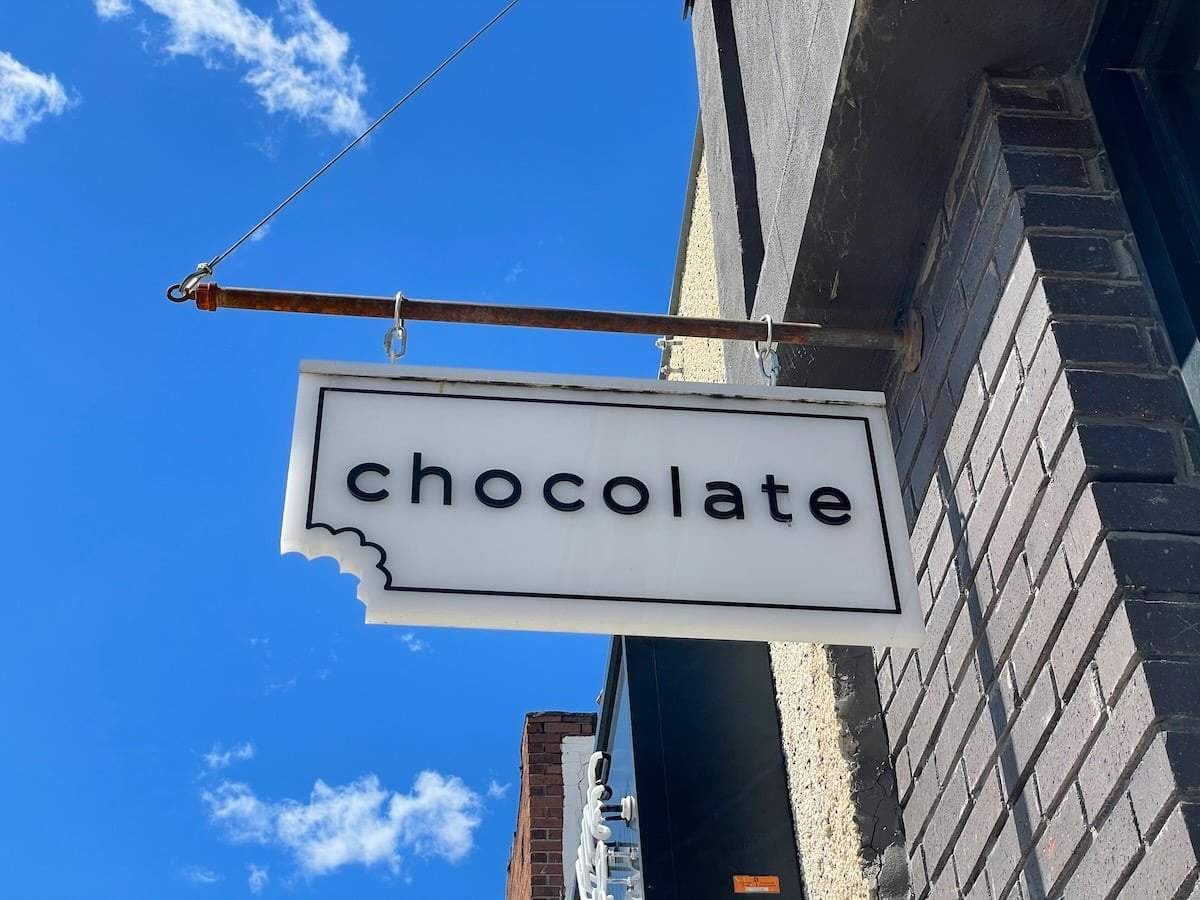
Those Girls at the Market, an organic chocolate store in Saskatoon Saskatchewan, has recently moved to its new location downtown as it needed more space to meet customer demand.
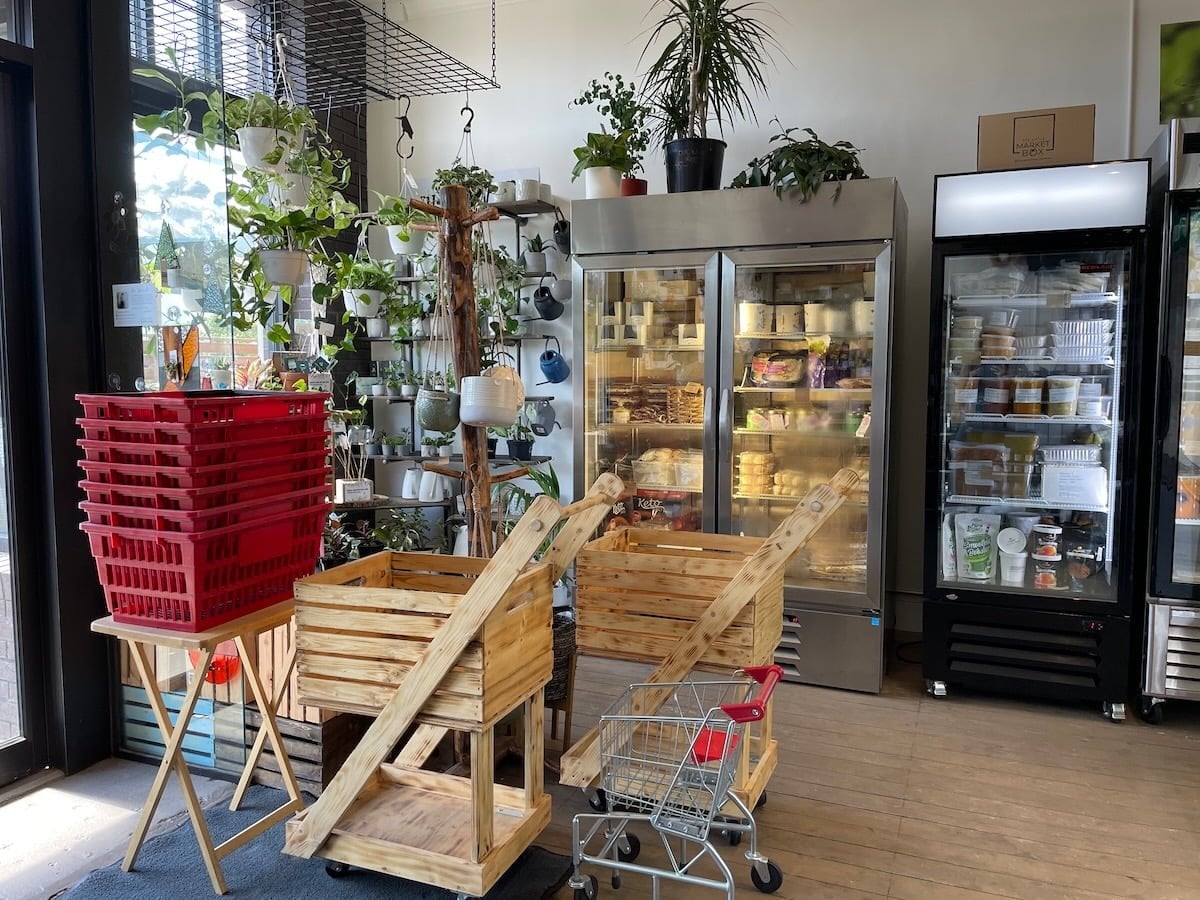
The store produces handmade organic chocolate and has become popular in Saskatoon and throughout Canada. Its first store opened in 2019 and moved to its new location at 3332 20th street West in Saskatoon in January. Customers can find a variety of chocolates such as classic, coffee, cranberry and sea salt, mint, sugar free, and it also has sugar free options. Its first store was 240 square feet, and the new store is 2050 square feet and has expanded to include a local farmers market section.
Julianna Tan
The store owners, Julianna Tan and Ying Tan, are health focused sisters who wanted to start a business together, and they did. After finding out the health benefits of raw chocolate, Juliana and Ying got inspired and wanted to start chocolate making. In 2014 the chocolate making began, and in 2019 they went to chocolatier school.
“It was a very random thing. My sister and I knew we wanted to do something together. But, when we got into chocolate making, we realized it was way more complicated than we ever imagined as it has a lot of science and chemistry. We spent 3-4 weeks in the beginning of our summer when we were opening in our little booth and self teaching ourselves everything about making chocolate,” says Julianna.
Selling Out Fast
Image: Those Girls at the Market
Those Girls at the Market originally started selling at the local farmers market in 2014 and to their surprise, the chocolate sold out.
“The first day we had our booth opened we actually ended up selling out of everything we made, and we were super happy but then we realized we had to stay up all night long to be back the next day and we sold out again on Sunday and it continued which was pretty exciting for us since we went in with no expectations,” says Julianna. “By the end of the summer we had hundreds of regular customers and we couldn’t just stop and go back to regular life.”
After graduating from her Kinesiology degree from Dalhousie University, Julianna started her career as a chocolatier and bought, along with her sister, their first retail shop which was 240 square feet. As the original store also was connected to the store The Little Market Box, a farmers market retail store Julianna co-owns with Shawnda Blacklock, the store quickly got cramped and it had to move to a new location.
The Little Market Box
Image: Those Girls at the Market
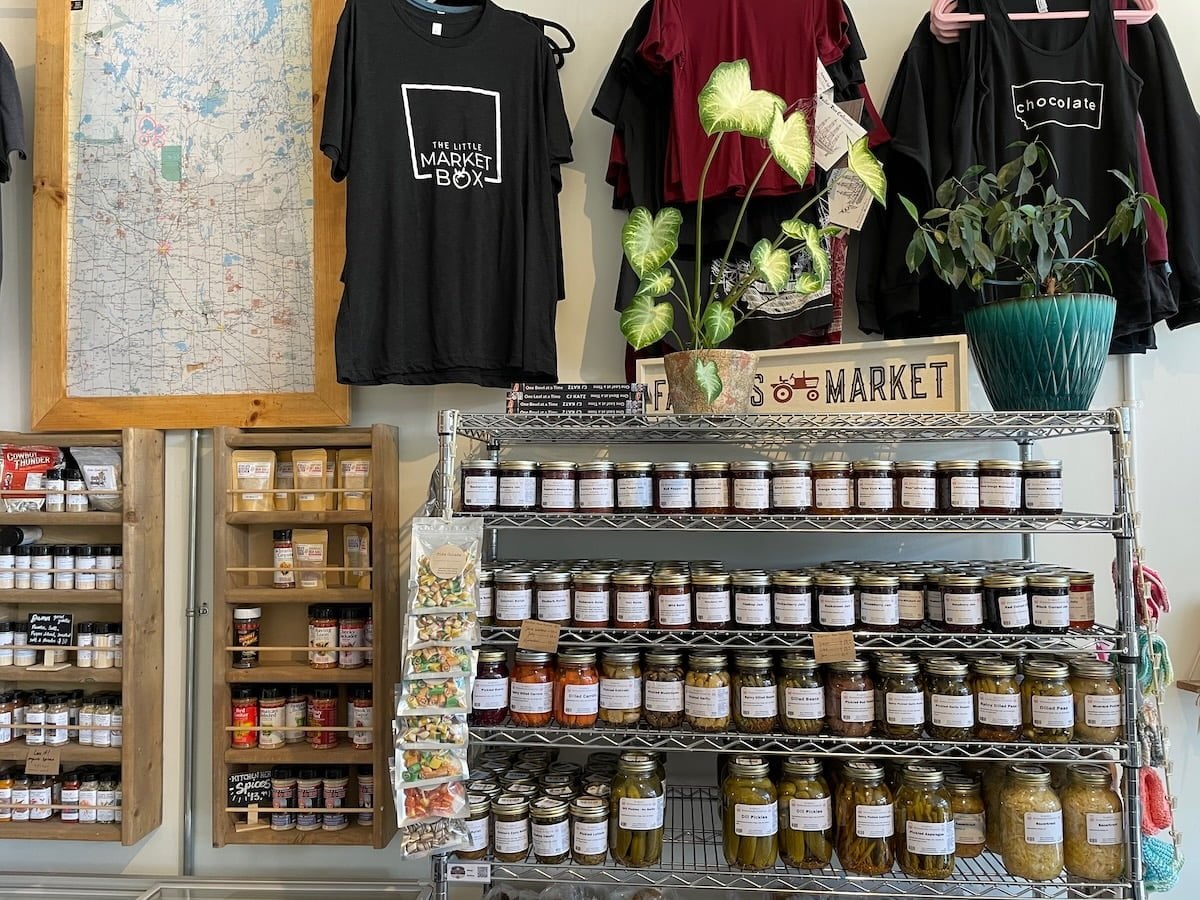
The Little Market Box, owned by Julianna and Blacklock, opened its doors right beside Those Girls at The Market. It was inspired to bring locally fresh food to the downtown core, something that was missing since the farmers market moved locations from downtown to an industrial area making it inaccessible. The concept of the Little Market Box is to operate as a farmers’ market, but more as a retail store. Within six months the store had over 60 local produces and now it has over 130 – something they did not expect.
“We had no idea what to expect with our farmers market shop, we had a vision of maybe 10 producers joining us and in the long term our goal was to have 30 producers join us, but within 6 months of operating we had over 60 local producers. So, we knew this was going to be a lot bigger than what we imagined. And we quickly ran out of space, so we had to find a new and bigger location and we just moved into our new location in January of this year, so just over 6 months ago,” says Julianna.
The new location has combined Those Girls at The Market and The Little Market Box. Products can include chocolate, bison, chicken, flowers, and anything you can think of.
The Demand for Chocolate – Hundreds of Customers Every Week
Image: Those Girls at the Market
Juliana said the store has several of hundreds of regular customers and during the colder months, starting in the Fall, they ship throughout Canada.
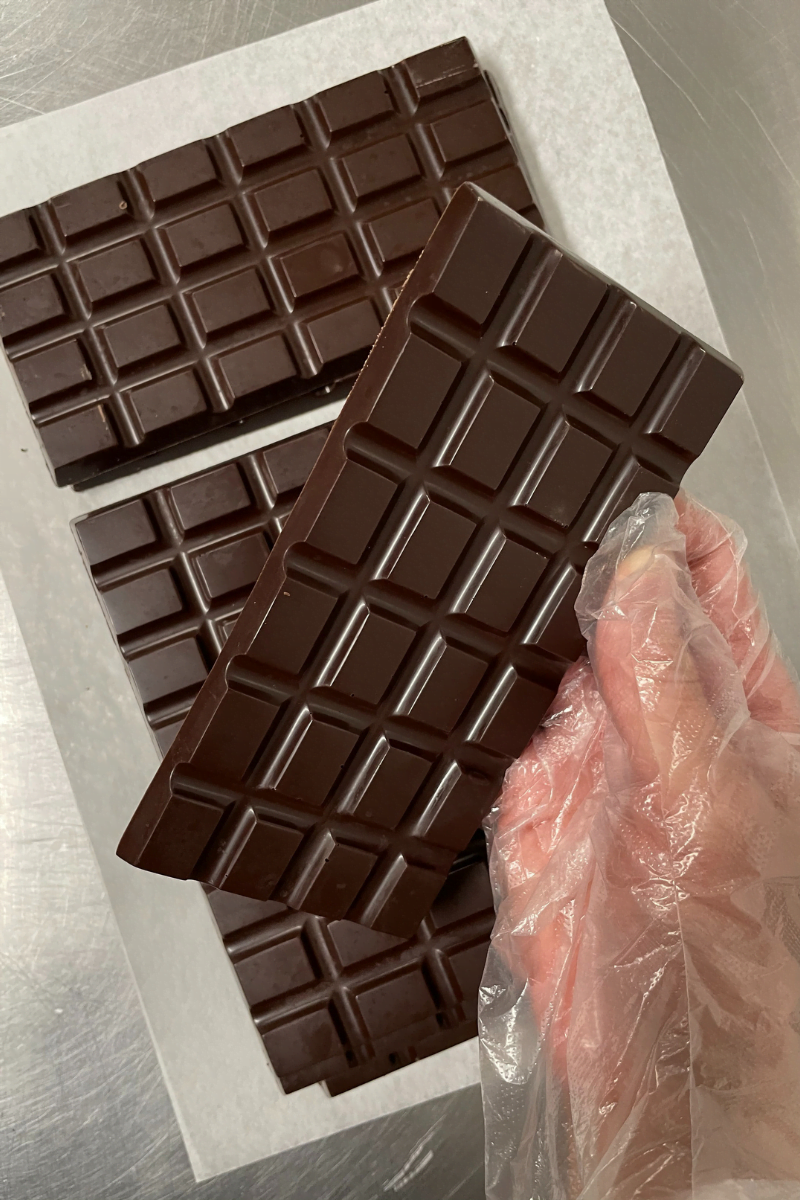
The chocolate, which is all organic and handmade by Julianna, can take up to 48 hours to make – just for one batch.
“When it comes to chocolate making, it depends on a few factors. What the temperature is that day, the humidity, and how much I am making. So, if I am making a small batch, I can get it done within 4-5 hours; however, for larger batches it can be up to 10 hours in the kitchen,” says Julianna.
As for speciality products, like its Avocado Chocolate bar, it could take up to 48 hours. The store is constantly adding new special features, including a maple fudge toffee bean bark bar which will come out by the end of the summer.
Future plans
Those Girls at the Market (Photographer: Molly Schikosky
Image: Those Girls at the Market
Juliana said the one big plan they have currently, is collaborating with other restaurants in the community on how to reduce food waste.
“A big piece of what we are working on right now is food waste deduction, so when it comes to food it is incredible with how much food goes to waste. We are really working on how to reduce waste and as we grow, we want to really collaborate with restaurants and other producers on how to transform the food and how to preserve it,” says Julianna.
Other plans include possibly selling their chocolate wholesale if the store does it will be within the next year or two. “As we go in time, wholesale is something we will start considering for this year or for next,” says Julianna.
Julianna says they also enjoy connecting with their regular customers daily.
“There is something very special about selling directly to the customer and that is a big piece of our business, is that we know a lot of our customers and they bring a lot of their friends and their family to visit us. So that personal connection to our customers is important to us,” says Julianna.
As consumers, and the brands that seek to build relationships with them, face both competitive and cost pressures, how do retail marketers win hearts and wallets? What are the most powerful tools to grow relevance, loyalty, and drive sales?
Retail Council of Canada’s Retail Marketing Conference, hosted in person this year on September 8, 2022, at the Delta Hotel in downtown Toronto, is an exceptional full day conference for retail marketers across Canada to share how they are overcoming today’s challenges, actively connecting with consumers, and responsibly growing their brands and businesses.
Conference Topics
Digital behaviours that were once feared, such as showrooming or price comparisons, are now being leveraged to help build early connections with consumers, especially gen-z. This shift in retail strategy is reflected in many of the featured sessions on the main stage.
Also shifting is the focus on how marketers are contextualizing “making life better” for customers. Eva Salem, Senior Vice President, Marketing and Brand with Canadian Tire Corporation shares how their 100th Anniversary has both refreshed the brand and appropriately highlighted the unique emotional motivators that connect Canadians from coast-to-coast to the Canadian Tire brand.
Meta Canada’s Head of Agency, Nish Shah, looks at how brands can add depth to their storytelling and build unforgettable experiences. Nish shares how platforms can be leveraged to increase visibility and maximize audience engagement.
Lindsay Carter, Direct to Consumer Retail, Google Canada, shares research on the latest shopper insights and marketing innovations that will help Canadian retailers of all sizes both stay agile and improve their bottom-line. Lindsay also shares a sneak peak of what is in the Google pipeline for retail marketers.
Personalization and relevance also extend to positioning and timing of unique product assortments. As Canada’s consumer landscape evolves, the idea of a “holiday season” is also changing. Howard Lichtman, Partner and Co-Founder of Ethnicity Matters, unpacks the growth opportunities in cultural holidays, including Diwali, Eid, Dragonboat Festival, Holi, and Singles Day, amongst others. Howard shares how to strategically consider these occasions and market them with confidence so that consumers can appreciate a how a brand prioritizes its connection to it consumers over the sale itself.
RCC’s Retail Marketing Conference would not be complete without the critical conversations on flyer marketing. Caddle’s Chief Revenue Officer Colleen Martin shares the very latest information on consumer behavior as impacted by the economy and what this means for the future of flyers. reebee’s Mark Smith joins the conversation, sharing unique insights on the evolving flyer ecosystem.
This year Retail Council of Canada is offering its Retail Members the best prices with a new duo conference pass. Register with a colleague to save $50, or, register your team of 5 or more for 20% off. Early bird rates for associate members and non-members ends August 8, 2022.
Retail Insider is streamlining its Canadian retail news from around the web to include a handful of top news stories that can be viewed quickly during the day. Here are the top stories from the past 24 hours.
Podcast: Luxury Nodes Shifting in Canada as Malls Take Over and New Ones are Built
This week Craig and Lee talk about how luxury retail nodes in Canada are shifting with the construction of Oakridge Centre in Vancouver and Royalmount in Montreal. The discussion topics includes past luxury retail nodes in Canada and why things are shifting to suburban malls from traditional downtowns.
The Weekly podcast by Retail Insider Canada is available on Apple Podcasts, Stitcher, TuneIn, Google Play, or through our dedicated RSS feed for Overcast and other podcast players. Also check out ourThe Interview Seriespodcast where Craig interviews guests from across the Canadian retail landscape as part of theThe Retail Insider Podcast Network.
Subscribe, Rate, and Review our Retail Insider Podcast!
Drop us a line at Craig@Retail-Insider.com. You can also rate us in Apple Podcasts or recommend us in Overcast to help more people discover the show!
Background Music Credit: Hard Boiled Kevin MacLeod (incompetech.com). Licensed under Creative Commons: By Attribution 3.0 License. http://creativecommons.org/licenses/by/3.0/
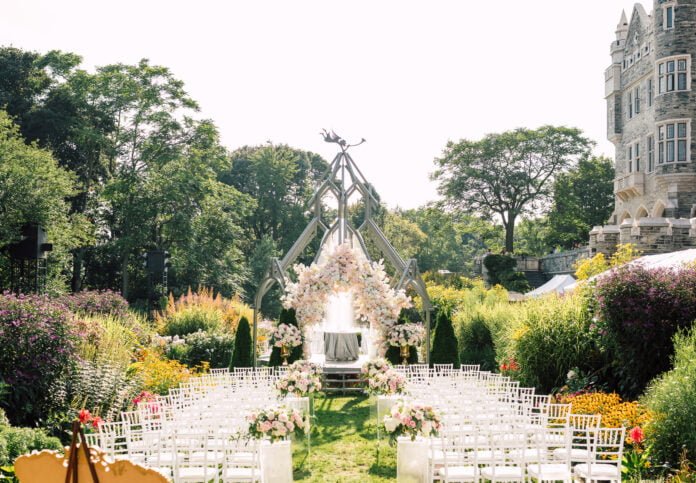
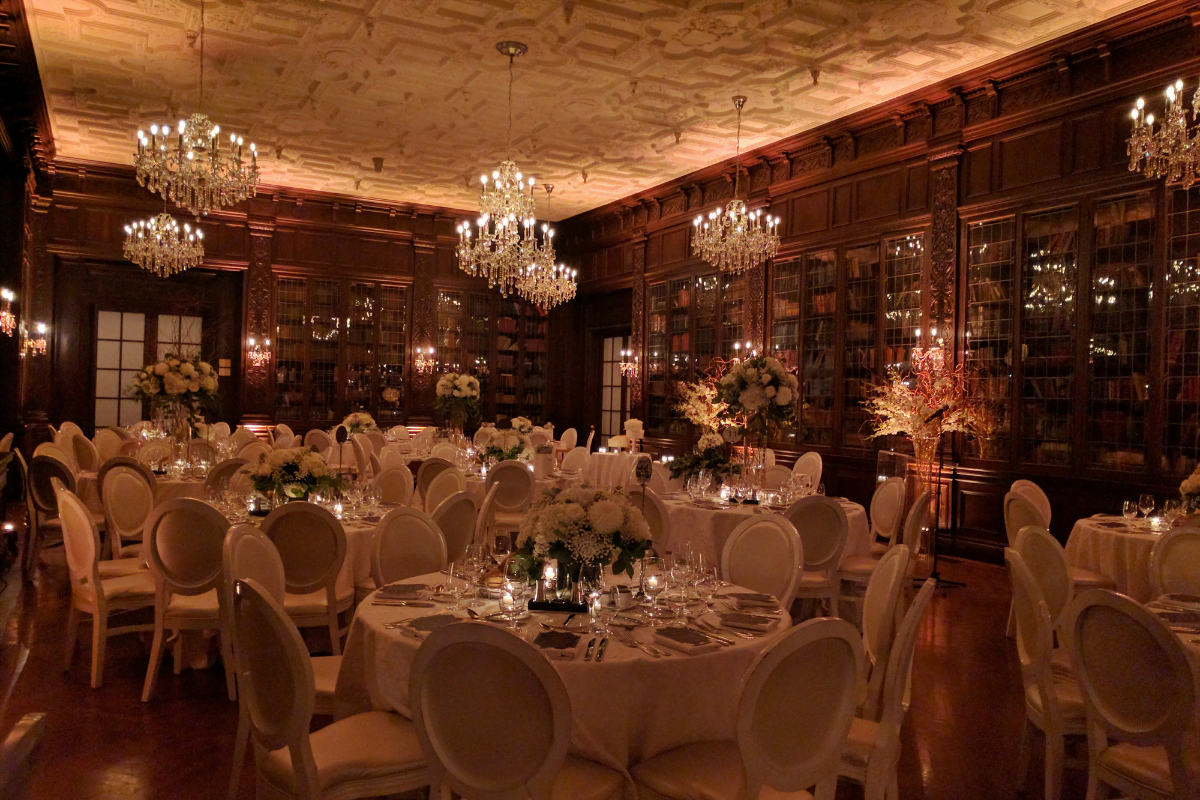
Casa Loma Garden Wedding (Image: Liberty Entertainment Group)
This summer is the first wedding season in the past two years without restrictions due to the pandemic, with exclusive interviews with wedding dress stores, venues, and a recently married couple, we will investigate how busy this summer has been as there has been one common theme – three wedding seasons scrambled into one.
What does this mean for booking weddings? Well, couples might have to be prepared to get married midweek or on a Sunday.
“We are extremely busy, we have had two years’ worth of weddings plus the inquiries coming in for this year, so essentially it is three years’ worth of clientele we are looking to serve and host,” says Sue Vivanco the Director of Sales and Catering for the Liberty Entertainment Group. “At Casa Loma, I would say we are 99.9 percent sold out for the season. If we do have a date available, it would land midweek and Liberty Grand is also extremely busy. We are seeing a lot of brides and grooms getting married on Mondays or Tuesdays, so there is no stopping our clients from getting married.”
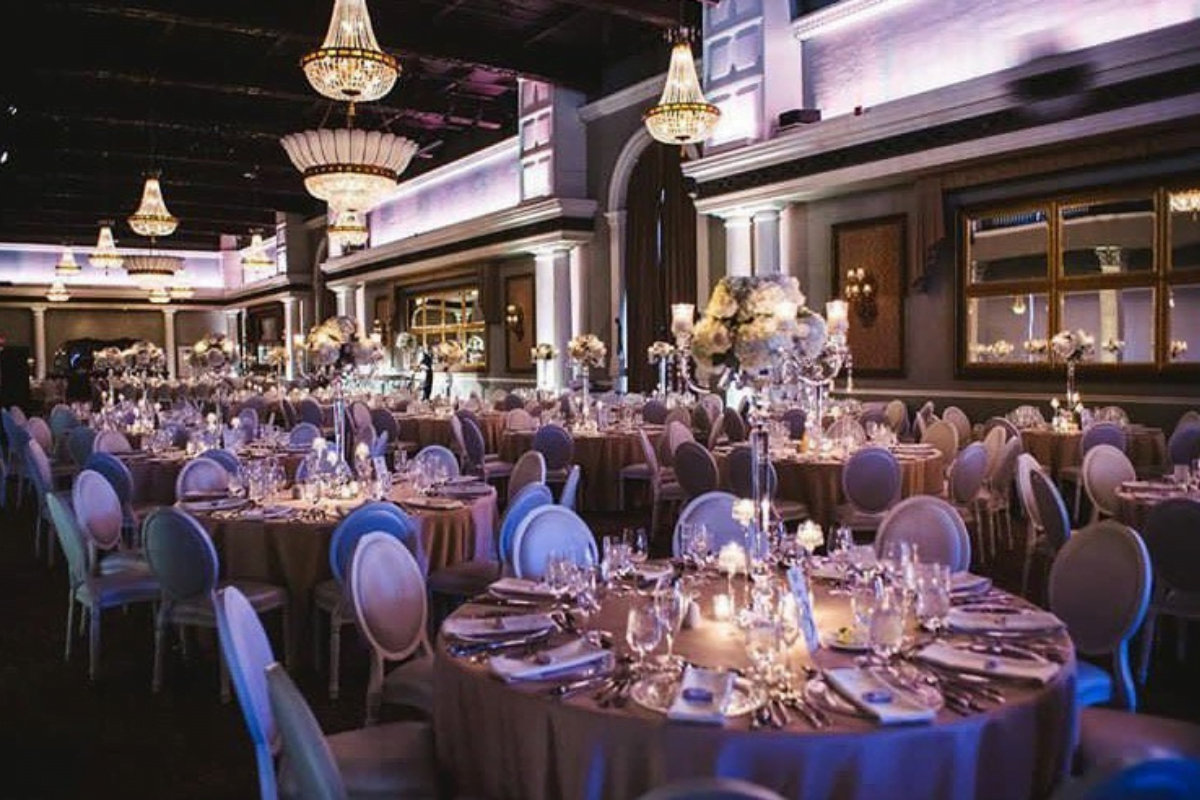
Liberty Grand (Image: Liberty Entertainment Group)
Casa Loma and Liberty Grand are known to be very elegant and beautiful spaces for weddings, making them a popular wedding location. The venues offer full services to their bride and grooms such as full food and beverage catering. Vivanco said the total count of events for the season will be over 500.
One obstacle Liberty Entertainment Group is having is not being able to accommodate everyone.
Sue Vivanco
“We are not able to host everyone as we do not have enough availability. It is hard not to be able to service them all, but everyone in the industry is excited and happy to be able to host again. We have been waiting for so long, and now that we are able to open our doors again and host our clients, it is great.” Says Vivanco.
Other venues are extremely busy as well as one Ontarian couple who recently got married on June 12th only had the options of two Sundays, even though they booked their wedding 13 months ago. They originally had their wedding booked for July 11th, 2020 which was their 10th anniversary; however, when the pandemic started they decided to cancel and wait.
“We decided to delay it a lot longer than we originally anticipated. Our biggest challenge was finding the day,” says Daniela. “The only two days the venue had for us was two Sundays in 2022, so we just picked the Sunday we felt suited us most. The only Saturday the venue had available was not until December. We also booked a restaurant instead of a banquet hall, so I think people who booked with a banquet hall struggled a bit more. We were not forced into a weekday, but we were forced into a Sunday.”
Smaller Close-Knit Weddings
Instead of big weddings, Vivanco said for this wedding season they are seeing a new trend of smaller, more personalized weddings.
“I think people are extremely excited to see family again, so when it comes to the weddings we are hosting now, it is more immediate family. People are looking at the guests they are inviting, who is going to be coming, and who in their family they have not seen in a long time. I think the difference would be the capacity, everyone looking forward to seeing each other, and I would say it is a bit more personal,” says Vivanco.
Venues for this wedding season were already prebooked before restrictions being lifted, once guests had the green light to invite more people, they changed the number of guests which has made it difficult. Vivanco said they started getting requests for bigger weddings such as from 50 people to a 100 or more.
Image: Daniela and Joseph
For Daniela and Joseph, they were one of the couples who opted for a small wedding.
“We come from an Italian background, so it is traditional for us to have a massive wedding, but we went with a small one, even with my own family we are seeing the trend more and more now where people are going to a more smaller size wedding and more intimate, and more family related opposed to massive extensions of people. And I think that is a direct result of Covid to keep everything close knit as possible and so just you have people you want there,” said Joseph.
One other issue Liberty Entertainment Group is having, is guests counts changing last minute because of people not being able to come because of Covid. Brides and Grooms still must pay for their full number count, despite if their guests show up or not, but it does change the venues plan in terms of table settings, seating arrangements, and dinner.
Saying Yes to The Dress
Saying yes to the dress has been a bit more complicated compared to previous wedding seasons as the bridal boutique Sash and Bustle and a wedding gown designer Fernando Canton from Lea-Ann Belter Bridal have noticed a higher demand for the season.
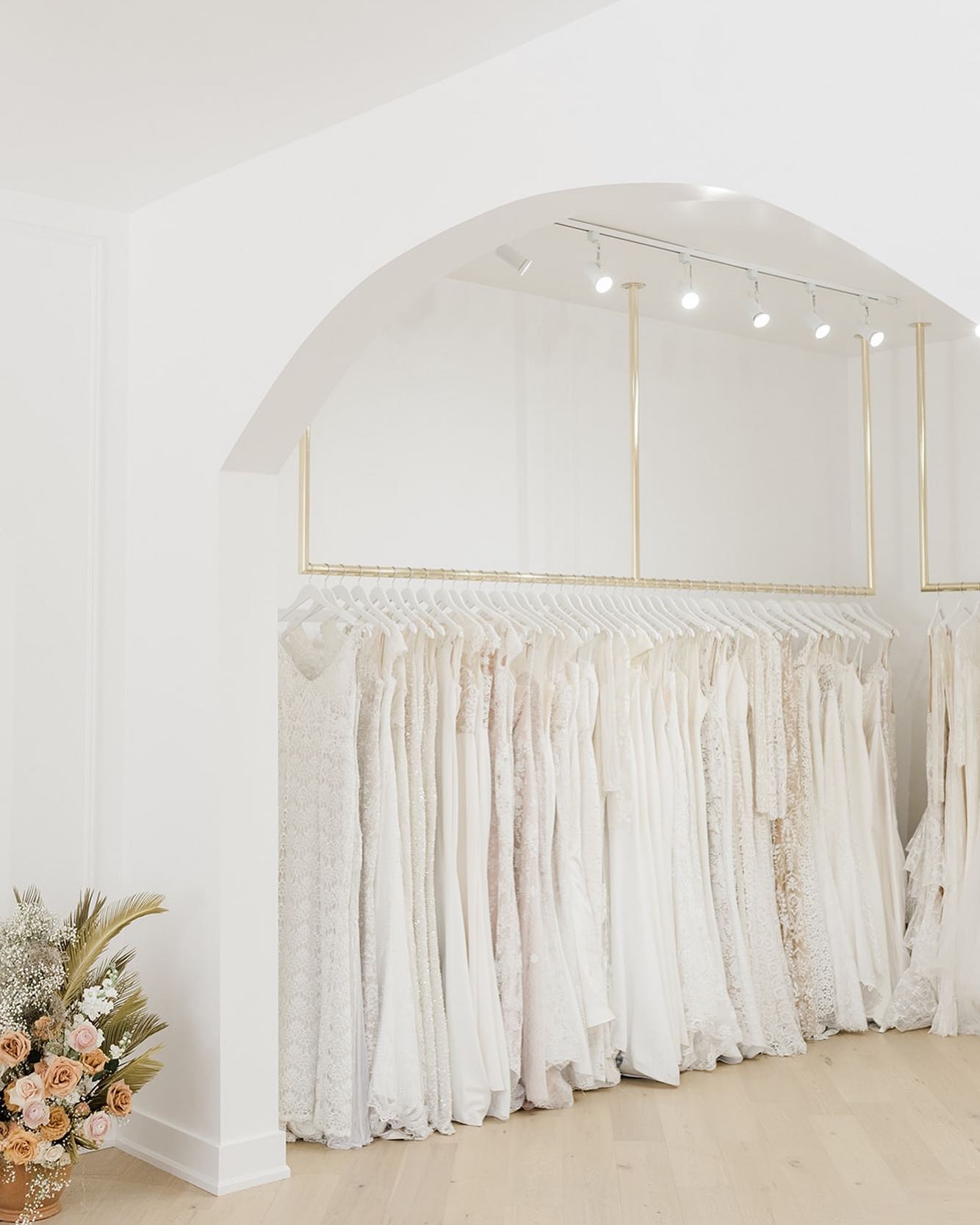
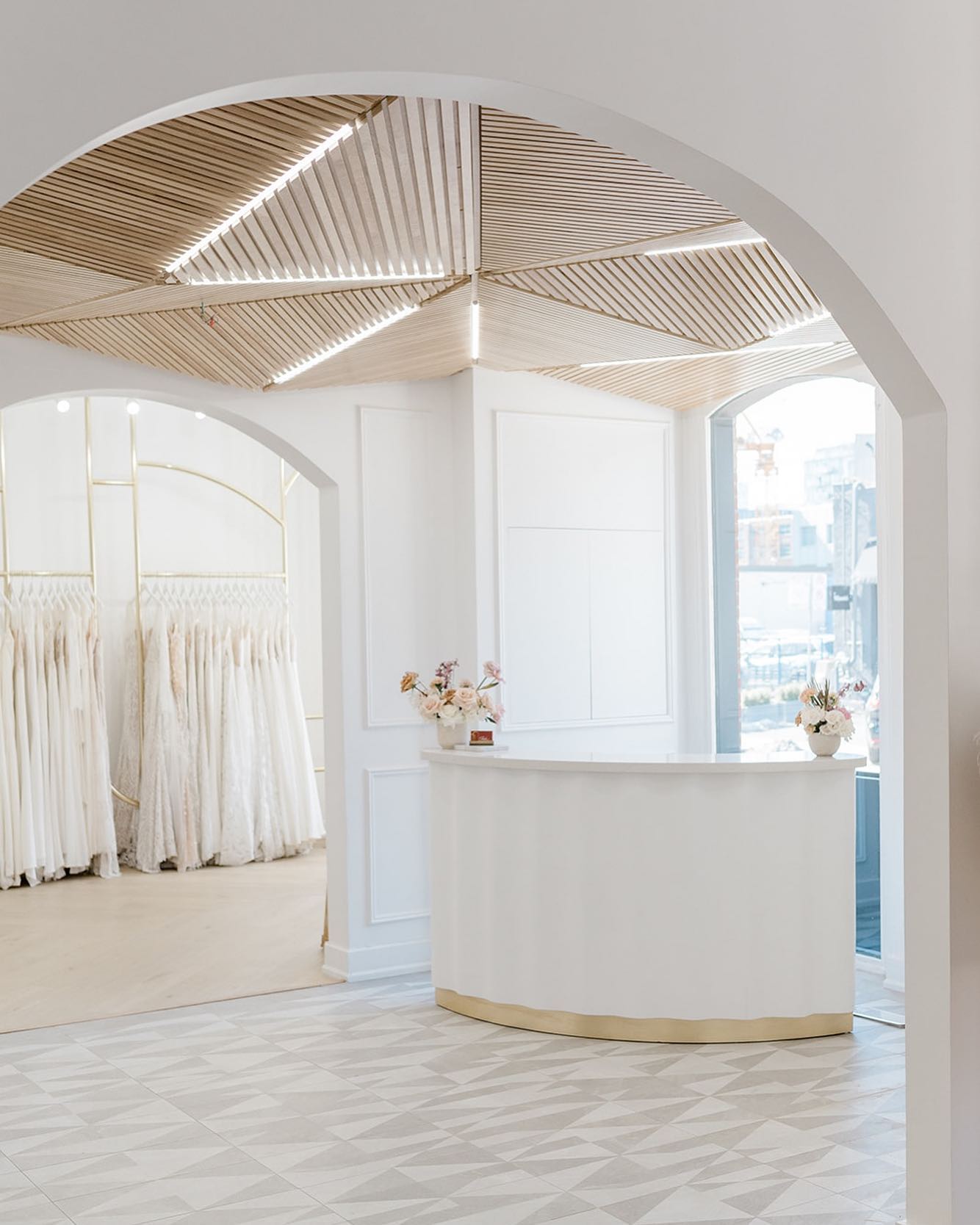
Sash and Bustle, a bridal store in Toronto that is owned by sisters, have been open for eight years now. Before restrictions, Sash and Bustle signed a new lease as it needed a bigger space to expand in, even with the struggle of the pandemic, the boutique decided to continue with its expansion plans. The bridal boutique is now located at 111 Berkeley Street in Toronto.
At its new location, to continue business during Covid, Sash and Bustle needed to get creative to still bring the wedding dress experience to their brides. And they succeeded – instead of having in store appointments, the store went to the brides.
“Going through the pandemic has been a challenge for everyone, we did know in our hearts we needed a new space for Sash and Bustle, it was feeling too busy and too tiny in our previous location so we kind of went ahead with our expansion. It was with a lot of challenges, but we went ahead, we kept our team and staff to work with our brides virtually so we pivoted in every way we possibly could have imagined,” says Andrea Dineen the co-owner of Sash and Bustle.
Image: Sash & Bustle
Image: Sash & Bustle
Sash and Bustle provided a unique way for their brides to still try on dresses – virtual and home-based appointments. The virtual appointments were to show the brides a variety of dresses, then Dineen said they would bring about five dresses to the bride’s home where she could try them on. And recently this year Sash and Bustle has implemented a luxury appointment where its brides can have an appointment that is double the length, includes wine, and more service. But their busy season for dresses was about six months ago.
Andrea Dineen
“Our busy season is usually six months before the summer, so we were extremely busy and experienced rushes for around that time but now, it has just been steady and manageable,” says Dineen. “We don’t offer in-house alterations at Sash and Bustle, but I know that those businesses are very busy this year. They have all this year’s weddings, and all the other wedding dresses over the last couple of years – so they are feeling it.”
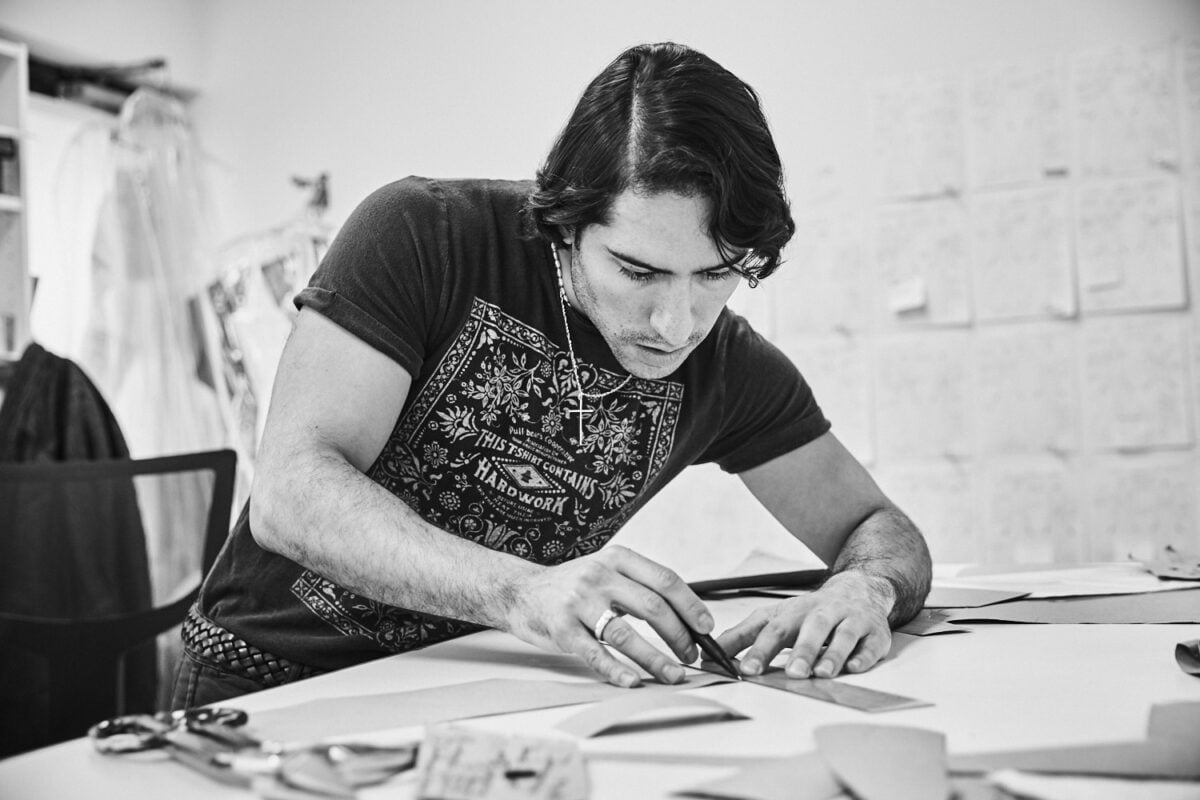
Fernando Canton who is a wedding dress designer and the production manager at Lea-Ann Belter Bridal says he starts designing wedding dresses a year before the wedding date, but he is extremely busy with tailoring and brides picking up their dresses.
“The thing we must consider here is that when you get engaged, I think one of the first things that brides would start even the week after of getting the ring would be buying the dress. So, we are busy with a lot of pick up. I think last month and now was our busiest for that and we have the backlash of the people who did postpone their weddings, so it has been a little crazy for us,” says Canton. Also, brides must consider the mens wedding bands when planning the big day.
Image: Fernando G. Canton Barros
Canton said brides who postponed their weddings needed more dress altering as the dress did not fit the same as when they tried it on a year or two ago.
“It is crazy in the way; people are picking up dresses they bought two years ago, and the fitting is different. Brides come in to pick up their dress and suddenly, we have to take the dress in or replace the whole body – it is overwhelming,” says Canton.
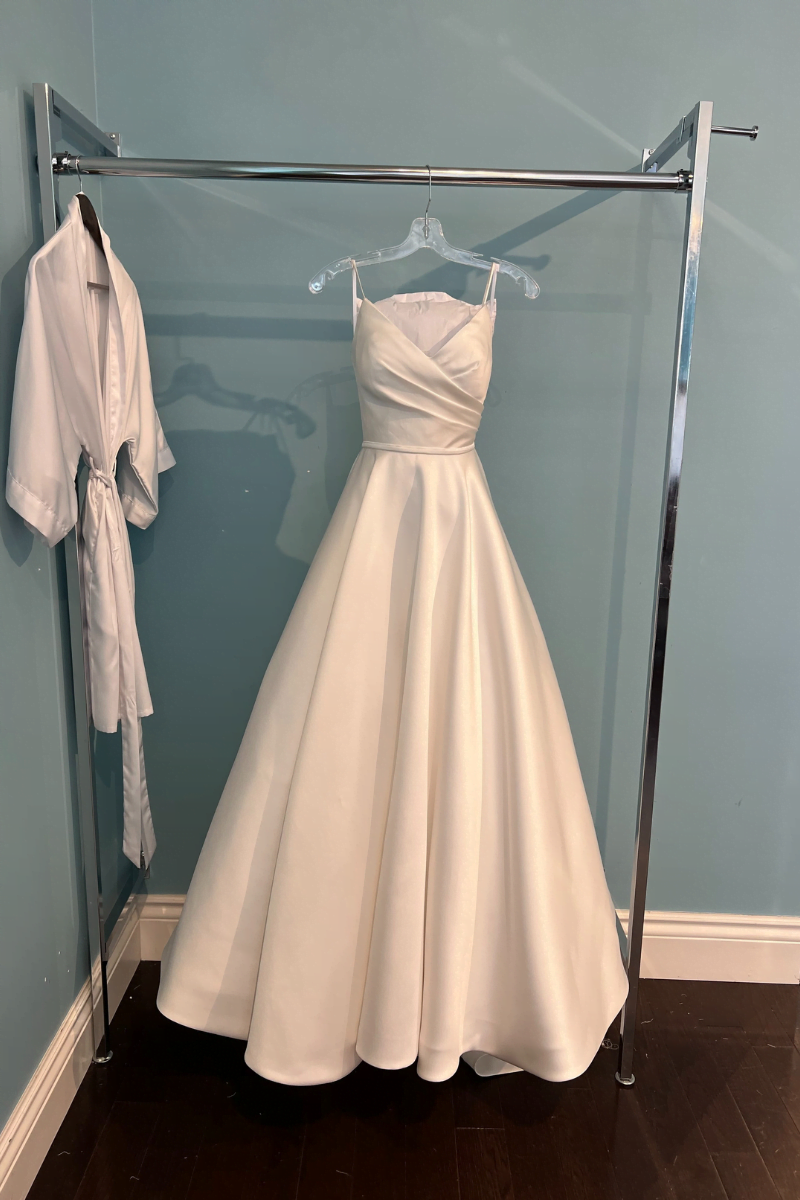
There is daily pick up at Lea-Ann Belter Bridal and the store produces about 30 dresses a week and orders come from all over the world. During the pandemic it was a different kind busy for Canton as he needed to design dresses for brides who did not cancel their wedding – an unexpected rush.
“We were getting a lot of brides who didn’t cancel their weddings or didn’t postpone, and they just wanted to go ahead and still get married. But, instead of having a party of 500, they would reduce to around 30 or less ceremony and would obviously have more of a budget for their gown. So, it was kind of different for us, something we did not expect that it would backfire that way, but we were happy to have bigger budgets for our brides and they were happy to have better dresses,” says Canton.
Image: Lea-Ann Belter Bridal
Canton and Dineen also noticed brides are expanding the traditional wedding dress and are bringing in more of a variety and creativity.
“I have been surprised. It has been across the board with lots of different styles. We used to only sell very simple dresses, I felt like everybody was buying the exact same thing, but this year it has been a lot of variety which is exciting,” says Dineen. “Sleek and simple is great and always makes our brides shine, but also we have been doing really fun looks as well and people are going over the top, accessorizing a lot and I think that after the pandemic, being in our sweatpants for two years people are ready to like get dolled up and feel really special.”
As a designer, Canton is always excited to talk to the bride about what their dream look is for their wedding day, and Canton says most girls have an answer for that.
“I love talking to the bride and asking what their dream is, as designers you must see the image of what your customers wants. That is really when the magic happens, and I am super excited that weddings are back because that means we are going to be busier so get out there and get your dress,” says Canton.
Casa Loma (Image: Liberty Entertainment Group)
With the rush of three wedding seasons into one, everyone in the wedding business is busy – but is excited to have some sort of normalcy back and to be able to meet wedding day expectations.
“I am extremely excited. Everyone in the wedding industry is extremely happy to be able to host again. We have been waiting for so long, and now we are able to open our doors again and host, it is great,” says Vivanco. We are looking forward to continuing to stay in business and to continue to work with our couples, I think it is just extremely exciting to be back operating again.”
For Sash and Bustle, Dineen said they are also excited to be able to make memories again with their brides and get back to a normal wedding flow.
“We are all about making memories at Sash and Bustle, I think weddings are a lot about making beautiful memories and for many finding the dress is a special moment and it is for everybody. So, we always loved hearing the bride’s plans and all the unique ideas they have for celebrating. It’s feeling like we are in our groove now and we are kind of getting back to the new normal that we were used to,” says Dineen.
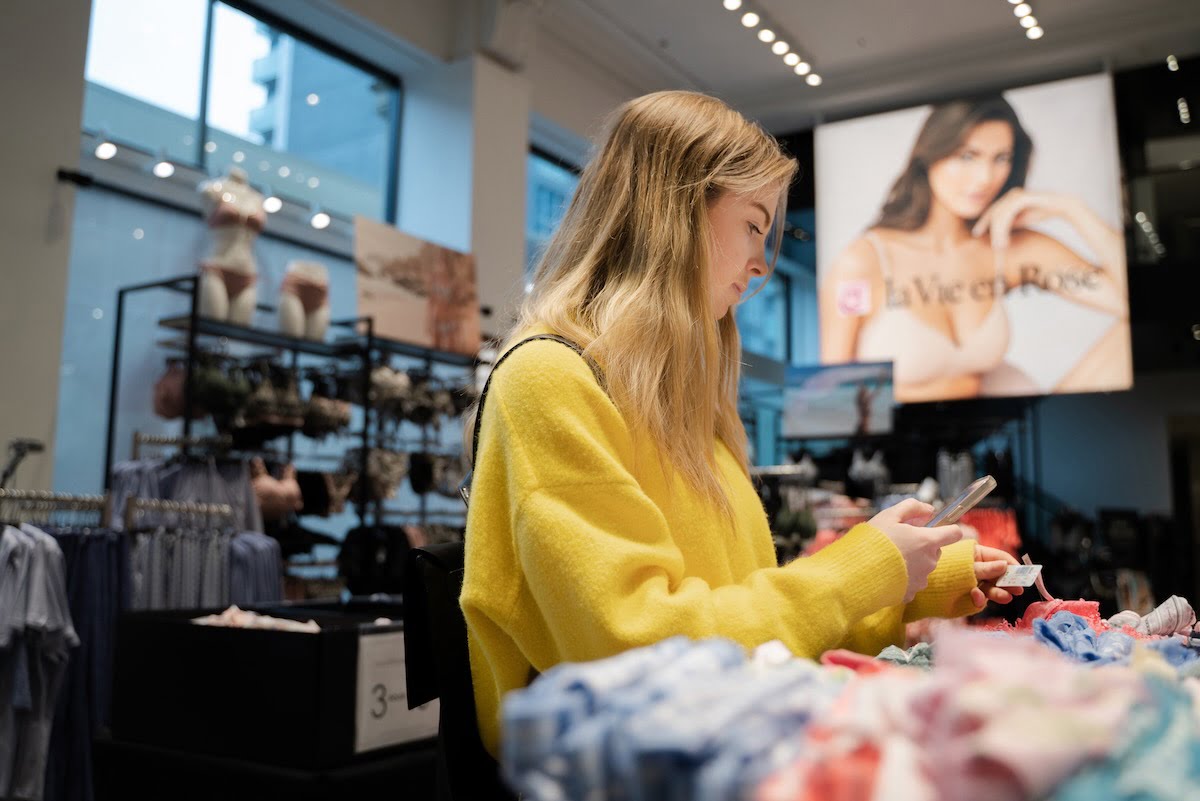
Leav, a Canadian tech startup that provides stores with a comprehensive platform offering a frictionless checkout process, has signed an agreement with leading intimate apparel retailer, La Vie en Rose, to implement Leav across the retailer’s four downtown Montréal locations and one Bikini Village location.
Leav is a mobile shopping platform that enables shoppers to checkout on their phone from anywhere in the store without needing to download an app or create an account. The company said the future of retail is in-store, and Leav aims to achieve that vision by providing retailers with a powerful tool that enables them to focus on sales and customer service while giving shoppers their time back at scale.
Olivier Roy, Co-Founder and CEO of Leav, which is based in Montreal, said the initial idea for the company began in November 2019.
At the time, Roy and others were in a bar in Montreal and wanted to pay their bill at the table. But the server was not available and it took about 45 minutes for him to come. So they started brainstorming on how they could pay their bill at the table. The first thing that came to mind is they needed to connect with the POS. They needed a link between a webpage and the POS of the restaurant.
Image: Leav
They started working on a solution for a few months and the first mockups. Then COVID hit in March 2020. In about July, they raised about $150,000 from friends and family for the initiative. With restaurants shut down because of the pandemic, they started looking at the retail sector.
Olivier Roy
“It was always where we wanted to bring Leav in the future. It was always the end goal to be in retail. To be able to skip the line and shop as fast as we wanted. So we did the pivot and the goal we set for ourselves was to open the first autonomous store in Canada for December 1, 2020,” said Roy. “So we had about five months to make it happen, to develop the technology, build the system.
“Come December we had rented our own store at the Eaton Centre in Montreal. Beautiful store. First floor. Street level store. We renovated everything ourselves. We bought the merchandise and it was a real Leav store branded. That was quite a success.”
The concept gained traction with exposure to retailers and consumers who thought the idea was really cool. From there, it rebuilt the technology from scratch in 2021 until the fall when it was ready to roll out the product. Leav started working with La Vie en Rose and started integration with its POS. In April of this year, it added its first store with the retailer in the Eaton Centre.
Leav at Montreal Eaton Centre (Image: Leav)
Recently, it added another three more of the retailer’s stores. Roy said the company is aiming to have its platform in about 20 stores by the end of the year in Quebec and Ontario. Leav is also working with Parc Olympique and other retailers Roy said he could not announce at this time.
“There’s a massive labour shortage and it’s affecting most retailers. It’s a massive problem.”
“If you go to any grocery store, you’re going to see signs everywhere that they are hiring. That’s a problem we can solve by reducing the number of self-checkout stations, that costly hardware. It’s not super fun to use. So for every retailer Leav can be a great tool to mitigate check out lines, solve the problem that they are losing billions a year because of abandoned carts.”
Image: LeavImage: Leav
Leav said retailers can cut minutes from every checkout, making the experience up to 10 times faster. Its simple three-step process enables shoppers to simply scan the item(s) they want to purchase, pay using their preferred credit card, and leave with their purchases in-hand – without having to download any applications. Retailers benefit from this integrated system environment and experience increased efficiencies as staff can focus on sales and customer service, thereby streamlining operations.
Evgeny Grachev
“We believe that the future of retail is in-store, and all one needs to do is enhance the customer experience. Leav does just that and provides retailers the tools to automate low-value tasks to help them focus on what really matters – sales and customer service,” said Evgeny Grachev, Leav’s Cofounder and Chief Product Officer.
Leav cited a recent survey from Adyen, a leading payment provider, indicating that one of the greatest challenges in retail has always occurred during the checkout process, costing North American retailers an estimated US $21.9 billion.
“We are excited to be the first retailer to partner with Leav. The option of self-checkout at some of our stores will enable our sales associates to spend more time helping customers find what they are looking for. As one of Canada’s leading intimate apparel retailers, La Vie en Rose is proud to be the first to go to market with this technologically advanced easy to use platform. It is in line with our values of providing a seamless and effortless experience, where and when customers need it,” added François Roberge, President and CEO of La Vie en Rose.
For more information on Leav, Retail Insider readers can set up a demonstration by visiting this landing page.
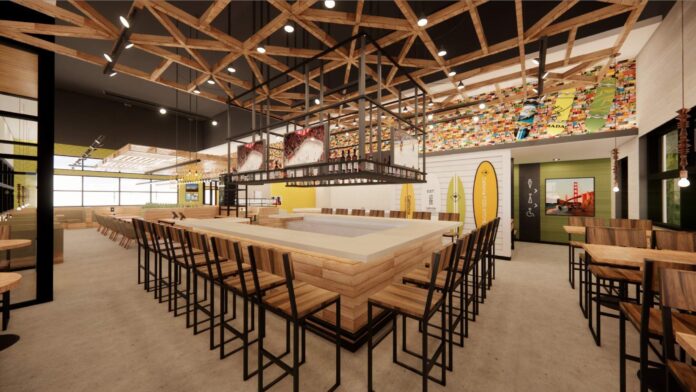
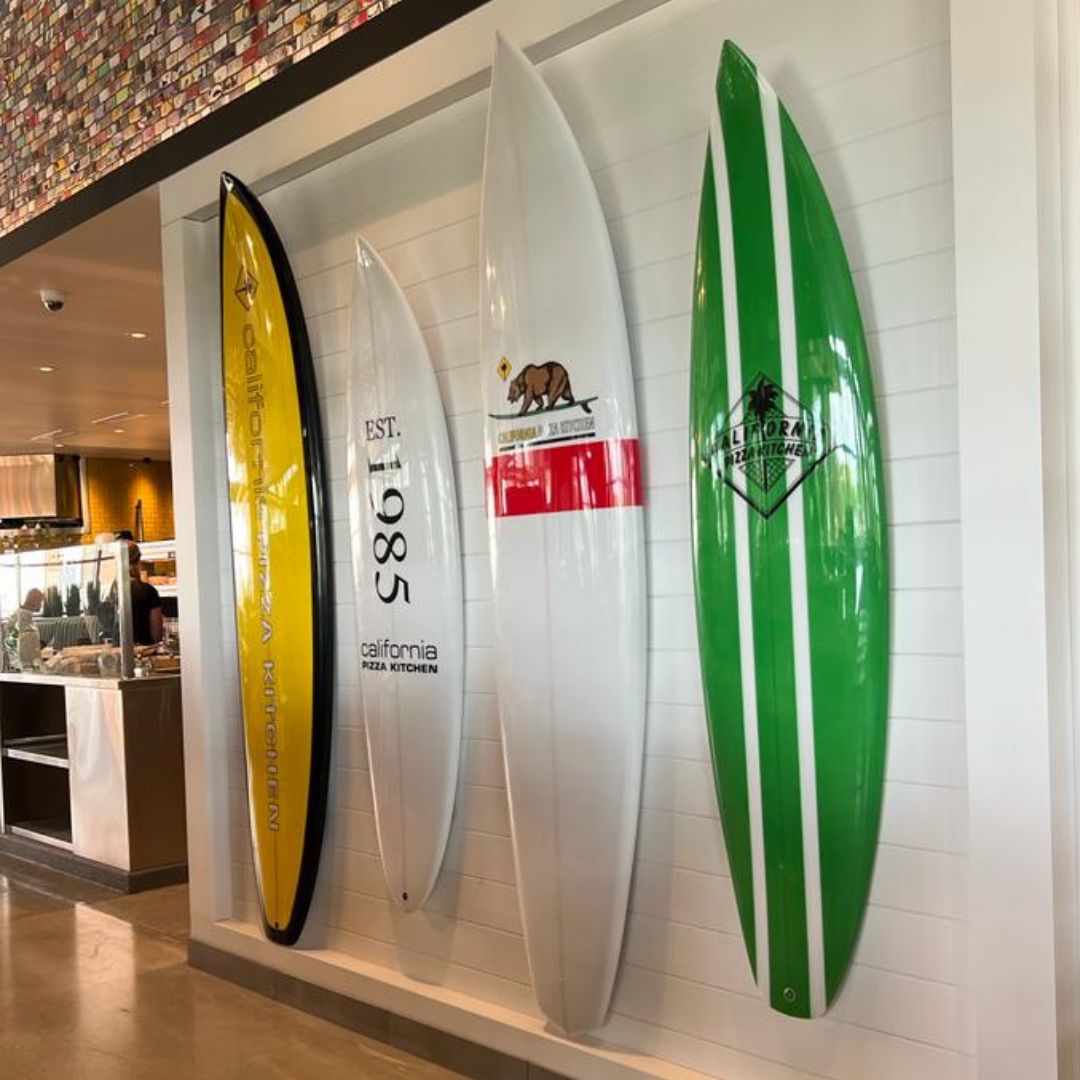
California Pizza Kitchen has entered the Canadian market with a location in Edmonton and plans to grow the brand across the country.
Giorgio Minardi, Executive Vice President of Global and Franchise Operations, said this is the company’s first franchise restaurant in North America. All of the brand’s locations in North America, apart from airports and captive markets, are company owned.
Giorgio Minardi
“Before the pandemic we had a couple of other opportunities, which we still have. But here we think we’ve found the right partner. In franchising, you need someone who understands, loves the brand and expresses it locally so it can really come alive,” said Minardi.
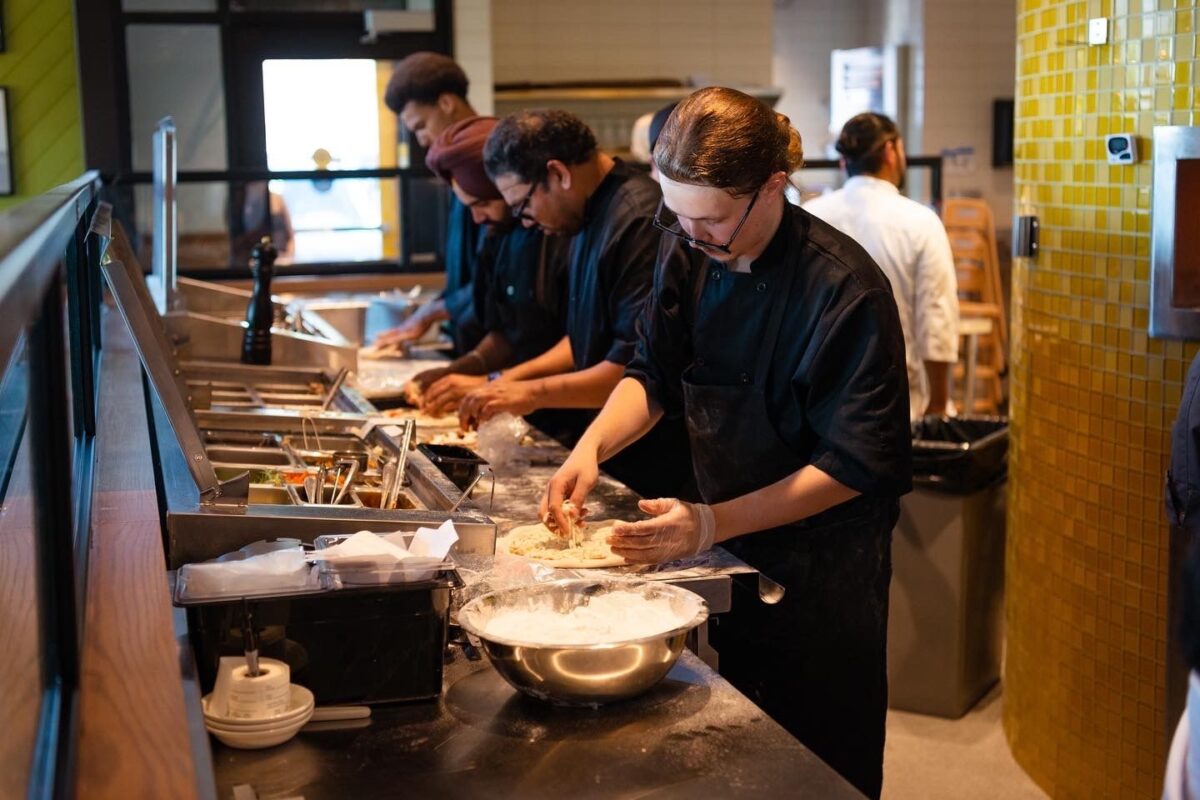
“And so we waited. We waited actually a couple of years to make sure that this partnership could get ready. We held their hand all the way to the opening. We had 15 people here from California in the kitchen for a month just to make sure we are as good if not better than what we have in California.”
Image: California Pizza Kitchen
Minardi said the new partnership in Alberta will open several locations in the province.
The first restaurants will be fairly large ranging between 6,000 and 7,000 square feet in order to fully express the brand. But Minardi said the company is flexible and can operate in locations of 3,000 to 4,000 square feet.
Naheed Shariff
The Edmonton location is at 5260 Windermere Boulevard NW and is operated by CPK Alberta CEO Naheed Shariff, who brings more than 25 years of experience in the restaurant franchising industry, and his mother Samira, CPK Edmonton franchisee with four decades of experience.
“We were first introduced to California Pizza Kitchen in the mid 1990’s and were immediately inspired by its culture and innovation. We’re honored and excited to bring this iconic, forward-thinking brand to Canada for the first time, while simultaneously (contributing) to job creation here in Alberta,” said Naheed. “CPK offers a fun, healthy, alternative experience that guests long for, and we’re thrilled to offer Edmonton residents a taste of that. The brand’s innovative, California-fresh cuisine combined with the benevolent culture of the people truly solidified the deal.”
“The Shariffs are well-known and highly respected throughout Edmonton, and we are absolutely thrilled to partner with them as they lead California Pizza Kitchen into Canada for the first time,” said Minardi. “This milestone for our brand serves as a testament to the innovative business model we’ve created and will further propel our franchise growth efforts on a global scale. We’re proud to welcome such experienced operators like Naheed and Samira and can’t wait to see what the future holds for them as they bring our signature, California-inspired cuisine to the residents of Edmonton.”
Image: California Pizza Kitchen
Image: California Pizza Kitchen
Image: California Pizza Kitchen Canada
Minardi said California Pizza Kitchen provides franchisees flexibility with customizable menus, design layouts and multiple daypart offerings so that each location can individually align with consumer needs and thrive within their market. These key differentiators, along with an average unit volume between $3 million and $5 million, have positioned the brand as an attractive investment by experienced multi-unit franchisees. California Pizza Kitchen prioritizes catering to franchisees’ needs, providing them with the tools and resources required, including expanding technology and mobile capabilities for each location, best-in-class training and development in all areas of the business.
He said California Pizza Kitchen is aggressively expanding in markets throughout the U.S. and is looking to add experienced, qualified multi-unit franchisees to grow the brand. Prospective franchisees must have a minimum net worth of $5 million, a minimum liquidity of $2 million and a commitment to open three to five restaurants during the first five years.
Samira Shariff
“We have already some contacts. Of course we’re discussing in Vancouver, Toronto and Montreal which we’ll probably do sometime in the next year and beyond,” added Minardi.
“We’re not like a fast food chain so we don’t have to run that fast. Our restaurants do very big volumes. In the US we do from $6 to $8 million in sales. So we just have to get it right and we have to make sure. So we’re not so much in a hurry. But we need to get the right partners before we can do that. That takes a bit more extra time than a usual, normal QSR (quick service restaurant) or fast casual brand.”
Image: California Pizza Kitchen
Image: California Pizza Kitchen
The concept opened its first restaurant in 1985 in Beverly Hills.
Today, the global brand is in nearly 200 restaurants in eight countries and U.S. territories.
“The food is very unique. It’s very healthy. It just drives this whole vibe in the brand which connects everyone with people that are young and have high spirits. We are in California. We are in Beverly Hills. So it has this whole vibe to the brand but it’s the food that really drives it. And it’s not just only pizza. Pizza is part of the brand but our menu is one that has lasted now for over 35 years. We have connected with some real big fans and particularly during the pandemic these fans have really stuck with us in this difficult time,” said Minardi.
Retail Insider is streamlining its Canadian retail news from around the web to include a handful of top news stories that can be viewed quickly during the day. Here are the top stories from the past several days.
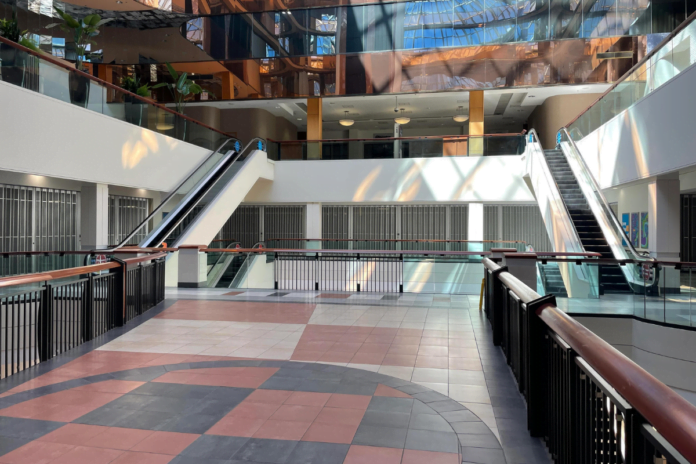
Edmonton City Centre (Image: u/SecureLiterature via Reddit)
Edmonton’s downtown core can be described these days as a tale of two cities.
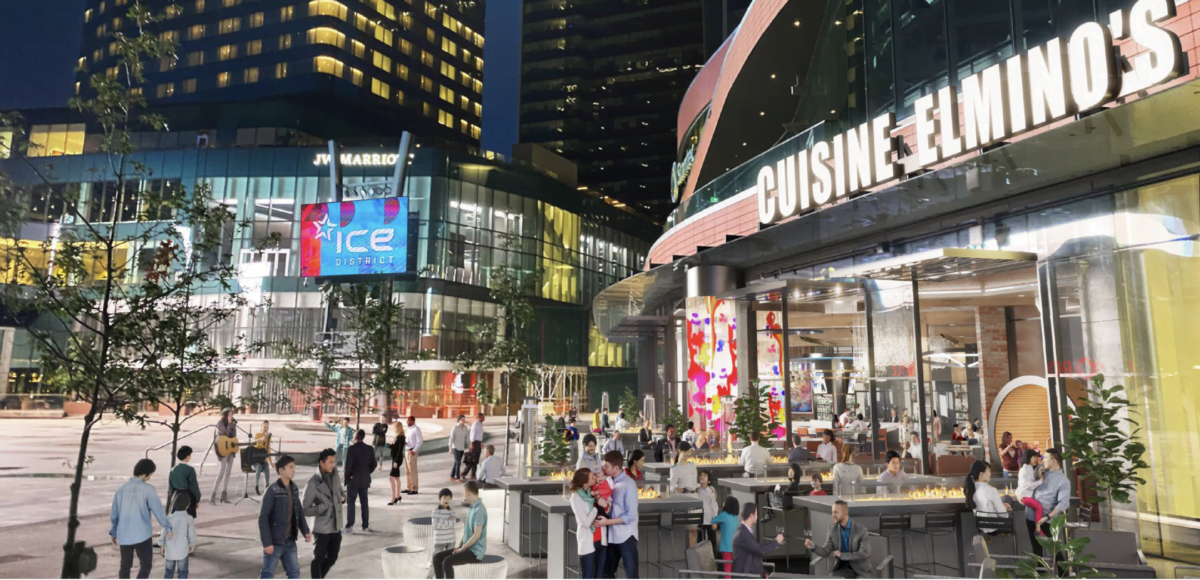
On the one hand, the spanking new Ice District, with Rogers Arena, hotels, condos and office buildings, can be a hub of activity, particularly when events are taking place in the arena.
But on the other hand, just a few blocks away, literally a stone’s throw distance, exists a completely different reality with an area overtaken by homeless and street people and some nefarious activity – and lots of space open for retail leasing.
Some people have described certain parts of Edmonton’s core as a ghost town over the past two years as the pandemic has had a huge impact with many people not going to work in the downtown offices – a key in any downtown’s vibrancy.
But there is some hope that the situation will get better when more people return to the office towers in a post-pandemic recovery.
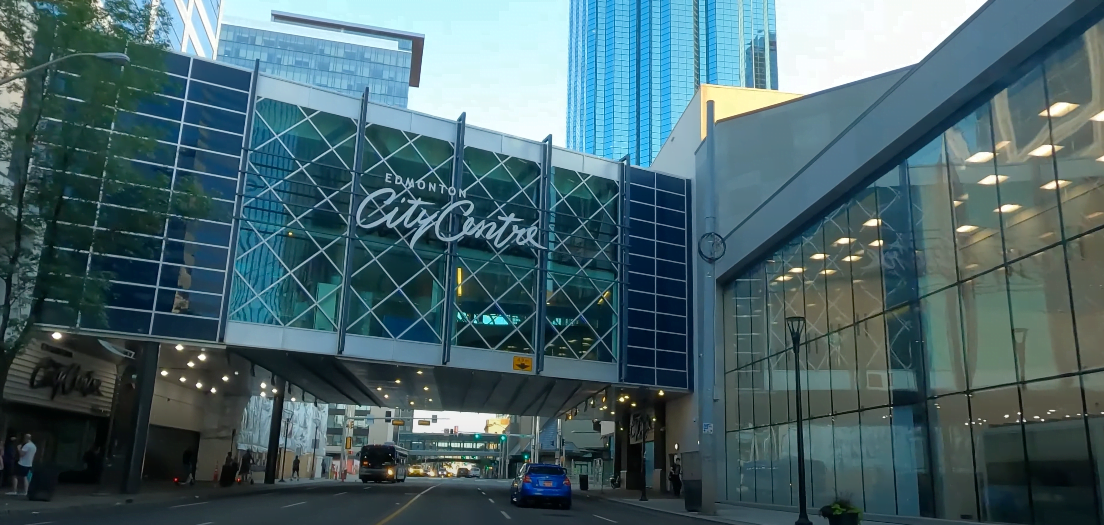
Edmonton City Centre (Image: Just Click It Youtube)
“I’ve been watching downtown Edmonton decline for a number of years. It’s really unfortunate,” he said. “I would say in the 1990s downtown Edmonton was actually a fairly vibrant area that had a grocery store in the basement of Edmonton Centre which is now part of Edmonton City Centre. There were several department stores – Eaton’s, Hudson’s Bay, Woodward’s, Holt Renfrew. Now downtown Edmonton is almost a ghost town at this point.
Craig Patterson
“We’ve really seen a decline in foot traffic as well as a decline in overall space in the downtown core of Edmonton. At one time there were several other shopping centres in the downtown core and almost all of them have shut down and in a couple of cases been re-commissioned to non-retail space. It’s pretty incredible.”
Patterson said part of the reason is the nature of the city of Edmonton – a very suburban city in terms of being automobile dependent with a large segment of the population more likely to be shopping in suburban centres. There’s a cost to downtown parking. The downtown also has a perception for many that it is not safe. It has struggled with the issue of vagrancy. Also, there’s a lack of vibrancy on the sidewalks.
“One of the many issues is the design of downtown Edmonton. Jasper Avenue (which in the past was home to some major retailers) saw many of the smaller, commercial buildings that were pedestrian friendly in terms of the way that the retail was set up, they were demolished for large office towers and even though retail space was put into these office towers it wasn’t of the same small scale that would be attractive to pedestrians which I think has led to an increased lack of vibrancy and as a result this deserted downtown core that we see today in most parts of downtown,” explained Patterson, adding that the centre of the city has continued to shift north with the development of Manulife Place, Edmonton City Centre and now the ICE District.
“Downtown Edmonton is going to really have to clean itself up because the condition of the downtown core for the most part has become disheveled. It hasn’t seen updates in investment that would make it attractive, certainly compared to the suburban shopping centres which continue to see investments.
“It’s going to be a really tough time for downtown Edmonton not having the retail attraction that you would see in the suburban shopping centres in the Edmonton market. There’s very little reason for people to go to downtown Edmonton other than for a sports game or to go to work in an office if they’re back to work there.”
ICE District in Downtown Edmonton (Image: Colliers International and Savills)
In an email Sean Kirk, General Manager of Edmonton City Centre, described the property as a 1.4 million-square-foot, multi-use property consisting of retail, office, and parking facilities. Currently there are 63 retail tenants open at Edmonton City Centre that offer a broad variety of goods and services.
Pre-pandemic, the Centre had 106 retail tenants. Much of the reduction was a result of regional/national tenants that went dark chainwide during the pandemic, and their closure at Edmonton City Centre was an unfortunate by-product, he said.
Sean Kirk
“Edmonton City Centre is right in the centre of the downtown community and, along with all other office and retail landlords in the downtown core, have been managing the increase in members of this community that are struggling with a variation of mental health issues, addictions, and/or houselessness. In partnership with Paladin Security and Boyle Street Community Services, we have been working on evolving our current security programme with the addition of new innovative projects to ensure a safe and vibrant shopping experience” said Kirk.
“Some programmes have already commenced and have had very positive feedback on its effectiveness. We expect to build this initial success with the introduction of additional initiatives in the weeks and months ahead. We are also working with several industry organizations, the Edmonton Police Service, the City, and members of all levels of government to support broader downtown vibrancy initiatives. Ultimately, this is a broader societal issue we see in urban cores across North America, and it requires a collective effort from all public and private parties to resolve.
“Well before the pandemic, the retail industry was already experiencing a structural change in consumer shopping habits, retail trends, and the influence of social media. These last two years have only accelerated that change. The entire industry faces a unique challenge of rejuvenating the in-person shopping experience. I don’t think we are alone in needing to reimagine portions of the experience, but I’m confident in the strength of customers who still appreciate the accessibility, immediacy, and social enjoyment of shopping in-person.”
Edmonton (Image: JLL)
Moving forward into a post-pandemic recovery, Kirk said he was optimistic that there will be strong recovery in the downtown core – and it is already experiencing increased foot traffic and an increase in leasing inquiries.
“Along with our traditional retail offerings, we’ll be focusing on introducing new experiential, health and wellness, and food and beverage concepts to broaden our Centre’s appeal. Being innovative and creative in our mix and offerings will always be a key strategy for our shopping centre. Maintaining a welcoming and inviting environment for all will continue to contribute to the success of our Centre,” he said.
“Given its size, there’s always opportunities to introduce additional uses and functions to Edmonton City Centre. This could certainly include additional densification, and it will certainly be considered as part of the overall modernization plan we’re currently working through. Ultimately, market conditions will dictate what we do and when we do it.”
Michael Kehoe, a commercial real estate broker with Fairfield Commercial Real Estate in Calgary and a spokesperson for Consumer Real Estate Canada, said many cities in Canada are struggling with their downtown central business districts in the post-pandemic period.
Michael Kehoe
“Retail sales and consumer footfall have been slow to recover due to a variety of economic, employment related trends and social issues. This is particularly evident in downtown Edmonton where a ‘perfect storm’ of such factors is negatively impacting retail venues in a visible way. Civic officials, law enforcement leaders, social agencies and stakeholders in the built environment have a significant challenge ahead not only in Edmonton but in cities across the country,” said Kehoe.
“The situation in downtown Edmonton has been compounded with the development of the government incentivized ‘Ice District’ with its restaurants, entertainment venues and hotels that competes directly with many businesses in the downtown core. Civic politicians and city planners have to be asking ‘What would Jane Jacobs the author of The Death and Life of Great American Cities do to address these challenges’?”
Jane Jacobs was an American-Canadian journalist, author, theorist, and activist who influenced urban studies, sociology, and economics.
Downtown Edmonton (Image: REALTOR)
Paul Raimundo, Vice President, Retail for commercial real estate firm JLL, said when COVID hit everyone vacated the core for a long period of time and Edmonton is just starting to see some resurgence of people back to the downtown.
That has helped activity. It’s vastly better than it was six months ago and it’s getting better every day.
“As the people started disappearing, the mall became a refuge for a lot of the homeless people because it is connected to our light rail transit and that was a place for them to stay warm, that was a place for them to make sure they had space. When you don’t have as many people downtown and you see that being the predominant fixture there, it becomes a very big focal point for a lot of the retail leasing people and landlords here at the office tower. They’re trying to work with the city. There is a number of the office buildings that have a little bit of a group that they’ve created as landlords to talk about security in the downtown core,” he said.
Paul Raimundo
“Everybody who owns buildings in the core is very, very cognizant of what is taking place. Going forward, there is some really good momentum in downtown in general. Predominantly it’s with people back. Without people back, nothing can be accomplished. We’re starting to see some good retail re-jigging . . . The actual mall itself is embarking on a large redevelopment. They are looking at redeveloping the west side of this project where the Bay used to be. I think you’re going to start to see that take a little more shape over the next 12 to 24 months where their plan is going to become very clear.”
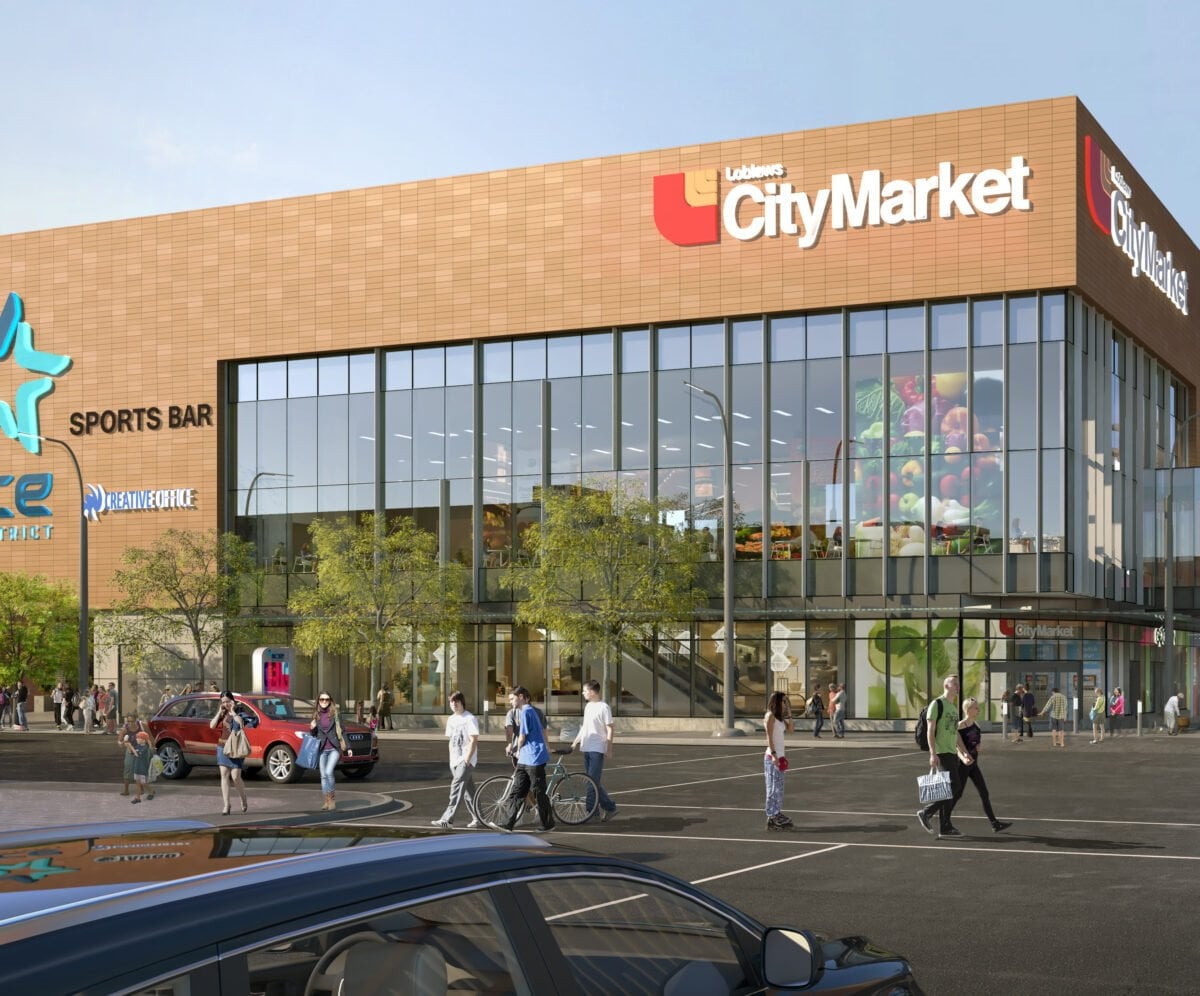
The Ice District will also be seeing the opening of a new Loblaws City Market in the near future.
“As we turn the corner at the end of summer, I fully anticipate a much stronger fall as it relates to consumers in the downtown core,” added Raimundo.
Future Loblaws City Market at ICE District (Image: Ice District)
May Cuan, Associate, Retail with Omada Commercial in Edmonton, said there is a lot of positive momentum and month over month there are more people in the downtown.
May Cuan
“Whether it’s for work, events, to eat and shop, etc. it’s been great to see more bodies in the core. We’re not at pre-pandemic levels of downtown leasing activity yet, but I’m excited for the Fall, when more people are back from holidays and less people are working from home and are back in the office,” she said. “As retail businesses notice an increase of people back in the downtown, we notice an increase of interest from these businesses considering a location here once again. A couple examples of prominent downtown leasing activity include The Helm relocating to a larger flagship location in the downtown, which is a positive indication of a business choosing to remain near the core, and El Furniture Warehouse, a restaurant group with locations across Canada, which selected the downtown for their first Edmonton location.
“It’s a challenging situation, especially in certain areas that see an increase in vagrancy, but this has been a consideration for the downtown retail sector before the pandemic as well. What I mean is that it’s not a new challenge. I believe that this concern would also be alleviated with more people and activity back in the downtown, and I get the sense that retail businesses are positive that we’re turning a corner on this front.”
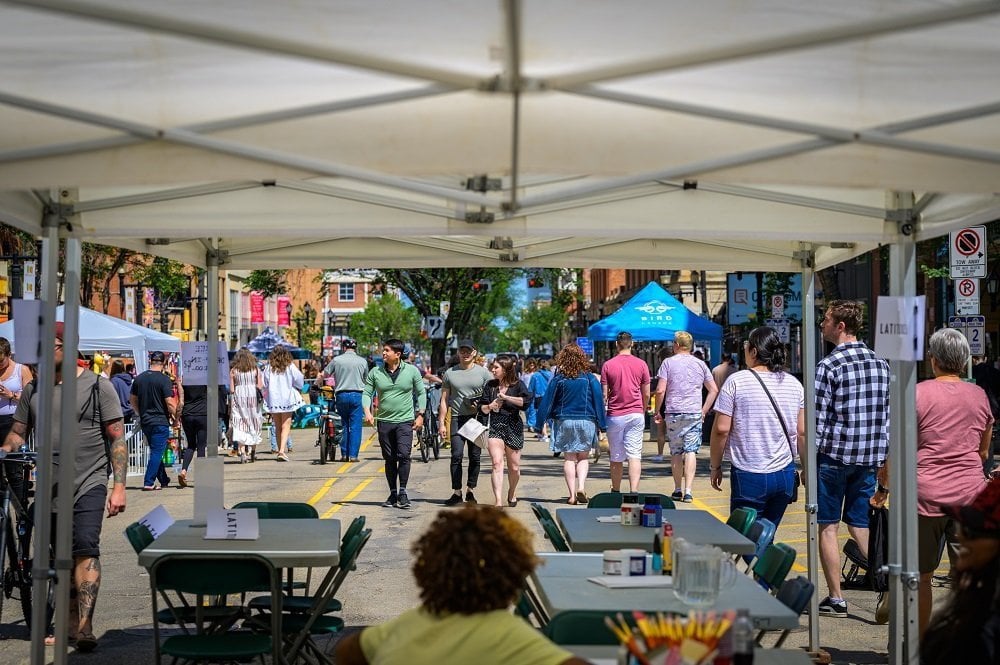
Image: Edmonton Downtown Business Association
Puneeta McBryan, Executive Director at Edmonton Downtown, said the characterization of the downtown being a ‘ghost town’ was accurate for 2020 and most of 2021, but she added that the NHL playoffs was a bit of a turning point in many ways with more people coming to the core to watch the Oilers. Also at the same time, office occupancy was increasing from about 20 per cent prior to the spring to about 40 per cent in June.
Puneeta McBryan
The challenge of Edmonton’s downtown is that some pockets have a lot of activity going on but there are also some pockets that are really still quite empty.
“We’ve got blocks where developers are sitting on properties either lots where they’ve torn down the building and the lot is just sitting there undeveloped or buildings that are slated for redevelopment, they’ve got plans and they’re taking the time, and these buildings are unfortunately just sitting there quite devoid of activity. That type of thing is definitely a challenge for us now,” she said.
“The combination of this really tragic trajectory that the mall itself has kind of been on in the past three years, and that’s pre-COVID, combined with the really deserted state of downtown during COVID that really ushered in quite a lot of homeless population spending time in the area.”
But it’s getting better, added McBryan. Hosting events in the downtown is a key to adding vibrancy. The return to office work will help as well. The addition of a grocery store in Ice District is also a positive. Increasing residential density is also important.
Video Interview: Arlene Dickinson's Venturepark Business Ecosystem Contributes $1.6 Billion To Economy
Arlene Dickinson, CEO, Venturepark, and investor on TV show Dragons’ Den, discusses the economic contribution made over the years by Venturepark in helping build Canadian small businesses.
Dickinson talks about what Venturepark Labs and District Ventures Capital do, where they invest money, the focus on food and wellness, what they look for in a company, how they decide where to invest, where the capital comes from and how businesses can apply.
The Video Interview Series by Retail Insider is available on YouTube.
Connect with Mario Toneguzzi, a veteran of the media industry for more than 40 years and named in 2021 a Top Ten Business Journalist in the world and the only Canadian – to learn how you can tell your story, share your message and amplify it to a wide audience. He is Senior National Business Journalist with Retail Insider and owner of Mario Toneguzzi Communications Inc. and can be reached at mdtoneguzzi@gmail.com.
Also check out the other series offered by Retail Insider, including The Weekly podcast and The Interview Series, which are both available on Apple Podcasts, Stitcher, TuneIn, Google Podcasts, or through our dedicated RSS feed for Simplecast and other podcast players.