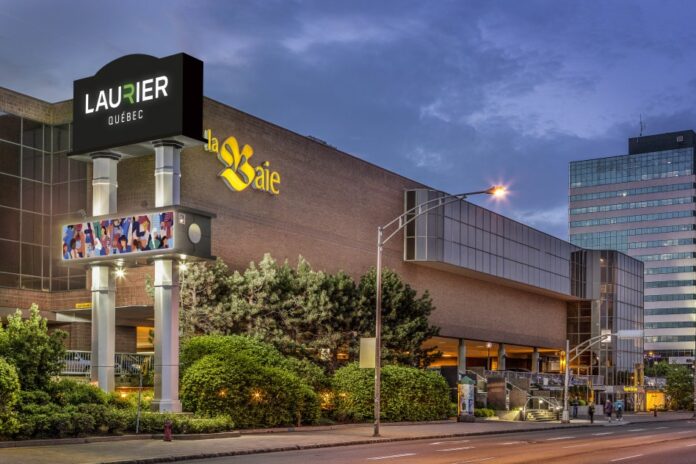
Ivanhoé Cambridge has partnered with Douville, Moffet & Associés (DMA) to redevelop the popular Laurier Quebec shopping centre in the Quebec City suburb of Ste-Foy. The mall’s Hudson’s Bay anchor store will also be shutting in September according to signage on the premises.
The partnership involves DMA taking a 50% interest in the shopping centre property as well as two adjacent office buildings as part of the overall redevelopment of the site. Ivanhoé Cambridge has owned the massive shopping centre property since the year 2000.
Residential buildings will be added to the site as part of an intensification effort to extract value from the property which spans about 30 acres facing Boulevard Laurier. Retail uses will also be maintained on-site according to the partners in a statement.
Ivanhoé Cambridge said in a statement that more details of the project would be revealed by joint announcements in the coming months. That will include details on the site’s densification and development potential. “Together, Ivanhoé Cambridge and DMA are committed to making a positive impact in Quebec City,” said the statement.
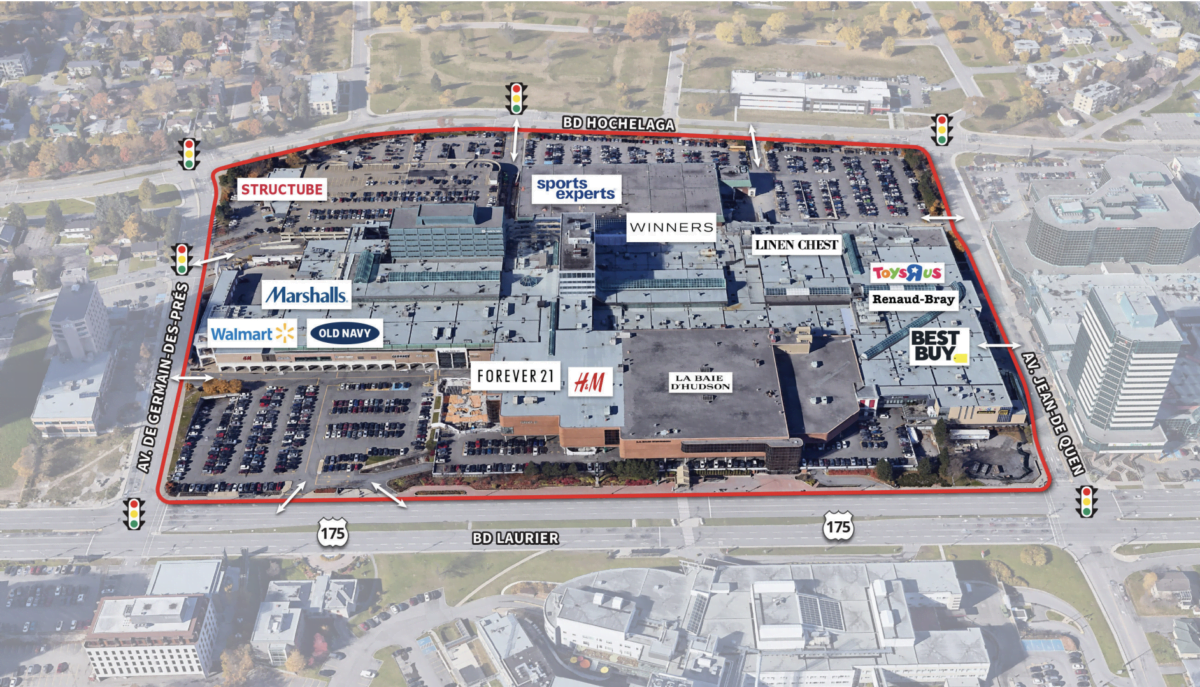
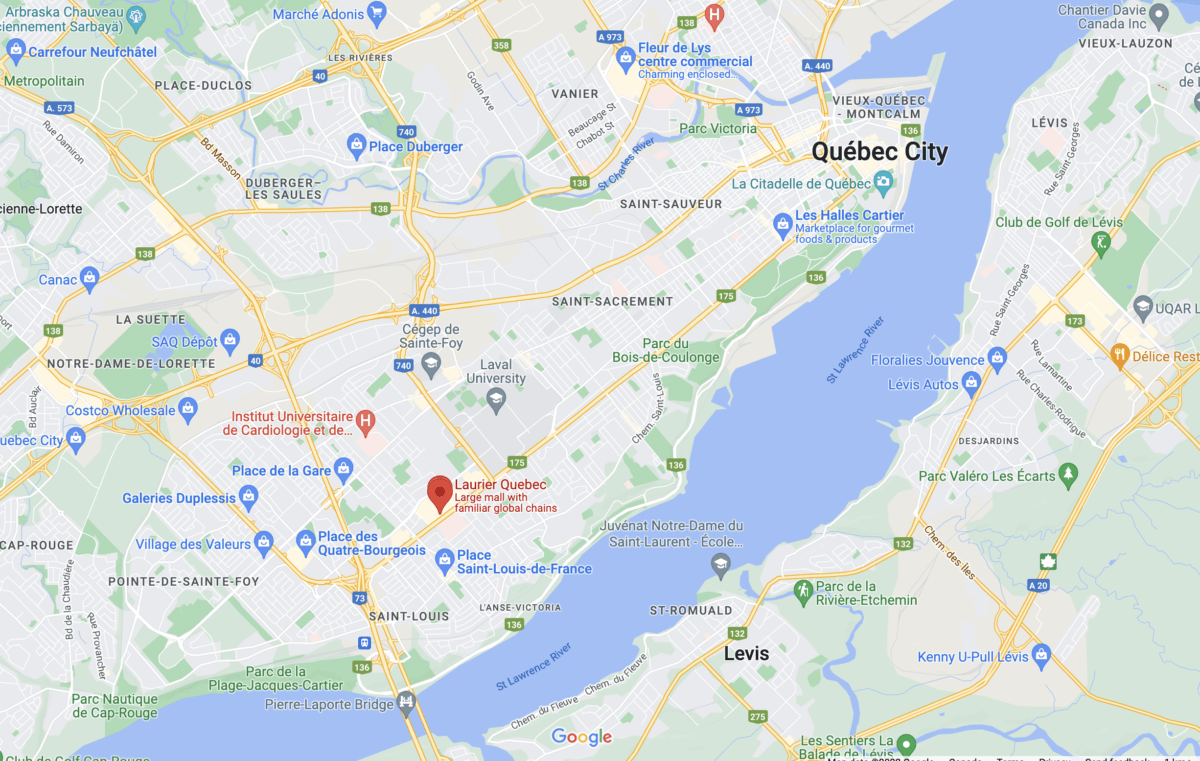
Mall site plan via JLLClick image for interactive Google Map
Since the fall of 2021, JLL has managed the Laurier Québec property and will continue to do so according to the landlord. Asset management for Laurier Quebec will now be handled by DMA as part of the partnership.
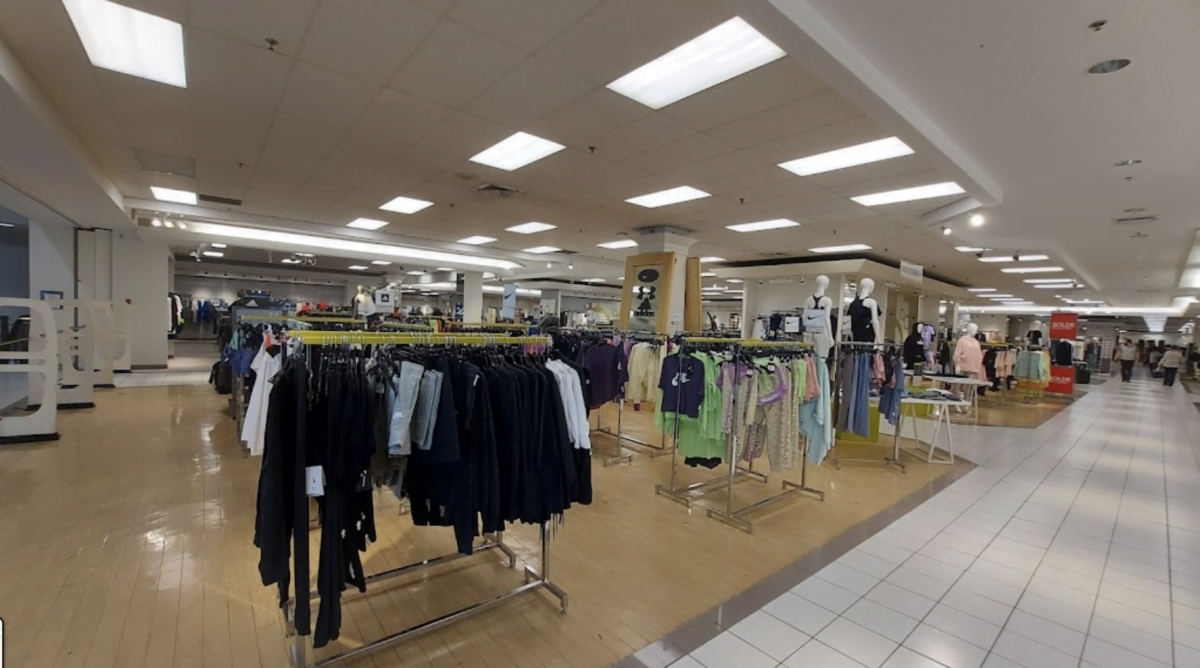
The Hudson’s Bay store at Laurier Quebec is also set to close according to signage in the store. The closure date is set for September 11, 2022 although the store could close a few days earlier as has been the case with other recent store closures for the retailer. The mall’s two-level 157,000 square foot Hudson’s Bay store opened in the early 1980s as part of an expansion of the property. The closure coincides with the expiry of the store’s lease which was not renewed — the Hudson’s Bay store also lacked the renovation investment seen at a location at Galeries de la Capitale in Quebec City.
Laurier Quebec spans more than 1.1 million square feet with its enclosed shopping centre component. The property also includes two office buildings: the Édifice Champlain measuring 82,586 square feet and Tour Frontenac which spans 46,944 square feet over multiple floors. All three properties are part of the deal with DMA.
The location of Laurier Quebec is strategic, being accessible via several roads while being close to various services including the Centre Hospitalier de l’Université Laval and Université Laval. It will also eventually be served by the Tramway de la ville de Québec light rail service.
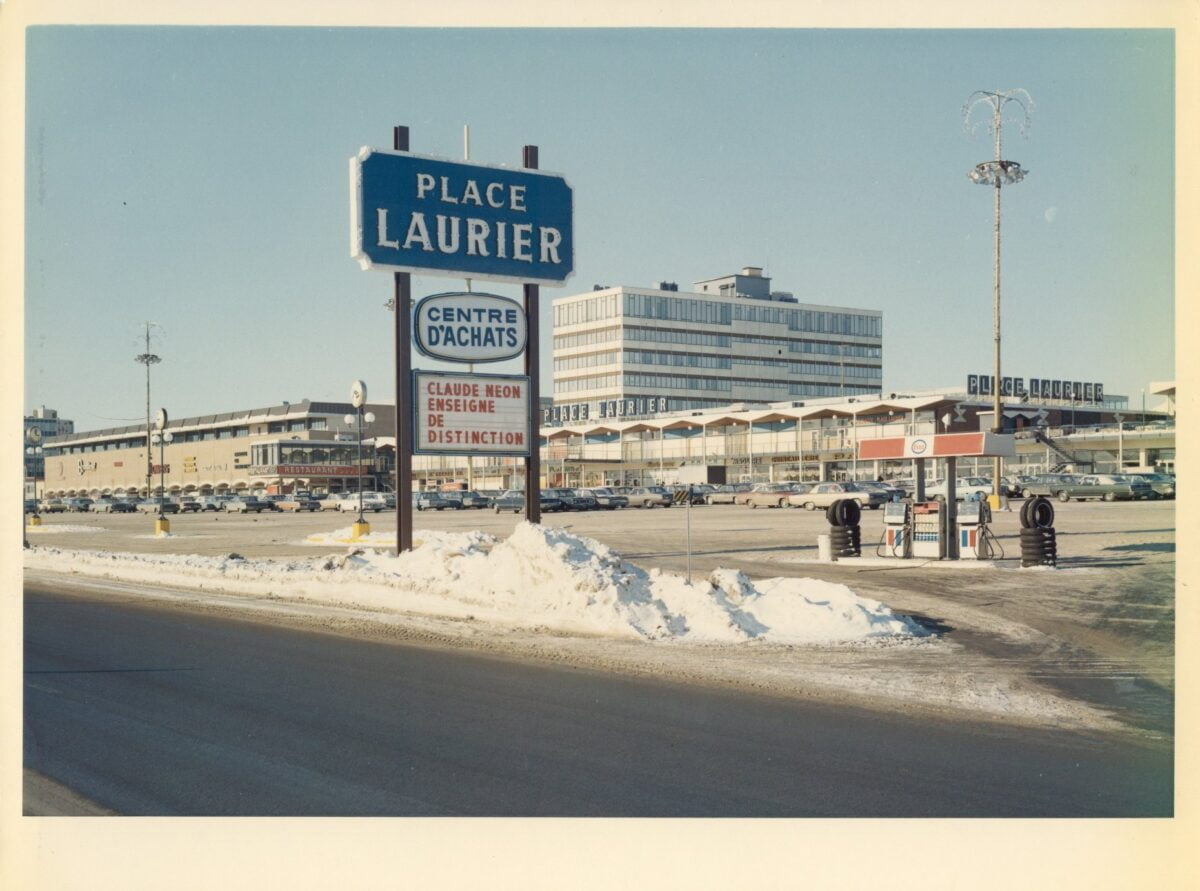
Some may know Laurier Quebec by its former name, Place Laurier. It was the first enclosed shopping centre in Quebec City when it opened in November of 1961 and it’s now home to over 200 retailers, 25 restaurants and 10 anchor stores. It’s the second-busiest tourist destination in the city after Old Quebec.
Hudson’s Bay store at Laurier Quebec — image via GoogleImage: Laurier Québec (1961 via Facebook)
Anchors and larger-format stores include the soon-to-close Hudson’s Bay store as well as Walmart, Winners, Marshalls, Sports Experts, Best Buy, Linen Chest, Renaud-Bray, Toys R Us, Old Navy, H&M and Structube.
Across the street from Laurier Quebec is the upscale Place Ste-Foy which is home to a flagship La Maison Simons store and was once home to Holt Renfrew before it exited the Quebec City market in 2015. The mall is about half the size of Laurier Quebec and is home to Apple and several other big name brands.
Ivanhoé Cambridge has been divesting some of its retail assets in recent years. That includes the 2020 sale of Woodgrove Centre in Nanaimo to Chinese investment firm Central Walk which was followed by Ivanhoé Cambridge selling Mayfair Centre in Victoria and Tsawwassen Mills near Vancouver to Central Walk as well. Past high-profile mall asset sales by Ivanhoé Cambridge have included Oakridge Centre in Vancouver which is now undergoing redevelopment in a QuadReal/Westbank partnership. In September of 2021, Mic Mac Mall in Halifax was sold to a local group which plans to intensify the property. That month, as well, Ivanhoé Cambridge sold its stake in Ottawa’s Bayshore Centre to KingSett Capital which now owns the entire property.
Even before the pandemic, Ivanhoé Cambridge was reducing its retail assets — in August of 2019 Ivanhoé Cambridge reportedly halted a partial sale of 10 Canadian malls because it wouldn’t get the price it was looking for at the time. And in February 2020, shortly before the pandemic saw lockdowns of malls across the country, it was reported that Ivanhoé Cambridge was selling a third of its Canadian shopping centres while looking to intensify some under-utilized sites.
Ivanhoé Cambridge invests internationally alongside strategic partners and major real estate funds. Through subsidiaries and partnerships, the company holds interests in more than 1,200 buildings, primarily in the industrial and logistics, office, residential and retail sectors. Ivanhoé Cambridge held C$69 billion in real estate assets as of December 31, 2021 and is a real estate subsidiary of CDPQ a global investment group.
Douville, Moffet & Associés inc is a property developer and manager that focuses mainly on the residential rental market in the Quebec City area but has developed, operated and owned all types of real estate assets, including office, retail, industrial, subdivisions, hotels and condominiums.
Retail Insider is streamlining its Canadian retail news from around the web to include a handful of top news stories that can be viewed quickly during the day. Here are the top stories from the past 24 hours.
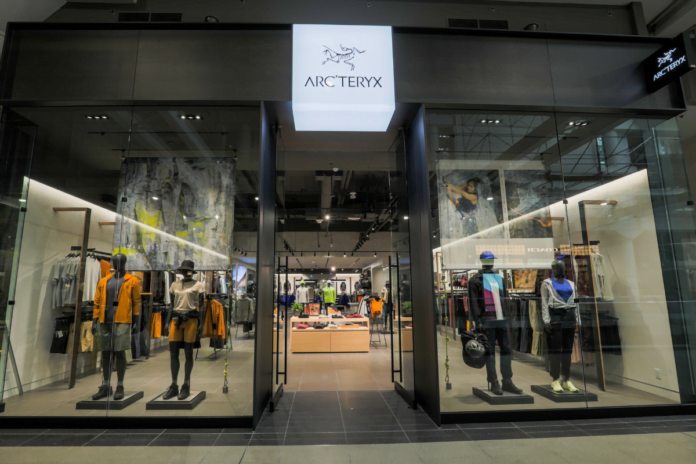
Arc'teryx at CF Toronto Eaton Centre (Image: Ryan Anthony/Arc'teryx)
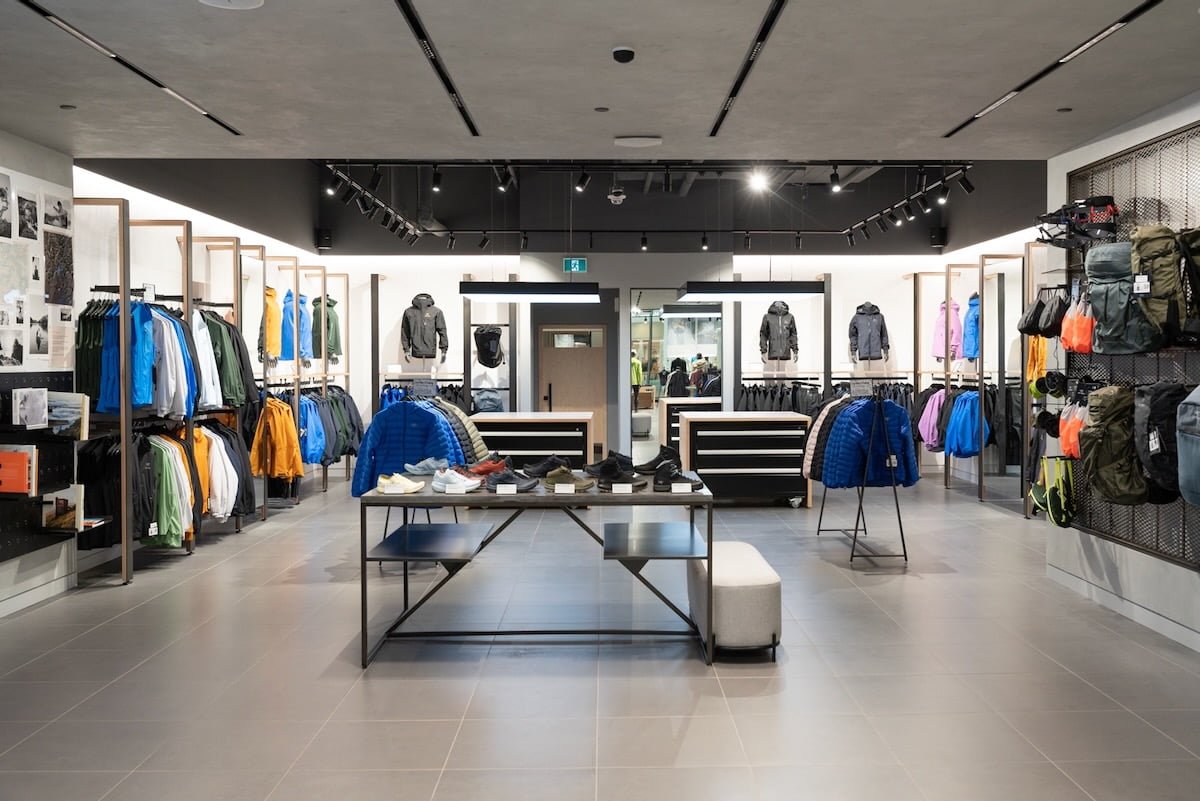
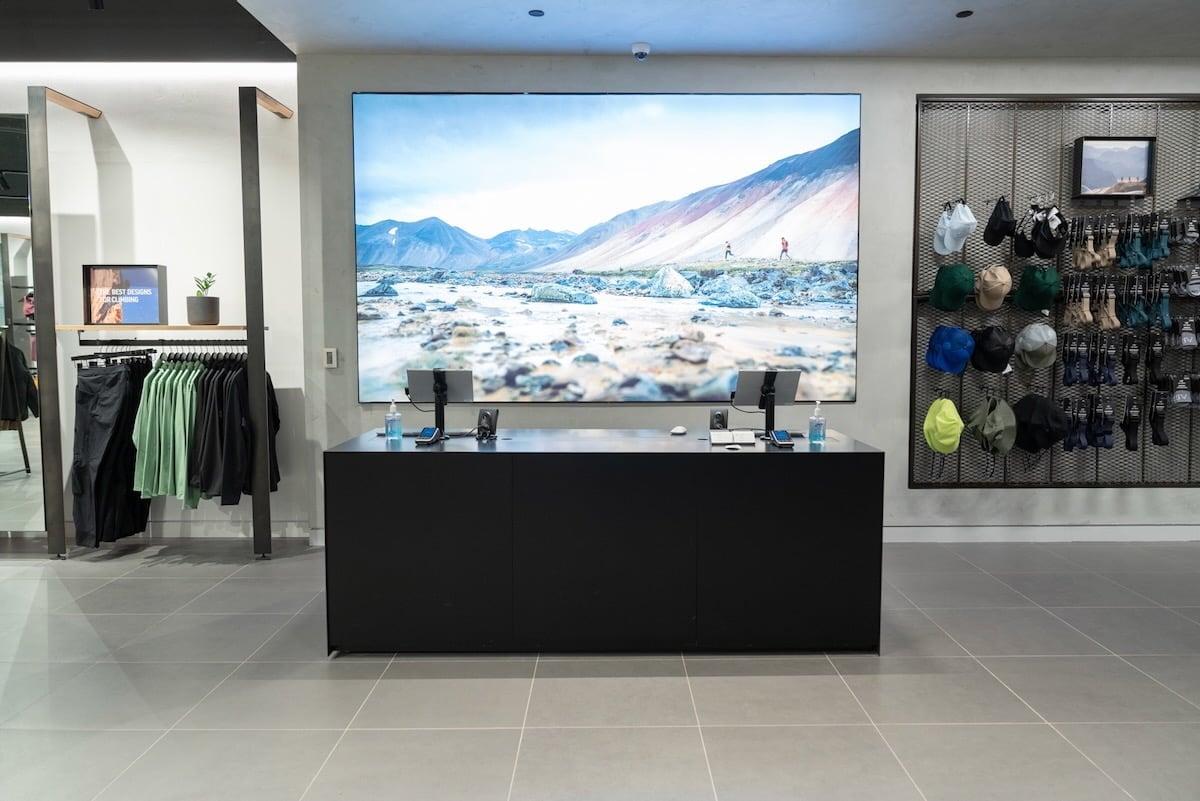
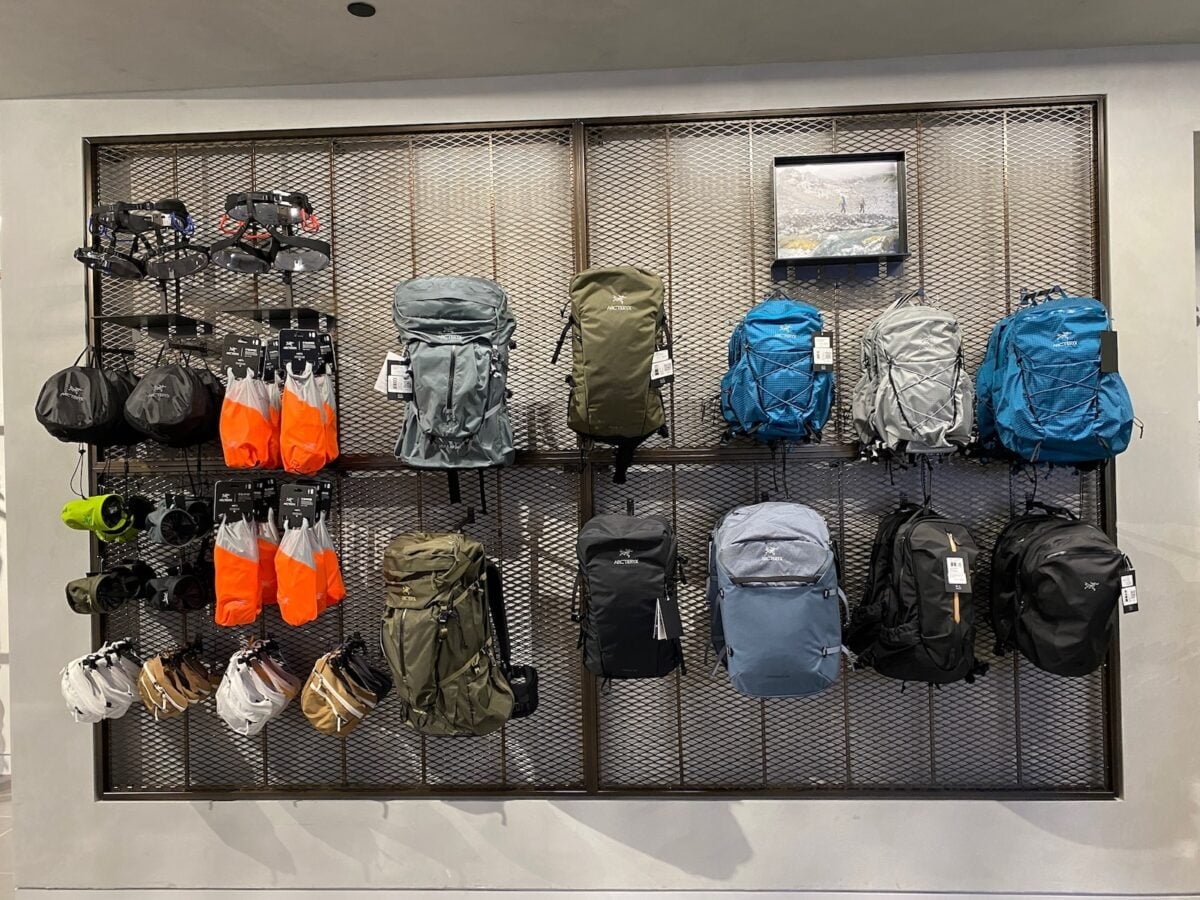
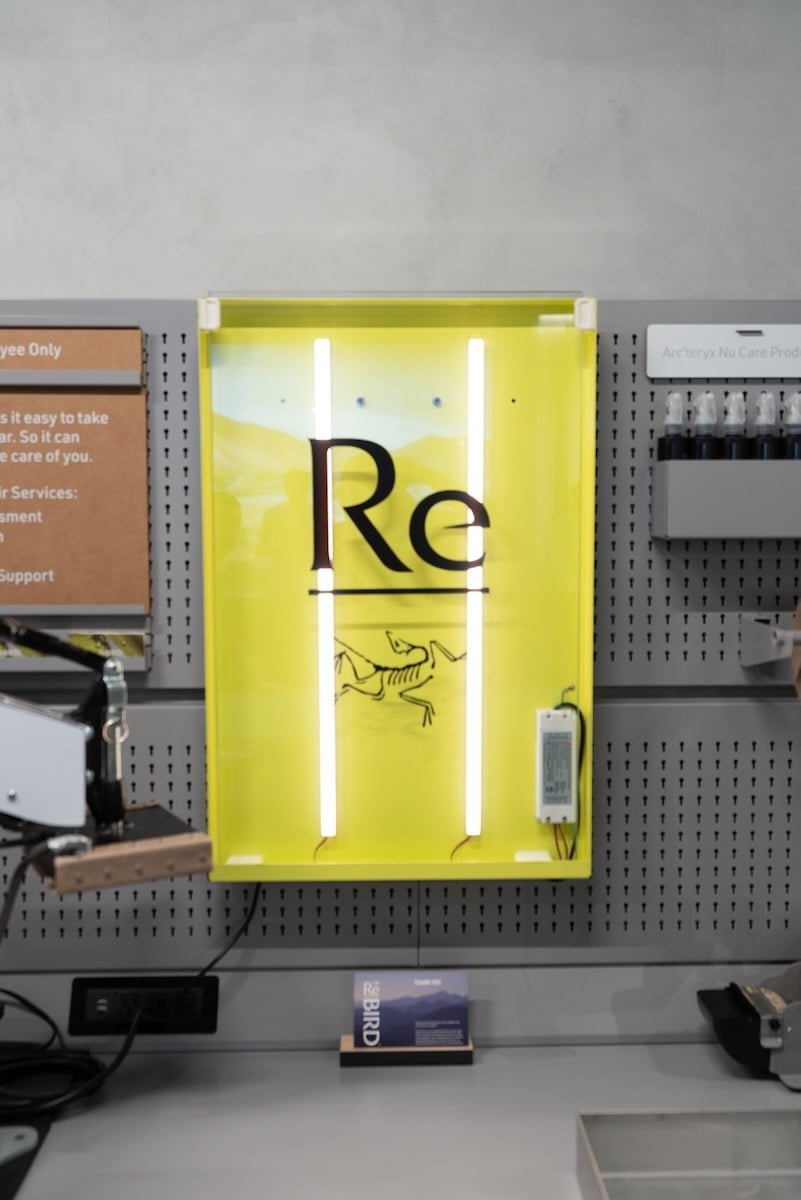
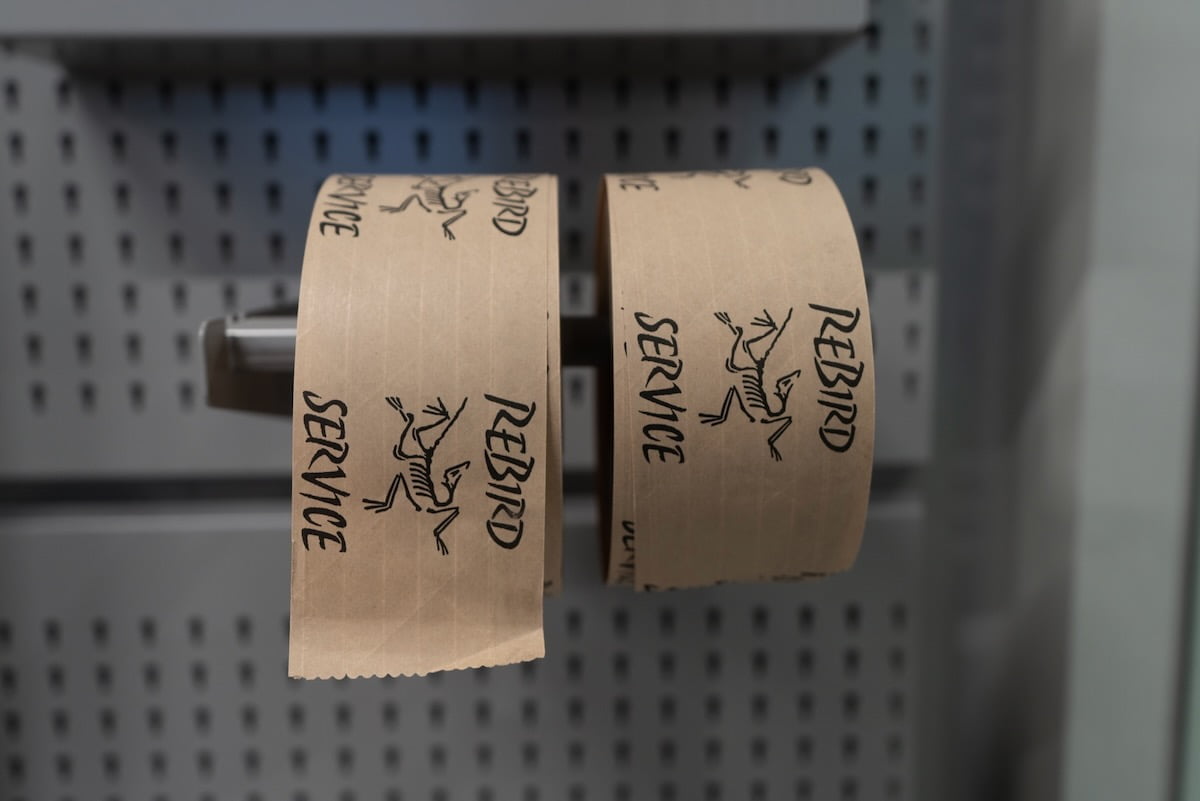
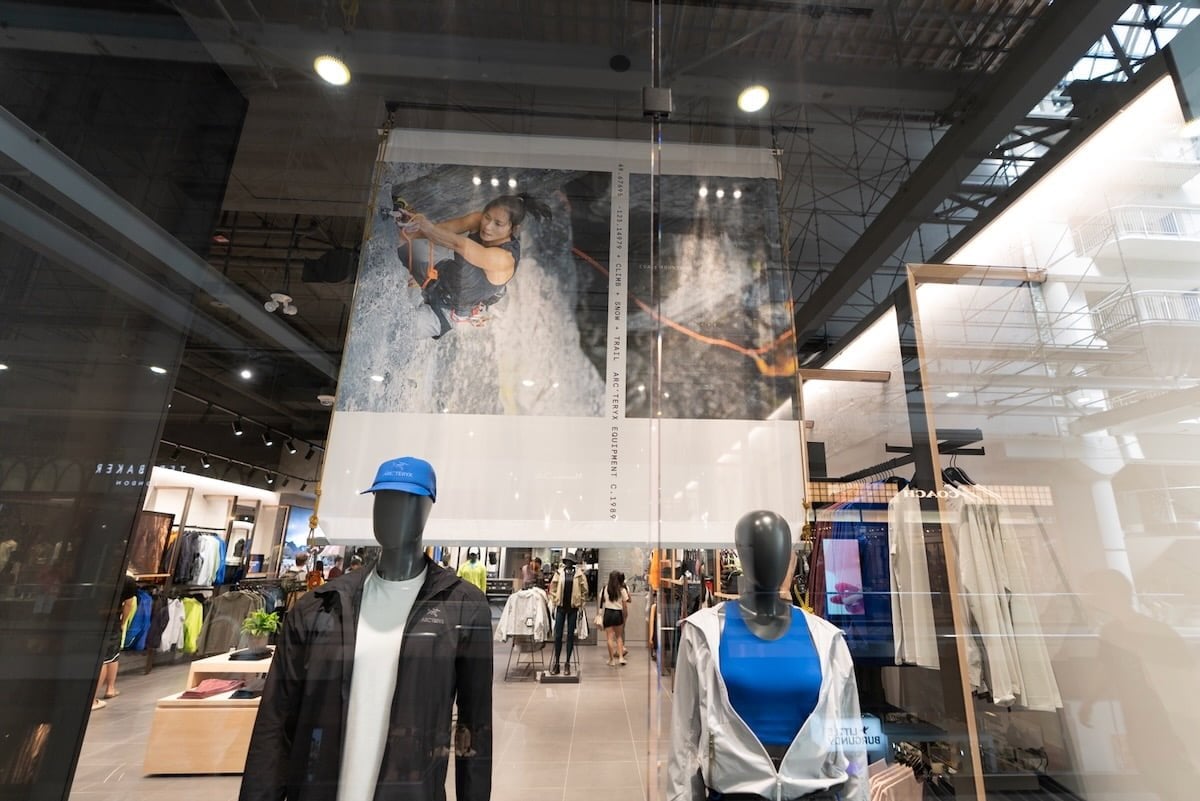
Vancouver-based technical high-performance apparel and equipment brand Arc’teryx has opened a 3856 sq ft hybrid retail and ReBIRD Service Center at CF Toronto Eaton Centre in downtown Toronto.
The new location is the fourth Toronto store and the first Canadian location for Arc’teryx to offer retail sales alongside complimentary on-site product assessment, care, education and simple on-site repairs.
Dominique Showers
“Arc’teryx’s ReBIRD™ circular initiatives encourages our guests to look after their gear, thereby extending the life of the product and keeping it out of the landfill. Our first ReBIRD™ Service Center in our New York City, Broadway, location has been an incredible learning for us in our journey,” said Dominique Showers, VP ReBIRD™, Arc’teryx.
“Since opening last Fall 2021, our New York City service team has been able to resolve nearly three quarters of functionally compromised gear, on site, reducing the impact on turnaround time for our guests. That’s our goal – to deliver clear education for technical product care, full assessments, and light touch repairs that keep gear in the field longer.”
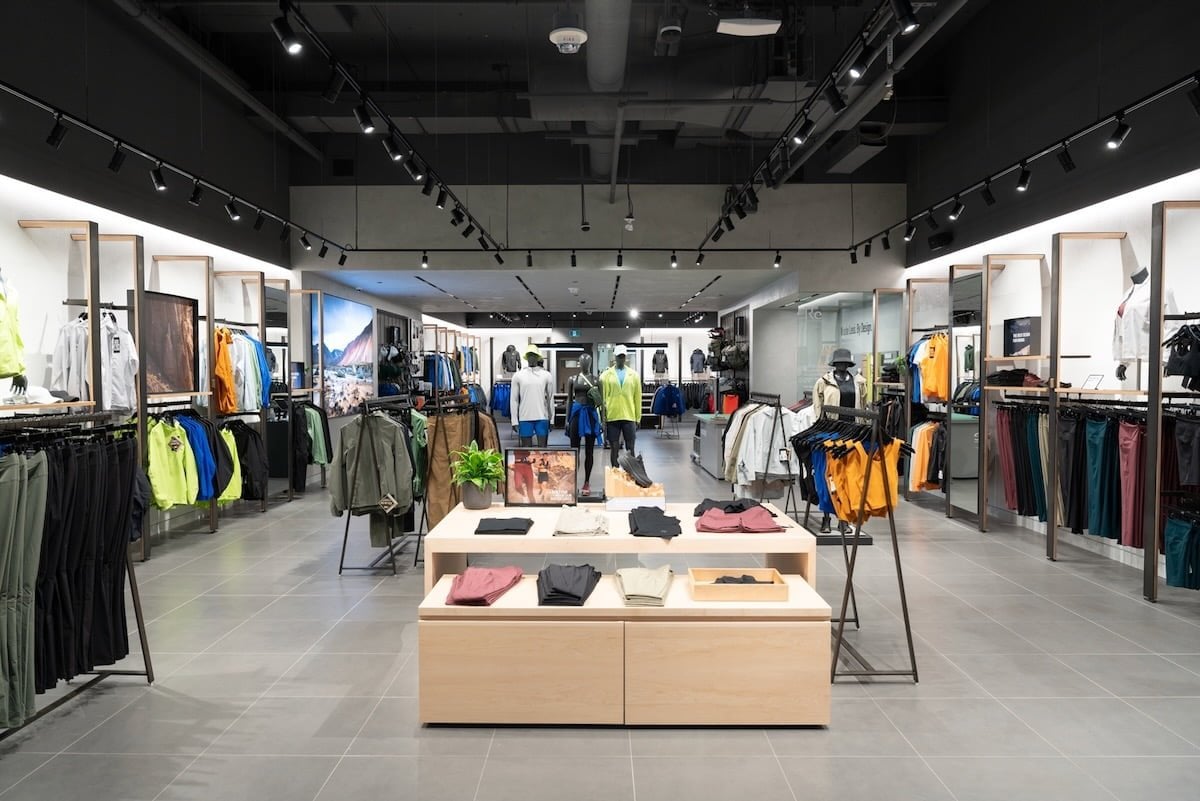
Arc’teryx at CF Toronto Eaton Centre (Image: Ryan Anthony/Arc’teryx)Arc’teryx at CF Toronto Eaton Centre (Image: Dustin Fuhs)
The 17th Canadian Arc’teryx location takes over for premium streetwear retailer PLUS, which moved into a permanent location on the 2nd floor of the downtown Toronto shopping centre into a recently shuttered Johnston & Murphy. Prior to PLUS, the space was previously home to Ann Taylor.
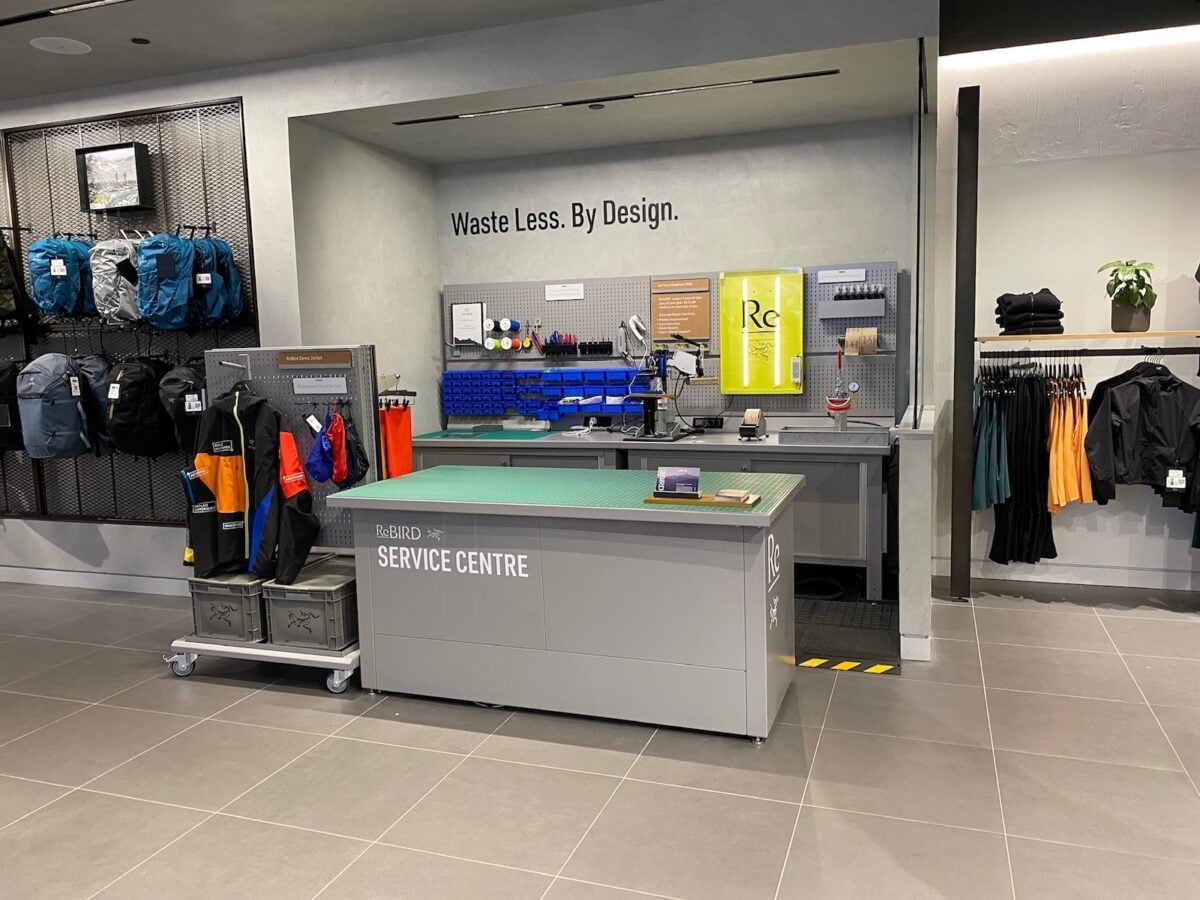
The ReBIRD footprint in the CF Toronto Eaton Centre Arc’teryx location is around 110 square feet, which encompasses multiple services and tools for staff to create an enhanced guest experience. These services include:
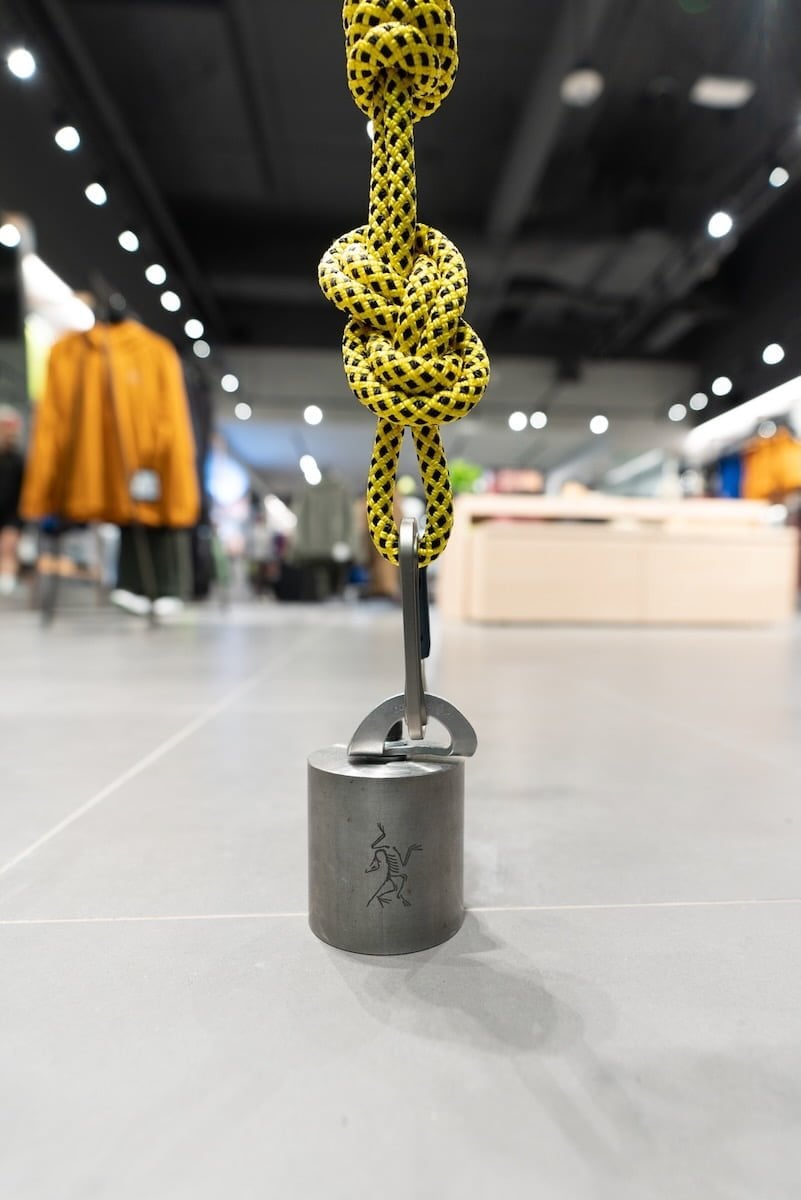
Product assessment: in-store after-sales assessment, including GORE-TEX leak testing.
In-store care & education: hands-on education about product care.
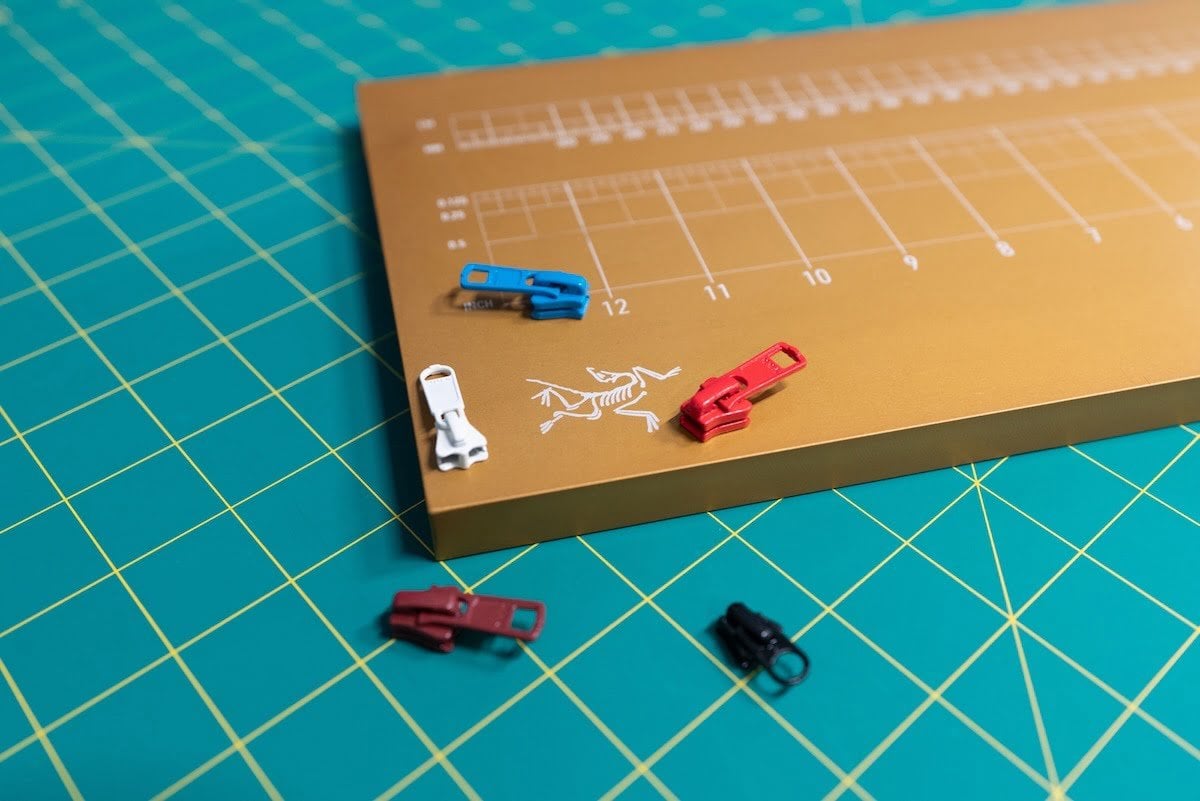
In-store repair: zipper repair services including slider, pull cord, pull-and bottom box replacement; cord ends, cord locks, and buckle replacement; as well as adhesive patches and heat pressed internal patches.
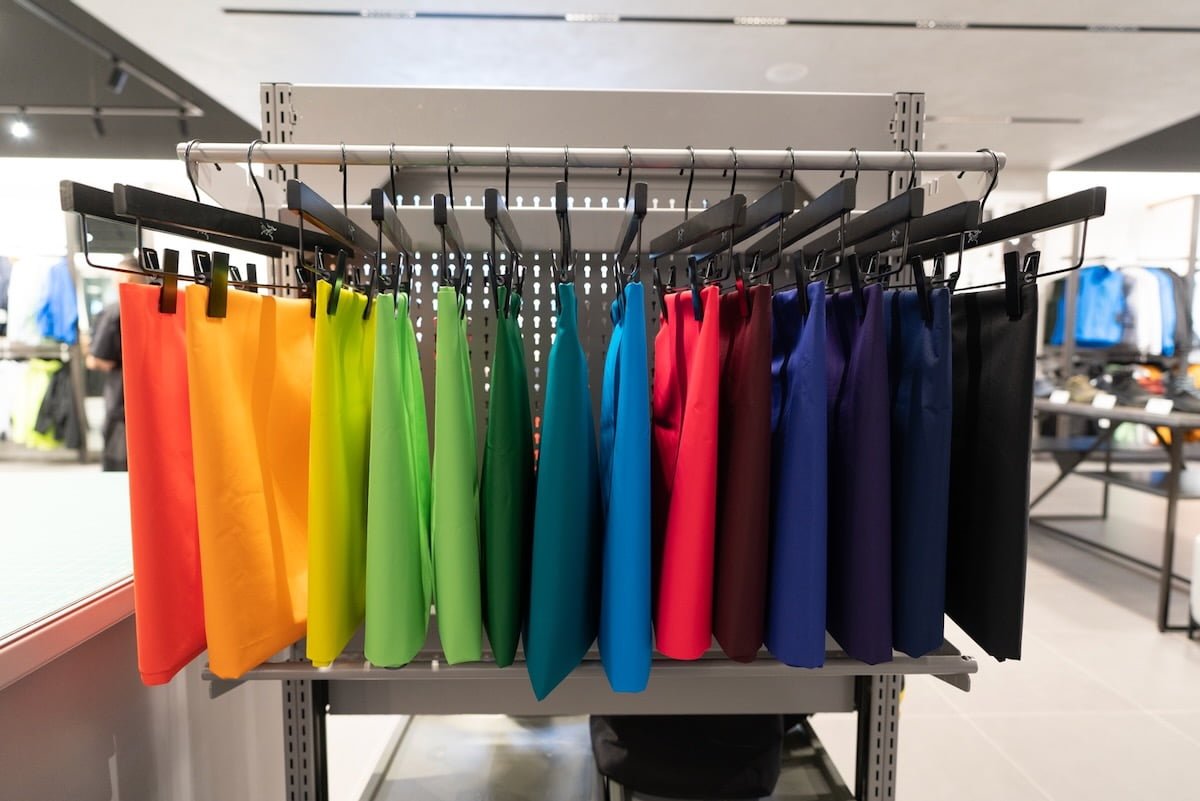
Expert repair: colour choices are offered for GORE-TEX fabric replacement or full zipper replacement for repairs offsite.
Arc’teryx stores are designed to be a mix of retail and in-store community events.
Arc’teryx at CF Toronto Eaton Centre (Image: Ryan Anthony/Arc’teryx)
“Whether it’s providing the best gear and expert advice from our product guides at our stores, offering the opportunity to learn new skills through community events, or supporting local leaders to share their knowledge and passion for the outdoors, our store locations exist to support the community,” said Stephanie Jamieson, Director, North America Community, Arc’teryx.
Stephanie Jamieson
“Community is the key for success in retail, and the Toronto Arc’teryx community in Toronto has grown from 11 clinics and community events in 2019 to 25 planned for 2022. We have seen over 500 participants from the start of 2022 taking part in community events in climbing, trail running, hiking and design, and that number is growing every week.”
Additional Ontario retail openings for Arc’teryx are planned for later this year in the Square One Shopping Centre and Vaughan Mills Premier Outlet Mall.
Arc’teryx products are distributed in more than 2,400 retail locations globally, including over 160 branded stores.
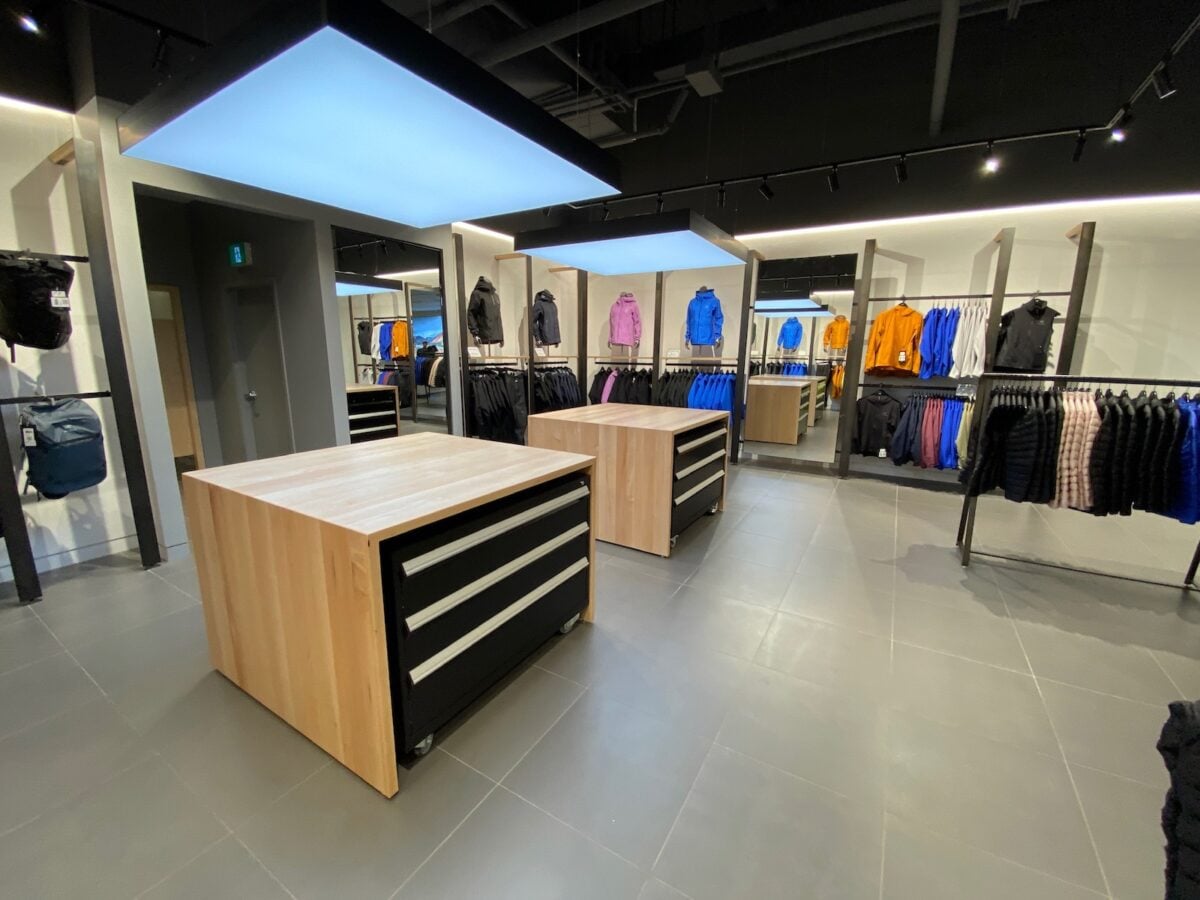
Arc’teryx at CF Toronto Eaton Centre (Image: Ryan Anthony/Arc’teryx)Arc’teryx at CF Toronto Eaton Centre (Image: Dustin Fuhs)
Retail Insider had the opportunity to walk through the CF Toronto Eaton Centre location with Dominique Showers, VP ReBIRD™, Arc’teryx.
“The services that are offered here are very similar to what we’ve offered in previous locations, where we’ve had toolkits in the back of every store, so the repairs are similar. The difference is that you have access to better tools, better raw materials. You also are able to get end to end assessment, which not every store has the capacity to do,” she said in an interview.
“Putting the service centre right out there on the sales floor is a big win. It’s the full circle of the lifecycle of the product. From the build to resolve – we’re trying to showcase that the purchasing model is a circular model. We’re really leaning with the education, care of apparel as the forefront of our ReBIRD narrative,” she went on to say.
“The ReBIRD concept will be rolled out to future stores. We still are figuring out exactly which stores and future new stores will have it or retrofitted with modifications. This is a learning journey for us. In the US, we are opening a store in Boulder, Colorado towards early September that will have a full-fledged service centre, around 500 square feet. It will have onsite industrial tech washers and dryers, with a full DWR spray booth, as well as full end to end assessment.
“Overall, we’re thinking that Toronto is a similar landscape to our Broadway store location. We’ll learn things here that will be lessons from NYC and those will be slightly different than what we’ll learn in Boulder, we envision, just based on usage type and environment.”
Arc’teryx ReBIRD at CF Toronto Eaton Centre (Image: Dustin Fuhs)
Showers said that most Arc’teryx products are able to be serviced at the ReBIRD Service Centre, with the staff trained to detect authentic products. The brand has seen fraudulent returns and warranty claims, which is not unlike many other brands in the market.
“We are not looking for receipts. We are looking at the label to know what the garment is and then we go through a full in-and-out assessment. If it needs to be sent out for repairs, then we go through the full process so you can pick your raw materials.”
“We have a leak-test machine on site, so we can test the waterproofing of your jackets. This is such a game-changer. The oil contamination from your skin can eventually cause the durability of the shell to break down. So it’s important to wash your Goretex with special care instructions, and to reapply DWR before putting it in the dryer. With the leak tester we can test to see if there are problem spots on site,” she went on to say.
“The goal is to decrease our carbon footprint. How do we reduce the impact on the environment and minimize the shipment of your garment. In addition to the waste of time, it’s also not a good experience. So here we have GORE-TEX patches, Tenacious tape, zipper sliders, etc for simple repairs or you can simply change the colours. And these services will extend and become more broad as we learn and evolve.”
Arc’teryx ReBIRD at CF Toronto Eaton Centre (Image: Ryan Anthony/Arc’teryx)
The ReBird services are uniquely positioned in the marketplace, as the brand has taken a position on the cost of repairing their own product.
“It’s a completely free service. We offer on-site education for care and repair as well as quick fix resolutions, with the hopes that we don’t see it in future warranty boxes later in life, or worse yet, in landfills. The goal is to shift the mindset away from that of a ‘consumer’ to that of a ‘custodian’ of quality gear.”
“We feel that we have the highest quality of standard in the industry and we see it as an investment for the long term. With that, in-store we offer free services for items that are under our Practical Product Lifespan. If the concern is not under warranty, we do have access to a paid repair service, which is at a reasonable price. In future we look to expand those services as well. So having ReBIRD Service Centres is one accessible opportunity for our Guests, while we continually to scale our more complex repair resolution capacity.”
Arc’teryx ReBIRD at CF Toronto Eaton Centre (Image: Ryan Anthony/Arc’teryx)
On-site events and education discussions are part of the experience in-store, which was evident during the grand opening and on subsequent non-event visits.
“We’re doing community activations here, including circular events as it’s a great place to engage the community on repair and care, and also thinking about things like upcycling – what are you able to do with the product once it can’t be used for its original use anymore. We can do that all here in this space. We can adapt and change the store with added tables and sewing machines…it just engages the community to come up with ideas and solutions,” she said.
With all of this discussion on sustainability, the question was asked about how ReBIRD was created.
“You know what’s interesting with how ReBIRD came together was that it wasn’t a strategic, sitting in a boardroom having a conversation. It was literally that all our people in the organization are highly passionate, they are all outdoorsy and everyone sees how our gear gets used. We go through the boxes and we have all of our after-sales team at our head office. All our designers are working on-site, so across the organization – we were seeing product that needed repurposing and they were like ‘what do we do with it?’ People were coming up with their own solutions.
We could start a friends and family sale.
We could start a resale platform – and just do it as a beta test.
Everything was beta test.”
Arc’teryx ReBIRD at CF Toronto Eaton Centre (Image: Ryan Anthony/Arc’teryx)
Arc’teryx ReBIRD at CF Toronto Eaton Centre (Image: Ryan Anthony/Arc’teryx)
“And then it was a test and fail, test and fail, test and fail. We’re problem solvers, so we like to continuously come up with ideas that could be solved. And so ReBIRD was born out of the fact that people within our company are so passionate inside of this work that they created these programs and initiatives.”
“Care and Repair has always been inside of our organization since we started. We’ve always had an after-sales team. We’ve always had people doing assessments. We’ve had a repair team in arc one. We’re expanding repair services in the US. It’s always been something that we offer and now to show everyone what we’ve always been doing and make it part of our narrative. So ReBird was essentially born out of that and call it what it is and then intentionally create teams that are agile and integrate it into the business so that it’s not a separate department – it’s actually a place where every department, from design on, has to think about how we are approaching a more sustainable way of working.”
“For us, that means looking at all of it. Our upstream design. Our packaging. Our fixtures. Everything. We’re not a full maturity yet, but it’s a starting point for us and we have a lot of beta learnings from the last 4-10 years to inspire us.”
Arc’teryx ReBIRD at CF Toronto Eaton Centre (Image: Ryan Anthony/Arc’teryx)
“I would say that when we first started working on all of our sustainability initiatives, we were really not at a state of maturity. It’s not easy to wake up and say that you’re sustainable. So we’ve spent a lot of time looking at our materials, preferred fibres. We don’t use fleece as an example for a reason. We have responsible wool and down standards. And everything is accredited”
“From there, we started seeing warranty cases come through and product that we couldn’t fix. We often couldn’t fix because it was either… a combination of things… it was either the case was too challenging for the length of time that the guest wanted the garment back. The example being that the guest was going snowboarding on Saturday and it’s Thursday and the jacket needs a full re-panel. Or we couldn’t have a resolution at the time.”
“Over the last four years, learning from our resale model, we’ve been able to expand our capabilities. With wear and tear, that’s natural, and we have service that you can pay for and we’ve got partners that we work with for that – but quick fixes and simple processes can be done easily on site.”
Arc’teryx at CF Toronto Eaton Centre (Image: Ryan Anthony/Arc’teryx)
As the concept becomes readily available for a wide release across new and existing stores, the brand says that it is ready to evolve its offerings and in-store experiences to focus on the lifespan of the products they produce.
“You have to commit full circle. This is a journey that we’re on and we’re by no means perfect in it. And we’re really committed to resolving inside of our core pillars and we do recognize that we are that we’re making products that is lifesaving in extreme conditions, so there’s a sense of durability and longevity is really what we stand for and this is where we feel we need to anchor ourselves. The care and repair, education, being at the forefront of that and everything else comes after.”
“Our other Canadian location that we’re going to be opening a full service ReBIRD service centre is in our new flagship location on West 4th Avenue in Vancouver. That’ll be amazing and we’ll learn a ton from that opening.”
Podcast: Visiting Canada's 1st Pret a Manger - Could it be a Better Experience?
This week Craig and Lee discuss Pret a Manger’s entry into Canada via A&W. Lee, who lives in Vancouver, discusses what he experienced at the Vancouver combined A&W/Pret location and the discussion turns to whether or not a full standalone Pret a Manger would have made more sense for the first Canadian pilot.
The Weekly podcast by Retail Insider Canada is available on Apple Podcasts, Stitcher, TuneIn, Google Play, or through our dedicated RSS feed for Overcast and other podcast players. Also check out ourThe Interview Seriespodcast where Craig interviews guests from across the Canadian retail landscape as part of theThe Retail Insider Podcast Network.
Drop us a line at Craig@Retail-Insider.com. You can also rate us in Apple Podcasts or recommend us in Overcast to help more people discover the show!
Background Music Credit: Hard Boiled Kevin MacLeod (incompetech.com). Licensed under Creative Commons: By Attribution 3.0 License. http://creativecommons.org/licenses/by/3.0/
Wood talks about the company’s success, his background, why he likes retail, current challenges in the industry, key lessons learned through the pandemic, current stores, what’s new with the retailer and plans for the future.
The Video Interview Series by Retail Insider is available on YouTube.
Connect with Mario Toneguzzi, a veteran of the media industry for more than 40 years and named in 2021 a Top Ten Business Journalist in the world and the only Canadian – to learn how you can tell your story, share your message and amplify it to a wide audience. He is Senior National Business Journalist with Retail Insider and owner of Mario Toneguzzi Communications Inc. and can be reached at mdtoneguzzi@gmail.com.
Also check out the other series offered by Retail Insider, including The Weekly podcast and The Interview Series, which are both available on Apple Podcasts, Stitcher, TuneIn, Google Podcasts, or through our dedicated RSS feed for Simplecast and other podcast players.
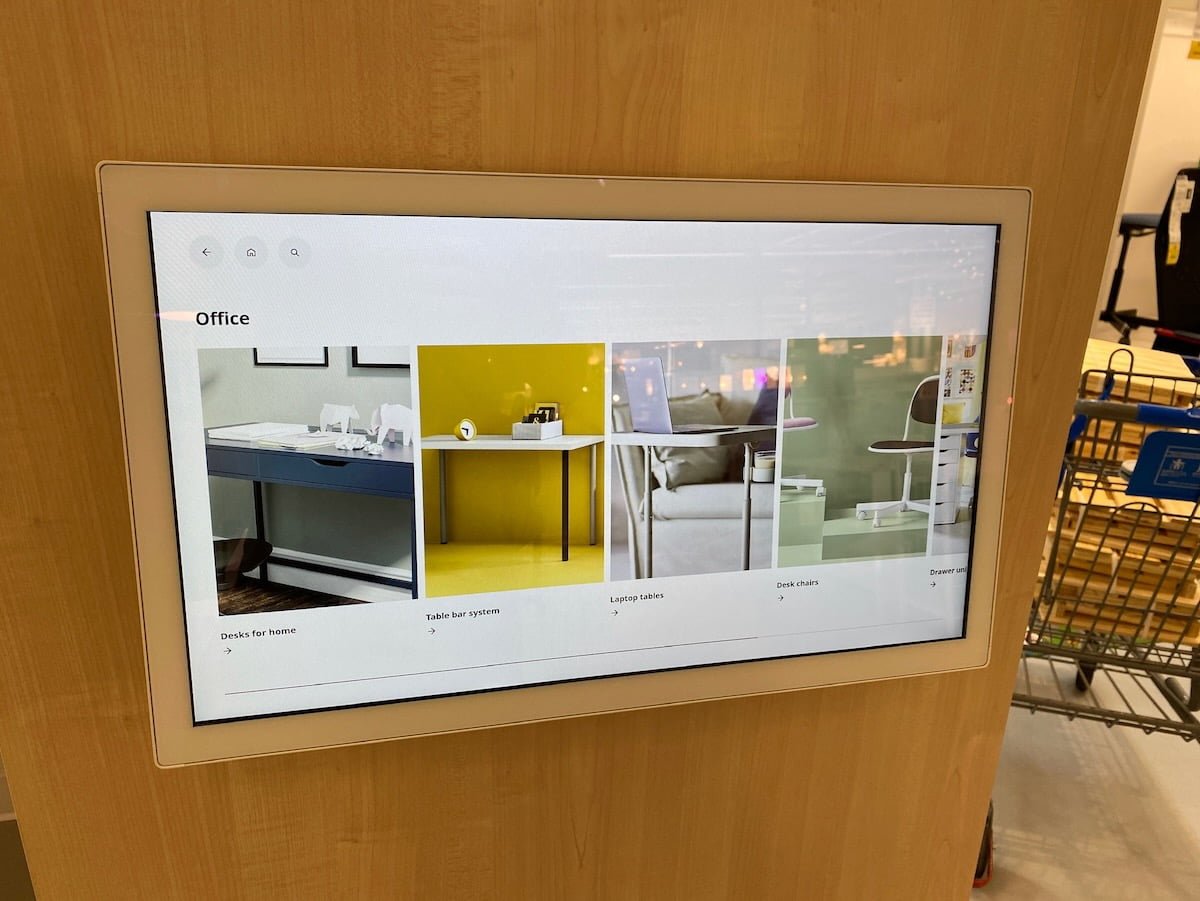
IKEA Business at IKEA Aura - Downtown Toronto (Image: Dustin Fuhs)
Retail giant IKEA has launched a new loyalty club specifically designed for the small business community.
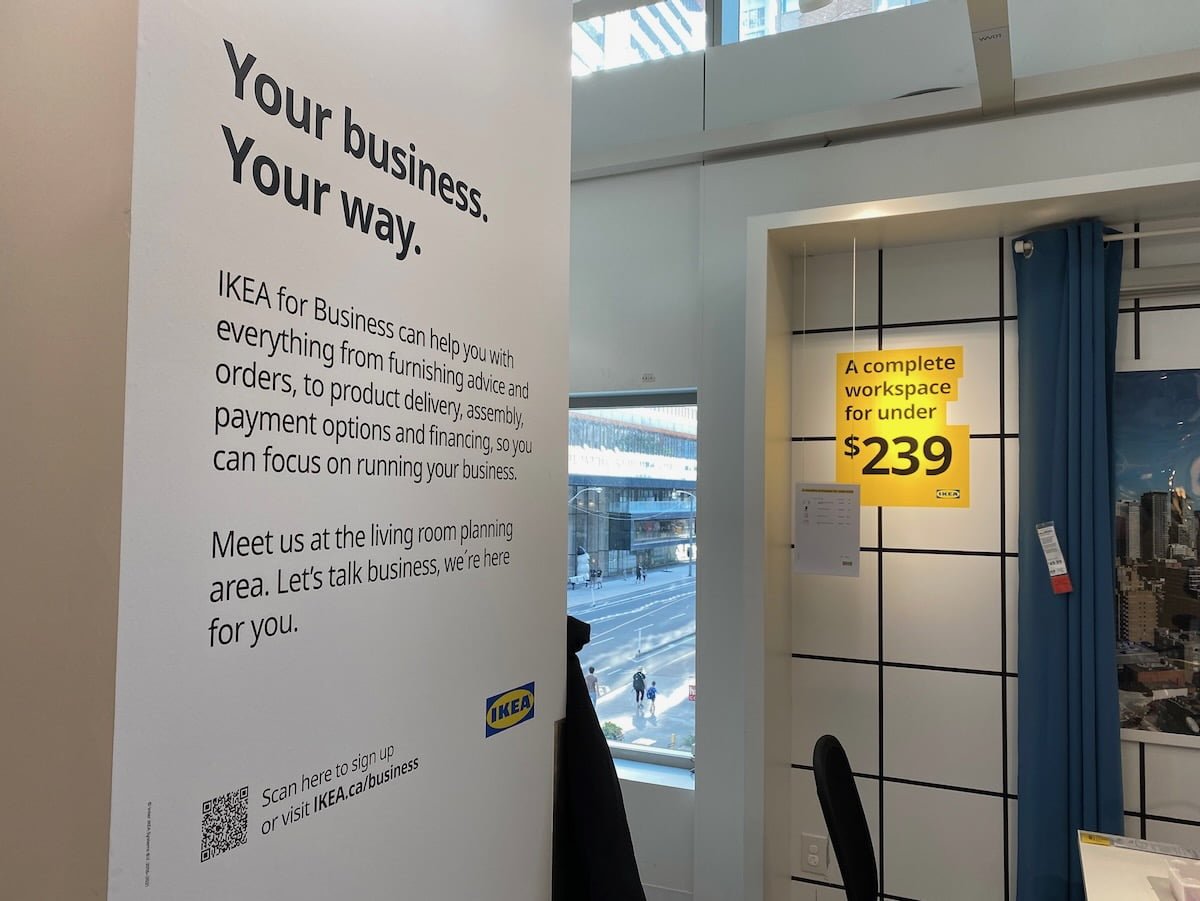
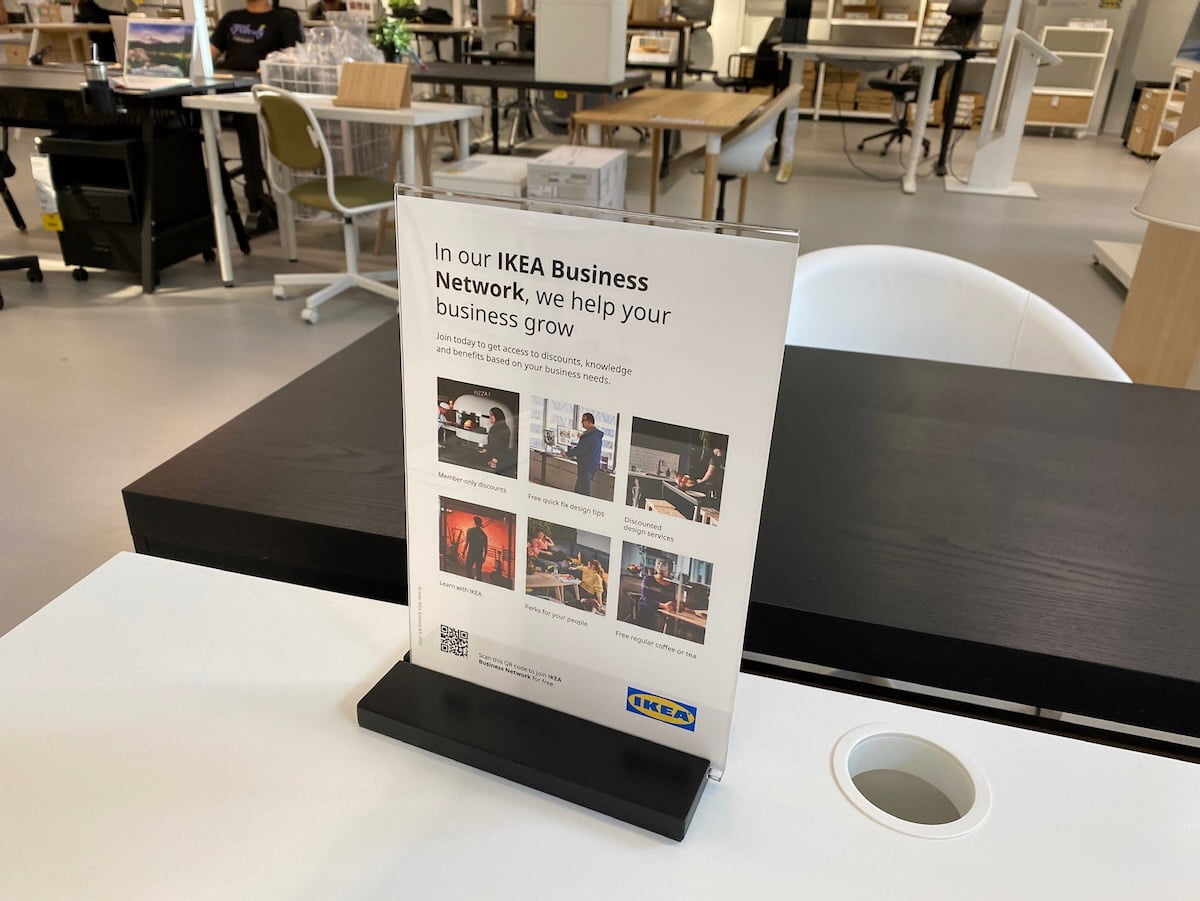
The IKEA Business Network was designed with micro and small business in mind with numerous benefits for members of the program.
De’ana Torresan
“Essentially IKEA Business Network is a free loyalty program and it’s designed specifically for micro or small businesses in Canada. Members get access to exclusive member benefits. So we have member-only discounts, free quick fix design tips, free online learning,” said De’ana Torresan, the retailer’s Loyalty Leader.
“It was really born out of collaboration with our customers. IKEA Business Network has been designed to kind of solve the real life challenges small business owners run into and it’s a part of our global ambition at IKEA to connect with those micro and smaller business owners to help them create that better life at work.”
IKEA Business at IKEA Aura – Downtown Toronto (Image: Dustin Fuhs)IKEA Business Network (Image: IKEA)
Torresan said the initiative was launched in May. Within a month, it had hundreds of small businesses join the program. In July, the program launch was supported with a media campaign, email support, support online and through store graphics and communications.
“It is available not in every IKEA market or country just yet but it is available in Canada and across the country to any small business owner and their employees across Canada,” she said.
“We’ve had our IKEA family loyalty program which is very loved across Canada and adored by millions of Canadians across the country. We have millions of members. That program is focused on our customers who are shopping for their homes. What might not be as well known is that we have a considerable size of customers who are shopping for their business at IKEA.
IKEA Business at IKEA Aura – Downtown Toronto (Image: Dustin Fuhs)IKEA Business at IKEA Aura – Downtown Toronto (Image: Dustin Fuhs)
“So we really saw an opportunity to expand our reach to the many Canadians who operate both micro and small businesses who really don’t get to think of IKEA for their commercial needs and we really wanted to make IKEA visible to the many business customers and even expand our position as a provider of home furnishings but also into furnishings and supplies for your small business. With the loyalty program we also wanted to establish ourselves as a partner in improving your life at work as well.”
Torresan said the program was designed in a way to help small businesses in four key areas.
First, lending IKEA’s expertise to help small businesses grow. Also, helping them create spaces that meet their business needs in an affordable way and in a way that reflects their business and personality. The third pillar is around people – helping small businesses boost productivity in supporting the well-being of their own employees and creating a better life at work.
The final pillar is around seamless shopping.
“Really helping small businesses save time, save money, save effort by offering them the most convenient shopping experience and that’s kind of all reflected in our member benefits that we offer with IKEA Business Network,” said Torresan.
The awards celebrate innovation and recognize the best of the Canadian retail industry. This year, fortunately, the awards were hosted in-person for the first time in three years.
This article concludes our three-part series in which we showcase the 2022 Excellence in Retailing Award winners. Part three marks winners in the categories of Philanthropic Leadership, Talent Development, Health, Safety & Wellness, and Loss Prevention. Here’s is a breakdown of each of the winners in these categories, as well as some background on their tremendous achievements.
LCBO team. Photo: Wade Muir Photography
Philanthropic Leadership: LCBO, Spirit of Inclusion Initiative
The Liquor Control Board of Ontario (LCBO) says that through ‘Spirit of Sustainability’, it champions equitable representation and works towards building communities where all individuals can access essential resources needed to live happy and healthy lives.
In March 2021, the LCBO launched the Spirit of Inclusion Initiative. This program is designed to create opportunities for diverse women to enter, advance, and thrive in the beverage alcohol industry. Together with support from Good Partners, the LCBO’s Spirit of Inclusion Initiative aims to engage Ontarians and Trade Partners in an important conversation about equity while driving impact through mentorships, bursaries, scholarships, and co-op placements. Students who self-identify as women from diverse backgrounds underrepresented in the beverage alcohol industry are eligible to apply. Examples included but are not limited to Black women, Indigenous women, women of Colour, women with disabilities, first generation Canadians, 2SLGBTQ+, and non-binary gender.
The LCBO says that it is honoured to receive the award for their initiative.
“It was an honour to be recognized alongside leading retailers and their programs supporting the community. We are excited to see this program expand this year and increase our level of impact across the entire industry and again, are thankful to be recognized by RCC.”
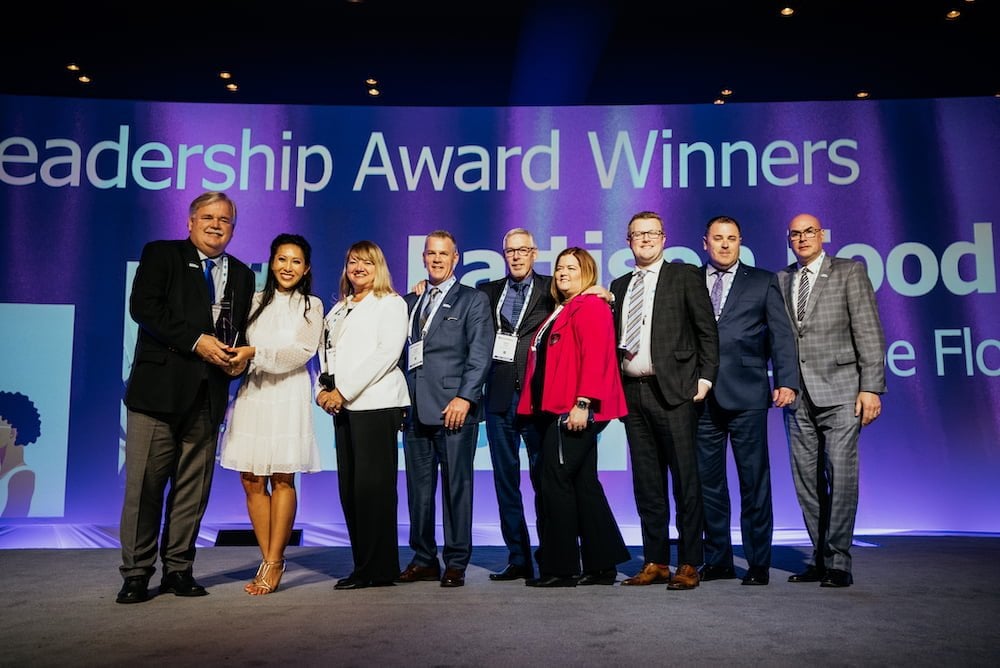
Pattison Food Group team. Photo: Wade Muir Photography
In November 2021, parts of British Columbia were hit by severe rainfall and flooding. Major highways throughout the province were heavily damaged, forcing travelers to shelter in the District of Hope, which was completely cut off from all surrounding communities. With restrictions prohibiting traditional truck and trailer delivery along Highway 7 into Hope, several Pattison Food Group companies went to extraordinary lengths to ensure the community and stranded travelers received essential goods and medicines while supply chains were interrupted.
Pattison Food Group says that it is honoured to be recognized amongst its peers and by Retail Council of Canada with a 2022 Excellence in Retailing Award for its Hope flood recovery efforts. “The severe flooding that happened in B.C. in the fall of 2021 brought many challenges, but also saw our teams go to extraordinary lengths to ensure the community and stranded travelers received essential goods and medicines while supply chains were interrupted. These awards celebrate the best in our industry, and we are so proud of this recognition.”
Sephora team. Photo: Wade Muir Photography
Talent Development: Sephora, Building the Next Generation of High Performing Culture Catalysts
Beauty retailer Sephora received kudos for its talent development this year — the Sephora SPARK Employee Ambassador Program is described as a talent development and engagement program for high performers who are educated on and encouraged to be ambassadors and advocates for Sephora Canada. This group helps Sephora Canada establish grassroots cultural, recognition, communication, and continuous improvement solutions.
The acronym ‘SPARK’ stands for Storytelling, Passion, Allyship, Respect, and Knowledge, which are the key pillars and attributes of the program according to Sephora. Through ongoing learning and development opportunities, Sephora SPARK employee ambassadors are a highly engaged group of individuals who are provided with unique and exclusive opportunities not available to the retailer’s general workforce. In exchange, they share their unique employee experiences both virtually on social media and internally through various forums. As a result of this program, Sephora has seen this group further progress in their careers, demonstrate incredible results impacting the business, and become so highly engaged that they’re changing the perception of Sephora as an employer of choice.
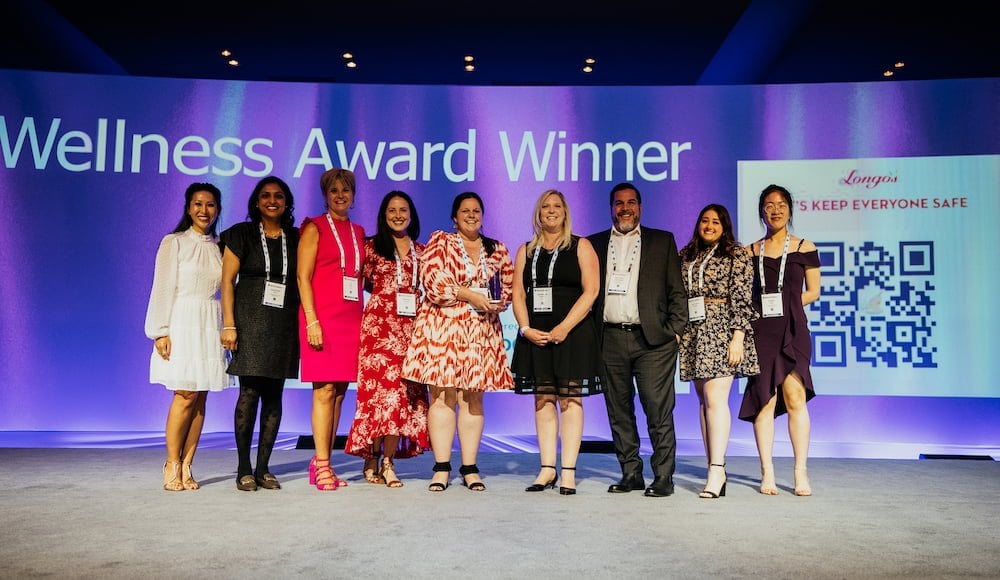
Long’s team. Photo: Wade Muir Photography
Health, Safety & Wellness: Longo’s, Digital Injury Prevention
Ontario-based grocery retailer Longo’s identified the need to make modifications to its safety protocols. The retailer’s previous system included outdated pen and paper safety-based logs used to document cleaning, completing temperature checks, and conducting sweep log inspections in all areas to help prevent slip, trip, and fall injuries for Guests and Team Members.
With the additional impact of COVID-19 restrictions, a change was needed to ensure the record keeping process for illness and injury prevention was made easier for the frontline workers, and truly adhering to Longo’s values of “Simplicity Always”. To accomplish this task, Longo’s partnered with Certainty Software™ − a digital platform that builds and delivers customized inspections and checklists, along with reporting trends and analytics. This was done through the simple scanning of a QR code, all while increasing compliance through real-time reporting and forcing a physical area inspection, to be completed by Team Members, for every entry.
The Certainty Software platform was quickly adopted across the Longo’s chain, leading all locations to achieving high compliance for record keeping for illness and injury prevention. Throughout 2021, Longo’s placed a focus on transitioning all health and safety and risk-based logs and inspections to this platform, with the goal to reduce injuries and improve compliance.
Longo’s says that it continues to collaborate cross-functionally on all safety processes to ensure that it achieves best-in-class results for safety and most importantly, keeping people safe. “This award will help with positive reinforcement toward keeping everyone safe, and that the hard work, dedication and passion for safety has not gone unnoticed,” says a Longo’s representative.
Aritzia team. Photo: Wade Muir Photography
Loss Prevention: Aritzia, Retail Risk Program
The Vancouver-based fashion retailer received an award for its Retail Risk Coverage program, which was developed to maximize profit by minimizing product and financial loss while protecting Aritzia’s people, brand, and operations.
COVID-19 lead to significant hardship across the retail industry and the Retail Risk Coverage program enabled Aritzia to respond by minimizing controllable losses. The objectives of the program were to:
Maintain retail shrink below one percent and elevate inventory accuracy above 90%,
Uphold and exceed government illness risk requirements, and
Provide tactful response to safety escalations within stores.
In the past five years, Aritzia says that is has refined its internal controls to reduce shrink, relished risk opportunities to increase its profitability while investing in the health and safety of its people. “RCC’s recognition is a prideful acknowledgement to our team – the award is motivation for our effort, persistence, and resilience.”
A huge congratulations to the 2022 Excellence in Retailing Awards winners. Keeping retail in Canada strong is great because of you. And, for all the wonderful innovation teams are working on right now, be sure to submit your applications for the 2023 Excellence in Retailing Awards which will open at the end of the year.
Retail Insider is streamlining its Canadian retail news from around the web to include a handful of top news stories that can be viewed quickly during the day. Here are the top stories from the past 24 hours.
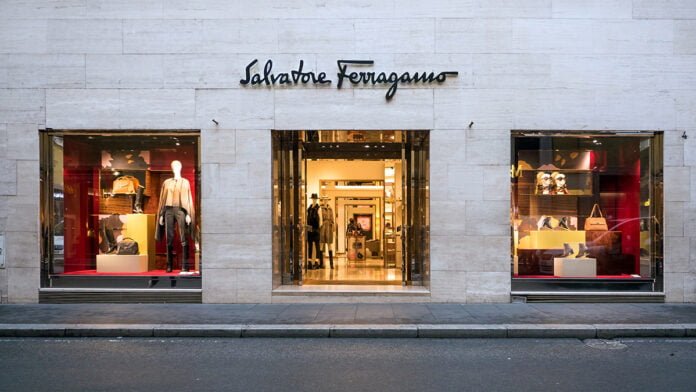
Italian luxury brand Salvatore Ferragamo will open a first-in-the-world concept store in Toronto’s Bloor-Yorkville area. The store will occupy two retail spaces at The Colonnade at 131 Bloor Street West, and will be the fourth standalone Ferragamo store in Canada.
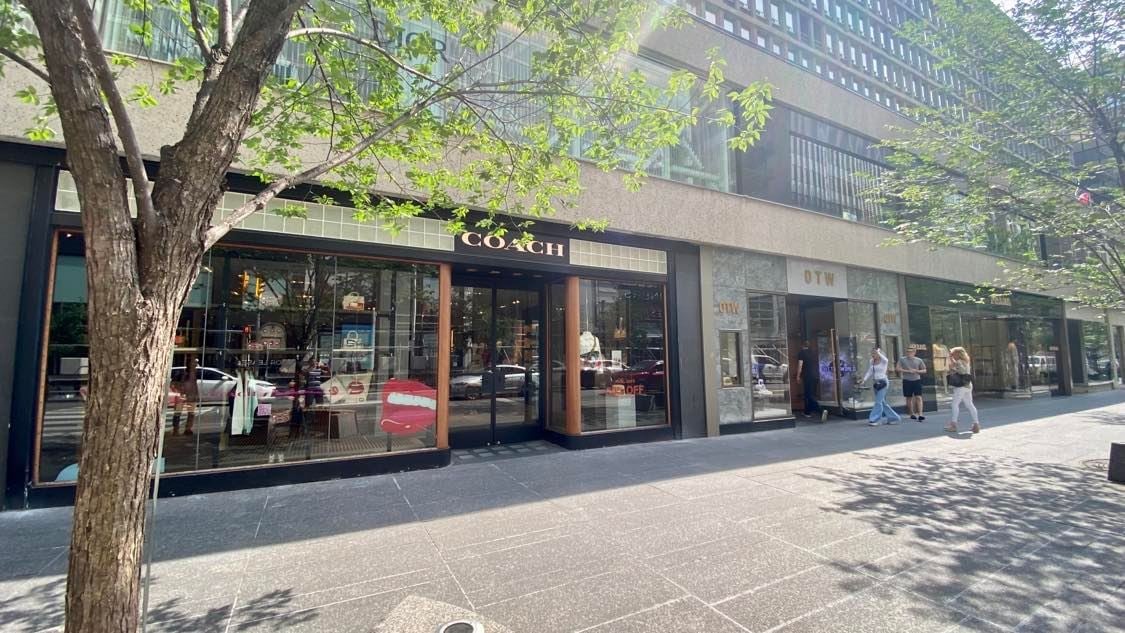
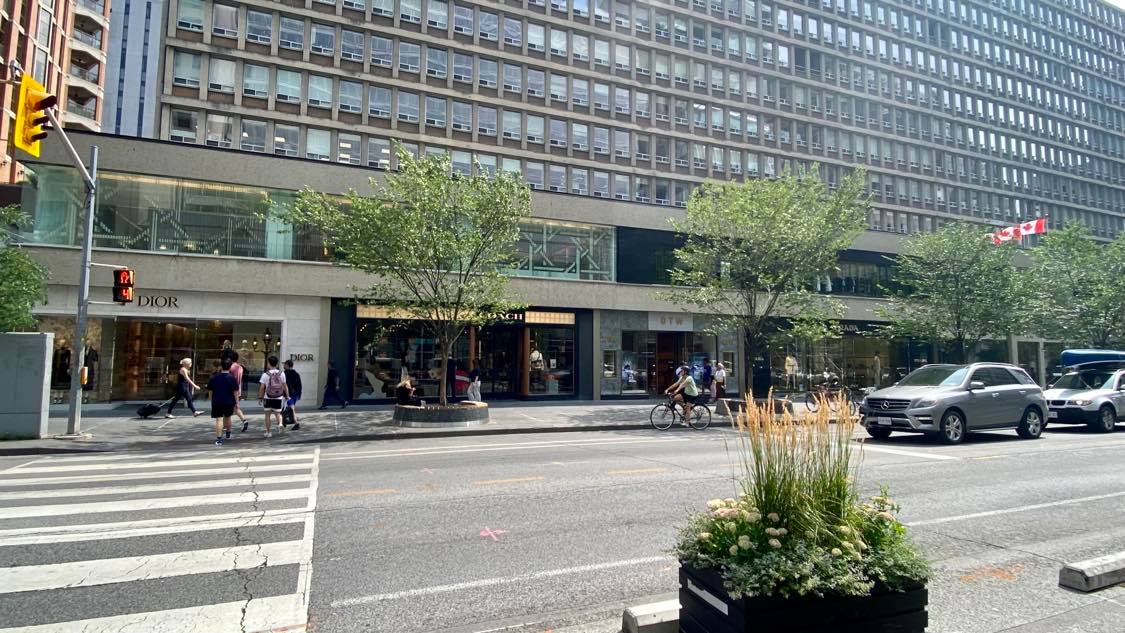
Ferragamo will occupy about 5,300 square feet on the street-level of The Colonnade between a large Prada store bookending one end and a massive Dior flagship on the other. The Ferragamo lease involved joining two retail spaces including a 3,000 square foot storefront currently occupied by Coach as well as a 2,225 square foot space vacated in the spring of 2020 by UK luxury brand Mulberry which shut both of its Canadian stores and exited the market at the time. A pop-up for a sneaker retailer currently occupies the former Mulberry space.
Employees at the Coach store have been informed that the Bloor Street store will be closing. Coach also has several stores in the Greater Toronto Area including downtown at the CF Toronto Eaton Centre.
The Bloor Street Ferragamo store will feature a new design concept that will be a first in the world for the company, which has new CEOs in Europe and in North America as well as a new creative director. We’ll discuss the design more when details become available. What we do know is Former Burberry CEO Marco Gobbetti, now head of Ferragamo, says the Ferragamo brand will endeavour to rapidly refresh its products and image in an effort to attract Gen-Z clients.
The current Coach store and OTW sneaker pop-up at 131 Bloor Street West in Toronto on July 27, 2022. Photo: Craig Patterson Image: Salvatore Ferragamo website
Jordan Karp and the team at Savills Canada negotiated the lease on behalf of Ferragamo. Morguard owns and manages The Colonnade which includes a retail podium as well as offices and a residential apartment building above. The Colonnade is a circa 1963 heritage-protected property that is recognized as being the first mixed-use building in Canada. The Colonnade is also home to global luxury brands including Dior, Prada, Cartier, Escada and Moncler, as well as upscale retail brands Black Goat Cashmere and William Ashley/Teuscher of Switzerland chocolates.
In Canada, Ferragamo operates stores in the Vancouver and Greater Toronto markets. Since the 1980s Ferragamo has had a store at 918 Robson Street in Vancouver which, because of an eventual building demolition, is said to be looking to relocate to the city’s Alberni Street ‘Luxury Zone’ nearby (no new lease has been signed as of press time). Ferragamo also operates two standalone stores in the Greater Toronto Area. In the summer of 2013 Ferragamo opened a 3,800 square foot store at Toronto’s Yorkdale Shopping Centre and in the summer of 2016 it opened a 4,425 square foot storefront at Square One in Mississauga. The brand has outlet stores at Toronto Premium Outlets as well as at Montreal Premium Outlet, being the only place in Quebec to buy Ferragamo ready-to-wear.
Ferragamo leather goods and footwear are also available at several upscale multi-brand stores in Canada including Holt Renfrew, Saks Fifth Avenue and Nordstrom. It’s unclear if the brand’s standalone store expansion will have an impact on wholesale distribution for the brand in Canada.
The Colonnade at 131 Bloor Street West in Toronto on July 27, 2022. Photo: Craig Patterson
Brokers are saying that Toronto’s Bloor Street West is seeing a flurry of interest and leasing activity from retailers to open stores on the street as well as nearby Yorkville Avenue. Swarovski is said to have already leased a space on Bloor Street after exiting 2 Bloor Street West for a new lululemon store set to open in early 2024. Another brand said to be looking at Bloor is Browns Shoes which for years has had stores in the area. Recent tenant announcements set to open on Bloor Street include first-to-Canada locations for luxury brands Alexander Wang, Anne Fontaine, Rolex, and foodservice business Paris Baguette and Retail Insider will be announcing more as we work through some information and prepare reports in the coming weeks. Apple is also expected to hopefully open a flagship storefront at 1 Bloor Street West though recently news reports said that litigation was making things less certain.
Italian shoemaker Salvator Ferragamo began making shoes in the 1920s and the luxury brand now has over 400 stores globally as well as thousands of wholesale distribution points.
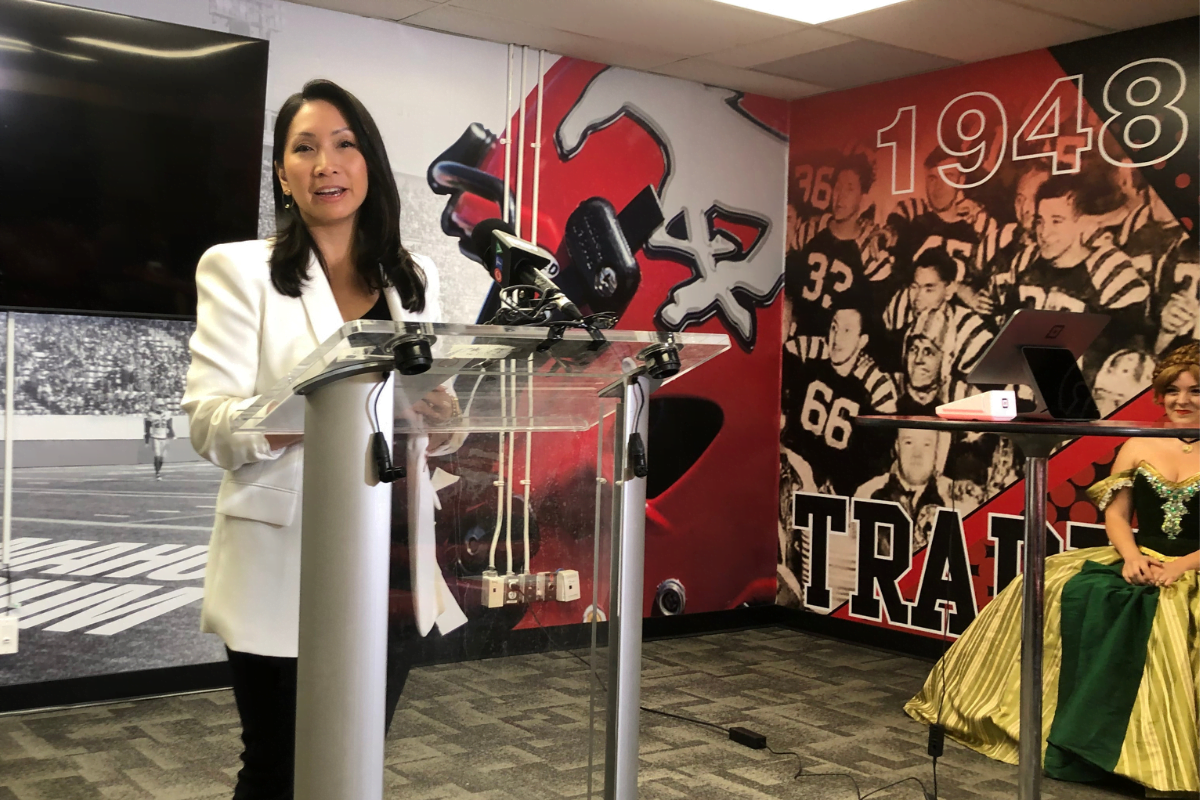
CALGARY, AB - JUNE 27, 2022: Square Press Conference at MacMahon Stadium on Wednesday. (Photo by Jenn Pierce/Calgary Stampeders)
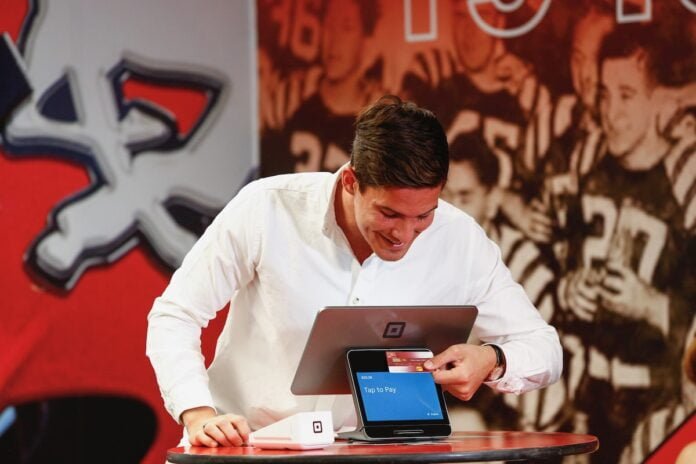
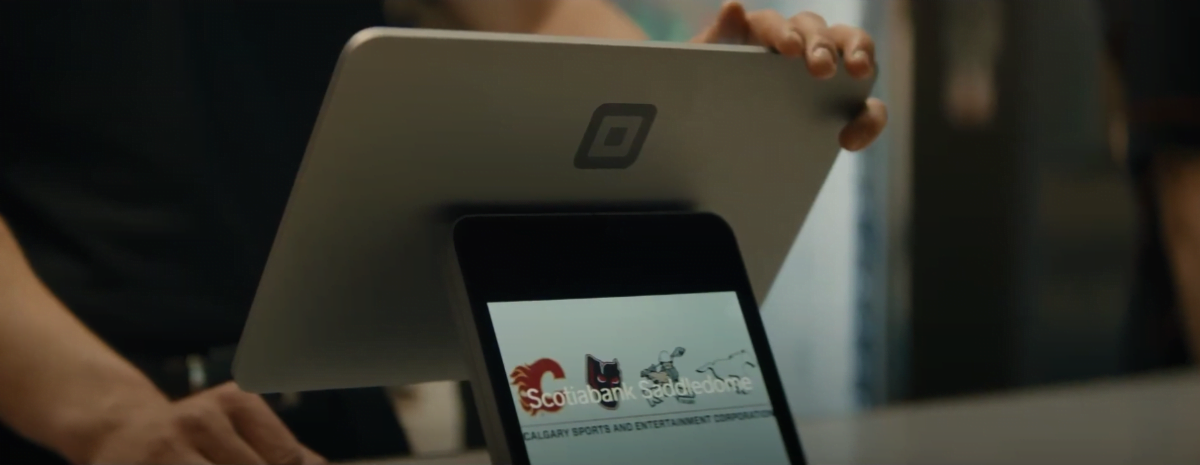
New commerce technology by Square is allowing the Scotiabank Saddledome, home of the Calgary Flames, and McMahon Stadium, home of the Calgary Stampeders, to go cashless for payments of everything from merchandise to food to alcoholic beverages.
Prior to the pandemic, the venues, owned and operated by Calgary Sports and Entertainment Corporation (CSEC), received 50 to 60 per cent of their onsite payments in cash during big games. Deploying a new POS system to enable cashless, distanced payments quickly, and that integrates with other areas of the business, has been a key priority for McMahon and Scotiabank Saddledome.
“McMahon and Scotiabank Saddledome are two of several facilities owned and operated by CSEC. Maintaining a high level of service requires selecting technology and payments partners who can match the size and scale of these and other arenas,” said Ziad Mehio, Vice President, Technology and Food Service at CSEC. “We definitely made the right choice with Square. Since implementing Square’s hardware and software, we’ve been able to speed up transactions, increase revenue and significantly reduce lines, while dramatically simplifying administrative processes for our staff.”
On Wednesday, CSEC, Square and Interac announced a program, #YYCSpotlight Business Giveaway, which will help boost local businesses.
The contest was developed to celebrate the year-long, multi-phased collaboration between Square, Interac and CSEC to enhance the fan experience at Scotiabank Saddledome and McMahon Stadium in Calgary while supporting local businesses.
Winning business owners will receive their choice of either a Square Register or a yearlong subscription to Square Online Premium, along with $1,000 sent through Interac e-Transfer, game tickets and a comprehensive in-stadium advertising package. The fan who nominates each winner will receive a chef’s table experience for two at Nupo restaurant in Calgary, plus a $100 gift card to spend at a local business.
Rachelle Roulston (Image: Mario Toneguzzi)
Isabel Lee (Image: Mario Toneguzzi)
Image: Square / Calgary Sports and Entertainment Corporation (CSEC)
In total, 14 local Calgary businesses will benefit from the #YYCSpotlight Business Giveaway on Instagram and Twitter, with seven winners to be crowned at McMahon Stadium starting on July 30 – at this Saturday’s Stampeders vs. Blue Bombers game – and an additional seven to be awarded at the Saddledome throughout the Flames’ season starting in October.
Rachelle Roulston, Manager of Special Projects for CSEC, said the organization has been collaborating with Square and Interac since the fall of 2021 to boost the fan experience at the Scotiabank Saddledome and McMahon Stadium through a complete point of sale makeover leveraging Square hardware and software and Interac’s network.
Rachelle Roulston
“Thanks to this technology overhaul, service has been greatly improved, fans can use QR codes to order concessions and skip the lines, those who do lineup for food and merchandise are served more quickly and efficiently and hawkers can now take multiple forms of payment including Interac debit and credit card,” she said.
“From a CSEC perspective, our operations are far smoother and they’ve allowed us to make better decisions, understand trends and optimize staffing, inventory and promotion.
“We’ve seen a huge uptake in sales. Our transaction time has decreased so much . . . We’ve been able to get through lineups way faster and we are seeing about a 20 per cent faster processing time.”
Image: Square / Calgary Sports and Entertainment Corporation (CSEC)
Cole Baldwin
Cole Baldwin, Business Expert and Sales Lead at Square Canada, said the company was created in 2009 to ensure that everyone had equal access to the economy and to help independent businesses accept card payments.
“The pandemic has thrown Canadian businesses challenge after challenge — and accelerated the demand for new, more flexible omnichannel commerce solutions,” said Baldwin. “Square’s integrated products and platform enable sellers of all sizes to run their businesses, and as a proud partner of McMahon and Scotiabank Saddledome – two of the most well-recognized stadiums in the country – we’re eager to continue to show our support for small businesses through our program with CSEC and Interac.”
At this time, Baldwin said, the initiative is only present in Calgary.
Image: Square / Calgary Sports and Entertainment Corporation (CSEC)
Isabel Lee, Director, Client Solutions and Investor Relations for Interac, said Canadian businesses are looking for seamless solutions to meet the demands of an evolving digital economy – while maintaining profit margins, convenience and security.
Isabel Lee
She said that since 1984 Interac has connected more than 29 million Canadians and nearly 300 financial institutions in payment processes.
“Canadian small businesses are the foundation to our economy and they make up 97 per cent of all merchants. I don’t need to underscore the impact these last two years have had on business owners. We know small businesses have been disproportionately impacted and most Canadians believe now more than ever it’s important to support the small businesses in their community,” added Lee.
Here’s how fans can nominate a business for the #YYCSpotlight Business Giveaway.
Instagram: For one entry, fans will tag a Calgary business in the comments and tell us why they are their favourite business. For an additional entry, fans will share the giveaway post to their stories with #YYCSpotlight tagging both @SquareCanada and @Interac.
Twitter: For one entry, fans will tweet their favourite business in Calgary and tell us why using the hashtag #YYCSpotlight, tagging both @SquareCanada and @Interac.
Medrek started her YYC Princess business six years ago and today she has 43 performers that work for her with more than 30 characters.
CALGARY, AB – JUNE 27, 2022: Square Press Conference at MacMahon Stadium on Wednesday. (Photo by Jenn Pierce/Calgary Stampeders)
“In the past two years, over the pandemic, I was able to hire, pay and support over 400 different artists in this city at a time where artists just didn’t have work at all. When a lot of businesses were being hit really hard by the pandemic, we managed to create more magic in this city than we ever had before,” she said.
“I’ve been using Square since the day that we started. The thing about Square it’s perfect, it’s easy, it’s efficient and it’s effortless. And when I use Square and I tell my clients that I’m using Square they know that I’m not sketchy, they know that I’m legit and they know that their money is going to be taken care of and it’s not going to be hanging out in the ether for hours at a time.”
The collaboration between Square, Interac and CSEC culminates during Small Business Month in October, when the three will host a small business summit to bring sport, entrepreneurialism and community together for a day of thought leadership, inspiration and education for business owners. More information about the small business summit will be provided in the coming months.