Advertisement
Home Blog Page 885

Clearview AI’s Misconduct Opens Larger Discussion Around Privacy and Use of Technology in Canadian Retail Locations

Facial Recognition AI being used in Canadian retail

Uncertainty breeds many things in people. Through an inherent lack of clarity, it tends to trigger primitive reaction and behaviour, instilling in us a sense of confusion, vulnerability and distrust. Ultimately, unless an adequate amount of understanding is gained, uncertainty often also results in panic and fear, and an override of our use of relative rationality and logical reasoning. In our quest to understand, to cut through the vagaries and ambiguity toward a clearer view of our unclear situation or circumstance, we seek out information, as much of it as possible from as many sources as we can find, sometimes overreaching limitations and boundaries. This is most definitely true with respect to Clearview AI’s unlawful practices — misconduct which was recently condemned by the Office of the Privacy Commissioner of Canada (OPCC). However, as flagrant as the company’s misdoings may have been, they have further sparked the need for greater discussion and comprehension related to privacy rights and regulation to help govern the proper use of technologies that are enhanced with the power of artificial intelligence and machine learning.

Clearview AI Misconduct

It was concluded on Wednesday, February 3, that New York-based technology company, Clearview AI — a developer and provider of facial recognition software — violated Canadian federal and provincial privacy laws by scraping the images of billions of people from across the Internet. The joint investigation by the OPCC, the Commission d’accès à l’information du Québec, the Office of the Information and Privacy Commissioner for British Columbia and the Office of the Information and Privacy Commissioner of Alberta found that the technology company’s acts, “represented mass surveillance and was a clear violation of the privacy rights of Canadians”.

Servicing both law enforcement and commercial organizations, Clearview AI provided its clients with a databank of more than 3 billion images for the purpose of matching and identifying unknown individuals within their communities and establishments. Images stored in the technology company’s databank included those of Canadians, resulting in the investigation which found that Clearview’s acts “creates the risk of significant harm to individuals” and that it had “collected highly sensitive biometric information without the knowledge or consent of individuals”, using and disclosing the personal information of Canadians for “inappropriate purposes, which cannot be rendered appropriate via consent”.

Opening Up Larger Discussion

Clearview AI disagrees with the investigation’s findings, holding that, “given the significant potential benefit of Clearview’s services to law enforcement and national security and the fact that significant harm is unlikely to occur for individuals, the balancing of privacy rights and Clearview’s business needs favoured the company’s entirely appropriate purposes,” and that, “Clearview cannot be held responsible for offering services to law enforcement or any other entity that subsequently makes an error in its assessment of the person being investigated”. The Commissioners rejected the technology company’s arguments. And rightly so. However, industry expert, loss prevention veteran, and Founder of Bottom Line Matters consultancy, Stephen O’Keefe, says that the case nonetheless opens up a larger discussion and debate concerning Canadian privacy rights and the use of these types of technologies by law enforcement and those operating within the retail industry.

“There are a number of existing technologies, and many more emerging technologies in development, which present massive benefits toward ensuring a safe and secure environment,” he points out. “The existing technologies in a lot of cases could provide retailers with comprehensive solutions to an array of challenges that they face. But the investment in these technologies and their implementation into retail operations is being held up in the legal departments of organizations, or resisted by businesses altogether, as a result of the ambiguity around their appropriate uses with respect to privacy rights. Retailers require the development of a more complete definition on the matter and a continuation of the conversation. The Privacy Office, for its part, is doing its best in efforts to protect the personal information of Canadians. Its intention is not by any means to outlaw these types of technologies or their use by businesses. But rather to arrive at some clarity around its acceptable uses and to develop regulation to provide needed boundaries.”

Facial Recognition AI technology

OPCC Working Toward Sensible and Balanced Regulation

The OPCC recognizes the immense promise that technologies powered by artificial intelligence and machine learning present to industries in potentially helping to address some of today’s most pressing issues. As part of its work to move toward clearer regulation, the OPCC provides businesses with its 10 fair information principles which are meant to guide retailers with respect to the protection of individuals’ personal information. And, in January 2020, it launched a public consultation on its proposals for ensuring the appropriate regulation of AI in the Personal Information Protection and Electronic Documents Act (PIPEDA). The aim of its proposals is to ensure that any necessary legislative changes to PIPEDA are considered in order to help businesses reap the benefits of AI while upholding individuals’ fundamental right to privacy. O’Keefe points out that the OPCC has A Regulatory Framework for AI: Recommendations for PIPEDA Reform on its website as well as other resources that retailers can reference and leverage to evaluate their own use of AI technology.

“There’s a lot of really great information that the OPCC offers online to help organizations govern themselves with respect to obtaining personally identifiable information,” he says. “As part of its Guidance on Inappropriate Data Practices, it outlines the factors that were set out by the Federal Court which are used to evaluate whether an organization’s purpose in collecting, using and disclosing information is in compliance with PIPEDA subsection 5(3). This information can be extremely useful for businesses as they explore different technologies and how they can be used to benefit their operations. However, the challenges lie in the fact that the development of emerging facial recognition technologies and artificial intelligence are advancing so quickly that they’re constantly outpacing necessary updates to the regulations. What’s resulting is a limitation being placed on the potential of these technologies because of a hesitancy and reluctance shown by business to adopt them based on ambiguity around their use.”

It’s a concern that’s noted by Jill Clayton, Information and Privacy Commissioner of Alberta, and one of the Commissioners involved in the Clearview AI investigation. She recognizes the dual obligation of the OPCC in protecting the identifiable information of Canadians while encouraging and supporting the development of technologies offering such transformative and beneficial potential.

“As the use of facial recognition technology expands, significant issues around accuracy, automated decision making, proportionality and ethics persist,” she says. “The Clearview investigation shows that across Canada we need to be discussing acceptable uses and regulation of facial recognition. Regulation would not only assist in upholding privacy rights, it would provide much needed certainty to all organizations thinking about using or developing the technology.”

Clearing Up Ambiguity

As O’Keefe asserts, the retail industry and the developers and providers of these types of technologies would gladly welcome further discussion toward sensible regulation. Until such regulation is developed, however, he points to a four-criteria litmus test which can be used by companies and applied against their own use of facial recognition and artificial intelligence to help clear up whatever ambiguity remains for them regarding their use of these technologies. The four criteria that O’Keefe suggests need to be met, in conjunction with adherence to the OPCC’s 10 fair information principals, are as follows:

  1. Necessity – does the proposed collection, use and/or disclosure of information meet a substantial business need?
  2. Effectiveness – will the proposed collection, use and/or disclosure be effective in meeting that business need?
  3. Proportionality – is the loss of privacy to the individual proportional to the benefits obtained by the organization?
  4. Alternatives – are there more privacy-friendly alternatives that would meet the business need?

O’Keefe stresses that one of the fundamental learnings that emerges from cases like the OPCC’s investigation into the conduct of Clearview AI is the fact that retailers and other businesses that leverage artificial intelligence and facial recognition need to approach their consideration of use with greater diligence and accountability. He says that it’s about gaining a full understanding of the technology, the artificial intelligence that’s been created and the data that helps feed that intelligence in order to properly assess the capability and usage of technology systems that they purchase. However, what he suggests is of equal importance is the requirement of retailers and their technology partners to remain resolute and to not be discouraged by the OPCC’s findings into Clearview AI’s practices.

“Artificial intelligence is here to stay and proposes enormous capabilities and benefits for businesses. Retailers shouldn’t abandon their use of existing technologies or their exploration of emerging ones. There’s so much untapped potential at the moment, and it continues to evolve and progress. Machine learning is constantly enhancing and informing artificial intelligence toward increasing levels of sophistication. Today, intelligent systems are being created. And in the future, we’ll see the development and advancement of super-intelligent systems which will be informed to the point of executing decisions. Retailers don’t want to miss out on this kind of innovation and the tools that can help them transform their businesses. To ensure that they don’t miss out, the industry needs to understand that not all uses of facial recognition and artificial intelligence technology represents a breach of privacy rights. By utilizing and adhering to the OPCC’s 10 fair information principals, conducting the 4-criteria litmus test against their own desired use of technology systems and remaining diligent when it comes to their exploration of different technologies, retailers can continue moving forward within the increasingly digital world while ensuring compliance with Canada’s privacy laws.”

For more information concerning interpretation and a better understanding of the Personal Information Protection and Electronic Documents Act (PIPEDA) as it relates to the collection, use and disclosure of information and the appropriate use of facial recognition and artificial intelligence technologies, contact Stephen O’Keefe at stephen@blmorg.com

Study Tracks Retail and Restaurant Closures Across Canada

Chef wearing a mask hanging up sign closed on restaurant door.

A new study of consumers shows about one-third of Canadians indicate that a store they regularly visited in the past has closed permanently and four in 10 have seen the permanent closure of a preferred restaurant during the COVID-19 pandemic.

Across the country, store closures have been noticed most in the Prairie Provinces (40 percent) and Quebec (40 percent), and are least likely to have been witnessed in the Atlantic Provinces (25 percent), according to the Narrative Research survey.

“The impact of stores and restaurants closing as a result of the pandemic should not be underestimated,” said Margaret Brigley, CEO and Partner at Narrative Research. “Despite many government assistance programs and community supports for small businesses, there is no doubt it’s been a challenging year for retail and those in food services.”

Former Urban Barn on King Street East – Photo by Dustin Fuhs

Ontario results of 46 percent were the highest when it came to restaurants followed by B.C. (43 percent), the Prairies (42 percent) and Quebec (42 percent).

The survey was taken online January 15-19. Canadians were asked:

  • Have any stores you regularly visit (or regularly visited prior to the pandemic) permanently closed due to COVID-19?
  • Have any restaurants you regularly visit (or regularly visited prior to the pandemic) permanently closed due to COVID-19?

Margaret Chapman, COO and Partner with Narrative Research, said the closure of stores and restaurants being least likely in Atlantic Canada has much to do with the shorter period of lockdown the region had.

“Only in the spring really and then a very short period of lockdown in the fall of restaurants. I think restaurants have been able to stay open longer. We’ve had fewer restrictions in our movement, in our ability to visit restaurants in Atlantic Canada, so I’m thinking that has contributed to restaurants’ viability in Atlantic Canada over places that there’s been stronger either mandates or restrictions on people being able to go out and be in stores and go to restaurants throughout the past year,” she said.

Chapman said it’s a combination of actual restrictions and perceived risks of going out.

“All summer throughout Atlantic Canada we were able to go to restaurants, travel around the region. Life was virtually normal and I’m sure that helped restaurants to sustain their businesses and stores as well,” she said.

“We got used to being back in stores and browsing again instead of just going out for the essentials. I think that’s what contributes to that difference being a quarter. I don’t want to minimize it, it’s still a significant number who’ve seen restaurants and stores close but it’s not the 40 percent we’re seeing in the Prairies for example, or Quebec.”

According to the survey, demographically, for both stores and restaurants, Gen Z and Millennials are more likely to have seen a favourite location close, compared with Gen X or Boomers.

“I think it’s important to put the numbers in context as well. This doesn’t mean a third of stores are closed. It just means that a third of people have witnessed one of the places they would have gone to having closed,” explained Chapman. “It’s a little distinction.

“But it’s an indication a lot of people are seeing changes in their communities and it’s of course having an impact on the fabric of the community having that many stores and restaurants being a favourite place you would have gone to no longer operational.”

RetailU, the Leading eLearning Platform in Canada, and One Voice One Team, a Youth Leadership Non-Profit, Have Teamed Up Together to Ignite Leadership

Group of One Voice One Team members. Photo: One Voice One Team

Toronto, 8th February 2021 – RetailU, the leading retail training platform that supports retailers invest in their field leaders through micro e-learning and customized virtual workshops, has teamed up with the One Voice One Team, a non-profit organization providing youth leadership workshops, assemblies, and community service programs in order to empower the youth of today for a better tomorrow.

Founder April Sabral says, “Supporting One Voice One Team is a natural fit for RetailU. Many retail first-time employees are students, some even grow into managers. OVOT develops their leadership skills, the work OVOT are doing is incredible and making a huge impact not only on the students but also supports teachers, which is necessary today”.

To launch this ongoing partnership, retailu will donate 50% of all membership sales through February to One Voice One Team. Sabral says our goal is to help 400 youth in Winnipeg attend the OVOT program. Learn more HERE.

Orlando Bowen, the founder of One Voice One Team, says, “We believe that, despite their challenges, all youth can make the most out of their circumstances if they are given support, guidance, and opportunities for growth. Numerous issues plague youth today: such as unemployment, suicide, gang involvement, mental health challenges, and more. At One Voice One Team, we empower, inspire, and facilitate opportunities for youth to be catalysts in creating a ‘better tomorrow’ today” “We are beyond excited to work with Retailu. We have the same mission to develop future leaders.”

In the last year, through the process of COVID and extreme lockdowns, retail and schools were hit hard. Sabral says,” I saw my son struggle with online school” “We knew we had to step up and do something. Also, many first-time job seekers were not able to gain their first retail job. To launch this partnership, we are offering a special rate for a one-year membership. Managers looking to up-level their skills can get involved support us reach our goal while investing in themselves”. “It is not enough to know about the issues we are facing today. We all need to step up and support local initiatives like this that need us.”

This launches an ongoing partnership between retailu and One Voice One Team.

ABOUT RetailU

www.retailu.ca

RetailU was founded by Sabral in 2019 when she couldn’t find affordable, relevant leadership training for her team. retailu provides off the shelf quality leadership training for field leaders at a fraction of the cost of other training programs. After developing leaders for nearly three decades, she thought there had to be a better way. retailu is a subscription licence model with over 25 retail core competencies courses geared to improve managers’ skills to drive their business.

ABOUT One Voice One Team

www.onevoiceoneteam.org

One Voice One Team is a non-profit organization providing youth leadership workshops, assemblies and community service programs in order to empower the youth of today for a better tomorrow. The charitable organization services the GTA, surrounding cities and Winnipeg, Manitoba. They offer customized, remote programs inspiring kids and educators across North America.  Many of their high-energy, experiential learning programs blend mentorship and life skills coaching with cognitive behavioural activities to develop leadership skills necessary to succeed in the biggest game of all, the game of life.

Impressive Mixed-Use Lakeview Development in Mississauga to Feature Unique Retail Component

Rendering of Lakeview Village - Cicada Design | ©Lakeview Community Partners Limited
Rendering of Lakeview Village - Cicada Design | Lakeview Community Partners Limited

The retail landscape is one that is in constant flux. Anchored to a myriad of factors and influencers that include market trends, consumer sentiment and behaviour, the advancement of technology, and even the weather, to name but a few, the industry and its operators are required to meet the flux with continuous innovation in order to succeed and flourish. Much of the innovation developed by retailers is rightly focussed on the consumer and is reflected in enhancements to in-store service, evolving digital offerings, the provision of multiple purchasing options, and a multitude of other initiatives, in concerted efforts to create and support ideal conditions for the consumer to shop within. With this omnipresent retail objective in mind, and driven by a desire to transform the very notion of urban living, Lakeview Community Partners Ltd (LCPL) is developing a one-of-a-kind mixed-use community that is set to revitalize southeast Mississauga’s Lake Ontario waterfront and reinvigorate the retail experience.

A Different Approach to Community Development

Envisioned as a confluence of retail and cultural amenities and residential units, the Lakeview Village project is a joint venture partnership involving some of the Greater Toronto Area’s leading community builders, including TACC Construction Limited, Greenpark Group, CCI Development Group, Branthaven Homes, and Argo Development Corporation. With the goal of creating a “complete community” and a place where residents and visitors can connect with the Lake Ontario waterfront, LCPL’s proposal stands out by virtue of the holistic approach through which planning has been conducted. Including considerations from economic and environmental sustainability to the clever use of placemaking and open-space connections, and just about everything in between, Lakeview Village’s overall design seems to offer something for everybody. And, according to Rob Spanier, President of the Spanier Group and LCPL development advisor, it’s a design that will result in an urban living environment unlike any other in the country.

“There are many other large-scale mixed-use projects that currently exist or are under development,” he admits. “But what helps set Lakeview Village apart is the fact that we’ve started from the concept of ‘place’, allowing for all other aspects of the community to be built around it. If you create the horizontal place, you can plant all of the uses to truly deliver an incredible development. When we worked through design of the concept, we knew that we had to consider everything, including the ground floor, the appropriate retail programming and tenant mix, and the public realm. And through the establishment of a successful combination of retail, food and beverage and neighbourhood services, we’ve been able to achieve the true essence of ‘place’. Lakeview Village is not a new subdivision. It’s a truly complete community that complements Mississauga’s incredible development pace of the last thirty years and offers a destination that everyone in the Greater Toronto Area will be able to visit and enjoy.”

An Open Space Network

Located in southeast Mississauga’s Lakeview neighbourhood, Lakeview Village is comfortably situated, just seven kilometres from Mississauga’s City Centre on the western edge of Toronto. And, supported by established transit infrastructure and the community’s close proximity to major highways, it’s a destination that promises convenience for its residents and ease of accessibility for visitors.

With plans to bring the community to life, syncing occupancies with the completion and opening of its many parks, Lakeview Village will be home to an anticipated 20,000 residents occupying somewhere in the region of 8,000 units, including townhomes, mid-rise and condo buildings. And, designed within the context of an open space network, the area will be dotted by parks and green spaces, for everyday active and leisure use, within a continuously linked system that provides an uninterrupted connection to Lake Ontario, from east to west Mississauga. Lakeview Village is also intended to be a multi-modal district with an emphasis on the utilization of transit and active transportation. To support its commitment, the community will be intersected by a network of cycling and walking paths. And, to ensure a more pedestrian-friendly environment, a ‘fine-grain’ network of roads with frequent intersections has been developed in order to limit the speed of vehicular travel within the community and further secure the safety of residents and visitors.

The weight that LCPL has placed on ensuring that these open space features are present within its design reflects its mandate to keep the public realm at the forefront of its considerations throughout the planning process. In addition, says Brian Sutherland, Vice President of ARGO Development Corporation, the attention that’s been paid to these aspects of Lakeview Village’s design represent yet another significant point of differentiation for the development, enticing prospective residents and visitors alike with an unmatched lure and attraction to the area.

“Lakeview Village is a truly unique project,” he says assuredly. “The former use of the land was very utilitarian. For decades it served as a coal burning plant for the province. And since the plant’s closing more than fifteen years ago, the land has sat dormant, cutting off access to this entire piece of waterfront land. Through this project we have the opportunity to reconnect people with the nature that surrounds the Lake Ontario waterfront and create an amazing urban community where people will come to live and work as well as a destination for people to visit for so many different reasons. It’s exciting to be part of a project like this and to be involved in an initiative that is focused on revitalizing an area that’s been so under-used for so long and reimagining it in such a special way.”

Retail at the Heart

As impressive as these revitalization efforts are, however, and as critical as the residential and community infrastructure components might be toward the Lakeview Village master plan, the heart of the entire project is Lakeview Square — the vibrant cultural and retail hub of the mixed-use destination. A focal point of the project, located in the southeast quadrant of Lakeview Village, the Square opens up to the waterfront and represents the centre of civic and commercial activity. It’s where cultural, commercial, office, institutional, and recreational open spaces are meant to converge, creating a hub of activity and engagement and sustained local traffic to peruse the wares of merchants occupying the estimated 200,000 square feet of retail space that will be available in the Square. It’s this kind of placemaking, through a thoughtful approach and effective execution, that’s making Lakeview Village such an interesting proposition for retailers. And, as Spanier points out, it helps to create the perfect environment for retailers to engage with residents and visitors and to become a critical part of the community.

“Lakeview Village presents a really unique opportunity for retailers and business owners to thrive,” he asserts. “By leveraging innovative and forward-thinking placemaking and master planning, we’ve been able to create an environment that not only provides an incredibly vibrant district to engage with residents and visitors, but one that promotes those interactions. Lakeview Square will connect to virtually everything within the community, serving as a central conduit for activity and interaction and an unbelievable mixed-use waterfront experience.”

Attracting Visitors and Patrons

Another important feature of Lakeview Square is the fact that it will also provide the setting for arts and culture within Lakeview Village. The space will include an outdoor performance area, and will incorporate multicultural programming, specialty uses, and waterfront attractions, drawing on the diverse backgrounds and experiences of residents within the City of Mississauga and beyond, attracting people of all ages and backgrounds, encouraging them to stop and spend time in Lakeview Village. And, with 1,800,000 square feet of space available near the Square for other employment uses, the community will potentially result in the creation of more than 9,000 long-term job opportunities for residents of Lakeview Village and the surrounding area. Each of these features, based on their individual merits, would add life and vigor to any neighbourhood or location. However, in concert with one another, they combine to result in LCPL’s vision of a “complete community”. 

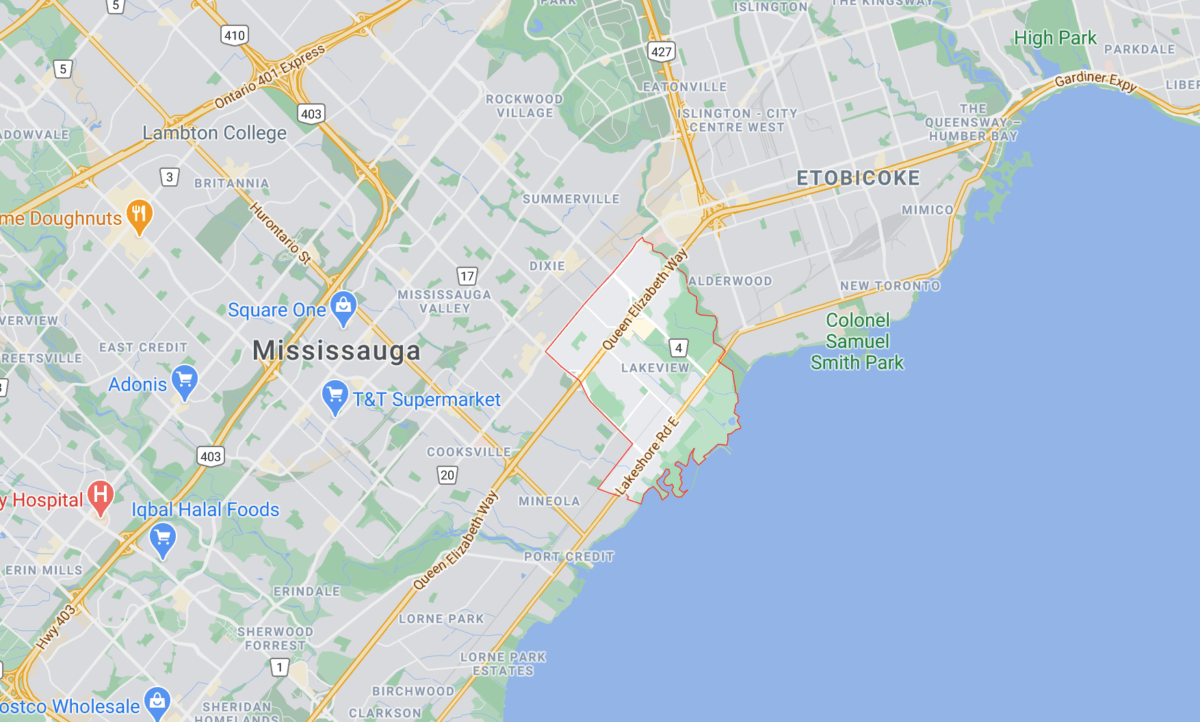
Click for interactive Google Map of Lakeview Village and surrounding area

A Place for Small Businesses to Thrive

In addition to creating the ‘place’ and planning and plotting out the placemaking of the sites, attractions, and residential and commercial spaces, LCPL has also been careful and diligent in ensuring that the right retail tenant mix is achieved to properly serve the community’s residents and visitors. The team have also conducted extensive research around the trends that are impacting retail and the drivers and levers involved in providing exceptional retail experiences. This deep understanding and comprehensive knowledge of the industry, explains Spanier, combined with learnings from the COVID-19 global pandemic, has enabled the LCPL team to make the right decisions for the future of the Square and its retail tenants.

“Lakeview Village and the unique features that it will include are all part of the vision and the understanding of LCPL concerning the differences between simple development and the creation of a community and destination that combines indoor space and outdoor space within an overall safe environment,” he says. “The impacts of COVID have made everyone innovate to find ways to allow people to continue to get together and interact and to create an environment in which retailers and restaurateurs can thrive. Our strategy is to provide smaller indoor spaces and larger, more flexible outdoor spaces that include patios and terraces. But, in the end, it’s about providing better retail experiences. The offering throughout Lakeview Square will include a curated mix of ground floor specialty retailers, handpicked non-nationals who I affectionately refer to as ‘Mom and Pop shops’ that deliver best-in-class experiences and services. It’s these small businesses that will provide the heartbeat of Lakeview Square and the community in general.”

Over 60 different retail businesses will call Lakeview Village home when it opens in just a few years. The experience and service that they each provide will individually complement the character and liveliness of the community while collectively reflecting the unique environment that LCPL hopes to create. And, with an eye on adding to and supporting the unique Lakeview Village experience even further, the development partners are currently looking ahead, considering the future of retail and mobile and digital technologies that can enable greater interaction and engagement between retailers and guests of the area, and to help deliver a seamless experience that is second-to-none.

Something for Everyone

The project, which represents a massive undertaking that’s been years in development, is quite impressive in its scope and the evidence of considerations that have been paid to just about every aspect of urban living. It’s an accomplishment by virtue of its planning and organization alone, and just might set a precedent for future community development. LCPL will be opening a Discovery Centre in late Summer 2021 where prospective residents and business owners can learn more about the community, its features and the dynamic environment it promises to create. And, as Sutherland advises, it’s an environment that will offer something for everyone, presenting an incredible opportunity for retailers to become part of something special.

“This is a project so holistic in its endeavour that everyone involved will benefit. It’s not just about the resident, the office space, the destination guest or the retailer. Lakeview Village is for everyone living within a reasonable distance of the community to experience and enjoy. It’s about living, working and playing in an active and vibrant community. And it’s a culmination of forward-thought and an approach to development that’s transformative in nature. We’re certain that when we’ve completed Lakeview Village and the framework for the future of the community, people around the world are going to be visiting to understand how to properly and effectively integrate residential accommodations, retail services, arts and cultural programming and outdoor living to create more similar communities. It’s been exciting watching it all come together, and we can’t wait to see the community and destination in action when we open to residents, visitors and retail businesses soon.”

BRIEF: J. Crew Exits Canada, DUER Relocating Flagship from Downtown Eastside to W. 4th

Retail Insider Brief

J. Crew Shuts Remaining Canadian Stores After 10 Year Run

American fashion retailer J. Crew has shut its remaining stores in Canada after a multi-year retreat. J. Crew entered the Canadian market in 2011 and had stores in several major markets.

In September of 2020 we reported that J. Crew’s last full-priced Canadian store was still operational at Toronto’s Yorkdale Shopping Centre. That location has since shut permanently. We also reported that J. Crew was operating outlet stores at McArthurGlen Designer Outlets near Vancouver, Vaughan Mills near Toronto, Toronto Premium Outlets in Halton Hills, Outlet Collection at Niagara near Niagara Falls, and at Tanger Outlets in Ottawa. Those all appear to have shuttered permanently as well.

In September, J. Crew shut two street-front flagship stores including a unit at 110 Bloor Street West in Toronto as well as at 1088 Robson Street in Vancouver. That followed a prolonged set of closures.

Listen to “The Weekly” podcast by Retail Insider where Craig, Lee and Dustin chat about the J. Crew shuttering of all remaining Canadian stores as well as Starbucks closing numerous Canadian stores.

Exterior of previous J. Crew store in the CF Toronto Eaton Centre. Photo: Retail Insider
Exterior of former J. Crew store in the CF Toronto Eaton Centre. Photo: Retail Insider

For years, J. Crew operated a small network of stores in Canada in markets including Vancouver, Edmonton, Calgary, Toronto, and Ottawa. A store at West Edmonton Mall closed several years ago and in 2018, units at CF Rideau Centre and CF Chinook Centre also shuttered. Other J. Crew units that closed included at CF Fairview and CF Markville in Toronto, CF Market Mall in Calgary, and CF Sherway Gardens in Toronto. A store at CF Toronto Eaton Centre shut down in early 2019 and was replaced by Lululemon in 2019.

The Yorkdale location was the first J. Crew store to open in Canada in August of 2011, and it was the last one to close. Canadians can still shop online for J. Crew clothing according to the retailer’s website. J. Crew also has stores throughout the United States.

Canada’s retail fashion landscape is changing, with competitors Banana Republic and the Gap also shutting stores across the country. More chains could go under and in the years to come, new brands will likely replace them.

J. Crew filed for Chapter 11 bankruptcy in the United States in May of 2020 and exited bankruptcy in September. The filing allowed J. Crew to gain a better financial foothold by turning USD $1.6 billion into equity by putting lenders in charge of the company.

Exterior of new DUER store in Kitsilano. Photo: DUER

DUER to Relocate Vancouver Flagship from the Downtown Eastside to Kitsilano

Vancouver-based performance apparel brand DUER has announced plans to open a new flagship store at 1755 West 4th Avenue in West Vancouver. It will replace a storefront that opened at 118 West Hastings Street in Vancouver’s Downtown Eastside area in the spring of 2016.

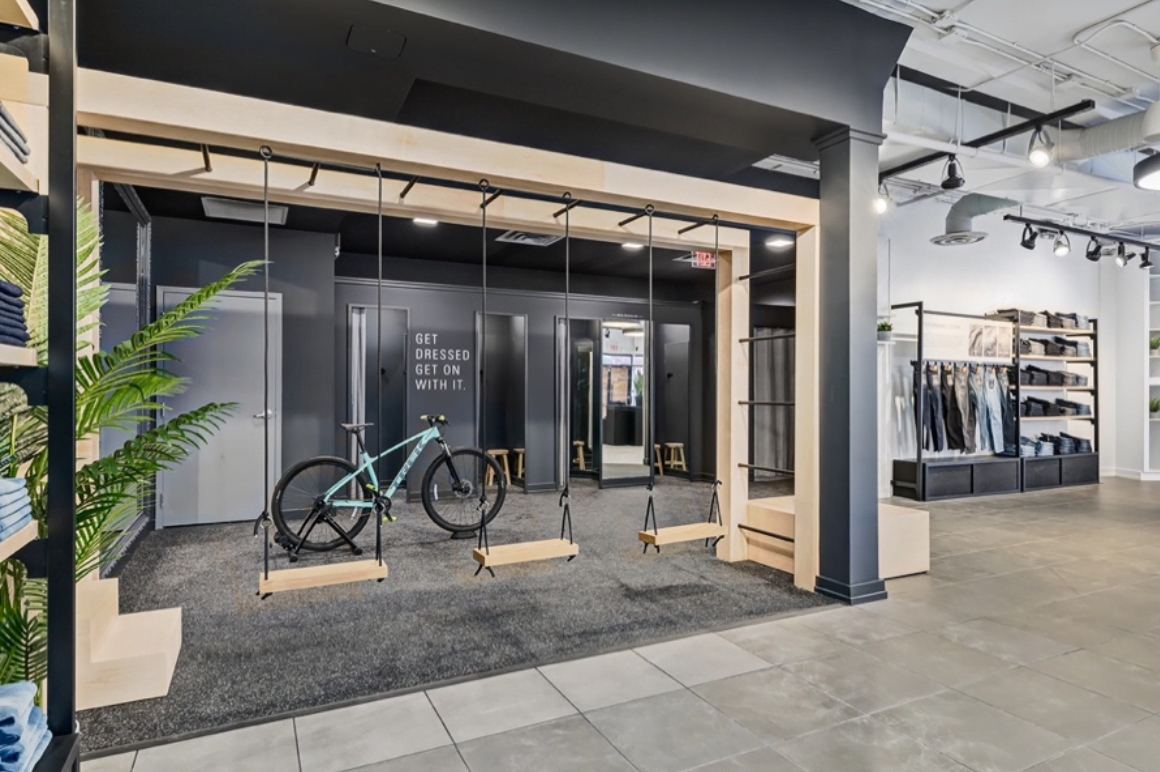
The 2100-square-foot Kitsilano store is set to open in May 2021, and will feature a modern interior and experiential elements like DUER’s signature performance lab — an area with swings and bikes where customers can test the function of DUER products through movement.

The building was listed by CBRE Vancouver Urban Properties Group under the direction of Martin Moriarty and Mario Negris.

DUER designs performance apparel for men and women which is considered ideal for everyday wear, commuting, and adventure. Unique gusset technology in all DUER pants offers movement with minimal restriction.

DUER will continue to operate four shops in Vancouver in Toronto, Calgary, and Denver. The retailer also has plans to expand with new branded spaces in additional US markets later in 2021. Retail Insider reported on the opening of the Calgary DUER store in June 2020.

DUER products are currently sold through more than 700 global retail partners including REI and Nordstrom.

In Memoriam: Saul Korman 

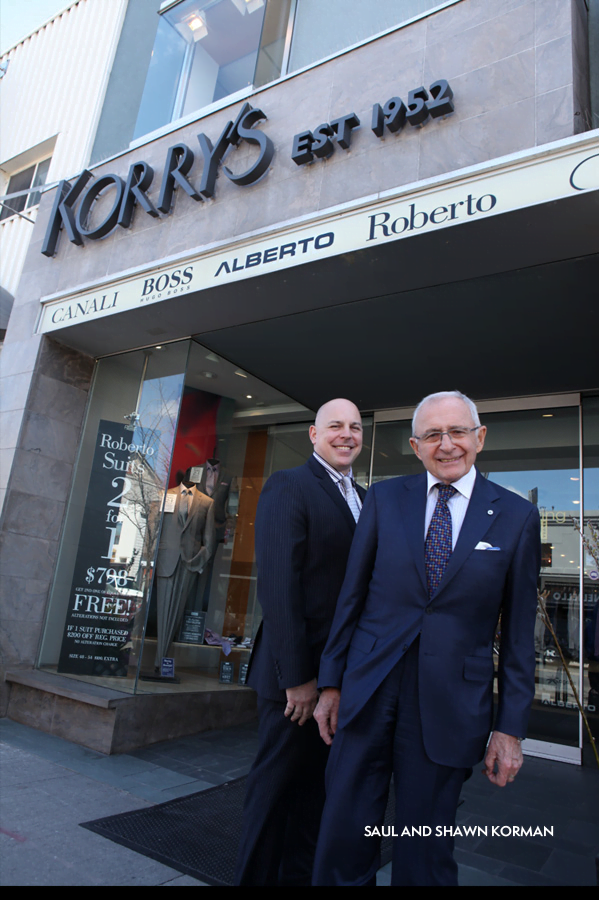
Highly respected Toronto-based retailer Saul Korman passed away on Sunday at the age of 86. Mr. Korman, known to many as the ‘Duke of the Danforth’ was the founder of upscale menswear retailer Korry’s located in the city’s Greektown area. 

Photo Provided: Saul & Shawn Korman

Korry’s was founded in 1952 and is located at 569 Danforth Avenue and the store carries a range of upscale brands. He was known for his radio ads on five stations — advertising helped drive success for the business over the years. 

Longtime friend Norman Katz, VP of Sales & Marketing at Maple Leaf Displays, remembers Mr. Korman fondly over the 25 years that they knew each other. “I began my career in the men’s apparel industry,” said Mr. Katz. “Saul was a mentor to me, and his passion for the menswear industry touched many people in Toronto and well beyond. He taught me to be professional and nice to everyone while having fun with what you’re doing. He also stressed the importance of working hard…Saul would schmooze with customers, vendors and media. He did it all!”. 

Norman Katz explained how Saul Korman’s radio ads would draw a significant number of people to his store from Toronto and even other parts of the province to meet the man behind the ads. “I was fortunate enough to witness this when Saul asked me if I could help out in the summer for a couple of weeks because he was short staffed. People from as far away as Oakville, Hamilton, Stoney Creek, Barrie, and other regions throughout the province came into the store and asked ‘Where is this Saul Korman guy? I want to shake his hand and say hello’…well they did that and guess what, they did not leave Korry’s without buying something. Saul would say to them you came this far to meet, let me show the latest fashion trends that would look great on you.” 

“When I’d come into the store, Saul would ask ‘Norman, how are you and the family doing these days?’ Saul truly cared and was a gentlemen, and will be missed by many. 

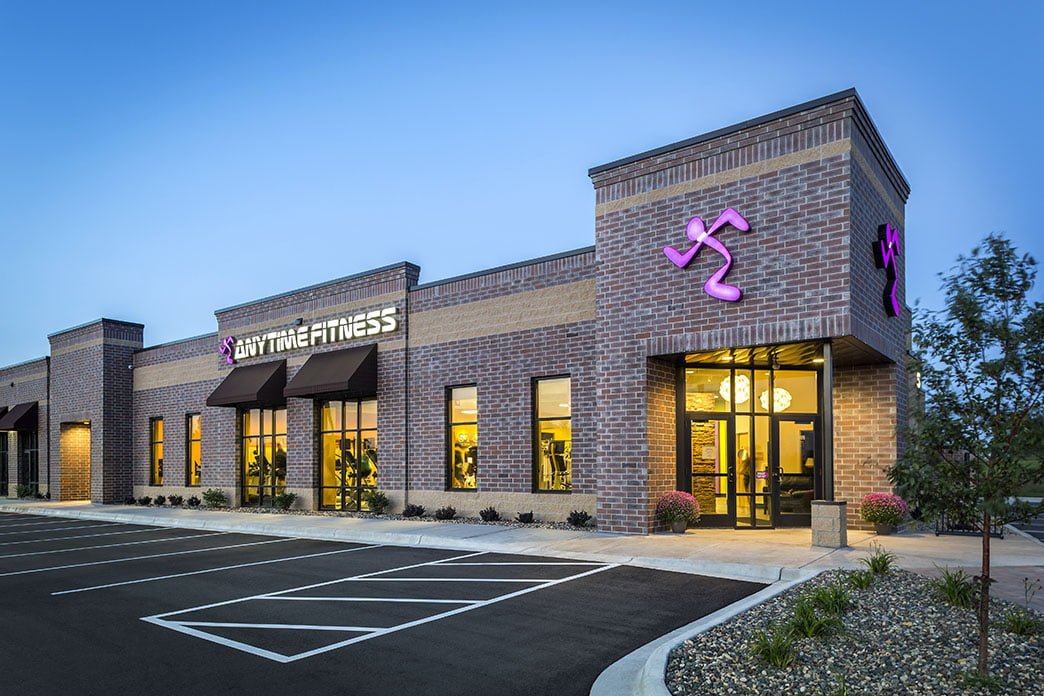
Exterior of Anytime Fitness location. Photo: Anytime Fitness

Anytime Fitness Appeals to Provincial Leaders to Permit the Reopening of Essential Businesses

As the COVID-19 lockdowns continue to ravage small businesses across Canada, owners of independently-operated Anytime Fitness locations across the country are sending letters to provincial leaders and health officials in Alberta, Manitoba, Ontario, and Quebec — where health clubs remain closed — inviting them to work together with the health club industry to establish province-approved safety and sanitation protocols that permit these essential businesses to reopen.

“We appreciate the difficult challenges the provinces have faced when deciding whether certain industries must close or remain open,” said Stacy Anderson, president, Anytime Fitness. “However, the continued closure of gyms due to COVID-19 is an obstacle to Canadians’ ability to maintain physical and mental health. The data is clear that health clubs and fitness centres — which, unlike restaurants and retail locations, are membership-based, controlled environments not open to the general public — are safe when safety and sanitation protocols are followed.

“In fact, we know that the Anytime Fitness locations currently open across Canada — such as in British Columbia — have shown that following safety and sanitation protocols neutralizes the risk of infection in their facilities while continuing to allow them to provide essential exercise and wellness services for their members.

“So we join our Canada franchise owners in respectfully urging provincial leaders where health clubs are closed to work together with us to safely get back open as soon as possible. Come to the table and tell us what it will take.”

While all in an attempt to stop the spread of COVID-19, it is becoming more apparent that lockdowns are having long-term and devastating effects on Canadians’ livelihoods and mental wellbeing. Many are suggesting reassessing control measures and permitting Canadians to reinstate some aspects of their old lives, with being able to attend the gym high on that list.

Spot It mapper taking photos for the site. Photo: Spot It

Spot It Launches Independent Mapper Program to Streamline In-Store Shopping

Example of Spot It app on Smartphone. Photo: Spot It

On a mission to innovate the in-store shopping experience, Waterloo Region-based retail technology company Spot It has further adapted their in-store mapping solutions to include an independent Mapper program. With proper compensation being offered based on each new store being mapped or updated, Spot It is assisting Canadians in providing a fairly compensated gig economy opportunity and expanding their store maps across the country.

In order to significantly increase the number of stores mapped across the Spot It platform, the retail tech company has opened their Mapper applications. Becoming a Mapper allows those who are able to continue in-store shopping to earn a suitable wage while helping their community.

Launched in May 2020, Spot It has designed detailed plans for one’s shopping trip before entering the store, allowing shoppers to reduce browsing time and potential points of contact with other shoppers. Additional features, such as the user-to-user sharing framework allows users to share shopping lists, checklists, recipes, and home projects. The newest update also included a checklist feature, which auto-populates a map of items needed for specific initiatives or occasions such as items in high demand for local food banks.

Currently displaying store maps of over 100 stores across Ontario, with 500 plus searchable items within each map, the Spot It platform is accessible to users through its website and new mobile app. Spot It is now focusing its attention on the Vancouver market.

For more information about the platform, mobile application, developing features, and to apply to be a Mapper, visit www.maps.spotitmapping.com.

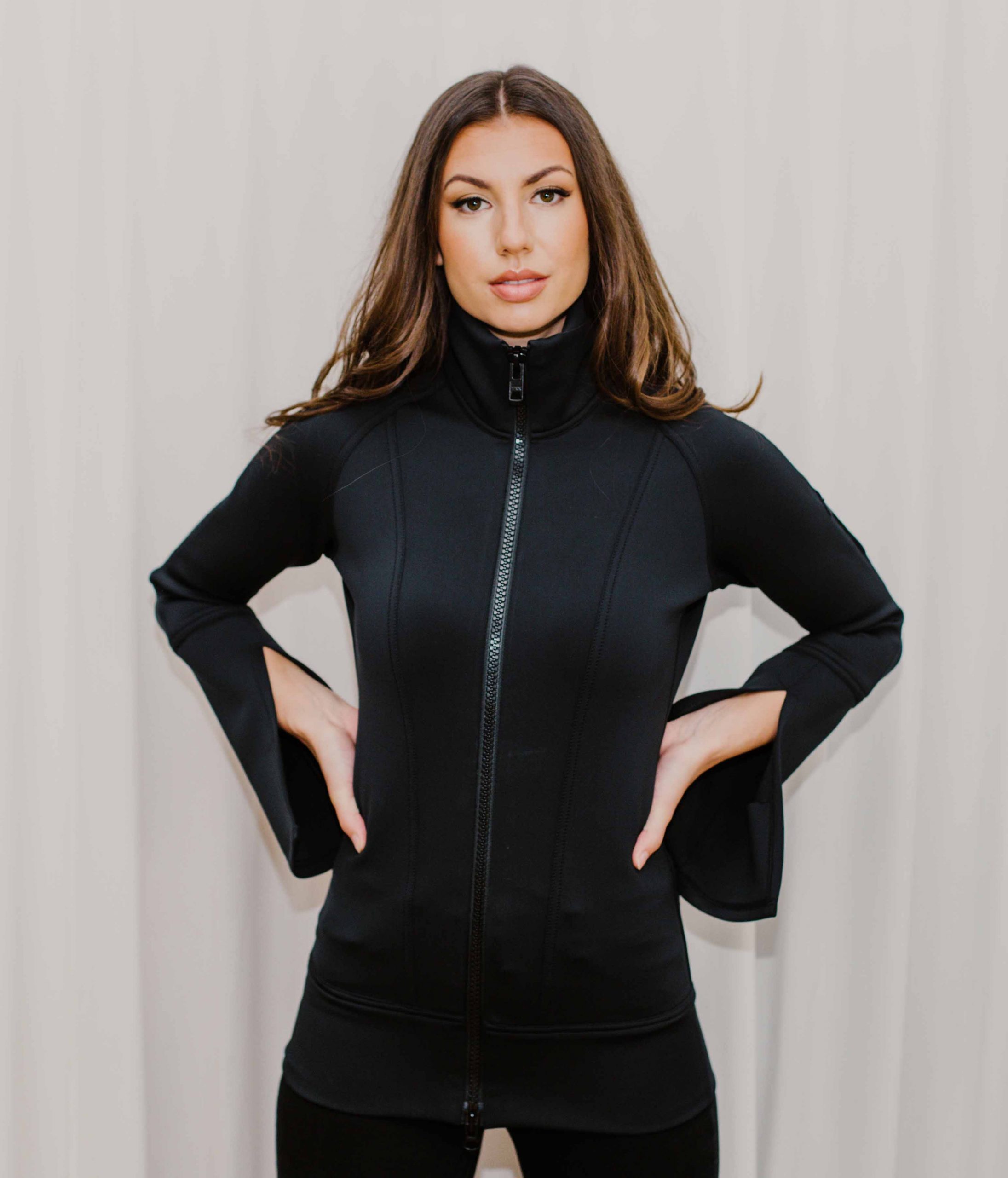
Models wearing The Jacket of Hope designed by TH Fashion. Photo: TH Fashion

TH Fashion Launches The Jacket of Hope

With International Women’s Day coming up, Toronto-based TH Fashion is launching The Jacket of Hope as part of its 2021 capsule collection.

Produced and operated by an all-female team — the Jacket of Hope is on a mission to unite strong women worldwide and is designed to make women feel safe, powerful, and confident. Instead of looking back, the Jacket of Hope will inspire you to move forward and dress your best.

The Jacket of Hope is armoured to keep you guarded through COVID-19 with a detachable mask feature and emergency gloves built into the sleeve. Additionally, owning the Jacket of Hope has other incredible benefits, including its innovative Spanflex line of recycled luxury performance fabrics and UPF protection.

A portion of proceeds from each sale will be donated directly to charitable initiatives. The Jacket of Hope retails for $398 with the option to add a $50 charity donation to the New Start Foundation for youth mental health and addiction services to bring attention to how this pandemic has affected us as a society, not just physically but also mentally.

Canadian Council for Aboriginal Business logo

LNG Canada and Canadian Council for Aboriginal Business Support Indigenous Female Entrepreneurs

Canadian Council for Aboriginal Business (CCAB) has announced new patron member, LNG Canada, as the sponsor for both the Indigenous Women’s Entrepreneurship Fund and the 2021 Indigenous Women in Leadership Award.

LNG Canada represents one of the largest energy investments in the history of Canada. Under construction in Kitimat, B.C., on the traditional territory of the Haisla Nation, the LNG Canada liquefied natural gas (LNG) export facility is delivering substantial economic benefits to Indigenous and local communities, businesses, the province, and the country. Once complete, the facility will deliver the lowest carbon intensive LNG in the world, helping to address global climate change.

In addition to LNG Canada’s commitment to keeping safety, economic, environmental, and community interests top of mind in their business model, CCAB’s President and CEO, Tabatha Bull, acknowledges their dedication to economic reconciliation and Indigenous women’s economic empowerment.

“Securing financing is one of the biggest challenges for Indigenous women entrepreneurs who often lack access to loans and financial institutions, property for collateral, and credit. We are thrilled that LNG Canada is taking meaningful steps to support Indigenous women entrepreneurs and help grow the Indigenous economy.”

CCAB Patrons are innovators who have made the commitment to bridge the gaps between Indigenous–owned businesses, Indigenous economic development corporations, and corporate Canada.

Nominations for the 2021 Indigenous Women in Leadership Award are open until February 12th, 2021 and more information about the Indigenous Women’s Entrepreneurship Fund will become available at ccab.com in the coming weeks.

Read More Retail Insider Briefs:

Season 3, Episode 4: J.Crew Exits Canada and Dozens of Starbucks Close this Week

This week, Craig & Lee are joined by fellow team member, Dustin Fuhs, to discuss the Canada-wide closures of all J.Crew stores as well as the significant reduction of Starbucks locations nationwide.

The Weekly podcast by Retail Insider Canada is available on Apple Podcasts, Stitcher, TuneIn, Google Play, or through our dedicated RSS feed for Overcast and other podcast players.

Discussed this episode:

  1. BRIEF: J. Crew Exits Canada
  2. Starbucks to close up to 300 locations in Canada by the end of March (CBC)

Subscribe, Rate, and Review our Retail Insider Podcast!

Follow Craig:

Follow Retail Insider:

Listen & Subscribe:

Share your thoughts!

Drop us a line at Craig@Retail-Insider.com. You can also rate us in Apple Podcasts or recommend us in Overcast to help more people discover the show!

Background Music Credit: Hard Boiled Kevin MacLeod (incompetech.com). Licensed under Creative Commons: By Attribution 3.0 License. http://creativecommons.org/licenses/by/3.0/

Canadian Retail News From Around The Web For February 5, 2021

Canadian Retail News From Around The Web

Top Stories: National

Central/Eastern Canada News

Western Canada News

Canadian Retail News From Around The Web For February 4, 2021

Canadian Retail News From Around The Web

Top Stories: National

Central/Eastern Canada News

Western Canada News

Iconic Canadian Jeans Brand Providing Silver Lining to Independent Retailers Amid Pandemic

Models in Silver Jeans. Photo: Silver Jeans

There have been a lot of stories of doom and gloom written during the past ten months or so, particularly when the focus of the commentary has been retail. Store closures and bankruptcies. Insolvencies and deferrals. It seems at times as though nobody within the industry has escaped the clutches of the pandemic unscathed to this point. Despite the comprehensive and indiscriminate nature of the virus’ effects, however, it’s clear that the greatest impacts have been felt by small businesses operating on Main Streets across the country. Significant challenges brought about by lockdowns and social restrictions have severely hindered their efforts, resulting in dramatically reduced footfall to their stores and a pervasive uncertainty surrounding their future. However, with every grey cloud that descends, adding to the murk of our current situation, there is also hope for brighter days to come. And, providing kindling for this hope, according to Mark Whyte, Executive Vice President, Canadian/International Sales at Silver Jeans Co., is the spirit of entrepreneurs from coast-to-coast-to-coast who refuse to give in to the challenges, and instead continue innovating to succeed during these difficult times.

“2020 was an extremely challenging year for retailers right across the country,” he recognizes. “Lockdowns and restrictions on the amount of people retailers can allow in their stores as a result of social distancing protocols have obviously put a big strain on operations for many businesses, large and small. It’s amounted to less revenue being brought in and fewer opportunities to engage with consumers. But the biggest challenge that retailers have faced is in dealing with the fact that life and business are not the same as they once were. Everything has changed dramatically, and the consequences of this change have hurt a lot of retailers along the way. What hasn’t seemed to suffer, however, is the resiliency and creativity of the small business community in Canada. Those who have survived have shown incredible ingenuity and are leveraging every means by which they can in order to continue engaging with their customers and making sales. They aren’t rolling over and dying. In fact, many are taking this opportunity to strengthen their service and offering, expanding the ways they do business.”

The Strength of Small Business

The resiliency and creativity that Whyte refers to are evident throughout the small business community, right across the country. From the development and enhancement of website and e-commerce platforms and the clever use of social media to inventive virtual personal service and private appointments, as well as many other ingenious devices in between, the innovation that’s been conjured up by small business owners during this difficult time for retail has been nothing short of remarkable and should serve as something of an inspiration for others within the industry to draw from. Their imagination and vision have allowed them to parry much of the brunt brought about by the pandemic and resulting restrictions, enjoying a bubbling of support from patrons within their local communities. And, it’s not the only support that some small businesses are receiving.

Models in Silver Jeans. Photo: Silver Jeans

Company’s like Silver Jeans Co., who recognize the value of small businesses and the importance of their strength in relation to the health and vitality of the communities in which they operate, are also doing what they can in order to aid and encourage the success of Canada’s entrepreneurs. For its part, the well-known, Winnipeg-based producer of high-quality jeans and other denim products, recently formed unique partnerships with dozens of smaller boutiques across the country, providing them with an exclusive line of jeans to sell to customers of their stores.

For Us, Not Them

The jeans, which are not available at any of the country’s larger retail mass merchants, provide independent businesses with a top-quality, limited-run product to put on their shelves. As part of the partnerships, the boutiques that Silver Jeans Co. are working with also receive significant margin from their sales. It represents a massive boost for their businesses and affords them an opportunity unlike many others. But, as far as Whyte’s concerned, the company, which has strong relationships with large department stores in the United States and does a lot of business with Mark’s, Bootlegger, and other major jean players in the country, also benefits from the partnerships it’s formed and the investments it continues to make with small businesses.

“This is a product line that’s been designed and produced specifically for our small boutique partners,” he asserts. “It’s not featured or available anywhere else. It’s a product that’s strictly and exclusively between Silver Jeans Co., the boutiques that we work with and their clientele. In fact, internally, and among our customers, we refer to the collection as ForUs. We haven’t branded the product as such. In fact, there is minimal branding included. It’s more of a codename. The creativity, inspiration, and innovation that it involves is just for us, a collaborative effort between Silver Jeans Co. and our partners. It’s not a collection or product for big business. We recognize our history and the success that the company has enjoyed through the years. We’ve evolved and have grown. But we’ve never lost track of where the company’s come from. And we saw this as an incredible opportunity for us to return to our roots and to create something specific for the specialty boutique channel.”

The Right Thing To Do

It’s a considerably generous business venture that the renowned denim producer, and its privately-held parent company, Western Glove Works, have taken on in an effort to support the tremendous innovation and endeavour of small business in Canada. It’s also a gesture that will hopefully not go unnoticed by others within the industry, one that could perhaps spark a surge of other similar retail partnerships meant to help ensure the continued health and wellbeing of independent retail in the country. But, as Whyte points out, the ForUs partnership program was simply something that Silver Jeans Co. felt compelled to initiate as a company, a quality that he says runs through the entire organization.

“2020 wasn’t the best year for retailers in Canada. Despite the vertical or category, the impacts have been immense. And for smaller businesses that are without the resources and capital of larger merchants and chains, the effects have been even more challenging and problematic. Because of everything that the industry’s experienced over the past ten months or so, we just saw ForUs as the right thing to do. It’s something that we all believe in and is a trait that has existed within the company throughout its history. We recognize that independent businesses and the smaller boutiques are the lifeblood of the Canadian communities across the country. They are critical to not only ensuring the financial health and wellbeing of the areas and neighbourhoods that they serve and operate in, but they also help to make up the fabric of the communities, lending to their character and energy. We understood the situation that we’re all currently working through as a time for retailers to pull together and to support one another. And we hope that our collaboration with our partner boutiques is helping to do that in some small way.”

Canadian Retail News From Around The Web For February 3, 2021

Canadian Retail News From Around The Web

Top Stories: National

Central/Eastern Canada News

Western Canada News