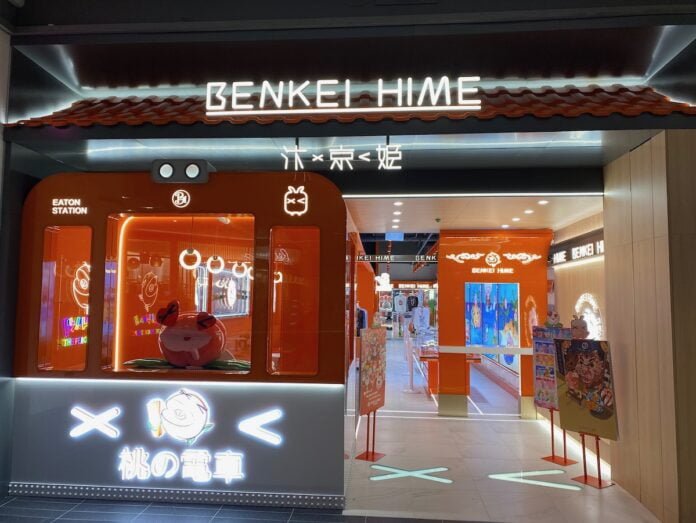
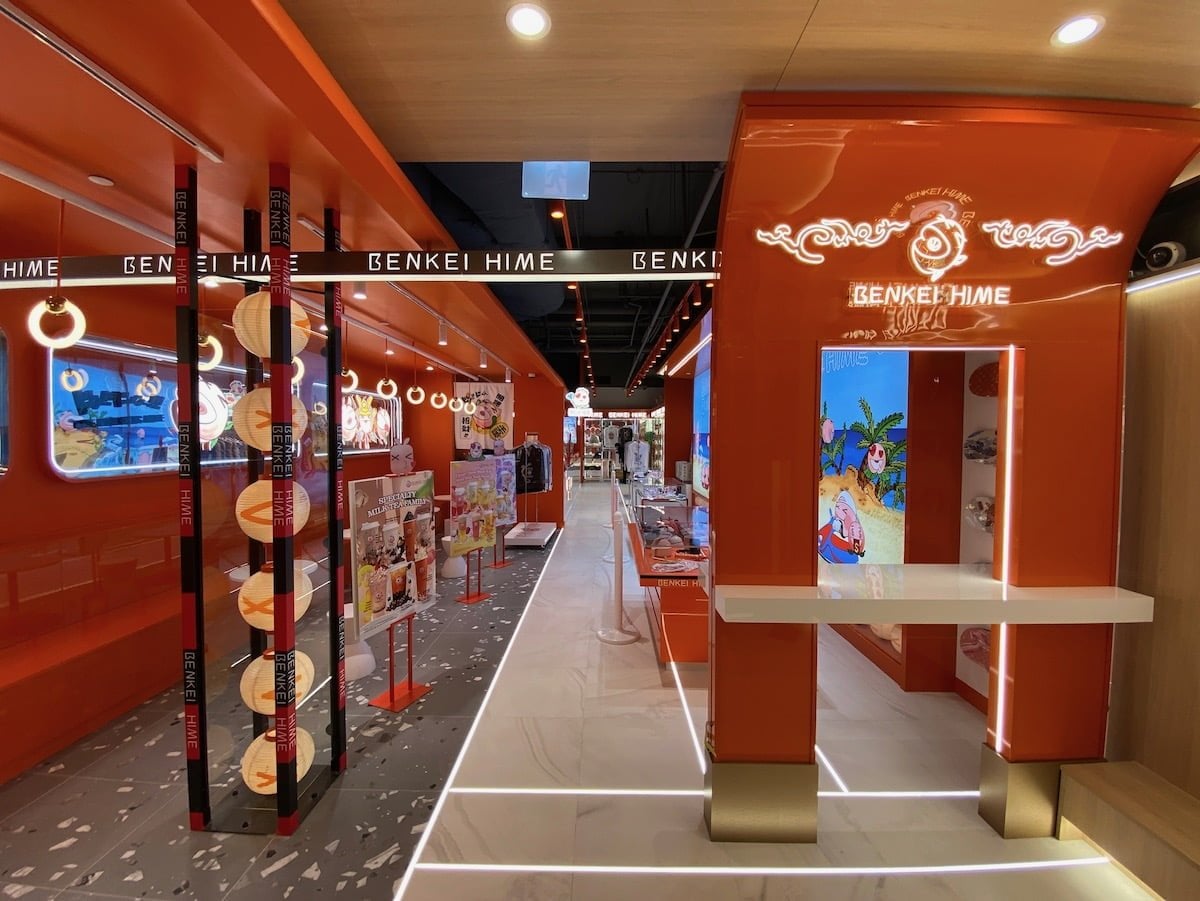
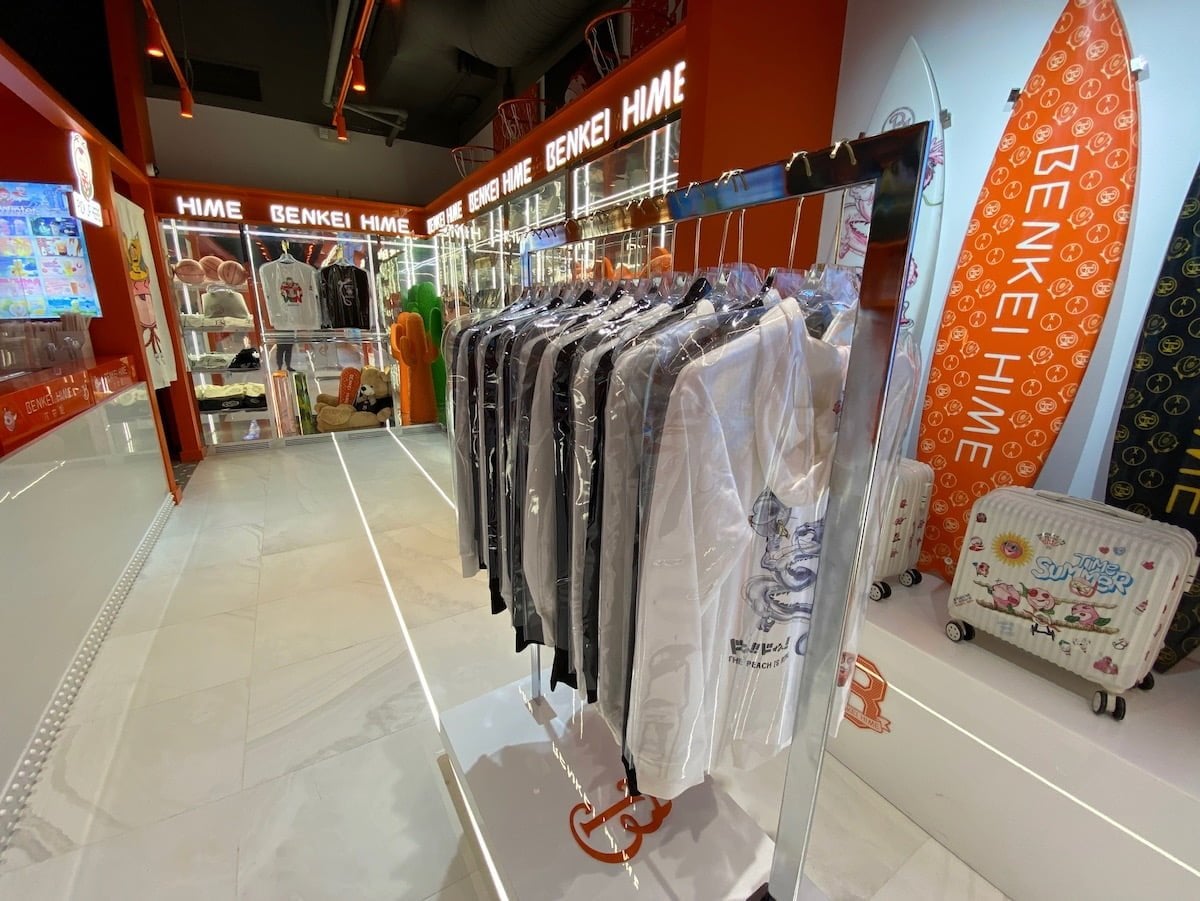
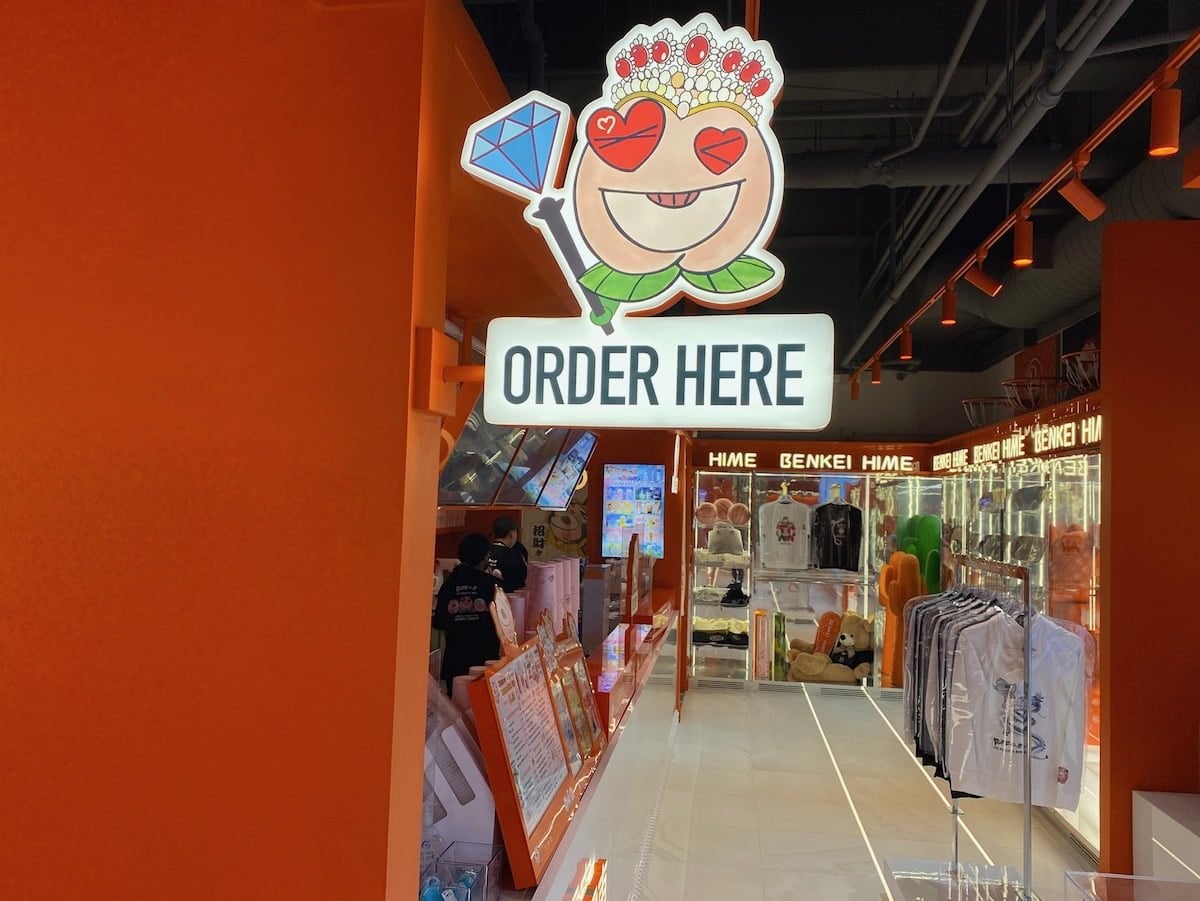
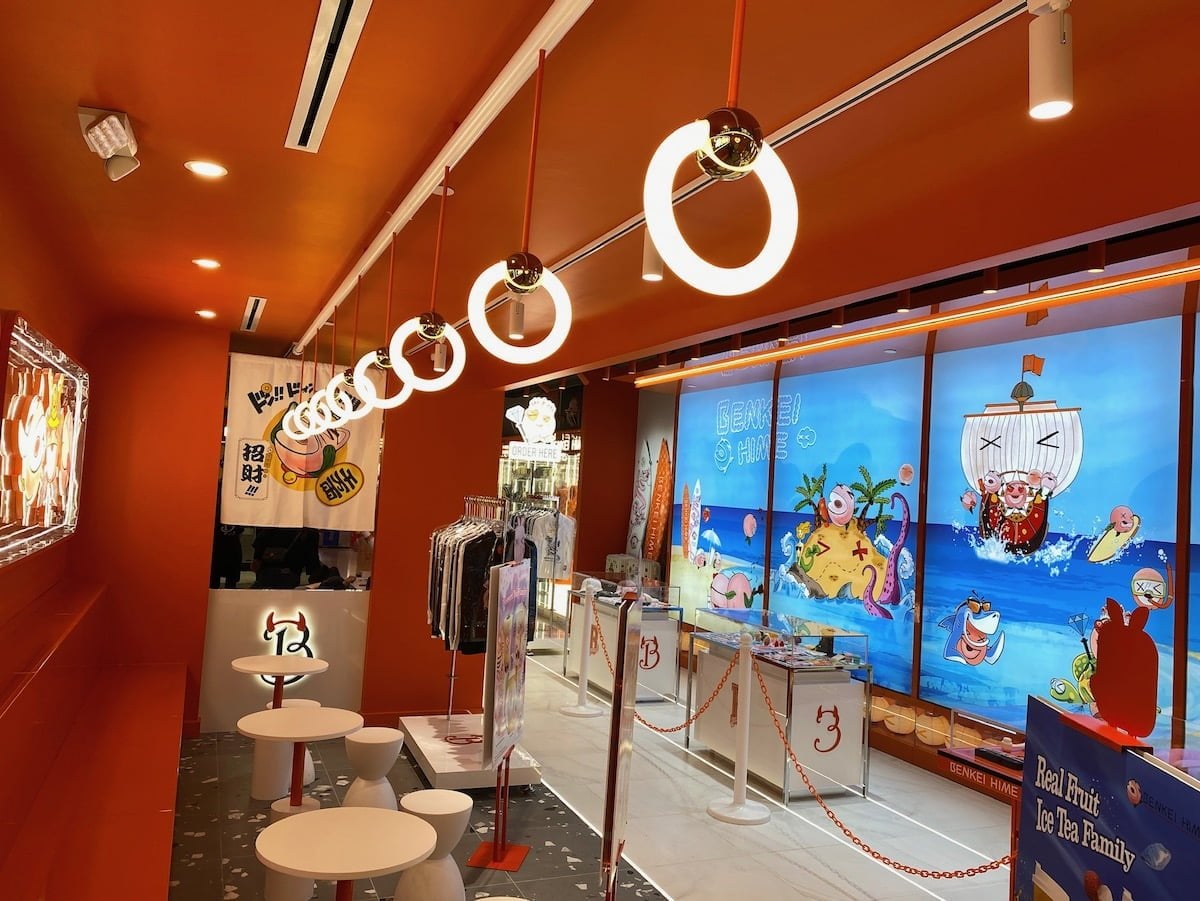
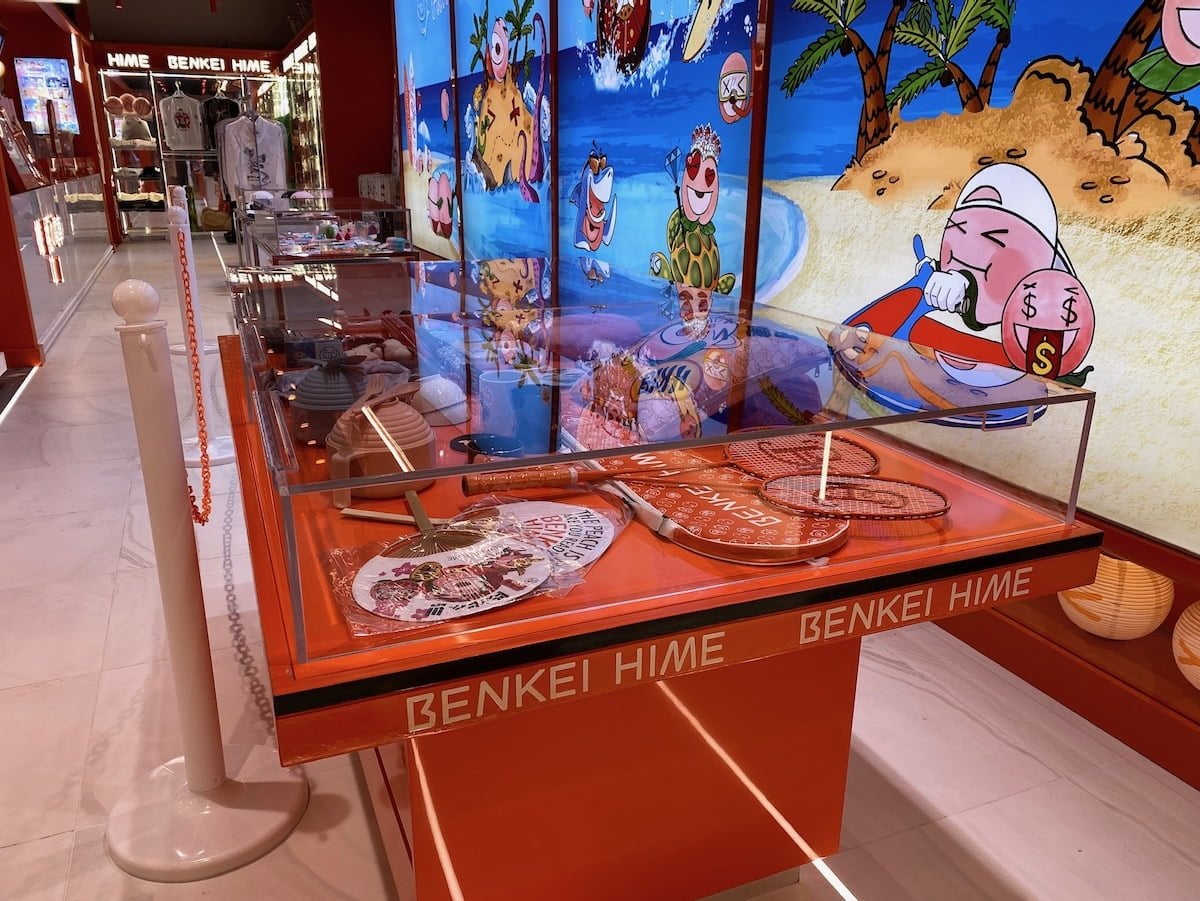
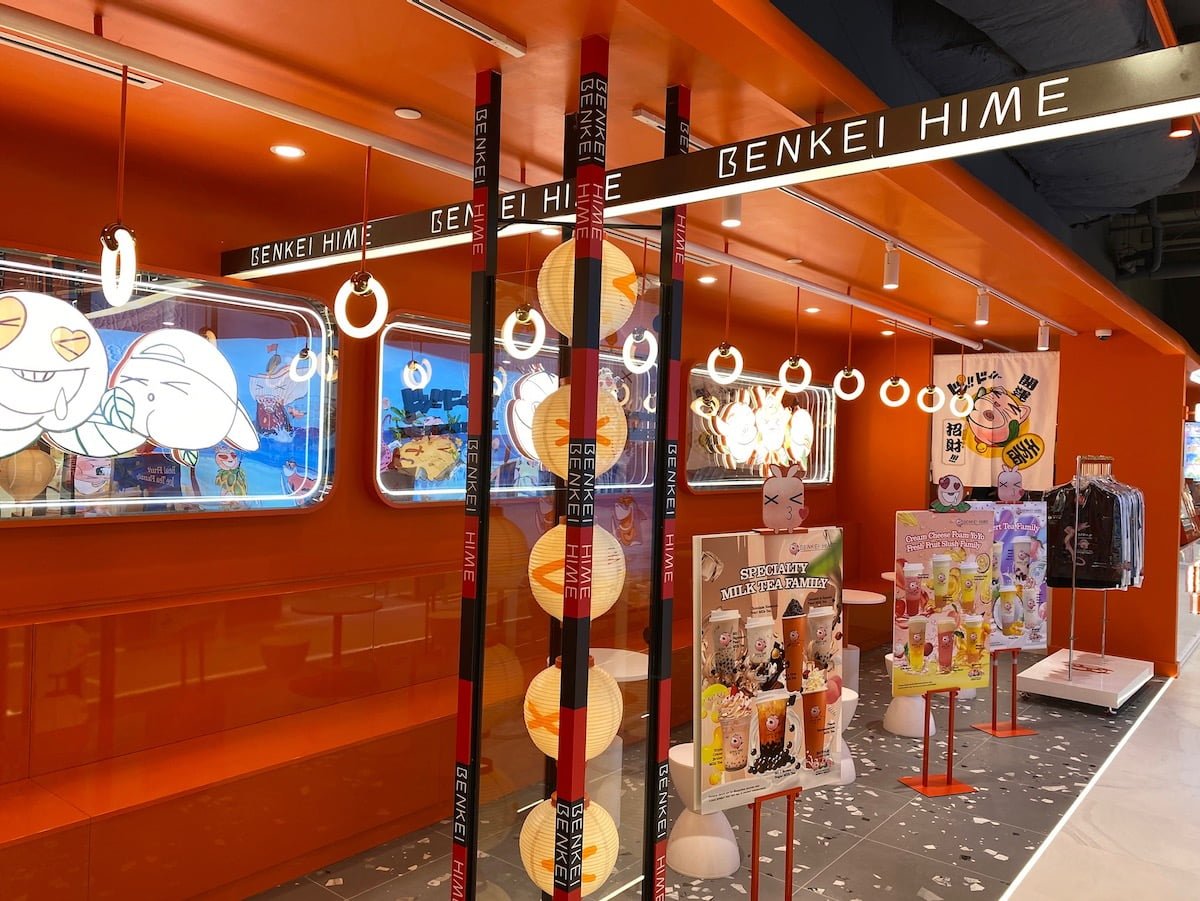
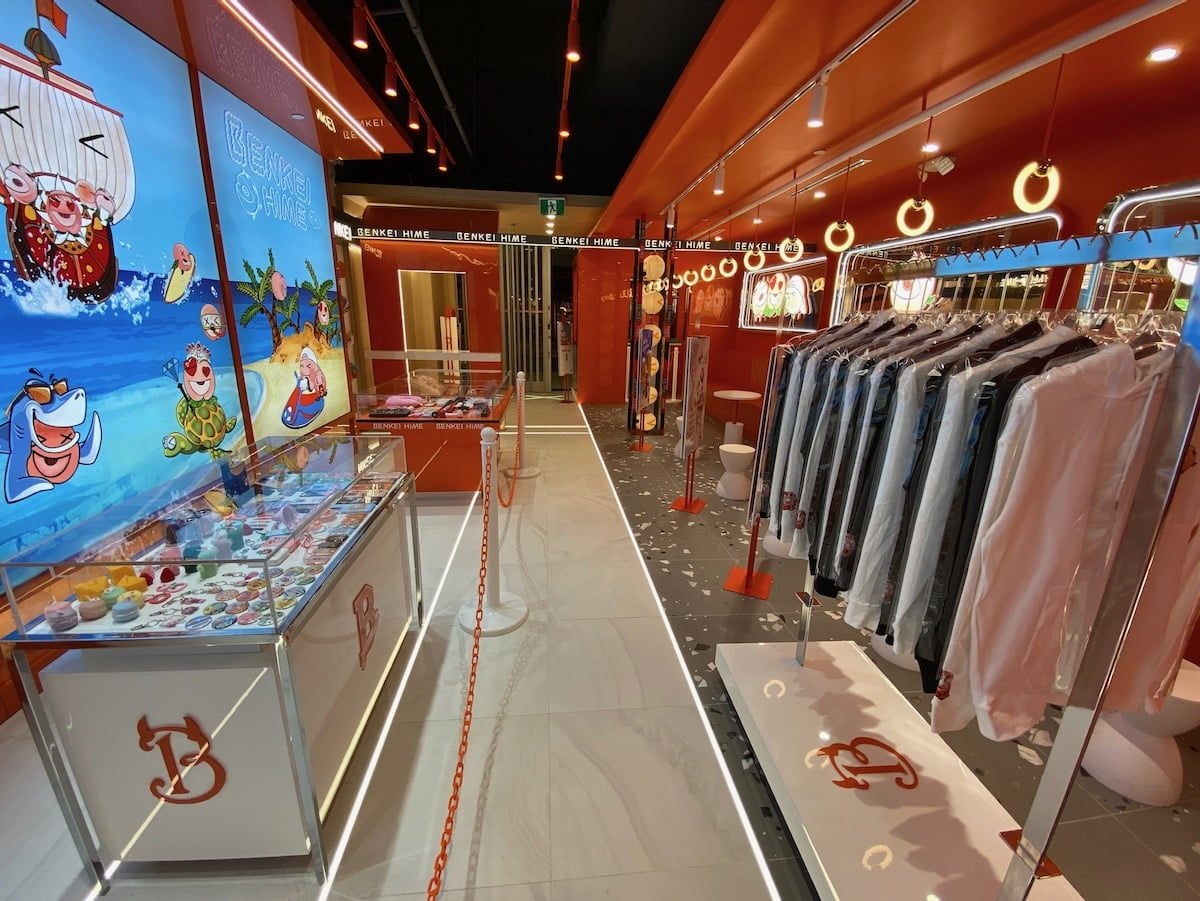
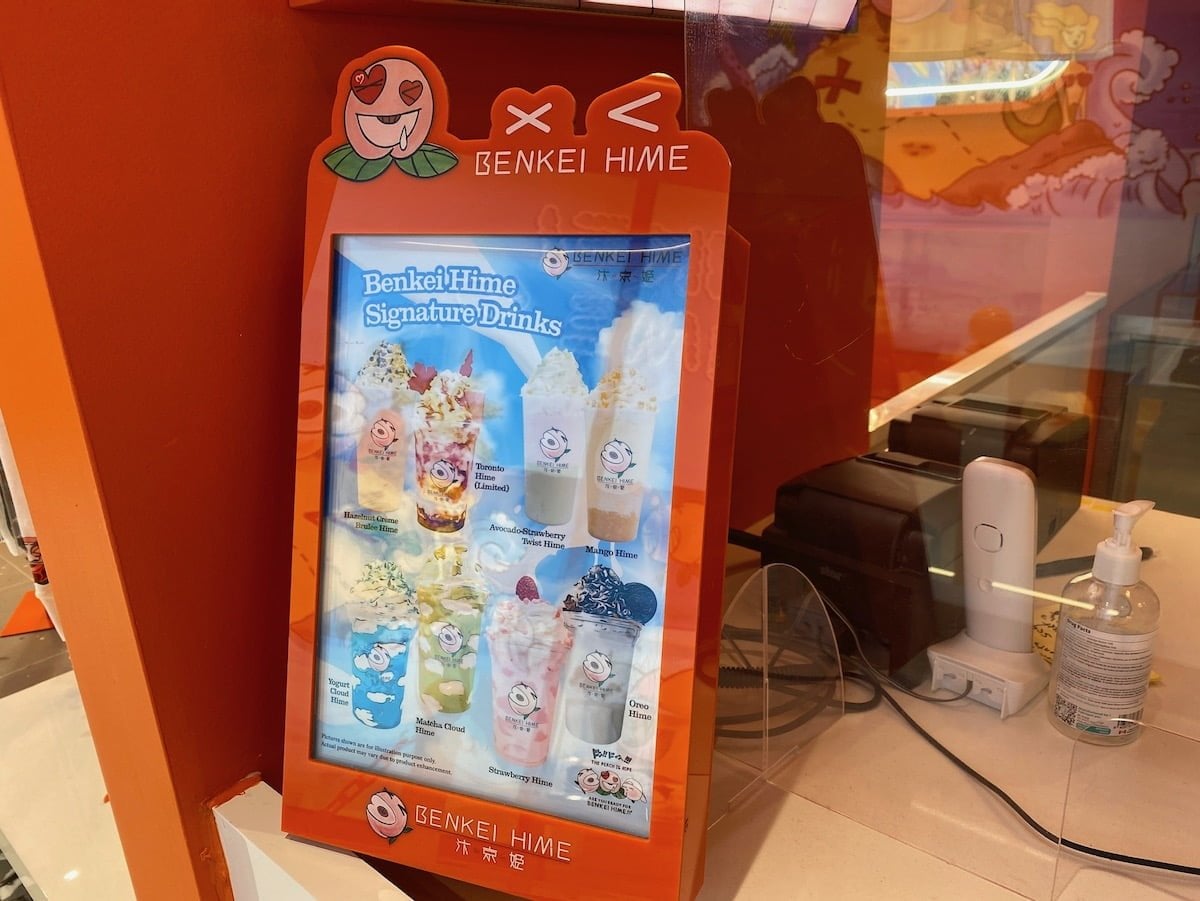
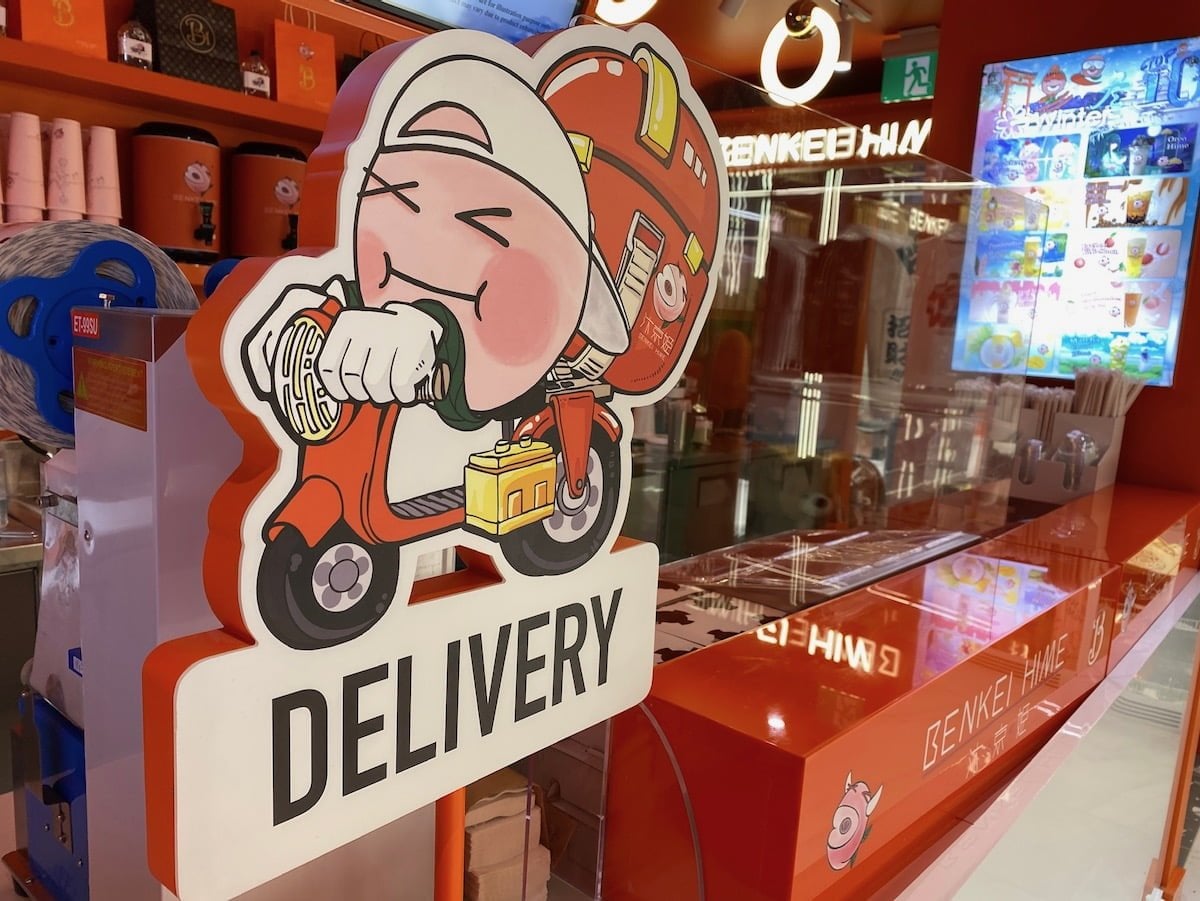
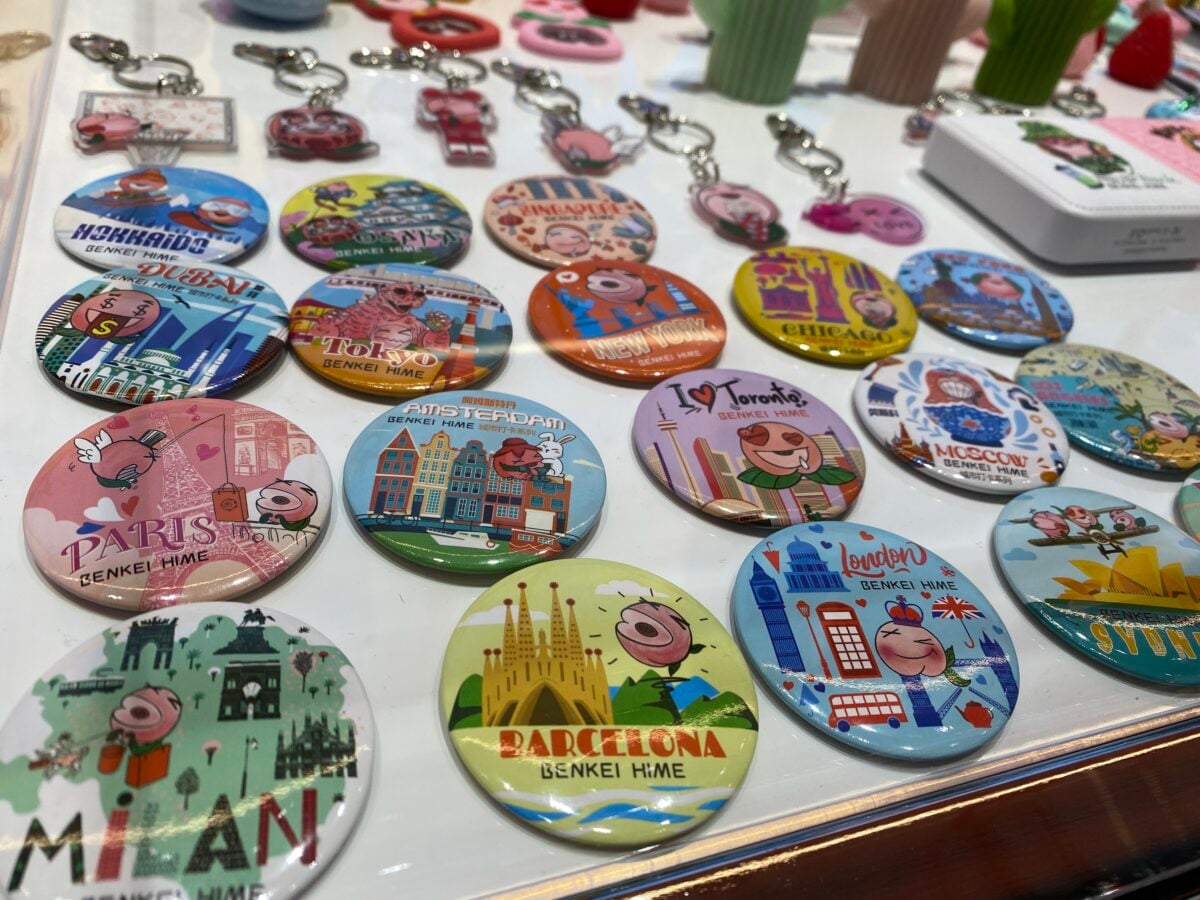
Benkei Hime at CF Toronto Eaton Centre (Image: Dustin Fuhs)
A new bubble tea concept has been launched in Toronto that combines the unique Asian beverage with popular streetwear and lifestyle merchandise.
Benkei Hime has opened in the CF Toronto Eaton Centre with a second location expected to open in the summer at CF Markville Mall in Markham. And more stores are being planned for the future.
The first store is located on the lower level of the popular shopping centre between Garage and Steve Madden.
“I am a proud Torontonian. It has been my dream to build a flagship location here, and there is nowhere better to start than in Eaton Centre,” said Jason Wang, owner of the store.
Benkei Hime at CF Toronto Eaton Centre (Image: Dustin Fuhs)
“At Benkei Hime, we want you to have a one-of-a-kind experience. If we can give people a good time during this tough time, then I think we did a good thing here.
“We consider ourselves as a fashion label, not really a bubble tea store. The idea is to push the boundary between art as well as beverage. The beverage is more tea, but some coffee, fashion and youth culture. It’s a brand for young people.”
In Asia, the brand is known for trendy clothes, Instagram-worthy beverage pictures and it’s a platform for young people to enjoy life and to express themselves.
Wang is an entrepreneur with a number of different businesses. The idea for Benkei Hime just seemed to fit in with the times.
Benkei Hime at CF Toronto Eaton Centre (Image: Dustin Fuhs)Benkei Hime at CF Toronto Eaton Centre (Image: Dustin Fuhs)
The pandemic has been a difficult time for everyone, especially young people. Wang wanted to build a culture, a one-of-its-kind concept, where East meets West.
The Toronto store has vibrant colours, a catchy design and Instagram-worthy decor inside.
Wang said Benkei Hime is slated to become a focal meeting point of various worlds. On the surface, it is a place that meshes one-of-a-kind bubble tea drinks with fashionable lifestyle merchandise. Dig deeper, and you will see that it seeks to also be an innovative way to connect Eastern and Western cultures harmoniously, he said.
He said the interior designs and catchy environment, along with its unique drink flavours like Caramel Sea Salt Pearl Milk Tea and Hazelnut Creme Brulee, all are unmistakably an attempt to fully realize a brand identity that wears its Asian roots proudly, while still being true to the joie de vivre and local culture that is Toronto.
Benkei Hime at CF Toronto Eaton Centre (Image: Dustin Fuhs)
Wang said the concept is quite unique and something that shopping centres need today.
“They need a young crowd to come. After the pandemic everyone’s so used to Amazon and online shopping, we need people to come out and to enjoy life,” he said.
“We’re also looking for opportunities in Ottawa, Vancouver. We’re already seeing people lining up (at CF Toronto Eaton Centre). People like the concept, like the vivid colour and our design, and appreciate the art that is associated with the drinks.
“People like it, especially in the North American market, and we will open more stores, especially in Canada.”
Additional Images from Benkei Hime at CF Toronto Eaton Centre
Benkei Hime at CF Toronto Eaton Centre (Image: Dustin Fuhs)Benkei Hime at CF Toronto Eaton Centre (Image: Dustin Fuhs)Benkei Hime at CF Toronto Eaton Centre (Image: Dustin Fuhs)Benkei Hime at CF Toronto Eaton Centre (Image: Dustin Fuhs)Benkei Hime at CF Toronto Eaton Centre (Image: Dustin Fuhs)Benkei Hime at CF Toronto Eaton Centre (Image: Dustin Fuhs)
Retail Insider is streamlining its Canadian retail news from around the web to include a handful of top news stories that can be viewed quickly during the day. Here are the top stories from the past 24 hours.
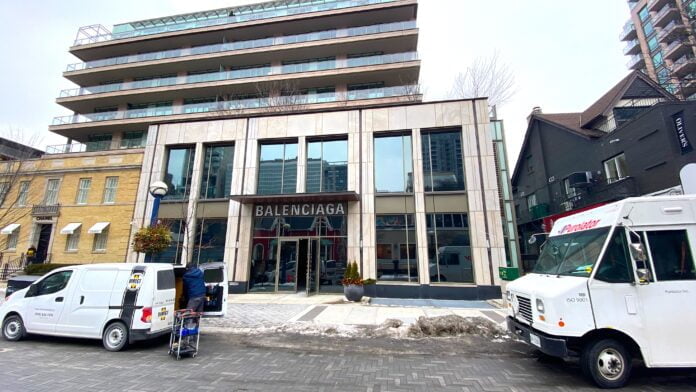
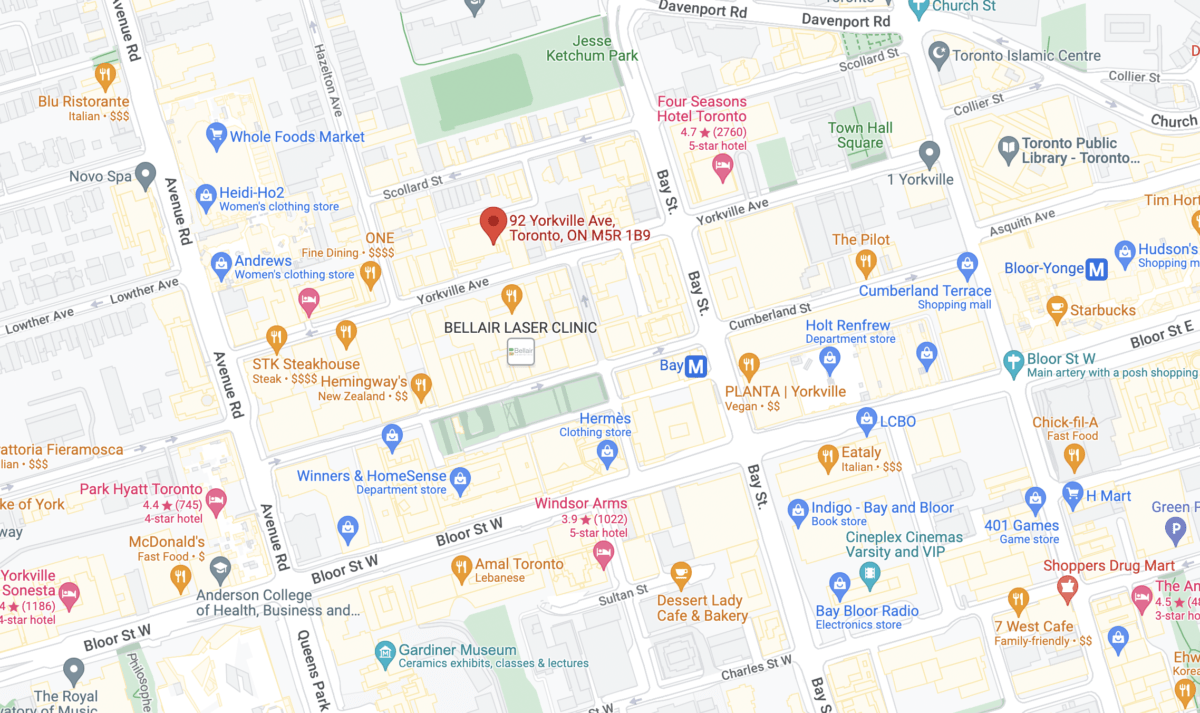
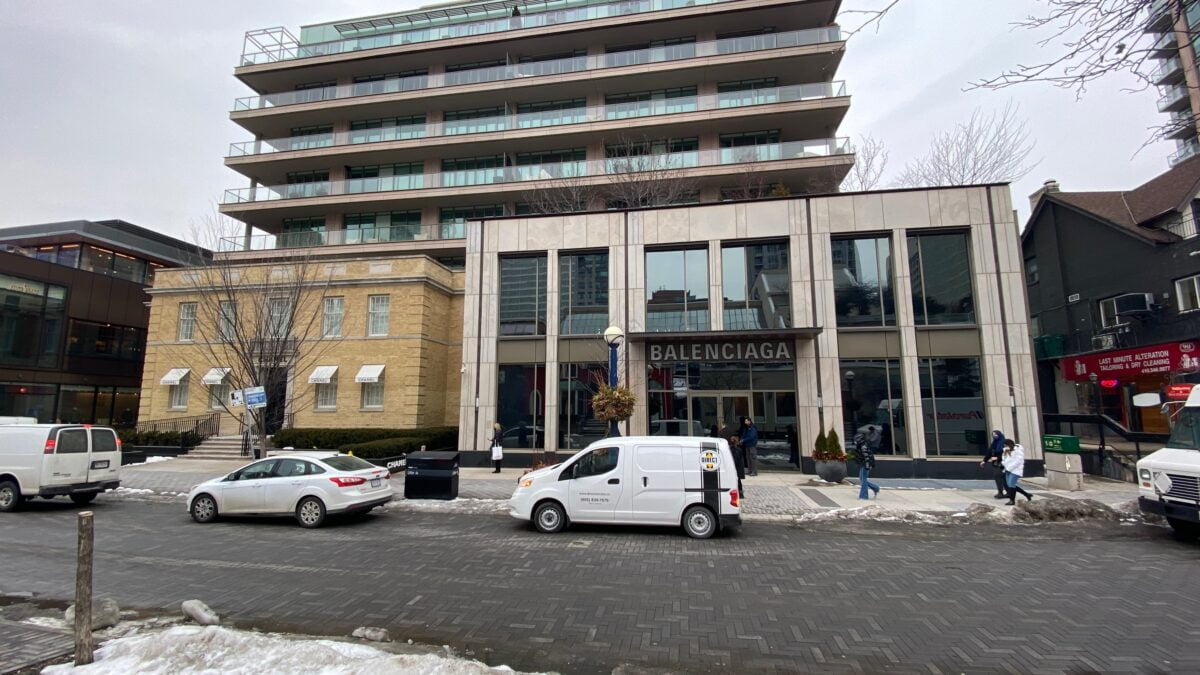
Balenciaga's new storefront at 92 Yorkville Avenue (pre-renovation). Photo by Craig Patterson on March 1, 2022.
Kering-owned French luxury brand Balenciaga will open one of its largest stores globally in Toronto’s Bloor-Yorkville area this year, marking an important milestone in the neighbourhood’s ongoing transformation as a luxury retail destination. Balenciaga was recently ranked as the world’s top brand and its presence with a massive storefront next to Chanel is expected to attract even more luxury retailers to the area.
Balenciaga will occupy about 7,000 square feet over two levels at 92 Yorkville Avenue in a retail space formerly occupied by Diesel. The Balenciaga flagship is expected to carry the brand’s full range of fashions for women and men given the vastness of the space. From November 15, 2021 to January 15, 2022, a main-floor pop-up in the space for a Gucci x Balenciaga ‘Hacker Project’ collaboration saw the space occupied for about two months. Renovations to the entire space commenced this week and the Balenciaga store is expected to open late spring/early summer.
Eric Sherman, Vice President Real Estate, Yorkville at First Capital REIT, negotiated the deal on behalf of the landlord. He said, “Balenciaga is one of the most prestigious and coveted brands in the world and are a perfect fit for our property at 92 Yorkville Avenue. Their decision to convert what originally started as a pop up concept in a small portion of the space into a full building flagship exemplifies the confidence in the market and further validates our strategy in Yorkville.”
“We see Balenciaga as another game changer for the neighborhood as we add to our portfolio of best in class fashion brands and retail concepts,” he went on to say.
Click image for interactive Google Map
The permanent movement of Balenciaga into a standalone flagship space in Yorkville is a pivotal moment for the neighbourhood as Sherman pointed out. Over the past seven years or so, luxury brands have been opening on Yorkville Avenue and more are expected to come now that Balenciaga will be a confirmed tenant taking such a large and prominent space.
Luxury brand Chanel operates next to Balenciaga in an 8,500 square foot store that opened in the fall of 2017. Its opening followed a Christian Louboutin store that opened in the summer of 2016. Luxury brands to have since opened on Yorkville Avenue include Versace, Brunello Cucinelli (largest in North America) and Stone Island, all of which are located in the 102-108 Yorkville Avenue complex owned by First Capital REIT. Italian men’s luxury fashion brand Isaia also opened several months ago nearby at 77 Yorkville Avenue.
When the new Yorkville Avenue flagship opens in a few months, Balenciaga could exit its current 2,000 square foot concession space nearby at Holt Renfrew at 50 Bloor Street West. Balenciaga opened the concession boutique in the fall of 2019 and given its size and expansive presence within the main floor of Holt Renfrew, one or two luxury brands could replace it.
The space at 92 Yorkville Avenue already says ‘Balenciaga’ following the Gucci x Balenciaga Hacker Project pop-up that occupied part of the space in December and January. Photo by Craig Patterson on March 1, 2022.
The Yorkville Avenue flagship will be Balenciaga’s second standalone storefront in Canada. The first opened in December of 2019 at Toronto’s Yorkdale Shopping Centre in an impressive space spanning about 4,700 square feet with just over 3,300 square feet of retail space.
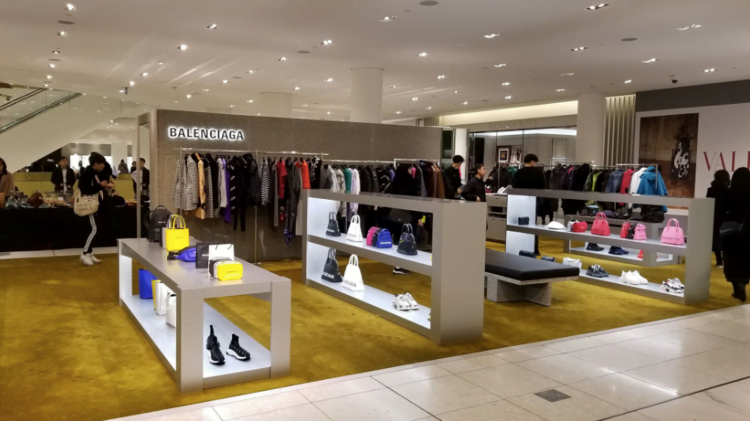
Balenciaga has quietly expanded its presence in Canada by opening several leased concessions within Holt Renfrew stores.
In December of 2018, Balenciaga opened its first direct-to-consumer boutique in Canada at Holt Renfrew in Vancouver. The ‘world of’ concession, located on the main floor of the flagship Holts, is part of a luxury floor which houses many of the world’s best-known luxury brands. The Balenciaga boutique is situated in the centre of the floor with partitions and signage indicating its presence. Included is ready-to-wear for men and women as well as accessories, bags and footwear.
‘WORLD OF’ BALENCIAGA CONCESSION AT HOLT RENFREW IN VANCOUVER. PHOTO: HELEN SIWAK
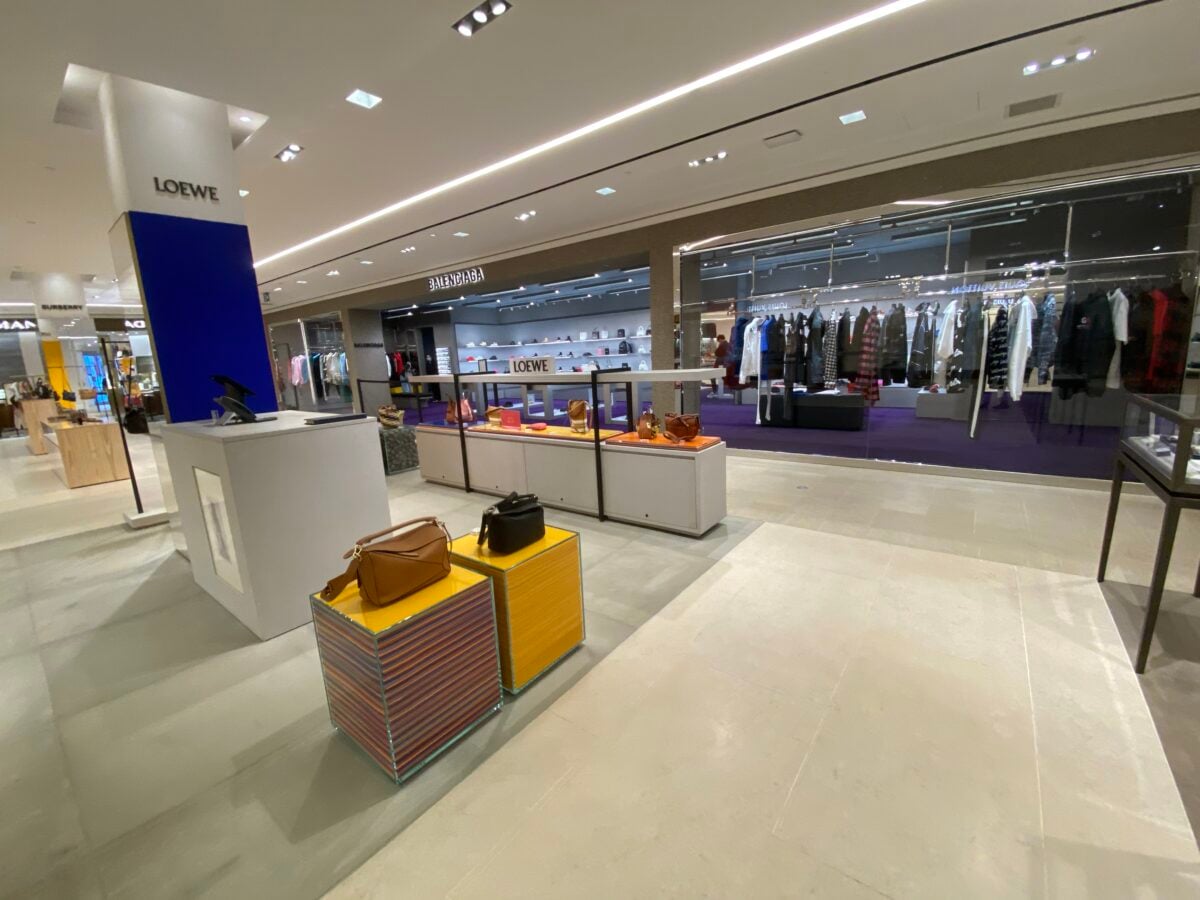
Main floor Balenciaga concession boutique at Holt Renfrew, 50 Bloor St. W. in Toronto. Photo: Craig Patterson
Balenciaga entered the Montreal market in the spring of 2019 when it unveiled a men’s concession on the fourth floor of Holt Renfrew Ogilvy. That was followed by separate women’s fashion and accessory concessions on the third floor of the store.
In the fall of 2019, Balenciaga opened its second ‘world of’ concession in Canada at Holt Renfrew’s flagship store at 50 Bloor Street West in Toronto as mentioned above.
Several other high-end retailers in Canada carry Balenciaga. Saks Fifth Avenue’s flagship at CF Toronto Eaton Centre in Toronto currently features dedicated Balenciaga shops for accessories and womenswear and men’s collections are also available. Rumours are circulating that Balenciaga could pull out of the store following three other major luxury brands including Louis Vuitton, Dior, and Saint Laurent.
Nordstrom is also an important vendor for Balenciaga and in Canada, two of Nordstrom’s stores carry the brand. Nordstrom’s Vancouver flagship, which is among the chain’s top performing stores, features a Balenciaga accessory boutique on the main floor as well as a dedicated women’s Balenciaga boutique space on the women’s floor. Balenciaga footwear can also be found at Nordstrom’s stores in Toronto and Vancouver.
The Simpsons x Balenciaga collaborative fashion show.
According to the Q4 2021 Lyst Index (the most recent at press time), Balenciaga was ranked as the world’s most popular brand while Gucci was ranked second. Balenciaga is having a fashion moment — the brand returned to haute couture after 53 years last year, launched a Fortnite collaboration, and teamed up with Kanye West on the launch of his Donda album. Recently the brand also showcased its fashion collection in cartoon format at Paris Fashion Week via popular television program ‘The Simpsons’.
We’ll follow up on this story in a few months when Balenciaga unveils its Bloor-Yorkville flagship in Toronto.
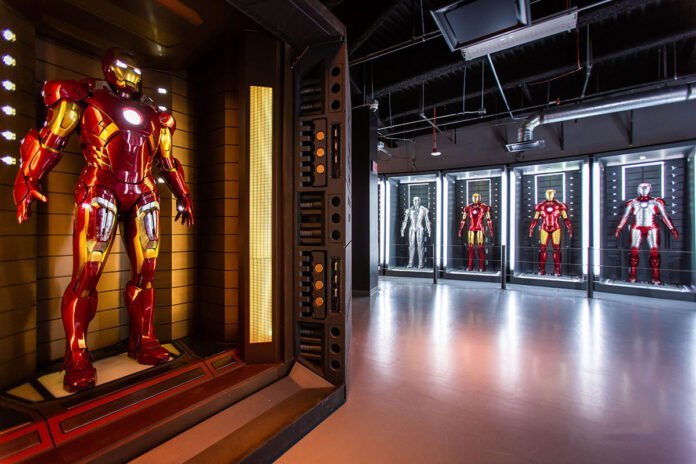
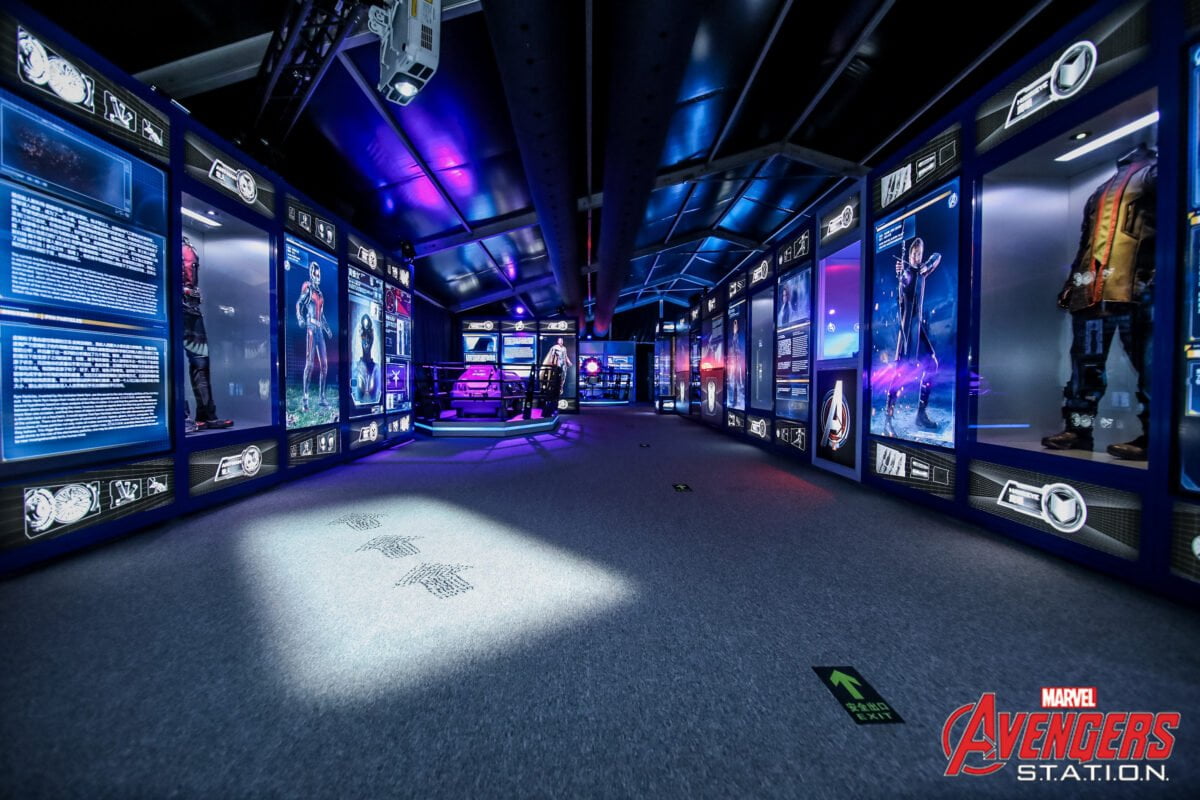
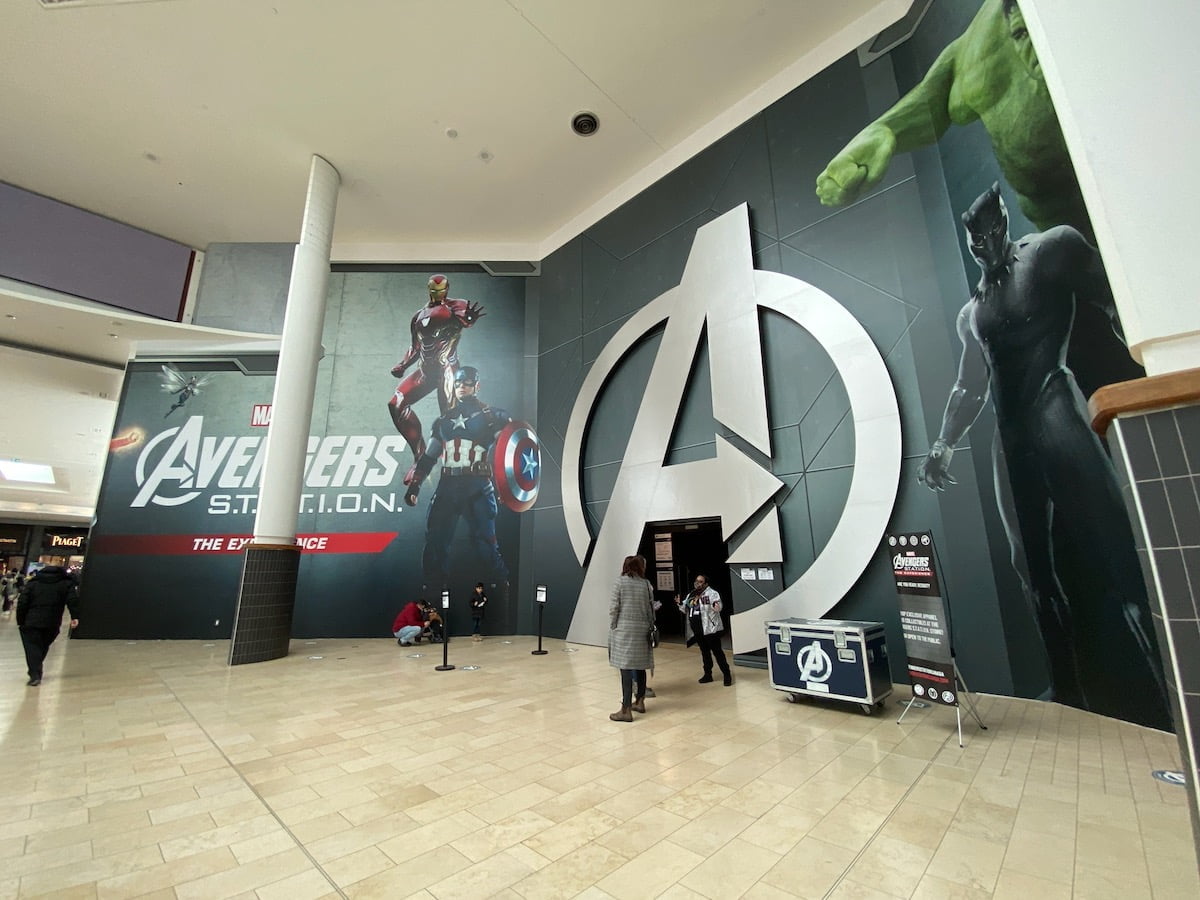
Avengers S.T.A.T.I.O.N at Yorkdale Shopping Centre (Image: Paquin)
Paquin Entertainment Group has been helping landlords across North America lease up unused or under-utilized space in their properties with unique exhibits.
Justin Paquin, a producer with the company which was founded in 1985 – a full-service, diversified entertainment company, and home to four divisions: Artist Management, Artists Agency, Theatre & Film and Corporate Services, said the company has many projects it is working on for the future.
It has offices in Winnipeg, Toronto, Vancouver, Nashville, Las Vegas and San Diego.
“We’ve felt and we’ve seen from the business we’ve been doing we’re able to come in and provide an attraction to fit a gap in any developer’s portfolio,” said Paquin. “Sometimes it might take two to three years to fill a particular space. A lot of these developers are looking for of course those five years or 10 years or longer leases but until they get there, there might be a gap that entertainment producers can come in and fill.
Beyond Monet / Beyond Van Gogh (Image:
“We did just that with Marvel Avengers S.T.A.T.I.O.N. at the Yorkdale Shopping Centre. It was a great pairing and we’re happy to have had a successful run there.”
That particular initiative opened in October 2020 for three days then COVID shut it down for seven months. It reopened in July 2021 and has been opened since, with it expected to close March 27.
The Beyond Monet exhibit opened in August and will run until March 13.
The company has had many initiatives in this area. For example, the Beyond Van Gogh exhibit took place in several Canadian and American cities. Imagine Picasso took place in Vancouver as well as the Sistine Chapel there and Winnipeg and now in Calgary.
“We’ve got a bunch of them coming up. A lot of them,” said Paquin. “We have an incredible announcement that we’re making which I can’t say yet with a project that will be very, very big.
Avengers S.T.A.T.I.O.N at Yorkdale Shopping Centre (Image: Paquin)Avengers S.T.A.T.I.O.N at Yorkdale Shopping Centre (Image: Dustin Fuhs)
“Just because there’s an empty space available at any given retail space, doesn’t mean it can be easily activated upon. There is a shortage of operators in North America. There are plenty of empty spaces and there’s a whole bunch of people out there with ideas on what to put inside of it but there’s a shortage of people that can actually do it, that can actually operate that space, take out a lease, put everything in and execute.
“We have executed more touring exhibits in the past 12 months than any other company in North America. No one’s even close.”
Paquin said the company looks for a space that has a great location but when it has not been able to find a great location it has built their own. For example, in Austin, it put up a temporary structure on a parking lot. In Buffalo, it put up a temporary structure in a parking lot and that mall’s retail sales increased by 30 per cent.
“We’ve been developing close relationships with a lot of these developers to provide basically temporary attractions that can tour from location to location,” said Paquin.
“Right now it’s really busy. For 20 years, we were a theatrical producer and toured across North America – our theatrical shows. That’s an entirely different business unit. When it comes to the exhibits, that’s another business unit. We work with various different kinds of exhibits. The immersive exhibits and the interactive exhibits. But they all boil down to be different types of attraction and we are working with various different types of attraction.”
Retail Insider is streamlining its Canadian retail news from around the web to include a handful of top news stories that can be viewed quickly during the day. Here are the top stories from the past 24 hours.
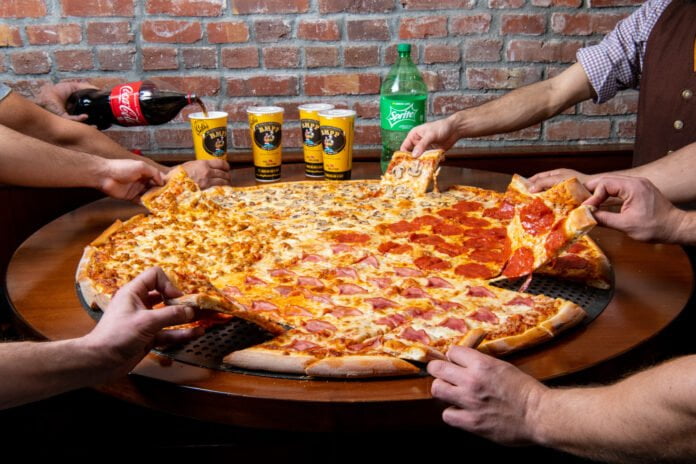
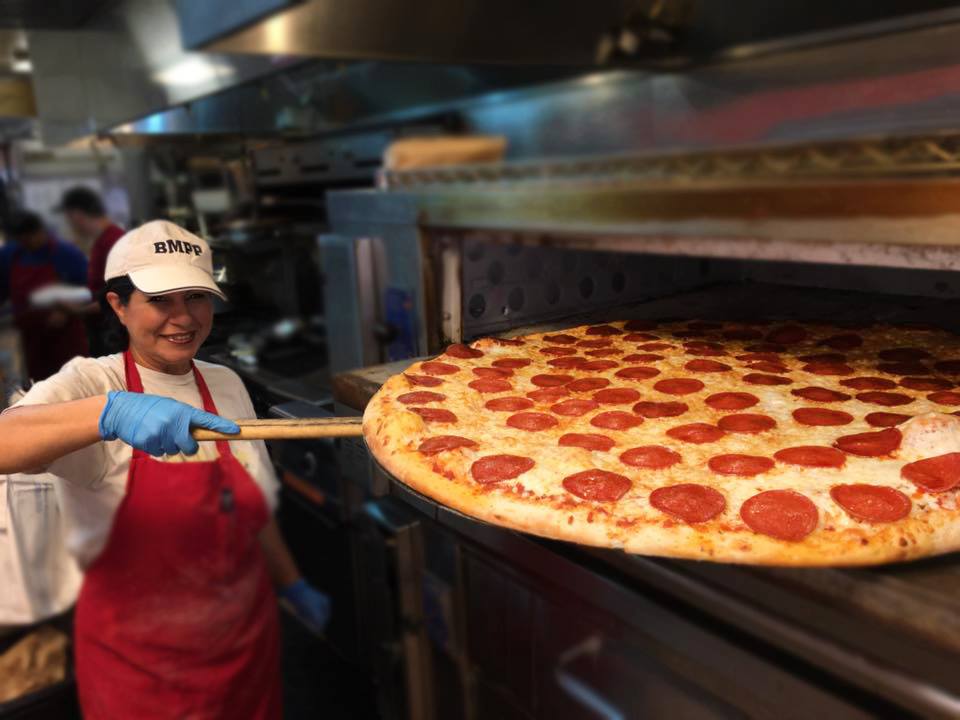
The iconic Southern California Big Mama’s and Papa’s Pizzeria, which has served Hollywood stars and is known for its Giant Sicilian pie that made it into the Guinness World Record Book, is expanding into Canada with plans to open numerous locations in the Greater Toronto Area.
Sam Wadera, Managing Partner of the franchise group bringing the brand to Canada, said there are currently four Letters of Intent in front of landlords for downtown Toronto, Mississauga, Hamilton and York University.
“Initially, we are starting our expansion in downtown Toronto and hopefully that deal will firm up. The GTA will be the initial focus and over a period of time we will expand further to the smaller communities further away from the GTA,” he said.
“If all is said and done, I’m hoping to open the first location by July and August. We are the first so-called franchisee for Ontario within Canada. We’re also the first franchisee for them globally.”
Image: Big Mama’s
Wadera said initially when he was doing research on the brand he knew a few friends and family members who had visited the pizza establishment in Los Angeles.
“It’s a gourmet pizza that is deliverable in various sizes. The company even has a world record for the largest deliverable pizza which is about 54 by 54 inches. They have their own delivery system which I’m hoping to utilize here while using third parties at the same time,” he said. “They also have offerings of pasta and salad and chicken wings and some wines and beers which I’m hoping to carry depending on location.”
“The main thing is pizza and they are good at making it. They have a lot of innovations in their pizza offerings, very much family style but still QSR (quick service restaurant). When I visited and I did my initial training, I saw a lot of families coming in at different times.”
Wadera has a number of years of experience in the industry, starting as a franchisee for Second Cup then he became the company’s development and operations specialist for international. From there, he became involved with Aroma Espresso Bar and eventually became its Chief Operating Officer.
Image: Big Mama’s and Papa’s Pizzeria
“As per the master franchise agreement (with Big Mama’s and Papa’s Pizzeria), I’ve signed for 52 but I think I can do more depending on how this rollout goes out in the next couple of years. I’m hoping to do around 80 and I’d then take it to another province,” said Wadera.
According to the Big Mama’s and Papa’s Pizzeria website, brothers Aro and Allen Agakhanyan opened their first pizzeria in Los Angeles while they were both attending high school in 1992.
“They toiled for several years to prove their pizza restaurant concept was unique and different from the national pizza brands. Not only did they recreate the traditional pizzeria with a “cool” Southern California feel, but they also expanded the size of their pizzas to fit the demands of their guests. Their initial pizza size was a 28” pizza that you could order with your choice of toppings. But it soon became apparent that in order to feed the really big appetites of their customers, the Big Papa (36” in diameter) was born. But Aro and Allen Agakhanyan were not satisfied even then, so they introduced the Giant Sicilian which was and is the largest deliverable pizza in the world. The Giant Sicilian (54” X 54”) and is in the Guinness World Record Book,” says the website.
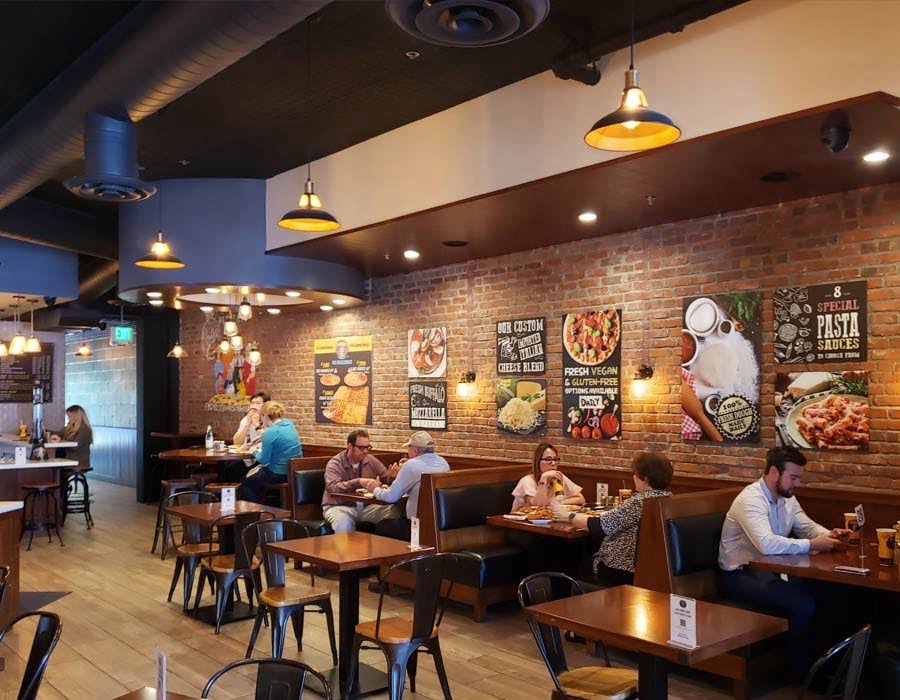
“The Agakhanyan Brothers continued to enhance the BMPP brand with the addition of creative Southern California products like the Egg Gondola Pizza, Big Mama’s Slice, Pastas, Fresh Salads and Appetizers. Today, BMPP Pizzerias have become the place for family and friends to enjoy both lunch and dinner. The original BMPP restaurant was only 500 square feet. Today, the recently opened BMPP restaurant located in Glendale, C.A. is approximately 2000 square feet and future plans call for every new franchise location to be between 2000-3000 square feet offering Dine-in, Carryout and Delivery.”
It has grown to include 17 company and franchisee locations across Los Angeles County.
“BMPP is definitely “Southern California Cool” as witnessed by 43 million viewers who watched the live broadcast of the 2014 Oscar’s when host Ellen DeGeneres handed out Big Mama’s and Papa’s pizza slices to Hollywood A-List stars Harrison Ford, Angelina Jolie, Brad Pitt, Leonardo DiCaprio & other,” says the website.
Kelly Farraj of The Behar Group is brokering lease deals for Big Mama’s & Papa’s Pizzeria as it expands across Ontario and throughout the Canadian market.
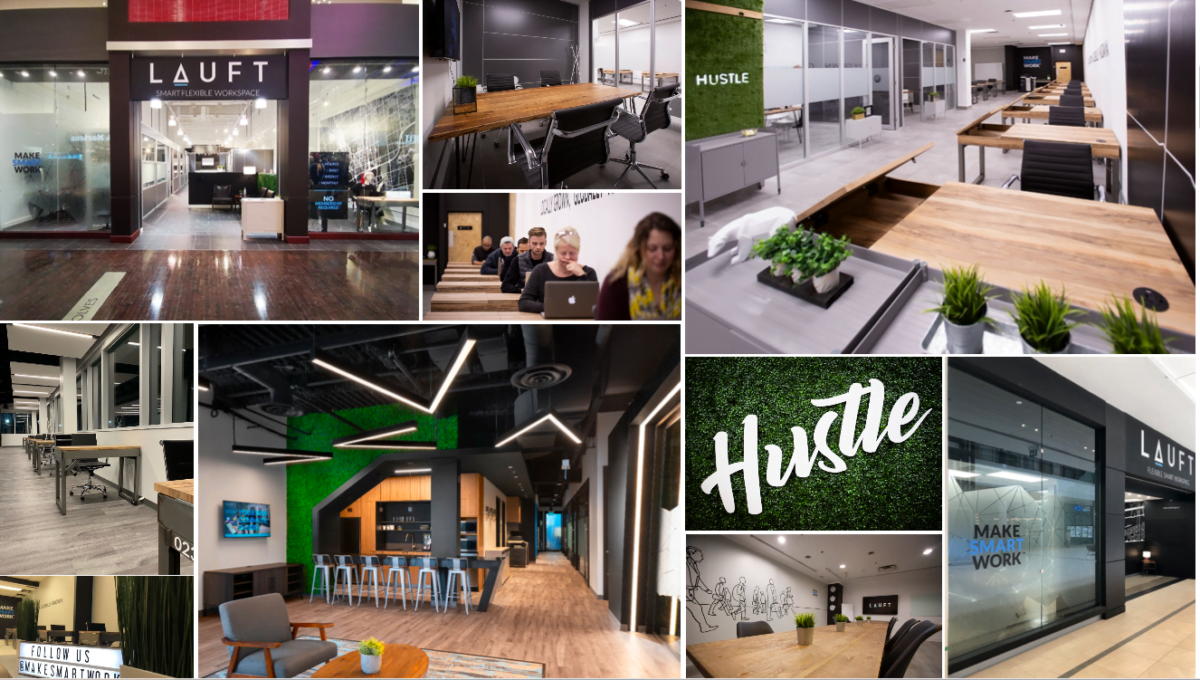
Graham Wong has a grand vision for coworking concept LAUFT to eventually grow it to be the “Starbucks of space.”
And the company’s Founder and CEO is well on his way to getting there as the on-demand network for flexible spaces for remote workers and organizations grows in popularity and momentum.
Graham Wong
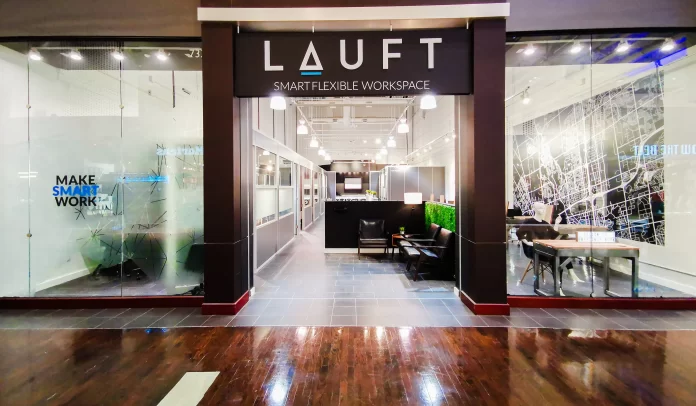
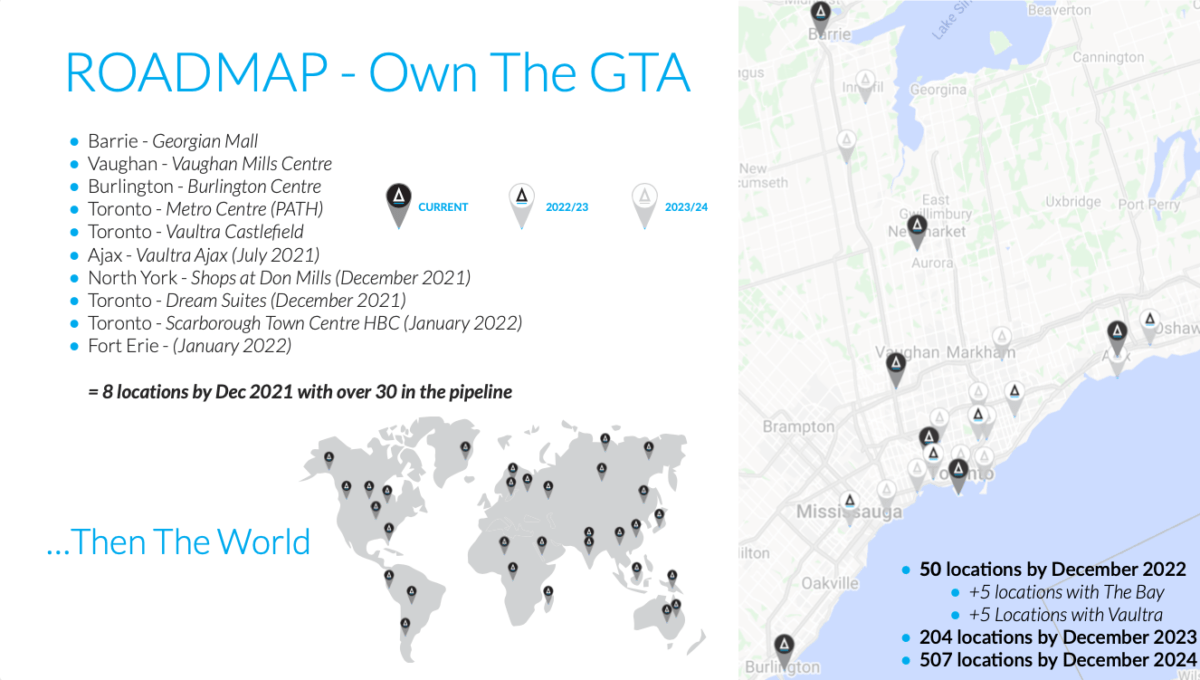
LAUFT opened its first location in 2018 and today has five of its seven locations in the Greater Toronto Area open, due to the pandemic, where people and teams are connected to the spaces, tools and services they need to work in the most convenient, consistent and professional way possible.
The company has not reopened its Metro Centre PATH location since it shut down due to the COVID-19 pandemic because “the PATH is a ghost town.”
Wong’s vision is a remote work solution where people can dedicate focused time on their work or project without being forced into a traditional 40-hour work week or a long daily commute. From malls to fitness centres to retail stores and self-storage facilities, LAUFT’s plan is to expand its reach nationally and internationally.
Image: LAUFT at Vaultra Storage
Wong said the company is working with a national retailer, which it can’t name at this time, exploring a store in store concept where LAUFTs will be integrated into their environments.
“Two of our current locations are in partnership with a self-storage facility. So you think about ecommerce entrepreneurs, we really did this partnership for that. We’re doing seven locations with this self-storage partner and really what that’s for is if you think about ecommerce and you think about some of the user behaviour in terms of online shopping, we want to create this ecosystem where someone could store their stock in storage and rent on-demand office space for pop up retail experiences or meeting clients or fulfilling,” said Wong.
“What we’re also doing is partnering with fitness brands, as an example, so that when you come to a LAUFT you can work for a couple hours, get an hour workout. We’re trying to create different experiences. We have a roadmap and I would say by the end of this year we’ll have 18 to 20 locations in and around the GTA and the majority of them are tied to retail for sure because that’s just where you’re going to get the most convenience, you’re going to get free parking, you’re going to get ancillary businesses around.
Image: LAUFTImage: LAUFT
“We are looking at Vancouver, we are looking at Ottawa, Montreal and Calgary. The concept of LAUFT is that you’re supposed to be able to open that app and find a LAUFT just as conveniently as you would a Starbucks. We need to prove it in the GTA and then our goal is to go national and we have interest in the US as well. And we also want to be in Europe. Our goal ultimately has always been to be the Starbucks of space and that’s really what we’re going after. We’re even talking to some coffee shop brands in terms of reinventing what that coffee shop model might be.”
LAUFT opened December 2018 in Upper Canada Mall in Newmarket. Other current GTA locations include: Barrie (Georgian Mall), Vaughan (Vaughan Mills), Toronto (Metro Centre), and Burlington (Burlington Centre). There are also locations in Ottawa and Kingston.
The company is also looking at other unique ideas like perhaps rooms for therapists or interview rooms for people looking for a job. Also, podcast, green screen and content creation rooms.
“It’s really just retooling our space. When we first started we thought we would be this work amenity for a lot of gig workers, entrepreneurs, who could work remote and what we’re finding coming out of this it’s content, creative people, designers, developers and we also have a ton of companies now – we’ve signed over 35 organizations – where they’ve said they might not go back to a destination office every single day and they’re reducing their footprint, people are working from home and they need that third option in between,” said Wong. “Something like LAUFT makes sense because they can deploy people, they can have a central bill.
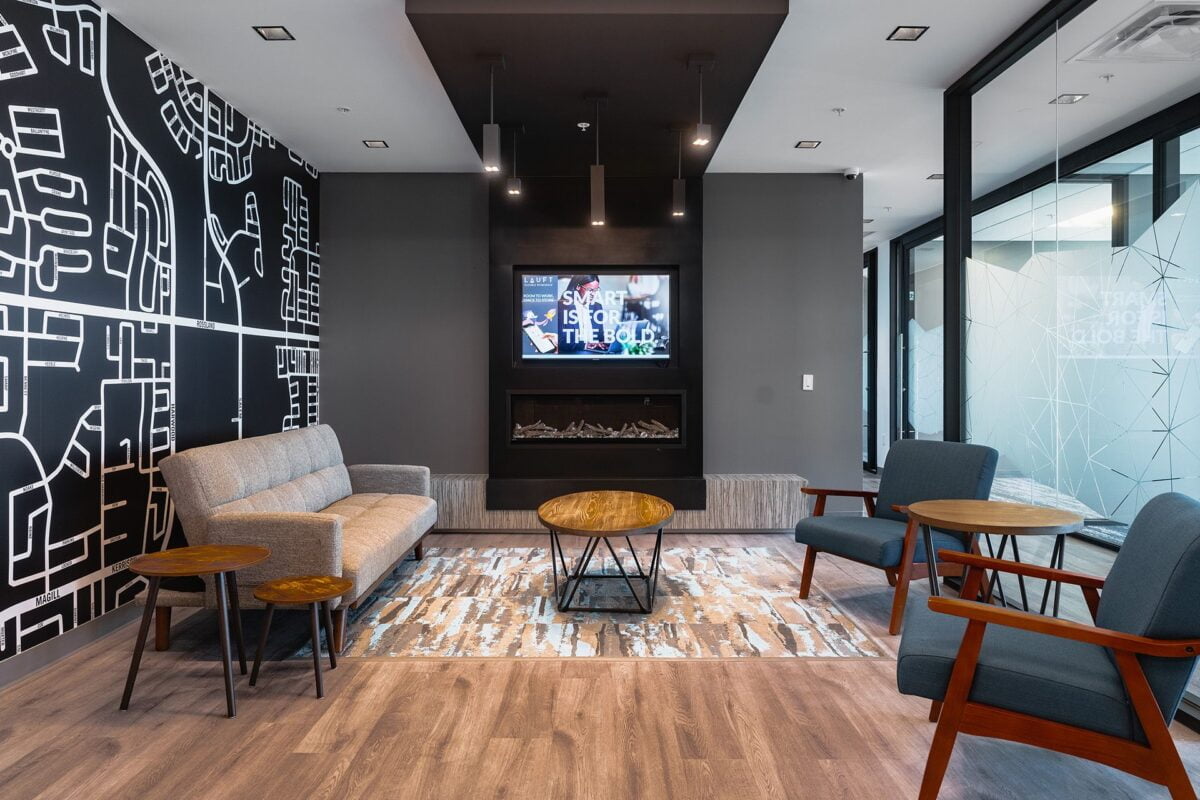
INTERIOR OF LAUFT COWORKING SPACE. PHOTO: LAUFT
“One thing we’re really excited about is not only are we a space for people to get stuff done at a mall but we’re now working with some of the mall tenants. As an example, if I book a desk, can I have a coffee, can I have my lunch ready? So we’re able to actually be a generator of activity within the retail environment. How do we become part of the environment in a more meaningful way than just work?
“We think we’re going to be a great strategy for the malls to bring traffic back into them. Remote work is now ingrained. People just need a place outside of the house and they just need to be close and shopping malls just happen to be very close to where people live.”
With hospitalization rates from COVID-19 dropping as well as active cases, Alberta has moved to eliminate the provincial mandatory work-from-home order and public masking requirements except in high-risk settings.
Effective March 1, the province begins its Step Two of dropping public health measures, on its road back to ‘normal’, which also includes the end of limits on social gatherings, capacity limits for large venues and restrictions on interactive activities, liquor service and operating hours will be lifted.
Annie Dormuth
Annie Dormuth, Provincial Director for British Columbia, Alberta, and Saskatchewan, Canadian Federation of Independent Business, said the move by the Alberta government is much anticipated and awaited news for the province’s small business community, especially those in the hospitality industry.
“We were hoping to see of course the lifting of these restrictions perhaps a little bit sooner, but definitely this day has been on the calendar for many businesses in the hospitality industry,” said Dormuth.
“This has consistently been one of the hardest hit industries throughout this entire pandemic and hopefully all of these restrictions are now behind us. Now it’s really up to the Alberta government as well to really come behind these businesses that are now being able to operate without restrictions and really start engaging on a messaging of consumer confidence and encouraging people to once again go out and return to these activities. Government messaging from across Canada has been basically deemed unsafe to do for nearly two years now and that’s really what we’re going to be looking for the Alberta government to really do as we get past March 1 and on to economic recovery.”
Dormuth said surveys show that 70 to 80 per cent of small business owners in Alberta support the removing of all COVID restrictions but some small businesses may choose to keep some of the protocols in place.
The lifting of the mandatory work-from-home order will also be good news for restaurants, bars and retailers in the downtown cores of the major Alberta cities such as Calgary and Edmonton.
Woman grocery shops with face mask on during COVID-19 pandemic.
“We continually heard from downtown business associations and groups that this is definitely a damaging public health order to our critical downtown core businesses,” said Dormuth.
Michelle Wasylyshen, National Spokesperson for the Retail Council of Canada, said retailers are all about offering the best customer experience.
Michelle Wasylyshen
“And so we look forward to a time when all COVID requirements are removed and customers and staff can interact as they did previously. We’ve heard from some retailers in provinces that are unwinding mandatory public health requirements, that their stores may choose to keep some safety protocols in place for the time being, including masking, as a means of continuing to provide added protection to their associates and customers,” she said.
“Each store is different and may have quite specific client needs or proximity of customers and associates – think for example of the case of a pharmacy counter, where vulnerable populations and close interactions, are the norm. After more than two years of responding to rapidly changing measures across the country, retailers are very experienced at implementing and adapting their stores to best address their unique operational requirements.”
Michael Kehoe
Michael Kehoe, broker/owner of Fairfield Commercial Real Estate in Calgary, said the lifting of the provincial government mask requirement in Alberta is welcome news for the food service industry.
“Bars and restaurants are returning to a pre-COVID-19 sense of normalcy that this is the most welcome and final component of moving through a so-called ‘endemic’ era,” he said. “This is a natural progression that follows the lifting of such measures in most other jurisdictions. Expressive eyes have been an effective communicative mechanism while masked up over the past two years. Now the smile is back and the handshake hiatus is over. Welcome news as we move into springtime with smiling faces while visiting our favourite pubs and dining establishments.”
Retail expert Bruce Winder said the confirmation of Alberta eliminating mask mandates and the anticipated similar decisions soon from other provinces will have both positive and negative impacts to retail, restaurants and other locations.
Bruce Winder
“From a positive perspective, consumers who have been against mask mandates will begin to frequent these establishments now that they can shop or dine without this burden. From a negative perspective, some consumers who have been in step with mask mandates may reduce in-person shopping or dining for fear of catching COVID-19 from unmasked customers,” said Winder, author of RETAIL Before, During & After COVID-19 and President of Bruce Winder Retail.
“I think that many consumers will continue to wear masks in these settings after mask mandates are eliminated as a precaution. At least for the next several months. Wearing masks had become a way of life in some Asian countries long before the pandemic existed, and we will probably see similar behaviour in Canada.
“We may also see a polarization of different retailers and restaurants into two groups. Those who continue to mandate masks within their locations and those that do not. If so, there will be much legal discussion as it relates to this divide and what rights consumers possess to shop or dine indoors as they wish. Let’s hope that the net effect of such dynamics leads to improved traffic and sales for merchants so they can get back to some new form of normal as soon as possible.”
“We all want to be back with friends, laughing again with comfort. However these have been times of a medical health emergency. One has to wonder, are we rushing things and opening ourselves up to major outbreaks again? When the pandemic started the stats showed that we were weak in hospital beds and not enough healthcare workers. Might we push that envelope again? How does that help business operators that deal with the public face to face?,” he said.
“Many business operators are already concerned. On one hand they need the revenue. But they are very aware that not all consumers will be comfortable in crowded places, especially without masks. Not everyone has had a vaccine and not everyone feels immortal. Not even business owners and their employees. What about consumers and workers who need to keep masks on because of underlying health issues? Will they be walking around anxiously afraid of being harassed? Retailers, restaurateurs and other consumer facing businesses have an urgent hurdle to overcome and that is to create a safe and risk-free experience for all. Opening for business and trying to get back to some normal is important.
“We need to be careful because groups calling for an end to restrictions and politicians ending them doesn’t stop the virus from spreading or the birth of new variants. If we have further outbreaks, you won’t have to worry about restrictions, consumers have already been conditioned to safeguard themselves and that will mean less traffic. Therefore, the onus is on all business operators to create the right healthy environments. So all will feel welcomed and safe.”
In a statement, Restaurants Canada said: “Health and safety are mission critical to restaurants — this is just as true now as it was before the COVID-19 crisis. Since the start of the pandemic, restaurants have quickly and effectively adapted to evolving public health guidance so that they can continue to serve their communities while ensuring the health and safety of staff and customers. With mask mandates for foodservice and hospitality businesses no longer in effect in Alberta, our members will continue to make decisions based on local public health guidance, as well as their unique operational circumstances. Restaurants Canada encourages Albertans to continue supporting their local restaurants on their road to recovery.”
Alberta Premier Jason Kenney said cases of COVID and hospitalizations have continued to drop over the last three weeks as the province started lifting restrictions.
“This promising trend puts Alberta in a position to safely remove the majority of remaining public health measures. This is a good day for Albertans as we get another step closer to getting back to normal,” he said.
The City of Calgary has also announced it is ending its face covering bylaw requirement for indoor masking.
“We are cautiously optimistic that we are entering a new stage of the pandemic,” said Chief Susan Henry of the Calgary Emergency Management Agency.
“Some of us will welcome the lifting of restrictions while others will prefer to continue wearing face coverings and following other precautions. We must be kind and compassionate toward one another, respect those personal choices and make space for everyone to move at the speed they feel comfortable with.”
Retail Insider is streamlining its Canadian retail news from around the web to include a handful of top news stories that can be viewed quickly during the day. Here are the top stories from over the weekend.
Australian eyewear retailer Oscar Wyleerecently entered the Canadian market with multiple stores and more are planned. Retail Insider supplied questions to Oscar Wylee’s head office in Sydney.
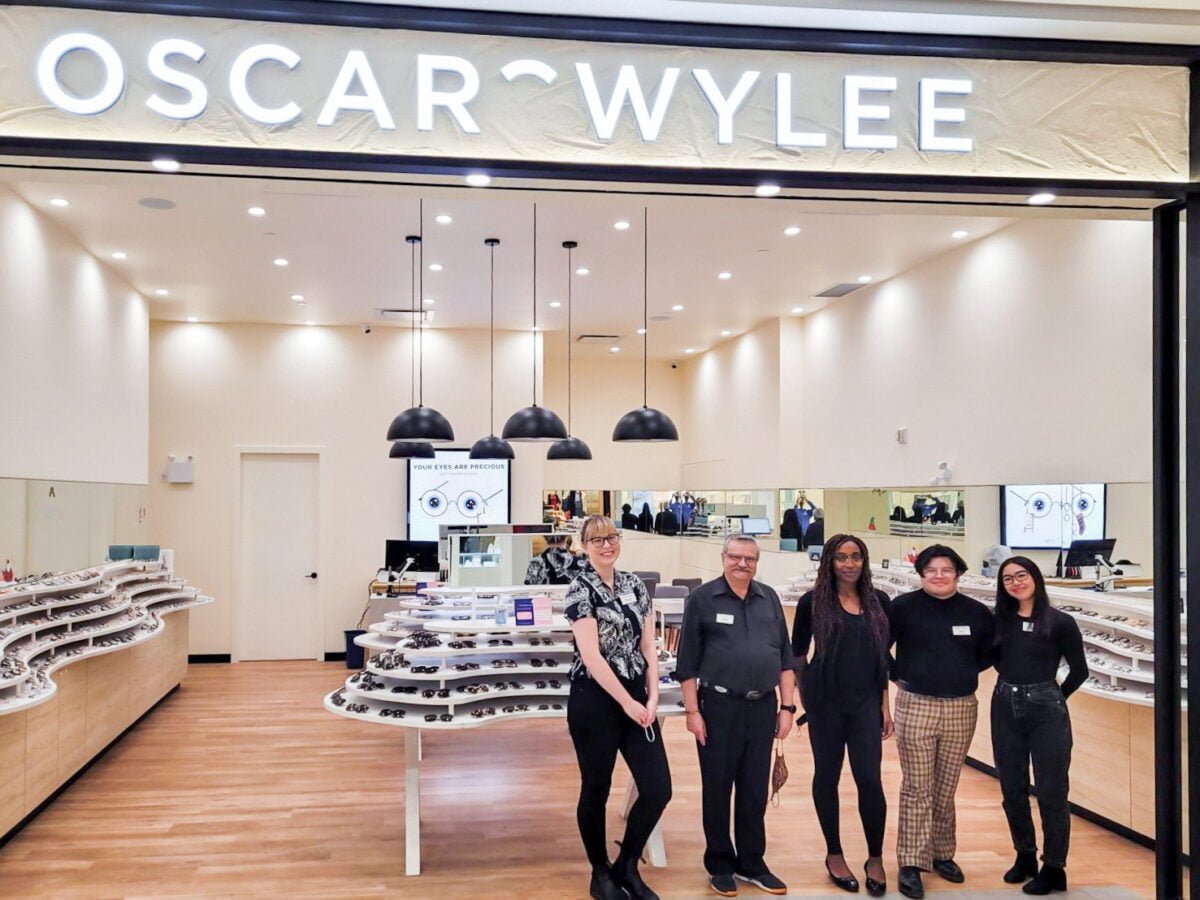
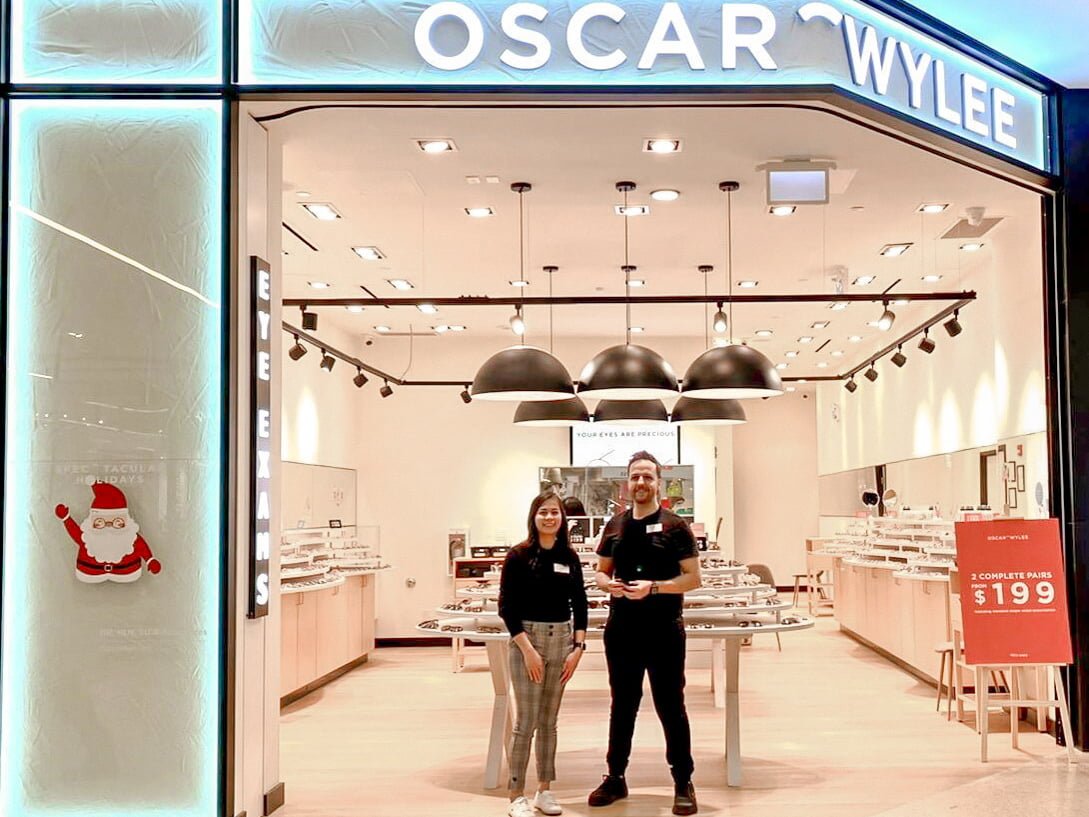
The retailer was founded in 2012 and has over 100 stores and over 800 team members across Australia, New Zealand and Singapore. Its first store opened in September of 2021 at West Edmonton Mall in Edmonton and Oscar Wylee opened its first Toronto store recently at CF Sherway Gardens. Other Canadian locations are in Halifax at the Halifax Shopping Centre and in Calgary at CF Chinook Centre and CF Market Mall.
Ishan Dessai, Marketing Manager at Oscar Wylee in Sydney answered a few of our questions about the Canadian expansion below:
RI: Why did Oscar Wylee make the decision to expand into Canada with stores?
OW: The plan for Oscar Wylee was always to grow and provide affordable eye exams and fashionable glasses to everyone. Canada was a natural next step, because just like Australia and New Zealand, it is also a multicultural country with a lot of similarities between the people and the value they place on quality eye care.
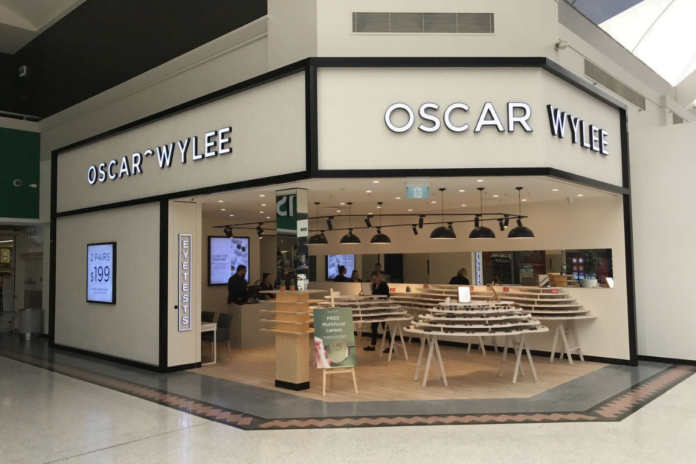
Oscar Wylee at Sherway Gardens (Image: Oscar Wylee)
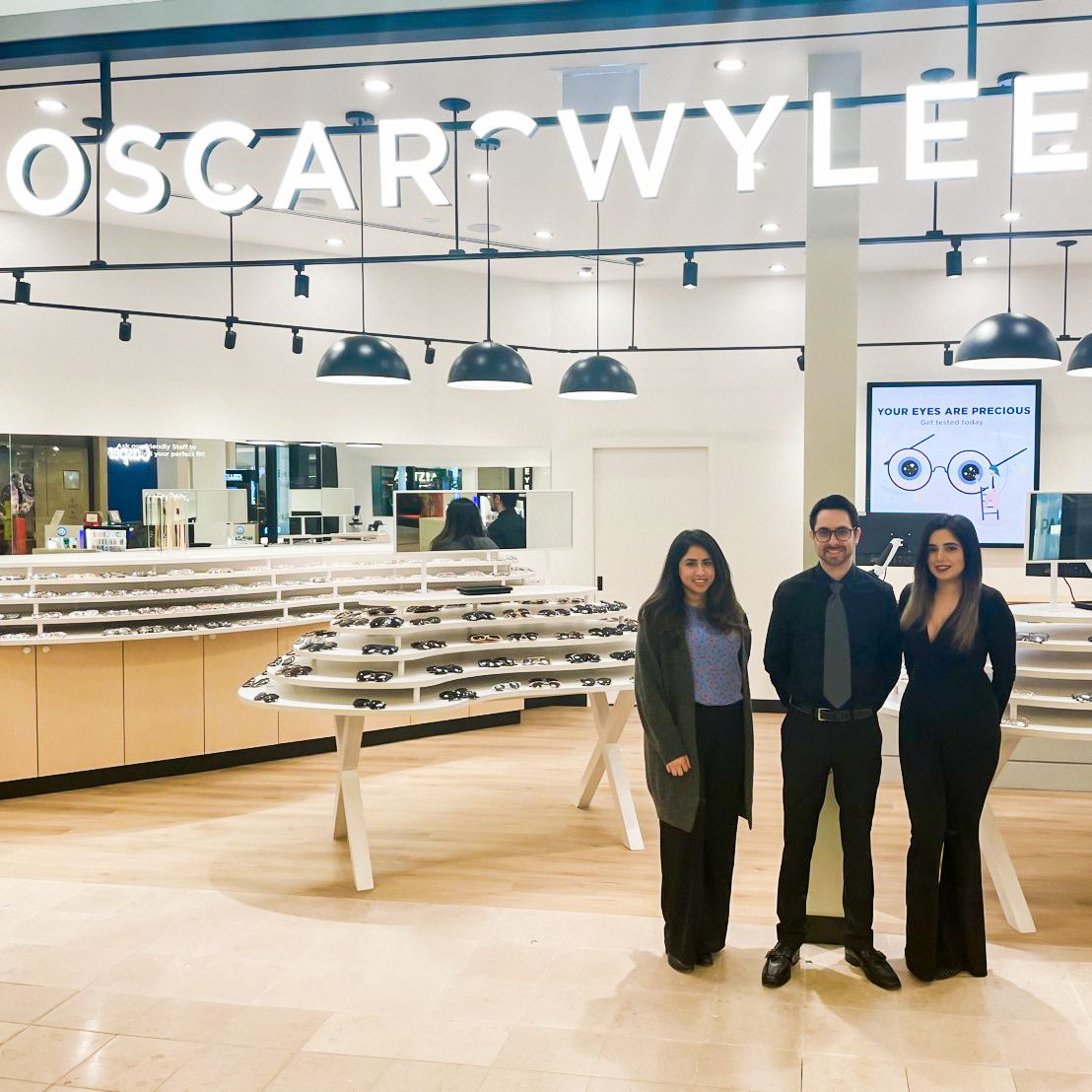
Image: Oscar Wylee
RI: Tell me about the new Toronto location, as well as the importance of the Toronto market to the brand?
OW: Our first Toronto store is in a beautiful location in CF Sherway Gardens – Etobicoke, just a 15 minute drive from the Toronto Central District making it very accessible to customers. The Toronto market is extremely important to the brand given that it is the economic hub of the country and also a city with high consumer spending.
RI: Where will we see more Oscar Wylee stores open in Canada? What are the target cities/locations?
OW: We currently have 5 stores across Canada with 3 in Alberta, 1 in Nova Scotia and 1 in Ontario and a potential 2nd store to come in Oshawa Centre. The plan at the moment is to establish these stores and build a foothold before expanding to the other provinces.
Oscar Wylee at CF Market Mall (Image: Oscar Wylee)
RI: What are global plans for the retailer’s expansion?
OW: The plan for us would be to expand and increase our presence in Australia, New Zealand and Canada with preparations for new store locations constantly underway. With comprehensive eye exams and affordable glasses, this will help make eye care accessible to a lot more people.
RI: How is Oscar Wylee looking to compete with Specsavers which recently entered Canada and is looking at opening 200 stores? How will Oscar Wylee compete with BonLook and other homegrown brands, as well as international entrants such as Warby Parker?
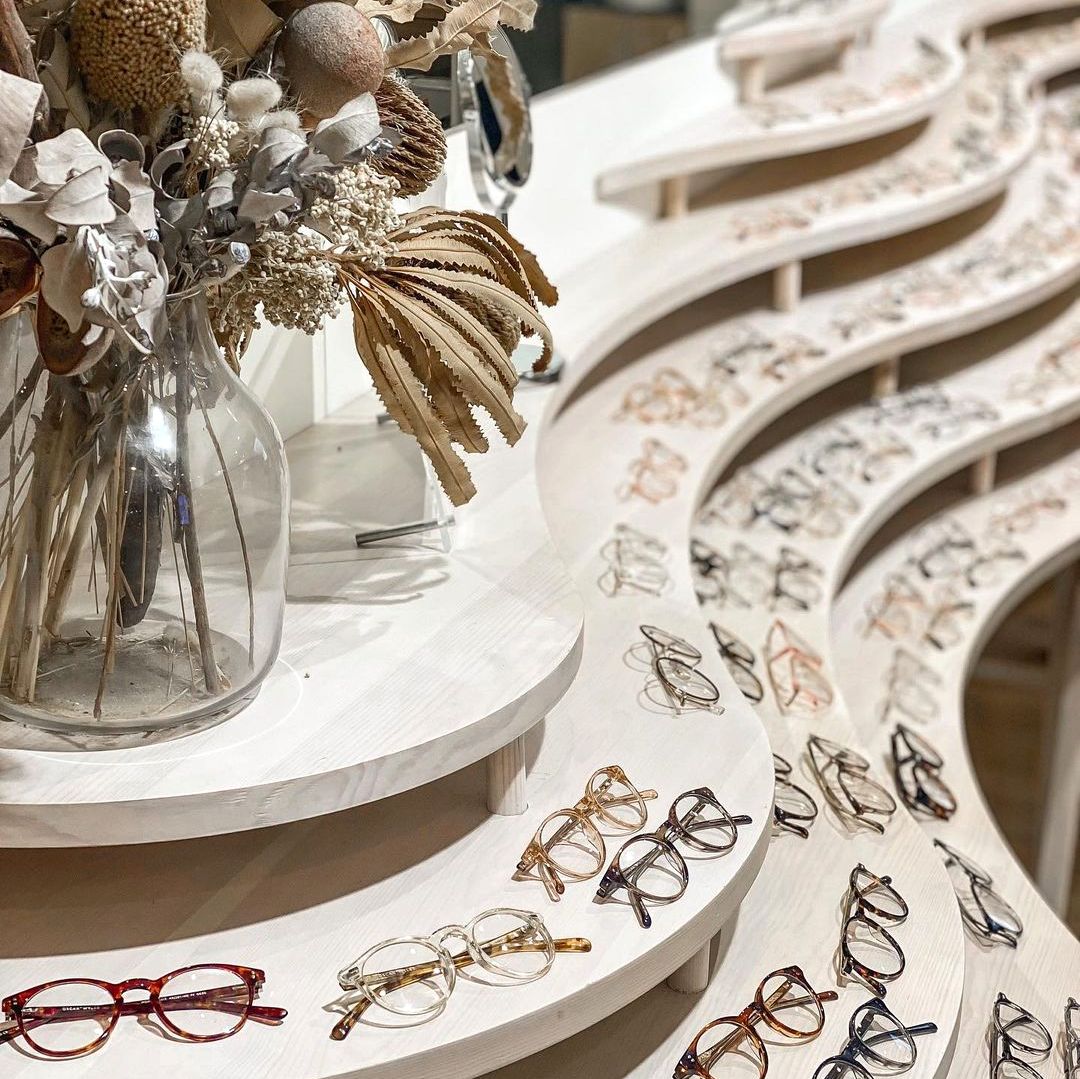
OW: Oscar Wylee competes with Specsavers and other similar brands in Australia and New Zealand and has managed to make a mark in the eyewear industry by providing quality glasses at affordable rates. Our ongoing price is 2 pairs from $199, including single vision prescription optical glasses, non-prescription sunglasses, or a mix of both. This along with the fact that we offer over 750 SKUs of stylish optical frames (with an option of Blue Light Filter) and sunglasses to choose from, distinguishes us from the rest. With a mix of classic, retro, bold contemporary silhouettes and a new collection released every month, there’s an Oscar Wylee frame for every face – and personality.
Oscar Wylee at West Edmonton Mall (Image: Oscar Wylee)
RI: In terms of online competition, how will Oscar Wylee compete against similar retailers in Canada?
OW: At the moment, Oscar Wylee does not have an ecommerce option with the focus on the brick & mortar stores. Oscar Wylee’s modern optometry equipment, network of local optometrists and knowledgeable store teams will provide comprehensive eye exams, best in class service and unique products to the Canadian market.
We’ll continue to follow Oscar Wylee’s expansion into the Canadian market. Interested landlords can reach out to Tony Flanz of brokerage Think Retail which is handling and negotiating site selection for the retailer. Oscar Wylee is said to be looking at retail spaces in the 700 to 1,000 square foot range in shopping centres and on busy high streets near noteworthy fashion and general merchandise retailers. Markets targeted include British Columbia, Alberta, Ontario and Quebec.