Advertisement
Home Blog Page 897

Retail Profile: McArthurGlen Designer Outlet Vancouver

McArthurGlen Entrance. Photo: Stantec

Retail Insider continues its Photo Tour series of Canadian malls to provide a window into shopping centres which may be less frequented lately due to the COVID-19 pandemic. This edition takes us to the McArthurGlen Designer Outlet Vancouver in Richmond, near Vancouver, which was the first designer outlet mall in British Columbia.

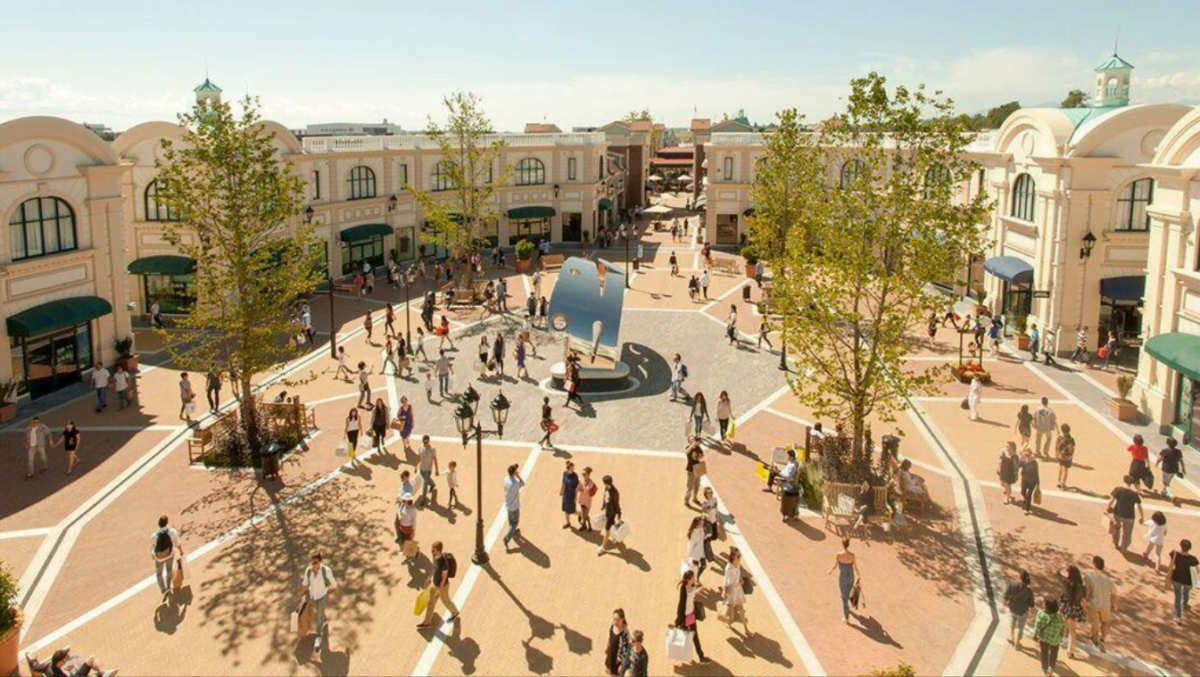
The open-air village style centre, which features piazzas, cobblestone walkways, and a variety of historical-looking facades, was architected by Edmonton-based firm Stantec Inc.

The centre is a joint venture between McArthurGlen, Europe’s leading owner, developer, and manager of designer outlets, and the Vancouver Airport Authority, a community-based, not-for-profit organization that operates the Vancouver International Airport.

Location of McArthur Glen Vancouver. Photo: Google Maps
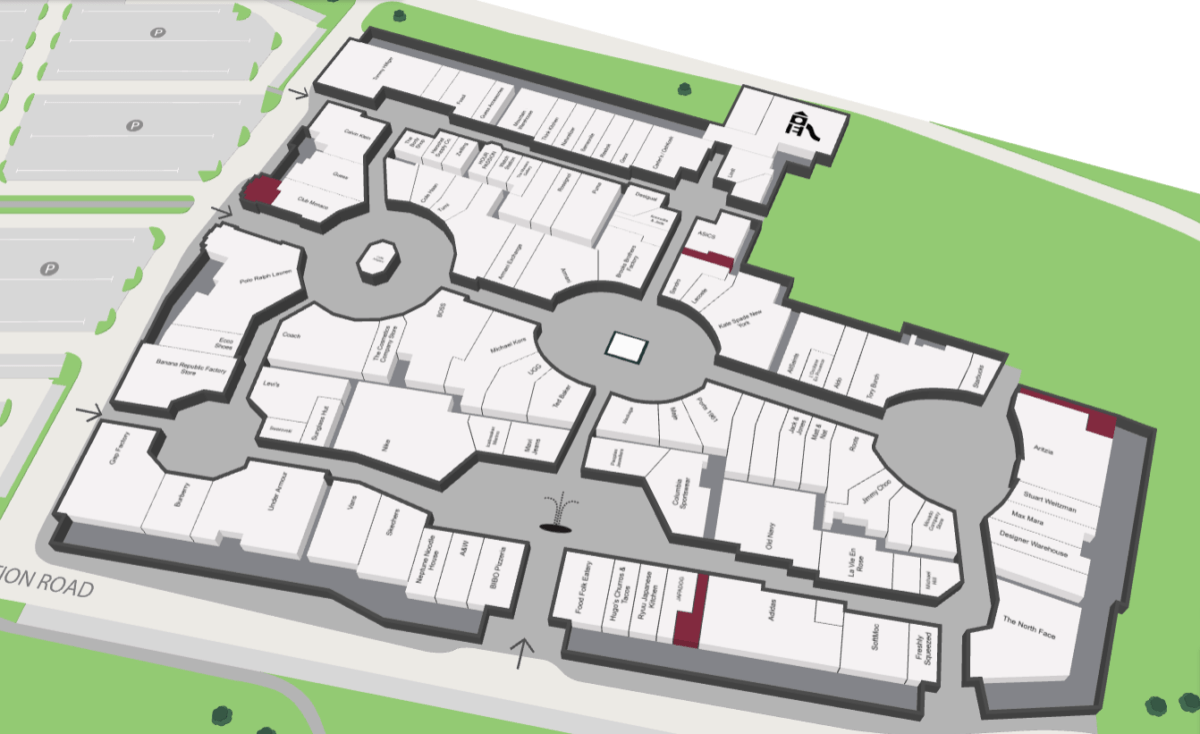
Overall McArthurGlen Vancouver Map. Photo: McArthurGlen
McArthurGlen Concept Rendering. Photo: McArthurGlen

History of McArthur Glen Designer Outlet

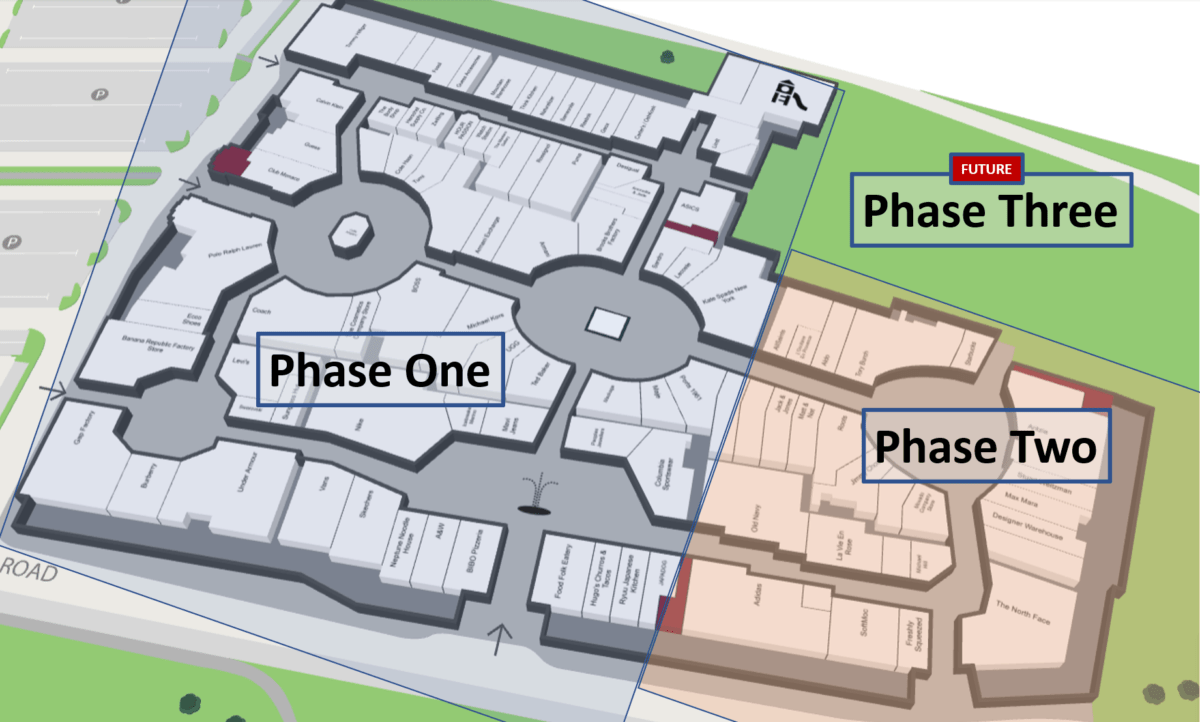
The master plan for the shopping centre includes three phases, of which two have been built so far. The design was European-inspired; however, design elements were also inspired by iconic Vancouver architecture such as the city’s first post-office building that was built in 1937, the Vancouver Rowing Club (1911), and the distinctive brick facades associated with the city’s historic Gastown district. The prime location with access to YVR International Airport as well as the Templeton Skytrain public transit hub made the space perfect for the sprawling outdoor European retail pathways.

McArthurGlen Vancouver Map, by Phases. Photo: McArthurGlen Map with overlay by Retail Insider.
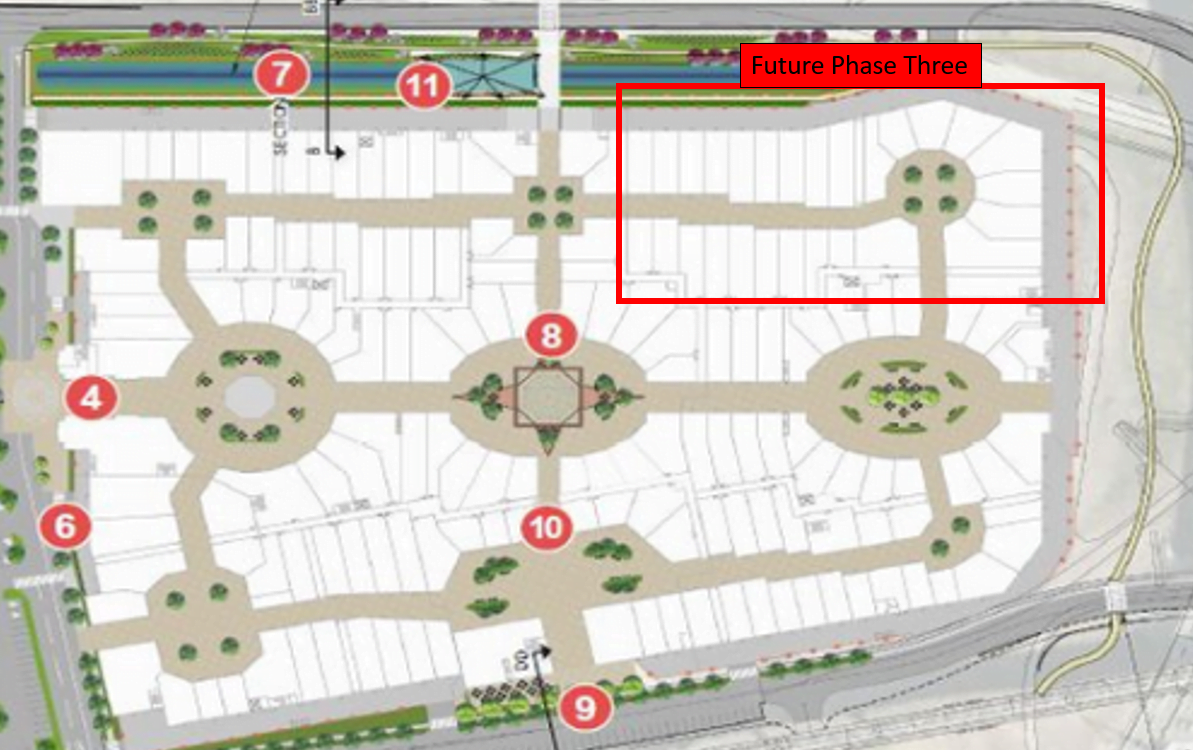
McArthurGlen Vancouver Plan (presented in 2015). Markup highlighting Phase 3 by Retail Insider. Photo: McArthurGlen

Access to McArthur Glen Designer Outlet

The shopping centre can be reached by vehicle or by public transport. The Templeton Skytrain station opened in August 2009 in anticipation of servicing the centre as well as light industrial and long term airport parking in the area. Vehicular traffic accesses the centre from Templeton Street which connects to the major Grant McConachie Way that services the airport. Patrons choosing to arrive by road are greeted with single level, 2,000 parking space lot.

McArthur Glen Vancouver Parking. Photo: Geetanjali Sharma

Breaking up the McArthur Glen Designer Outlet

As previously mentioned, the shopping centre is intended to be completed with three phases. For the purposes of this retail tour, we will be proceeding through the centre in the following zones:
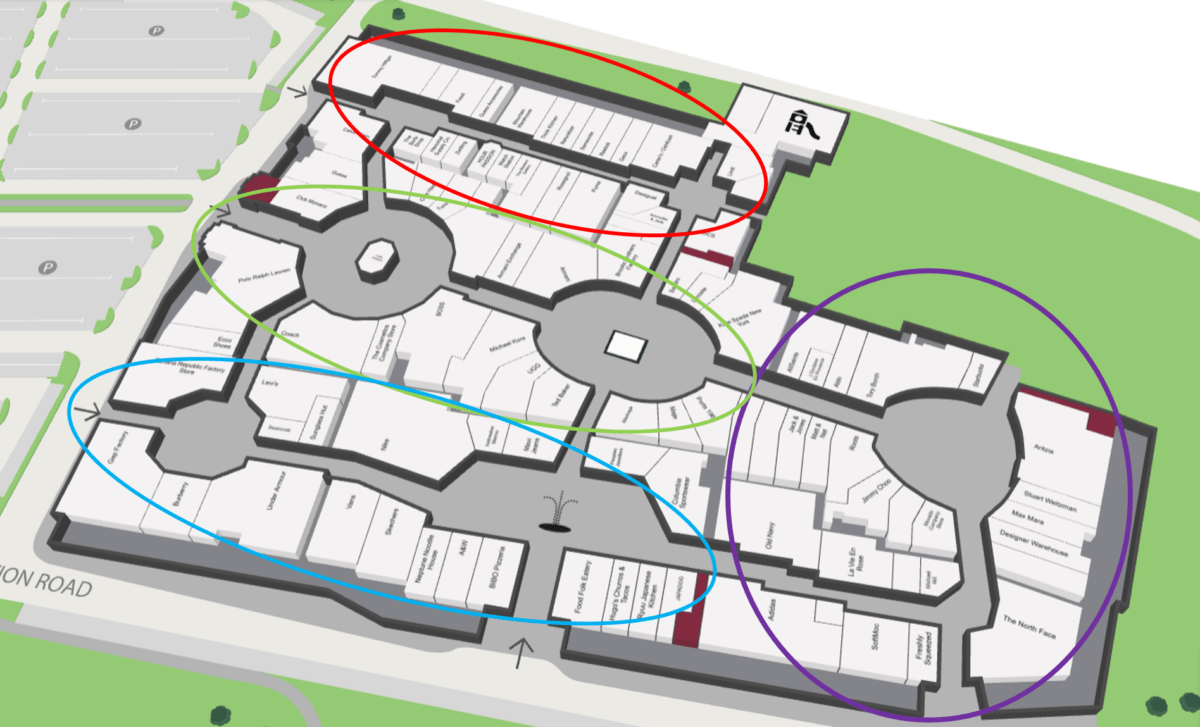
McArthurGlen Vancouver Map, by Tour Zones. Photo: McArthurGlen Map with overlay by Retail Insider.

The tour zones include the following (with the corresponding color coding):

  • Phase One Upper (Red)
  • Phase One Middle (Green)
  • Phase One Lower (Blue)
  • Phase Two (Purple)

Phase One Lower Zone Tour (Blue)

Coming from the Templeton Skytrain, the photo tour begins at the bottom left of the overall map.

McArthurGlen Lower Left Entrance. Photo: Geetanjali Sharma
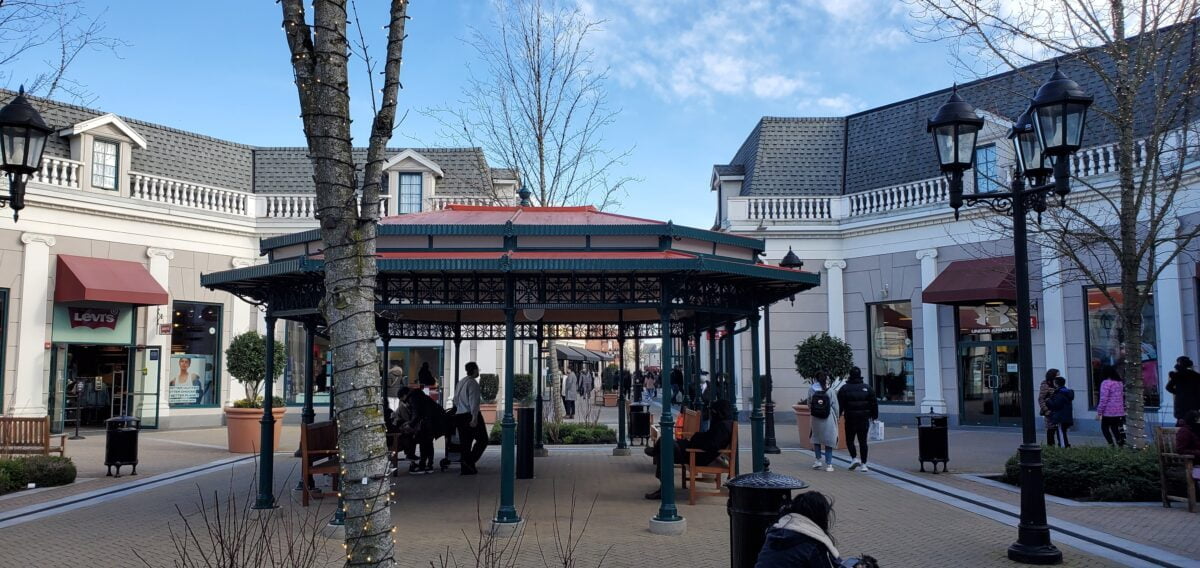
Levi's and Under Armour around seating area at McArthur Glen Vancouver.
Levi’s and Under Armour around seating area at McArthur Glen Vancouver. Photo: Geetanjali Sharma
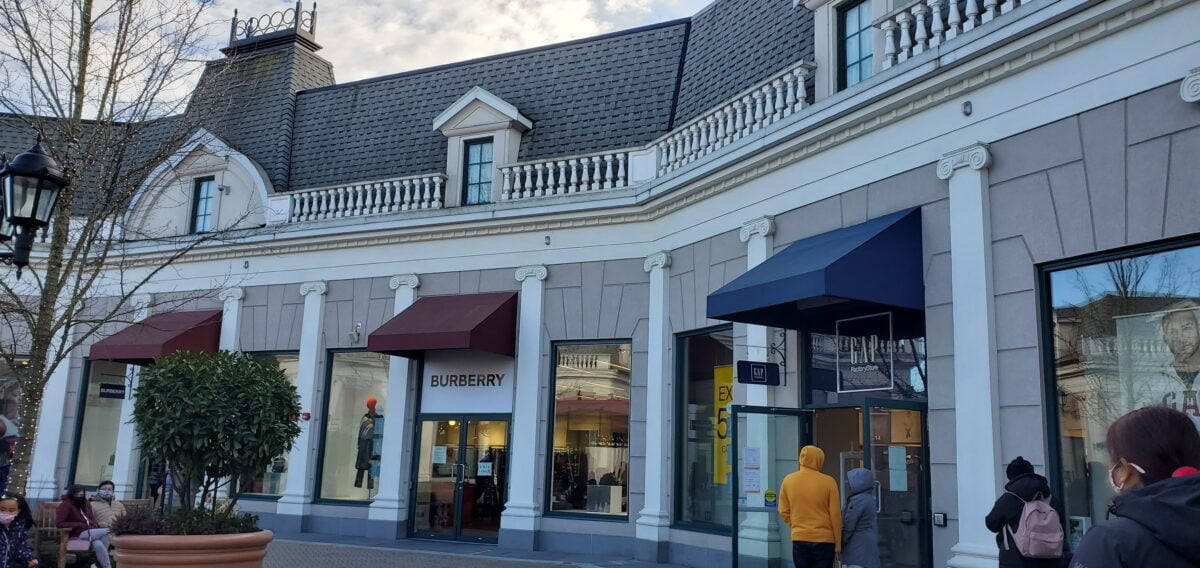
Row of Retailers circling covered seating area at McArthur Glen Vancouver, including Burberry and Gap FactoryStore. Photo: Geetanjali Sharma

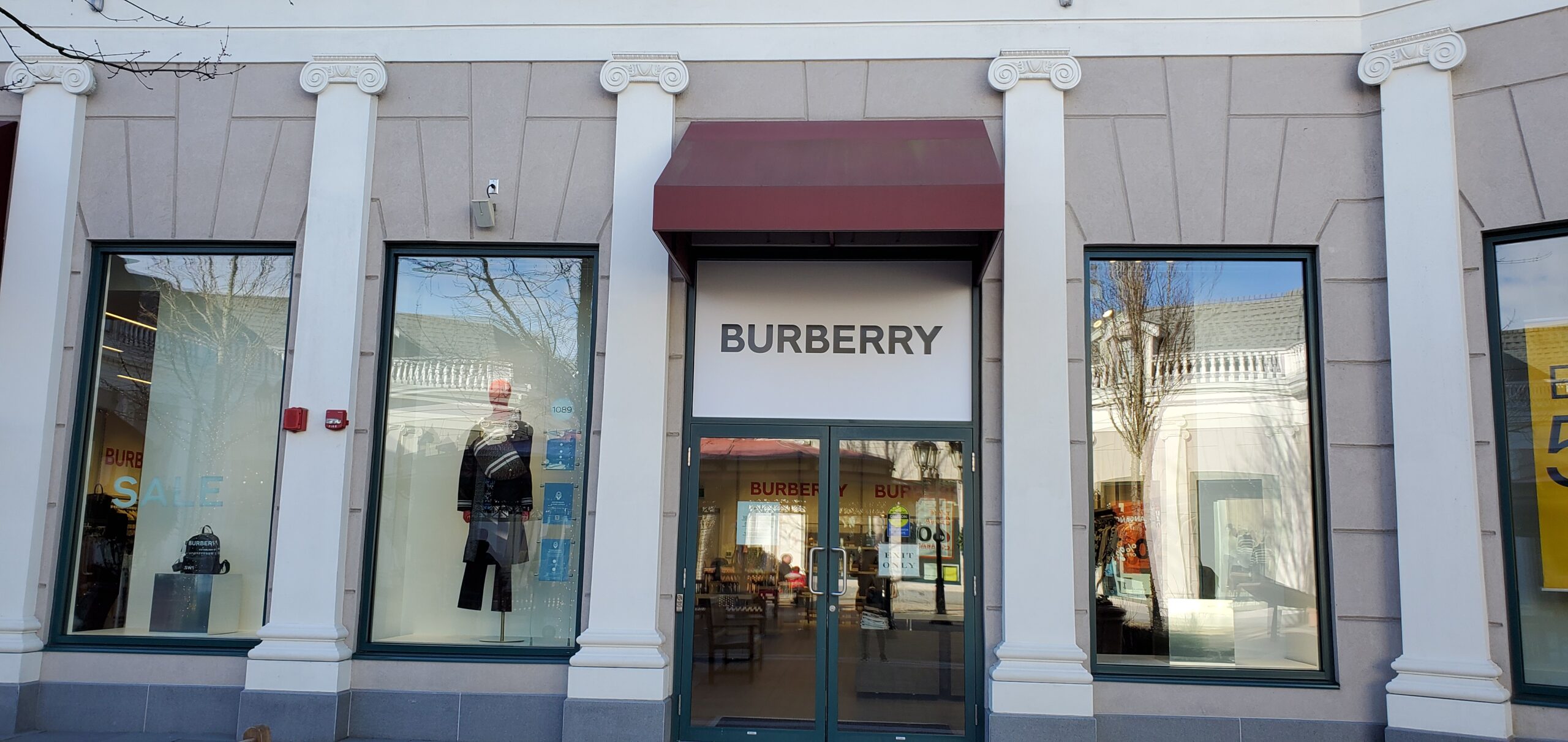
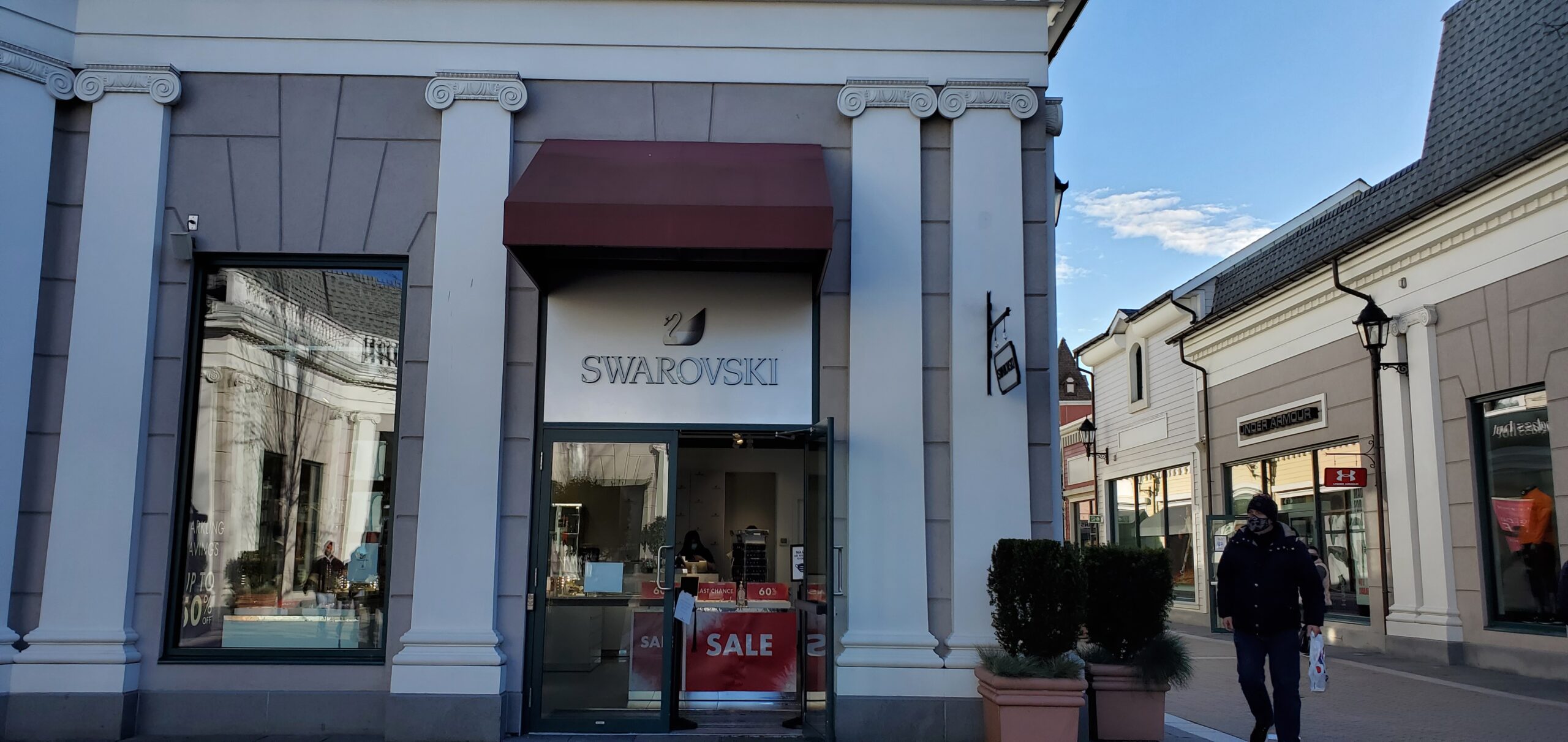
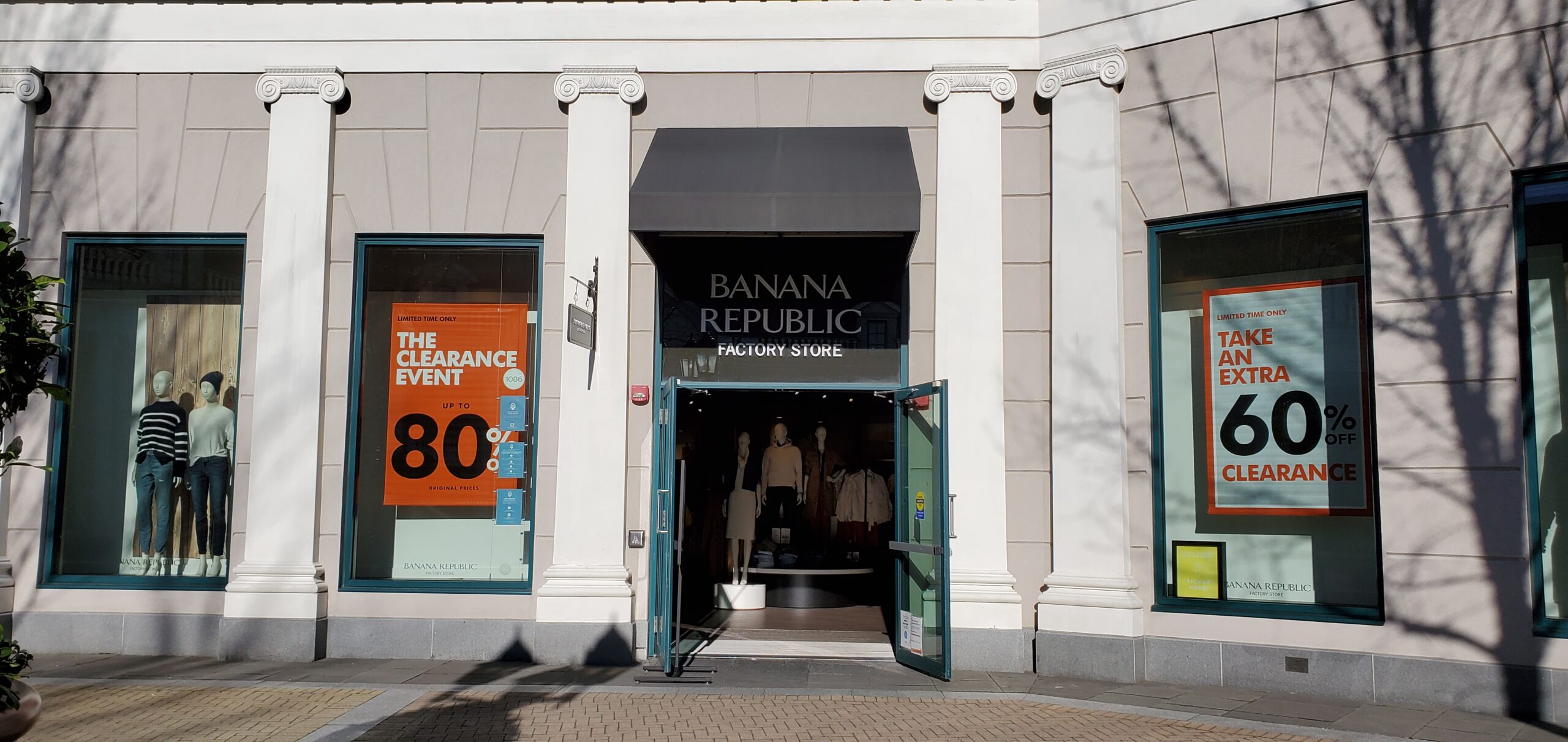
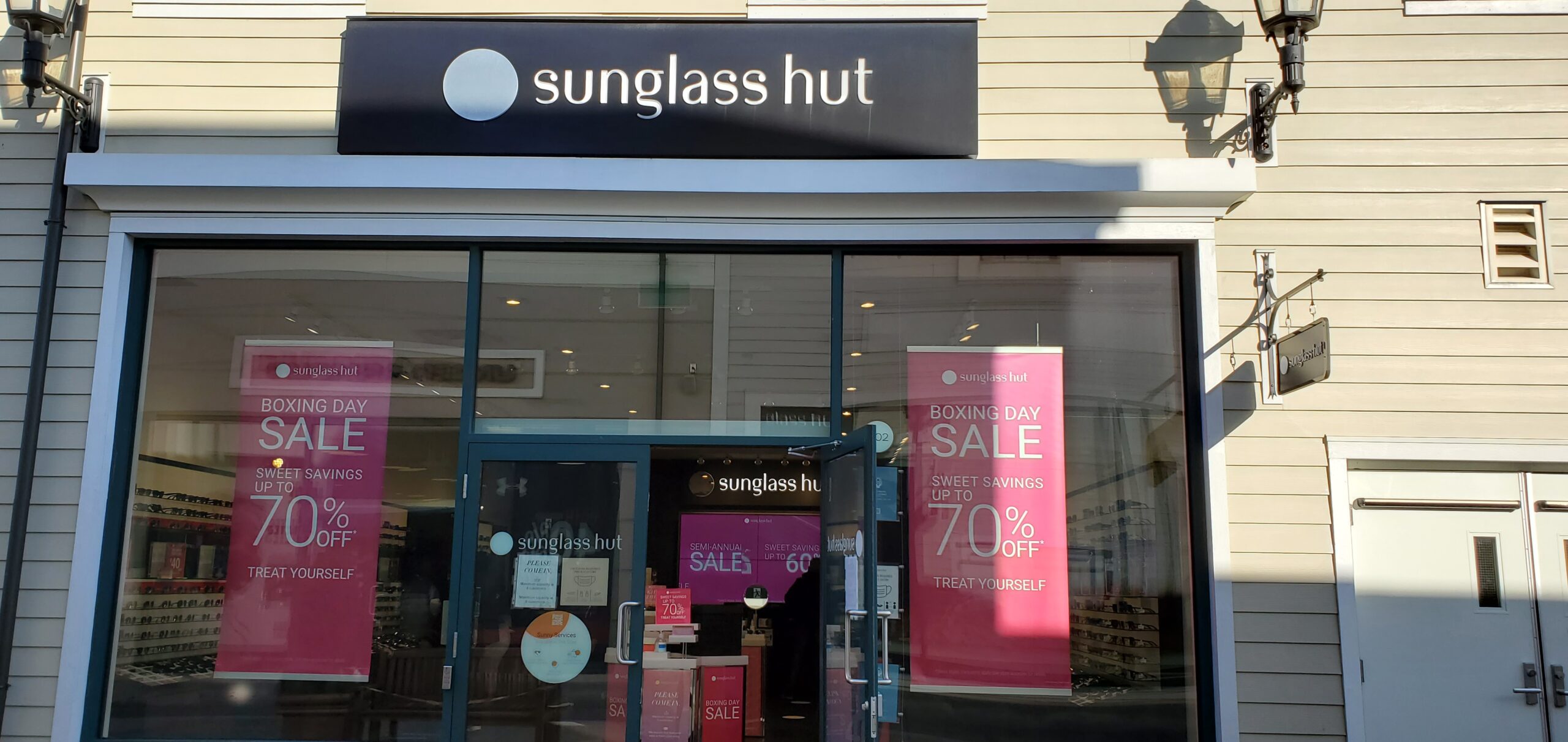
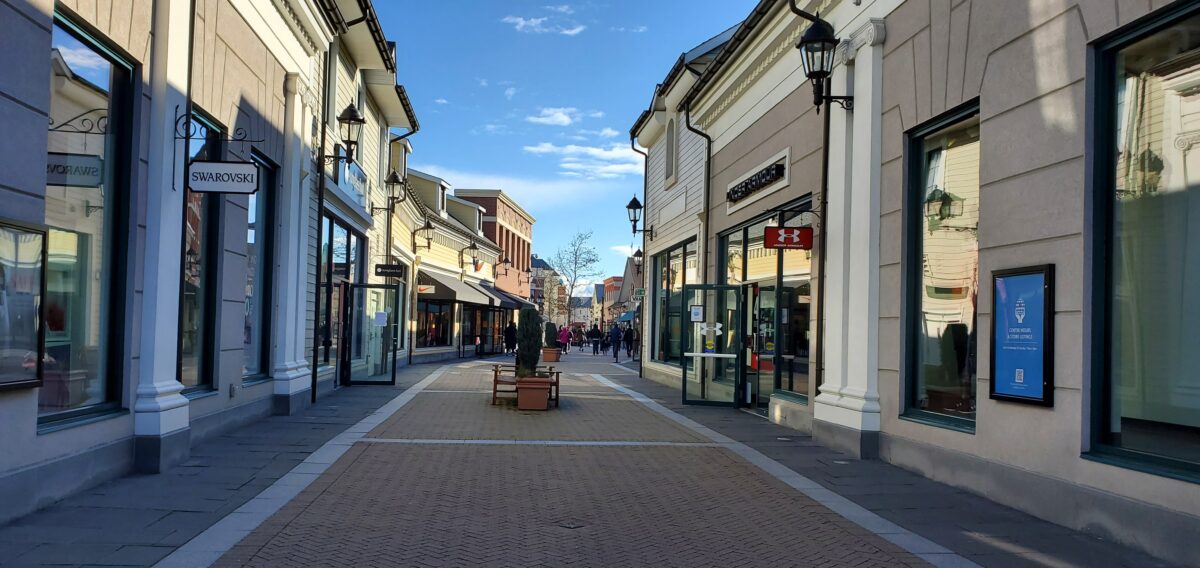
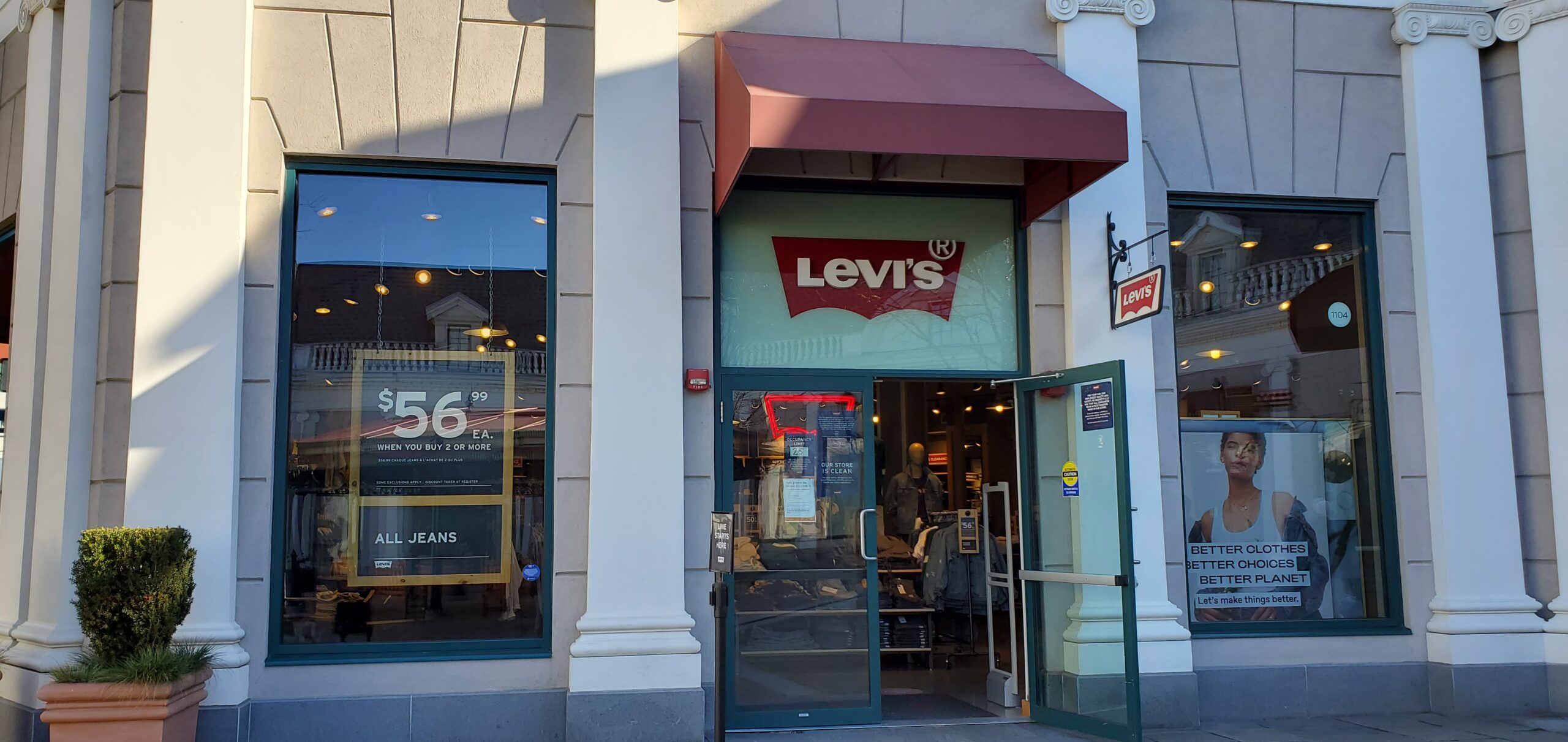
The cobblestone pathway brings patrons between the European clad exteriors lit by lanterns to the first piazza. This gathering place is encircled by a Gap Factory Outlet store, a Banana Republic Factory Outlet store, Burberry, Levi’s, Swarovski, Sunglass Hut, and Under Armour. The Burberry outlet is the only one in British Columbia.
Moving between first Piazza and second Piazza in lower Phase One Zone at McArthur Glen. Photo: Geetanjali Sharma

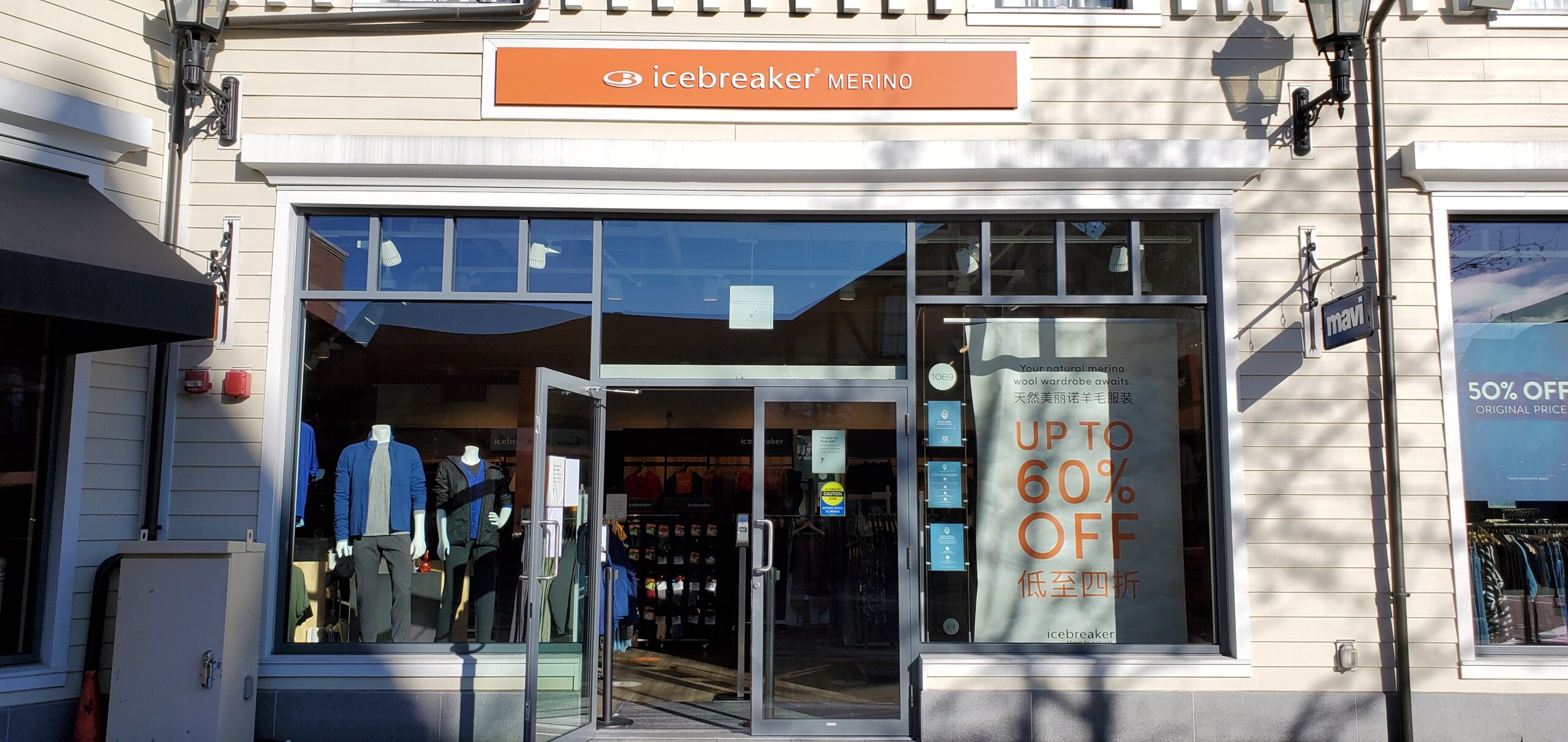
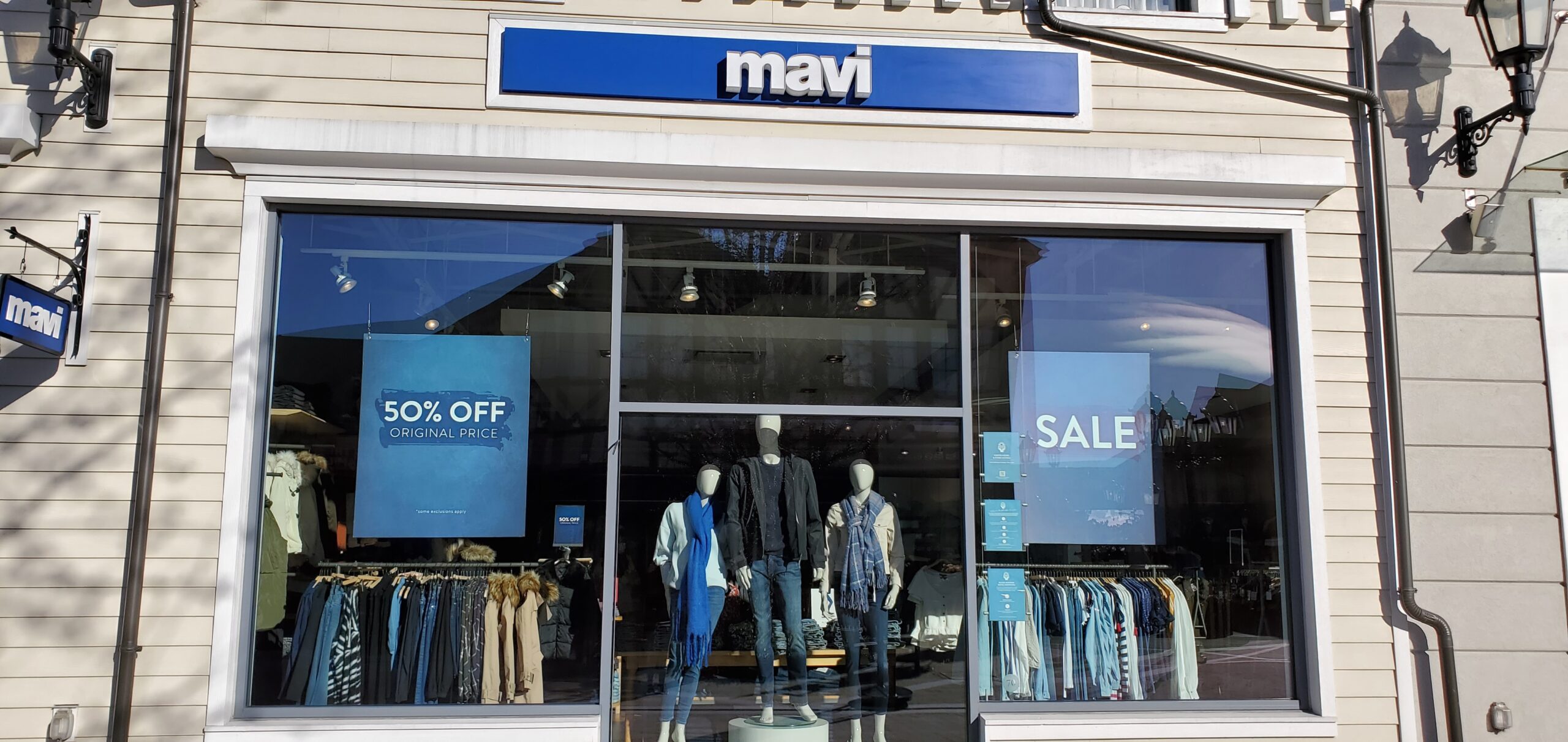
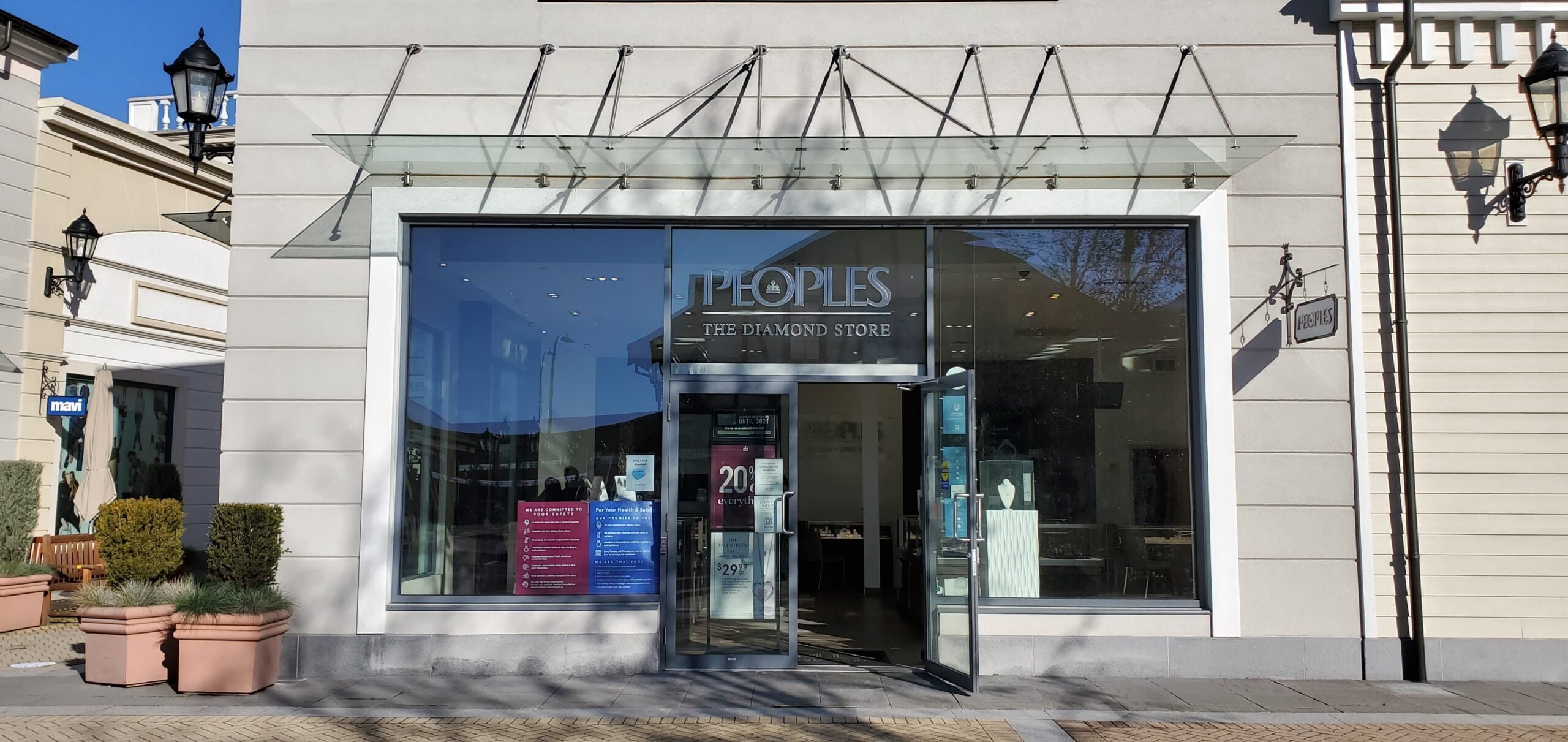
Continuing along the lower zone of Phase One brings patrons to a second piazza. The popular Nike outlet is one of the retailers circling the piazza along with Icebreaker Merino, Mavi Jeans, People’s Jewellers, Columbia Sportswear, Vans, and Skechers. A food pavilion also is along the south side of the piazza, including Vancouver’s crowd favourite JAPADOG.

Nike has been particularly aggressive with its direct-to-consumer expansion which includes standalone stores and digital channels as the brand pulls out of multi-brand retailers.
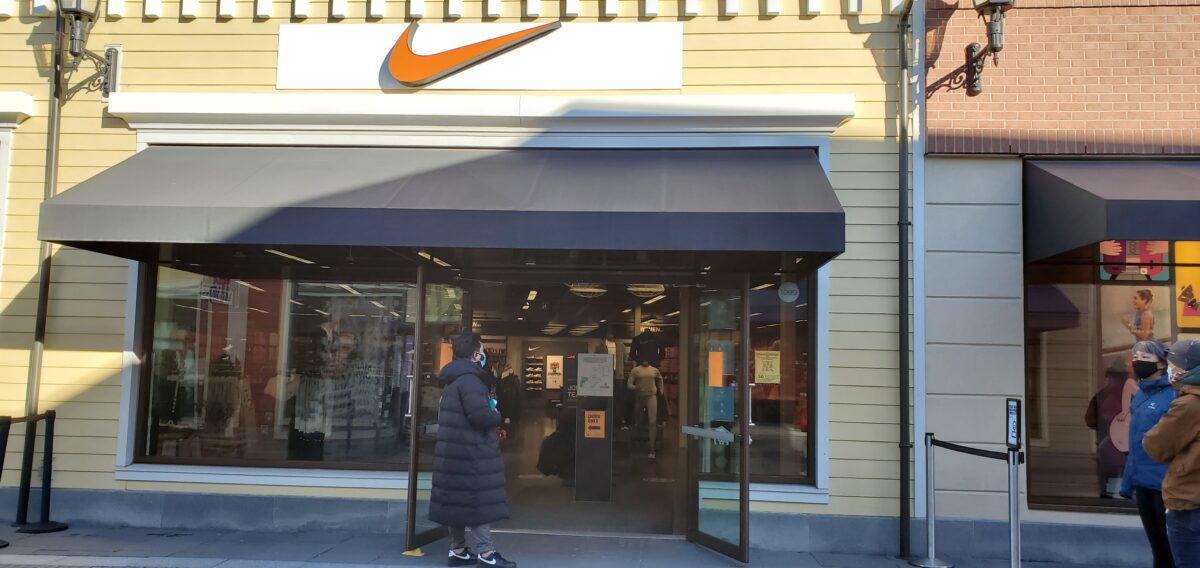
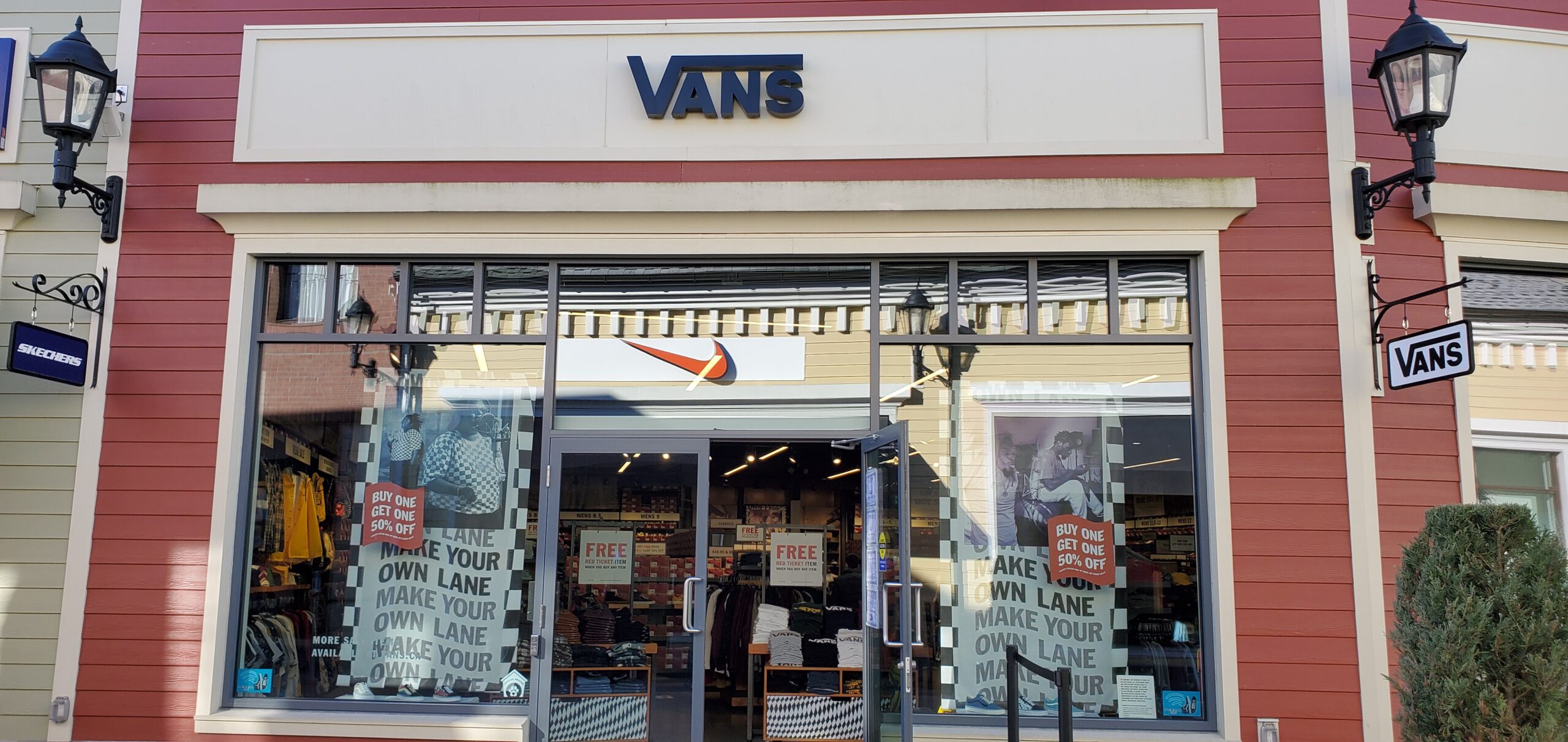
Nike Outlet at McArthur Glen. Photo: Geetanjali Sharma

Phase Two Tour Zone (Purple)

Officially opening in August 2019, Phase Two of McArthurGlen Vancouver opened four years after Phase One completed. The new expansion featured 84,000 square feet which was part of the intended, original plan disclosed in 2015. The new phase continued the outside, open-air European concept to provide a seamless continuation along cobblestone walkways lit by lanterns.
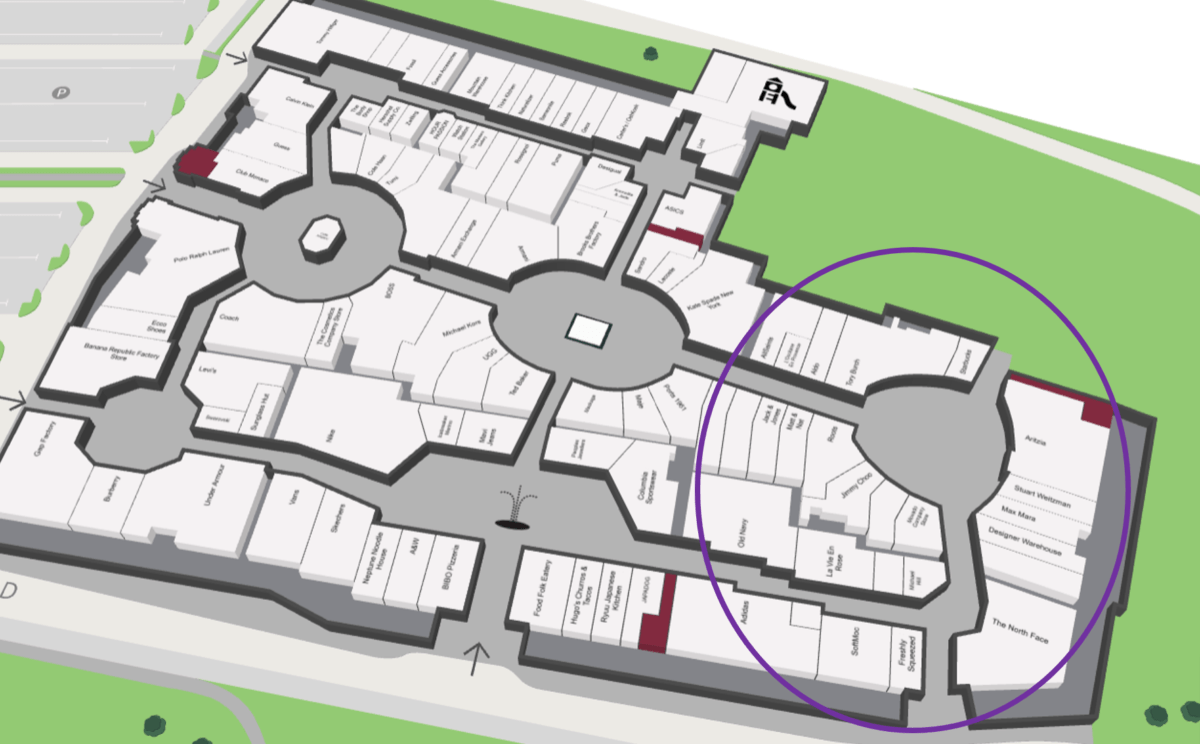
Phase Two Tour Zone at McArthurGlen Vancouver. Photo: McArthurGlen Map with overlay by Retail Insider.

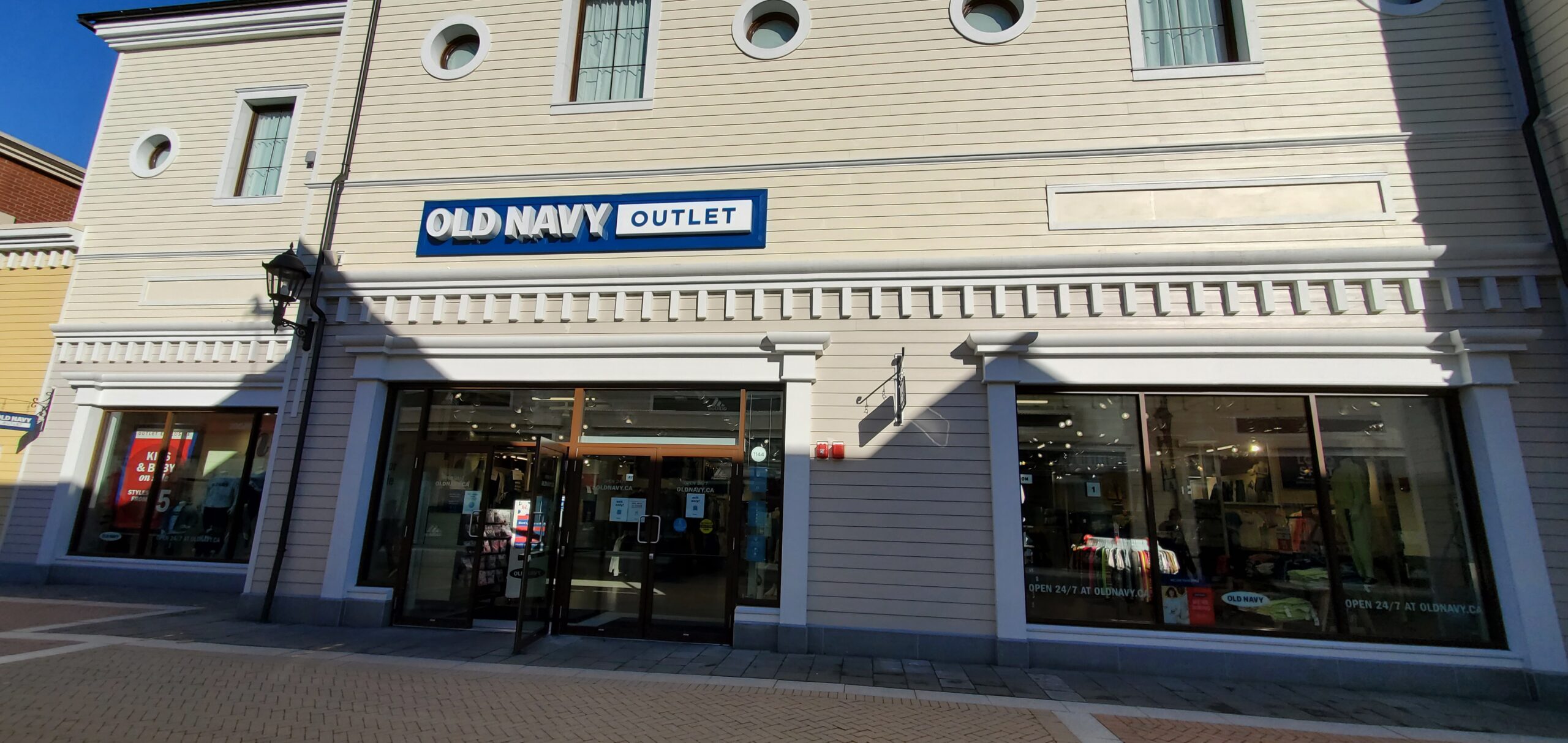
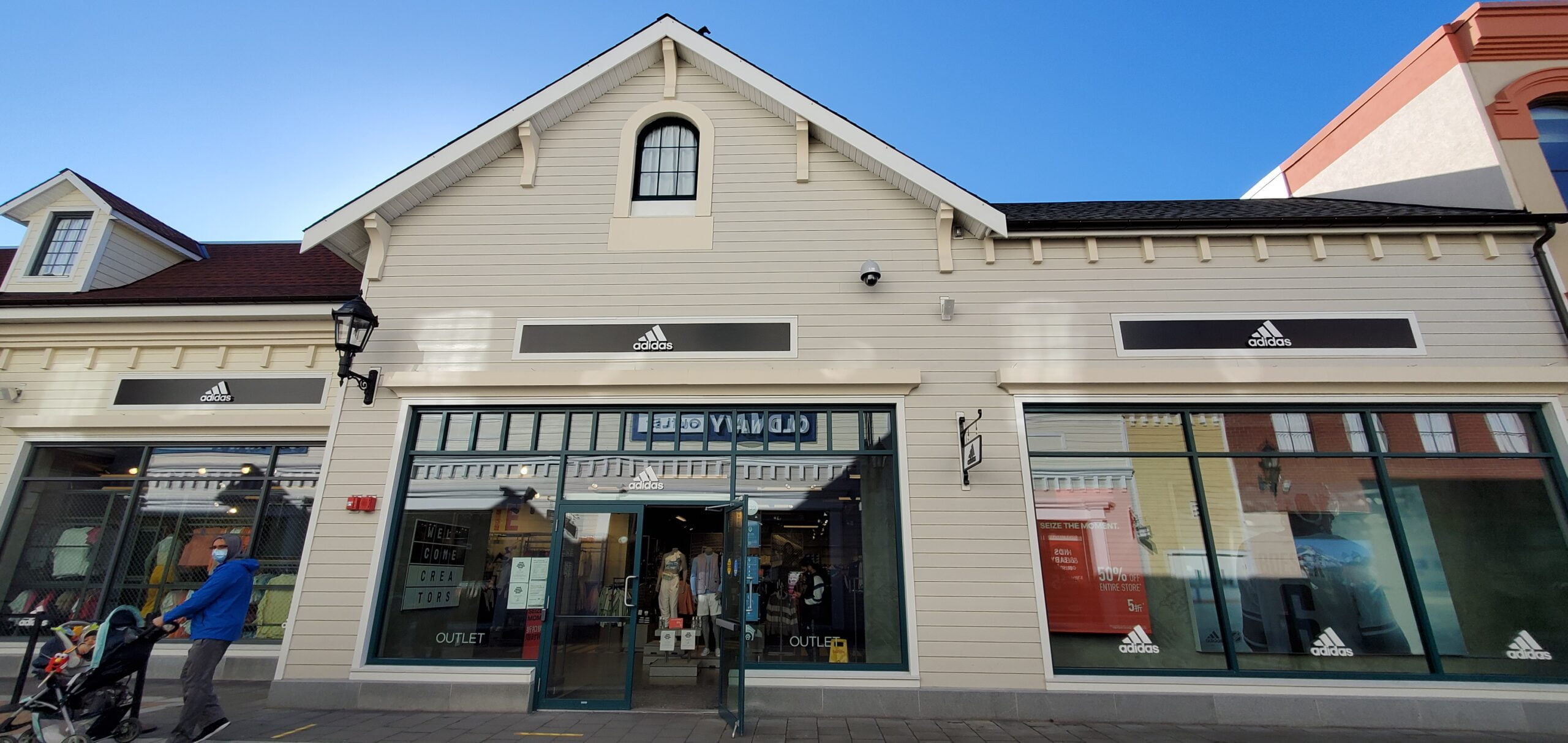
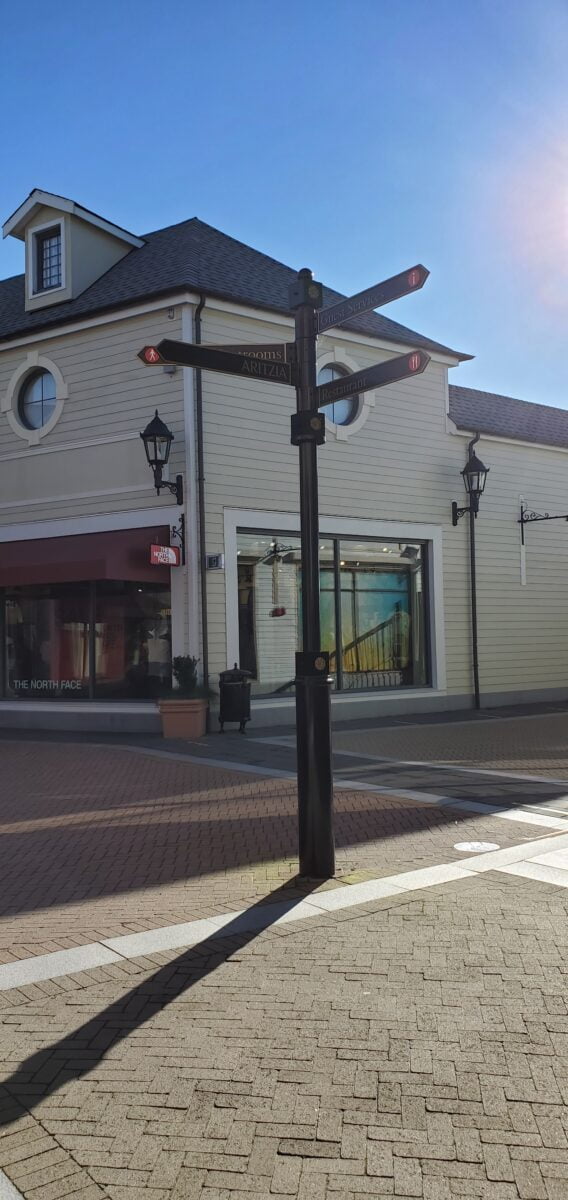
Approaching the large, open air piazza from the south, we passed Adidas, Old Navy, Soft Moc, La Vie En Rose, and the North Face.
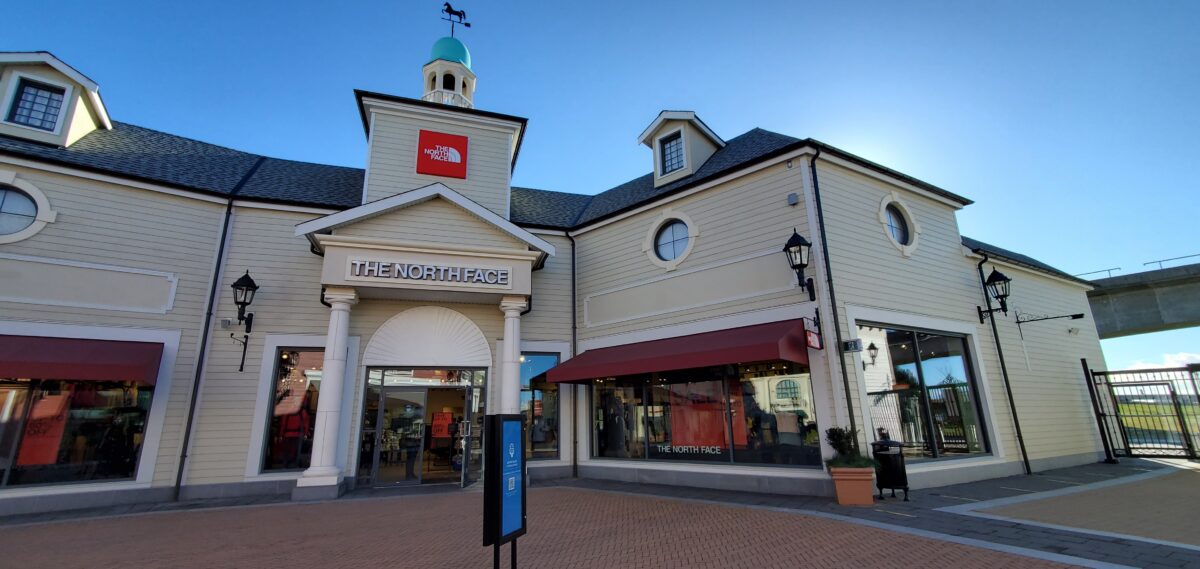
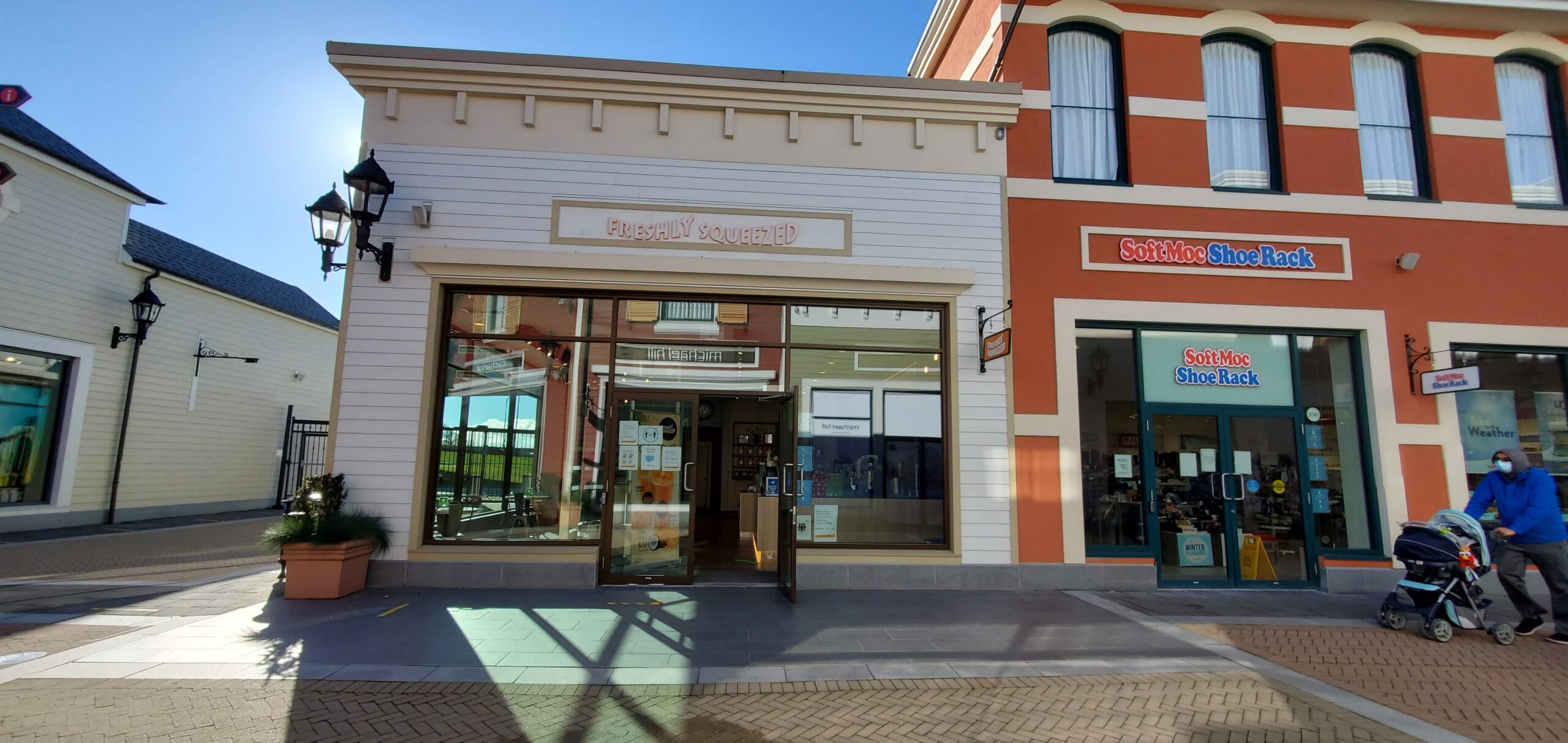
The North Face at McArthur Glen. Photo: Geetanjali Sharma
Wayfinding at McArthur Glen.
Wayfinding at McArthur Glen. Photo: Geetanjali Sharma

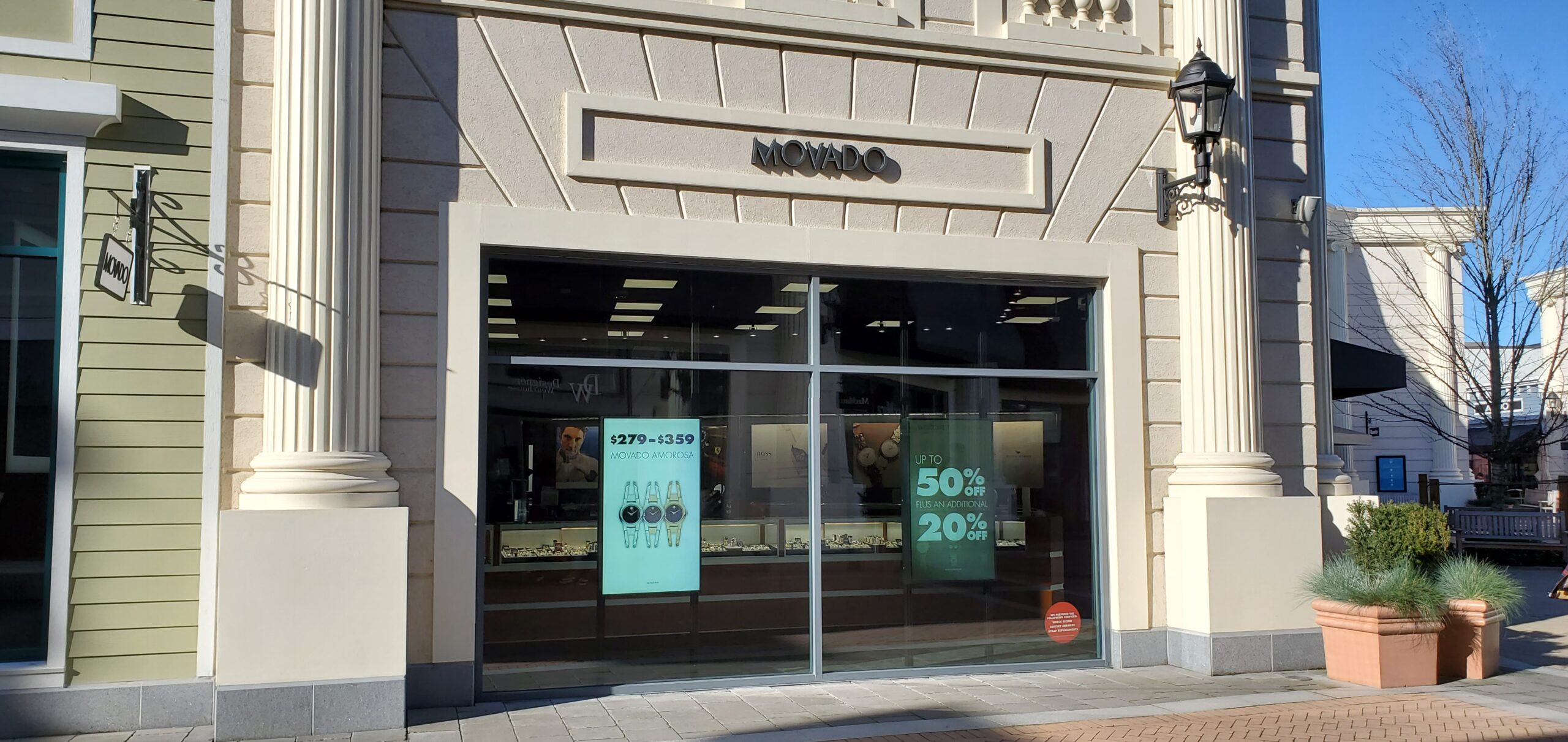
Continuing to the north half of Phase Two, on the cusp between the south and north sections was Australian jeweller Michael Hill and a location for luxury watch brand Movado.
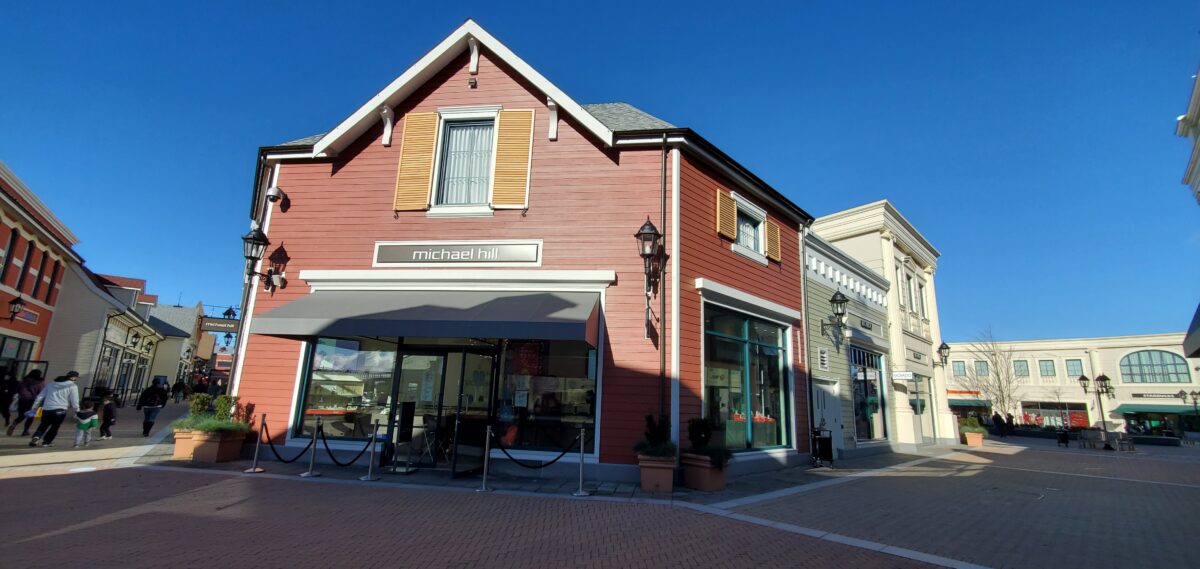
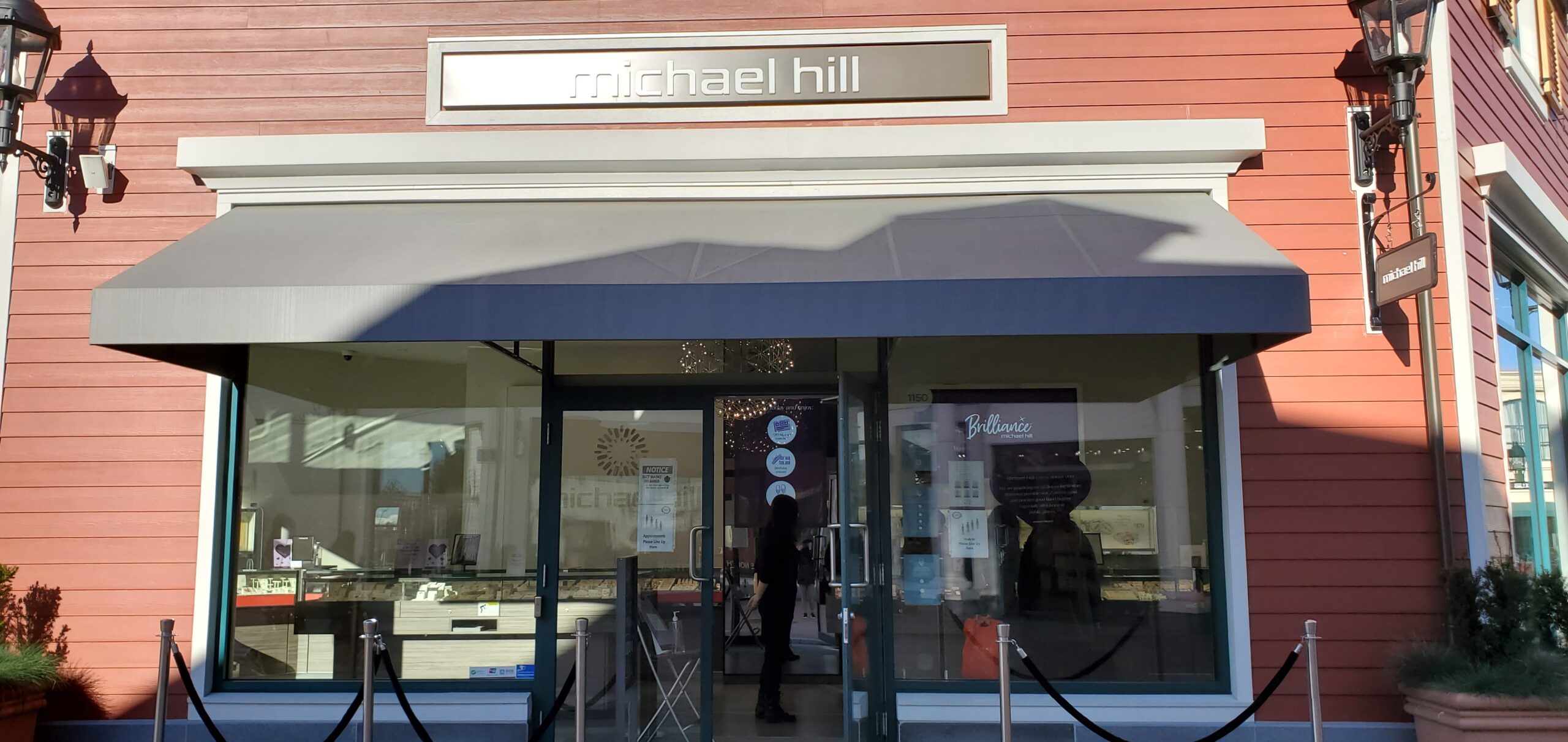
Michael Hill and Modova at McArthur Glen
Michael Hill and Modova at McArthur Glen. Photo: Geetanjali Sharma

The final, expansive piazza for Phase Two on the tour is circular-ish with an open area in the centre.
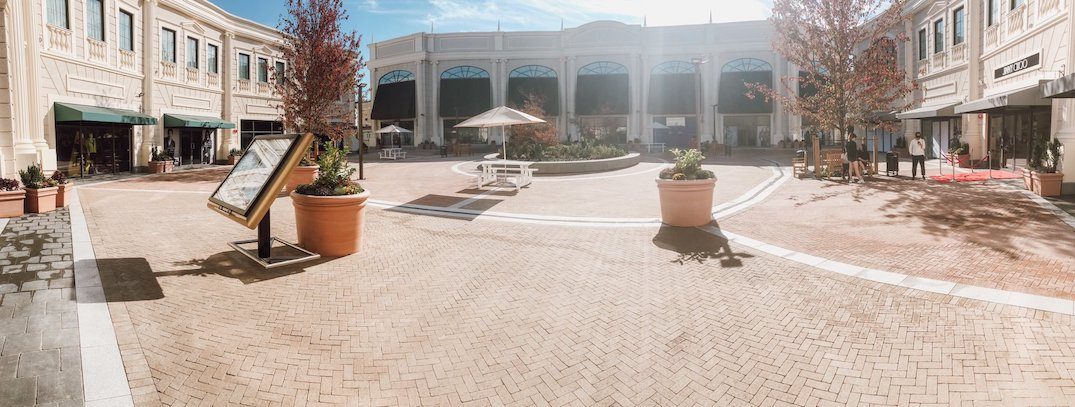
Large piazza on opening day in August 2019 at McArthurGlen Vancouver. Photo: Fuhrious Construction.

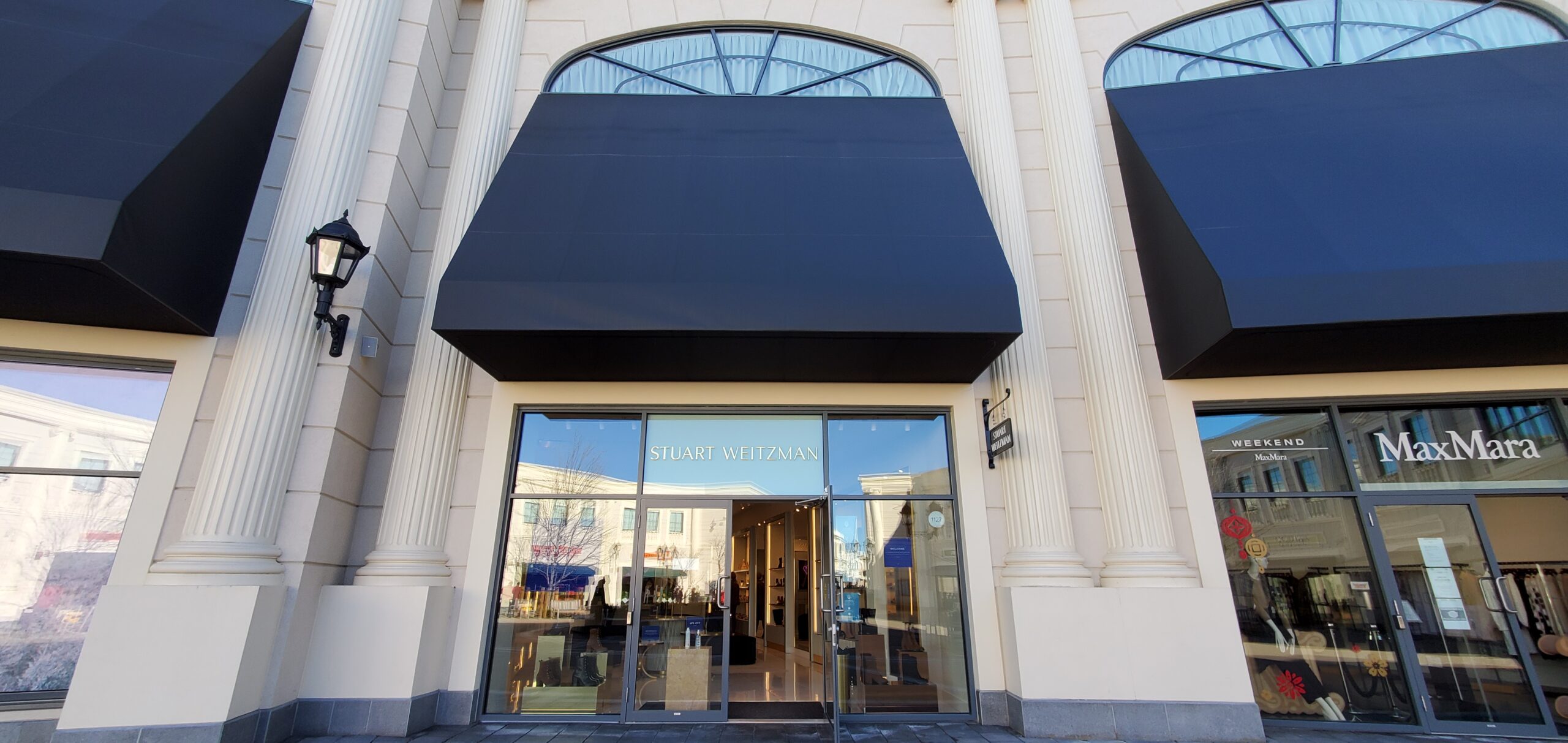
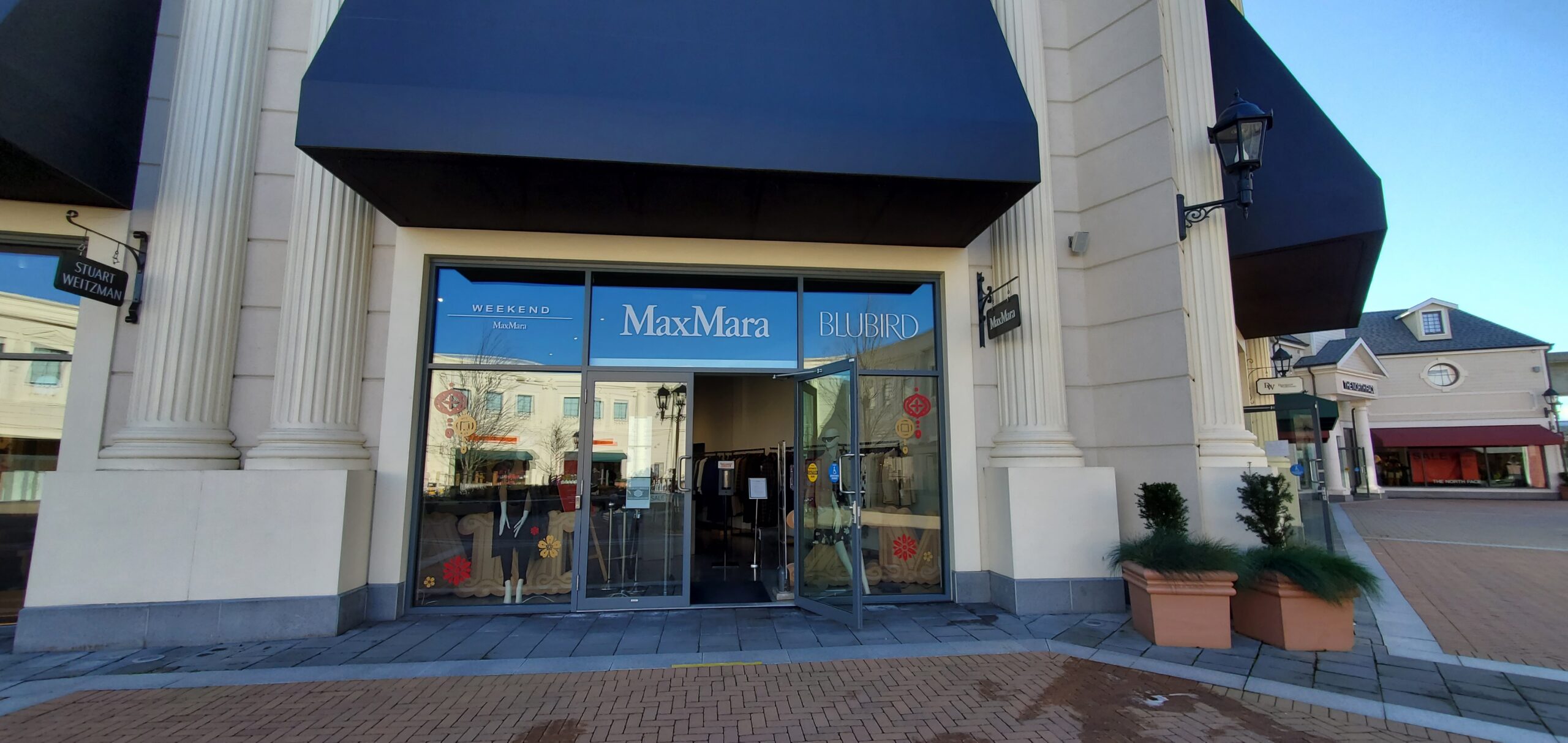
The retailers encircling the piazza included some luxury design labels such as Max Mara, Stuart Weitzman, Tory Burch, and Jimmy Choo. This is a particularly pricey section of the mall — Italian luxury brand Max Mara operates a handful of stores in Canada, and the Vancouver franchise is owned by Vestis Fashioni Group. Tory Burch recently opened four outlet stores with other locations in Calgary, Edmonton, Ottawa, and Toronto. The Jimmy Choo outlet store is one of two in Canada, with the other at Toronto Premium Outlets.
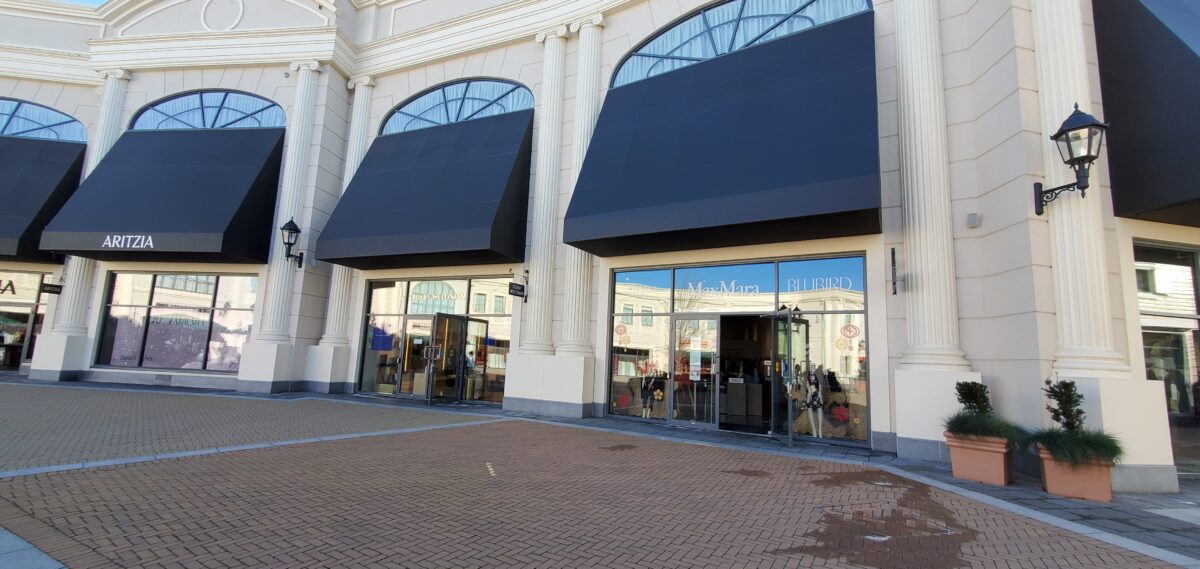
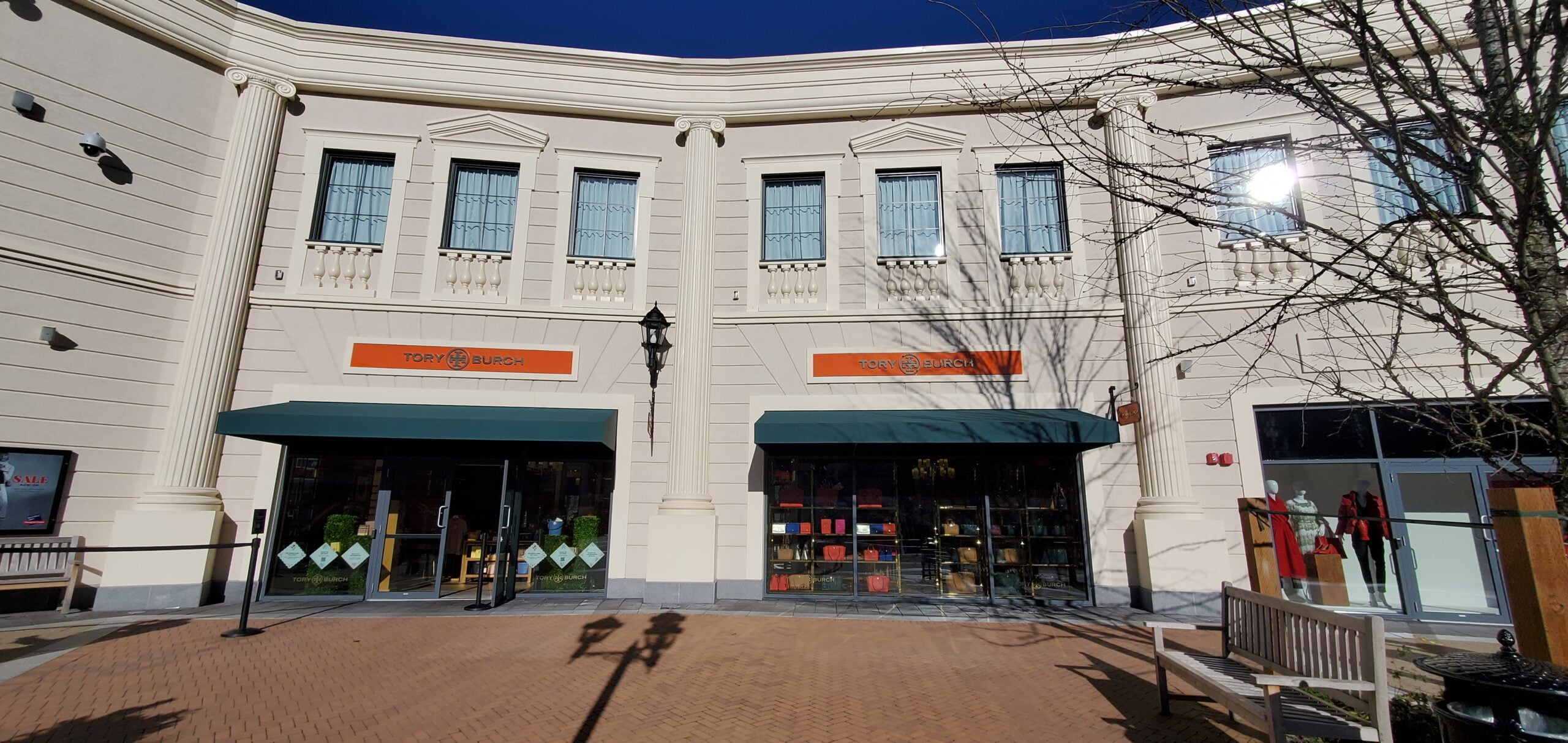
Max Mara, Blubird and Aritzia at McArthur Glen. Photo: Geetanjali Sharma

Between Aritzia and Starbucks was construction signage blocking access for patrons. This would be the future entrance to the future Phase Three which details on its construction and opening have not been released.
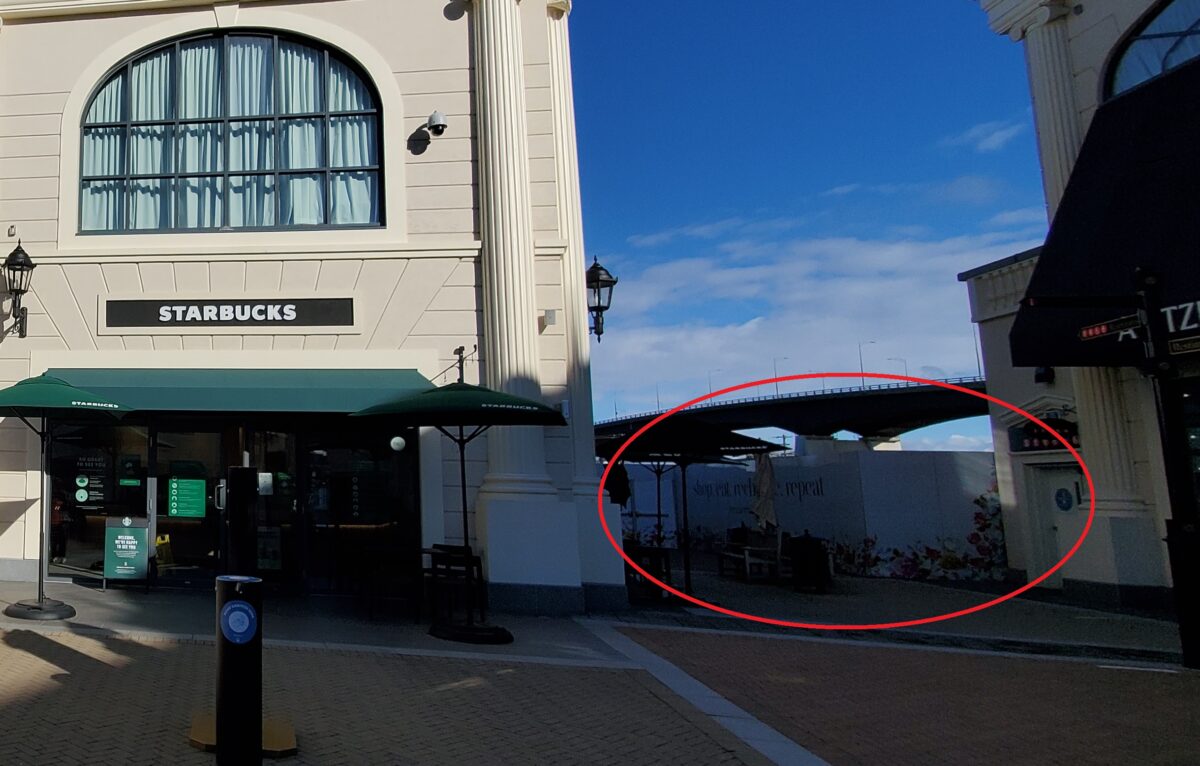
Future Phase Three Entrance from Phase Two at McArthur Glen
Future Phase Three Entrance from Phase Two at McArthur Glen. Photo: Geetanjali Sharma

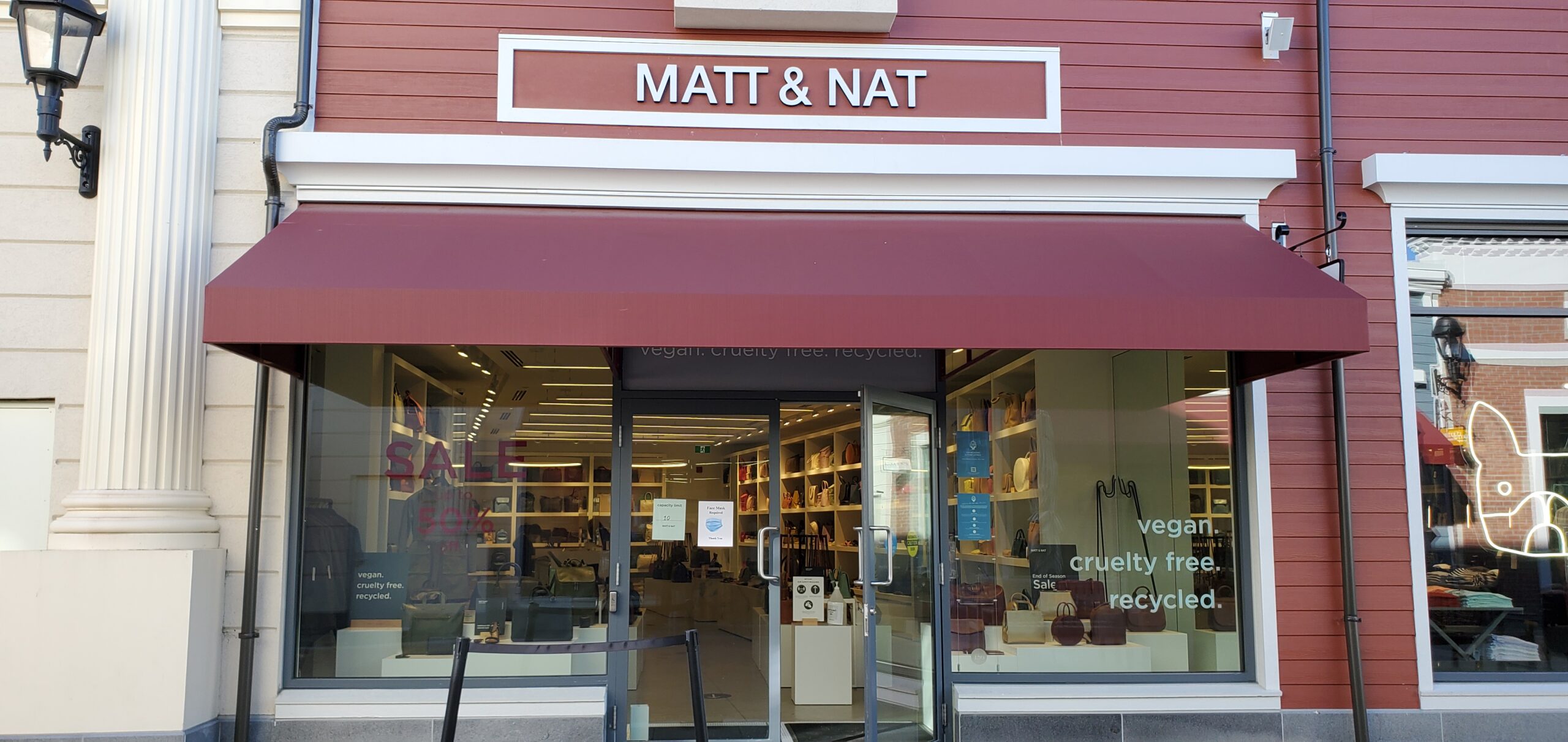
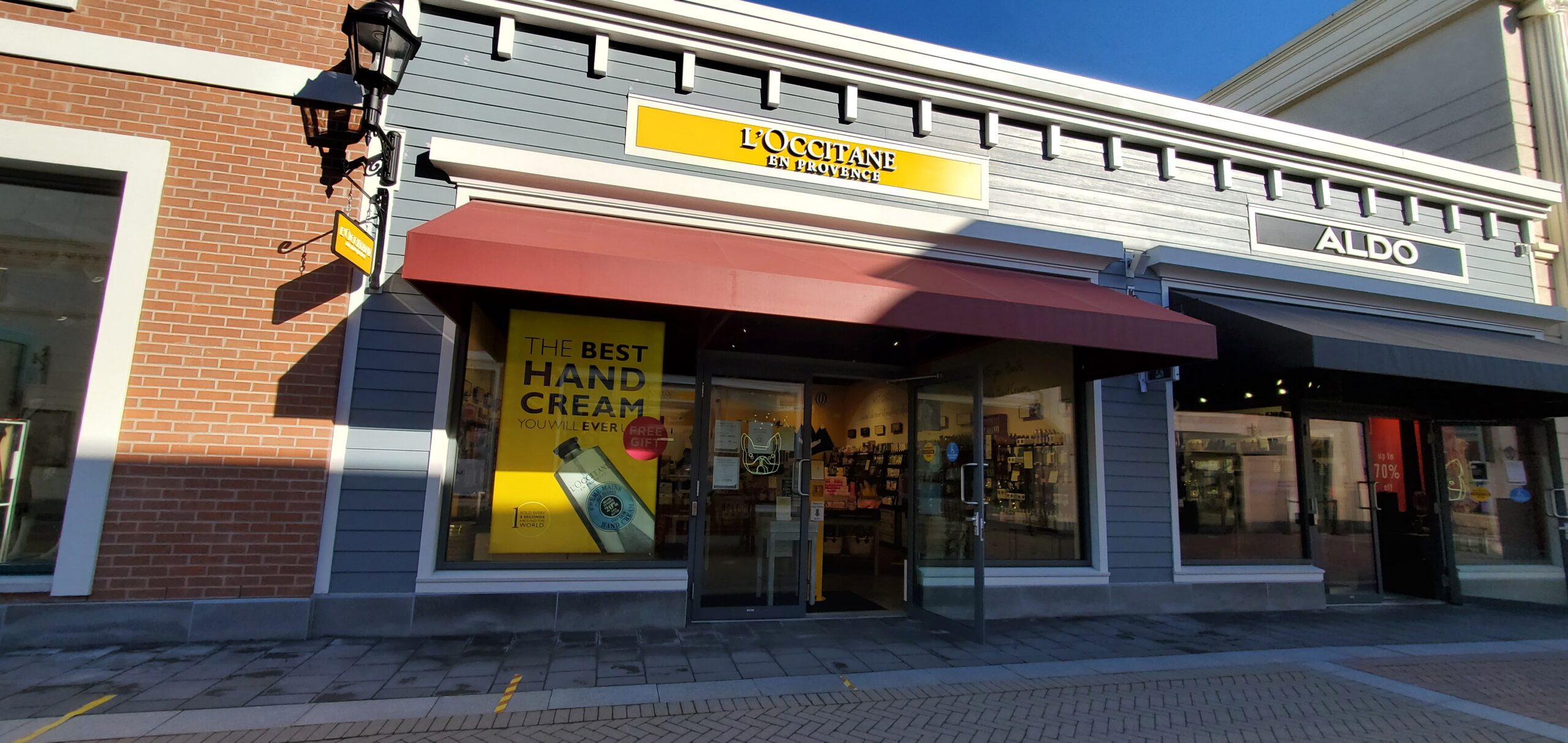
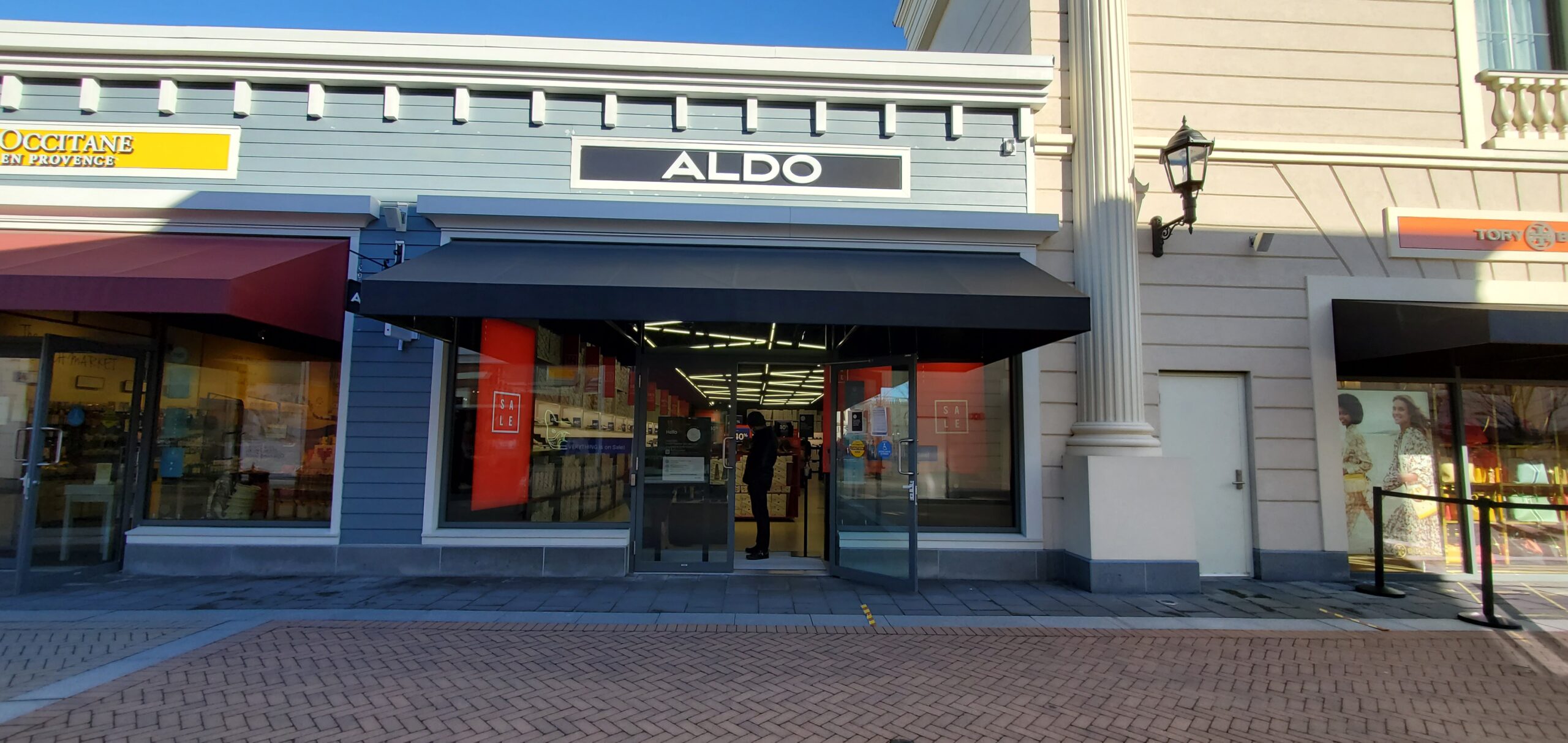
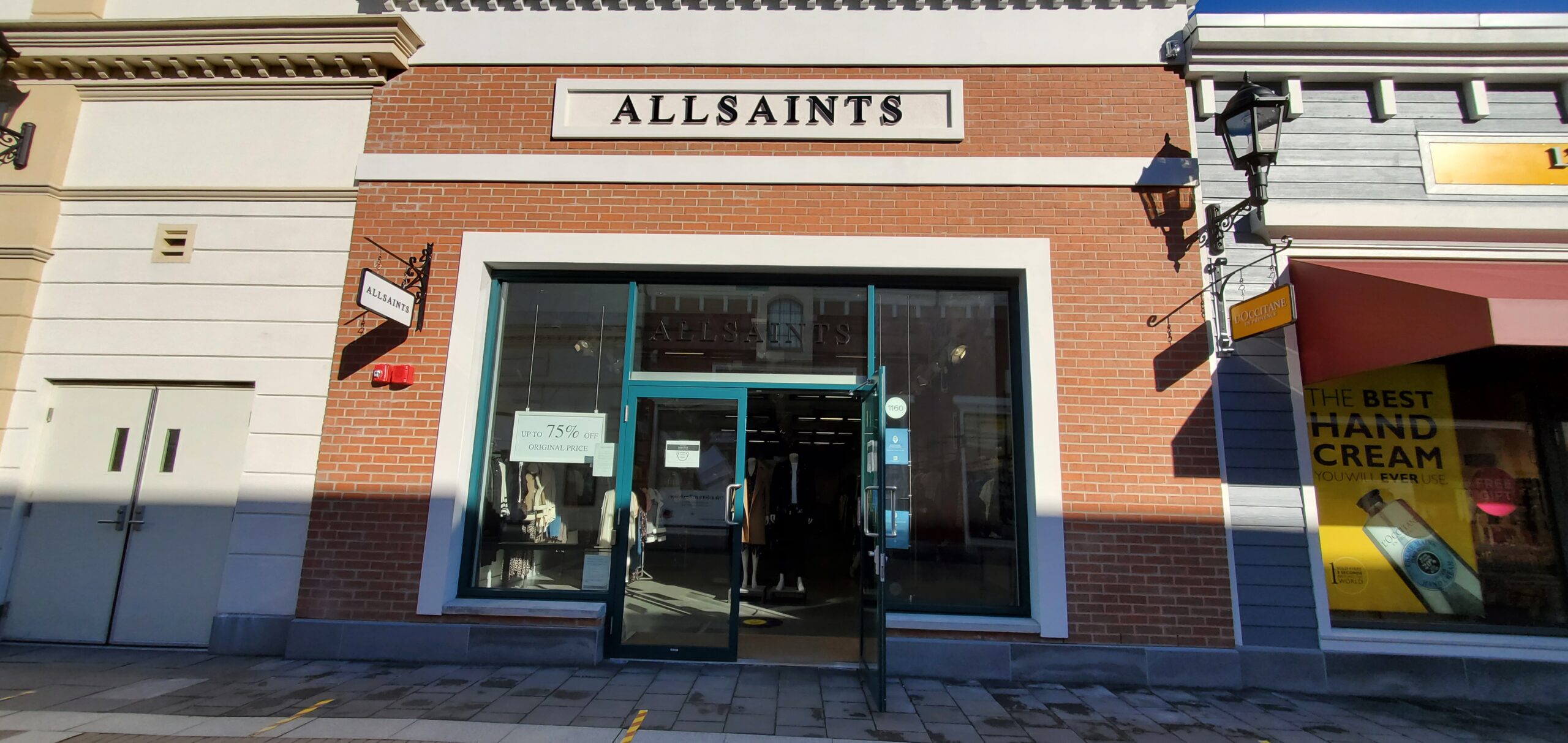
Exiting the large piazza from Phase Two, we continued along the cobblestone walkway passing other high caliber retailers including Canadian brand Roots, Montreal-based vegan leather brand Matt & Natt, Jack & Jones, AllSaints, L’Occitaine, Aldo, and Aritzia. L’Occitane recently filed for bankruptcy protection with most stores to remain open, and Aldo also shocked many when it announced a filing last year.
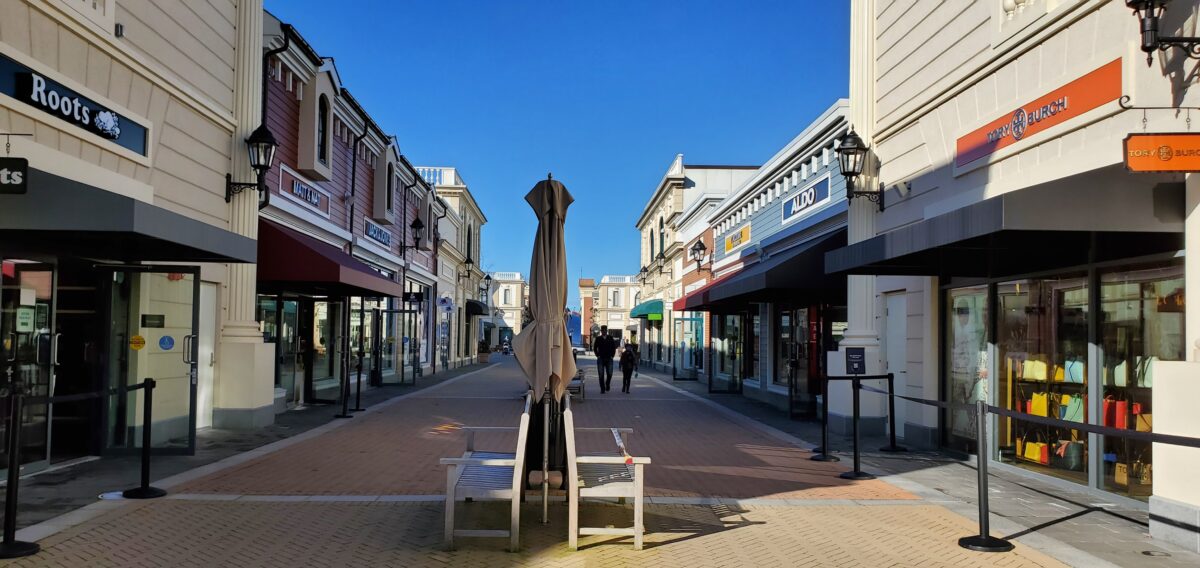
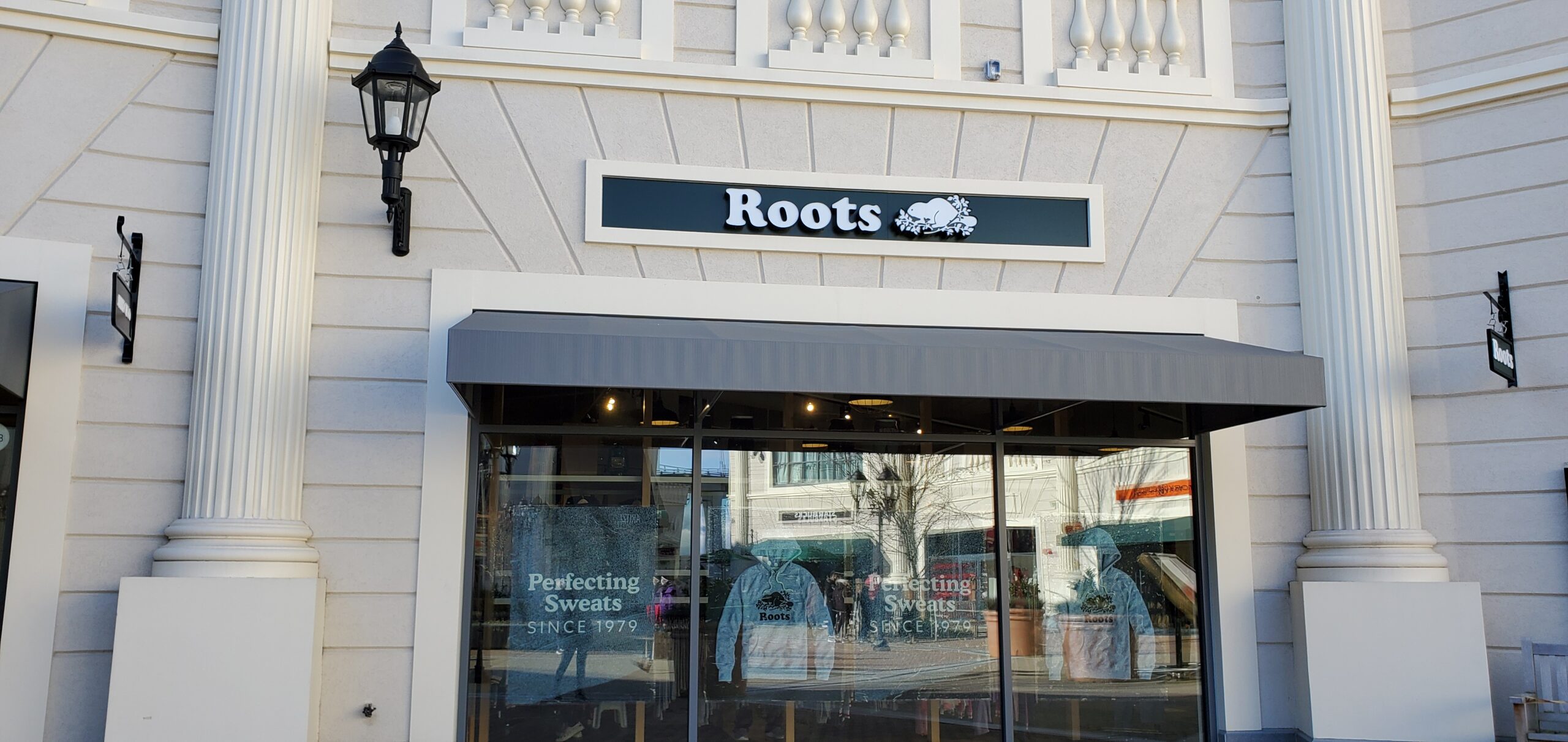
Walkway in Phase Two at McArthur Glen
Walkway in Phase Two at McArthur Glen. Photo: Geetanjali Sharma

Phase One Middle Zone Tour (Green)

Returning for the rest of the photo tour to Phase One, the centrepiece of the planned development is the centre piazza for McArthur Glen Vancouver.
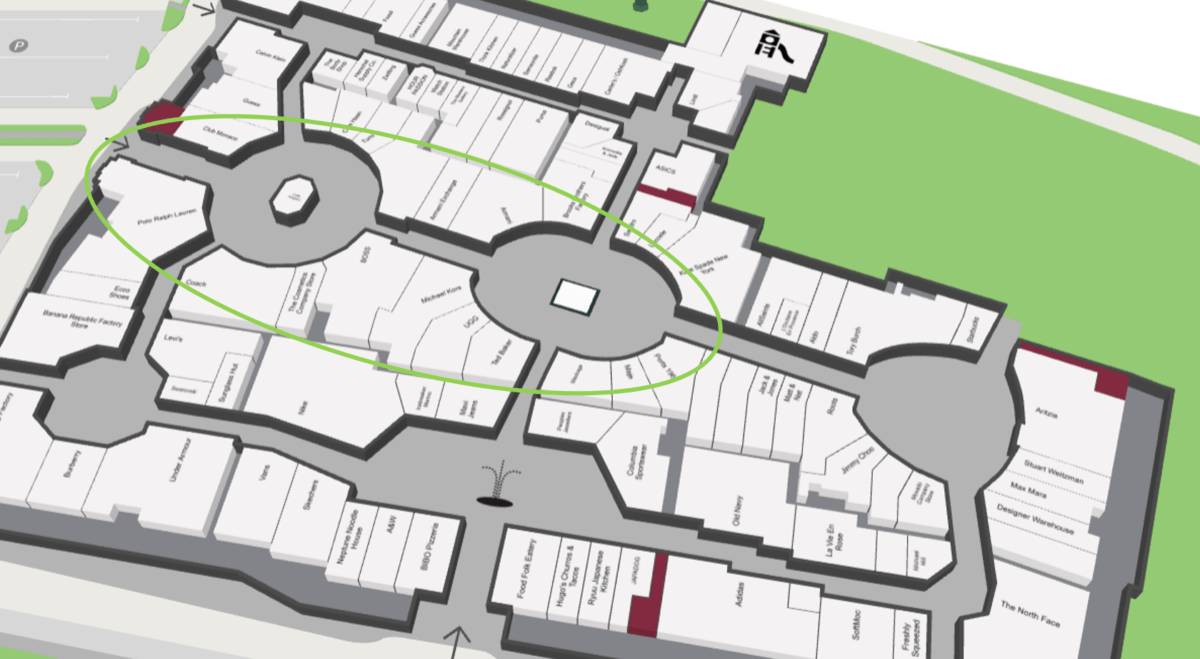
Phase One, Middle Zone Tour at McArthurGlen Vancouver. Photo: McArthurGlen Map with overlay by Retail Insider.

The centre focal point piazza has a massive sculpture called SEI by artist Michael Nicoll Yahgulanaas. The 12-meter-long sculpture was revealed as part of the Phase One opening in 2015 and has 8.5 tons of stainless steel, copper, granite, and marble. The contemporary piece towers four meters high with a copper underbelly.
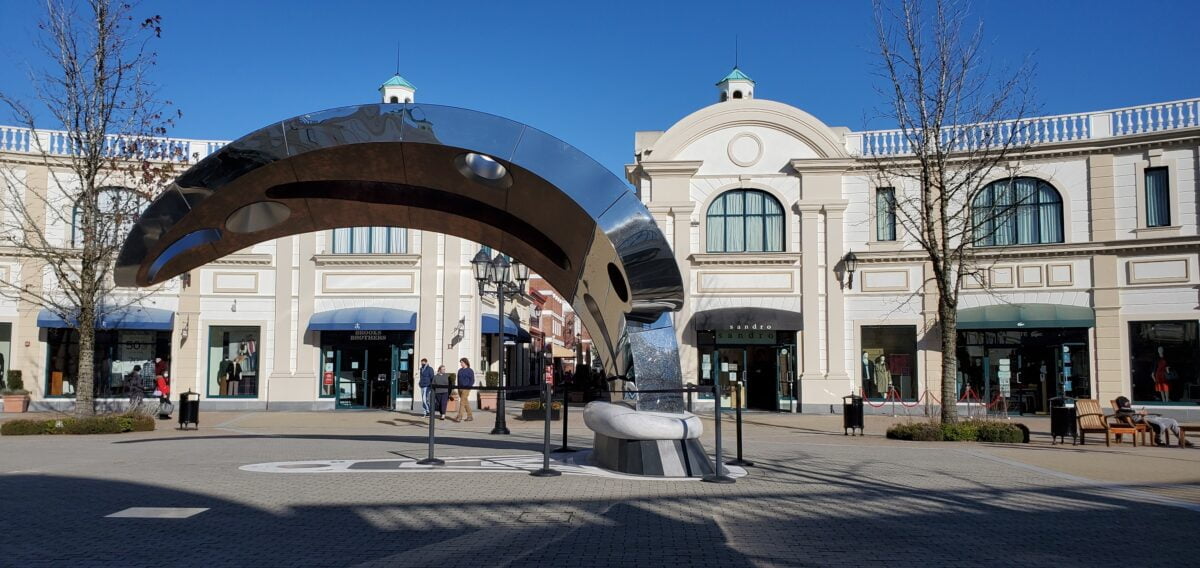
SEI statue at McArthur Glen
SEI statue at McArthur Glen. Photo: Geetanjali Sharma

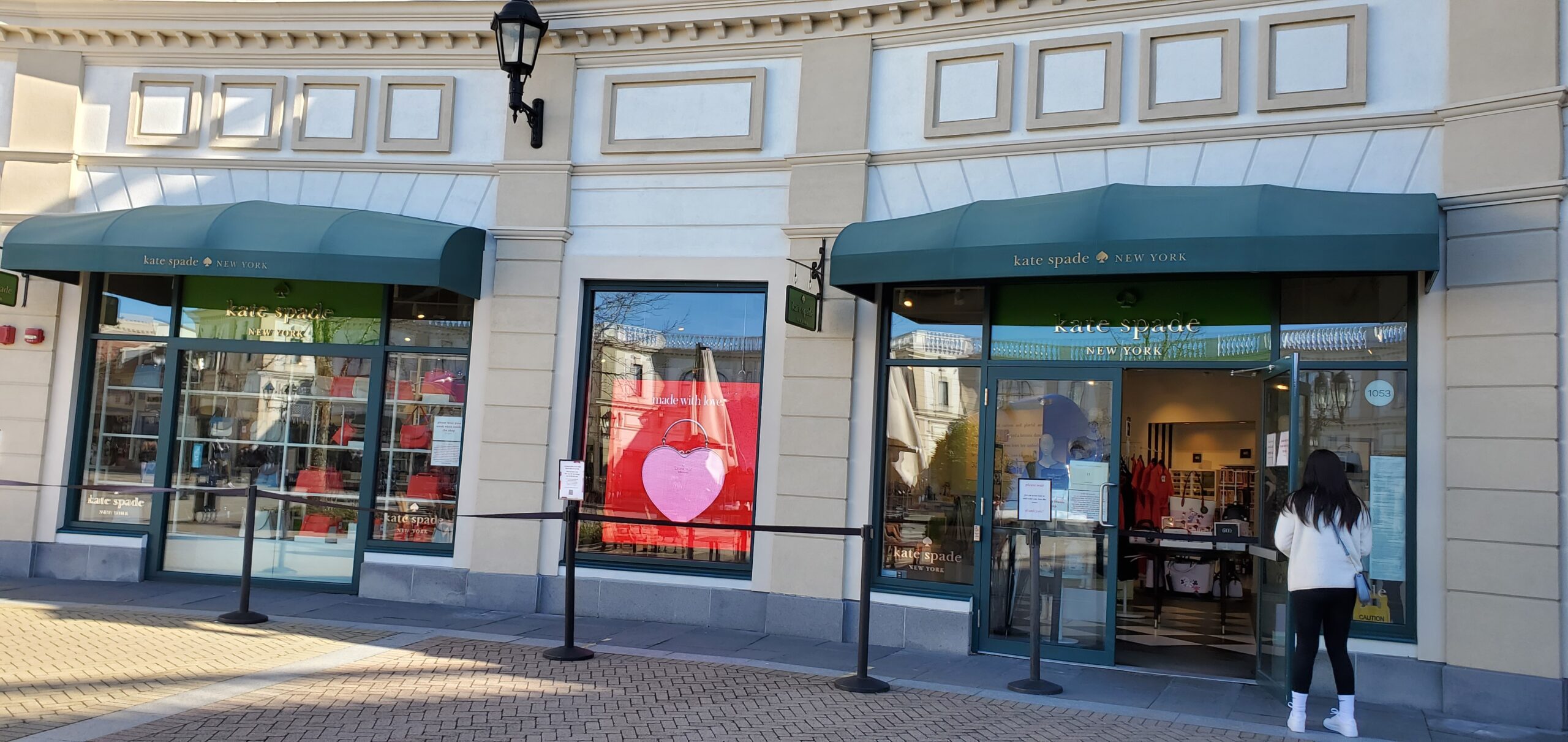
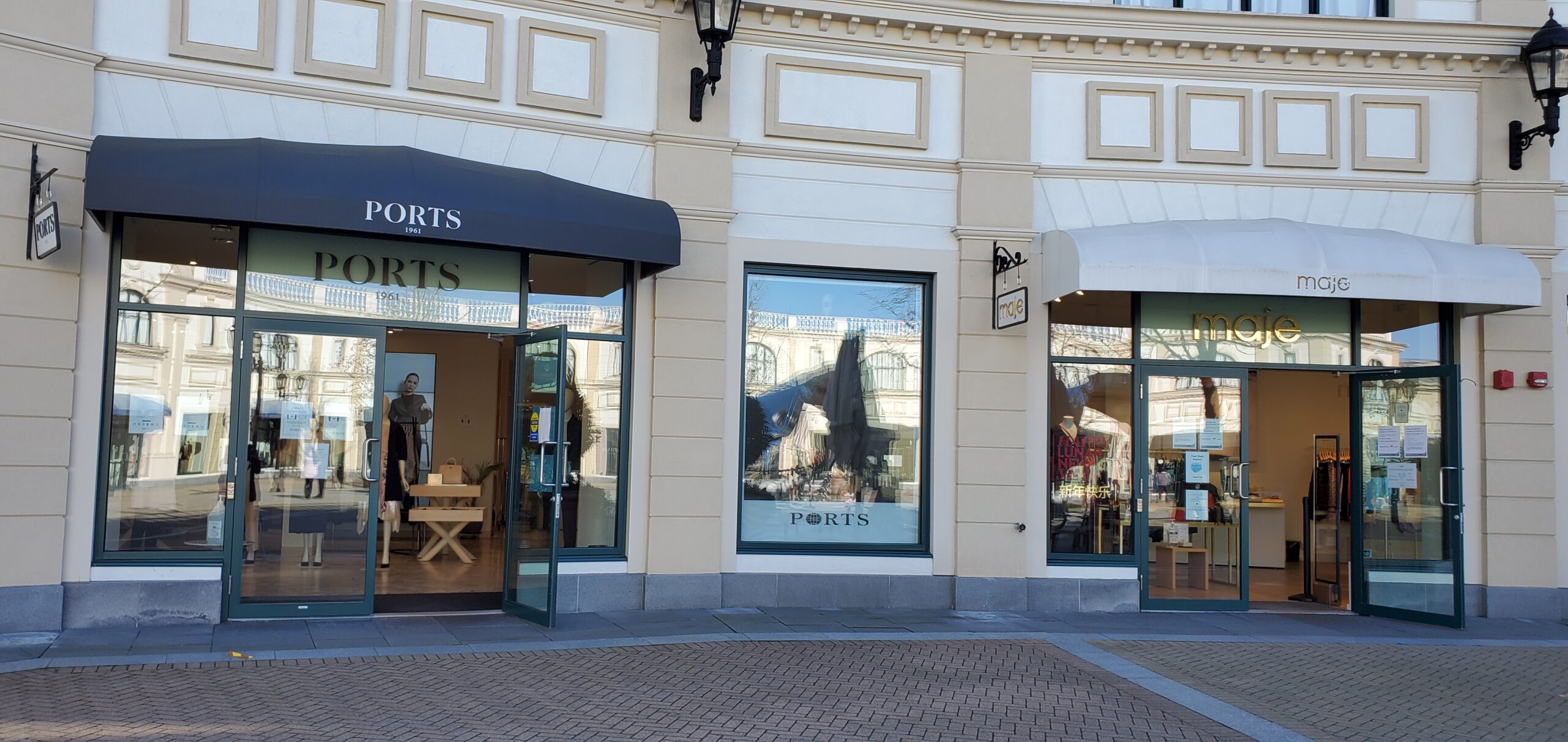
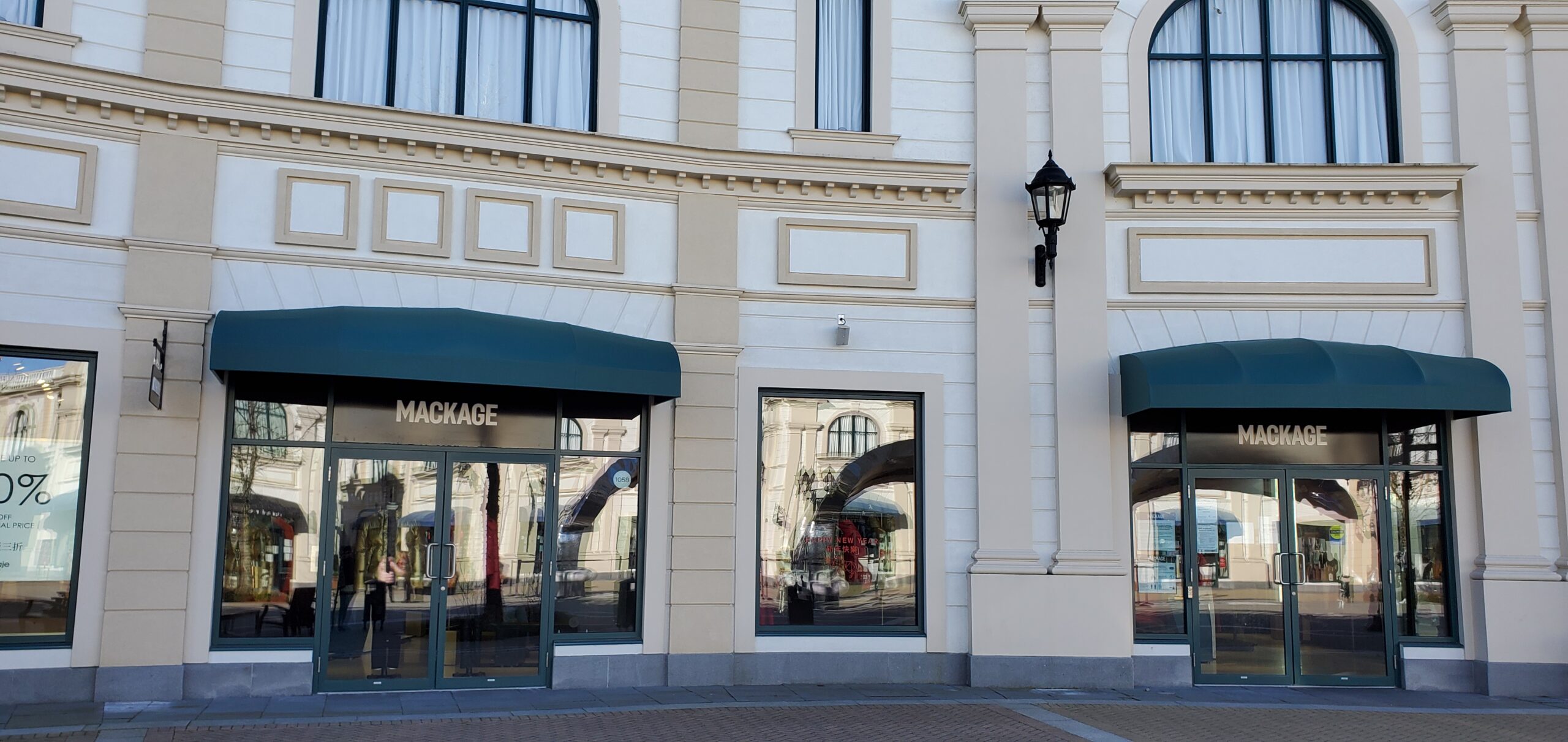
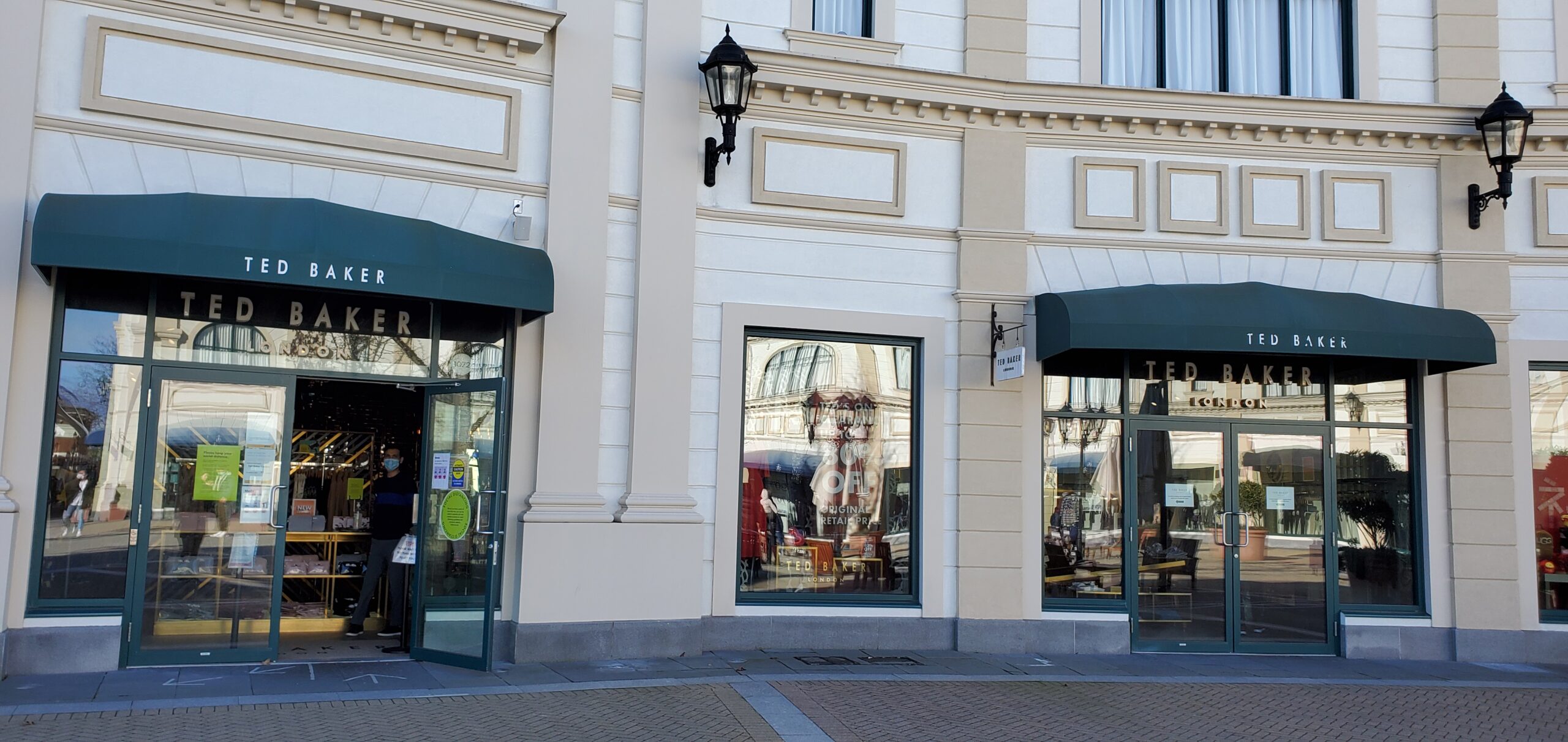
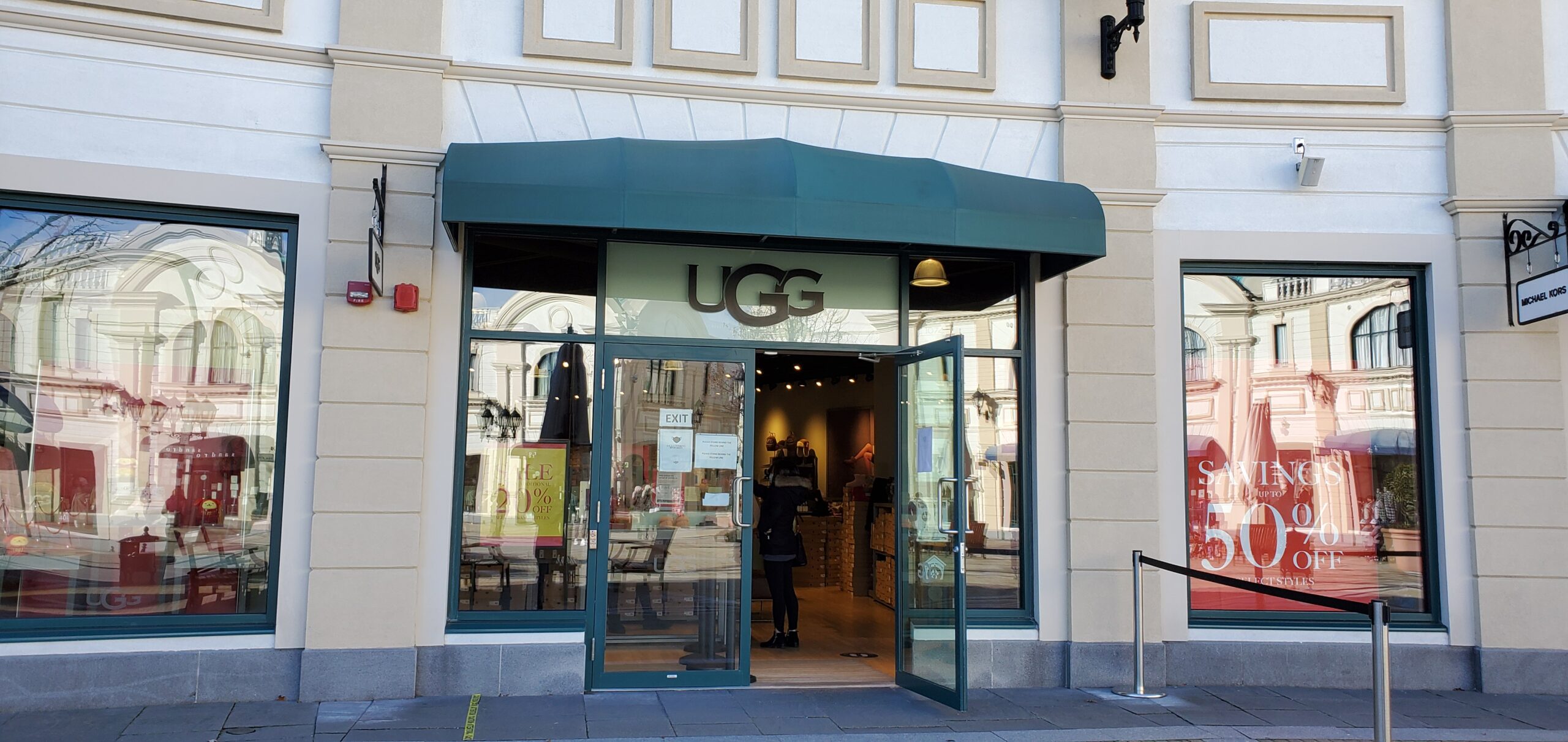
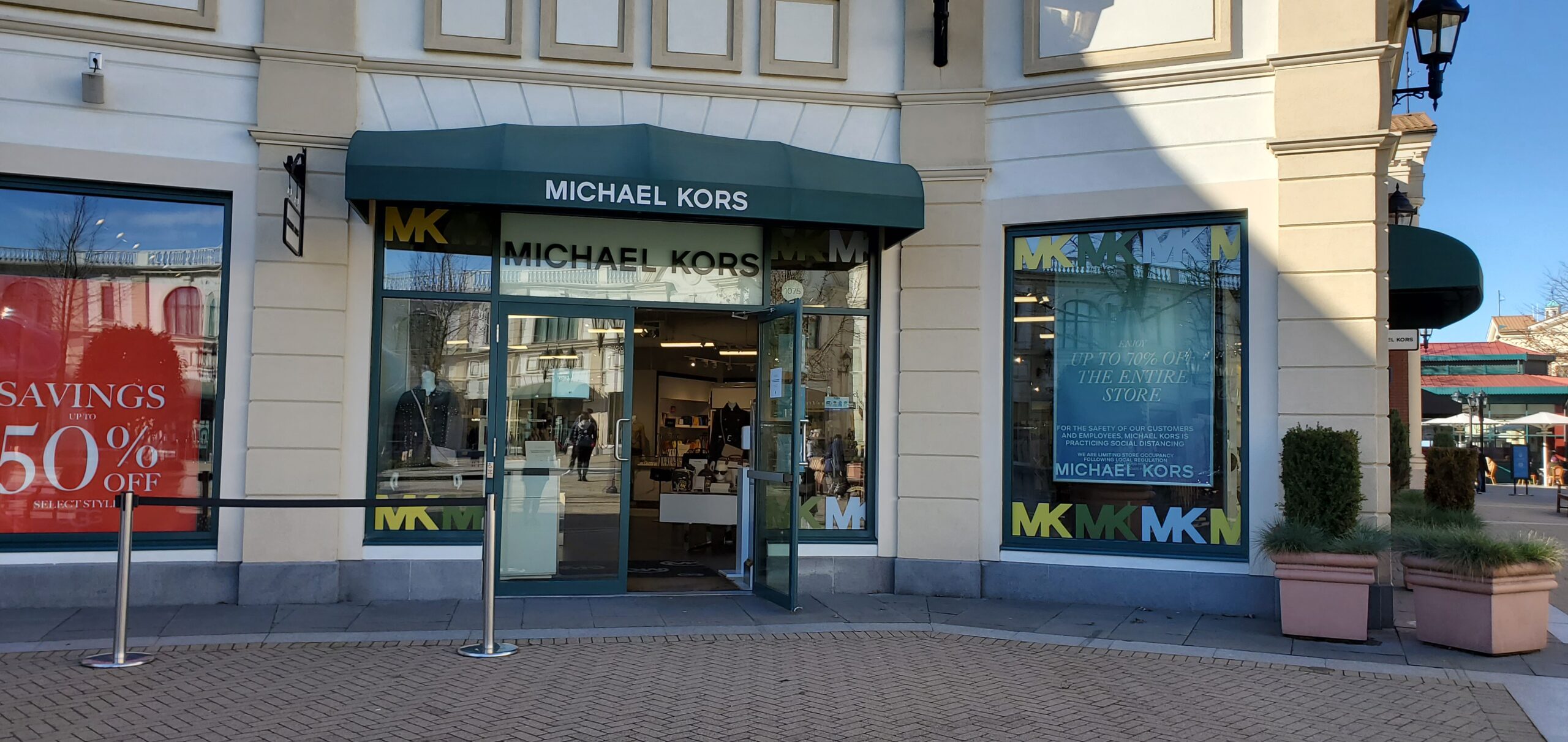
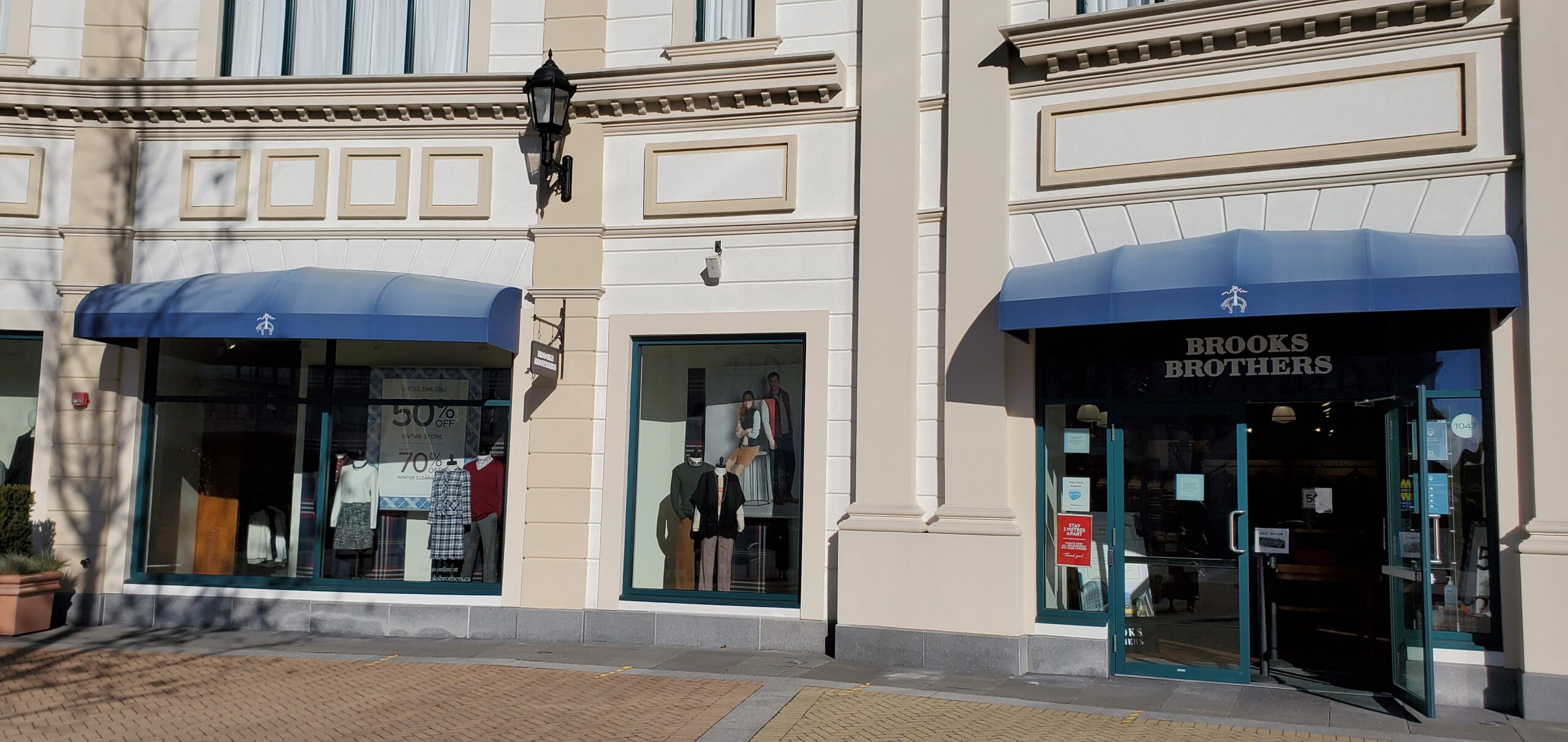
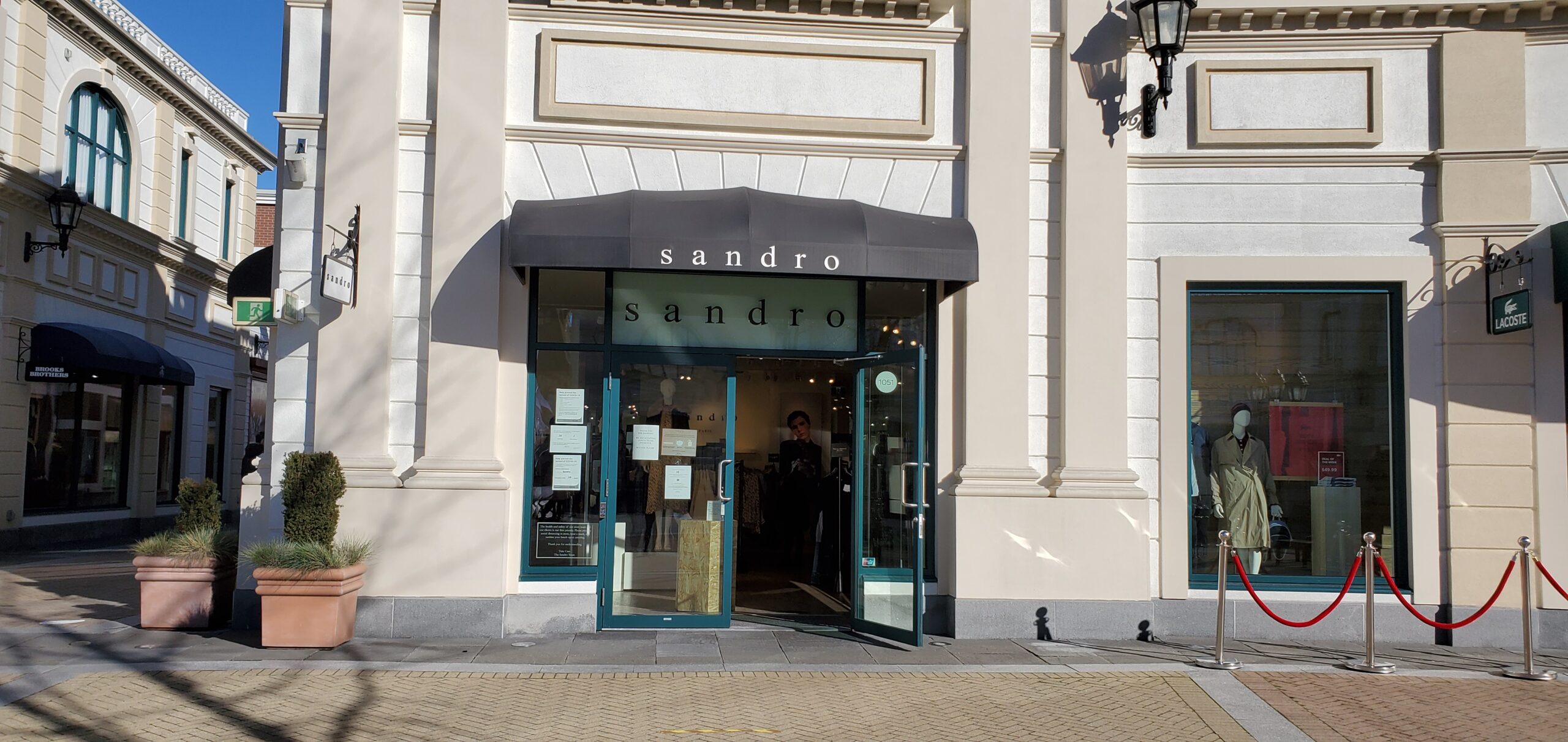
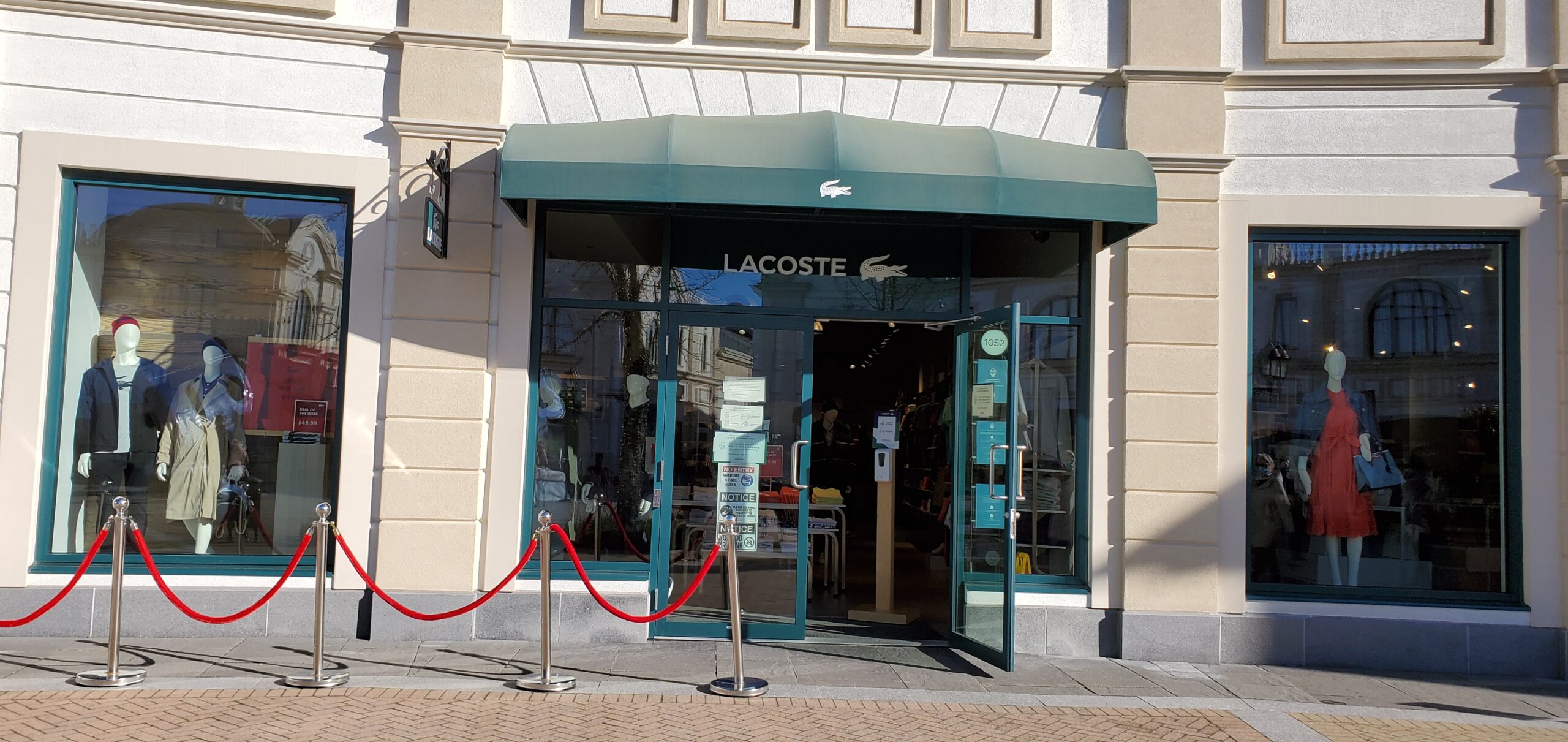
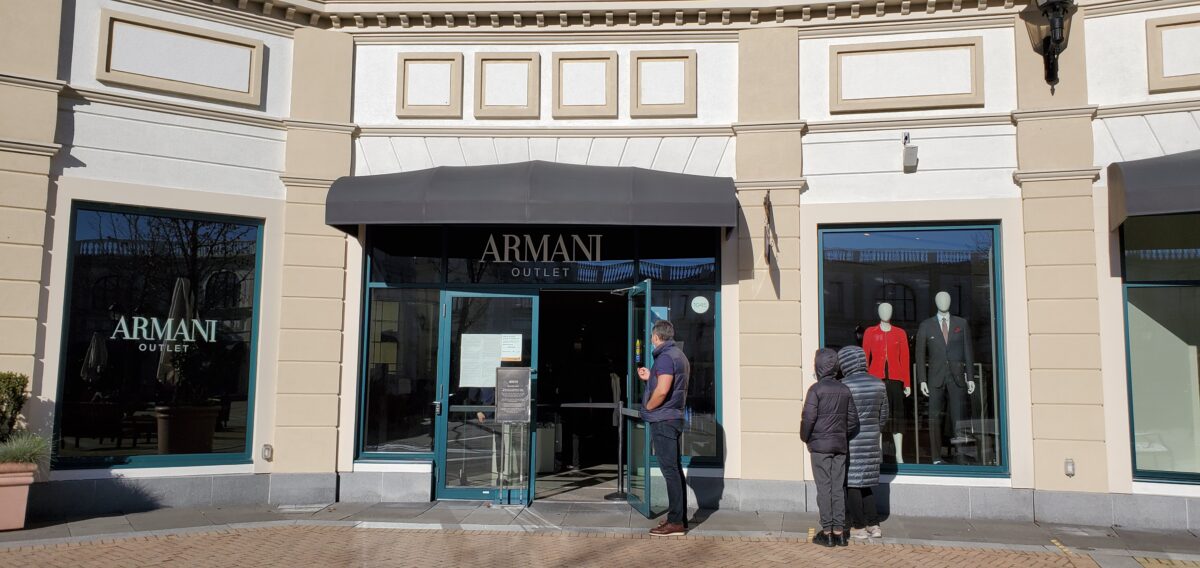
The retailers surrounding the SEI statue include several heavy hitting luxury brands including Giorio Armani (plus the lower-priced Armani Exchange attached), Mackage, Kate Spade, Brooks Brothers, Ted Baker, Maje, Sandro, Michael Kors, Ports 1961, Ted Baker, UGG, and Lacoste. Montreal-based Mackage, which recently opened a Manhattan flagship, has been expanding its direct-to-consumers stores globally. Sandro and Maje have also opened stores across Canada in recent years.
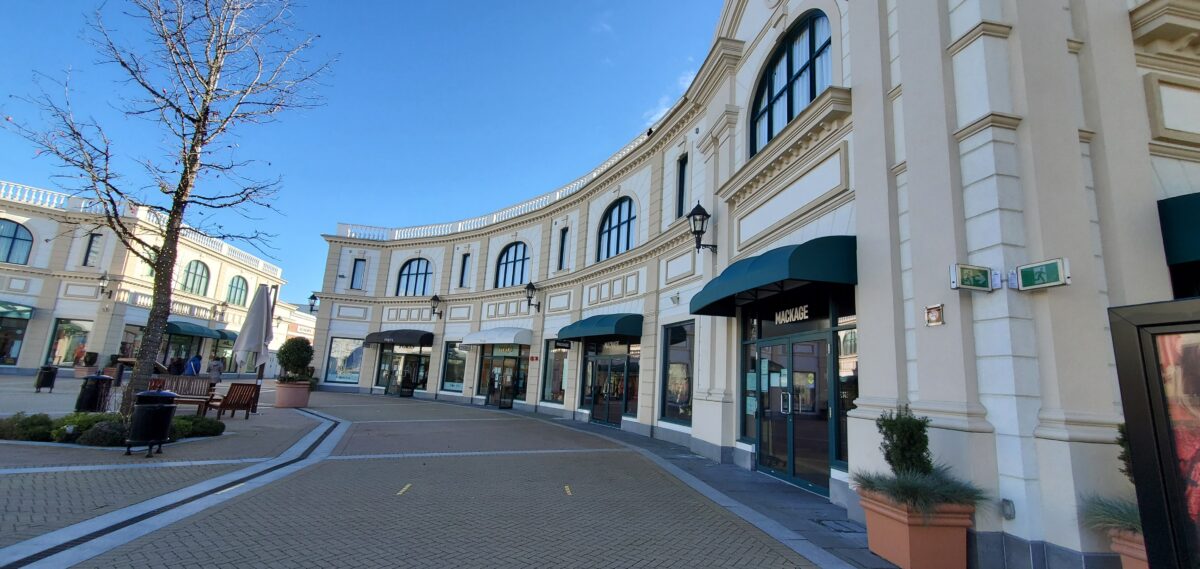
Row of Retailers circling the SEI statue at McArthur Glen Vancouver, including Ports, Maje and Mackage
Row of Retailers circling the SEI statue at McArthur Glen Vancouver, including Ports 1961, Maje and Mackage. Photo: Geetanjali Sharma
Armani Outlet at McArthur Glen
Armani Outlet at McArthur Glen. Photo: Geetanjali Sharma

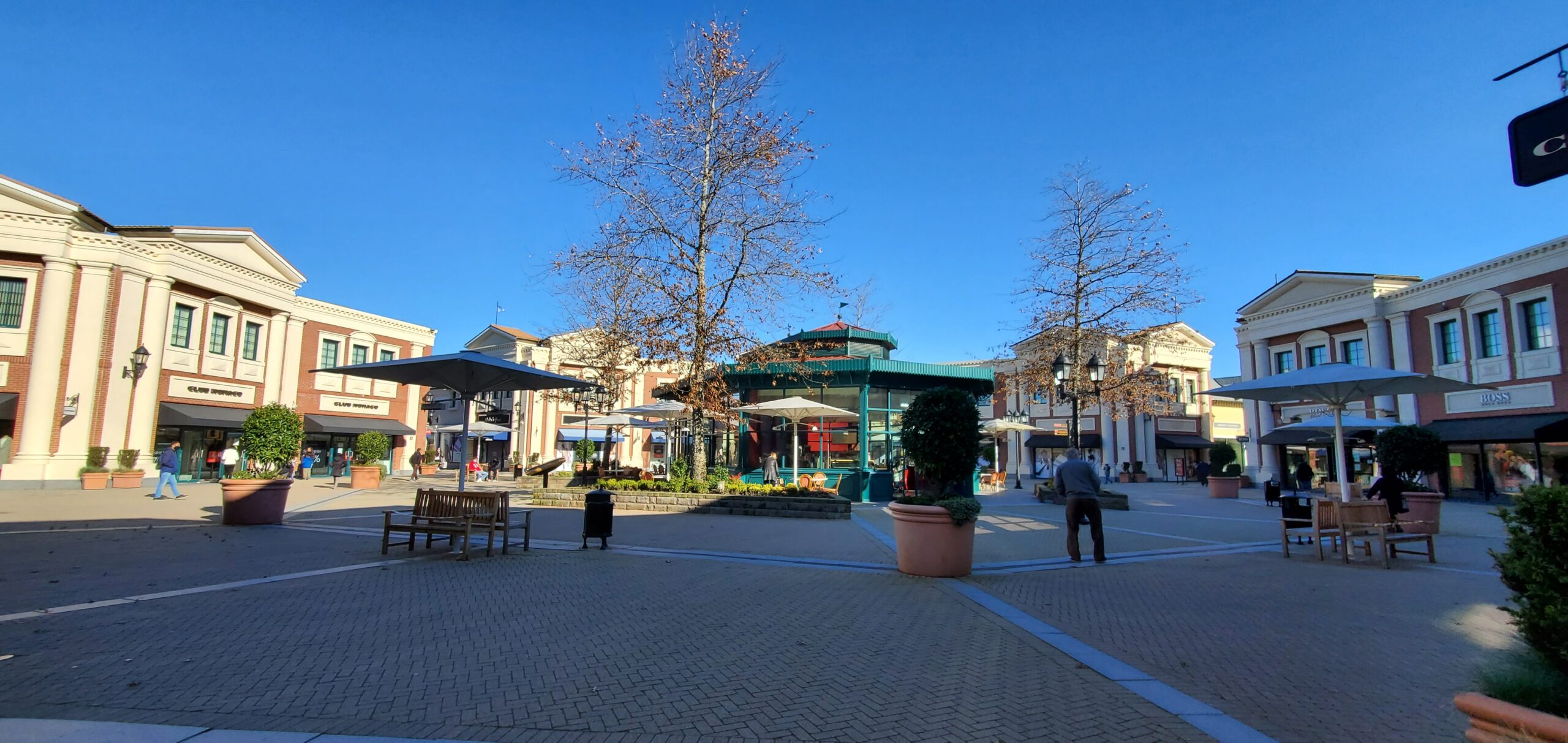
Moving onto the the last large architectural piazzas is in the left (or west) side of the middle zone of Phase One. This is one of the dramatic entrances welcoming patrons into the outlet centre with Caffe Artigiano taking up residence in the centre of the piazza.
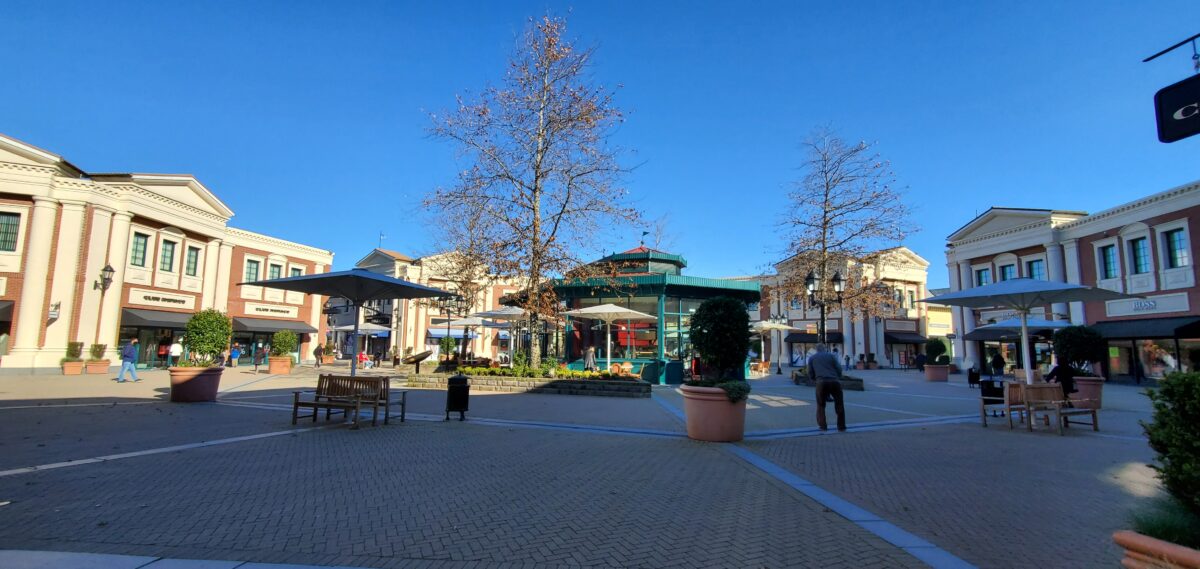
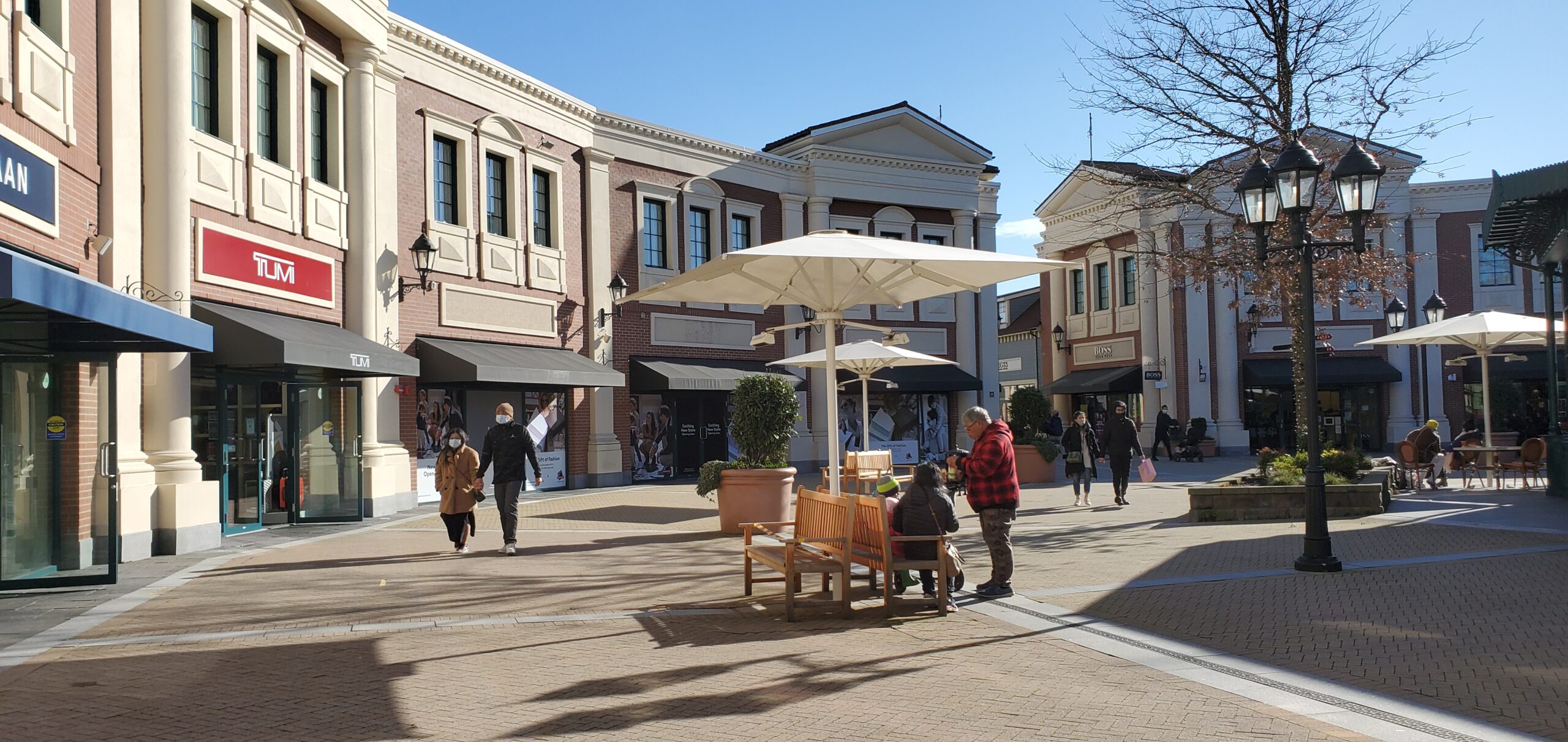
Large Plaza with Caffe Artigiano in the middle at McArthur Glen Vancouver
Large Plaza with Caffe Artigiano in the middle at McArthur Glen Vancouver. Photo: Geetanjali Sharma

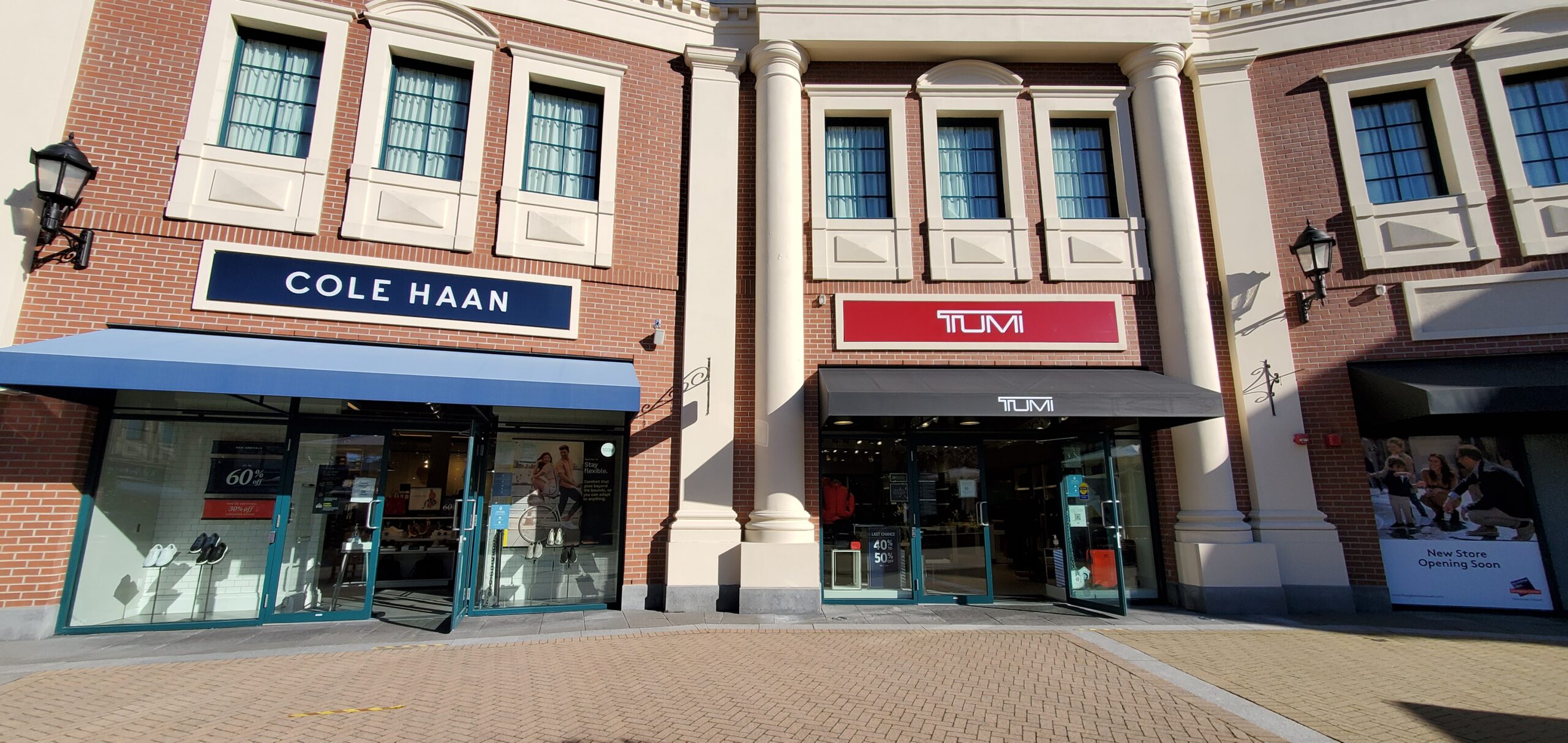
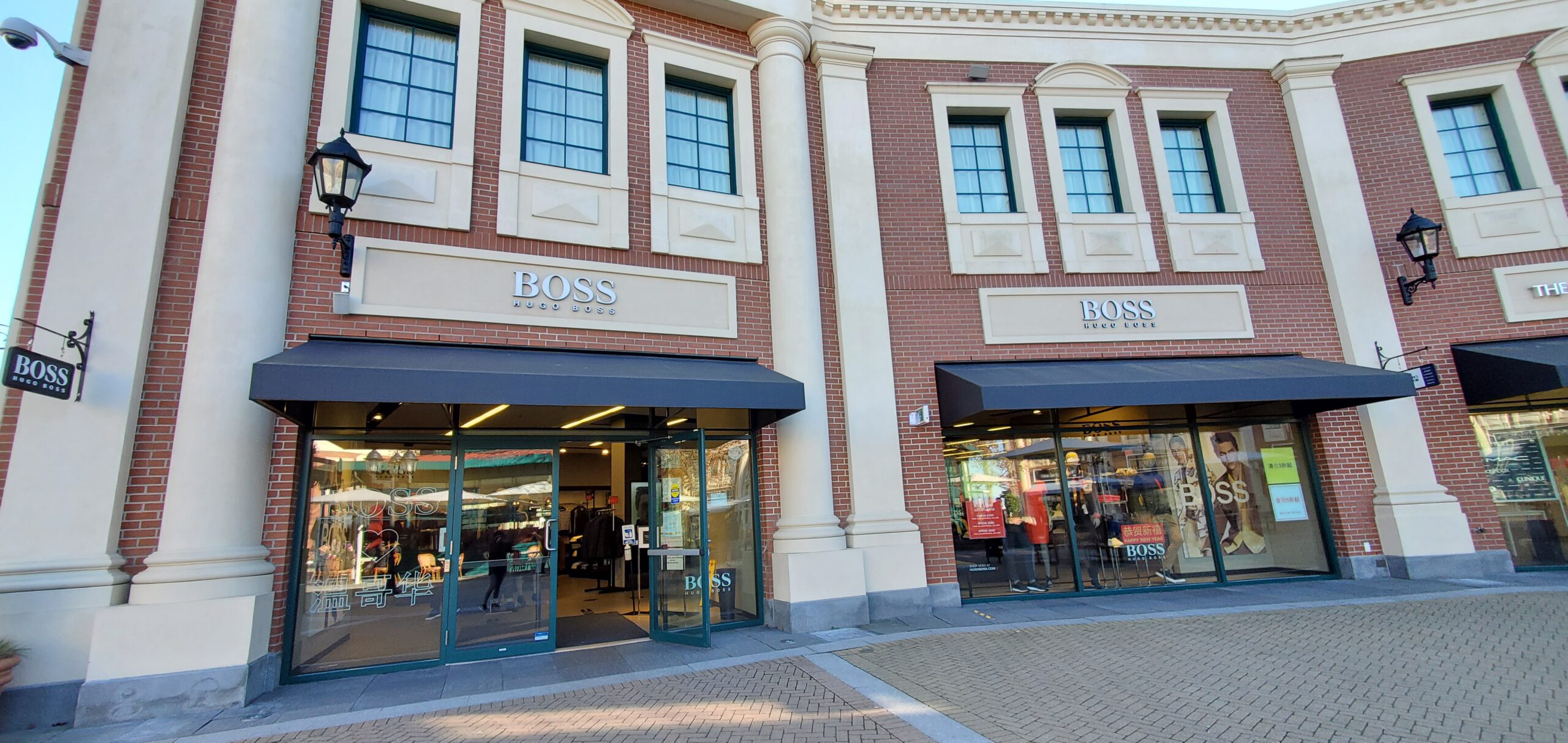
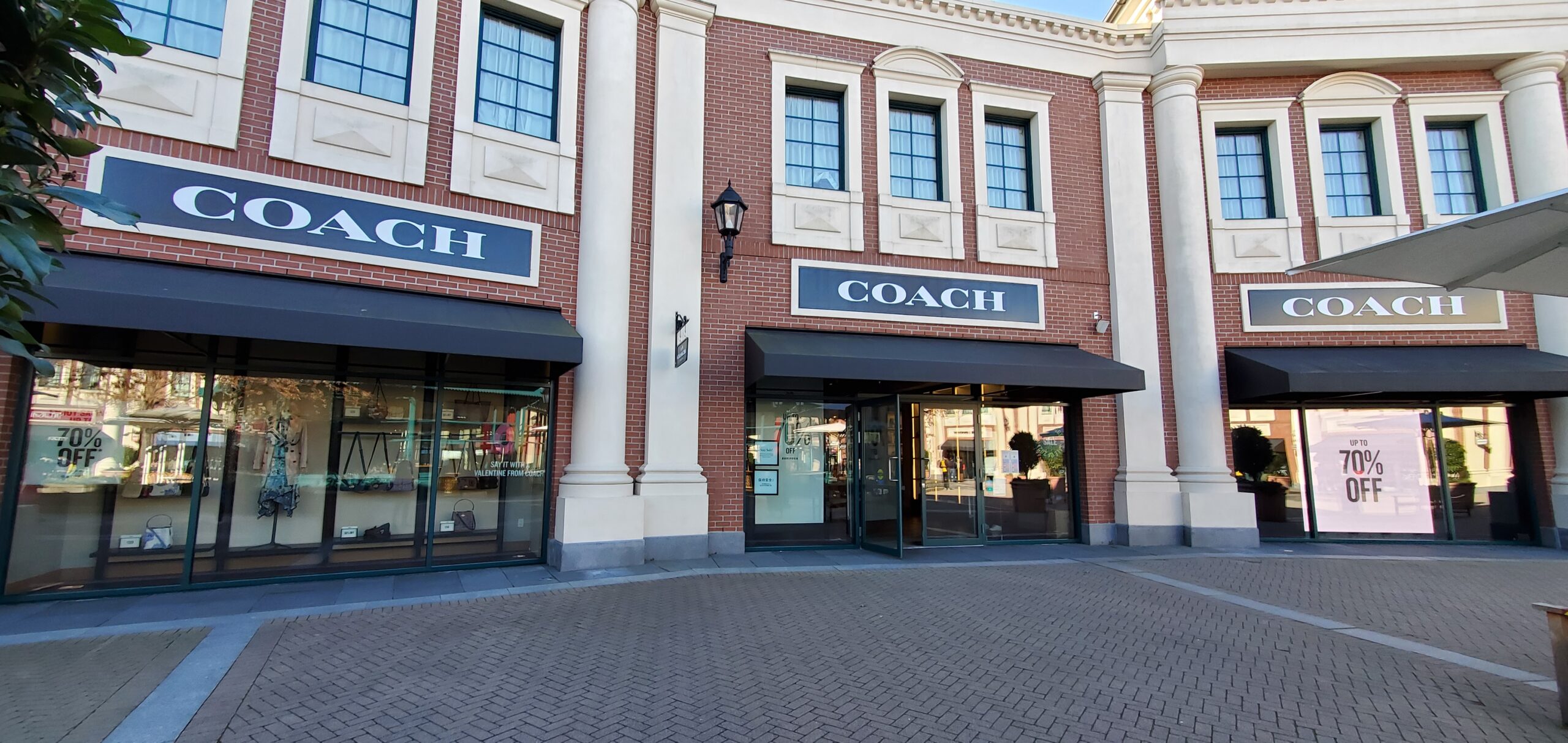
The retailers encircling the large plaza include Polo Ralph Lauren, Club Monaco, Cole Haan, Tumi, Boss, Coach, and The Cosmetics Company Store.
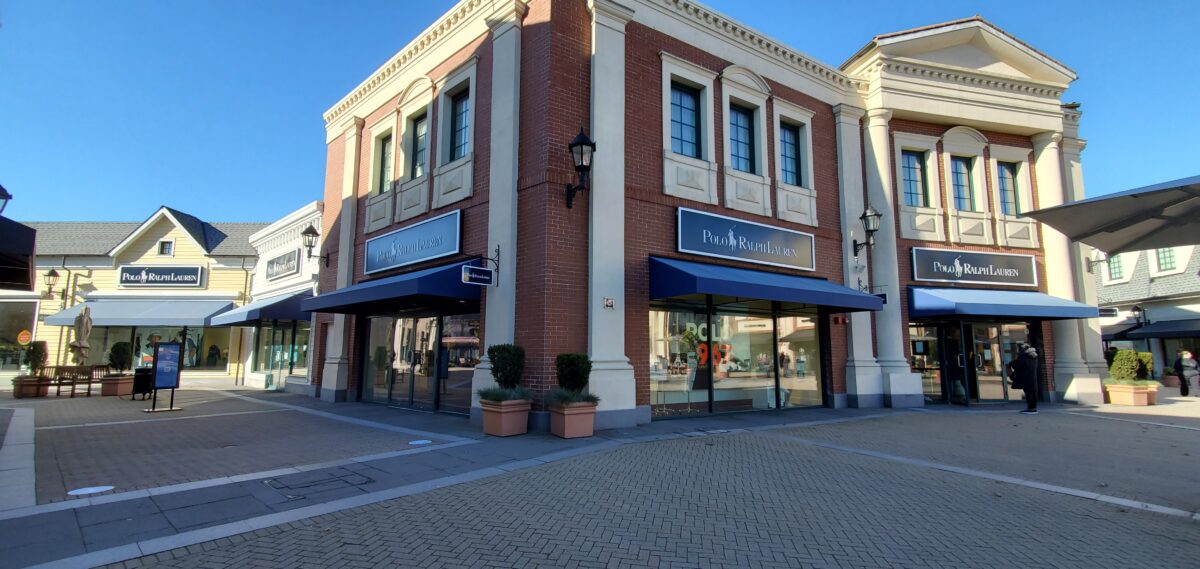
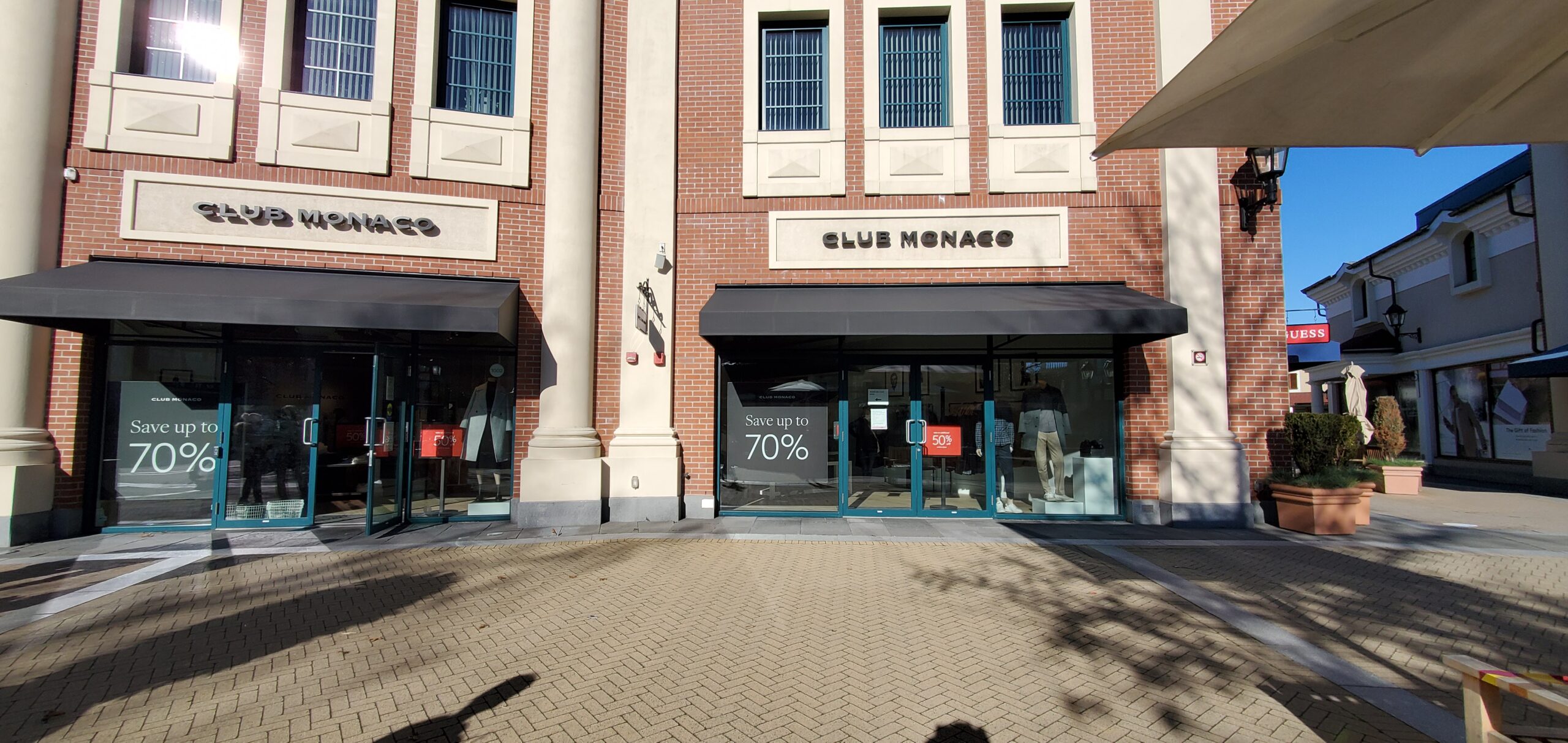
Polo Ralph Lauren at McArthur Glen Vancouver
Polo Ralph Lauren at McArthur Glen Vancouver. Photo: Geetanjali Sharma

Phase One Upper Zone Tour (Red)

The last area of McArthurGlen Vancouver is the north end of Phase One with several retailers residing in this tour zone.
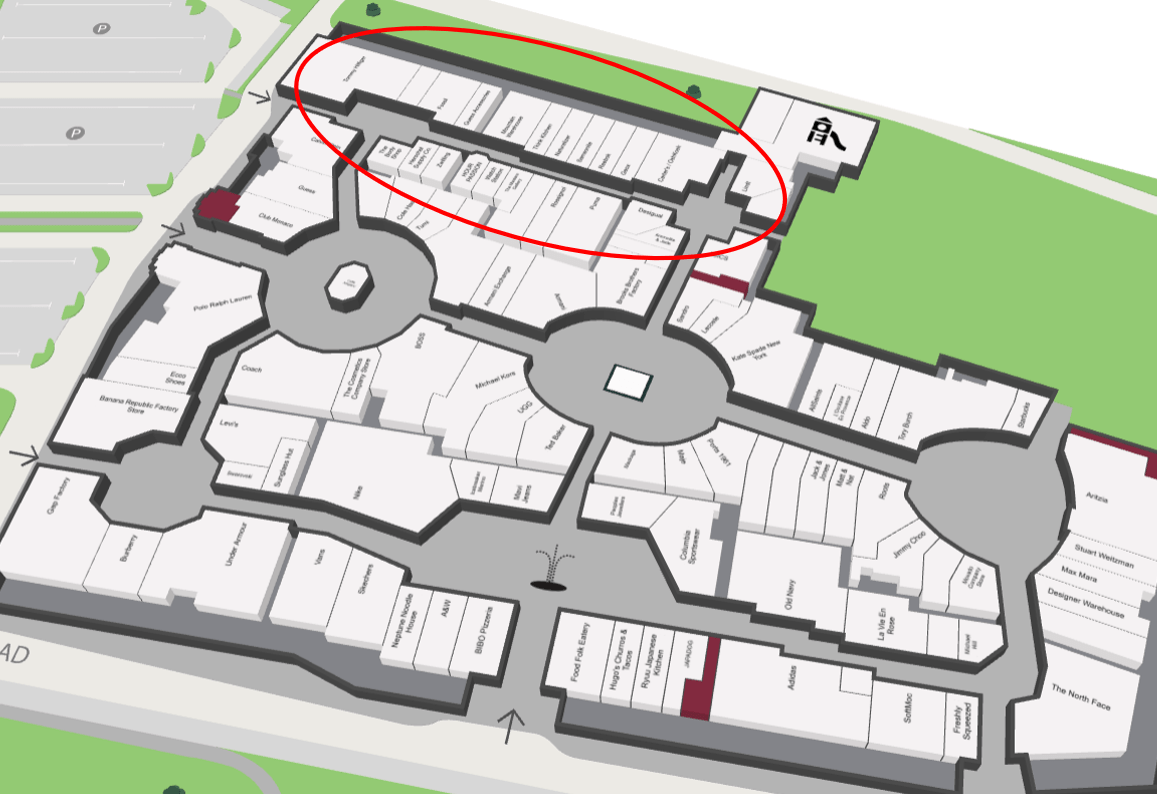
Phase One, Upper Zone Tour at McArthurGlen Vancouver. Photo: McArthurGlen Map with overlay by Retail Insider.

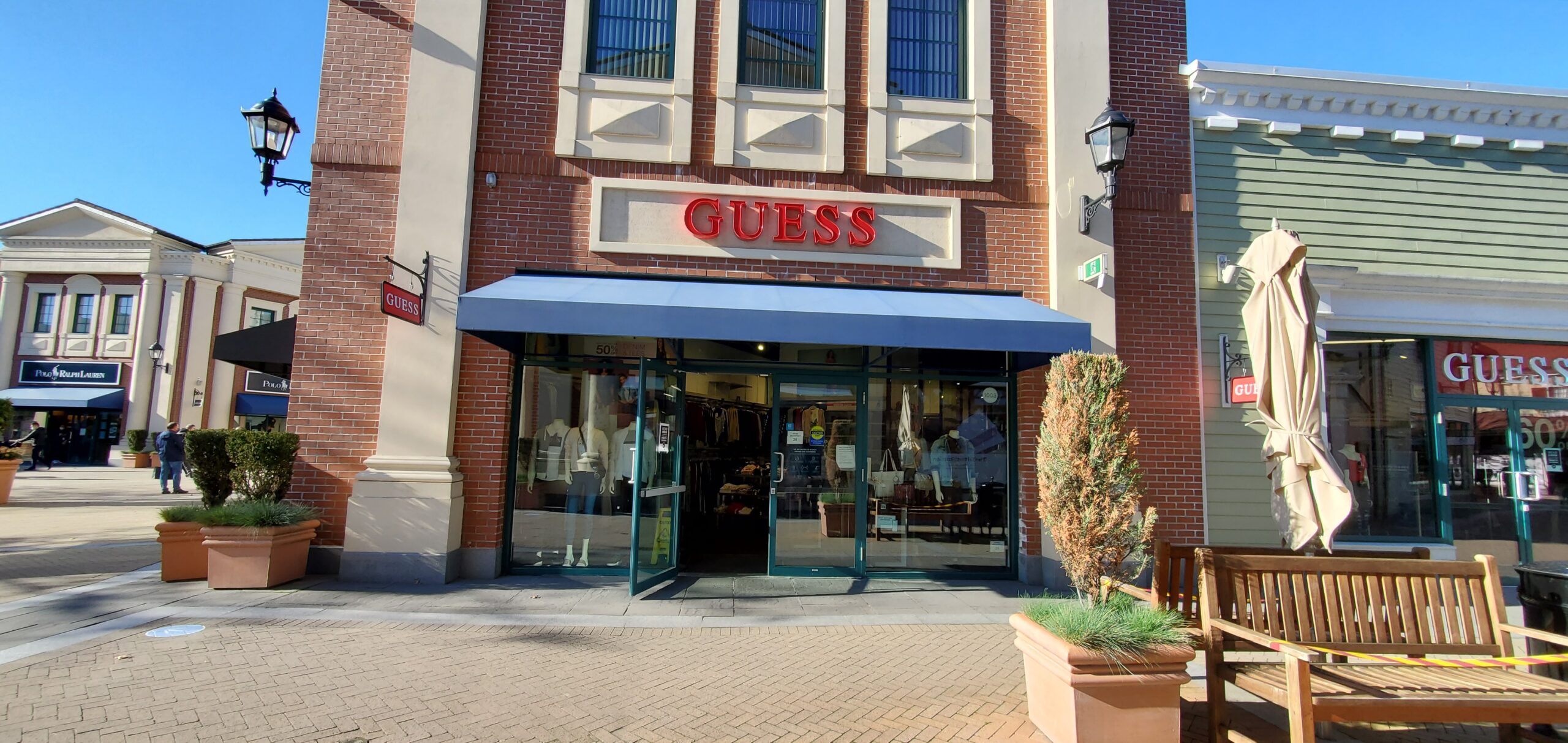
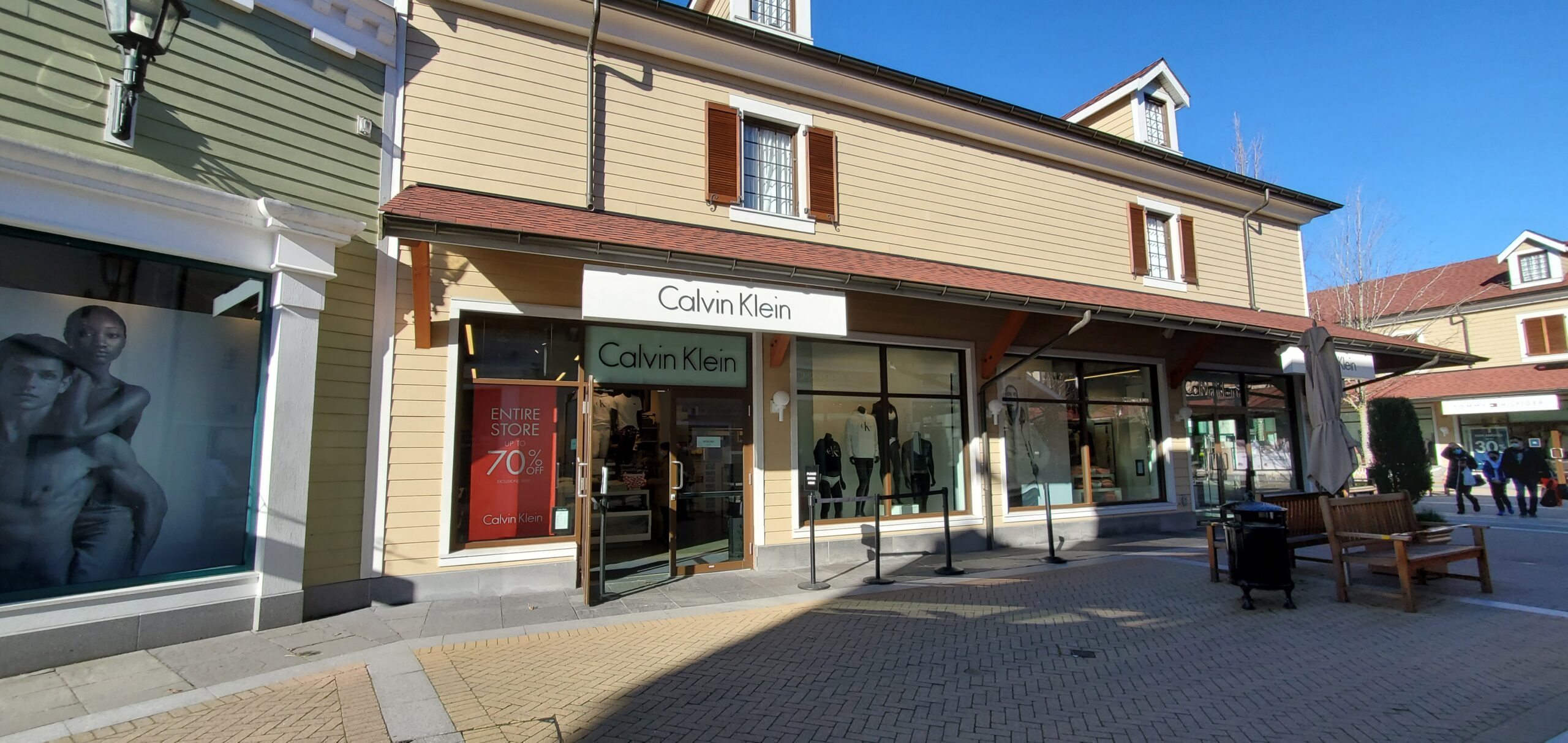
With coffee in hand from Caffe Artigiano, the photo tour moved north to enter the left (or west) end of the upper zone. Passing Guess and Calvin Klein, another entrance is accessible at this point and it is the beginning of the row of retailers.
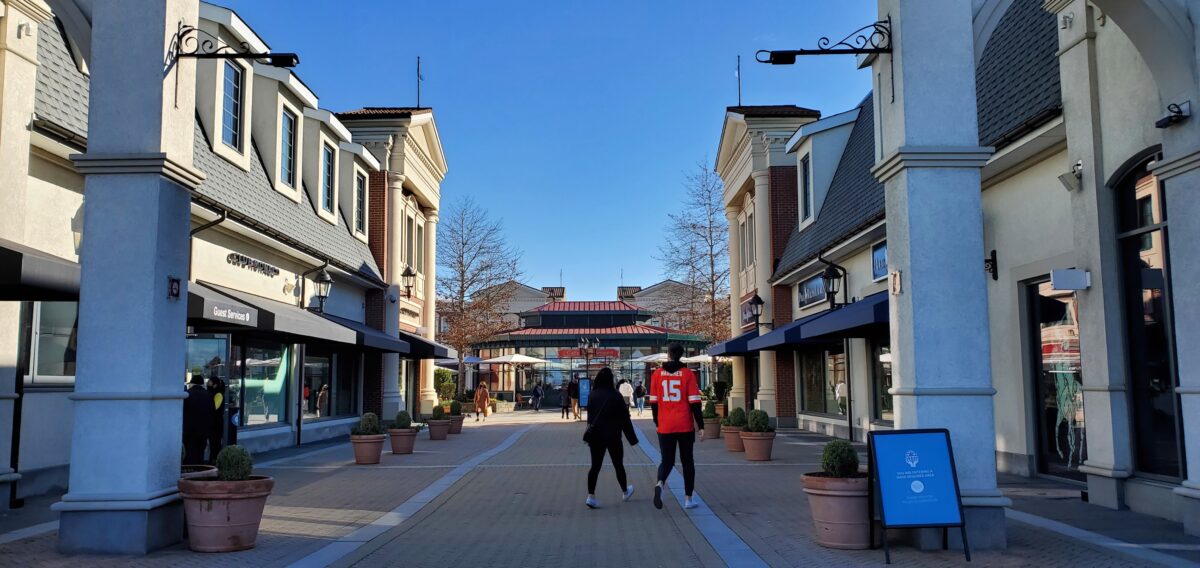
Looking back at Caffe Artigiano en route to northern section of Phase One at McArthur Glen Vancouver. Photo: Geetanjali Sharma
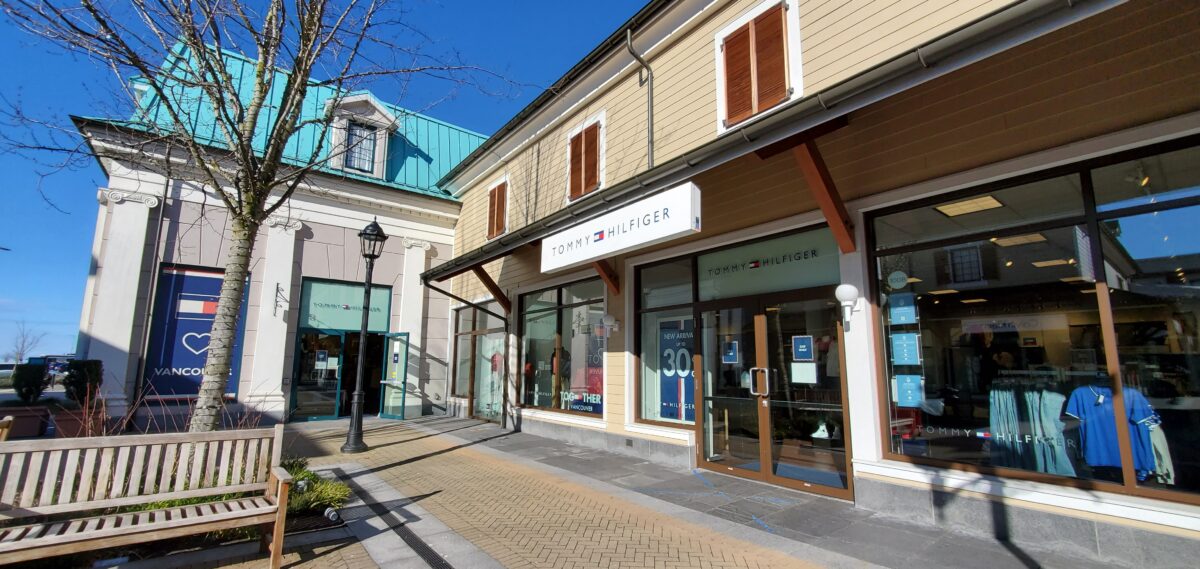
Reaching the Western edge of the Northern section of Phase One was Tommy Hilfiger at McArthur Glen Vancouver. Guess and Calvin Klein were also nearby. Photo: Geetanjali Sharma

Standing at Tommy Hilfiger in front of one of the entrances from the parking lot, the channel European corridor of retailers continues to the end of the Phase One. The first main retailers are Fossil and The Body Shop.
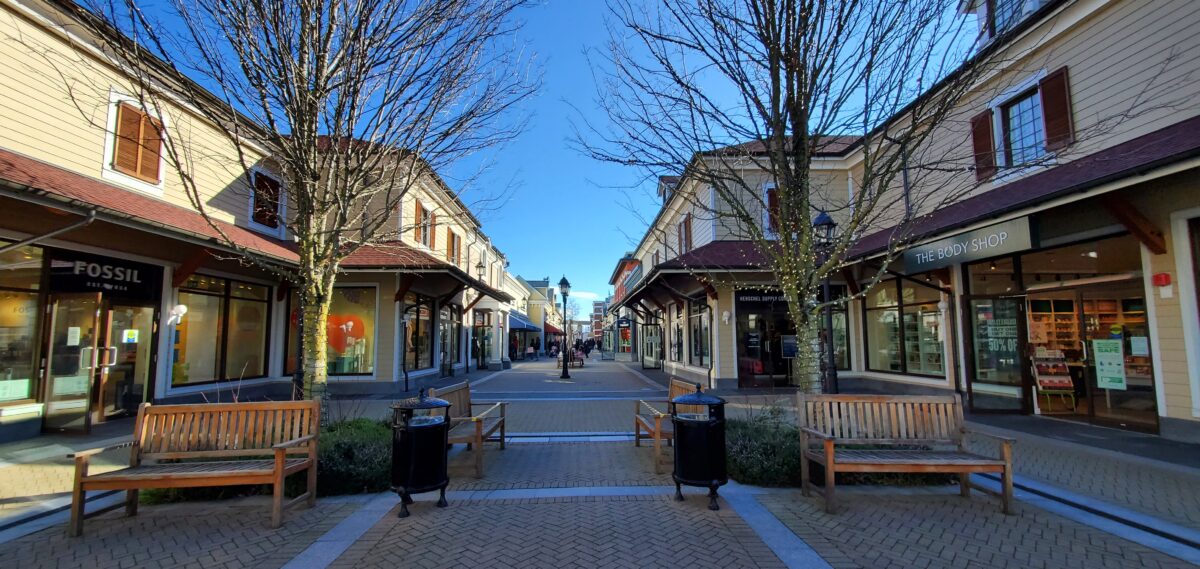
North Corridor in Phase One at McArthur Glen Vancouver.
North Corridor in Phase One at McArthur Glen Vancouver. Visible is Fossil and The Body Shop. Photo: Geetanjali Sharma

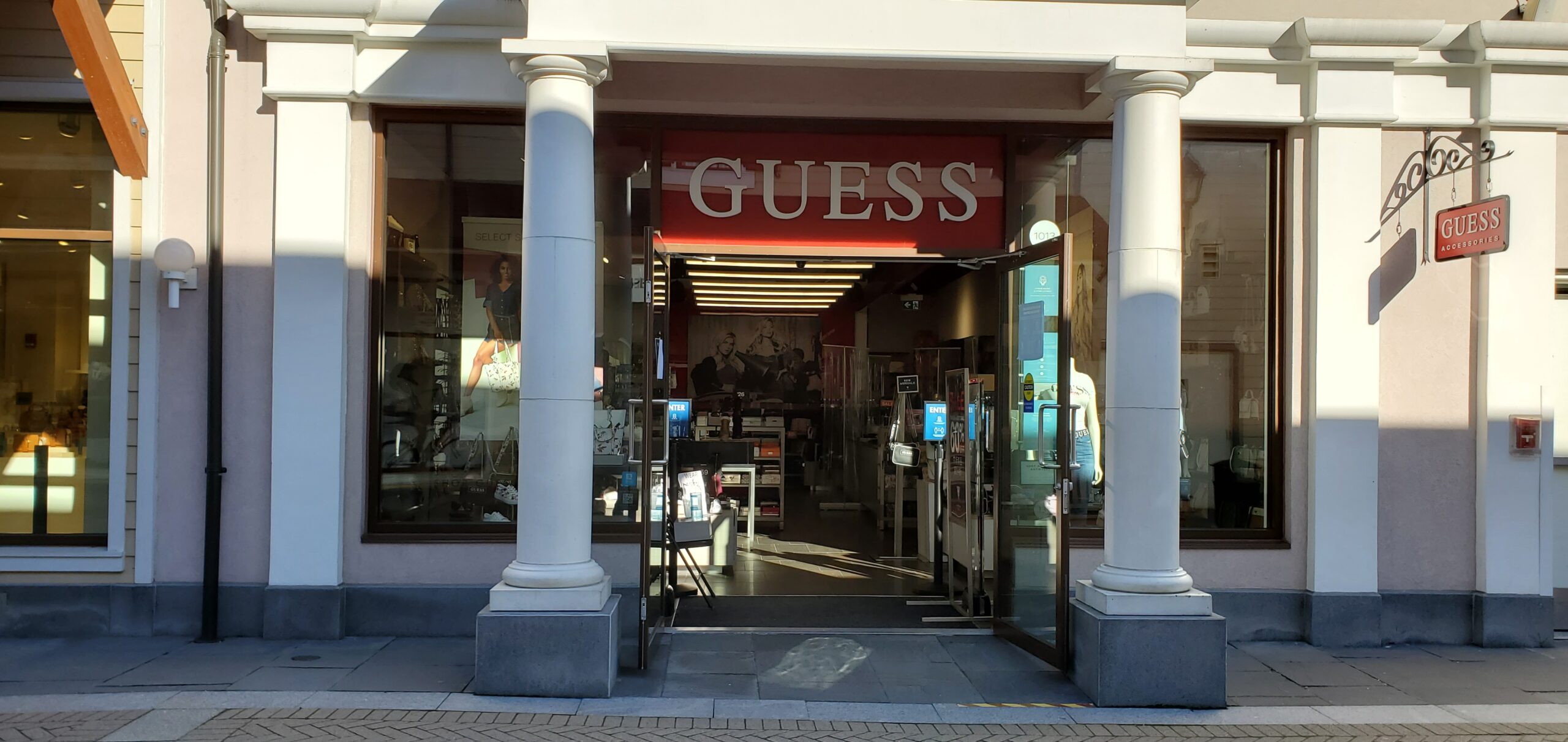
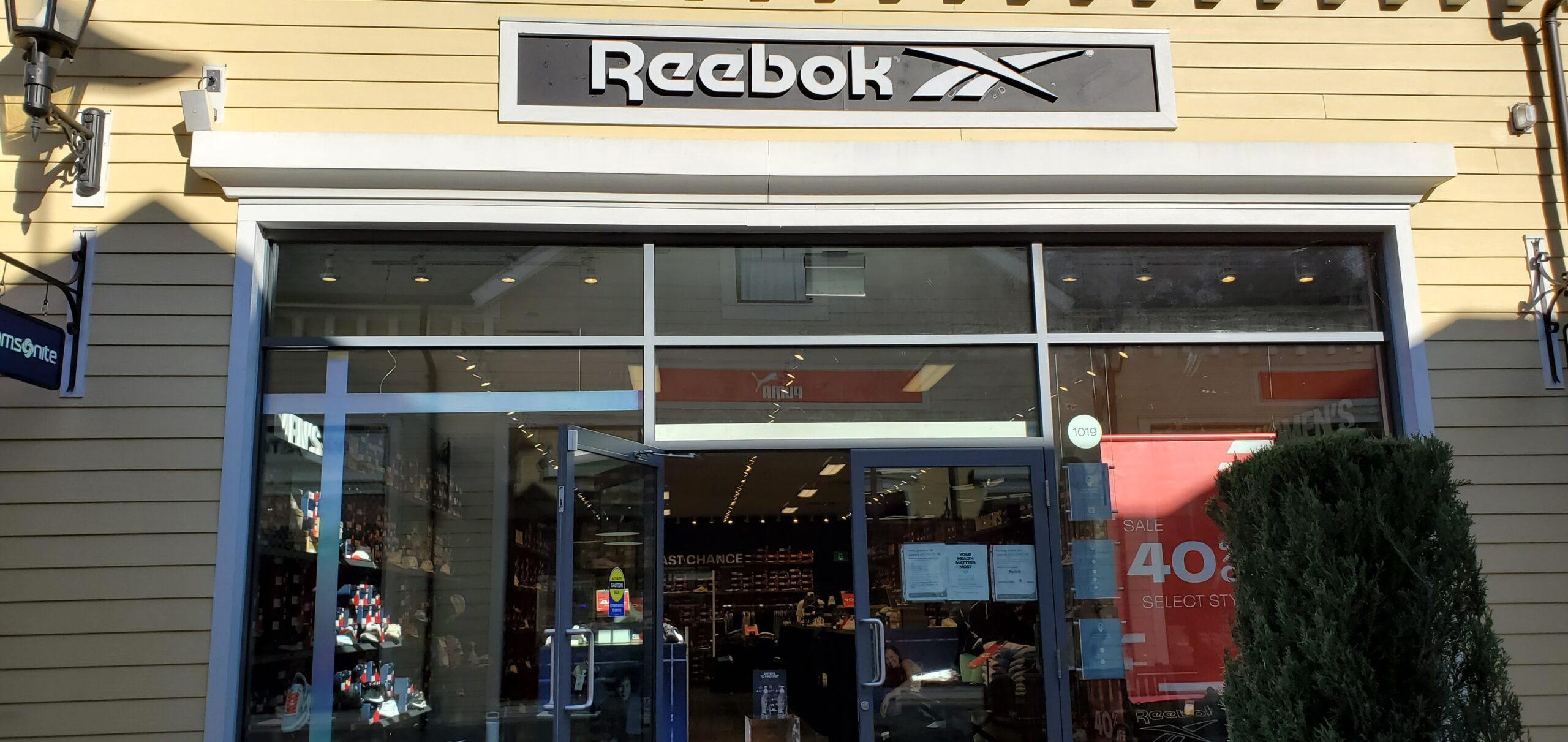
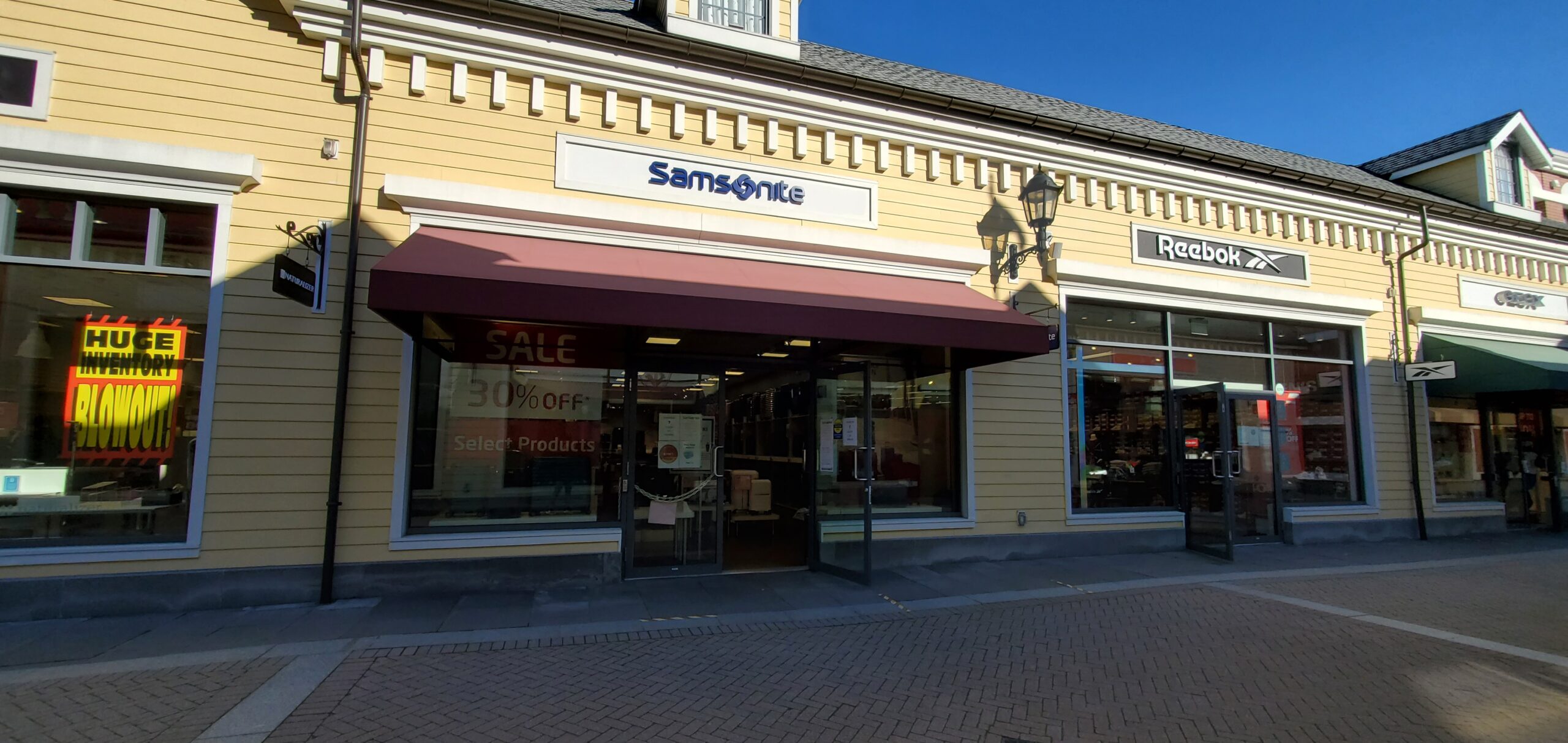
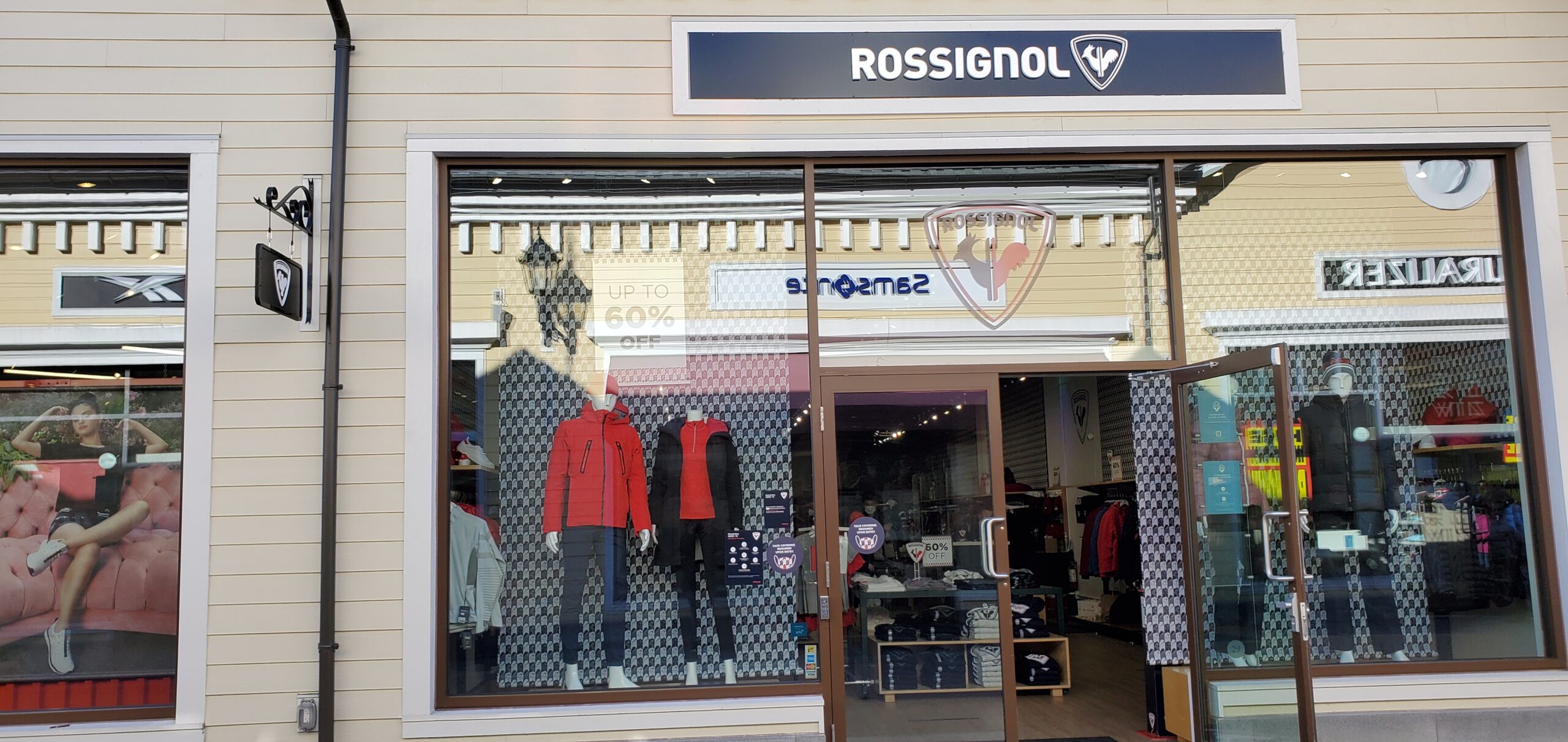
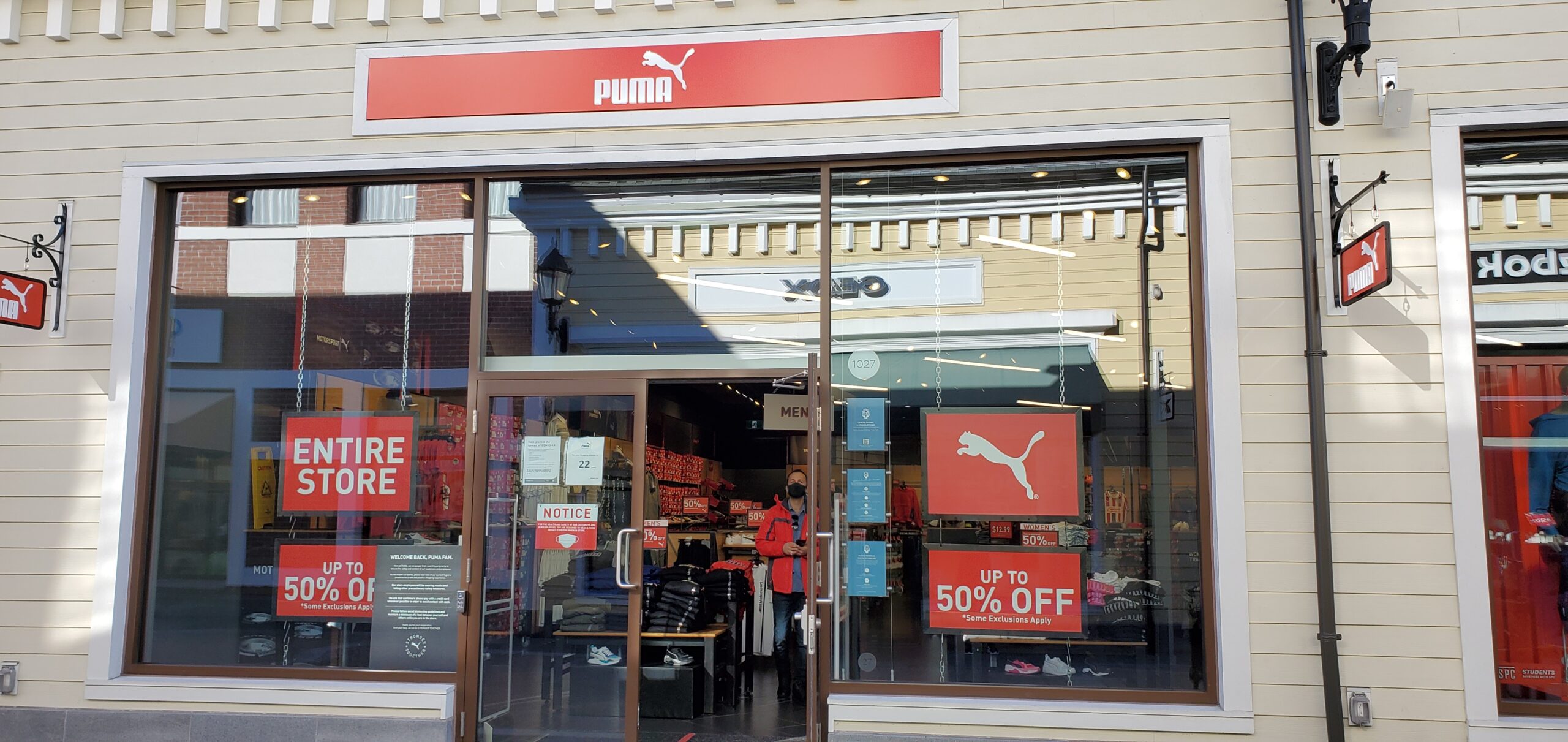
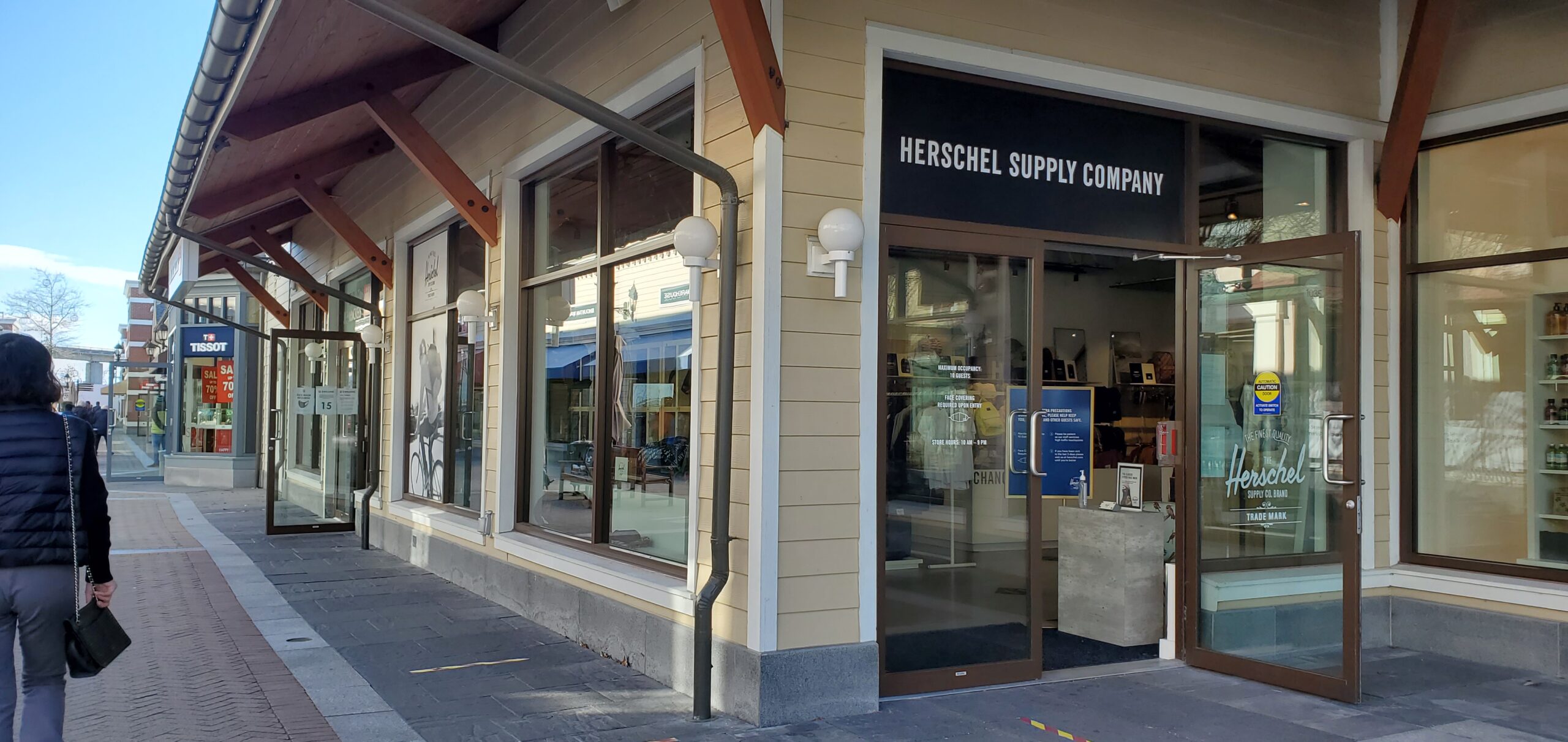
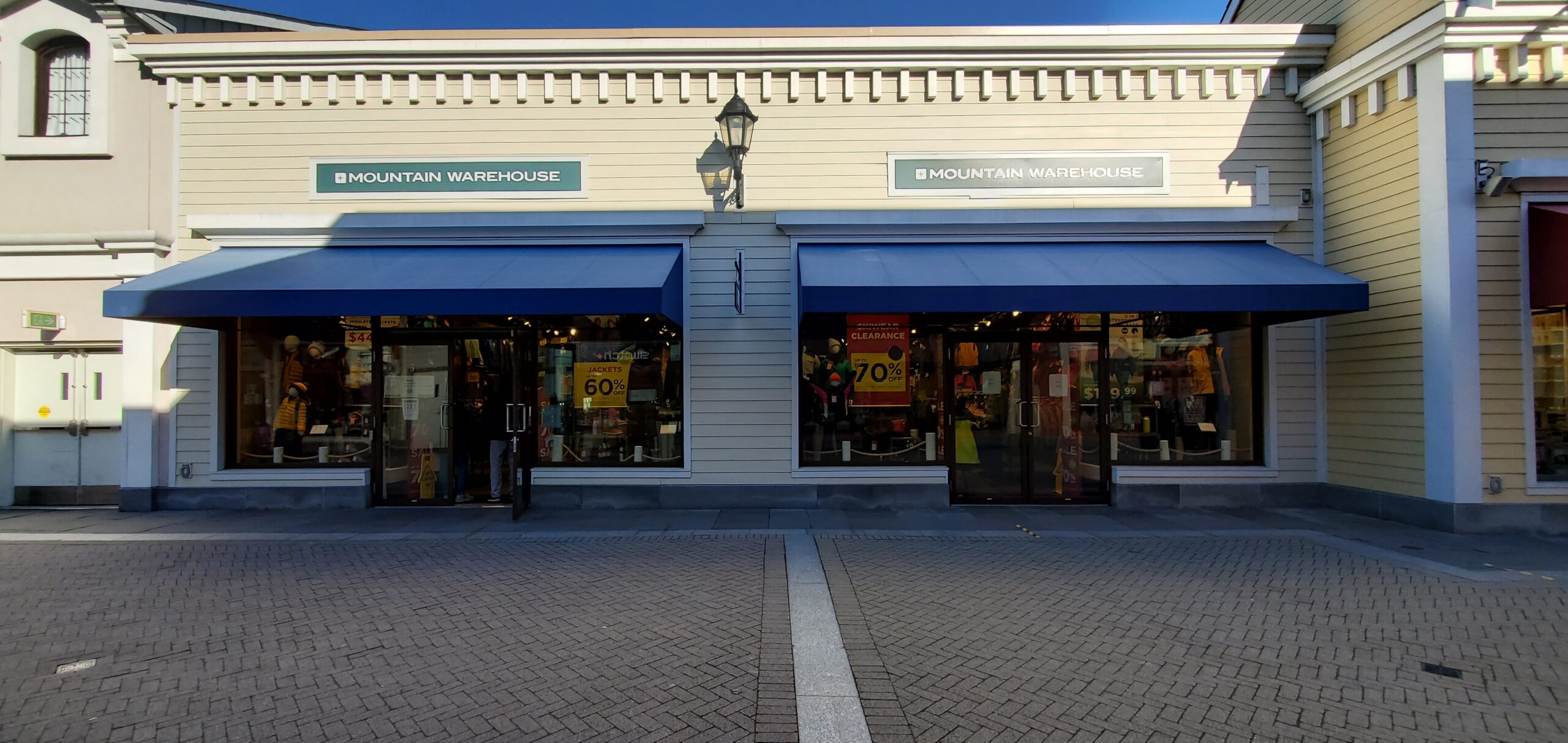
The retailer row has several retailers including Herschel Supply, Guess Accessories, Zwilling, Mountain Warehouse, Naturalizer, Rossignol, Samsonite, Rebok, Puma, and Geox. Herschel’s outlet store is a first for the company, and Naturalizer is expected to close soon given that all North American units will shutter.
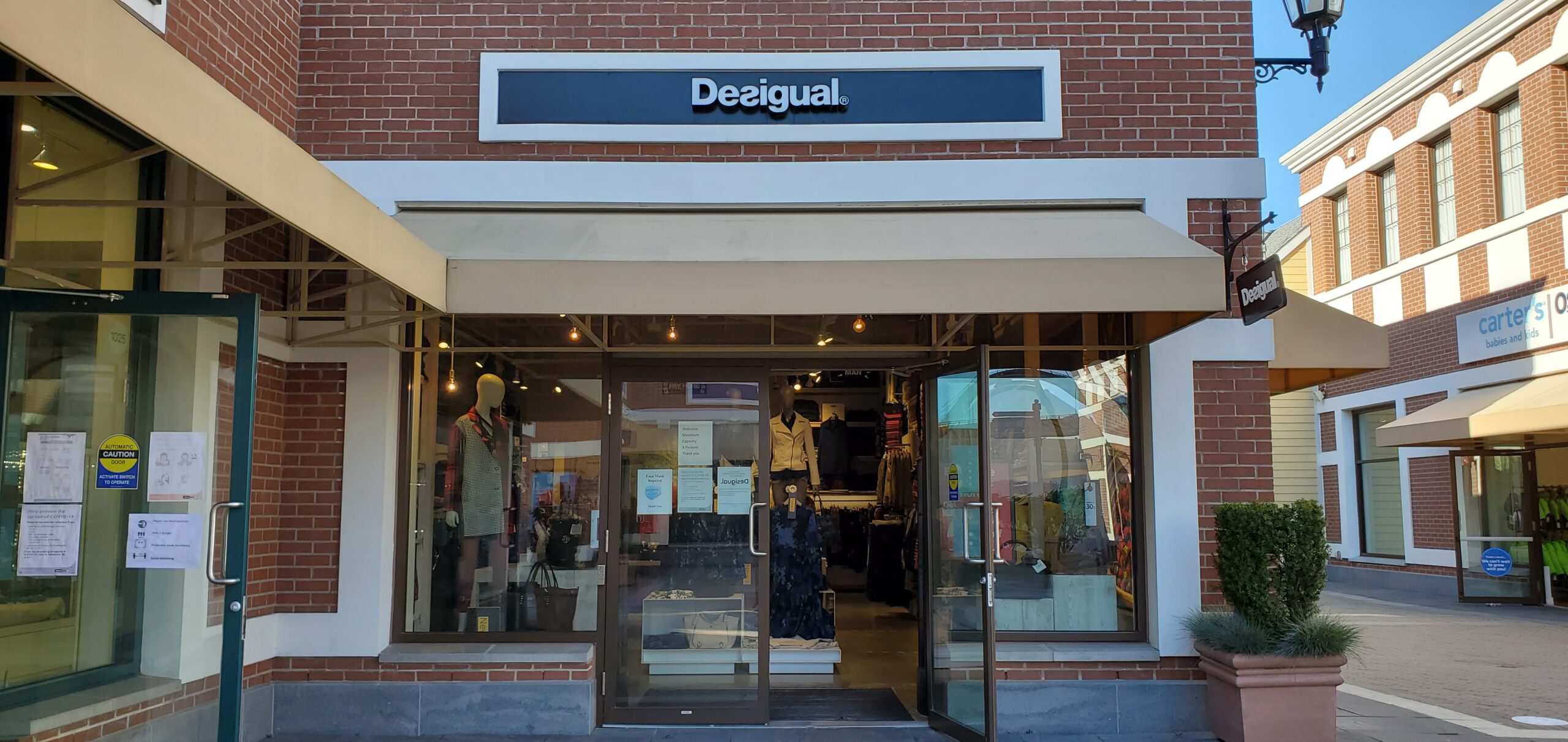
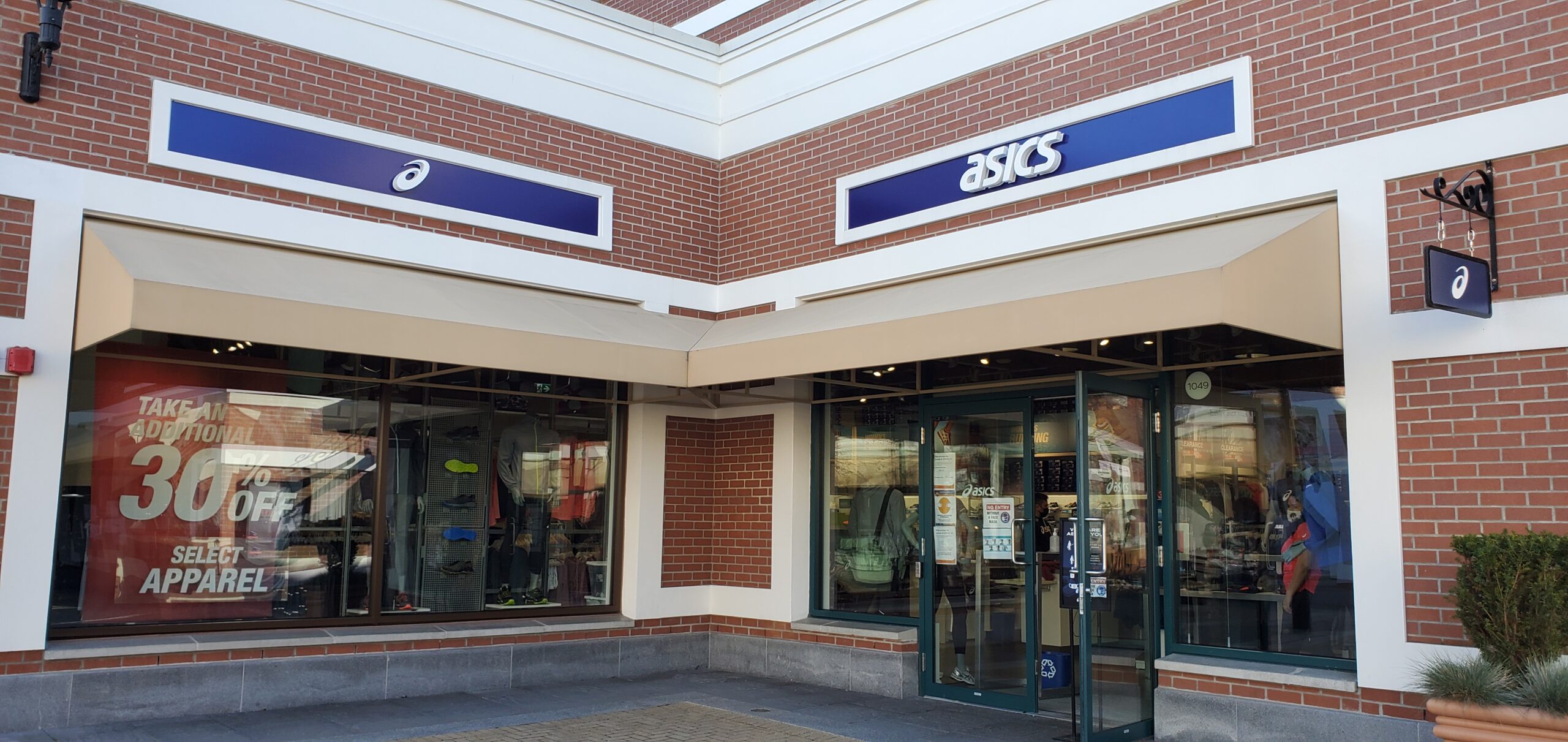
At the very end of the retailer row is a square courtyard which brings us to the end of our photo tour. Still within the north end of Phase One, this square courtyard includes Carter’s | OshKosh, Lindt, ASICS, Ammolite & Jade, and Desigual. At one time, Spanish fashion brand Desigual had stores across Canada and were operated by J.Michaels which quietly shut down last year.

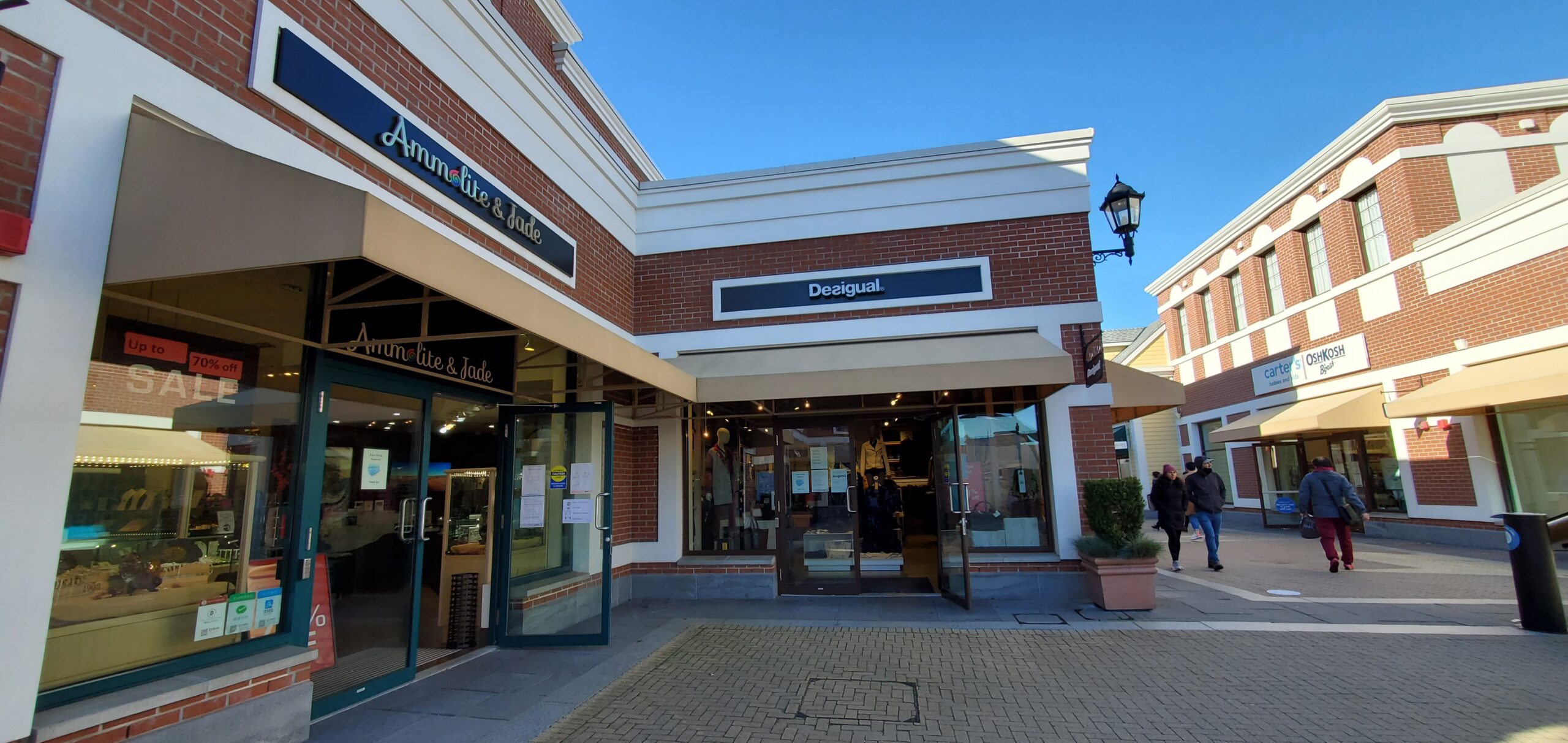
Carter's | OshKosh at McArthur Glen Vancouver
Carter’s | OshKosh at McArthur Glen Vancouver. Photo: Geetanjali Sharma

Similar to in Phase Two, between Lindt and Carter’s | OshKosh is the future entrance to Phase Three which was currently blocked off for patrons.
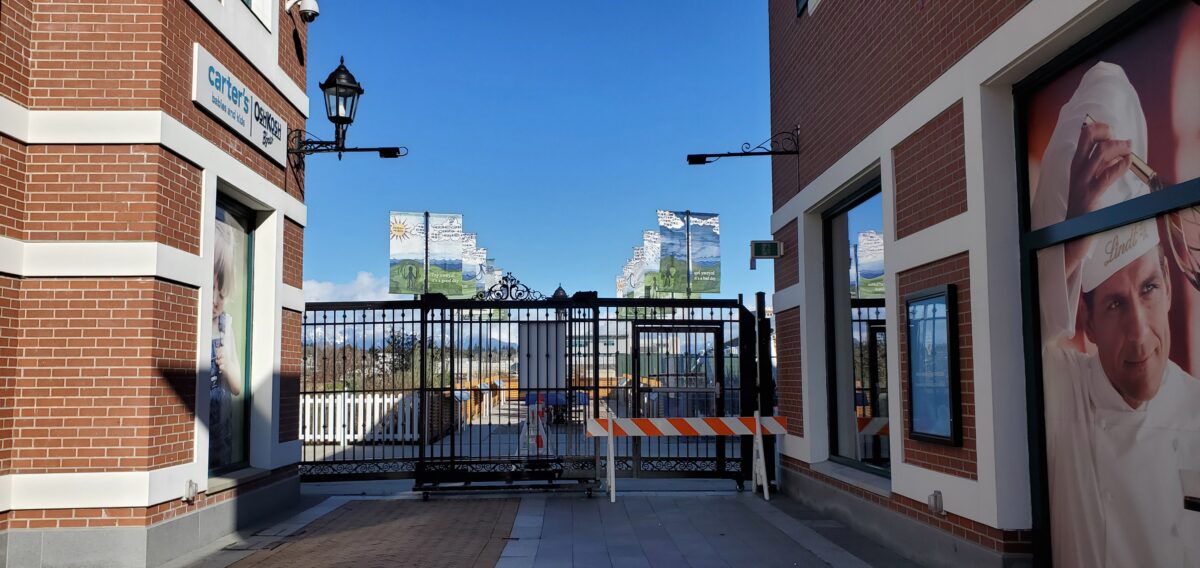
Blocked off future entrance to Phase Three from existing Phase One at McArthur Glen Vancouver
Blocked off future entrance to Phase Three from existing Phase One at McArthur Glen Vancouver. Photo: Geetanjali Sharma

This concludes our retail photo tour of McArthur Glen Designer Outlet. We had a very interesting photo walk around and we hope you enjoyed coming along with us.
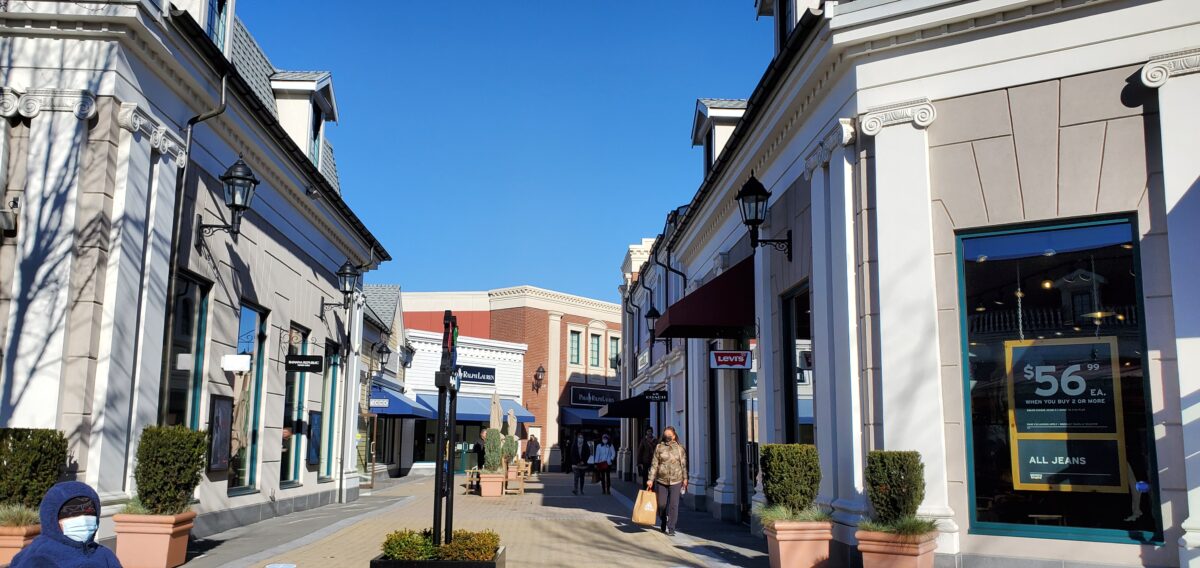
Phase One walkway at McArthur Glen Vancouver
Phase One walkway at McArthur Glen Vancouver. Photo: Geetanjali Sharma

How Online Markets Are Helping Local Retailers in Canada Survive COVID-19

The COVID-19 pandemic has resulted in border closures and an increased desire to localize production and use supply chains that are close to home. Photo: Arthur Franklin/Unsplash

By Myriam Ertz, Damien Hallegatte, Imen Latrous, Julien Bousquet

Retail giants like Amazon are blurring the boundaries of consumption. But thanks to platforms that link online consumption to local interests, the desire to buy local, a trend fuelled by the COVID-19 pandemic, is now giving rise to a new phenomenon known as “digital localism”.

In Québec, this spawned the creation of new platforms to sell local goods, such as Le Panier BleuMa Zone QuébecBoomerang, Inc. and J’achète au Lac, a site for purchasing local goods in the province’s Lac St-Jean region.

A local e-commerce platform for shopping malls also sprung up, as well as Eva, a rideshare co-operative platform that works with taxi companies and gives drivers more control over the business.

These new companies are bringing back meaning to consumption and production. And in these times of transition, aren’t we all looking for ways to add more meaning to our lives?

The Era of the Consumer-Supplier

Whether you want to carpool using the Eva platform, trade goods with someone on Kijiji, participate in a crowdfunding effort on Ulule or do business on a site like Dvore, it’s the consumer-supplier concept that’s making this transition possible.

While the pandemic has resulted in border closures and an increased desire to localize production and use supply chains that are close to home, large platforms like Amazon have been criticized for cashing in on the economic misfortune for small local businesses brought about by the crisis.

Consumption methods have become increasingly divorced from production since the beginning of the 20th century. Consumers have become strictly buyers. However, new concepts like collaborative consumption, the sharing economy and crowd-based capitalism are now mixing the modes of consumption and production.

The passive consumer is being replaced by an active consumer who takes on the role of supplier, volunteer or even partner.

For example, by using NousRire (a play on the French “nourir”, “to feed”), a Québec-based bulk-purchasing group for eco-responsible food sites, clients become both suppliers and volunteers. In other words, they are partners in the organization.

In the NousRire buying group, the customer takes turns playing the role of consumer, volunteer, supplier and partner. (Nousrire.com)

In the NousRire buying group, the customer takes turns playing the role of consumer, volunteer, supplier and partner.

Similar changes are taking place in the world of large-scale distribution. Examples include IKEA’s “second life for furniture” service, and Marks & Spencer’s shwopping (a contraction of shopping and swapping), a service that allows shoppers to donate used clothing in boxes located in the British retailer’s stores.

The term “collaborative consumption” has been used to describe this new trend of consumers who, thanks to these different platforms and applications, are also serving as suppliers. The same concept applies to Facebook Marketplace, Kijiji, InstaCart and VarageSale.

Not Just About Saving Money

What’s motivating consumers to adopt these new practices?

While buyers and suppliers have both financial and utilitarian goals, suppliers in this model can also be motivated by factors that go beyond pure financial gain. Those motivations may include financial constraints (debt, liquidity problems), a desire to socialize with others, to contribute to society or simple altruism.

In addition to the aforementioned trading platforms, sites like Coursera offer individuals training and advice resources. For outsourcing tasks, people can turn to Amazon’s Mechanical Turk.

In health care, a transition towards digital care is underway that is making it possible to better distribute resources and allows people to offer advice and services through online forums, groups or patient communities.

Read more: Good governance is the missing prescription for better digital health care

Democratizing Markets

The financial sector has also become more democratic. Crowd-funding platforms such as Ulule make it possible for individuals to donate or invest in projects carried out by other parties, while platforms like eToro make investing in financial markets more of a democratic process.

These platforms allow individuals to revitalize local economies by redirecting capital toward areas that are typically neglected by public or private investment.

Cryptocurrency and blockchain are also interesting examples. Thousands of cryptocurrency systems like Bitcoin are operating right now that involve cryptocurrency miners replacing central banks. Facebook’s Diem blockchain-based payment system project suggests that there is a “total digital ecosystem” emerging: a dematerialized and demonetized society entirely centred on individuals.

Read more: Financial professions must pivot to stave off technological extinction

In 2016, India even tried to set up a cashless society. The policy had an impact on practices specific to emerging countries, including cash on delivery, which was transformed into payment on delivery. It’s hard to say if this is good news or bad. On one hand, collaborative transactions, which are often informal, are getting easier to perform. On the other, they are totally traceable and taxable.

A Controversial Economy

The collaborative economy is probably the most visible, well-documented and disruptive example of the ongoing marketplace transformation. Hotel owners complain about Airbnb and taxi businesses about Uber because, in principle, any individual can now supply lodging or transport for a fee. These debates in Québec have resulted in laws that are more accommodating to the new players. Those laws have, in turn, helped new platforms boost their activities.

This change has allowed authorities to transfer some of the responsibility for public services to the private sector. In public transportation, the availability of carpooling services could compensate for shortages in public transit. Citizens appreciate these practices because they satisfy their needs, maximize the use of dormant resources, provide better access to resources for the poor and reduce unemployment.

However, it is still unclear whether, by turning suppliers into “entrepreneurs,” these platforms are reinventing working conditions or damaging them given the many issues facing precarious workers.

Read more: California’s gig worker battle reveals the abuses of precarious work in Canada too

A Foodora courier picks up an order for delivery from a restaurant in Toronto in February 2020, shortly after the company pulled out of Ontario due to an unfavourable Labour Relations Board decision. Photo: THE CANADIAN PRESS/Nathan Denette

An Illusion of Power?

It’s essential to understand the impact that the algorithms used by these platforms are having on governance, questions of inclusion and user rights. The exponential amount of data generated by the platforms has increased large companies’ ability to identify the needs of their users quickly, and evaluate their payment capabilities precisely.

These capacities could lead to discriminatory practices. In addition, platforms are notoriously opaque about their pricing practices: they often customize and adjust prices in real time for each user.

Finally, since the collaborative economy is monopolized by technological giants, it’s less likely that smaller platforms will emerge, let alone survive. In short, by becoming a supplier — either as an entrepreneur or self-employed worker or through a flexible work schedule — consumers may only be gaining an illusion of power when they’re still in the service of mega-platforms.

Will digital localism be able to make its place in this world? Will platforms born during the COVID-19 pandemic in a bid to support local economies have any chance of surviving in the longer term?

According to a case study of small and medium-sized car-sharing platforms in China, the only way smaller platforms can hope to survive is by addressing needs that are not being met by the giants: leveraging a particular customer segment, type of partner, value proposition or their cost structure and revenue stream.

Nonetheless, recent developments in digital technologies are clearly giving individuals more ways to contribute. This digital transition, already well underway, has accelerated during the COVID-19 pandemic and is unlikely to stop soon.

Article Authors:

This article was originally published in French on TheConversation.com

Season 3, Episode 5: Canadian Luxury Retail Forecast for 2021 [Podcast]

This week, Craig & Lee discuss the potential luxury retail growth across Canada for 2021, including new standalone stores as well as in multi-brand retailers. Despite the pandemic, sales have been strong for luxury brands in Canada over the course of the past year.

The Weekly podcast by Retail Insider Canada is available on Apple Podcasts, Stitcher, TuneIn, Google Play, or through our dedicated RSS feed for Overcast and other podcast players.

Discussed this episode:

  1. Luxury Retail to See Growth in Canada in 2021
  2. BRIEF: Frey Wille Exits Canada, All Restaurants Shut at Aura at College Park

Subscribe, Rate, and Review our Retail Insider Podcast!

Follow Craig:

Follow Retail Insider:

Listen & Subscribe:

Share your thoughts!

Drop us a line at Craig@Retail-Insider.com. You can also rate us in Apple Podcasts or recommend us in Overcast to help more people discover the show!

Background Music Credit: Hard Boiled Kevin MacLeod (incompetech.com). Licensed under Creative Commons: By Attribution 3.0 License. http://creativecommons.org/licenses/by/3.0/

Canadian Retail News From Around The Web For February 11, 2021

Canadian Retail News From Around The Web

Top Stories: National

Central/Eastern Canada News

Western Canada News

Luxury Retail to See Growth in Canada in 2021

Holt Renfrew Ogilvy exterior. Photo: CNW Group/Holt Renfrew

Luxury retailers continue to target the Canadian market despite the COVID-19 pandemic. Several are confirmed to be opening stores in Canada this year, while at the same time multi-brand retailers add brands in selected markets. Online channels for luxury brands are also expanding in Canada as ecommerce grows amid lockdowns in parts of the country.

It’s somewhat of a surprising trend given the challenges that the pandemic has created. International tourism has plummeted in Canada and many luxury stores were reliant on a brand-conscious Asian shoppers in years past. It appears that some brands have managed to secure local shoppers that may have gone elsewhere or spent money on other things and as a result, some brands are seeing higher sales during the pandemic than in 2019.

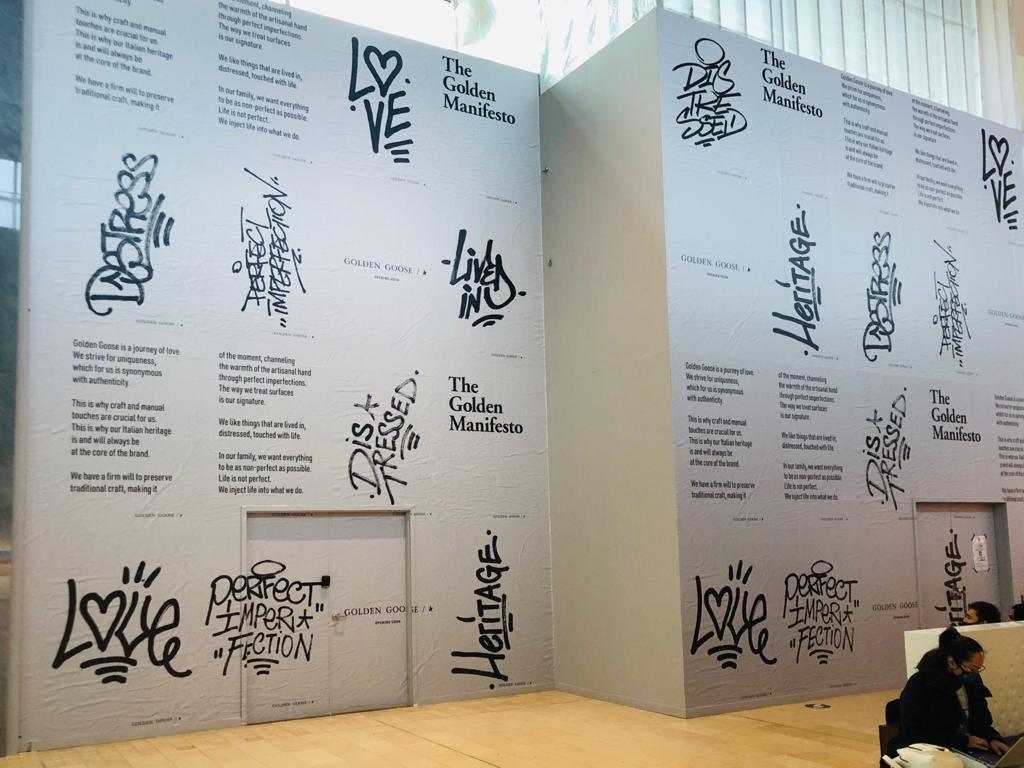
The expansion includes new luxury brand stores that will be opening this year. The Toronto market is leading the trend with several store opening announcements — the Greater Toronto Area is home to more than six million people, some high earners and others very wealthy. This spring, Italian luxury brand Isaia will open at 77 Yorkville Avenue in Toronto and nearby, Miami-based The Webster will open a multi-brand store on Scollard Street. They will join recently-opened luxury stores at Toronto’s Yorkdale Shopping Centre that include New York City-based Thom Browne and Italian brand Golden Goose. The Toronto market continues to see interest from luxury brands with more announcements to come this year, including a first-to-Canada retailer from New York City on Toronto’s famed Mink Mile.

In Vancouver, Thom Browne will open its second Canadian store in a retail space to be vacated by Versace. The Vancouver market, which is heavily reliant on international visitors and cruise ship traffic, is taking a hit as international travel is limited and cruise ships are not permitted to dock in Canada until February 2022. The local market includes thousands of wealthy households that have settled in the city from other parts of the globe, which means there are still opportunities for luxury brands to make money from local residents. Luxury brands have embraced the 1000 block of Alberni Street and adjacent environs, and Holt Renfrew at CF Pacific Centre is home to almost 100 concessions, many luxury brands. The brands contained within Holt Renfrew are said to continue to see strong sales from locals. The storefront of Austrian luxury accessory brand Frey Wille, located a block north of Holt Renfrew on Howe Street, recently shuttered and we also reported last year on the closure of iconic luxury fashion retailer Leone.

The Montreal market saw the addition of Holt Renfrew Ogilvy in the spring of 2019, with the build-out of the 250,000-square-foot luxury store completed in the summer of 2020. The concession-based store acts as a central luxury node for the Montreal area, which otherwise lacks substantial luxury retail streets found in cities such as Vancouver and Toronto. This week, a women’s Prada boutique was unveiled on the third floor of Holt Renfrew Ogilvy which had been shut since December 25 due to provincial lockdowns. Off-White fashions were also added to the store, while at the same time it appears that The Row fashion line for men was dropped by the store according to Retail Insider’s Montreal correspondent, Maxime Frechette, who also noted that the Brioni shop-in-store on the men’s floor will also be closing. A planned Miu Miu women’s fashion boutique on Holt Renfrew Ogilvy’s third floor has been cancelled according to the brand, though Holt Renfrew Ogilvy still remains one of the most beautiful stores in North America, housing an expansive assortment of luxury labels.

Industry talk has it that Italian luxury brand Moncler could open a standalone store in downtown Montreal this year, though we have yet to learn the exact location. At one time, Sherbrooke Street West was Montreal’s luxury address though in recent years it has lost much of its lustre from a retail perspective. A smaller Holt Renfrew store shut on Sherbrooke Street over the summer to coincide with the opening of the new Holt Renfrew Ogilvy, leaving Tiffany & Co. at the Ritz and an Escada store on Sherbrooke Street as the only remaining luxury brands on the street. Rue de la Montagne, extending south from Sherbrooke Street towards Holt Renfrew Ogilvy, features several luxury brand stores including Montblanc and Pavillon Christofle. Last year, Toronto-based multi-brand retailer CNTRBND opened nearby on Crescent Street, carrying pricey brands with an emphasis on streetwear. The Montreal market is home to some very wealthy households — some say that the market spends less on luxury fashions as many embrace style, quality, and value over mere brand names.

The Edmonton market, which lost its Holt Renfrew store in January of 2020, is seeing luxury brands move onto the second level of the ‘main run’ at West Edmonton Mall. A Saint Laurent boutique opened in December and this spring, a 5,000-square-foot Gucci store will join it. Both follow Louis Vuitton which opened in the mall in the summer of 2019, and Tiffany & Co. which was a trailblazer when it opened at West Edmonton Mall in 2013. While not a luxury brand per se, upscale jeweller APM Monaco is confirmed to be opening at the mall, and several luxury brands are said to be in talks to open near the luxury clustering focused around Louis Vuitton. With the shuttering of its downtown Holt Renfrew store, Edmonton is now seeing some of Holt’s more successful brands opening standalone stores at West Edmonton Mall.

While the Calgary market is home to many wealthy households, there will likely be a slowdown in terms of luxury brands entering the market. An array of luxury stores have developed at CF Chinook Centre, including a Louis Vuitton store that opened there in 2019, joining Burberry and several others. In downtown Calgary, the Holt Renfrew store acts as a magnet for those seeking luxury brands with Chanel having opened an impressive street-level storefront at Holts last year.

Nordstrom, for its part, is expected to introduce more luxury brand concessions into the Canadian market. Last week during an earnings call, Nordstrom President, Jamie Nordstrom, said that the retailer is looking to grow its partner and shared revenue from 5% of business to 30%, which means that Nordstrom stores will be seeing more leased brand spaces than in years past. Most of these concession spaces are expected to be for luxury brands, which have seen success in Nordstorm stores particularly in the US and Vancouver markets. Current concessions at Nordstrom in Canada include Christian Louboutin footwear at Nordstrom in Vancouver, Delvaux at the Toronto Yorkdale Nordstrom store, and Gucci at Nordstrom at CF Toronto Eaton Centre — given the closure of the main floor wholesale vendor shops at the CF Toronto Eaton Centre Nordstrom for Loewe, Stella McCartney, and Miu Miu, new high-end concessions are rumoured to be replacing them. Prior to last week’s earnings call, Nordstrom was already beginning to expand its concession offerings when it partnered with SuitSupply in late 2019 to open three shop-in-stores at Nordstrom in Vancouver and Toronto.

The battle of the brands in Canada is ongoing after Nordstrom and Saks entered the Canadian markets several years ago. Holt Renfrew, which for decades was the leading luxury retailer in Canada, went on the offensive and secured LVMH-owned Spanish luxury brand Loewe, in a big way, coinciding with the brand’s reduction at Nordstrom. When Saks Fifth Avenue opened in Toronto in early 2016, it included a Boucheron jewellery boutique which closed last year — the closure coincided with Holt Renfrew opening Boucheron boutiques at the retailer’s Vancouver and Yorkdale stores, both of which are said to be seeing strong sales. The battle of the brands will continue into 2021 as Holt Renfrew looks to maintain its dominance in the market, which means it needs to hold onto its core concession vendors that include Louis Vuitton, Dior, Fendi, Saint Laurent, Bottega Veneta, Chanel, Hermes, and many others.

Several luxury brands that Retail Insider interviewed for this article said that sales were surprisingly strong despite the pandemic. In places where stores remained open, many consumers still stayed away from physical stores. Brands with consumer contacts were able to sell goods through mobile devices via text messaging as well as apps such as WhatsApp and WeChat. Some sales were being shipped overseas according to some sources in stores, as a luxury brand store operating in Canada will most certainly not be selling counterfeits as is a concern in some parts of the world.

Some are predicting a reduction in luxury retail sales in Canada, including a Trendex report covered by Retail Insider in October. That report focused more on luxury apparel, which in some segments will continue to struggle — that particularly includes evening gowns and men’s formalwear, which are less relevant given the lack of social gatherings at this time. Accessories and footwear appear to be another story however, with some brands seeing a spike in sales and some styles selling out entirely. Interestingly, several luxury brands selling t-shirts told Retail Insider last year that they saw a sales spike from young consumers whenever CERB cheques were issued.

Lockdowns could put a further damper on luxury retail sales in parts of Canada if a ‘third wave’ comes to fruition as some are predicting. Mutations of the virus are resulting in concerns that new variants could be more contagious and deadly, which could result in some consumers avoiding stores in months to come — that is, if governments don’t again shut stores altogether. In places where stores are open, the shopping experience is, in some respects, less comfortable given a mandate that face masks be worn and other precautions be taken. Traditionally, high-involvement luxury purchases have been done in store as part of an elevated experience, and now it appears that some of these luxury buyers are willing to buy pricey items online or through an app, at least for now. The future of luxury retail in Canada could end up being a hybrid in-store and online experience, and given the luxury brands that are still interested in entering the Canadian market, we are likely to continue to see new store openings into 2021 and beyond.

BRIEF: FREYWILLE Exits Canada, All Restaurants Shut at Aura at College Park

FREYWILLE Shuts Only North American Storefront in Vancouver

Austrian luxury brand FreyWille, known for its colourful enamel jewellery and silk scarves, has shuttered its only remaining standalone store in North America. It was located in Vancouver at 511 Howe Street and its closure is part of a reduction of the brand’s store count amid intense competition.

Exterior of shuttered Frey Wille store in Vancouver. Photo: Gaurav Mehra

Vancouver’s FREYWILLE location opened in September of 2010 in a small retail space about a block north of Holt Renfrew’s Vancouver flagship. At the time it was expected that the stretch of Howe Street between Holt Renfrew and West Hastings Street would become a ‘luxury zone’ for retailers. Previous tenants in the immediate area included Alfred Dunhill, Hugo Boss, and Leone. Cartier continues to operate at 456 Howe Street, though the store will be relocating to 755 Burrard Street following the relocation of a Hermes store in the fall of 2019.

In the summer of 2014, the FREYWILLE store experienced something bizarre — more than once, a cyclist vandalized the store’s doorway by using a miniature blow torch to shatter the glass. Nothing was stolen according to a store manager.

Based in Vienna, Austria, FREYWILLE was founded in 1951 and is known for its colourful designs based on the works of 19th and 20th century artists. The company has expanded from jewellery and scarves to include a line of watches as well as handbags, belts, ties, cuff links and pens. The company continues to operate stores with a focus on Europe, the Middle East, and Asia, according to its website. FREYWILLE also once operated stores in New York City and Beverly Hills.

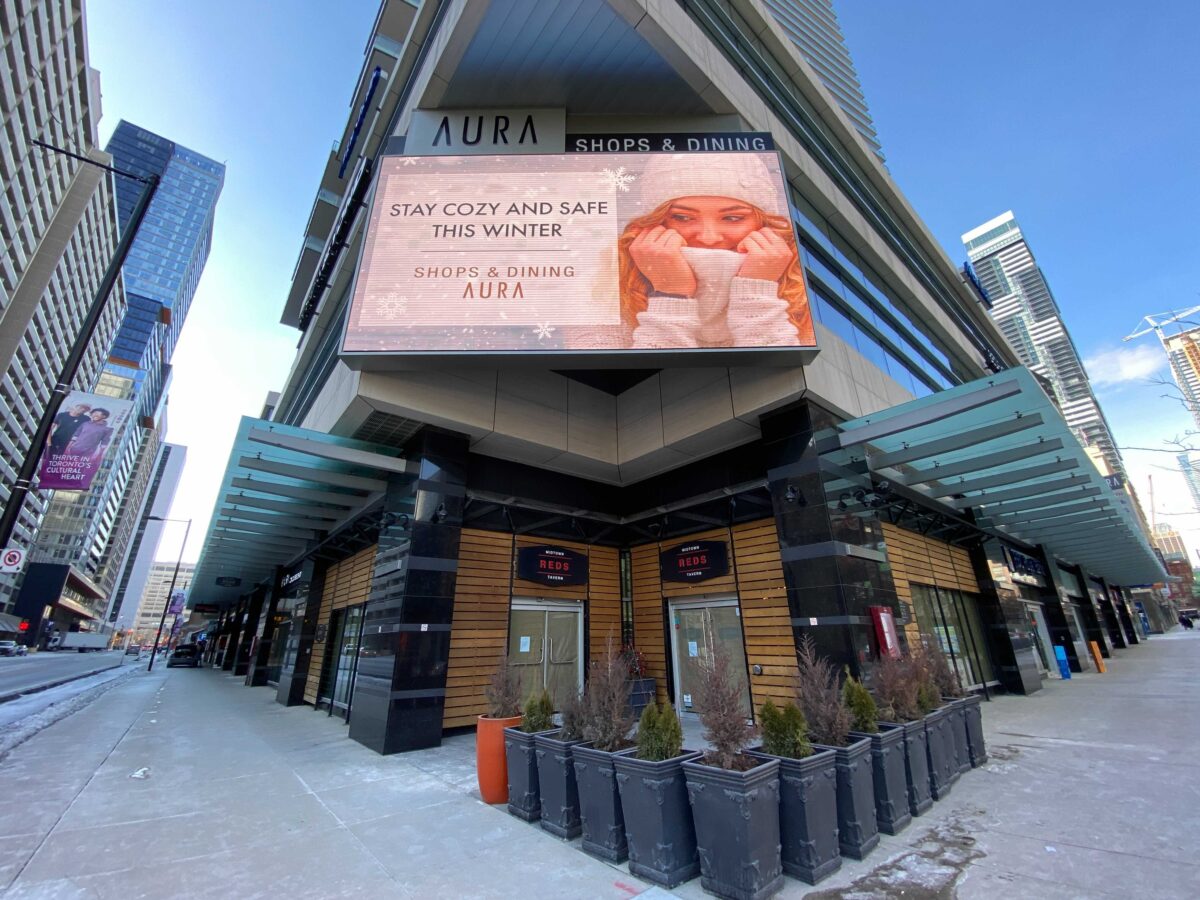
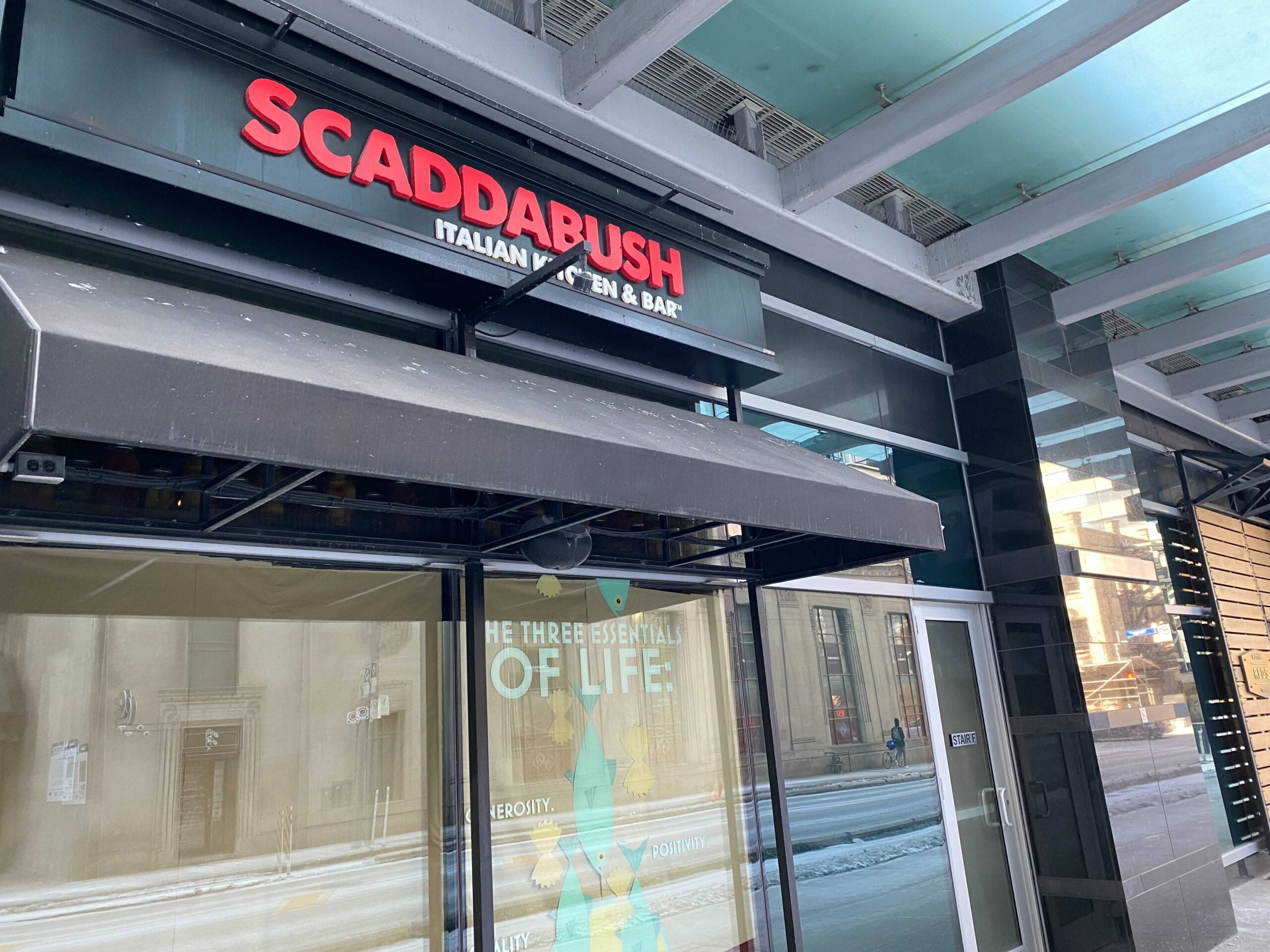
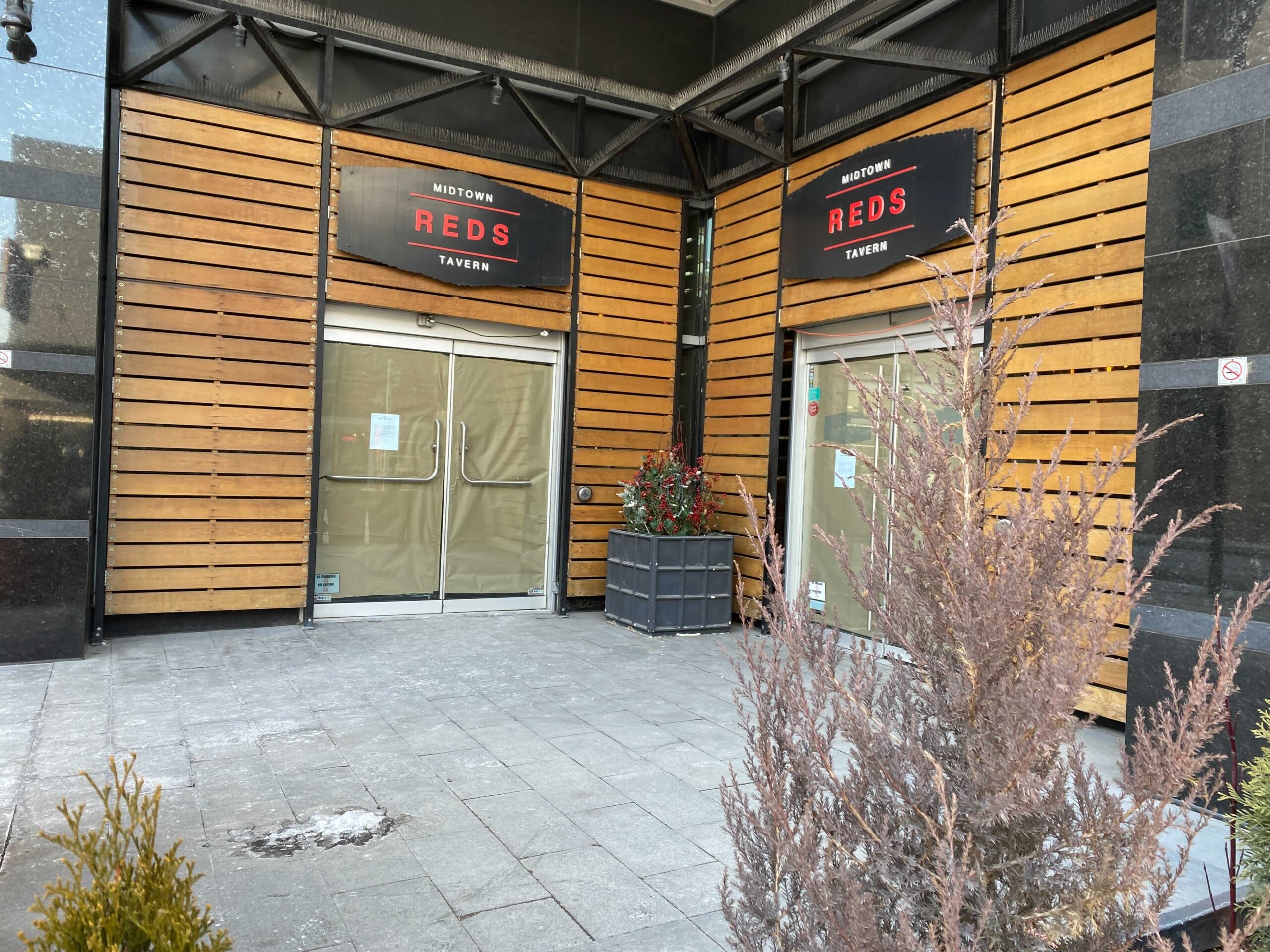
Exterior south west corner of Aura centre where three restaurants are closing. Photo: Dustin Fuhs
Exterior south west corner of Aura at College Park where three restaurants have now closed. Photo: Dustin Fuhs

Three Downtown Toronto Restaurants Shutter at Aura at Yonge & Gerrard Streets

SIR Royalty Income Fund announced that as of February 9 it will permanently close three restaurants located at the corner of Yonge and Gerrard in downtown Toronto in the commercial podium of Aura at College Park. The three restaurants to be closed include a Scaddabush Italian Kitchen & Bar, Reds Midtown Tavern, and a Duke’s Refresher & Bar. The Scaddabush and Reds locations are both part of the Royalty Pool.

SIR said in a press release that its operating environment has changed immensely due to the COVID-19 pandemic, which has put stress on the business. Landlord Canderel presented the SIR with what it said is an unexpected and mutually beneficial opportunity to vacate these properties as the landlord had a unique opportunity to lease the space to another tenant for a non-restaurant purpose — some are speculating that a drug store could end up being part of the mix.

Given the current operating environment and uncertain future prospects, SIR decided to exercise this option and return the property to the landlord. In the press release, it was explained that the net proceeds from the termination agreement will be used to reduce the value of SIR’s outstanding revolving loan, and SIR will have no further obligations, including for accrued and unpaid rent as well as future rent, at these closed locations.

“We want to thank our valued guests and team members for their loyalty and support during these unprecedented times. To the local community and all our valued partners, we sincerely thank you for the last 10 years and we will miss you. While we may not gather at this location again, you can still find a Scaddabush at 200 Front Street and numerous other locations throughout the GTA; our downtown Reds at 77 Adelaide Street and our Reds location at the Square One shopping mall. Our other Duke’s location is nearby at 73 Front Street, next to the St. Lawrence Market, which will also accommodate our pop-up Renegade Chicken kitchen that formerly operated at Duke’s Gerrard,” said Peter Fowler, CEO of SIR Corp.

Toronto has been subjected to expanded lockdowns since late 2020 which have hit the restaurant sector hard. When restaurants open again this spring, capacity limits and cautious consumers will likely result in a slow return which could see many restaurants remain unprofitable for the foreseeable future. At the same time, downtown Toronto lacks the thousands of visitors and tourists it enjoyed prior to the pandemic with no end to a reduction in foot traffic in the area.

Free Video Chat Tool Helps Local Businesses Survive Lockdown

Small to mid-sized retailers struggling to stay in business because of COVID-19 lockdown measures have been offered a free digital lifeline. Kognitive Tech Inc. is offering its video chat tool, called Optimy for free until April 30 to help retailers stay alive online, while their physical locations remain closed or severely restricted.

The offer comes on the heels of a recent survey from the Canadian Federation of Independent Business (CFIB) which said 181,000 businesses across Canada will likely close permanently due to the COVID-19 pandemic. The worst-case scenario would see up to 222,000 companies closing their stores, putting a staggering 2.9 million jobs at risk, CFIB reported.

“Optimy has the potential to generate tens of millions of dollars in new revenue for small retail businesses that are forced to limit or even close their physical store locations. It’s a much-needed digital tool for businesses struggling to survive amidst the pandemic,” says CEO of Kognitive Tech, Josh Singer. “Businesses with limited online capabilities can now personally connect with customers in a way that is not possible by phone or through conventional chat app features,” he added.

Optimy, which can be installed and up and running in 15 minutes on a retailer’s website, is worth $3,750 per retailer when implementation costs and monthly fees are included. There are no added costs or commitments for retailers who accept the free offer.

“We are just one small business trying to help other businesses stay open, which is why we have committed almost $2 million in software and training costs to make this happen,” Singer said.

Optimy is ideal for retailers who sell complex products that require the high-touch expertise of salespeople to help customers navigate their options and to choose the right products. The video chat function lets businesses interact with customers and sell products without the need for a fully functioning e-commerce website. The required minimum is a basic landing page and Optimy. Retailers will not incur additional costs because no new processes or software are required.

It is the first eCommerce plug-in in Canada that provides a live video chat within a customer’s web browser that is 100% private and secure.

To learn more visit www.optimy.ai

Photo: OpenTable

OpenTable Launches Takeout in Canada To Support Restaurants Amid COVID-19 Restrictions

OpenTable, the world’s leading provider of online restaurant reservations and part of Booking Holdings Inc., is launching a Takeout ordering feature to support Canadian restaurants though prolonged restrictions in time to help food lovers dine-in this Valentine’s Day. Select Canadian restaurants available for reservations on OpenTable can now offer take out ordering through the platform.

OpenTable’s Takeout feature is available to Canadian restaurants free of charge until April 1st, 2021 as part of the reservation platform’s commitment to supporting the industry. In 2020 OpenTable also launched Open Door, which allows restaurants to access its network and restaurant platform with no subscription or cover fees until March 2021. OpenTable saw 75 million covers driven through its Open Door relief pricing program in 2020.

According to a recent OpenTable survey, 68% of Canadians want to do something special for Valentine’s Day, however 58% indicate that they need help figuring out how to elevate the occasion. As dining establishments across the country face ongoing restrictions due to the pandemic, OpenTable’s Takeout feature connects people who enjoy dining out with curated menus and offerings from local restaurants, giving customers more ways to make Valentine’s Day feel special.

“Romance and dining are inextricably linked and Valentine’s Day is typically the busiest day of the year for Canadian restaurants. Restaurants may be facing restrictions but they can still rise to the occasion and help diners make this day exceptional,” says Matt Davis, OpenTable Canada. “We’ve partnered with restaurants across the country to create unique at-home Valentine’s Day dining experiences through our Takeout feature, to inspire Canadians to make the most of the romantic occasion.”

For even more from OpenTable click here.

Advertisement for Volkswagen Canada’s ‘The Carbon Neutral Net’ Campaign. Photo: Volkswagen Canada

Volkswagen Canada Launches an Innovative Digital Sustainability Campaign

Volkswagen Group is ready to hit the road with a worldwide journey toward sustainability — starting with a $50 billion investment into e-mobility efforts, and the launch of the company’s new electric ID.4. In collaboration with TYPE1, Volkswagen Canada has launched The Carbon-Neutral Net to educate Canadians about sustainability in the digital world. In doing so, they’ve created a more sustainable browsing experience that reduced electric vehicle web pages to little more than black and white text — even the images — that has significantly lowered the amount of embedded data.

What is a Digital Carbon Footprint?

73% of Canadians are unaware that online activity has a carbon footprint, especially the internet, which is determined in part by the amount of data embedded in web pages. Search queries, streamed videos and cloud computing are executed billions of times a day, increasing the global demand for energy and as a result, increasing carbon emissions. Surprisingly, the internet accounts for around 4% of global CO2 emissions — the same as the airline industry. While 72% of Canadians were surprised to learn that the internet accounts for as much CO2 as the airline industry, 81% said they wanted to try to reduce their Digital Carbon Footprint. How is this possible? By reducing the amount of data embedded in online media, which can then lower the amount of CO2 produced and reduce our digital carbon footprint.

Read More Briefs From Retail Insider:

Canadian Retail News From Around The Web For February 10, 2021

Canadian Retail News From Around The Web

Top Stories: National

Central/Eastern Canada News

Western Canada News

Garrett Leight California Optical Opens 1st Canadian Store in Toronto [Photos]

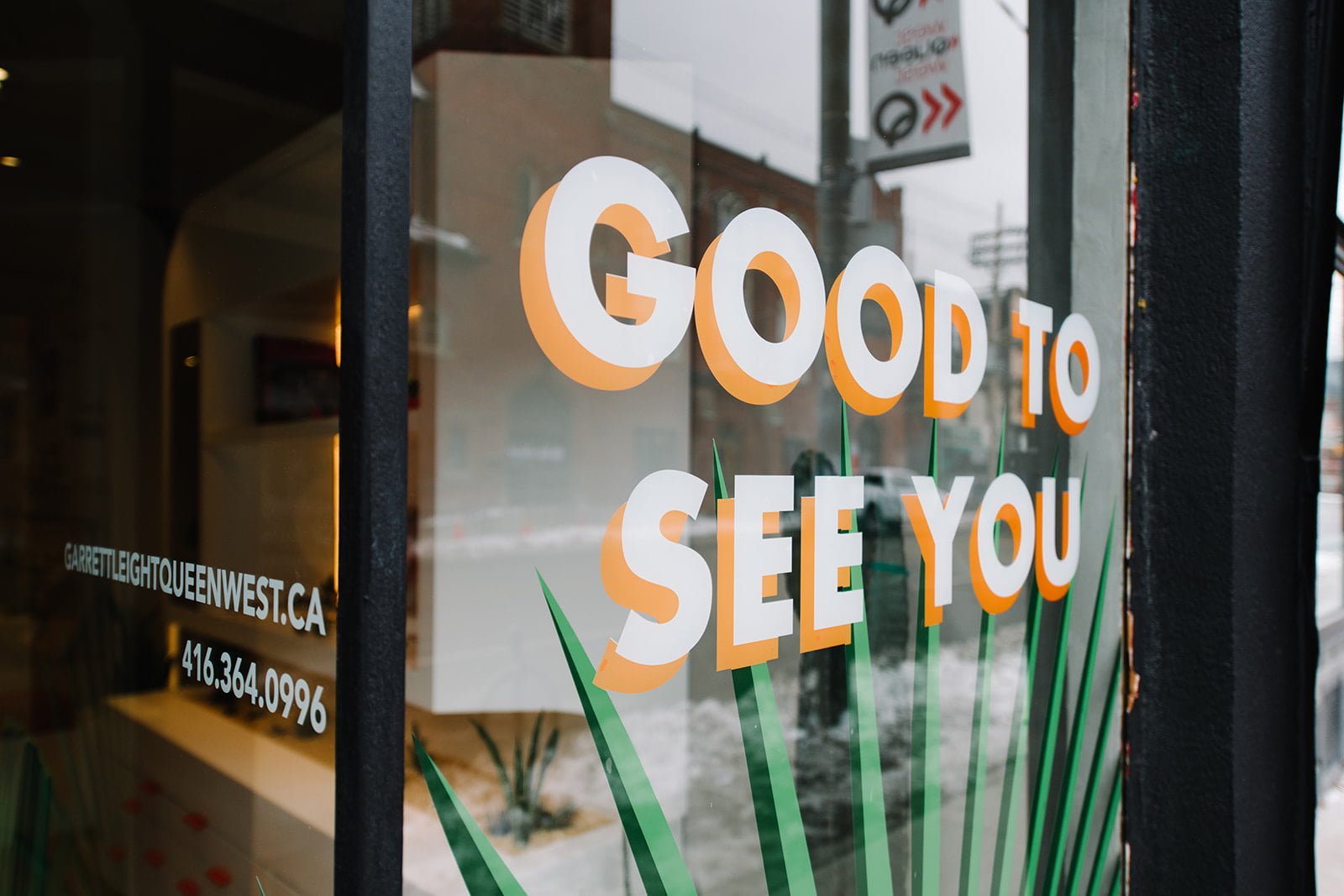
Exterior of new Garret Leight store on Toronto's Queen Street West. Photo: Katherine Barcsay

U.S.-based premium eyewear brand Garrett Leight California Optical (GLCO) has opened its first Canadian location in Toronto, bringing its Southern California vibe to the busy Queen Street West retail neighbourhood.

GLCO was founded in 2010 by Garrett Leight, the brand’s creative director and son of eyewear entrepreneur Larry Leight, who founded the luxury brand Oliver Peoples. Offering eyeglasses and sunglasses for men and women, GLCO aims to bring a modern spin to classically tailored eyewear, with a focus on quality craftsmanship.

“What sets us apart is the vision which has always been to create the best and most unique eyewear experience,” says Leight. GLCO has become popular among celebrities such as Brad Pitt, Leonardo DiCaprio, Joaquin Phoenix, Jennifer Lawrence and Emma Roberts. Leight describes the brand’s target market as “confident, creative individuals that take pride in their appearance, but don’t take themselves too seriously.”

The new store marks the brand’s first store outside of the U.S., where it operates locations in New York City, Los Angeles, San Francisco, and Austin, Texas. GLCO designs are also available through various independent boutiques and optical clinics in more than 25 countries around the world.

Leight says he has wanted to open an international store since launching GLCO, and Toronto was an obvious choice. “Doing it in Canada felt like the best, most natural next step and Toronto always kind of reminded me of the ‘New York of Canada’,” he says. “I’d visited a bunch of times and loved it. The city, the people, the vibe—it just felt like GLCO would be well received.”

He adds that GLCO already has a strong customer base in Canada through its wholesale partners. “Looking at the traffic from our website, we knew we had a great base, so when the location and all the pieces started falling in place, I knew it was time to pull the trigger,” he says.

The new store, located at 692 Queen Street West, between Bathurst St. and Ossington Ave., is approximately 950 square feet, including the in-house lab and the back office. Leight says the trendy, hipster Queen West vibe was a perfect fit for the GLCO brand.

Click for interactive Google Map of 692 Queen Street West and surrounding area

“Whenever I open a new retail store, I look for neighbourhoods that have a certain energy to them,” Leight says. “The Queen West neighbourhood has always been filled with young creatives. There’s a real sense of community, and a lot of young families. The shops, restaurants, green spaces, and local artists murals/graffiti draws in people from all over to visit.”

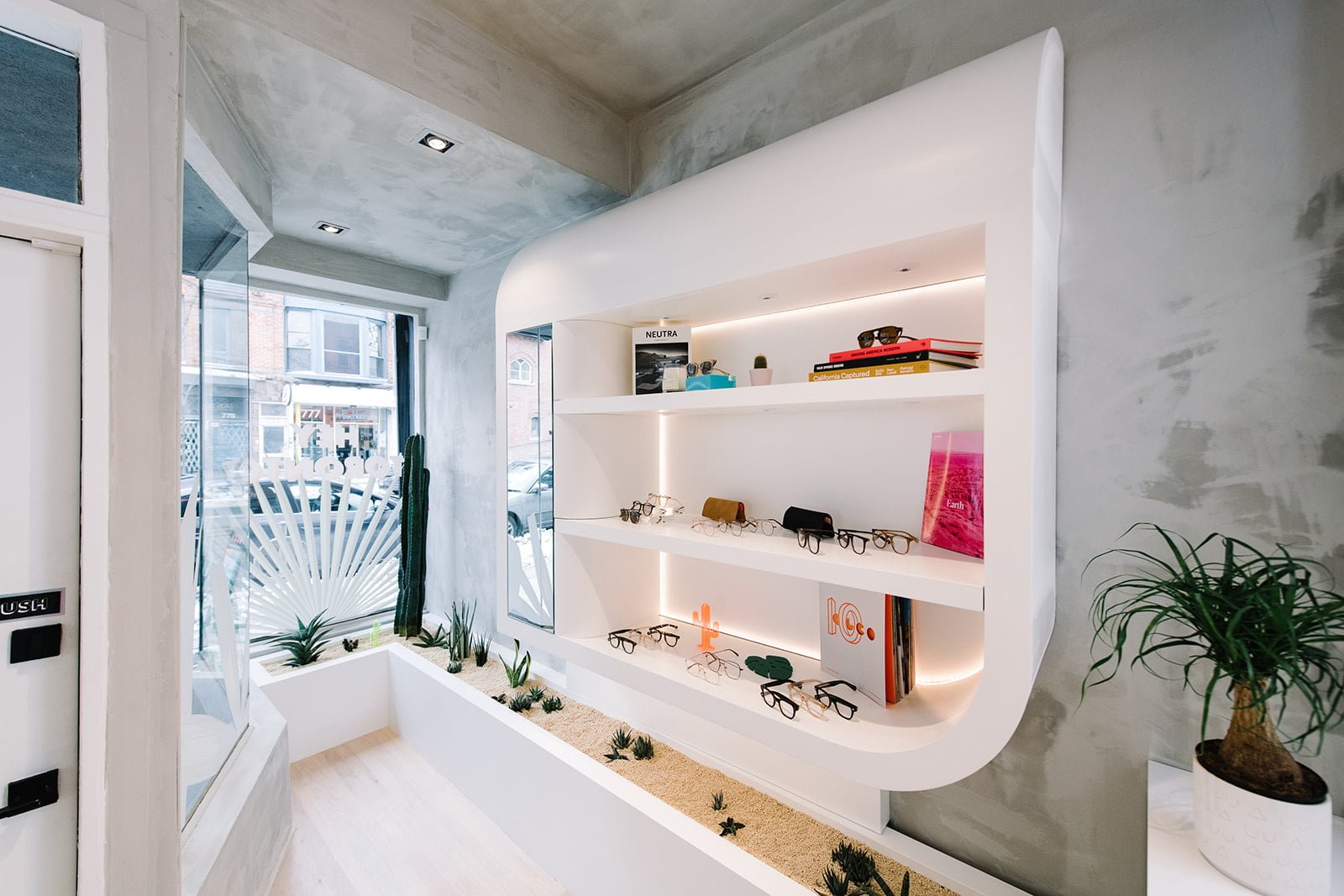
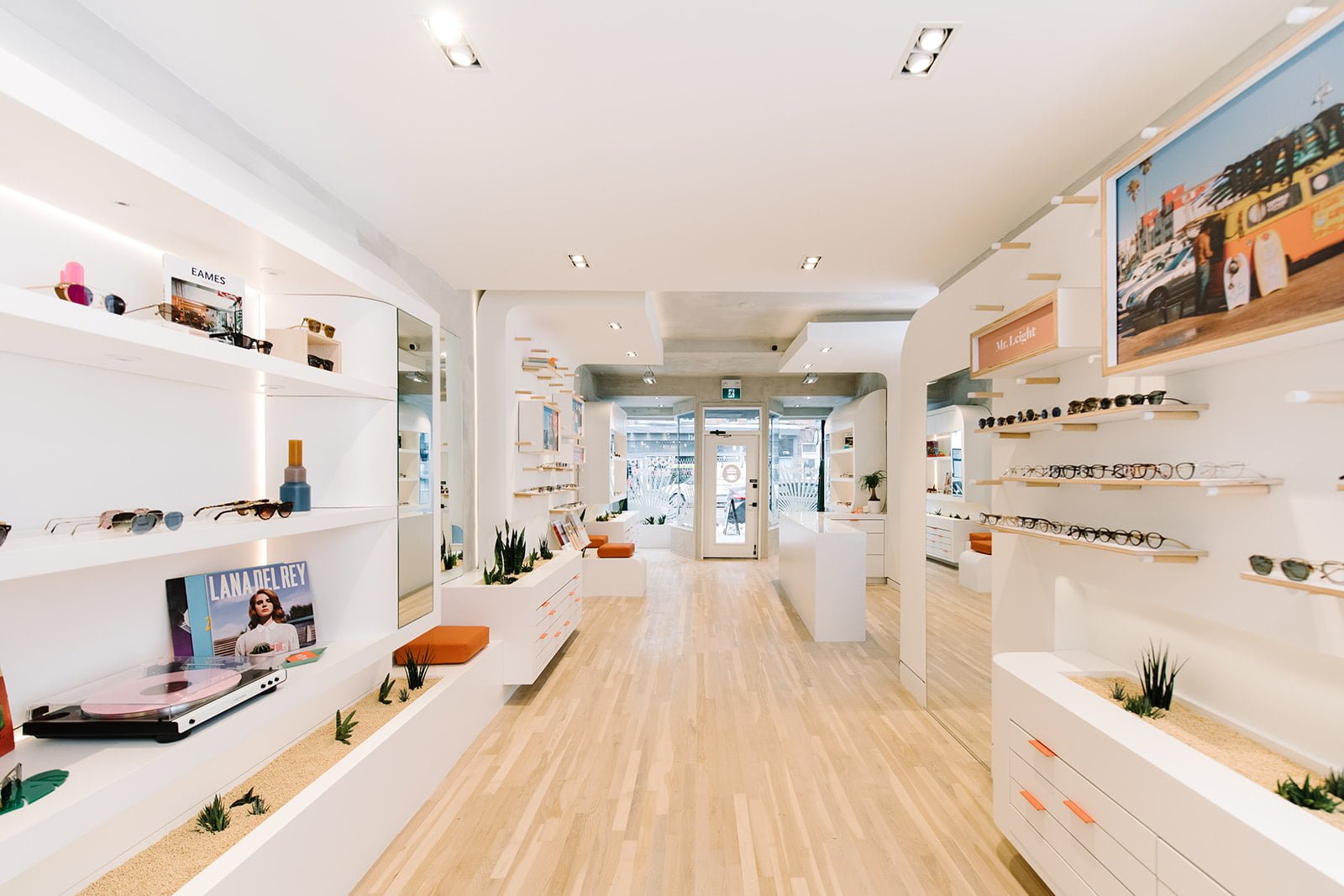
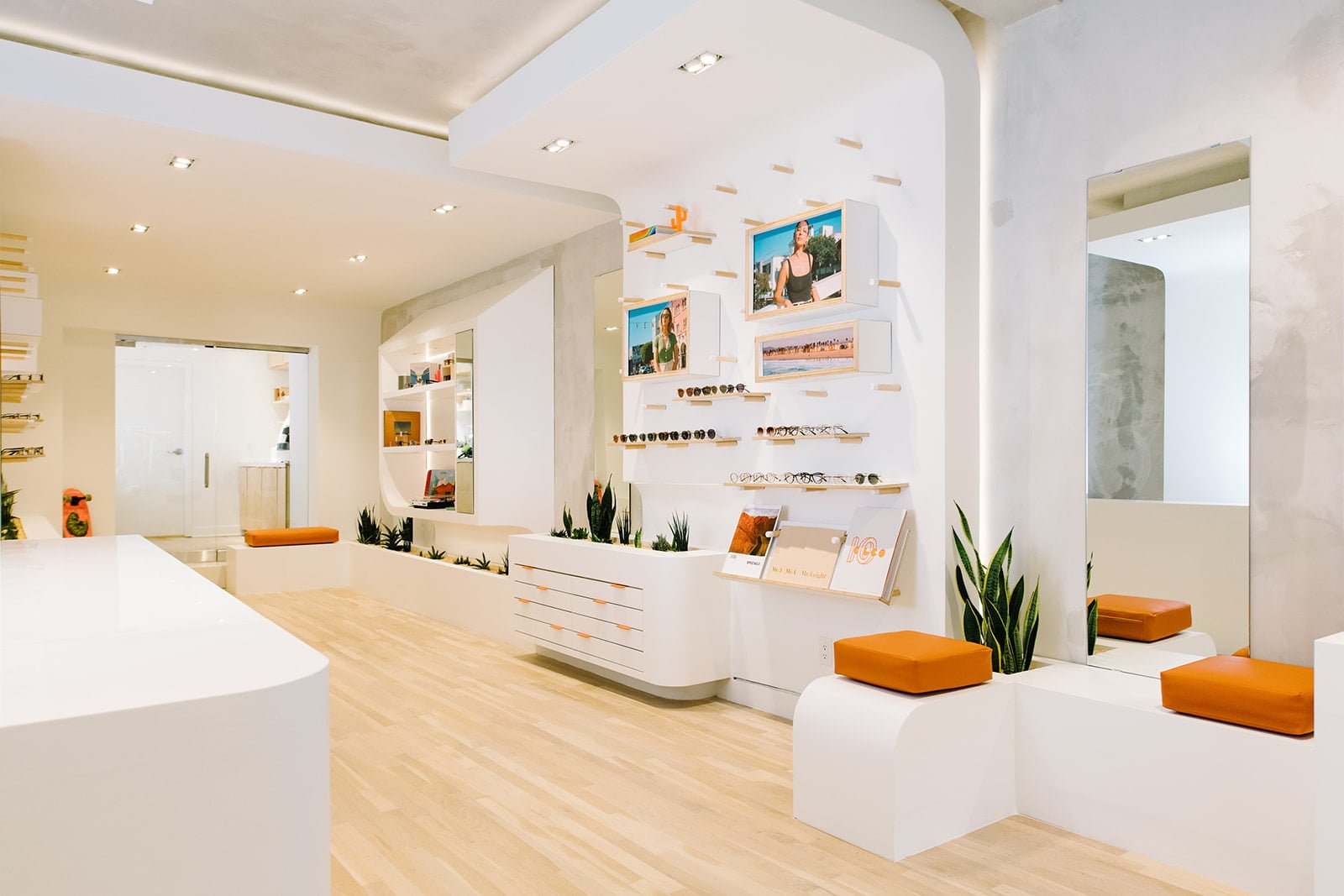
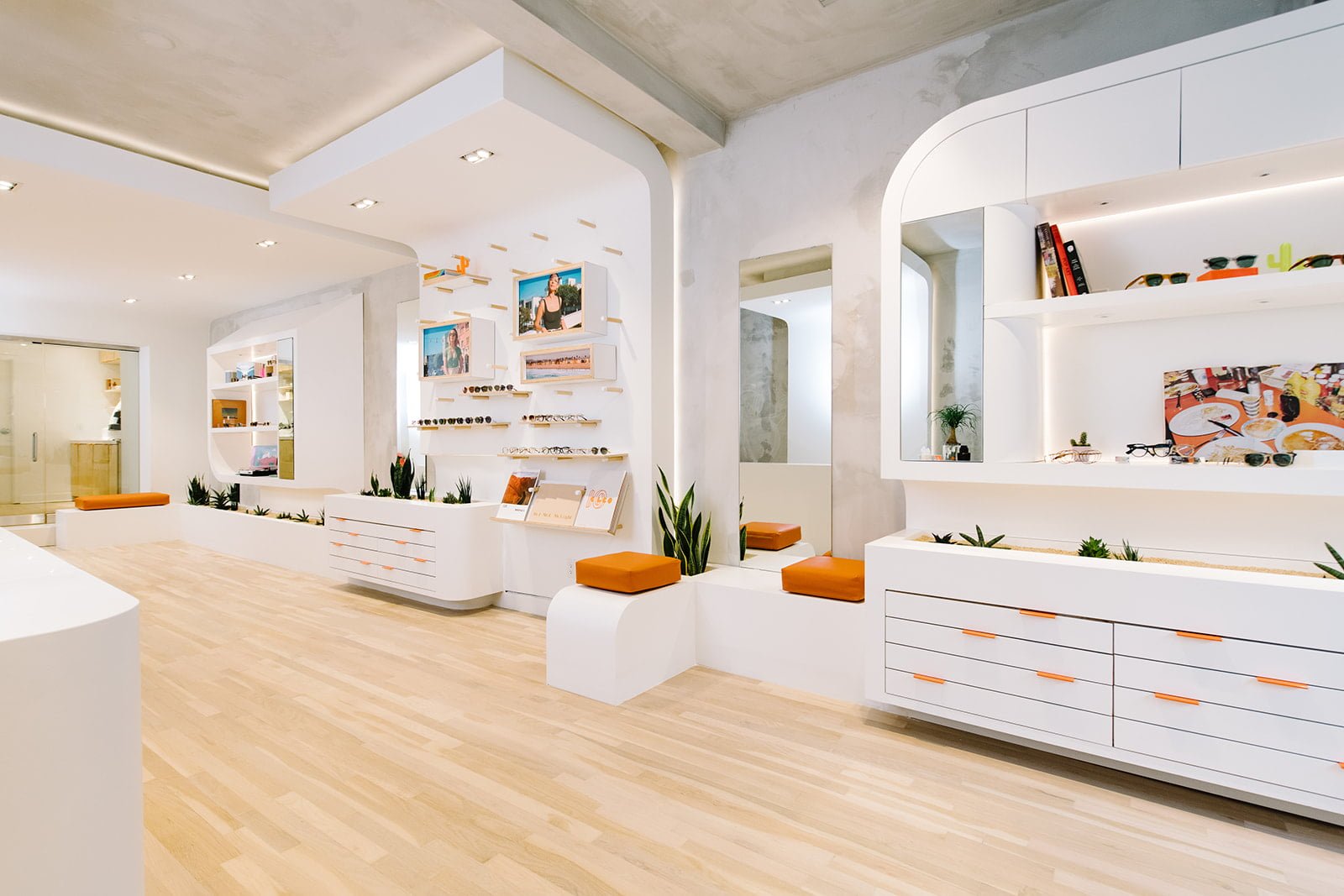
Designed by architect Daniel Hapton, the new store is consistent with the bright California-inspired look recognizable in all GLCO stores. The boutique is dominated by fresh white and neutral-colours, with planters around the perimeter of the space providing pops of green.

Although GLCO doesn’t currently have plans for opening additional locations in Canada, Leight says the brand recently began shipping internationally, allowing customers in Canada and Europe to buy directly from the GLCO website.

“At the moment we just want to focus on making this store in Toronto as successful as possible,” Leight says. “One step at a time.”

Photos by Katherine Barcsay

Indian-Themed QSR Concept ‘Butterchick’ Plans to Expand from 1 Storefront to Many Amid Franchising Push

Butterchick Sheppard Centre location. Photo: Butterchick

Despite the fact that much of the foodservice industry has been decimated by the COVID-19 lockdowns, restaurant concepts that have managed to adapt their business models to robustly include take-out and delivery options have thrived. As a result, some QSR brands have experienced significant year over year gains, and Canadian fast-food company Butterchick is calling for franchisees to be a part of the significant growth the brand is forecasting for 2021.

Currently Butterchick only has one restaurant, located in the foodcourt at Sheppard Centre in Toronto’s uptown. However, while food categories such as burgers, pizza, and sandwiches currently saturate the market, ethnic cuisine continues to gain in worldwide popularity. Delivering bold flavours, Indian food is one of the most popular ethnic foods segments in the QSR category despite being considerably under serviced. Butterchick aims to become the global market leader in the QSR Indian food segment and fill the gap within the foodservice industry with its unique business concept not requiring Indian cooks to prepare the food.

The Butterchick business concept is unique due to vertical integration with its parent company, Kataria Foods International (KFI Inc.), that produces all the required sauces, pastes, marinades, chutneys, and savoury drinks.

With its streamlined format, Butterchick can also make fresh tandoori naan in minutes without a tandoor or tandoori chef. The overall concept is designed to make daily operations easier and create logical customers by securing satisfying and consistently high-quality Indian food.

Established in 2006, Kataria Foods International is a family-owned manufacturer of premium Indian sauces based in Mississauga, Ontario. In 2015, KFI was inspired to fulfill a glaring gap in the QSR market by creating a real Indian fast-food restaurant that could serve high-quality, authentic dishes in a fast and consistent manner.

Ranked as one of Canada’s fastest growing companies, KFI began with the belief that they could offer Canadians a better-tasting, more-authentic product that was made in Canada, by Canadians, from Canadian-grown ingredients. Since then, KFI has worked to reach its goal of becoming Canada’s first choice for authentic Indian sauces. Currently, KFI sauces are sold across Canada by retailers such as Loblaw, Walmart, Costco, Overwaitea, and Metro, to name a few.

A calculated venture into the QSR market began with a test run at a pop up location at the World Food Cafe in Toronto’s downtown Harbour Front. After completing several successful events at that space, and after being featured on Toronto’s CP24 news channel, the stage was set for Butterchick’s first permanent location. Today, through market-tested innovation and refinements, the brand is now growing its market presence via a franchise model.

“As a successful entrepreneurial family running an Indian food manufacturing facility, we recognized an opportunity to create a restaurant brand to fill a gap within the QSR industry. Our objective is to change the perception of Indian food from being heavily curried and spicy, to flavourful with different herbs and spices and less oily. Developed using these proprietary sauces and streamlined cooking methods, Butterchick was born. I look forward to meeting you on your journey to become a franchise partner with us and together building Butterchick into a global powerhouse brand,” said KFI Founder, Kiran Kataria.

Due to COVID-19 there has been a noticeable shift in consumer behaviour towards more-frequent digital ordering and third-party delivery leading to more off-premise consumption.

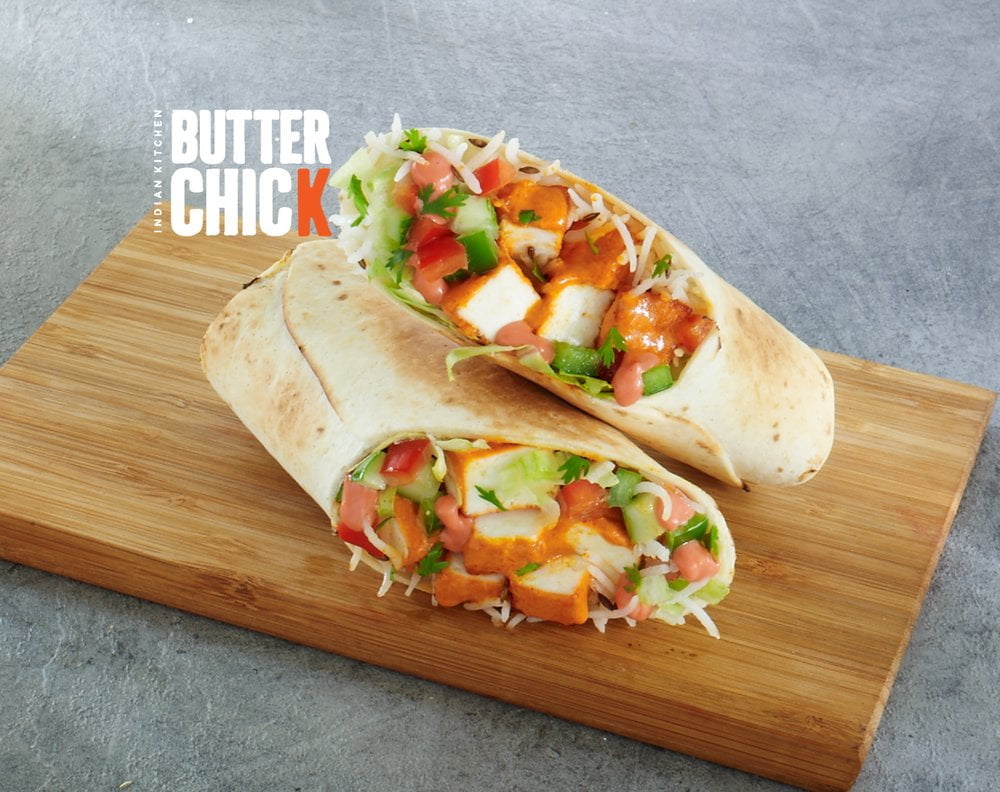
Butterchick is ideally positioned to capitalize on this growing trend. The Butterchick menu is comfort food that travels well and is ideal for take-out and on-line delivery platforms. According to DoorDash, in 2020 Butter Chicken was the second most popular food and was the number one ordered dish for dinner.

Butterchick U offers an extensive training program that will teach you the knowledge and skills necessary to become a successful Butterchick franchise owner. Our primary objective to set you up for success. We also provide on-going continued support and mentoring after you have opened your Butterchick location.

Inspired by shipping containers commonly found on India’s roadside serving street food, Butterchick’s restaurant design incorporates finishes and vibrant colours that reflect the brand’s heritage. Butterchick QSR locations are adaptable to a variety of trade environments, such as food court, storefronts, high street retail locations, mixed-use developments, and airports, to name a few. Generally, the food court model would require between 300-400 square feet to operate, with the street front model requiring 1,000-1,500 square feet.

For Butterchick franchising and real estate, Jeff Young can be reached at jeff@butterchick.com.

For other brands looking for franchise consulting contact Jeff Young at jeffyoungfranchising@gmail.com or call: 647.888.8420.

Also to learn more click here.

Canadian Retail News From Around The Web For February 9, 2021

Canadian Retail News From Around The Web

Top Stories: National

Central/Eastern Canada News

Western Canada News