Advertisement
Advertisement
Home Blog Page 904

Sobeys Launches ‘Future of Online Grocery Shopping’ in GTA

VOILÀ BY SOBEYS. PHOTO: SOBEYS

Canadian grocery giant Sobeys announced Monday it is launching a new service in the Greater Toronto Area called Voilà by Sobeys, which it describes as the future of online grocery shopping.

And it is a concept that will eventually be rolled out across the country.

The new initiative offers what parent company Empire Company Limited calls cutting-edge online grocery home delivery that is now available in Vaughan and coming soon to the rest of the GTA. The concept delivers from an automated warehouse where robots assemble orders and Voilà teammates safely deliver them direct to the customer’s home with minimal handling. And Voilà offers grocery essentials from Sobeys alongside customer favourites from Farm Boy and health and wellness products from Well.ca.

“Voilà by Sobeys is the future of online grocery retail in Canada, and now it’s here,” said Michael Medline, President & CEO of Empire, in a statement. “Ocado’s technology gives us the best e-commerce platform in the country – there’s nothing like it in North America. We can’t wait to share Voilà with our customers in the GTA this summer and across Canada in the future.”

The company said the concept has a freshness guarantee and products at affordable prices with no hidden fees, delivered straight to customers’ doors in convenient one-hour delivery windows. Customers are able to order online at Voila.ca or by downloading the Voilà mobile app.

“Canadians deserve a better way to shop for groceries online,” said Sarah Joyce, SVP, Ecommerce of Empire. “Because Voilà delivers customers’ orders directly from an automated warehouse, we have tremendous control over the freshness and quality of our products and the reliability of our deliveries. Our teammates are ready to provide best-in-class service to our customers.
“Obviously we have seen just an unprecedented growth of ecommerce grocery in Canada recently with COVID-19 as Canadians are looking for ways to eat more at home and cook more at home and safe ways to get their groceries.

“For us, this is an investment that has been a couple of years in the making.”

Empire said Voilà is powered by Ocado Group plc’s industry-leading technology and fills orders through its state-of-the-art automated Customer Fulfillment Centre in Vaughan. At capacity, Voilà will bring about 1,500 jobs to the area, including operations, delivery, and customer service teammates. A second CFC is currently being built in Montreal to bring Voilà par IGA to major cities in the province of Quebec as well as Ottawa, said the company.

Joyce said the warehouse allows the company to serve Canadians and serve this new demand for online grocery “better than anybody else who does this.”

“We have robots who assemble the orders and then we have teammates who help safely deliver those orders straight to customers’ doors. So this combination means there’s way less handling and we’re able to get fresh product, safely and reliably to Canadians’ doors when they need it most,” said Joyce.
“We will be expanding across the GTA in the coming weeks over the course of the summer. We’ve been preparing for this growth. So we will grow as fast as we can while maintaining the customer experience that we want to deliver. We’ve hired up. We’ve secured more vans. We’ve been really trying to accelerate as much as we can to serve as many people as possible as fast as possible.


“We’ve always believed that if you put three to four of these facilities across Canada you can reach 75 percent of households and 90 percent of online spend. Similarly, all of what we are seeing is just accelerating our desire to serve more Canadians across the country as well.”

There’s a minimum order of $50 and a delivery fee of $7.99. Delivery is seven days a week from 6 a.m. to 10 p.m. The company is going to be adding about 1,000 new products every week over the course of the summer.

“Our mission is to help Canadians live happier and healthier lives through access to a broad selection of health, wellness and natural products,” said Erin Young, President, Well.ca. “We are incredibly excited about this new partnership with Voilà. It expands access to quality wellness products and a variety of our most popular Well.ca items. Customers will now have better, more convenient options that enable them to keep their health and wellness top of mind.”

Value of Retail Real Estate to be Hardest Hit Amid COVID-19: Report

A recent survey by Altus Group found that not all real estate asset classes are going to be impacted the same way as a result of the COVID-19 pandemic but retail will be the hardest hit.

Colin Johnston, President of Research, Valuation & Advisory at Altus Group, said retail will undergo some structural changes with many bankruptcies taking place and there will be questions about malls going forward and how they will be impacted by social distancing as well as the impact to experiential retail.

Altus Group surveyed 115 Canadian commercial real estate executives from pension funds and life companies, publicly-traded corporations (REITs), private companies, and brokerages to gain insights on the short and long-term impacts of COVID-19 on the retail sector. Topics discussed include challenges associated with physical distancing measures, rental relief programs, vacancy, and overall sector risks.

Johnston said respondents feel there will be an increase in capitalization rates for retail properties and respondents also felt there would be challenges with maintaining rental rates.

“When you talk about capitalization and rental rates, those are things that drive values. Vacancy drives value as well,” said Johnston.

“If you look at StatsCan’s retail sales, what’s held up really well is grocery, pharmacy, and general merchandise . . . A lot of them are deemed essential businesses but they’re also located in what I would call open strip plazas. People were able to get to them. It’s the enclosed shopping centres which have really predominantly fashion tenancies and restaurants and food courts and things like that, those have been impacted a lot.”

Key findings from the survey include:

  • Most owners and managers surveyed (80 percent) already had one or more rental relief programs for their retail tenants in April, while 20 percent were reviewing options;
  • Retail tenants were more likely to obtain rent abatement or reduction from their landlord (30 percent) than office tenants (19 percent) or industrial tenants (10 percent);
  • In the context of non-essential business and mall closures, many retail owners proactively designed and allocated rental relief programs based on retailers’ risk profile and exposure to the dramatic impact of being forced to shut down;
  • Owners prioritize short-term relief for retailers who can get through this crisis. COVID-19 is accelerating the bifurcation of weaker/stronger retail concepts that had started before the pandemic hit;

  • For retail and mall reopenings, physical distancing will be challenging, with respondents concerned about costs associated with physical distancing measures;
  • More than half of survey participants are expecting cap rates of retail properties to increase over the next 12 months. Retail is also the least likely to be the target of opportunistic buying strategies;
  • Key assumptions are more significantly impacted for retail properties than for other asset classes, especially for lower quality assets, for which 87 percent of respondents expect rental rates will decrease over the next 12 months; and
  • For retail tenants, probability of renewals is expected to be lower than before the pandemic, and market participants also anticipate longer lag vacancy periods. These assumptions have not changed as significantly as they have for other property types.

The future of shopping centres is a topic of much debate these days.

“I think what you’ll have for some of those tier two malls or some of those enclosed community malls, those older ones . . . you’ll probably see some heightened obsolescence of some of those centres quite frankly because some of them were struggling pre-COVID and now the question is how many retailers are going to open back up and how many are going to be able to pay rent,” said Johnston.

“Some of the tenants in those centres already were paying what we call variable rent as they were only paying a percentage of their sales . . . Foot traffic is going to be less and there’s less reason to go to the mall and people are concerned about going to the mall. That’s going to be difficult.

“What you’re also going to see I think potentially is a flight to quality.”

Johnston said he believes some landlords will reduce rents to compensate for increased vacancy. This will give some tenants the opportunity to upgrade from a tier two mall to a tier one mall.

“We’ve seen this phenomenon in the U.S. Since 2016, there’s been 25 of these sort of enclosed older community malls that have been converted to distribution centres. What happened is they start to die a little bit. What they do have is a big site with ample parking so it’s good for trucks and trailer storage. It’s close to highways. And it’s also close to a population base. So it’s good for last mile fulfillment and we can all see how e-commerce has accelerated,” said Johnston.

“The issue is do you give up on your enclosed community mall? Do you go for rezoning to city council and try to do something perhaps a little bit different? It was certainly a phenomena we saw in the U.S. which had a lot more retail per capita than Canada but it’s something potentially I could see happening up here.”

There will be more secondary malls in the future looking at alternative uses which could mean distribution space or residential development perhaps. And the traditional retail use will probably be augmented with different uses such as daycares, and government and medical offices.

Beekeeper’s Naturals Expands Distribution with Major Retailer

PHOTO: BEEKEEPER’S NATURALS

Canadian wellness brand Beekeeper’s Naturals is growing rapidly in spite of — or possibly with a little help from — the COVID-19 pandemic.

The wellness brand recently debuted in all 422 Whole Food locations across the US — a huge growth spurt for the Canadian startup. And with a growing physical presence in stores and a thriving ecommerce site, Beekeeper’s Naturals is experiencing increased demand since the onset of COVID-19.

With a range of products designed to boost the immune system and improve brain functionality, there has never been a more exemplary time for a wellness brand to market its products.

In the initial weeks of the COVID-19 pandemic, Beekeeper’s Naturals saw a 100% increase in traffic to its website from the US and Canada. “Being in the field of medicine during a pandemic has been a pretty wild experience,” said Carly Stein, Founder and CEO of Beekeeper’s Naturals, as the brand saw a 600% year-over-year increase in Propolis Spray sales online, with overall online sales surging in March to 5 times the brand’s normal daily average

PHOTO: BEEKEEPER’S NATURALS

In addition to its ecommerce site, Beekeeper’s Naturals products have been available on Amazon since 2017, where its Propolis Throat Spray has held a top 5 spot in the platform’s Cold & Flu department for over a year.

With the goal of reinventing the medicine cabinet, Stein said, “bridging the world of science and nature, and building a reliable brand that is proactive and suitable for people with all different kinds of allergies and health issues” is the brand’s main focus.

The mainstay product for Beekeeper’s Naturals is the Propolis Throat Spray. An increasingly popular natural remedy in North America, propolis is a resinous mixture that honey bees produce by mixing saliva and beeswax with exudate gathered from tree buds, sap flows, or other botanical sources. It contains more than 300 beneficial compounds and is an antioxidant-dense bee product with powerful protective properties. For bees, it is used to line the hive walls to keep germs out. For humans, it supports the immune system, soothes scratchy throats, and helps combat free radical damage in the body.

An obvious shift from reactive healthcare to proactive healthcare is being seen throughout the industry, a movement, Stein said, has been accelerated by COVID.

“We were seeing a shift in people’s attitudes to health prior to COVID as people were looking for ways to take their health into their own hands, treating symptoms proactively rather than reactively, and really trying to heal their bodies in a holistic sense. People are looking for more in their medicinal products. COVID has definitely accelerated that but it was happening beforehand also.”

CARLY STEIN. PHOTO: BEEKEEPER’S NATURALS

Stein noted that despite this shift in peoples’ attitudes to healthcare, there was a huge gap in the market in terms of effective, long-term, natural solutions. “There are so many over-the-counter remedies that we have access to like the NeoCitrans and Nyquils which have undesirable ingredient profiles, including things such as refined sugars, dyes, colours, and chemicals, but more than anything those over-the-counter remedies often only treat the symptoms. They’re not addressing your overall health and what we’re seeing more and more is people looking to prevent and protect for long-term health, and not just a remedy to help them get through the day.”

“However, there’s a huge lack of scientific research when it comes to natural remedies. There are a lot of products that conceptually sound great or are well marketed or have the right celebrity endorsement, but ultimately there has been a huge lack of science conducted in the world of supplements. What Beekeeper’s Naturals is trying to provide is a range of products that come from nature — products that include a short list of ingredients that you can understand and that are going to support your overall health goals while also targeting symptoms. Really what we’re trying to do is take the scientific rigour typical to the pharmaceutical world and apply it to the supplement world.”

With a general skepticism surrounding the idea of alternative medicine, particularly in the traditional medicine world, Stein said she has noticed an interesting trend emerge through an initiative Beekeeper’s Naturals began at the beginning of the pandemic. “We started providing our products to healthcare practitioners at 50% off after everything started happening with COVID. We started hearing really positive feedback from nurses and doctors who were incorporating our supplements into their daily routines in order to get through their gruelling routines. It’s almost been like a case study. It’s been so beneficial to hear stories of health care practitioners — who are generally and rightfully sceptical around natural supplements and products and very much involved in the western healthcare model — using our products to support their body and boost their immune systems during this time.”


View this post on Instagram


When you need a quick burst of energy, what do you reach for? ⁠⚡ ⁠⠀ ⁠⠀ We’d wager you probably grab some sort of caffeine—whether it’s coffee, an energy shot, or pure caffeine supplements! 🤯 ⁠⠀ ⁠⠀ While caffeine is great, it can come with major downsides. ⁠⠀ ⁠⠀ 😖 It can cause jitters ⁠⠀ 😳 It can disrupt sleep ⁠⠀ 🥴 It can lead to digestive issues ⁠⠀ ⚡You’ll wind up with an energy crash ⁠⠀ 😰 It can make you feel more stressed! ⁠⠀ ⁠⠀ In one study, participants who were given 300mg of caffeine (the amount in a few cups of coffee/one energy drink) experienced TWICE AS MUCH STRESS during an activity as those given a placebo. ⁠⠀ ⁠⠀ Moral of the story is if you need to hustle and keep a cool head, caffeine may not be the best idea. ⁠⠀ ⁠⠀ That’s why we take a teaspoon of B. Powered in times of fatigue. Just pure hive power to unleash your inner SUPERHERO! 🦸 ⁠⠀ ⁠⠀ SOURCE ⁠ https://pubmed.ncbi.nlm.nih.gov/2195579/

A post shared by Beekeeper’s Naturals (@beekeepers_naturals) on


View this post on Instagram


B.LXR is packed with brain-loving adaptogens to naturally support focus and brain health. 🌱🤓

A post shared by Beekeeper’s Naturals (@beekeepers_naturals) on

Across its social media platforms, the brand has more than 157k followers — an audience which was grown organically alongside the brand itself through word-of-mouth communications. Some notable names that have shown interest in Beekeeper’s Naturals include Cameron Diaz, Drew Barrymore, Kourtney Kardashian, and Kylie Jenner.

“We’re the only bee product brand that practices third-party pesticide testing on all of our raw ingredients, we’re going beyond organic, we’re really trying to ensure we’re giving people the purest medical-grade products. I don’t like products that have long lists of ingredients because generally that means they don’t have enough of any one active ingredient to actually make a difference to your health. What we’ve created are products with short lists of natural ingredients, that contain high-potency formulas.”

Future expansion regarding retail presence and range of available products are both in the works for the Canadian brand. “Going forward, and into 2021, we will definitely be broadening our retail presence. We’ll be selective with our partnerships, but we want to make the products as available as possible for everyone very soon.”

“New products are definitely in the works. Our goal is to reinvent the medicine cabinet. Literally what we’re doing right now, innovation-wise, is going into conventional pharmacies and pulling down the popular products off the shelf and saying, how can we do this better? Our vision is to begin with educating people about propolis because it has such incredible health benefits. It’s really interesting because we’re seeing the ‘better for you’ trend permeate every sector from clean beauty, clean food, sustainable fashion, but the one area we haven’t seen strong innovation in is medicine, and that’s because it’s hard. We’re ready to take on that challenge.”

Cannabis Retail Thrives on E-tail, Education, and Experience in Canada

By Arundati Dandapani

Cannabis brands rose in the pandemic, capitalizing on e-tail, education, equity, and experience to prove their resilience again as an essential legal business and industry.

Cannabis Consumption Surges

The pandemic might be old news by now as governments, businesses, and individuals chart our paths to recovery, in varying stages of lockdown, and re-opening measures start to roll out. However, cannabis was among the first industries that was able to, in retrospect, “embrace” the new normal. The combined legal and illegal market of cannabis in Canada is valued at $8 billion based on an average monthly consumer spend of $107, of which well under $2 billion is the legal market’s worth, representing in weight about only 25% of the total cannabis in the current Canadian marketplace. This is based on varied estimates and market projections from Vividata’s National Cannabis Consumer Study 2019.

Cannabis, as a consumer goods category, experienced a surge in the consumer share of wallet throughout COVID-19, deeming the business an essential service, barely three years into legalization in Canada. The pandemic offered an opportunity to see how this industry quickly rose as an essential service, offering not just relief to the several who needed to manage their anxiety, pain, and umbrella ailments, but also offering more jobs than any other sector, especially in retail and deliveries. Another pandemic breakthrough happened when the Business Development Bank of Canada began offering loans and emergency funding to cannabis initiatives for a sector that, prior to the pandemic, refused to “touch the plant”. The rise of virtual e-learning from cannabis brands hosting their first ever “virtual 4-20” celebrations online, heralded a new type of necessity in the post-legalization lexicon moving beyond propriety and into widespread social learning.

Cannabis and alcohol (mass market alcoholic drinks, not premium-priced drinks) sales rose in Canada, according to Statistics Canada. There were spikes and lows spread across the provinces unevenly. New cannabis brands in the country took the opportunity to realize the immense potential in leveraging an entirely digital and virtual consumer base with pre-existing shipping, delivery, transportation, and logistical infrastructures in place to meet the growing demands of self-isolating consumers.

In the first year of legalization, Canadian cannabis consumers secured 53% of their cannabis through legal sources, and 38% from the illicit market. The main source of legal cannabis for current users was physical retail (frequented by 55% of Canadian users) in the first year of legalization. Digital retail was a close second source with 46% of consumers obtaining legal cannabis electronically. This pointed to new opportunities and challenges as companies worked within regulations to create portals that facilitated and drove cannabis e-commerce.

The pandemic saw a growing use of electronic retail platforms with the OCS in Ontario setting the model by waiving off shipping fees and lowering their prices to compete at parity with the illicit market. Companies capitalized on free e-learning resources, and the rise in e-conferences also opened up numerous forums to introduce educational opportunities for cannabis consumers. After all, 1 in 4 non-users report willingness to use cannabis should they receive more access to education.

Cannabis users index higher on their use of social media, mobile, apps, and technology with the average number of mobile apps being used daily by current cannabis users being 4, and over half of current cannabis users (52%) having used mobile apps yesterday, and three-quarters reporting mobile-app use in the past month according to Vividata. This points to areas of opportunity sometimes tagged “Cannabis 3.0” or cannabis e-commerce that could tap into virtual and hologram budtenders, leveraging virtual reality, augmented technology, and ancillary industries like blockchain (to store secure information on the use and effects of cannabis on varied users), AI (to offer recommendations based on consumers’ past preferences), and the internet of things (to offer intuitive location-based sensory intelligence services to retailers or dispensaries). Moreover, users look to media outlets, websites, and internet searches as the top trusted sources of information on cannabis, so the onus falls not just on media outlet owners but also on investors in media to facilitate new business models that field the best information to deserving audiences.
There are persisting challenges in physical retail and what the next normal will look like will depend largely on the continued resilience of industry. Cannabis, already recognized for being a top source for hiring through the pandemic, maintained a steady social reputation through the crisis with employee-care, communications, lobbying with governments, electronic/curbside delivery and pick-up retail models, all this despite tumults with access (product supply matching demand), experience, and safety, as more consumers struggle with understanding the complexity and multiple facets of a vibrant and inclusive industry that is predicted to bring in about $8 billion through legal channels alone by 2025 according to various market estimates including Vividata’s. Consumers already patronized digital retail in cannabis but the pandemic offered a new surge in e-tail, as stores innovated with click-and-collect and online deliveries. During the pandemic 43% of Canadian consumers planned to switch to e-commerce habits like click and collect and online deliveries. Post-COVID-19, stores re-opened quickly, and new ones opened up as well, leveraging best practices in physical/social distancing to offer consumers safe walk-in environments.
Society’s Growing Palate: Eating, Drinking, and Vaping

Among the top users of cannabis, it is the growth in the health and wellness cannabis user from pre-legalization to post-legalization that has seen the most increase from 32% of Canadian cannabis users in Q1 2018 to 41% in Q1 2019 according to Vividata’s Cannabis studies. The health and wellness market currently valued at about $4.3 billion annually is reflective of the growing adoption of use among Zoomers (adults over 45 years of age) and seniors who prefer to use natural products that are health and wellness cannabis remedies over medications with side-effects. Moreover, just under a third of all Canadian adults report having positive brand perceptions of established health and wellness brands that launch a product containing cannabis.

The social acceptability of cannabis consumption has grown and positively eclipsed that of tobacco consumption according to Vividata’s National Cannabis Study, with about just under a half (46%) of all Canadians perceiving cannabis consumption to be acceptable. However, a majority of Canadians (82%) think it is still acceptable to consume alcohol, so the question about whether or when a cannabis normal will overtake the alcohol normal might take a matter of time spanning a generational shift or two of creativity, education, and compliant marketing. Cannabis beverages interest more potential consumers (12%) than current consumers (2%), and similar preferences are noted among potential users (versus current) of edibles, concentrates, and topicals. It is worth noting here that the ratio of current users to potential consumers of topicals is 1:4! This trend is only reversed with vapes, where there are more current users than those who indicate potential use. It is safe to surmise then that product innovation combined with educational initiatives leads to more normalization. Canadians across all age groups already agree in the unwavering majority about the importance of cannabis brands to educate on the uses and effects of their products, having gained most of their information about cannabis through websites, internet searches, and cannabis users.

With just under three-fourths (70%) of Canadian consumers not sure they know the difference between THC and CBD, there is a clear opportunity for brands to step up and eliminate confusion about product, legal awareness, and responsible use of cannabis. At the minimum, legal cannabis products have an excise stamp on the package, carry the standardized cannabis symbol, and mandatory health warnings that provide information on risks; such critical information needs to be communicated to consumers clearly and regularly.

Successful cannabis retail will continue to push beyond the bottlenecks, innovating with e-tail, education, and customer experience to thrive. Customer experience encompasses a deep understanding of industry nuances and efforts across the supply chain to not just deliver superior products (the top criterion for Canada’s consumers when purchasing cannabis remains quality followed by form) and services but also advance social equity conversations and movements (from the hypothesized and anticipated US federalization of cannabis, to the UN’s de-scheduling the drug, to expungement of criminal records for possession, to creation of proper pathways from legacy and gray markets into the legal markets, as well as growing the representation of diversity on boards and across the sector) to enrich the canvas of cannabis with better brands at the helm, shattering old “stoner” images of consumers to normalize legal products, services and users associated with the cultivation, creation, distribution, and sale of the plant in all forms.

Arundati Dandapani

Arundati Dandapani advises non-profits and businesses with data storytelling at the intersection of cannabis, media and marketing (or social) research. A well-published research professional, she is the Founder of Generation1.ca, an online cross-sectoral resource and outlet for Canada’s newest residents. She has been honoured with notable industry awards, is involved with multiple industry associations, and is the Chief Editor of Canada’s MRIA-ARIM. She can be reached at arundati@generation1.ca.

210: Luxury Brand CHANEL Opens New Downtown Calgary Boutique

exc-5ef15f4a42dce443e16517b2

This week Craig & Lee talk about luxury retail Calgary, including the new street-level CHANEL boutique in the city’s downtown core. The discussion touches upon the history of CHANEL boutiques over the past decades, Holt Renfrew’s positioning of the concession and the strategy involved by the luxury retailer.

The Weekly podcast by Retail Insider Canada is available on Apple Podcasts, Stitcher, TuneIn, Google Play, or through our dedicated RSS feed for Overcast and other podcast players.

Article Details

  1. CHANEL Opens Impressive Street-Facing Calgary Boutique [Photos]
  2. Holt Renfrew Exits Downtown Edmonton Store After 70-Year Run [Analysis]
  3. Louis Vuitton Sees Weekend Crowds with Calgary Opening [Photos]
  4. Calgary Luxury Retail Split as Suburban Mall Seeks Dominance   

Subscribe, Rate, and Review our Retail Insider Podcast!

Follow Craig:

Follow Retail Insider:

Listen & Subscribe:

Share your thoughts!

Drop us a line at Craig@Retail-Insider.com. You can also rate us in Apple Podcasts or recommend us in Overcast to help more people discover the show!

Listen on Google Play Music

Share your thoughts!

Drop us a line at Craig@Retail-Insider.com. You can also rate us in Apple Podcasts or recommend us in Overcast to help more people discover the show!

CHANEL Opens Impressive Street-Facing Calgary Boutique [Photos]

A VIEW OF THE NEW CALGARY CHANEL BOUTIQUE FROM 4 STREET SW. PHOTO: CHANEL

French luxury brand Chanel has relocated its downtown Calgary boutique in The CORE to a new ground floor space with street-front access. The impressive concession within the multi-brand Holt Renfrew store is one of only six Chanel boutiques in Canada carrying the brand’s full collection. 

The new 2,900-square-foot Chanel boutique features a distinct Chanel-branded facade facing onto 4th Street SW. A vestibule at 7 Avenue SW greets visitors with a piece of artwork by Margaret Evangeline which depicts the camellia flower that was a favourite of brand founder Coco Chanel. Window panels with a linear banded pattern frame the interior entry space which includes a doorway directly into the Chanel boutique. 

Included in the boutique is Chanel’s women’s ready-to-wear, handbags, small leather goods and accessories, eyewear, jewellery (including costume jewellery as well as fine jewellery and watches), and footwear. The boutique is divided into several spaces housing different categories. 

The first accessory salon area features handbags, small leather goods, watches and jewellery. Notable handbags and small leather good styles include seasonal interpretations of the new Chanel 19 handbag, BOY CHANEL and CHANEL’s GABRIELLE, not to mention iconic Chanel handbag styles such as the 2.55 and 11.12. The same accessory salon features watches and fine jewellery including pieces from the ‘Coco Crush’ collection as well as popular watch styles such as the J12, BOY∙FRIEND, and CODE COCO. 

A CLOSER LOOK AT THE NEW CHANEL FACADE FACING 4 ST. SW. IN CALGARY. PHOTO: CHANEL
THE VESTIBULE AT THE CORNER OF 4 ST. SW AND 7 AVENUE SW LEADING INTO HOLT RENFREW AND THE CHANEL BOUTIQUE. PHOTO: CHANEL
ENTRANCE TO THE CHANEL BOUTIQUE FROM WITHIN HOLT RENFREW’S STREET LEVEL LUXURY HALL. PHOTO: CHANEL
A VIEW OF THE FACADE OF THE CHANEL BOUTIQUE FROM WITHIN HOLT RENFREW. A HERMES BOUTIQUE IS LOCATED TO THE RIGHT OF THE PHOTO, AND GUCCI IS TO THE LEFT. PHOTO: CHANEL

A second adjacent accessory salon carries an expansive selection of Chanel costume jewellery as well as eyewear and accessories such as hats/headwear, belts, scarves, and camellias including broaches. 

The boutique’s separate ready-to-wear salon has a “private and intimate feel” according to Chanel. The design of the salon is inspired by Coco Chanel’s apartment at 31 rue Cambon in Paris and a range of clothing is contained within. Two dressing rooms feature artwork by Peter Dayton and Shelter Serra. The south side of the salon includes a range of footwear including Chanel’s iconic two-tone pump that is modified each season with styles including ballerina flats, sneakers and high-heel styles. 

The Calgary Chanel boutique was designed by Peter Marino, a notable architect who has designed some of the world’s finest retail spaces. The Calgary Chanel boutique features a range of matte white finishes that contrast with black and ivory lacquer furnishings as well as bronze and gold accents. 

The Chanel spring-summer 2020 collection is showcased in the new Calgary boutique. That includes clothing and accessories by Chanel designer Virginie Viard — she took over from Karl Lagerfeld who passed away in February of 2019. Chanel describes its latest fashion collection as being “feminine, urban and in motion, with a silhouette that is fluid and light” that “takes inspiration from the rooftops of Paris and the atmosphere of the Nouvelle Vague”. 

The new Chanel space replaces a Louis Vuitton concession that relocated to Calgary’s CF Chinook Centre in October of 2018 — Louis Vuitton grew from about 2,000 square feet at Holt Renfrew to nearly 4,500 square feet at CF Chinook. The 49,000-square-foot ground floor of Holt Renfrew in Calgary includes several luxury boutiques. Next to Chanel is a Gucci accessory boutique as well as accessory shops for Prada, Celine, Miu Miu, and Burberry. Other main floor boutiques carrying a range of ready-to-wear clothing include Hermes and Loro Piana. The street level also includes a 6,000-square-foot women’s footwear department with a Roger Vivier section, a jewellery department with a Tiffany & Co. boutique, as well as a beauty hall facing onto 8 Avenue SW. 

THE NORTH SIDE OF THE CHANEL READY-TO-WEAR SALON AT HOLT RENFREW IN CALGARY. PHOTO: CHANEL
LOOKING AT THE SOUTH SIDE OF THE CHANEL READY-TO-WEAR SALON IN CALGARY, FEATURING FOOTWEAR. PHOTO: CHANEL

Chanel has had a boutique presence in Calgary for over two decades. In March of 1998, Chanel opened at a considerably smaller Holt Renfrew boutique in downtown Calgary which included a gala event to mark its debut. That Chanel boutique spanned about 825 square feet and was located on the second level of the Holt Renfrew store. The Chanel opening coincided with an expansion of the Holt Renfrew store, which added a third floor spanning more than 10,000 square feet to grow its contemporary brands — prior to the expansion, the two retail levels at Holt Renfrew in Calgary measured only about 27,000 square feet. 

When Holt Renfrew relocated across the street in 2009 into an impressive 150,000-square-foot building formerly occupied by Eaton’s, Chanel opened a 1,500-square-foot boutique alongside other luxury brands such as Akris, Prada, and Gucci. Calgary is the only city in Alberta to boast having its own Chanel boutique — and while Edmonton will see several more luxury brands open at West Edmonton Mall, the city lost its Holt Renfrew store when it closed in January of this year.  

When Chanel opened in Calgary in 1998, the company’s then head of public relations Anny Kananjian told the Calgary Herald that Chanel had chosen Calgary because of its “booming economy” along with the fact that the city had the second highest number of corporate head offices in Canada after Toronto. “There’s a lot of disposable income in Calgary,” she said at the time.  

A NEWSPAPER CLIPPING FROM MARCH 1998 MARKING THE OPENING OF CALGARY’S FIRST CHANEL BOUTIQUE AT HOLT RENFREW IN CALGARY. IMAGE VIA NEWSPAPERS.COM

Chanel operates six boutiques in Canada as well as one standalone beauty boutique. In Vancouver, Chanel operates a 5,000-square foot-street level concession at Holt Renfrew, which a couple of years ago was said to be doing astronomically high sales numbers. In Toronto, Chanel operates three fashion boutiques and one beauty boutique. That includes a standalone 8,700-square-foot flagship store at 98 Yorkville Avenue, a 1,850-square-foot boutique nearby at Holt Renfrew on Bloor Street, and a 3,500-square-foot boutique at Holt Renfrew in the Yorkdale Shopping Centre.

Last year, Chanel opened a 1,280-square-foot beauty boutique at the Holt Renfrew Centre in Toronto adjacent to the concourse level Holt Renfrew beauty hall. In the nearly completed Holt Renfrew Ogilvy store in Montreal, Chanel unveiled an impressive bi-level 3,300 square foot street-level boutique near the entrance to the adjacent Four Seasons Hotel and Private Residences. 

Despite the downturn in oil prices and recent challenges including COVID-19, Calgary is home to some very wealthy households. A former buyer at Holt Renfrew explained that many of Calgary’s wealthy were shopping elsewhere for high-end fashions, particularly Vancouver and Las Vegas. Given restricted travel at this time, some affluent women in Calgary and in other parts of Alberta are more likely to make the trip to the new downtown Calgary boutique to get their Chanel fix — and they’ll have to do it in the store as Chanel does not sell online.

That has resulted in a significant sales hit for Chanel recently, which closed its boutiques globally during the COVID-19 shutdown. In 2019, Chanel’s global sales were said to have surpassed US $12-billion and the brand’s 2020 sales are expected to be considerably less because of the shutdowns. 

Retail Before, During & After COVID-19 in Canada: An Analysis

Bruce Winder

Retail specialist Bruce Winder has seen rapid change in the industry during his 30-year career but the pace of change in recent years has been accelerating.

And in his new book, RETAIL Before, During & After COVID-19, Winder outlines the even faster acceleration the retail industry will experience in the coming years.

Winder, a retail analyst, consultant and President of Bruce Winder Retail, said he decided to write the book because he felt there was a story to tell.

“I’ve seen retail change so much in the last five years. I think the last five years have changed more than the previous 20 really in terms of just the number of pieces, the number of components, that are moving. The changes on the suppliers’ side, the retail side, the real estate side. The amount of change was huge,” said Winder.

“I thought I’d like to explore that and  come up with my own perspective on where retail’s at and where I think it’s going to go. I think this book is a great source of knowledge for anyone in the retail industry or adjacent to it.”

“You’re going to continue to see the same pace of change if not a greater pace of change now.”

Winder has worked about 22 years in “big” retail at  major chains such as Canadian Tire, HBC in the Zellers division, and Sears Canada. He also did a stint at Airmiles. He’s worked on the supplier side as well for companies like Mattel, Dorel, and many others. He’s been a consultant and teaches business at two private Toronto and Mississauga colleges.

The book, in Kindle and paperback format, is available on Amazon and Winder is donating five percent of his proceeds to mental health programs in the U.S. and Canada.

The book includes:

  • Comprehensive analysis and categorization of over 70 key US and Canadian retailers before the COVID-19 crisis emerged;
  • His top 80 retail trends as of February 2020 – from the perspective of customers, employees, suppliers, managers, investors and retailers as well as a review on technology;
  • Detailed account of how COVID-19 impacted the US and Canadian retail industries during the pandemic;
  • Forecast on the short term, medium term and long term impact the pandemic will have on retail in the future; and
  • Over 800 references from leading media outlets over the last two years.

“One of the things I see is a further disparity in income and wealth. I see the folks at the top of the pyramid getting richer and I see folks in the middle continuing to be squeezed. I see people  at the bottom becoming even more economically challenged. ” said Winder

He said there will be continued acceleration of online sales. It might not be at the same rate as during the heat of the pandemic but there will be a marked increase from before the pandemic to after. Consumers have gotten used to it. They enjoy the convenience.

“You’re also going to see a reduction in brick and mortar stores after the pandemic as customers shop online more,” added Winder.

Many suppliers will go bankrupt as well but the remaining brands will sell direct more. “You’re going to see an acceleration of suppliers selling direct. That was already a trend-direct to consumer or DTC. But you’re going to see an acceleration of that too.”

RETAIL Before, During & After COVID-19 by Bruce Winder

For the next little while, said Winder, there will be a significant number of retailer bankruptcies as a result of the crisis.

“It’s just too long a time to go without operating at full capacity, not generating as much cash as before the virus struck. If you’re  an essential food retailer, essential products retailer, you’re having a great year. You’re having the best year ever,” he said. “But if you’re a non-essential retailer that sells  footwear or  apparel or you’re a department store, you’re going to have a really hard time and a lot of those folks are going to go bankrupt.”

Winder said more people will join the Shopify’s of the world and set up their own storefronts from home. Many new and different businesses will open up as well. “Retailers, suppliers, and consumers will innovate to survive.”

But Winder said he also sees the consumer being more thrifty too with a flight to value and the opening of more used product stores. “Look for a greater mix of used clothing at retailers. Walmart has already partnered with thredUP.”

“If you look at investors, you’re going to see a continued polarization toward the FAANG stocks — Facebook, Apple, Amazon, Netflix, and Google. You’re seeing those top folks going to control even more of the retail industry. Amazon has grown even stronger as a result of this,” he said. “Canada’s own Shopify will benefit significantly from this new abnormal.”

“You’re going to see governments get a little bit more involved in the short term. Government is something that has been a bit of a dirty word for a lot of business people. But governments have played a new role in the future of retail in terms of acting as a partner to try and help get the economy up and running again” said Winder.

“The other part is technology. Technology is going to accelerate and not just online. Online is the obvious one but you’re going to have more augmented reality as folks use apps to try and see what a couch would look like in their house or how they look trying on garments. The use of technology is going to increase significantly . . . You’re going to see a growth in technology to aid in touchless retail. Cashierless stores, apps, facial recognition, AI, and more.”

“From a real estate perspective, There’s going to be a huge demand for urban online warehouses because everybody’s going to be shopping online more. “There’s going to be a reckoning for malls. Tier one malls will eventually do OK. Tier three malls will close and become mixed-use — some tier two as well.”

“You’re going to see  huge pressure on the delivery infrastructure. You’re going to see growth in delivery apps and consolidation in that industry”.

Q&A with Vince Guzzo, AKA ’Mr. Sunshine’ on His Career & the State of the Movie Industry in Canada

Vince Guzzo

Vince Guzzo is a well-known entrepreneur based in Quebec who is owner and President of Cinémas Guzzo. He also owns a pizzeria and construction company. Guzzo is also a dragon on the popular Dragons Den CBC TV series,

He spoke to Retail Insider recently about his career and the state of the movie industry in Canada.

Retail Insider: Can you tell us a little bit about your career?

Guzzo: “It’s my fathers’ company. My father bought his first theatre in 1974 and then I started working with him right out of university while going part-time to law school. From Vice President to President. I’ve been President by title in the last only two years. But I’ve been doing the same job I do even though I didn’t have the title for the past 15 years.”

RI: How many locations do you have and where?

Guzzo: “We have nine locations with a 10th one under construction. We’re at 144 screens. Nine IMAX. All the theatres are in Montreal, greater Montreal, as far north as Two Mountains which is the north shore of Montreal and as far south as Saint-Jean-sur-Richelieu which is about half an hour from the Vermont border which is the one under construction right now. All of our theatres are stadium seating so we have no old sloped theatres. Our oldest theatre right now is a 1998. It was the first theatres we built in 1998. They all have arcade facilities, they all have full stadium. Three only locations do not have IMAX screens. We’re also the only guys to have double IMAX screens in three locations.”

RI: Pre-COVID 2019, what was business like for the company?

Guzzo: “The movie business is on a seven to 10-year cycle and we were I would tell you coming out of the negative cycle. The worst of the cycle was in 2014 and things were basically looking up year-after-year. And then last year with Avengers: Endgame I think it was the relaunch of these big, huge box office pictures. This year we had a few pictures back to back. We were going to have Fast & Furious, we were going to have Tenet, we were going to have Wonder Woman and the James Bond. They’re still there but they’ve pushed in a way that we’re probably going to have nine months worth of movies in six months. It’s going to be a great end of half a year. Next year we have a series of pictures including the Avatar trilogy is going to come back. So we’re going to have the second Avatar and then the year after the third Avatar.

“It was an upswing. We were looking up as an industry. While everybody believed streaming platforms was going to eat away at us gradually I disagreed with it. I think COVID-19 while it shut us down, and that’s a huge negative, I think the positive is that it made a lot of people realize that streaming platforms are nothing else but a fancy word for TV. And all of sudden rumours of an Amazon wanting to come in to the brick and mortar business of movies where there’s no real real estate to buy — the fact that a streaming platform would consider that purchase for me tells me that they’ve realized that the movie business is here to stay and there’s going to be an upswing once people get un-quarantined or un-confined.

“While some people may believe that people will have a hard time going back to movie theatres, the truth of the matter is one of the only rare entertainment venues that exist where social distancing was being practiced even before it was the buzzword of the year is movie theatres. Nowhere have you ever seen or ever heard of a movie theatre being half full and somebody coming to sit right next to you. I think this social distancing is easy. People will come back to theatres.”

RI: As you look forward and beyond, what’s your outlook for the cinema industry in the future?

Guzzo: “My big concern about reopening movie theatres is I want to reopen them when there’s actual movies to play and not just play the vintage stuff because the truth of the matter is the vintage stuff really won’t do that well. Most entertainment industries, including the movie business usually had these huge upswings when they came out of recessions and/or pandemics. After the Spanish Flu, theatres had a boom. After the Hong Kong Flu, theatres had a boom in the 70s. After great social events, tragedies like for example 9/11, everybody thought nobody is going to go back to these places where there’s a whole bunch of them together and allow potential terrorist attacks, whatever. That wasn’t the case. Actually there was a huge boom in 2002, 2003, 2004, 2005 which seemed to end in about 2010 and then the swing started to go down and the bottom of that swing was 2014 and then it started coming back up.

“I suspect what’s going to happen is with the upswing of the natural cycle of the movie industry, plus this pandemic, I think we’re going to have a huge boom the last six months of the year and a huge boom in 2021, 2022 and I would probably predict even 2023 based on some of the titles that I’m seeing.”

RI: What’s happening in terms of reopening of theatres?

Guzzo: “We mentioned at a certain point to the government that we wanted to reopen the 19th. Then we pushed it to the 26th and now with Tenet being confirmed on the 17th of July and will land on the 24th of July and then Wonder Woman on the 14th of August we’re now asking the government to open on the 3rd of July. I know in the rest of the country in Canada they’re basically talking about the 26th or the 3rd. And our Minister of Culture in Quebec has said we are hoping to reopen theatres before the 24th of June. You have to remember the 24th of June is our civic holiday (Saint Jean Baptiste Day) for our province. But once again the problem is we’re not restaurants. We open up and I can sell you my pizza I was making six months ago. We sell movies. The movies that we’re going to show, we don’t make them. We’re in discussions with various suppliers of movies to make sure that they inline their movies in a way that makes sense.

RI: Any plans of expansion in terms of the number of locations?

Guzzo: “Well we have two locations right now that need to get worked. The first one is obviously the one that’s in Saint-Jean-sur-Richelieu that we’re basically finishing. Because of the way construction is going and because of the delays movie theatres can’t open whenever they want. They’ve got to open inline with movies. So we’re looking now at the end of September or early October to open that location. As for other locations, we have approached various circuits in the U.S., which will remain nameless, and offer them that we would be interested to look at their circuit if they’re willing to sell. We were looking at building out West and creating a certain sense of competition out there. I’m a little concerned about what the landscape is going to look out there.

“Going to the movies in Canada is considered an entertainment form. In the U.S. going to the movies is considered a religion. People go to the movies very religiously in the U.S. For example, you’ll see drops in attendance in Canada when the weather is super nice. Because of our bad weather, when we get those incredible days we spend them outside and not in a movie theatre. In the U.S., you can have 30 plus degree days and people will be in line going to the movies because it’s Friday and that’s when the new movies come out and they want to go see a movie. So if I would have to invest big dollars I’d rather invest them in a cult-like following of customers versus ‘we like you but it’s a nice day so we’re not coming kind of atmosphere’.”

RI: On a personal note, when we have a crisis like we’ve seen currently and a few years ago with the financial crisis, how do you as an executive deal with things like that in making decisions?

Guzzo: “The first thing you have to do when something like this occurs is you’ve got to stay extremely calm. I always like to say nothing good has ever come from panic. So I don’t understand a lot of people seem to panic, and they get concerned and they worry, but it doesn’t give you anything. You might as well just relax, take a breather and remember that things will eventually get to normal. So you’ve just got to ride the wave. You can’t do anything extreme . . . Ultimately your insurance policy should be before. You take insurance before an event occurs and not in the middle of the event. And normally that means keeping anywhere between 10 and 20 per cent of your annual income very liquid. It makes me sleep at night. The most important thing in a pandemic is actually to be cool, calm and collected so that you can actually analyze and influence any public decision that’s got to get done without being in panic mode. When you’re in panic mode, it comes out in your decision process and people don’t trust people who panic. It’s a certain military style discipline that needs to come out.”

Cadillac Fairview Launches App to Connect Consumers with Retailers as Canadian Malls Reopen

LiVE by CF is a new mobile app developed to enhance the Canadian shopping experience, at home or in CF shopping centres. (CNW Group/Ravel by CF)

Canadian shopping centre owner Cadillac Fairview has launched a new mobile app to help consumers as they return to the in-person retail experience across the country.

The LiVE by CF app will be rolled out at all 19 CF shopping centres across Canada in English and French. It is customizable to a shopper’s local mall and offers access to more than 65 retailers and hundreds of thousands of searchable products. It is available in the App Store and Google Play store for iOs and Android.

Jose Ribau, Executive Vice President, Digital & Innovation of Cadillac Fairview, said the company set out to address retailer and consumer pain points across the entire shopping journey from discovery to delivery.

“The success of CF and our retail clients is inextricably linked and through a focus on digitizing the experience, we are committed to strengthening our relationships with our retail partners and helping them as they navigate this unprecedented time,” he said.

“There’s a different shopping behaviour now especially during the pandemic. We’ve seen increases in digital experiences. People are shopping with e-commerce. The physical stores are going to require, and are requiring, a lot of changes. So how do we as a landlord, how do we set up a platform that allows us to do the best of both? Imagine the efficiency and the promise of digital but the beauty and the inspiration of physical.

LiVE by CF will be rolled out at all 19 CF shopping centre properties across Canada in English and French. (CNW Group/Ravel by CF)

“There’s only a few examples in the world where we’ve seen this and I think there’s a tremendous opportunity for us to do that in Canada and the timing with respect to the pandemic just seemed like it made sense.”

Ribau said the app gives the shopping centre the ability to bridge the digital and physical shopping experiences with a focus on helping retailers optimize their brick and mortar investment.

“It starts with an app. It starts with the ability to interact with a customer and then ultimately it leads to this being on really the customers’ terms,” he said.

The LiVE by CF app can help shoppers in a number of different ways:

  • A mall directory in their pocket complete with property-specific maps and icon-based navigation cues to help plan the most efficient shopping routes;

  • Access helpful information related to COVID-19 safety protocols, such as up-to-date mall opening hours and the location of hand sanitizer stations;

  • Up-to-date retailer hours, including which ones are or are not yet open;

  • Search and tag favourite products right in the app for quick recall when shopping; and

  • Receive special offers directly from CF retailer partners for in-property savings


View this post on Instagram


⁣At Cadillac Fairview, we're always seeking to empower and support our retail partners. Today we announce our newest innovation - the LiVE by CF shopping app. Available now across Canada. Click the link in our bio to learn more. // Chez Cadillac Fairview, nous sommes en constante recherche pour habiliter et appuyer nos partenaires de détail. Aujourd’hui, nous annonçons notre nouvelle innovation : l’application de magasinage LiVE par CF. Disponible partout au Canada. Cliquez sur le lien dans notre bio pour en savoir plus. ⠀ --⠀ ⠀ ⁣#ravelbycf // #canretail // #cadillacfairview // #shopping // #canadianretailnews // #retailinnovation // #retailstrategy // #digitaltransformation // #retailindustry // #retailnews // #technology // #cantech // #digitalsolutions // #retailtech // #innovation // #technews // #canbiz // #cdnbiz // #cdntech // #retailrecovery ⠀

A post shared by Cadillac Fairview (@cadillac_fairview) on

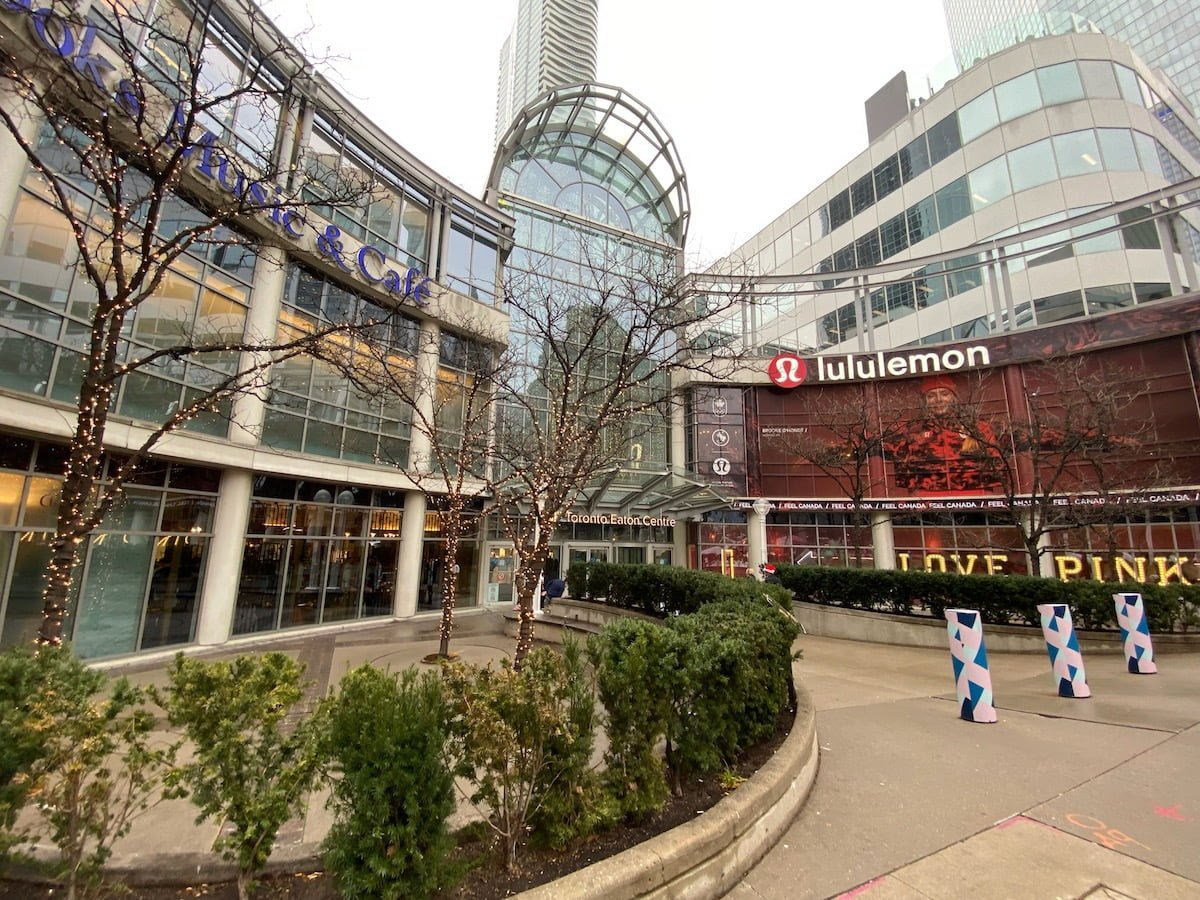
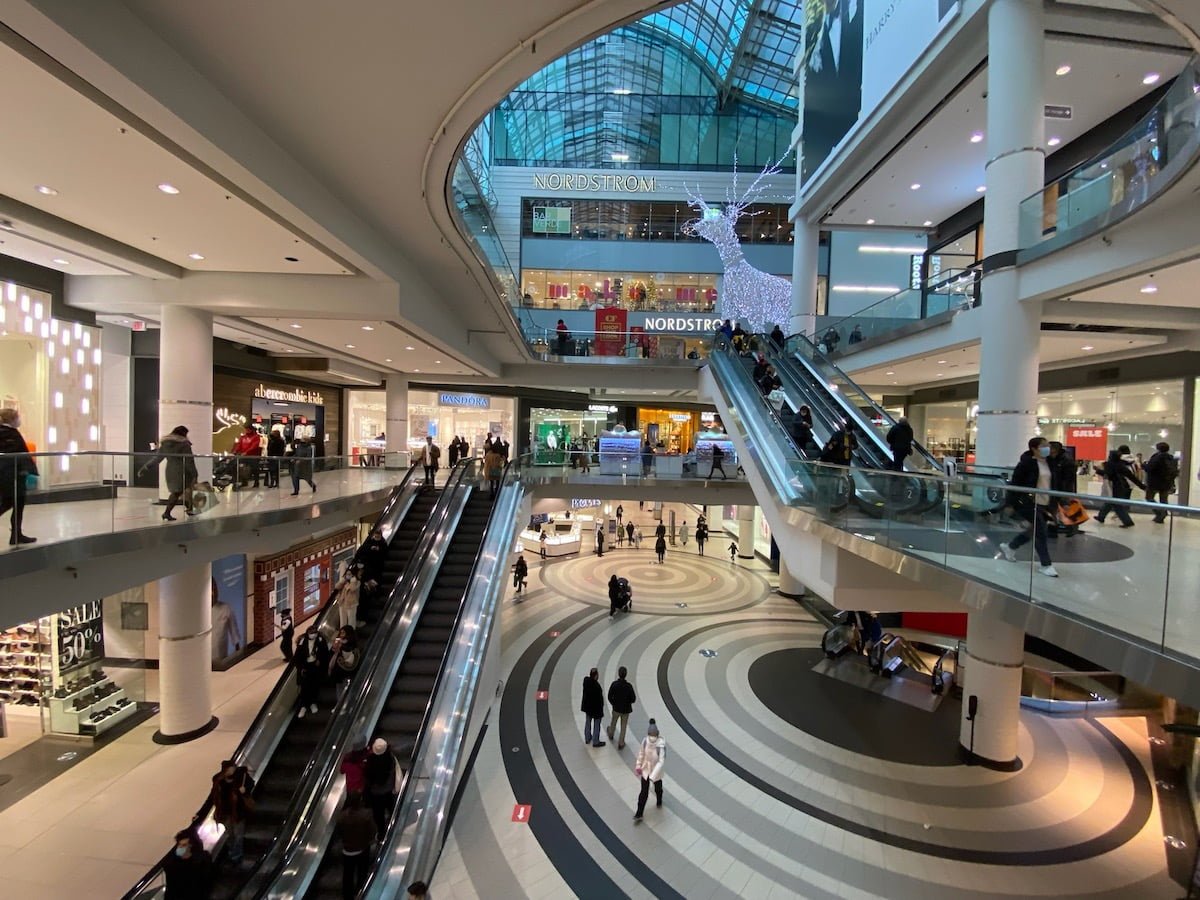
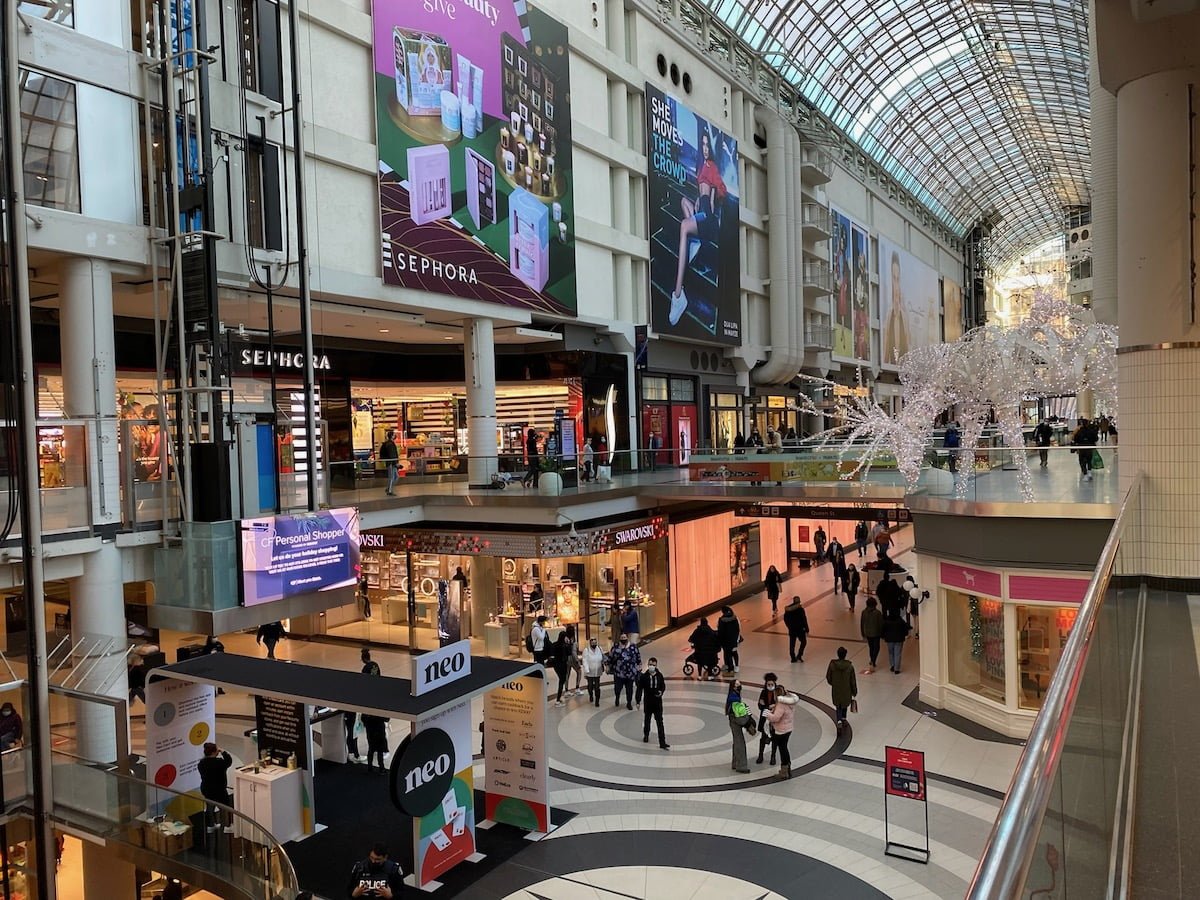
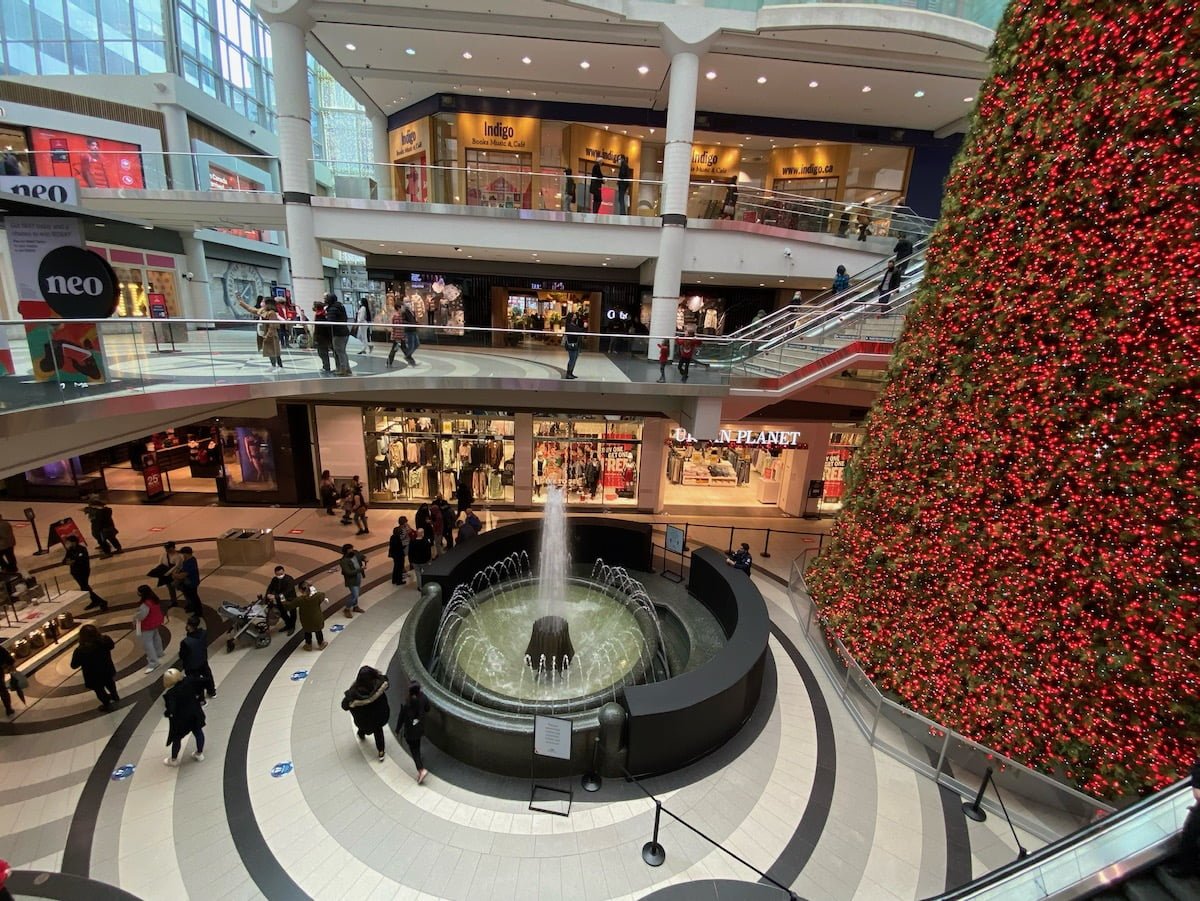
Cadillac Fairview is one of the largest owners, operators and developers of best-in-class office, retail and mixed-use properties in North America. The Cadillac Fairview portfolio is owned by the Ontario Teachers' Pension Plan, a diversified global investor which administers the pensions of more than 327,000 active and retired school teachers. The real estate portfolio also includes investments in retail, mixed-use and industrial real estate in Brazil, Colombia and Mexico. Valued at over $31 billion, the Canadian portfolio includes 35 million square feet of leasable space at 68 properties in Canada, including landmark developments, such as Toronto-Dominion Centre, CF Toronto Eaton Centre, CF Pacific Centre, CF Chinook Centre, Tour Deloitte, and CF Carrefour Laval.

For customers, having the mall directory in the palm of their hands, is a safer way for them to find where they want to go. Many COVID related information is available on the app.

“It’s very much about utility. The first release is really about that COVID recovery help the retailers. Some retailers have specials on or offers. We’re going to place those in there too so you know there’s things to do within there. But really the primary premise is around efficiency and safety,” said Ribau.

“There’s a lot of difficulty on the retailers’ side right now. Their marketing budgets are slashed, they’ve had to lay people off, they’re not really focused on what I call transformational events and transformational experiences. So what we’ve done is we’ve established a team of experts that do this for a living and our services are available with those retailers to partner with us. So if they want to load their product inventory into the app, if they want to promote their brands, if they’re doing a pop up of some kind, we’re open for business.”

Ravel by CF is the digital innovation hub of Cadillac Fairview — an organization focused on removing the friction from today's retail shopping experience, and unleashing the untapped potential of physical space and customer experience within some of the world's best commercial real estate, said the company.

Q&A with Jean-Christophe Bedos, CEO of Birks, on His Career and the Future of Retail in Canada

JEAN-CHRISTOPHE BEDOS

Jean-Christophe Bedos is President and CEO of Birks. He has been in his current role since January 2012. He came to Birks after working as President and CEO of Boucheron in Paris.

He spoke to Retail Insider recently about his career and the state of the retail industry in Canada.

Retail Insider: Can you tell us a little bit about your career?

Bedos: “I started work in the luxury goods industry in 1988 and at the time I was studying business and law and I needed to pay for my student accommodation in Paris. So I started a student internship at the Cartier international head office in Paris. And this became something much more. From graduation I was very privileged that in June 1988 Cartier offered me a job and I’ve been in the industry ever since.”

Retail Insider: Over the years, what has been the reason you’ve enjoyed the retail industry?

Bedos: “I started from a jewelry company and watches. I was working in the watch division and gradually I moved into marketing and merchandising and actually Cartier International after four years sent me to London in the UK and this is where I started retail because the Cartier London company was managing a network of stores, obviously Cartier stores, but also a wholesale division where we were selling Cartier watches to jewellers in the UK. This is where I discovered the nitty gritty of the retail industry.”

RI: Pre-COVID 2019, what was business like for Birks?

Bedos: “Pre-COVID, we had a very good year. We got hit by COVID at the time when we were finishing our fiscal year. Our financial year ends on the 30th of March . . . We were finishing a very strong year that was essentially due to the fact that we had spent many years renovating our retail network, working very hard on positioning the Birks brand on the Canadian market and investing in store renovations. We had and still have an optimistic view on the market for hard luxury, hard luxury being jewelry and watches. We invested a lot in our renovations throughout Canada.”

RI: As we come out of COVID, what is your outlook for the industry?

Bedos: “We have worked on finding 10 major trends in the industry moving forward - not just short-term coming out of COVID but also long-term. There is obviously an increase in digital and we see our internet sales, our e-commerce sales, how much business has increased on the digital side. I don’t think this is going to reverse back. People have learned to change their shopping habits whether it’s young generations or older generations . . . Less technology savvy people have now discovered e-commerce and the convenience of it. E-commerce will keep increasing in our view.

“There is also another trend which is clear and impacts our luxury goods industry which is a decrease in international travel. For quite some time, we’ll have lower inbound visitors in Canada. The flip side of that coin is that the Canadian people who used to travel a lot internationally and probably shopped for luxury outside of Canada will probably discover luxury retail in Canada and come to Birks. They used to probably shop elsewhere . . . We see great potential in actually increasing our penetration in this domestic market in Canada through this population of affluent consumers who will travel less outside of Canada.”

RI: How many stores are there in Canada? Any plans of expansion in terms of the number of stores?

Bedos: “We currently have directly-operated stores 28 stores from East to West. We don’t have plans for expansion. Not at the moment because what’s on top of our expansion program is actually to increase the penetration of our wholesale distribution in Canada and outside of Canada. With the Birks jewelry brand we have a significant program to develop a network of independent jewellers throughout Canada and our strategy so far has been to open independent jewellers where we used to have a store in the past where Birks used to cover the entire Canada and was present in almost every community in Canada.

“I’m talking here about 20, 30 years back when Birks had probably close to 100 stores in Canada. It’s no longer the case. We are focusing our investments very much in urban areas, around the big urban centres like Vancouver, Calgary, Toronto, Montreal. And outside of those areas we have very successfully actually opened those with jewellers who are very happy to have the Birks brand within a multi-brand environment and we are very successful.”

RI: On a personal note, when we have a crisis like we’ve seen currently and a few years ago with the financial crisis, how do you as an executive deal with things like that in making decisions?

Bedos: “I have a very close team. I am very privileged because we meet every day over webinars obviously. Video conferencing has kept us very close as a management team. We address every aspect of our business. The question for us was very much during the last three months to allow investment in e-commerce. Very important. Having to find trends as I mentioned before and trying to keep a vision above and beyond the pressure of the super short-term where we have to manage the crisis is like being in the trenches and trying to cope with the everyday challenges.

“We need to keep a long-term vision with direction because if we don’t have a direction we don’t know where we are going. That’s why we’ve been keeping an eye on industry trends. One of those trends actually is because of the COVID what is called experiential luxury, ie. travel as I mentioned but also restaurants, hotels, spas, luxury experiences, all of these have decreased dramatically and we believe there is a very strong opportunity for jewelry to replace experiential luxury because people need to consume. They need to please themselves. They need to please someone. They need to gift. They need to show their love, their appreciation.”

RI: Any final thoughts?

Bedos: “I personally find it challenging how difficult it has been to obtain support for the retail industry in Canada especially. We’ve been looking at initiatives from governments all over the world and Canada’s been proving to be a difficult place for retail because so far we haven’t seen a significant subsidy program from the government and the landlords are very powerful in Canada, especially the mall owners, shopping centre owners. I wish there would be more collaboration within the industry between retailers and landlords in order to find a common solution. I truly believe if we don’t collaborate between Canadian landlords and Canadian retailers what we are going to see is a high risk of bankruptcies and retailers going under protection and that is not good for Canadian retail because we’re doing the work and preparing the ground for foreign retailers and especially very big e-commerce retailers to take over from Canadian symbols.

“The risk is the loss of Canadian identity within our malls because if too many retailers go down due to the lack of support and help from landlords or from the government we will have a lot of vacancy, the commercial value of malls is going to decrease. Who is going to replace the vacancy? Is it international very powerful retailers? Is it no one? And therefore creating a landscape and an ecosystem in Canada where the Canadian retailers will be very few and will have to fight against very strong retailers from the U.S., from Europe and from Asia and fighting big players whether Amazon or Alibaba.

“I don’t want this to be a lost battle. I think the Canadian retail industry should really act together - both retailers and landlords together with the federal government - to actually support the future of the Canadian retail industry. Strangely and surprisingly I have found it striking because it seems to be very difficult to reach an agreement. It’s simple. It’s not rent relief. It’s about supporting retailers who don’t have enough cash sometimes to survive more than two or three months.”