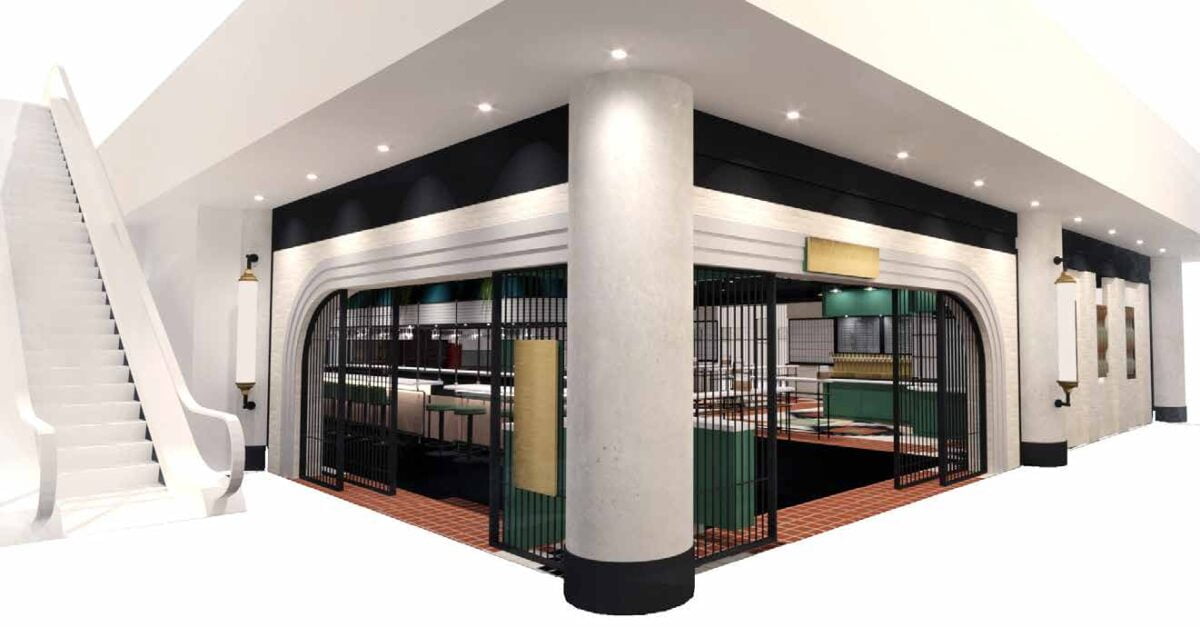
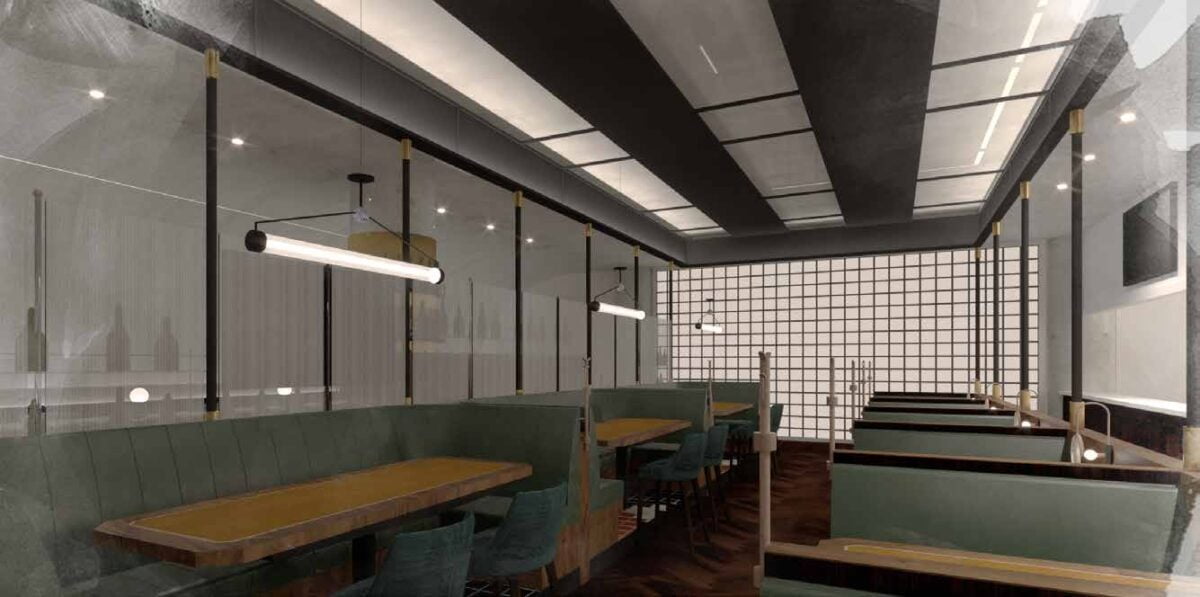
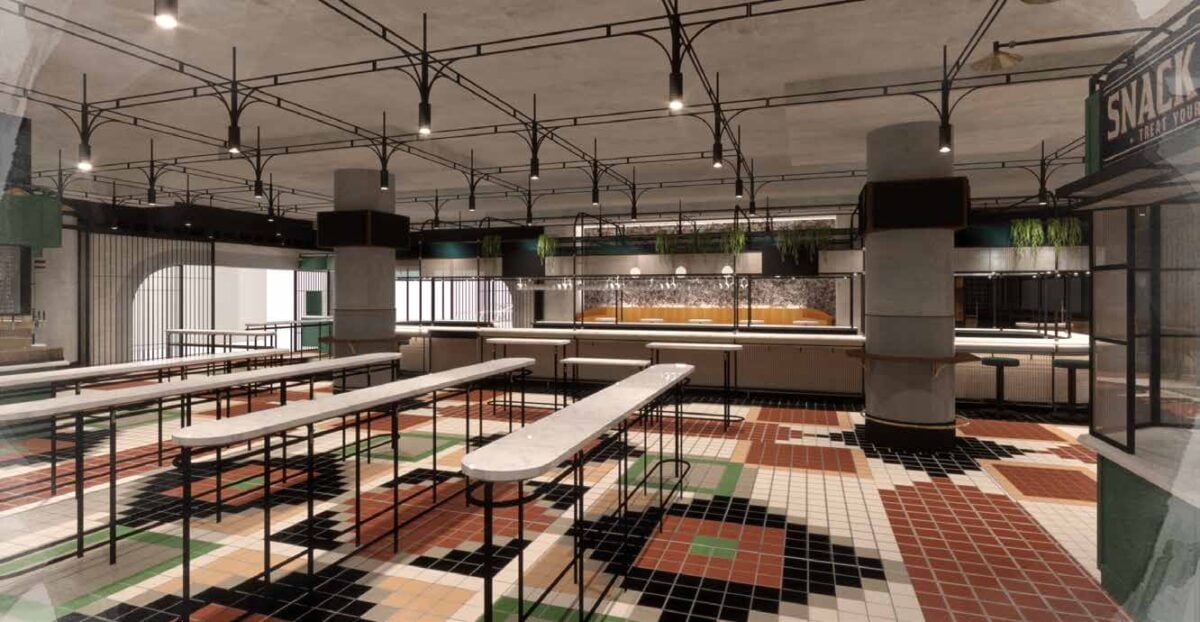
The Queenston Rendering (Image: Open Concept Hospitality)
Toronto’s Union Station is seeing an ongoing transformation that will make the transit hub into a destination for retail and foodservice businesses. The latest tenant to be announced is a restaurant concept called The Queenston which will open next year in Union Station’s Bay Street Promenade.
The Queenston is a collaborative team effort between entrepreneur Yannick Bigourdan and his partners at Open Concept Hospitality, Adam Teolis, Mike Angeloni and Dan Kennedy. Bigourdan is also responsible for several other restaurants and concepts in the city including Union Chicken, Amano, The Carbon Bar and Chefdrop.
The Queenston concept is described as something of a ‘station bar’ that will cater to visitors to Union Station whether they are commuting or attending an event such as a sports game in one of the nearby entertainment facilities.
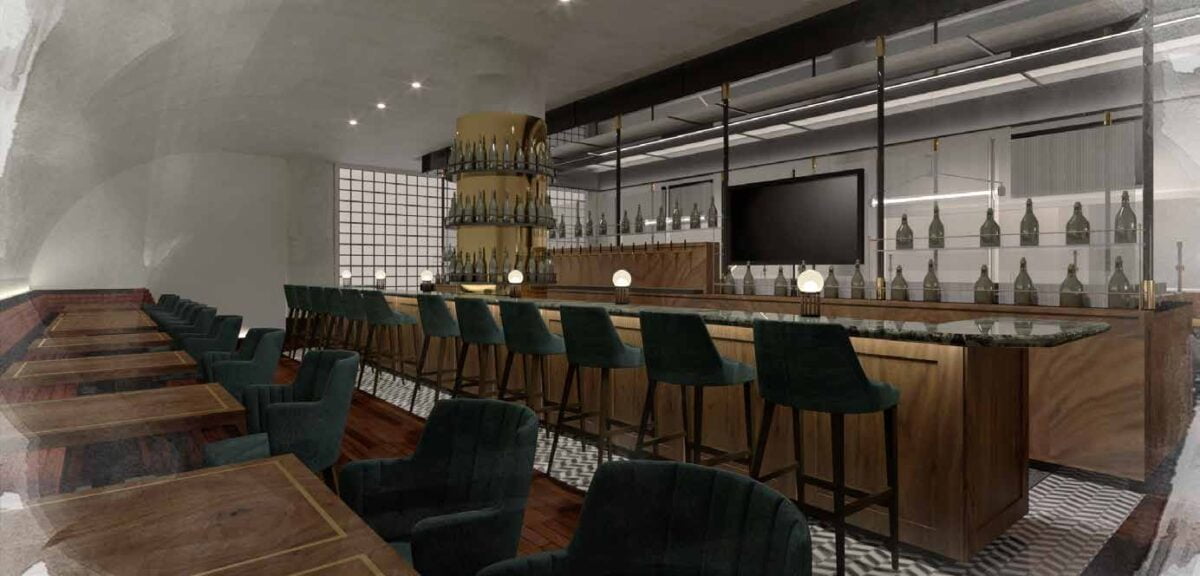
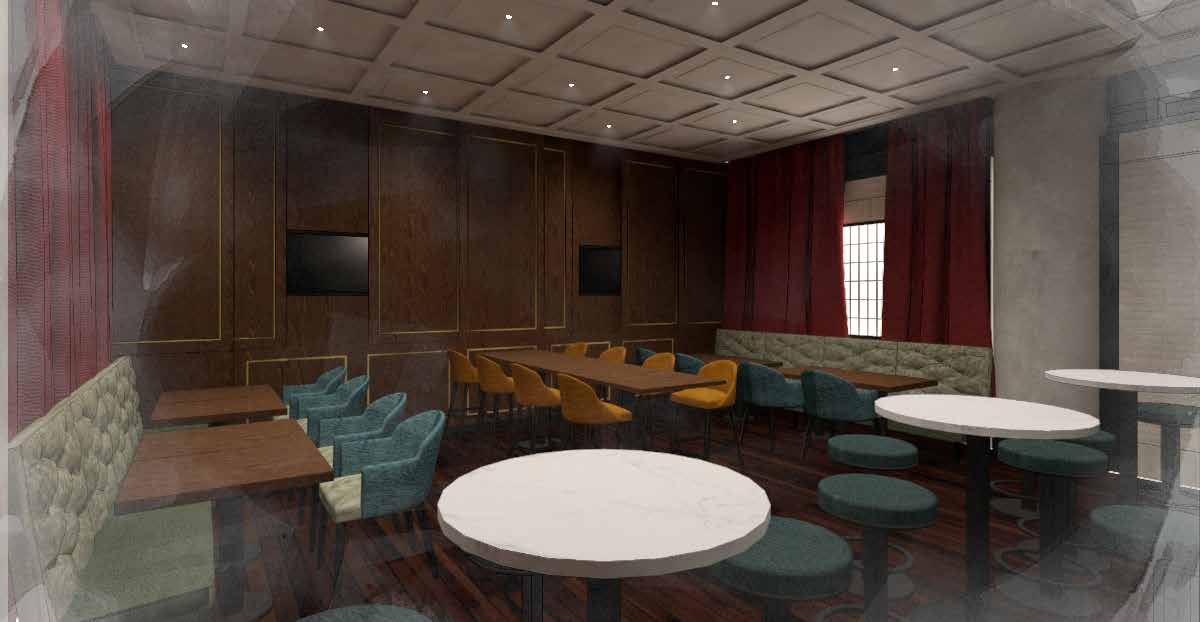
Drawing inspiration from the Art Deco movement of the roaring twenties, the Queenston’s design will celebrate the history of Union Station with its Beaux-Arts architecture and use of Canadian Queenston Limestone. Once completed, the Queenston will serve as a place of modern nostalgia and memorable social gatherings where guests will define their own dining experiences.
“We are very excited to open The Queenston in the heart of Toronto, where people can dine or enjoy a cocktail, a beer while visiting Union Station.” said Bigourdan in an exclusive statement to Retail Insider. “This is a very important project for our Team, and we are very excited to welcome you and your guests in the future.”
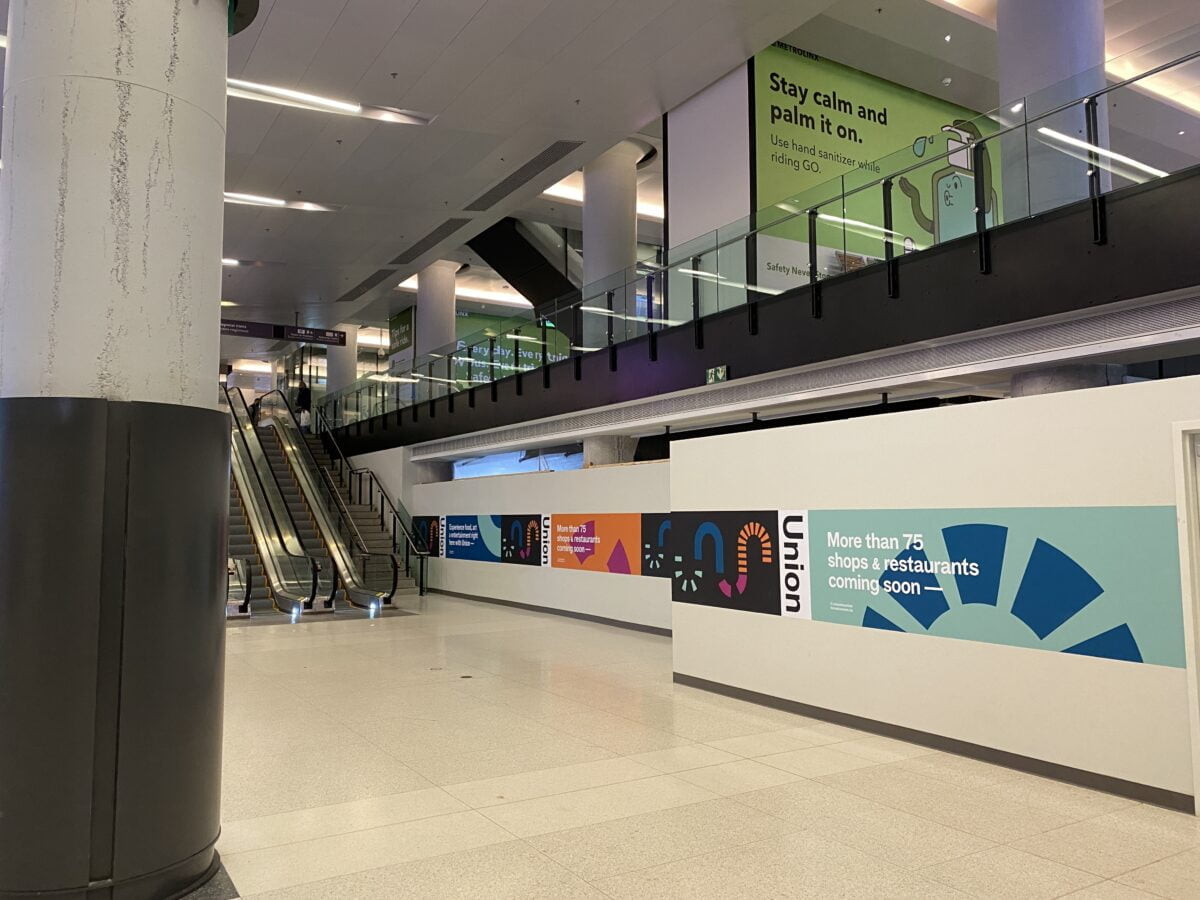
The Queenston Rendering (Image: Open Concept Hospitality)Future Home of The Queenston at Toronto’s Union Station (Photo by Dustin Fuhs)
Bigourdan went on to provide further information on The Queenston, saying “Our Partner and Executive Chef, Michael Angeloni is working diligently with his Team to offer you an amazing food program.”
The Queenston will span about 10,000 square feet in the Bay Street Promenade section of Union Station, just outside the doors to Scotiabank Arena, which will also become home to several other retail and food concepts. Retail Insider announced last month that beauty brand Sephora would also be opening in the Bay Street Promenade in Union Station, and other tenants are either negotiating leases or are preparing to make opening announcements as well.
Union Station is Canada’s busiest transit hub and it is seeing an incredible overhaul that includes a repositioning and redevelopment of its retail component which will expand to a footprint of about 170,000 square feet. The mix of retail, food and service tenants will make Union Station a draw for locals and visitors in a unique heritage building in the heart of the city. There hasn’t been a more significant retail development in downtown Toronto since CF Toronto Eaton Centre opened nearly 45 years ago.
The Queenston Rendering (Image: Open Concept Hospitality)
Additional Images from The Queenston at Union Station
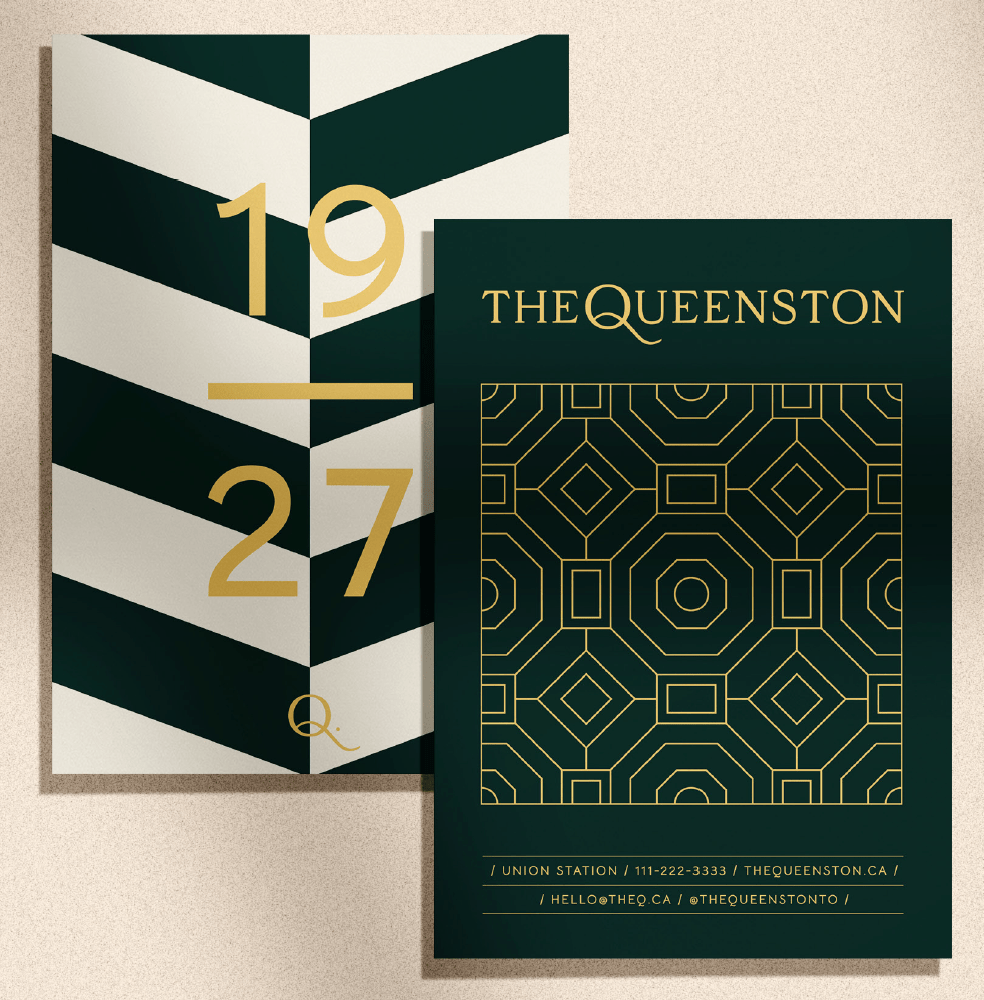
The Queenston Rendering (Image: Open Concept Hospitality)The Queenston Rendering (Image: Open Concept Hospitality)The Queenston Rendering (Image: Open Concept Hospitality)Image: The QueenstonImage: The QueenstonImage: The Queenston
Gary Newbury and Jeff Davenport join Retail Insider Founder and Editor-in-Chief Craig Patterson to discuss what the future might hold for large department store anchor spaces in shopping centres in North America. The department store model is going by the wayside and the future of some spaces could involve shipping fulfillment.
The Interview Series podcast by Retail Insider Canada is available on Apple Podcasts, Stitcher, TuneIn, Google Play, or through our dedicated RSS feed for Overcast and other podcast players. Also check out our The Weekly podcast where Craig and Lee discuss popular content published on Retail Insider which is part of the The Retail Insider Podcast Network.
Drop us a line at Craig@Retail-Insider.com. You can also rate us in Apple Podcasts or recommend us in Overcast to help more people discover the show!
Background Music Credit: Hard Boiled Kevin MacLeod (incompetech.com). Licensed under Creative Commons: By Attribution 3.0 License. http://creativecommons.org/licenses/by/3.0/
Maker Pizza is poised to continue to grow its footprint in the Toronto area with more locations planned in the future.
The company was established just over five years ago.
“It was a bit of a roller coaster ride to begin with but we’ve been very fortunate over that time and we’re in a strong position now for growth. The idea of Maker initially was to create a higher end, delivery pizza and also in doing that create something that was totally unique and original,” said Shlomo Buchler, owner of the company.
“That was a work in progress for the first two or three years. We had a clear vision of where we wanted to go with the product but we didn’t get there immediately. It took some time and believe it or not it’s still a work in progress for us. We are always looking to make improvements but we feel like we’re really close to attaining the original concept of Maker.”
Canadian chef and partner Matty Matheson was a big part of creating the menu for Maker Pizza with original topping combinations.
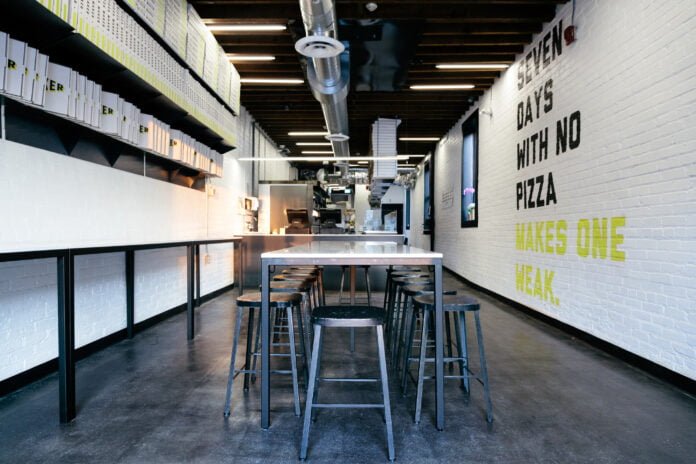
INTERIOR OF CAMERON ST LOCATION. PHOTO: MAKER PIZZA
“It’s a true testament to Matty’s talent that menu has stuck with us for the past five and a half years and here we are today growing the business,” said Buchler.
Currently, the company has what Buchler says are two and a half locations. There’s the original downtown location on Cameron Street. The second location is on Avenue Road in North York. And because it got so busy and the company realized it was having capacity issues with dough, it realized it needed to centralize the dough production. So it built a commissary kitchen in an industrial building on Carlaw Avenue.
“In doing so we recognized we had quite a bit of space in there so we thought why don’t we put an oven in here and open for part-time service. I don’t like using the term, but sort of a ghost kitchen concept,” said Buchler.
“We’ve now acquired a unit in that same building with a storefront so we’ll have a proper location within the next month or so.”
Most of the business has been delivery and take out. When the pandemic is behind us, the plan is to offer some form of dine in at some of the locations and stick to the delivery and take out model for other locations.
Image: Matty Matheson
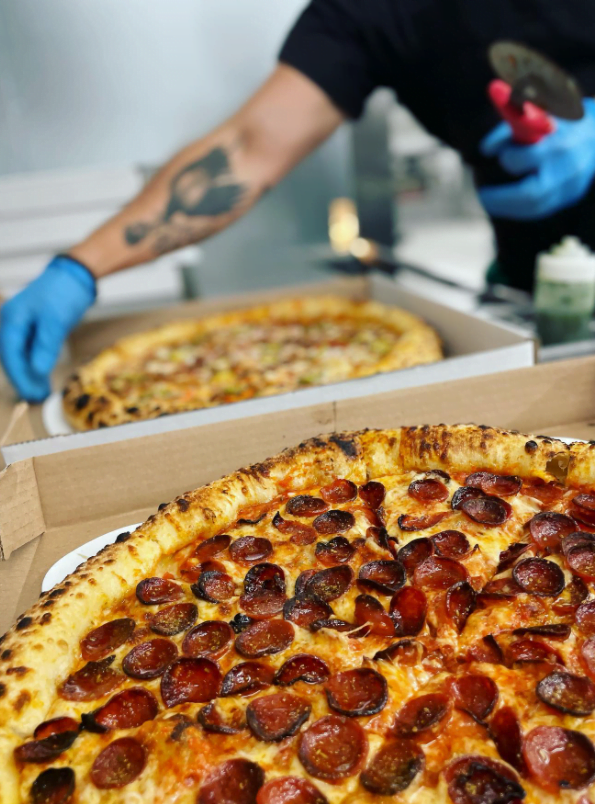
Image: Maker Pizza
“We’ve got some ambitious goals that we’ve set for ourselves and we’re actually in the process of building a location at Bloor and Dovercourt right now. It’s a great little spot. We’re very excited about entering that market,” said Buchler. “And we’ve got another great location at Bayview and Eglington which we start building out at the beginning of Q1 2022. We’re looking at about eight locations by the end of 2022, all very strategically placed throughout the city.
“All the locations will be hitting up new markets that we currently don’t service.”
Buchler said he believes the company truly created a new lane more than five years ago for delivery-style pizza.
“I think it’s just the pursuit of perfection which is not at a place we expect to land any time soon, however we’re very dedicated to improving. So whether that means the product, the menu, the store design, the efficiency of the kitchen, the customer service. Those things to us are all equally important and we invest a lot of time and effort into all of those things,” said Buchler.
“I don’t want to say that separates us from anybody because I have a lot of respect for the other pizzerias but I will say that internally we have a team that is so dedicated to what we’re doing, it’s really a beautiful thing to see and the team to me is more than a team, it’s really become a family. And as we’re growing that, I think the people that are coming in now to Maker, who are just joining the team, the family, they really see that and that’s why we have a very low turnover rate. It’s more about what we’re doing internally at Maker than what’s happening outside of Maker.”
One of the biggest disconnects in human nature is between what we should do and what we actually do. Doctors tell us to lose weight and exercise more. Financial planners tell us to save and invest more while spending less. Career counselors tell us to constantly upgrade our skills. But despite this expert advice, the overwhelming majority of Canadians fail to take the steps today that will benefit them tomorrow. What if there was a way for retailers to bridge this gap by incentivizing people to do the things that they should be doing?
Since the dawn of modern medicine, doctors have told their patients that the key to good health is eating better and getting more exercise. It’s sound advice because we all know that many common life-threatening illnesses can be directly traced to poor dietary habits and a lack of overall fitness. The same goes for finances: spend less than you earn, budget, save, and invest wisely. Unfortunately, as easy as it is for professionals to make recommendations, follow-through is a much bigger challenge. But where doctors and accountants fail to inspire real change, Canadian retailers who offer reward programs can step up to the plate and actually change human behaviour.
According to behavioural science models, humans are often motivated by a carrot-and-stick approach to life, where the speed of receiving the reward prioritizes the action that needs to be taken — in other words, instant gratification is a far greater motivator than some distant future goal. In addition, the more enjoyable an action is, the faster it is adopted as a habit. As data-savvy Direct-To-Consumer (DTC) brands know, this approach has been widely adopted across the marketing ecosystem, including in loyalty rewards programmes. If you’ve ever gotten a text about a special offer from Tim Horton’s as you are driving past one of their stores, you get the basic concept: it’s all about retaining loyal customers.
It seems that every coffee shop, hotel chain, and e-commerce brand has some form of loyalty reward, but the mere existence of a programme does not guarantee that a customer will actually stay loyal to a specific company or product. That’s because most of them lack a dynamic approach to continually engage with people beyond the point of purchase. Think of it this way: most of us only think about the local sandwich shop when we are hungry for lunch, which is when we go in, order food, and get a stamp on our reward cards. What if we received some sort of offer at 10 in the morning letting us know about the special of the day, or the promise of a free drink? When it comes to physical wellness and financial health, the same principle applies: savvy merchants know that loyalty comes from multiple touchpoints, not just a single interaction at the point of sale.
This presents an opportunity for Canadian retailers to build deeper connections with their consumers. It’s time to update rewards programs rooted in legacy principles (such as Aeroplan or Triangle Rewards) to go beyond the discount or freebie and evolve it to align with what matters most to their consumers. There is a massive focus on health, wellness, and financial literacy right now, and people are investing more time and money on achieving success in these areas. Retailers can leverage this trend by helping consumers reach these goals through retail rewards programs.
According to a recent Consumer Insights report, the top goals of North Americans include exercising more, eating healthier, supporting mental health, and seeking financial wellbeing. This is no secret, as these are the core elements that affect quality of life for most of us. However, many people lack the consistent action and motivation to follow through on these goals. This is where loyalty rewards can be the proverbial carrot to motivate customers in Canada.
Retailers might ask, “what is in it for me?” Why expand existing rewards programs to cater to a trend? The simple answer is that wellness is not a temporary fad, but a lifestyle, and catering to this audience gives merchants access to consumers who invest in their wellbeing. For example, there is a high likelihood that someone who regularly runs will be interested in rewards for running shoes, fitness apparel, supplements, or hundreds of other products. Avid marathon runners could be prime targets for deals on air travel rewards or hotel discounts so they can race in other cities. And the more that retailers learn about them, the possibilities to cater directly to those desires grows exponentially.
The consumer brands of the future are those that can expand to meet the shifting needs and desires of their customers. After such a transformational and tumultuous time in our lives, people are more conscious of health, wellness and financial stability than ever before, and are spending more money on the resources that will help them reach their goals. Now is the time for Canadian consumer brands to reposition their rewards programs to become “power tools” in their customers’ wellness journeys. These are the brands and retailers that will leap forward as the trusted leaders, supported by deep relationships and mutual interdependencies with their consumers.
Jane J. Wang
Jane J. Wang is the CEO of Optimity, a wellness and productivity app that helps people become their healthiest and wealthiest, by rewarding their efforts with our retail partners’ rewards programs. The Optimity Consumer Report can be downloaded here.
Vancouver-based lululemon announced Thursday that its interactive home gym MIRROR will be sold in nearly 40 lululemon stores across Canada beginning on November 22. The expansion means that MIRROR will be available in nearly 200 lululemon stores in North America as of next month, entering a crowded fitness space.
As of this week, visitors to the lululemon stores featuring MIRROR in Canada can test the technology with ‘educators’ on hand. Those signing up before the November 22nd sales launch date will get a $250 gift certificate towards the purchase.
“Community is at the heart of lululemon—and bringing MIRROR to Canada will enable more guests to interact with our growing collective and experience a digital sweatlife offering like never before,” said Celeste Burgoyne, President, Americas and Global Guest Innovation at lululemon. “We have seen rapid growth and strong engagement for MIRROR since launching in the United States and look forward to deepening our roots at home in Canada.”
In July of 2020, lululemon acquired MIRROR which now offers new live classes daily led by lululemon MIRROR Ambassadors, as well as thousands of on-demand workouts available 24/7, including boxing, barre, cardio, strength, yoga, and meditation. MIRROR also has inclusive offerings for family and prenatal/postnatal workouts for mothers.
Certified trainers provide instruction, motivation and live feedback in classes spanning 50+ genres that range from five to 60-minute sessions for beginner to expert levels.
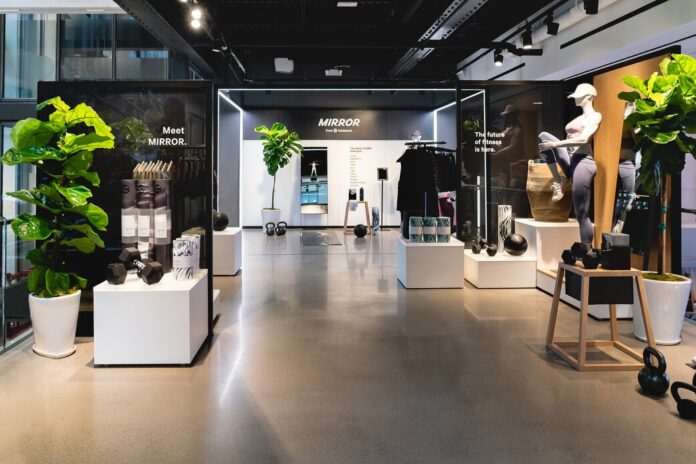
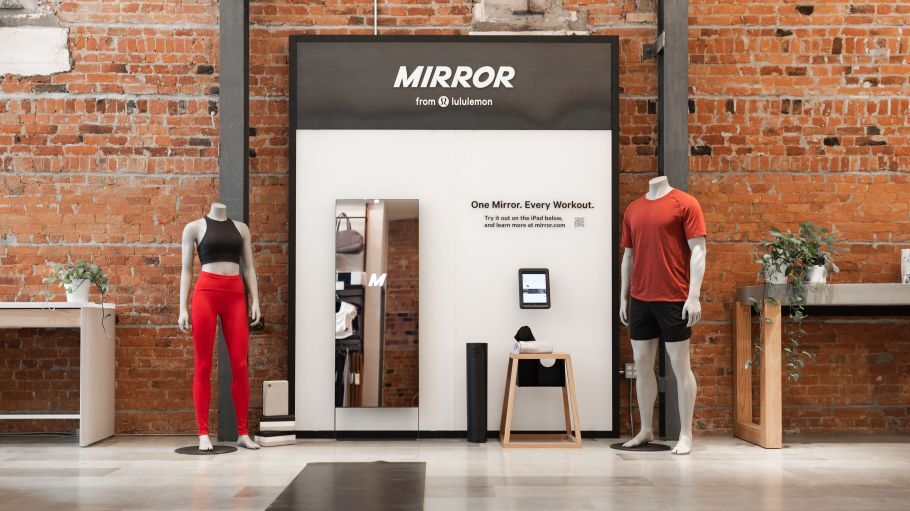
MIRROR in lululemon Downtown Toronto Photo: lululemon
MIRROR’s features include:
Camera On: Members can connect with friends in the MIRROR community to create an immersive sweat experience.
Face Offs: Members can compete one-on-one with friends in MIRROR classes. Points are earned when target heart rate zones are maintained.
High Fives: Members can send emojis to motivate friends in classes.
Friending: Members can find and follow friends in the MIRROR community.
Recommended for You: Members can receive a set of workouts each week based on their individual profile.
Mirror will be available in-store and online on November 22nd according to lululemon.
The cost to buy MIRROR in Canada will be $1,895 and there will be a $49 monthly subscription fee to access content on the device. Recently Nike, Apple and Amazon have launched virtual fitness services and earlier this year, Google acquired Fitbit for over USD $2 billion.
Peloton is also making significant moves in the Canadian market with standalone showrooms and the company recently reduced prices on its base-model bike by $600 from $2,495 to $1,895 — the same price as MIRROR.
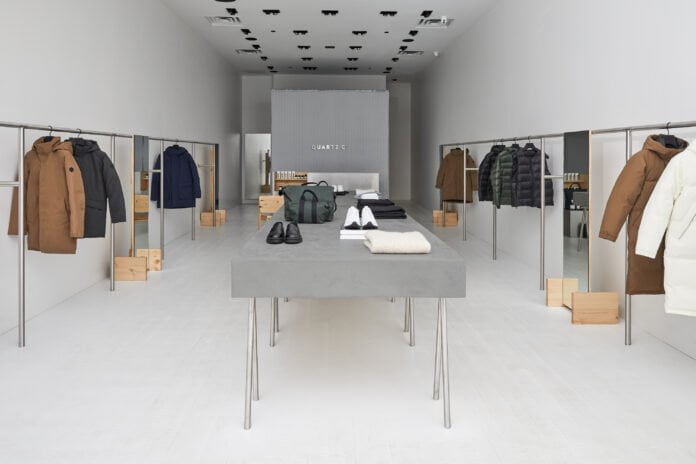
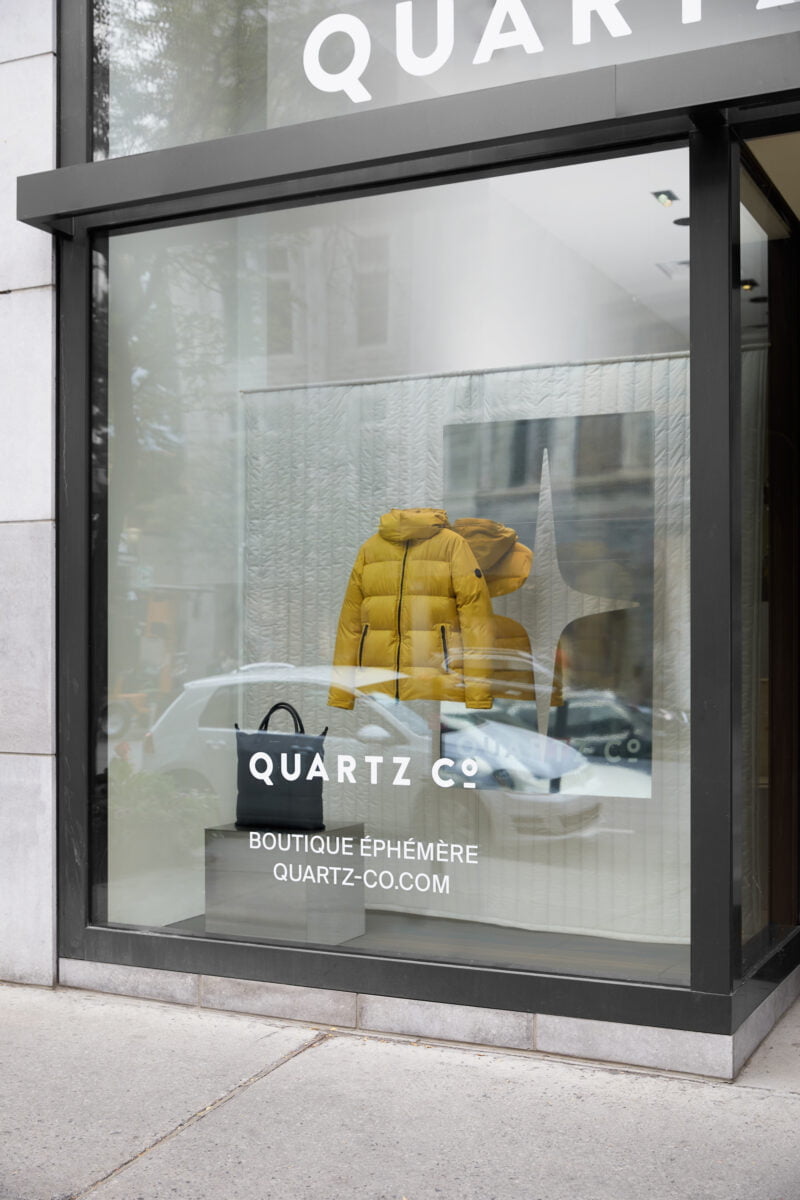
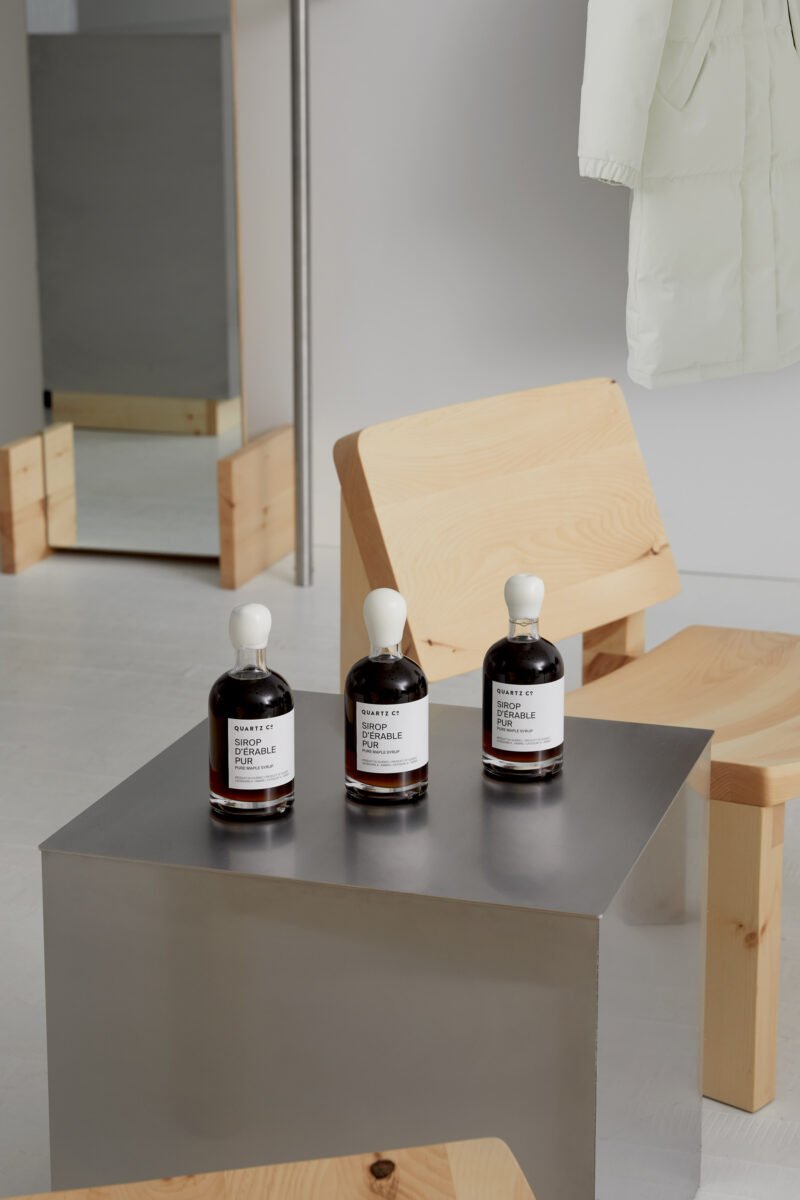
Quartz Co - Montreal - Ste Catherine (Image: Quartz Co)
Montreal-based outerwear and fashion brand Quartz Co. has secured temporary retail spaces in Toronto’s Yorkdale Shopping Centre and on Ste Catherine Street in Montreal.
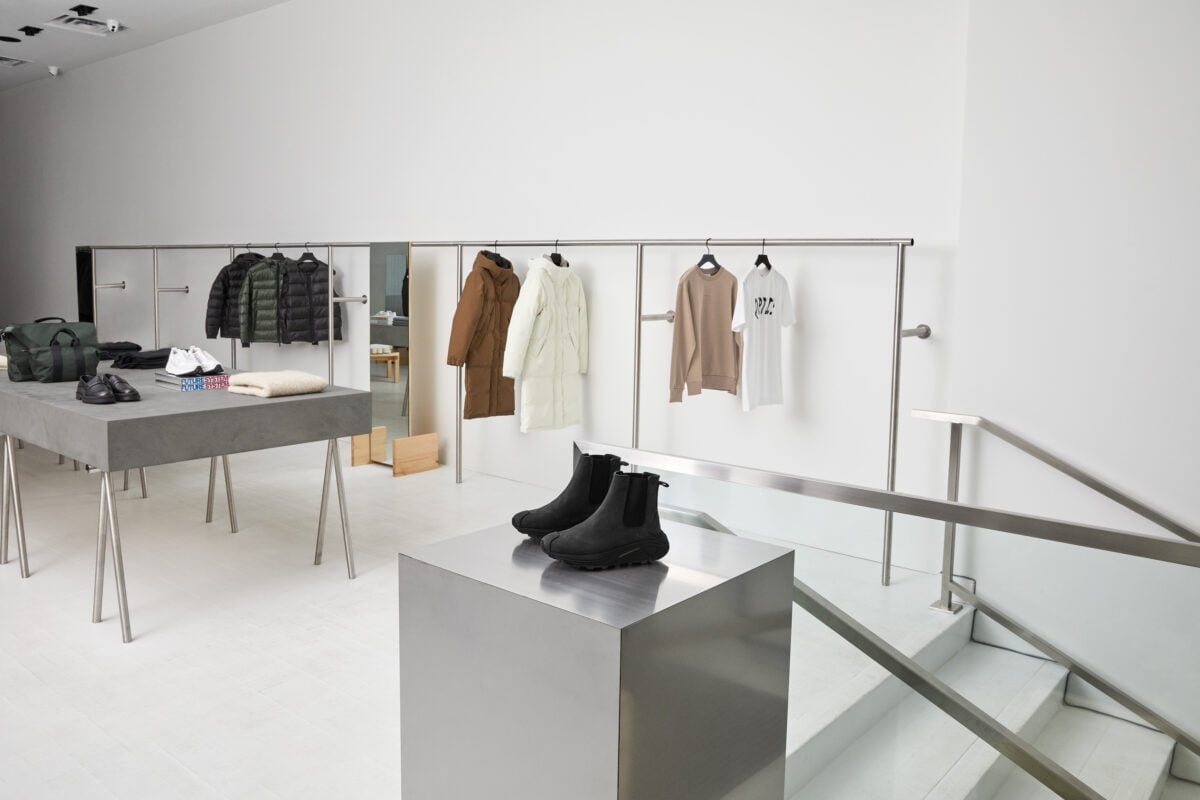
The brand will be utilizing the pop-ups to debut its New Horizons F/W 2021-22 collection in a showroom designed by Montreal firms Rainville Sangaré and Baillat Studio.
“The two temporary spaces draw their inspiration from the Northern lifestyle — the North’s minimalist design sensibilities and rugged landscapes — and Quartz Co.’s own performance garments.” Shared the company.
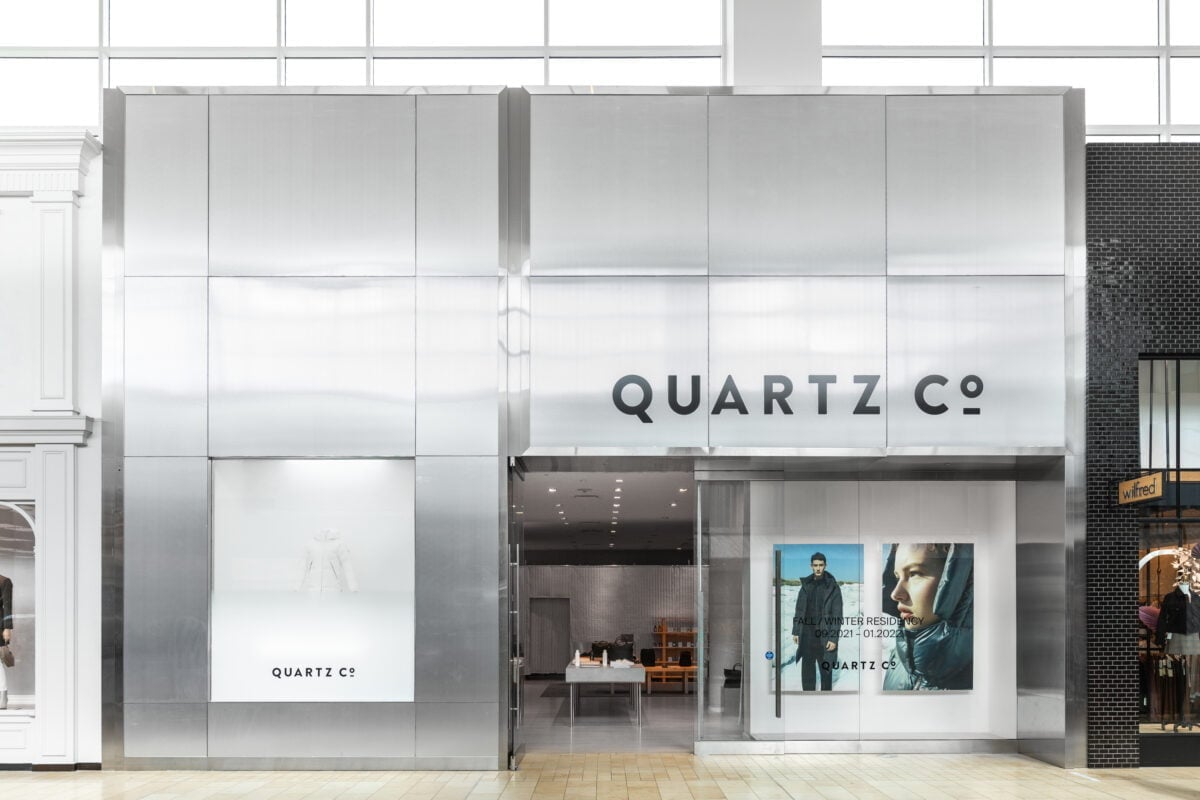
Quartz Co – Toronto – Yorkdale (Image: Quartz Co.)
Quartz Co – Toronto – Yorkdale (Image: Quartz Co.)
Quartz Co – Toronto – Yorkdale (Image: Quartz Co.)
The Yorkdale Quartz Co. pop-up is in a 4,200 square foot retail space vacated last year by US-based fashion retailer Ann Taylor. The Montreal store at 1253 Ste-Catherine Street measures about 2,400 square feet and was formerly tenanted by Fossil.
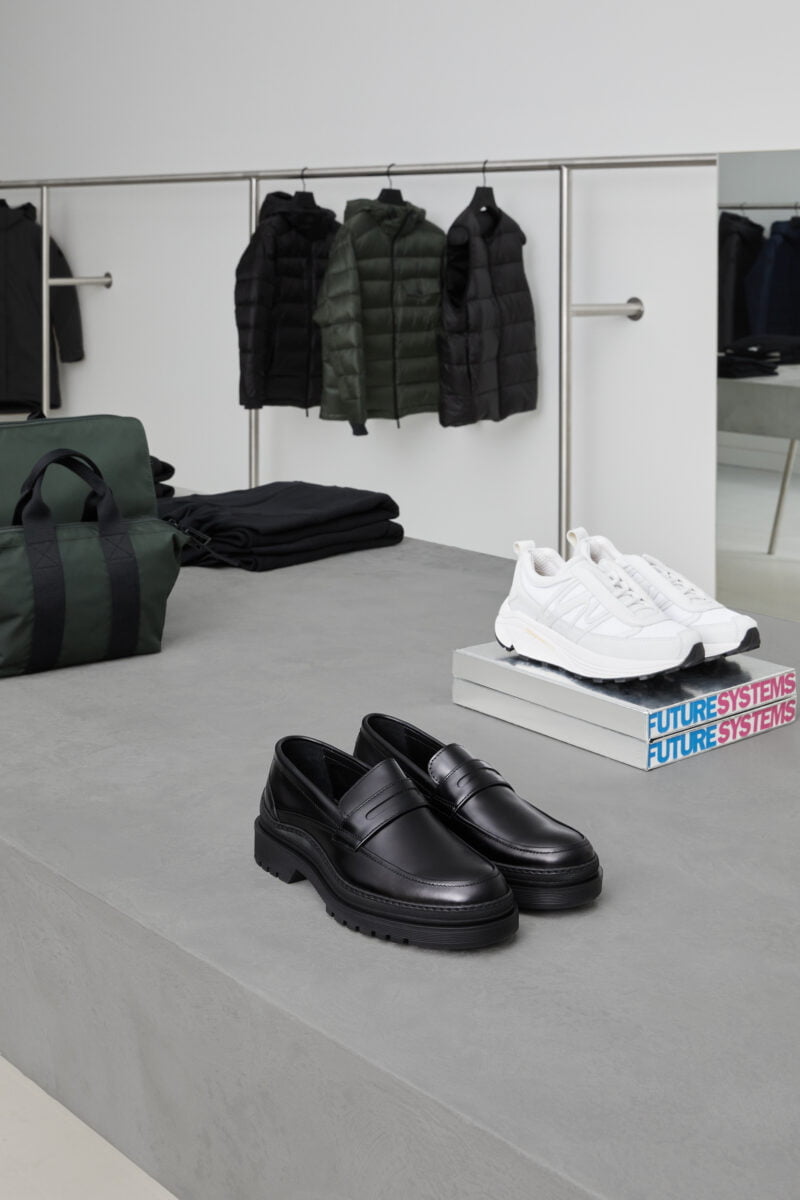
To bring the design into the pop-ups, the brand has once-again collaborated with Montreal-based design agency Rainville Sangaré. The agency focused on creating a clean-lined interior with a balance of aesthetics and merchandising.
In addition to the interior, the brand worked with production and design firm Baillat Studio to create experiential window display concepts.
“For the Yorkdale window installation, the studio recreated a blizzard with a jacket from Quartz Co.’s new FW21 collection at its center, symbolizing the elemental protection the brand is known for,” shared the brand.
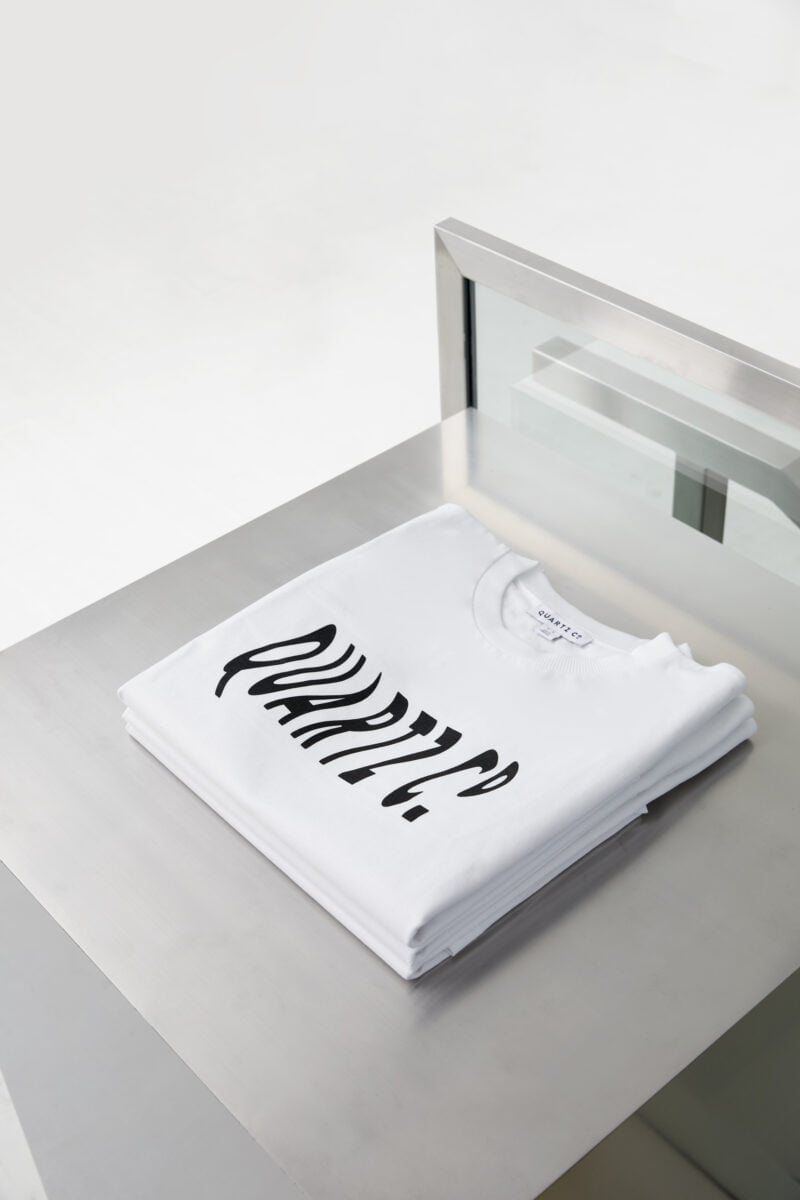
“The Ste-Catherine Street window foregrounds the brand’s core elements and minimalist aesthetic with a floating, mirror logo and baffle curtain made from the brand’s signature performance fabrics.”
Quartz Co – Montreal – Ste Catherine (Image: Quartz Co)
Quartz Co – Montreal – Ste Catherine (Image: Quartz Co)
Quartz Co – Montreal – Ste Catherine (Image: Quartz Co)
Retail Insider spoke with President of Quartz Co. Jean-Philippe Robert in late 2020 with the debut of its first physical retail space in the ‘Mile End’ area of Montreal. The location is a 5,300 square foot location at 5445 Avenue de Gaspé, which includes a showroom area, retail space, design studio and a space for pop-ups. Quartz Co. also recently acquired Montreal-based brand WANT Les Essentials.
Jeff Berkowitz of Aurora Realty Consultant negotiated the lease deals and is representing Quartz Co. and its real estate needs.
For many Canadian retailers and small businesses, the popular YouTube platform has been a port in the storm that has been caused by the COVID-19 pandemic over the past year and half.
And more of those businesses are turning to YouTube to help them generate exposure in the marketplace and revenue.
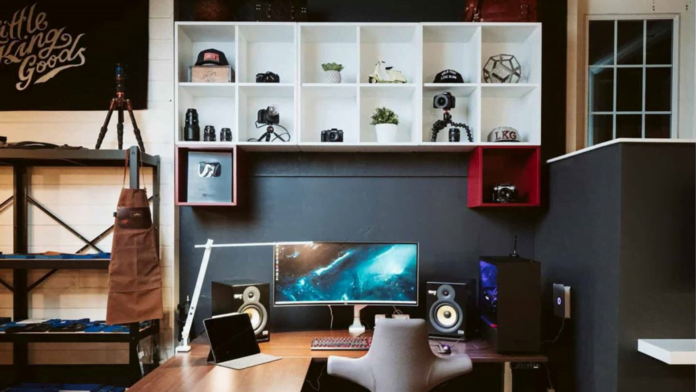
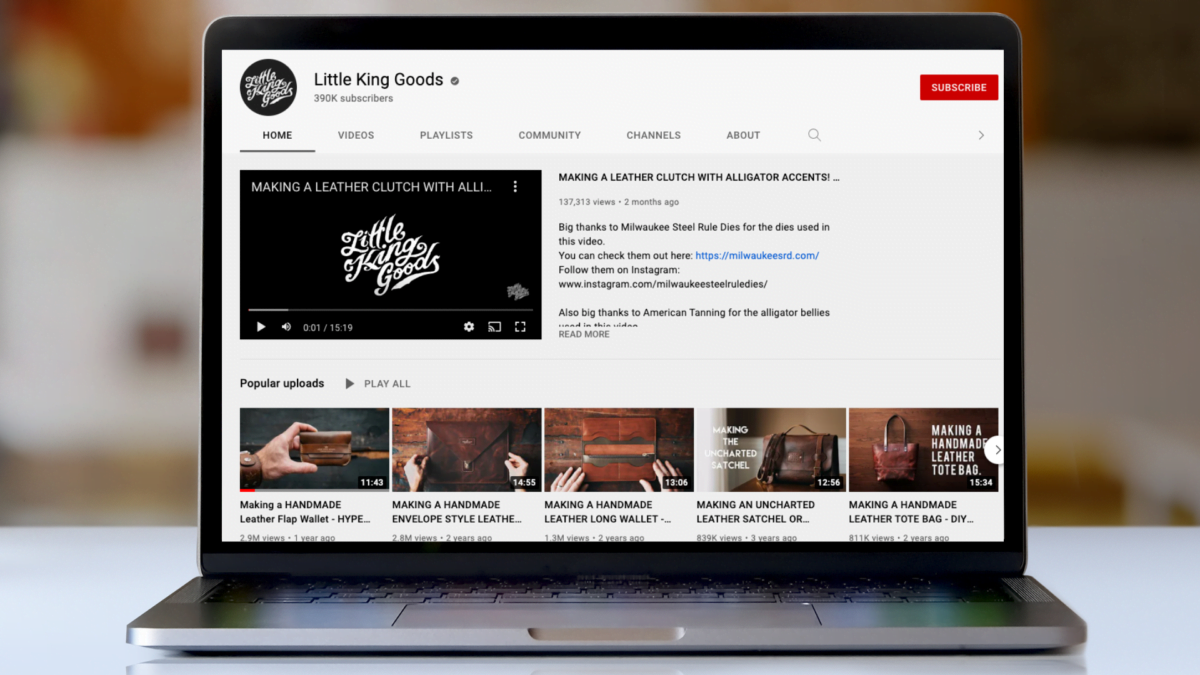
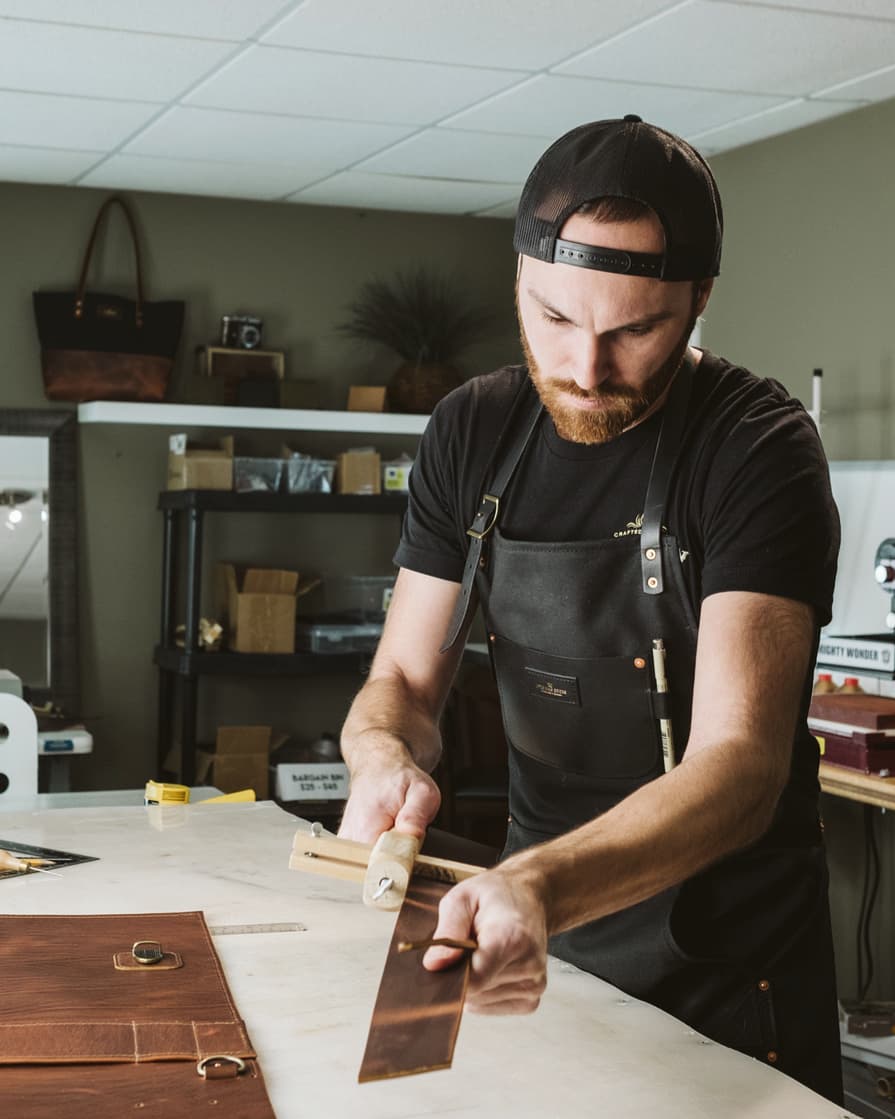
Small businesses like Little King Goods in Morriston, ON, use YouTube to increase visibility for their brands. Owner Ryan Savin learned how to make his first leather camera strap on YouTube, and within a few years was able to scale his hobby into a successful online shop. Hoping to reach new audiences with his crafts, Savin started his own YouTube channel.
Today, he has amassed an online community with over 380,000 subscribers. Savin started the company in 2016.
“I started it as really just a tiny company as a hobby but I wanted to turn it into something bigger,” he said.
“The reason why I started YouTube for this company was because I needed to show my audience or my customers how I make my items and why they were paying the prices they were. A lot of people just kind of go online and not really know the process of how their items that they purchase are made. So I made a video showing that all my products are handmade and I just left it on YouTube for a long time. Maybe a year or two before I started actually making content for YouTube regularly.
“I only started recently about two years ago really starting to use my YouTube channel. I found I had a really great product but my sales just weren’t reflecting what I wanted.”
Savin went to school for film and videography and with that background he filmed how his products were being made. He also filmed the videos in a different style than most people would do. He came from a cinematic approach to his YouTube videos.
Image: Little King Goods Youtube
“I was ready to pack in my business actually just because I wasn’t making enough money to support my family and so I thought I would give it one last kick at the can and try YouTube. I made two, three, maybe four videos and one day I woke up and I checked my YouTube stats and I noticed I had 200,000 or 300,000 views on this one video. I thought there was a mistake. YouTube was glitching out on me. My followers, my subscribers, were jumping by the thousands,” said Savin.
“I realized at that moment that this YouTube thing could actually be a thing. It could actually be a viable part of my business that would help me grow but also produce revenue along the way.”
Savin said he uses YouTube to inform and to be informed. He said popular YouTuber Peter McKinnon, with millions of subscribers, found him because one of Savin’s videos was trending as a creator on the rise. He wanted to collaborate with Savin.
“I could see my sales starting to grow because of my YouTube following and the interest around it. This YouTuber showed me the ropes behind the scenes of YouTube and how to grow the YouTube channel. He came to my workshop and shot a vlog there and then showed it to his audience and then my following started jumping by the tens of thousands. After three months of being on YouTube we hit 100,000 subscribers,” he said.
Image: Little King Goods
“YouTube has been the biggest engine for my business. It just drives the business forward. Without YouTube I don’t think I would be where I am today and I’m just thankful there’s a platform where I can learn and where I can also inform.”
A report by Oxford Economics showed that 74 per cent of YouTube users agree that the platform has been helpful to them since the start of the pandemic. In addition to being a reliable source of information, 58 per cent of users agree that YouTube has had a positive impact on their mental health or physical wellbeing.
The report estimated that in 2020, YouTube’s creative ecosystem contributed approximately $923 million to Canada’s GDP. In that same period, YouTube supported the equivalent of 34,100 full-time employment jobs across Canada.
Canadian YouTube channels making six figures in revenue (CAD) increased 30 per cent year over year. These creative small businesses continue to flourish and find audiences at home and abroad. As of December 2020, more than 450 Canadian channels had over 1 million subscribers, and 3,500 channels had over 100,000 subscribers.
Image: Little King Goods
Image: Little King Goods
According to YouTube, the majority (64 per cent) of small and medium businesses (SMBs) with a YouTube channel consider the platform to be a strategic partner in their business operations. Over 70 per cent say the platform has helped them grow their customer base and 79 per cent of SMBs with a YouTube channel agreed their YouTube presence helped customers find them.
Andrew Peterson, Head of Content Partnerships, YouTube Canada, said that over the past 13 years through the YouTube Partner Program the platform has created a multitude of ways for creators to make money and the program allows creators to earn a majority revenue share of any of that monetized content.
Andrew Peterson
“While many people are familiar with advertising being a revenue stream on YouTube, we actually announced that there are now 10 ways for creators to earn money on the platform. The results are pretty incredible from the YouTube Partner Program. These different revenue streams have been critical to help us pay out over $30 billion US over the past three years to creators, artists and media companies,” he said.
Recently Google had a blog post on 10 ways to earn money on YouTube. It can be found here.
“I think the thing that’s really exciting for me is that all these monetization streams have really enabled a thriving creator economy in Canada where a large number of Canadians can build and monetize a sizeable audience both here in Canada at home as well as around the world,” said Anderson.
“We’re not only seeing a really sizeable number of creators thriving on the platform but we’re seeing them generate really meaningful revenue and have a really meaningful impact on the Canadian economy.
Image: Google
“One of the things that excites me most about working with YouTube is how the platform has leveled the playing field for creators and businesses alike. For creators it no longer matters if you have the right connections or you fit the mold or you’re making a specific type of content that some companies find very attractive. If you have a great idea, you can publish a video on YouTube and reach an audience of up to two billion monthly users. The same applies to businesses.”
According to YouTube, over 60 per cent of Canadian YouTube viewers say they bought a brand after seeing an ad on YouTube, and viewers say they are twice as likely to go-in-store or online to buy something they saw on YouTube.
With the continued shift towards e-commerce, merchandise is emerging as a strong supplementary revenue stream for entrepreneurs. Creators with established brands can drive their audiences directly from their channel to retail sites using YouTube’s Merch shelf feature.
SARS-CoV-2 primarily spreads through direct personal contact, respiratory droplets and bodily fluids. Recent evidence suggests that indirect transmission, that is, becoming infected by touching inanimate objects or surfaces (fomites) that have come into contact with the virus and then touching eyes, nose or mouth, is low but feasible.
When lockdown and quarantine protocols restricted activities, concerns about transmission were channelled towards the spaces that the public could still visit, such as retail food stores. In these settings, there were concerns about the potential transfer of the virus to customers through high-touch surfaces. Information about the presence, survival and infectivity of SARS-CoV-2, the virus that causes COVID-19, on surfaces was limited, particularly outside laboratory settings.
Selecting and testing surfaces
We tested 957 samples at four Ontario food retailers over a period of a month, during the second wave of the virus. Due to the reported survival of the SARS-CoV-2 virus on various surfaces, we tested a range of high-touch surface areas accessible to both employees and customers.
SARS-CoV-2 presence has been reported on surfaces in environments with high viral loads, such as hospital wards and patients’ rooms. Viral persistence and ability to remain active are contingent on numerous factors such as airflow, temperature and relative humidity within an indoor facility.
The type of material that the virus is in contact with can also affect persistence. Studies have found that SARS-CoV-2 was viable for four hours on copper, 24 hours on cardboard and 72 hours on plastic and stainless steel. Another coronavirus — human coronavirus strain HCoV-229E, which causes common cold symptoms — could survive on various surfaces such as metal, glass or plastic for two hours to nine days. Temperatures within 30-40 C reduced viral persistence and survival.
Based on these data, the high-touch surface areas in retail stores were identified in four zones: the payment station, the deli counter, the refrigerated food section and carts and baskets, as well as on a variety of surface types including glass and plexiglass separations, metal bumpers, plastic and metallic handles.
Samples were collected in the store before daily operations and at the end of the working day to evaluate the public’s potential contribution to the contamination of the surfaces. Collected samples were stored in a cooler and transported for further processing and detection of the viral RNA. A commercially available detection system and reagent kit approved by Health Canada for environmental testing of SARS-CoV-2 was used to assess the presence or absence of viral RNA.
Presence of SARS-CoV-2 on the selected surfaces
This study found that, regardless of the store’s location (urban versus suburban), the sampling day or time, the location of the surface within the store or the surface material, all the samples tested negative for SARS-CoV-2 RNA, meaning that values were below the detection limit of the method, which was also validated by control tests.
These results suggest that the risk of exposure from high-touch surfaces within a grocery store is low. This is contingent on retail stores’ enforcement and implementation of physical distancing measures, regular sanitizing routines and the systematic monitoring of the store personnel’s health.
These results emphasize the importance of preventive measures to reduce the probability of encountering SARS-CoV-2 on surfaces commonly found and frequently touched in retail stores. This finding is consistent with a recent study on the presence of SARS-CoV-2 on inanimate objects in hospitals. The study found that transmission of the virus through fomites is unlikely if cleaning procedures and precautions are maintained.
Next steps: So what?
We believe that wearing masks, maintaining physical distancing and cleaning and disinfecting contact surfaces significantly minimize the risk of transmission from surfaces in grocery stores to humans. These measures should persist even after vaccinations are administered because it’s not known how infectious new emerging variants are, and the extent of vaccination varies from place to place. It may be that variants are less susceptible to disinfection or may transmit more easily.
As it may not be possible to know the number of infected people in stores, the use of personal protective equipment and enhanced cleaning procedures may be required to ensure that future variants do not cause unforeseen problems.
This week Craig and Lee talk about the closure of the McEwan grocery store near the corner of Bloor and Yonge Streets in downtown Toronto. Celebrity chef Mark McEwan‘s business empire recently filed for CCAA protection.
Craig lives nearby and has been shopping there since it opened in 2019, and Lee became a fan during a visit prior to the pandemic.
The Weekly podcast by Retail Insider Canada is available on Apple Podcasts, Stitcher, TuneIn, Google Play, or through our dedicated RSS feed for Overcast and other podcast players. Also check out ourThe Interview Seriespodcast where Craig interviews guests from across the Canadian retail landscape as part of theThe Retail Insider Podcast Network.
Drop us a line at Craig@Retail-Insider.com. You can also rate us in Apple Podcasts or recommend us in Overcast to help more people discover the show!
Background Music Credit: Hard Boiled Kevin MacLeod (incompetech.com). Licensed under Creative Commons: By Attribution 3.0 License. http://creativecommons.org/licenses/by/3.0/