UK-based rain-focused brand Hunter has revealed its new seasonal campaign, For The World Outside. The campaign celebrates the role Hunter has played in everyday exploration for over 160 years and the people who are redefining it for future generations.
For The World Outside is the first campaign to be unveiled under the leadership of CEO Paolo Porta who was appointed in June 2020. Since joining Hunter, Paolo has set an ambitious strategy to reposition Hunter as the leading British outdoor lifestyle brand with a meaningful connection to nature, focusing on product elevation and diversification into all-season, all-weather with sustainable practices at its core.
Porta has bolstered the leadership team including the Brand and Creative team by appointing Claudia Plant as Chief Marketing Officer and Sandra Romboli as Global Design Director last year. The introduction of a sharpened new brand identity and launch of Hunter Protect, the brand’s sustainability and accountability roadmap, comes as the first phase the brand’s evolution, followed by the launch of Romboli’s first collection arriving for AW22 in July next year.
Porta has also further strengthened the team in key areas of the North America region and Supply Chain. Announcing Lara Meiland-Shaw as Executive Vice-President of the Americas to deliver growth through strong wholesale partnerships aligning with direct-to-consumer physical and digital activities and Dave Powell as Chief Supply Chain Officer, responsible for Supply Chain strategies, development, product quality and logistics both short- and long-term impact, who joined in June and July this year.
Porta said, “I’m very pleased to announce the first phase of our brand evolution, establishing our new brand vision and sharing the Hunter pillars: nature, joy, creativity, heritage and protection with existing and new customers. We welcome Dave and Lara, with their knowledge and expertise, to help deliver significant further growth in the Americas as well as globally.”
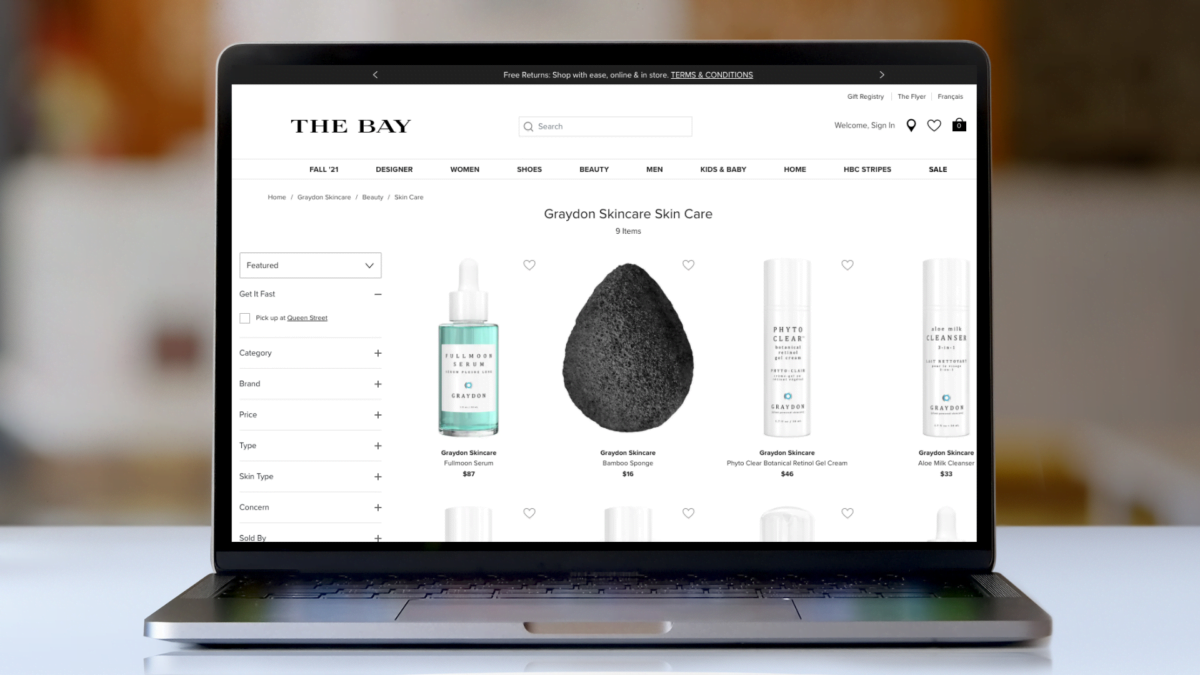
Canadian independent beauty brand Graydon Skincare has announced a partnership with Hudson’s Bay. As of this month, consumers can buy Graydon’s line of natural plant-based skincare at 17 Hudson’s Bay stores in Canada as well as at thebay.com online.
Earlier in 2021, the brand also launched a retail partnership with ShoppersDrugMart.ca and is included as part of the retailers Thoughtful Choices program — the program aims to make it easier for customers to shop consciously by offering a range of quality, cruelty-free products that are mindful of our planet.
Toronto-based Graydon Moffat founded her brand in 2012, and it has grown significantly since. She used her skills as a vegan chef as well as her background in holistic wellness to build the brand. Interestingly, she got started by formulating topical products with superfood ingredients which resulted in the development a powerful and natural namesake line of face, body, and hair products. Ingredients such as broccoli, berries, chia, and avocados are used for example.
Image: TheBay.com
Graydon also aims to be sustainable with its products and packaging, being one of the first brands to partner with non-profit beauty recycling program Pact.
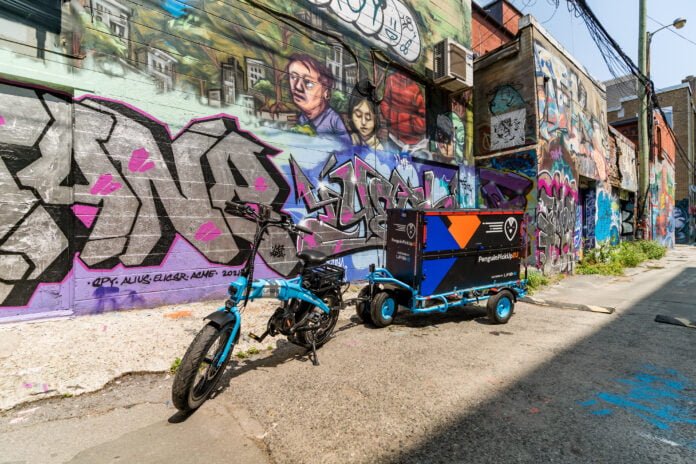
PenguinPickUp, a growing network of convenient “one-stop pick-up” for all ecommerce purchases including groceries as well as outbound courier services from its courier company partners, is partnering with URB-E for a new electric bike delivery project offering 95 per cent less carbon emissions and a six times lower traffic footprint for Downtown Toronto.
Patrick Jobidon
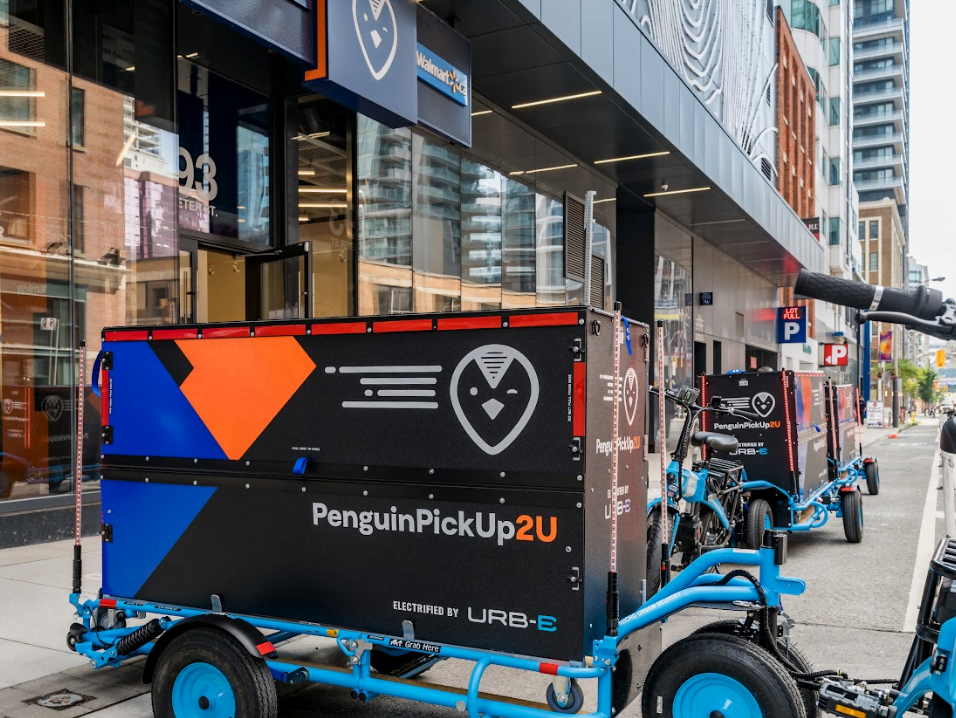
PenguinPickUp2You is a last-mile delivery solution using electric bikes with trailers.
“As online deliveries continue to increase, we need to seriously consider our social responsibility to our customers and communities,” said Patrick Jobidon, president of PenguinPickUp. “We hope to provide a safer and cleaner alternative for everyone involved in our business.
“We offer a different solution and we want to be more green for a number of reasons. First, nobody likes to see a lot of traffic in our neighbourhoods where our kids are growing. We’re trying to keep those neighbourhoods as safe as possible. Also, a lot of our customers are looking for a green solution.
Image: PenguinPickUp
“The ebike is allowing us to service the square that is Don Valley, 401 and 427 and the Gardiner. That’s pretty much the neighbourhood we are servicing with the ebikes.”
Charles Jolley
Customers can arrange for delivery service during a two-hour window of their choosing. The service will be available during peak hours from 3 p.m. to 7 p.m. daily, with plans to expand hours of operation to include an 11 a.m. to 1 p.m. window. For a flat rate of $5, customers can have parcels from multiple retailers delivered at one time.
“Canada is leading the way in adopting sustainable, city-friendly delivery solutions to replace gas powered vans and trucks, and PenguinPickUp embraces this responsible mindset,” said Charles Jolley, CEO of URB-E. “PenguinPickUp is already one of the most innovative delivery providers with their store locations close to where people live. We think they’re the perfect partner to introduce low-emission, safe, and friendly URB-E delivery vehicles to the Canadian market.”
The ebike is designed by a former Porsche and Fisker engineer and can haul about 800 pounds or 400 kilograms of cargo and can easily roll on and off.
Image: PenguinPickUp
Initially, the PenguinPickUp locations at 171 East Liberty Street, 68 Abell St, 609 Church St, 415 Church St, 629 Eastern Ave and 53 Yonge St will offer the PenguinPickUp2U service to customers within a three-kilometre radius of the stores. These locations were chosen because of the advanced network of dedicated bike lanes, allowing for safe and fast delivery. URB-E’s folding electric vehicles and collapsible trailers are the best performing light delivery vehicles in the U.S. market, having major partnerships deployed in New York City, Los Angeles, and Seattle.
“We want to expand on this service and hopefully across all of our stores that we have whether it’s in Toronto, Montreal or Vancouver,” said Jobidon.
“He thought about having stores that could service customers to pick up their online orders. It started with a few containers we had set up on some of the commercial properties that Mitch owns in the suburbs in Toronto. We now have almost 30 stores in GTA and we have a few in Montreal and we’ll be opening very shortly in Vancouver. We keep on growing our network,” said Jobidon.
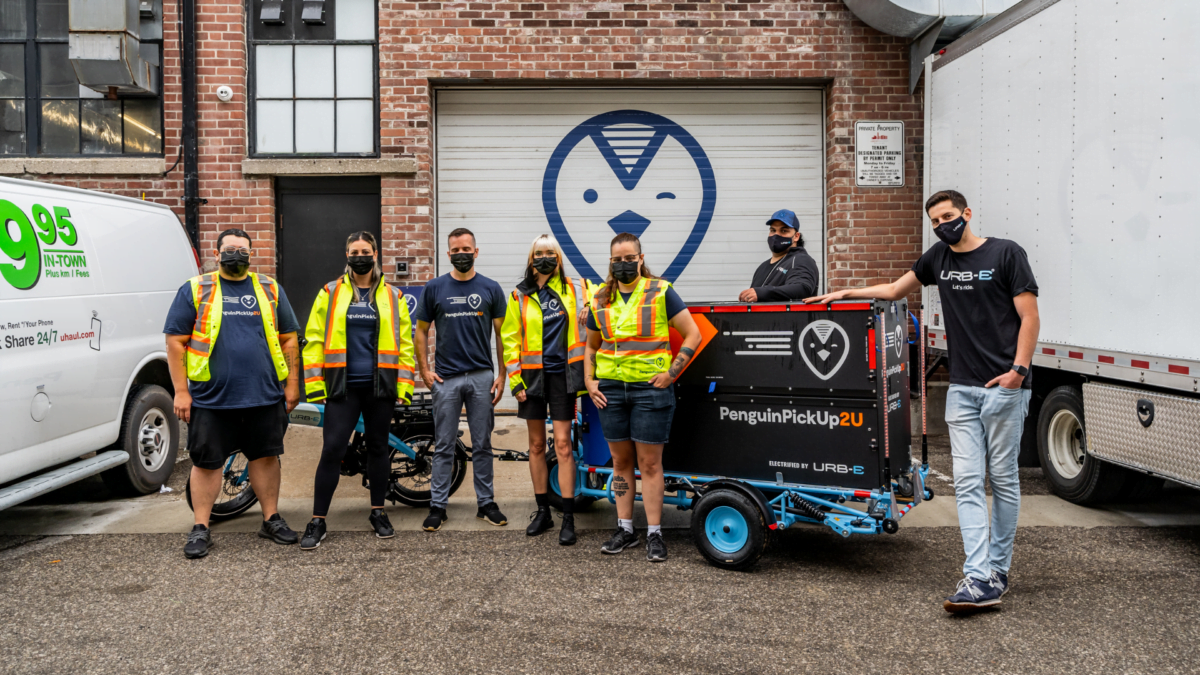
Image: PenguinPickUp
“It’s a service that combines very much a network of physical, dedicated pickup location and transport and sortation capabilities that provides that unique solution to tackle the last mile efficiencies. Ecommerce is growing and it’s growing rapidly. All the courier companies are loaded. They’re running at capacity and it’s just the beginning of it.”
Since its inception, PenguinPickUp has touched more than 275,000 customers with its unique idea.
Penguin works with all the main courier companies who use their locations for their own deliverables. Consumers can also pick up items at those locations.
This year Penguin has been home for more than 1.5 million packages.
Jobidon said most of the customers are within about a kilometre radius from the Penguin locations. Often, customers walk or cycle to get to the stores.
A number of large retailers are using Penguin to get their packages delivered to the end consumer. He said Penguin is working with more than 100 retailers now.
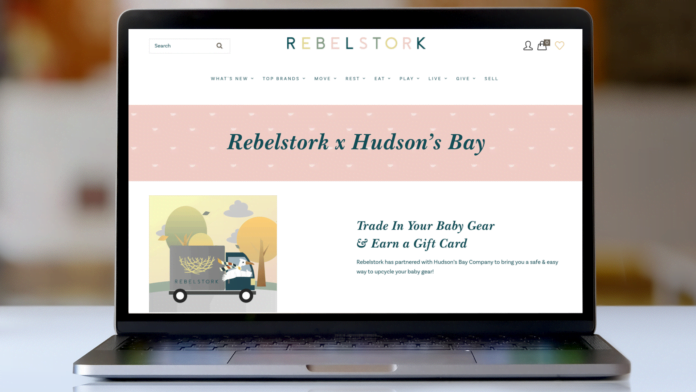
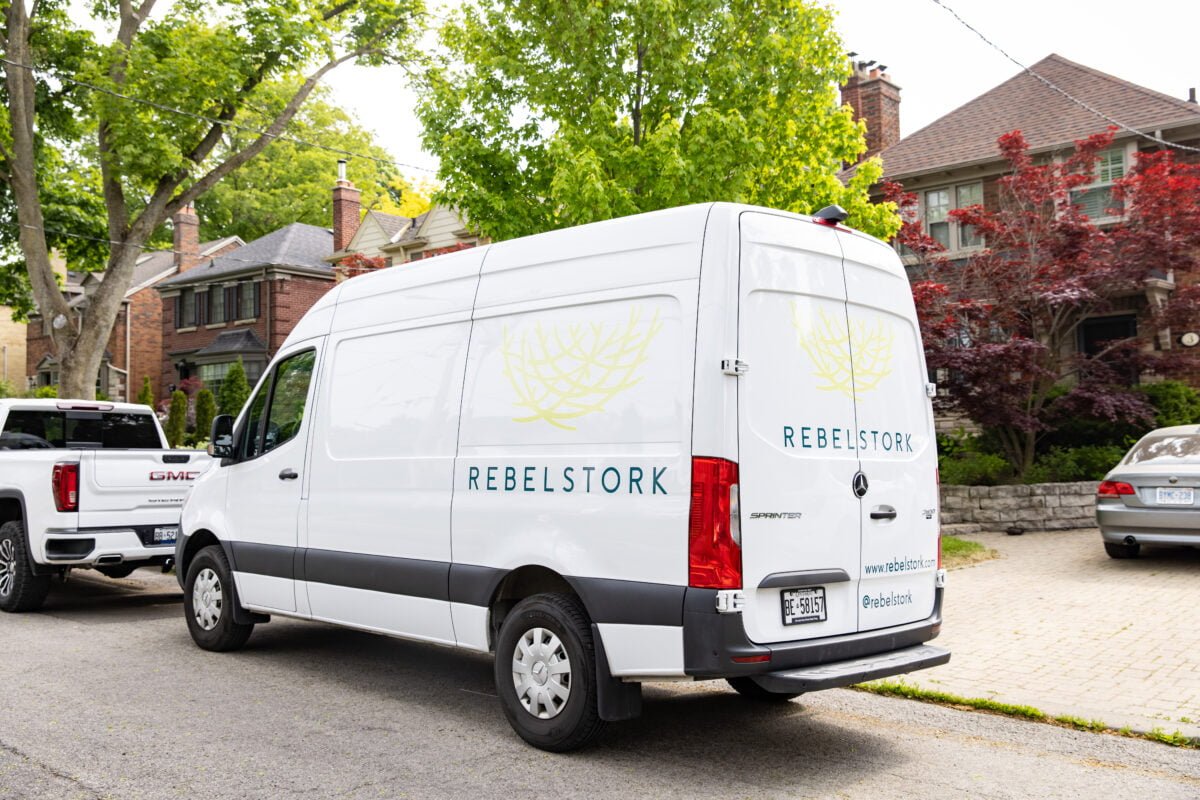
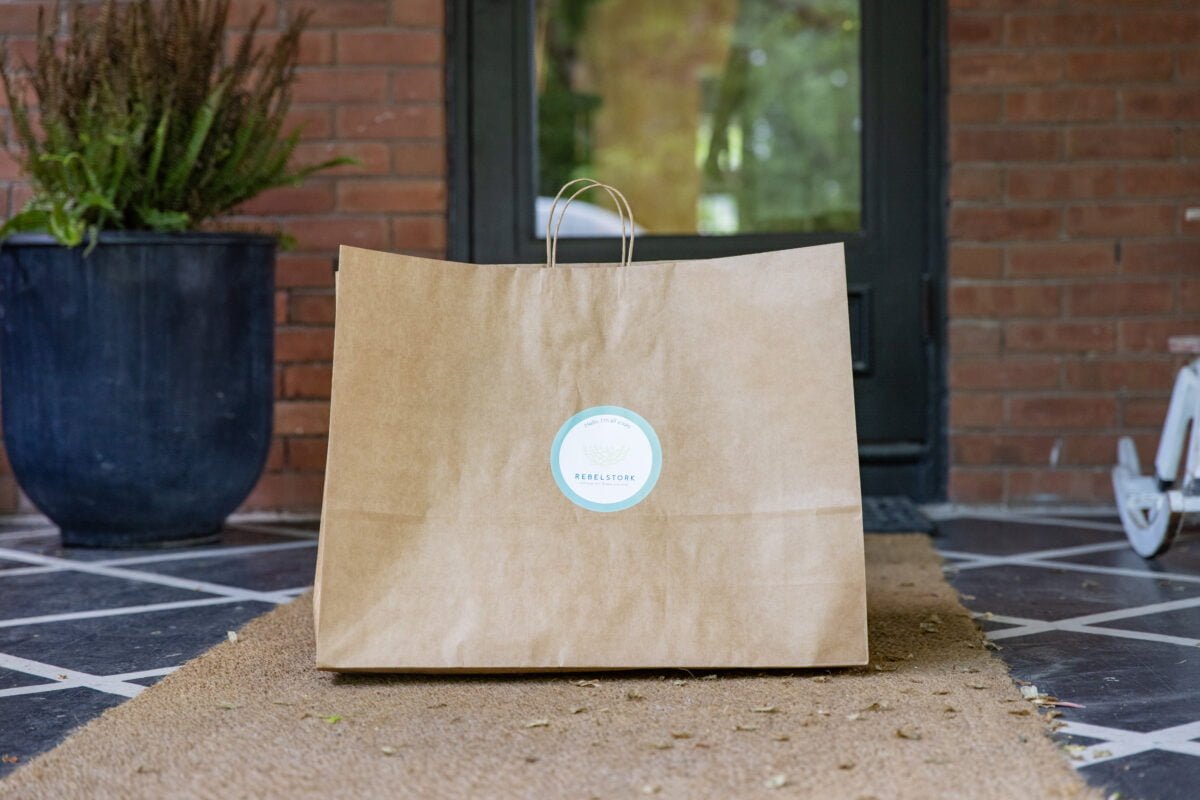
Iconic Canadian retailer The Bay has entered into the baby gear resale industry through a partnership with Canadian startup Rebelstork.
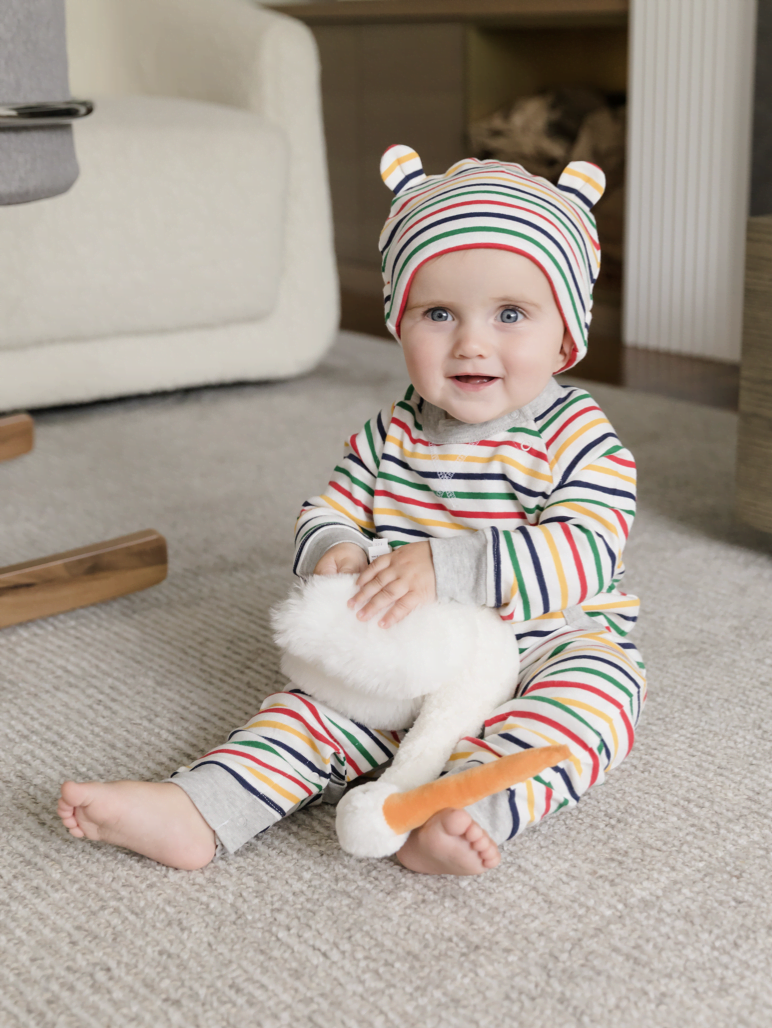
Rebelstork is North America’s first managed marketplace for the resale of overstock, open box and quality used baby gear, providing parents with a hassle-free way to buy and resell their baby gear.
As of September 26, consumers will be able to access Rebelstork’s marketplace directly via thebay.com.
“It’s no surprise that babies are expensive: parents can spend upwards of $10,000 – $14,000 on their baby every year and many parents are only beginning to realize the significance that buying second hand or reselling gently used gear can have on the environment and on their finances,” said Emily Hosie, Founder and CEO of Rebelstork. “Our mission is to help families declutter, save and make money, and ultimately contribute to the circular economy.
“I think environmental concerns are probably the top reason (for the circular economy). In the baby gear space particularly, the life span of product is so short and it’s extraordinarily expensive. There’s a shift in parents wanting to provide the best for their babies and then there’s a lot of assortment out there now. There’s a lot of luxury gear. I also think there’s a big awareness with parents today especially Millennials and Gen Z where not only do they want to know how the products that are made – are they sustainably sourced, are they impact driven companies that they’re buying from – but they also want to know where their product is going afterward. So when they’re done with using it they want to know that it’s not just going into a landfill.
Rebelstork x The Bay
“Shoppers of The Bay will have access to our Rebelstork platform through their website. So The Bay is basically just opening up resale baby gear as an option for their customers. It’s very customer centric. That is how parents today are shopping. They’re buying something new, some things used. They want to sell their stuff and recoup as much money as they can back after using it and so The Bay is giving Rebelstork to their HBC clients.”
Hosie said what The Bay is doing is ‘disruption’ in the baby gear space, adding that the giant retailer is really paying attention to how customers are shopping these days.
“It is impactful and the circular economy is a partner to regular price and I think it’s great to see,” she said.
The partnership kicks off The Bay’s annual Baby Week Event on September 25 with trade-in events at two Hudson’s Bay locations: Guildford in Surrey, BC, and Square One in Mississauga, Ontario. Parents can bring gently used baby and kids gear and trade it in for a gift card from The Bay.
Image: Rebelstork
“Last year, we began to reimagine our kids strategy at The Bay to elevate the entire shopping experience for families. From baby showrooms to our Rookie shops, we have evolved to be more relevant, more innovative and easier than ever to shop for all stages of childhood,” said Laura Janney, Chief Merchant of The Bay. “Our partnership with Rebelstork brings a whole new option to parents looking to make more sustainable choices for short-term product purchases, as well as options for those ready to part with gently-used items that kids have grown out of. We are very pleased to partner with Rebelstork in delivering this experience to our customers.
“We know that parents are looking for more sustainable options for quality baby gear. This is a very relevant and innovative way to contribute to a circular economy, with two trusted brands delivering the experience for shoppers. Rebelstork’s marketplace of gently-used baby and kids gear was a natural fit to enter the baby resale space.
“Resale provides the ability to realize value on original investments, which is appealing when making purchases for products that are relatively short use. It is a more sustainable way to buy and sell, extending the lifespan of products. It is also an opportunity for parents to realize some cost savings on the buying side. The key for many parents when purchasing gently-used is having trust in their purchase choices.”
Janney said the retailer has really invested in its ‘family strategy’ over the past two years and has actually doubled its business in that time.
Image: Rebelstork
“We know that parents – and grandparents, aunts, uncles and others – want an expansive and quality assortment, and an easy shopping experience. The Bay has evolved to be more relevant, more innovative and a trusted destination for quality – making it easier than ever for parents to shop for all stages of childhood,” she said, adding the company sees more partnerships in this resale area in the future.
“We launched The Bay Marketplace in March 2021, and have already launched five pre-loved sellers on that platform on thebay.com, with more expected. There is a great opportunity for resale through our marketplace and we continue to explore trusted vendors to partner with.”
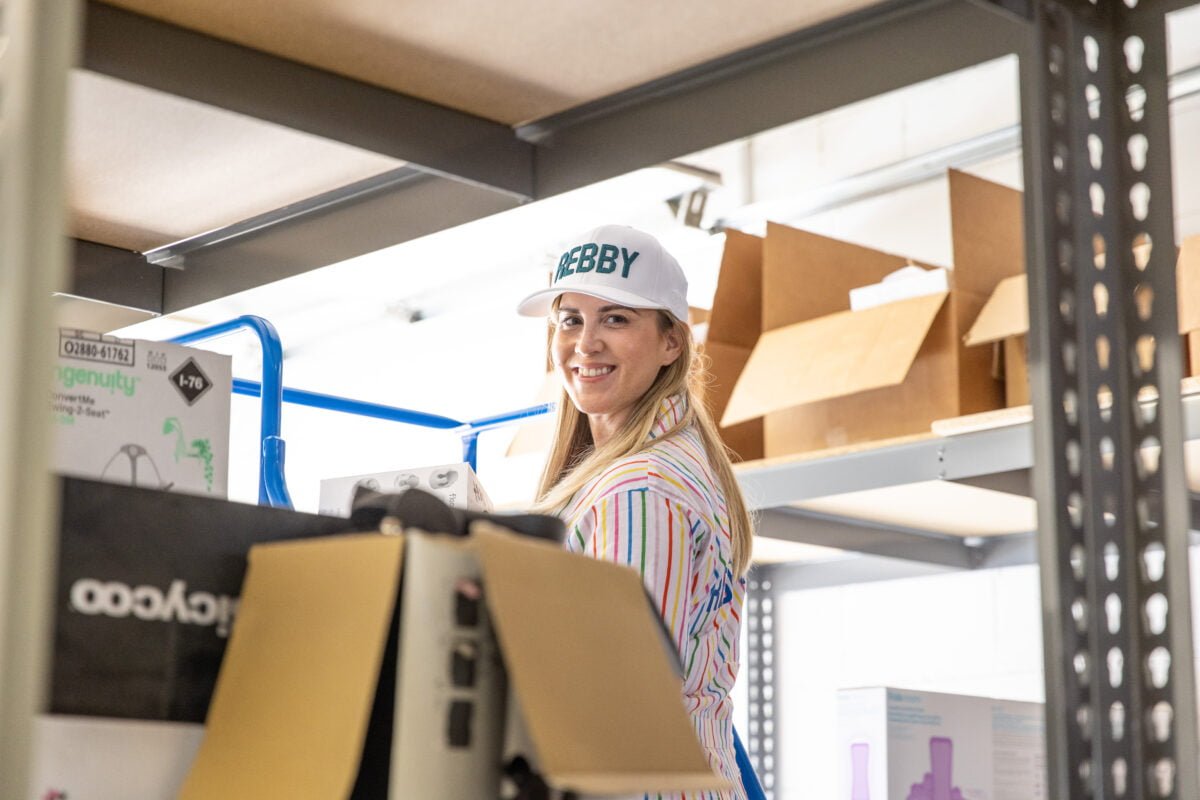
Rebelstork was founded in 2019 by Hosie who is a former retail executive working over the years with brands such as Winners, Marshalls and Saks Fifth Avenue.
“When I had my son I had a not so great experience selling a baby swing on a do-it-yourself marketplace and I just realized it wasn’t safe, I didn’t feel like I was getting the money I deserved for my item. So I figured there had to be a better way,” said Hosie. “So I created Rebelstork just out of my own personal experience as a way for parents to hassle-free buy and sell baby gear.
“We also do overstock and open box. So quick returns that are coming back to retailers and end-of-the-line products. There’s nothing wrong with the product. It’s just that it can be offered at a bit of a deal. We have our proprietary pricing technology that prices everything based on fair market value. It’s the first pricing technology in the baby gear space. Every product that is sold on our website is quality tested and rated by our staff and physically in our possession and then it goes through the pricing algorithm so that parents know that they’re paying and buying what the gear is actually worth.”
Image: Rebelstork
The upcoming trade-in events at The Bay’s two stores will accept products dated no earlier than 2017 and must be clean, operate well and be
free of stains and fabric tears. Strollers must have working brakes, functioning safety straps and opens and closes correctly. Additional terms, including accepted items for trade-in and their estimated value can be found here: https://rebelstork.com/pages/hbc-x-rebelstork
Items that are older than four years will be donated to charity. Trade-in value will be calculated at the events on-site using Rebelstork’s resale calculator, which takes into consideration programmed qualifiers like age, condition, and operational state.
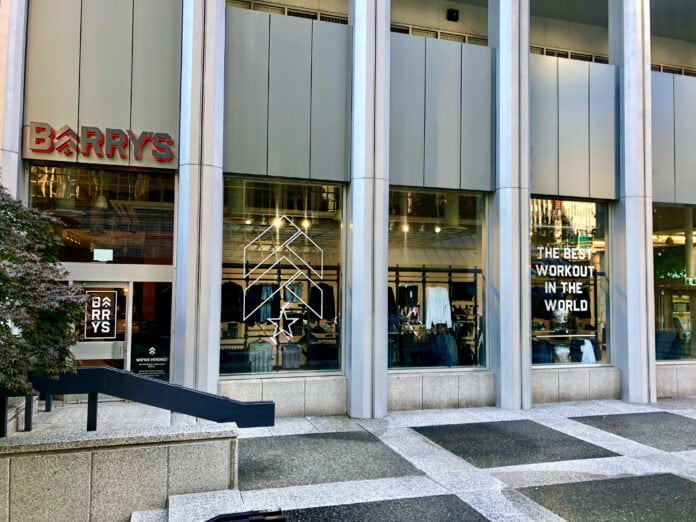
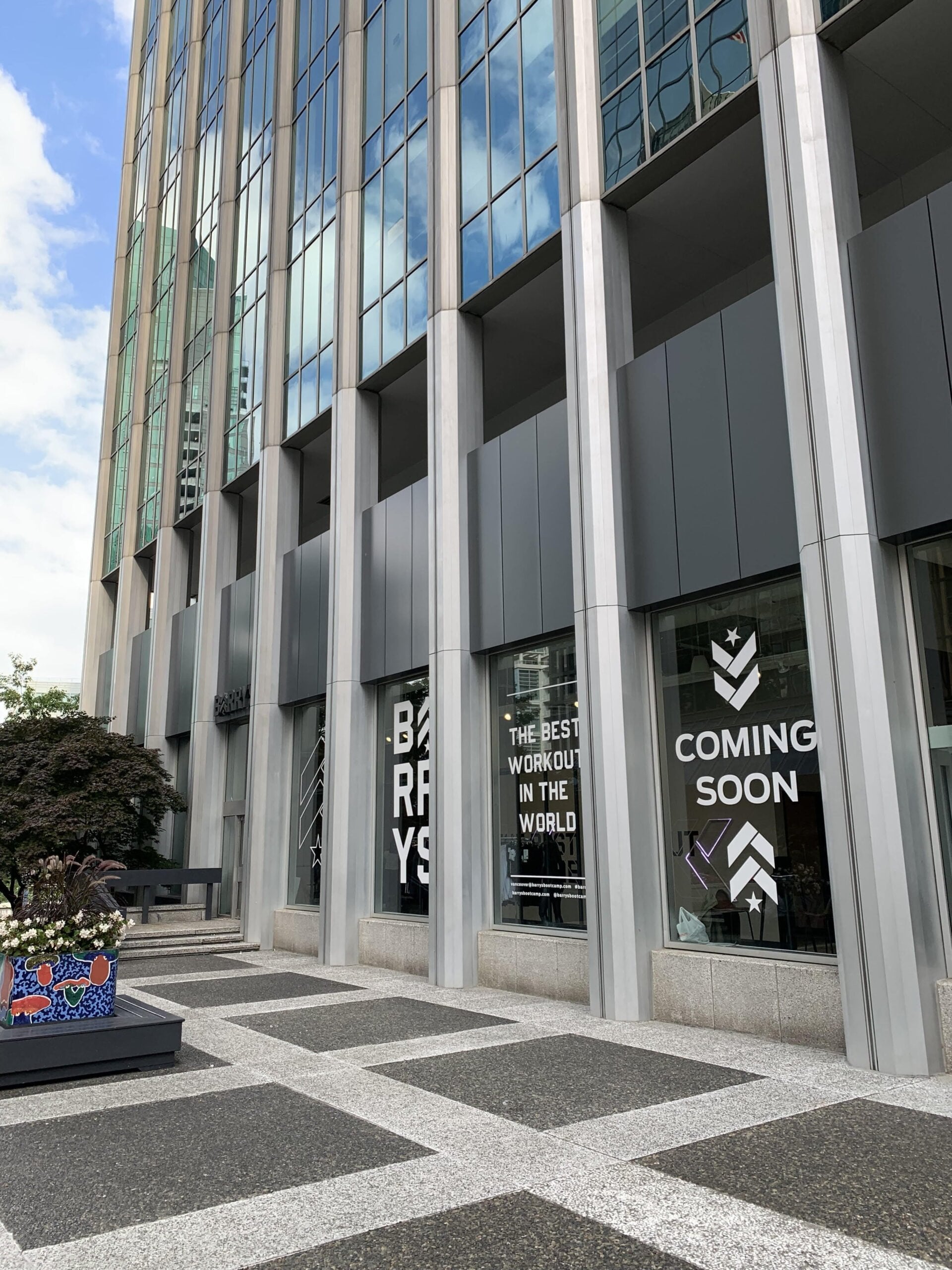
California-based high-intensity workout concept Barry’s has opened its first Vancouver location and more could open in the city. Vancouver marks Barry’s fourth Canadian location after the fitness company entered the Canadian market in 2017.
Joey Gonzalez
The 5,107 square foot fitness concept is located in the city’s Central Business District at 1035 West Pender Street at the base of an office tower. CEO Joey Gonzalez says that the company had been looking for several years for a Vancouver location, even before entering the Toronto market four years ago.
The Vancouver real estate market is tight, Gonzalez explained, and the right space finally was found in an area adjacent to the affluent Coal Harbour neighbourhood that is home to thousands of residents in pricey condominium towers. Martin Moriarty and Mario Negris of Marcus & Millichap handled the lease transaction.
“We were drawn to the site at Coal Harbour as a result of its density, walkability, and mix of office and residential,” said Gonzalez who went on to say in an interview that more Barry’s locations could open in the Vancouver area. That includes on on the North Shore, either in North Vancouver or West Vancouver, as well as in the city’s trendy Kitsilano area.
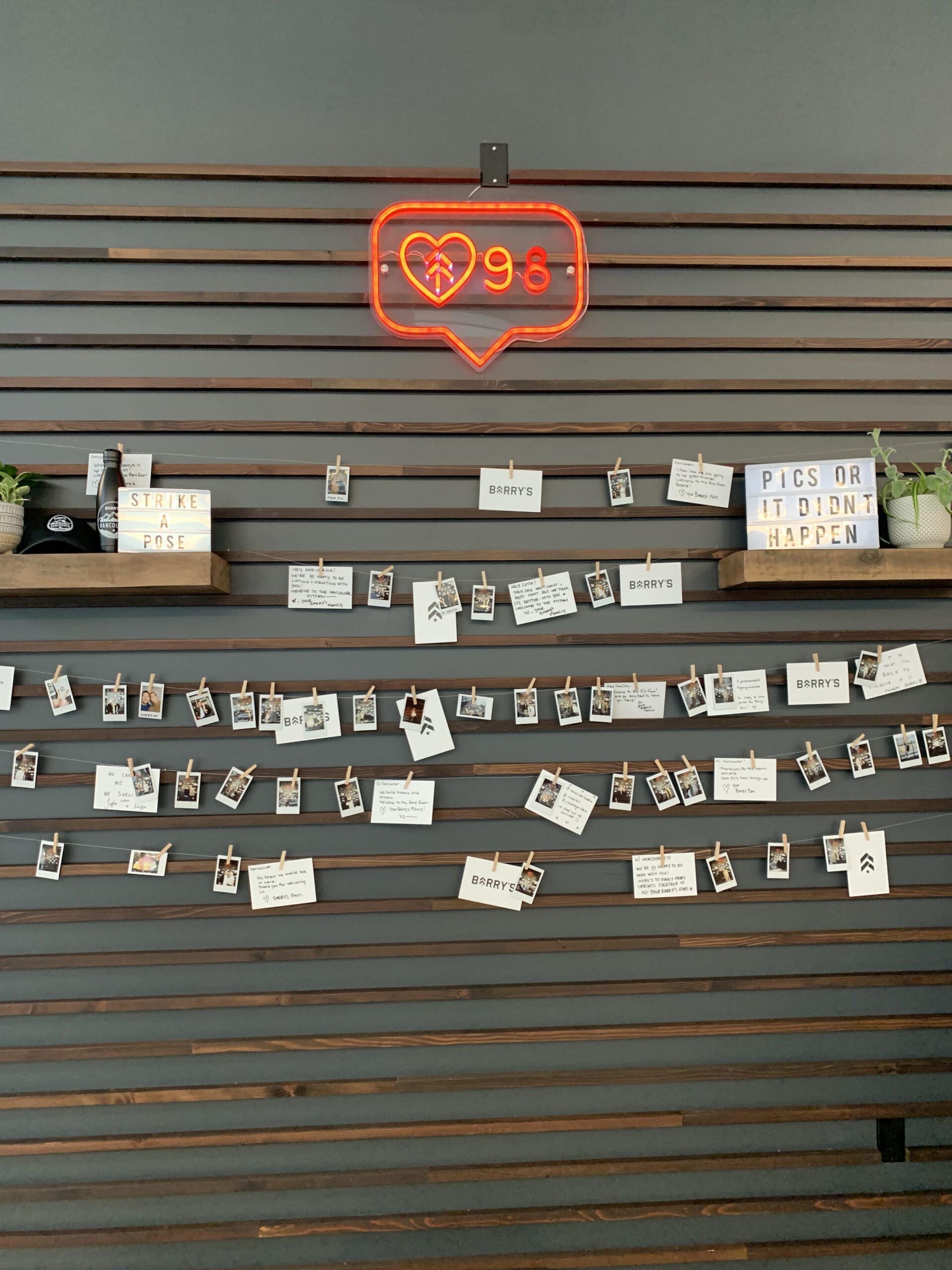
Barry’s Vancouver (Image: Barry’s)
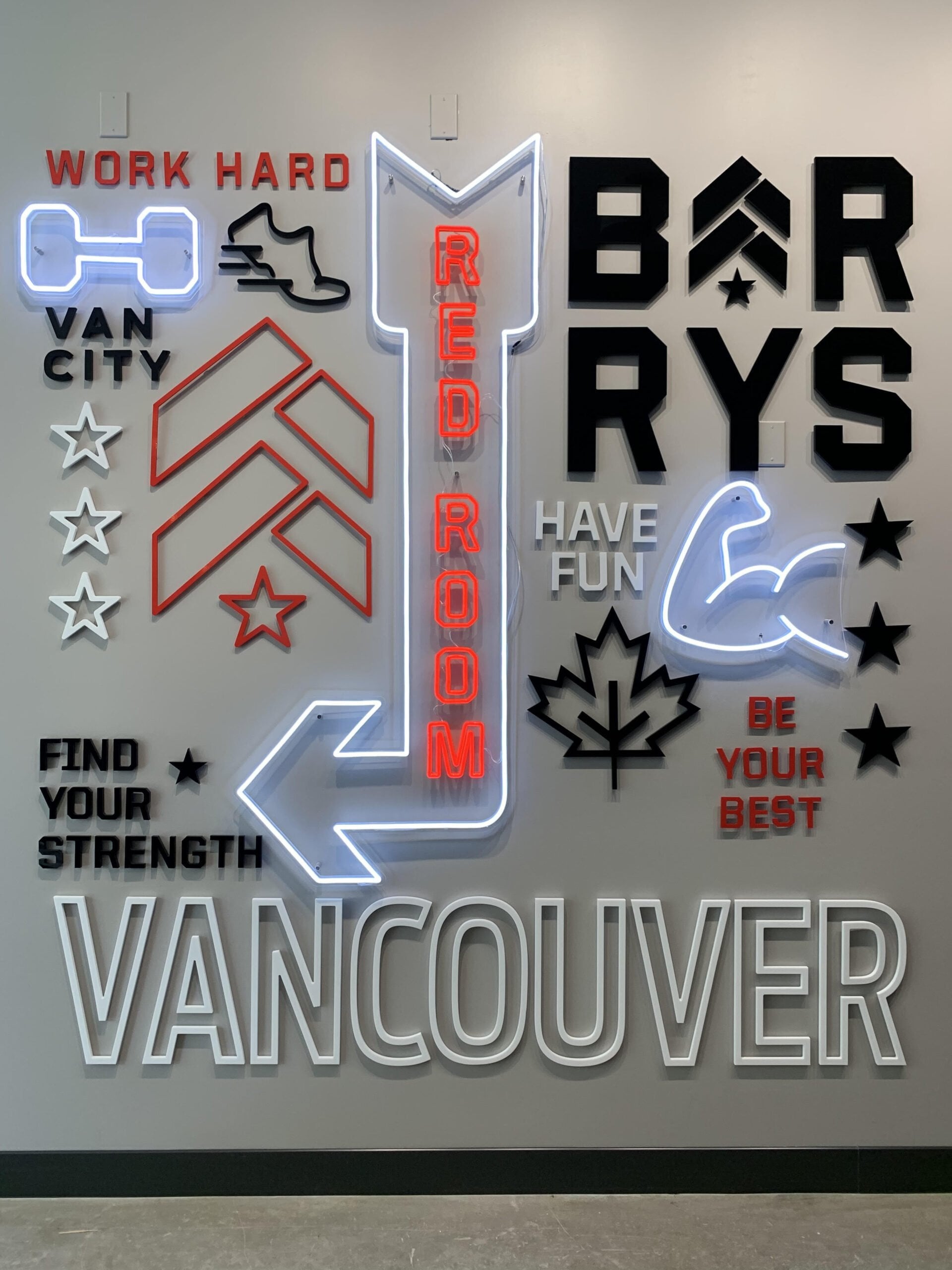
Barry’s Vancouver (Image: Barry’s)
Barry’s Vancouver (Image: Barry’s)
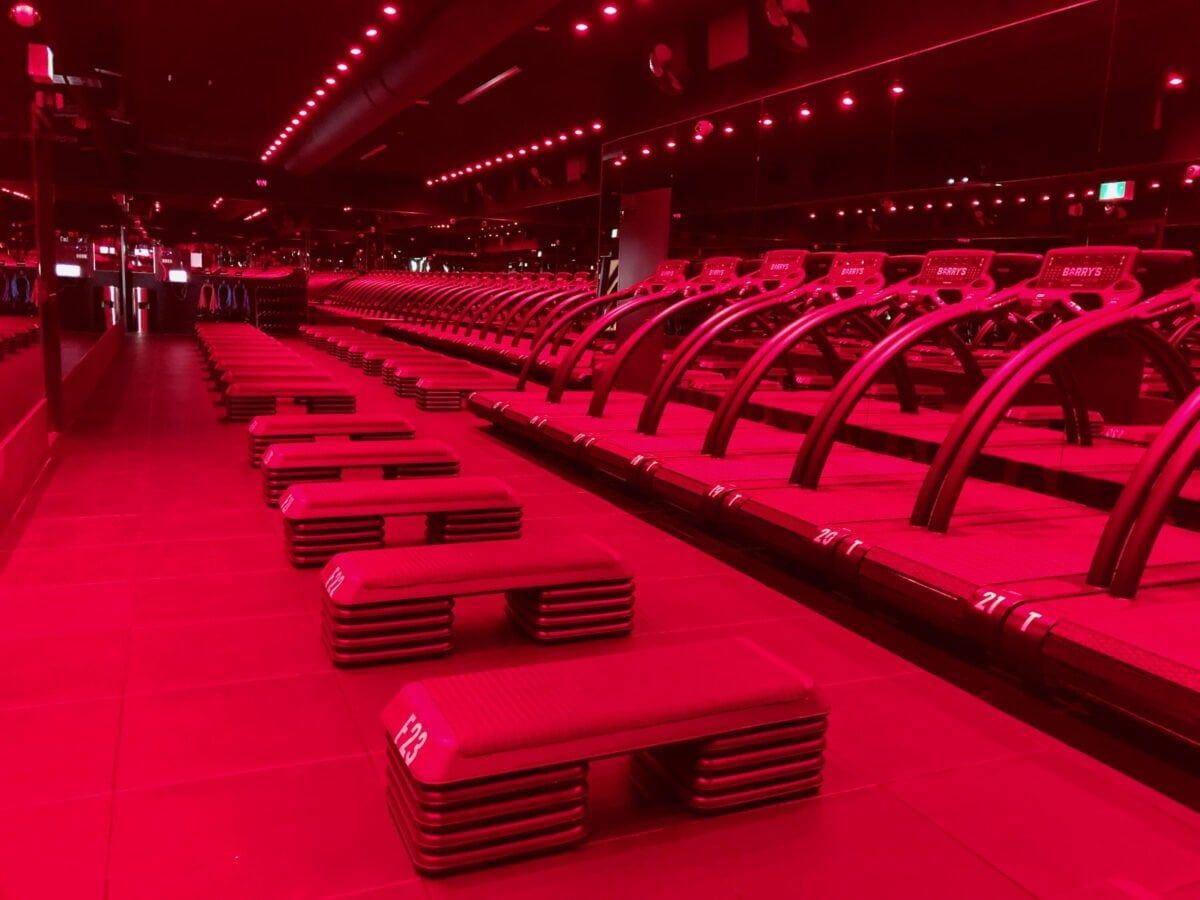
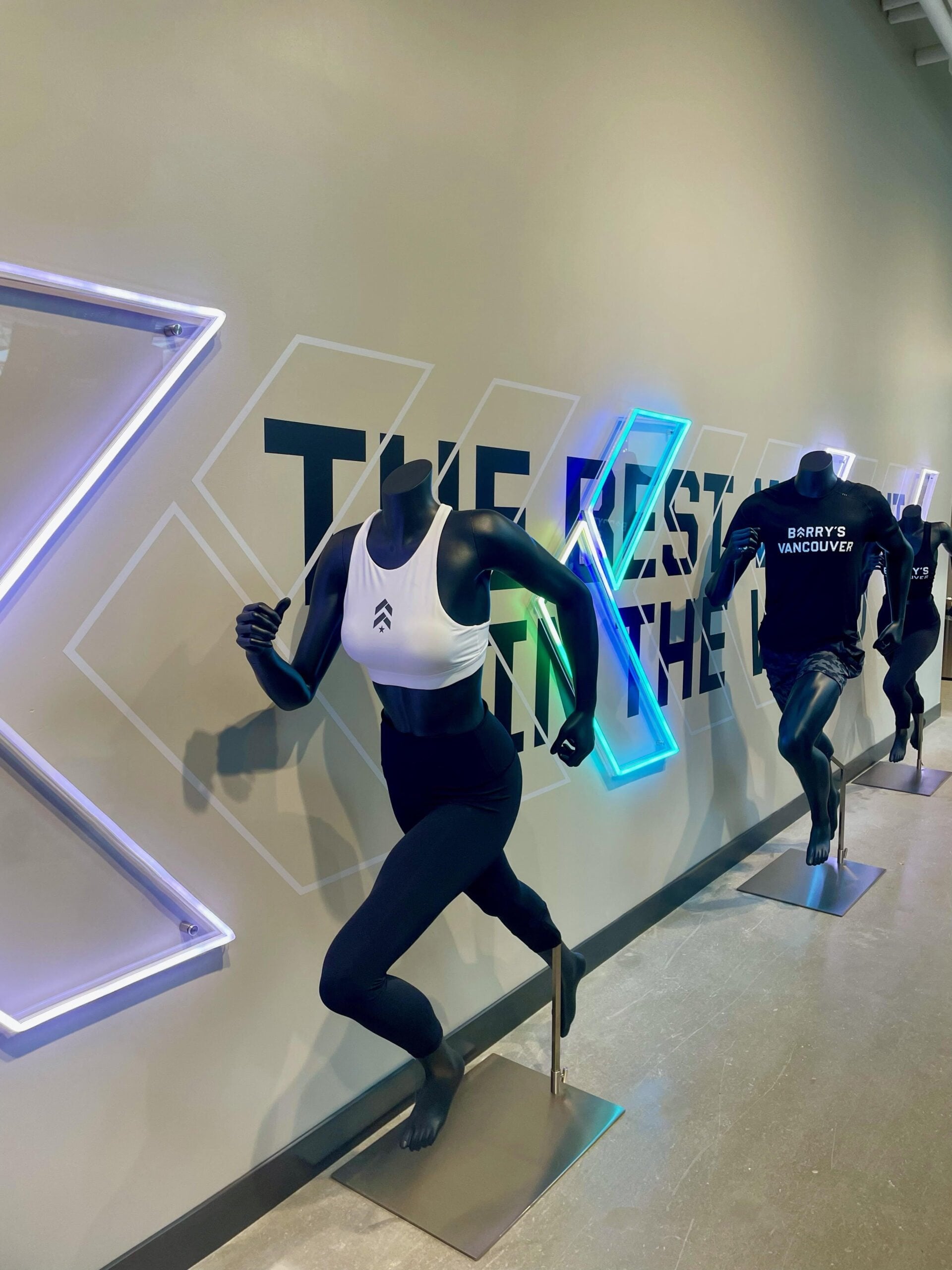
The Vancouver studio hosts Barry’s iconic Red Room with up to 51 spots for the high-intensity interval training workout that alternates between cardio on the treadmill and strength training on the floor. Locker rooms are stocked with Oribe and Dyson amenities. A retail space featuring Vancouver’s own Lululemon athletic apparel. A Fuel Bar offers a variety of snacks and signature smoothies. Barry’s is open seven days a week and targets a different muscle group each day.
Barry’s opened its first Canadian location in Toronto’s Entertainment District at 310 Richmond Street West in late 2017. in May of 2019, it opened its second location in Toronto’s affluent Bloor-Yorkville area at the back of the 100 Bloor Street West commercial podium.
In the fall of 2019, Barry’s opened its third location in Canada in Calgary, marking its first ‘hybrid’ storefront in partnership with Lululemon. Both brands share a building in Calgary’s Mission/Cliff Bungalow area at 2308 4 Street SW in the historic Bannerman Block that was built in 1911.
Further expansion for Barry’s is expected according to Gonzalez, and the company is taking a cautious approach while analyzing area demographics following a shift caused by the pandemic. Barry’s seeks out locations that include nearby workers and given the work-from-home situation across the country, some locations may not be as desirable as they were prior to the pandemic given the reduction in daytime foot traffic.
Barry’s Vancouver (Image: Barry’s)
Barry’s Vancouver (Image: Barry’s)
He said that the Toronto market could see more locations open, and other markets in Canada could also see Barry’s locations as well depending on future location and demographic analysis.
Given changes to the world due to the pandemic including a digital transformation, Barry’s recently launched its digital platform Barry’s X in Canada. The on-demand and live digital classes are popular in the United States and the expansion was requested by Canadian clients.
Gonzalez said that Barry’s X helps differentiate Barry’s as a global fitness brand that can offer clients an omni-cannel experience including a user experience where users can join by camera and instructions can watch for form and give feedback.
A timeline of Barry’s history from its website:
1998: LA based celebrity trainer Barry Jay has the idea for a one-stop cardio and strength training workout that actually works. Barry Jay partners with John and Rachel Mumford to open the first Barry’s Bootcamp in West Hollywood and together they launch the boutique fitness studio revolution;
2003: Barry’s CEO Joey Gonzalez joins the company and becomes a star trainer at Barry’s;
2009: Barry’s expands outside of Los Angeles for the first time, opening in San Diego;
2011: Barry’s takes Manhattan! The first NYC studio opens in Chelsea, which sees the first Fuel Bar launch and first use of its signature Woodway treadmills;
2011: Barry’s opens its first international location in Bergen, Norway.
2015: Barry’s goes global and expands further into the US: Studios open in London, Boston, Miami, Nashville, and San Francisco. Expansion continues across New York City and the Hamptons. Barry’s retail hits new levels of success with expansion of the collection to Bloomingdale’s;
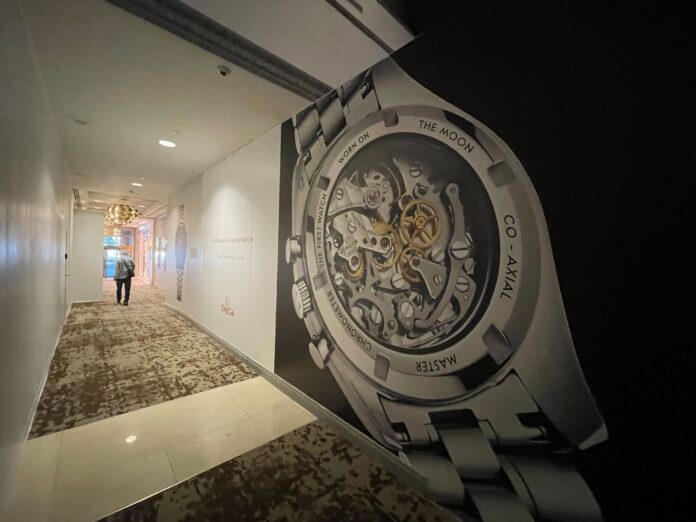
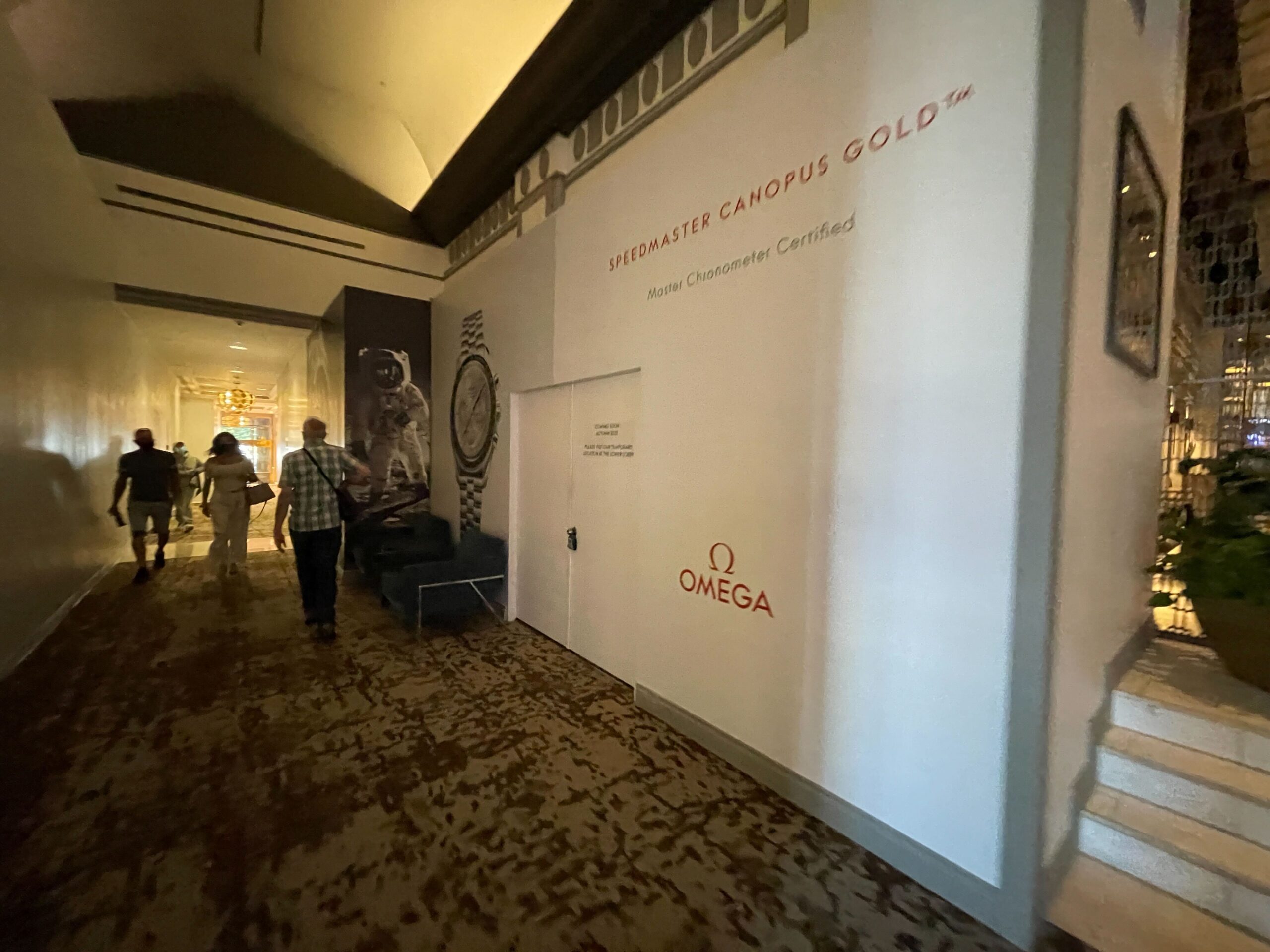
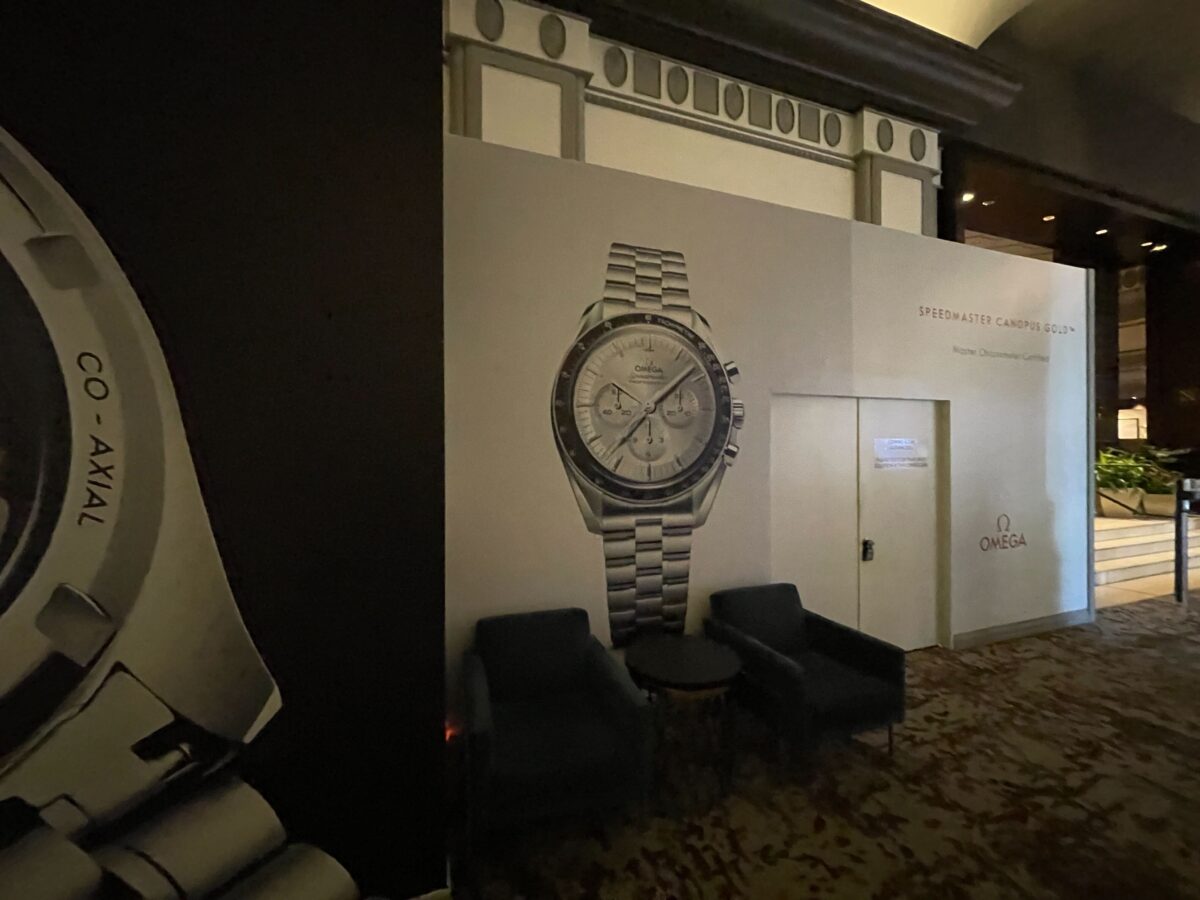
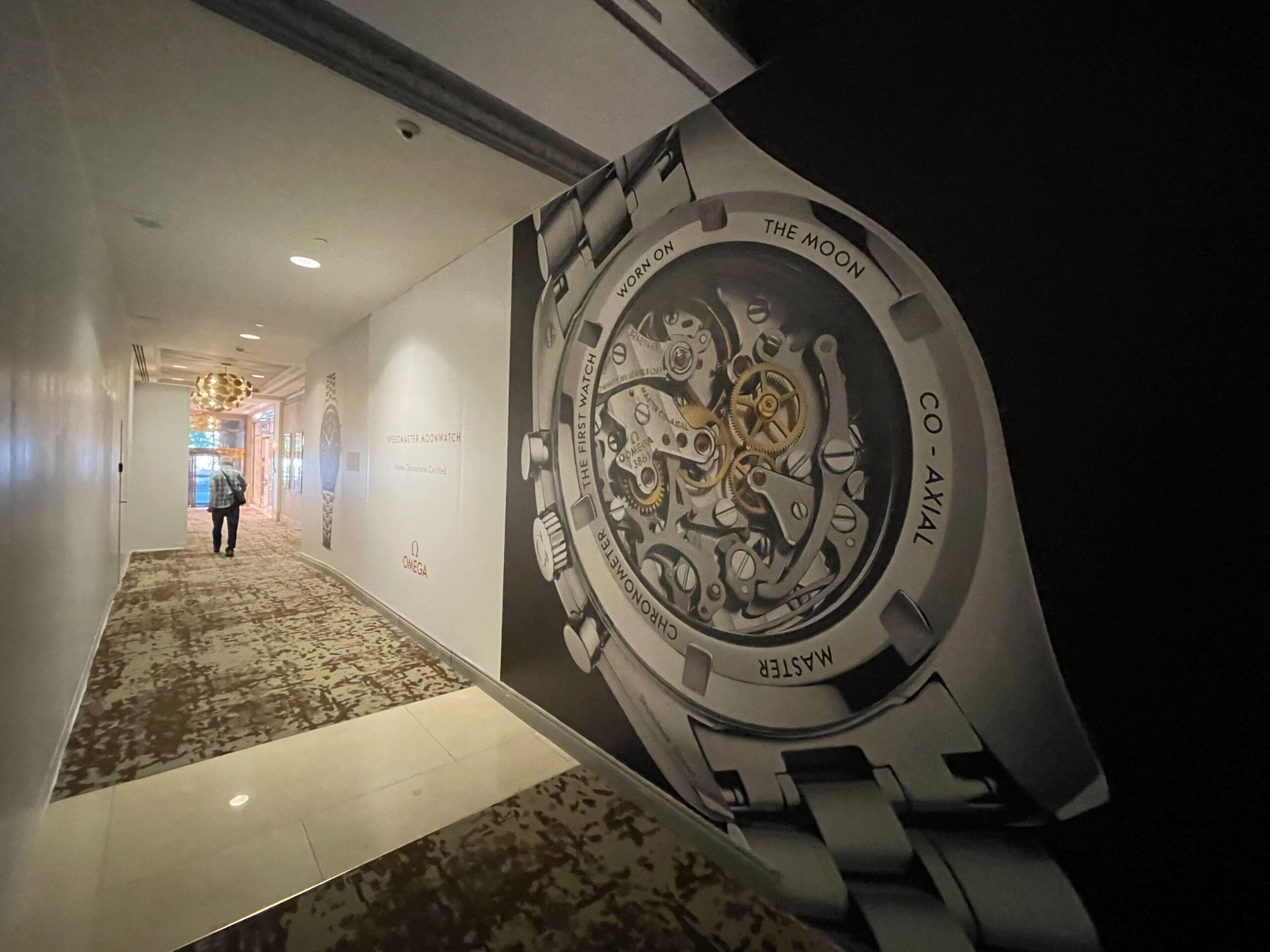
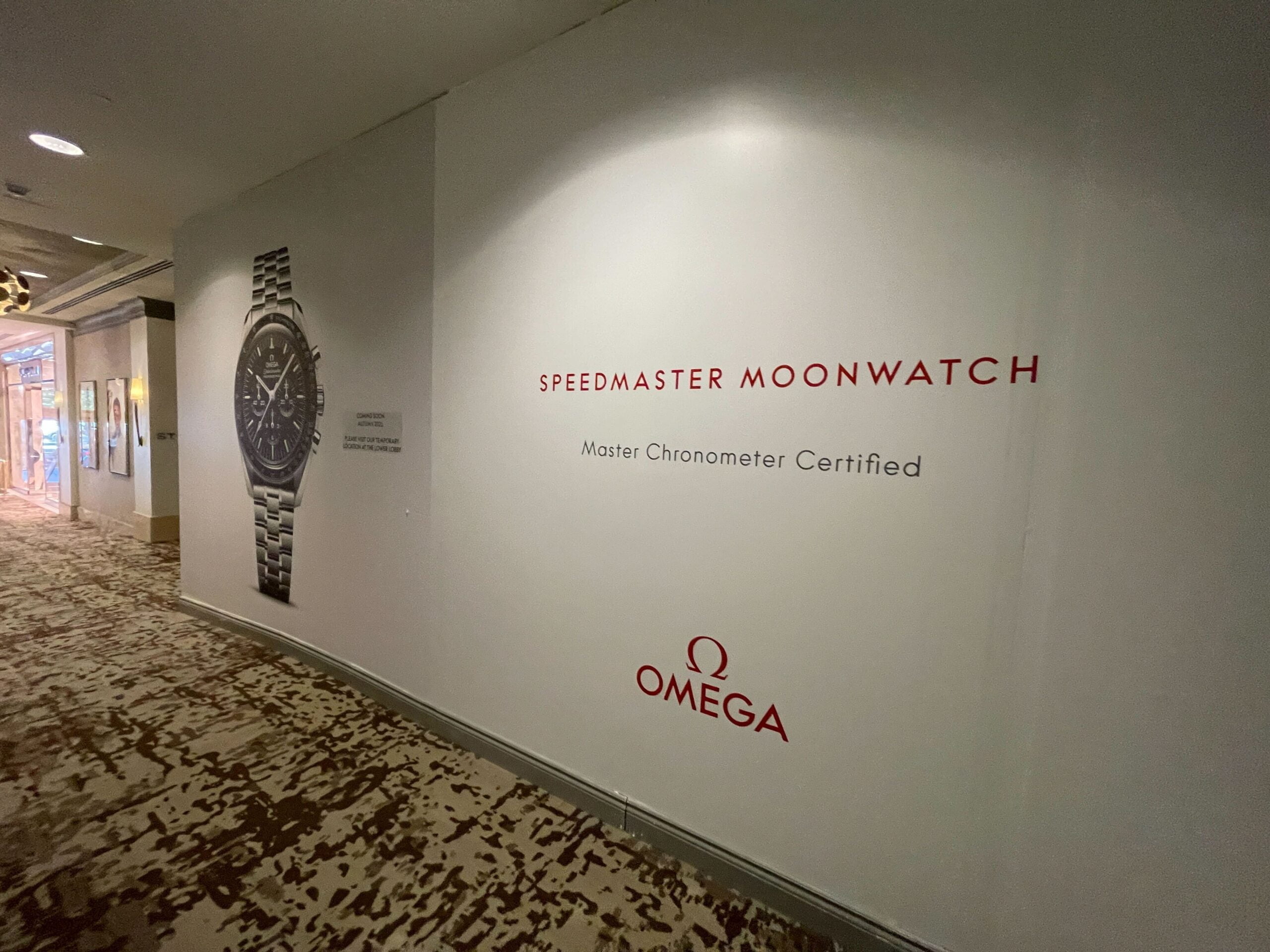
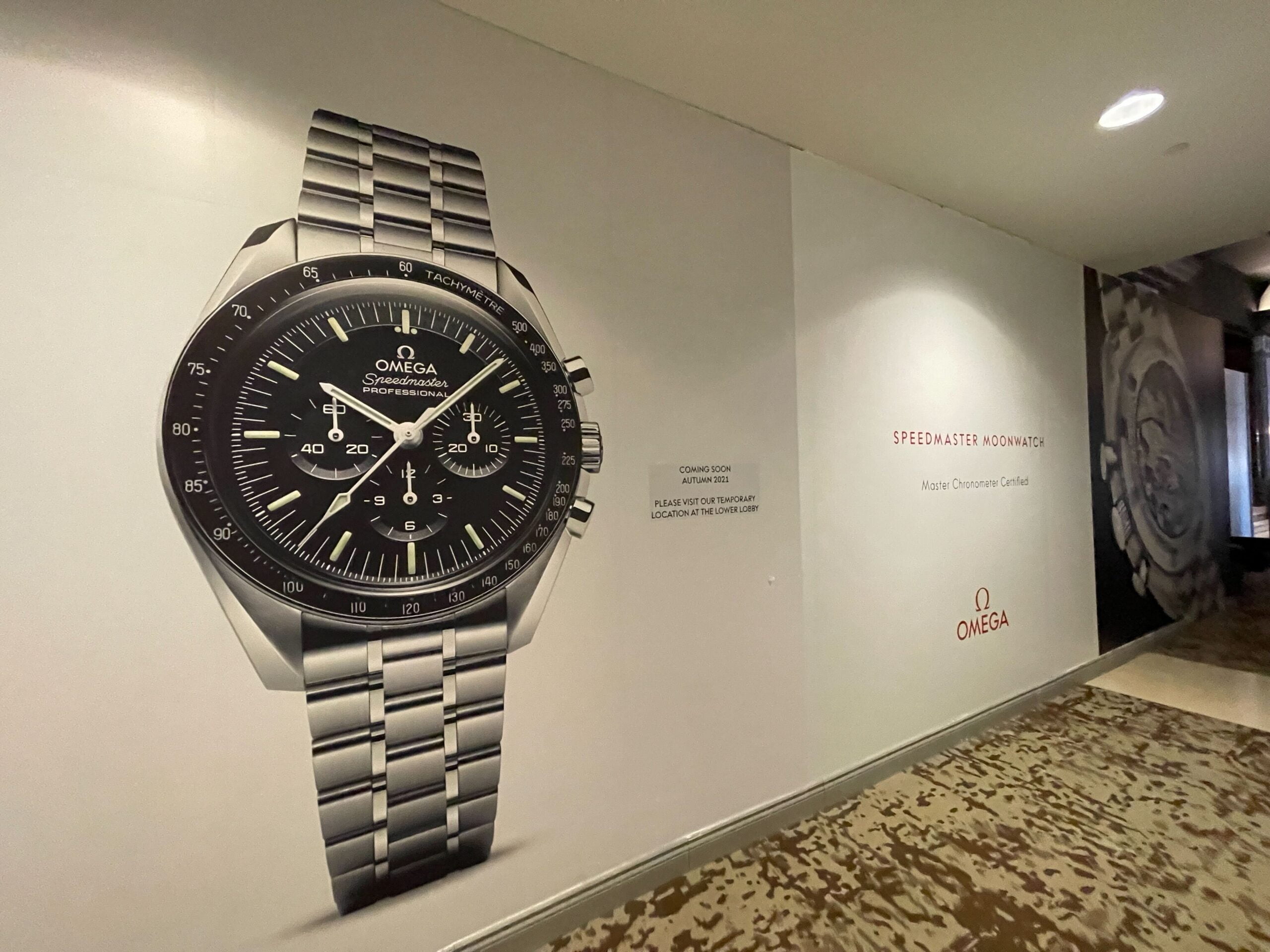
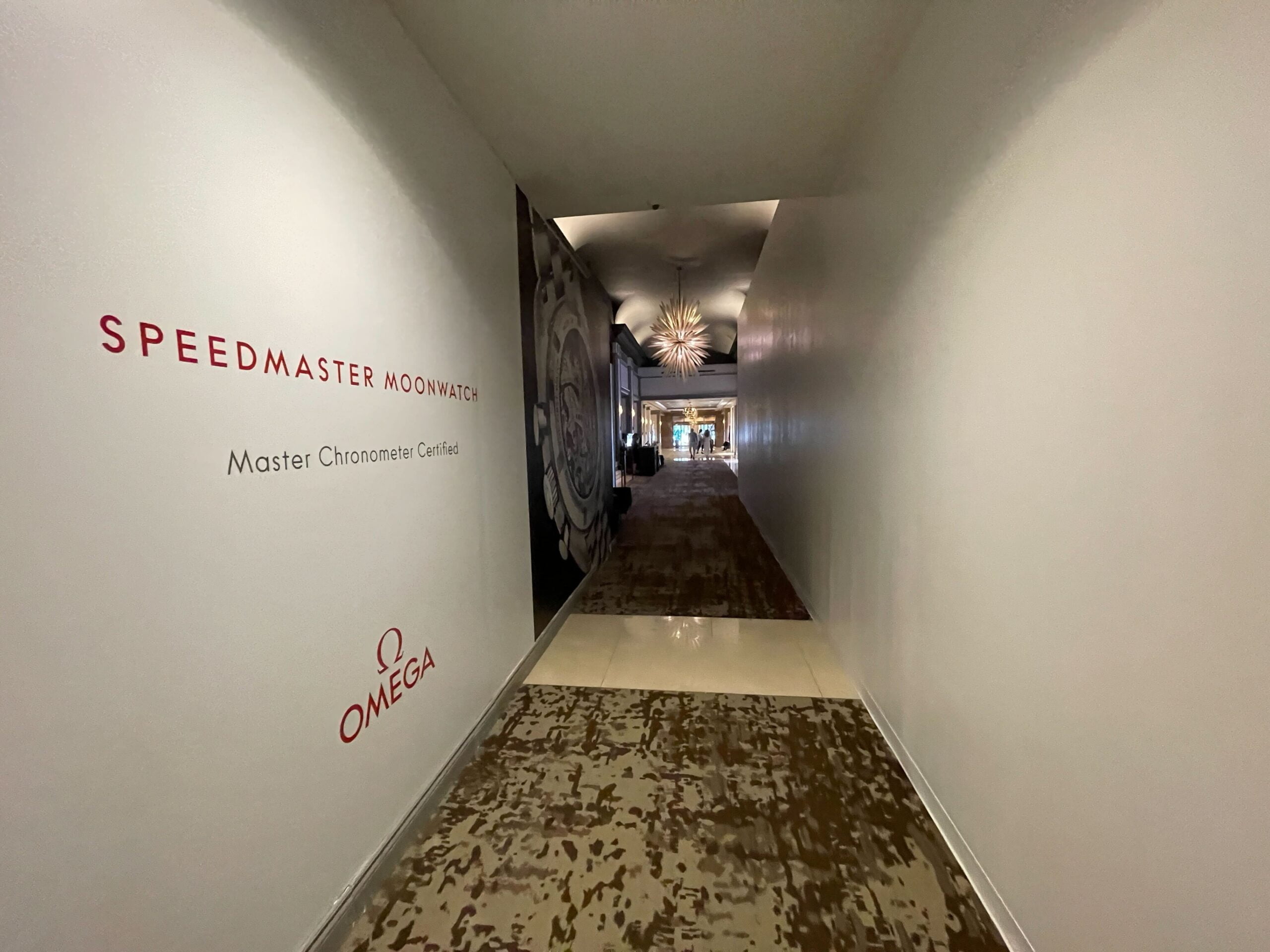
Construction signage for future OMEGA location at Fairmont Hotel Vancouver (September 2021). Photo: Lee Rivett.
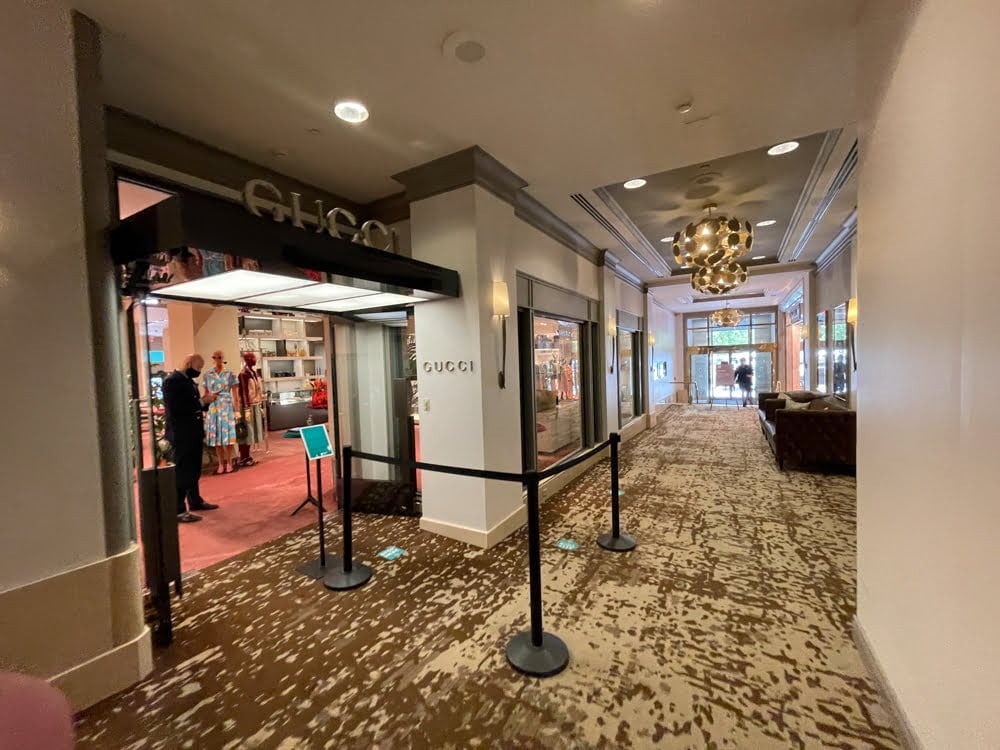
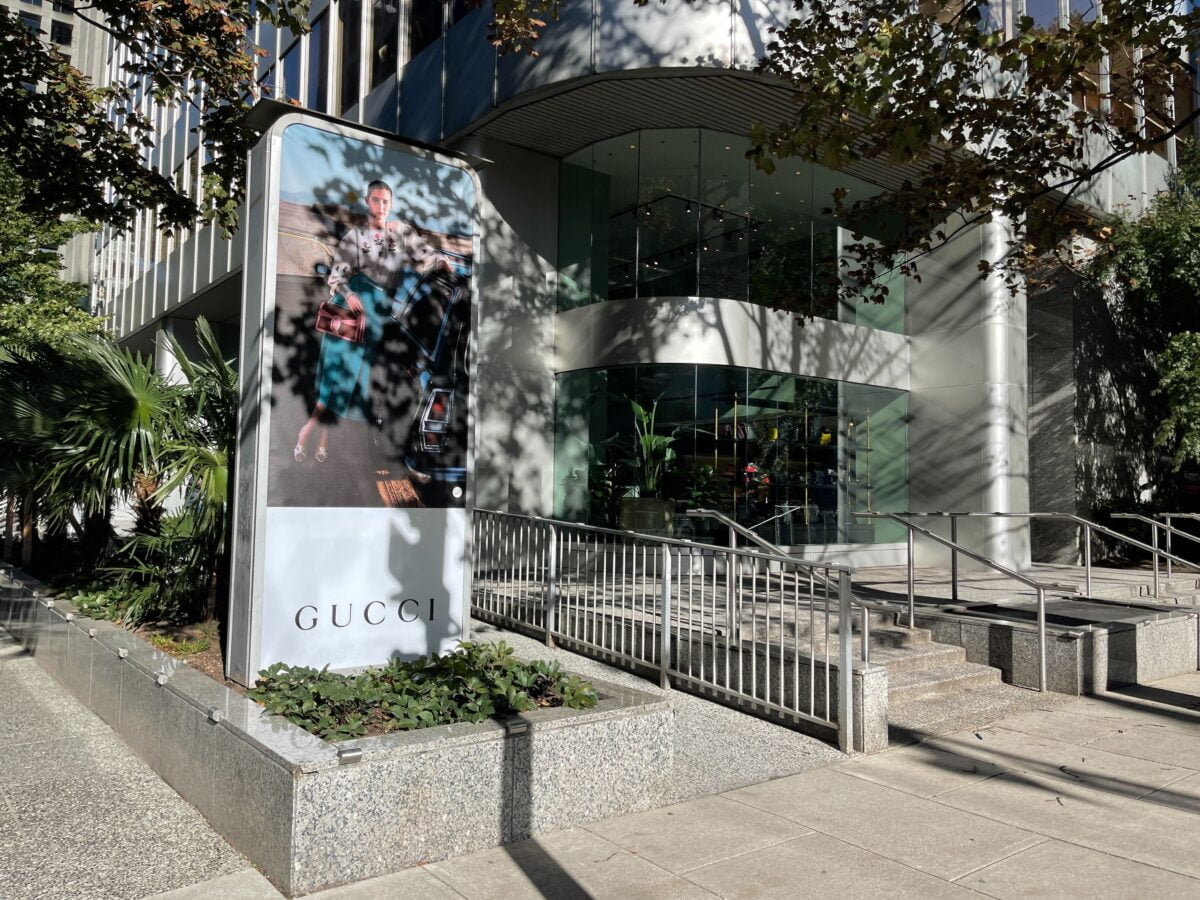
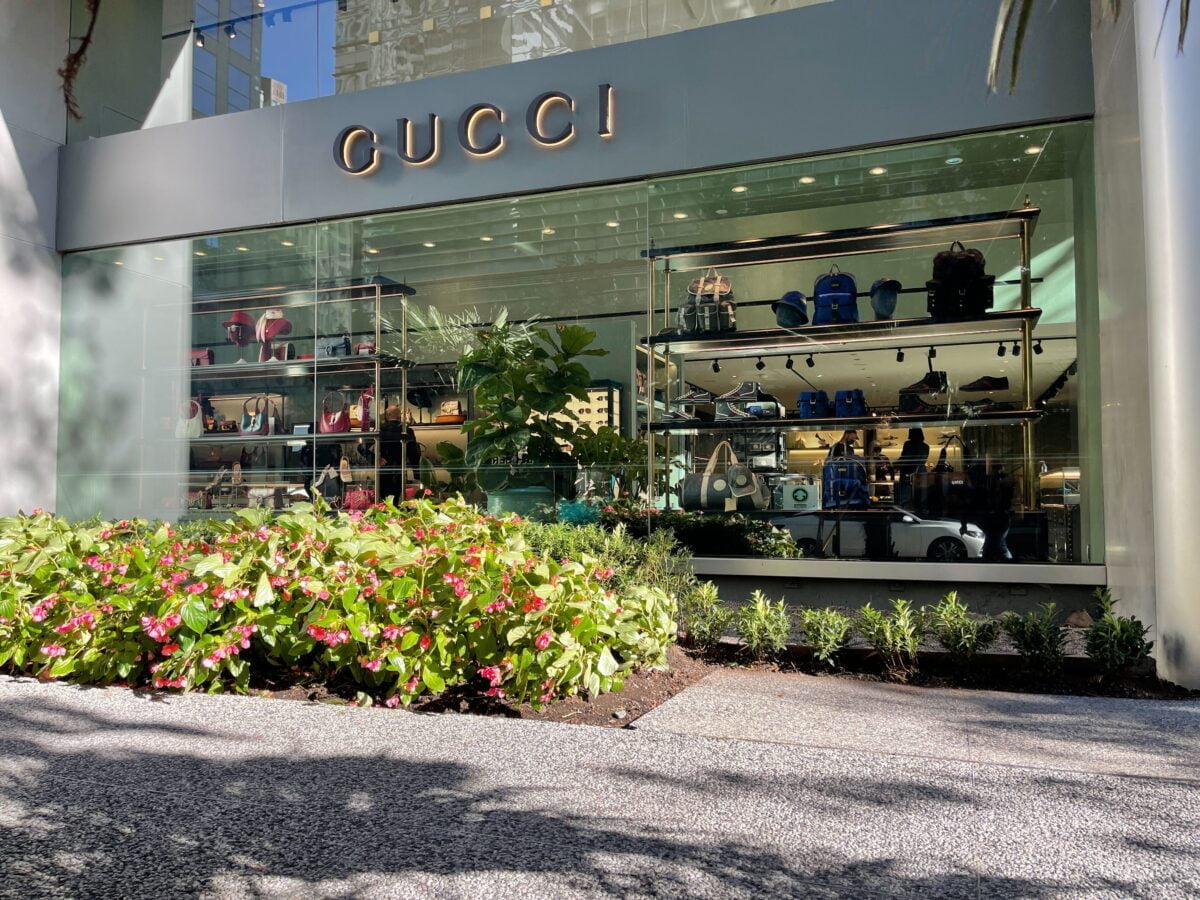
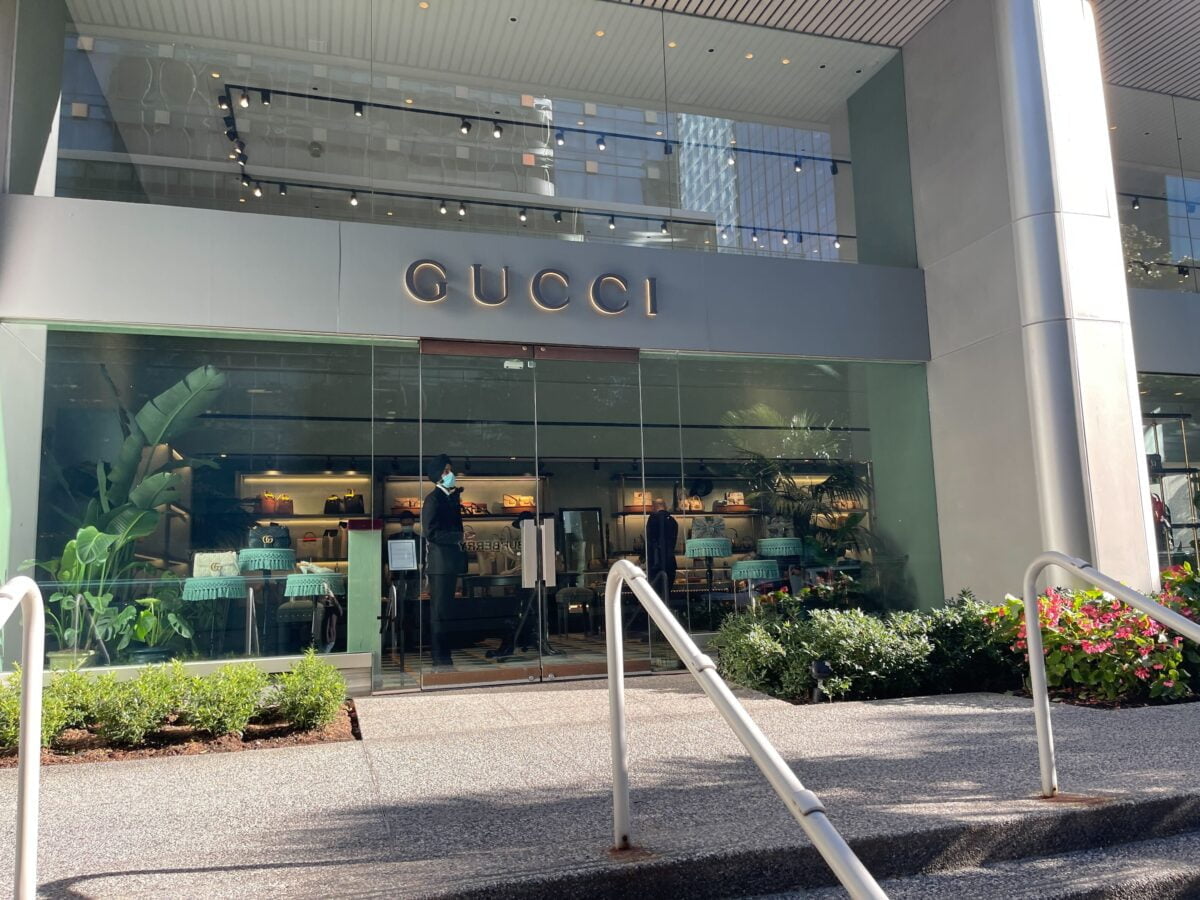
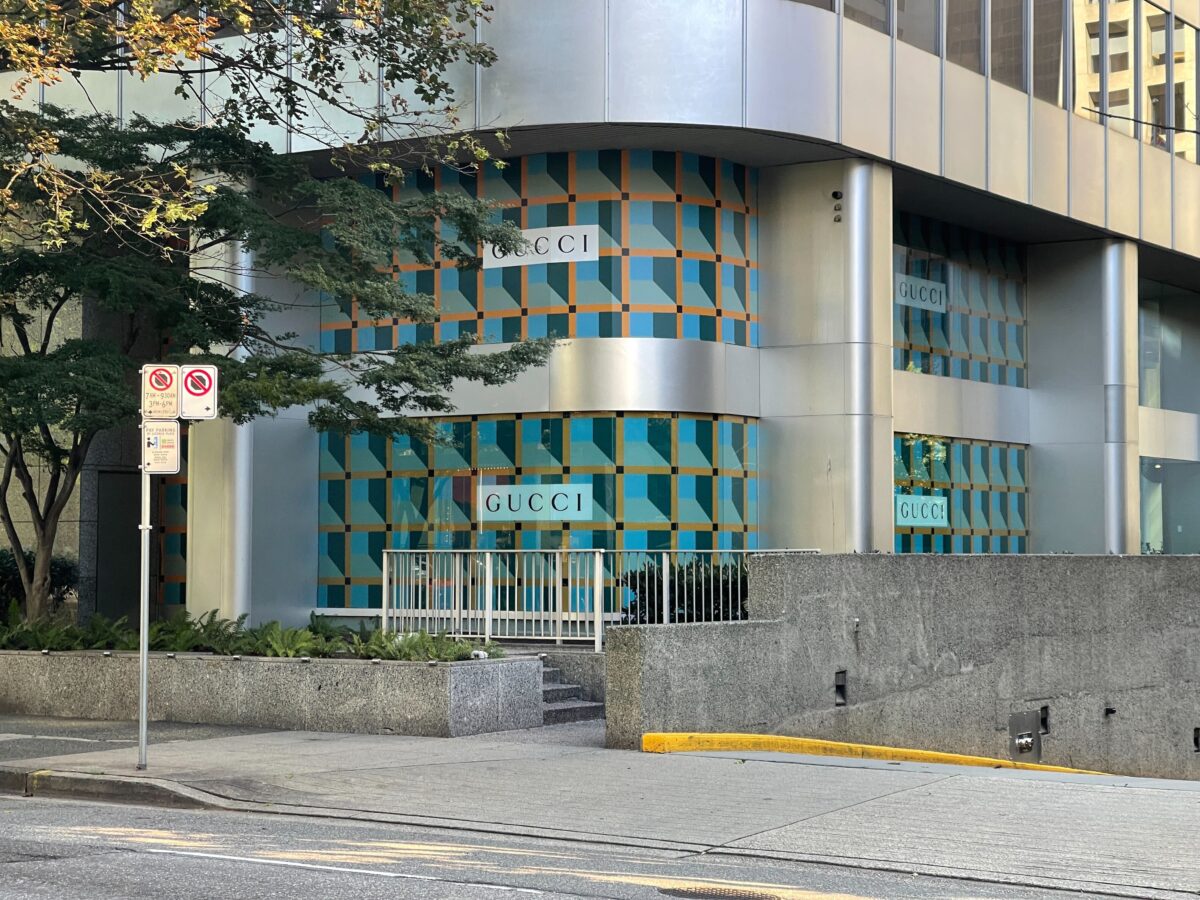
Retail Insider reported in July 2021 that Italian luxury brand Gucci will renovate and expand its standalone downtown Vancouver store at the Fairmont Hotel Vancouver by annexing an adjacent space occupied by an Omega luxury watch boutique. Construction signage has been erected and the expansion project is well underway.
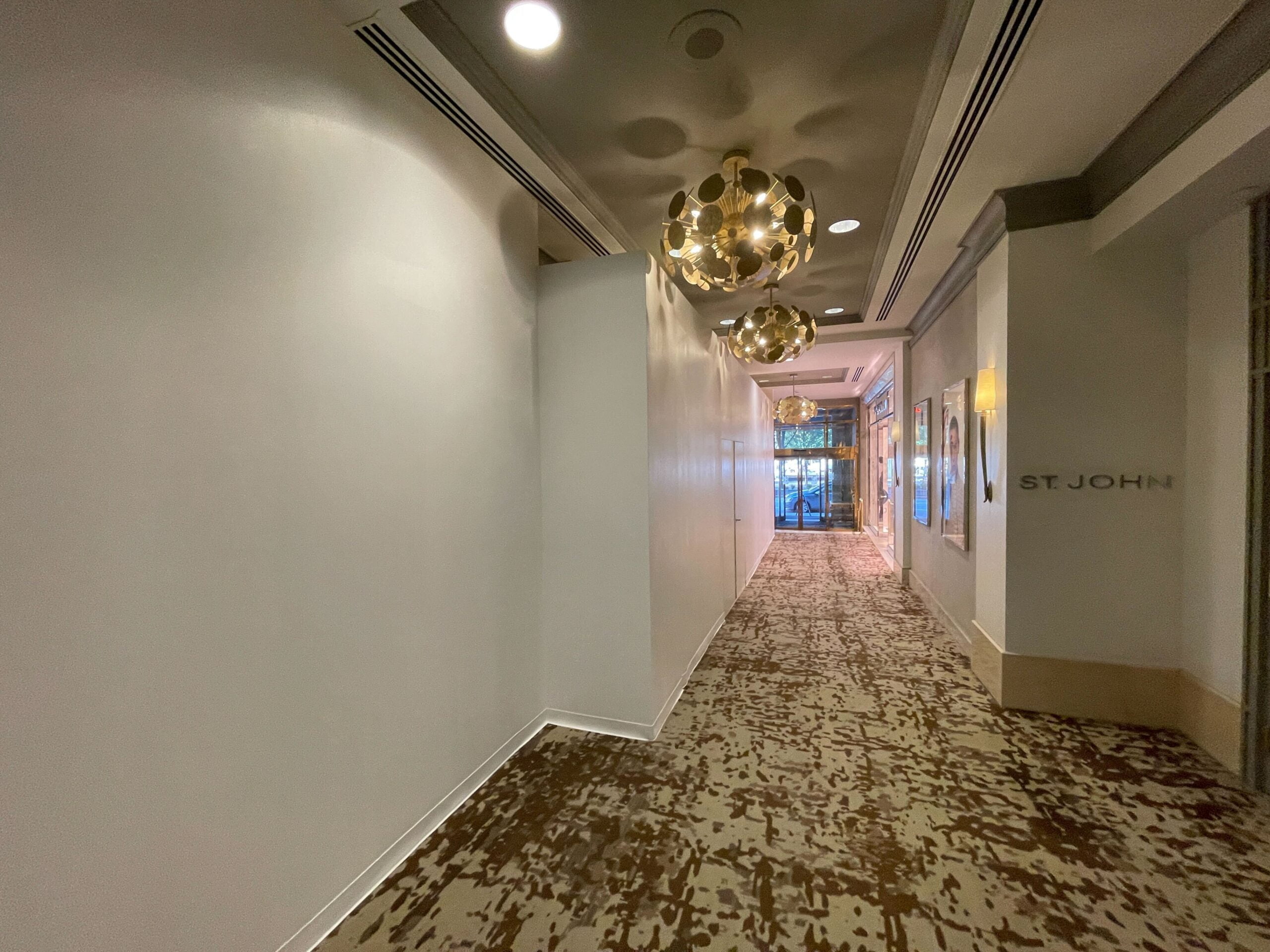
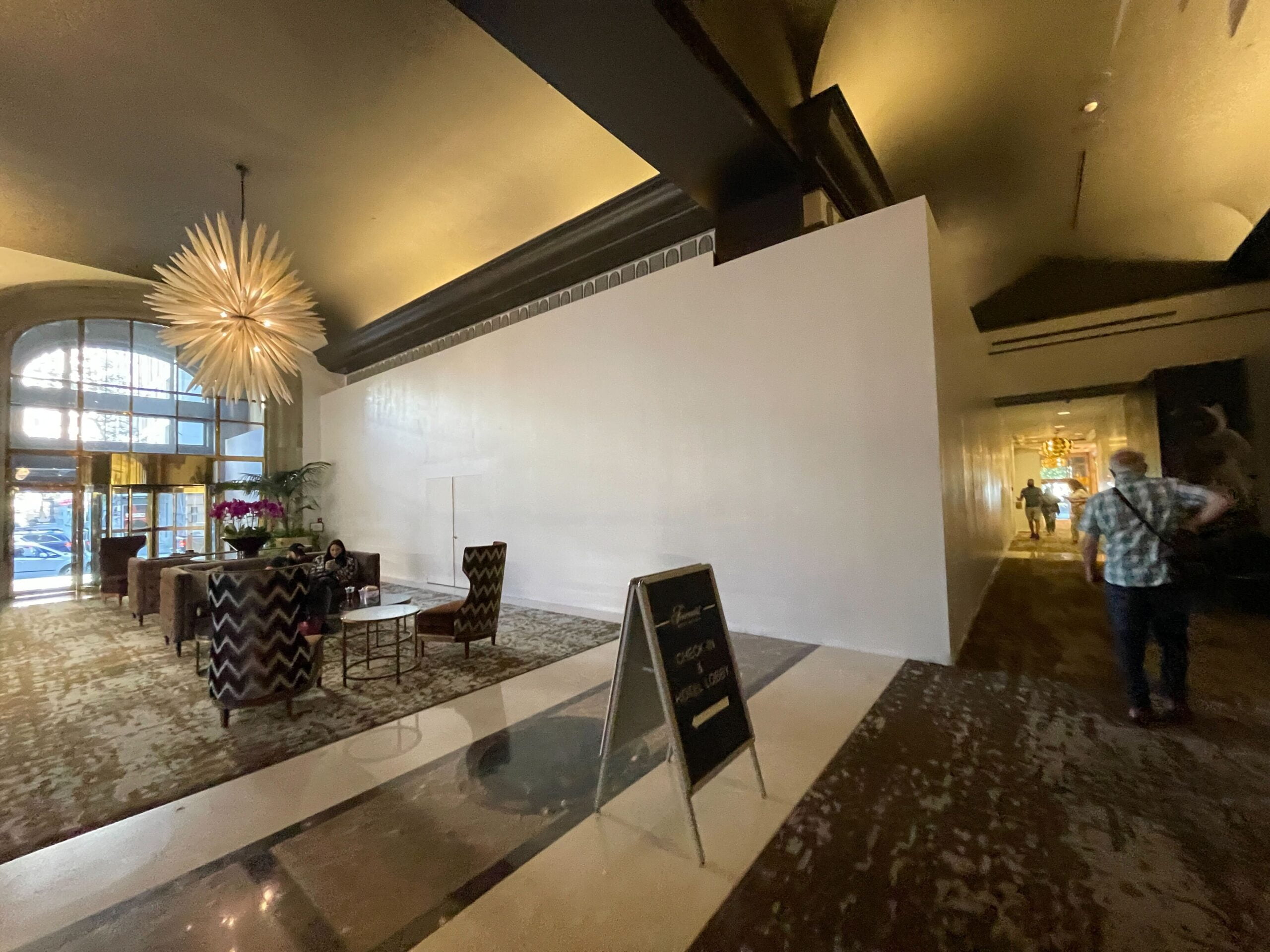
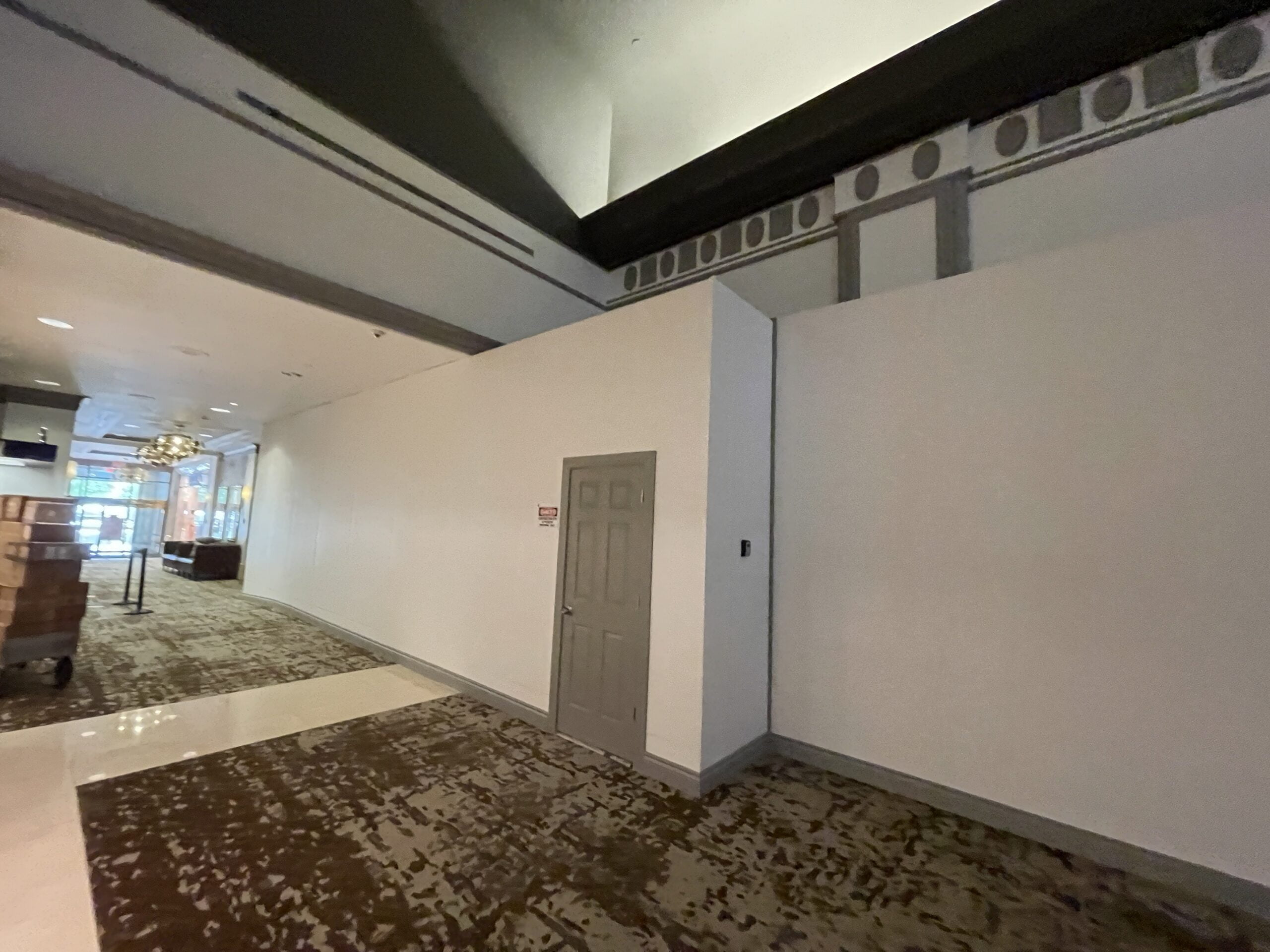
The former, smaller Gucci location within the hotel had construction hoarding erected without signage promoting its expansion. The following is a comparison between June 2021 while the boutique was open and September 2021 when the expansion began:
GUCCI interior entrance at Fairmont Hotel Vancouver (June 2021). Photo: Lee Rivett.
Former interior Gucci entrance with construction hoarding erected at Fairmont Hotel Vancouver (September 2021). Photo: Lee Rivett.
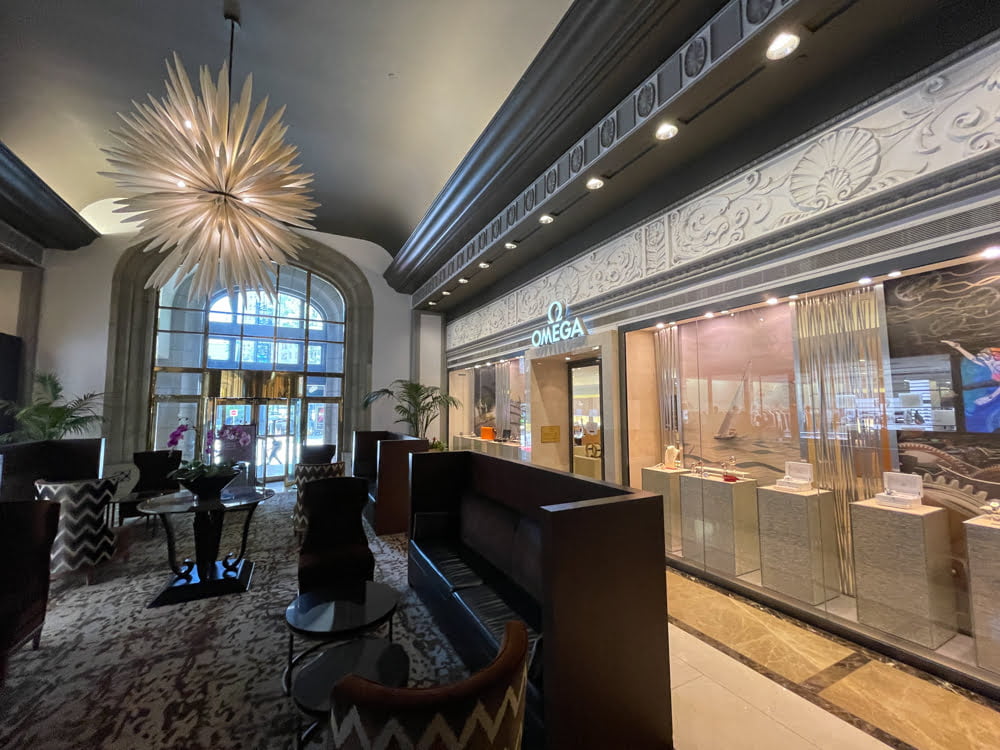
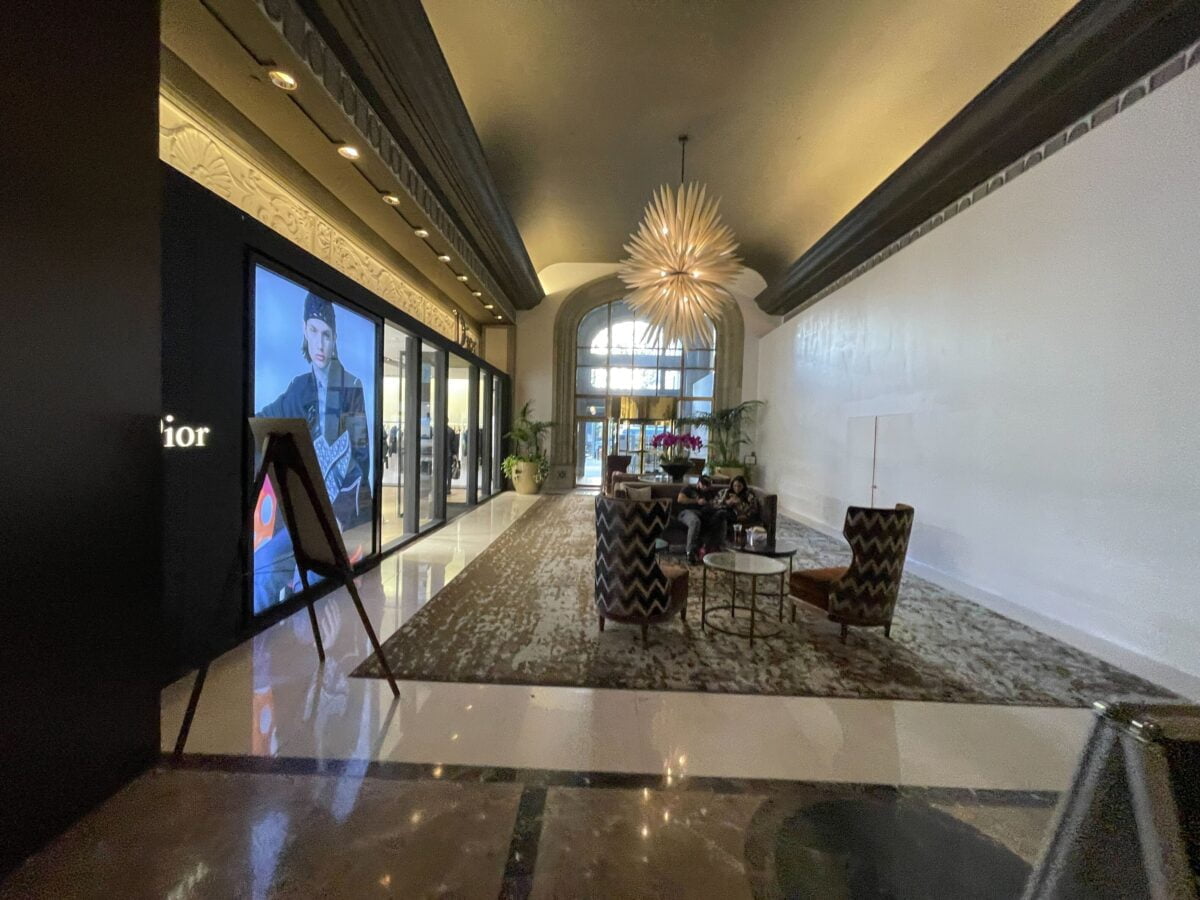
The former Omega boutique location was noted being closed off for Gucci to expand into as well:
OMEGA interior entrance at Fairmont Hotel Vancouver (June 2021). Photo: Lee Rivett.
Former interior OMEGA with construction hoarding erected at Fairmont Hotel Vancouver (September 2021). Photo: Lee Rivett.
Former interior OMEGA entrance (across from Dior) with construction hoarding erected at Fairmont Hotel Vancouver (September 2021). Photo: Lee Rivett.
The new Omega location across the hallway had ‘coming soon’ signage installed to announce its new location. The following is a comparison between June 2021 and September 2021 when the expansion began:
Future Omega location within Fairmont Hotel Vancouver (July 2021). Photo: Lee Rivett.
Construction signage for future OMEGA location at Fairmont Hotel Vancouver (September 2021). Photo: Lee Rivett.
Construction signage for future OMEGA location at Fairmont Hotel Vancouver (September 2021). Photo: Lee Rivett.
1 of 4
Construction signage for future OMEGA location at Fairmont Hotel Vancouver (September 2021). Photo: Lee Rivett.
Construction signage for future OMEGA location at Fairmont Hotel Vancouver (September 2021). Photo: Lee Rivett.
Construction signage for future OMEGA location at Fairmont Hotel Vancouver (September 2021). Photo: Lee Rivett.
Construction signage for future OMEGA location at Fairmont Hotel Vancouver (September 2021). Photo: Lee Rivett.
Temporary Gucci location operating at 710 Thurlow Street (September 2021). Photo: Lee Rivett. Temporary Gucci location operating at 710 Thurlow Street (September 2021). Photo: Lee Rivett. Temporary Gucci location operating at 710 Thurlow Street (September 2021). Photo: Lee Rivett. Temporary Gucci location operating at 710 Thurlow Street (September 2021). Photo: Lee Rivett.
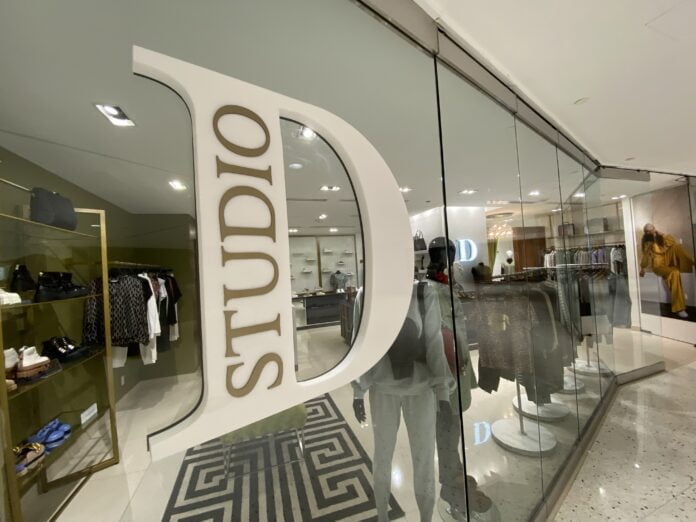
Studio D in Manulife Centre - Photo by Craig Patterson
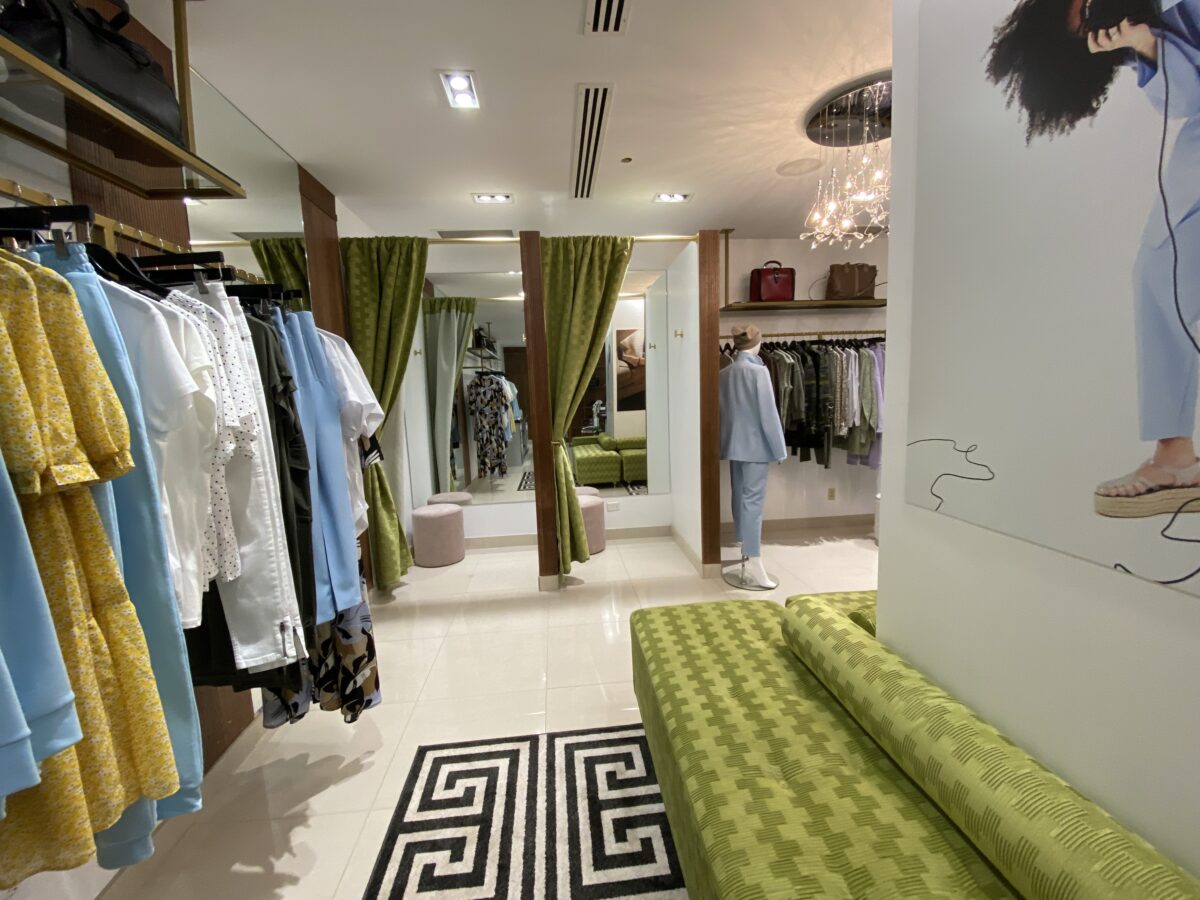
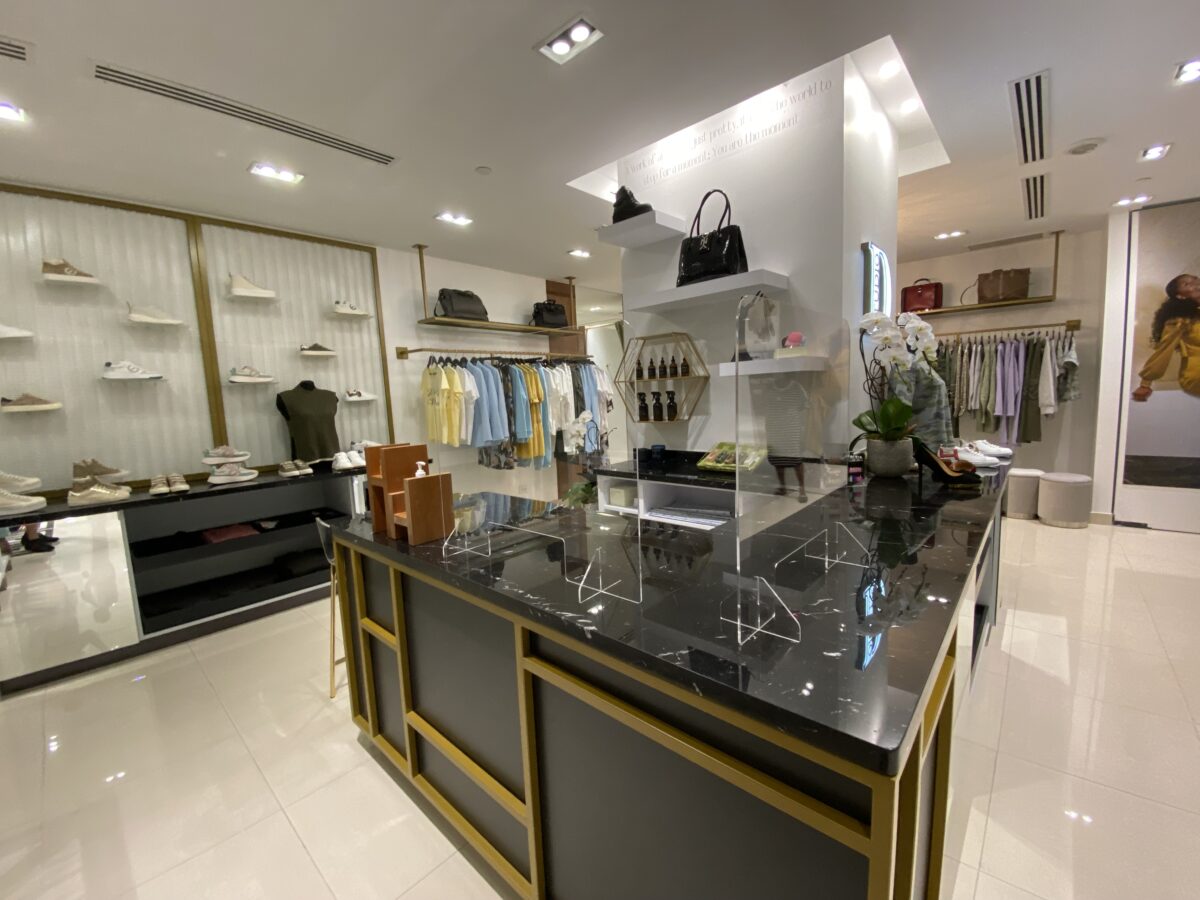
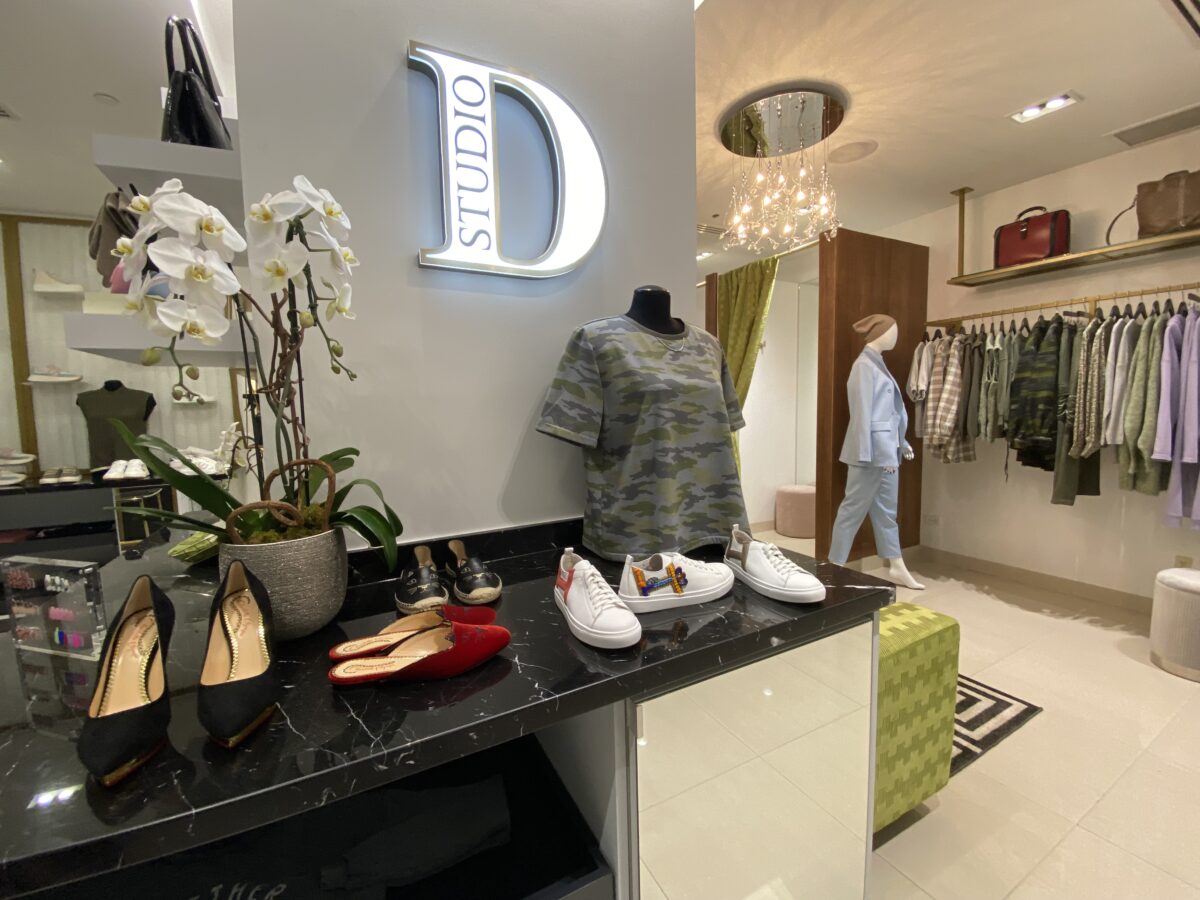
Toronto-based multi-brand fashion retailer Studio D has relocated its storefront from the city’s Lawrence Park area to a new location in Bloor-Yorkville inside the Manulife Centre. The beautiful new store currently stocks womenswear and will be bringing in men’s collections this fall.
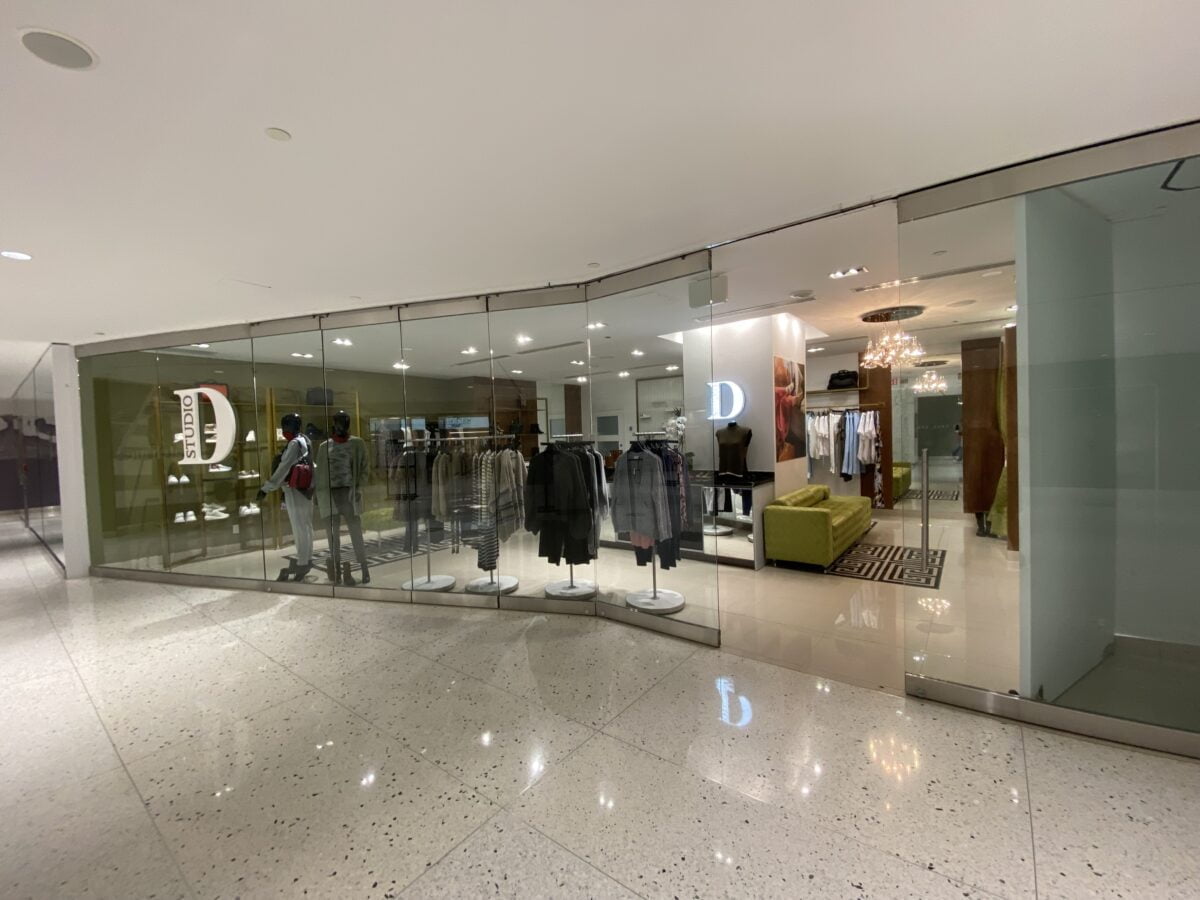
The concourse level Manulife Centre store spans about 900 square feet facing an underground passage leading to the beauty hall of the Holt Renfrew store across the street. Studio D’s store design features a mix of green and brown throughout as well as gold accents and an eye-catching chandelier near the main entrance.
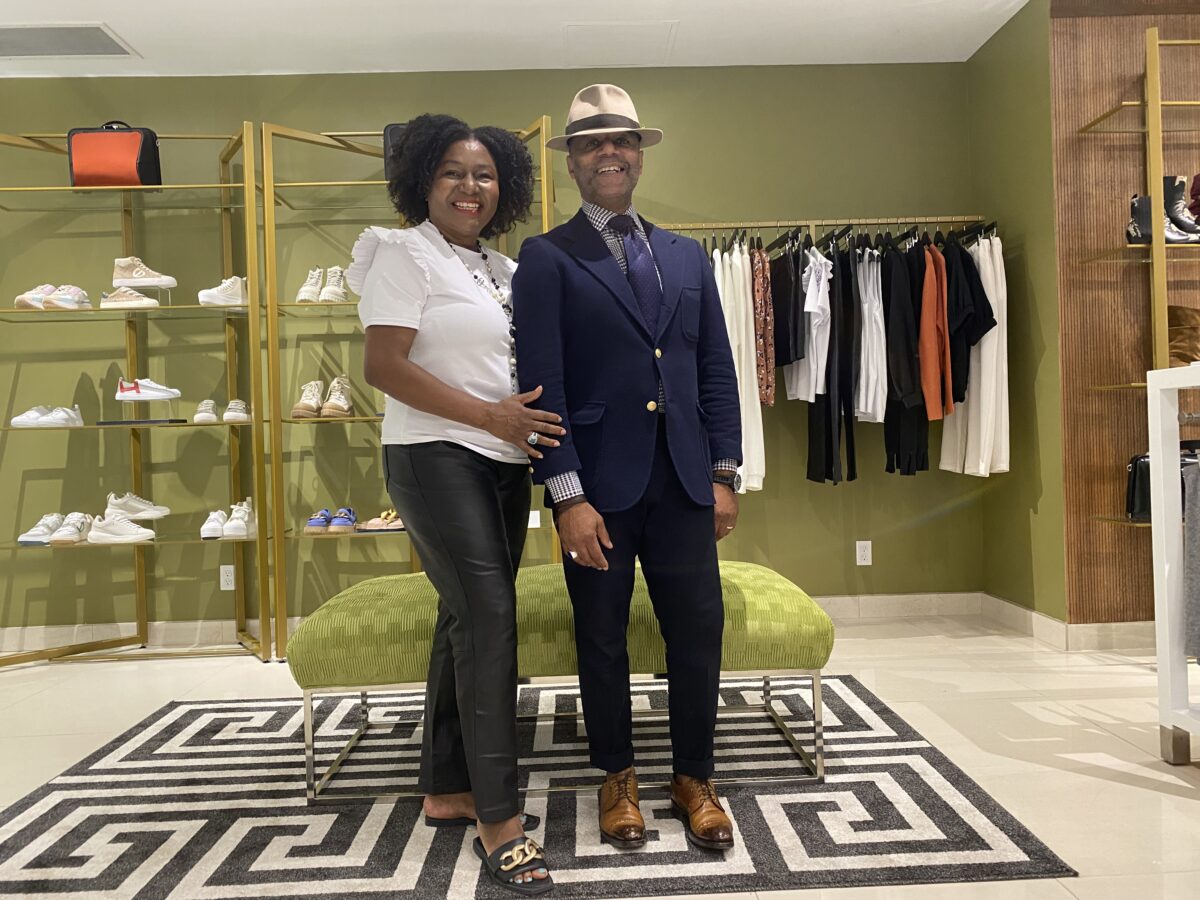
Within the space is a mix of women’s ready-to-wear as well as bags, accessories, jewellery and unique footwear. Co-owner and entrepreneur Derrick Adams and co-owner Judith Adams designed the new store and have stocked it with hard-to-find brands, some not available elsewhere in Canada. Prices are in the ‘contemporary’ range.
Co-owners Derrick Adams and Judith Adams in Studio D at Manulife Centre – Photo by Craig Patterson
The Manulife Centre store will soon stock menswear as well. Adams said that the store’s mix will be about 20% menswear when new lines come in this month, and in October other brands will be added to the new store.
Some of the hard-to-find footwear brands carried at Studio D are No Name and Sartore from Paris and Angelo Bervicato and Sebastian from Milan, which all have very limited distribution while being popular in Europe. Other brands include Culture, KAFFE, Denim Hunter for apparel, Charlotte Olympia footwear, and a range of bags by V73 from Venice, Italy. Studio D also has its own high-quality line of apparel that is stocked in the store, made locally utilizing luxurious fabrics. The Studio D Privé line of footwear is made in Italy.
Vanessa Lynch of DWSV Realty negotiated the lease deal on behalf of the retailer. Manufacturers Life owns and operates the Manulife Centre located at the southeast corner of Bloor and Bay Streets at 55 Bloor Street West.
Studio D in Manulife Centre – Photo by Craig Patterson
Derrick and Judith Adams founded Studio D in 2014, with a storefront in the city’s affluent Lawrence Park neighbourhood at 2570 Yonge Street. They decided to relocate to Bloor-Yorkville after finding that much of their shopping base were heading to the Yorkville area to shop, which is home to some of the world’s biggest luxury brands in standalone stores as well as within the flagship Holt Renfrew store across the street.
Derrick worked at Holt Renfrew for 25 years specializing in footwear prior to founding his own retail concept. He was responsible for assisting the Prada and Miu Miu buy every year and won numerous awards as a top sales representative.
Judith has an equal amount of luxury expertise under her belt, working as a ready-to-wear specialist at Hermès and as an assistant director at Chanel in years past.
Co-owners Derrick Adams and Judith Adams in Studio D at Manulife Centre – Photo by Craig PattersonStudio D in Manulife Centre – Photo by Craig PattersonStudio D in Manulife Centre – Photo by Craig PattersonStudio D in Manulife Centre – Photo by Craig Patterson
Mixed news: The growth of Canadian retail apparel sales slowed in June 2021, compared to those in each of the three previous months, however June marked the first month in 2021 that retail apparel sales for the month were greater than the same month both in 2020 (+12.4%) and 2019 (+12.1%). June’s increase also marked the only month in 2021 that the month’s sales did not decrease (y/y) compared to 2019 by double digits.
In spite of June’s good news for apparel retailers it has to be noted that while apparel sales increased 13.6% (y/y) during the first half of 2021 they were still down 26.4% when compared to the first half of 2019.
Three Canadian retailers reported strikingly different sales patterns during the six month period ending July 31, 2021.
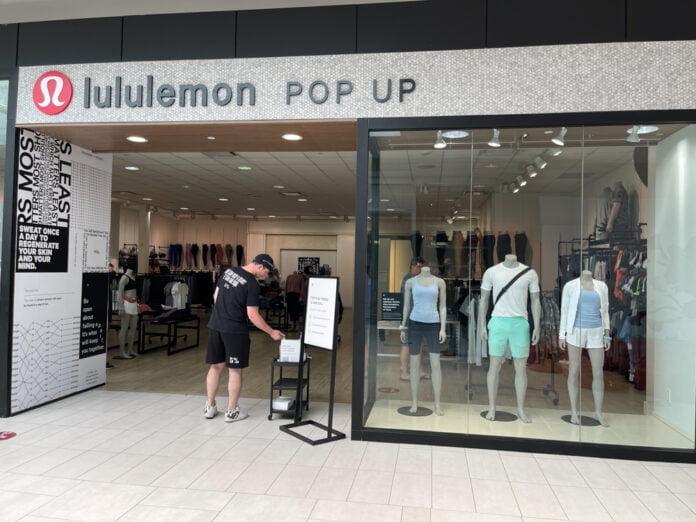
lululemon Canada’sresults were outstanding, as its Q2 Canadian only sales increased 46.9%, while its sales (y/y) in the six month ending August 1 increased 55.4%. Even more impressive was the retailers sales increase of 42.7% when compared to the first half of 2019. Driving the retailer’s sales increase in Q2 2021 was the fact that almost all of its 62 Canadian owned stores were open vs. most of them being temporarily closed a year earlier. Additionally, during Q2 2021 men’s sales growth drove sales while e-commerce sale growth slowed.
Roots, like the majority of Canadian apparel retailers continued to struggle during Q2 2021 as a result of partial store closures. Nevertheless the retailers DTC sales increased 6.6% in the quarter ending August 1, 2021. More importantly the retailers DTC gross margin increased to 63.4% up 120 basis points from a year earlier. The retailer closed the quarter with 111 corporate stores. To its credit, Roots is emphasizing profitability over sales (by reducing promotional activity) and e-commerce over brick and mortar sales.
Zumiez Canada’s Q2 2021 results were disappointing as sales decreased 17.6% in the quarter. During the first half of 2021 the retailer, who is targeted to 15-24 year-olds, reported a 4.4% sales increase.
Import/Export News
Canada’s apparel exports increased by 30.1% in July 2021 after increasing 119.0% in June. During the first seven months of 2021 total apparel exports increased 39.4%, while apparel exports to the U.S. increased 32.1%, and exports to China increased 117%.
Canada’s apparel imports decreased by 18.6% in July 2021 and were up 4.9% during Jan/July. During the first seven months of 2021 imports from China (-10.7%) decreased while those from Vietnam (+18.1%), Bangladesh (+14.1%), and Cambodia (+13.2%) increased.