Advertisement
Advertisement
Home Blog Page 961

Forever 21 Announces Closure of All 44 Canadian Stores

PHOTO: SOMERSET COLLECTION

Los Angeles-based fast fashion retailer Forever 21 announced Sunday evening that it would close its 45* Canadian stores as the struggling company fights for survival. New tenants will have to be found for almost 899,000* square feet of retail space in Canada at a time when other retailers have shuttered Canadian storefronts, leaving a glut of retail space for landlords to backfill. Other retailers will also be hit as Forever 21 holds clearance sales during the busy winter Holiday Season. *(Article updated to include Outlet Collection Winnipeg store).

The Canadian subsidiary of Forever 21 was granted protection under the Companies’ Creditors Arrangement Act (the “CCAA”) by the Ontario Superior Court of Justice (Commercial List) in Toronto on Sunday. PricewaterhouseCoopers Inc. was appointed as Monitor in the CCAA proceedings to oversee a full liquidation and the wind-down process.

“After considering numerous options, we have made the difficult decision to discontinue operations in Canada. While this decision was not easy to make, we believe it is the right one for Forever 21 Canada. We had hoped for a different outcome, but after years of poor performance and challenges set forth by the headwinds facing the retail industry today, our Canadian operations are simply no longer economically viable,” said Bradley Sell, Chief Financial Officer of Forever 21 Canada.

FOREVER 21 INTERIOR. PHOTO: PINTEREST

Forever 21 Canada currently operates 45 stores in Alberta, B.C., Manitoba, Ontario, Quebec and Nova Scotia and employs approximately 2,000 people, according to the company’s press release. Forever 21 Canada stores will remain open during the liquidation process which will no doubt affect other retailers as the busy shopping winter holiday shopping season approaches. 

A separate application by Forever 21 in the US saw the retailer gain protection under Chapter 11 of the United States Bankruptcy Code to enable a reorganization of its business. Forever 21 says that its intention is to continue to operate the majority of its U.S. and Latin American locations “as usual”. The retailer will close up to 178 stores in the United States and up to 350 over all. Stores in Mexico and Latin America will remain open.

“This restructuring will enable the Company to become a stronger, more competitive enterprise, and a more viable company that is better positioned to prosper for years to come,” says the Forever 21 press release. 

E-commerce made up 16% of Forever 21’s sales, and the retailer saw its revenue drop to US $3.3 billion last year, down from US $4.4 billion in 2016. The restructured company is expected to bring in US $2.5 billion in annual sales. The company employs about 32,800 people, which is down from 43,000 in 2016.

Forever 21 was not performing well in Canada overall, according to sources. Despite some stores being in the 12,000-18,000 square foot range, many were selling less than $3 million annually according to some landlords wishing not to be named in this article. In one prominent mall, a landlord said that Forever 21’s sales were less than $2 million annually, and that the landlord was actively looking for a tenant to replace it.

PHOTO: FOREVER 21

Forever 21 entered Canada in 2002 when it opened its first store at West Edmonton Mall in Edmonton. Several years later the retailer began expanding into other markets coast-to-coast.

An industry source provided Retail Insider with information on Forever 21 in Canada including locations, store sizes, and landlords housing the retailer. In total, Forever 21 occupies almost 899,000 square feet in Canada with an average store size just under 20,000 square feet. According to the document supplied, several major landlords will see considerable vacancies with the exit of Forever 21. Ivanhoé Cambridge, Cadillac Fairview and Oxford Properties will be the most exposed in terms of having to re-tenant Forever 21 spaces. 

According to a research document supplied to Retail Insider by a source on Sunday night, landlord Ivanhoé Cambridge will see the most vacated space of any Canadian landlord when Forever 21 closes its 13 stores in Ivanhoé Cambridge’s malls. The total square footage vacated will amount to 279,729 square feet, according to the document. Forever 21’s presence in Ivanhoé Cambridge properties include Edmonton Outlet Collection near Edmonton, CrossIron Mills near Calgary, Metropolis at Metrotown in suburban Vancouver, Guildford Town Centre in suburban Vancouver, Tsawwassen Mills in suburban Vancouver, Mic Mac Mall in suburban Halifax, Mapleview Centre in Burlington Ontario, Bayshore Centre in suburban Ottawa, Niagara Outlet Collections near Niagara Falls, Oshawa Centre near Toronto, Vaughan Mills near Toronto, Montreal Eaton Centre (which was recently relocated to make way for a soon-to-be-announced competitor; Forever 21 is currently housed in the retail component of Place Montreal Trust), and Place Laurier in Quebec City. A reader in the comments below pointed out that the Outlet Collection Winnipeg also has a Forever 21 “RED” store, which wasn’t included in the research document with 18,902 square feet of space.

Landlord Cadillac Fairview houses 11 Forever 21 stores in its shopping centres. In total, Forever 21 occupies 228,557 square feet in Cadillac Fairview malls, which include CF Richmond Centre in suburban Vancouver, CF Polo Park in Winnipeg, CF Limeridge in Hamilton, CF Fairview Park in Kitchener, CF Masonville Place in London Ontario, CF Rideau Centre in Ottawa, CF Sherway Gardens in Toronto, CF Toronto Eaton Centre in Toronto, CF Fairview Mall in Toronto, CF Carrefour Laval in suburban Montreal, and CF Fairview Pte-Claire in suburban Montreal. 

Landlord Oxford Properties houses seven Forever 21 locations, totalling 165,782 square feet, according to the document. Forever 21 has stores at Kingsway Shopping Centre in Edmonton, Square One in Mississauga, Upper Canada Mall in Newmarket Ontario, Scarborough Town Centre in Toronto, Yorkdale Shopping Centre in Toronto (the largest in Canada at 39,520 square feet over three levels), Promenades Gatineau near Ottawa, and Galeries de la Capitale in Quebec City, which was already announced for closure. 

Landlord Primaris has three Forever 21 stores on its properties, occupying a total of 50,358 square feet. That includes Forever 21 stores at StoneRoad Mall in Guelph Ontario, Place D’Orleans in Ottawa, and Dufferin Mall in Toronto. 

Landlord SHAPE Properties has two Forever 21 stores in its centres, including a Forever 21 “RED” High Street in Abbotsford BC and Uptown Plaza in Victoria BC. 

Cushman and Wakefield’s Devonshire Mall in Windsor, Ontario has a Forever 21 “RED” store. Landlord RioCan has a Forever 21 “RED” store at Georgian Mall in Barrie, Ontario. Landlord Morguard’s Bramalea Town Centre in suburban Toronto houses a Forever 21 store. Larco-owned Park Royal in West Vancouver has a Forever 21 location, and landlord Harden has a Forever 21 “RED” concept store at its Les Avenues Vaudreuil property in suburban Montreal. 

Almost all of Forever 21’s Canadian stores are located within shopping centres. A street front Forever 21 location at 1255 Ste-Catherine St. W. in downtown Montreal spans about 25,000 square feet over three levels. 

Several high profile Forever 21 locations have already closed. In early 2018, Forever 21’s Robson Street flagship in Vancouver closed to make way for Indigo, and the standalone Forever 21 at the northwest corner of Yonge Street and Dundas Street closed this spring to make way for a Rogers ‘experience’ store. 

RENDERING: MÉGA CENTRE VAUDREUIL

In September of 2014, Retail Insider announced that Forever 21 was expanding its ‘F21 RED’ concept into Canada. The concept expanded into several shopping centres after it first opened at Devonshire Mall in Windsor, Ontario, in the fall of 2015. 

Forever 21’s Canadian store closures come at a bad time both for landlords as well as other retailers. Landlords have also recently lost retail chains such as Payless Shoes, Town Shoes, Gymboree, Crabtree & Evelyn, Green Earth and the Hudson’s Bay’s Home Outfitters chain of stores, among others. That follows the colossal failure and exit of Target from Canada in 2015, as well as the more recent shuttering of all Sears Canada stores in early 2018. 

At the same time, the Christmas shopping season is about to ramp up as Forever 21 commences clearance sales at its 44 Canadian stores. Some fashion retailers could be hit if shoppers gravitate to Forever 21 stores for apparel and gift purchases, at a time when other chains are already struggling. 

Forever 21’s exit from Canada provides other retail chains the opportunity to expand further into Canada. Top malls in the country will have little trouble repurposing Forever 21 spaces. Less productive centres may see vacancies for a while longer, though Forever 21’s Canadian storefronts are considerably smaller than those vacated by Target and Sears in recent years. Nevertheless, landlords at the recent ICSC Conference in Toronto said that it is becoming increasingly more difficult to lease space in many Canadian markets.  

We’ll continue to follow this story and update is as details unfold. For more information on this breaking story from a US perspective, the New York Times appears to have been first to break the story Sunday evening.

Brick-and-Mortar Experience is More Important than Ever For Canadian Retailers: Expert

By Ken Thrasher, Senior Director, Marketing & Ecommerce, The Brick

During the dawn of online retailing when eBay catapulted onto the scene in the late ’90s, people were already predicting the death of brick-and-mortar stores. This was even before Amazon was a household name.

Yet, despite what some have viewed as a retail apocalypse in the wake of the rise of ecommerce, The Brick believes that physical stores are now more important than ever. As online-born direct-to-consumer brands such as Warby Parker, Indochino, Clearly and online giants like Amazon invest in their own real estate, a clear picture is emerging that brick-and-mortar is the strongest piece of marketing a retailer can invest in. And we’ve positioned ourselves ahead of the curve here in Canada. 

Evolving consumer needs

In the past, consumers could only find information about a store’s merchandise through a catalogue or by physically going down to their location to take a look.

Since then, the customer experience in many ways has been recast and consumer needs have changed dramatically. Stores no longer serve as an initial discovery point for consumers, particularly when it comes to product information they can research online themselves. And we’re seeing this manifest in consumer trends. According to information from Forrester, Canadian online retail is expected this year to generate a spend of $39.9 billion, which translates into 9.5 per cent of all retail transactions and is nearly twice the $22.3 billion Canadians spent online in 2014.

Ecommerce has also had a striking impact on brick-and-mortar store traffic, but not necessarily in the way you might expect. Traffic is indeed decreasing year-over-year. However,  in-store conversion rates have increased because consumers are becoming more well-informed from online research before they even step foot in stores. Shoppers who visit stores aren’t just casually browsing. Having done their initial research online, their main purpose for coming into a store is to physically check out the merchandise — feel how comfortable a couch is and run their hands over the texture of the fabric or lie on a mattress to determine its firmness. Canadians can’t seem to let go of this sensory experience — they still complete the vast majority of their purchases in brick-and-mortar store locations.

THE BRICK’S NEW STORE AT THE WEST EDMONTON MALL PHOTO: THE BRICK

Reimagining the role of brick-and-mortar

As such, The Brick cannot discount the critical advantage available to us by way of our more than 200 stores across Canada. But to achieve success as consumer needs and demands change, we need to evaluate what purpose those stores must serve.

Typically, a brick-and-mortar store’s success has been measured by sales per square foot. But as the shopping experience moves increasingly toward an omnichannel environment, those traditional measures of in-store success are supplemented with other metrics that allow a more holistic assessment of customer experience across all channels. 

Despite the advantages that online retail offers, it can never close that sensory gap. And there is continually increasing competition in the retail space, especially online, so it’s important to find that differentiating factor. Stores can take advantage of this by providing a richer and more immersive in-store experience of their brands. To have someone physically visit your store is the most valuable customer touch point you could have, where you’re able to have their undivided attention while they look at, touch and engage with your products and experience your brand.

A better in-store experience will improve your online sales. And a better online store will improve your brick-and-mortar sales. This shift in retail focus has many starting to consider expenses associated with operating physical store locations to be a portion of their customer acquisition cost (CAC).

THE BRICK’S NEW STORE AT THE WEST EDMONTON MALL PHOTO: THE BRICK

Customizing the in-store experience

A store location needs to be more than just a showroom with an assembly line of 30 sofas positioned next to each other. It needs to provide a more immersive experience for the consumer. To this end, we have incorporated many new features in our new location in West Edmonton Mall to make it a more experiential store.

We’ve created more engaging displays that enable shoppers to visualize their own home spaces. Furniture and accessories have been stylized together within themed sections throughout the store, creating inspirational living rooms, bedrooms and dining areas to help customers imagine how items could be incorporated into their own homes.

Our store not only offers a more holistic customer experience, it also represents our values and commitment to the communities in which we operate. Our new West Edmonton Mall location includes the first-of-its-kind Charity Corner where we have a dedicated in-store footprint of our support of the Stollery Children’s Hospital via the Children’s Miracle Network. Here shoppers can buy Brickley bears, snacks and refreshments in support of the Stollery in Edmonton as well as make donations.

PIECES FROM THE BRICK’S DESIGNED2B RANGE PHOTO: THE BRICK

Capitalizing on digital advancements

The willingness to see opportunity beyond the trends combined with a strong established relationship with West Edmonton Mall has allowed our company to capitalize on an already popular destination and build it into a crucial flagship location. Though The Brick has always been a firm believer in the power of advertising, the real marketing strength we have is in our store locations across Canada where people can experience it all for themselves.

The online experience has advanced in numerous and inconceivable ways, which has made the purchase decision-making process that much easier for shoppers. Given that there’s so much information available at consumers’ fingertips, it’s changed not only how they shop but also how they demand and use information including during the sales transaction. For instance, we’ve equipped our sales team with tablets for helping serve customers as they shop throughout the store to reduce friction points as they go through the checkout process.

In addition, we’ve introduced our Designed2B iOS and Android app that allows customers to build tailored configurations from The Brick’s Designed2B custom upholstered furniture line (e.g., sofas, loveseats and chairs). This app helps bridge the gap for customers in visualizing how they can create specific furniture pieces in real time so they know exactly what it’s going to look like while streamlining the path to purchase.

THE BRICK’S NEW STORE AT THE WEST EDMONTON MALL PHOTO: THE BRICK

Staying ahead of the curve

Without a doubt, traditional retailing has undergone seismic shifts with the growing prevalence and impact of ecommerce retail. As a result, we’ve seen a number of major brick-and-mortar style retailers, such as Sears, close their doors.

So, at a time when the future of brick-and-mortar is under constant scrutiny, The Brick has pivoted in doubling down on our physical presence by moving into the space that Sears formerly occupied in Canada’s most popular shopping centre — West Edmonton Mall.

This new concept, 55,000 square foot location is now our largest store in Edmonton.

THE BRICK’S NEW STORE AT THE WEST EDMONTON MALL PHOTO: THE BRICK

Over the course of our nearly 50-year history, we’ve always strived to stay nimble in how we adapt to the ever-changing face of retail. And in doing so, we’ve helped lead the pack when it comes to introducing new ideas and concepts that have become commonplace now (e.g., gifts with purchase and financing options) in a marketplace that’s always in flux.

We’ve never been comfortable with simply maintaining the status quo. We believe in taking visionary, calculated risks. And that’s why we first made the leap to open a furniture store in West Edmonton Mall in the 1980s when it wasn’t common for this type of store to be in shopping centres.

Our 35-year partnership with a retail pioneer in destination shopping like West Edmonton Mall has reinforced our aim to continue breaking new ground for providing enriched customer experiences through innovation. This mindset has enabled us to become what we are today as a homegrown Canadian retailer that has stood the test of time.


Ken Thrasher

Ken Thrasher is the Senior Director of Marketing & Ecommerce with The Brick, based out of the company’s headquarters in Edmonton, AB. He oversees all of the marketing for The Brick’s more than 220 locations across Canada, in addition to all website operations, providing strategic direction and market insights. Follow The Brick on Facebook @TheBrick and on Instagram @brickwarehouse.

Vancouver-Based Retailer ‘Native Shoes’ Launches 1st Toronto Pop-Up

PHOTO: POP-UP GO

By Dan LeBaron

Vancouver-based Native Shoes planted a temporary retail flag in downtown Toronto this weekend with a four-day pop-up shop. From immersive workshops to vibrant green walls and display installations, the marketing activation offered great value for all of its visitors regardless of things like age or areas of interest. The pop-up officially launched on September 26 and was open to the public until 7:00 p.m. on September 29.

The brand, which offers consumers the chance to “Live Lightly” through its lightweight and minimalistic footwear products, offered visitors to the pop-up something unique on the majority of days that it took place. On September 26, the first 50 visitors in line were given coupons for $80 off their choice of Native products, a significant sum considering that the company’s classic shoe, the “Jefferson,” generally starts around $55. On September 27, the first 100 guests were gifted floral bouquets from local Toronto company, The Delicate Flower. 

And, on September 29, the pop-up offered kids a chance to participate in a “design-it-yourself” session where they were tasked with colouring and designing their very own Jefferson shoe. Additionally, all Jeffersons were 20 percent off between 1:00 – 3:00 p.m. to coincide with the workshop.

CLICK FOR INTERACTIVE GOOGLE MAP

Native Shoes was originally founded a decade ago by Scott Hawthorn, who remains the company’s CEO. The brand is now available in countries around the world and has reached elevated levels of success as a stylish-yet-practical alternative to stereotypical runners or boat shoes. Made for adventure, Native Shoes can easily be cleaned and are surprisingly durable for a shoe designed for stepping outside of our respective comfort zones.

The Toronto pop-up embraced this brand identity and the entire company ethos with a healthy dose of positive marketing materials relaying the company’s environmentally friendly goals. In line with these goals, the company’s website was shut down for the day on October 27 in support of the Global Climate Strike while the pop-up and its messaging attempted to educate its visitors on Native’s recycling program called “Project Remix” on the street level.

The pop-up took place at 639 Queen St. W., which has become a holy grail of sorts for brands seeking to launch temporary activations of late. Prior to Native Shoes, the space was recently occupied by pop-ups for the National Football League (NFL) and Frank And Oak. Local pop-up incubator, pop-up go, worked with both the NFL and Native on their pop-up planning, and has been a major catalyst for a large number of recent short-term activations across North America.

Dan LeBaron

Dan LeBaron has an extensive background in editing, writing, event management and content creation. He sharpened many of these skills while acquiring a master’s degree in journalism at Ryerson University. He also has significant experience in sports media, legal communications and content creation in the start-up and tech space. When he’s not in the office, he can be found spending time with family or exploring Toronto’s bevvy of outdoor hockey rinks and independent coffee shops.

Barry’s Bootcamp Secures 1st Vancouver Location

SITE OF BARRY’TS BOOTCAMP NEW VANCOUVER LOCATION 1035 W PENDER STREET VANCOUVER BC VIA GOOGLE MAPS

California-based high-intensity workout concept Barry’s Bootcamp has secured a space in downtown Vancouver for its first location in British Columbia. It will be the fourth location for Barry’s Bootcamp in Canada after the concept entered the country via Toronto in in late 2017. 

The downtown Vancouver Barry’s Bootcamp will be located on the main level of the 1035 West Pender Street ‘Oceanic Plaza’ commercial building in downtown Vancouver, which includes a 25 storey office tower with retail at its base. Barry’s Bootcamp will occupy just over 5,100 square feet. Martin Moriarty and Mario Negris of brokerage CBRE in Vancouver handled the transaction. 

Barry’s Bootcamp opened its first Canadian location in Toronto’s Entertainment District at 310 Richmond Street West in late 2017, in an 8,000 square foot two-level space that is the largest in the company. in May of 2019, it opened its second location in Toronto’s affluent Bloor-Yorkville area. The 5,000 square foot Yorkville location is at the back end of the 100 Bloor Street West commercial podium and faces towards Cumberland Street and Village of Yorkville Park

CLICK FOR INTERACTIVE GOOGLE MAP

This fall, Barry’s Bootcamp will open its first ‘hybrid’ storefront in partnership with Canadian athletic brand Lululemon, which will become Barry’s Bootcamp’s third Canadian location. We previously reported that both brands will share a building in Calgary’s Mission/Cliff Bungalow area at 2308 4 Street SW in the historic Bannerman Block that was built in 1911. 

In a previous interview, Barry’s Bootcamp said that it was looking to open approximately 10 locations in Canada. We were told that other potential markets include Montreal and Edmonton, and Toronto could see two or more Barry’s Bootcamp locations open, depending on finding the right spaces.

And finding the right space is critical. Barry’s Bootcamp is a decidedly urban concept that locates in areas featuring an upper-income population that is able to afford its per-class and monthly fees. Toronto’s Entertainment District, for example, is home to thousands of young and upwardly mobile professionals, and is also a significant employment centre. Toronto’s Bloor-Yorkville area is known to be Canada’s wealthiest high-density neighbourhood and it’s growing quickly with several thousand more residents expected to be added over the next five years. Calgary’s Mission/Cliff Bungalow is home to many Millennials in a growing area and is also near affluent areas such as Mount Royal, Roxboro, Rideau Park and Elbow Park. Downtown Vancouver is home to some of the most expensive condominium residences in Canada, including waterfront penthouses in the Coal Harbour area that cost in the tens of millions of dollars each. 

BARRY’S BOOTCAMP WILL SHARE SPACE WITH LULULEMON IN THE HISTORIC ‘BANNERMAN BLOCK’ IN CALGARY. RENDERING: CERTUS DEVELOPMENTS

According to its website, Barry’s Bootcamp classes cost $32 per session, with packages also available. A package of five classes cost $155, 10 classes cost $300, 20 classes cost $580, and 50 classes will set one back $1,360. There are also monthly memberships costing $315 (“Barry’s Star”) for 12 sessions and $415 (“Barry’s Legend”) for 30 sessions monthly. 

Barry’s Bootcamp locations include a ‘Red Room’ workout space — the soundproof Red Room provides visitors the opportunity to participate in high-intensity interval training workouts, alternating treadmill cardio conditioning with strength training. Thumping music keeps patrons motivated and personal trainers set the tone. 

Top-of-the-line Woodway treadmills used at Barry’s Bootcamp are said to lessen the impact on people’s joints. Several dedicated classes throughout the day include a fitness trainer who leads the group classes — the trainer is there to challenge and encourage clients to push beyond their limits and achieve new goals. Barry’s says that the experience combines “the motivation of a personal training session with the energy of a group workout” that can be tailored for all fitness levels.

OUTSIDE THE TORONTO LOCATION AT 310 RICHMOND STREET WEST. PHOTO: BARRY’S BOOTCAMP

As with other locations, Vancouver’s Barry Bootcamp will feature a ‘Fuel Bar’ which serves nutritional items including a range of smoothies. A retail space within will feature various merchandise including Barry’s original workout and athleisure apparel as well as Lululemon workout gear in a wholesale partnership. Upscale change room areas for men and women include high-end post-workout products for guests who have finished their workouts. 

A timeline of Barry’s history from its website:

  • 1998: LA based celebrity trainer Barry Jay has the idea for a one-stop cardio and strength training workout that actually works. Barry Jay partners with John and Rachel Mumford to open the first Barry’s Bootcamp in West Hollywood and together they launch the boutique fitness studio revolution;

  • 2004: Barry’s CEO Joey Gonzalez joins the company and becomes a star trainer at Barry’s;

  • 2009: Barry’s expands outside of Los Angeles for the first time, opening in San Diego;

  • 2011: Barry’s takes Manhattan! The first NYC studio opens in Chelsea, which sees the first Fuel Bar launch and first use of its signature Woodway treadmills;

  • 2015: Barry’s goes global! Studios open across the world in Norway, London, Boston, Miami, Nashville, and San Francisco. Expansion continues across New York City and the Hamptons. Barry’s retail hits new levels of success with expansion of the collection to Bloomingdale’s;

  • 2016: Over 40,000 members of Barry’s FitFam take class every week ( celeb clients include Ellie Goulding, Mandy Moore, David Beckham, Harry Styles). The first studio opens in Chicago; and

  • 2017: Barry’s readies for expansion into several new markets — both domestic and international.

We’ll continue to report on Barry’s Bootcamp as it continues to expand into new markets in Canada. 

Hublot to Open 1st Standalone Toronto Store

exc-5d86be625231d5028757ca27

LVMH-owned Swiss luxury watchmaker and accessory brand Hublot will open its first standalone Toronto storefront this year at Toronto’s Yorkdale Shopping Centre. It will be the second store for Hublot in Canada, after the company opened its Canadian flagship in Vancouver in the summer of 2017. 

The Yorkdale Hublot boutique, located next to the mall’s Van Cleef & Arpels boutique, will locate in a 700 square foot space formerly occupied by a Purdy’s chocolate store. Other luxury brands are located nearby. Directly across from the new Hublot will be Canada’s first TAG Heuer boutique which is set to open in November, as well as an Oliver Peoples eyewear store, which was the first to open in Canada in October of 2018. 

Steps away are boutiques for luxury brands such as Montblanc, Piaget, Panerai, IWC, Vacheron Constantin, David Yurman, Saint Laurent, Burberry and others — Yorkdale has achieved the status of having the highest density of luxury brands of any location in Canada, with even more said to be on the way. 

In the summer of 2017, Hublot opened its first standalone Canadian store in Vancouver at 1080 Alberni Street. The impressive two-level store spans about 2,800 square feet and is one of the brand’s largest locations globally. Vancover’s Hublot is located in The Carlyle retail podium that houses luxury retailers including Prada, Saint Laurent, Moncler and Off-White, with a De Beers store (operated by the same local franchisee) located next door. Other luxury retailers can be found nearby on Alberni Street as well as adjacent Thurlow Street, Burrard Street and West Georgia Street. This month we profiled the impressive new Hermes flagship store that opened nearby. 

Hublot watches are crafted to precision in a variety of styles, which have proven to be popular by luxury buyers worldwide. Prices are often well into the thousands, and some styles cost in excess of $1 million each.

Hublot was founded in Switzerland in 1980 by Italian Carlo Crocco — a scion of the Italian Binda Group dynasty, best known for making Breil watches. Hublot is named after the French word for “porthole”, and the first watch that he created featured the first natural rubber strap in the history of watchmaking — a feat that took three years of research to create. In 1998, Hublot was acquired by French luxury conglomerate LVMH (Louis Vuitton Moet Hennessy), and it continues to operate as a subsidiary.

Hublot operates freestanding stores in various global cities. On a commercial level, the network of stores currently stands at more than 70 exclusive boutiques around the world. In the United States, Hublot stores are in New York City, Beverly Hills, San Francisco, Las Vegas, Atlanta, Dallas, Houston and Orlando, Florida. The Miami area boasts four Hublot stores — in Bal Harbour, Miami Design District, Boca Raton and in Palm Beach. 

Yorkdale is Canada’s most productive shopping centre in terms of annual sales per square foot, according to Retail Council of Canada’s Canadian Shopping Centre Study. A 2019 version of the study will be released this fall (sponsorship opportunities are available)


105: Dior, Barry’s Bootcamp, Ladurée, Hublot, Midtown Plaza and Oxford’s Omnichannel Platform

This week Craig and Lee talk about Dior, Barry’s Bootcamp, Ladurée, Hublot, Midtown Plaza and Oxford’s Omnichannel Platform.

The Weekly podcast by Retail Insider Canada is available on Apple Podcasts, Stitcher, TuneIn, Google Play, or through our dedicated RSS feed for Overcast and other podcast players.

Sponsored by PlanIt Construction: PLANiT is continuously focused on delivering high quality, dependable general contracting services, consulting, project management and comprehensive facilities maintenance for national clients across North America. Visit their website at planitconstruction.com to see their work.

Discussed this episode

Other topics:

  • Special Podcast Episode: Watch out for a special edition of the Retail Insider Podcast where we talk about what happened at this year’s ICSC (International Council of Shopping Centers Conference) in Toronto.

Subscribe, Rate, and Review our Retail Insider Podcast!

Follow Craig:

Follow Retail Insider:

Listen & Subscribe:

Share your thoughts!

Drop us a line at Craig@Retail-Insider.com. You can also rate us in Apple Podcasts or recommend us in Overcast to help more people discover the show!

Listen on Google Play Music

Share your thoughts!

Drop us a line at Craig@Retail-Insider.com. You can also rate us in Apple Podcasts or recommend us in Overcast to help more people discover the show!

Chatters Hair Salon Chain Launches Aggressive Expansion

PHOTO: CHATTERS

Chatters, a leading Canadian hair salon chain, has aggressive plans to expand its footprint across the country, which now includes 116 locations in seven provinces.

Recently, the company acquired Ontario-based Enviro Trends and its five locations. Current locations for Chatters include: 26 in British Columbia, 41 in Alberta, 10 in Saskatchewan, seven in Manitoba, 25 in Ontario, four in Newfoundland, and three in Nova Scotia.

Greg Moreau, the newly appointed President and CEO of the Red Deer, Alberta-based company, has a mission to put Chatters on the map as a nationally-acclaimed Canadian success story.

PHOTO: KINGSWAY MALL

“It’s time to share the Chatters story. Fundamentally, it’s about our guests and our teams. You look at any study, and you’ll see that one of the most loyal relationships consumers have in retail is the one they have with their stylist. That defines Chatters,” he said.

“More than 35 per cent of our market is based in Alberta. We’re certainly putting a push on to be able to grow in Ontario. We’re currently at 25 stores in Ontario. We have actually a good penetration. We have seven salons now in Ottawa. We’ve done a good job of filling that marketplace. Now we’re looking in Ontario. We’re going to close that gap as quickly as we can on having 41 in Alberta and only 25 in Ontario. With the population base being what it is, we feel there’s a great opportunity to grow.

“My strategy in terms of growth in Ontario is to work with the major landlords – the Cadillac Fairviews, the Ivanhoe Cambridges, the Oxfords – to be able to expand our brand presence. And we’re looking not only through the traditional leasing measures but also we’ll continue to be open for business on acquisition.”
Chatters Twitter

The company uses Oberfeld Snowcap for its real estate needs in enclosed malls and JLL for its outdoor portfolio in western Canada.

Chatters offers a full-service hair salon, but Moreau said the point of differentiation from other similar businesses is that it is the third largest distributor of professional hair care goods in North America and single largest in Canada.

Moreau said the business is about 60 per cent retail on average and 40 per cent services.

“As we prepare to grow, we are laser-focused on listening to our customers, better anticipating their needs, elevating our in-store experience and curating an assortment of the best beauty and hair care products in the world. We’re making significant investments in technology to accomplish our goals: launching a new POS system, and revamping our loyalty and membership programs to provide a seamless omni-selling experience – set to launch in 2020,” said Moreau, who has previous executive retail experience at Roots, Guess and Lucky Brand.
“Our core customer is about 80 per cent female, 20 per cent male. Certainly a professional woman. A lot of families and that is one of the wonderful things we see. And we certainly do have the dads in our kind of barber business as well as young kids that will come in with their moms. We can hit the entire demographic of the whole family. But I’d say the core is really the 30 to 55 year old woman. It is interesting because we are putting more focus now especially with our great value proposition, with our pricing, we’re putting more emphasis on our chatters.ca and there our highest demographic is the 24 to 35 year old woman. We certainly see a Millennial and a younger audience there. We’re also seeing that in our social media. For a Canadian company that was western based we have over 100,000 followers on Facebook which is a good number and we put a lot of emphasis on Instagram and the last two months we’ve picked up more than 5,000 followers and again in that younger and important demographic.”
In-store and online, Chatters carries over 6,000 hair care products covering 80 per cent of all top professional brands in the world, including world-class names like Redken, UNITE, DevaCurl, Pureology, Moroccan Oil, and more.

All Chatters locations are certified Green Circle Salons, diverting 95 per cent waste.

Oxford Properties Announces Innovative 1st in Canada Shopping Centre Omnichannel Platform

exc-5d8995dead16452612f3f624

By Craig Patterson 

Landlord Oxford Properties announced that it has launched a unique omnichannel initiative that will allow shoppers the opportunity to see what products are available in stores prior to visiting Oxford’s shopping centres.

The landlord says that it is the first to create a ‘true seamless omnichannel experience’ where consumers can shop a variety of stores in its malls both digitally as well as in-store.

The new Search. Find. ShopNOW platform allows customers to see what products are offered by selected retailers in one online search. If a shopper was looking for a black dress, for example, Oxford Properties’ shopping centre websites showcase all products that fit the search, allowing consumers to contact to the store to check availability, visit the store itself, or purchase the item directly from the retailer’s online website.

To simplify the process, Oxford Properties has made the search feature accessible from its mall website navigation bars. The idea is to simplify the shopping process by allowing for searches across all channels at any time and anywhere, while offering a competitive advantage to retailers that lease space in various malls operated by the landlord.

“This is the first time in Canada that shopping centres, not just a store or brand, can transition to and compete in the omnichannel retail space,” said Lucia Connor, Senior Director of Strategic Marketing at Oxford Properties. “We’re now able to show shoppers beforehand what they can find in-centre and allow them to plan their visits for the greatest efficiency. It also elevates a shopping centre’s participation in product-specific online search results and creates an additional revenue stream for our retailers.”
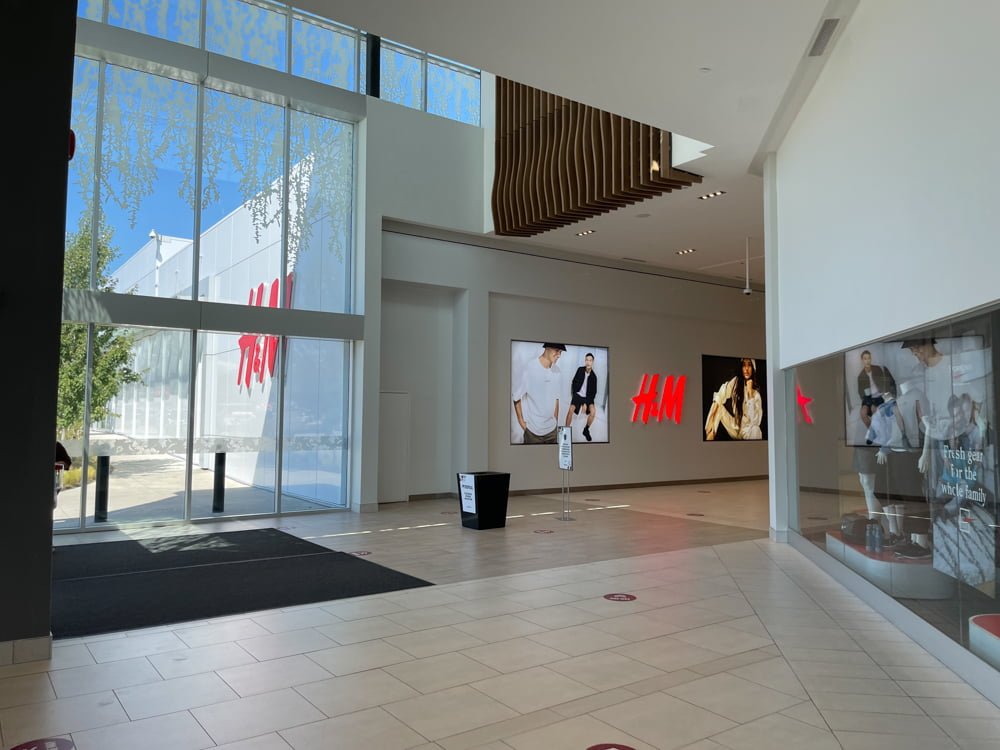
The Search. Find. ShopNOW platform is also something of a marketing tool, allowing shopping centres and retail tenants to intercept and influence customers to shop participating retail brands at specific shopping centre sites, according to the landlord.


LES PROMENADES GATINEAU PHOTO: OXFORD PROPERTIES

LES PROMENADES GATINEAU PHOTO: OXFORD PROPERTIES

“Innovation is at the heart of Oxford’s retail platform and we constantly examine how we can both improve the customer experience and drive sales for our retailers,” said Bradley Jones, Head of Retail at Oxford Properties. “Search.Find.ShopNOW is a powerful new tool that embeds our shopping centres into the online sales funnel.”

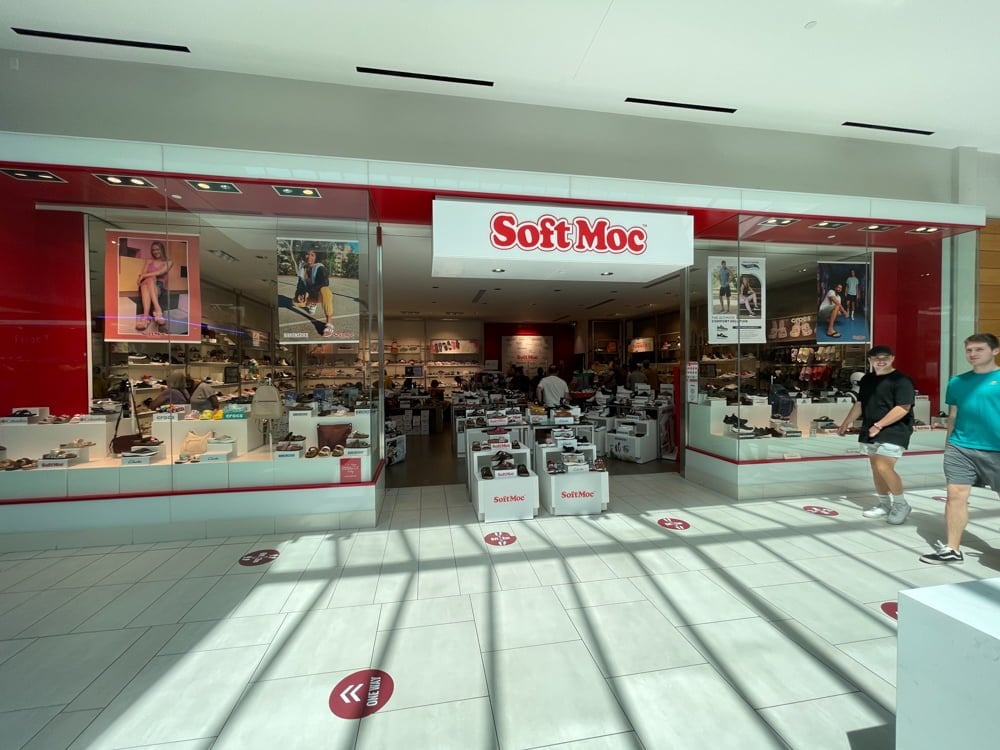
The Search. Find. ShopNOW platform includes thousands of consumer products from a range of more than 70 retailers in Oxford Properties malls. Participating retailers include SoftMoc, Aldo, H&M, Le Chateau, Lululemon, Best Buy, The Body Shop and a variety of others.

Oxford Properties’ latest shopping centre innovation comes at a time of unprecedented competition amongst shopping centre landlords in Canada. Cadillac Fairview, which launched its ‘Ravel‘ innovation initiative in February of this year as covered in Retail Insider, is also looking for ways to draw-in shoppers to its centres. Other Canadian landlords are expected to follow as technological innovation is adopted at a time of digital disruption and shifts in consumer shopping patterns.


Canadian Gift Association Hosting 2 October Webinars Featuring Canadian Designer Cory Christopher

By the Canadian Gift Association

The Canadian Gift Association is offering an amazing opportunity to learn the latest retail tips from Canadian designer Cory Christopher. This floral master is hosting two informative webinars that will help you navigate the everchanging merchandising and trend landscape in the industry. These free events are  truly a priceless occasion to learn from the best in the business!

Cory’s webinar is being hosted on Thursday, October 3 at 2:00 p.m. EST. He will be sharing his inspiration for visual displays and experiences that will have your customers saying “WOW”! Your imagination will be soaring, and you’ll feel ready to tackle your holiday season with festive flair as he encourages you to try new and exciting merchandising ideas. 

The next session will be featured on Thursday, October 24 at 2:00 p.m. EST. The webinar introduces Cory’s retail predictions for next season. From home decor, fashion, gift, floral and everything in between, Cory has his pulse on where the industry is going, how best to capitalize on these opportunities and share them with your customers. Learn how to manage the overall flow of information to ensure you are making informed retail decisions that will result in sales.

Cory Christopher is the dynamic, driving force behind his namesake studio and its well-earned reputation for stunning events, florals and décor. Cory has dedicated his business to creating experiences for his clients. With regular appearances on CTV Edmonton, Global Edmonton and CBC Radio Active, and through workshops, pop-up shops and special events, Cory’s outstanding quality of work is backed by his unique personal style. He is always excited to share smart design tips and fun project ideas that encourage everyone to craft a more beautiful life.

These webinars will set you up for a successful retail season and give exceptional insight into the best décor for the front of your store. To register:

‘Tis the Season to Deck the Store:

2020 Predictions: What’s Hot and What’s Not:

*Partner content. To work with Retail Insider, email: craig@retail-insider.com

Lightspeed Launches All-New Retail 3.0 POS App

PHOTO: LIGHTSPEED

Lightspeed, a leading provider of omnichannel point-of-sale software, solutions, and support systems for over 51,000 independent retail and restaurant locations, have announced the launch of Lightspeed Retail 3.0, available now. Designed for iPads, this innovative navigational model for includes three new tabs – Profile, Sales History, and Retail Manager. Additionally it is designed to ease sales associate workflows and allows managers to perform non-POS operations.

Whether it’s sales, payments, refunds, historical information, or device management, this simplified interface allows Lightspeed users to focus on the task at hand. Managers will have the ability to quickly and efficiently shift to operational settings, such as generating live reports etc. In addition, independent retailers will now be able to perform sales quicker than ever before, increasing productivity for SMBs.

“Lightspeed Retail 3.0 was developed to make processing sales as easy as possible through a completely new user experience that focuses on the needs of retailers and their customers,” says Dax Dasilva, Founder and CEO of Lightspeed. “This past Summer we made significant updates to our inventory management capabilities, and this all-new app will provide increased efficiency for our SMB customers worldwide. Together, these innovations showcase our commitment to the continued success of independent retailers.”

Some key features seen with the introduction of Lightspeed Retail 3.0:

  • Sleek Design: Created for beautiful stores to further elevate their point-of-sale.
  • Navigation Settings: Improved and simplified to make movement between POS functions increasingly easier.
  • In-Progress Sales: Park sales for a consistent process that doesn’t interrupt the sales workflow.
  • Mobile Friendly: Ensures consumers an improved shopping experience.  

Lightspeed Retail 3.0 is focused on speed and efficiency by providing employees with extensive product information, the ability to link retailed items together for larger transactions, and access to stock quantities both local and otherwise, this updated version of the app promises to add ease to an already powerful sales tool.

While the new navigation model emphasizes point-of-sale workflows, Lightspeed Retail also continues to give small and medium-sized retailers access to other core Lightspeed technologies such as Lightspeed Payments, Lightspeed Loyalty, and Lightspeed Analytics for a full suite of services. With latest release, Lightspeed Retail continues to transform the in-store experience. More announcements are planned in the near future that will further strengthen the relationship between retail locations and their customers.

PHOTO: LIGHTSPEED

Lightspeed is a cloud-based commerce platform, powering small and medium-sized businesses in approximately 100 countries around the world. It is an all-in-one solution, helping restaurants and retailers sell across multi channels, manage operations, engage with consumers, accept payments, and grow their business, all via a smart, scalable, and dependable point of sale system. Headquartered in Montréal, Lightspeed is trusted by many popular local businesses, where the community goes to shop and dine. Today Lightspeed has over 800 employees, with offices in Canada, USA, Europe, and Australia.

For more information, please visit: www.lightspeedhq.com

On social media: Linkedin, Facebook, Instagram, YouTube, and Twitter

*Partner content. To work with Retail Insider, email: craig@retail-insider.com