Home Blog Page 968

RCC ‘Playbook’ Launched to Assist Retailers in Canada Reopen Stores

Bloor Street, Toronto. Photo: Craig Patterson

The Retail Council of Canada and the Boston Consulting Group are providing a free critical resource to all retailers as the industry adjusts to the new reality of COVID-19.

On Wednesday, they released the “Road to Retail Recovery Playbook – Helping Canadian Retailers Navigate the COVID-19 Crisis” to help retailers of all sizes plan for the broader re-opening of retail stores across the country.

“The Playbook was designed to provide members of the Retail Council of Canada with a perspective on global practices from retailers around the world on operating their business during the COVID-19 pandemic. With the support of the Boston Consulting Group, we compiled materials through a scan of practices observed from companies in countries that had started to emerge from the government-imposed restrictions on the essential, non-essential and restaurant sectors,” said Diane Brisebois, President and CEO at RCC.

“The Playbook’s intent is to provide all retailers, big and small, with a framework for key considerations and relevant global practices as they operate their retail businesses in today’s challenging environment. The message is clear — the retail ecosystem as we know it — has forever changed and retailers must begin to re-invent and re-adjust their business model to serve a post COVID-19 customer — one that will have less disposable income, a deepened focus on health and safety and one that will seek brands that can be trusted.”

The Playbook leverages global best practices for a diverse range of retail formats with the fundamental aim of ensuring a safe environment for employees and customers during the ongoing COVID-19 pandemic. The Playbook includes key retail operational components such as customer health and safety, employee wellbeing, retail operations, merchandising and marketing, store network and channel, and finances. Some of the protocols included are:

  • Customer and employee health monitoring
  • Checkout and payment
  • Protective equipment
  • Supply chain and inventory management
  • Labour planning
  • Store deliveries and vendor visits
  • Trying or sampling products
  • Advertising and communications
  • Online fulfillment
  • Delivery options
  • Trials and returns
  • Liquidity management
  • Rent renegotiations

Reopening the retail sector and putting our economy back on track will require new strategies, new rules, and new competencies, said Brisebois.

“The recent survey by Abacus Data speaks volumes about retailers getting it right. Over 26 percent of consumers noted that they would not be comfortable visiting a mall until there is a vaccine while 66 percent of respondents noted that they would visit a mall with conditions. And these conditions include a disciplined approach to sanitizing surfaces and common areas, a respect for physical distancing, wearing masks, smaller crowds, and trusting the mall or the retailer to get it right. Health and Safety is the new ‘black’ so to speak. Retailers must make this their number one priority – for both their customers and employees,” she said.

“Based on what we have seen across Canada so far, consumers, while somewhat anxious, are reacting positively to retail re-opening — often noting that, while conscious of the need to be careful, they have a need to reconnect with their neighbourhoods, their main streets and retail. It continues to be part and parcel of the human condition — seeing people, visiting stores, shopping for essentials and discretionary items — albeit slowly — but surely.”

According to the Council, the industry comprises over 145,000 retail establishments employing 2.1 million Canadians. The sector annually generates over $76 billion in wages and employee benefits. Core retail sales (excluding vehicles and gasoline) were $377 billion in 2019. RCC members represent more than two-thirds of retail sales in the country. RCC is a not-for-profit, industry-funded association that represents more than 45,000 storefronts, small, medium, and large retail businesses in every community across the country.

“The retail sector in Canada ranks as the country’s single largest private-sector employer, and now more than ever, the RCC team is tirelessly committed to maintaining and growing the prosperity of this sector in Canada,” said Matthew MacKenzie, Partner and Managing Director, BCG. “BCG shares this commitment, and we feel obliged to bring our local and global expertise in retail and crisis management to bear to support the RCC and its members through this challenging time.”

Retailers and business owners can go to retailcouncil.org/playbook to download the report.

Jeff Doucette, general manager for Field Agent Canada, said there is no room for a false start. 

“Retailers need to be 100 per cent ready for that first customer and need to think through the whole path to purchase from the parking spot or bus stop right through to the checkout. Operators should simulate that path to purchase and identify all the steps that customers may take, the high touch areas that will need to be frequently cleaned (door handles, credit card terminals, fixtures) and how many people they can realistically have in the store and still maintain practical social distancing,” he said. 

“As an essential service, supermarkets evolved and adapted their approach but I think that shoppers going into stores reopening under Phase 1 will expect that operators have done the due diligence and worked out the bugs. Key watch outs for me would include: 1) Increasing ‘tap limits’ on credit terminals to match average transaction sizes; 2) Clear signage outside the store about policies on topics like reusable bags; 3) configuring the checkout area to avoid blocking traffic flows; and 4) ensuring enough checkout staff to have a maximum of one customer waiting to be served at each checkout.”

David Ian Gray, Founder and Strategist at DIG360 Consulting Ltd., said it’s important that retailers avoid major misfires and the vast majority of stores open to date have done just that.

“But ‘get it right’? We don’t yet know what that means. This whole process is counter to linear thinking. There is no clear end state and an obvious path to it. By and large, shoppers, managers, and staff, and health authorities will all be testing and learning based on what they think best and supporting each other in what is basically a co-created solution. We have to be patient and rush to a ‘right’ answer,” he said.

He said speculation of consumer behaviour in 12 months is pointless, as one or two events can turn on new actions and reactions.

“Fundamentally, consumers are no longer in control of their shopping experiences, which is a major change from the past decade of ‘Customer as King’. And the majority of us seem okay with that. We are and will continue to be patient and adapt to what we are being presented with. Those who are not, or are dealing poorly with their own stresses, are more likely to cause trouble in store and be aggressive. We are seeing that too,” added Gray.

“I toured stores this weekend. Grocery is starting to pattern to something we are used to. But shopping is a surreal experience in fashion stores and the only partially returned major malls. Speaking to staff and shoppers, there is definitely a curiosity mingled with apprehension. There was some degree of pent up demand in some of the leading stores like Zara. Of course, it manifests as a line outside and an almost high-end boutique experience inside, with very limited numbers allowed in a more spacious layout. Not all stores were as vigilant, none alarmingly bad, but shoppers will notice things that stand out – staff without masks, if other store staff have them.

“The more we focus on those things, avoid the fitting room, etc. the less we engage in an enjoyable, immersive shopping experience – which of course is where stores stand out. Notably the staff, key to a great retail experience, are still finding their way around all the new learning, their own fears, and a general uncertainty as to how to engage shoppers. That stood out. And all I spoke to noted the carelessness of many shoppers, who they are at pains to protect, and who might be creating friction with fellow shoppers. This is going to be a learning journey over the weeks ahead for all of us.”

Gray said retailers are not making money being open. In fact, the added costs of the new requirements, the challenges on stock, the harder to find part-time staff, the still unproven rent relief, and so on are making this a real challenge all the while as society expects them to lead the economic recovery.
Restaurant Chain ‘Nando’s’ Permanently Closing 21 Canadian Locations

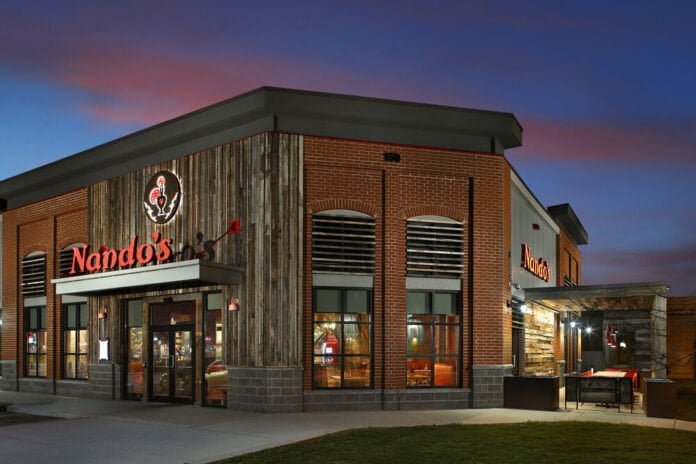
NANDO’S LOCATION IN ETOBICOKE. PHOTO: NANDO’S

Nando’s Canada is permanently closing 21 of its corporate owned-and-operated restaurants in the country amid a sharp decline in sales during the COVID-19 crisis as the industry faces the long-term consequences of this unprecedented event.

The restaurant closures will take place over the next few weeks.

“Regrettably, Nando’s has made the difficult decision to consolidate its Canadian business, to lay a solid foundation for the future. These stores have not been commercially viable for some time, and their losses were only exacerbated by the COVID-19 crisis,” said the company in a statement.

It said it will be running 27 restaurants in British Columbia, Alberta, and Ontario — 13 corporate owned-and-operated restaurants and 14 franchise locations.

Nando’s situation is an example of the dire consequences facing numerous restaurants across Canada.

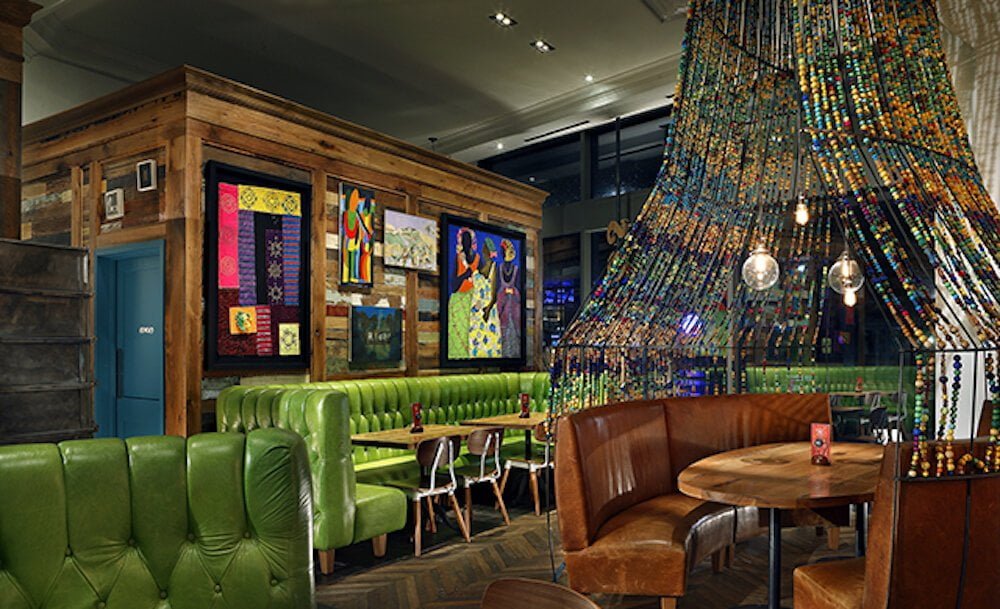
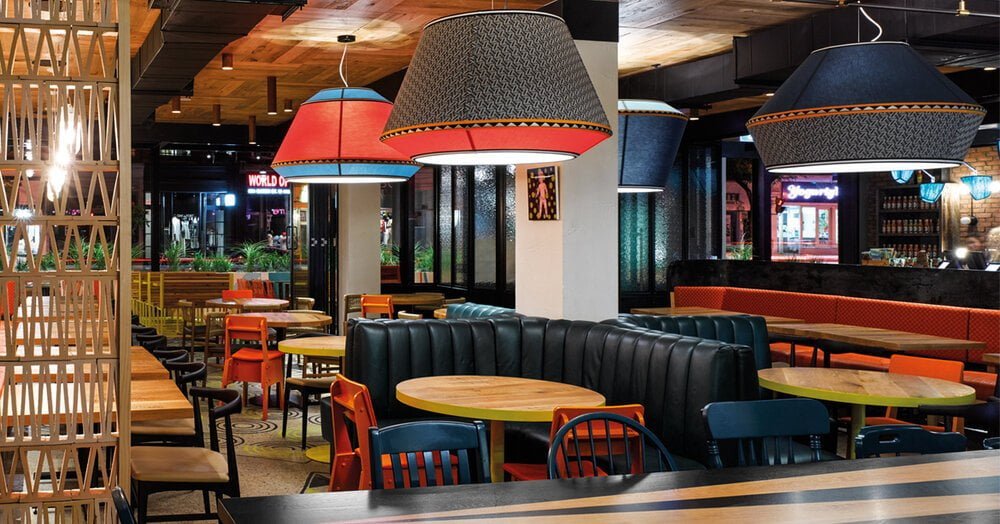
NANDO’S QUEEN ST WEST LOCATION IN TORONTO. PHOTO: HOSPITALITY INTERIORS
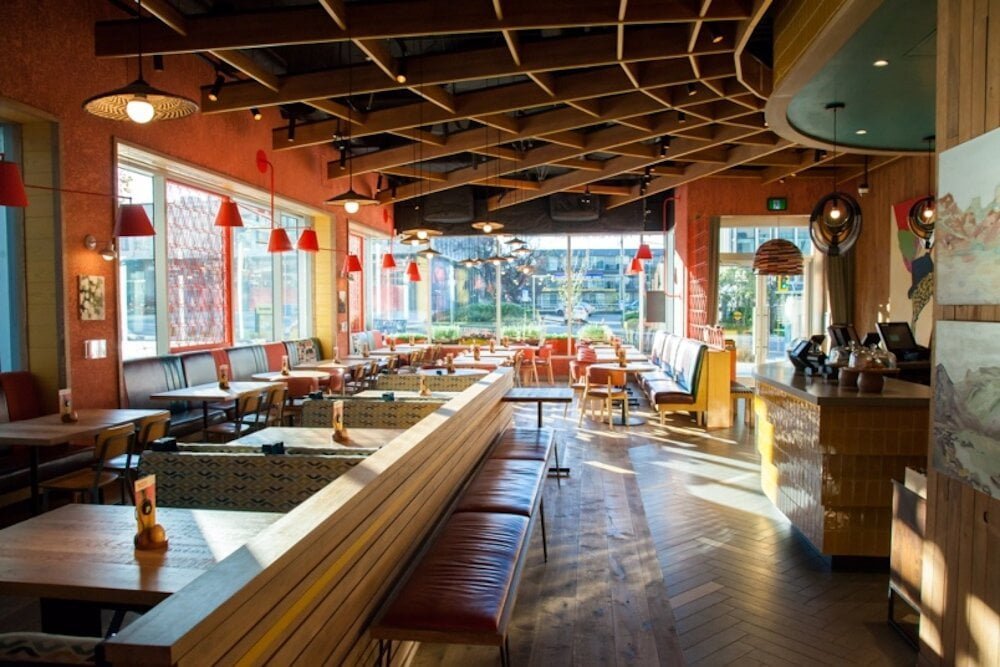
NANDO’S BAY ST LOCATION IN TORONTO. PHOTO: HOSPITALITY INTERIORS

“The Nando’s store closures are part of a growing trend where foodservice and retail tenants are hitting the ‘reset’ button on their operations as part of a larger strategy to regroup and survive,” said Michael Kehoe, Lead Ambassador in Canada for the New-York based International Council of Shopping Centers, a veteran of more than 40 years in the industry and broker/owner of Fairfield Commercial Real Estate in Calgary.
“Store closures, temporary or otherwise can serve to get the attention of suppliers and commercial space landlords to garner financial concessions and cooperation. In these challenging times everyone in the commercial real estate transactional chain must be working together to ensure the survival of foodservice and retail tenants. Sometimes desperate measures need to be taken.”

A recent survey by Restaurants Canada found that seven out of 10 survey respondents said they are either very or extremely worried that their business won’t have enough liquidity to pay vendors, rent and other expenses over the next three months.

Rent continues to be the main challenge. The survey found that 14 percent of independent restaurants haven’t been able to pay rent for April and nearly 20 percent aren’t able to pay rent for May. Also, at least one out of five independent restaurant operators are dealing with a landlord who is not willing to provide rent relief, either through the Canada Emergency Commercial Rent Assistance or some other arrangement.


NANDO’S IN KERRISDALE IN VANCOUVER. PHOTO: TRIPADVISOR
PHOTO: NANDO’S

“The creativity and resiliency of our industry won’t be enough to prevent widespread permanent closures as restaurants continue to struggle with insufficient cash flow and insurmountable debt,” said Shannon Munro, President and CEO of Restaurants Canada.

The organization continues to push for a commercial rent program that will help restaurant owners survive this challenging time.

Dan Kelly, President of the Canadian Federation of Independent Business, said the organization continues to advocate for important changes to the CECRA program.

“Too many businesses will go without the help they badly need because they have no way to access the assistance if their landlord does not participate. CFIB has asked the government to allow commercial tenants who are eligible to access the 50 per cent government portion of the program directly if their landlord does not wish to participate,” he said.


View this post on Instagram


One whole butterflied chicken breast + 4 boneless chicken thighs + 2 regular sides + 2 drinks. All platter, no bones.

A post shared by Nando's Canada (@nandoscanada) on


View this post on Instagram


If you were allowed only one side forever, which would it be? #choosingsides

A post shared by Nando's Canada (@nandoscanada) on

Bruce Winder, a retail analyst at Bruce Winder Retail, said the common denominator is that foodservice is going to be challenged under this new normal.

“Let’s face it. People don’t necessarily want to go and sit down in restaurants. Now, restaurants have been open for delivery, through the platform apps and curbside pickup. But that’s only going to be a fraction of the revenue they need to survive,” said Winder.

“And even with the apps, I’ve read numerous reports where a lot of restaurants aren’t very happy with the apps as they take 20 to 30 percent commission. It’s different when you have a full dining room. You can cover your overhead costs but when you don’t have a full dining room and someone’s taking the 20, 30 percent of your sales for takeout, there’s not much margin left for you depending on the item.

“A lot of people don’t want to be going to restaurants yet, assuming that they’re open because they don’t want to sit down. And some restaurants aren’t open. Even if people want to come there, based on social distancing cues, restaurants are going to operate at the most at 50 percent capacity. You still have all the fixed costs you had before. And now your revenue has taken a haircut automatically by call it 50 percent or maybe a little less because you have some of those takeout orders. But the bottom line is the restaurant industry operates on very low margins. Your net margin is low single digit like four percent or something. So you can’t afford a major bump in the road in volume or you’re not going to make money. And if you can’t make money you’ve got to shut down unless you think you can get through this and you can weather the storm and your balance sheet is strong enough or your investors have enough patience to help you out during this time. Or if you can take advantage of government subsidies.”

IKEA Begins Reopening Canadian Stores with New Safety Protocols

IKEA exterior. PHOTO: IKEA

Popular home furnishing store IKEA has opened four of its 14 Canadian stores implementing what it calls enhanced and robust health and safety measures for both its customers and employees.

The re-opened locations are in Winnipeg, Calgary, Edmonton, and Quebec City. However, the IKEA Restaurant and children’s play area, Småland, will remain closed in those locations while the IKEA Bistro will open for takeout only.

“As we begin to reopen store locations in certain markets, our top priority continues to be the health and safety of our co-workers, customers and communities,” said Michael Ward, CEO and Chief Sustainability Officer of IKEA Canada. “We will continue to act in a responsible way and before making any decisions to open our doors, we have taken steps to ensure our health and safety measures are secured.”

New health and safety measures at IKEA stores include:

  • Strict physical distancing guidelines, a minimum of two-metres apart, including floor decals for lineups;

  • Limiting the number of visitors overall and maintaining a strict capacity in select areas;

  • Frequent sanitization and cleaning of units and surfaces including carts (after every use);

  • Personal protective equipment for co-workers;

  • Separation screens around cash registers and customer service points;

  • Hand sanitizer throughout and clear information on preventive hygiene methods to minimize the potential risk of infection; and

  • Health and safety requirements for co-workers and third-party vendors, including a temperature check when they enter the building.

Kristin Newbigging, Public Relations Leader for IKEA Canada, said the retailer took the proactive step to temporarily close all its Canadian store locations on March 18 to help prevent the spread of COVID-19. It also decided to temporarily suspend its Click & Collect service on March 25 for the same reason.

“Our reopening plan is a phased approach with health and safety as our top priority. Our first step was to relaunch Curbside Click & Collect with a new contactless pick-up process, which rolled out to all stores by May 11. Today, we announced the reopening of four store locations in Calgary, Edmonton, Quebec City, and Winnipeg. At this time, we have not yet announced any further market opening dates, however we are looking very closely at this, always working in line with recommendations from local health authorities and government,” said Newbigging.

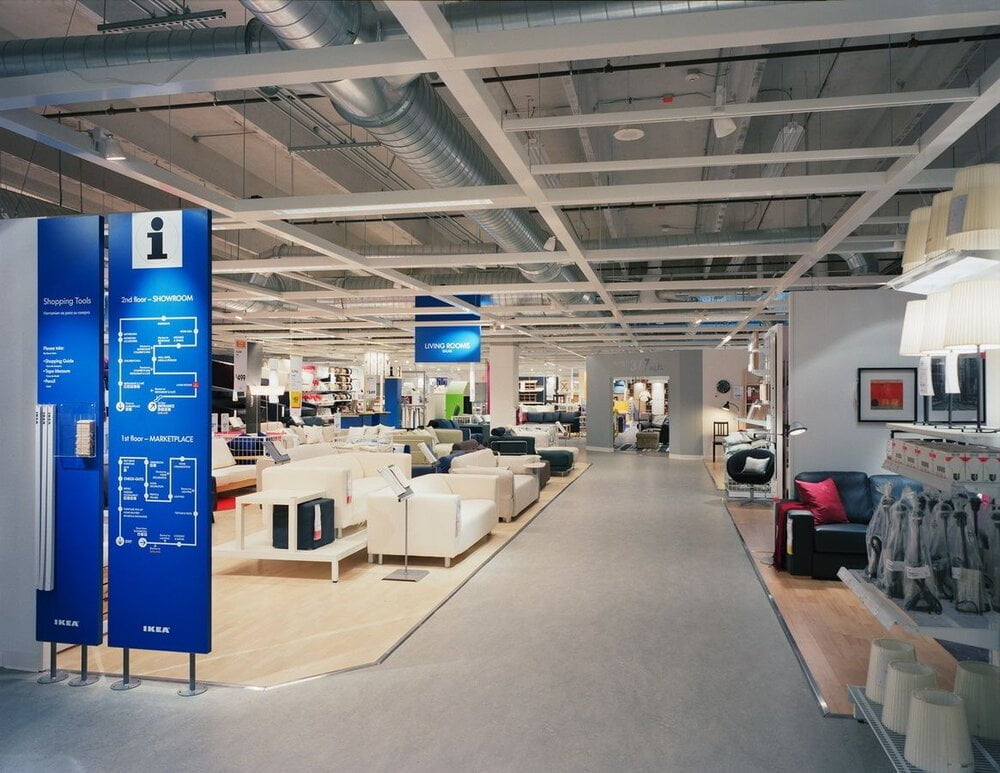
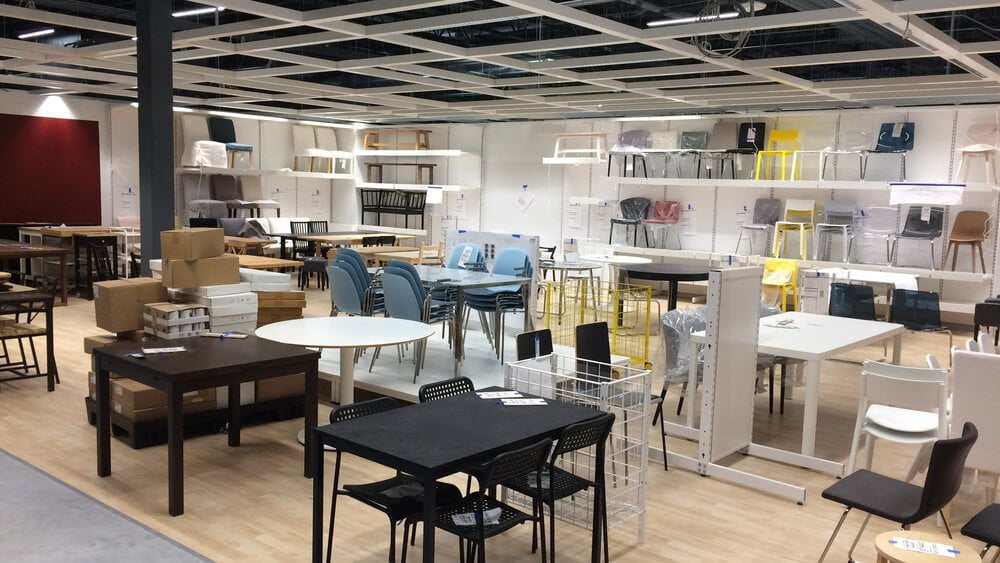
IKEA INTERIOR. PHOTOS: IKEA

“Any decision to reopen is always taken in close consultation with the local government and in accordance with the recommendations from local health authorities. Above everything else, we want to reopen all of our stores in a responsible manner, when it is appropriate to do so. We thank customers for their patience as our teams work hard to take the necessary steps and precautions to ensure a safe, warm welcome back to store for our co-workers and customers.”

Newbigging said the retailer believes health and safety is a shared responsibility and it is asking customers to do their part when they plan to visit an IKEA store.

“During these first weeks, we ask customers to be mindful of physical distancing guidelines and limits to store capacity when they plan a visit to the store. This includes planning their specific purchase in advance, checking stock availability on IKEA.ca, considering a non-peak time or later date to shop if the need isn’t immediate, only touching product that they intend to buy and shopping in groups of two or less,” she said.

“To avoid long wait times, we also encourage customers to take advantage of our 365-day return policy and return products at a later time. For customer convenience, IKEA continues to offer contactless Curbside Click & Collect at all store locations, including those which have reopened, and online shopping at IKEA.”

Founded in 1943 in Sweden, IKEA is a leading home furnishing retailer, offering a wide range of well-designed, functional home furnishing products. IKEA Canada is part of Ingka Group which operates 374 IKEA stores in 30 countries, including 14 in Canada. Last year, IKEA Canada welcomed 31 million visitors to its stores and 117 million visitors to IKEA.

“When co-workers and customers enter our stores, we want them to immediately feel it is a safe place to work and shop. We’ve seen a very positive response so far to the new customer experience and safety measures in place in our reopened locations,” added Newbigging.

“We know that today, life at home is more important than ever, with many families across Canada adapting to a new normal, whether that’s home schooling or working full-time from home. We’re committed to continuing to provide our customers with the home furnishing and hardware solutions to support these needs, while following the recommendations of local health authorities.”

Newbigging said the company’s focus at the moment remains with the health and safety of employees and customers as well as securing the short and long-term viability of its business.

Retail Pulse Check: May 20, 2020

Retail Pulse Check

This week on Retail Pulse Check Webinar, industry experts Craig Patterson and Stephen O’Keefe discuss the many pressing issues involved in the gradual reopening of the Canadian retail market. 

Questions submitted by industry professionals centred around topics such as retaining retail staff in the wake of the pandemic, how to effectively implement safety guidelines, the regulatory differences from province to province, the role artificial intelligence could play in our newfound shopping experiences, and the future of in-store protocol as we all begin to adapt to the new post-COVID norm.

Other topics covered included the conversation surrounding insufficient government assistance, the impact of COVID on the imported food market, insights into department store shopping today, and the importance of eliminating ambiguity when imposing safety regulations.

Speaker Details:

Craig Patterson, Founder, Editor-In-Chief @Retail Insider

Craig Patterson is the founder and Editor-in-Chief of Canada’s most-read online retail industry news publication, Retail Insider. He is also a Director at the University of Alberta School of Retailing, as well as a research consultant at Retail Council of Canada. Craig has studied the Canadian retail landscape for over 25 years, and has also been involved with strategy pertaining to urban revitalization in several cities, as well as retail and shopping centre-related design. He is an industry consultant who also gives retail tours and and is a public speaker. He is a graduate of the University of Alberta and holds a Bachelor of Commerce degree and Bachelor of Laws degree.

Stephen O’Keefe, Founder @Bottom Line Matters

Stephen O’Keefe is a 30 year veteran of the retail industry having worked with major brands such as Sears, Hudson’s Bay, and Walmart where he was Vice President of Loss Prevention and Risk Management. He founded Bottom Line Matters as a source for retailers of all sizes to draw upon his experience and expertise and deal with what matters – maximizing their bottom line. Stephen clients have included major retailers, BIAs, vendors as well as the Industry Association itself. He was awarded the Lifetime Achievement Award for his work with the retail loss prevention community, sharing best practice to combat shrinkage and advocating for legislative changes to support retail business.

The Sale Must Go On! Downtown Oakville’s Cyber Sidewalk Sale moves online!

exc-5ec5cfa4a119873ade4c7988

The Sale Must Go On Downtown Oakville brings its annual sidewalk sale online and is kicking it off with a one-of-a-kind Instagram Live Auction.  

Oakville, ON – For 46-years, retailers along Oakville’s historic Lakeshore Road have pulled product to the street in celebration of Downtown Oakville’s Annual Sidewalk Sale. However, this year – year 47 – is going to look a little different than years passed. Great sales will abound online through a giant cyber sidewalk sale that allows you to get the deals you look forward to regardless of physical distancing restrictions. Those businesses that can open may offer in-store sales. Due to the circumstances surrounding COVID-19, the Downtown Oakville BIA and its retailers have stepped outside the box and are determined to make this year’s Sidewalk Sale better than ever. With a special online platform, folks can shop #DTOakFromHome at their Cyber Sidewalk Sale. From May 28 – 31, shoppers can access ‘bigger than the sale rack’ sales from participating #DTOakville retailers online.  

What does this mean for you? Some pretty great stuff, actually. With the Sidewalk Sale taking a virtual approach, shoppers can access great deals at any time (day or night) throughout the event. There will also be free shipping and local delivery offered by many retailers. Now is the perfect time to stock up on gifts and support #smallbusinesses when they need us most.   

With street-facing retailers permitted to reopen as of May 19, some stores will also be open for in-store shopping with physical distancing measures in place. Be sure to follow us on Facebook (@downtownoakville), Instagram (@oakvilledowntown), and Twitter (@oakvilledwntown) for regular updates leading up to and through the event.   

In addition to the Cyber Sidewalk Sale, the BIA is working hard to support the community and downtown businesses through an Instagram LIVE Auction on Wednesday, May 27th at 7 p.m. The auction, which features items from local businesses, also brings with it a lot of fun and community spirit; not only do you leave with great items but with a smile and full heart! While we cannot get together in person, we can still come together to support local, with live chat to our fellow shoppers. The auctions support local businesses, with previous sales of over $5000 in a few short hours, as well as local charities, with over $2,500 donated (past recipients include Fare Share Food Bank Oakville and Lighthouse for Grieving Children). The next LIVE Auction is anticipated to be just as successful with a lineup of great items up for bid (details to be released soon). Tune in by following us on Instagram (@oakvilledowntown).  

The Downtown Oakville BIA truly believes that even under physical distancing circumstances and the unknowns of these strenuous times, together we can continue to support the community, our local charities, and our small business.   

For a full list of retailers participating in the Cyber Sidewalk Sale visit oakvilledowntown.com/event/virtual-sidewalk-sale-downtown-oakville/

Holt Renfrew Appoints New President & CEO

HOLT RENFREW ENTRANCE AT YORKDALE MALL, TORONTO. PHOTO: HOLT RENFREW

Toronto-based large-format luxury multi-brand retailer Holt Renfrew has announced that it has appointed a new President and CEO. Industry veteran Sebastian Picardo will replace Mario Grauso, who has led Holt Renfrew on a path of significant change over his four-year tenure with the company. It comes at a time of stress for retailers following an extended period of store closures as well as shifting consumer sentiment at an unprecedented time.

The new Holt Renfrew President and CEO, Sebastian Picardo, most recently held the position of Deputy President and Chief Operating Officer at Hong Kong-based luxury department store chain Lane Crawford. Over the eight years, Picardo led the company to invest in fashion and technology to further make Lane Crawford a leader in its markets which include operations in China. Before joining Lane Crawford, Picardo held senior leadership positions at Burberry, Net-a-porter, and Alexander McQueen.

At Burberry, Picardo was instrumental in transforming the digital side of the business into the most advanced of its kind within the luxury sector. Picardo is also a chartered accountant and holds a degree in business management as well as a masters degree in international finance. He was born in Argentina and has worked in Buenos Aires, London, Barcelona, and Hong Kong. As part of his position with Holt Renfrew, Picardo’s new home is Toronto and he officially takes on the President and CEO role on June 1st.

Mario Grauso became President of Holt Renfrew in July of 2016. He was instrumental in leading Holt Renfrew along a new path which included newly renovated and expanded stores, an enhanced concession model, and an expanded e-commerce site with thousands of designer products.

“It has been a privilege to lead Holt Renfrew and I am proud of what we have accomplished and the great team and beautiful environments we have built,” said Grauso. “The company is in a great place and it is the right time for me to move to my next challenge. I want to wish the business continued success and thank everyone for their support.”

Since Grauso took over the reins of Holt Renfrew, the company has spent hundreds of millions of dollars renovating and expanding its stores. That includes a substantial renovation and expansion of the Vancouver flagship Holt Renfrew store at CF Pacific Centre, which grew to more than 190,000 square feet and to this day is adding new vendor shops as part of ongoing updates. In Toronto, the Yorkdale Holt Renfrew store expanded by about 10,000 square feet last year, adding flagship-sized concessions for luxury brands Gucci, Fendi, and Dior. Other parts of the store were also renovated to create a series of ‘world of’ concessions featuring ready-to-wear and other categories for brands such as Burberry, Brunello Cucinelli, and Loro Piana. At 50 Bloor Street West, Holt Renfrew’s 190,000-square-foot flagship is in the process of a renovation that will soon include a new facade as well as an ongoing interior renovation.

In Montreal, an expanded Holt Renfrew Ogilvy store on Ste-Catherine Street West will reopen next week, spanning 250,000 square feet with many of the world’s leading luxury brands contained within. An existing Holt Renfrew store on Sherbrooke Street West will close once the nearby Holt Renfrew Ogilvy store is fully completed. During Grauso’s tenure, Holt Renfrew made the difficult decision to shutter its downtown Edmonton store as the company shifted its strategy to embrace big brands with their own dedicated spaces.

That concession model has seen large boutique spaces, run by brands themselves, in Holt Renfrew stores across the country. It’s something that brands have demanded amid a shift to direct-to-consumer selling which has seen Holt Renfrew increasingly becoming a landlord as well as a retailer.

Grauso also led the expansion of Holt Renfrew’s e-commerce site after a lag, adding apparel, footwear, bags and accessories to the mix. The site’s comprehensive launch had been delayed and until last year, only featured an assortment of beauty products. A massive IT push helped Holt Renfrew grow online sales while its stores were shuttered due to the COVID-19 pandemic. Last week, Holt Renfrew’s Calgary store reopened and on Tuesday of this week, the Vancouver store reopened. On Monday May 25, the two Montreal stores will open and the Toronto-area stores will open at an unspecified date in the next while as well.

The company says that Grauso will move back to the United States along with his partner Serkan Sarier who is a notable artist.

Holt Renfrew is part of the London UK-based Selfridges Group umbrella of stores which also includes Selfridges in the UK, Brown Thomas and Arnotts in Ireland, and De Bijenkorf in the Netherlands. All chains are upscale, feature a robust concession model and are considered to be market leaders.

“I want to thank Mario for his significant contribution to Holt Renfrew these last years,” said Anne Pitcher, Managing Director of Selfridges Group. “Under his leadership, he transformed our stores into the luxury destinations we have today, enhancing the business and its iconic status as a world-class retail brand and a leader in the Canadian market. We wish Mario every success and all the best in his future endeavours,” she added.

GUCCI ACCESSORY CONCESSION IN DOWNTOWN VANCOUVER. PHOTO: KLONDIKE CONTRACTING

Pitcher went on to say about the new hire, “There are few senior leaders of Sebastian’s pedigree and proven track record of success in the luxury retail space, and we are delighted that he will bring his extensive experience to Holt Renfrew. Throughout his career leading some of the world’s most successful brands, Sebastian has demonstrated an ability to see retail as an all-channel experience and to continually innovate and empower his teams to exceed customer expectations. We look forward to exciting new opportunities under his leadership”

Holt Renfrew’s expansive investments have come at a risky time for the company. The retailer has relied heavily on shoppers from China and with a crackdown on money leaving the country, some Chinese consumers have had less to spend in luxury retailers in this country. Now with an extended period of store closures due to COVID-19, consumers may be hesitant in returning to physical stores. As discussed last week in Retail Insider, Holt Renfrew has set out a strategy for its store reopenings which includes reduced hours, hygiene and sanitization, and physical distancing measures.

As with previous recessions, some consumers may decide to save money rather than spend it, and there may also be a movement away from flashier designer brands that feature prominent logos. Lost wealth from job losses, stock market declines and oil price losses is creating a further financial strain for some Canadians. At the same time, some affluent Canadians may choose to shop in their own country rather than travel internationally. That would be good news for Holt Renfrew which operates in the Toronto, Montreal, Calgary, and Vancouver markets, all of which are home to multimillionaires and some billionaires.

Reitmans Files for and Obtains Bankruptcy Protection

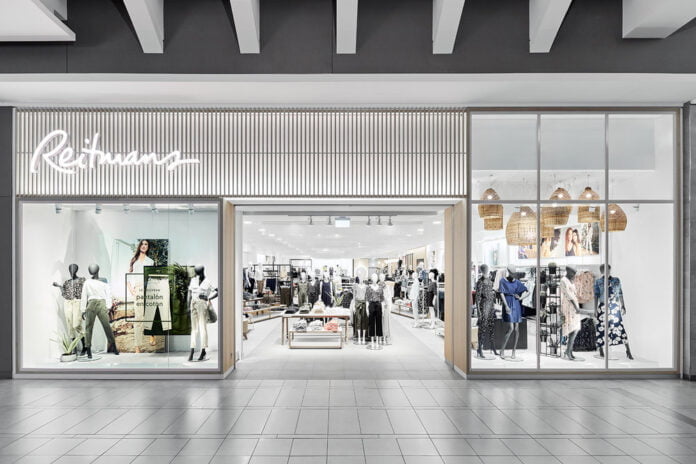
REITMANS’ NEW CF CARREFOUR LAVAL BOUTIQUE PHOTO: REITMANS

Iconic Canadian retailer Reitmans, which has been in existence for close to 100 years, has obtained protection under the Companies’ Creditors Arrangement Act to “facilitate its operational, commercial, and financial restructuring” as it reacts to the negative impact of the COVID-19 (coronavirus) pandemic.

The company, which is a leading ladies apparel retailer with retail outlets throughout Canada, employs approximately 6,800 people and operates 576 stores consisting of 259 Reitmans, 106 Penningtons, 80 RW & CO., 77 Addition Elle, and 54 Thyme Maternity.

“Filing for protection under the CCAA is truly the hardest decision we have had to make as an organization in our almost one hundred years of history, but this pandemic has left us no choice – we believe that this is the only course of action to ensure we remain successful in the future,” said Stephen Reitman, President and Chief Executive Officer of Reitmans, and grandson of the company’s founders, in a statement.

PHOTO: MALL CHAMPLAIN

“We have many strengths: we’re the Canadian leader in specialty retail, we have a strong leadership team and talented employees, great national brands, an omnichannel retail strategy with robust online sales, and most importantly, loyal customers who have been shopping on our websites at a record pace since the start of the pandemic. We will dedicate ourselves to the restructuring of our business, and then we’ll carry on with what we do best: offering affordable fashion and great service to our customers and communities for many years to come.”

The news on Tuesday comes as many retailers across North America struggle with the devastating impact the pandemic is having on the sector. Also on Tuesday, Pier 1 Imports announced that it has filed a motion seeking Bankruptcy Court approval to begin an orderly wind-down of the company’s retail operations as soon as reasonably possible after store locations are able to reopen following the government-mandated closures during the COVID-19 pandemic. J.C. Penney also announced recently it will permanently close nearly 30 percent of its 846 stores as part of a restructuring plan under bankruptcy protection.

Bruce Winder, a retail analyst at Bruce Winder Retail, said this period is the acceleration of retail as a number of forces being felt in retail before the pandemic were hurting companies like the ones that are going bankrupt right now.

“What this has done is this has accelerated those changes. You look at some of the stores that are closed that are going for it (creditor protection and bankruptcy) they were weak anyways. The value proposition was weak. They were not best in class. A lot of them have huge debt on their balance sheet because they were owned by venture capital or private equity,” said Winder. “So they didn’t have the balance sheet to weather the storm. Their business model was outdated. In other words, it wasn’t sort of modern and contemporary.

“So they were going to fall anyway. All this did is push them over the edge quicker.”

Winder said more of this will be taking place in the coming days, weeks and months.

“Sadly you’re going to start to see more of this happen in the next few weeks and even months and it’s all a function of how strong is their balance sheet, how patient are their investors, and where do they fall from a category standpoint. This year will be the story of bankruptcies in Canada, in the U.S. and around the world where you’re seeing the brands who are weaker, the brands who have poor balance sheets, old business models, many of them, not all, are going to have to close down and enter Chapter 11 (U.S.) or in our case (Canada) CCAA.

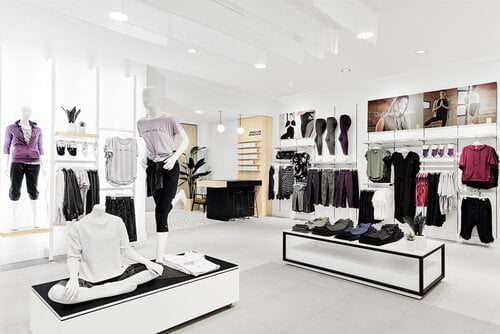
PHOTO: REITMANS
PHOTO: REITMANS FACEBOOK

“It doesn’t mean that they’re all gone. Some of them will come out of it leaner and meaner but I would suggest that most won’t.”

In a news release, Reitmans said the CCAA process will allow the company to implement a restructuring plan that addresses the impacts of COVID-19 in order to build a more resilient organization that will be positioned for long-term success.

“Throughout this process, the Company will remain fully operational through its brands’ e-commerce websites; all physical stores will re-open in conformity with provincial and regional governmental guidelines. As the restructuring gets underway, the Company will look to optimize its retail footprint in Canada to emerge from this process in a stronger state,” it said.

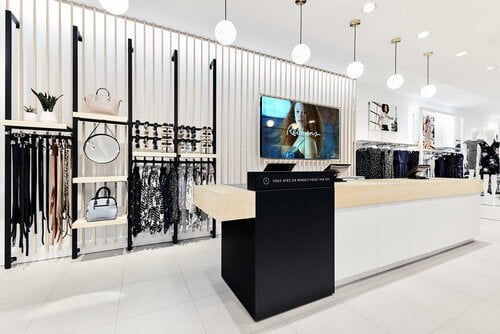
PHOTO: REITMANS

“The retail landscape has been in constant flux over the past several years, resulting in the evolution of consumer behaviour and purchasing patterns. Reitmans has implemented a successful digital-first strategy, amongst other omnichannel initiatives, to drive sustainable growth in this evolving retail environment. However, the COVID-19 pandemic forced the closure of all retail stores, and pushed the retail industry into a new and unknown era.

“In conjunction with its filing under the CCAA, the Company has undertaken a process to secure an interim financing (DIP) that shall provide the required liquidity to meet all of the anticipated needs of Reitmans and its brands to continue normal operations following the opening of its retail locations and throughout the CCAA process. Reitmans is also in discussion with lenders with respect to a permanent financing upon exit from the restructuring process.”

In its fiscal year 2020 which ended February 1, Reitmans reported sales decreased by $53.5 million or 5.8 percent, to $869.5 million from fiscal year 2019. Net loss for fiscal 2020 was $87.4 million ($1.56 basic and diluted loss per share) as compared with $6.8 million net earnings ($0.11 basic and diluted earnings per share) for fiscal 2019.

Michael Kehoe, Lead Ambassador in Canada for the New-York based International Council of Shopping Centers, called the Reitmans’ court protection a significant event on the Canadian retailing scene.

“The firm has been a pillar within the retailing fabric of the country for a generation and the problems they face are common in these challenging economic times. The firm had faced challenges in the recent past related to unproductive locations, high rents, changing shopping patterns and shifting demographics,” said Kehoe, a veteran of more than 40 years in the industry and broker/owner of Fairfield Commercial Real Estate in Calgary.

“The face of shopping centres in Canada will be forever changed as fashion mainstays like Reitmans with their numerous retail banners will emerge from restructuring with a significantly reduced footprint. Retailing is always changing and evolving and Reitmans will carry on in an era of the omnichannel environment.”

Alberta PR Firm Offers Free Media Strategy Services to Retailers and Businesses Post-COVID-19

STREET RETAIL IN CALGARY.

A Calgary public relations company has launched a unique and innovative initiative to help businesses that have struggled during the current economic crisis caused by the COVID-19 pandemic.

WILD PR is offering businesses a complimentary Post-COVID-19 Revive & Thrive PR Package that outlines how businesses can secure valuable media opportunities for themselves in order to have their stories heard by the community and give their brands a much-needed boost.

Kristen Novak, Founder of the company, said it has put together a package that any small business, regardless of what industry they are in or their size, can use to develop their own public relations strategy and book their own media interviews.

“The reason we wanted to do that is because we know PR is expensive. As a reputation, it tends to be on the expensive side. But we know people’s funds are so limited. We know that businesses have been shut down and people are coming back from nothing. So we really wanted to give a resource to people so that funds weren’t the limiting factor for them to get that press coverage too,” said Novak.

ERICA MORGAN AND KRISTEN NOVAK

“Press coverage gives credibility. It gives you exposure. It really does wonderful things for a business. The bottom line is how can we help small business right now do something to help them come back from this.”

The package is available as a free resource that can be downloaded from the company’s website at https://wildpr.ca.

Novak said the coronavirus has taken a toll on businesses of all sizes and the company wants to be cheerleaders of small business and a support system to help them “come back with a vengeance.”

She said WILD PR wants to equip businesses with the tools to revive their business, get eyeballs on their services or products, and speak to their consumers in a way that resonates to drive business right back up.

“This package is all about the fundamentals so we are going to keep things simple and to the point. Our belief is that you don’t need to know absolutely everything to be able to get media coverage, you just need the foundation,” she said.


View this post on Instagram


Boost your brand for FREE! 🎉 With everything going on in the world, we wanted to do our small part in lending a hand to our fellow small businesses by providing free resources to help support your brand post-COVID-19. We are excited to officially announce the launch of our Revive & Thrive PR Package, which will set you up for success with everything you need to know to land amazing media opportunities, have your story heard by the community and get your business back on top. . We want to be your cheerleaders and support system so your business can come out the other side of these strange times stronger than ever. Here’s to resiliency, to sticking together and to all the new and exciting things we know are within reach for you and your business! . The WILD Revive & Thrive PR Package is available for download at www.wildpr.ca (link in bio) and we are always here to answer any questions you have. . #yyc #yycpr #yeg #yegpr #freepr #publicrelations #covidsupport #lovelocalyyc #shoplocalyyc #supportlocalyyc #yycfree #wildpr #postcovid #yycbusiness #yycbossbabe #calgarybusiness #reviveandthrive #yycentrepreneurs #yycbusinessbabes #bossbabeyyc #yycgirlgang

A post shared by WILD Public Relations Inc. (@wild.pr) on

“We’re a small business ourselves and we have seen and experienced how basically COVID has been wreaking havoc not only on people’s livelihoods but on their dreams too. If you look at so many businesses that have just opened and had to immediately shut down, it’s incredibly sad from my perspective. We’re just looking at what we can do to give back and what we can do to help others at a time like this.”

Erica Morgan, Senior Account Manager of the company, said the initiative is reflective of that spirit in Calgary of everyone wanting to pull together and do everything they can.

“Even though we’ve been impacted, that was something that we had always been in discussion about. What can we do to give back with our resources and our knowledge and abilities. This was kind of the result of that,” said Morgan.

Novak said it is extremely important for businesses to communicate to their customers and clients, especially during a time like this. Customers and clients want to know who is re-opening and how they’re re-opening.

IMAGE: WILD PR FACEBOOK PAGE

“I think there’s going to be a lot of businesses that are coming out of this wanting to get their story heard. But even if everyone’s doing it, you need to find your voice within the masses,” she said.

“If people stop communicating, people are going to think that business is out of business. So you have to keep going. You have to keep letting people know what’s going on.”

Morgan said people place a high value on transparency. When businesses can use that communication to be open and honest with people, they appreciate that even if businesses have to close or change their business model.

“There’s value in showing what’s really going on to your customers and your stakeholders,” she added.

207: COVID-19 2 Month Review, HBC Closing Downtown Edmonton Store

exc-5ec346aaa7afac1ecbcb87a2

This week Craig & Lee review the COVID-19 articles since March, as well as the Hudson’s Bay Company’s announced closure of its downtown Edmonton store.

The Weekly podcast by Retail Insider Canada is available on Apple Podcasts, Stitcher, TuneIn, Google Play, or through our dedicated RSS feed for Overcast and other podcast players.

Article Details

  1. Stores Close and Malls Reduce Hours in Canada Amid COVID-19 Pandemic and Mass Store Closures in Canada Escalate Significantly Amid COVID-19 Pandemic [Update]
  2. Fitness Studios in Canada to See Substantial Changes Post-Pandemic
  3.  Hudson’s Bay Exiting Downtown Edmonton After 207 Years

Subscribe, Rate, and Review our Retail Insider Podcast!

Follow Craig:

Follow Retail Insider:

Listen & Subscribe:

Share your thoughts!

Drop us a line at Craig@Retail-Insider.com. You can also rate us in Apple Podcasts or recommend us in Overcast to help more people discover the show!

Listen on Google Play Music

Share your thoughts!

Drop us a line at Craig@Retail-Insider.com. You can also rate us in Apple Podcasts or recommend us in Overcast to help more people discover the show!

Wild Tea Kombucha Launches Ecommerce Platform for Local Businesses

PHOTO: WILD TEA KOMBUCHA

Calgary-based Wild Tea Kombucha has launched a collaborative one-stop online shop to provide shoppers with easy access to food and beverage and other products from a number of local businesses.

The new ecommerce platform, which is being powered by WTK founders Emily Baadsvik, the company CEO, and Brigette Freel, its COO, have lined up a number of businesses to join the network as consumers change their shopping habits due to social distancing and store closures brought on by the COVID-19 (coronavirus) pandemic.

“Brigette and I were just brainstorming ways once we knew the pandemic was becoming the real thing and we quickly saw the effects of all trends and businesses closing or having restricted hours,” said Baadsvik. “So we immediately wanted to do something to bring awareness to the small businesses in Calgary and try to bring extra sales because it’s the small businesses that don’t have the big multi-conventional distribution. We have to struggle to stay open.

IMAGE: WILD TEA KOMBUCHA

“So basically just on an idea we texted a bunch of our local business friends and then immediately they all replied and it’s just grown organically from there.”

WTK, which has been in business since 2015, has a goal to add more local brands to the platform to simplify the shopping process for Calgary while also helping fellow business owners to stay afloat during these challenging times.

“We’d like to grow it. We haven’t really thought about putting any kind of cap on it yet. So anyone that’s interested is welcome to reach out to us and join us in this little endeavour,” said Baadsvik.

When asked if the concept might continue on when the pandemic is over and times return to a normal state, she said: “It’s going to be just play it by ear. I think that it just depends. If people continue to want home delivery, it’s something that we’re really glad to do and I think that collaborating with our friends and having more than one option besides Kombucha is just smart business.”

EMILY (LEFT) AND BRIGETTE (RIGHT). PHOTO: WILD TEA KOMBUCHA

She said the initiative involves contactless delivery because the company is trying to limit the number of people that are coming to the facility and the contact with the outside world.

“We just want to help the small business community in Calgary,” said Baadsvik. “The thing is a lot of us don’t qualify for the benefits – the 75 per cent wage subsidy. You have to show that your business decreased by 30 percent and when you’re a small business you’re trying to grow every year. So it’s a bit of a weird situation. Even though our sales have gone down they haven’t gone down enough so we don’t qualify. So we have had to lay off some staff.

“Right now it’s just about survival and taking it day by day, week by week. So whatever we can do to lift each other up that’s all that matters.”

Youtube video

The businesses on the platform include:

Wild Tea Kombucha – bottled and canned kombucha and kombucha cider at wholesale, case lot pricing.

Micro YYC – Sustainably grown, nutritious micro greens.

Partake Brewing – Award winning, craft brewed non-alcoholic beer.

Pioneer Butchery & Charcuterie – Locally sourced, naturally raised meats.

Little Tucker – Guilt-free, plant powered snacks.

Nudefood Market Peanut Butter – All natural, sustainable and locally made peanut butter.

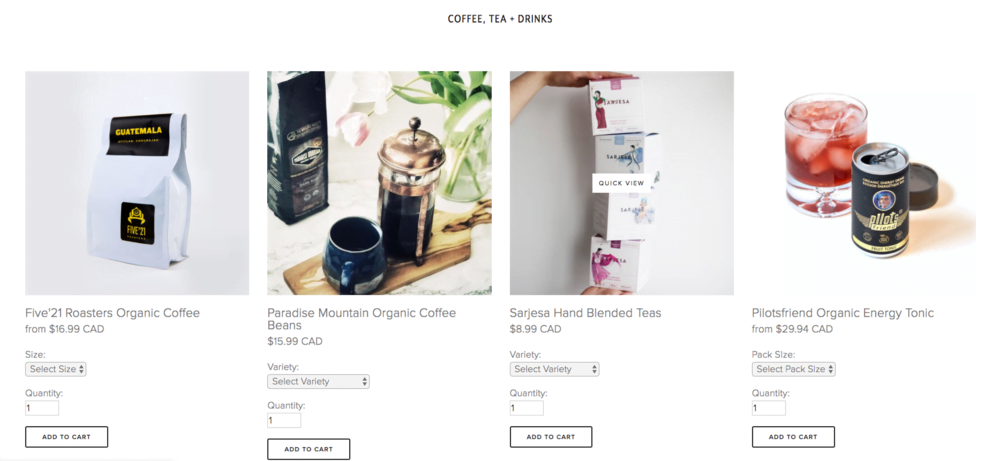
IMAGE: SCREENSHOT OF WILD TEA KOMBUCHA ECOMMERCE STORE

Five’21 Roasters – Locally roasted, organic coffee.

Torill’s Table – Norwegian style waffle and pancake mix.

Real Treat Cookies – Unapologetically delicious organic gourmet cookies.

Fitwave Protein Energy Balls – Plant based whole food energy balls.

Sangster’s, Glenmore Landing – High quality vitamins and supplements.

Ganesha Foods – Cold Ground Organic Spices.

Sarjesa – Beautifully crafted teas supporting women’s social programming.

Pilot’s Friend – Organic, natural energy tonic.