

After closing his family’s iconic Toronto-based retail business in 1998, Michael Berg realized that shopping habits had quickly changed and that there was a better way for brands to liquidate excess inventory and for consumers to get in on the benefits.
So in 2000 he launched the country’s first outsourced warehouse sale business. And it was extremely successful from the very beginning with high-profile brands such as Holt Renfrew, Gap, Club Monaco, Guess and Levi’s using the unique and innovative retail business service.
Oliver Berg, vice-president of inventory solutions and events for the company, said StyleDemocracy started off as a one-man show with his father helping globally-renowned retailers and brands with their excess inventory by running warehouse sales events.
“According to my father, he was the original when it came to warehouse sales. They were not really a common thing and he sort of developed the model of being an outsourced manager,” said Berg. “We’ve executed over 250 events now across Canada and in the U.S. for dozens and dozens of huge brands.”
The company has a long history in the retail business in Toronto. Berg said his great grandfather opened a women’s boutique store in Toronto in 1929 called Ira Berg. It turned into one of the premier high-fashion boutiques in Toronto and in Canada for over 60 years. It was run subsequently by Russel, his grandfather and then his father. Ira Berg was the first retailer in Canada to carry many brands including Prada, Bottega, Celine, Armani, DKNY, and Kiehls, as well as the managing partner of Louis Vuitton Canada from 1986-1995.
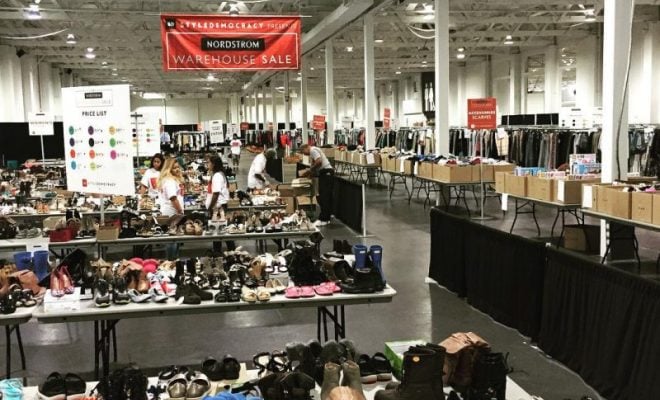
“It was an iconic establishment serving Toronto’s elite,” said Berg. “That business closed in 1998 for a number of reasons. The rise of department stores and a couple of other factors. And I guess they just weren’t able to keep up with what was going on in retail. My father and grandfather had to liquidate the store in 1998. On opening day, of the liquidation sale, there was a lineup around the block to get in and sales were huge! There was sort of this ‘aha’ moment my dad had with regards to sales, discounts and strong brands – the perception of value.
“This company (StyleDemocracy) was born from that. It didn’t necessarily take off right away but it was a precursor to what we are today.”
The company was originally called Paradigm Retail Group, but his father realized that if it wanted to be a more attractive retail brand it had to change its name into something more catchy. That’s when StyleDemocracy was born.
Berg said the company provides a turnkey solution for recognized brands with excess inventory. Brands come to StyleDemocracy at various points in the year looking to sell that product.
StyleDemocracy doesn’t buy the inventory – it is a service provider. The StyleDemocracy team sources locations and does all the marketing, staffing, reporting, and everything in between, so the brand can focus on it’s strengths.
“We have a proven track record of huge events for really big brands,” added Berg. “Many come to us not just for our expertise in event management, but for our ability to market quietly through our email lists and website.” Over the years, StyleDemocracy has developed a massive community of shoppers and can reach hundreds of thousands of people without hitting the mainstream media – something their clients love.
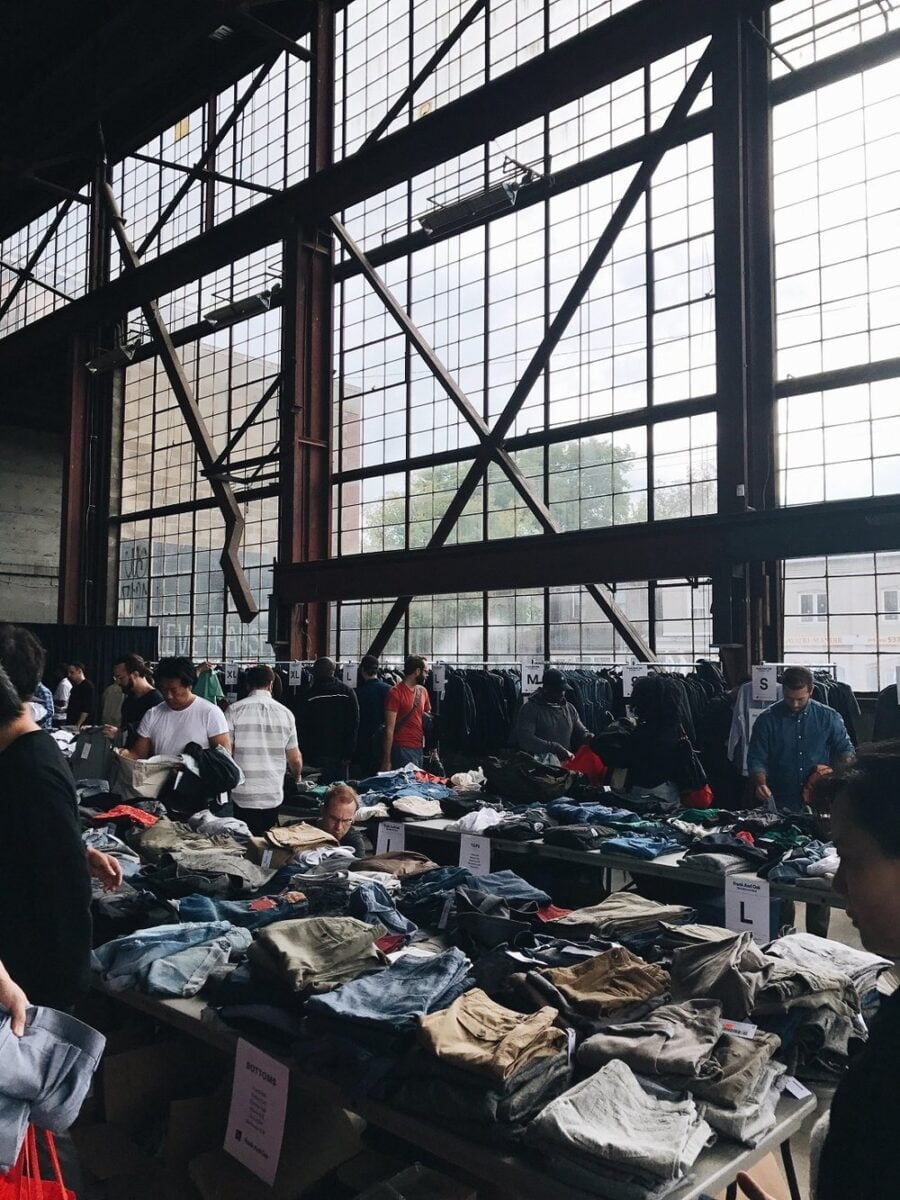
The company takes on 12-15 events per year. The sales are held all over the place depending on the brand it is working with and the quantity of inventory.
StyleDemocracy events take place in most Canadian cities including Toronto, Montreal, Vancouver, Calgary, Winnipeg, Ottawa, and Halifax. The company’s big sale events take place at well known, easily accessible venues like the International Centre in Mississauga or the Markham Fairgrounds. They also run smaller events, like pop up shops, in vacant retail spaces in the heart city.
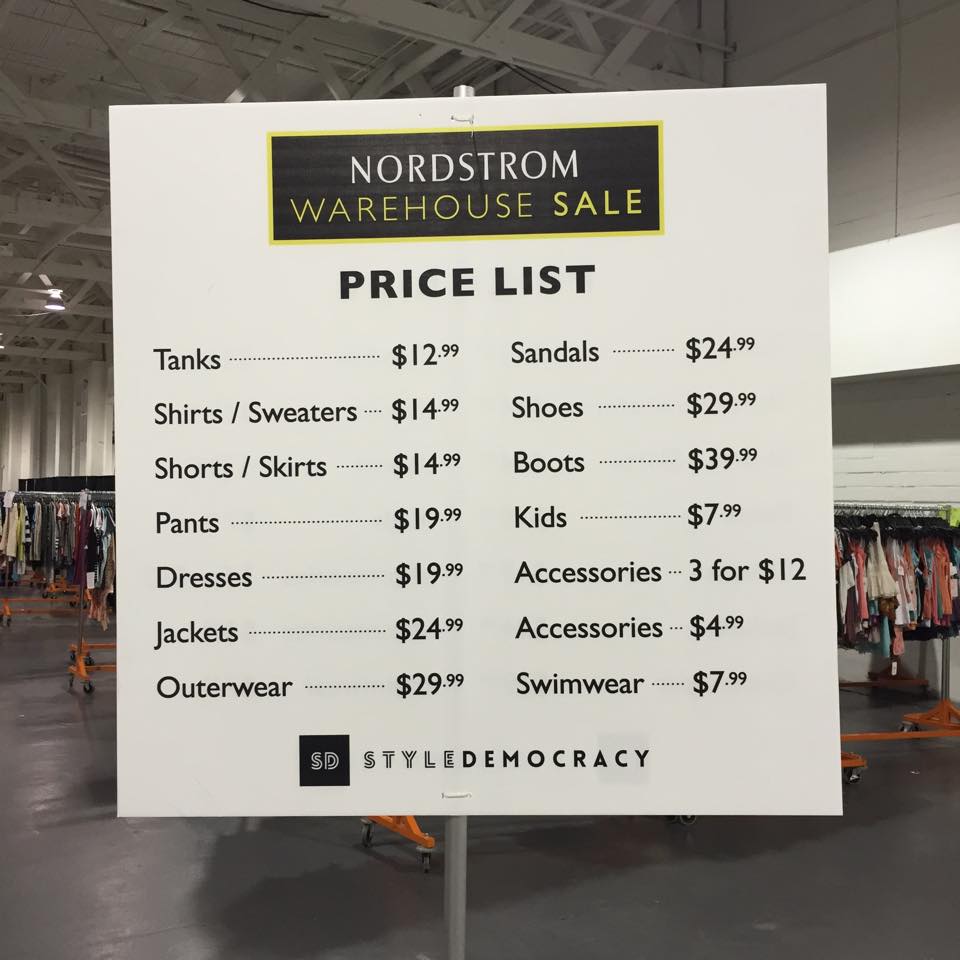
Brands they have worked with include Nike, Nordstrom, New Balance, Dolce and Gabbana, Adidas, Frank and Oak, Levi’s, TOMS, Guess Jeans, Lacoste, Sporting Life, Holt Renfrew, The Gap, Diesel, The Body Shop, Fred Perry, Tiger of Sweden, John Varvatos, and dozens more.
“Our model has proven to provide our customers with superior recovery rates on excess inventory and to also connect a brand to a whole new subset of customers,” said Berg.
“A brand can decide to quietly move inventory on their own to off price retailers or jobbers, if that’s what they want, but we provide a higher recovery rate because we’re selling to consumers at retail and we get that. We provide the funds quickly – within 72 hours of the sale. Our events are five to seven days. Depending on how much inventory we’re working with, our clients receive a pretty nice cheque for their excess.”
StyleDemocracy also has an ecommerce solution which it recently launched in December of 2017.
“One of the things we noticed over the years is that we would get inquiries from brands and retailers who had inventory issues of all sizes. The big, physical warehouse sales need a certain type of inventory level for it to work,” explained Berg. “A warehouse sale has a lot of costs involved, the quantity of inventory, the depth of inventory.”
The company’s ecommerce initiative now provides solutions for clients of all sizes of inventory excess.
If you’re interested in learning more about StyleDemocracy’s services please contact Oliver Berg – oliver@styledemocracy.com





Inventory ties up working capital, costs money to store, costs money to handle, and can become damaged or obsolete. With the exception of work in progress, in an ideal world there would be no inventory in a business. Material would flow through the supply chain with no stops or bottlenecks, and the inbound supply rates would be synchronous with the outbound supply rates.