By Nicholas Ghitti, head of Inside Sales at EBANX
With a population exceeding 650 million people, Latin America is a key partner in terms of commercial relations for many nations worldwide. With a potential market of this size, it comes as no surprise that the region is growing in the eyes of international sellers looking to expand globally.
It is no different for Canada. In fact, the region is among the most important ones for the country: Mexico, the second largest Latin American economy, is in the top 5 countries to which Canada exported the most in 2016, figuring not so far behind Japan, according to World Bank’s data. The value of bilateral trade between Canada and Brazil, the largest economy in the region, amounted to $6.4 billion Canadian dollars in 2017.
For Canadian online retailers looking to start selling or increase sales to Latin America, this is great news, showing that commercial relations are healthy. It is a matter of improving the online store having Latin American consumers in mind.
And having Latin American consumers in mind means building a sales strategy tailor made to reach them, considering all of their specificities. For users of the Shopify platform, which is often among the most used ones worldwide, there are a few apps and hacks that can improve user experience based on these specificities, and ultimately impact sales rate of the online store.
But, before jumping into Latin America’s specificities and the things you need to do in your Shopify store in order to increase sales in the region, let’s really understand the size of your opportunity there.

Why should I think about starting or increasing sales to LaTam?
Commercial opportunities in general are great in Latin America. When it comes to ecommerce specifically, the region’s landscape offers equally excellent opportunities. High levels of internet penetration are helping ecommerce to grow at a remarkable pace. Take Brazil as an example: it is one of the top 10 ecommerce markets in the world while being the fourth country with more internet users.
Retail ecommerce sales in Latin America as a whole are expected to reach $84.75 billion U.S. dollars by 2019. Two of the three fastest-growing ecommerce markets in the globe are Latin American countries: Colombia and Argentina.
When we consider cross-border ecommerce market in Latin America, the environment is also great. In Brazil, 22.4 million people purchased online from foreign websites in 2017, as reported by WebShoppers, a research conducted annually by Ebit on Brazilian online consumers’ behavior. In Mexico, 67% of online consumers bought from international websites in the same year, according to Mexican Internet Association’s report.
Undoubtedly, 2018 is an ideal time for Canadian online retailers to look closely at the Latin American ecommerce market. Not only to simply enjoy a market share of this total amount, but also because a trade war is raging between the country and the United States, which is currently Canada’s most important export partner.
As an aspiring online retailer or an already established one, you need to stay ahead of the competition and make your online store more convenient for the LaTam market.
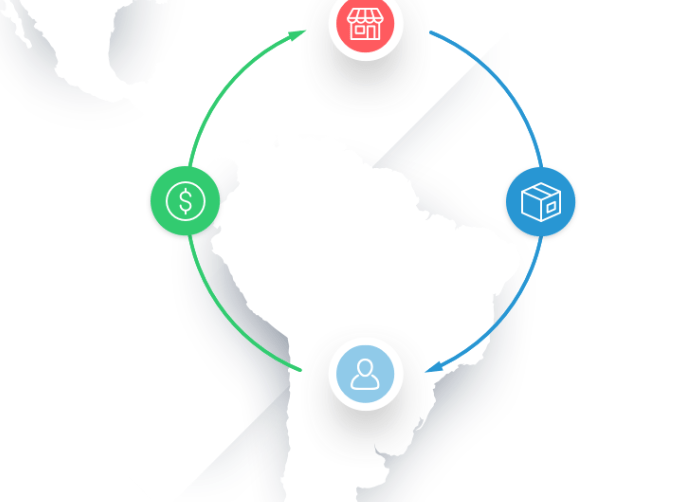
Things to consider when selling in Latin America
As said, Latin America has its own specificities. The fact that it is comprised of over 40 countries gives an idea of how diverse it is. With the exception of Brazil, which speaks Portuguese, the majority of countries speak Spanish. Currencies also differ. So, a multi-language website, that displays prices in local currency is a must. Payment methods are another particularity.
Whether you are targeting Brazil, Argentina, Mexico, Colombia, or any other country in Latin America, you must understand all these differences and put together the best sales strategy.
Here are some significant things that you need to know and that you can do to enhance your Shopify online store in order to increase sales in Latin America, considering all its specificities:
Offer a multi-language website to navigate in
Having a multi-language online store will unlock new opportunities to your ecommerce business while helping you build trust in the Latin American market. A multilingual website allows you to provide an enhanced user experience for customers in the region, talking to them in the languages they are comfortable with. A multi-language ecommerce website will also help you improve your visibility and attract more customers.
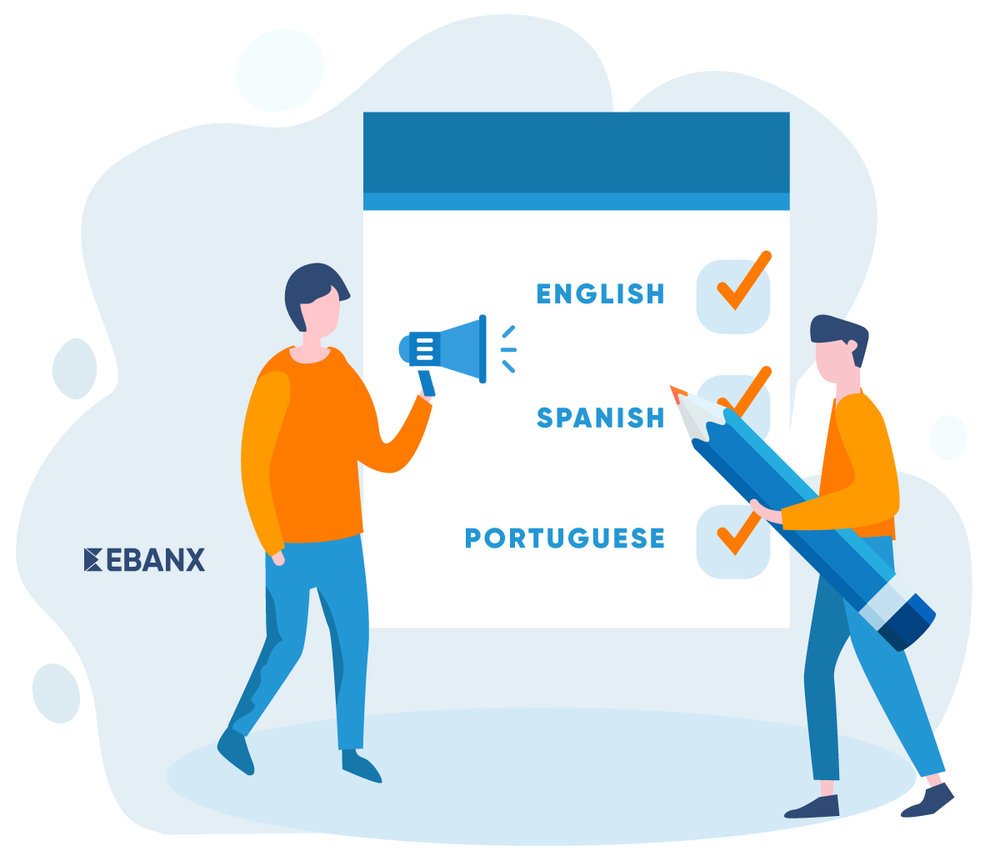
Sometimes, adding full multilingual support adds immense complexity to your regular online store. This is why Shopify has developed language apps and themes that can make the process easier and smoother.
Here are some of the best multilingual apps available for Shopify:
- Langify App
- Panda Language Translate
- EBANX Shopify App – Mixtore
- LangShop App
- Multi Lingo App
- Weglot Translate
Each app has its own features, charges, and specialties. So, choose the most suitable one for your ecommerce store and reach the Latin American ecommerce market with ease.
Display multi-currency prices
User experience is highly valuable in ecommerce stores. One single click can drive potential customers away. Product prices shown in a currency other than your customer’s means that they will have to calculate how much the amount represents in their local currency. The whole process can scare visitors off, since they won’t be able to instantly determine if a purchase fits into their budget or not – estimates don’t always come easily since exchange rates can fluctuate a lot. This uncertainty will eventually increase cart abandonment rate.
If you are planning to target Latin America, you really need to display prices in local currencies: in Real (BRL) in Brazil, Mexican Peso (MXN) in Mexico, Argentinian Peso (ARS) in Argentina, Colombian Peso (COP) in Colombia, and so on.

Shopify allows you to display your products in different currencies with the help of multi-currency converter apps. Here are some of the best ones:
- BEST Currency Converter
- Auto Currency Switcher
- Coin
- Currency Converter Plus
Before you choose any app, it is recommended to do some research and choose the best one according to your needs and specifications.
Provide payment options with which people are used to
When it comes to selling efficiently in Latin America, you need to consider local payment methods as well. Even when buying online, Latin Americans often like to pay with offline payment methods, such as cash vouchers, which are very popular in the region. When you consider that 49 percent of the Latin American adult population is unbanked, and has no access to financial products such as a credit card whatsoever, it is possible to understand the immense importance of cash payment options in the region.
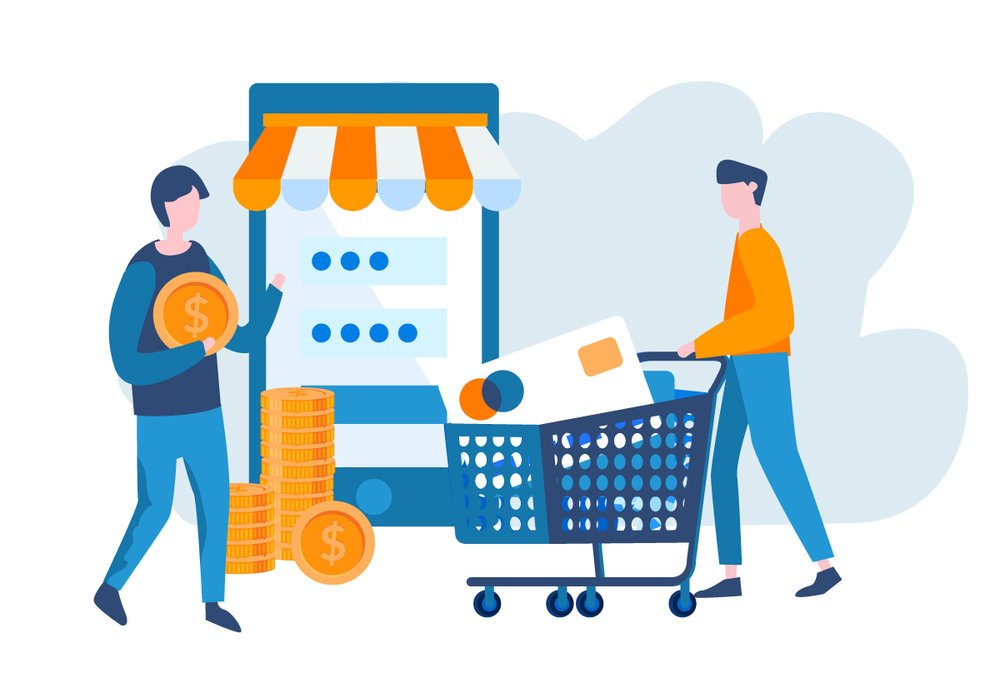
Brazilians, for instance, use a voucher payment method called Boleto Bancário to pay from utility bills such as water and electricity to online purchases, either by going to an authorized place to pay it with cash, or by using internet banking. People from all around Mexico know, trust and use the OXXO voucher, which allows them to pay for online purchases at a convenience store, using cash.
Domestic credit and debit cards, that cannot process foreign currencies, are also used by many Latin Americans.
However, shopping transactions outside the region can make payment processing more complicated. Authorization rates decline with various bank requirements and processes with direct credit and debit card payments. Using international payment gateways can resolve this problem.
Latin Americans also pay through international payment gateways for online shopping and other digital transactions. International payment processors enable Canadian merchants to accept preferred payment methods without maintaining a relationship with financial institutions. They support e-commerce retail brands to boost sales by eliminating payment barriers for international shopping transactions.
With international payment gateways, Shopify store owners can scale quickly as they can accept local payment methods, collect taxes, and comply with domestic transaction laws. This seamless payment processing entices new customers and increases your store’s referral rate with the help of your existing customers.
By implementing multiple payment methods to your Shopify store, you will be able to reach all customers, including the ones that do not have an international credit card and the ones that simply prefer to pay with local payment methods. This will boost your online store’s conversion rates while winning consumers’ trust.
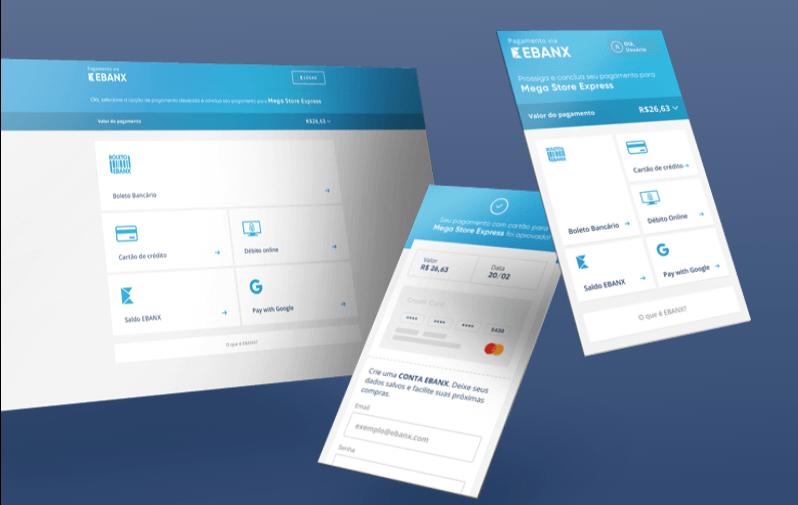
Mixtore powered by EBANX is a solution that allows Shopify online stores to offer Latin American local payment methods, making sale rates rise. Merchants that added the Mixtore local payment gateway in Brazil, for instance, experienced a sales growth of up to 3,000 percent in the country, by offering payment options such as Boleto Bancário for their Brazilian customers.
Shopify provides other third-party payment gateway integrations. Before you start selling in LaTam, discover the most suitable ones for your targeted audience.
Other Shopify hacks that will improve your conversions
Undoubtedly, Shopify is one of the best ecommerce platforms which allow to display multiple languages, currencies, and offer multiple local payments. It can help you put together a professionally-developed global online store. But, there are other hacks that can also help you establish your online store as a winner in the LaTam ecommerce market.
Here are some of the highly-recommended Shopify apps which must be considered by every Canadian merchant:
● Plug in SEO
Several approaches can help you drive traffic to your online store, but one of the best and long-term strategies by far is SEO (Search Engine Optimization). A well-planned SEO strategy can help your ecommerce website to be on top of the results of search engines such as Google, Bing, and Yahoo.
Plug in SEO is a widely-preferred Shopify app which works like a practical assistant, providing verdicts about what you can do to optimize your website for search engines. You can download and try this app for free for 14 days.
● Outfy
Outfy will help you promote your products to over 14 social media platforms from a single place. Facebook, Twitter, Instagram, and Pinterest are some of these social media. It also allows you to schedule your posts in advance and get all the insights about the traffic and conversions, increasing your productivity.
● Tidio Live Chat
When you are dealing with multiple countries, you need to be available 24/7 to answer customer queries. Tidio Live Chat works like a window in your ecommerce page, providing a channel to communicate fast with your customers. You can also connect it to your mobile phone to quickly respond to your online buyers from anywhere and anytime.
● Oberlo
Oberlo allows you to add dropshipped products to your online store and ship them directly to your buyers. The app is specially designed for startups who work with importation and dropshipping. So, you can easily deal with Latin America and improve your ecommerce business without sourcing the products. Oberlo also makes it easy to track your orders while automating order management.
Wrapping it all up, a multi-language website coupled with multi-currency prices and multiple payment gateways, great chat support and other exciting features can help enhance your Shopify online store. Hopefully, all those tips mentioned above will contribute to your global sales strategy and increase sales in Latin America.

Nicholas Ghitti is a sales and payments specialist with deep knowledge and proven track record on the Latin American market. He already developed and managed inside sales strategies for great Latin American tech companies, besides being a mentor for startups at InovAtiva Brasil. Ghitti is the head of Inside Sales at EBANX, a global fintech headquartered in Brazil that helps international merchants to increase online sales to the Latin American ecommerce market, by offering end-to-end Latin American local payment solutions. EBANX also provides marketing consultancy to its merchants and a 24/7 local customer support team, ready to answer all questions of its merchants’ clients – in their own language. Differentiations like these elevate EBANX to a complete market entry solution.